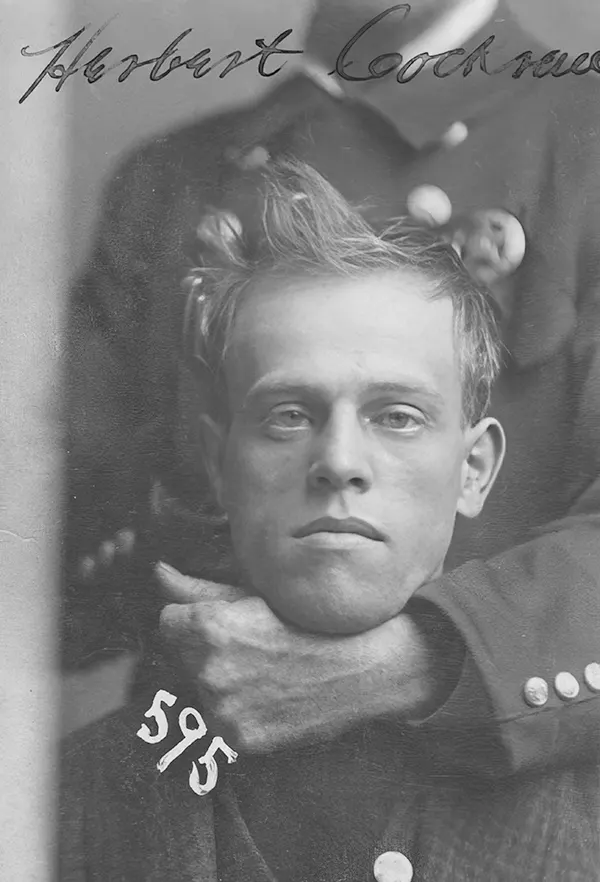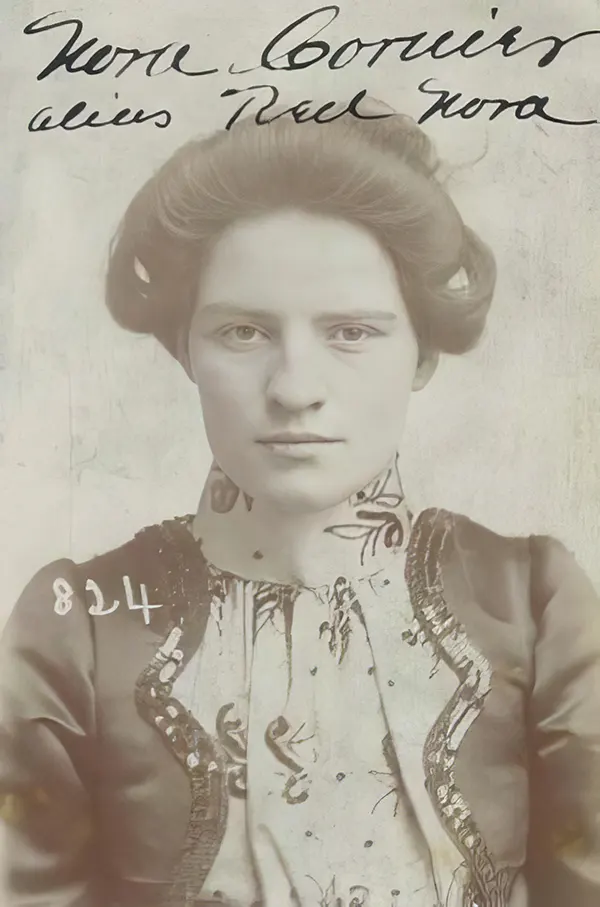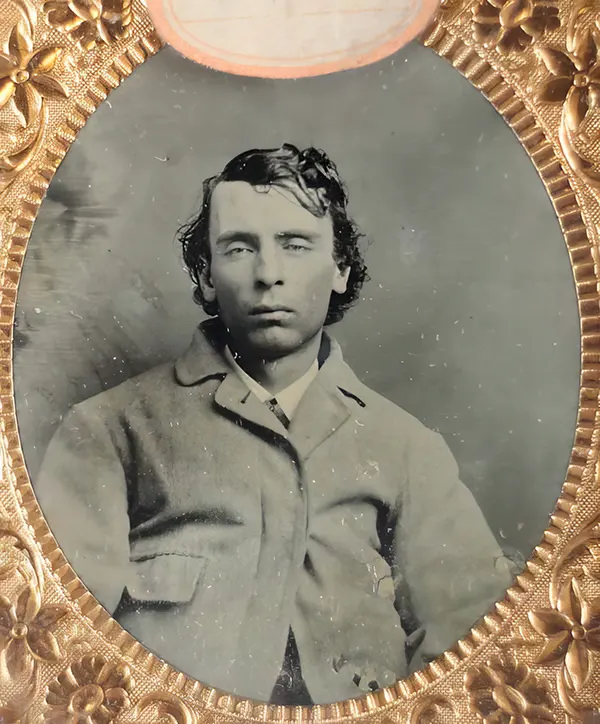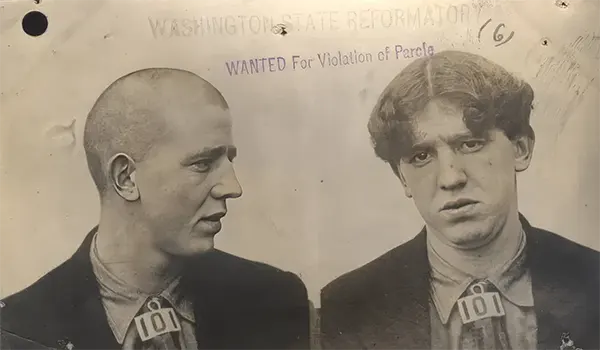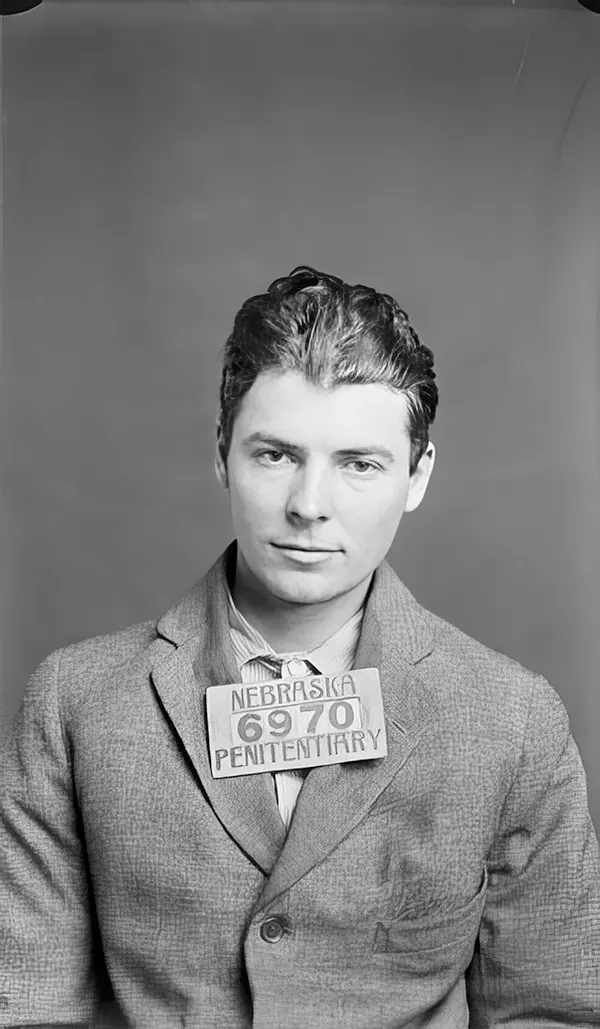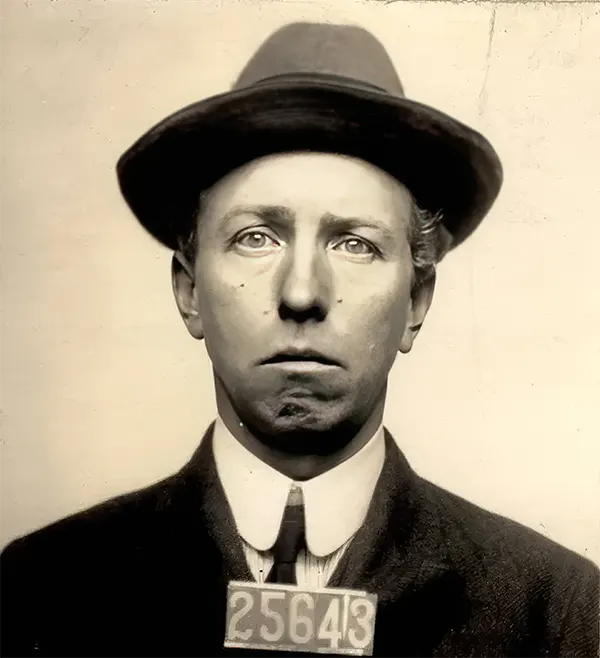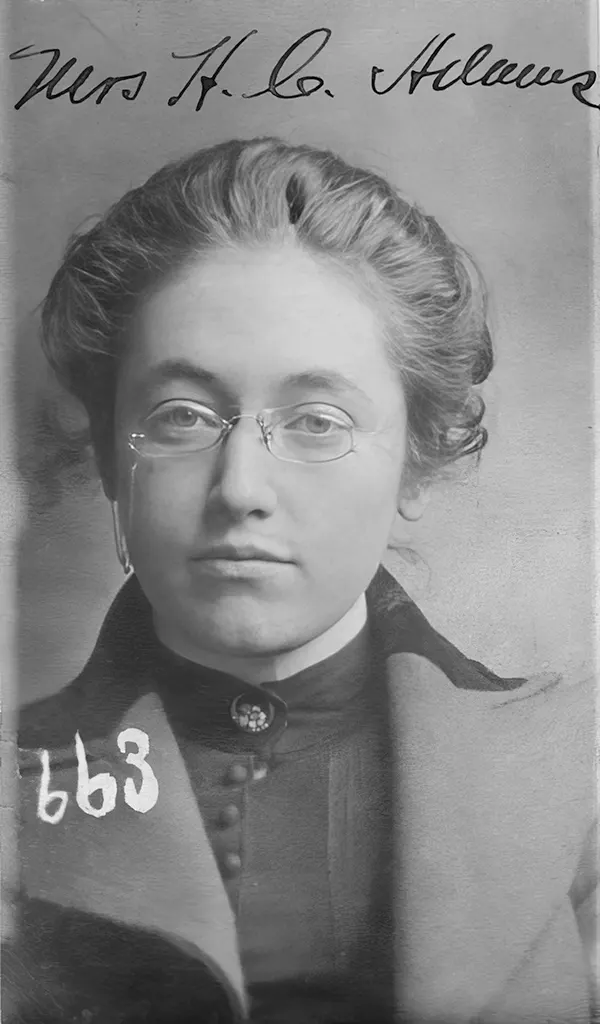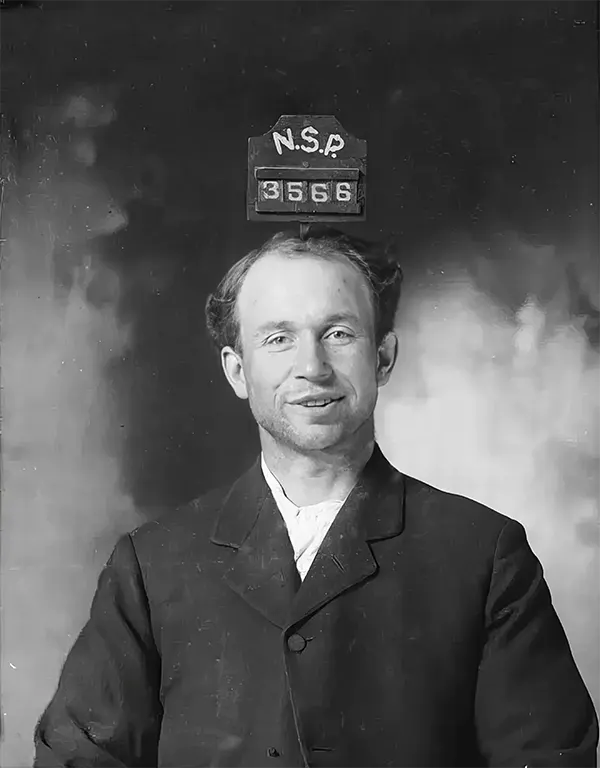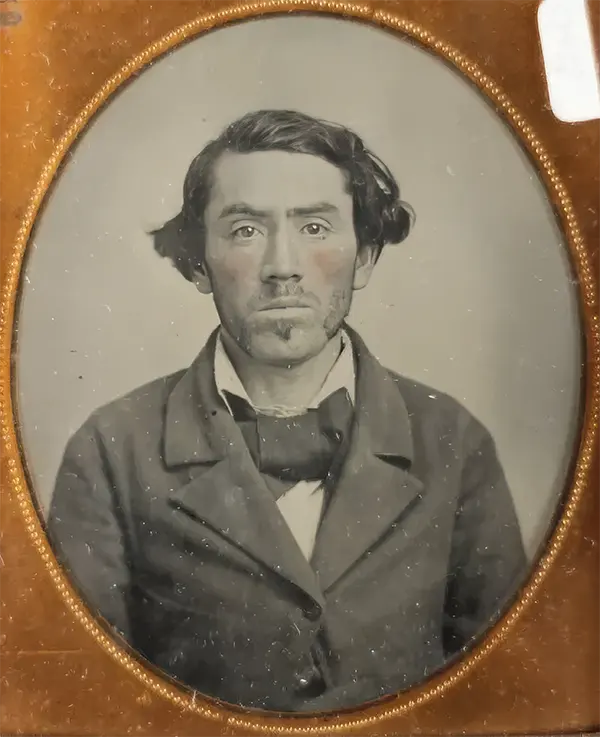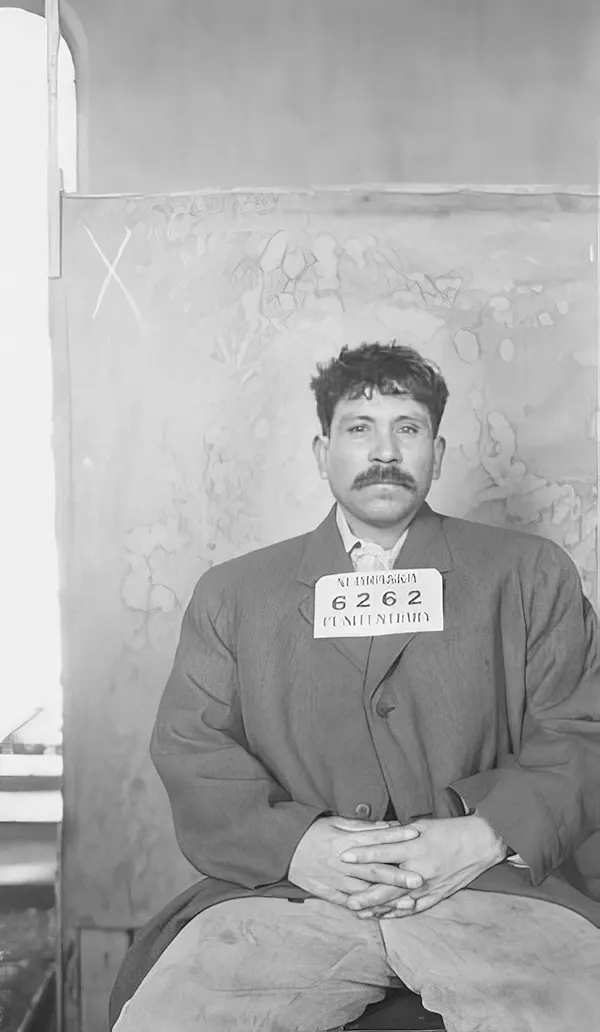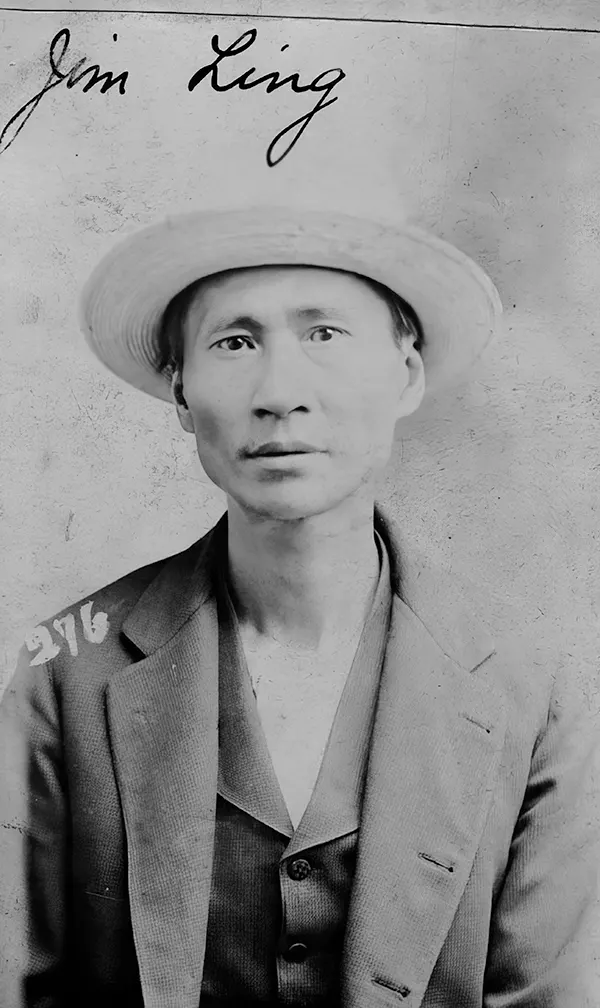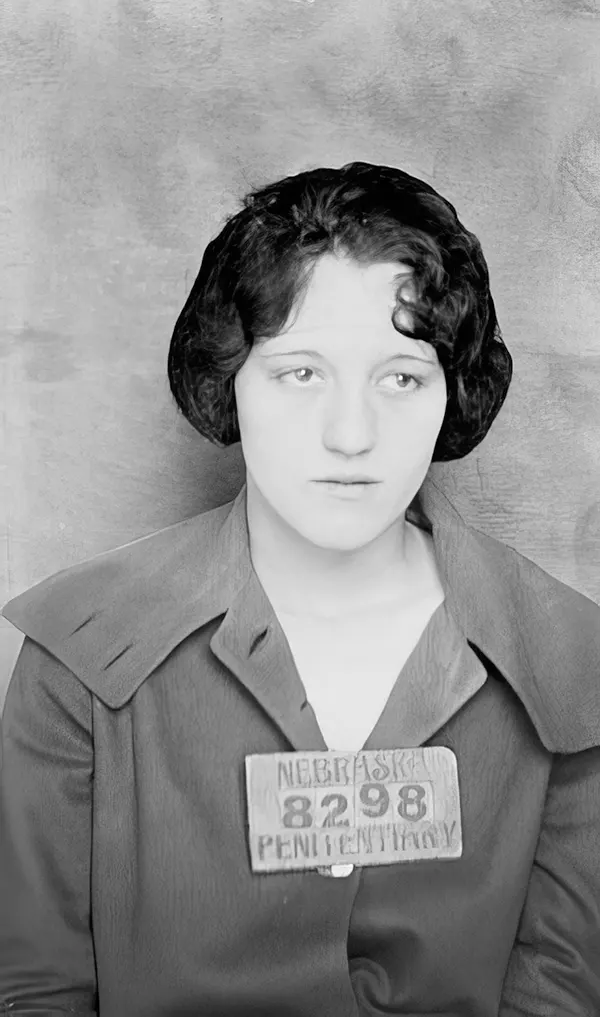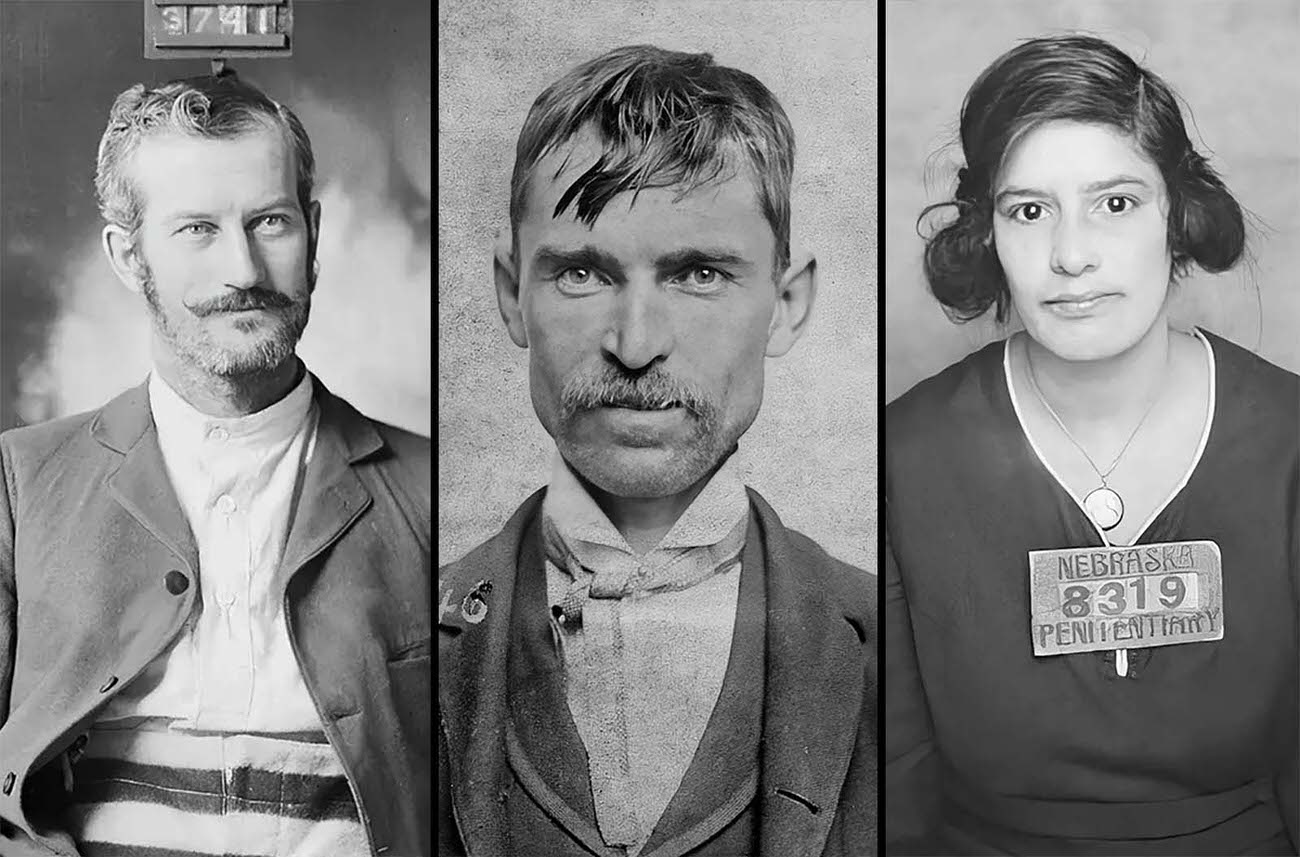
Before cameras, police described criminals with handwritten notes and rough sketches. Those records were unreliable and easy to dispute. When photography arrived, everything changed. The idea of photographing prisoners started in Belgium in the 1840s, when police began taking pictures of inmates to identify them if they reoffended. By 1857, New York police were displaying suspect photos in public galleries, asking ordinary citizens to help identify known criminals. By the 1860s, mugshots appeared regularly on wanted posters across America.
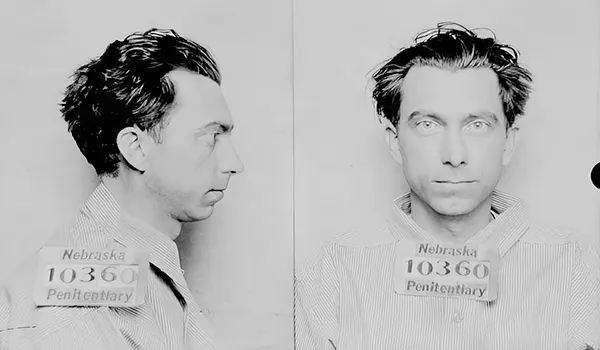
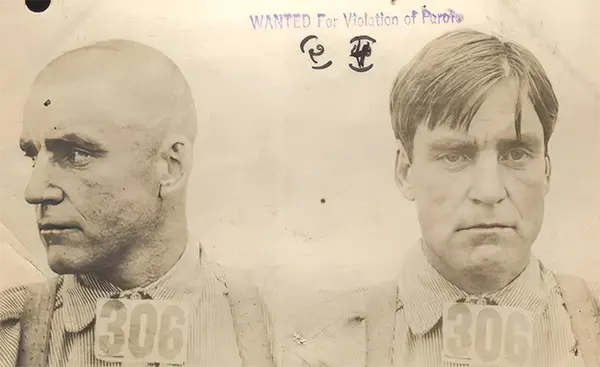
The format we recognize today — front view and side profile shot together — was not standardized until 1888. French police officer Alphonse Bertillon introduced that dual-view system, giving law enforcement a far more reliable way to document and identify suspects. It quickly became the worldwide standard.
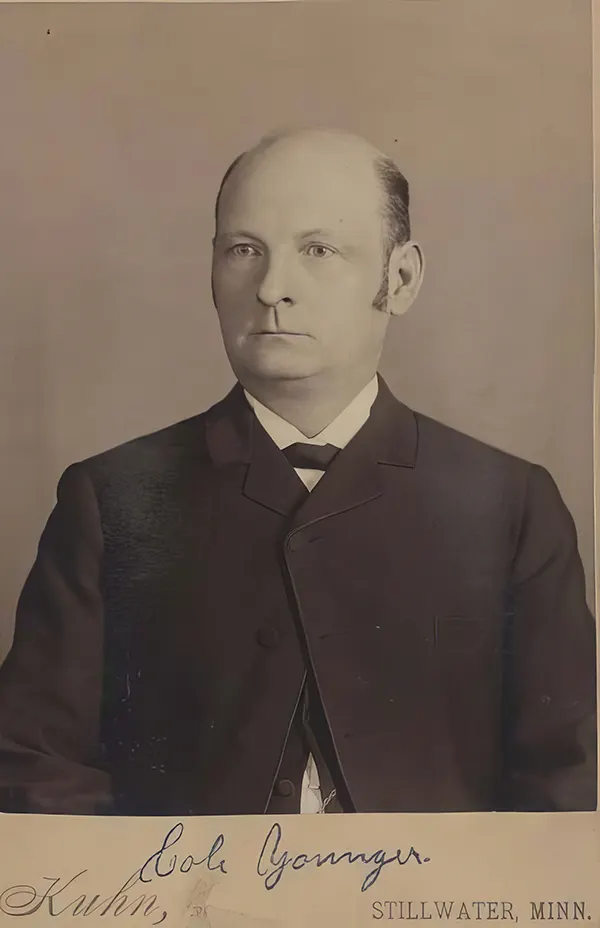
The Wild West era produced some of the most notorious criminals in American history. Among the most feared were the Younger brothers — Cole, Bob, and Jim — who robbed banks and trains across Missouri, Texas, and surrounding states. Their boldness and ability to evade capture made them legends on the frontier.
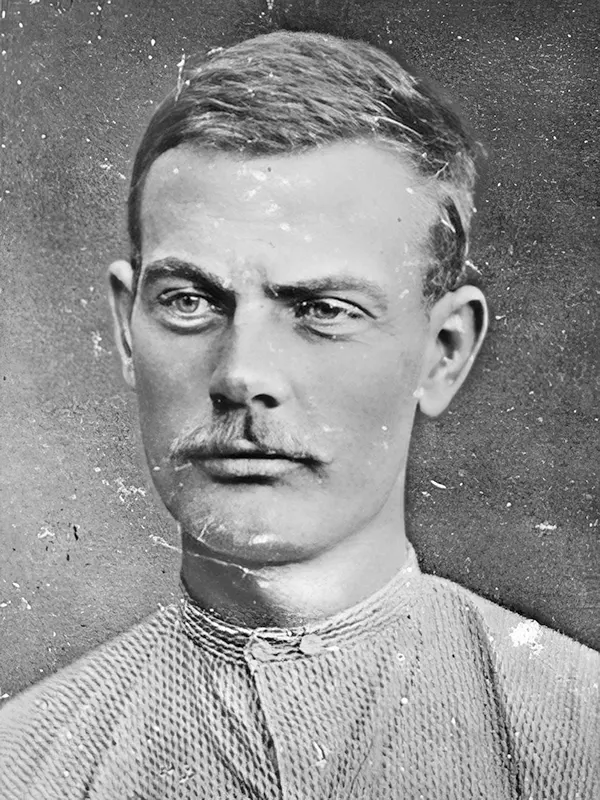
The Younger brothers eventually joined forces with Frank and Jesse James to form the James-Younger Gang. Jesse James, the group’s public face, wrote letters to newspapers portraying the gang as Robin Hood figures who robbed the rich to aid the poor. That image won them sympathy in some corners, but the reality was far more brutal. Their run ended in September 1876 during a botched bank robbery in Northfield, Minnesota, where armed townspeople fought back. Frank and Jesse escaped, but the Younger brothers were tracked down and captured in nearby woods.
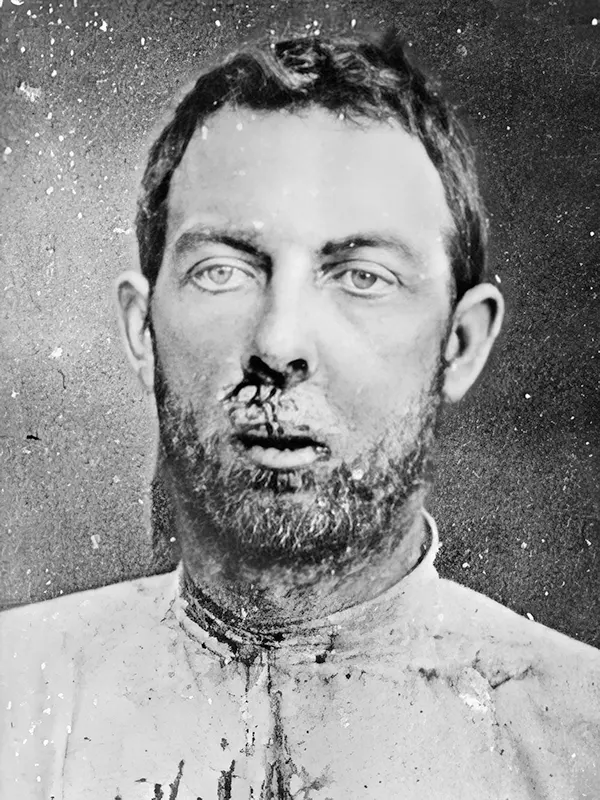
Jesse James himself was shot dead in 1882, betrayed by Robert Ford, a member of his own gang. Jesse had been a Confederate guerrilla during the Civil War before turning to crime full-time after the war ended. His years of evading capture only deepened his mythological status. But the myth and the man were very different things.
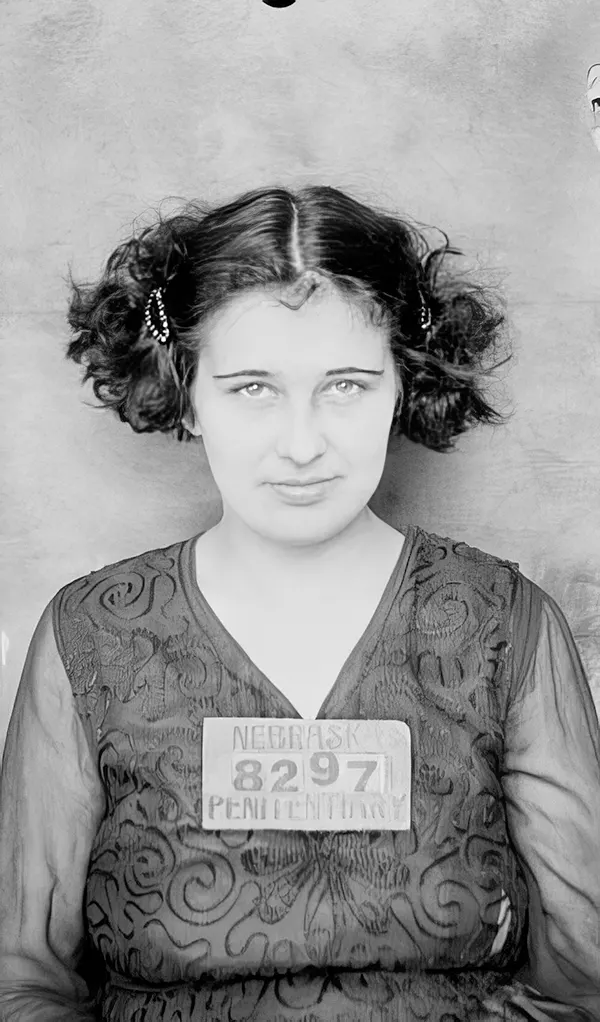
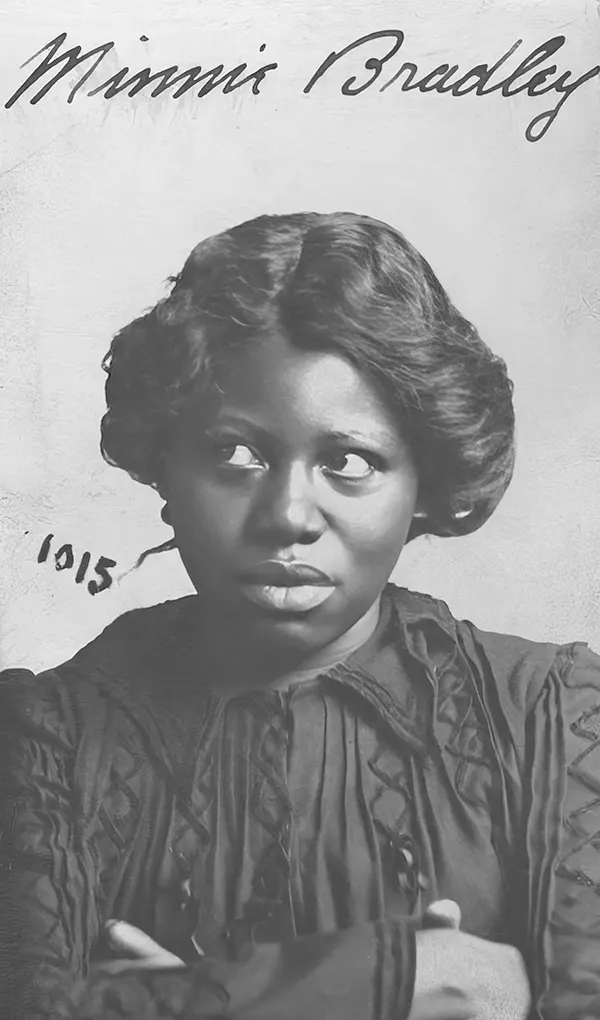
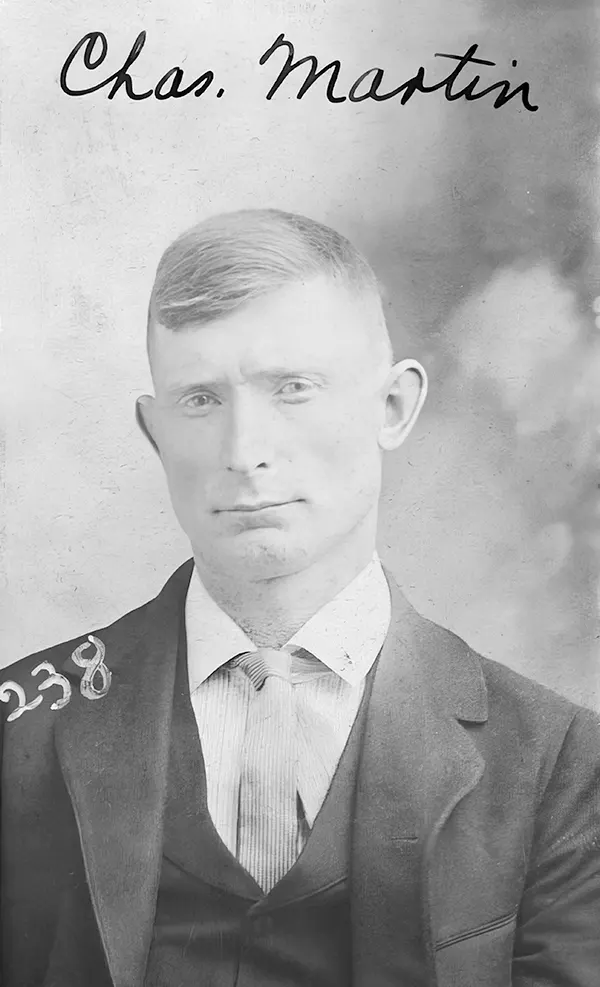
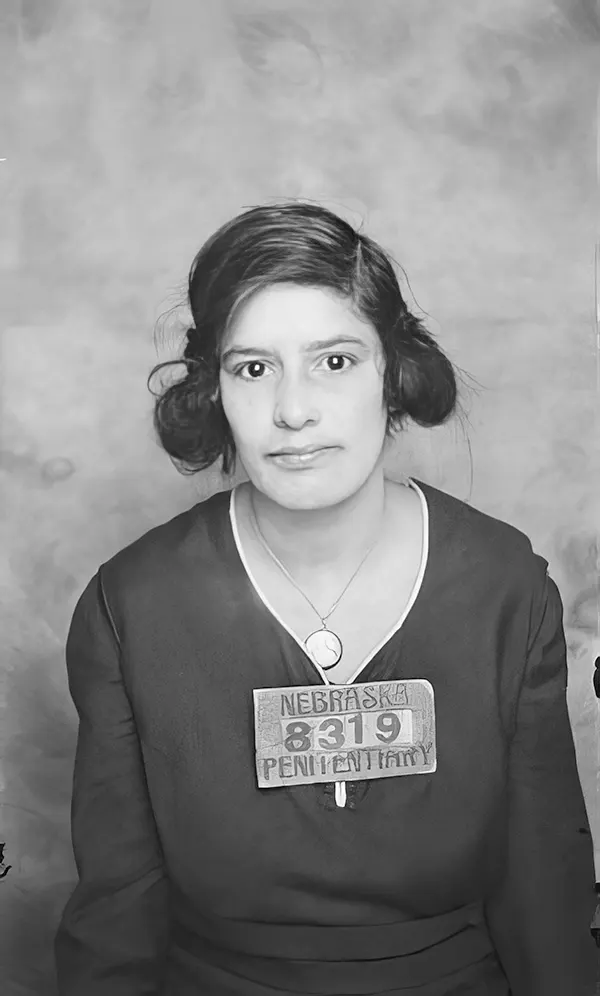
Not every criminal from this era made headlines. Many of the mugshots that survive document everyday frontier crimes — horse theft, pickpocketing, burglary, and fraud. These photographs are just as revealing as the famous ones.
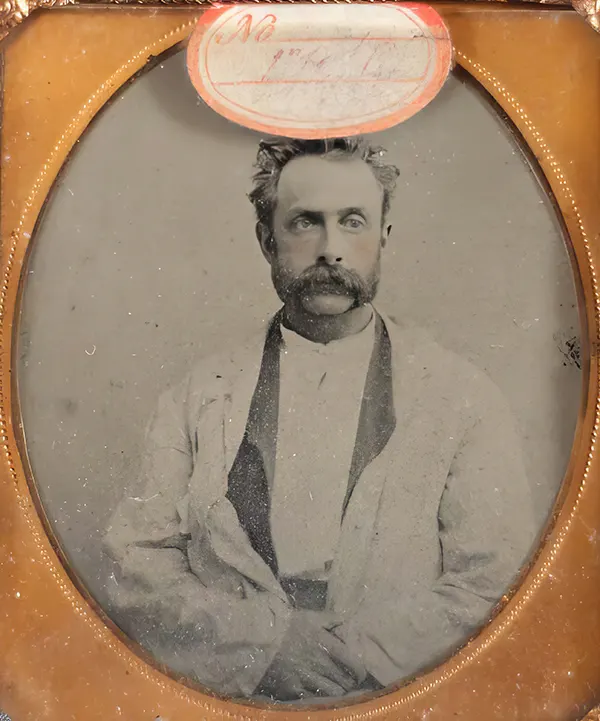
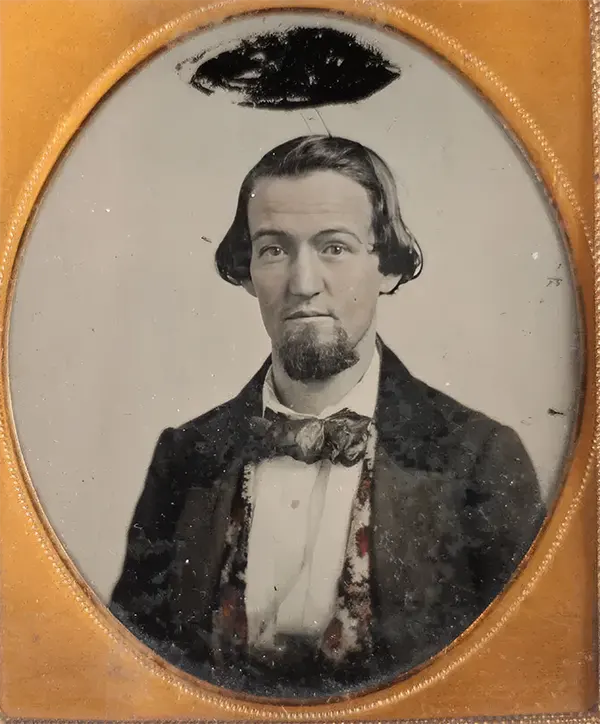
Women also appeared in the criminal record books of the Wild West. Their crimes ranged from pickpocketing to violence, and their mugshots are among the rarest surviving documents from the era.
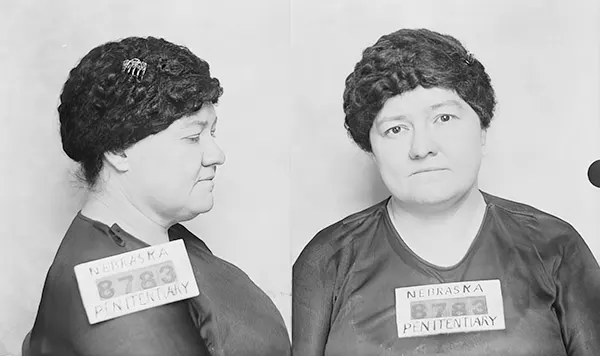
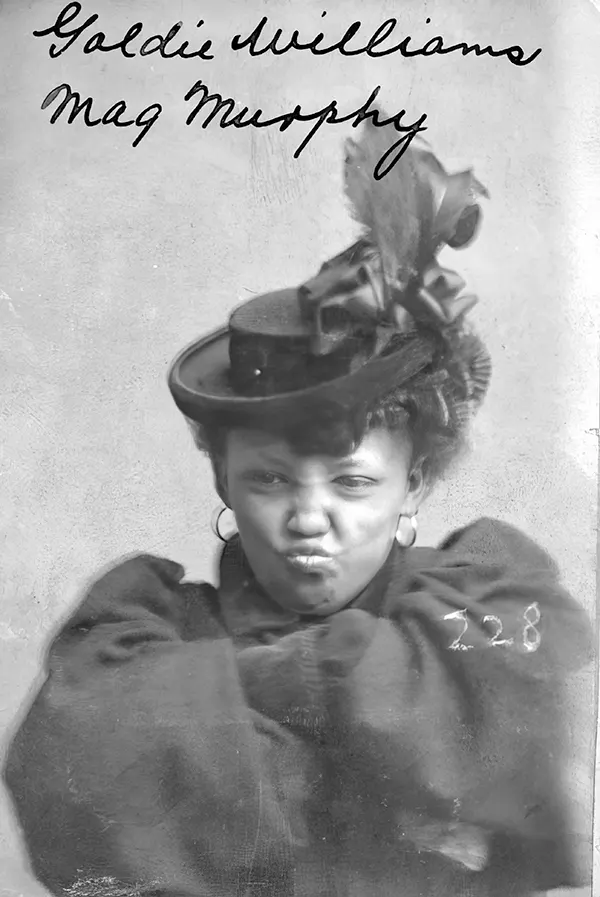
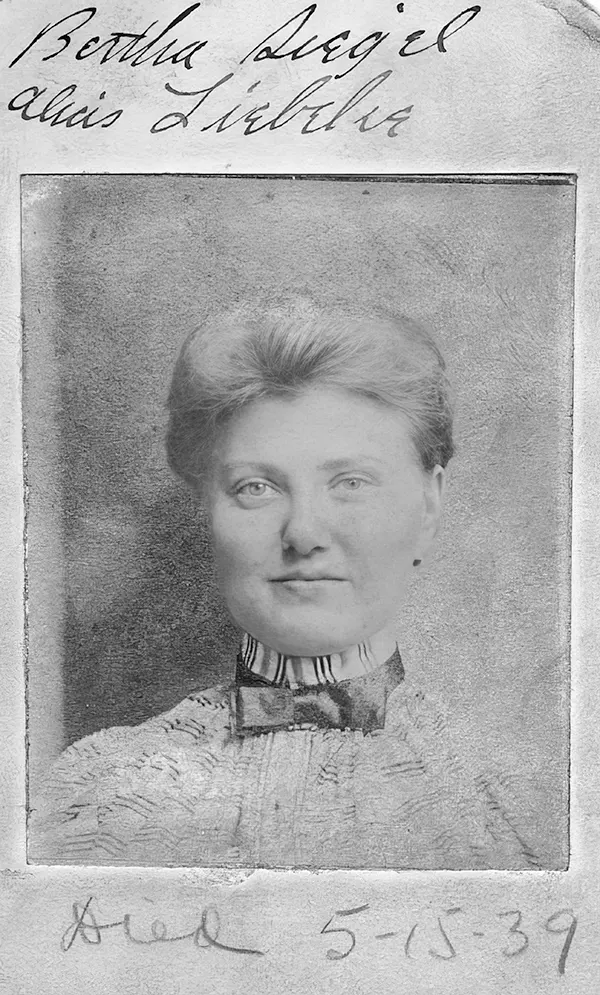
Bertha Liebbeke developed one of the more creative methods of theft in the Midwest. She targeted well-dressed men wearing diamond-studded lapel pins, stumbling into them and pretending to faint, then using the moment of contact to pick their pockets. The trick earned her the nickname “Fainting Bertha” before police caught up with her in 1903.
Some outlaws became famous enough to define an entire era. Butch Cassidy — born Robert LeRoy Parker — was one of the most successful gang leaders of the period. Wyoming authorities arrested him for horse theft in 1894 and took his mugshot. At that point, his most dangerous crimes were still ahead of him.
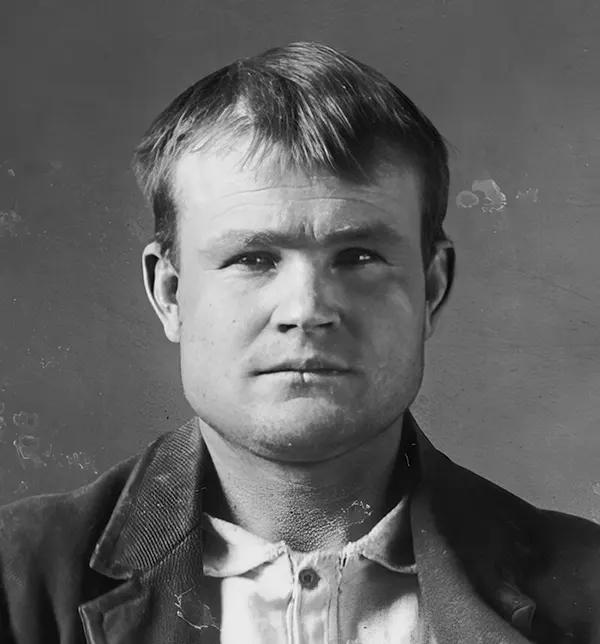
After his release, Cassidy formed the Wild Bunch, recruited the Sundance Kid, and led one of the most successful strings of bank and train robberies in the West. He and the Sundance Kid eventually fled to Bolivia, where they were killed in a shootout with local authorities.
The Dalton Gang was another family operation that left a bloody trail across the frontier. Emmett Dalton, the youngest of the Dalton brothers, survived a robbery gone wrong and lived to see the 20th century.
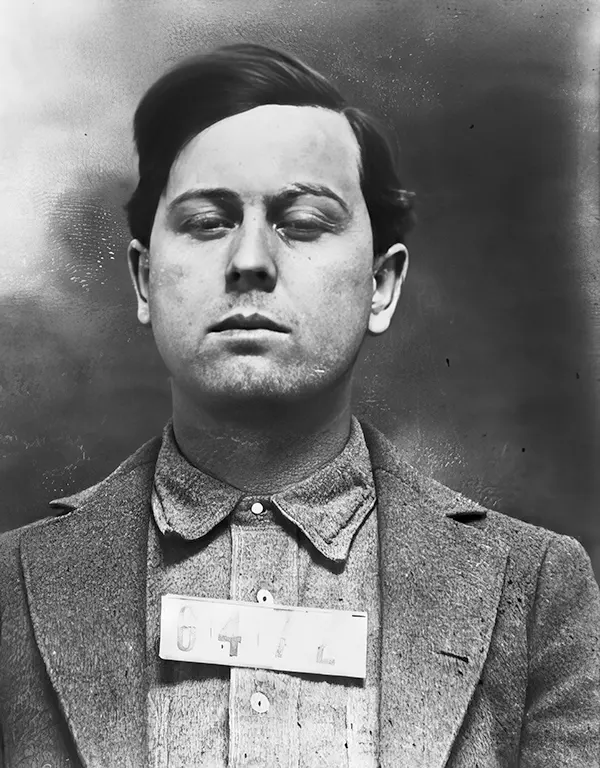
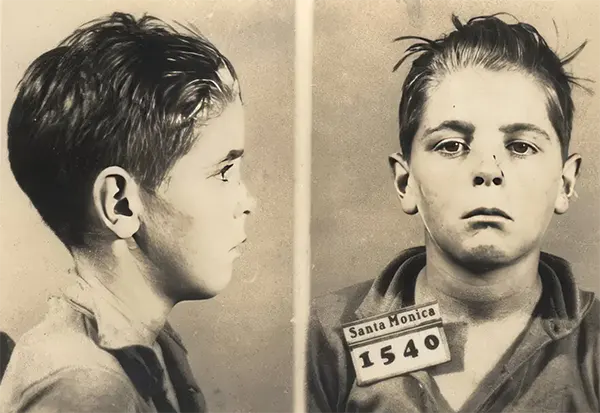
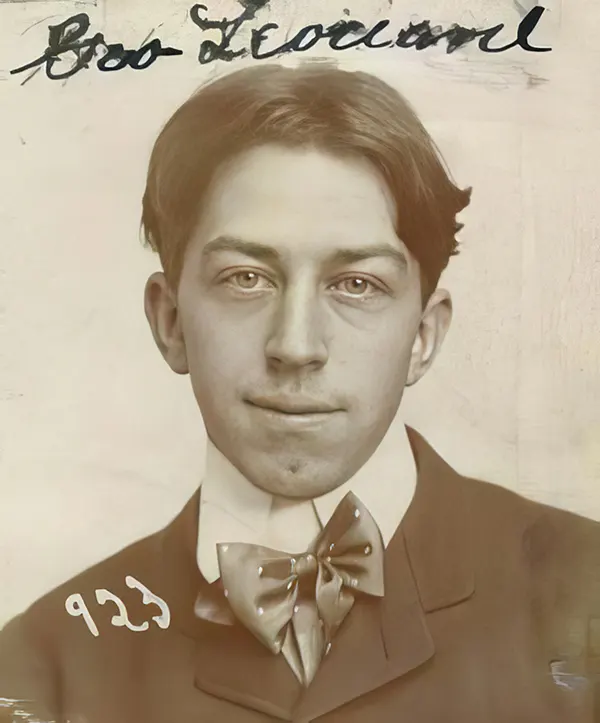
Some crimes in these mugshot archives were minor by any measure. Jake Vohland broke into a chicken house in March 1931, only to be caught by a homemade alarm system the owners had rigged. An 11-year-old boy was photographed after stealing a car. A bookkeeper named George Leonard was arrested on Christmas Eve in 1901 for burglary.

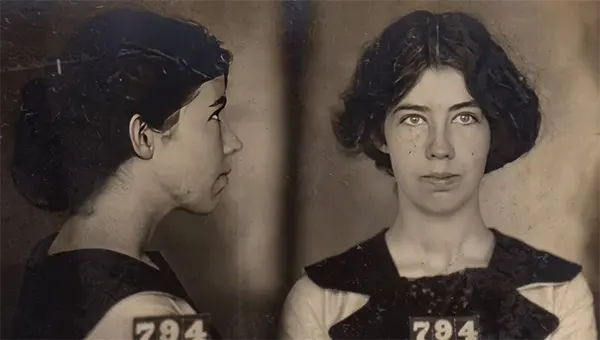
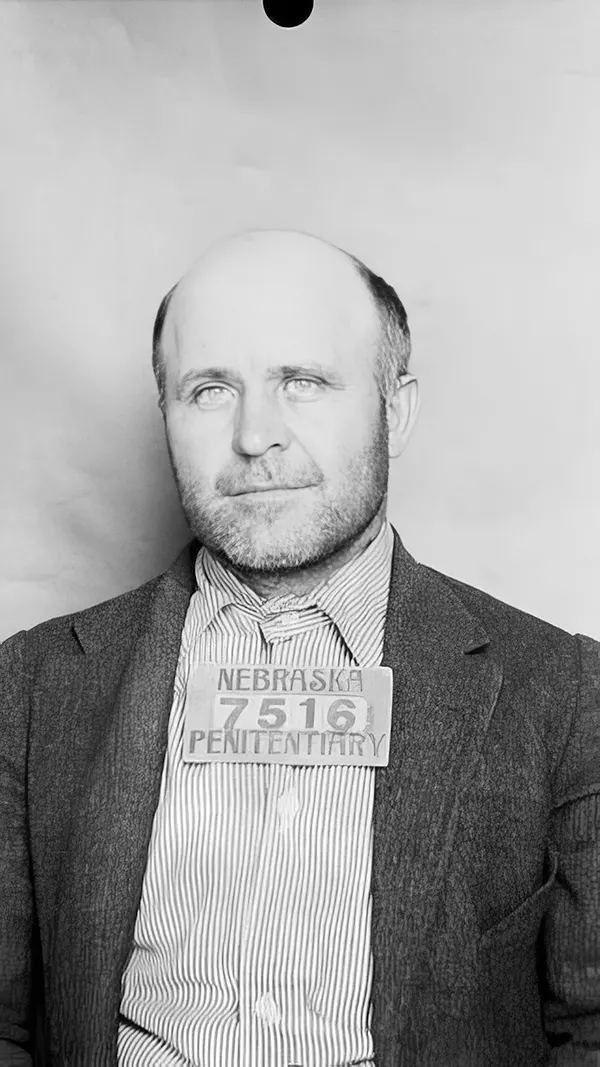
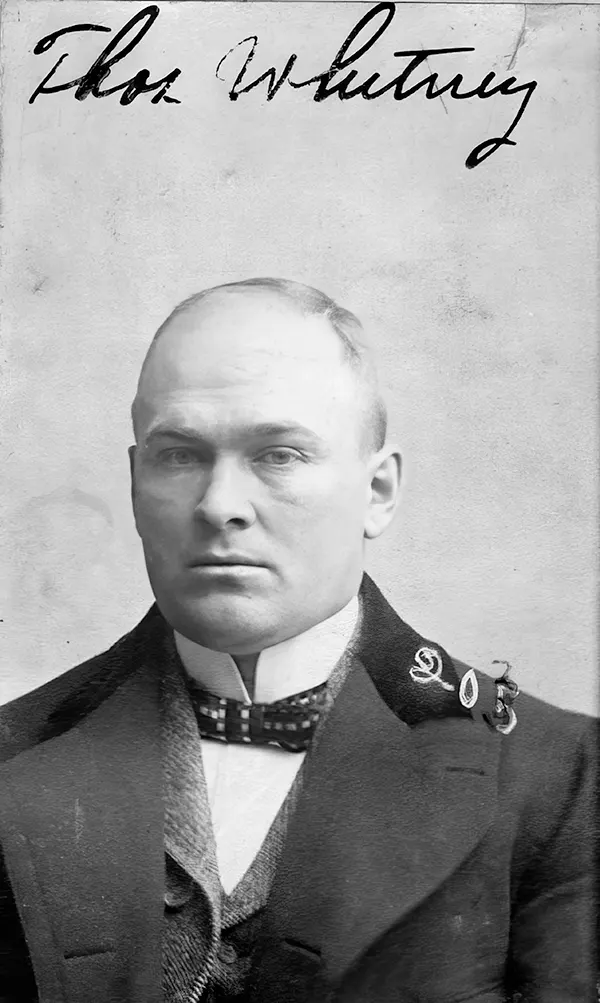
Labor protests, prohibition violations, and con artists all show up in the archive. Juanita McKamey, just 20 years old, was arrested in San Diego in 1912 for participating in a public labor protest. William Lee was arrested in Nebraska in 1919 for bootlegging after the state’s prohibition law took effect. Thomas Whitney advertised clairvoyance and palm reading in local newspapers until a dissatisfied customer reported him to police for collecting money under false pretenses.
J.P. Robinson ran a more calculated scam in Nebraska in 1901. He bought rounds of beer using Mexican dollars, which looked nearly identical to American coins but were worth less than half as much. It worked until it didn’t.
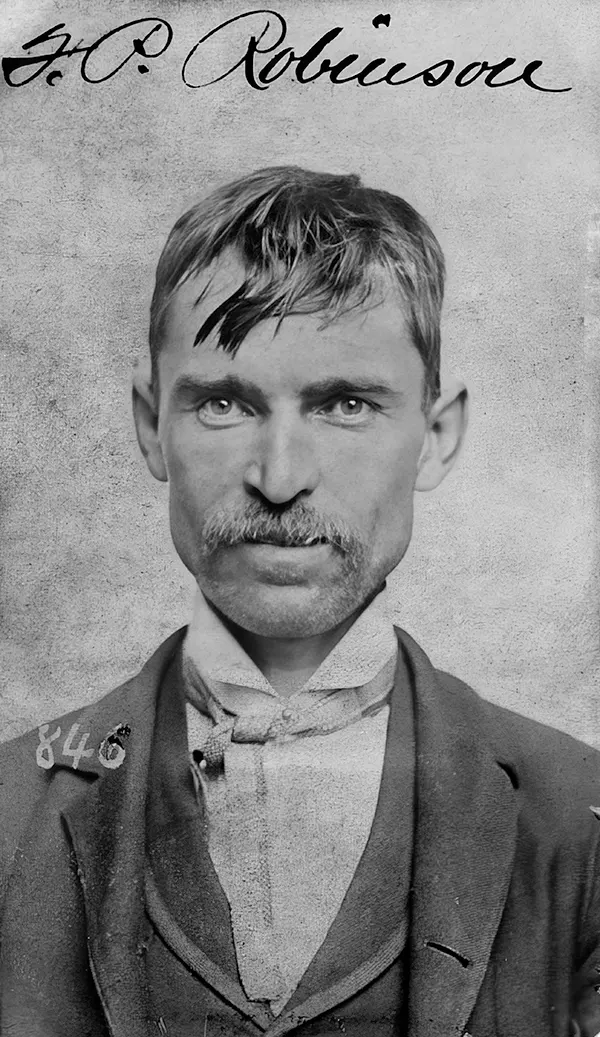
Murders also fill the pages of these records. Frank L. Dinsmore was arrested in 1899 for killing both his wife and their boarding house landlord in Buffalo County, Nebraska. Frank Carter, known as the “Omaha Sniper,” was arrested in February 1926 after being convicted of killing two men, though he confessed to 43 murders. His lawyers attempted an insanity defense, but he was executed a year after his arrest.
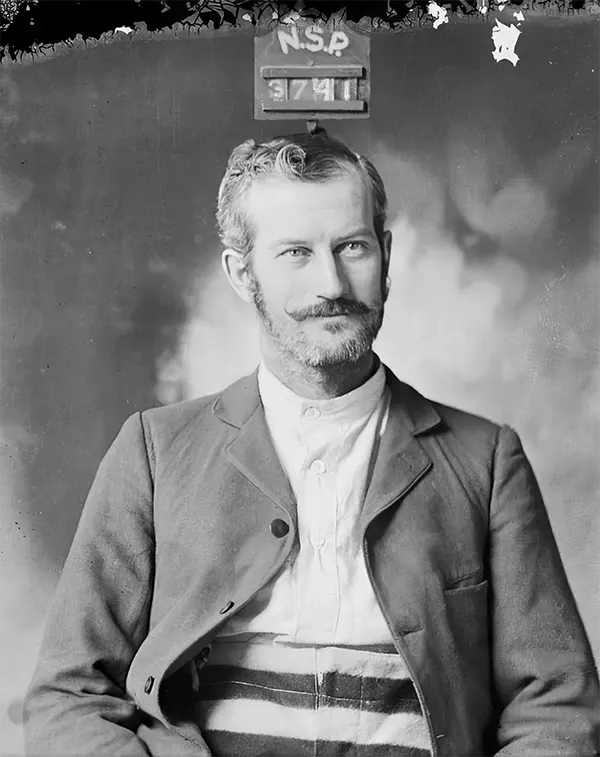
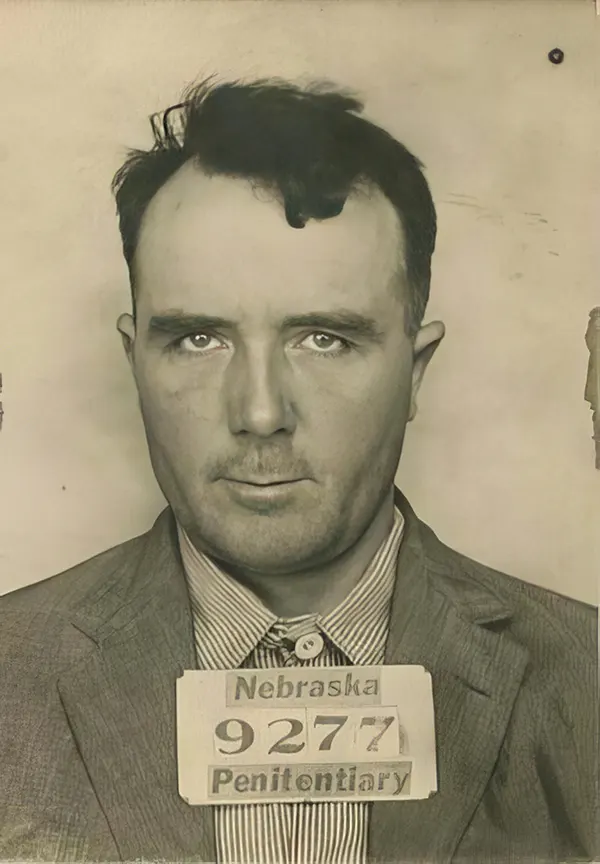
The prisons that held these criminals were brutal places. The Wyoming Frontier Prison, built in 1901, had no electricity and no indoor plumbing. Inmates were packed two to a cell just five feet wide. A strict no-talking rule was enforced. The prison also held a torture dungeon where guards beat and whipped inmates. It did not close until 1981, having processed roughly 13,500 prisoners over its history, including 11 women.
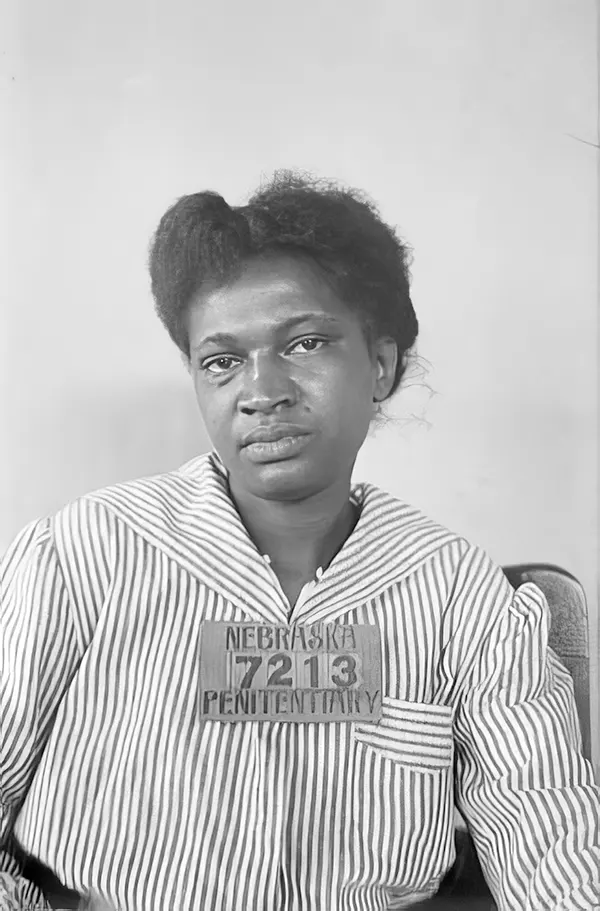
Escape attempts were not unheard of. Myrtle Hetrick and Ruby Fox broke out of Nebraska’s State Reformatory for Women together, fleeing in a car. Their mugshots remain in the archive as a record of their time inside.