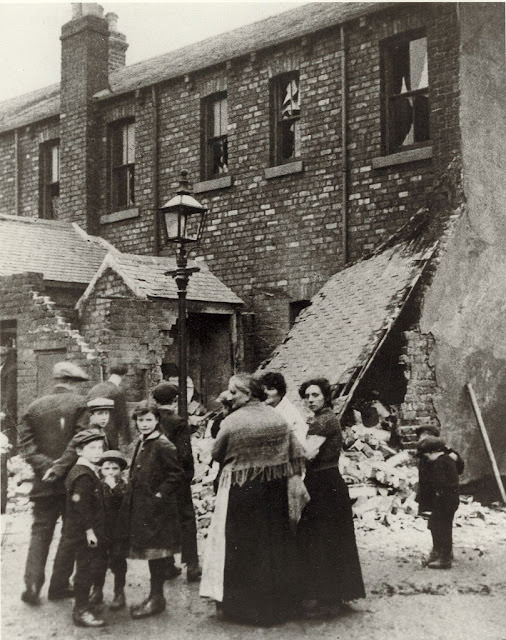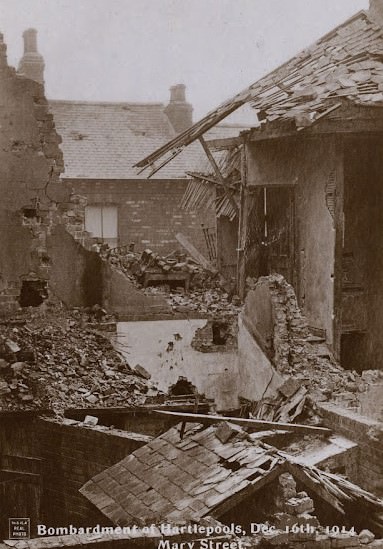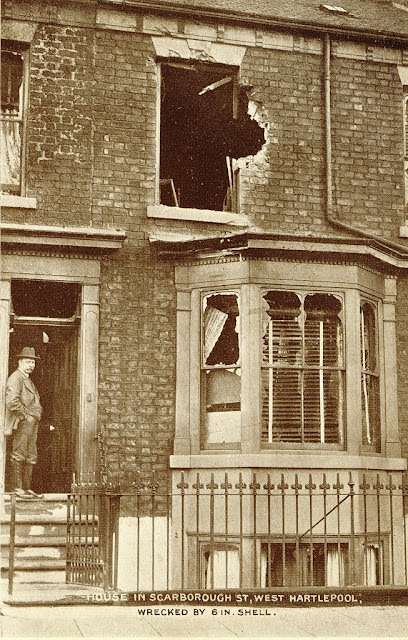
West Hartlepool in the 1910s was a hardworking port town on the northeastern coast of England. Its docks ran day and night, handling coal, timber, and cargo shipped across Britain and beyond. Shipyards lined the waterfront, where skilled workers built vessels by hand. The railway tied the town to the rest of the country, keeping trade moving at a steady pace.
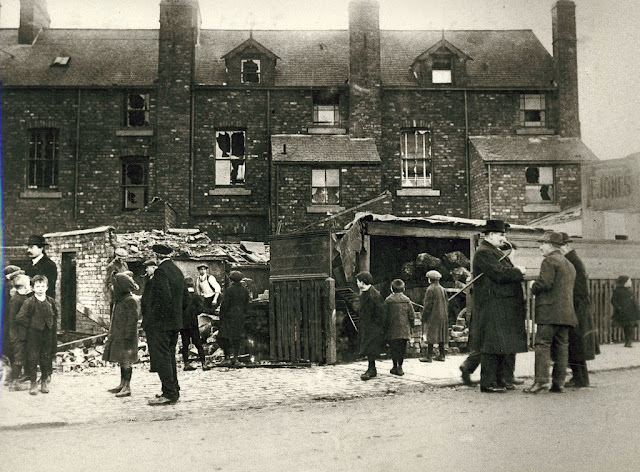
The streets of West Hartlepool told the story of everyday working-class life. Rows of terraced houses sat close together, home to families who relied on the docks and factories for their wages. Shops, pubs, and local markets gave people places to gather. The hours were long and the pay was often thin, but neighbors looked out for one another.
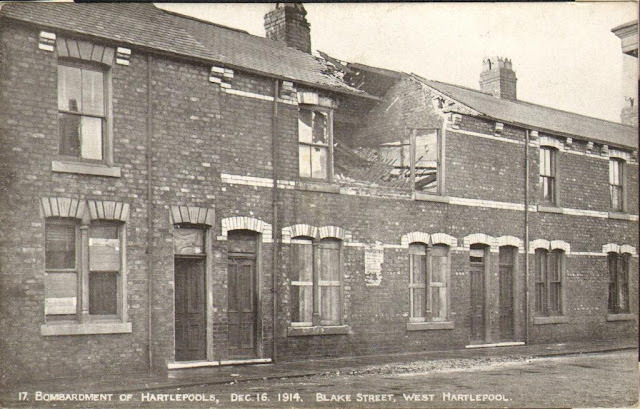
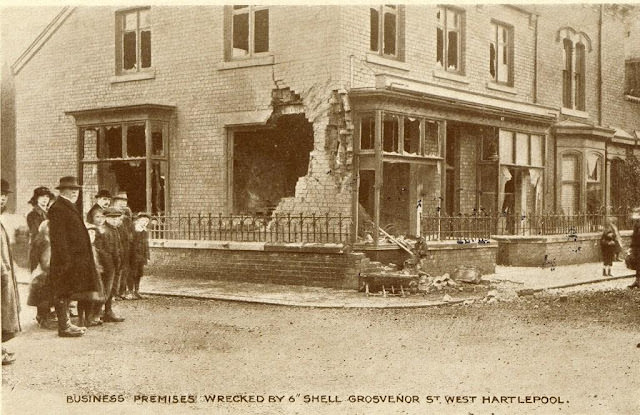
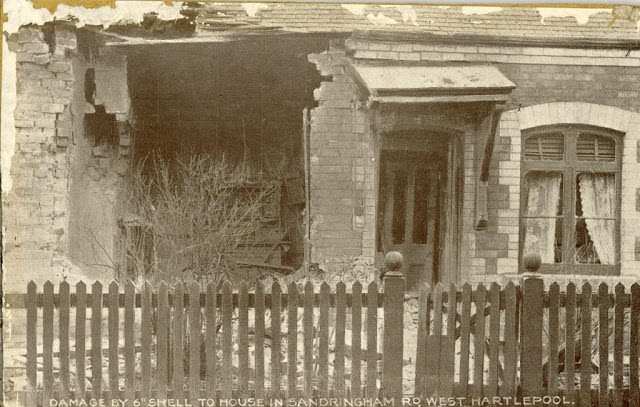
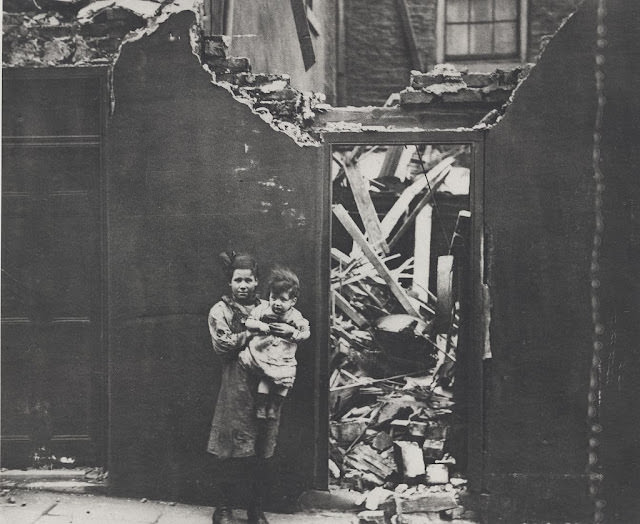
When World War I broke out in 1914, the town felt the impact immediately. Thousands of young men from these very streets enlisted and left for the front. Families were split apart, and many never reunited. West Hartlepool was also no stranger to direct danger — the town was shelled by German warships in December 1914, killing over 100 civilians in one of the first attacks on British soil during the war.
With men away at war, women stepped into roles they had never held before. They worked in factories, shipyards, and transport. They organized fundraising drives, staffed hospitals, and kept the town running. It was a sharp shift from pre-war life, and it reshaped the expectations placed on women across the decade.
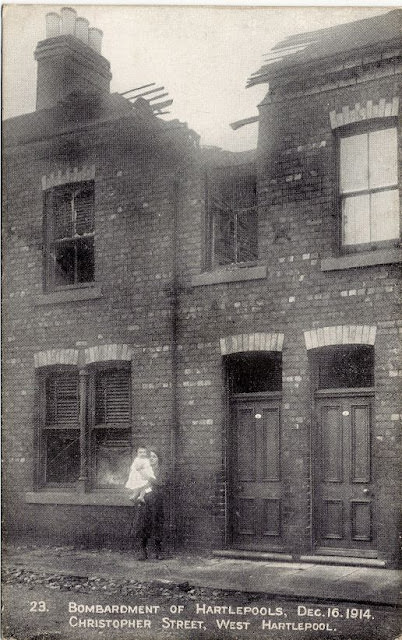
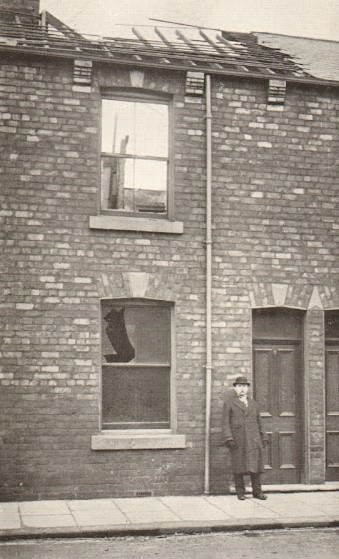
Residential streets like these were the backbone of the community. Children played outside, attended local schools, and grew up in tight-knit neighborhoods where everyone knew their neighbors. Theaters, music halls, and libraries offered a break from the pressures of the era, giving residents moments of culture and connection.