Hey There! Before You Go. 😧
Get the best vintage content straight into your inbox!

Don't worry, we don't spam

What Wales Looked like in the 1960s Through These Fascinating Photos

At the start of the 1960s, Wales had a population of over 2.5 million people. The country was in the middle of a long stretch of Labour dominance — from 1945 to 1966, the party held 32 of Wales’s 36 parliamentary constituencies. But that grip was beginning to loosen. The nationalist party Plaid Cymru was gaining ground, and in a landmark by-election in Carmarthen, it won its first-ever parliamentary seat, though it lost that seat again in 1970.
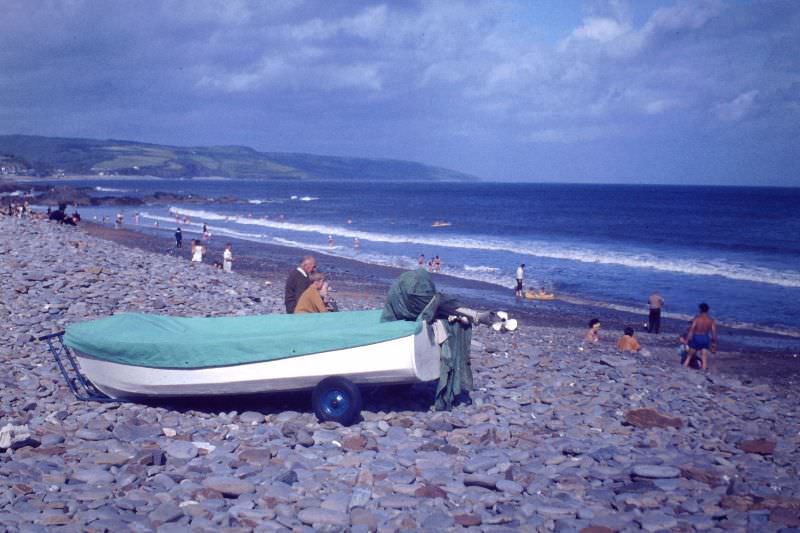
Wisemans Bridge, Pembrokeshire, 1960s

Along the Welsh coast, life carried on at a quieter pace. Pembrokeshire’s beaches and coves drew visitors each summer, offering a stark contrast to the industrial valleys further east. Places like Wisemans Bridge were small, unhurried, and largely unchanged from the decades before.
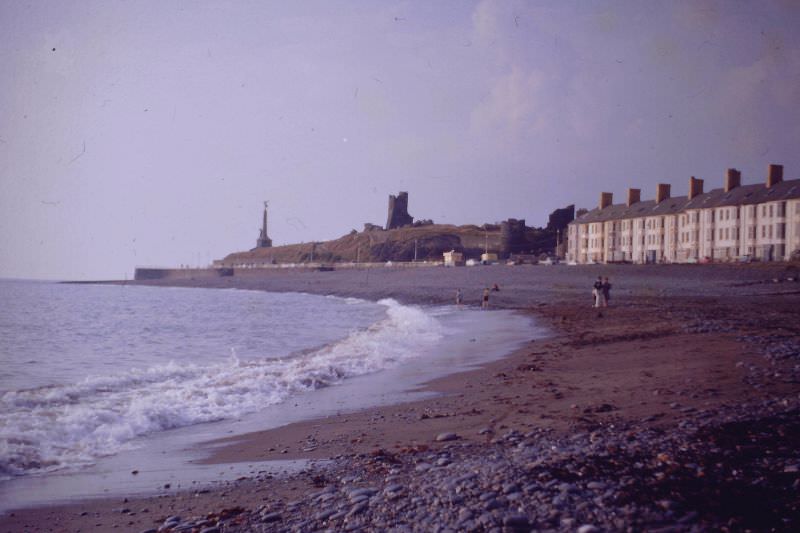
Aberystwyth, Cardiganshire, 1960s

Aberystwyth, the main town on the west coast of Wales, served as a hub for students, tourists, and locals alike. Its university, its seafront promenade, and its busy commercial streets made it one of the most recognisable towns in mid-Wales.
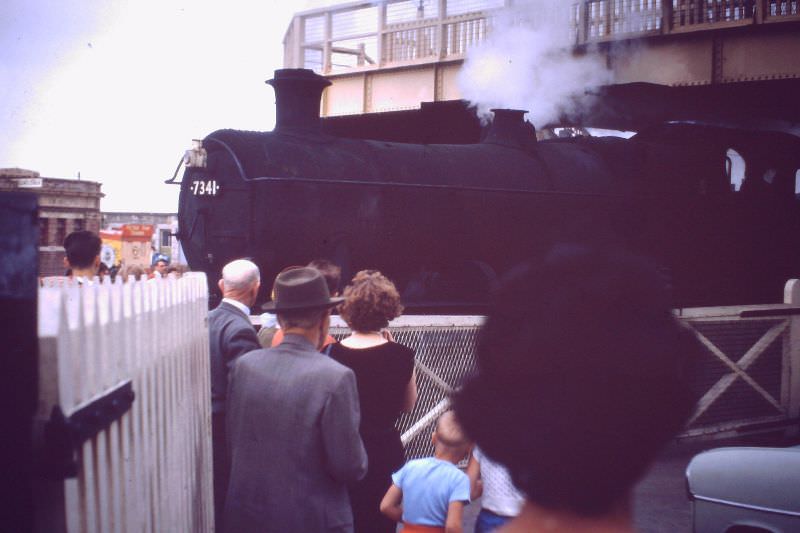
Barmouth, Merioneth, 1960s
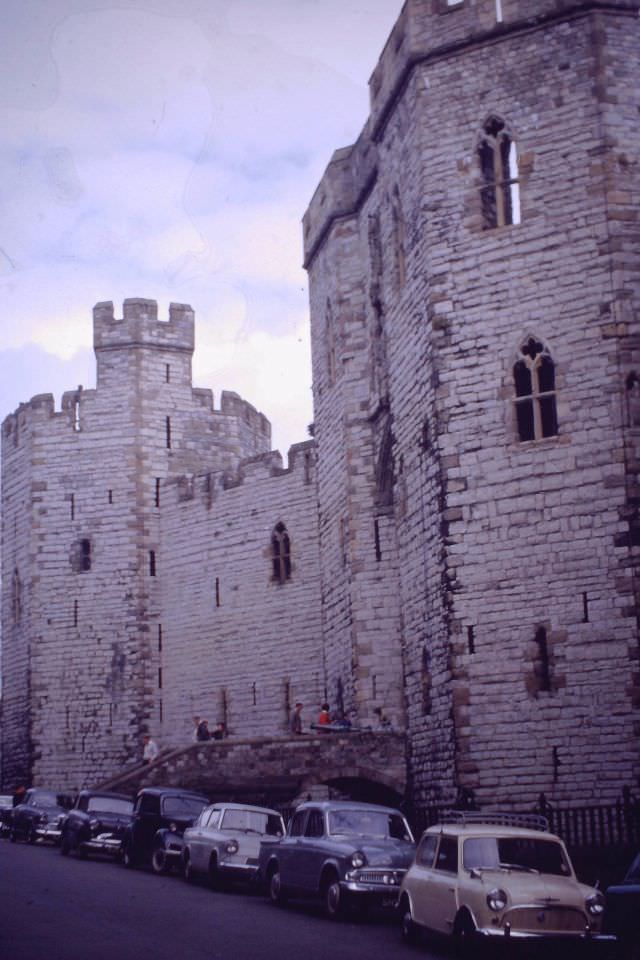
Caernarvon Castle, Caernarvonshire, 1960s

Caernarfon Castle stood as one of the most powerful symbols of Welsh history. Built by Edward I in the 13th century, it dominated the skyline of the town and continued to draw visitors throughout the decade. In 1969, it became the site of the investiture of Prince Charles as Prince of Wales — a ceremony that carried enormous political and cultural weight.
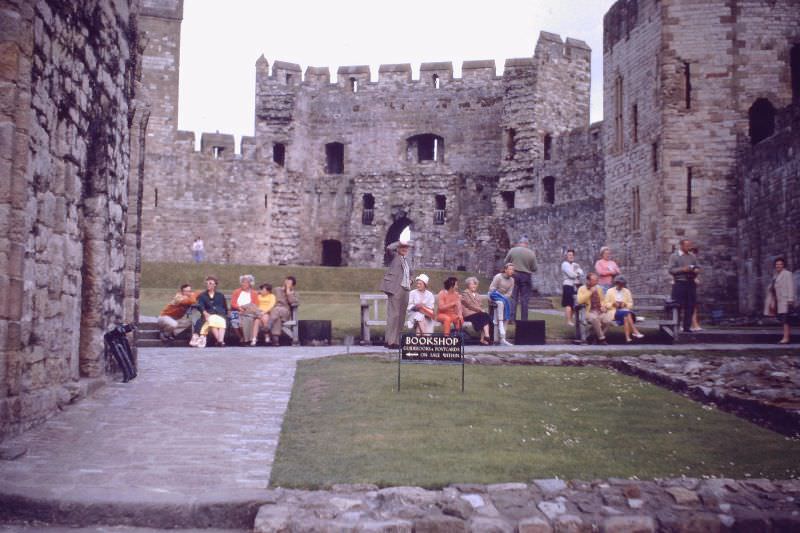
Caernarvon Castle, Caernarvonshire, 1960s
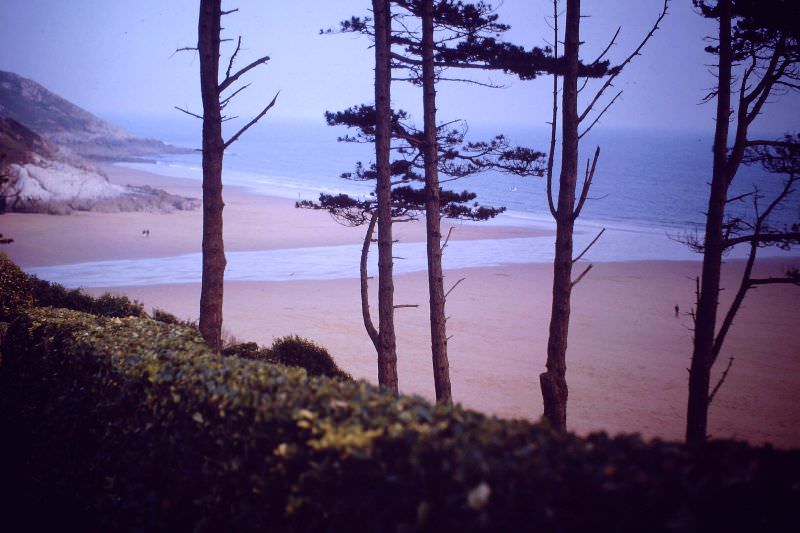
Caswell Bay, Gower Peninsular, Glamorgan, 1960s

The Gower Peninsula, just west of Swansea, became the first area in the United Kingdom to be designated an Area of Outstanding Natural Beauty, in 1956. By the 1960s, its beaches like Caswell Bay were popular destinations for day-trippers from South Wales’s industrial towns.
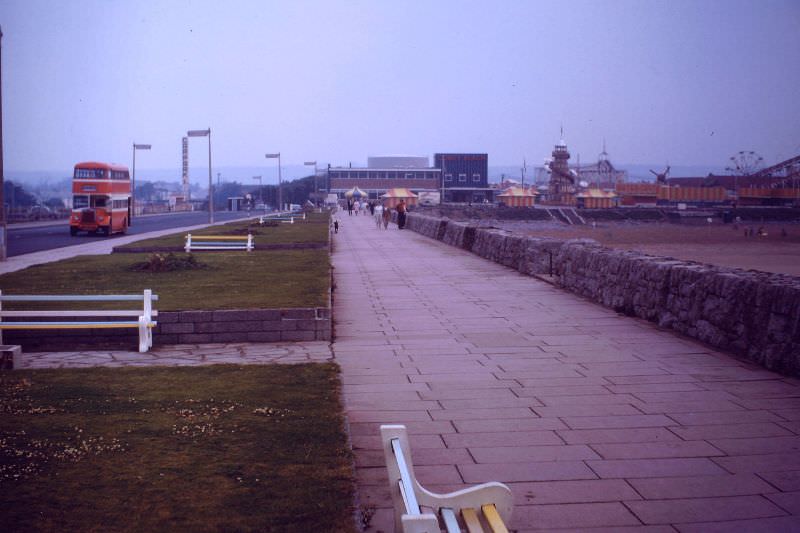
Coney Beach, Porthcawl, Glamorgan, 1960s
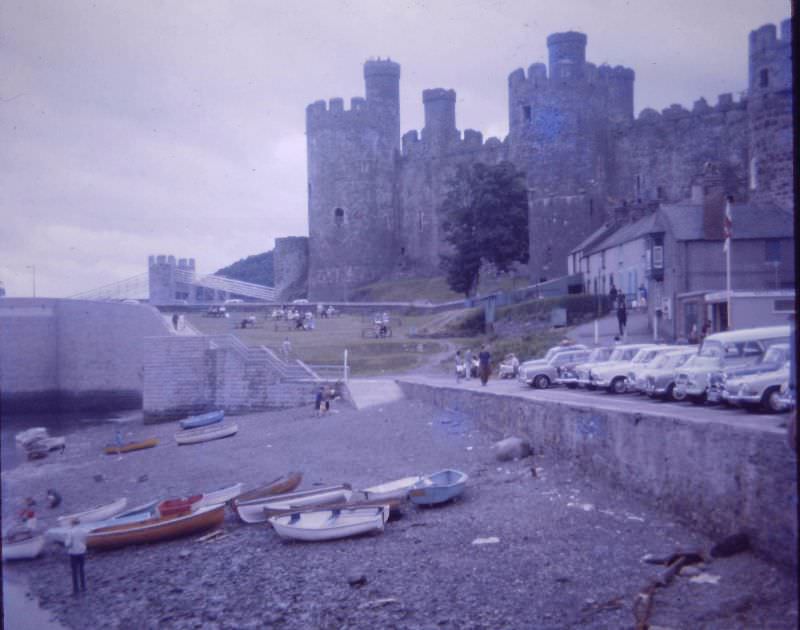
Conwy Castle, 1960s
Conwy Castle, 1960s

North Wales was home to some of the finest medieval castles in Europe. Conwy Castle, like Caernarfon, was built during Edward I’s conquest of Wales and remained an imposing structure that dominated the walled town around it. In the 1960s, both were popular tourist attractions drawing visitors from across Britain.
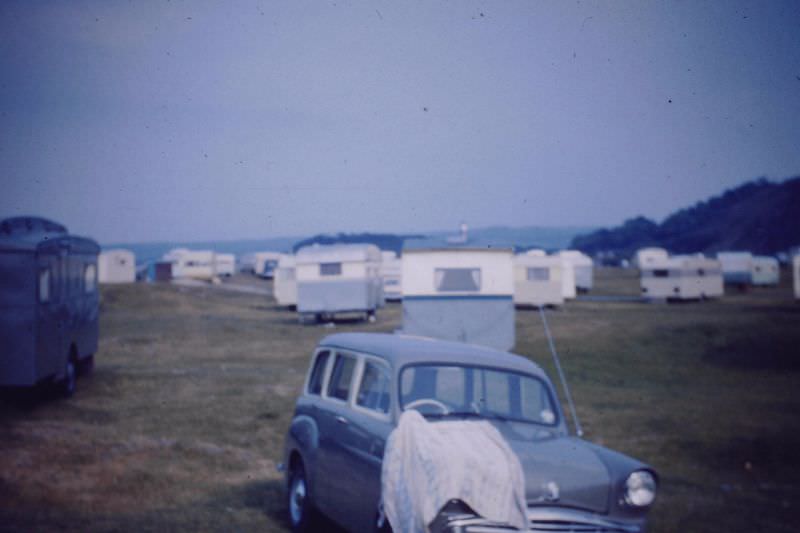
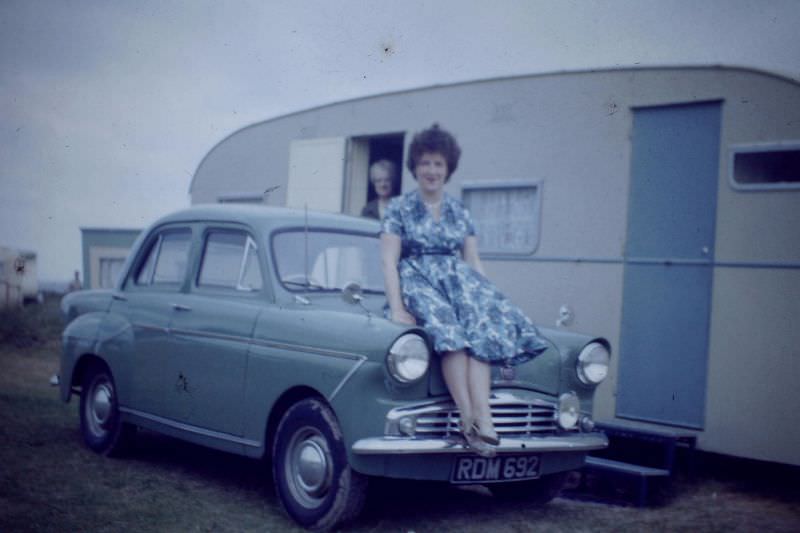
Conwy Morfa, Caernarvonshire, 1960s

The Welsh Language Society, founded in 1962, brought fresh urgency to the effort to preserve the Welsh language. Through direct action and public campaigns, it pushed the issue into mainstream politics. The government responded with the Welsh Language Act of 1967, which gave Welsh equal legal status with English in Wales for the first time.
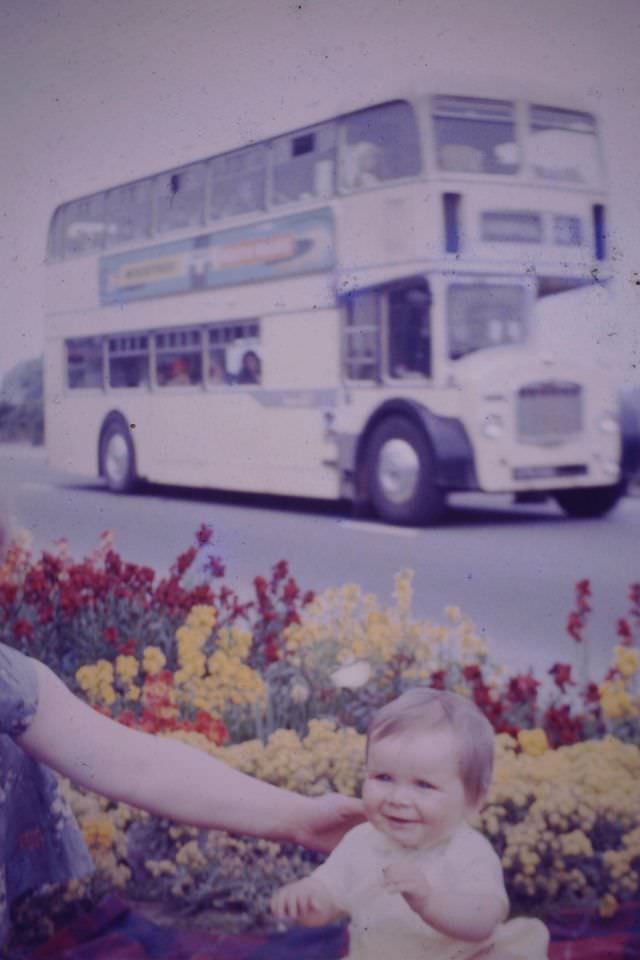
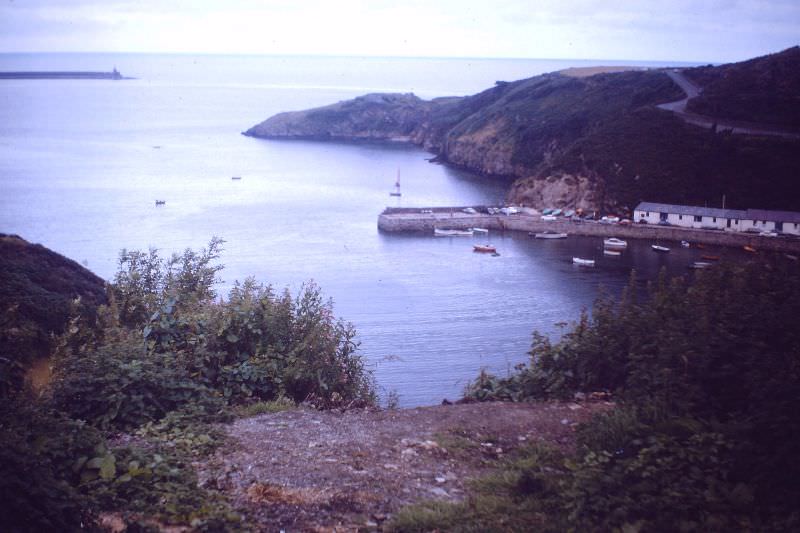
Crosville Bristol Lodekka, Holway Road, Holywell, 1960s
Fishguard Harbour, Pembrokeshire, 1960s

Fishguard Harbour in Pembrokeshire served as one of the key ferry terminals connecting Wales to Ireland. Passengers and freight crossed the Irish Sea regularly from here, making it one of the busiest ports on the Welsh coast throughout the decade.
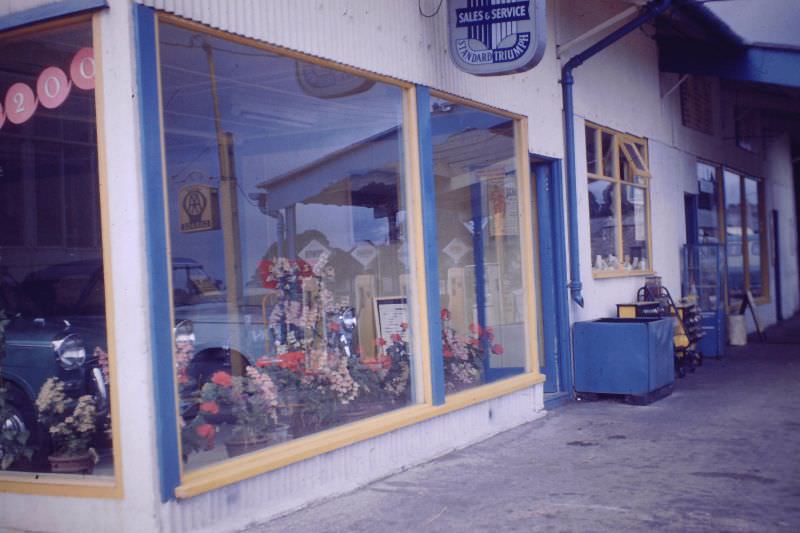
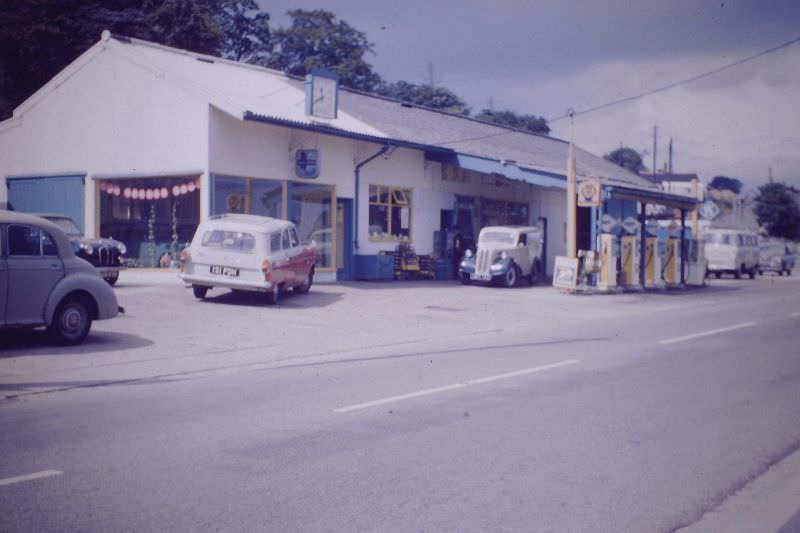
Holway Garage, Holway Road, Holywell, Flintshire, 1960s
Holway Road, Holywell, Flintshire, 1960s

In the small towns of Flintshire in northeast Wales, life in the 1960s moved slowly. Local garages, corner shops, and narrow roads defined communities like Holywell, where the rhythms of daily life had changed little since the post-war years.
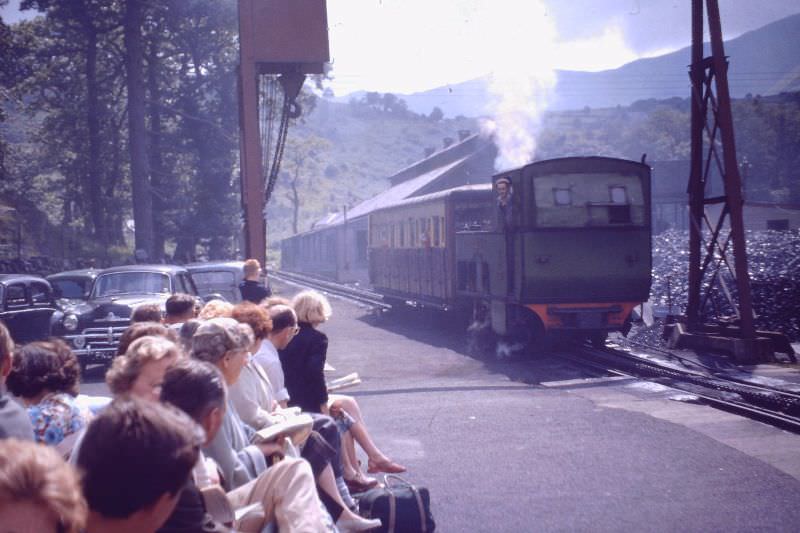
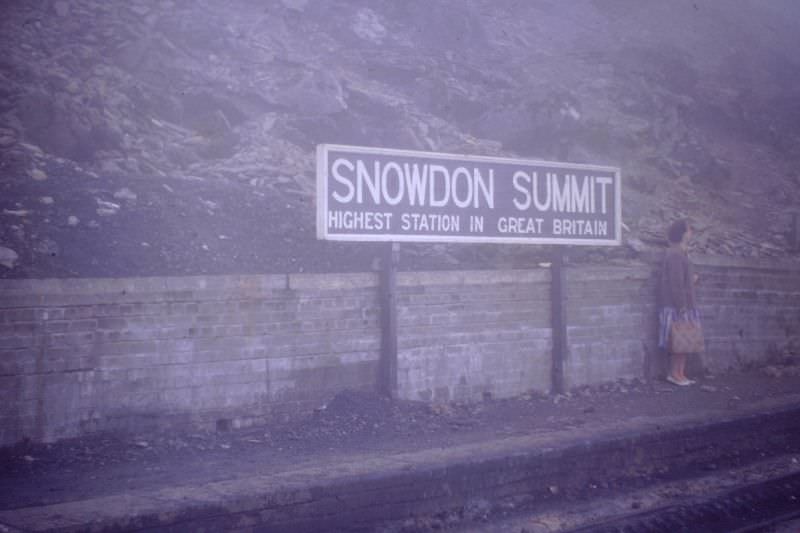
Llanberis Station to Snowdon, 1960s

The Snowdon Mountain Railway, running from Llanberis up to the summit of Wales’s highest peak, was one of the country’s most iconic journeys. The rack-and-pinion railway had been operating since 1896, and by the 1960s it remained a major draw for tourists wanting to reach the 3,560-foot summit without the climb.
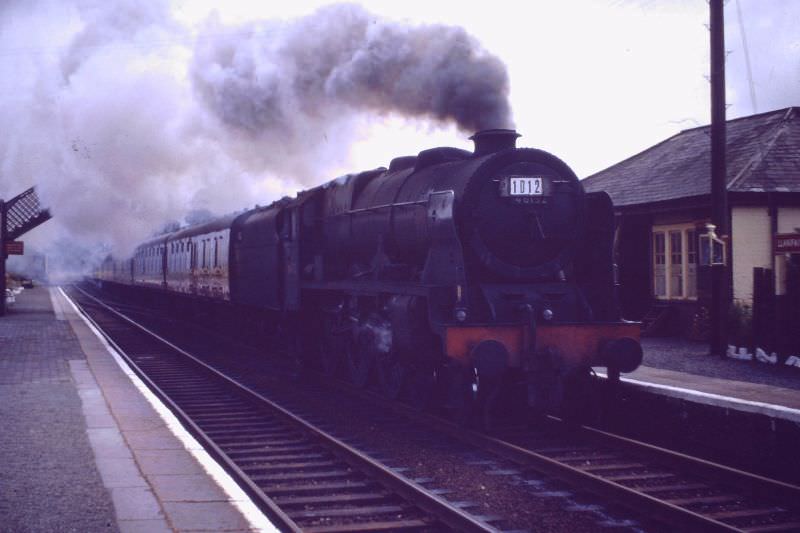
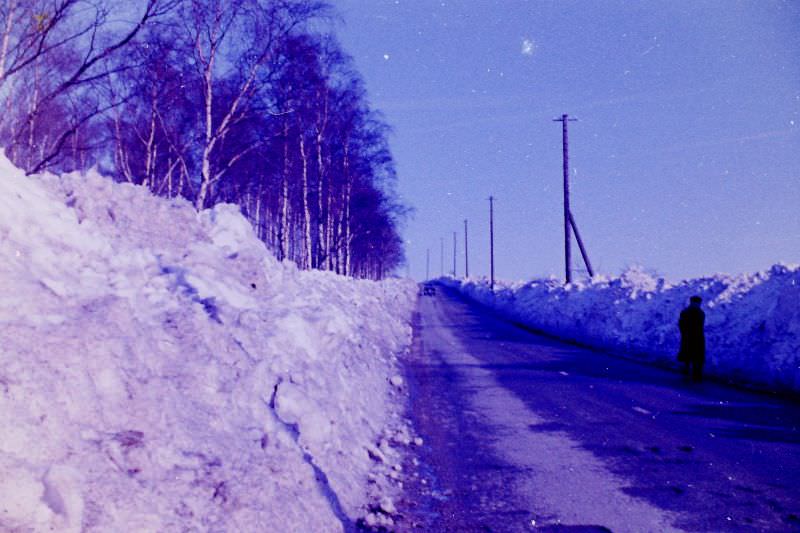
Llanfairpwllgwyngyll Station, Anglesey, 1960s
Lloc, Holywell, Flintshire, 1960s
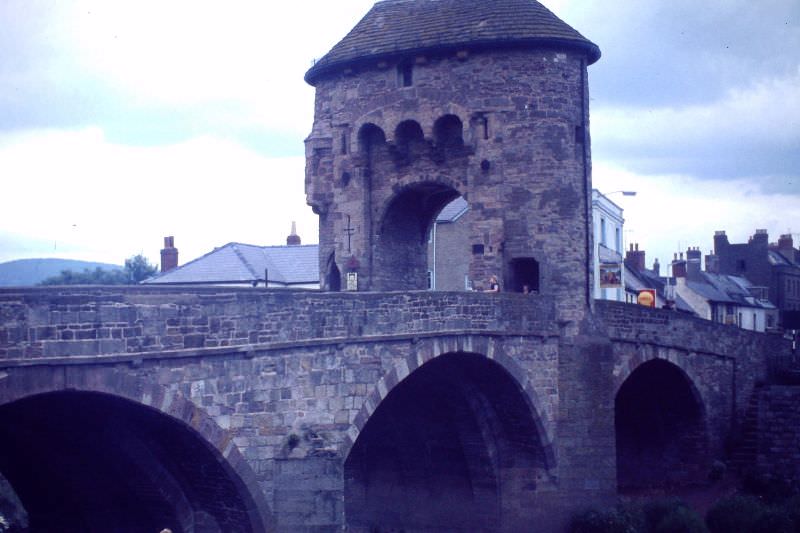
Monmouth, Monmouthshire, 1960s

Monmouth, on the border between Wales and England, was a quiet market town with a long history. As Monmouthshire’s administrative centre, it retained much of its Georgian character through the 1960s, with its town centre largely intact before the redevelopment pressures that swept through many Welsh towns later in the decade.
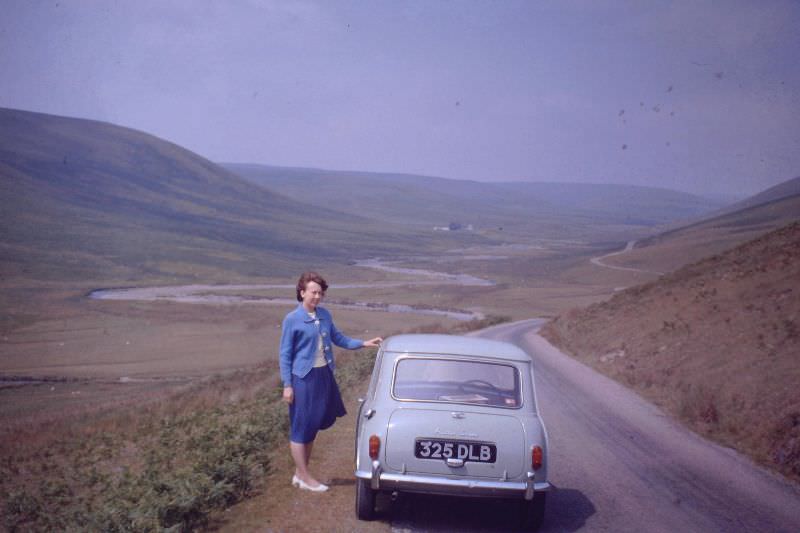
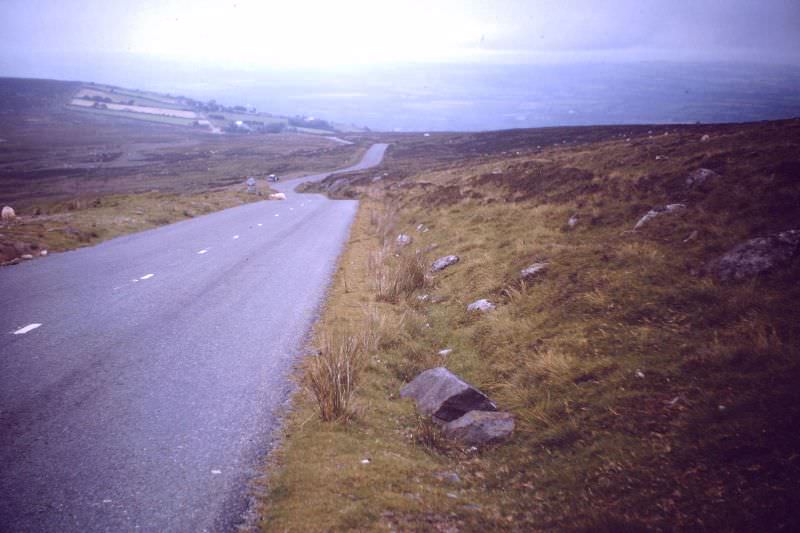
Mountain road to Aberystwyth, 1960s
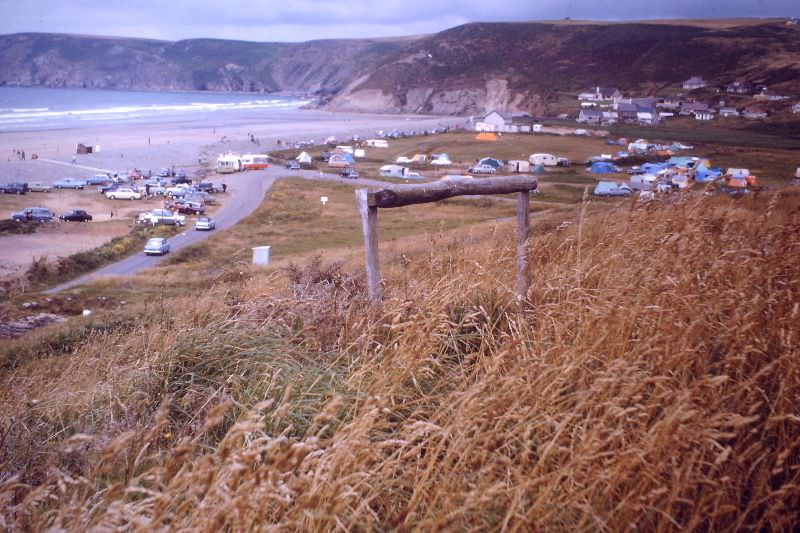
Newgale, Pembrokeshire, 1960s
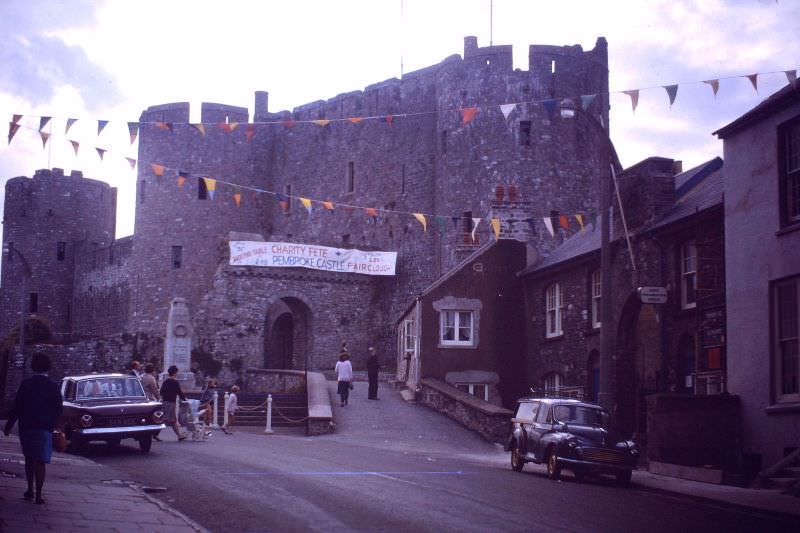
Pembroke Castle, 1960s

Pembroke Castle, birthplace of Henry VII in 1457, was another of Wales’s great medieval fortifications. By the 1960s, restoration work had begun to preserve the structure for future generations. The castle sat at the heart of the town of Pembroke and remained a focal point for both local people and visitors.
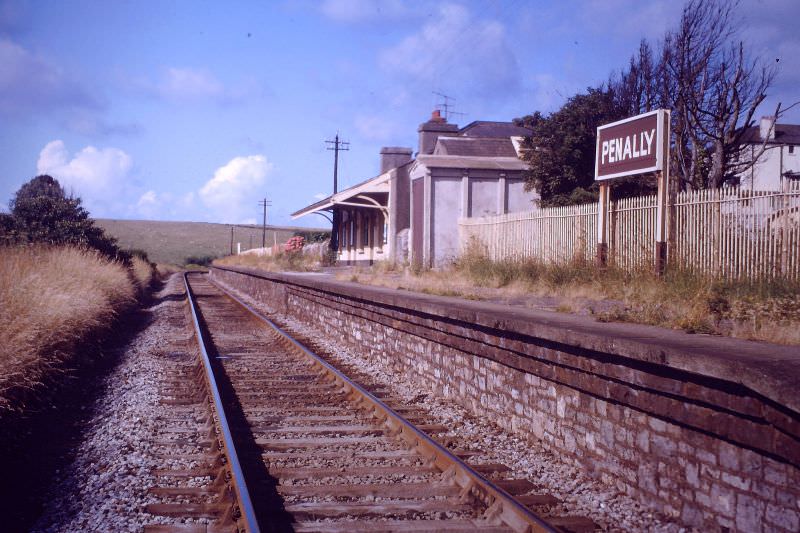
Penally Station, Pembrokeshire, 1960s
Prescelly HIlls, Pembrokeshire, 1960s
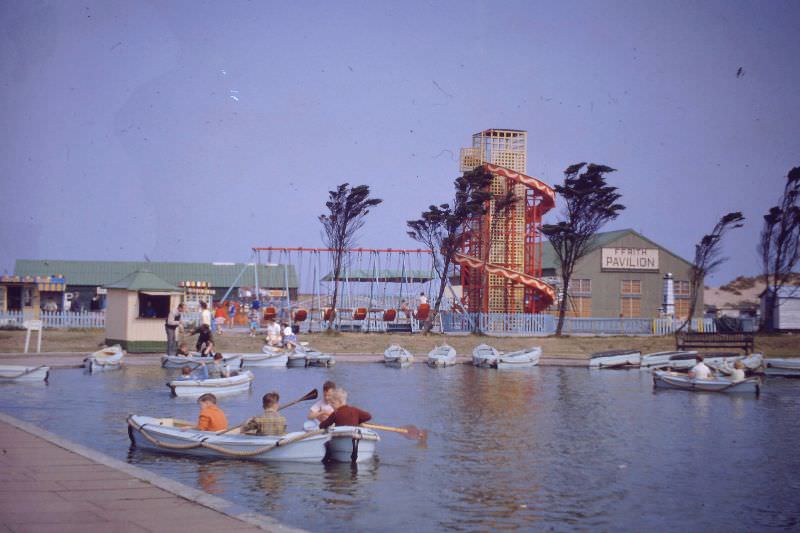
Prestatyn, Ffrith Beach, Flintshire, 1960s

The north Wales coast was a popular holiday destination for working-class families from England’s northwest, particularly from the industrial towns of Merseyside and Manchester. Resorts like Prestatyn and Rhyl offered beaches, funfairs, and holiday camps within easy reach by train.
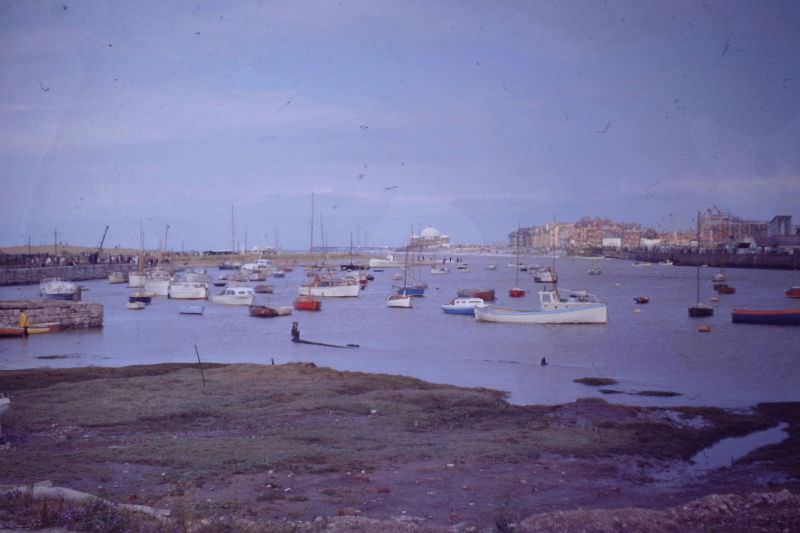
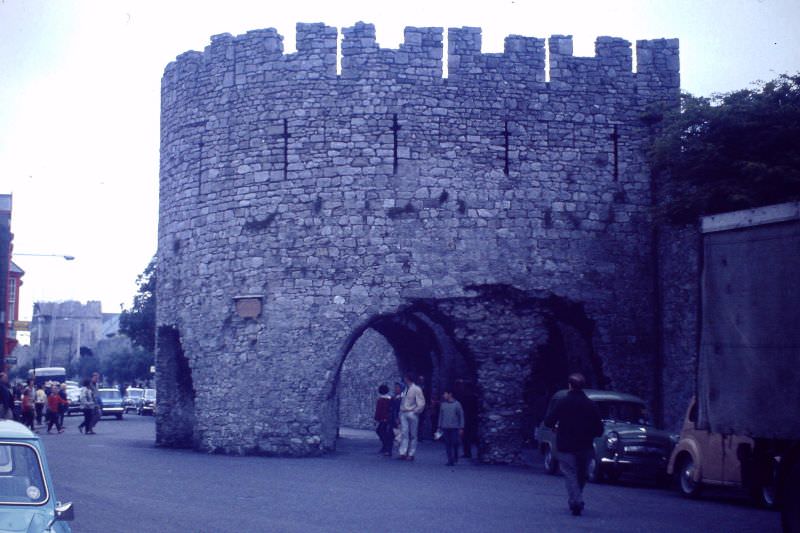
Rhyl, Flintshire, 1960s
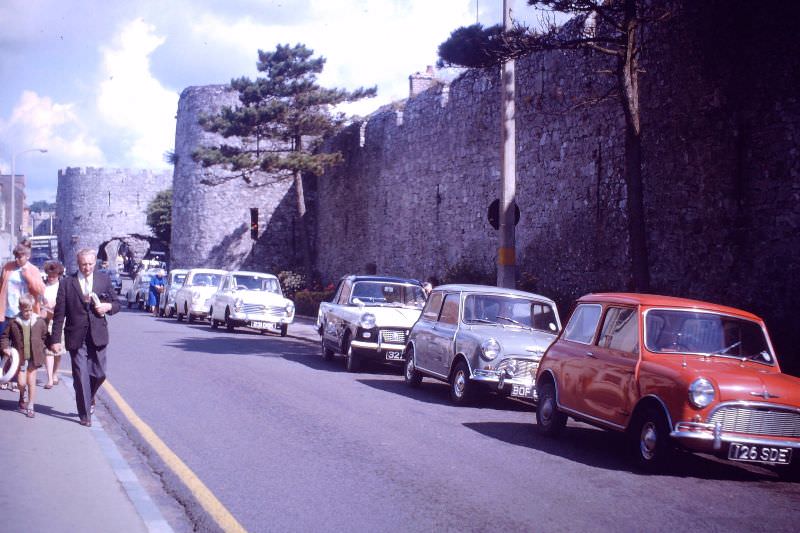
Tenby, Pembrokeshire, 1960s

Tenby was one of the most visited towns in south Wales. Its medieval walls, sandy beaches, and colourfully painted harbour-side houses made it stand out from other Welsh seaside towns. The harbour sat at the heart of the town’s identity, and during the 1960s it continued to attract painters, photographers, and holidaymakers in large numbers.
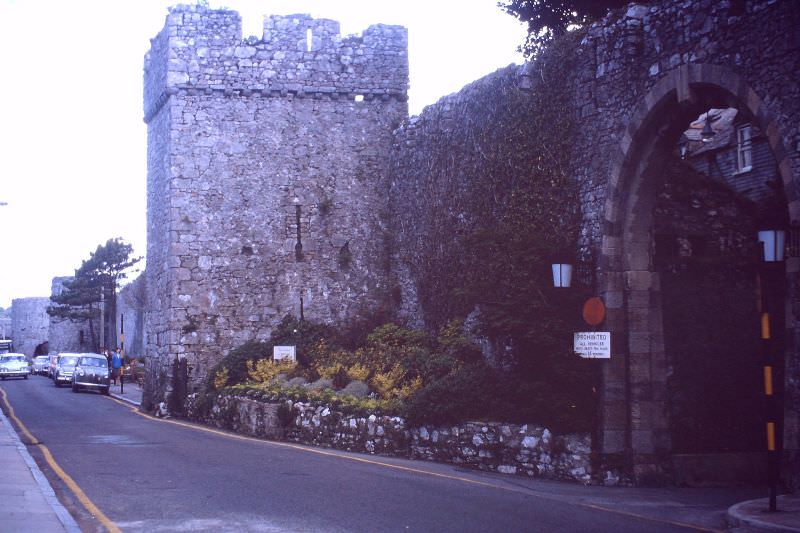
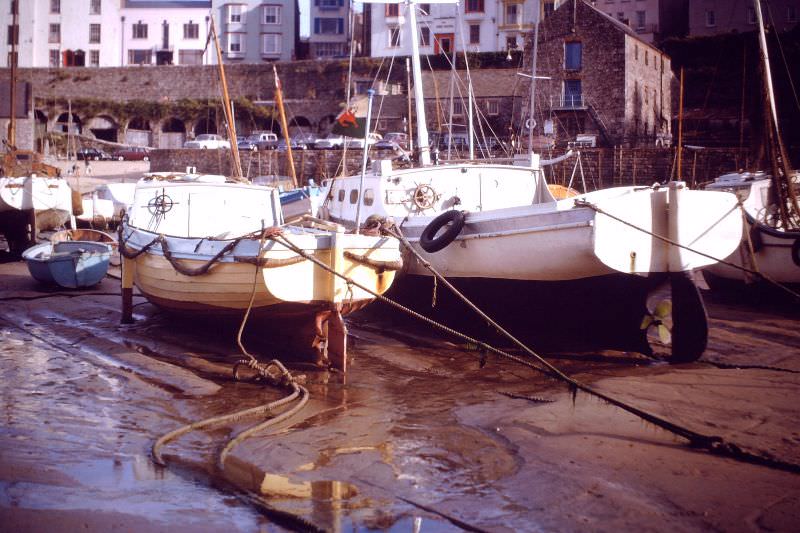
Tenby, Pembrokeshire, 1960s
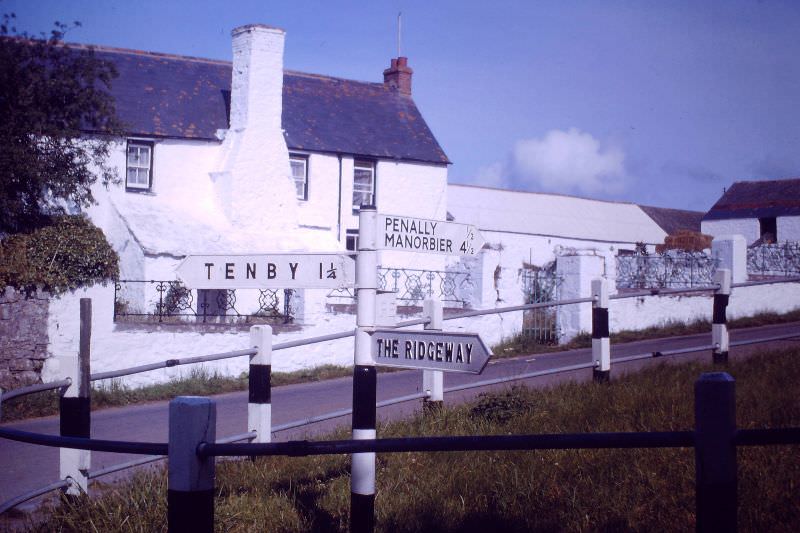
The Paddock Inn, Penally, Tenby, Pembrokeshire, 1960s
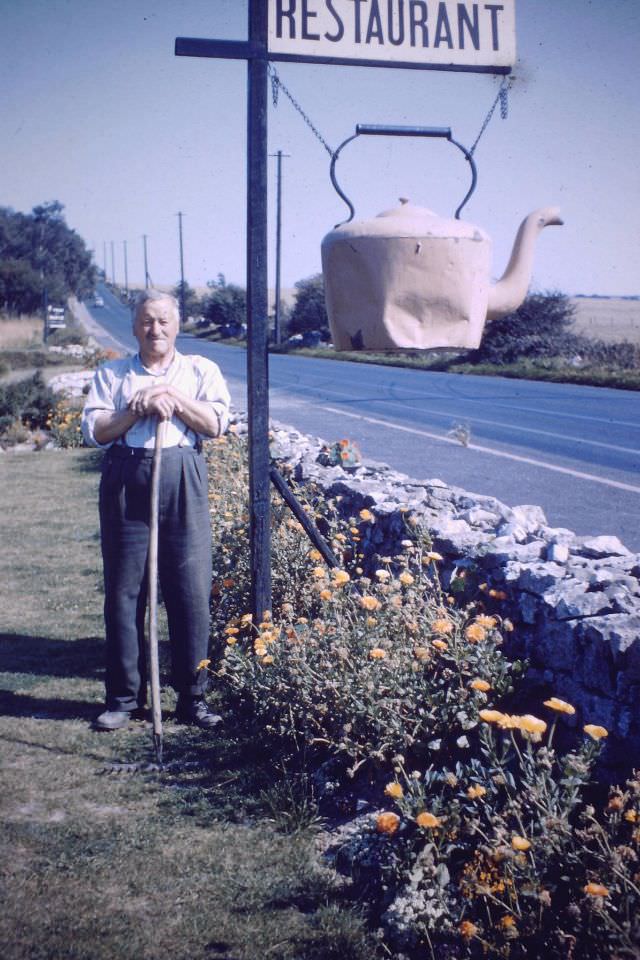
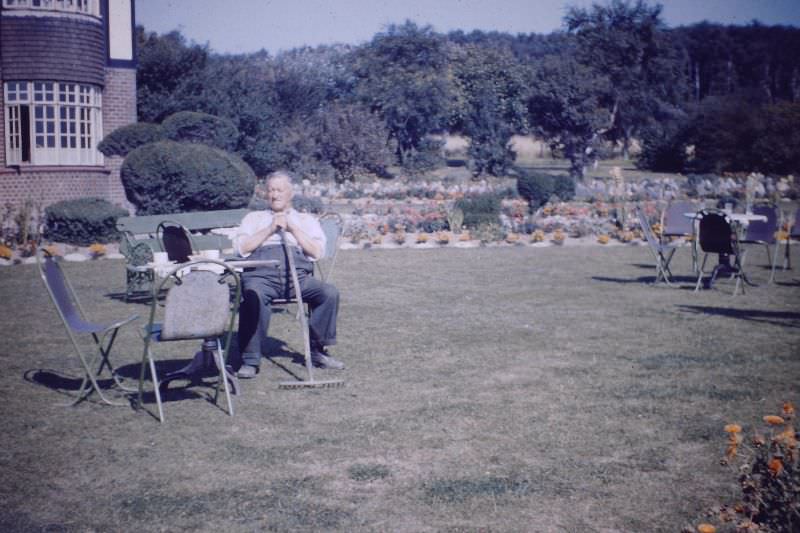
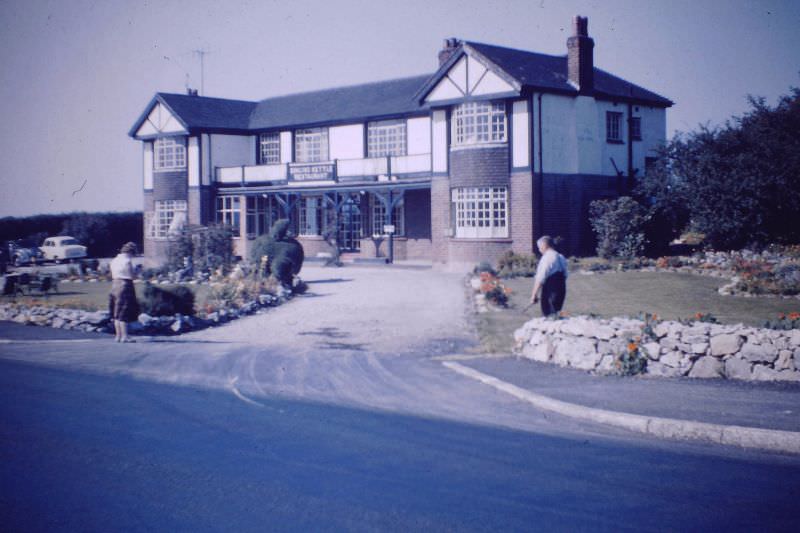
The Singing Kettle Restaurant, Lloc, Holywell, 1960s

In 1962, the world’s first commercial hovercraft passenger service launched, running across the Dee Estuary from the Wirral to Rhyl. The service offered a crossing time of about four minutes for the short stretch of water, and it attracted considerable attention as a novelty form of transport. It was a brief experiment — the service did not last long — but it marked a moment of genuine technological first for Wales.
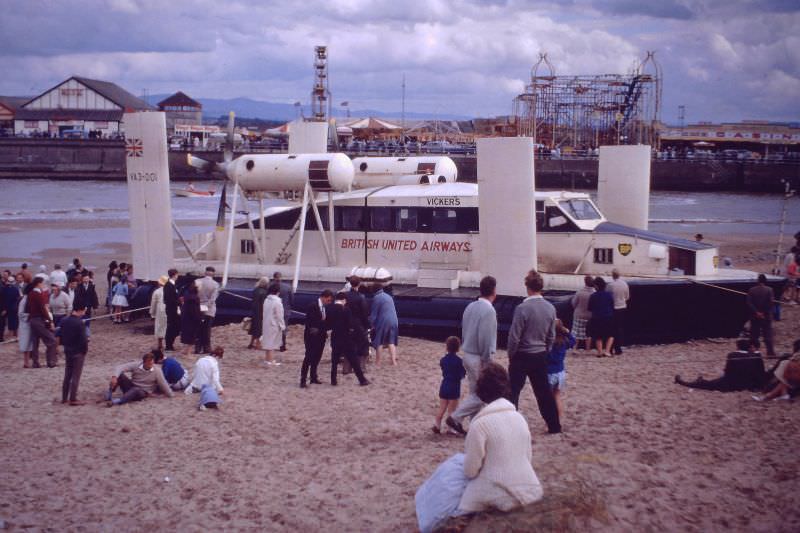
The world's first Hovercraft passenger service, from Wirrel to Rhyl, 1960s
The world’s first Hovercraft passenger service, from Wirrel to Rhyl, 1960s
Train at summit of Snowdon, 1960s
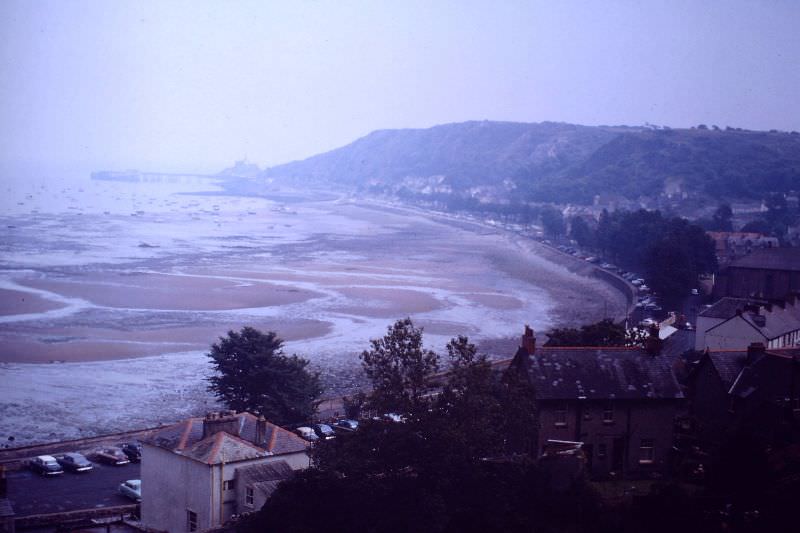
View from Oystermouth Castle (Mumbles Pier in the distance), 1960s

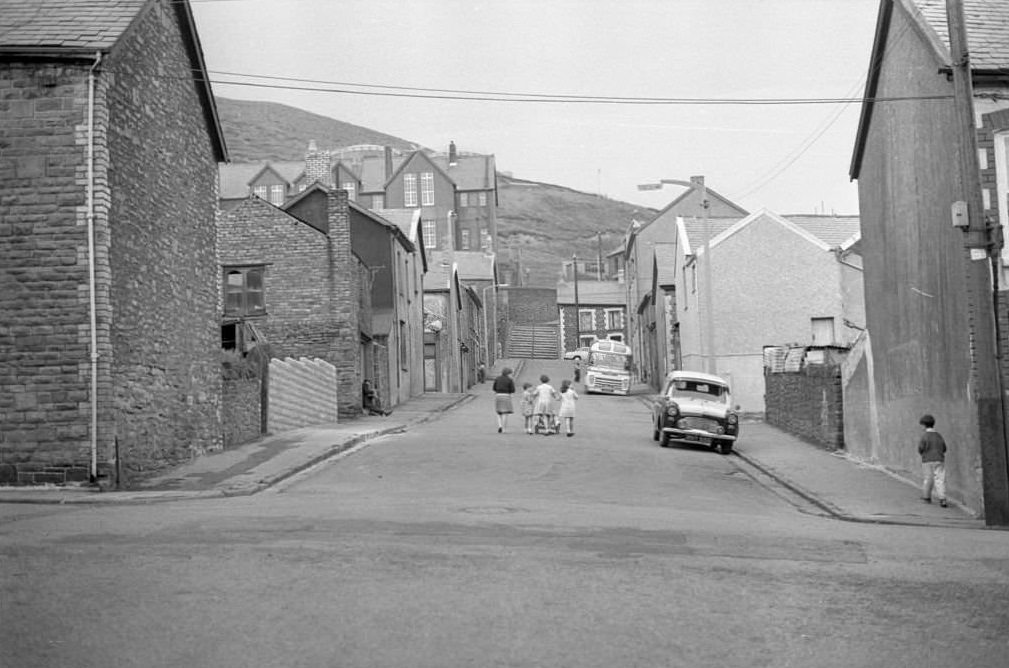
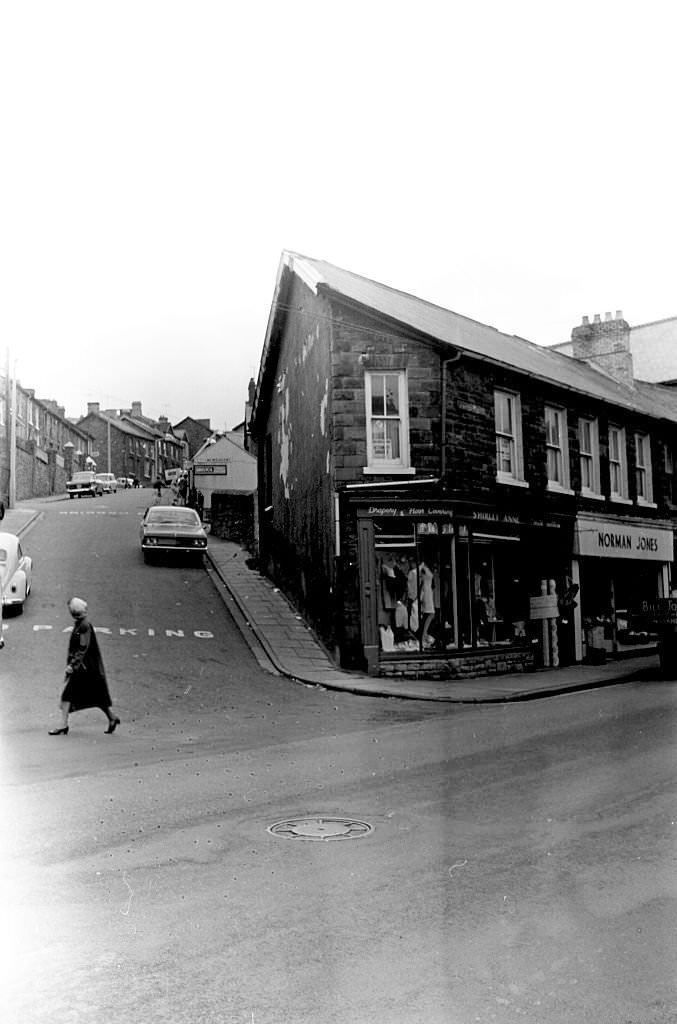
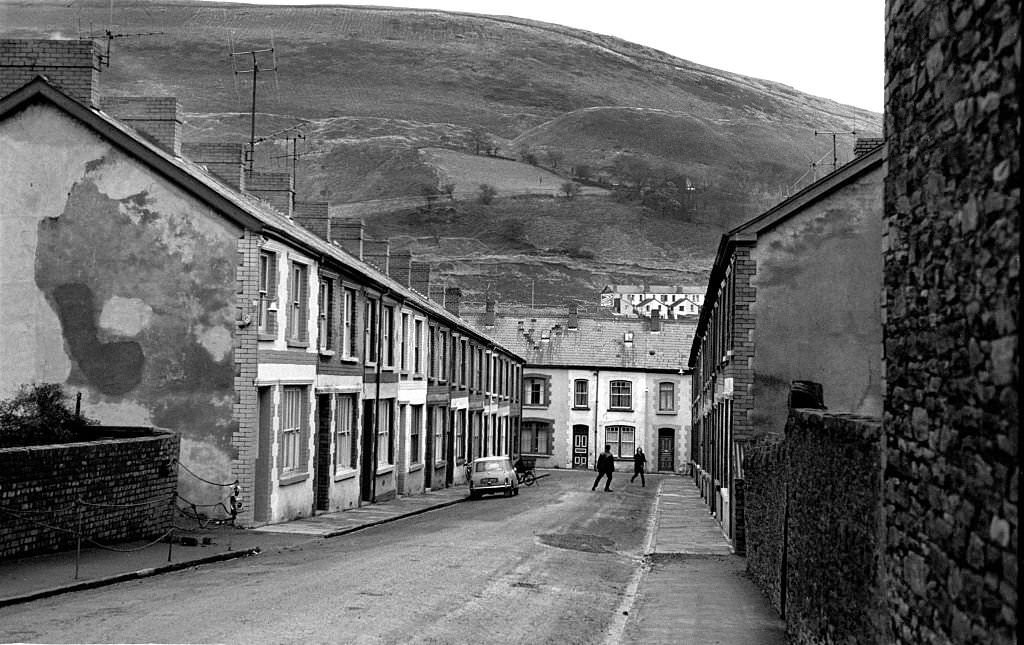
The South Wales valleys were defined by coal mining. Towns like Tonypandy in the Rhondda had grown up entirely around the collieries, and by the 1960s, the industry was in slow decline. Pit closures were accelerating, unemployment was rising, and the streets of these communities reflected the economic strain.
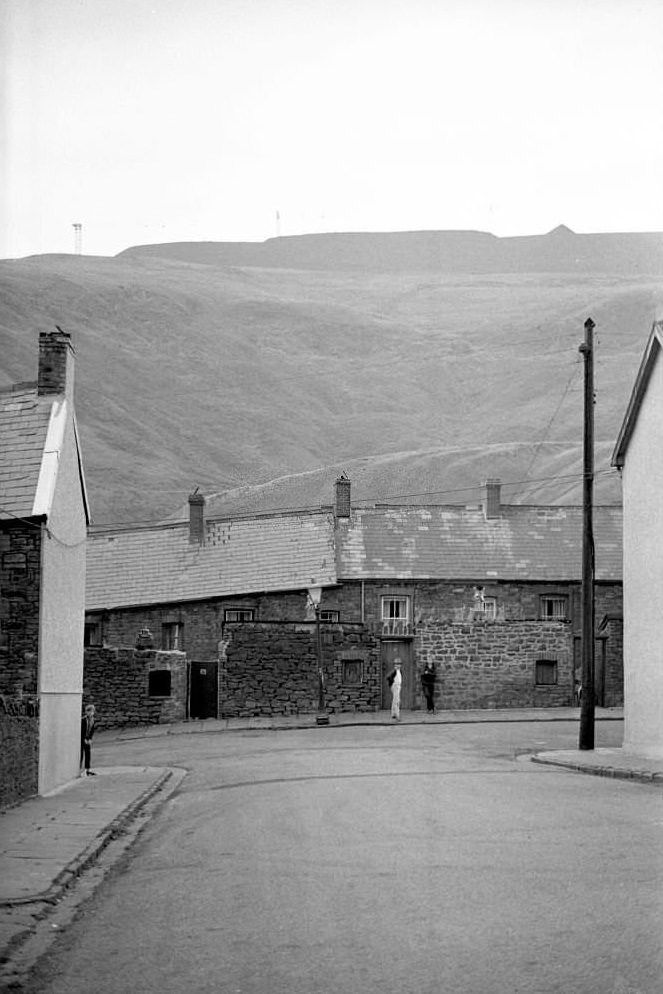
Children stand on the street in the mining town of Tonypandy, Wales, United Kingdom, 1966.
A woman crosses the street in the mining town of Tonypandy, Wales, United Kingdom, 1966.
A mother and her three children walk along a near empty street in the mining town of Tonypandy, Wales, United Kingdom, 1966.

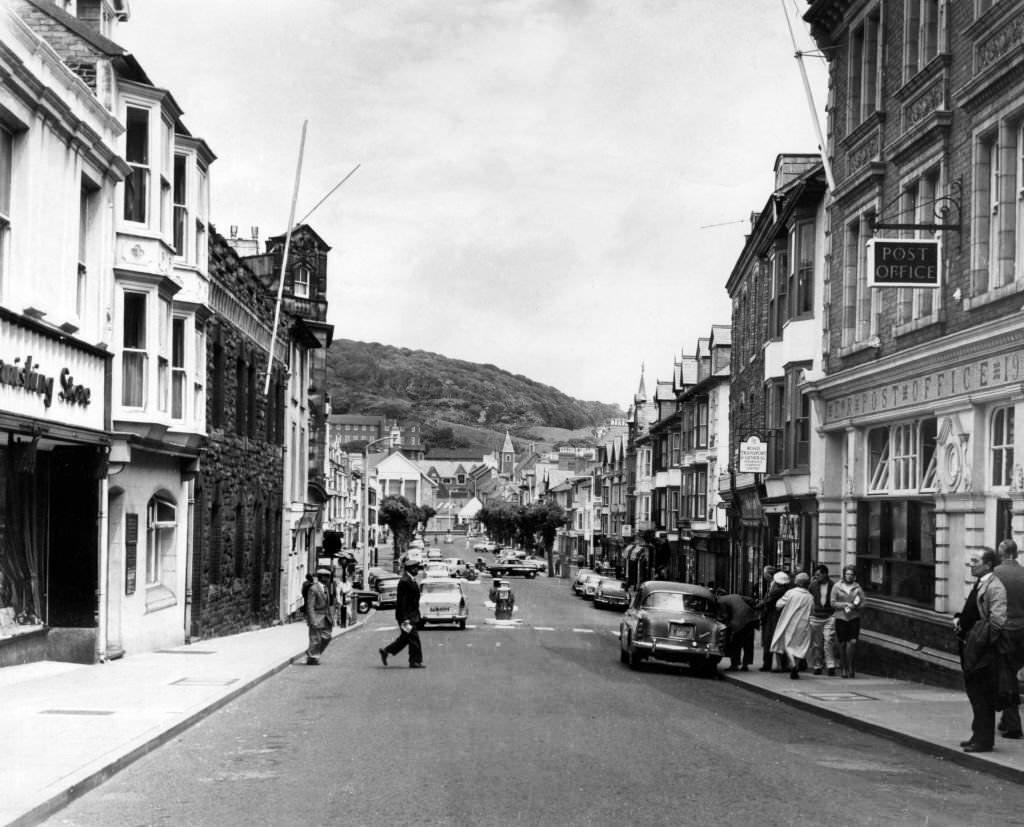
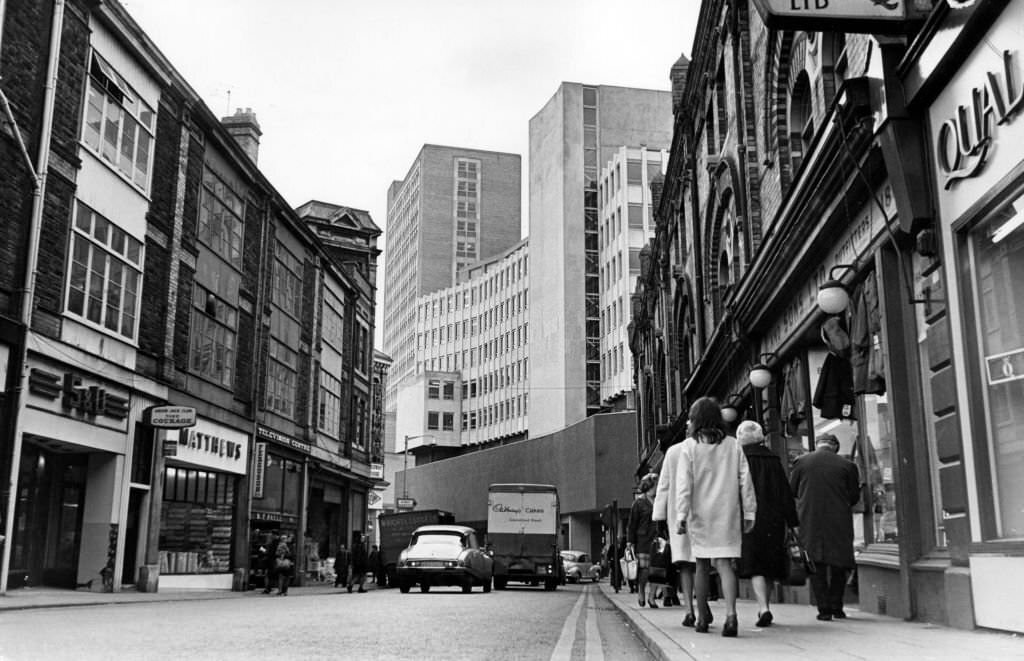
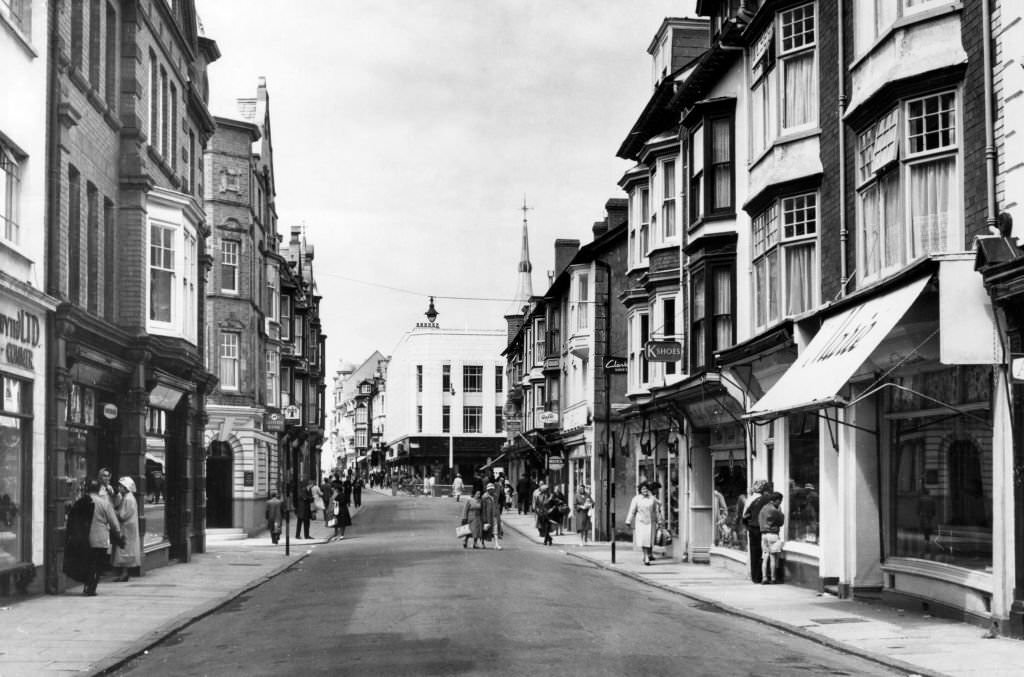
Aberystwyth’s commercial streets were a centre of activity on the west coast. Great Darkgate Street was the main shopping thoroughfare, bustling with shoppers and lined with independent retailers throughout the 1960s. It gave the town a lively, compact centre that served the surrounding rural population as well as the university community.
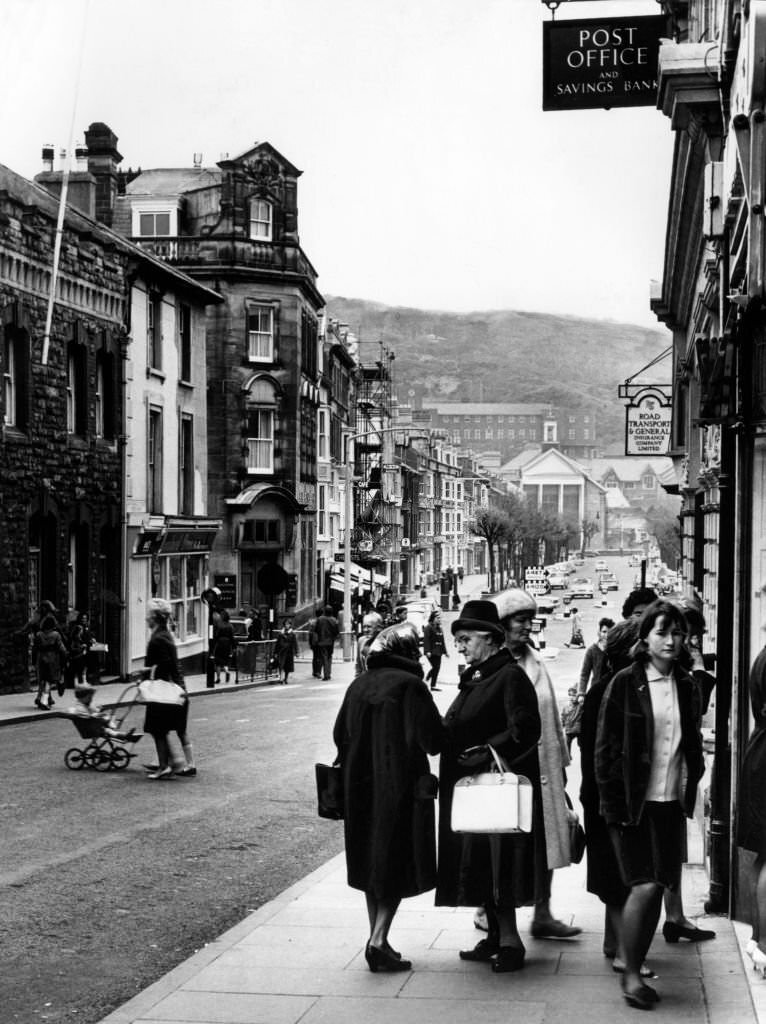
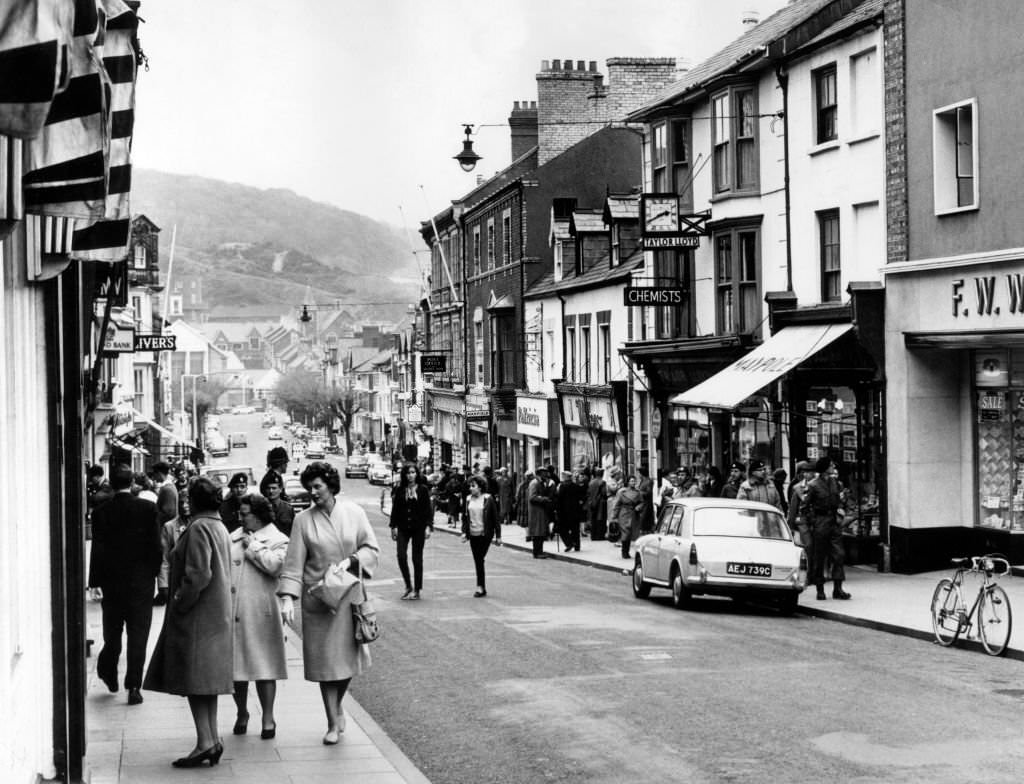
Street Scenes, Aberystwyth, Ceredigion, West Wales, 20th May 1965. Shoppers in busy Great Dark Gate Street.
Street Scenes, Aberystwyth, Ceredigion, West Wales, May 1965. Looking down Great Dark Gate Street towards North Parade.

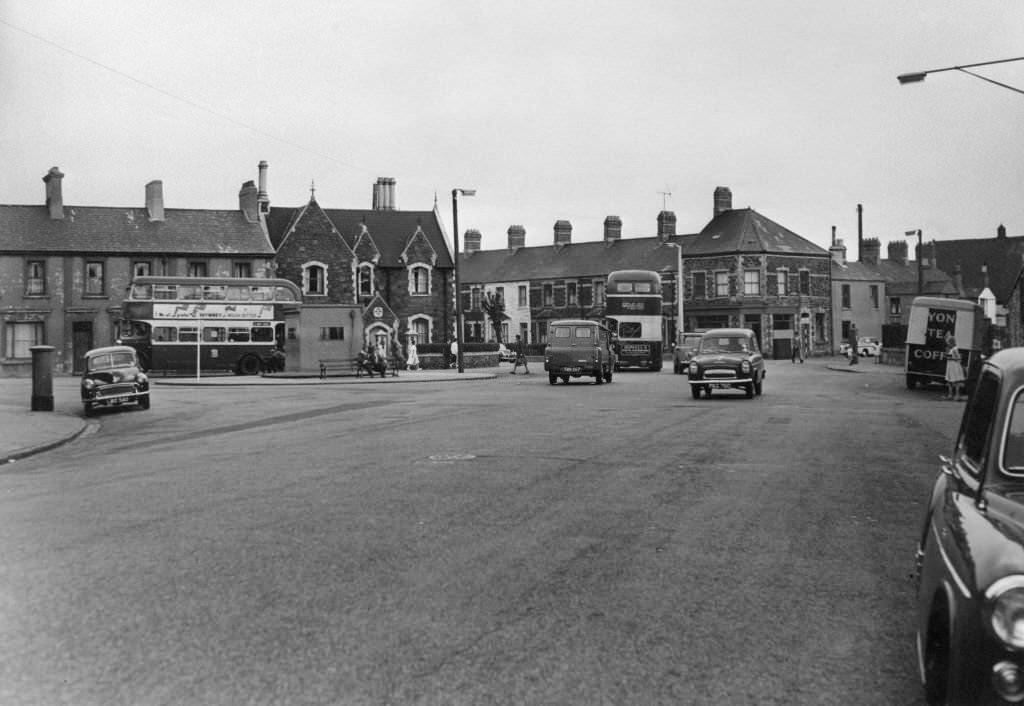
Cardiff was expanding and changing rapidly throughout the decade. Inner-city areas like Adamsdown, just south of the city centre, were a mix of terraced housing, small factories, and local streets that would later be transformed through urban clearance programmes.
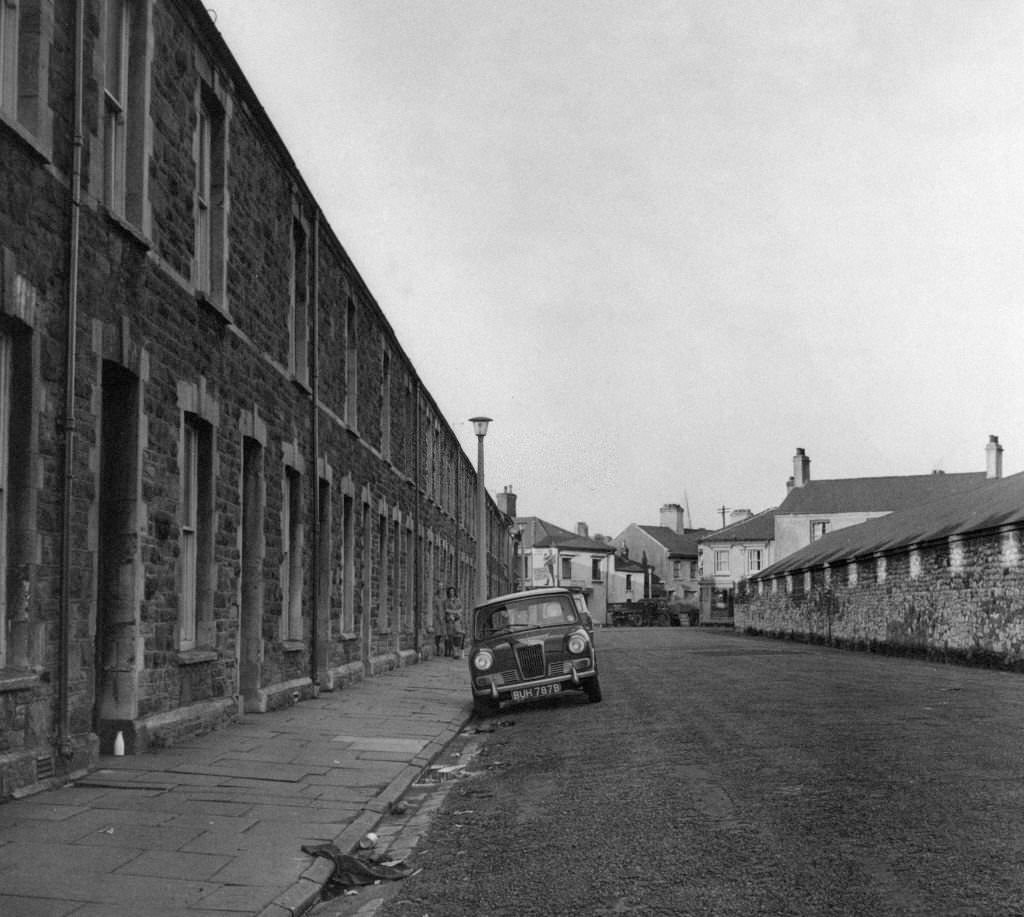
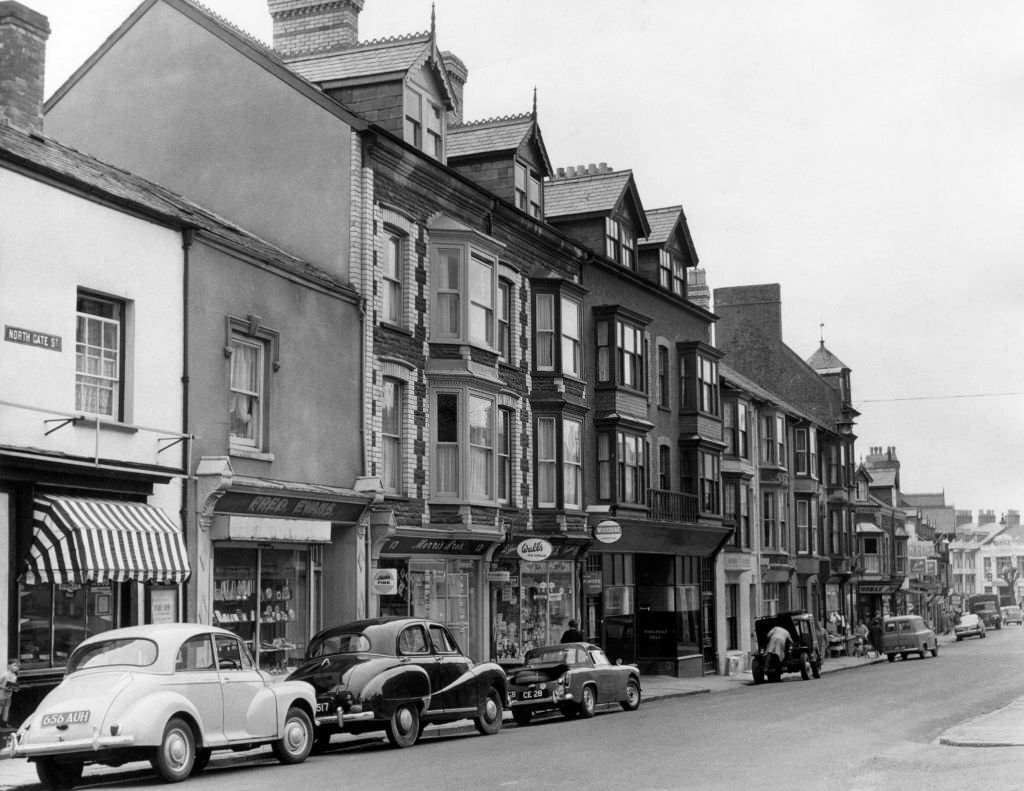
Cycle Street in Adamsdown, an inner city area and community in the south of Cardiff, Wales, 14th January 1965.
Street Scenes, Aberystwyth, Ceredigion, West Wales, Circa 1965. North Gate Street.
Adamsdown Square, Adamsdown, an inner city area and community in the south of Cardiff, Wales. Circa 1965. Our Picture Shows Adamsdown Square where five roads meet.

The Newtown district of Cardiff was one of the oldest residential areas in the city, dating back to the mid-19th century. By the mid-1960s, it was earmarked for demolition as part of Cardiff’s urban renewal plans, and the last of its buildings were torn down in 1970. Photos from this period show tight terraced streets and a working-class neighbourhood on the edge of erasure.
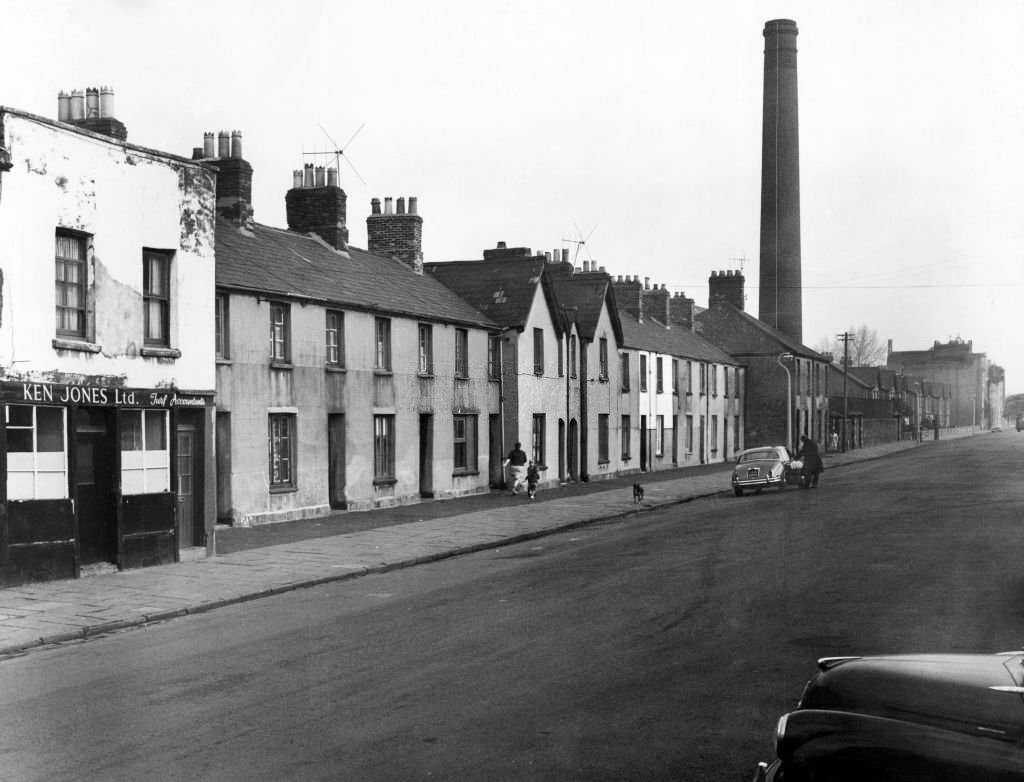
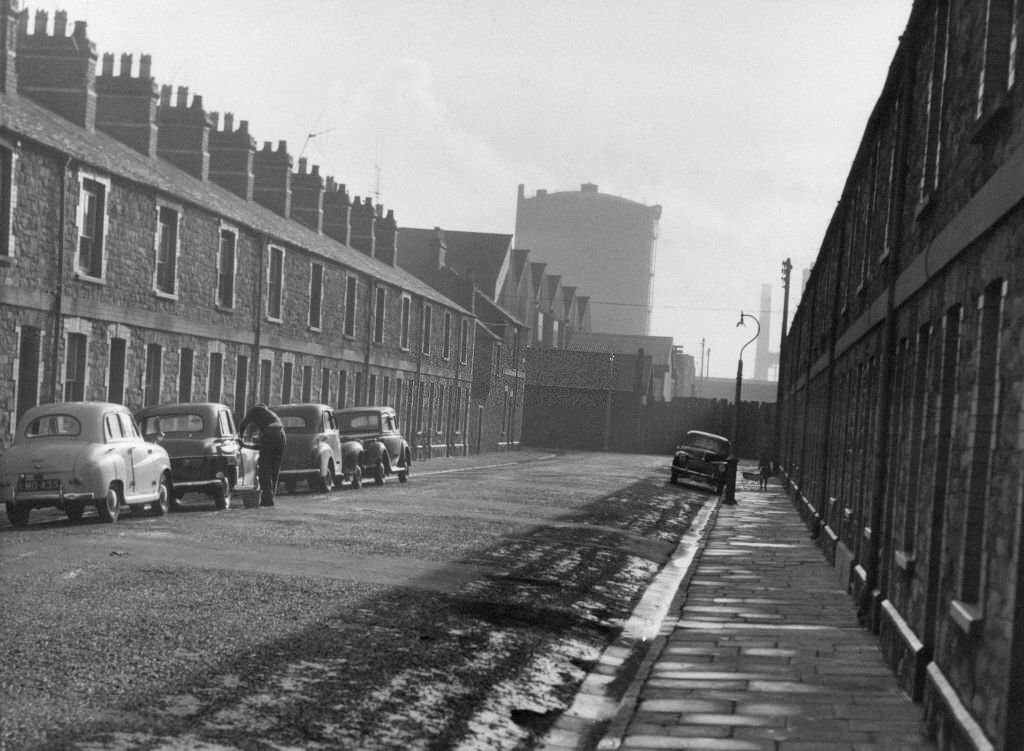
Newtown was a residential area of Cardiff, Wales that existed from the mid-nineteenth century until it was demolished in 1970. Pictured, a street scene, December 1964.
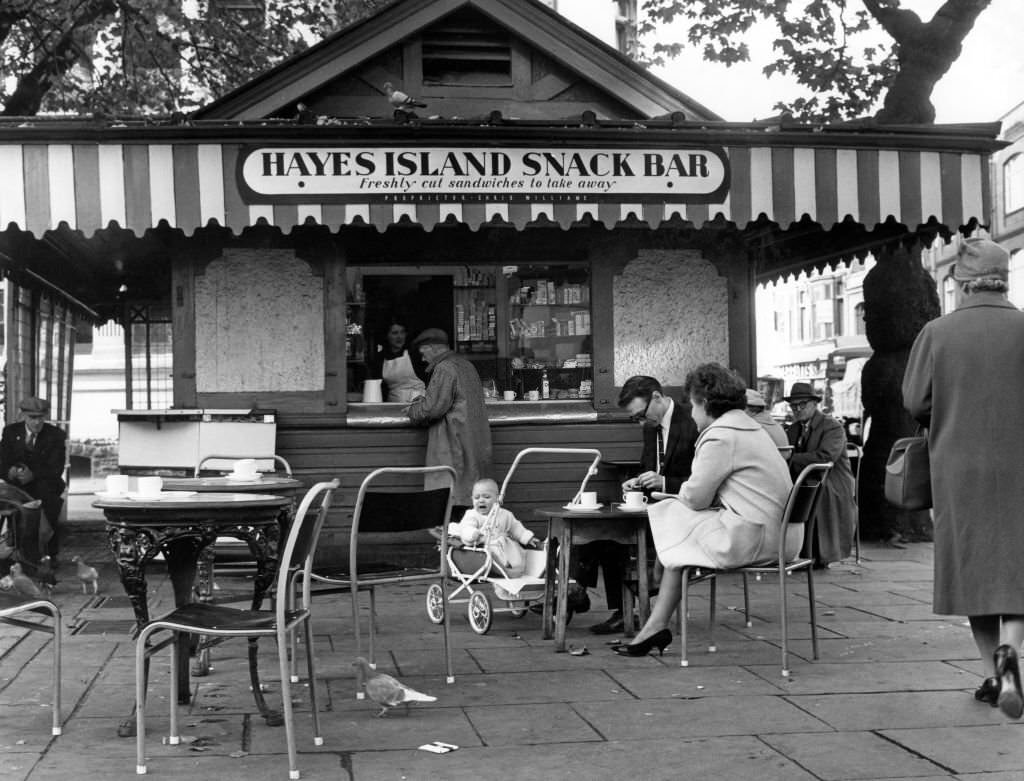
Hayes Island Snack Bar. Cardiff, South Glamorgan, Wales. October 1964.

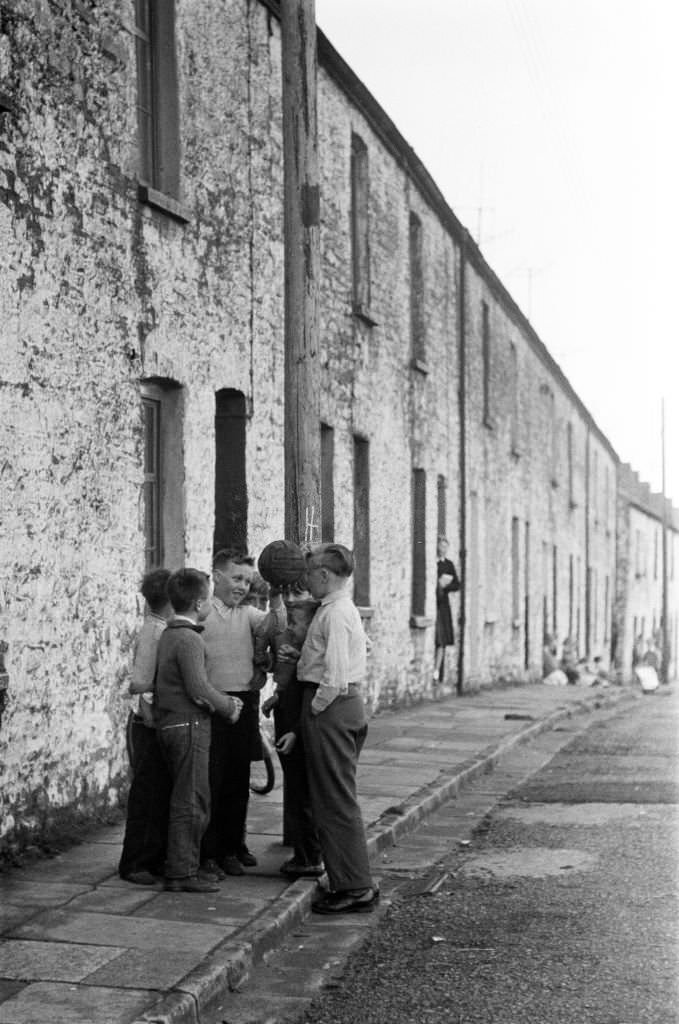
Outside Cardiff, smaller communities across Wales retained a slower, more settled pace. In the village of Rhiwlas near Bangor, children played in the streets in the way that had been common across Wales for generations — outdoors, unsupervised, and in full view of their neighbours.
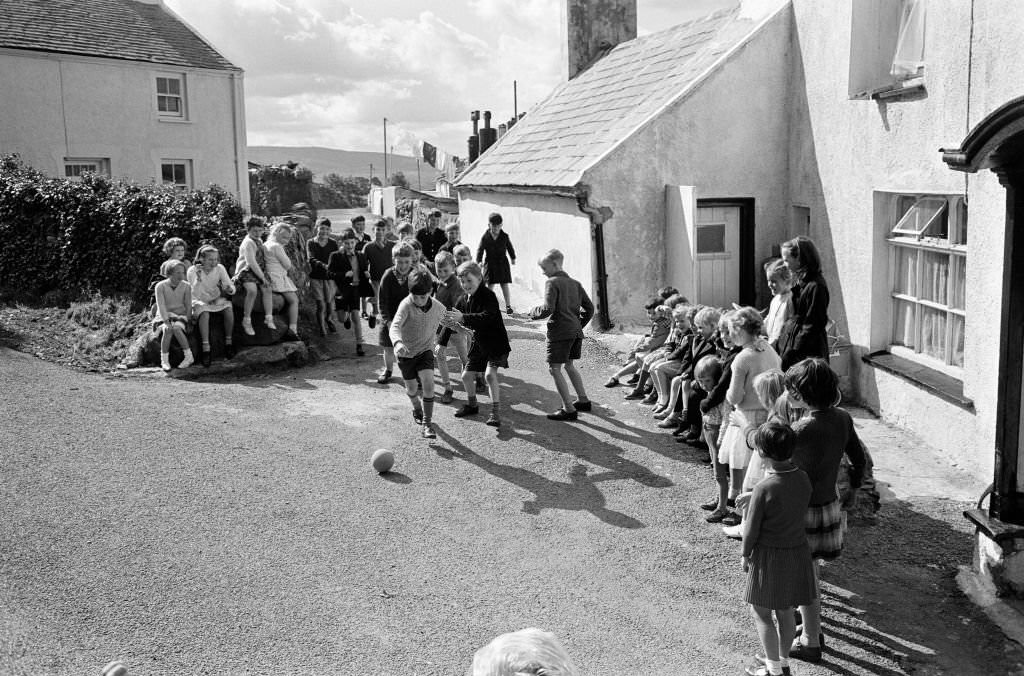
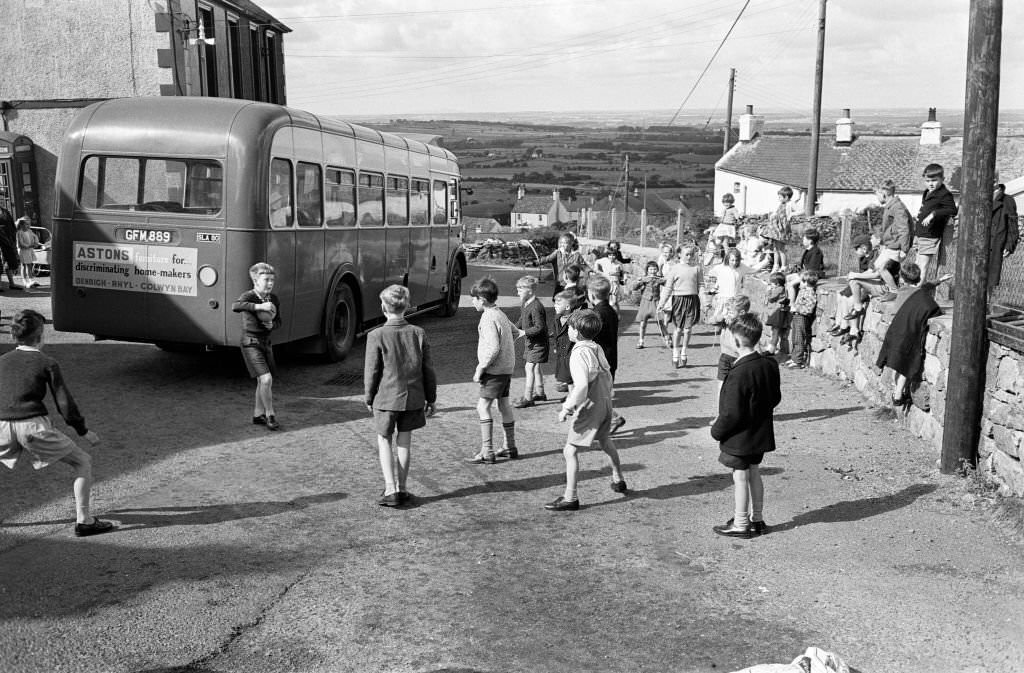
General shots of the village Rhiwlas, in Bangor, Gwynedd, Wales. Children playing outdoors, 20th September 1964.

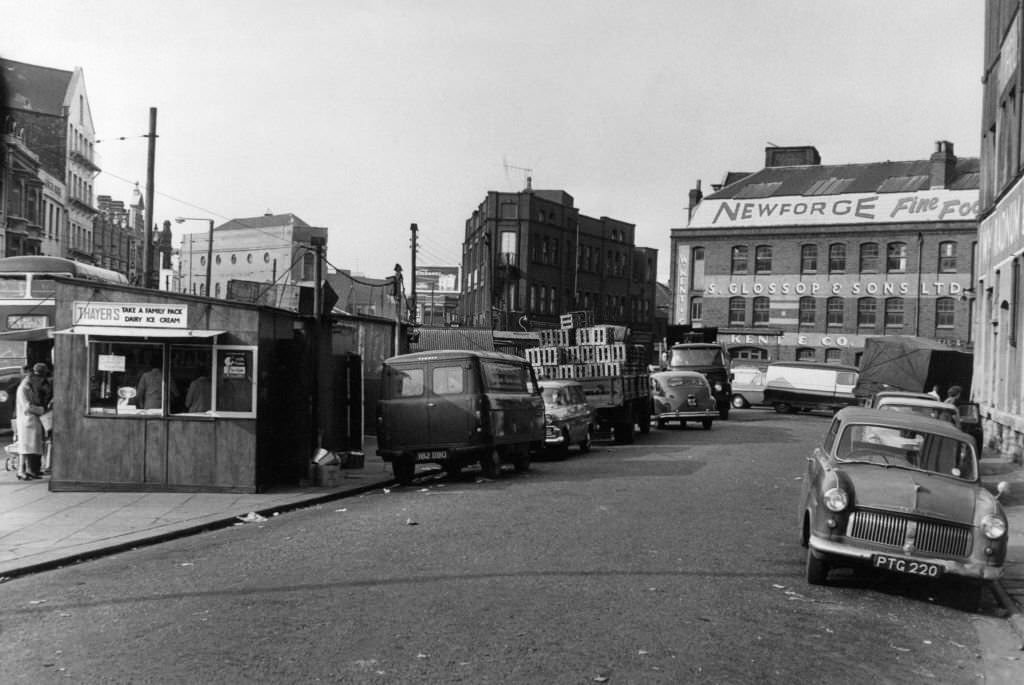
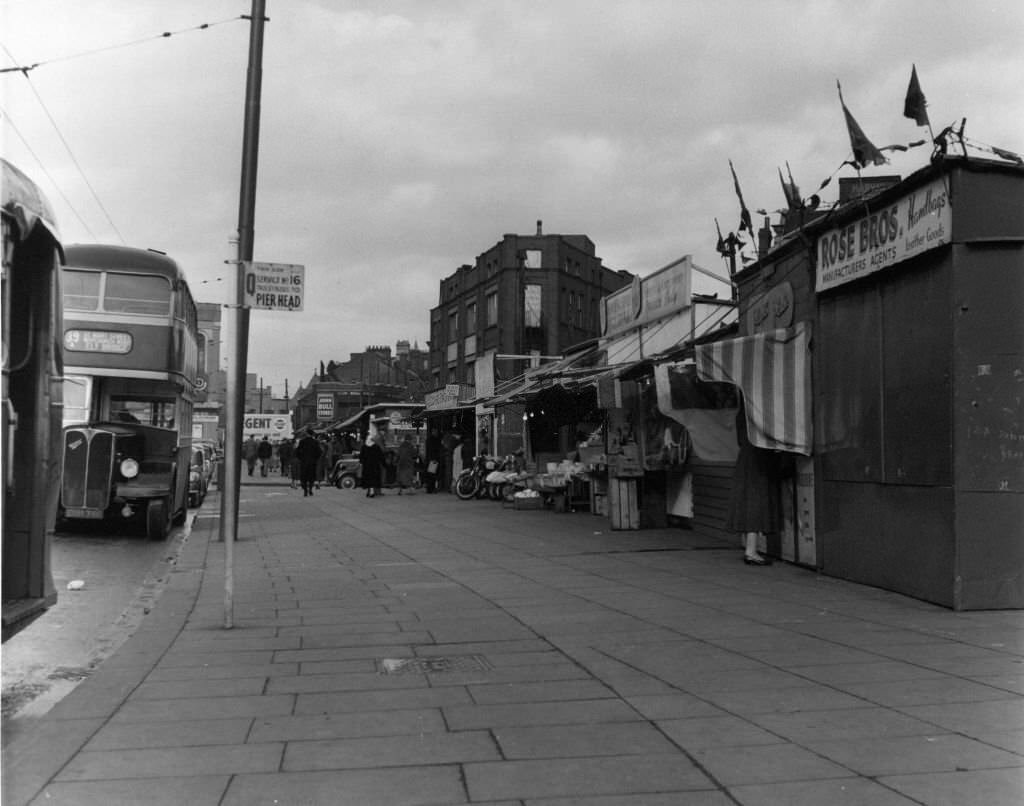
Cardiff’s Mill Lane Fruit Market was a hub of trade and commerce in the city centre. Open-air stalls sold fresh produce, and the lanes around it were filled with traders and buyers throughout the week. The market occupied a section of the city that would later be heavily redeveloped.
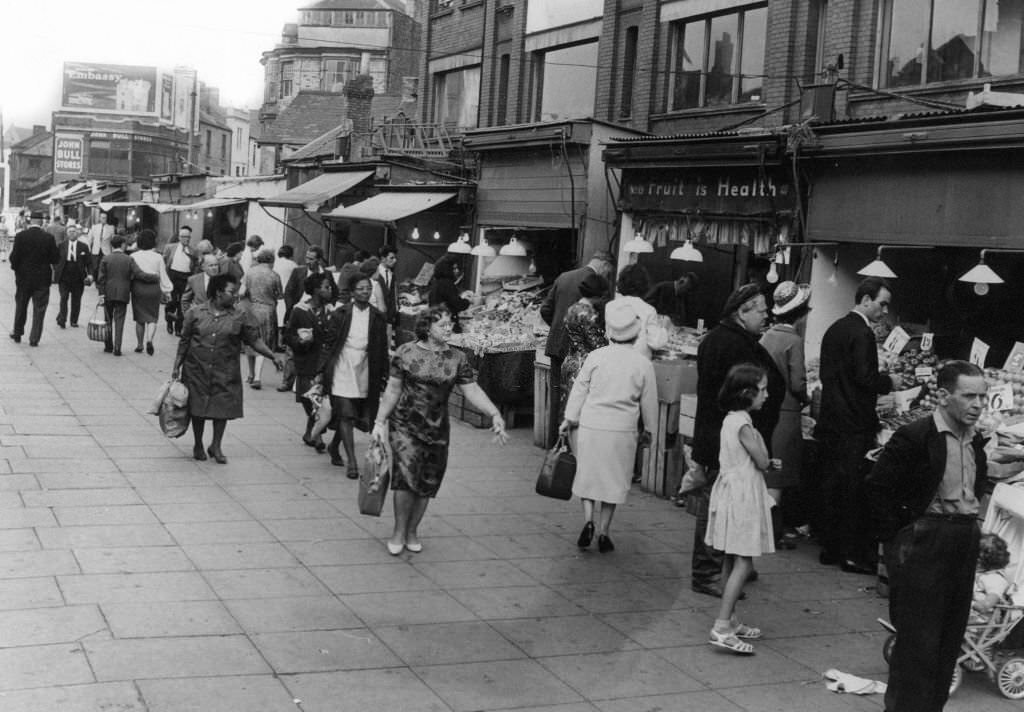
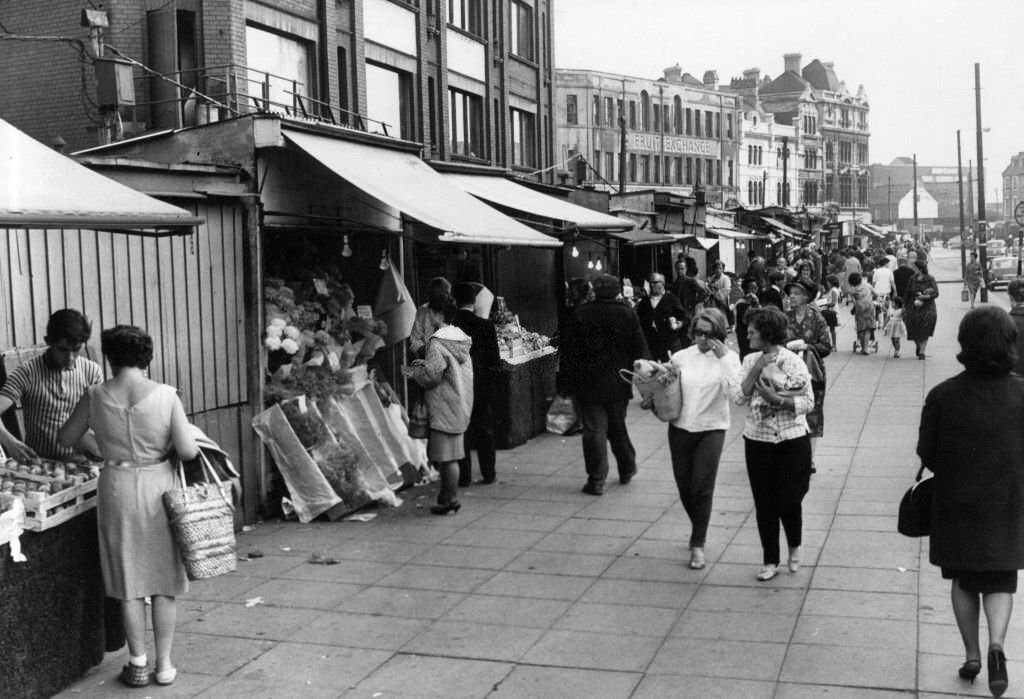
Mill Lane Fruit Market, Cardiff, Wales, Tuesday 11th August 1964.
New Street behind Mill Lane Market, Cardiff, Wales, Tuesday 11th August 1964. Newforce Fine Food.
The Pier at Aberystwyth Harbour, Ceredigion, West Wales, July 1964.
Mill Lane Fruit Market, Cardiff, Wales, June 1964.

Rugby was central to Welsh identity. On 21st March 1964, Wales played France at Cardiff Arms Park in the Five Nations Championship, drawing a packed crowd in what was — and remains — one of the most passionate sporting arenas in the world. Welsh rugby in the 1960s was building toward one of the sport’s great eras.
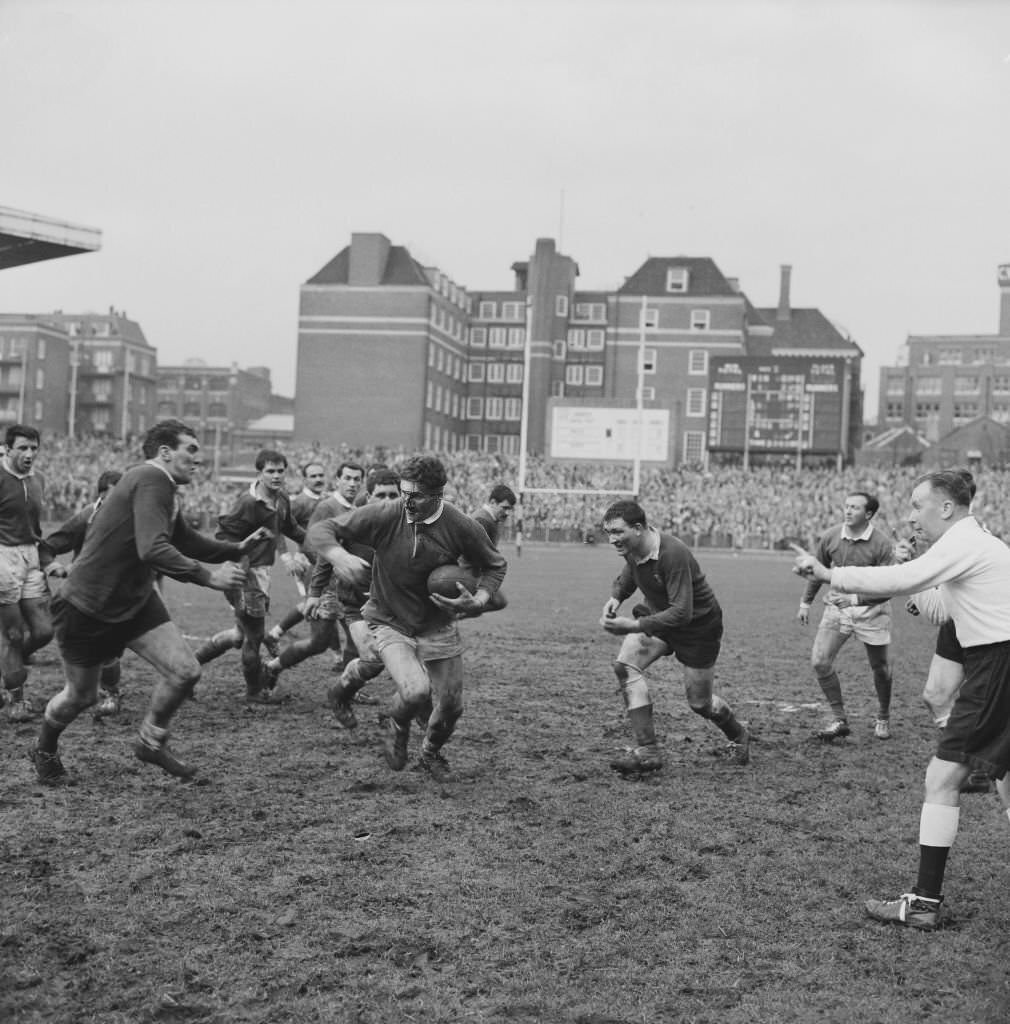
Rugby players in action during the 1964 Five Nations match Wales vs France, Cardiff, 21st March 1964.
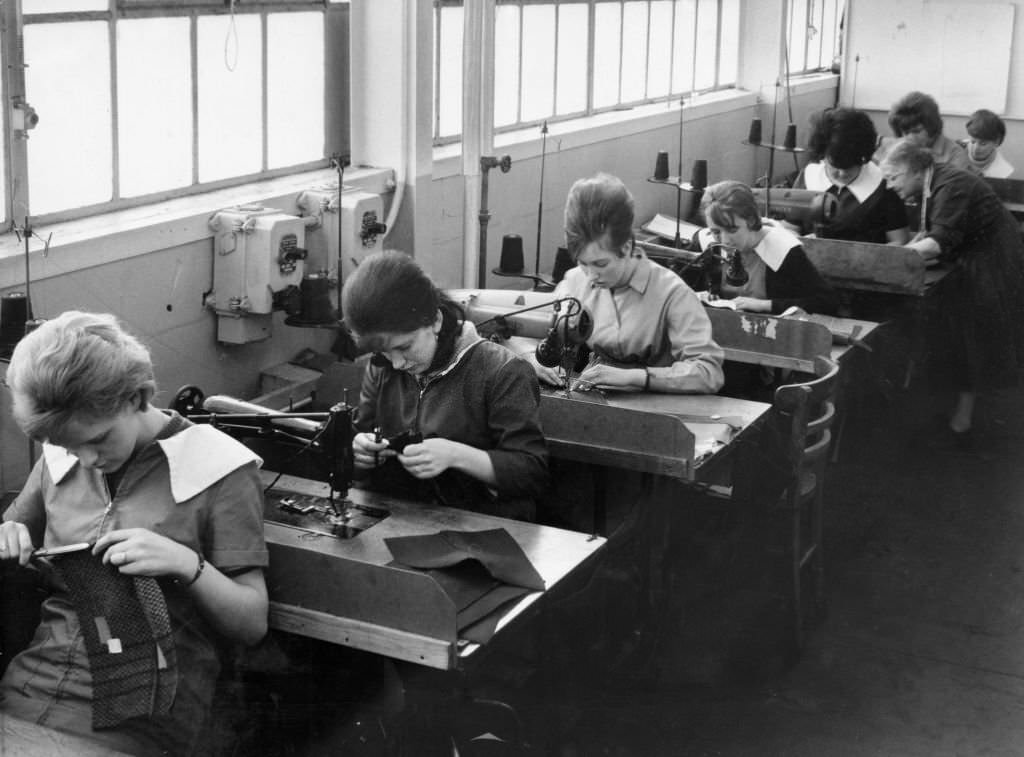
Young machinists being trained in the training school of Lotery's factory in Newport, Wales. March 1964.
Young machinists being trained in the training school of Lotery’s factory in Newport, Wales. March 1964.
Bridge Street in Crickhowell, Powys, Wales, 1964.
Newtown was a residential area of Cardiff, Wales that existed from the mid-nineteenth century until it was demolished in 1970. Pictured, Tyndall Street, 1964.

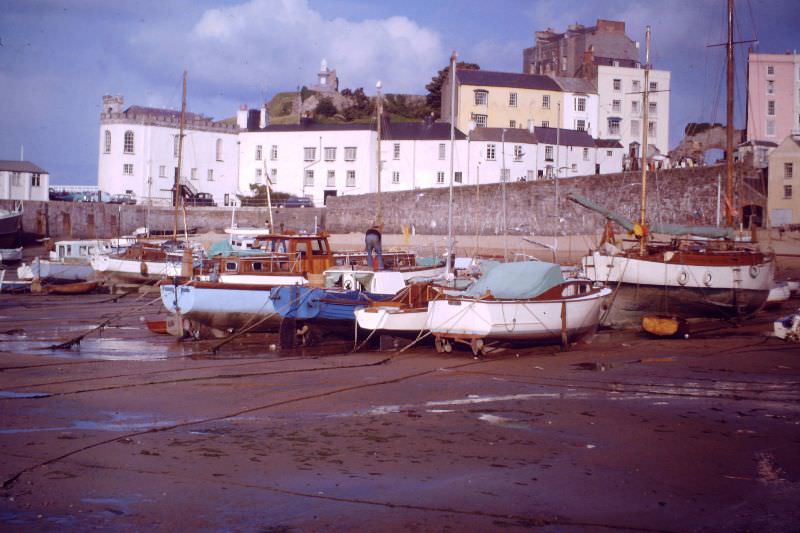
Tenby Harbour was — and still is — one of the most photographed spots in Wales. At low tide, fishing boats rested on the sand below the colourful terraces of Bridge Street and Pier Hill. Castle Hill rose above it all, giving the whole scene a dramatic backdrop that made Tenby immediately recognisable.
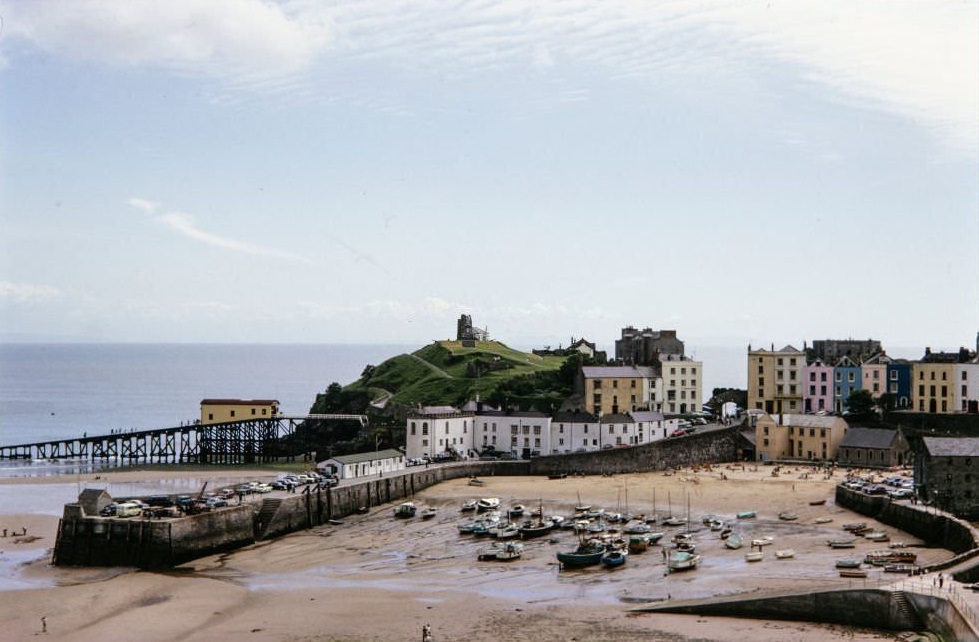
Tenby Harbour, Tenby, Pembrokeshire, Wales, 1964. Tenby Harbour at low tide, in which boats are beached, with Castle Hill and colourfully painted houses on Bridge Street and Pier Hill.
Street Scenes, Aberystwyth, Ceredigion, West Wales, August 1963. Terrace Road, looking towards the sea.
Street Scenes, Aberystwyth, Ceredigion, West Wales, 12th July 1963. Great Dark Gate Street, looking down into North Parade.

Chepstow, on the border with England in southeast Wales, saw post-war construction that brought new housing forms to the town. Easiform concrete flats — developed by John Laing and Son Ltd from 1919 onwards — were built using an in-situ pre-cast method that allowed large numbers of homes to be constructed quickly and cheaply.
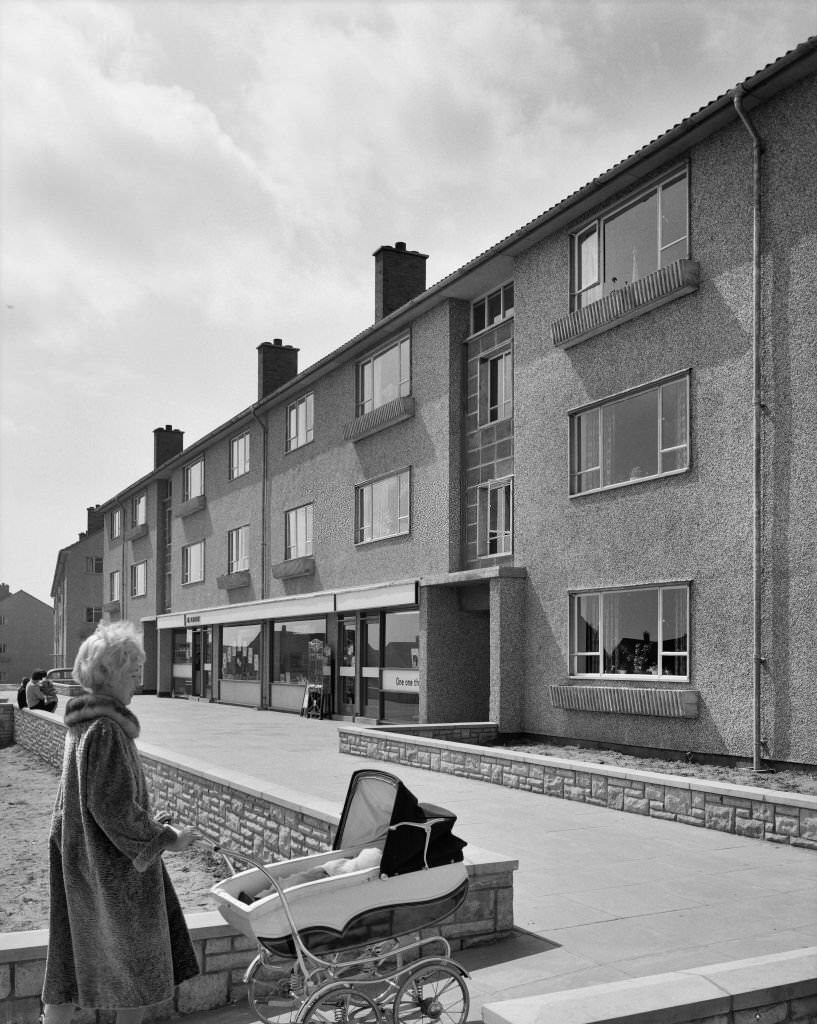
A view of a block of Easiform flats with a ground floor shop in Chepstow, showing a woman pushing a pram in the foreground.

Newport was one of Wales’s largest industrial cities, and its commercial high street, Commercial Street, reflected the prosperity and consumer culture of the early 1960s. Major chains like Woolworths operated prominently there, serving the city’s large working population.
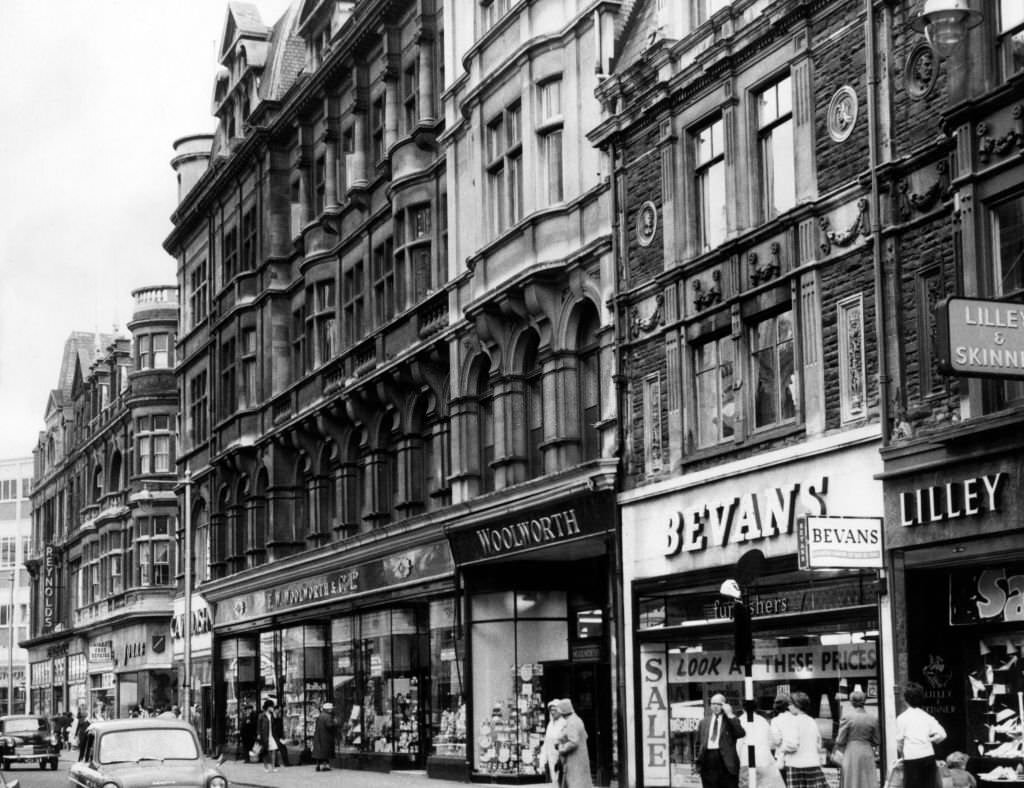
W. Woolworth & Co LTD, Commercial Street, Newport. Gwent, Wales, 28th August 1962.

The National Union of Mineworkers held its annual South Wales conference at Porthcawl each May. Hundreds of miners gathered at the Pavilion on the seafront for what was one of the most significant trade union gatherings in Wales each year. The meetings took place against a backdrop of increasing tension over pit closures and the future of coal.
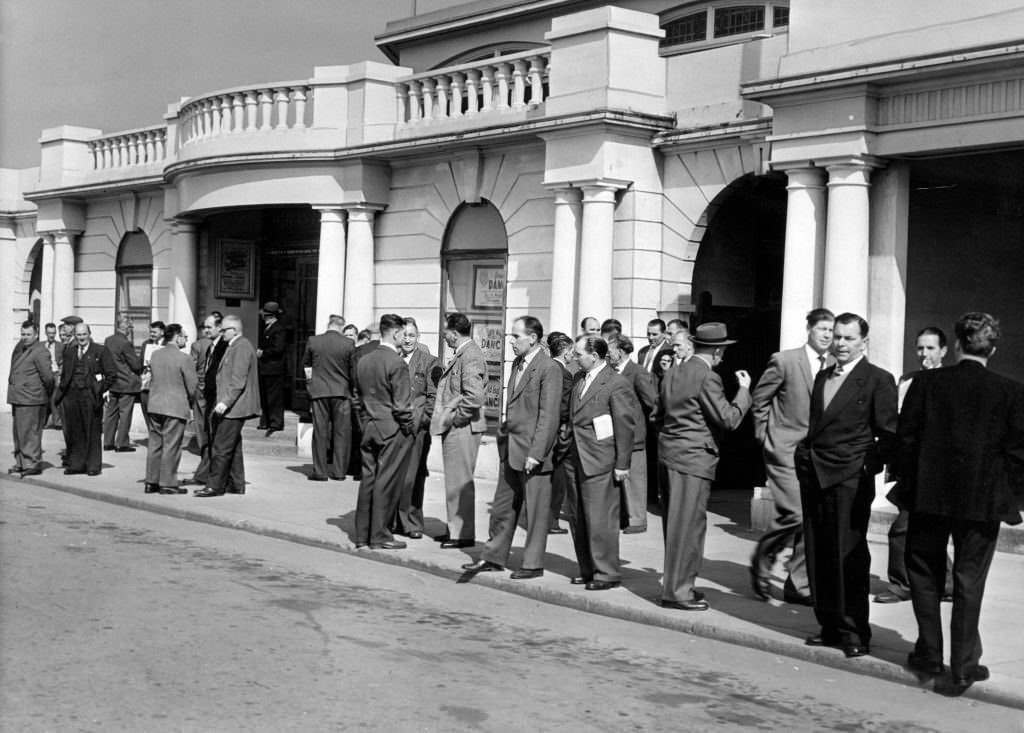
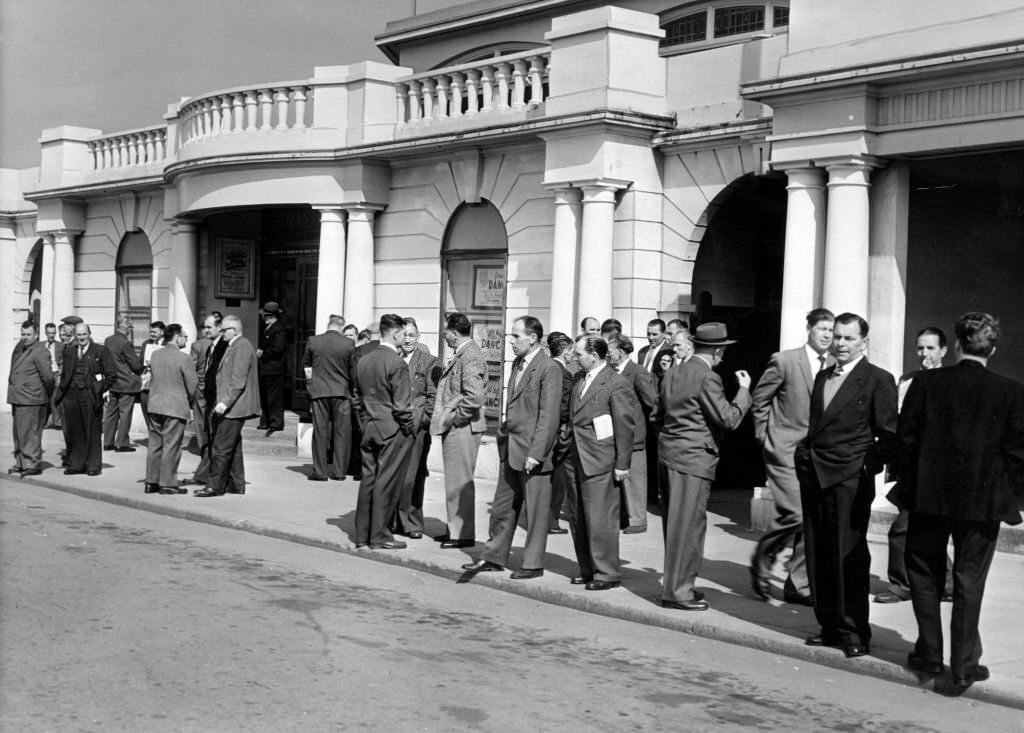
Miners wait outside of the Pavilion at Porthcawl, for the annual NUM South Wales miners conference, Porthcawl, Bridgend, South Wales, 1st May 1962.
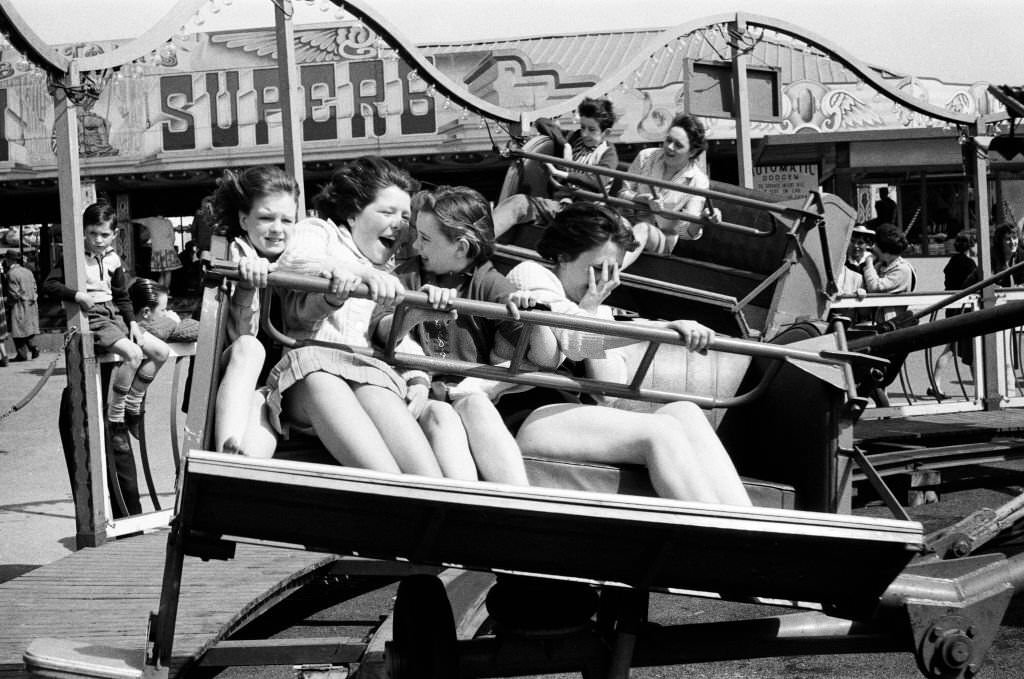
A group of girls at the fairground at Barry Island, Vale of Glamorgan, Wales, 23rd April 1962.

Caerphilly Castle, one of the largest castles in Britain, sits in the town of Caerphilly just north of Cardiff. Built in the 13th century, it was famous for its elaborate water defences and its leaning tower — a result of deliberate slighting during the Civil War. By the 1960s it was a well-established historic site managed by the state.
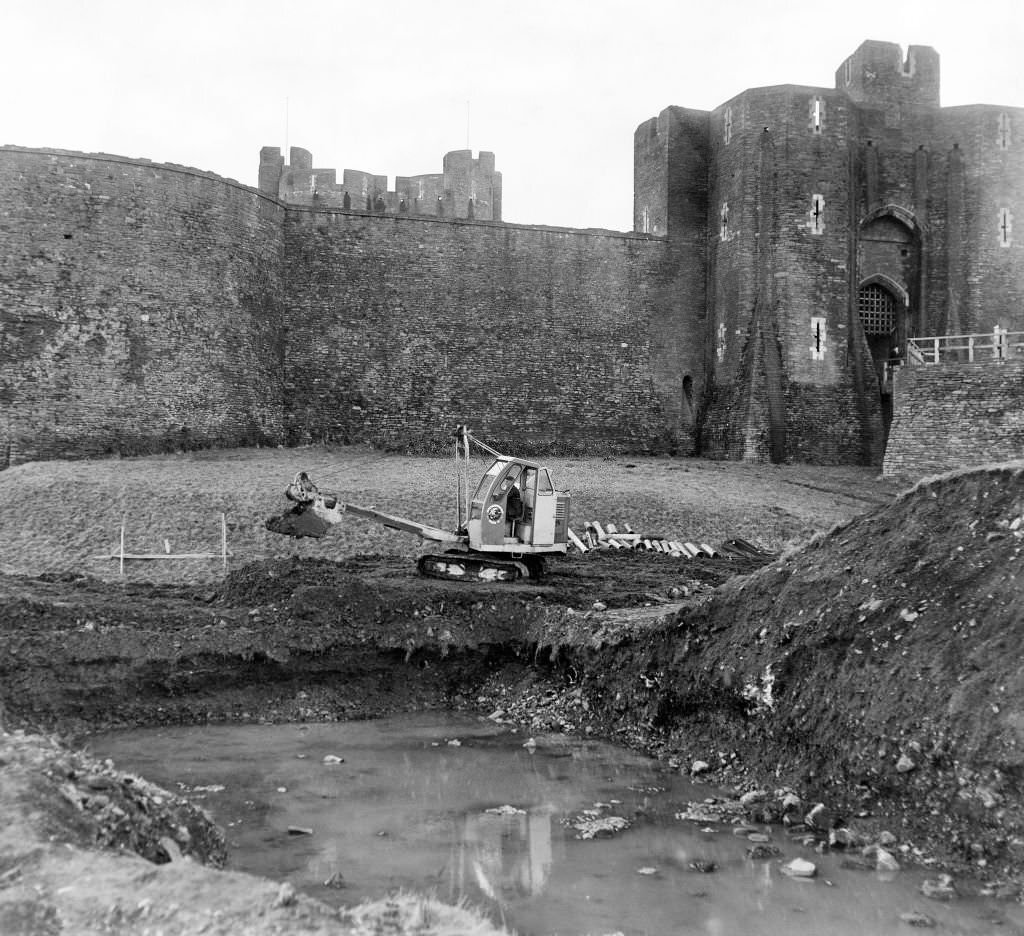
Caerphilly Castle, a medieval fortification in Caerphilly in South Wales, 18th January 1962.

Cardiff’s city centre was being reshaped throughout the decade. The Hayes, a historic commercial street running through the heart of the city, was targeted for major redevelopment. In 1962, Cardiff City Council agreed to spend £91,582 acquiring a block of Hayes buildings as part of a much larger central area redevelopment plan.
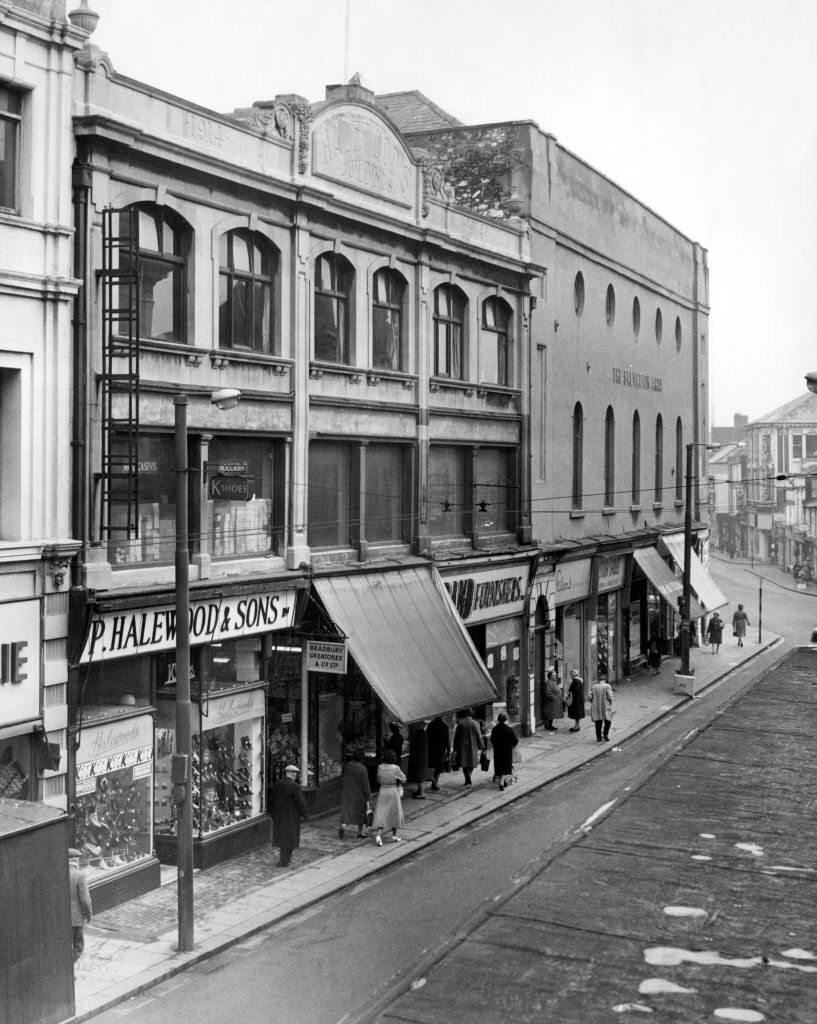
Cardiff city council have agreed to spend 91,582 on acquiring the Hayes block of buildings, which is only a small section of the immense redevelopment planned for the city's central area.
Cardiff city council have agreed to spend 91,582 on acquiring the Hayes block of buildings, which is only a small section of the immense redevelopment planned for the city’s central area.

Bargoed station in the Rhymney Valley was a working junction on the former Rhymney Railway’s main line from Cardiff to Rhymney. On 18th April 1962, GW 0-6-0PT No. 3706 was photographed taking water at the head of a Newport to Brecon through train. GW 0-6-2T No. 5601 stood nearby. The engines all faced uphill — a deliberate practice on Welsh valley lines to ensure the firebox was properly covered with water while climbing the steep gradients.
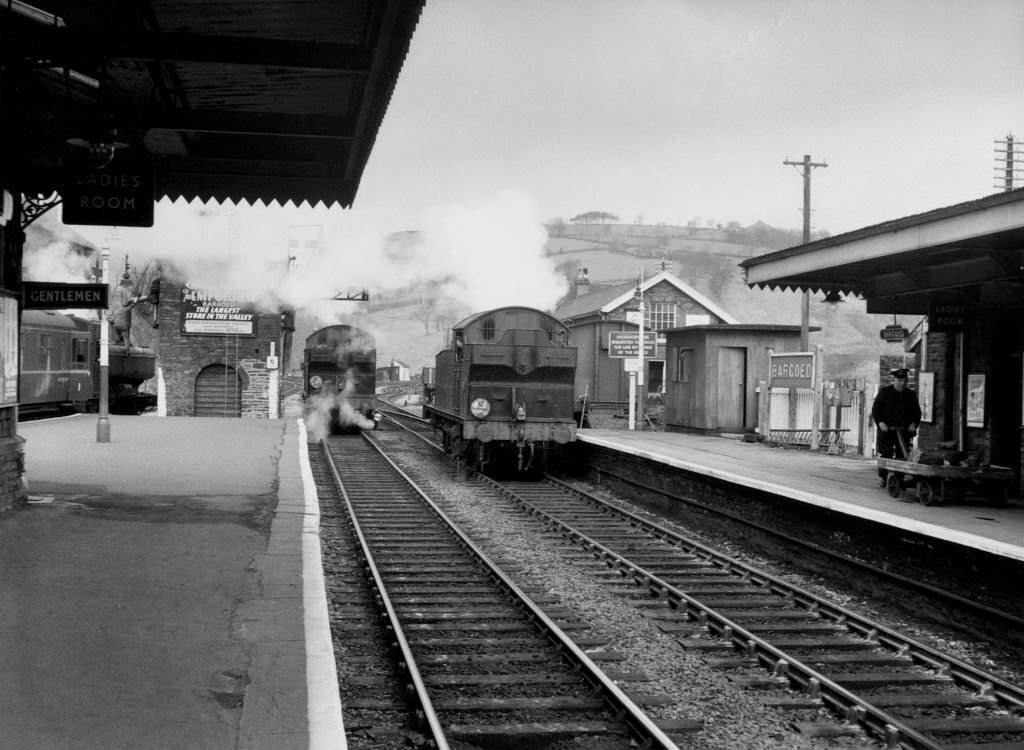
The two centre tracks in this north-looking view of Bargoed station were originally the Rhymney Railway's main line from Cardiff to Rhymney.
The two centre tracks in this north-looking view of Bargoed station were originally the Rhymney Railway’s main line from Cardiff to Rhymney.
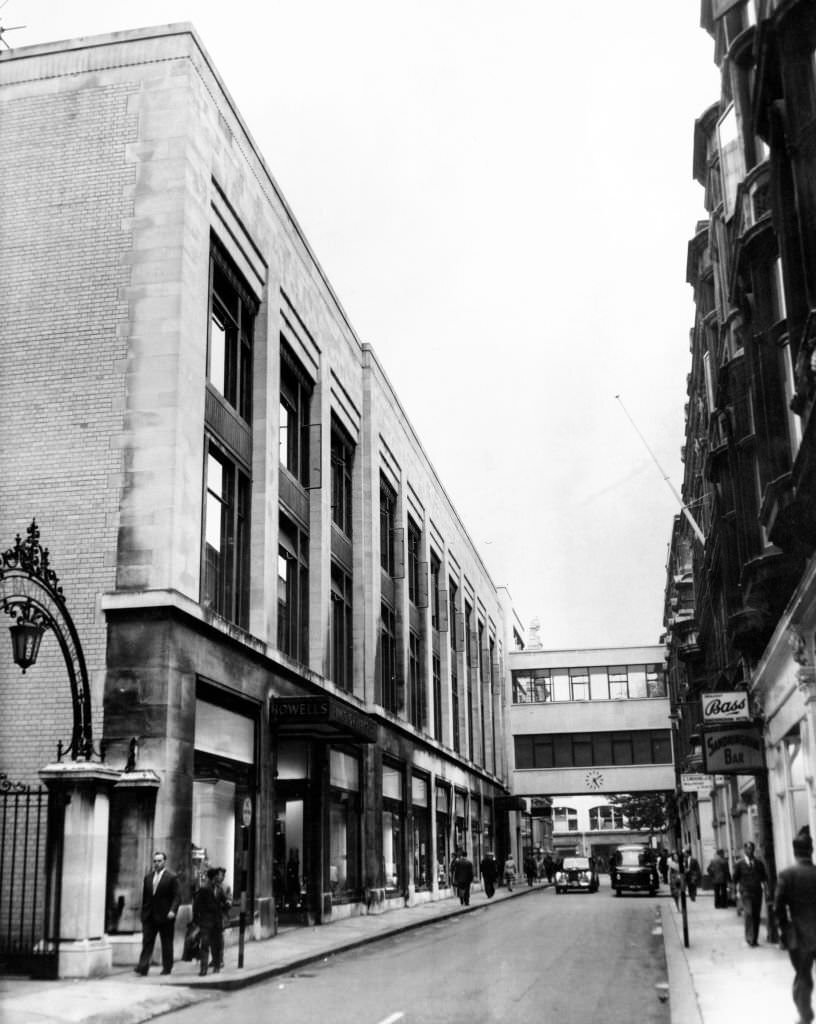
An exterior view of James Howells department store, Wharton Street, Cardiff, Wales. September 1961.
Crystal Glen, The Heath, Cardiff, Wales. 14th August 1961.
Wenvoe, a Welsh village in the Vale of Glamorgan, Wales, 1961.
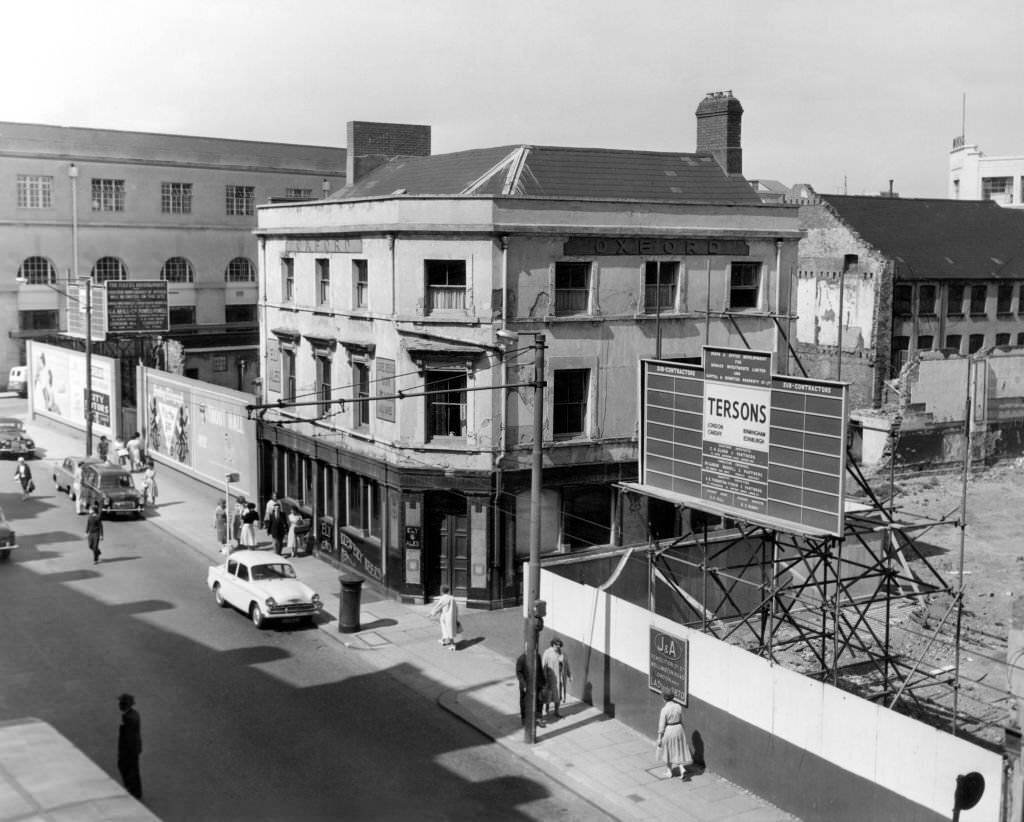
The Oxford Hotel in The Hayes area, Cardiff, Wales, July 1961.

North Wales offered some of the most dramatic mountain scenery in Britain. The narrow road between Capel Curig and Beddgelert passed through the heart of Snowdonia, with open views of the mountains including Snowdon itself. A free car park along the route gave motorists a place to stop and take in the landscape.
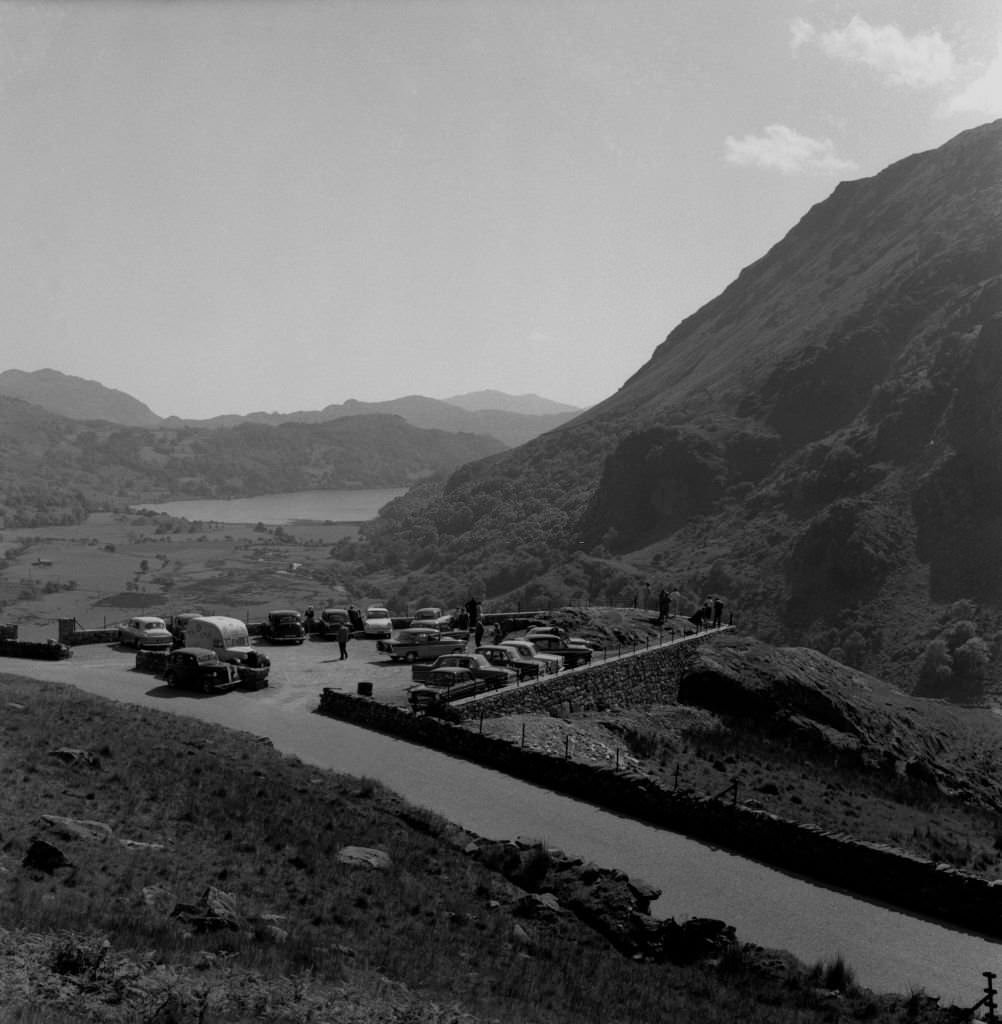
Free Car Park - Capel Curig-Beddgelert Road, North Wales
Free Car Park – Capel Curig-Beddgelert Road, North Wales
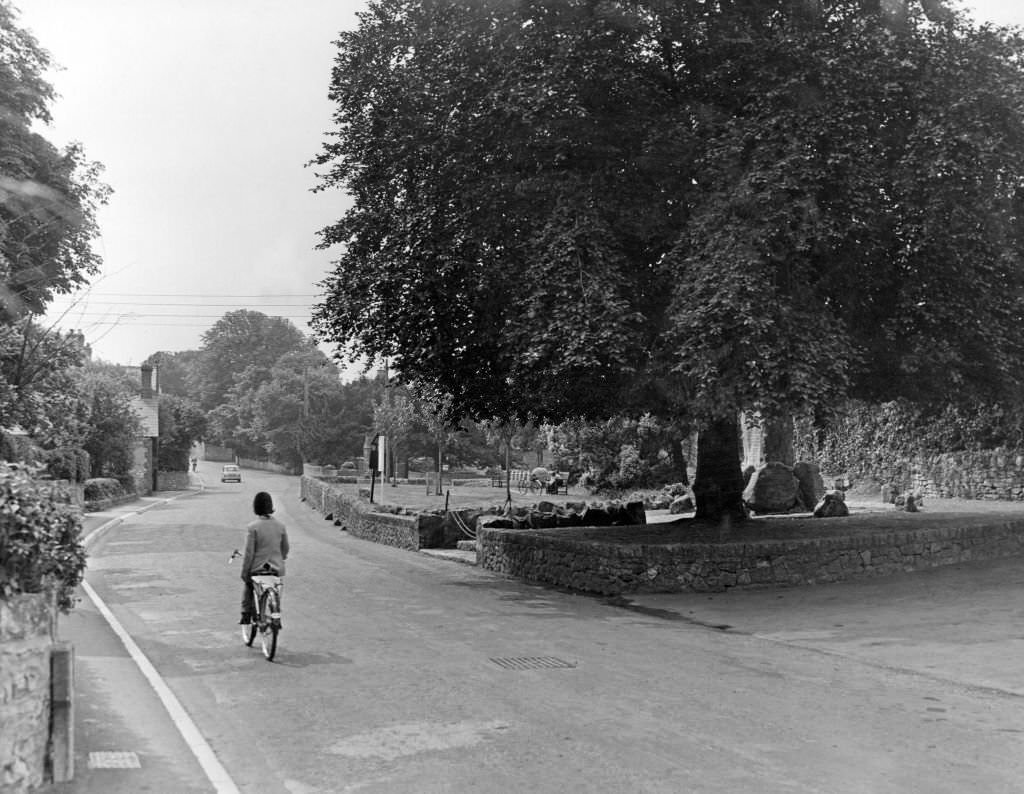
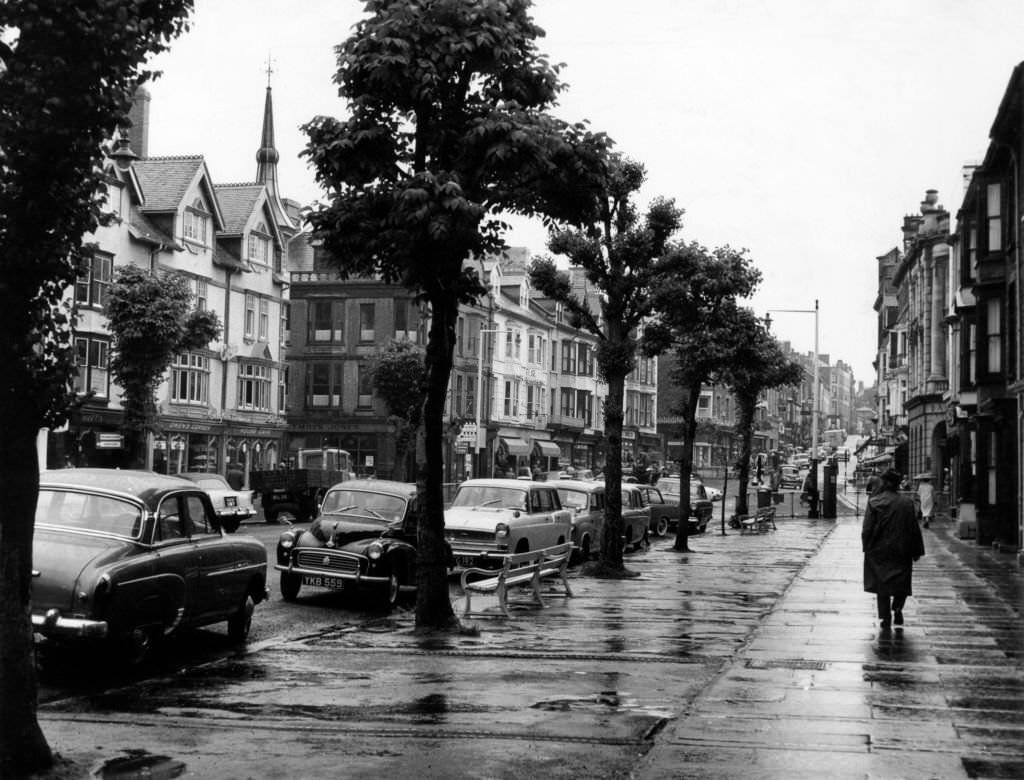
Street Scenes, Aberystwyth, Ceredigion, West Wales, 22nd June 1961. Tree lined main street with its ample parking spaces.

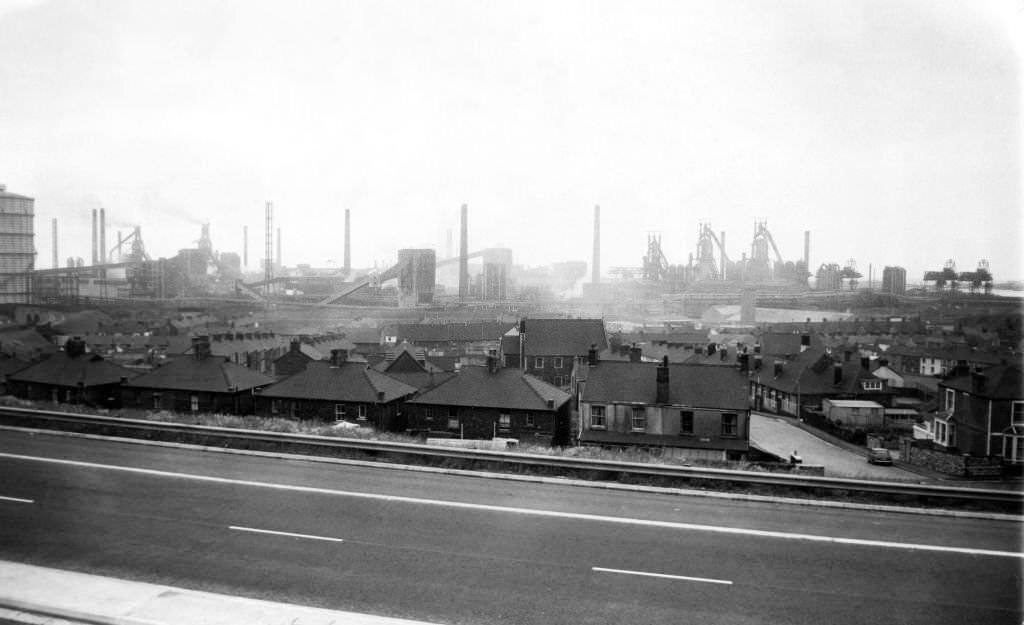
Port Talbot Steelworks was one of the defining industrial sites of Wales. Located on Swansea Bay in West Glamorgan, it processed raw materials on a massive scale. In February 1961, lorries were photographed being unloaded at the Margam Slag Works, showing the industrial scale of operations that employed thousands across the region.
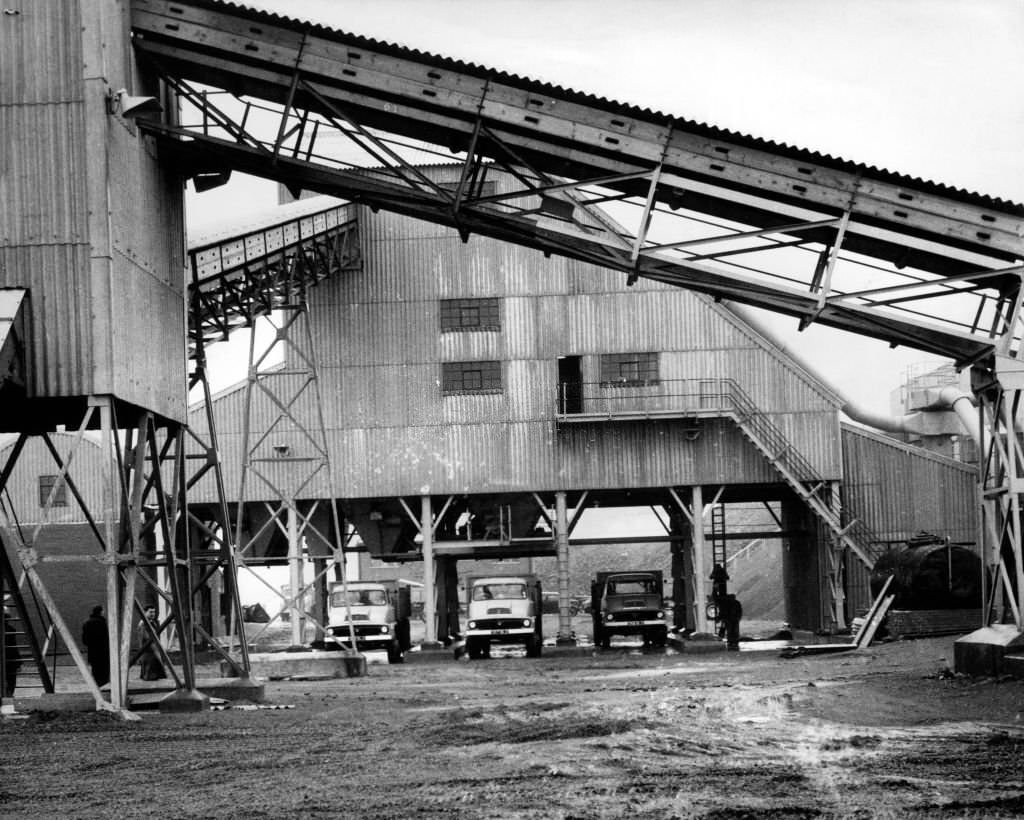
Port Talbot Steelworks, 1961
Galston Street in Adamsdown, an inner city area and community in the south of Cardiff, Wales, 23rd January 1961.
Kilcattan Street in Adamsdown, an inner city area and community in the south of Cardiff, Wales, 23rd January 1961.
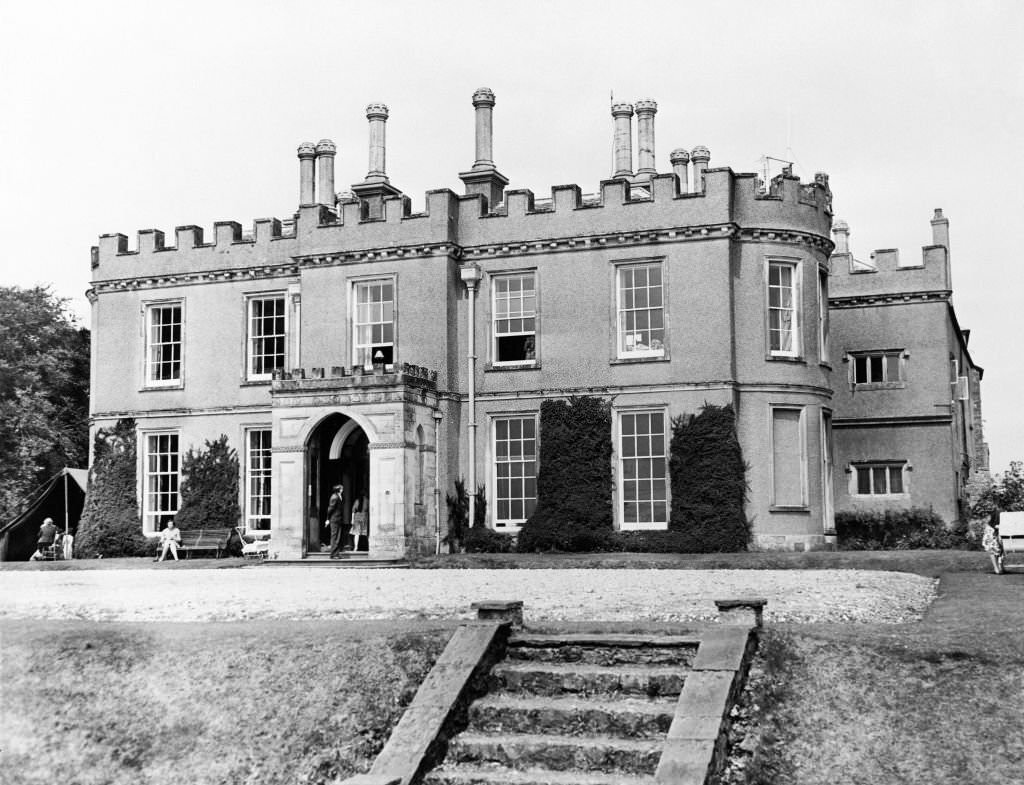
Penllyn Castle is a Norman architecture castle, in Cowbridge, Vale of Glamorgan South Wales, 1961.

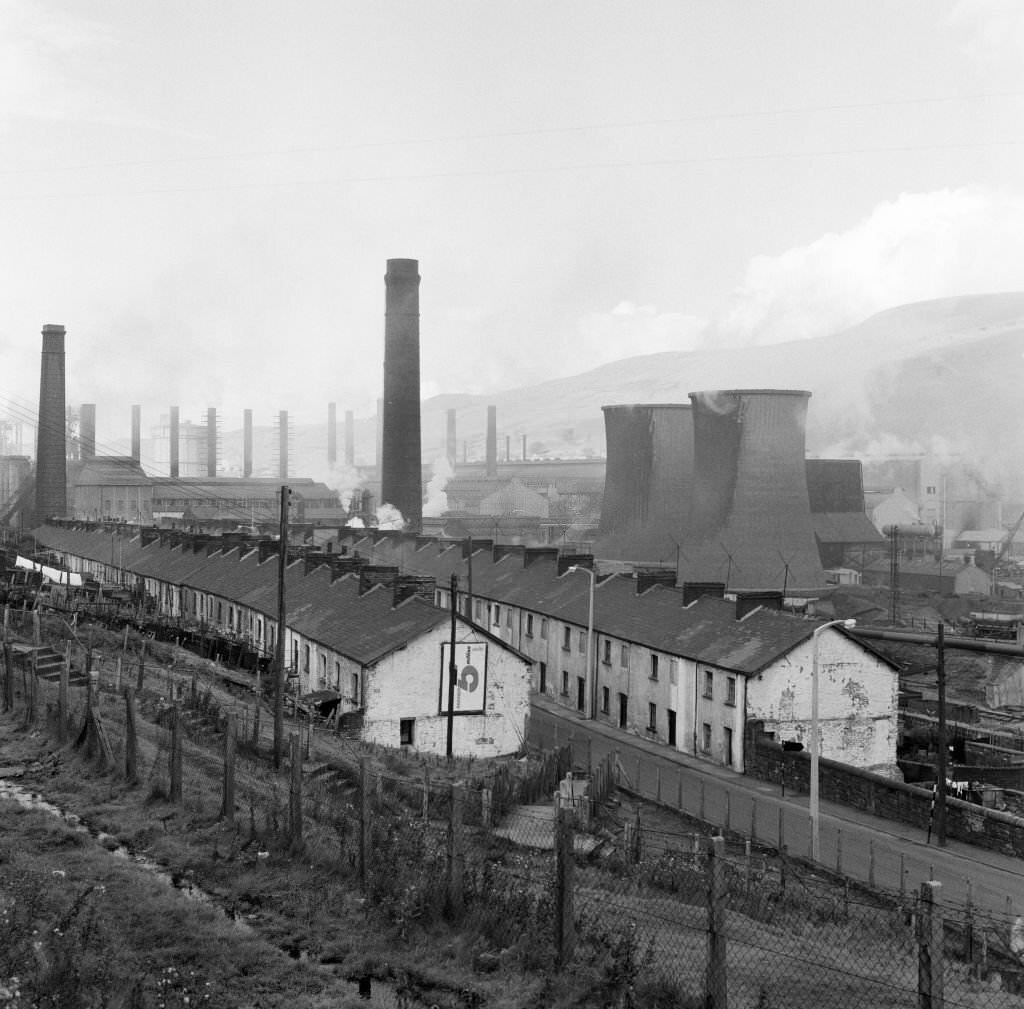
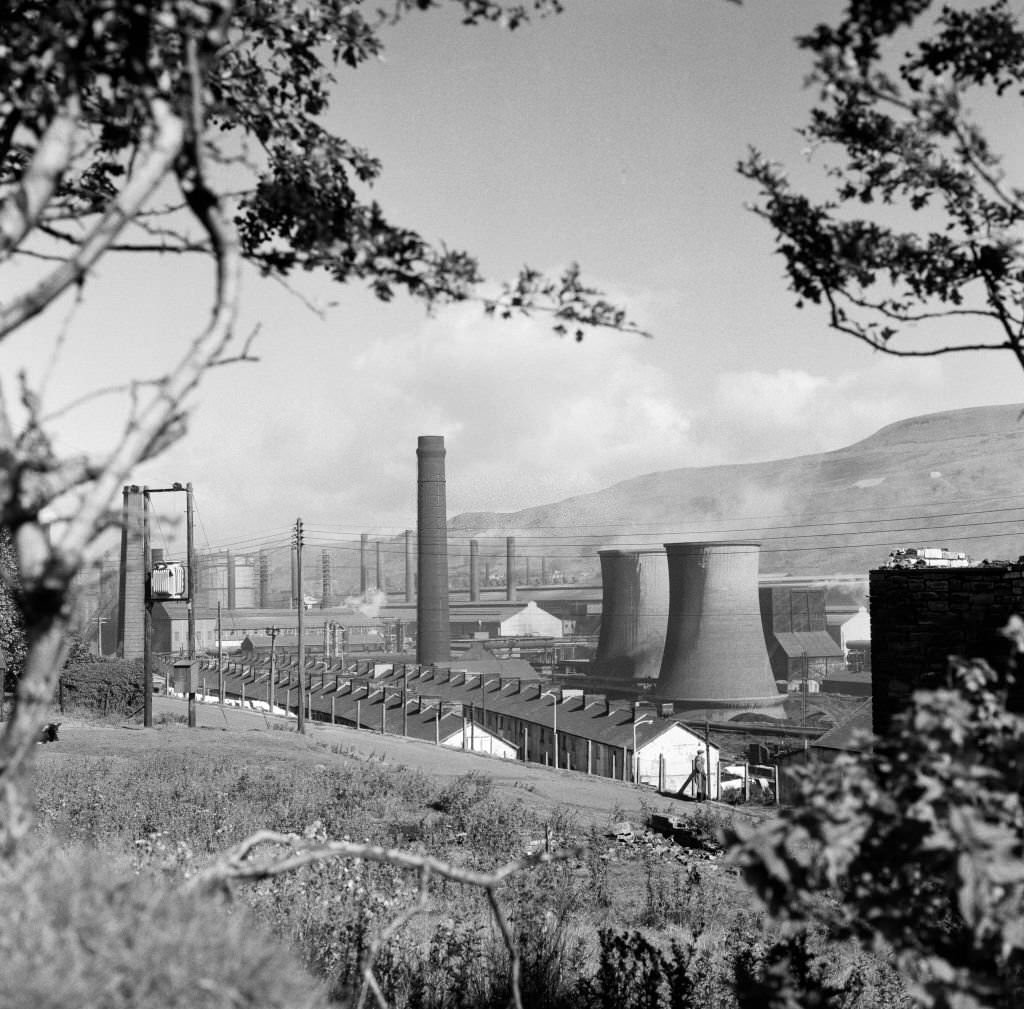
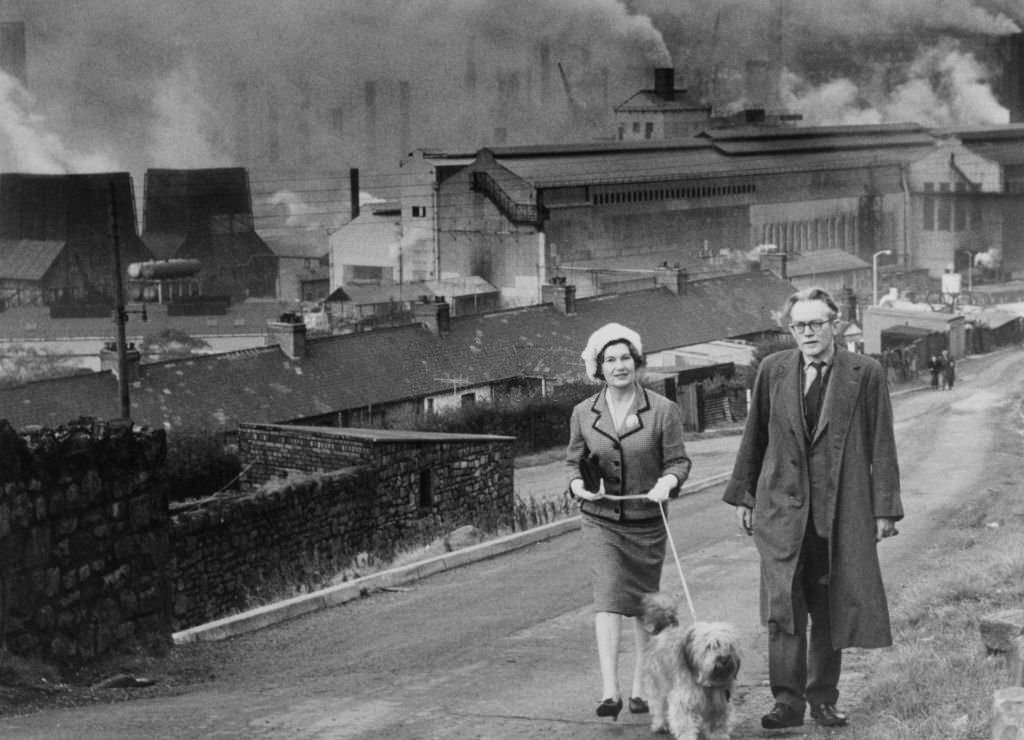
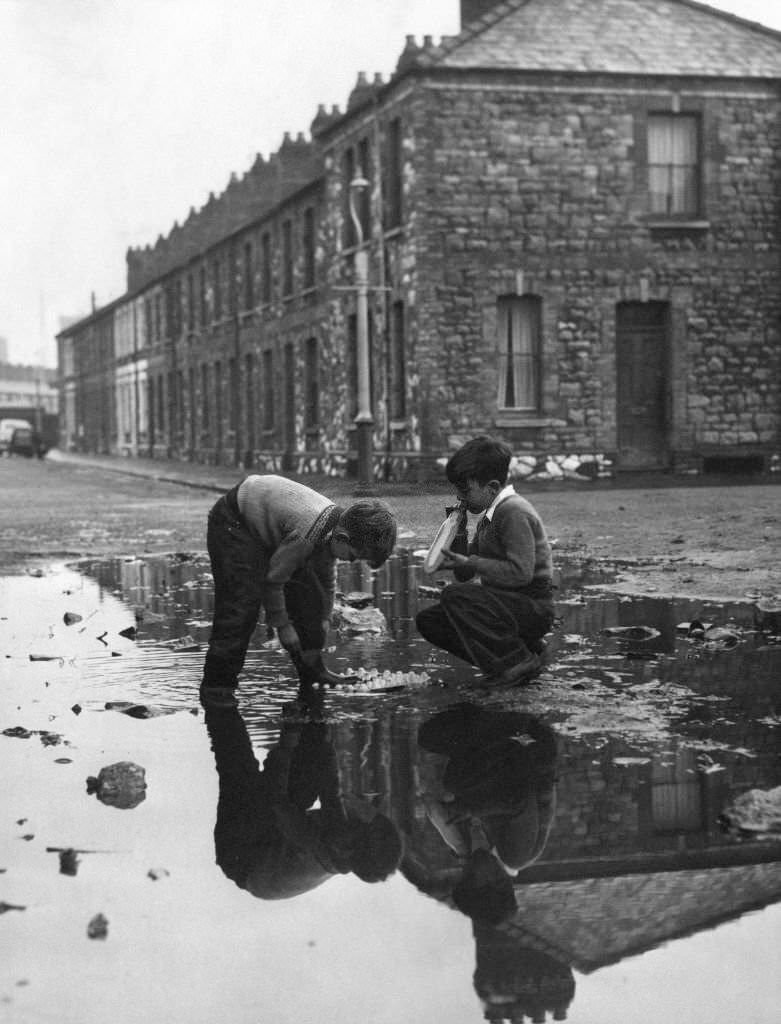
The industrial valleys of Blaenau Gwent — home to towns like Tredegar and Ebbw Vale — were among the most heavily working-class communities in Britain. Steel and coal had shaped these towns for over a century. Ebbw Vale was also the constituency of Labour MP Michael Foot, who along with his wife Jill Craigie was photographed on its streets in 1960 with factory buildings visible behind them.
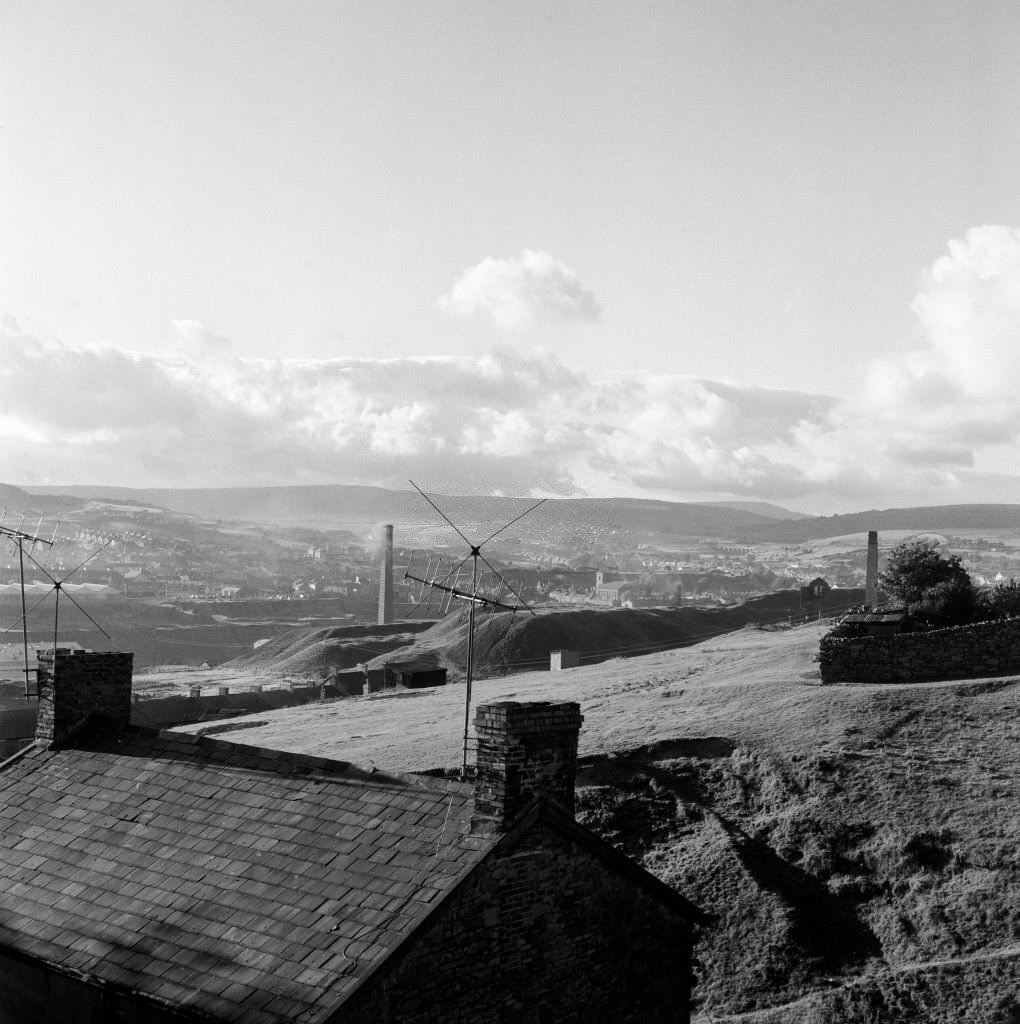
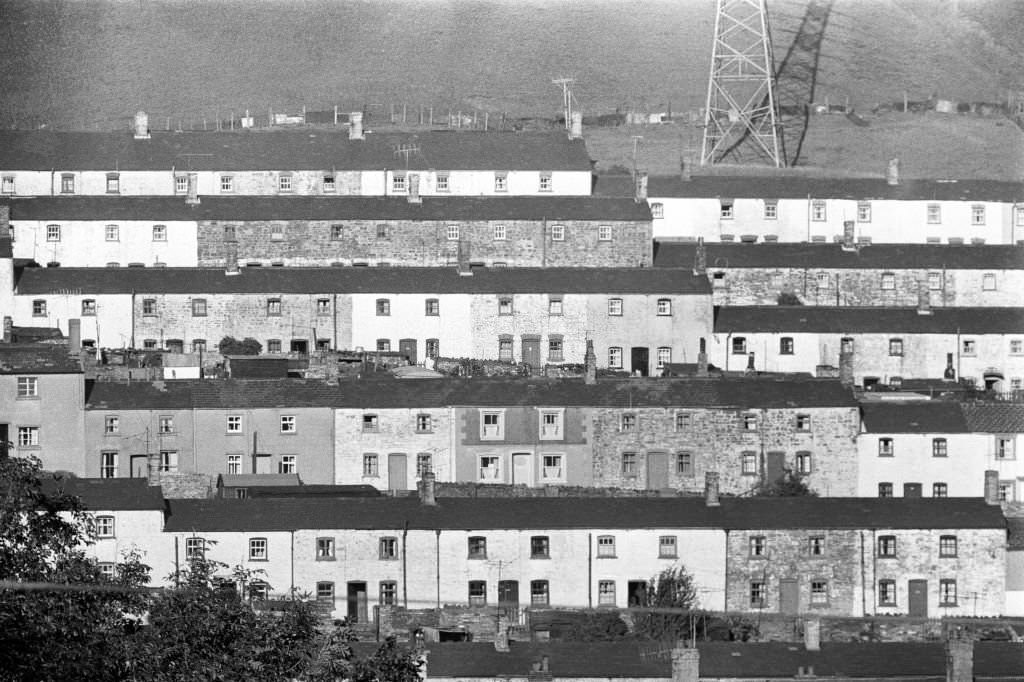
Tredegar, Blaenau Gwent, Wales. Located within the historic boundaries of Monmouthshire, September 1960.
Ebbw Vale, Blaenau Gwent, Wales, September 1960.
Tredegar, Blaenau Gwent, Wales. Located within the historic boundaries of Monmouthshire, September 1960.
Tredegar, Blaenau Gwent, Wales.

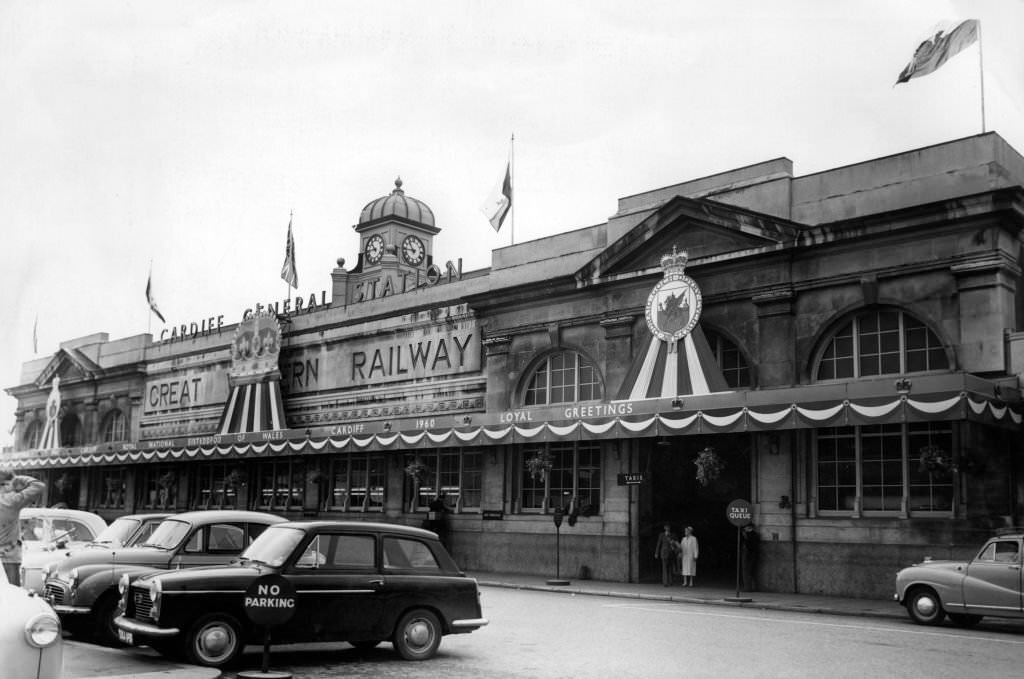
In August 1960, Queen Elizabeth II made a two-day visit to Cardiff. The same month, Cardiff Central railway station was decorated for the National Eisteddfod of Wales — the annual festival celebrating Welsh language, literature, and music — which took place in Cardiff that year.
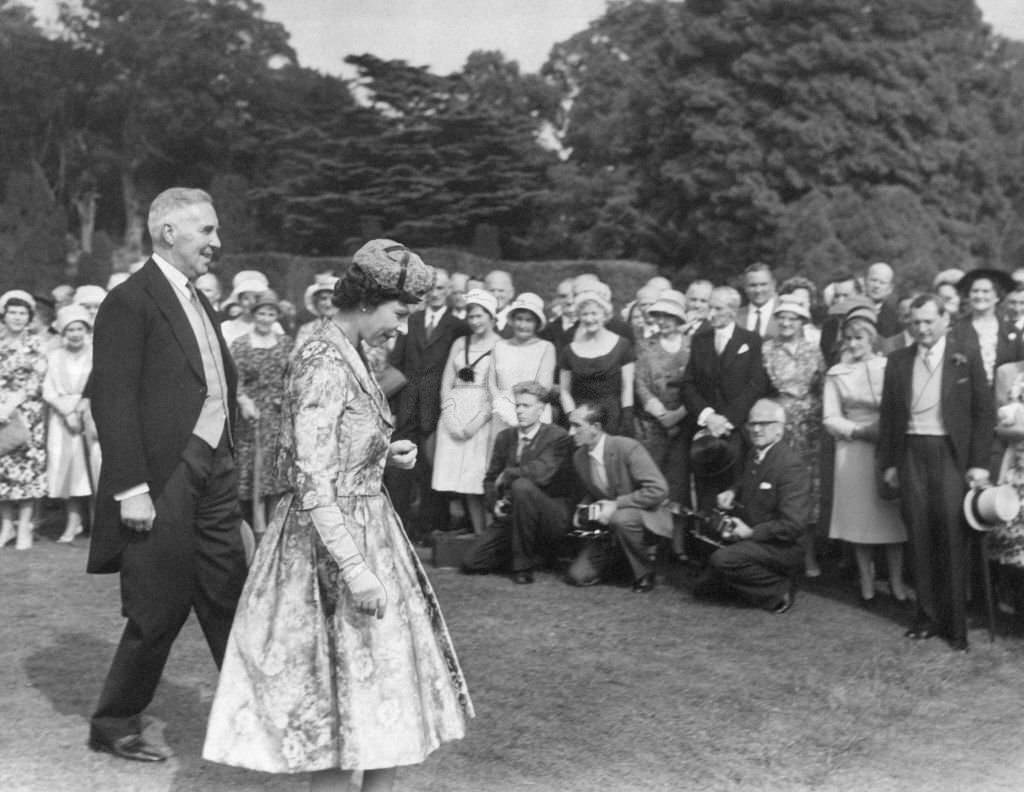
Queen Elizabeth II during two day visit to the welsh capital, Cardiff, Wales, Friday 5th August 1960.
Cardiff Central railway station, decorated for the National Eisteddfod of Wales. 29th July 1960.

Tiger Bay in Cardiff was one of the oldest multi-ethnic communities in Britain. In January 1960, the home of Eliza Bassey — mother of singer Shirley Bassey, who had grown up in Tiger Bay — was photographed. Shirley Bassey had by then already achieved international fame, and Tiger Bay remained closely linked to her story.
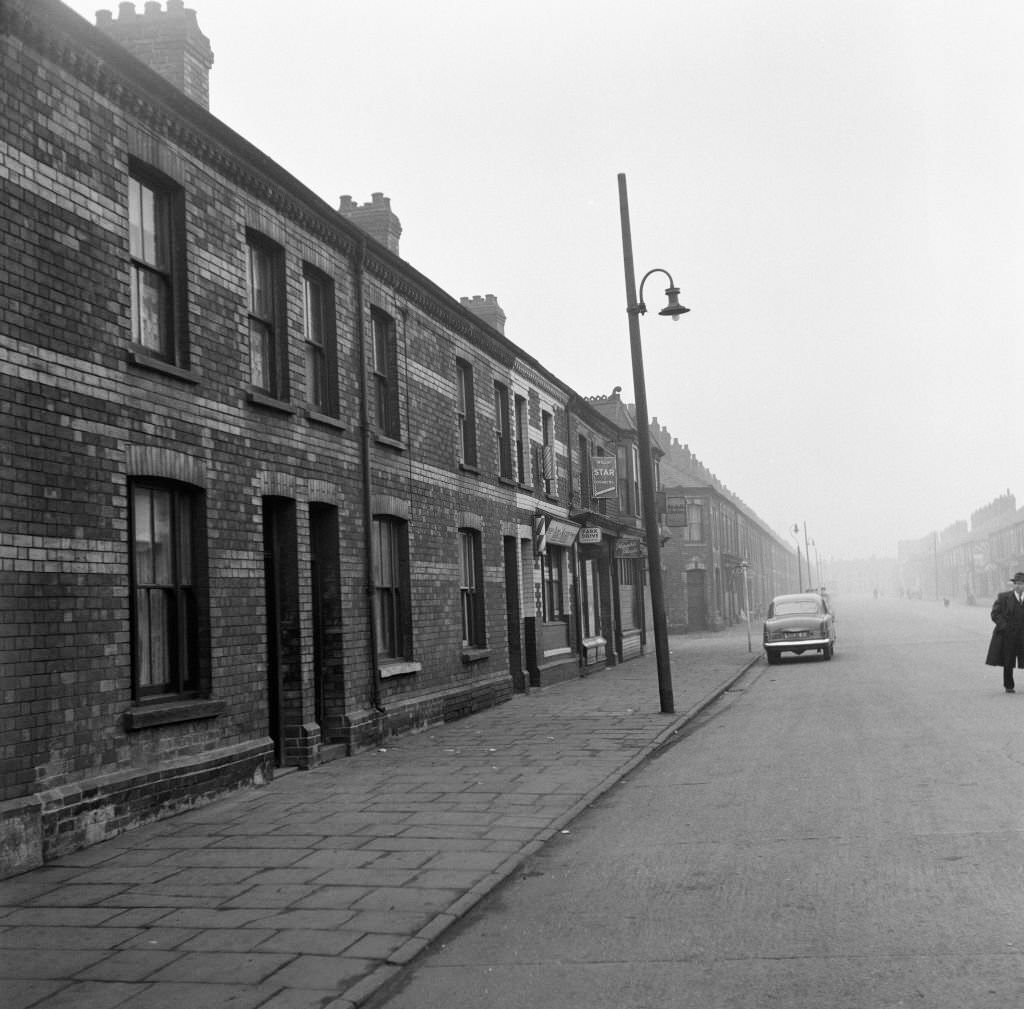
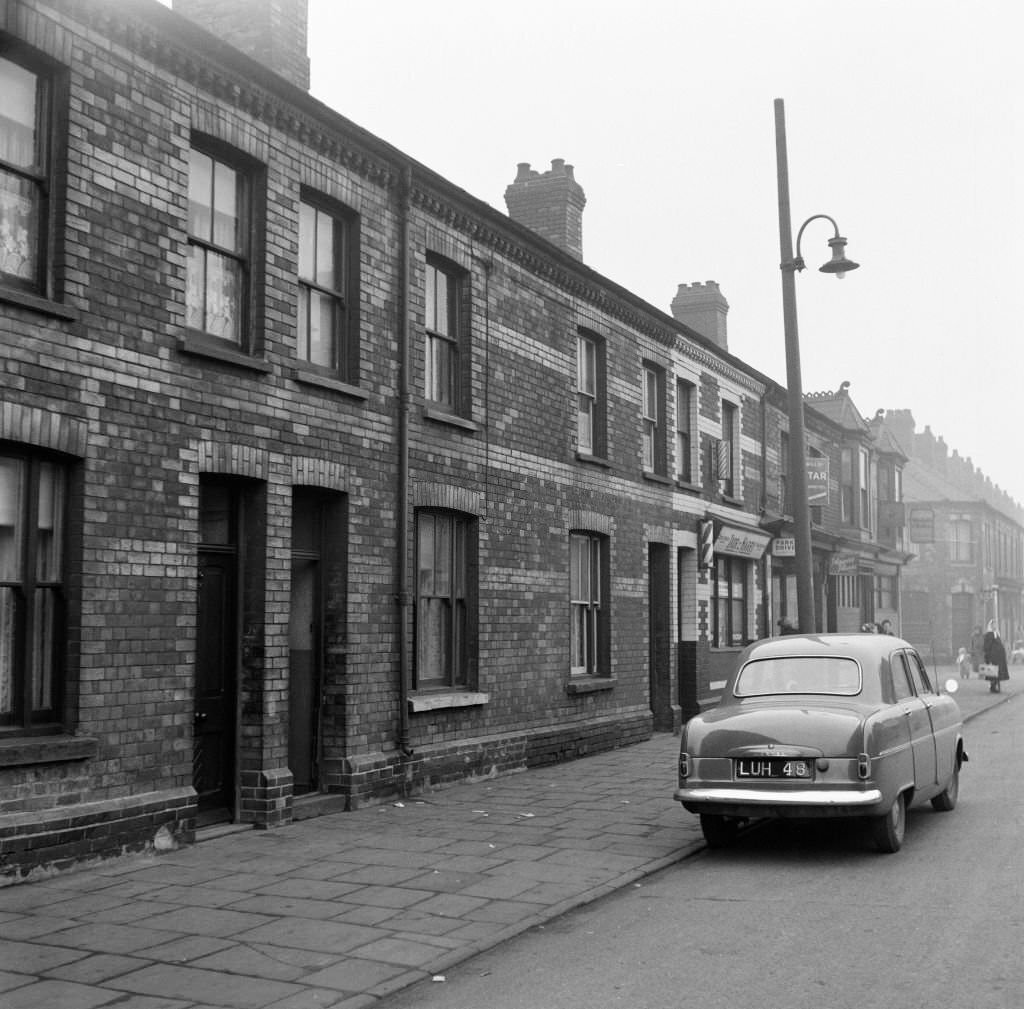
The home of Shirley Bassey's mother Eliza in Tiger Bay, Cardiff, 22nd January 1960.
The home of Shirley Bassey’s mother Eliza in Tiger Bay, Cardiff, 22nd January 1960.
The home of Shirley Bassey's mother Eliza in Tiger Bay, Cardiff, 22nd January 1960.
The home of Shirley Bassey’s mother Eliza in Tiger Bay, Cardiff, 22nd January 1960.
Michael Foot, Labour MP and his wife Jill Craigie photographed in the streets of Ebbw Vale, factories in the background, 1960.
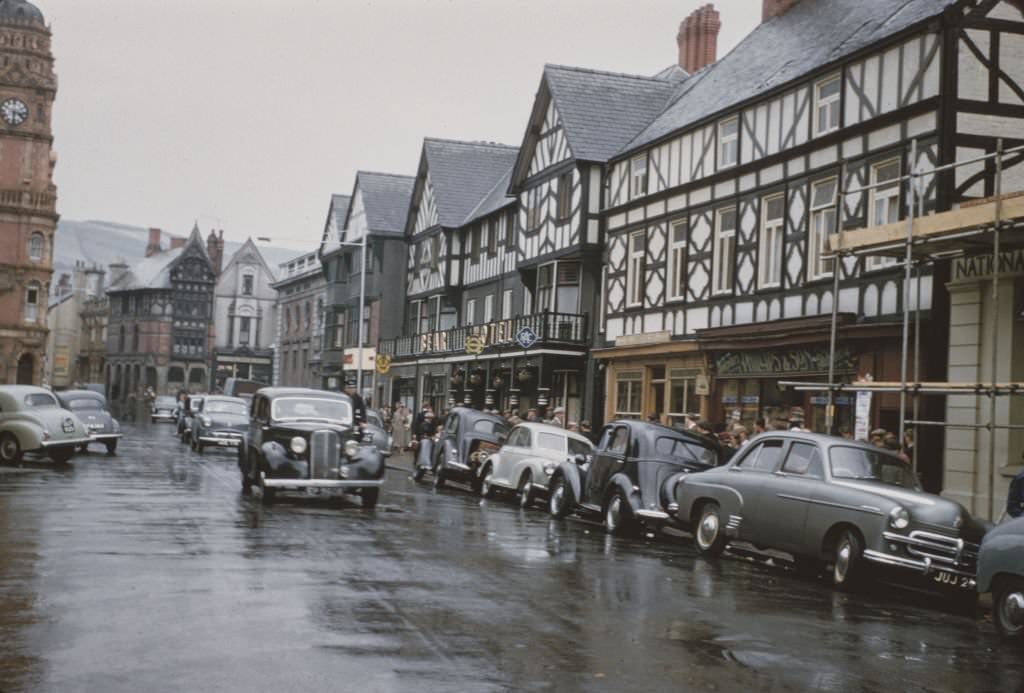
Cars drive down the main street in the market town of Newtown in Montgomeryshire, Wales, 1960.
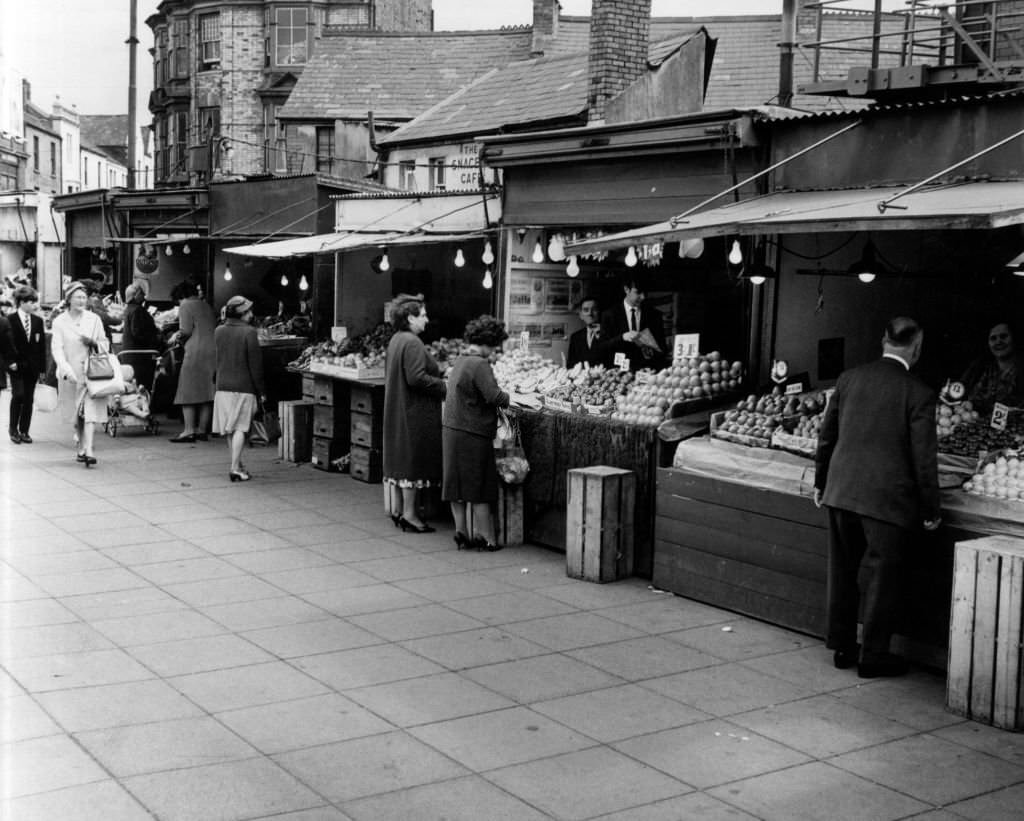
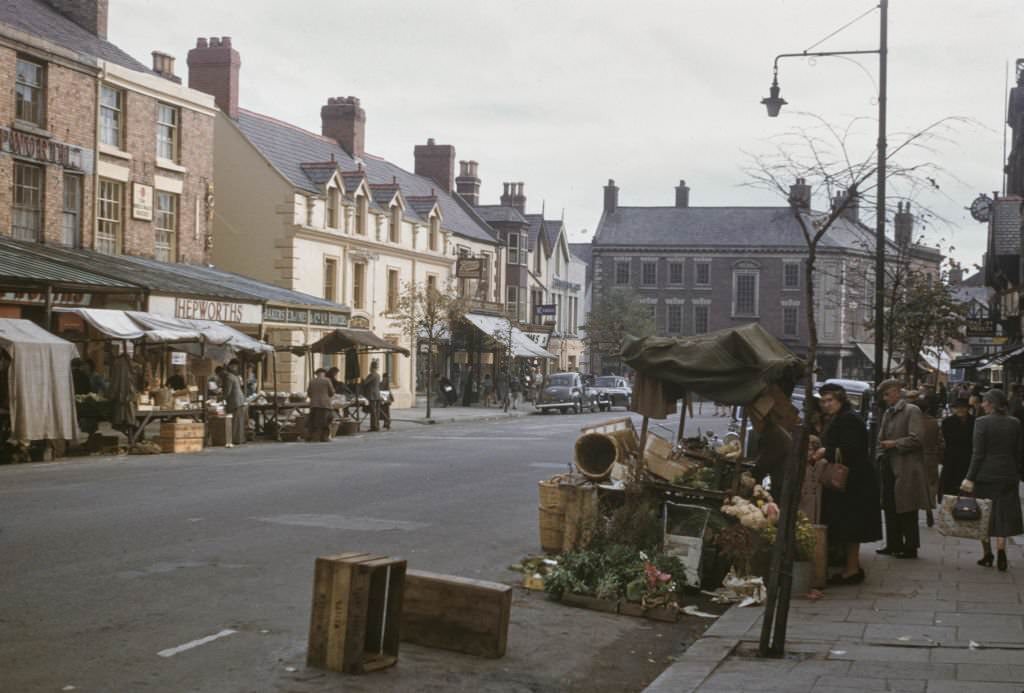
Pedestrians and shoppers buy produce from market stalls lining a main street in the centre of the town of Mold in Flintshire, Wales 1960.
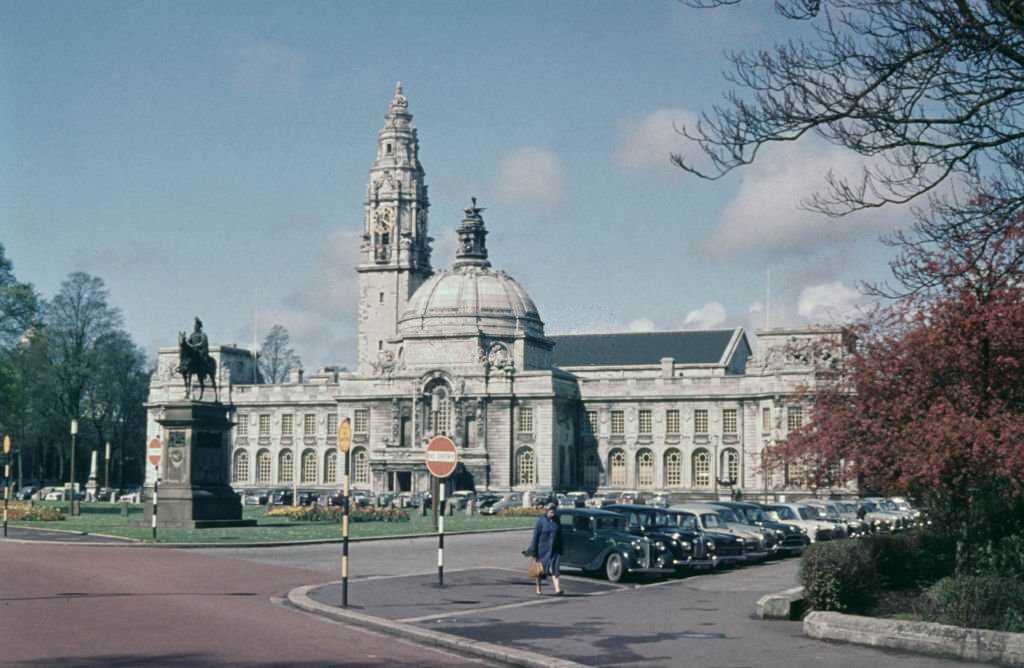
Cars parked in front of Cardiff City Hall located in the Cathays Park civic centre area of Cardiff, Wales, 1960.
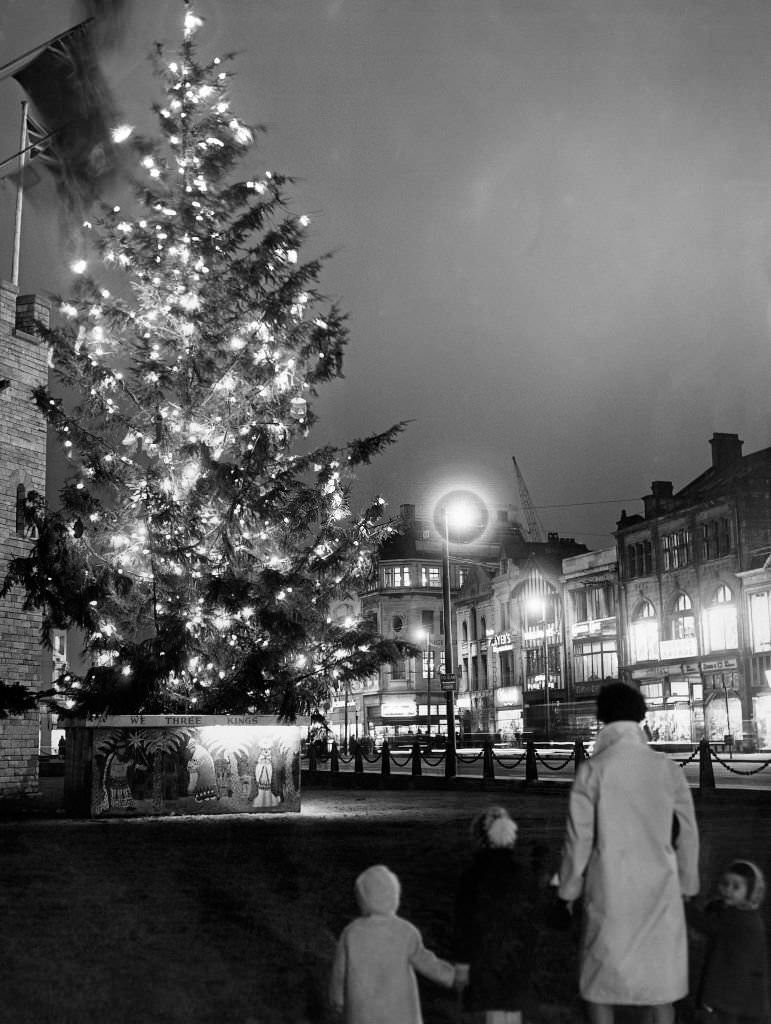
A Christmas Scene outside Cardiff Castle, 1960.
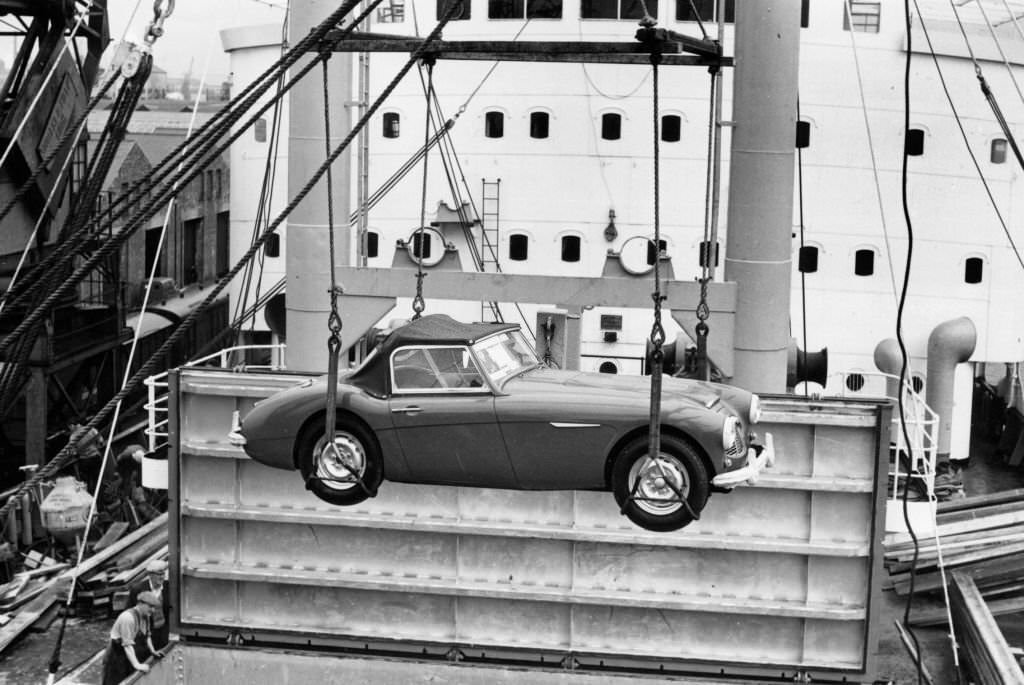
Austin Healey for export, Cardiff 1960.
Mill Lane, Cardiff, Wales, 1960.

In 1964, the Labour government established the post of Secretary of State for Wales, giving Wales its own ministerial voice in the Cabinet for the first time. The Welsh Office was created alongside it, and over the following years — under both Labour and Conservative administrations — an increasing range of government powers were transferred to it.
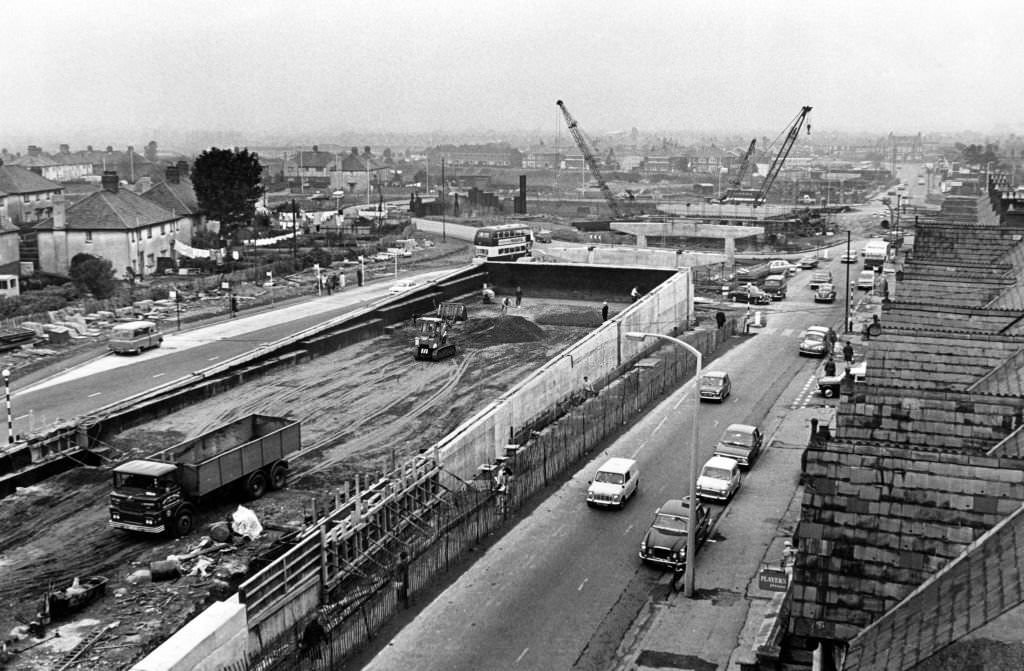
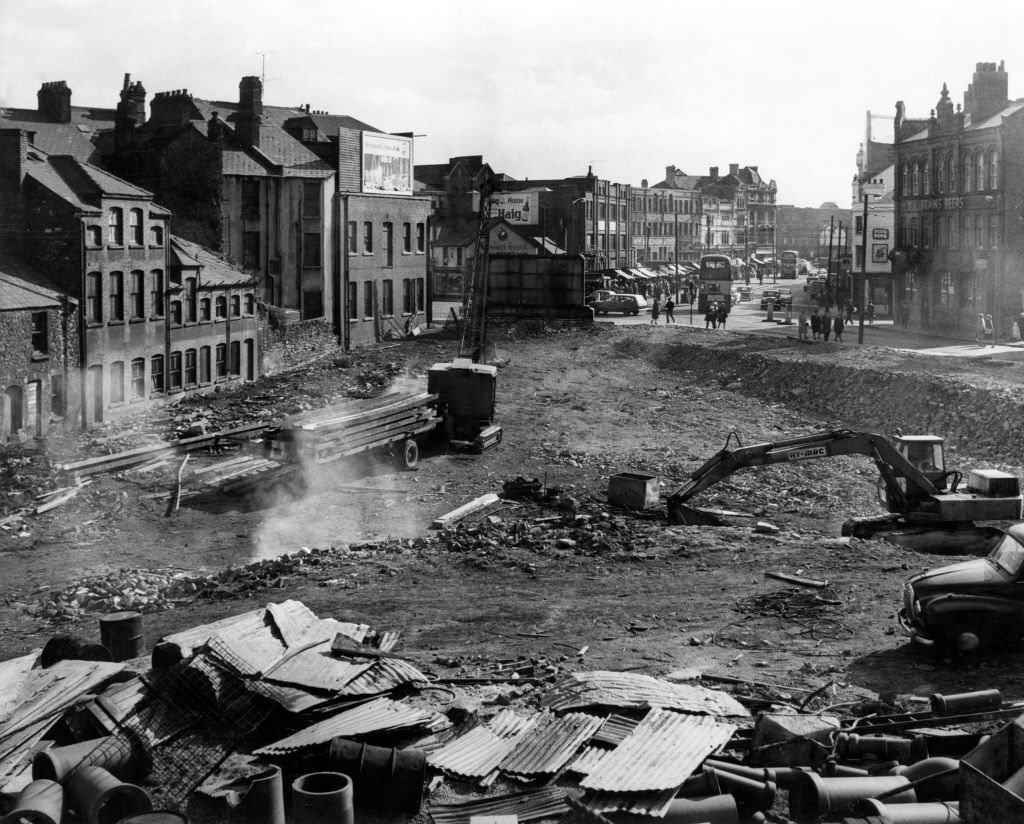
Work in progress on the North Road / Western Avenue interchange on the northern exit from Cardiff.

On 1st July 1969, Caernarfon Castle hosted the Investiture of Prince Charles as Prince of Wales. The ceremony was televised and watched by an estimated 500 million people worldwide. It was a major state occasion, organised in part by Anthony Armstrong-Jones — Lord Snowdon — who designed the staging. For Welsh nationalists, the event was deeply contentious.
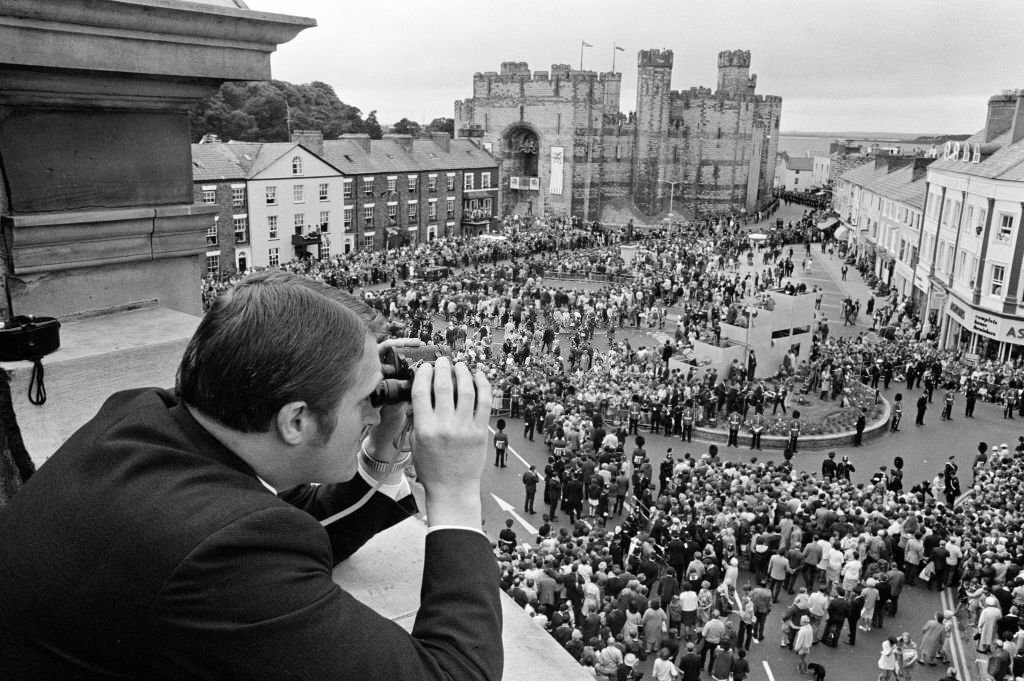
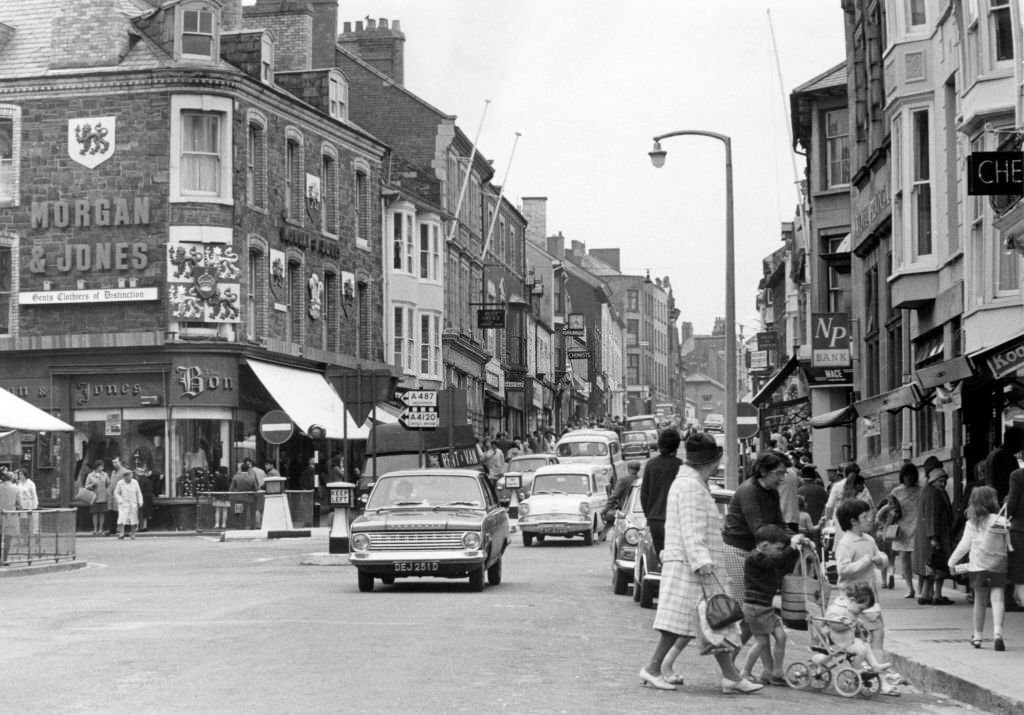
The Investiture of Prince Charles at Caernarfon Castle, Caernarfon, Wales, 1st July 1969.
Street Scenes, Aberystwyth, Ceredigion, West Wales, 23rd June 1969.
Newport Shops, Wales, 1969

In December 1968, a bomb destroyed a section of the Elan Valley pipeline near West Hagley in Stourbridge. The pipeline carried water from reservoirs at Elan Valley in Radnorshire all the way to Birmingham. The attack was linked to Welsh nationalist activity, which had intensified in the lead-up to Prince Charles’s investiture the following year.
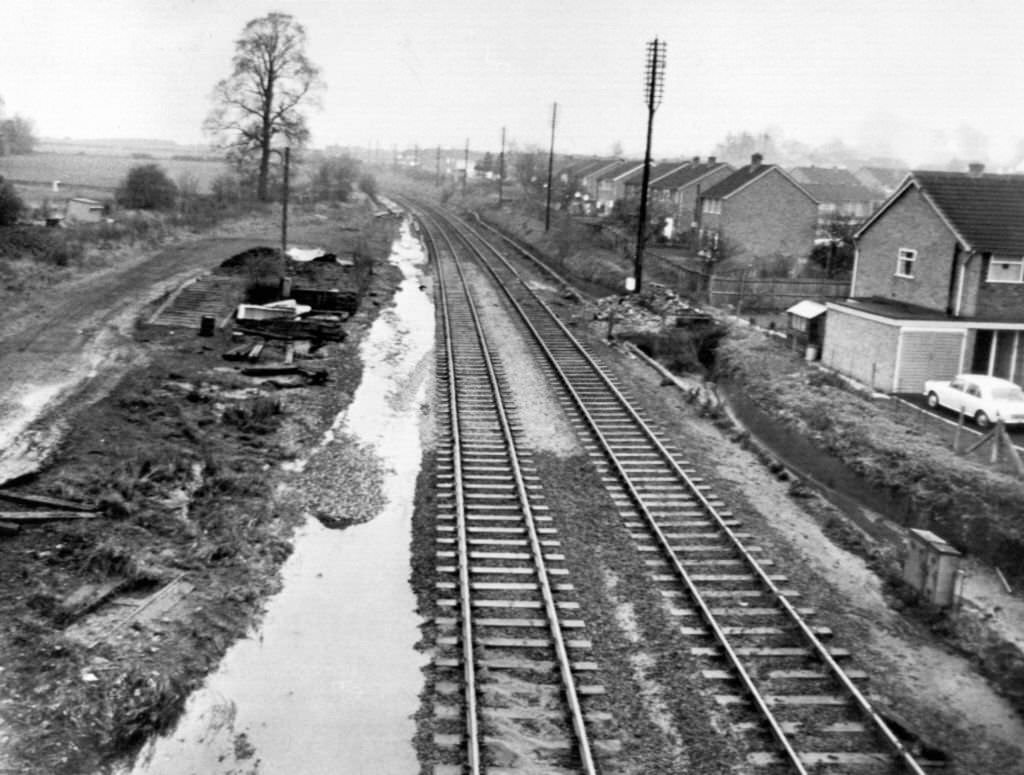
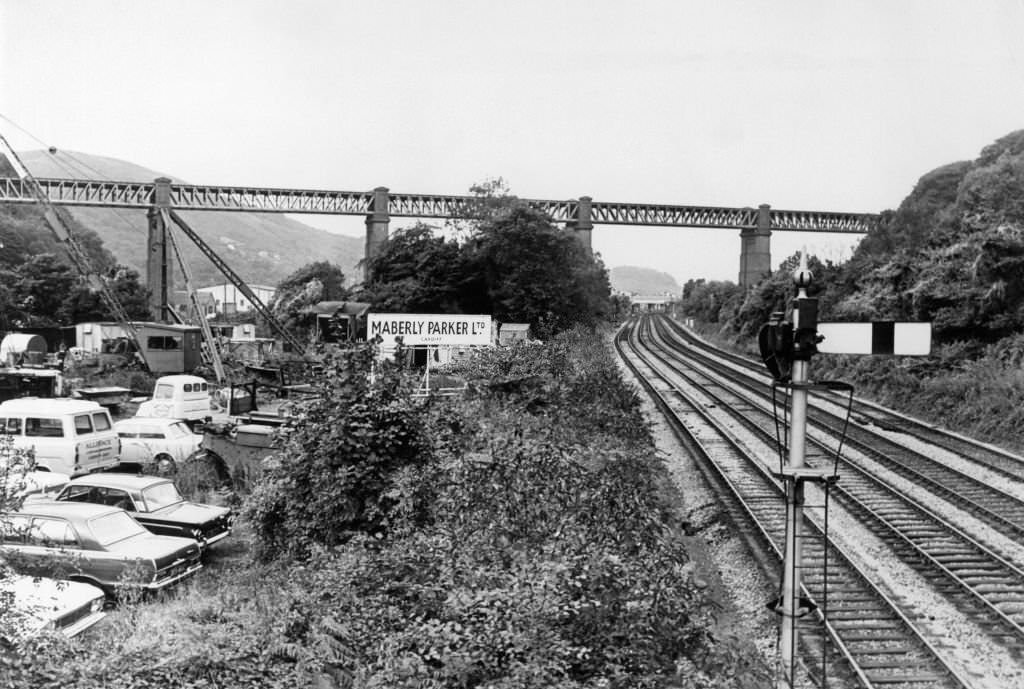
Bomb explosion wrecks Elan Valley Pipeline into Birmingham near West Hagley Stourbridge, the pipeline supplies water to the city of Birmingham from reservoirs at Elan Valley in Radnorshire, Monday 2nd December 1968.
Walnut Tree Viaduct, a railway viaduct located above the southern edge of the village of Taffs Well, Cardiff, South Wales, Friday 20th September 1968.
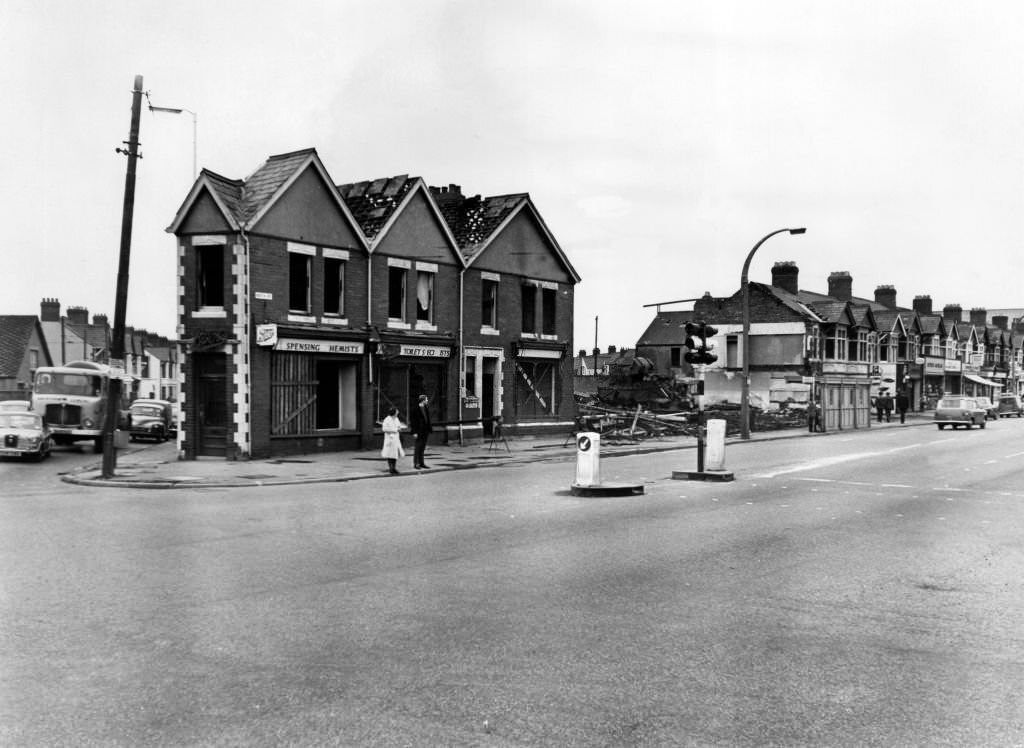
The demolition men are changing the face of the Gabalfa, Cardiff, junction of Western Avenue, North Road and Whitchurch Road.  These shops and houses on the corner of Whitchurch Road are the latest to come down to make way for a roundabout which will be in use while work continues on the Eastern by-pass, 20th August 1968.
The demolition men are changing the face of the Gabalfa, Cardiff, junction of Western Avenue, North Road and Whitchurch Road. These shops and houses on the corner of Whitchurch Road are the latest to come down to make way for a roundabout which will be in use while work continues on the Eastern by-pass, 20th August 1968.
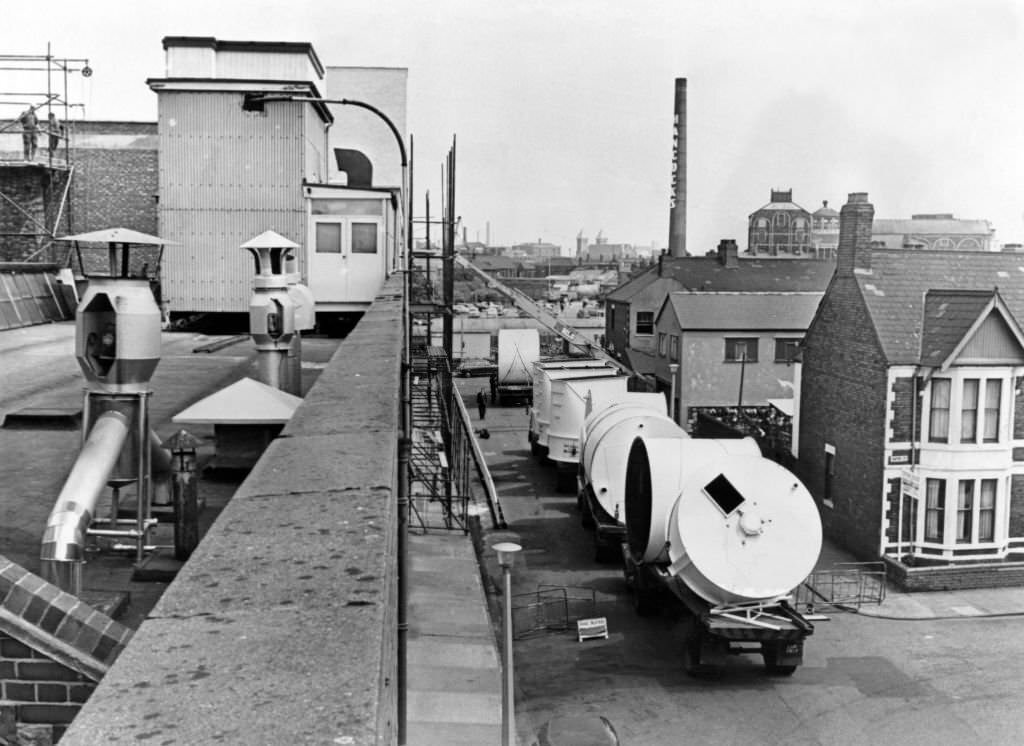
Blocking the road outside Avana Bakeries, are these giant silos, which arrived to be installed in the new extensions of the bakeries, 14th June 1968.
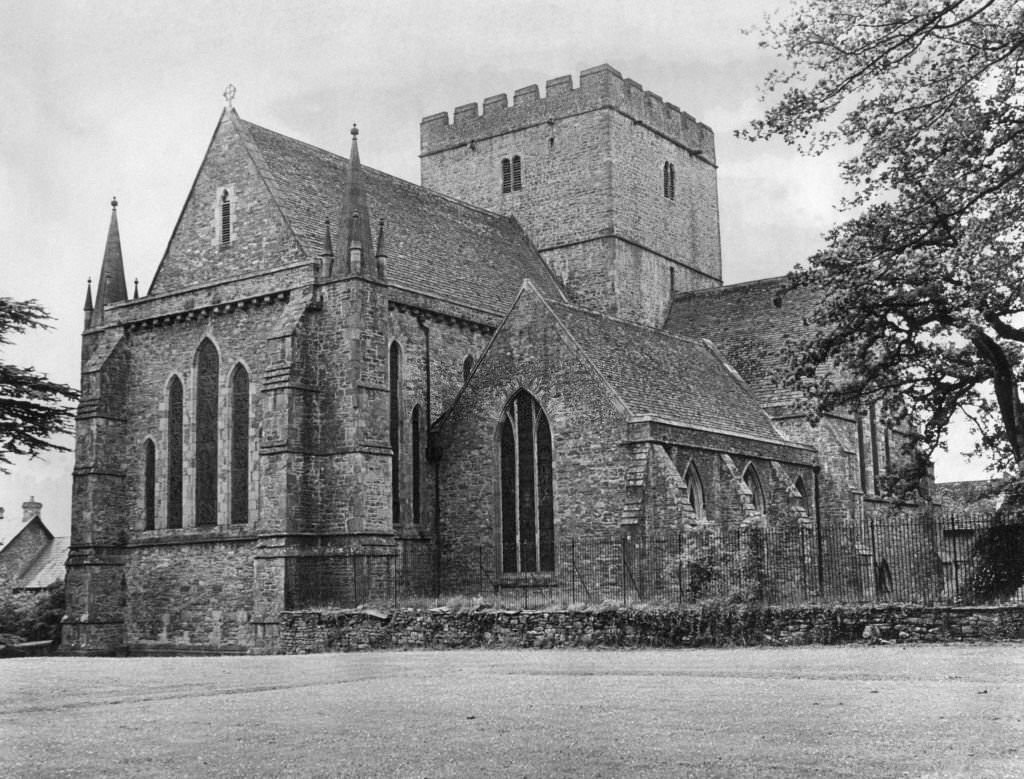
Brecon Cathedral, Brecon, a market town and community in Powys, Mid Wales, 11th June 1968.
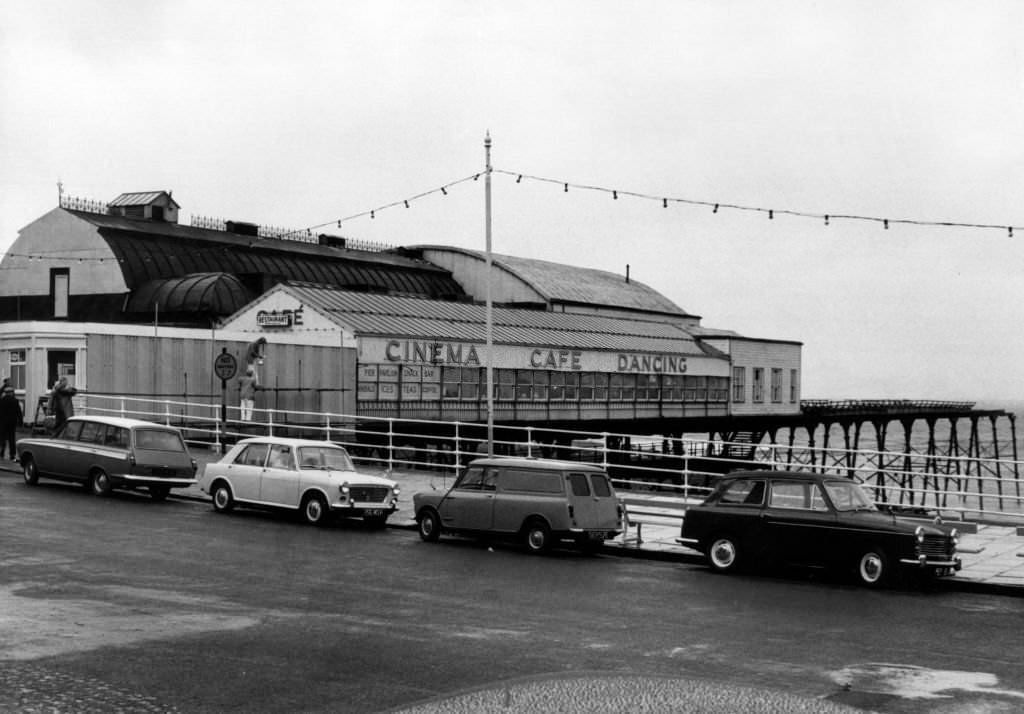
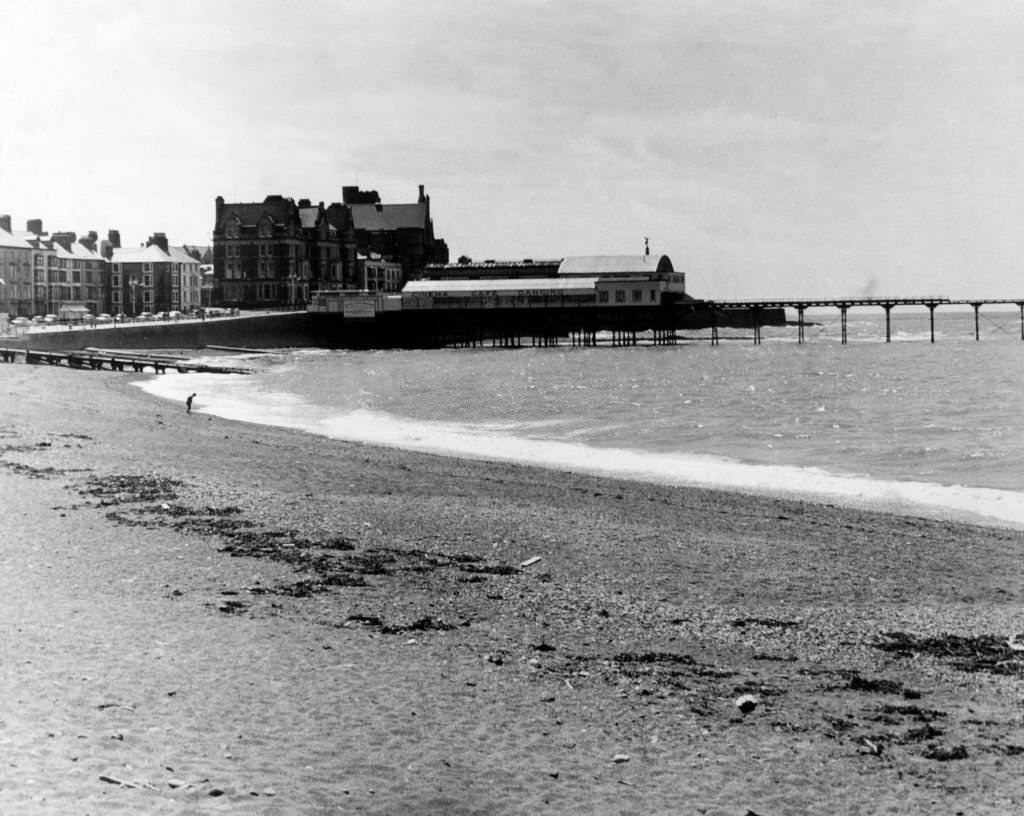
Aberystwyth Royal Pier & Pavillion, Ceredigion, West Wales, 15th February 1968.
Port Talbot Steelworks,  1967
Port Talbot Steelworks, 1967
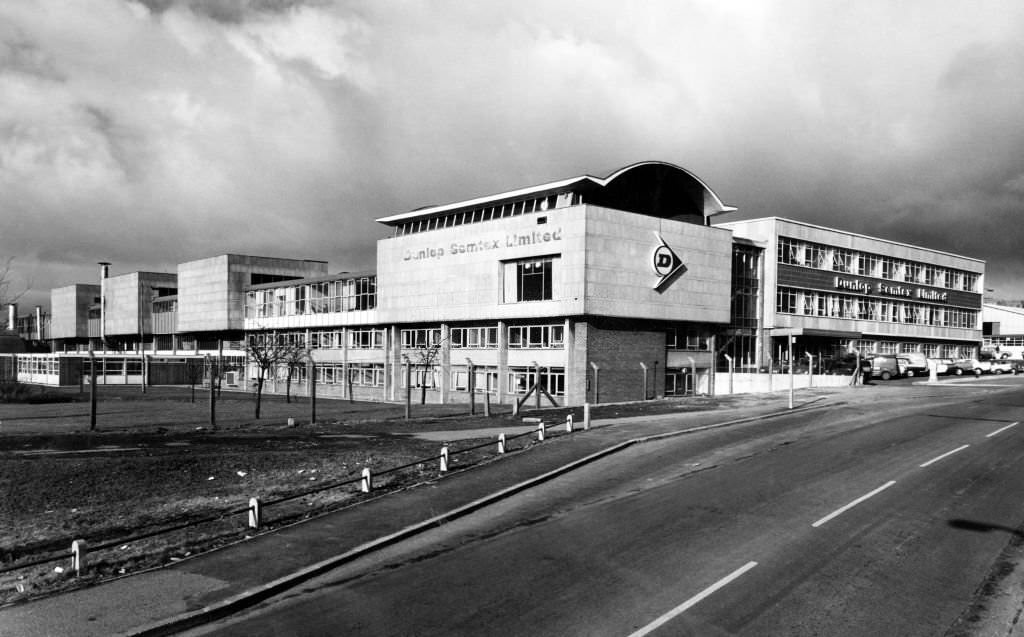
Dunlop Semtex factory, Brynmawr, 17th May 1967.

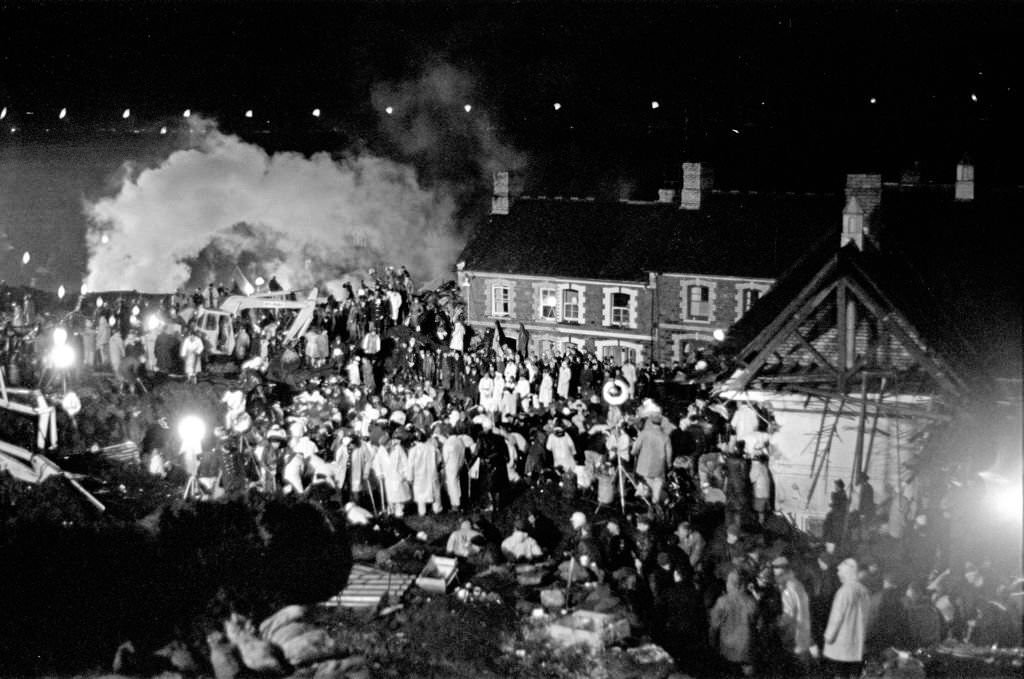
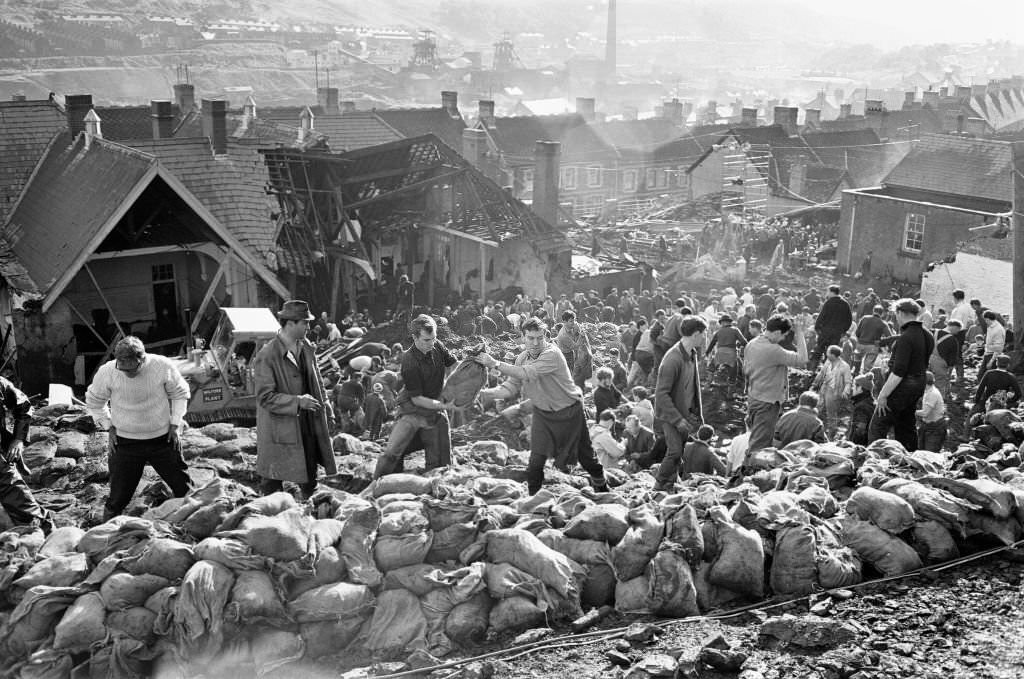
On 21st October 1966, a colliery spoil tip above the village of Aberfan, near Merthyr Tydfil, collapsed. Tip No. 7, which stood 500 feet above the village, had been built on a natural spring. At 9:15 in the morning — the last day before half-term — approximately 40,000 cubic metres of liquefied coal slurry surged downhill. It struck a farm first, killing everyone inside, then engulfed Pantglas Junior School below. Of the children in the school that morning, aged between seven and ten, only a handful survived. In total, 144 people died: 116 children and 28 adults. It remains the deadliest disaster in Welsh history.
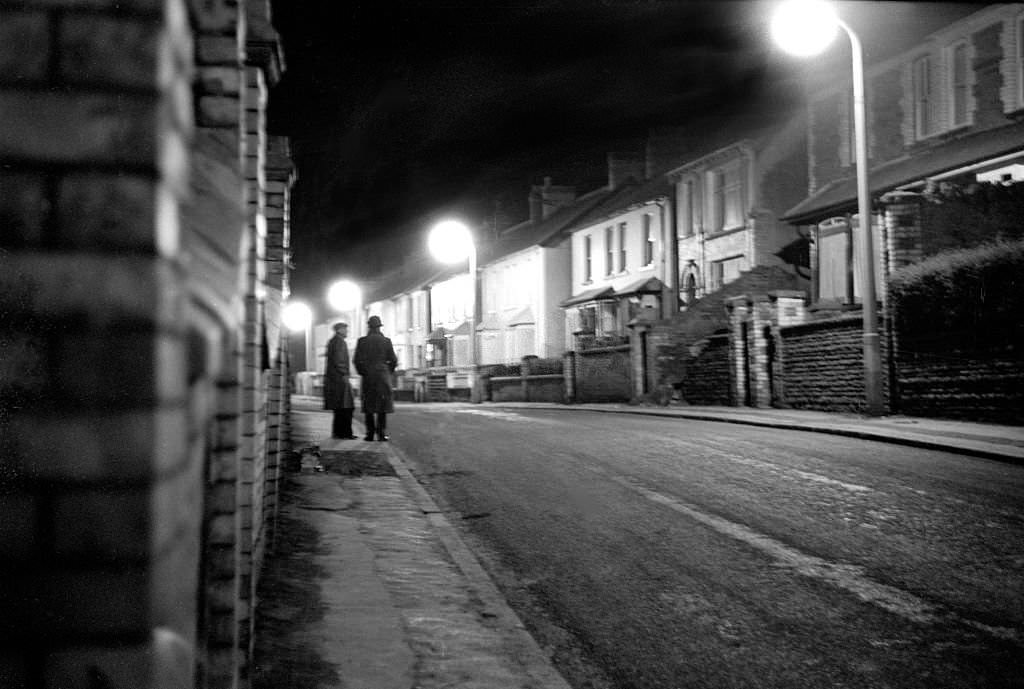
Aberfan Disaster, 1966
Aberfan, South Wales, October 1966
Aberfan, South Wales, 1966
Aberfan, South Wales,October 1966:
Rescue workers bagging and moving some of the coal spoil following the catastrophic collapse of a colliery spoil tip in the Welsh village of Aberfan, near Merthyr Tydfil, on 21 October 1966.

In the same year as Aberfan, Cardiff’s city centre continued to be reshaped. Buildings on Working Street were left unoccupied and awaiting demolition, part of the ongoing Hayes redevelopment programme that had already cleared the Salvation Army Citadel and several surrounding blocks.
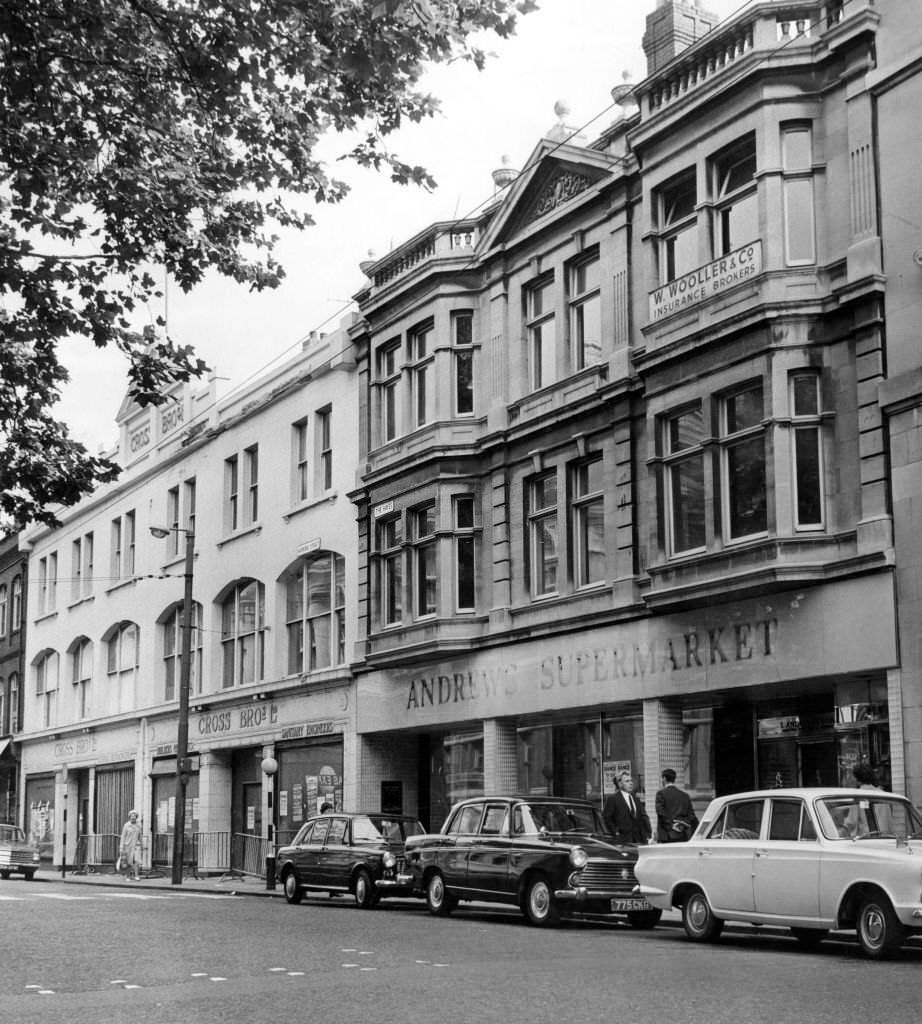
The unoccupied buildings of Cross Bros Ltd, and Andrews Supermarket in Working Street, Cardiff, South Glamorgan, Wales, 2nd August 1966.
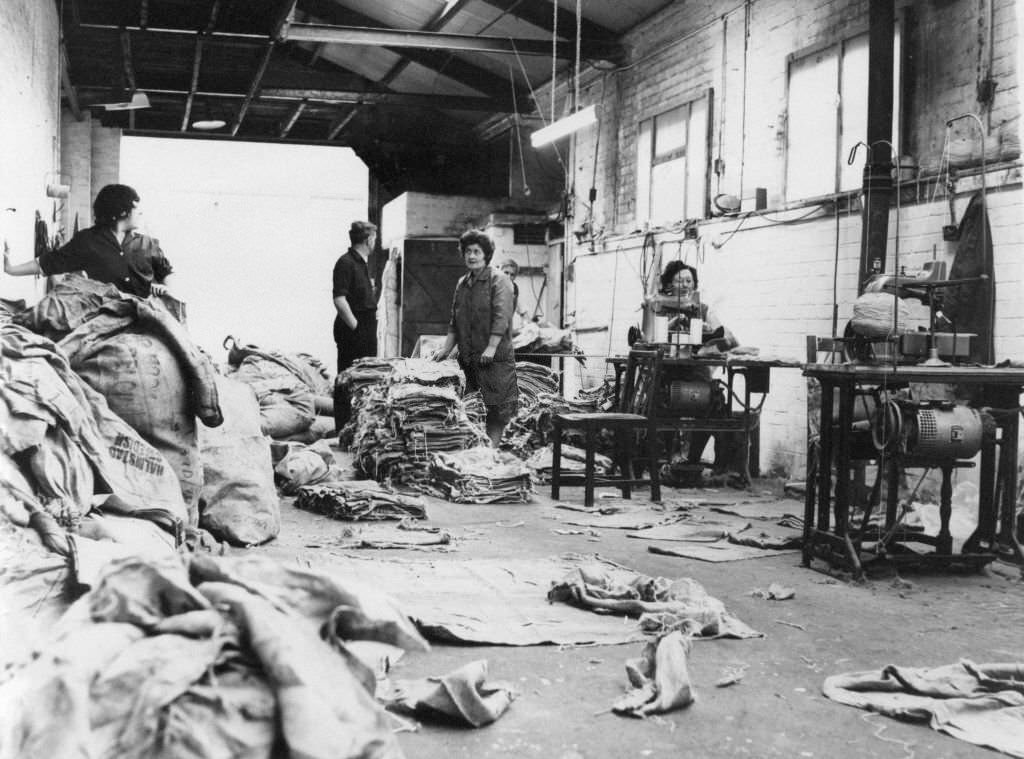
Bag factory in Davies Street, Adamsdown, an inner city area and community in the south of Cardiff, Wales, 1st August 1966.

On 22nd July 1966, the pleasure boat Prince of Wales capsized in the Mawddach Estuary at Penmaenpool in Merioneth, North Wales. The boat was carrying 39 passengers on a summer afternoon trip when it attempted a U-turn toward a landing jetty. It was swept against a toll bridge, a hole was torn in the hull, and it sank in three minutes. Fifteen people died, including four children.
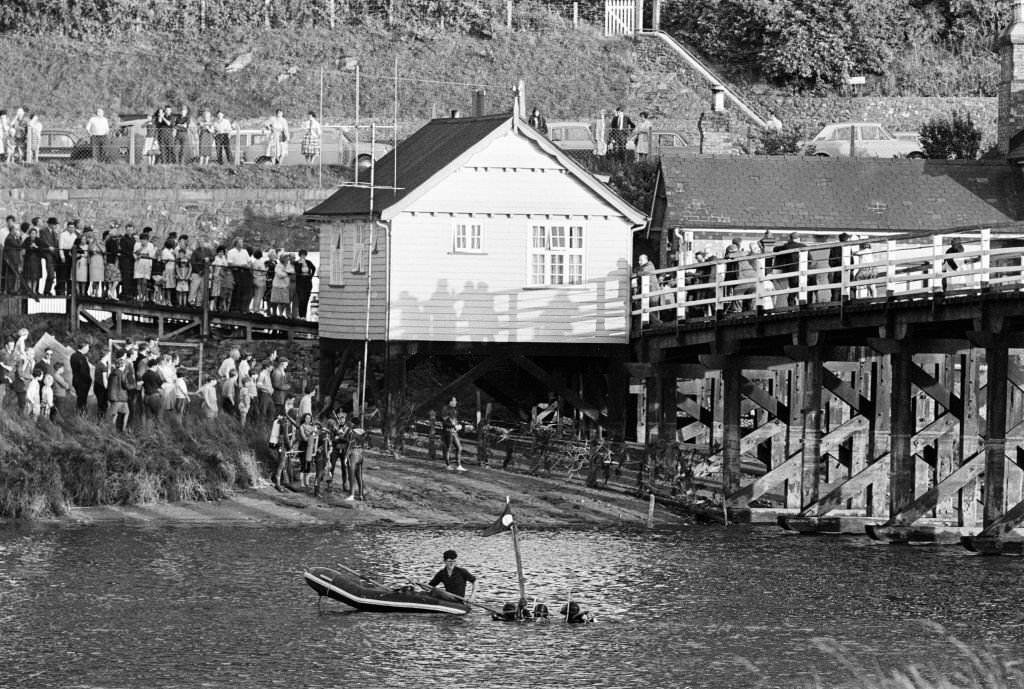
Pleasure boat Prince of Wales capsized and tipped its 39 passengers into the Mawddach Estuary at Penmaenpool, Merioneth, North Wales on the 22nd July 1966 .
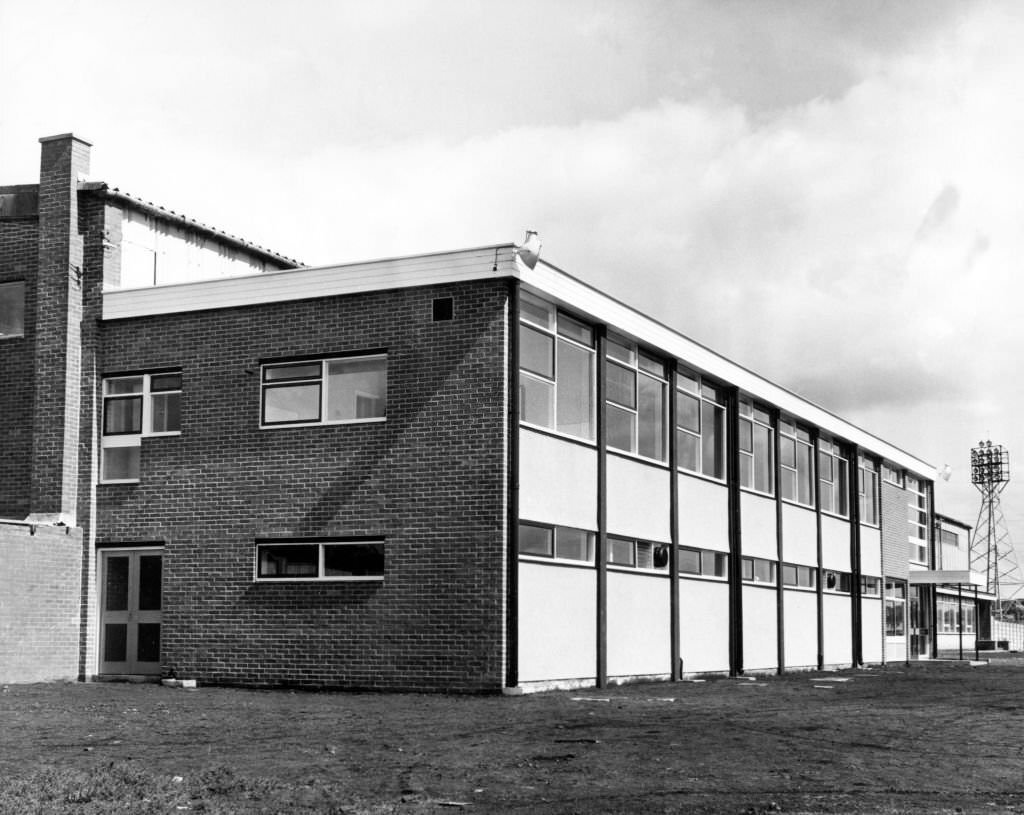
The New £20,000 block of dressing rooms, offices and a dining hall at Stradey Park headquarters of Llanelli rugby club, which will be opened this season, 1966.
The Salvation Army Citadel, which once dominated the centre of Cardiff, has been reduced to rubble, as the latest phase in the city's Hayes redevelopment plan gets under way.
The Salvation Army Citadel, which once dominated the centre of Cardiff, has been reduced to rubble, as the latest phase in the city’s Hayes redevelopment plan gets under way.
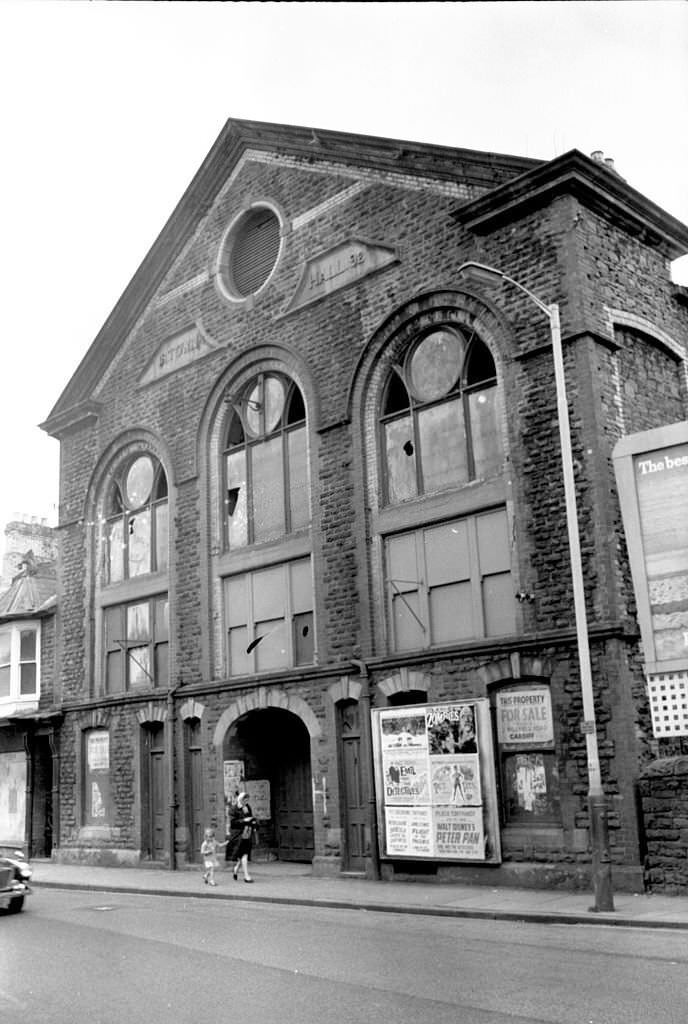
A woman and her child walk past an abandoned chapel in the mining town of Tonypandy, Wales, United Kingdom, 1966.
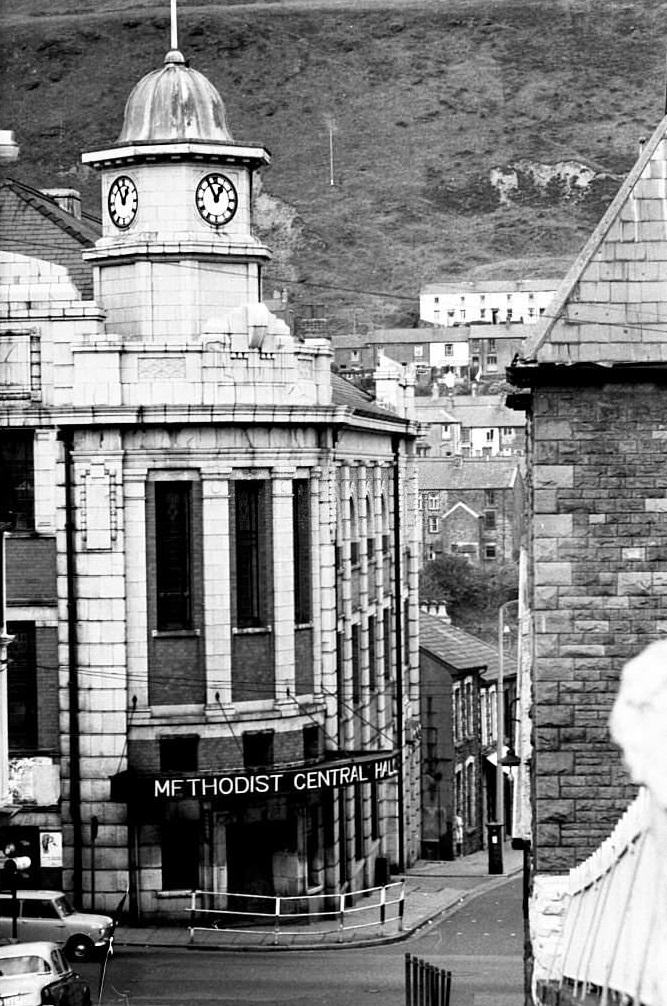
Exterior view of the Methodist church in the mining town of Tonypandy, Wales, United Kingdom, 1966.
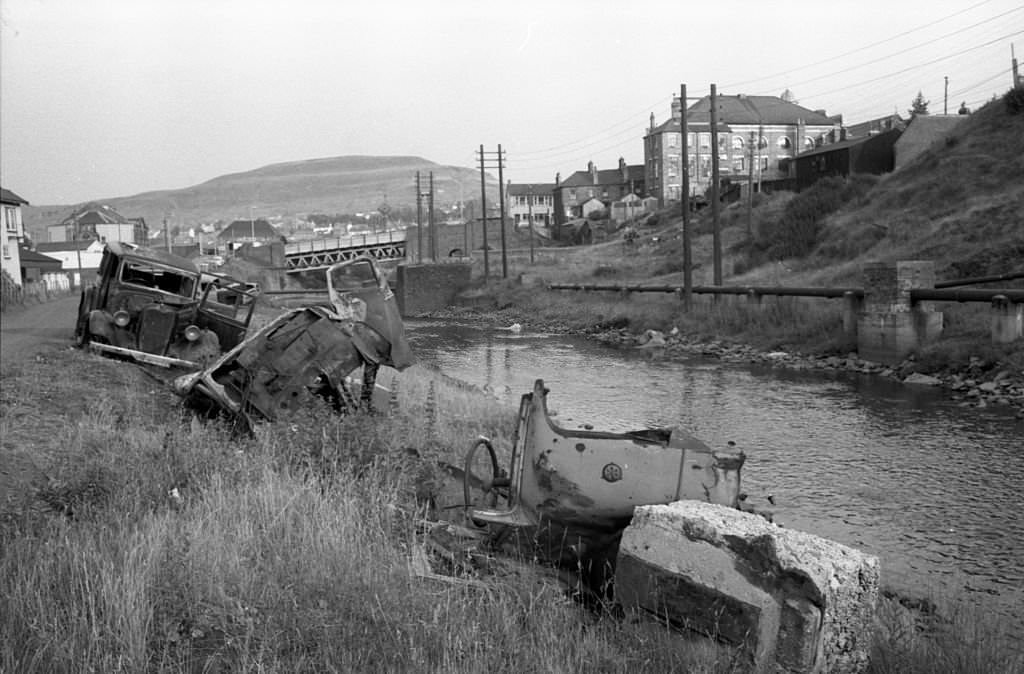
View of abandoned vehicles along the River Rhondda in the mining town of Tonypandy, Wales, United Kingdom, 1966.
Enjoyed this post? Get new ones in your inbox.

Leave a Comment

Your email address will not be published. Required fields are marked *

5 Comments

  1. I’m pretty sure that the third person from the right, looking towards the camera, in the two pictures of the South Wales NUM conference (#67 & #68) is Emlyn Williams (known in the Aberdare area as Em Swan). He later became President of the SW miners and was a prominent player in rhe 1984 miners’ strike.

Share this Post 🥺

Please take a moment to share this content. Your support is greatly appreciated! 🙌🙏

Share this Post 🥺

Please take a moment to share this content. Your support is greatly appreciated! 🙌🙏
Scroll to Top
 
Hey Friend, Before You Go.. Please like & follow for more interesting content