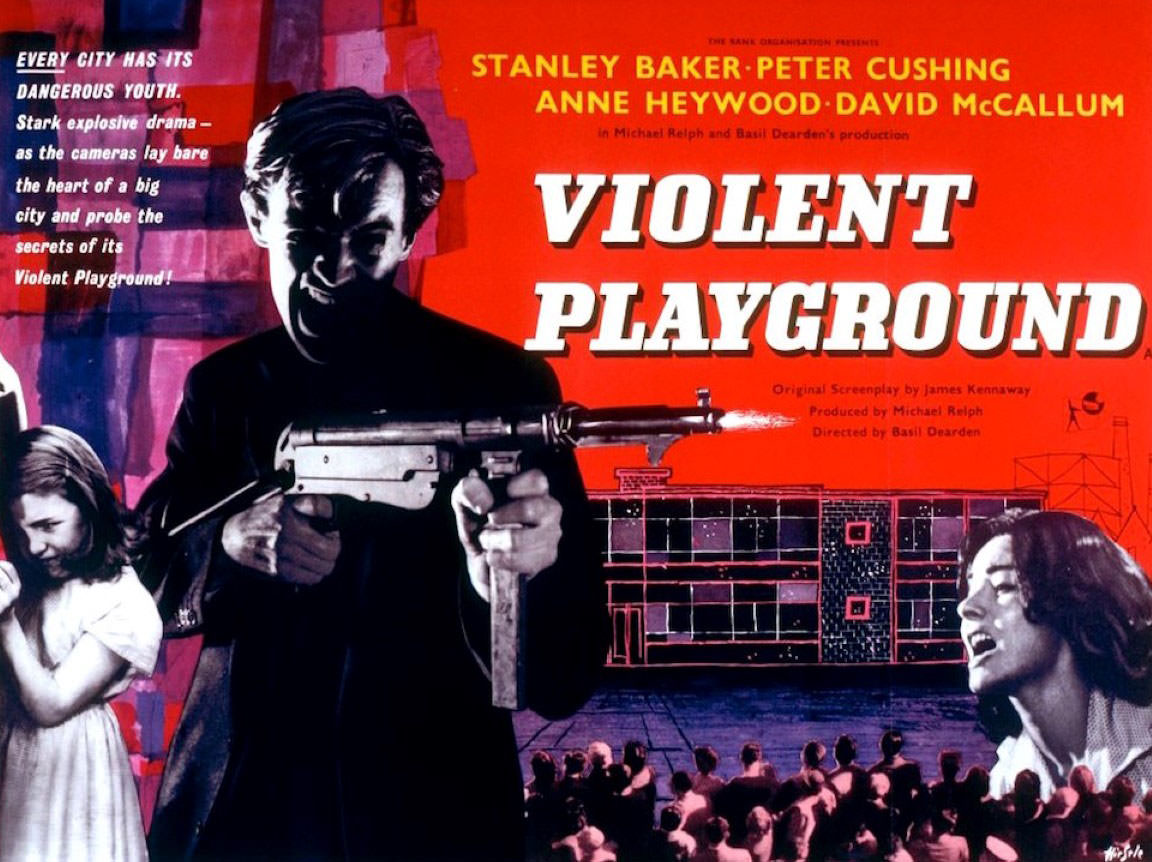
Released in 1958, Violent Playground is a British crime film directed by Basil Dearden. Set against the gritty backdrop of post-war Liverpool, the film digs into youth gang culture, social class, and the hard realities of inner-city life. Dearden had already built a reputation for tackling serious social issues on screen, and this film is one of his most focused efforts.
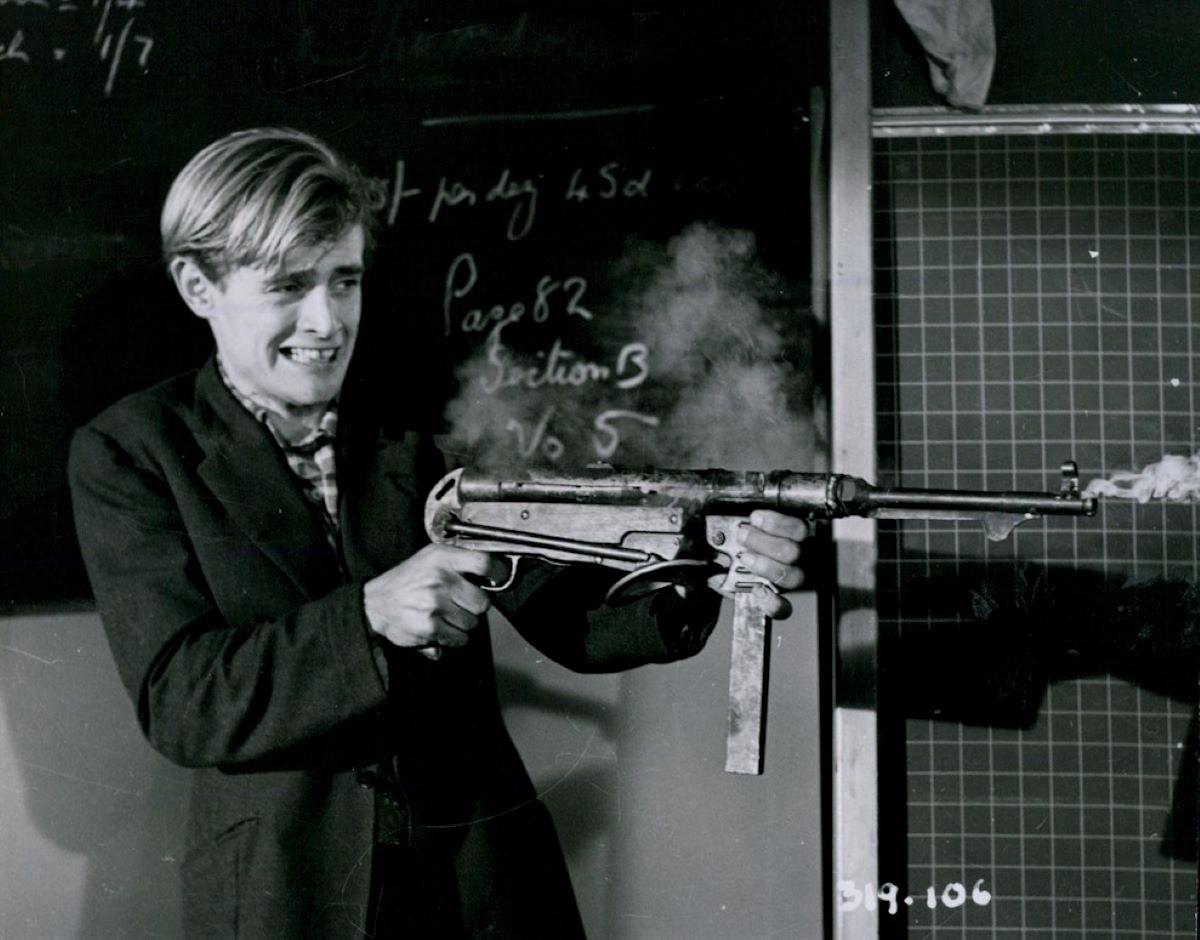
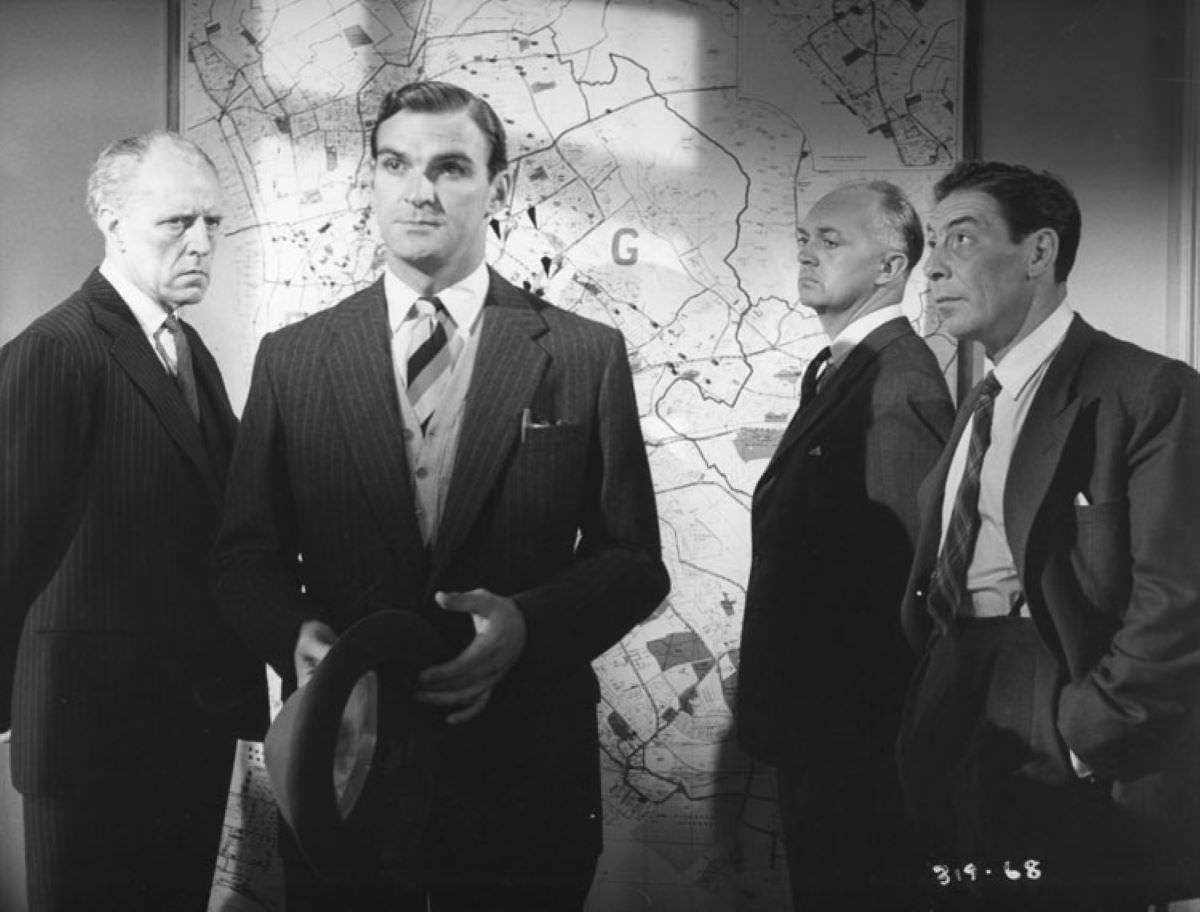
The story centers on Detective-Sergeant Jack Truman, played by Stanley Baker, who is assigned to investigate a string of arson attacks across the city. His investigation pulls him deep into the world of a local gang, led by a young fire-starter named Johnnie Murphy. What begins as a police case becomes something far more personal as Truman tries to steer the troubled youth away from violence.
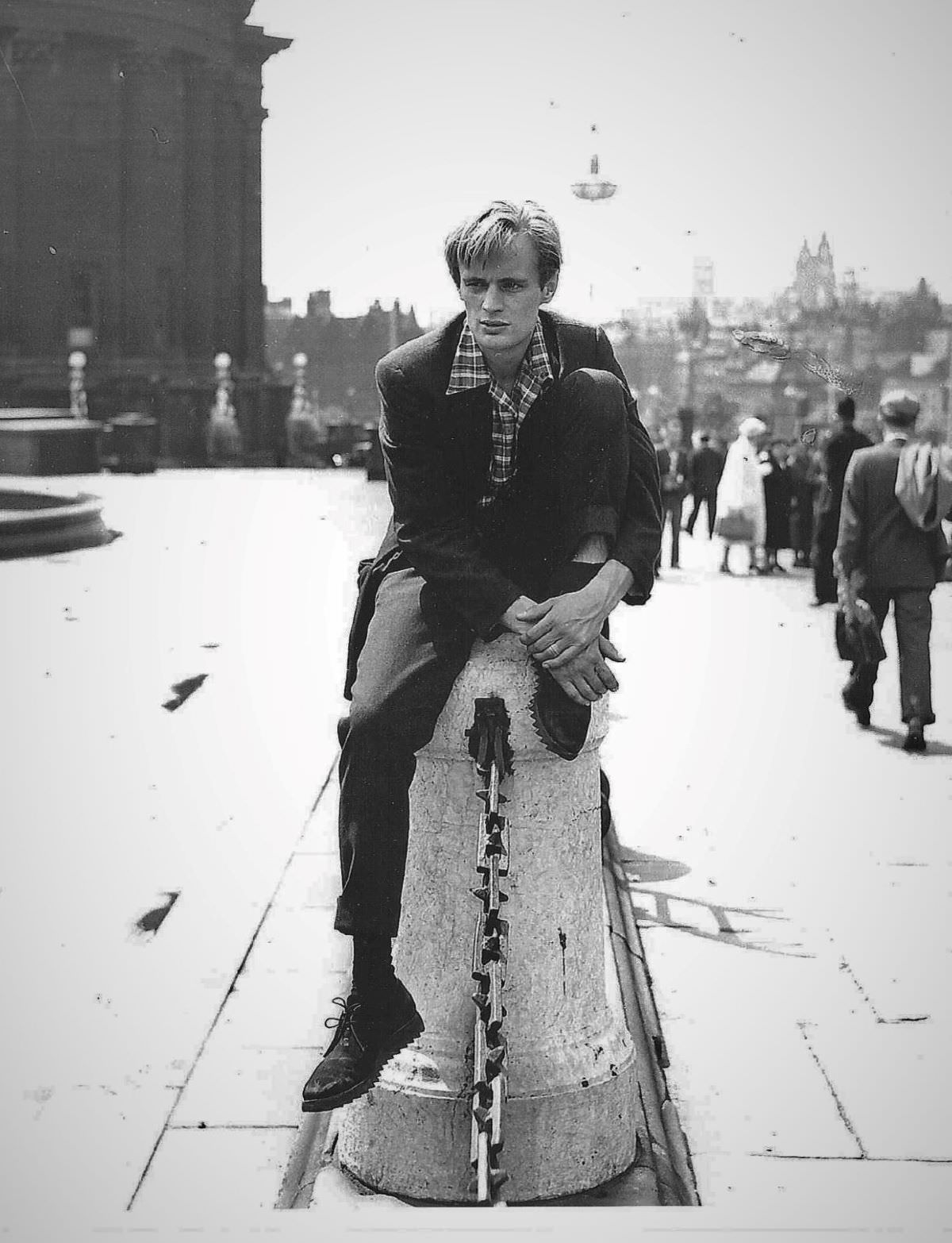
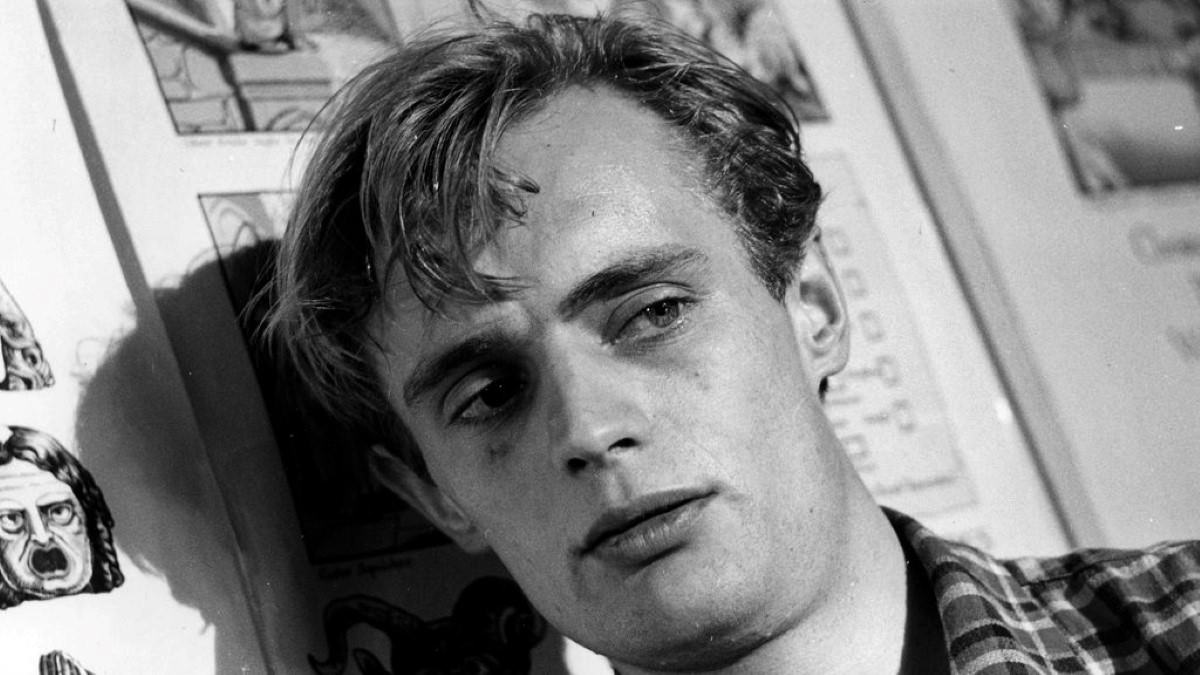
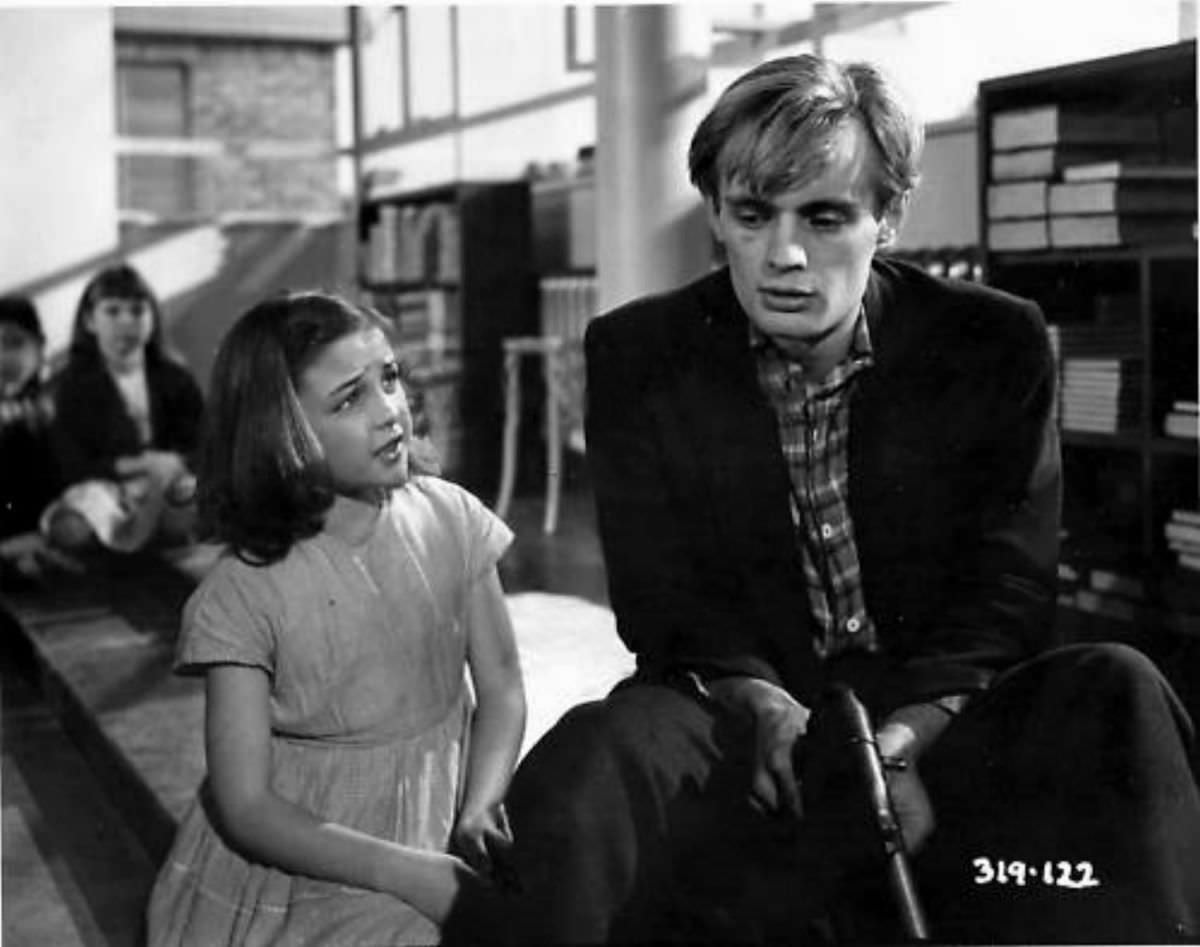
David McCallum plays Johnnie Murphy, the volatile teenage arsonist at the heart of the story. McCallum brings a raw, unpredictable energy to the role, making Johnnie one of the most compelling characters in the film. His performance was a major step forward in his career, showing a dramatic range well beyond his years.
The screenplay was written by James Kennaway, who was already gaining recognition as a serious literary voice. His debut novel, Tunes of Glory, had been published in 1956 to strong critical praise, and it would later be adapted into a celebrated film starring Alec Guinness and John Mills in 1960. Kennaway brought the same sharp eye for character and conflict to Violent Playground.
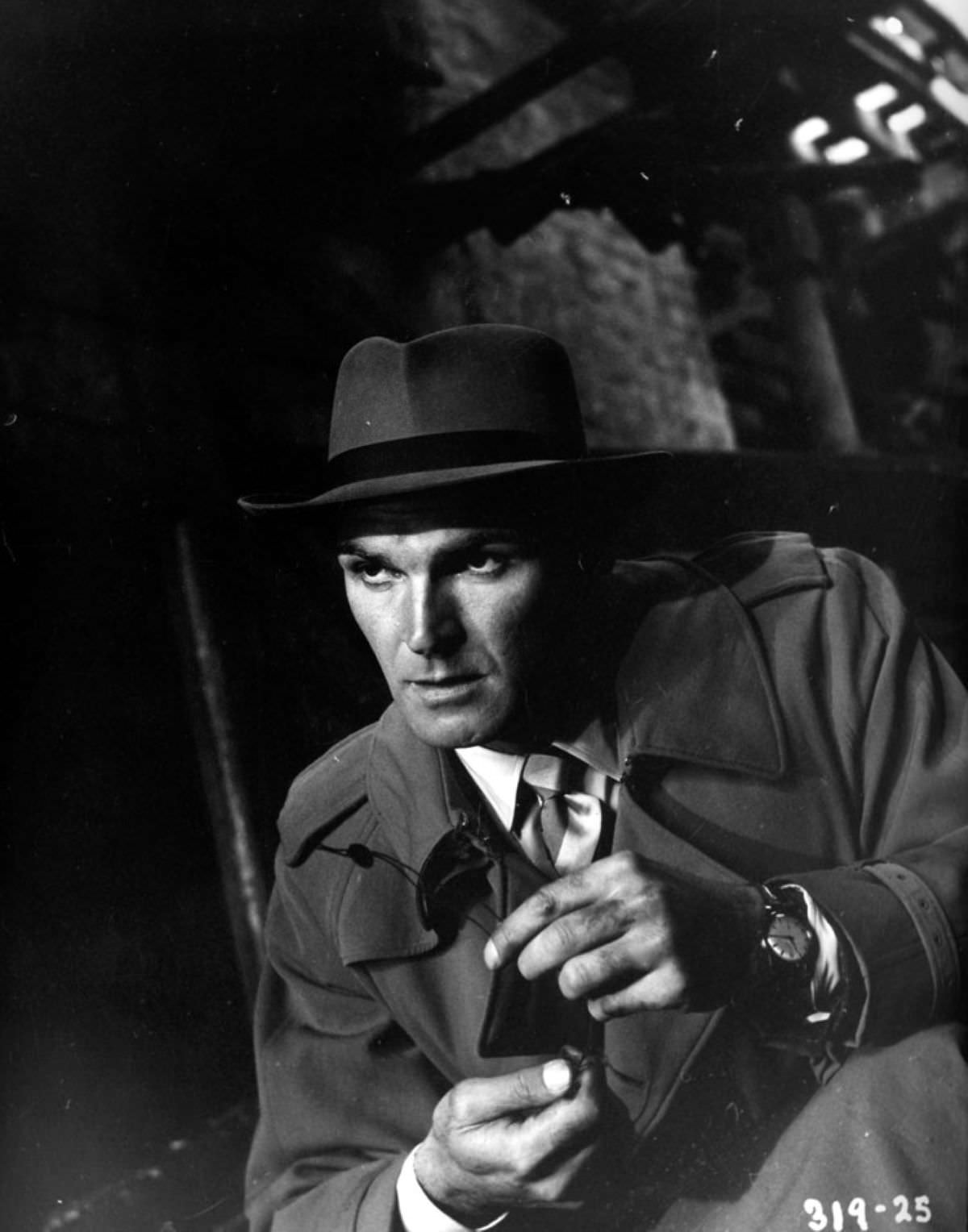
Stanley Baker anchors the film as Detective-Sergeant Truman. His portrayal is restrained but forceful — a man who believes in doing the right thing even as the world around him resists it. Baker was praised widely for the role, delivering one of the standout performances of his career.
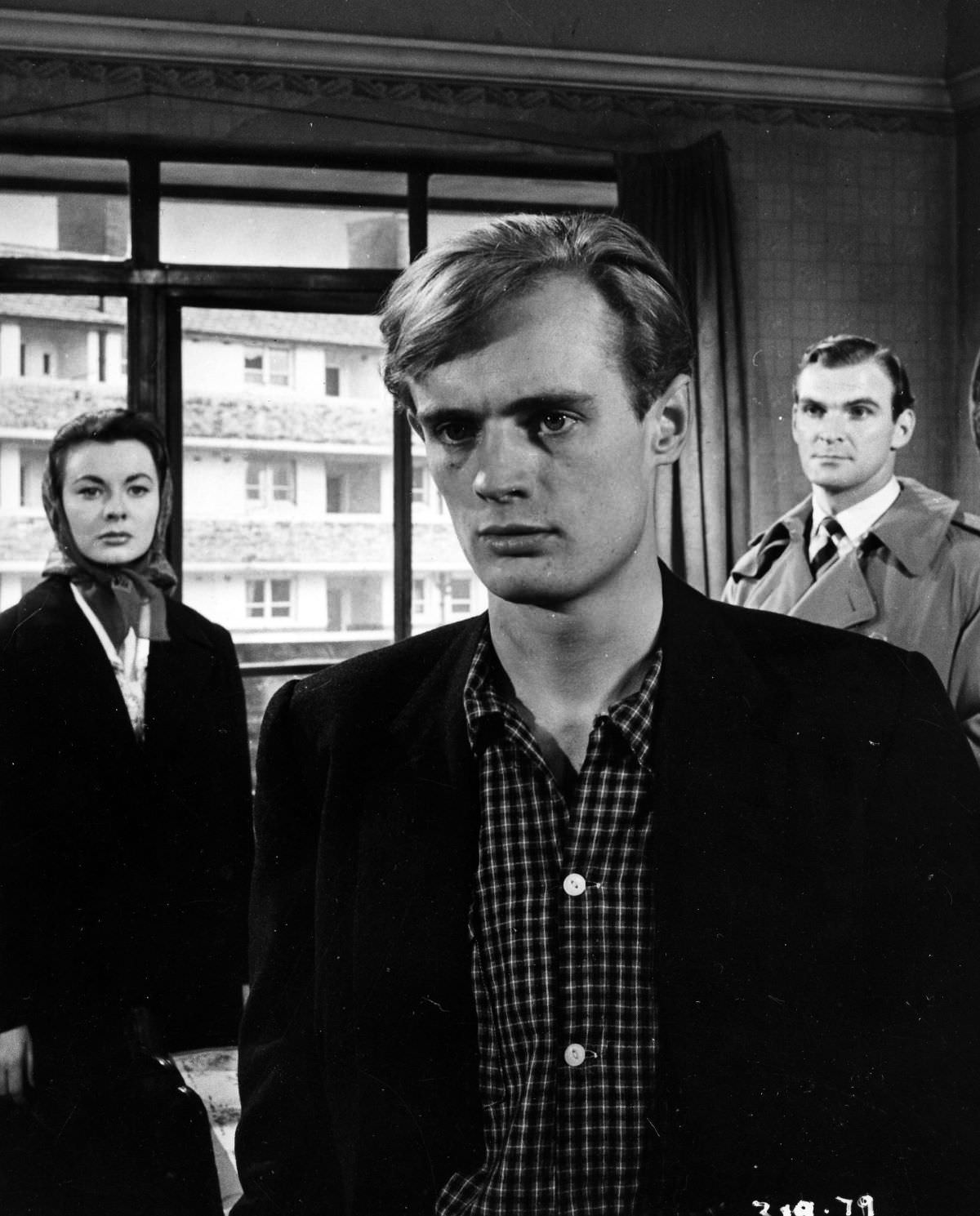
A key tension in the film runs through the relationship between Truman, Johnnie, and Johnnie’s sister Cathie, played by Anne Heywood. Cathie is caught between loyalty to her brother and her growing connection to Truman. The three-way dynamic drives much of the film’s dramatic weight and keeps the stakes personal throughout.
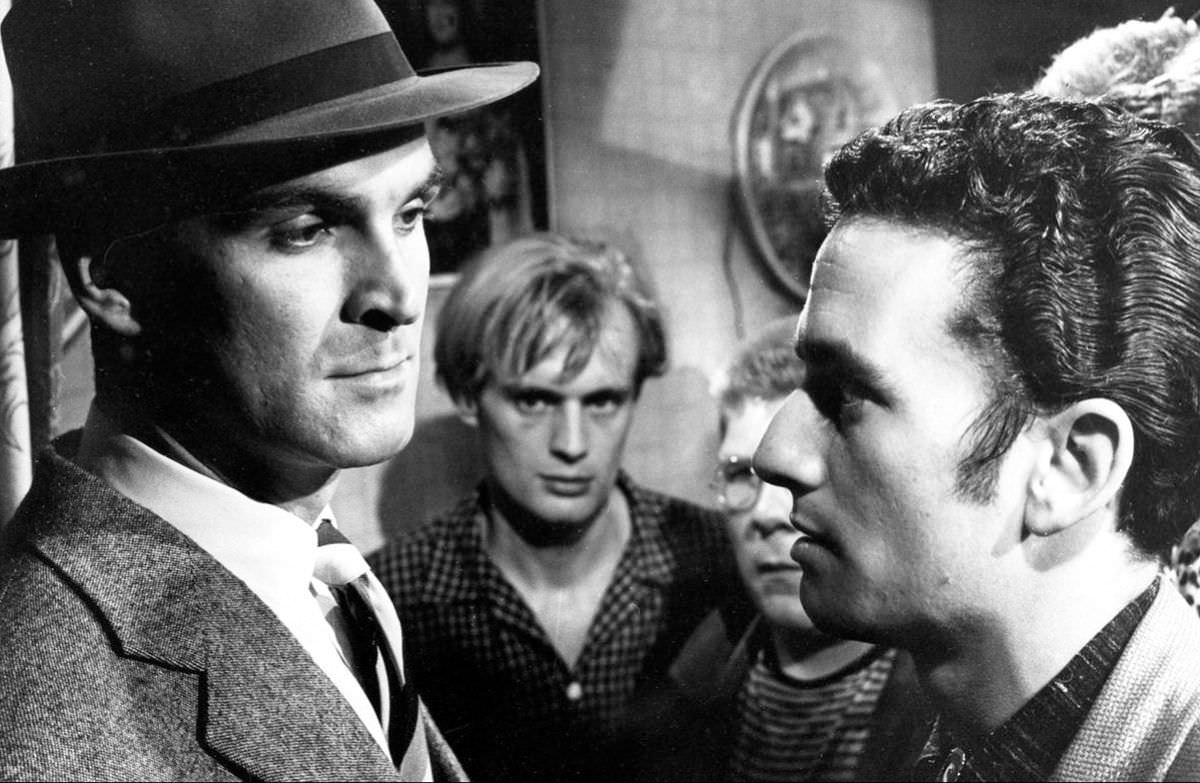
The setting of a Catholic school in Liverpool adds another layer to the film. The institution represents order, faith, and structure — everything Johnnie is fighting against. Dearden uses the environment deliberately, placing the chaos of gang life in direct contrast with the calm authority of the Church.
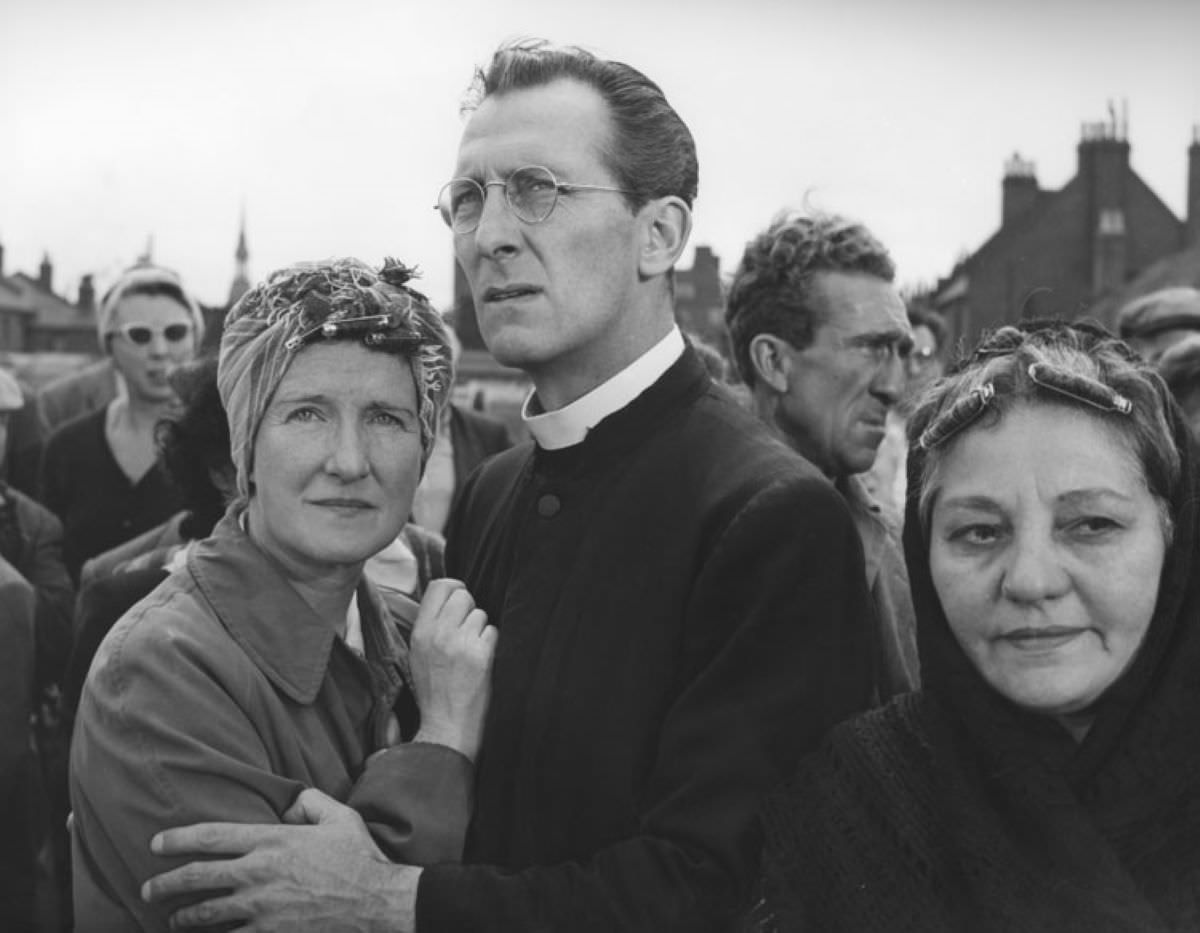
Peter Cushing plays a local priest who works to reach Johnnie before it is too late. Cushing’s performance is quiet and dignified, offering a moral counterpoint to the violence surrounding the young gang members. His character represents one of the few figures in the film who approaches Johnnie with genuine compassion rather than judgment.
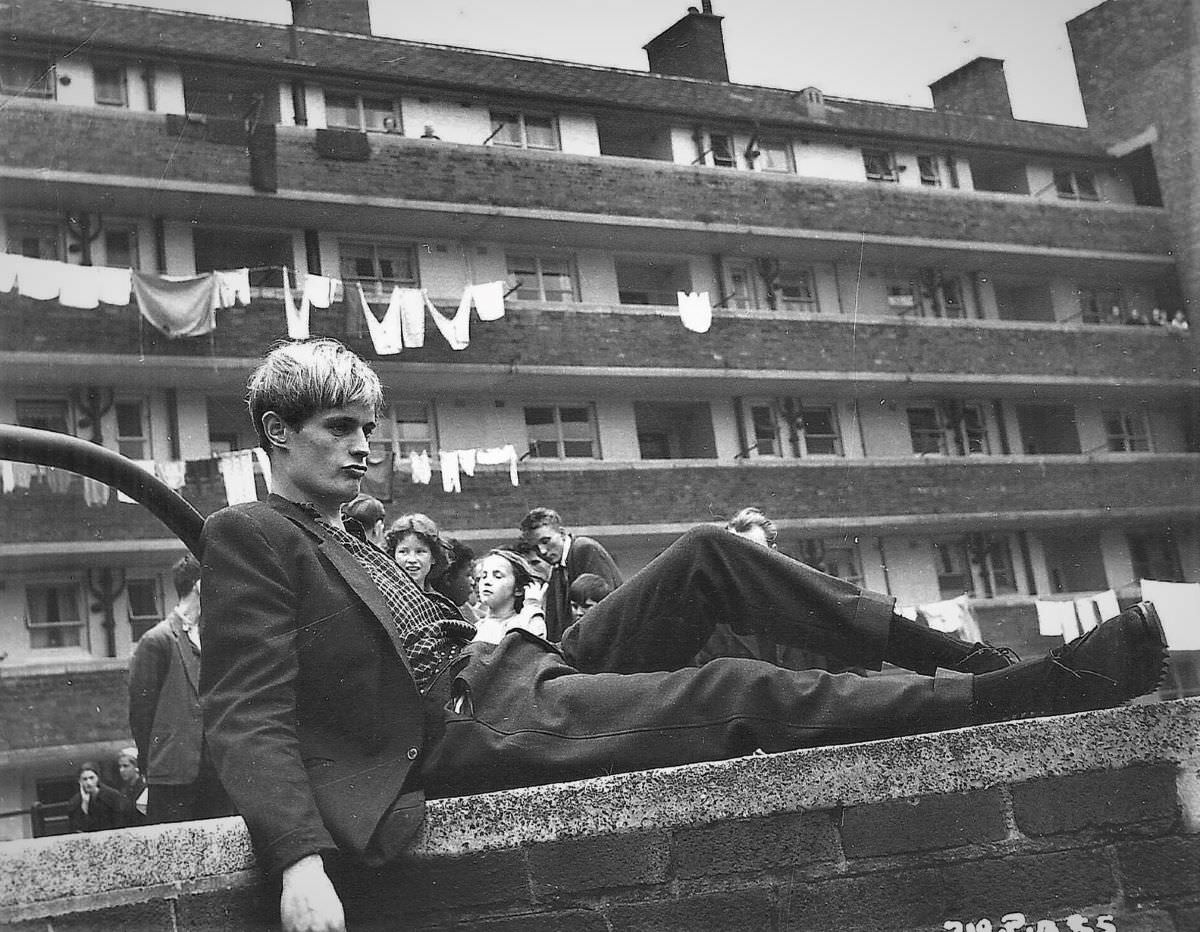
Violent Playground was both a critical and commercial success on its release. Audiences responded to its honest, unsentimental look at youth delinquency — a subject that was very much in the public conversation in late 1950s Britain. The film did not flinch from showing the uglier side of urban life, and that honesty gave it real force.