
The 1960s were one of the most turbulent decades in Vietnamese history. The country was divided — North Vietnam under a communist government, South Vietnam backed by the United States. The National Liberation Front of Southern Vietnam, known as the Viet Cong, was growing in strength throughout the early part of the decade. They took control of villages, moved into rural areas, and assassinated local officials. At the same time, ordinary Vietnamese people were farming, trading, raising families, and carrying on with daily life.
In August 1964, the US government launched full-scale military operations. President Lyndon Johnson authorized a series of bombing campaigns and sent thousands of troops into the country. He kept the full scale of that military buildup hidden from the American public. But before the war consumed everything, photographers captured a Vietnam that was vivid, complex, and deeply human. These rare color photos from 1960 through 1969 offer a direct window into that world.
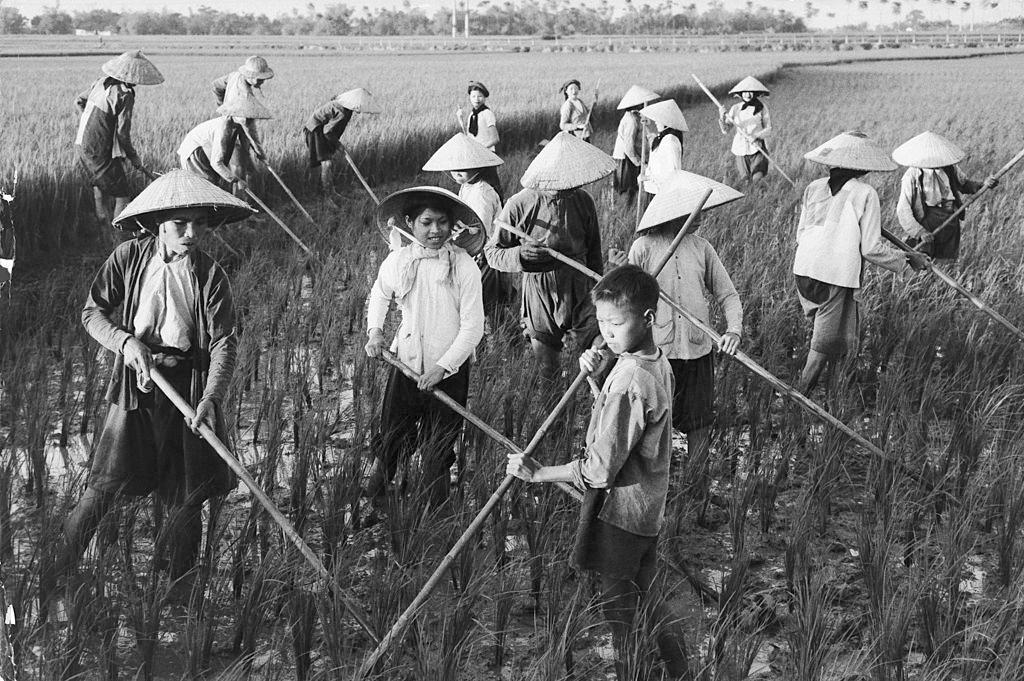
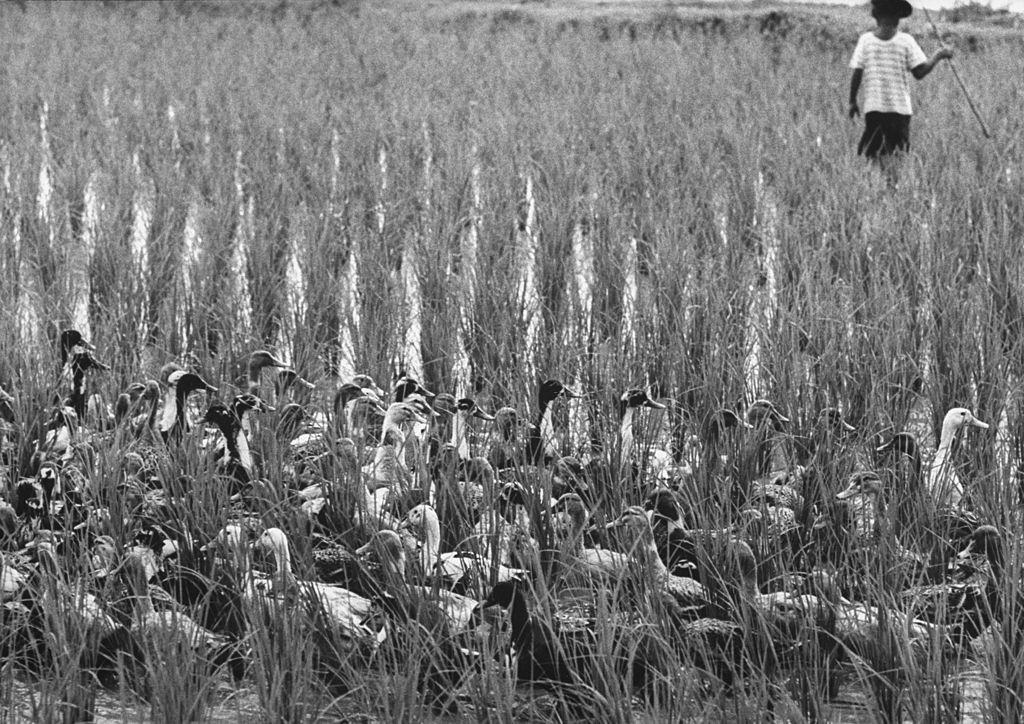
Agriculture was the backbone of Vietnamese life. Rice farming shaped the daily rhythm for millions of people across both North and South Vietnam. Farmers worked flooded paddies by hand and relied on every seasonal harvest to survive. In the South, some farmers used creative methods to protect their crops — driving flocks of ducks through the fields to eat insects.
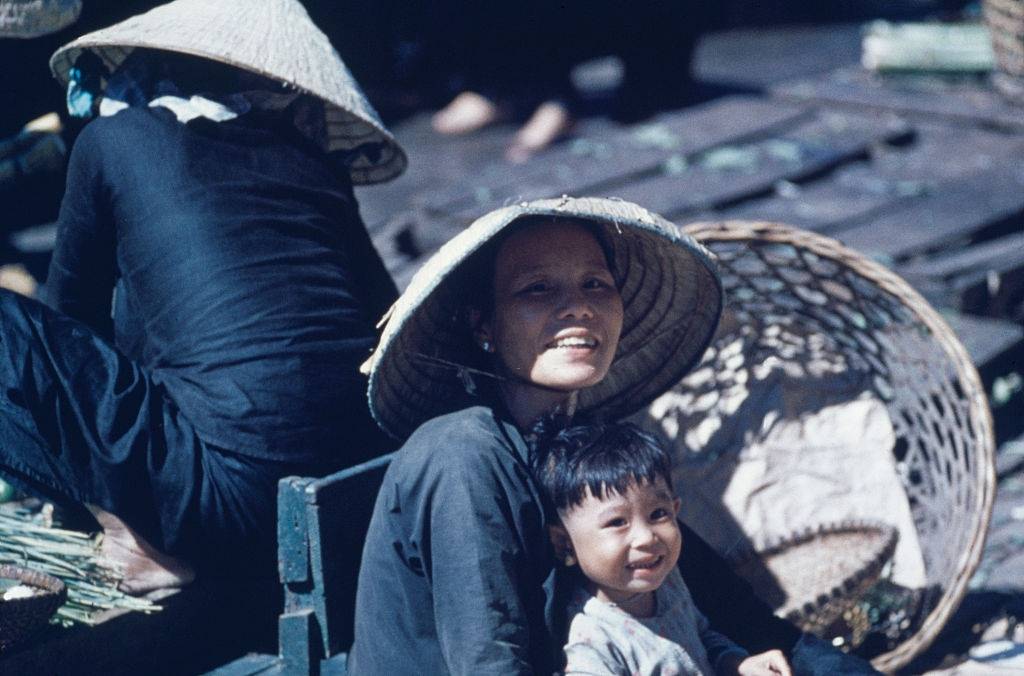
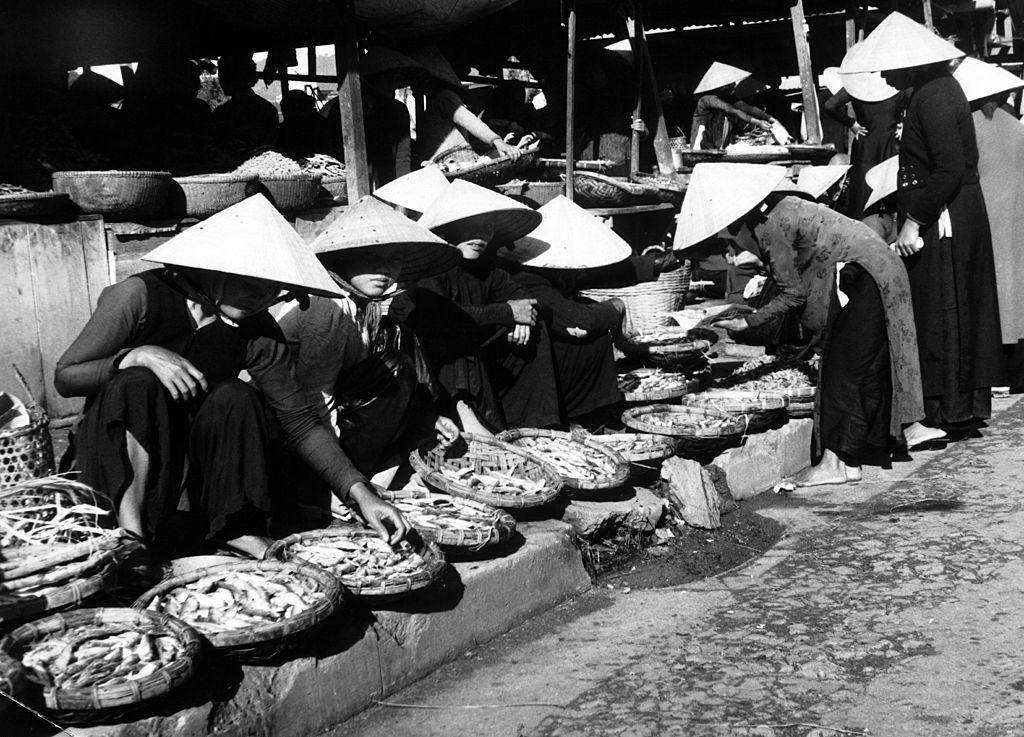
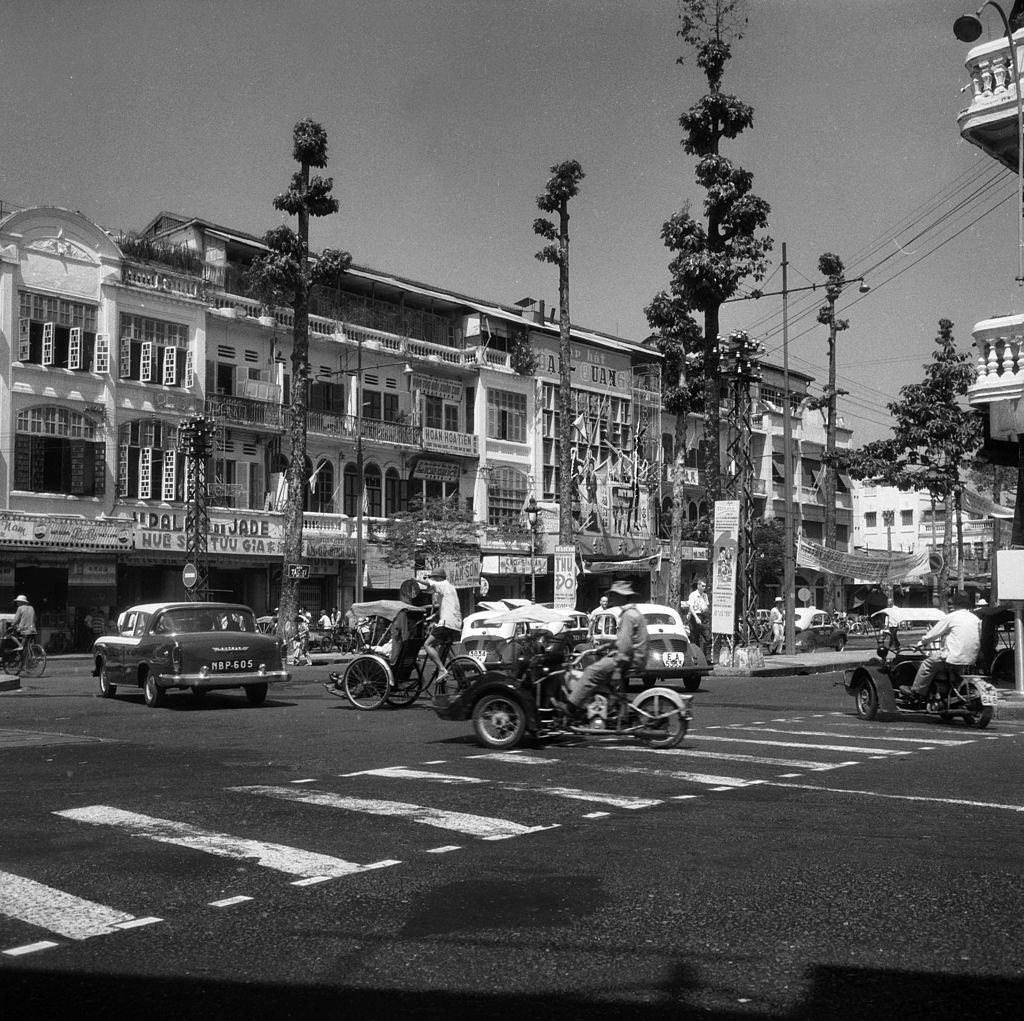
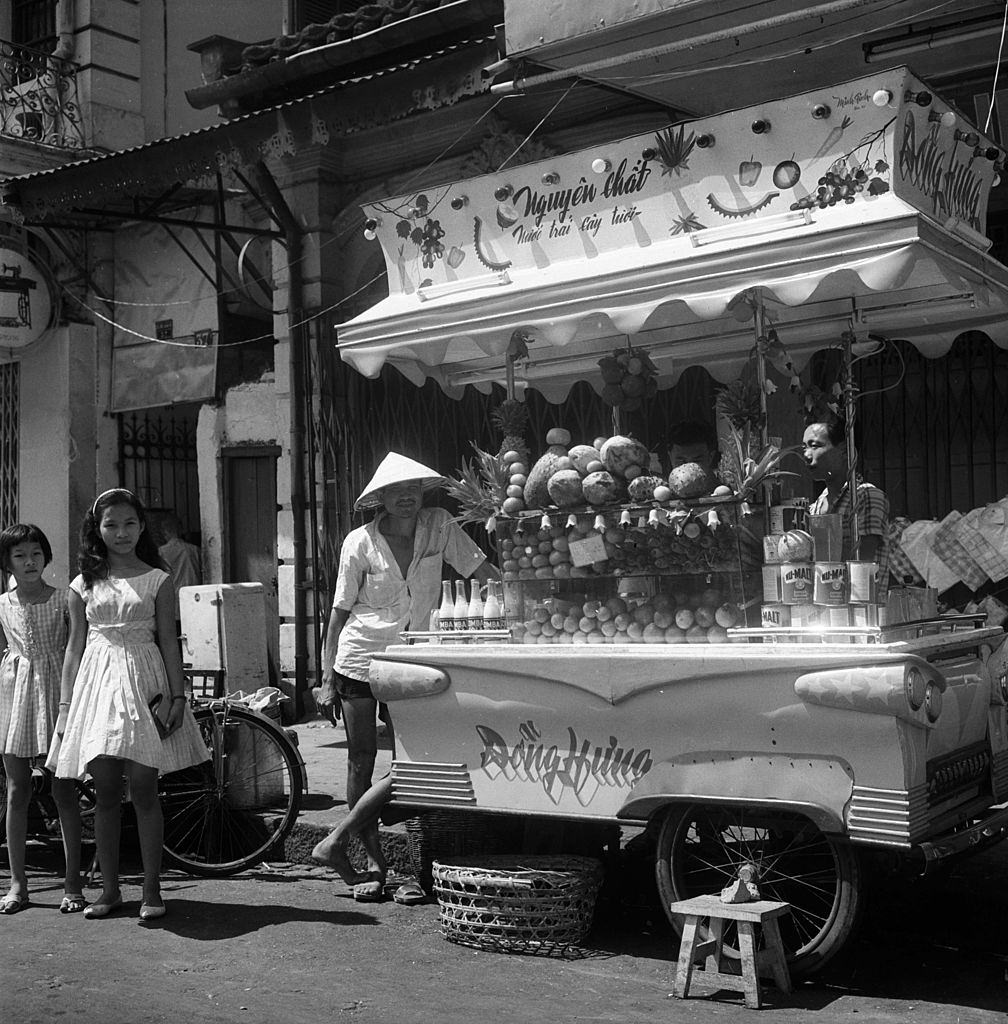
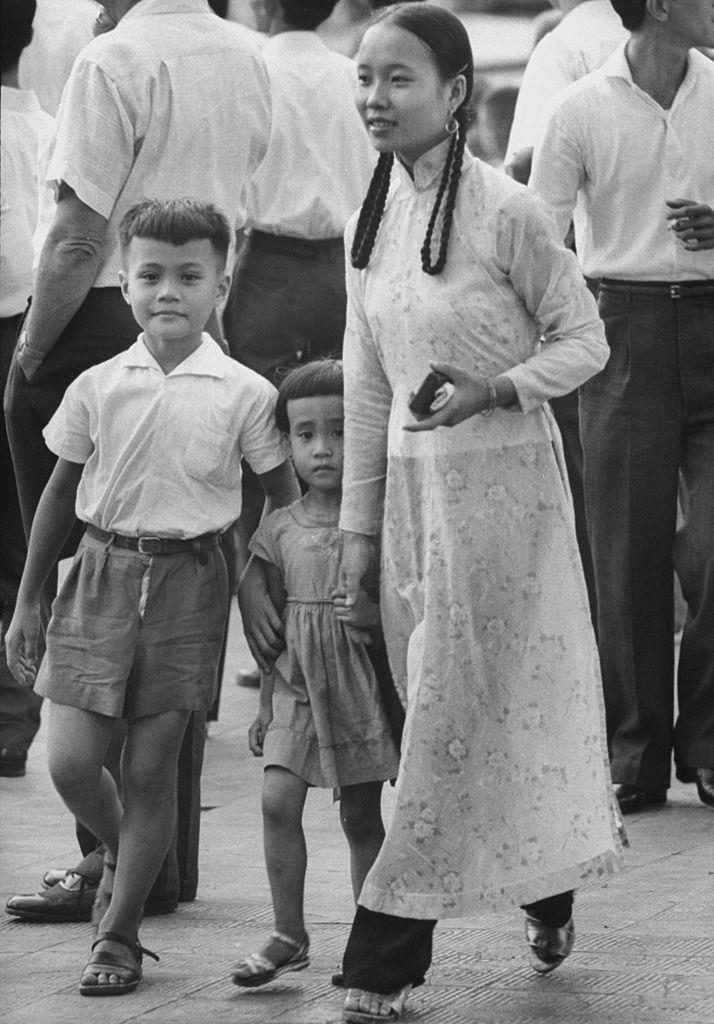
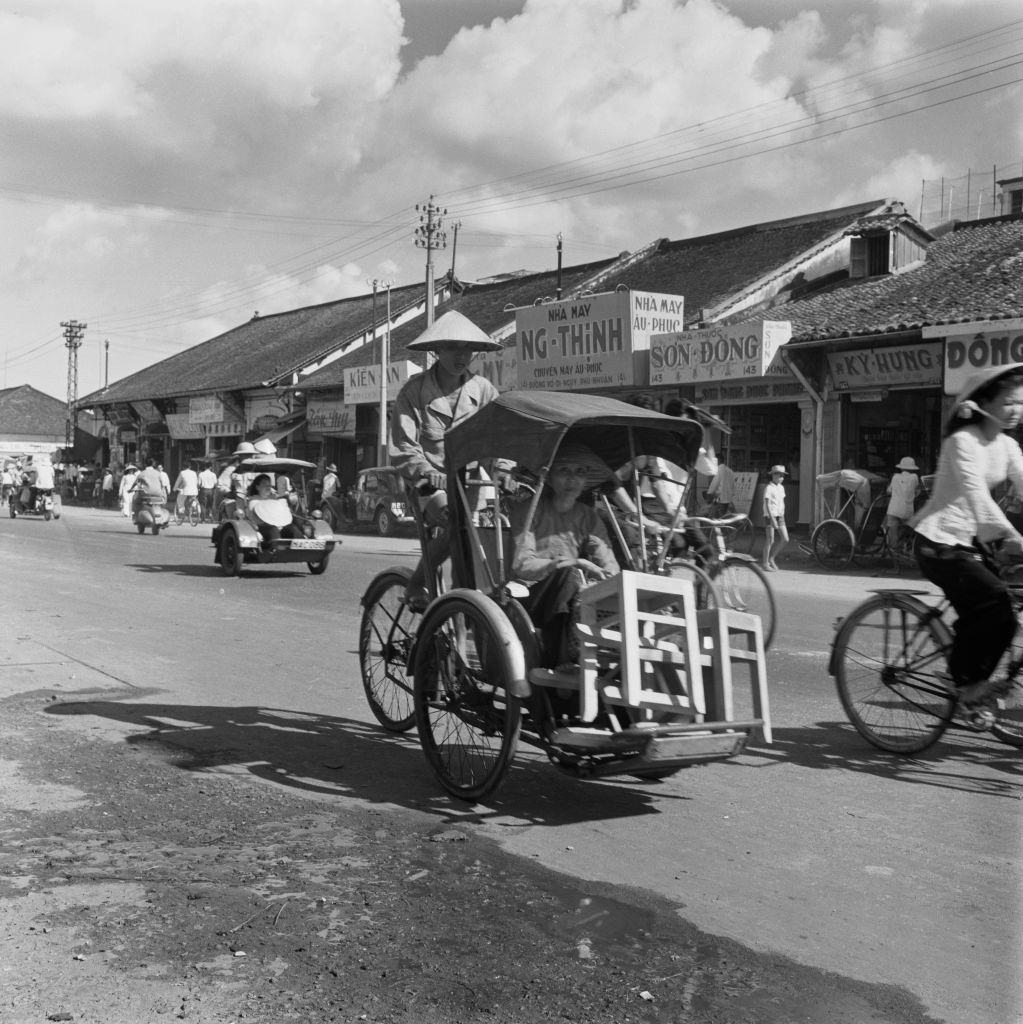
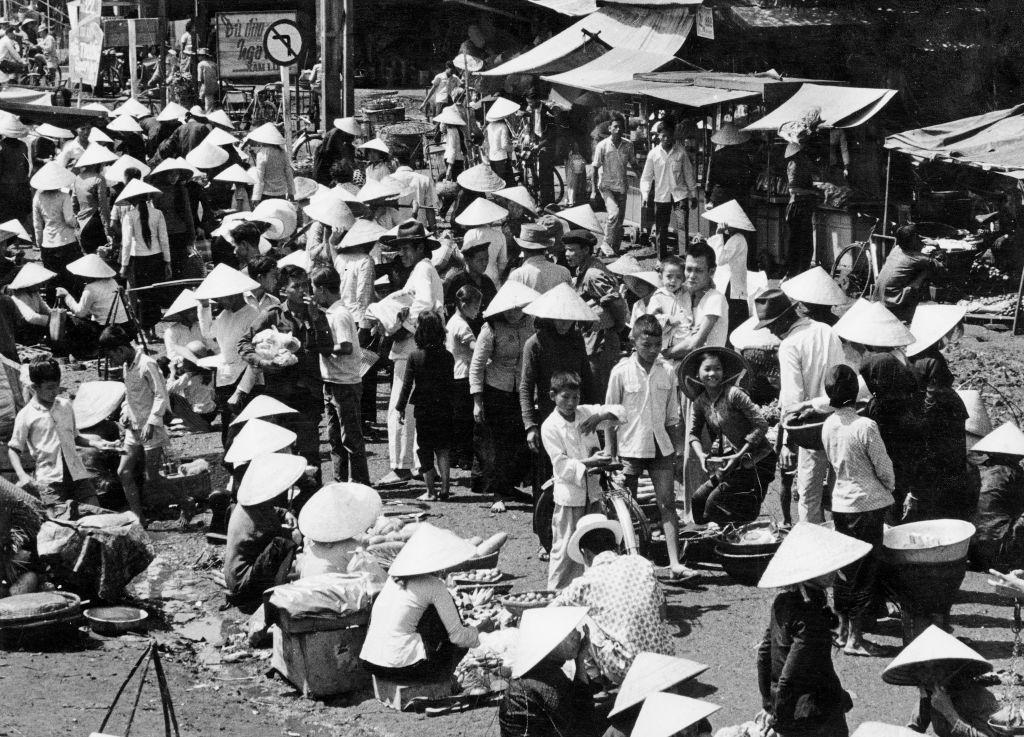
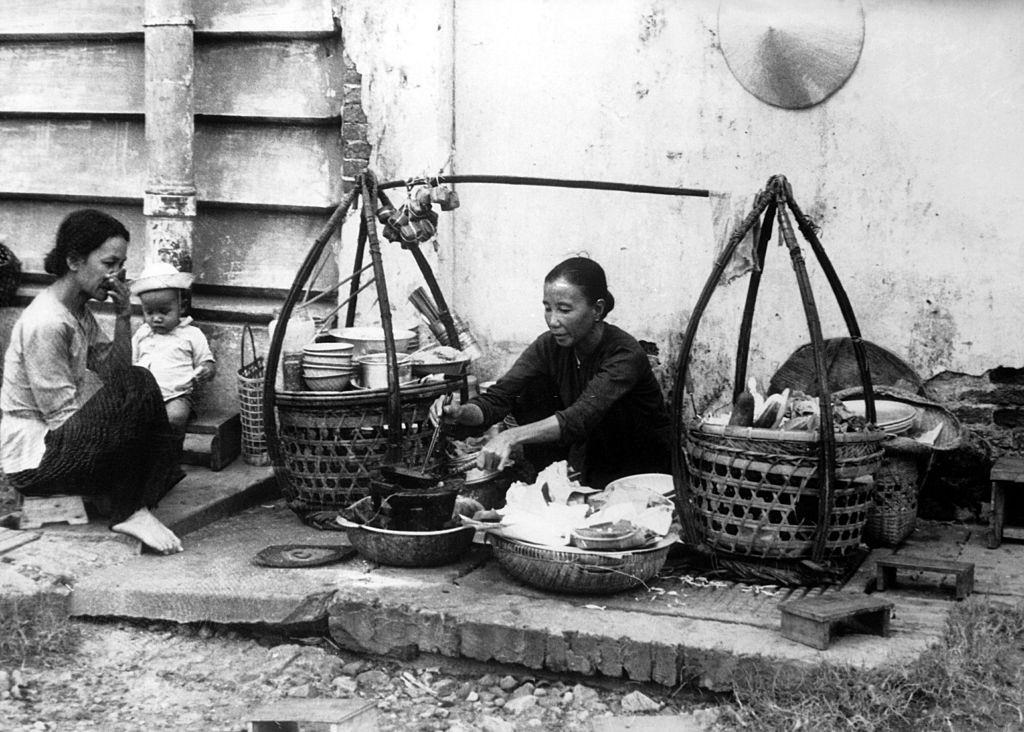
Markets were the pulse of Vietnamese cities and towns. Saigon, the capital of South Vietnam, was a busy, chaotic, and colorful place. Traders sold everything from fresh food to household goods. The city’s main street, formerly called Rue Catinat under French colonial rule, had been renamed Tu Do by 1961. Streets were packed with bicycles, rickshaws, and vendors calling out to customers.
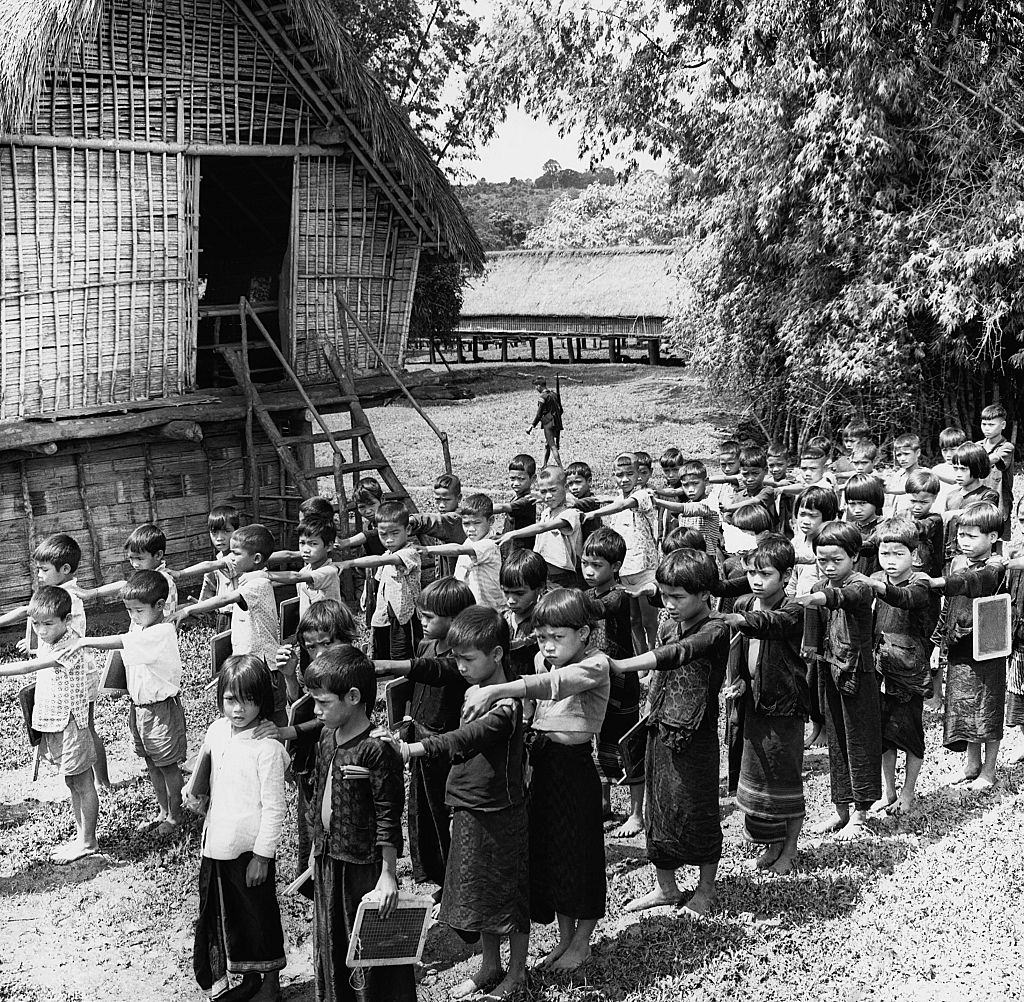
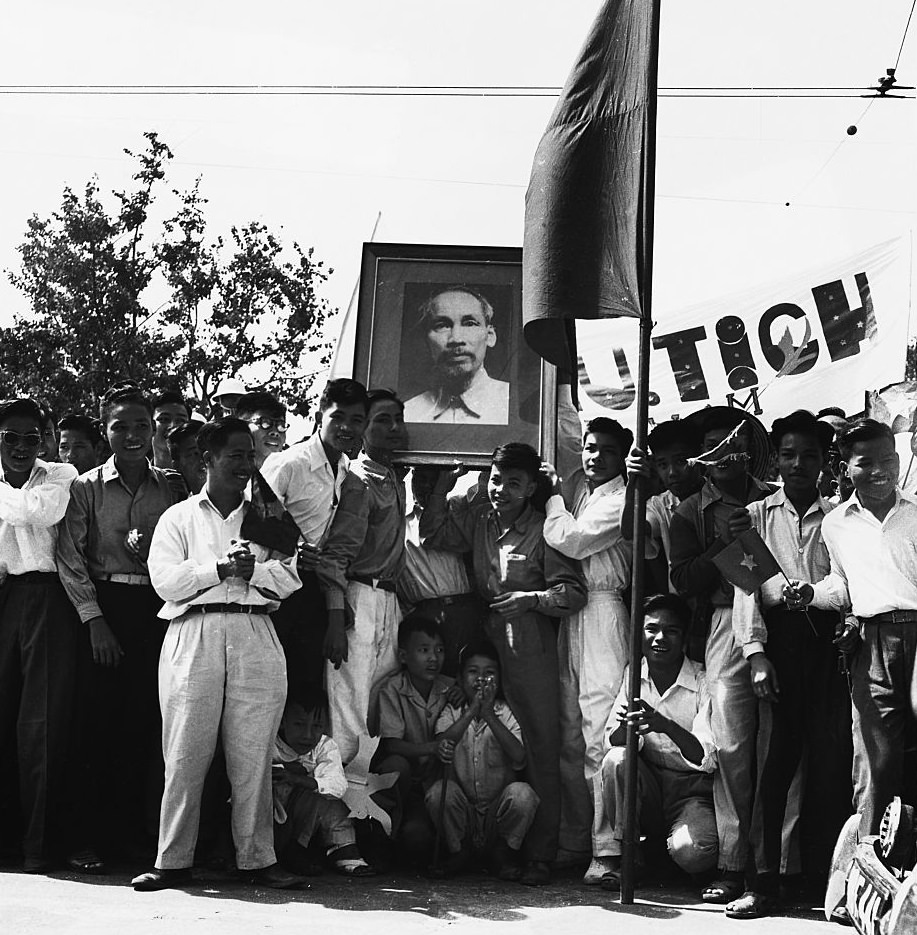
Education was expanding in South Vietnam in the early 1960s, with new schools being built in smaller towns and communities. Meanwhile, political identity was on full display in North Vietnam, where portraits of Ho Chi Minh were a common sight at public events and gatherings.
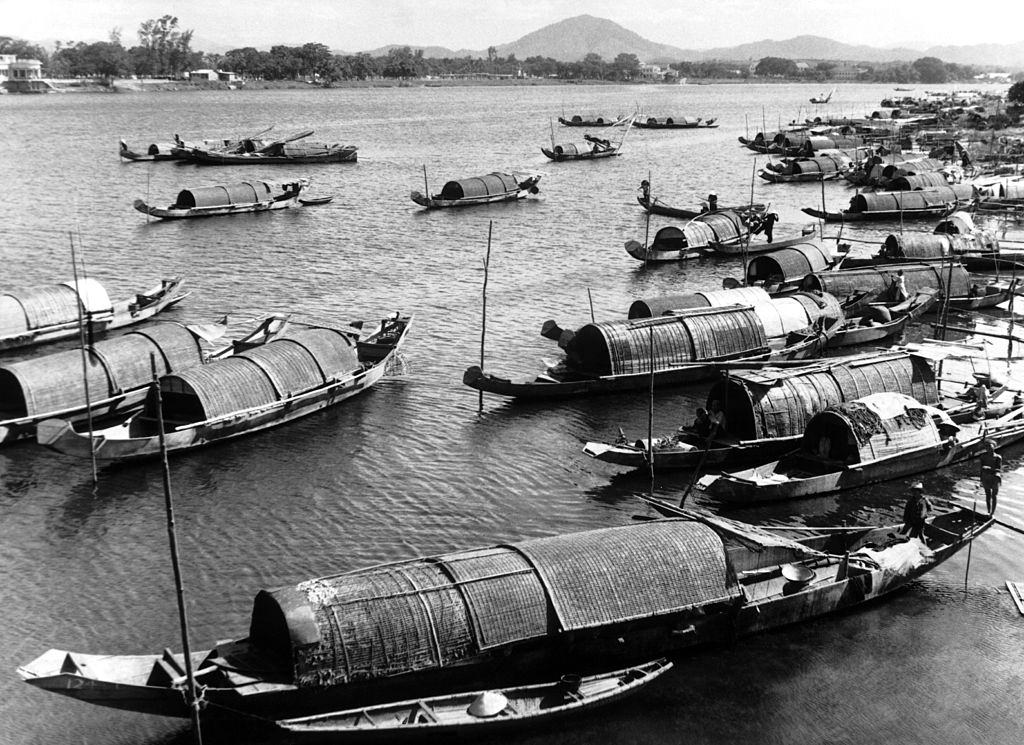
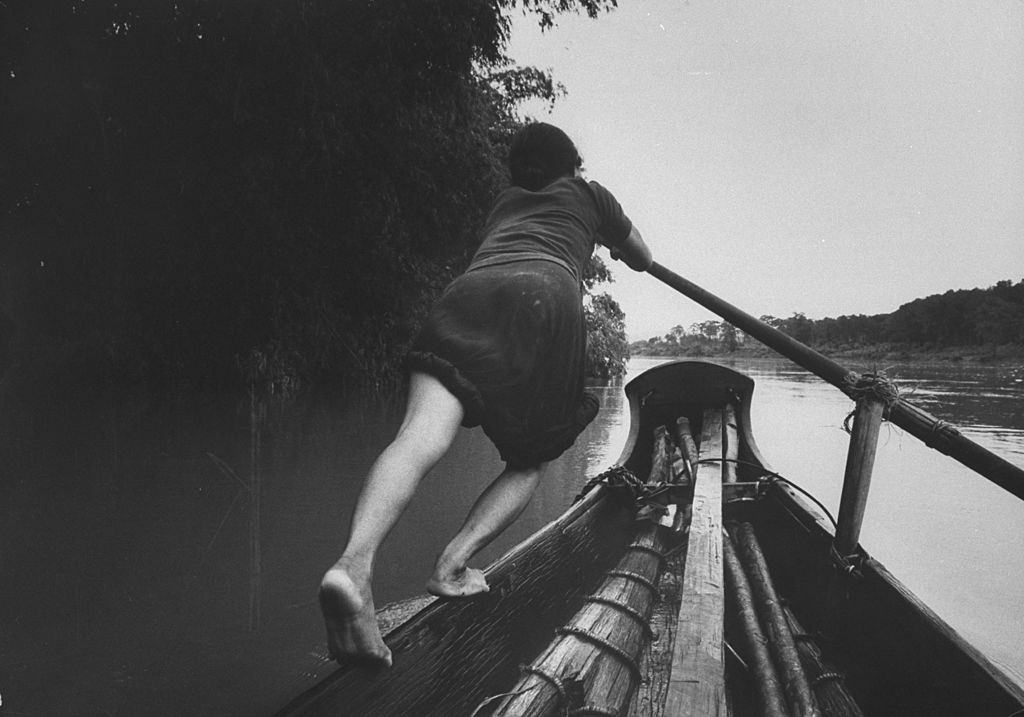
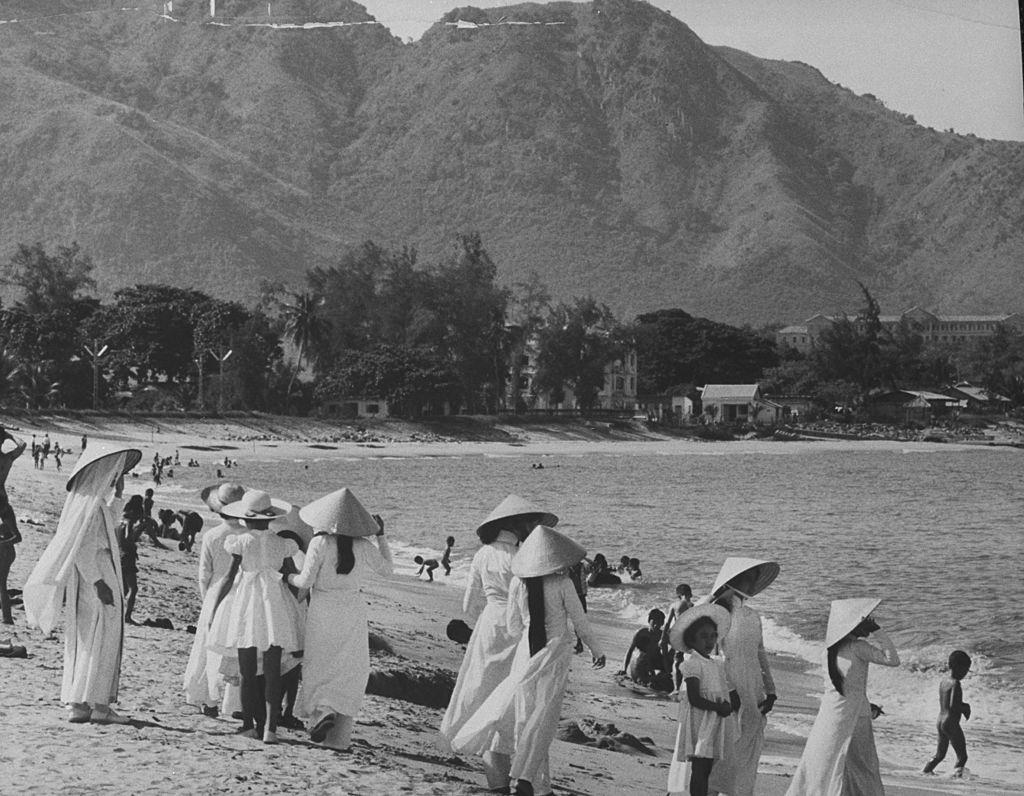
Vietnam’s coastline and waterways were central to trade and transportation. The harbor at Nha Trang, not far from Saigon, was a busy port. The Mekong River and its delta region were home to countless families who lived and worked on the water. The Perfume River in the former imperial city of Hue was another vital artery of daily life.
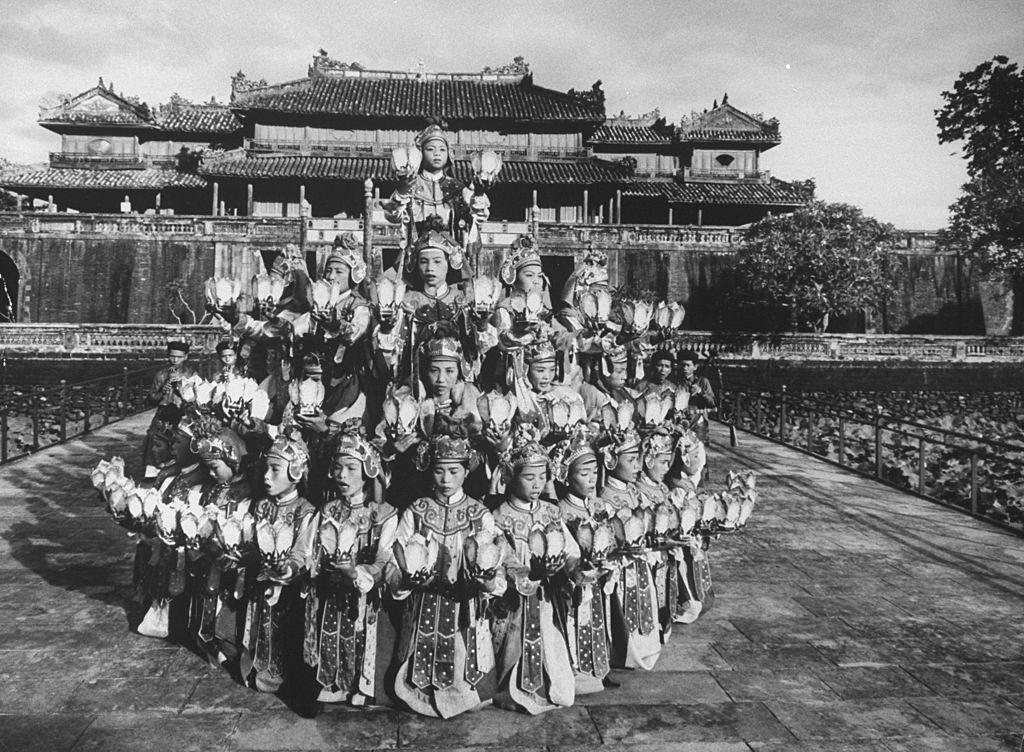
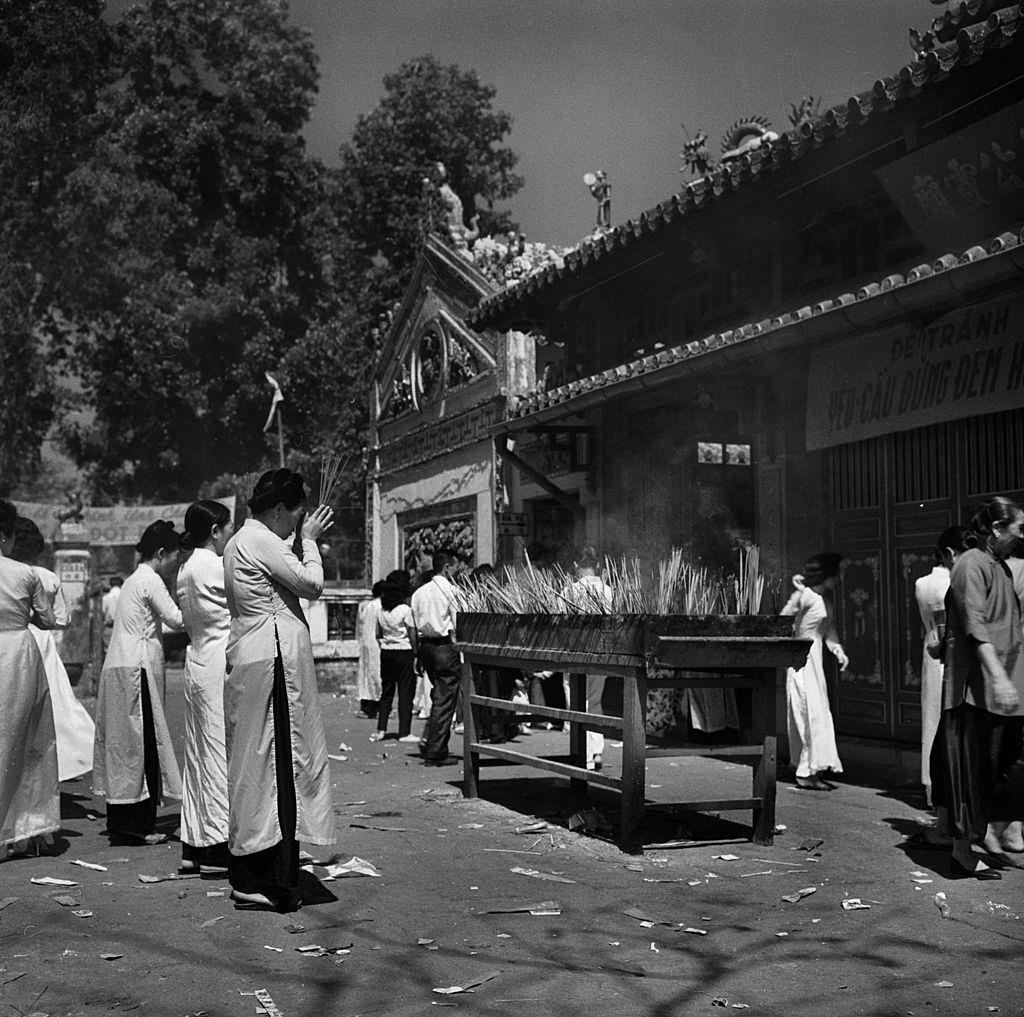
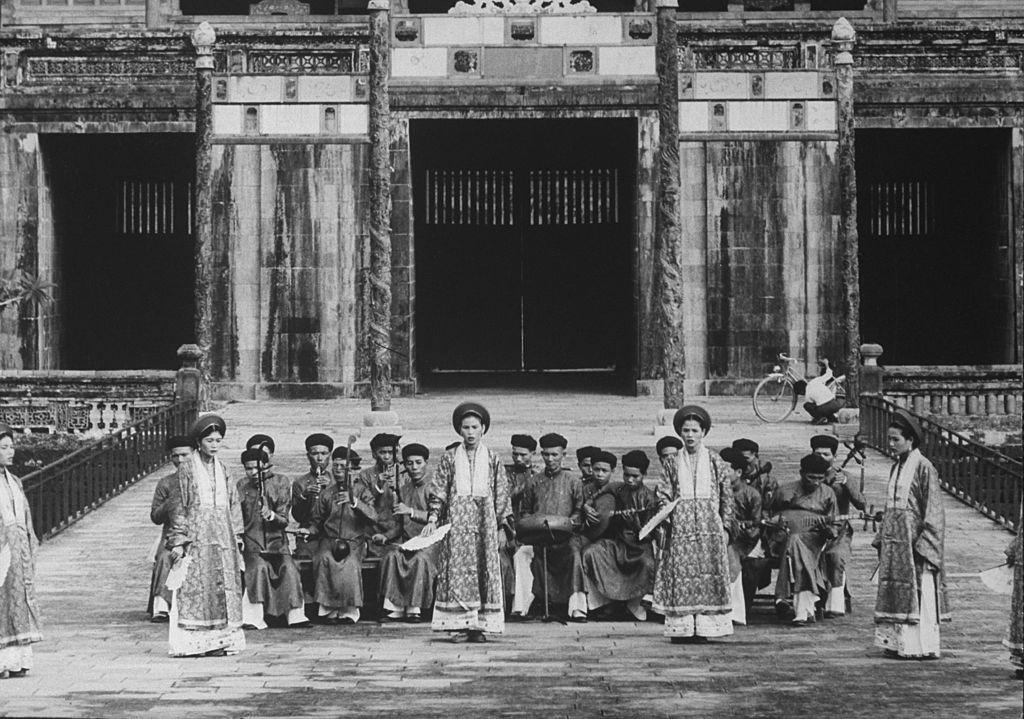
Hue, the one-time imperial capital, retained its cultural traditions well into the 1960s. Traditional dance performances were held in the city, keeping alive centuries-old artistic forms. Temples and pagodas remained active centers of worship, with Buddhist practice woven tightly into Vietnamese social life.
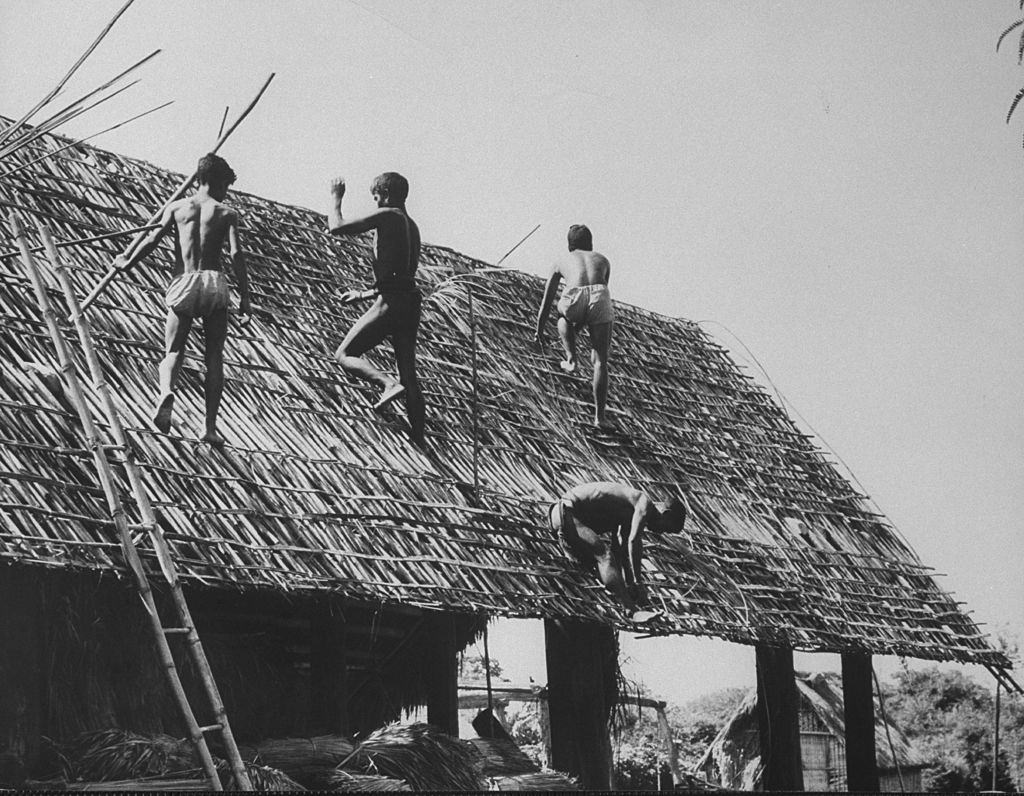
Indigenous highland communities like the Rhade tribe lived in remote mountain villages and maintained their own distinct way of life. Their long houses and community structures set them apart from lowland Vietnamese culture. These groups would later become caught up in the military conflict, as both US forces and the Viet Cong sought alliances in the highlands.
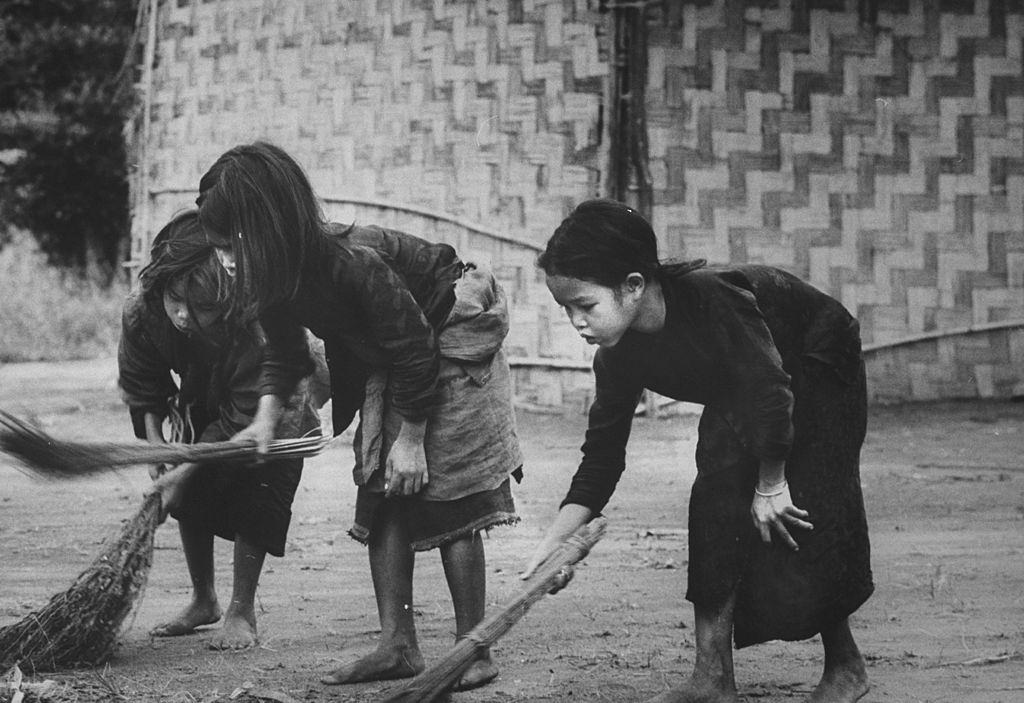
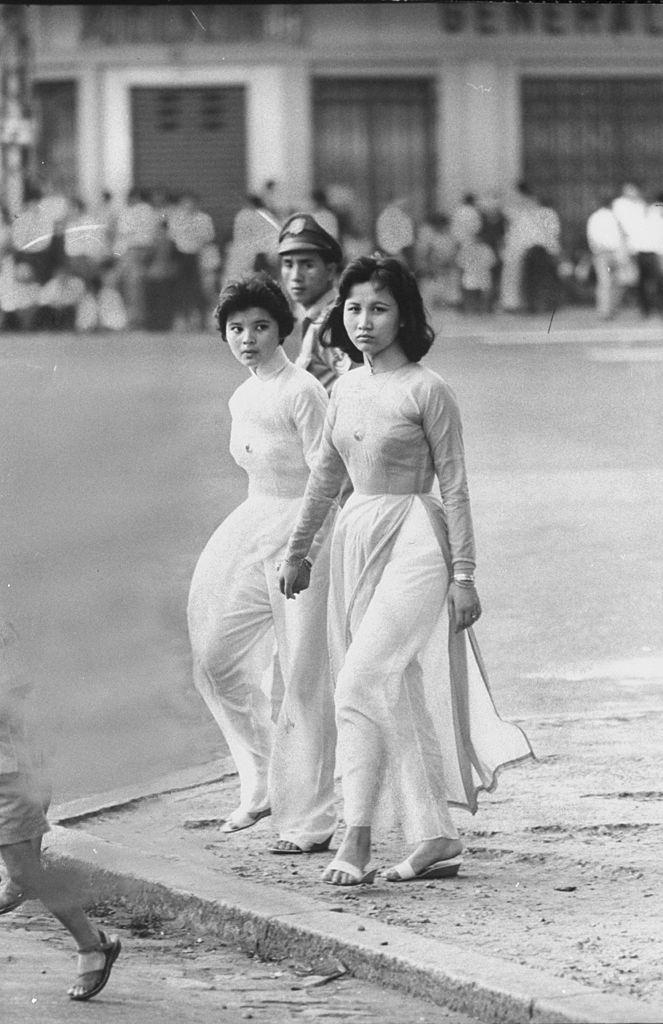
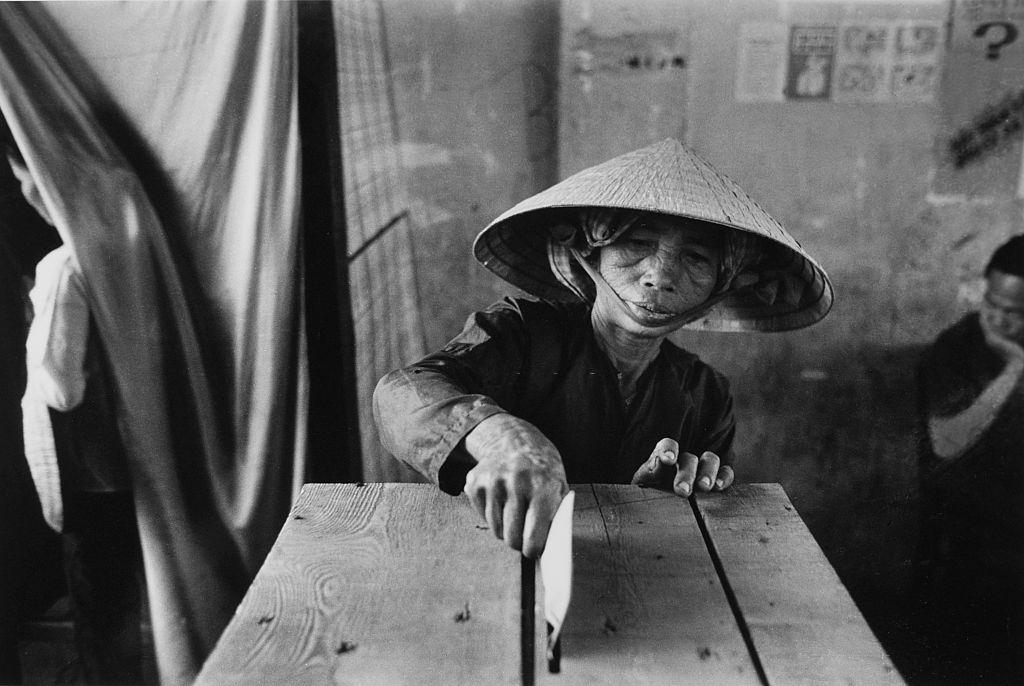
Elections were held in South Vietnam in 1961, and women participated as voters. Political life, however, was increasingly unstable. President Ngo Dinh Diem’s government faced growing opposition, both from the Viet Cong in the countryside and from students and activists in the cities. By 1963, that opposition boiled over into open protest.
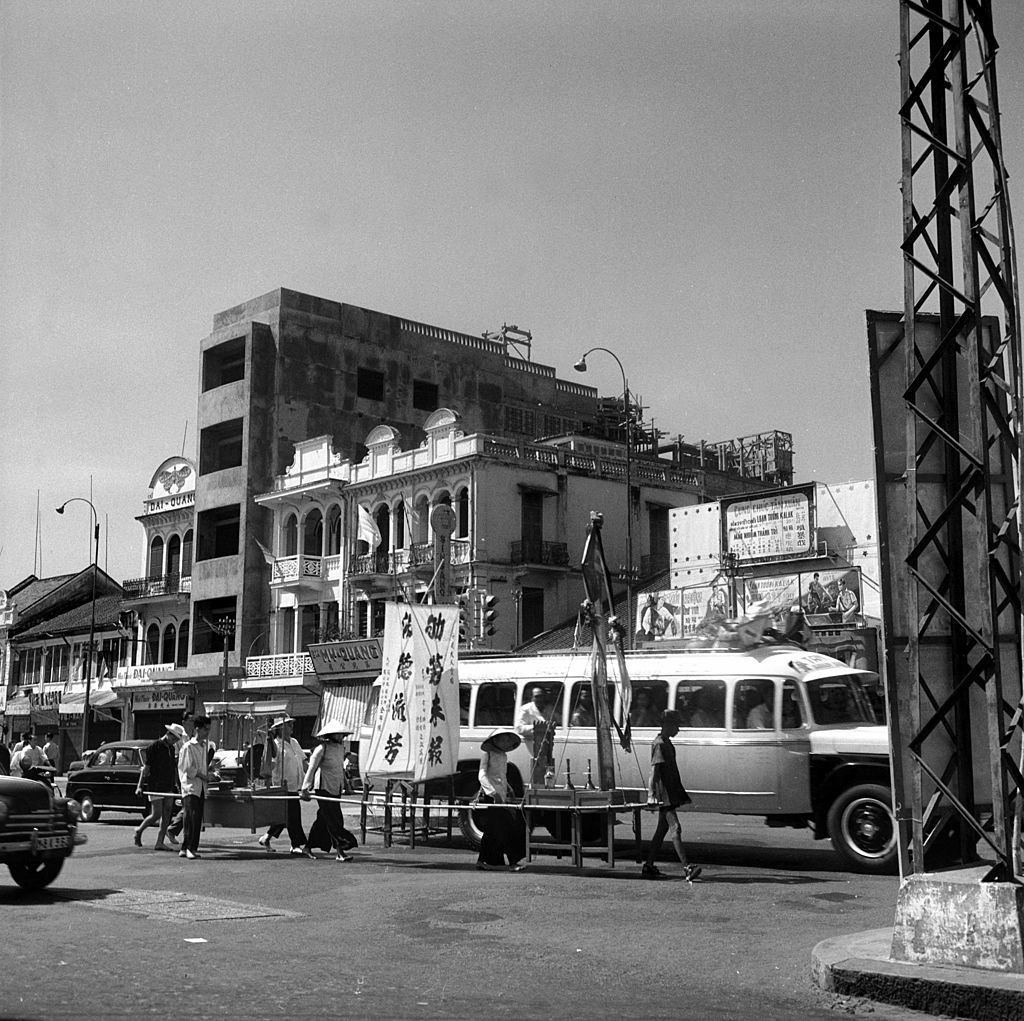
Cholon was Saigon’s working-class district, home to a large ethnic Chinese population. It had its own markets, businesses, and cultural traditions. Chinese burial ceremonies with musicians were a regular part of life there. Street vendors sold ice cream and food along its busy corridors.
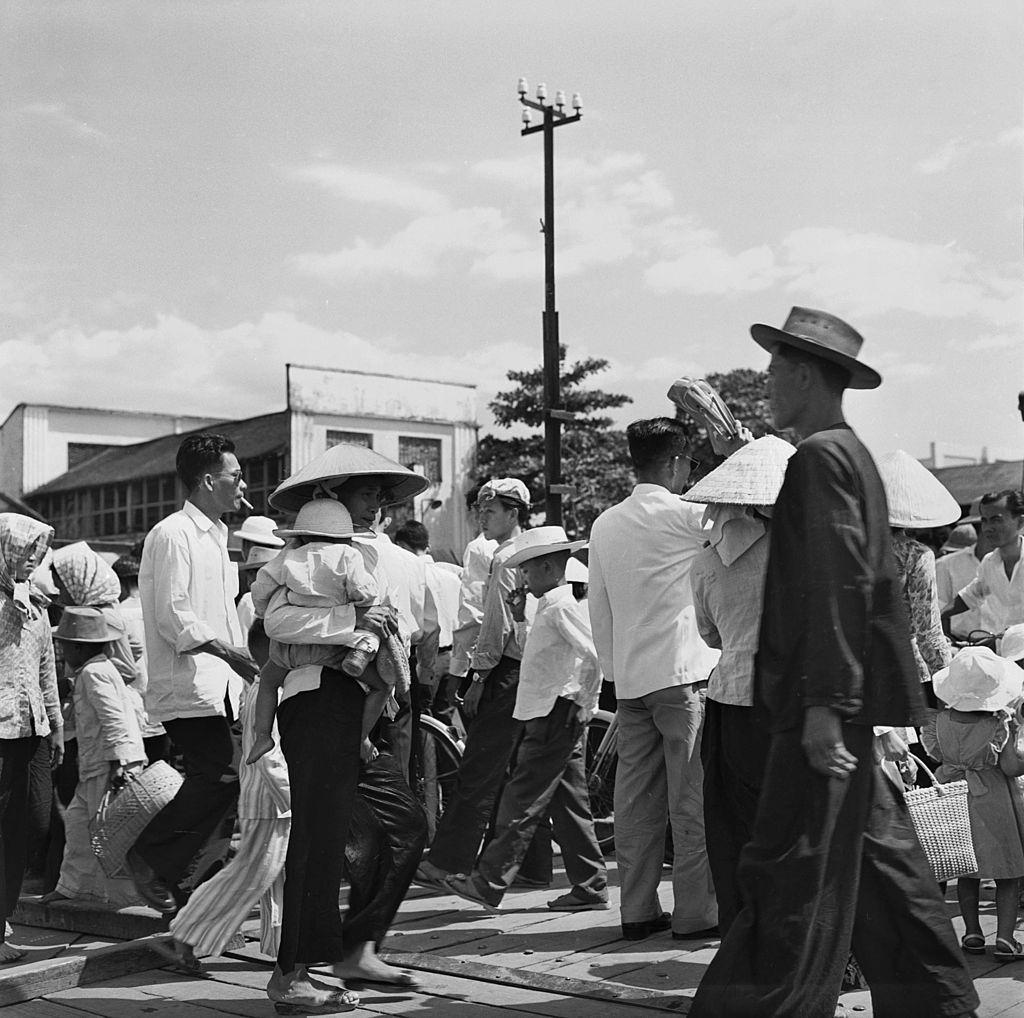
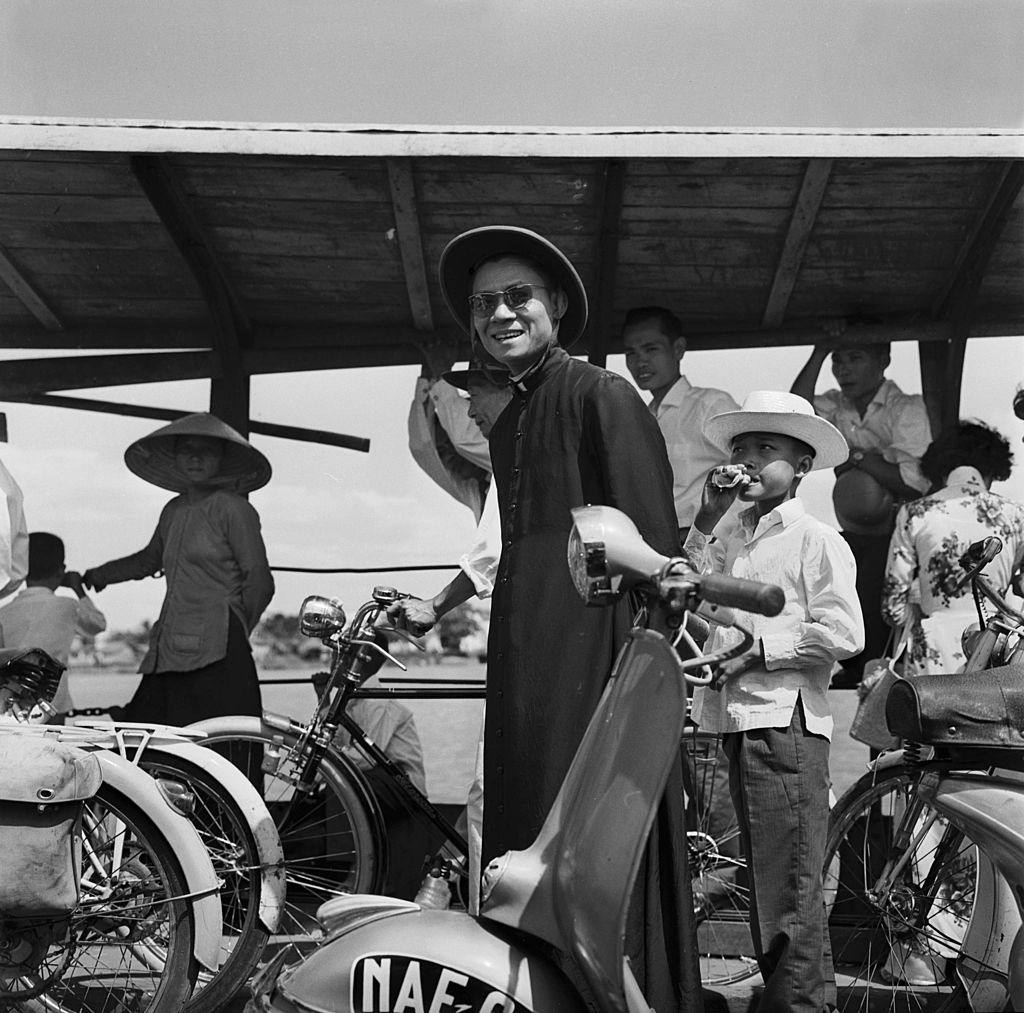
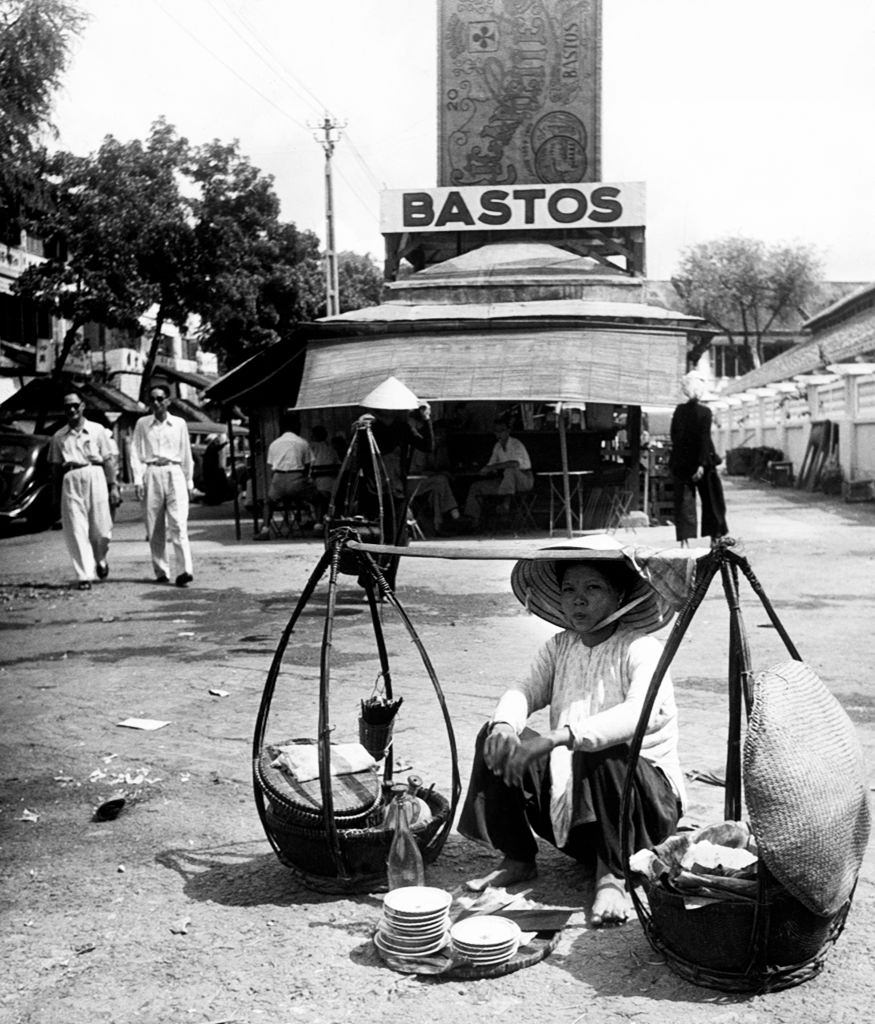
Life on and around the Mekong was constant and busy. Goods moved by boat, and landing stages along the river were crowded with traders and travelers. Street food vendors were fixtures of the Saigon streetscape, feeding workers and passersby throughout the day.
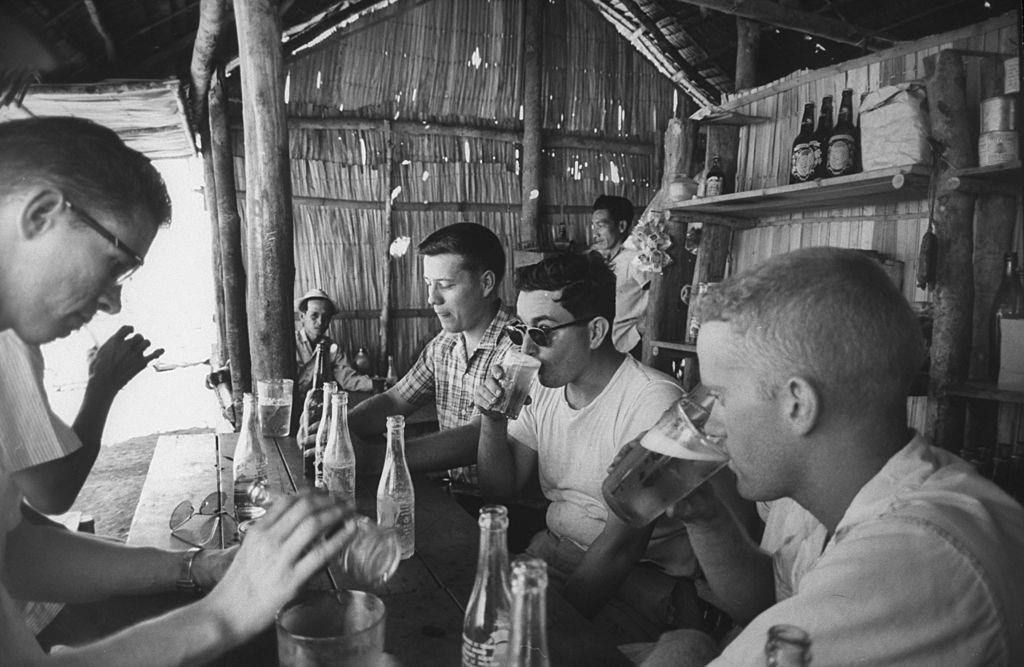
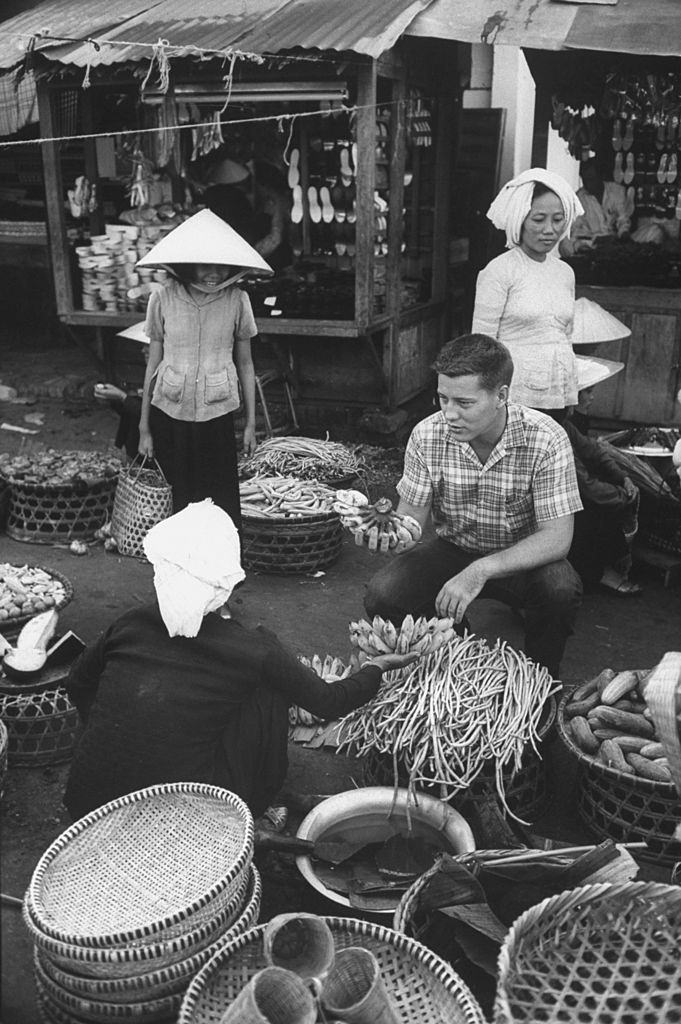
American volunteers were present in Vietnam well before the large military buildup of the mid-1960s. Some were part of aid programs and could be seen shopping in local markets alongside ordinary Vietnamese citizens. Their presence foreshadowed the much larger American footprint that was coming.
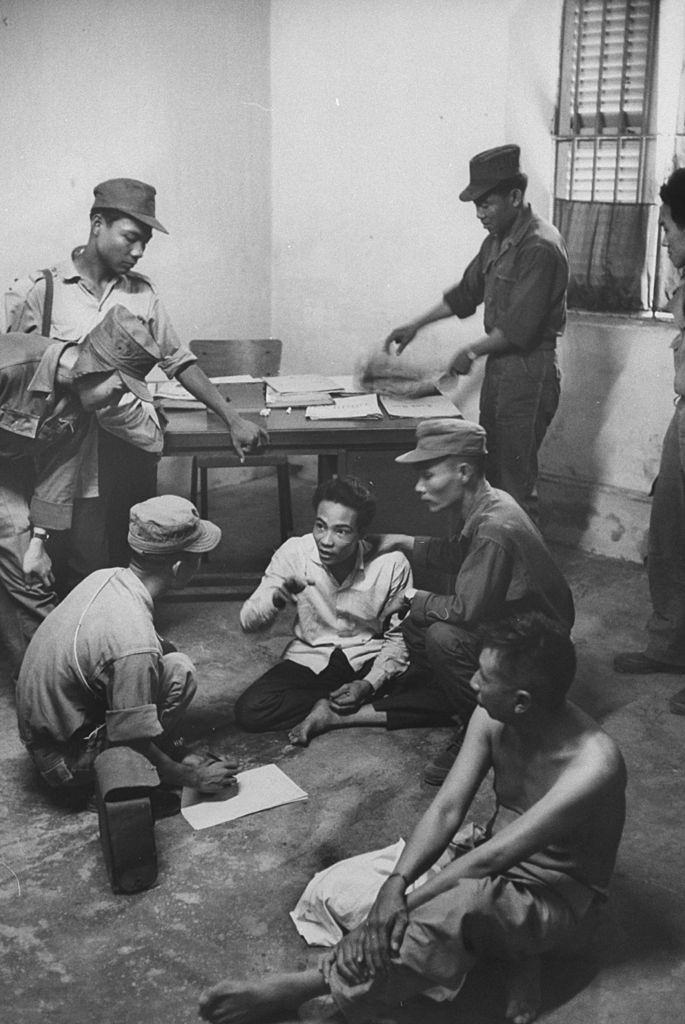
Armed conflict was already a reality in the countryside by 1961. South Vietnamese forces engaged the Viet Cong in rural areas, taking prisoners and setting up self-defense posts in territory where infiltration was a constant threat. Near towns like Truc Giang, military and civilian worlds overlapped daily.
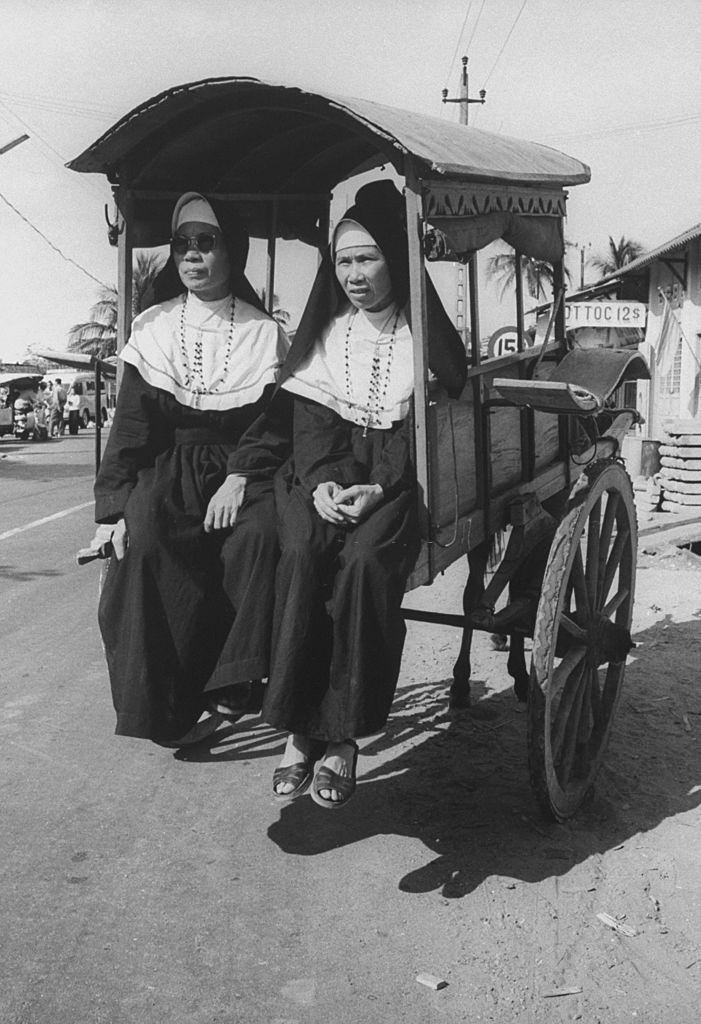
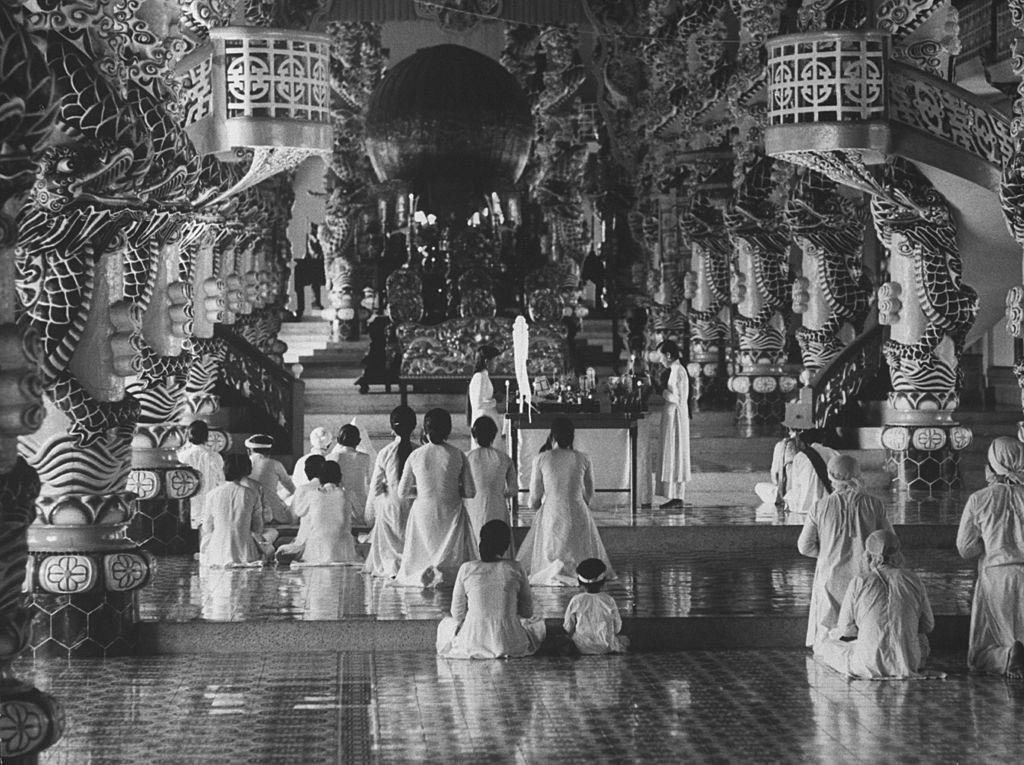
Religion played a central role in Vietnamese society. Buddhism was the dominant faith, with pagodas serving as gathering places for worship and community life. Catholic institutions, a legacy of French colonial rule, also operated across South Vietnam. Tensions between the Buddhist majority and the Catholic-led Diem government would eventually spark a major crisis.
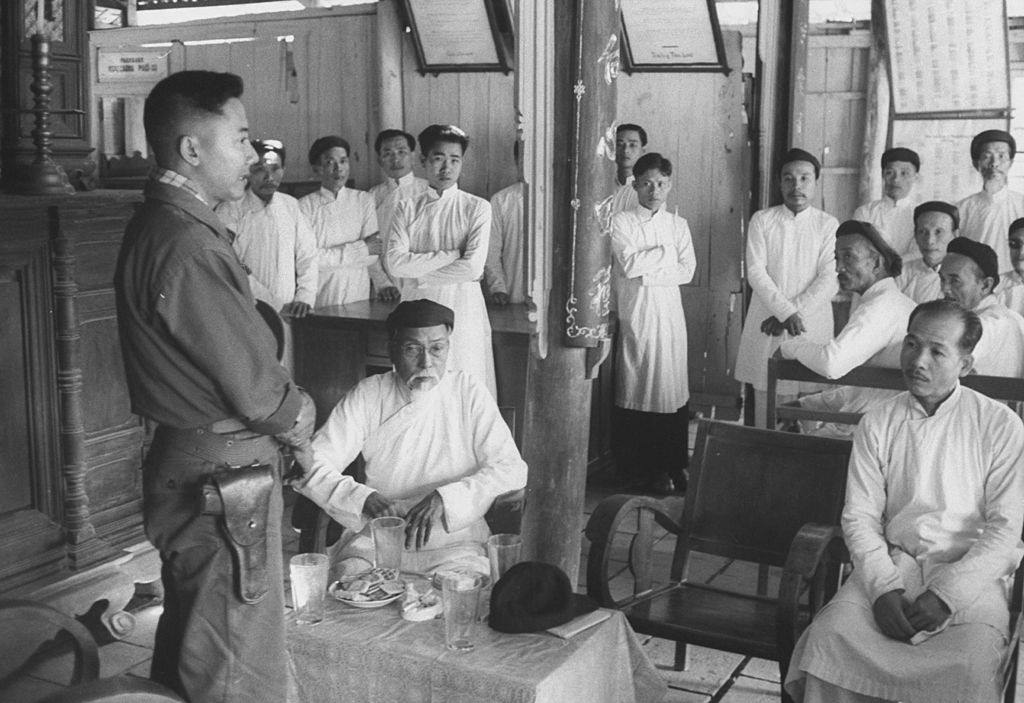
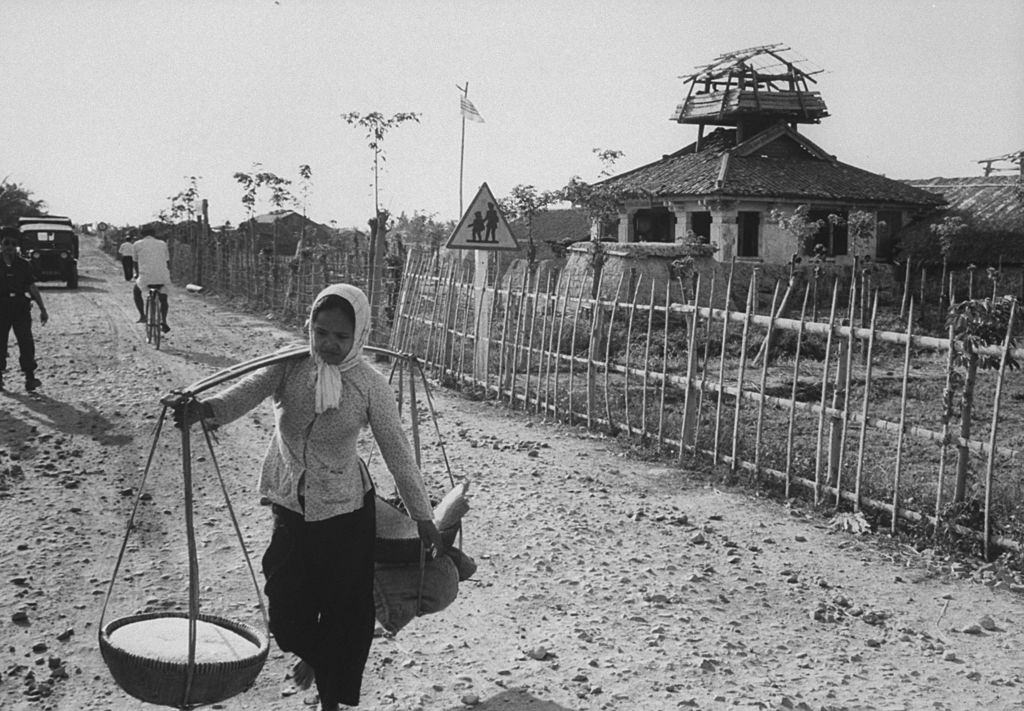
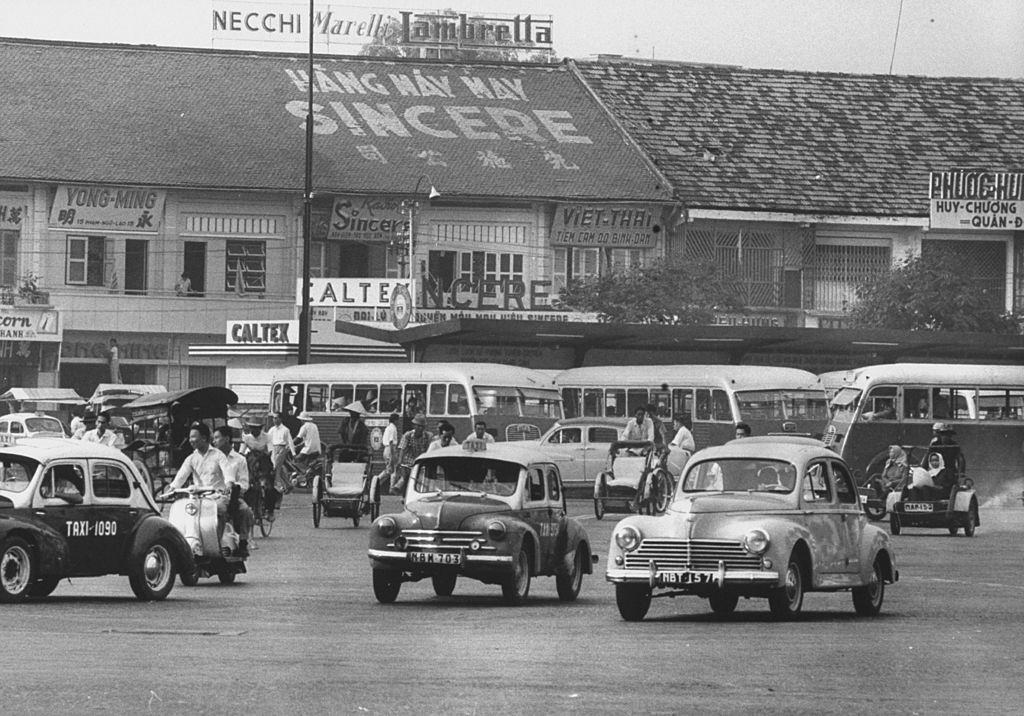
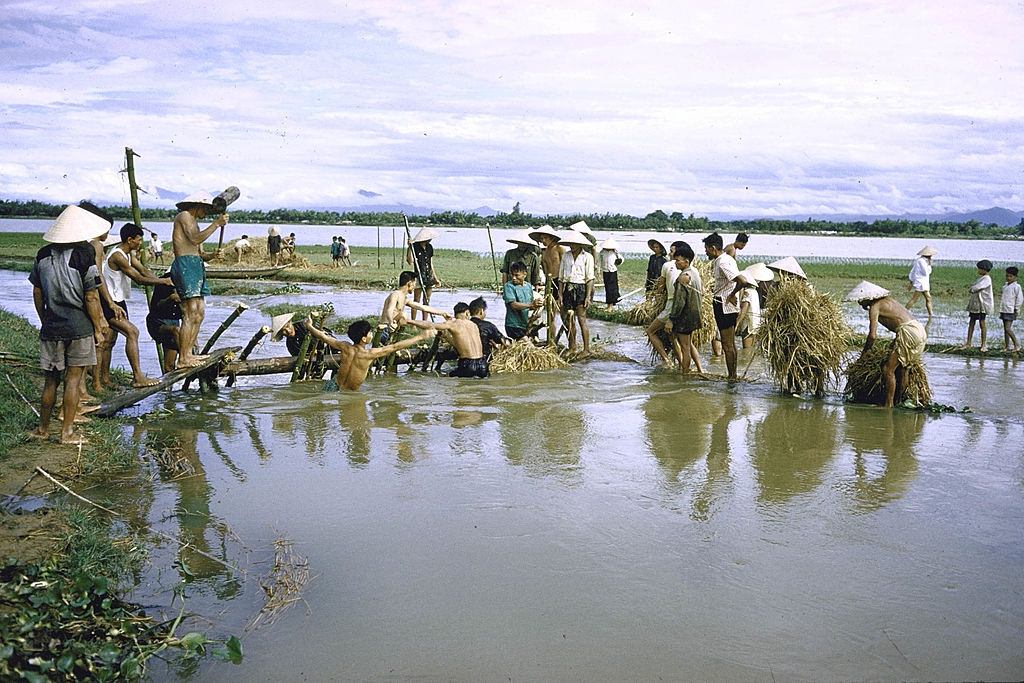
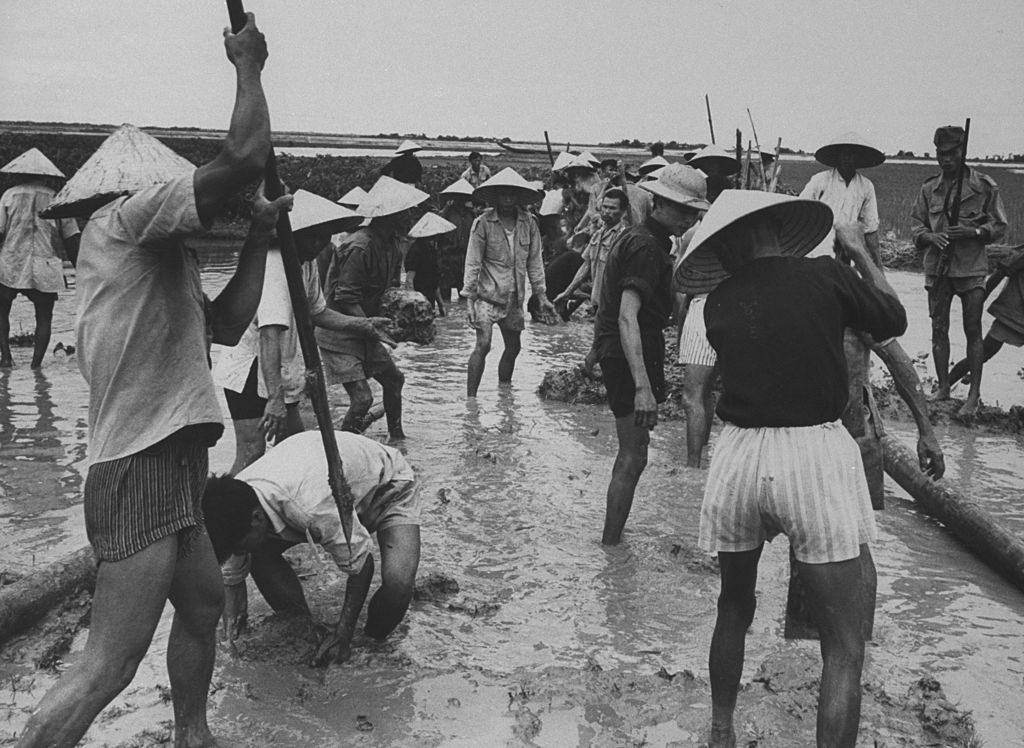
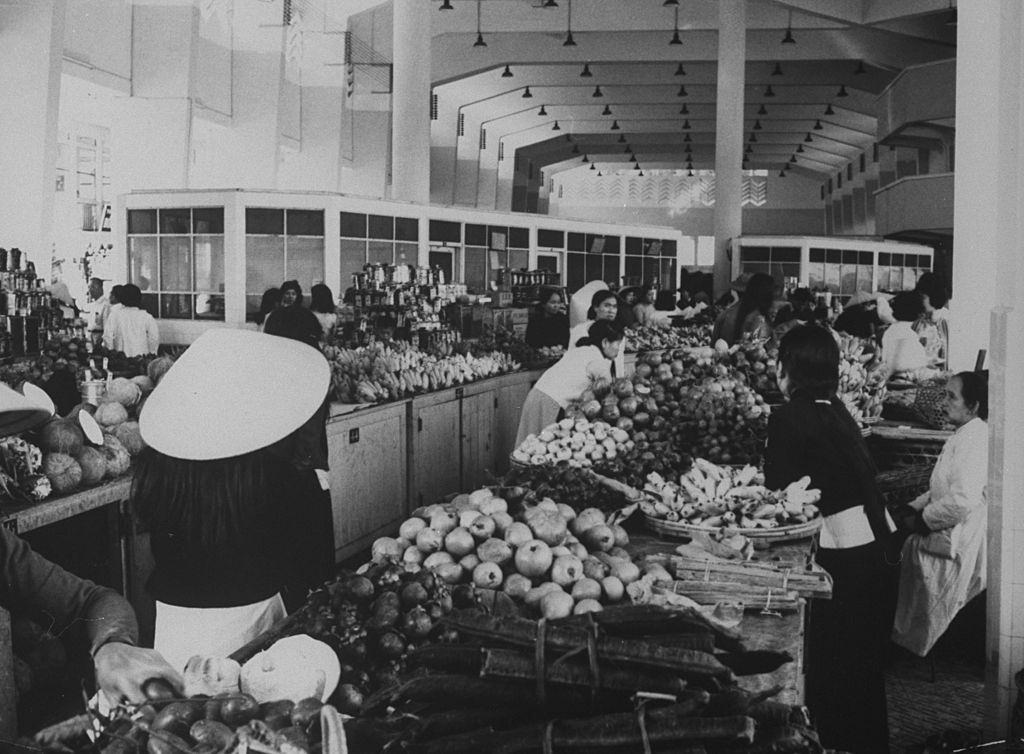
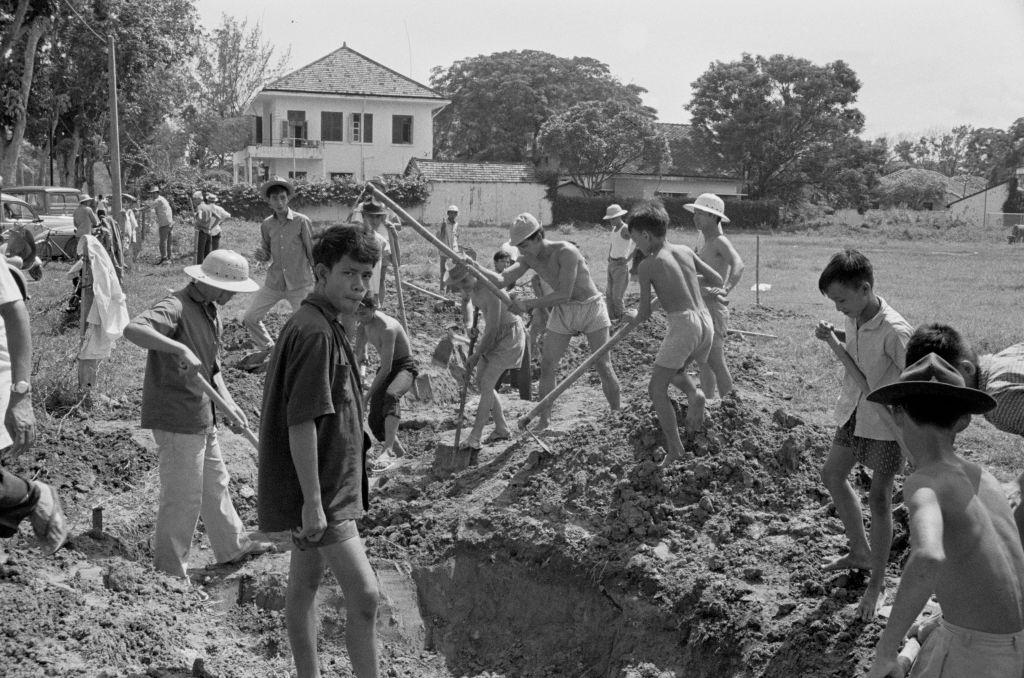
Flood control was an ongoing challenge for rice farmers. In 1961, farmers built improvised dams to hold back floodwaters threatening their fields. The work was done by hand, with communities coming together under desperate conditions. Dalat, a cooler highland city, offered a different pace — its modern market stood as a sign of urban development in the south.
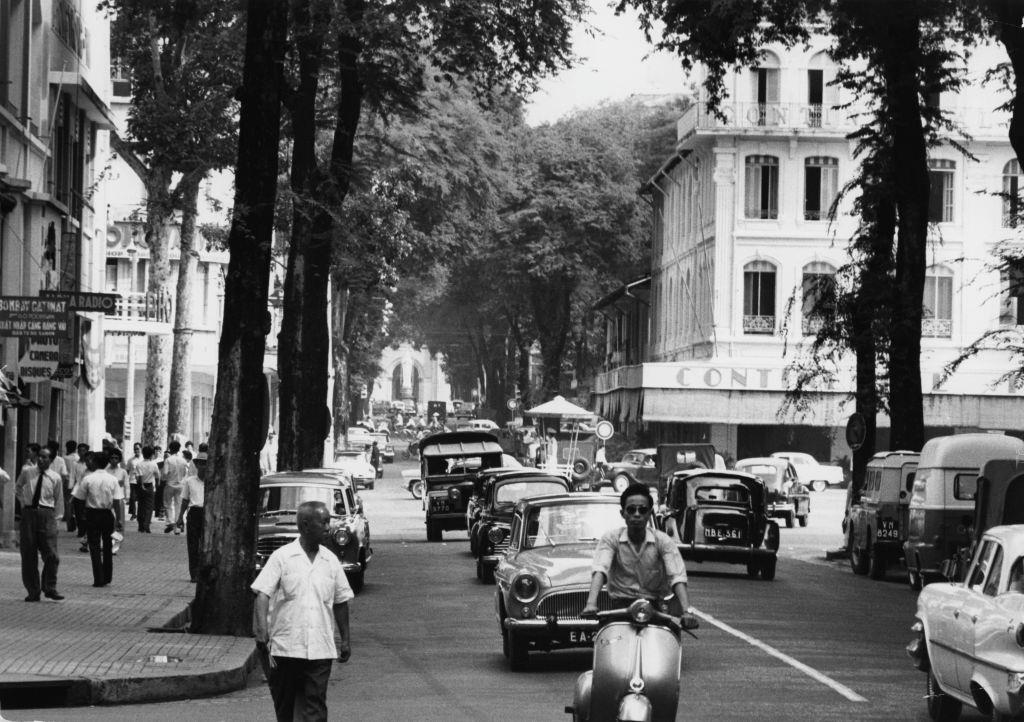
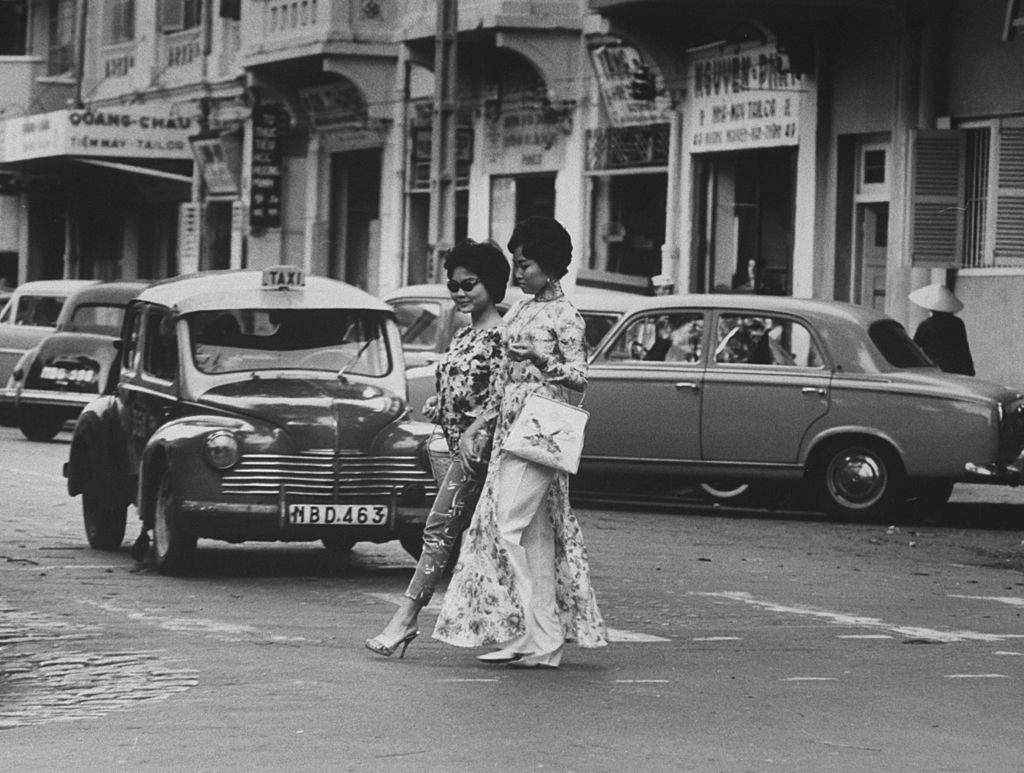
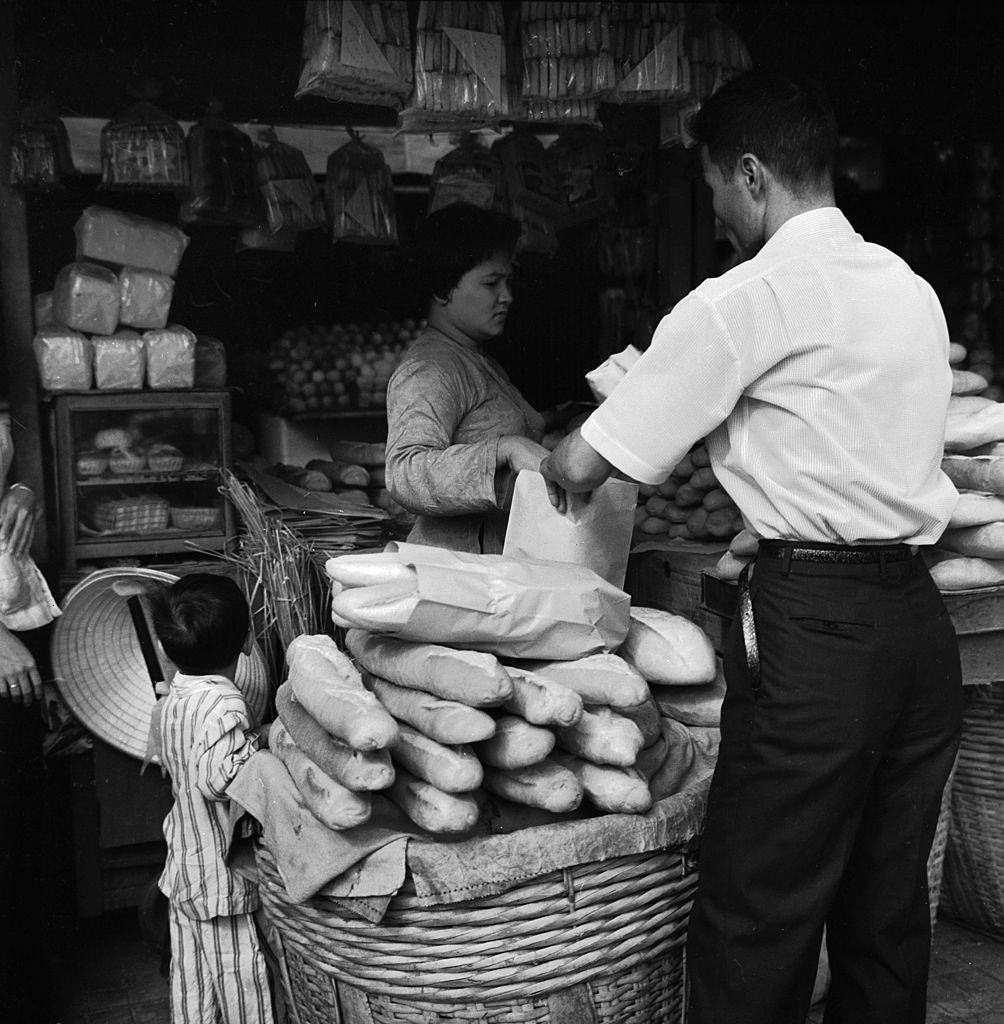
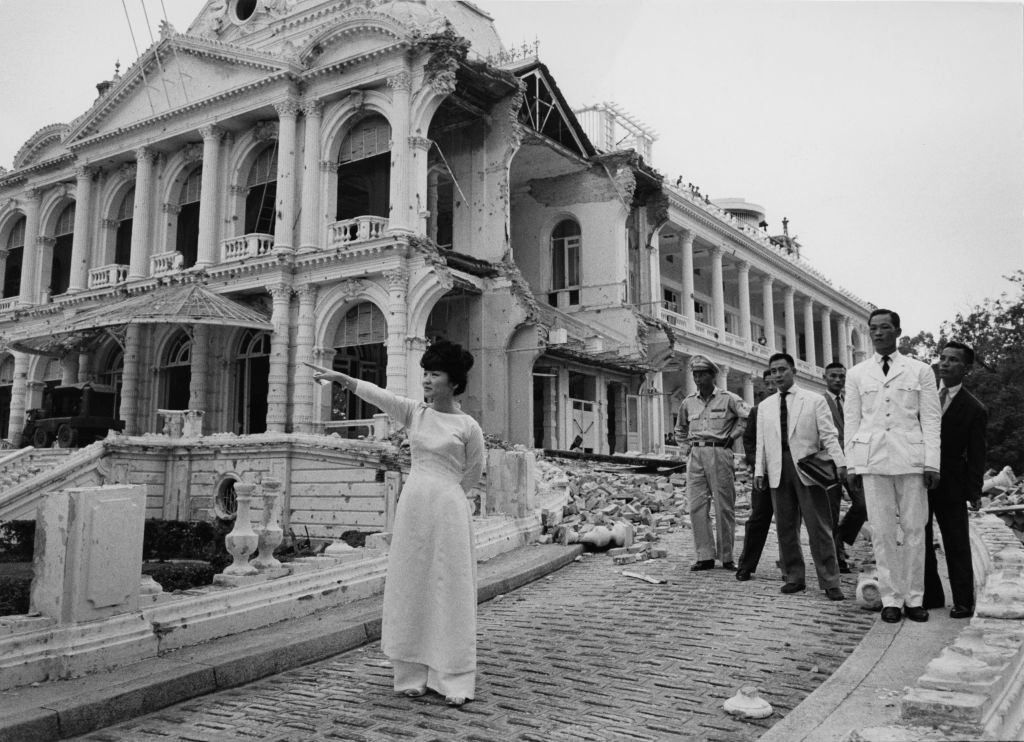
By 1962, Saigon’s street life continued largely as normal — bread shops, bicycle rickshaws, and market stalls filled the city. But political cracks were widening. In February 1962, two South Vietnamese pilots bombed the Presidential Palace in an assassination attempt against President Diem. His sister-in-law, Madame Ngo Dinh Nhu — a powerful and polarizing figure — later surveyed the ruins of the bombed palace.
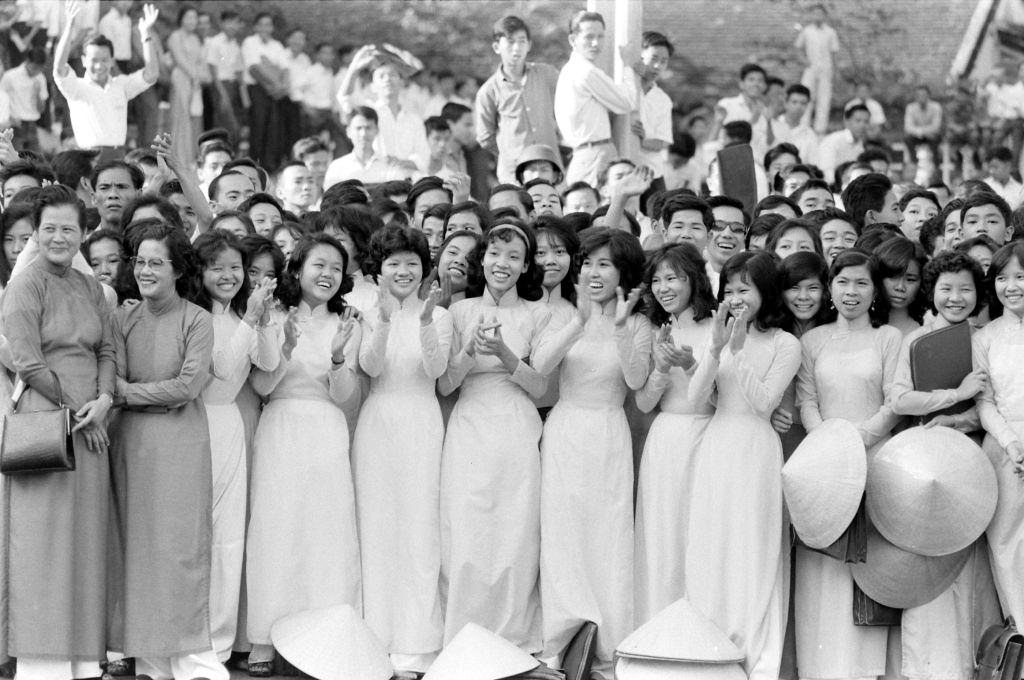
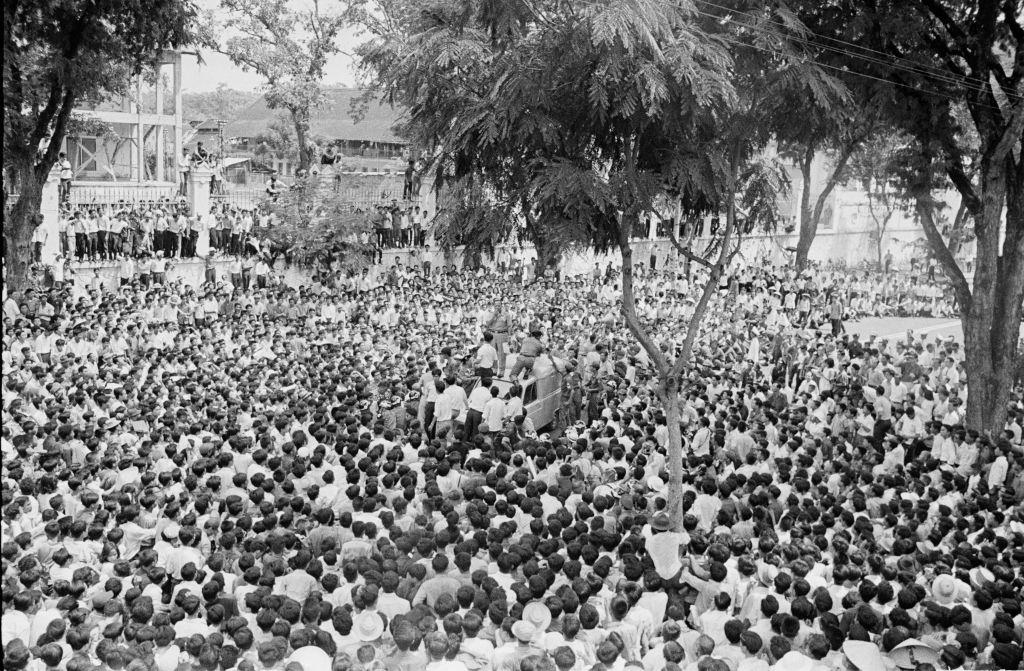
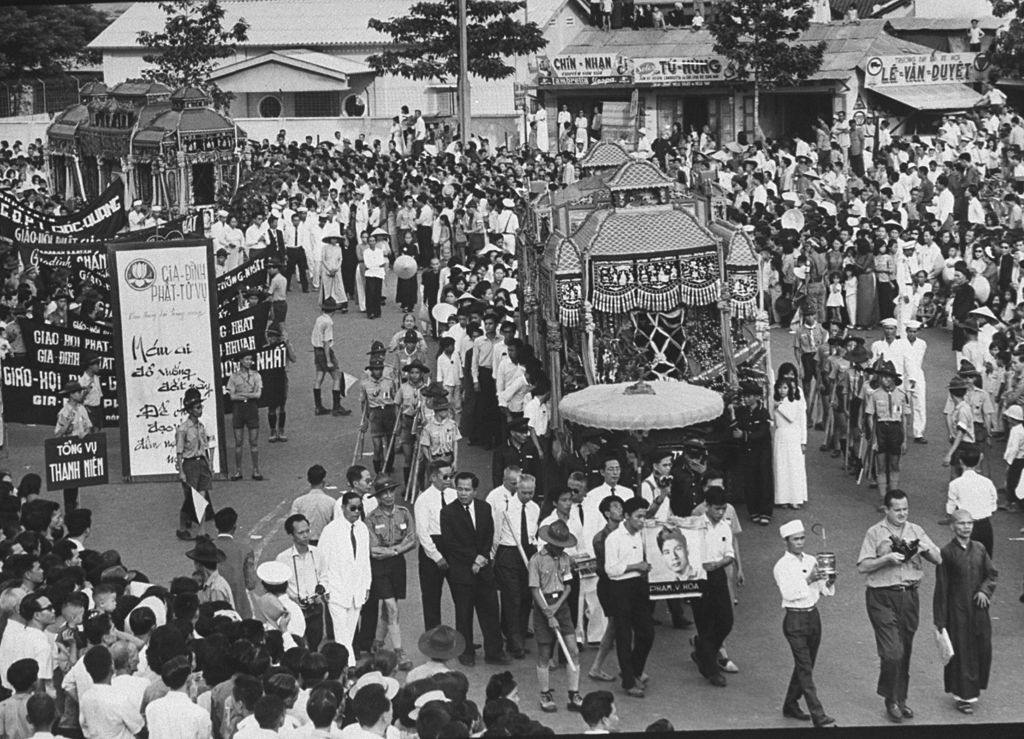
By 1963, political tensions had reached a breaking point. Buddhist monks led protests against the Diem government’s repressive policies toward their faith. In June 1963, monk Thich Quang Duc burned himself to death at a Saigon intersection in protest — an act that shocked the world. Vietnamese gathered in the streets to pray for him. Students from universities and high schools organized demonstrations against the Diem government, demanding change.
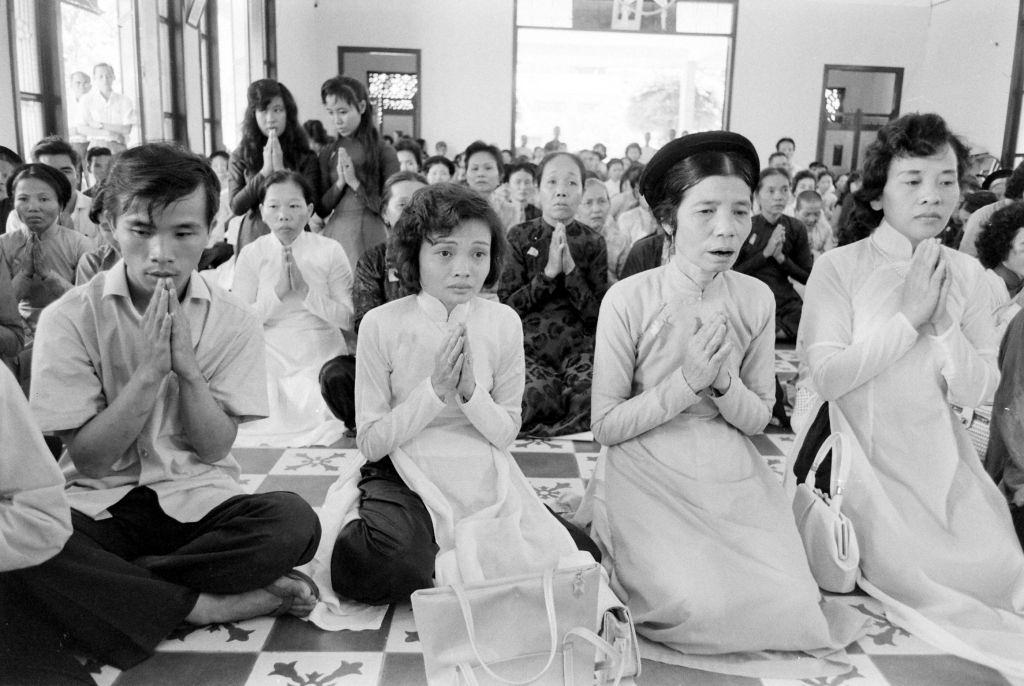
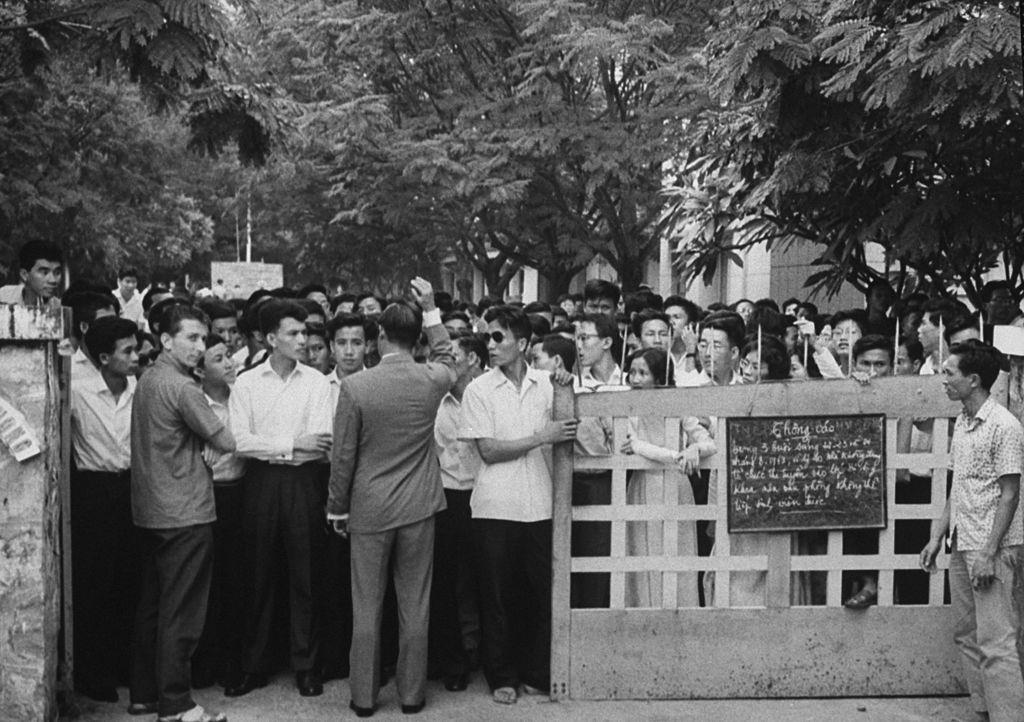
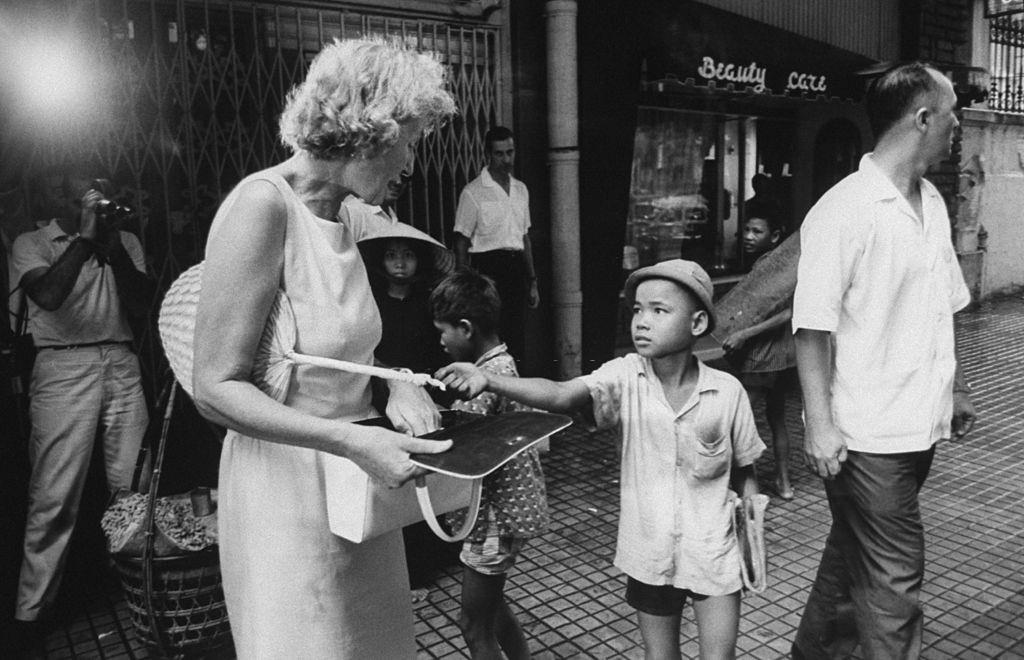
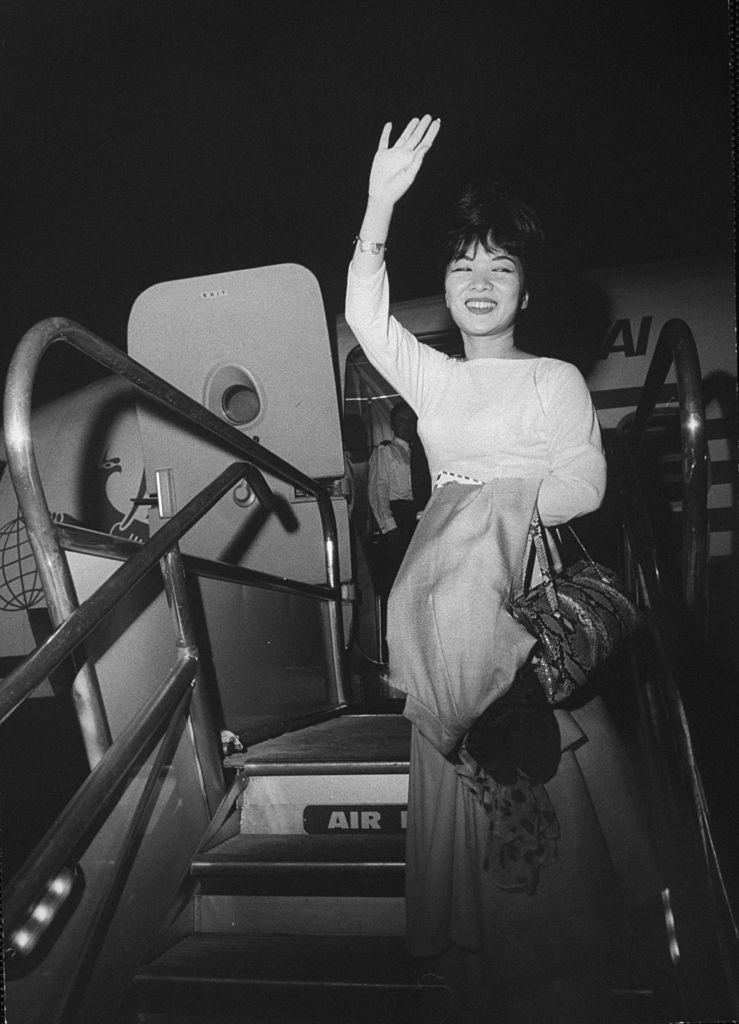
Madame Ngo Dinh Nhu, the president’s sister-in-law, was one of the most controversial figures of 1963. She dismissed the monk’s self-immolation as a “barbecue” and traveled internationally to defend the Diem government. Meanwhile, the wife of US Ambassador Henry Cabot Lodge was photographed giving money to a boy on a Saigon street — a symbol of the American presence in the country’s daily life.
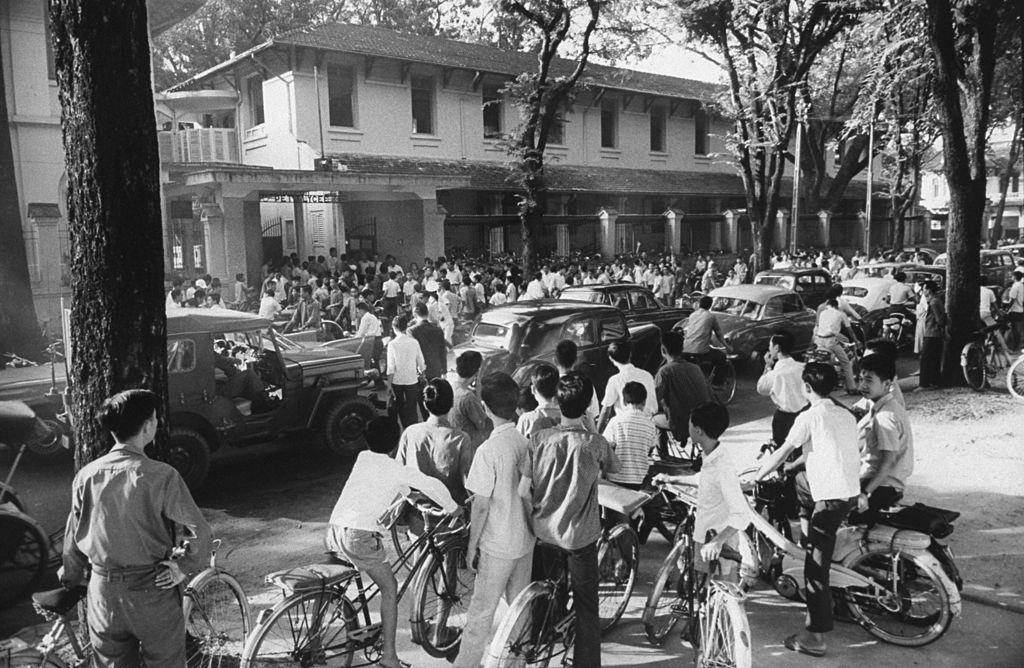
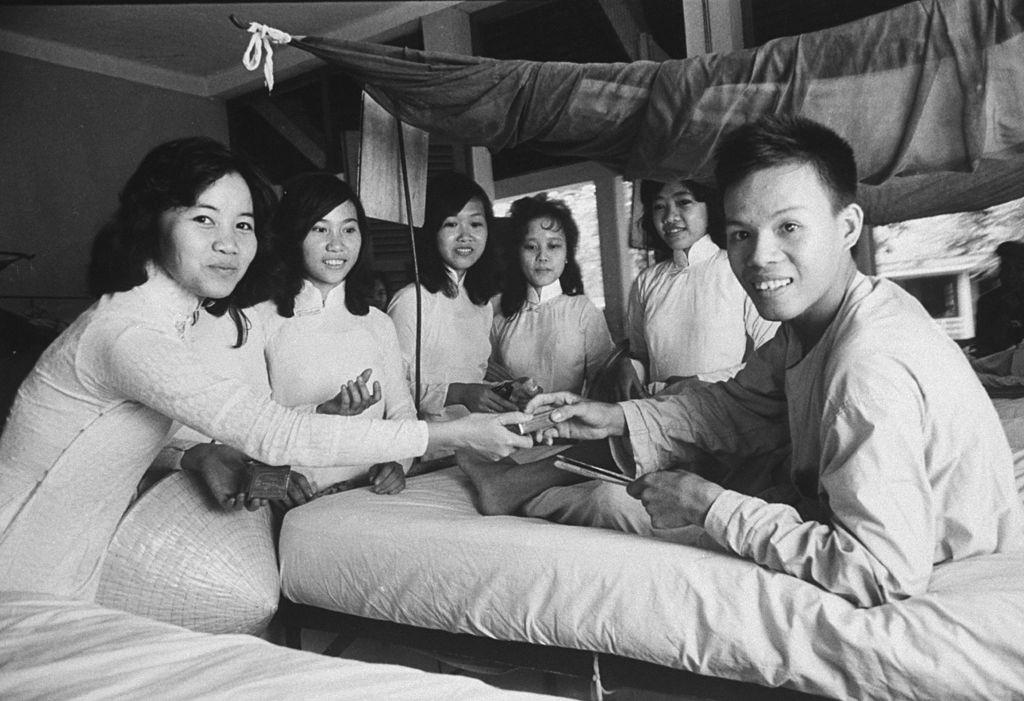
In November 1963, President Diem was overthrown in a military coup and executed. Crowds filled the streets of Saigon. South Vietnamese students from Gia Long College had visited wounded soldiers at military hospitals in the months before the coup — a reminder that the human cost of the conflict was already significant before the American escalation.
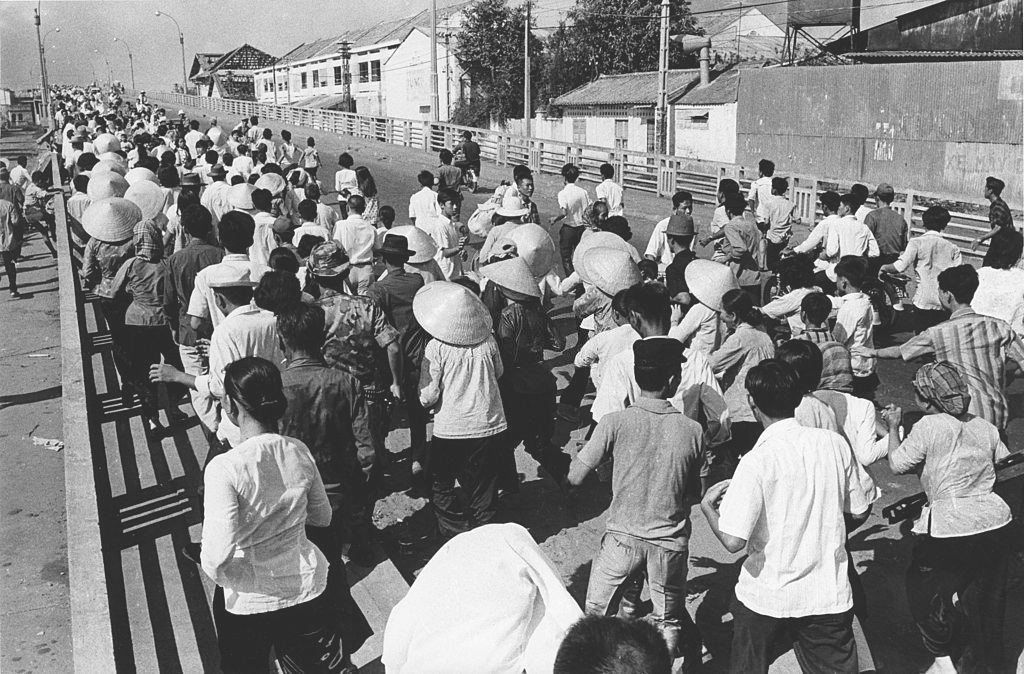
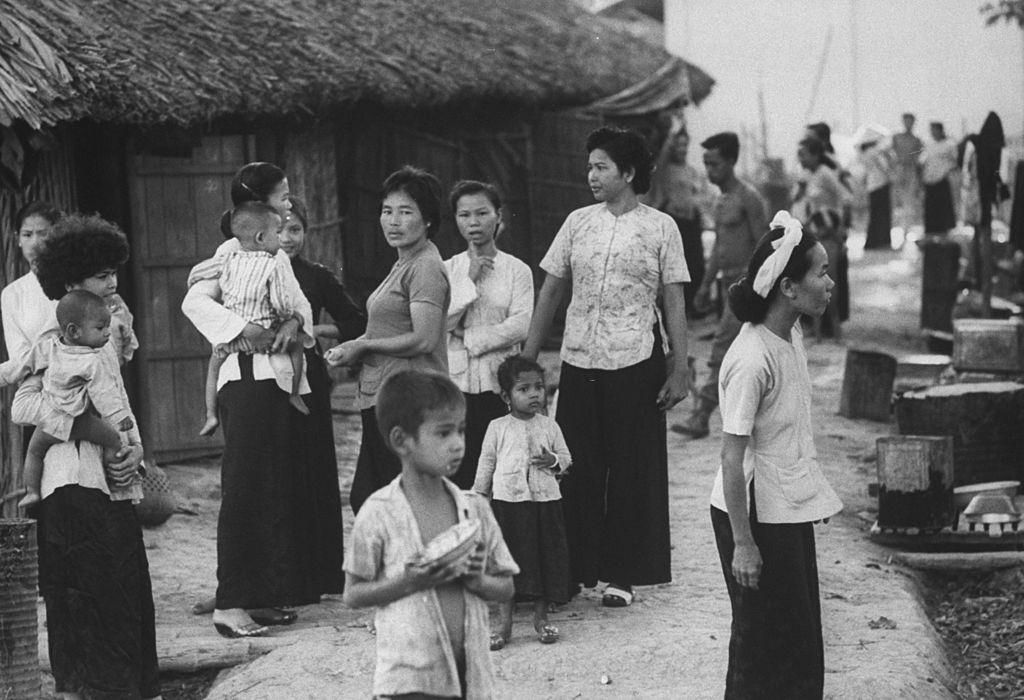
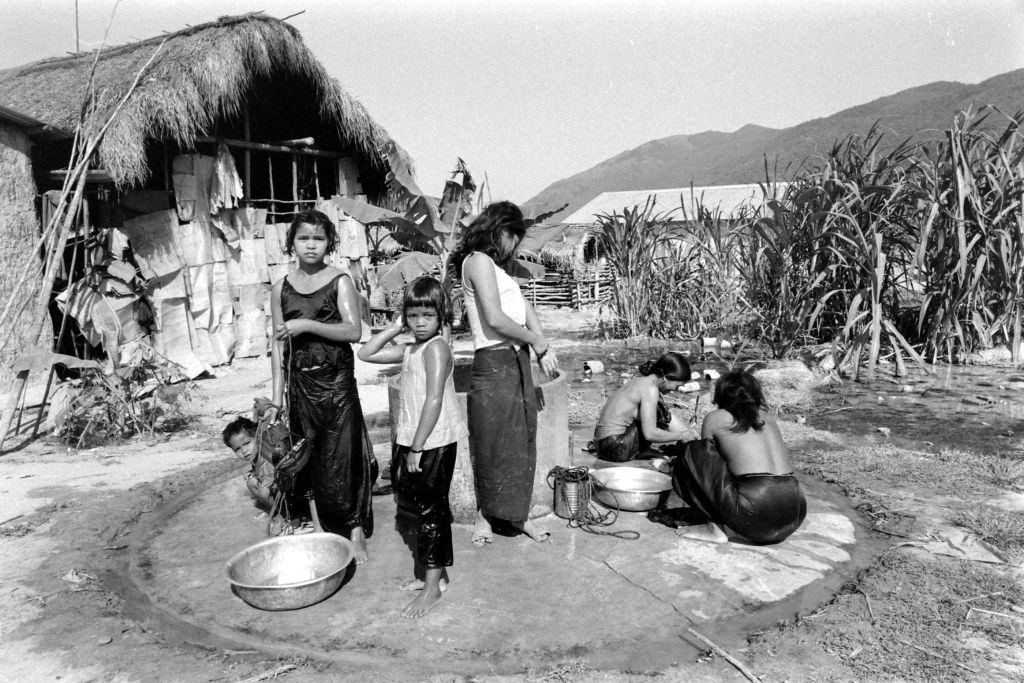
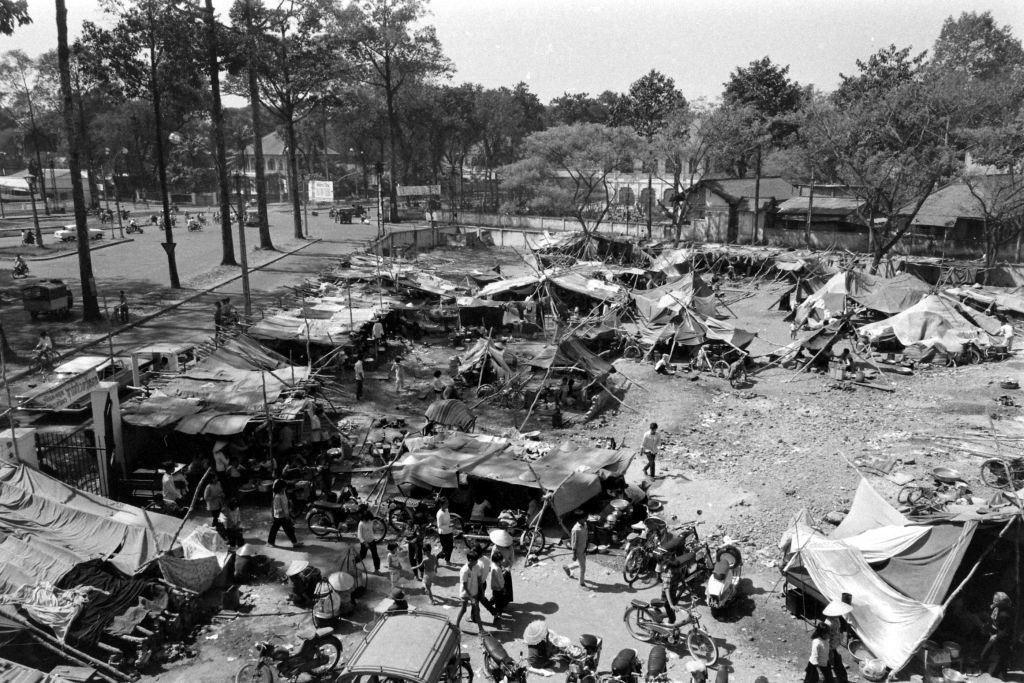
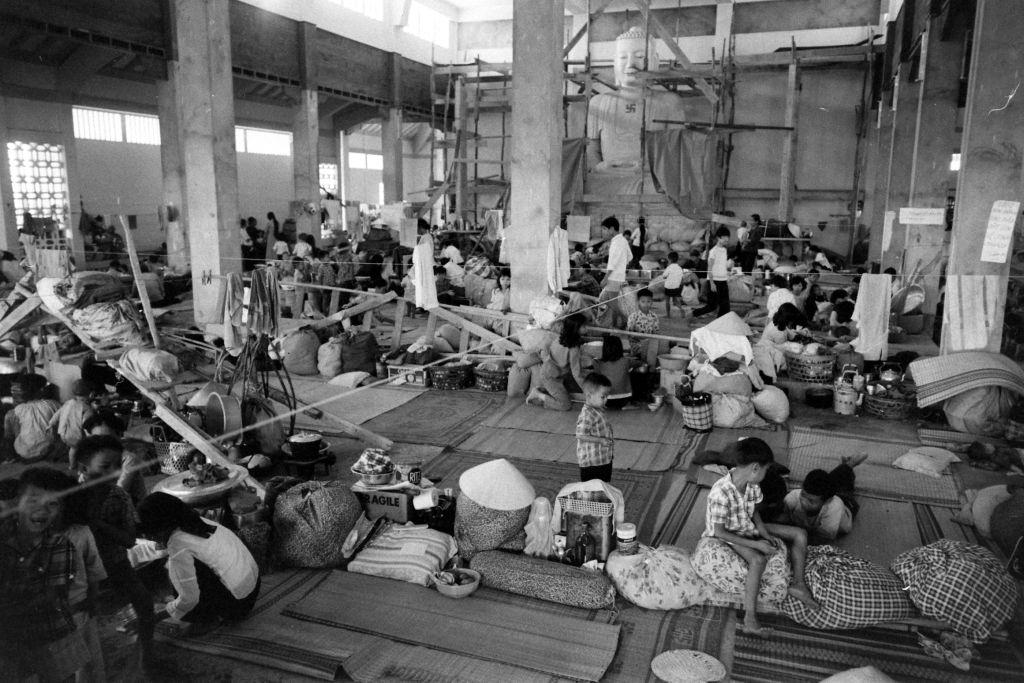
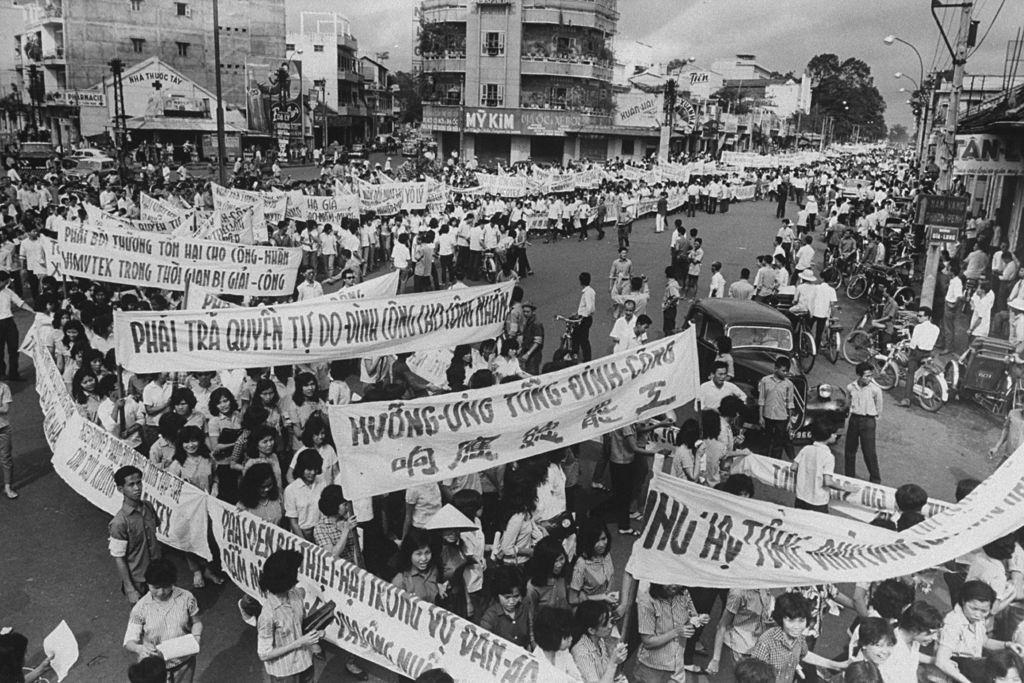
By 1964, the war’s effects on civilians were undeniable. Refugee camps swelled with people displaced by fighting in the countryside. Families bathed outdoors, gathered at camps like Gia Dinh, and tried to hold their lives together. In Saigon, union workers staged a 48-hour strike. Student protesters took to the streets against the rule of Premier Nguyen Khanh. Buddhist-Catholic violence killed civilians, and funeral processions became a grim part of urban life.
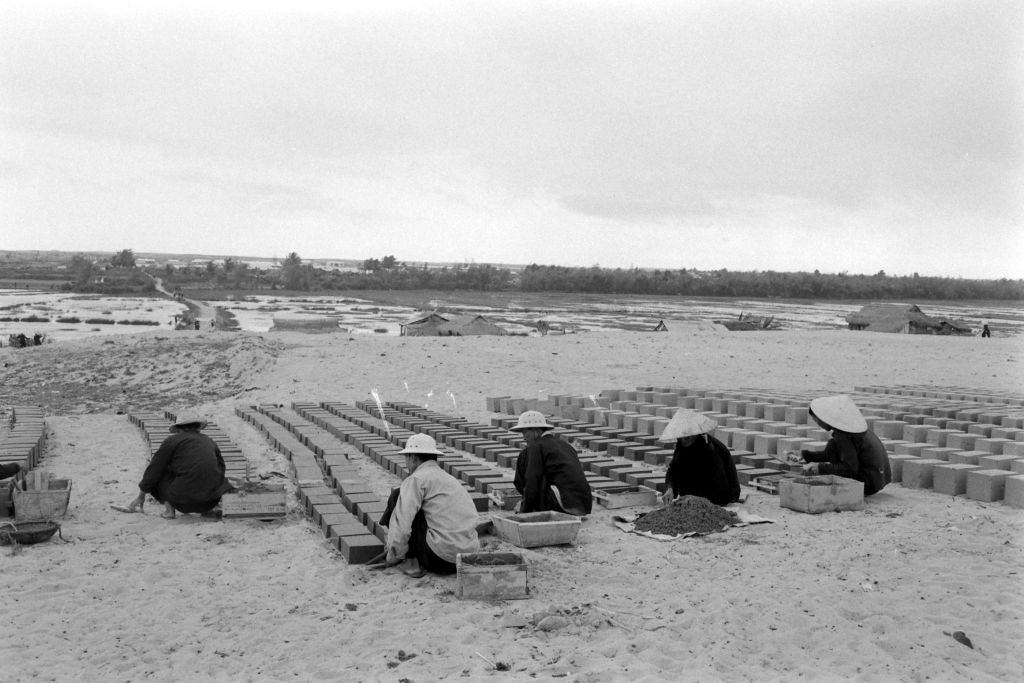
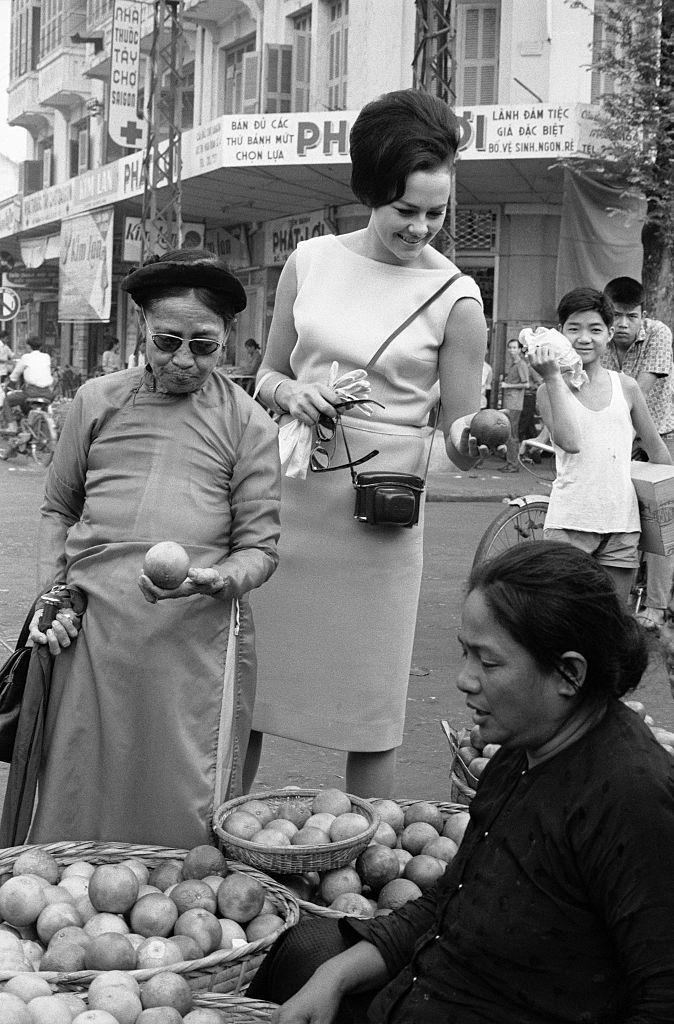
Not all visitors to Vietnam in 1964 came for the war. Ann Sidney, who held the Miss World title that year, was photographed shopping at a Saigon market — a striking contrast to the political upheaval happening around her. Life in the city continued in layers: commerce, protest, prayer, and conflict all occupying the same streets.
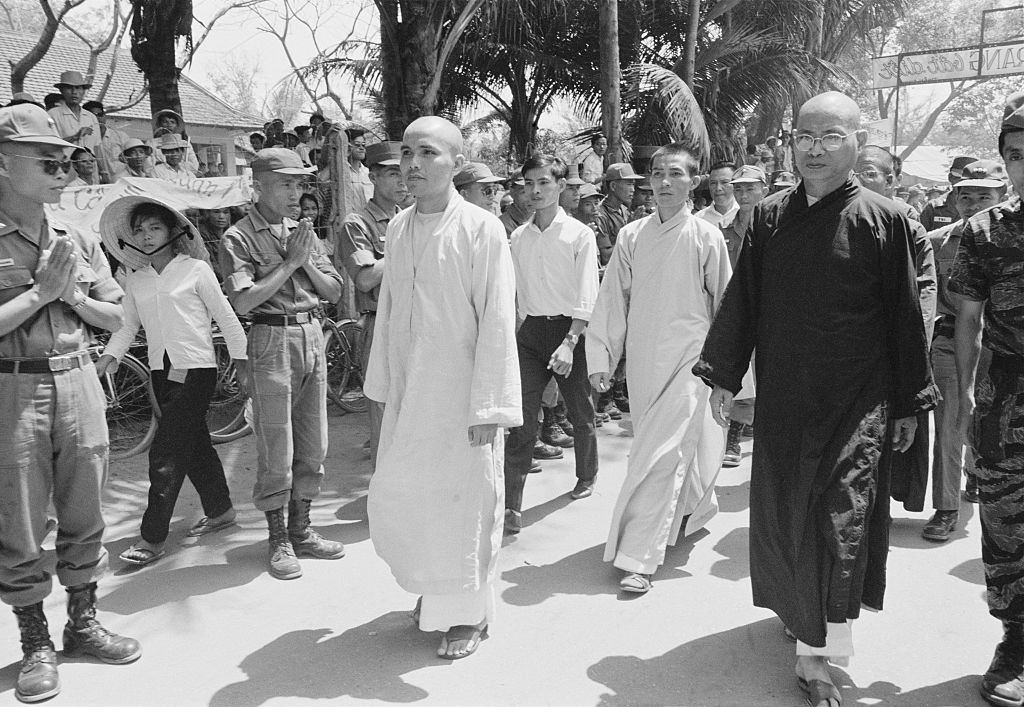
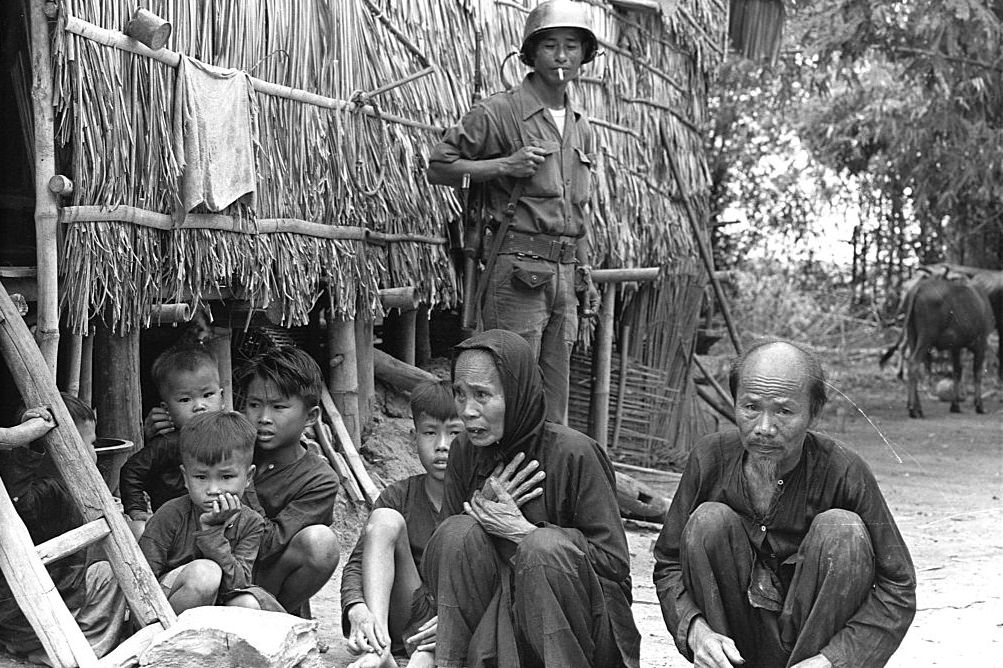
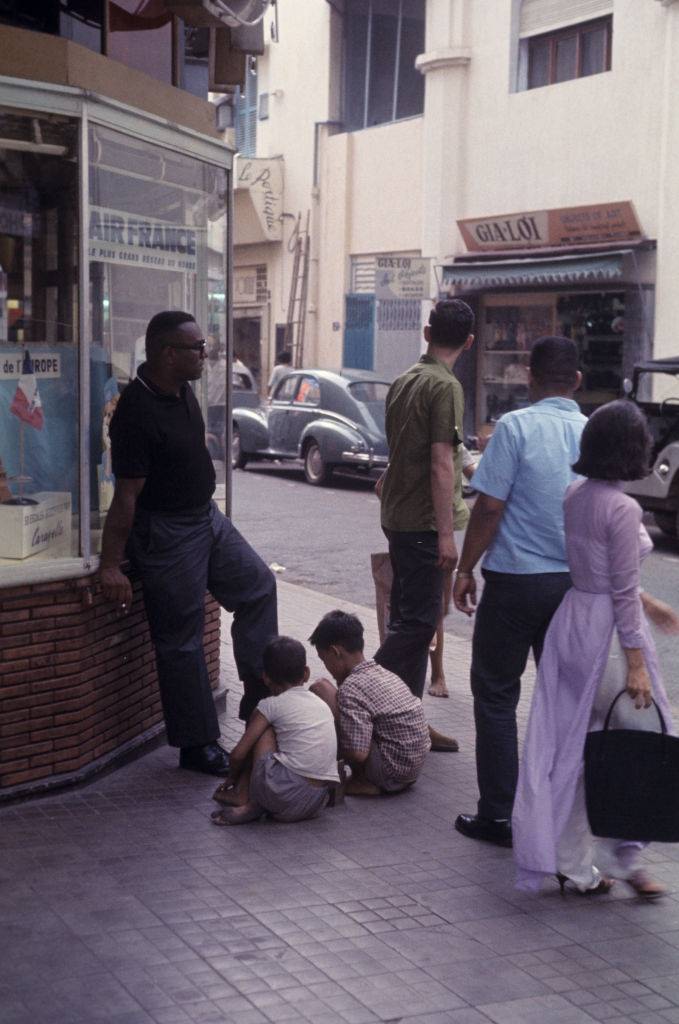
In early 1965, Buddhist leader Thich Tri Quang led a public rally in Da Nang. Buddhist protests continued to shape South Vietnamese politics throughout the mid-1960s. The South Vietnamese Army interrogated villagers as part of counter-insurgency drives against the Viet Cong. On Saigon’s streets, children shined shoes outside an Air France office — the mundane and the geopolitical sharing the same sidewalk.
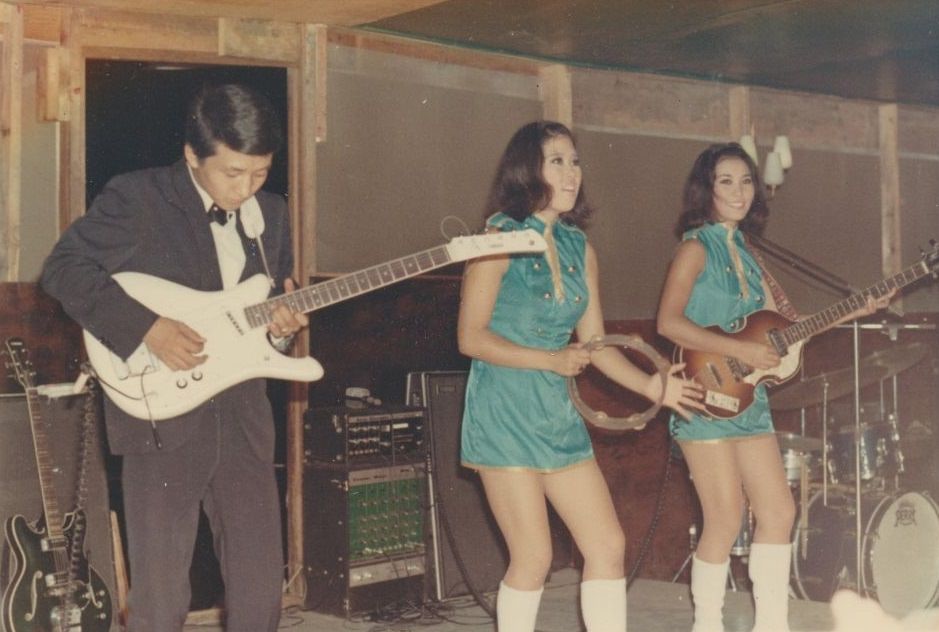
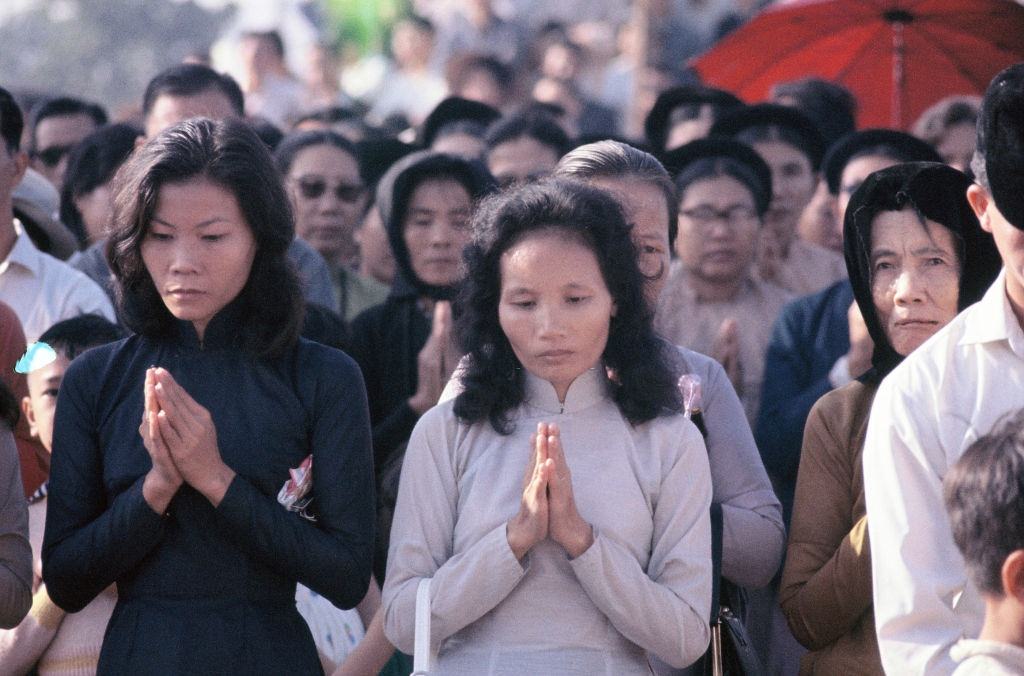
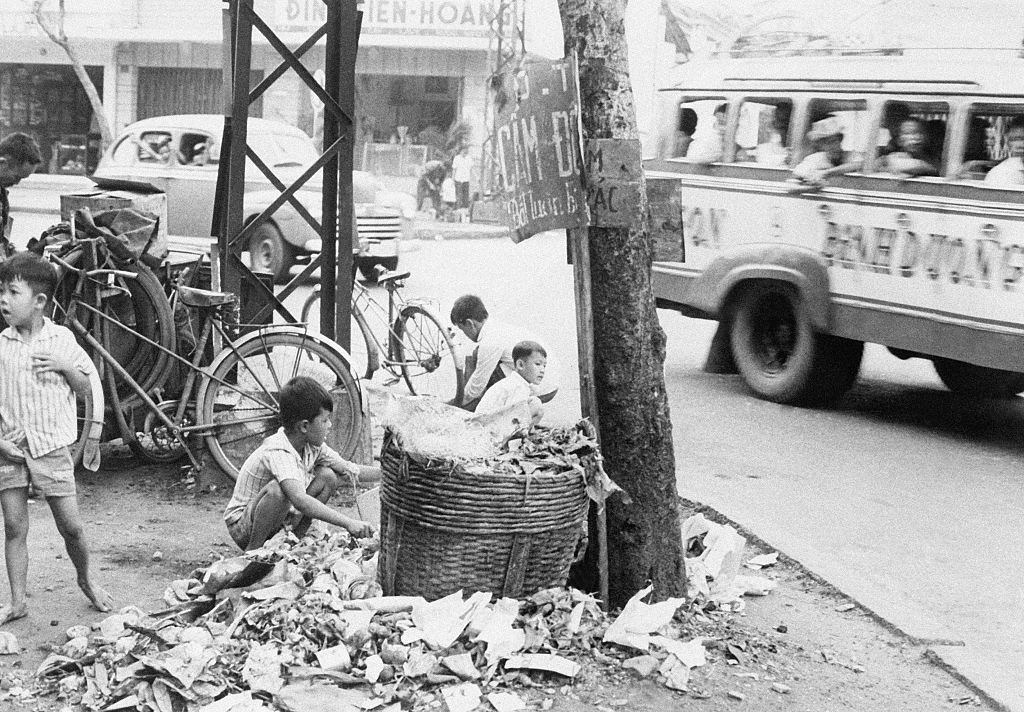
Even as the war intensified in 1965, music and entertainment survived. A band performed on a Saigon stage — a guitarist, two young women in turquoise minidresses playing tambourine and guitar. Buddhist worshippers prayed in Saigon’s temples. In Cholon, a woman sold food on the street as she had always done. Children scavenged garbage dumps in July 1965 looking for anything to sell or eat.
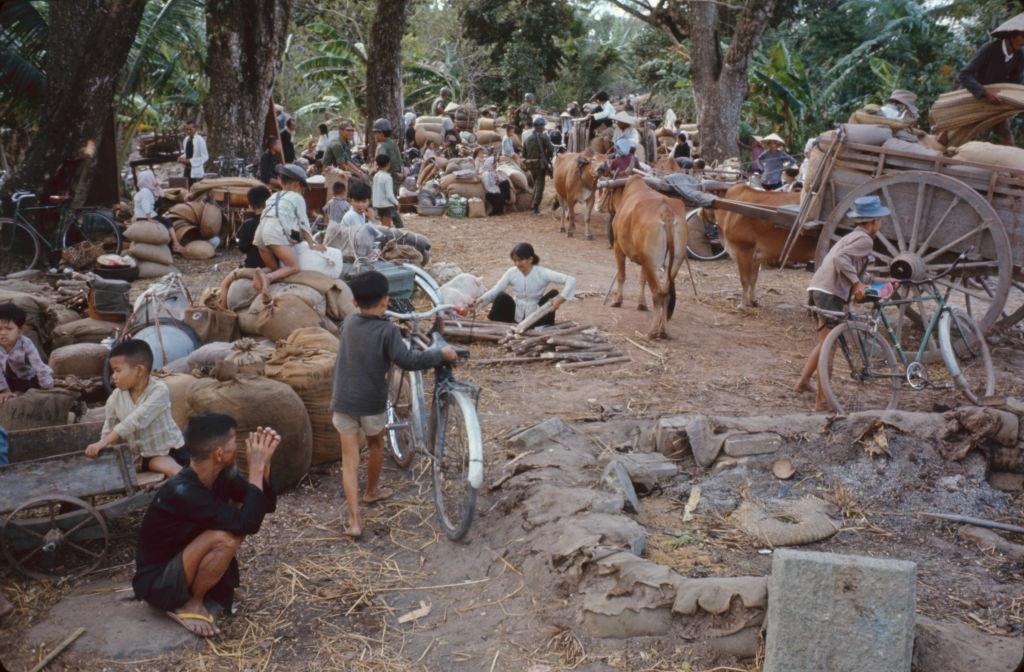
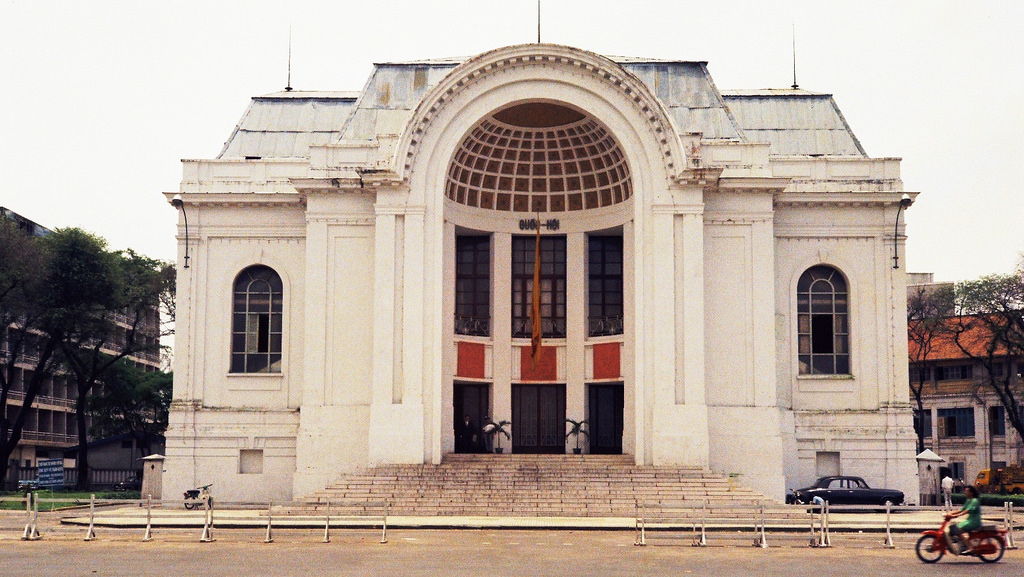
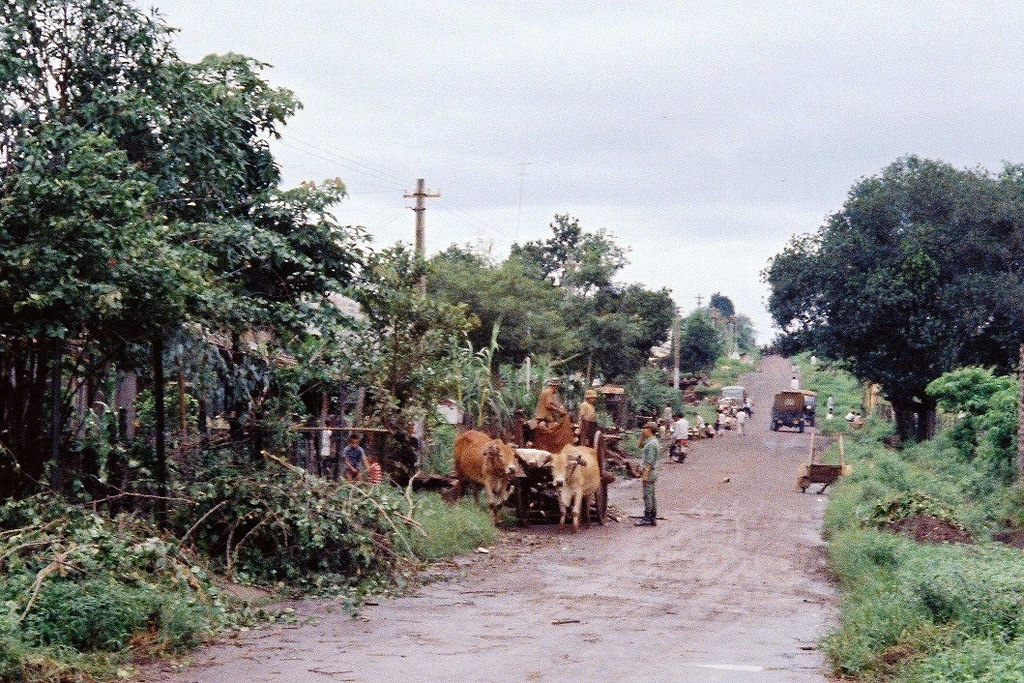
By 1967, the war had pushed deep into civilian life. Operation Cedar Falls in January 1967 forced the entire population of Ben Suc village out of the Iron Triangle region. Civilians gathered with their belongings, waiting to evacuate. Outside markets and on countryside roads, life carried on — cow-carts moved along rural paths, and the parliament building in Saigon stood as a symbol of a government struggling to hold together.
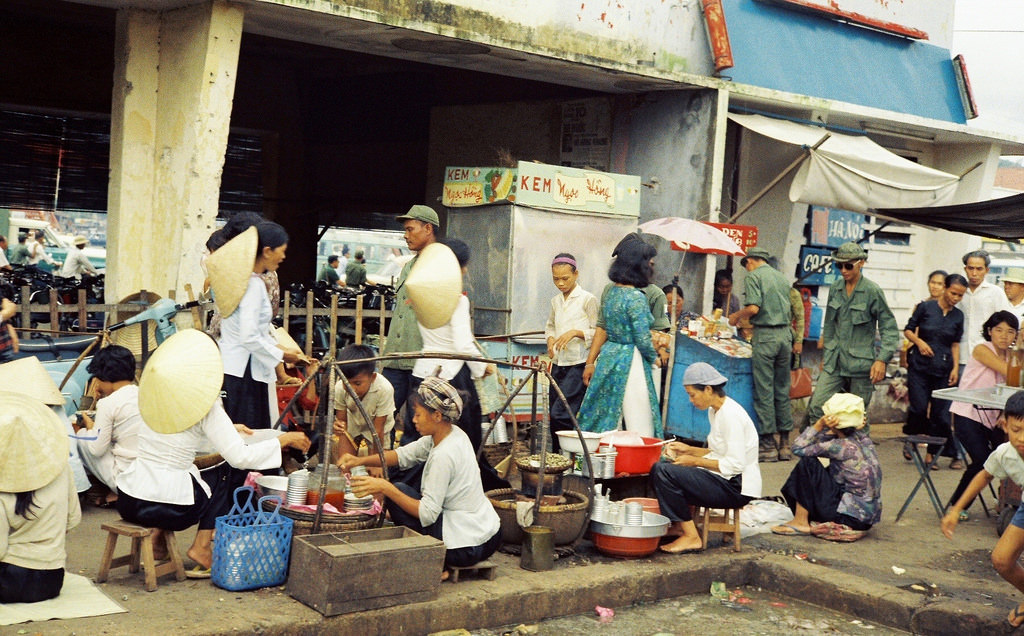
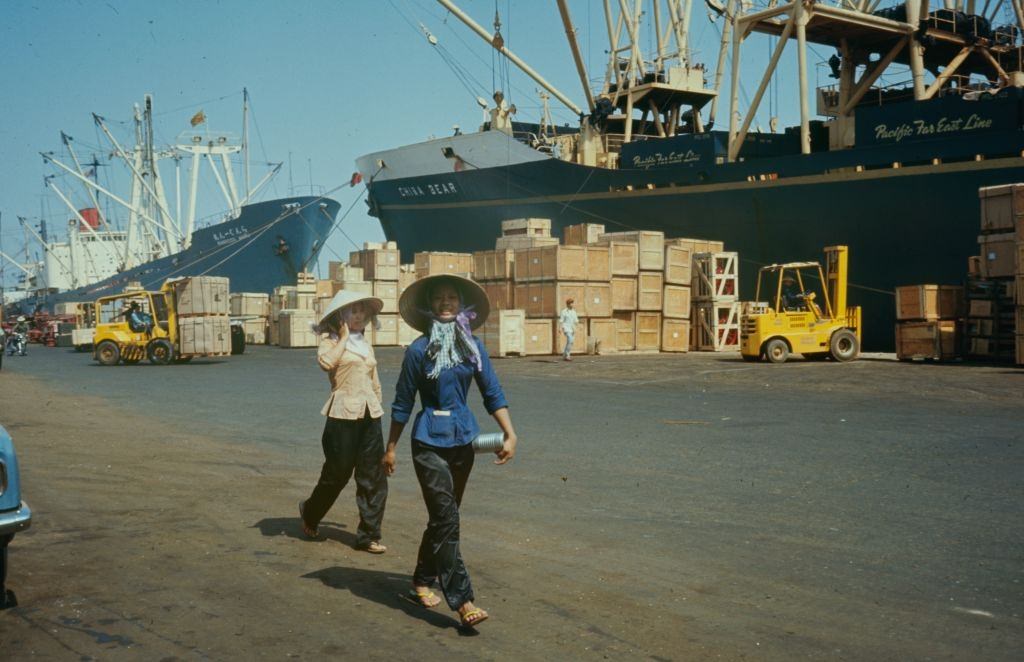
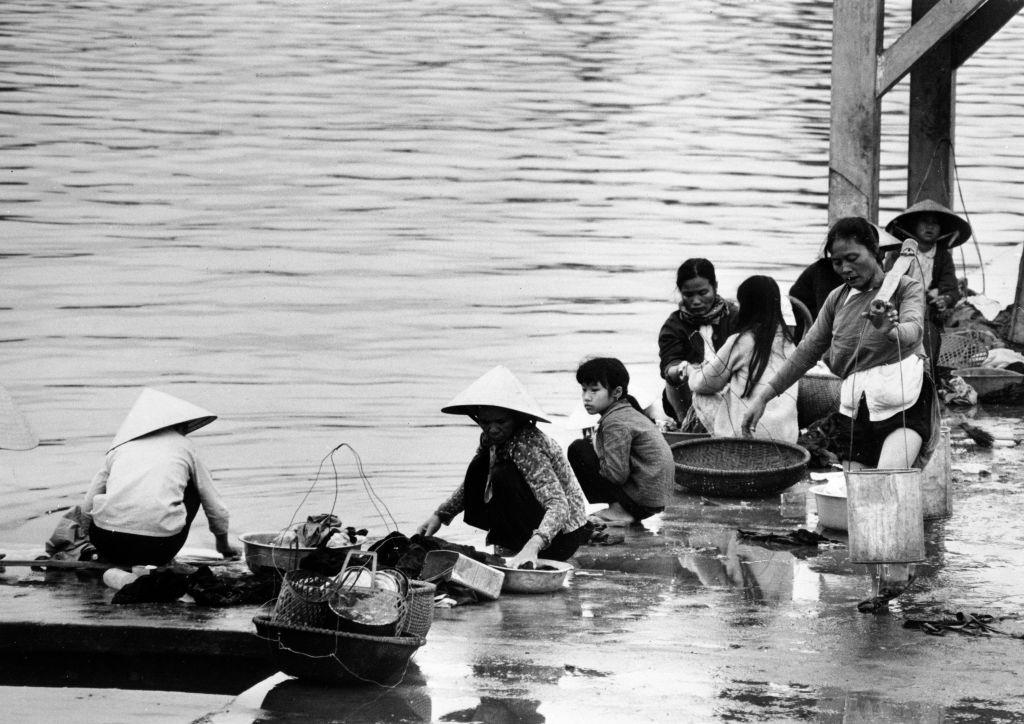
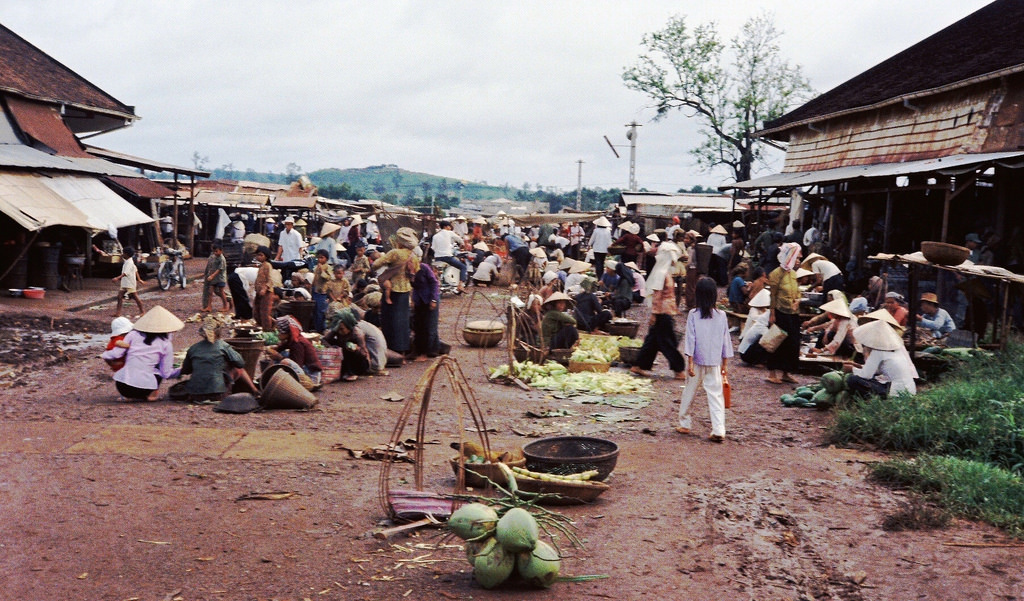
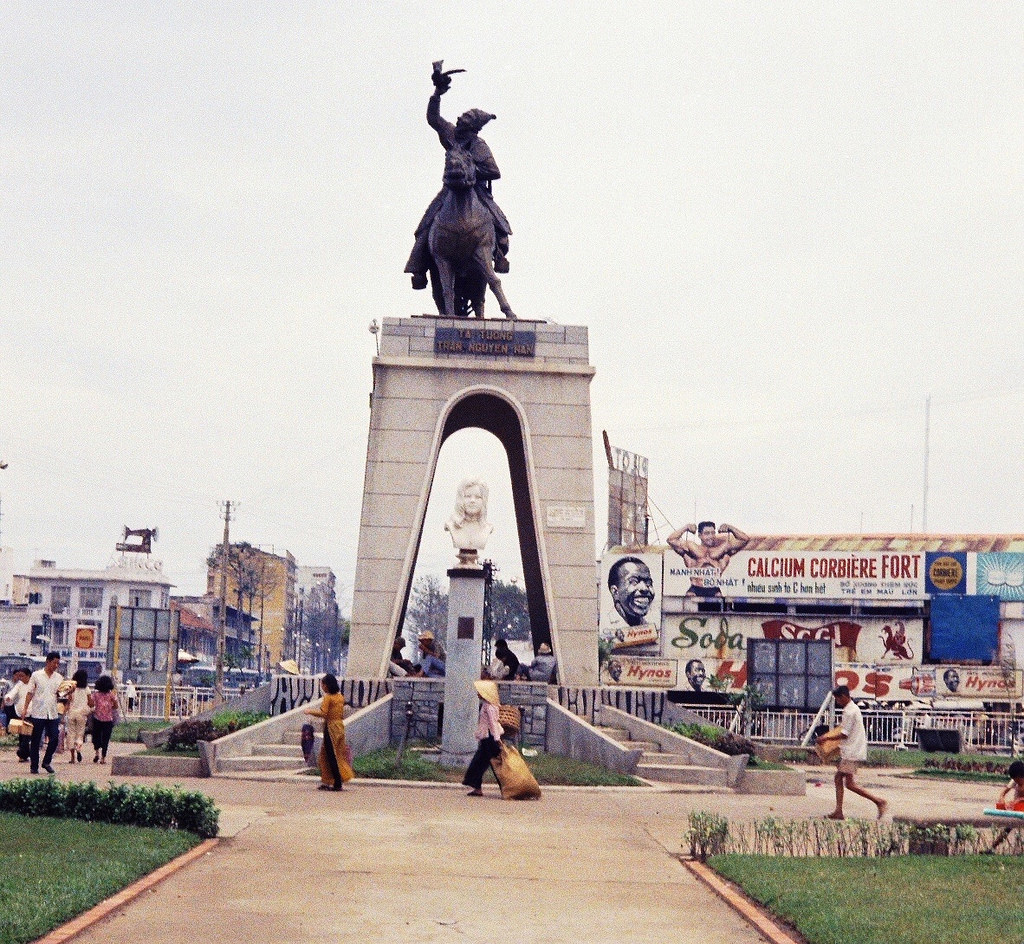
In 1968, Vietnam endured the Tet Offensive — a massive wave of Viet Cong attacks across the country that shattered the idea that the war was nearly won. Women in the port at the Mekong Delta walked through daily routines. On April 12, 1968, women washed laundry along the banks of the Perfume River in Hue — a city that had just been the site of some of the war’s bloodiest urban fighting. Markets in Vietnam remained open, and the monument plaza at Tran Nguyen Han in Saigon still drew visitors.
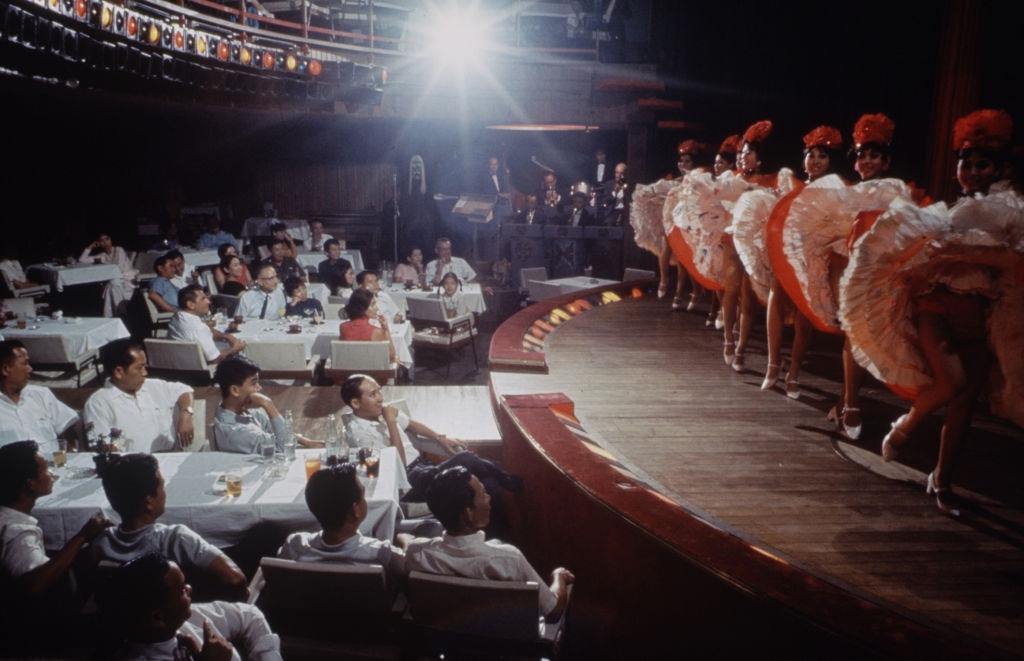
As the decade closed, Vietnamese people continued to find moments of normalcy. Theater performances drew crowds of spectators in April 1969. Elections were held, and women lined up to cast ballots — a continuation of the democratic processes South Vietnam maintained even under war conditions. These images from across the 1960s capture a country that was far more than a battlefield.





I went to see Ao Dai trendy again
It looks the same lol
Man those photos really capture a different side of the war that you don’t usually see in history books. The everyday life stuff between all the chaos is wild to think about