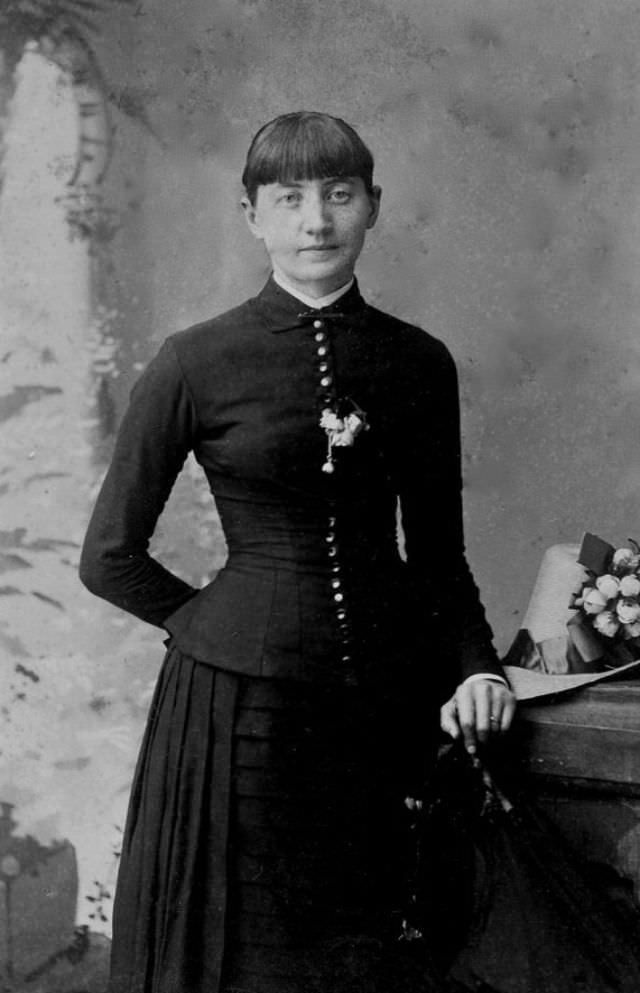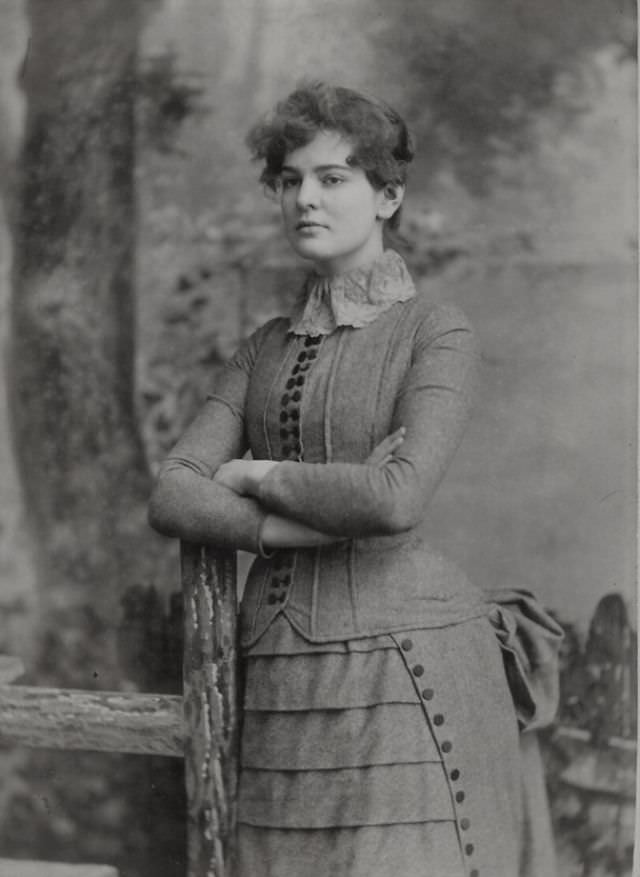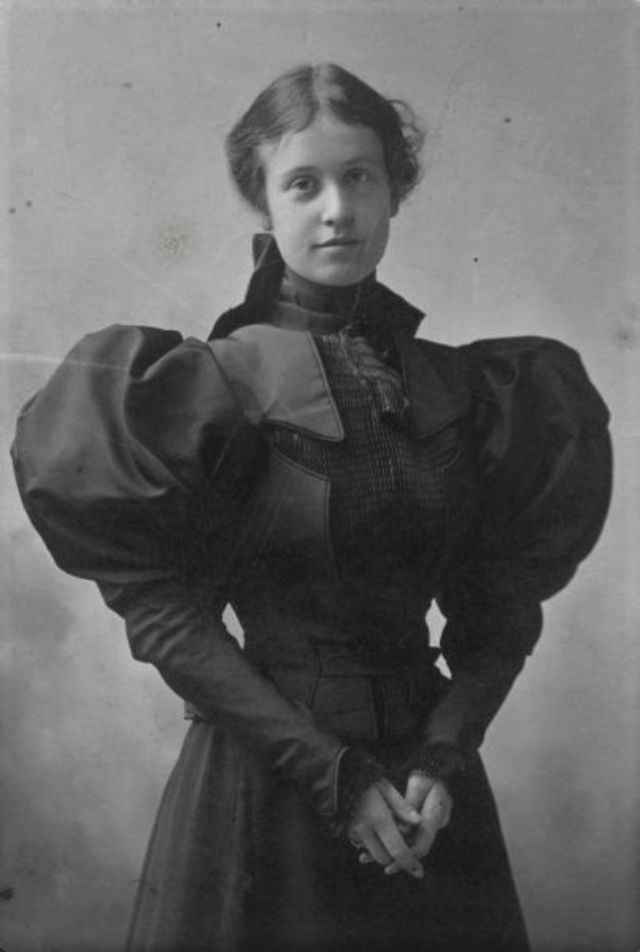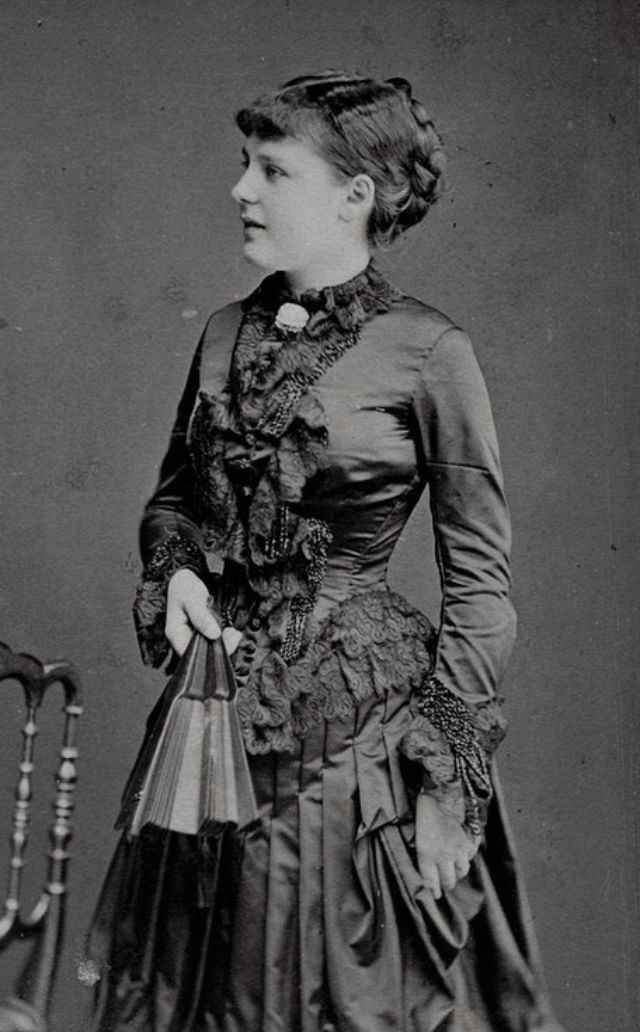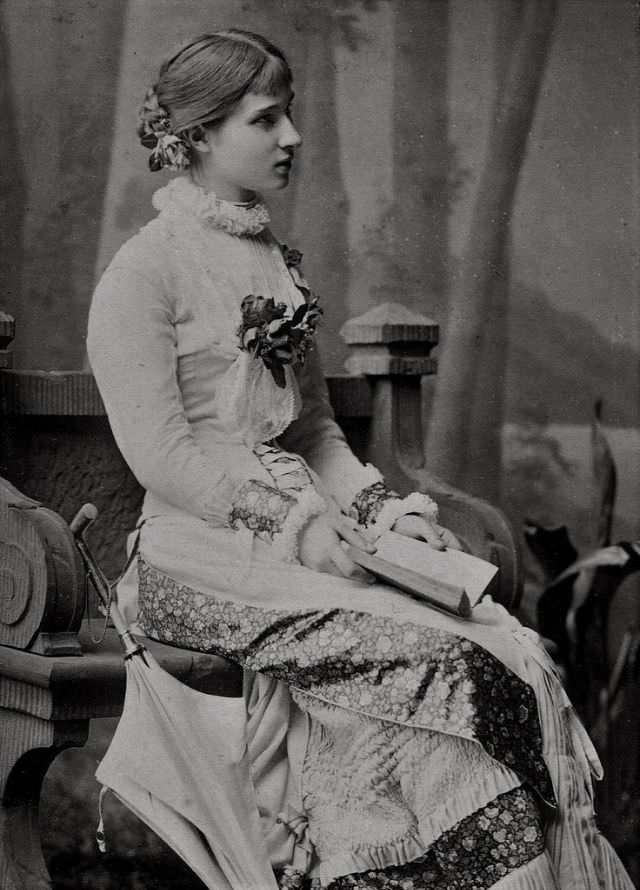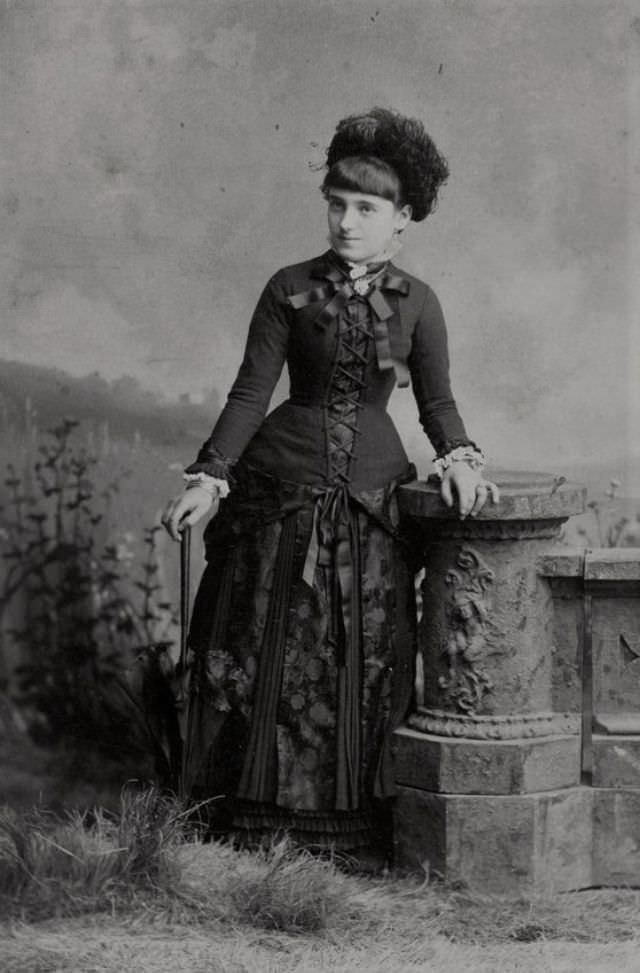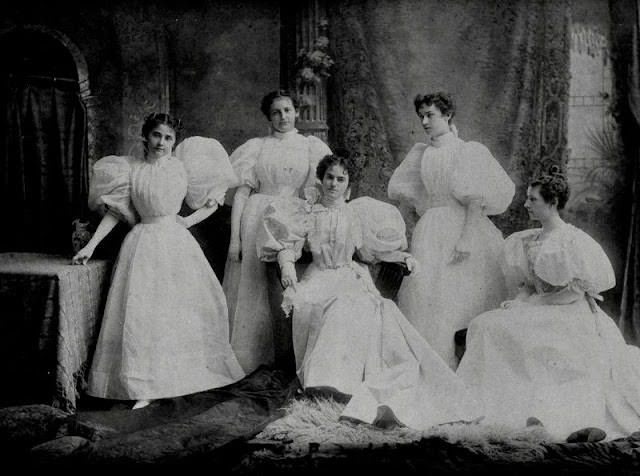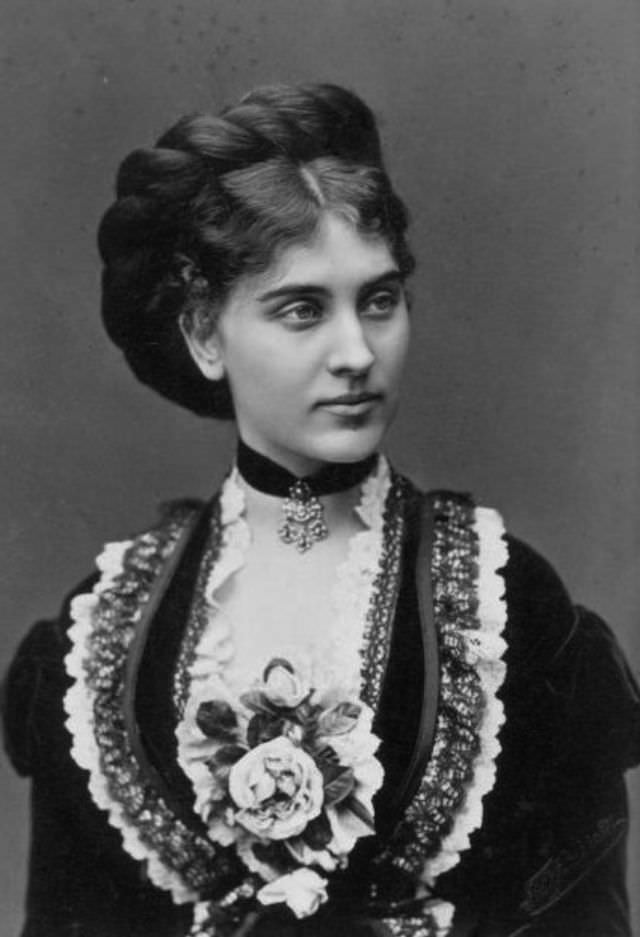
Victorian women’s fashion in the late 1800s was a carefully constructed system — every layer had a purpose, and every detail sent a message. Getting dressed was not a quick task. It was a ritual that began with undergarments and built upward into something elaborate and deliberate.
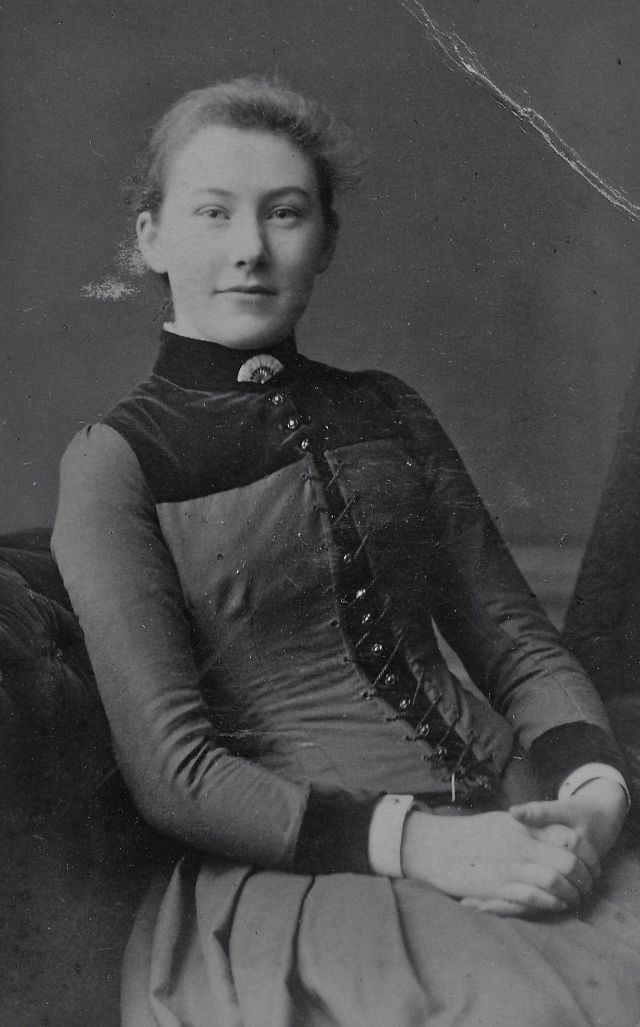
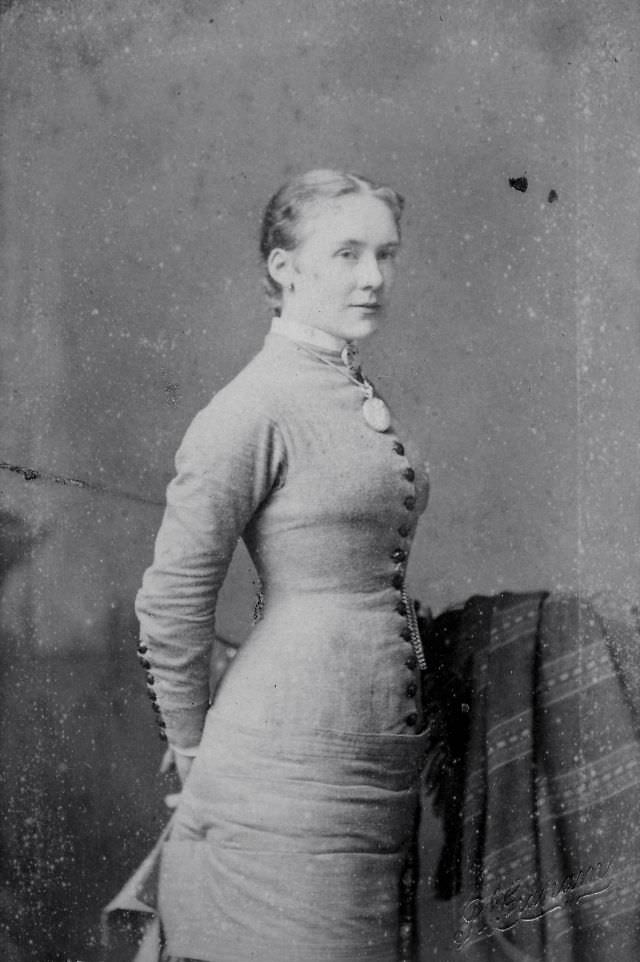
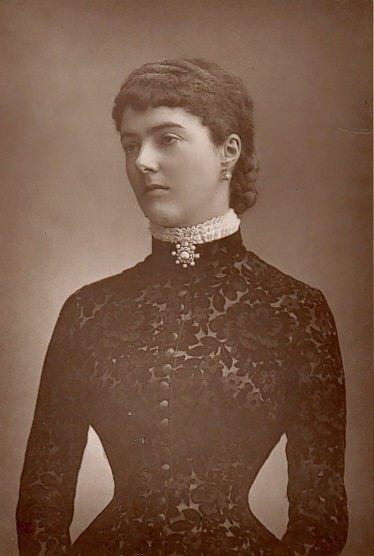
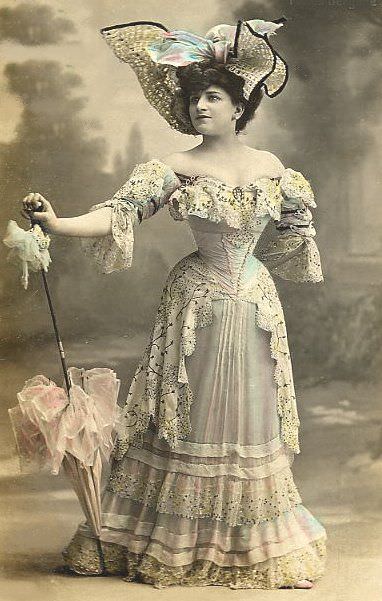
At the core of every Victorian outfit was the corset. Made from whalebone or steel, it cinched the waist into a tight hourglass shape. Many women wore them daily, despite the discomfort. Creating the ideal silhouette was not optional — it was a social expectation.
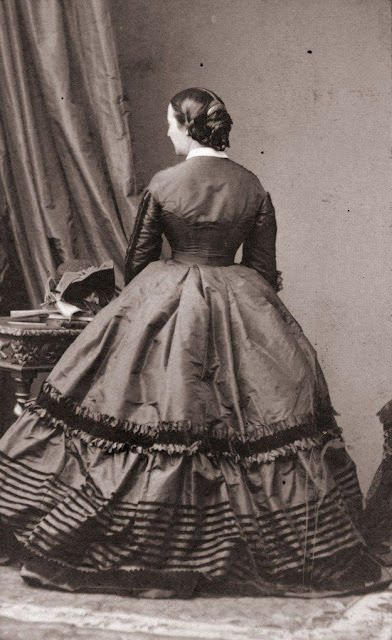
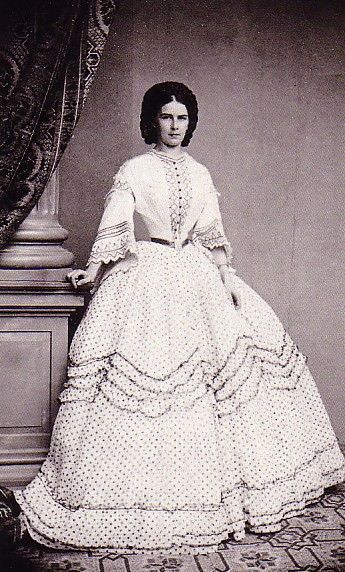
Beneath the dress, layers stacked up fast. A chemise came first, acting as a basic slip against the skin. Over that came the corset, then multiple petticoats to push the skirt outward and give it volume.
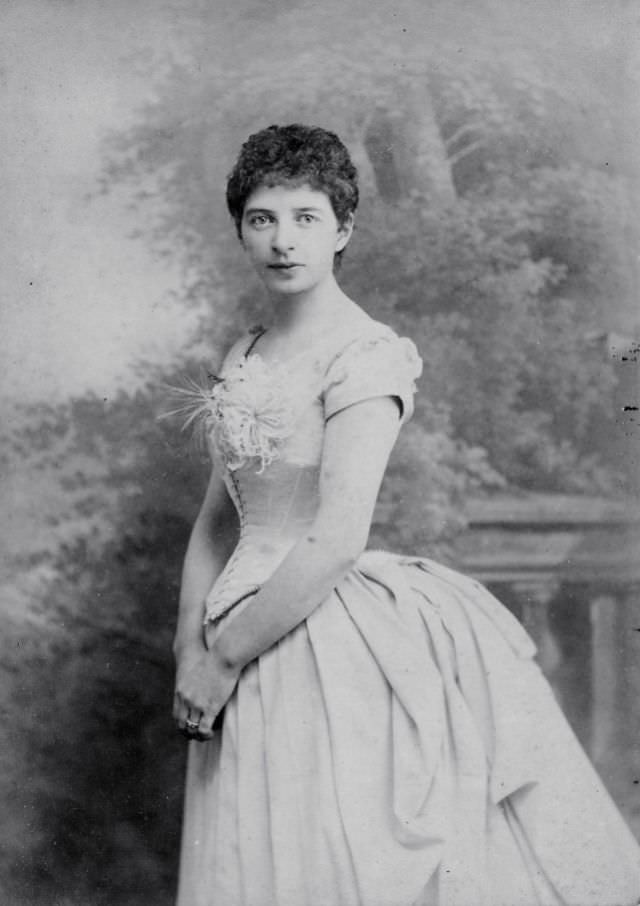
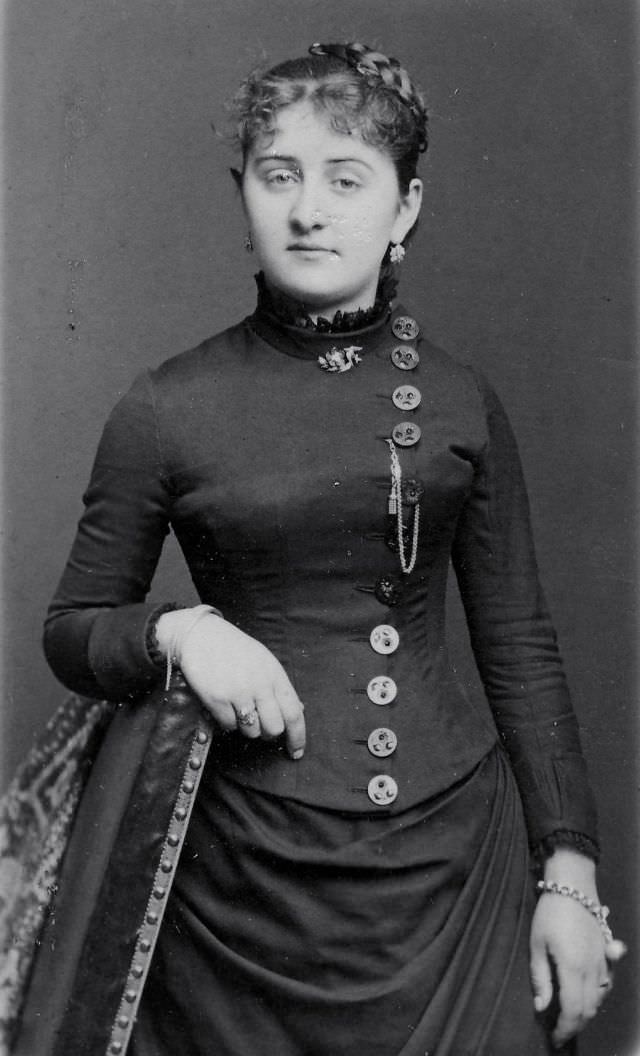
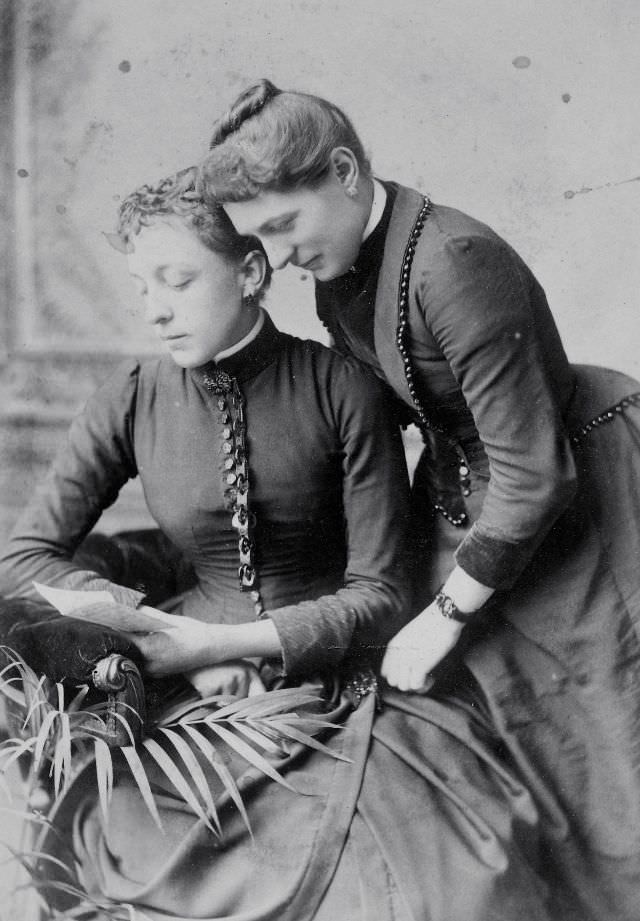
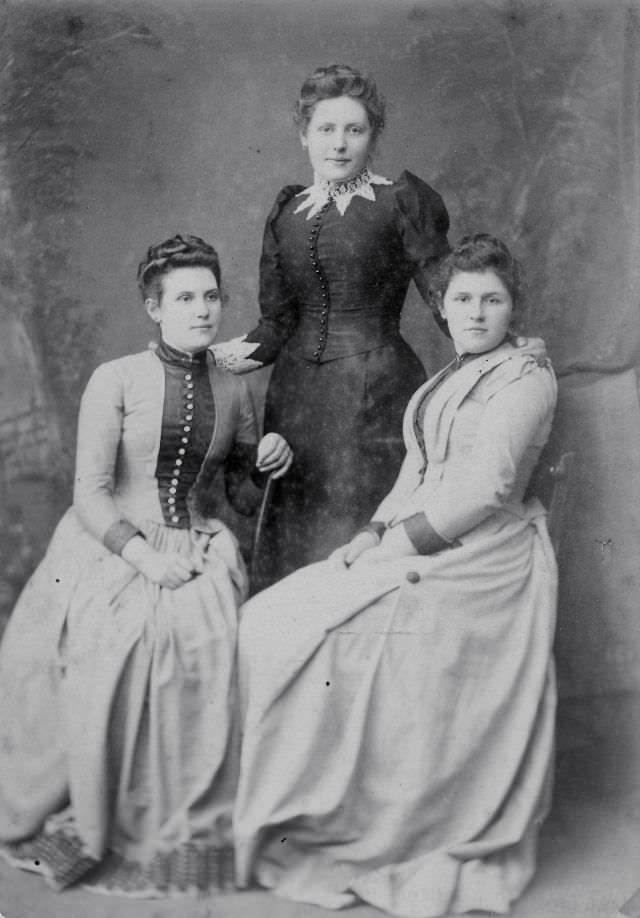
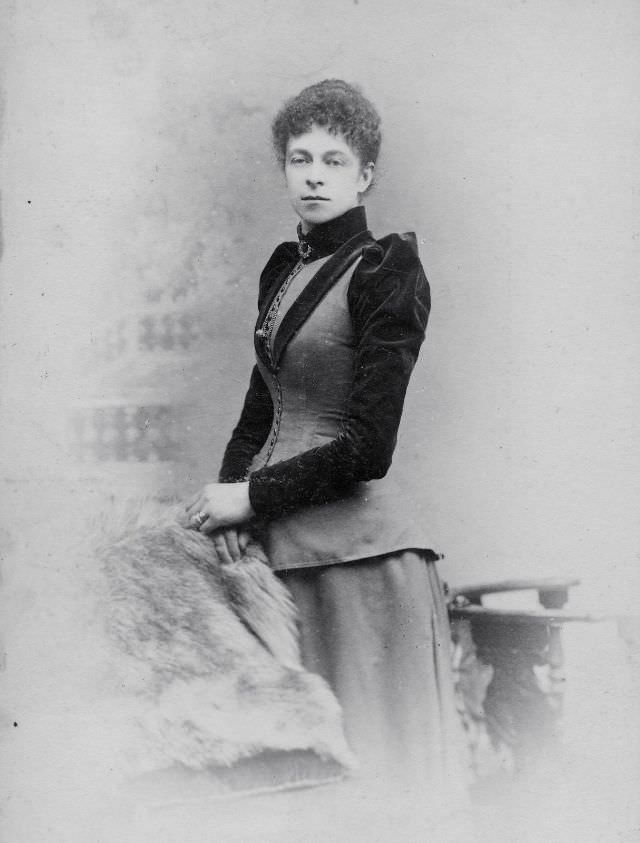
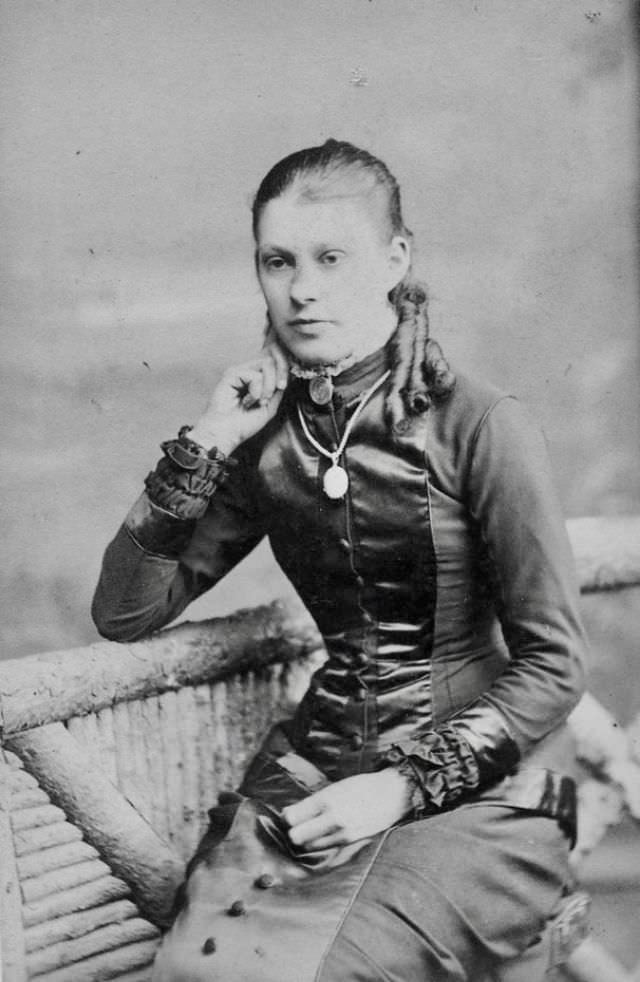
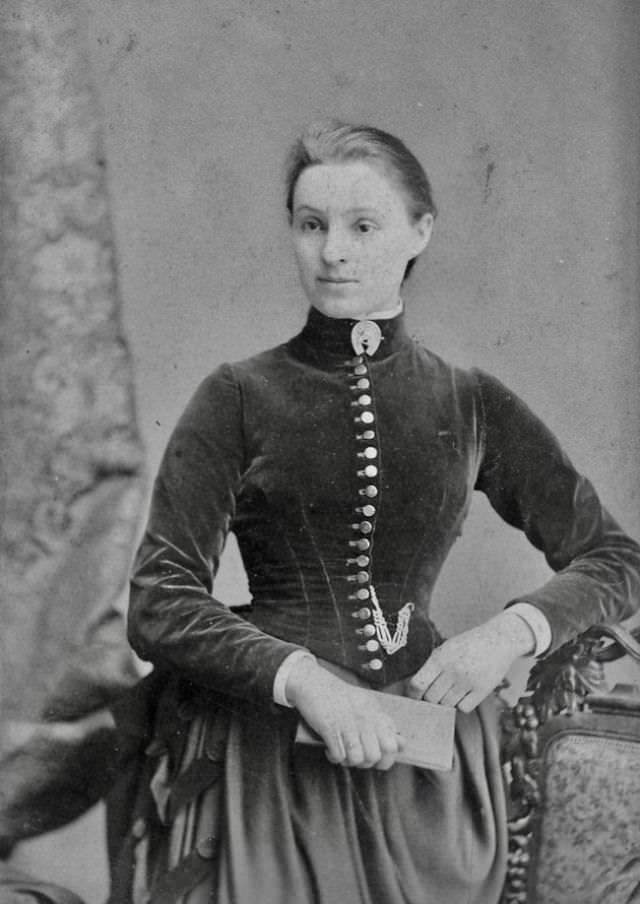
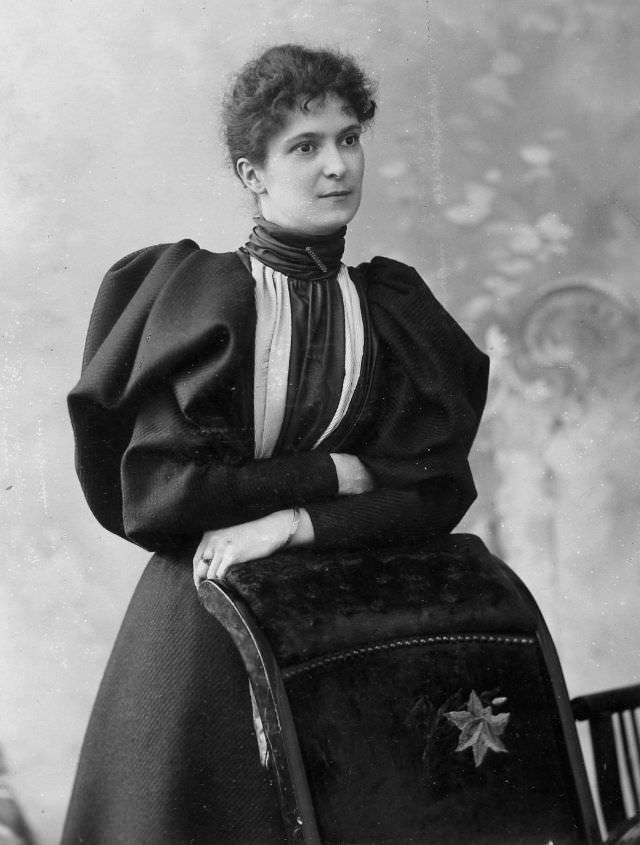
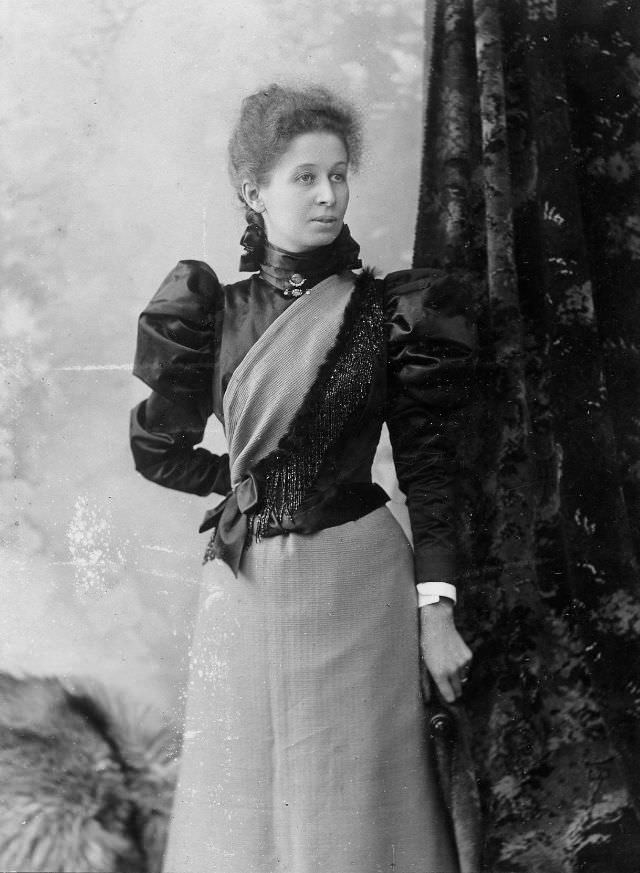
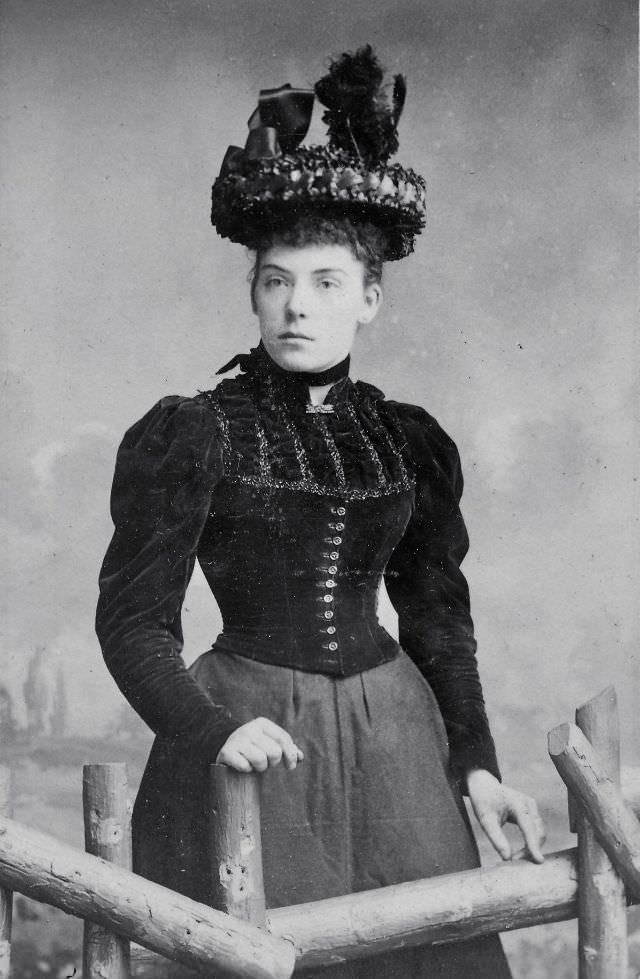
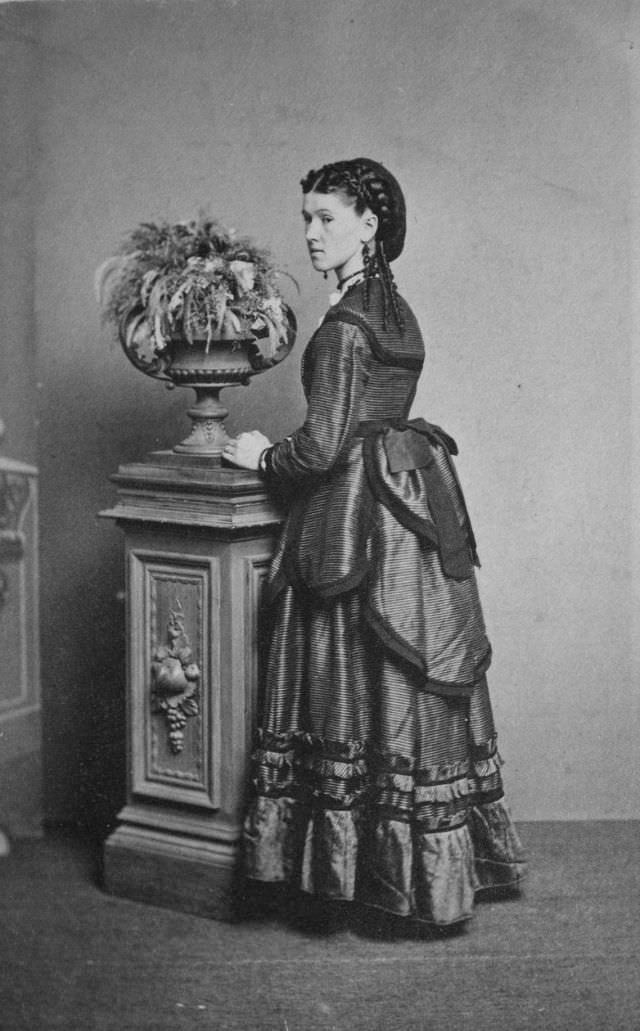
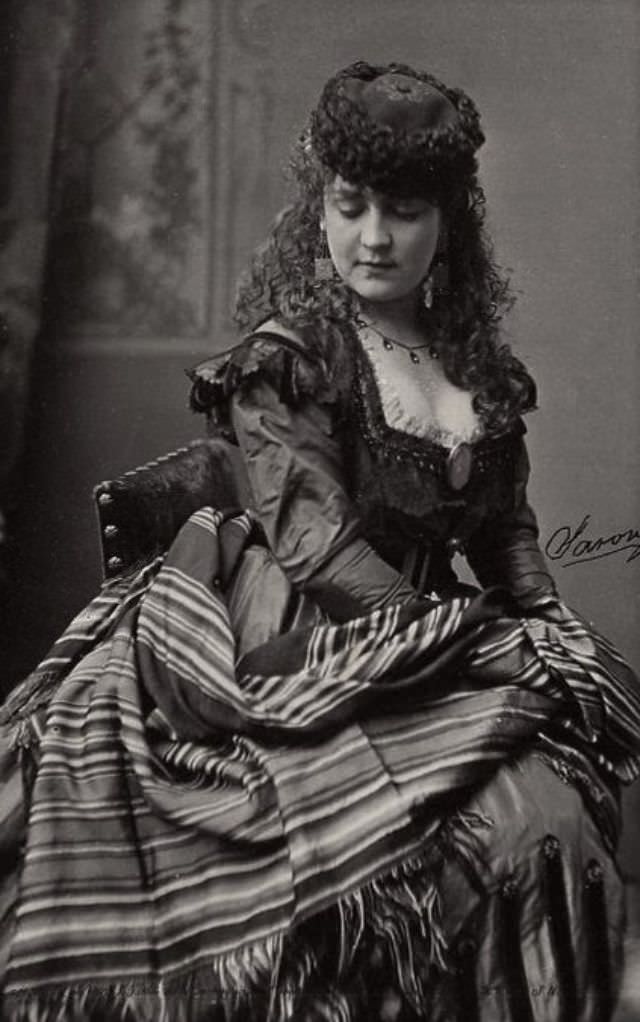
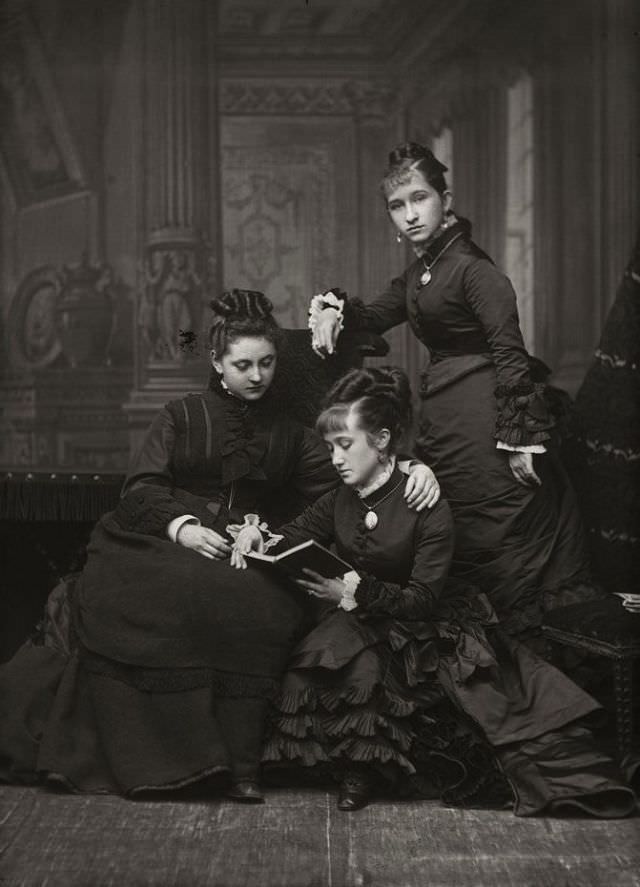
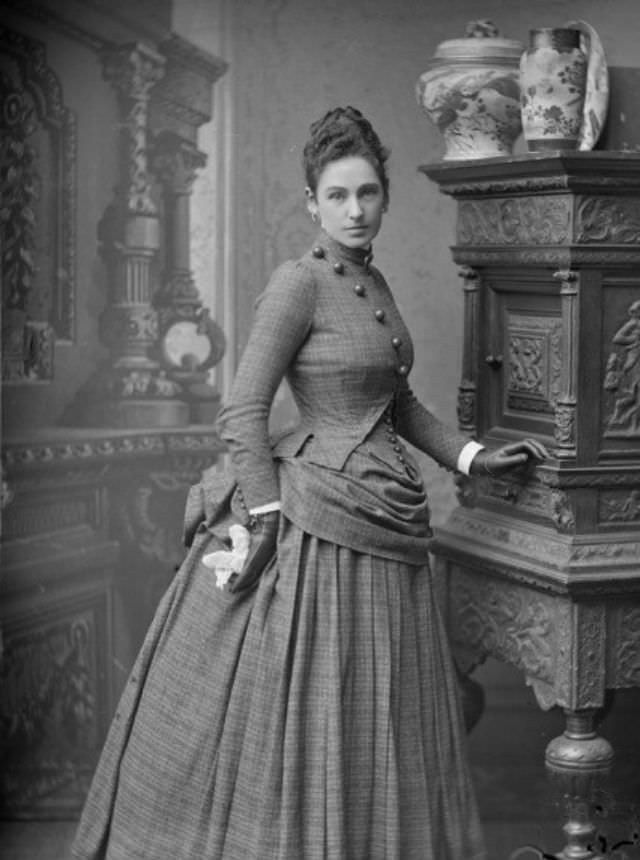
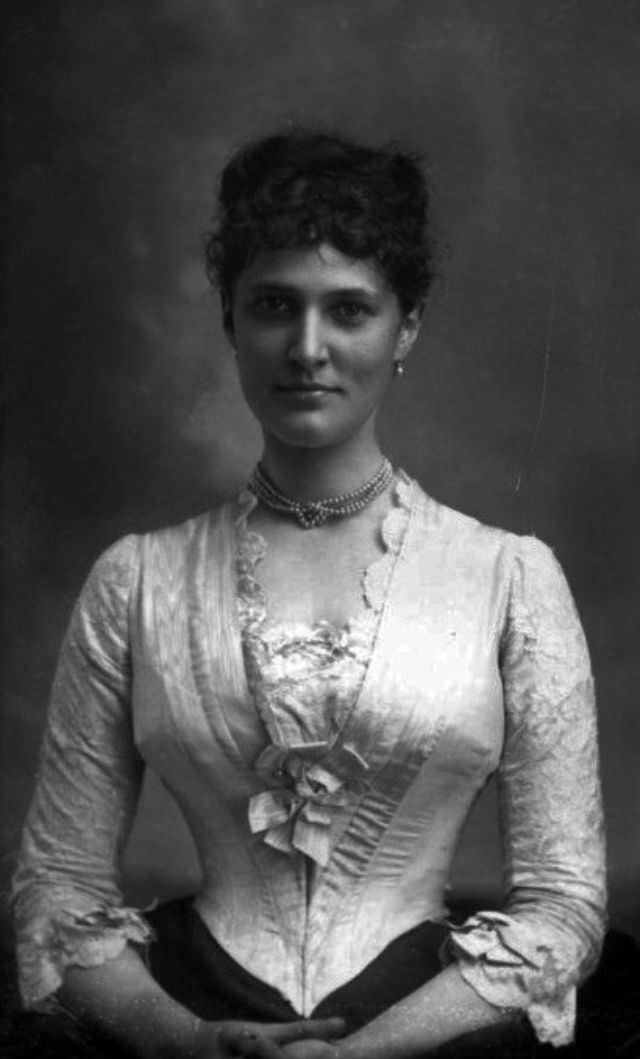
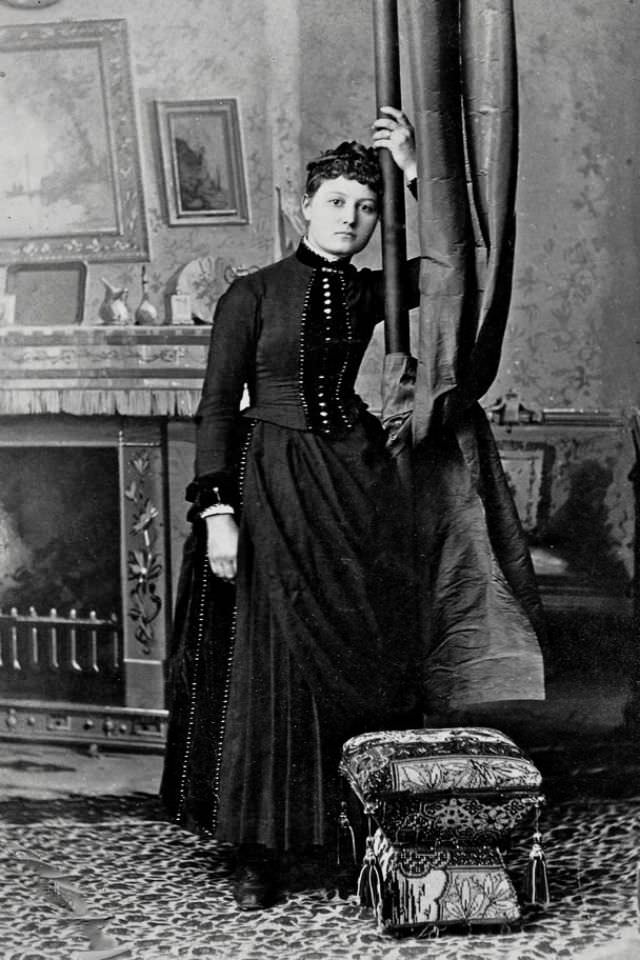
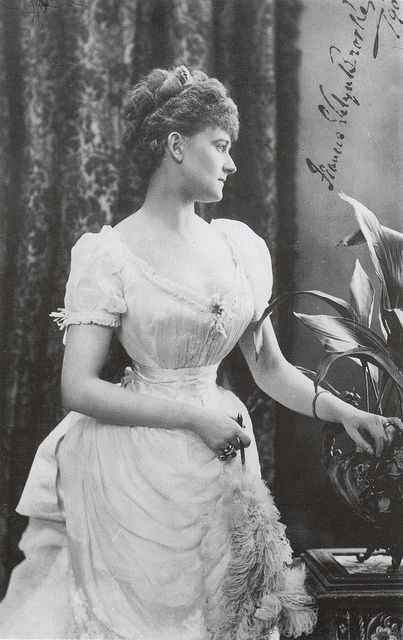
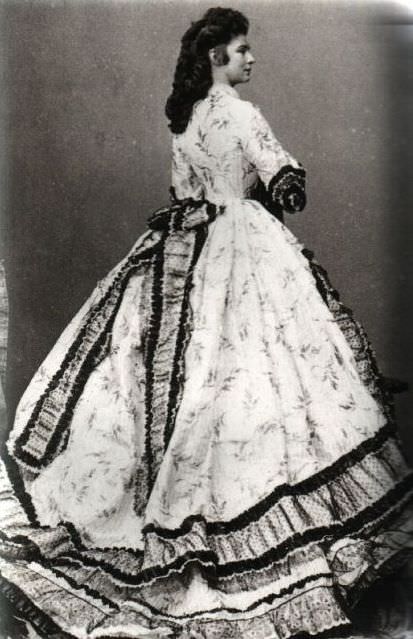
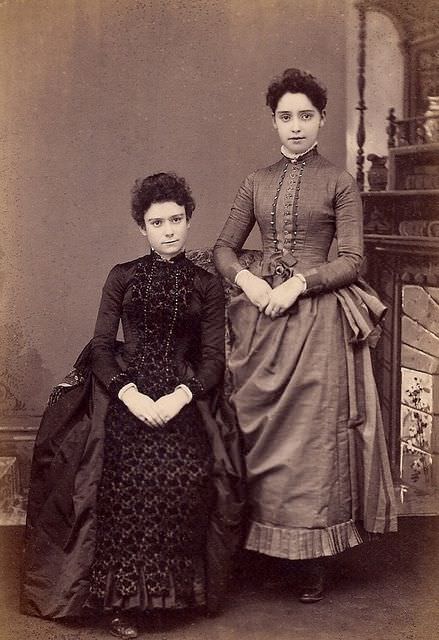
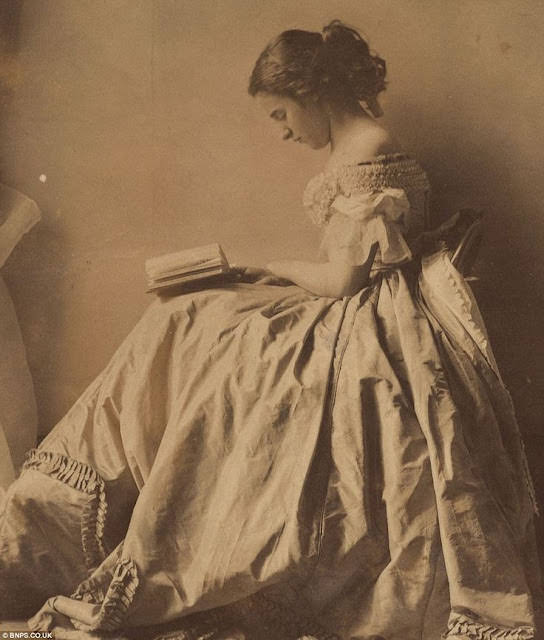
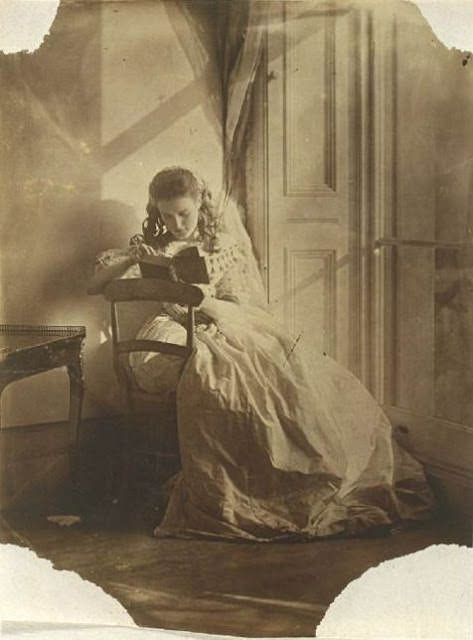
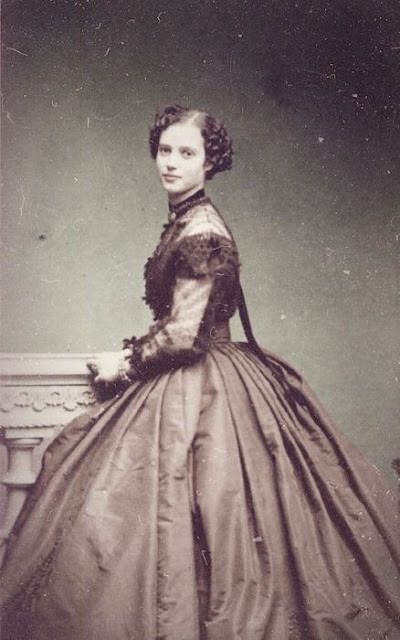
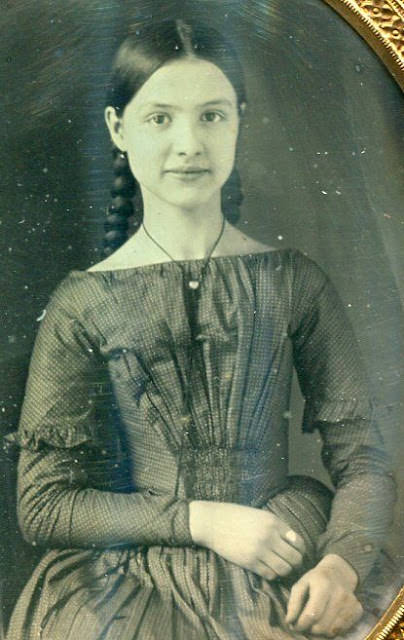
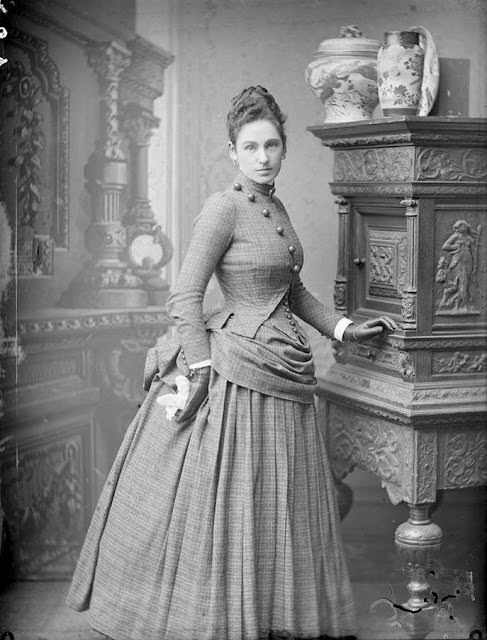
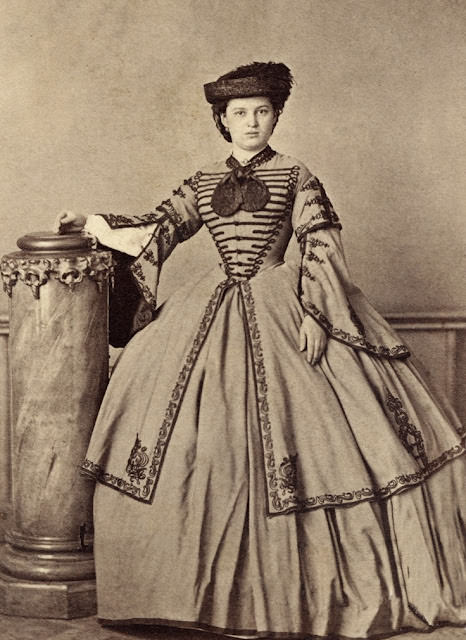
The outer dress was the showpiece. Silk, satin, and velvet were common choices for women who could afford them. These fabrics caught light, draped beautifully, and signaled wealth and refinement.
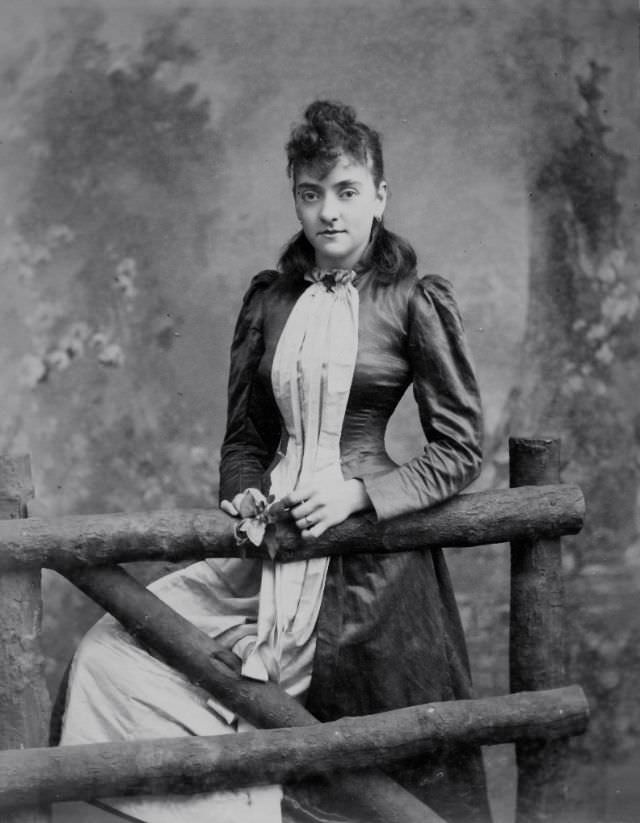
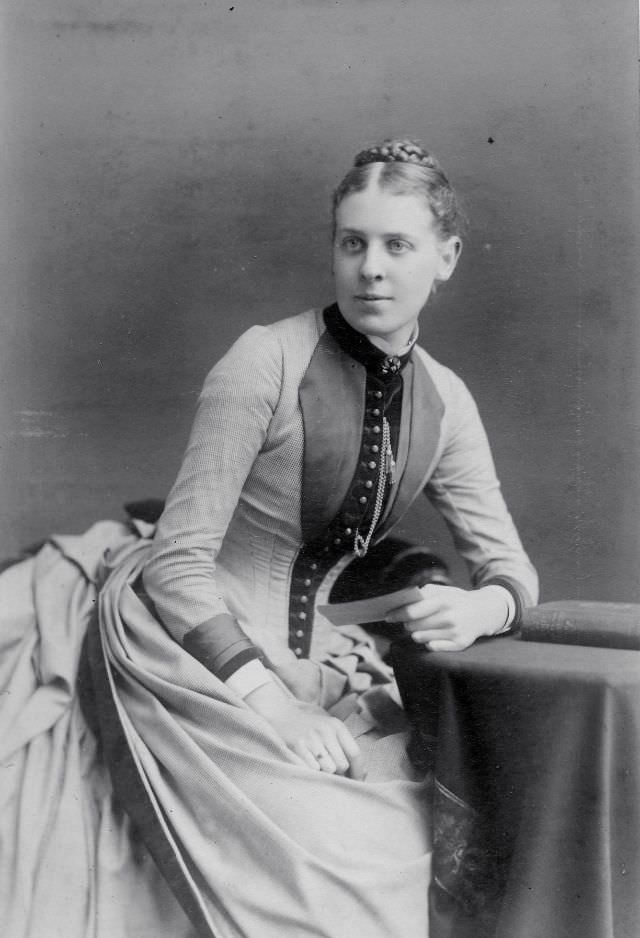
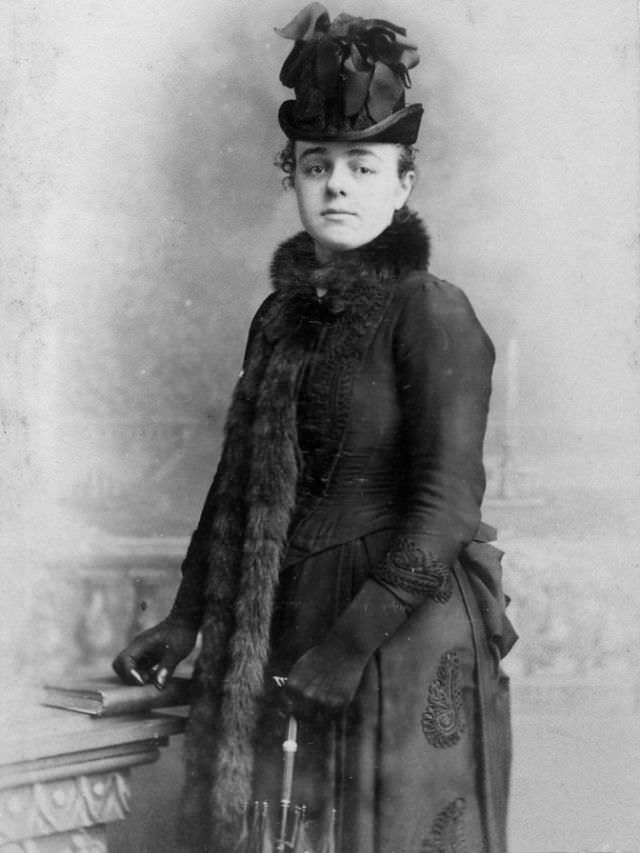
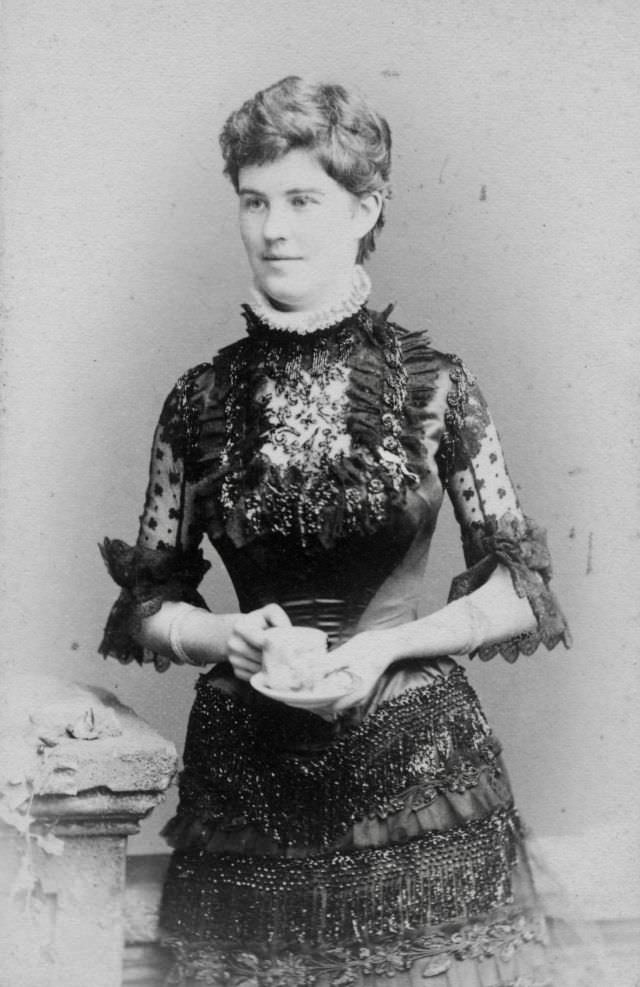
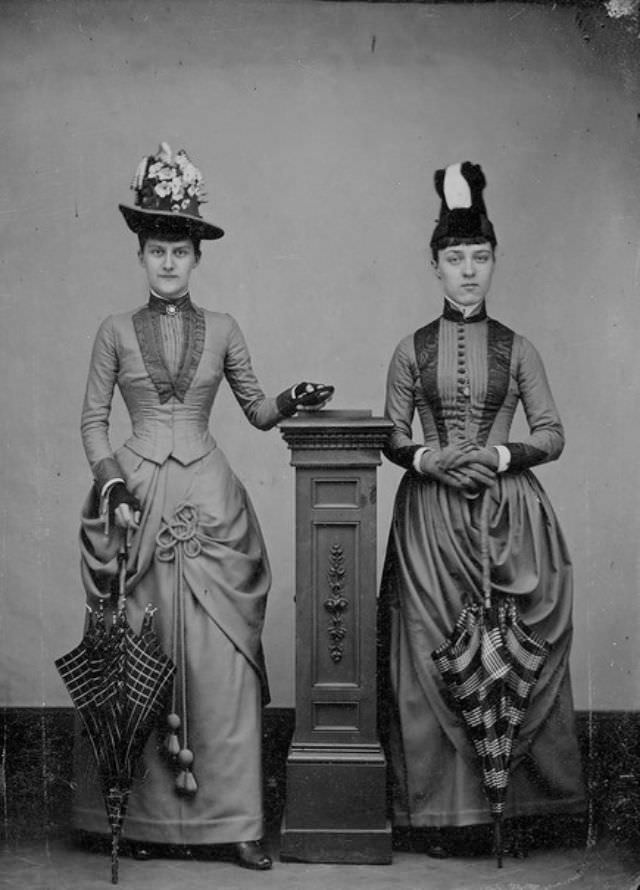
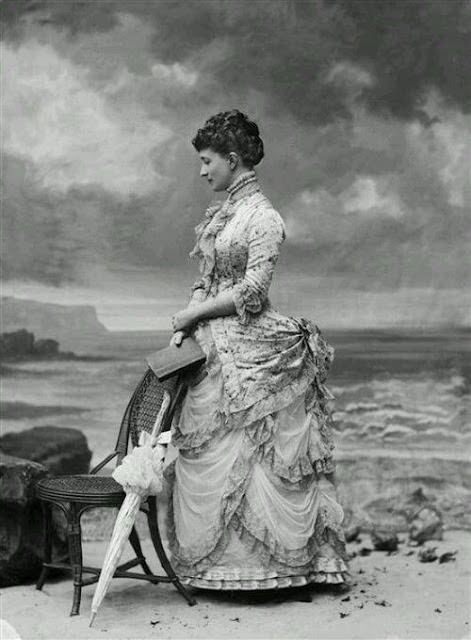
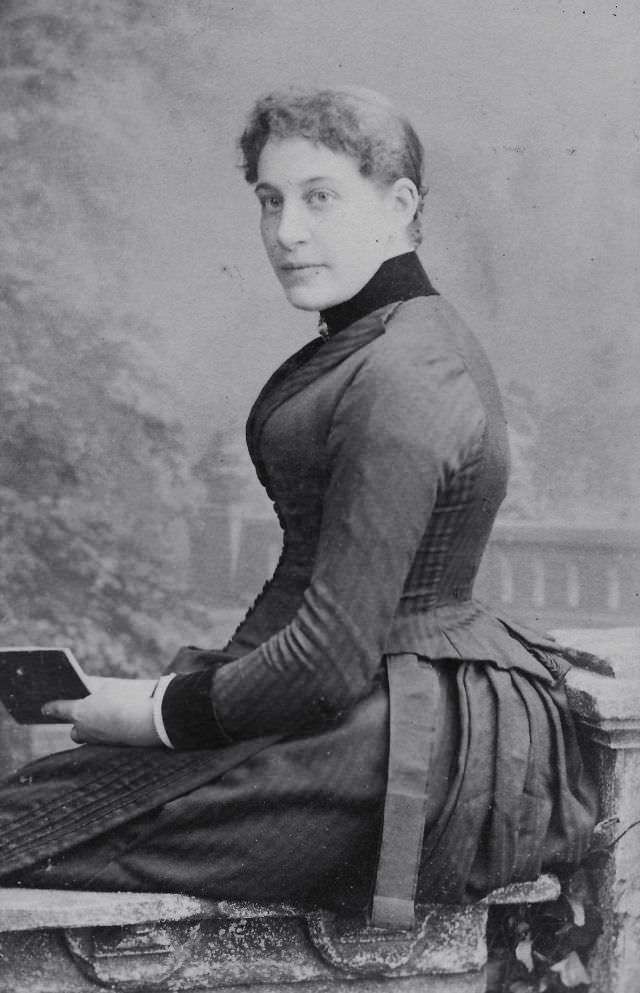
In the late 1800s, the bustle reshaped fashion — literally. Worn under the skirt at the back, this padded undergarment pushed the fabric outward and upward, creating a dramatic protruding silhouette. It was bulky, but widely fashionable.
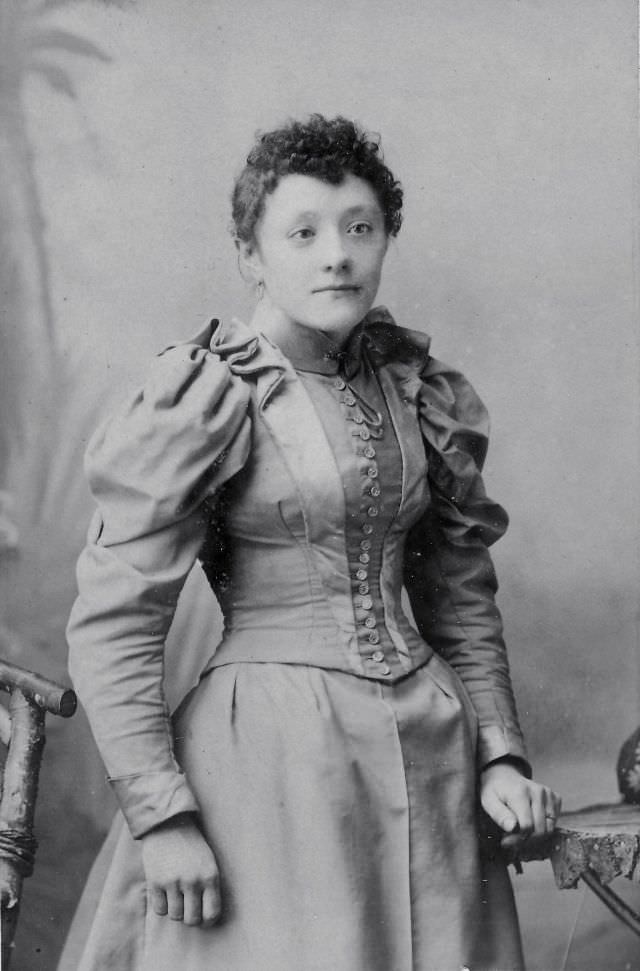
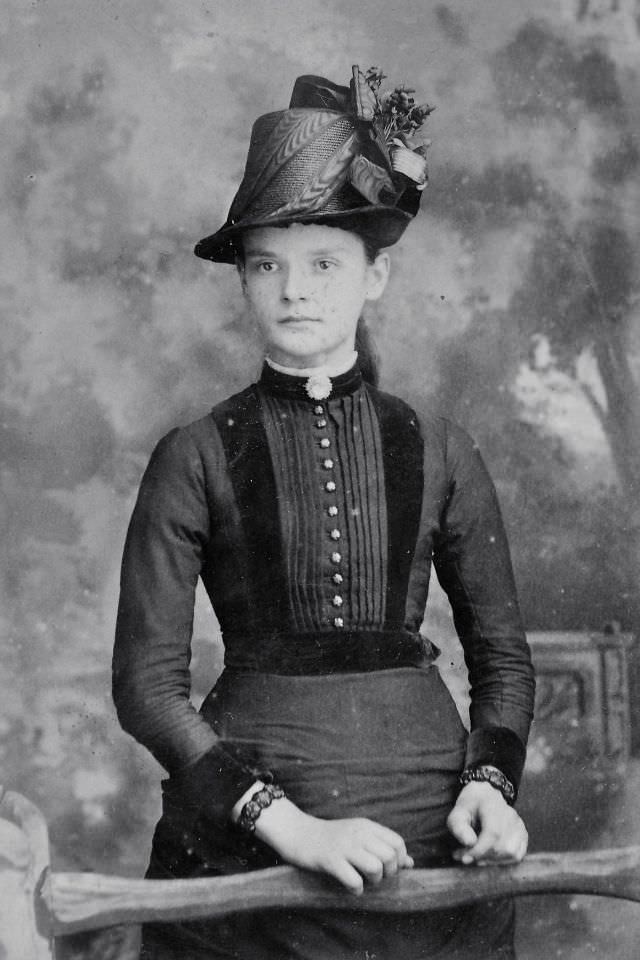
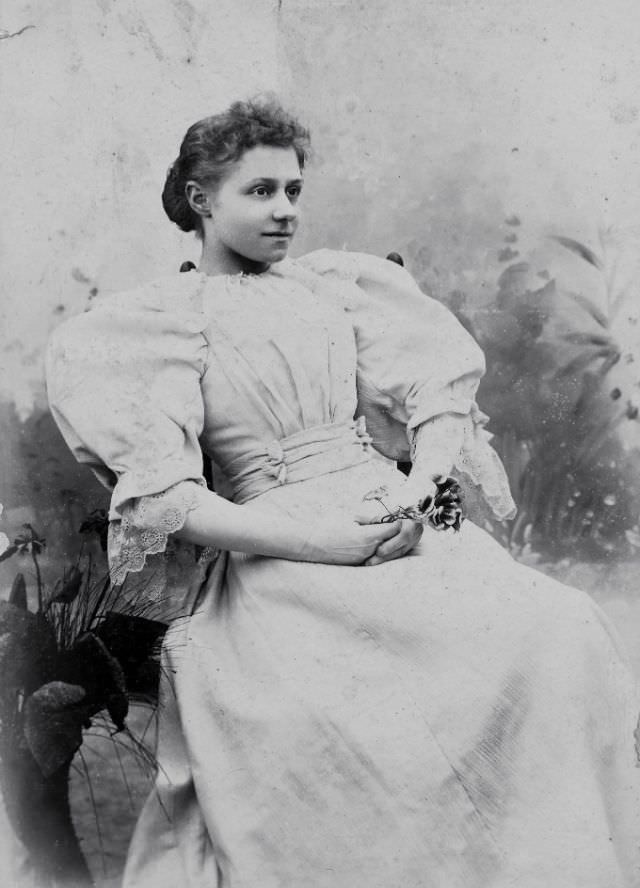
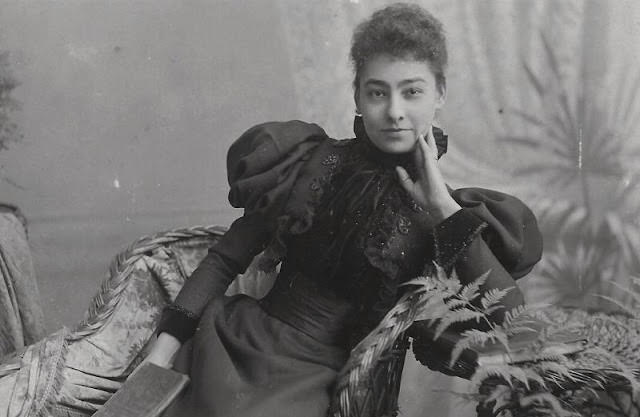
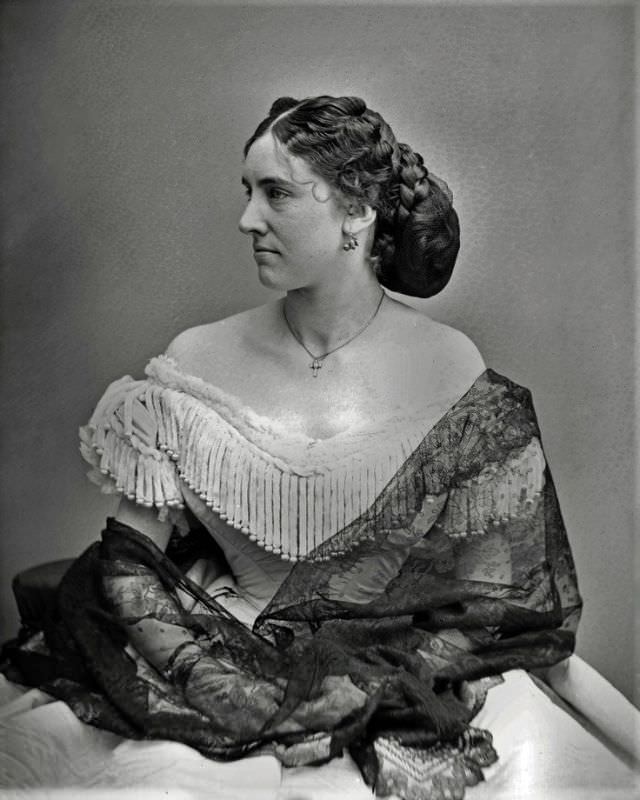
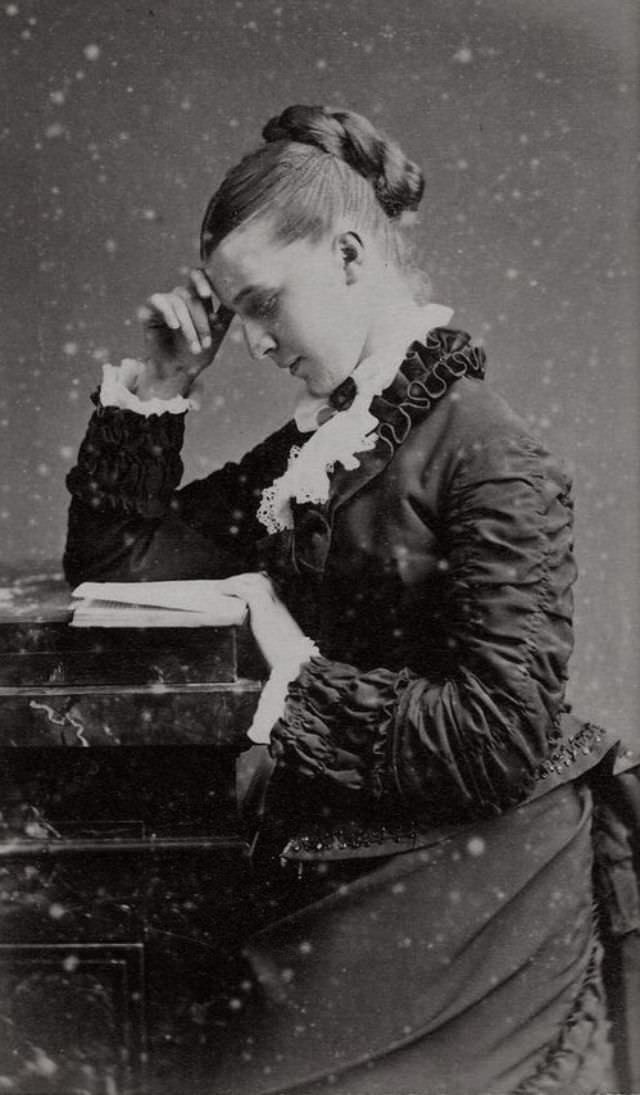
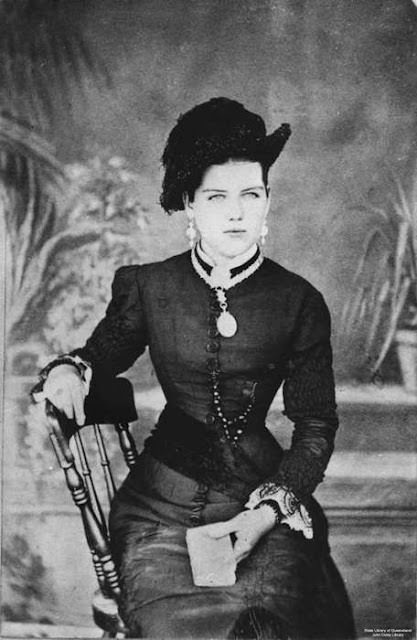
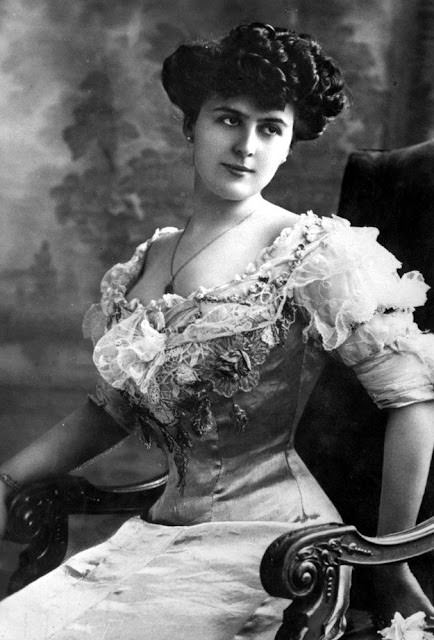
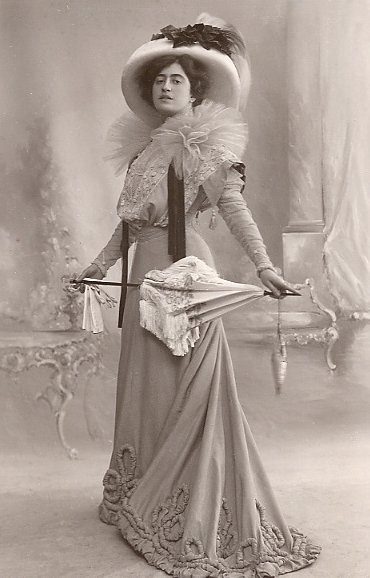
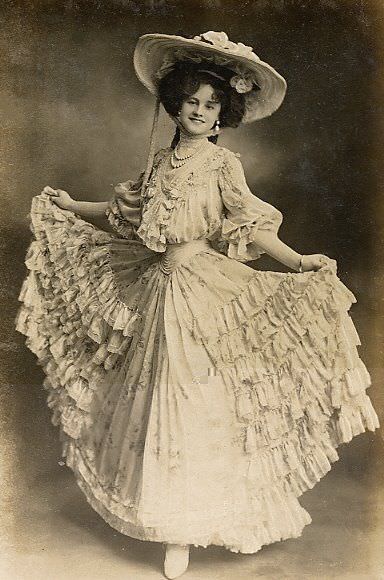
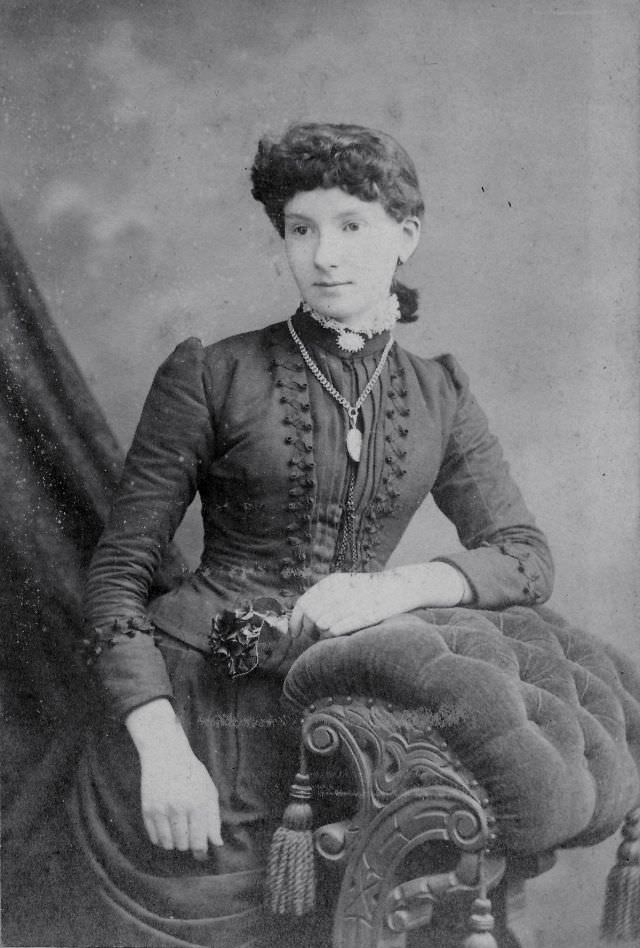
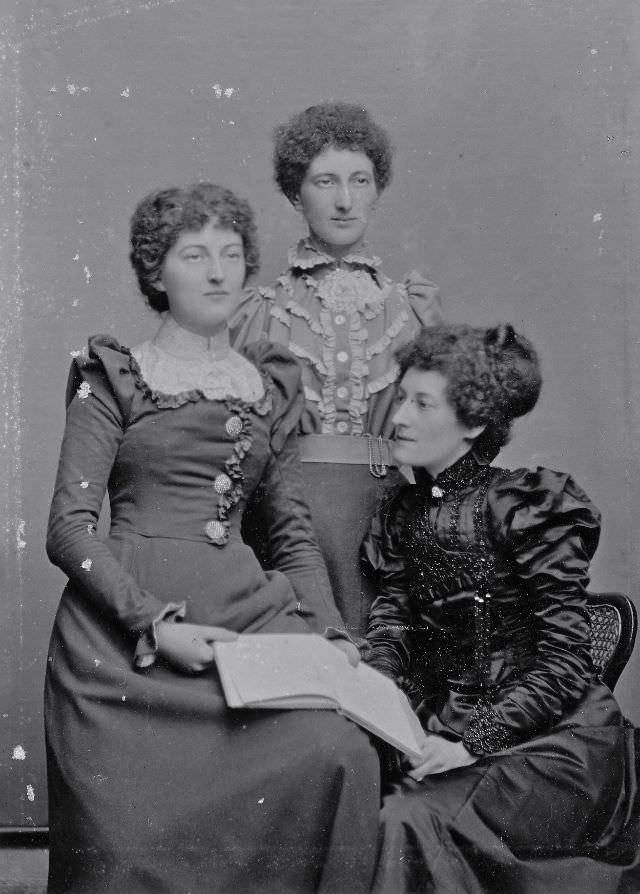
Victorian dresses were never plain. Lace trim, silk ribbons, hand embroidery, and beadwork covered hems, bodices, and sleeves. Some gowns even featured hand-painted designs. These details were time-consuming to produce and were a direct display of status.
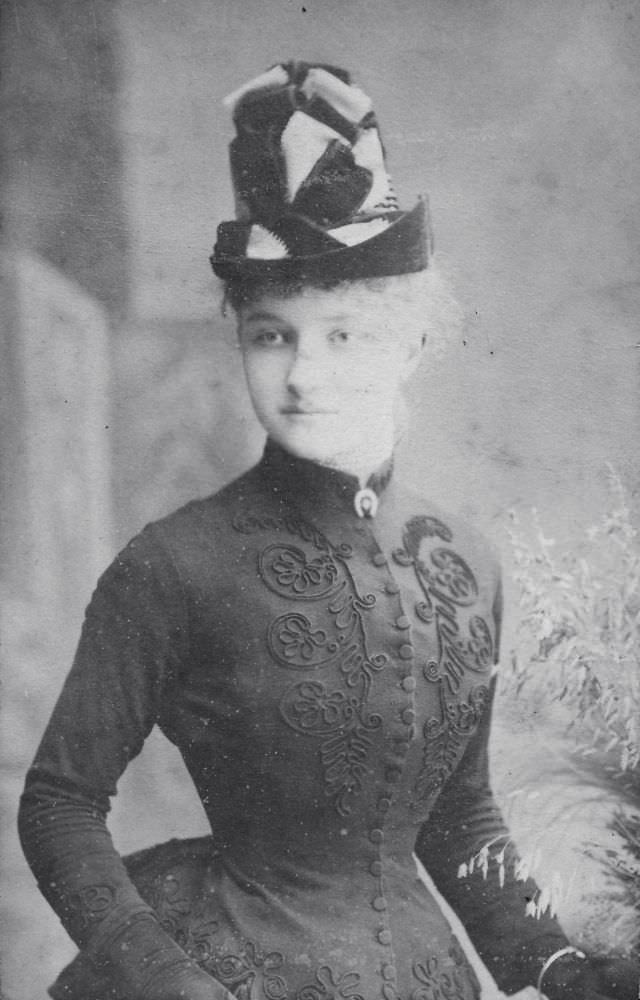
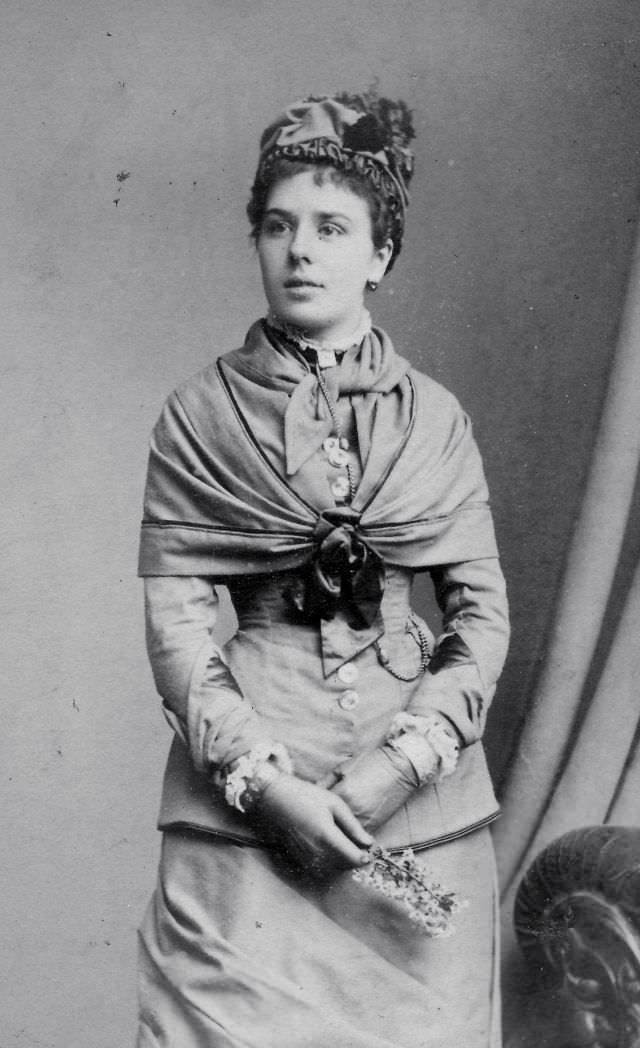
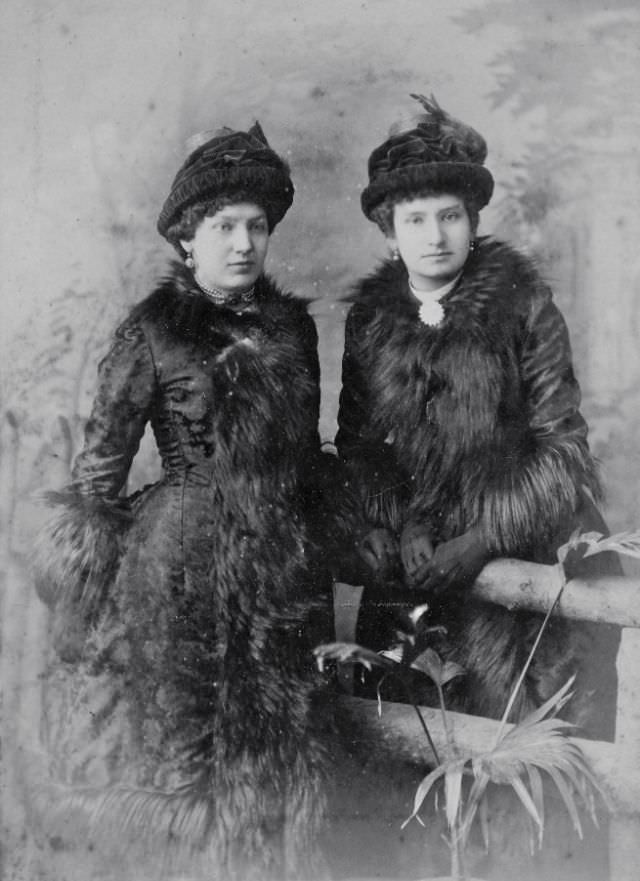
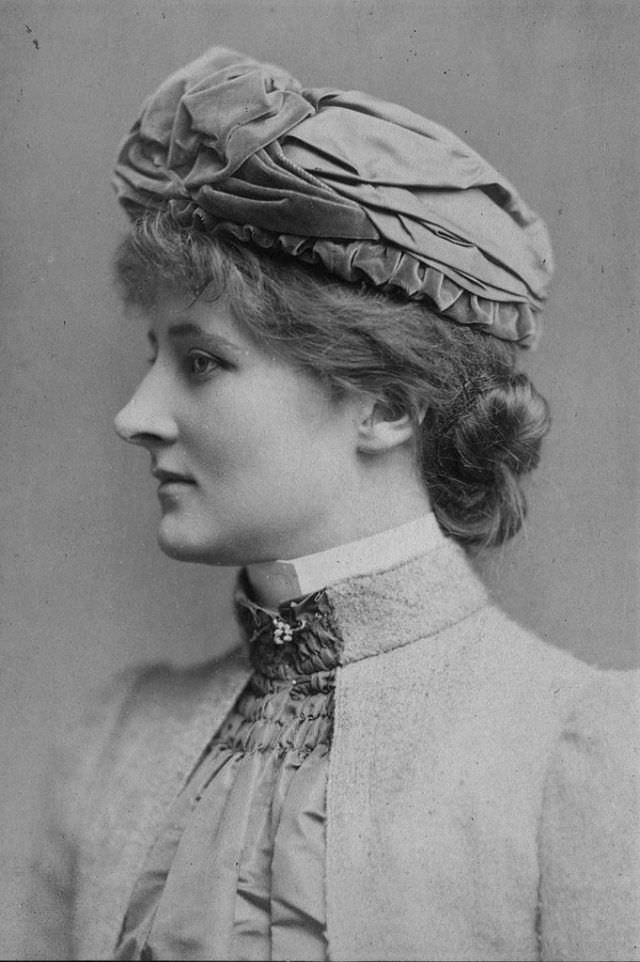
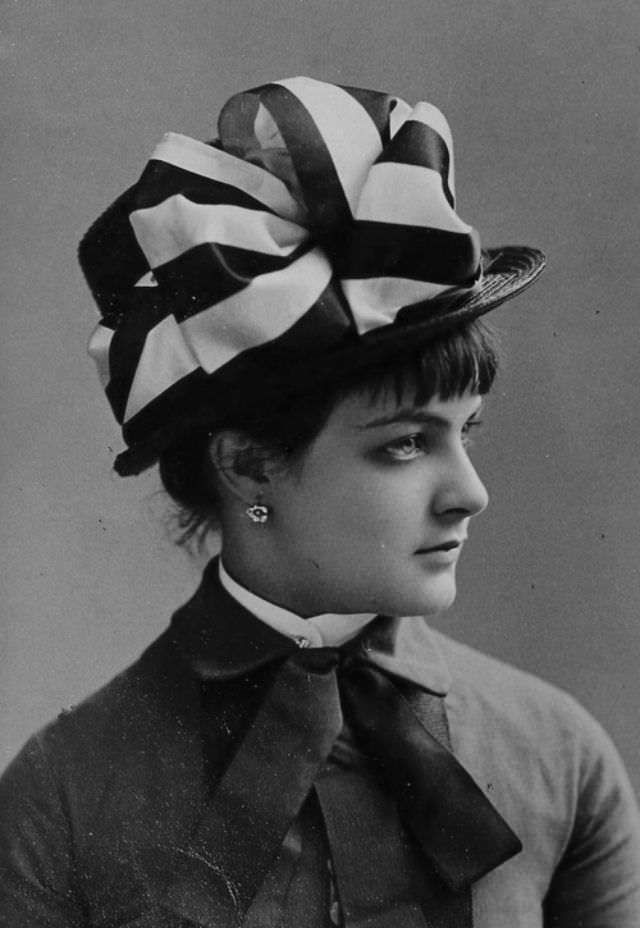
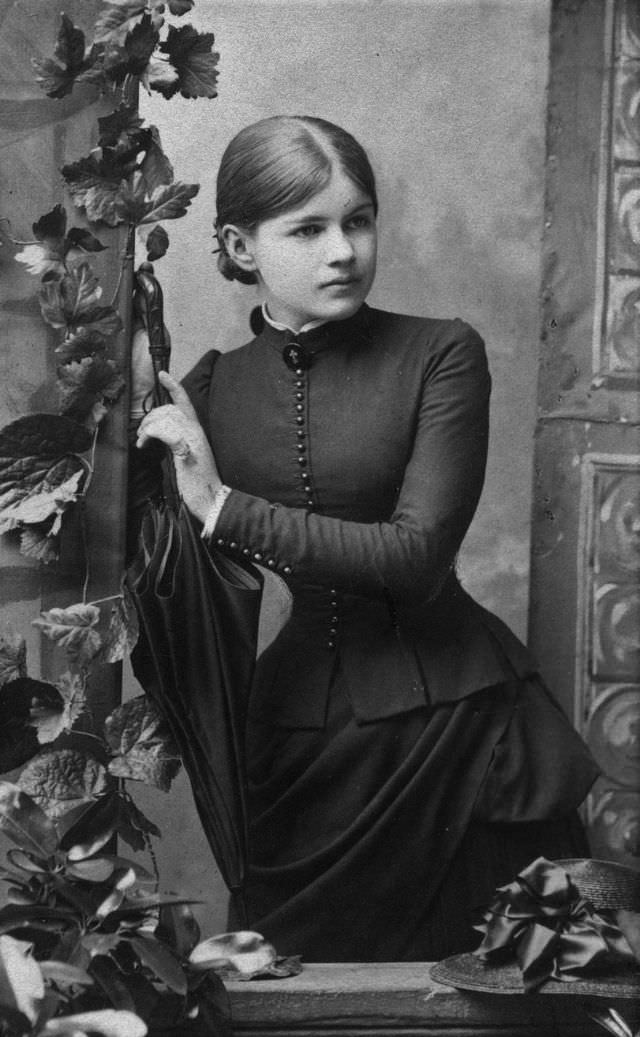
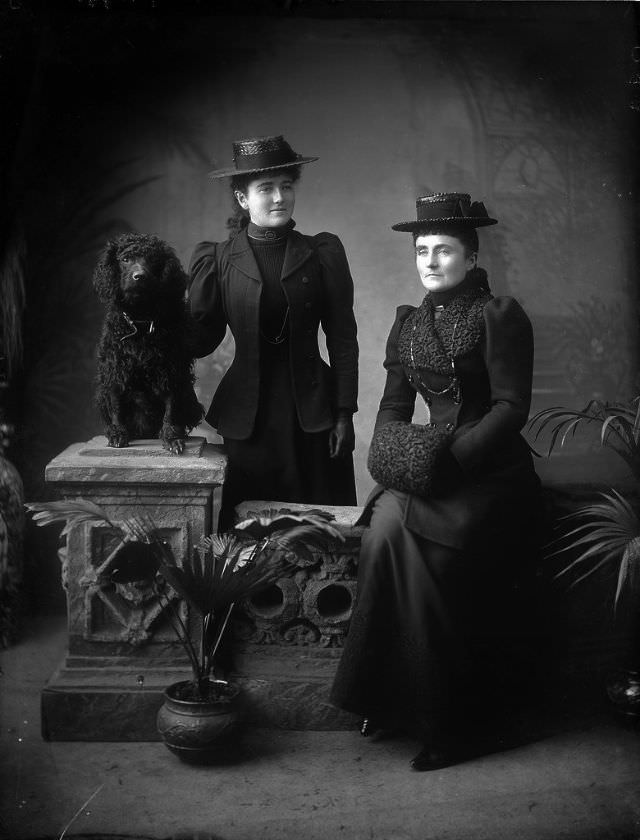
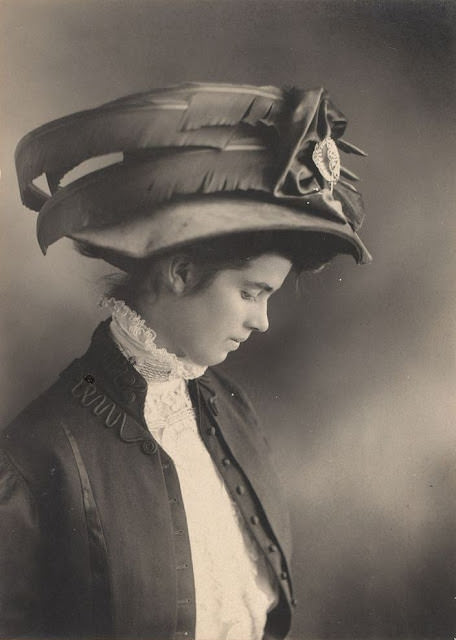
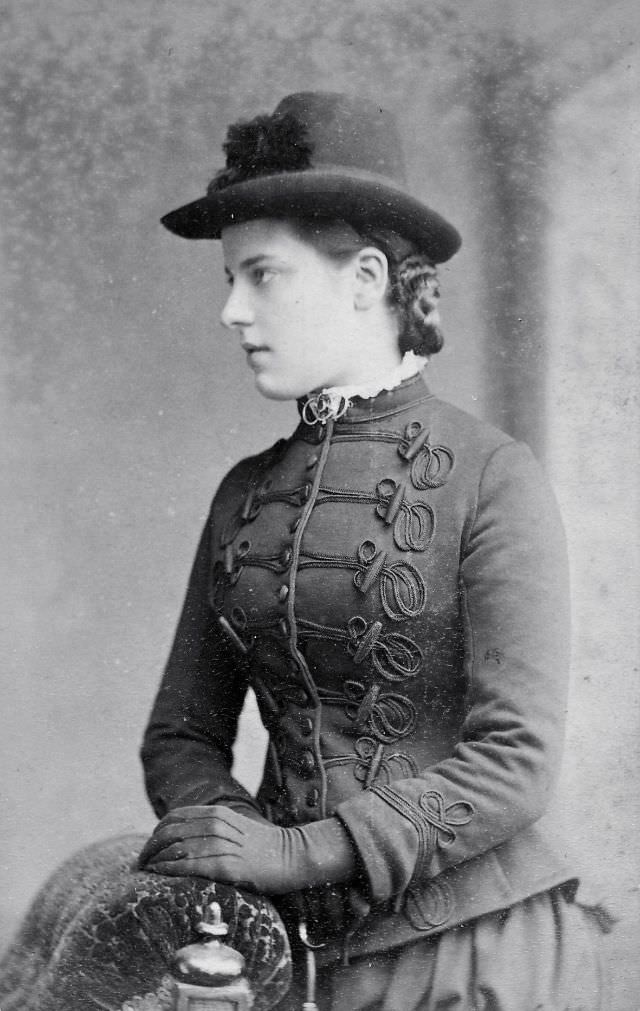
No outfit was complete without a hat. Wide-brimmed straw hats appeared in summer, while felt bonnets kept women warm in winter. Nearly all of them were decorated — feathers, flowers, and ribbons were standard additions.
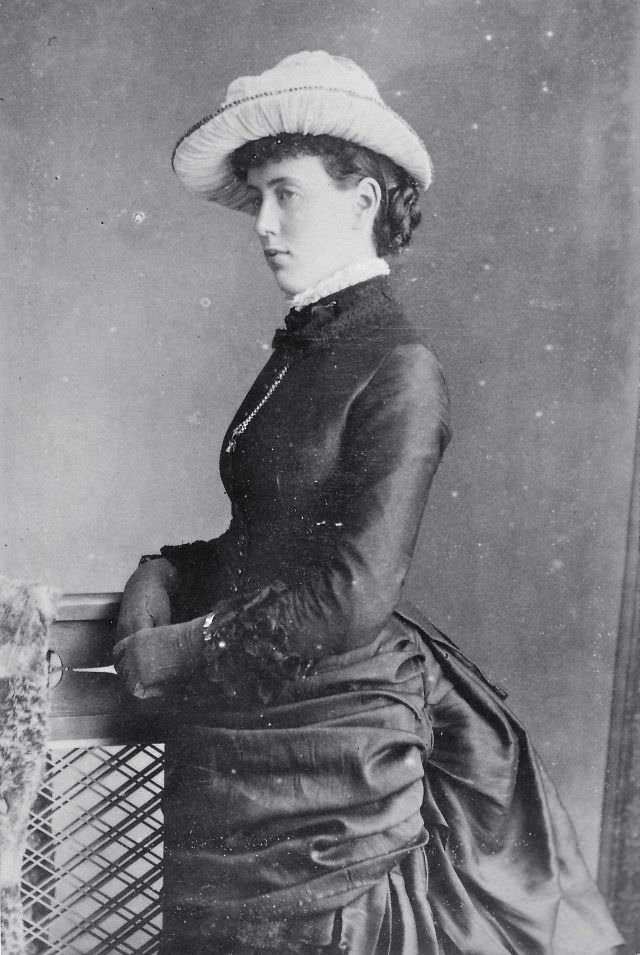
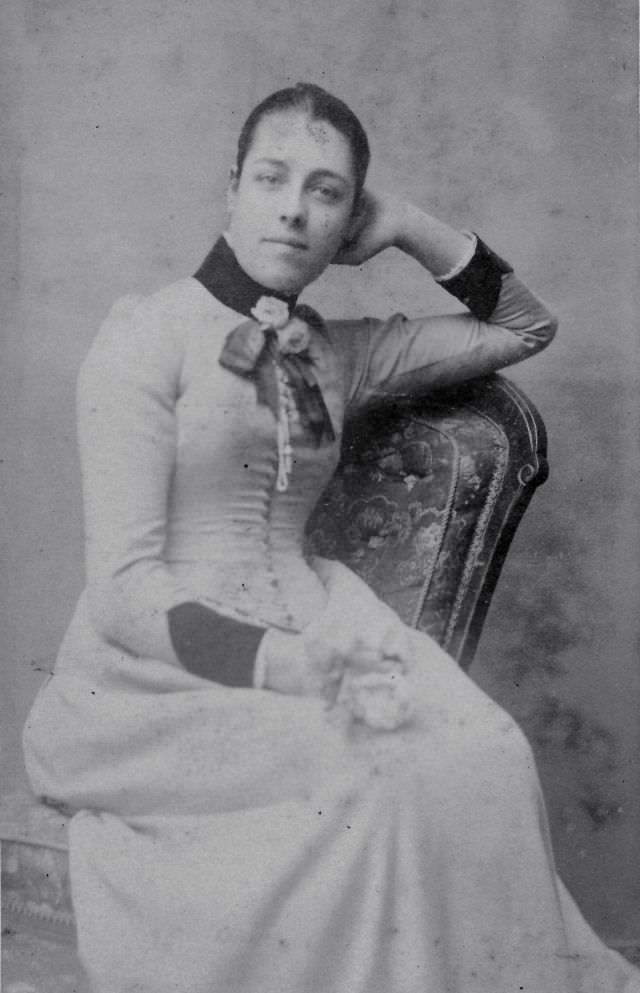
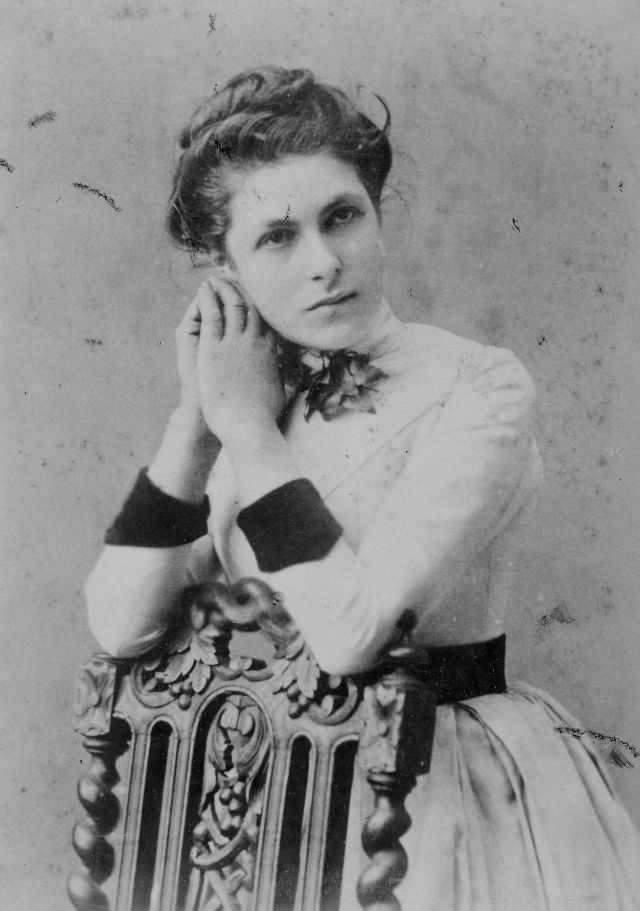
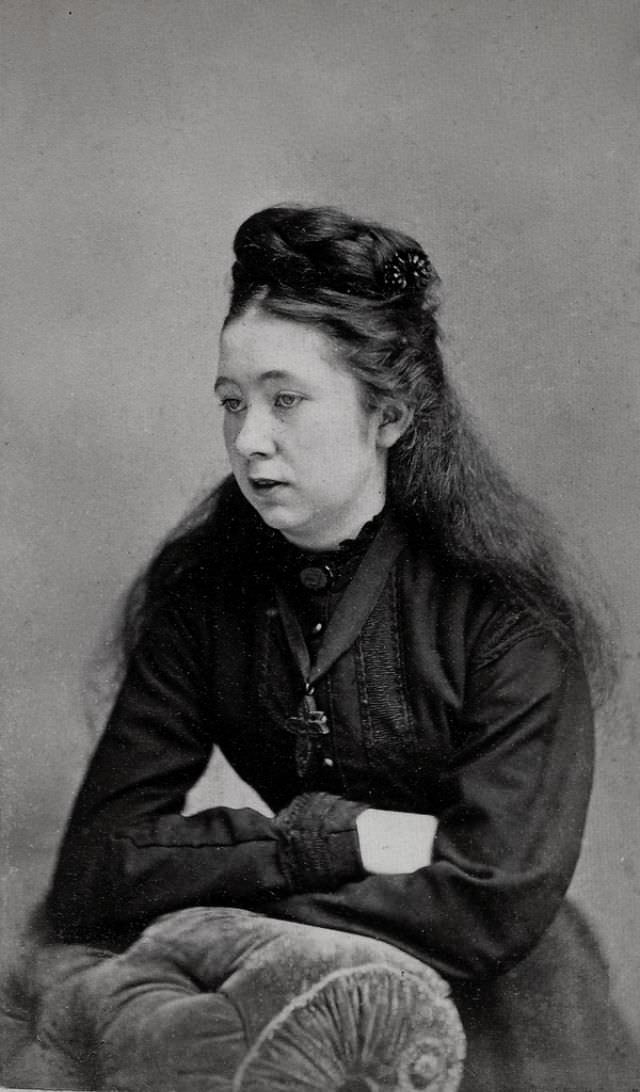
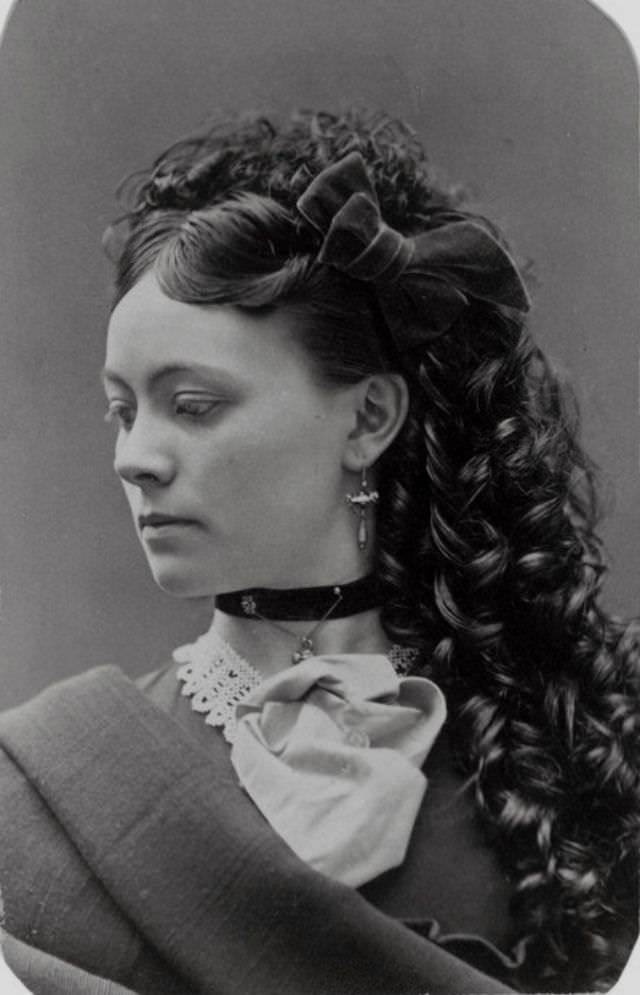
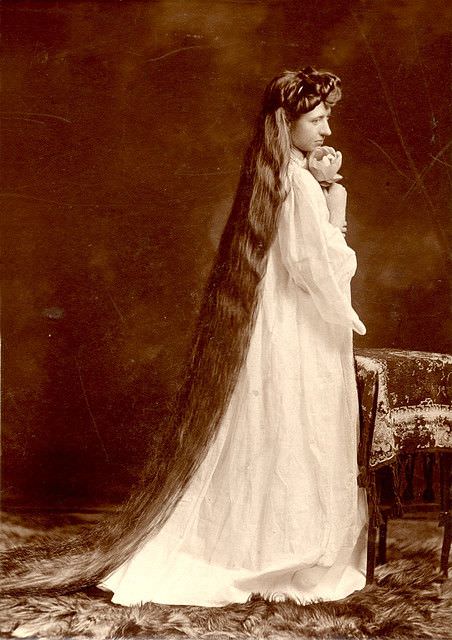
Hair was worn long and styled with intention. Braids, buns, and loose waves were all common. Makeup stayed minimal — a light powder, a touch of rouge on the cheeks, and a little lip balm. The goal was a healthy, natural look rather than anything dramatic.
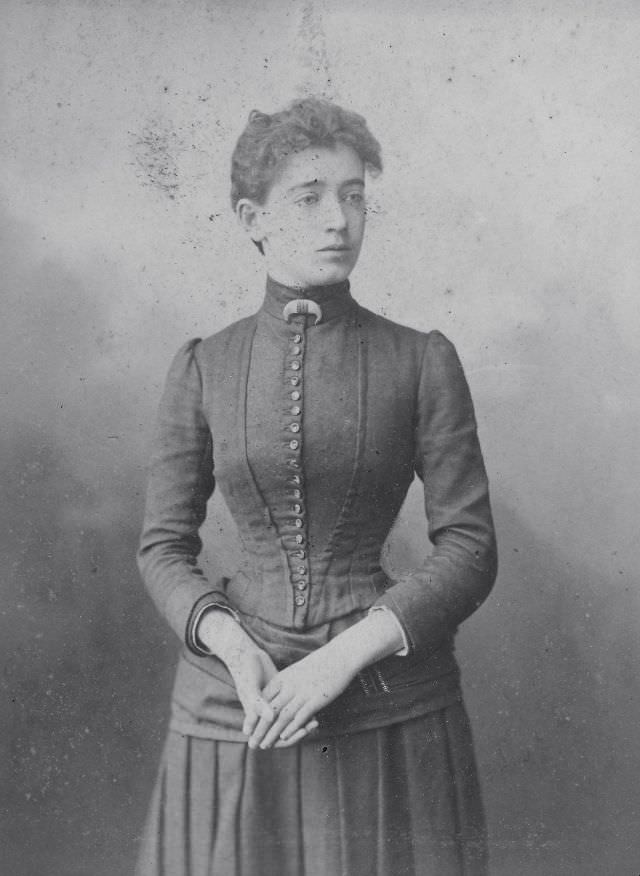
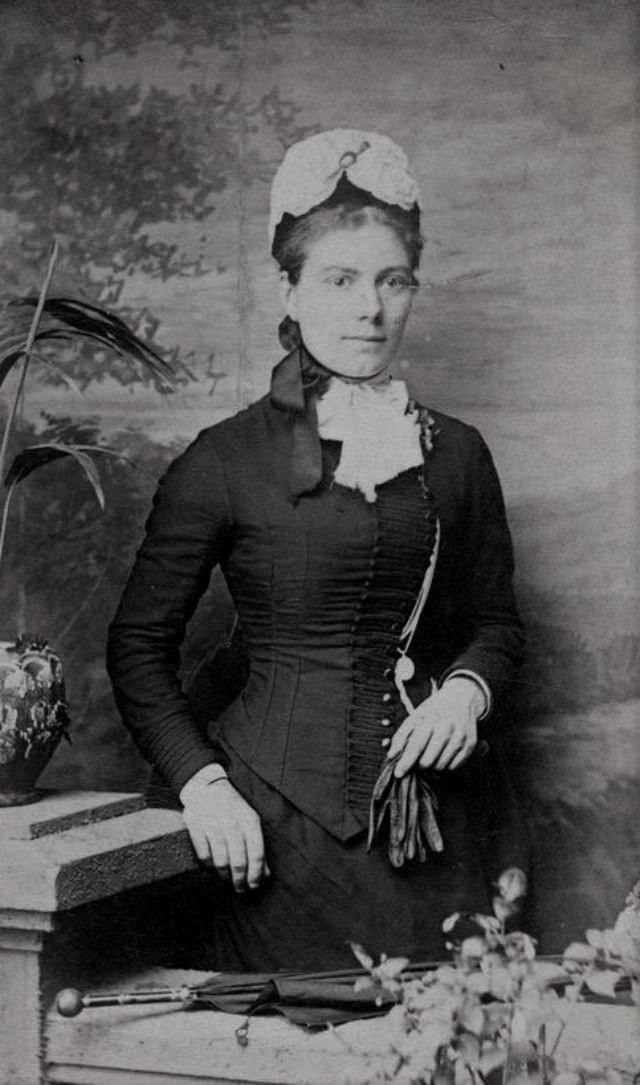
Accessories tied the entire look together. Gloves — made of leather or lace — were a mark of refinement and worn in nearly every social setting. Parasols served a dual purpose: blocking the sun and adding visual elegance. Small handbags, often beaded or made of fine leather, carried only the essentials.