Hey There! Before You Go. 😧
Get the best vintage content straight into your inbox!

Don't worry, we don't spam

What Vancouver, WA looked like in the 1900s Through Fascinating Historical Photos

By the time the 1900s arrived, Vancouver, Washington was pushing hard into a new era. The city that had grown steadily through the 1800s was now gaining the infrastructure that would define it for decades. New buildings were going up. Churches, schools, and businesses were taking root along streets that were still being paved. And at the center of it all was a city on the move — literally, thanks to rail and streetcar lines that were knitting the region together.

One of the most important developments of this period came on March 11, 1908, when the last spike of the North Bank Railroad was driven. This was the first rail line to run east through the Columbia River Gorge on the Washington side, and it connected Vancouver to a much larger network. Just months earlier, on June 25, 1908, a railroad bridge over the Columbia River had been completed, formally linking Vancouver to Portland and the broader transportation grid of the Pacific Northwest.
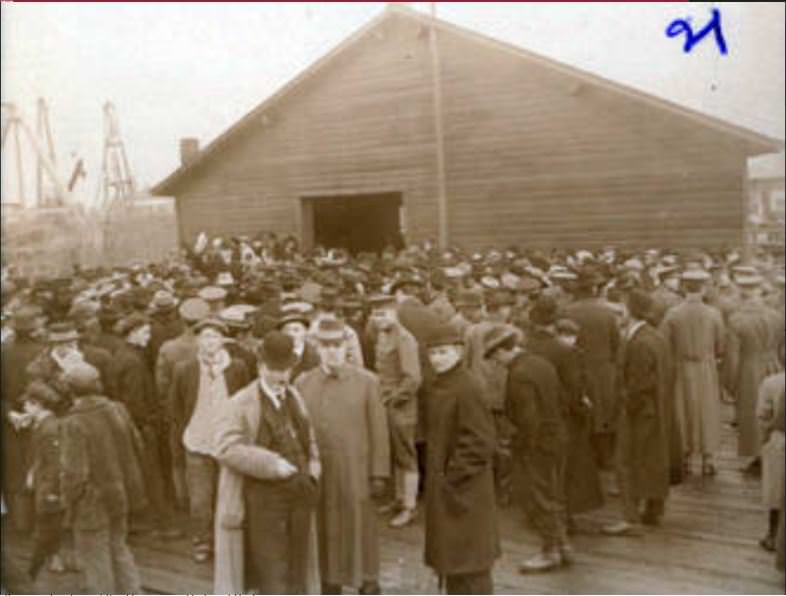
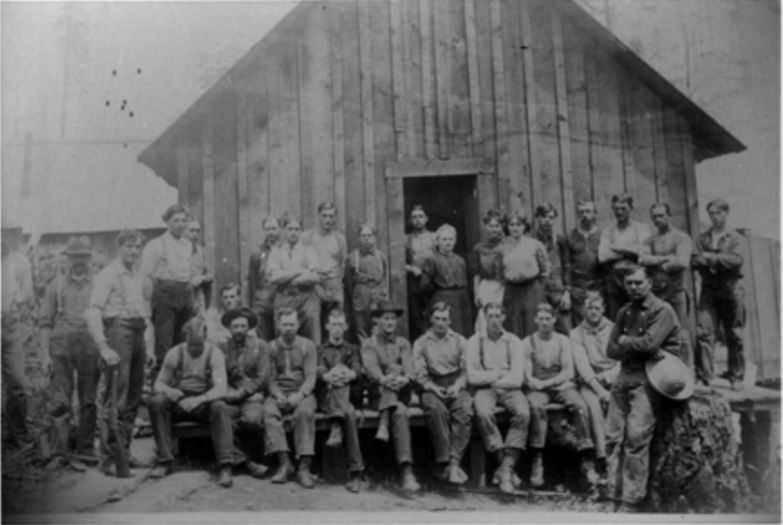
A group of men during the construction of the Vancouver Railroad Bridge, 1907

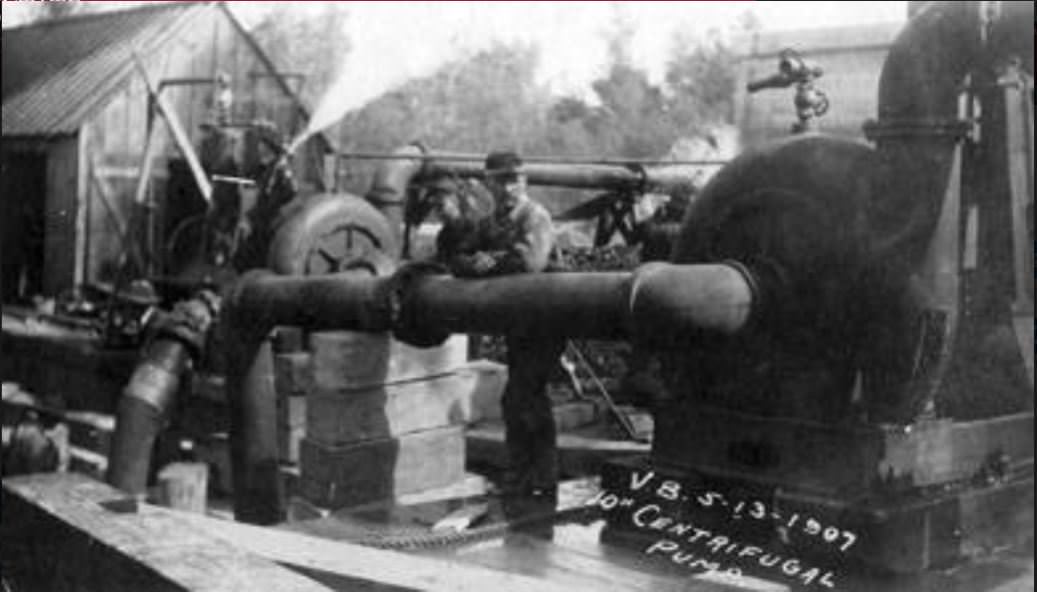
Building that bridge was no small feat. Construction crews worked through 1907, using heavy derricks, mule teams, centrifugal pumps, and sheer manpower to drive the project forward. The men who worked the site posed for photographs alongside their equipment, leaving behind a clear record of what it took to build one of the region’s most consequential crossings.
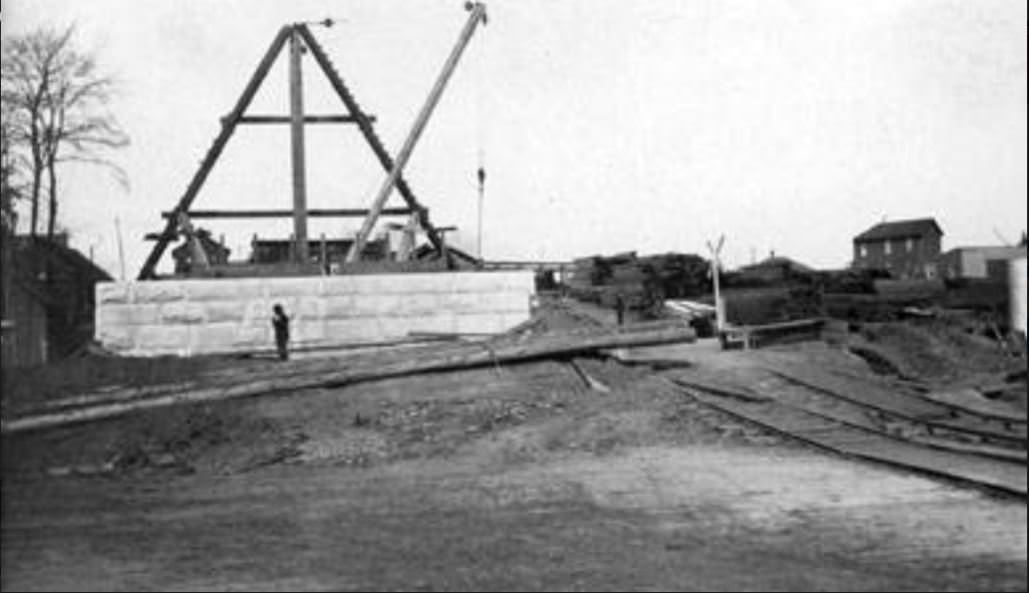
Construction site for the building of the Vancouver Railroad Bridge, 1907
A centrifugal pump at work at the Vancouver Railroad Bridge construction site, 1907
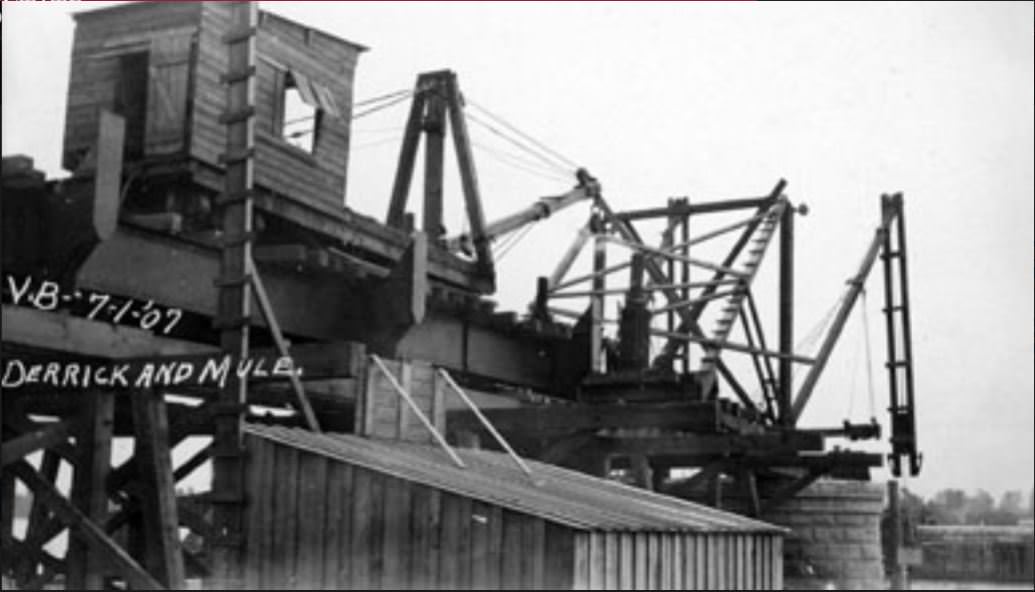
A derrick and a mule at the Vancouver Railroad Bridge construction site, 1907
Railroad workers sitting on the North Abutment during the construction of the Vancouver Railroad Bridge, 1907
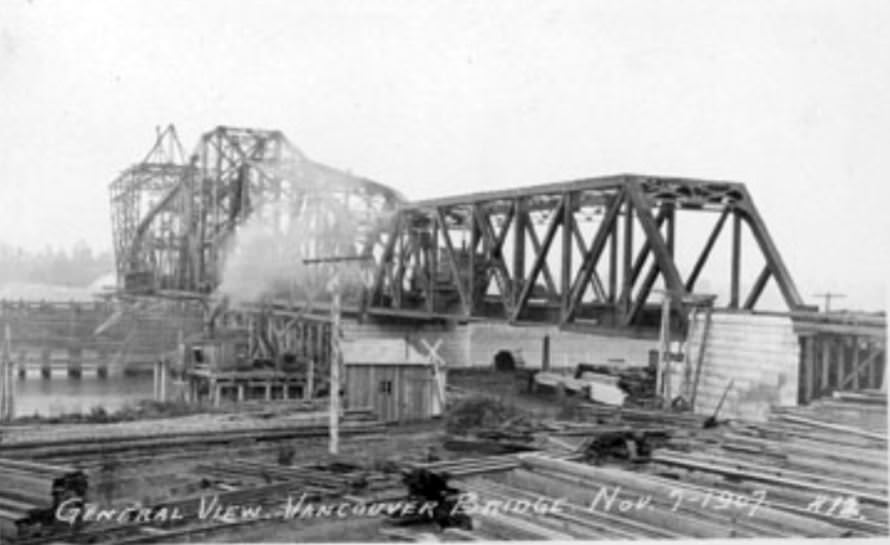
General View of the Vancouver Railroad Bridge, 1907
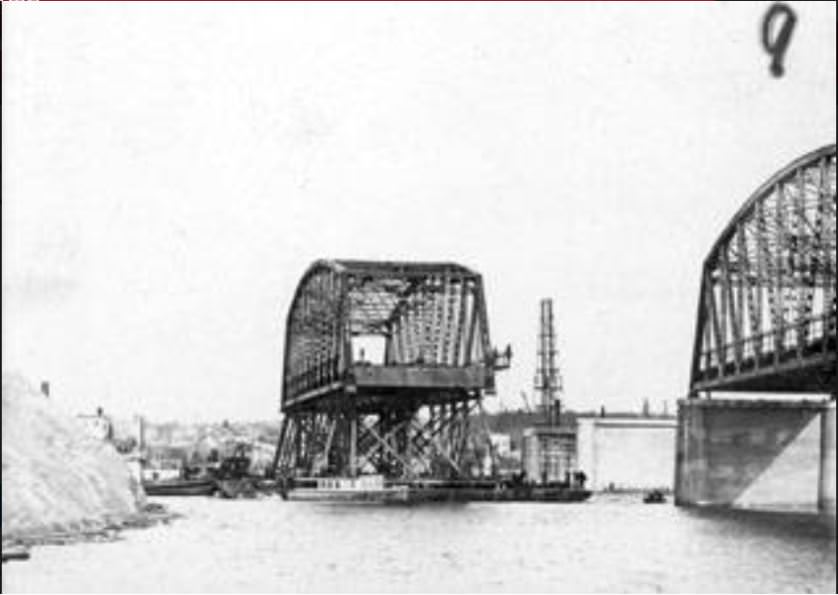
Boats and a Section of the Vancouver Bridge, 1907

Even before the railroad bridge was finished, Vancouver was moving people and goods across the Columbia by ferry. The Vancouver-Portland Ferry was a vital link between the two cities in the years before the bridge opened, carrying passengers and cargo across the river on a daily basis.
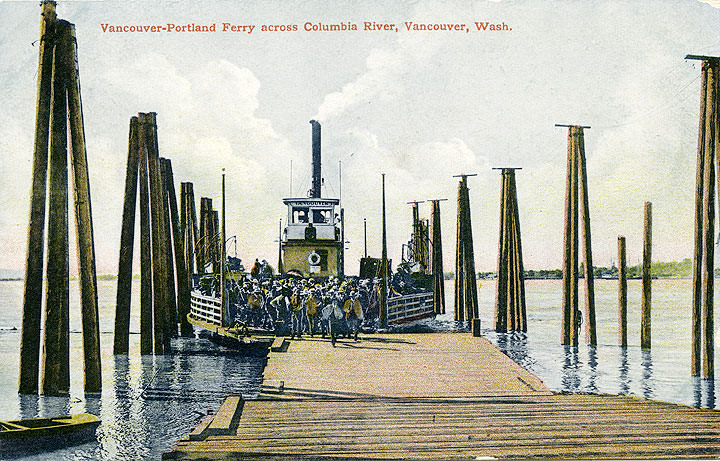
Vancouver-Portland Ferry across Columbia River, 1906

Once rail service arrived, the city’s streetcar network expanded to match. Lines ran through the city and out toward communities like Orchards and Sifton. By 1908, Vancouver streetcars were a common sight on the city’s streets, moving residents to work, shops, and school.
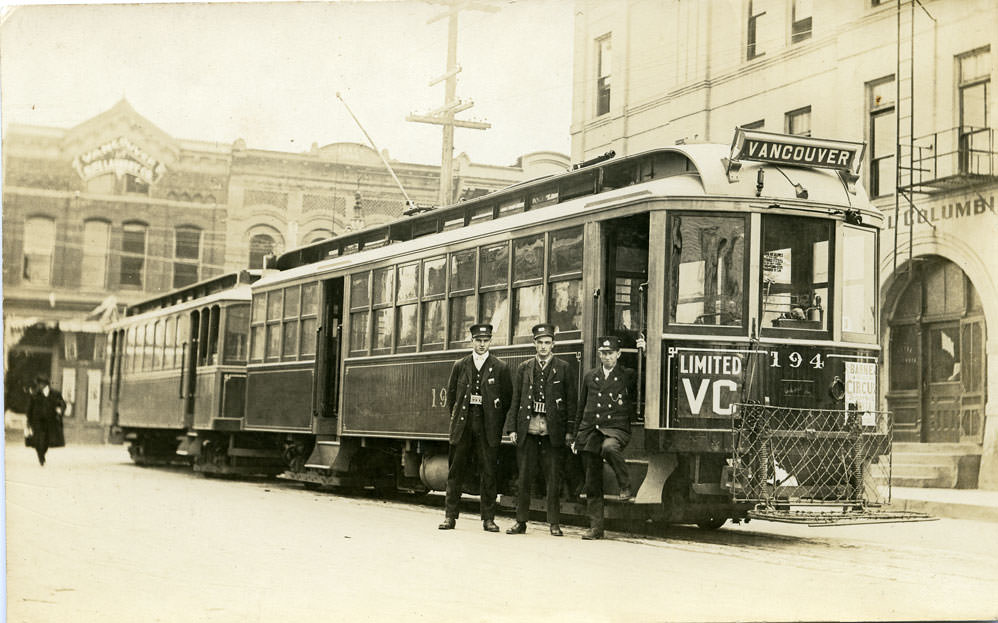
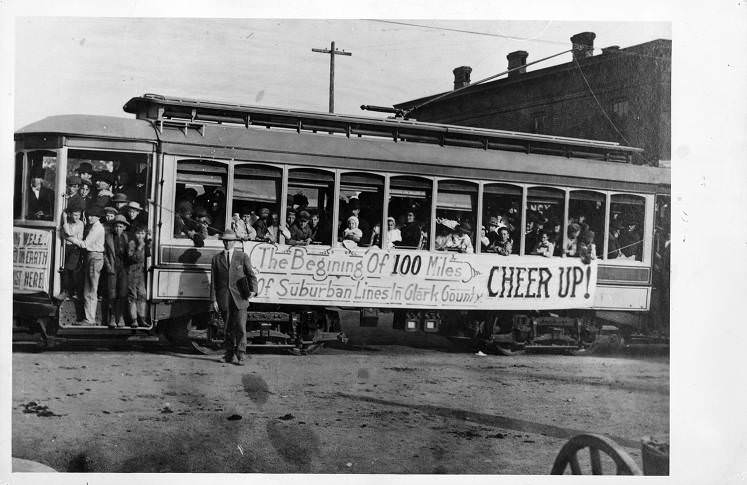
Vancouver Streetcars, 1908
Orchards-Sifton Street Car, 1908

Vancouver’s streets themselves were still in transition during this decade. Wooden sidewalks lined many residential blocks, and some roads remained unpaved and muddy into the late 1900s. Street paving was actively underway by 1909, with work visible at corners like 11th and Franklin. Mule teams hauling wagons through muddy thoroughfares were still a routine part of city life.
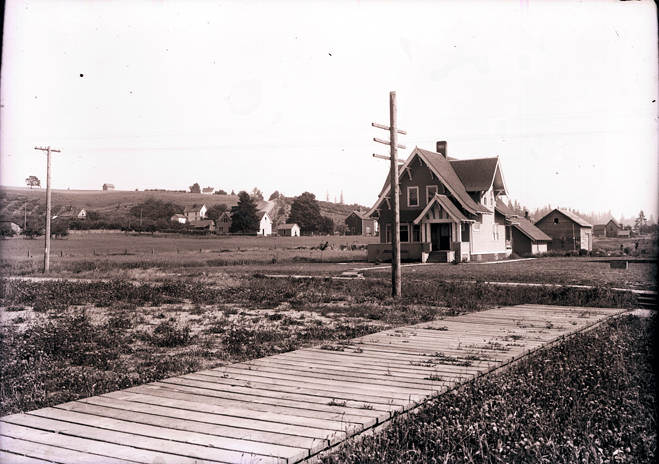
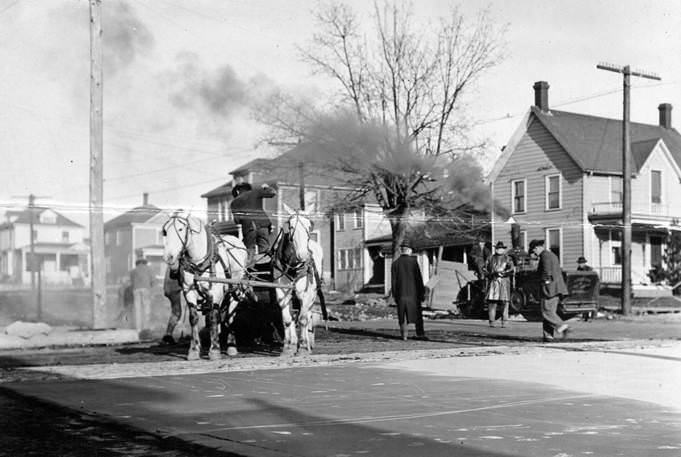
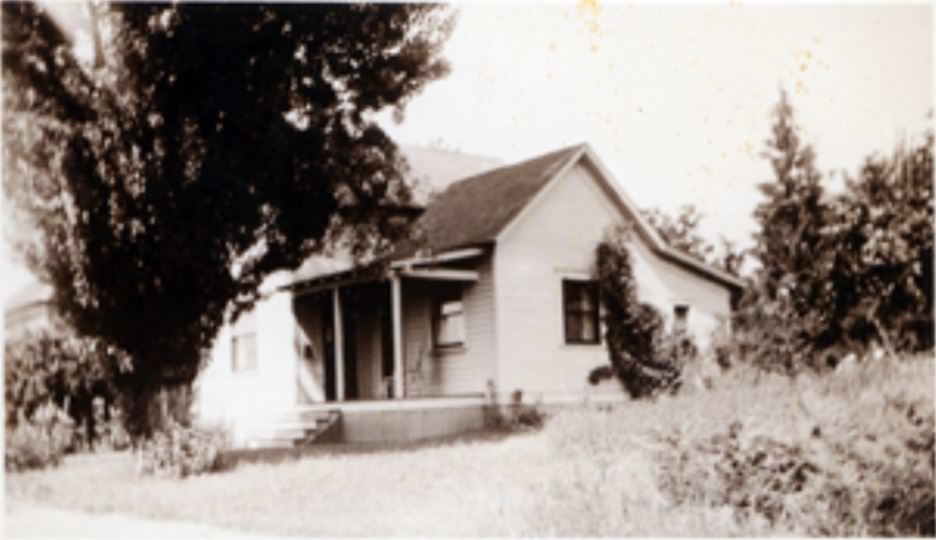
House with Wooden Sidewalks in Vancouver, 1900s
Street paving on the corner of 11th Street and Franklin Street, 1909
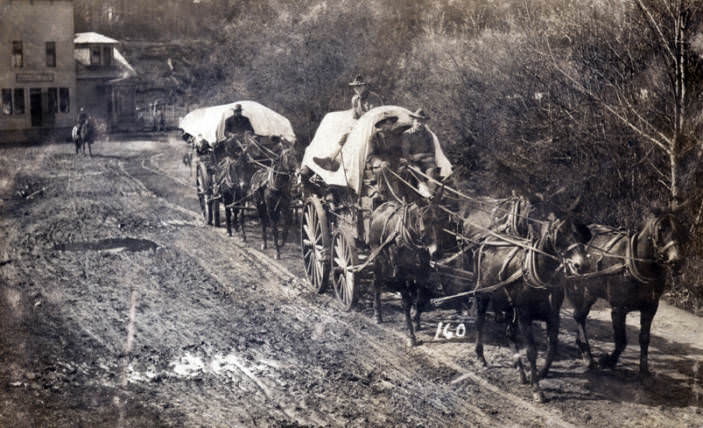
Two wagons pulled by mule teams being driven down a muddy road in front of a store building, 1909

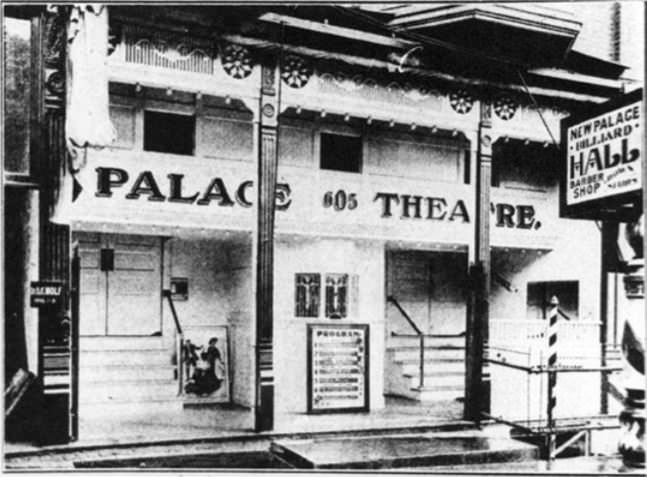
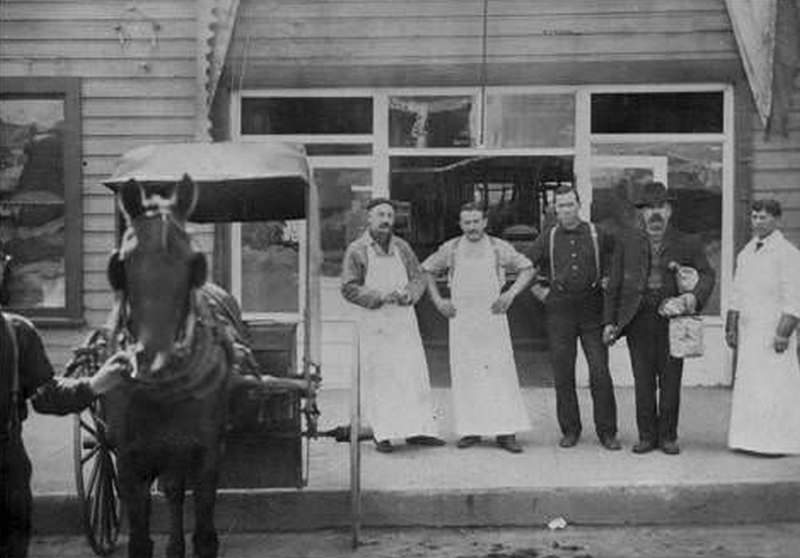
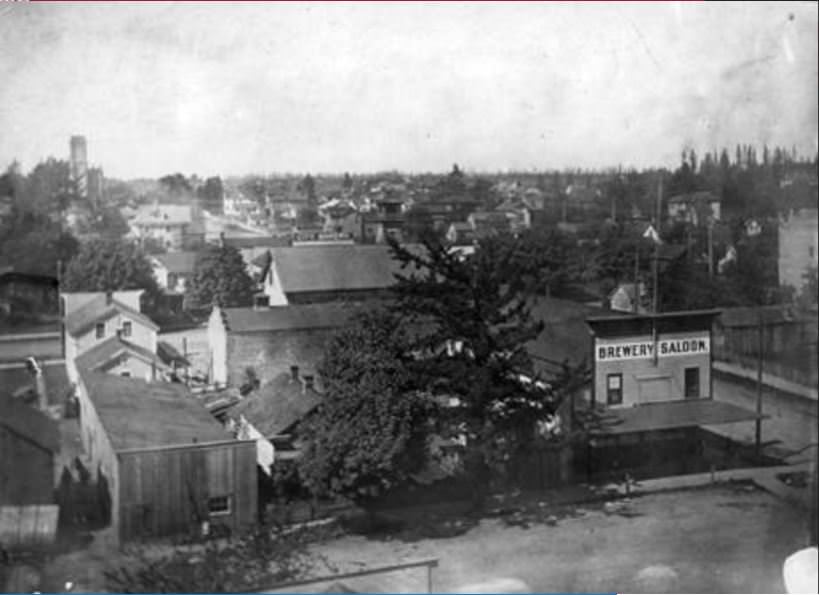
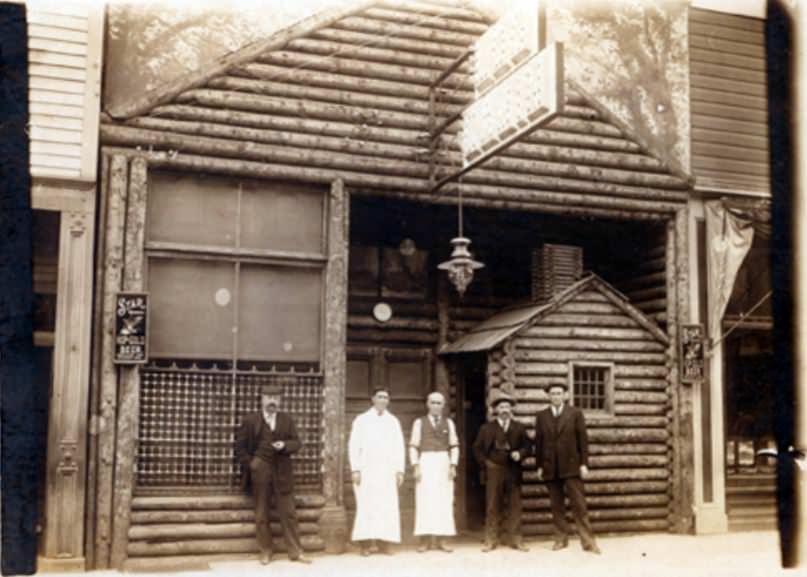
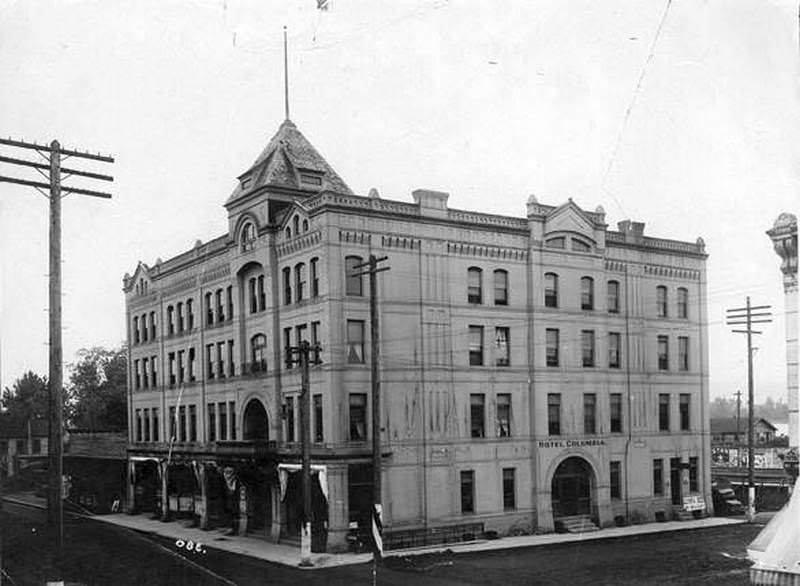
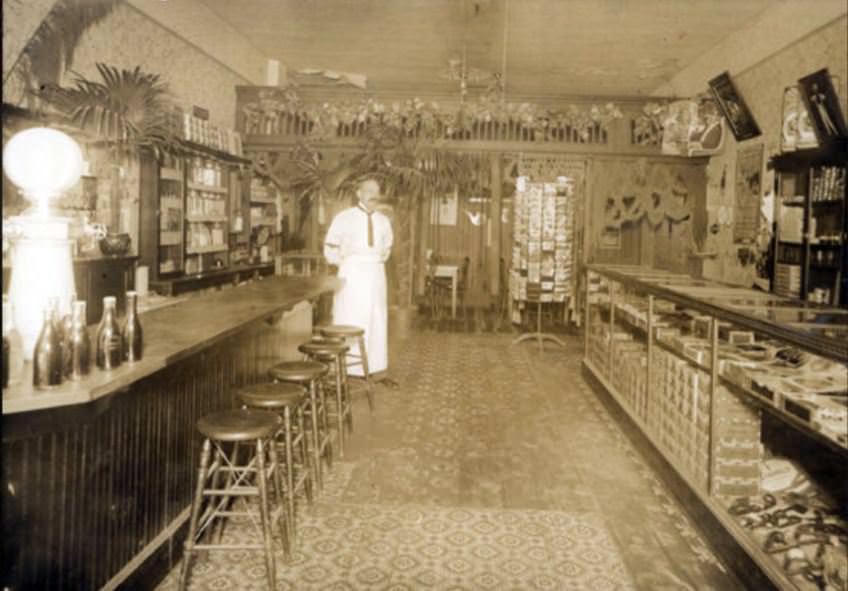
The commercial core of Vancouver was well established by this time. Main Street was lined with businesses serving a growing population. The Palace of Sweets cigar store operated at 809 Main Street as early as 1902. The Palace Theater opened at 605 Main Street by 1909. Bolton’s Meat Market served customers at 706 Washington Street, and the Brewery Saloon at 1907 Washington Street sat within sight of St. James Church. The Log Cabin Tavern held its spot at 502 Main Street, and the Hotel Columbia anchored the hospitality trade.
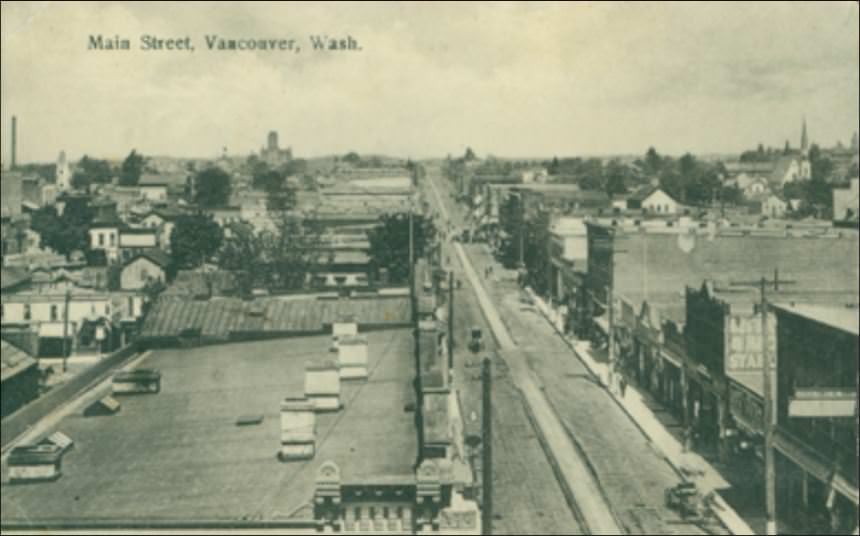
Overview of Main Street Vancouver Washington, 1909
The Palace of Sweets cigar store located at 809 Main Street in Vancouver, 1902
Palace Theater located at 605 Main Street in Vancouver, 1909
Bolton's Meat Market Located at 706 Washington Street in Vancouver, 1909
Bolton’s Meat Market Located at 706 Washington Street in Vancouver, 1909
Brewery Saloon located at 1907 Washington Street in early Vancouver with the St. James Church at left in the background, 1907
The exterior of the Log Cabin Tavern located at 502 Main Street in Vancouver, 1900s
The exterior of the Hotel Columbia in Vancouver, Washington, 1900s

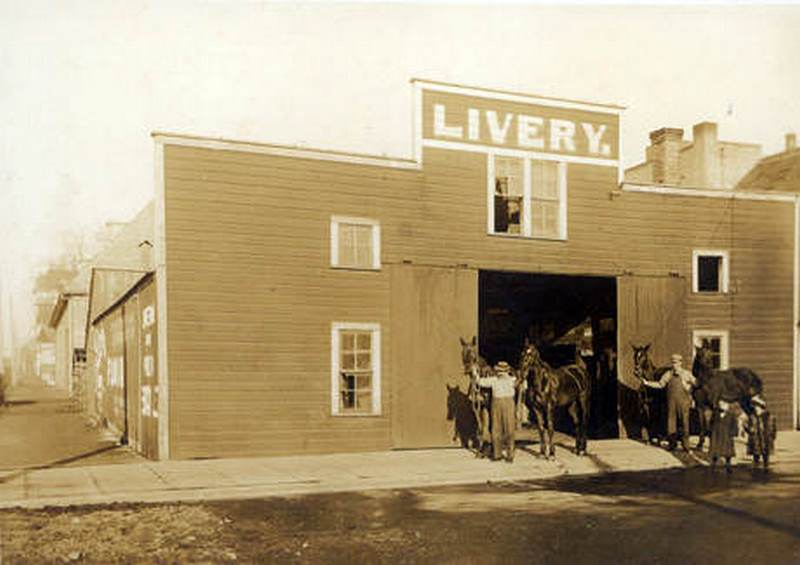
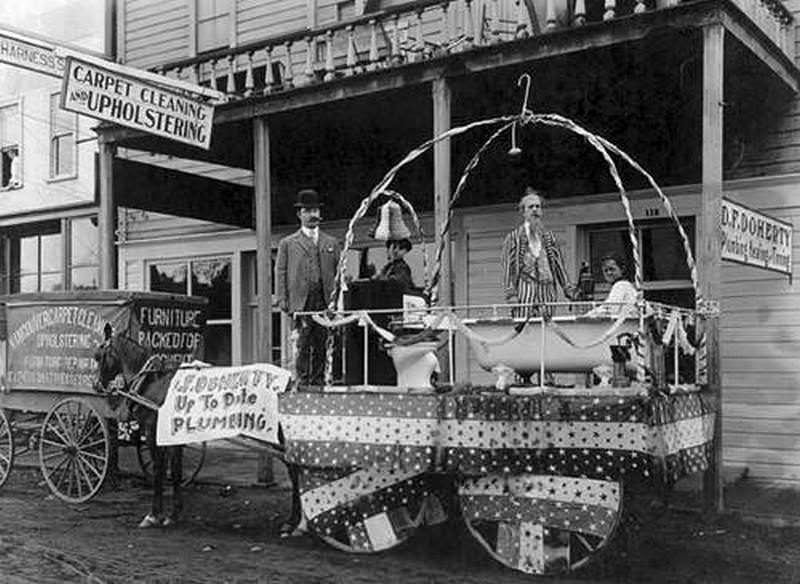
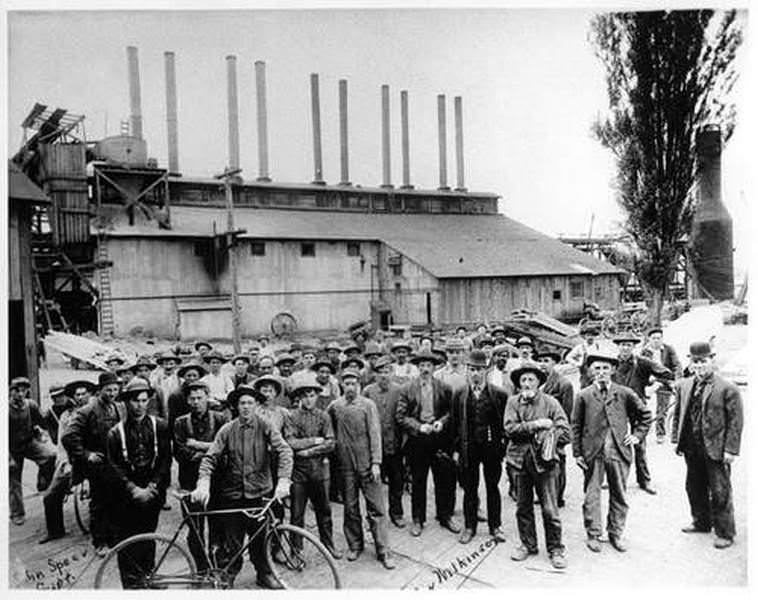
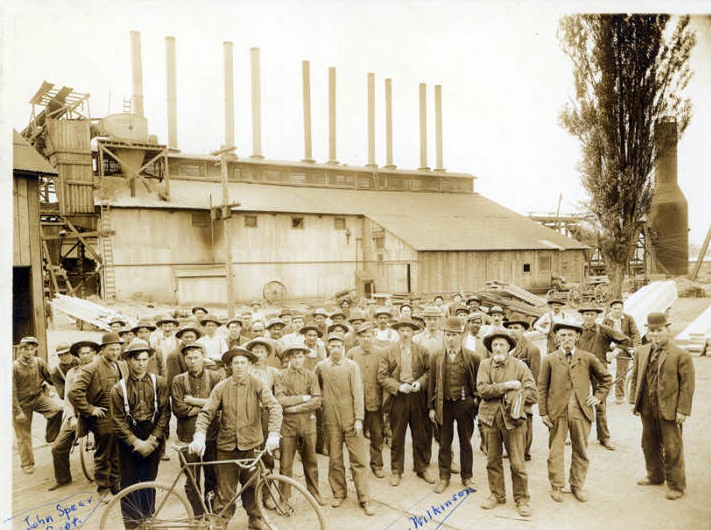
Trades and small industry were active throughout the city. Blacksmith shops operated in Vancouver and nearby Washougal, where craftsmen handled everything from horseshoes to ironwork. John Crass walked horses out of a livery stable at 214 West 4th Street. Daniel F. Doherty’s plumbing and heating company at 117 East 5th Street entered a parade float, showing that local businesses had enough civic pride — and enough business — to celebrate publicly. The Pittock & Leadbetter Lumber Company ran a full sawmill operation by 1909.
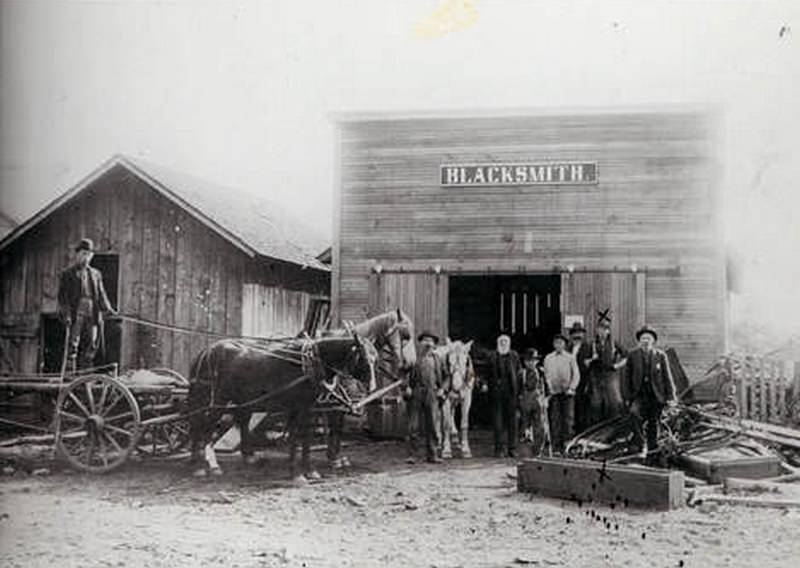
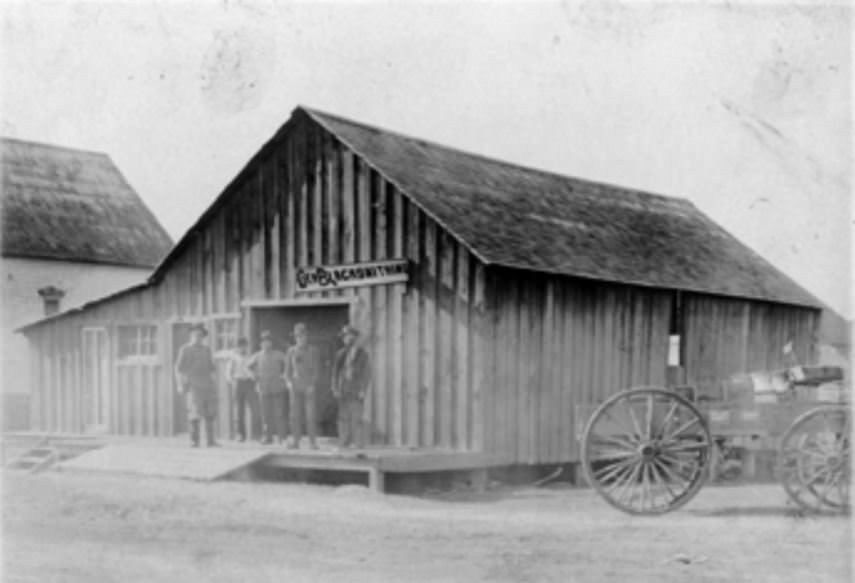
The exterior of a Washougal blacksmith shop, 1903
Genery Blacksmith Shop, 1909
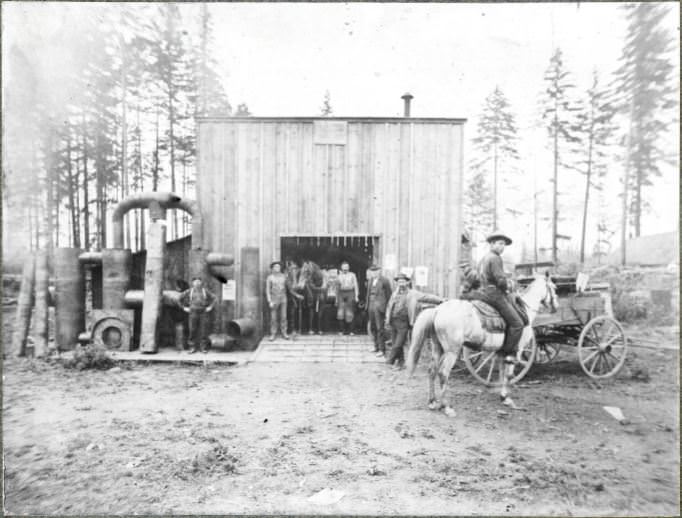
Men stand before a blacksmiths shop with pipes and conduits off to the side, 1904
John Crass (in white shirt) walking out horses with a helper at a livery stable located at 214 West 4th Street in Vancouver, 1900s
Parade float for Daniel F. Doherty Plumbing, Heating & Tinning Company located at 117 East 5th Street in Vancouver, 1900s
Pittock & Leadbetter Lumber Company, 1909
Pittock & Leadbetter Lumber Company Saw Mill, 1909

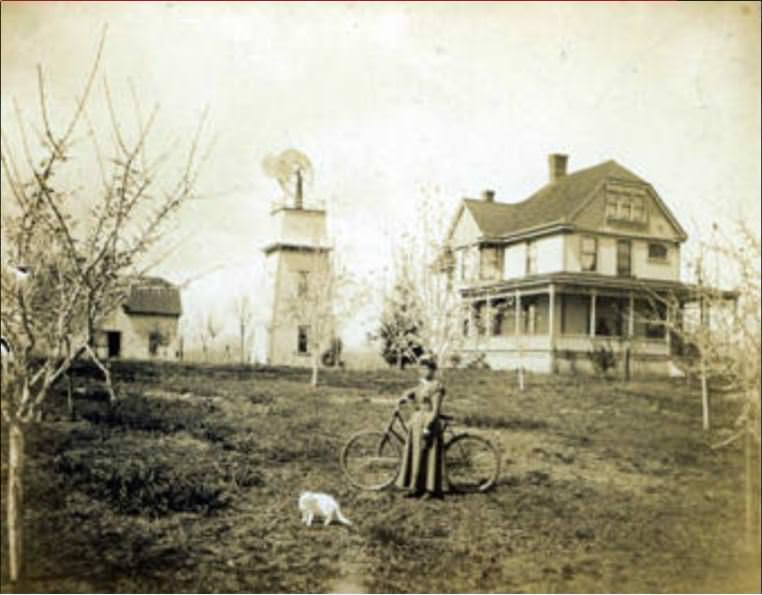
Residential Vancouver was growing outward in every direction. Homes ranged from modest wood-frame houses to more substantial family residences in neighborhoods along numbered streets. The A.M. Blaker home at 408 W. 9th Street, the Edwin A. McNeal home near Garrison and East 10th, and the Metcalf home on 23rd Street all represent the kind of established, middle-class housing stock taking shape across the city. Out in the Fruit Valley area, the Augustas High home — built in 1892 — had Ida V. High standing out front with a bicycle and a cat by the early 1900s.
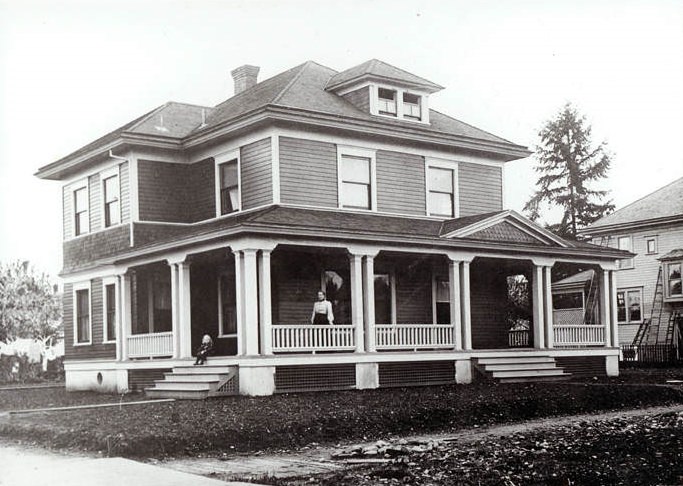
The A.M. Blaker home located at 408 W. 9th Street in Vancouver, 1904
Augustas High Home, 1900s

Ida V. High stands with a bicycle and a cat in front of the Augustas High home located in the area of Fruit Valley. The house was built in 1892.
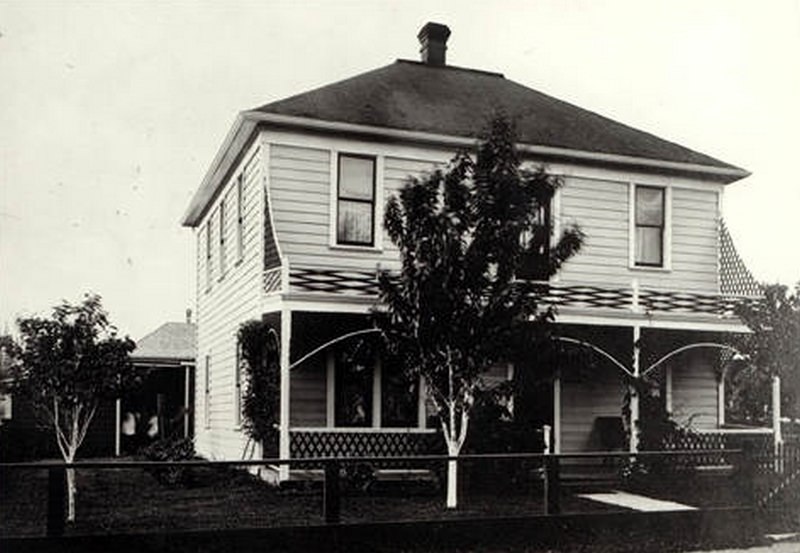
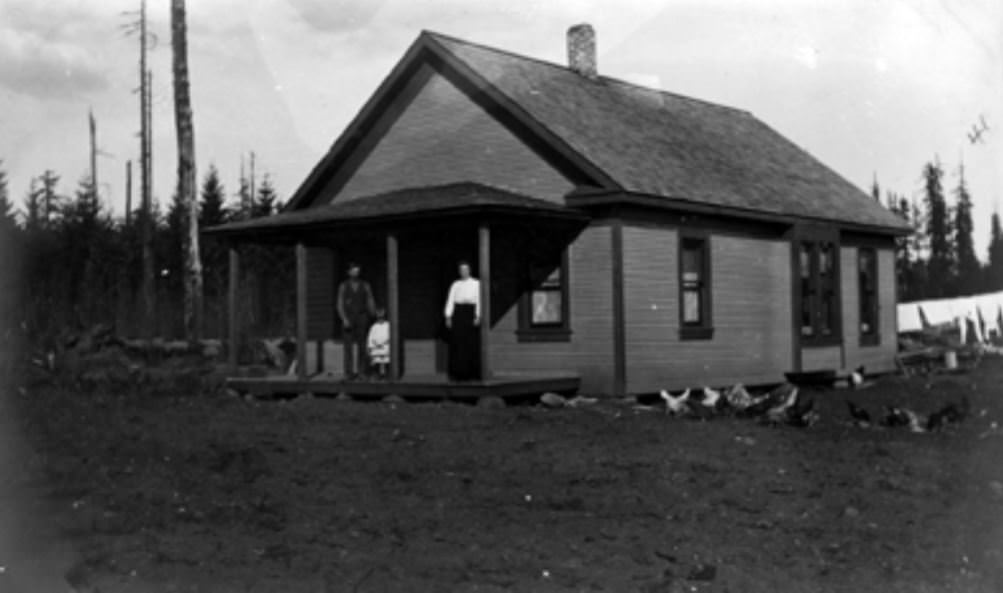
The Edwin A. McNeal Home located on Mill Plain near Garrison and East 10th Street in Vancouver, 1900s
The Lindley family stands outside the G.W. Lindley home in Vancouver, Washington, 1900s
Metcalf Home located on 23rd Street Markle Avenue, 1907

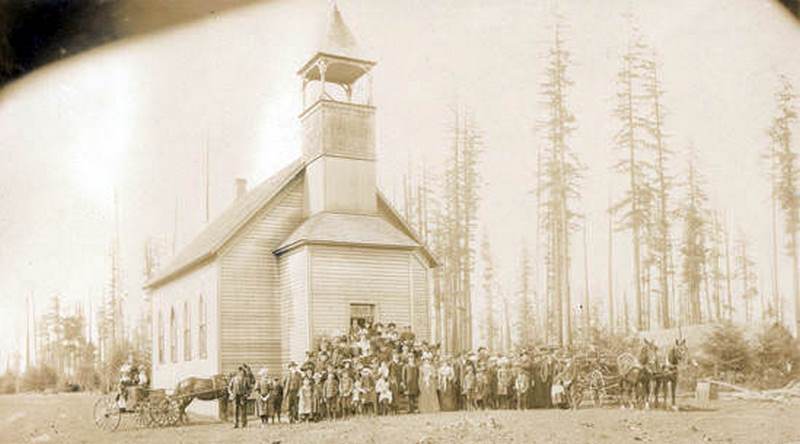
Churches were a major part of community life across Vancouver and Clark County. The First Catholic Church — built in 1845 by the Hudson’s Bay Company from logs — still stood as a landmark into the 1900s. The First Presbyterian Church and the Harmony Methodist Episcopal Church served their congregations on opposite ends of the decade. Out in Brush Prairie, a Baptist church hosted weddings that drew the whole community.
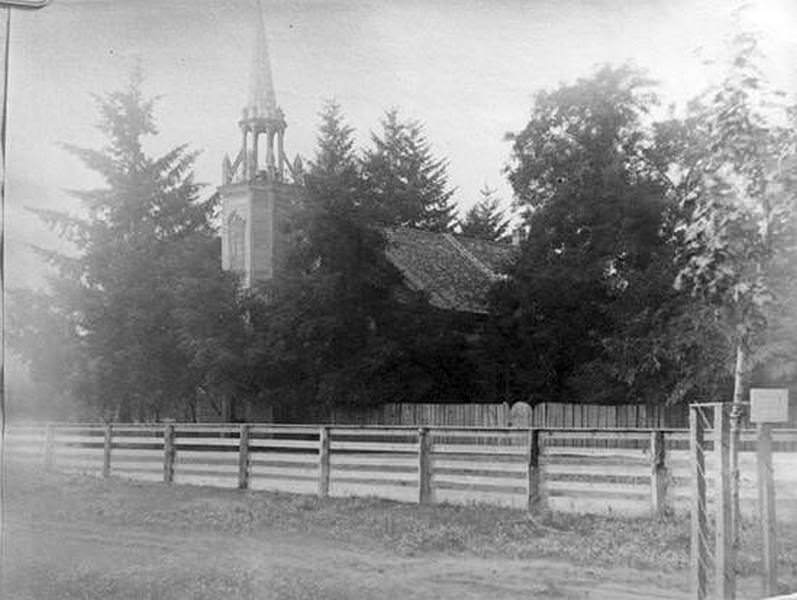
First Catholic Church, 1900s

The exterior of the First Catholic Church in Vancouver, Washington. The church was built in 1845 by the Hudson’s Bay Company, and was primarily made of logs.
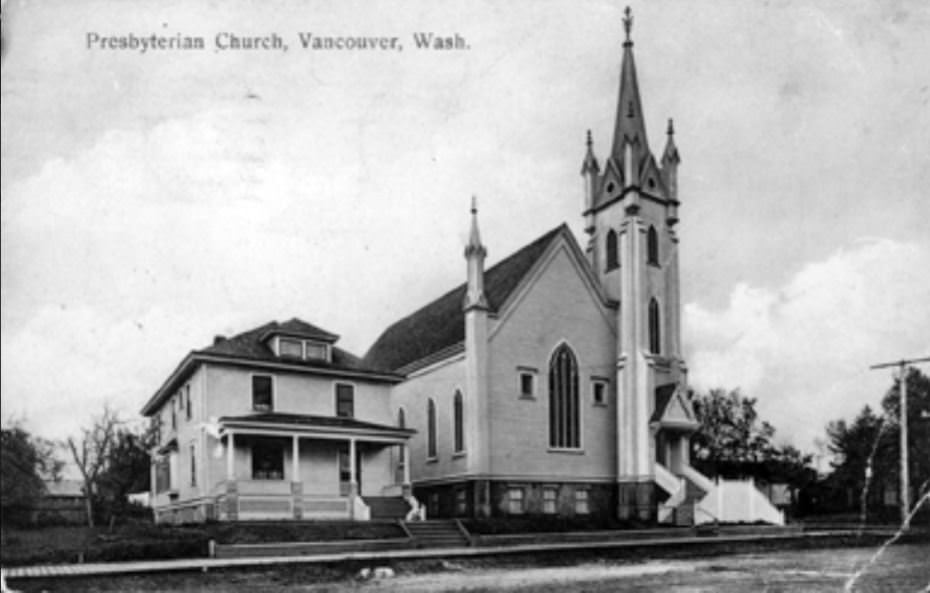
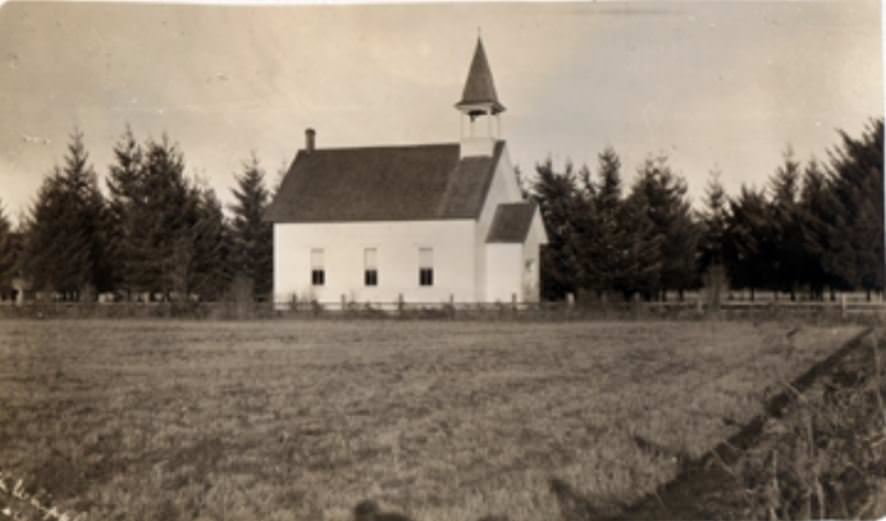
First Presbyterian Church in Vancouver, 1909
The exterior of the Harmony Methodist Episcopal Church, Vancouver, 1900s
A wedding at a Brush Prairie Baptist church, 1900s

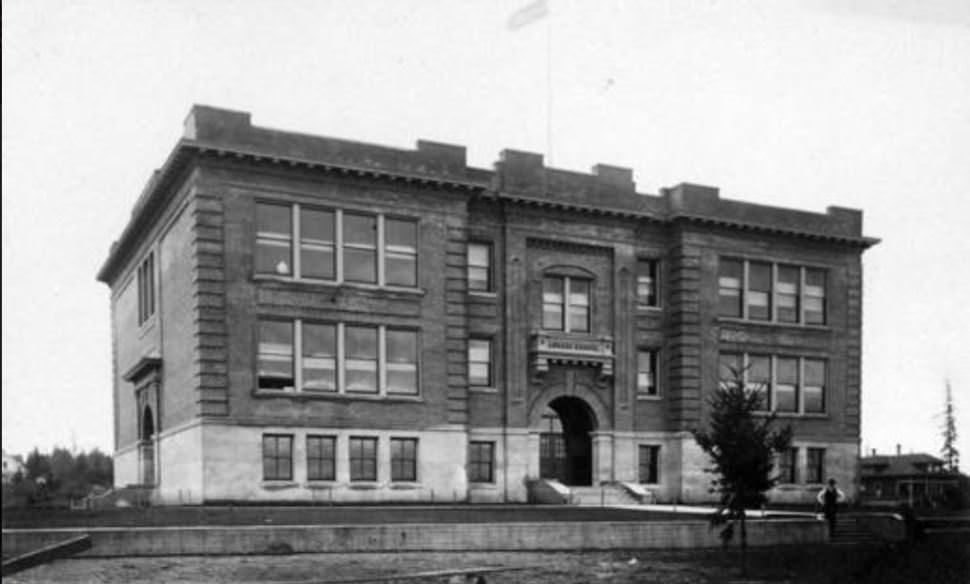
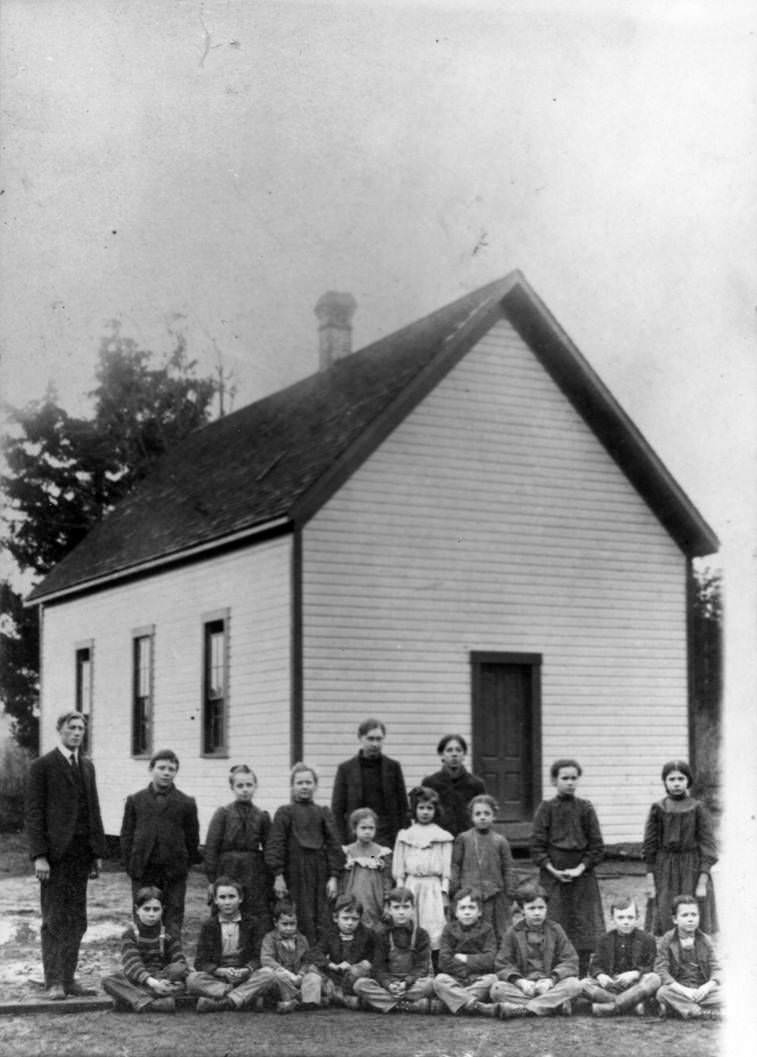
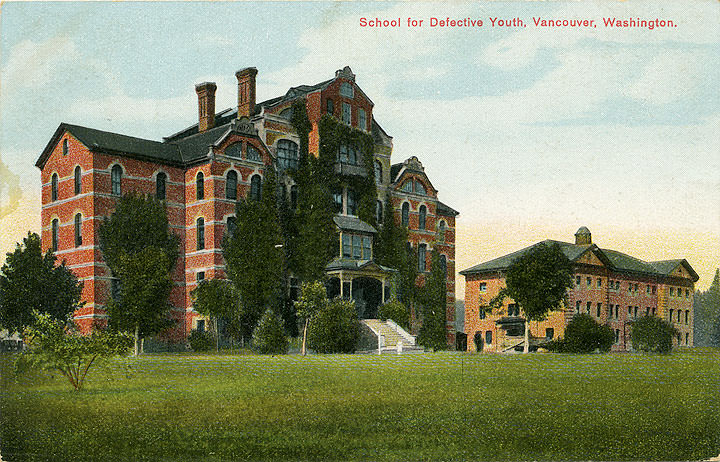
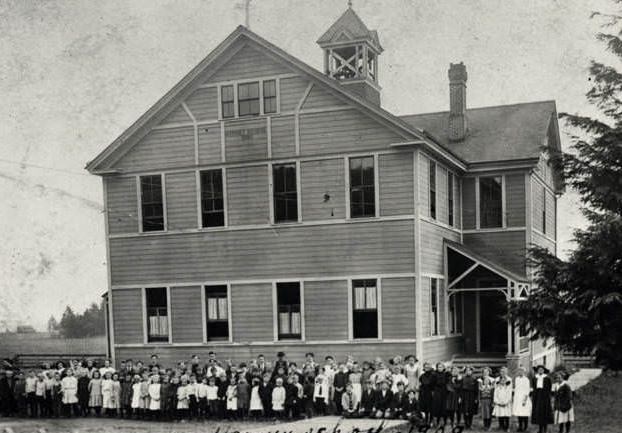
Vancouver’s schools were expanding alongside the population. Central School had classes full of children by 1908. Harney School, Arnada School, and Fairview School all operated during this period, with Fairview’s teacher and students posing outside the building for a group photo in 1905. Franklin High School served older students by 1904. There was also a School for Defective Youth — the name reflecting early 20th-century terminology for students with disabilities — documented in 1909.
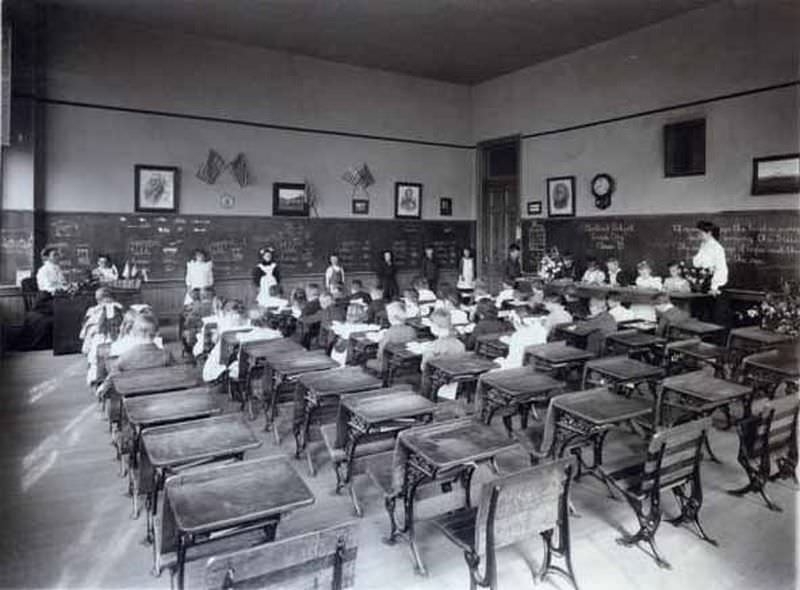
School children in class at Central School in Vancouver, Washington, 1908
A class photo taken outside of Harney School in Vancouver, 1909
Arnada School, 1900s
Fairview School, 1905

Teacher and students of the Fairview School pose for a photo outside the school building.
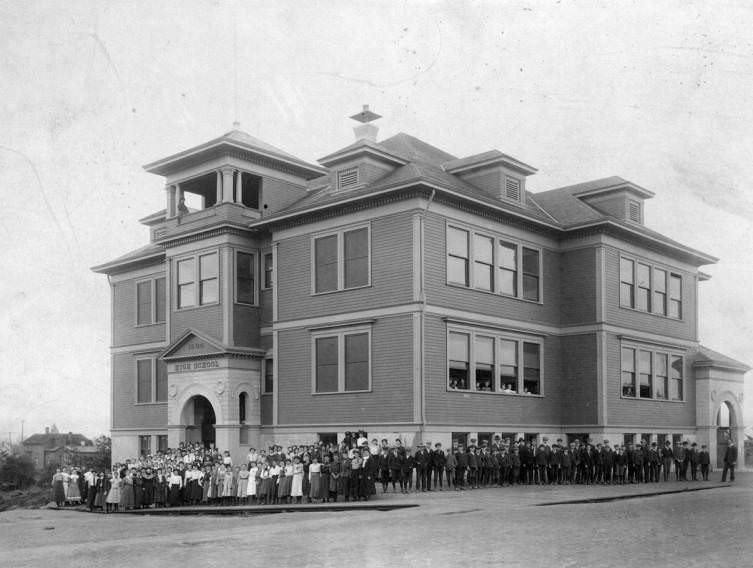
Franklin High School, 1904
School for Defective Youth, 1909

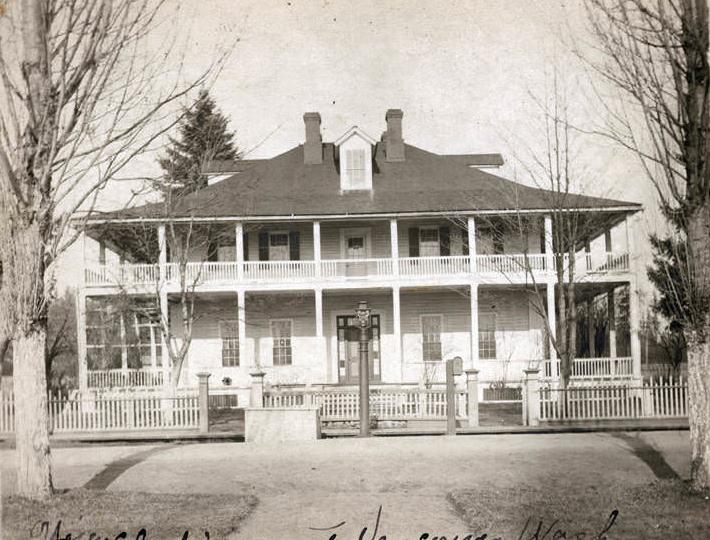
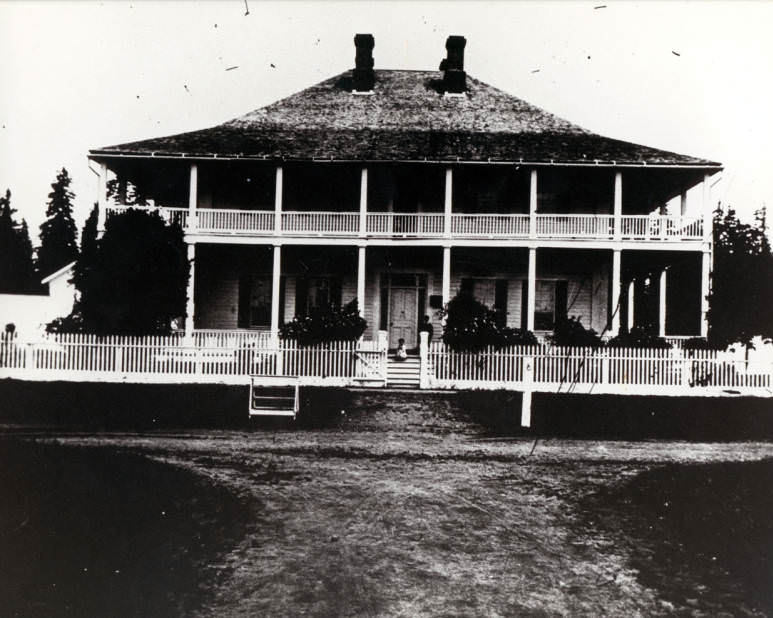
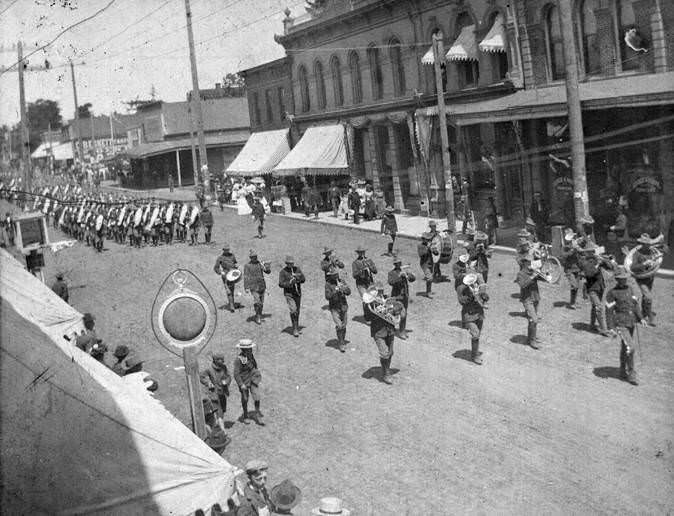
The Vancouver Barracks remained a significant military presence in the city throughout the decade. M Company of the 14th Infantry assembled on the grounds with their band. Officer’s Row — a long stretch of historic homes — housed the post’s officer corps, with the Grant House serving as the Officers’ Club. A military marching band paraded down a Vancouver street in 1906, drawing crowds along the route.
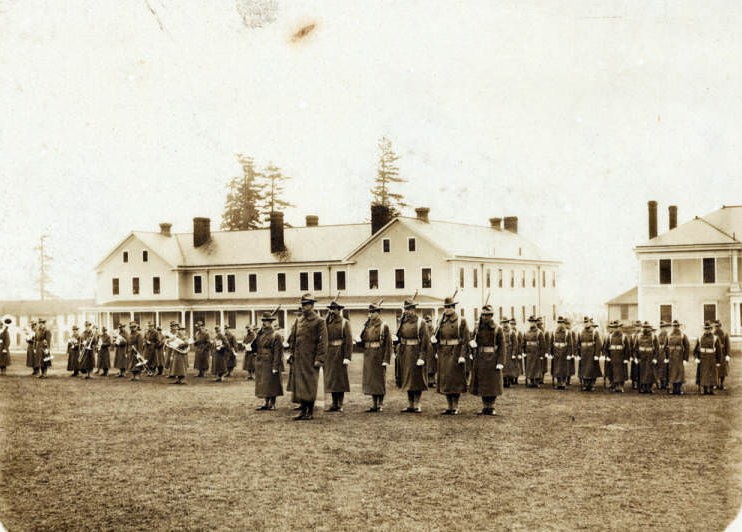
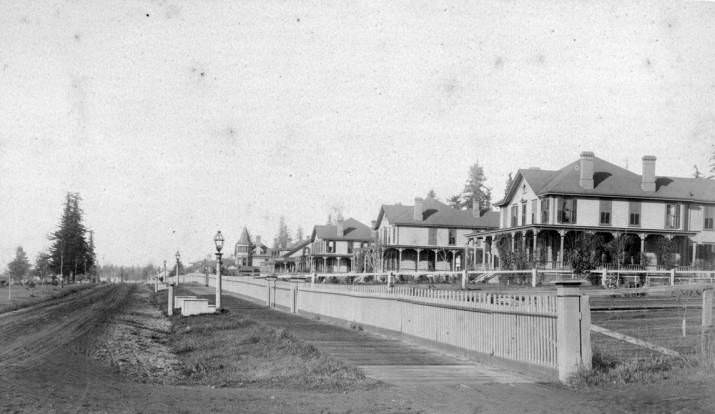
M Company of the 14th Infantry and band assembled at the Vancouver Barracks, 1900s
A view of Officer's Row at the Vancouver Barracks looking west with the houses on the right, 1909
A view of Officer’s Row at the Vancouver Barracks looking west with the houses on the right, 1909
The Grant House as the Officer's Club on Officer's Row at the Vancouver Barracks, 1900s
The Grant House as the Officer’s Club on Officer’s Row at the Vancouver Barracks, 1900s
A view of the exterior of the Grant House in Vancouver, 1900s
Military marching band parading down a street in Vancouver, Washington in 1906.

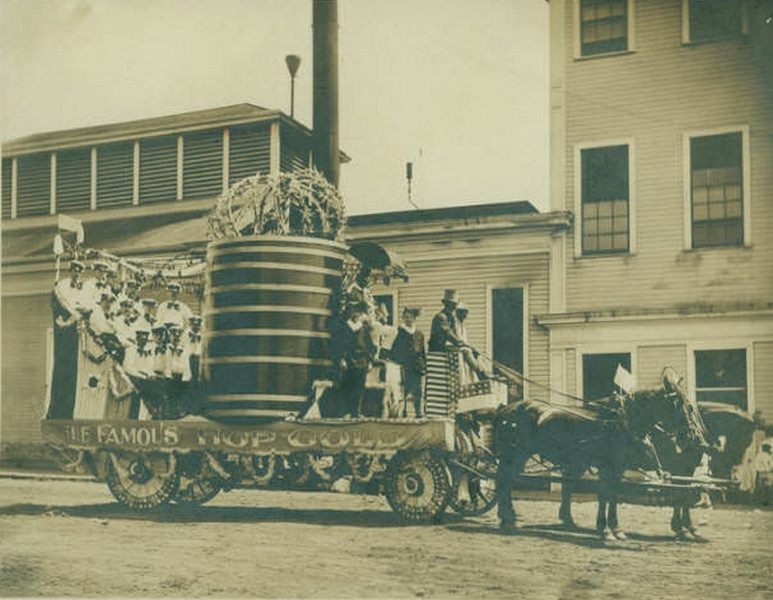
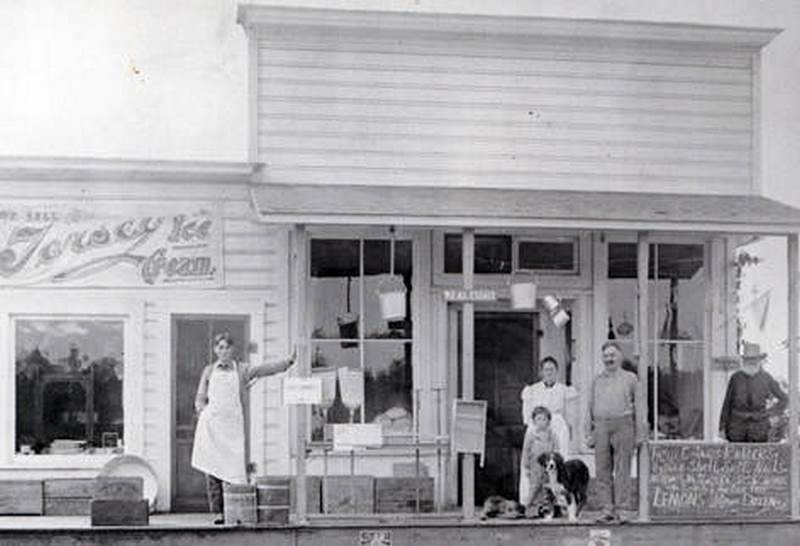
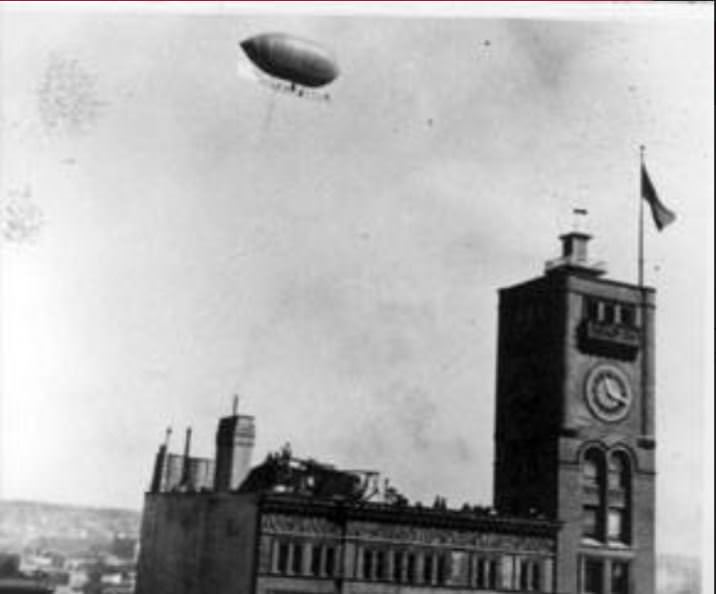
Everyday life in early 1900s Vancouver had its lighter moments too. Horse races drew crowds to Bagley Downs Race Track by 1909. Captain Baldwin’s dirigible made a notable appearance in 1905, drawing attention from curious residents. The Hop Gold Brewery entered a float in a 1901 parade. Families gathered for portraits outside their homes, and grocers like Burrows Grocery — operating east of the Vancouver Barracks on 10th near X Street — served the neighborhoods around them.
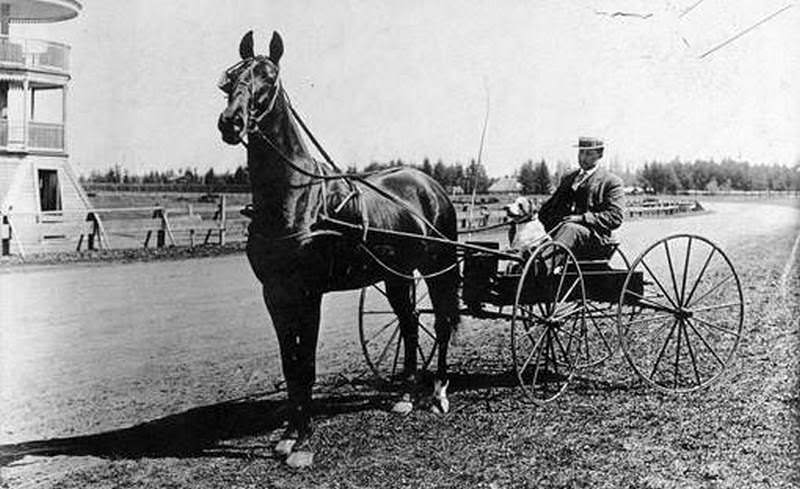
Horse and Carriage at Bagley Downs Race Track, 1909
Captain Baldwin's Dirigible, 1905
Captain Baldwin’s Dirigible, 1905
Hop Gold Brewery Float, 1901
Burrows Grocery located east of the Vancouver Barracks on 10th near X Street, 1908

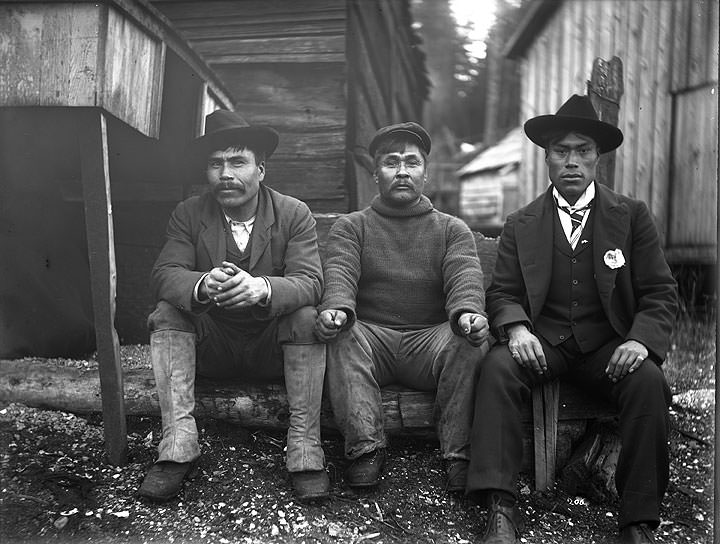
The region around Vancouver and Barclay Sound was also being documented during this era. Photographs from 1902 and 1903 captured the rugged landscapes of Vancouver Island and Barclay Sound, along with the people who lived and worked there. Charley Ross and companions were photographed at Dodger’s Cove in 1902. A young man known as Young Doctor was photographed in his canoe on Barclay Sound in 1903, an image taken for Captain Tozier.
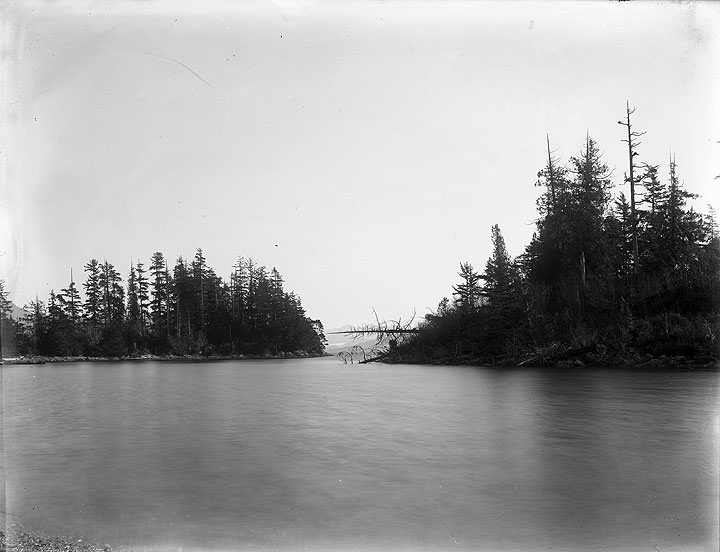
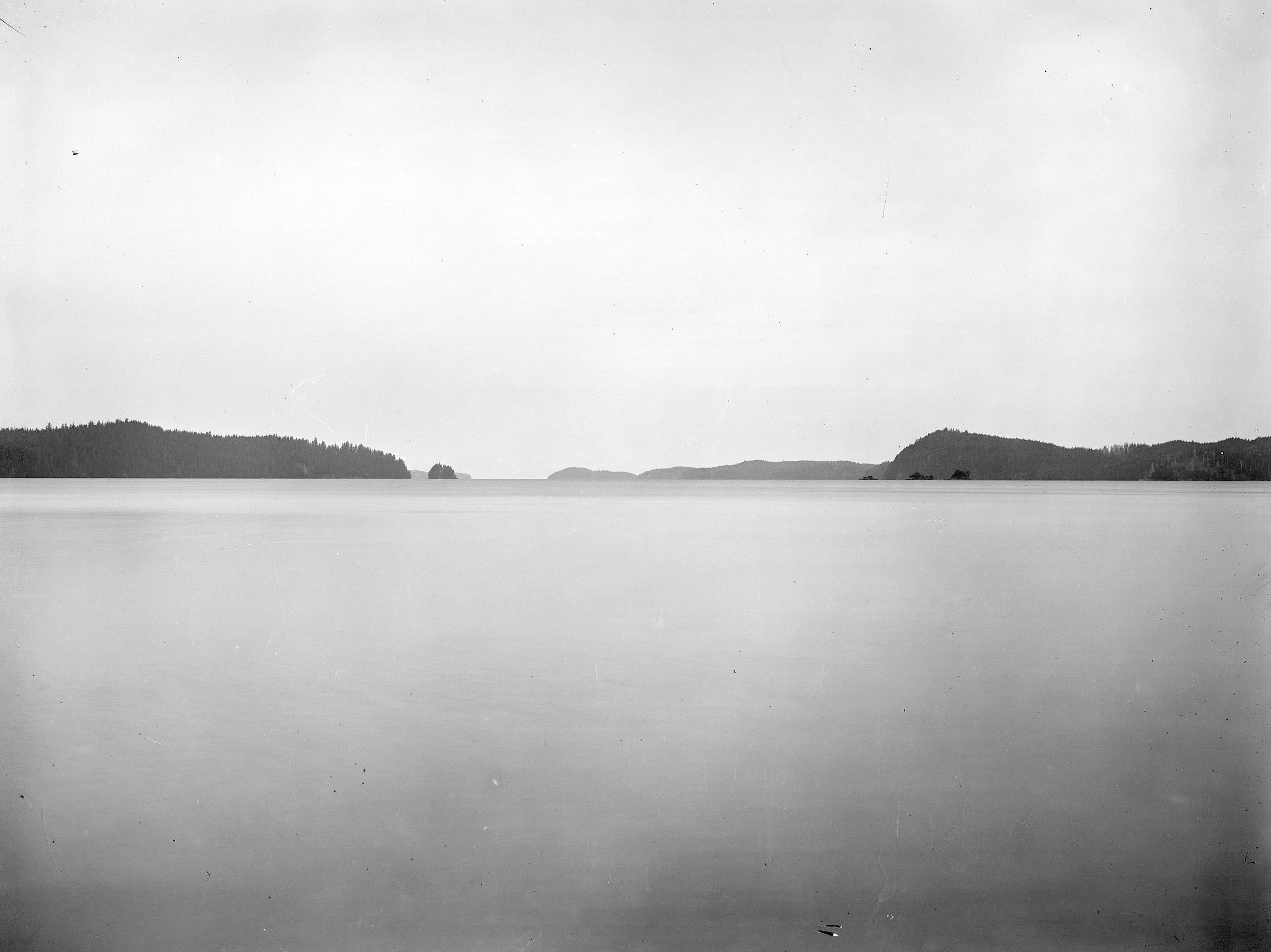
Barclay Sound, Vancouver Island, 1902
Vancouver Island, 1902
Charley Ross & two others, Dodger's Cover, Barclay Sound, Vancouver, 1902
Charley Ross & two others, Dodger’s Cover, Barclay Sound, Vancouver, 1902
Young Doctor and his canoe [for Captain Tozier] [Barclay Sound, Vancouver, 1903

Archaeological work was also underway in the region during this period. Dig sites from the early 1900s show organized excavation efforts that were beginning to uncover the deeper human history of the area, long before the railroads and storefronts arrived.
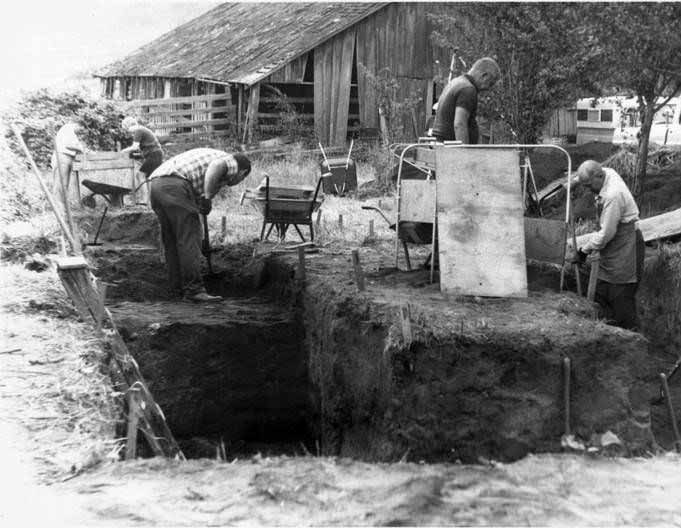
Archaeological Dig Site, 1900s

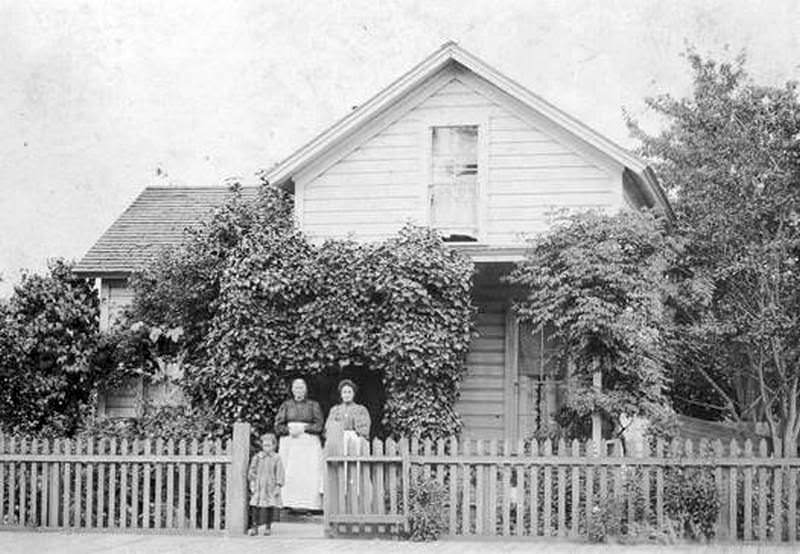
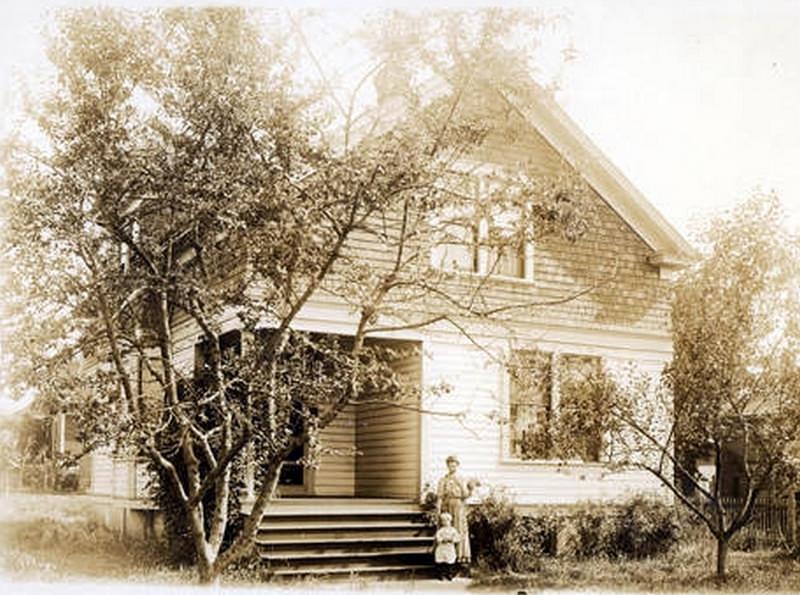
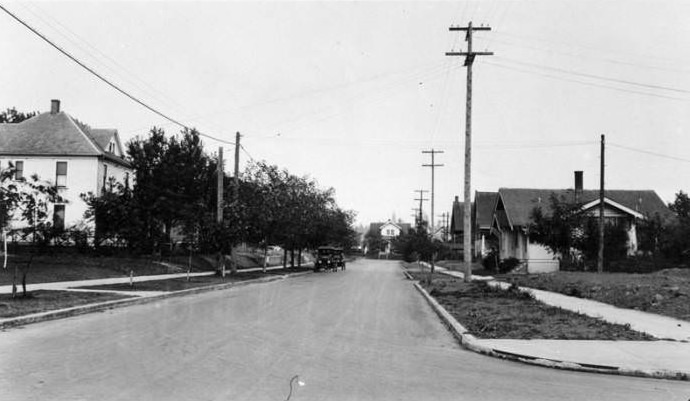
The boarding houses, family homes, and neighborhood snapshots that fill out this collection tell the story of a city in the middle of becoming something larger. Streets like 13th, 21st, and East 22nd were filling in with houses and foot traffic. Families like the Burgys posed for photos at their home on 12th and Washington, just across from the Catholic church. Hannah Jewett and her daughter Elsie stood in front of their home at 102 East 16th Street — a house that would stand until 1968. The train depot on the edge of town, active as early as 1901, was the gateway through which all of this growth was arriving.
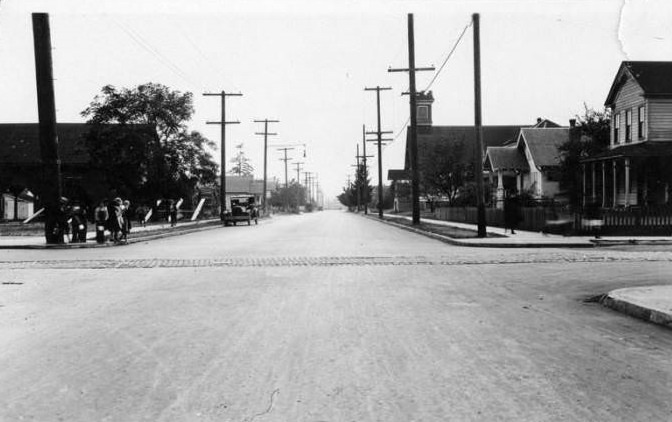
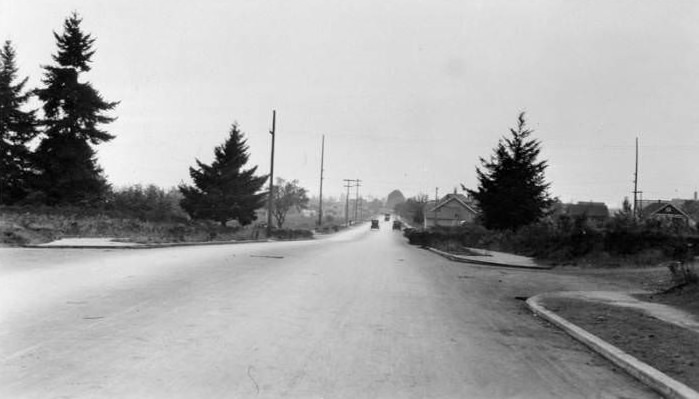
13th Street, Vancouver, 1900s
21st Street Vancouver, 1900s
East 22nd Street Vancouver, 1900s
Grandma Burgy with Viola Burgy Sharp and her mother at Henry Burgy's house on 12th and Washington St. across from the Catholic church, 1900s
Grandma Burgy with Viola Burgy Sharp and her mother at Henry Burgy’s house on 12th and Washington St. across from the Catholic church, 1900s
Hannah Jewett Home, 1900s

Hannah Jewett and Elsie Jewett stand in front of the Jewett residence located at 102 East 16th Street. The home was torn down in 1968.
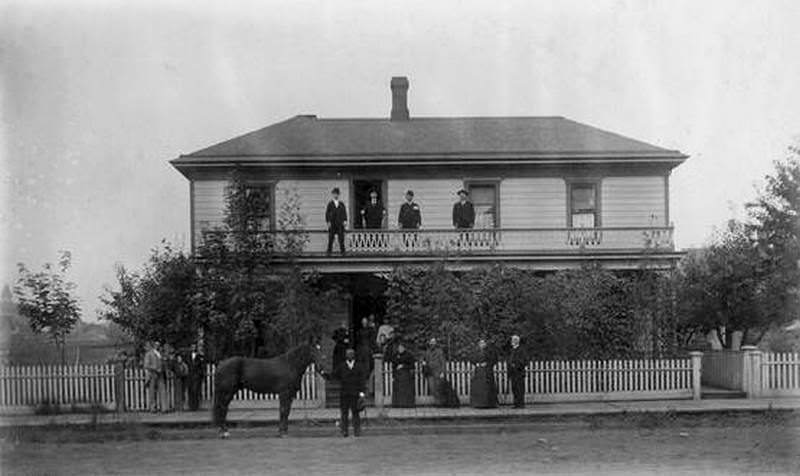
The exterior of L.A.'s Boarding House located at 511 West 9th Street in Vancouver, 1900s
The exterior of L.A.’s Boarding House located at 511 West 9th Street in Vancouver, 1900s
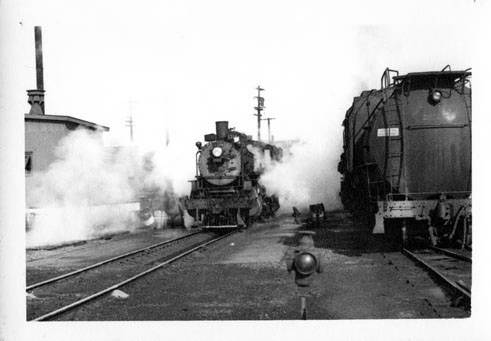
A train at a depot in Vancouver, 1901
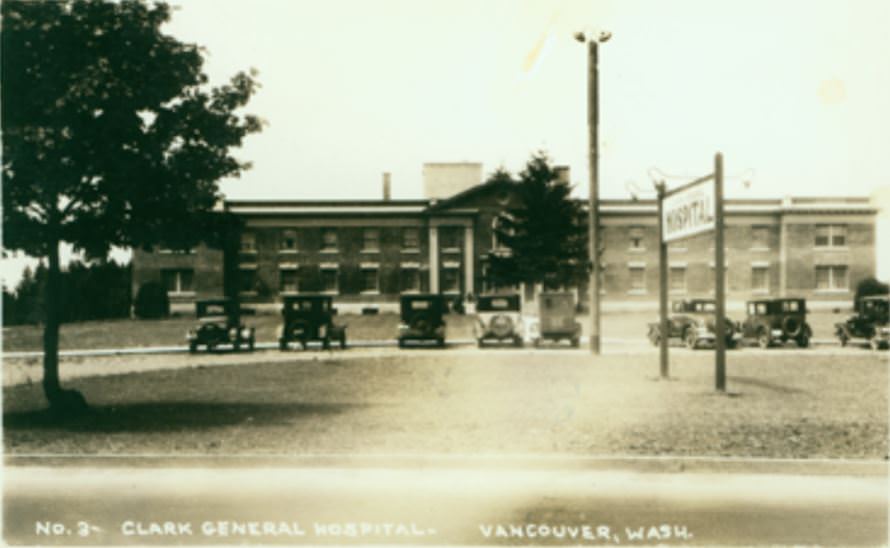
Clark General Hospital with cars parked out front, 1900s
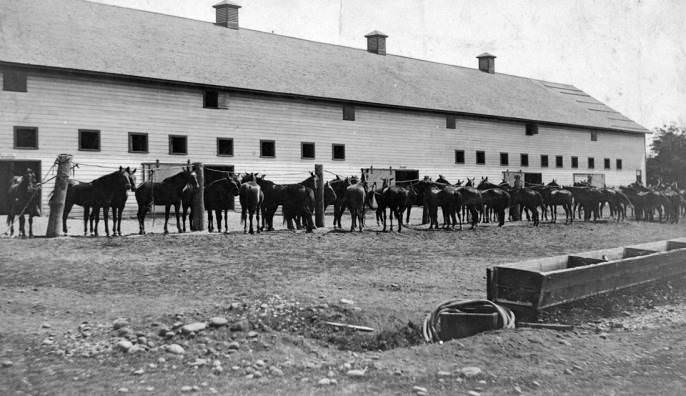
Horse stables possibly at the Vancouver Barracks, 1909
Carleton Foster Bond Collection, 1900s
Enjoyed this post? Get new ones in your inbox.

Leave a Comment

Your email address will not be published. Required fields are marked *

Share this Post 🥺

Please take a moment to share this content. Your support is greatly appreciated! 🙌🙏

Share this Post 🥺

Please take a moment to share this content. Your support is greatly appreciated! 🙌🙏
×

Create an Account

Reset Password

Scroll to Top
 
Hey Friend, Before You Go.. Please like & follow for more interesting content