On the morning of June 10, 1990, British Airways Flight 5390 lifted off from Birmingham Airport on what was supposed to be a routine trip to Malaga, Spain. There were 81 passengers on board, and nothing about the departure suggested the next hour would become one of the most dramatic survival stories in aviation history. Twenty minutes into the flight, at 17,300 feet, the cockpit windscreen blew out — and the pilot went with it.
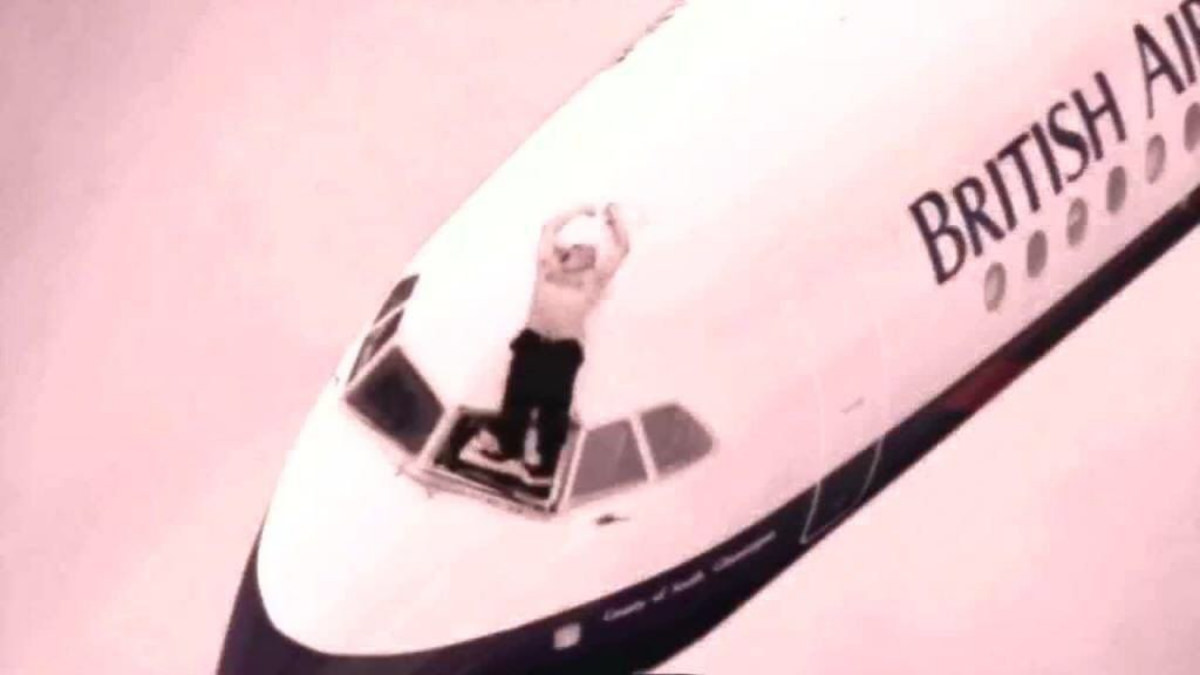
Captain Tim Lancaster was seated in the left-hand seat of the BAC One-Eleven aircraft when the windscreen on his side of the cockpit suddenly separated from its frame. The rapid decompression that followed created a violent blast of air that pulled Lancaster out of his seat and forced his upper body through the opening. His legs snagged on the flight controls as his torso, head, and arms were thrown into the freezing air outside the aircraft, which was traveling at roughly 300 miles per hour. The outside air temperature was well below zero.
Flight attendant Nigel Ogden was the first to react. He rushed into the cockpit and grabbed Lancaster around the waist, fighting against the powerful suction that was pulling the pilot outward. Ogden held on with everything he had as the aircraft continued flying. Lancaster’s upper body remained pinned against the exterior of the plane, battered by high-speed wind. His arms, flailing uncontrollably in the slipstream, repeatedly struck the side of the fuselage.
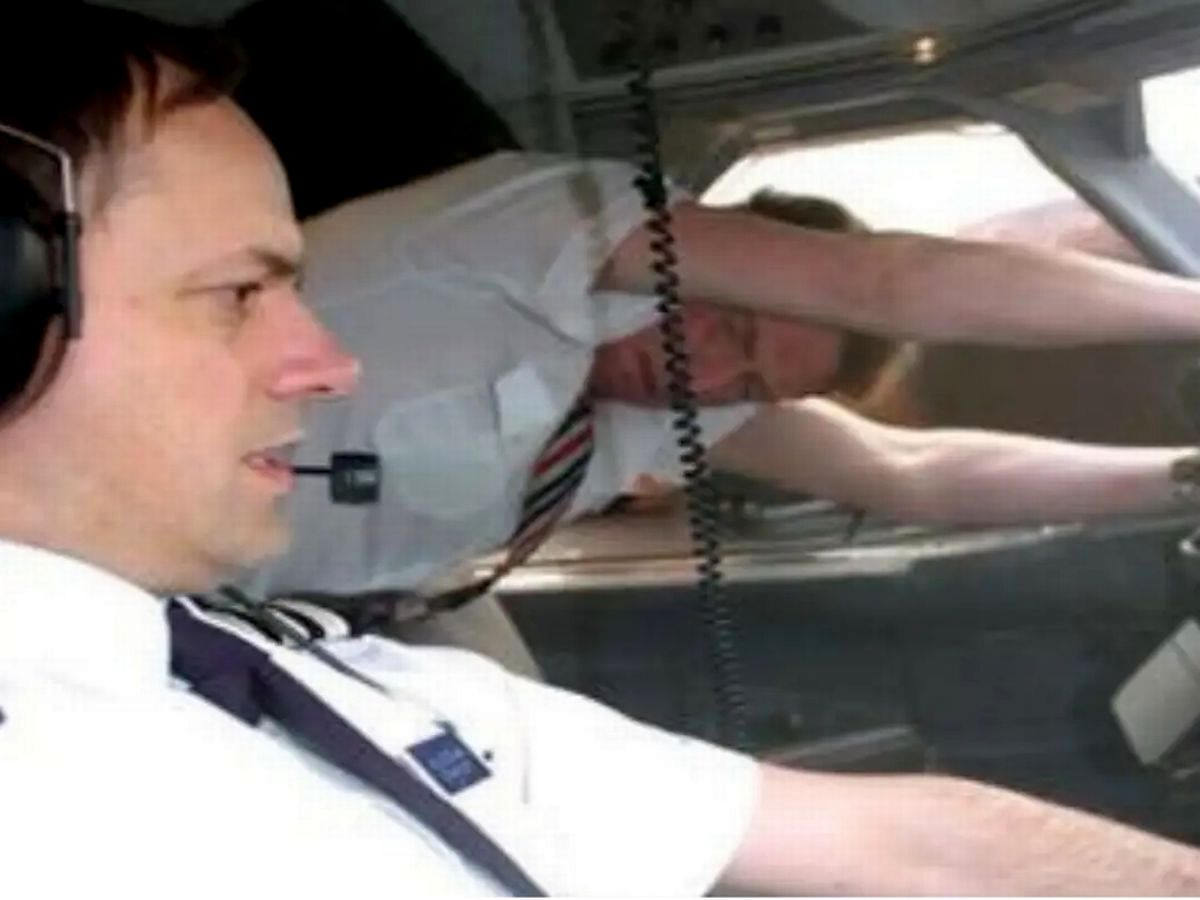
Inside the cockpit, co-pilot Alastair Atchison took control of the aircraft. He was immediately faced with a cascading set of problems. The cockpit was now open to the outside air, making communication extremely difficult. Warning alarms were sounding. The aircraft had to descend to a lower altitude where passengers and crew could breathe without oxygen masks. Atchison declared a Mayday and began an emergency descent while simultaneously coordinating with air traffic control to divert to Southampton Airport. All of this happened while a crew member was dangling out of the cockpit window directly beside him.
Ogden could not hold Lancaster alone for long. The sustained force of the wind was exhausting, and Ogden was beginning to suffer frostbite on his hands and face from the exposure. Other crew members rotated in to help, taking turns gripping Lancaster’s body and belt to keep him from being lost entirely. At several points, those holding him believed he was already dead — he was unconscious, his face was taking repeated impacts against the fuselage, and his body showed no signs of movement. But they held on regardless.
Atchison managed to land the aircraft at Southampton Airport approximately 22 minutes after the windscreen blew out. It was a controlled, successful emergency landing despite everything working against him. When the plane touched down, Lancaster was still outside the aircraft, still being held by the crew. Ground crews rushed to the plane and helped bring him back inside through the cockpit opening.
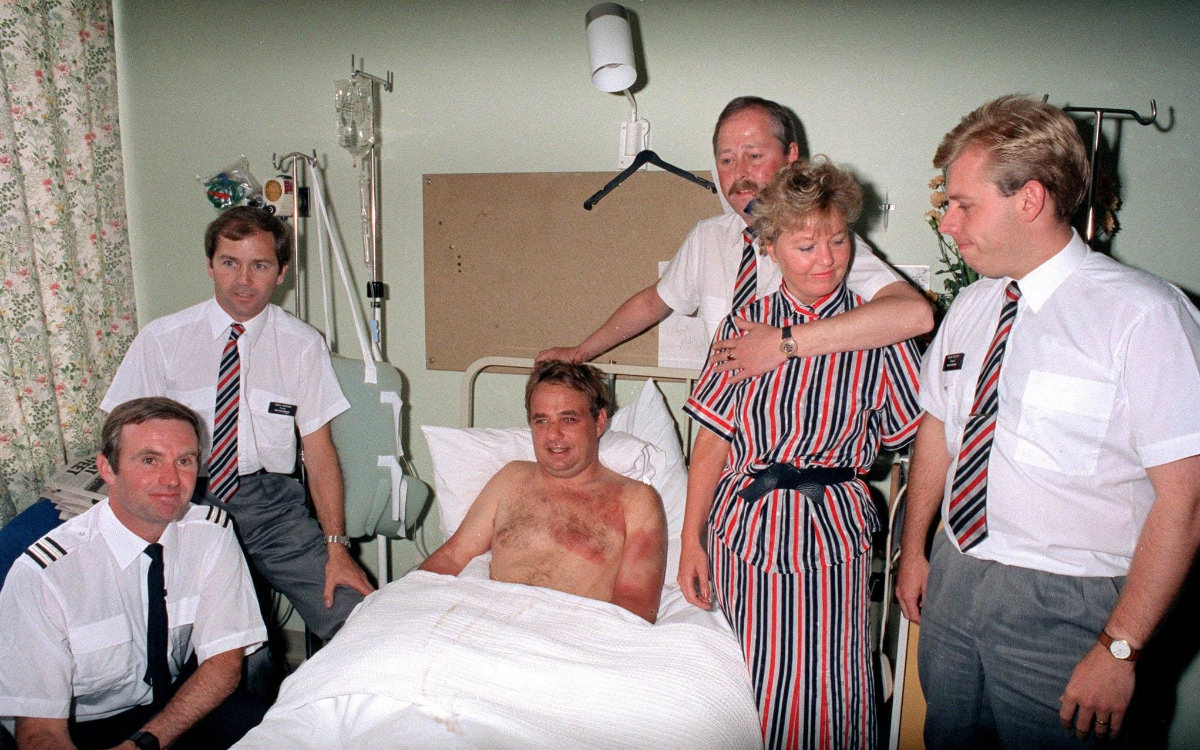
Lancaster was alive. He had frostbite across his face, a fractured right wrist, a broken left thumb, bruising across his body, and a dislocated shoulder. Given what he had endured — more than 20 minutes partially outside a commercial aircraft flying at speed — the fact that he survived at all was extraordinary. He was transported to a hospital and treated for his injuries. Six months later, he returned to flying.
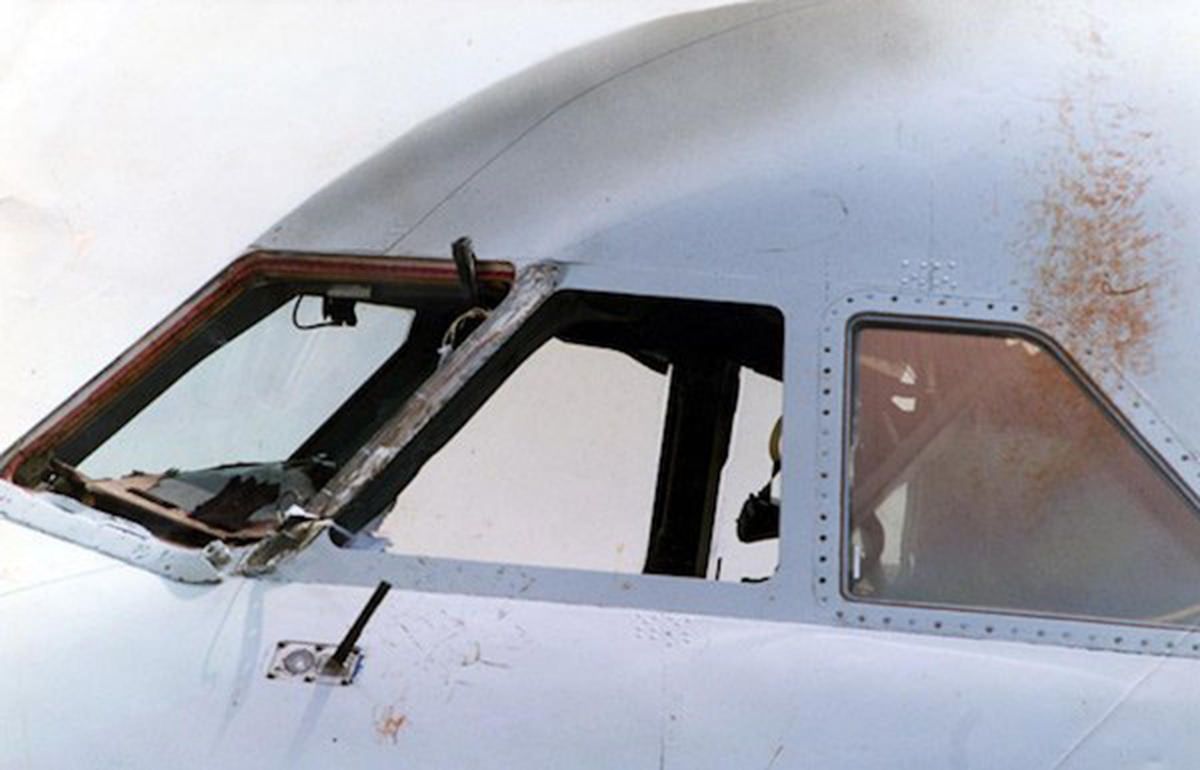
Investigators from the UK’s Air Accidents Investigation Branch (AAIB) moved quickly to determine the cause. What they found was a maintenance failure. The windscreen had been replaced the night before the flight, and the engineer responsible for the job had used bolts that were slightly too small in diameter — 84 of the 90 securing bolts were the wrong size. This meant the windscreen was never properly secured to the frame. The pressure difference between the cockpit interior and the outside air at cruising altitude was enough to push the improperly fitted windscreen clean out of the fuselage.
The AAIB’s investigation also revealed that the maintenance engineer had checked the bolt sizes visually rather than using the correct measurement tools, and had inadvertently selected the wrong bolts from the stock available. The report led to significant changes in how maintenance procedures were carried out, including stricter verification requirements for replacement parts and fasteners.
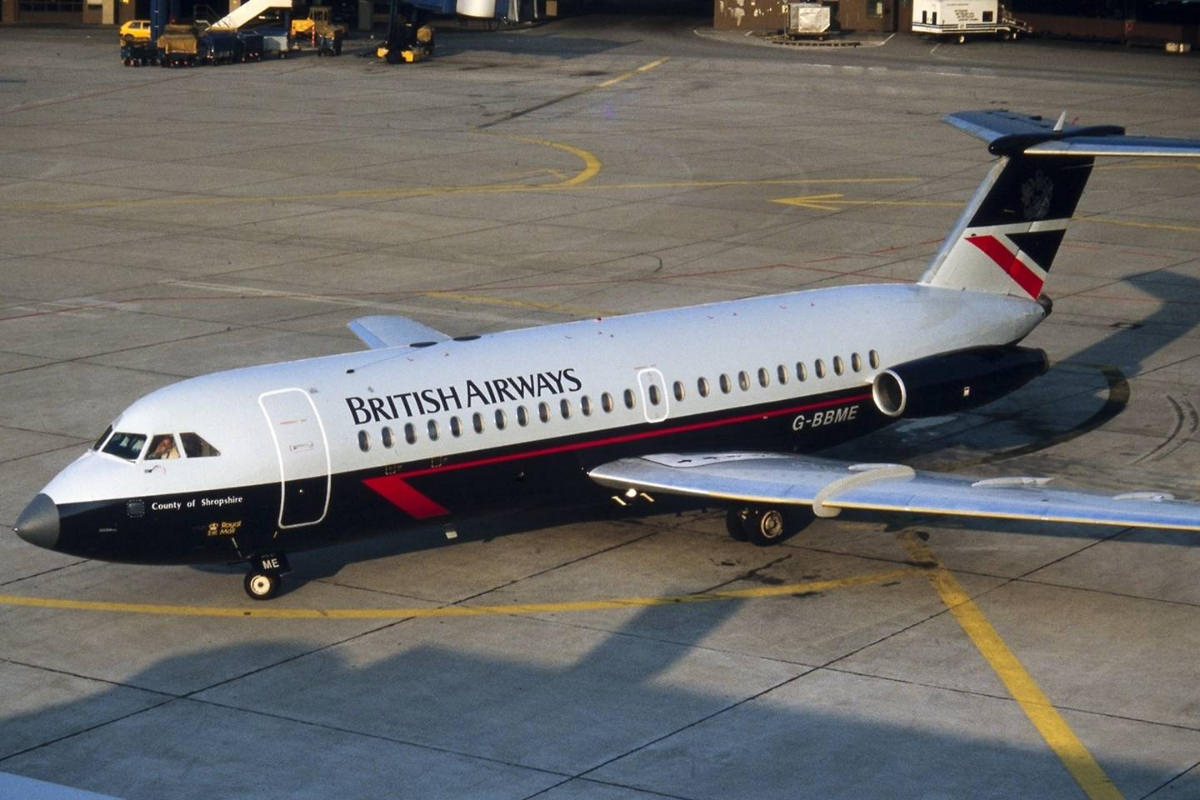
The aircraft itself, registered as G-BJRT, was a BAC One-Eleven — a British-built short-haul jet that had been in service since the 1960s. The windscreen assembly on the One-Eleven was a known area of maintenance concern, and the AAIB’s findings prompted a review of windscreen installation procedures across the fleet. The cockpit photographs taken after the incident show the extent of the structural breach — the windscreen opening was large enough that a person’s upper body fit through it.
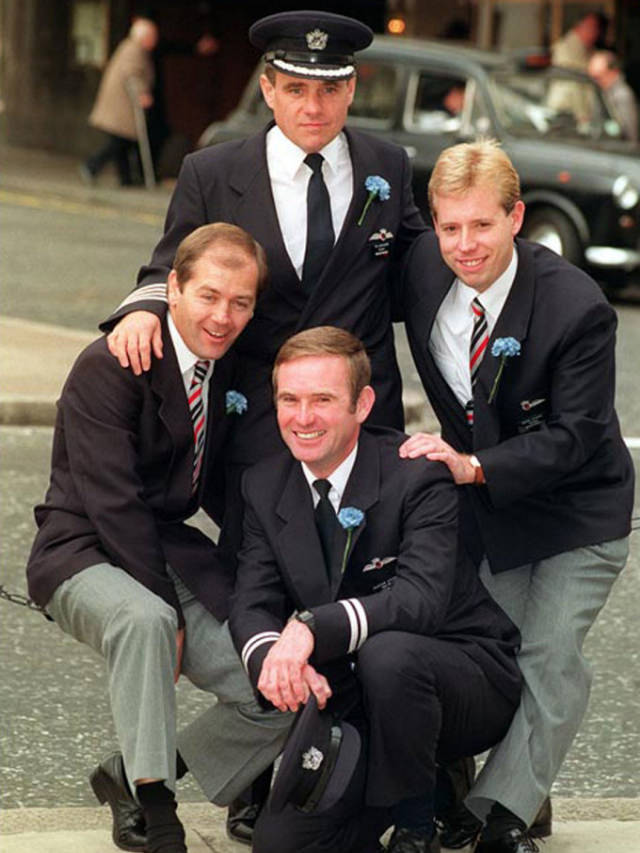
Every person on board Flight 5390 survived. The 81 passengers, though shaken and subjected to a terrifying decompression event, landed safely. Nigel Ogden, who had held Lancaster longest and with the most direct exposure to the outside air, was treated for frostbite and a dislocated shoulder. Atchison’s landing was later praised by aviation experts as a composed and technically precise piece of airmanship under conditions that would have overwhelmed most pilots. The crew of Flight 5390 received formal recognition for their actions that day, and their conduct became a case study in emergency crew response.