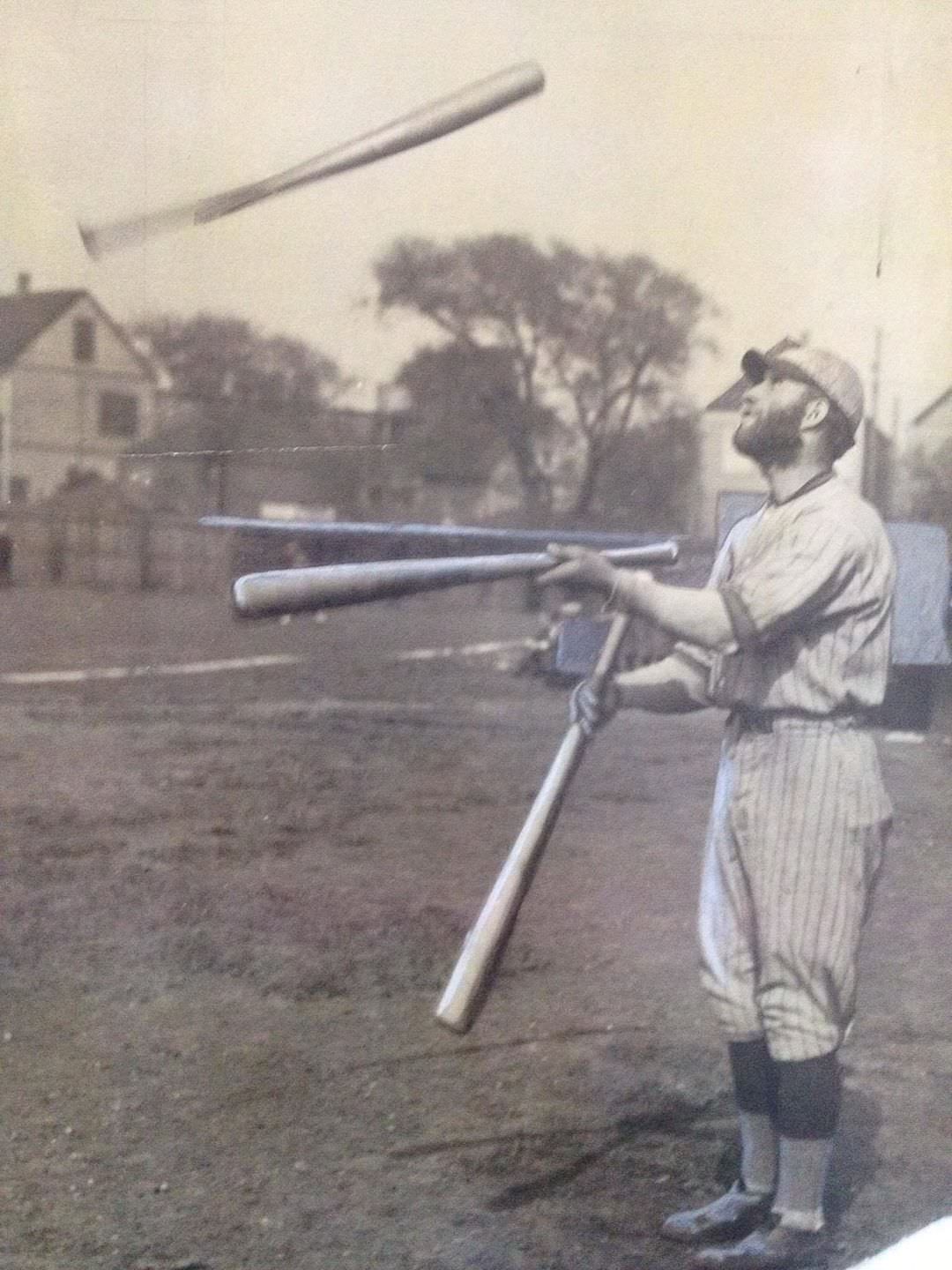
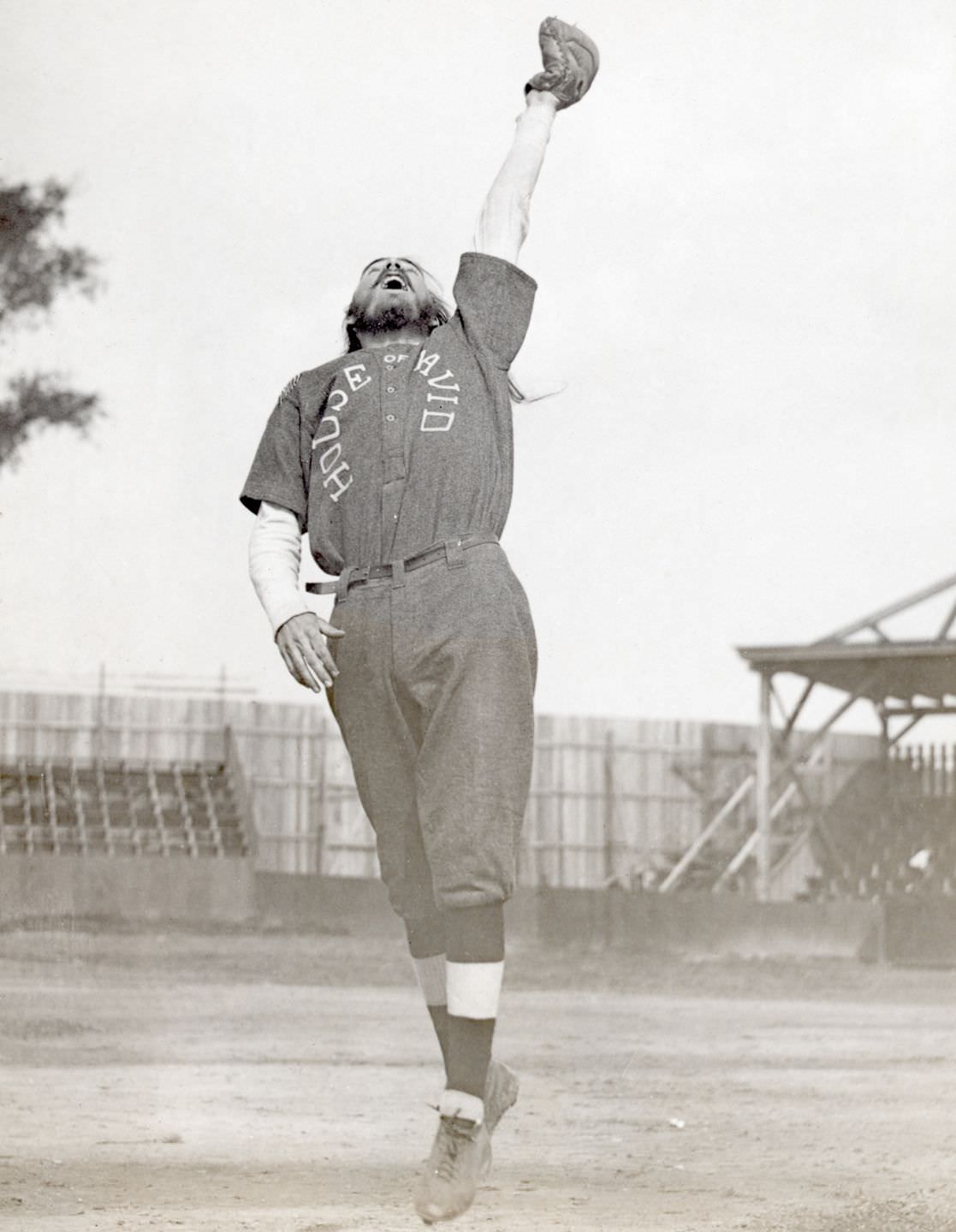
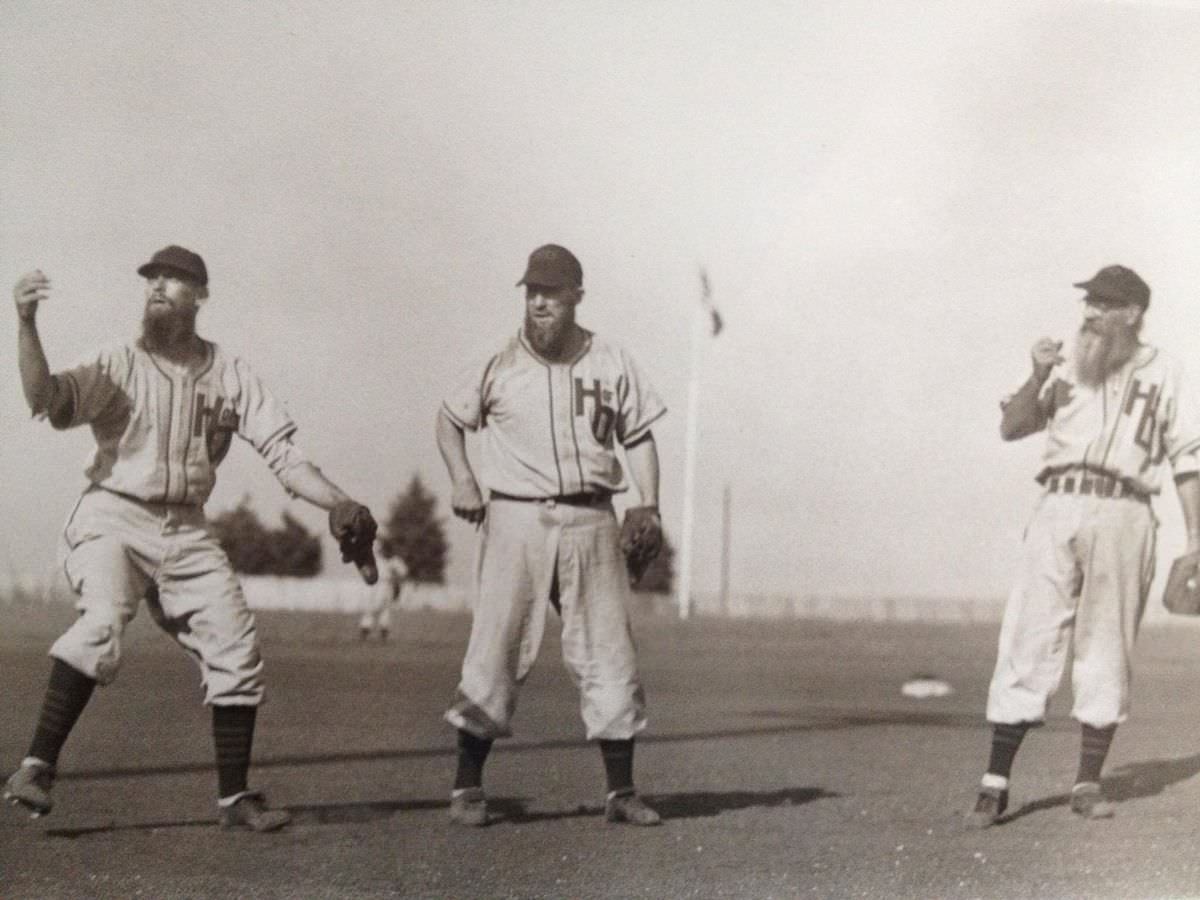
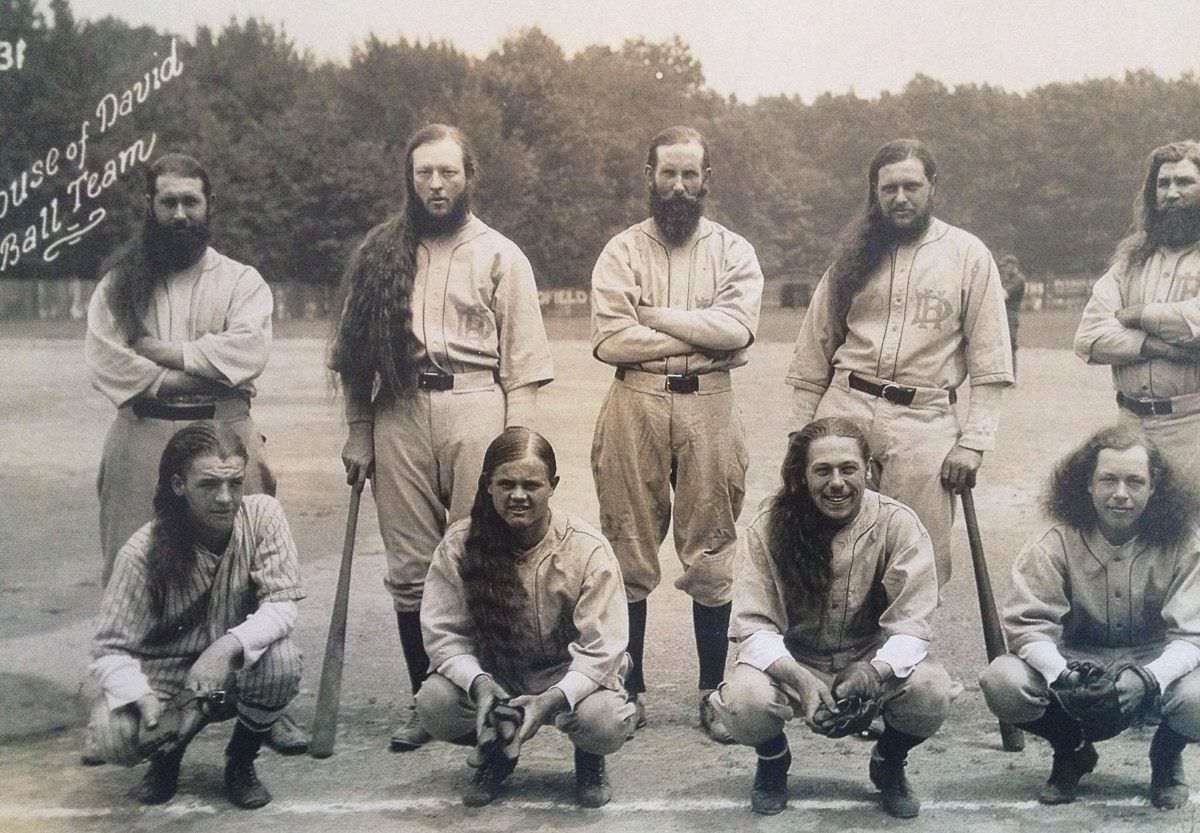
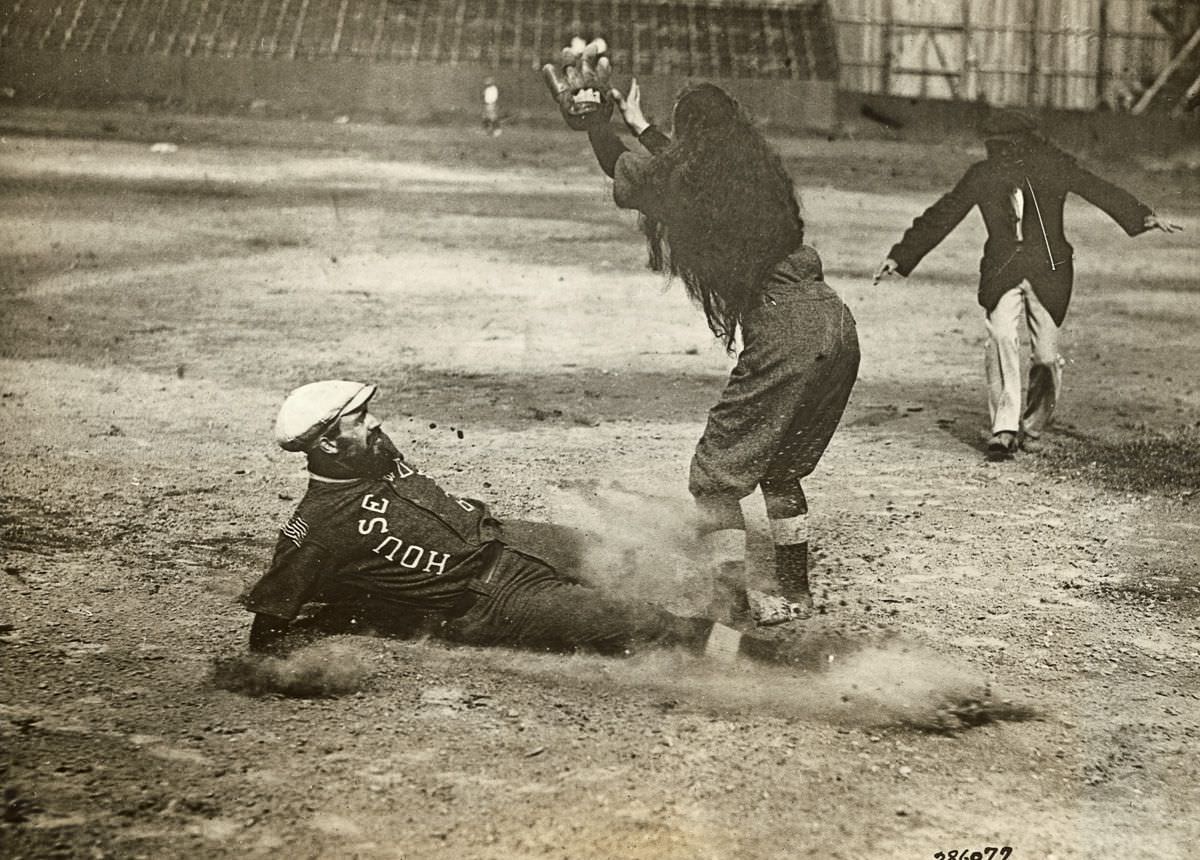
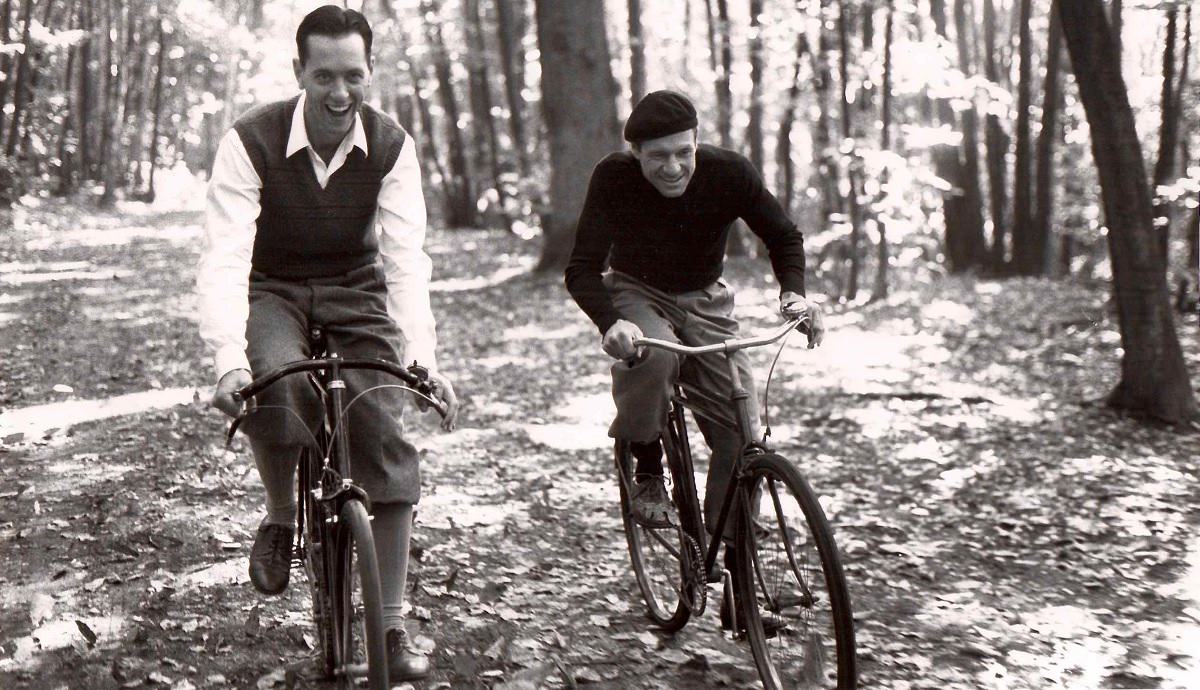
In 1903, Benjamin and Mary Purnell founded the Israelite House of David in Benton Harbor, Michigan. The group had all the hallmarks of a cult: a charismatic leader, apocalyptic beliefs, communal living, and strict rules against sex, alcohol, and cutting hair. But this was no ordinary religious community. Out of it grew one of the most entertaining and unusual baseball teams in American history.
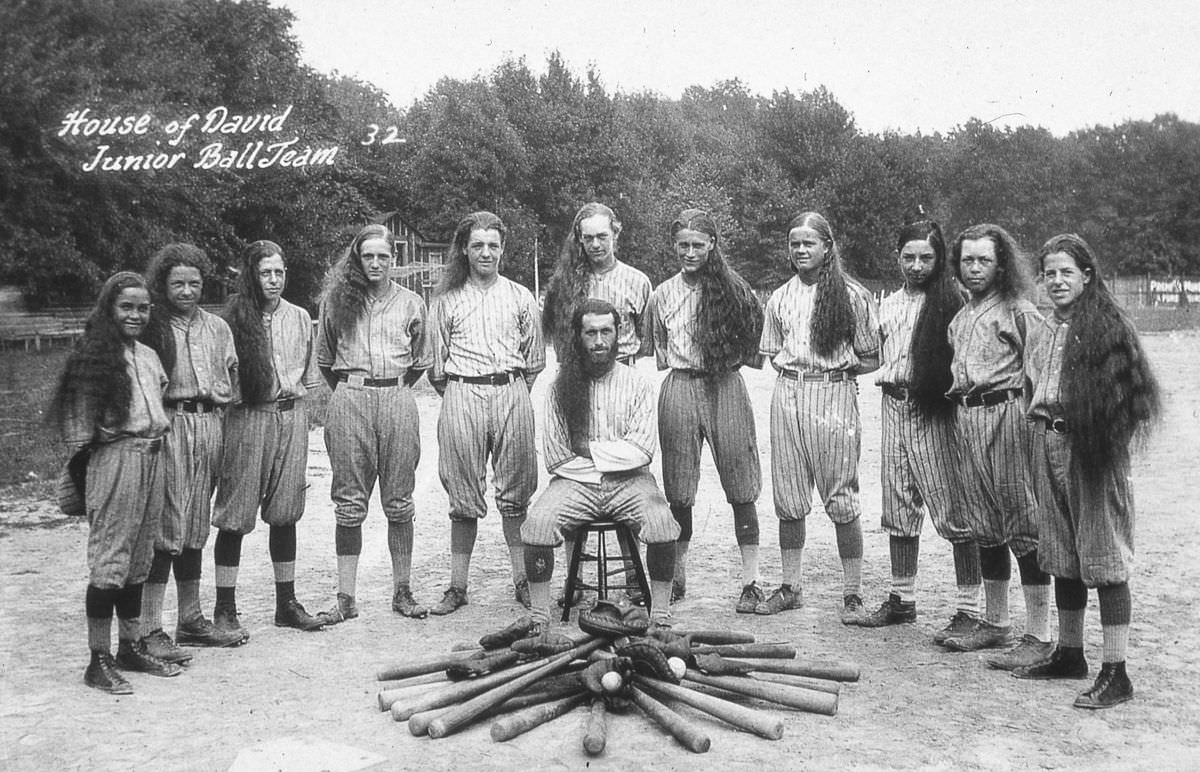
Life inside the commune was surprisingly full. Members farmed grain and harvested fruit. The community employed a tailor, a carpenter, and a launderer. With the wealth they built up, they constructed a small zoo and lush mansions on the grounds. Women in the commune could vote and hold office years before those rights existed in broader American society. The founders believed that an active body and mind were essential to their way of life — and that belief extended to sports.
The commune also built Eden Springs, a sprawling amusement park that turned Benton Harbor into a top tourist destination. The park drew visitors from across the region and helped fund the community’s many ventures — including baseball.
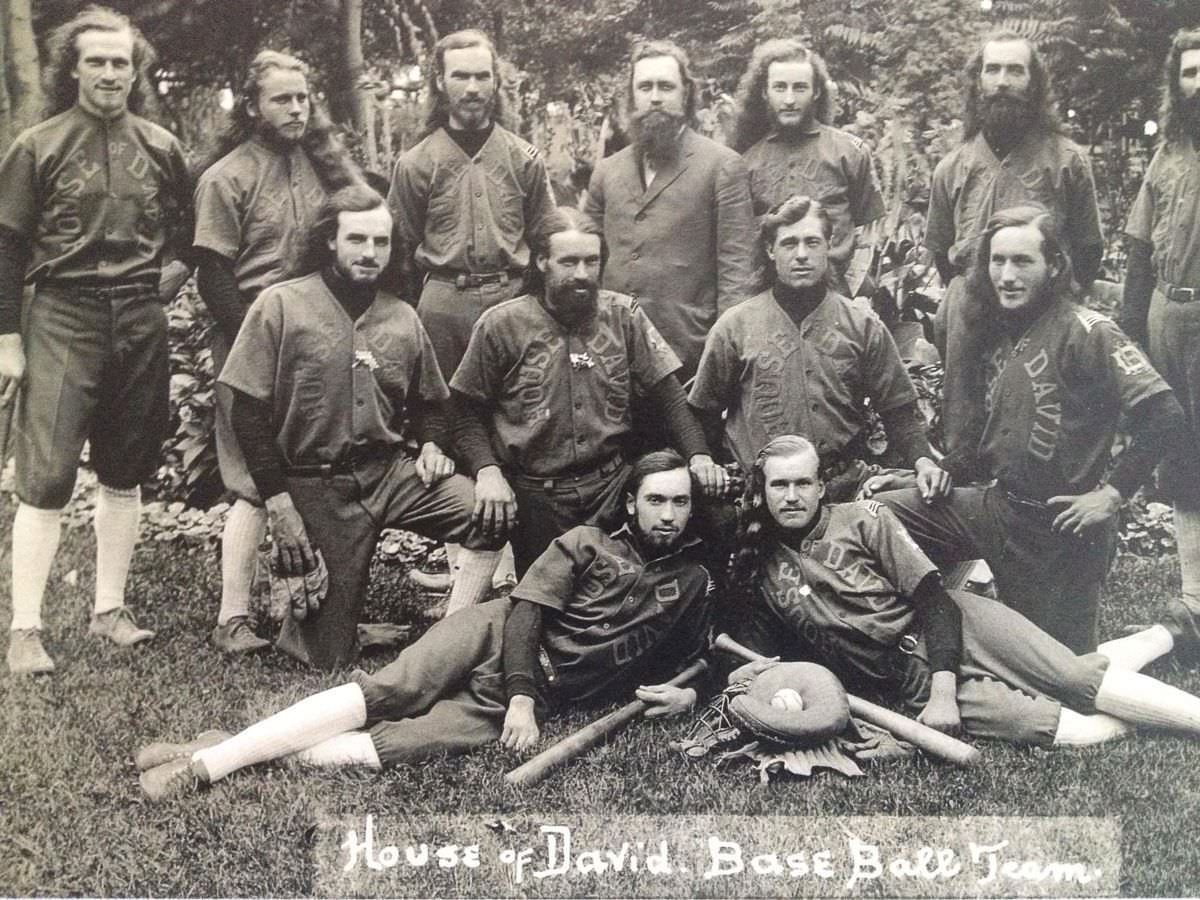
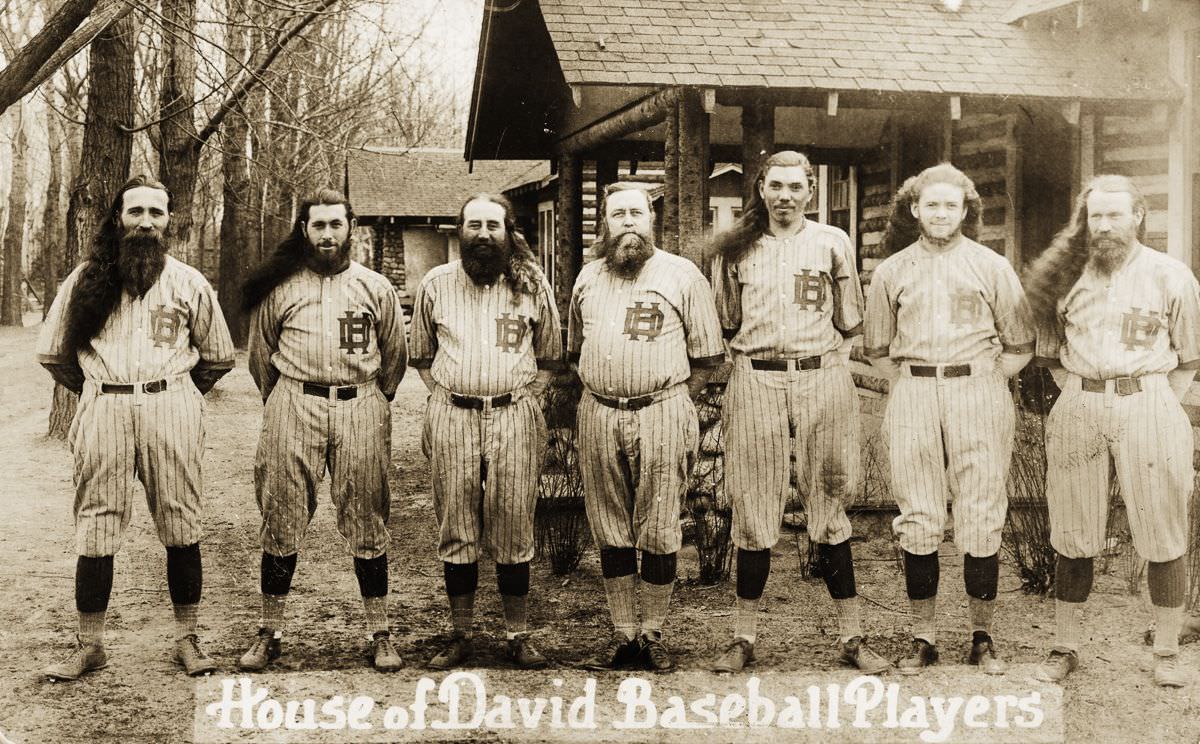
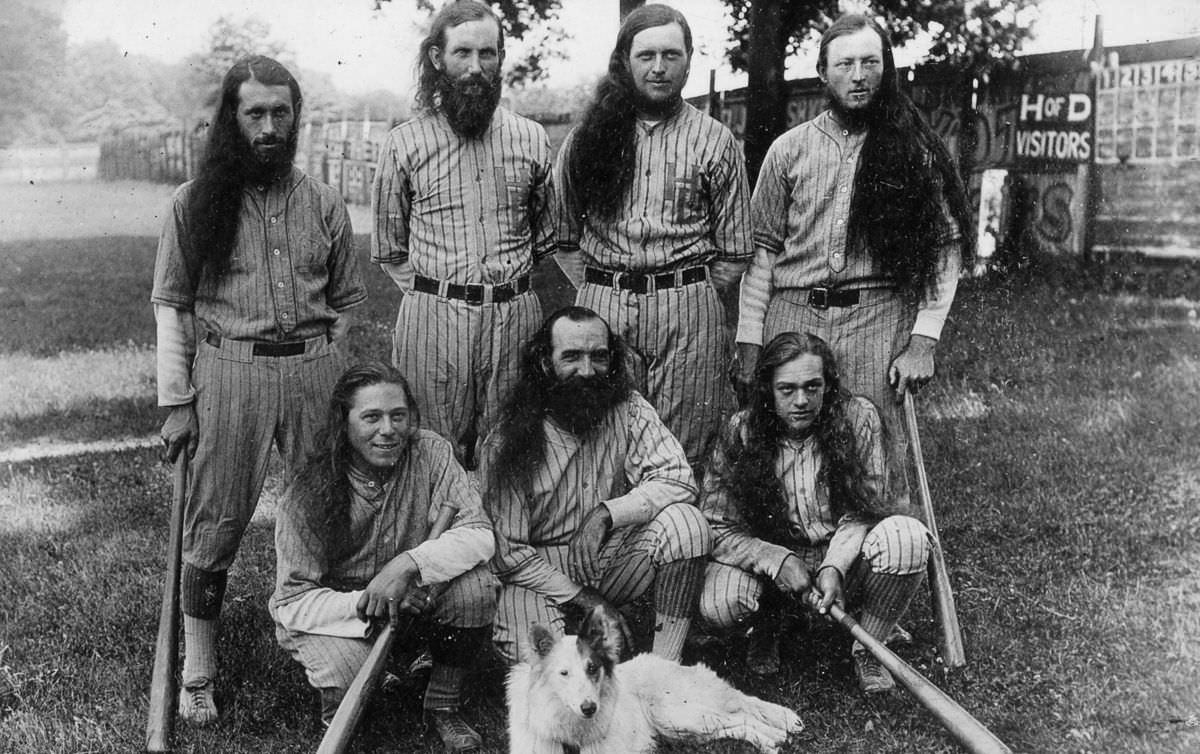
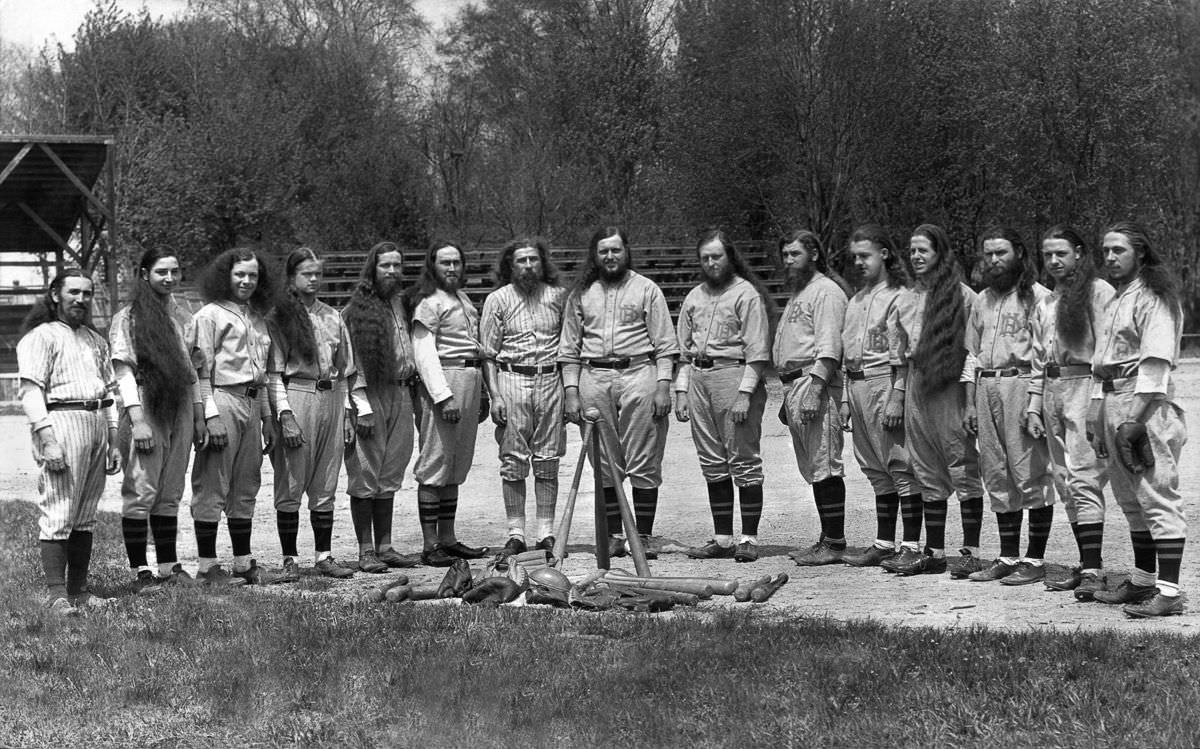
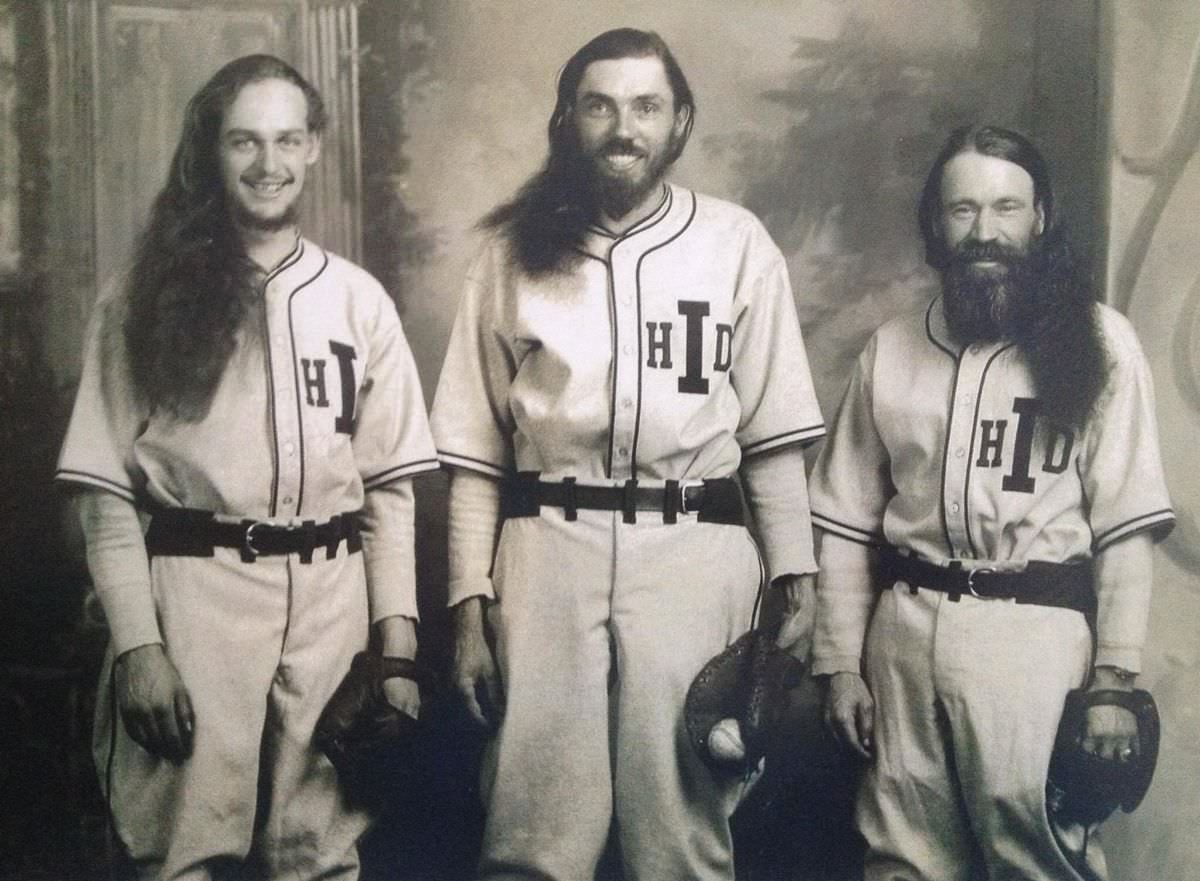
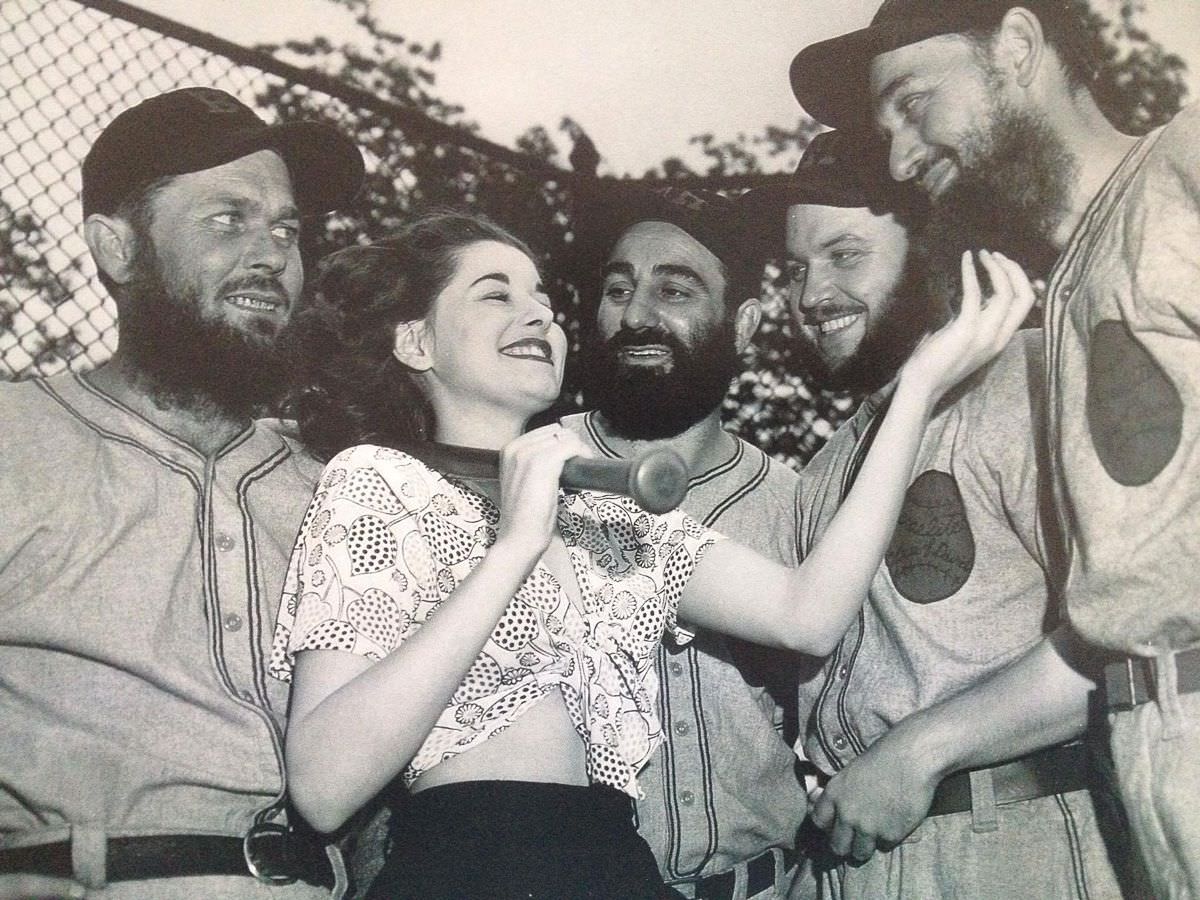
The House of David started playing competitive baseball in 1914. Within just a few years, the players had developed a serious training routine. By the 1920s, teams were traveling around the country to play exhibition games. Their long hair and full beards made them instantly recognizable on any field.
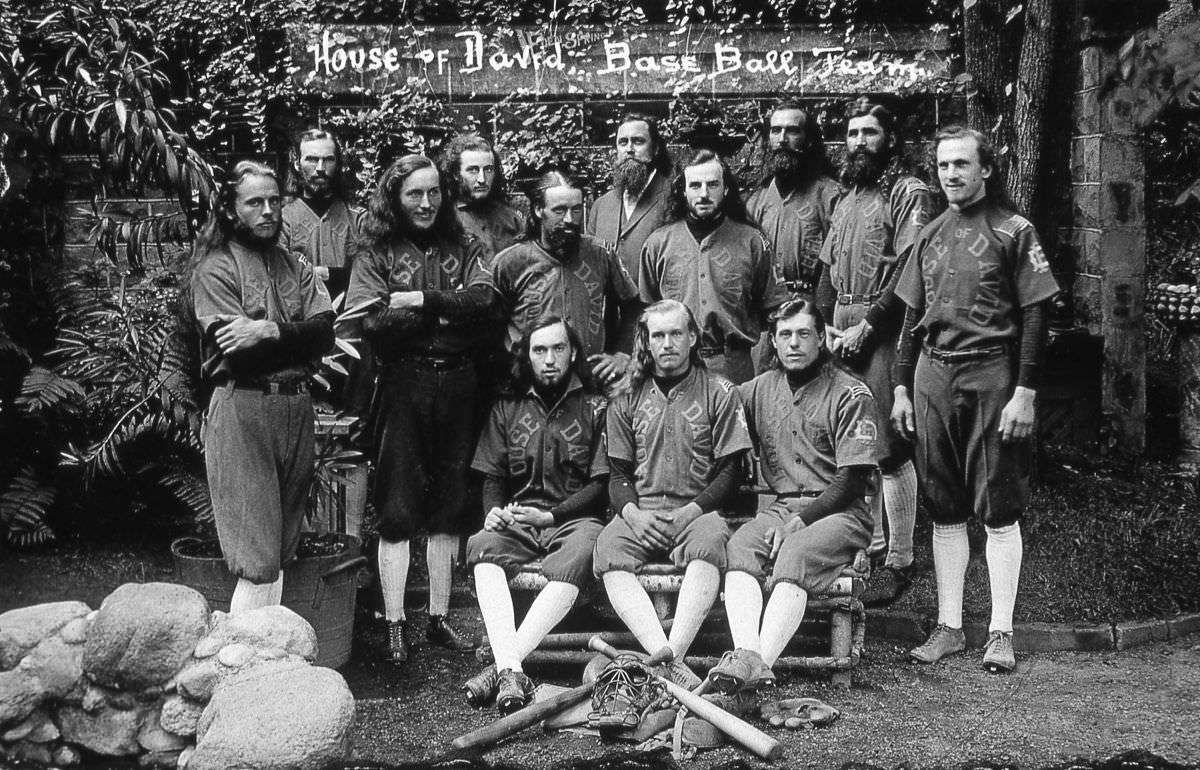
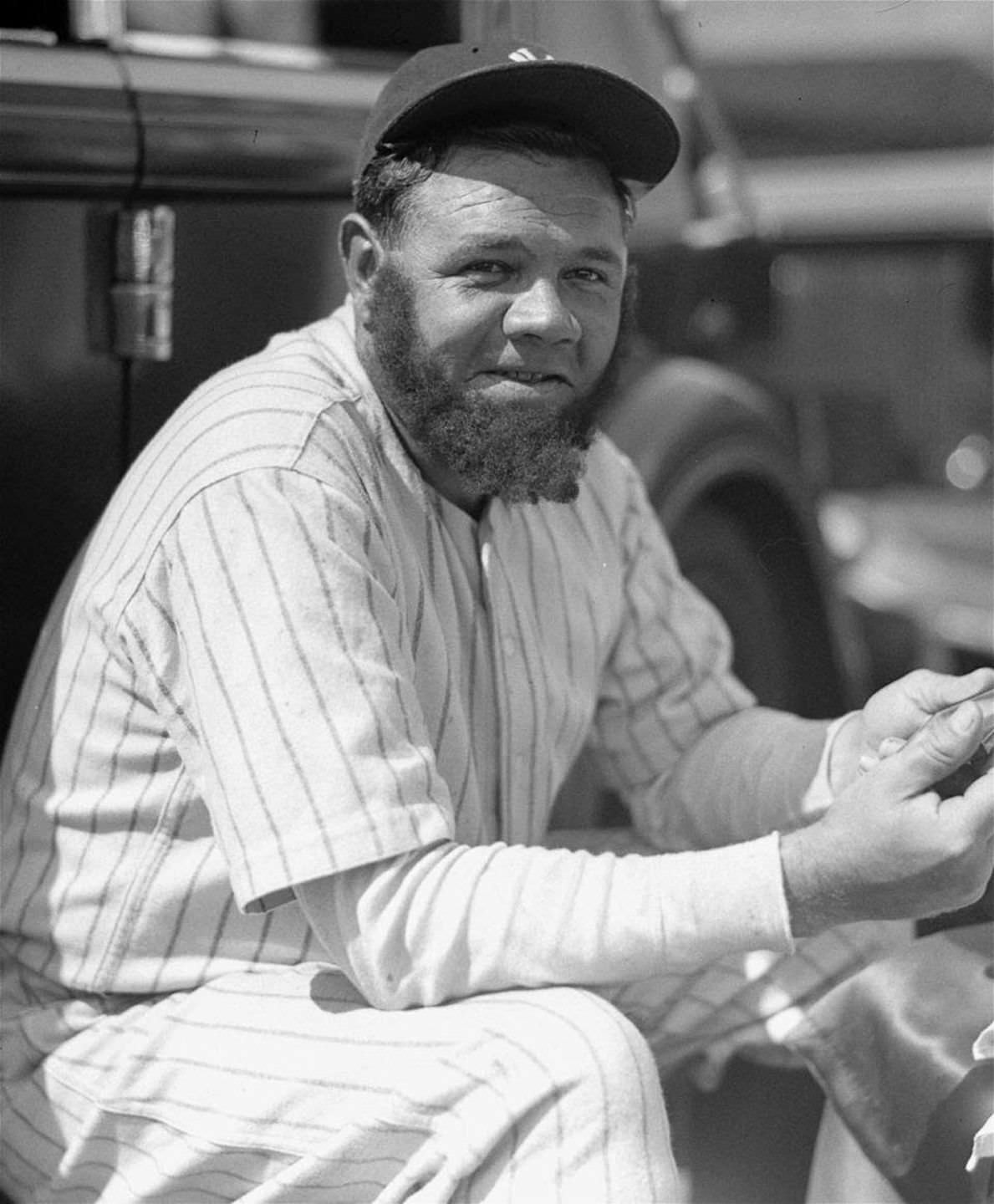
Their appearance also kept them out of the major leagues. Because the House of David forbade cutting hair, its players couldn’t meet the grooming standards required by professional baseball. That “beard ceiling” never slowed them down, though. The teams found enormous success on the barnstorming circuit — traveling from town to town, playing anyone willing to take them on.
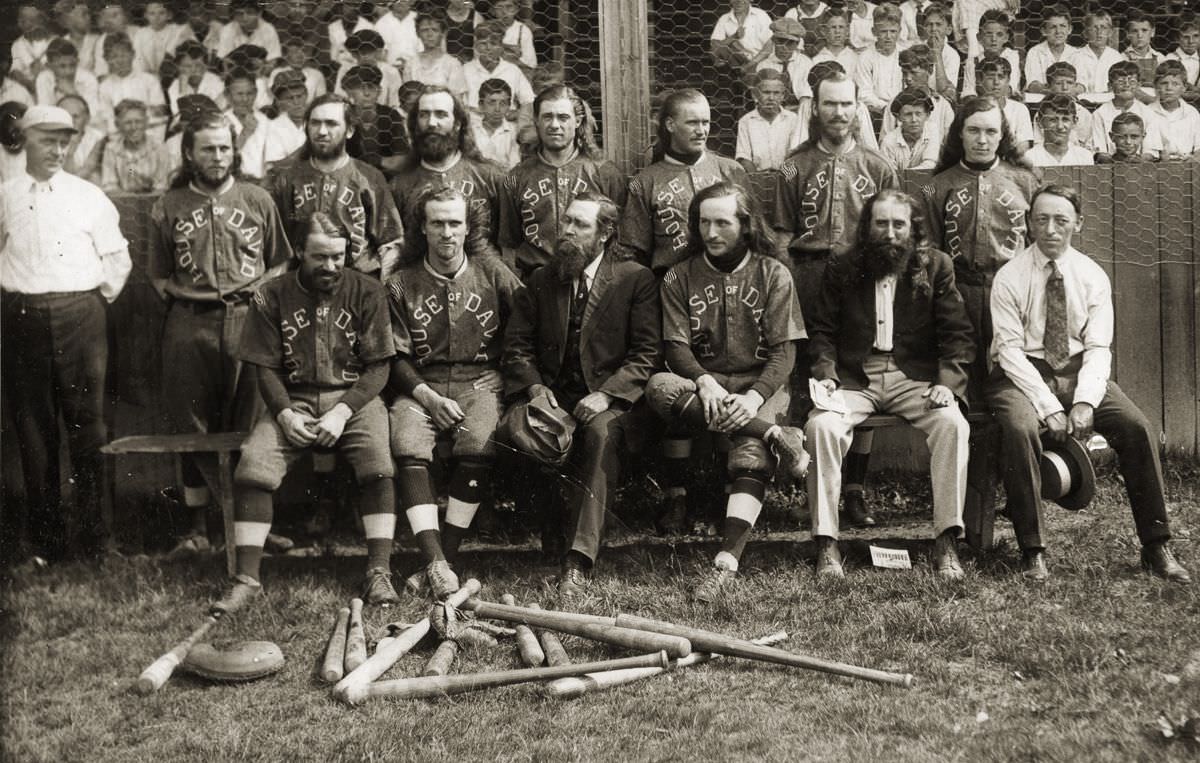
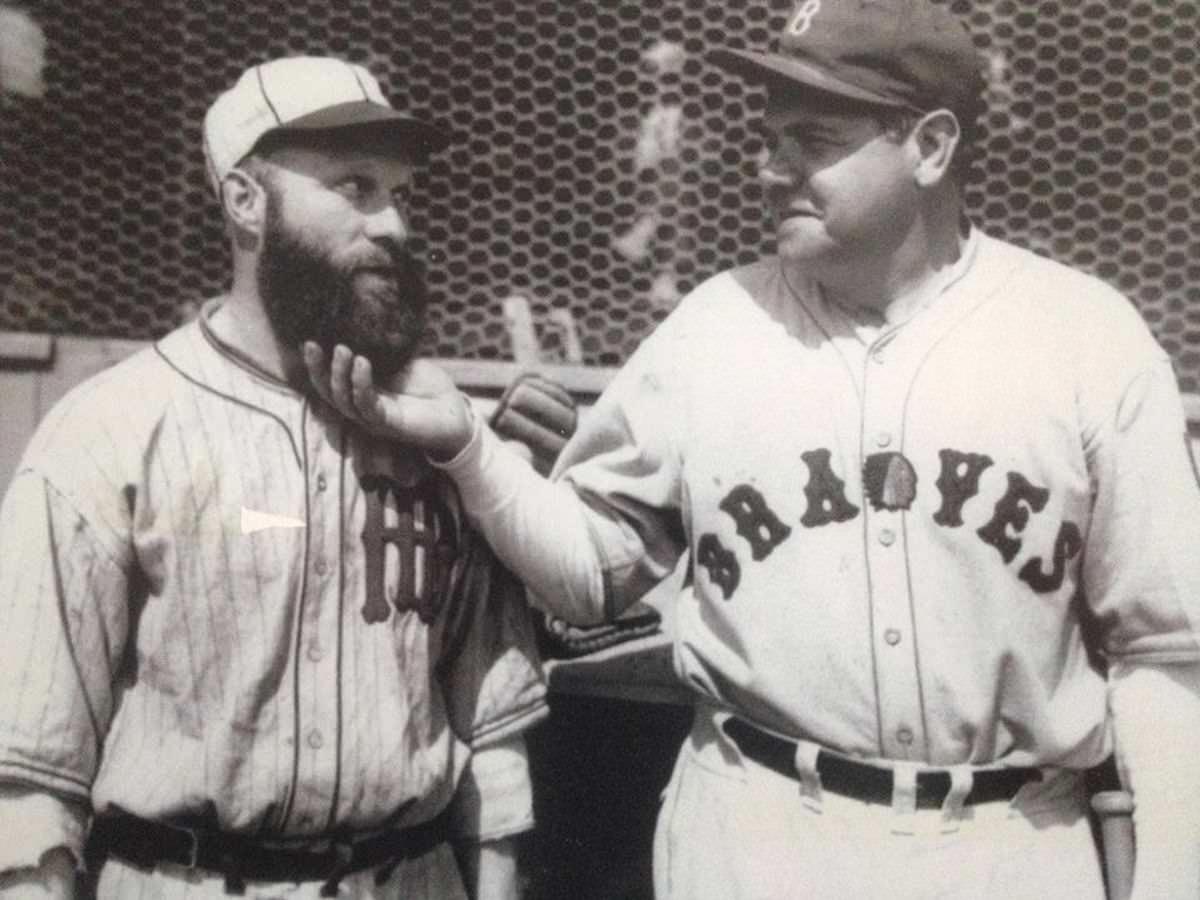
The teams even recruited professional players from outside the commune. Those hired players would grow beards to match their teammates, playing in solidarity with the group’s religious customs. This blend of genuine believers and bearded ringers made the House of David teams both competitive and theatrical — much like the Harlem Globetrotters would later become for basketball.
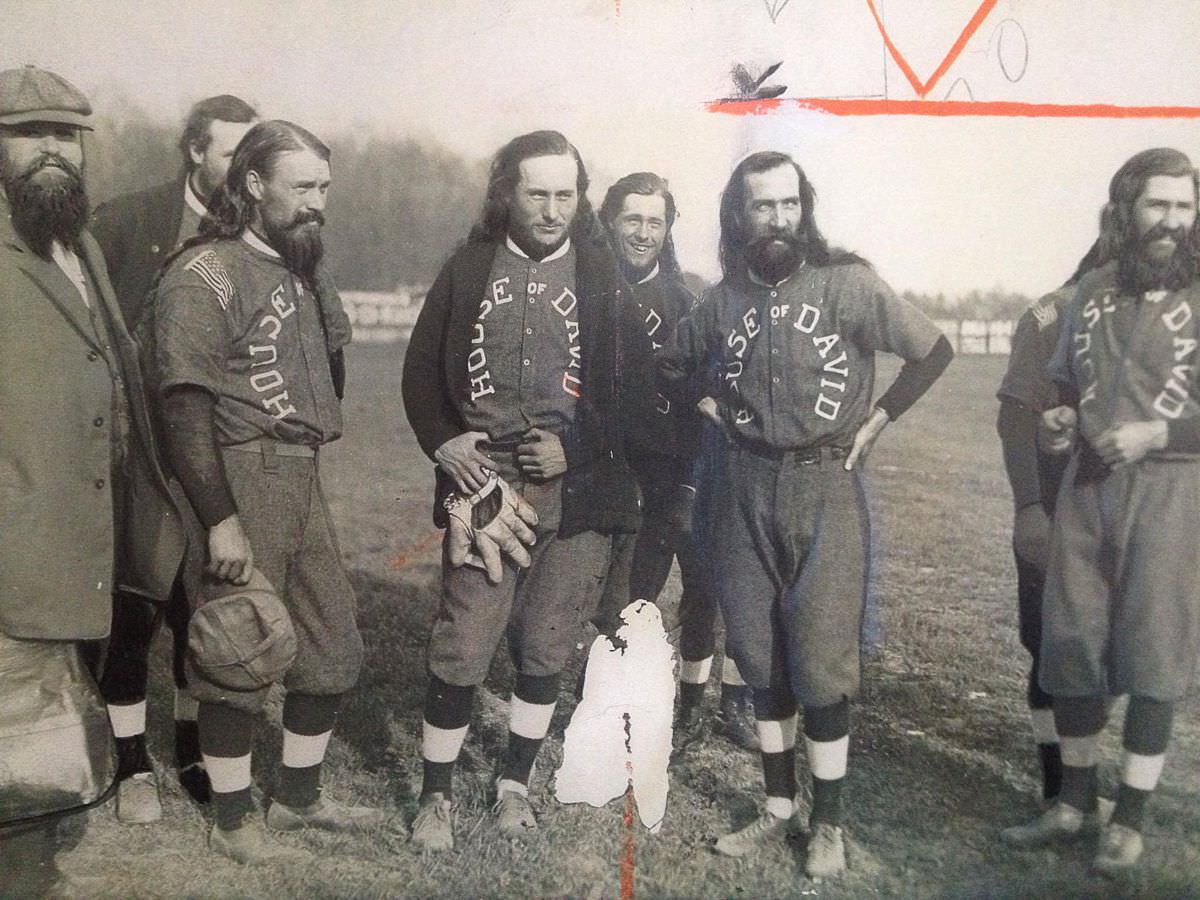
The team traveled in a bus with the House of David name painted boldly across its side. They played all summer, cutting through upstate New York, crossing the border at Niagara Falls, and touring multiple Canadian provinces. The schedule was relentless. On some days, the team played three games back to back.
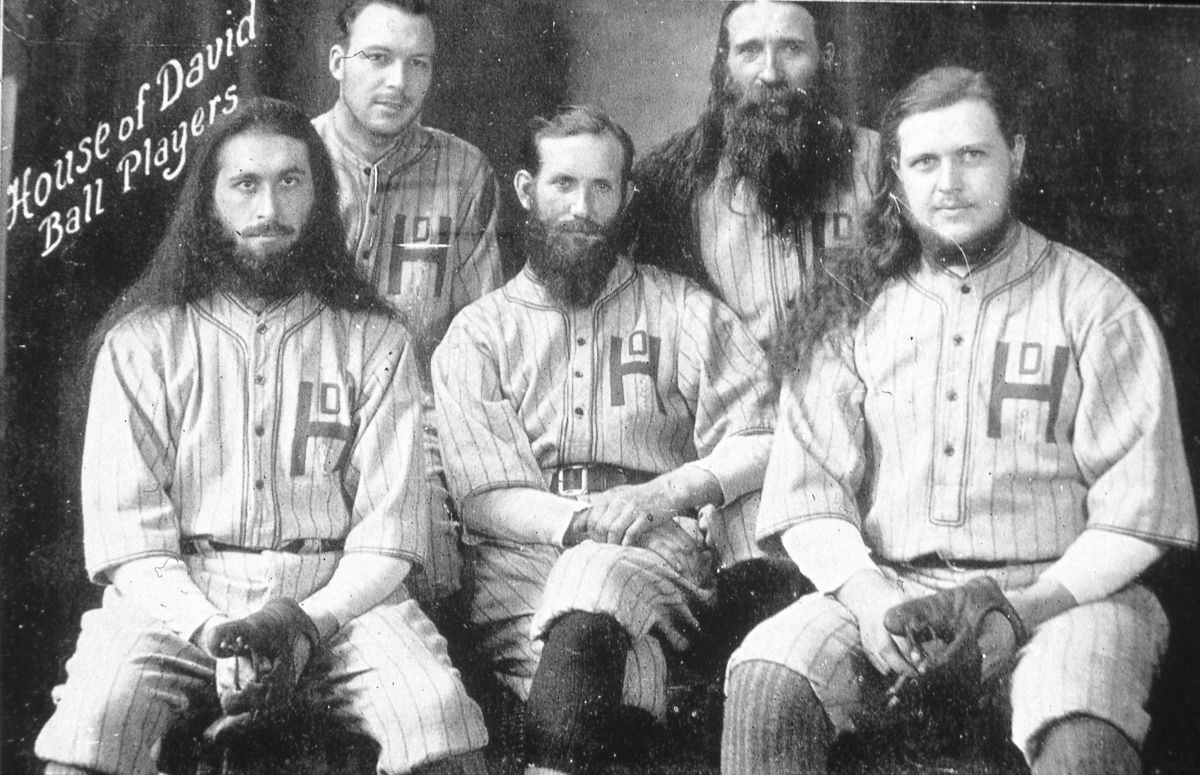
Players had their travel and hotel costs covered by the organization. On top of that, they earned a percentage of the gate — typically between $35 and $45 per game — plus $2 a day for meals. If rain canceled a game, they received nothing. There were no guaranteed paydays on the road.
Night games were a regular part of the team’s schedule. A truck carrying a portable lighting system followed the team bus to every stop. Harry Huff of Pottsville, Pennsylvania, designed the mobile lighting rig and worked directly with the House of David to set it up. This system let the team play after dark, squeezing in more games and drawing bigger crowds.
The portable lights were a major innovation for barnstorming baseball in that era. Most traveling teams were limited to daylight hours. The House of David’s mobile setup gave them a real edge in scheduling and made their games feel like a spectacle — which was exactly the point.
Back in Benton Harbor, the commune continued operating through the 1950s. A rape scandal involving Benjamin Purnell devastated the organization’s public image and caused membership to collapse. The press covered the trial extensively, and the community never recovered its former size or reputation.
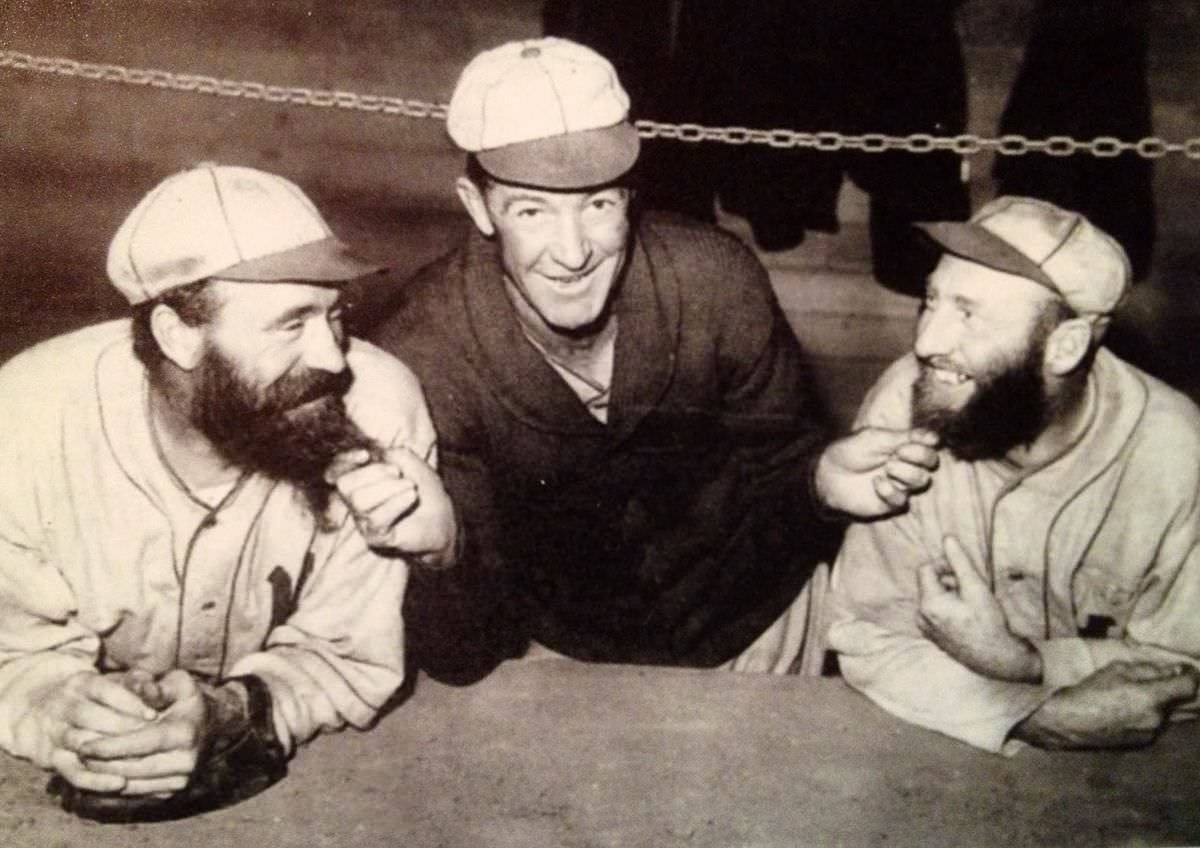
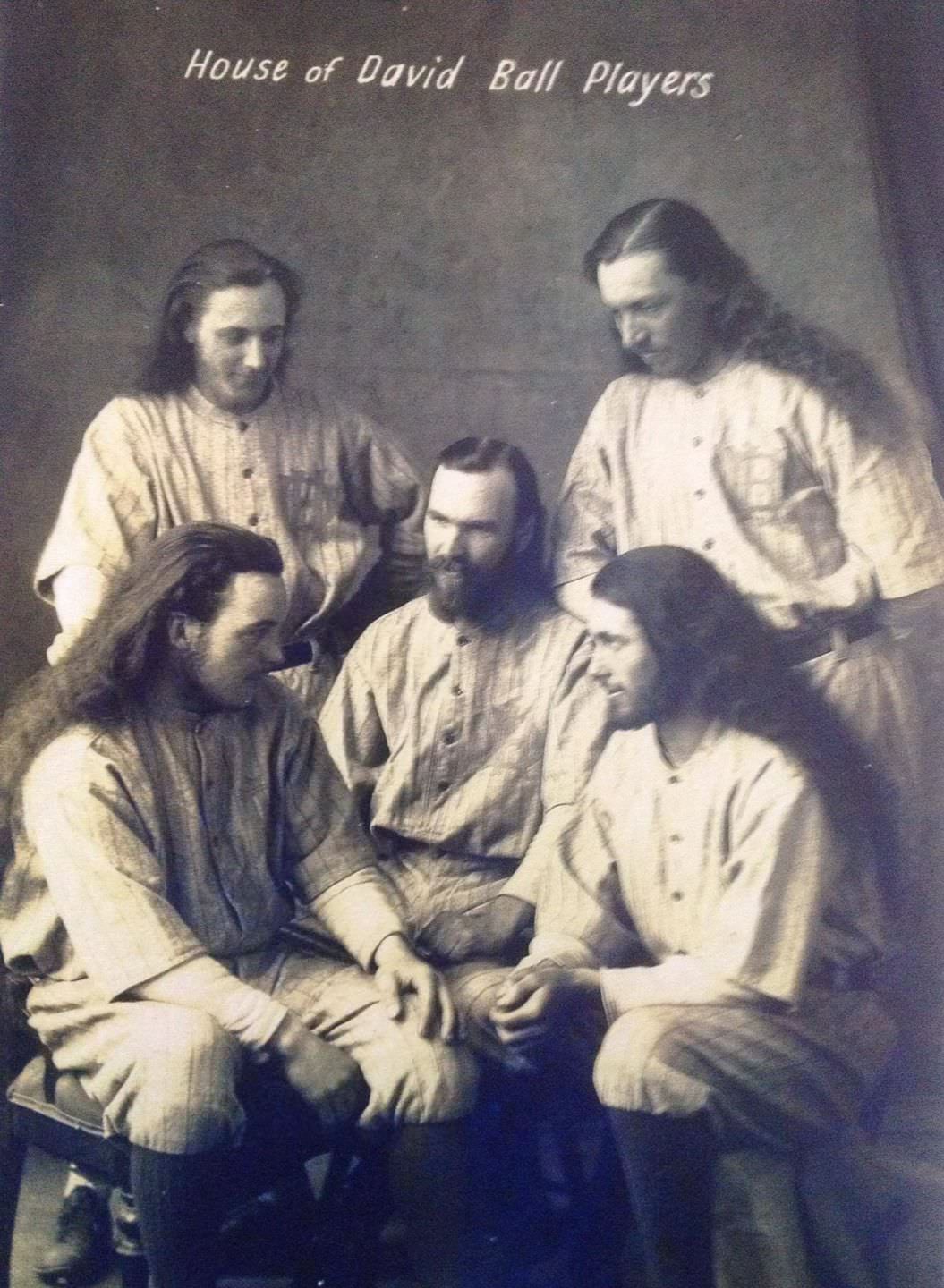
Despite the scandal, the baseball teams kept playing for years. The sport had taken on a life of its own, separate from the commune’s troubles. Fans across the country still turned out to watch the long-haired, bearded players take the field.
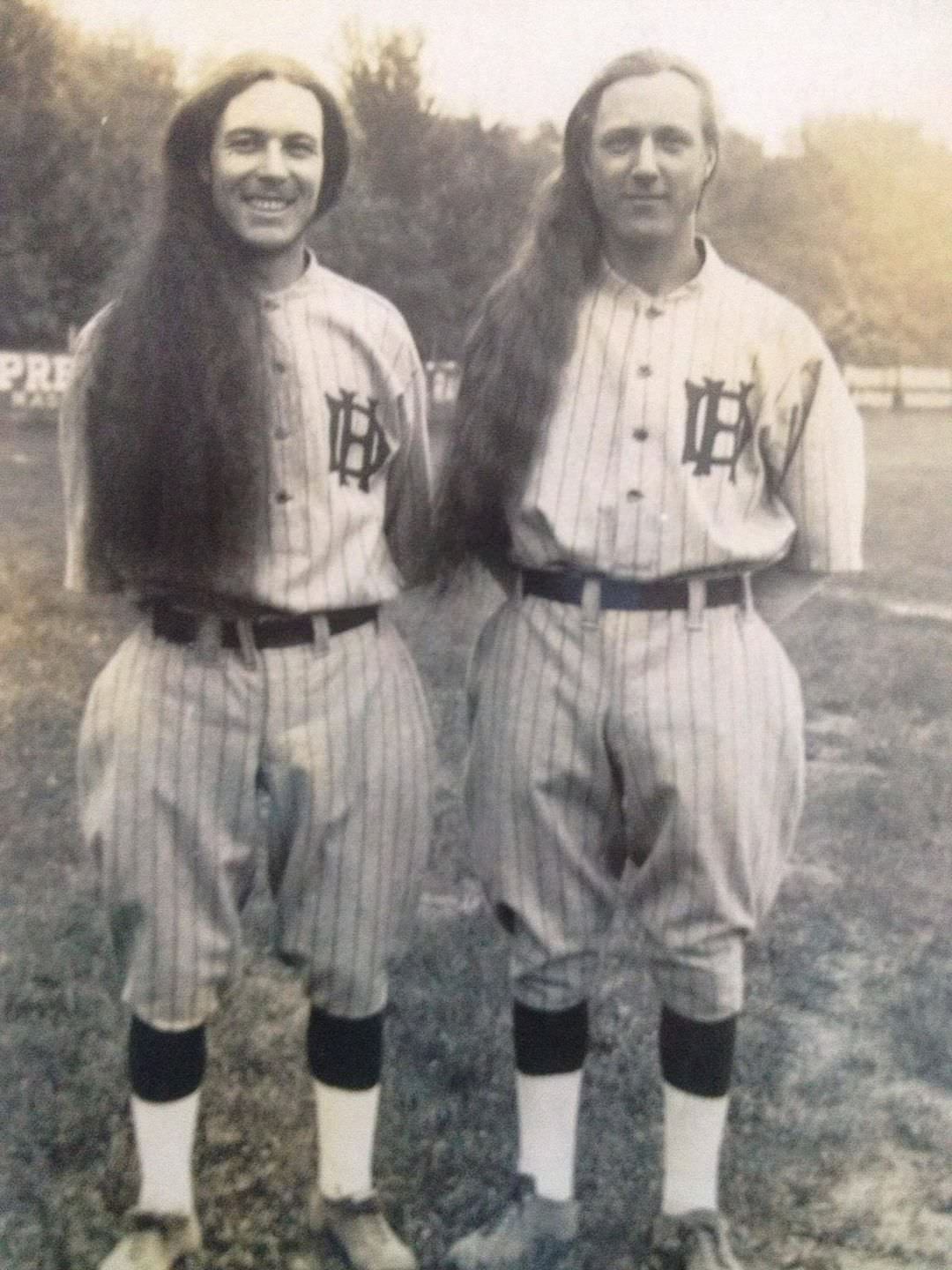
Today, the story of the House of David is preserved at a museum in Saint Joseph, Michigan. The museum is not affiliated with the original commune. It was started by a local history enthusiast named Chris Siriano, who describes the House of David plainly as “a cult… but, you know, a good cult.” The museum covers the colony’s baseball teams, its impressive zoo, and its industrial achievements.