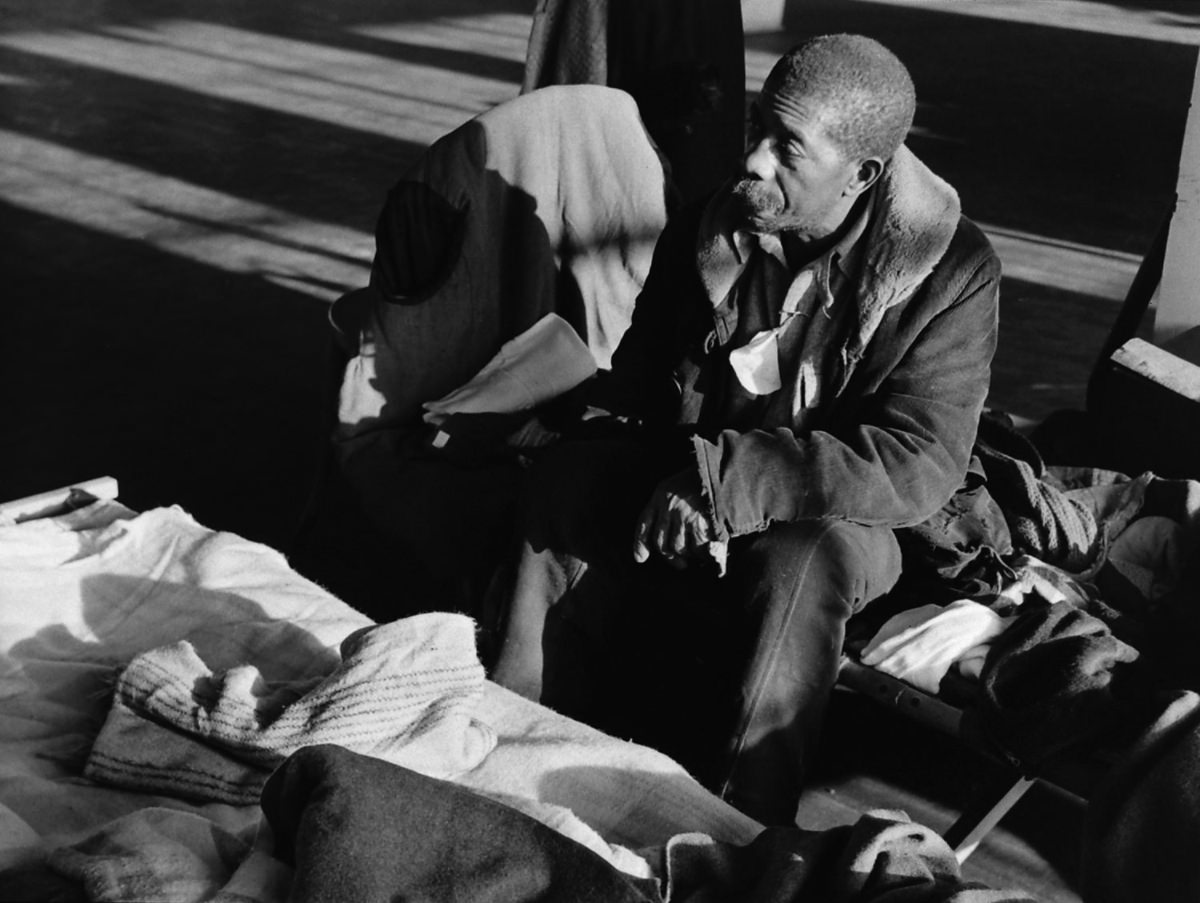
In January 1937, the Ohio River unleashed the worst flood in its recorded history. The disaster struck hard across the entire river valley, but Louisville, Kentucky bore the greatest damage of any city along its banks. Light and water services failed. Streets became rivers. Neighborhoods that had stood for generations vanished under water. When it was over, the flood had caused an estimated $250 million in damage in Kentucky alone — a staggering figure in 1937 dollars, worth well over $1 billion today.
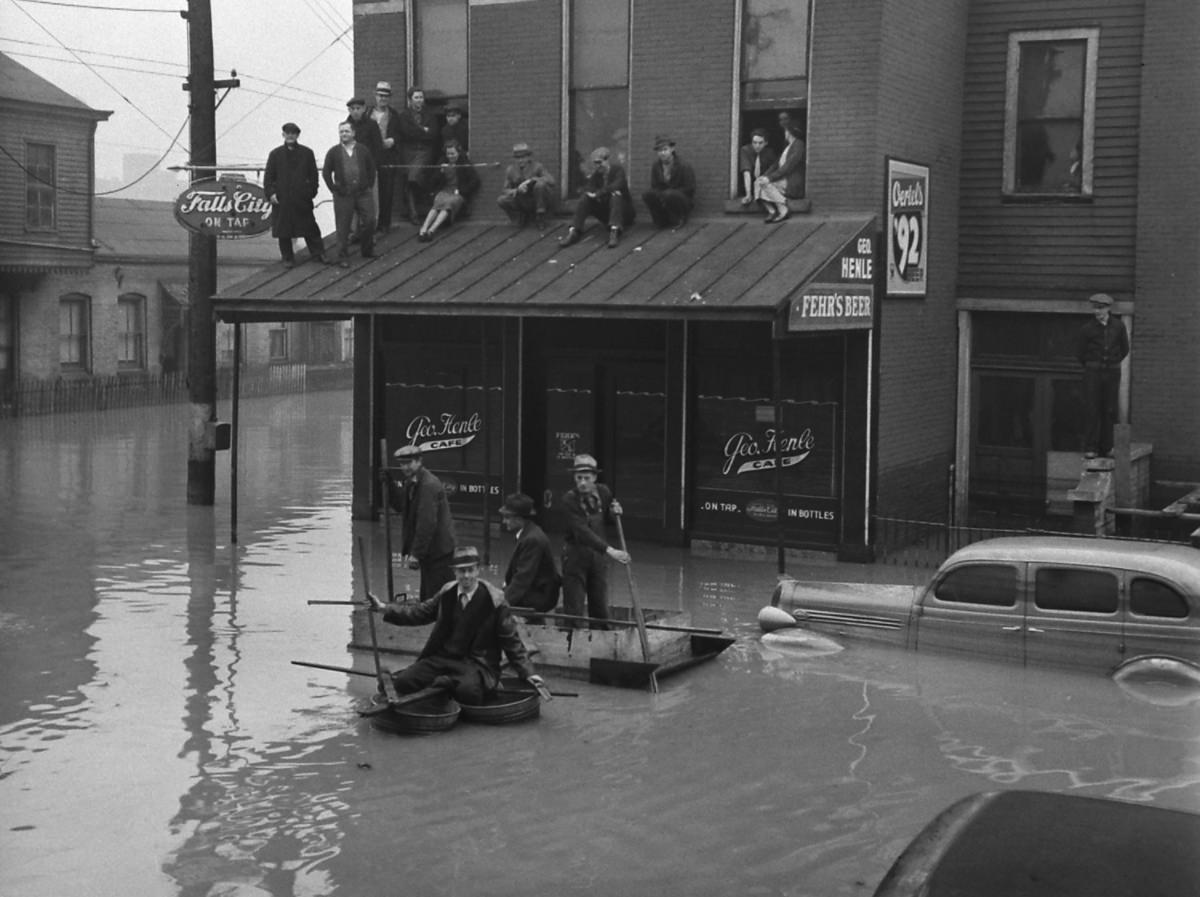
The disaster began with rain — relentless, punishing rain. Throughout January 1937, precipitation across the Ohio River valley ran at four times its normal level. At Louisville’s weather station, only eight days in the entire month recorded no rainfall. The river was already swollen when the heaviest rains hit, and the combination proved catastrophic. Between January 21 and 22 alone, the river at Louisville rose 6.3 feet in a single day.
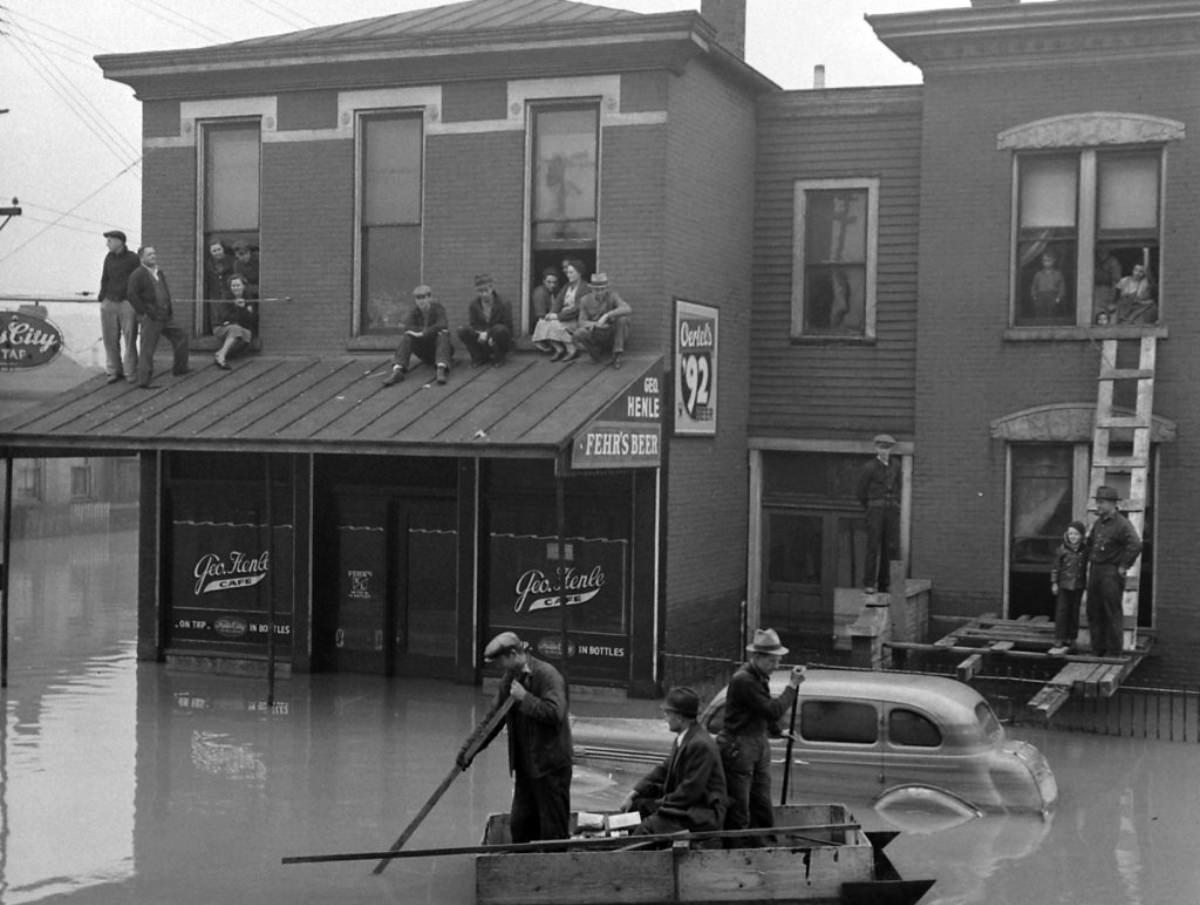
By January 24, the entire length of the Ohio River was above flood stage. Three days later, on January 27, the river crested at 460 feet above sea level in Louisville — 40 feet above its normal level and 30 feet above the official flood stage. Hydrologists classified this as a greater-than-100-year flood event. The river had not come close to this level in living memory.
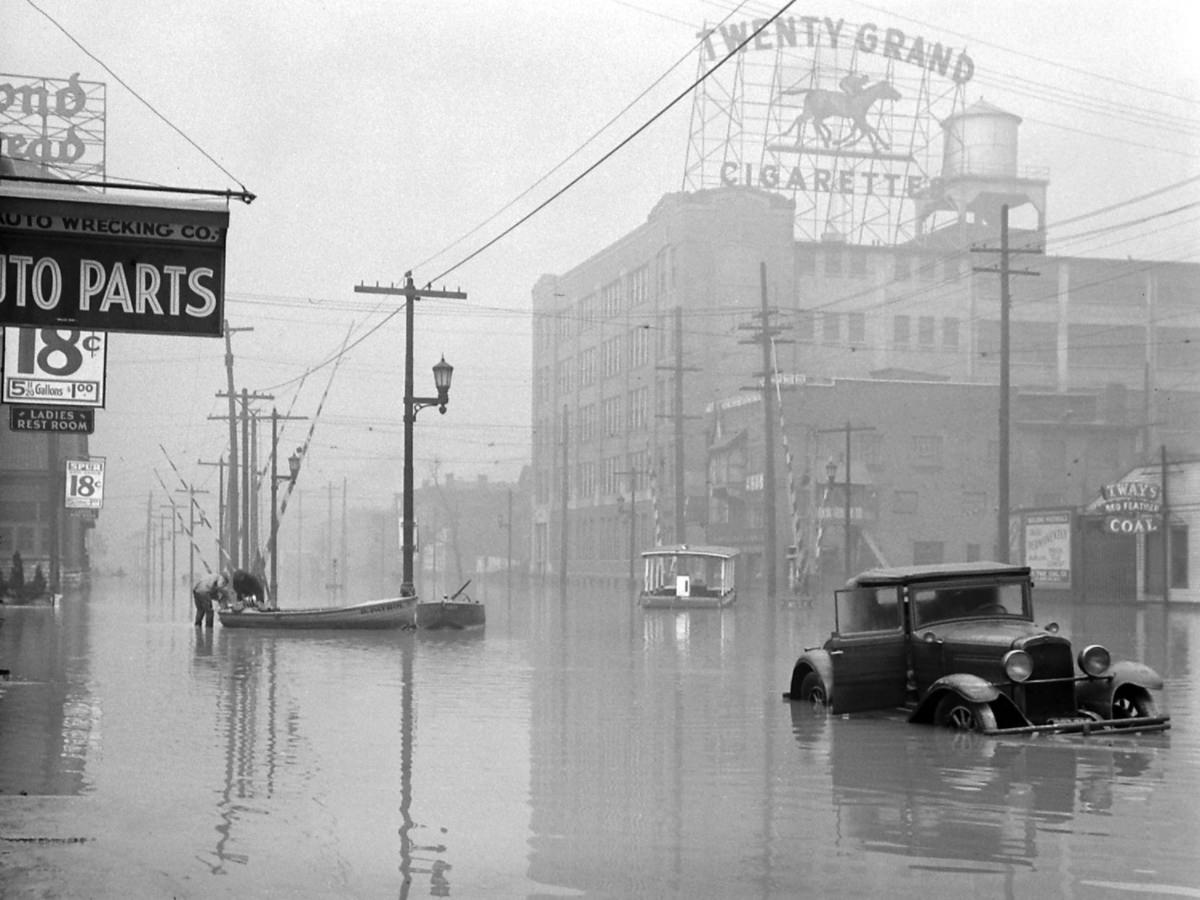
Nearly 70 percent of Louisville went underwater. Floodwaters covered 60 percent of the city proper and spread across 65 square miles of Jefferson County beyond the city limits. Around 175,000 people were forced to evacuate their homes. Across the broader flood zone, approximately 23,000 additional evacuations were recorded. In total, 190 people died as a direct result of the flooding.
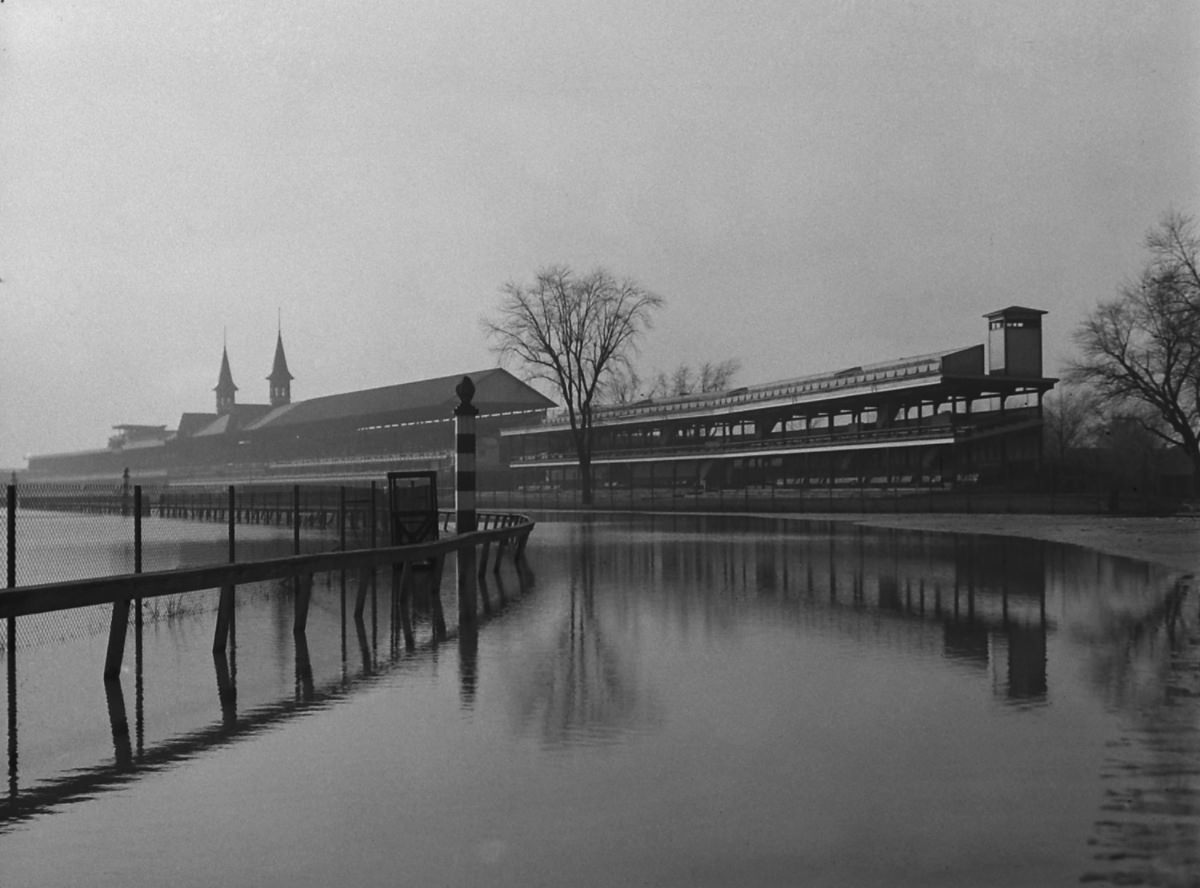
No corner of Louisville was truly spared. Even Churchill Downs, the famous racetrack and home of the Kentucky Derby, was not immune. Floodwaters poured across the track and covered the infield entirely.
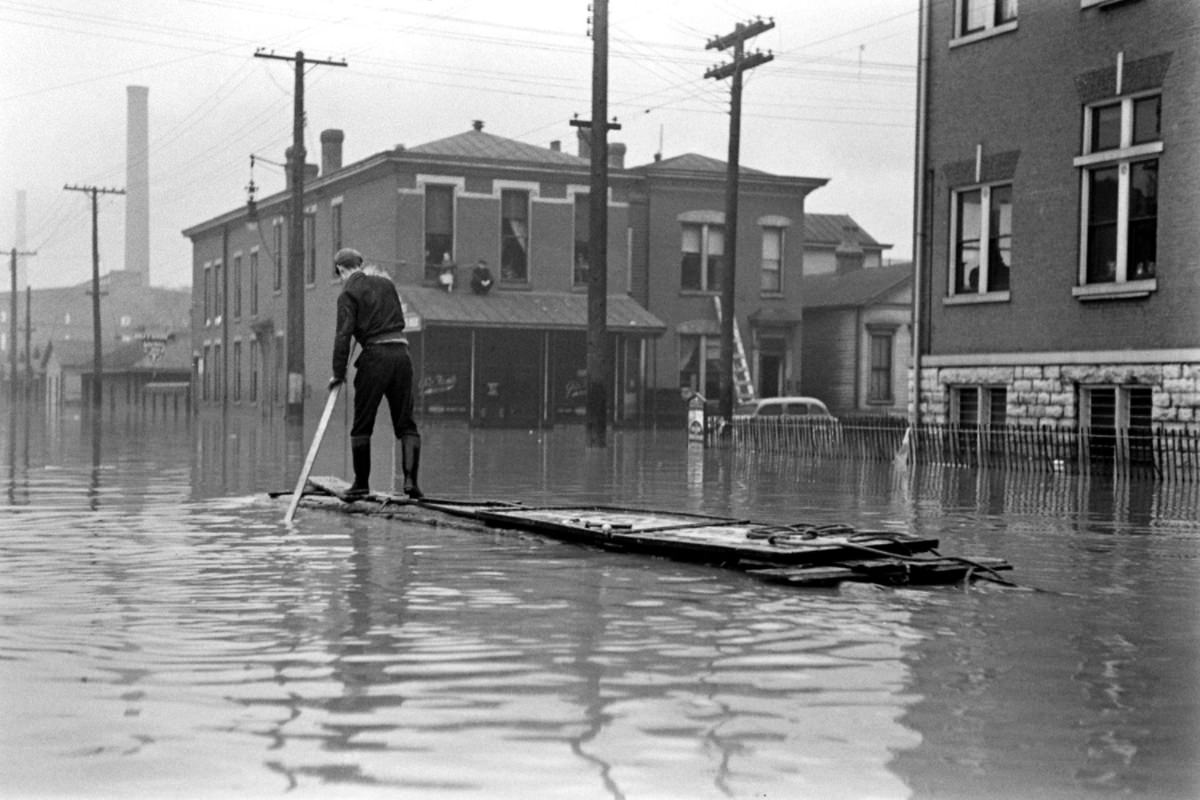
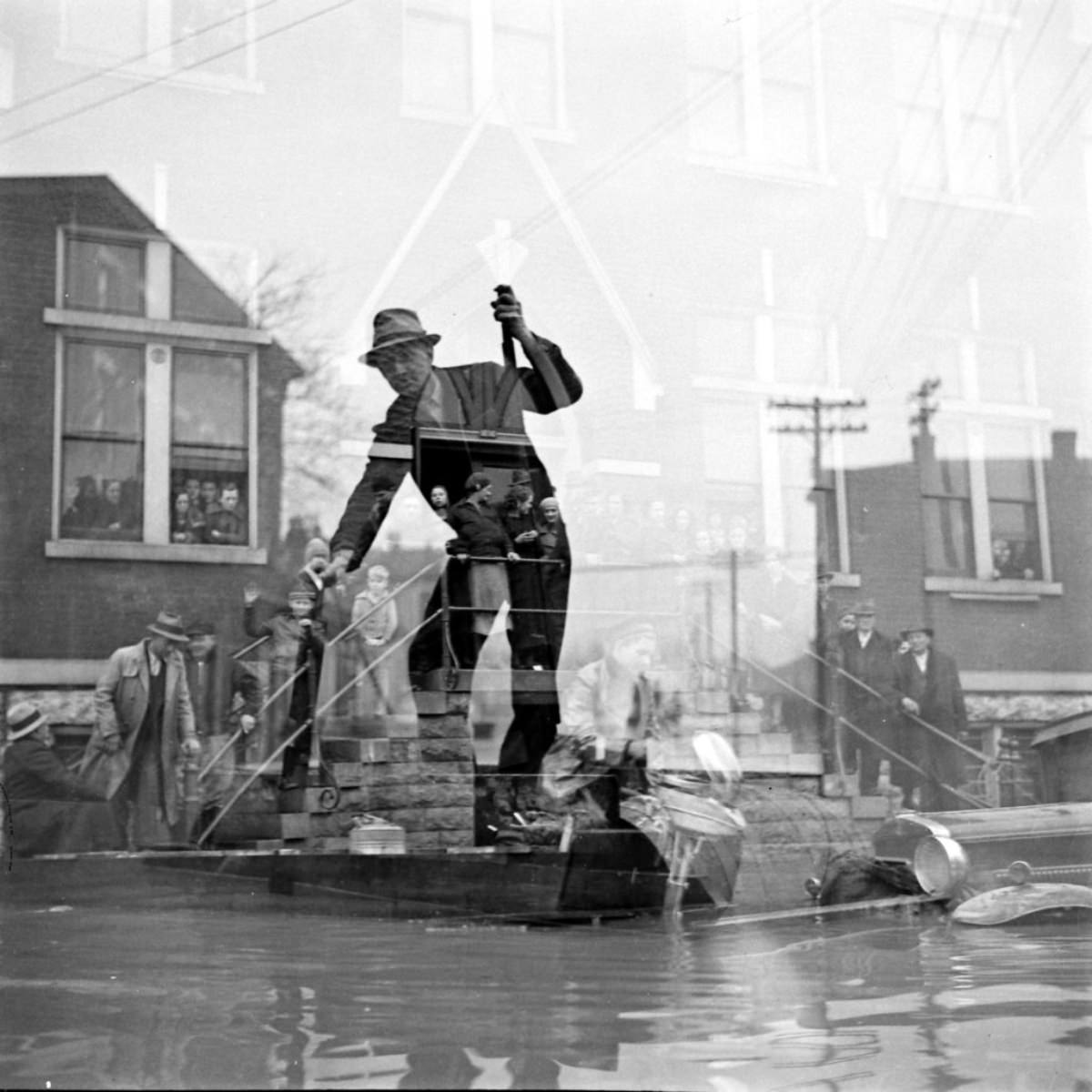
With so much of the city flooded and tens of thousands displaced, the scale of human suffering was immense. Rescue operations ran around the clock, and residents found creative ways to navigate streets that had become open waterways.
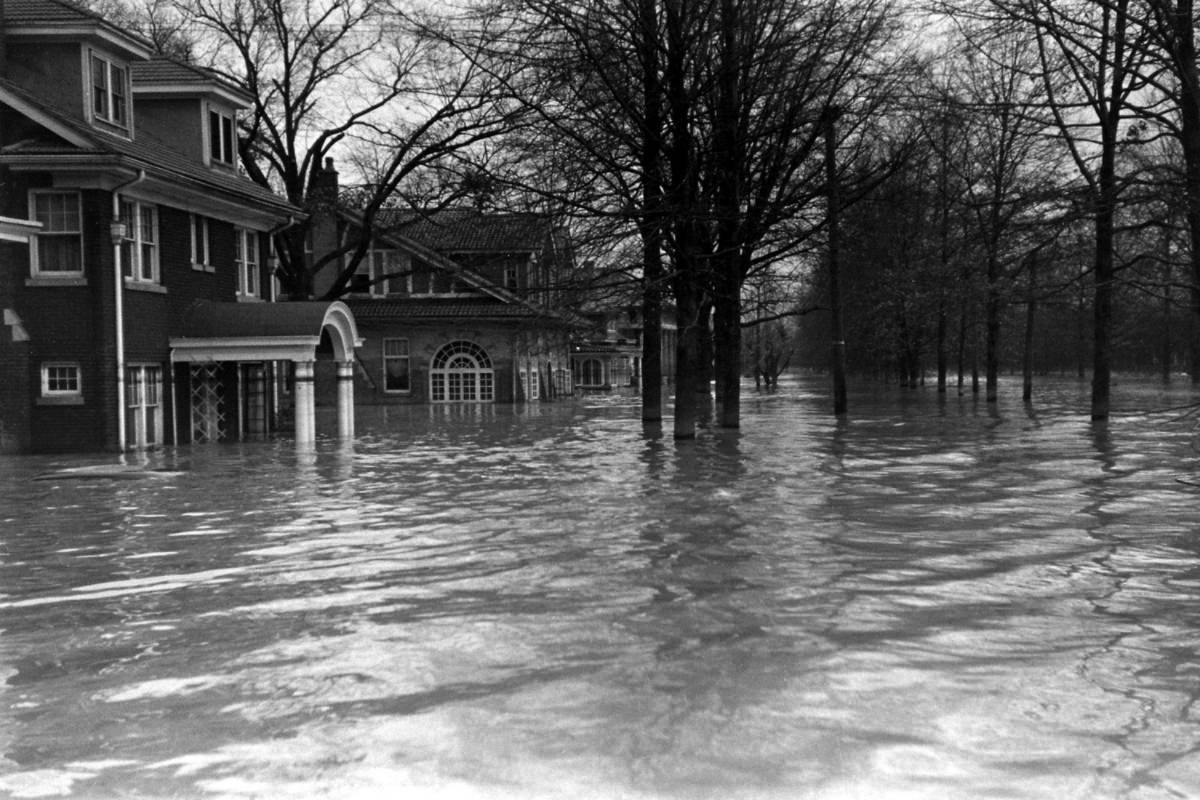
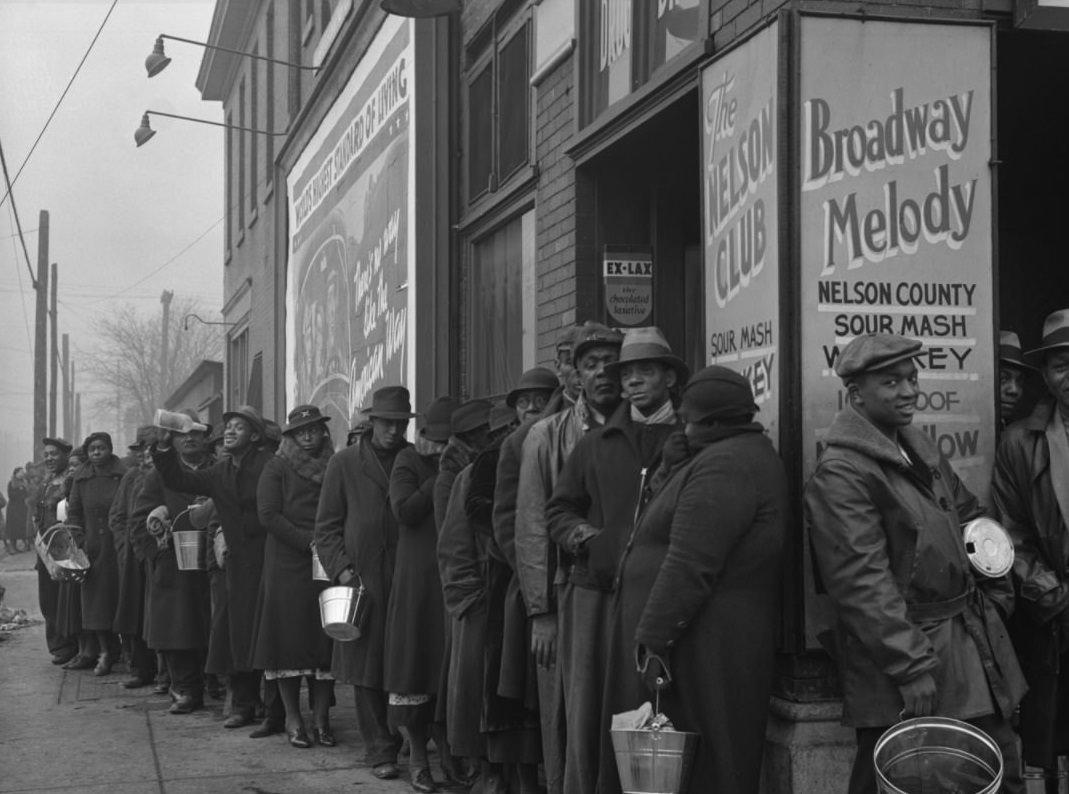
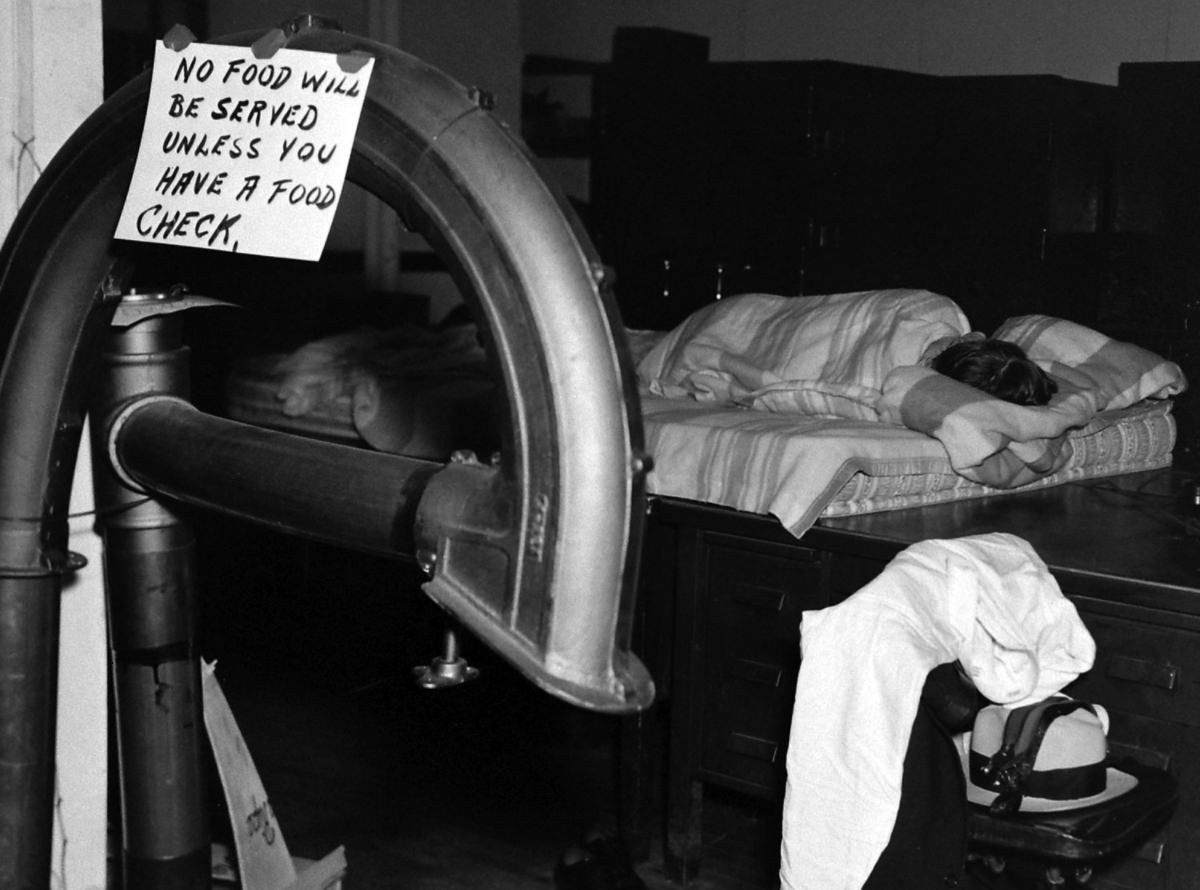
Relief stations opened across the city to feed and clothe the thousands who had lost access to their homes. Long lines formed at distribution points as displaced residents waited for basic necessities.
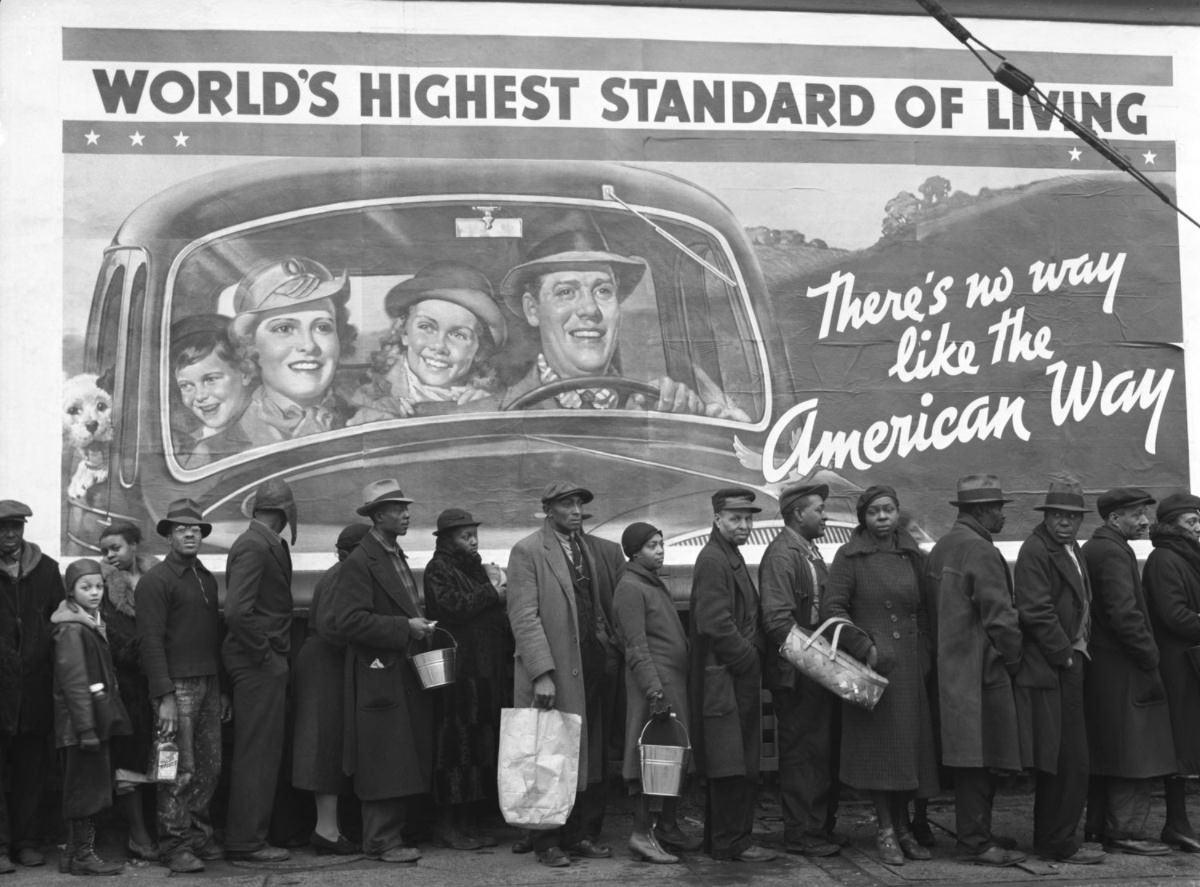
Photographer Margaret Bourke-White captured one of the most iconic images of the flood at one such relief station. Her photograph, featuring a billboard with the slogan “World’s Highest Standard of Living,” showed African American flood victims standing in line for aid — a stark and deliberate contrast that became one of the defining images of Depression-era America.
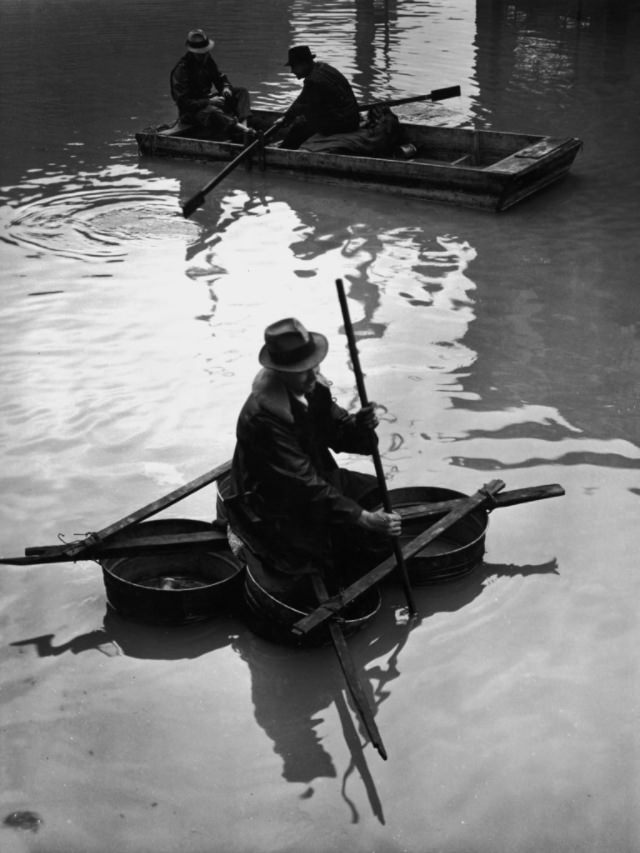
Boats of all kinds moved through the flooded streets, from organized rescue craft to improvised personal vessels. With no municipal water pressure and no electricity across most of the city, residents adapted however they could.
One Louisville man fashioned his own boat out of four metal washtubs and a set of wooden slats — a practical solution born entirely out of necessity.
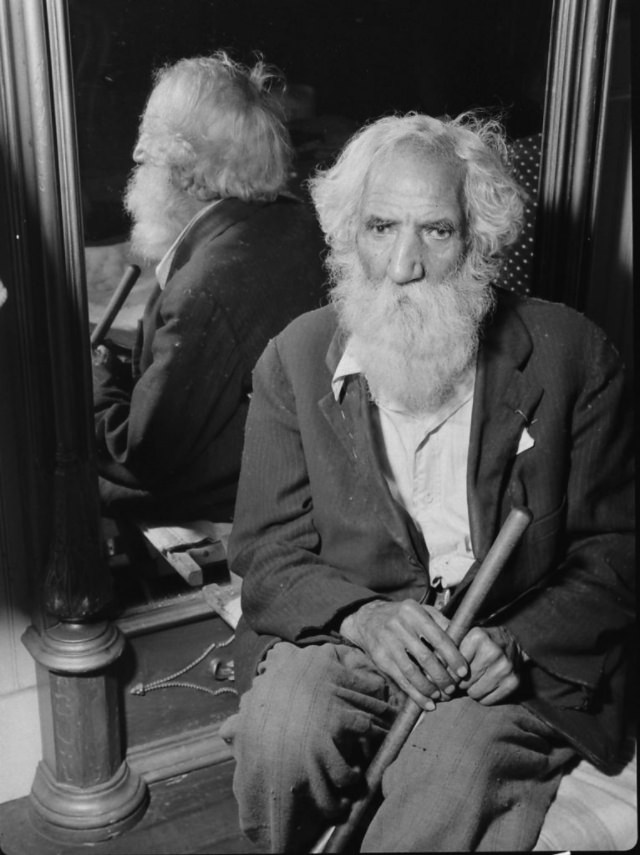
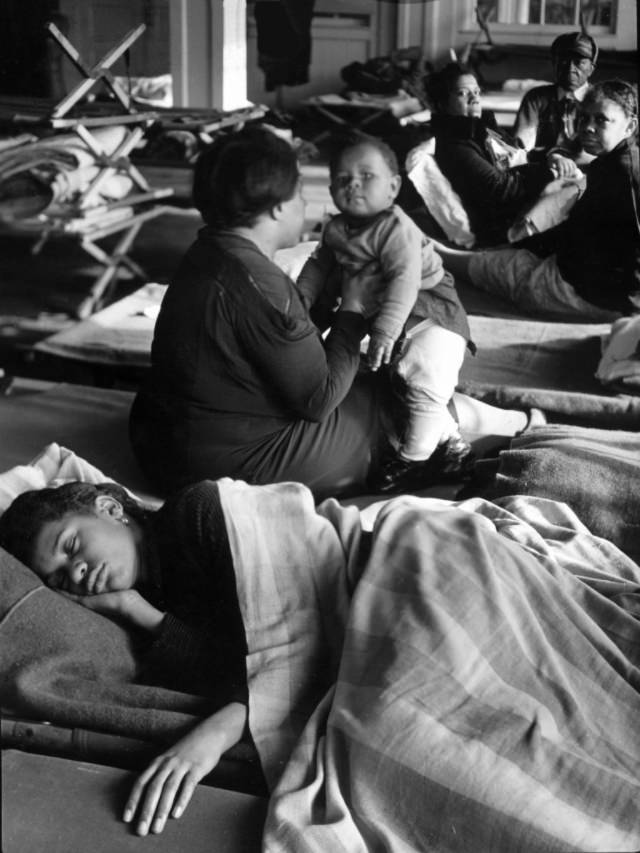
Churchill Downs, which had itself been flooded, was converted into emergency shelter for thousands of displaced residents. Among those who took refuge there was 90-year-old Jim Lawhorn, who found temporary shelter in the racetrack’s clubhouse.
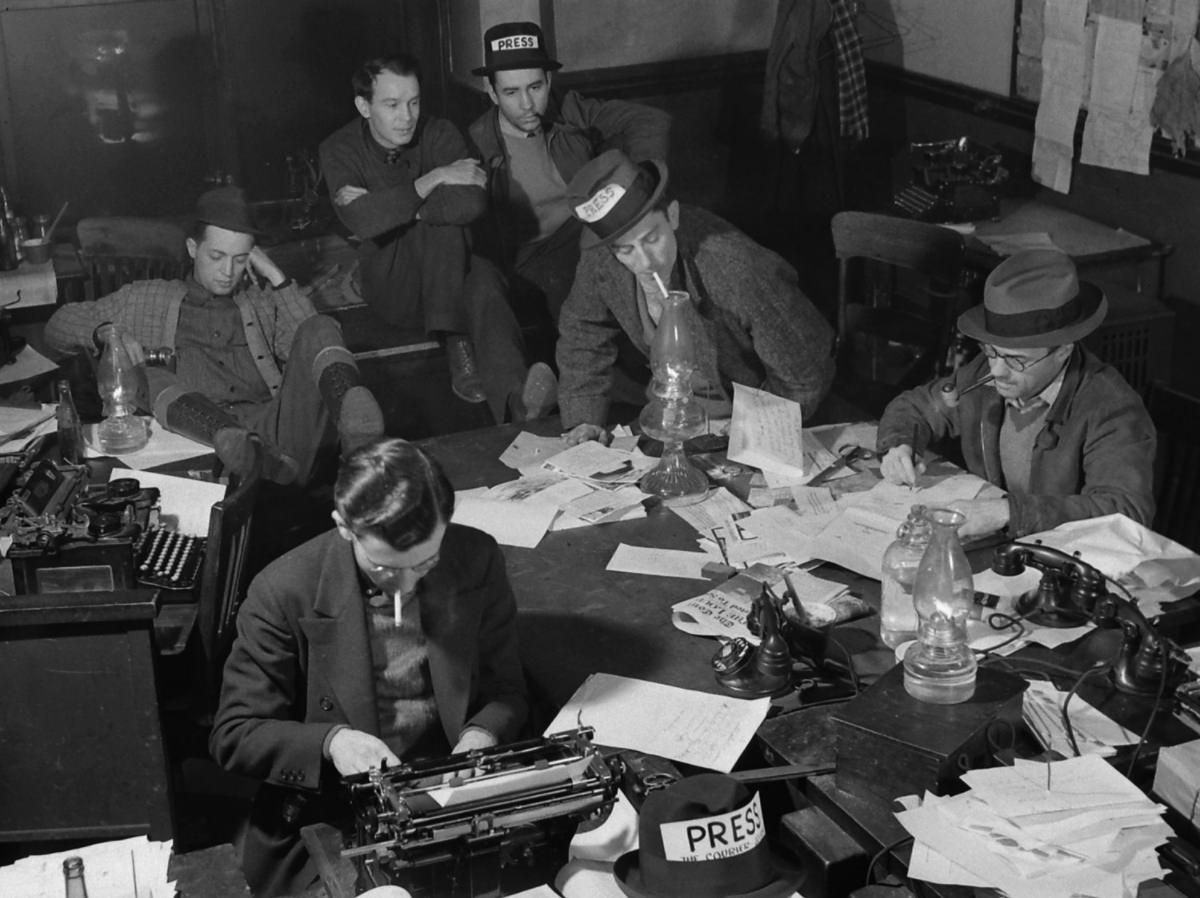
With the city’s water treatment system knocked out, drinking water became a serious public health concern. Boiling water was the only way to make it safe. Even journalists working through the crisis at the Louisville Courier-Journal had to manage without running water, eating and drinking entirely at their desks.
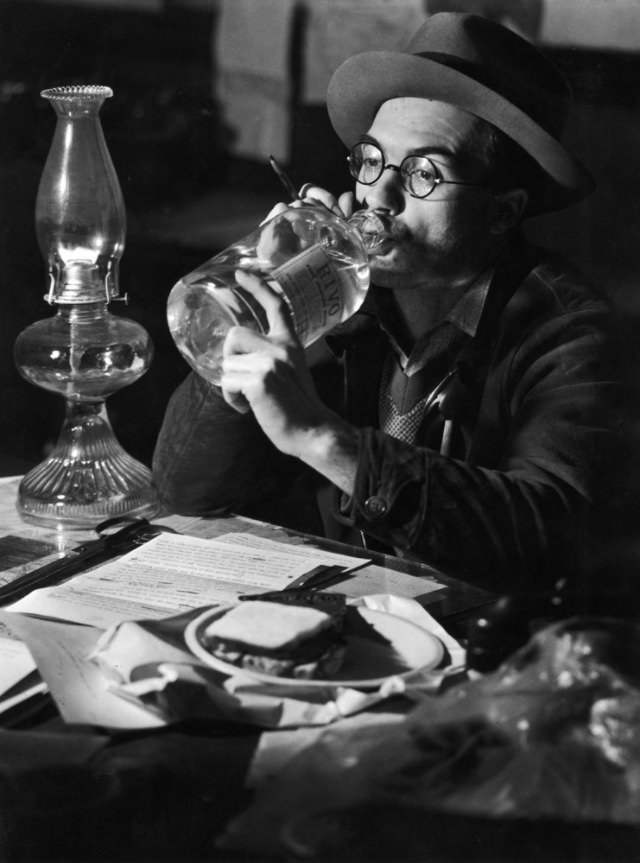
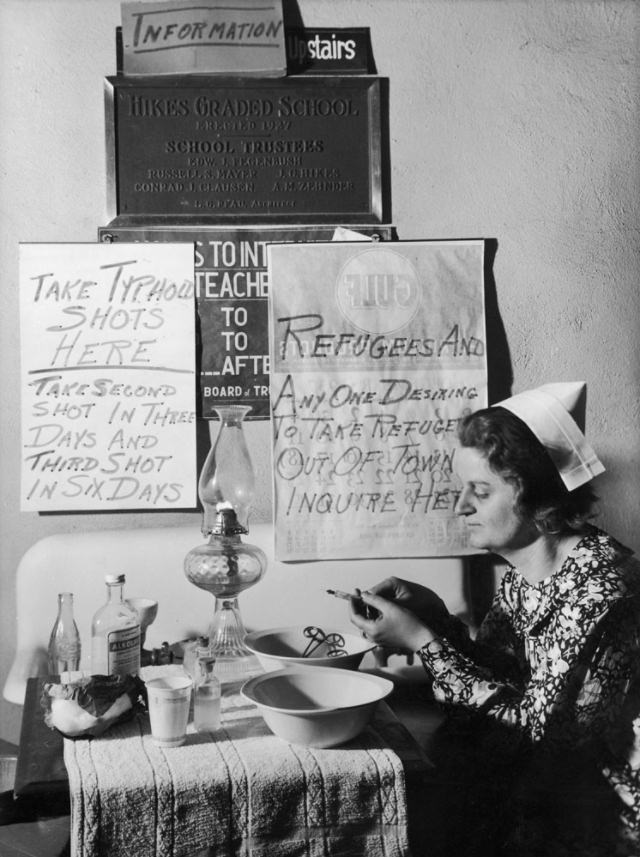
The collapse of clean water infrastructure created an immediate threat of typhoid. Medical workers moved quickly to vaccinate flood victims at makeshift aid stations set up in schools and other public buildings across the city.
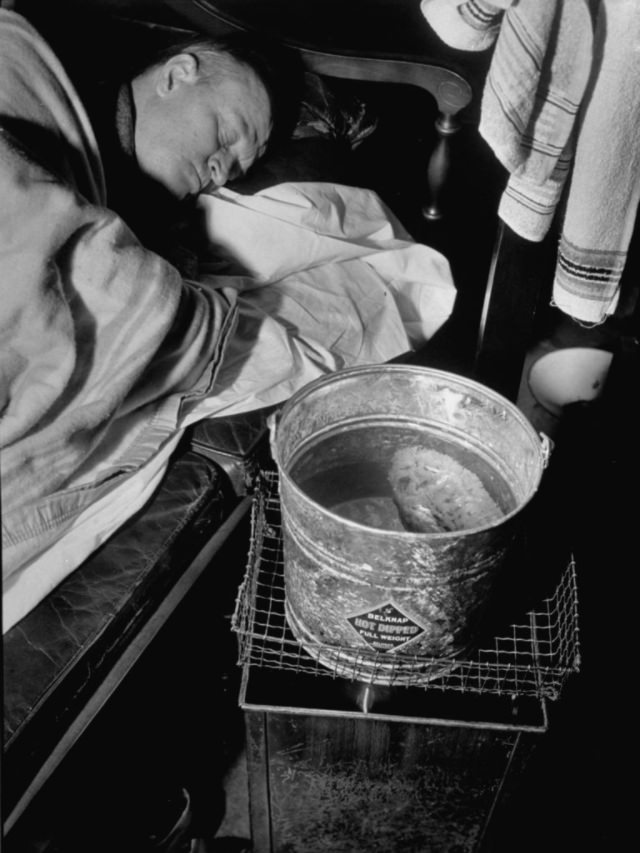
Daily life in the flood zone was stripped down to its most basic elements. Even small comforts — a warm sponge bath, a working lamp — required real ingenuity. Newspaper editor Tom Wallace managed both with a lamp placed under a bucket to heat water overnight.
Churchill Downs continued to serve as a hub for relief efforts throughout the crisis, housing many who had nowhere else to go while the floodwaters remained.
Across the flooded city, scenes of displacement played out on every block. Residents carried what they could and left behind the rest as the water continued to rise.
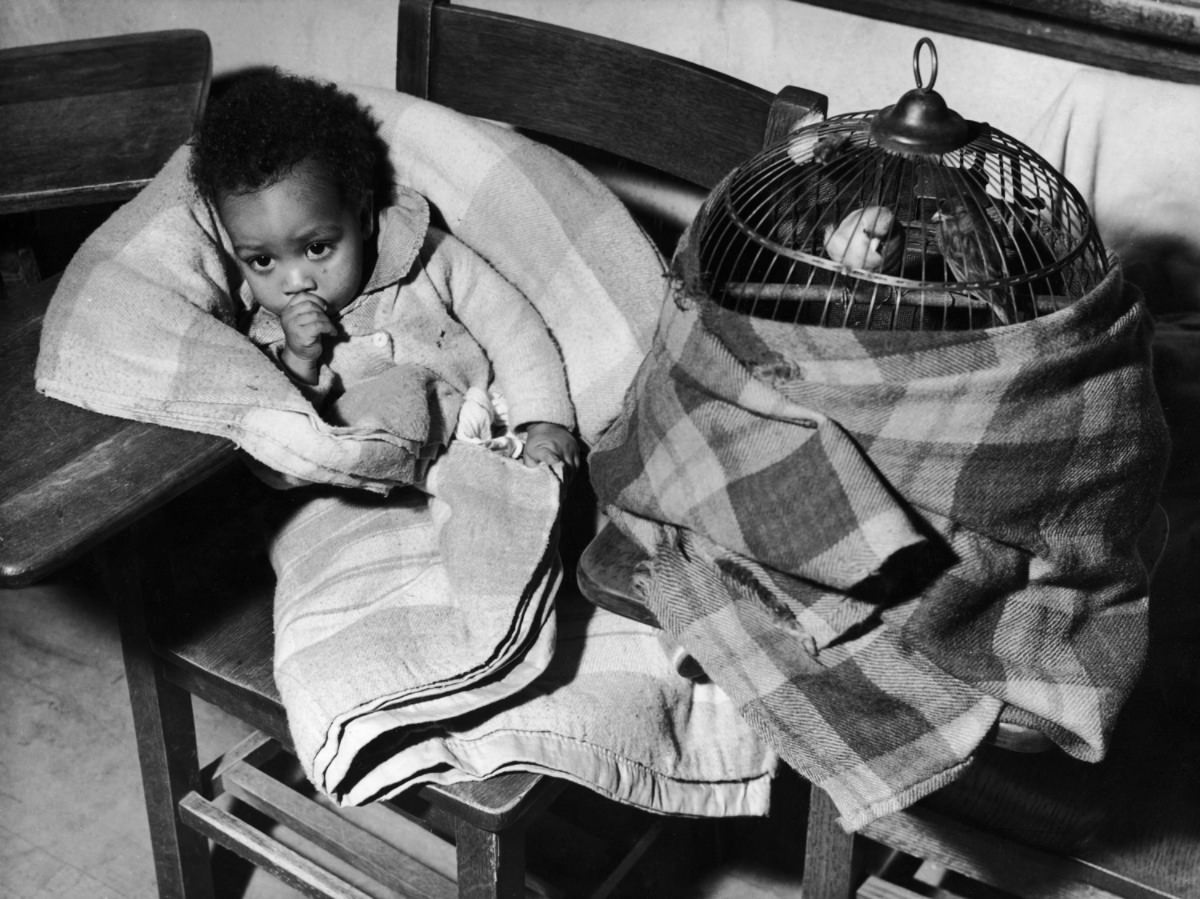
The flood spared no one — not the elderly, not the very young. Children were among the thousands uprooted from their homes, waiting out the disaster in shelters and relief centers.
The city’s newspapers refused to stop publishing despite the conditions. With no electric power, the staffs of the Louisville Courier-Journal and the Louisville Times worked by lamplight to produce a joint edition and keep residents informed.
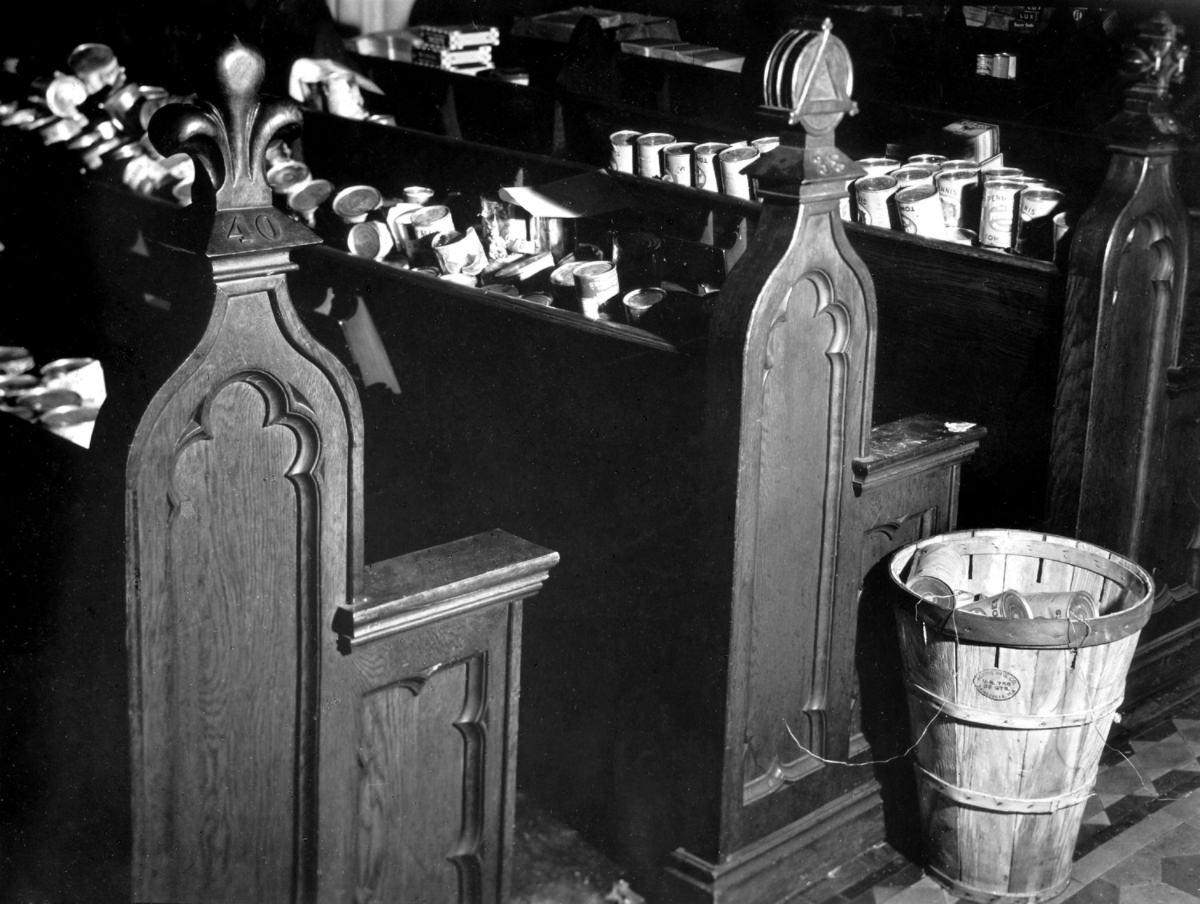
Churches across the city opened their doors as relief stations. At St. Paul’s Episcopal Church, pews that normally held worshippers were stacked instead with canned food for distribution to flood victims.
Following the disaster, the federal government funded the Ohio River Flood Protection System for Louisville. Construction began in 1948 and was completed in 1978. The finished system includes a 29-mile floodwall stretching from northeast to southwest Louisville Metro, protecting 110 square miles of the city. Sixteen pumping stations move stormwater from the protected area out into the river. The 1937 flood made clear that nothing less would be sufficient.