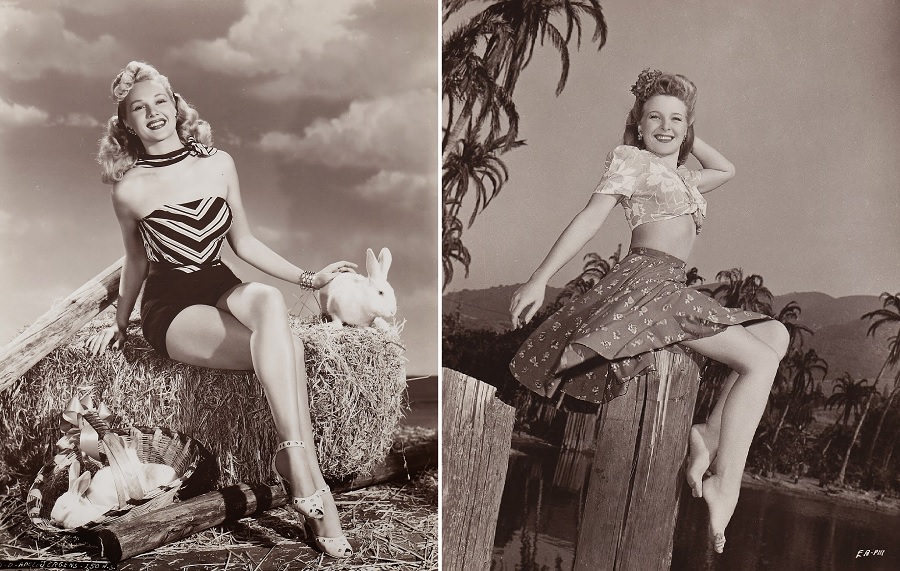
Tazio Secchiaroli is one of the most important names in the history of celebrity photography. Born in Rome, he picked up a camera as a young man and shot his first images in 1941. Most were unremarkable, but one early photo already hinted at the instinct that would define his career — a friend cycling with a soccer ball balanced on his head, frozen perfectly in time. That sense of timing never left him.
In 1955, Secchiaroli co-founded Roma Press Photo, a news photography agency that put him at the center of Rome’s postwar media scene. He became one of the original paparazzi — photographers who stalked celebrities in public, snapping unposed, often unwanted shots. His aggressive style of street photography made him notorious, and it made him famous. So famous, in fact, that director Federico Fellini based the character Paparazzo in his landmark 1960 film La Dolce Vita directly on him. Fellini gathered his material the old-fashioned way: by buying Secchiaroli and his colleagues dinner and listening to their stories.
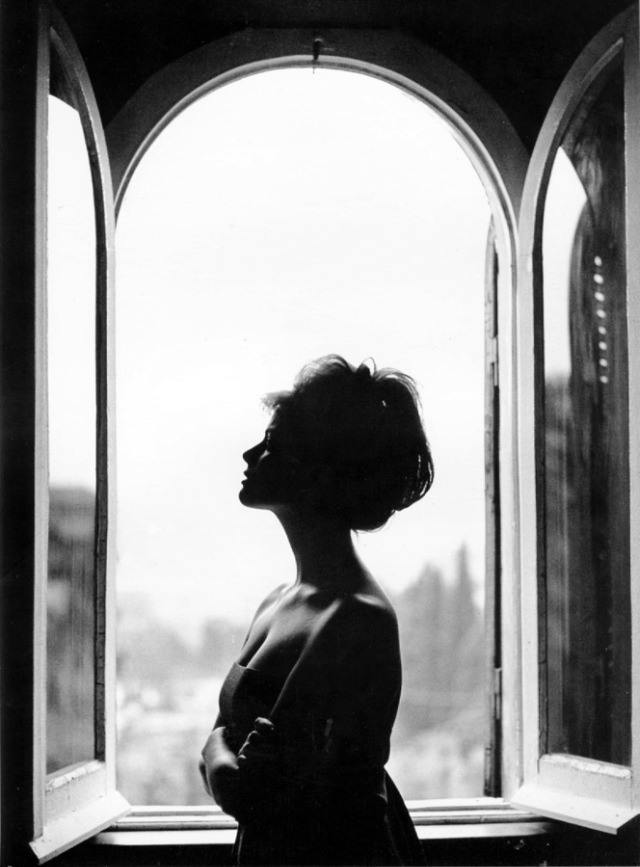
By the time the word “paparazzi” entered the public vocabulary, Secchiaroli had already moved on. He transitioned from ambush-style street photography to working directly with the Italian film industry as an insider. Rather than chasing stars through Roman streets, he was now photographing them on set and in their homes. The results were something different — informal, candid portraits that showed celebrities in unguarded, human moments.
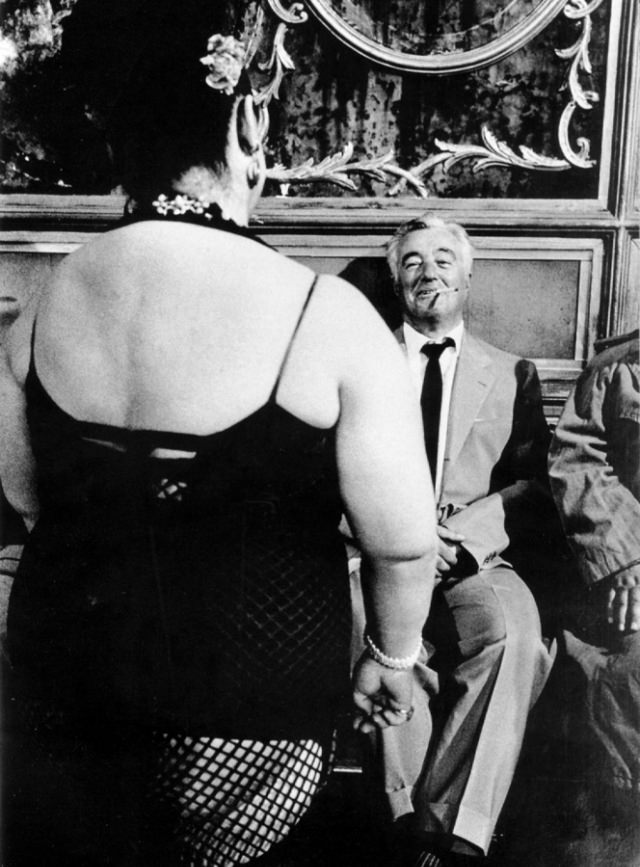
The 1960s were a golden era for Italian cinema, and Secchiaroli was present for much of it. Cinecittà, the massive film studio complex on the outskirts of Rome, was buzzing with productions. Directors like Vittorio De Sica and Federico Fellini were making films that would become permanent fixtures of world cinema history, and Secchiaroli had a front-row seat with a camera.
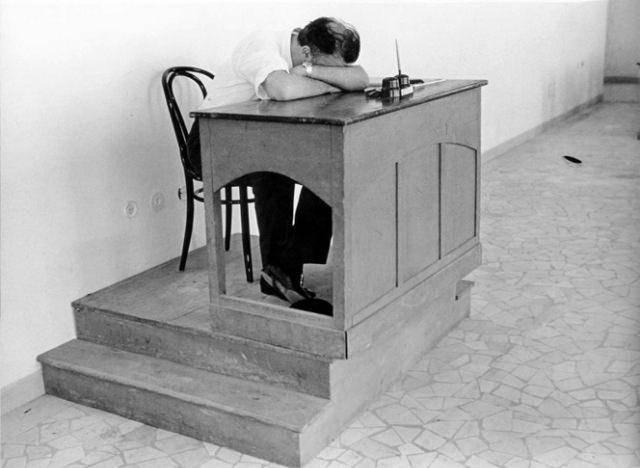
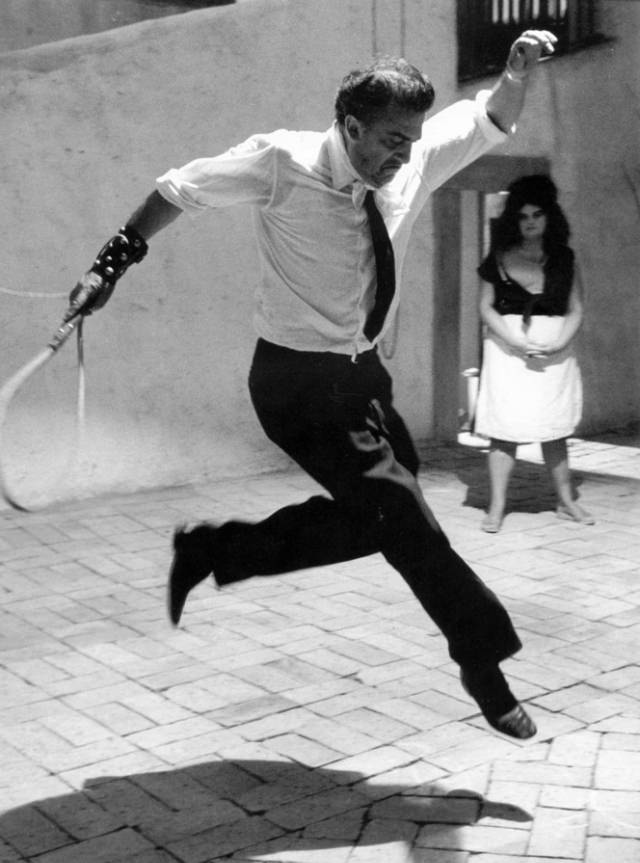
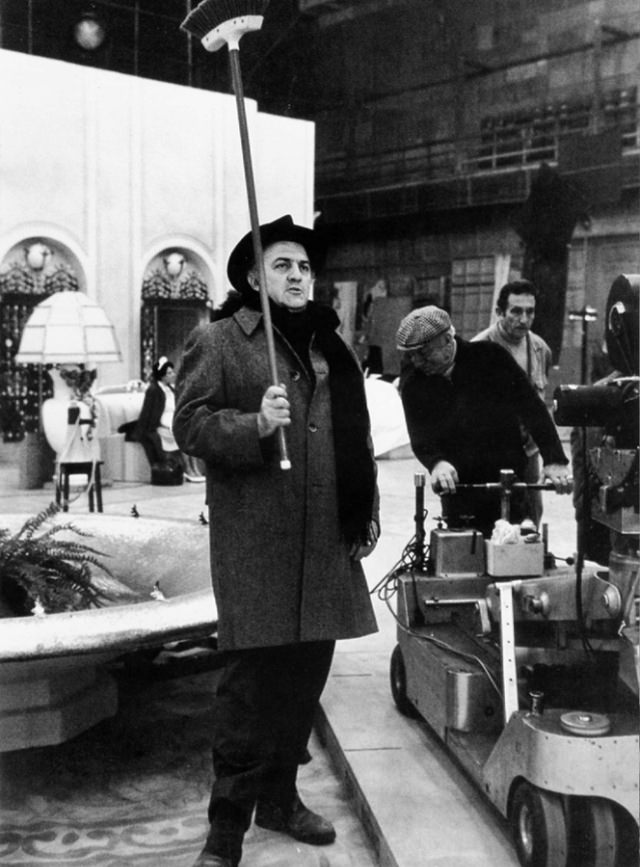
Fellini himself was one of Secchiaroli’s most compelling subjects. During the filming of 8½ in 1963, Secchiaroli captured the director in his element — commanding, energetic, and completely absorbed in his work. More than a decade later, he was back on set with Fellini for Amarcord in 1974, again documenting the director at close range.
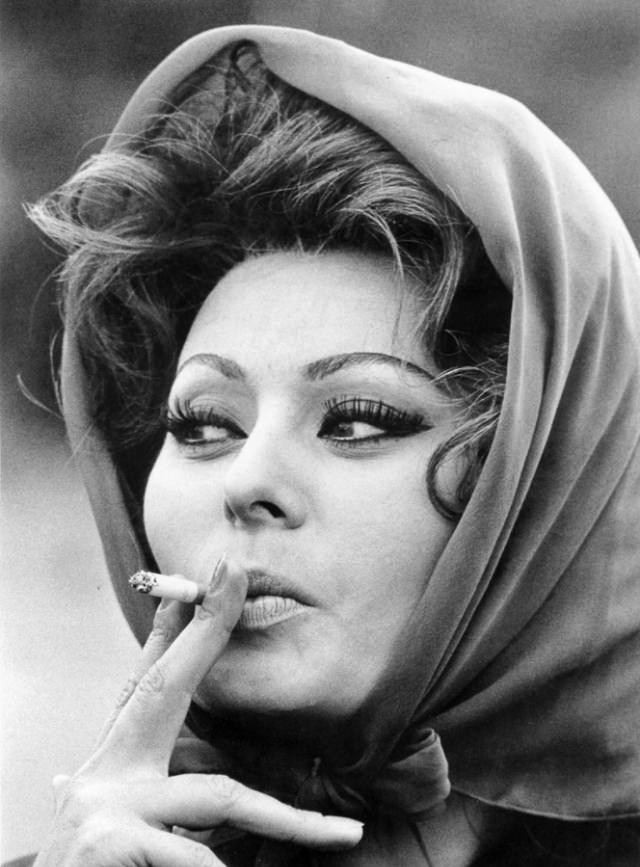
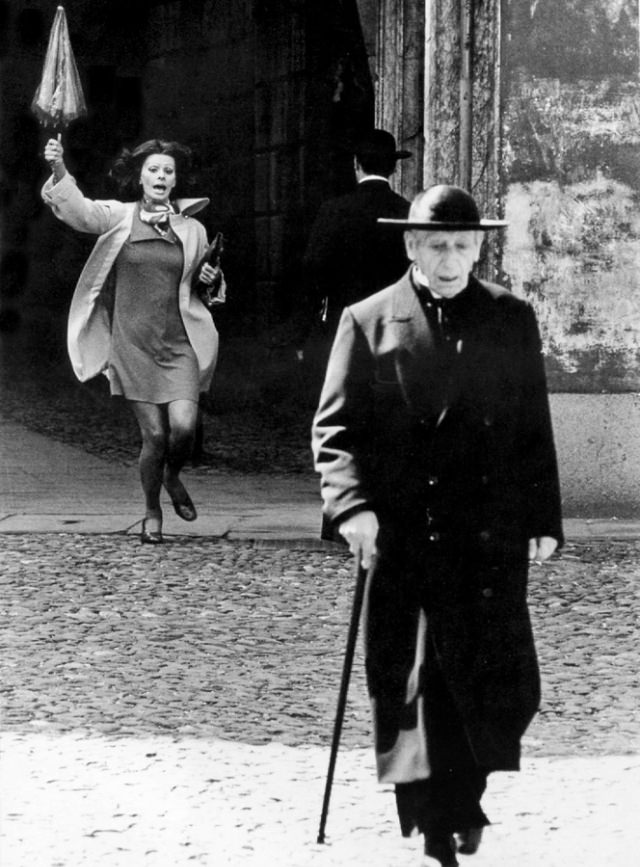
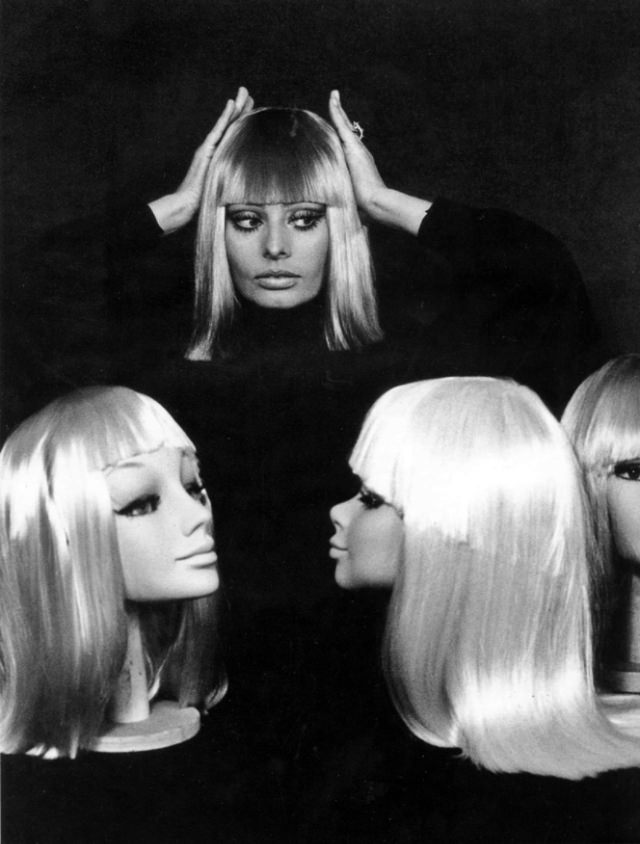
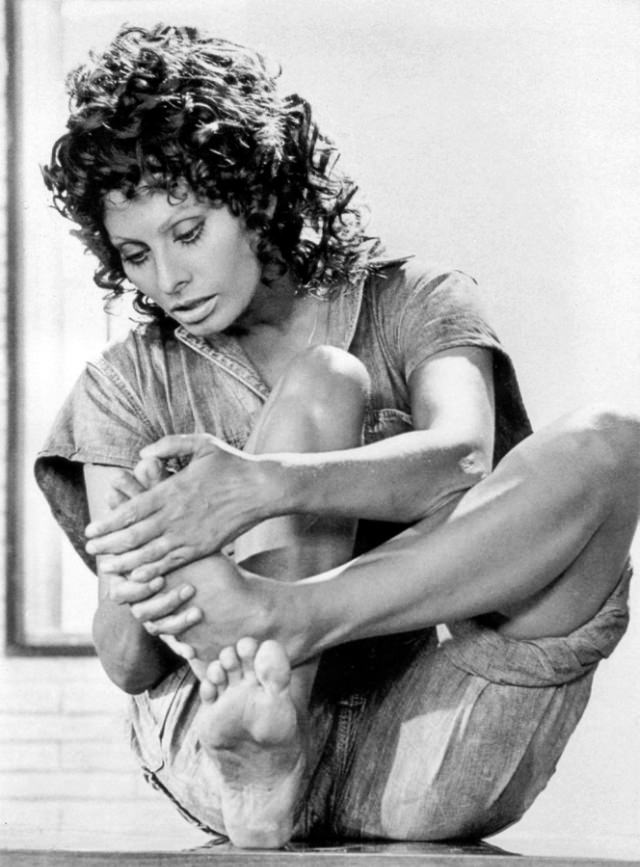
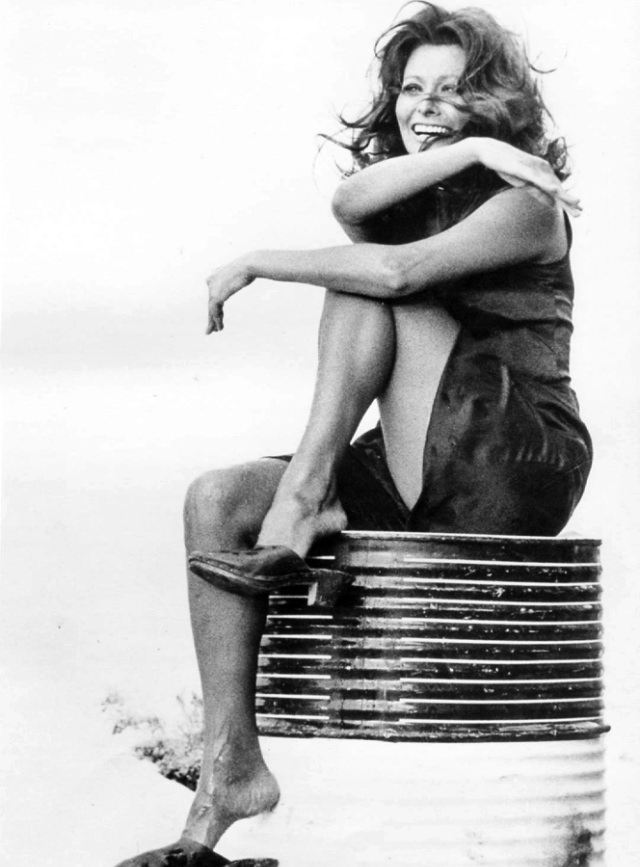
No photographer working in Italian cinema during this period could avoid Sophia Loren. She was the country’s biggest star and one of the most photographed women in the world. Secchiaroli shot her across multiple productions throughout the 1960s and into the 1970s, catching her between takes, at rest, and in full character. His images of Loren are among the most relaxed and personal ever taken of her.
Silvana Mangano was another major figure of Italian cinema whom Secchiaroli photographed with particular intimacy. In 1961, while Mangano was working on The Last Judgment, Secchiaroli captured her on set alongside her three children — a rare and striking image that blended her public and private worlds in a single frame.
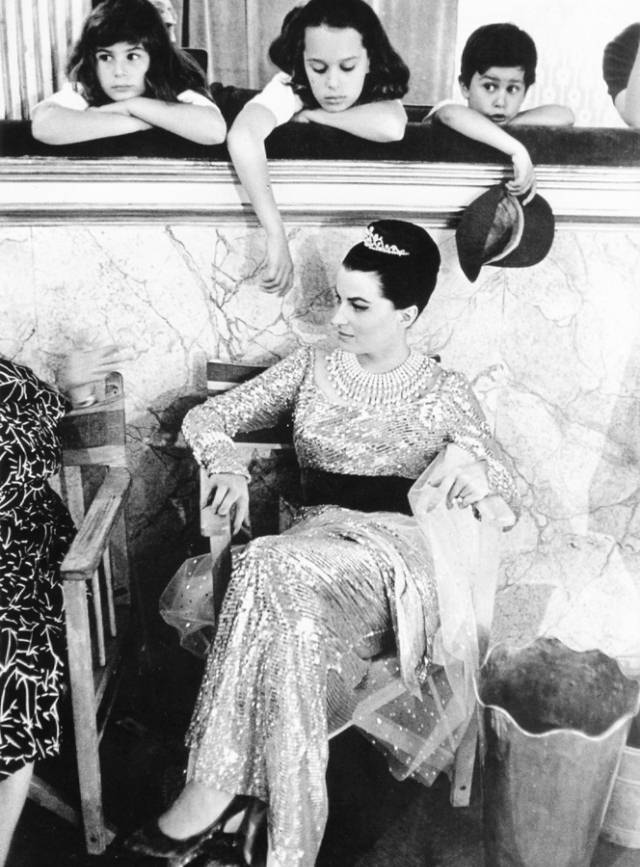
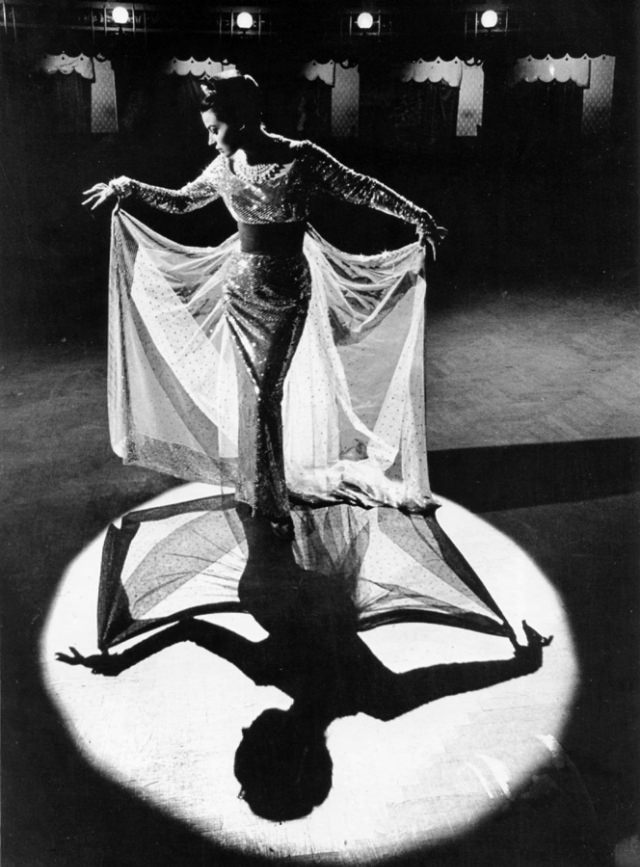
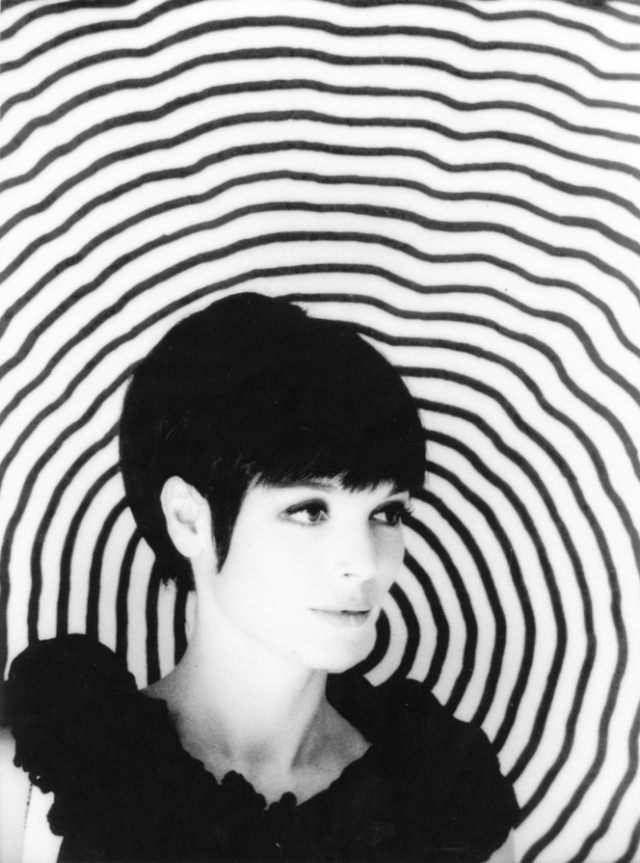
The 1965 production of Casanova ’70 gave Secchiaroli access to a remarkable concentration of talent. Director Marco Ferreri, lead actor Marcello Mastroianni, and actresses Virna Lisi and Marisa Mell were all on set, and Secchiaroli photographed them all. The film was a satirical comedy, and his behind-the-scenes images capture the lighter atmosphere that often comes with that kind of production.
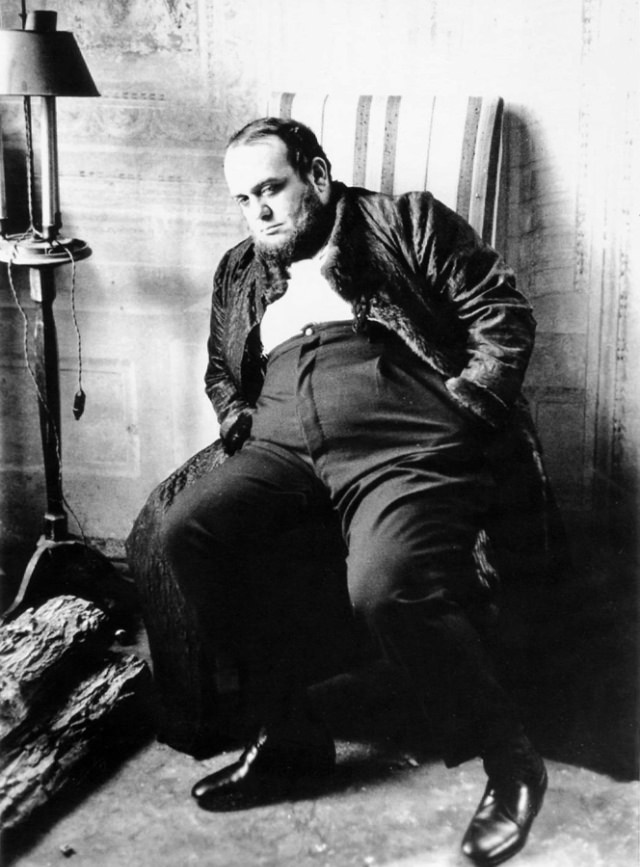
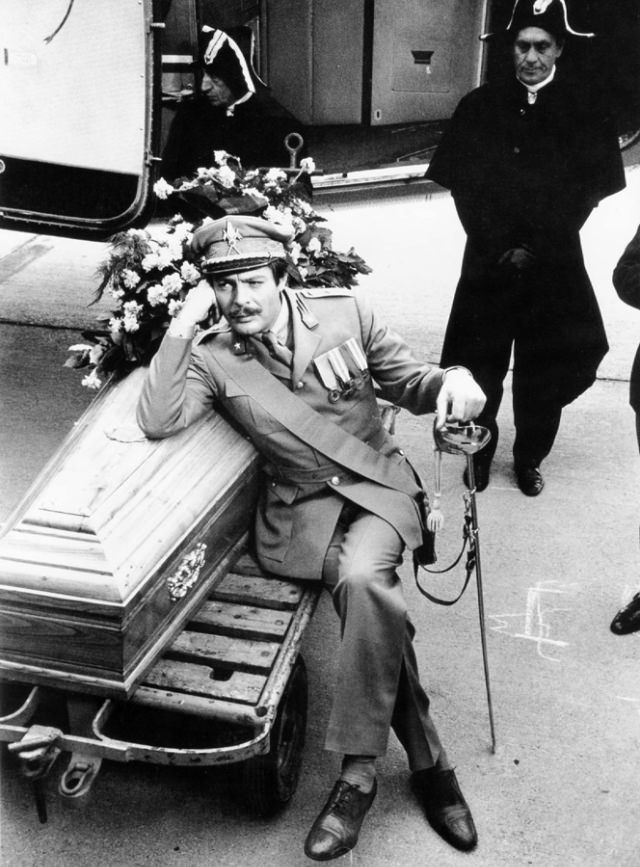
Mastroianni was also one of Secchiaroli’s subjects on the set of 8½ in 1963, where the actor played the film’s lead — a director grappling with creative paralysis. The contrast between Mastroianni in that introspective role and his more playful appearance in the Casanova ’70 photos shows how effectively Secchiaroli adapted his approach to each production.
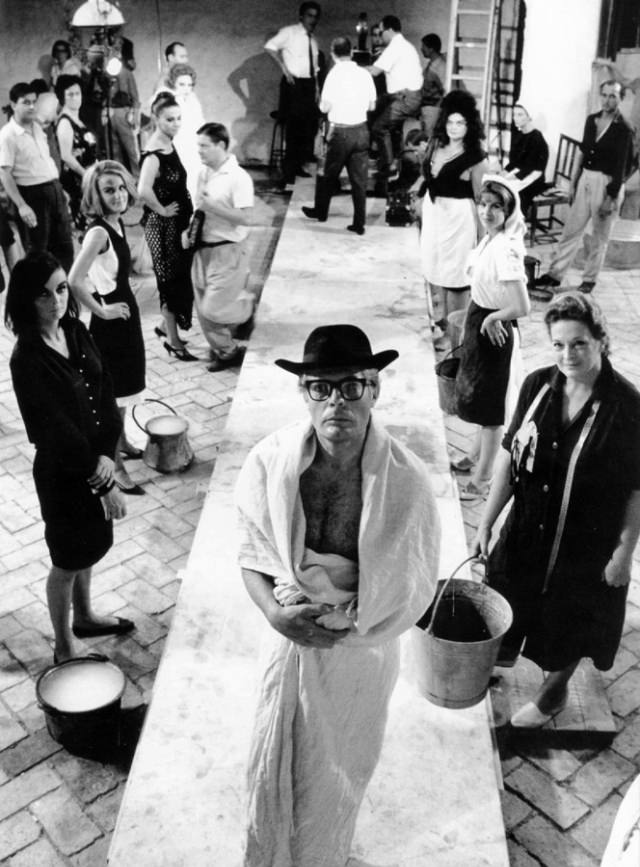
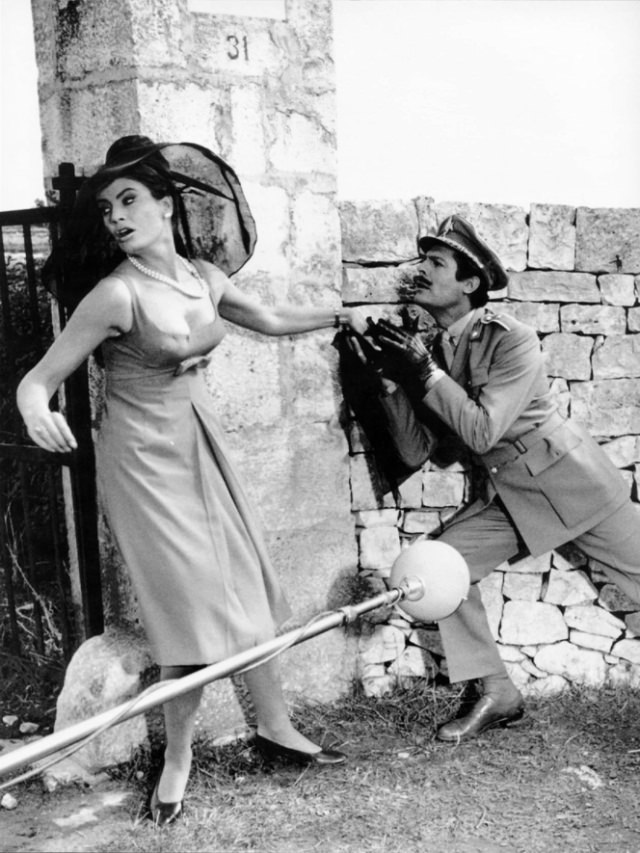
Secchiaroli also turned his lens on director Pier Paolo Pasolini during the shooting of Accattone in 1961 — Pasolini’s debut feature film, set among the impoverished fringes of Roman society. Photographing Pasolini at work on that raw, uncompromising project was a long way from the glamour of Sophia Loren between takes, and it underscores the range of Secchiaroli’s work during this period.
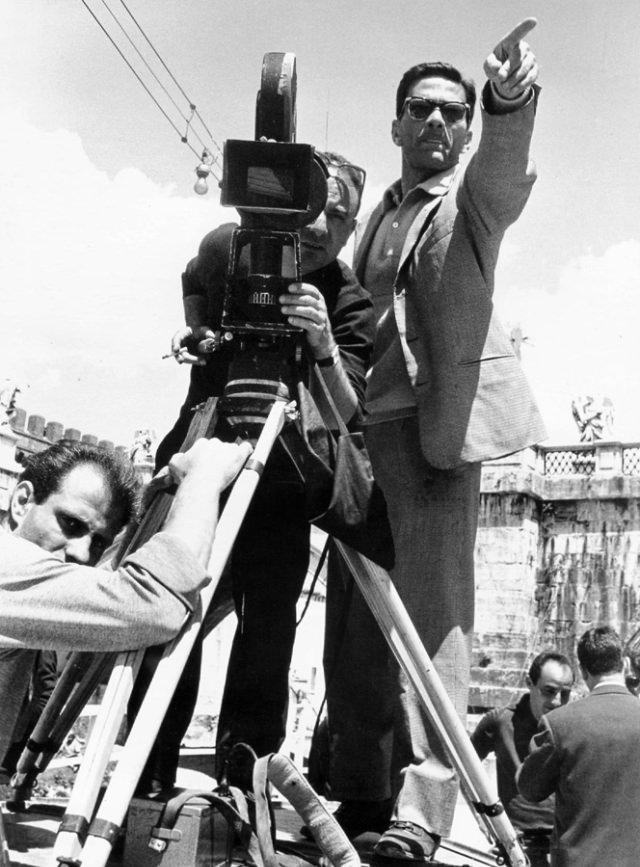
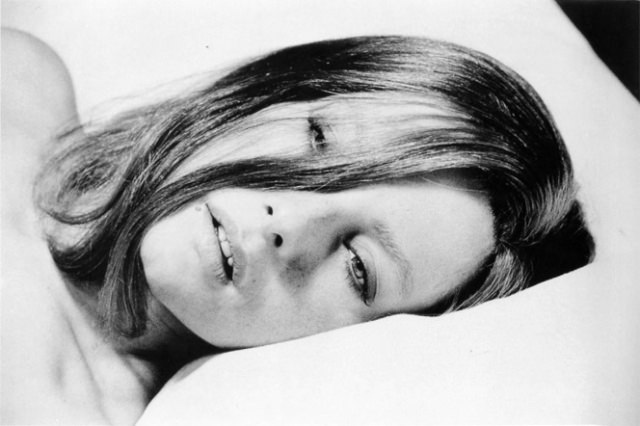
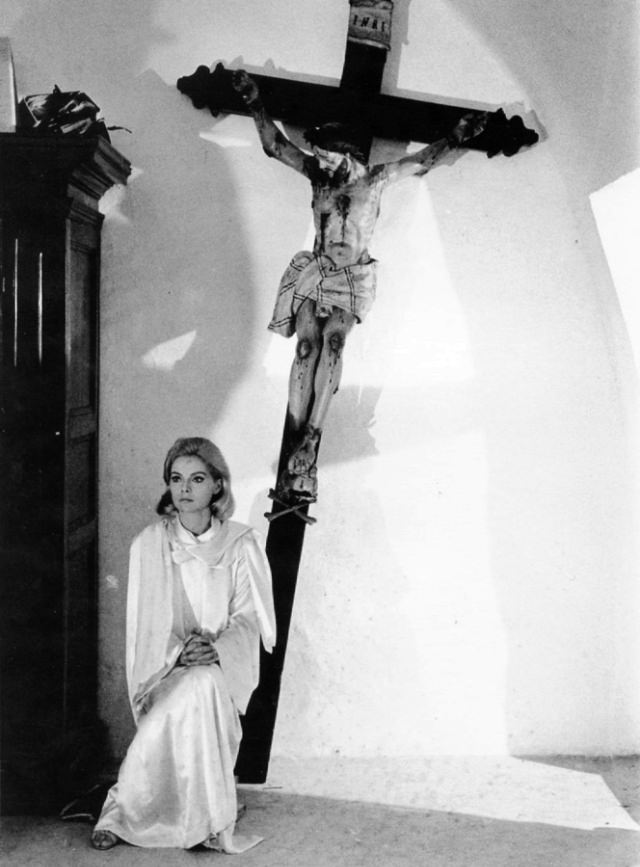
Among all the images Secchiaroli produced during his time with Fellini, one stands out for its sheer energy. On the set of 8½, he caught Fellini mid-air — leaping, arms wide, completely unrestrained. It is the kind of shot that defines what candid photography can achieve: a single frame that says more about a person than a posed portrait ever could.