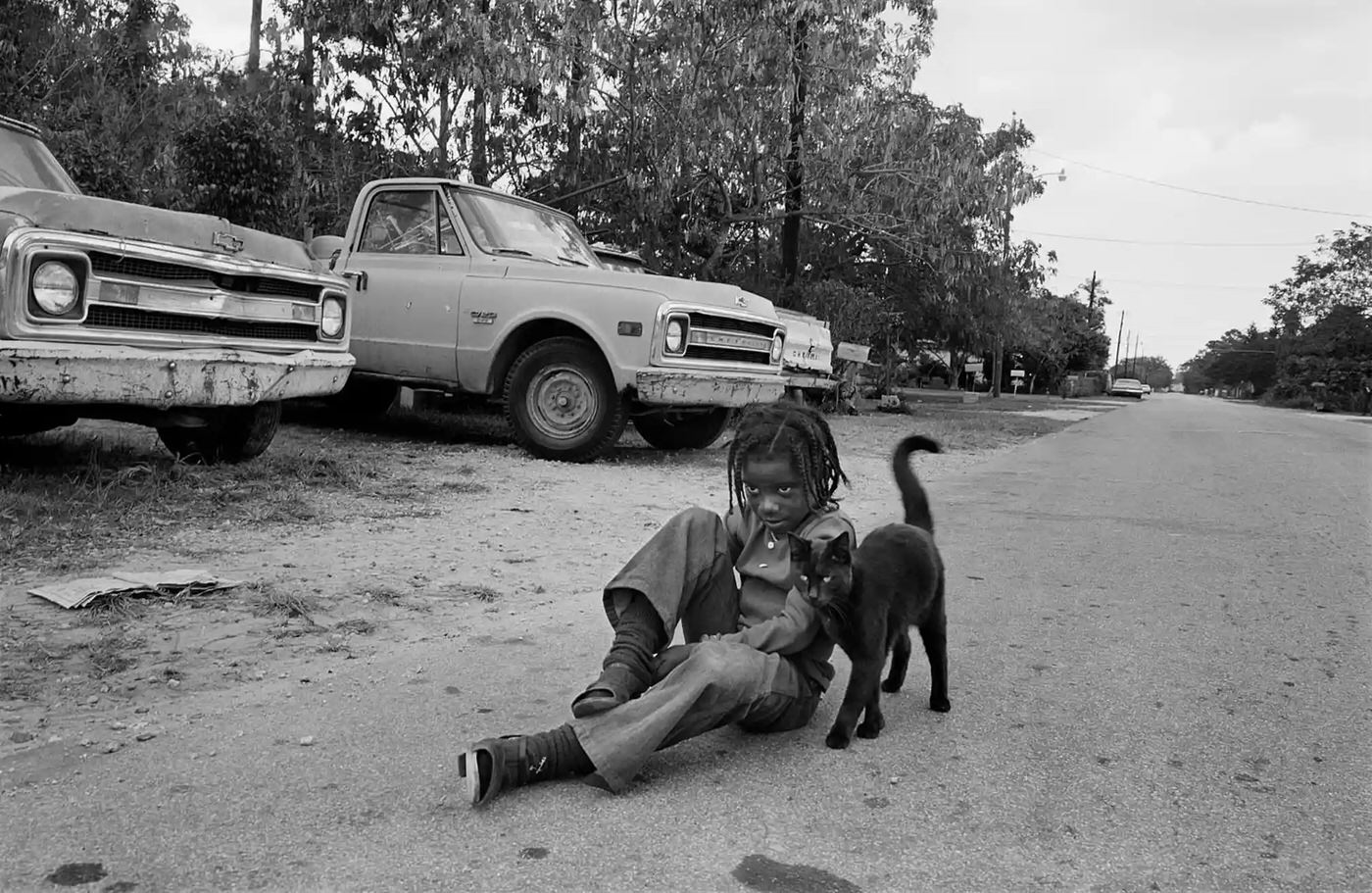
Before smartphones, before social media, and before central air conditioning became standard in most homes, American summers looked very different. Between 1979 and 1985, photographers captured something raw and real — kids pouring out of apartments and row houses into the streets, turning sidewalks and stoops into their living rooms. These images span the country, from Massachusetts mill towns to Florida neighborhoods to the hollows of West Virginia.
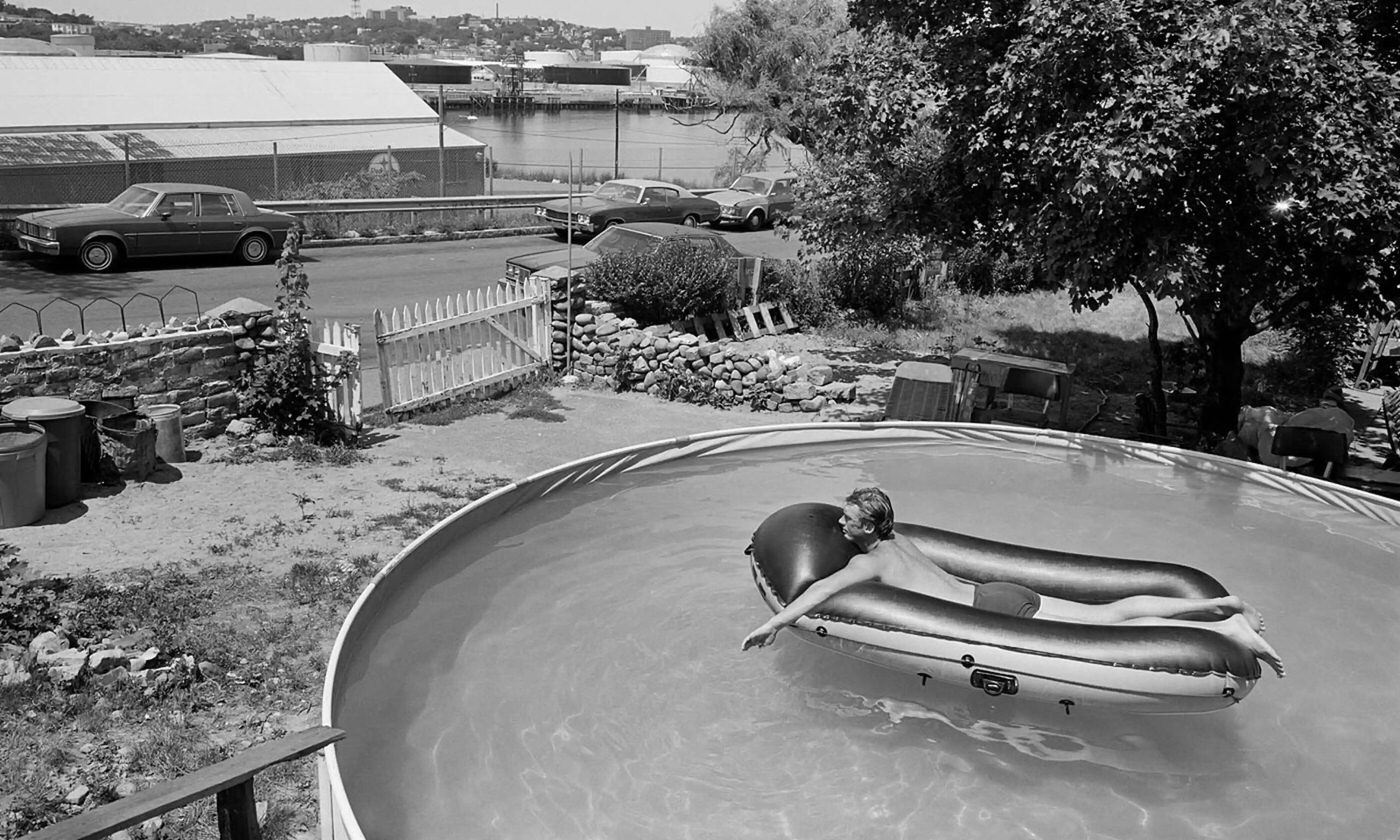
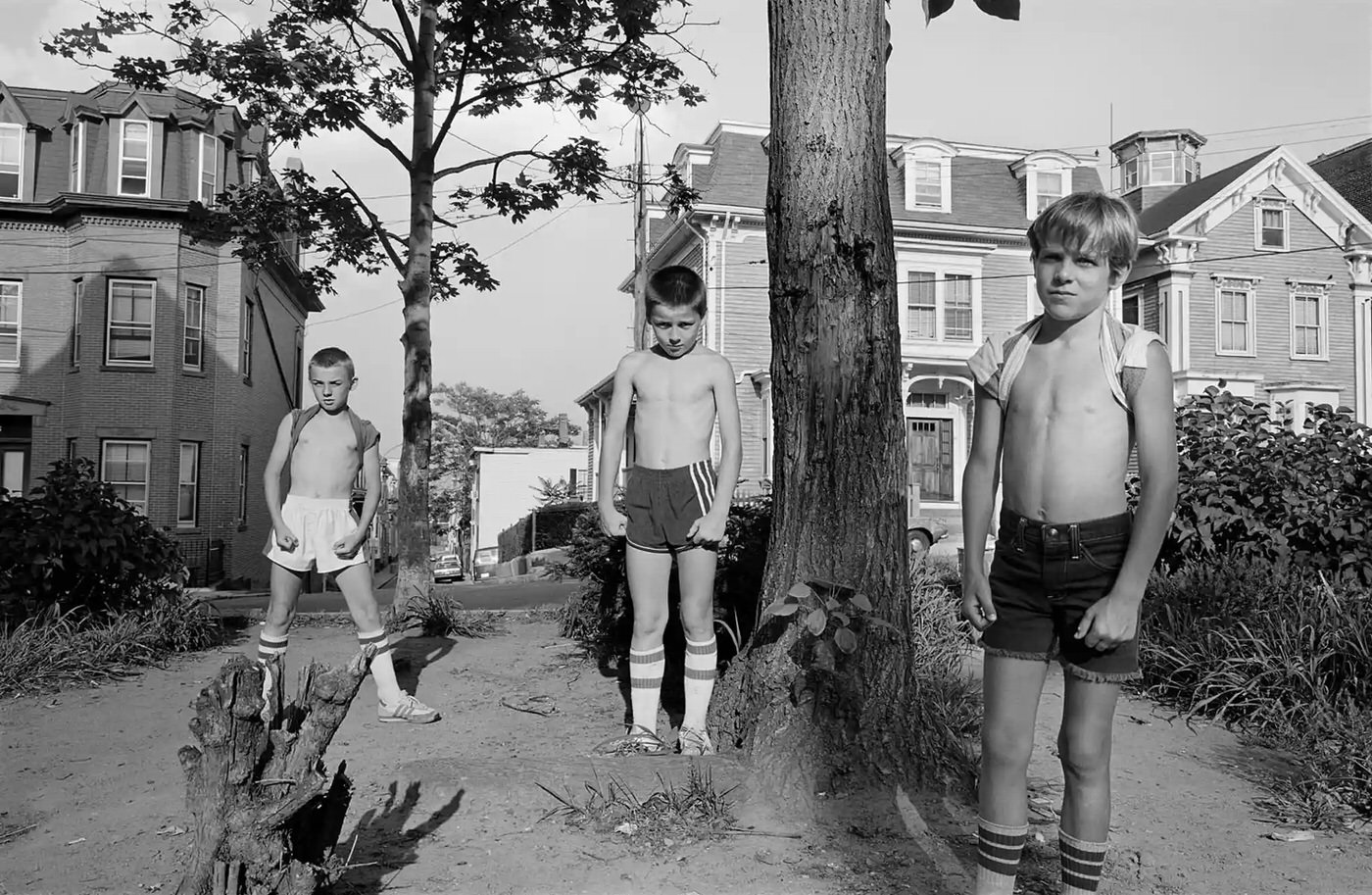
In cities like Lawrence and Boston, summer meant the fire escapes and front steps were always occupied. Neighbors talked across railings, kids chased each other down the block, and the street was everyone’s shared backyard. Air conditioning was a luxury many families didn’t have, so the outdoors wasn’t just appealing — it was necessary.
The clothing said everything about the era. Cut-off jeans, tank tops, and beat-up sneakers were standard issue. Long hair was common, often held back with a bandana or headband. Nobody dressed to impress — they dressed to move, to sweat, to play from morning until the streetlights came on.
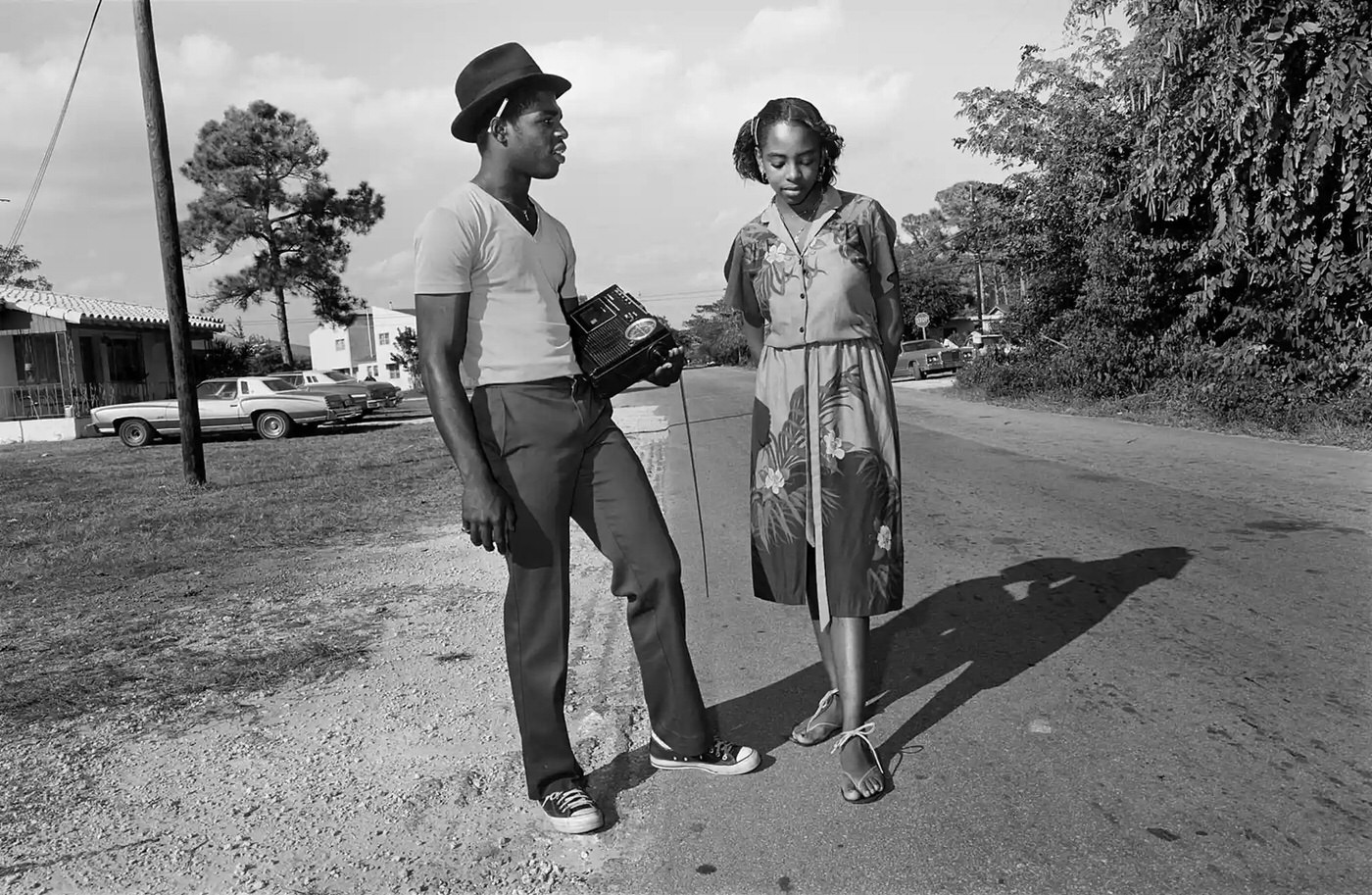
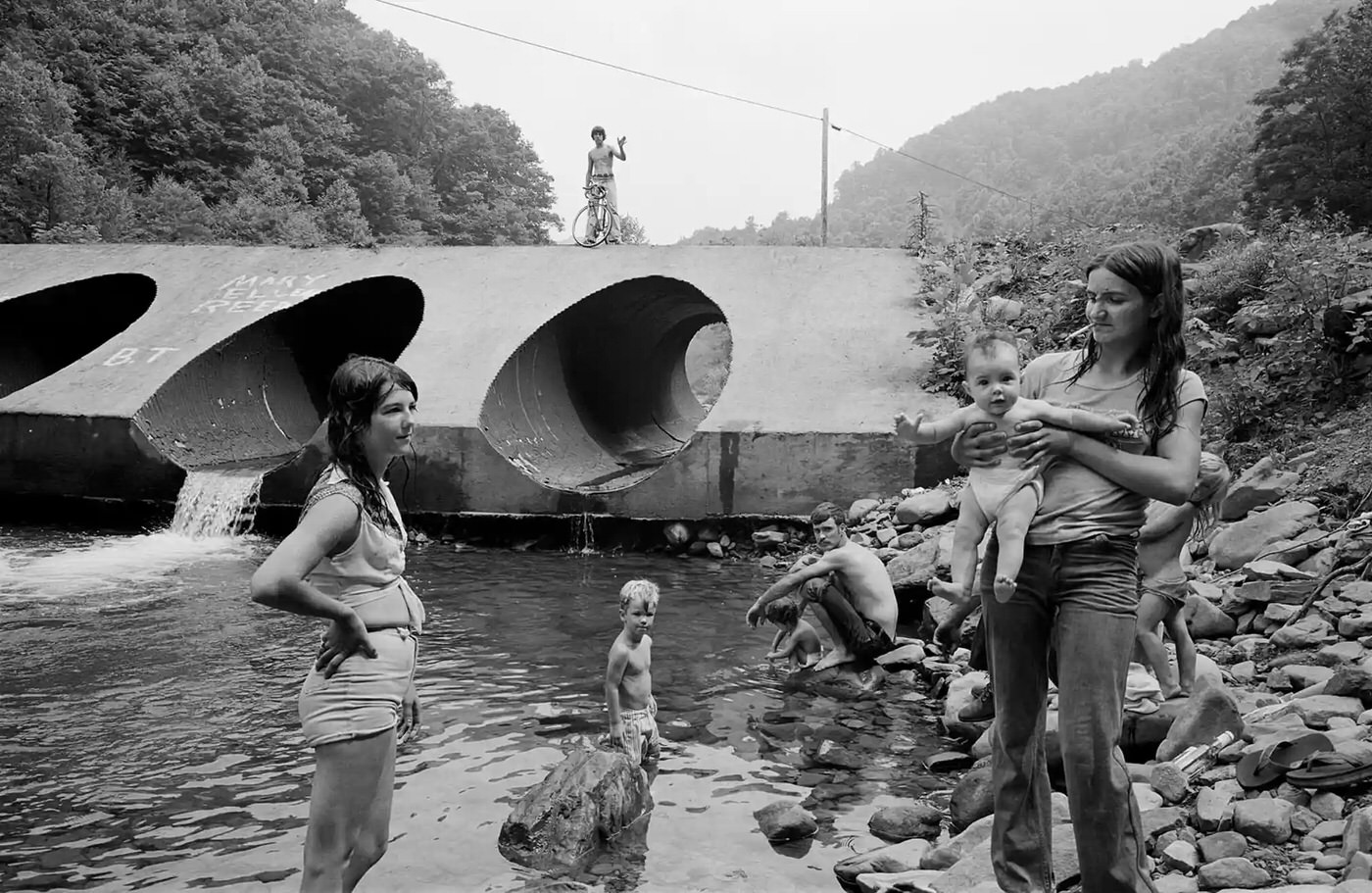
In smaller communities and rural areas like Amigo Hollow and Mill Creek, West Virginia, summers had their own rhythm. Kids roamed farther and stayed out longer. Bikes weren’t just transportation — they were the keys to an entire world of corner stores, creek beds, and friends’ houses a few miles away.
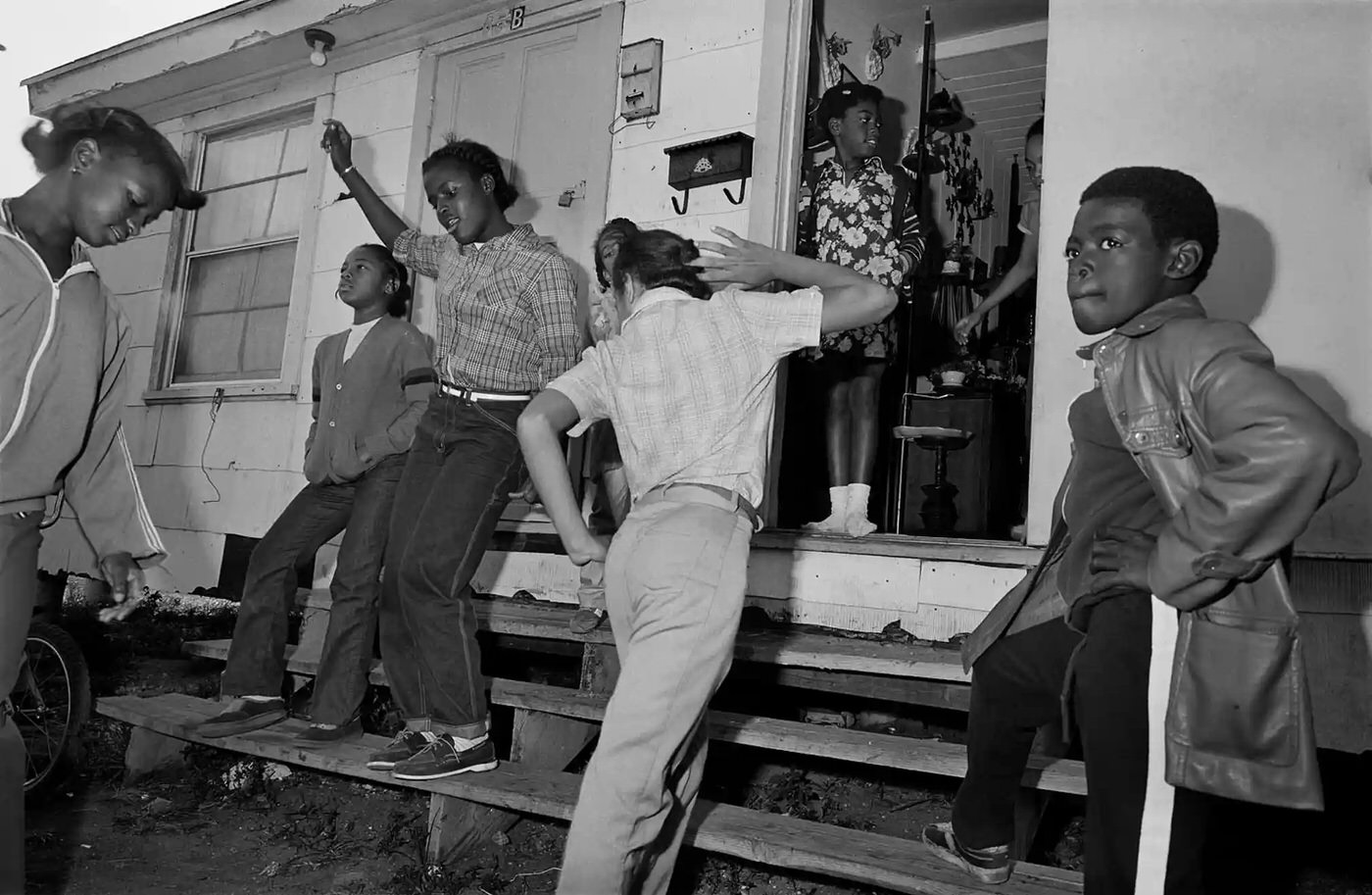
Down in South Florida, the heat was relentless. Towns like Perrine and Belle Glade sat under a heavy, humid sun that made the air feel thick. But kids played through it anyway — splashing through whatever water they could find, moving from shade to shade, stretching the day out as long as possible.
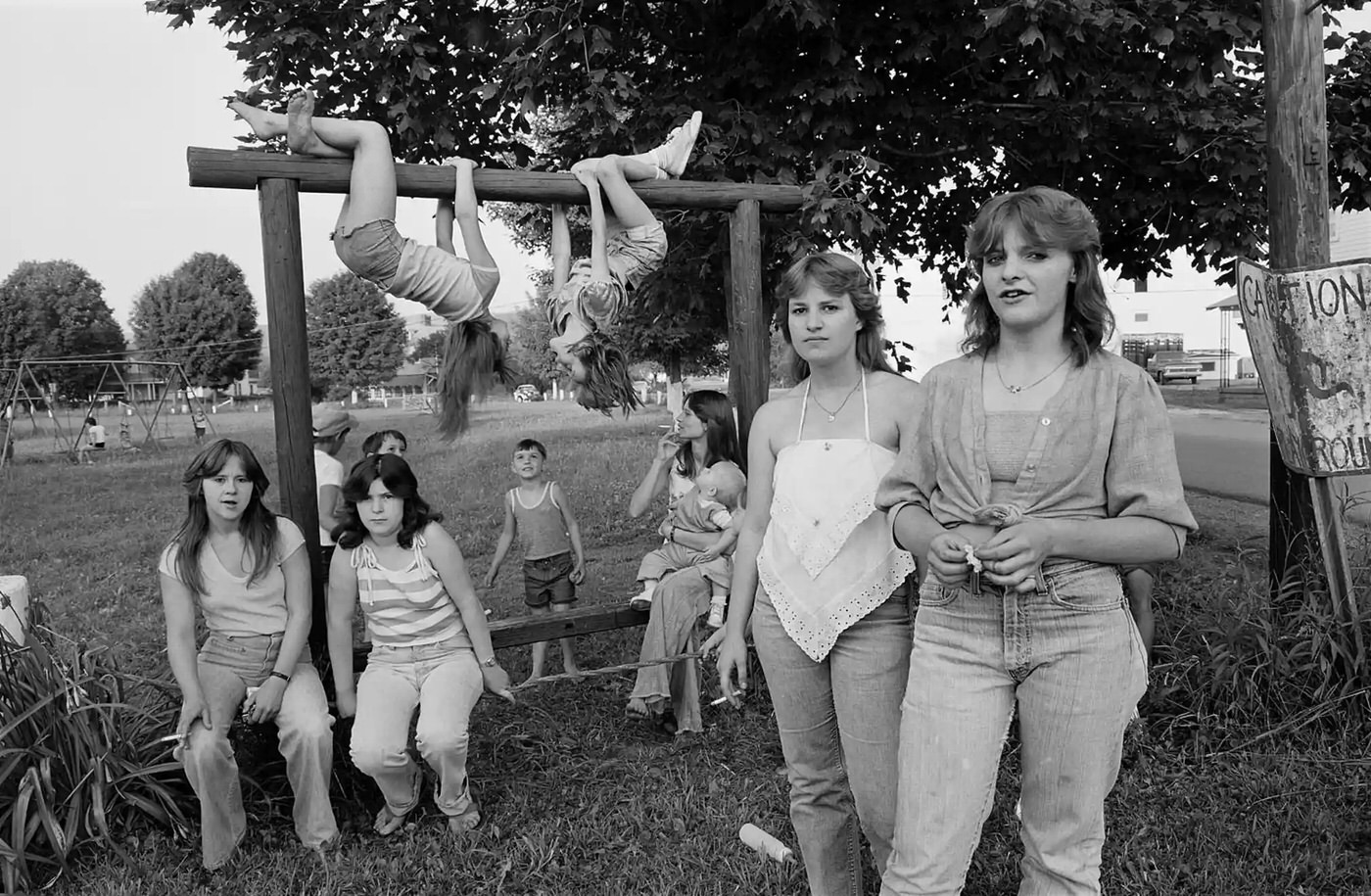
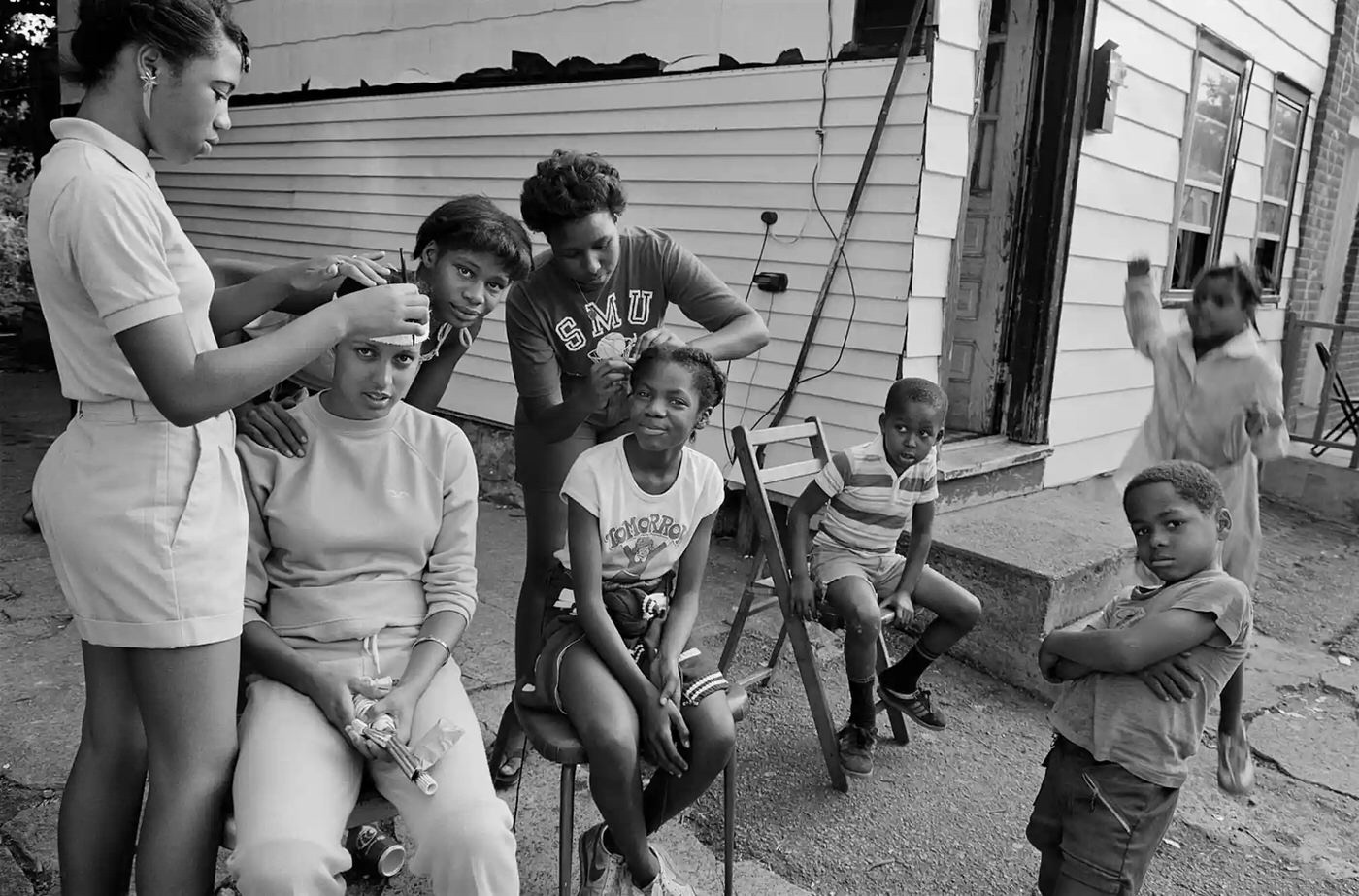
Games erupted without any planning. Stickball, tag, and hopscotch drew in kids of all ages from up and down the block. There were no referees, no scheduled practices, no organized leagues — just kids working out the rules among themselves. Arguments flared and got settled just as fast. That was part of it.
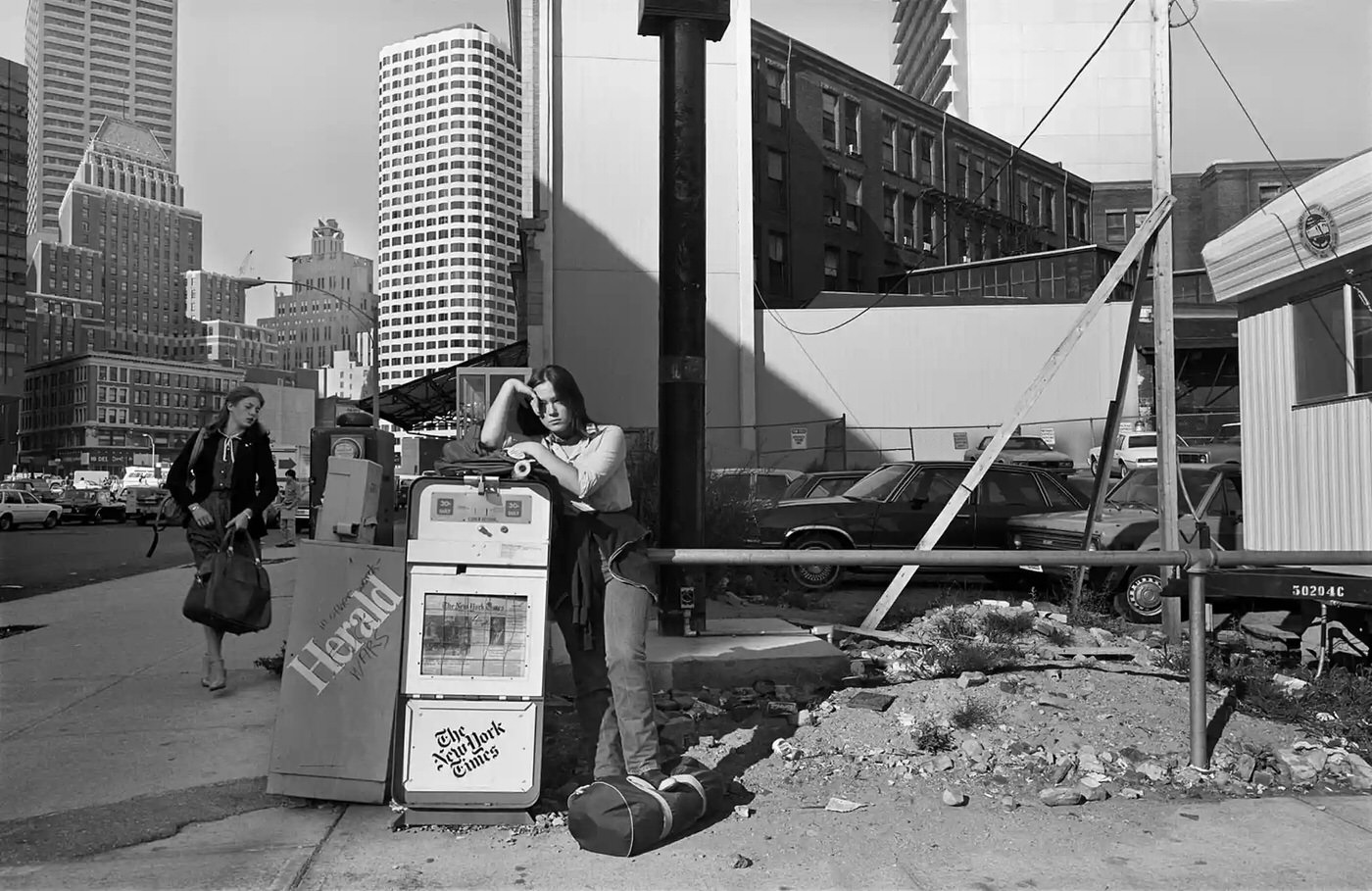
Parents kept watch from porches and open windows. They knew the neighbors, knew the kids on the block, and trusted the street itself as a kind of communal space. Children weren’t constantly supervised or scheduled — they were sent outside and expected to figure things out.
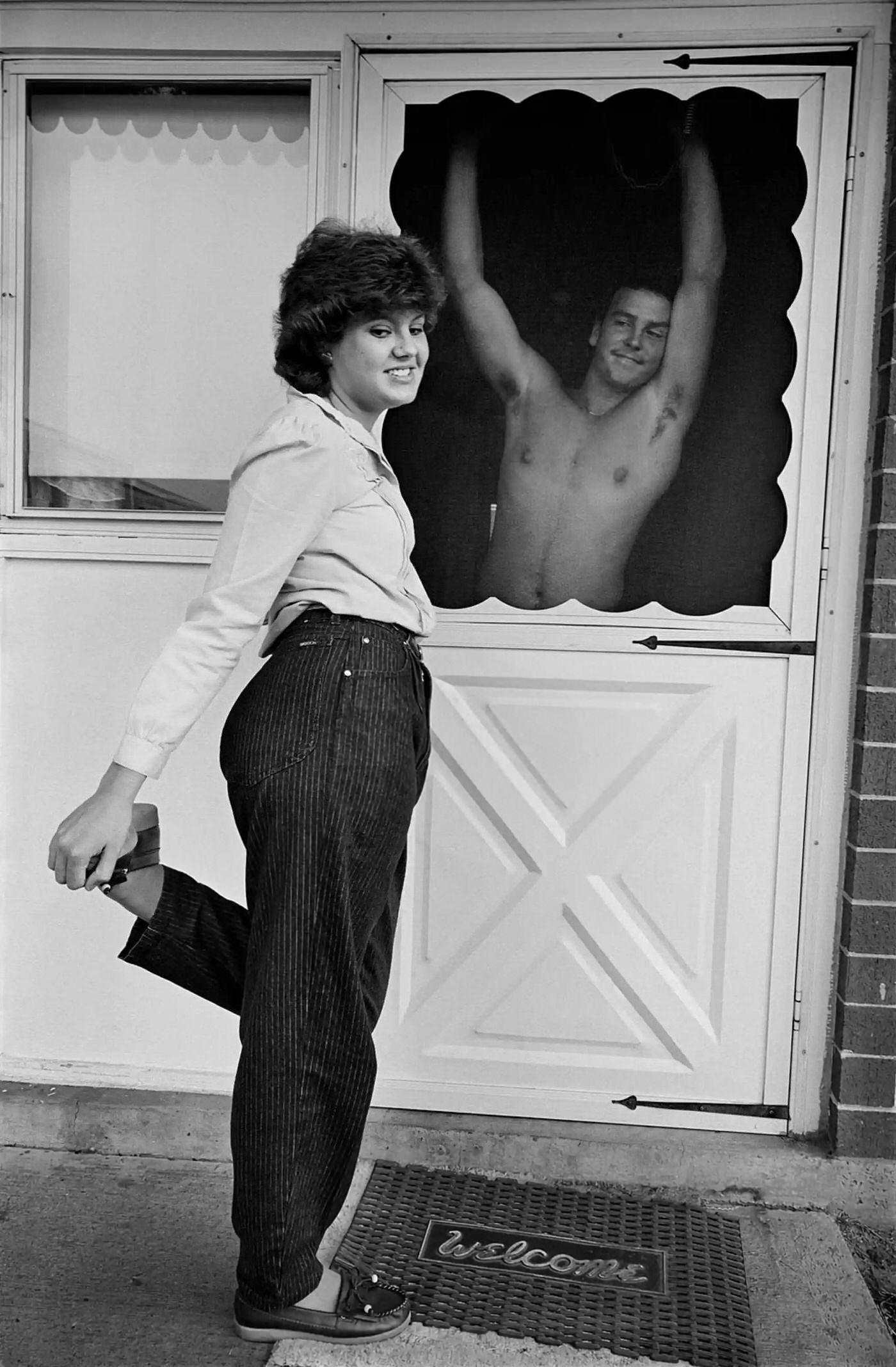
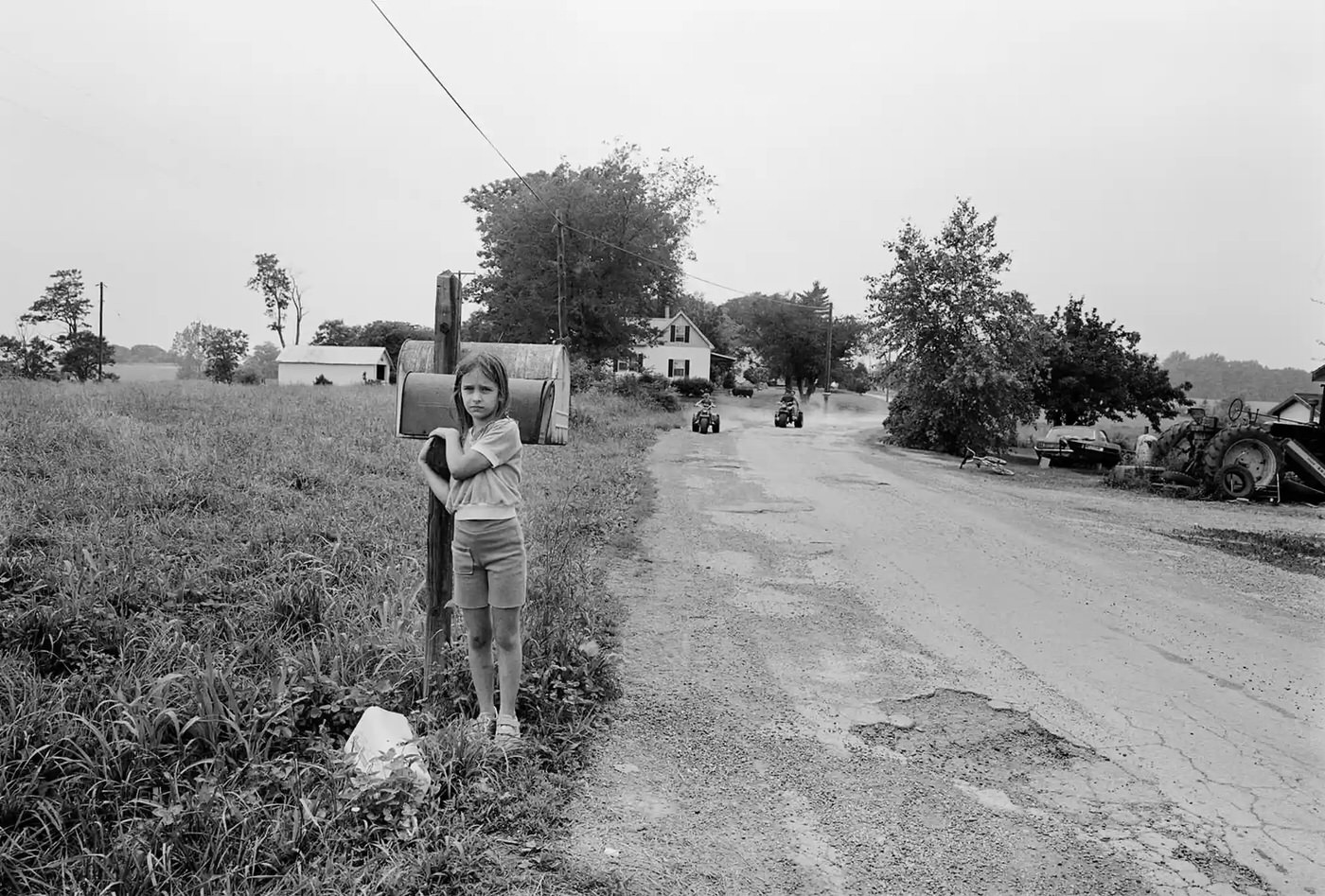
Without cable TV, video games, or any digital entertainment to compete with, the real world held kids’ full attention. They built forts from scrap wood, invented games from scratch, and spent hours doing things that had no name. Boredom pushed creativity in a way that a full schedule never could.
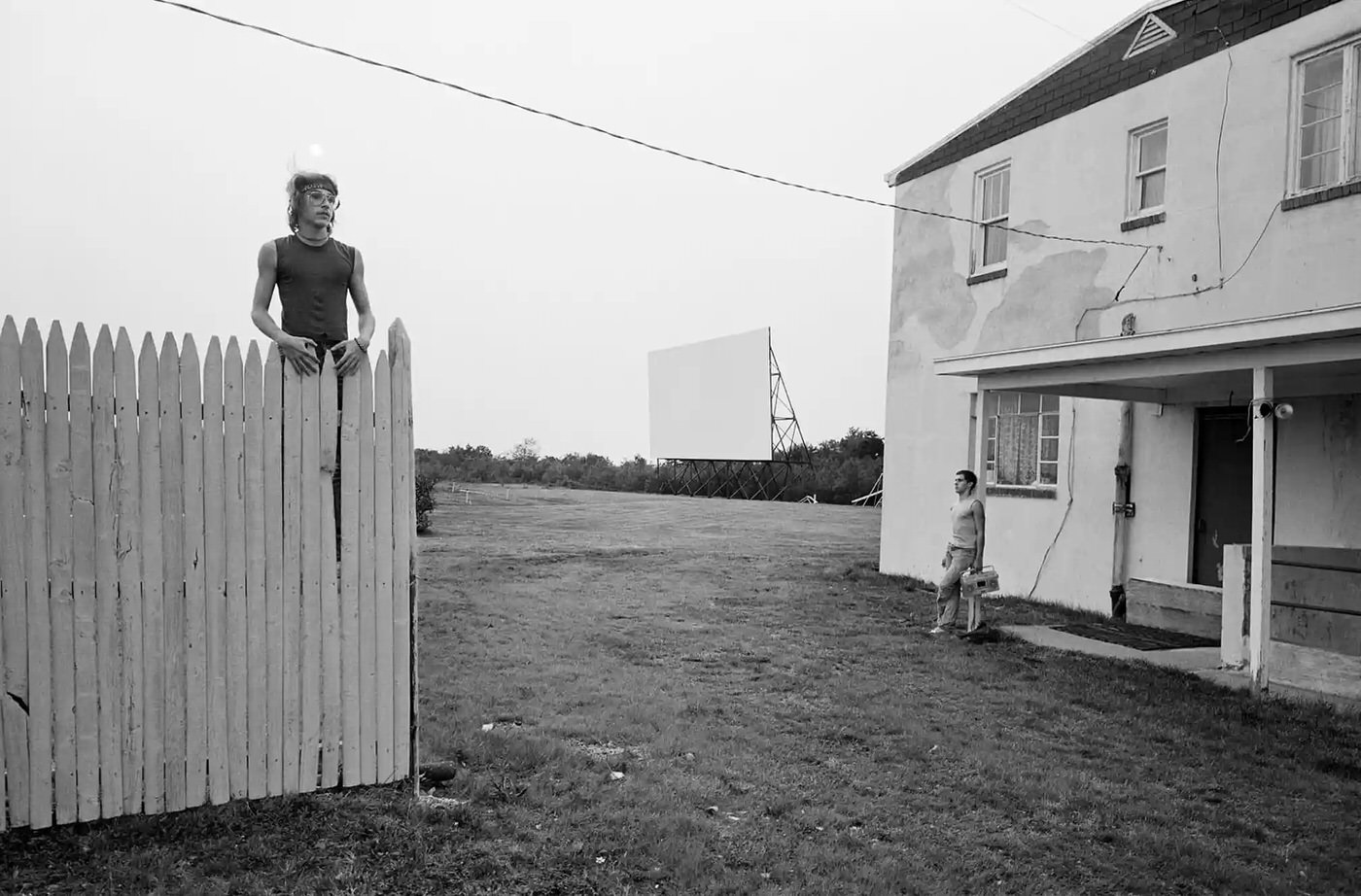
What these photos share — across every state, every neighborhood, every economic background — is a sense of physical freedom. Sun-darkened skin, scraped knees, wide grins. These weren’t posed portraits. They were summers actually lived.