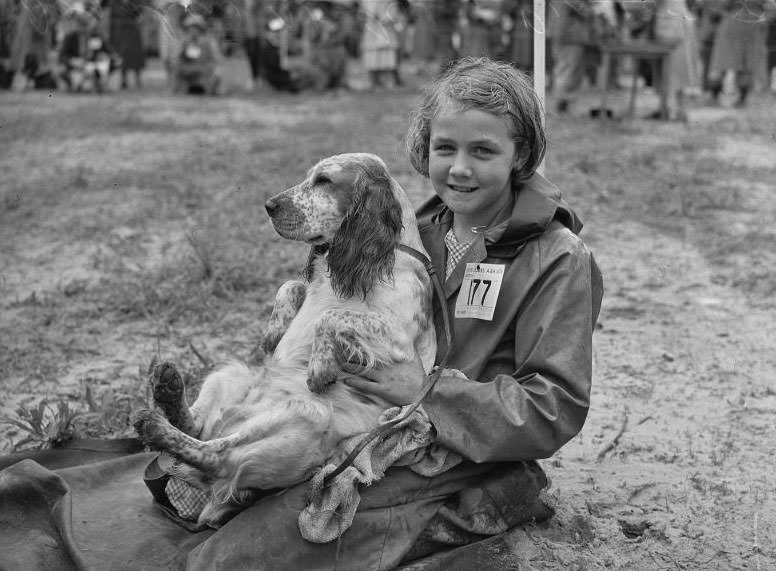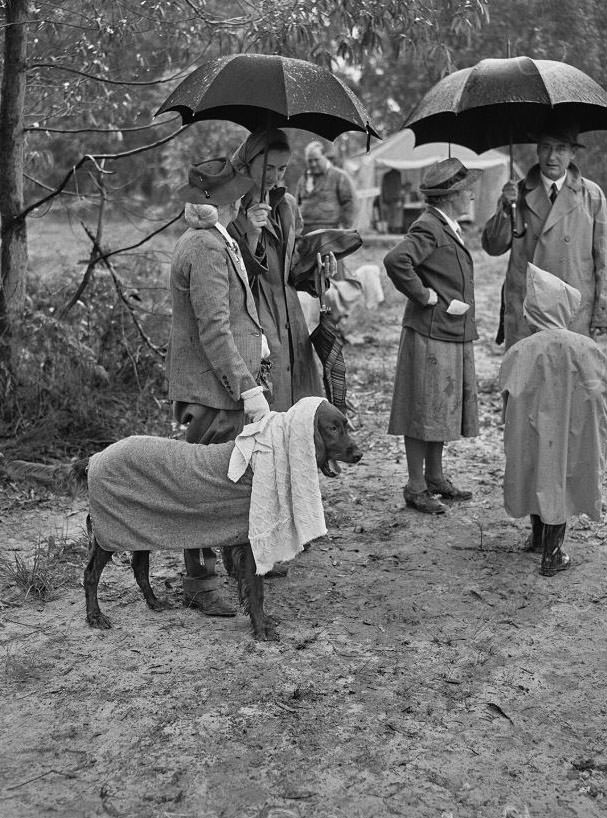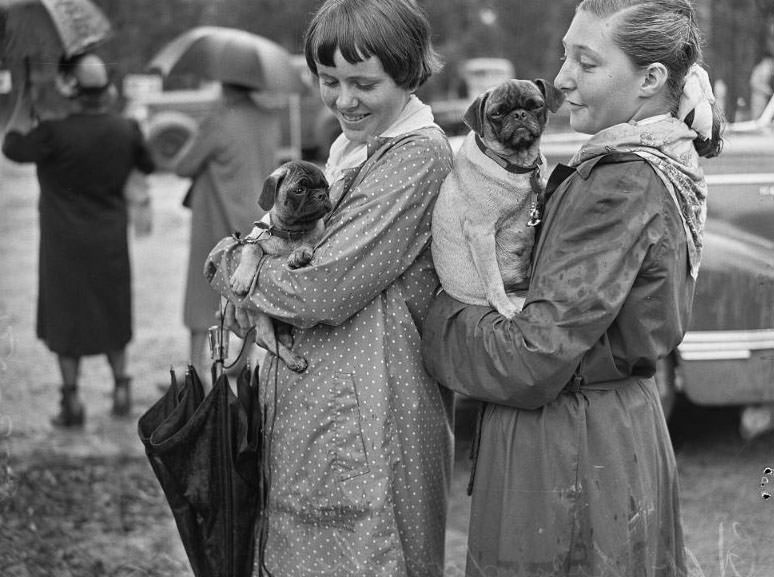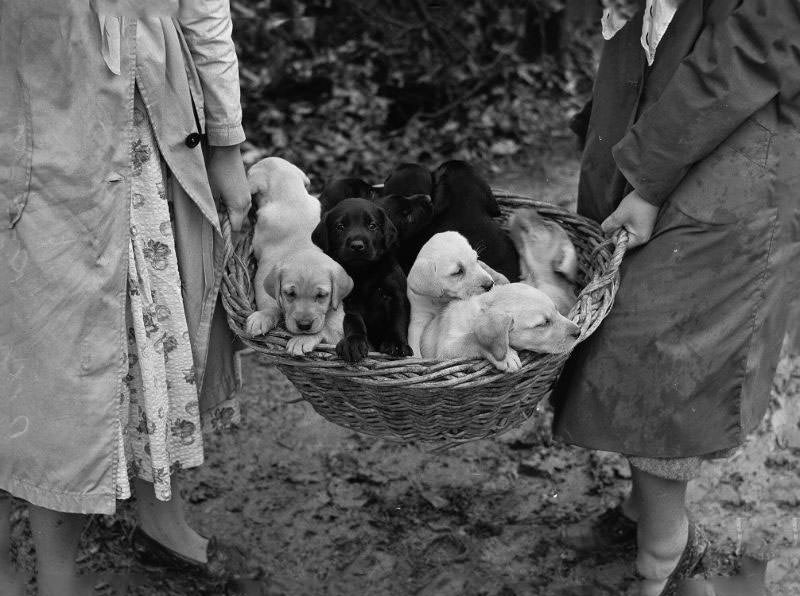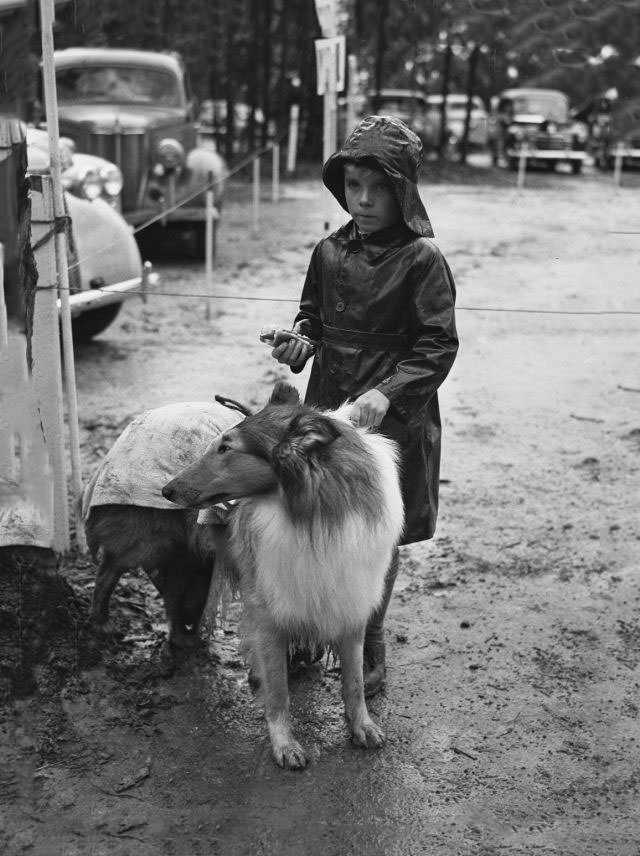
In 1950, the town of St Ives in New South Wales, Australia, hosted a dog show that drew crowds from across the region. Locals, breeders, and dog enthusiasts gathered at the showground to watch some of the finest animals in the area go head to head across a range of classes and competitions.
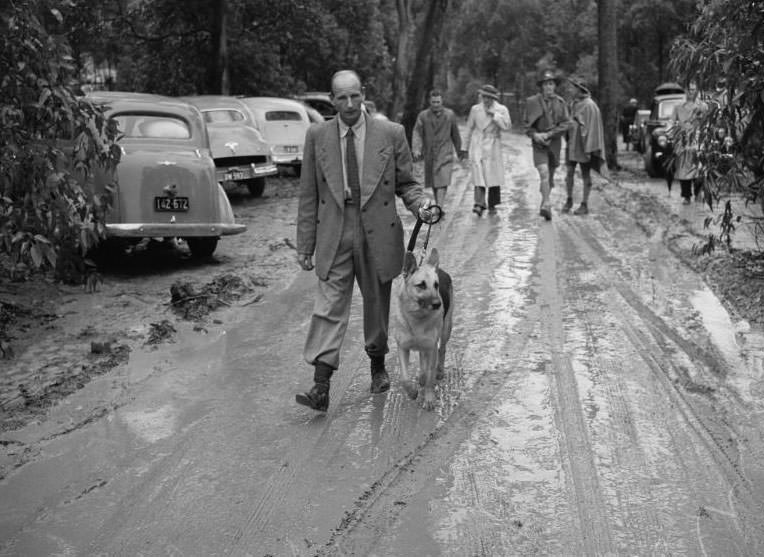
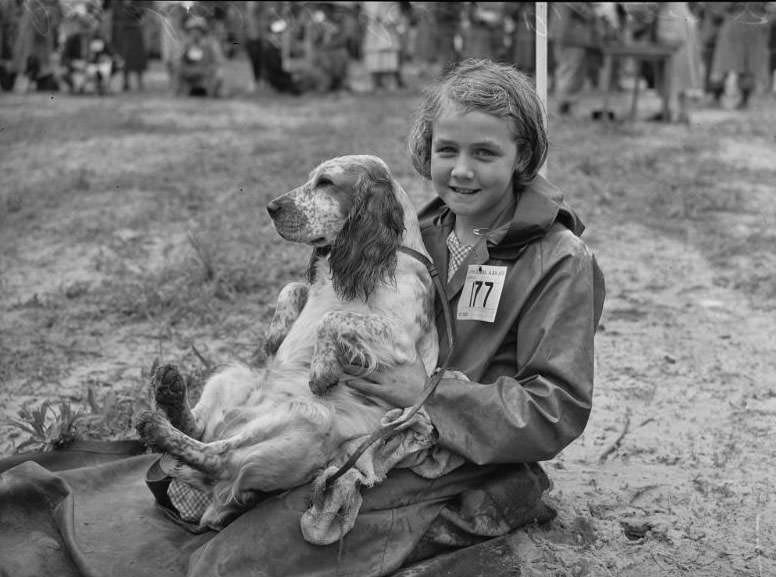
The show was built around conformation classes, where dogs were judged against the official standards of their breed. Judges assessed each animal’s appearance, structure, and movement with careful attention to detail. The dog that best represented its breed across all entries took home the coveted Best in Show title.
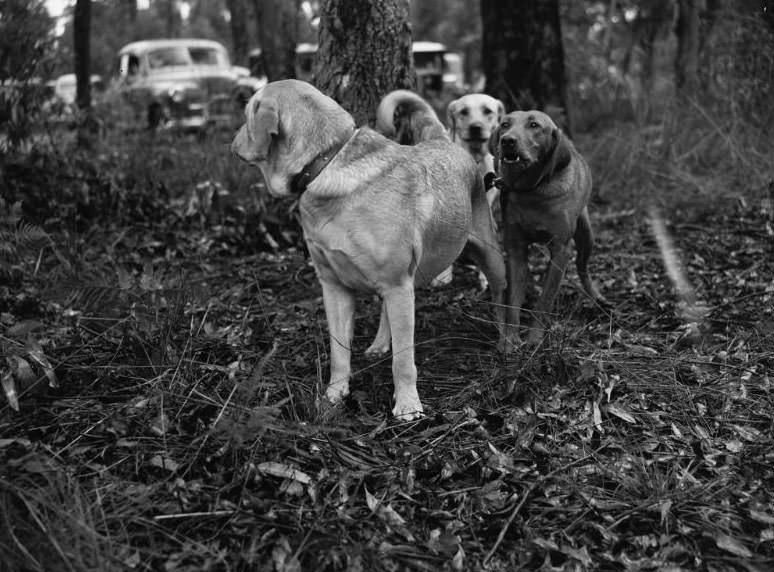
Beyond the judging ring, the show offered obedience trials and agility demonstrations. These events tested the bond between dogs and their handlers, showcasing discipline and training that took months — sometimes years — to develop.
Vendors lined the grounds selling pet supplies, food, and other goods. Local businesses and organisations also set up displays, making the event as much a community fair as a competitive dog show.
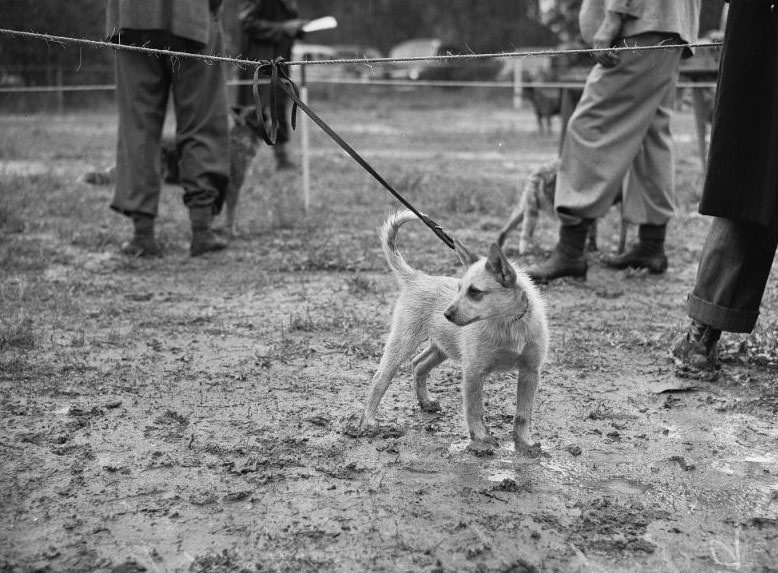
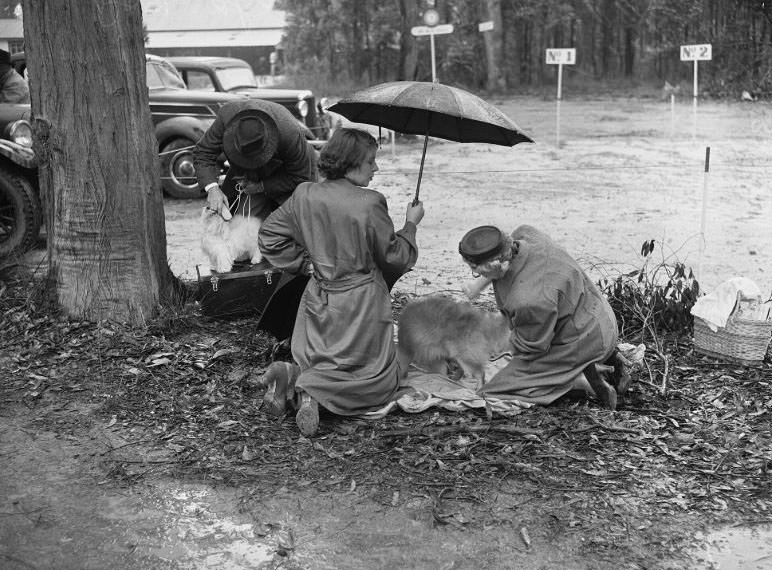
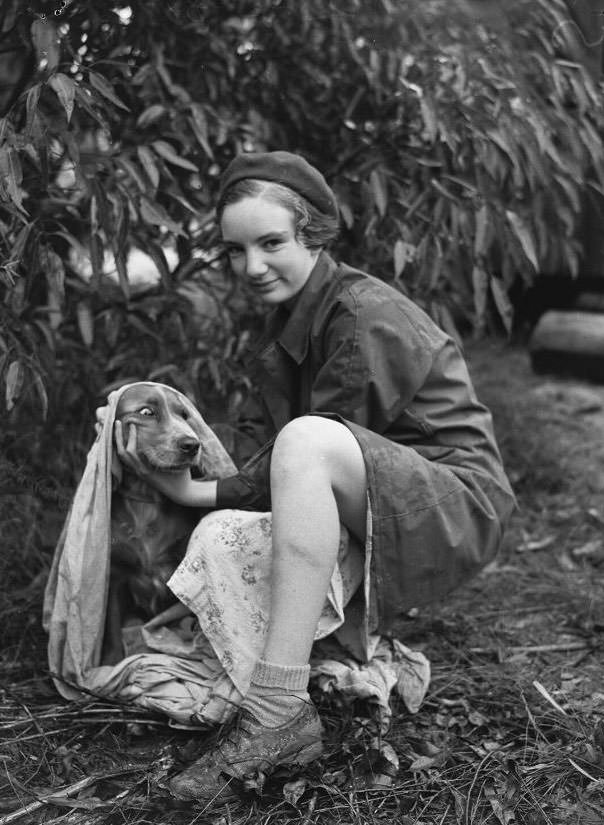
For breeders, the St Ives Dog Show was a serious proving ground. Entering a dog meant standing it alongside the best in the district and having every physical trait scrutinised by experienced judges. A ribbon here carried real weight in the breeding community.
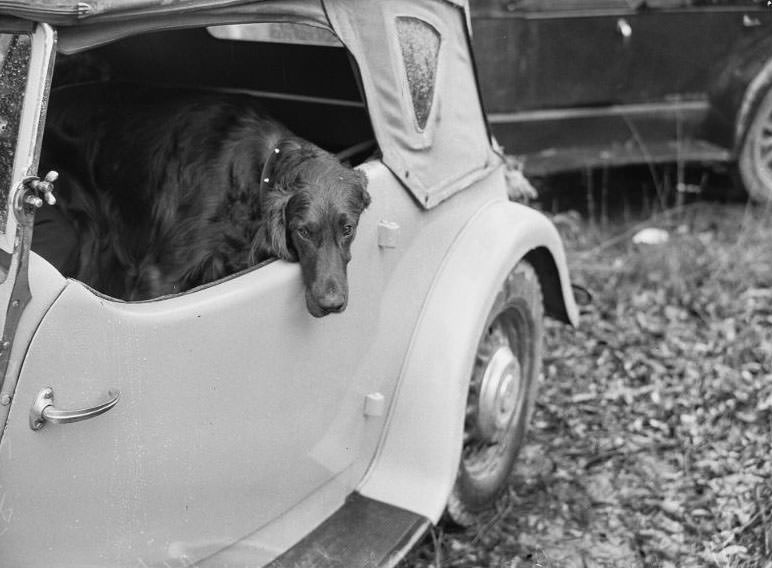
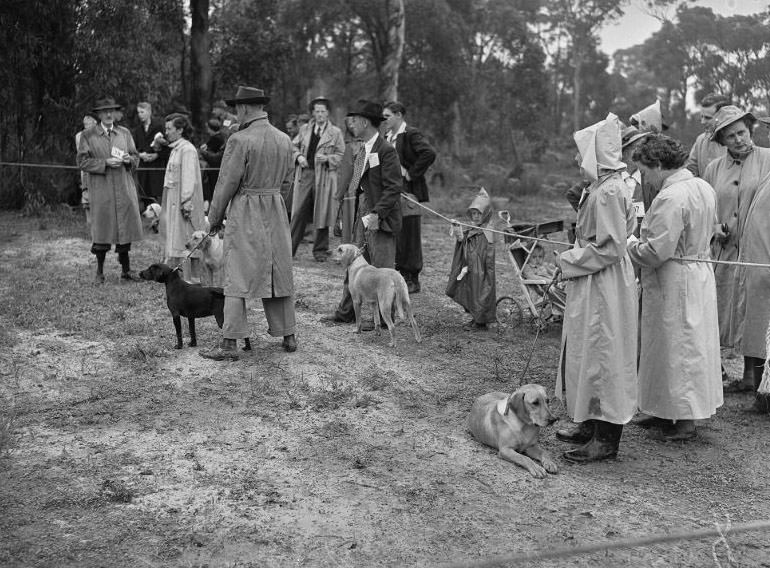
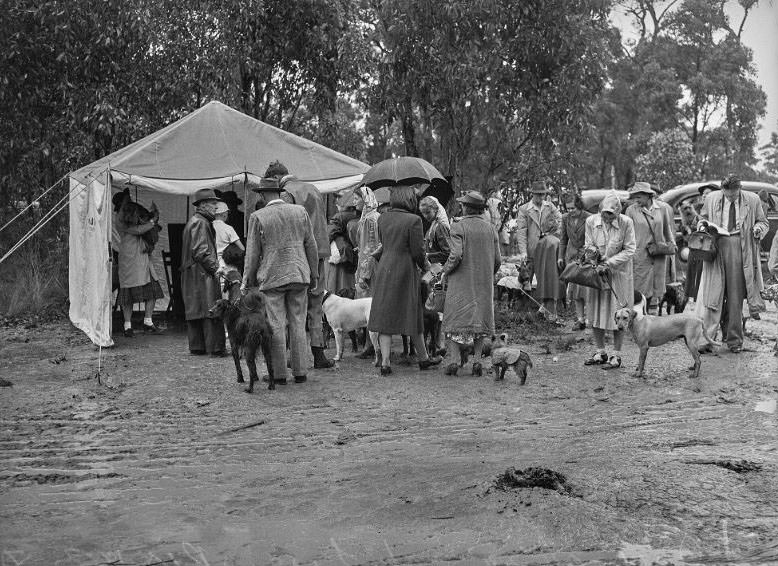
For everyday attendees, the day offered something different — a chance to get up close with breeds they had never seen before. Children and adults alike moved between rings, watching handlers stack their dogs and trot them in tight circles for the judges.
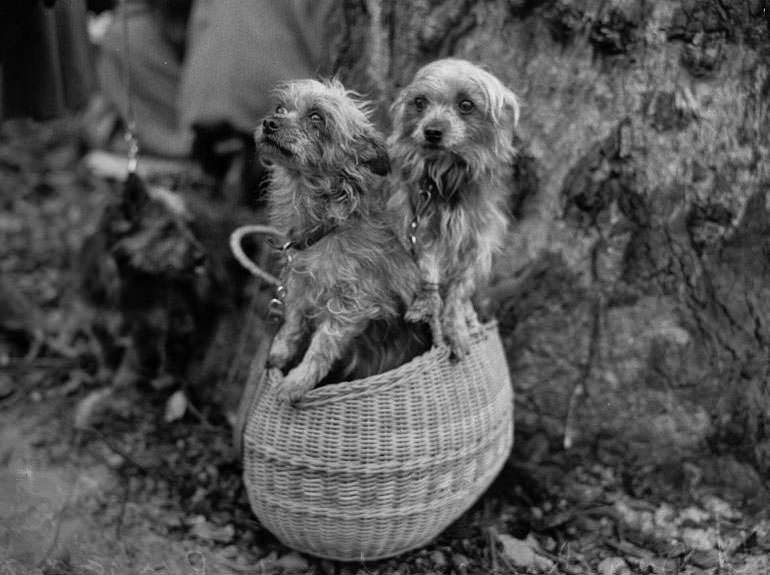
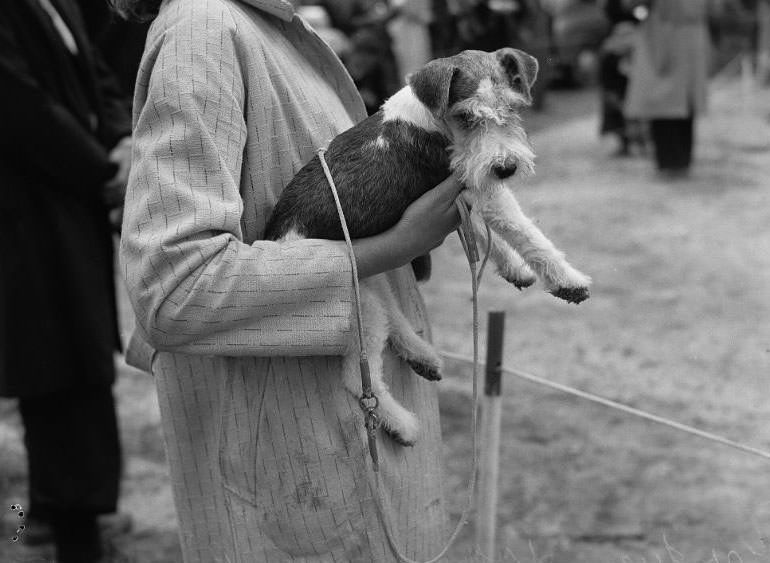

The social side of the show was just as active as the competition. Handlers swapped tips, owners compared notes on training and care, and spectators struck up conversations with strangers over a shared love of dogs.
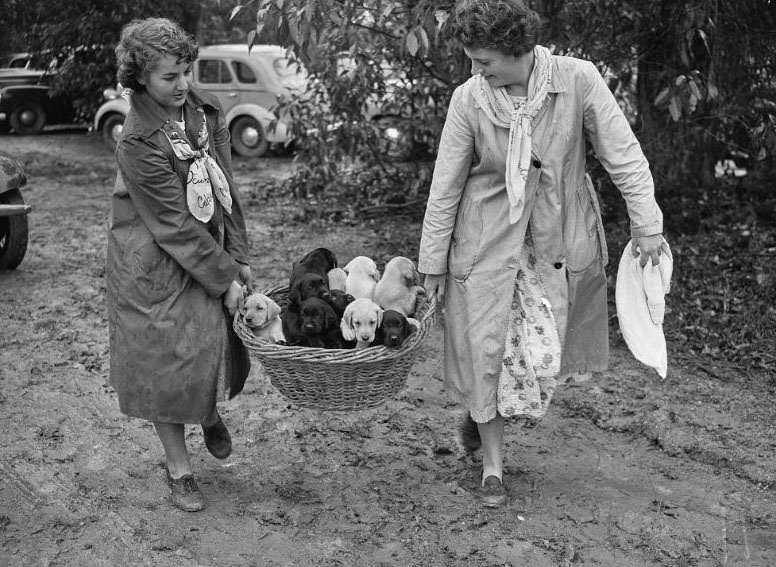
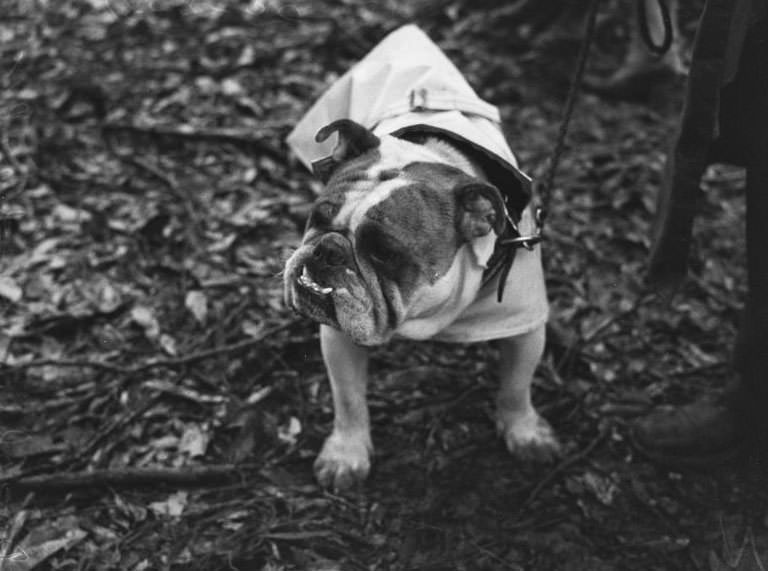
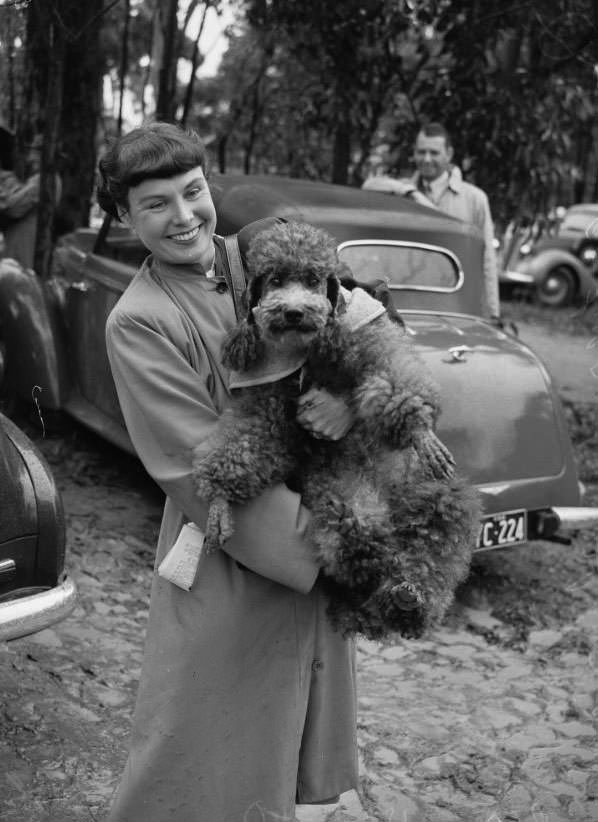
The 1950 show reflected a postwar Australia where community events like this one played an important role in bringing people together. Dog shows in particular had a long tradition in the country, and St Ives carried that tradition forward with a well-run, well-attended day on the grounds.
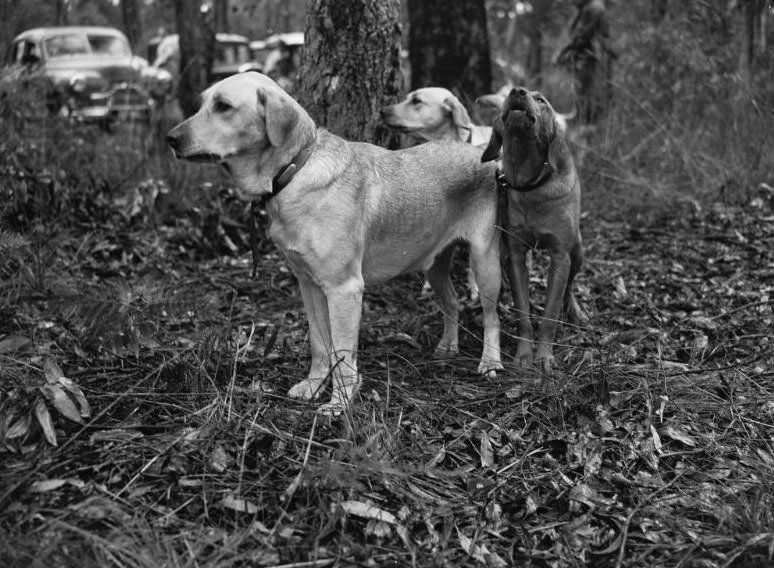
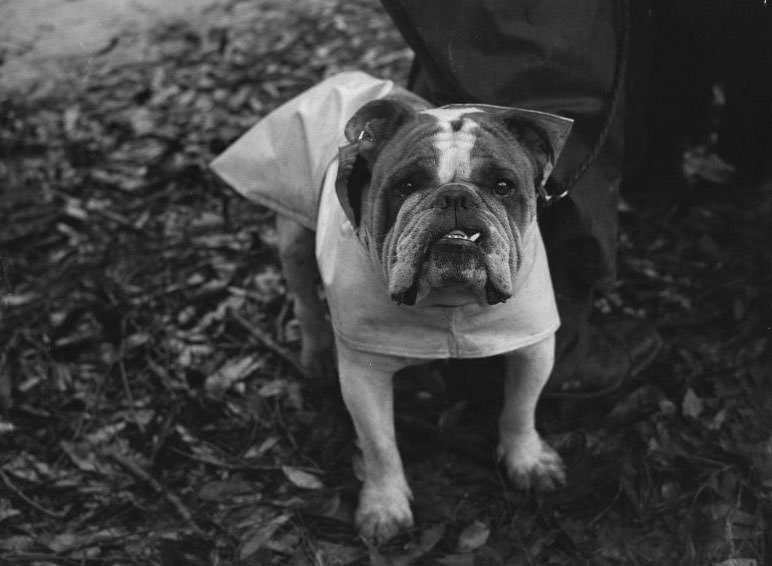
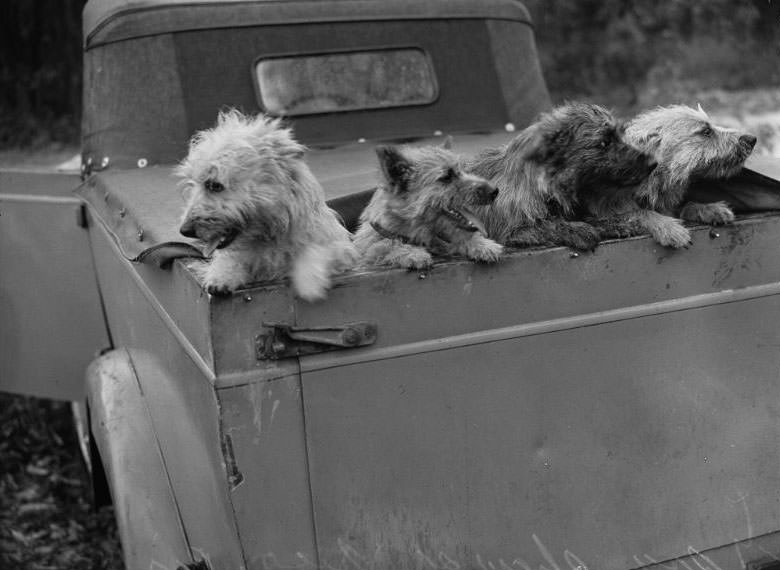
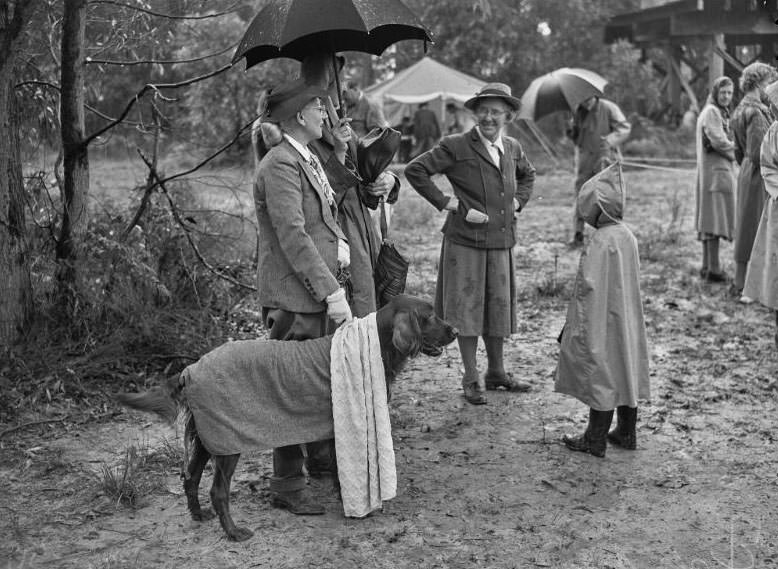
Each ring had its own rhythm. Terriers were shown separately from the working breeds, and the toy breeds drew some of the biggest crowds. Judges moved methodically, running their hands along each dog’s frame before making their decisions.
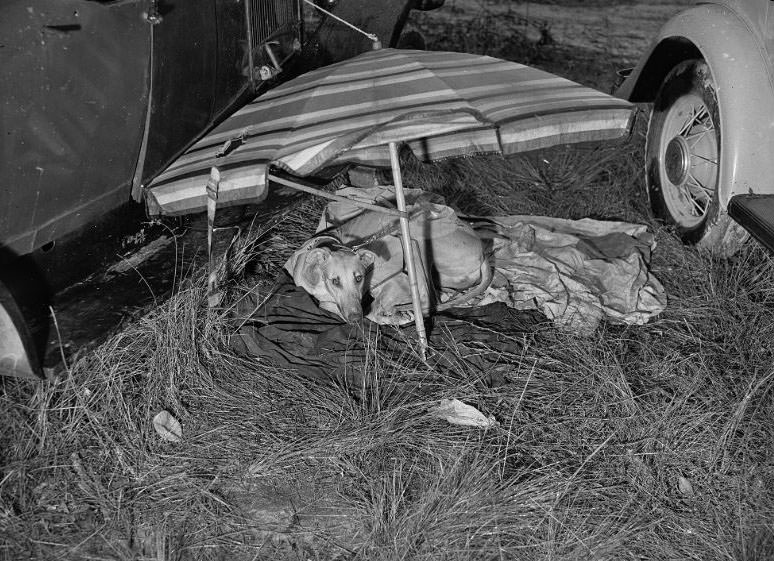
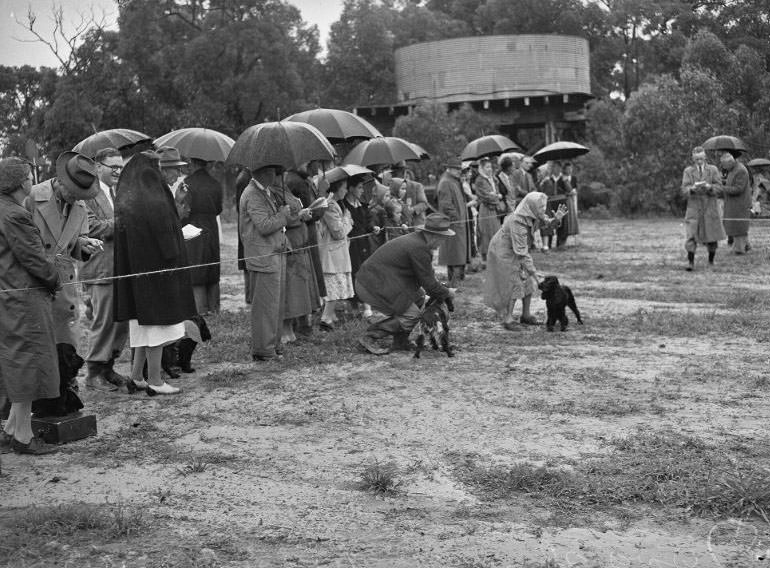
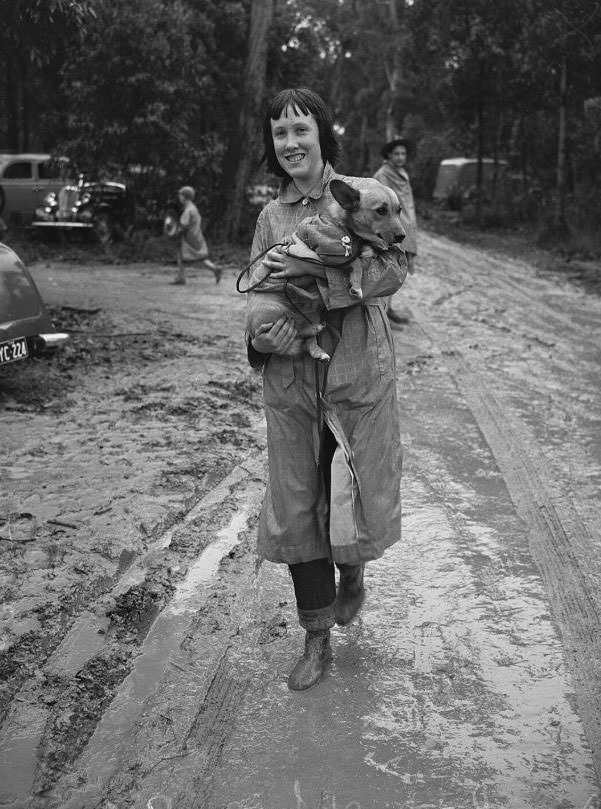
Handlers dressed neatly and kept their dogs calm and steady under pressure. Presentation mattered. A dog that fidgeted or pulled at the lead could lose marks, no matter how well-built it was. The best handler-dog pairs made the whole thing look effortless.
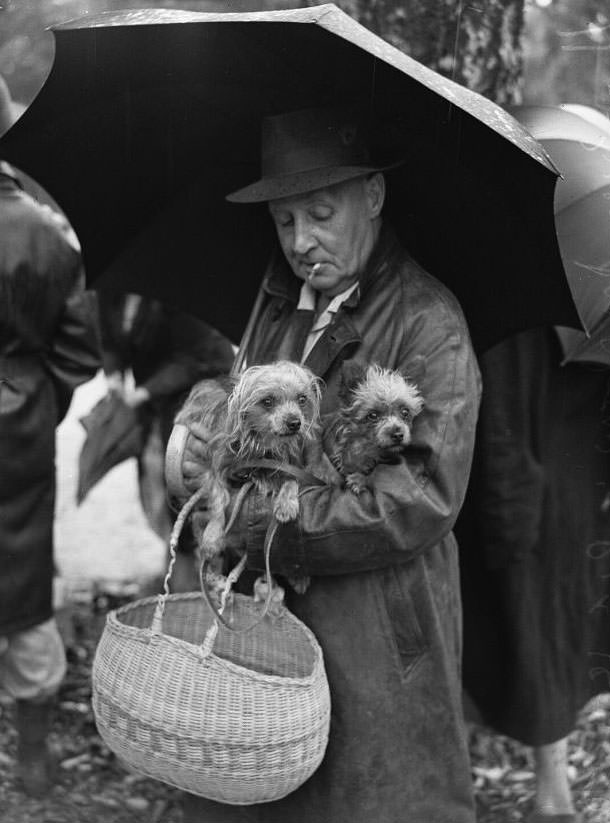
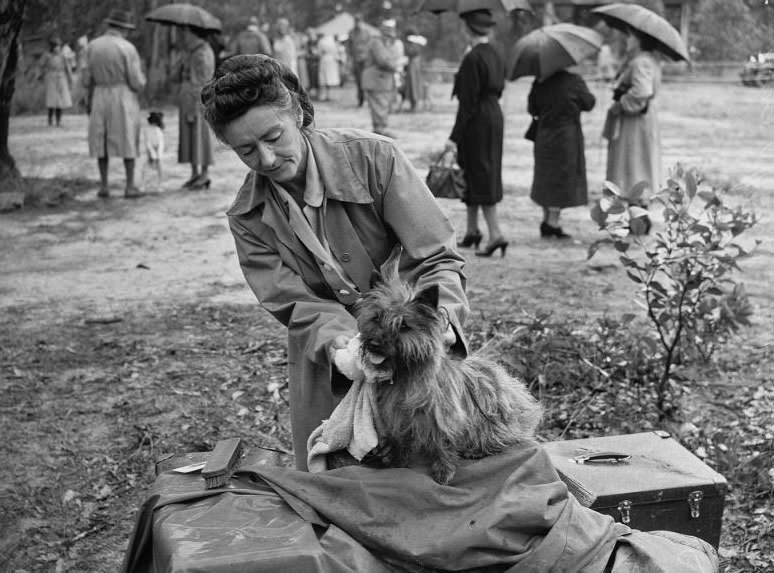
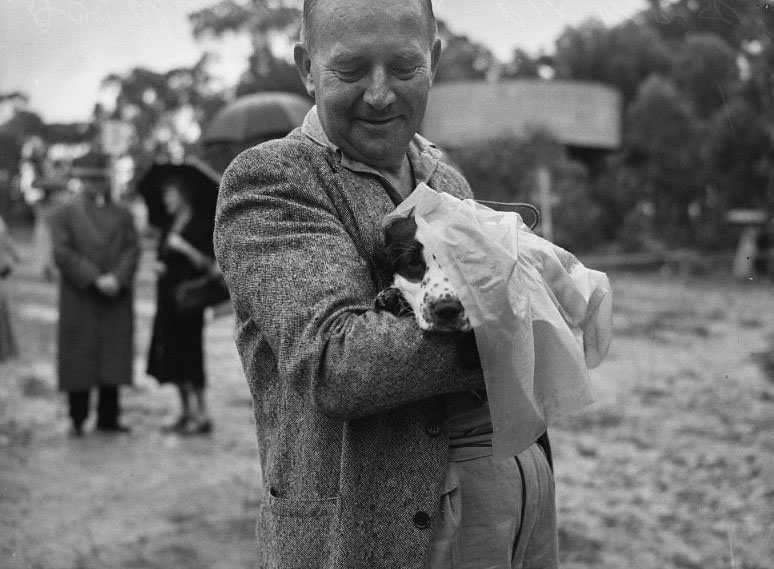
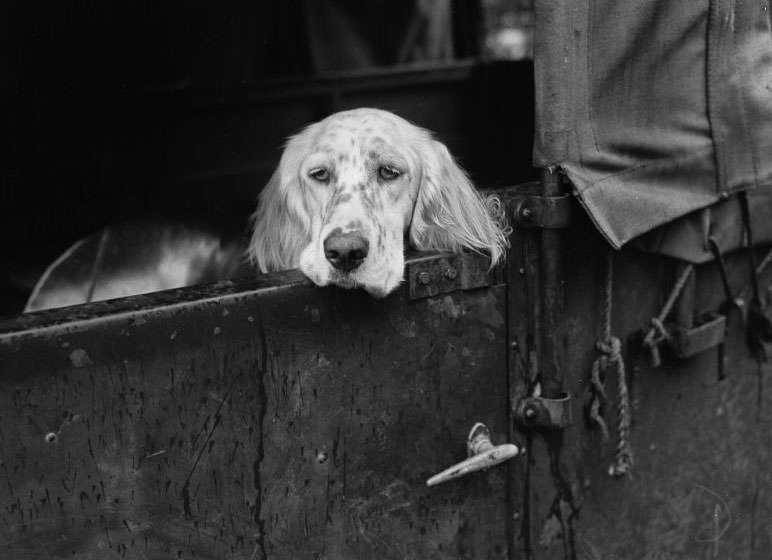
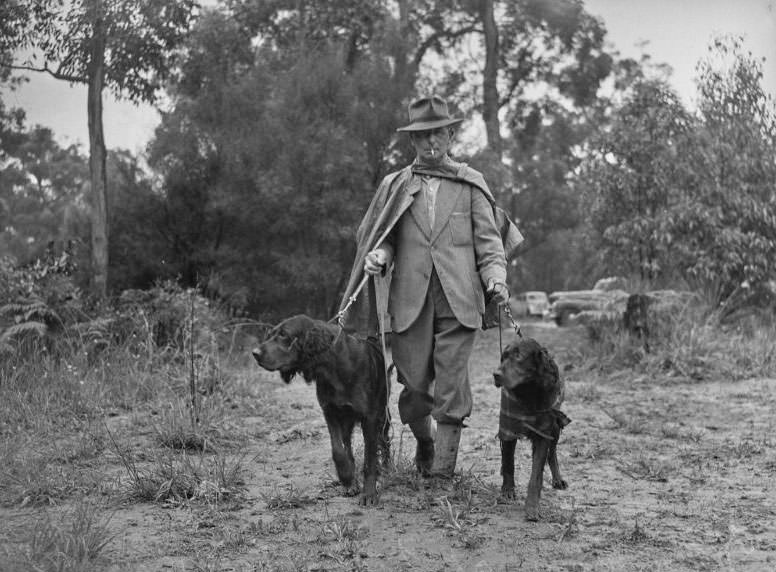
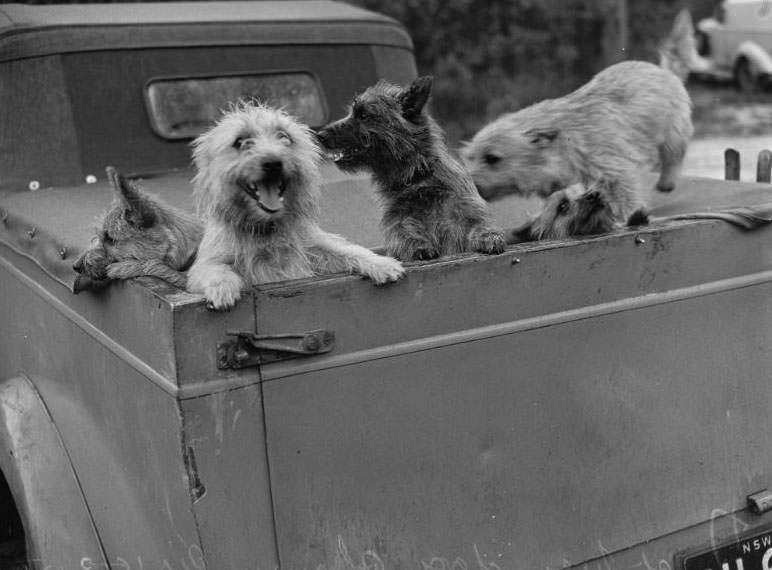
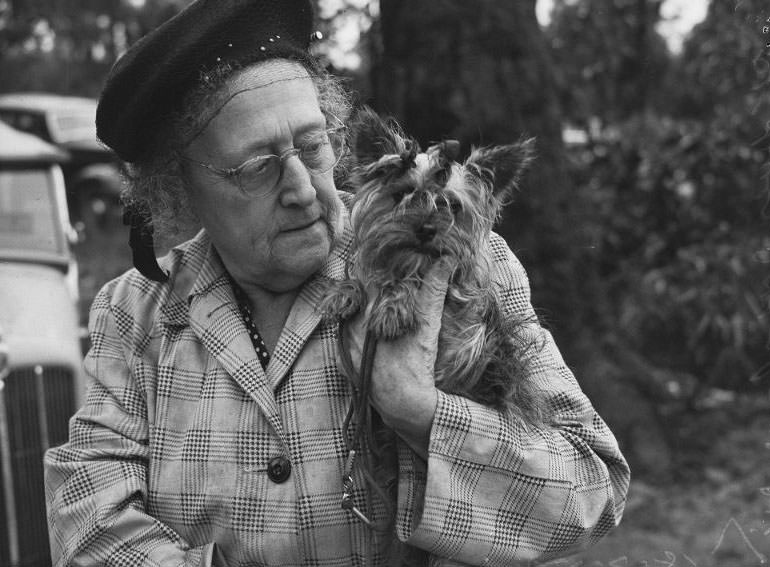
These photographs from the day capture the show in full swing — the dogs mid-gait, the judges mid-assessment, and the crowds watching from the ringside. They are a direct window into a single afternoon in St Ives that brought an entire community to one place.