Hey There! Before You Go. 😧
Get the best vintage content straight into your inbox!

Don't worry, we don't spam

What Egypt looked like in the 1940s

Egypt in the 1940s was a country pulled in several directions at once. Ancient rhythms of daily life — farmers working flooded fields, camel caravans crossing the desert, merchants selling bread in open-air bazaars — continued much as they had for centuries. At the same time, the country sat at the center of a world war, hosted foreign armies, and was beginning to push hard against the British presence that had shaped its politics for decades. These photographs capture both sides of that Egypt: the timeless and the turbulent.
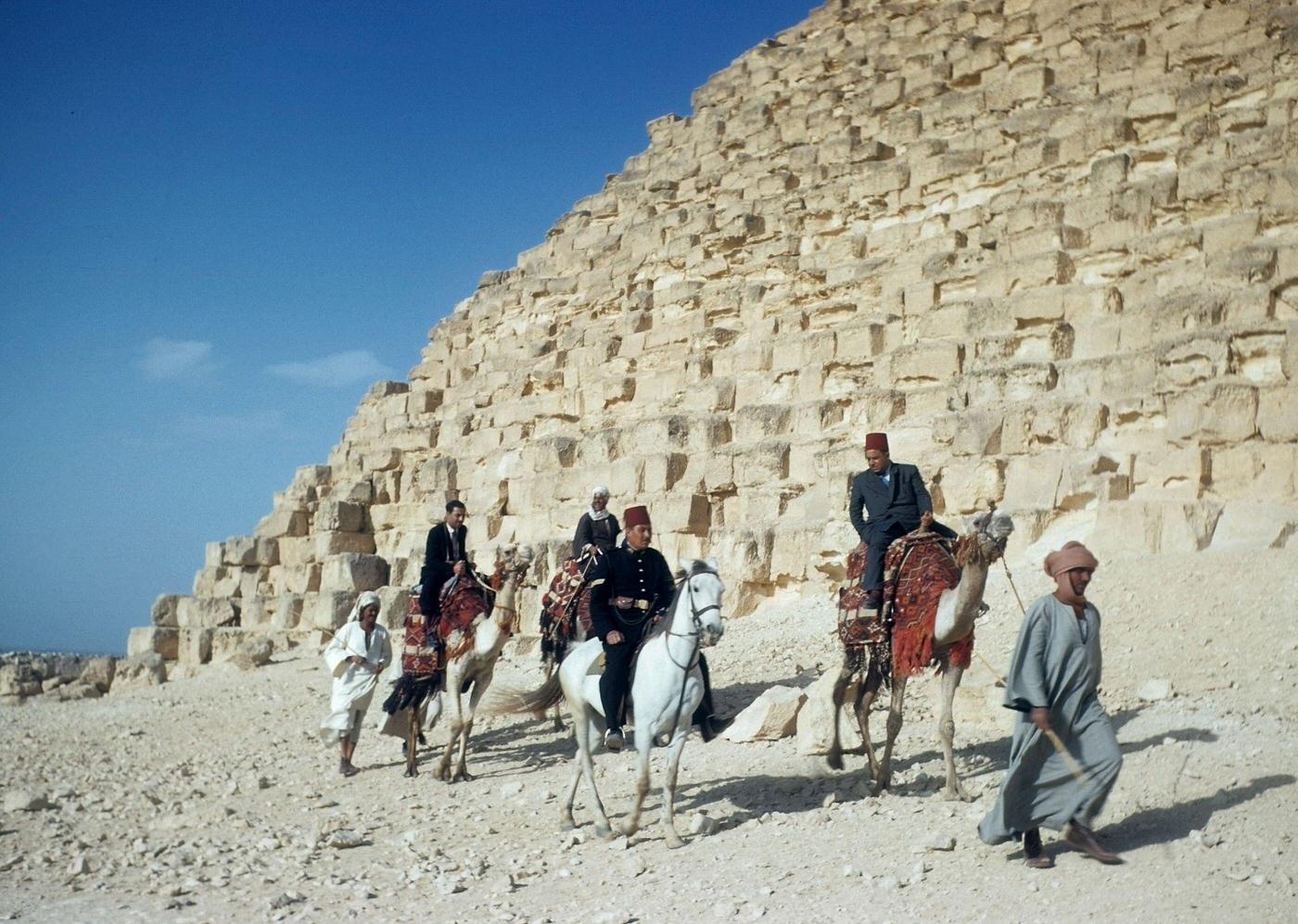
A group of men are lead by camel past the Great Pyramid of Giza (Pyramid of Khufu) in Giza, Egypt, 1940s

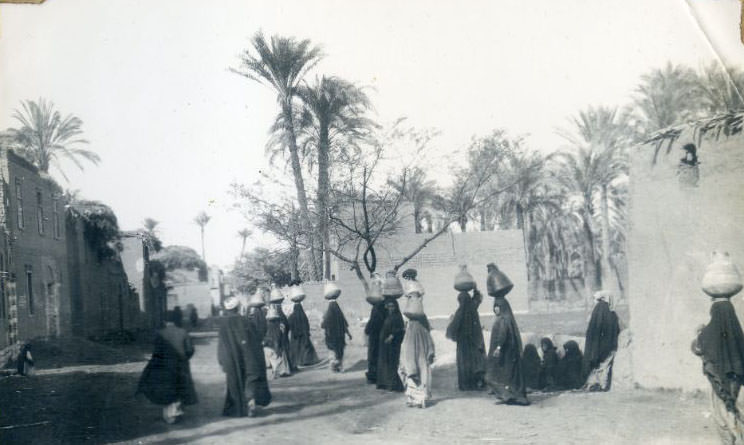
The Great Pyramid had stood for roughly 4,500 years by the time these photographs were taken, and it still dominated the Giza plateau the same way it always had. For most Egyptians outside the big cities, life in the 1940s looked much like it did in prior generations. Farmers plowed their fields with oxen. Women carried water on their heads from the river. Livestock was driven through village streets. The Nile was the backbone of everything — transport, irrigation, and daily survival.
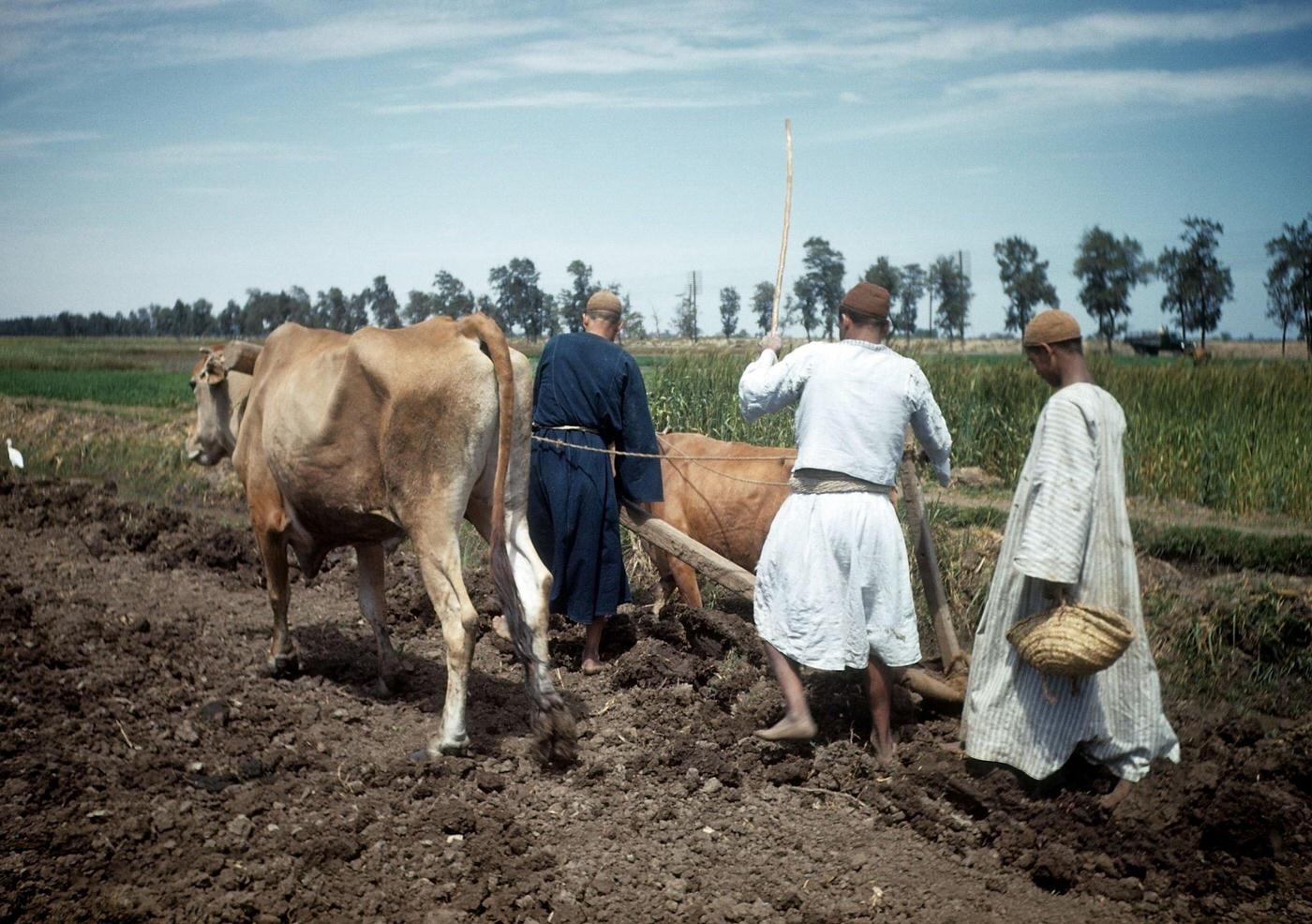
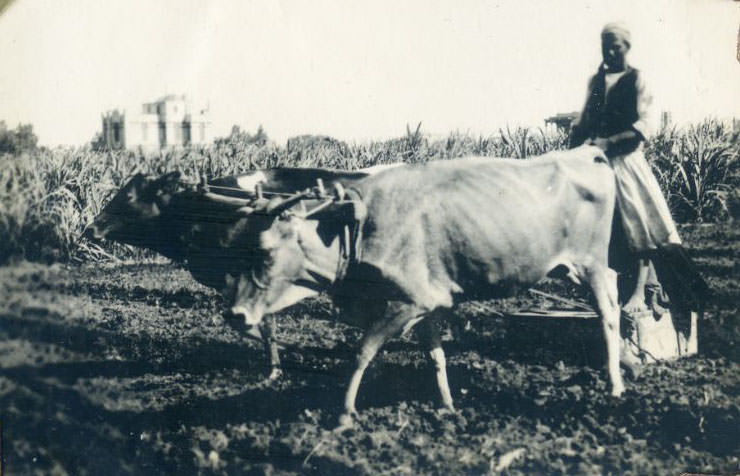
Egyptian farmers plowing a field with oxen in Egypt, 1948
Man ploughing with two oxen, Egypt

The Nile itself was never far from any part of Egyptian life. Wooden boats carried goods up and down the river, just as they had for millennia. In the countryside, drawing water from the river or a well was a daily task, shared by men, women, and children alike. Camels moved goods across terrain where no road existed, loaded down with everything from melons to building materials.
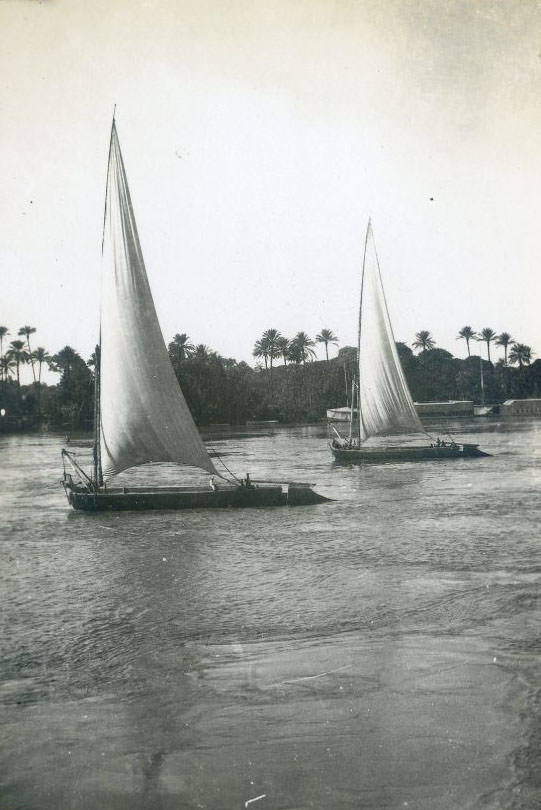
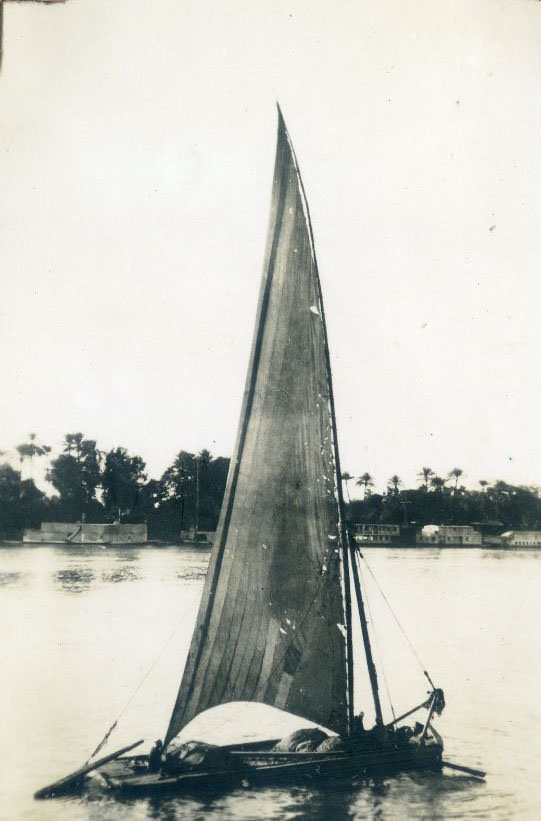
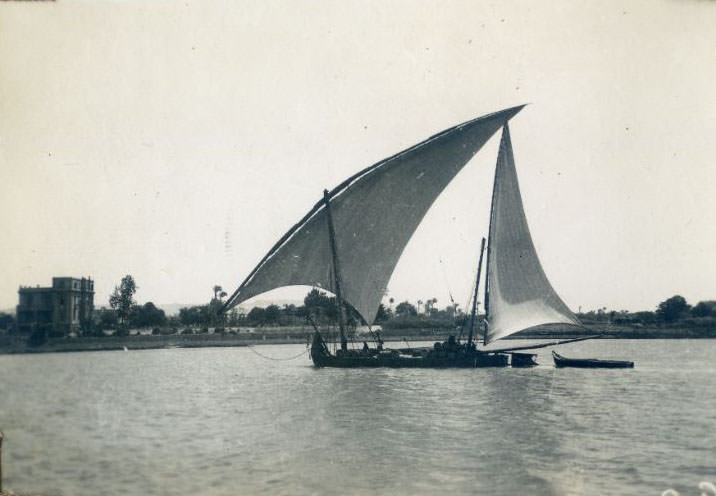
Boat on Nile River, Egypt
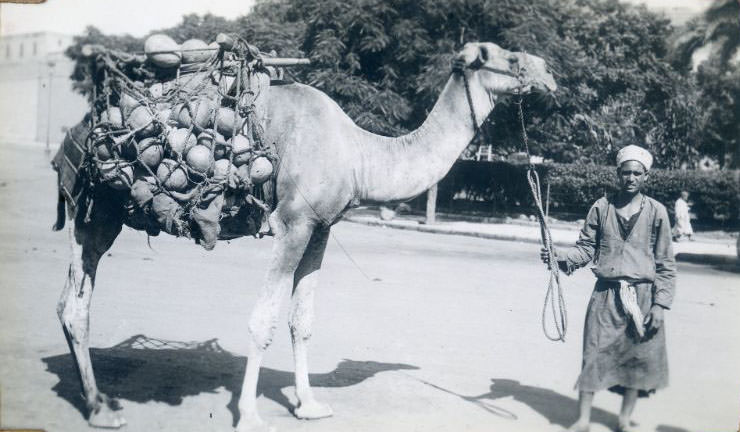
Camel with load of melons, Egypt
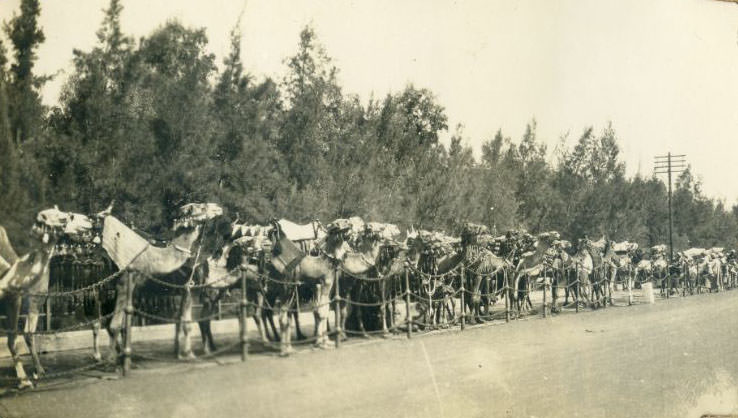
Camels, Egypt
Camels, Egypt

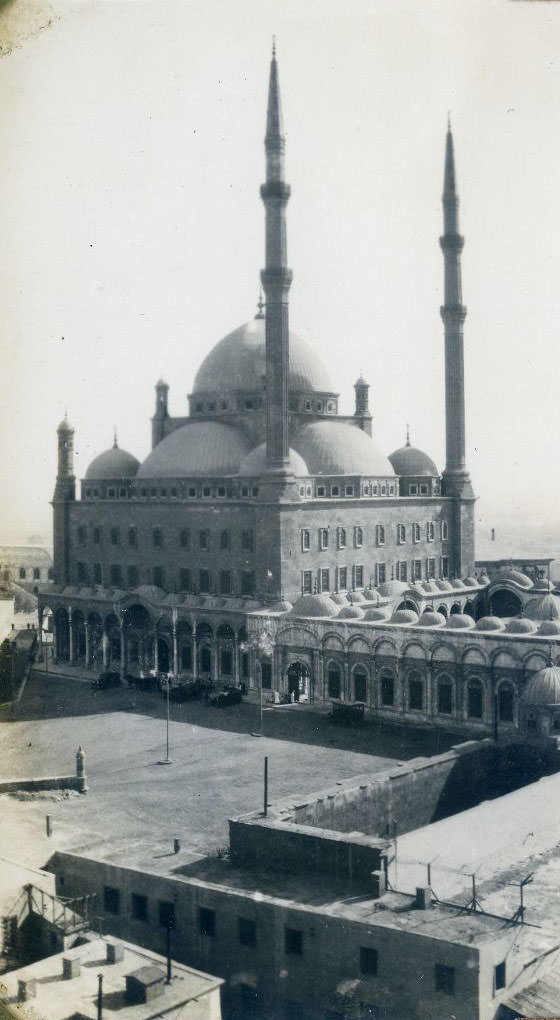
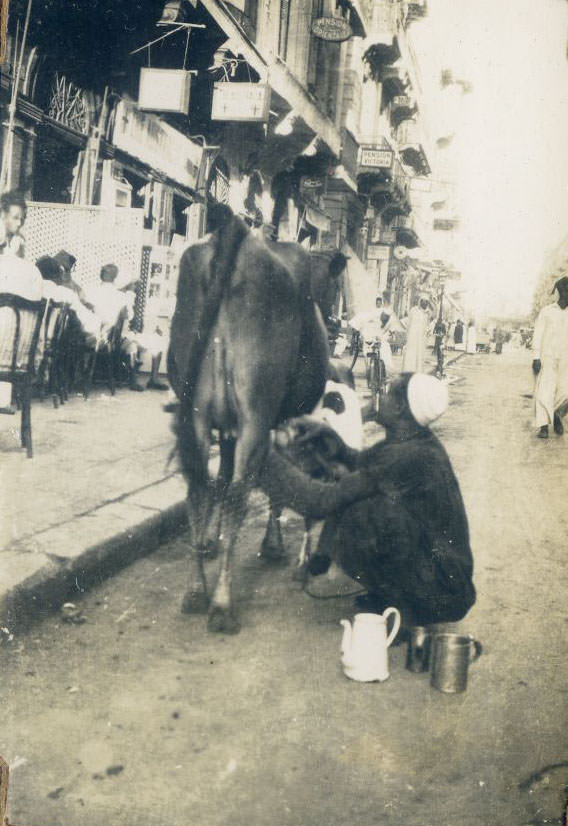
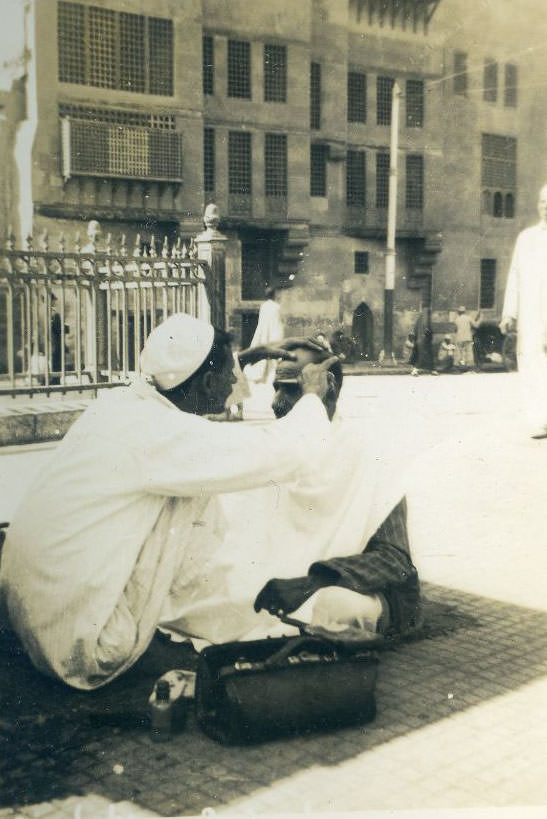
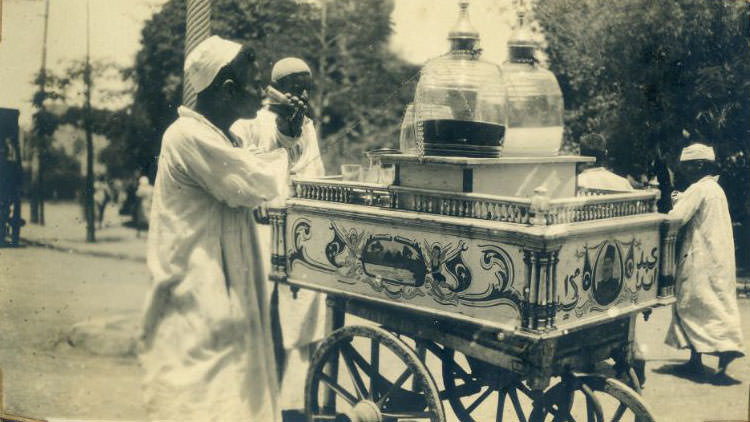
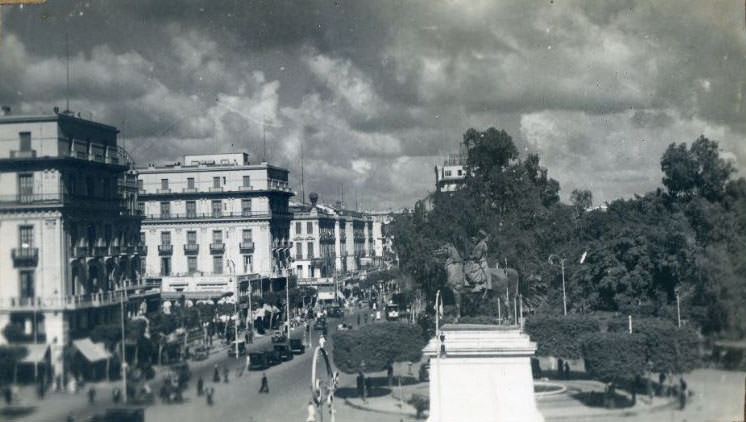
Cairo was a city of contrasts. Its streets held mosques, colonial-era bridges, open-air markets, and a growing population pushing into modern urban life. Opera Square sat at the heart of one of Africa’s most cosmopolitan cities. Street barbers set up shop on sidewalks. Vendors sold sweet corn and drinks in the open air. Milk was delivered fresh — sometimes from a cow being milked right on a city street.
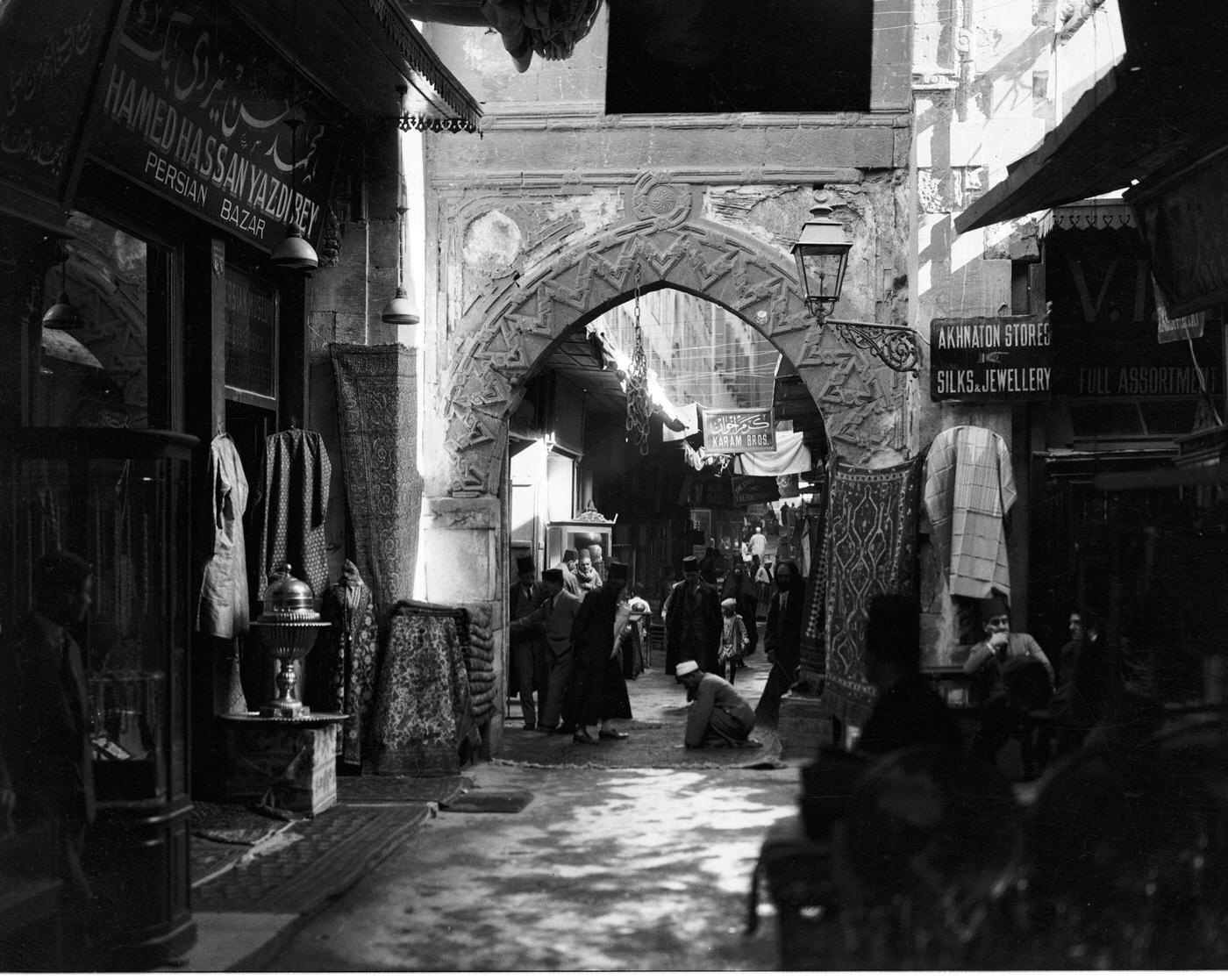
People gather on both sides of an archway at a bazaar in Cairo, Egypt, 1940
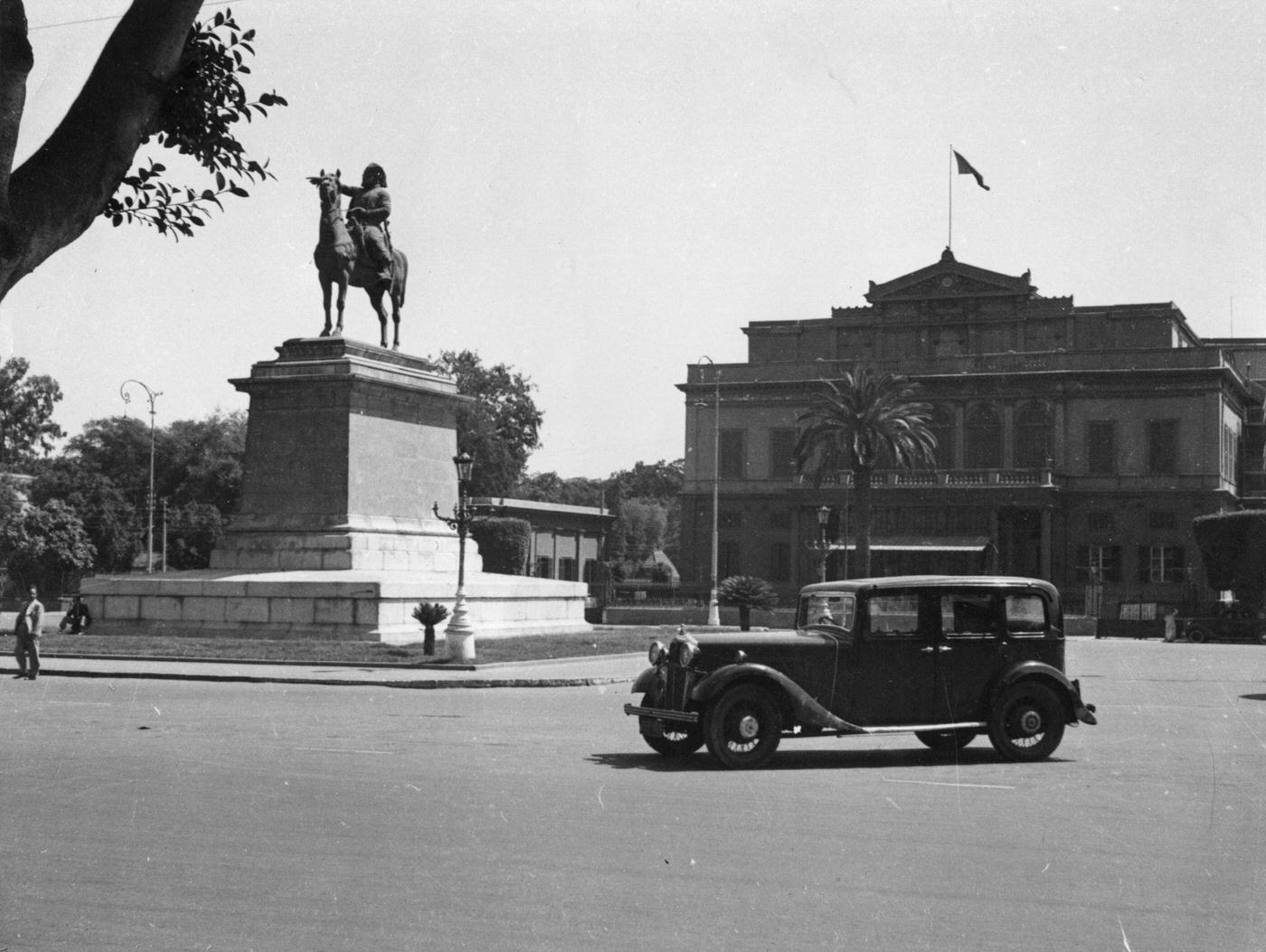
Opera Square, Cairo
Opera Square, Cairo
Cairo, Egypt
Cairo, Egypt
Cairo, Egypt
Cairo, Egypt
Cairo, Egypt
Cairo, Egypt
Cairo, Egypt
Cairo, Egypt
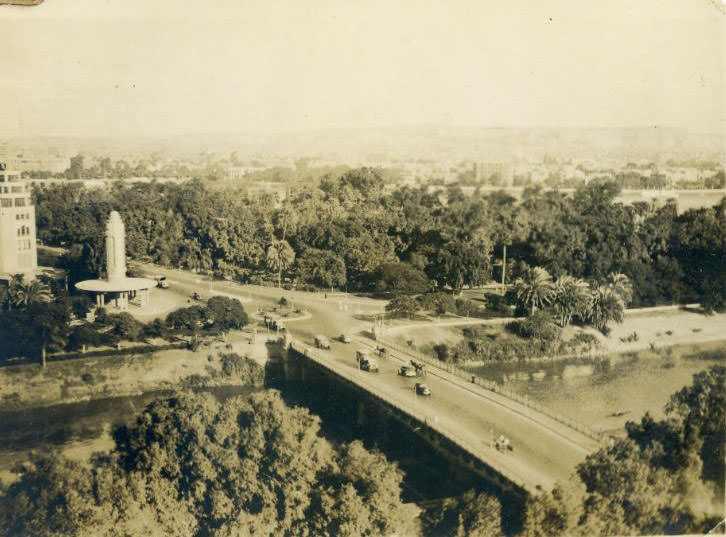
English Bridge, Cairo, Egypt
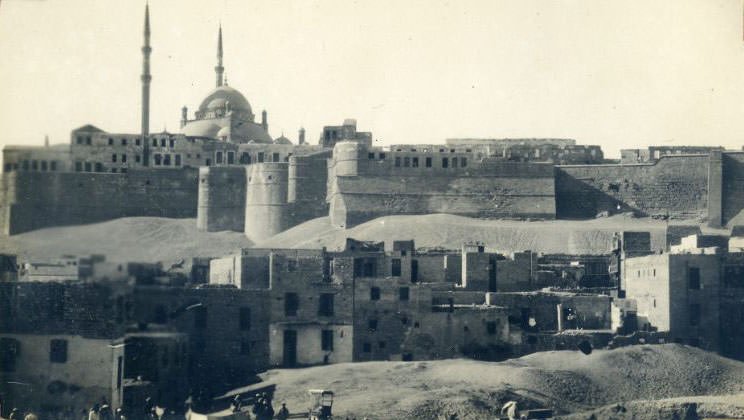
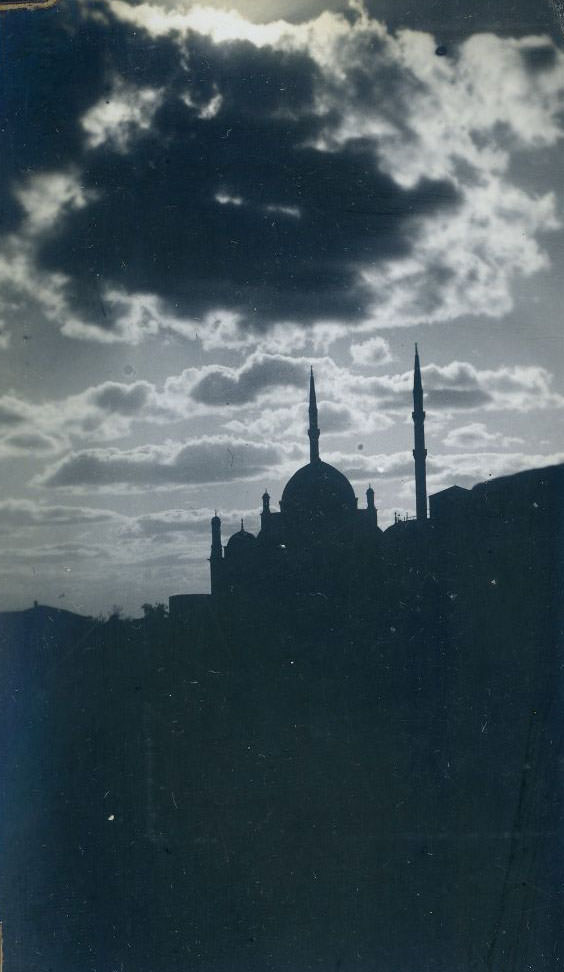
Mosque, Cairo
Mosque, Cairo
Milkman. Man milking a cow in a city street, Egypt
Street barber, Egypt
Street drink seller, Egypt
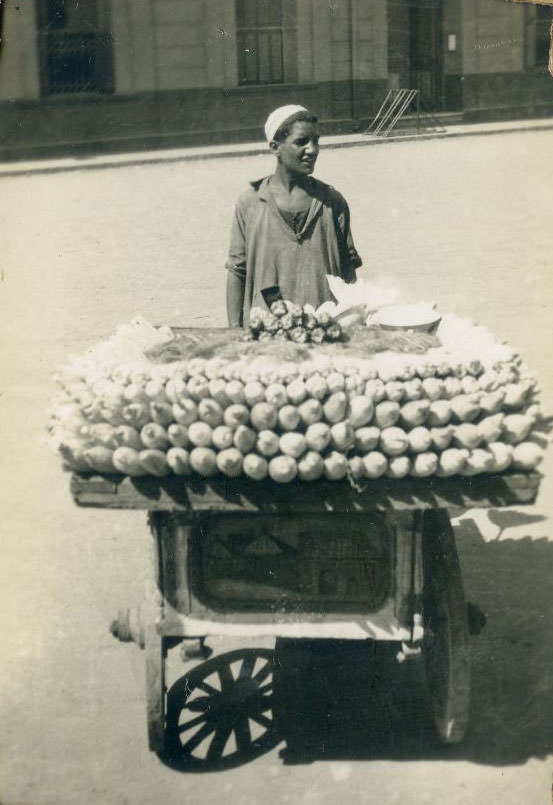
Selling sweet corn, Egypt
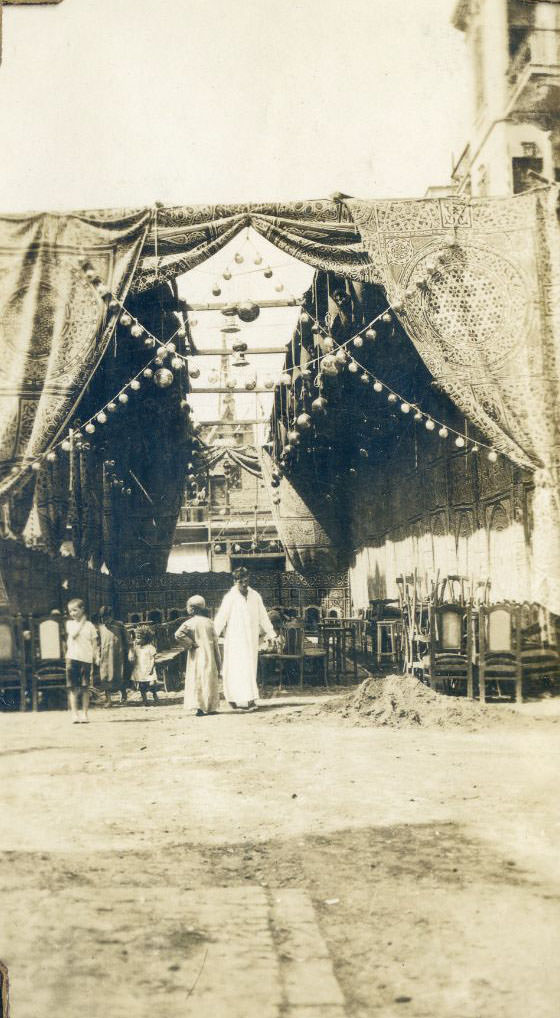
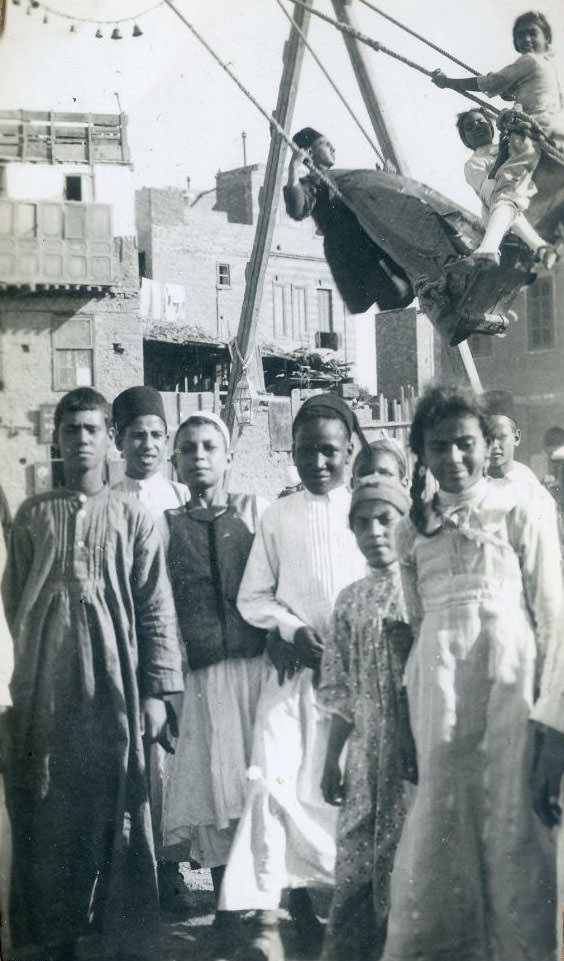
Street Fair, Egypt
Street Fair, Egypt

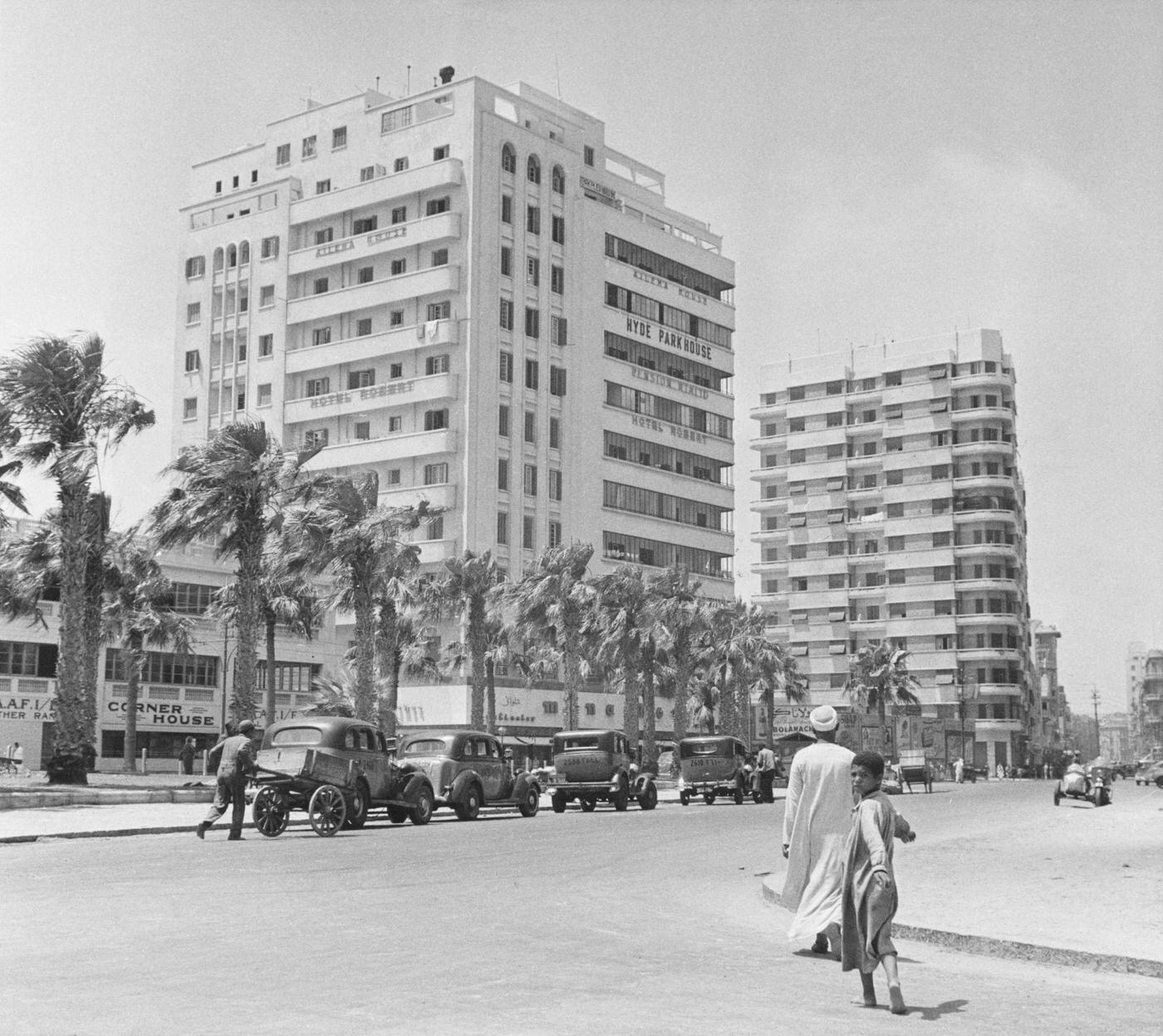
Alexandria, Egypt’s second city and its main port on the Mediterranean, had a distinctly different character from Cairo. It was a cosmopolitan hub with a long history of foreign communities — Greek, Italian, Jewish, and British populations all had roots there. By the 1940s it had modern high-rise buildings, a busy stock exchange, a famous racecourse, and beach views along Stanley Bay. The El-Mursi Abul Abbas Mosque stood in the Anfoushi district as one of the city’s most recognizable landmarks.
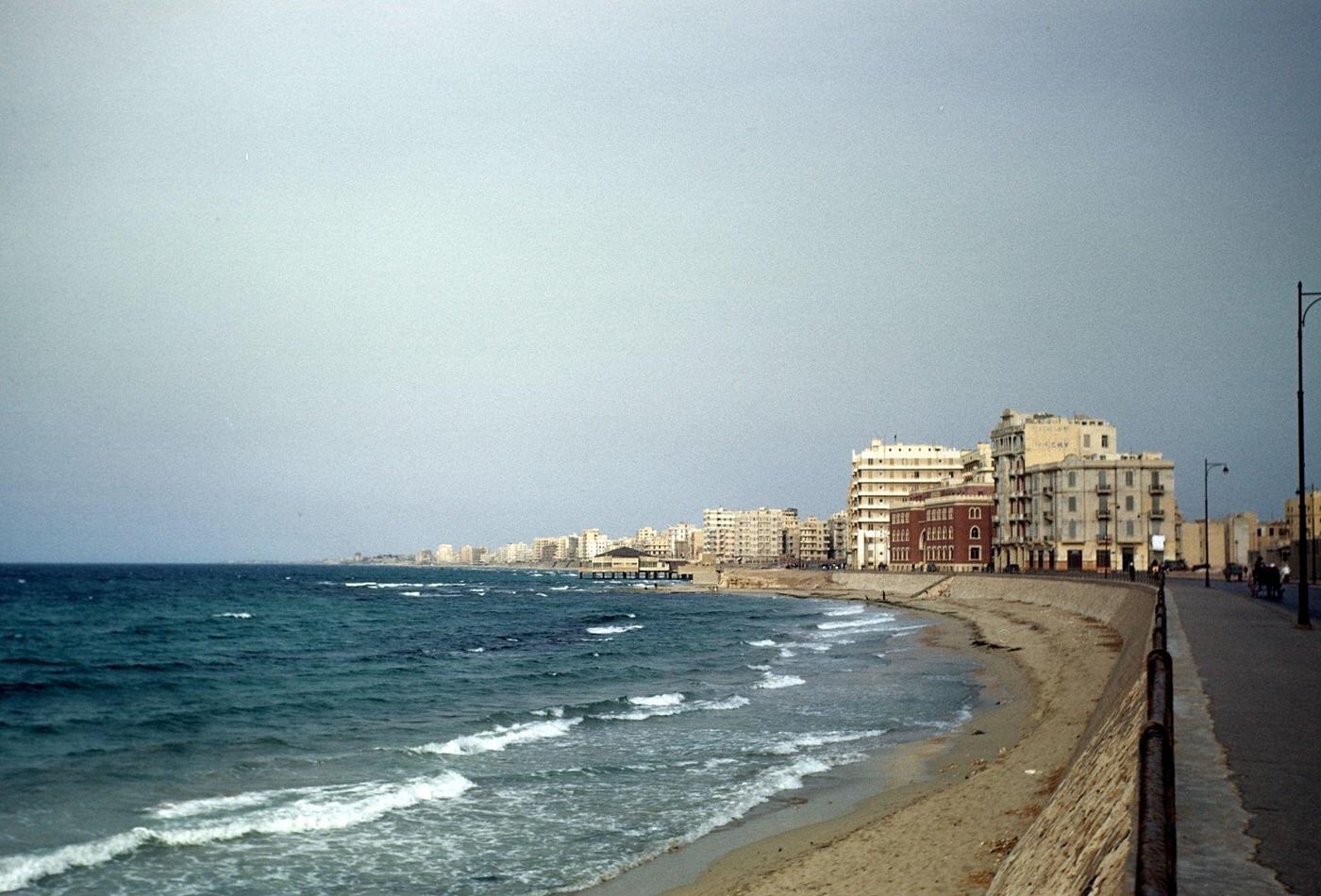
A seaside view of building along the beach in Alexandria, Egypt, 1948
Modern high-rise buildings in Alexandria, Egypt, 1944.
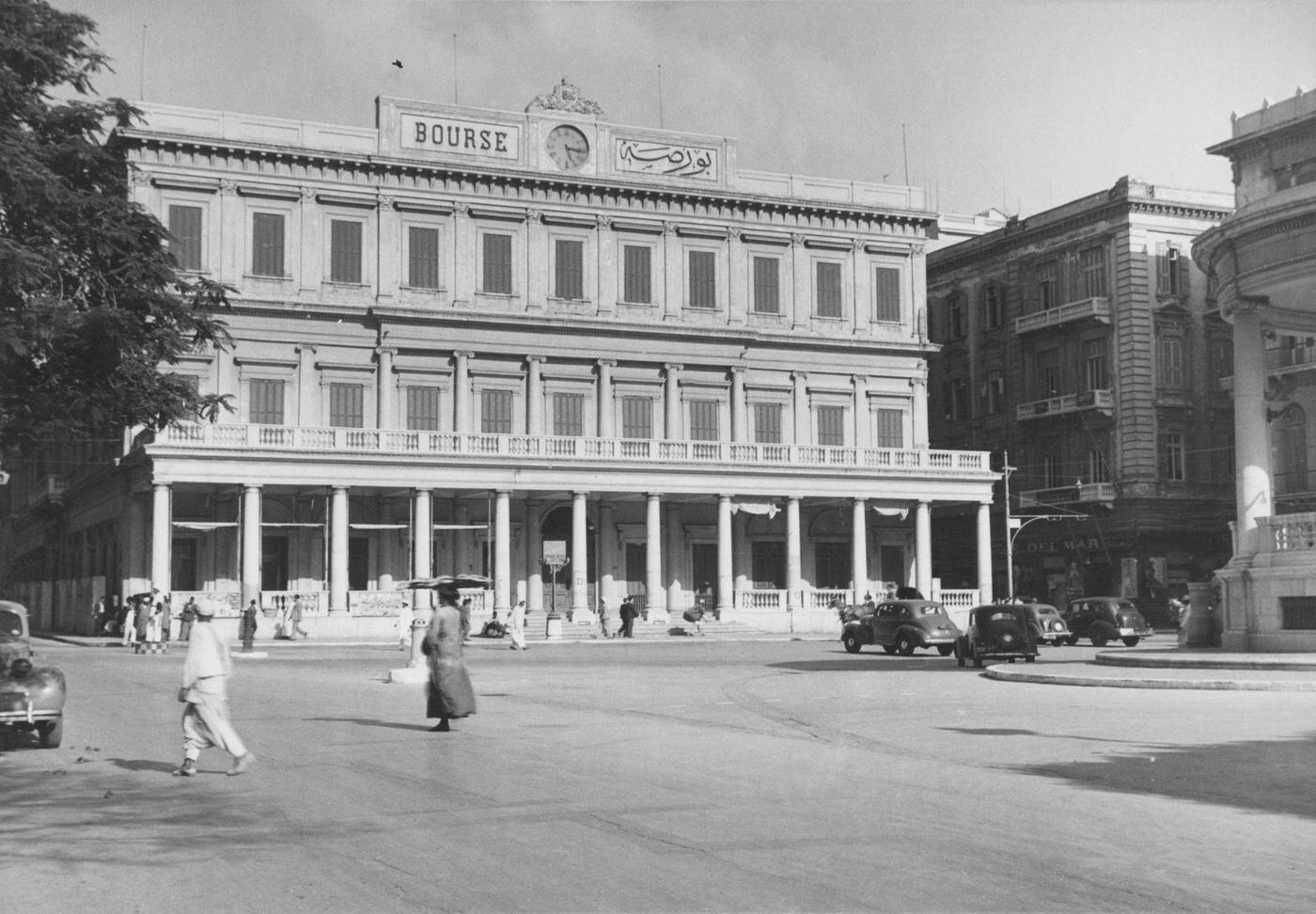
The stock exchange in Alexandria, Egypt, 1944.
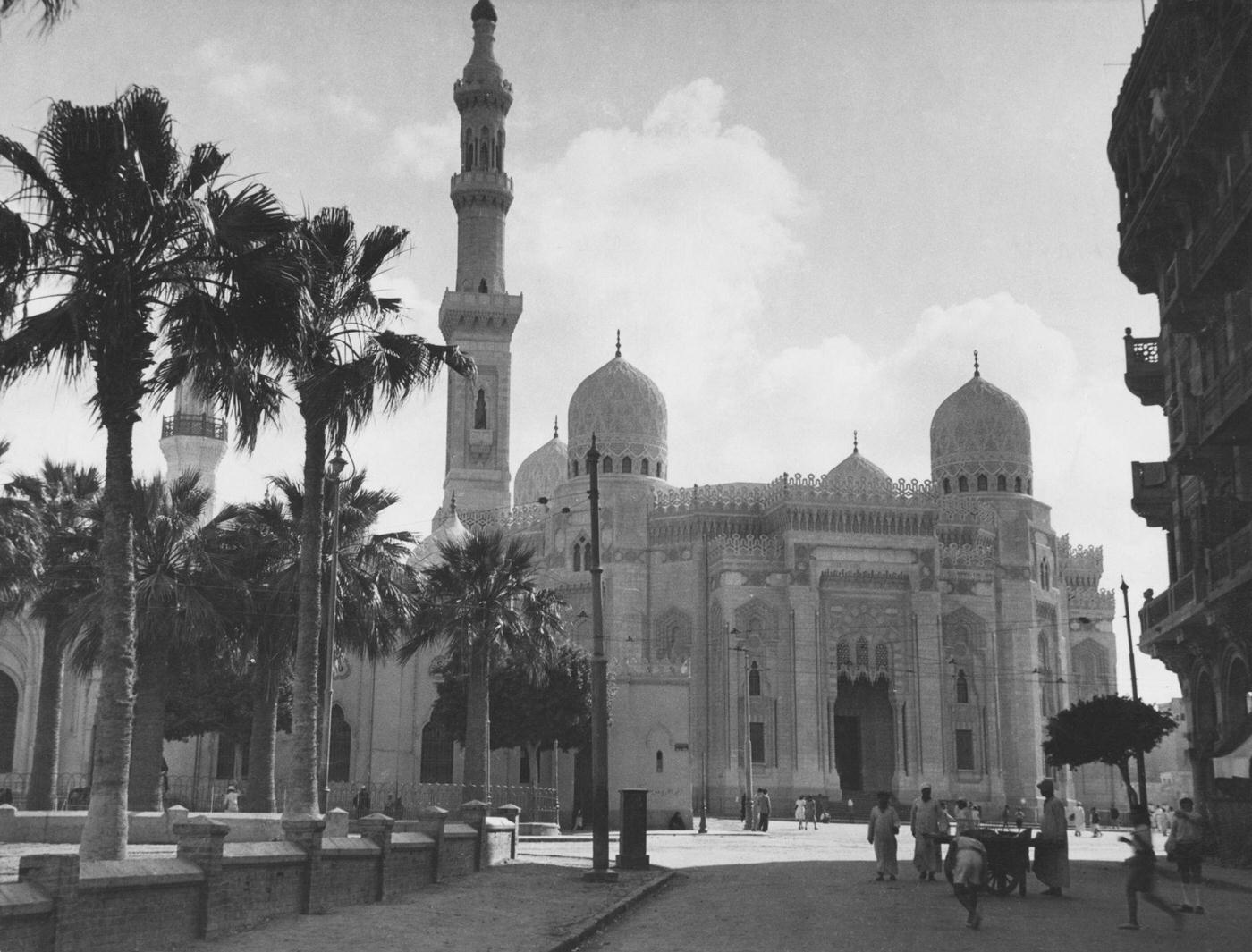
The El-Mursi Abul Abbas Mosque in the Anfoushi district of Alexandria, Egypt, 1944.
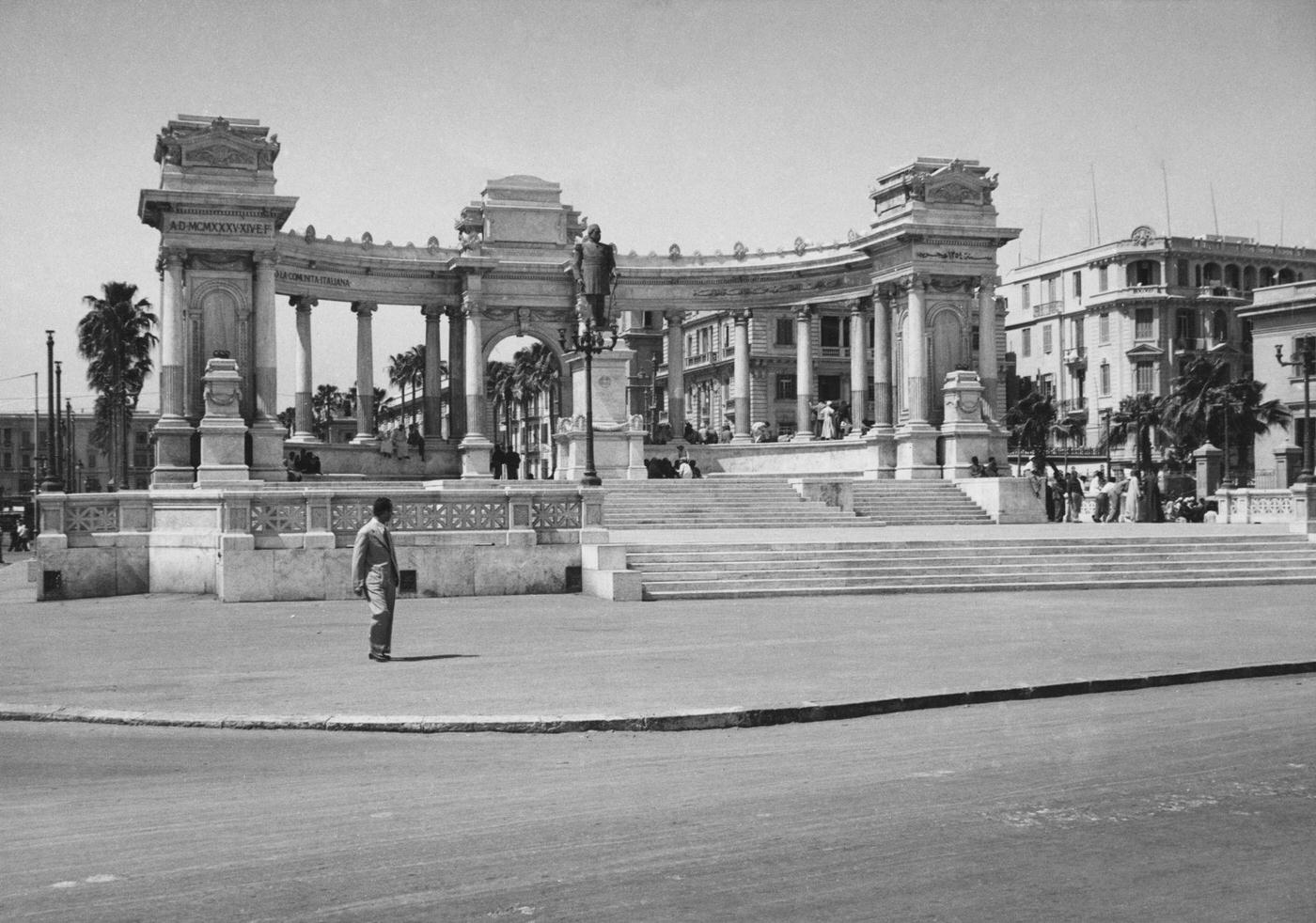
A monument to Khedive Ismail, erected by the Italian community in Alexandria, Egypt, 1944.
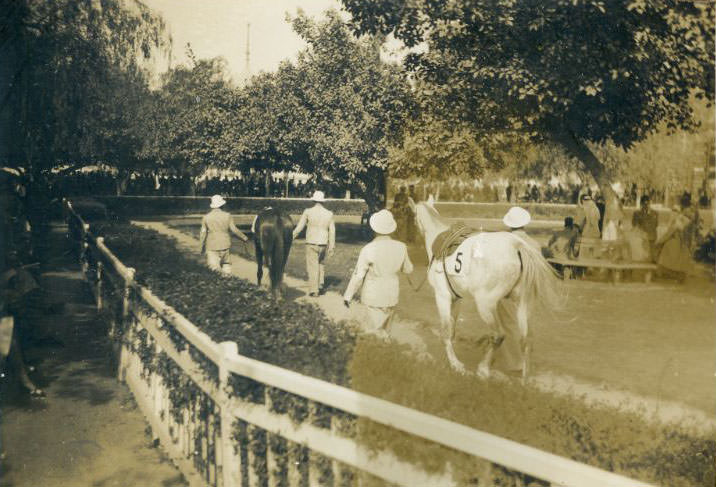
Alexandria Racecourse, Egypt
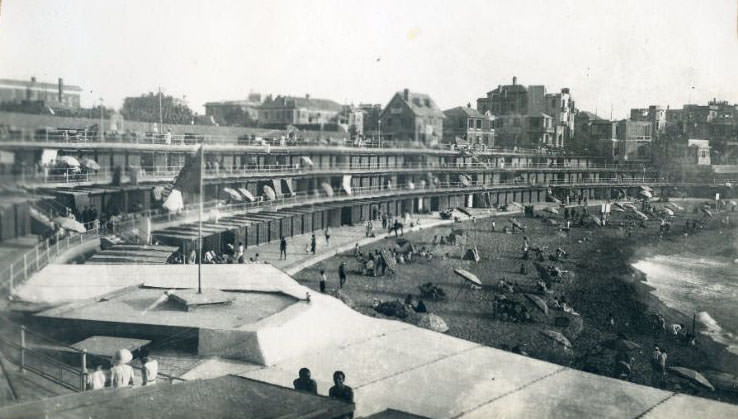
Stanley Bay, Alexandria, Egypt
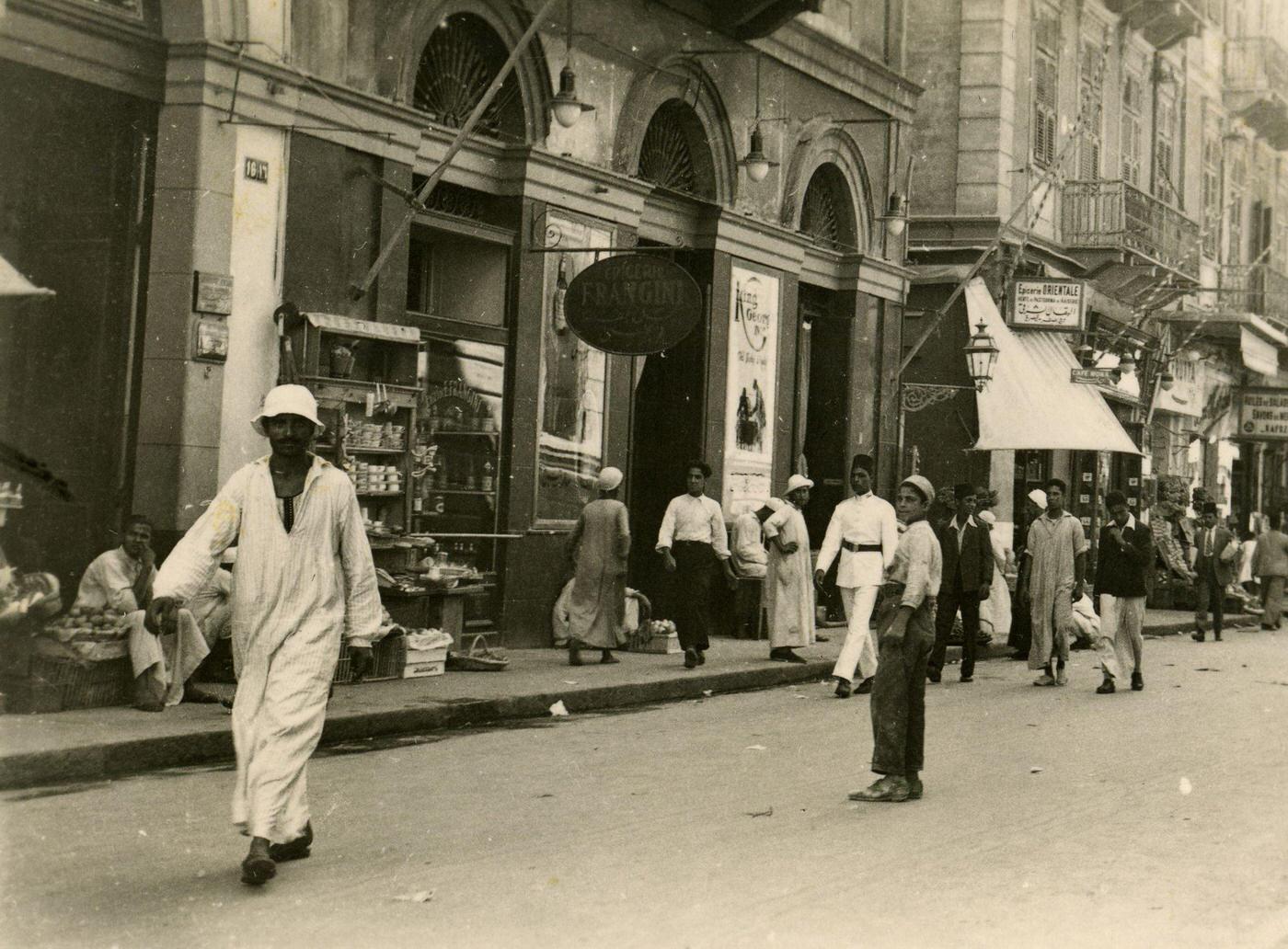
Sisters Street, Alexandria, Egypt, 1941.

Overseeing all of this was King Farouk, who had come to the throne in 1936 at just sixteen years old. By the 1940s he was a full-on political figure navigating a very difficult situation. In 1942, he appointed Nahas Pasha as Prime Minister to try to renegotiate the terms of Egypt’s relationship with Britain — but those talks failed. Farouk traveled in royal processions through Cairo and kept a palace and a royal yacht. To many Egyptians, he represented a monarchy increasingly out of step with the country’s mood.
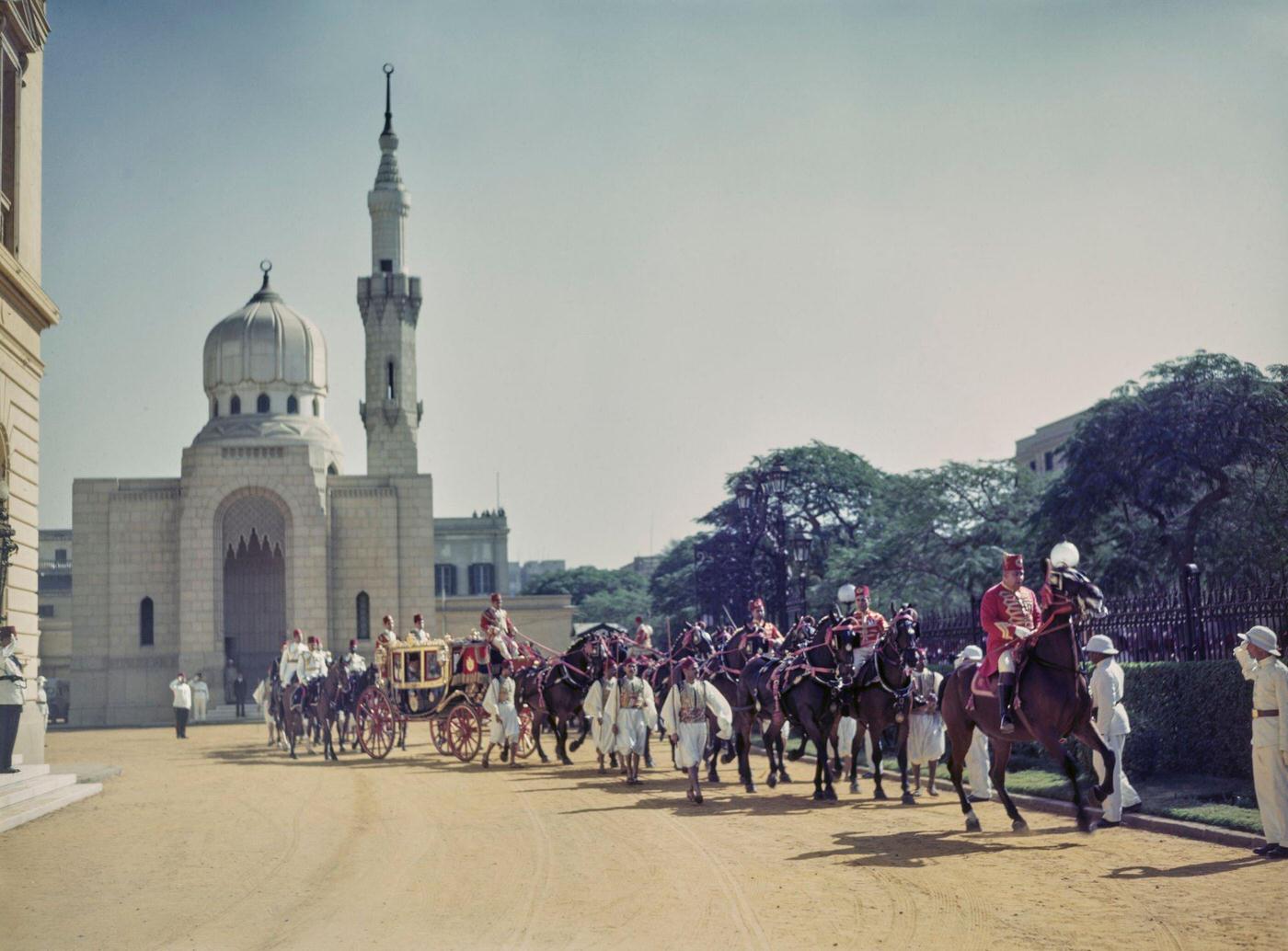
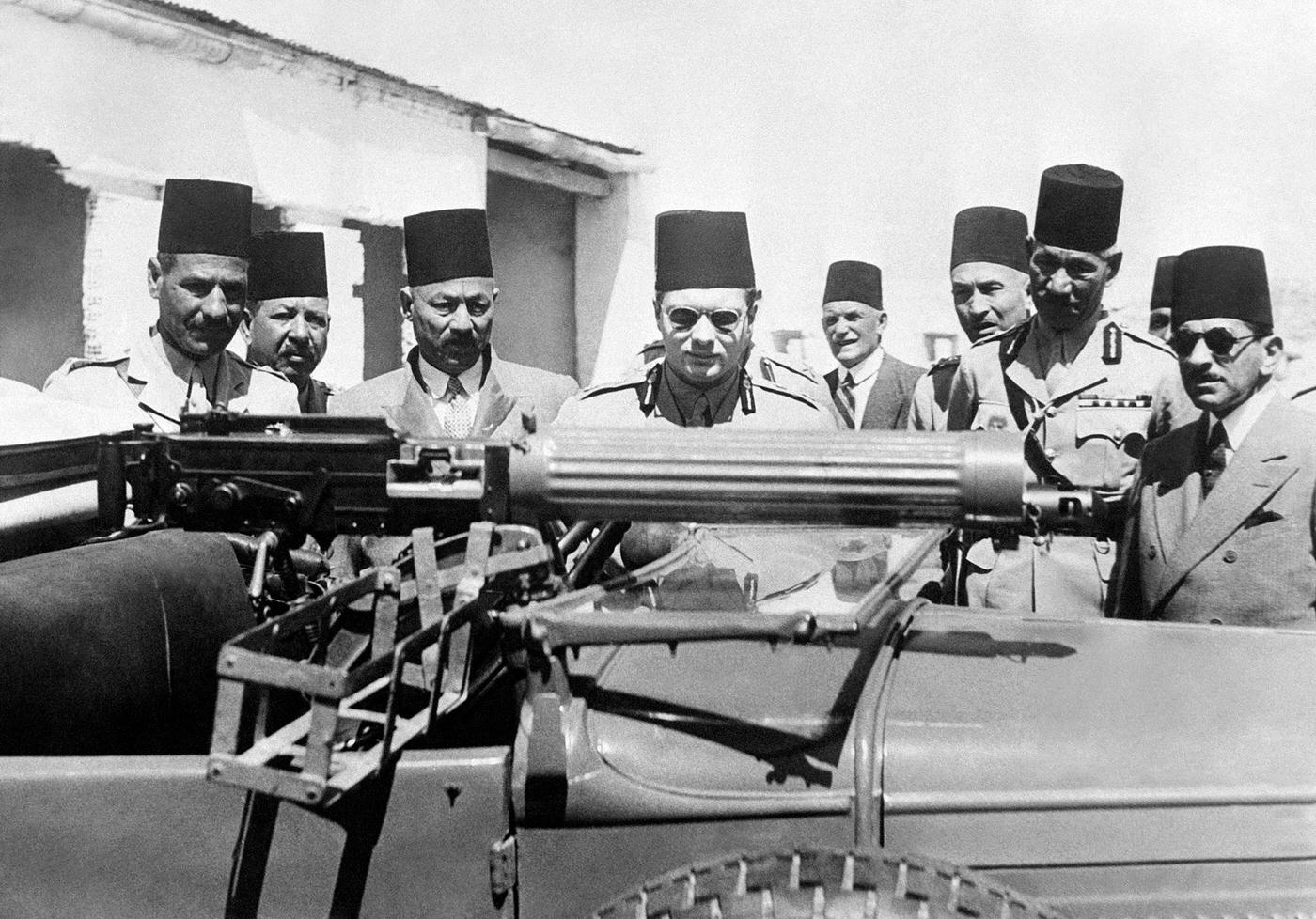
King Farouk of Egypt (1920-1965) is transported by horse drawn carriage in a royal procession arriving for the state opening of Parliament in Cairo, Egypt in 1945
King Farouk, wearing sunglasses, 1940s
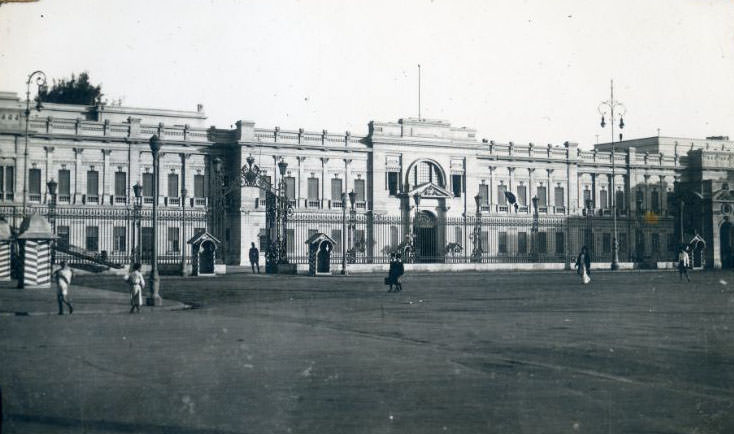
King Faruck's Palace, Egypt
King Faruck’s Palace, Egypt
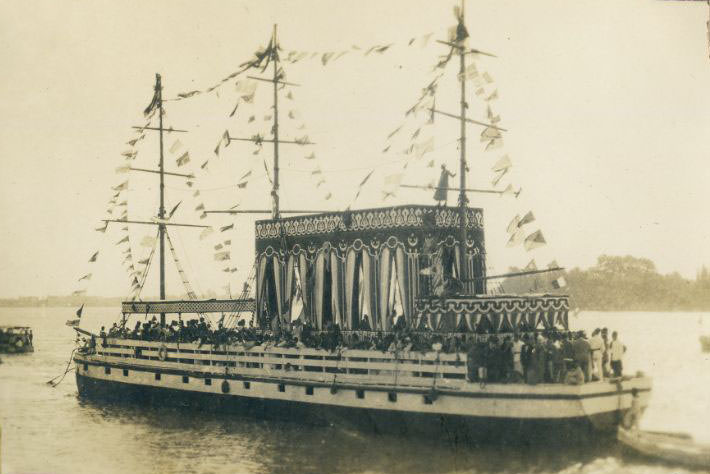
King Faruk's yacht, Egypt
King Faruk’s yacht, Egypt

While Farouk managed palace politics, the desert outside Egypt’s cities had become a major theater of World War II. British forces had been stationed in Egypt since the 19th century and used the country as a base to defend the Suez Canal — the vital waterway connecting the Mediterranean Sea to the Red Sea. The canal was strategically irreplaceable. Losing it to the Axis powers would have cut Allied supply lines to Asia and reshaped the entire war. British tanks, bombers, and thousands of troops were positioned across Egyptian territory to hold that line.
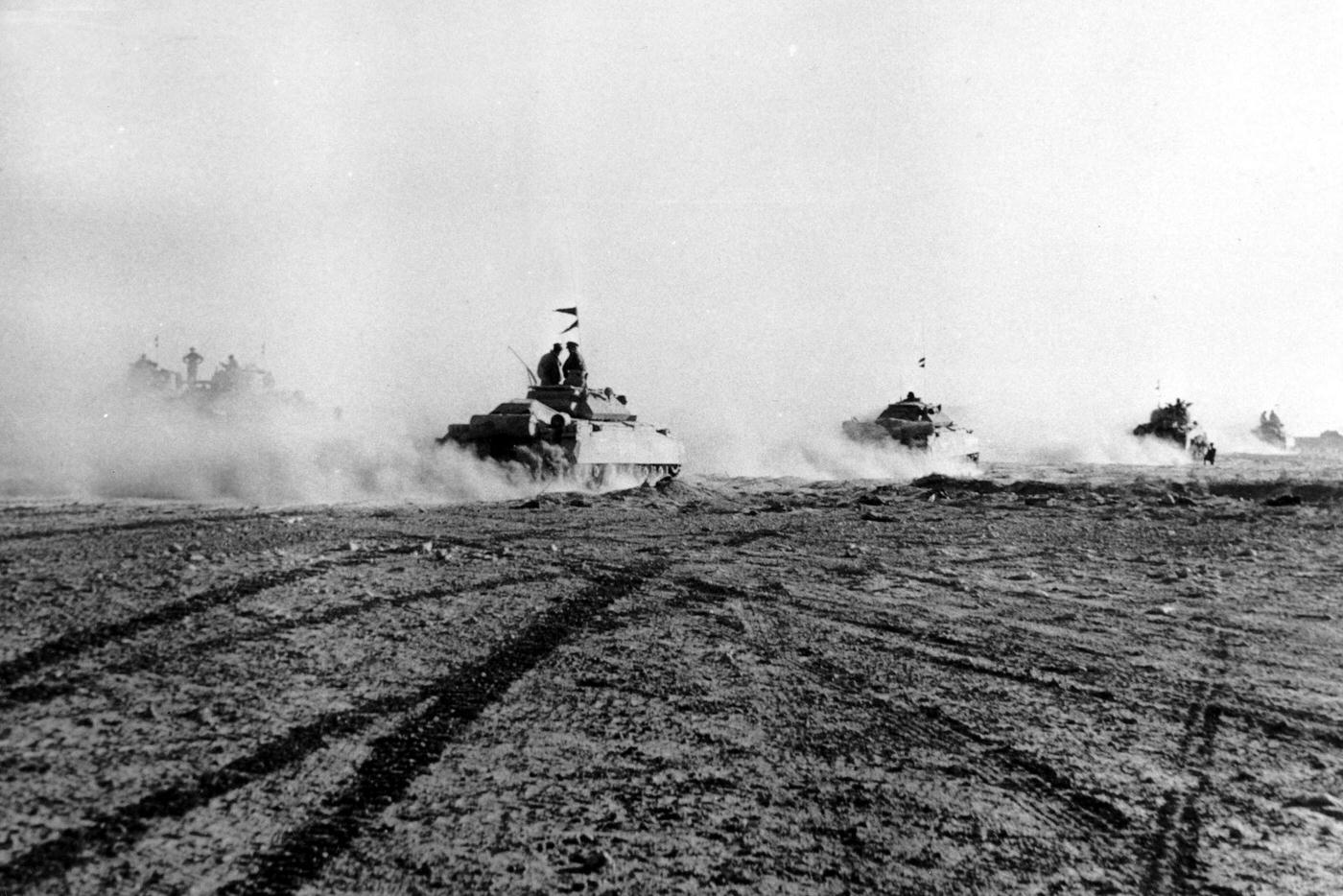
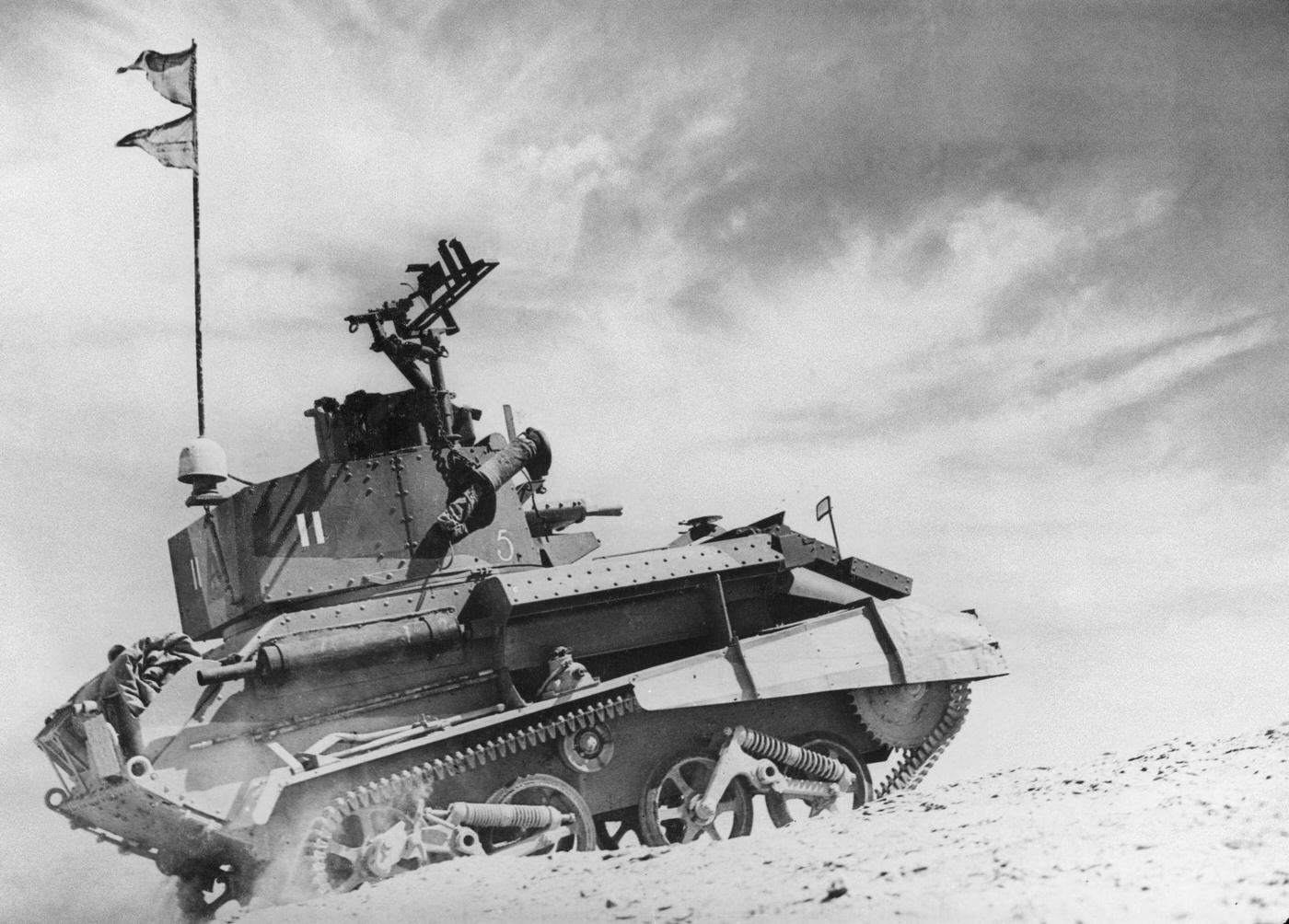
British tanks advancing in the desert during the battle of El Alamein, 1942
A Vickers Light Tank MkVIb from the 8th (King's Royal Irish) Hussars of the 7th Armored Division, British Army Western Desert Force on patrol in the Egyptian desert near Helmieh on 5th June 1940.
A Vickers Light Tank MkVIb from the 8th (King’s Royal Irish) Hussars of the 7th Armored Division, British Army Western Desert Force on patrol in the Egyptian desert near Helmieh on 5th June 1940.
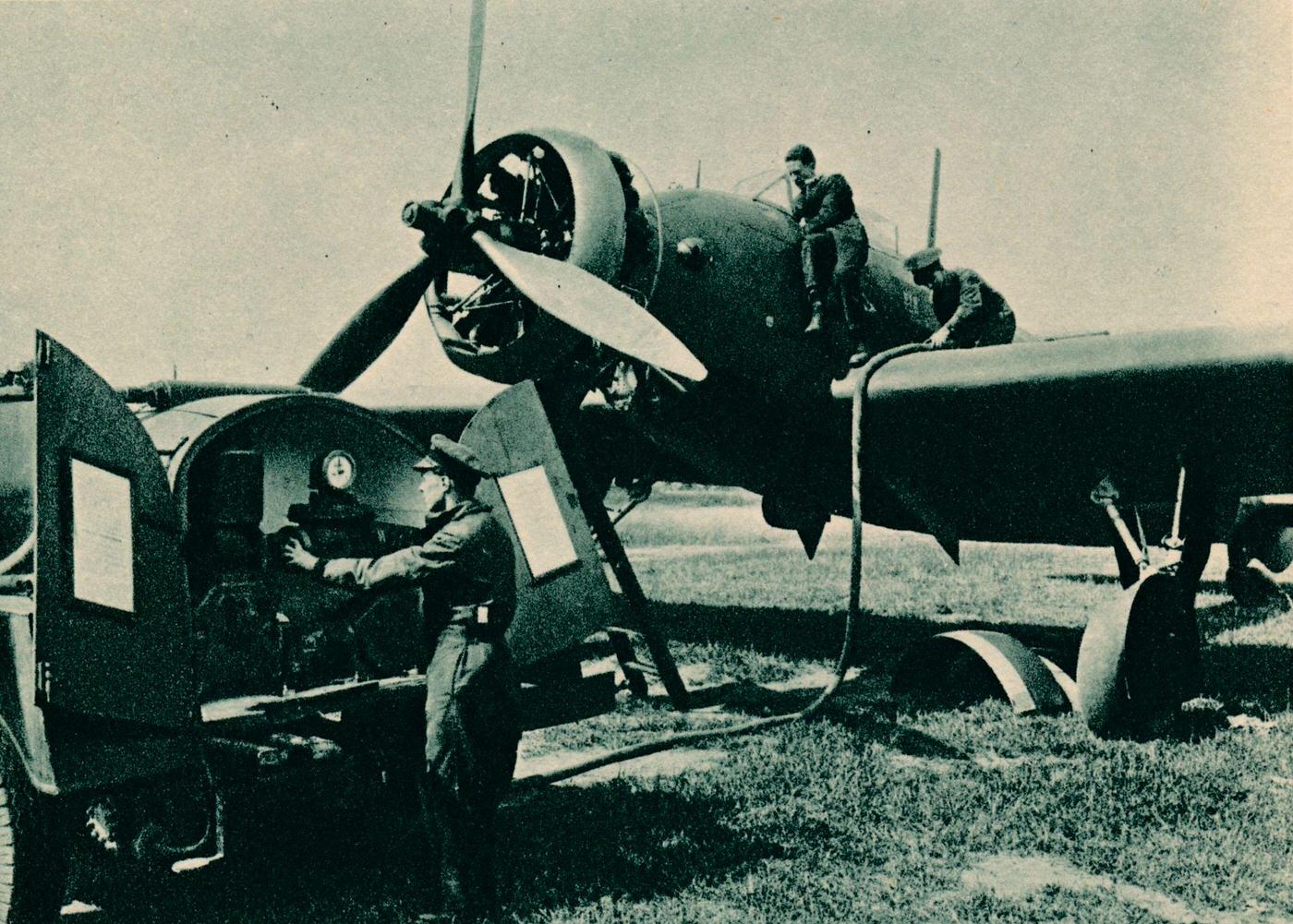
Refuelling a Wellesley Bomber, 1940.
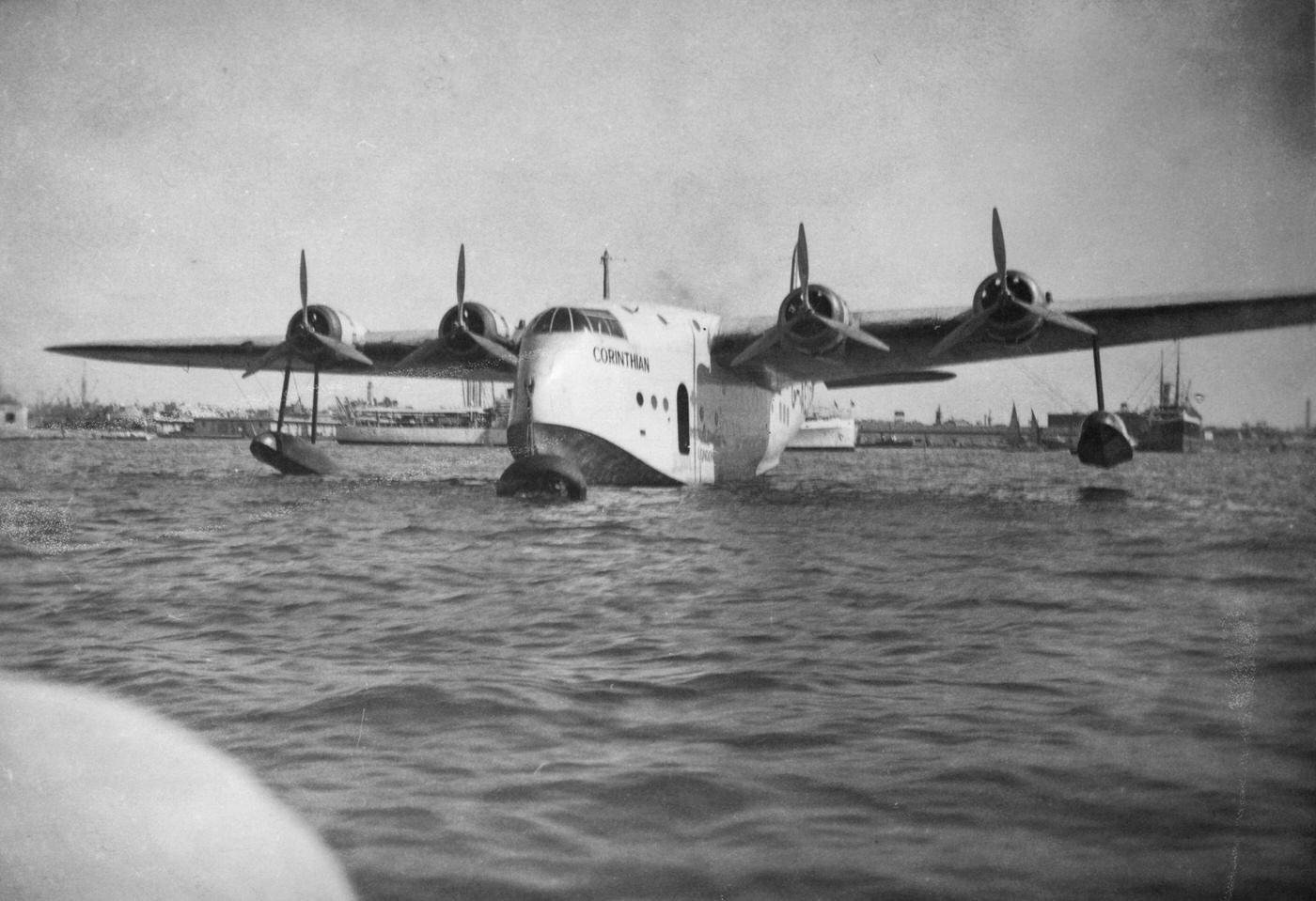
Short Empire flying boat 'Corinthian', Alexandria, Egypt, 1941
Short Empire flying boat ‘Corinthian’, Alexandria, Egypt, 1941

The Battle of El Alamein in 1942 was the turning point in the North Africa campaign. British General Harold Alexander commanded Allied forces in the region. Facing him was German Field Marshal Erwin Rommel, commander of the Afrika Korps, who had pushed deep into North Africa hoping to reach the Suez Canal. The Allied victory at El Alamein stopped that advance and marked the beginning of the end for Axis forces in Africa.
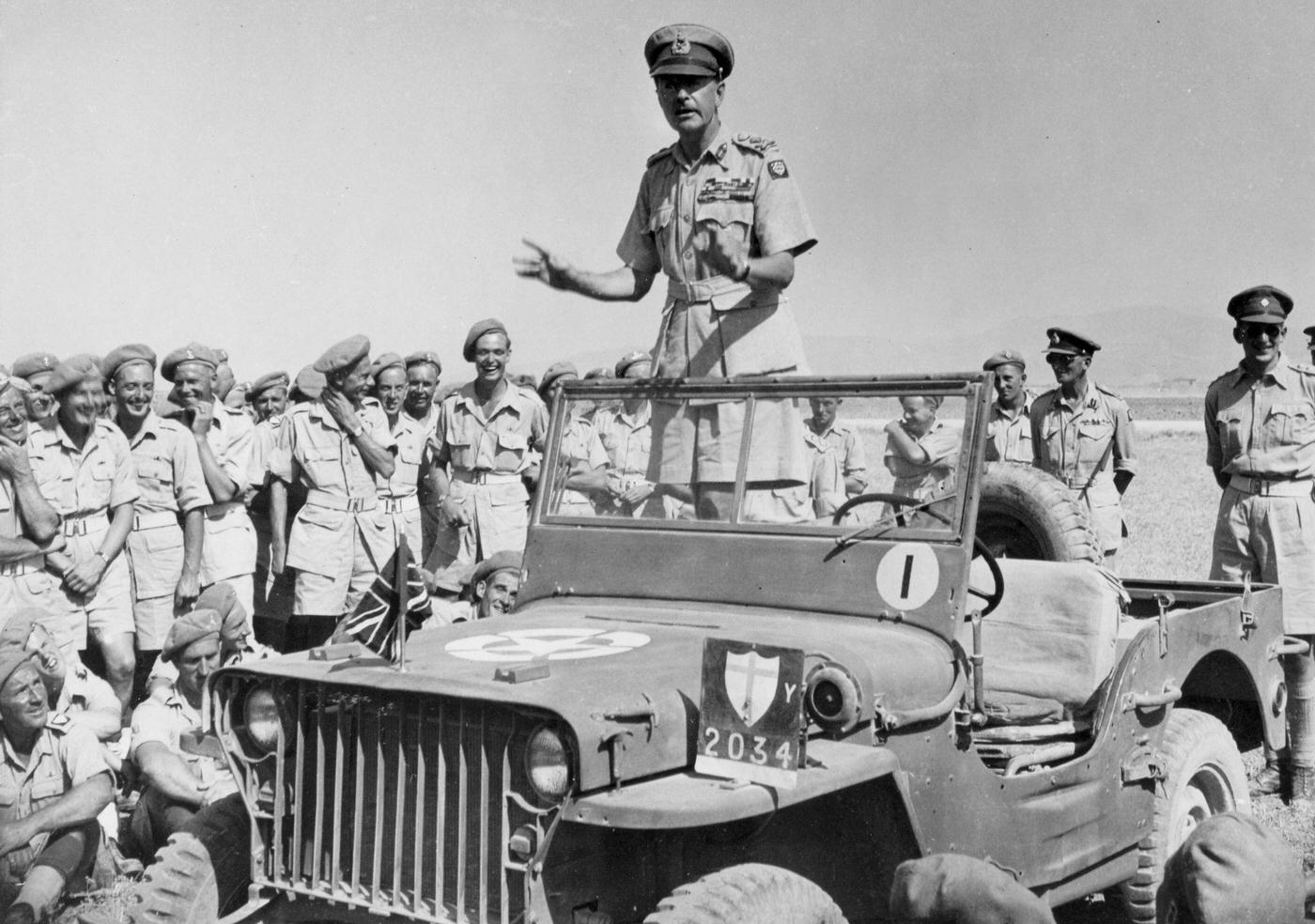
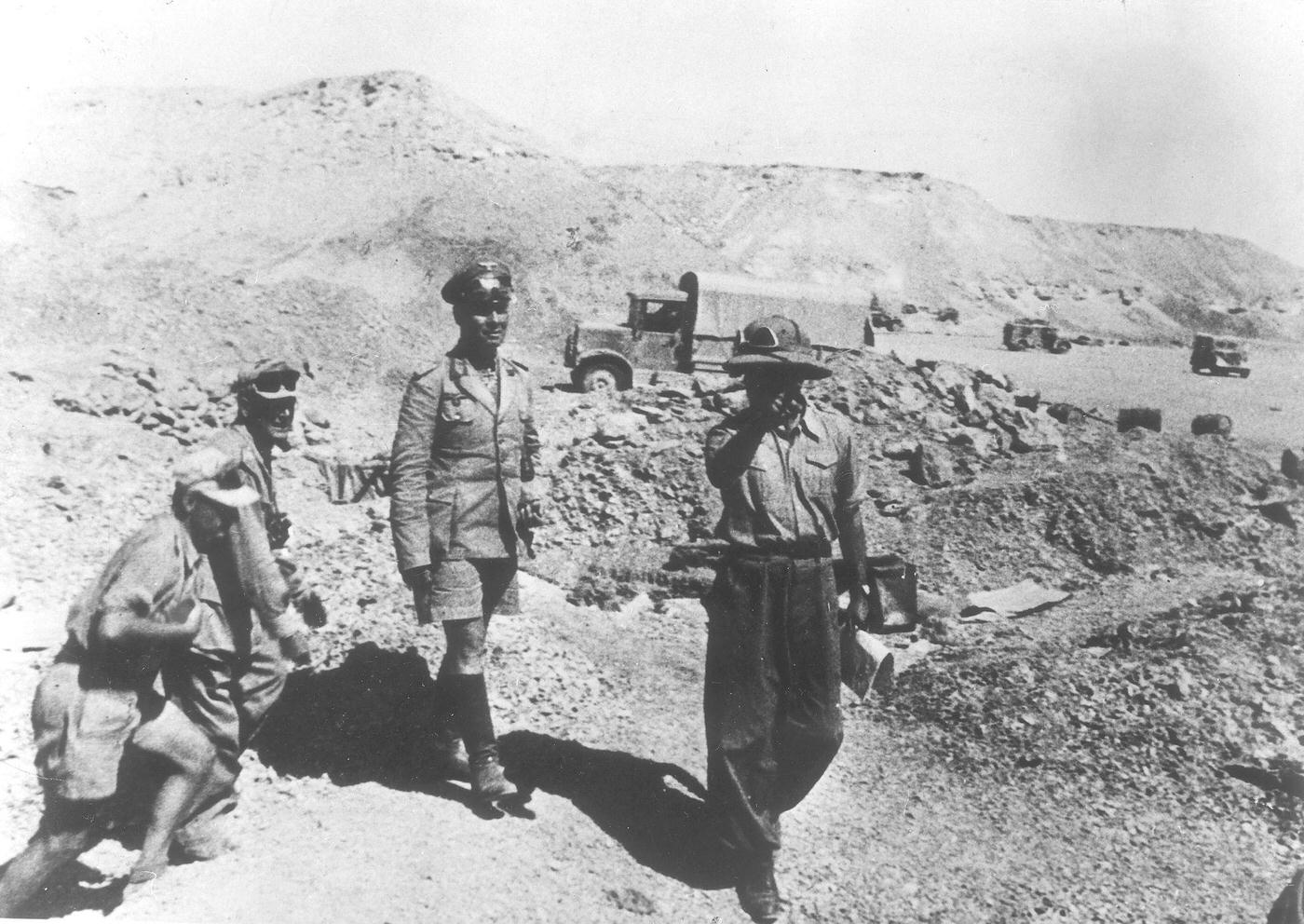
General Harold Alexander, in Egypg, 1940s
Erwin Rommel General field marshall, of the german africa corps in Egypt
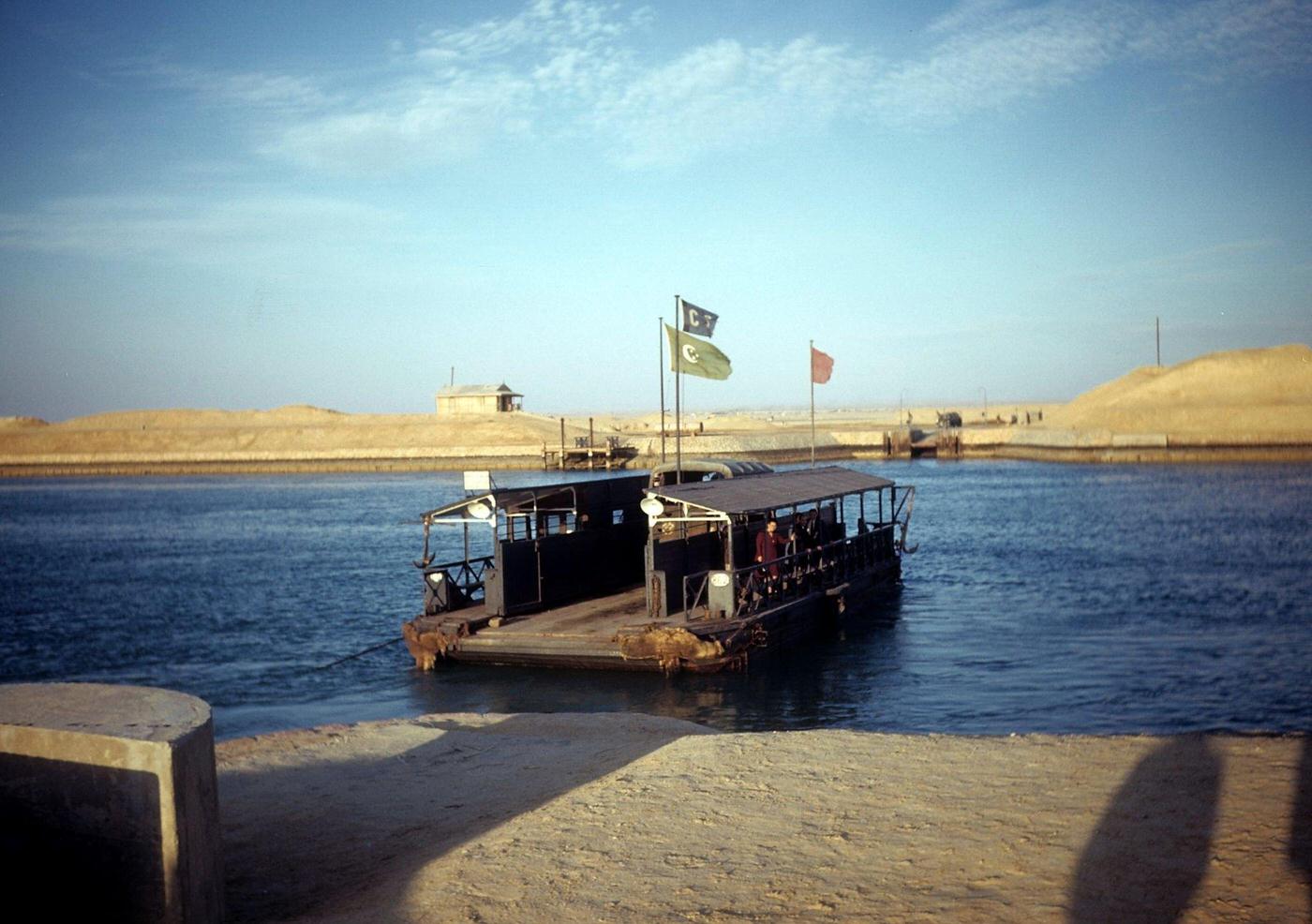
A view of a ferry boat crossing the Suez Canal in Egypt, 1948

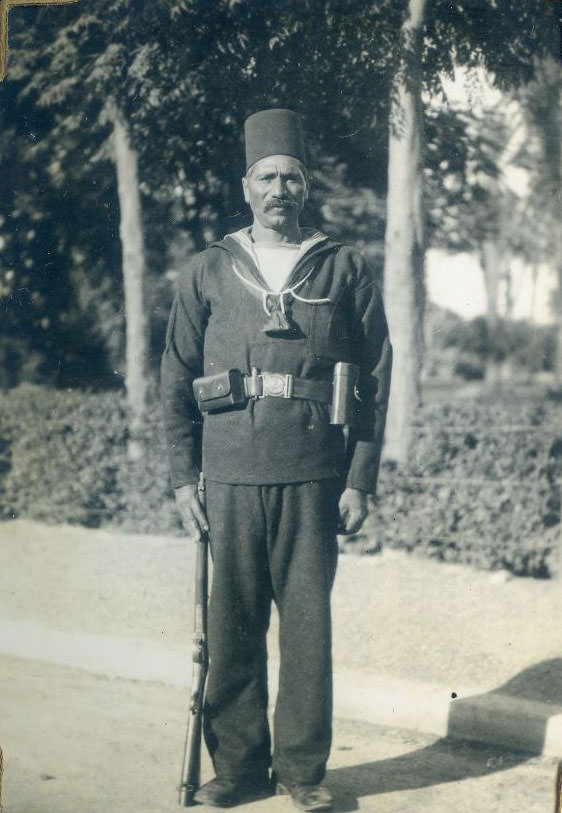
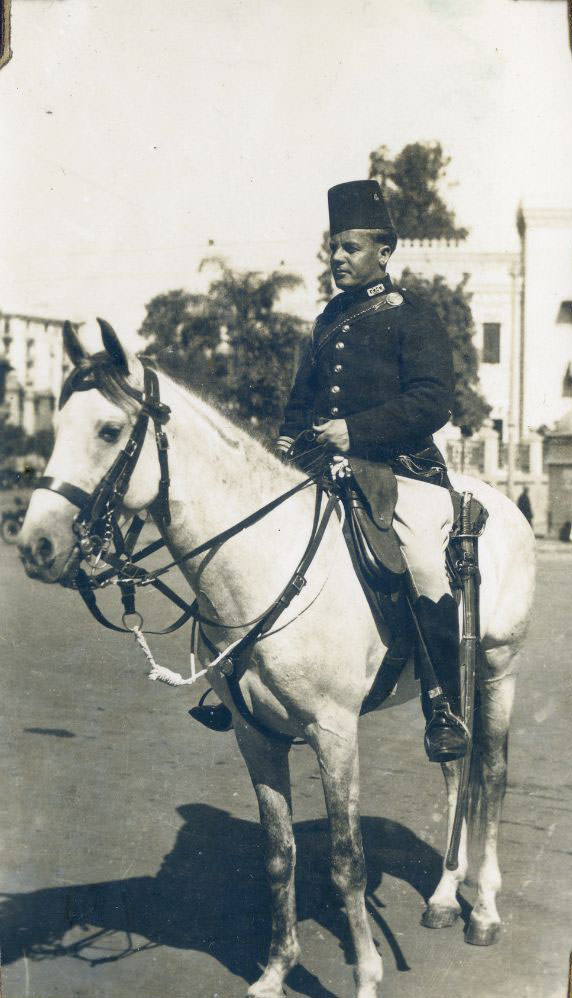
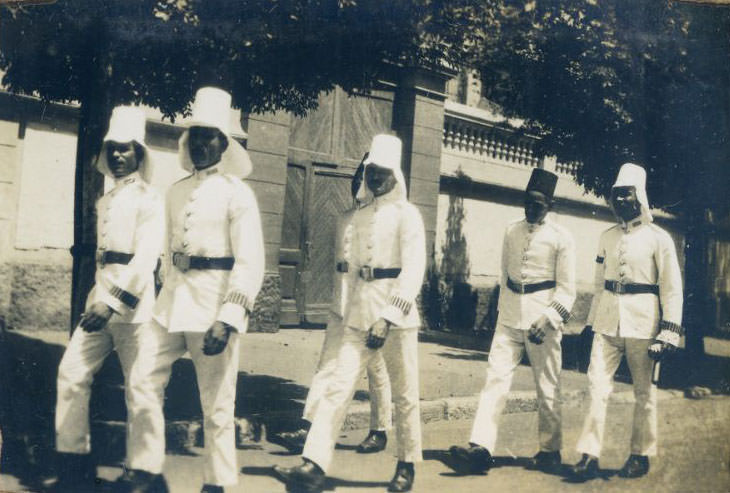
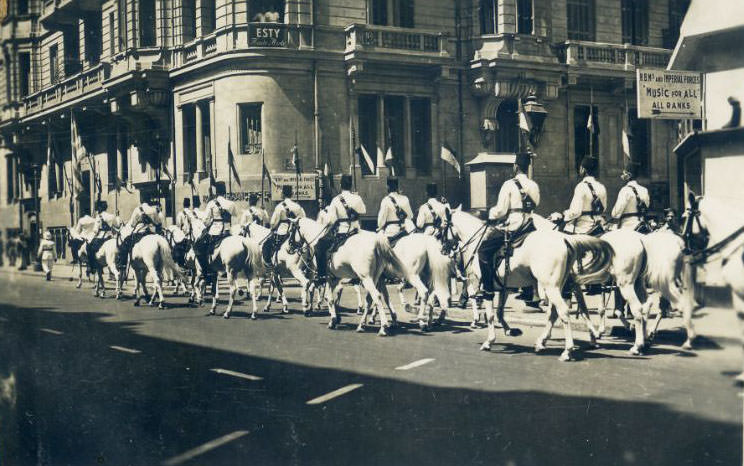
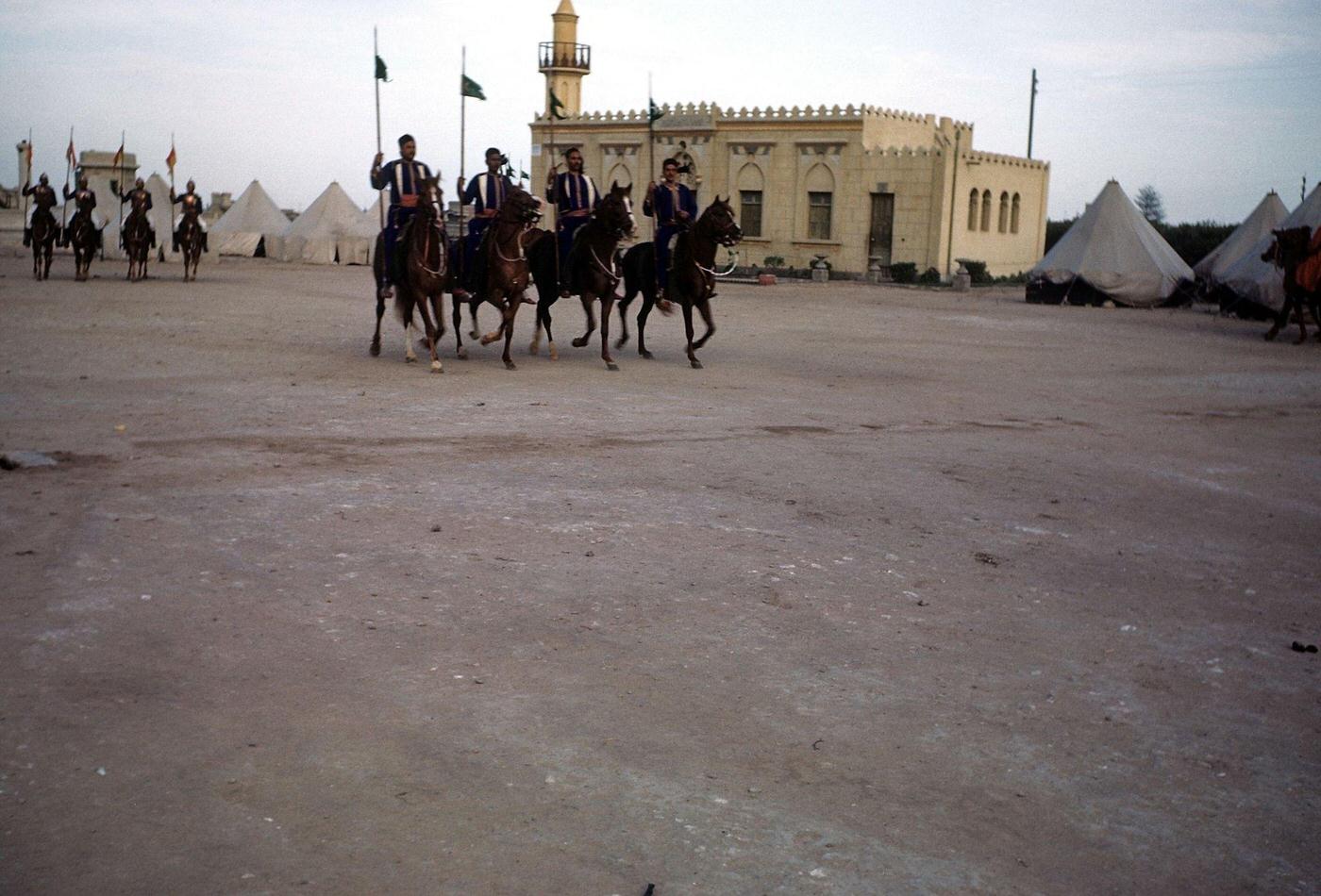
Egypt’s military had its own presence across the country, from camel-riding soldiers in the southern desert around Aswan to mounted guards on the streets of Alexandria. The Egyptian Army and police force were visible institutions in daily life, maintaining order in cities that were growing fast and absorbing more people from the countryside every year.
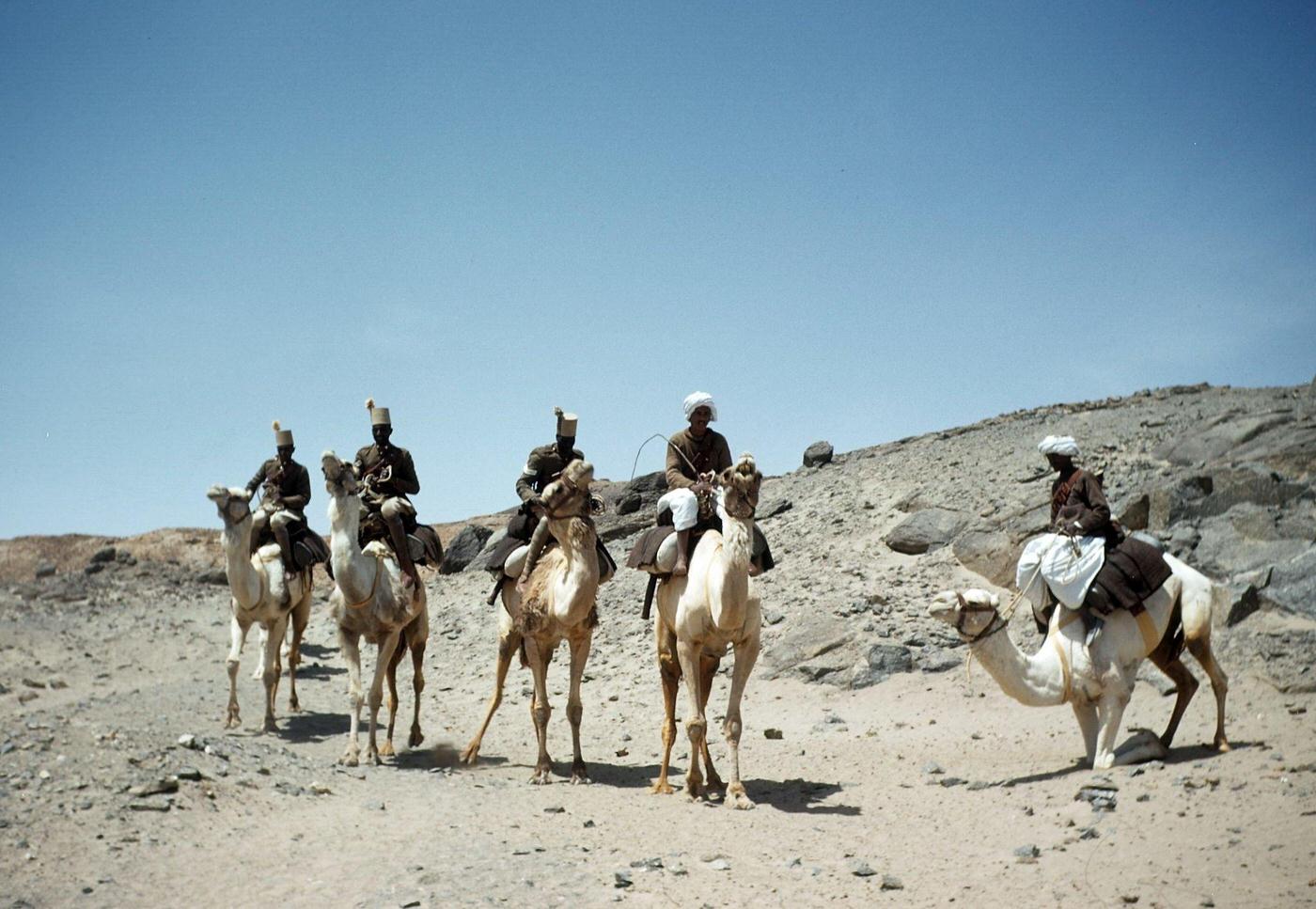
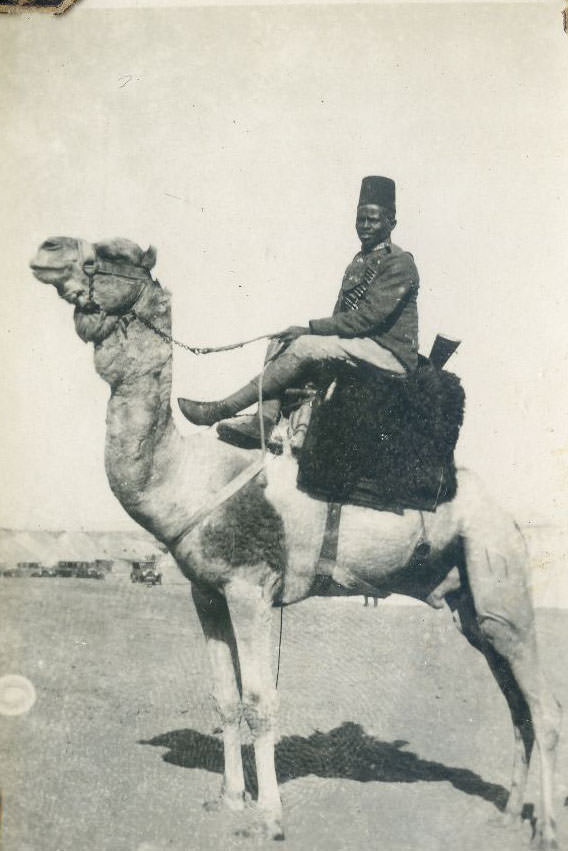
Egyptian Army soldiers ride their camels in the desert of Aswan, Egypt, 1948
A view of Egyptian military guards riding horses in Alexandria, Egypt, 1948
Desert Patrol, Egypt
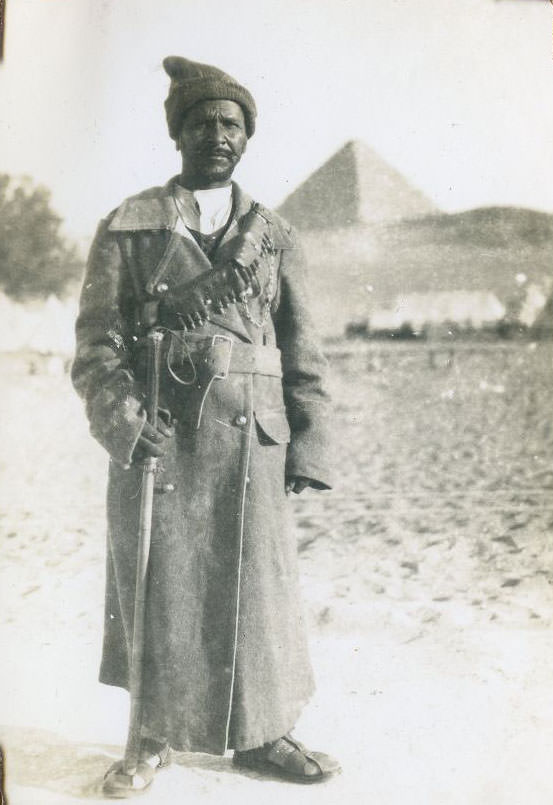
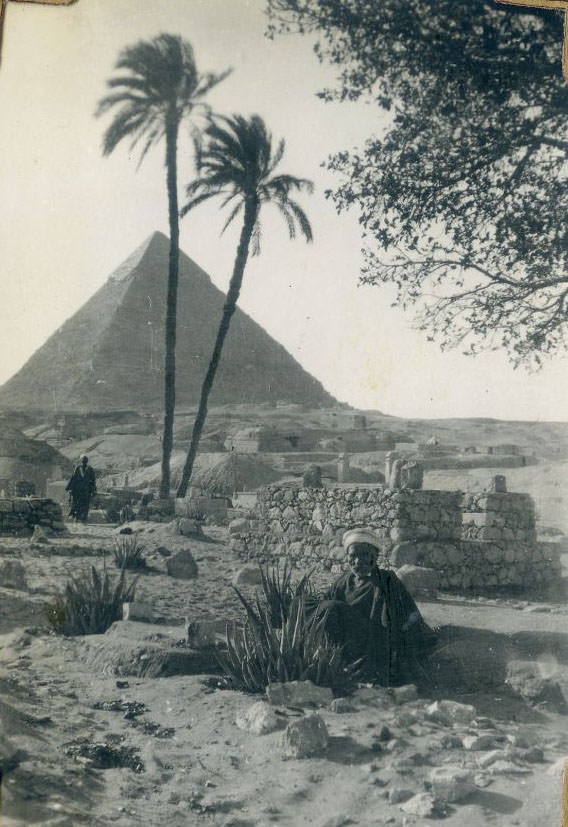
Egyptian Soldier, pyramid in background
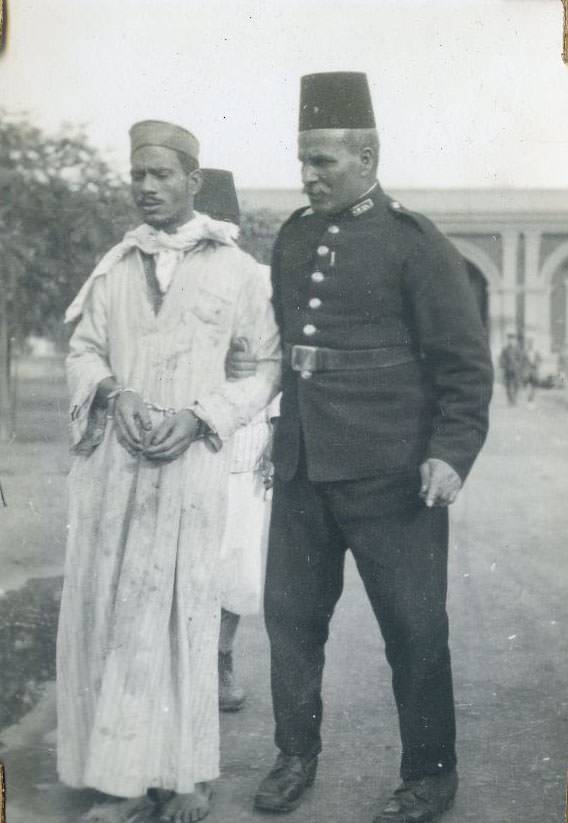
Egyptian Police making an arrest
Egyptian Police
Egyptian Police
Egyptian Police
Egyptian Police
Egyptian Police
Egyptian Police
Mounted Egyptian Police passing a sign saying "H.B.M.'s and Imperial Forces. Music for all ranks"
Mounted Egyptian Police passing a sign saying “H.B.M.’s and Imperial Forces. Music for all ranks”

Egypt also served as a refuge for those displaced by the war. Sayyid Muhammad Idris, the leader of the Free Libyans, spent part of the war in exile in Egypt. He was photographed alongside British, Egyptian, and Indian military officers — a snapshot of the complex, multinational web of alliances that defined the North Africa theater.
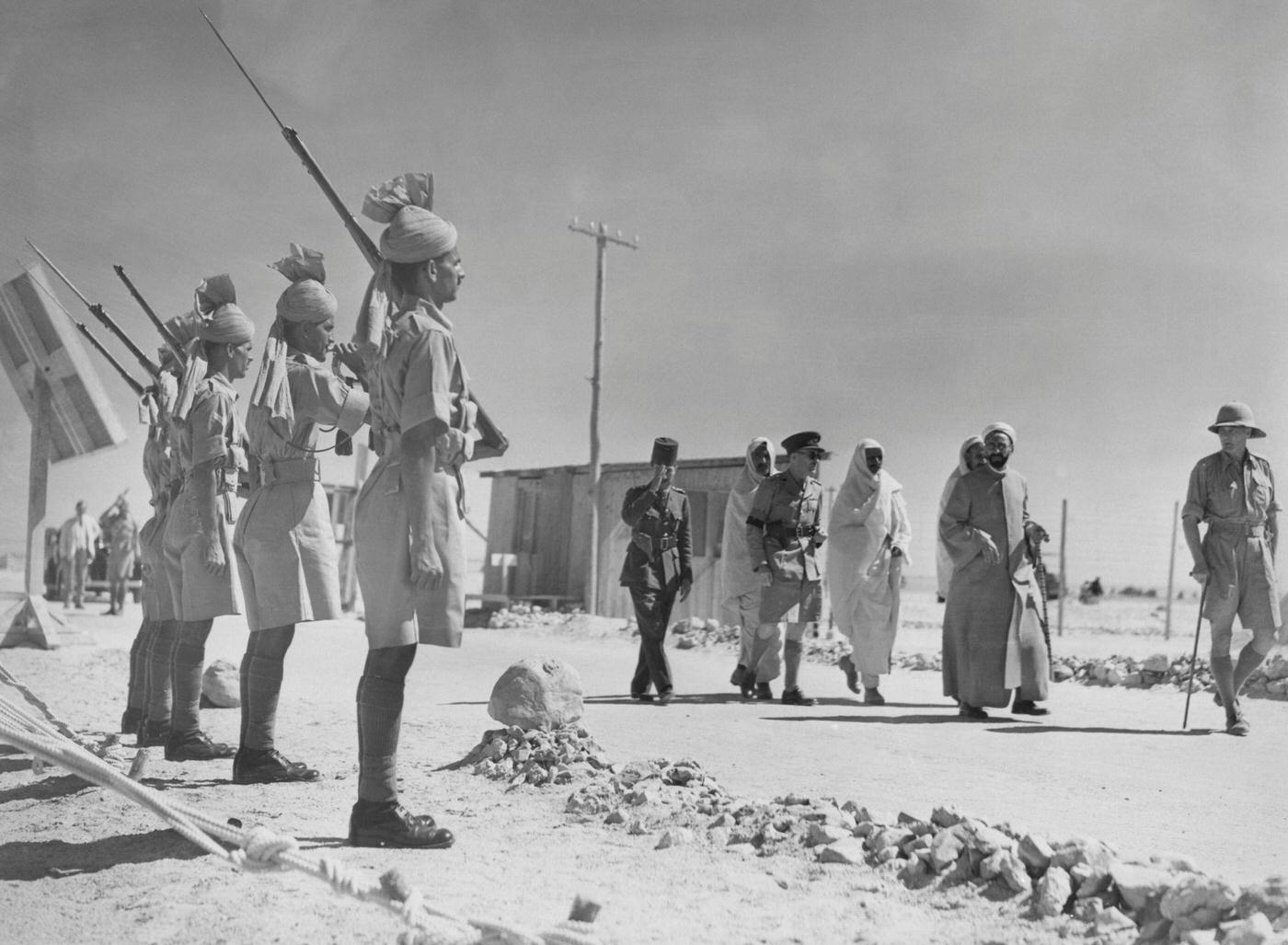
Sayyid Muhammad Idris (1889 - 1983), leader of the Free Libyans, accompanied by Senussi, British and Egyptian officers and an Indian Guard of Honour during his exile in Egypt, 1940.
Sayyid Muhammad Idris (1889 – 1983), leader of the Free Libyans, accompanied by Senussi, British and Egyptian officers and an Indian Guard of Honour during his exile in Egypt, 1940.

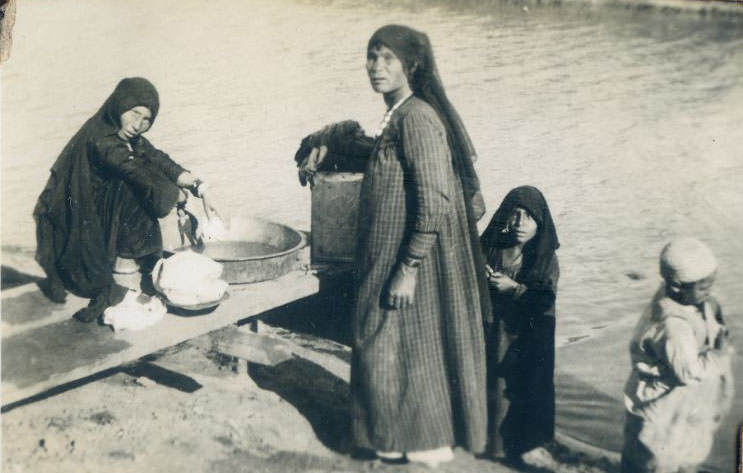
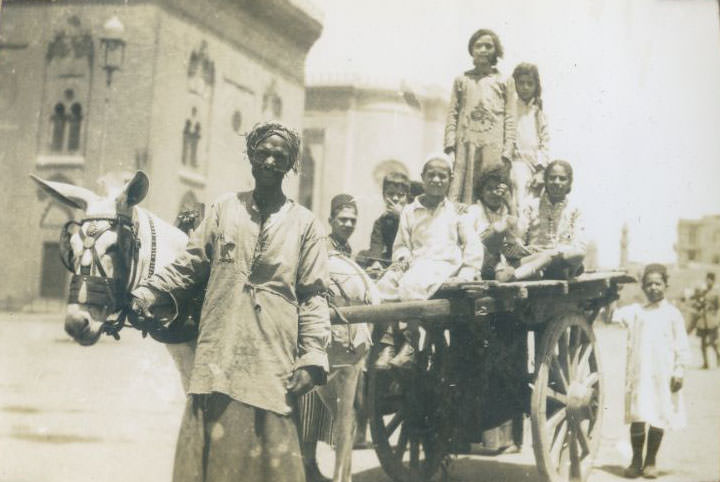
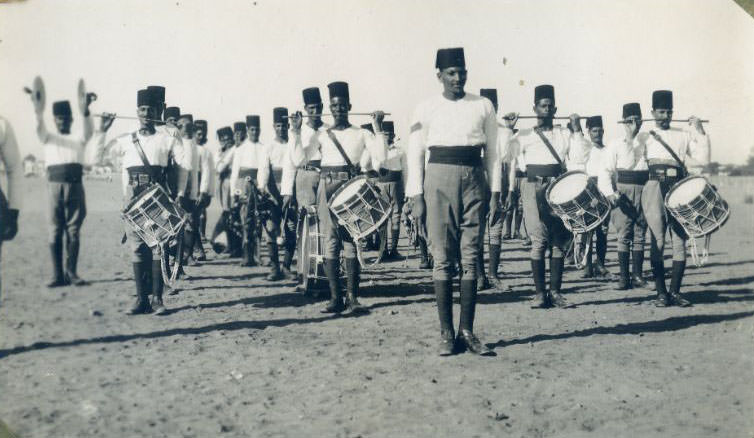
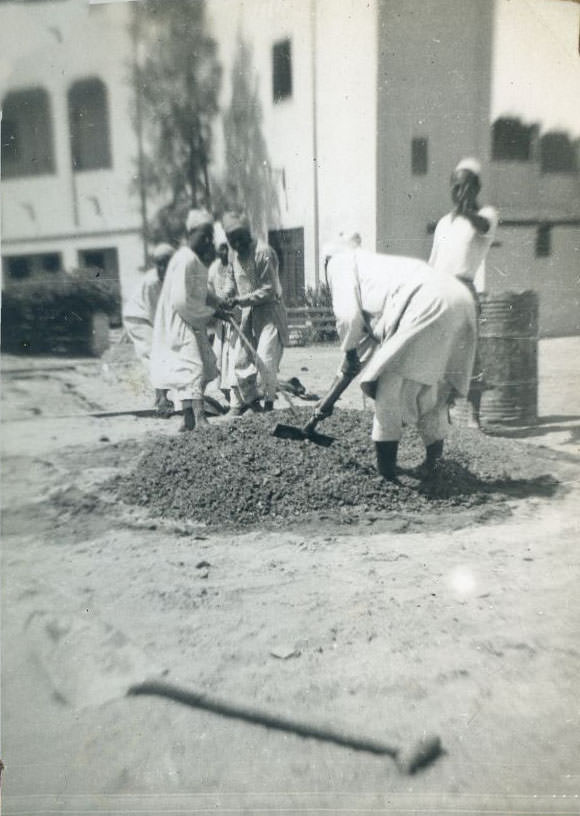
Away from the war and the royal court, ordinary Egyptians went about the rhythms of daily life. Livestock was herded through village lanes. Women gathered to wash clothes. Street fairs drew crowds. Bands played. Children rode in wagons. Construction workers mixed concrete as the cities expanded. The ancient Pyramids and the Sphinx kept watch over all of it — unchanged, unmoved, as present in the 1940s as they had been in every decade before.
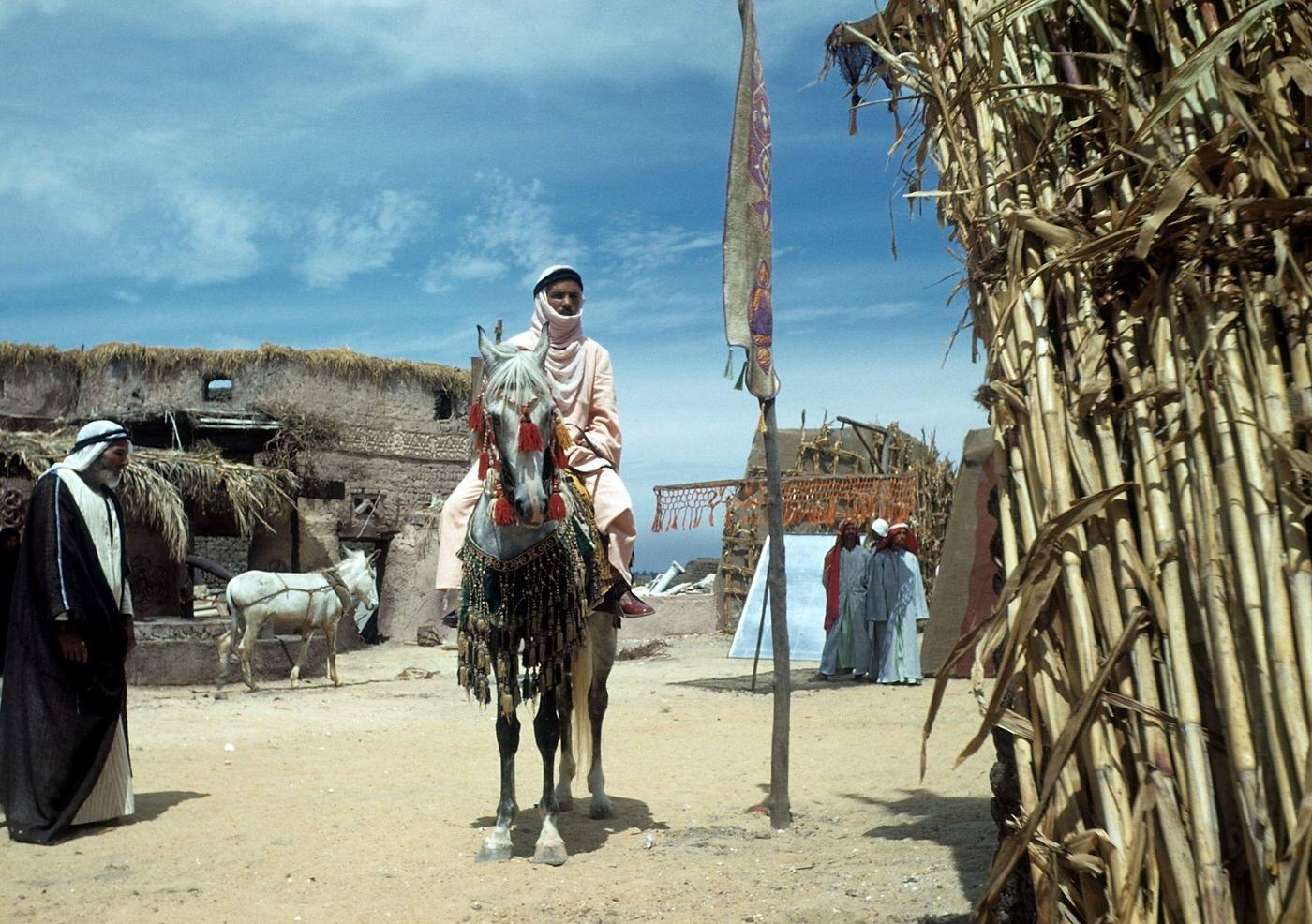
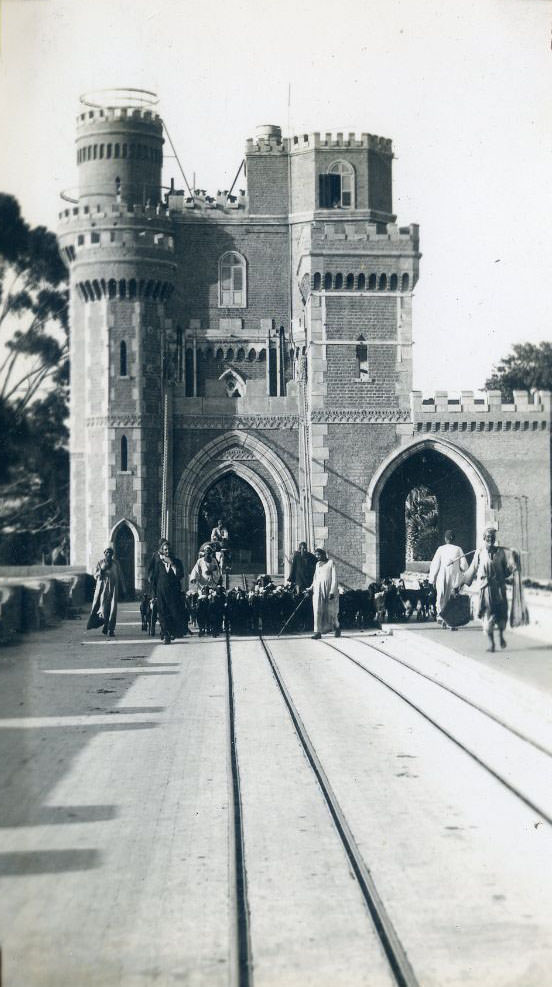
Egyptian tribesman on a Arabian horse in a village in Egypt, 1948
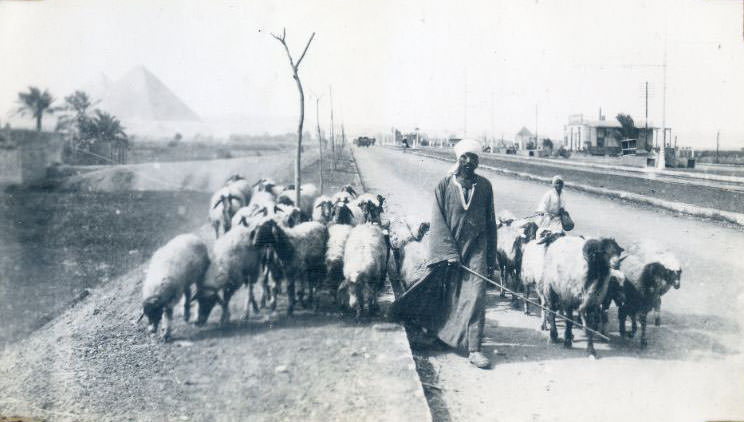
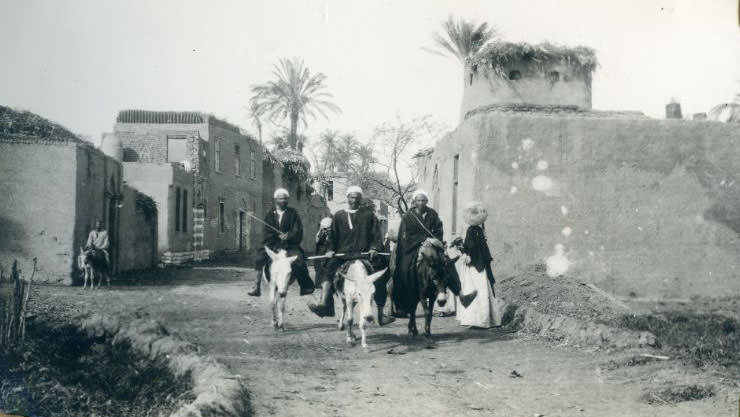
Driving goats, Egypt
Driving sheep, Egypt
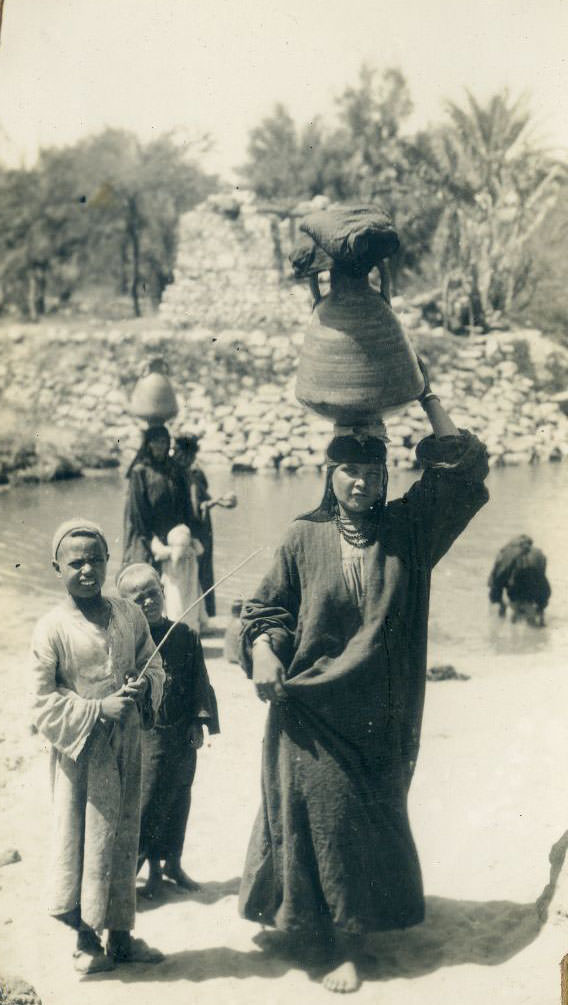
Carrying water, Egypt
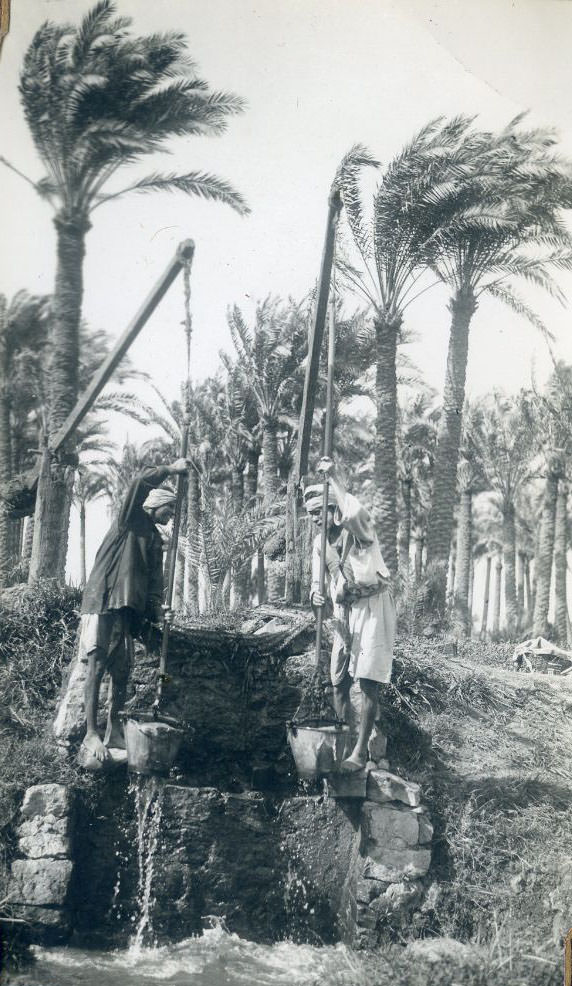
Drawing water, Egypt
Egyptian women carrying water
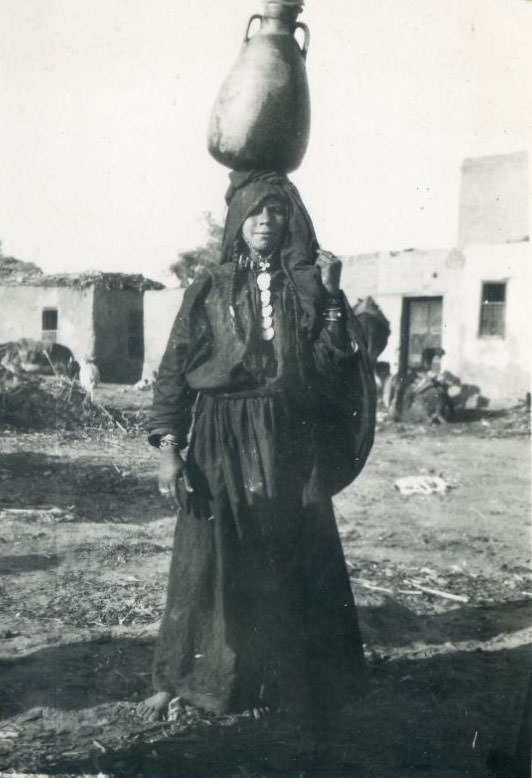
Native woman carrying water, Egypt
Native women washing, Egypt
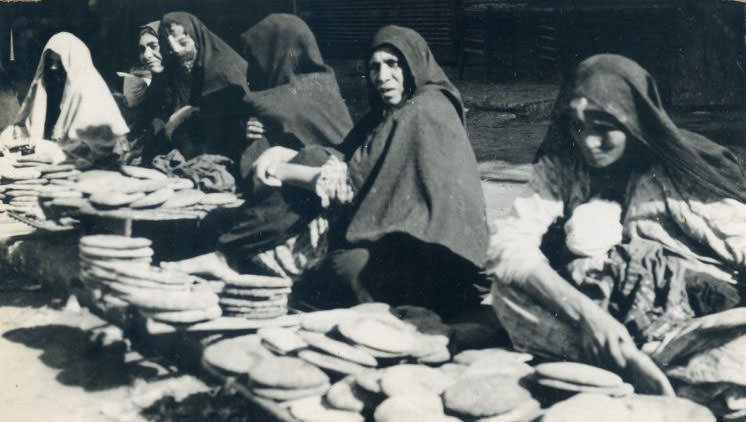
Native women selling bread, Egypt
Egyptian children on a wagon, Egypt
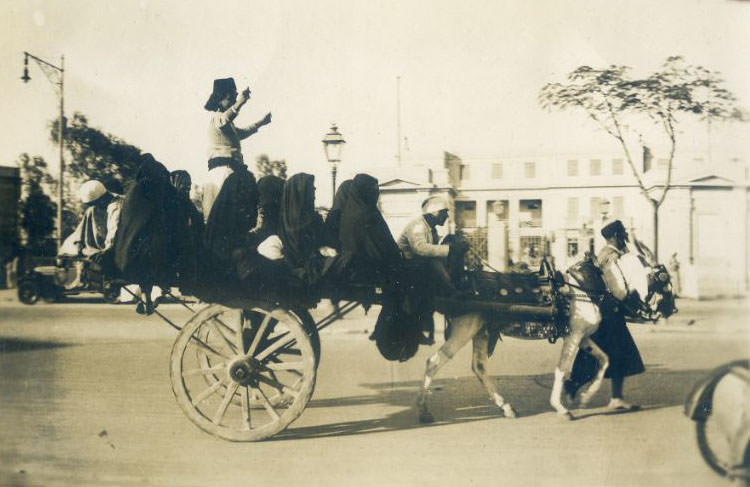
Egyptian ladies seated in a wagon, accompanied by four men
Egyptian band
Egyptian band
Mixing concrete, Egypt
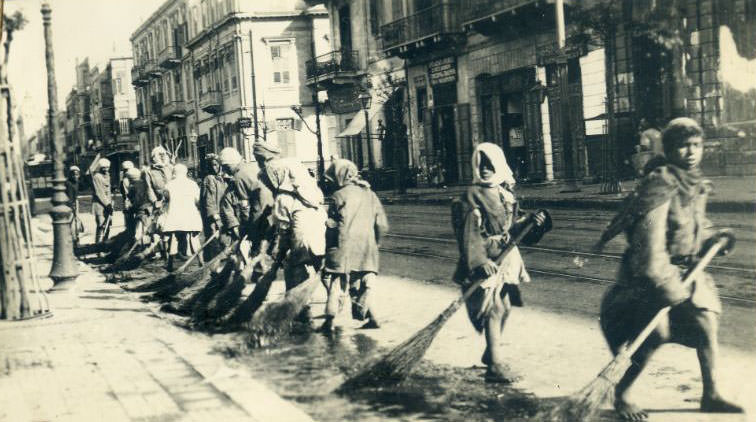
Street sweepers, Egypt
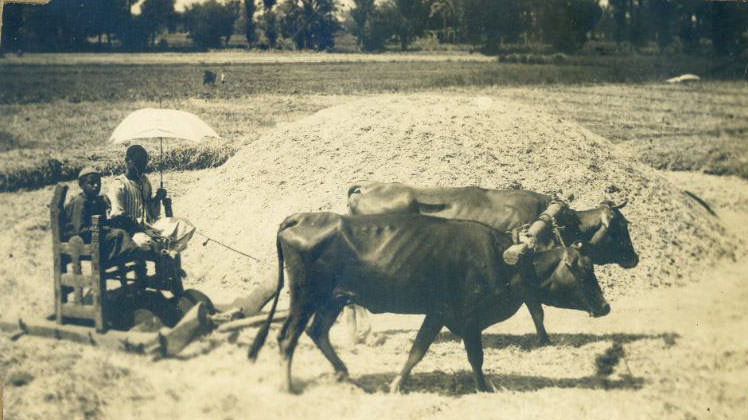
Threshing Train, Egypt
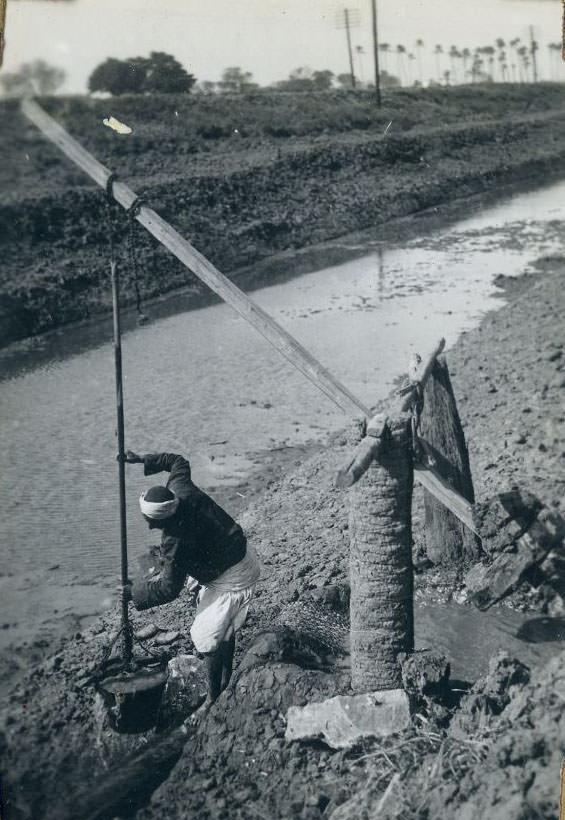
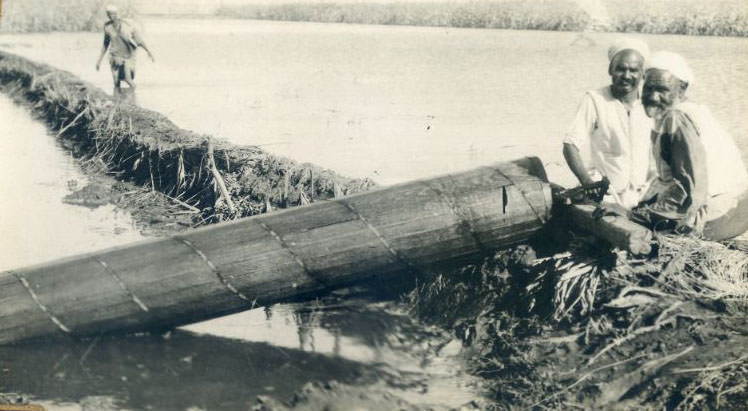
Water syphon, Egypt
Water syphon, Egypt
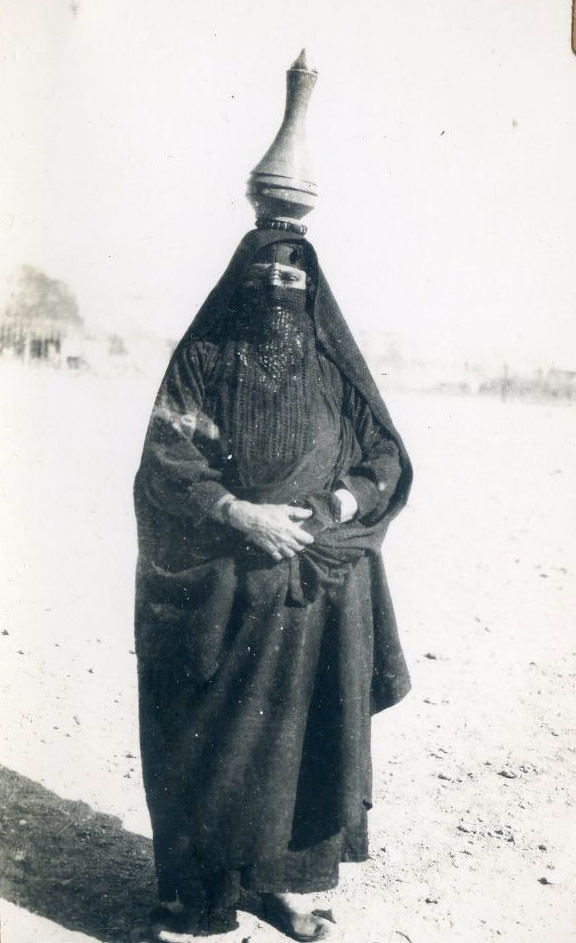
Egyptian woman
Egyptian woman
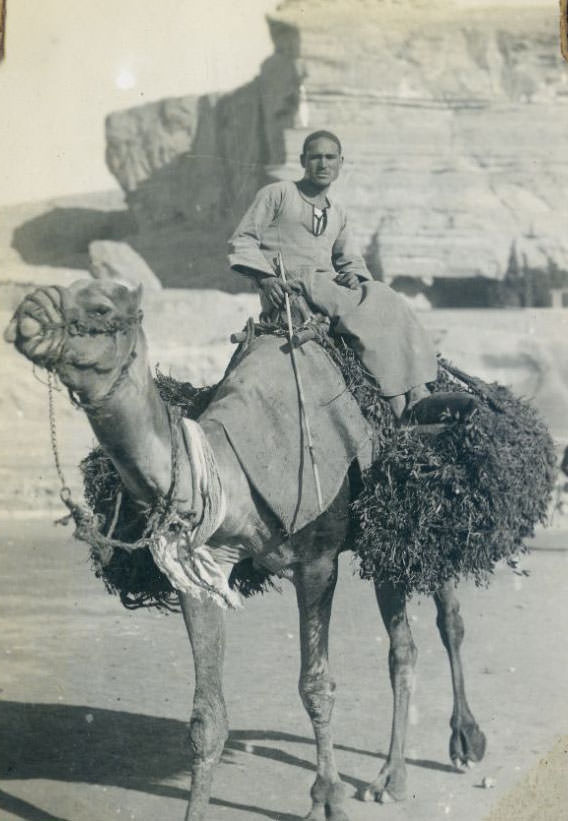
Native on camel, Egypt
Natives, Cairo, Egypt
Natives, Egypt
Natives, Egypt
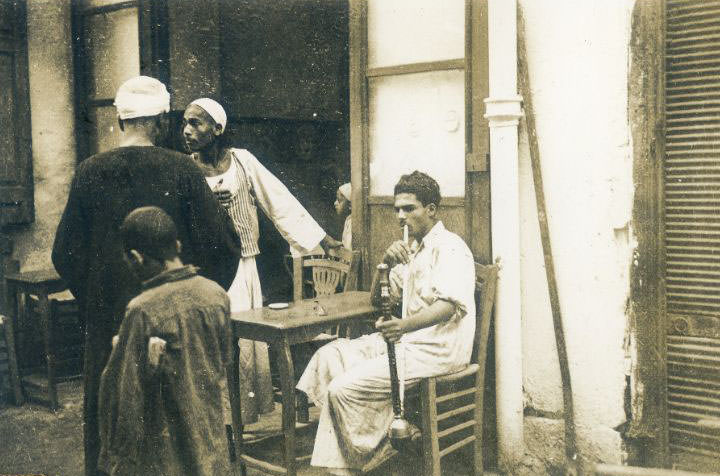
Smoking Egyptian pipe, Egypt
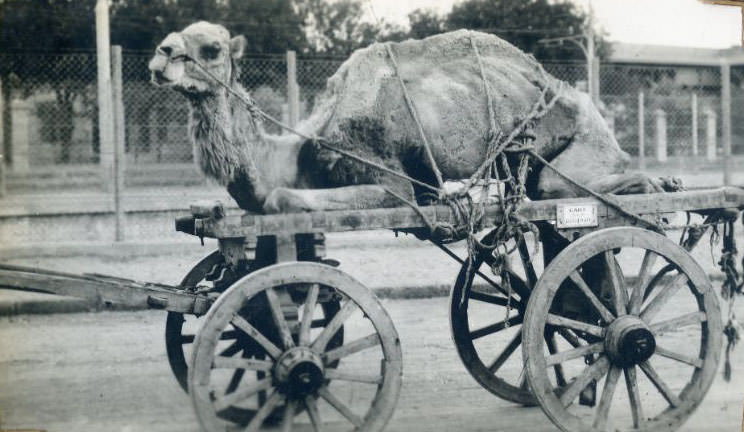
Sick camel, Egypt
Sick camel, Egypt
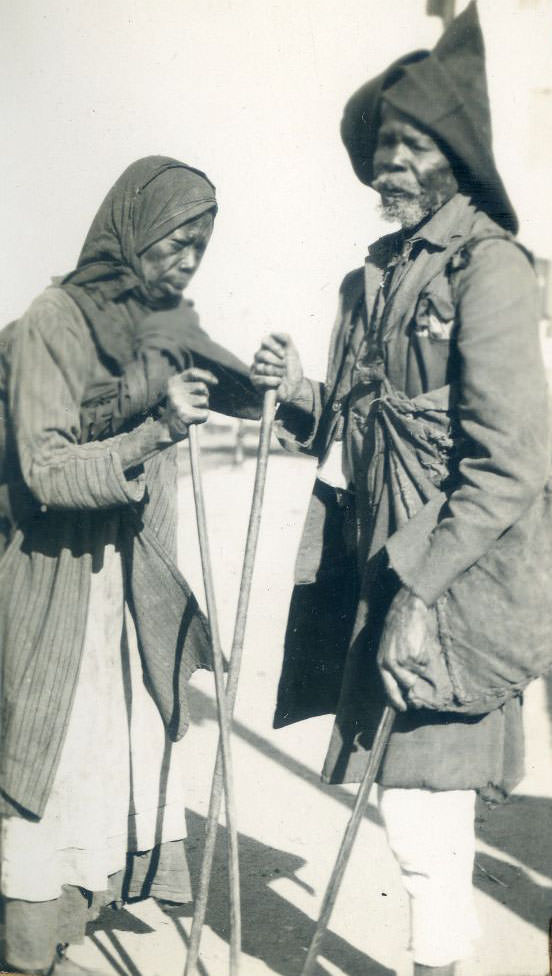
Beggars, Egypt
Beggars, Egypt
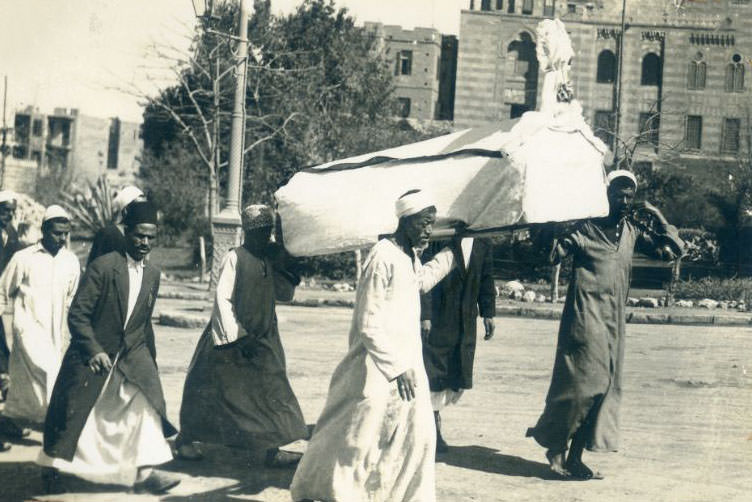
Funeral Procession, 4 men carrying a coffin, Egypt
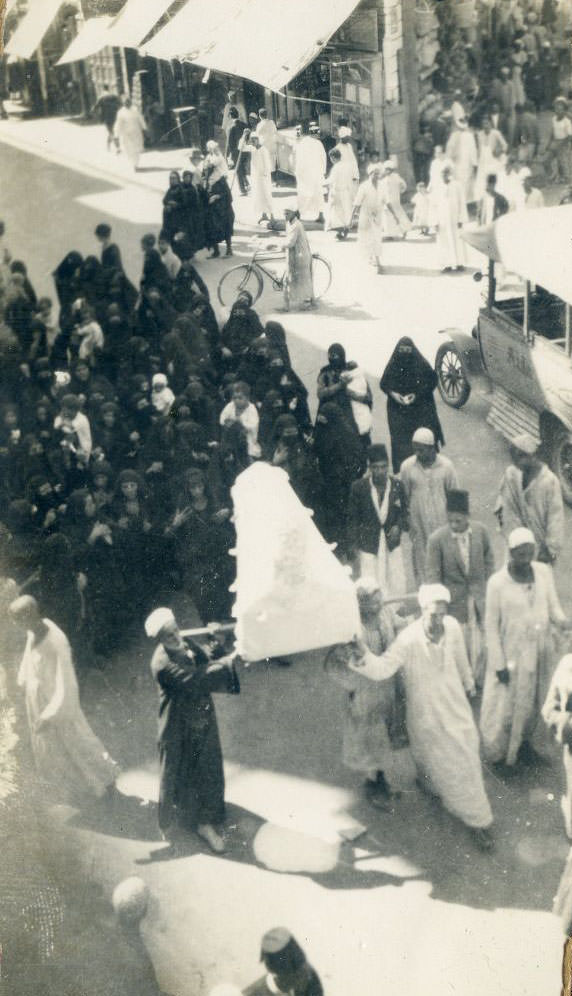
Funeral Procession, Egypt
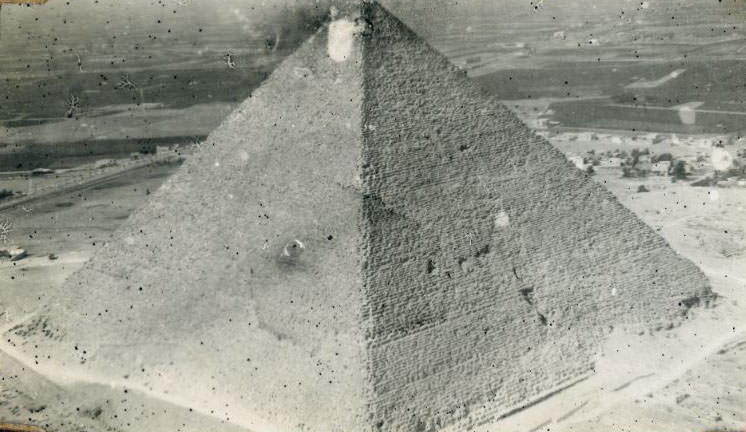
Pyramid, Egypt
Pyramid, Egypt
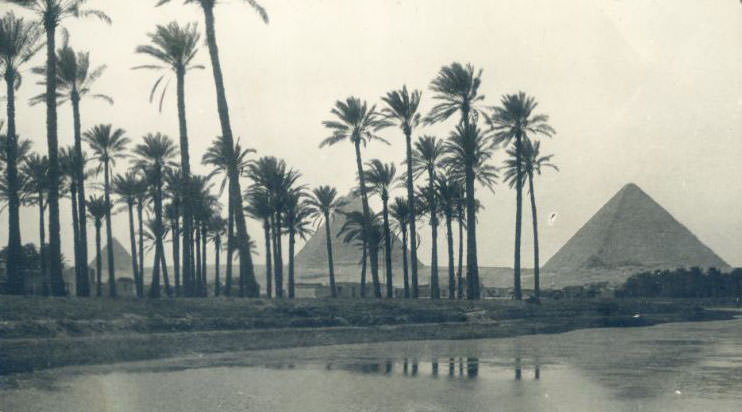
Pyramids, Egypt
Pyramids, Egypt
Pyramids, Egypt
Pyramids, Egypt
Pyramids, Egypt
Pyramids, Egypt
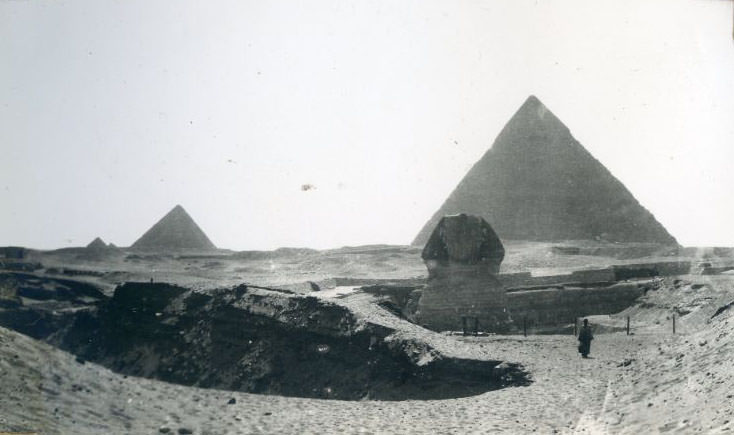
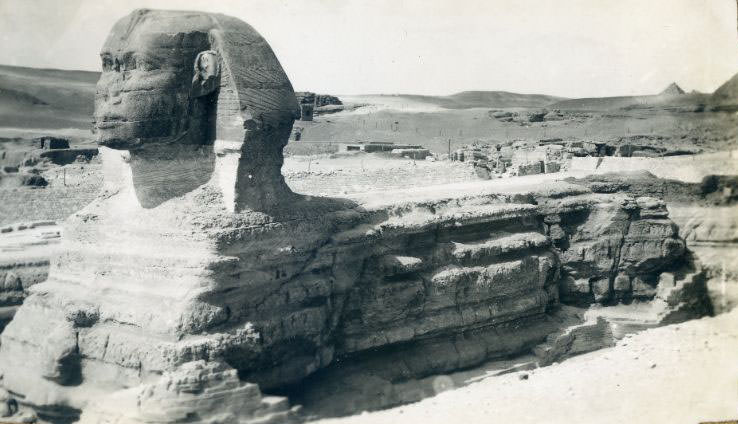
Sphinx, Egypt
Sphinx, Egypt

By 1948, the nationalism that had been building throughout the decade was reaching a boiling point. More Egyptians were educated than ever before, more were moving to cities, and more were demanding an end to the British-backed arrangement that limited Egypt’s control over its own government. That discontent would not be resolved in the 1940s — the coup that ended Farouk’s monarchy came in 1952 — but these photographs show the world as it stood in the years leading up to that rupture. A country ancient in its bones, modern in its ambitions, and caught in the middle of a world that was rapidly changing around it.
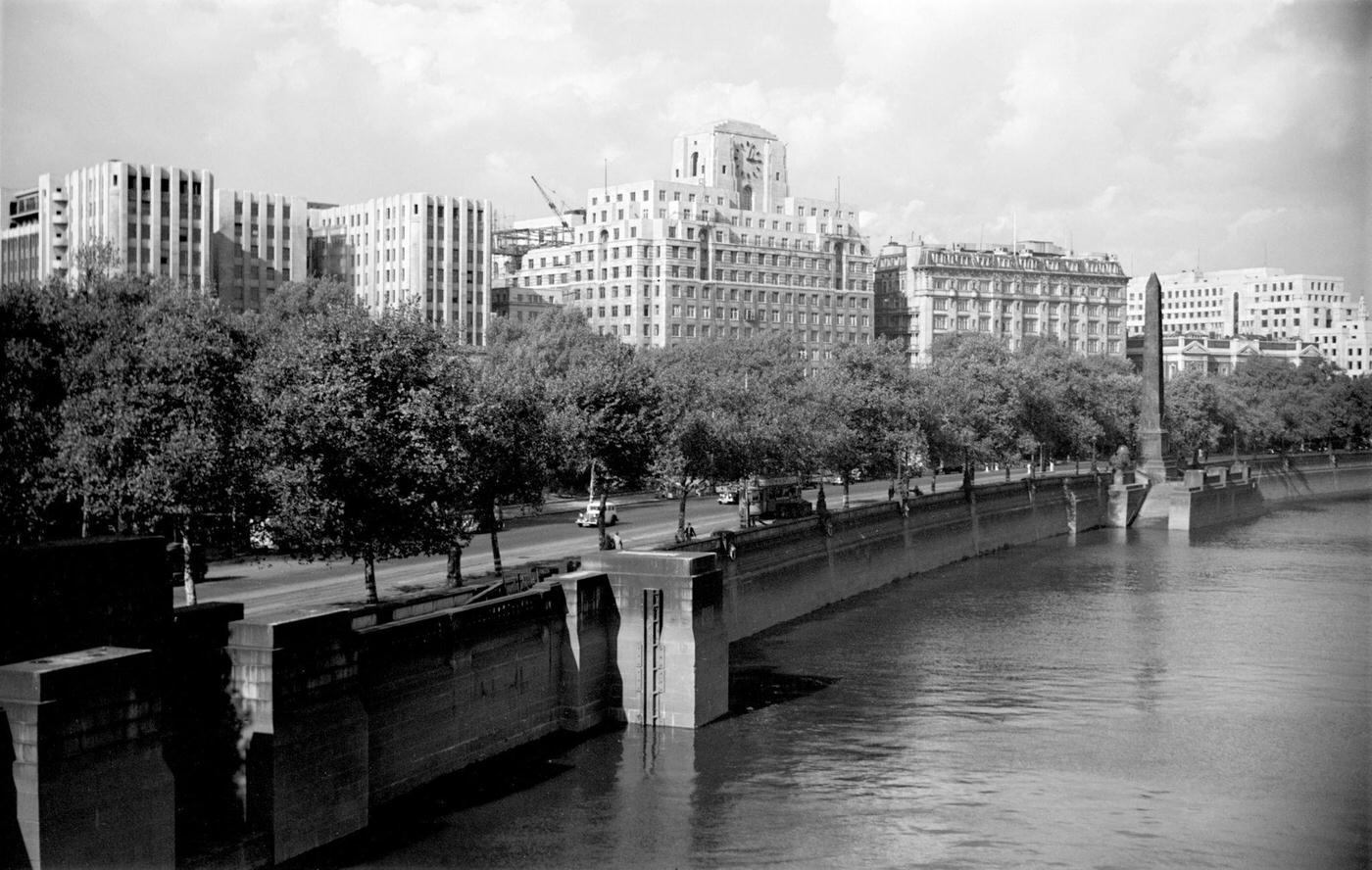
The Victoria Embankment looking towards Cleopatra's Needle, London, 1945
The Victoria Embankment looking towards Cleopatra’s Needle, London, 1945
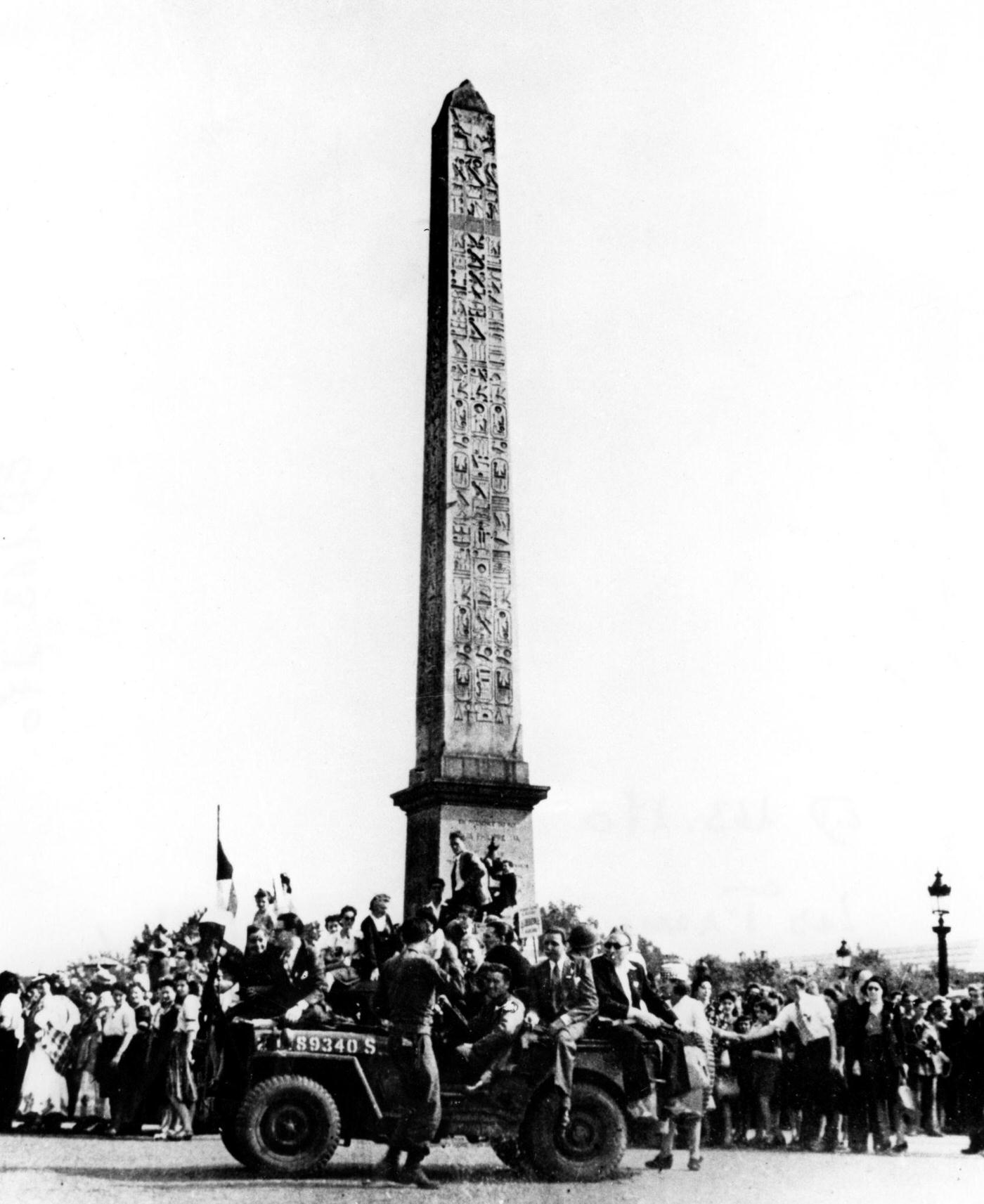
The liberation of Paris, August 1944.
Royal Opera House, 1945
Enjoyed this post? Get new ones in your inbox.

Leave a Comment

Your email address will not be published. Required fields are marked *

Share this Post 🥺

Please take a moment to share this content. Your support is greatly appreciated! 🙌🙏

Share this Post 🥺

Please take a moment to share this content. Your support is greatly appreciated! 🙌🙏
Scroll to Top
 
Hey Friend, Before You Go.. Please like & follow for more interesting content