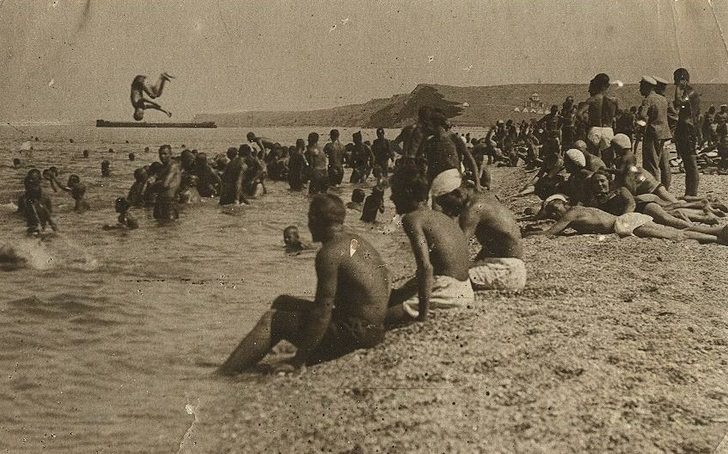
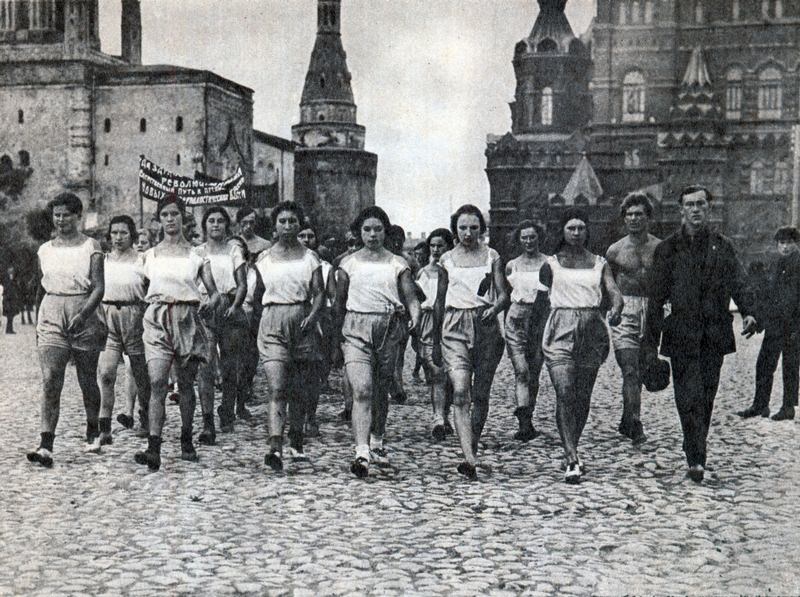
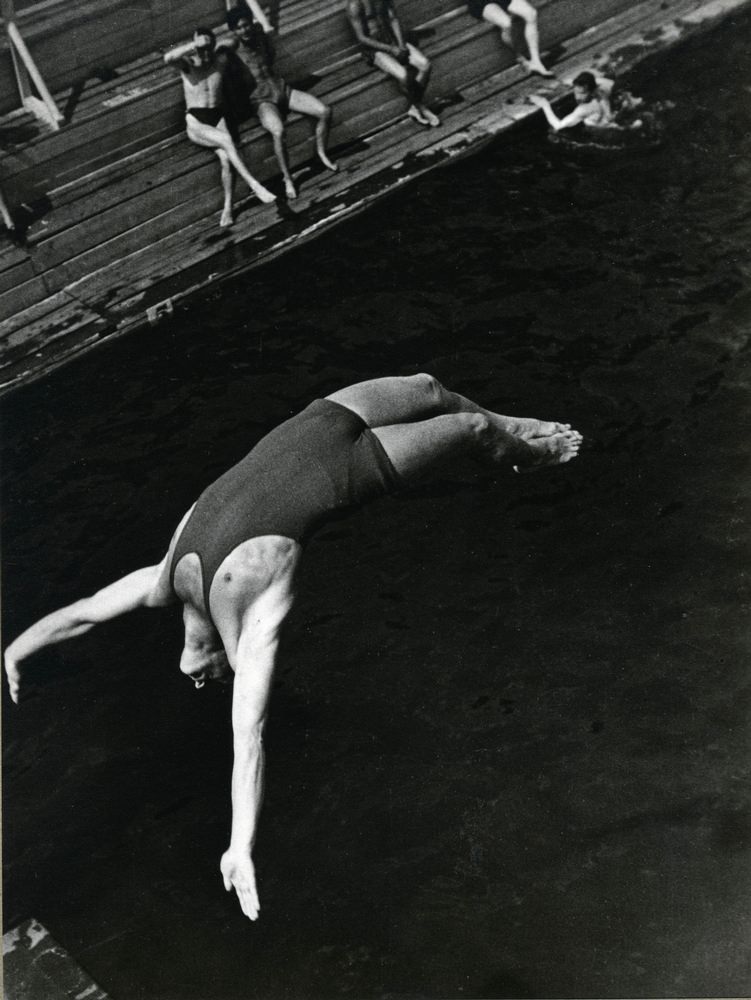
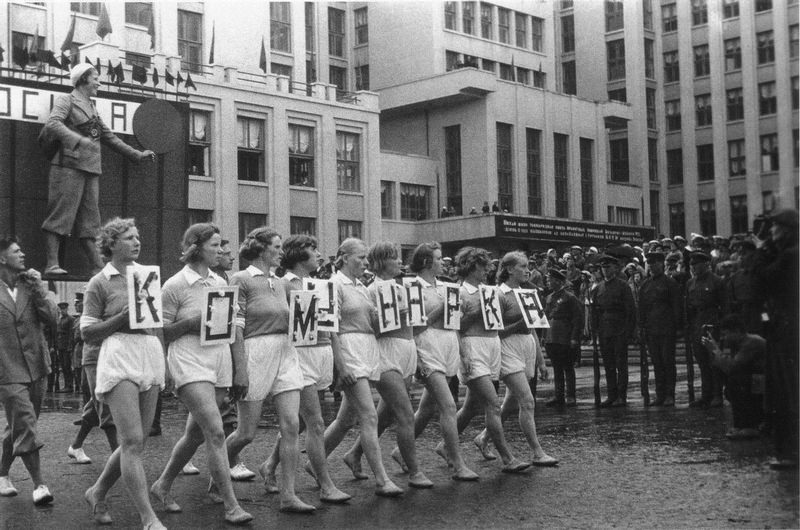
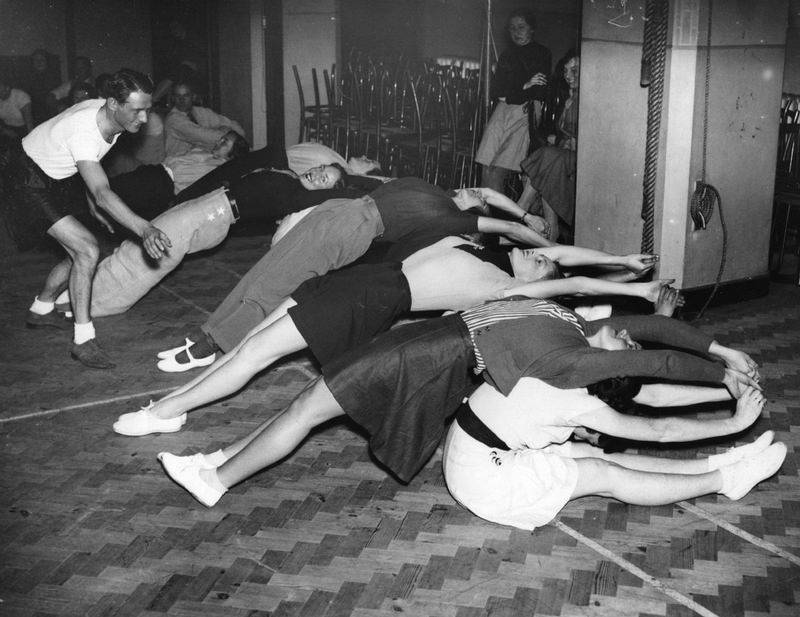
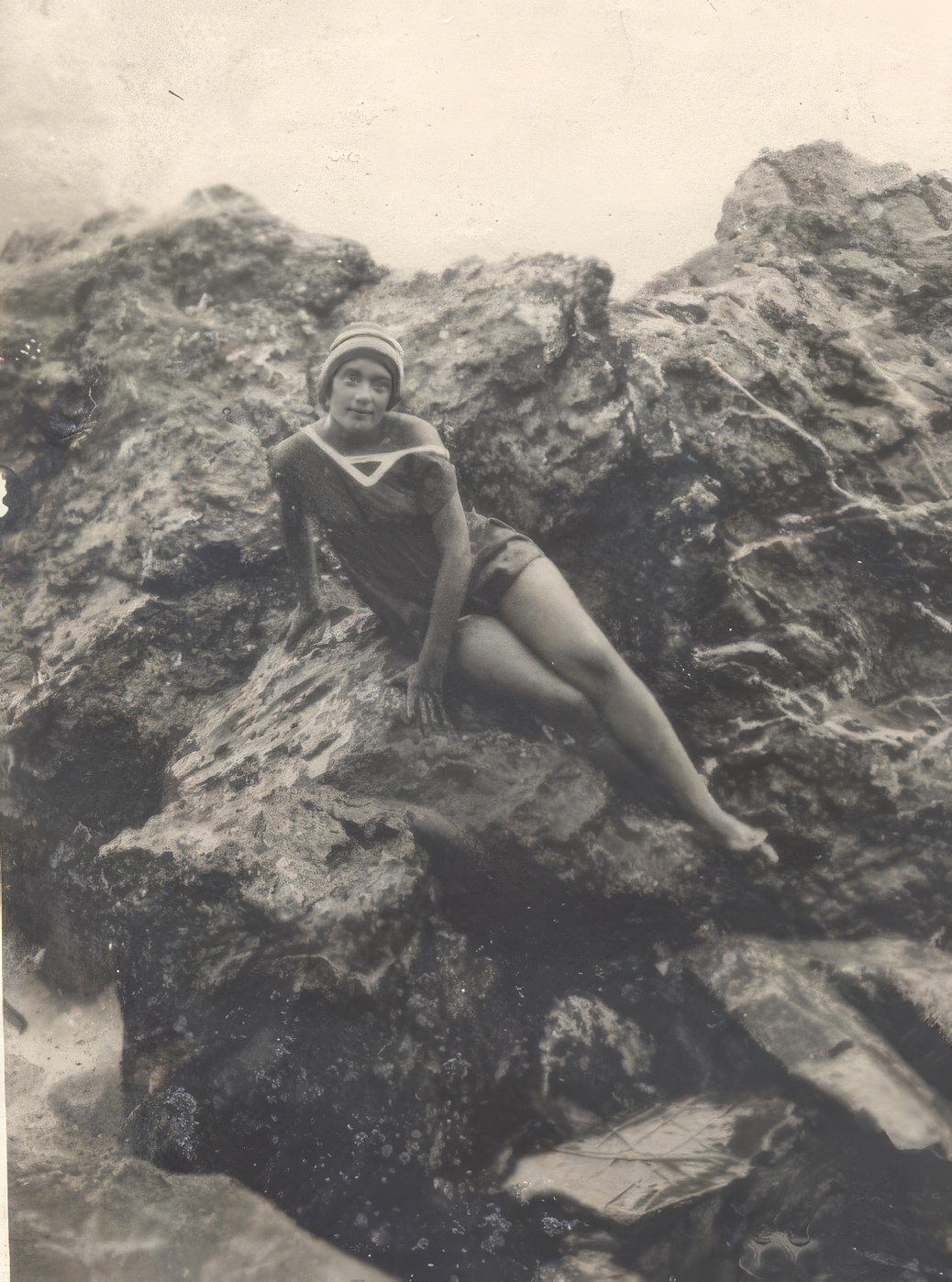
In the 1930s, the Soviet government made physical fitness a national mission. Sports were not just a hobby — they were a state priority. The government poured resources into building stadiums, training clubs, and organized athletic programs across the country. Both boys and girls were expected to participate.
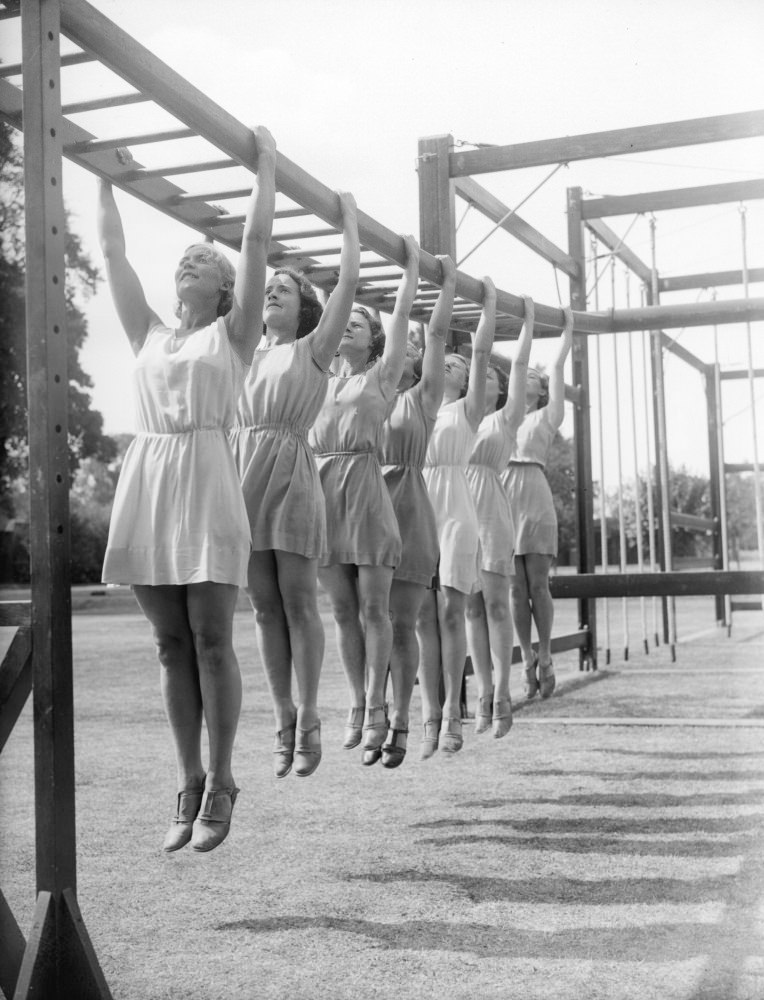
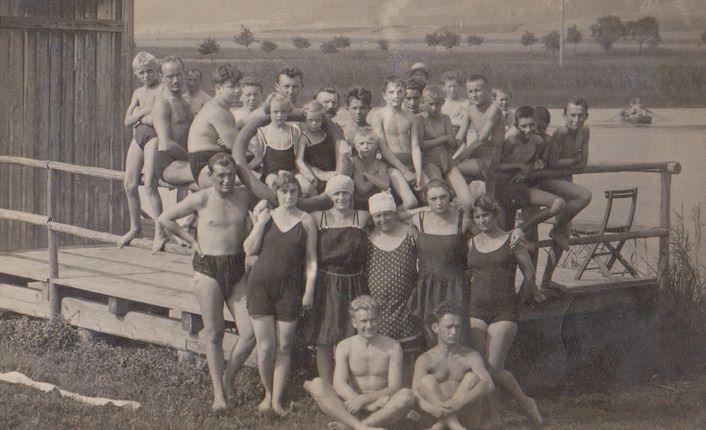
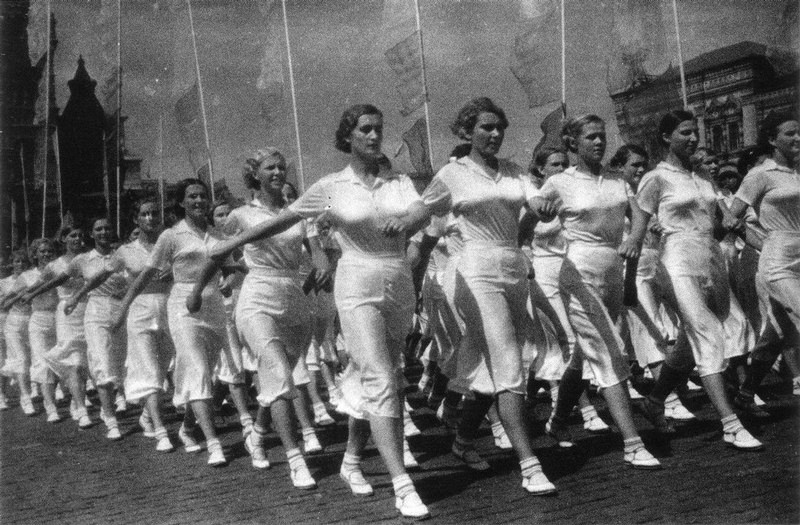
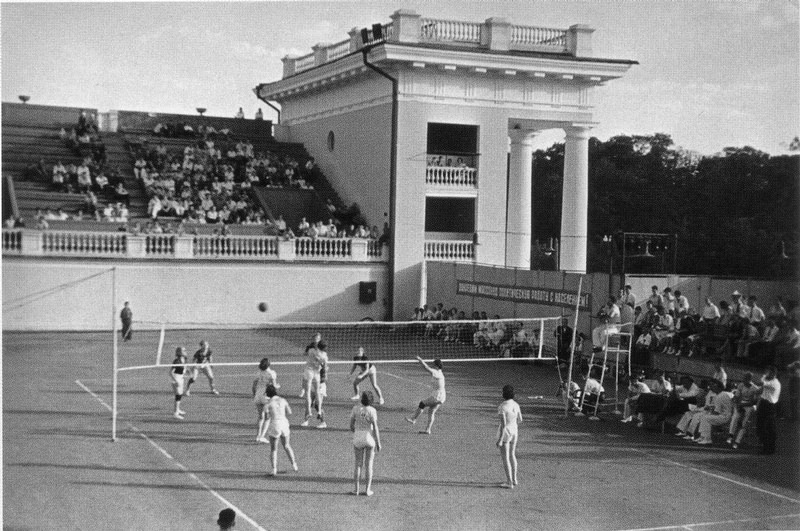
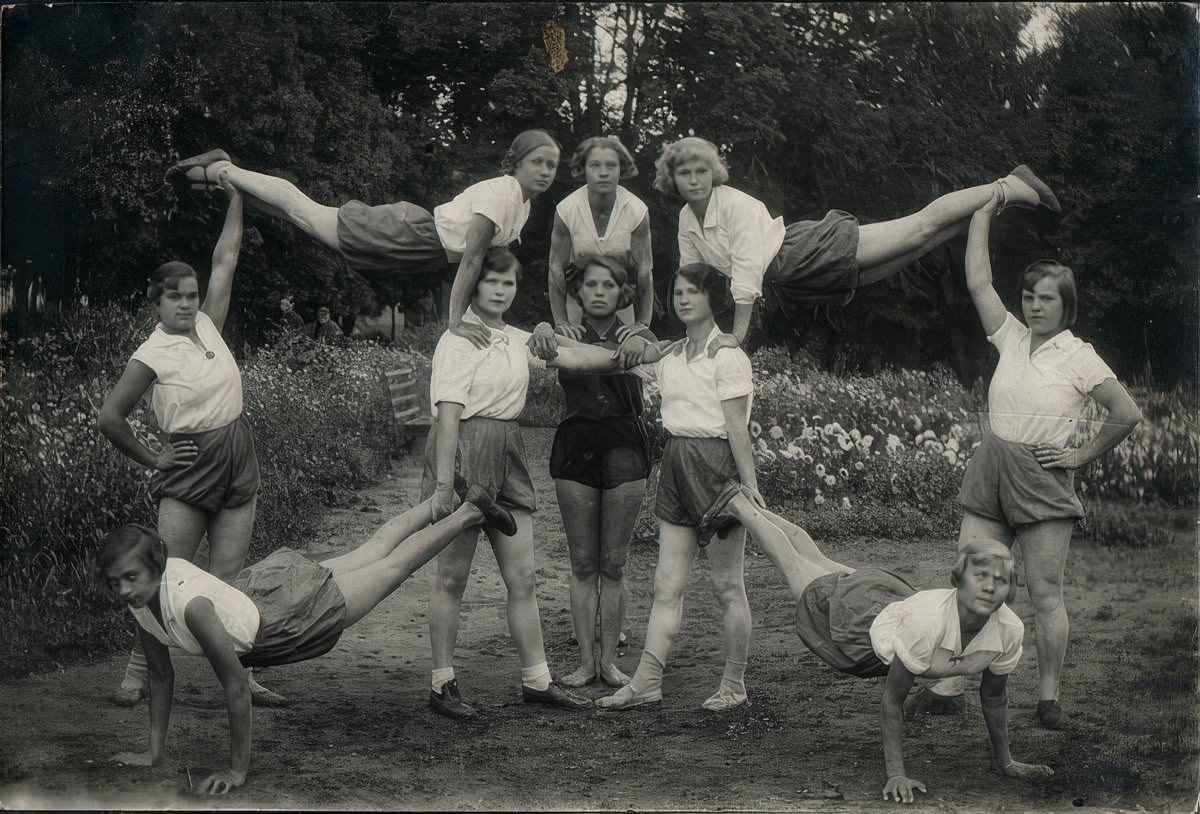
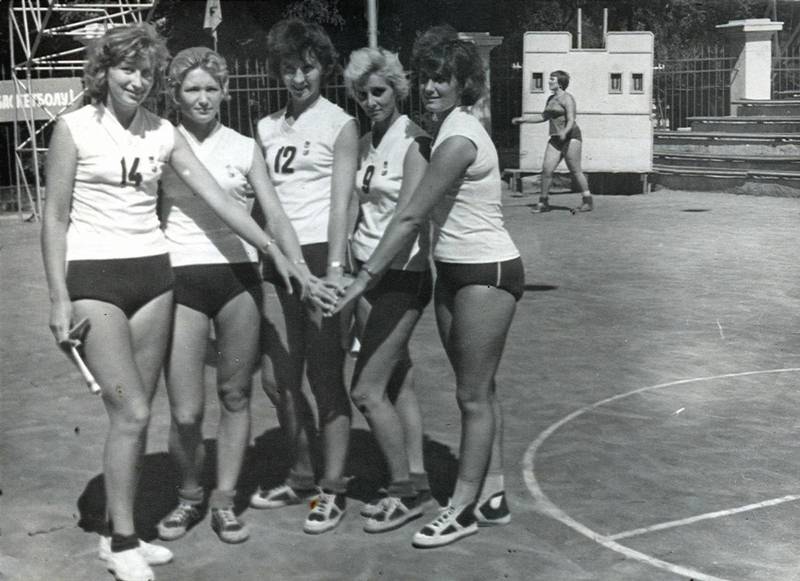
Young women were steered toward gymnastics, track and field, volleyball, and a range of team sports. Team competition was especially valued. Soviet ideology held that working together toward a shared goal was a virtue, and sport was one of the clearest ways to put that idea into practice.
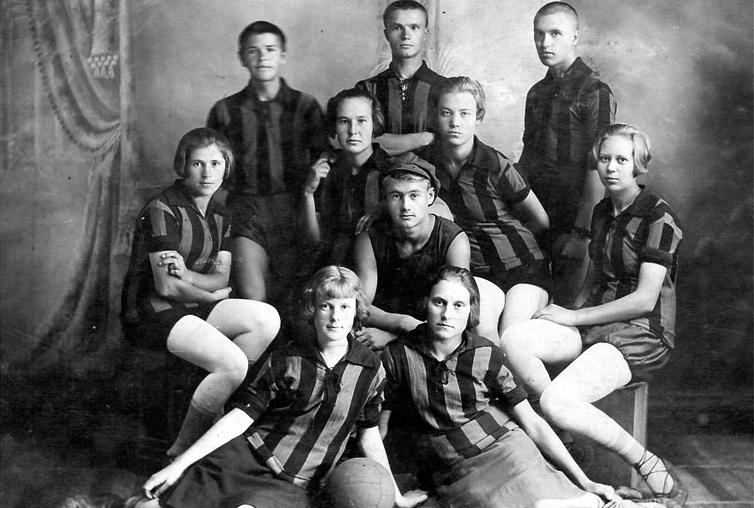
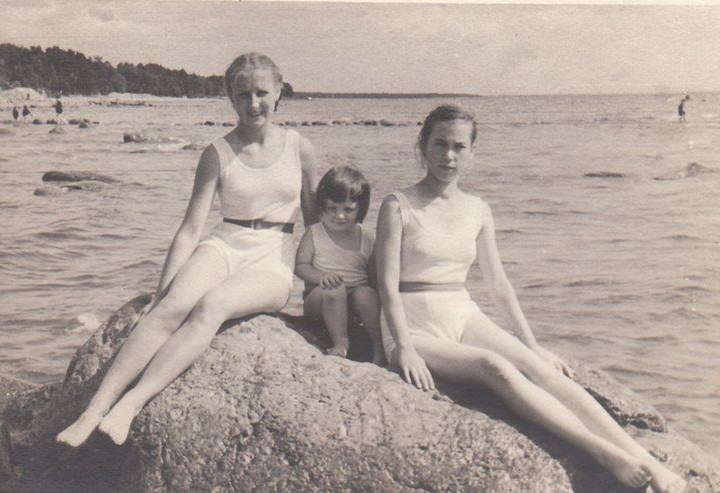
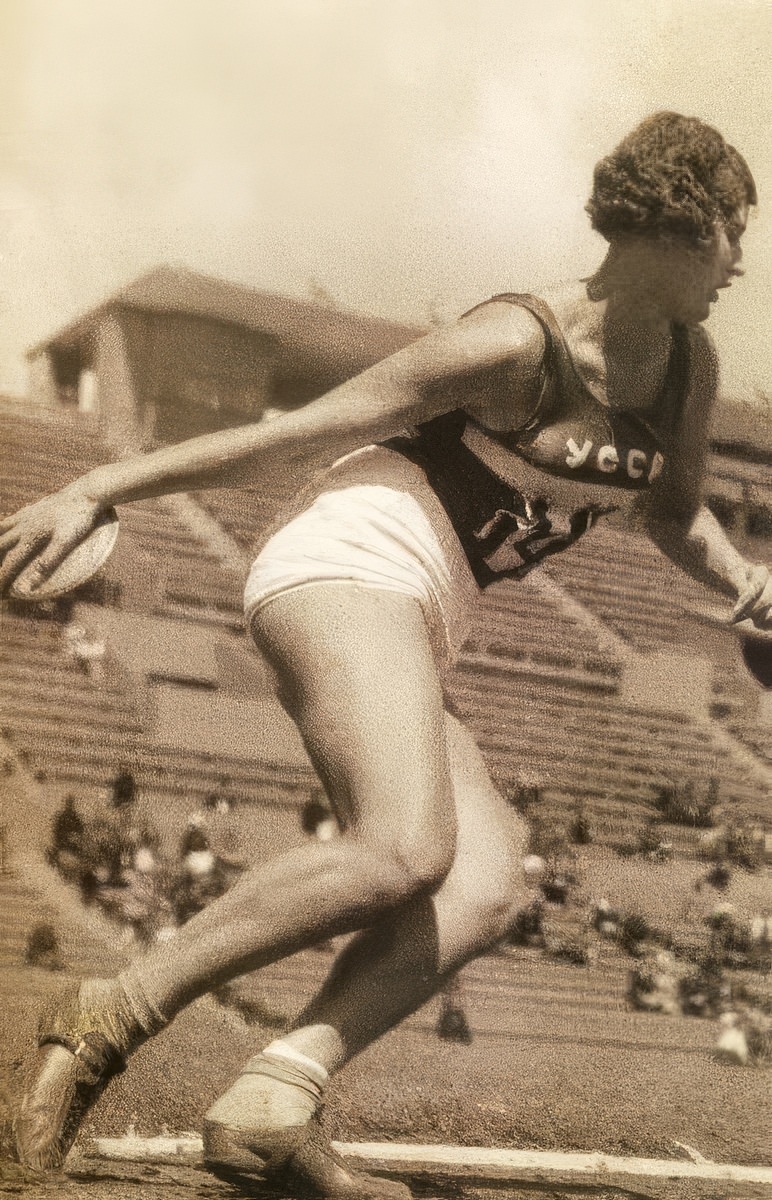
For many Soviet girls, athletic life opened doors that had never existed before. They traveled to compete in events at the national level. Some reached international competitions. Their athletic achievements earned them public recognition — something that stood well outside the traditional roles women had been expected to fill.
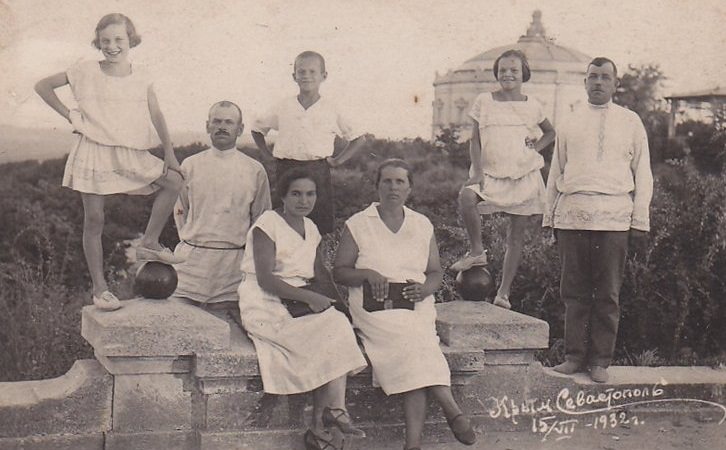
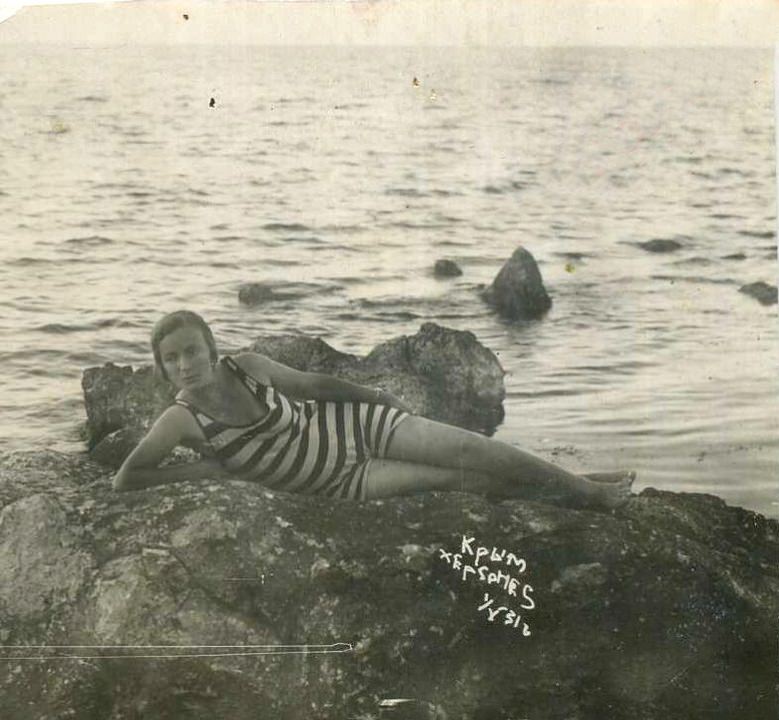
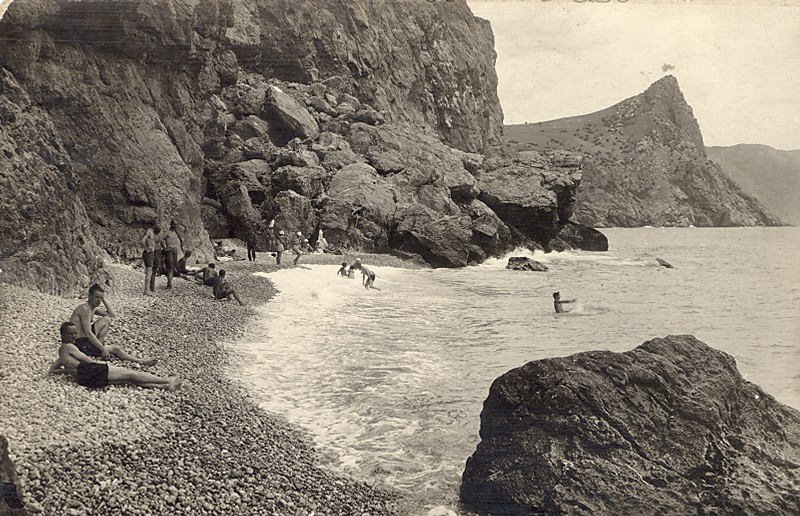
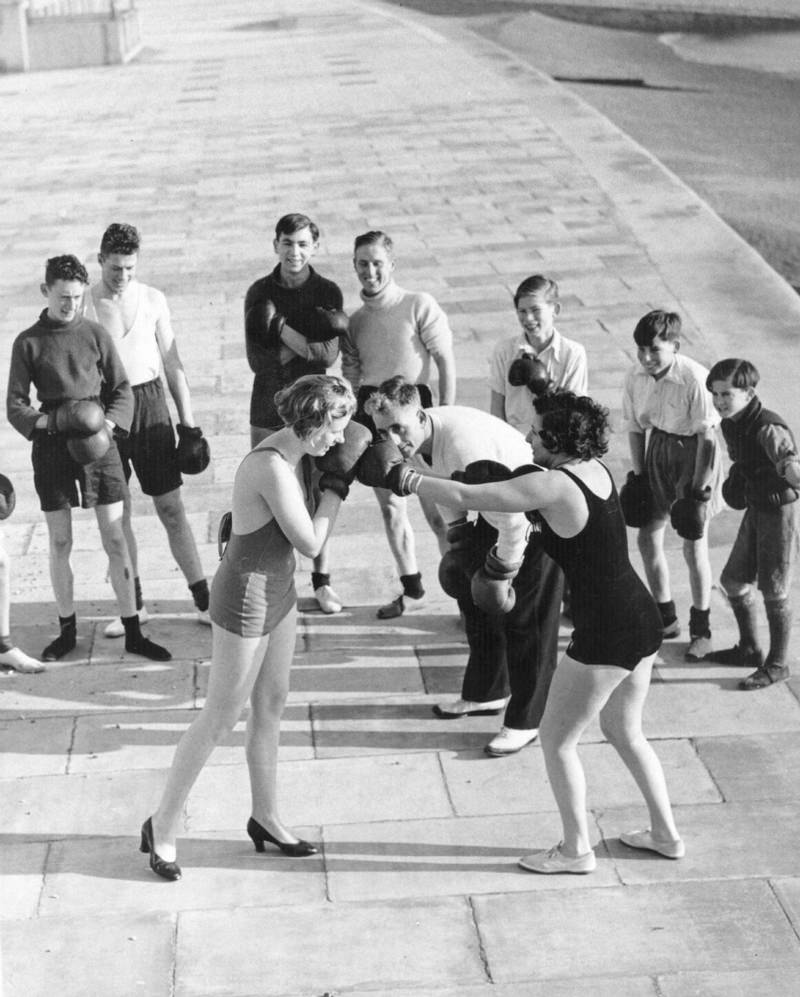
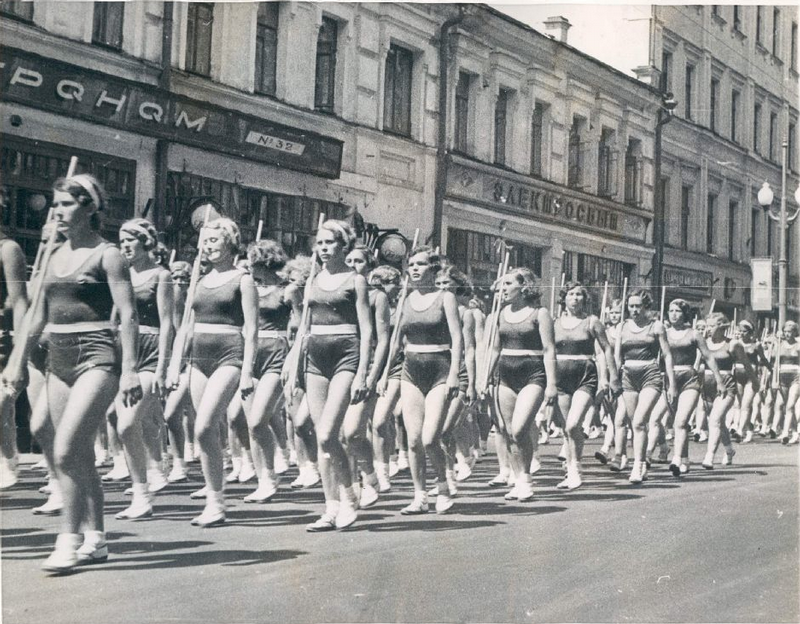
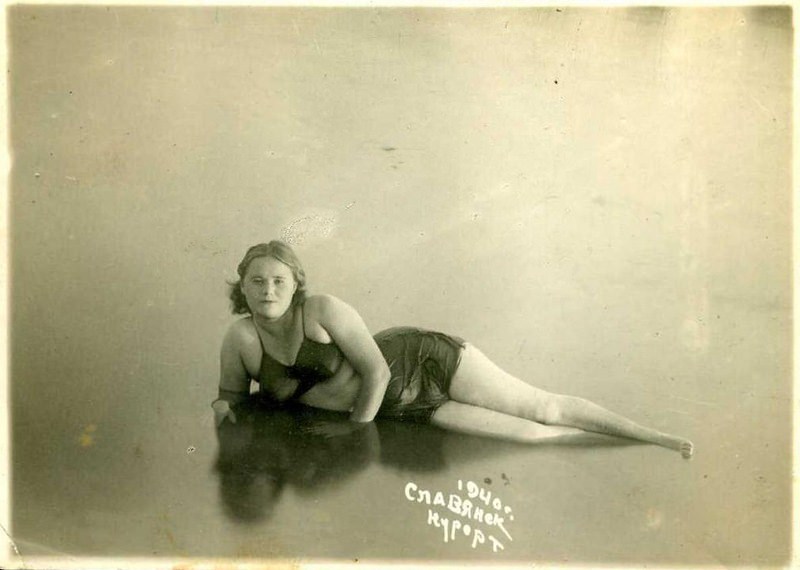
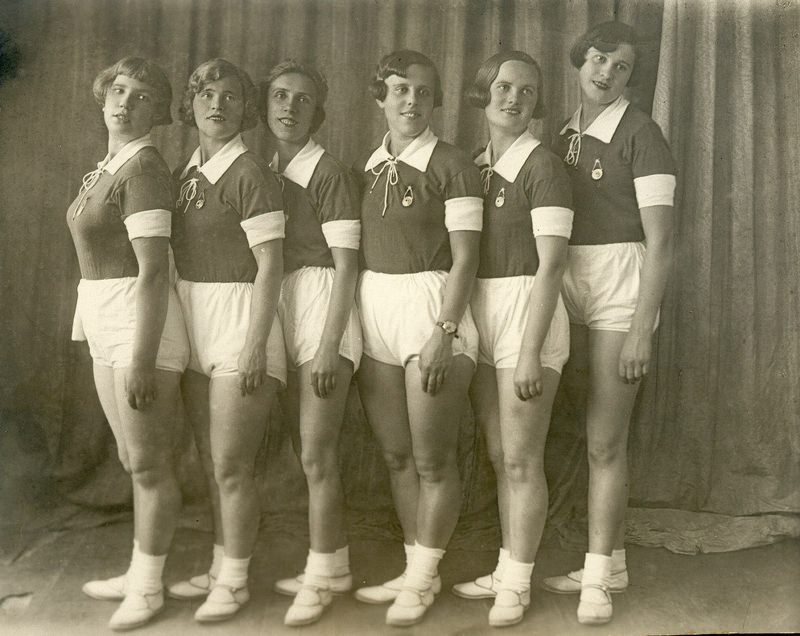
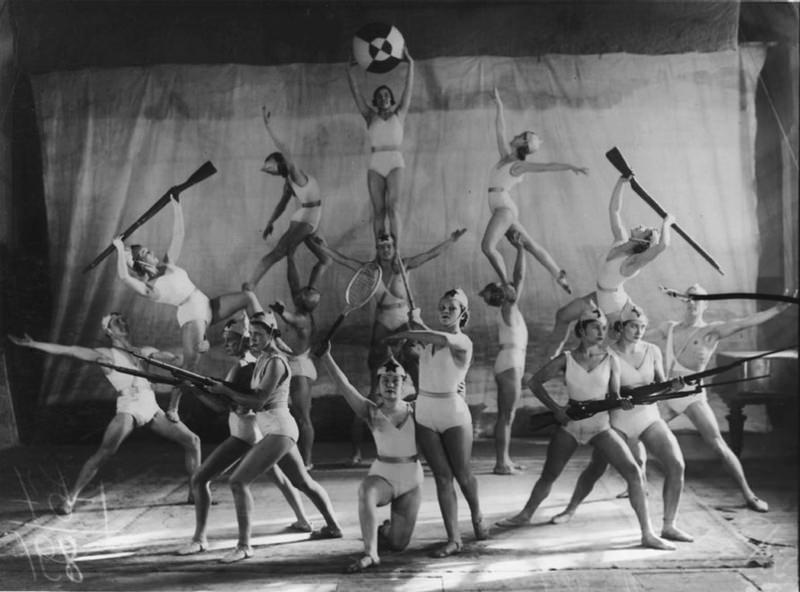
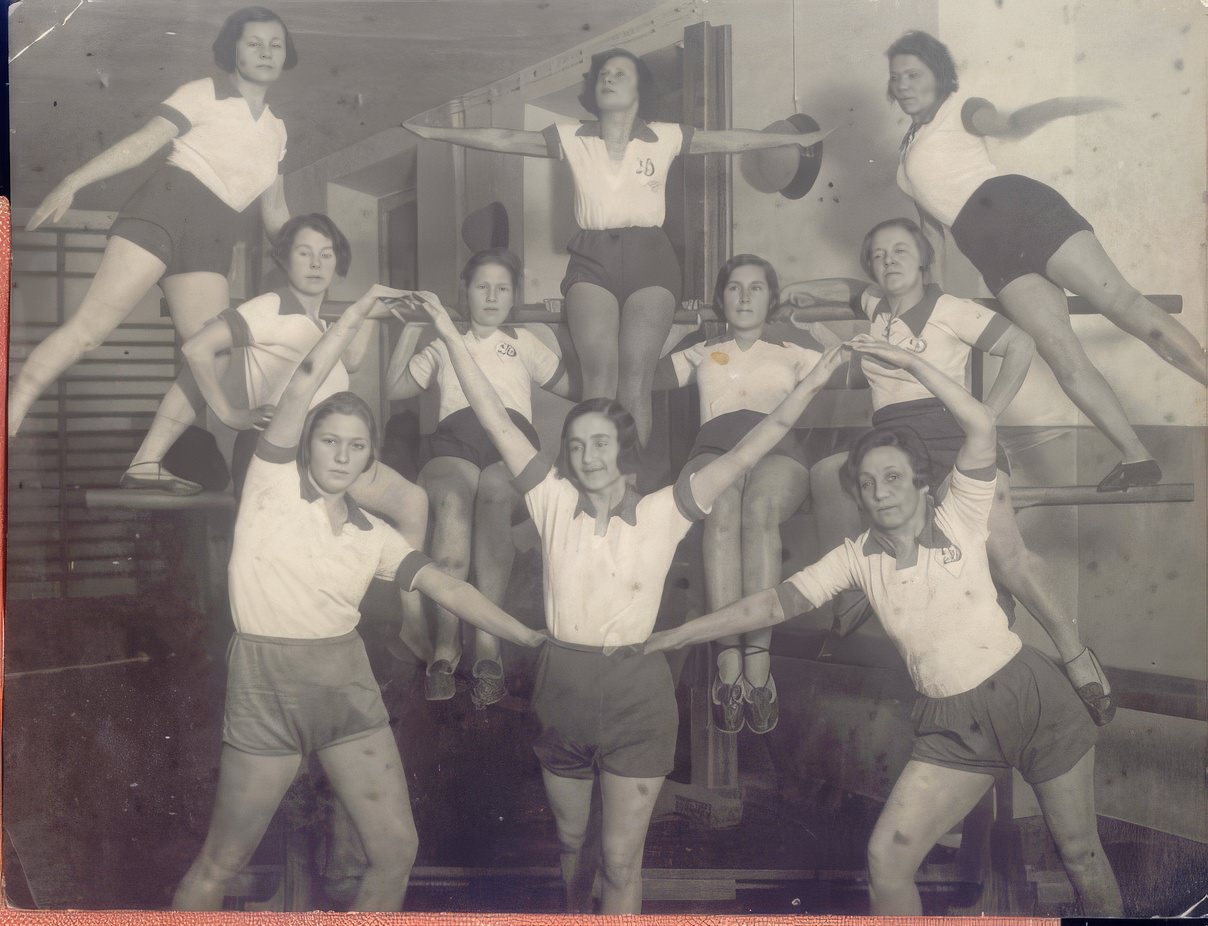
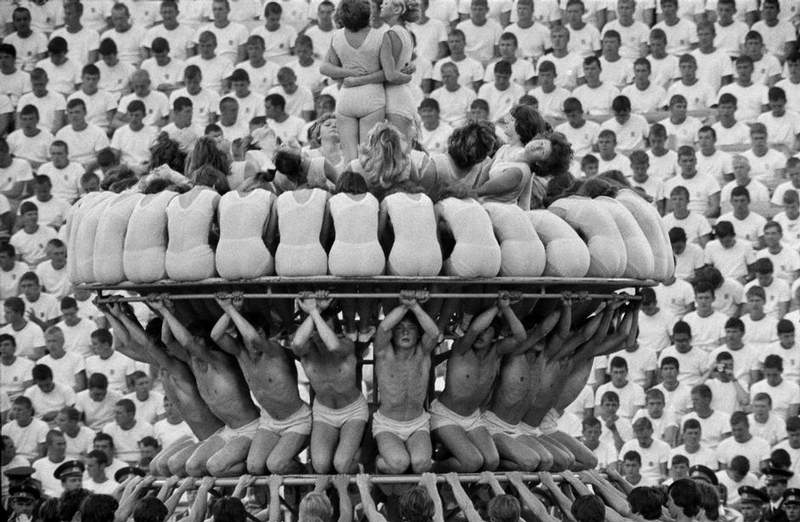
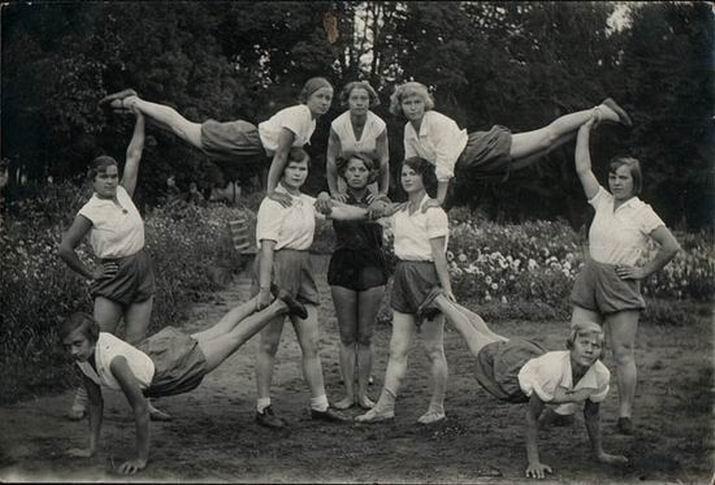
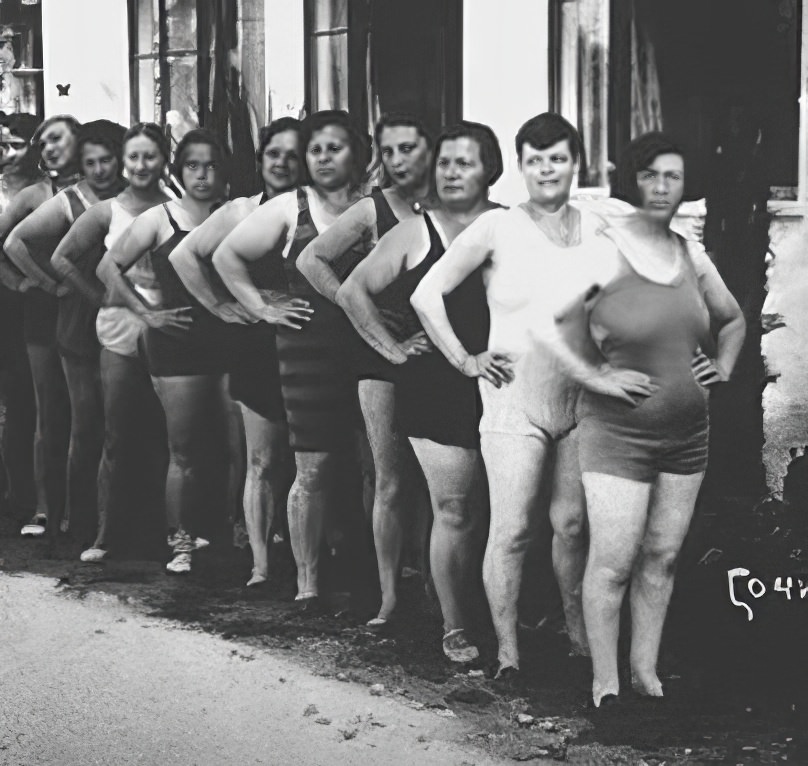
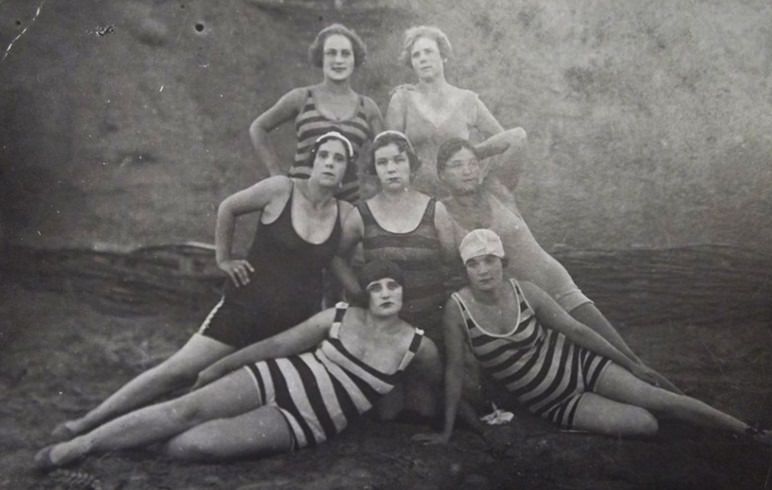
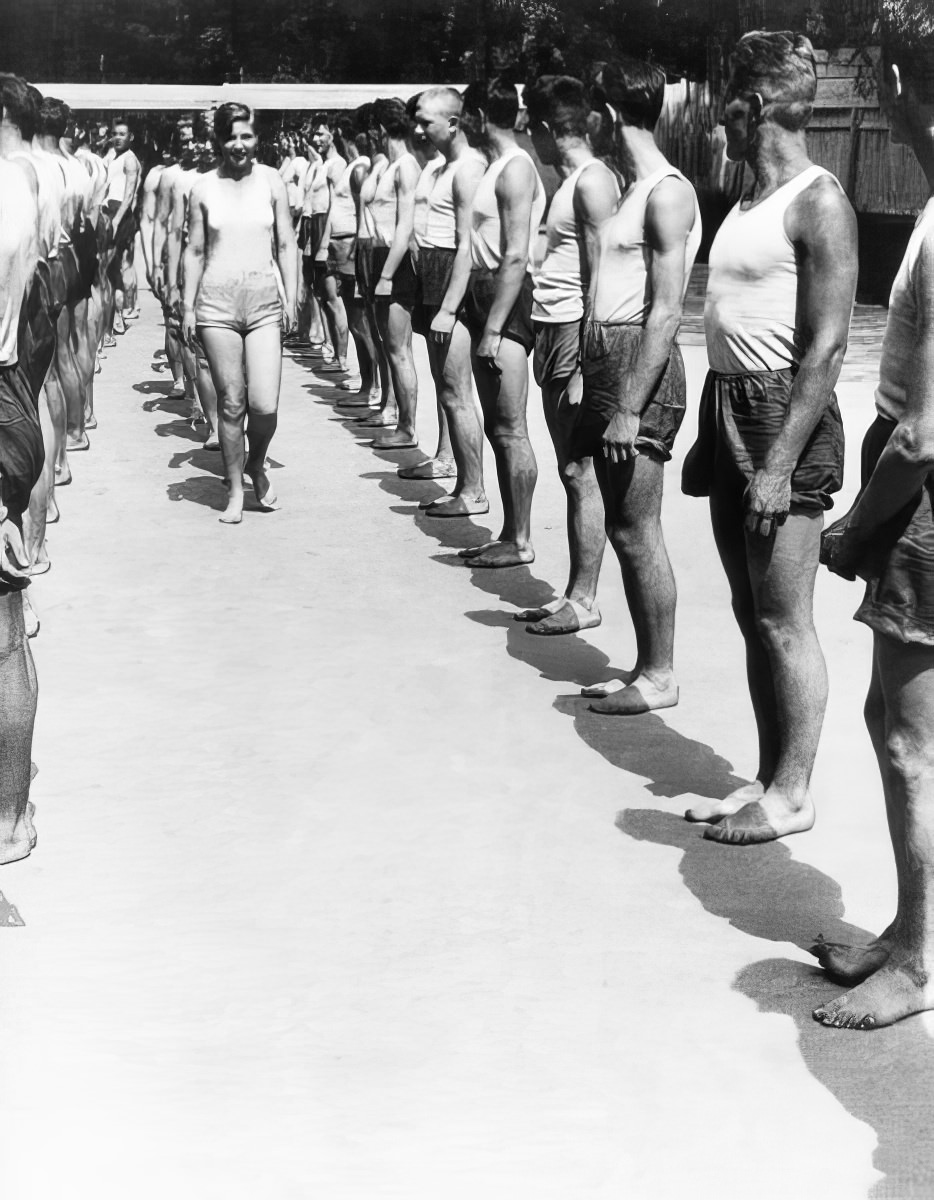
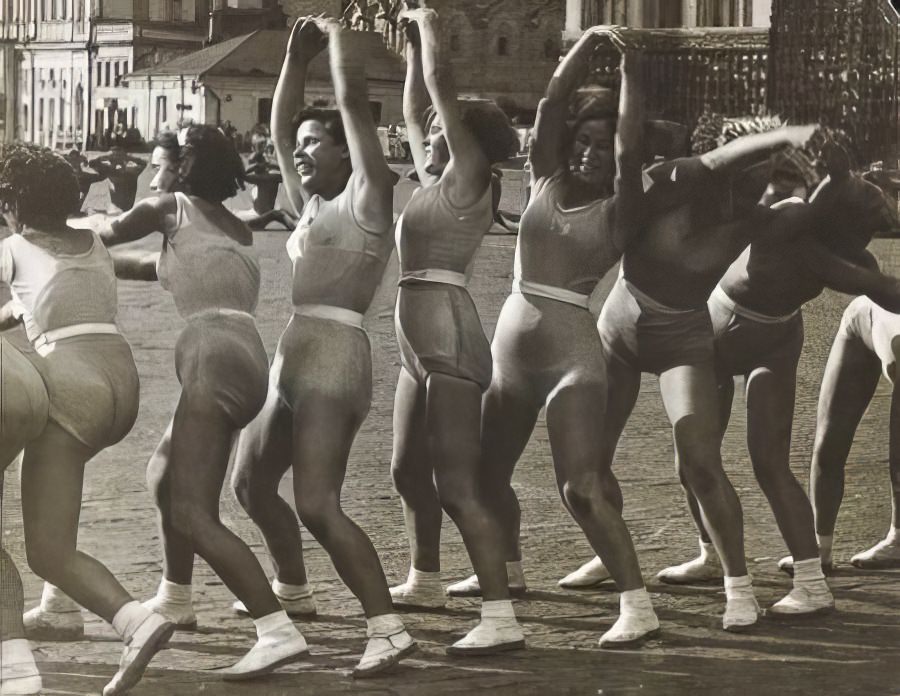
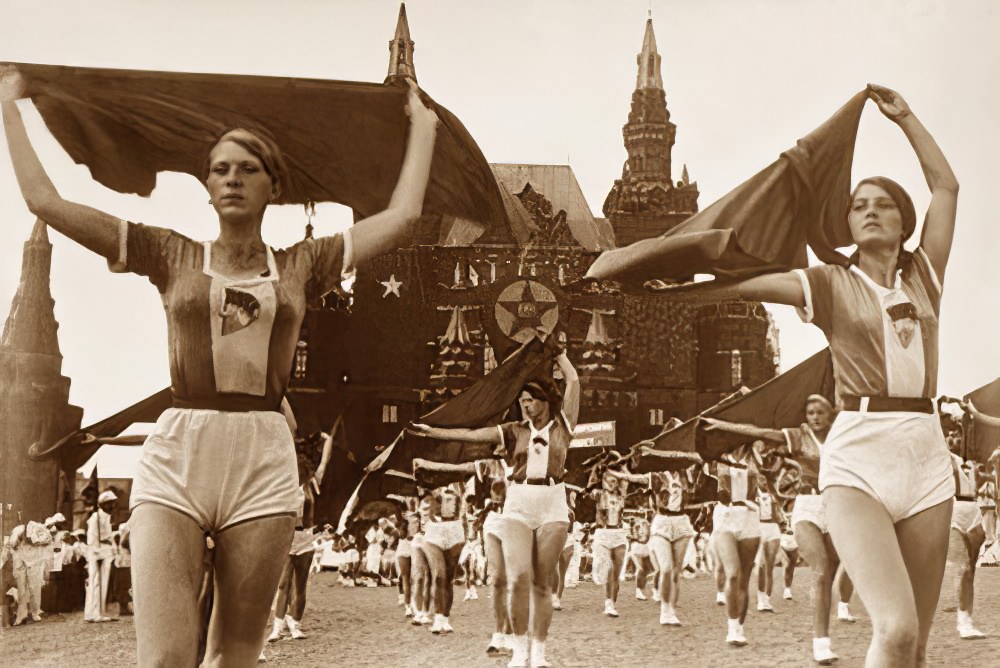
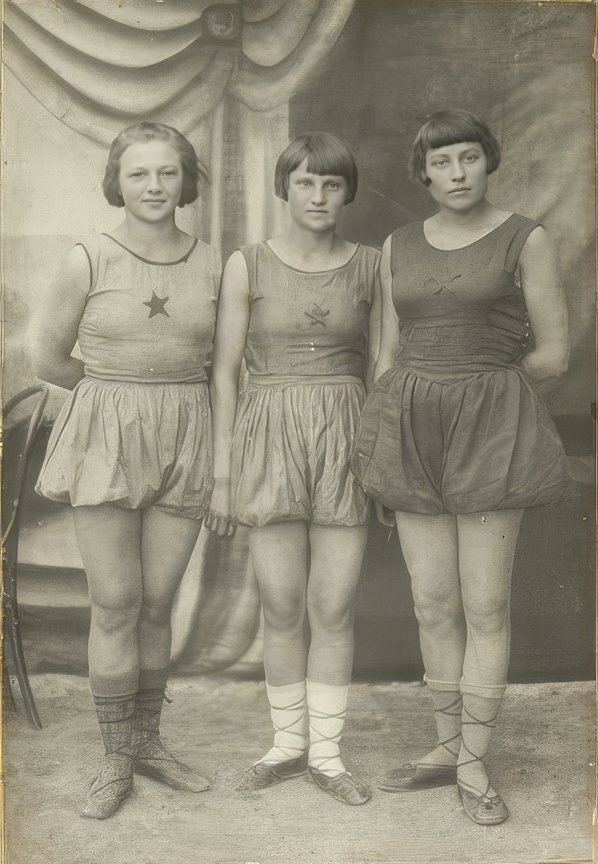
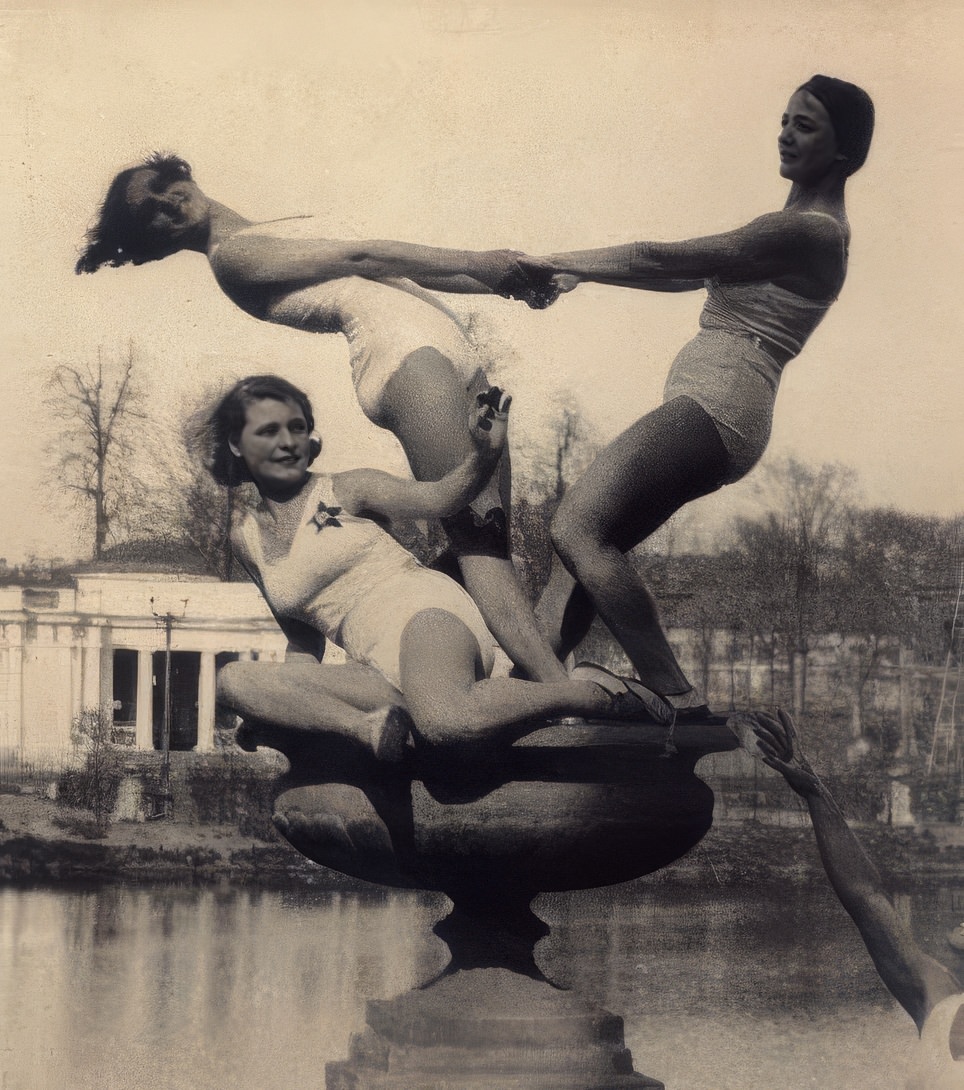
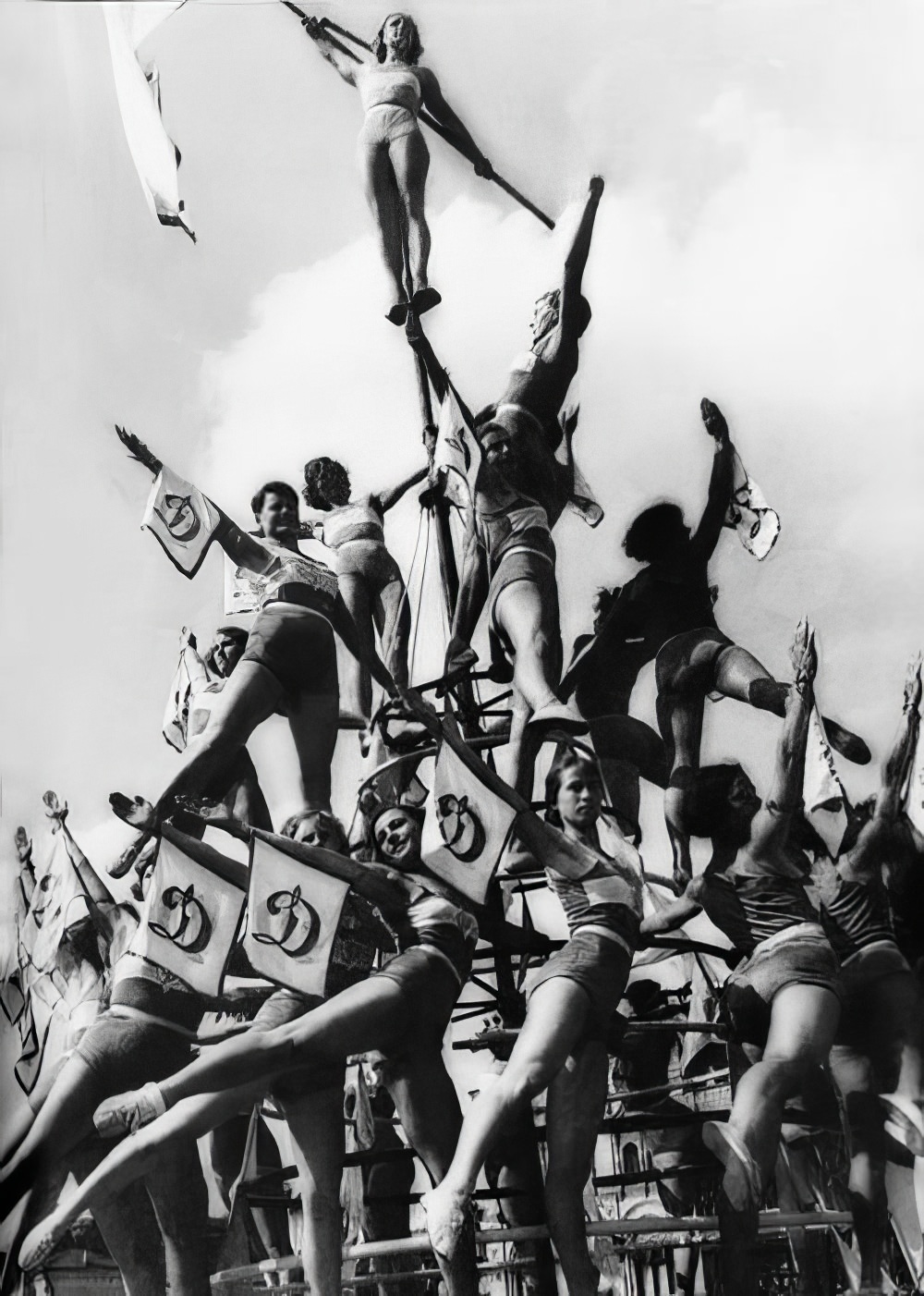
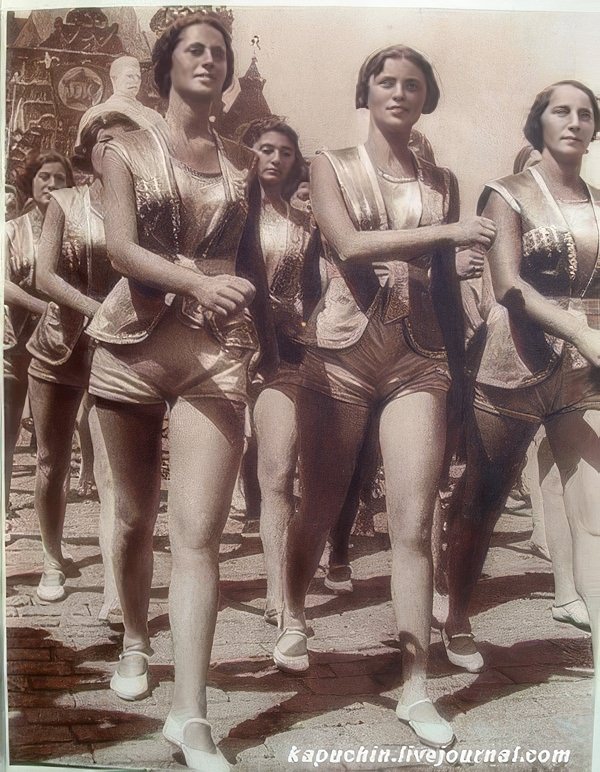
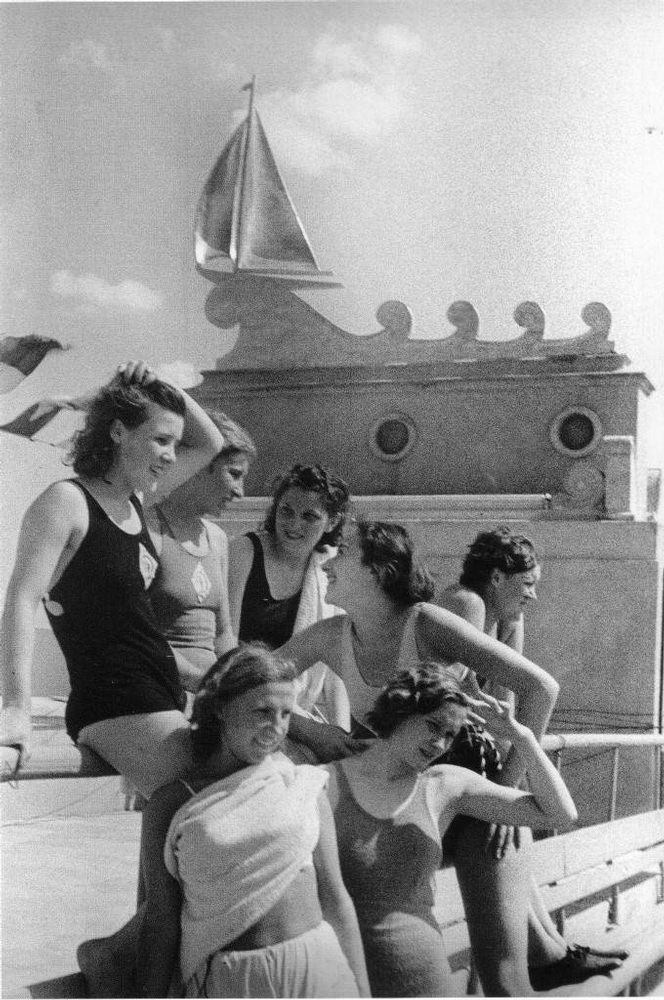
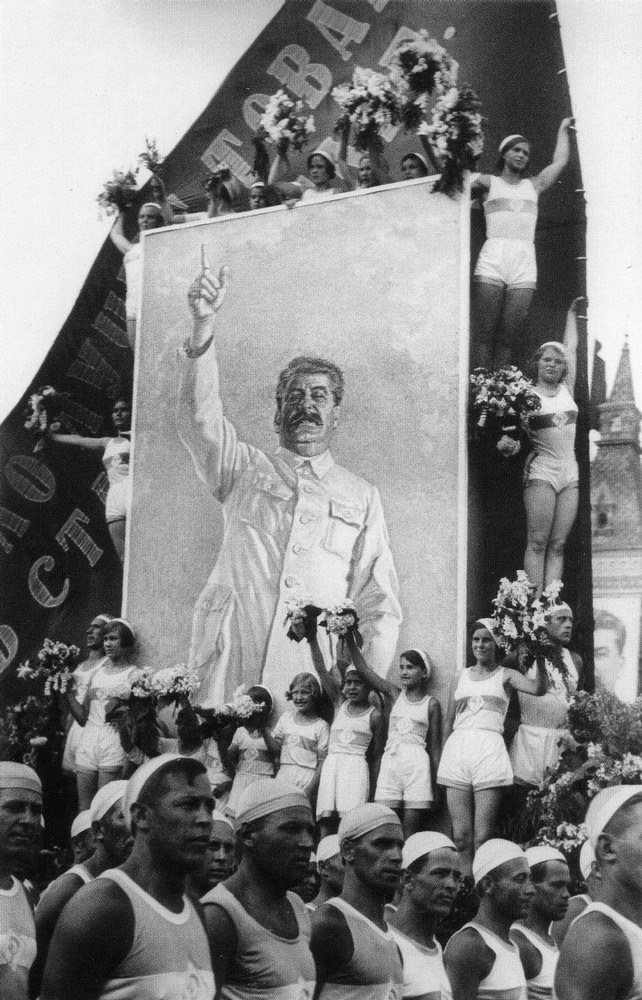
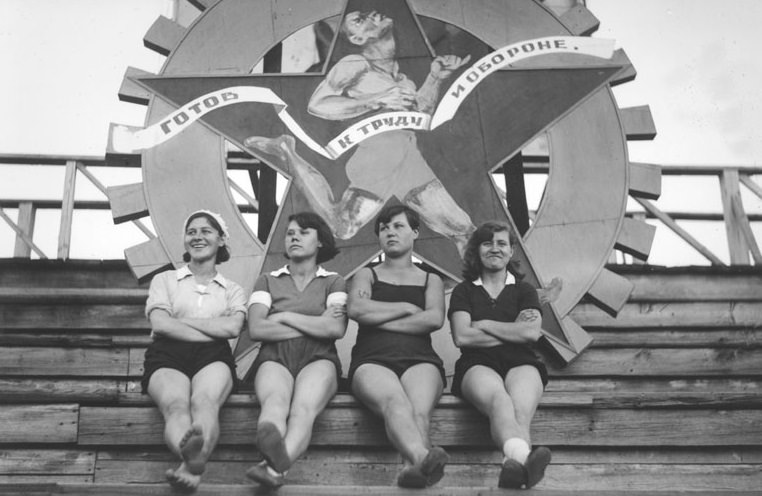
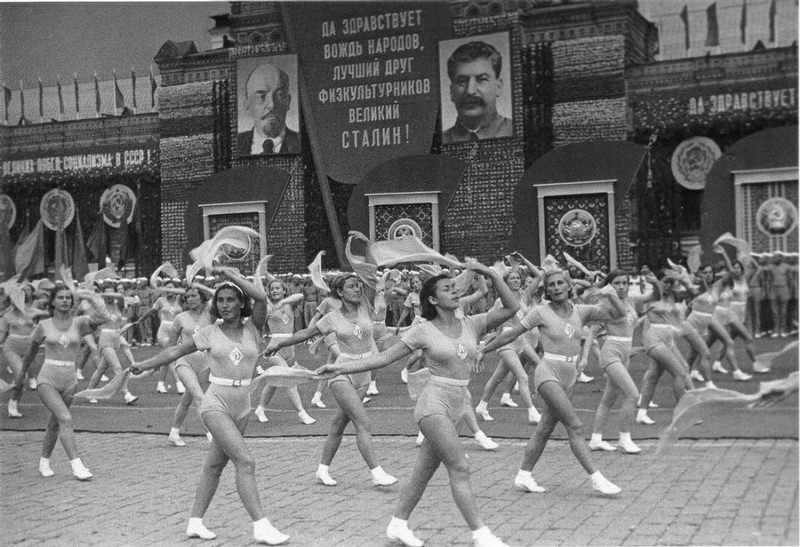
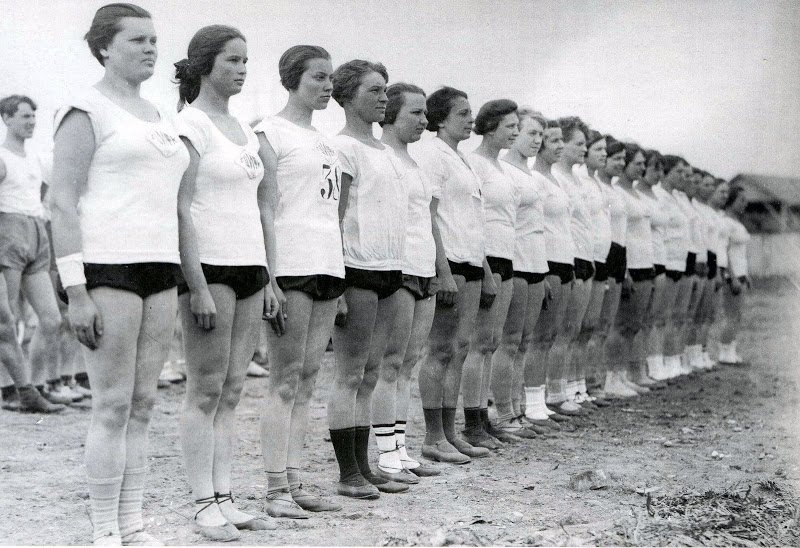
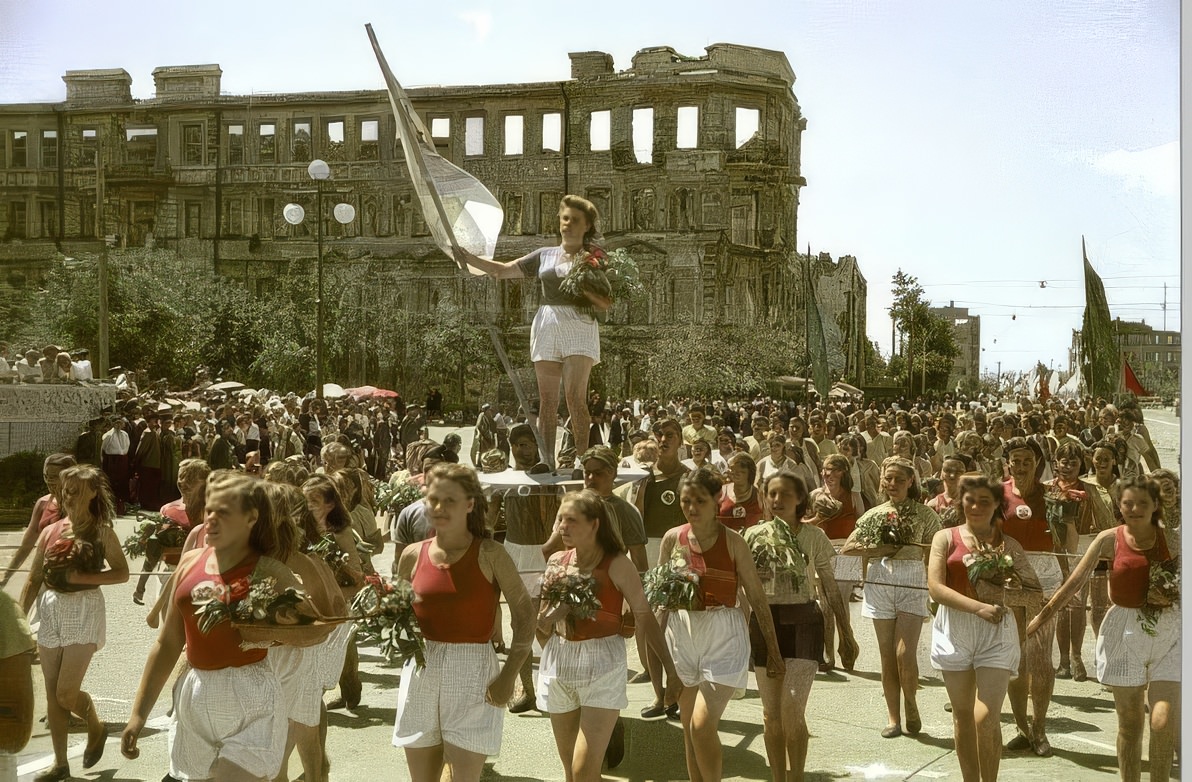
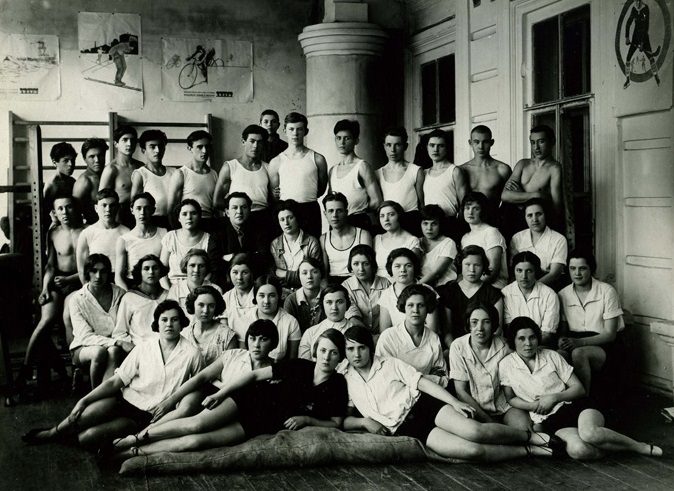
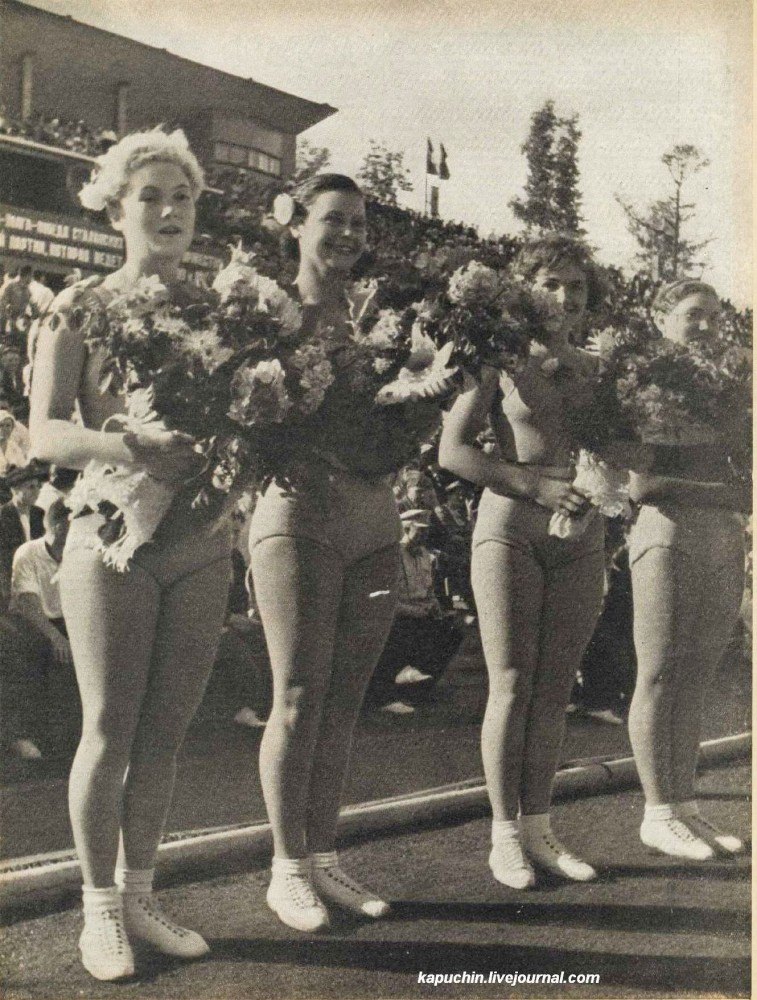
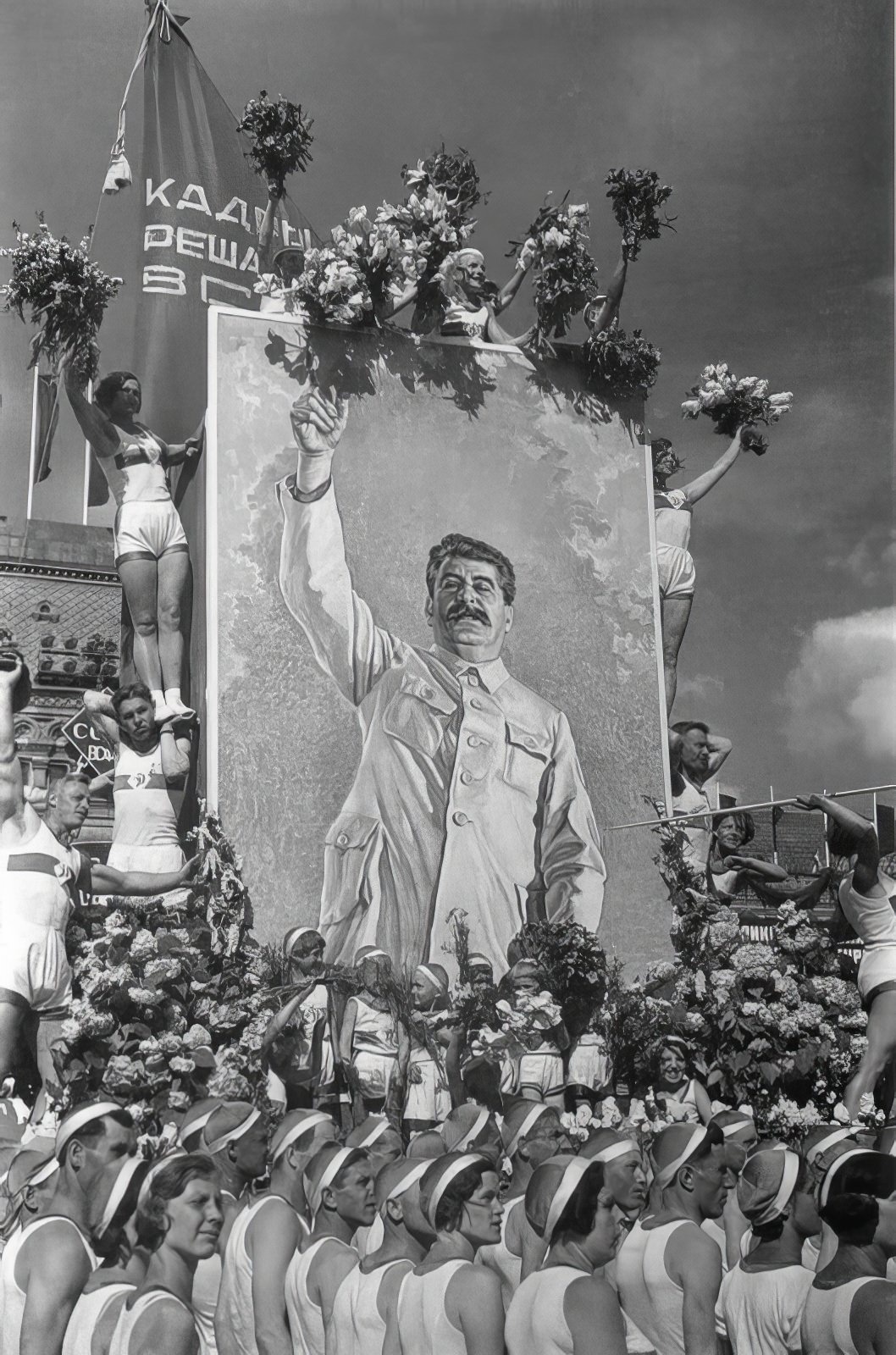
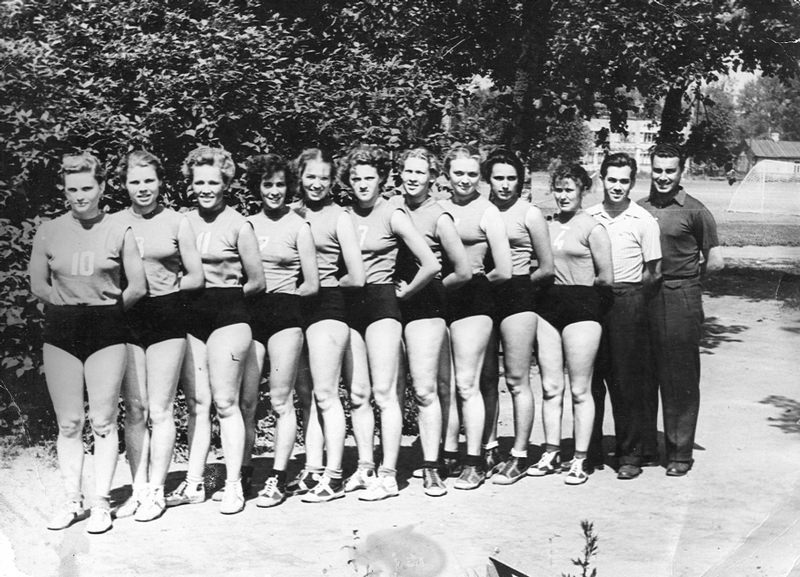
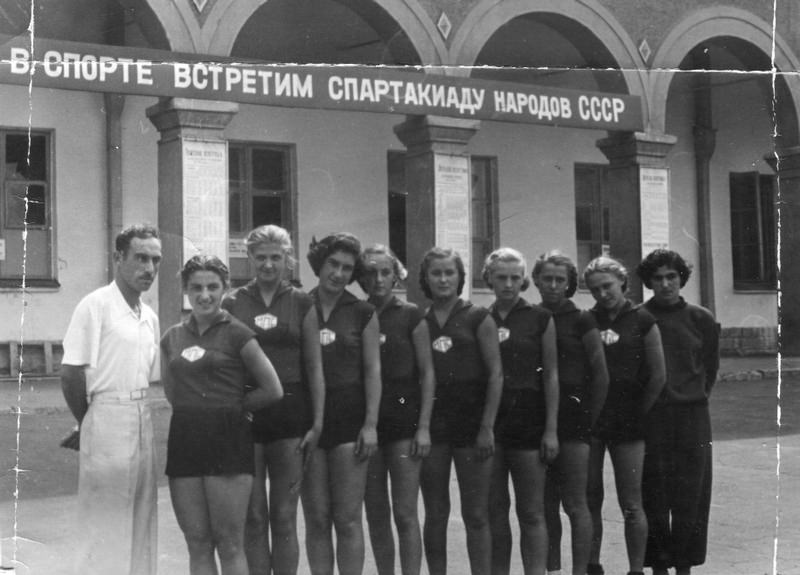
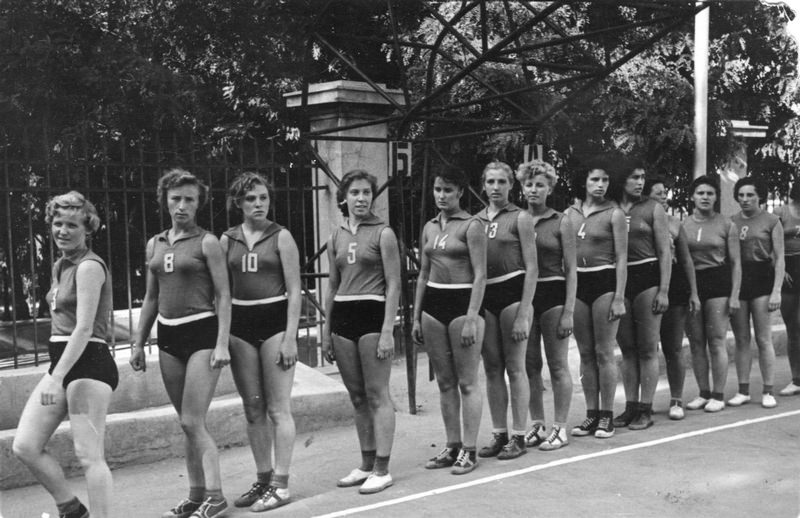
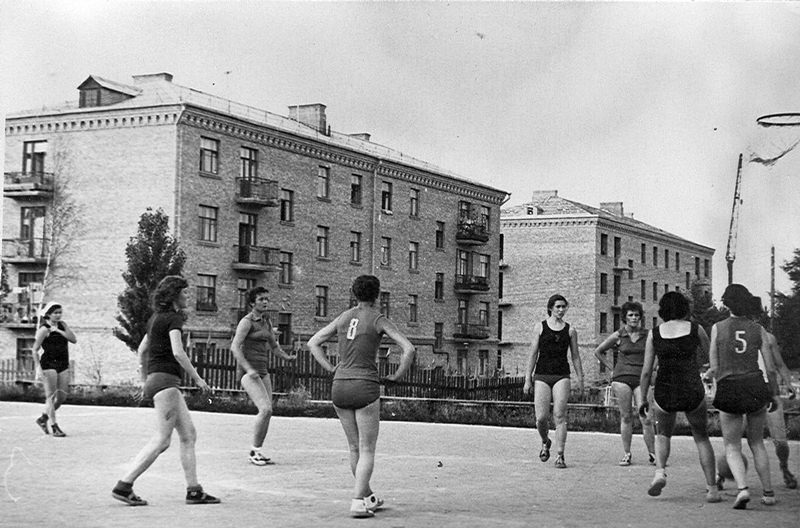
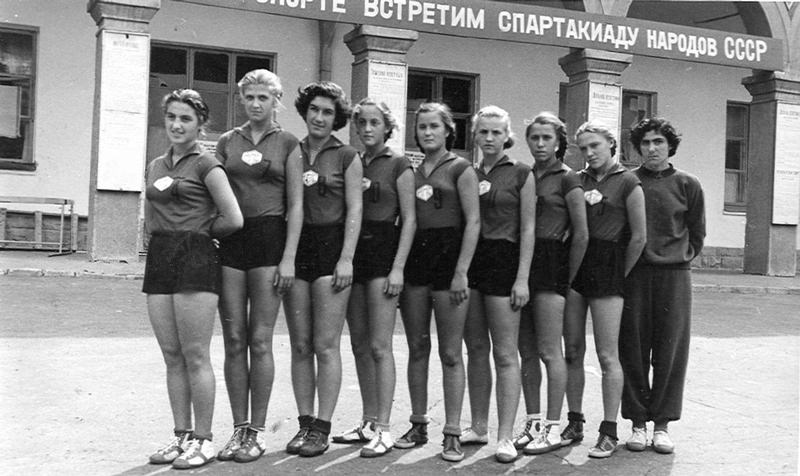
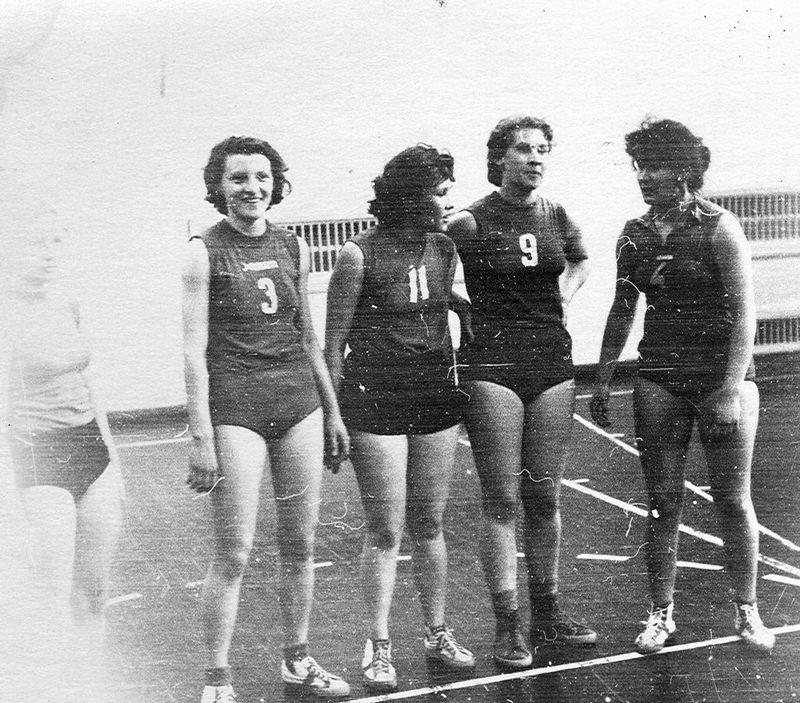
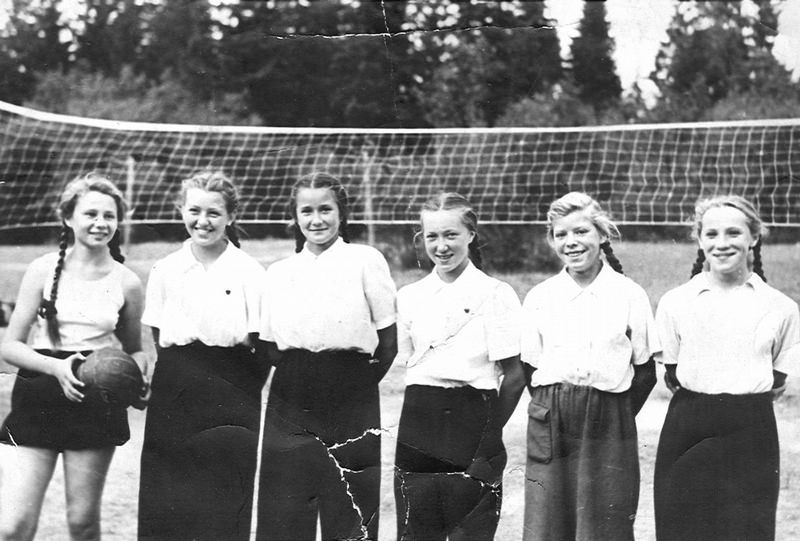
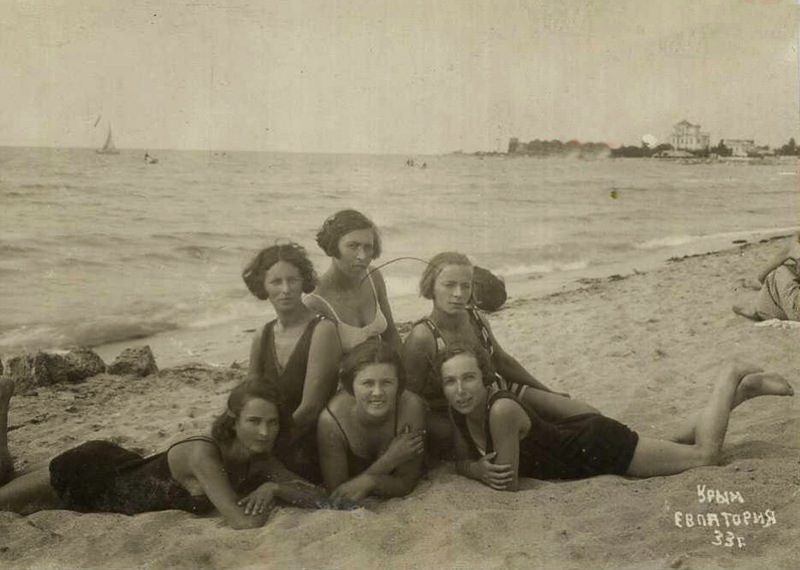
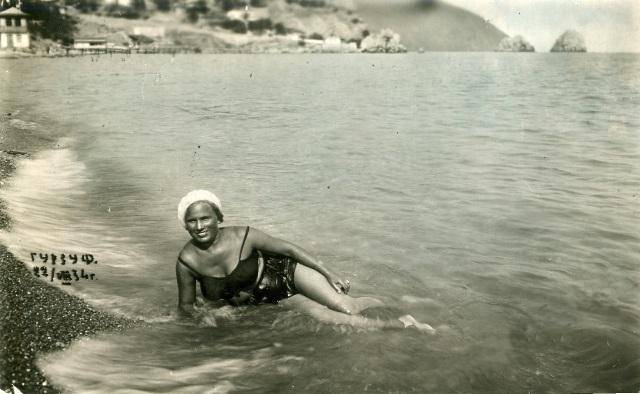
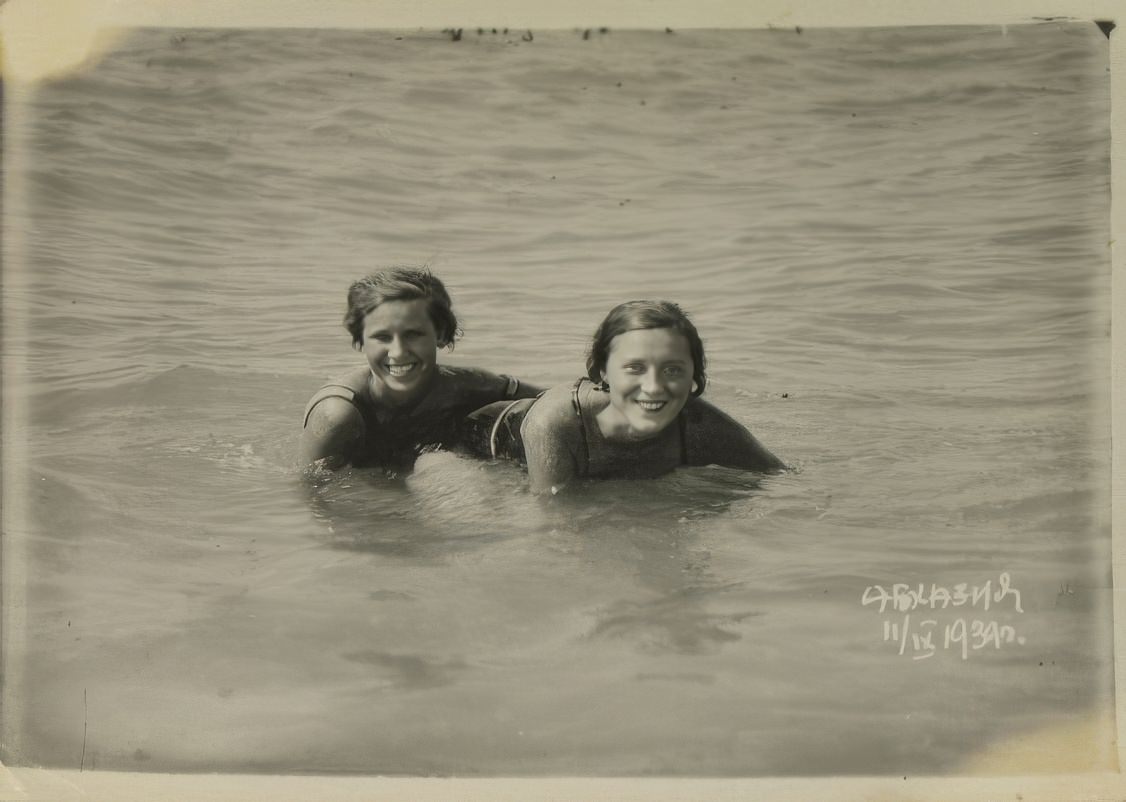
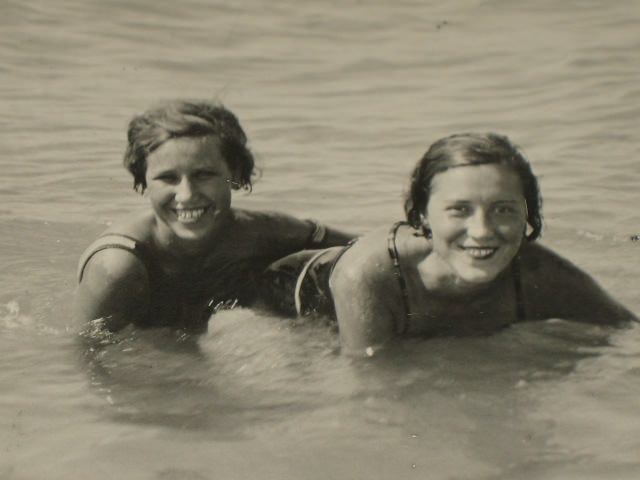
The photographs taken during this era were carefully composed. Images of these athletes showed strength, discipline, and unity. They smiled in group formations, posed in uniforms, and trained with visible purpose. These photos served as propaganda, projecting the image of a healthy, productive Soviet citizen.
The state’s investment in female athletics was deliberate. A physically strong population supported Soviet ambitions both at home and abroad. Women who trained hard and competed publicly became symbols of what the new Soviet society looked like in action.