Sarah Vaughan was born on March 27, 1924, in Newark, New Jersey. From a young age, music was the center of her world. She sang in her church choir and studied piano, building a foundation that would carry her to the biggest stages in the world. Music critic Scott Yanow described her voice as “one of the most wondrous of the 20th century,” and few who ever heard her would argue otherwise.
Her big break came in 1942, when she entered a talent contest at the Apollo Theater in Harlem — one of the most competitive and respected stages in American music. She won. That single night changed the course of her life. Sitting in the audience was Billy Eckstine, a singer with Earl Hines’s orchestra. He was so impressed that he recommended her to Hines directly.
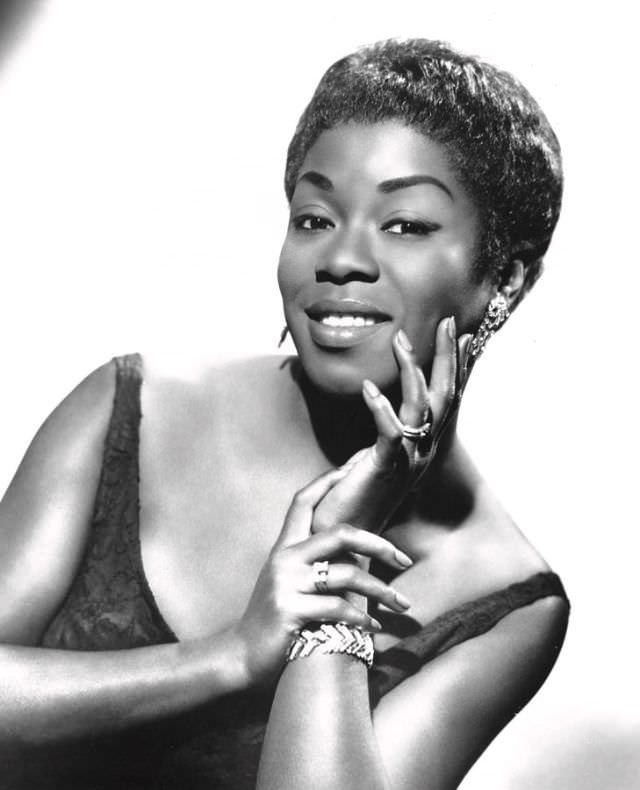
Sarah joined Earl Hines’s band in 1943 as a vocalist and second pianist. It was inside that band that she first crossed paths with two young musicians who were quietly rewriting jazz — Charlie Parker and Dizzy Gillespie. Their bebop style, with its complex harmonies and fast tempos, deeply shaped the way Vaughan approached melody and phrasing for the rest of her career.
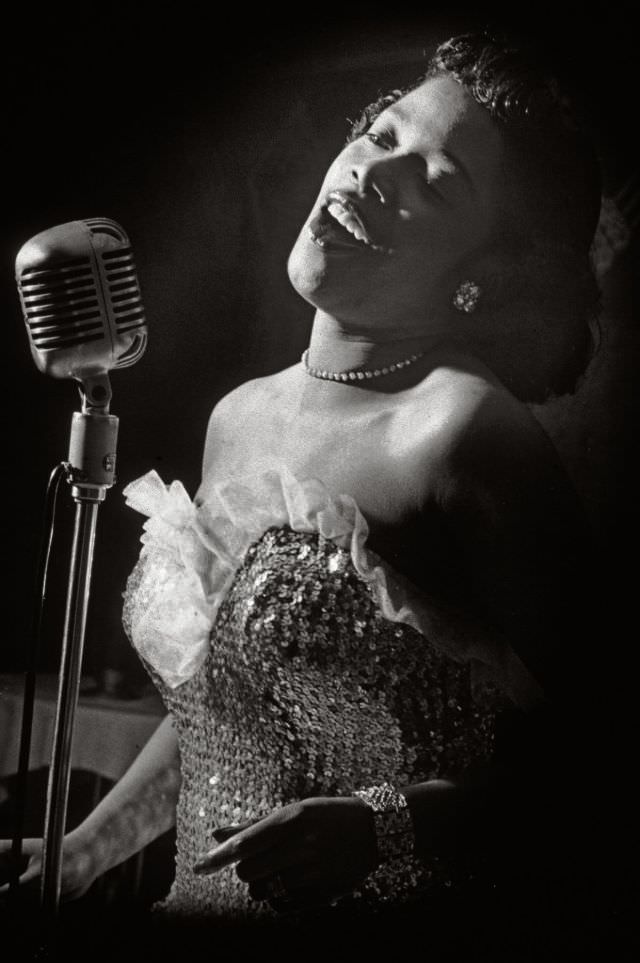
In 1944, Billy Eckstine left Hines to form his own band, and Vaughan went with him. The Billy Eckstine Orchestra became one of the most important bebop groups of the era. Vaughan thrived in that setting. By 1945, she was ready to step out entirely on her own, signing her first recording deals and beginning a solo career that would span more than four decades.
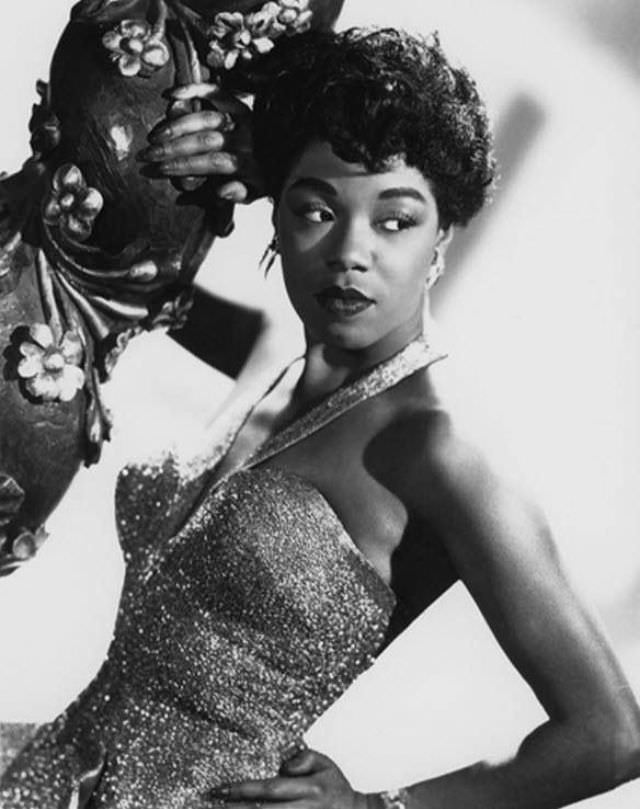
Friends and fans called her “Sassy” for her bold personality and sharp wit. The music world gave her another title too — “The Divine One” — a name that reflected the almost supernatural quality of her voice. She had a vocal range that stretched across nearly four octaves, and she used every inch of it. She could dip low into rich, dark tones and then soar upward with effortless control.
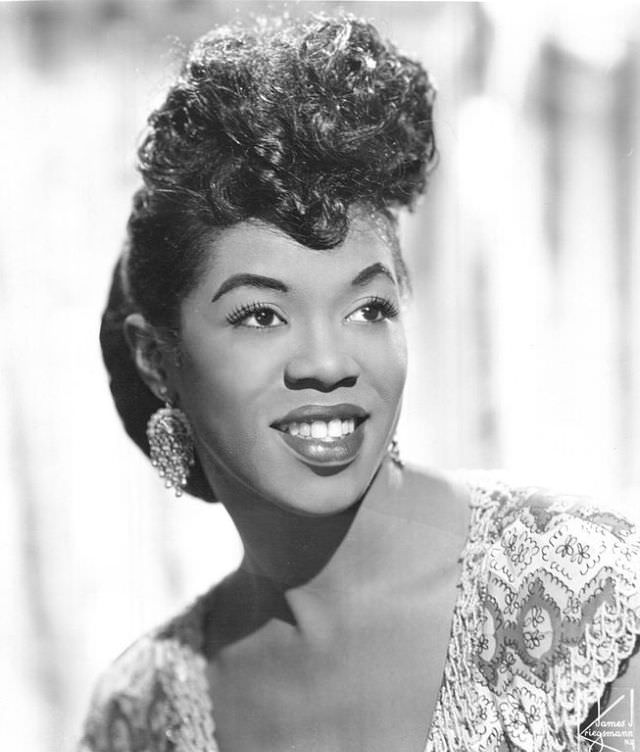
The late 1940s and 1950s were a golden period for Vaughan. She released a steady stream of recordings that earned her both critical praise and commercial success. Songs like “It’s Magic,” “Black Coffee,” and “Misty” showcased her ability to move between jazz and pop without losing the depth that made her voice so distinctive. She was equally at home with a small jazz combo or a full orchestra.
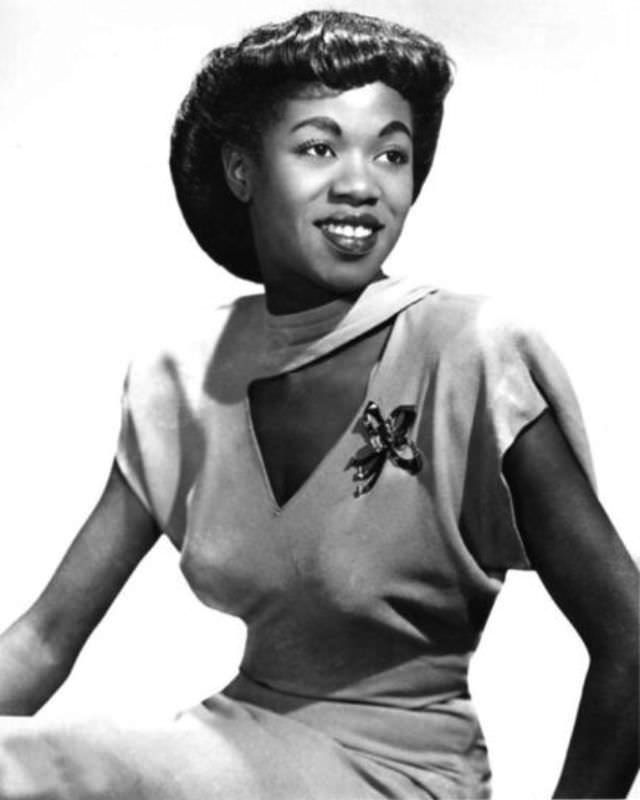
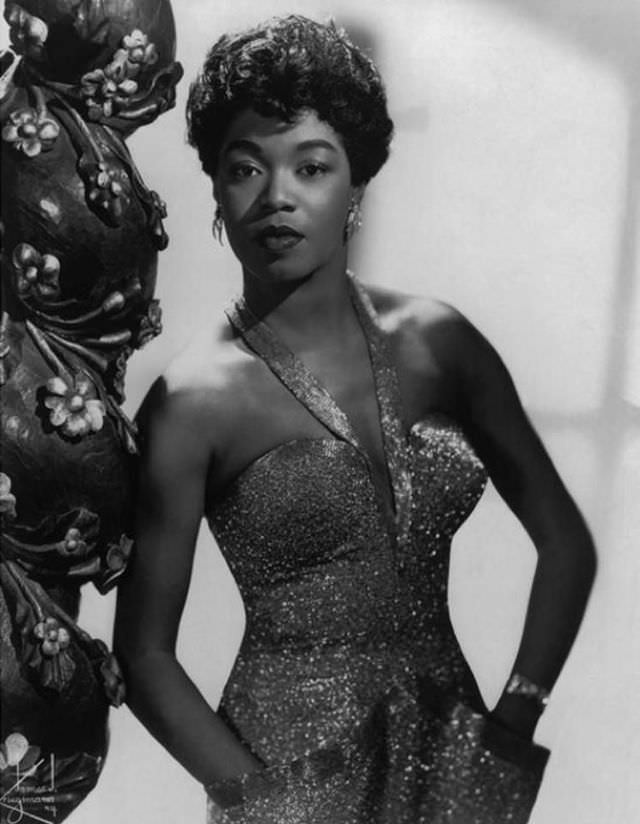
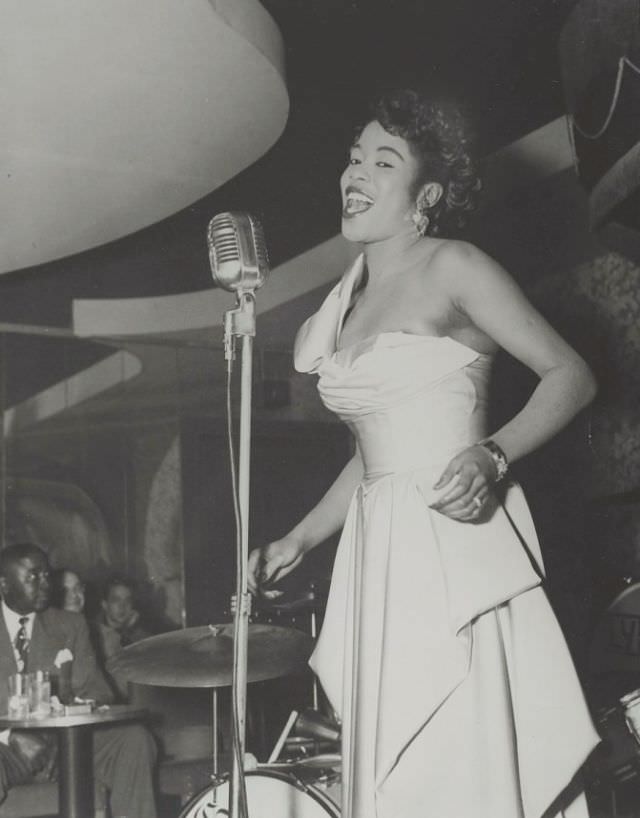
Her performances during these years drew enormous crowds. She played the top clubs in New York, toured internationally, and built a global fan base at a time when Black artists faced serious racial barriers in the music industry. Vaughan navigated those obstacles with professionalism and continued to perform at the highest level regardless of the challenges placed in front of her.
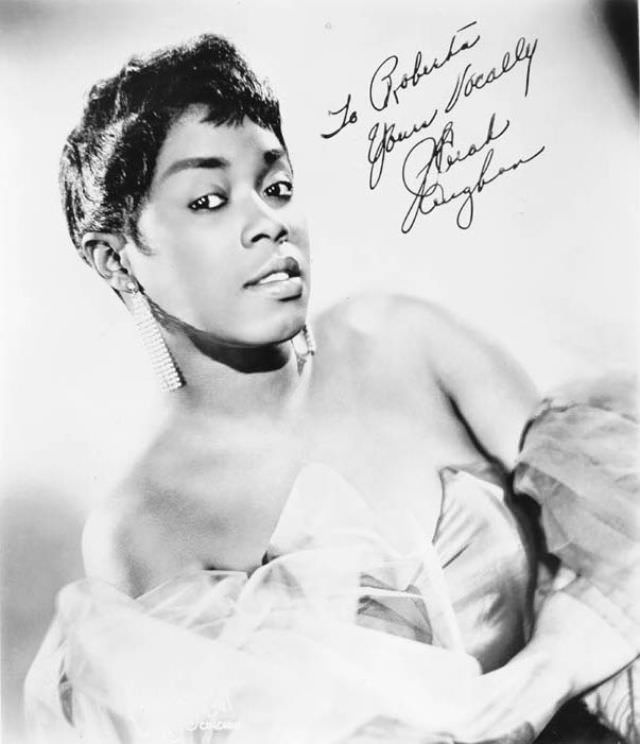
Carnegie Hall was among the prestigious venues where Vaughan performed over the course of her career. She also performed at the White House, bringing her voice to one of the most formal stages in the country. These were not one-time milestones — they reflected her consistent standing as one of the premier performers of her generation.
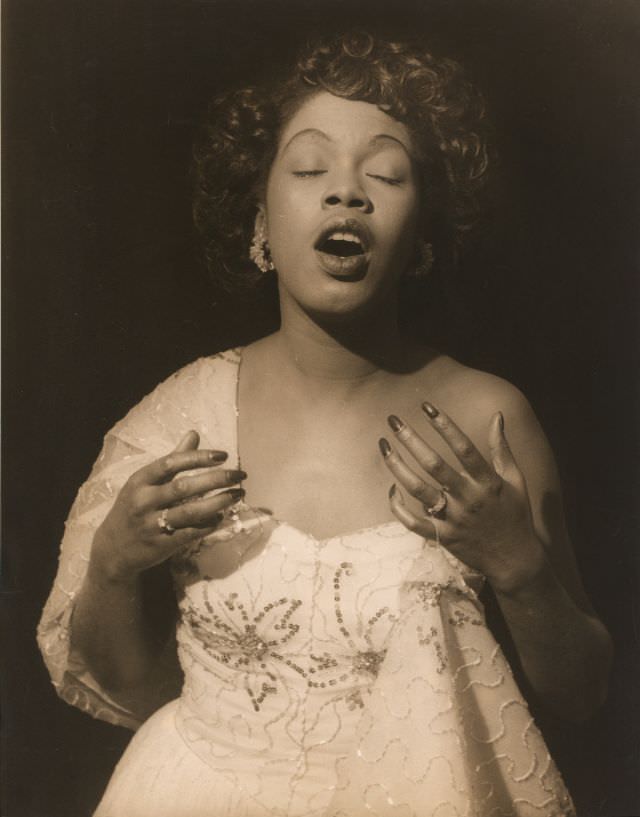
Vaughan’s personal life was more turbulent than her professional one. She married four times and divorced four times. Her husbands included trumpeter George Treadwell, who also served as her manager, and later Clyde Atkins, Marshall Fisher, and Waymon Reed, a trumpet player who performed in her band. Despite the personal instability, she remained focused and productive throughout.
The 1970s brought a renewed burst of public attention. A new generation of listeners discovered her recordings, and she returned to major jazz festivals with powerful performances. She collaborated with orchestras and signed with major labels, proving that her voice had not only survived the decades but grown richer with age.
By the 1980s, her place in music history was beyond question. In 1989, she received the Grammy Lifetime Achievement Award, one of the highest honors in the recording industry. That same year, the National Endowment for the Arts presented her with the NEA Jazz Masters Award, recognizing her as one of the defining voices of American jazz.
Her final public performance took place in 1989 at the Blue Note Club in New York City. It was a fitting venue — an intimate jazz space that matched the art form she had dedicated her life to. Those who were there witnessed a singer who, even in her final public appearance, commanded the room completely.
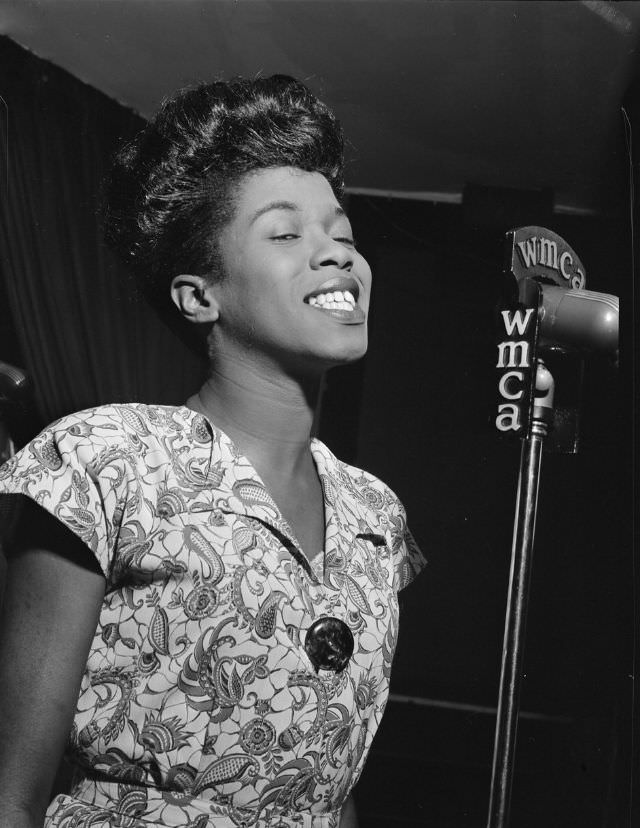
Sarah Vaughan died of lung cancer on April 3, 1990, at her home in Hidden Hills, California. She was 66 years old. She was survived by her adopted daughter, Paris Vaughan. In 1990, she was inducted into the Jazz Hall of Fame. Her star on the Hollywood Walk of Fame stands as a permanent public marker of a career that shaped American music for nearly five decades.
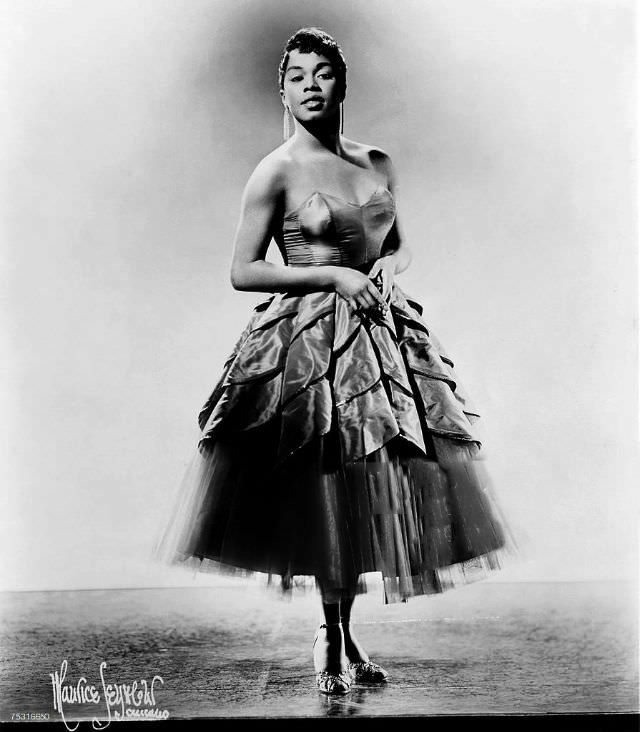
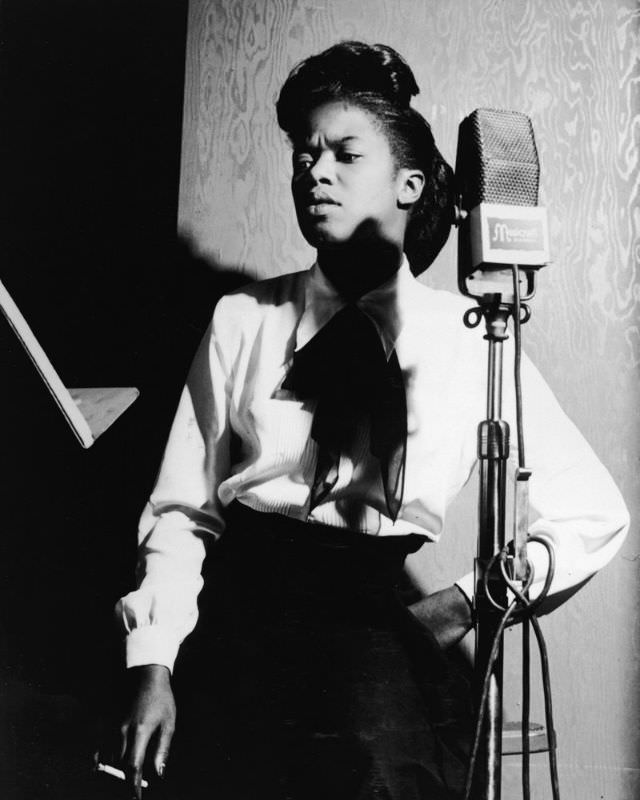
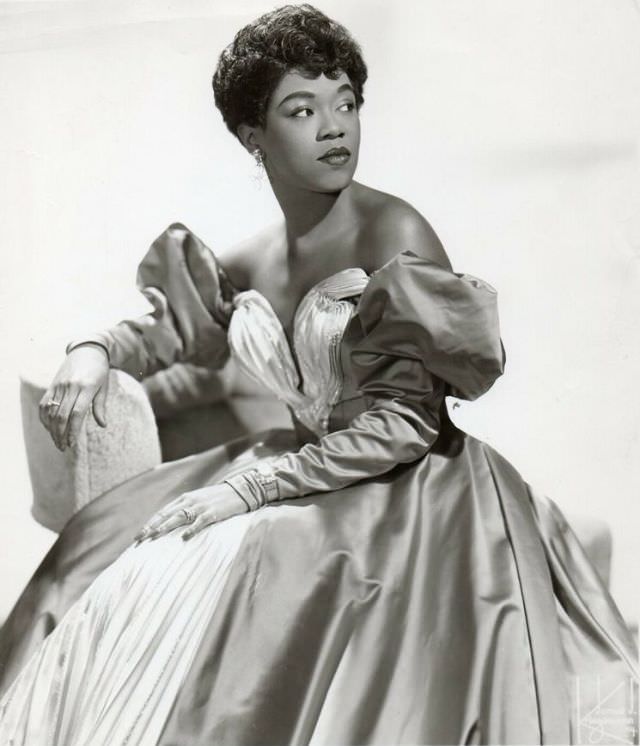
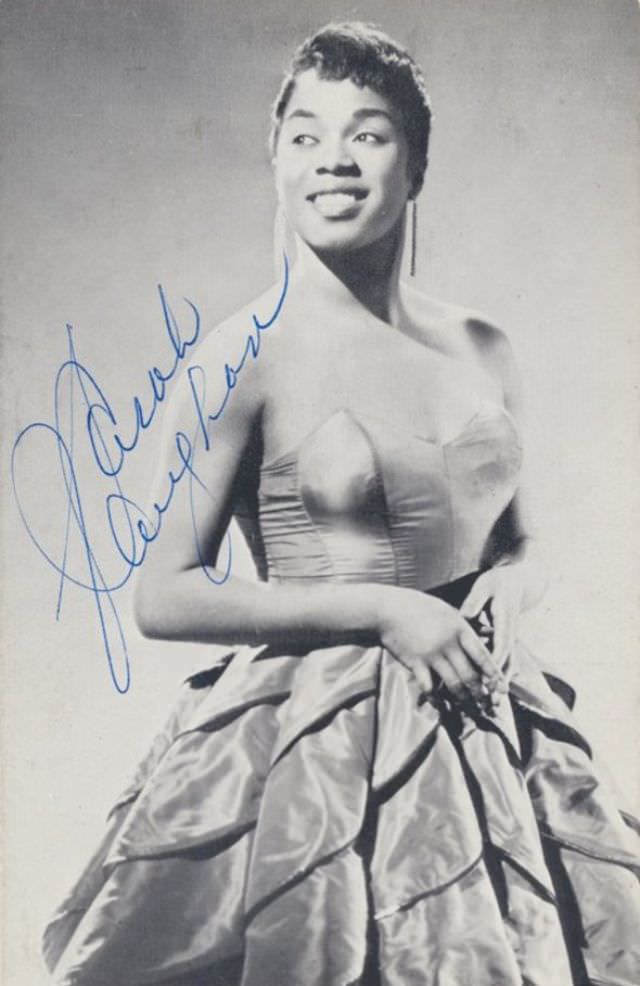
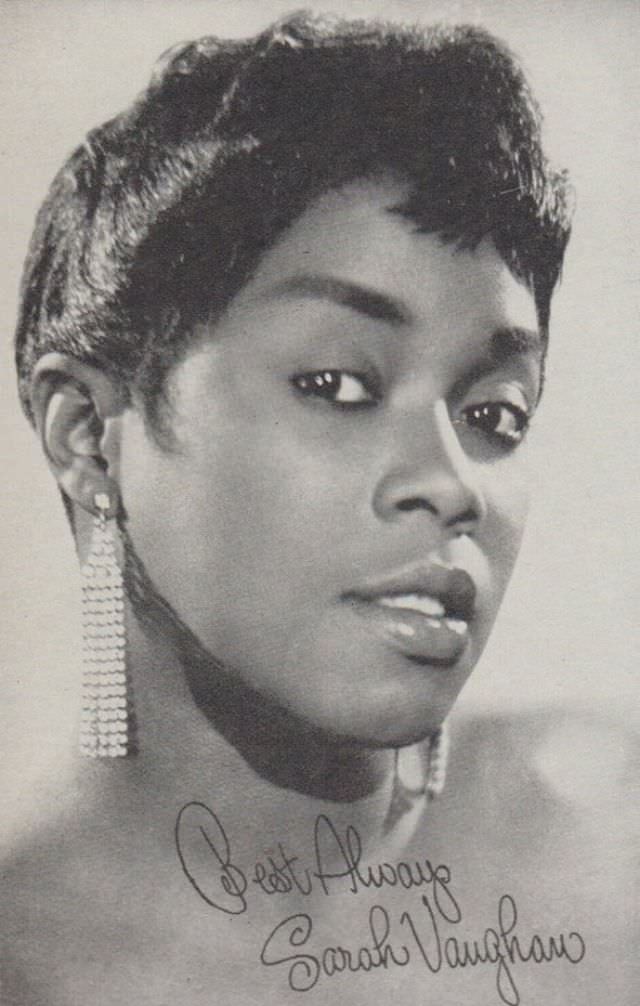
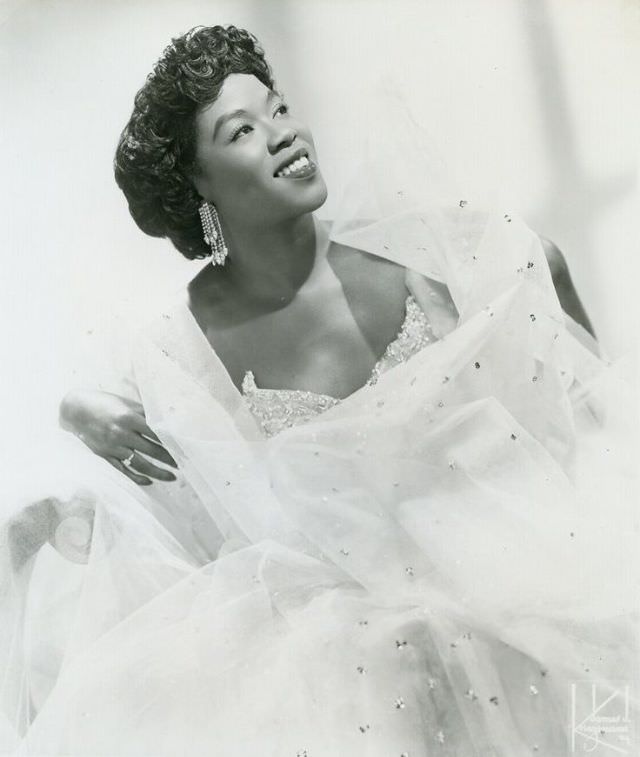
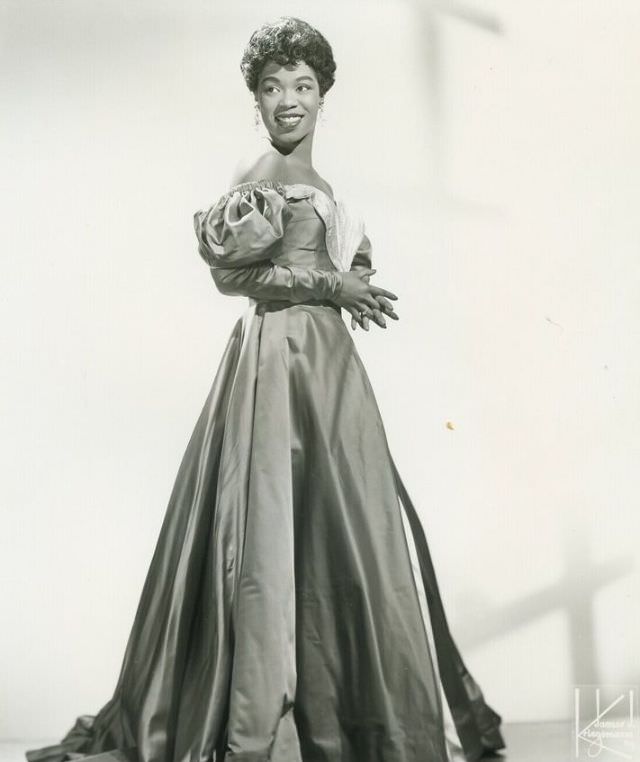
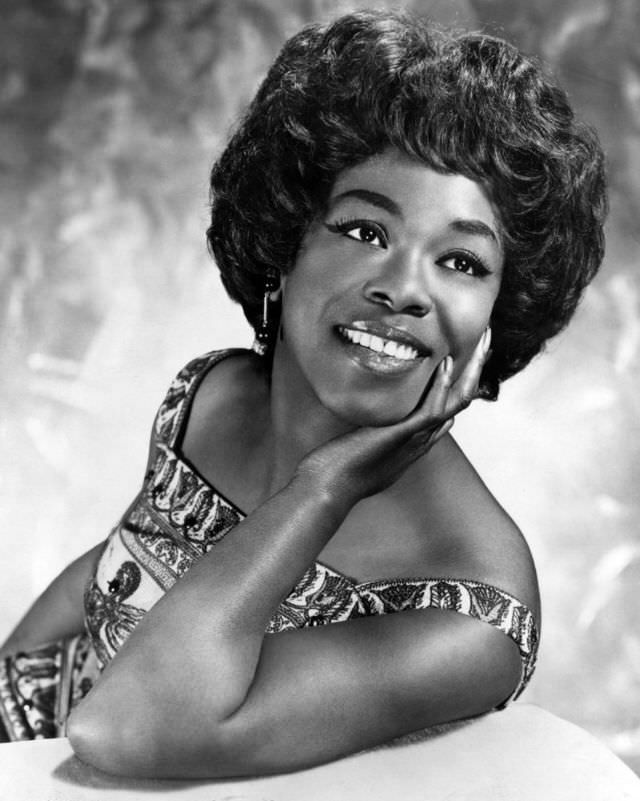
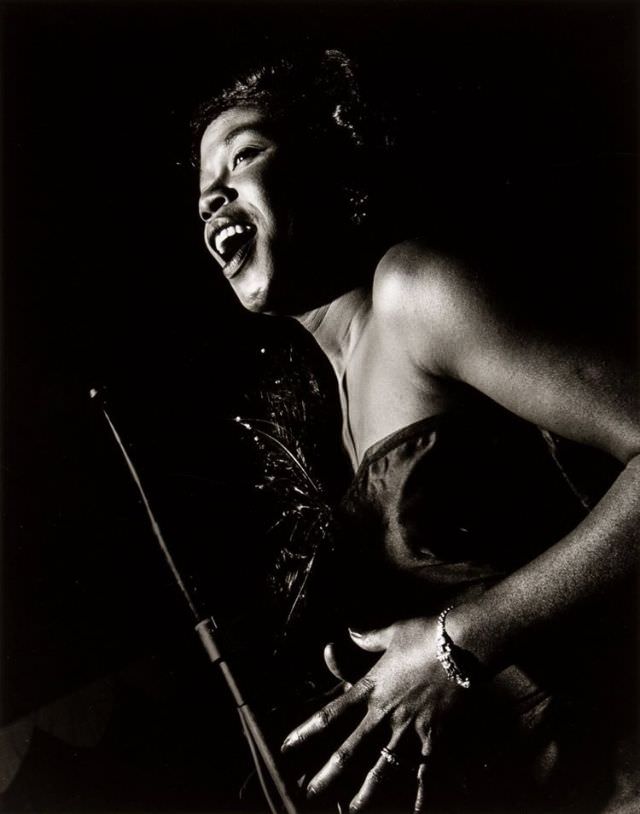
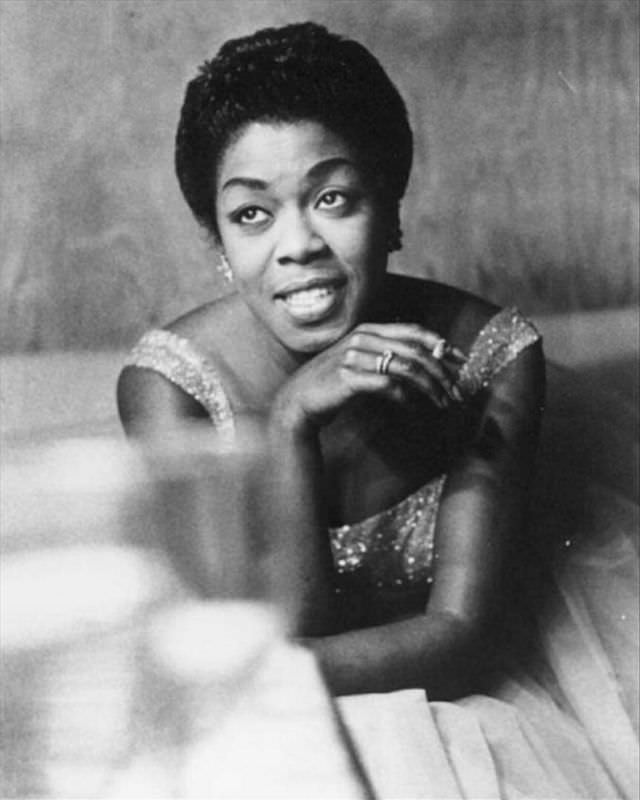
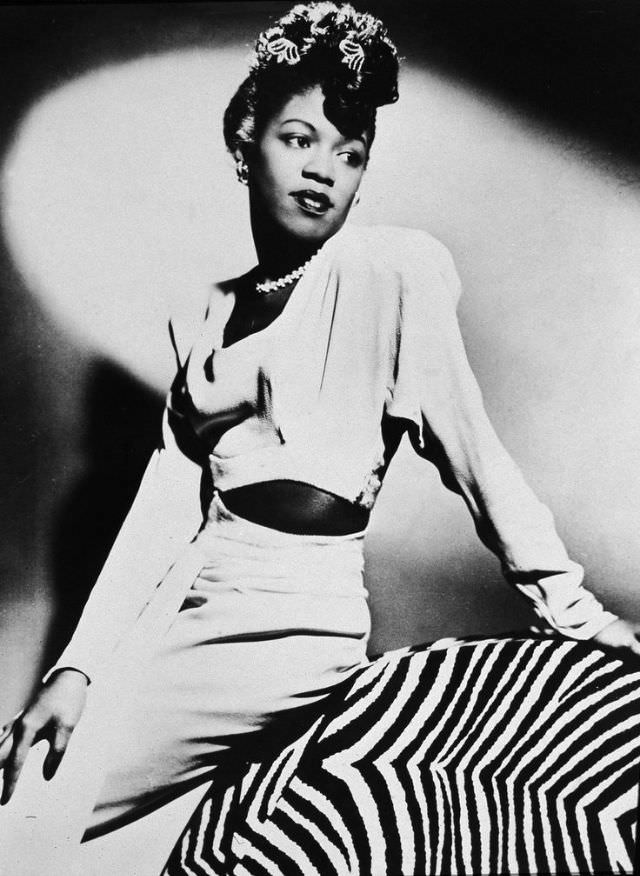
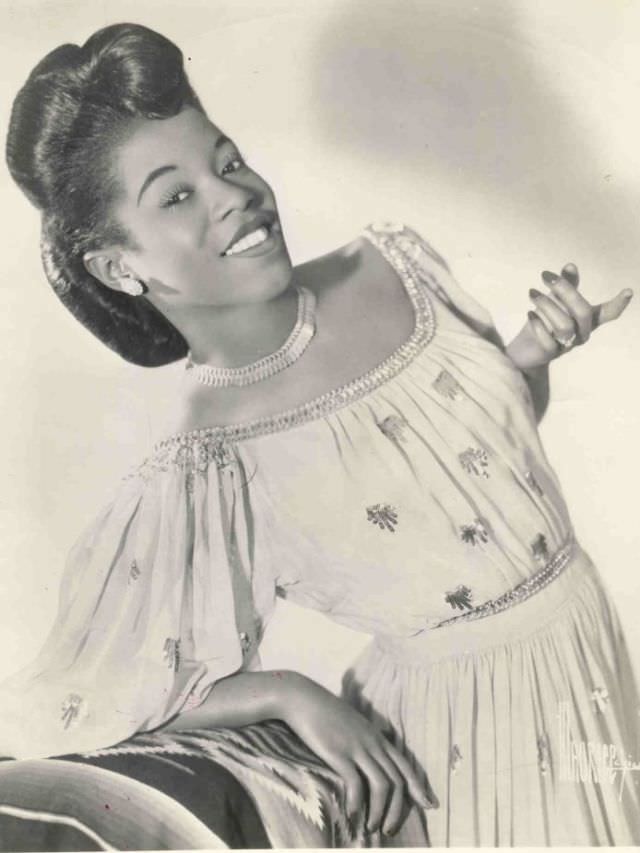
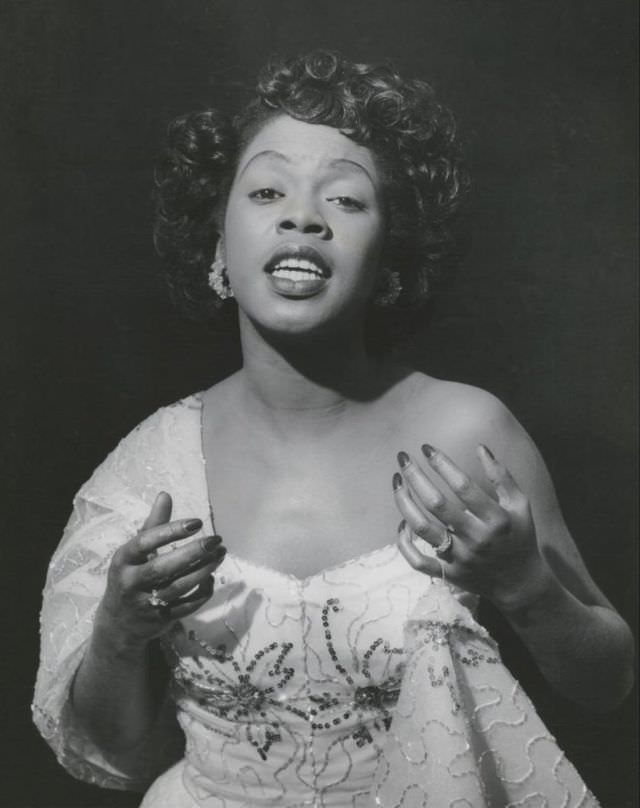
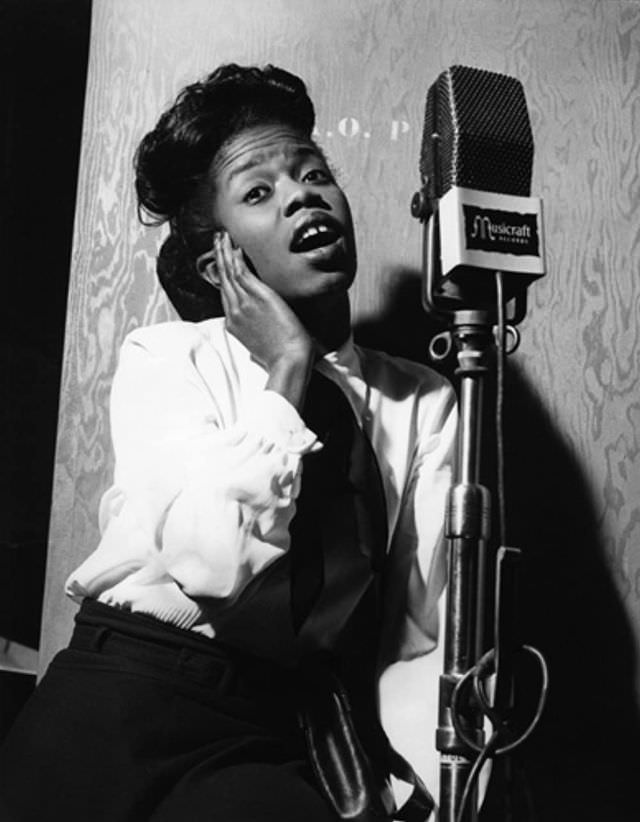
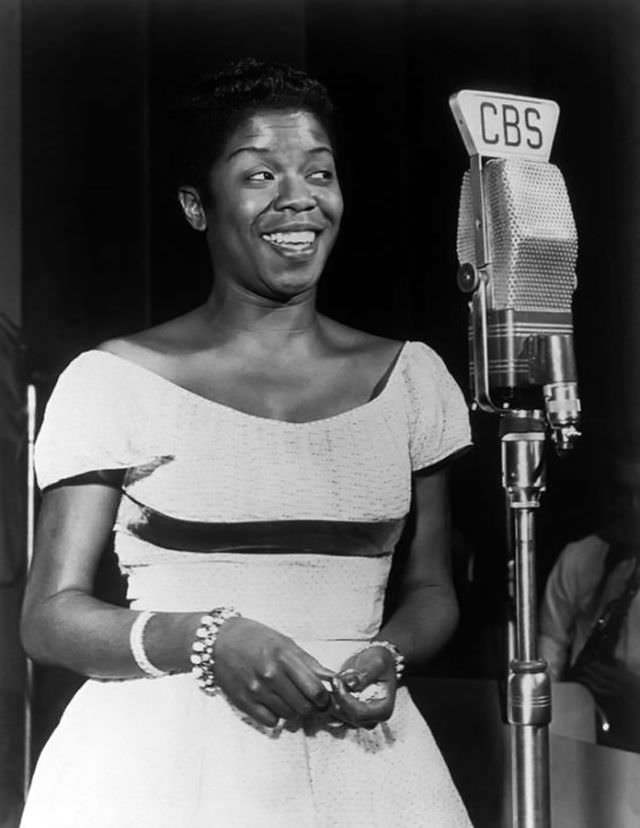
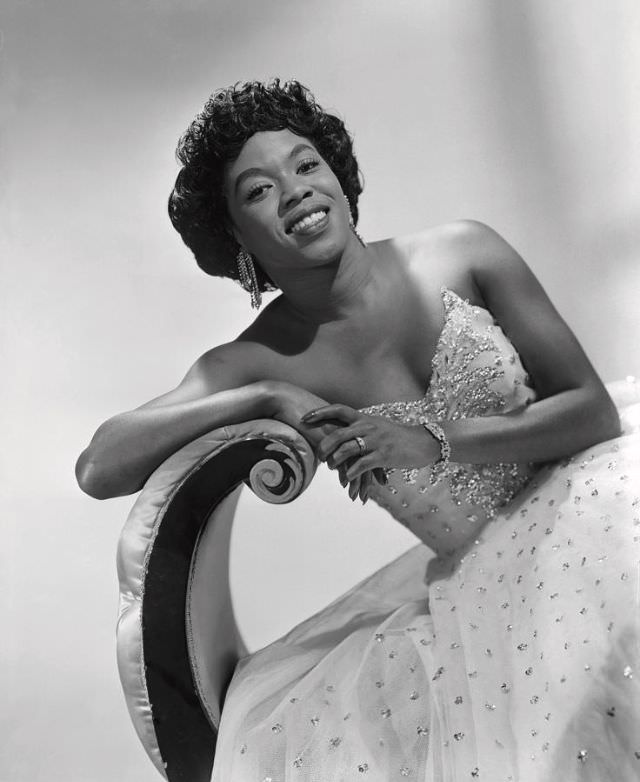
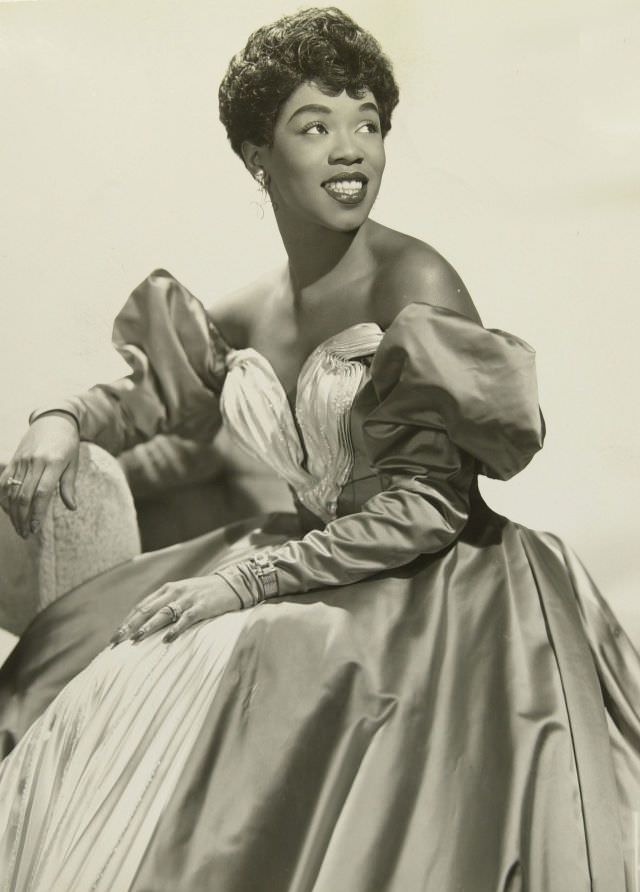
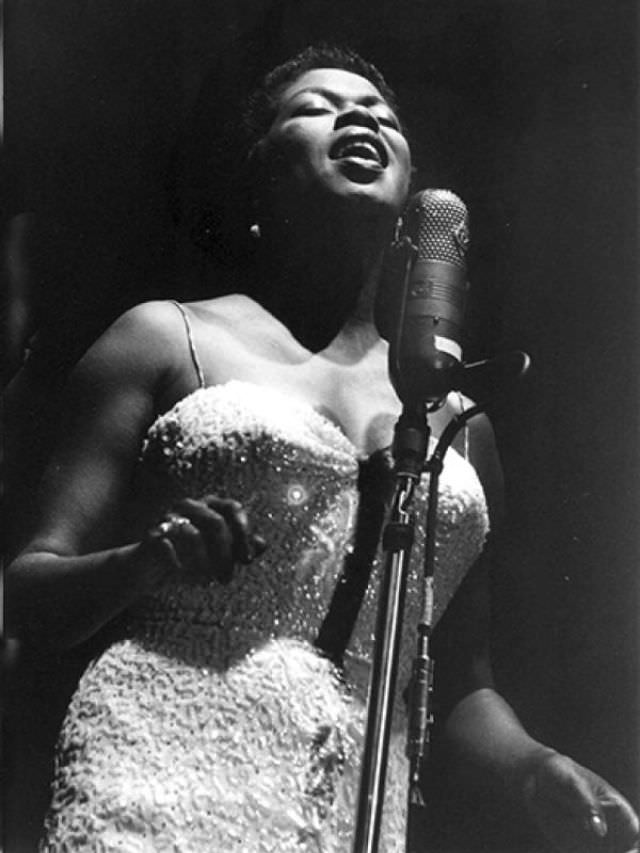
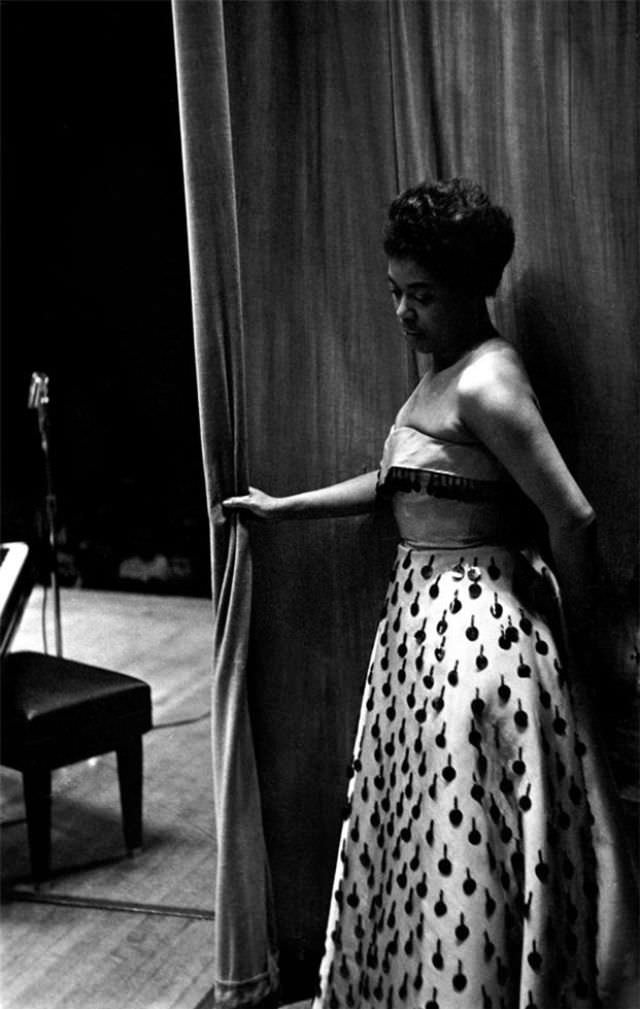
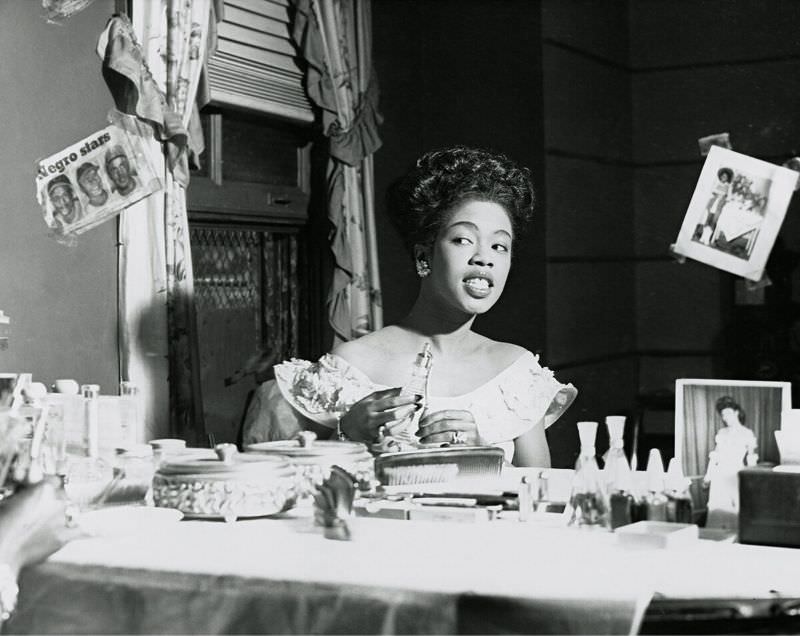
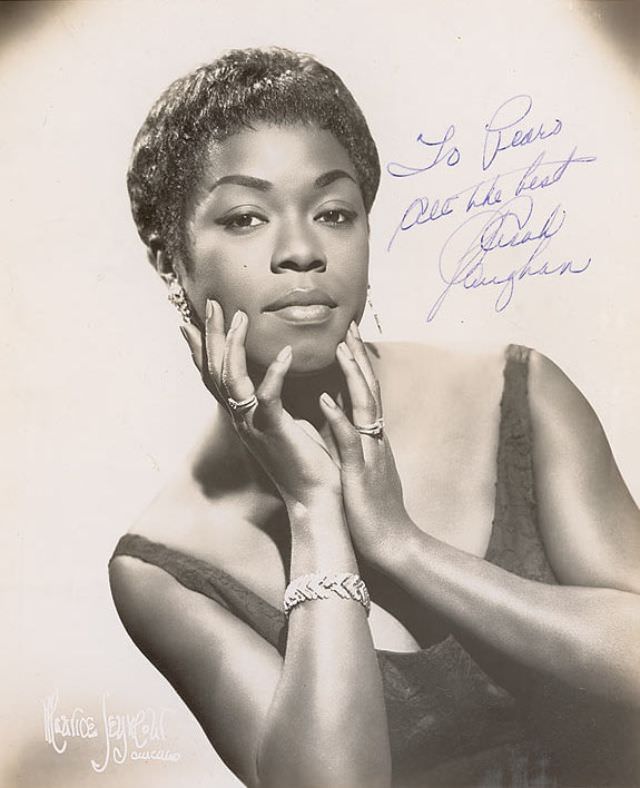
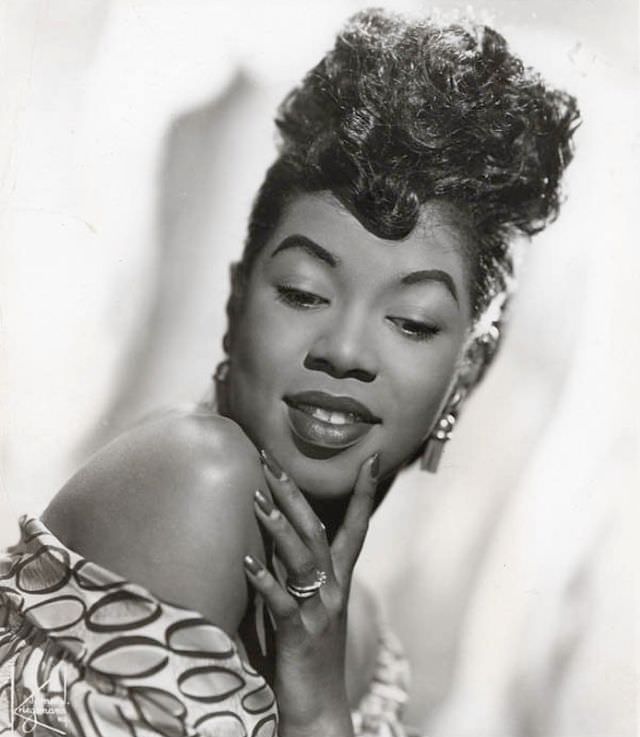
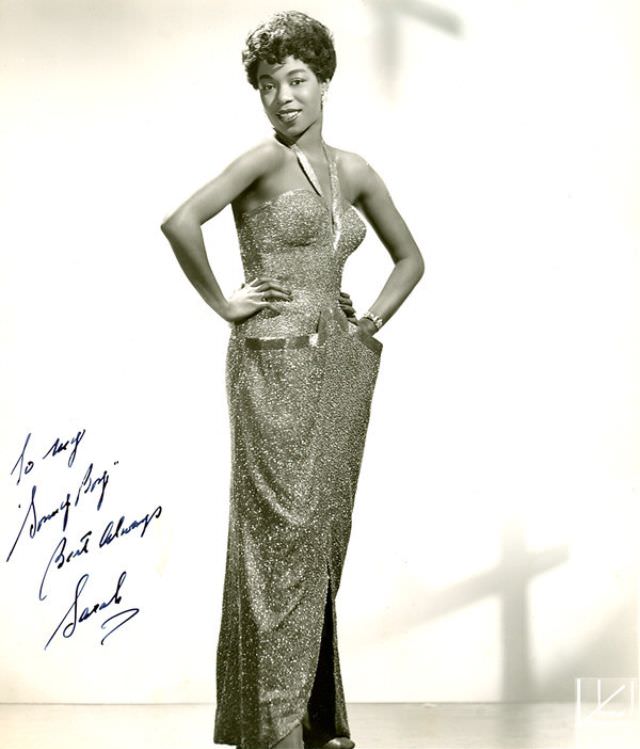
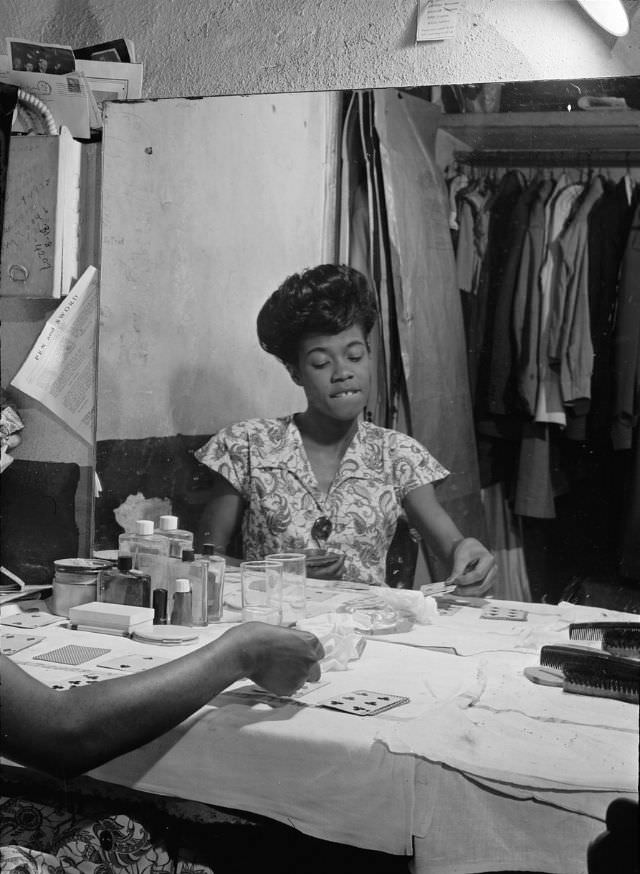
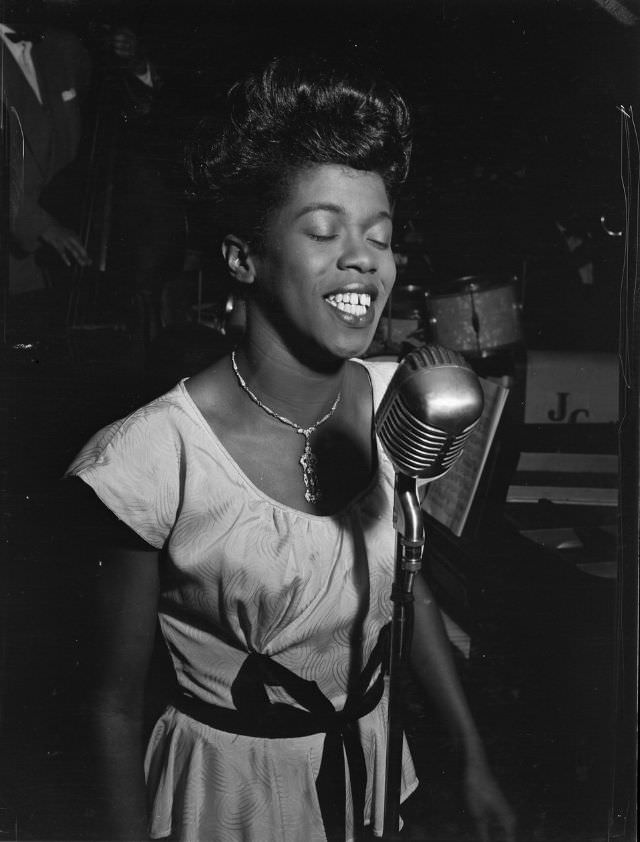
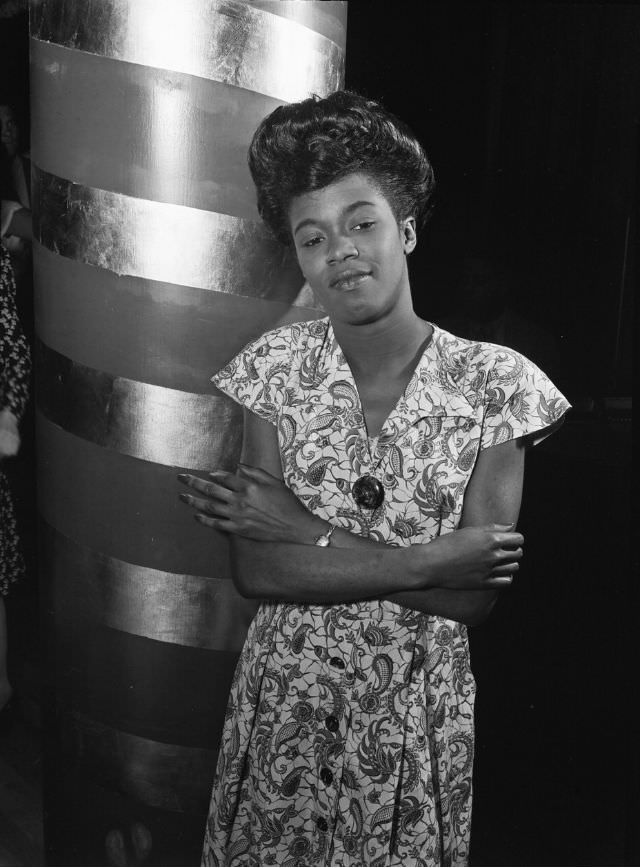
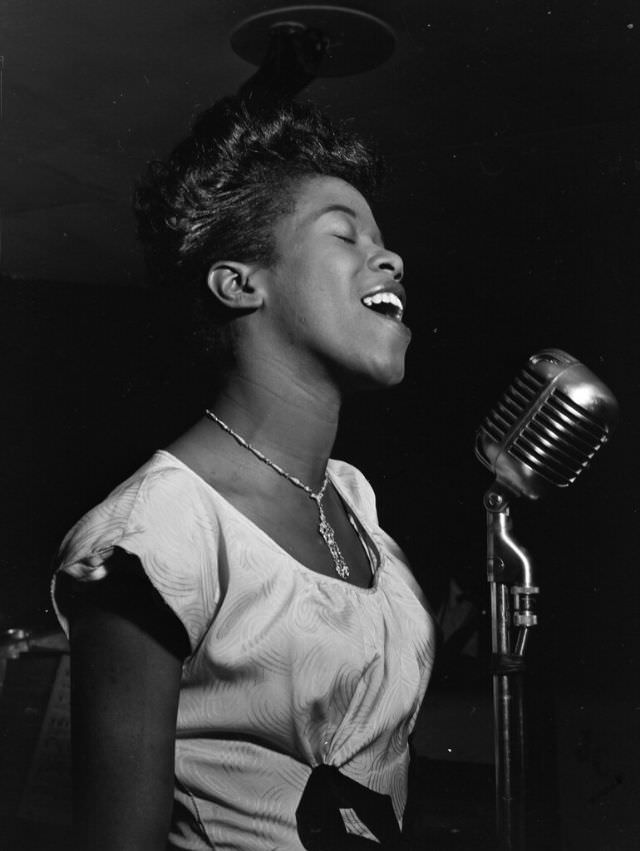
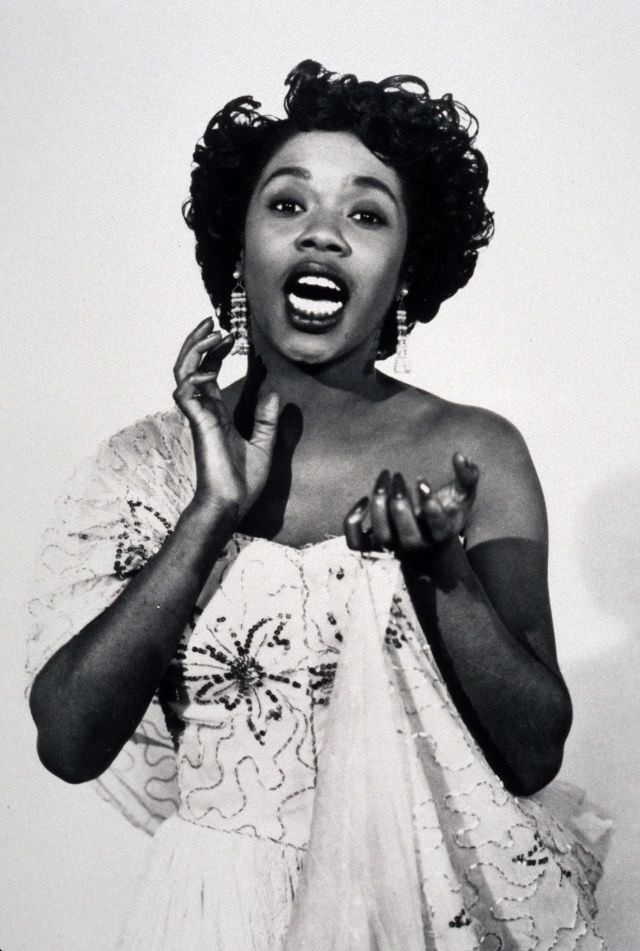
The photos below capture Sarah Vaughan during the 1940s and 1950s — the years when she first announced herself to the world and built the reputation that would follow her for the rest of her life. These images show a young woman full of confidence and artistry, already carrying herself like the legend she was becoming.