Released in 1927, Rough House Rosie is a silent romantic comedy directed by Frank R. Strayer and produced by Adolph Zukor. It arrived during the peak years of silent cinema, when films had already become a dominant form of entertainment across the world. Fast-paced and full of humor, the film channels the energy of the era without missing a beat.
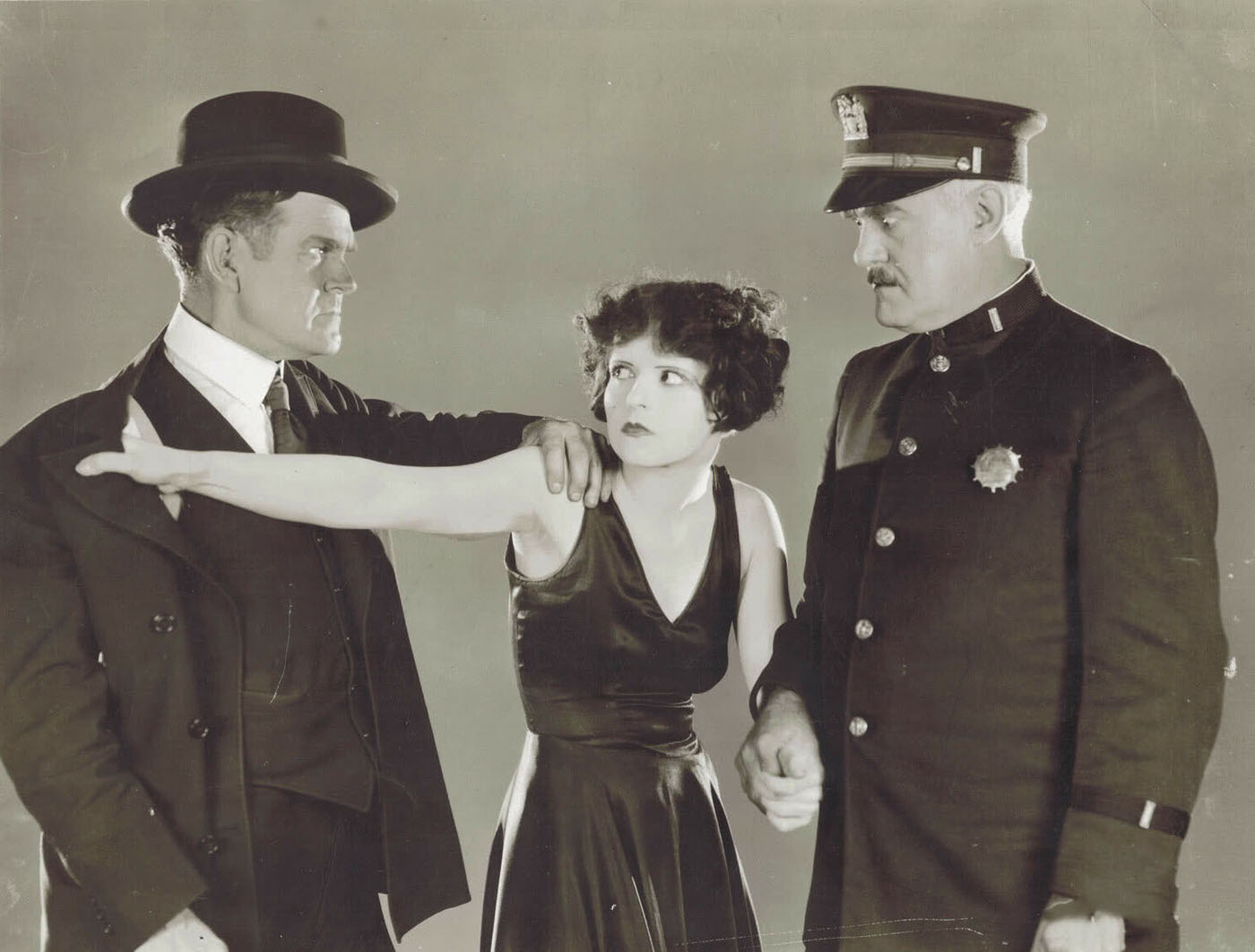
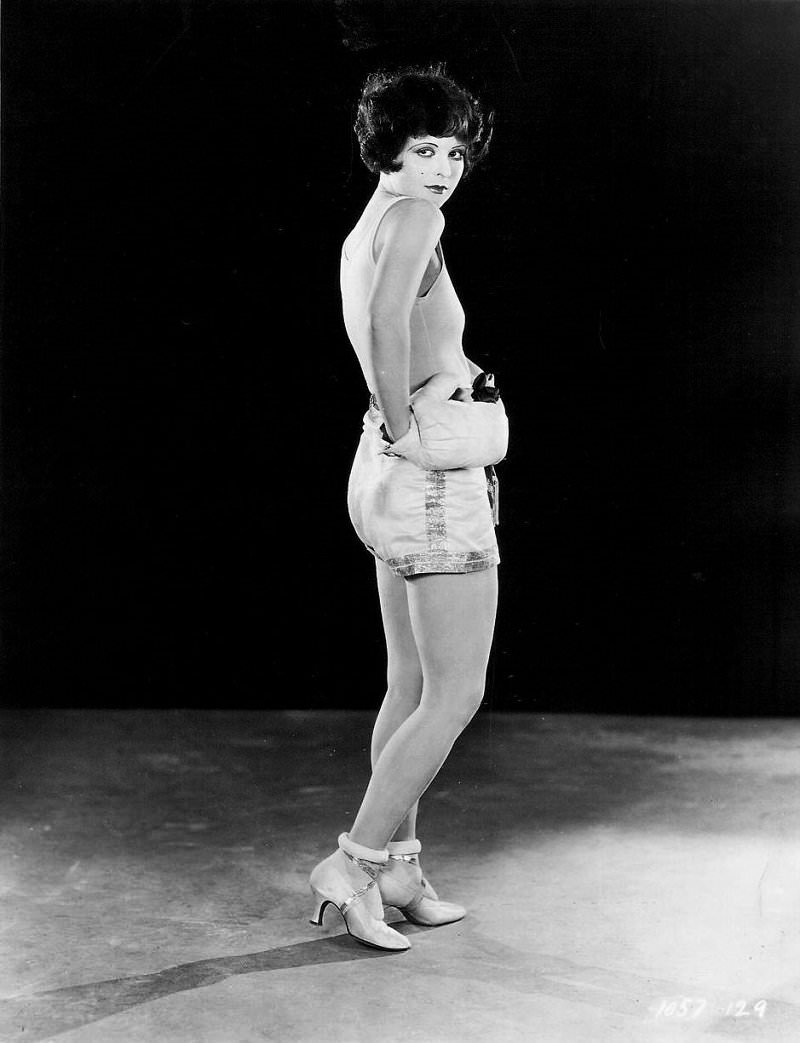
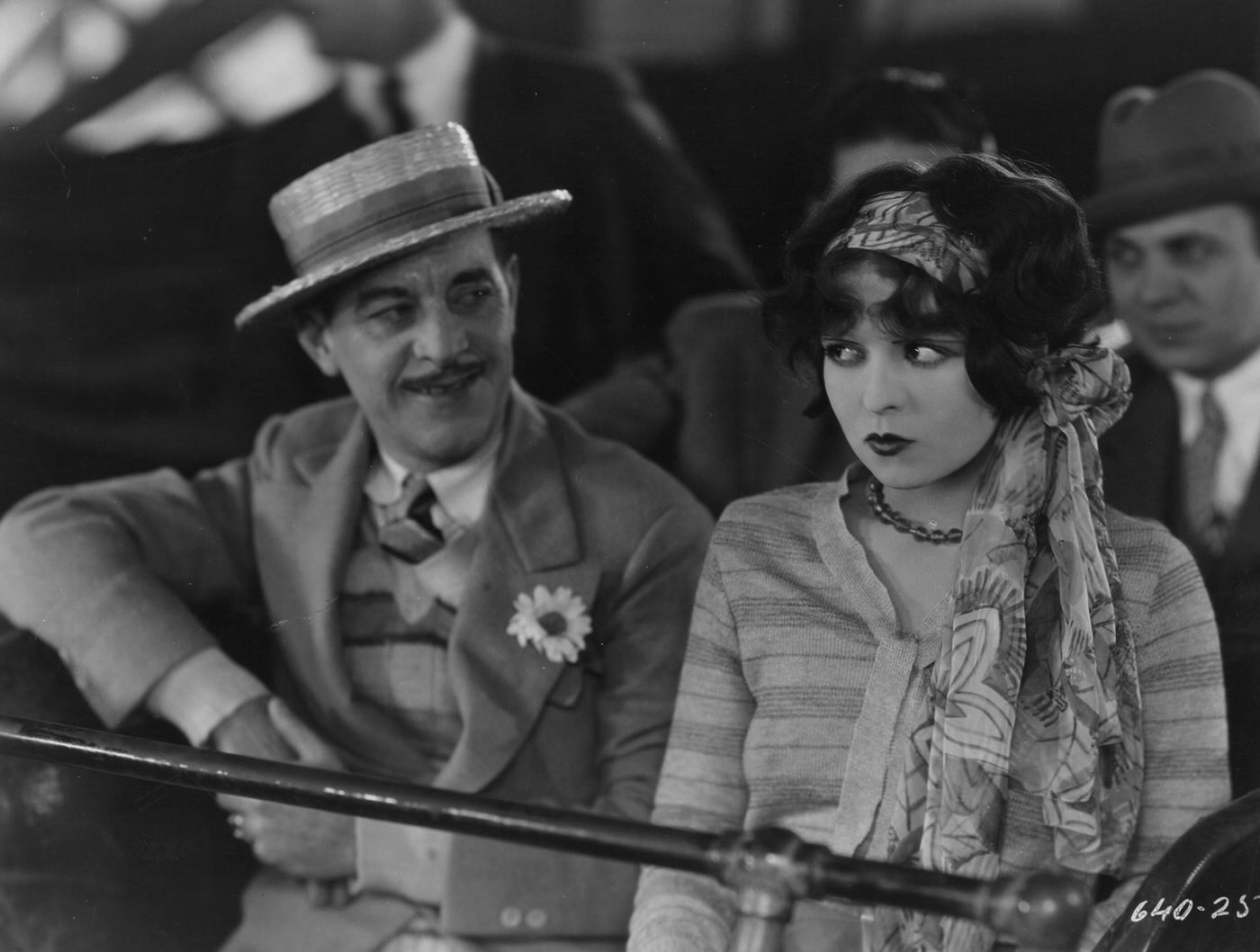
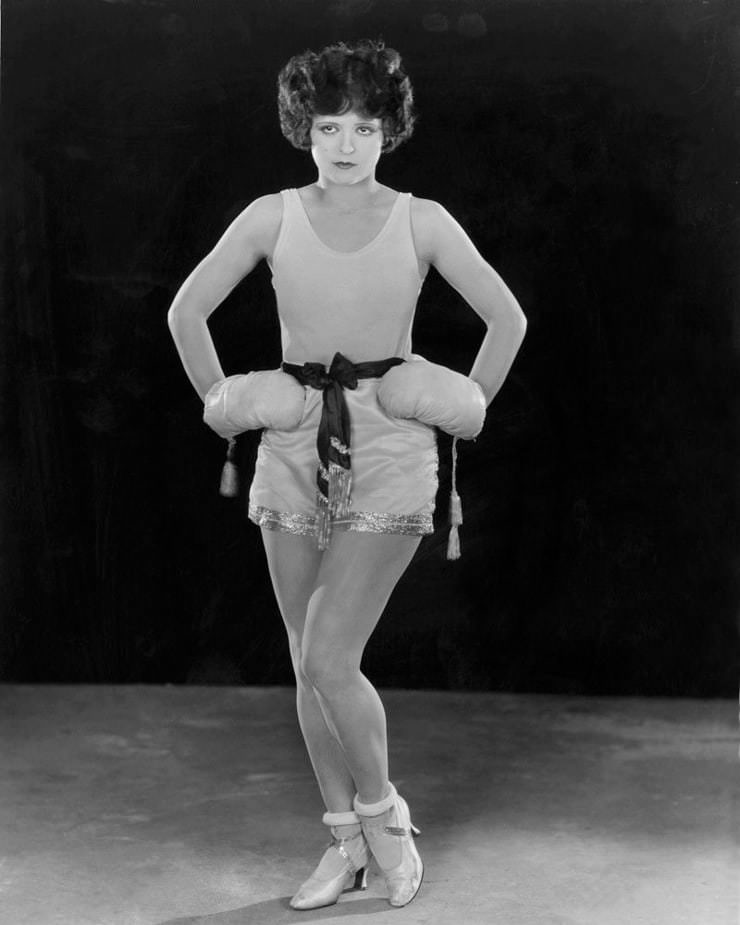
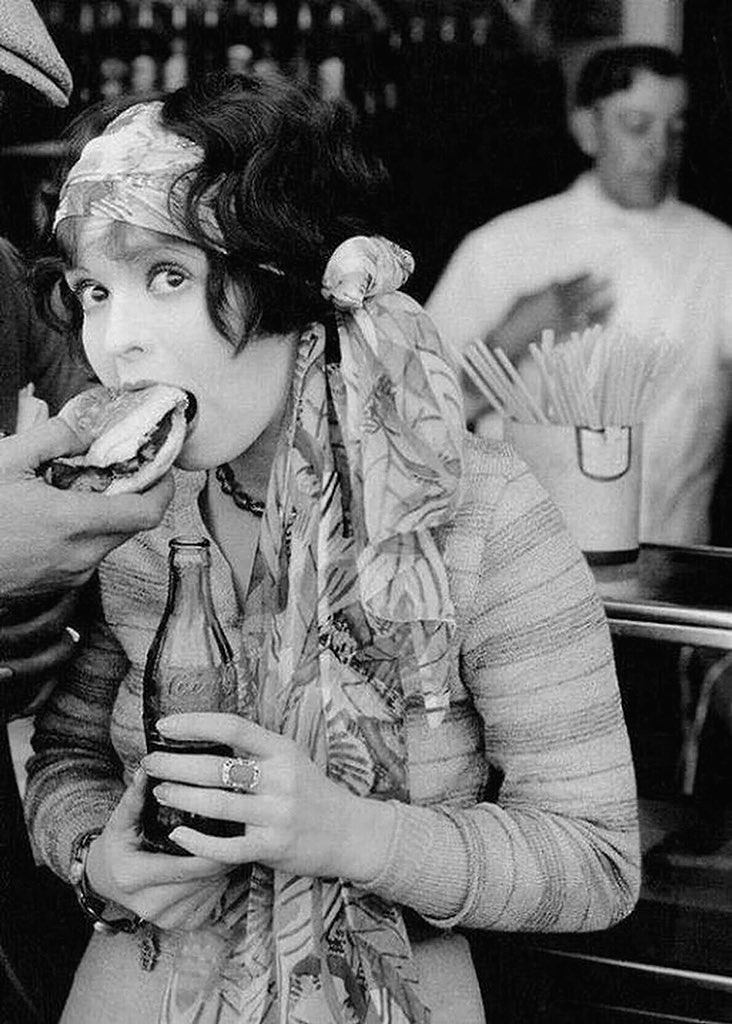
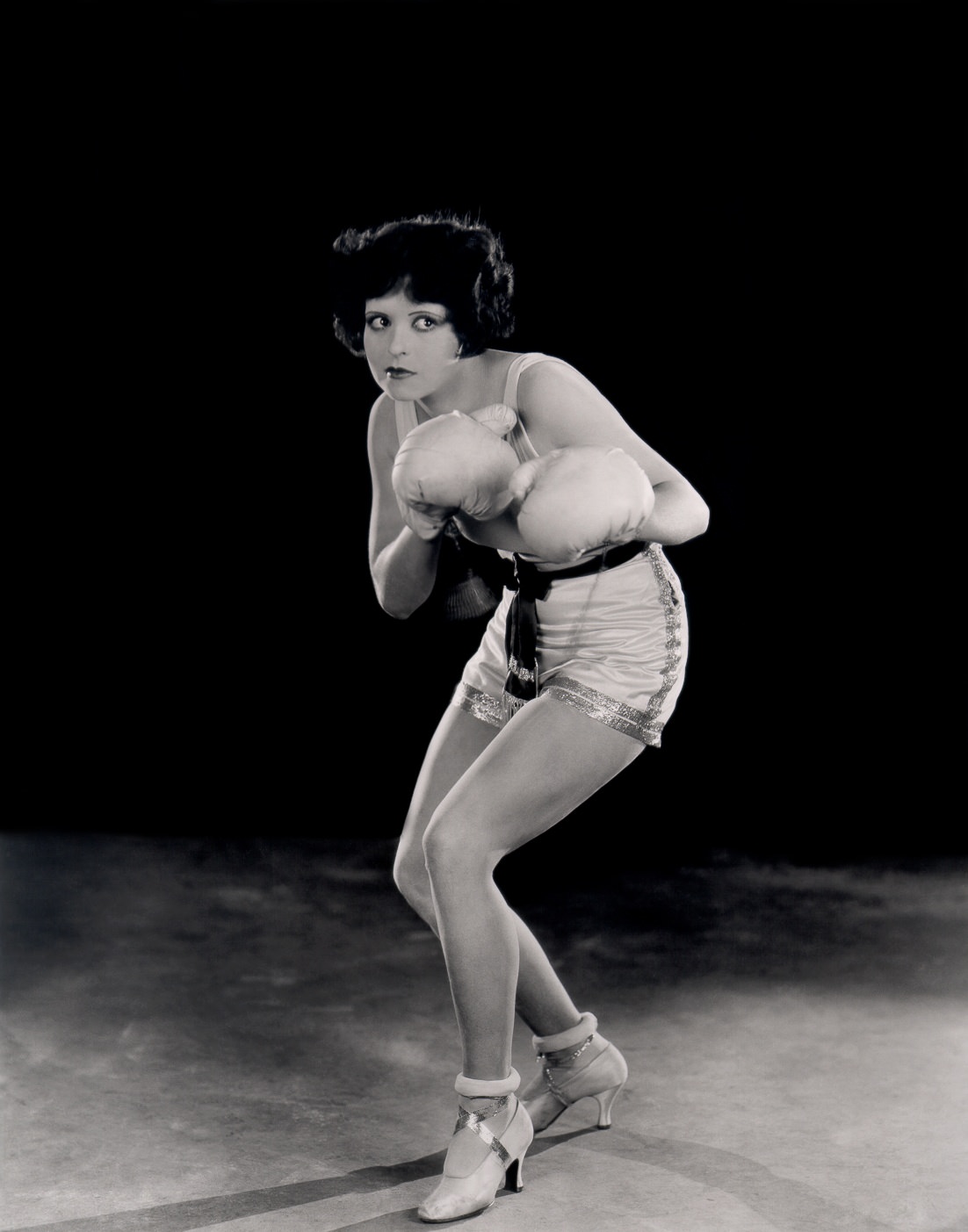
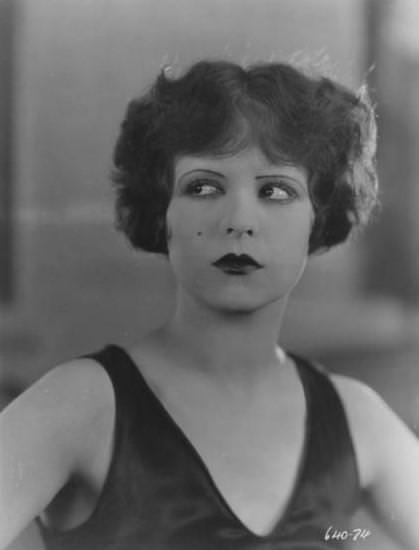
At the center of the story is Rosie O’Reilly, a sharp-tongued waitress working in a small-town café. She earns her nickname — Rough House Rosie — by refusing to let anyone push her around. Clara Bow plays the role with a raw, magnetic energy that holds every scene together. Known as the “It Girl” of silent cinema, Bow delivers sharp comedy and real emotional range throughout the film.
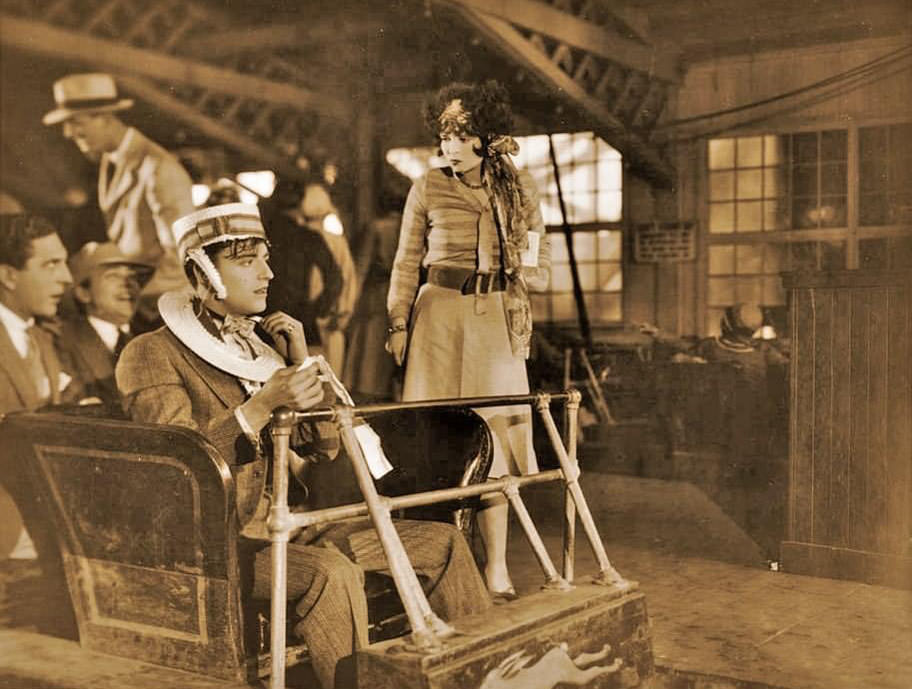
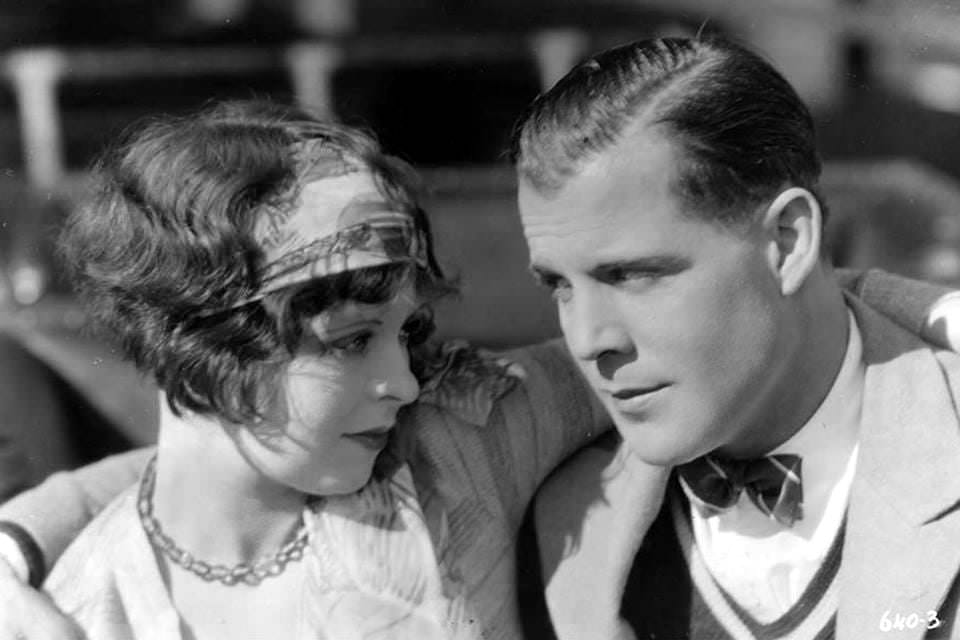
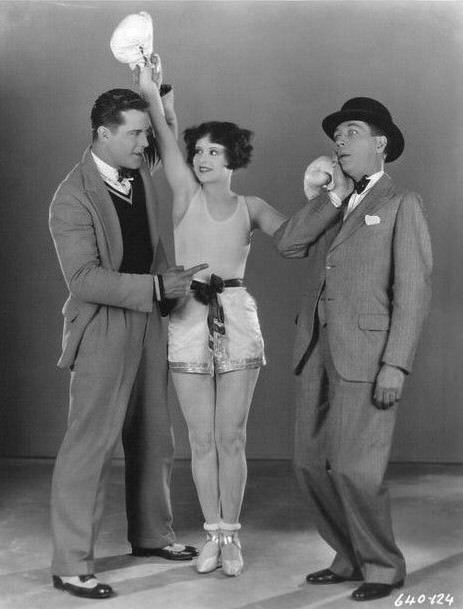
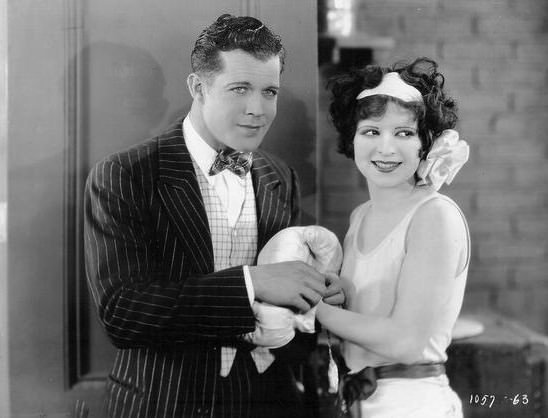
Rosie’s story takes shape around a love triangle. On one side stands Dynamite Denny, a down-to-earth boxer with a good heart, played by Reed Howes. On the other is Johnny Trovato, a wealthy and scheming fight promoter played by Arthur Hoyt. Both men want Rosie’s attention, and neither makes it easy for her to choose.
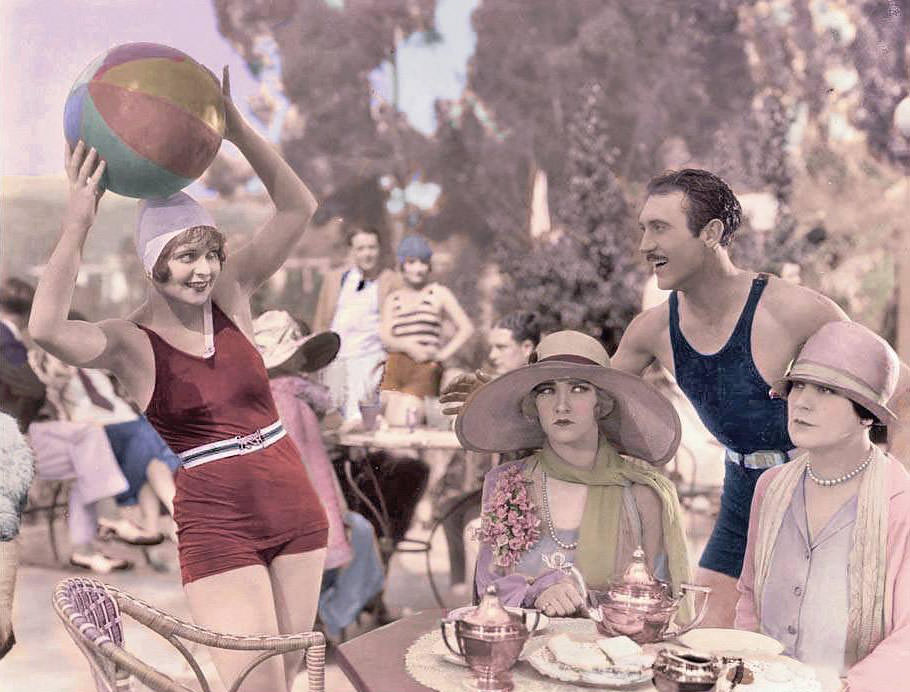
The chemistry between Bow and Howes is one of the film’s strongest assets. Howes brings a quiet sincerity to Dynamite Denny that works well against Bow’s fiery presence. Their scenes together feel natural, which was no small feat in an era when actors had only physical expression and intertitles to tell a story.
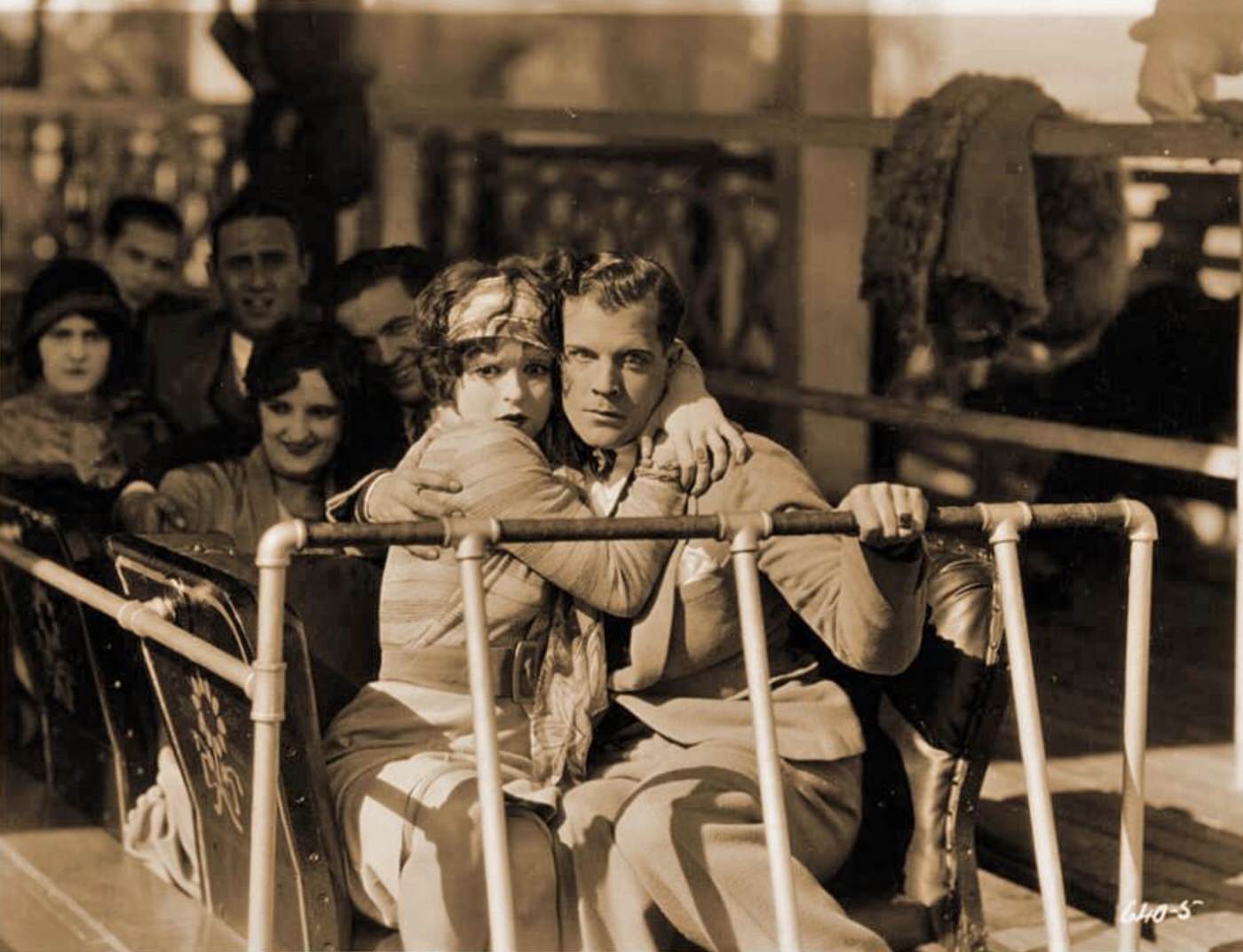
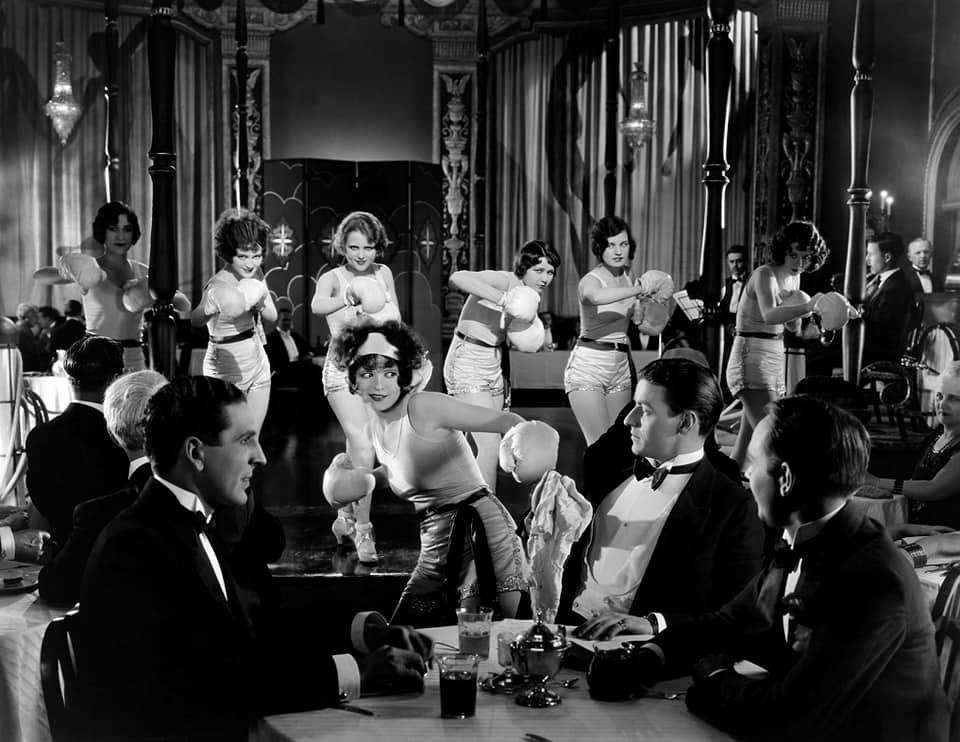
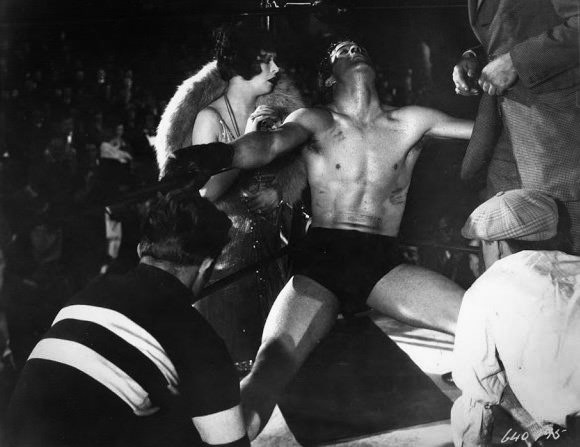
The film moves between the lively café setting and the tension of boxing matches, keeping the pacing sharp throughout. Witty intertitles — the text cards that replaced spoken dialogue in silent films — add punch to the comedy and keep the story moving with a light hand.
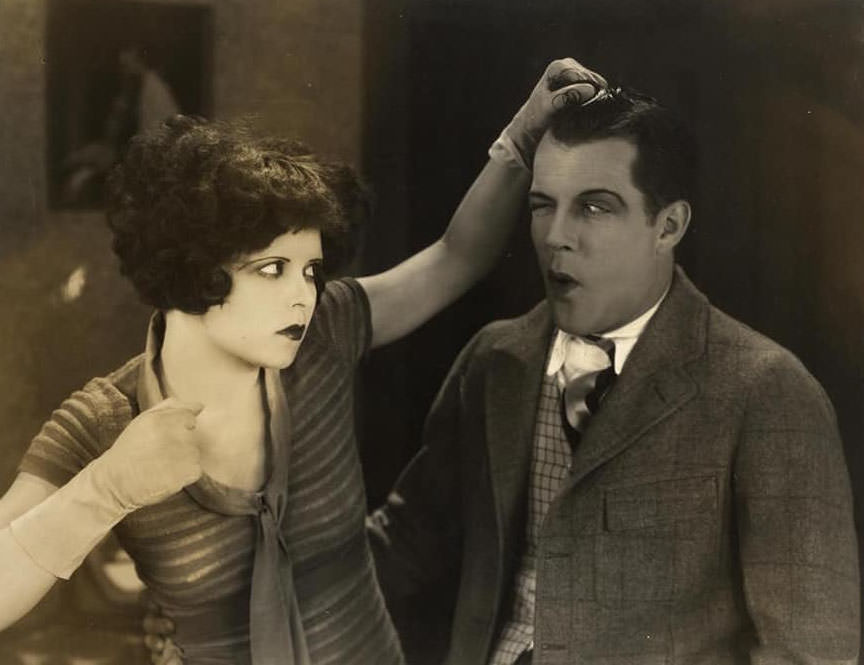
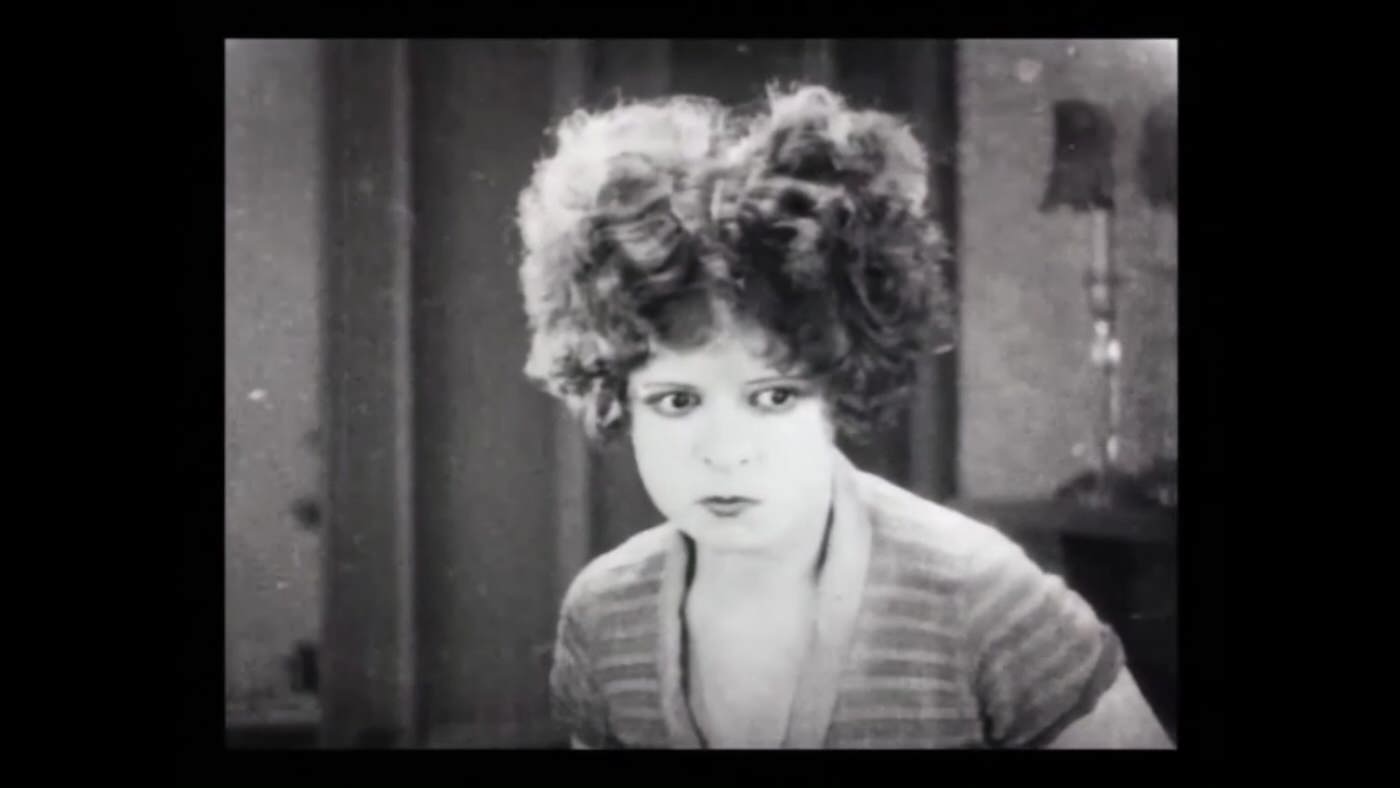
The cinematography is precise and well-composed, with framing choices that give each scene a clear visual focus. The camera work supports the action rather than distracting from it, a mark of a production team that understood the grammar of film.
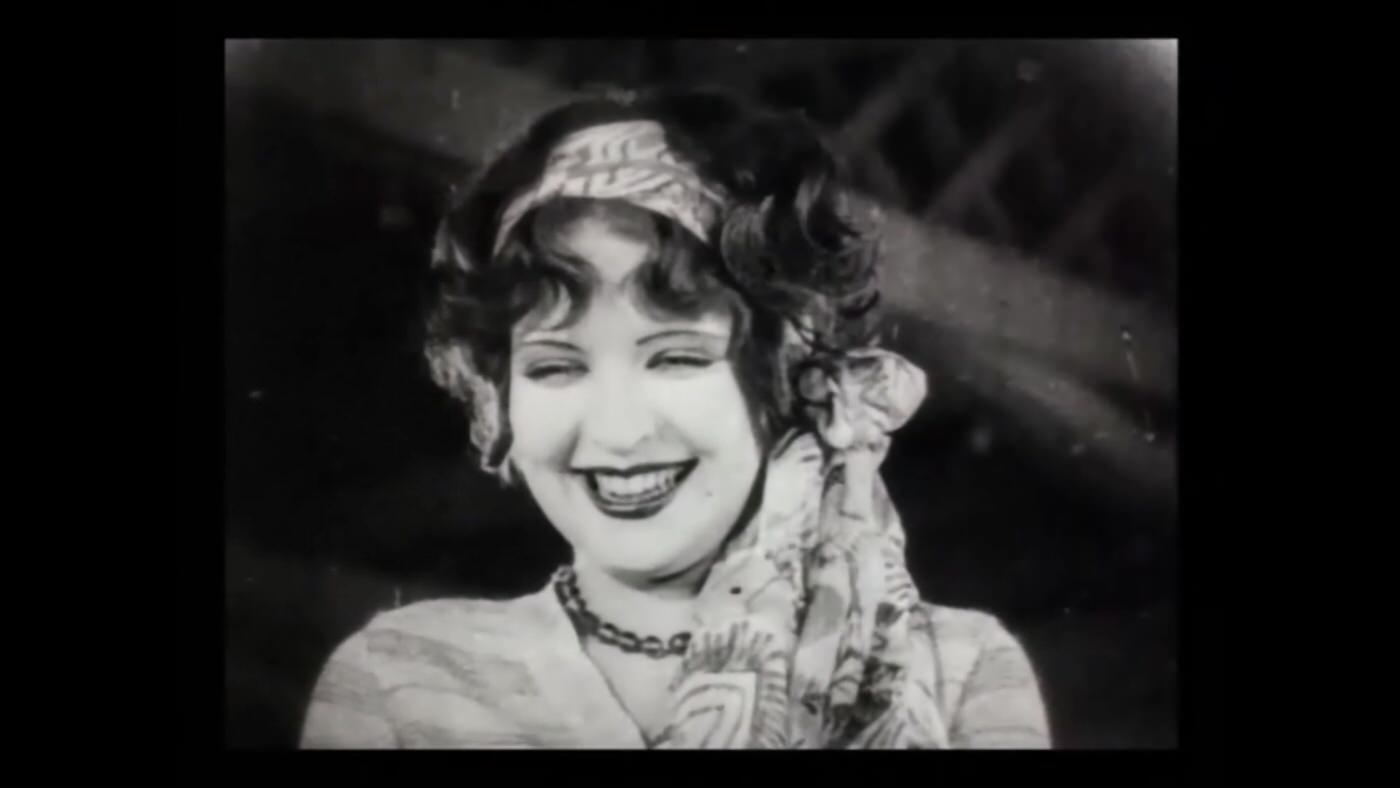
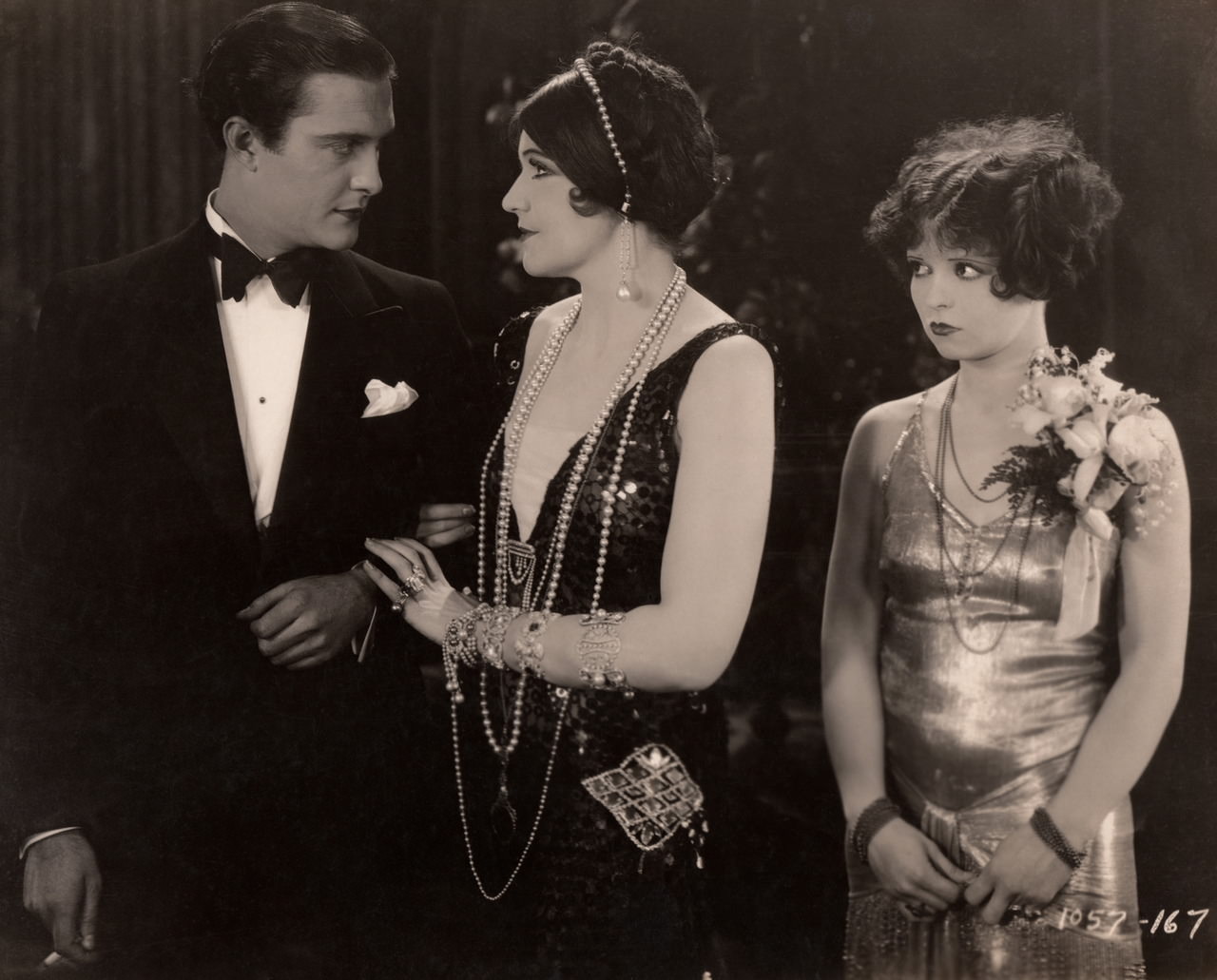
Clara Bow commands every frame she appears in. Her performance as Rosie is comedic but grounded — a woman who is tough out of necessity, not performance. That distinction is what makes the character feel real rather than cartoonish.
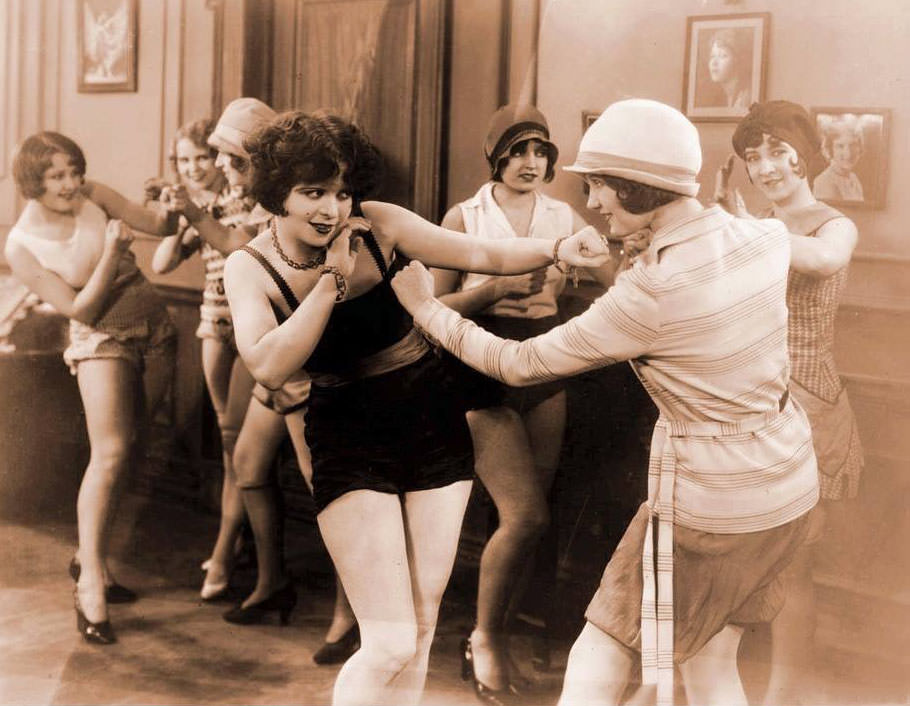
The supporting cast, including Douglas Gilmore, Doris Hill, and Arthur Housman, fills out the world around Rosie with enough color to make the café and boxing scenes feel lived-in and believable.
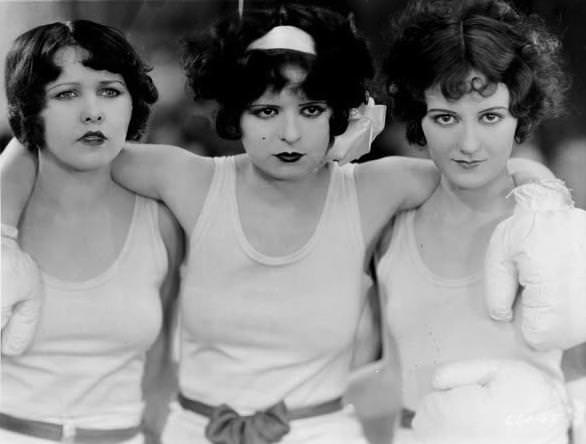
While countless silent films have been lost to time, Rough House Rosie has been preserved. That preservation means audiences today can still watch Clara Bow work in a film that put her considerable talent on full display during one of the busiest and most celebrated years of her career.