
Petoskey is a resort city on the shores of Lake Michigan in northern Michigan. It was settled in 1852 and named after Ottawa Indian Chief Pe-to-se-ga. The city’s location along the lake made it a natural hub for the lumber industry in its earliest years, with timber being its economic backbone.
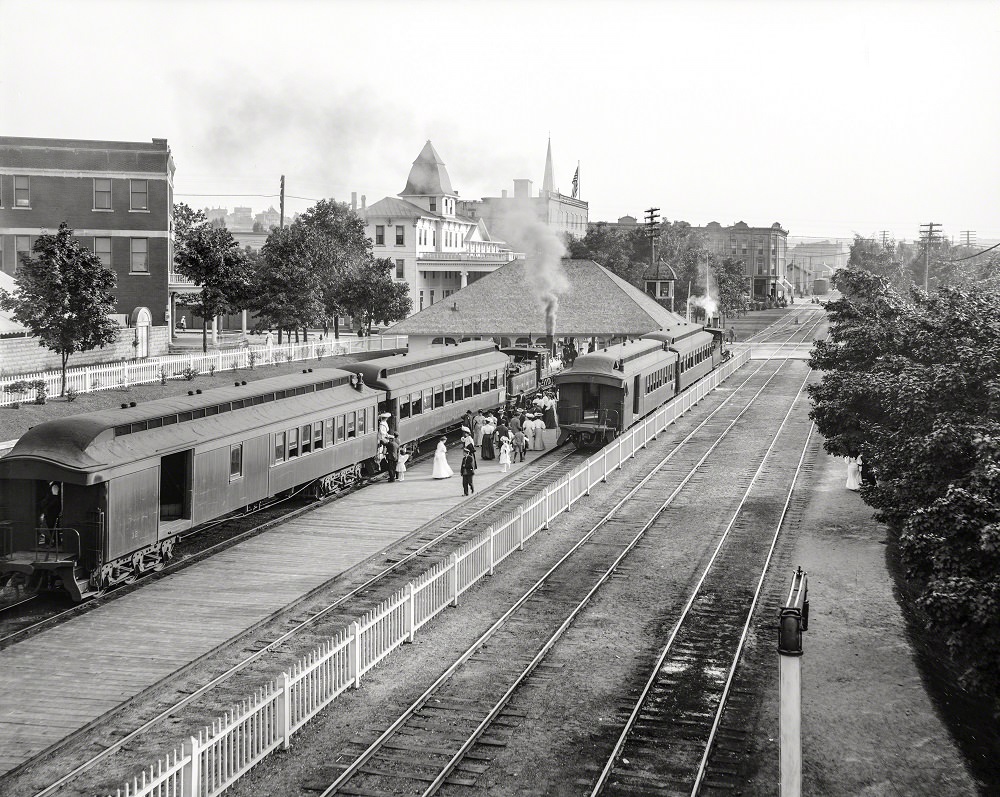
By the early 20th century, Petoskey’s economy had shifted away from lumber toward tourism and small-scale manufacturing, including plastics, wood products, and auto parts. Rail connections played a major role in that shift, bringing visitors from across the region into the city’s growing resort scene. The suburban station was one of the key gateways into town.
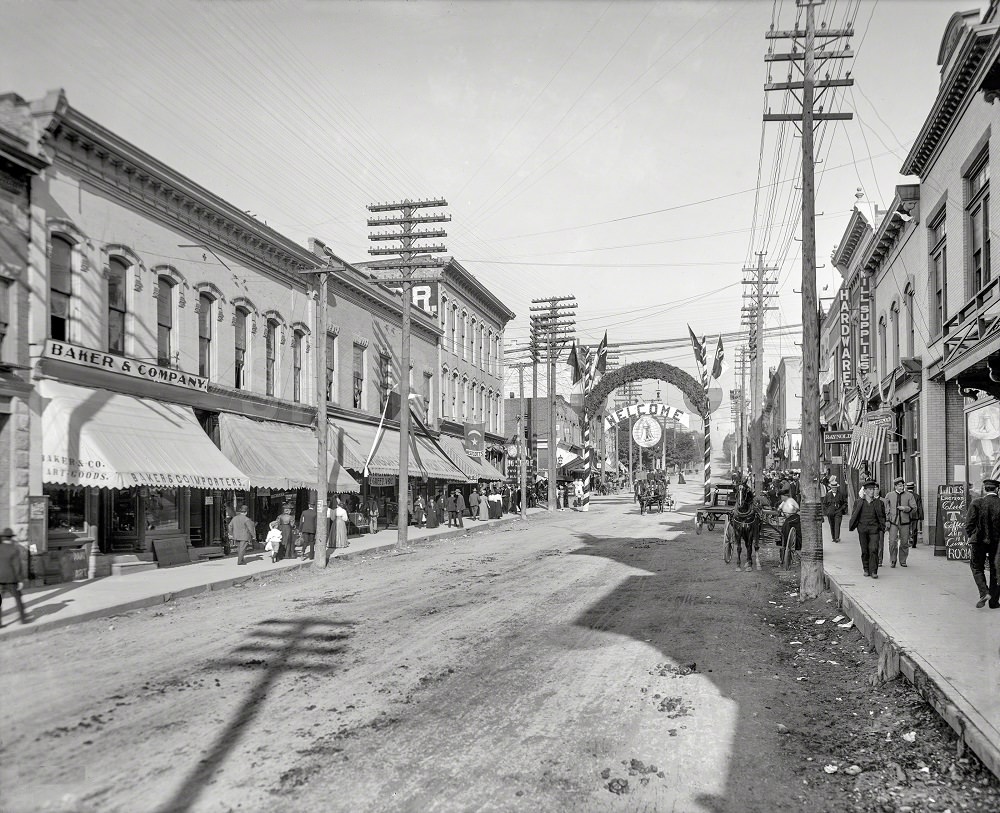
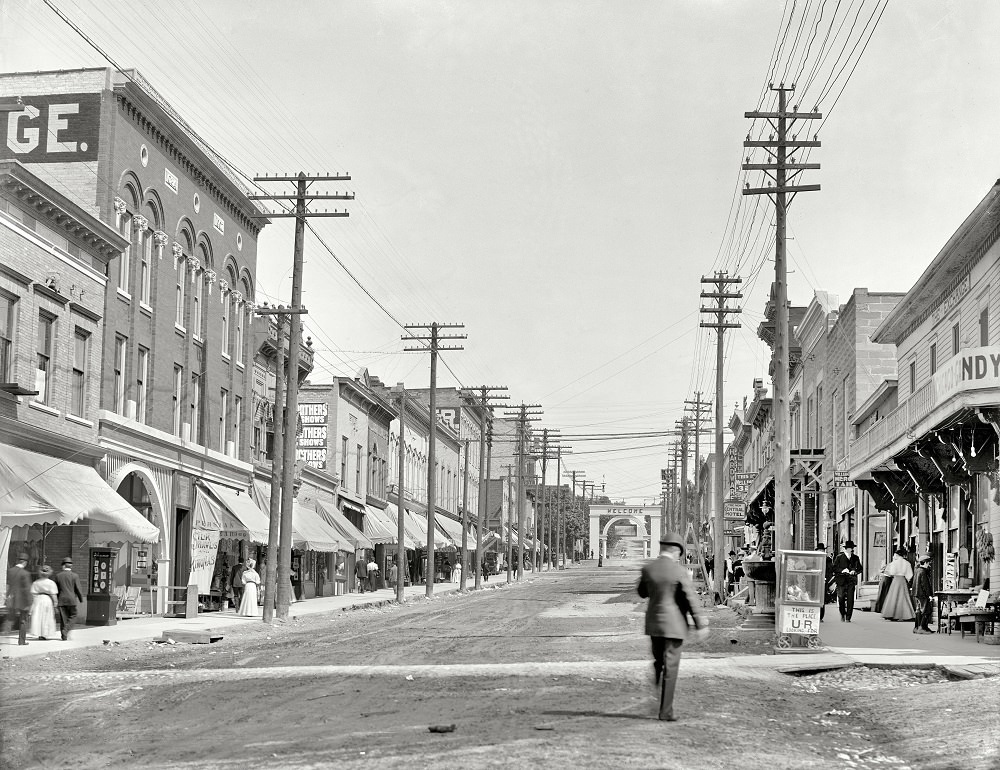
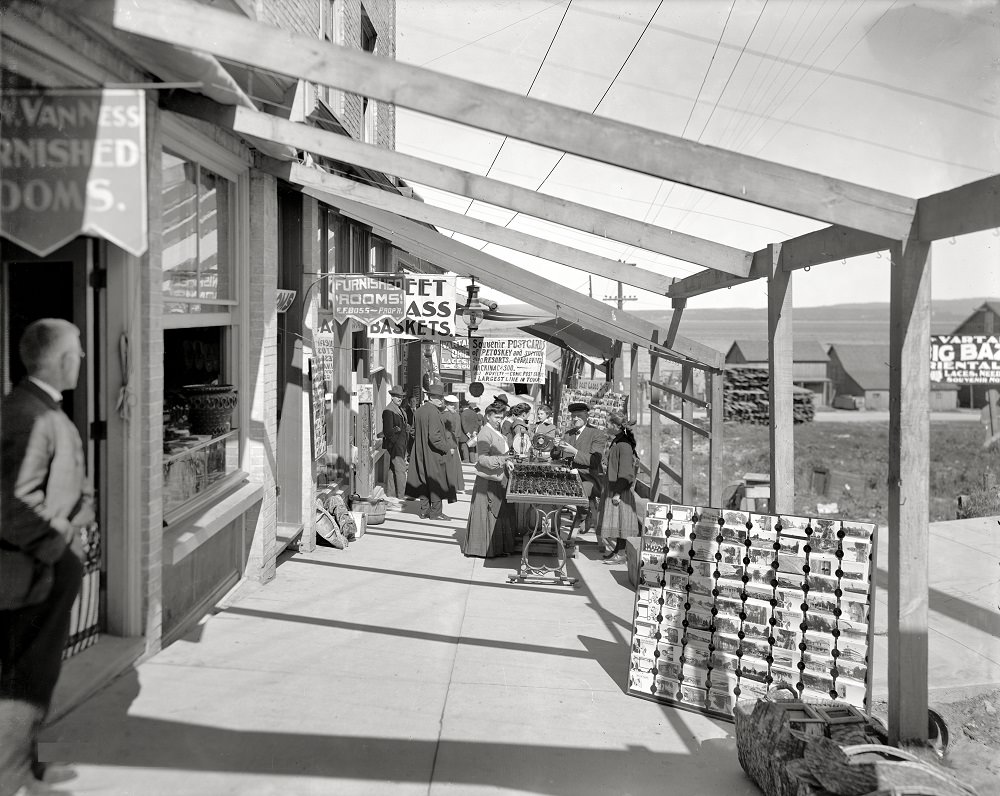
Lake Street was the commercial and social center of Petoskey during this era. Lined with storefronts and busy with foot traffic, it reflected the city’s growing prosperity as a tourist destination in the early 1900s.
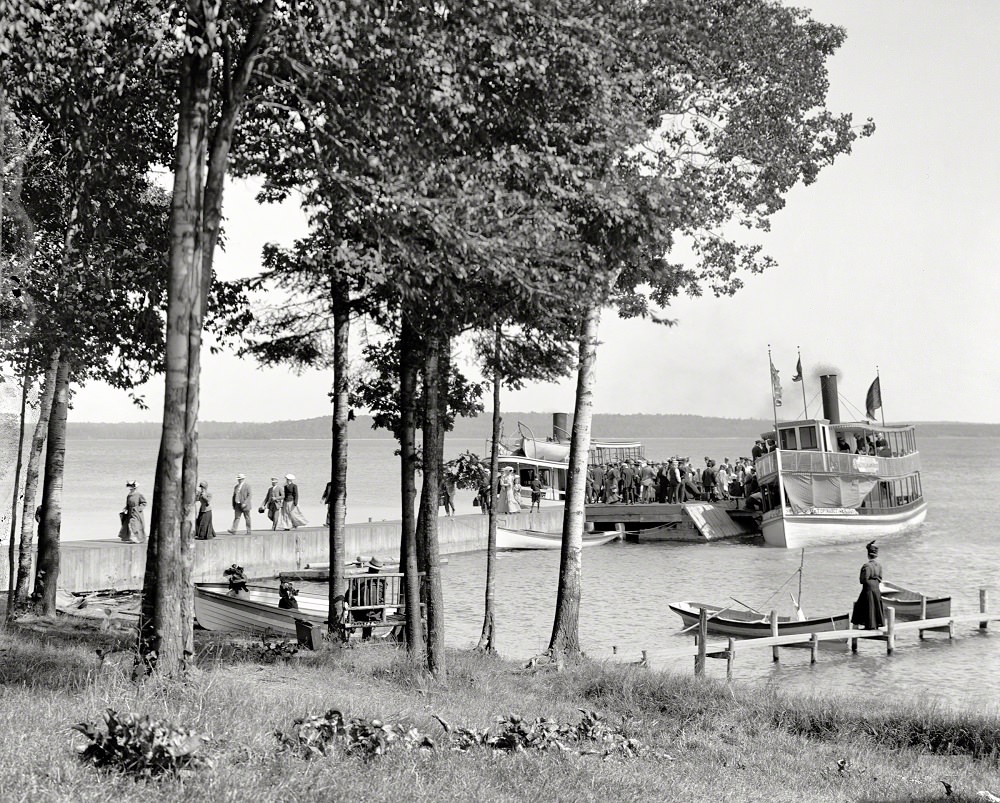
Petoskey’s connections to surrounding towns were also important to its growth. Hamill’s Inland Route linked Cheboygan and Petoskey through waterways, with landings like Topinabee serving as stops along the way. These routes made travel through northern Michigan accessible before roads were well developed.
Lake Street continued to be the heartbeat of the city several years into the new century. Comparing views from 1905 and 1908 reveals how quickly the street developed, with more permanent structures and increased commercial activity visible in just a few short years.
The suburban station remained a critical piece of Petoskey’s infrastructure well into the decade. It served both residents and the steady flow of tourists arriving to enjoy the city’s lakeside atmosphere and natural surroundings.
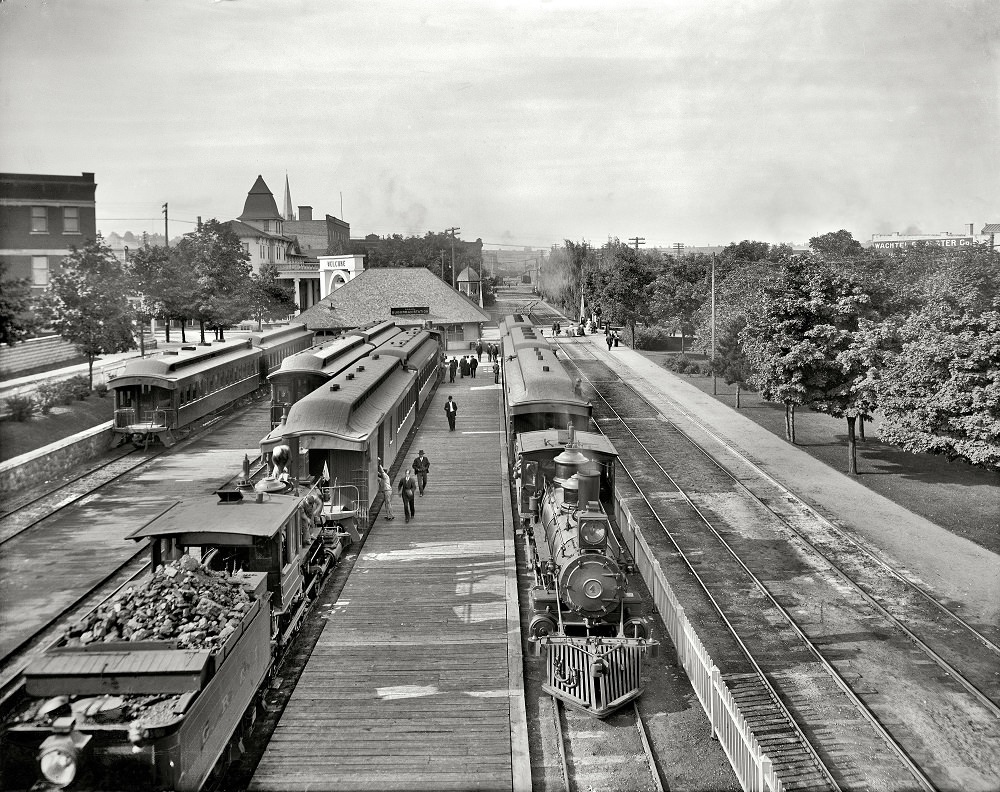
While tourism was rising, industrial activity was still part of the Petoskey landscape in 1908. Paper mills operated in and around the city, representing the transition period between the old lumber economy and the lighter manufacturing industries that would follow.
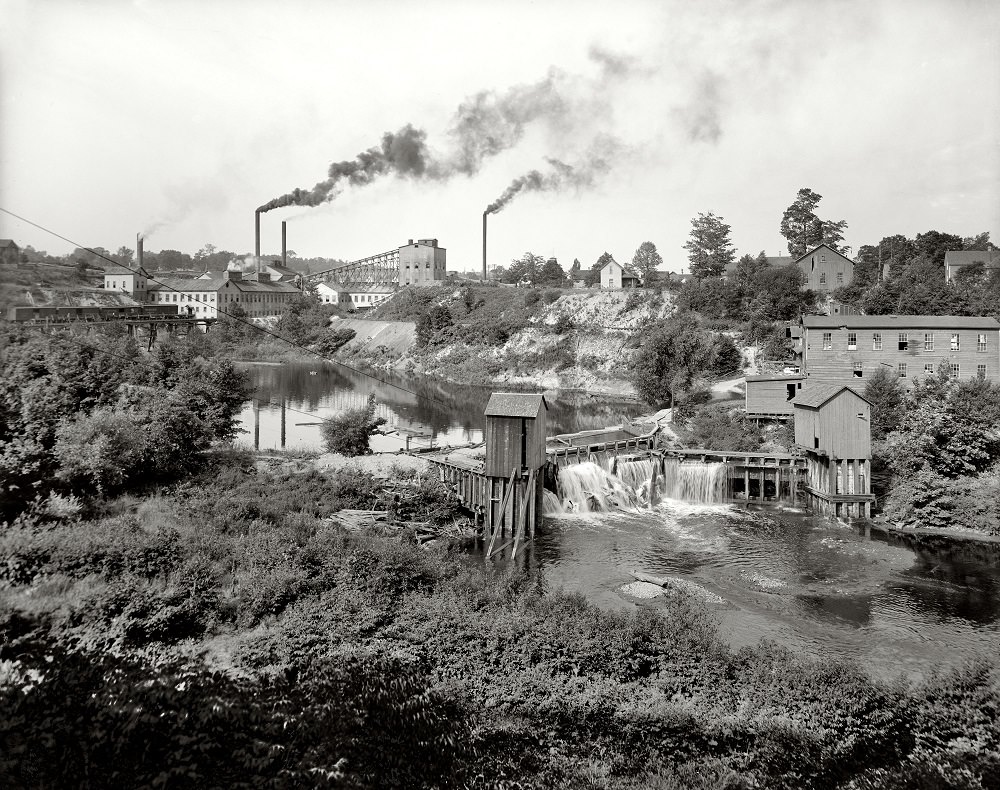
The Grand Rapids and Indiana Railroad station was one of the most important structures in Petoskey’s early development. The rail line connected the city directly to southern Michigan markets and tourist populations, making it a lifeline for commerce and travel around the turn of the century.
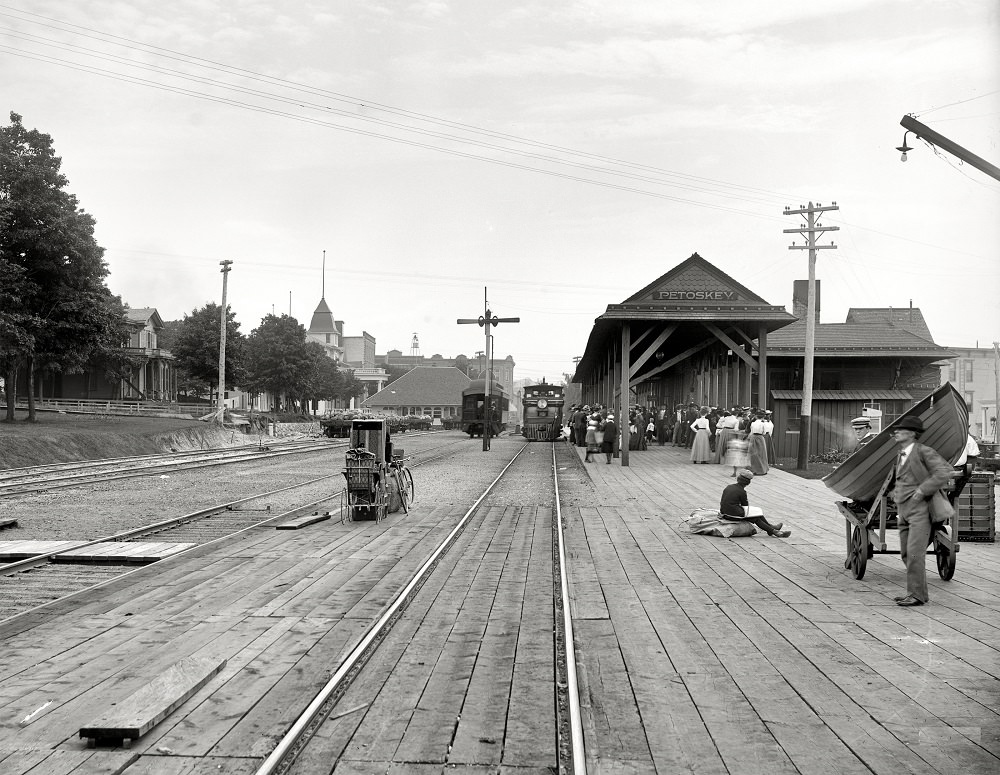
Petoskey also had a dark chapter in its history tied to the passenger pigeon. In the late 19th century, the city was a major site for large-scale pigeon hunts. Over fifty thousand birds were killed in massive hunting events. These hunts contributed directly to the complete extinction of the passenger pigeon in the 20th century. Another point of note is the Petoskey stone — a fossilized ancient coral found in high concentrations in the area. Named after Odawa Chief Ignatius Petosega, these stones were designated as the official state stone of Michigan.
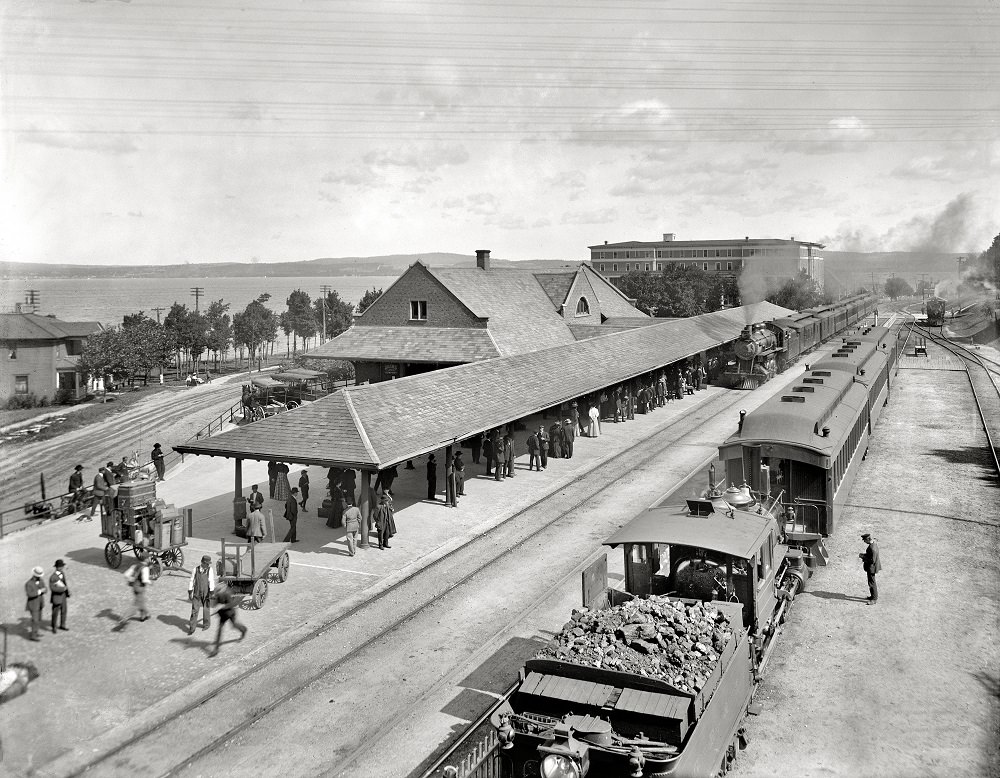
The midway area of Petoskey offered a glimpse into the leisure culture taking hold in the city during the early 1900s. As tourism grew, so did the spaces designed to entertain and accommodate visitors drawn to northern Michigan’s natural beauty.
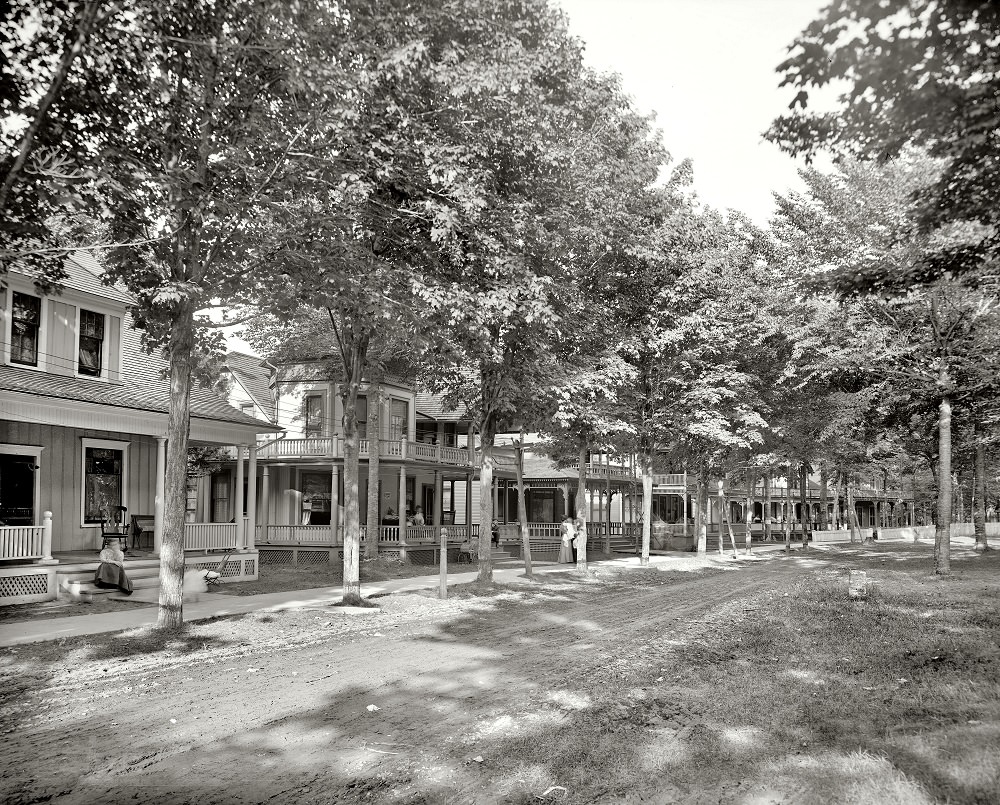
Just outside the city proper, the resort community of Bay View developed alongside Petoskey as a refined destination for summer visitors. Park Avenue stood at the center of this community, lined with Victorian cottages and reflecting the genteel resort culture that defined northern Michigan at the time.





It’s crazy to see pictures like this from so long ago. I am especially fond of things like Lake Street and such. Thank you for sharing!
Love these.
Cool photos… the intro can’t be taken seriously though. “Petoskey was famous for biding hunting in the late 19th century. Over fifty thousand bids were killed in massive hunts, which eventually led to complete extinction in the 20th century.” What? lol. I’m assuming that is supposed to be “birds”?
Very cool pics! Thank you for sharing. Always crazy to see how much the Bear River has changed back after being such an industrial river for so long.
That paper mill photo doesn’t look like Petoskey at all, crazy.