The 1960s were a golden era for American automobiles. A brand-new car cost around $2,752, and filling the tank set you back just 31 cents a gallon. Cars weren’t simply a way to get from point A to point B — they were a statement. The decade gave birth to the muscle car, the pony car, and a wave of bold designs that still turn heads today. These vintage photos capture real people with their prized rides, frozen in a moment when the open road felt full of promise.
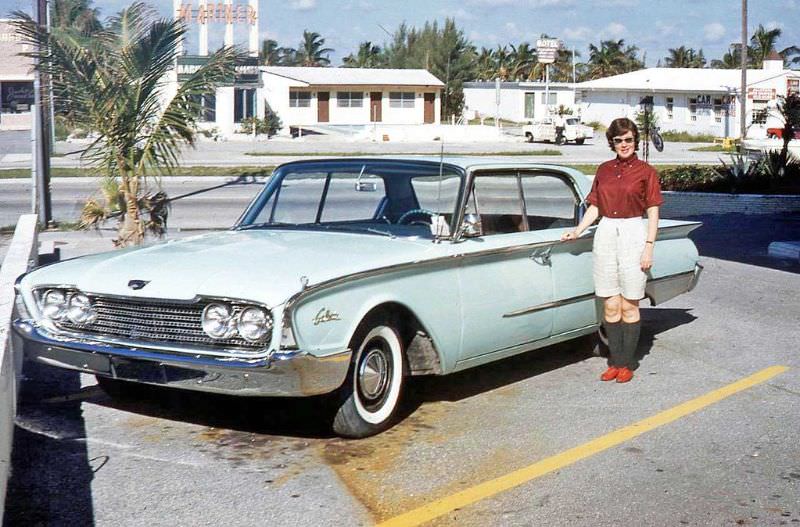
At the start of the decade, three giants ruled American roads: General Motors, Ford-Chrysler, and American Motors. Together, they built 93 percent of every car sold in the United States in 1960. Their reach extended far beyond domestic borders too — American manufacturers produced 48 percent of the world’s automobiles that same year. That kind of dominance shaped what people drove, what they dreamed about, and what they parked proudly in their driveways.
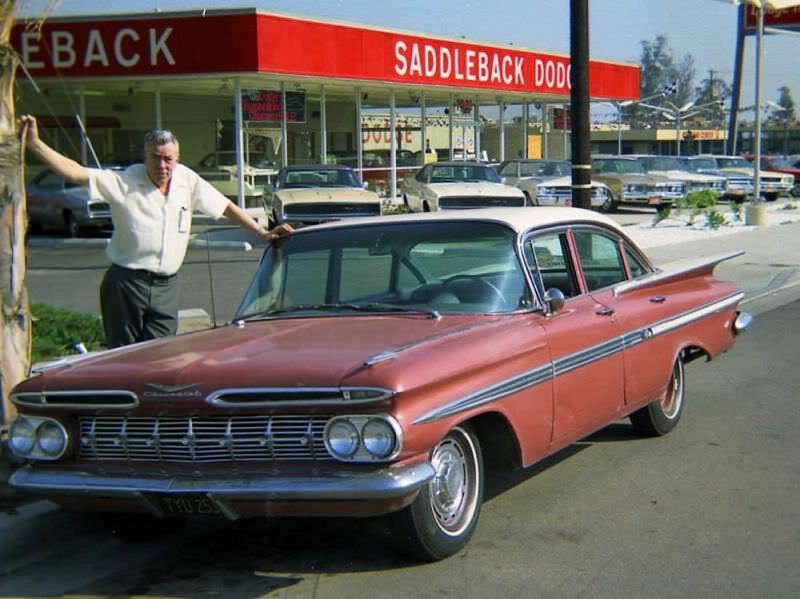
The Chevrolet Impala was one of the decade’s most beloved nameplates. It appeared in multiple body styles — sedans, coupes, wagons, and convertibles — and showed up in driveways across the country. Whether dressed up for a Sunday drive or loaded with kids for a family road trip, the Impala was as versatile as it was stylish.
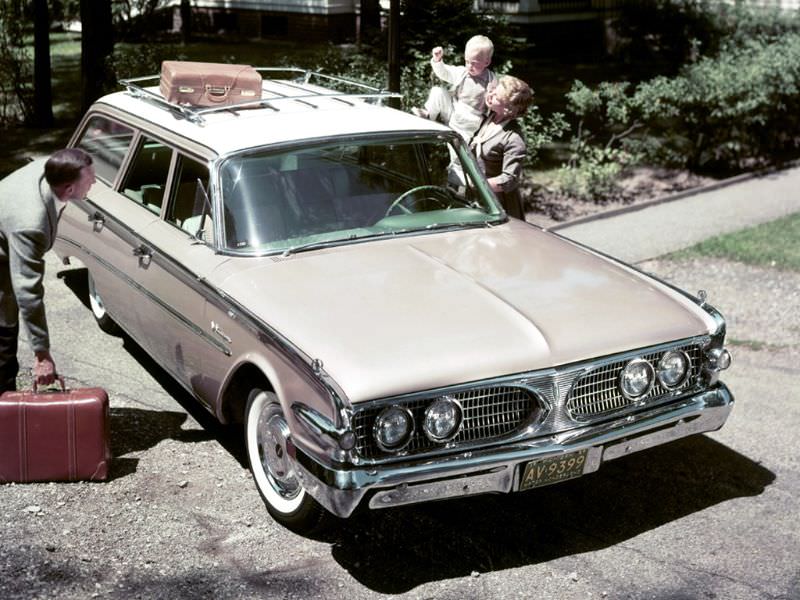
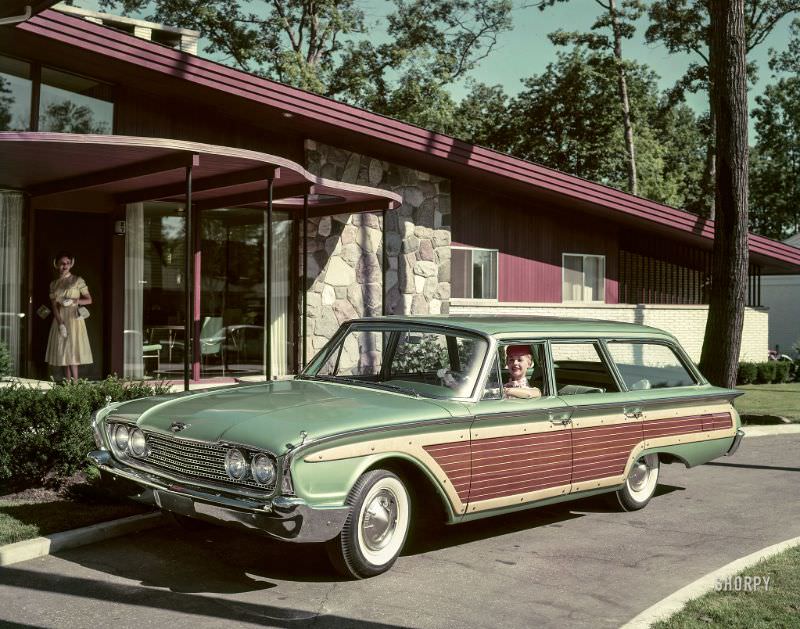
Station wagons were a practical staple of 1960s family life. Models like the Ford Country Squire came with faux wood paneling along the sides — a design choice that became iconic for the era. These long-bodied haulers could swallow luggage, groceries, and a full row of kids without breaking a sweat.
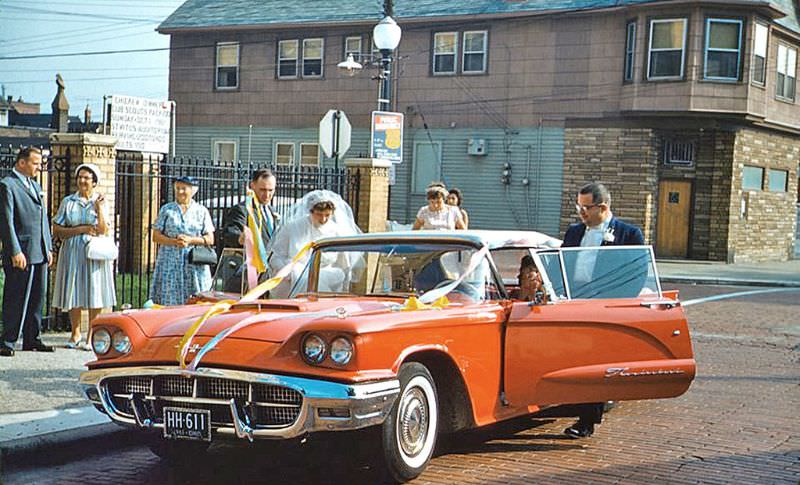
Not every car of the decade was built for hauling cargo. The Ford Thunderbird Convertible was pure glamour on wheels. By 1960, the Thunderbird had evolved into a four-seat personal luxury car, trading its earlier two-seat sportiness for a roomier, more refined experience. It remained one of Ford’s most stylish offerings throughout the decade.
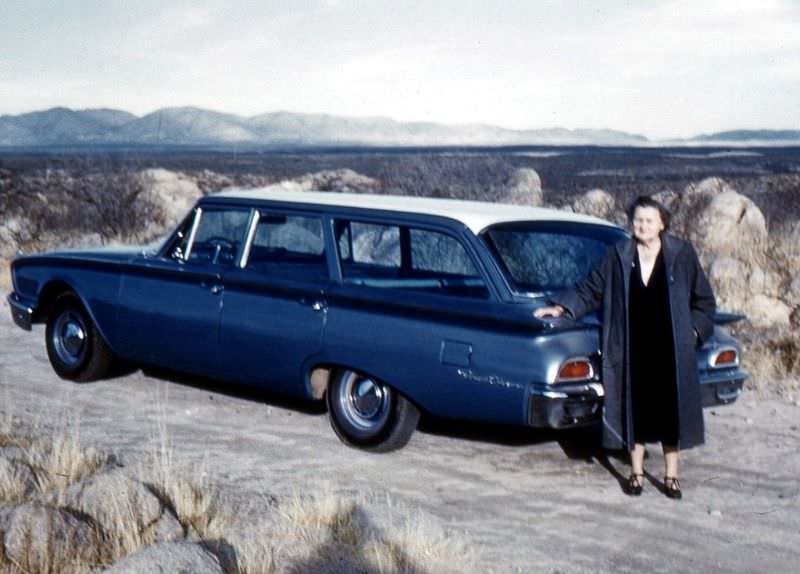
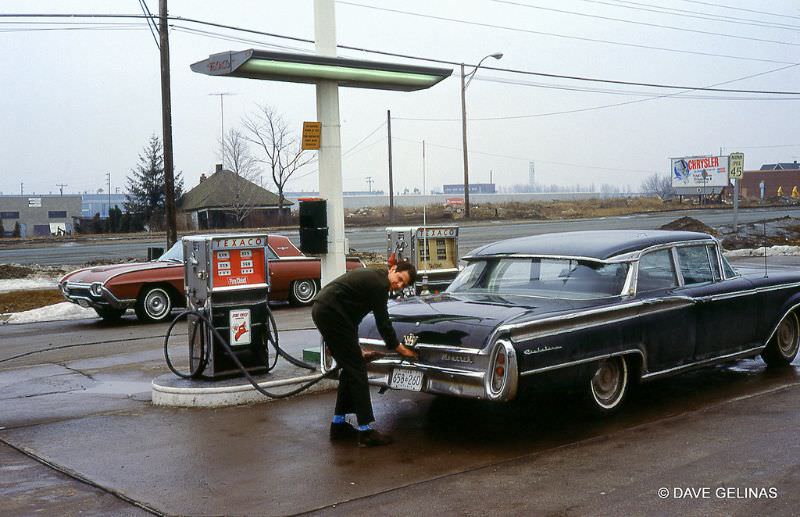
Ford’s Mercury division catered to buyers who wanted something a step above the standard Ford lineup without jumping all the way to Lincoln. The Mercury Monarch Richelieu was a fine example — upscale trim, a long hood, and the kind of chrome detailing that defined the era’s aesthetic sensibilities.
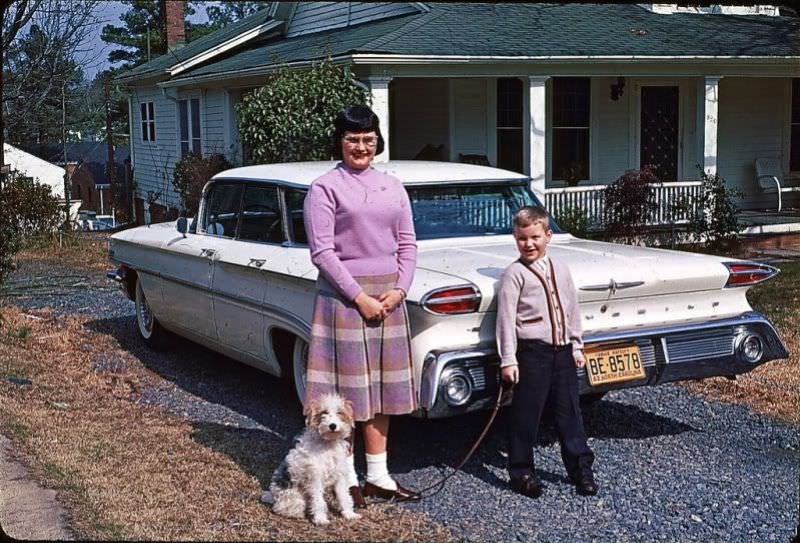
General Motors kept its lineup wide and varied throughout the 1960s. The Oldsmobile 98 sat near the top of GM’s hierarchy — a full-size, chrome-laden luxury car that competed directly with Chrysler’s best offerings. Its hardtop body style, with no B-pillar between the front and rear windows, gave it an airy, open look that was very much in vogue.
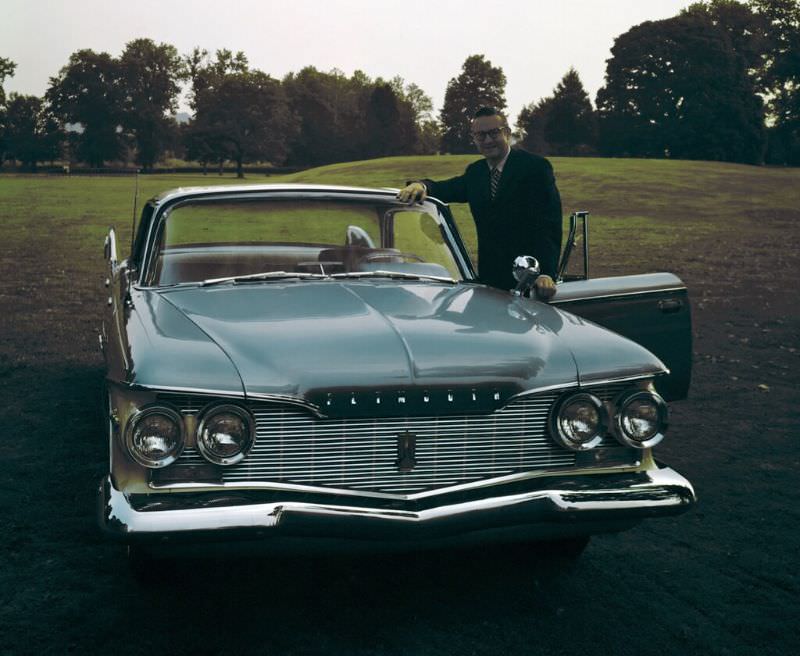
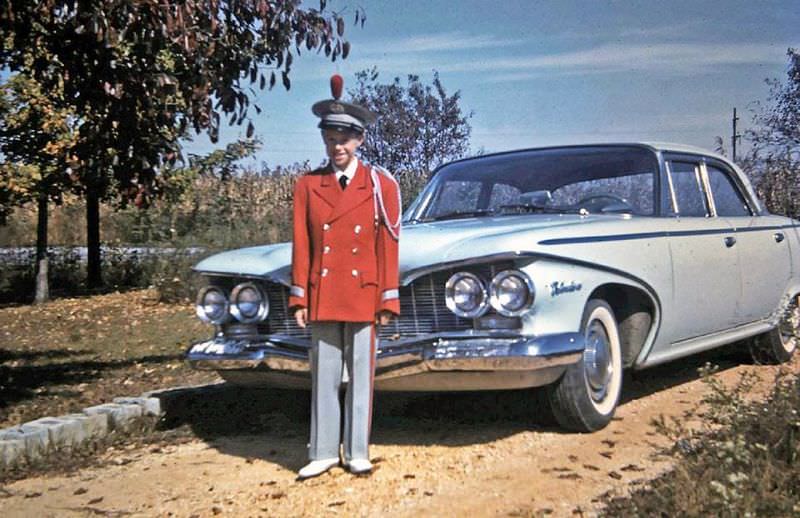
Plymouth was Chrysler’s volume brand, built to compete head-on with Chevrolet and Ford. The Belvedere was a mid-range model that offered clean lines and solid performance at an accessible price. Chrysler’s engineers were known for pushing technical boundaries, and Plymouth’s lineup reflected that ambition across every model year.
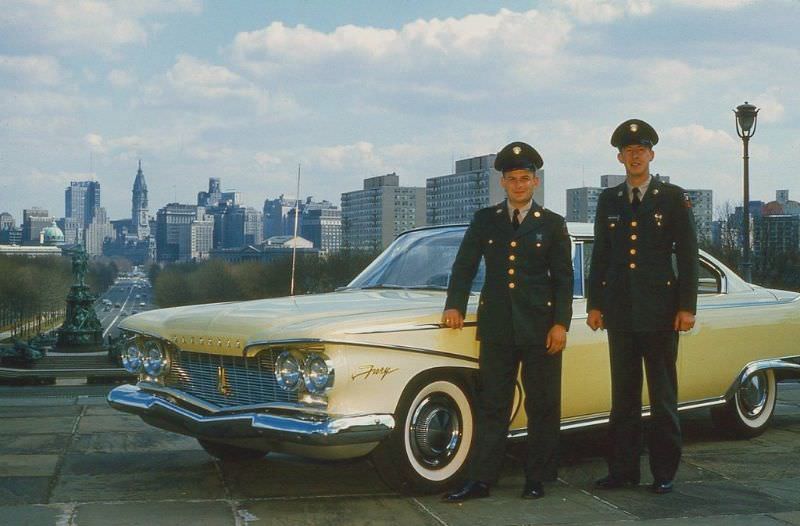
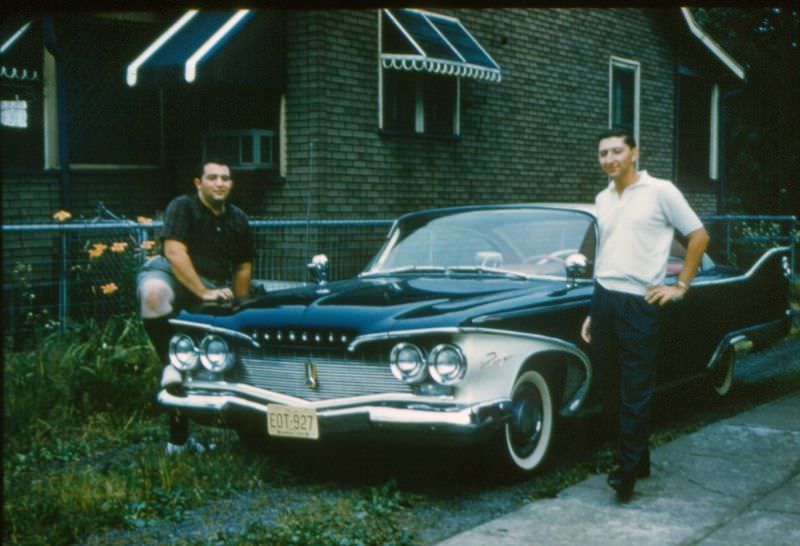
The Plymouth Fury stood as one of the more performance-oriented entries in Chrysler’s stable. With its wide stance and powerful engine options, the Fury attracted buyers who wanted something with a little more bite than the average family sedan. These two photos show different Fury owners — each clearly proud of what sat in their driveway.
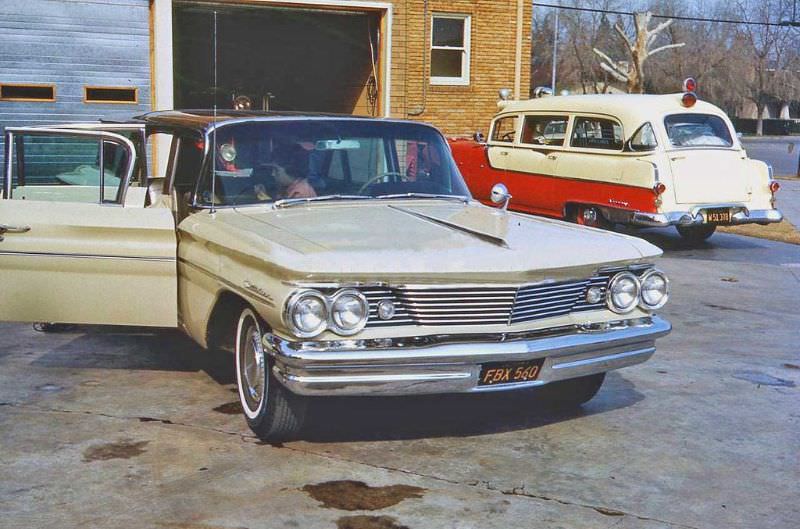
Pontiac brought a sportier edge to GM’s lineup. The Catalina Safari Wagon combined the practicality of a full-size station wagon with Pontiac’s signature wide-track stance and aggressive front-end styling. It was a machine built for families who refused to sacrifice style for space.
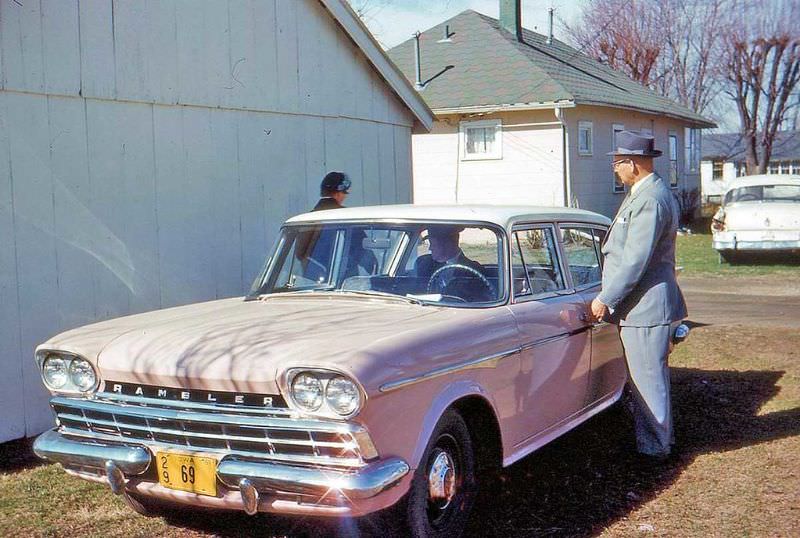
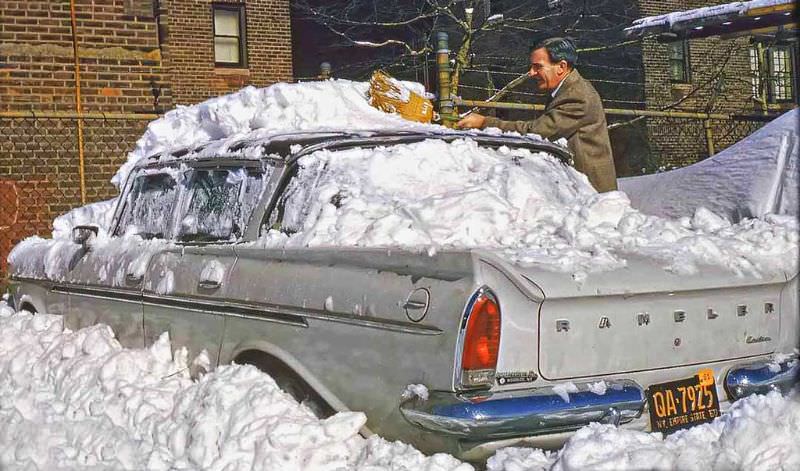
American Motors Corporation — the fourth player in the domestic market — carved out a niche with its Rambler brand. While the Big Three chased size and horsepower, AMC emphasized fuel economy and value. The Rambler Ambassador and Rambler Custom appealed to practical buyers who wanted reliable transportation without the flash. This same thinking positioned AMC well as foreign imports began creeping into American showrooms.
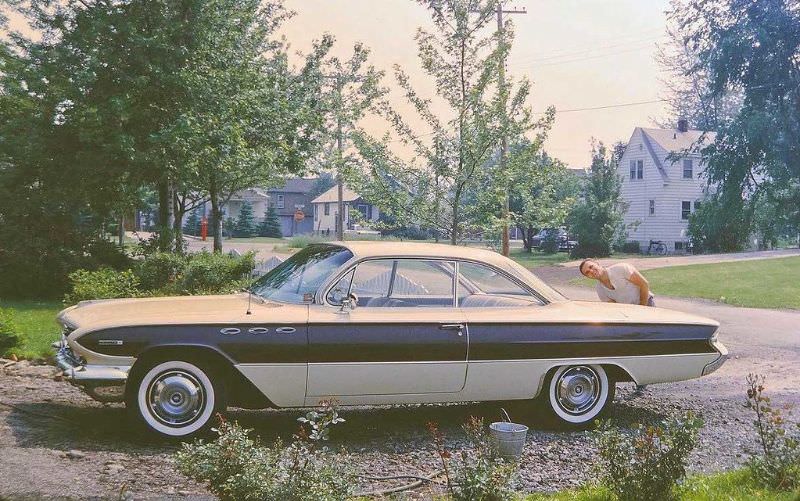
By 1961, Detroit’s designers were pushing even bolder shapes. The Buick Invicta Riviera featured sweeping lines and a low roofline that gave it a distinctly European flair. Buick aimed this model at buyers who wanted luxury with a more dynamic edge — and the Invicta delivered on both counts.
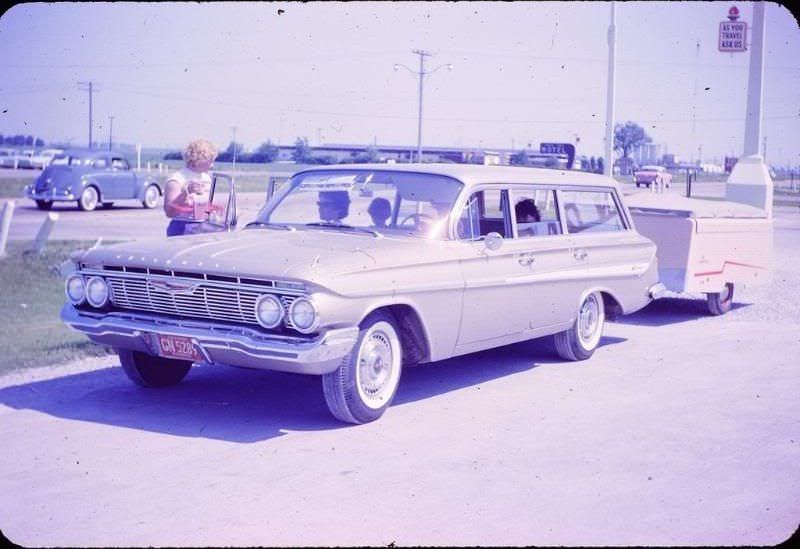
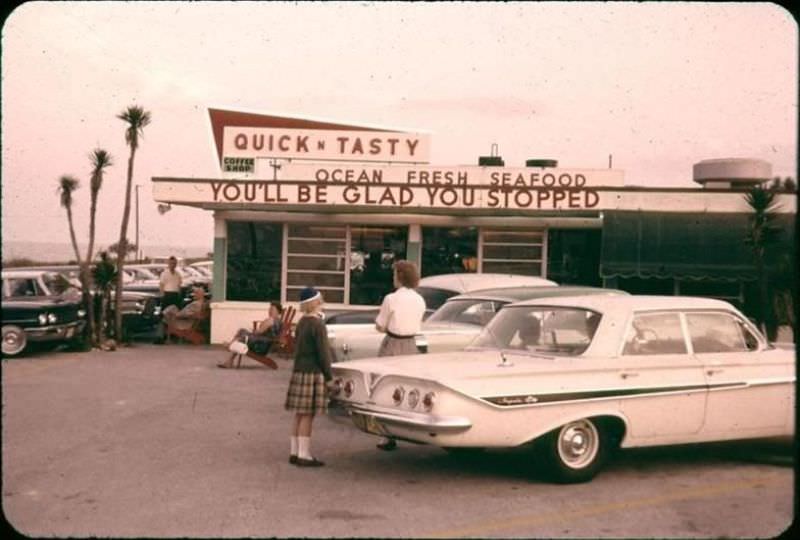
The Impala continued its run as one of America’s best-selling cars into 1961. Whether in wagon form for the family hauler crowd or as a sleek two-door for the style-conscious buyer, the Impala had something for nearly everyone. Chevrolet’s ability to offer the same nameplate across so many body styles was a key part of its commercial success.
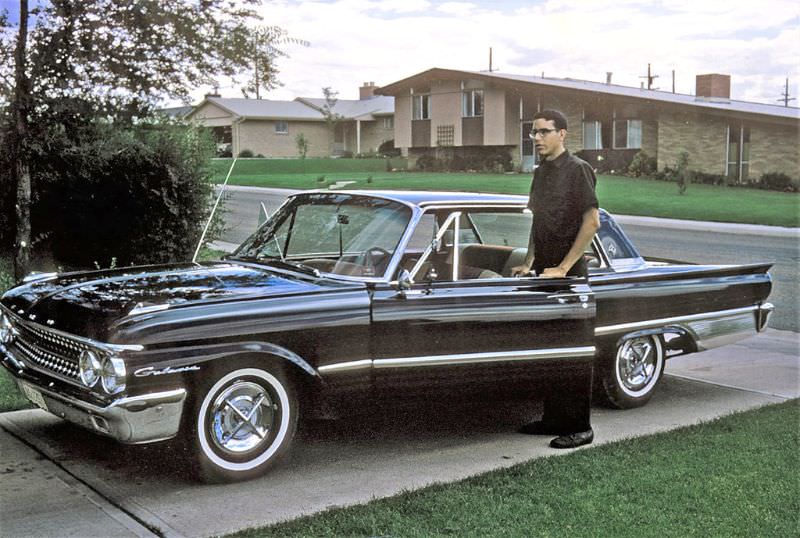
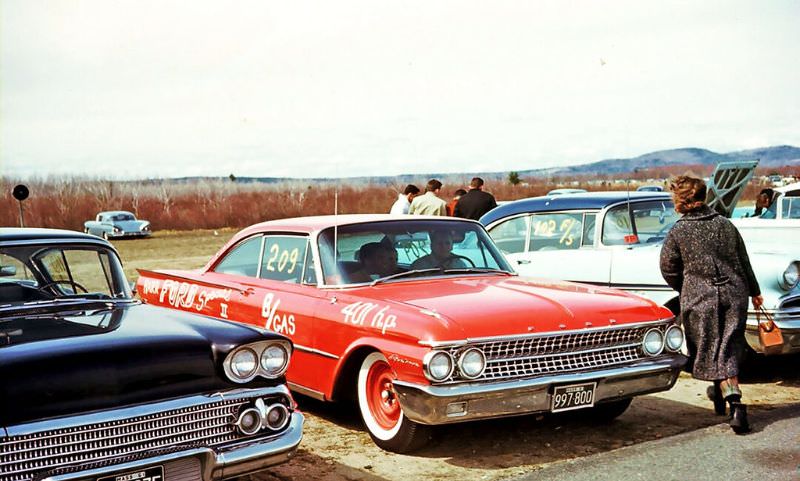
Ford’s full-size lineup in 1961 included both the Galaxie and the sleeker Starliner fastback. The Starliner’s roofline was designed with aerodynamics in mind — Ford raced these cars on NASCAR’s high-banked superspeedways, and the sloped rear window gave it a measurable speed advantage. What worked on the track translated directly to showroom appeal.
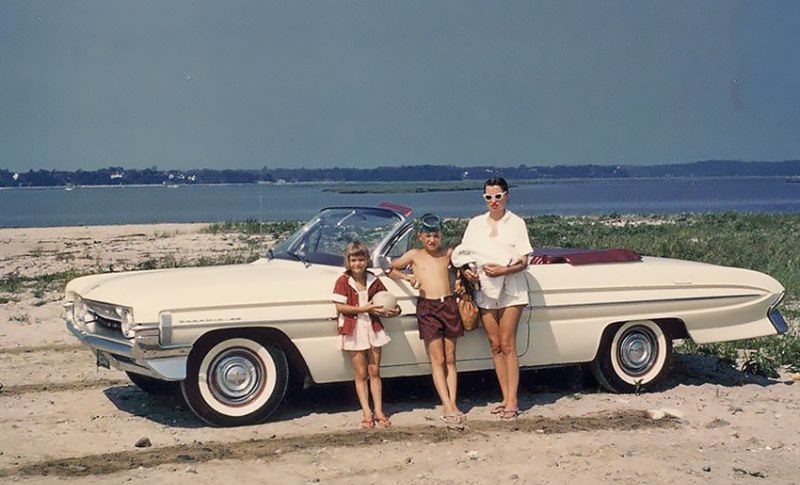
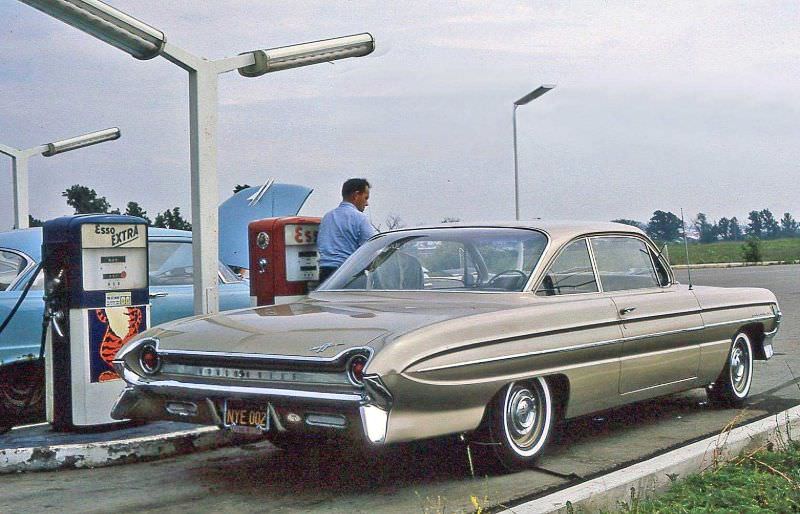
Oldsmobile’s 88 series was one of the brand’s longest-running and most recognizable nameplates. The Dynamic 88 Convertible brought open-air driving to a broad audience, while the Super 88 Coupe offered a slightly more upscale experience with a fixed roof. Both shared the same basic platform and Rocket V8 engine family that had made the 88 famous since the late 1940s.
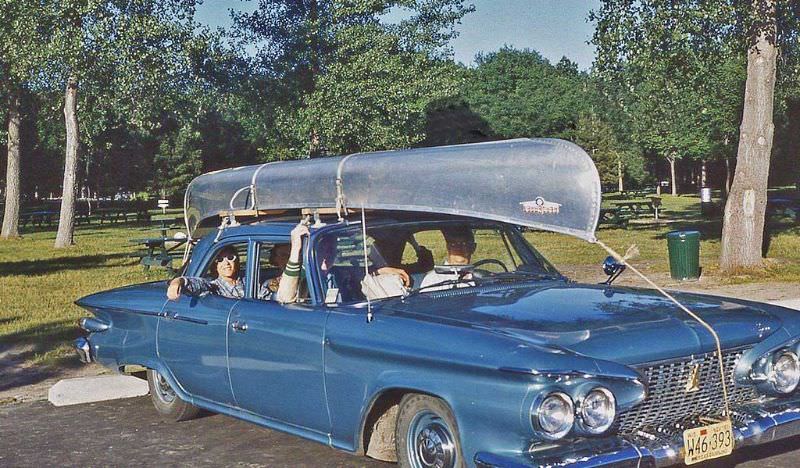
The Plymouth Savoy was the entry-level car in Plymouth’s full-size lineup. No-frills in trim but solid in construction, it targeted buyers who needed a dependable, spacious car at the lowest possible price point. Fleet buyers — police departments, taxi companies, and government agencies — often chose the Savoy for exactly those reasons.
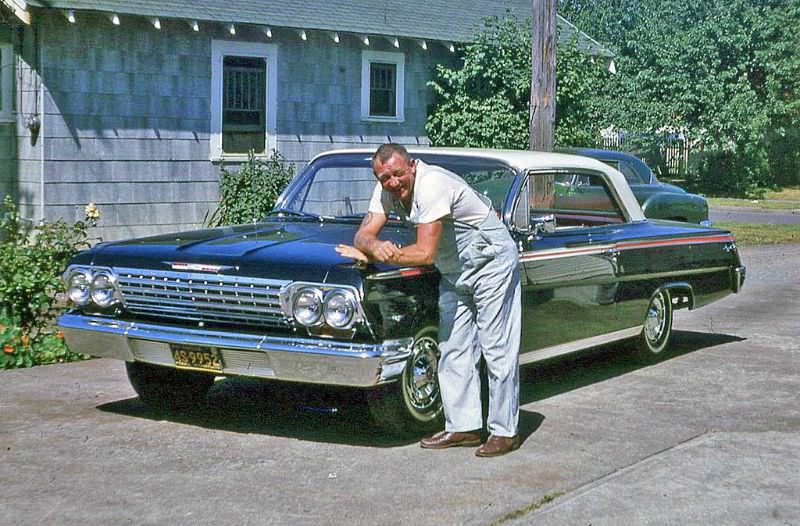
The Super Sport package arrived as a factory option on the 1962 Impala, and it signaled a shift in how American automakers thought about performance. The SS badge meant bucket seats, a center console, and access to the most powerful engine options Chevrolet offered. It was the beginning of a performance culture that would define the rest of the decade.
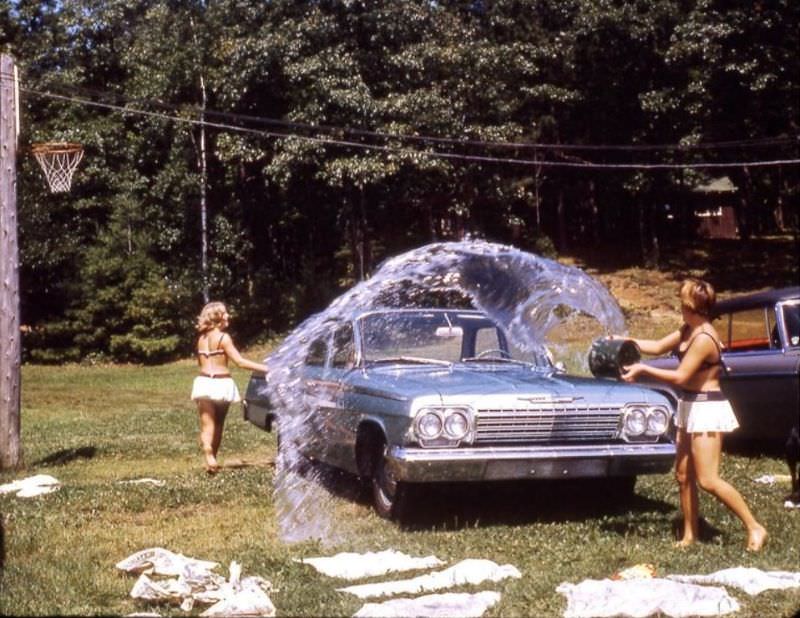
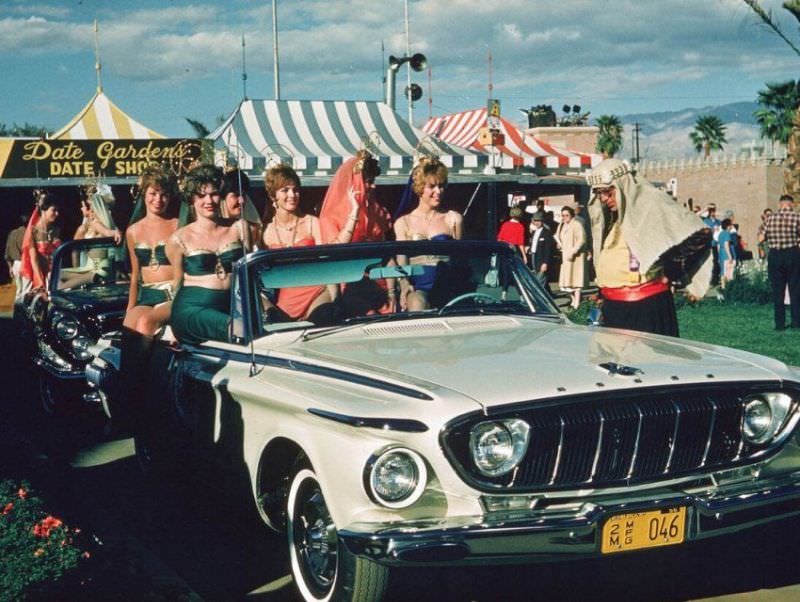
Chrysler’s Dodge division offered its own answer to the performance-hungry market with a range of convertibles and high-output V8 engines. The 1962 Dodge lineup featured some of the most powerful engines available in any American car at the time. Dropping the top and putting that power to the pavement was the preferred way to spend a summer afternoon.
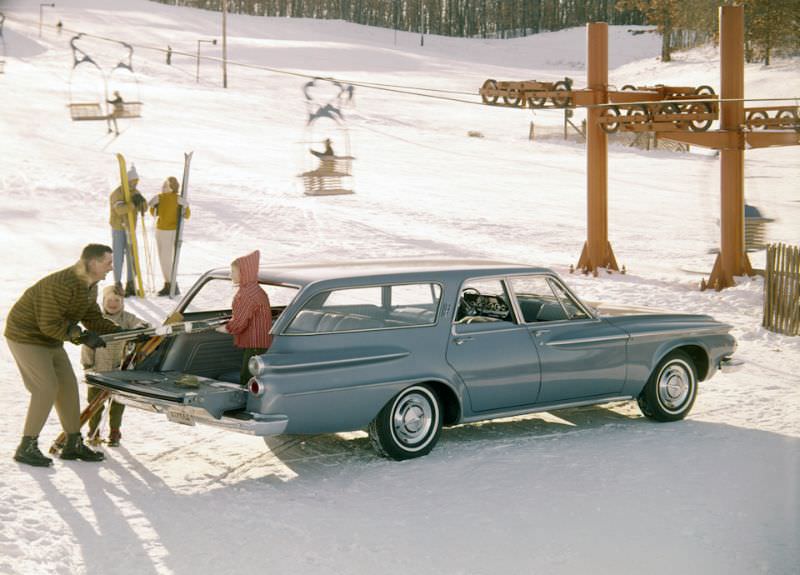
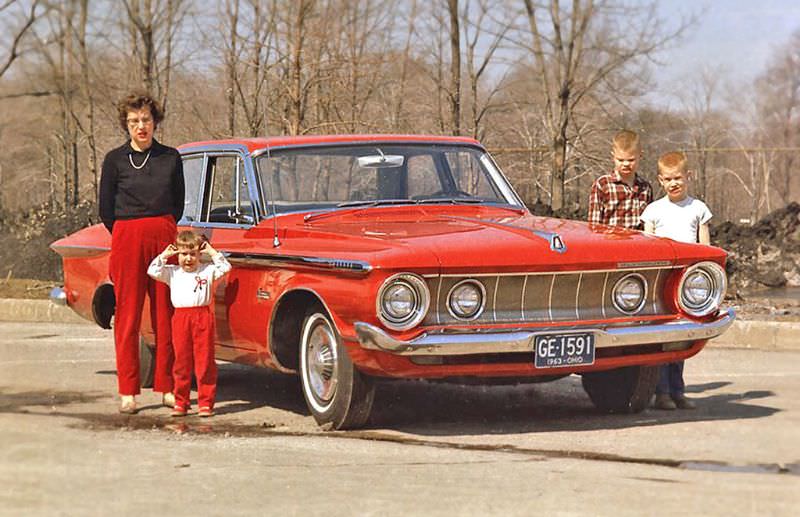
While sports cars and convertibles grabbed the headlines, the everyday workhorses of the 1960s were four-door sedans and station wagons. The Dodge Dart 440 wagon and Plymouth Fury sedan served millions of American families through school runs, grocery hauls, and cross-country vacations. These were the cars that made the decade move.
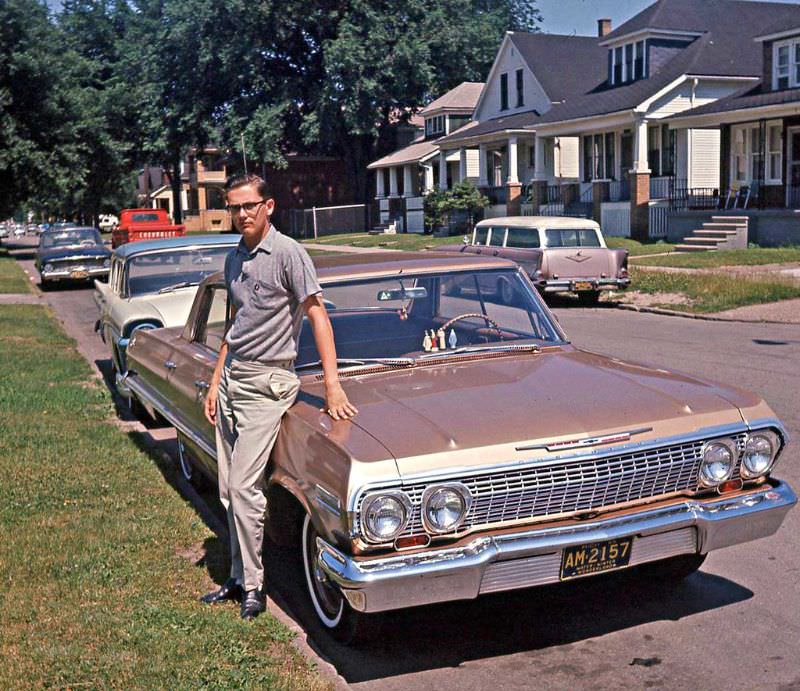
By 1963, the Impala had become the best-selling car in America. The four-door hardtop body style — pillarless, with glass that rolled all the way down — was one of the most sought-after configurations. It offered the openness of a convertible without giving up a fixed roof. Chevrolet sold over a million Impalas that model year alone.
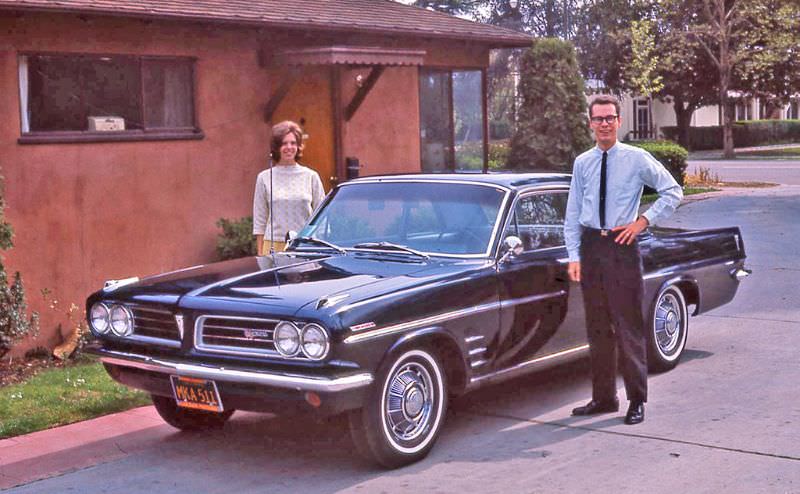
The Pontiac LeMans started life as a trim level within the Tempest lineup but quickly grew into its own identity. Named after the famous French endurance race, it appealed to younger buyers who wanted sporty styling without the full muscle car price tag. The LeMans nameplate would later play a key role in the birth of the GTO — widely considered the first true American muscle car.
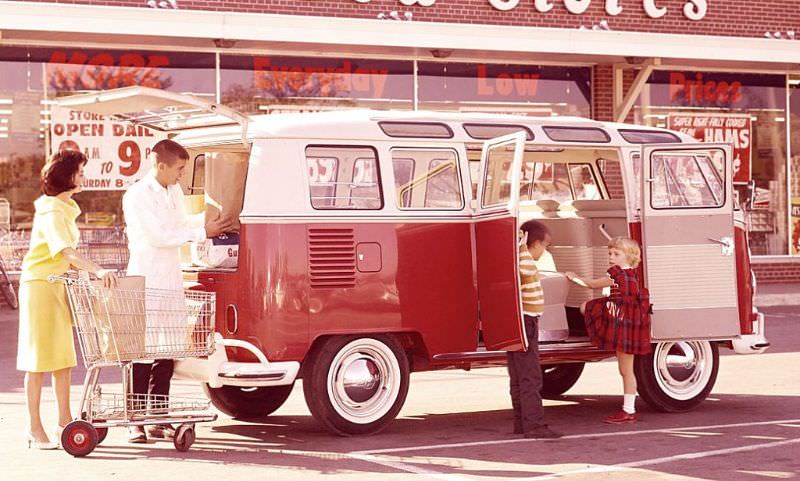
Not every car on American roads in the 1960s came from Detroit. Volkswagen was the leading edge of a foreign invasion that rattled the domestic industry. The VW Camper — officially the Type 2 — became a cultural phenomenon, beloved for its practicality and quirky charm. Concerned by rising import sales, Detroit responded by developing its own compact models: Ford launched the Falcon and GM introduced the Corvair to compete directly with small foreign cars.
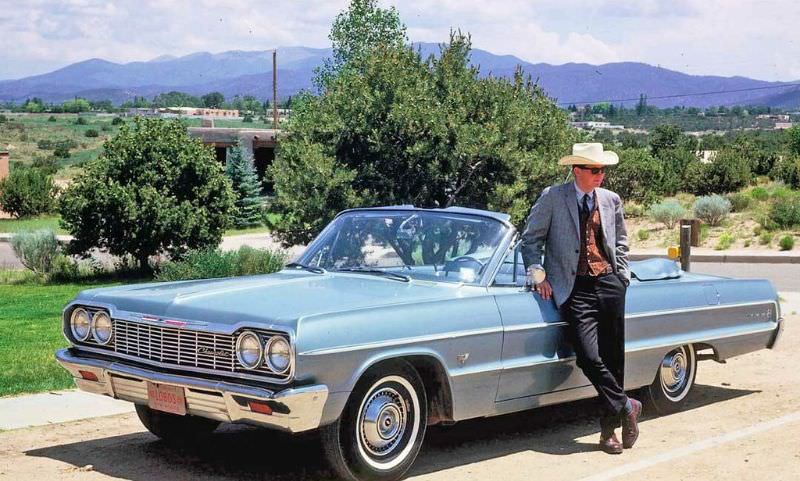
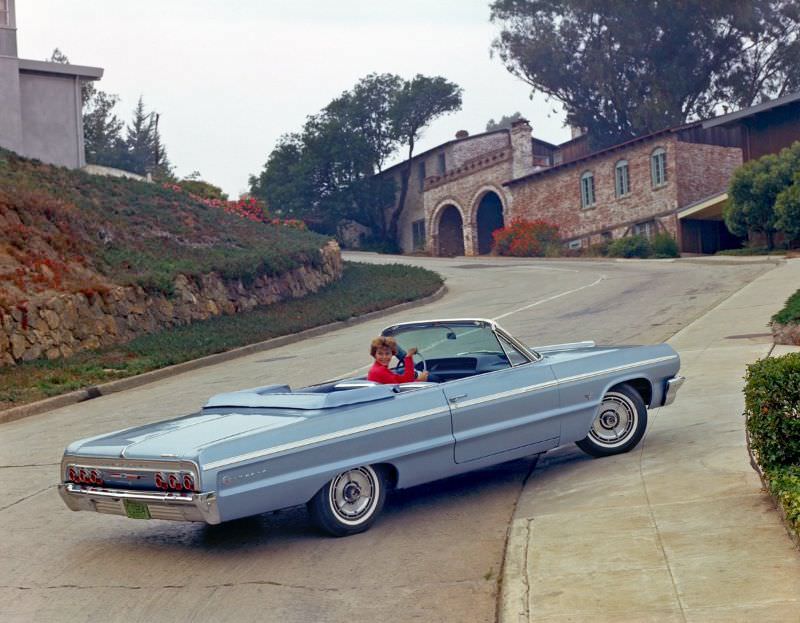
The 1964 Impala Convertible represented the Chevrolet lineup at its most desirable. With a restyled body, a wide range of V8 engines, and the option to drop the top on a warm day, it was hard to find a more satisfying combination of style and performance at its price point. These two photos show different owners, different settings — and the same unmistakable pride in what they drove.
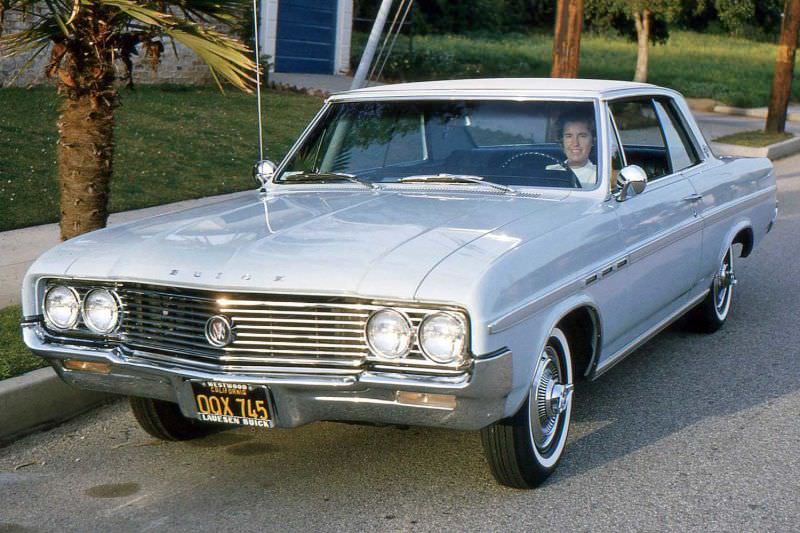
The mid-1960s muscle car wars were well underway by 1965. Buick entered the fight with the Skylark Gran Sport — a mid-size car stuffed with a 401 cubic-inch V8 engine that Buick marketed as a “nailhead” for its distinctive valve configuration. The Gran Sport badge declared that Buick wasn’t content to sit on the sidelines while Pontiac’s GTO and Chevrolet’s SS grabbed all the attention.
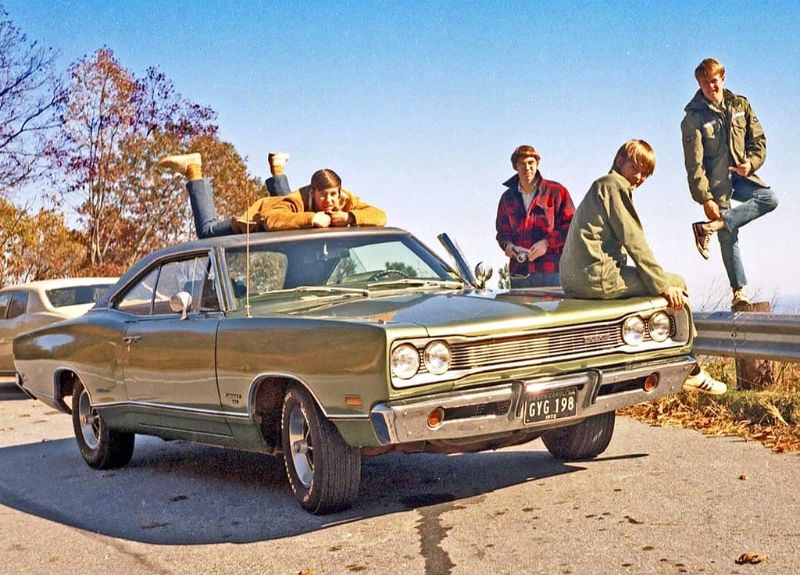
The Dodge Coronet 500 closed out the decade as one of Mopar’s most capable performers. By 1969, the muscle car era was at full intensity. Dodge offered the Coronet with engine options ranging from a standard V8 all the way up to the legendary 440 Magnum and the fearsome 426 Hemi. The Coronet 500 trim added sportier interior appointments and exterior trim, giving buyers a machine that looked as serious as it performed.