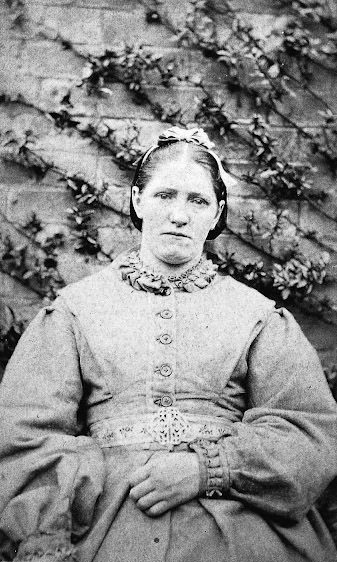
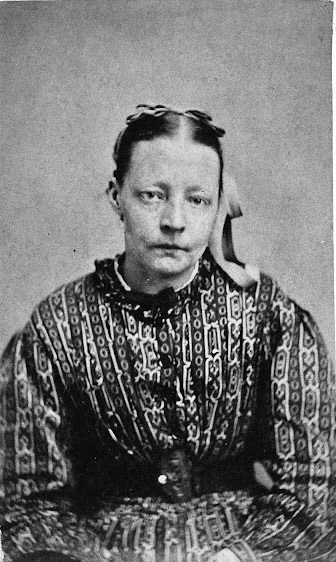
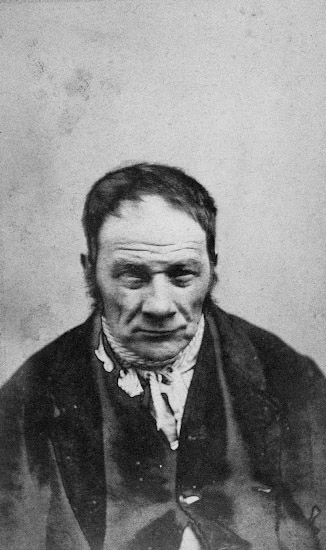
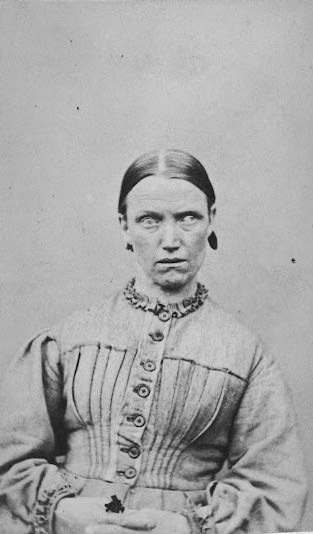
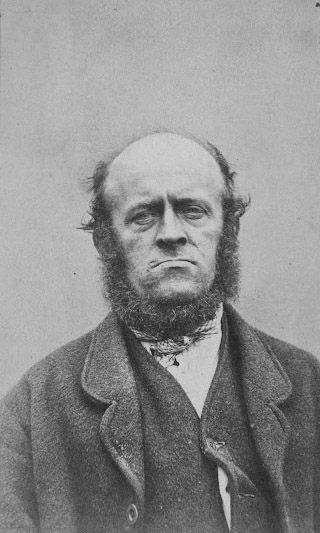
The West Riding Pauper Lunatic Asylum in Wakefield, Yorkshire opened its doors in 1818. Built to house 150 patients, it was shaped in part by Samuel Tuke, a leading voice for humane treatment of the mentally ill at a time when fear and neglect drove most institutional care. The asylum’s first medical director, Dr. William Charles Ellis, served until 1831 and set an early standard for dedicated patient care.
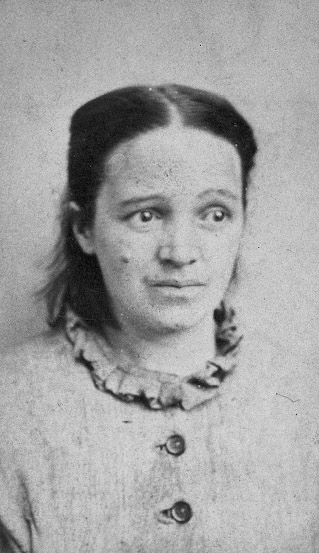
Demand for space grew steadily over the following decades. By the mid-1860s, the asylum held over a thousand patients — each admitted with their own history and condition. The sheer scale of the institution made consistent, individual care a real challenge.
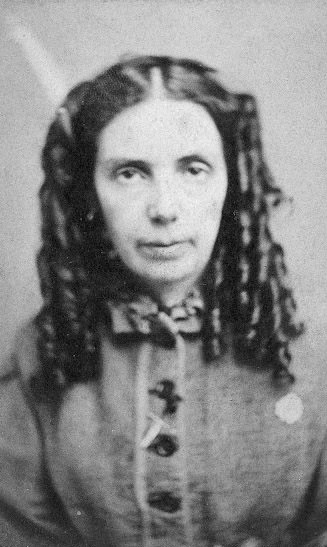
A turning point came in 1866 when James Crichton-Browne was appointed superintendent. A prominent Victorian psychiatrist, Crichton-Browne pushed for reforms that placed patient welfare at the center of daily operations. He worked to understand each patient’s specific struggles rather than applying blanket treatments — an approach that was far from common in Victorian psychiatric institutions.
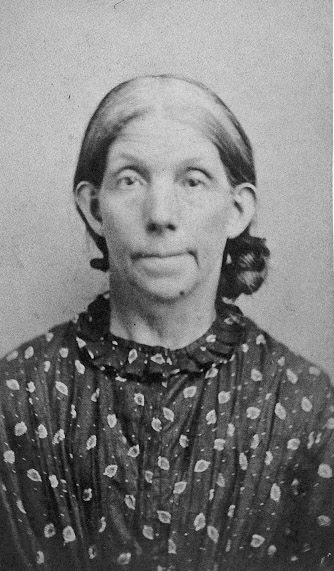
From the moment a patient arrived, they were assessed and given a personalized treatment plan. This was an early example of individualized psychiatric care, rare for the era. Days at the asylum followed a structured routine built around therapy, work, and recreation — all considered essential to mental recovery.
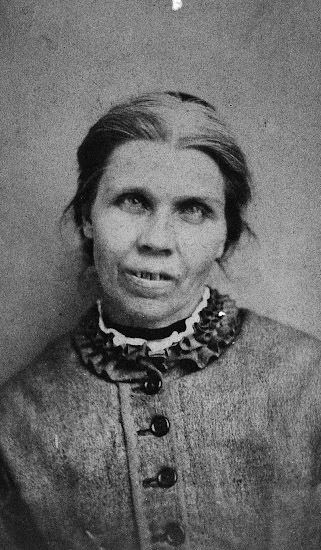
Patients contributed to the running of the asylum through work in the kitchens, gardens, and laundry. This kept them active and gave daily life a sense of purpose. The skills gained were also meant to prepare patients for a return to life outside the asylum walls.
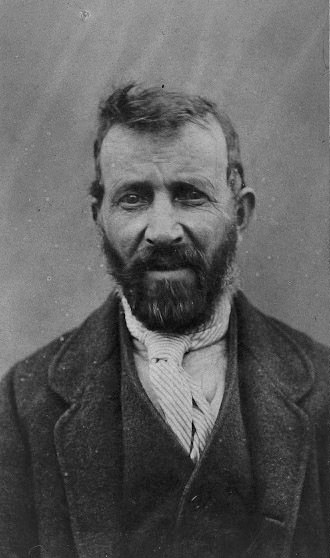
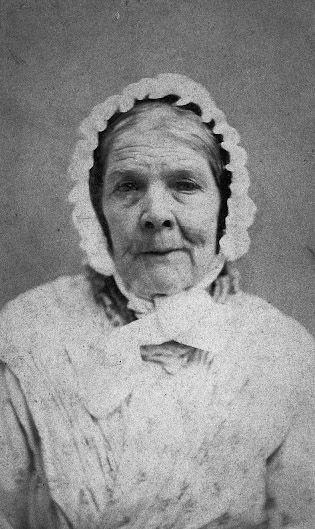
Leisure was built into the schedule as well. Patients took part in games, music, and art. These activities were not simply pastimes — staff viewed them as active parts of the treatment process, offering self-expression and social connection within the institution.
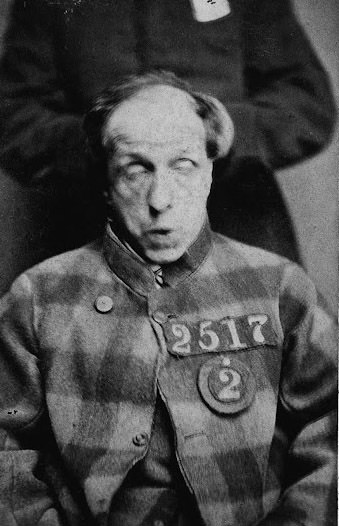
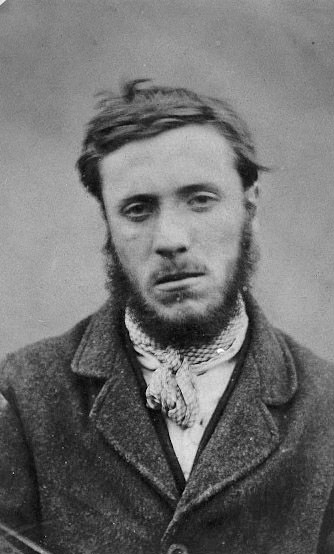
The asylum functioned as a self-contained community. Hundreds of people lived, worked, and were treated within the same walls. For many patients, the asylum represented years — sometimes decades — of their lives, spent within a system that, under Crichton-Browne’s direction, at least attempted to treat them as individuals rather than cases to be managed.