
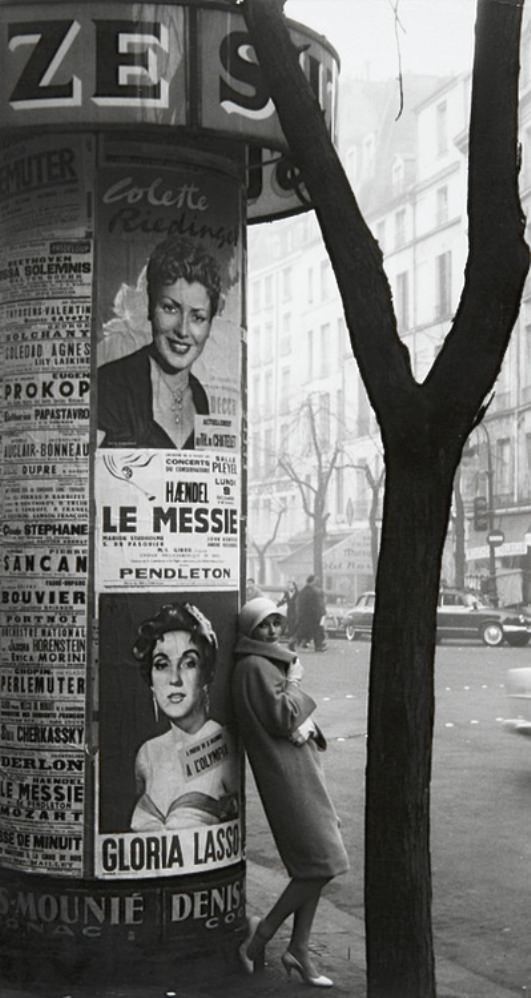
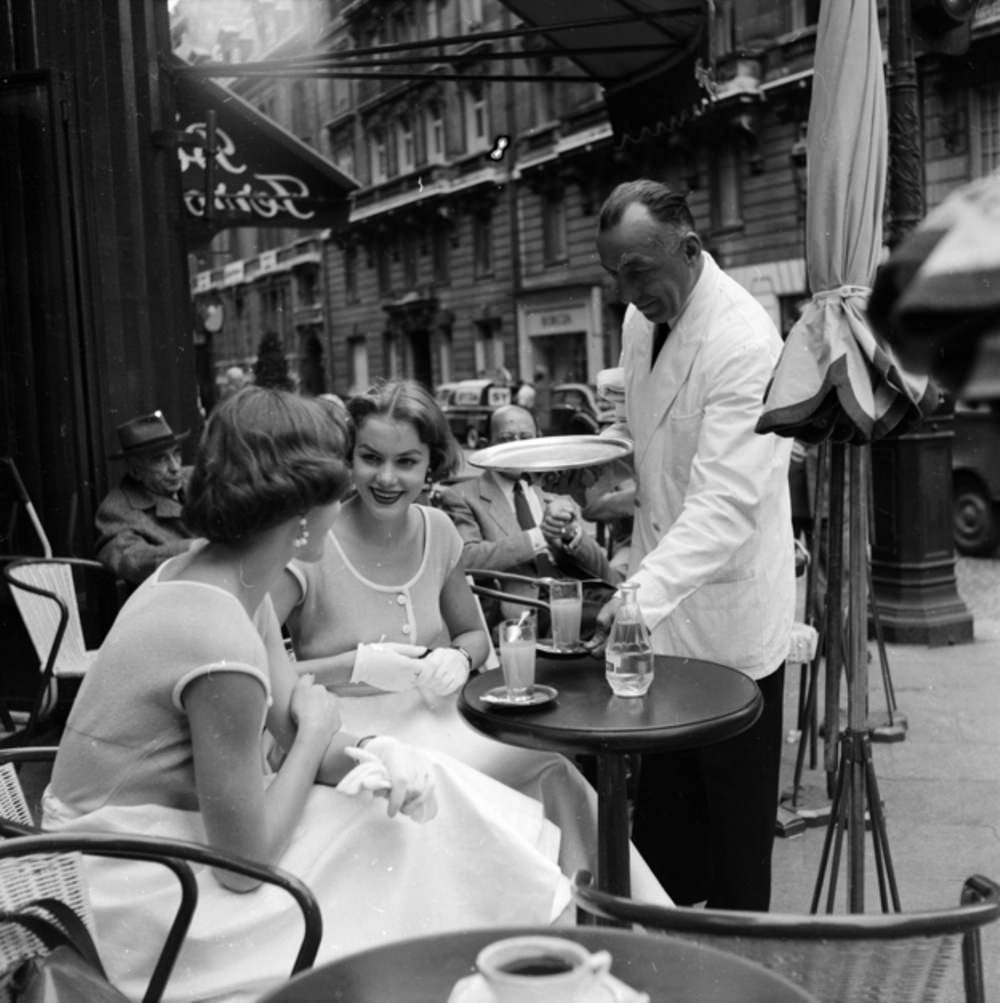
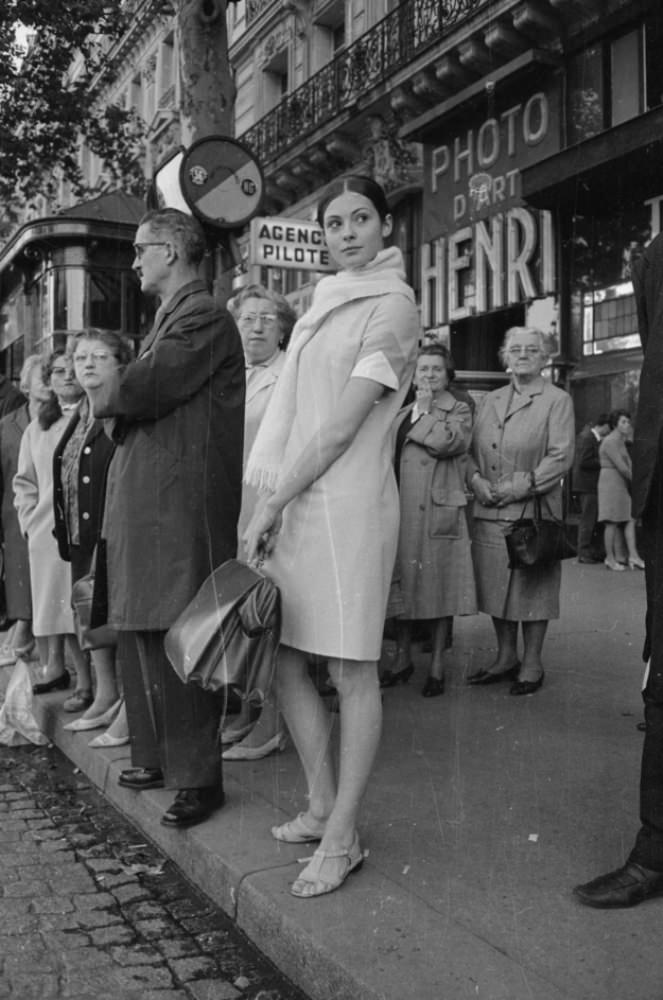
Paris in the 1950s and 1960s had a particular kind of energy. The war was over, and the city was rebuilding — not just its buildings, but its spirit. Streets hummed with conversation, laughter, and the clatter of espresso cups. People dressed carefully, even for ordinary errands. Men wore suits and hats to run daily errands. Women stepped out in full-skirted dresses, heels, gloves, and hats. Looking put-together was simply part of being Parisian.
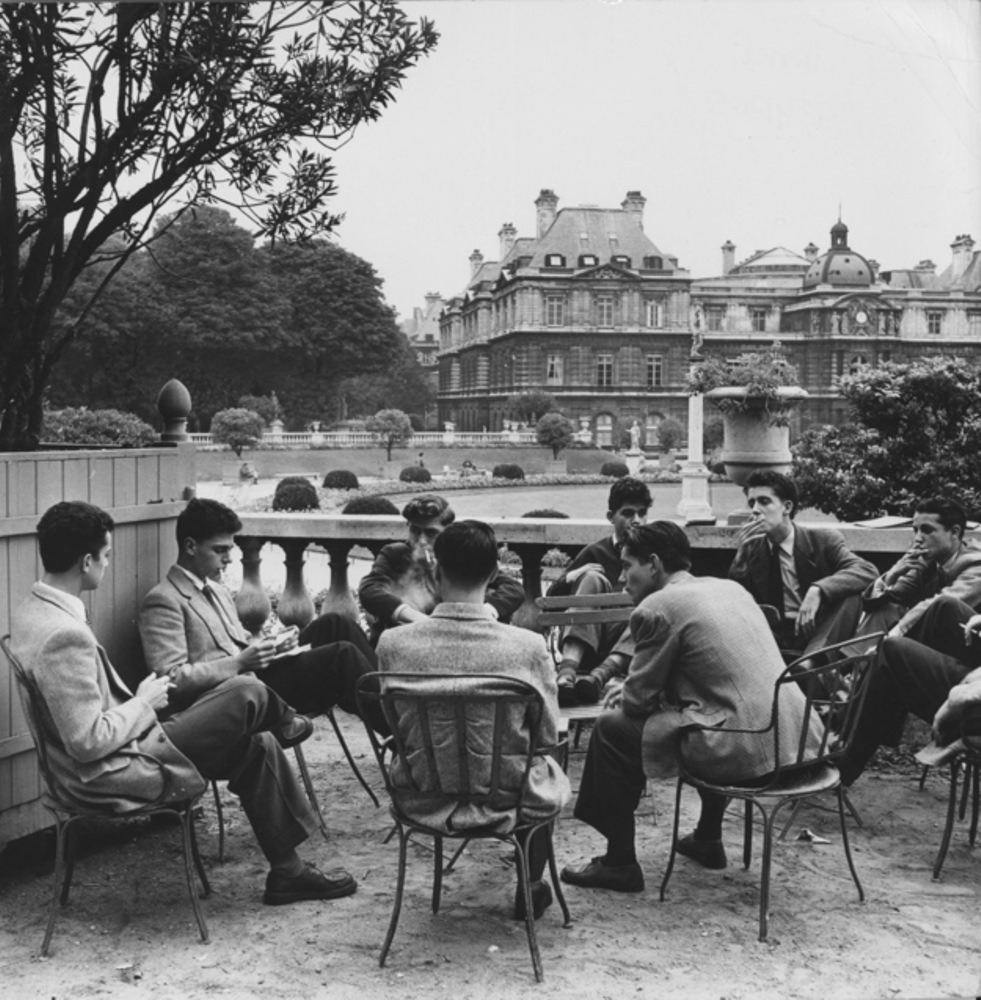
Young Parisians claimed public space as their own. The Luxembourg Gardens served as a gathering spot for students from the nearby Sorbonne, who lounged, argued, and socialized between lectures. Parks were living rooms for those without the money or space to entertain elsewhere.
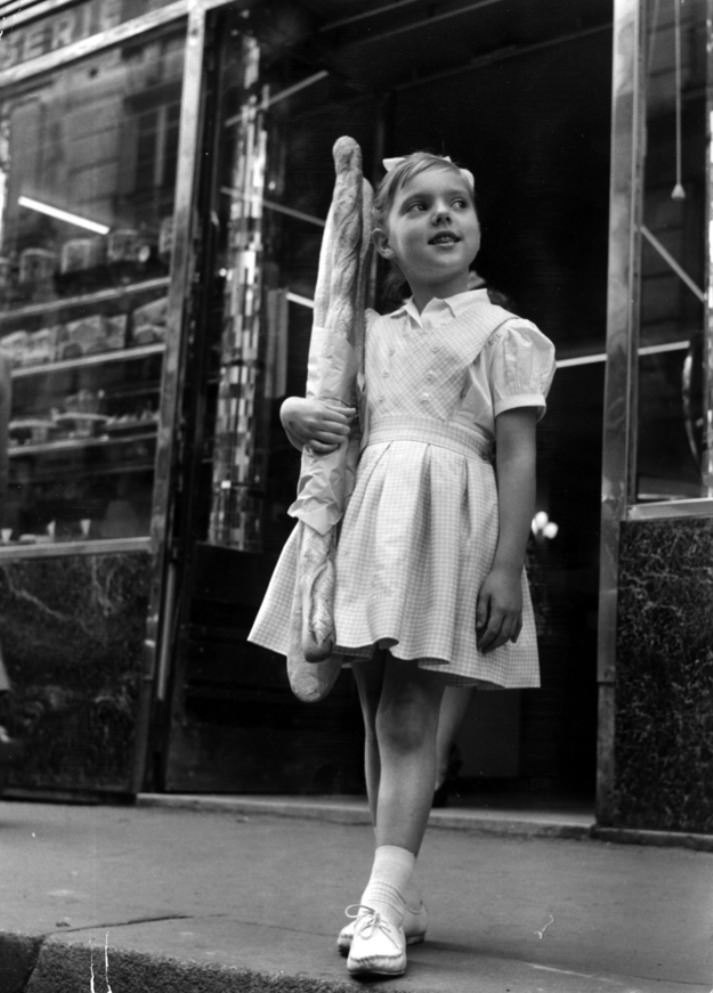
Daily errands were woven into the rhythm of neighborhood life. Children ran to the market for bread and vegetables. Outdoor stalls overflowed with fresh produce, flowers, and cheeses. Shopping wasn’t done in bulk — it was done daily, with care. The markets weren’t just practical stops; they were the social pulse of each arrondissement.
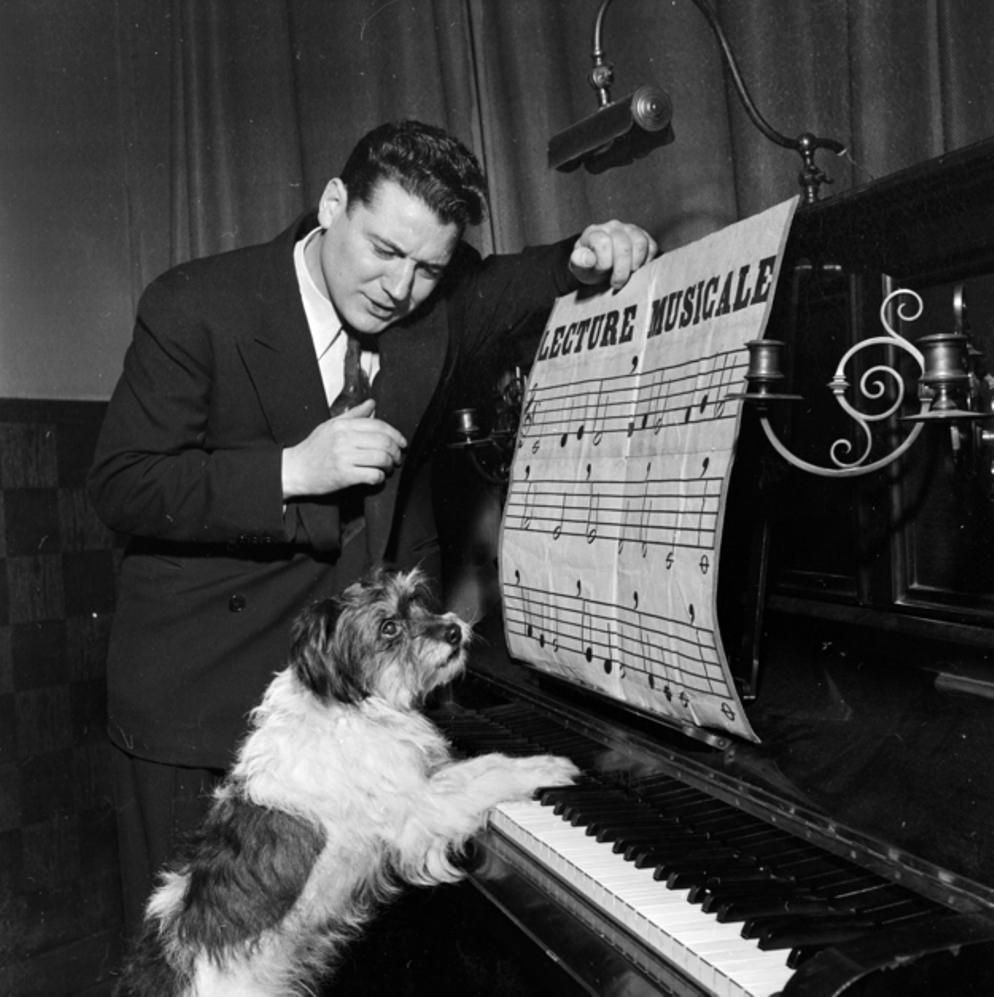
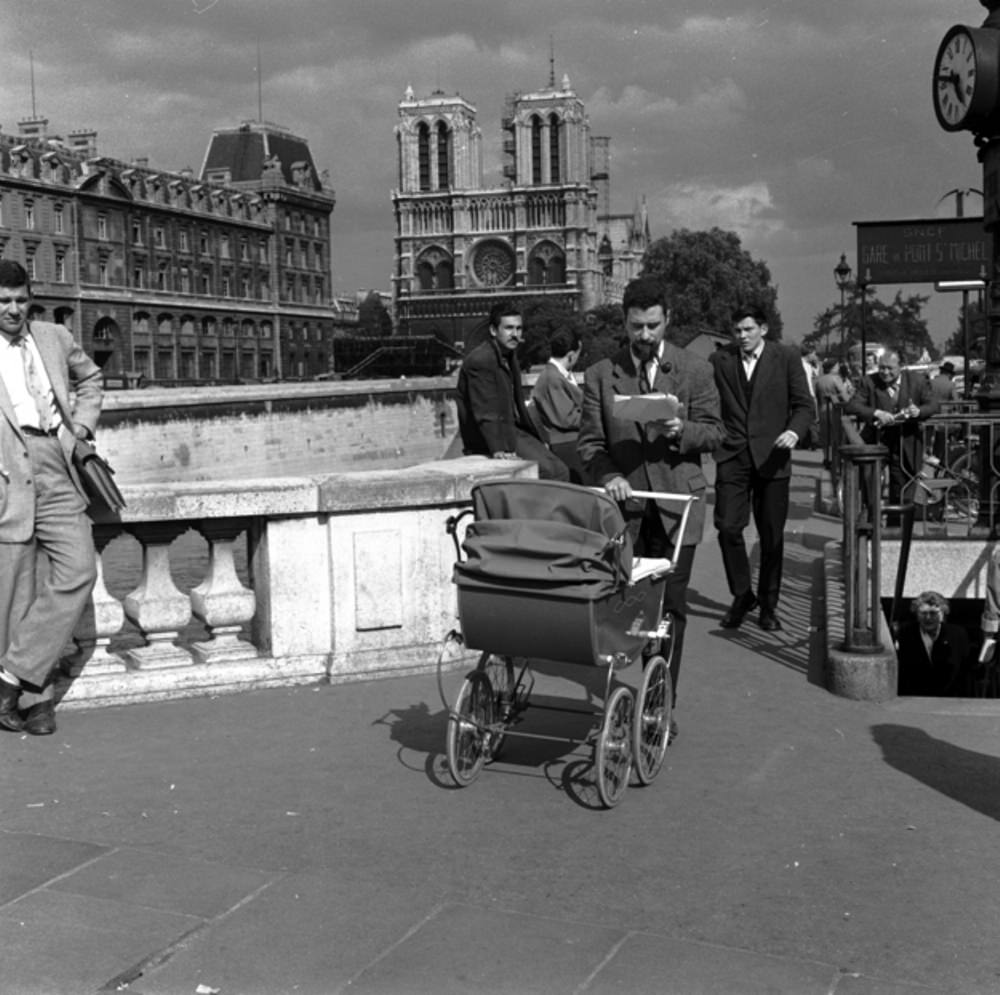
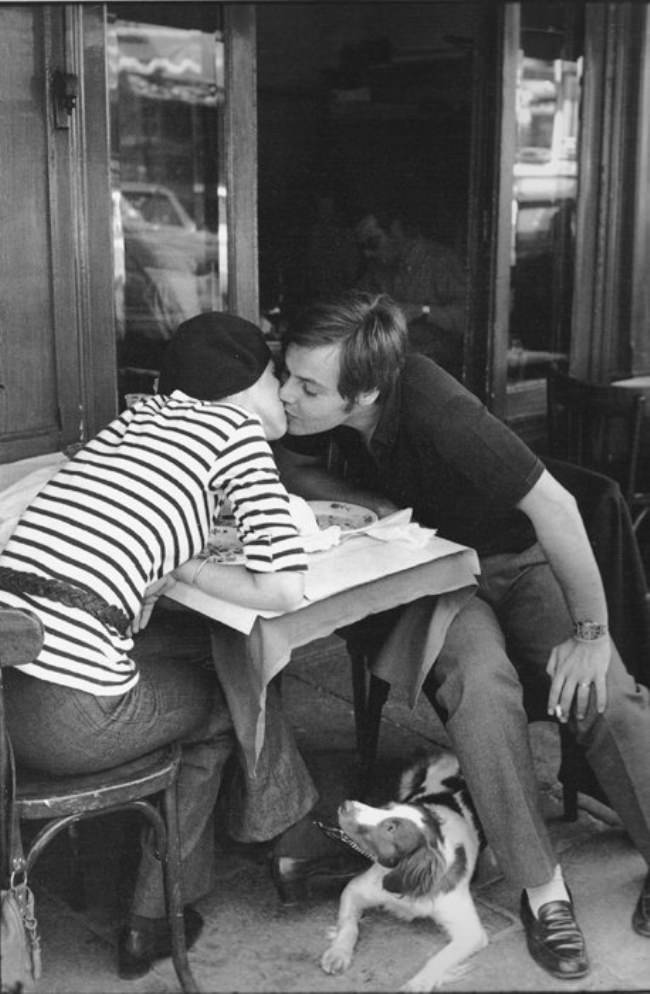
Dogs were a fixture of Parisian street life. They accompanied their owners to cafés, markets, and parks without a second thought. Meanwhile, the city’s streets were filling up with a new generation of vehicles. The Citroën DS, launched in 1955, turned heads with its aerodynamic body and hydraulic suspension — it looked like something from the next century. Smaller cars like the Renault 4 threaded through narrow cobblestone lanes. Motor scooters, especially Vespas, darted between slower traffic and became a symbol of postwar youth and freedom.
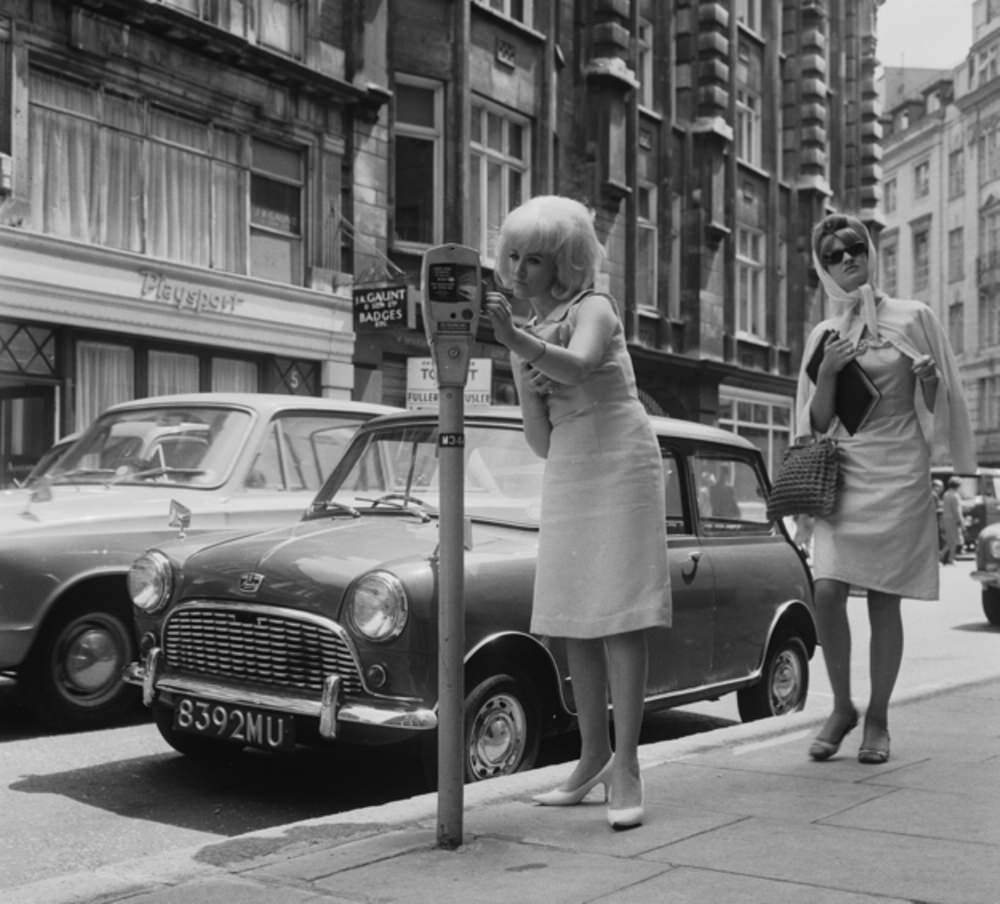
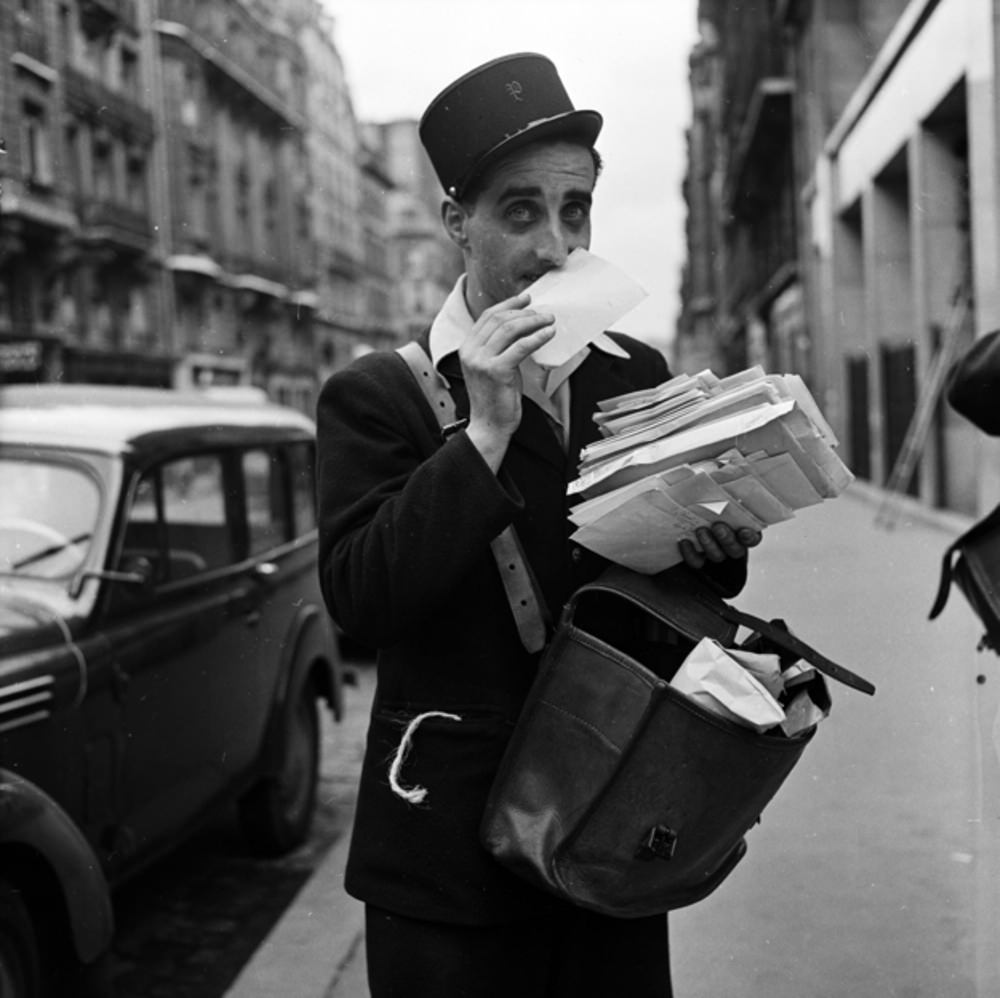
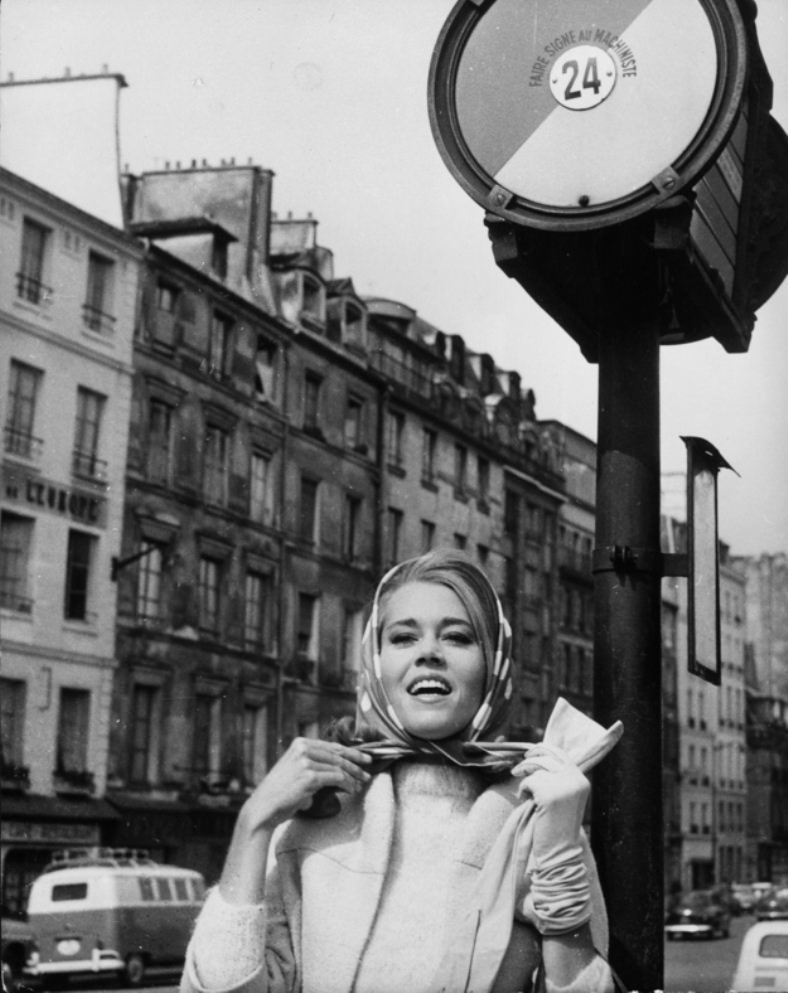
By the early 1960s, the city was modernizing fast. Parking meters appeared on Parisian streets, a small but visible sign that urban management was changing alongside the traffic itself. Not everyone found these new machines intuitive.
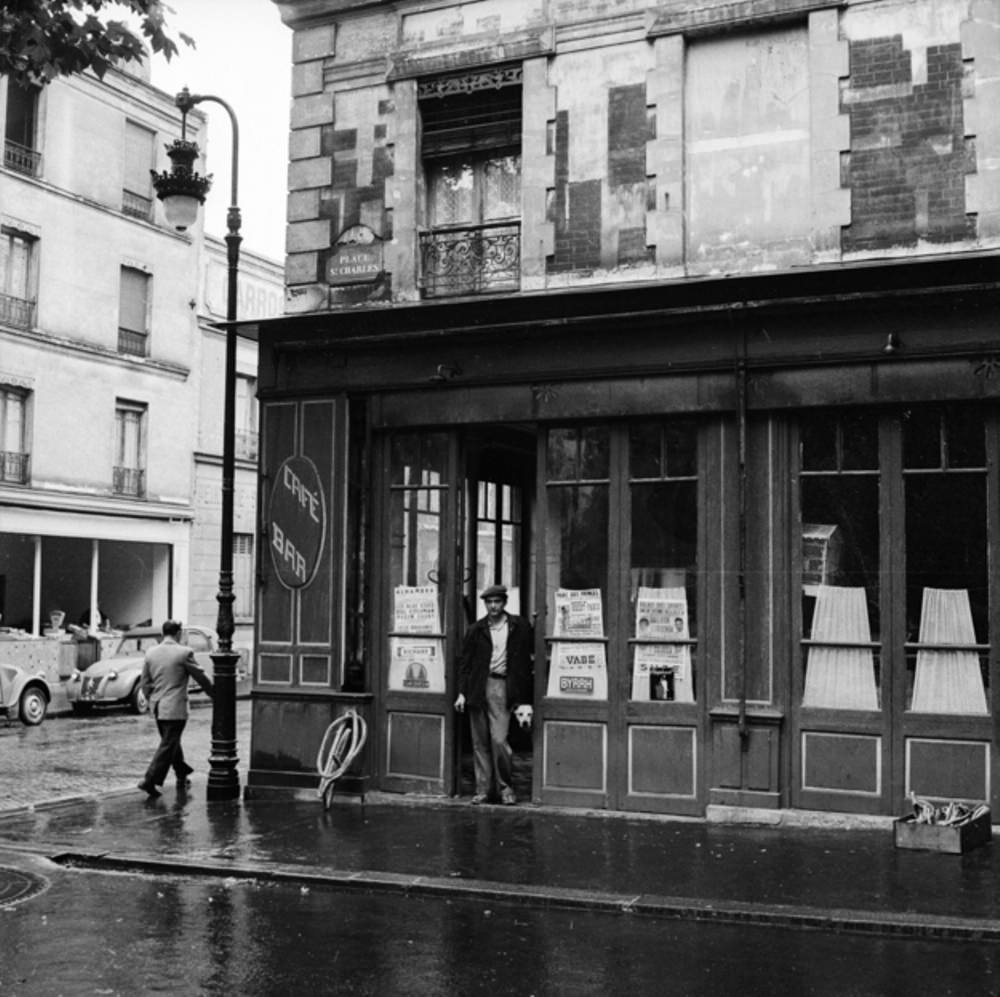
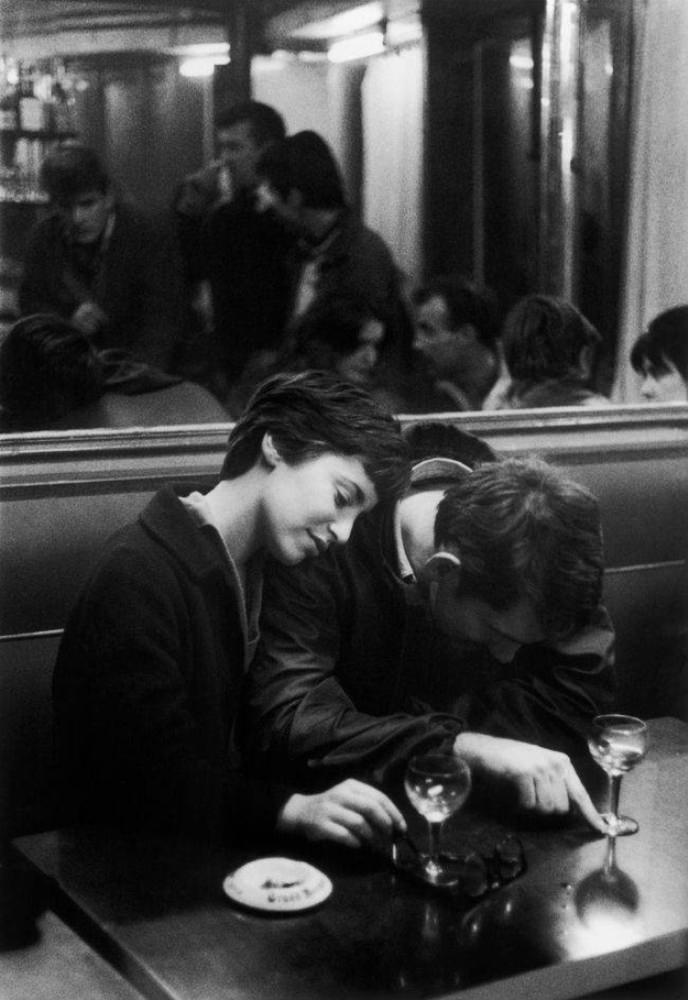
Cafés and bars anchored neighborhood life. They opened early and closed late, serving as offices, meeting rooms, and living spaces for Parisians who preferred company to solitude. Waiting for one to open wasn’t unusual — it was part of the routine.
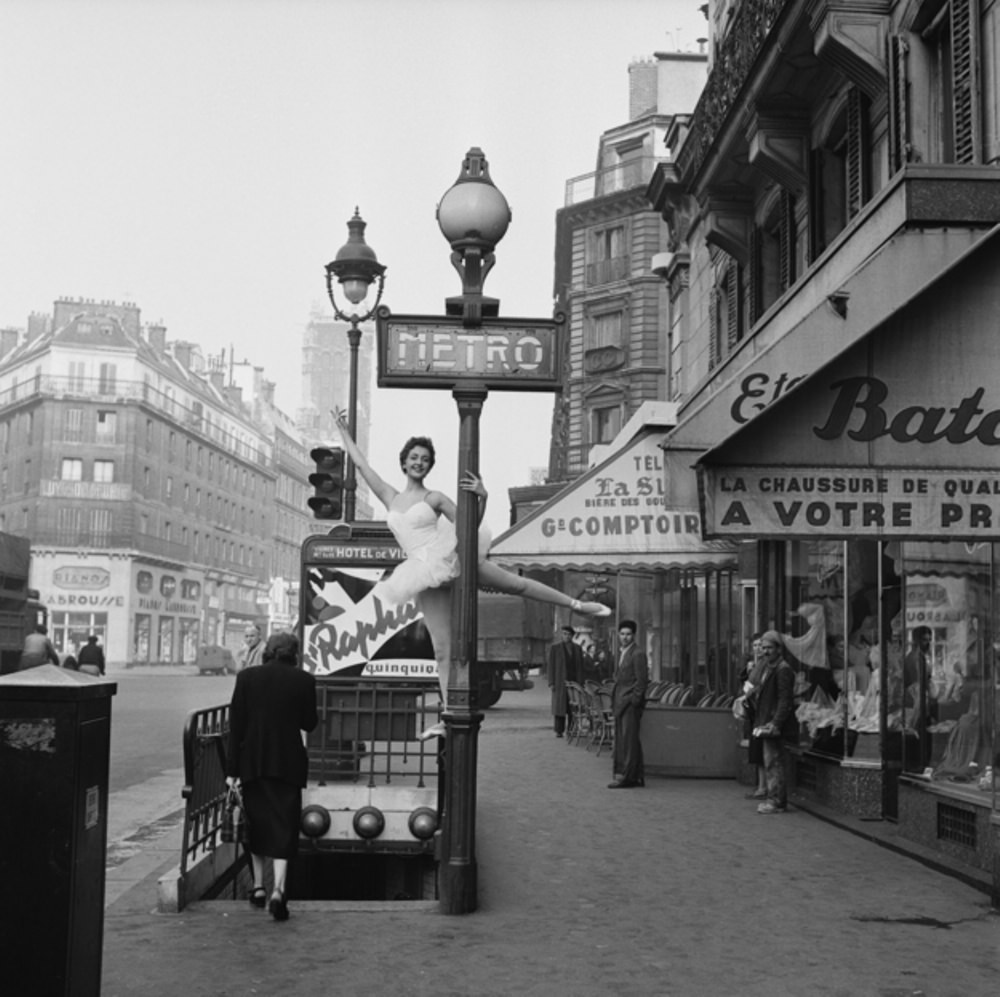
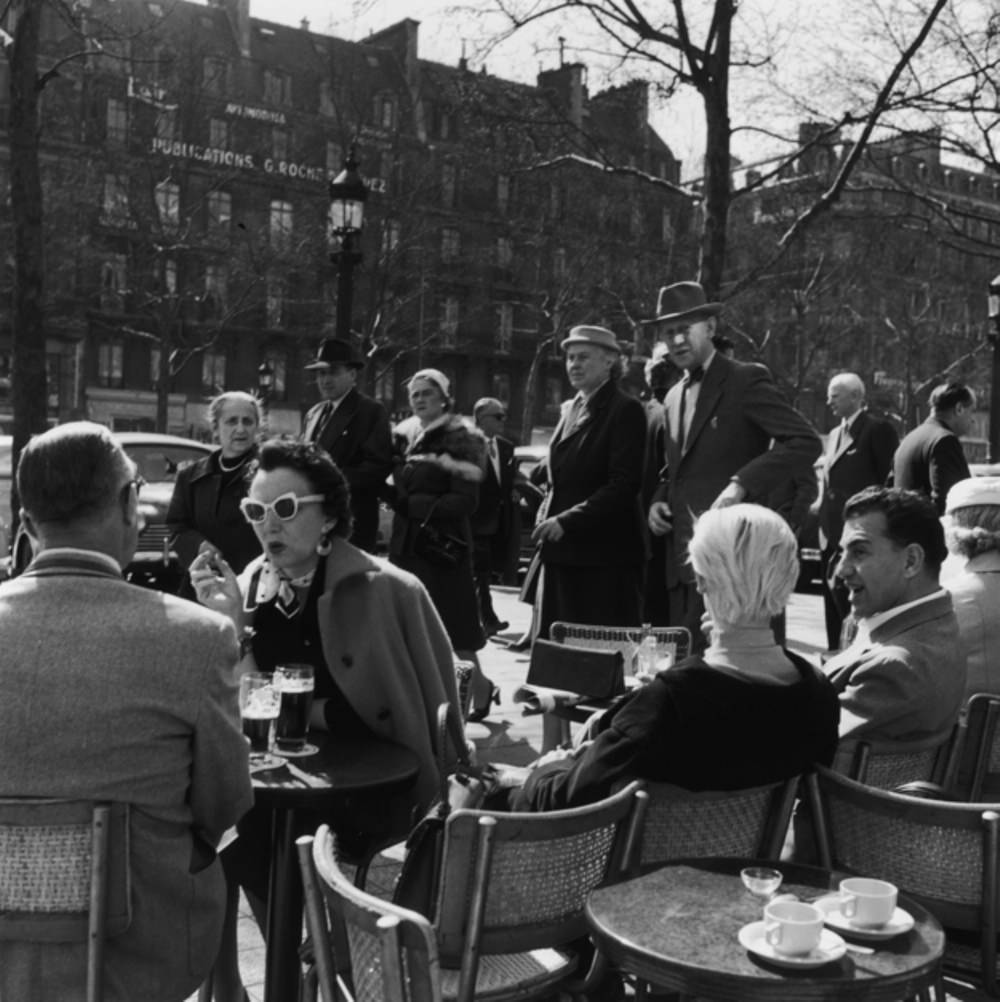
The café was the great equalizer. Philosophers, students, artists, and workers all pulled up chairs at the same zinc-topped bars. Existentialism wasn’t just an academic movement in 1950s Paris — it was café conversation. Jean-Paul Sartre and Simone de Beauvoir famously worked from the tables of Saint-Germain-des-Prés, and the habit of treating a café like a second home was widespread across every social class.
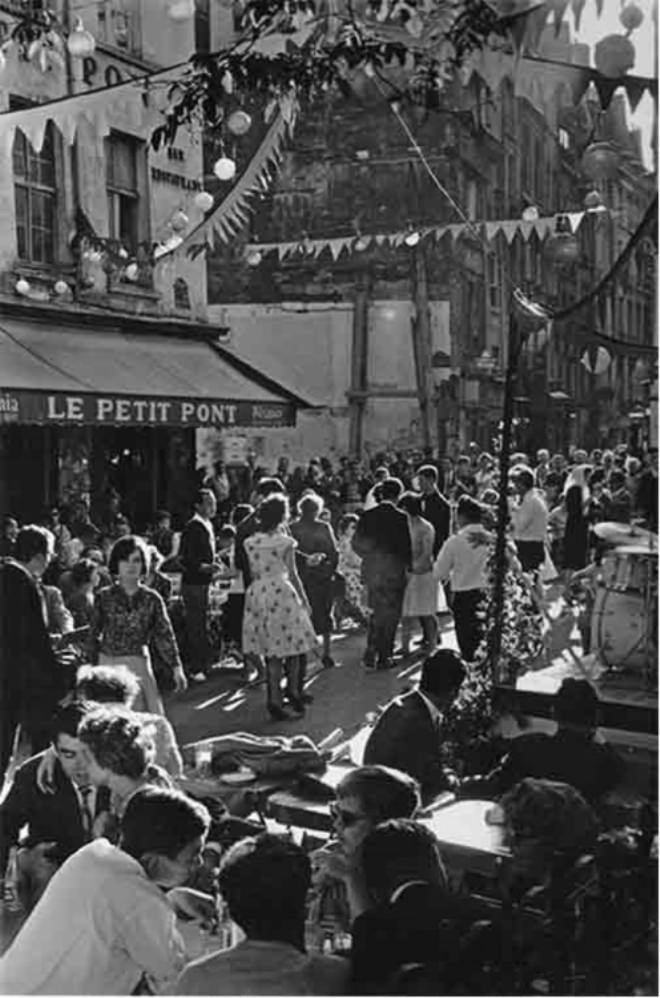
Bastille Day — July 14th — transformed the streets every year. Outdoor dances, called bals des pompiers, were held across the city. Neighbors danced together in the open air, brass bands played, and wine flowed freely. It was one of the few occasions where the usual Parisian reserve gave way to open celebration.
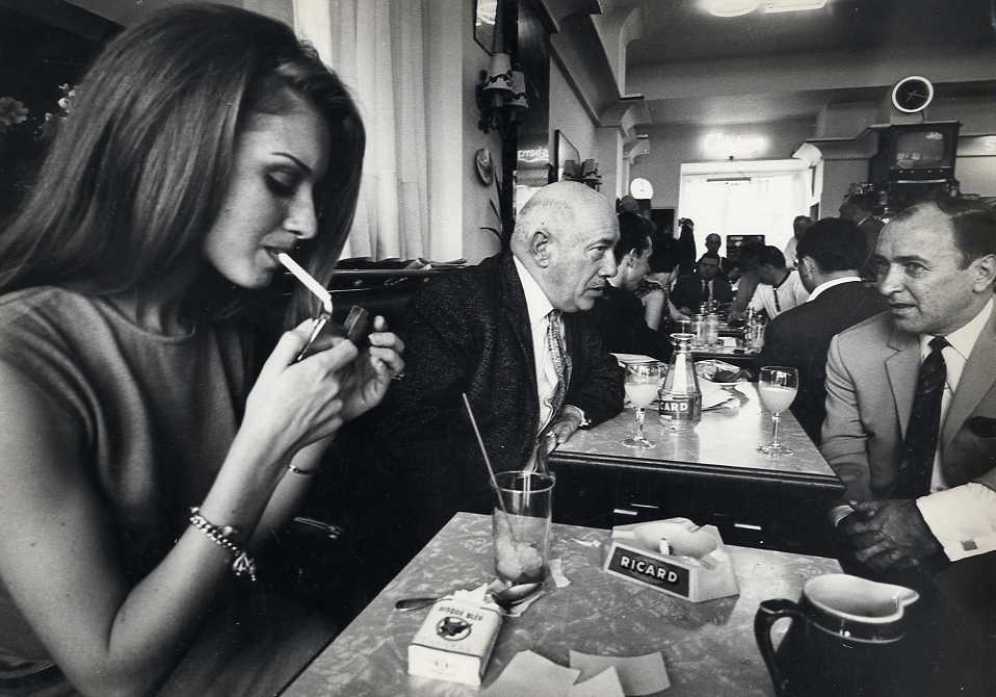
By the late 1960s, the café had become a backdrop for a city on edge. The events of May 1968 — student riots, massive strikes, street barricades — simmered against the same marble tables and wicker chairs seen in earlier, quieter decades. But even in calmer years, Parisian women dressed with precision. A well-chosen coat, a carefully knotted scarf — appearance was taken seriously as a form of self-expression.
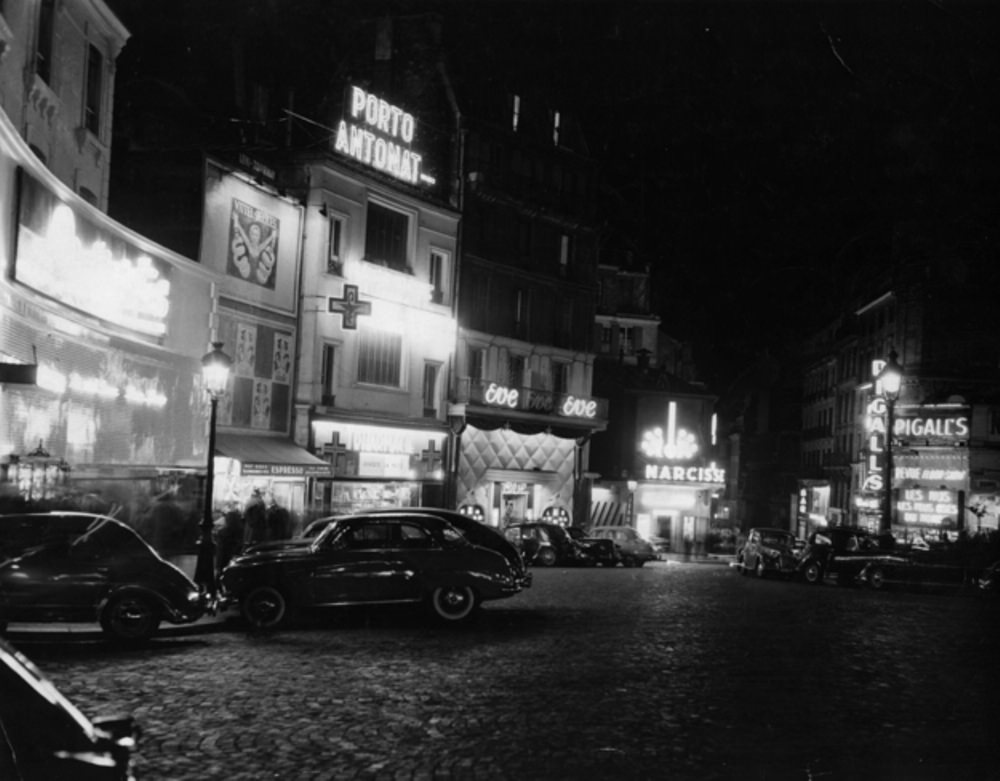
Nightlife in postwar Paris was vibrant and varied. Jazz clubs in Saint-Germain drew large crowds after hours. American musicians like Miles Davis and Chet Baker spent extended periods in Paris, welcomed by audiences who took jazz seriously as an art form.
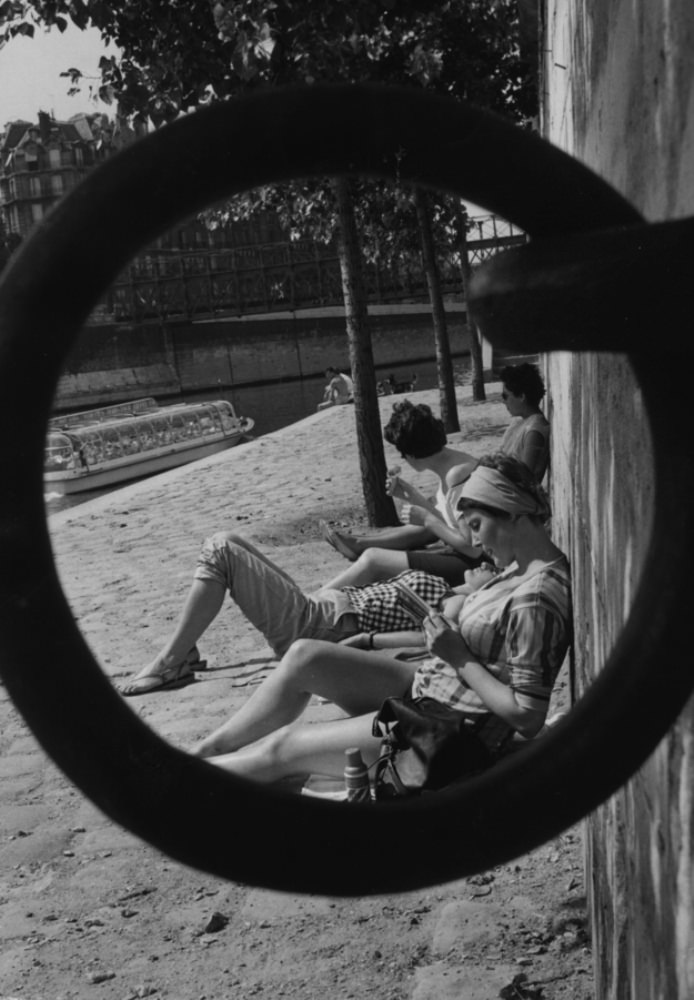
The Seine drew Parisians year-round. In warm months, its banks became informal gathering spots where people read, sunbathed, and watched the river traffic. The city offered countless pockets like this — places where time moved a little slower and no particular destination was required.
Paris attracted international celebrities and artists throughout the era. Actors, writers, and musicians arrived from the United States and elsewhere, drawn by the city’s reputation for creative freedom and sophisticated street style. Many stayed far longer than planned.
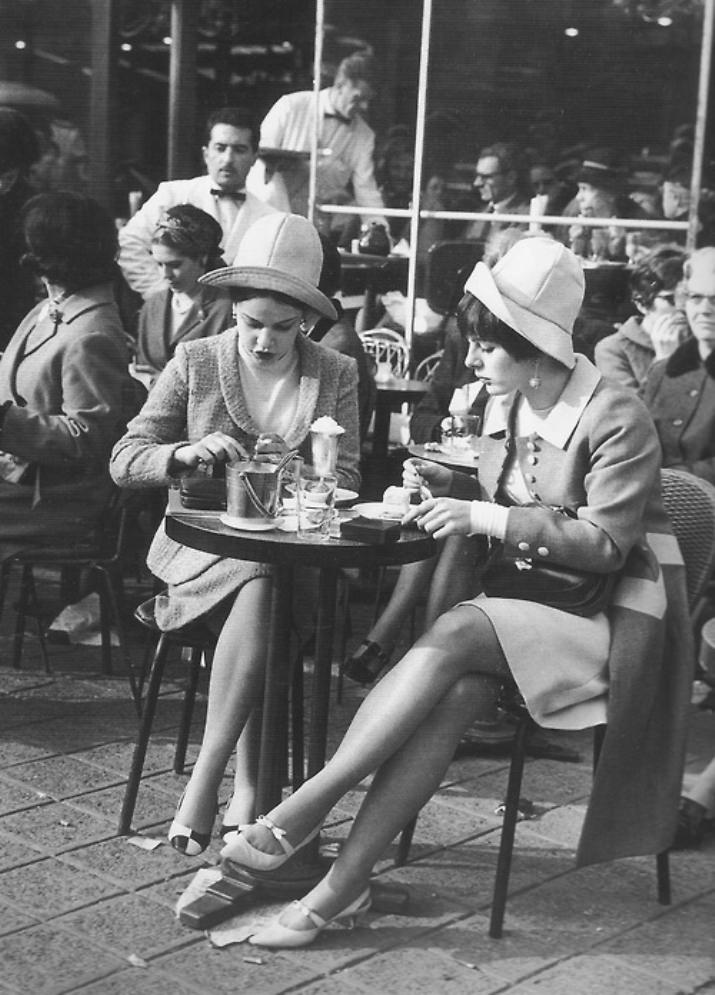
The Champs-Élysées in the 1960s was still a boulevard where ordinary Parisians sat, not just tourists. Café terraces lined the avenue, and sitting there for an hour with nothing more than a coffee and a newspaper was considered time well spent — not wasted.
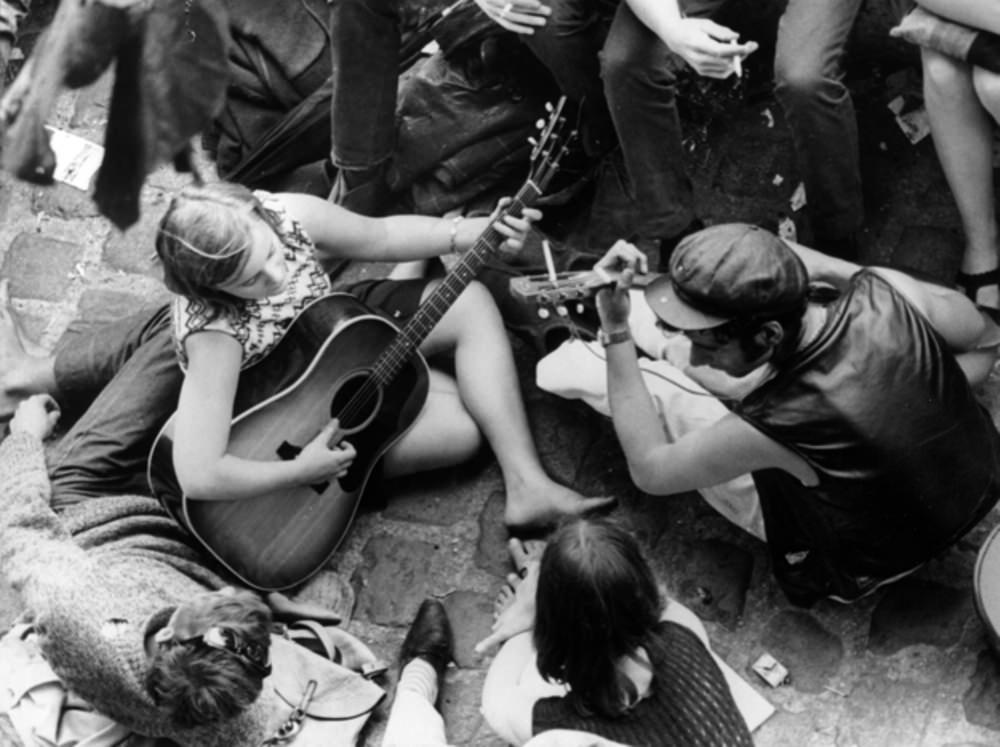
The beatnik movement found a natural home in Paris. Young people influenced by American Beat writers gathered in the same Left Bank neighborhoods where existentialists had set up camp a decade earlier. They dressed differently, listened to different music, and asked different questions — but they used the same cafés, the same parks, and the same streets to do it.





#11 is not Paris, but London.
Addendum. It’s actually taken from 48 Warwick St, London W1.