New York City in the 1970s and early 80s was a place of friction and freedom at the same time. Crime was high, money was tight in many neighborhoods, and yet a fierce creative energy ran through the streets. For women especially, something was shifting. Access to birth control had expanded. The feminist movement was pushing into workplaces, courtrooms, and living rooms. Women were claiming space in public life in ways that hadn’t been possible for their mothers. Photographer Meryl Meisler was right there to document it.
Meisler wasn’t shooting from a distance. She was inside the rooms, inside the friendships, inside the nights. Her camera found women at work, at play, and at rest — not posed for an idea of what women should look like, but caught mid-motion in their actual lives.
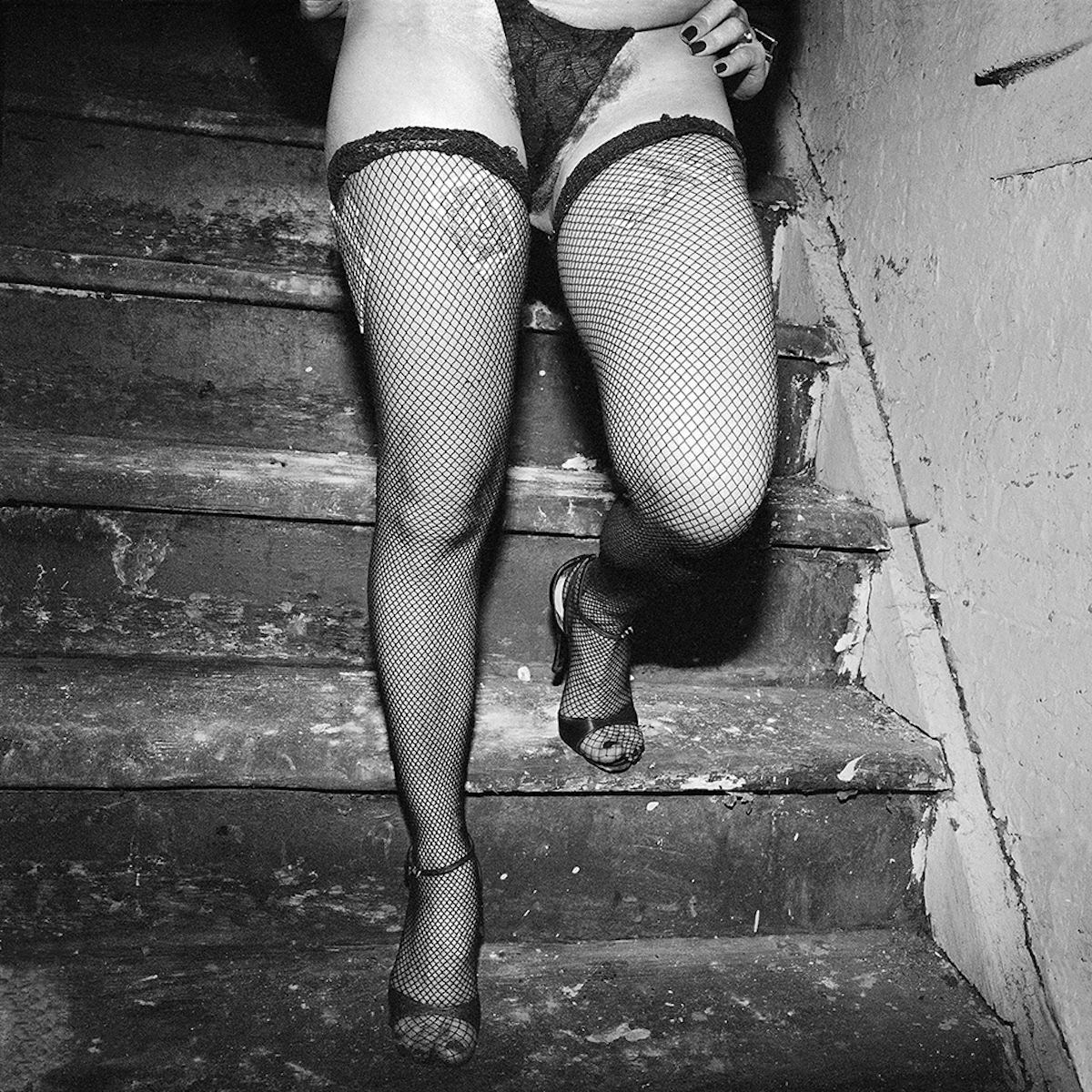
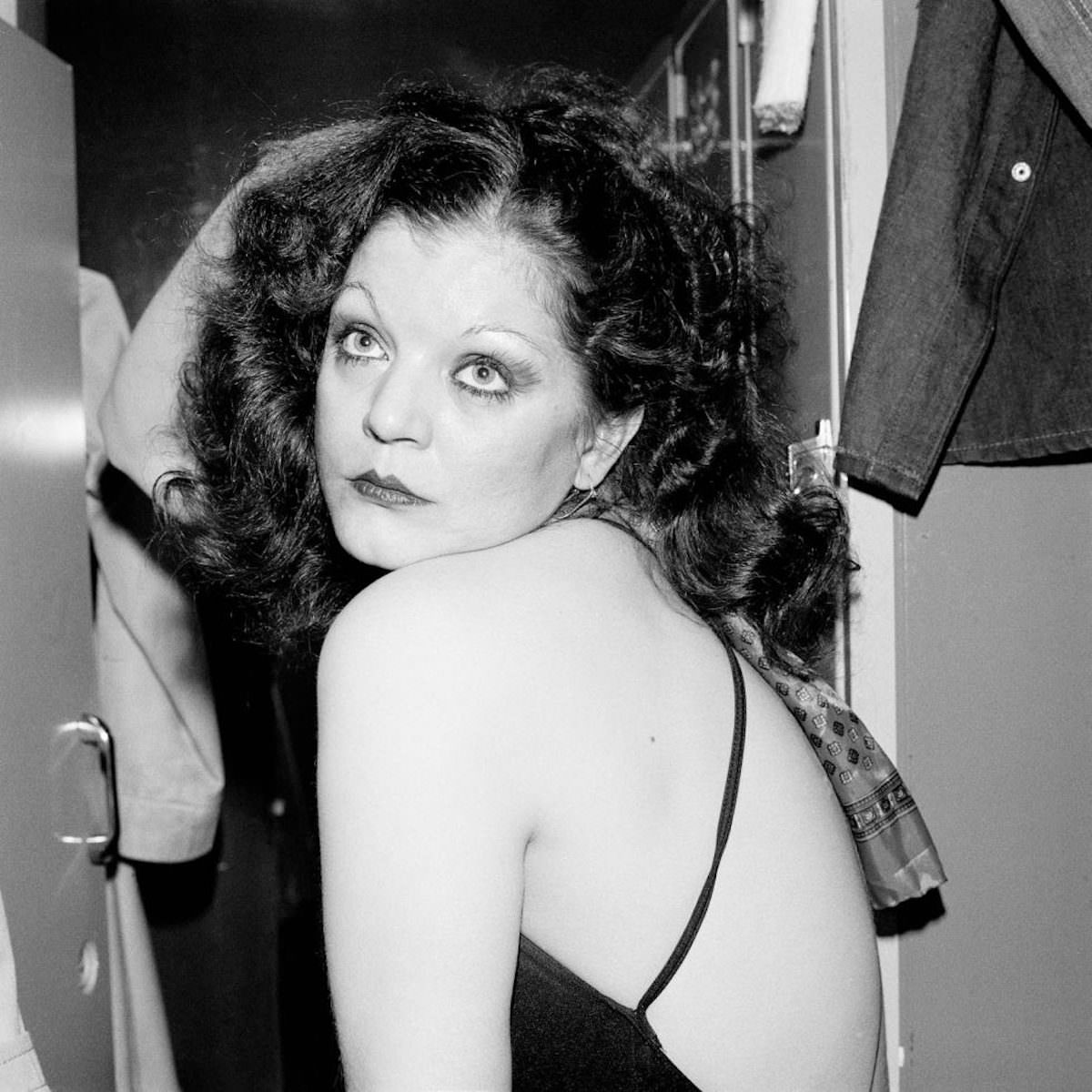
Some of her most electric images come from New York’s nightclub scene. Venues like CBGB, Studio 54, Hurrah, and Le Mouches weren’t just places to dance — they were stages where women performed versions of themselves that the daylight world didn’t always allow. Drag performers, go-go dancers, punk regulars, and disco devotees all moved through these spaces with a sense of ownership.
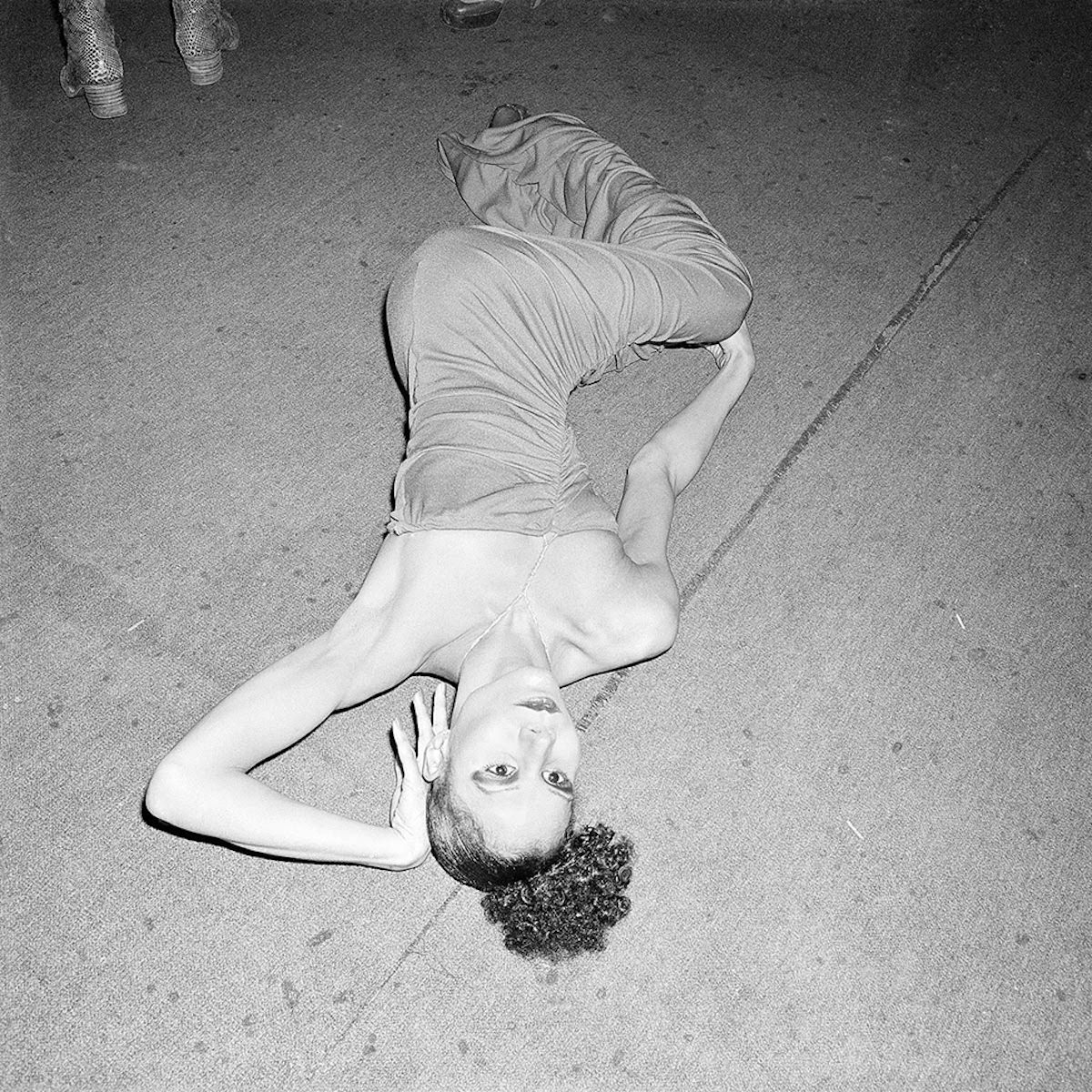
Meisler photographed performers like Dallas at venues ranging from Le Clique to Hurrah’s Wild West parties. These weren’t passive subjects. They commanded the frame, fully aware of the camera and unbothered by it.
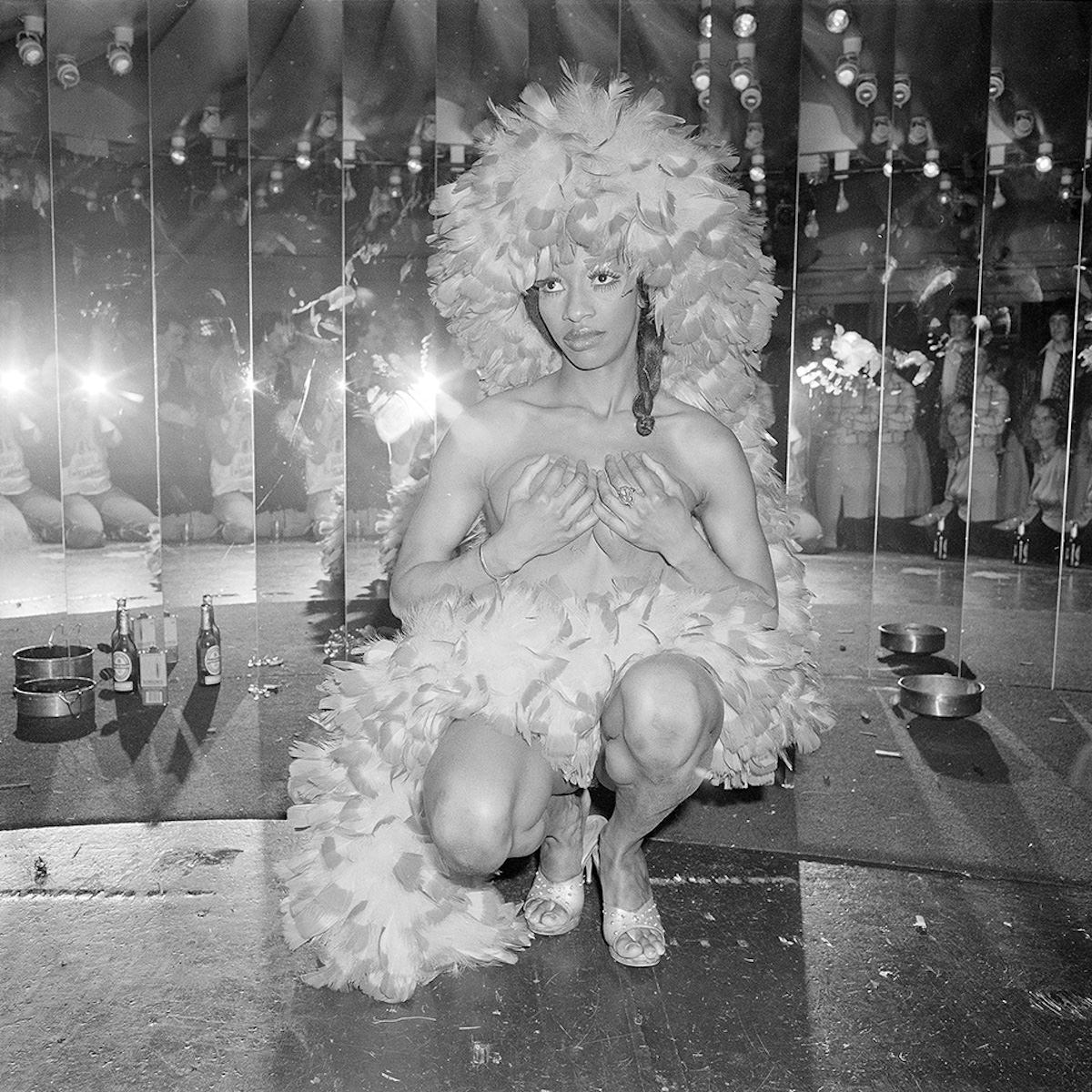
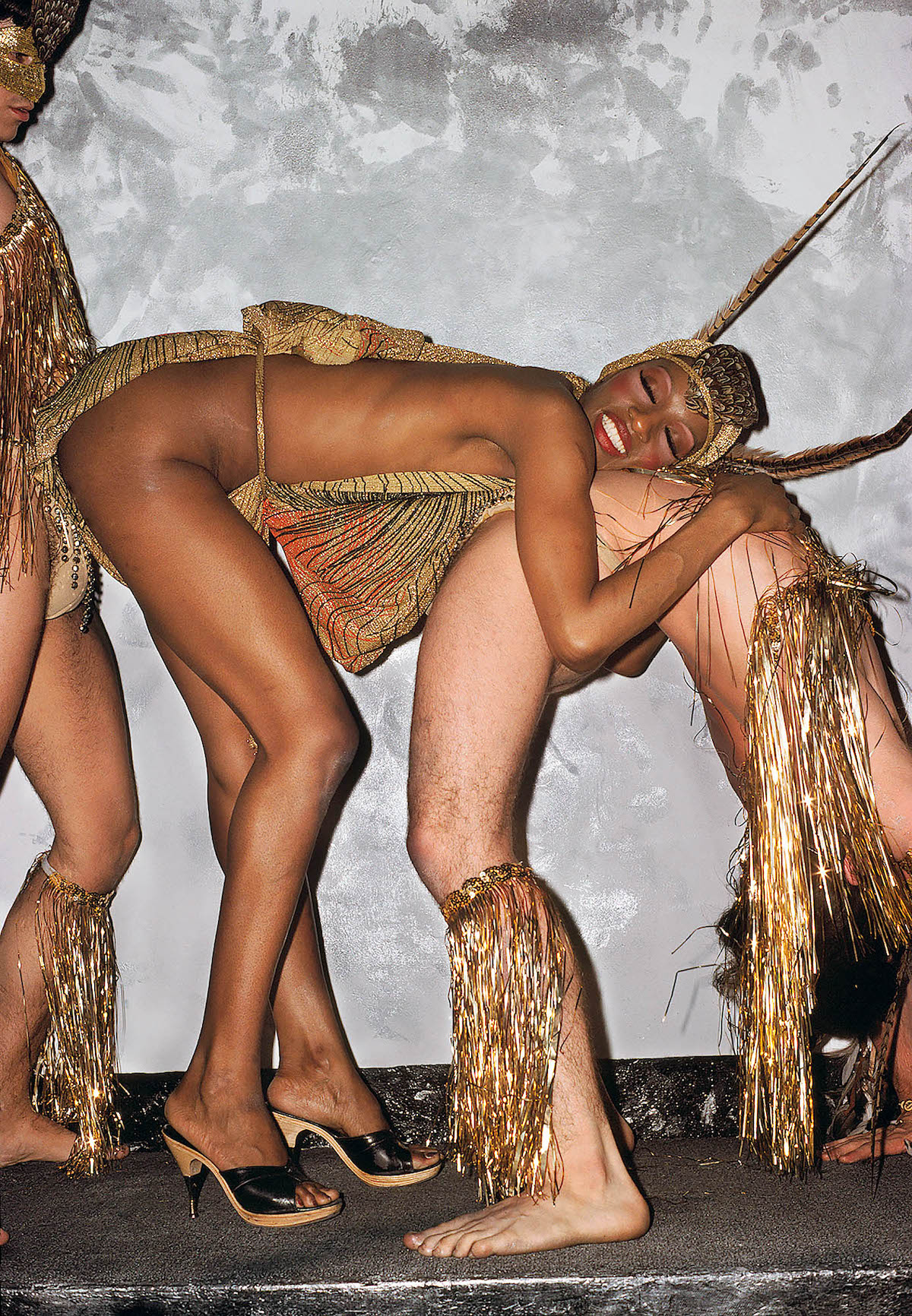
Sex workers also appear in Meisler’s archive, photographed with the same straightforward respect as anyone else. The COYOTE Hookers Masquerade Ball at the CopaCabana in February 1977 was a real event put on by a real organization — Call Off Your Old Tired Ethics — that advocated for the rights of sex workers at a time when that advocacy was almost entirely absent from mainstream conversation.
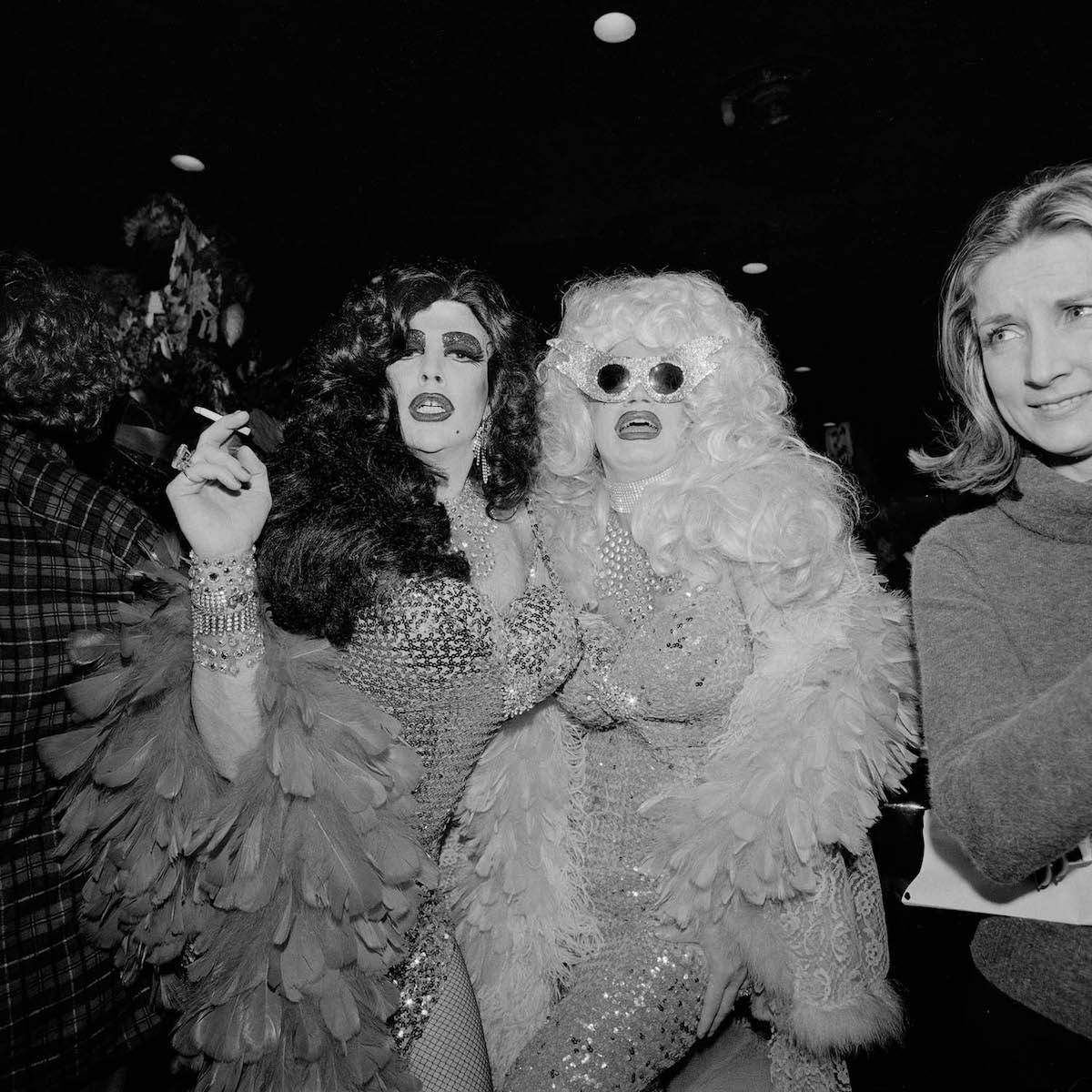
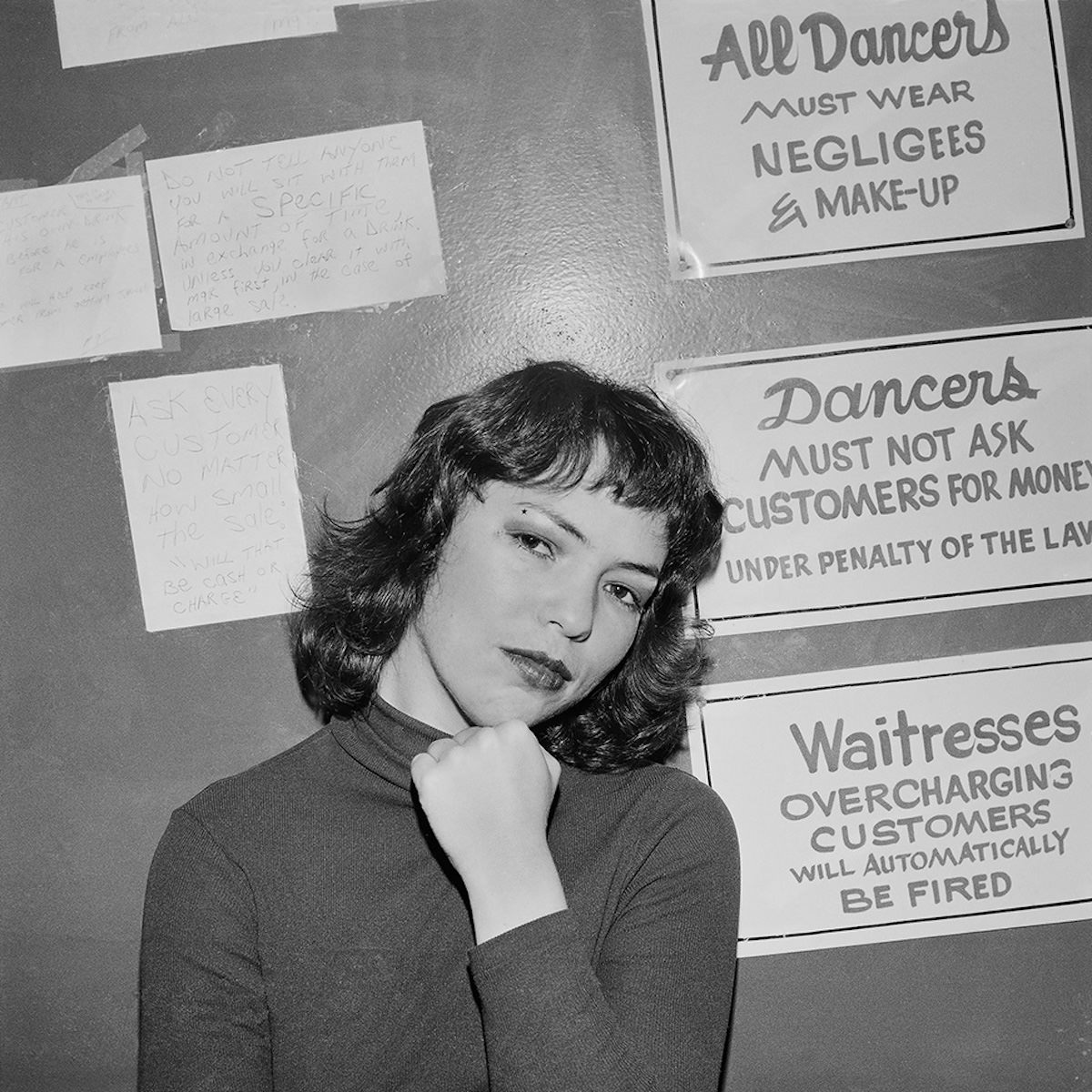
Working environments show up too. At a venue called Playmate, Meisler documented hostesses and dancers on the job — not as objects of spectacle but as people navigating a worknight.
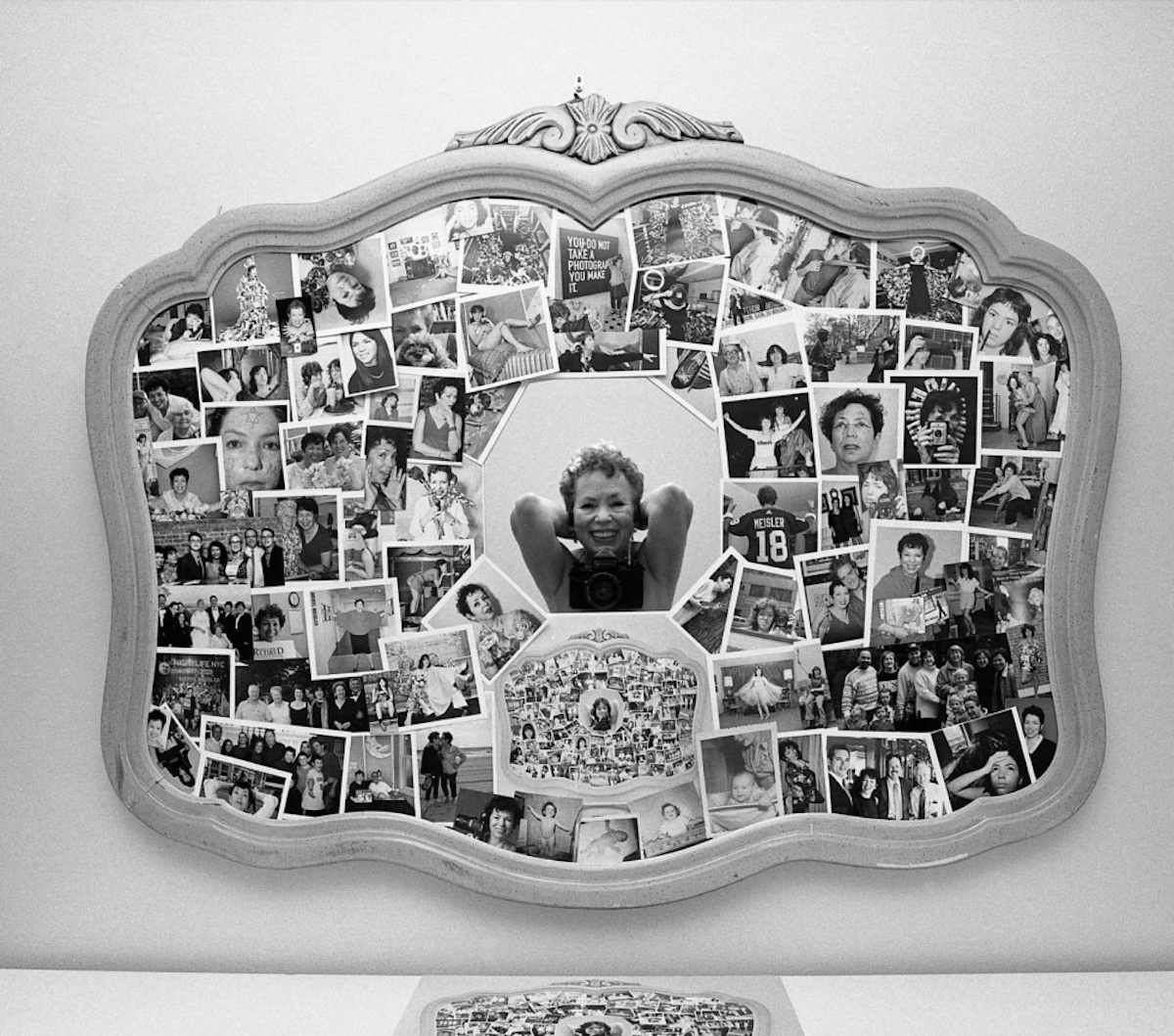
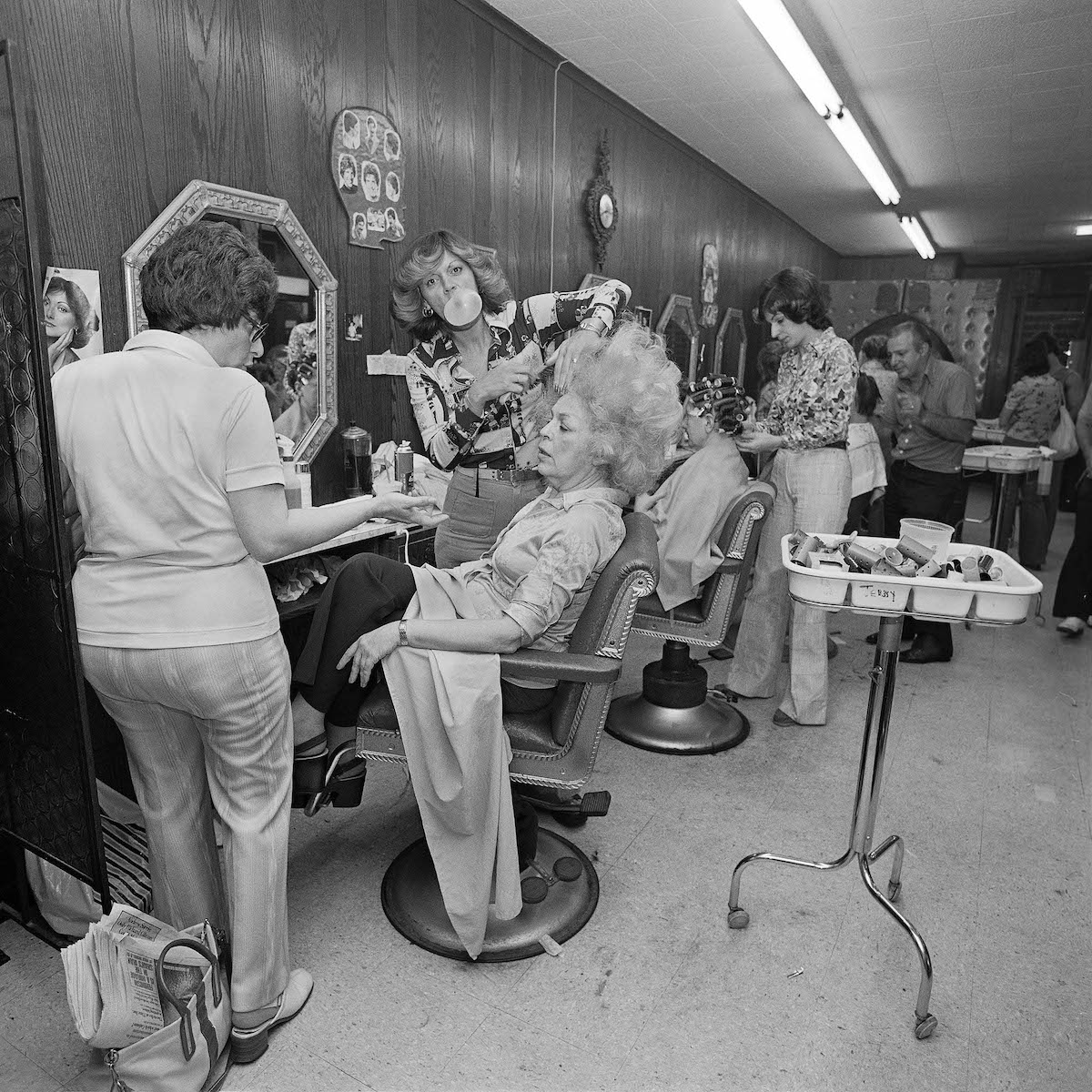
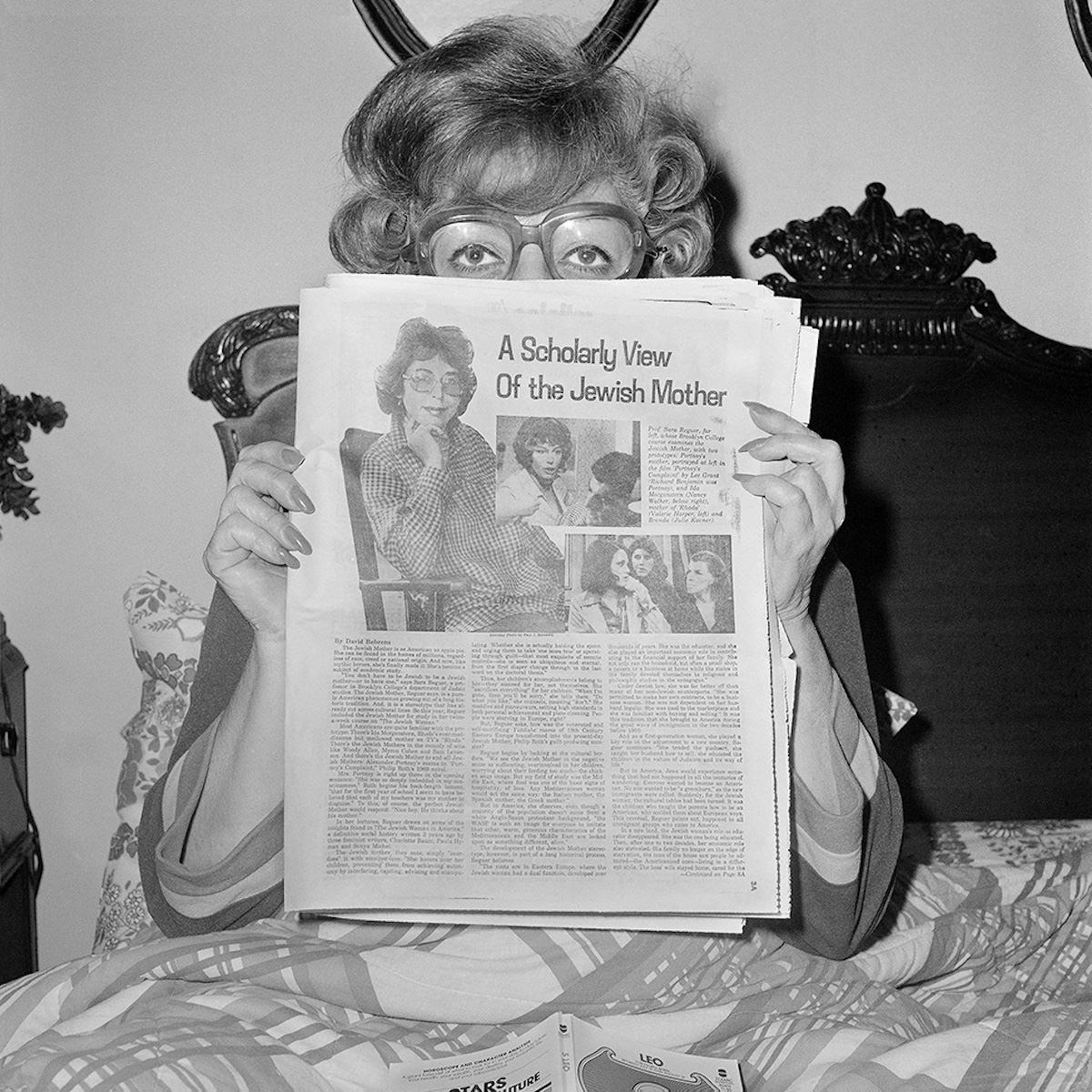
Meisler also photographed the domestic world she came from. Her mother getting her hair teased at a Long Island beauty salon in 1976 sits in the same body of work as the nightclub dancers and performers. The salon, the bedroom mirror, the Thanksgiving evening — these images argue that ordinary life deserves as much attention as the spectacular.
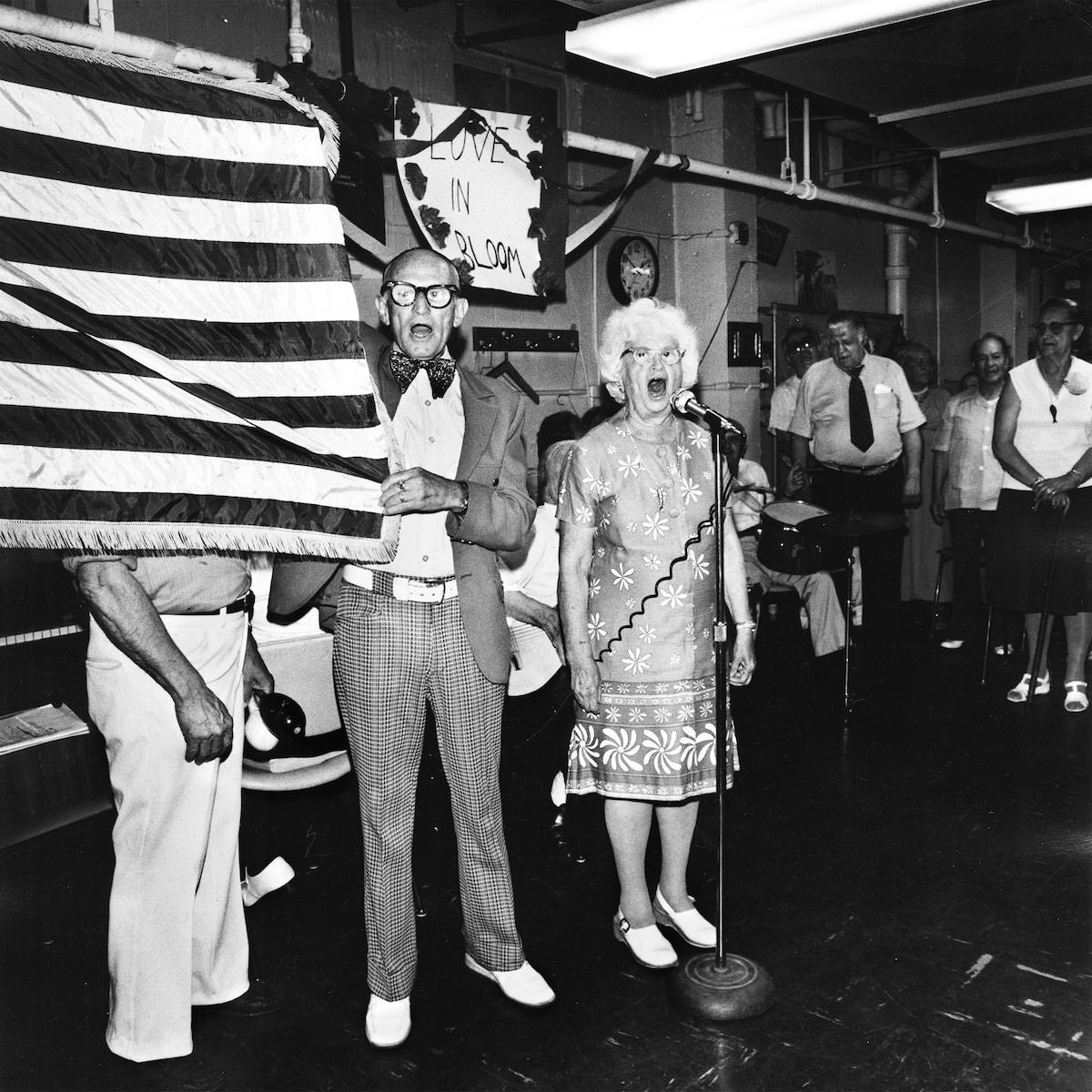
Community centers and senior programs appear in the work as well. Meisler’s photograph from the Henry Street Settlement Good Companions Senior Center in 1978 shows older women as part of the same story — not separate from it. Women across generations were all navigating the same city, just at different speeds and from different vantage points.
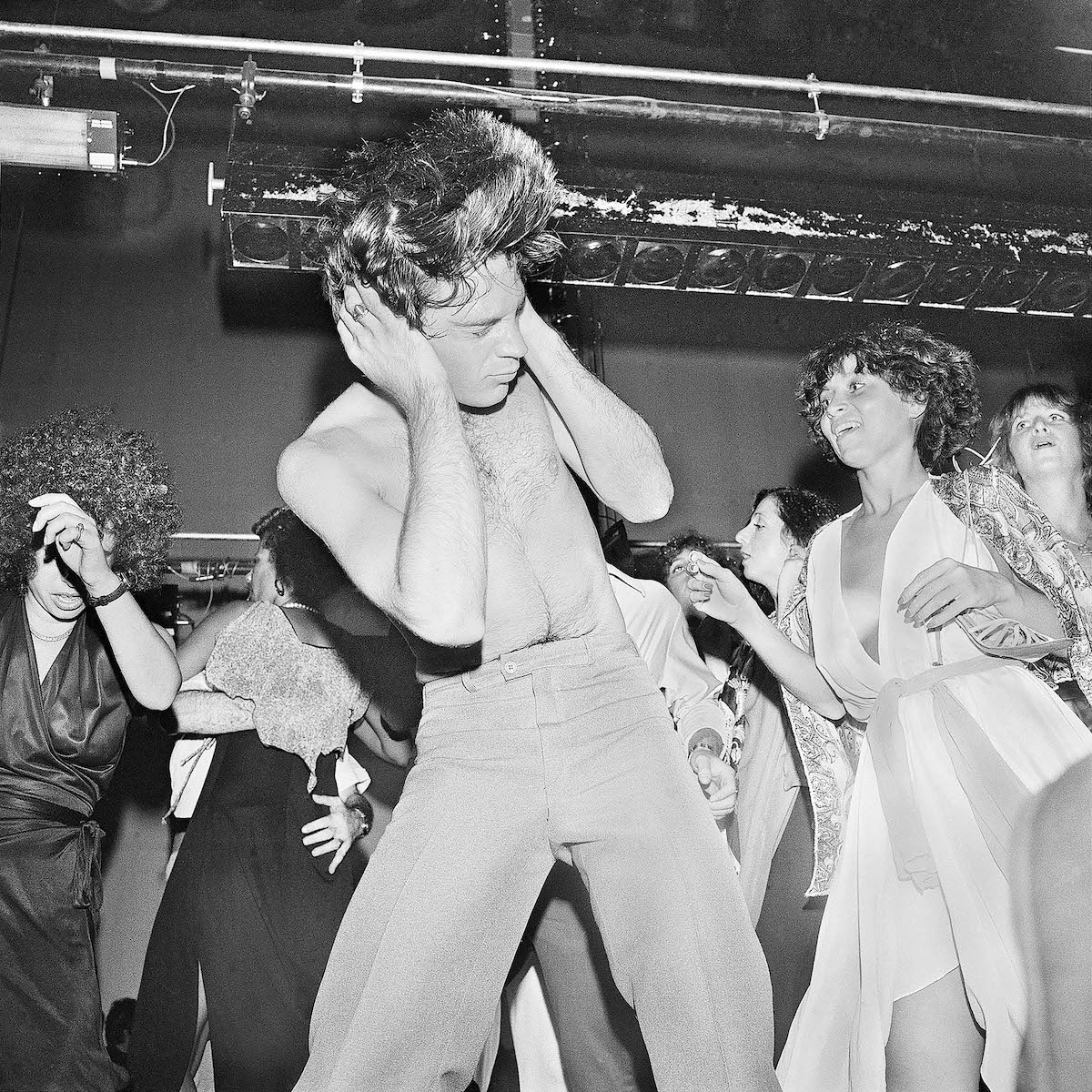
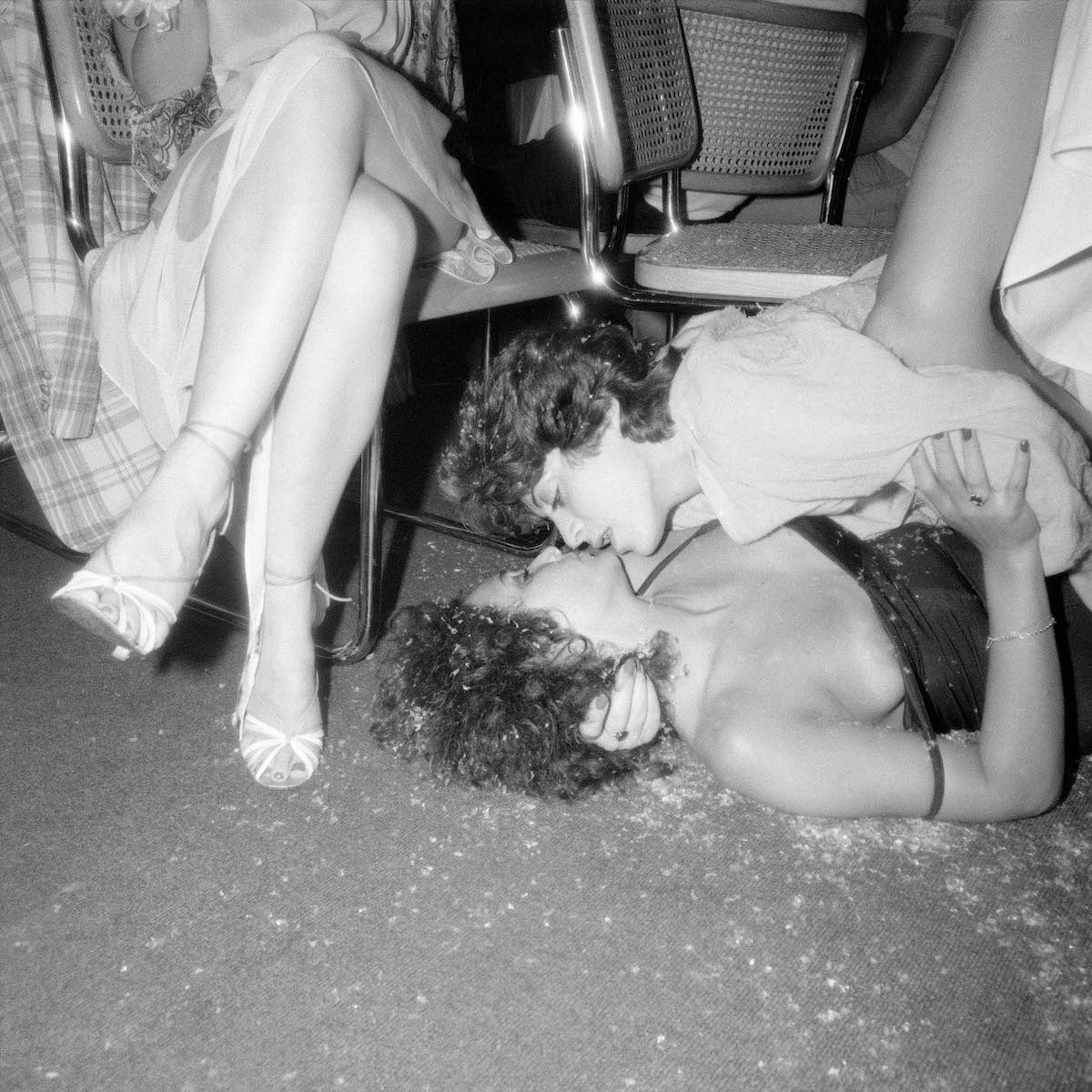
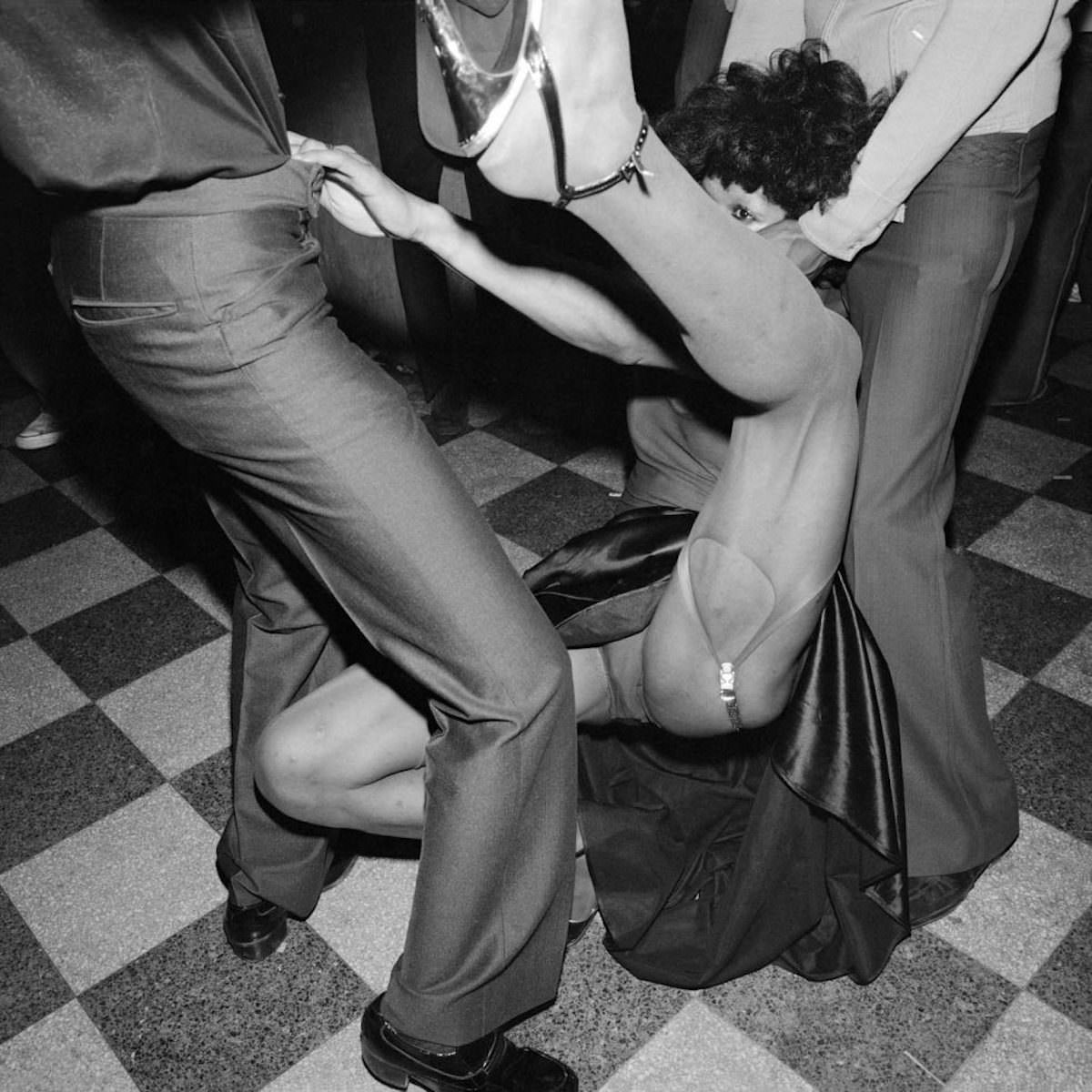
The dance floors are where Meisler’s archive crackles most visibly. At Les Mouches and GG’s Barnum Room, women danced with abandon — hair flying, stockings torn, bodies moving without apology. These weren’t careful, curated moments. They were real nights, documented by someone who understood exactly what she was watching.
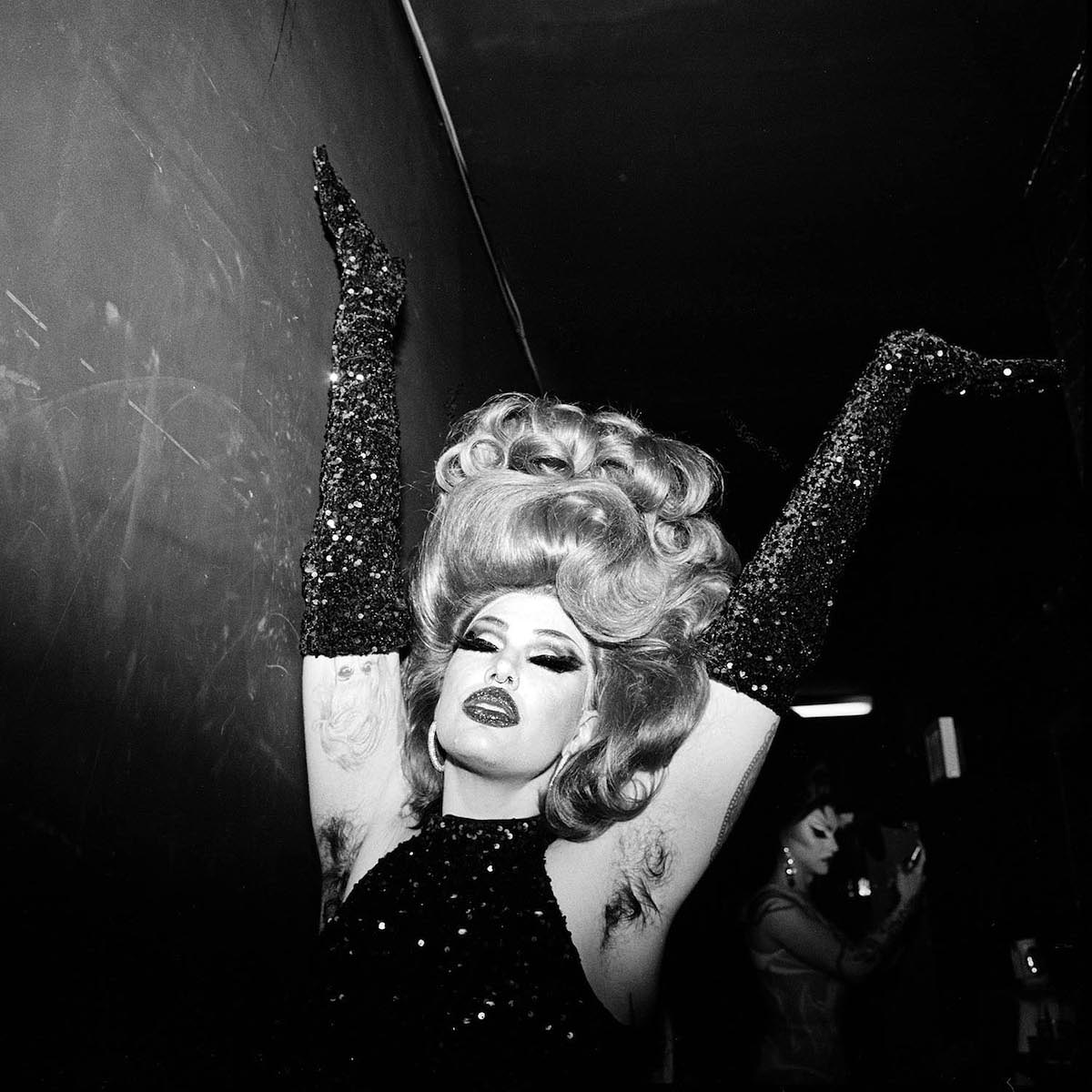
Meisler’s work didn’t stop in the 1970s and 80s. Decades later, she was still photographing. A 2023 image from Switch n’ Play in Brooklyn shows Miss Malice at her birthday celebration — a drag and burlesque performance space where the same spirit of self-presentation and defiance is fully alive. The city changed. The women in it kept going.