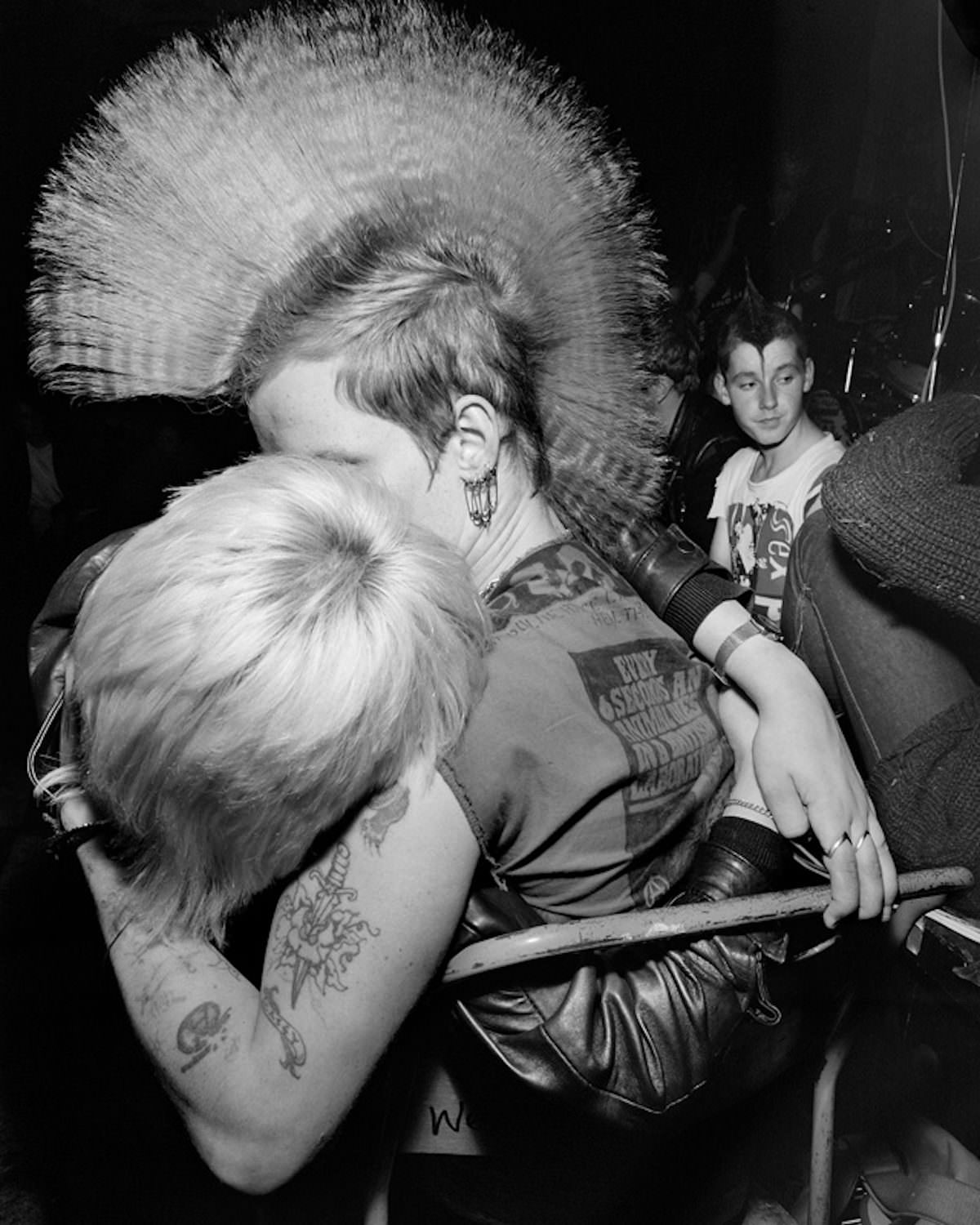
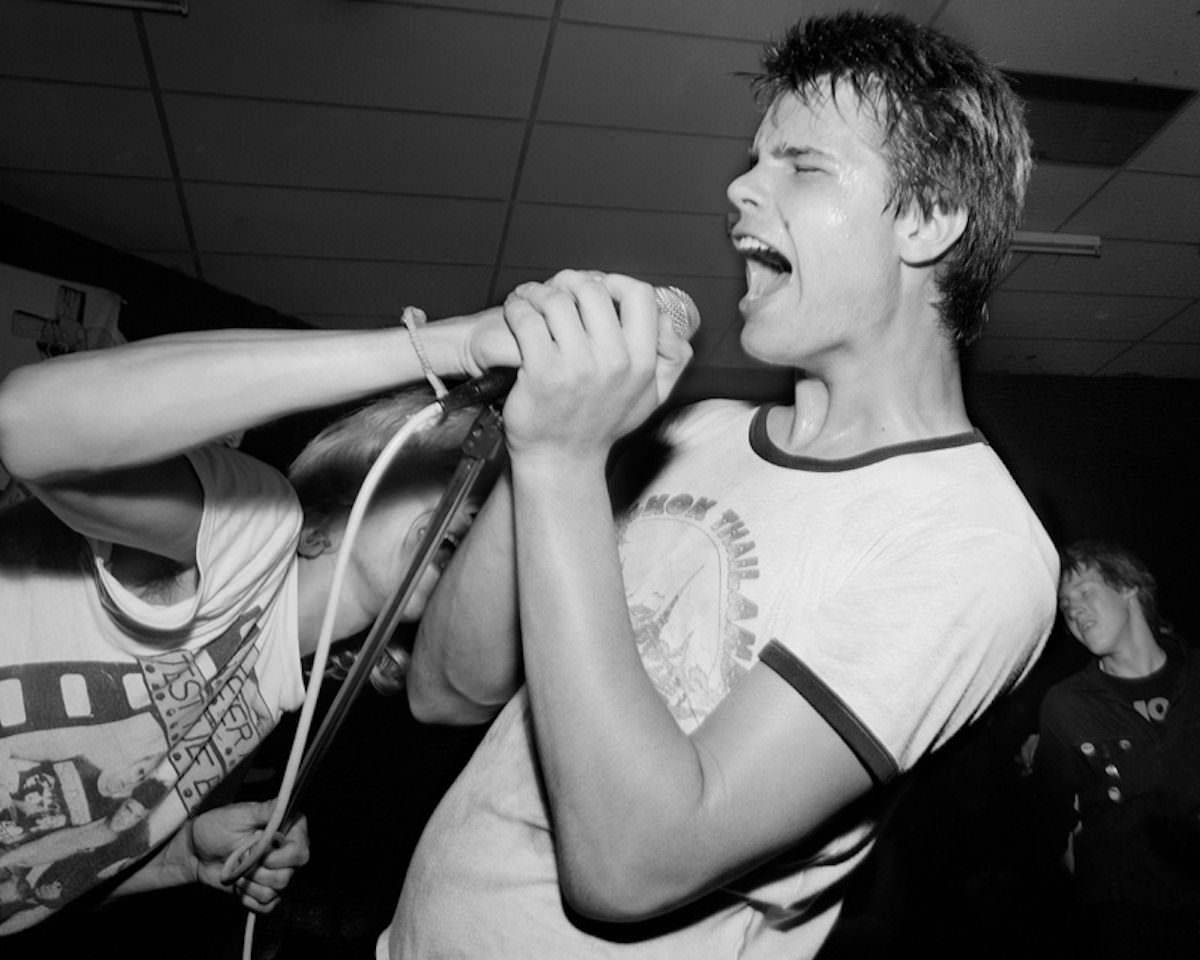
In 1985, photographer Chris Killip turned his camera away from factory floors and shipyards and pointed it at something rawer: the anarcho-punk scene tearing through Newcastle. Northern England was deep in de-industrialization. Unemployment was high, opportunities were thin, and whole communities felt cut loose by the economy. For a generation of young people, punk wasn’t just music — it was the loudest answer they had.
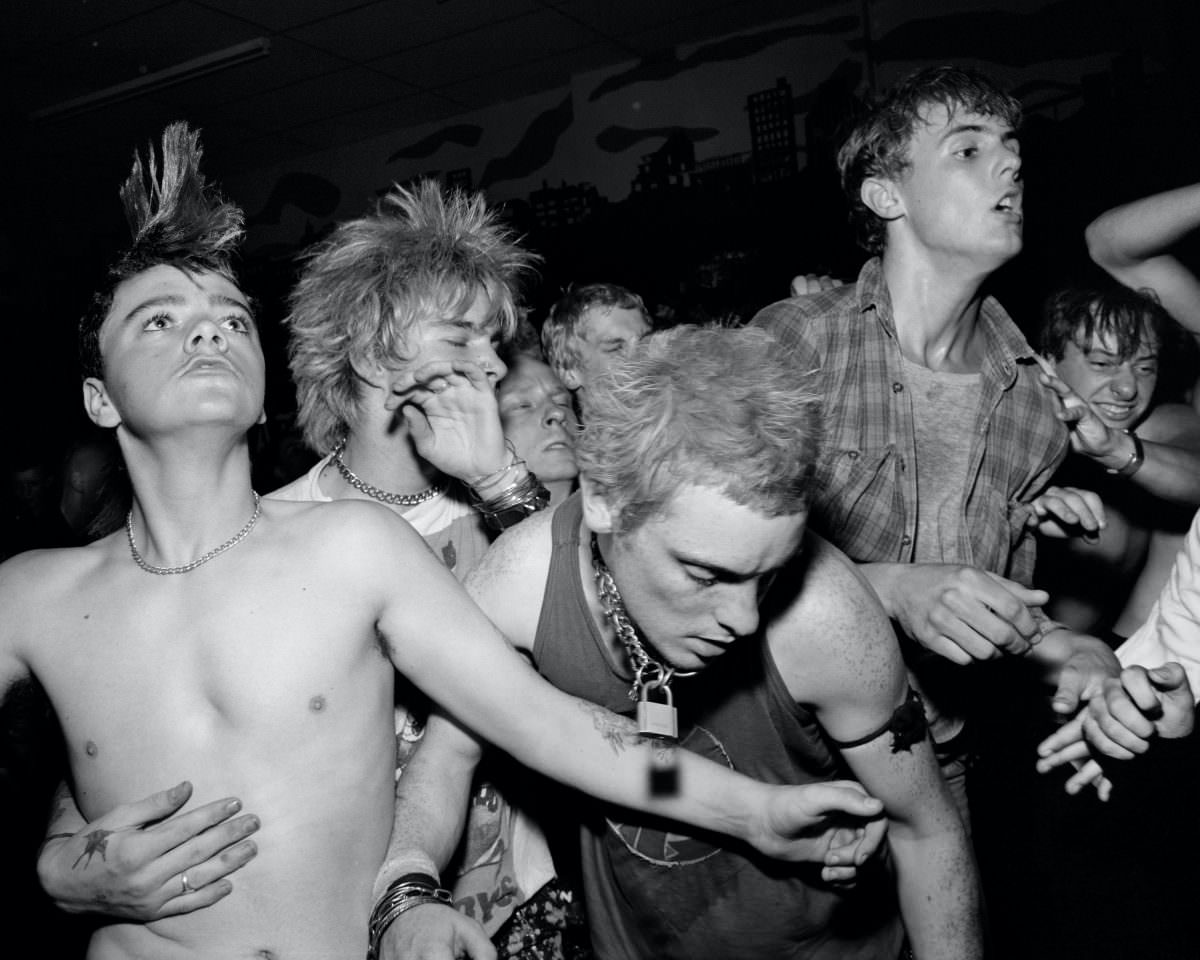
The heart of this scene was a venue called The Station, run by the Gateshead Music Cooperative. This was no ordinary club. The punks owned and operated it themselves, a rare thing at the time. It gave the community something they couldn’t find elsewhere — a space that was entirely theirs.
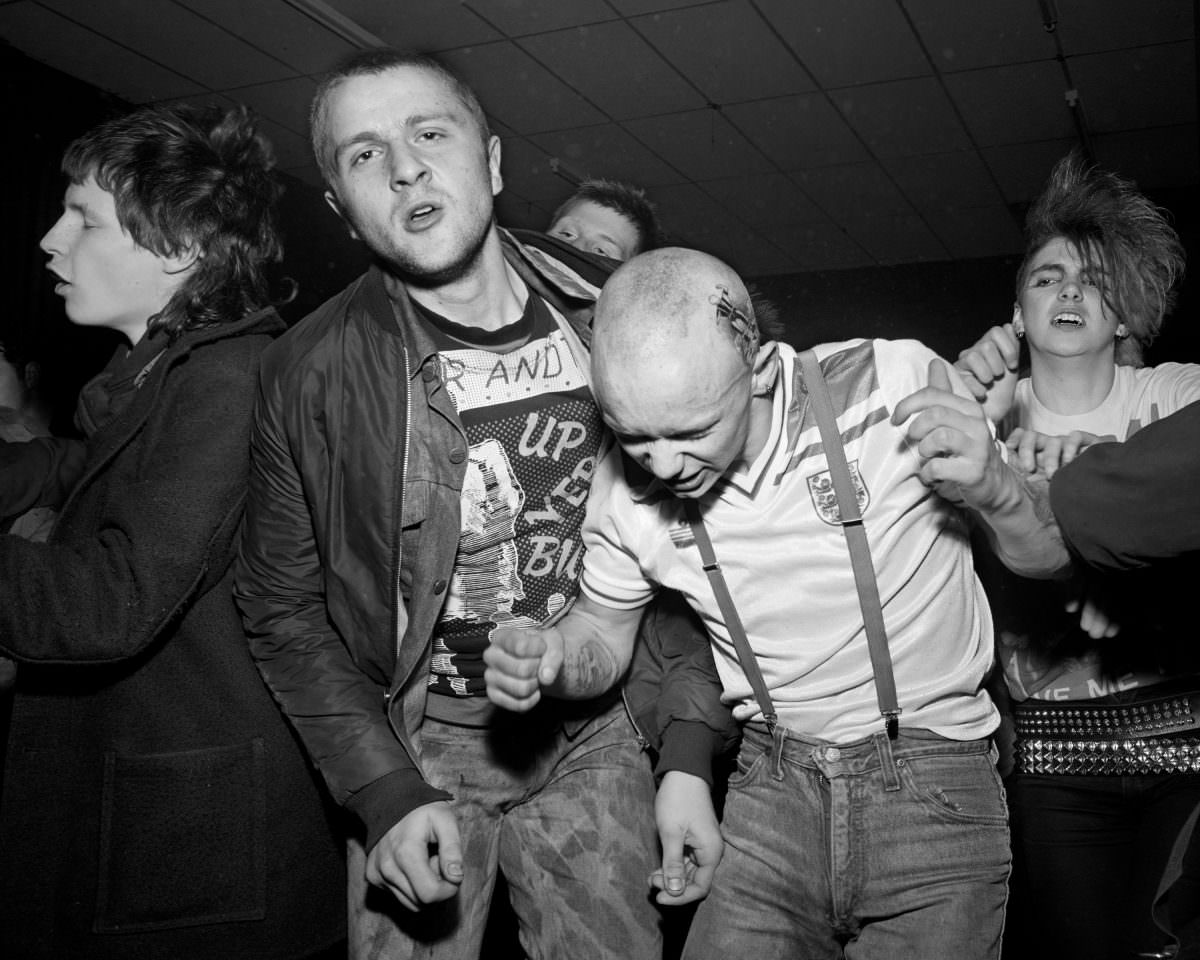
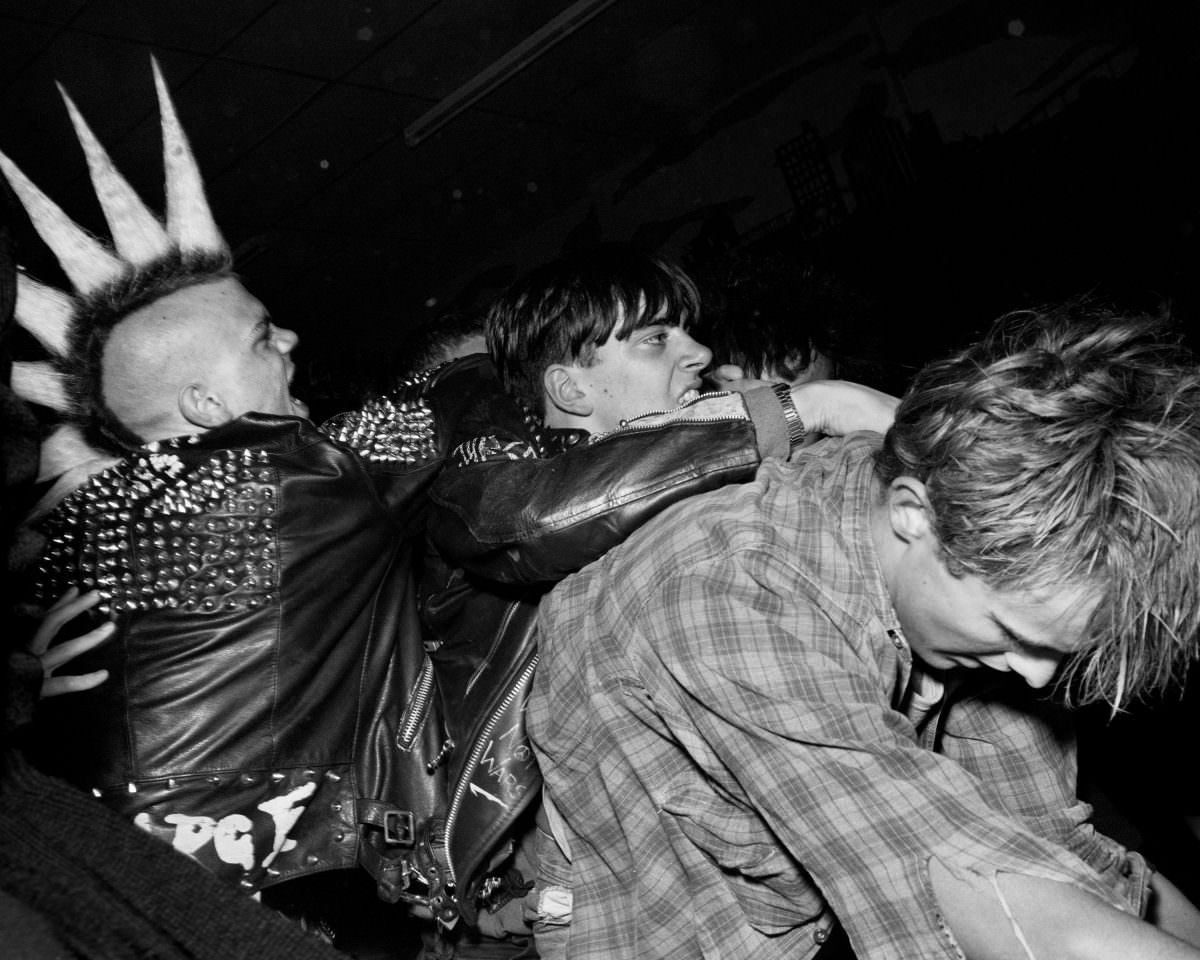
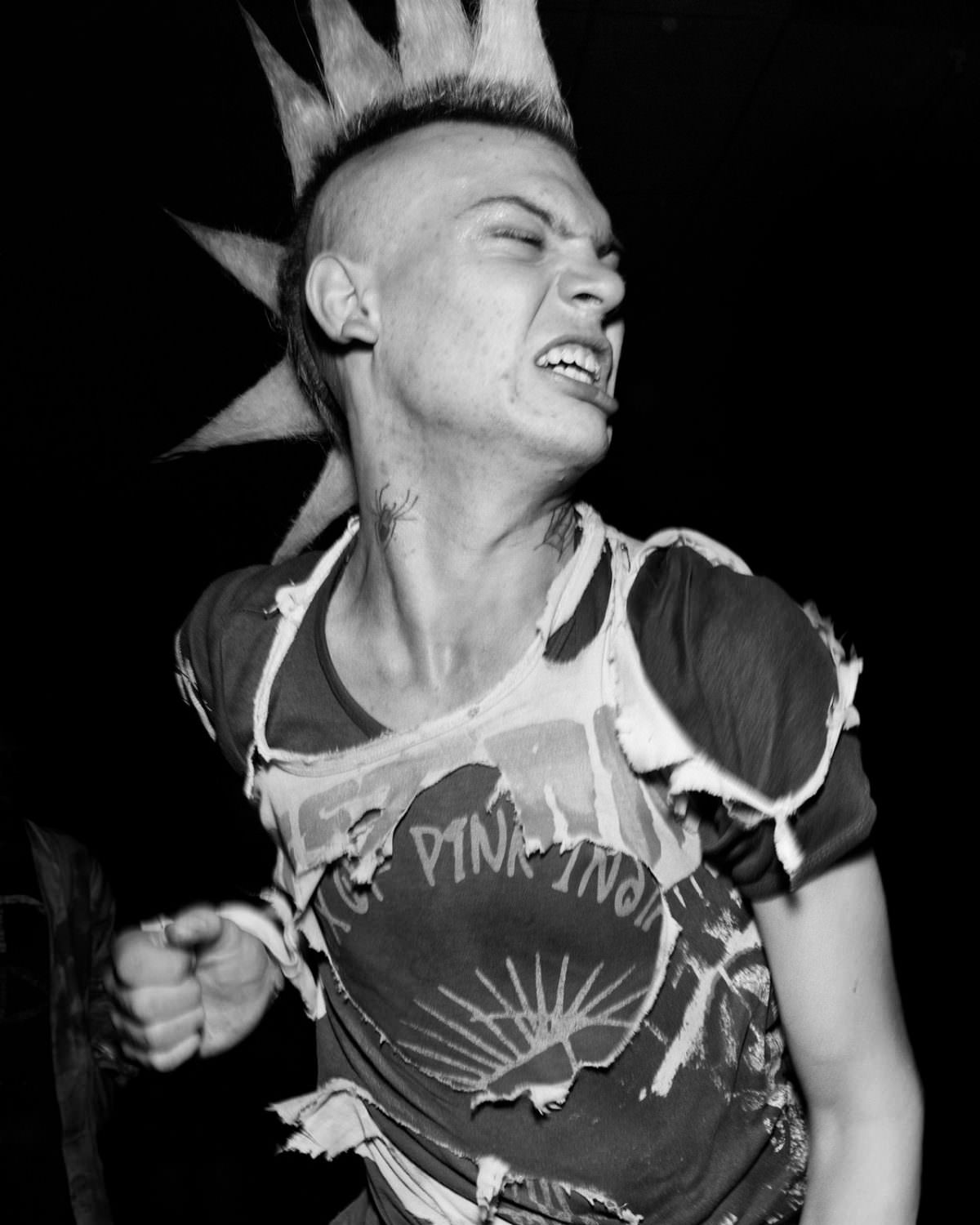
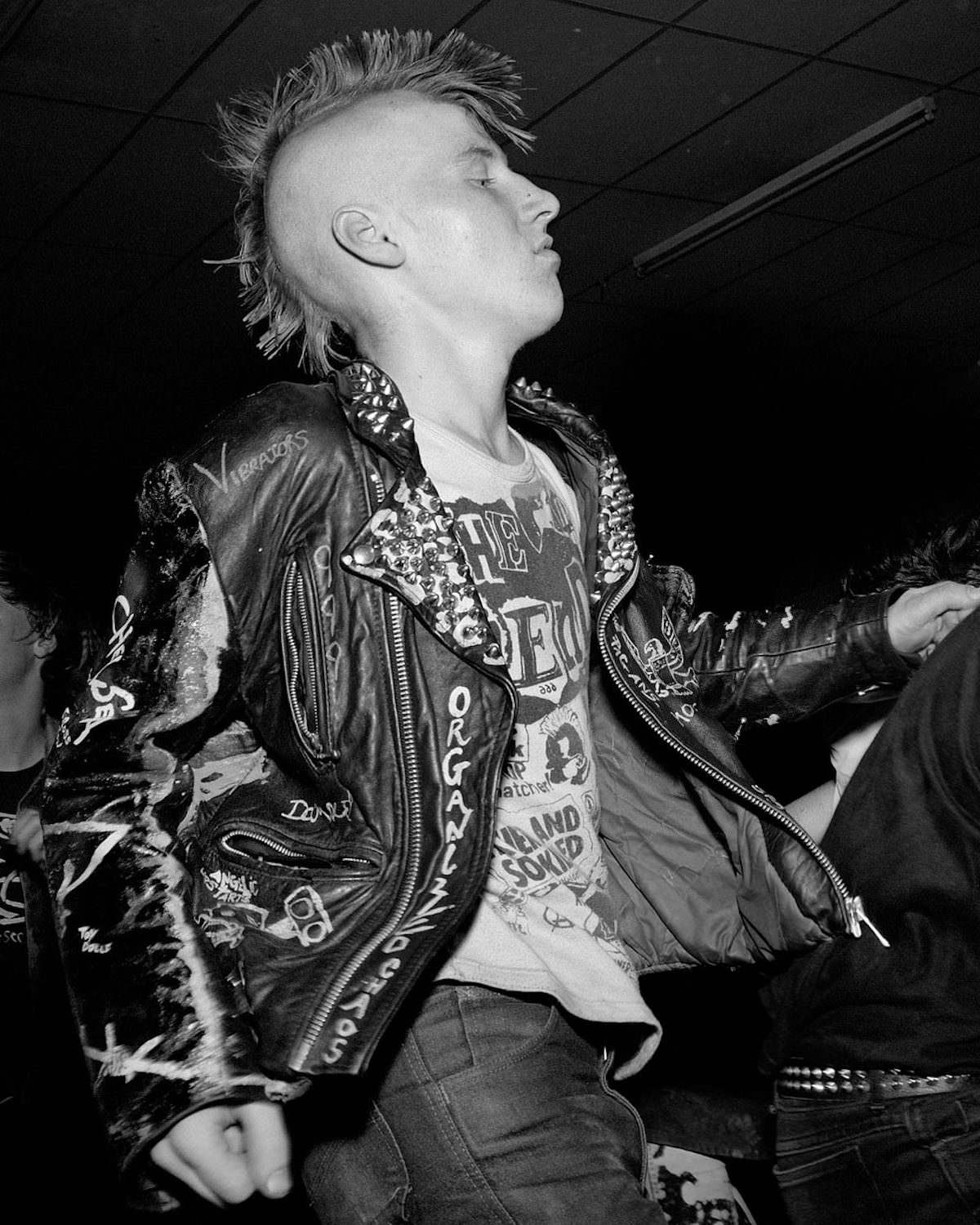
Killip’s photographs focused on the crowd, not the stage. He documented the young men and women who packed the dance floor — bright dyed hair, ripped clothes, piercings, tattoos, and expressions that dared the world to look away. These weren’t costumes. They were declarations.
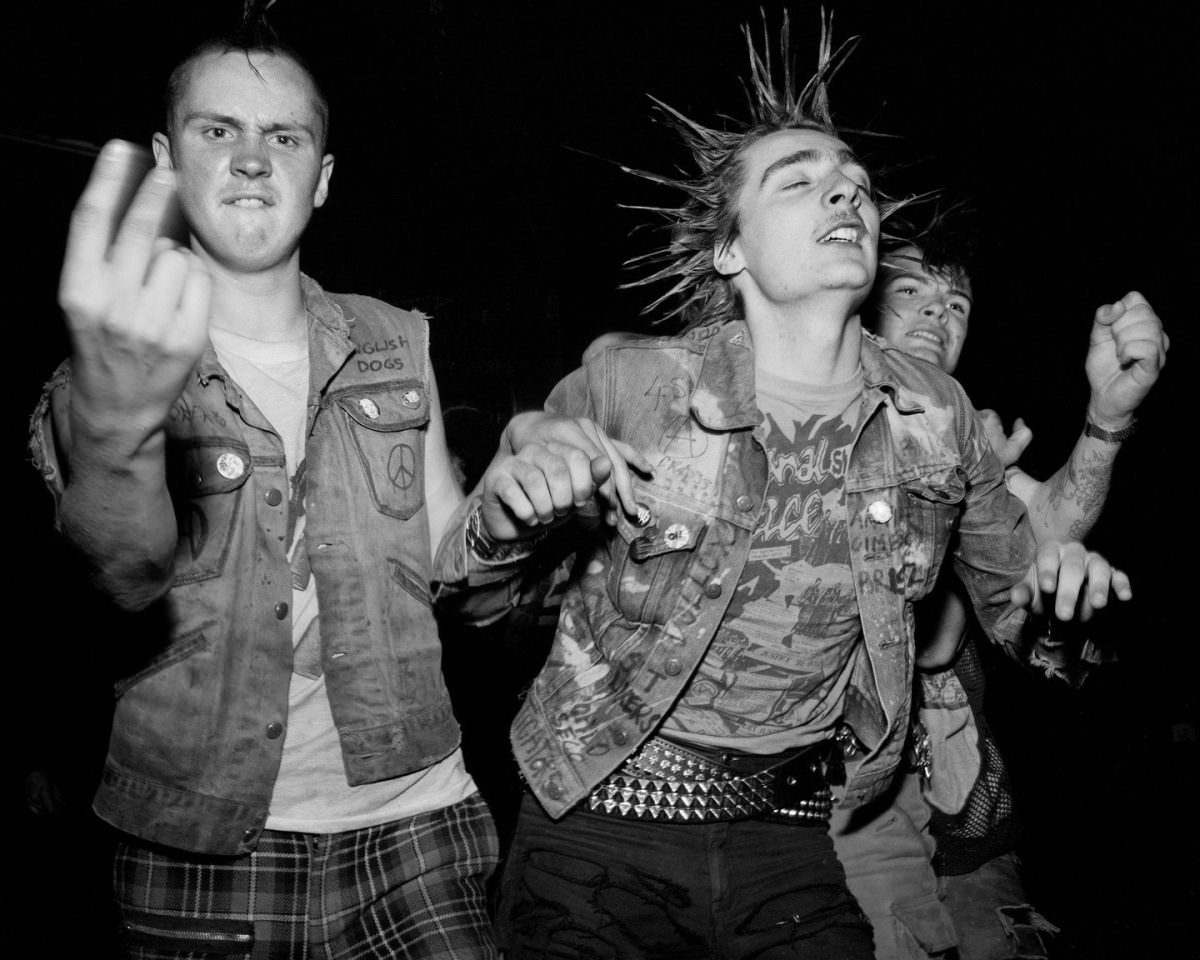
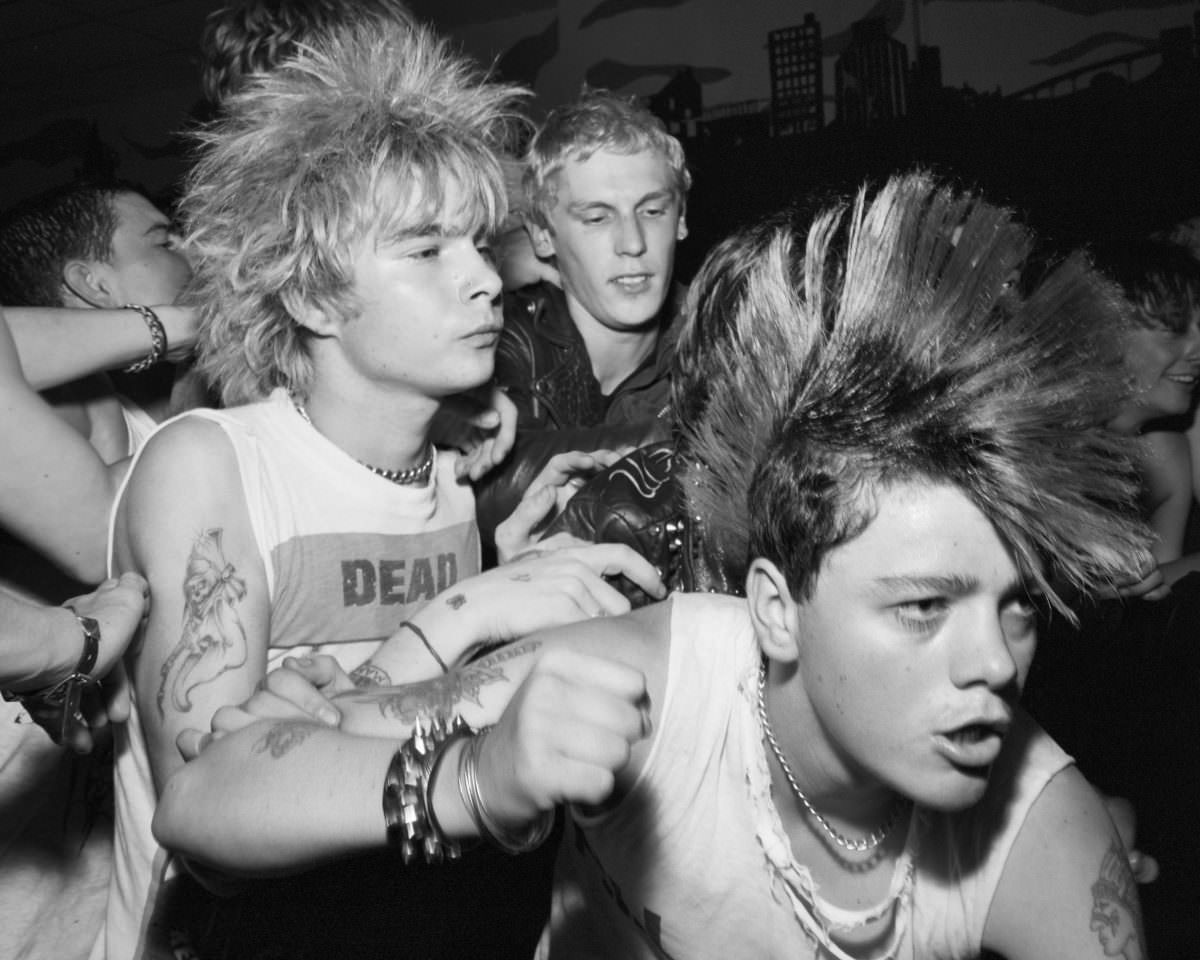
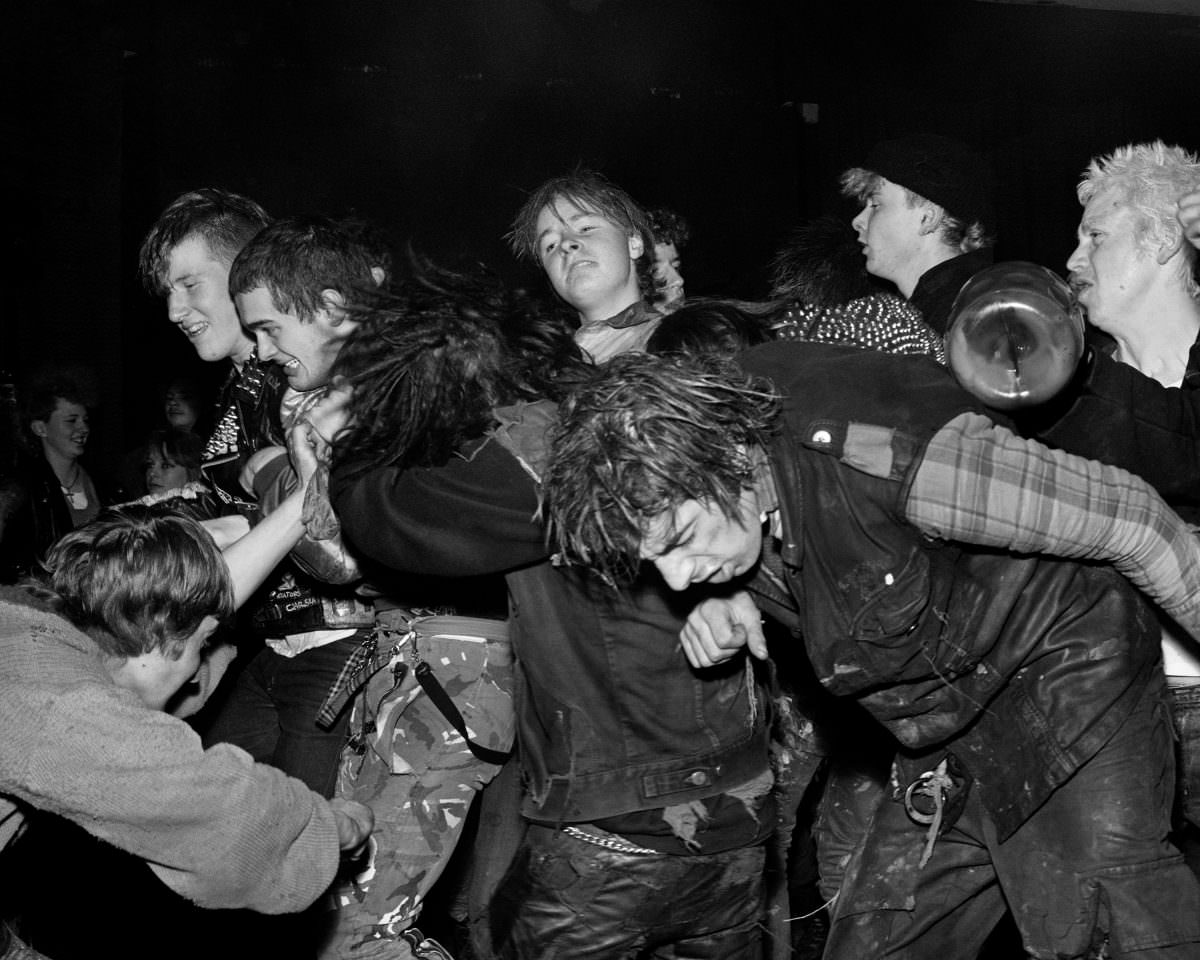
The mosh pit was central to the experience. Bodies collided and lurched in rhythm with the music — a churning release of frustration and energy. For many attendees, it was one of the few places where that anger had somewhere to go.
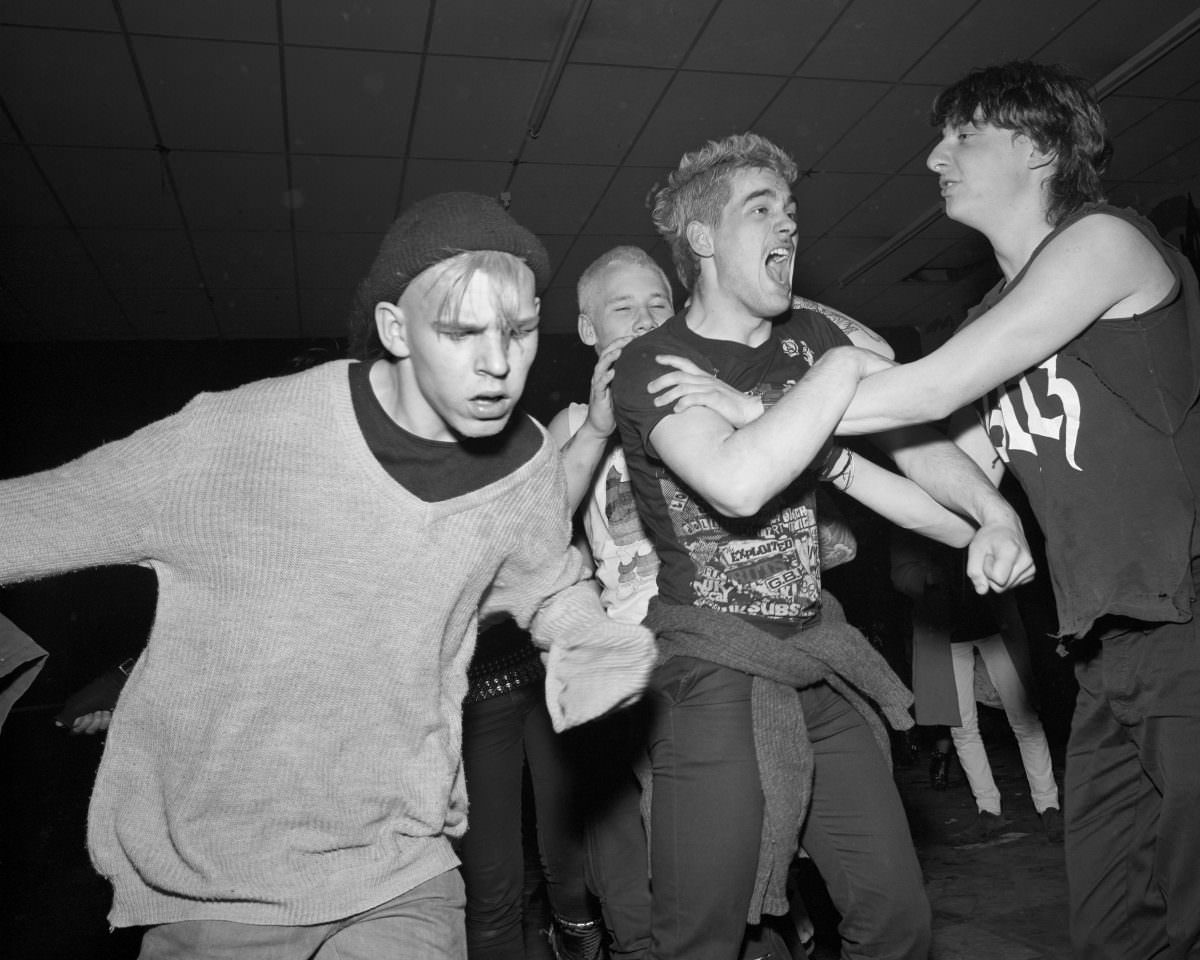
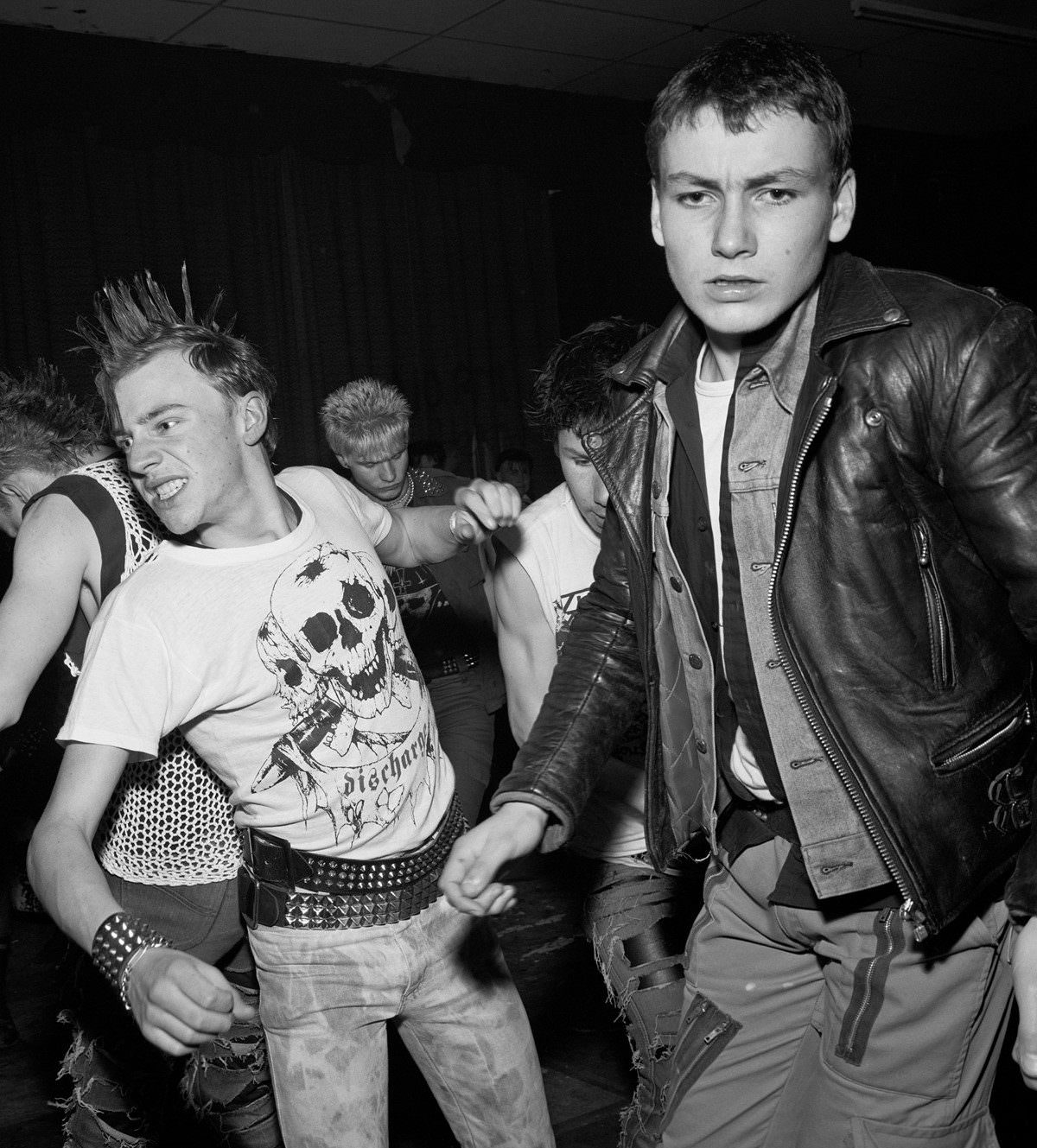
The DIY ethic ran through everything. Bands formed with little more than borrowed equipment. Fanzines were printed and handed out by hand. Gigs were organized without labels, agents, or outside money. The scene sustained itself on the energy of the people inside it.
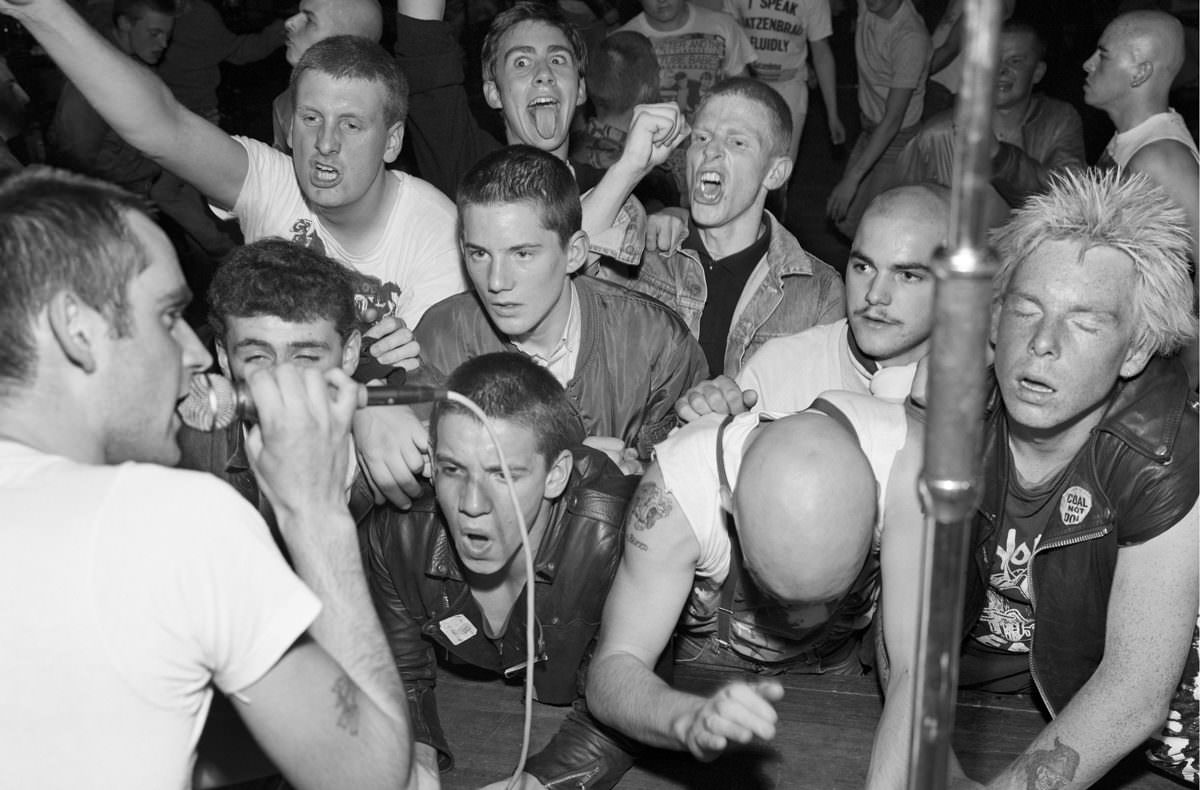
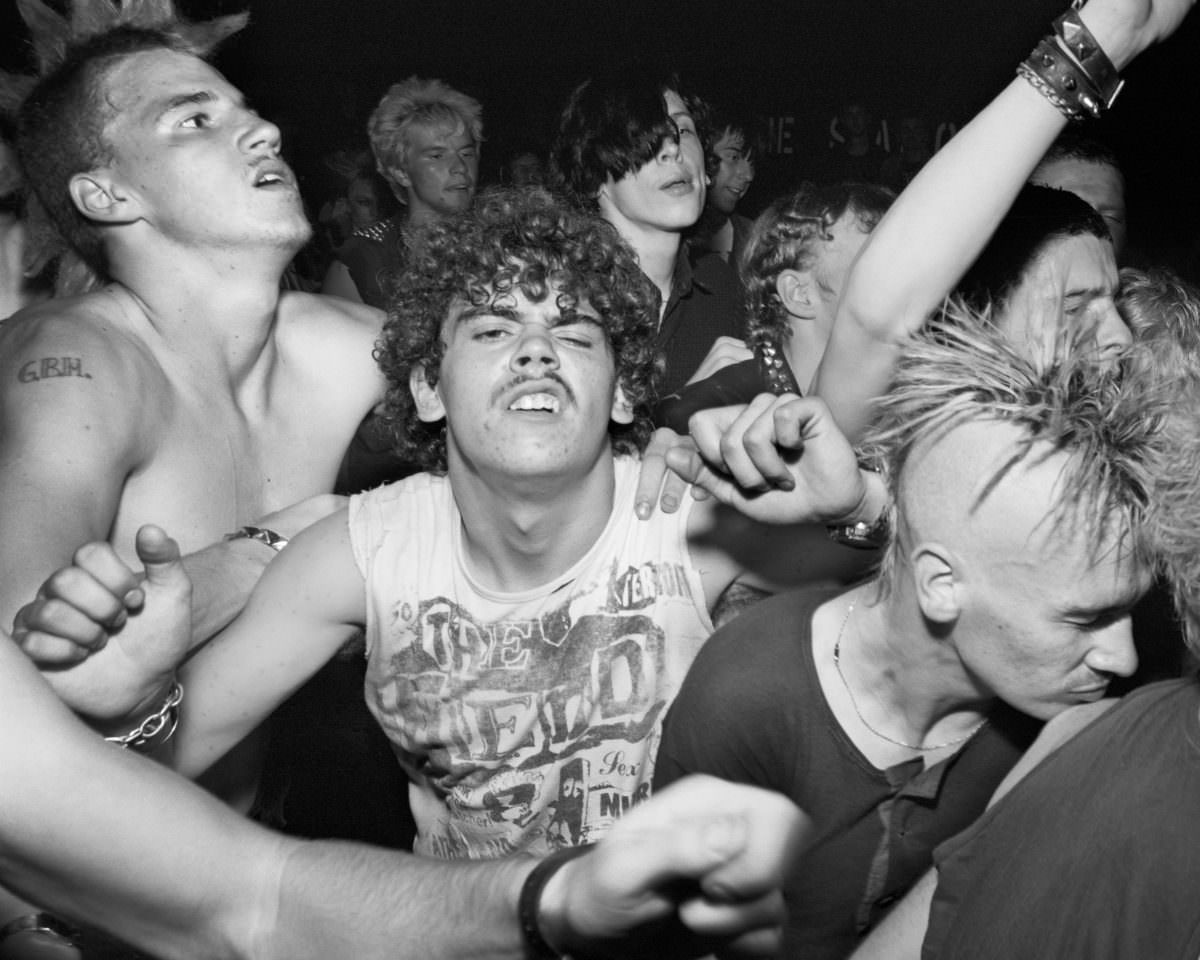
Killip captured all of this without glamorizing it. His black-and-white frames show sweat, intensity, and closeness — young people pressed together in a cramped venue, finding meaning in the noise. The Station was a place built by people who had been written off, and Killip’s work made sure that wasn’t forgotten.