
Montreal in the 1950s was a city full of energy. The war was over, the economy was growing, and the streets reflected a place moving forward while still holding tight to its roots. Jazz had moved into the city’s nightlife in a big way, filling clubs and bars with music from both international stars and local talent. The post-war generation embraced it, and the sound became a signature of the decade.
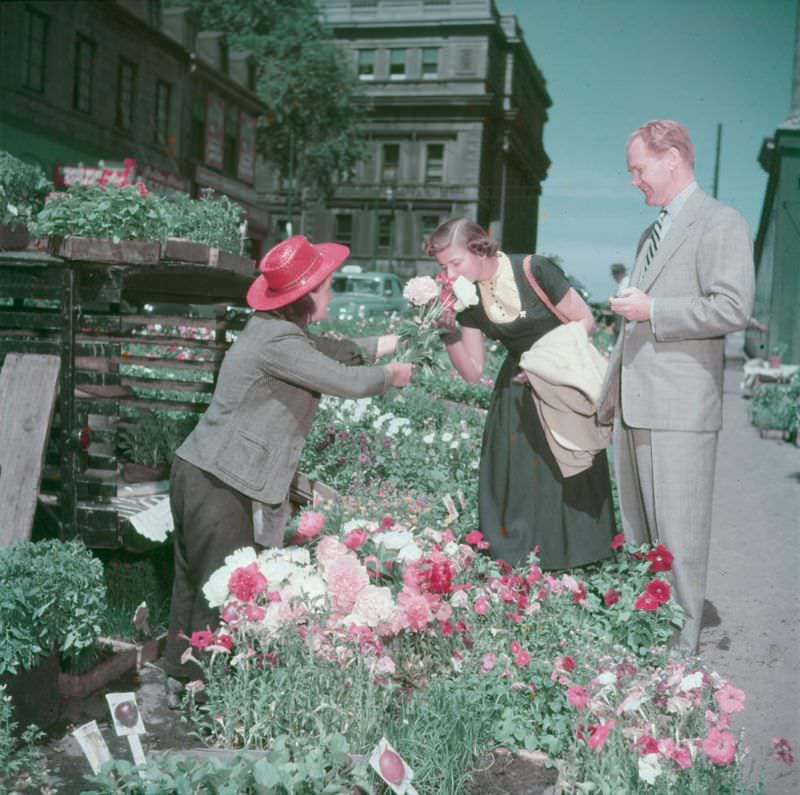
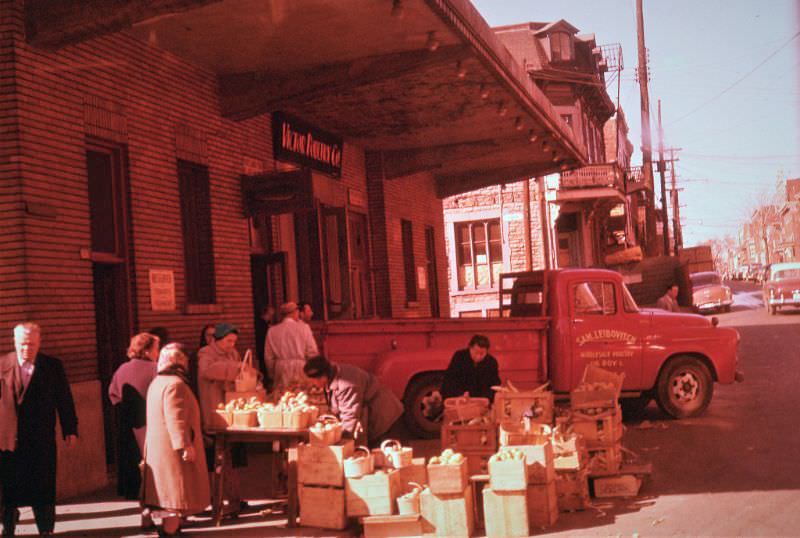
Markets like Bonsecours were a daily fixture in Montreal life. Vendors sold fresh produce, flowers, and goods to a city that was growing fast. Immigration was reshaping Montreal’s food culture, bringing new flavors and cooking traditions. Bakeries displayed pastries in their windows, and new restaurants opened steadily, building the foundation for what the city’s food scene would eventually become.
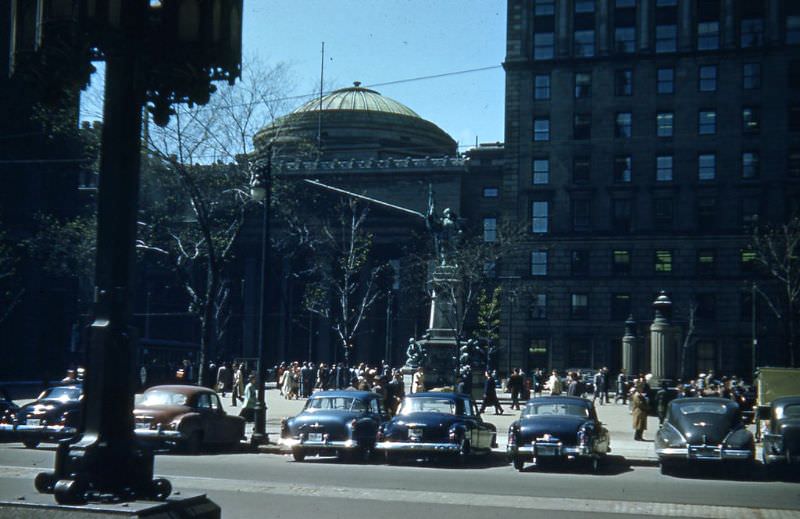
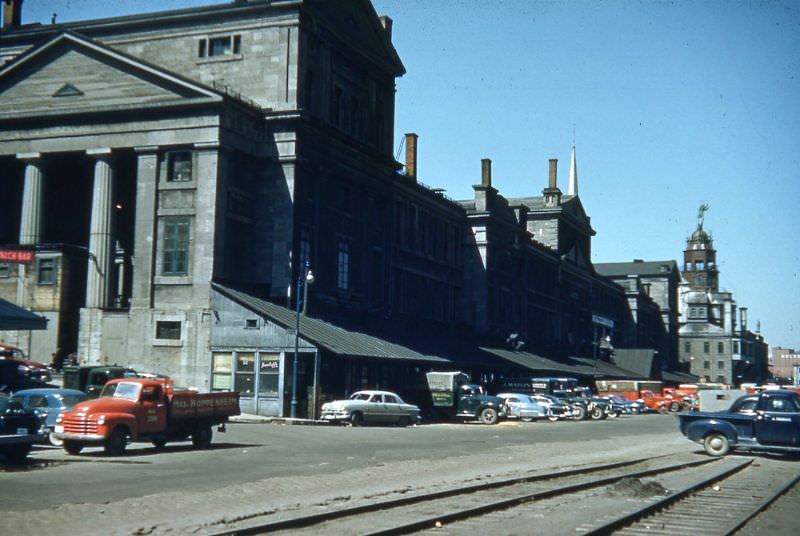
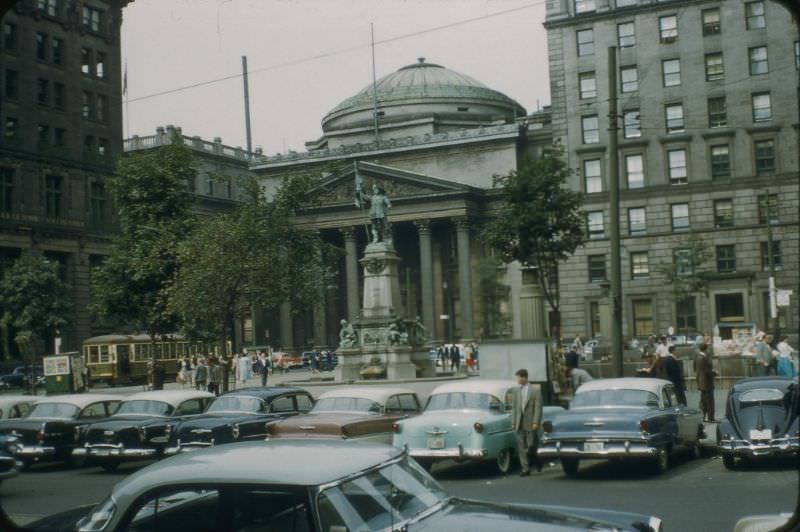
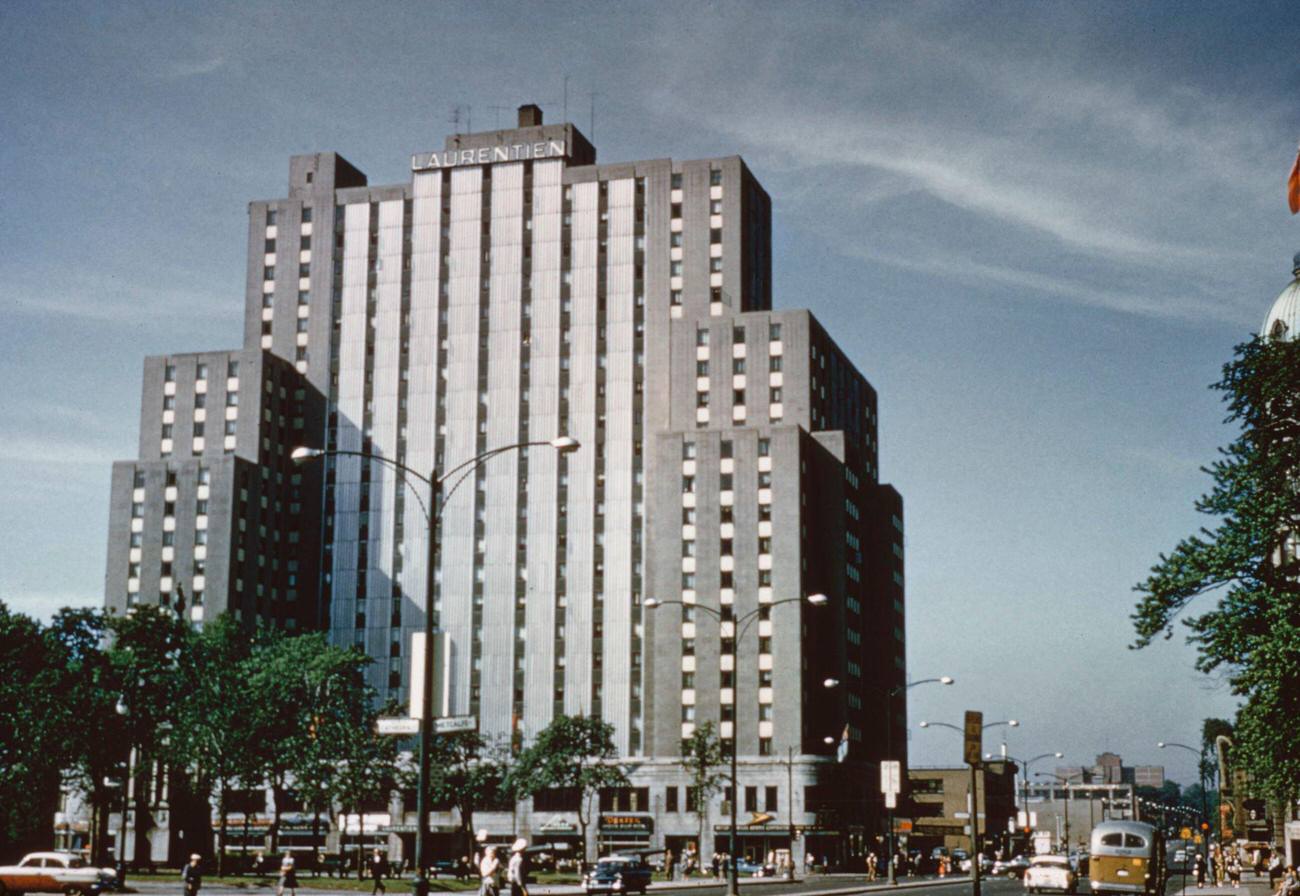
The city’s architecture told its own story. Montreal’s skyline in the 1950s was a mix of old stone institutions and newer, modern structures. Buildings ranged from Art Deco styles to early modernist designs, reflecting trends happening across North America and Europe. The Bank of Montreal stood as a symbol of financial stability, while older landmarks like Château Ramezay and Notre-Dame Basilica anchored the city to its long history.
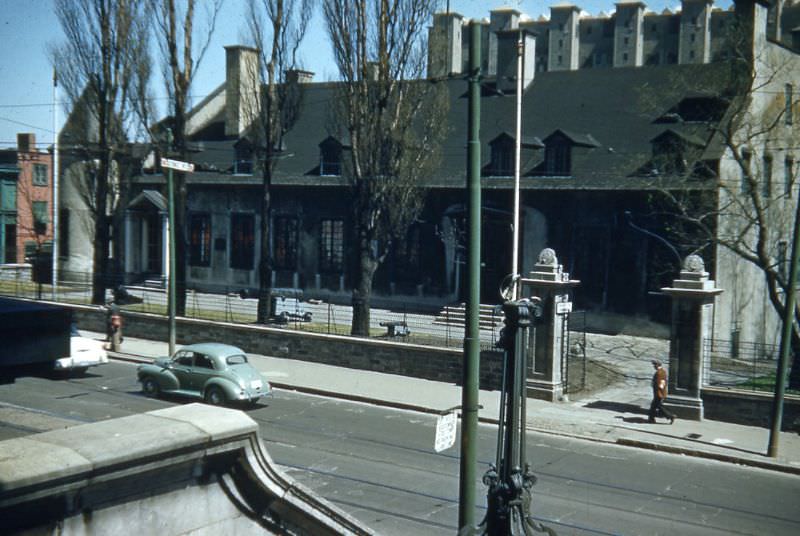
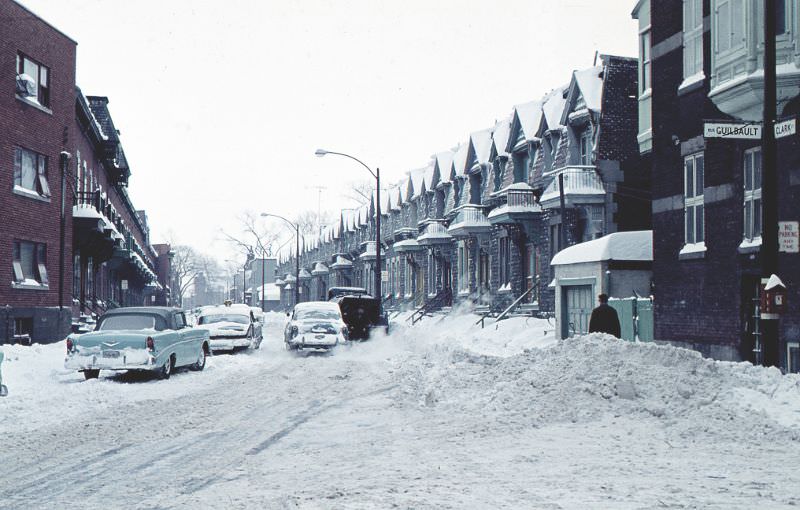
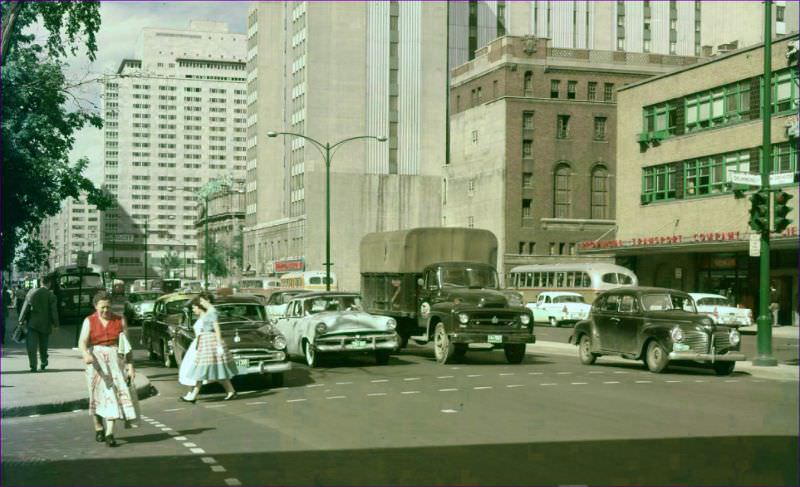
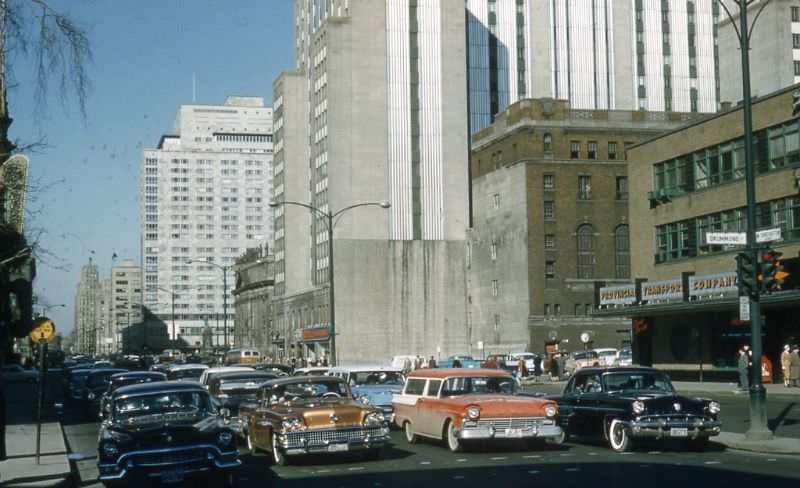
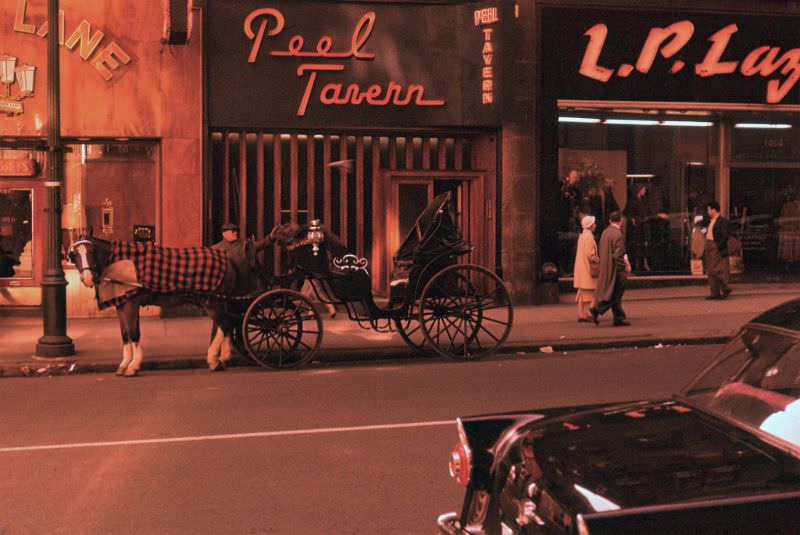
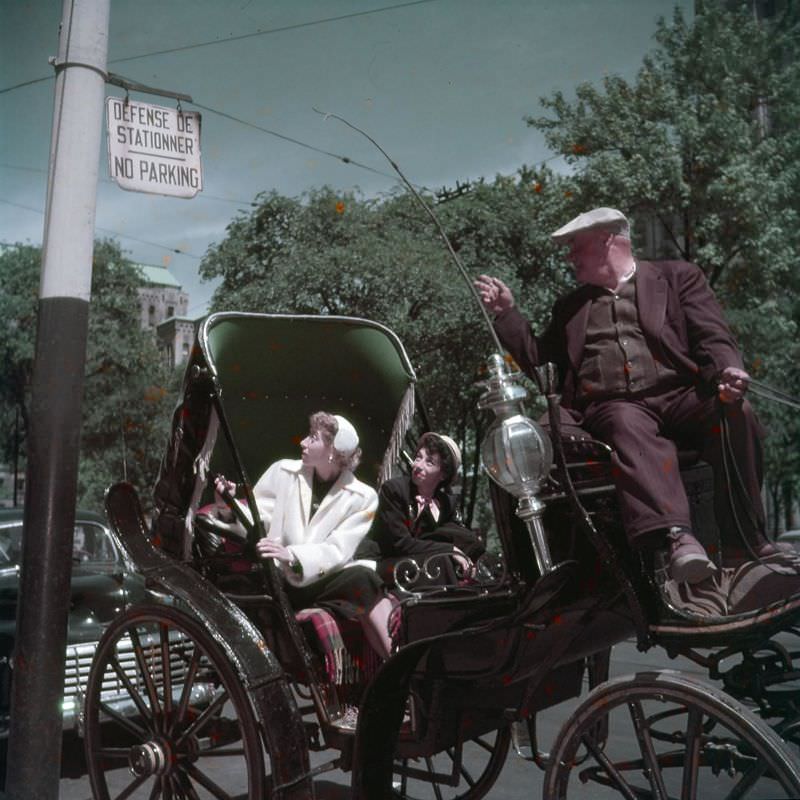
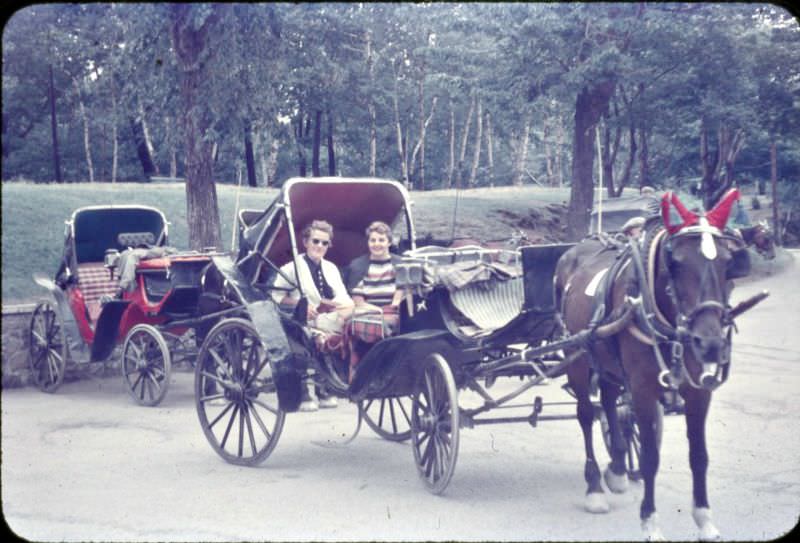
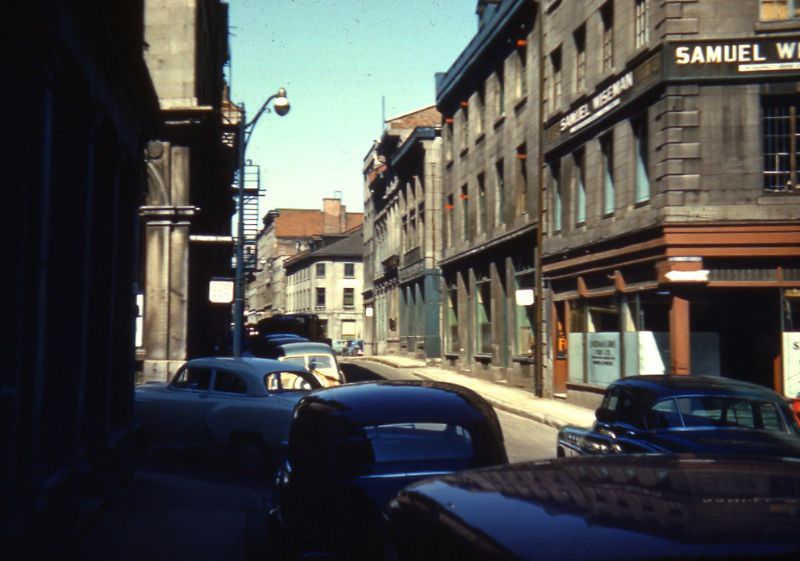
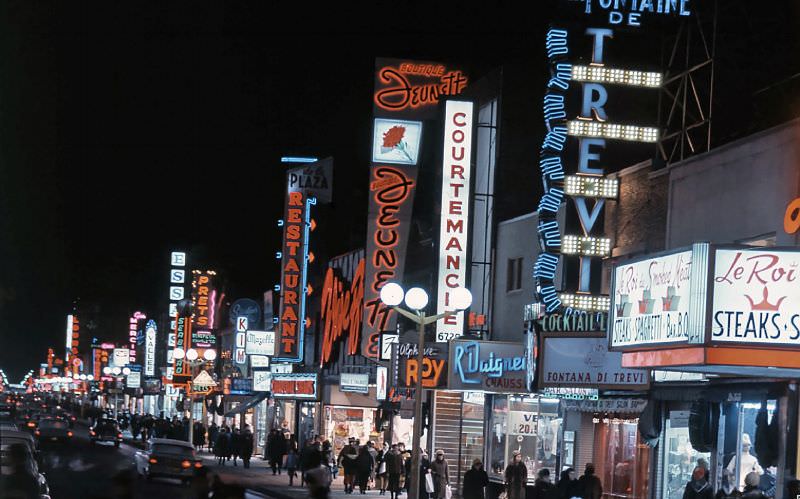
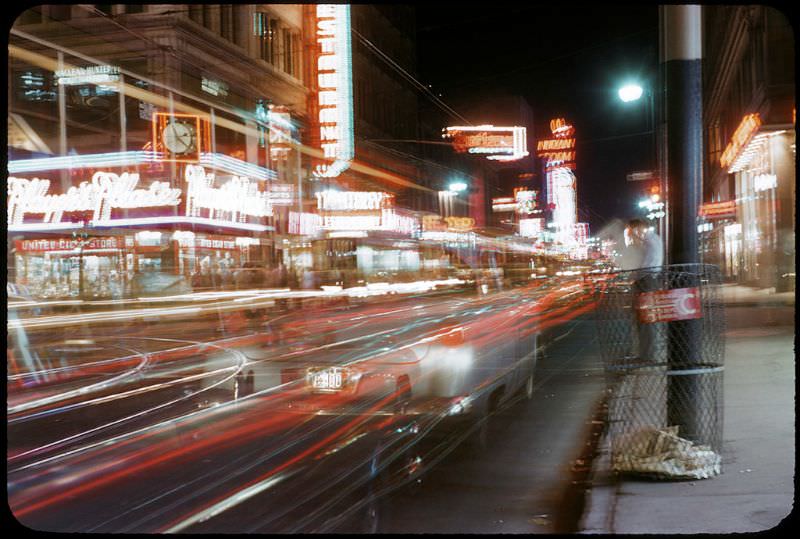
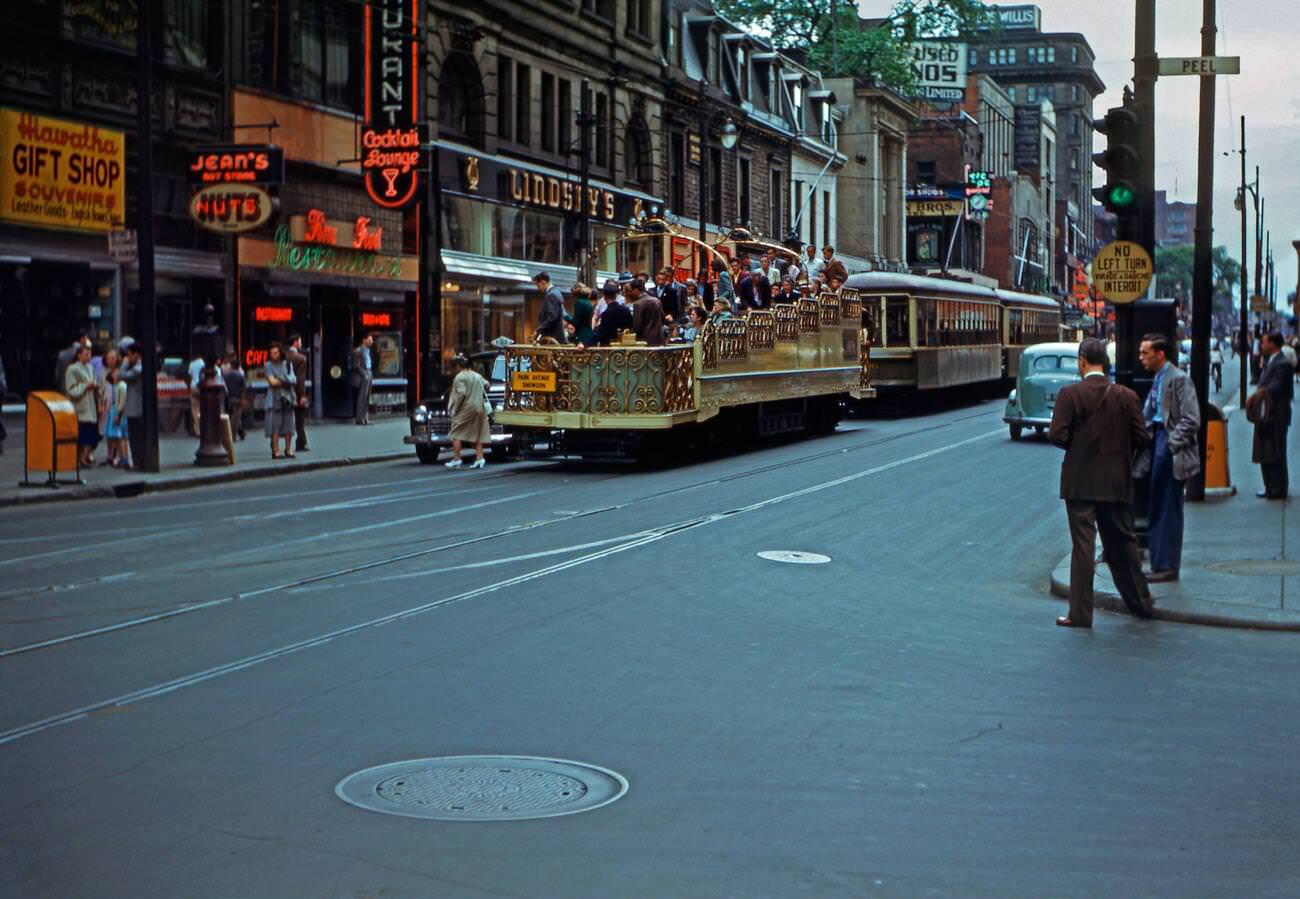
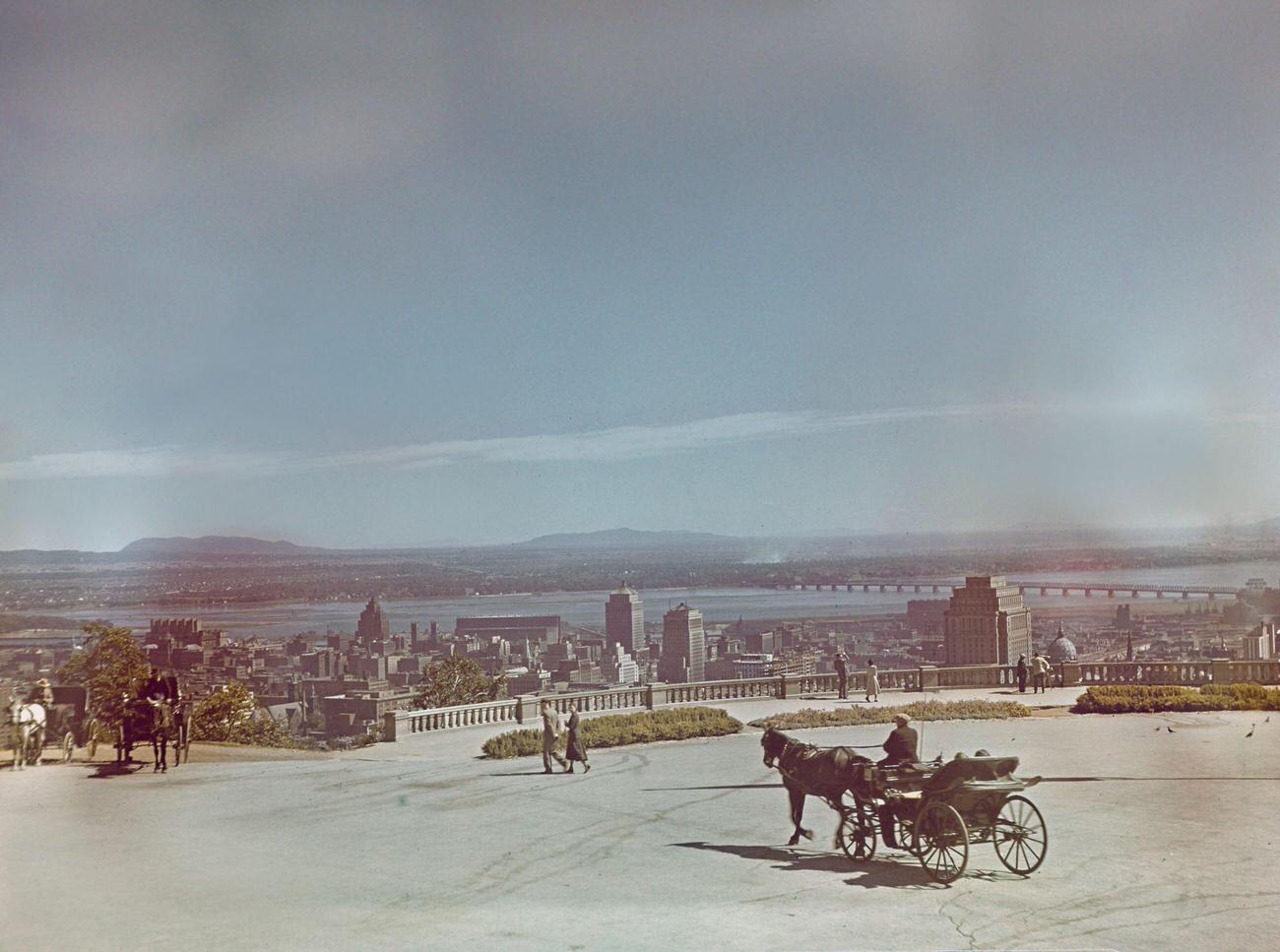
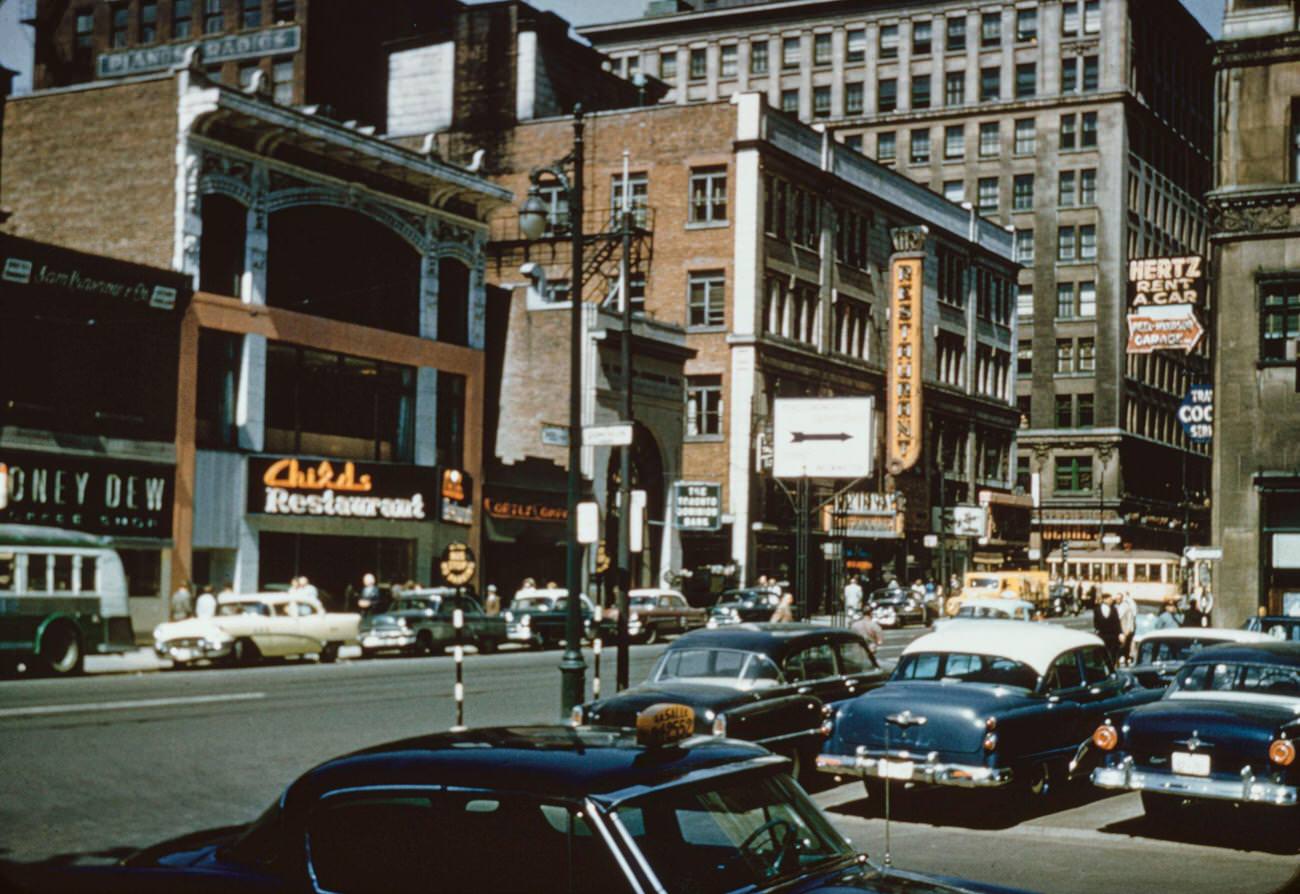
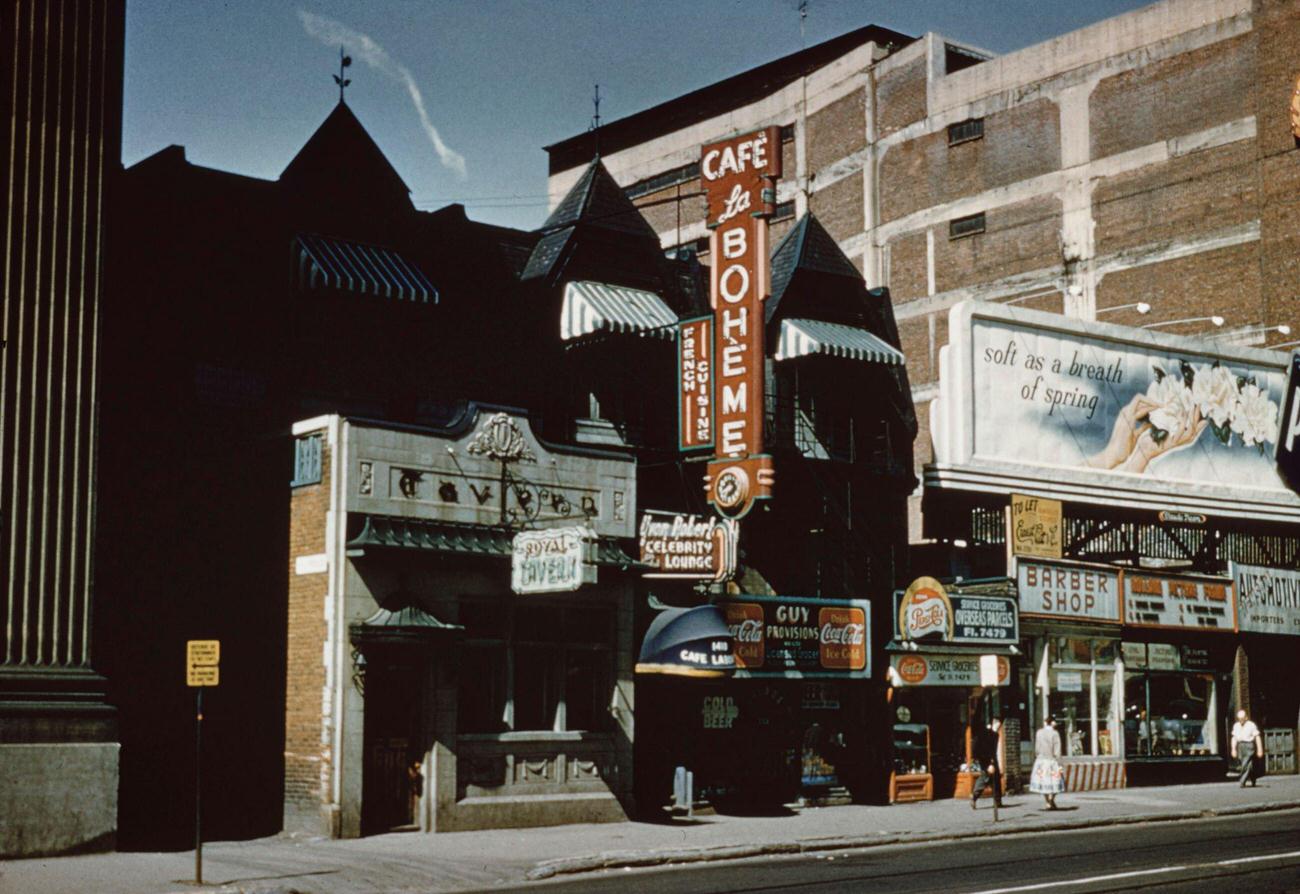
Street life in Montreal during this period had a particular rhythm. Horse-drawn carriages still appeared alongside automobiles, and open-top streetcars carried passengers through downtown corridors. Saint-Catherine Street was one of the busiest commercial strips, lined with shops, hotels, and cafes drawing crowds day and night.
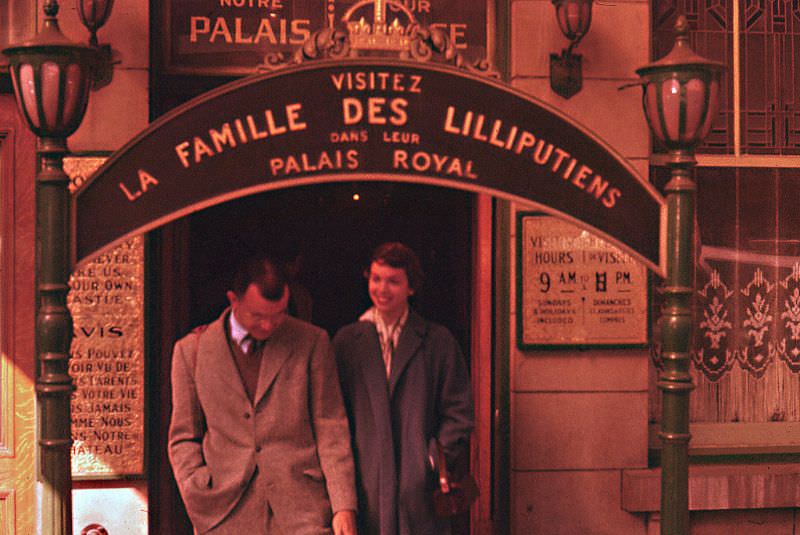
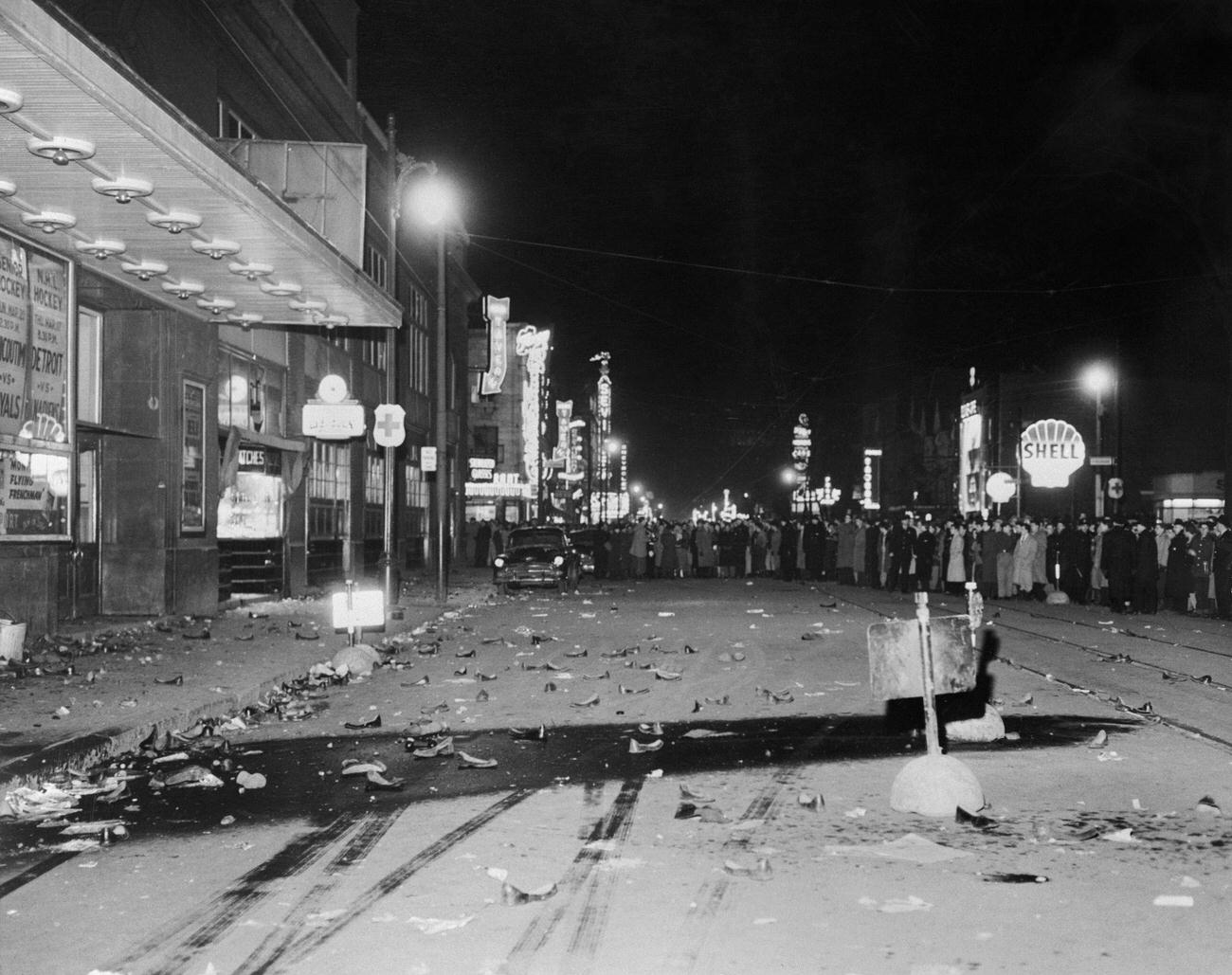
Entertainment took many forms. Les Palais des Nains, known as “The Midgets Palace,” was one of the city’s more unusual attractions, drawing curious guests looking for something different. Montreal’s Forum, the storied hockey arena, packed in passionate crowds — and in 1950, police were called in to restrain fans whose emotions boiled over during a game-night dispute.
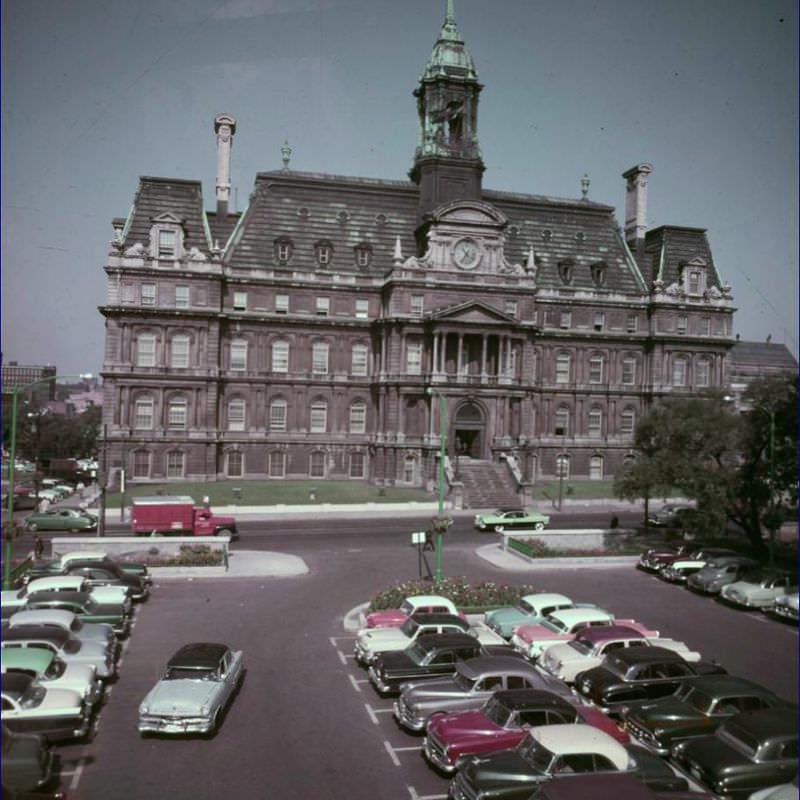
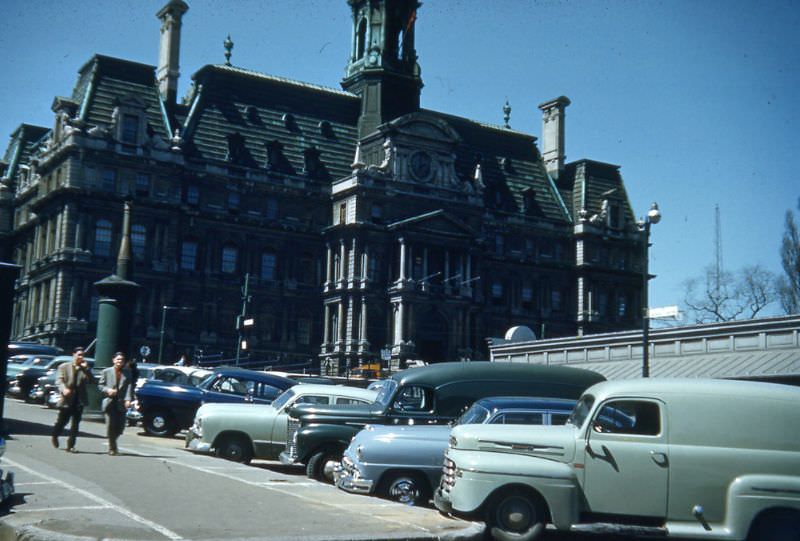
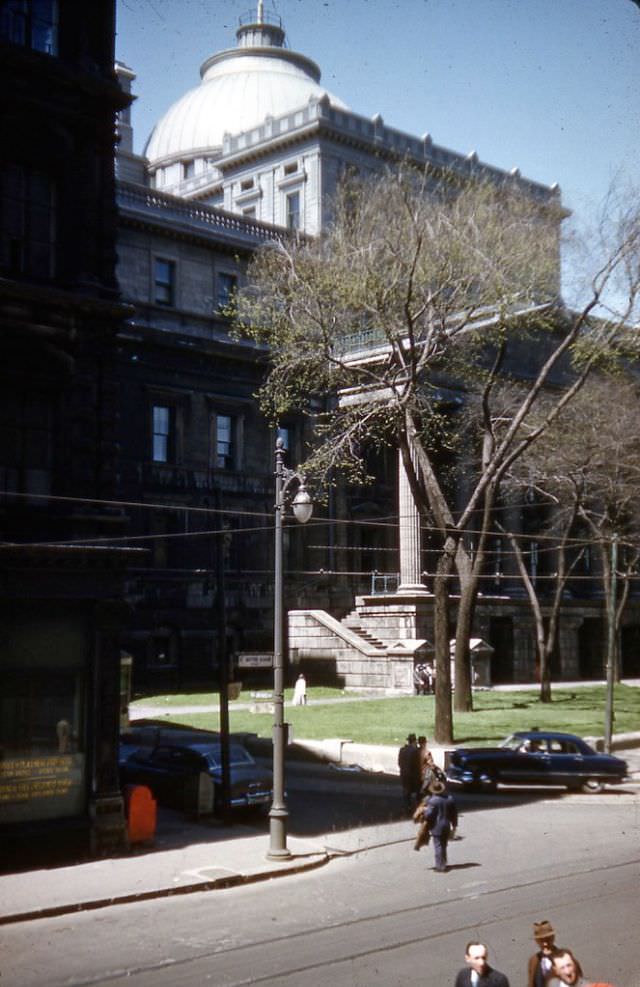
City governance operated out of Hôtel de ville de Montréal, the grand city hall that had stood since the 19th century. The political climate of the 1950s in Quebec was dominated by Premier Maurice Duplessis, whose conservative government kept a firm grip on the province. His policies frequently clashed with a population that was quietly growing restless. Labor rights, the Catholic Church’s outsized role in public institutions, and calls for educational reform were all flashpoints of debate during this decade.
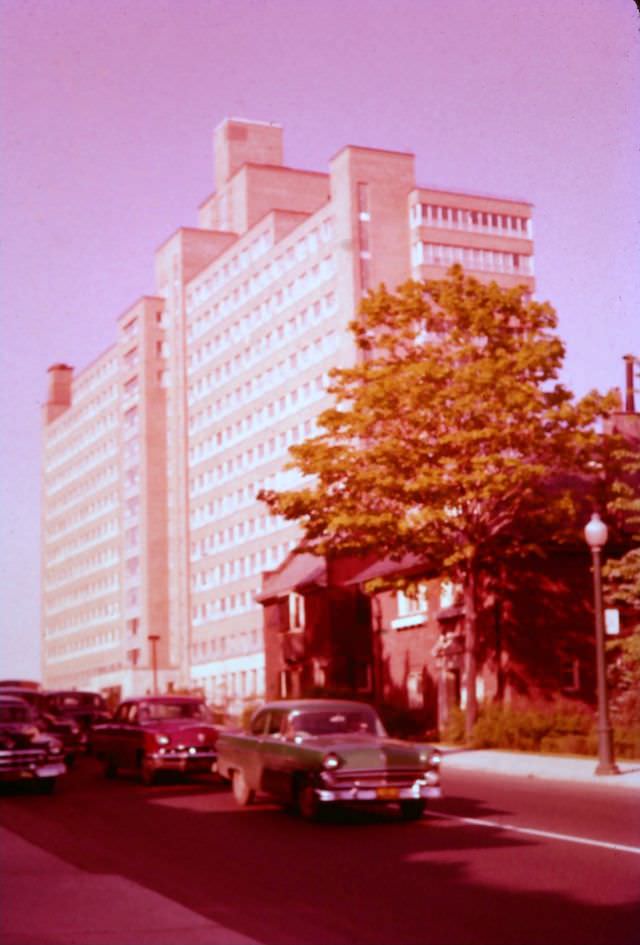
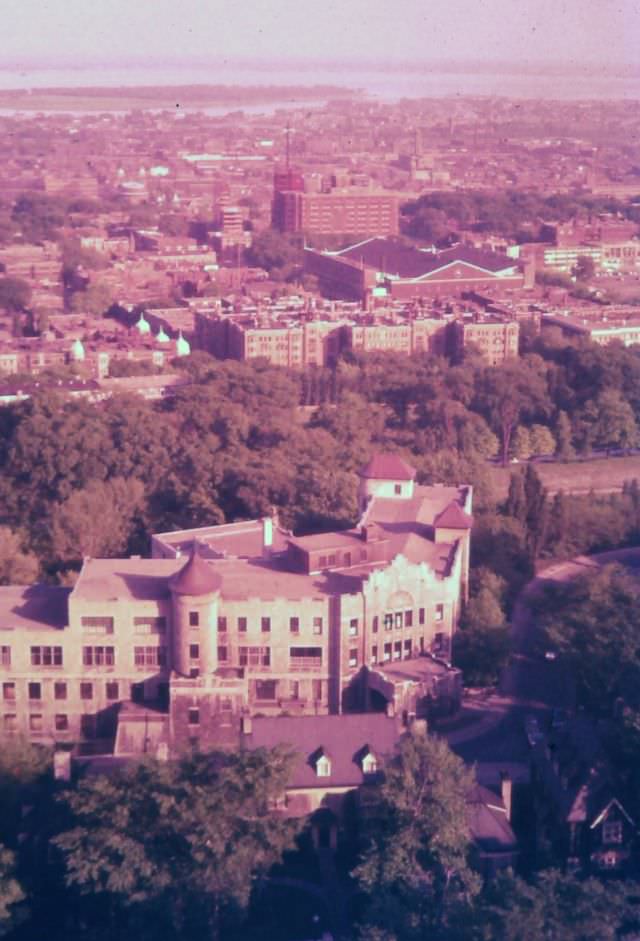
From the upper floors of Montreal General Hospital, the city’s scale was clear. A panoramic view from the 18th floor stretched across rooftops, church spires, and the growing downtown core. The hospital itself was a major institution, serving a city whose population was expanding steadily through the decade.
Mount Royal Park offered residents an escape from the urban pace. The park, designed by Frederick Law Olmsted in the previous century, remained a popular destination for families and individuals throughout the 1950s. The mountain loomed over the city as a constant landmark, visible from many of its streets.
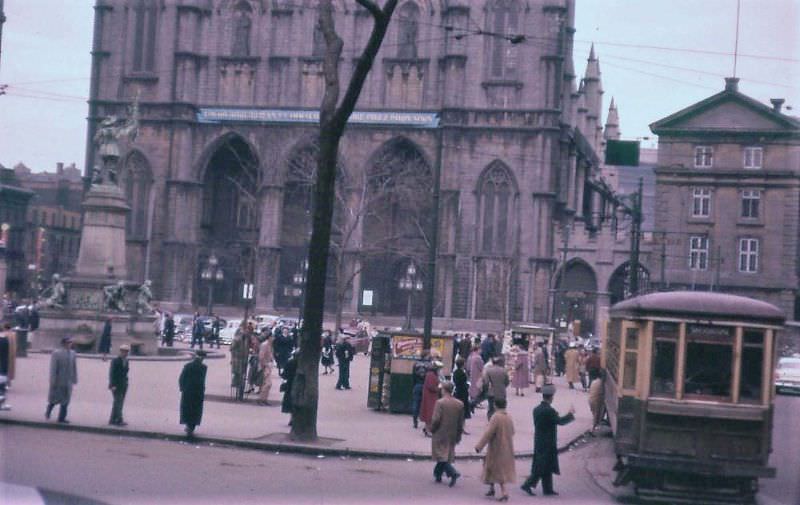
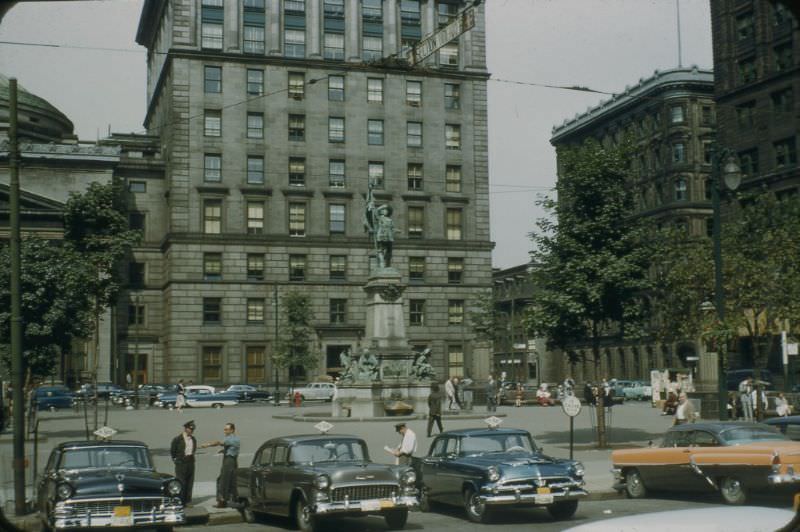
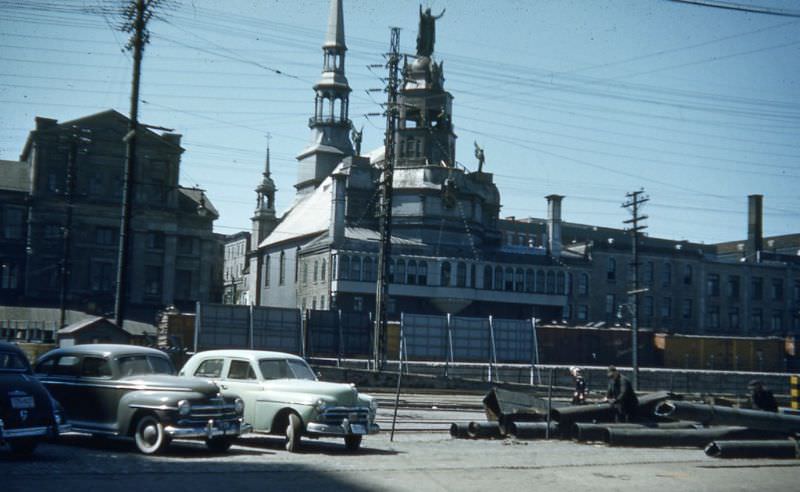
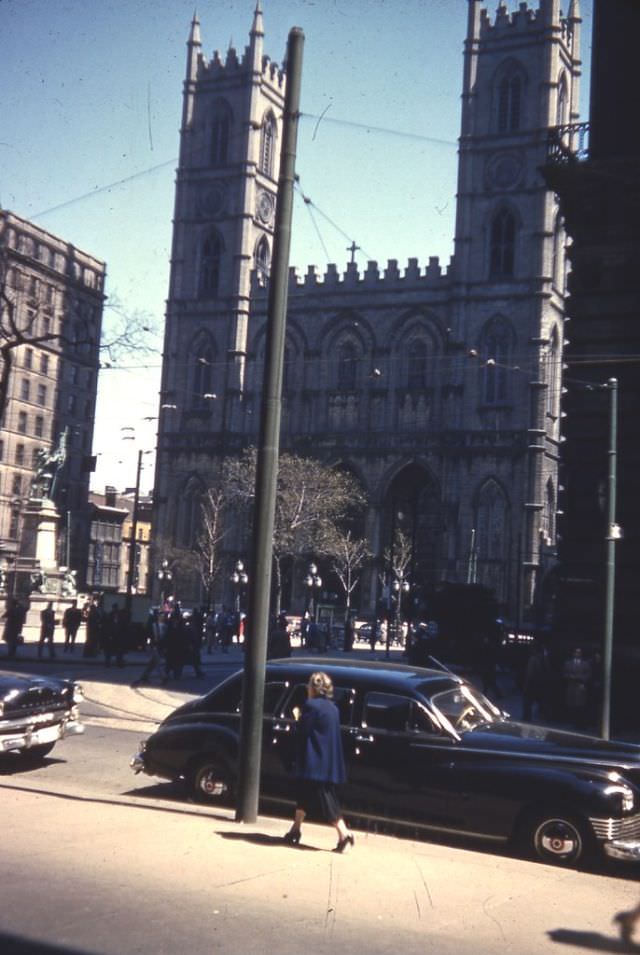
Notre-Dame Basilica remained one of the most visited and photographed sites in the city. Its twin towers defined Place d’Armes and the surrounding Old Montreal district. Nearby, the Monument to Maisonneuve — honoring the city’s founder — stood at the heart of the square, surrounded by daily foot traffic.
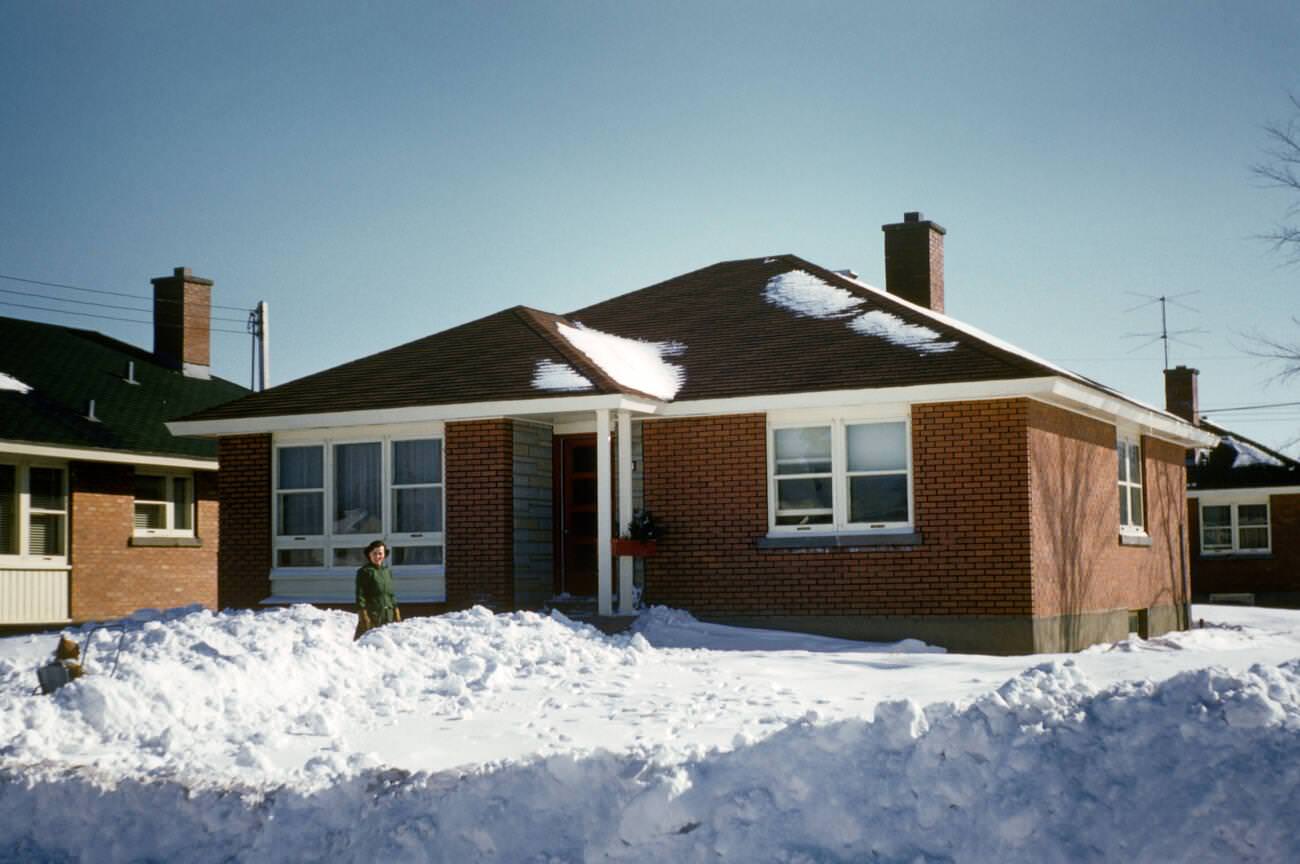
Shopping corridors like Plaza Saint-Hubert served working-class and middle-class residents across different parts of the city. Suburban growth was also accelerating. New bungalows were going up in the snow-dusted outskirts, housing families who were part of the broader post-war boom that reshaped North American cities during this period.
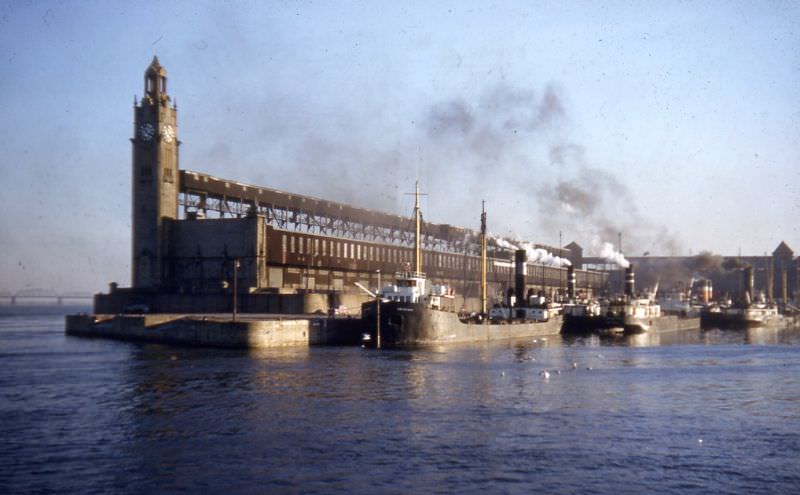
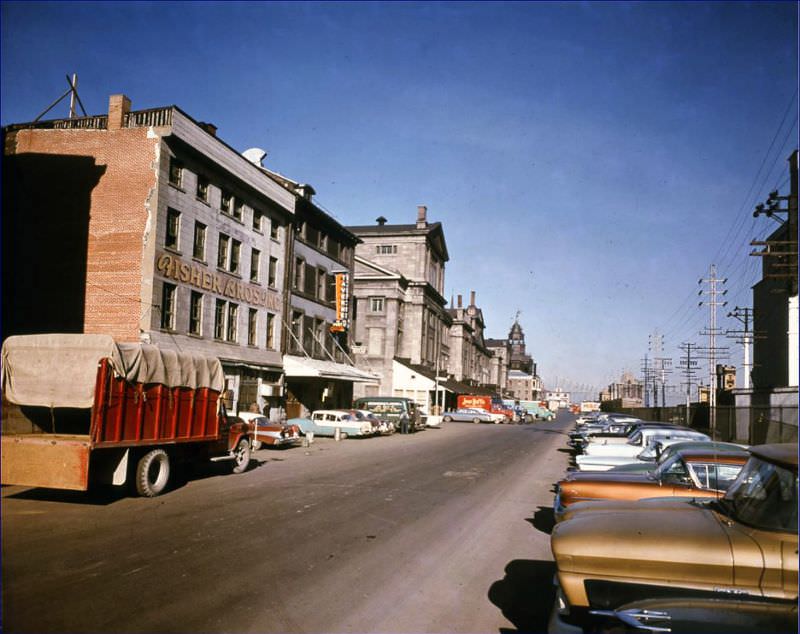
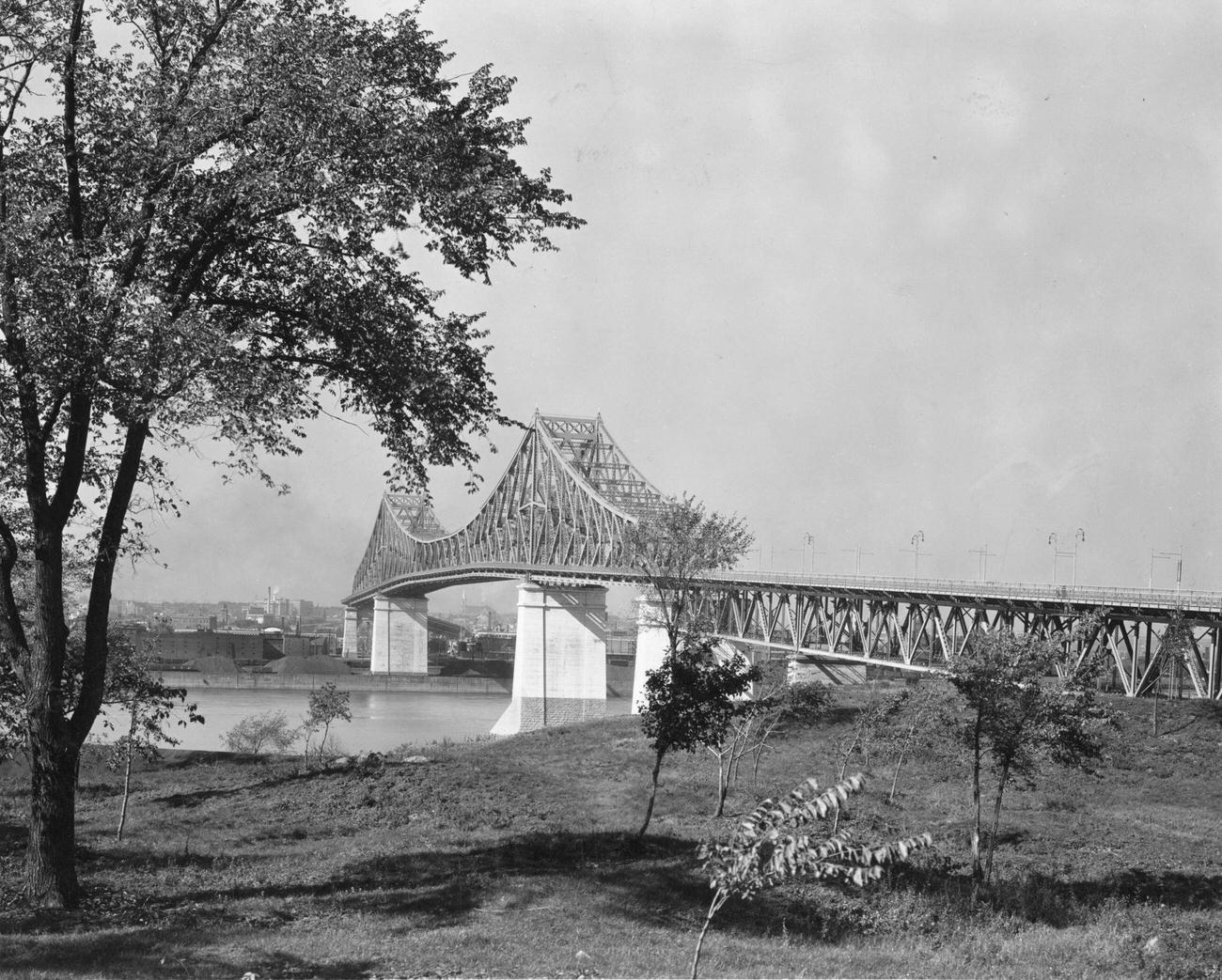
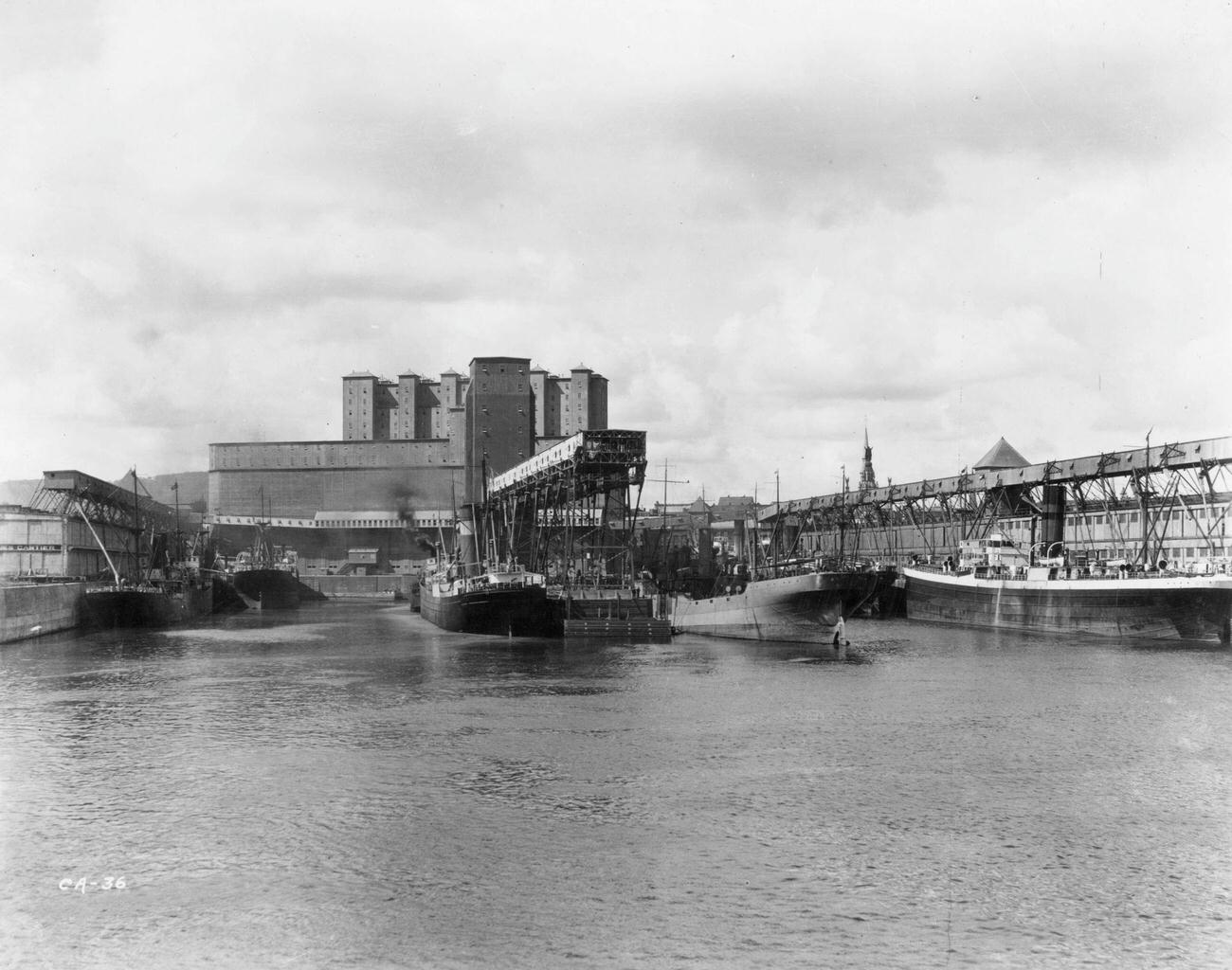
Montreal’s harbour was an industrial engine. In 1950, grain export ships lined the waterfront, loading cargo bound for international markets. The St. Lawrence River made Montreal one of the most strategically important ports in North America, and the harbour’s activity reflected the broader economic confidence of the era. The Jacques Cartier Bridge, photographed in 1951, carried that commerce and daily commuter traffic across the river.
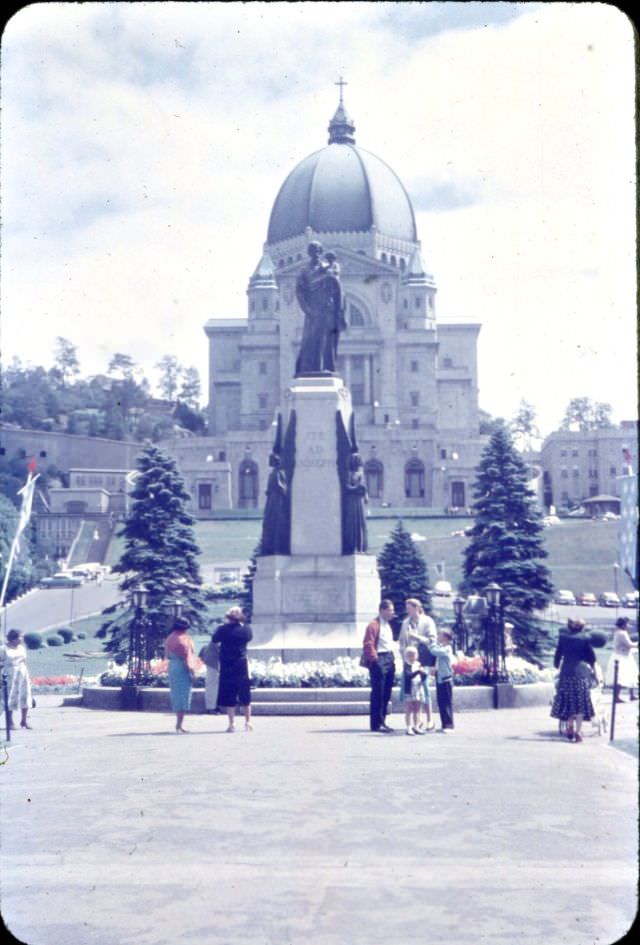
Saint Joseph’s Oratory of Mount Royal, one of the largest church domes in the world, towered over the mountain’s north slope. It drew pilgrims and tourists alike throughout the decade, a physical expression of the Catholic Church’s deep presence in Quebec life — the same presence that would become one of the central tensions heading into the 1960s.
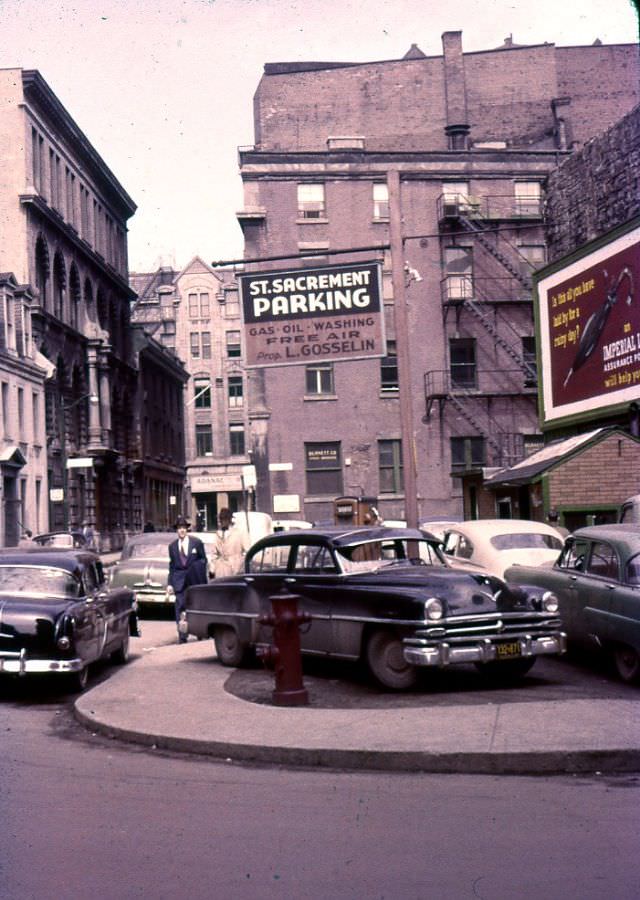
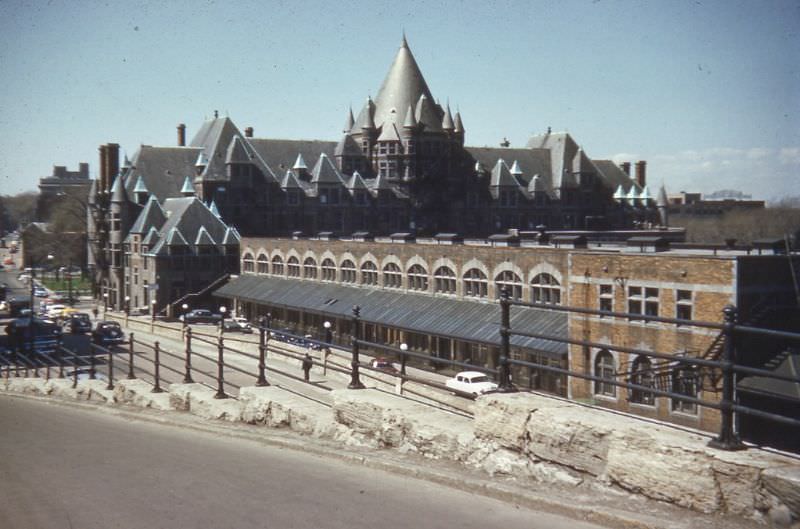
Viger Station, one of the city’s older rail terminals, represented an earlier era of Montreal’s growth. By the 1950s it was already aging, but it remained part of the urban fabric. Across the city, infrastructure both old and new coexisted — from the cobblestoned streets of Old Montreal along Rue de la Commune to the growing parking lots that signaled the rise of car culture.
Strong labor unions were gaining ground during the 1950s, pushing back against working conditions and demanding institutional reform. The decade was, in many ways, a slow build toward the Quiet Revolution — the sweeping social and political transformation that would arrive in the 1960s. The city captured in these photographs was already carrying the pressure of that coming change, even as its streets, markets, and landmarks went about their daily routines.
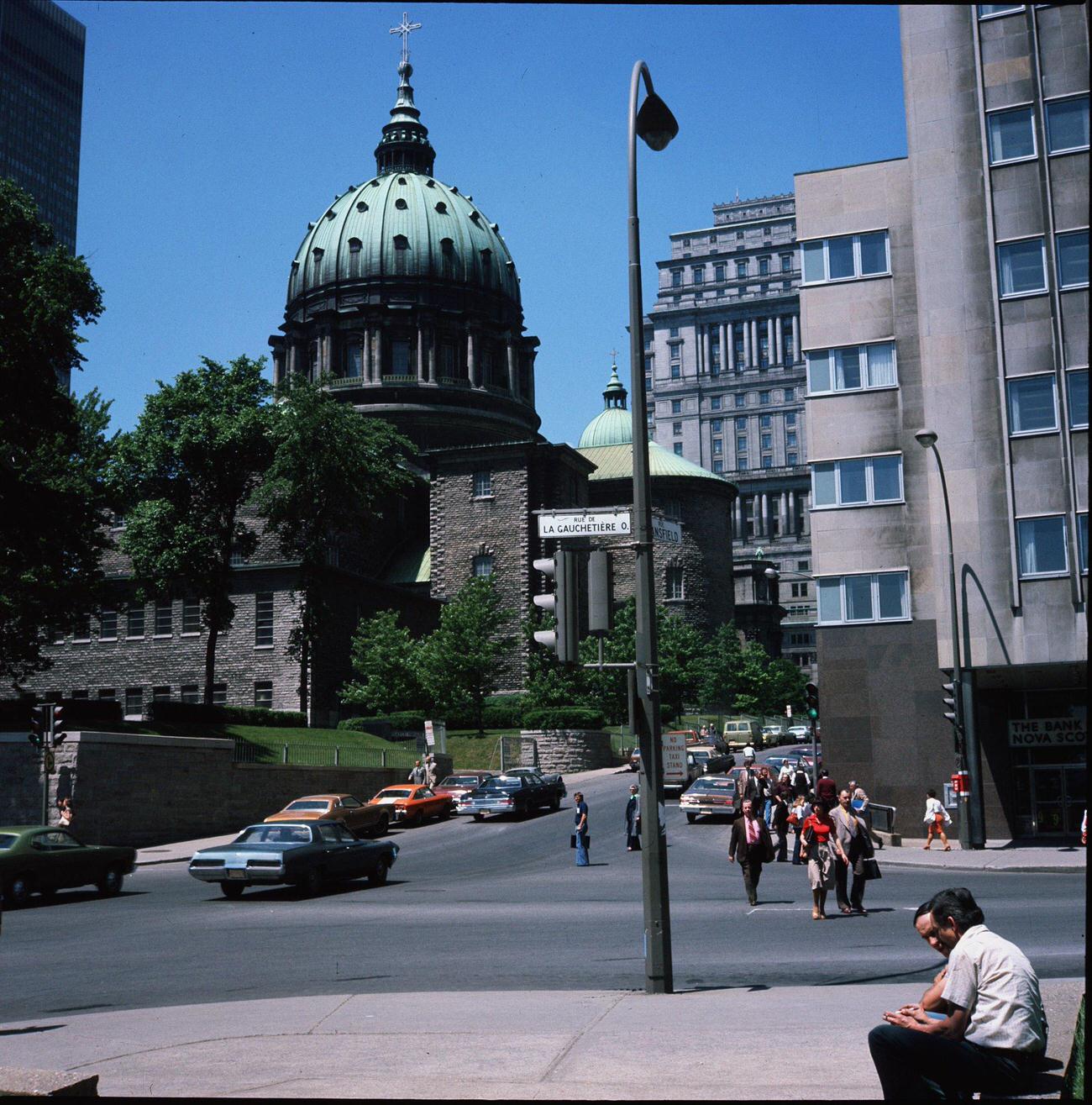





the cars from photo #37 are very clearly from the 1970s lol