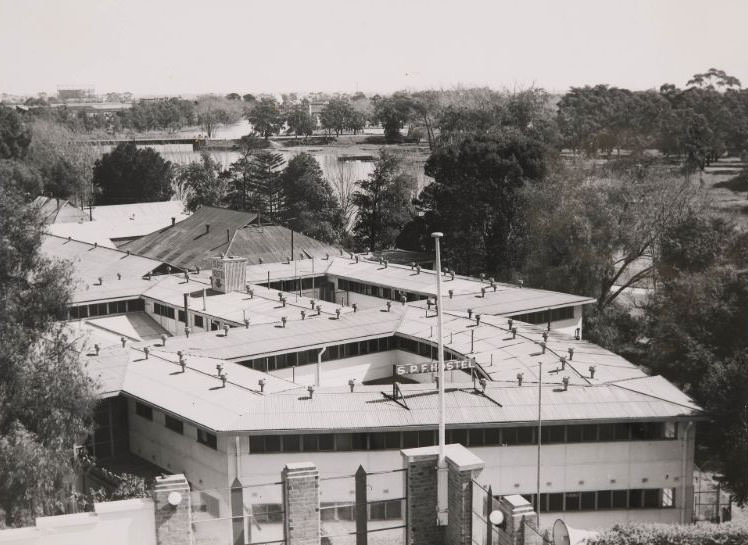
In the late 1940s, South Australia established a network of immigration hostels to house the surge of European migrants arriving in the country. These facilities were designed as temporary homes — a first stop while newcomers found their footing, learned the language, and searched for permanent housing.
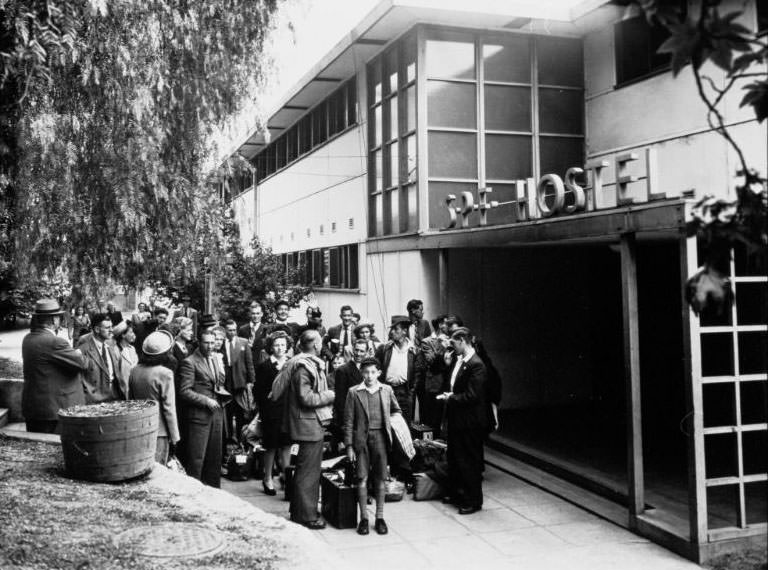
The hostels were run by the State Immigration Department and ranged from large campuses to smaller riverside facilities. Gepps Cross, one of the largest, functioned almost like a self-contained town. The hostel at Elder Park sat on the banks of the River Torrens, offering a more central location for new arrivals.
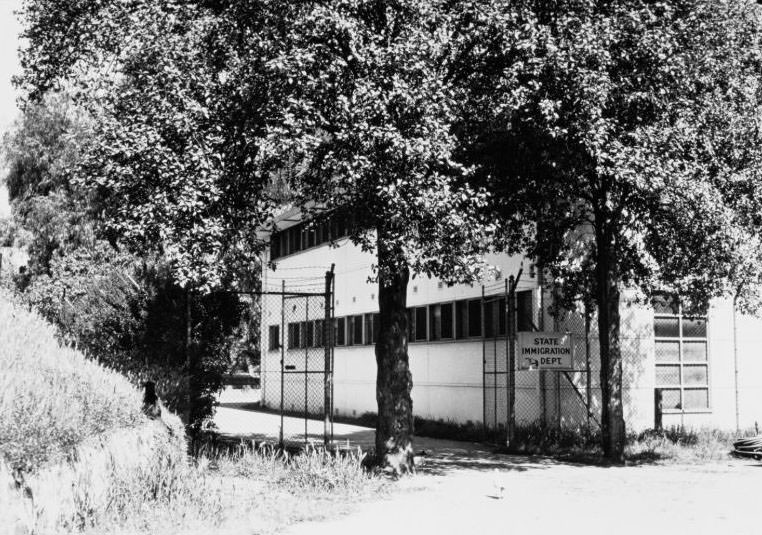
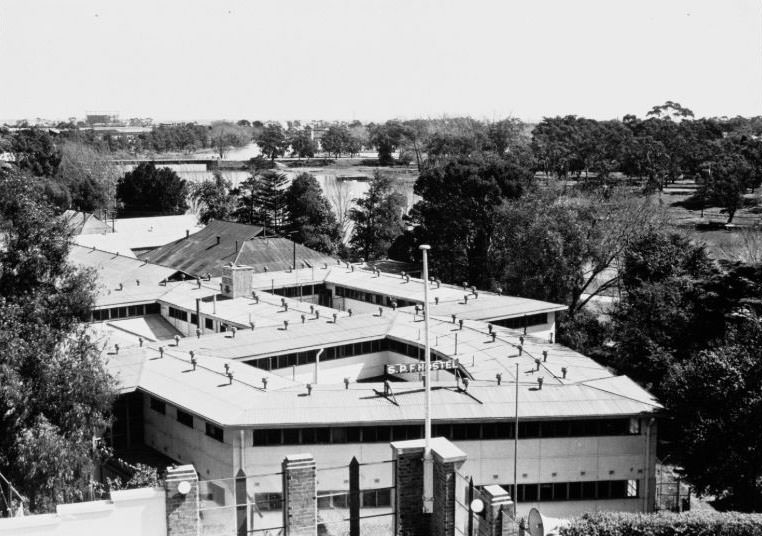
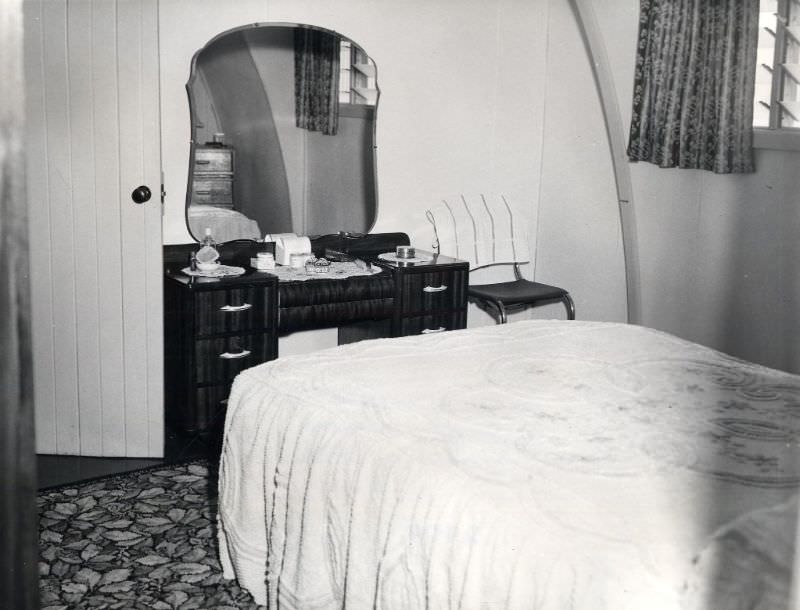
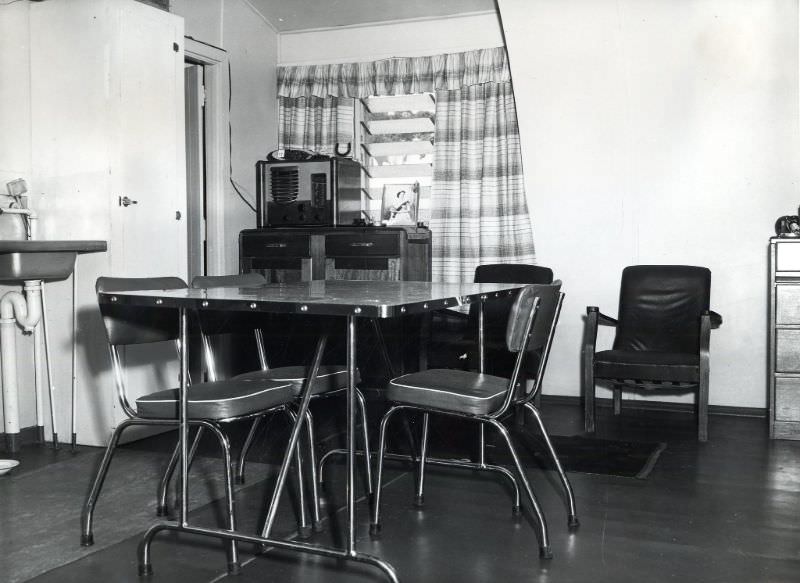
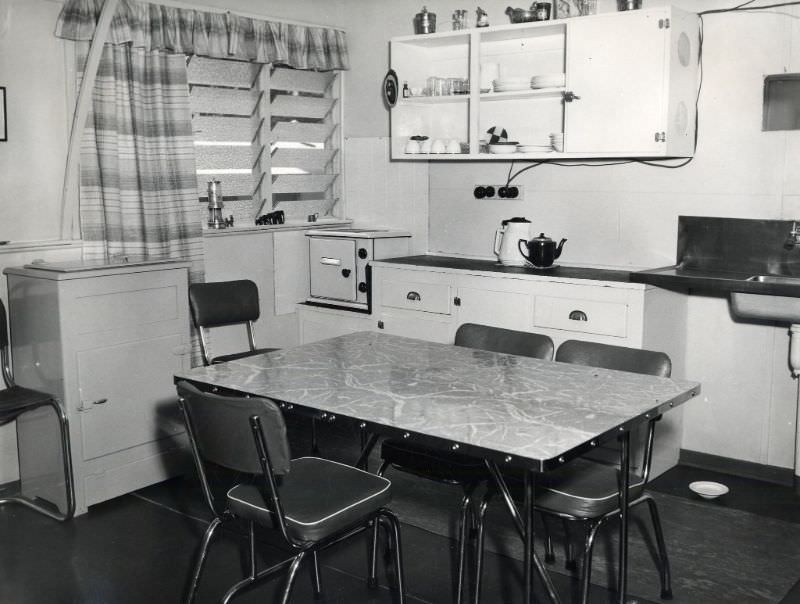
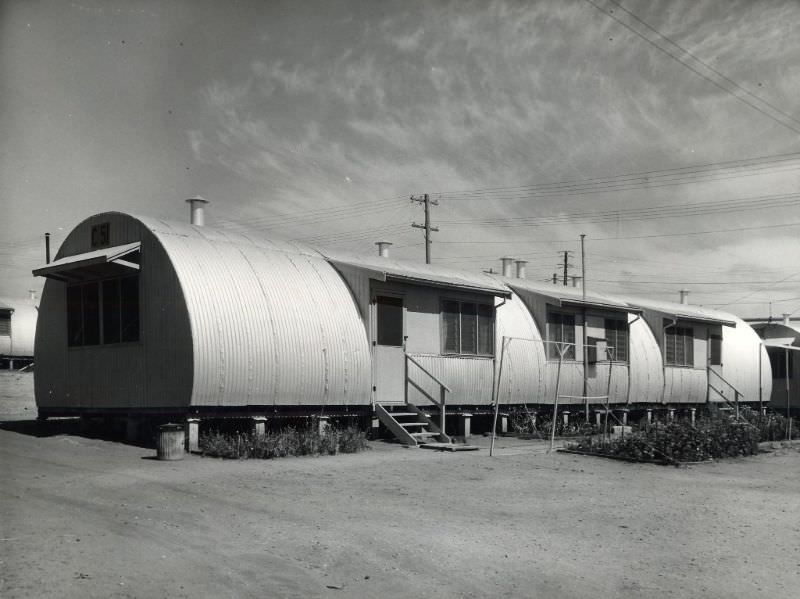
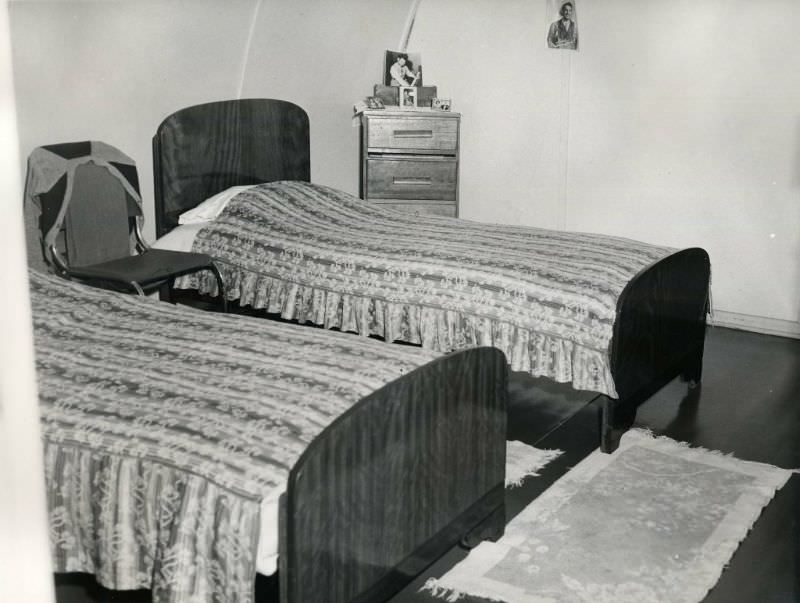
Accommodation was basic. Families were often assigned a single room, while single men and women were housed in dormitory-style blocks. Privacy was limited, and personal space was scarce.
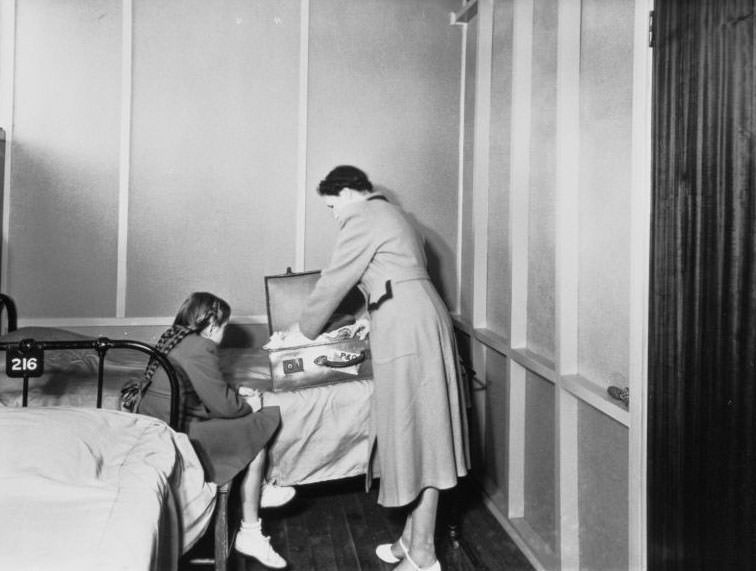
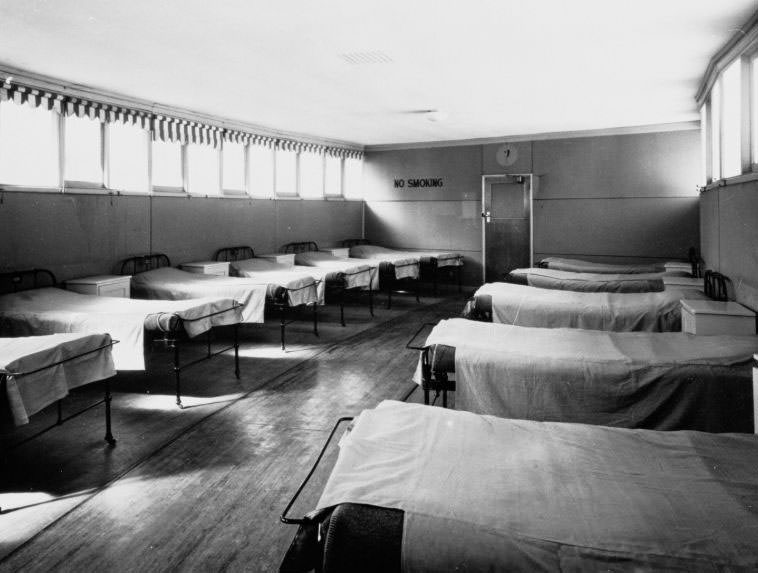
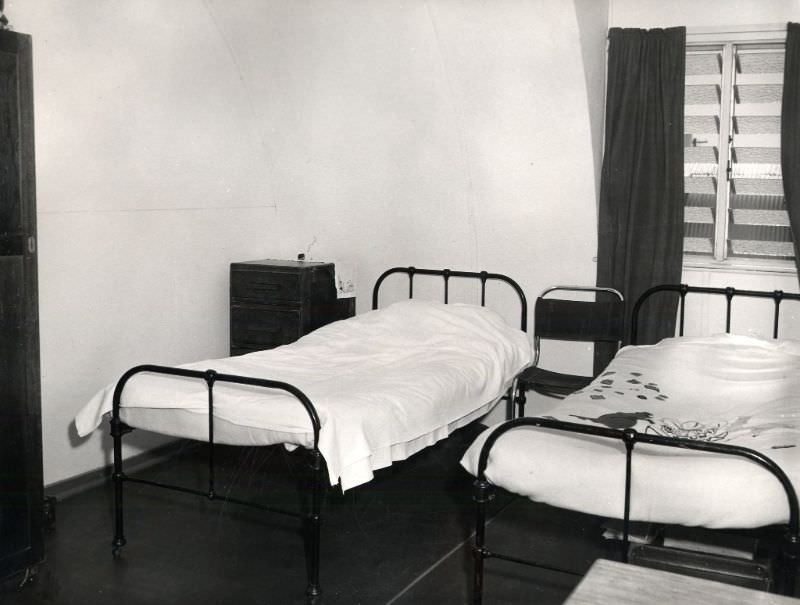
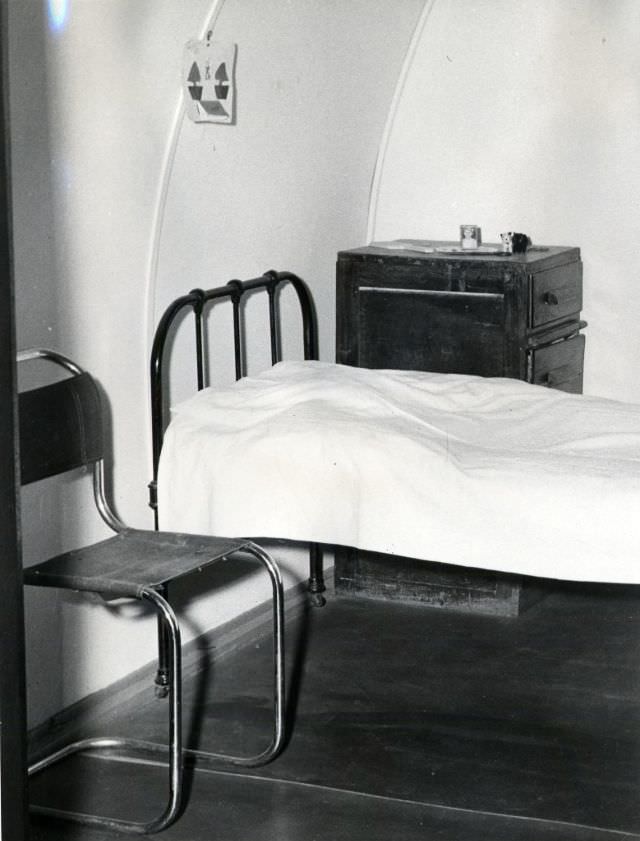
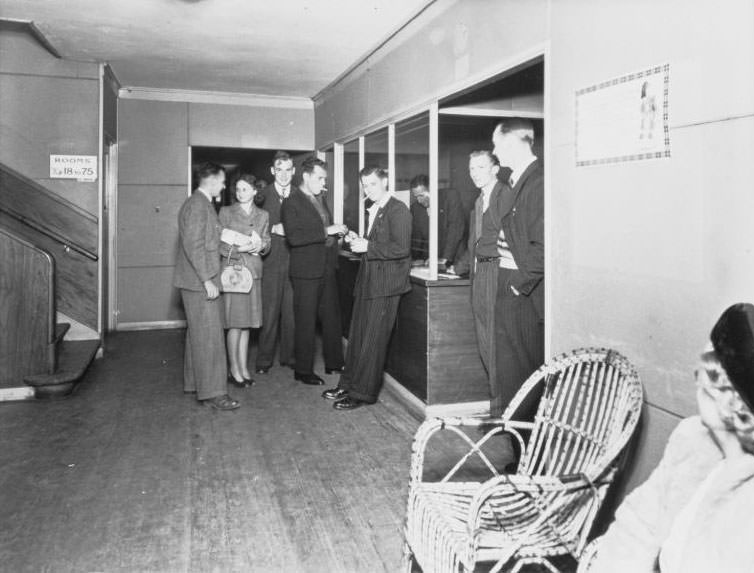
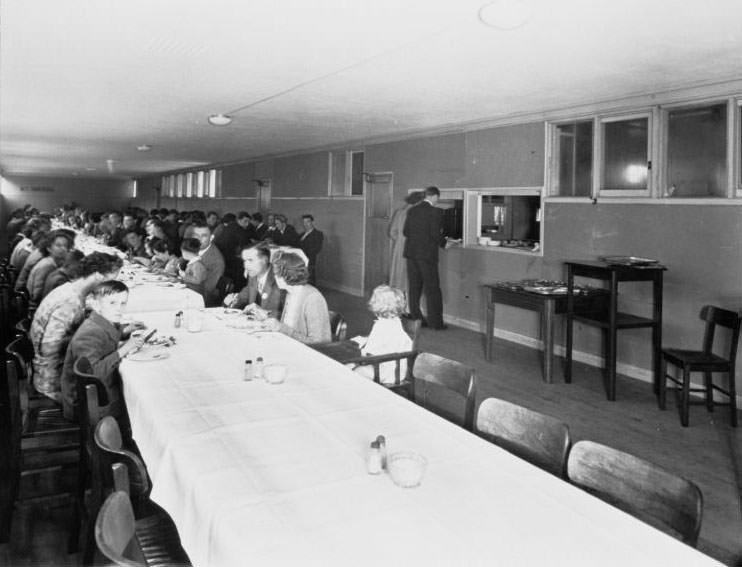
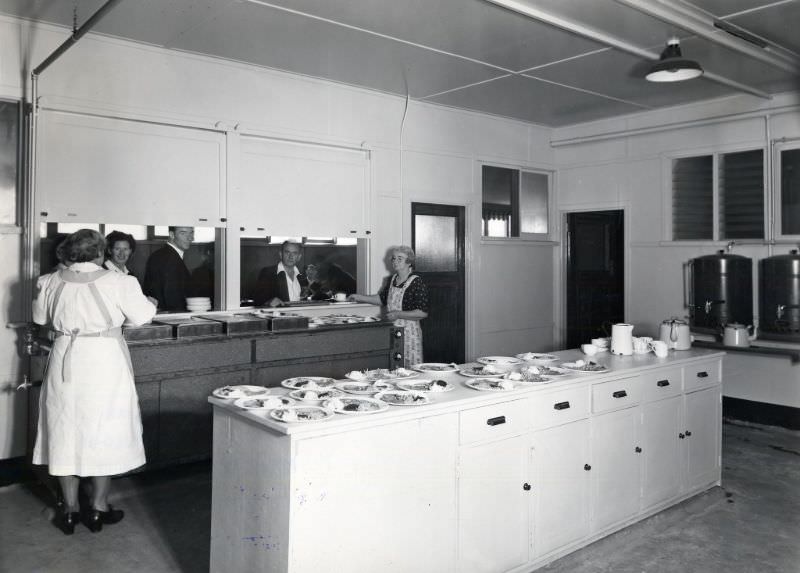
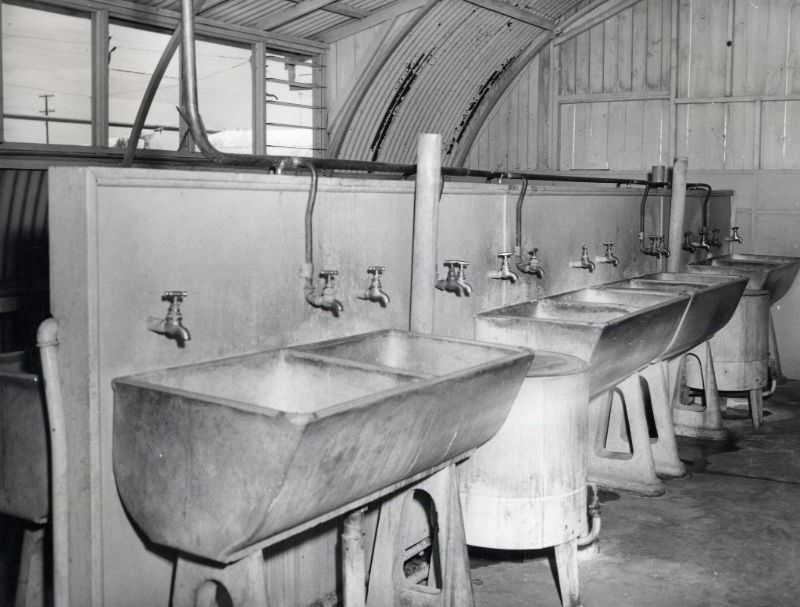
Residents checked in through a central reception and shared communal dining rooms, kitchens, and laundries. Meals were served canteen-style, bringing hundreds of people together at once.
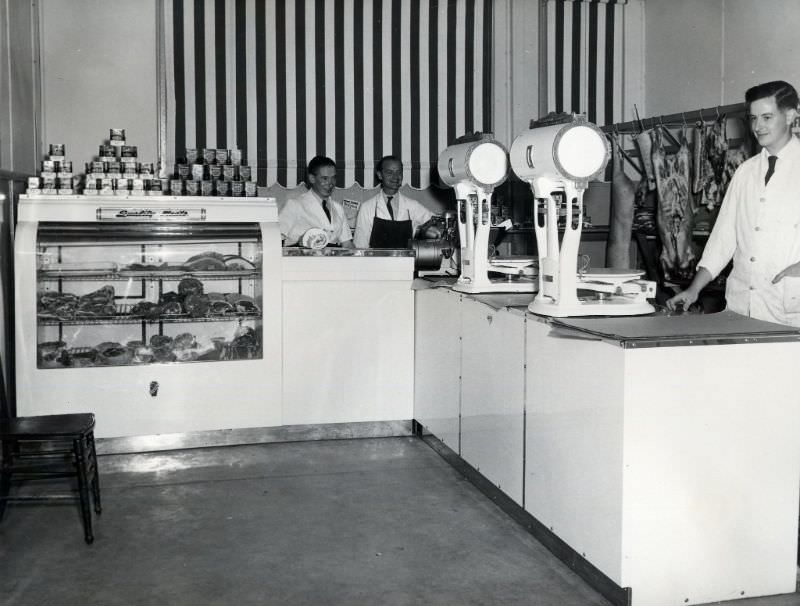
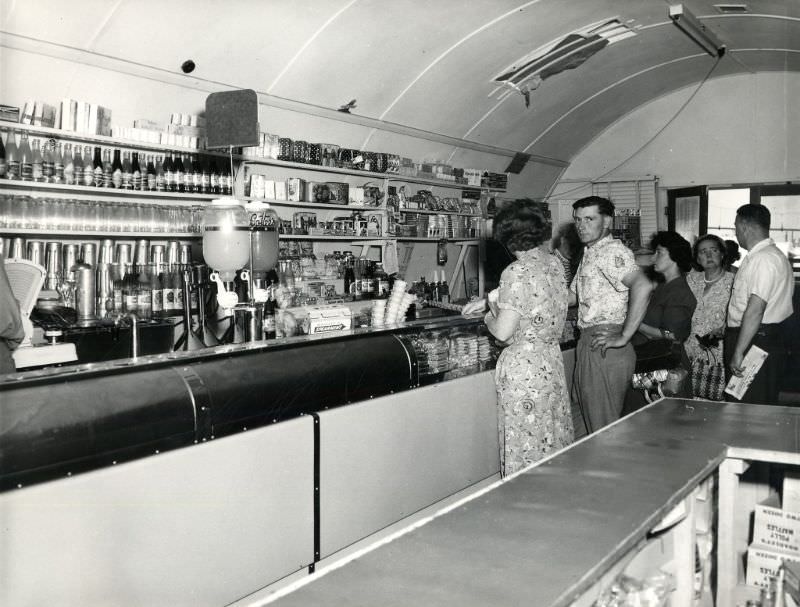
Gepps Cross offered an impressive range of on-site services. Residents had access to a butcher, a delicatessen, a general store, a fruit and vegetable shop, and even a post office — all within the hostel grounds.
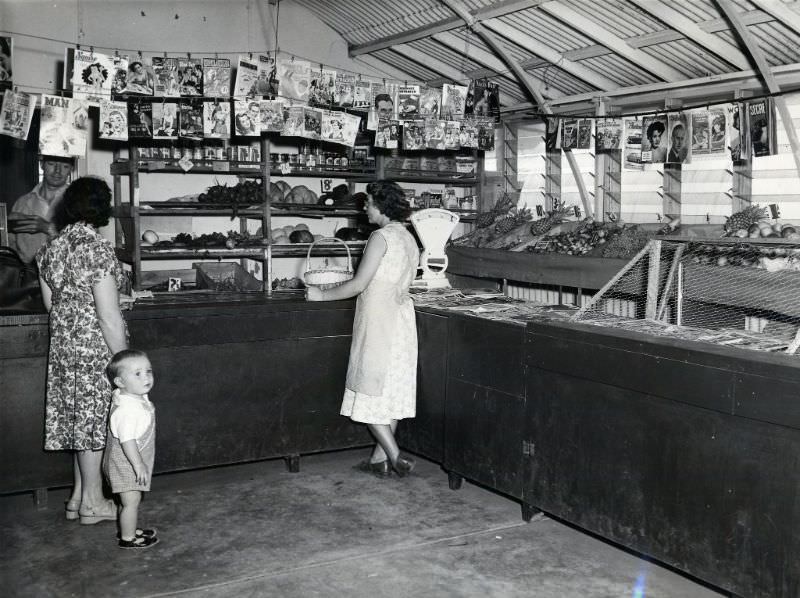
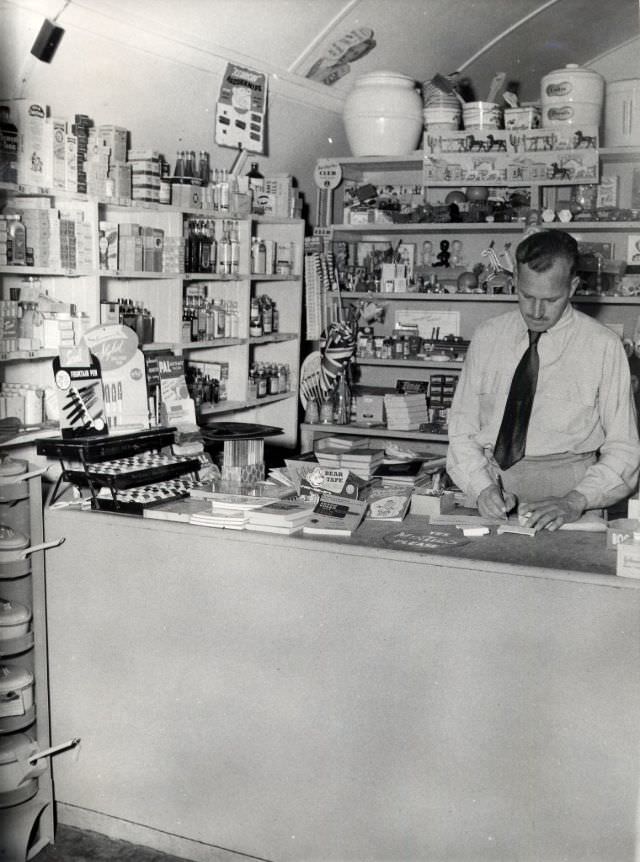
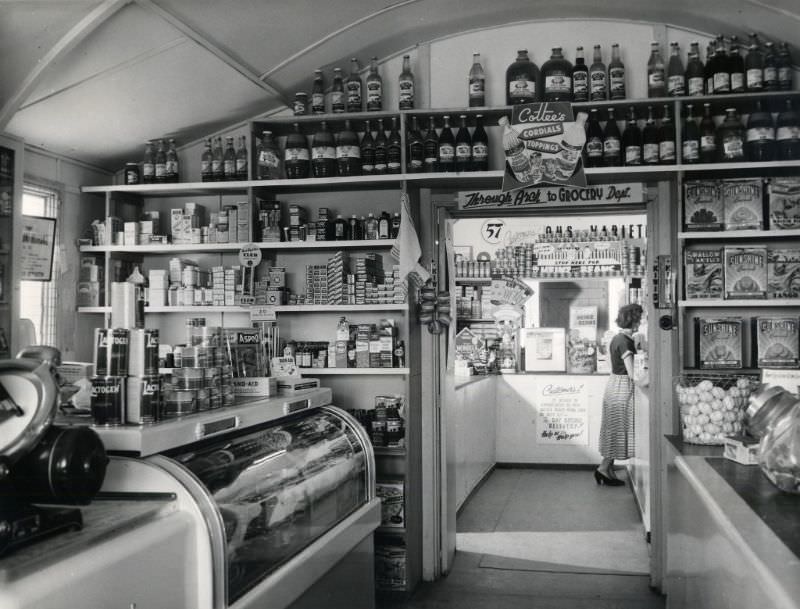
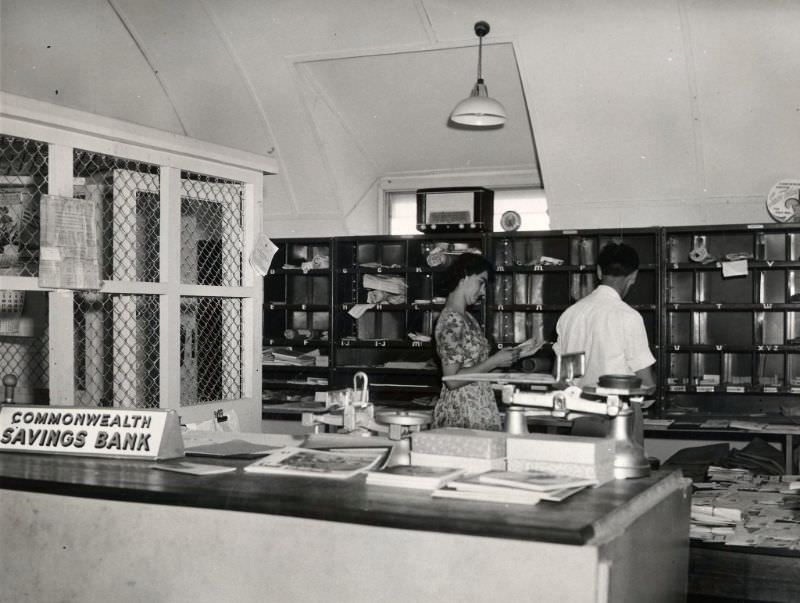
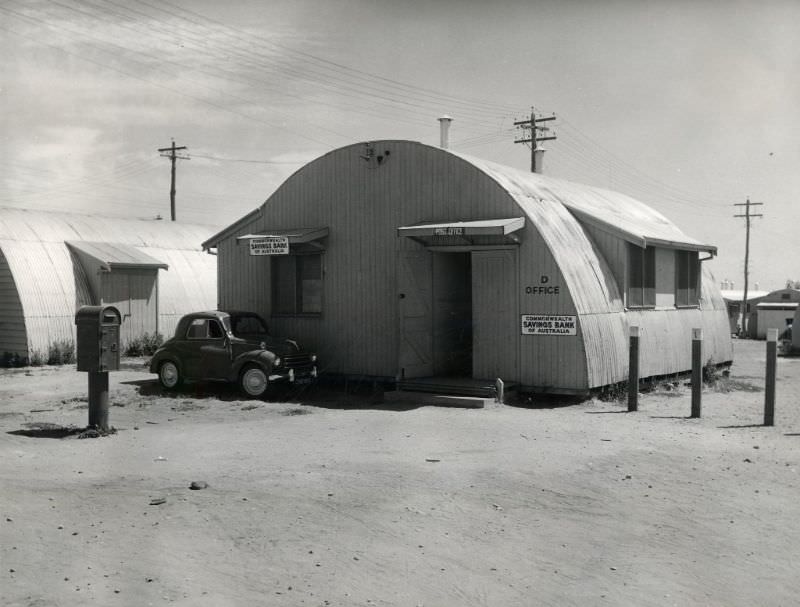
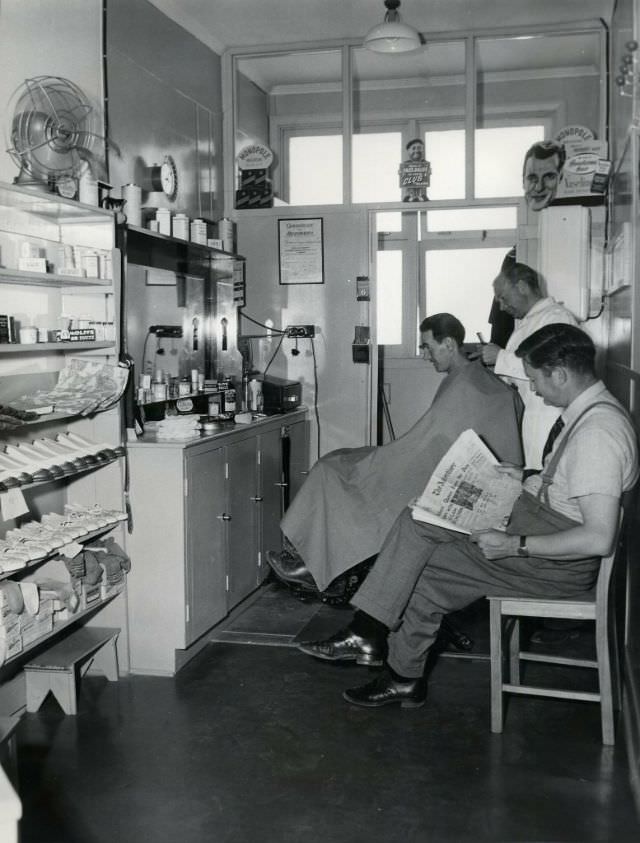
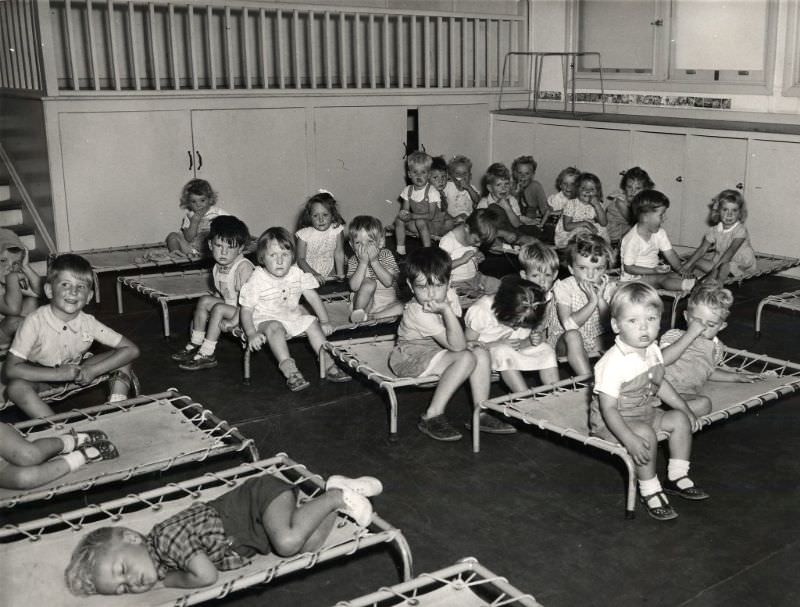
A barbershop, communal laundry, and baby crèche were also available, addressing the everyday needs of a community that included families with young children.
Social life was built into the hostel’s design. Children played in dedicated playgrounds, and a theatre and dance hall gave adults a space to gather and unwind. These shared experiences helped forge bonds between people from different countries who were all navigating the same uncertainty.
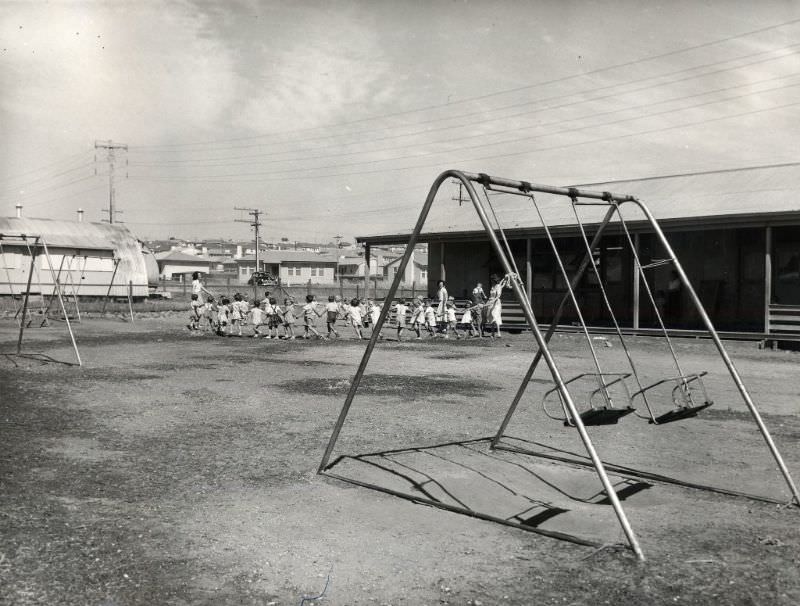
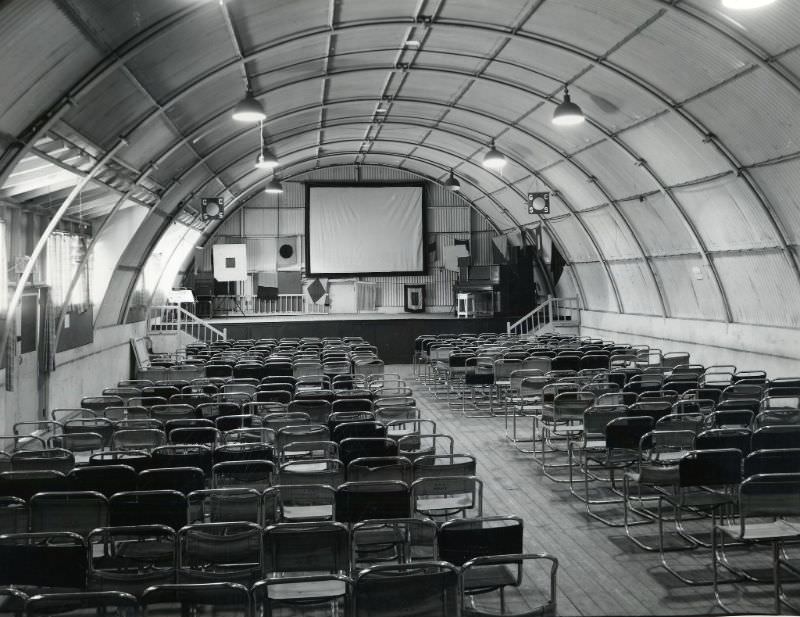
The physical layout of Gepps Cross reflected the scale of this operation — rows of uniform buildings housing thousands of people at a time.
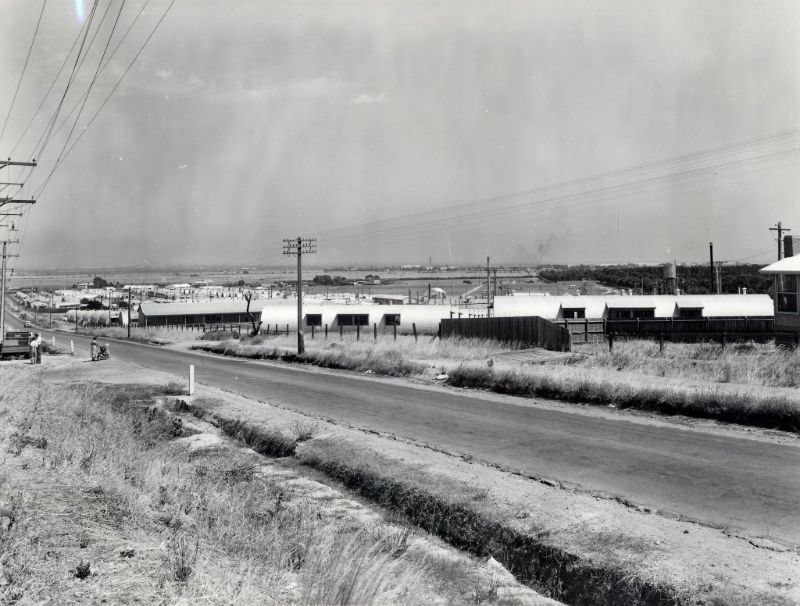
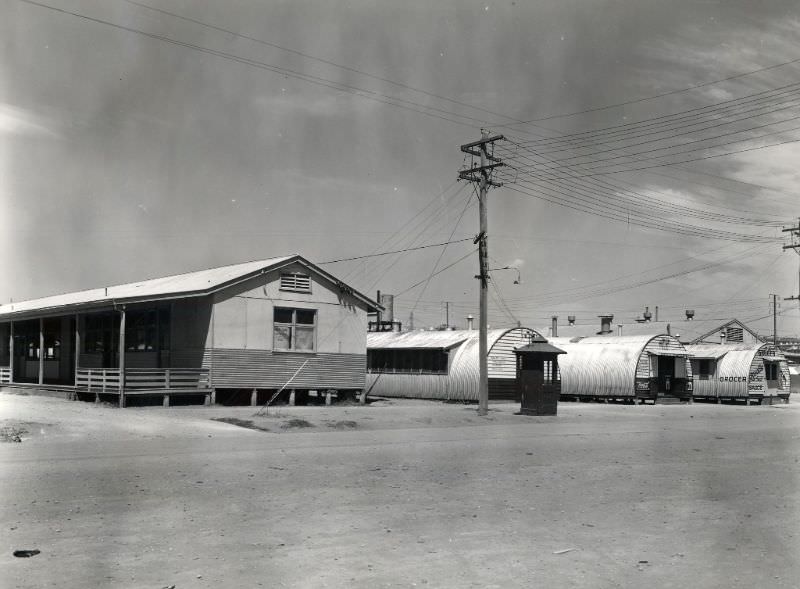
For many migrants, the hostel was their first and only address in Australia. It was crowded and far from comfortable, but it was also where friendships formed, communities took shape, and new lives began.