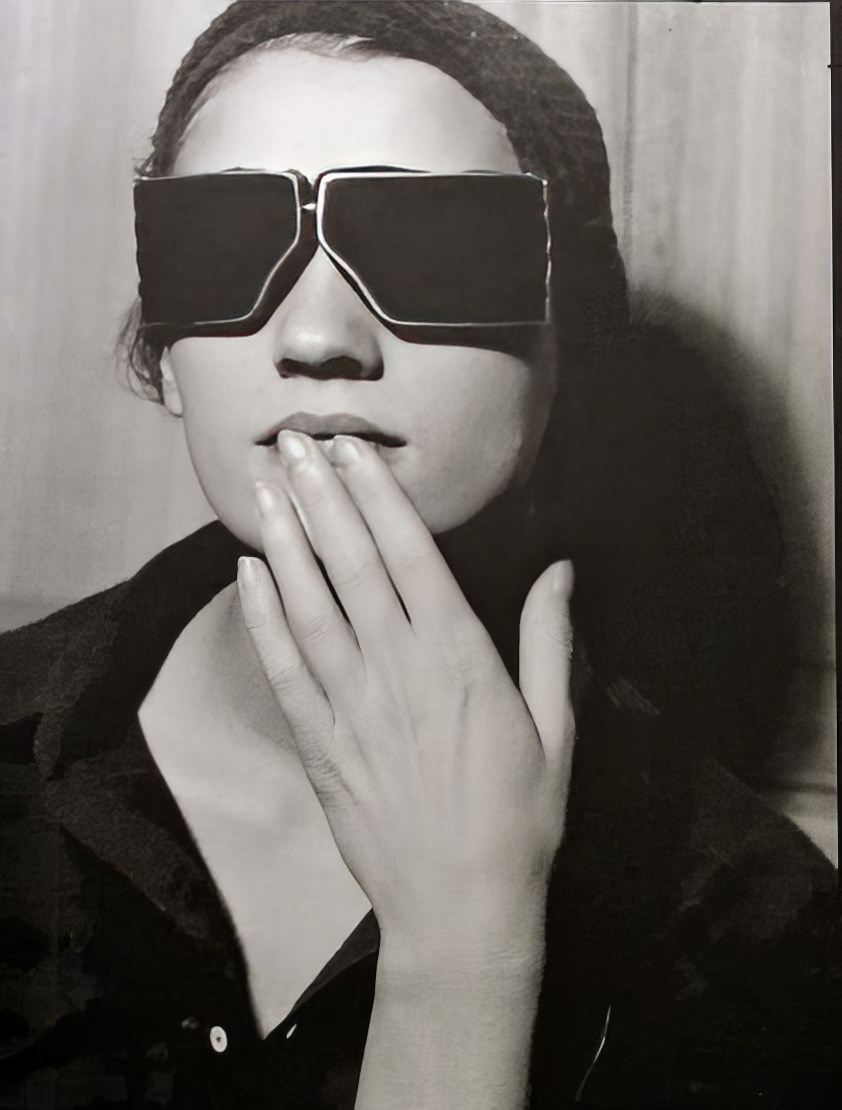
Man Ray arrived in Paris in 1921 and quickly found himself at the center of the most creative community in the world. Surrealists, Dadaists, poets, sculptors, and novelists all moved through the same cafés and studios. Man Ray photographed nearly all of them. His portraits were not formal or stiff. They were probing, sometimes strange, and always deliberate.
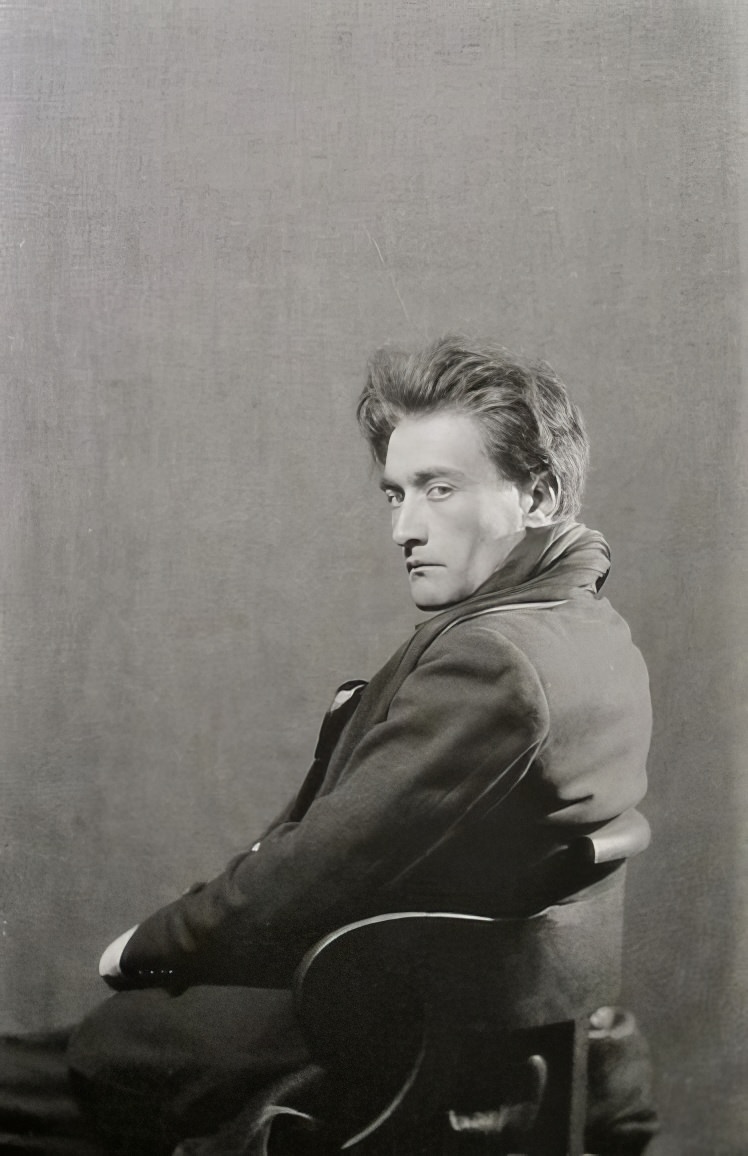
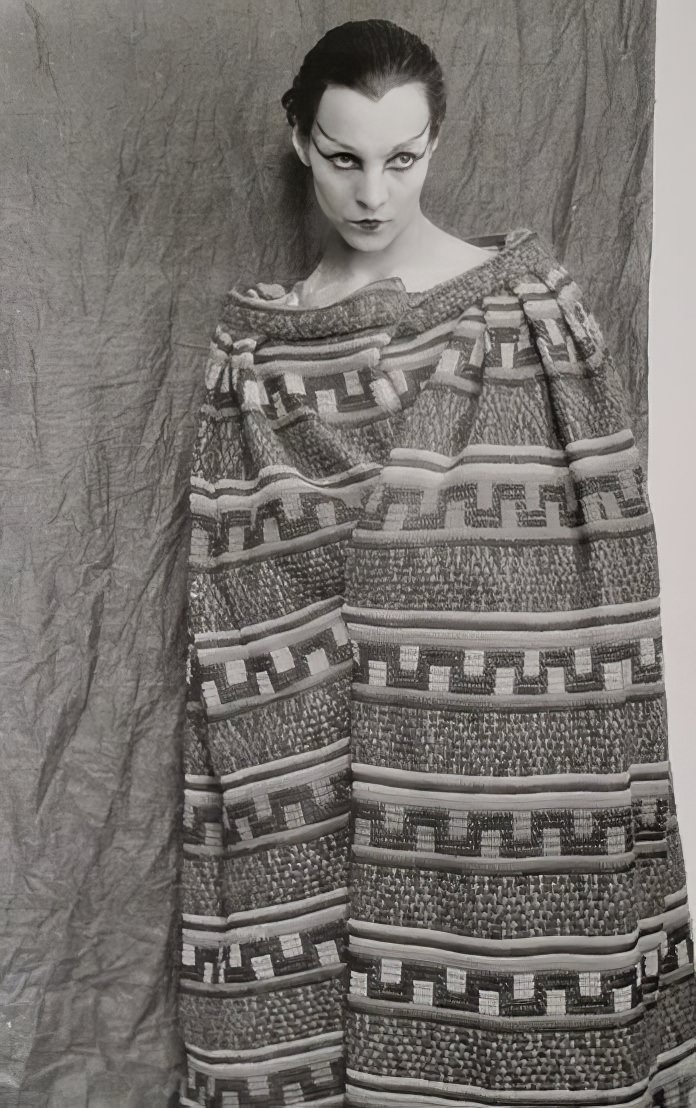
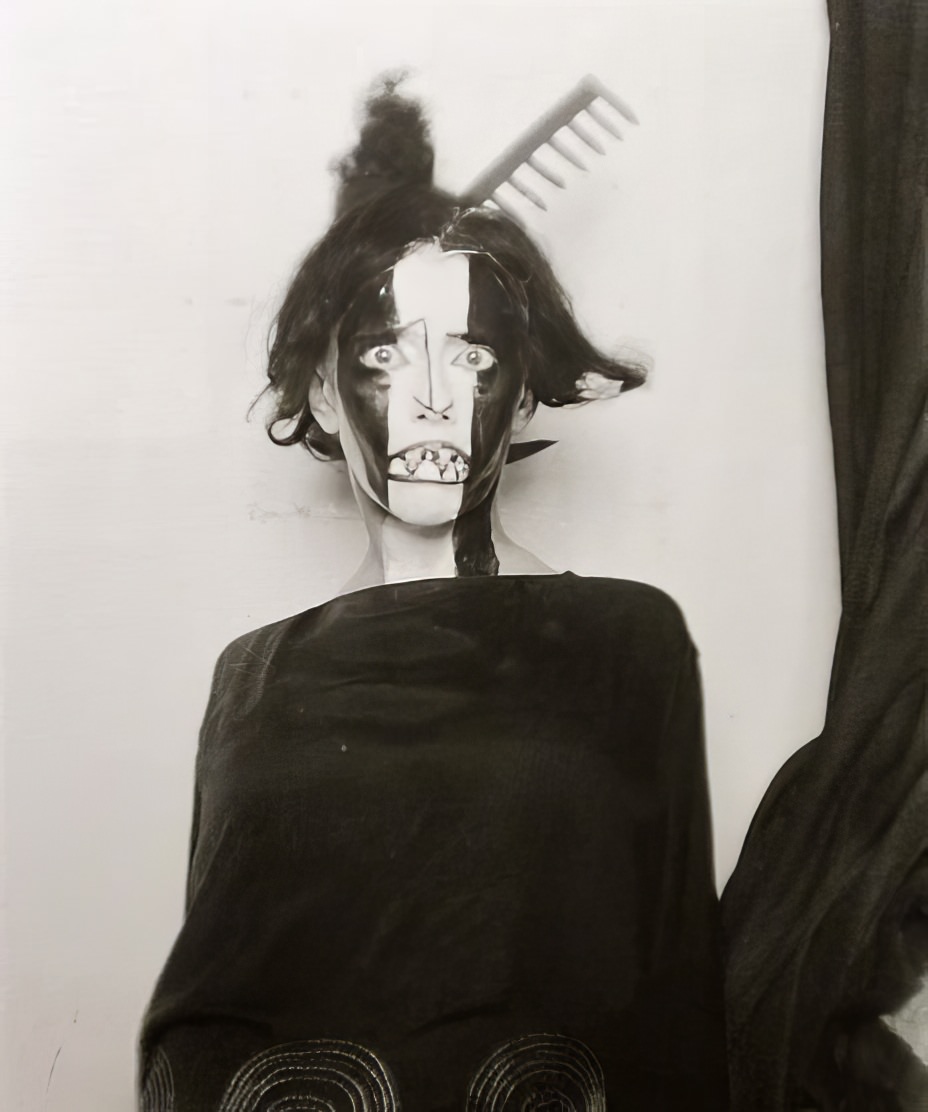
Man Ray used light and shadow as tools of character. He was drawn to faces that carried intensity — theater directors, painters, and writers who lived at the edge of convention. Antonin Artaud, the radical playwright and theater theorist, was one such subject. So was Genica Athanasiou, the Romanian actress who was his companion.
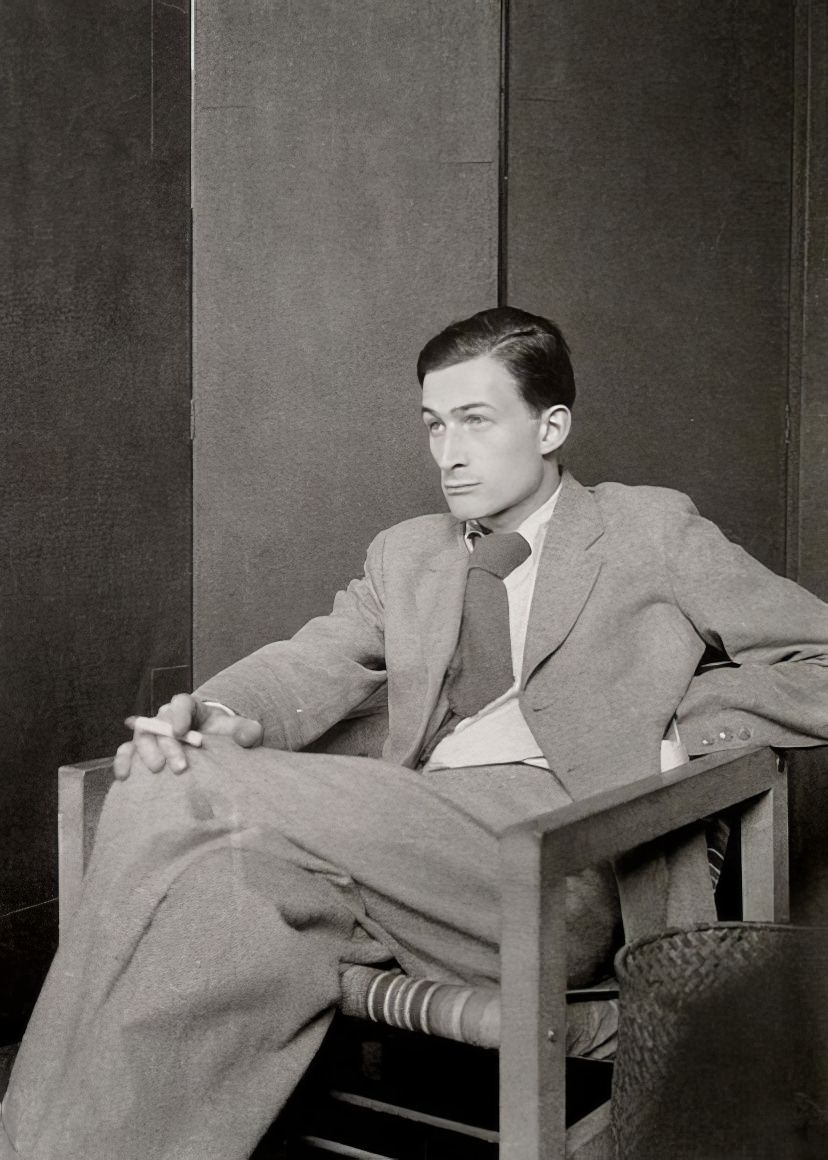
Sculptor Constantin Brancusi and painter Balthus were both photographed in the early 1930s. Brancusi, already internationally known for his abstract forms, appears grounded and serious. These portraits captured artists at specific moments in their careers — not as legends, but as working people.
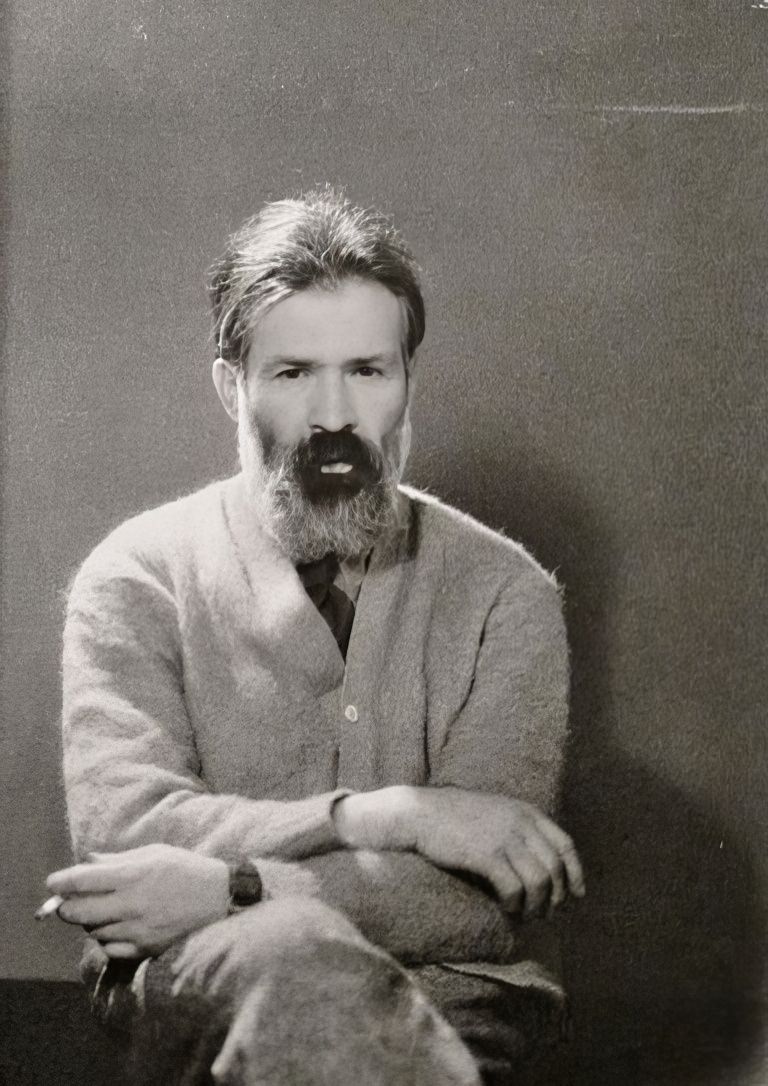
André Breton, the founder of Surrealism, sat for Man Ray around 1928. The image reflects the authority Breton carried within Paris’s artistic circles. Around the same time, Man Ray photographed Alexander Calder, the American sculptor who would later become famous for his mobiles.
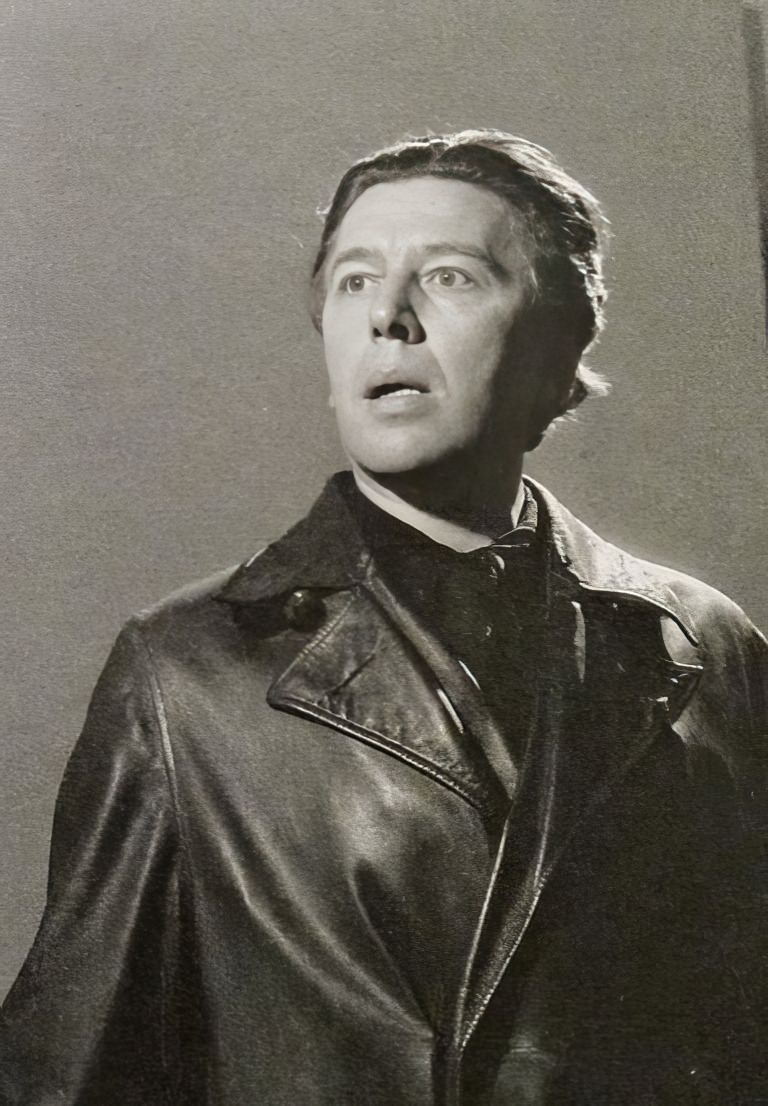
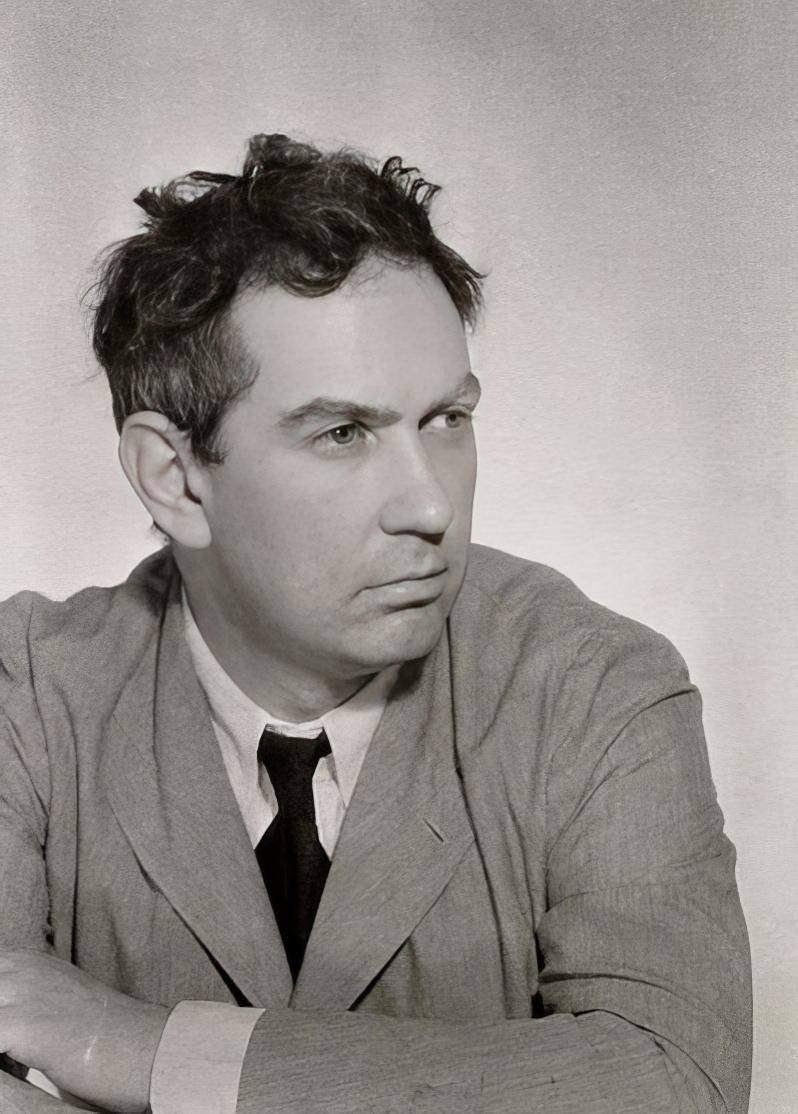
Salvador Dalí was photographed around 1929, early in his rise to fame. Man Ray’s lens caught him before he became a global spectacle — young, sharp-eyed, and already precise in his self-presentation. These early portraits are some of the most historically valuable in Man Ray’s archive.
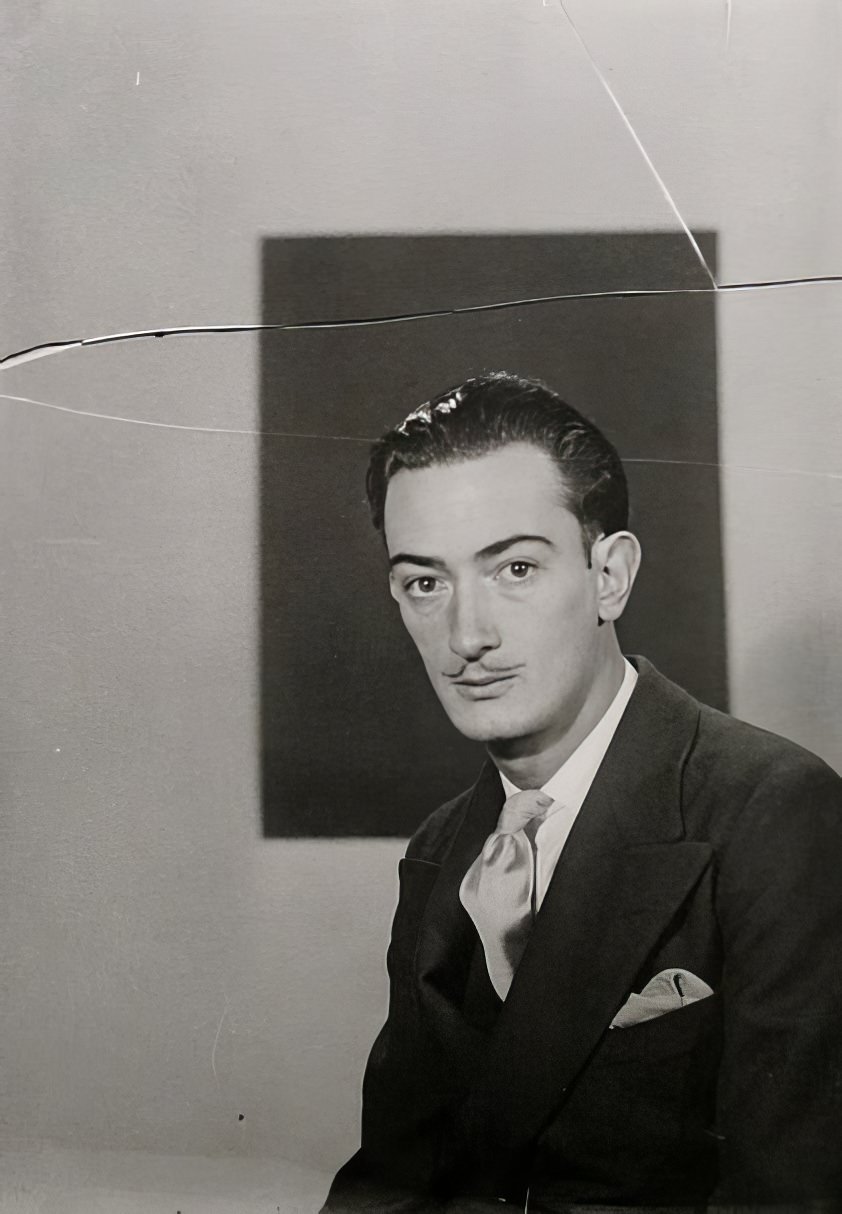
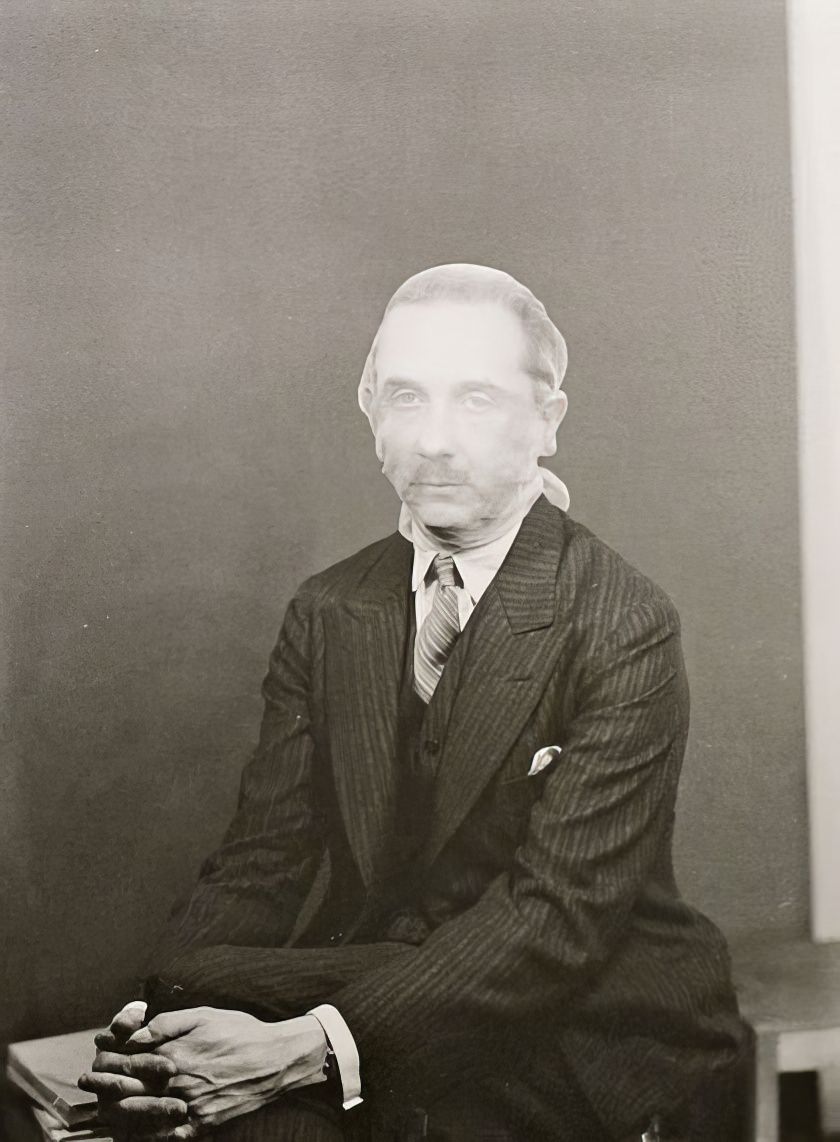
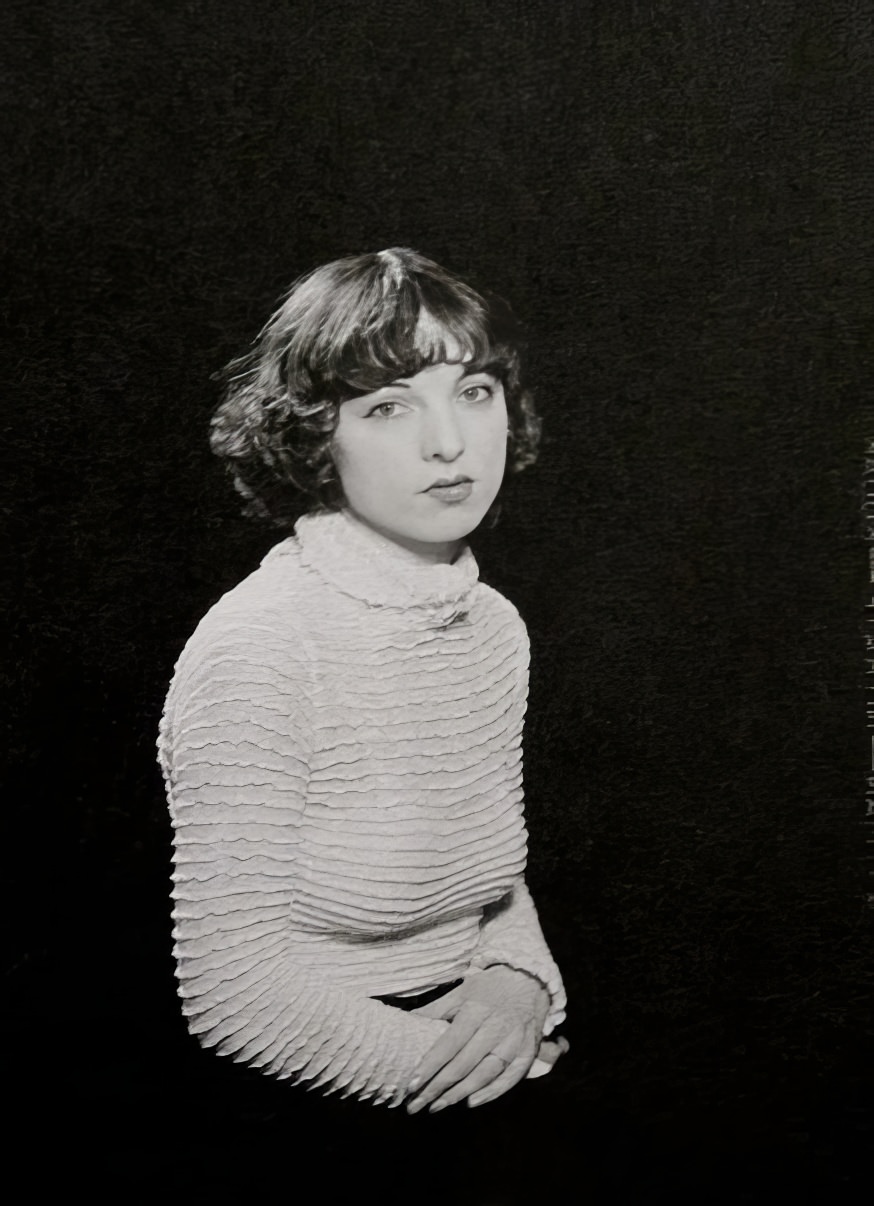
Marcel Duchamp was one of Man Ray’s closest friends and most photographed subjects. In one well-known 1921 portrait, Man Ray photographed Duchamp from behind, his head partially hidden beneath a hat — a deliberate subversion of what a portrait was supposed to do. It was exactly the kind of image both men appreciated.
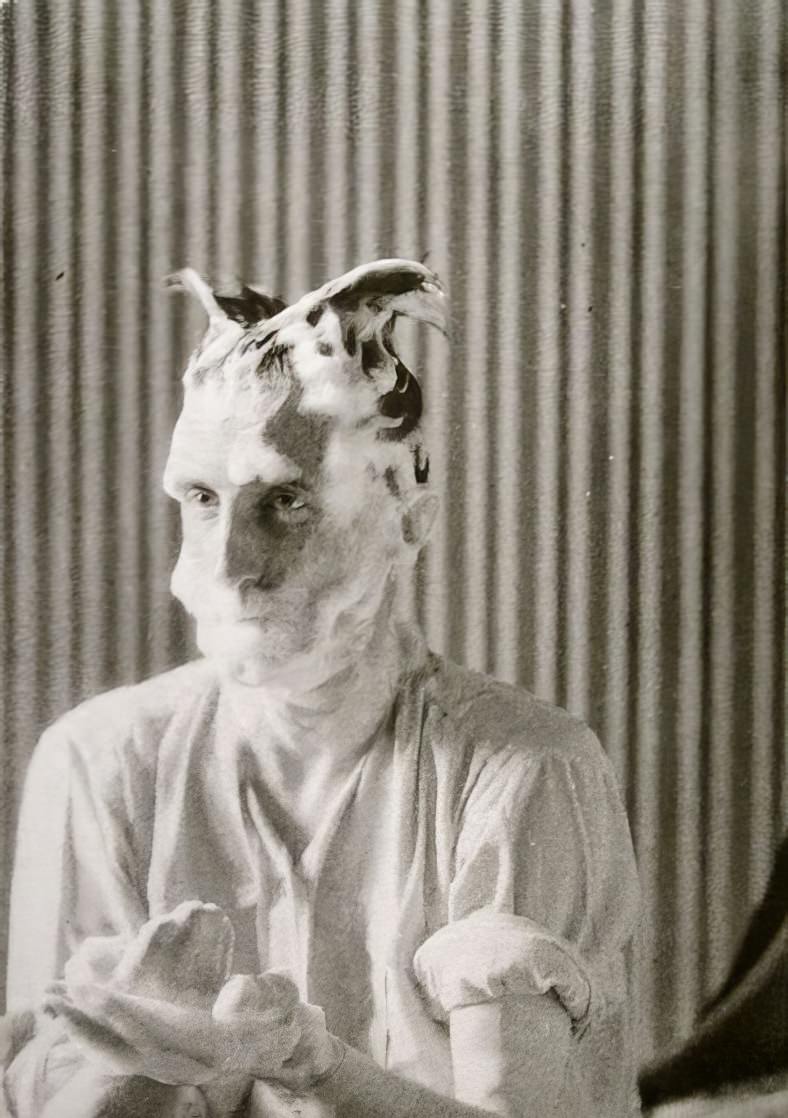
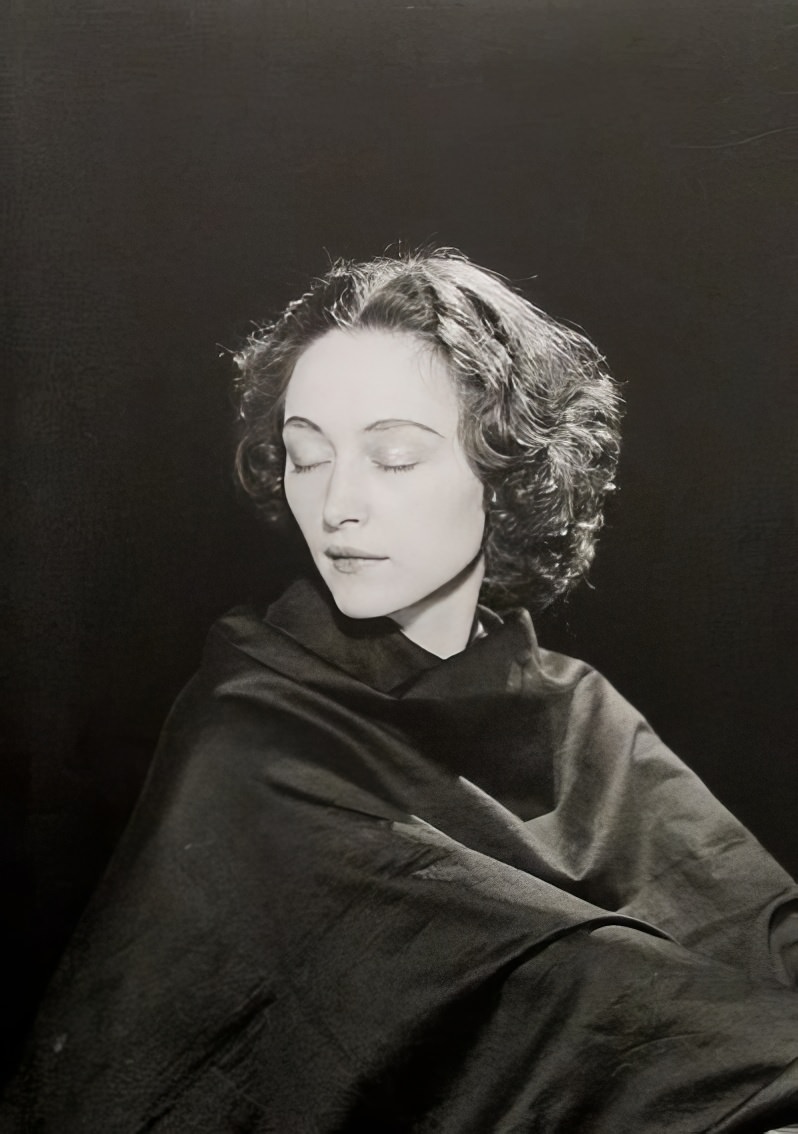
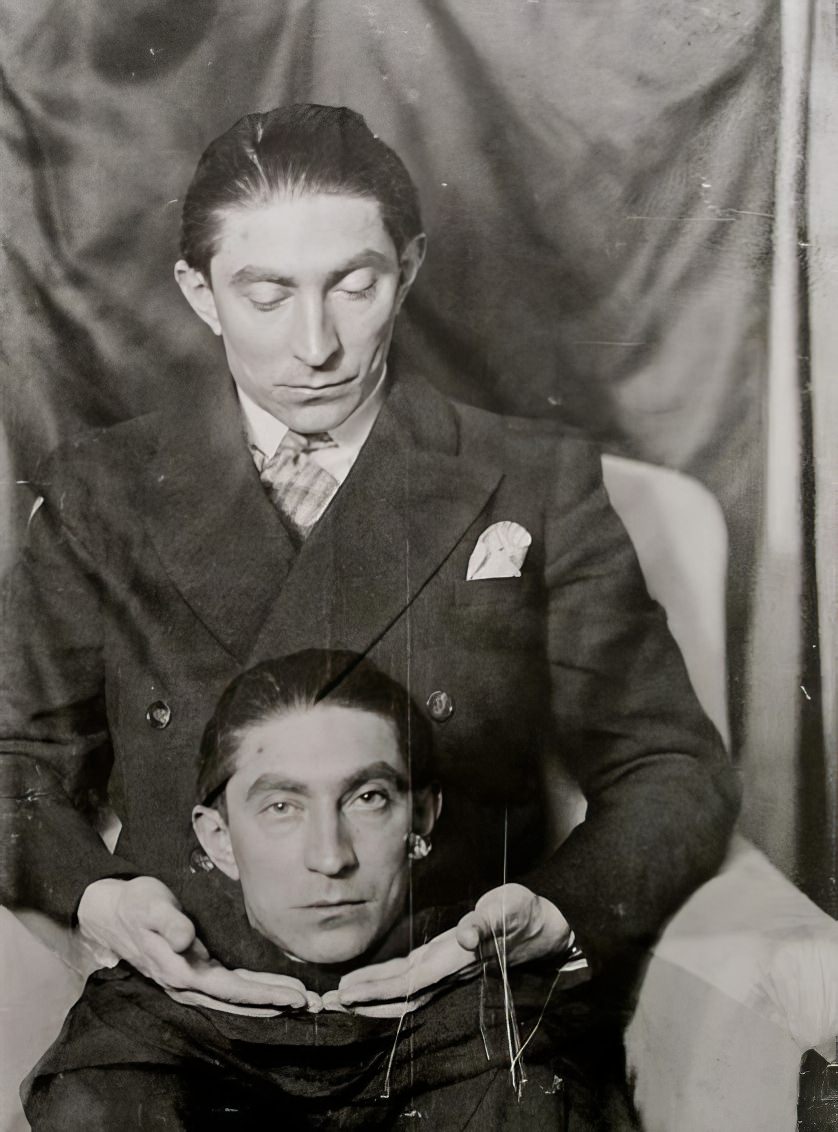
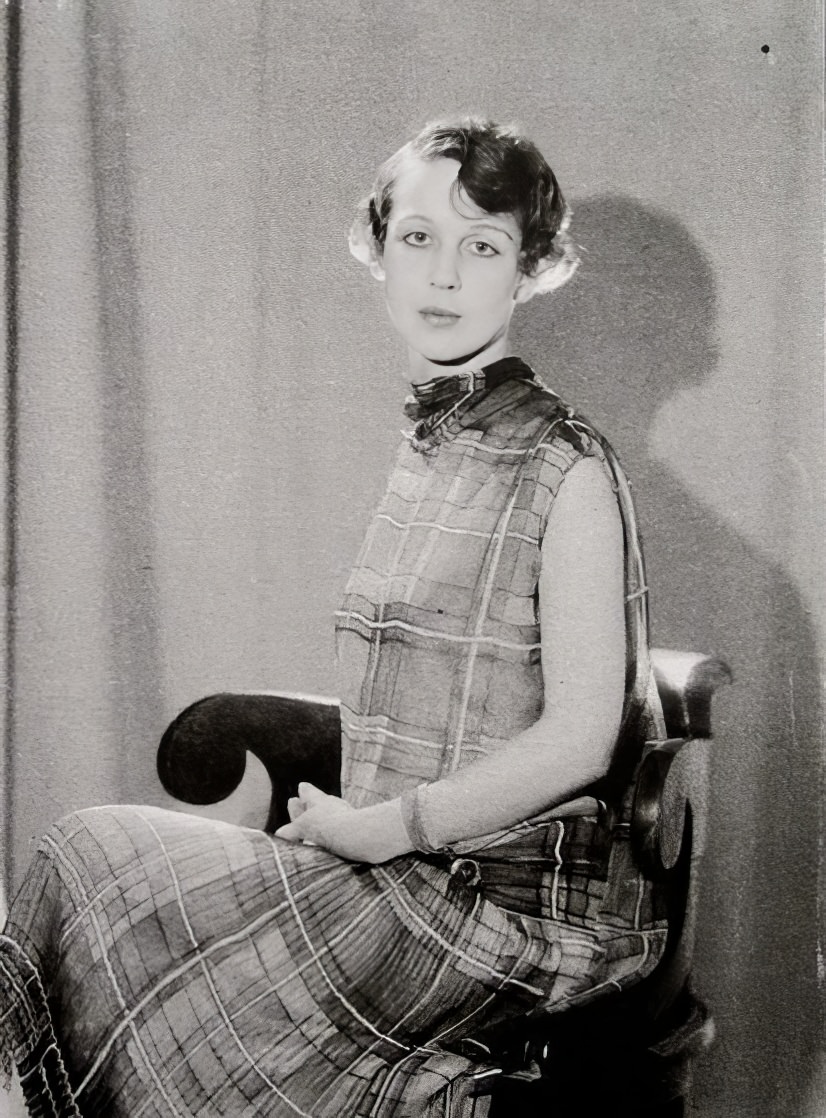
Poet Benjamin Fondane and fashion editor Madge Garland both appear in Man Ray’s archive from the late 1920s. His reach extended well beyond fine art — he photographed writers, dancers, fashion figures, and socialites with equal seriousness.
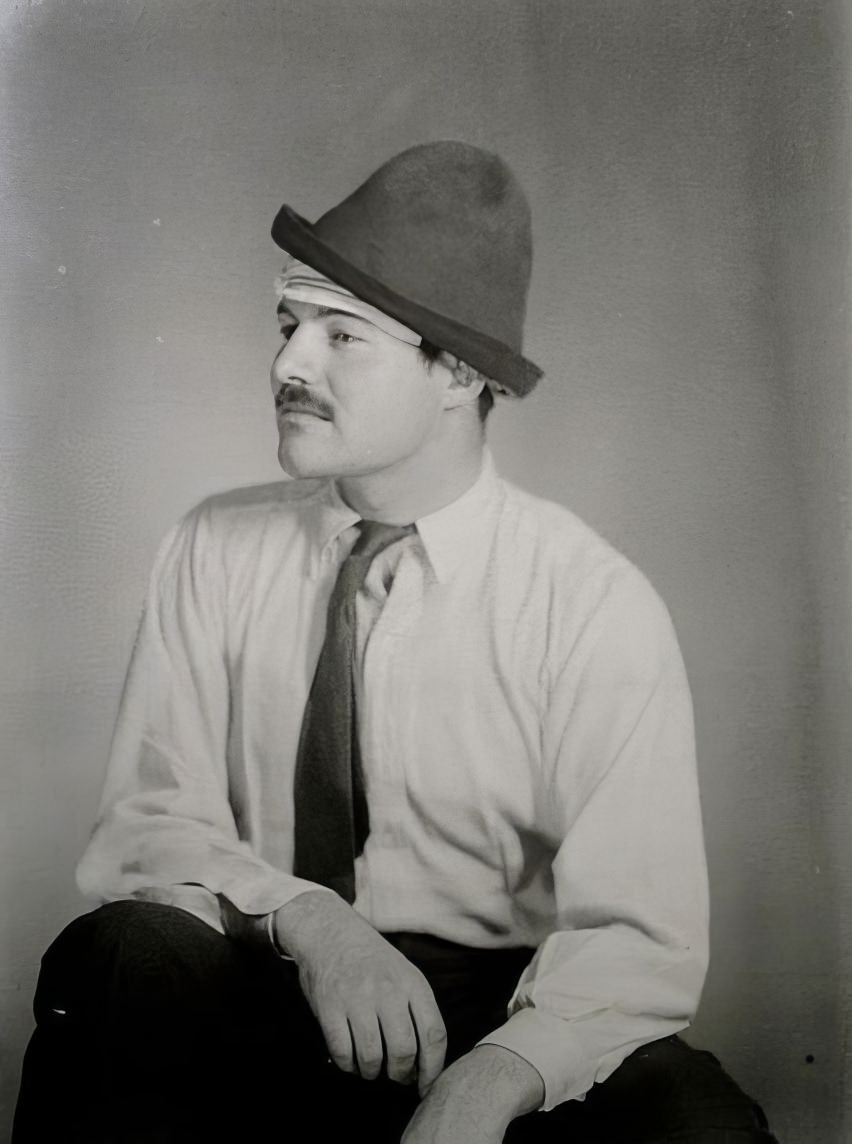
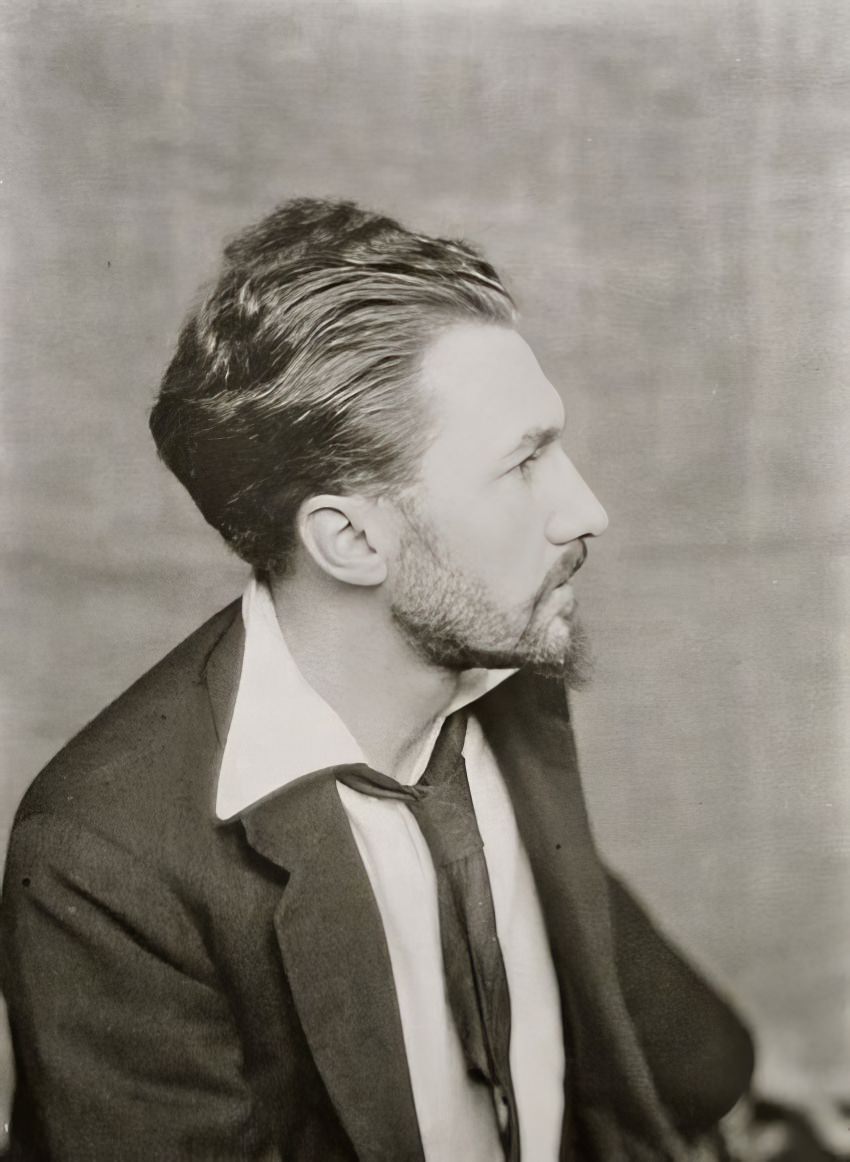
Ernest Hemingway sat for Man Ray in 1923, just as he was beginning to establish himself in Paris. The portrait shows a young man not yet famous — lean, direct, and unadorned. Ezra Pound was photographed the same year, already a commanding presence in the expatriate literary scene.
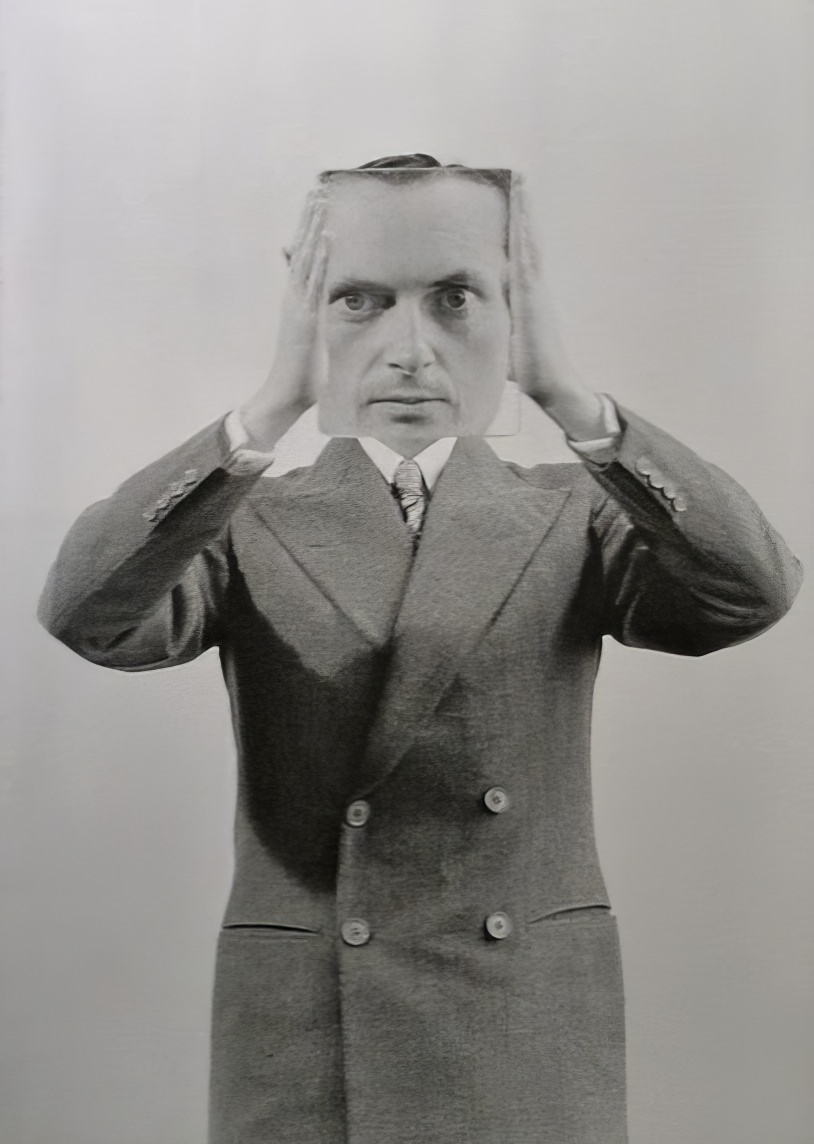
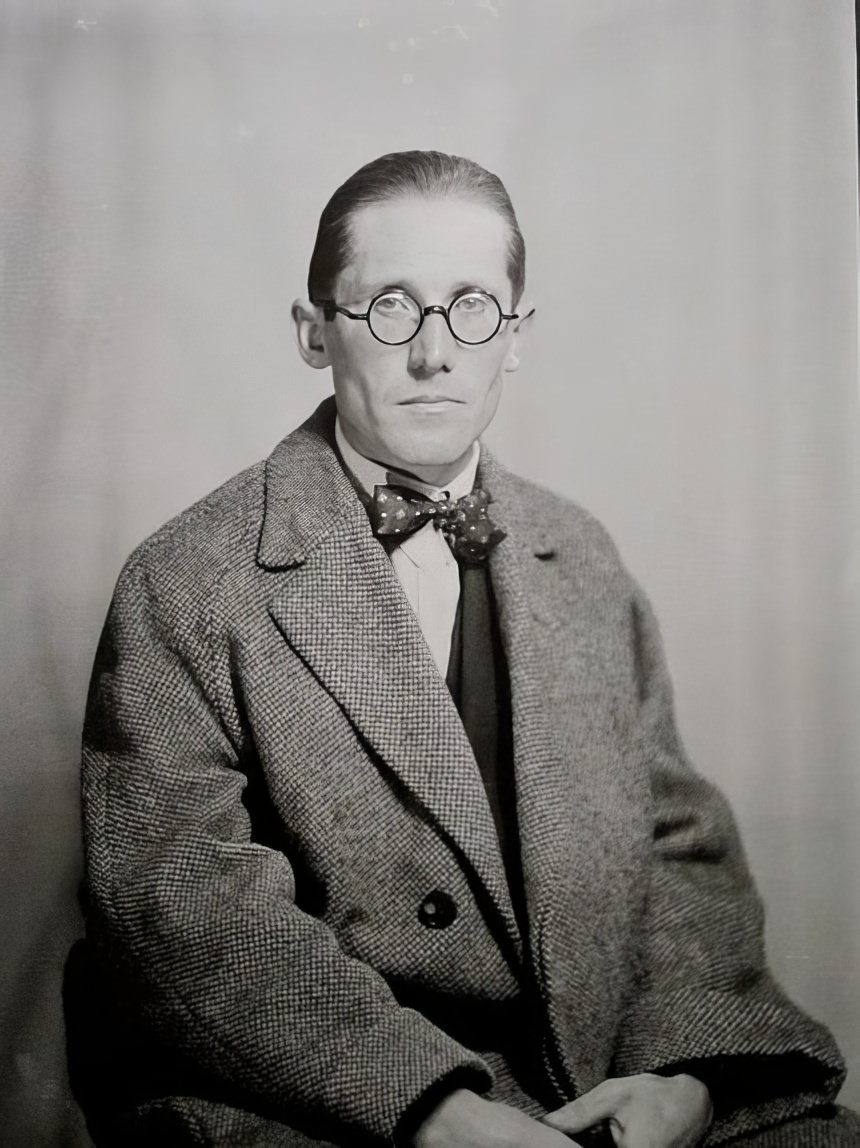
Le Corbusier, the Swiss-French architect who reshaped modern urban design, was photographed around 1927. Man Ray also turned his camera on painter Georges Malkine, another figure from the Surrealist circle who moved through the same Paris networks.
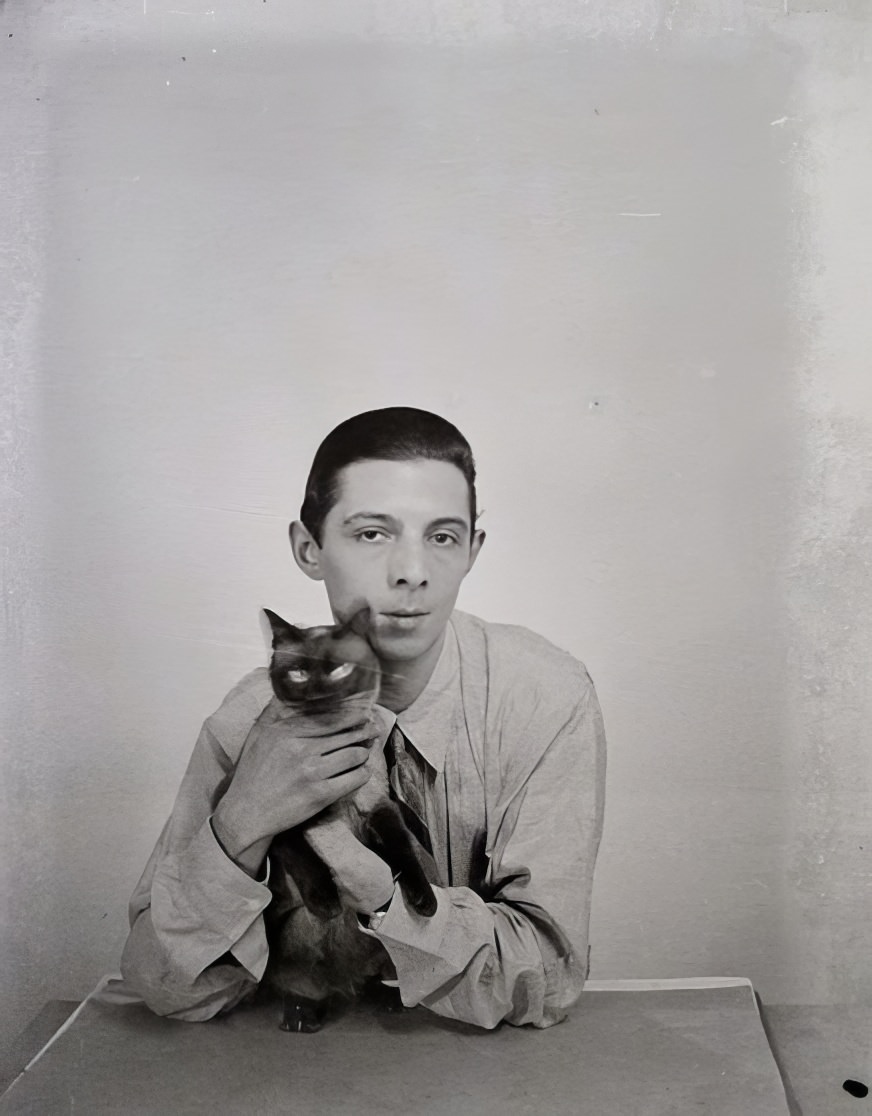
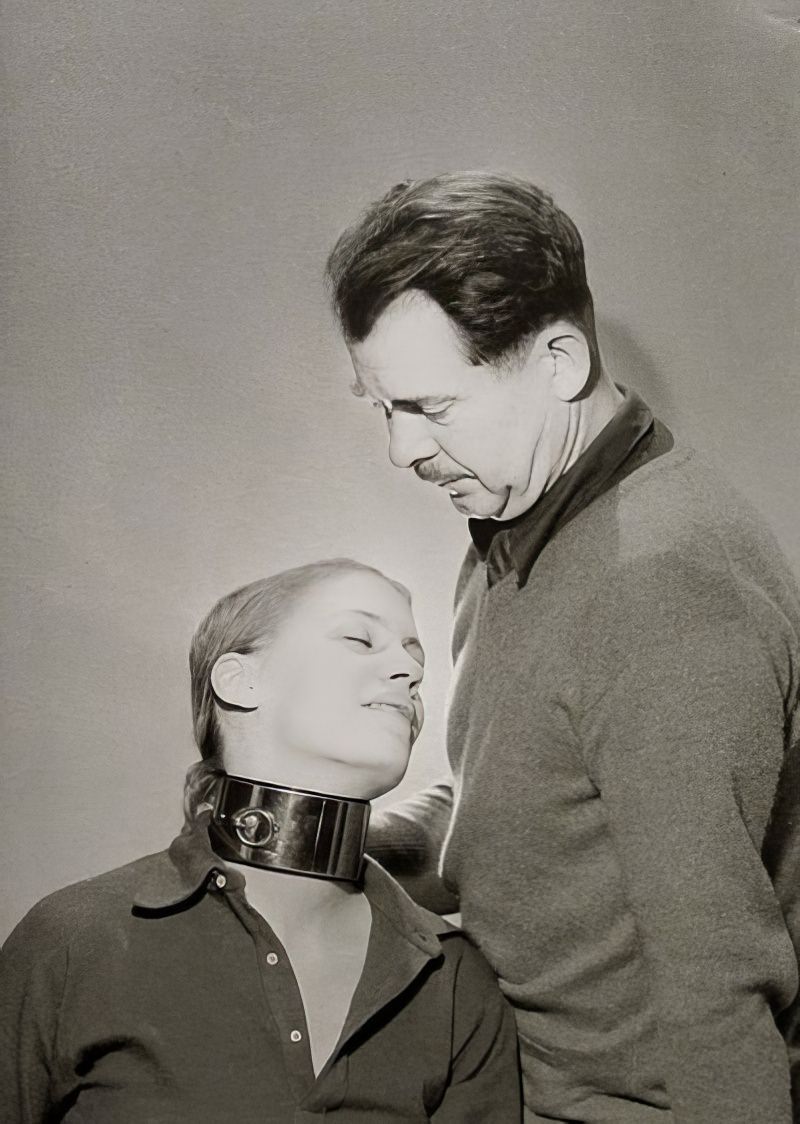
Lee Miller was both Man Ray’s romantic partner and a gifted photographer in her own right. His portraits of her from around 1929 are among the most studied in his body of work — her face partially shadowed, her expression withdrawn and self-contained. She appears again in a later photograph alongside William Seabrook.
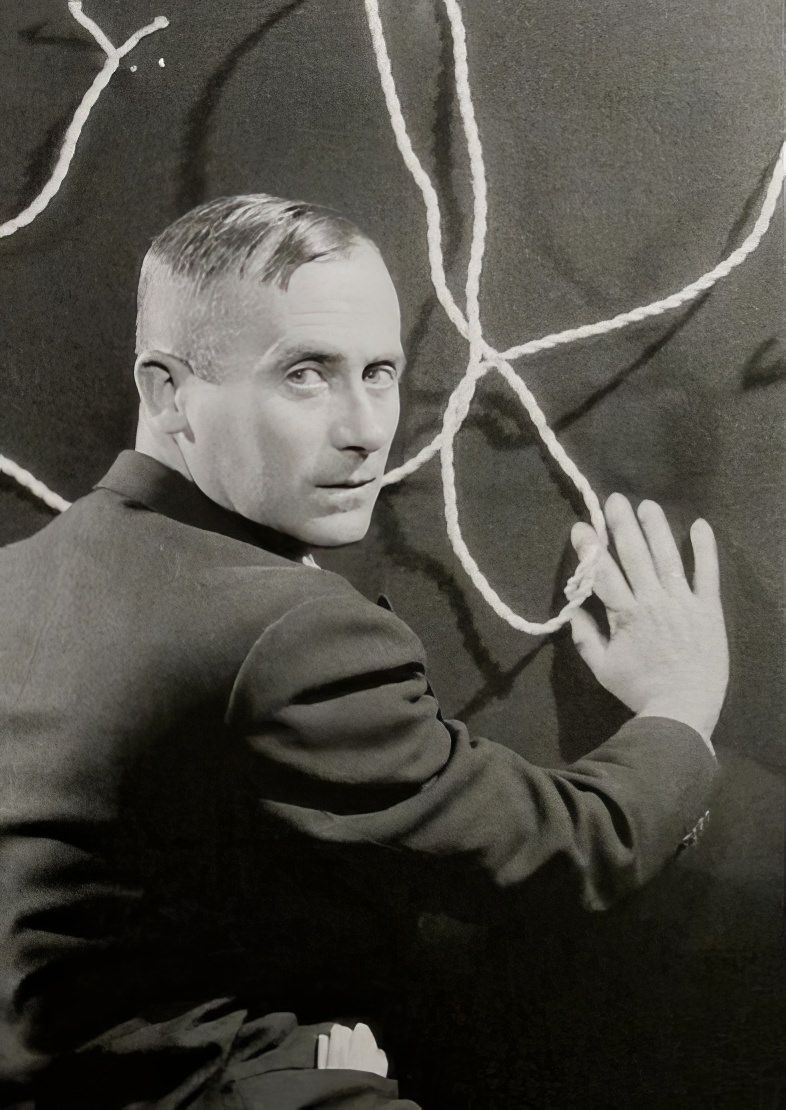
Joan Miró, the Spanish painter whose colorful abstractions made him one of Surrealism’s most distinctive voices, was photographed around 1928. Choreographer Bronislava Nijinska sat for Man Ray in 1922, representing the world of avant-garde dance that overlapped with his artistic circles.
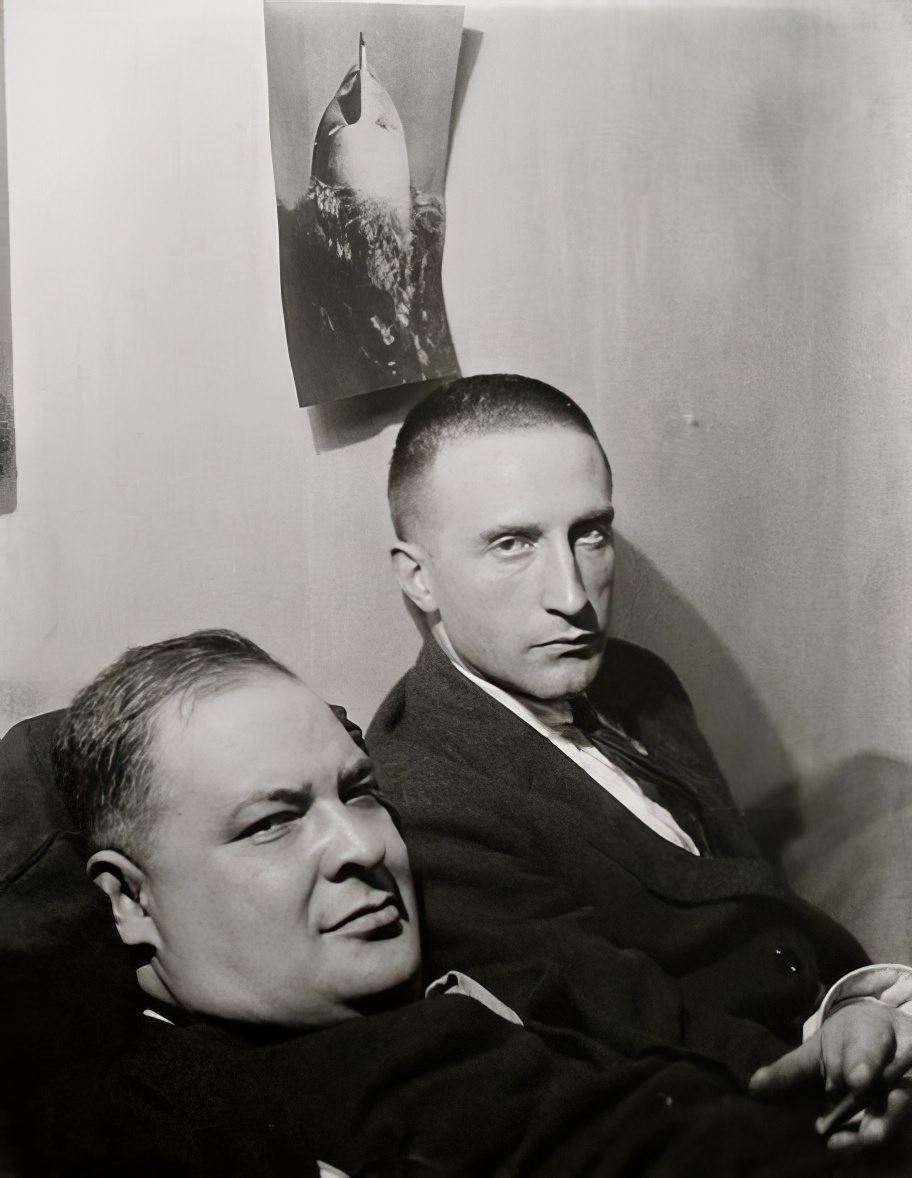
Before Man Ray settled in Paris, he was working in New York. His 1920 photograph of Joseph Stella and Marcel Duchamp together is an early document of the transatlantic avant-garde — two artists whose work would define modern art on both sides of the ocean.
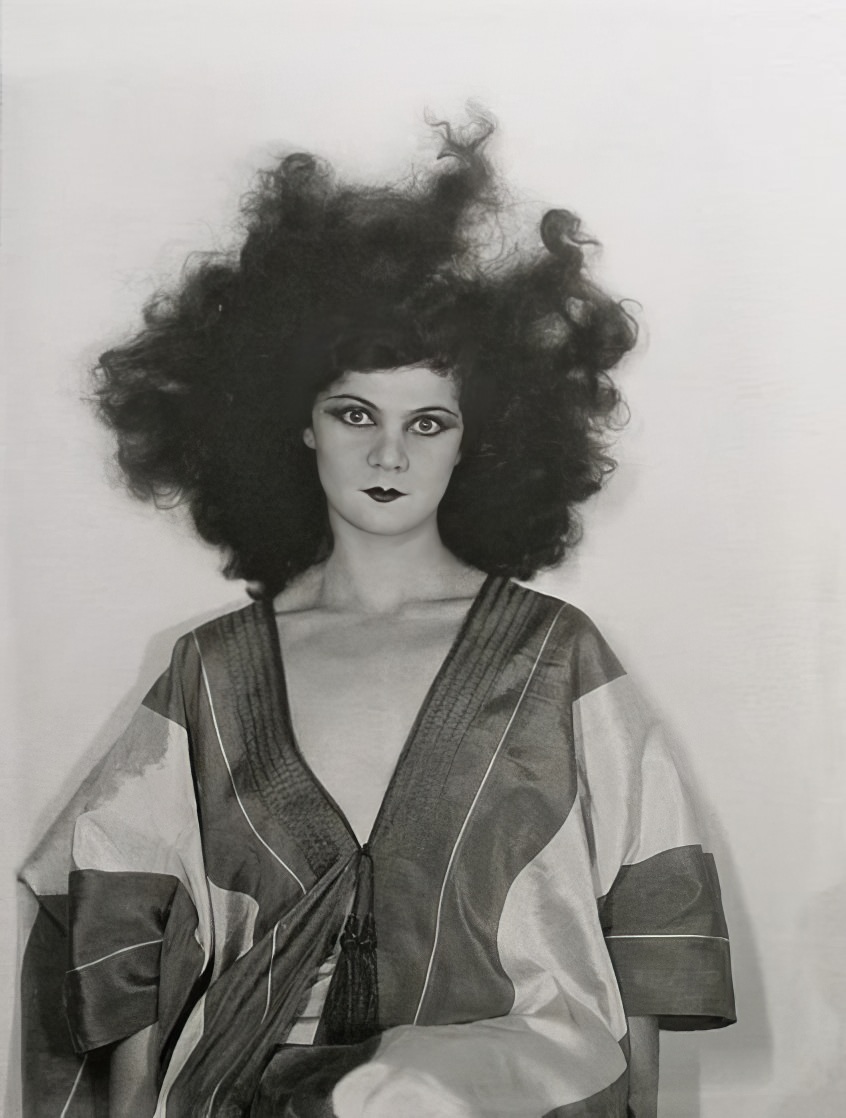

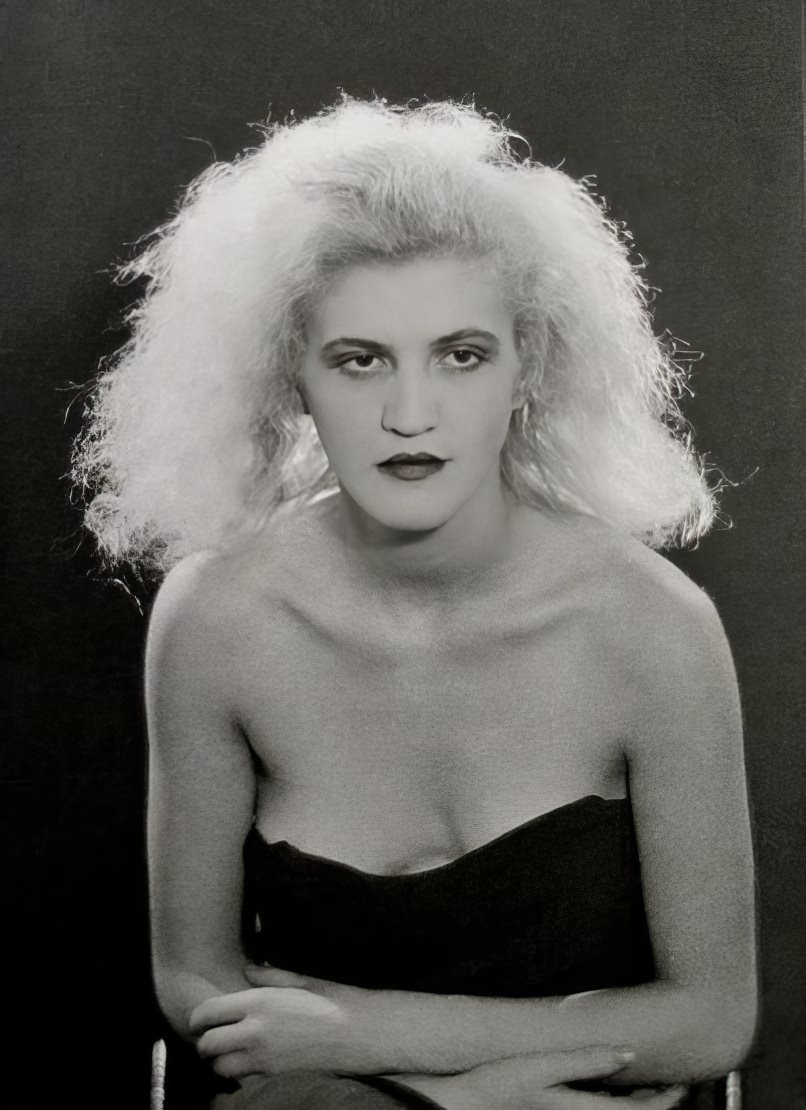
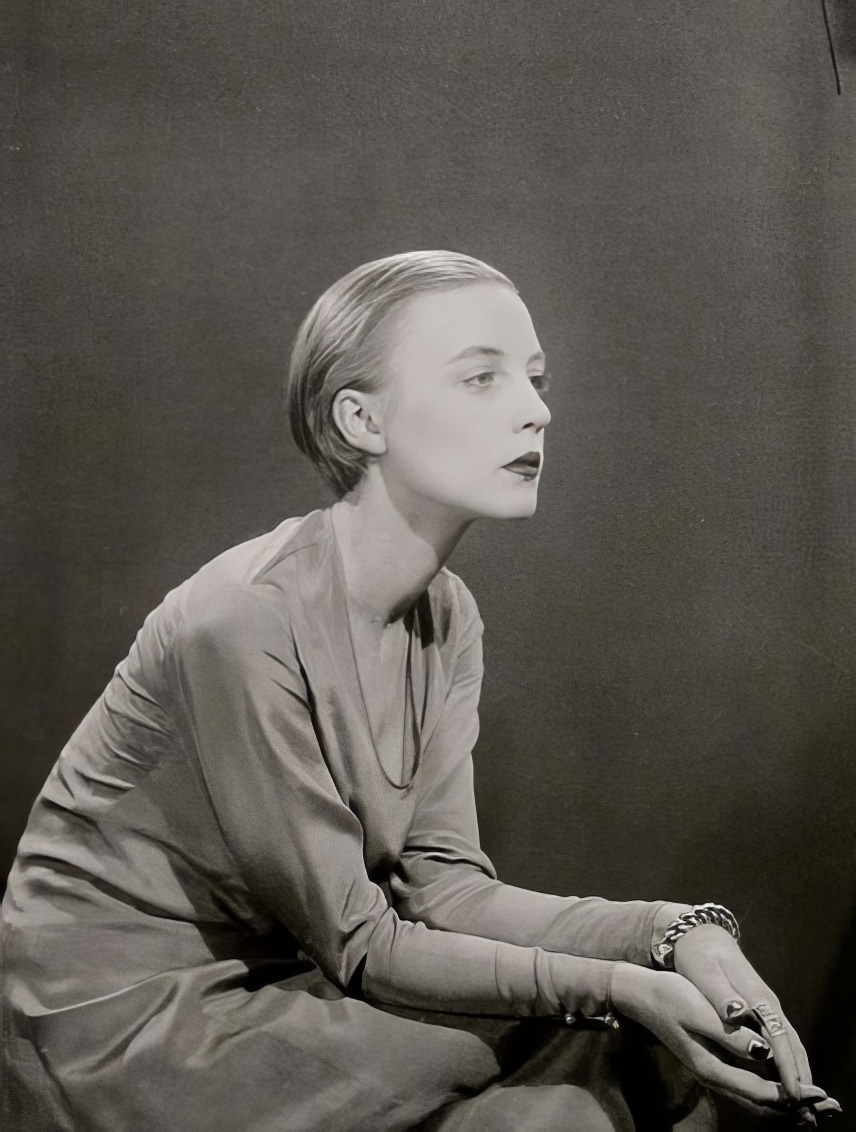
Dancer Helen Tamiris and film producer Denise Tual each brought different worlds into Man Ray’s lens. His archive captured not just painters and poets, but the full range of creative life in interwar Paris. Painter Karin van Leyden and shipping heiress Nancy Cunard — a prominent arts patron and activist — appear among the portraits from the late 1920s.
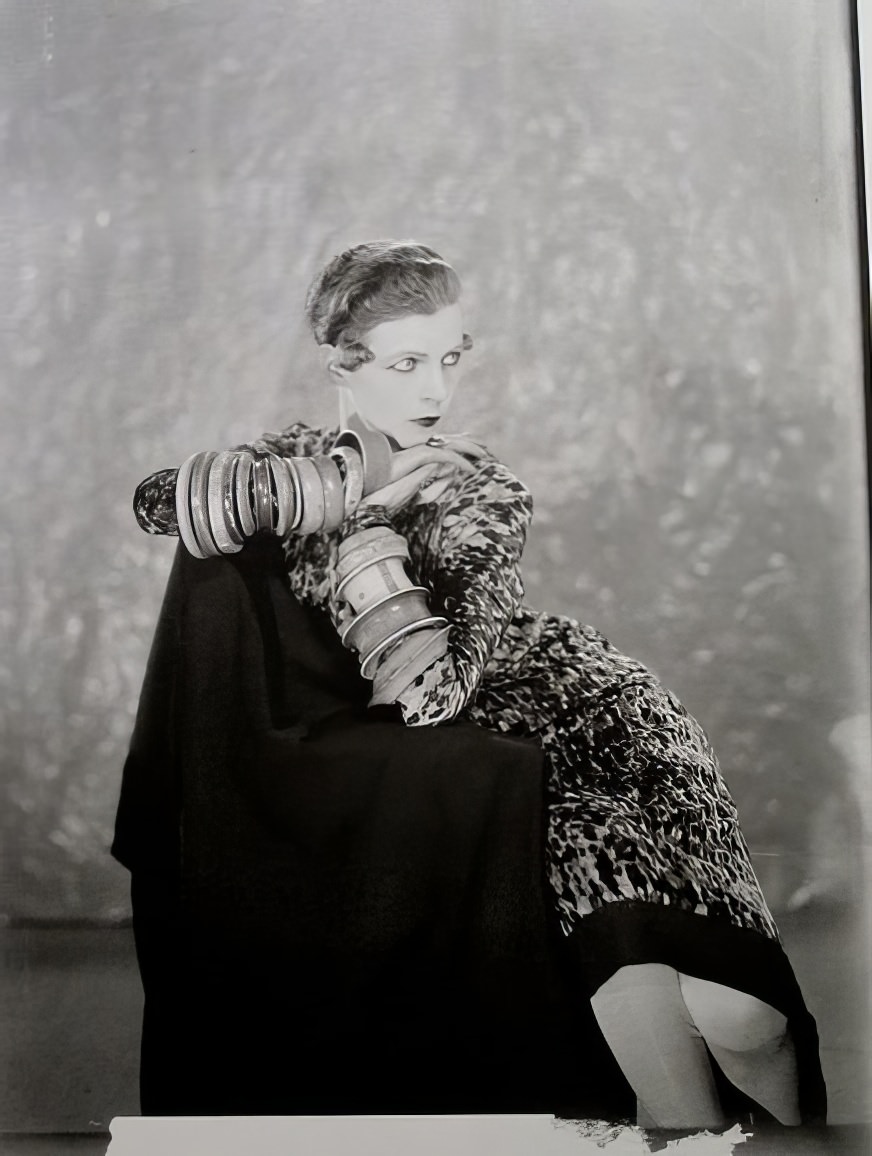
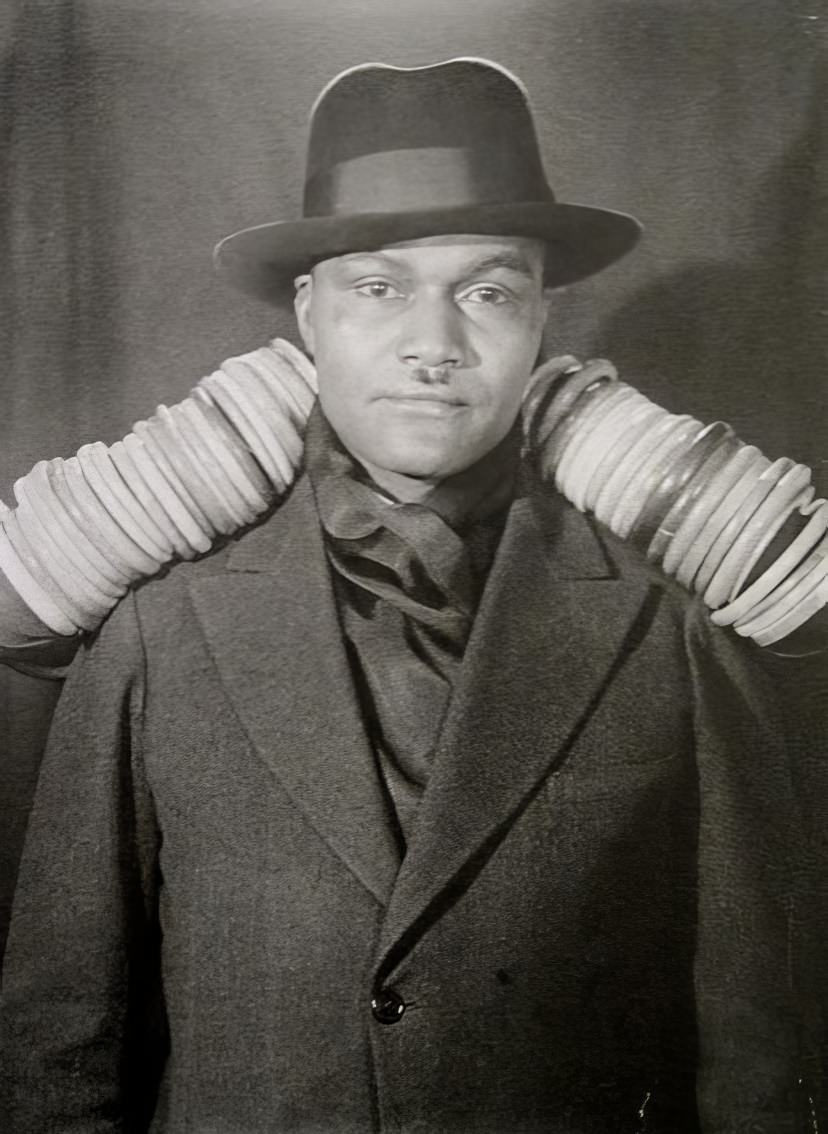
Henry Crowder, the African American jazz musician and Nancy Cunard’s partner, was photographed by Man Ray in 1930. The image is notable — Cunard’s arms appear in the frame alongside Crowder, a pairing that was deliberately provocative given the racial attitudes of the era. Man Ray documented their relationship without flinching.