Before airplanes ruled the skies, armies, scientists, and explorers turned to a surprising tool for getting a view from above: the man-lifting kite. These large, powerful kites were purpose-built to carry a human body into the air. From battlefields to coastlines, they served a wide range of real-world functions across the late 1800s and early 1900s.
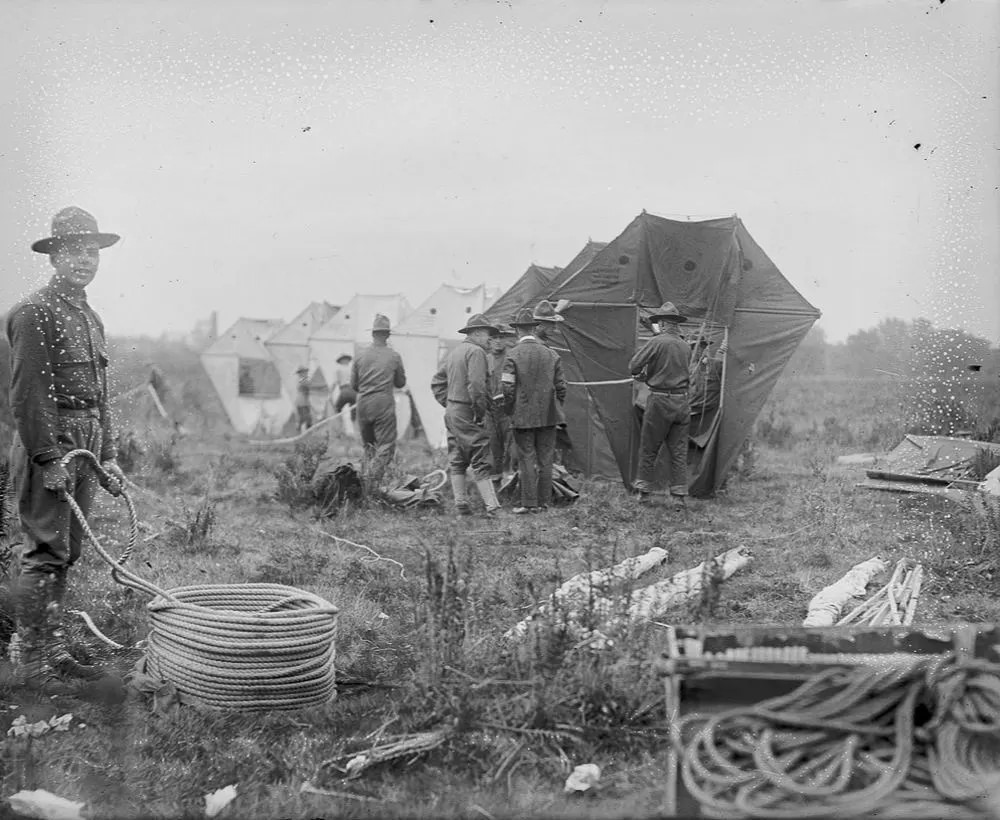
British scientist George Pocock first proposed the idea in the 1870s. His design used a system of ropes and pulleys, with a ground operator controlling altitude and direction by pulling on the lines. The rider had no engine, no propeller — just wind and tension holding them in the sky.
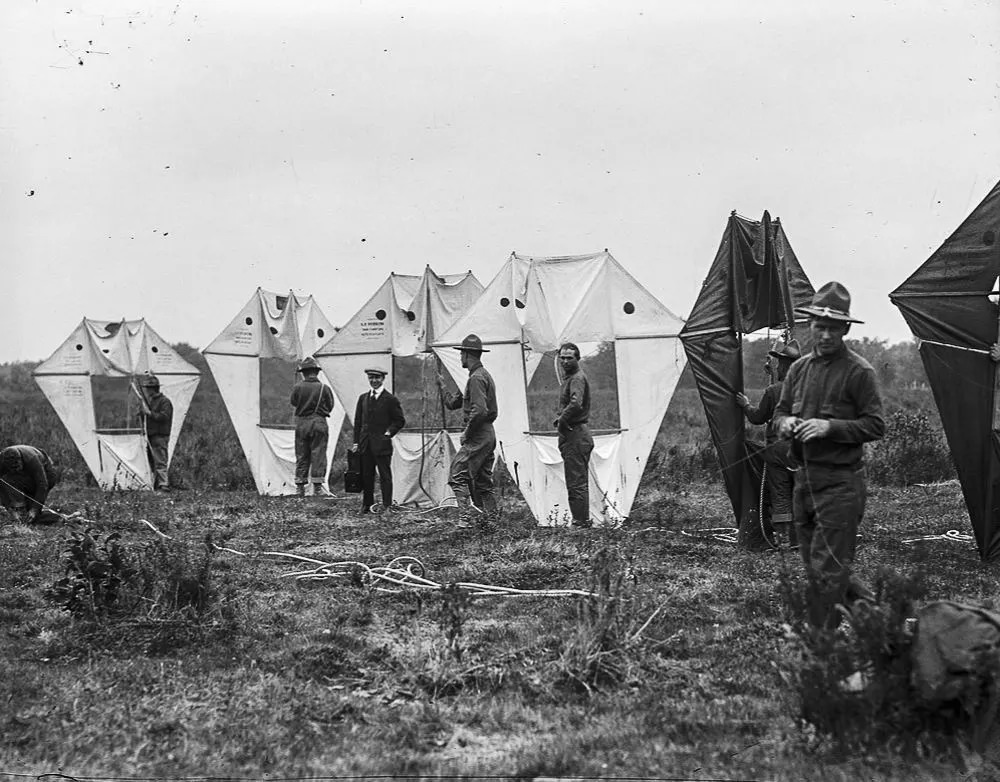
The British Army put man-lifting kites to practical use during the Second Boer War in South Africa. Observers were hoisted high above the battlefield to track enemy troop positions, then relayed that information to the ground using flags or signal lights. Cameras were also lifted to capture aerial photographs of the terrain below.
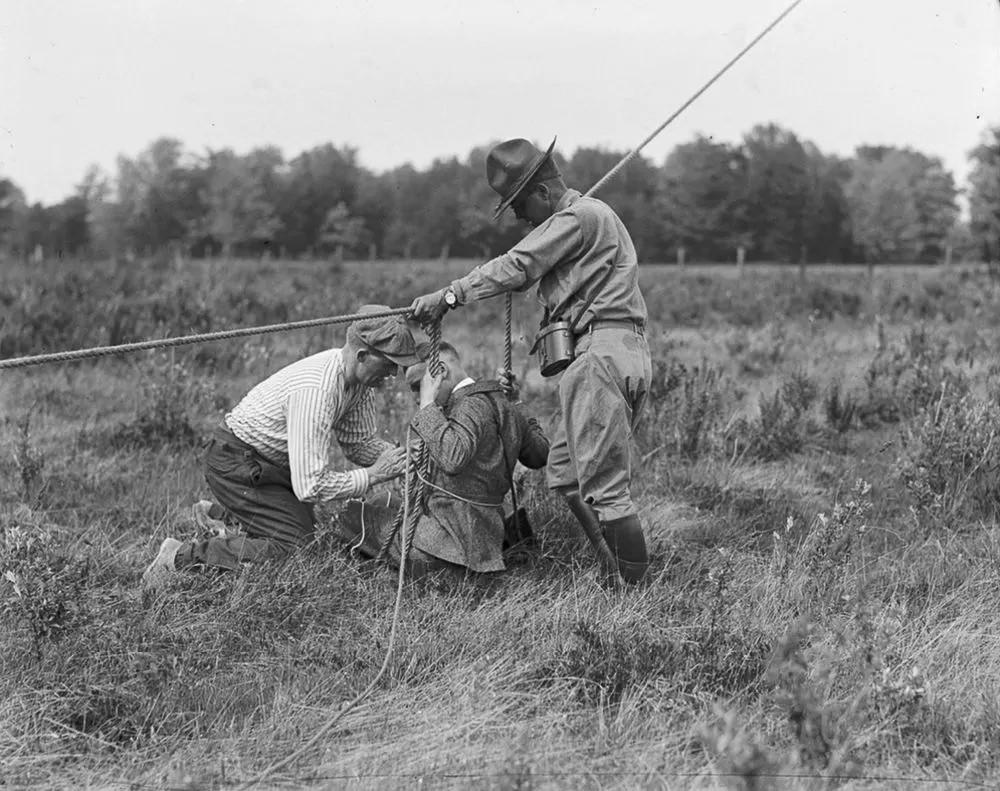
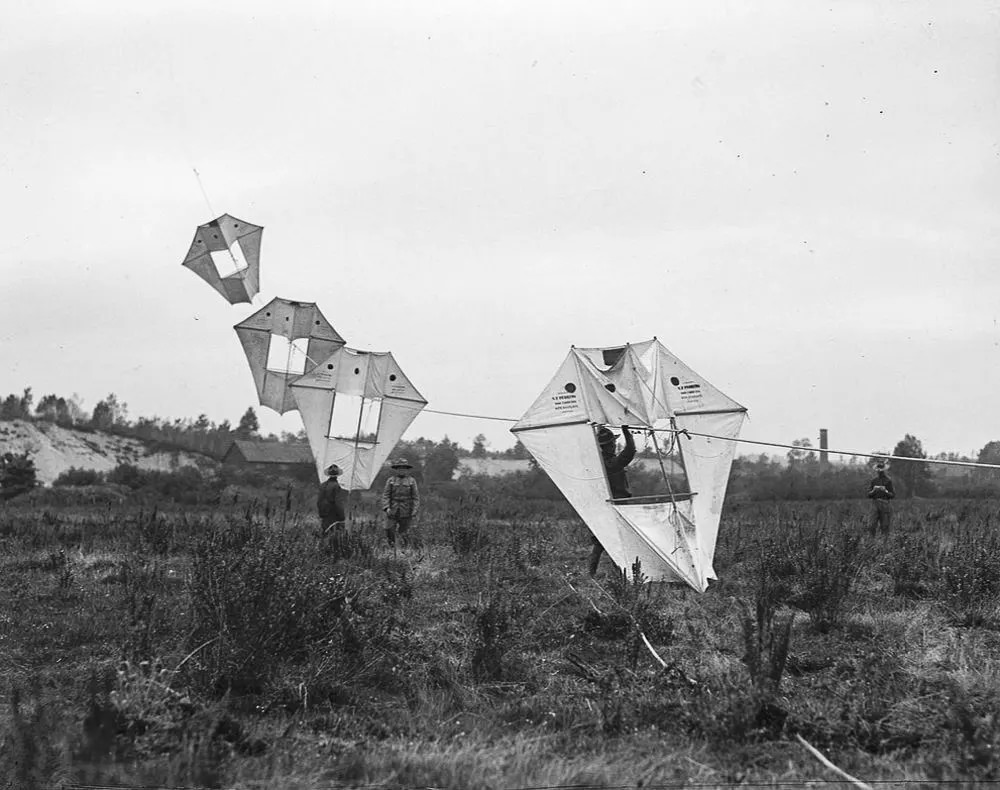
During World War I, the German Army deployed man-lifting kites for the same purpose — spotting enemy movements from altitude. Meanwhile, the US Weather Bureau used them to lift meteorological instruments that measured temperature, humidity, and wind speed at heights unreachable from the ground.
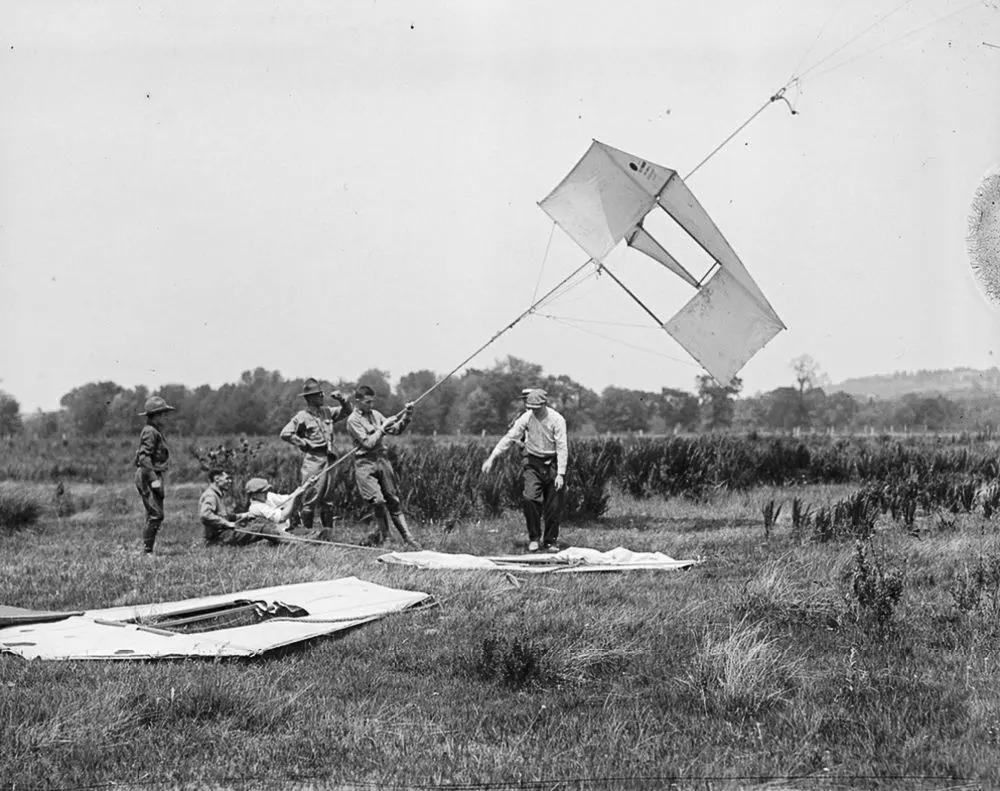
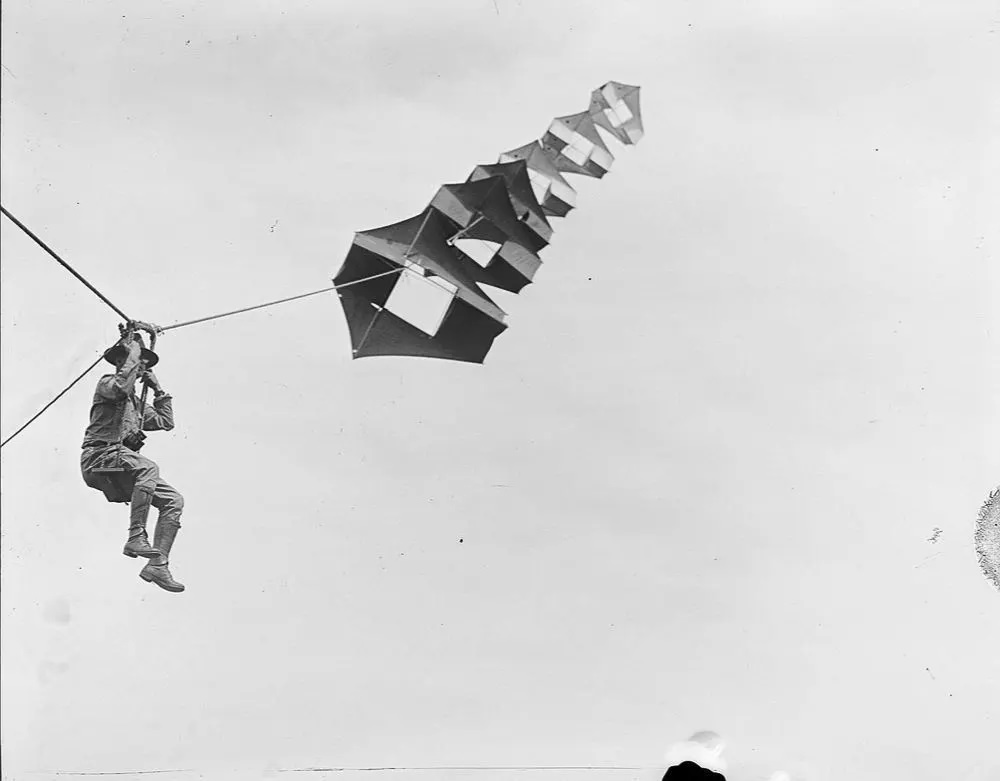
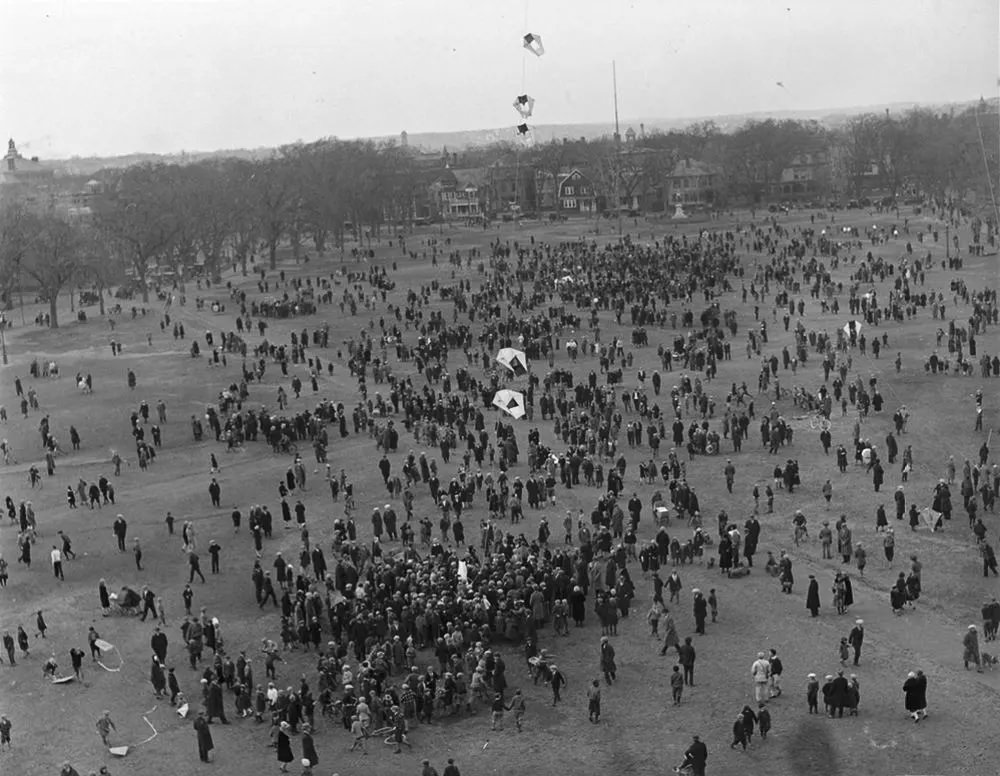
Man-lifting kites weren’t only military tools. At fairs and public demonstrations, they drew large crowds eager to watch a person rise into the sky on nothing but wind power. Inventors and showmen alike saw their entertainment and experimental potential.
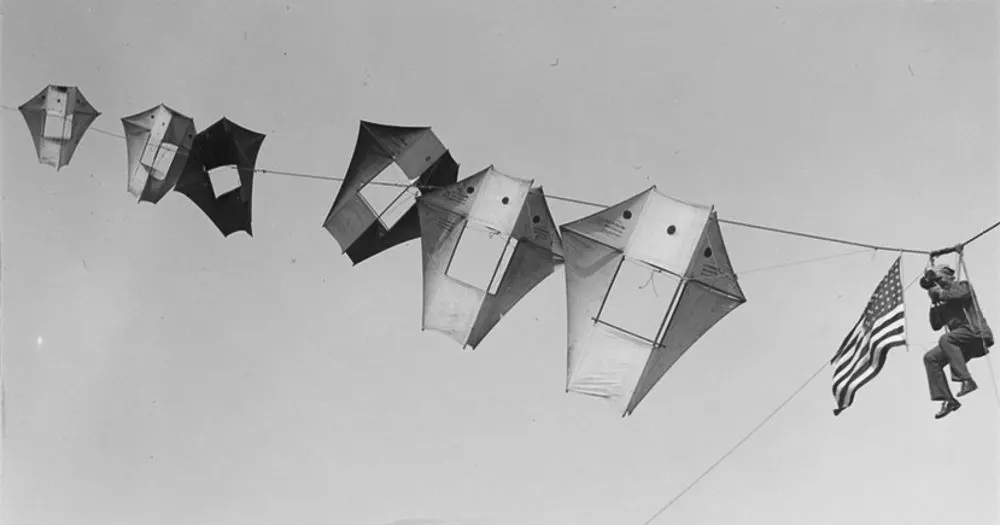
In the 1920s and 1930s, the Soviet Union ran experiments using man-lifting kites for aerial reconnaissance. The French explorer Jean Mermoz used them during explorations of West Africa, lifting himself and crew members into the air to scout the land below.
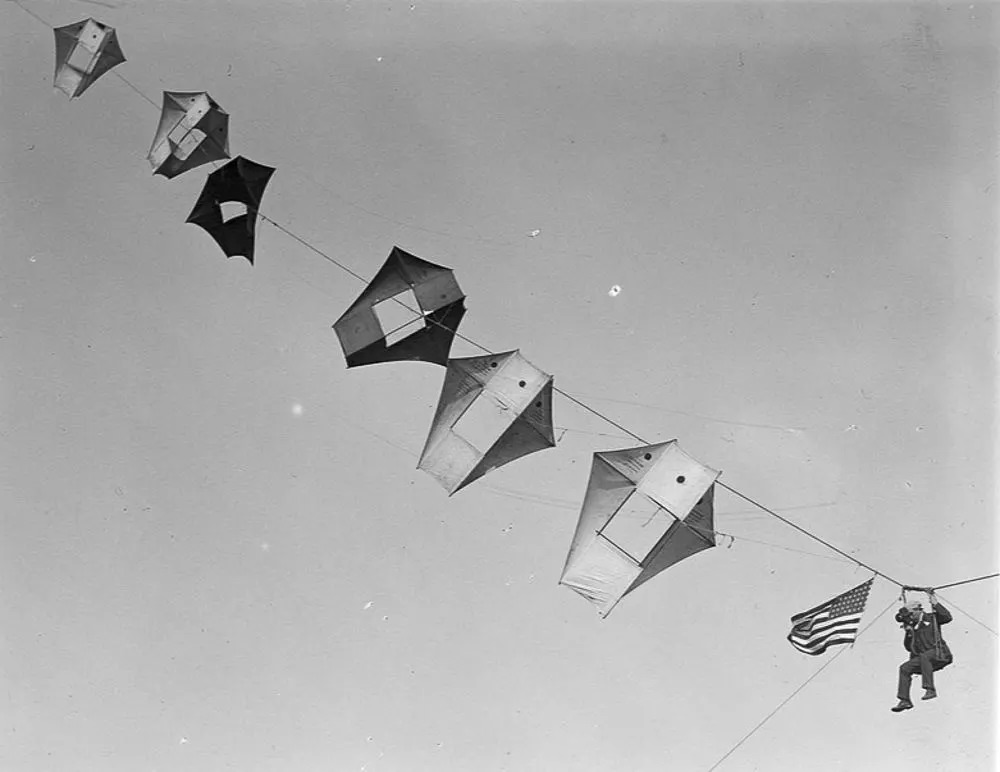
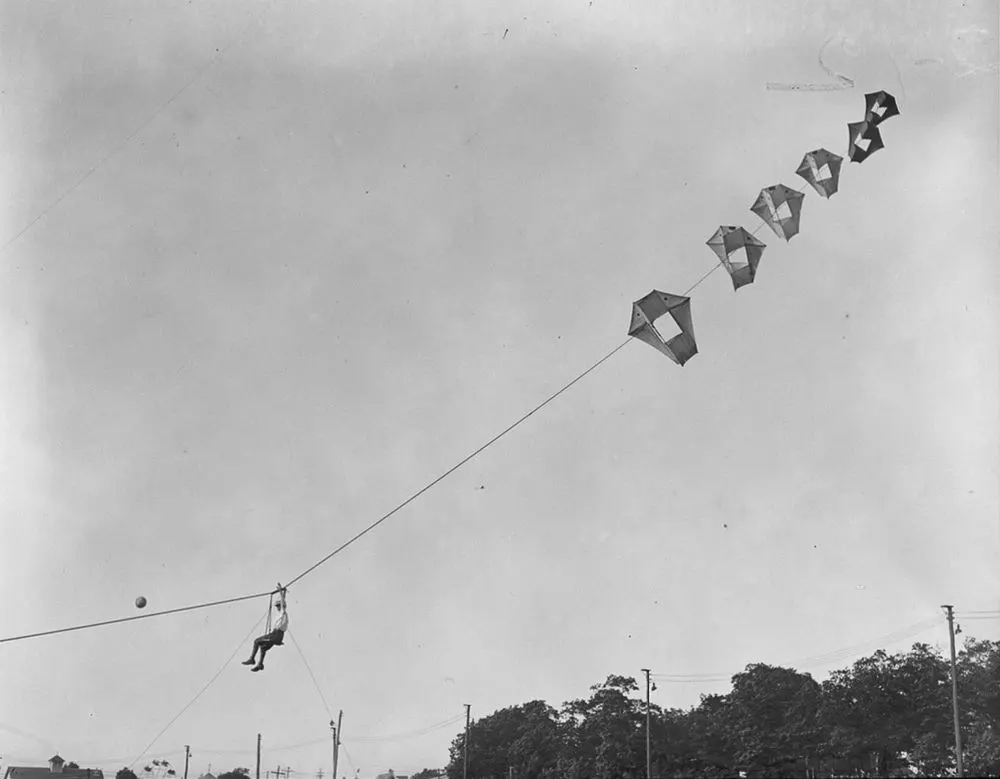
During World War II, the US Navy lifted radar antennas into the air using man-lifting kites to detect enemy ships and submarines at greater range. Later, in the 1950s, the US Air Force tested them as a launch platform for high-altitude research balloons. The US Coast Guard also used them into the 1960s and 1970s for search and rescue operations.
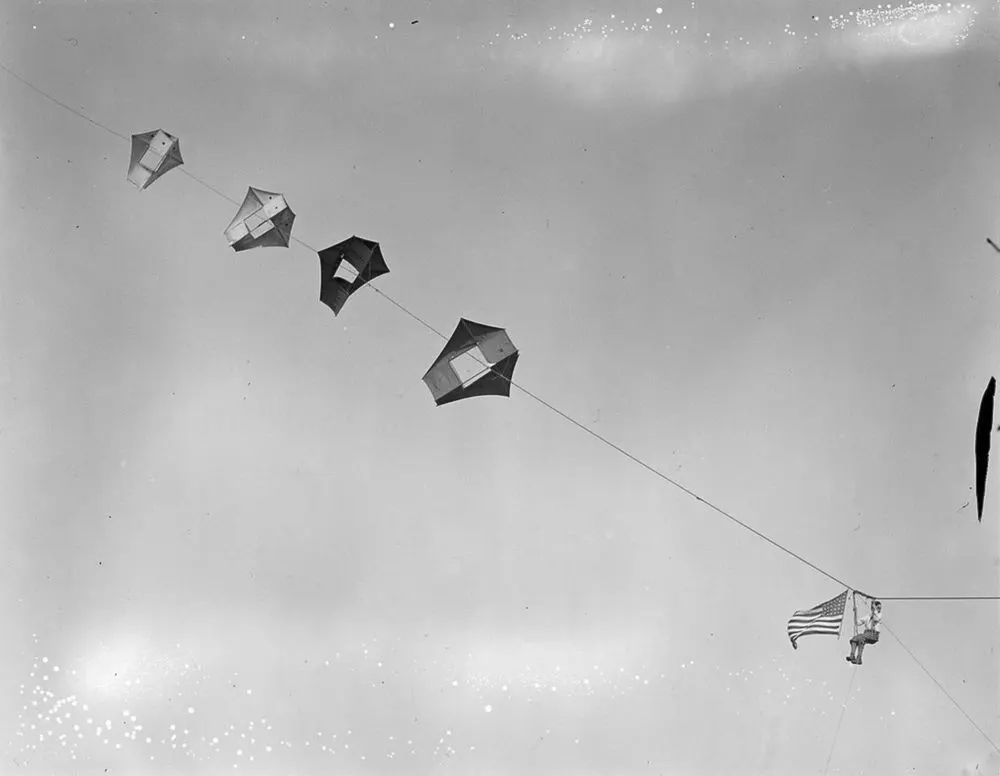
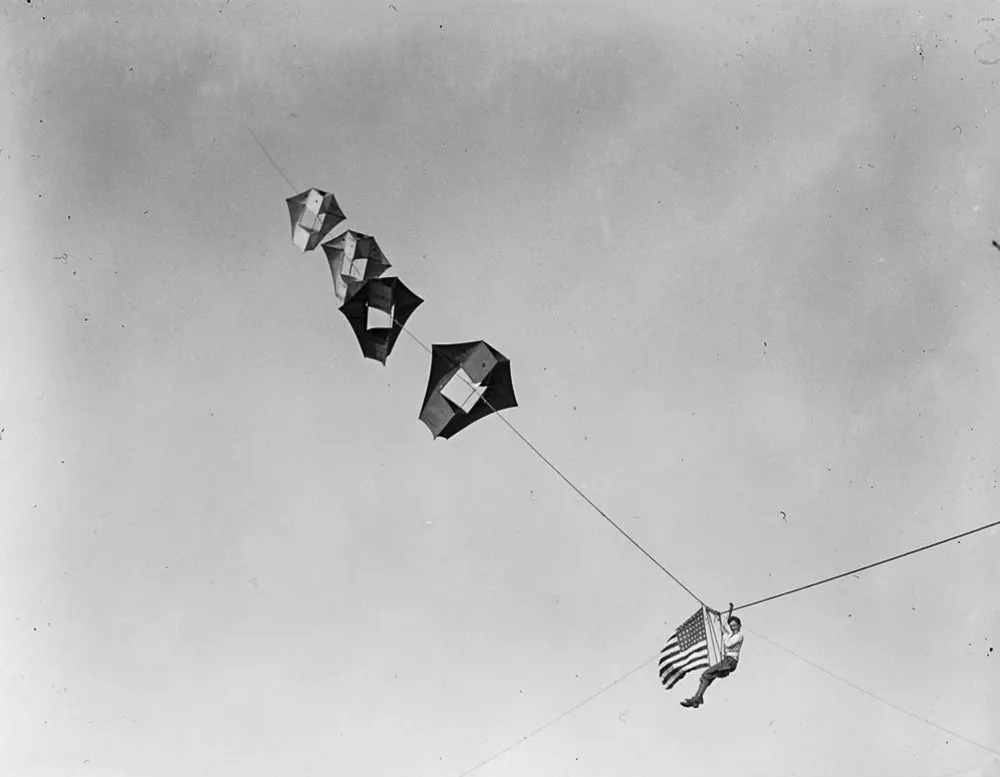
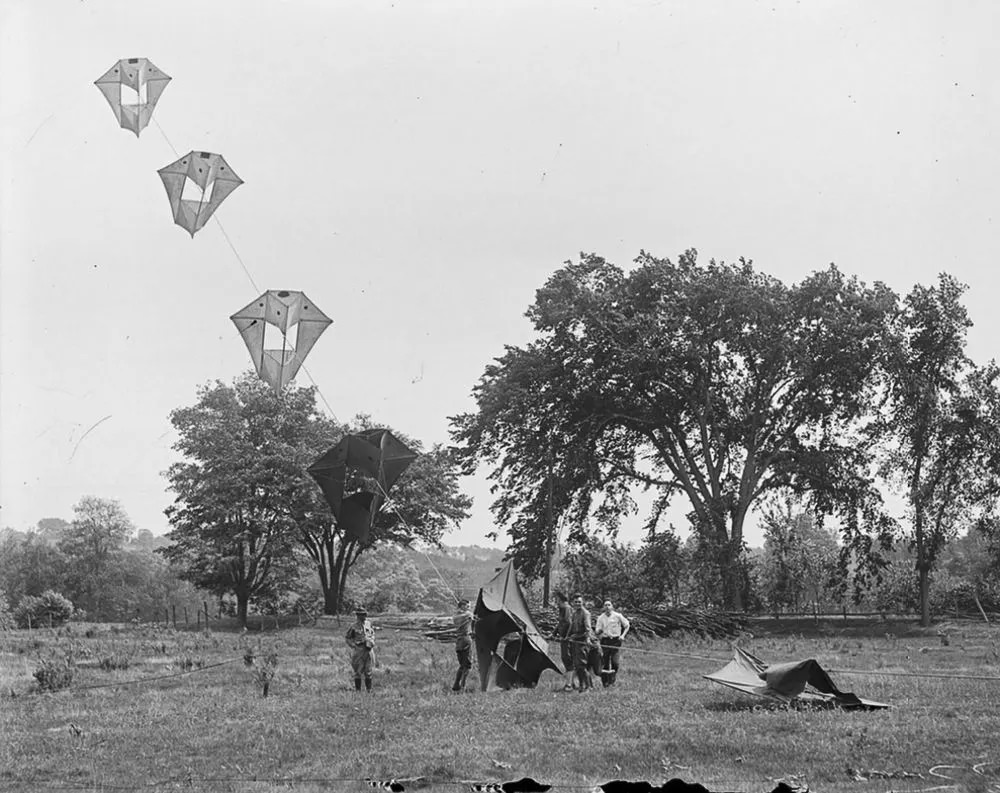
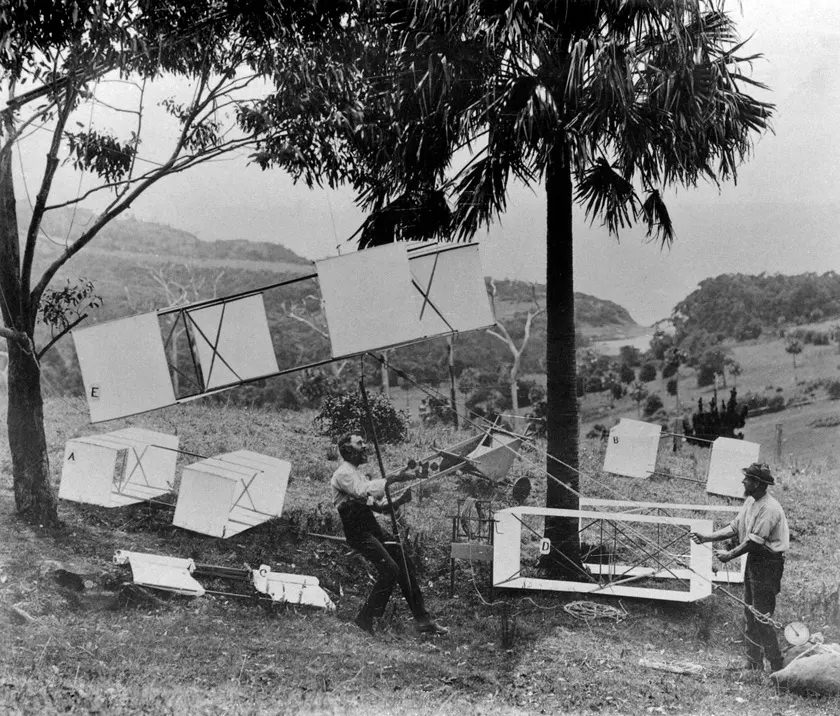
Innovators like Lawrence Hargrave pushed the engineering boundaries of what kites could do. Hargrave’s box kite designs, tested at Stanwell Park in 1894, demonstrated the structural principles that made large-scale man-lifting possible. His work influenced kite builders and early aviation pioneers around the world.
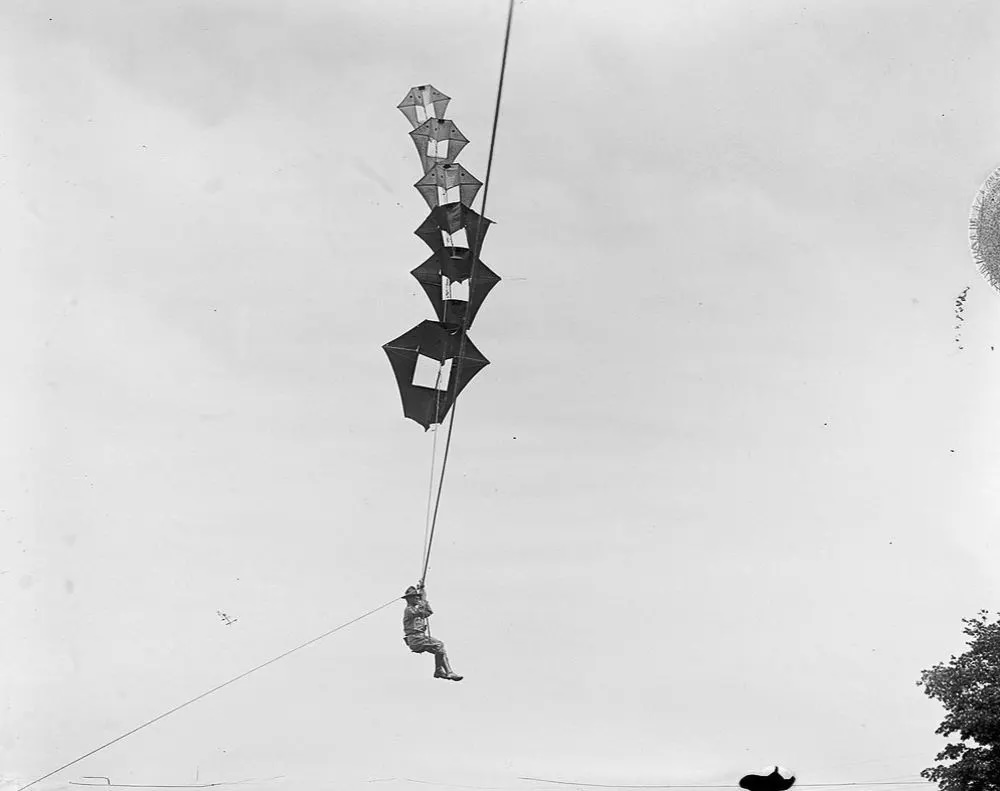
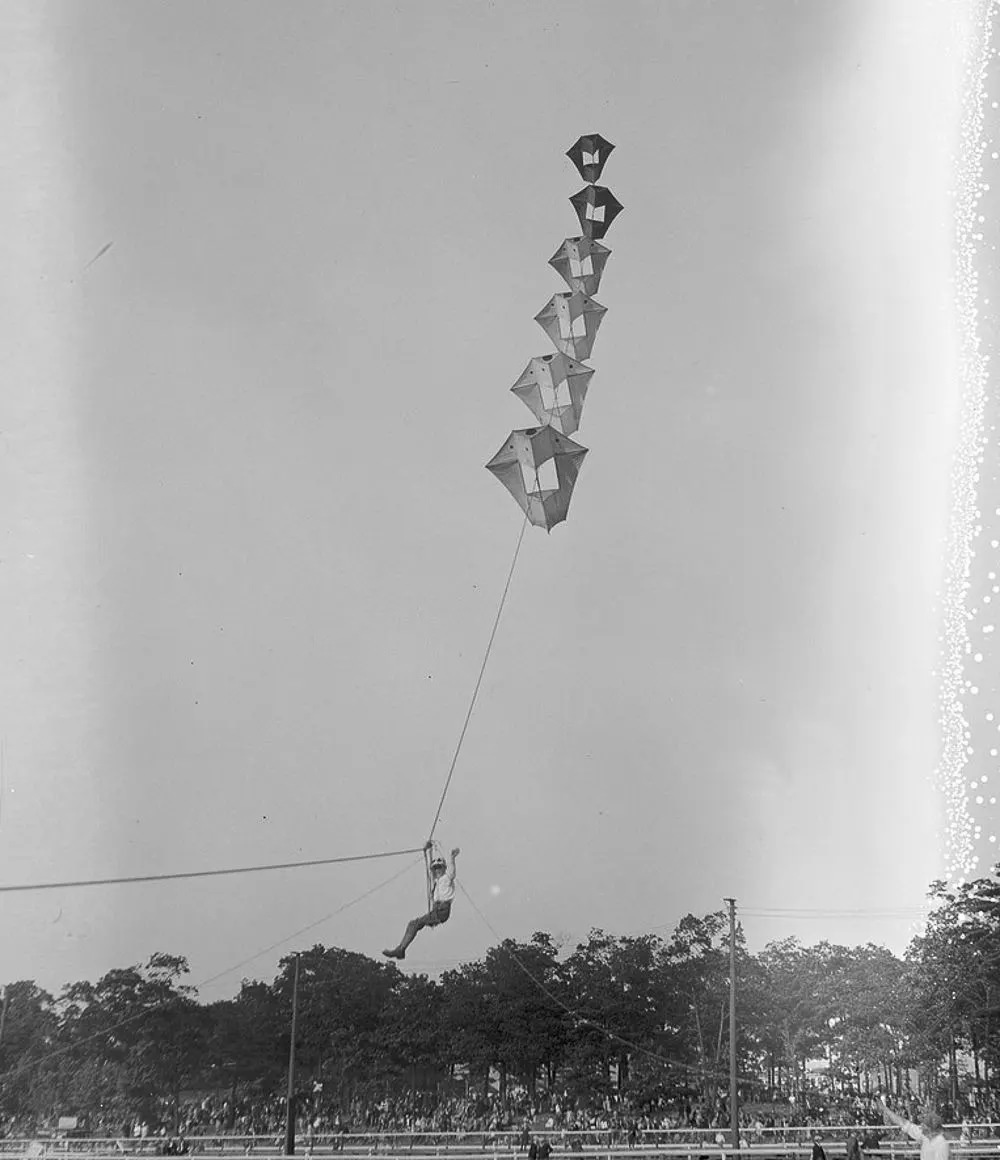
Samuel Franklin Cody took the technology further with his Man-lifter War Kite, a multi-kite system designed specifically to carry military observers. Tested by the British Army, it was one of the most refined man-lifting systems ever built — a serious piece of military equipment, not a novelty.
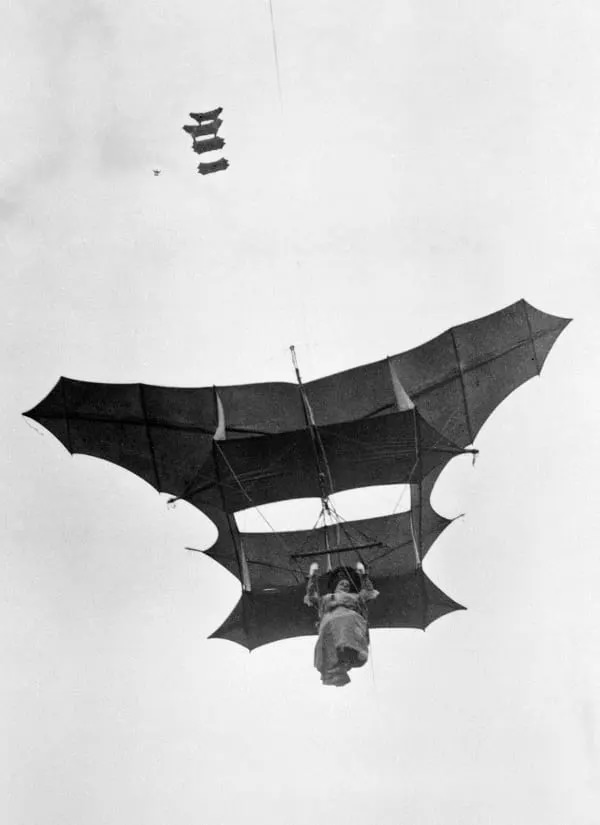
As airplane technology advanced through the early 20th century, aircraft could fly higher, faster, and with far greater reliability than any kite. Balloons and airships also offered more stable platforms for observation. One by one, the roles that man-lifting kites had filled were taken over by powered flight, and the kites were retired from active service.