
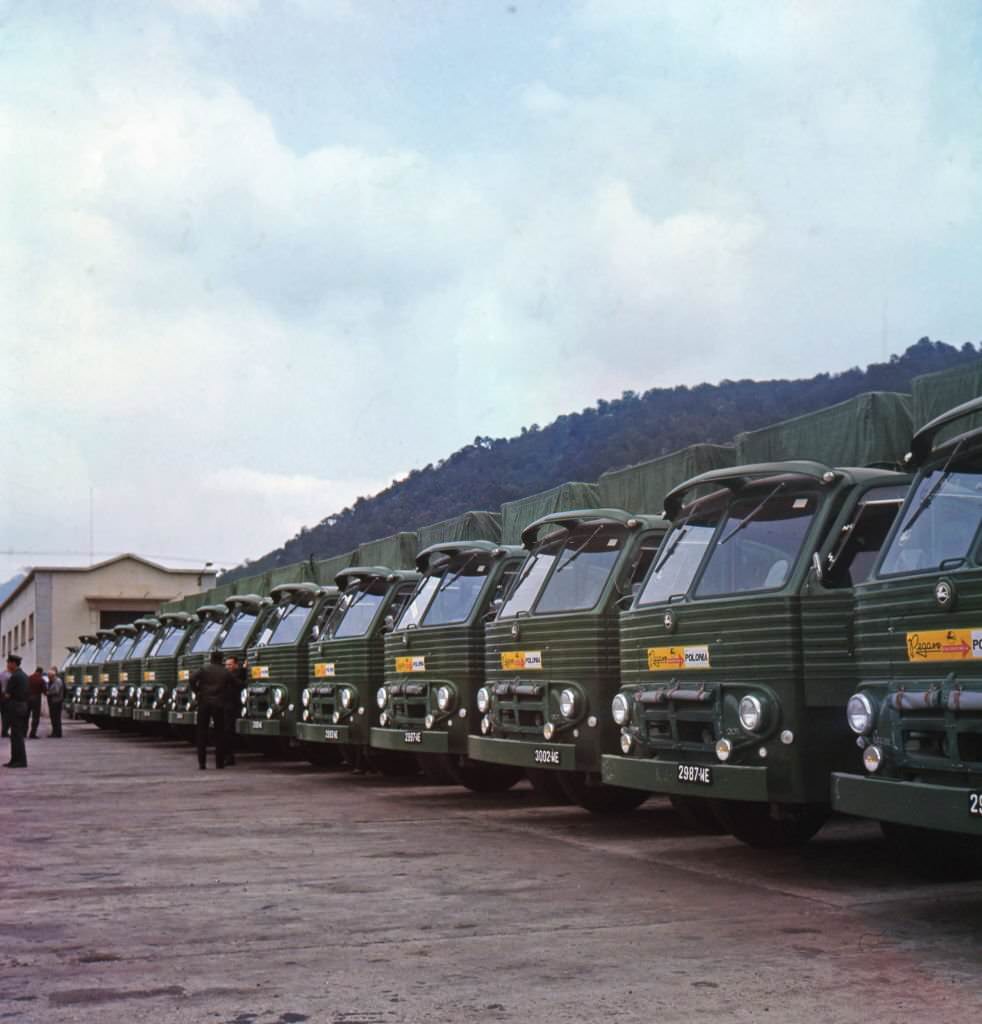
By the start of the 1960s, Madrid had already crossed the two-million mark in population. The city was growing fast, and not always in an orderly way. Migrants had been streaming into Madrid throughout the 1950s and continued through the 1960s, drawn by the expanding ring of factories and industries surrounding the city. These newcomers came from all across Spain, making Madrid a cross-section of the entire country.
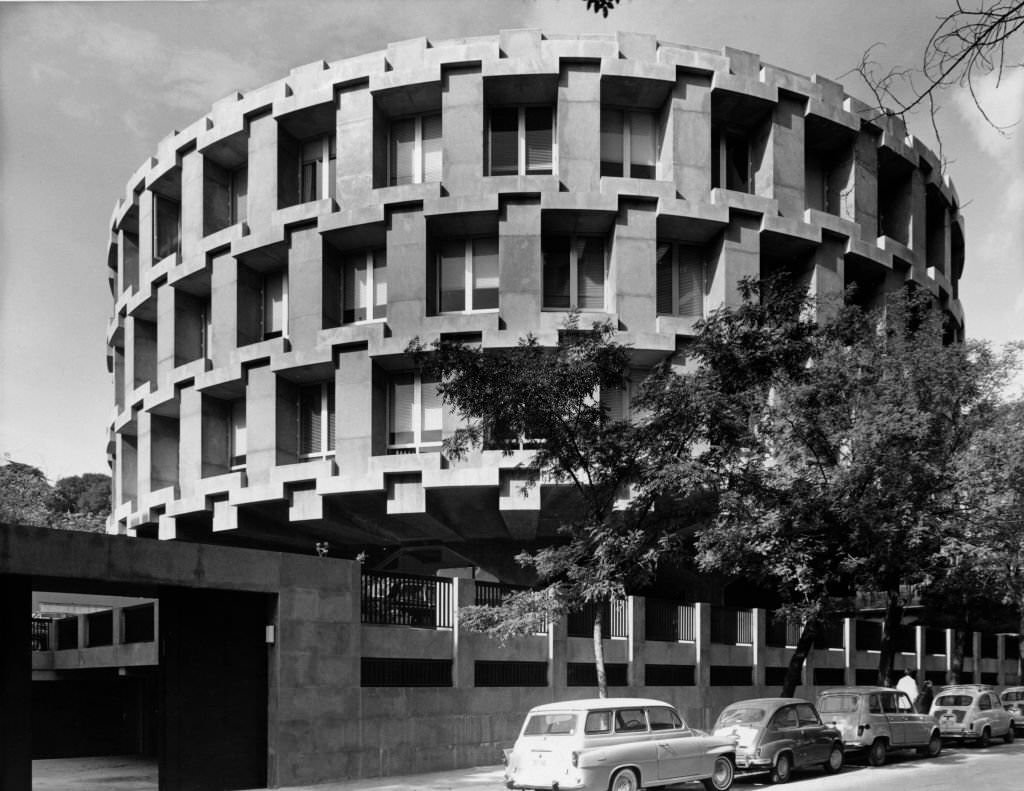
The growth brought serious problems. Unauthorized housing — shacks and illegal settlements on the city’s edges — became one of the most pressing issues facing local officials. The government’s response shifted during this period from simple repression to something more structured. A formal plan called for the construction of thirty thousand homes over five years, specifically to rehouse families living in these unauthorized structures. The 1963 urban development plan tried to redirect where the city was growing, though it did little to slow the pace of that growth.
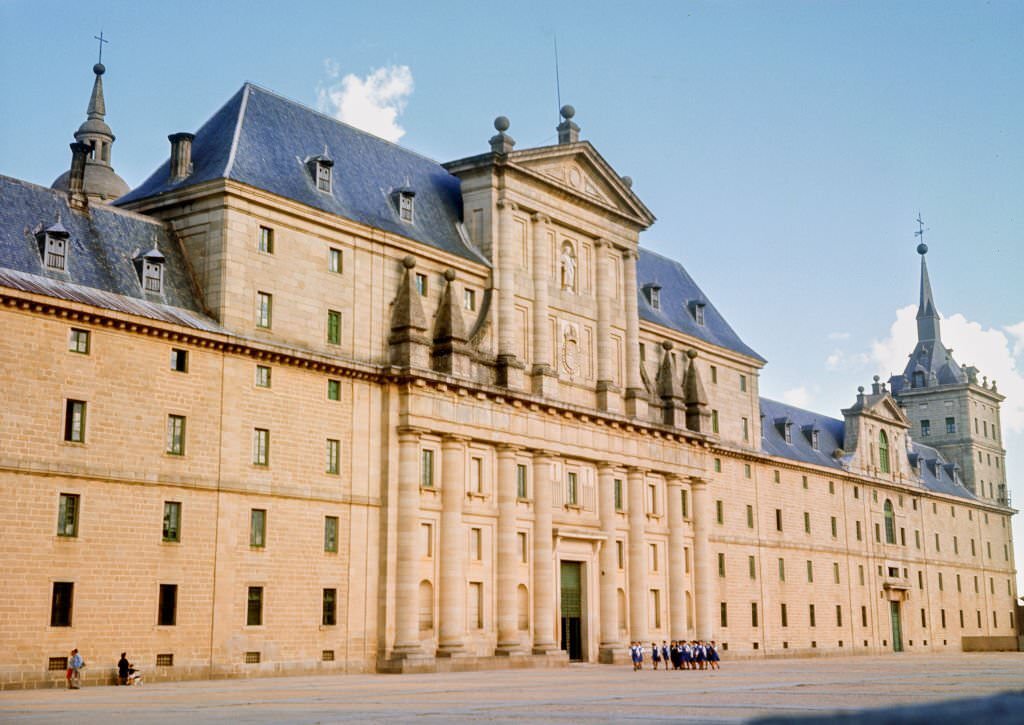
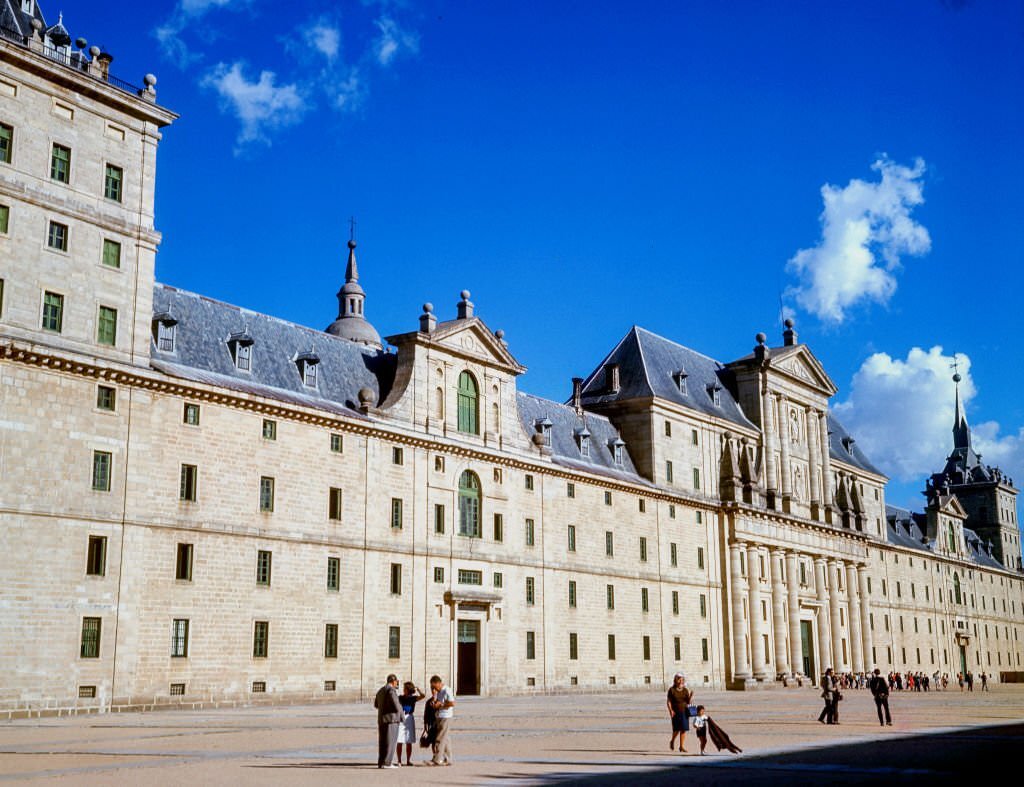
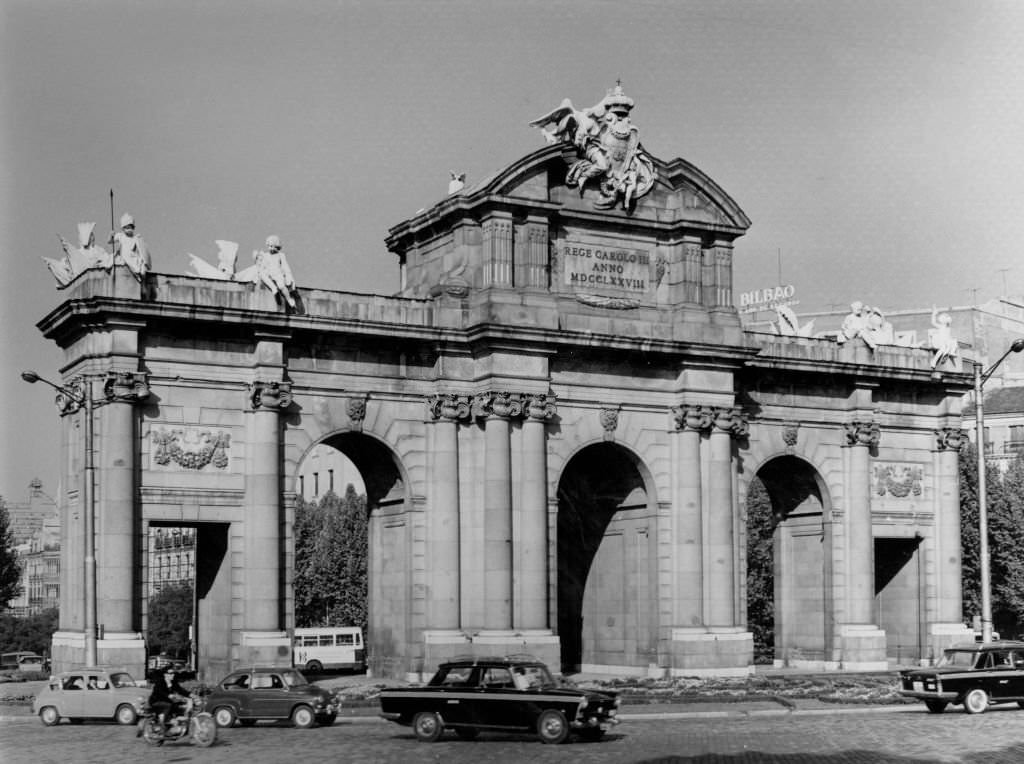
Speculative land development and industrial expansion reshaped neighborhoods that had existed for generations. Historic buildings and cultural landmarks faced pressure from developers. It wasn’t until legislation passed in the 1980s and 1990s that protections were firmly put in place for the city’s most valuable structures. In the 1960s, that protection was largely absent, and the decade left a permanent mark on Madrid’s physical landscape.
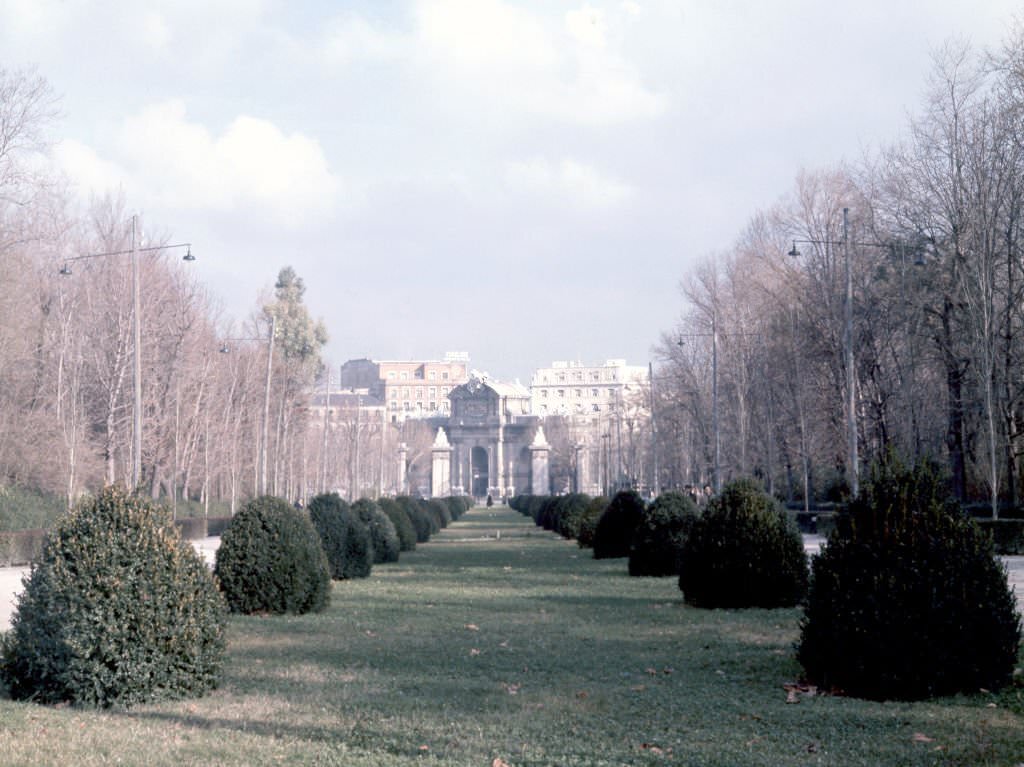
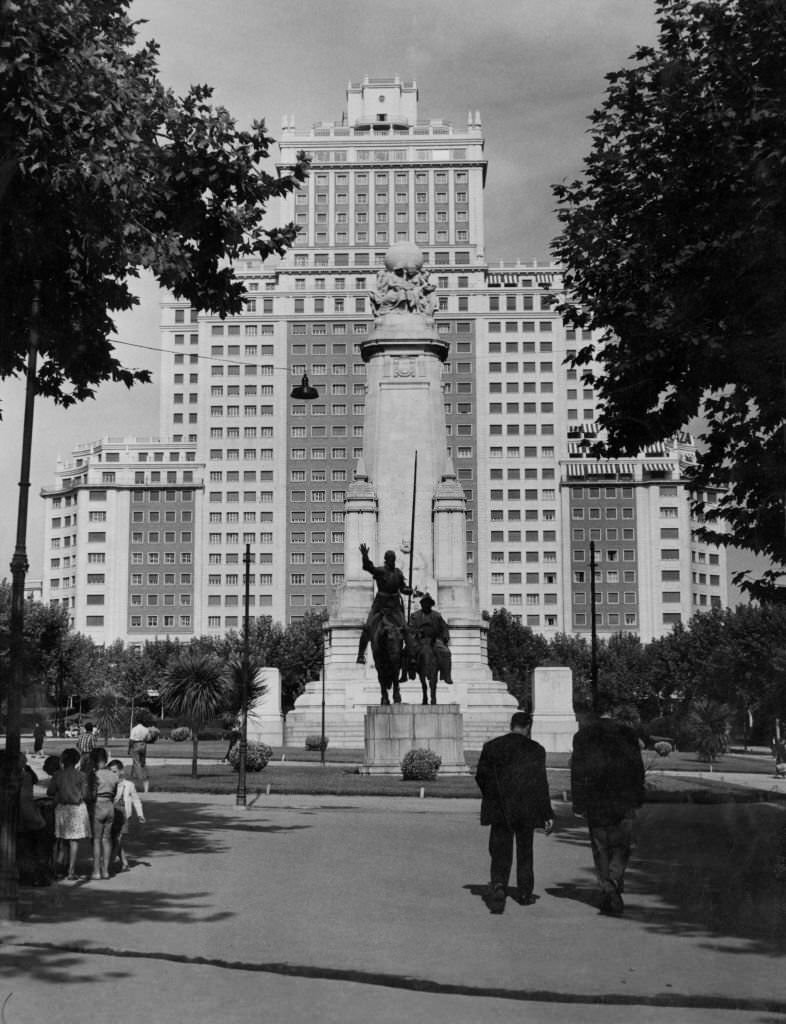
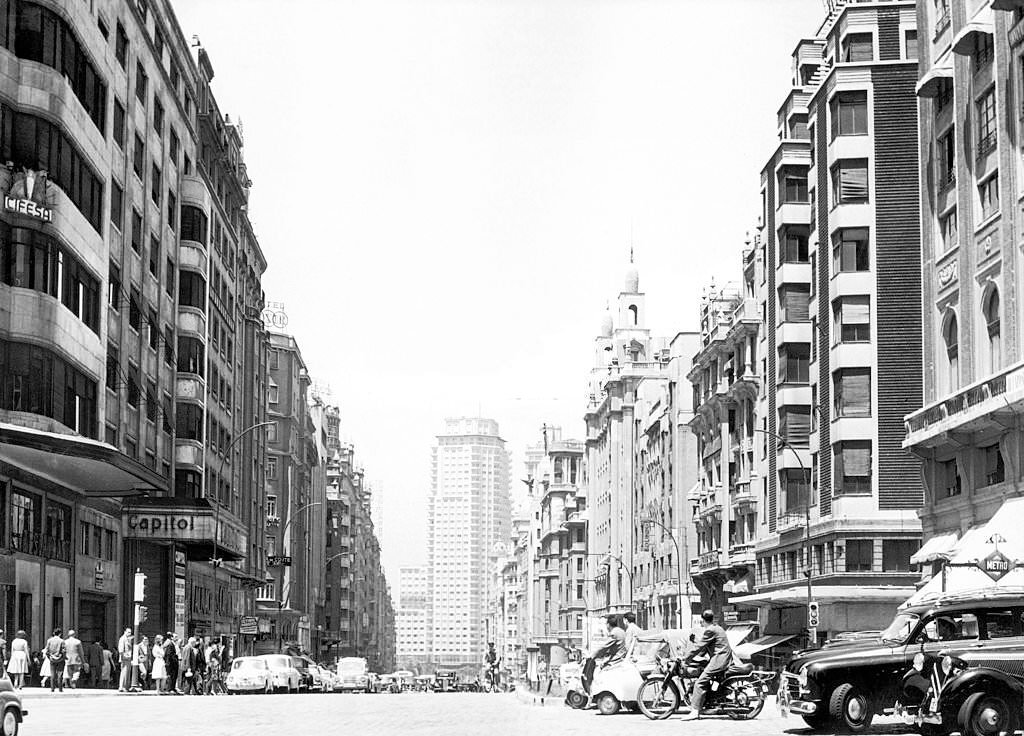
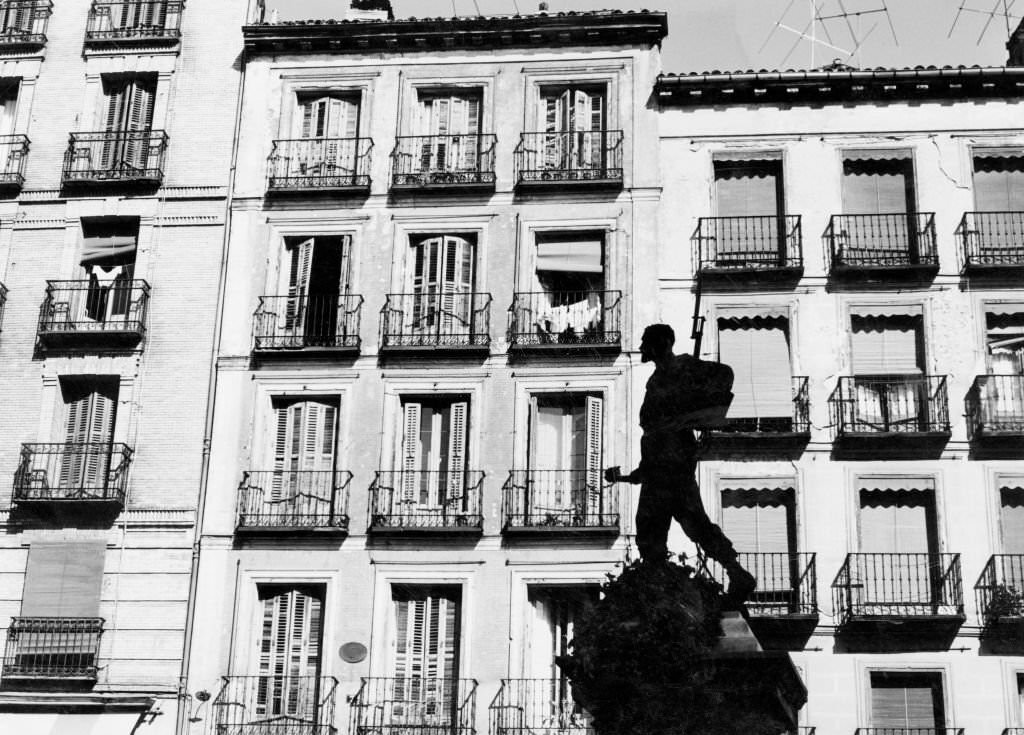
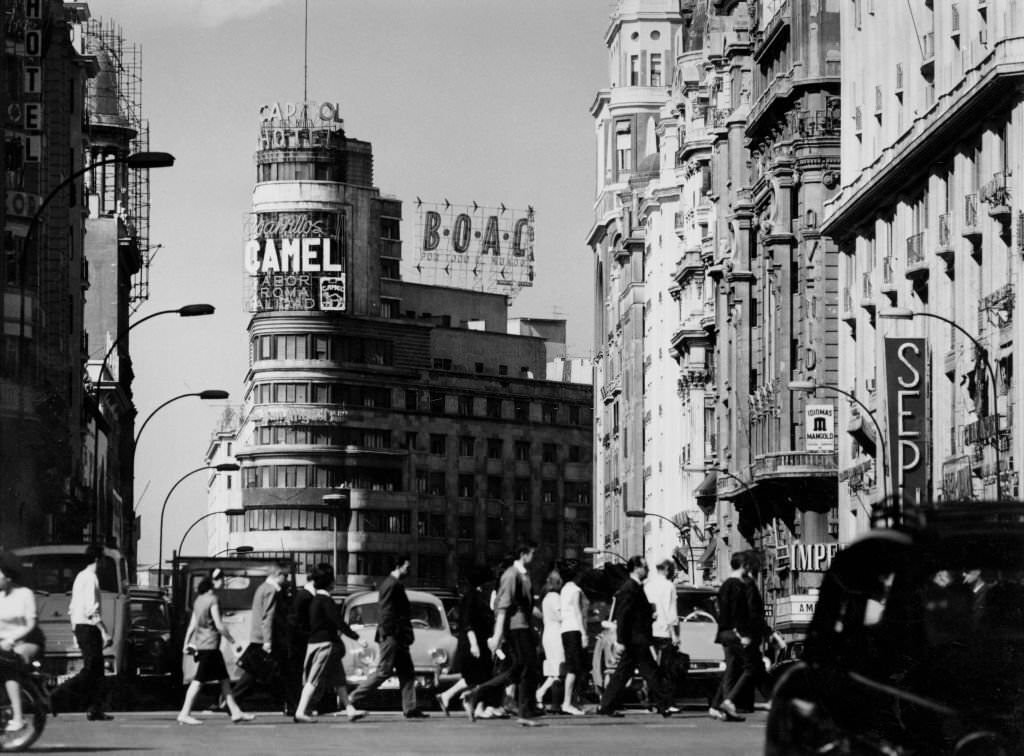
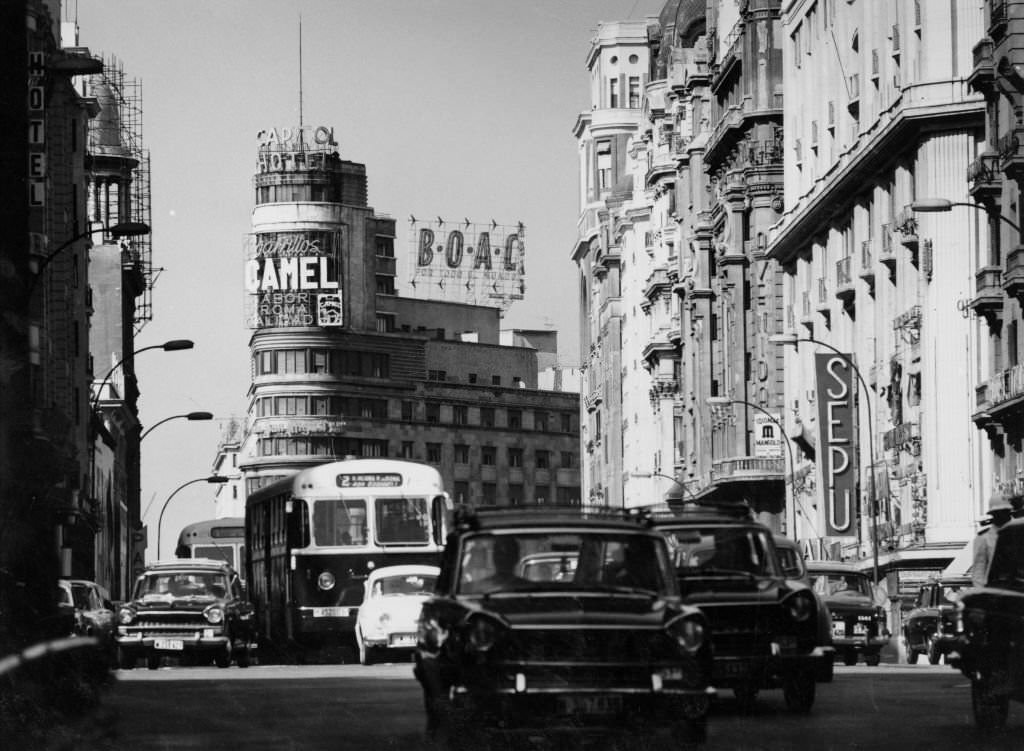
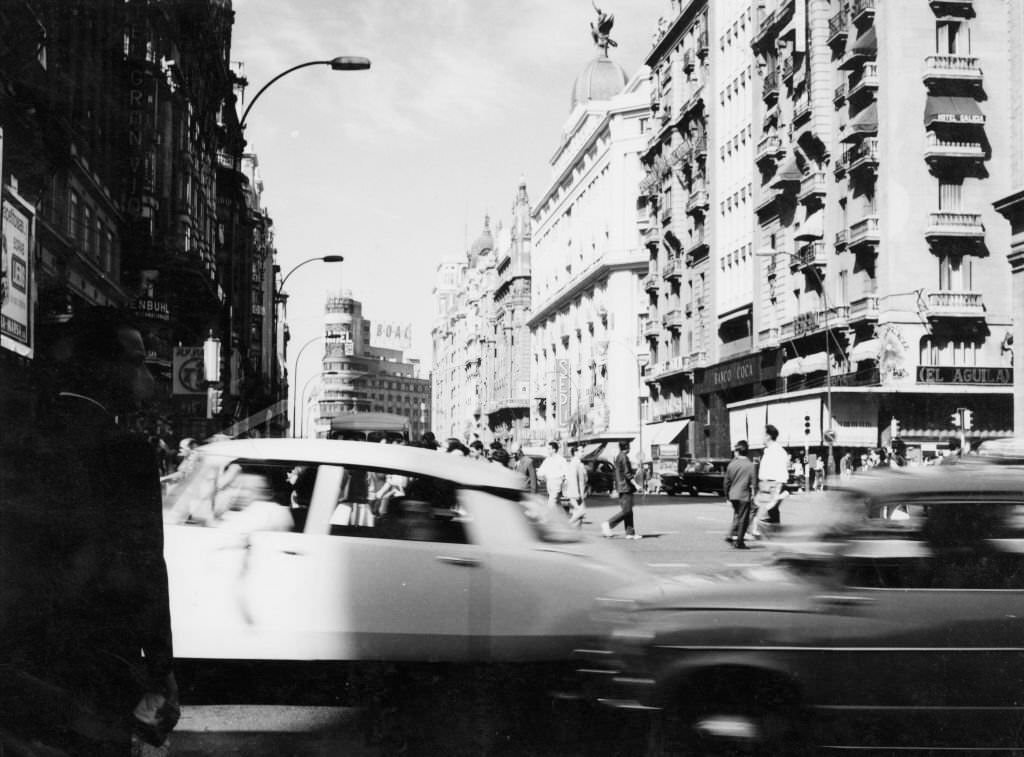
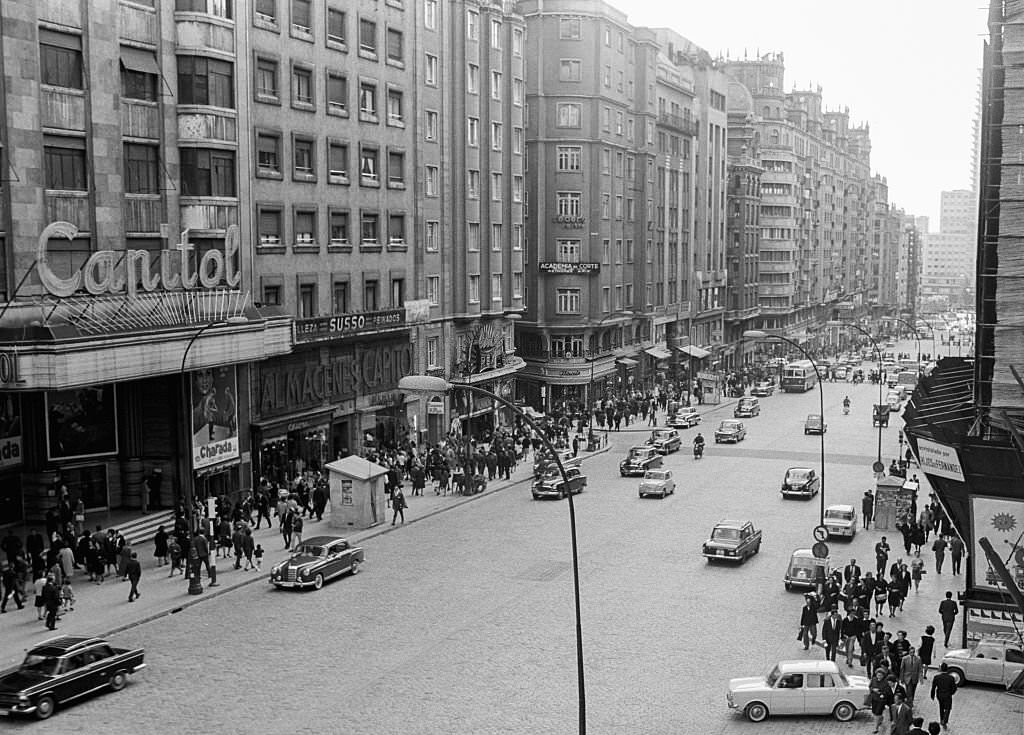
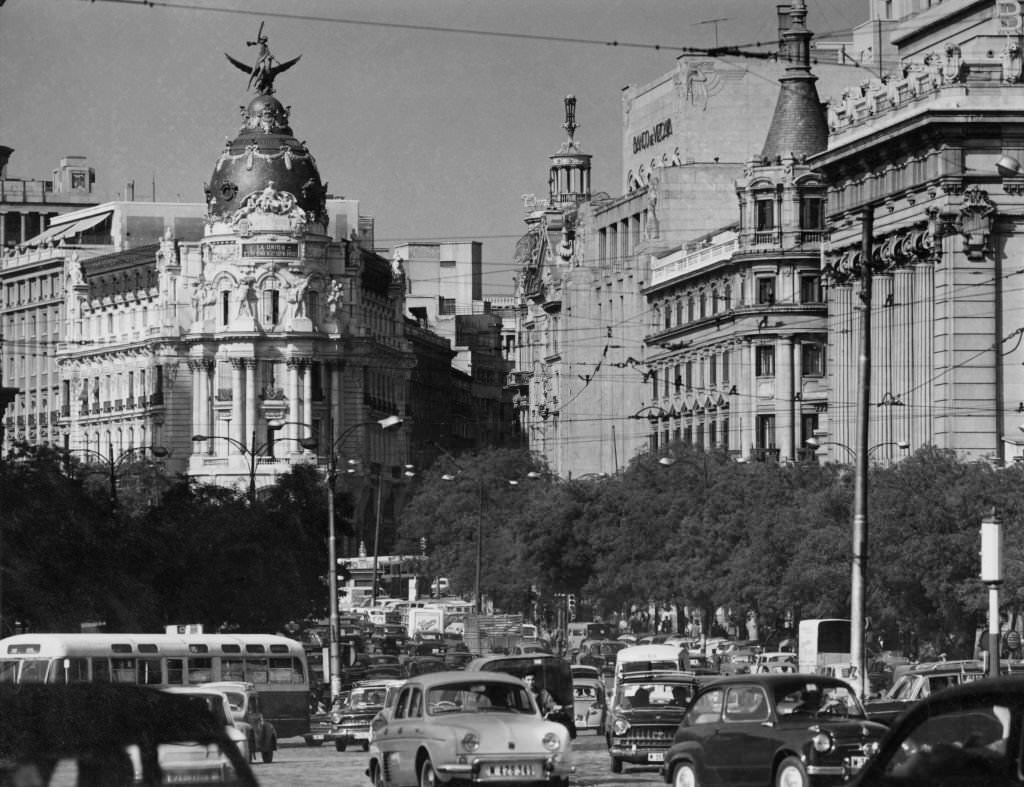
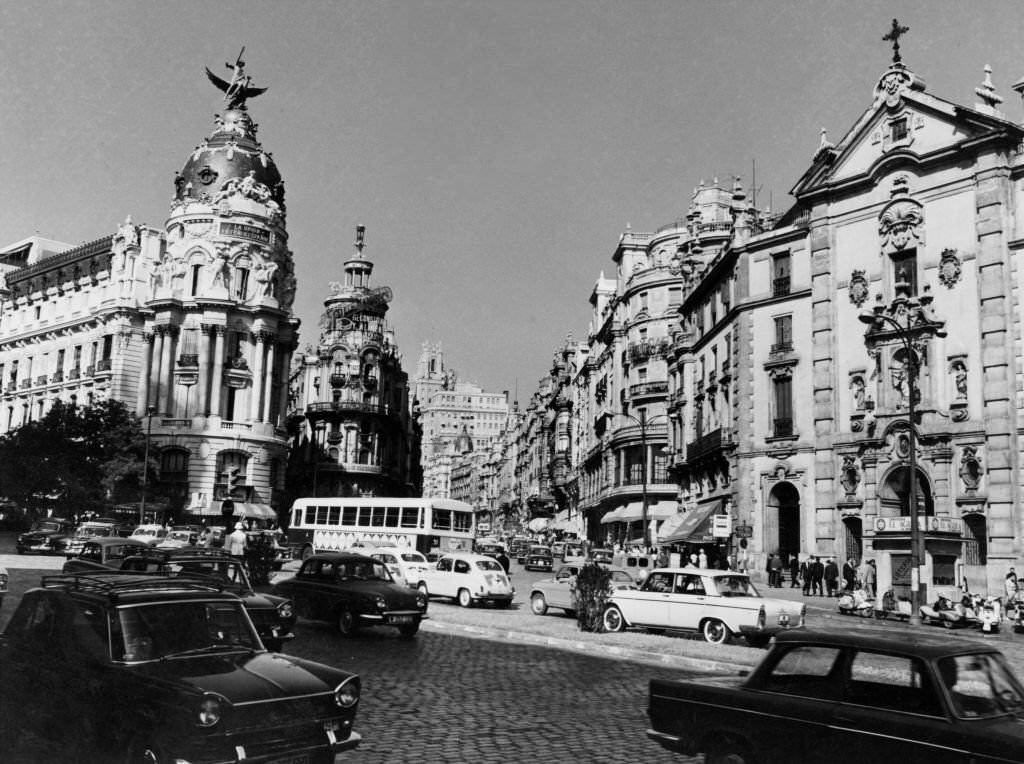
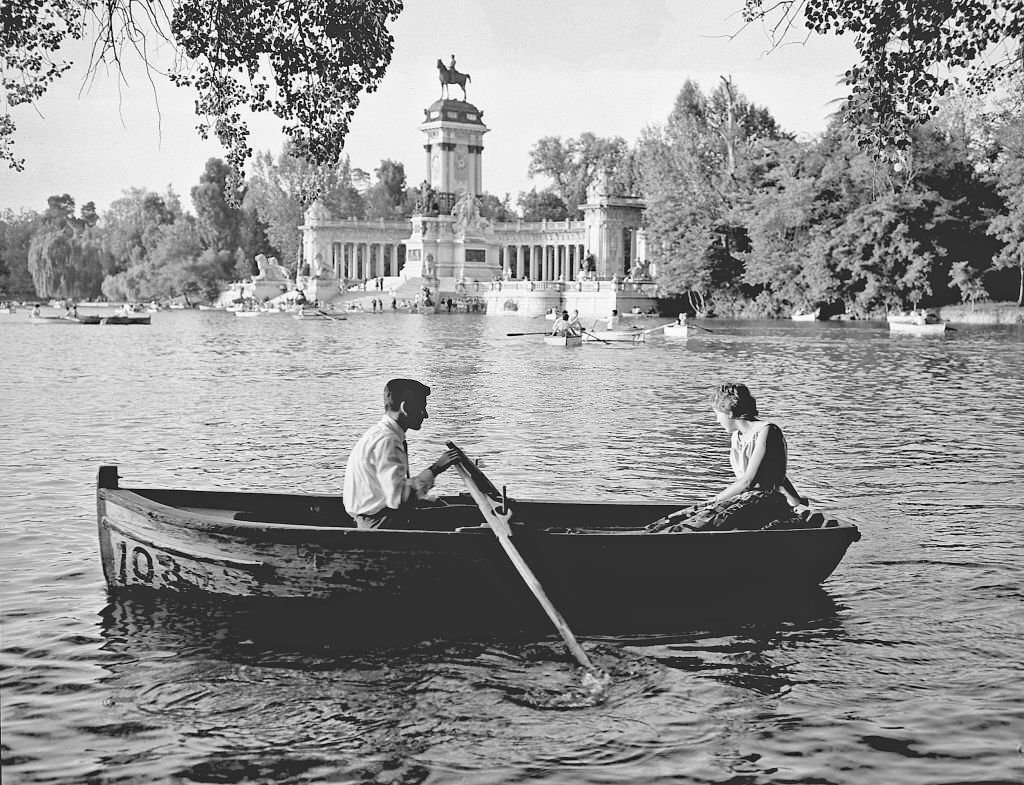
Despite the construction chaos on the outskirts, the heart of Madrid remained vibrant. Residents filled its parks, plazas, and wide boulevards with daily life. The Retiro park was a favorite gathering spot, its boating lake drawing families and couples alike. The Gran Vía — Madrid’s grand commercial artery — buzzed with foot traffic, shops, and cinemas.
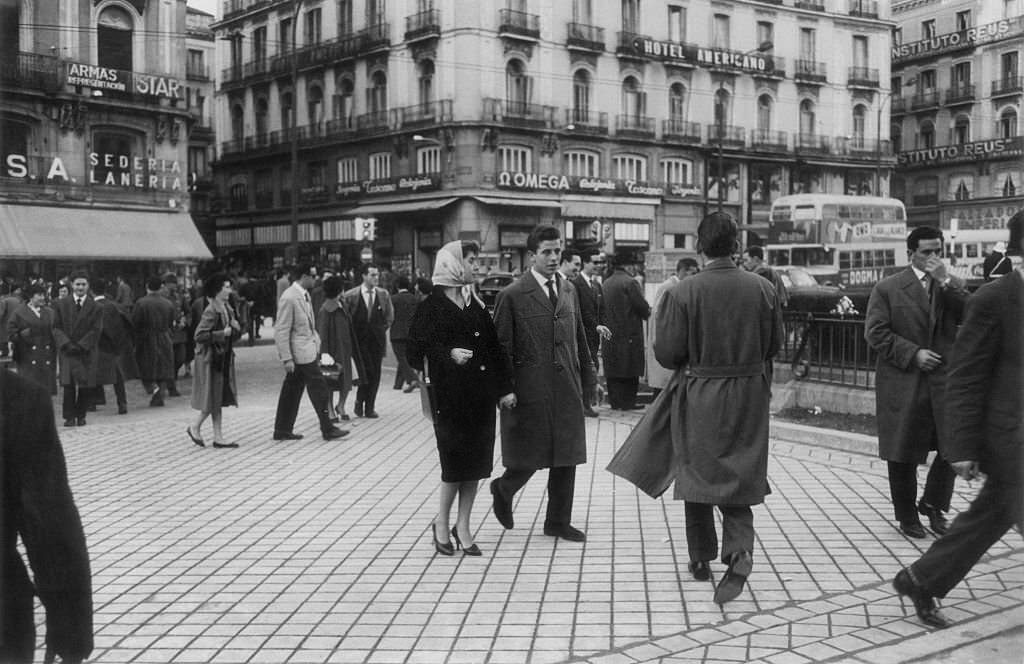
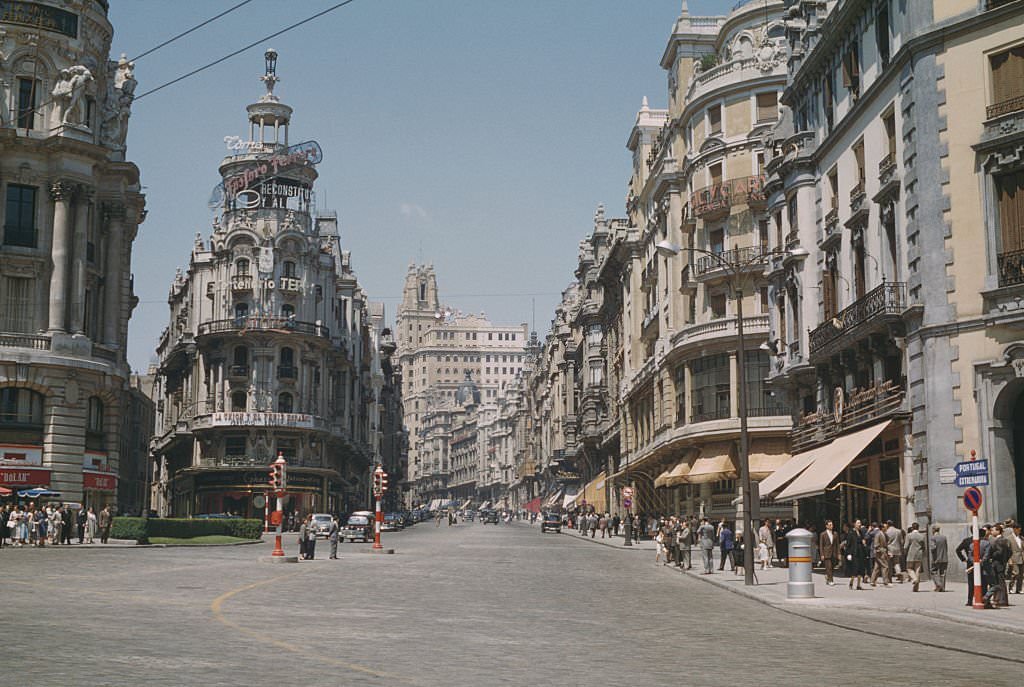
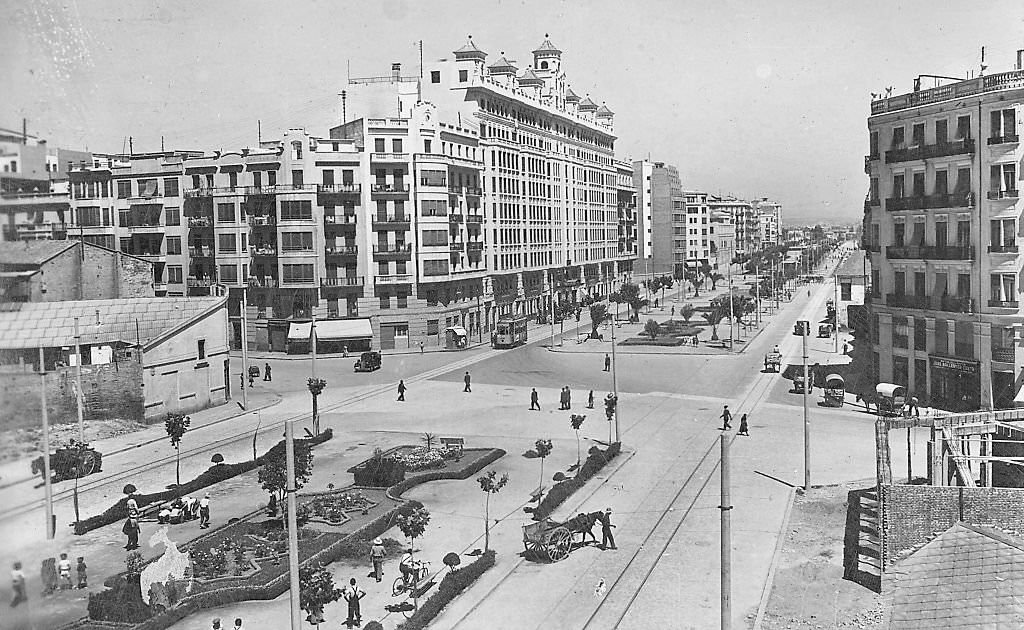
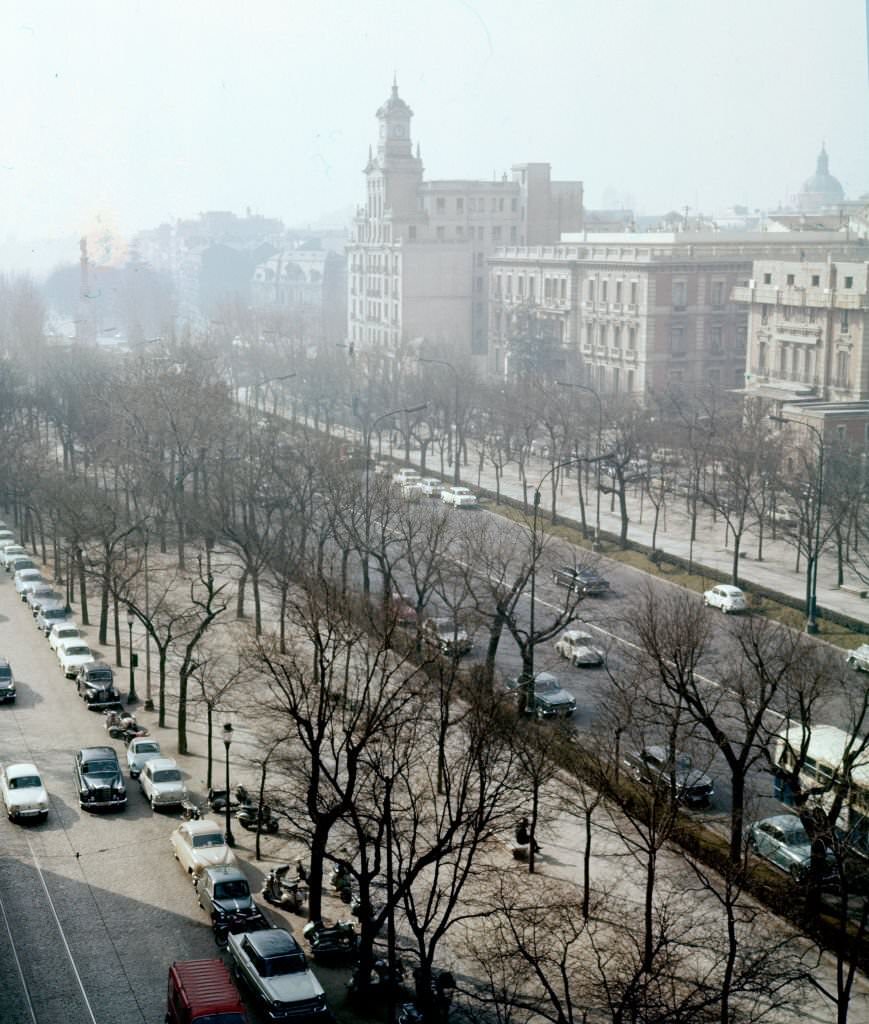
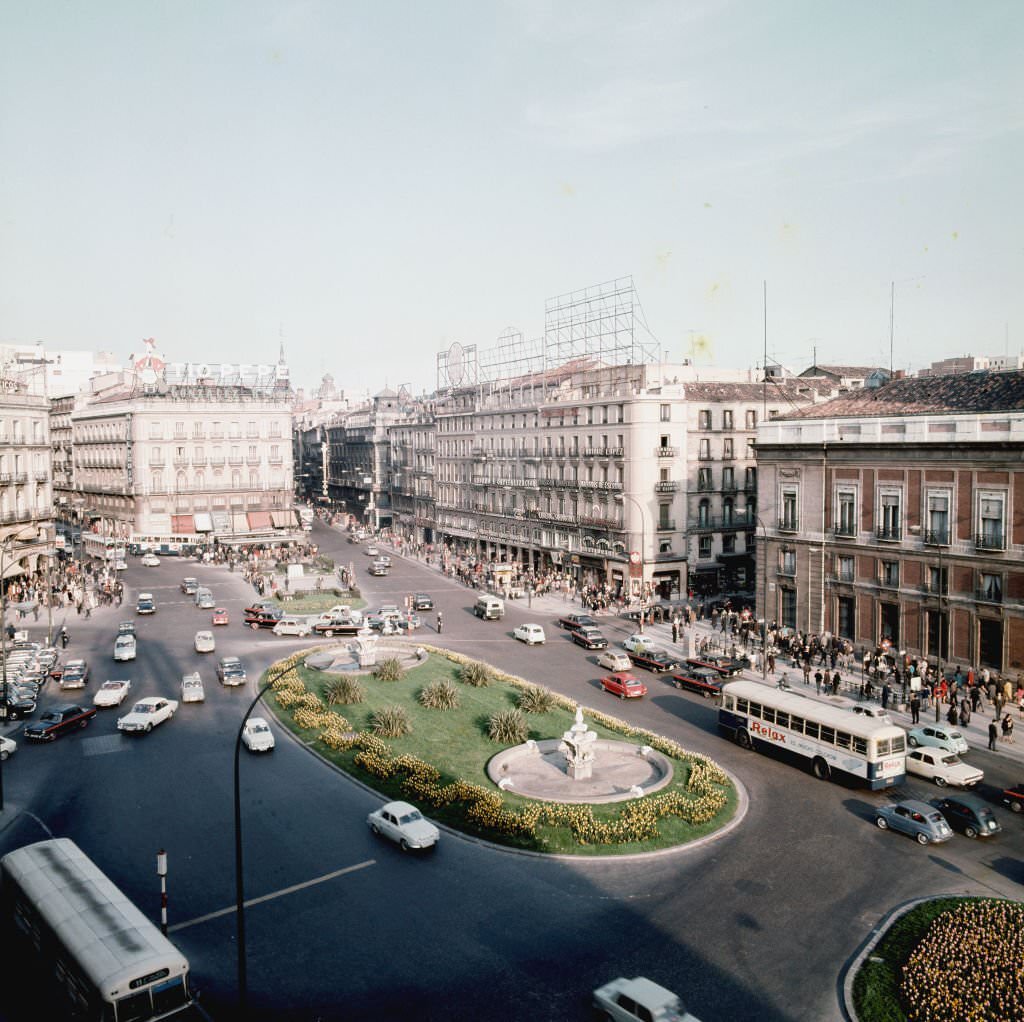
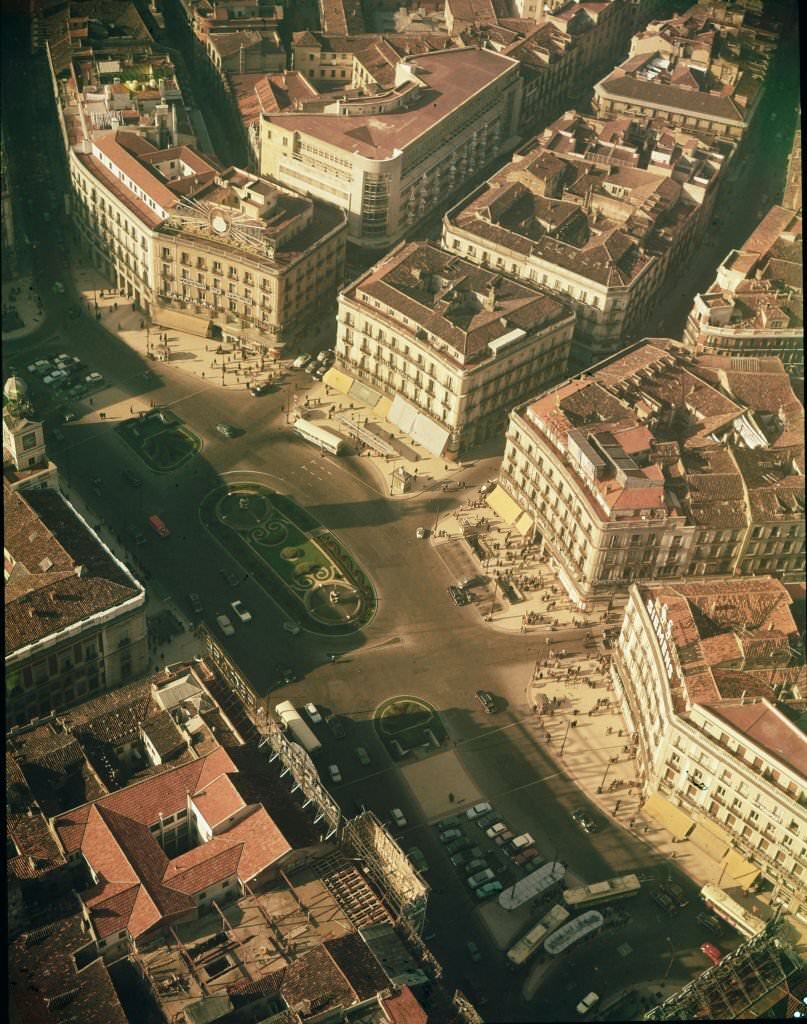
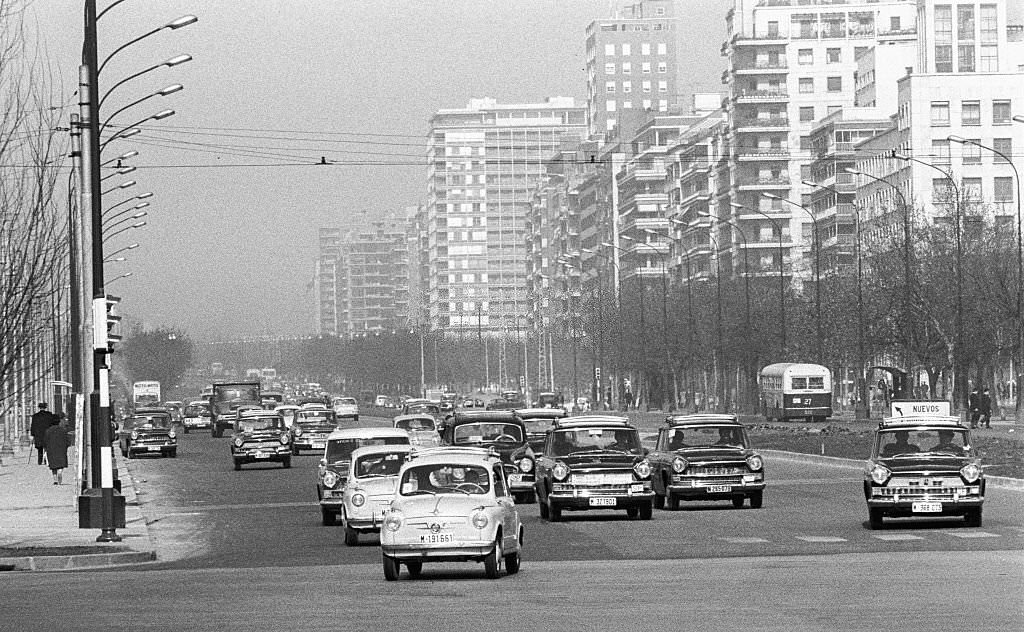
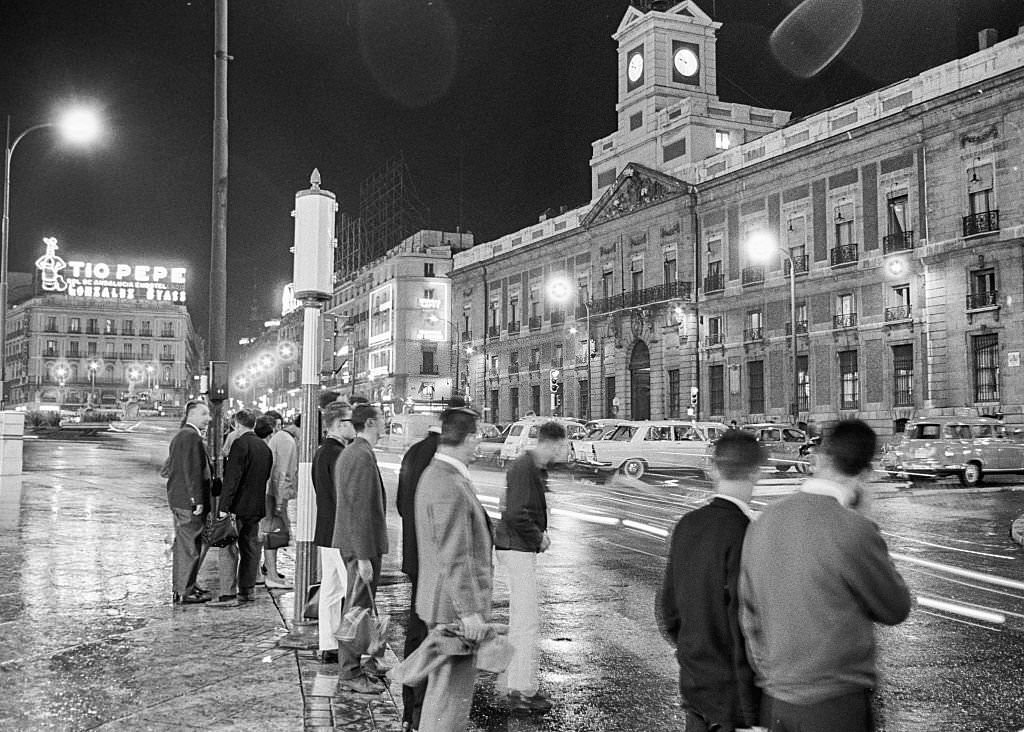
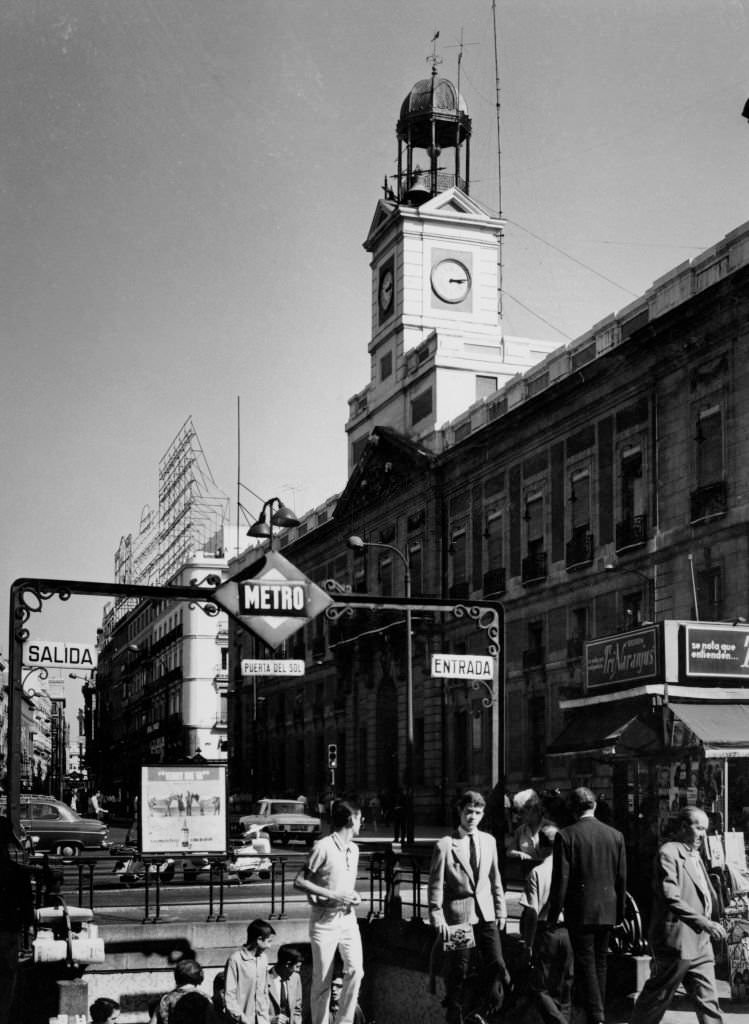
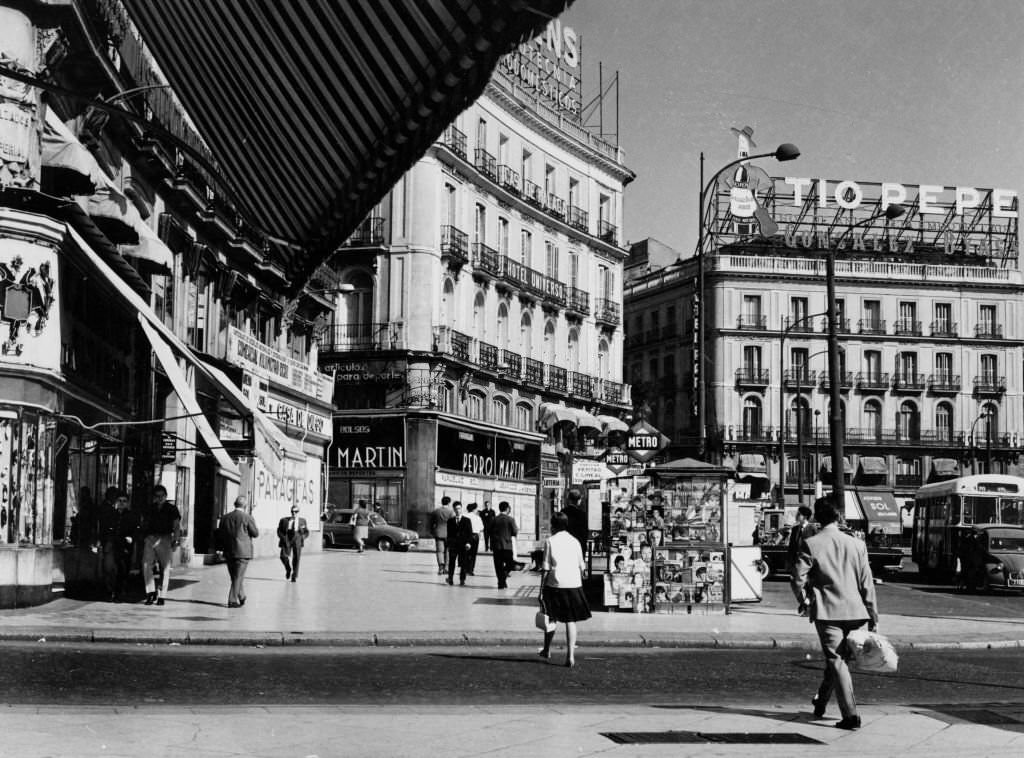
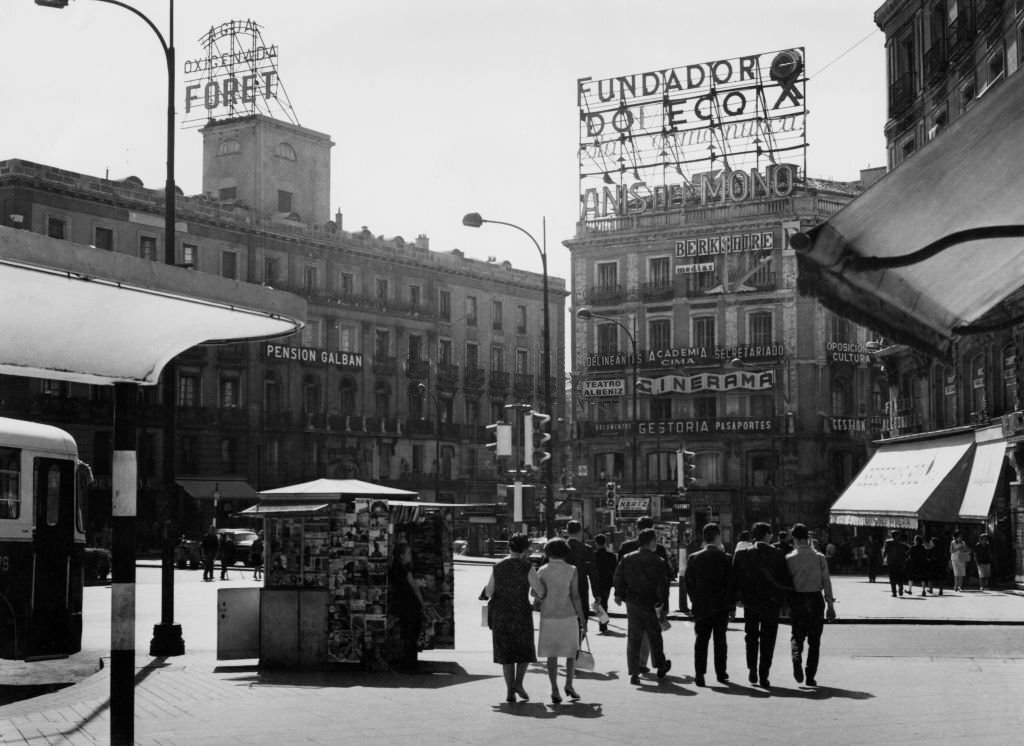
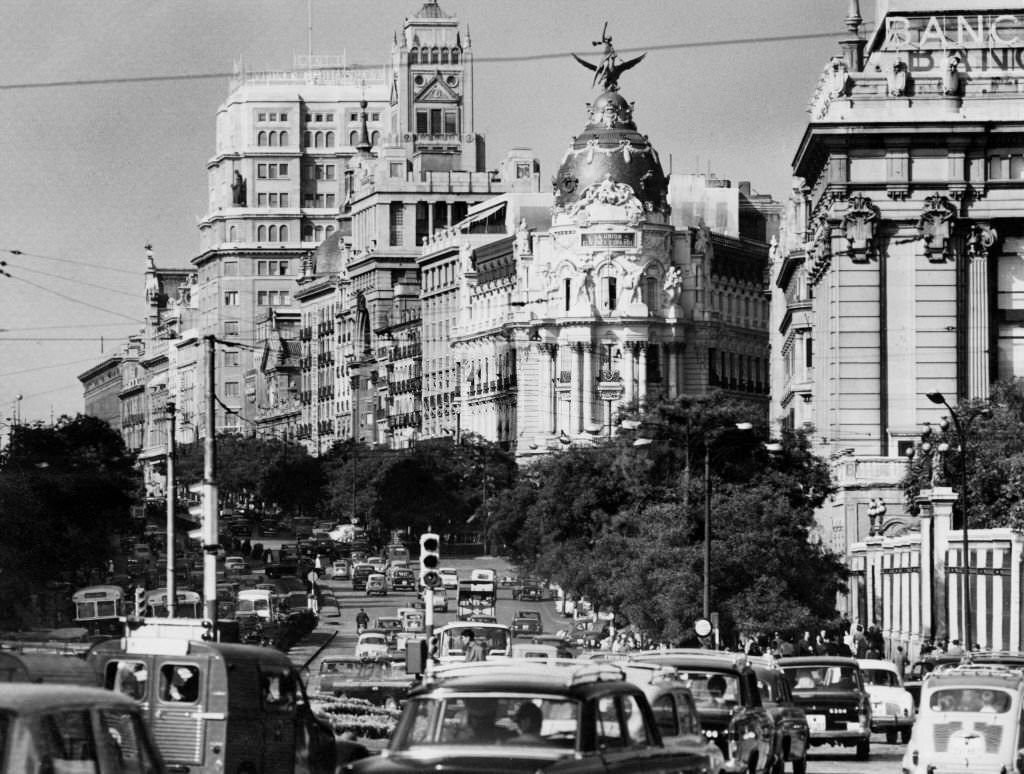
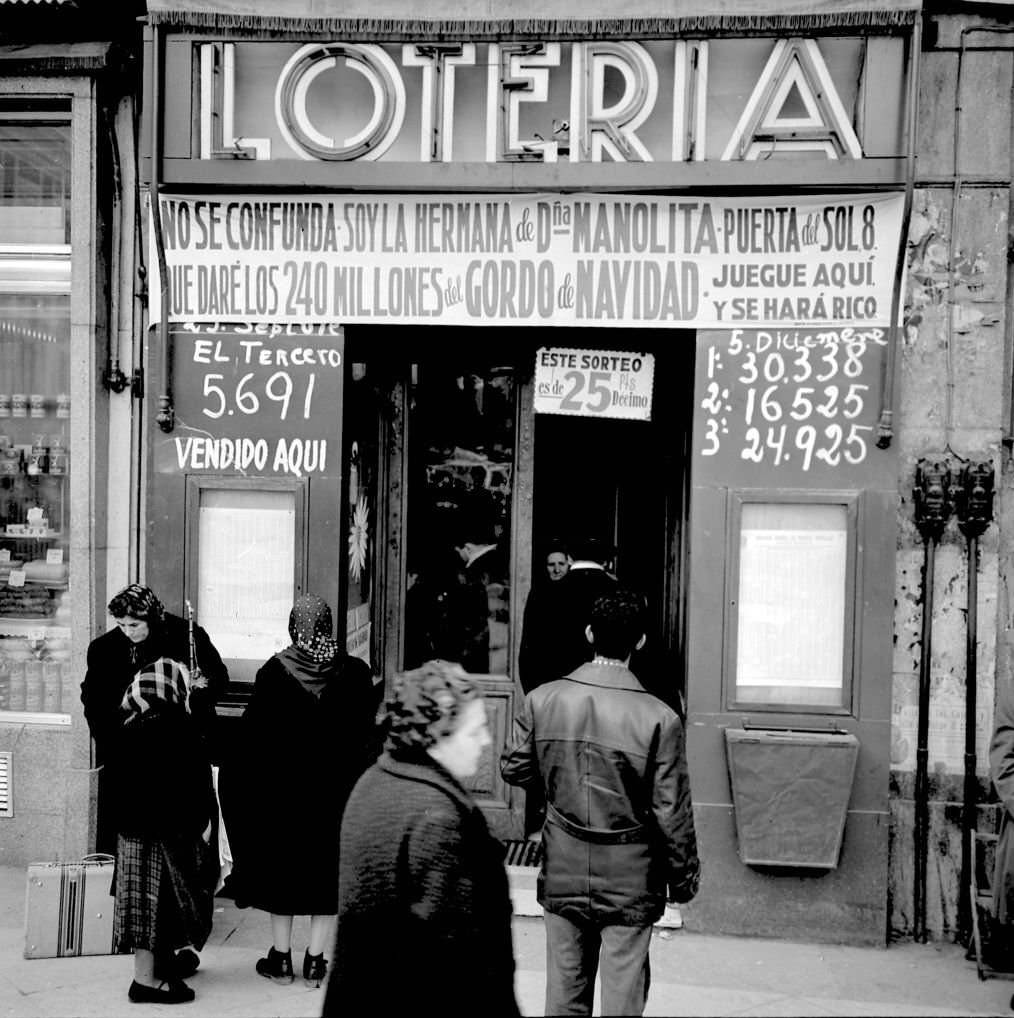
The Paseo de la Castellana, one of Madrid’s longest and most iconic avenues, served as a spine running through the city. Looking south along it in 1960, you could see the mix of older architecture and newer buildings that defined the city’s evolving skyline. The Puerta del Sol, Madrid’s central square and the traditional heart of the city, was as busy as ever — a place where people gathered, merchants sold lottery tickets, and the rhythms of urban life played out every day.
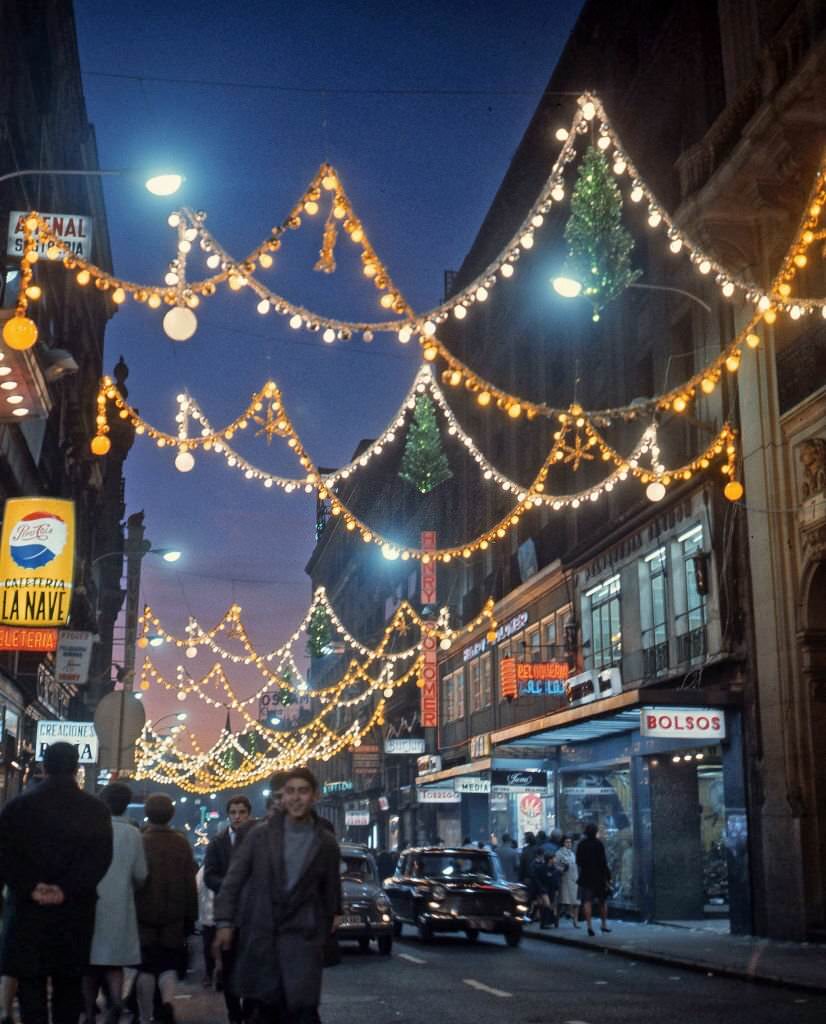
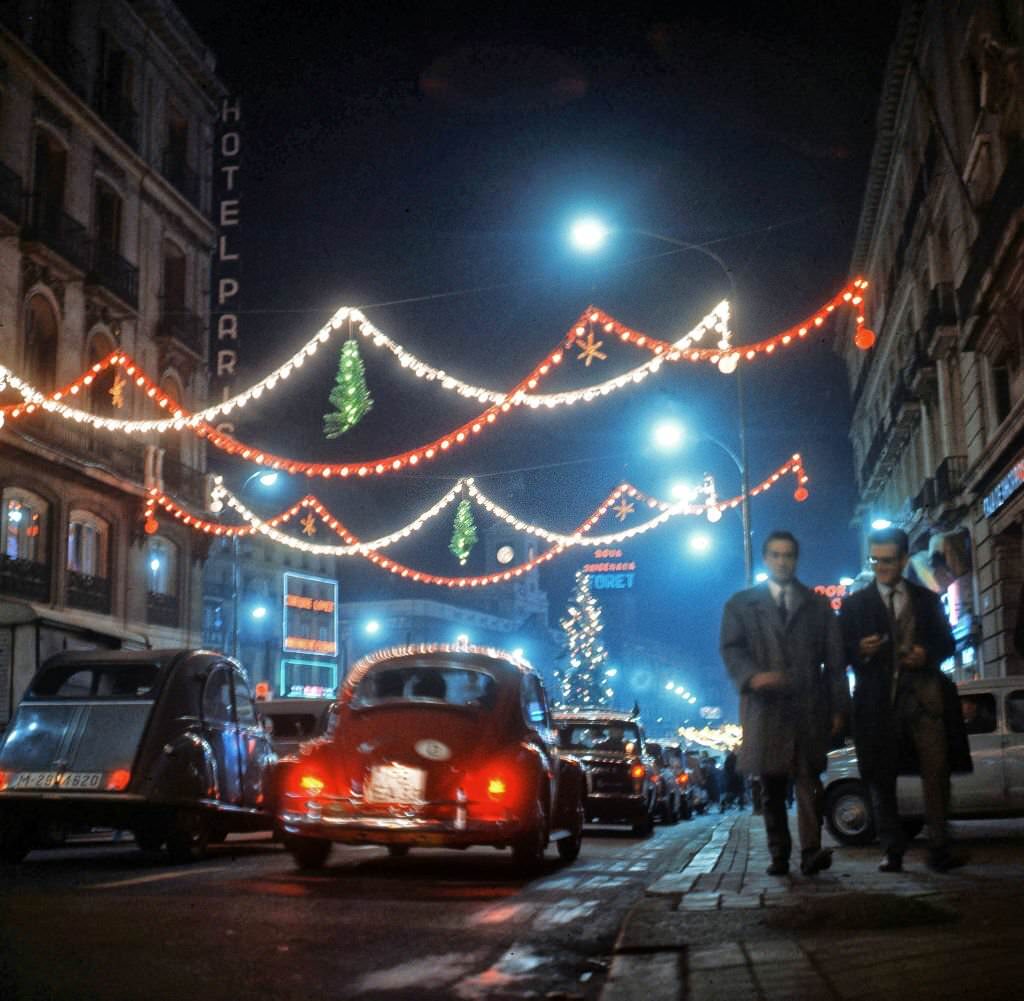
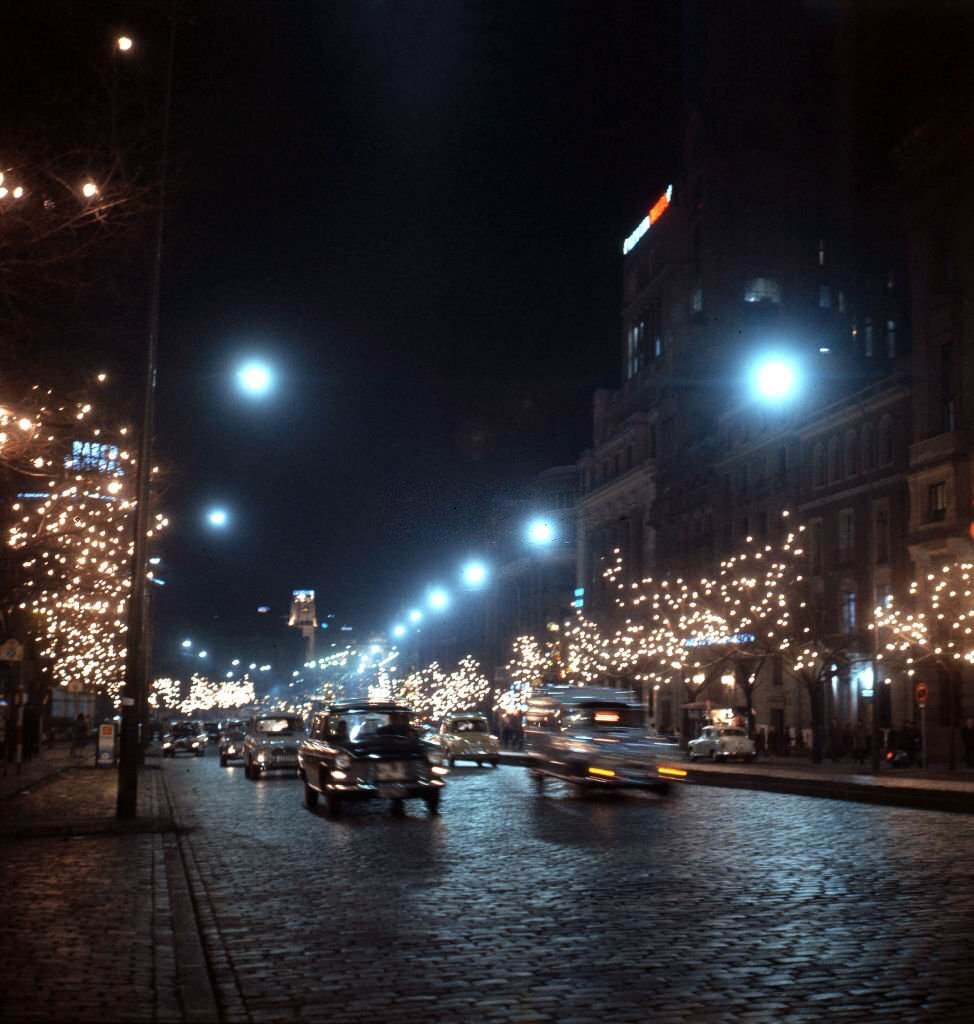
Come winter, Madrid’s streets transformed. Christmas lights draped across the city’s roads created a festive atmosphere that drew crowds into the night. These decorations became a beloved tradition, stretching from the early part of the decade through to its final years.
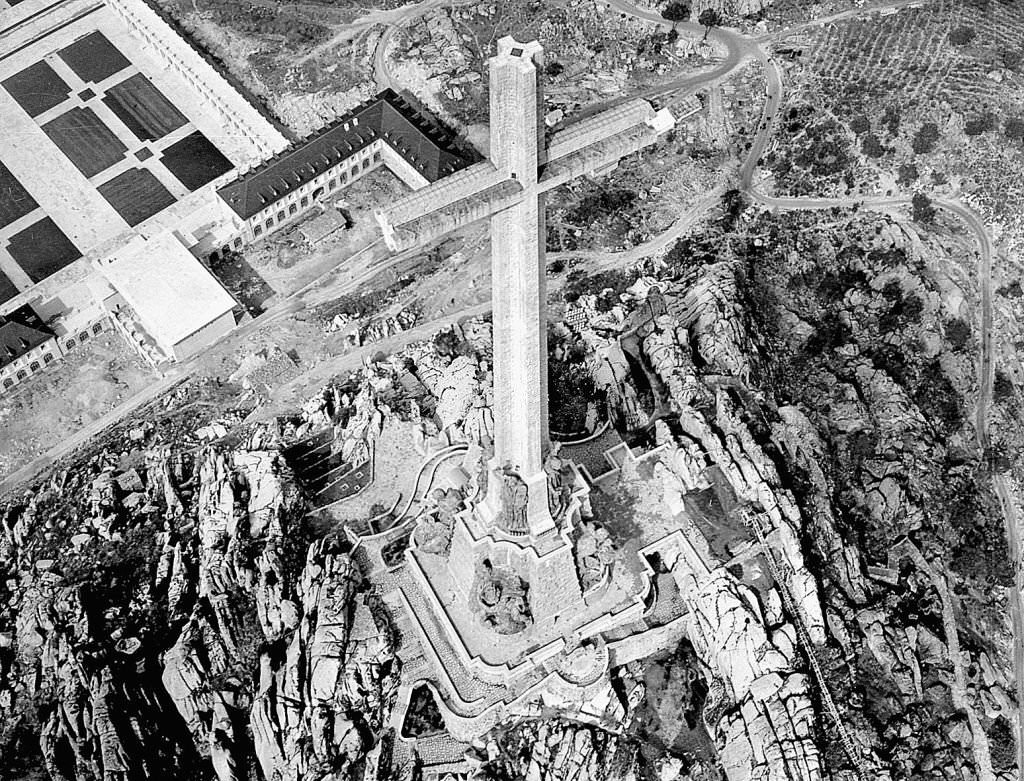
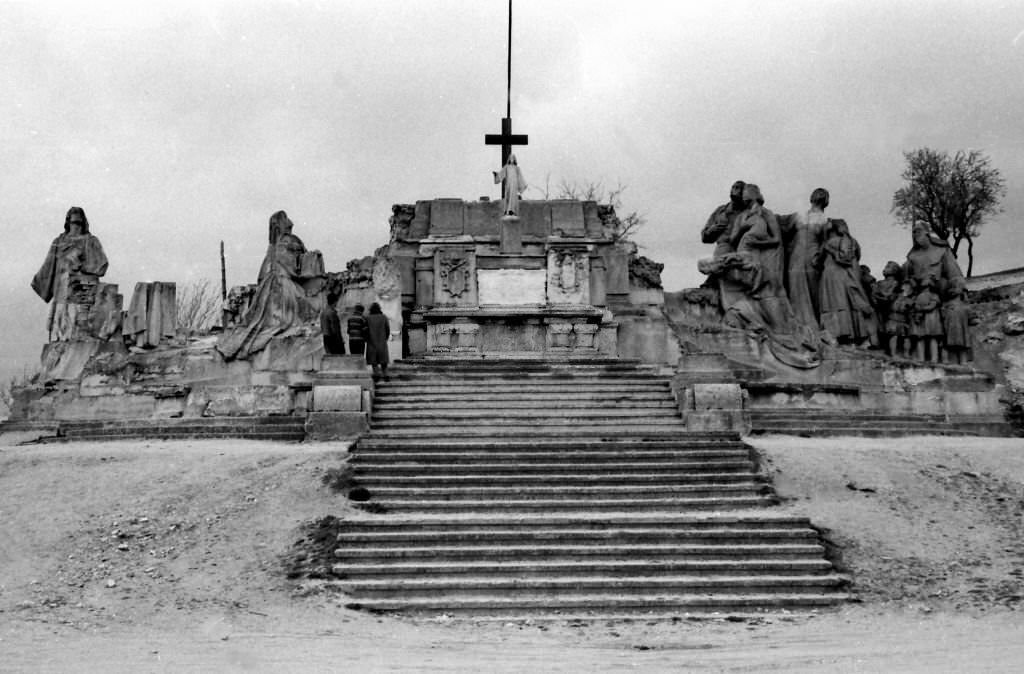
One of the most politically charged landmarks near Madrid during this era was the Abbey of the Holy Cross of the Valley of the Fallen. Built by order of the Spanish dictator Francisco Franco in the Valley of Cuelgamuros, near San Lorenzo del Escorial, it stood as a massive monument that loomed over the surrounding landscape in the early part of the decade.
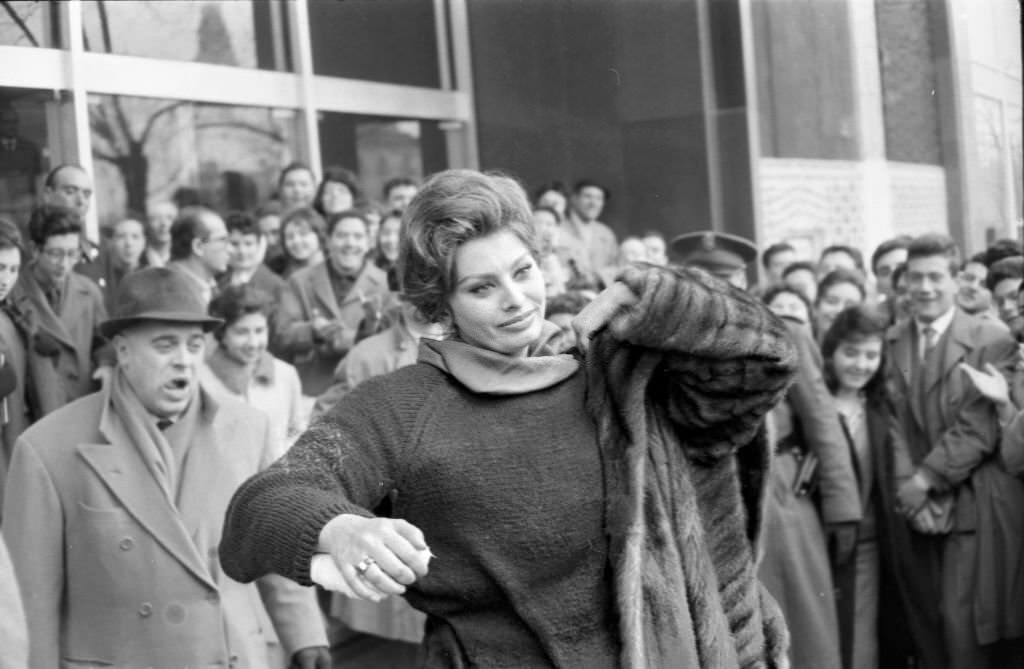
Madrid’s streets and studios attracted major international film productions during the 1960s. In January 1961, Italian actress Sophia Loren arrived in the city to shoot the epic historical film El Cid. The production brought Hollywood to Madrid, and Loren’s presence made headlines across Spain and beyond.
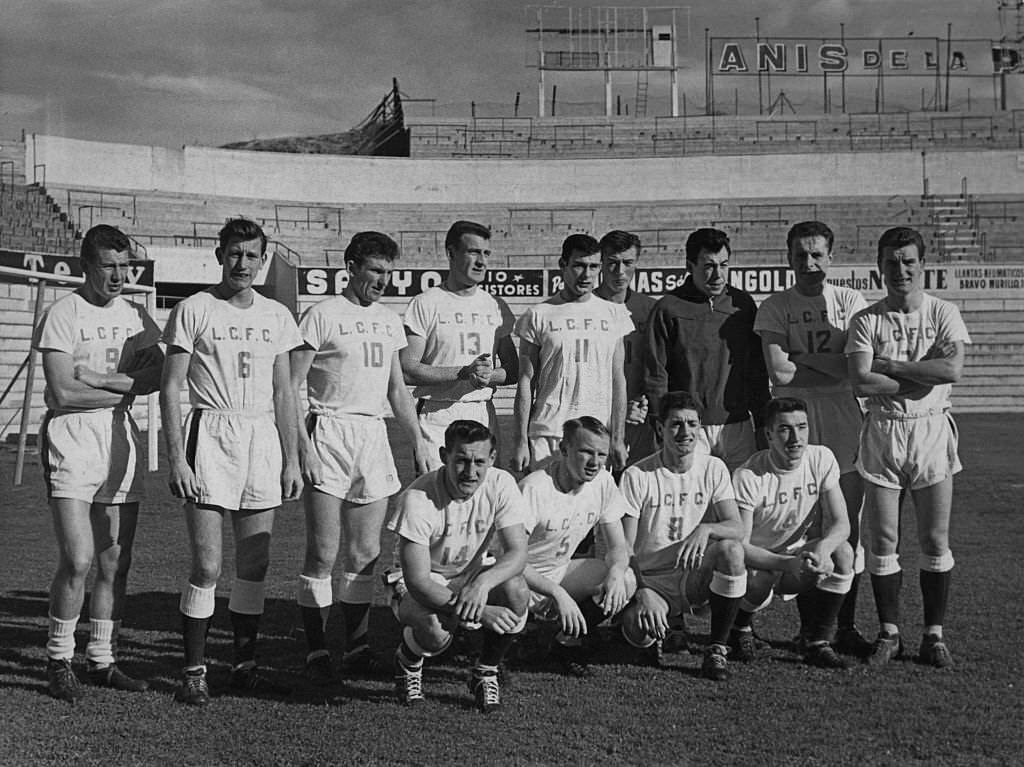
Football was deeply woven into the city’s identity. In late November 1961, Leicester City F.C. traveled to Madrid for the first round of the European Cup Winners’ Cup. The team posed for a group photo in the city, a reminder of how Madrid’s football scene was drawing clubs from across Europe.
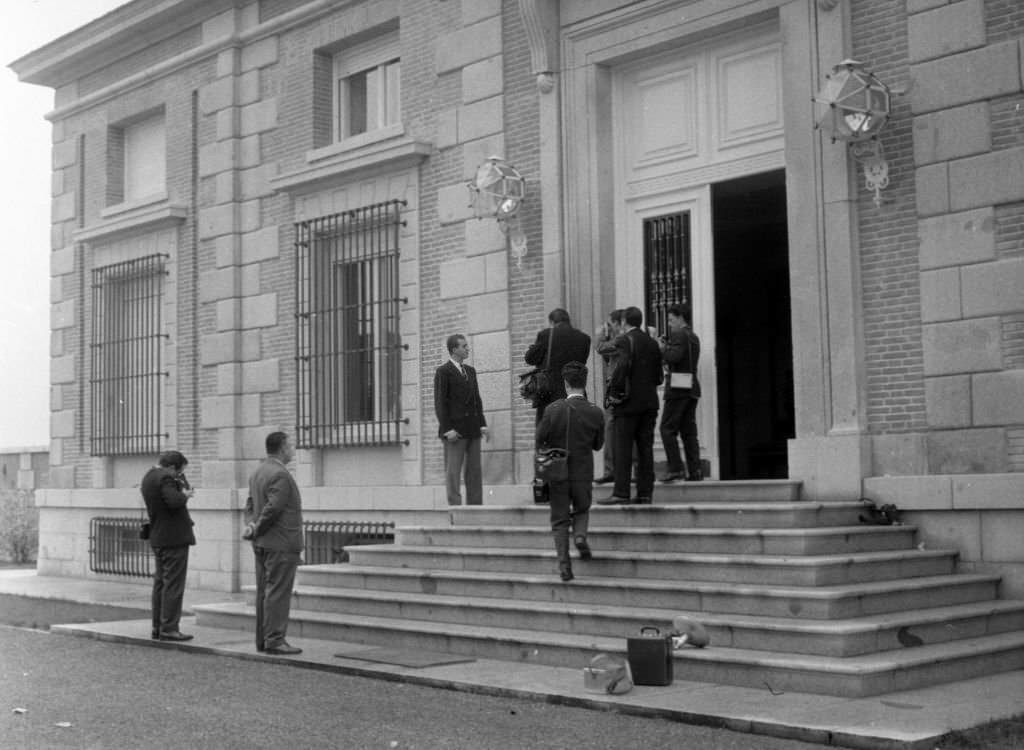
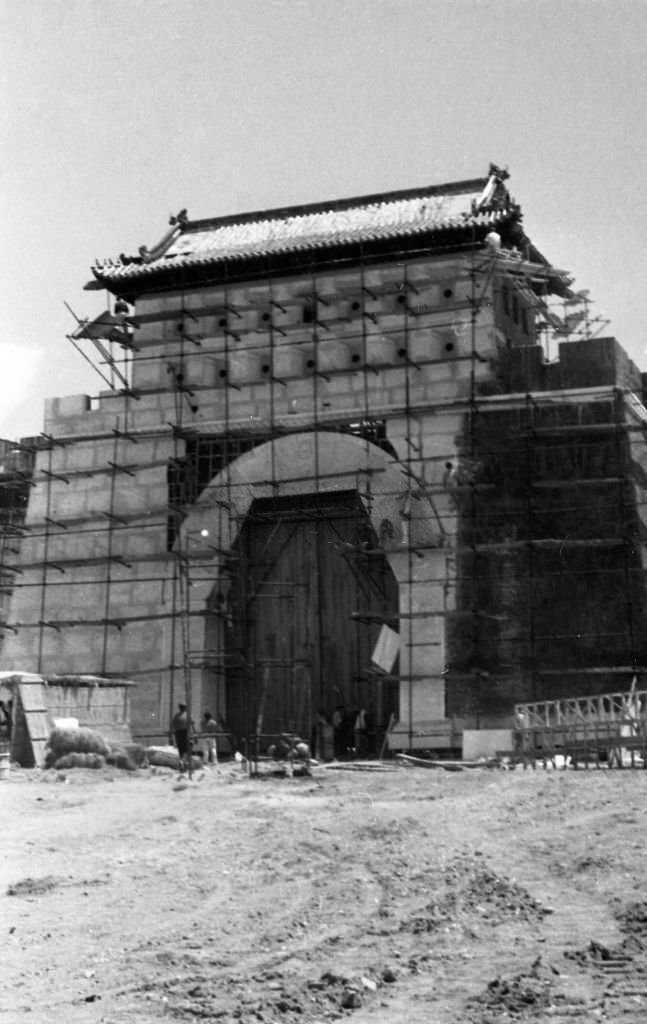
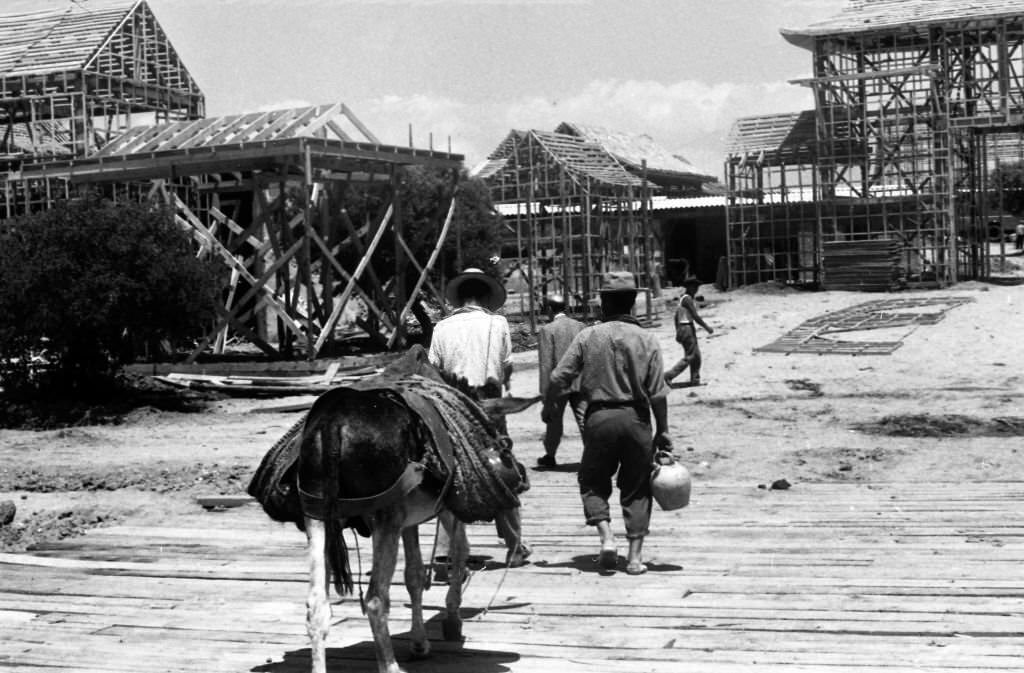
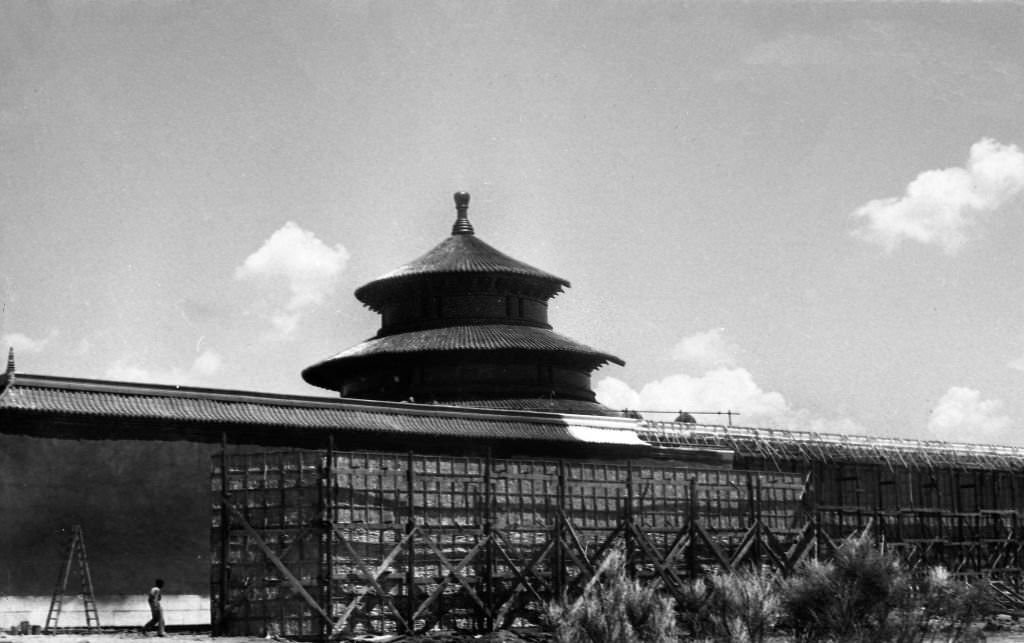
In March 1962, Prince Juan Carlos de Borbón received journalists at the Zarzuela Palace in Madrid. He was still years away from becoming king, but he was already a public figure under Franco’s regime. That same year, American producer Samuel Bronston was shooting the epic film “55 Days in Peking” on large outdoor sets built in Las Rozas, just outside Madrid. Journalists from Europa Press visited the sprawling sets to document the production.
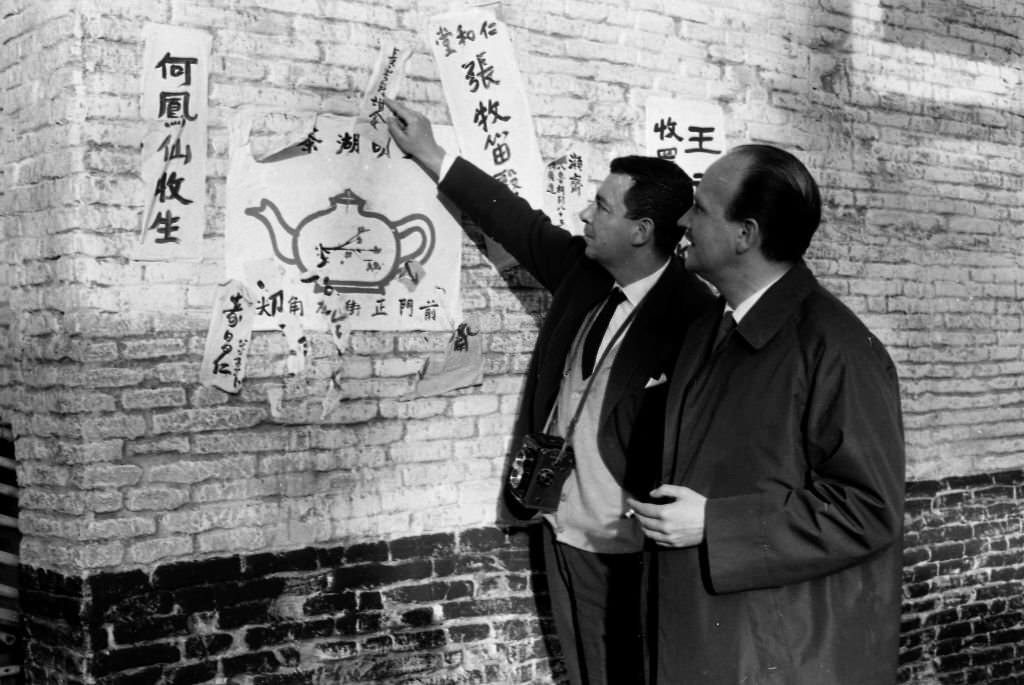
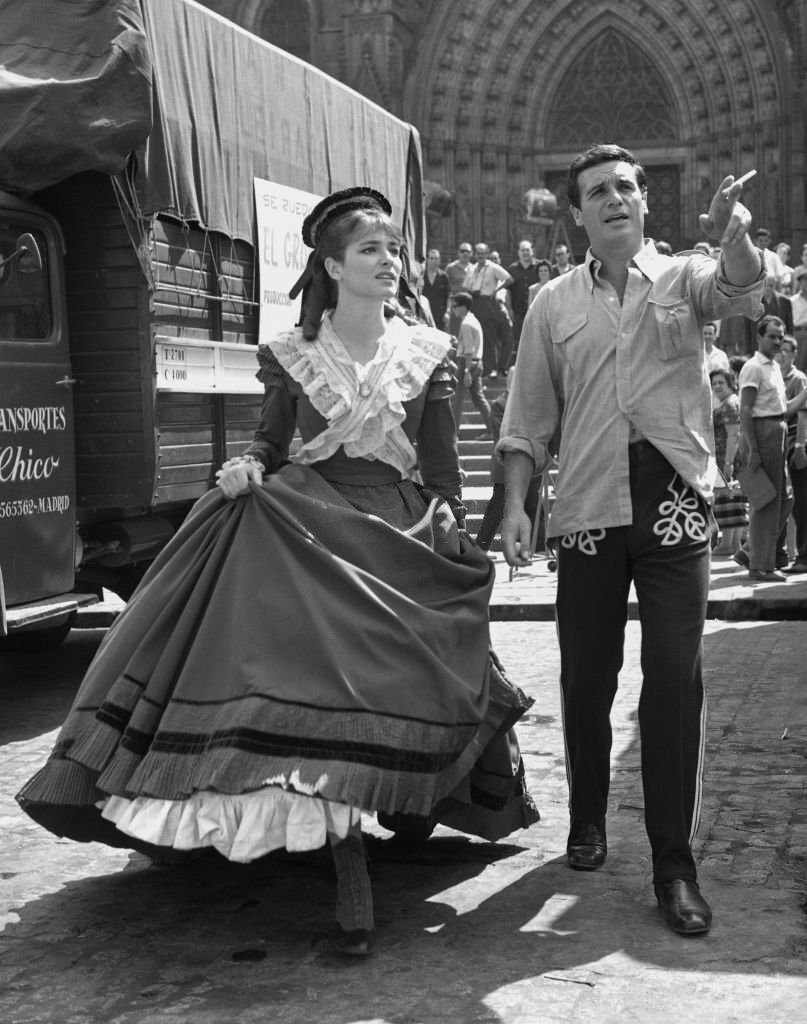
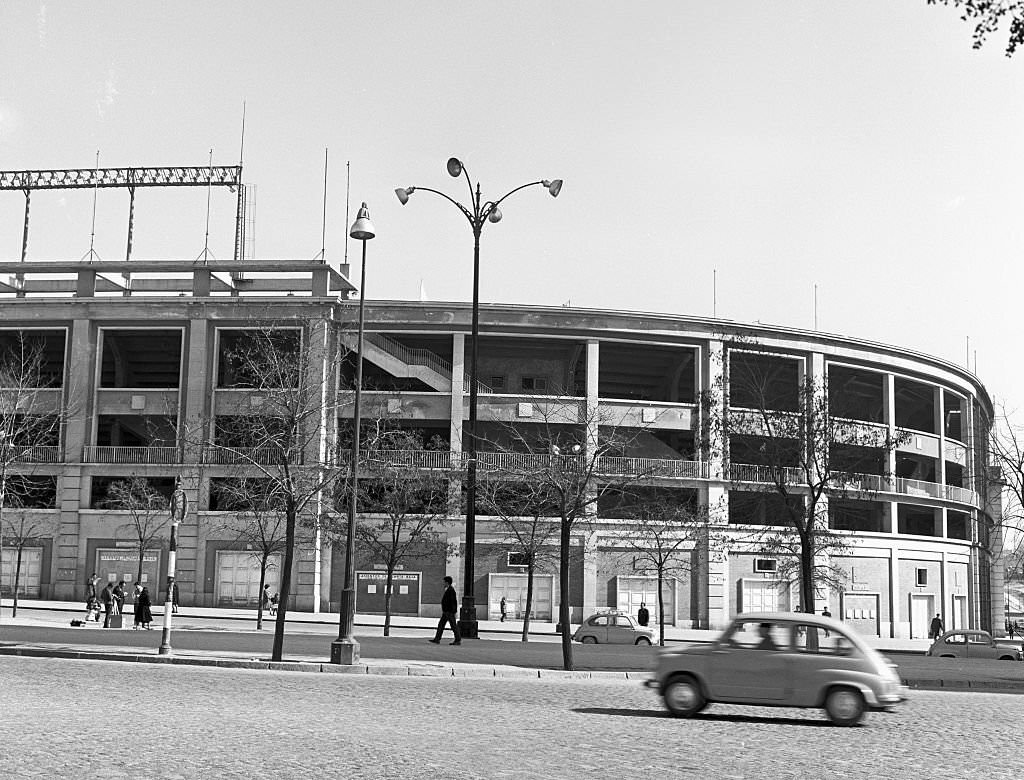
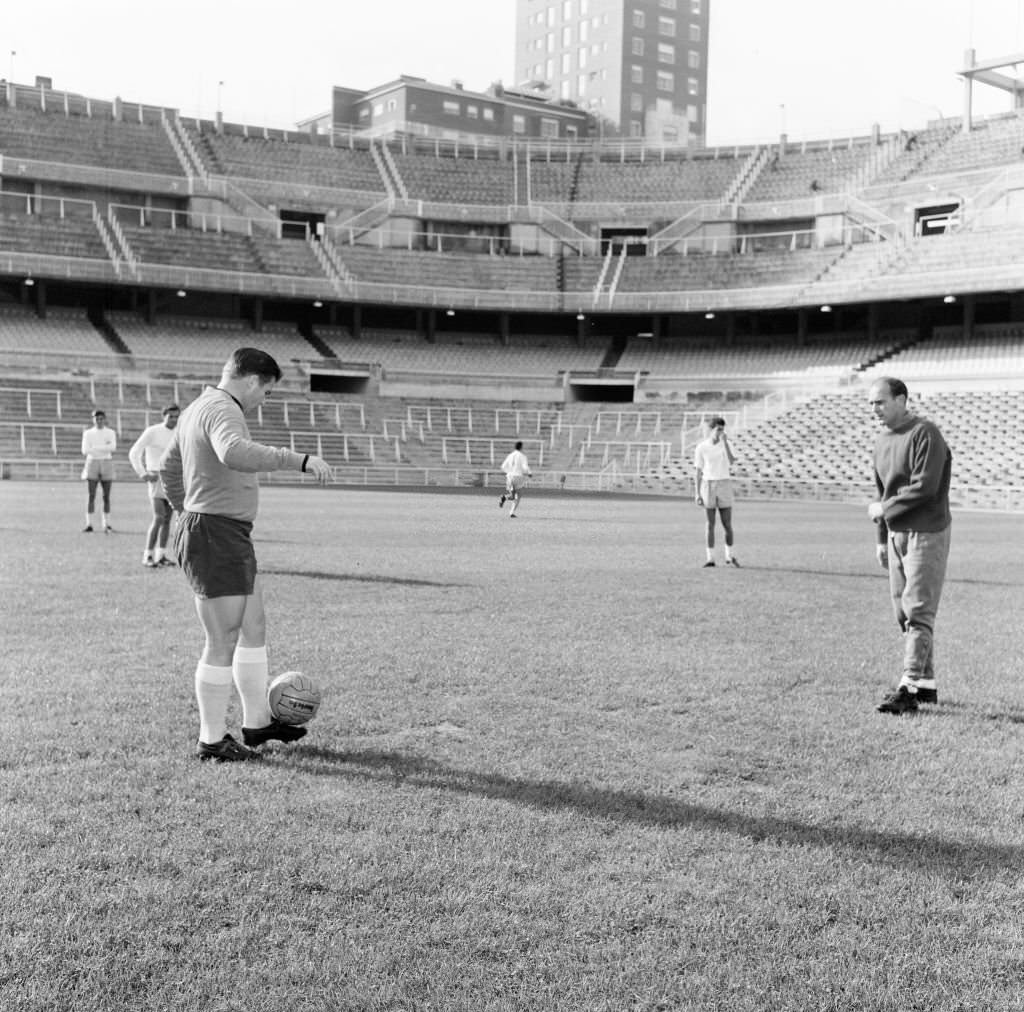
By 1963, the film industry’s relationship with Madrid was firmly established. Italian actress Serena Vergano and Spanish actor Paco Rabal filmed Mathias Sandorf in the city that year. Meanwhile, Santiago Bernabéu Stadium — home to Real Madrid — was photographed as one of the country’s most recognizable sporting venues, already a symbol of national pride.
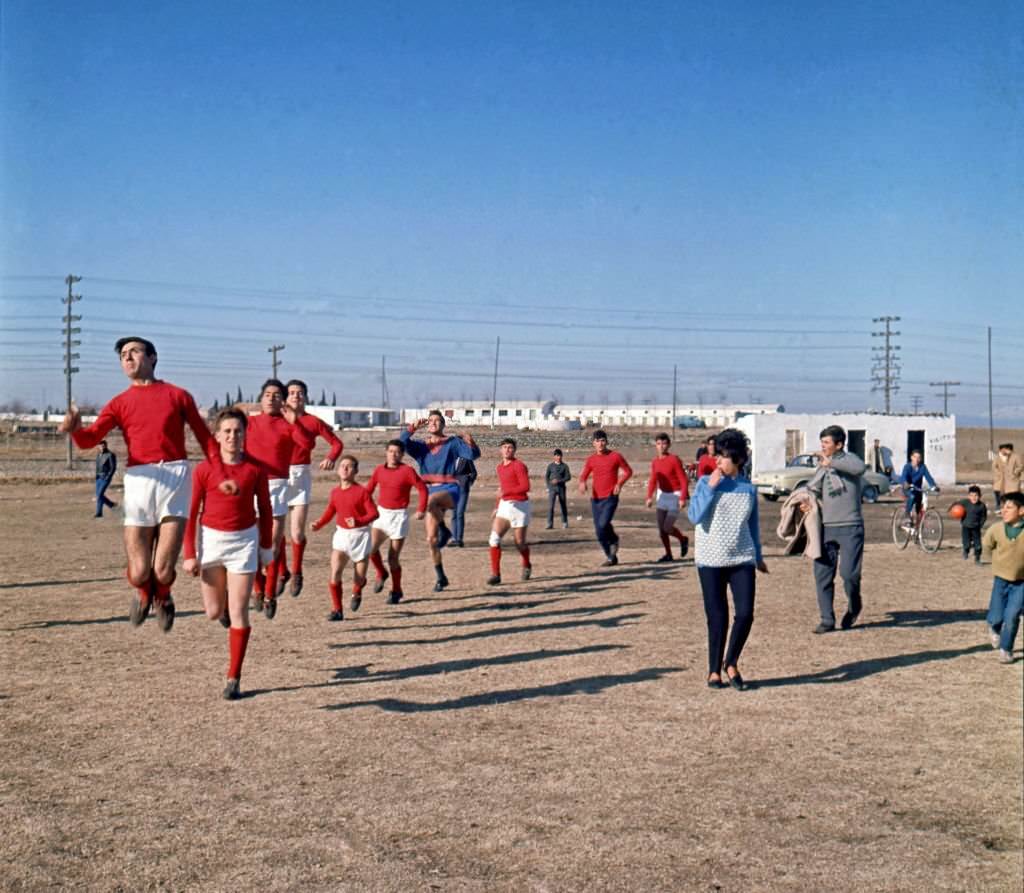
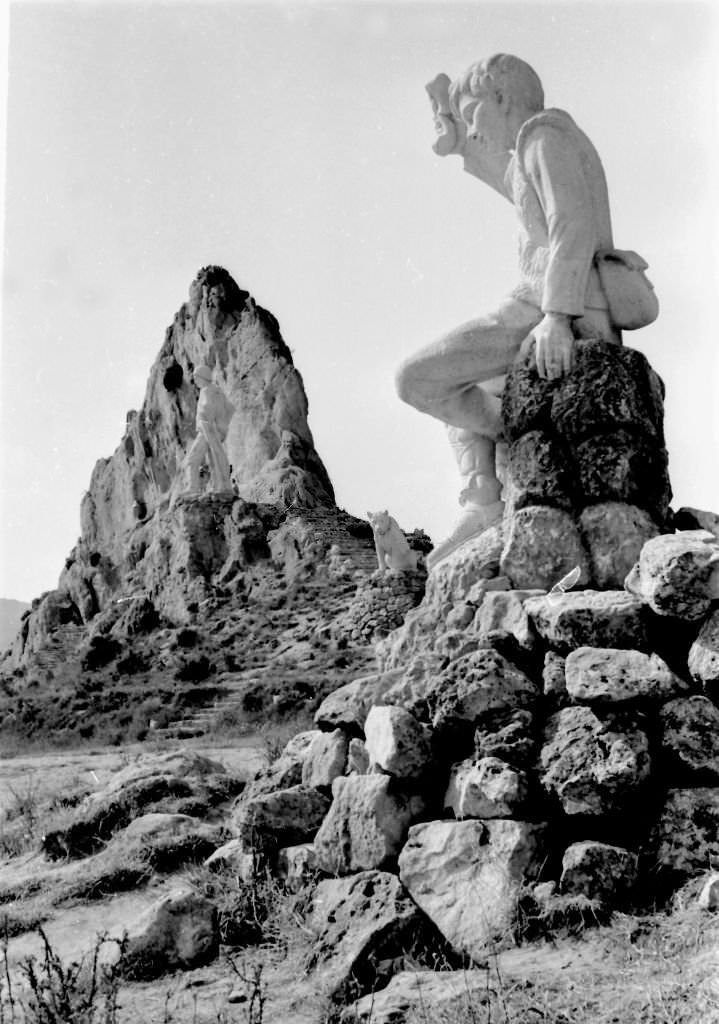
Football in Madrid wasn’t just for men. Amelia del Castillo made history as the first female football coach in Spain, leading her team in the Madrid town of Pinto. Nearby, the Cerro de los Ángeles — a witness hill in the municipality of Getafe, about 10 kilometers south of Madrid — marked what has traditionally been considered the geographic center of the Iberian Peninsula.
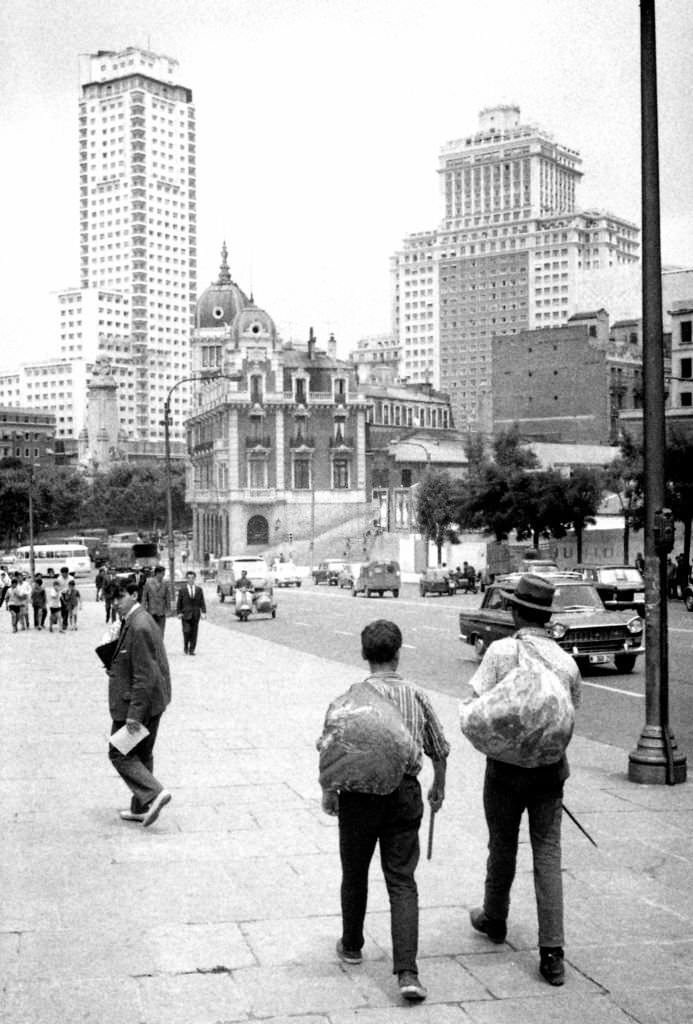
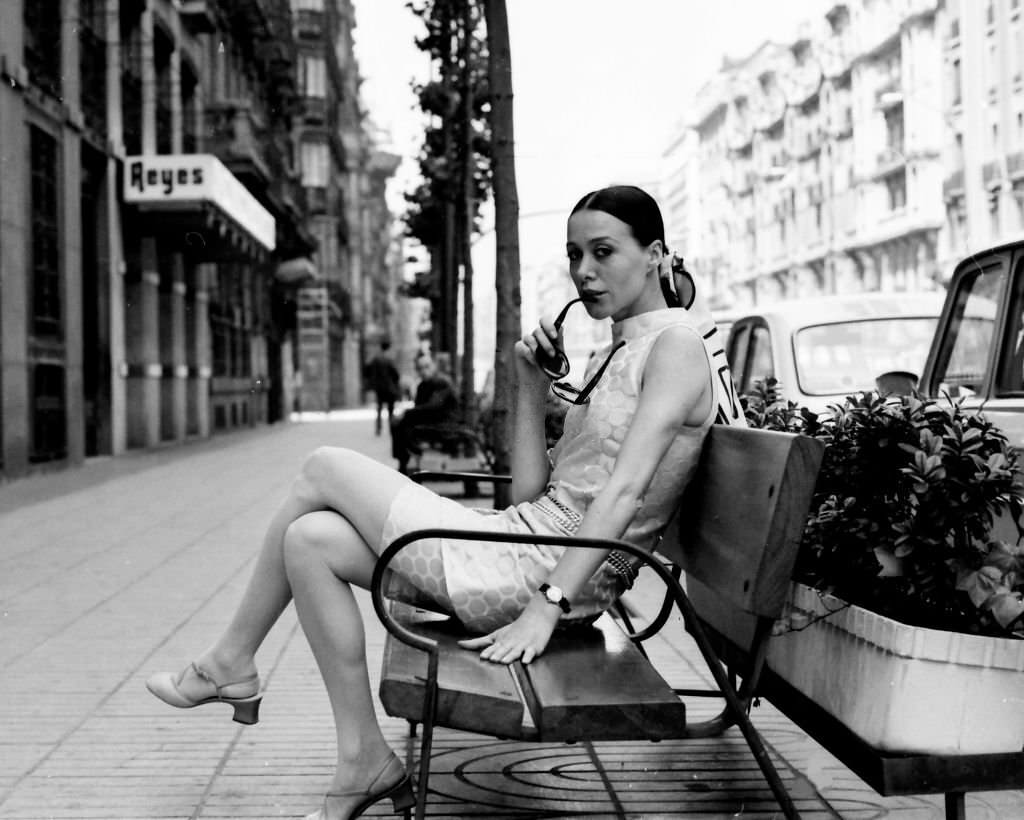
Bullfighting remained part of Madrid’s cultural fabric in the 1960s. Young men known as “maletillas” — hopeful bullfighters without formal training or contracts — roamed the city looking for their chance to perform. In 1964, they were photographed seeking opportunity, a snapshot of a tradition that still drew thousands to the ring. That same year, Spanish writer Mercedes Salisachs was active in Madrid’s literary scene.
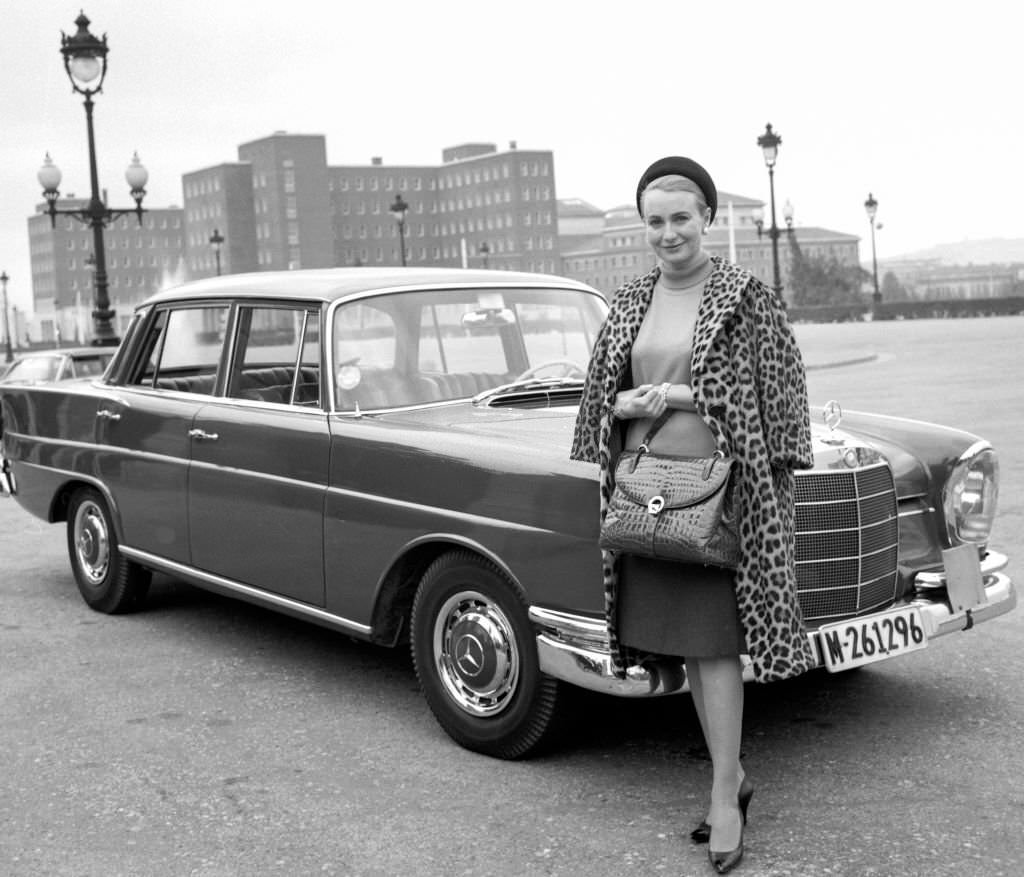
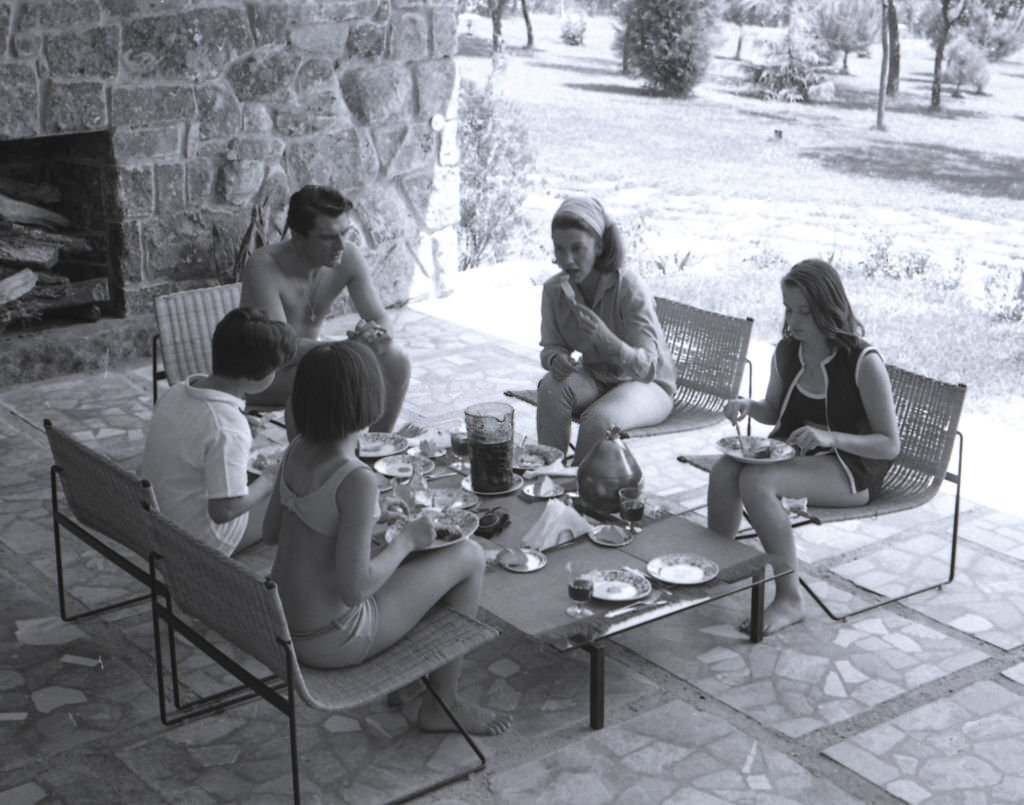
In 1964, American actress Linda Christian was living in the upscale Madrid suburb of La Moraleja with her husband, actor Edmund Purdom, and their daughters Romina and Taryn. The city attracted foreign celebrities and cultural figures throughout the decade, partly because of the thriving film industry and partly due to Spain’s relatively low cost of living compared to other Western capitals.
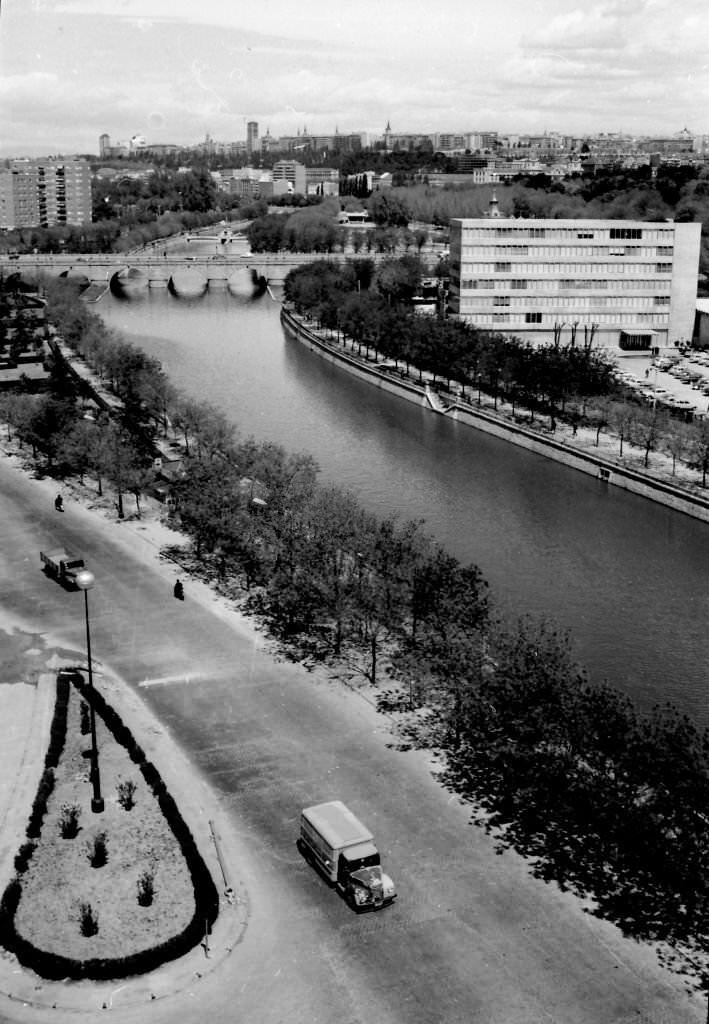
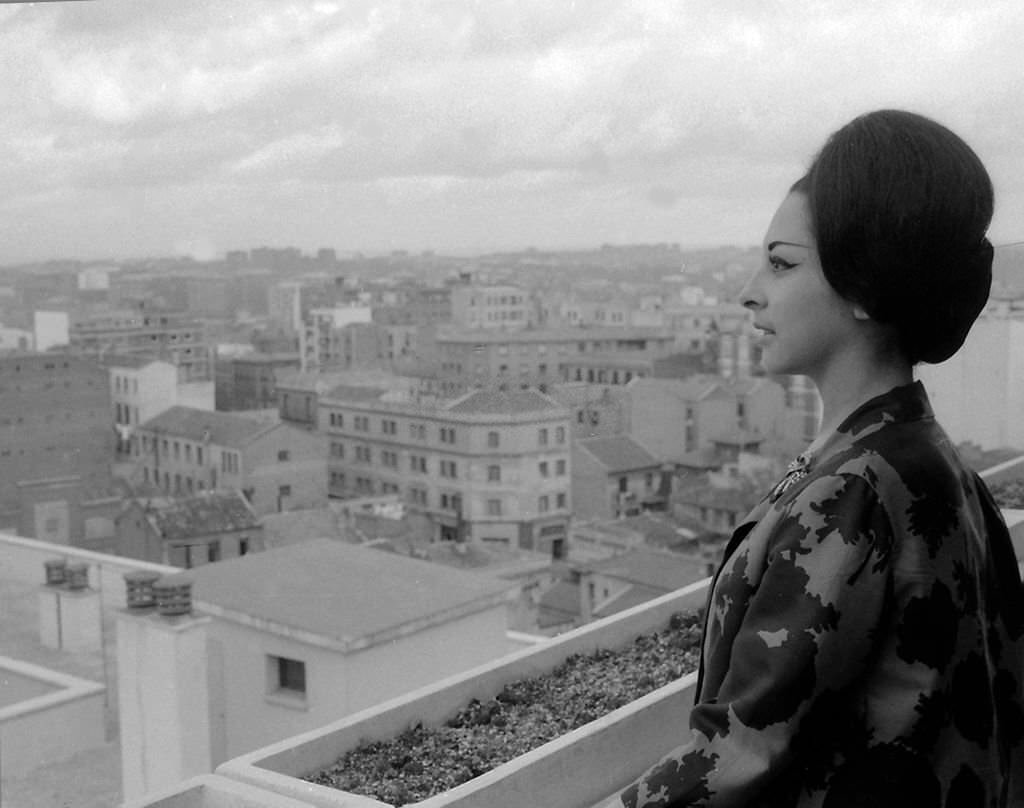
Madrid in 1964 offered a striking range of experiences. Spanish dancer Lucero Tena posed on the balcony of her home while, across the city, Real Madrid’s Santiago Bernabéu Stadium was a hive of behind-the-scenes activity ahead of a key match in May of that year. The Manzanares River, which cuts through the city, offered a quieter, natural view of Madrid — a contrast to the noise of construction happening across town.
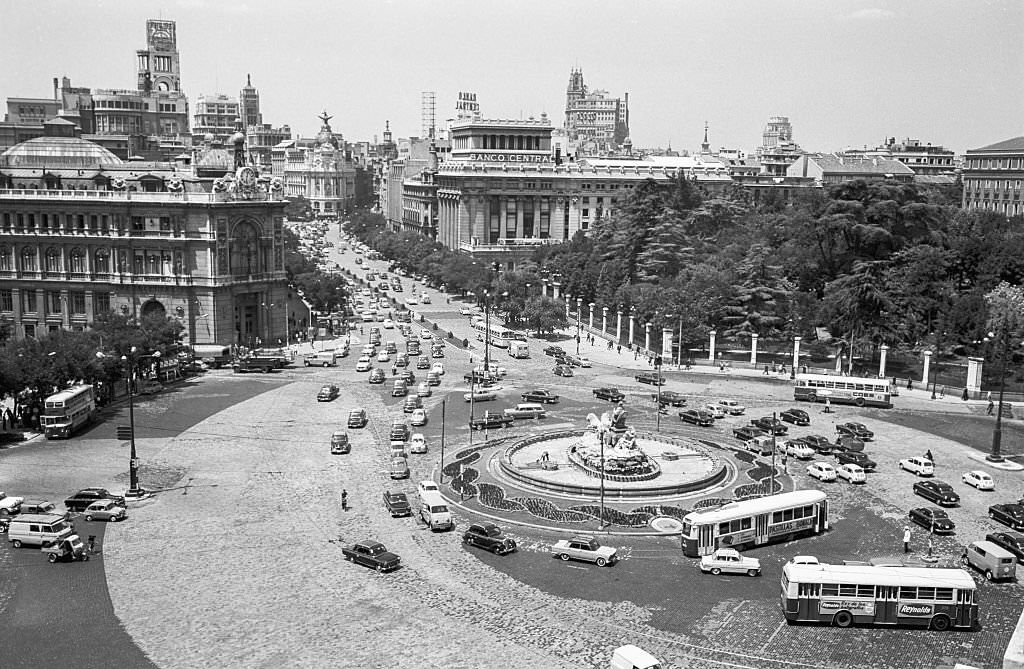
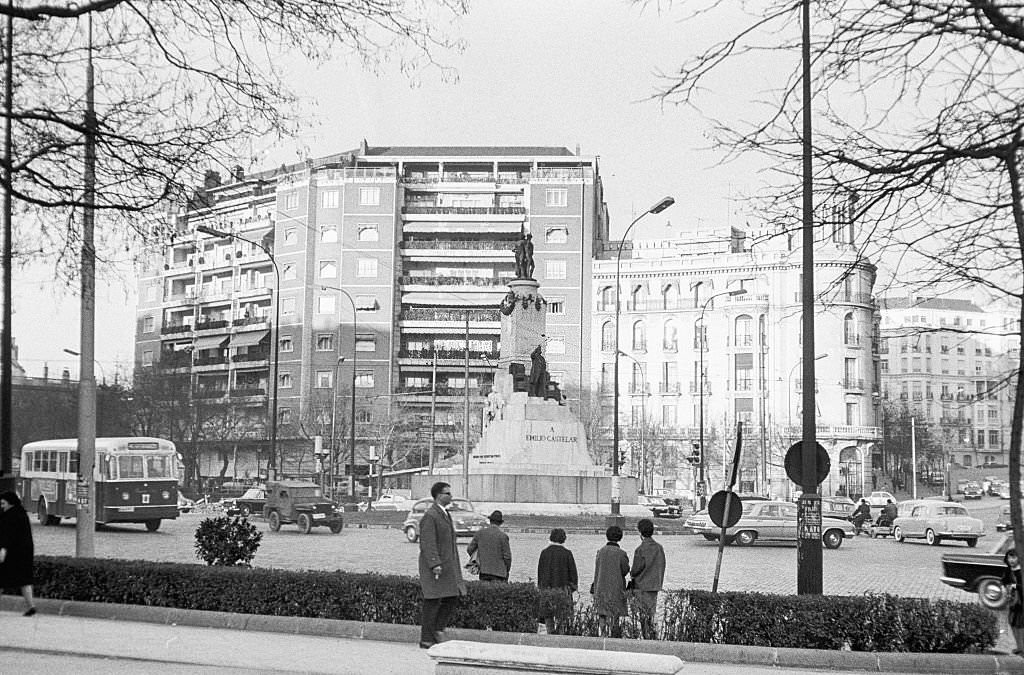
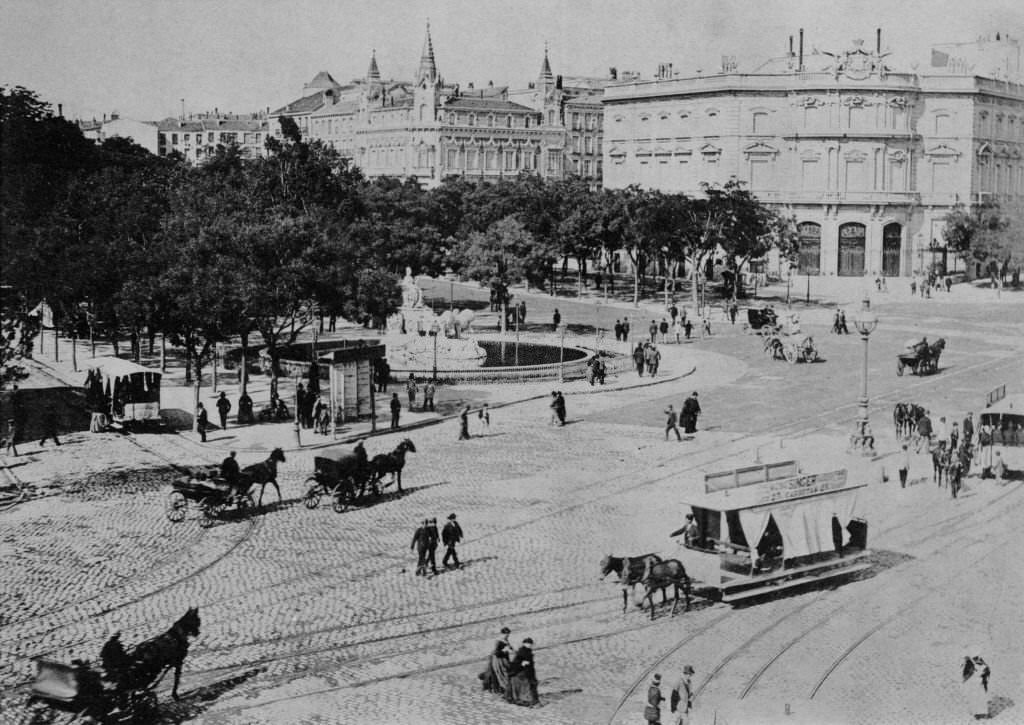
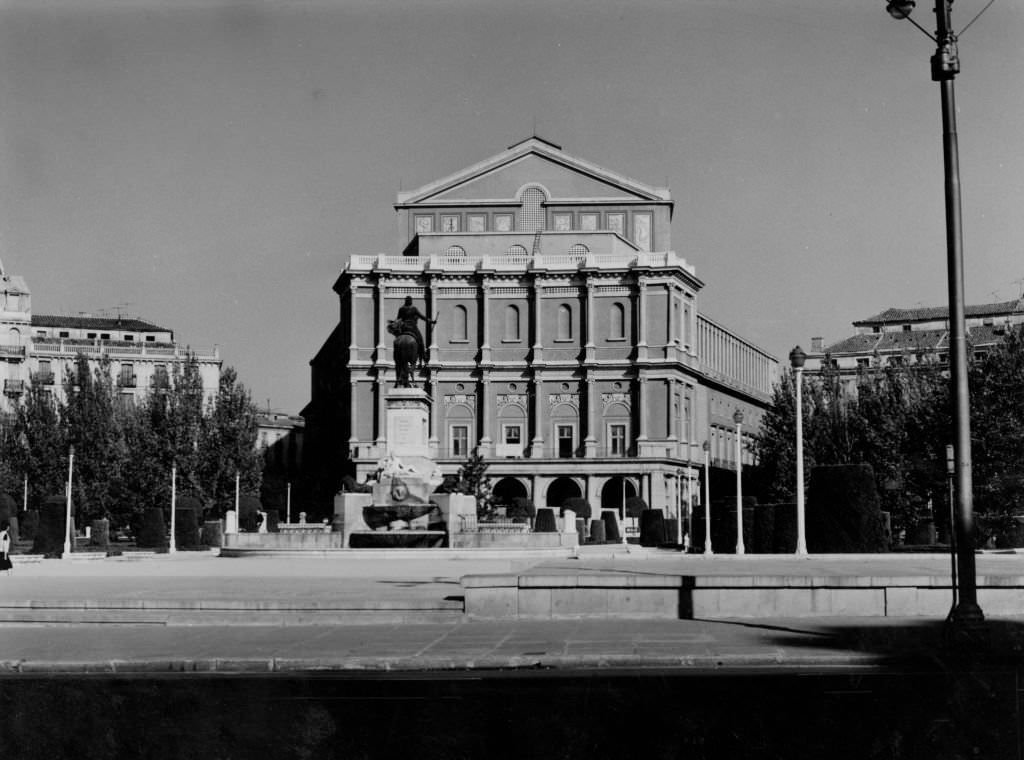
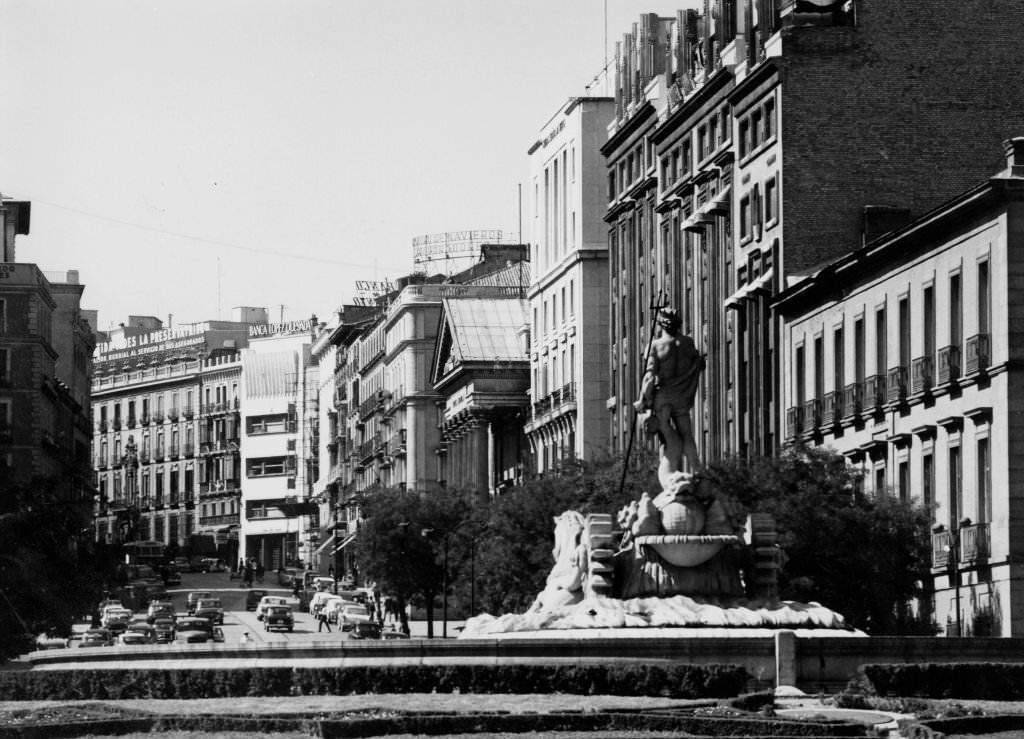
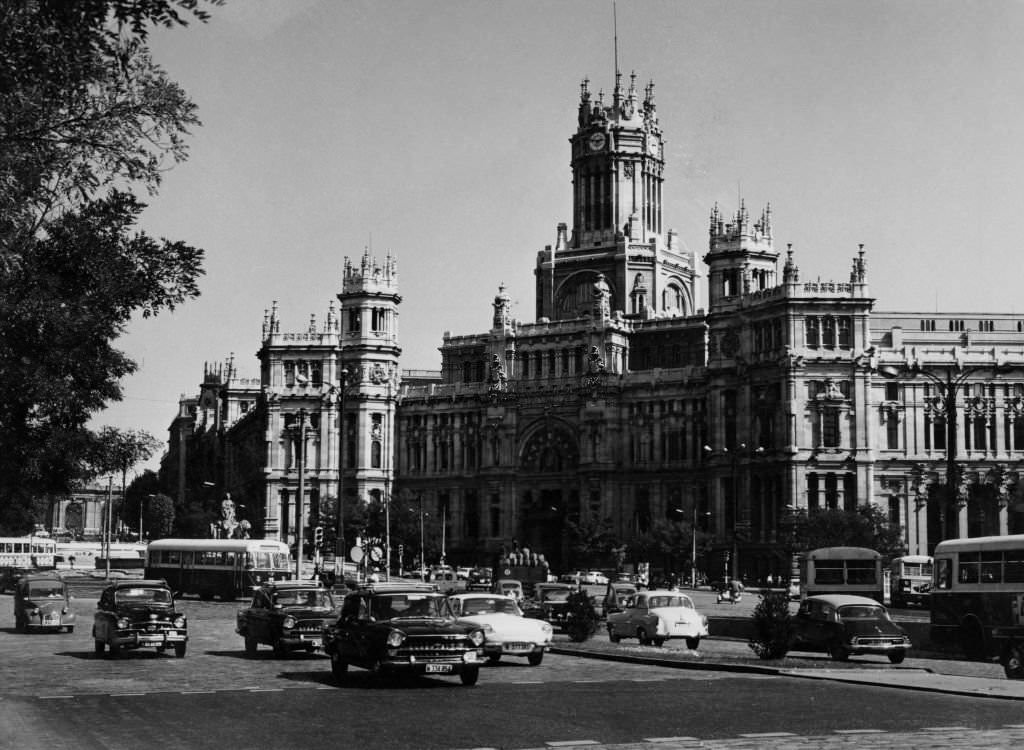
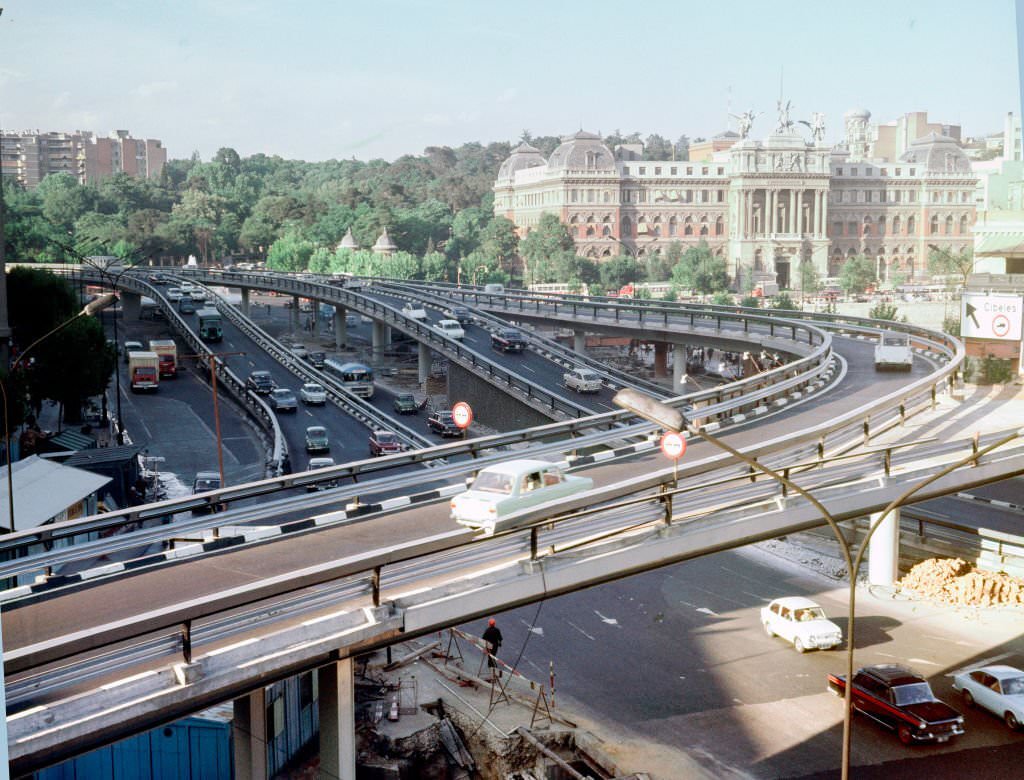
By 1965, Madrid’s major landmarks were well documented by photographers. The Plaza Cibeles, one of the city’s most iconic squares, appeared in wide-angle shots that captured its grand fountain and surrounding architecture. The Paseo de la Castellana ran through multiple frames — lined with trees, traffic, and the kind of mid-century urban energy that defined European capitals of the era.
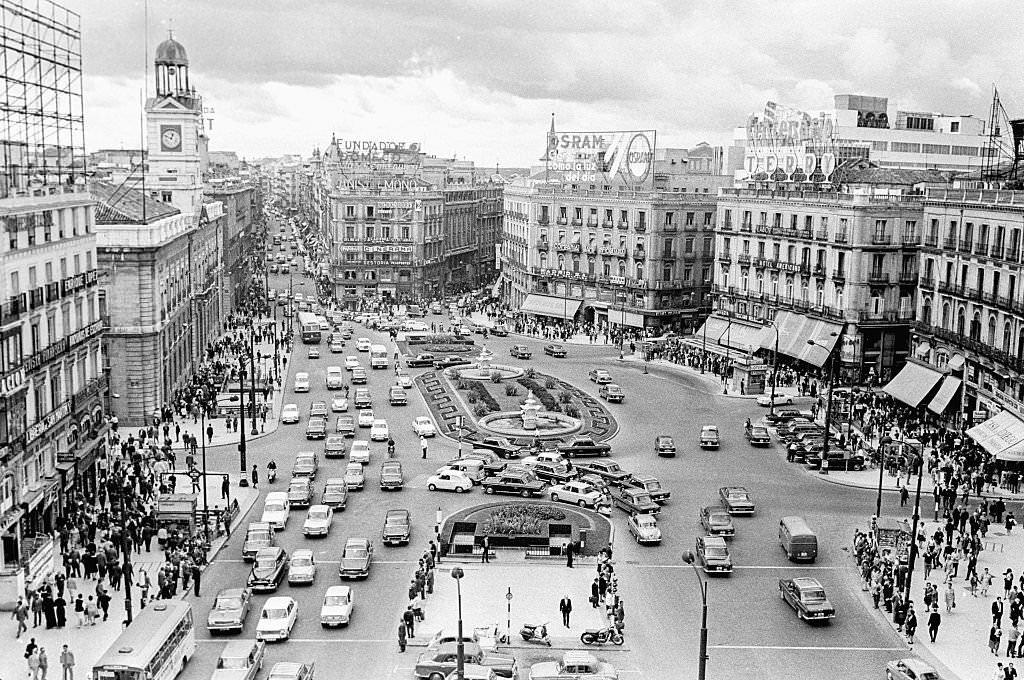
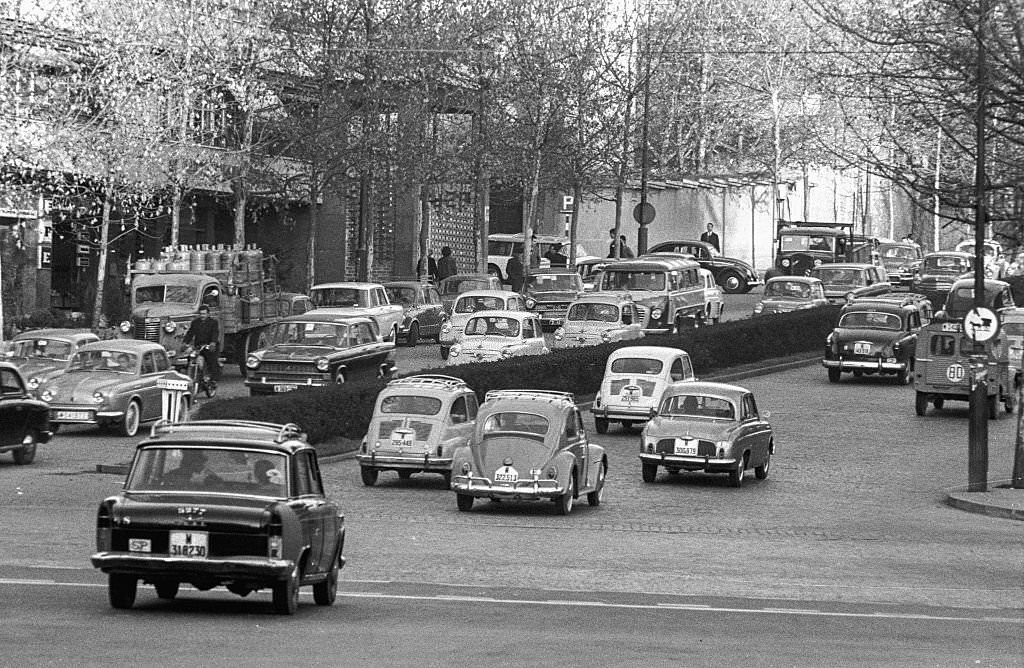
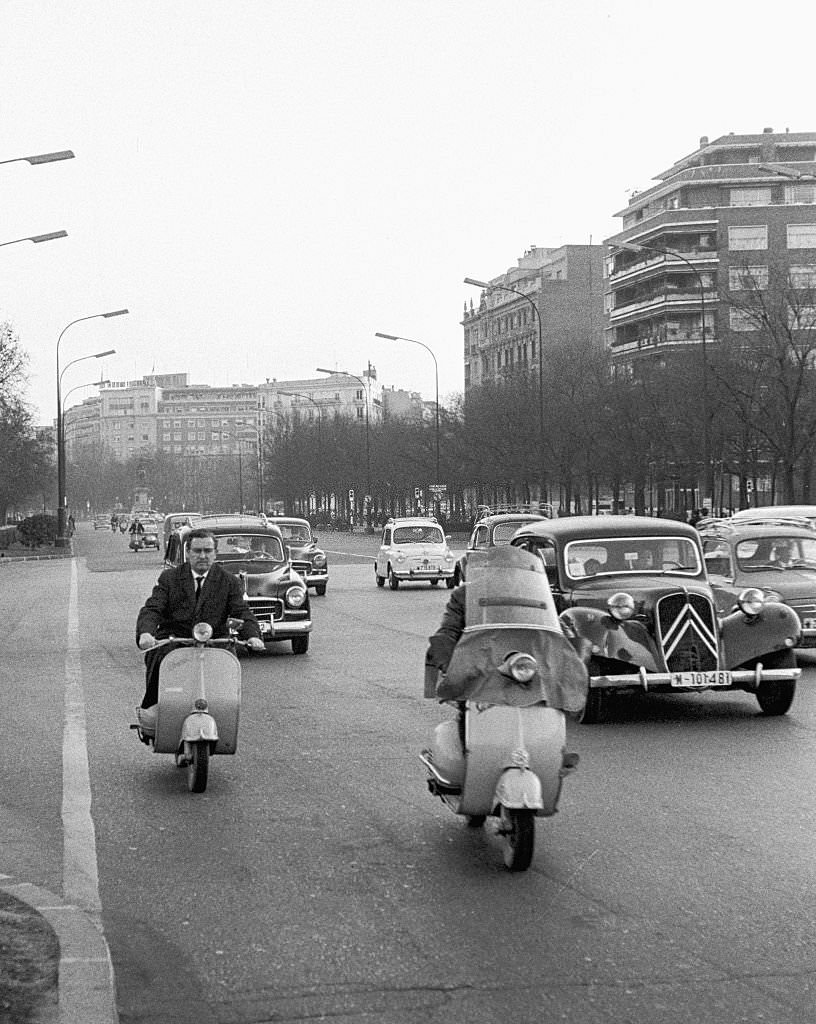
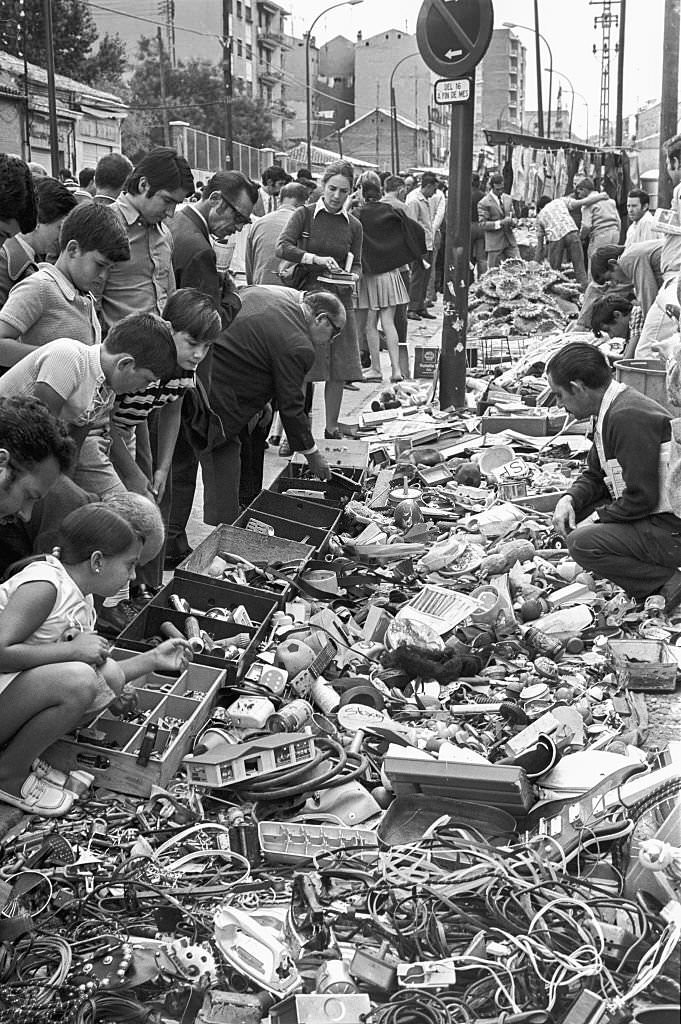
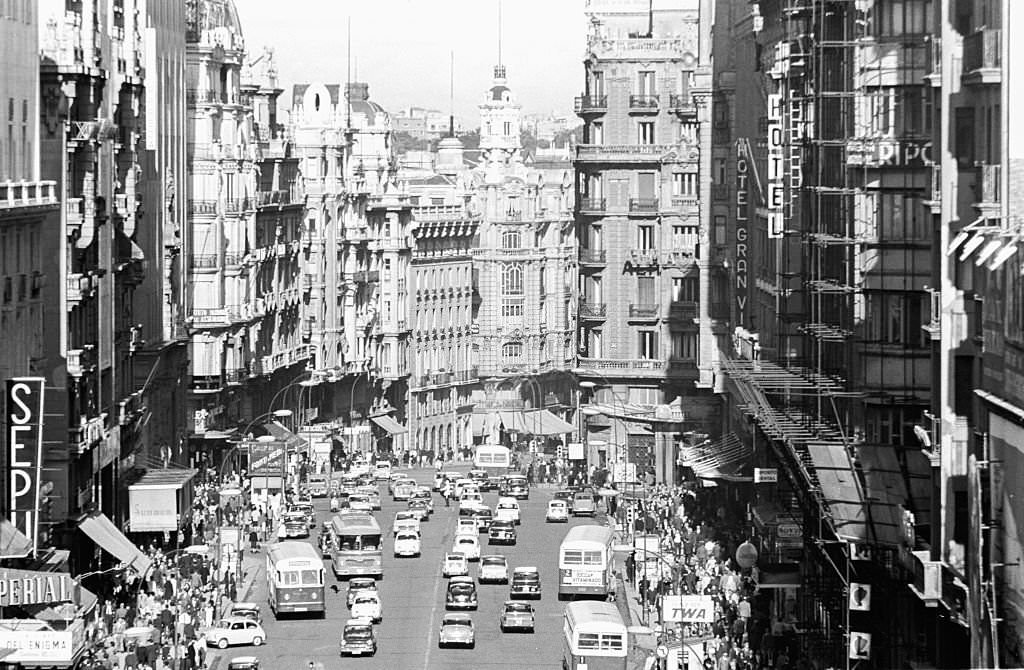
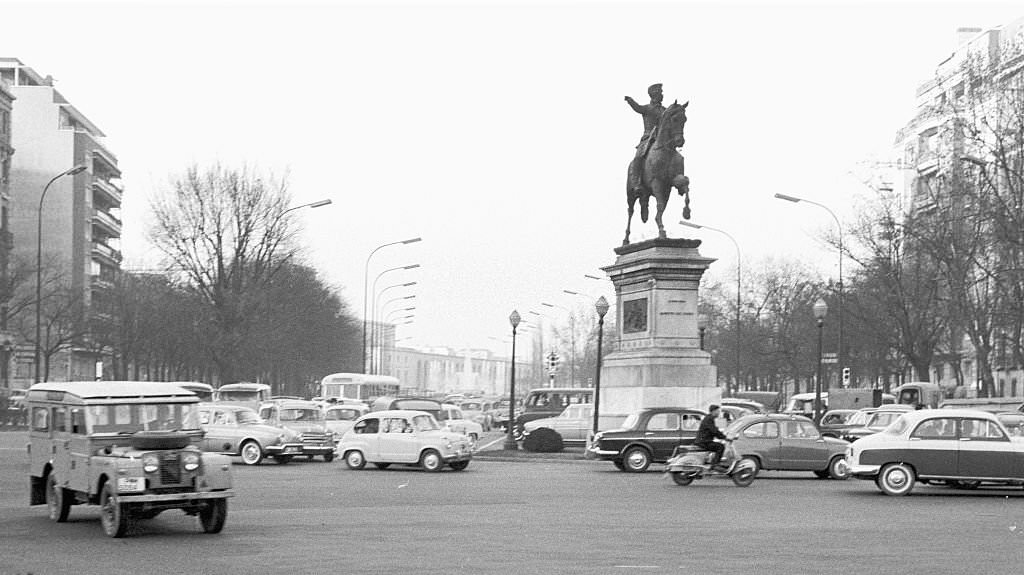
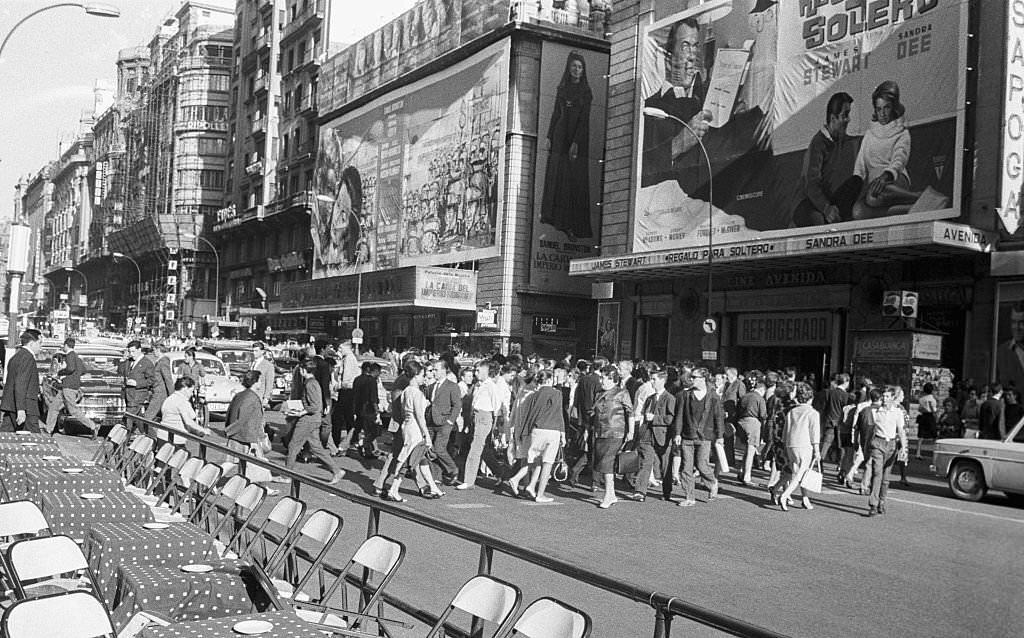
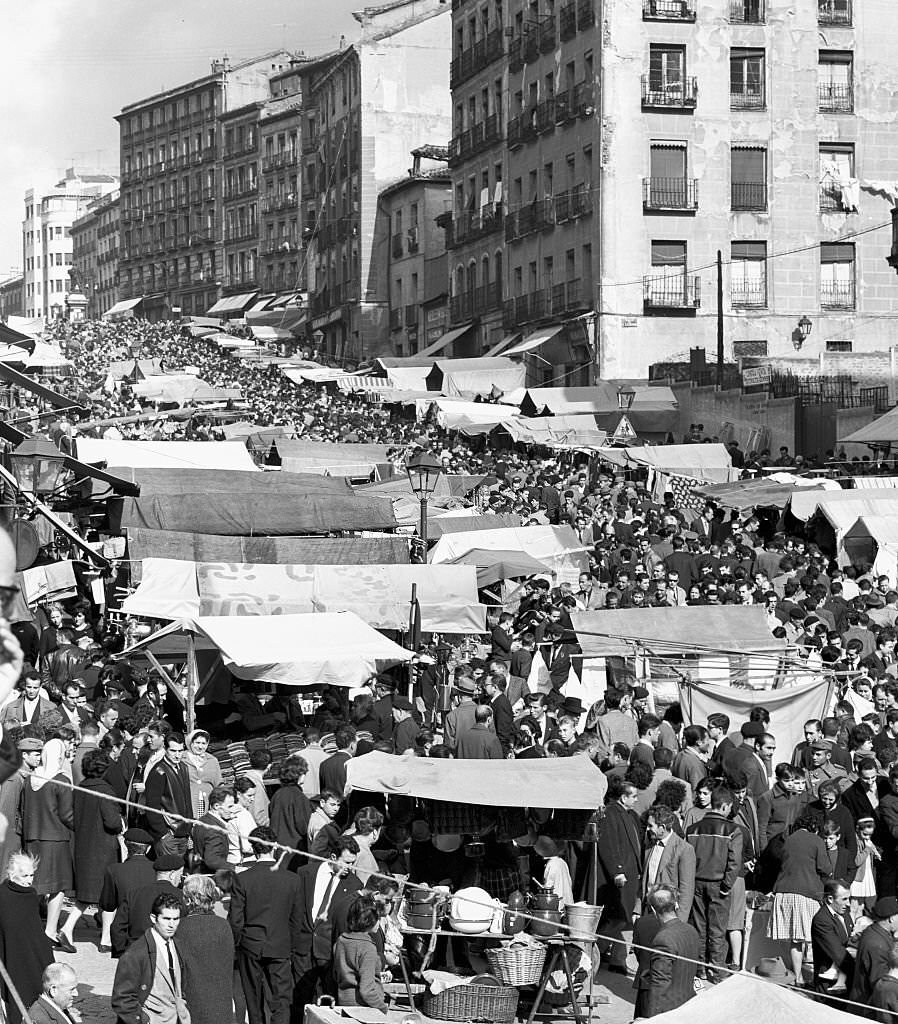
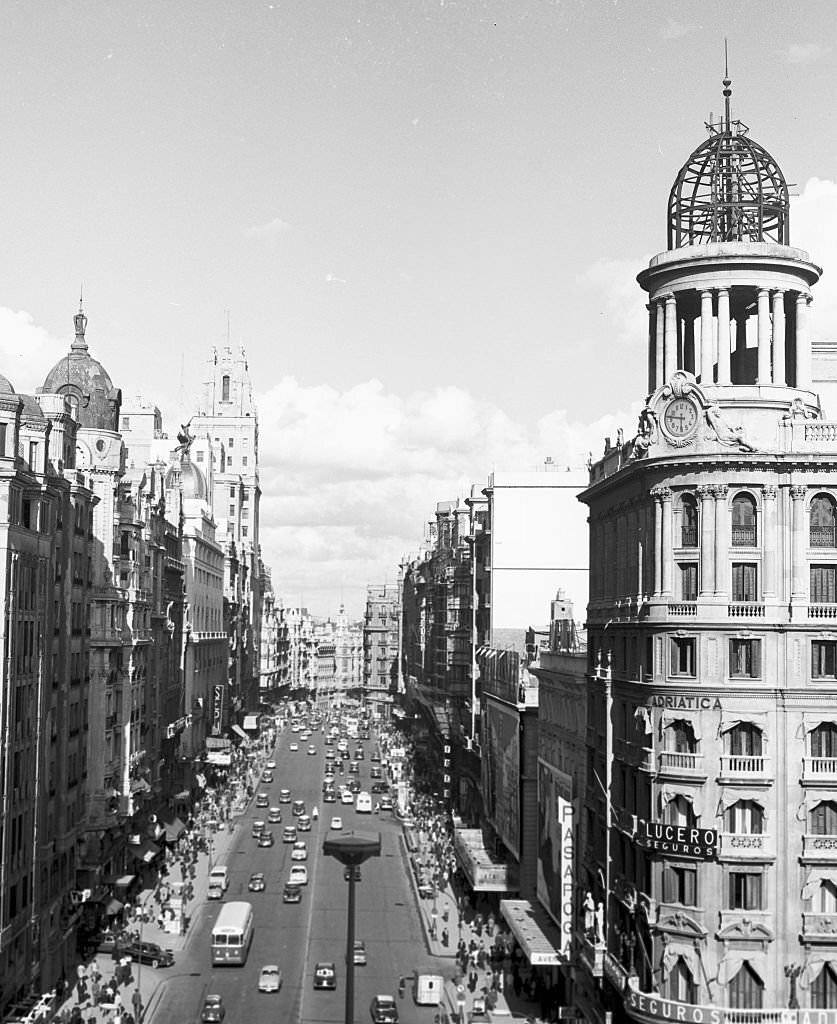
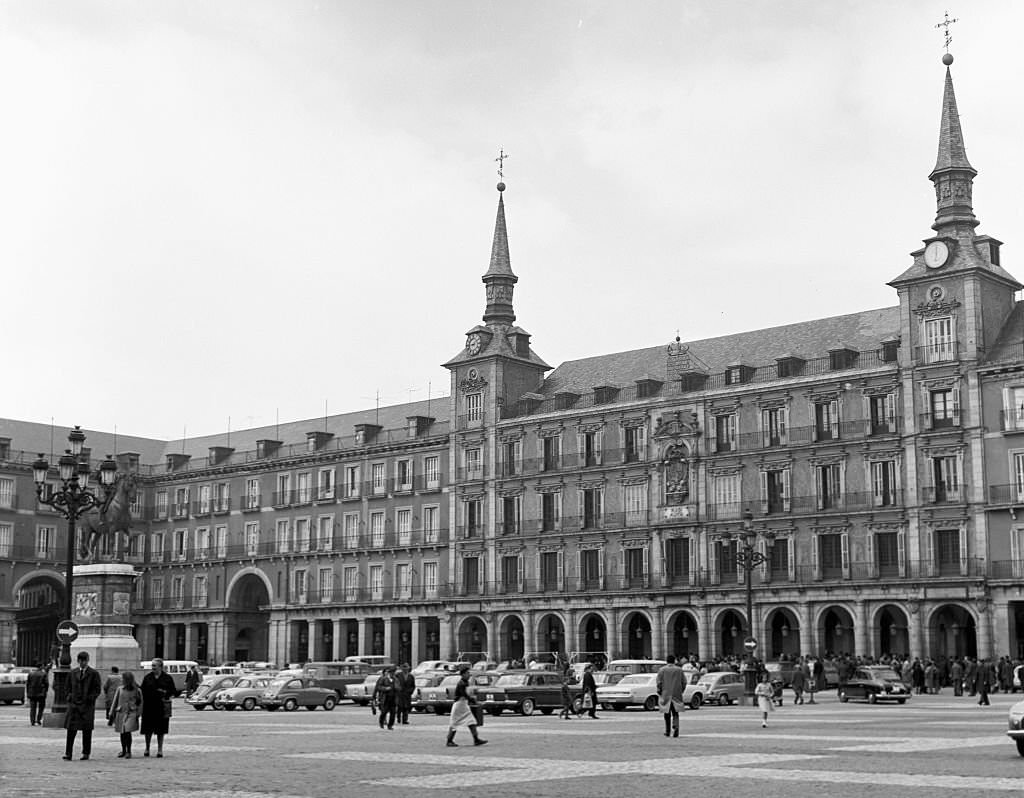
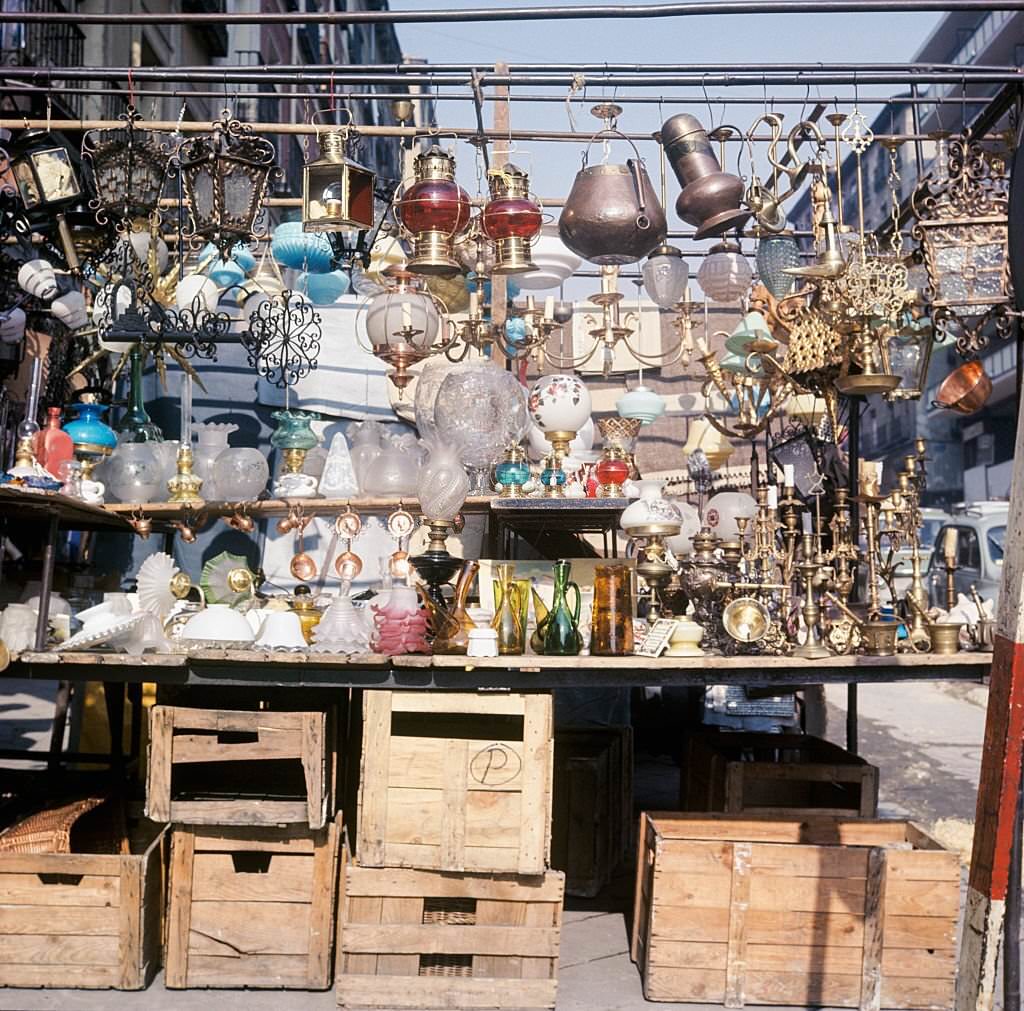
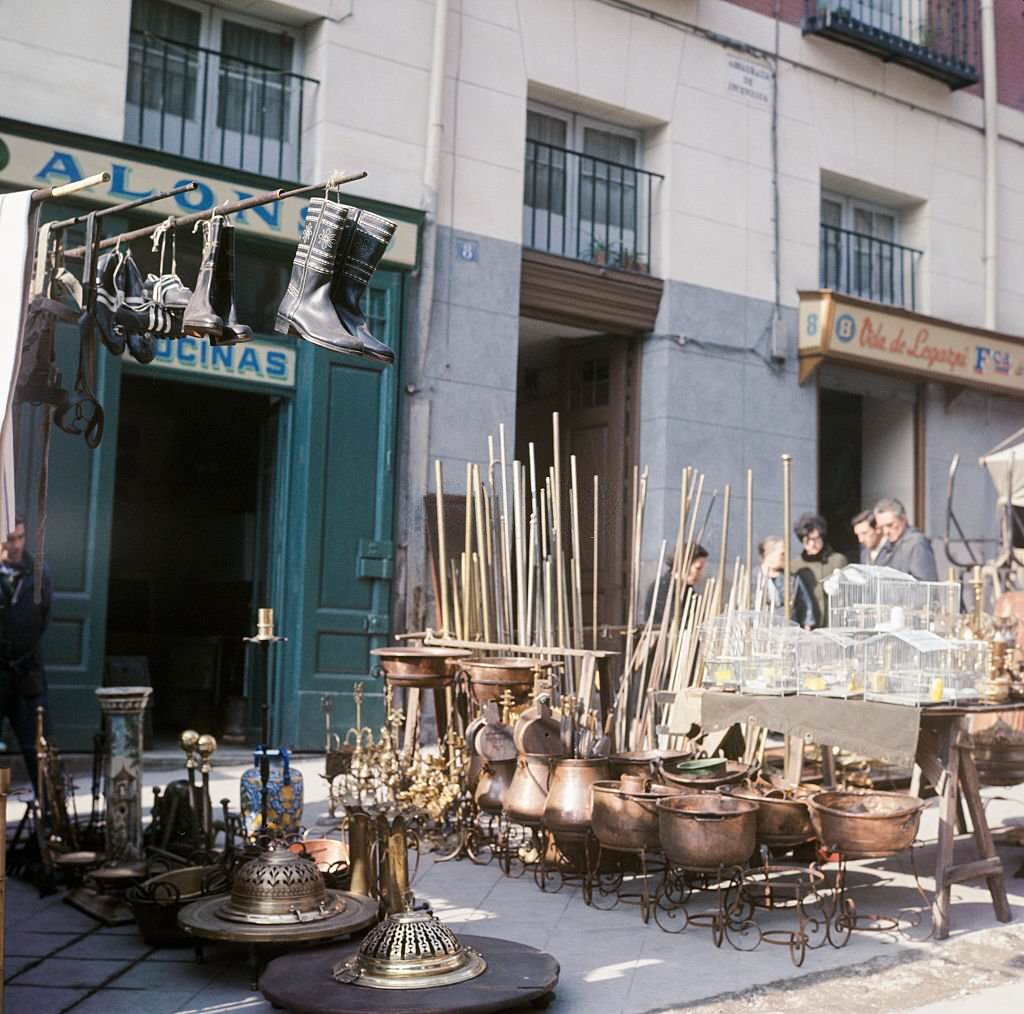
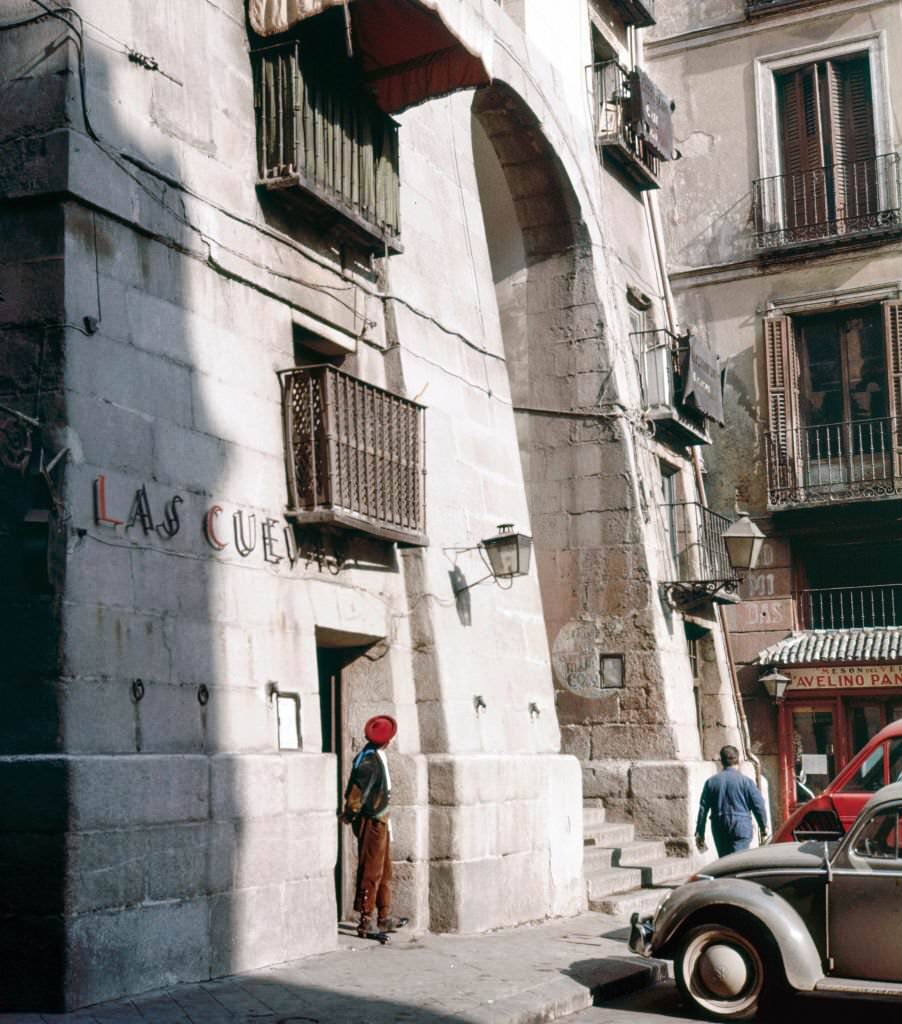
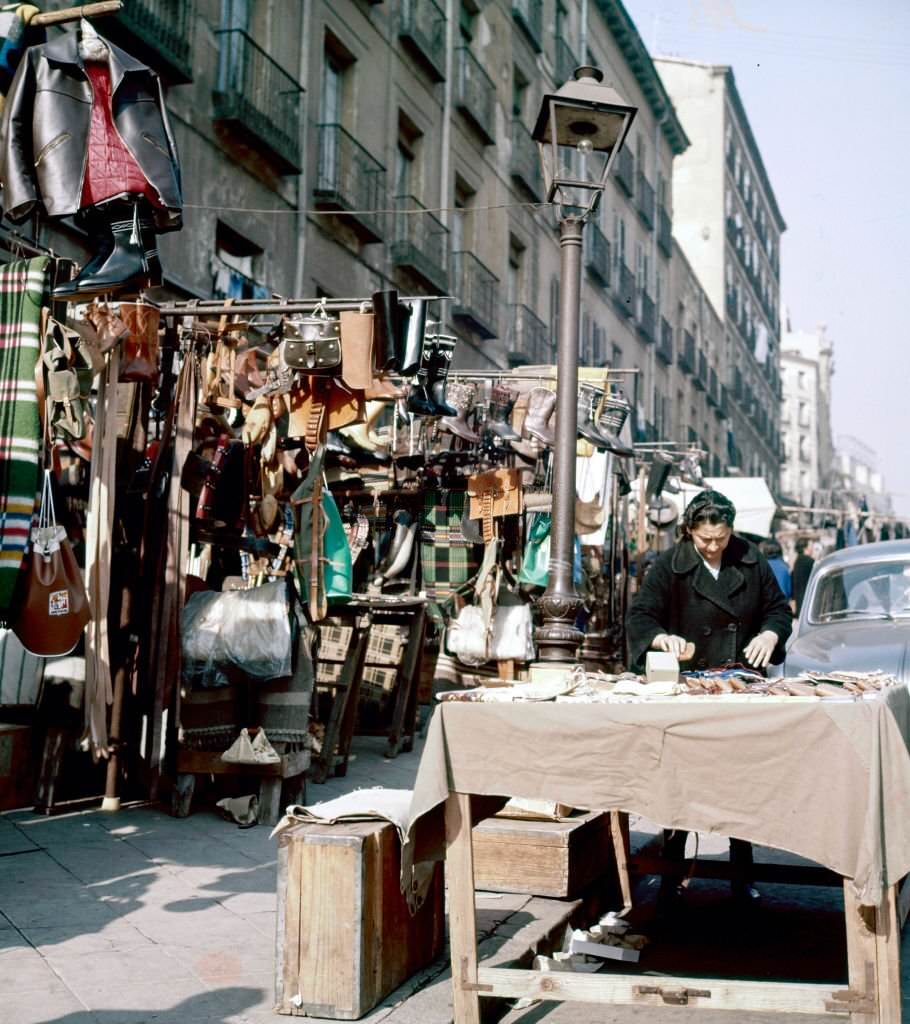
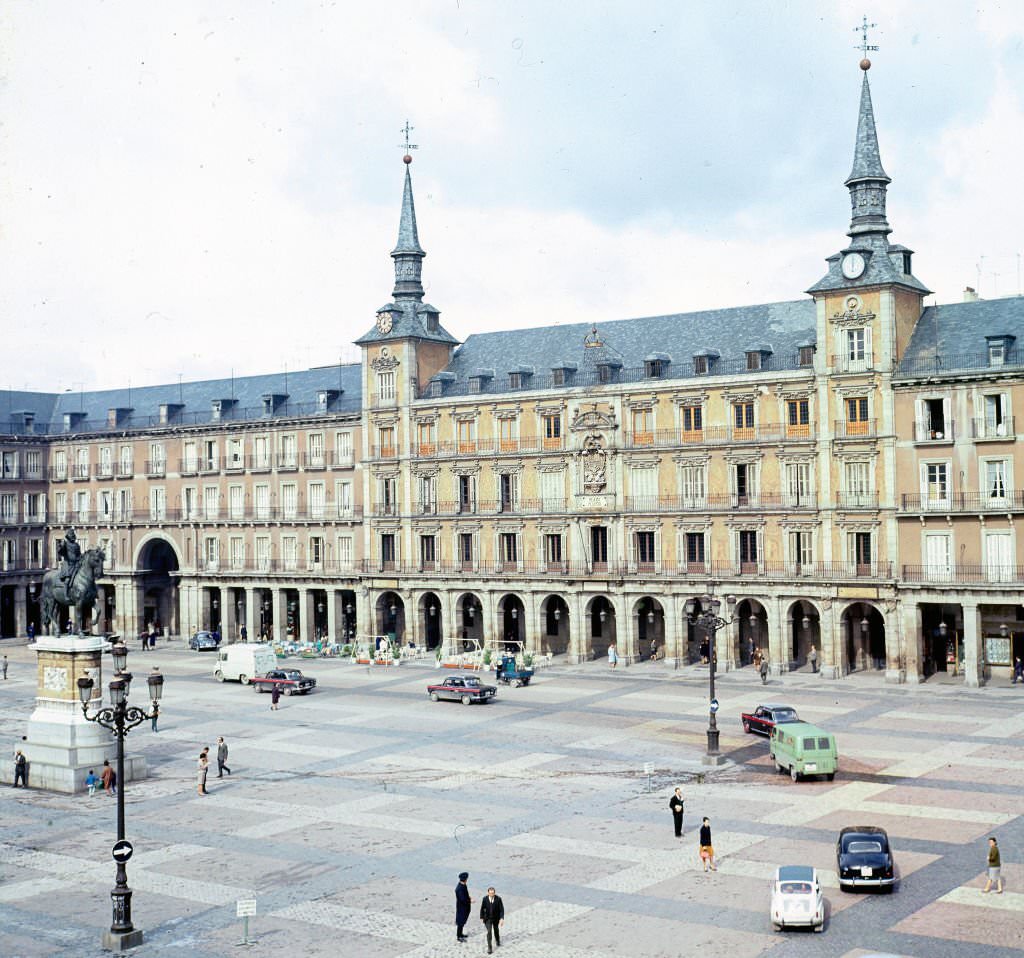
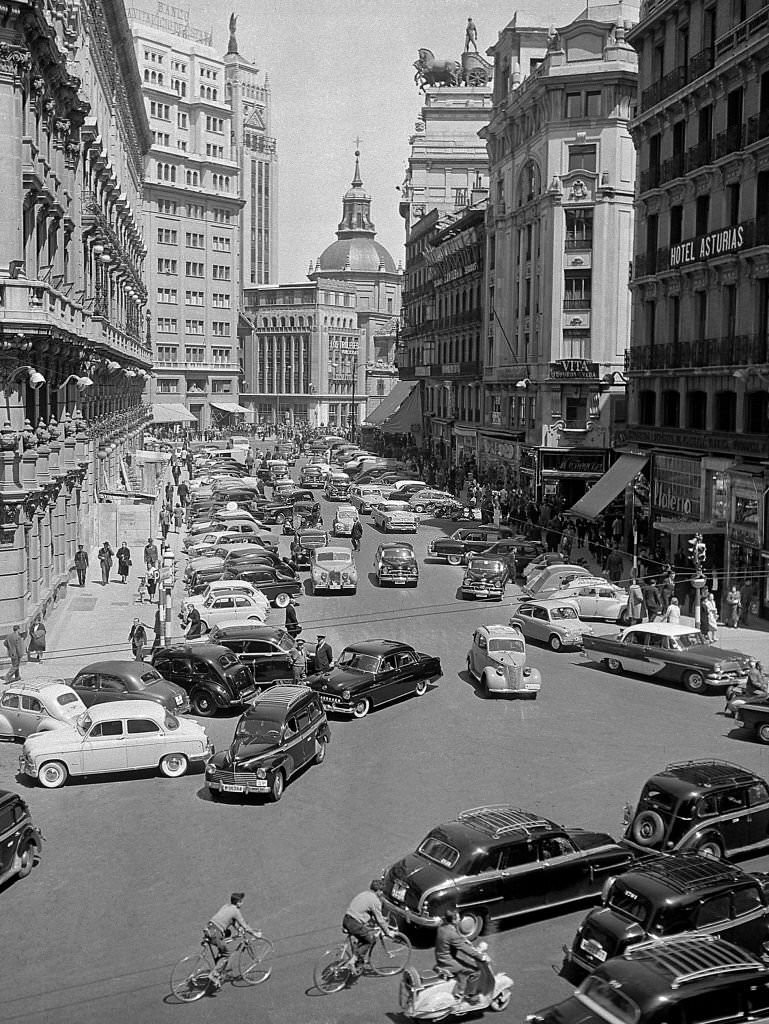
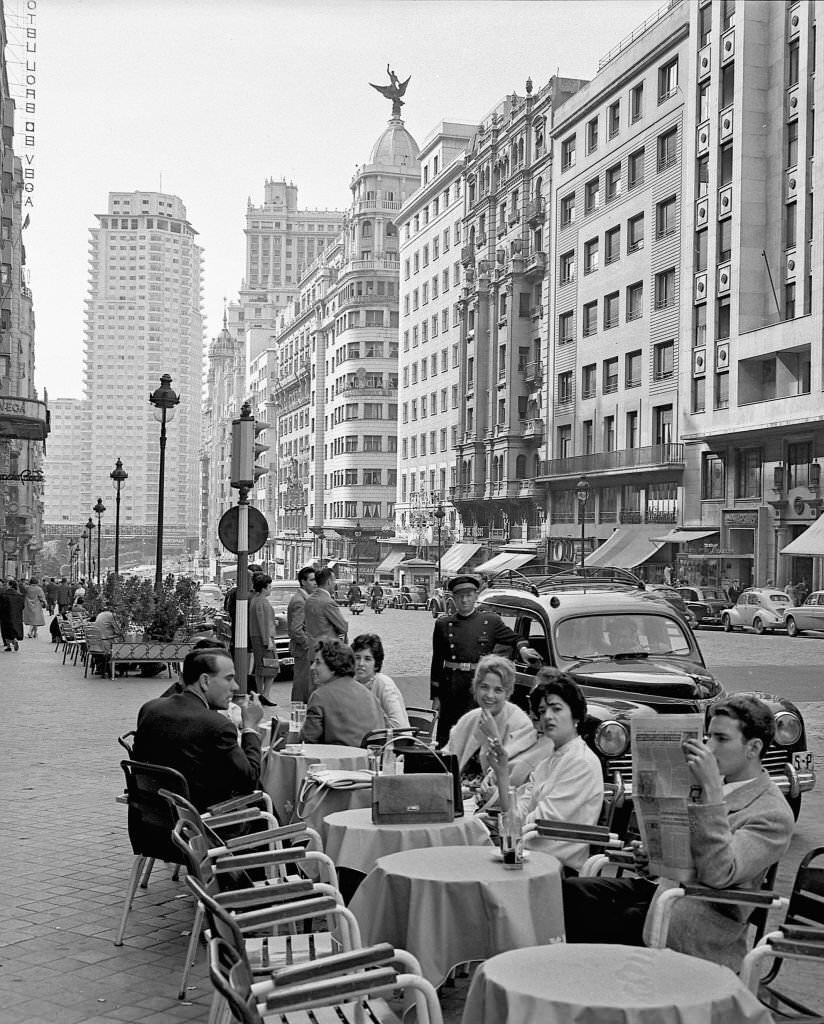
The Gran Vía in 1965 showed a city that had fully embraced the automobile. Wide lanes carried steady streams of cars past shops and hotels. El Rastro, Madrid’s famous open-air flea market, drew vendors and shoppers every weekend, filling the streets of the La Latina neighborhood with stalls selling everything from antiques to everyday goods. The Plaza Mayor — with its historic Casa de la Panadería painted facade — remained a centerpiece of Old Madrid.
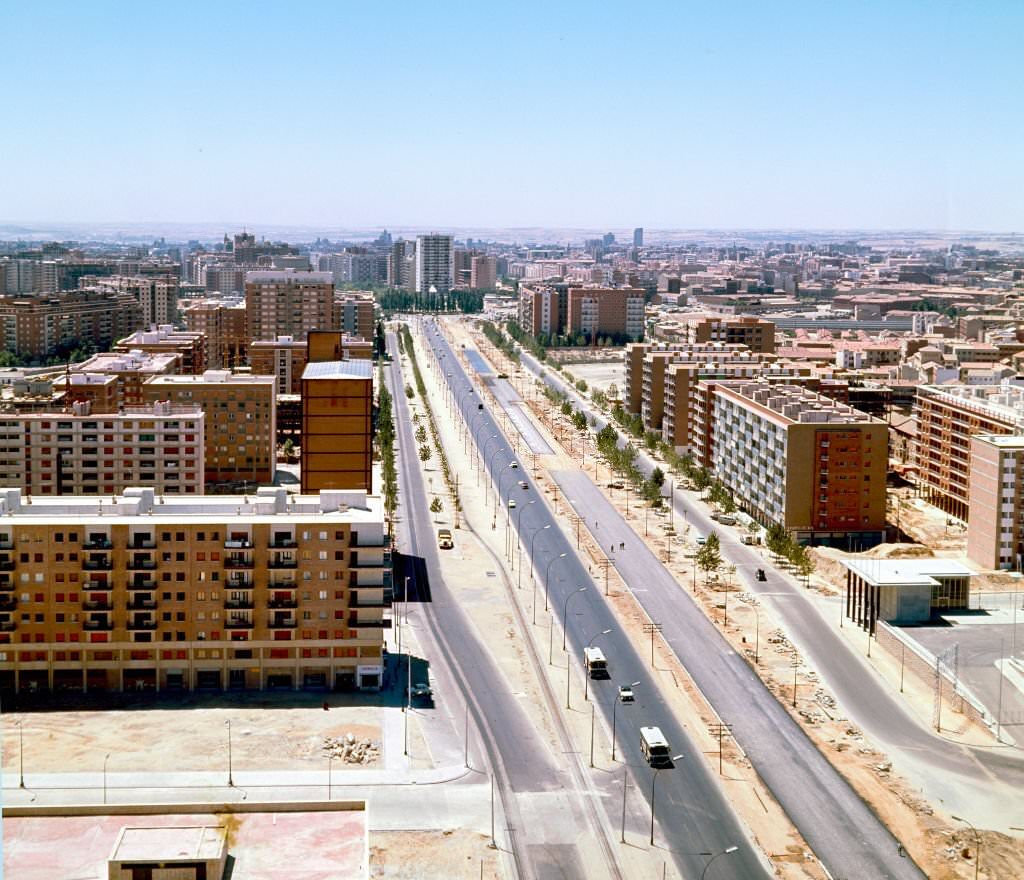
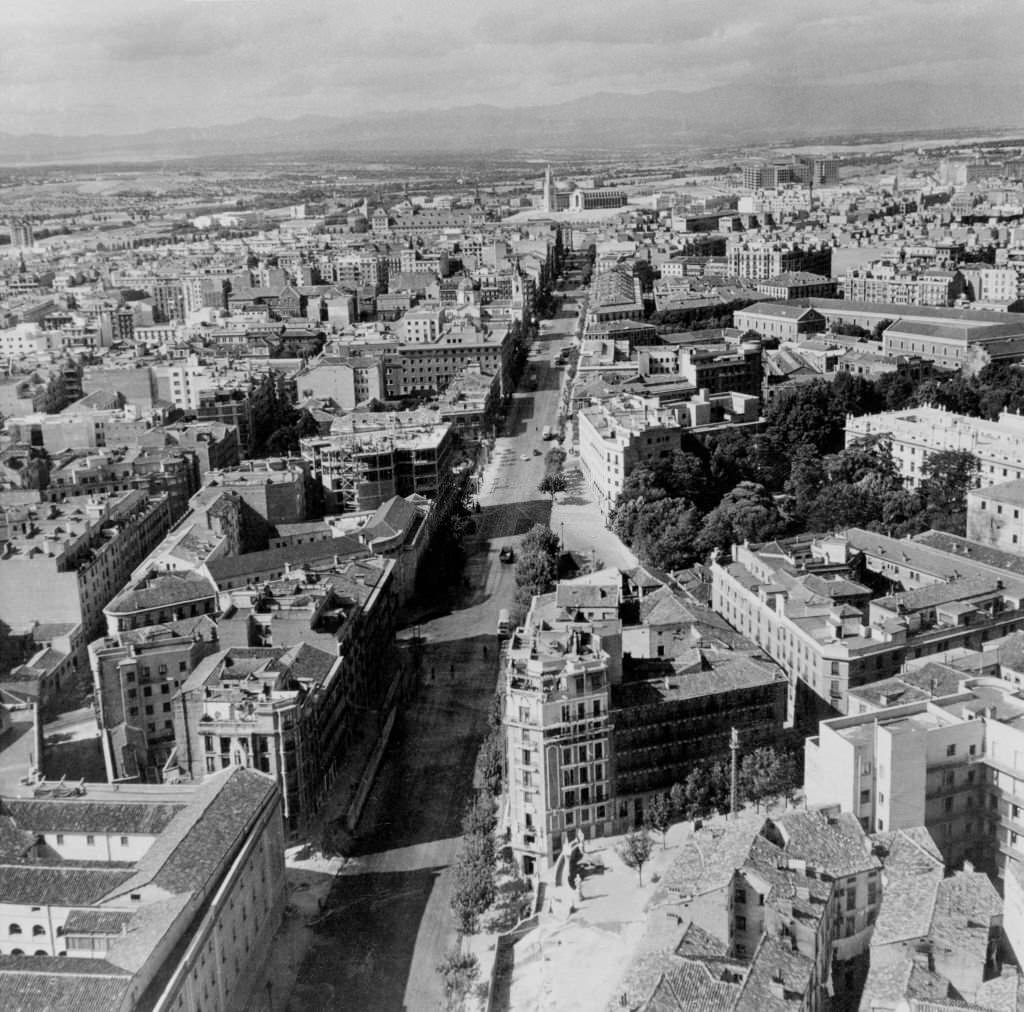
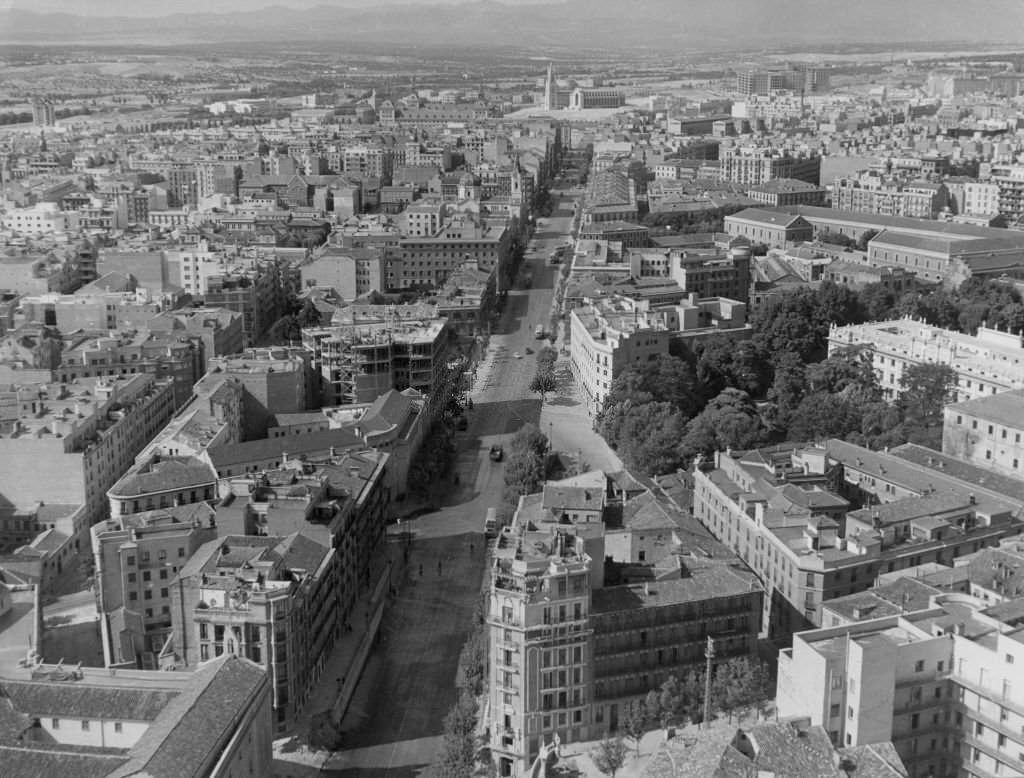
Aerial photography from 1967 revealed the scale of Madrid’s growth. From above, the city’s layout stretched outward in every direction, with dense blocks of buildings giving way to newer construction zones at the edges. The Buen Retiro Park, however, held its ground as a green expanse in the middle of it all — one of the few places in the city that hadn’t changed much despite the decade’s upheaval.
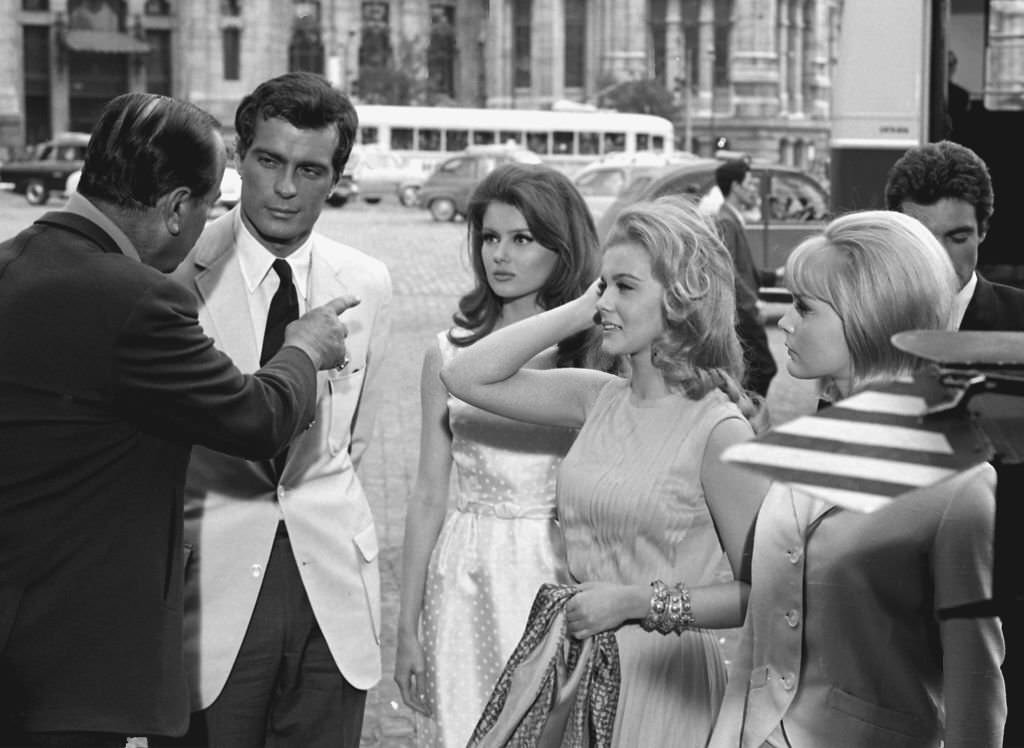
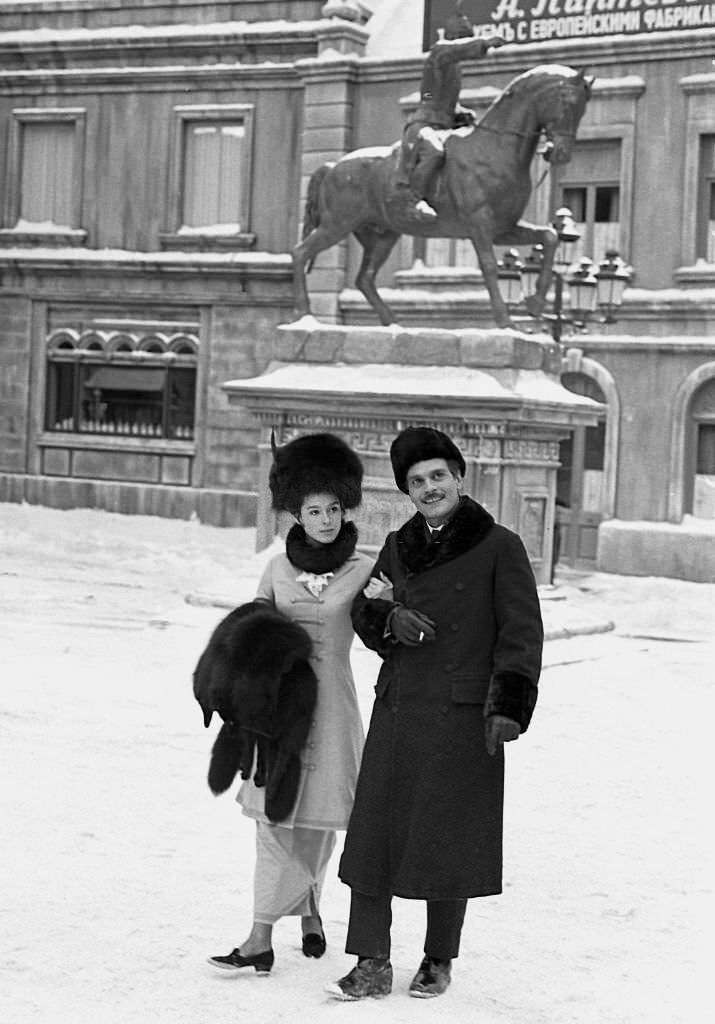
Hollywood continued to find Madrid useful. In 1965, American actresses Carol Lynley and Pamela Tiffin, along with Swedish actress Ann-Margret, were in Spain filming “Tres chicas en Madrid.” That same year, Geraldine Chaplin and Egyptian actor Omar Sharif were in Madrid for the filming of David Lean’s Doctor Zhivago — a production that used Spain’s landscapes and studio facilities extensively.
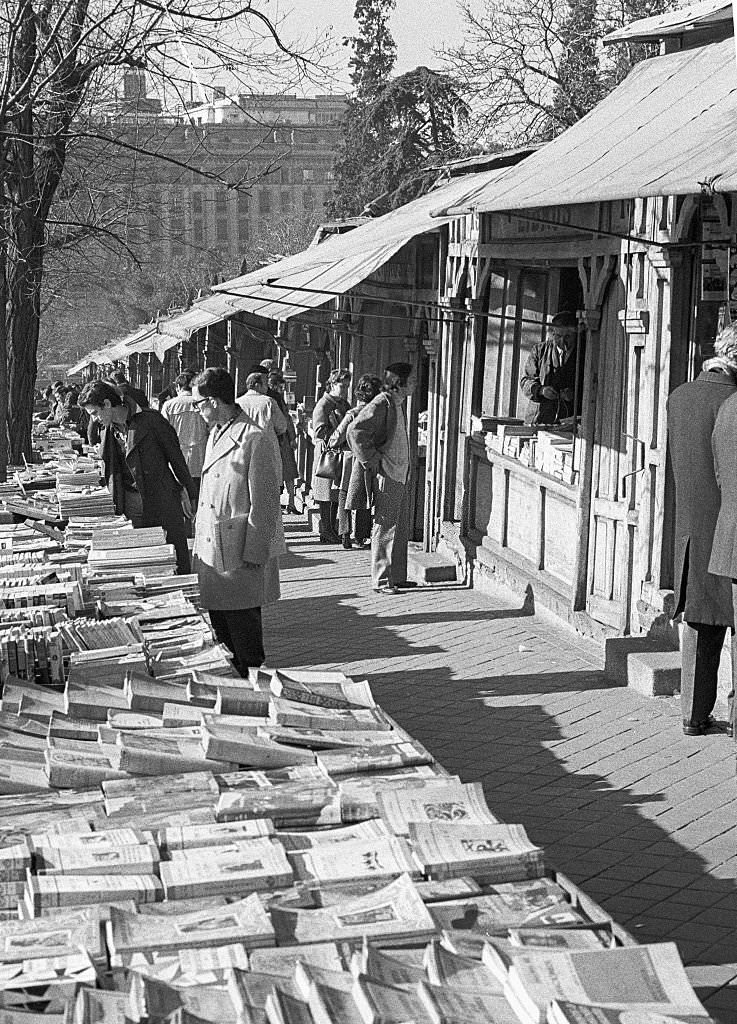
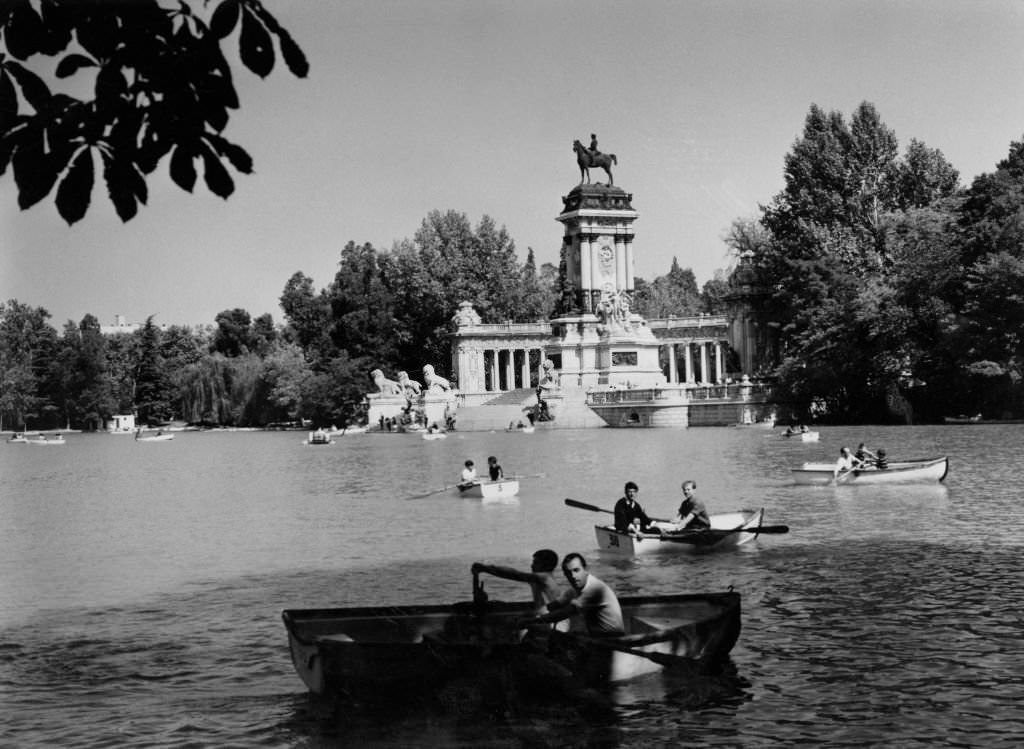
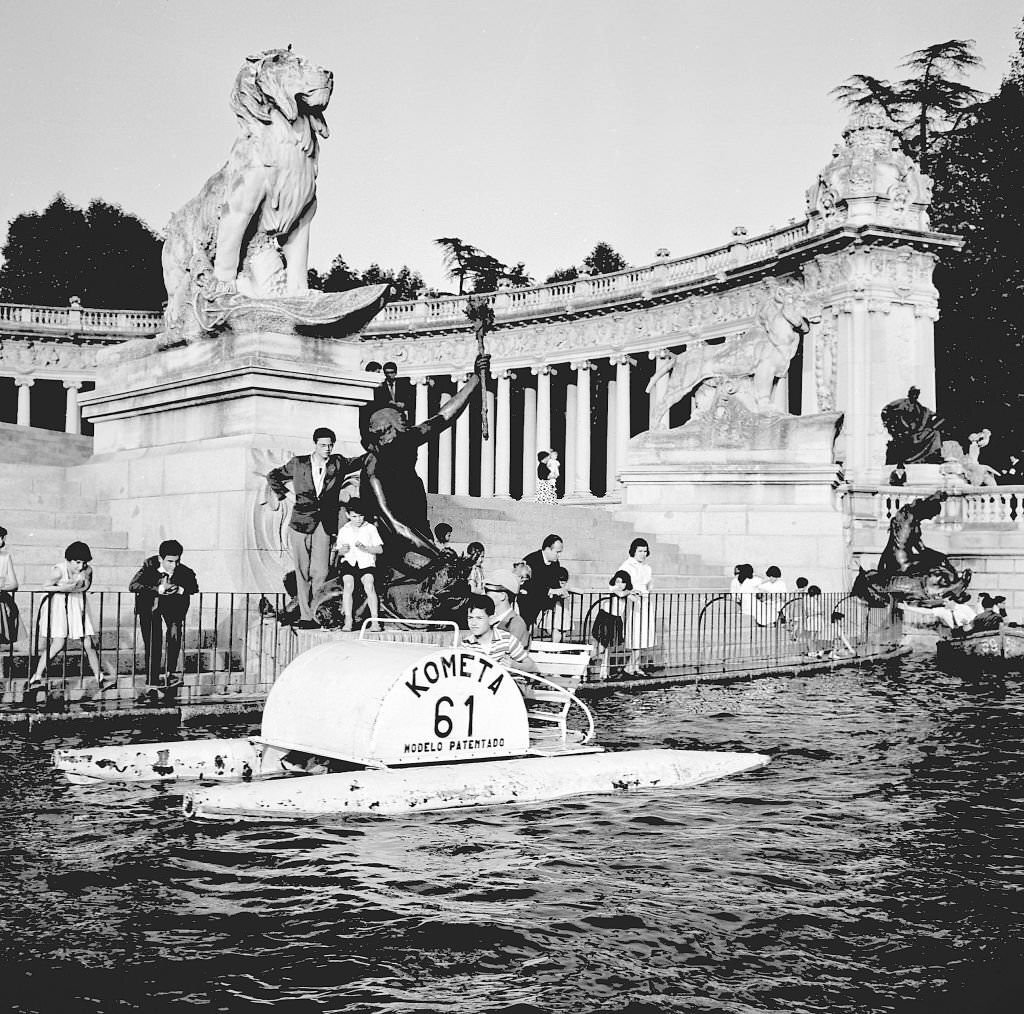
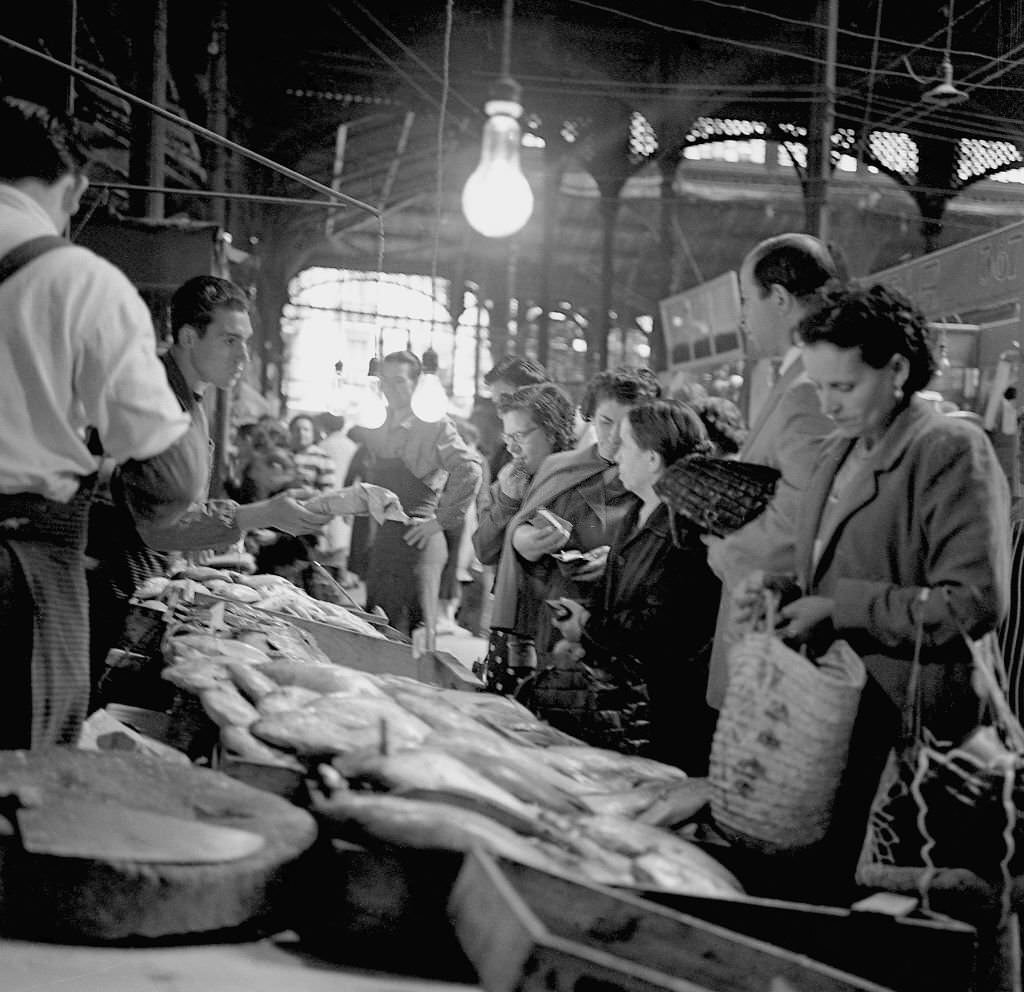
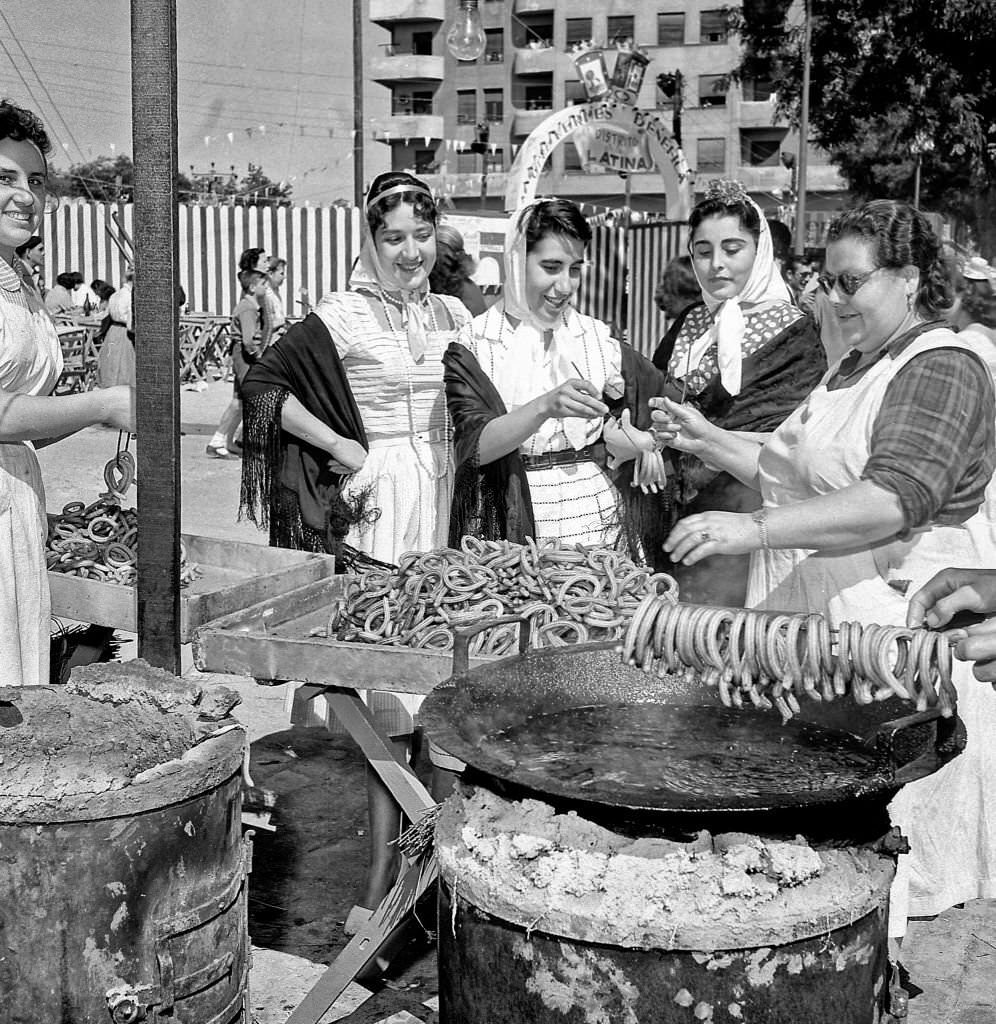
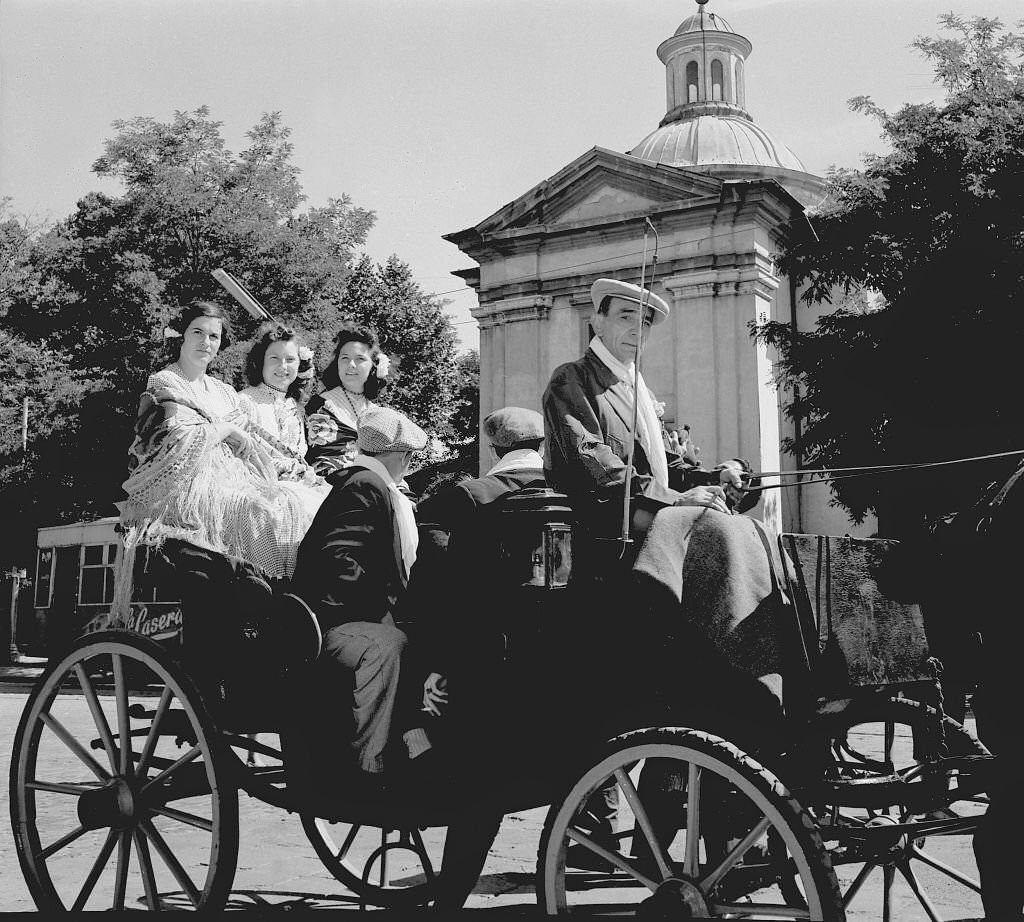
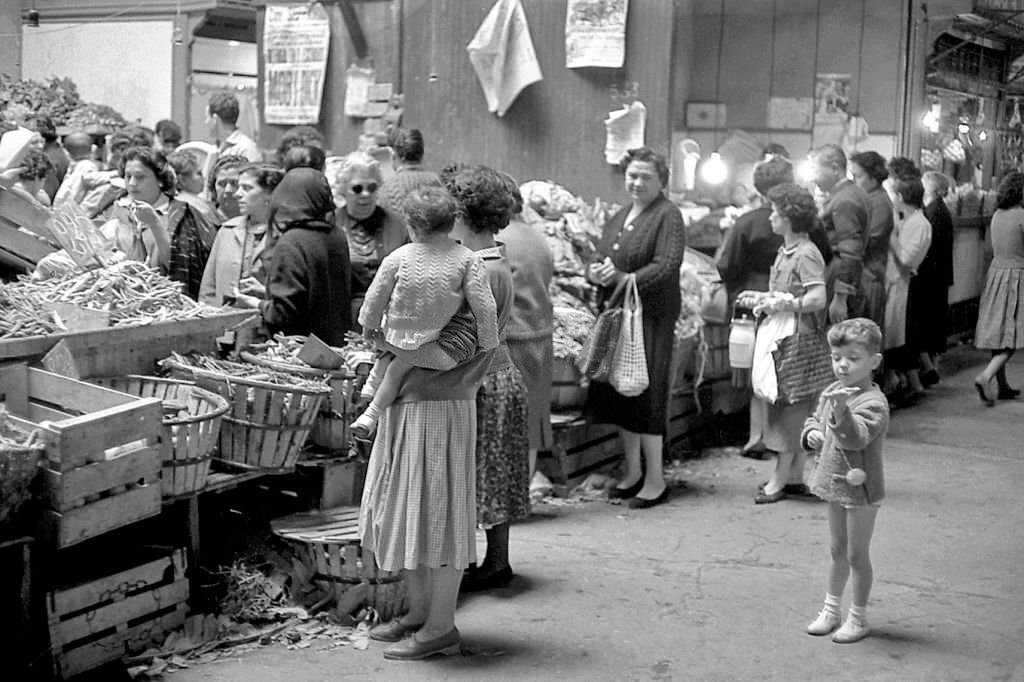
Daily life in 1960s Madrid played out in its markets, parks, and streets. People shopped at open-air fish markets. Women dressed as chulapas — the traditional female figure associated with Madrid’s working-class culture — bought churros from street stalls near the Hermitage of San Antonio de la Florida. Couples rowed boats on the Retiro pond. In the Retiro, pedalos glided across the lake in front of the grand Monument to Alfonso XII. These weren’t tourist scenes — they were the routines of a living city.
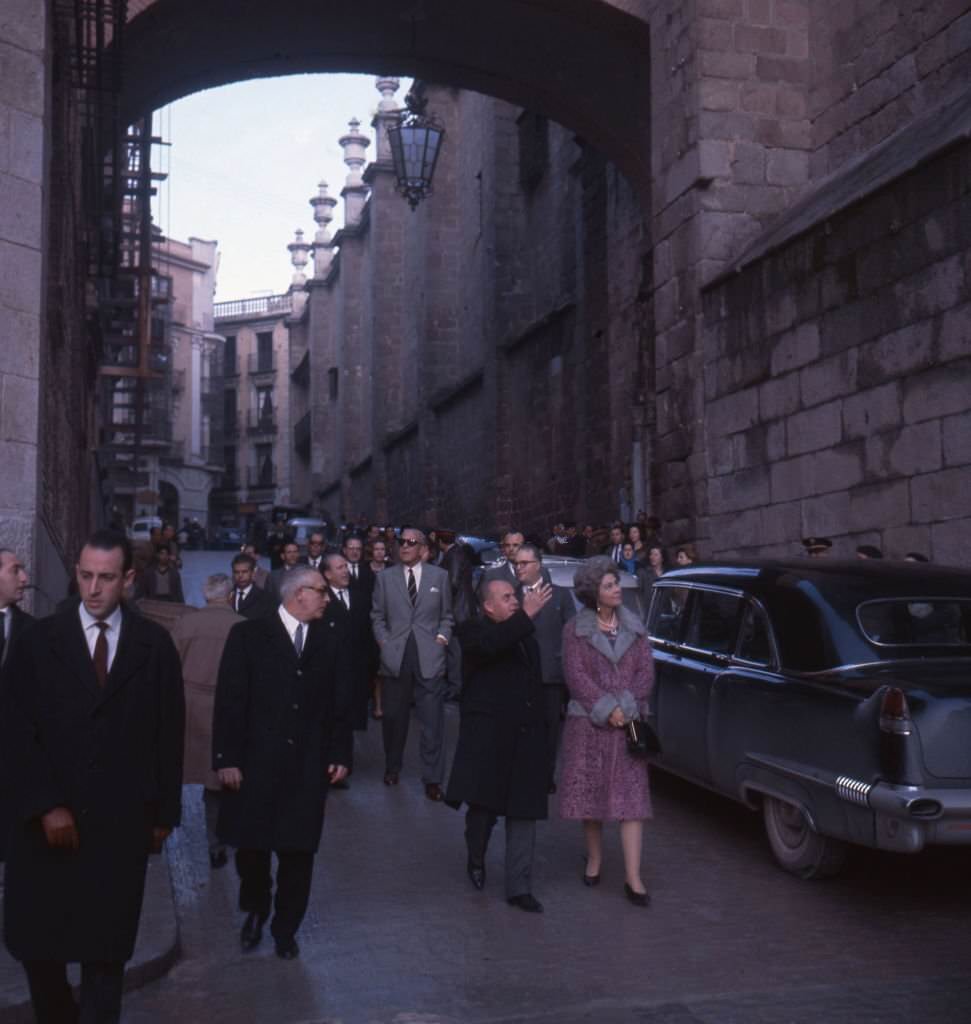
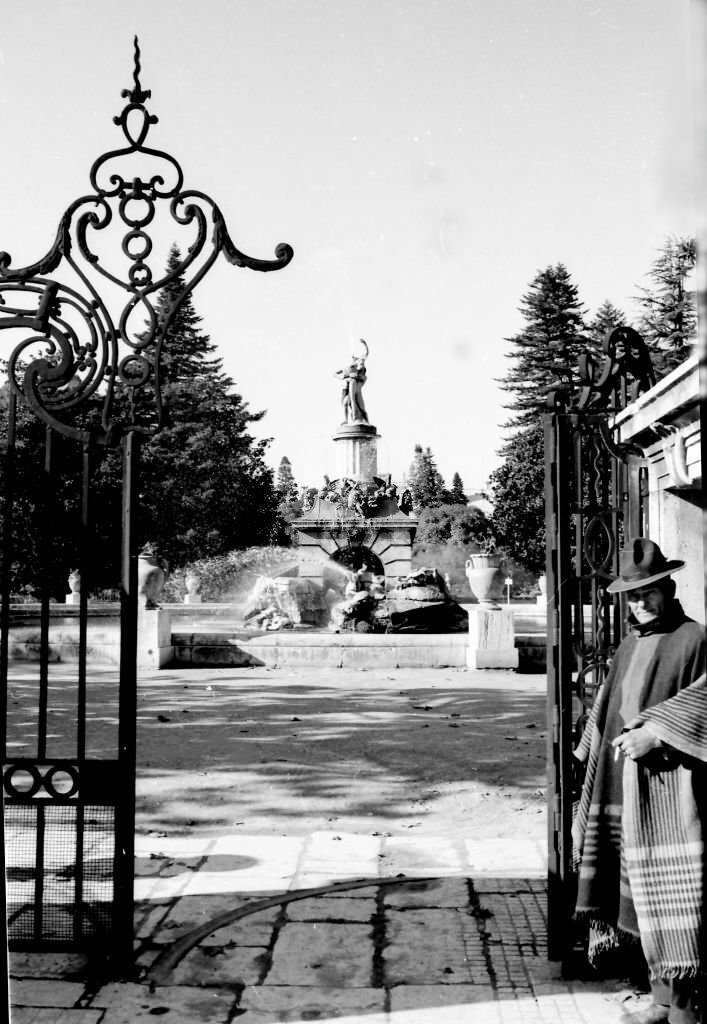
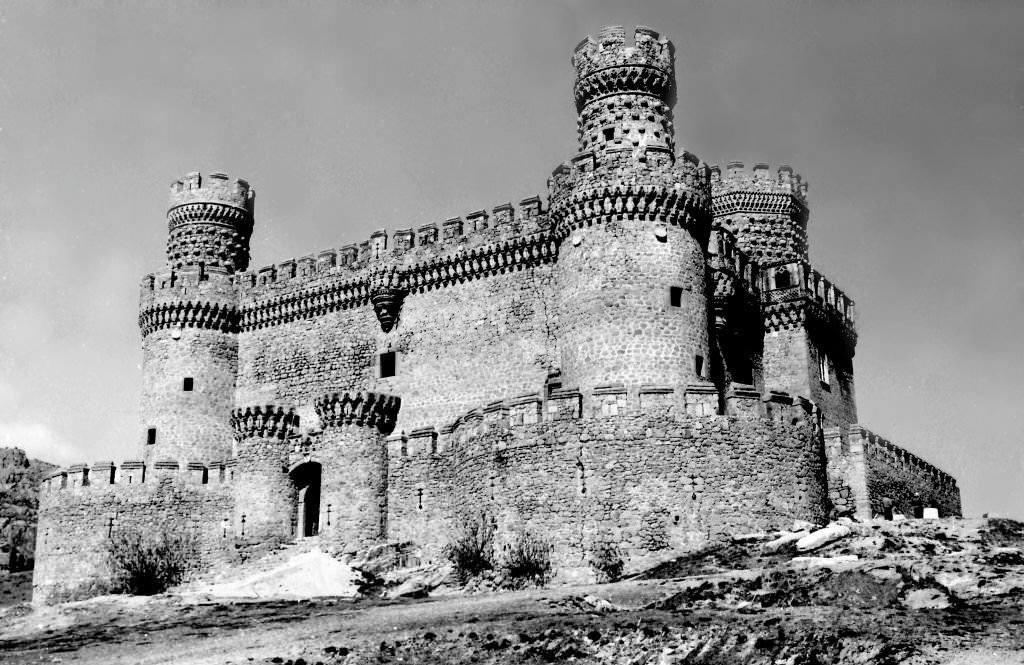
Royal visits added to the city’s social calendar. Queen Federica of Hanover came to Spain for the christening of Infanta Elena. The Royal Palace of Aranjuez, in the Community of Madrid, maintained its ornate gardens — including the Fountain of Hercules and Anteo in the Jardín del Parterre — as a reminder of Spain’s royal heritage. To the north of Madrid, the Castle in Manzanares el Real stood as one of the best-preserved medieval fortresses in the entire country.
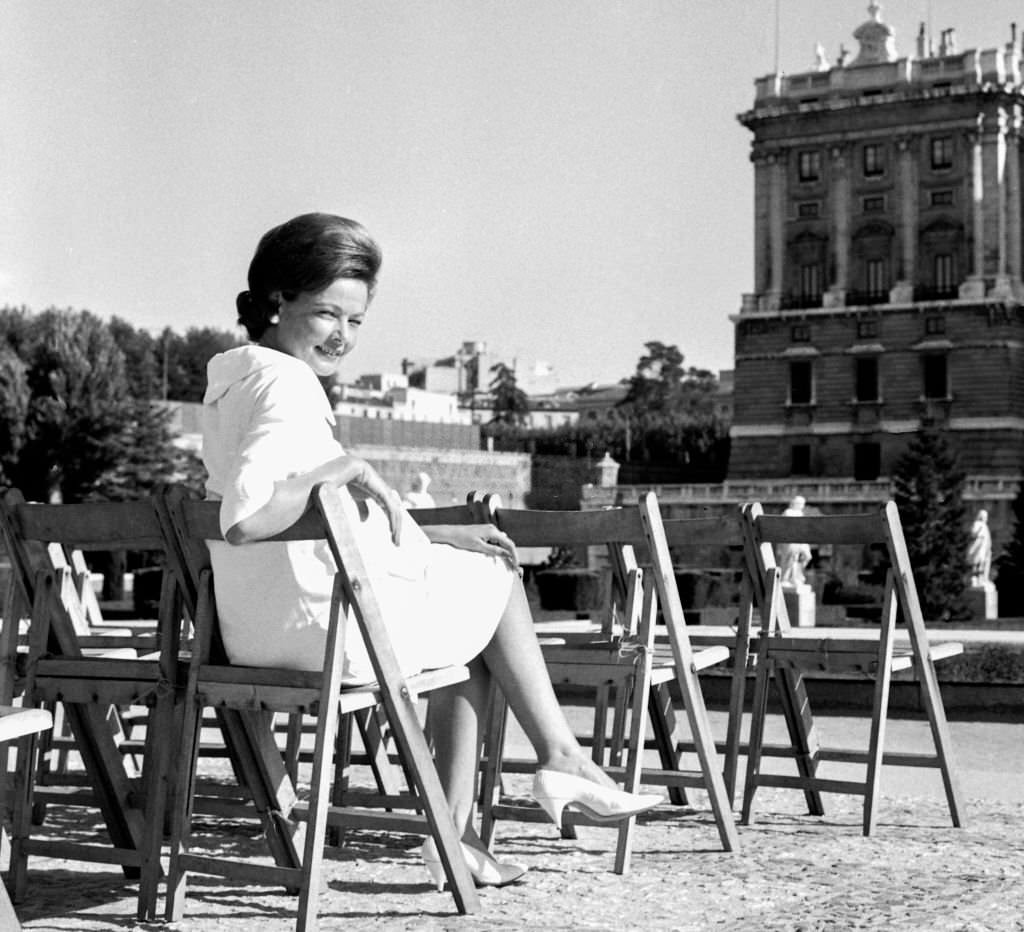
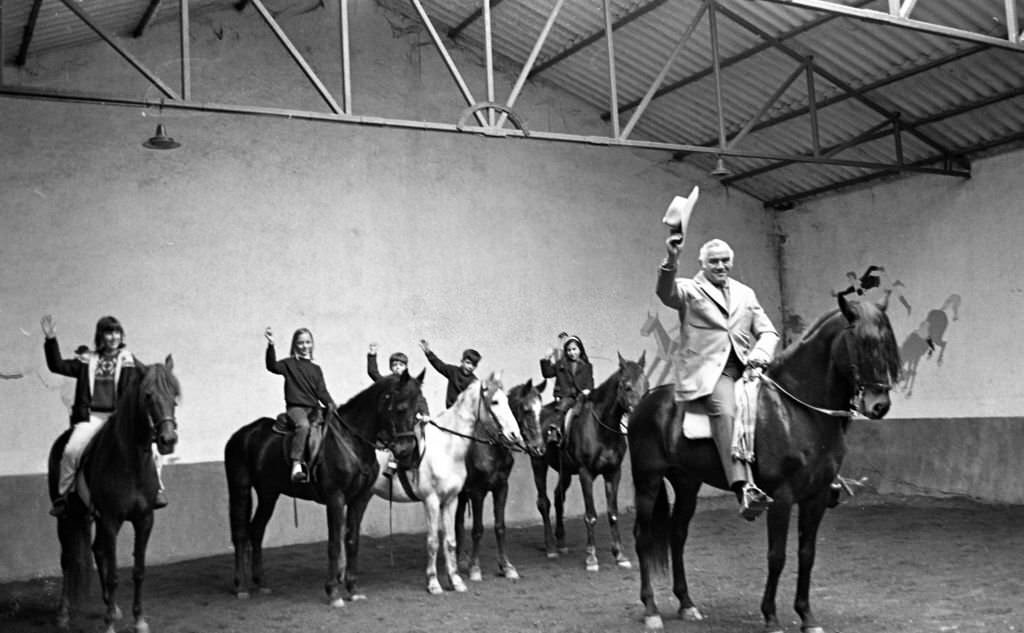
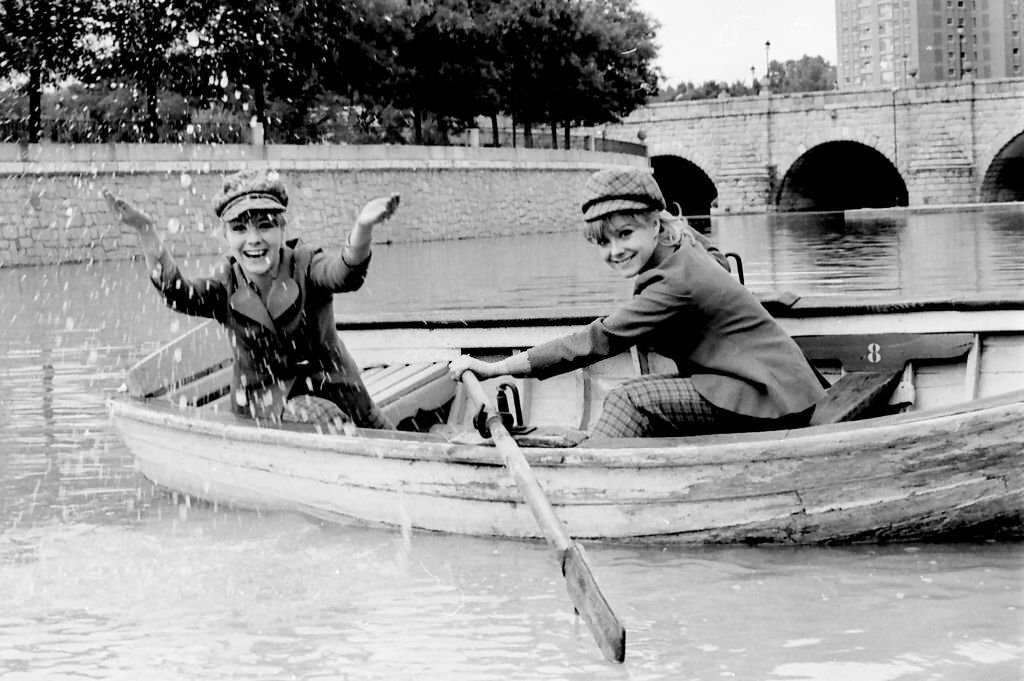
In 1966, more international faces appeared in Madrid. American actress Gene Tierney visited the city, while American actor Lorne Greene was photographed at a riding school. Spanish twin actresses Pili y Mili — Pilar and Aurora Bayona — took a boat trip on the Retiro lake. Italian actress Giovanna Ralli spent time in Madrid as a tourist that same year.
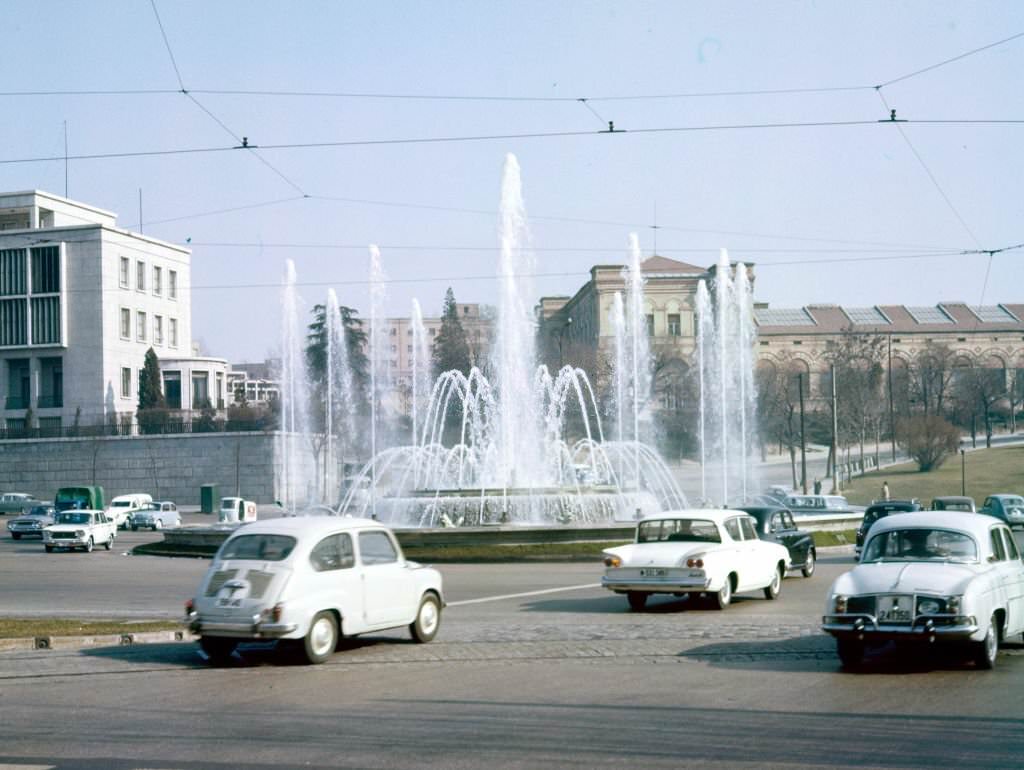
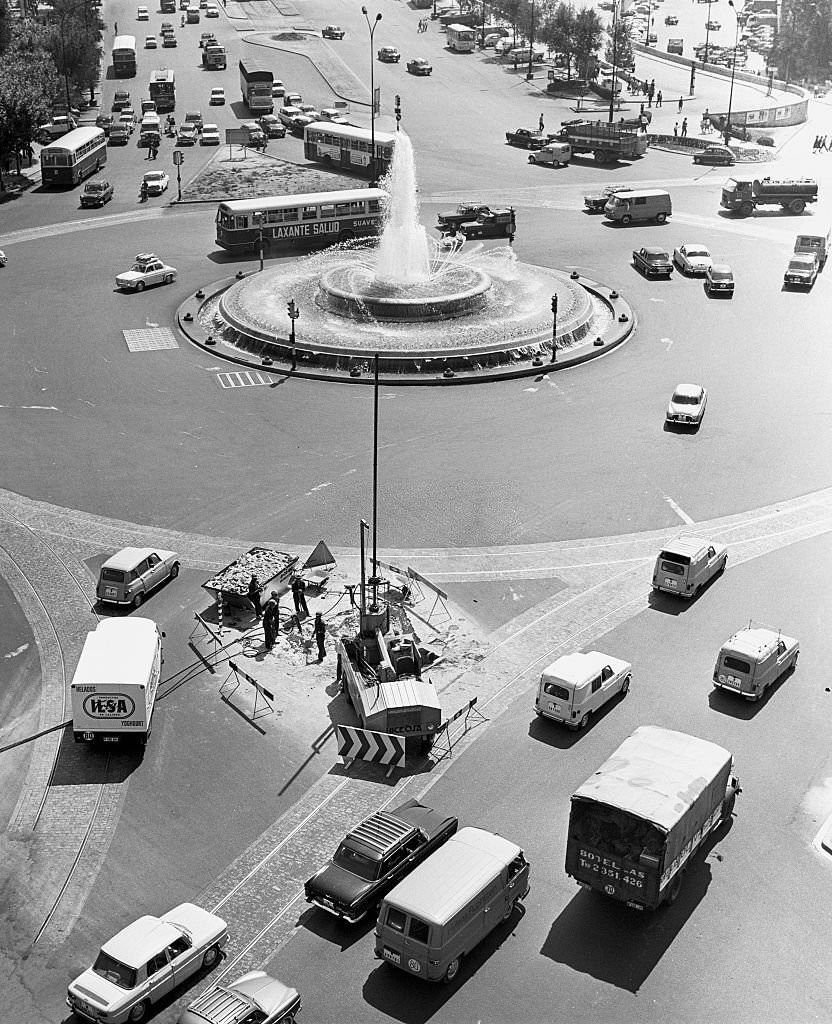
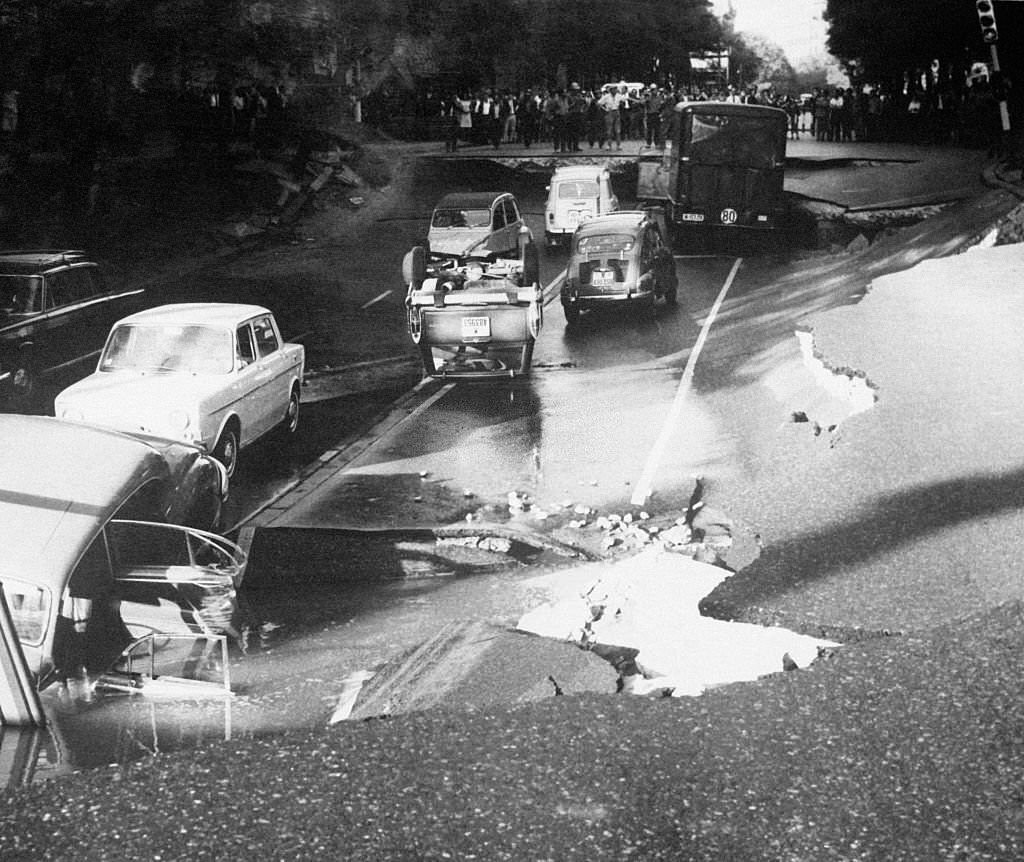
By 1967, the city’s infrastructure was visibly straining under growth. In October of that year, a pavement collapse on a Madrid street left cars sitting at the bottom of the excavation — a stark image of a city whose underground infrastructure wasn’t keeping pace with what was being built above it. The Glorieta de Atocha, one of the city’s key traffic roundabouts, was photographed that year as well, showing the constant flow of vehicles through Madrid’s center.
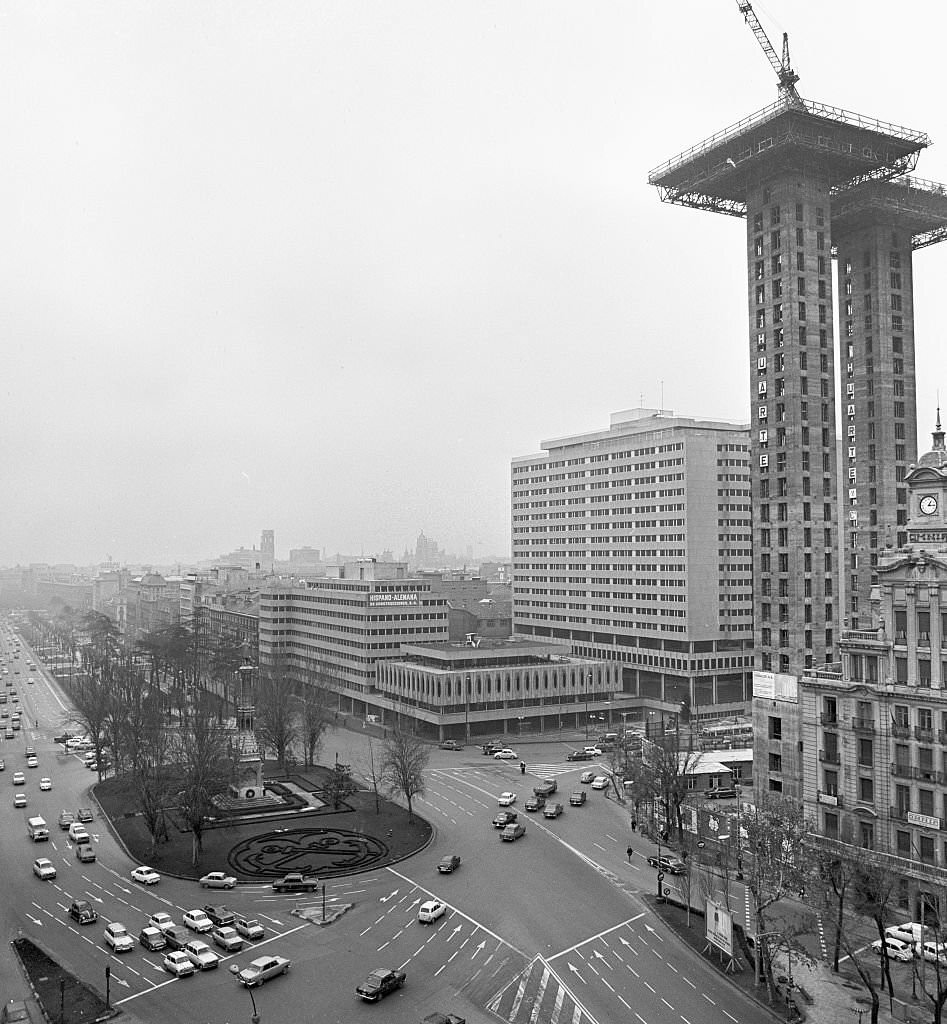
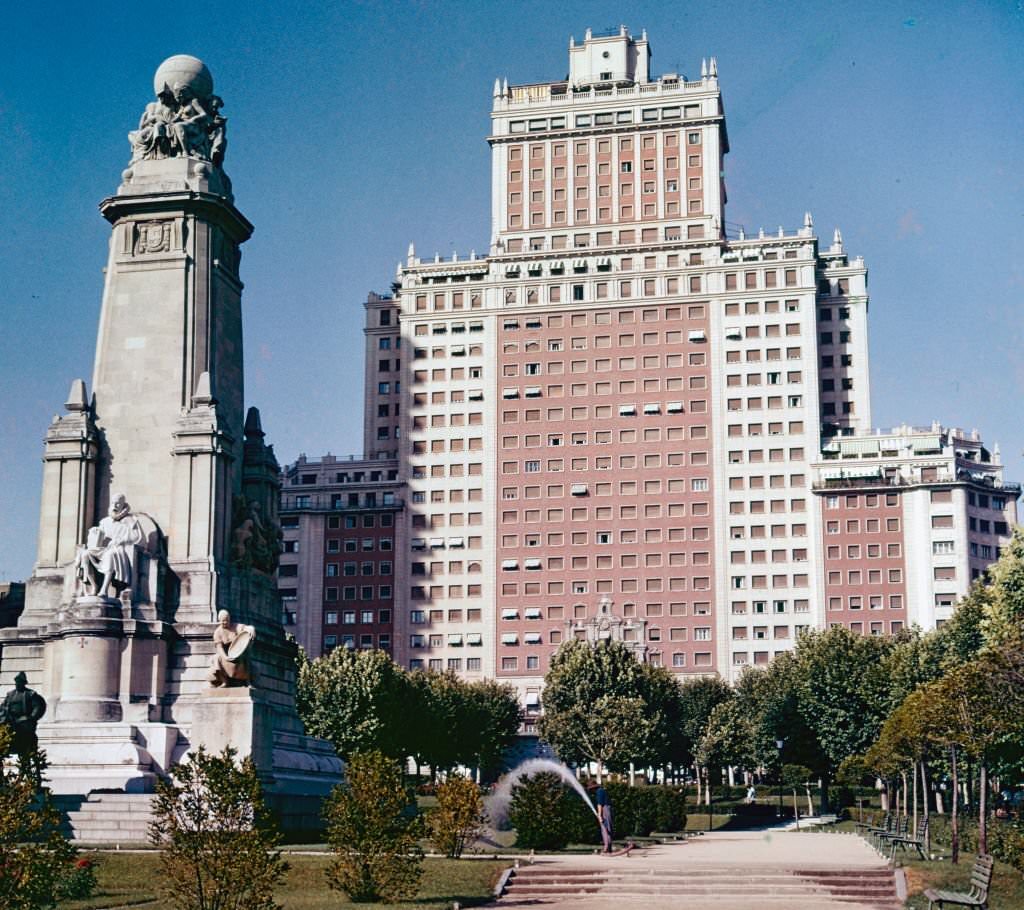
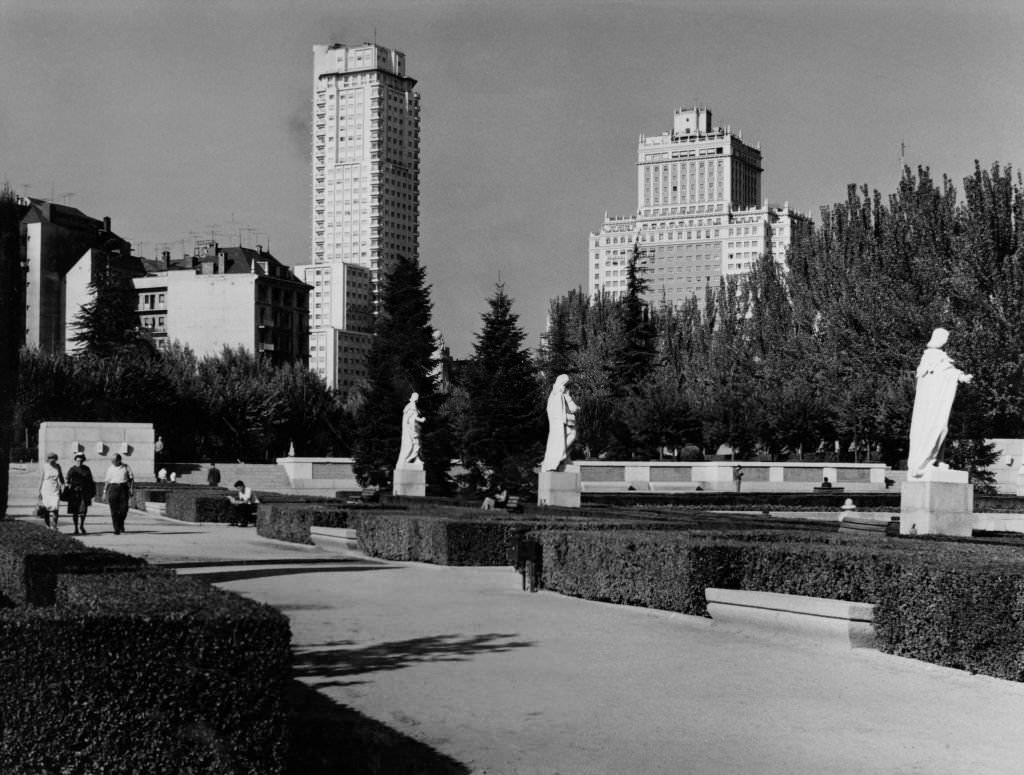
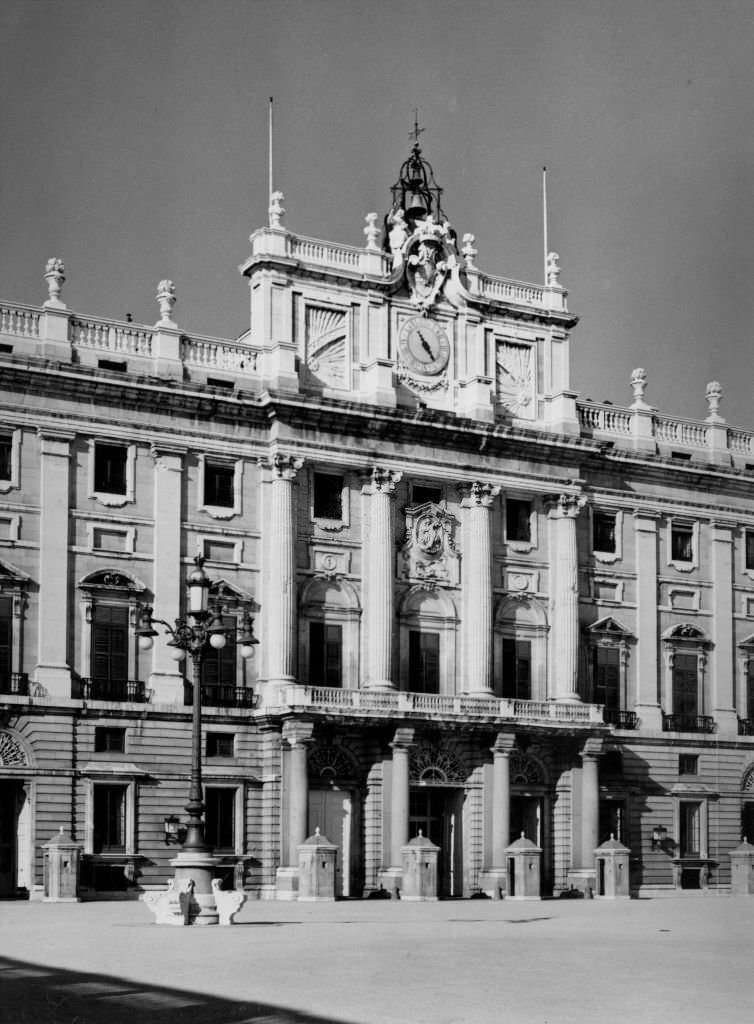
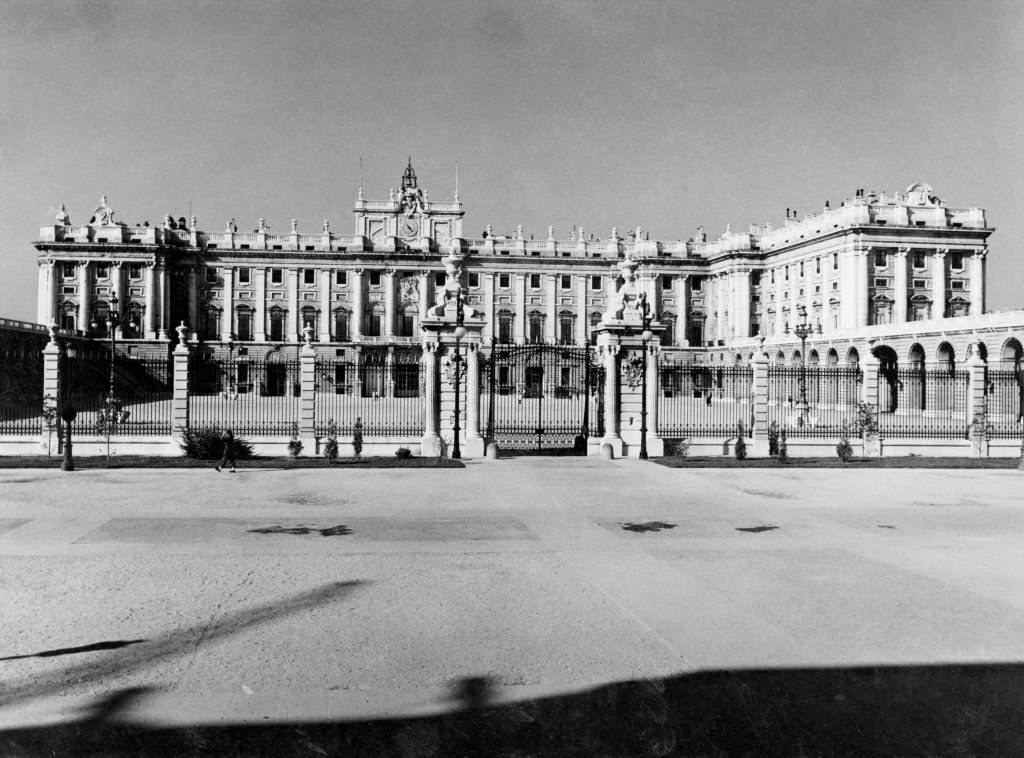
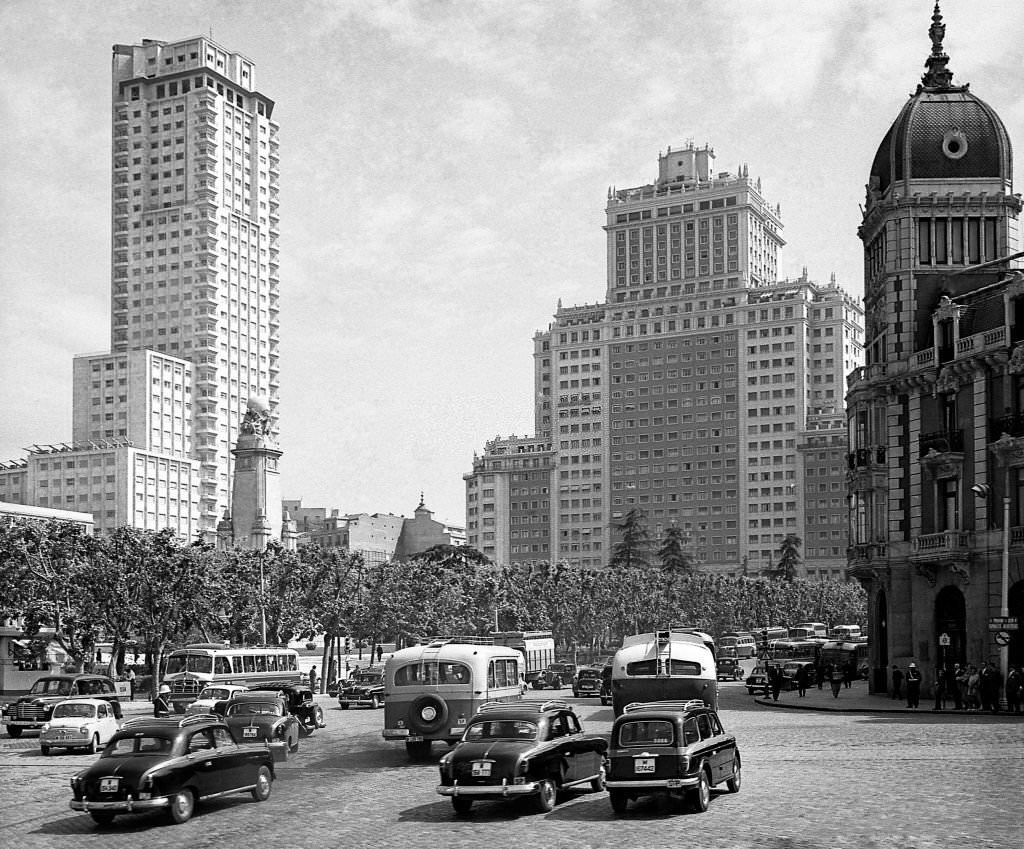
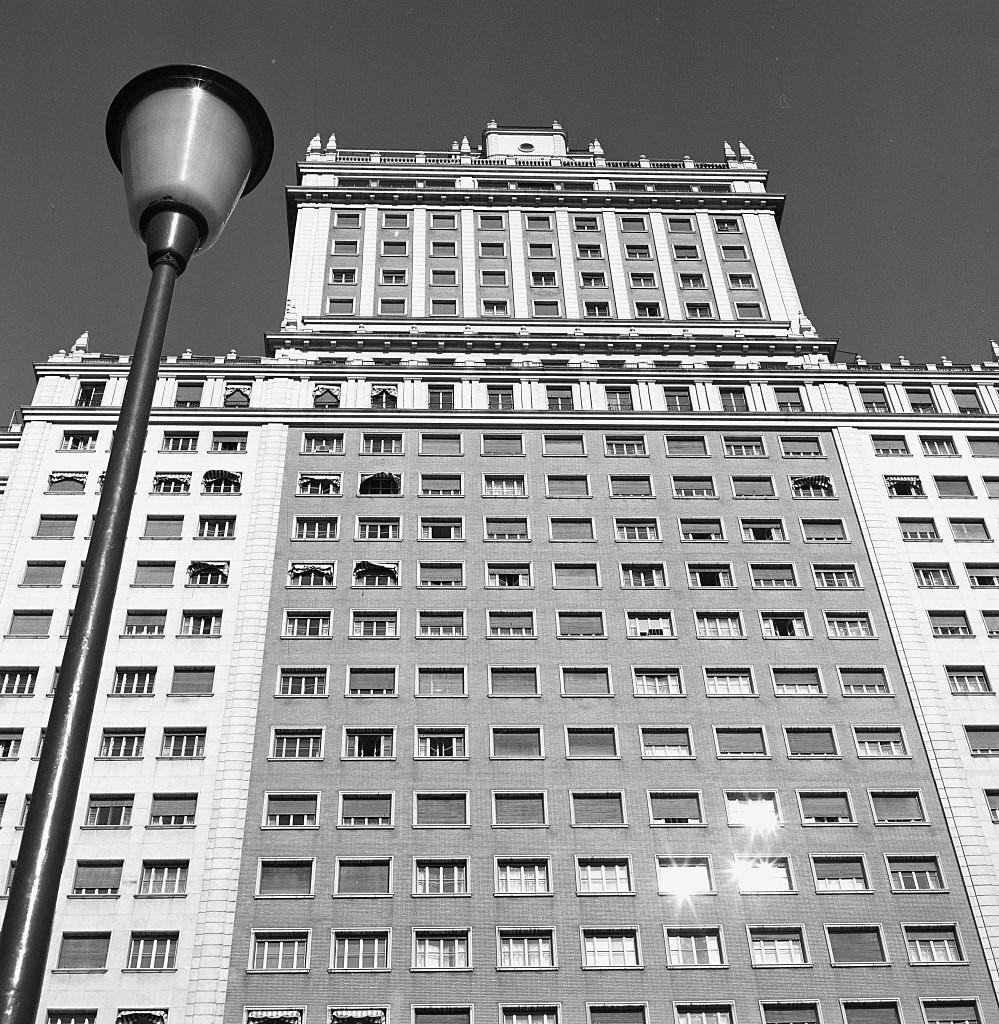
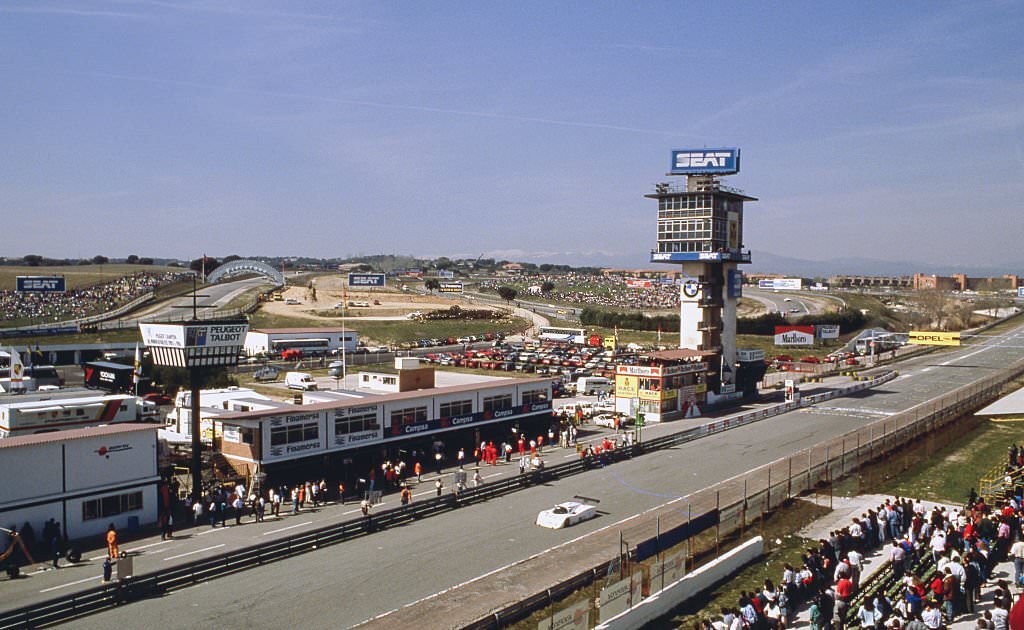
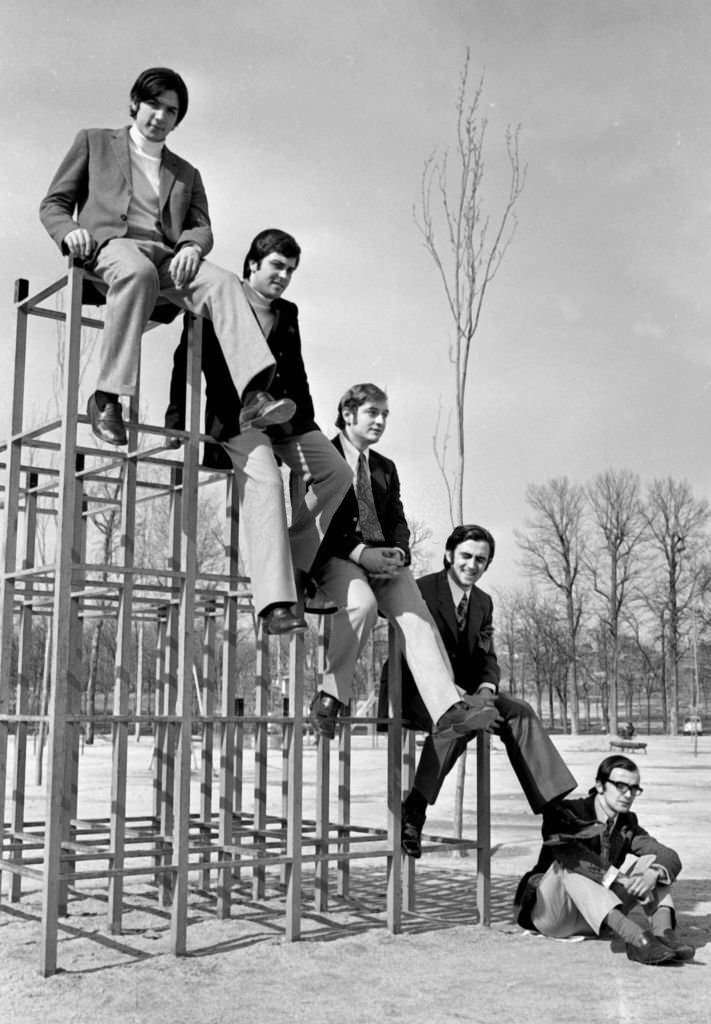
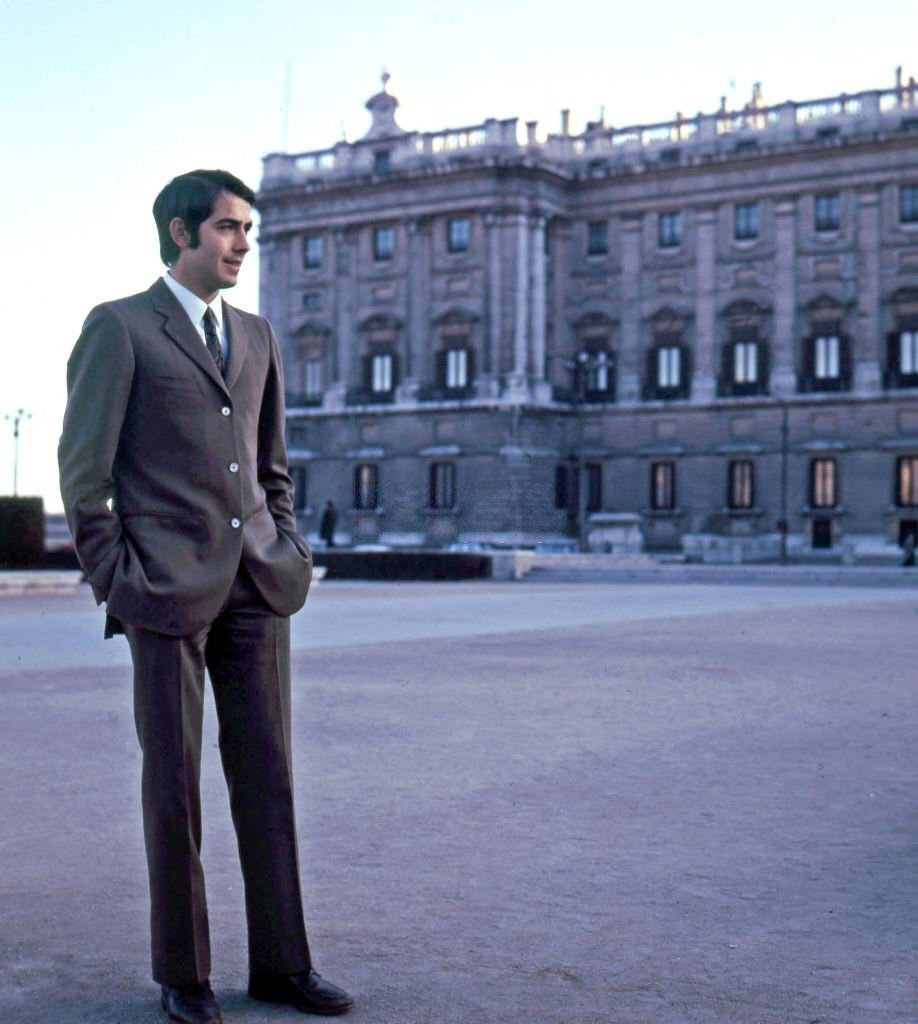
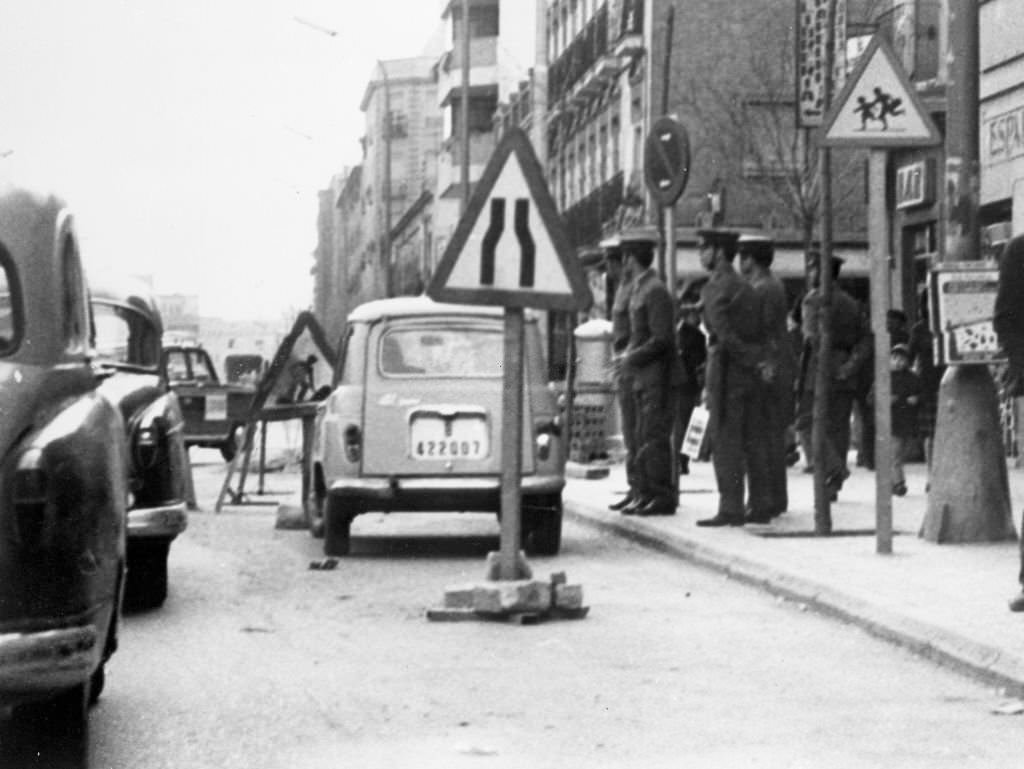
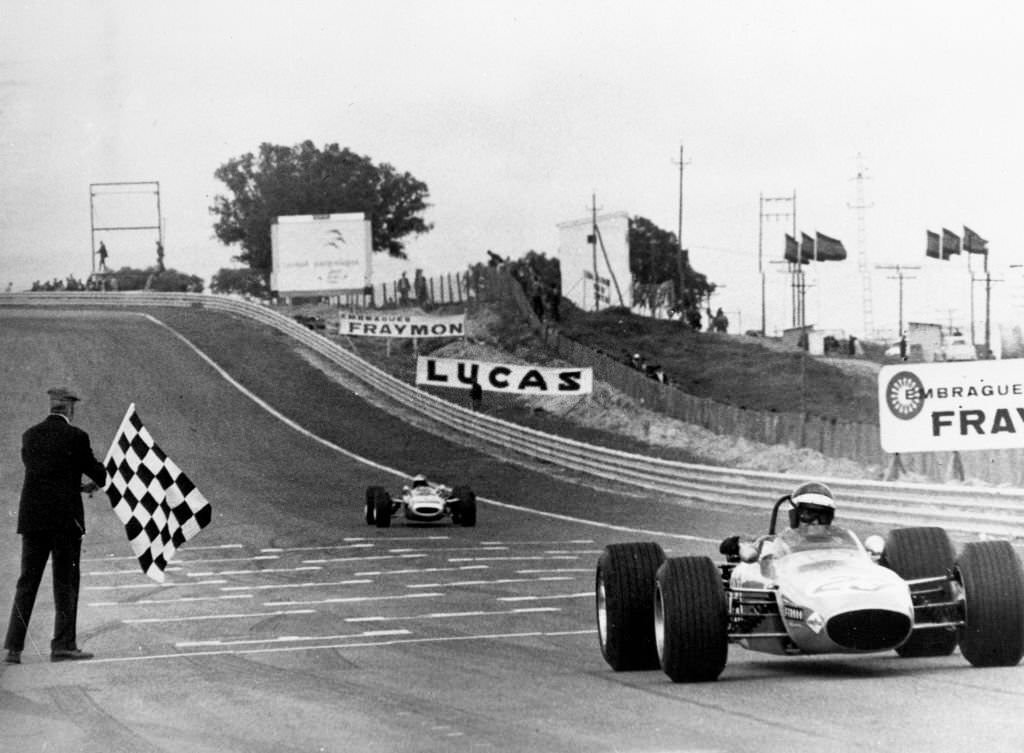
In 1968, the Edificio España in the Plaza de España dominated the skyline — a towering example of mid-century Spanish architecture. That same year, the Circuito del Jarama hosted motor racing near Madrid, while the Spanish musical group Los Mitos was photographed in the city. Singer-songwriter Joan Manuel Serrat posed in front of the Royal Palace in April 1968, and Civil Guards were photographed on Madrid streets on the eve of May Day.
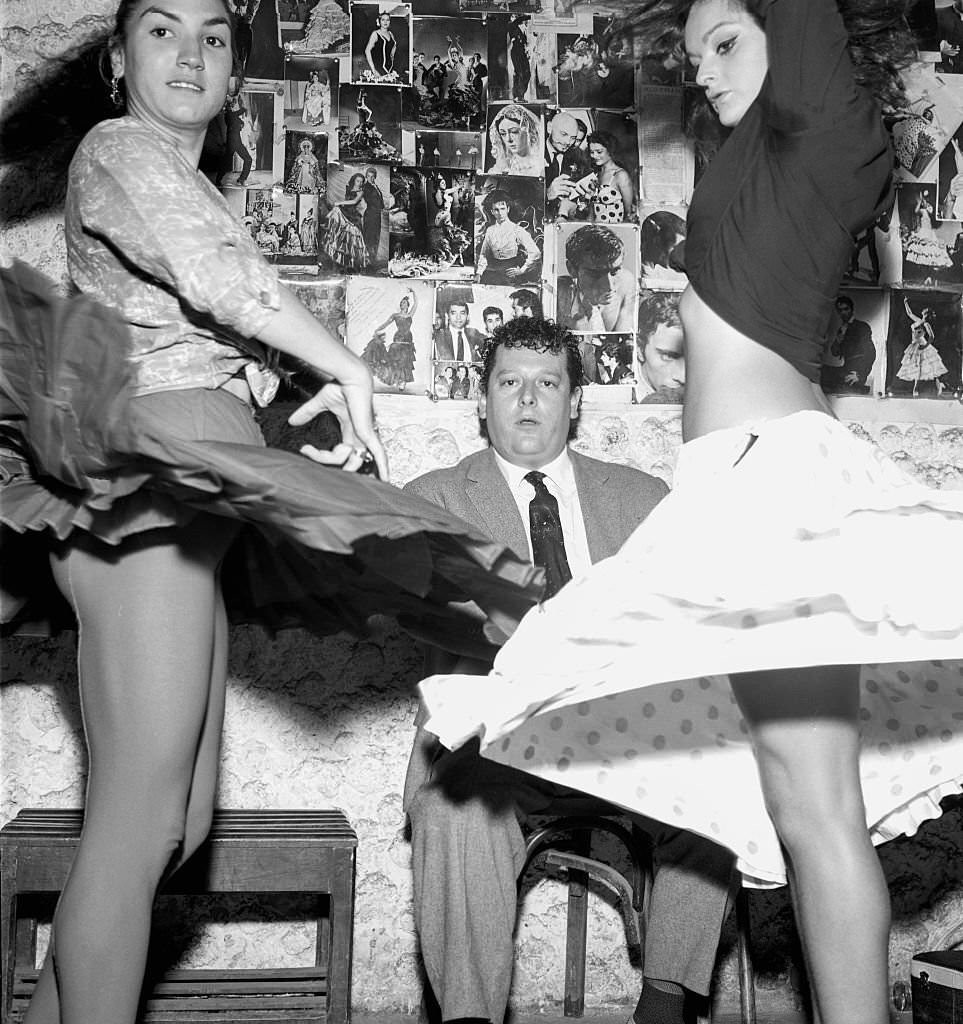
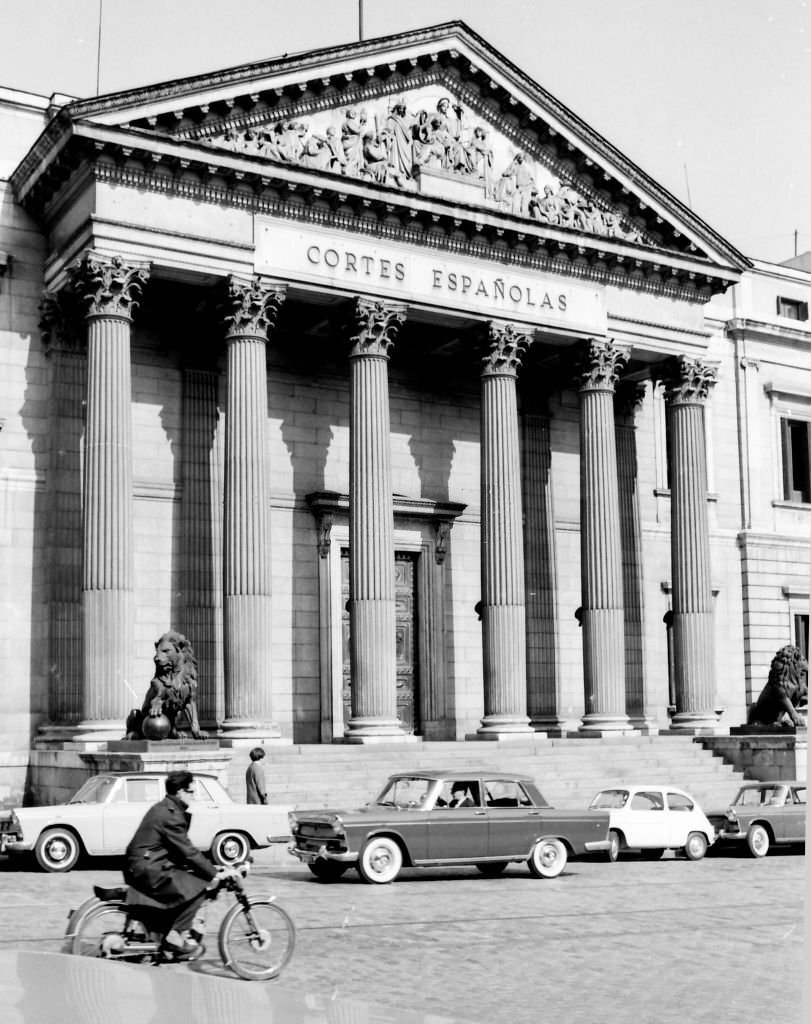
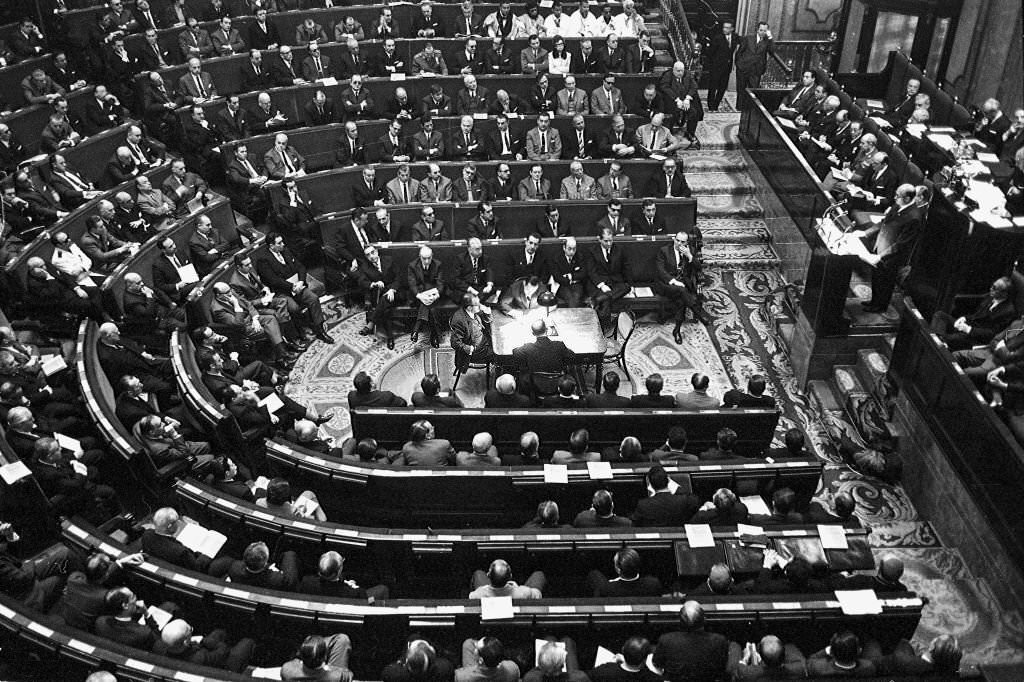
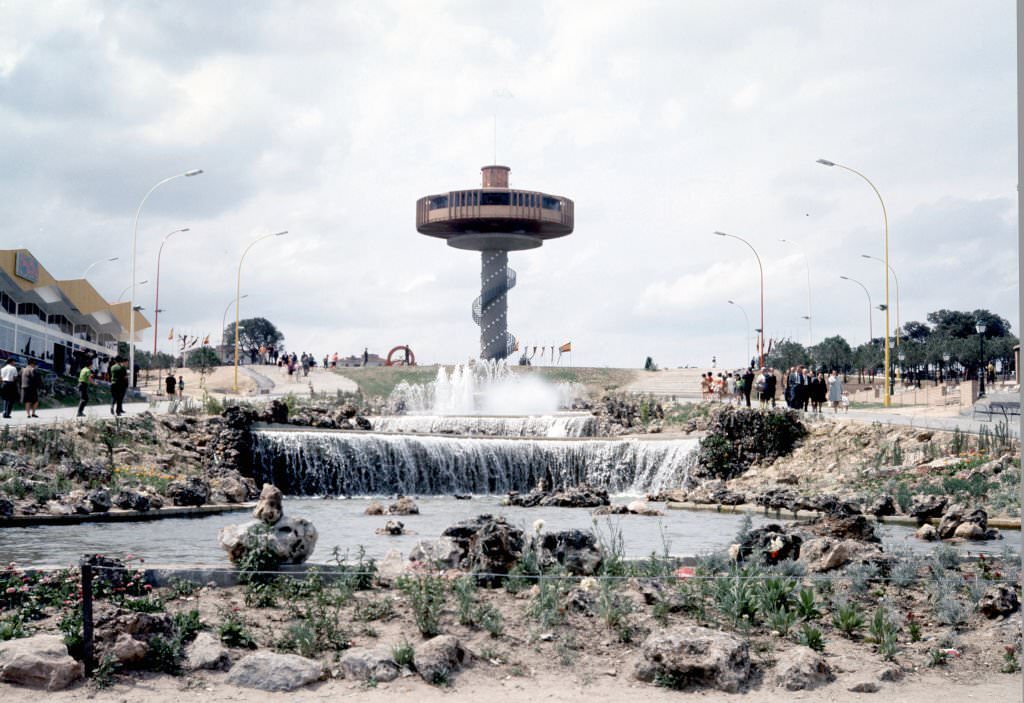
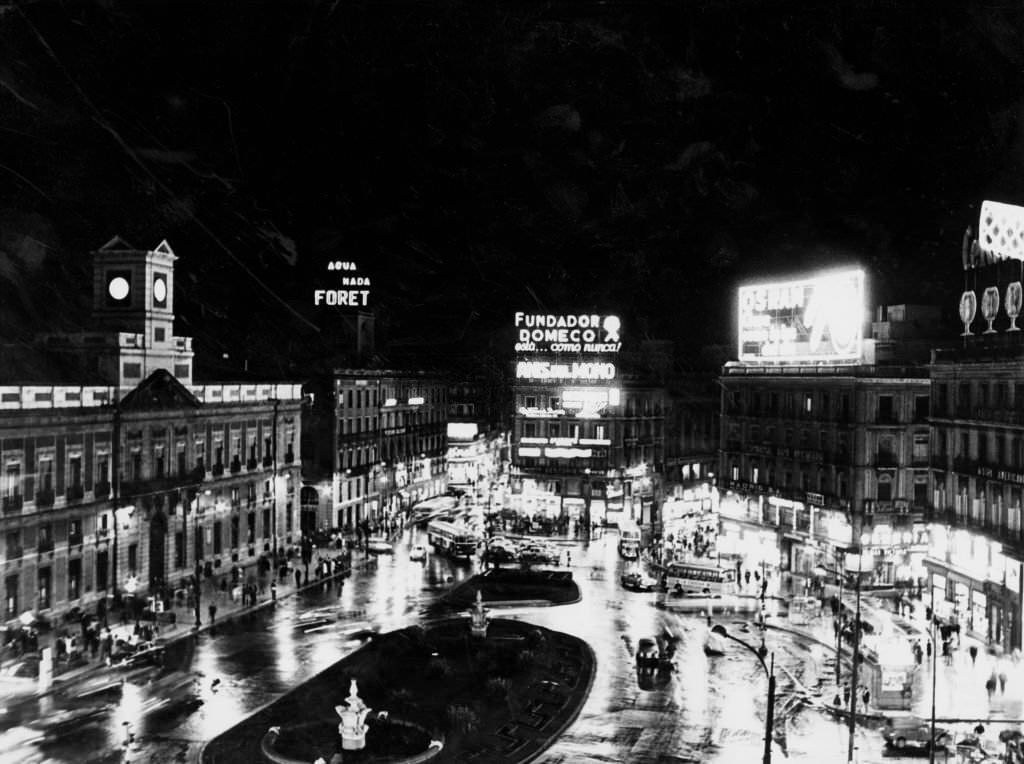
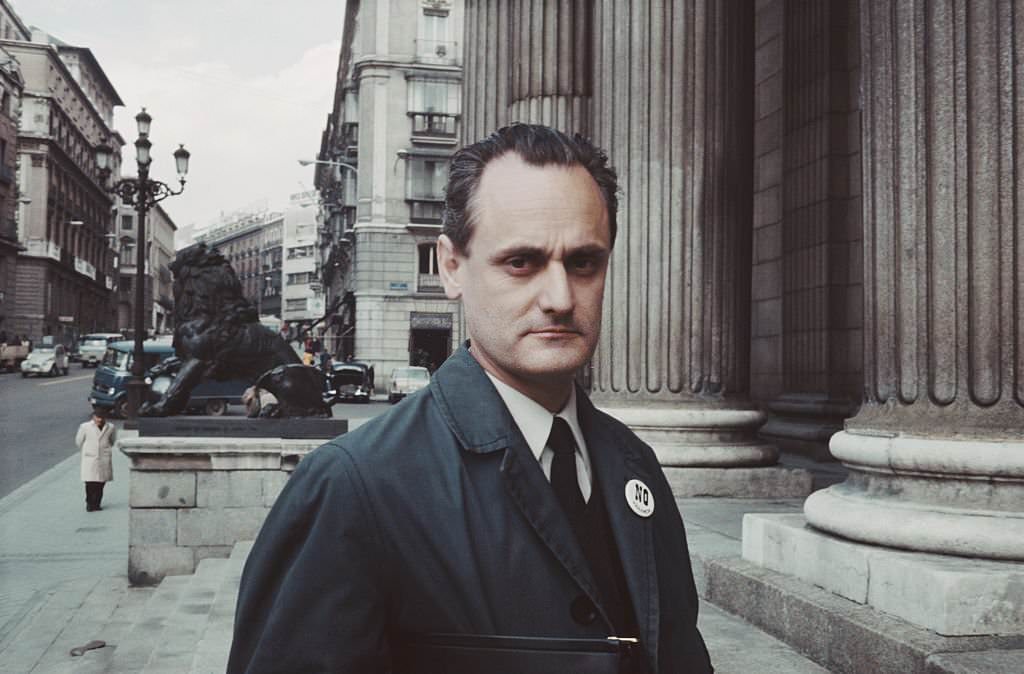
As the decade closed, Madrid continued to be photographed as a city in motion. The Congress of Deputies building was captured in 1969, as was the city’s fairground. Spanish flamenco dancer Manuela Vargas was photographed in Madrid that year, representing an art form that had been taught and performed in the city throughout the entire decade. Colombian author and philosopher Gonzalo Arango was also photographed on a Madrid street in April 1969, one of many international figures who passed through the Spanish capital during these years. The Puerta del Sol, photographed by night, glittered with artificial light — a city that never fully went quiet.





Thank god we took puerta del sol back from cars
Still greener than nowadays
Even so, the pedestrian space in Sol is probably similar. We have changed cars for constant works for 20 years…
These are awful
why do you feel like they are awful pictures? im not big into photography but i found them all amazing
Many of them are labeled incorrectly
It’s crazy puerta del sol looked like that!
Meh, not much differce. If any, less trees and more concrete.
How beautiful Madrid was in its time