By the summer of 1983, Kate Simon had already built a sharp and serious reputation as one of New York City’s most important documentary photographers. Through the 1970s and into the 1980s, she worked alongside the artists, musicians, poets, and writers who defined the city’s creative underground. Her subjects included Allen Ginsberg, William Burroughs, Andy Warhol, Debbie Harry, Iggy Pop, and Patti Smith. She shot the cover of The Clash’s first album, one of the defining images of the emerging punk rock scene. She photographed Patti Smith and Robert Mapplethorpe together outside a New York building in 1978. When Andy Warhol’s publication, Interview magazine, needed a photographer, Simon was there — capturing Warhol himself reading a newspaper.
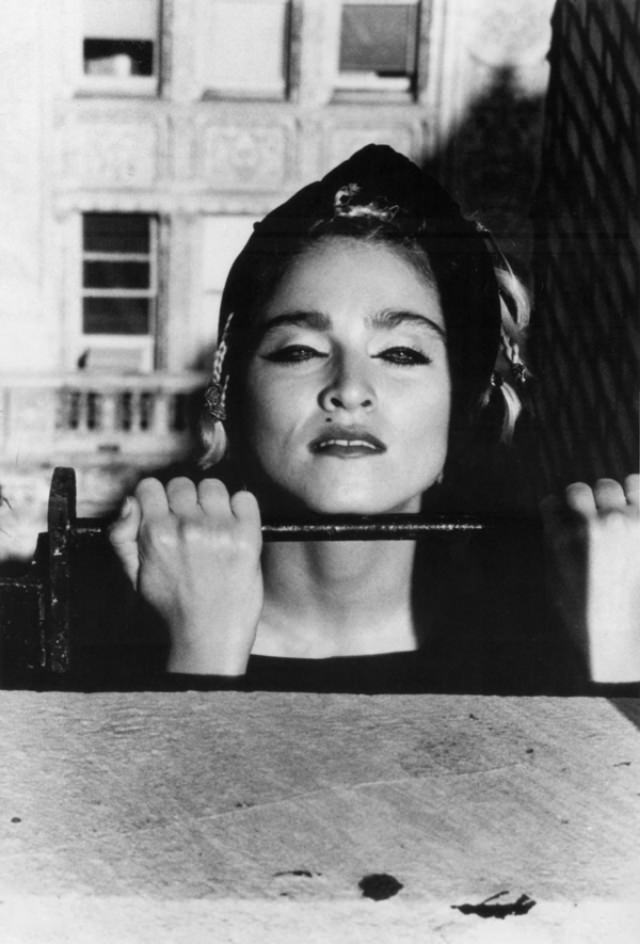
Simon also worked for Creem magazine before The Face, the influential British style magazine, hired her as a photographer in 1981. Her portraits earned a reputation for their “humanizing touch” — a rare quality that made icons look like real people. That instinct would serve her perfectly when The Face gave her a new assignment in 1983: photograph a young singer named Madonna.
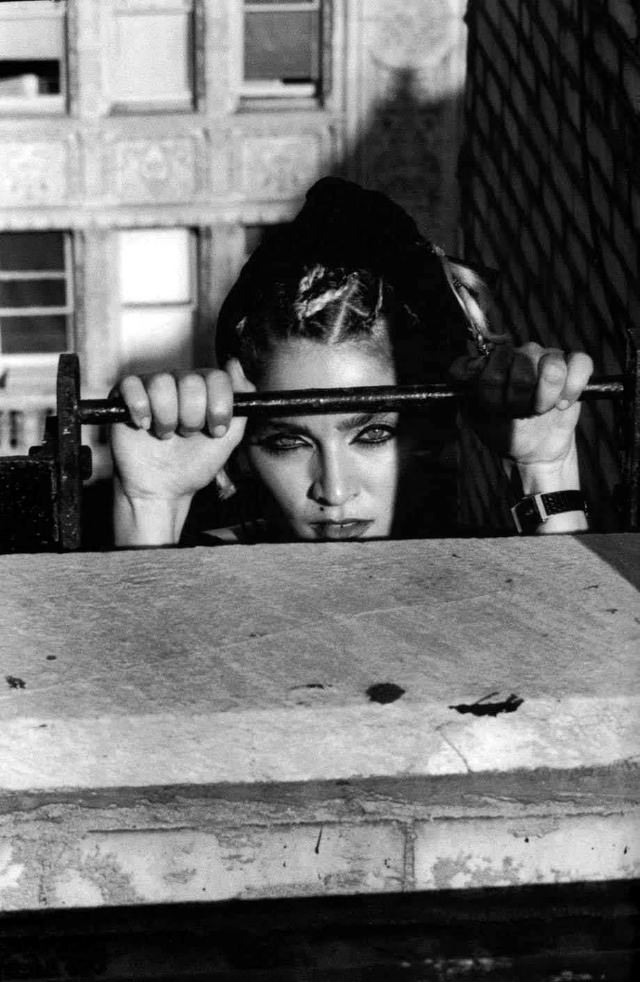
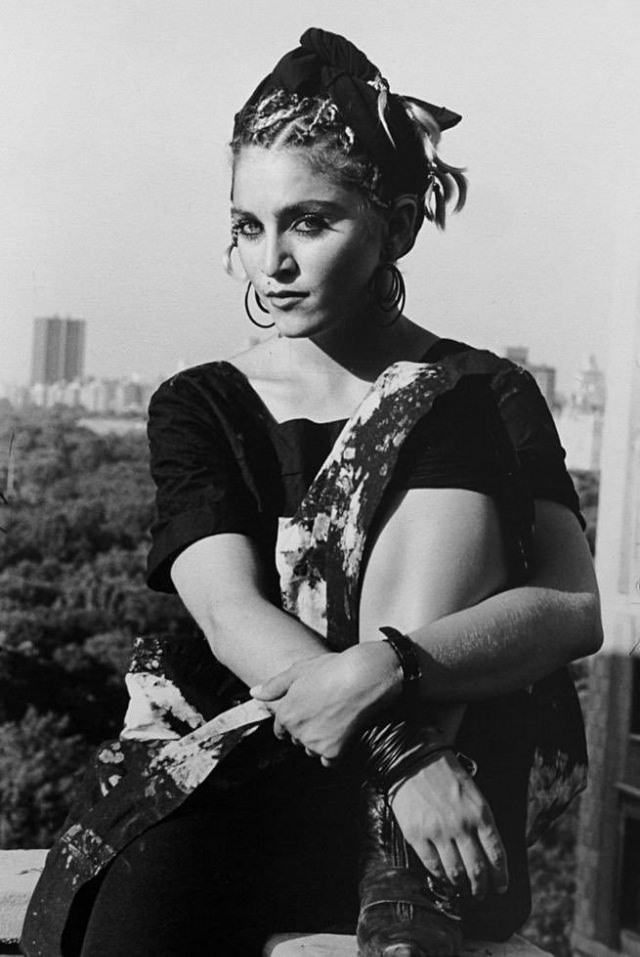
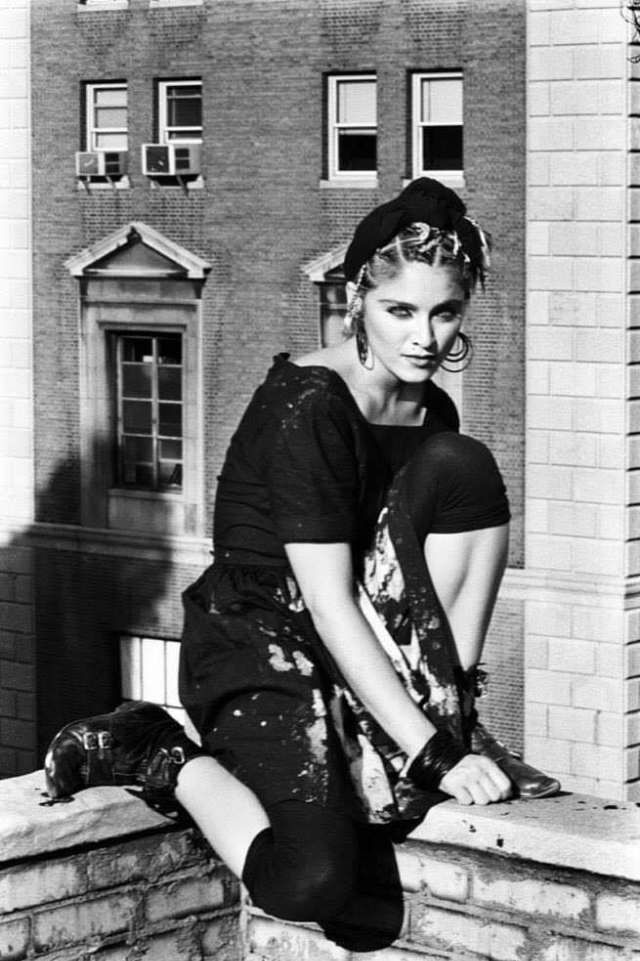
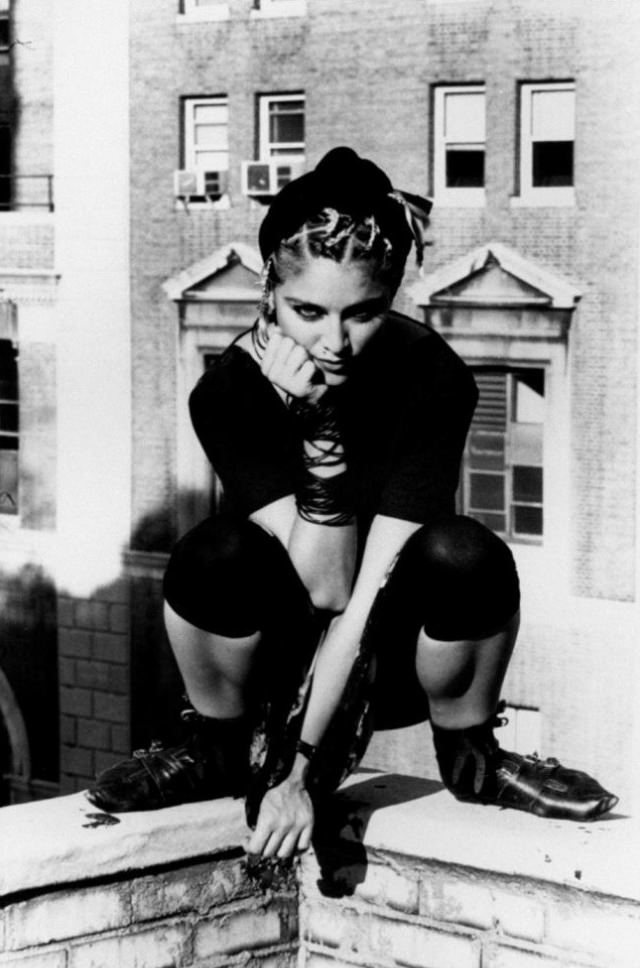
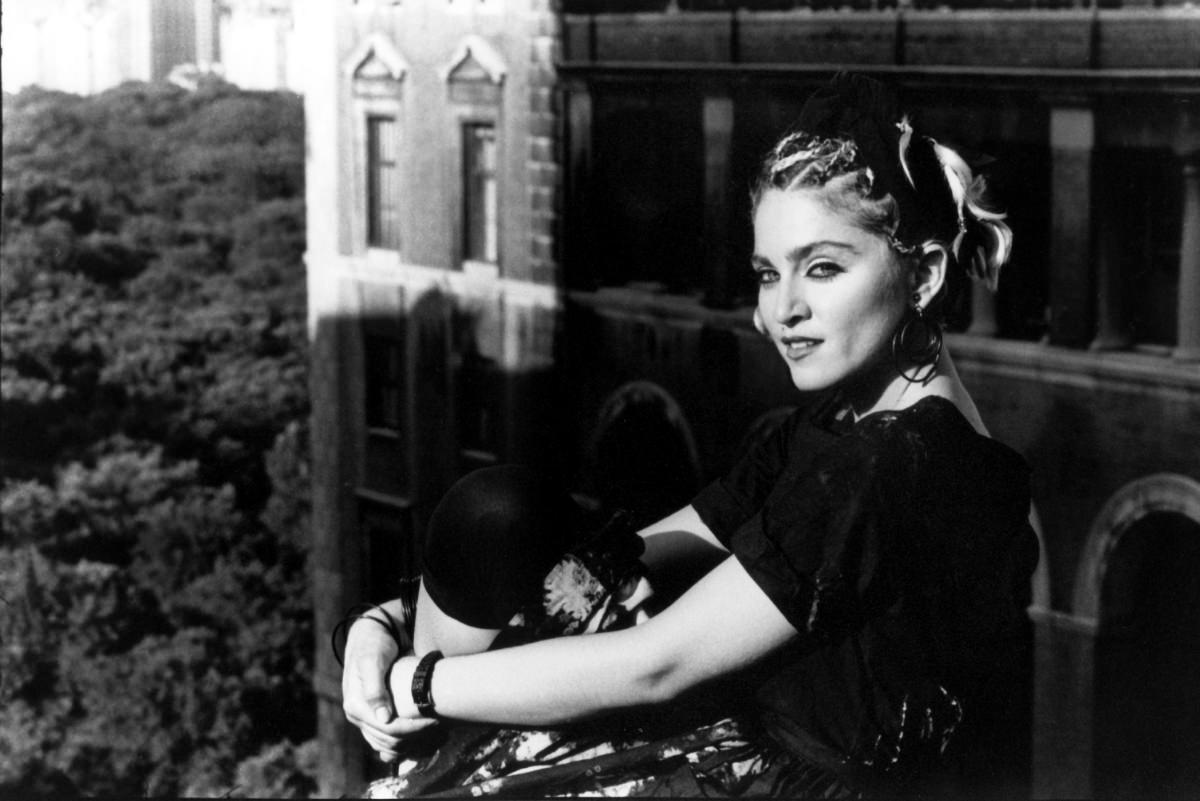
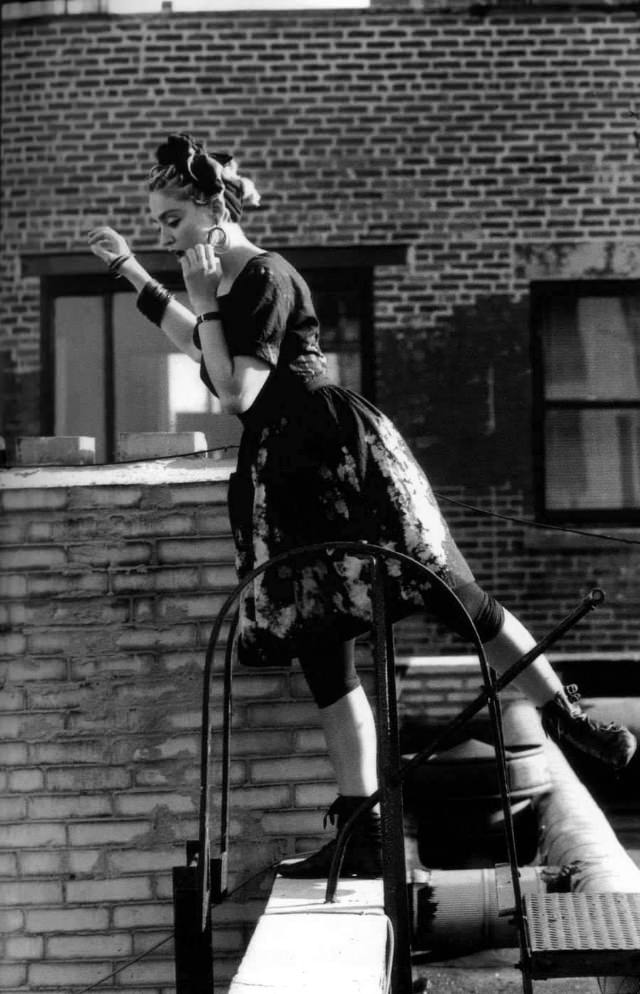
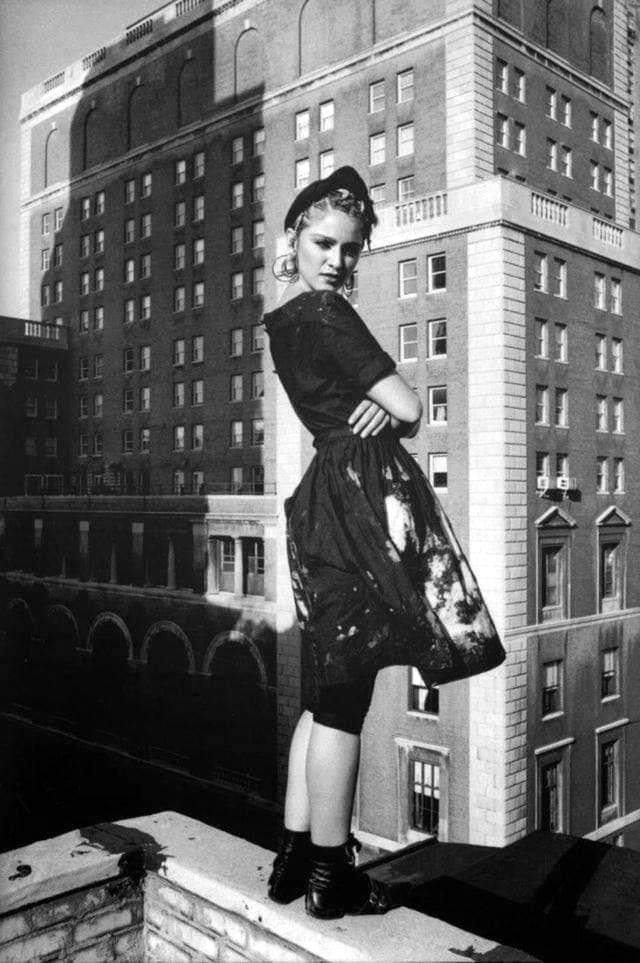
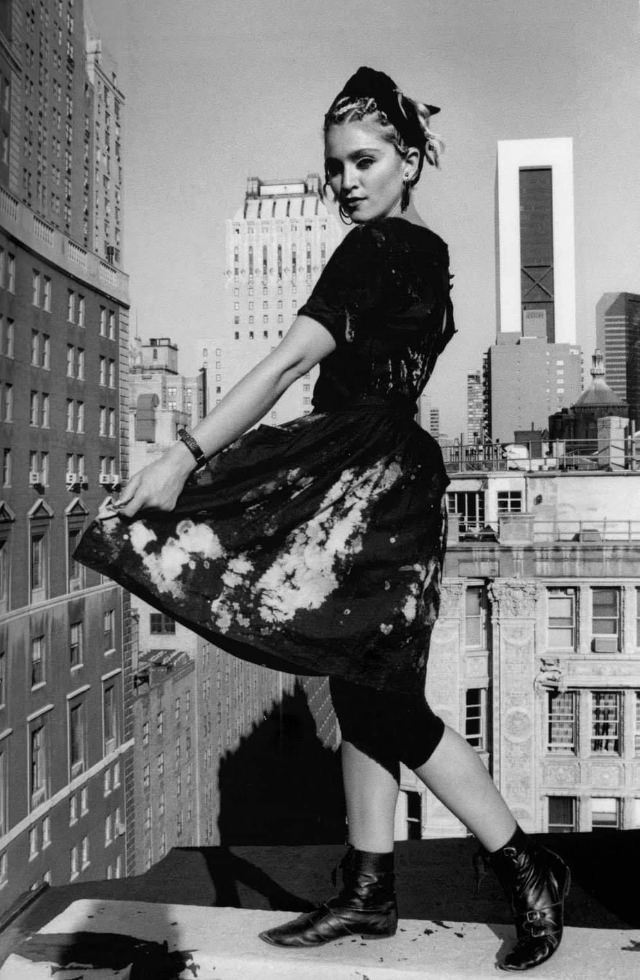
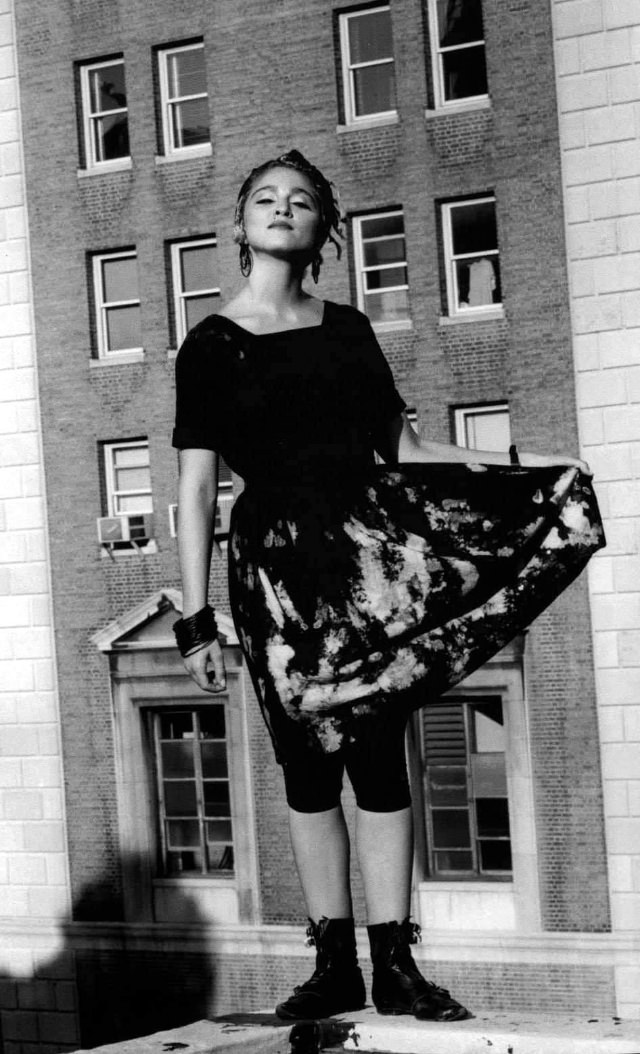
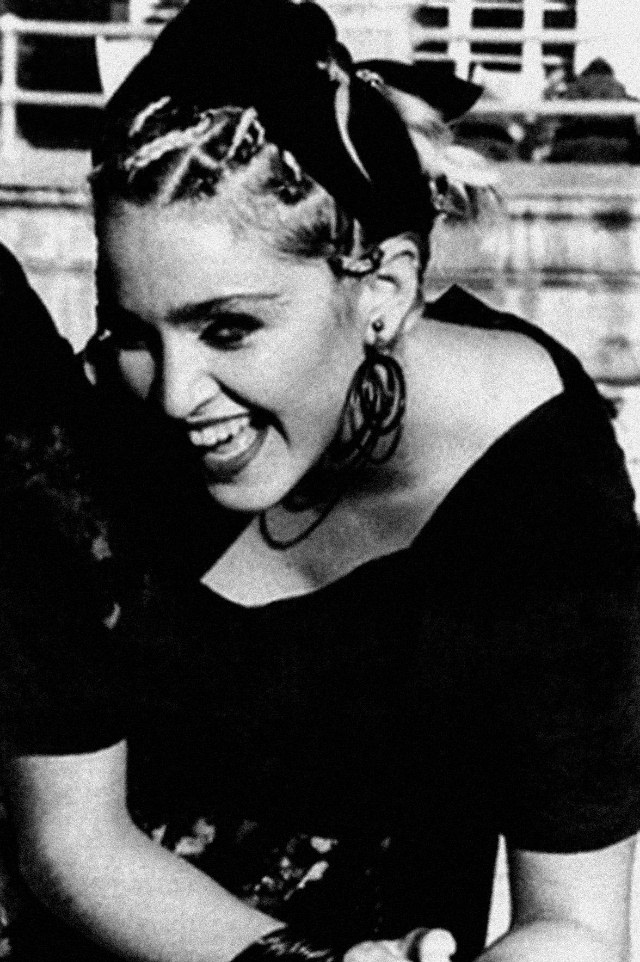
It was the first official Madonna photoshoot ever assigned. Madonna arrived at Simon’s Manhattan studio with her close friend Debi Mazar, who would later become a well-known actress. Simon took them both up to the roof. She preferred working in natural, available light rather than studio setups, and the open New York sky gave her exactly what she needed.
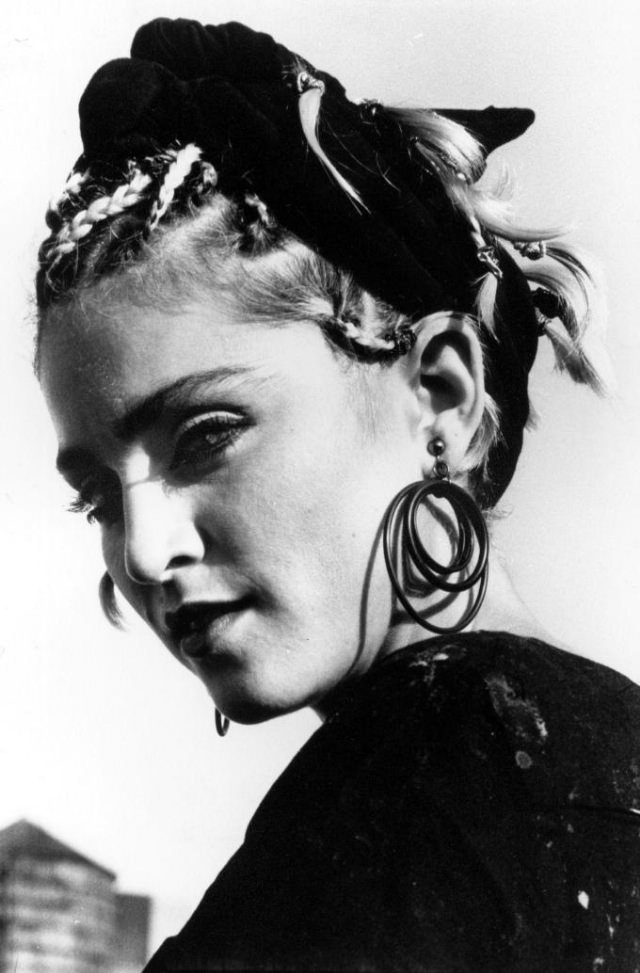
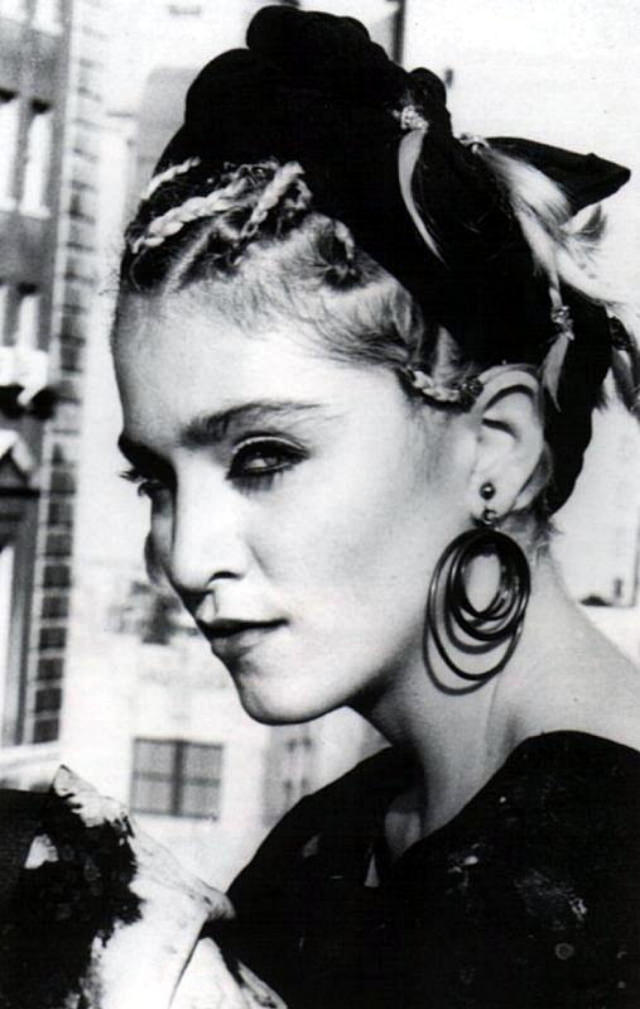
Simon shot one roll of black and white film. That’s 36 frames — a tight limit that forces a photographer to be deliberate. But with Madonna in front of the lens, there was no wasted shot. Simon later said that every single frame on the roll came out well. “Madonna was a dream subject,” she recalled.
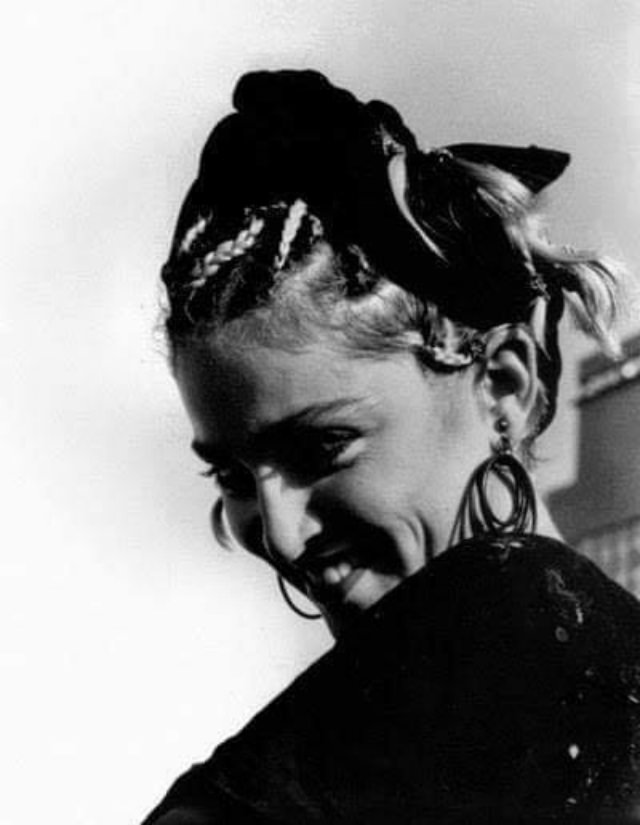
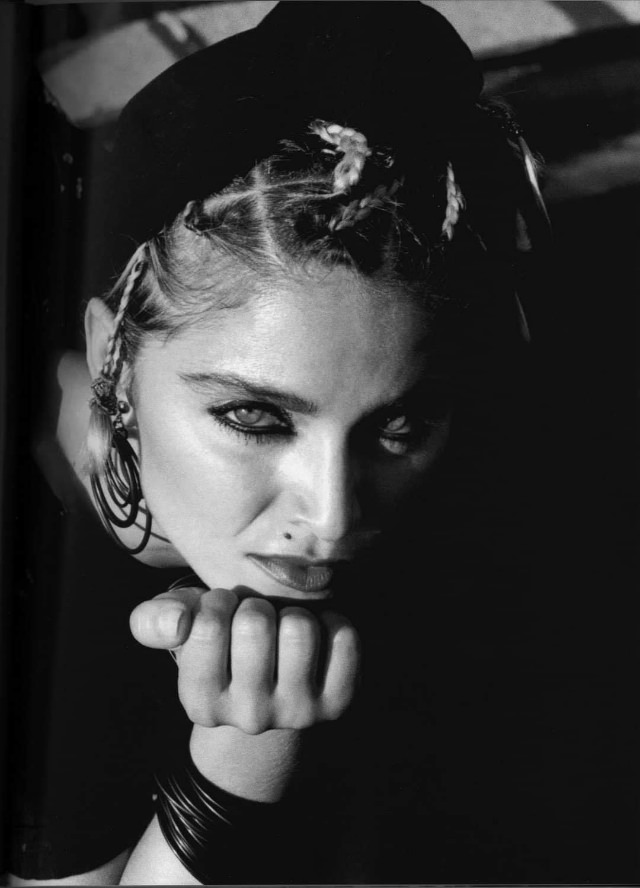
At the time of the shoot, Madonna’s debut single “Holiday” had not yet been released. She was largely unknown outside of New York’s downtown club scene. The Face was one of the first major publications to put her in front of a professional camera for a formal assignment, and Simon was the one holding that camera.
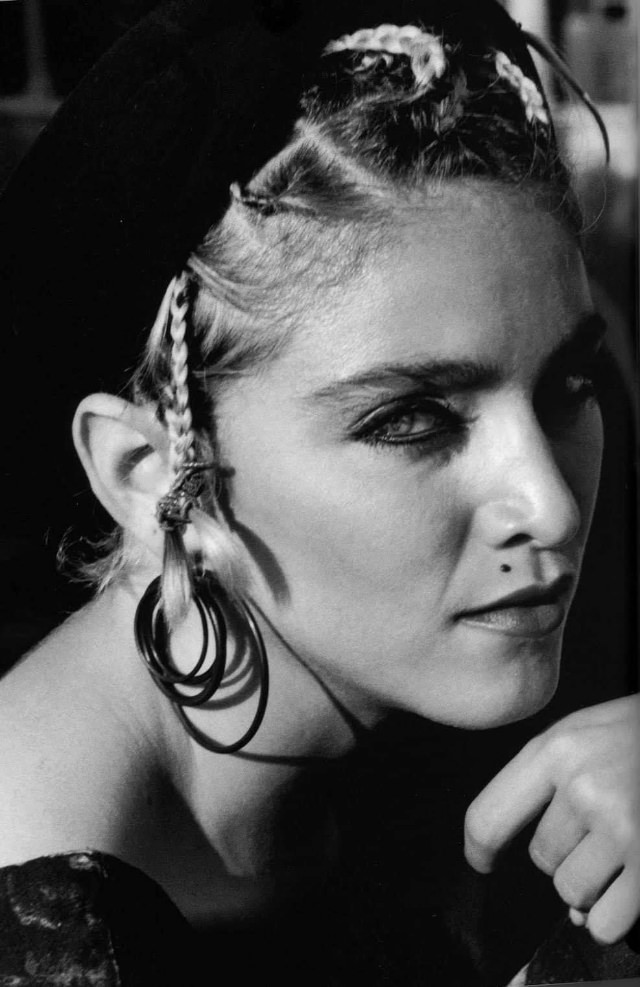
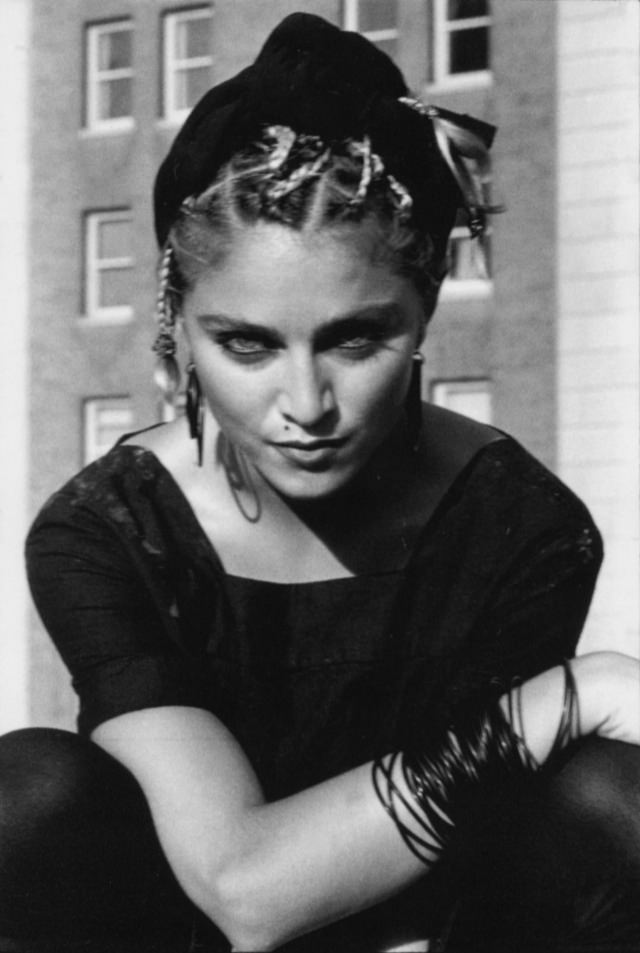
The rooftop setting gave the photos an unpolished, immediate energy. No elaborate backdrops. No heavy studio lighting. Just sunlight, a Manhattan skyline, and a 24-year-old Madonna comfortable enough in front of the camera to make every frame count.
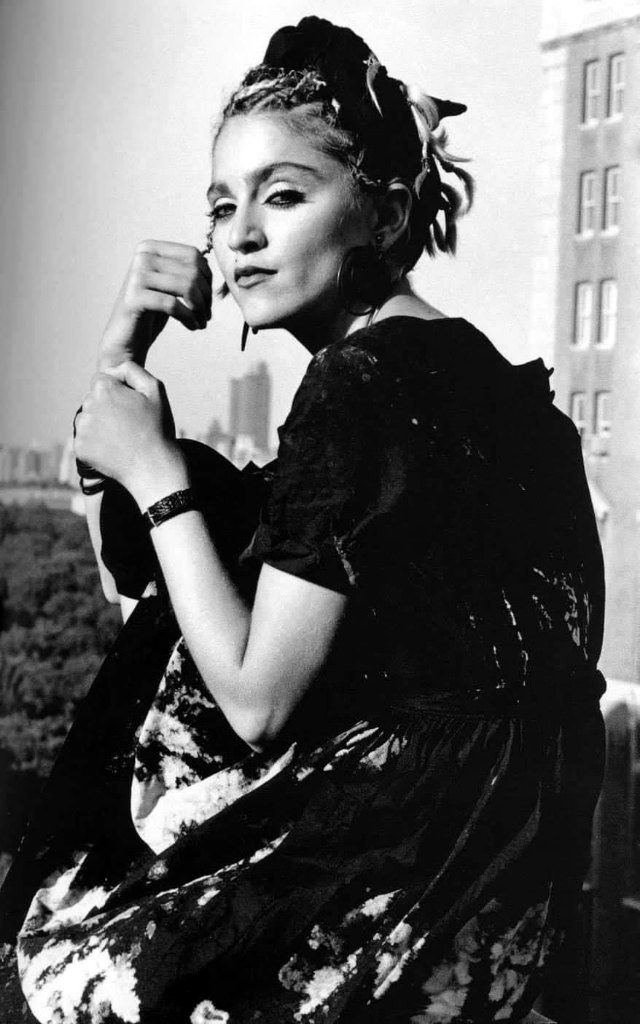
Simon’s approach to portrait photography had always been rooted in the real. She didn’t chase glamour shots or manufactured poses. Her pictures of Warhol, Ginsberg, and Burroughs showed those figures as they were — present, unguarded, human. She brought that same eye to Madonna.
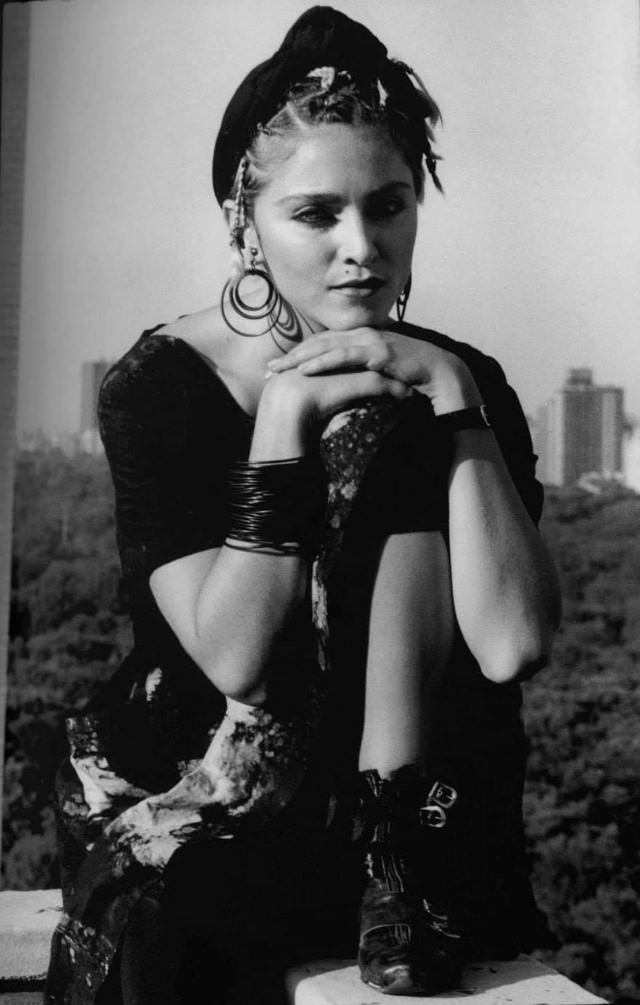
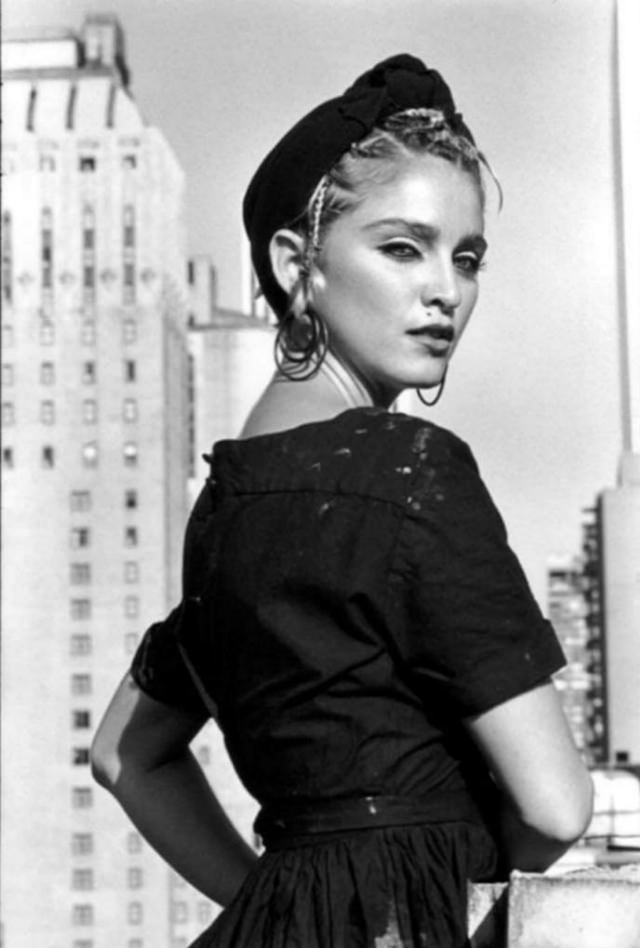
The presence of Debi Mazar on the rooftop added another layer to the session. Mazar was a fixture of New York’s downtown scene herself, known among artists and musicians long before her acting career took off. Her friendship with Madonna dated back to those early years in the city. Having her there kept the session loose and comfortable.
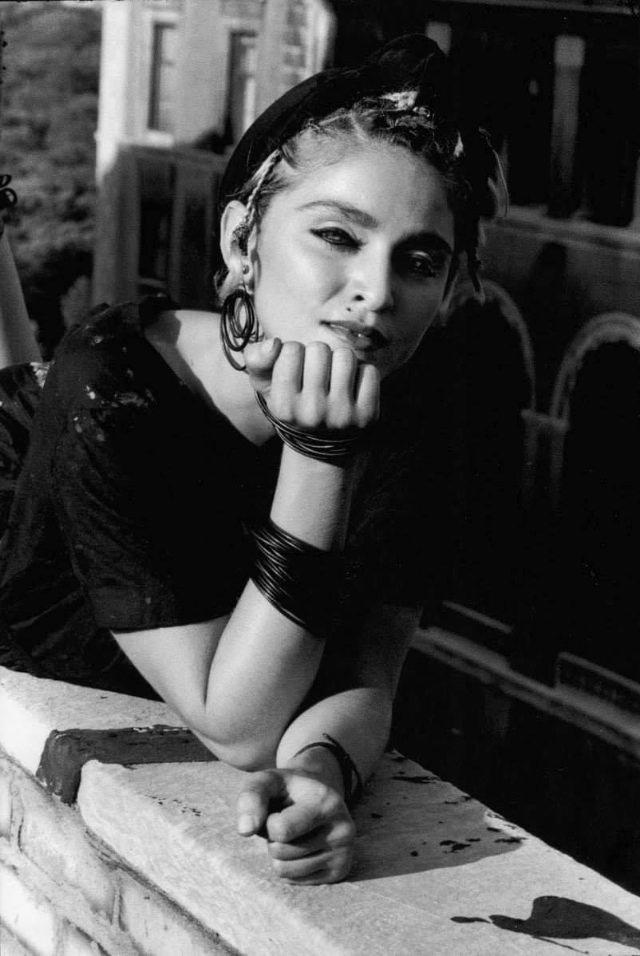
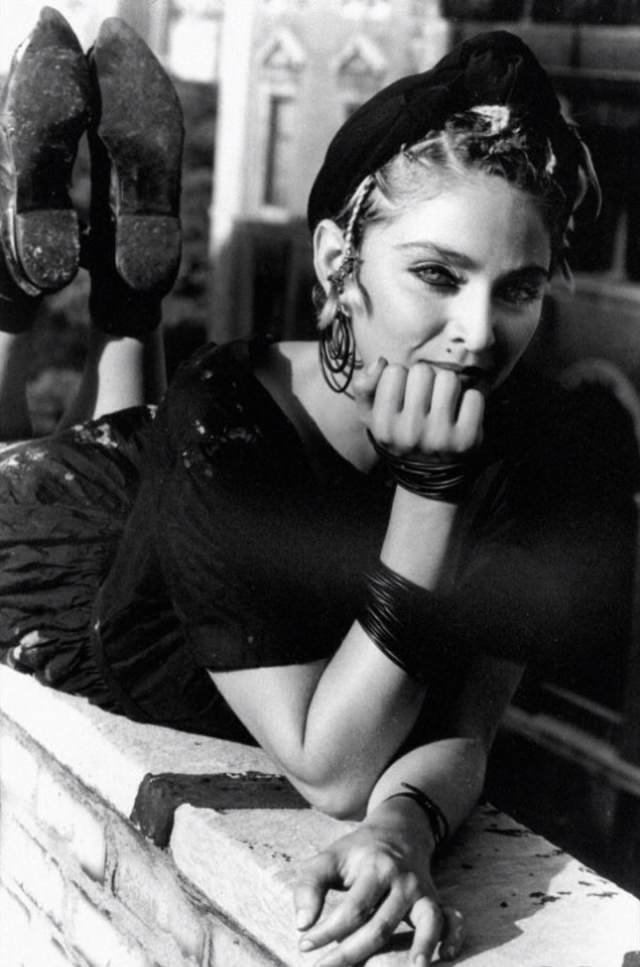
Simon’s body of work from the 1970s and 1980s stands as a visual record of a specific and extraordinary moment in New York City’s cultural history. She was present at the intersection of punk, pop art, literature, and music — and she had her camera ready every time.
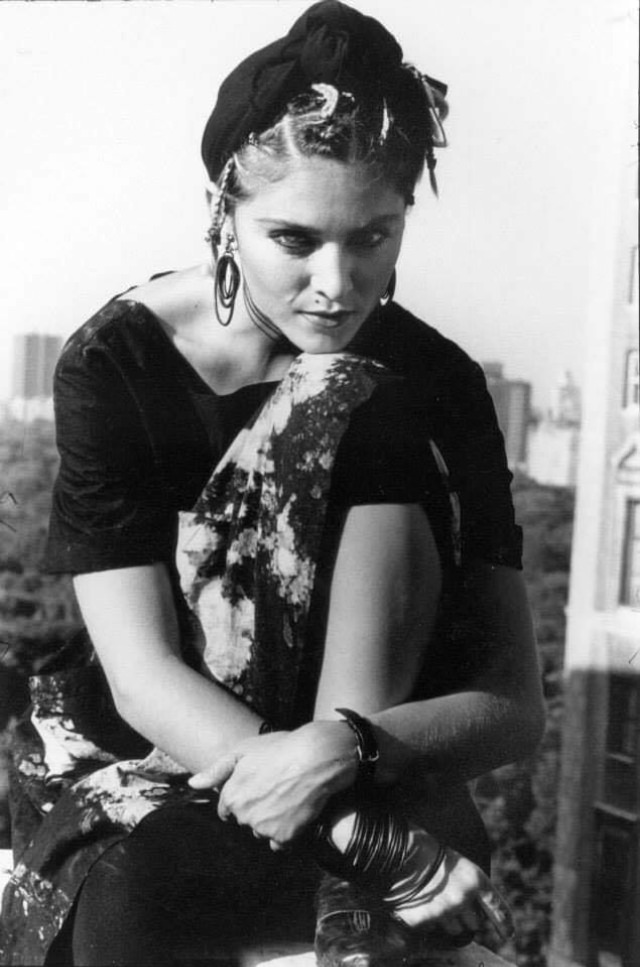
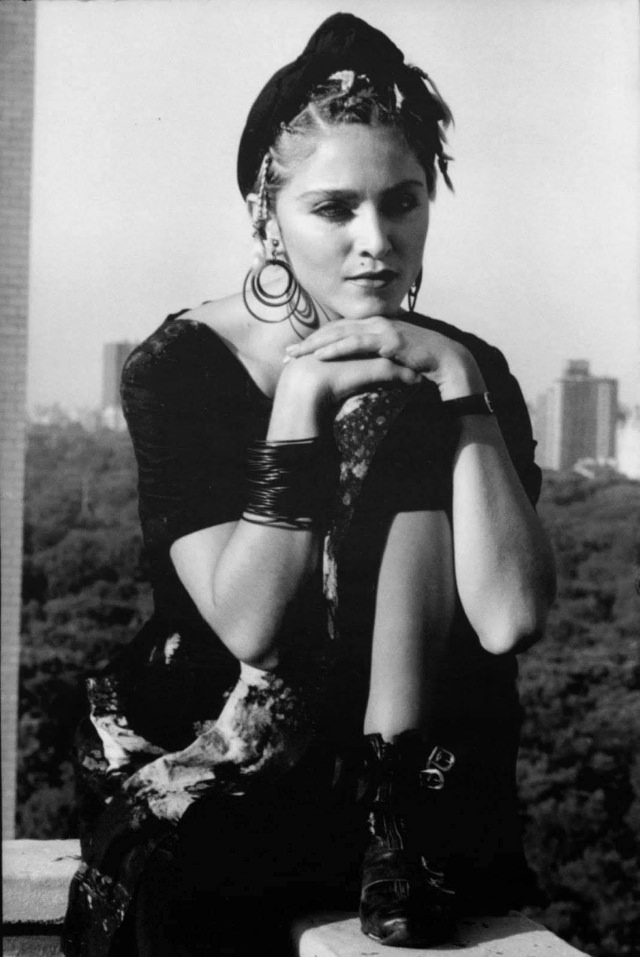
The 1983 Madonna session sits at a singular moment in that history. It was taken before the global fame, before the tours, before the album covers recognized around the world. On a rooftop in Manhattan, with one roll of black and white film and natural light, Simon captured Madonna at the very start.