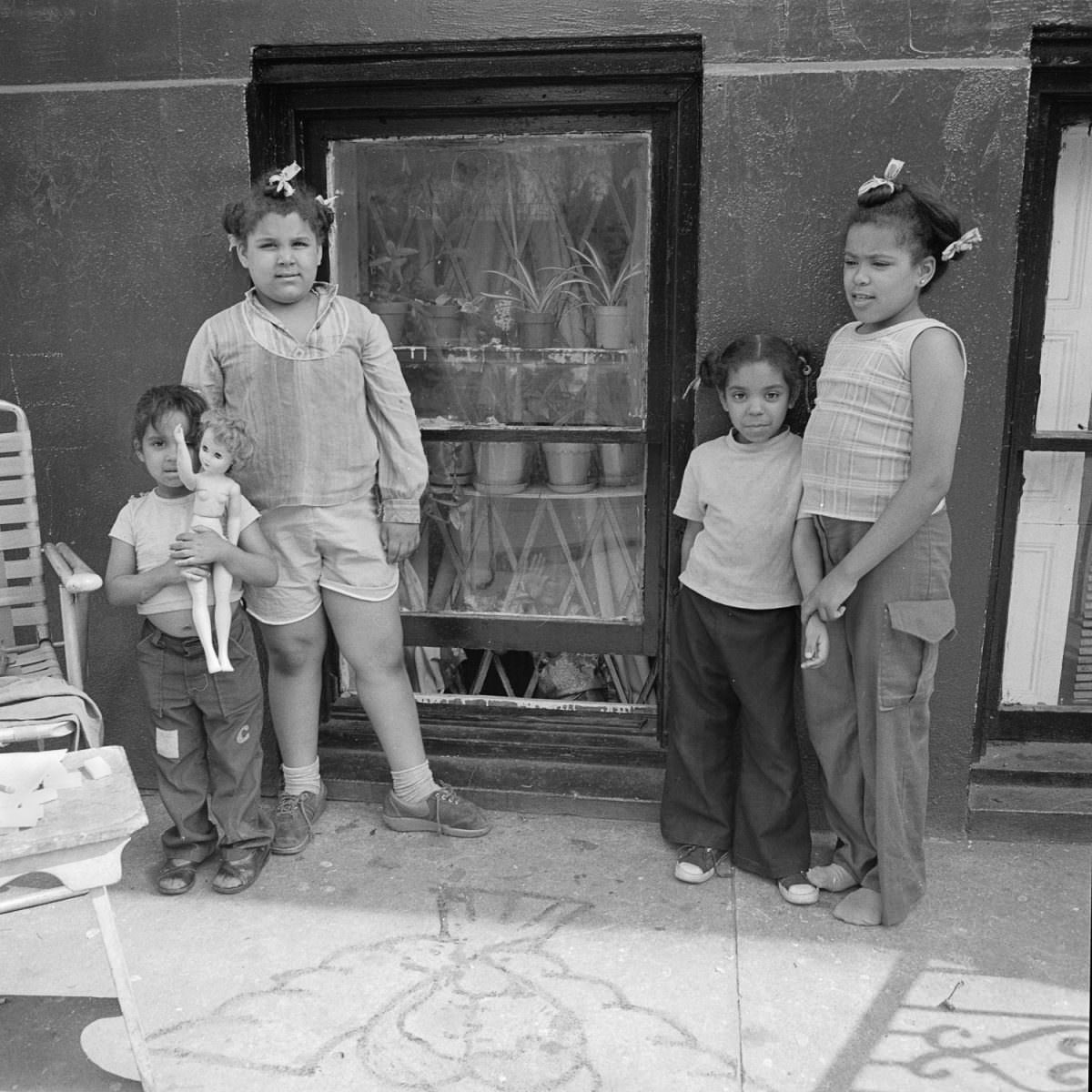
New York City in the 1970s was not the polished, tourist-friendly metropolis it would later become. The city was drowning in debt, crime was climbing year after year, and entire neighborhoods were being written off. The Lower East Side sat at the center of this crisis — overcrowded, underfunded, and largely ignored by city hall. It was here that photographer Meryl Meisler pointed her camera.
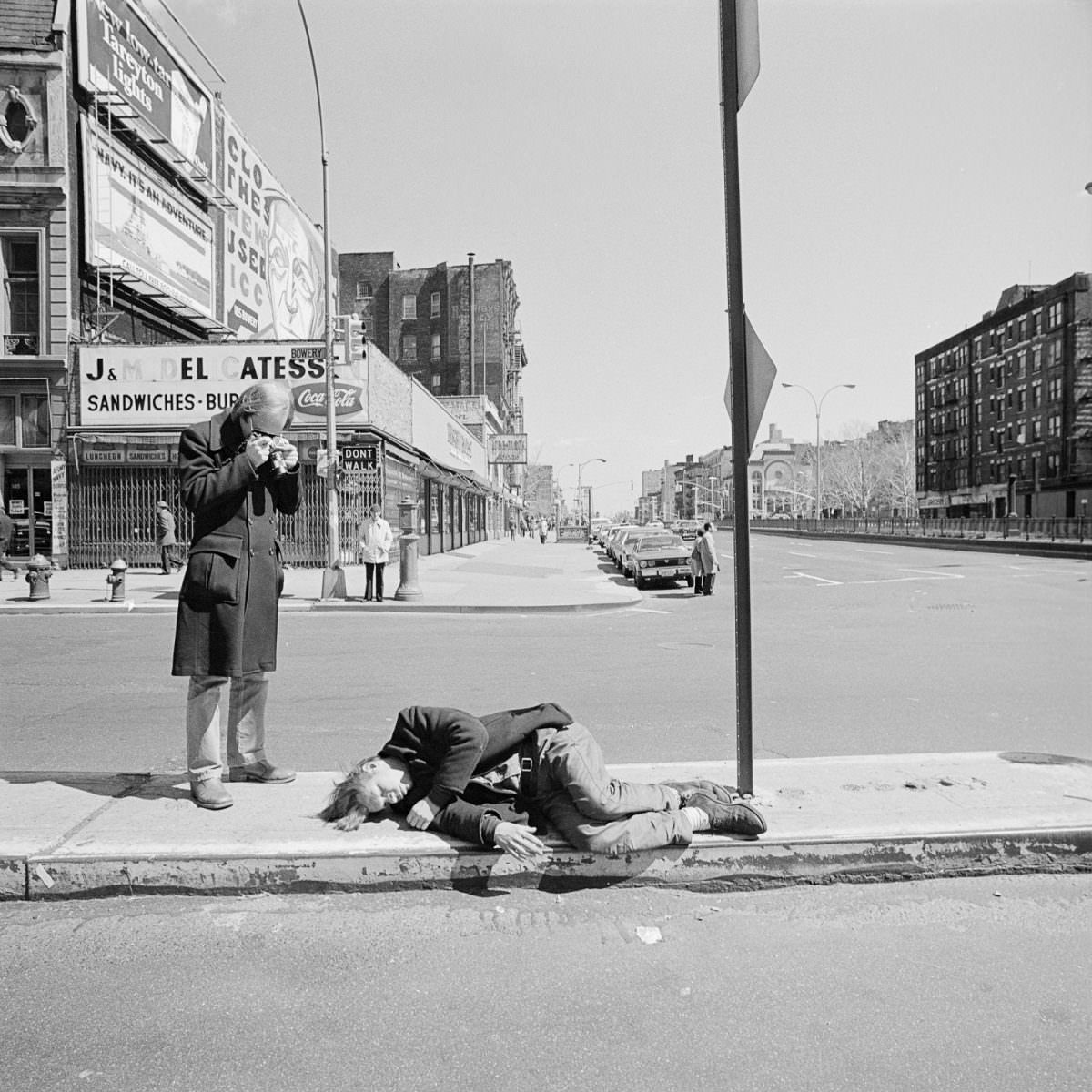
Meisler wasn’t chasing drama for its own sake. She documented the working-class residents and immigrant families who called the Lower East Side home — people who had little choice but to make the best of a neighborhood in visible decline. Graffiti covered nearly every surface. Buildings sat half-abandoned. And yet, life continued in the streets, on the stoops, and inside the cramped apartments lining every block.
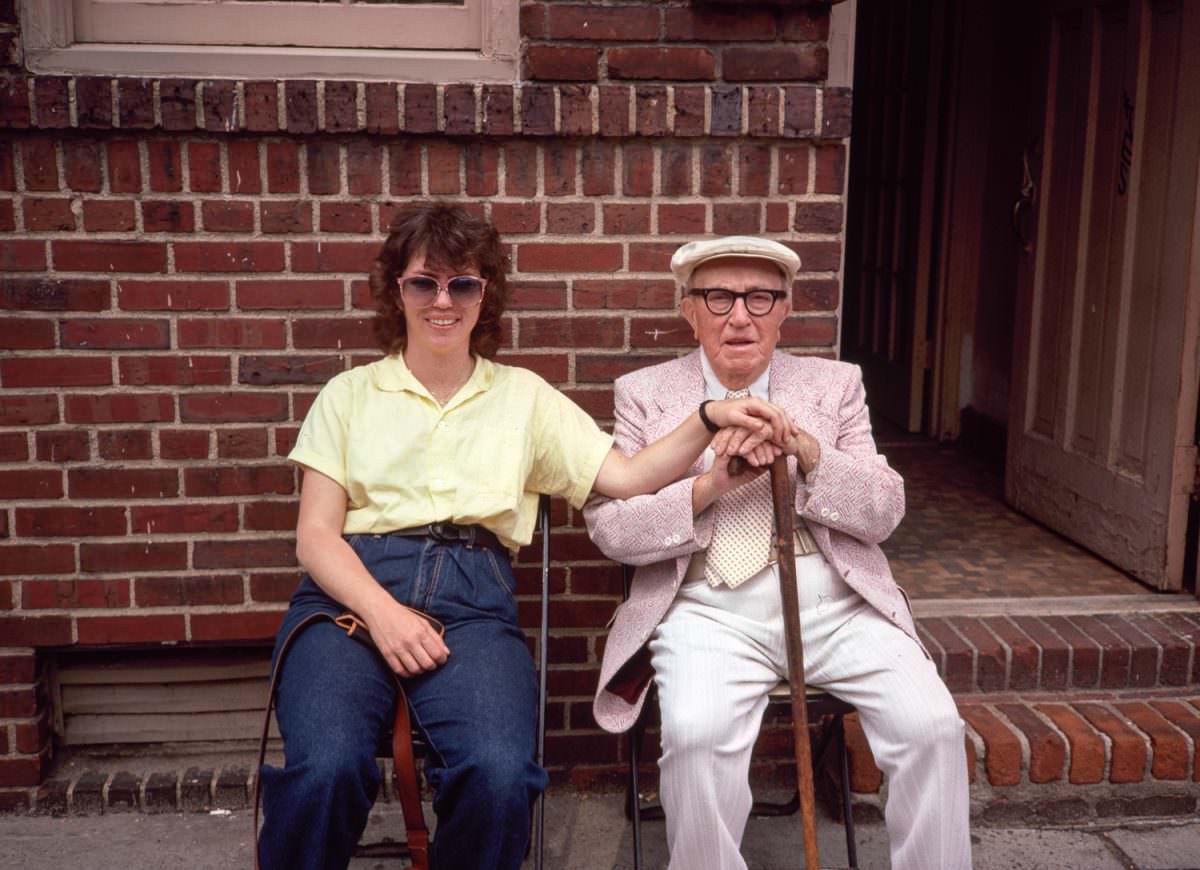
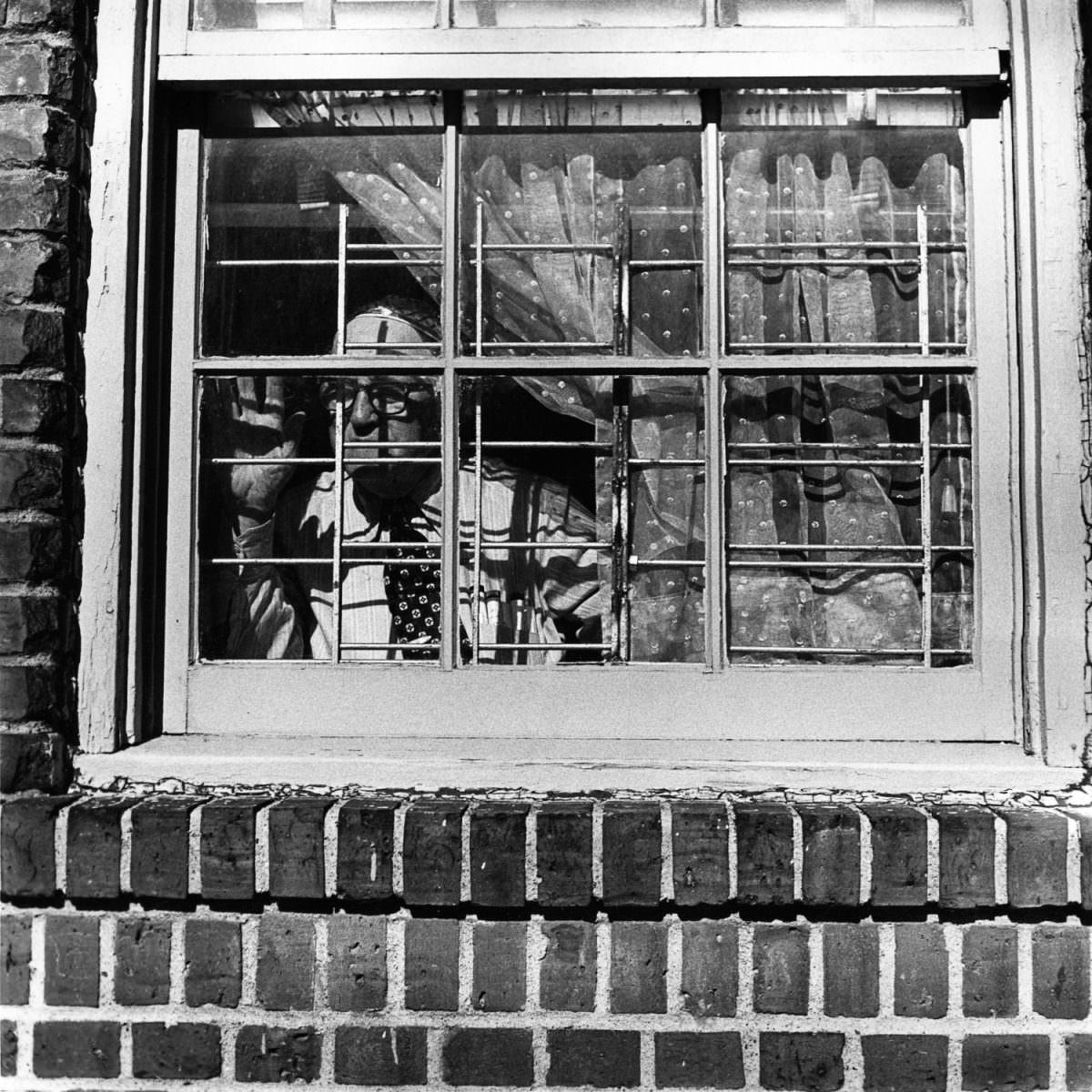
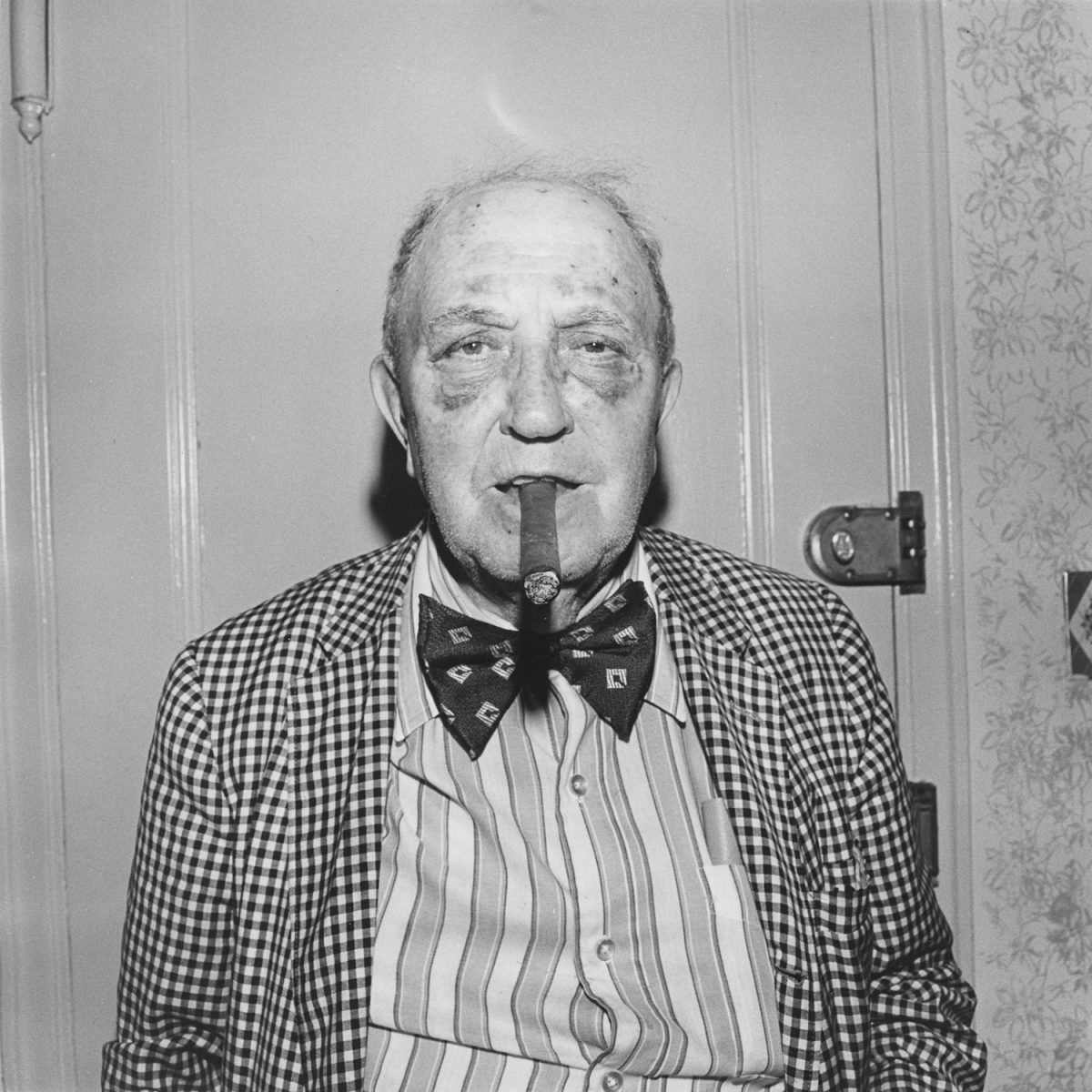
Among the people Meisler photographed repeatedly was Mr. Katz, an older resident who became something of a recurring figure in her work. He represented countless New Yorkers of the era — long-time locals who had watched their neighborhood change around them. Senior centers like the Henry Street Settlement Good Companions Senior Centre offered places where older residents could gather, find community, and hold onto some sense of normalcy.
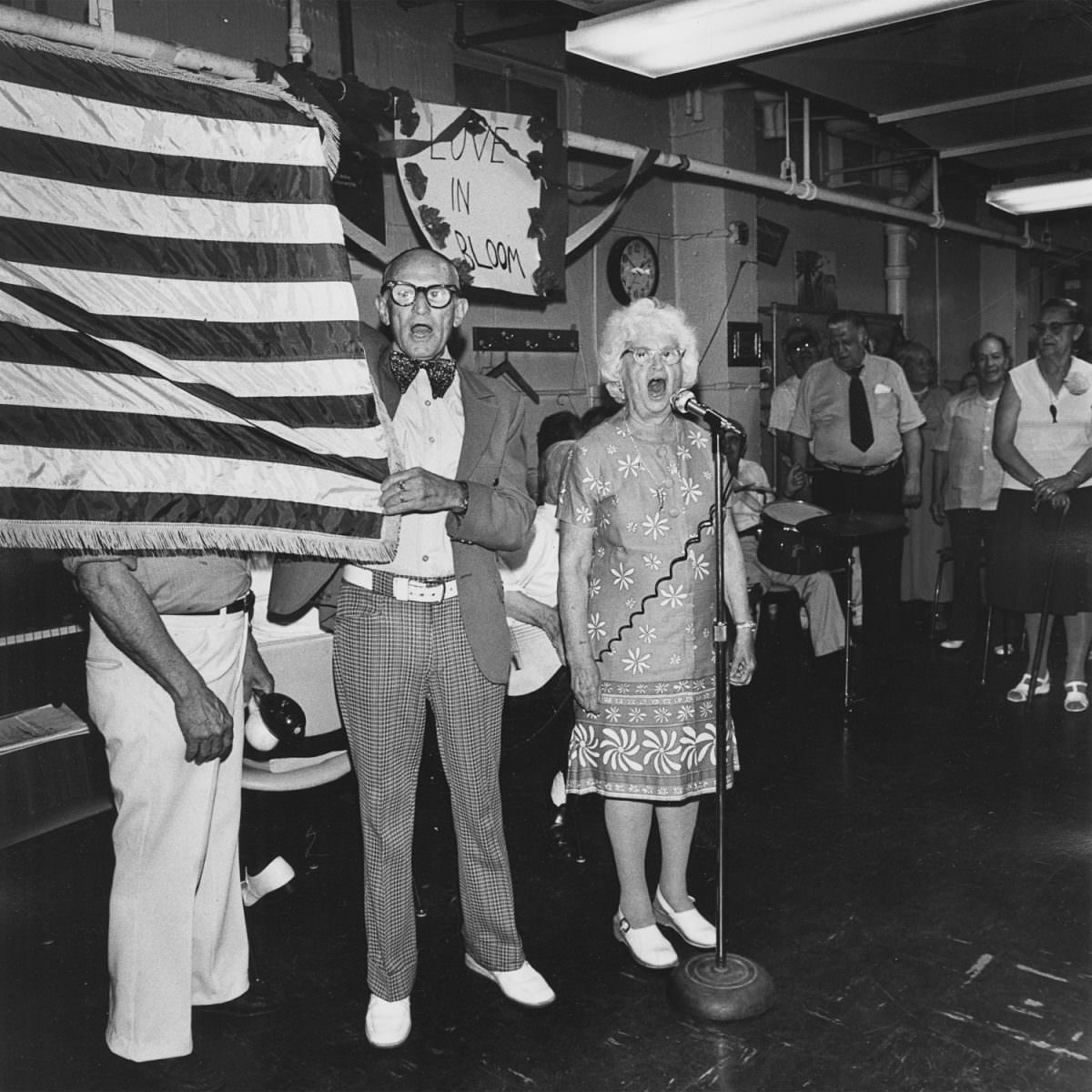
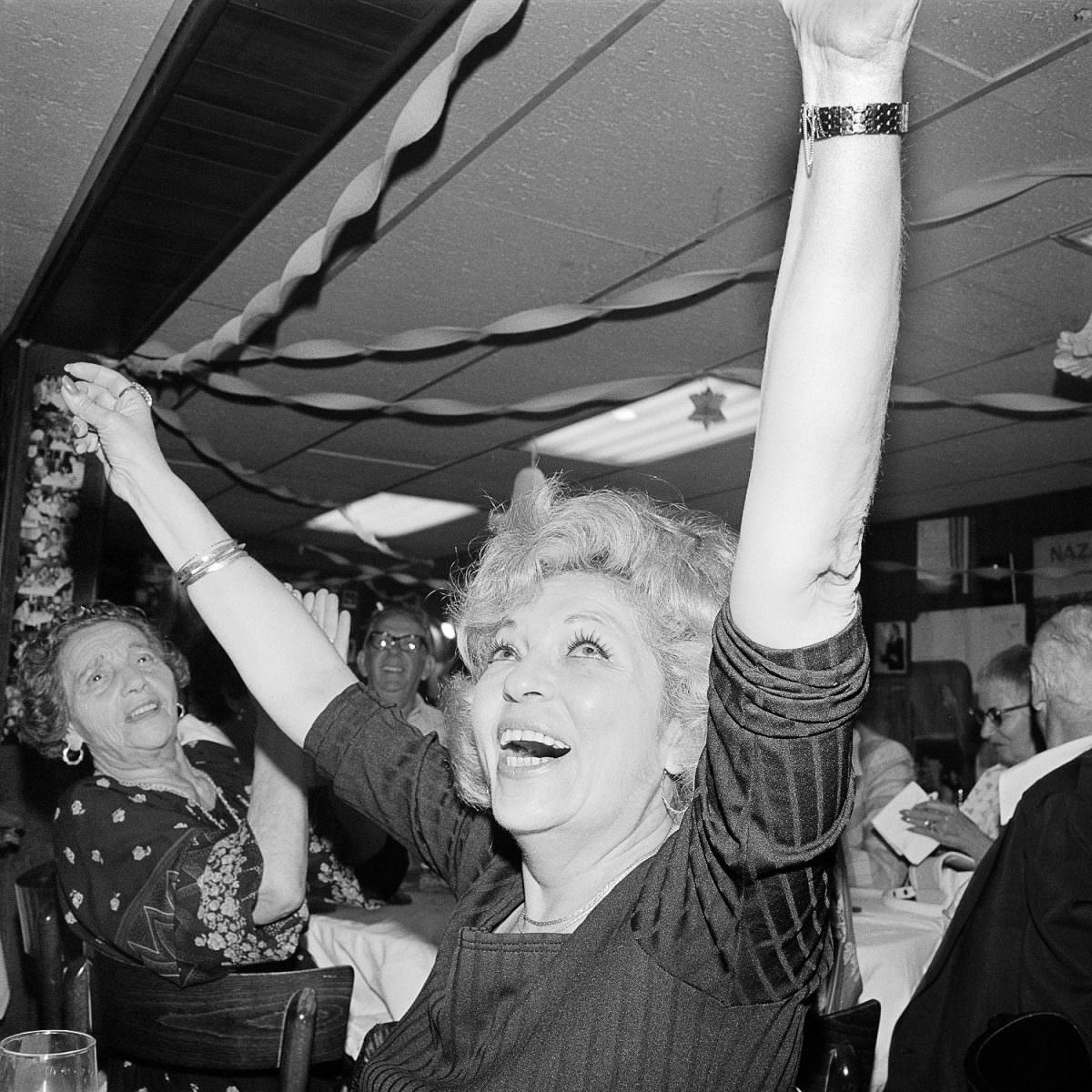
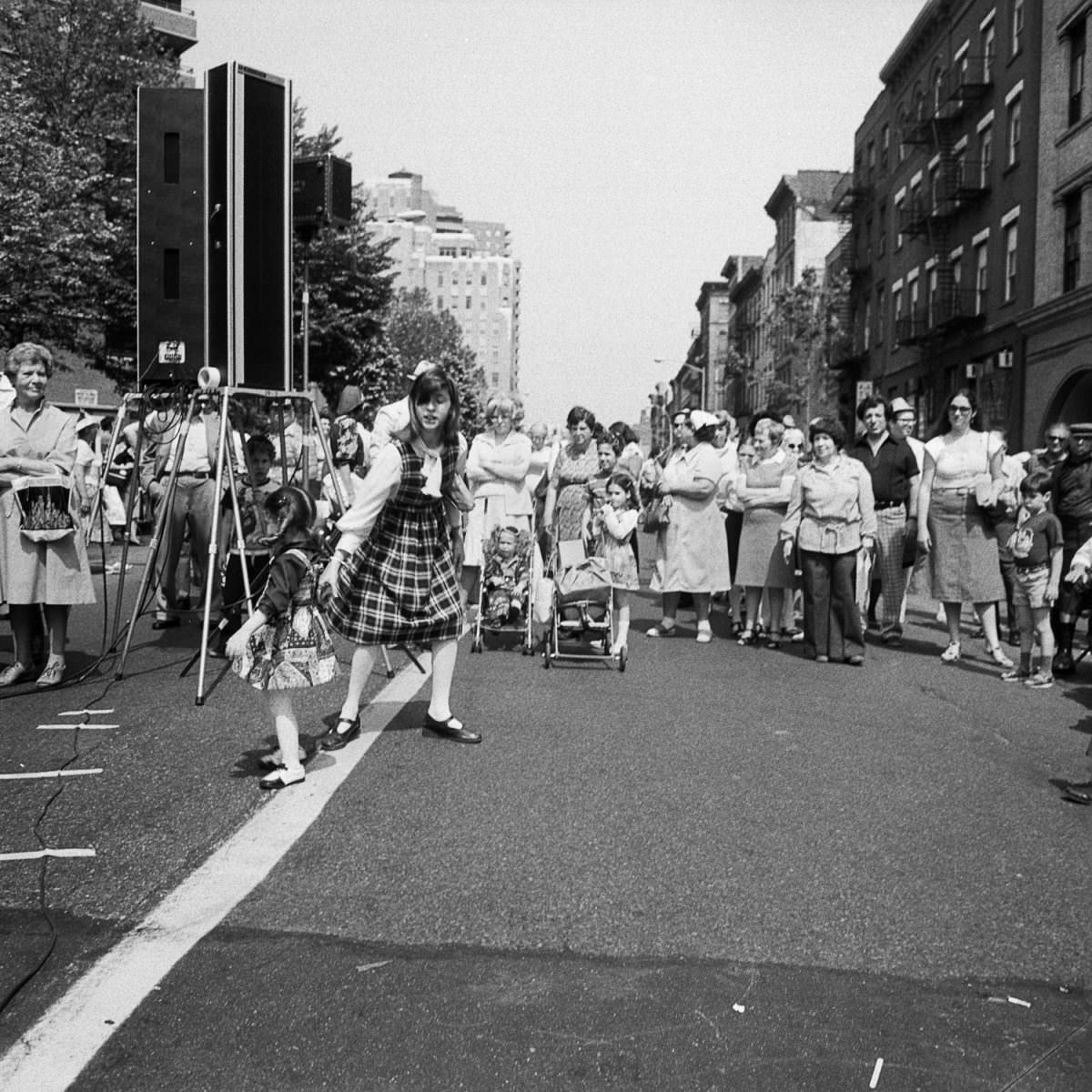
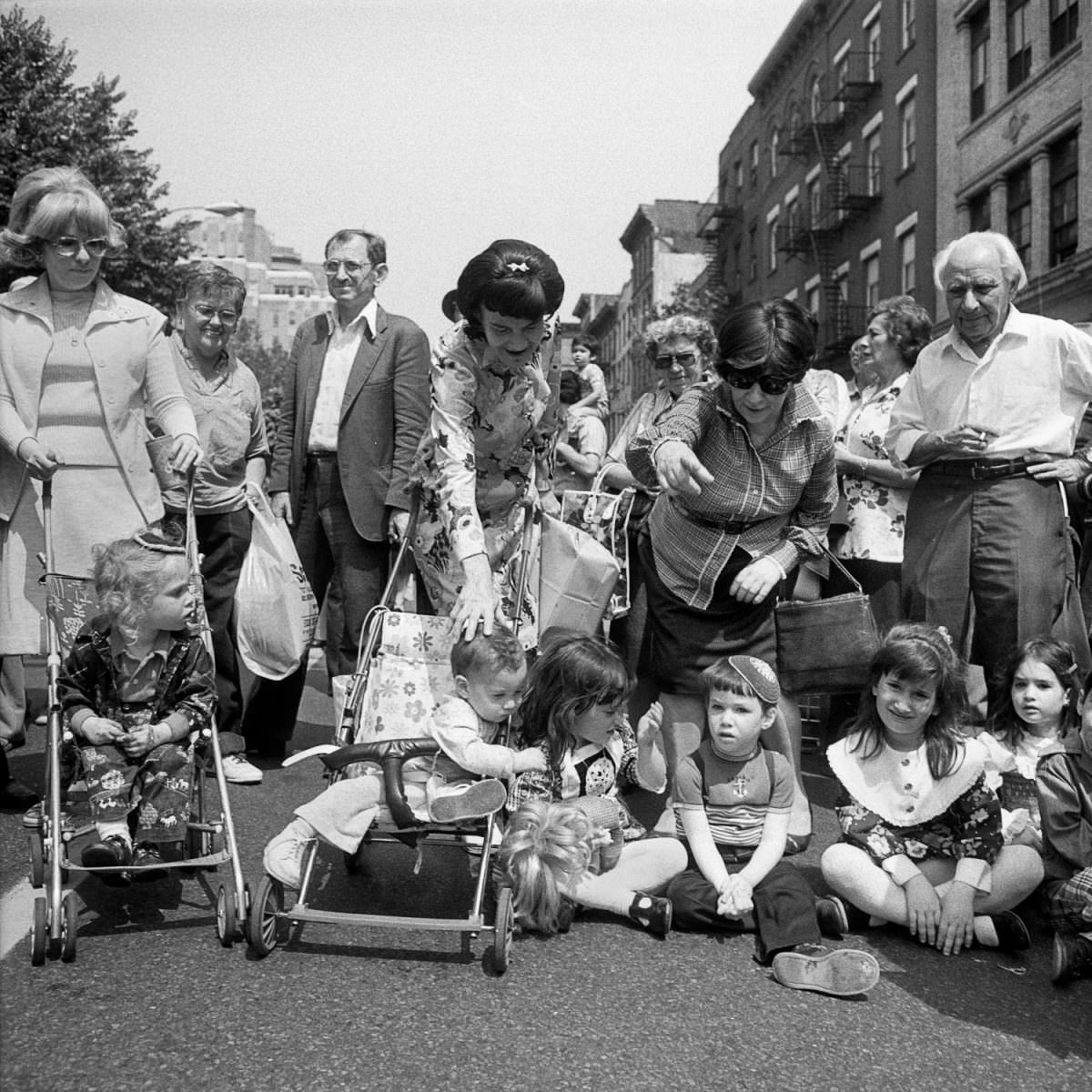
The neighborhood also had its moments of joy and celebration. The Lower East Side Street Festival brought people out from their apartments and into the streets. There was dancing, games, music, and the kind of collective energy that reminded residents — and anyone watching — that this community was not defeated.
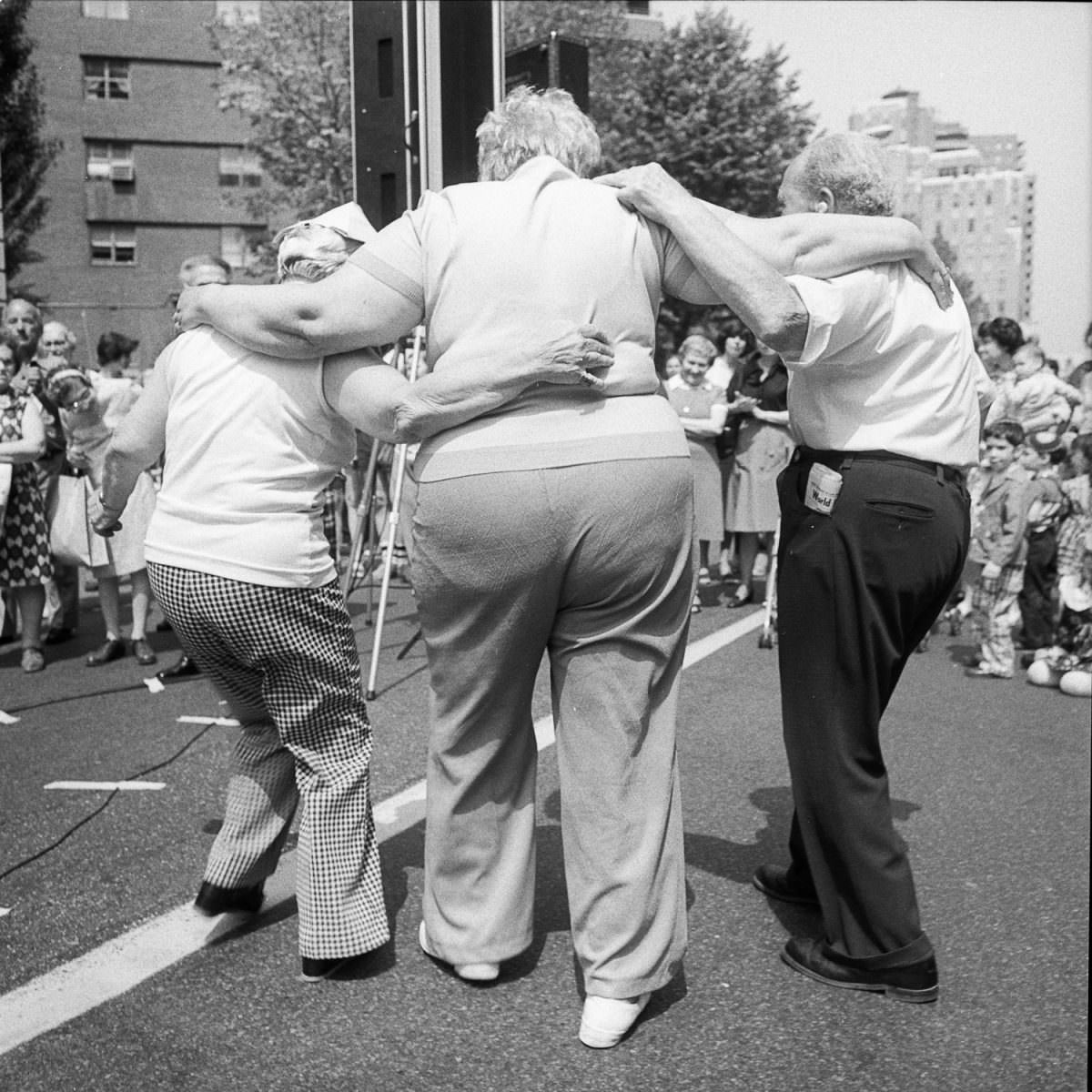
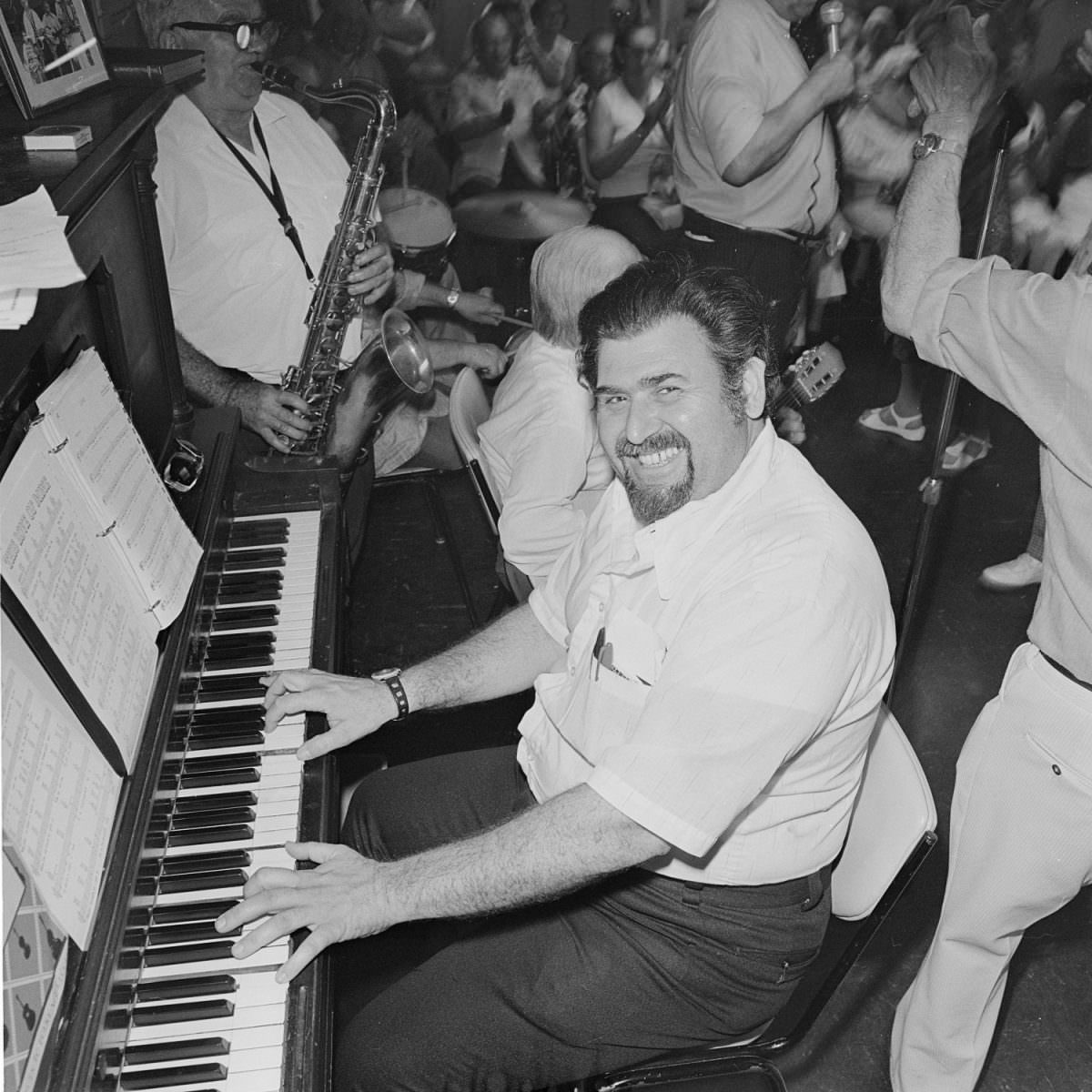
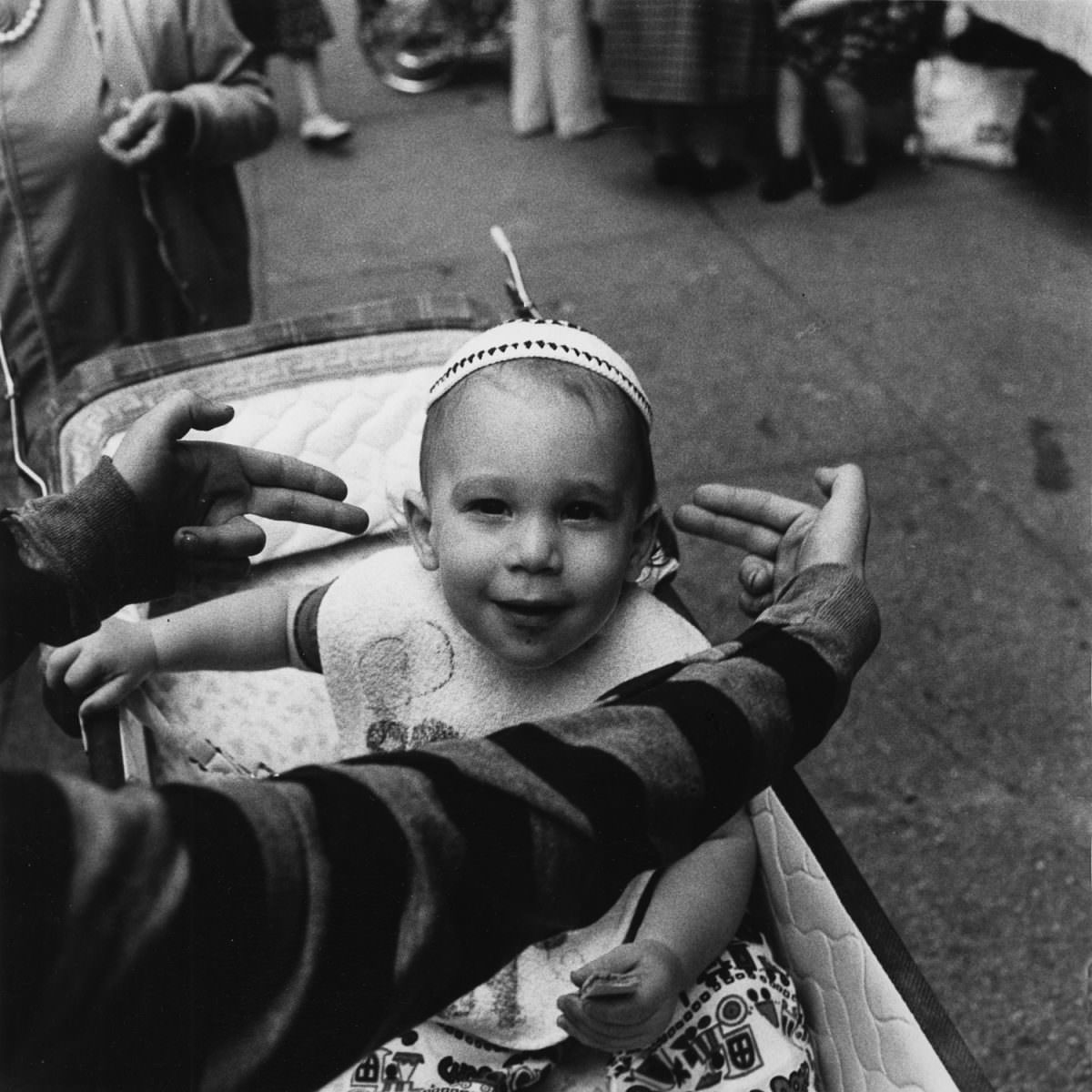
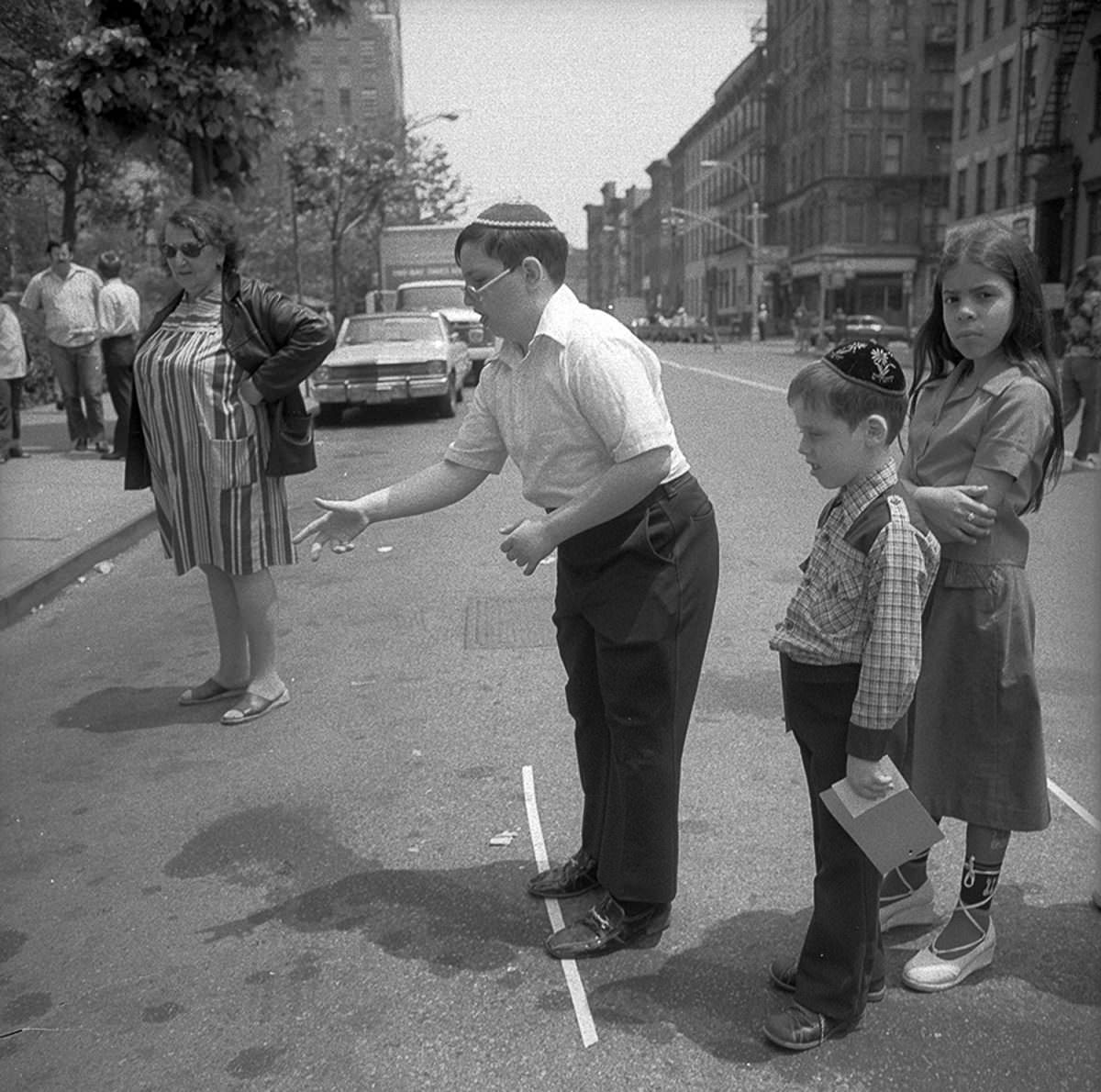
Meisler’s eye caught all of it — the playful, the quiet, and the confronting. At the same street festival, her photography student Michael Marsh pointed out a young boy who would one day become a Talmudic student, a small moment frozen in time against the backdrop of a chaotic city.
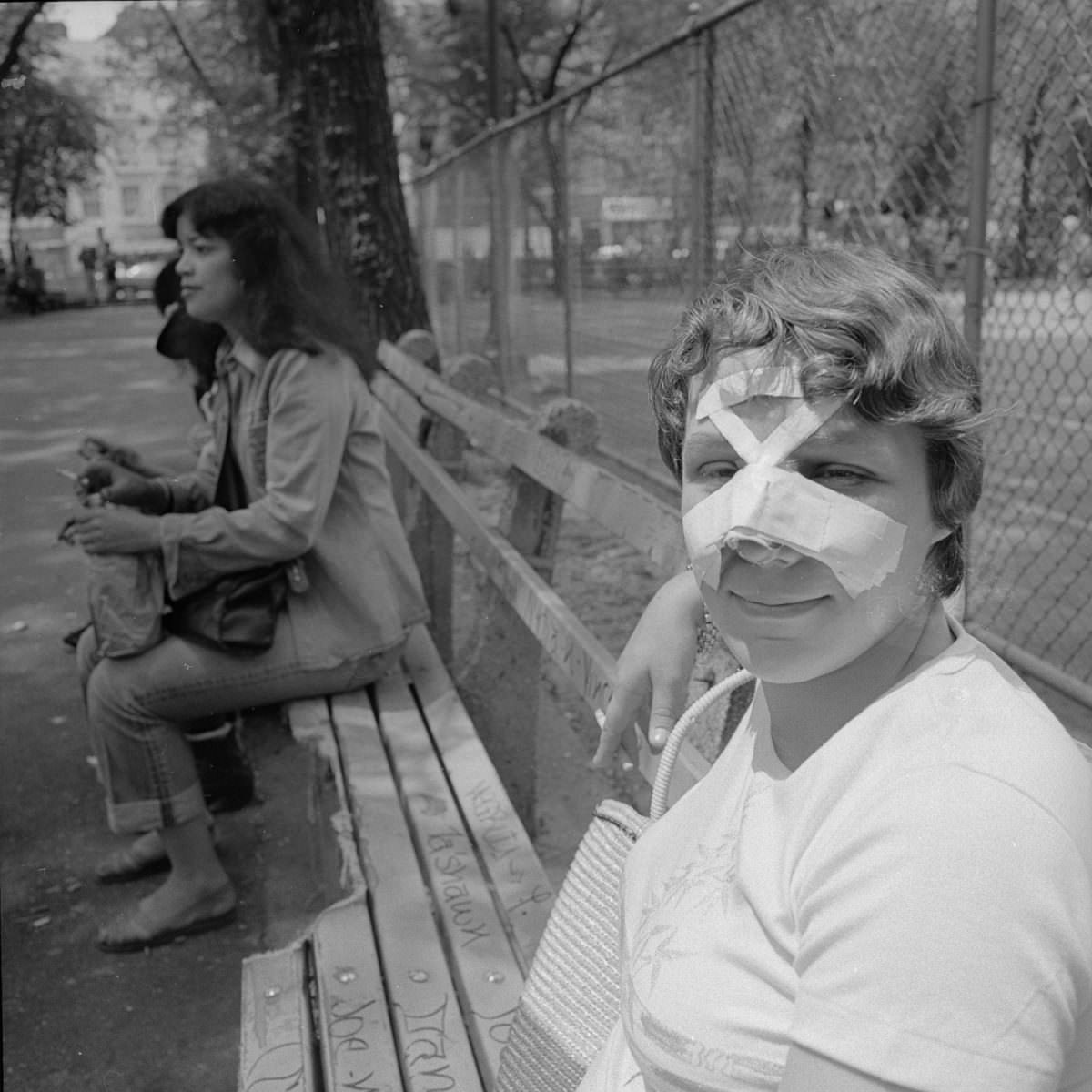
The danger that defined 1970s New York was not abstract. Mr. Katz was mugged by two teenagers who found him asleep in front of his television in his own living room. Meisler photographed him in the aftermath. The images are direct and unflinching — a face carrying the physical proof of what daily life in this city could mean for its most vulnerable residents. “Fear City” was a phrase handed out on pamphlets to tourists arriving at the airport, but for people like Mr. Katz, it was simply Tuesday.
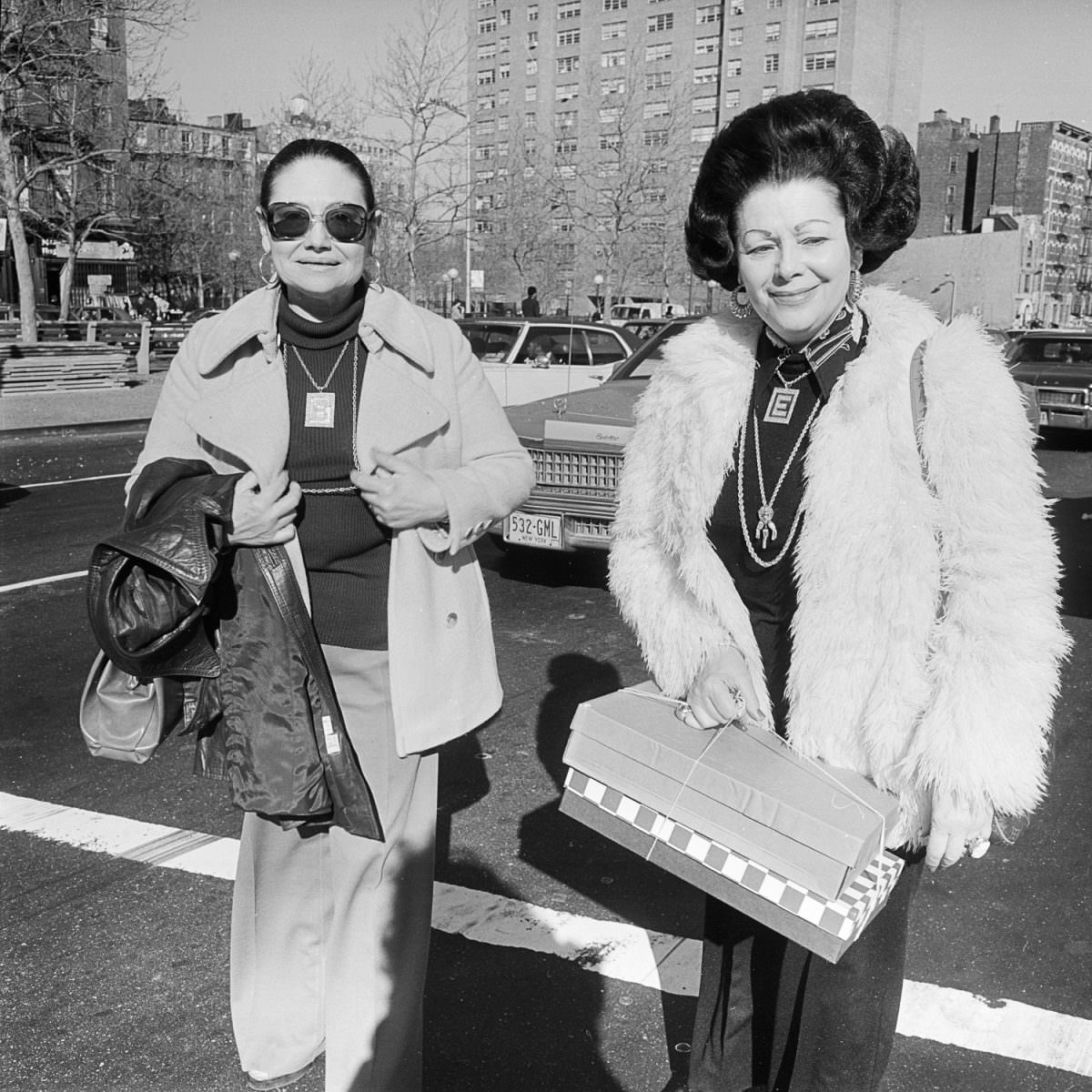
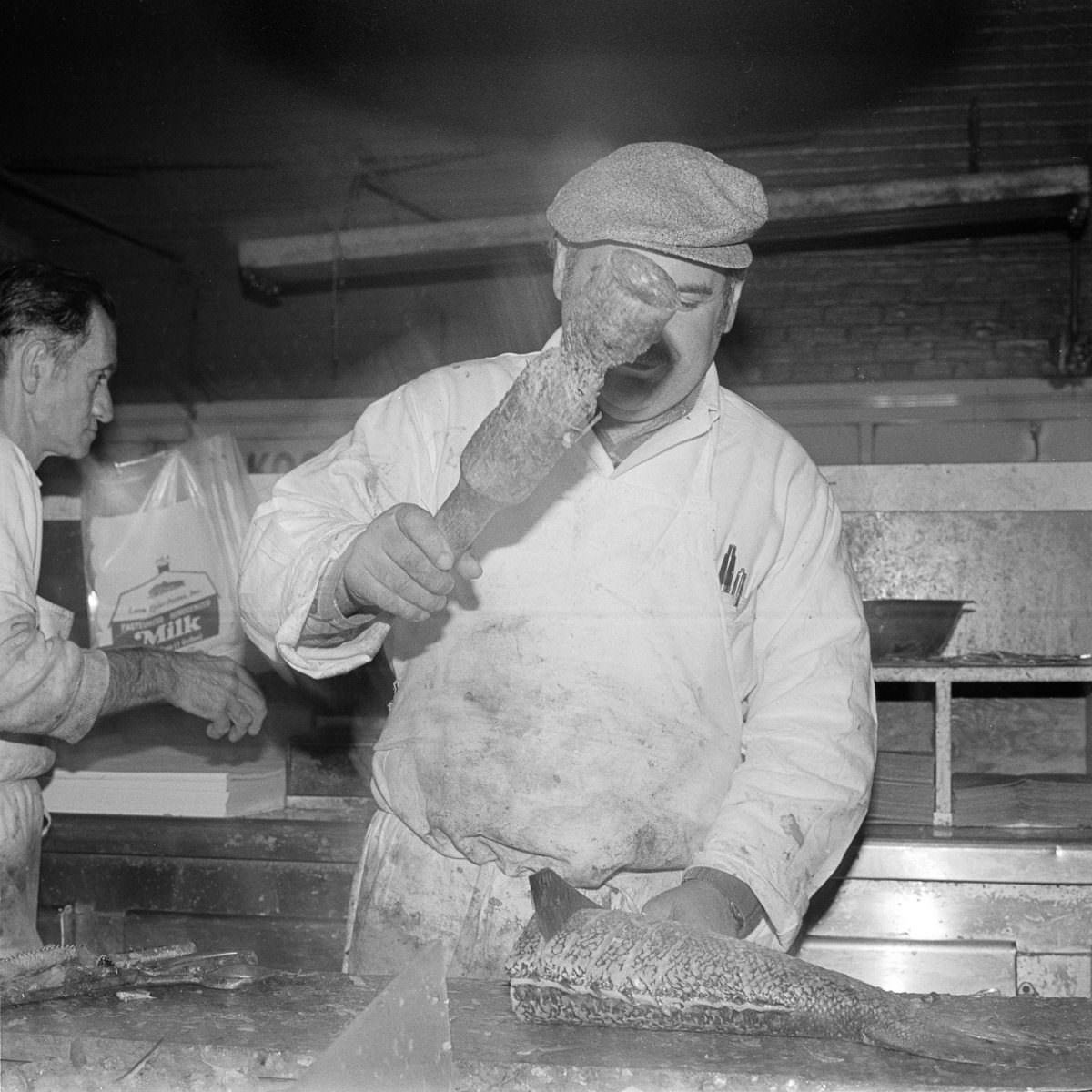
Still, ordinary life pressed on. Women carried gift boxes through the streets. Vendors sliced fish at Essex Street Market, a fixture of the neighborhood’s Jewish commercial life since the early 20th century. Children crossed festival boundaries drawn in chalk. These scenes exist alongside the harder ones in Meisler’s archive — neither canceling the other out.
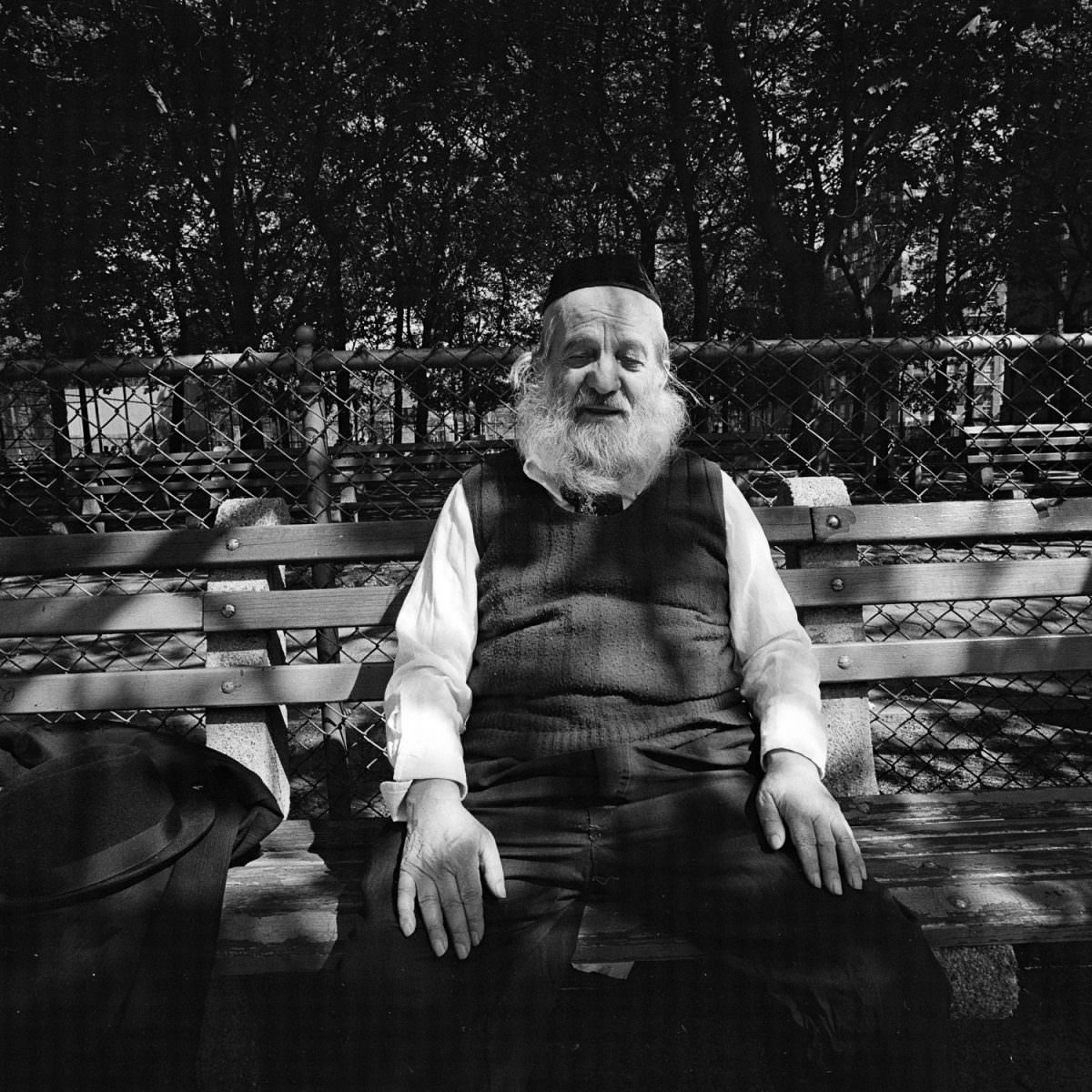
What Meisler built across these years is a street-level record of a neighborhood that newspapers mostly described in terms of what was wrong with it. Her photographs show who actually lived there — their faces, their routines, their celebrations, and their injuries. The Lower East Side of the 1970s was not one thing. It was all of these things at once.