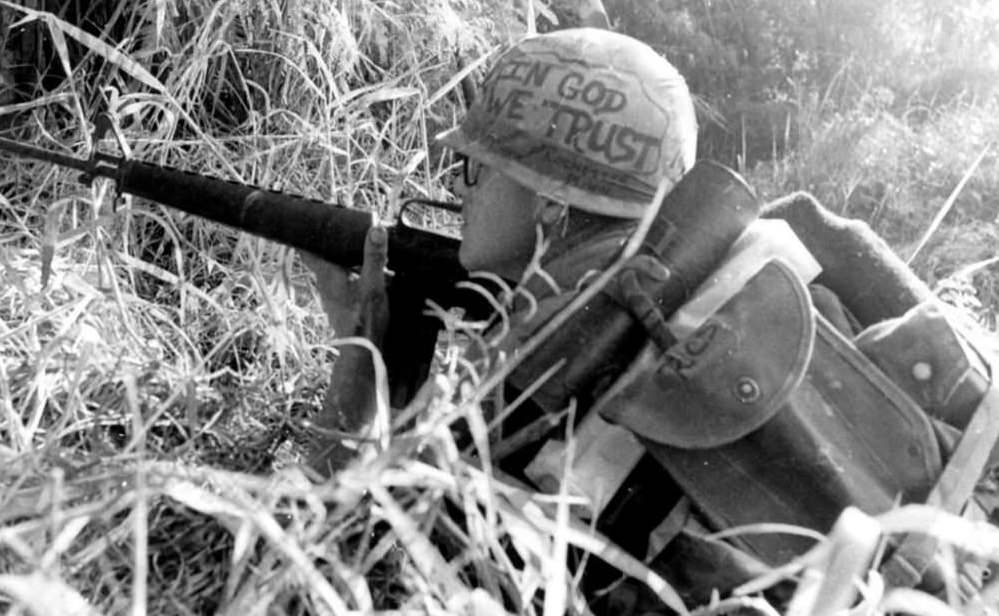
By 1968, the Vietnam War had reached some of its most brutal and chaotic months. Journalists from around the world flooded into combat zones, racing to document the destruction, the casualties, and the daily suffering of an entire nation caught in the middle of a grinding conflict. Most of these reporters and photographers were seasoned adults with press credentials and years of experience. One was a 12-year-old boy named Lo Manh Hung.
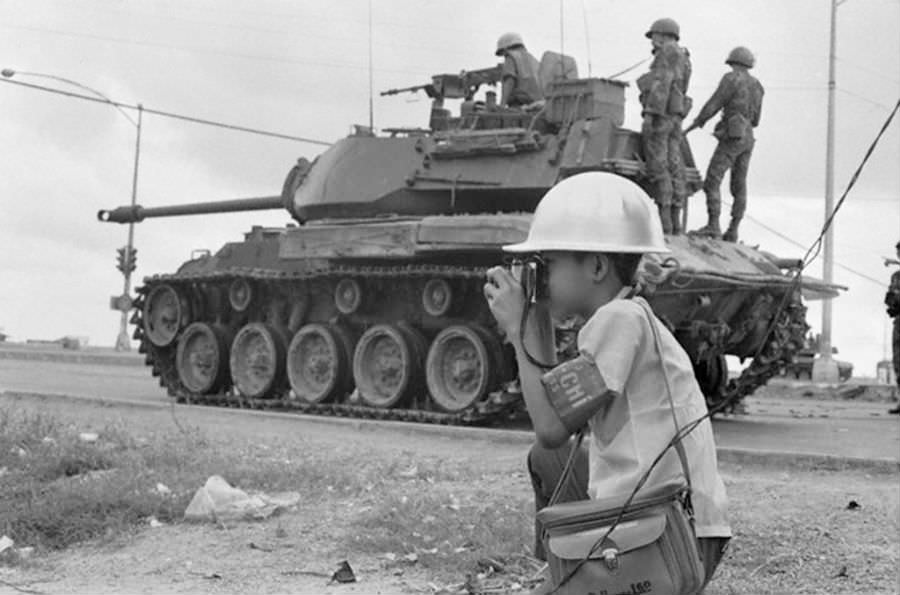
Lo Manh Hung worked alongside his father, Lo Vinh, a veteran freelance photographer who had spent years covering the war. The two worked as a team in the field, with the elder Lo Vinh guiding his son through some of the most dangerous and volatile scenes in the country. Together, they documented the violent events unfolding across Vietnam, as well as the living conditions of ordinary Vietnamese people trying to survive.
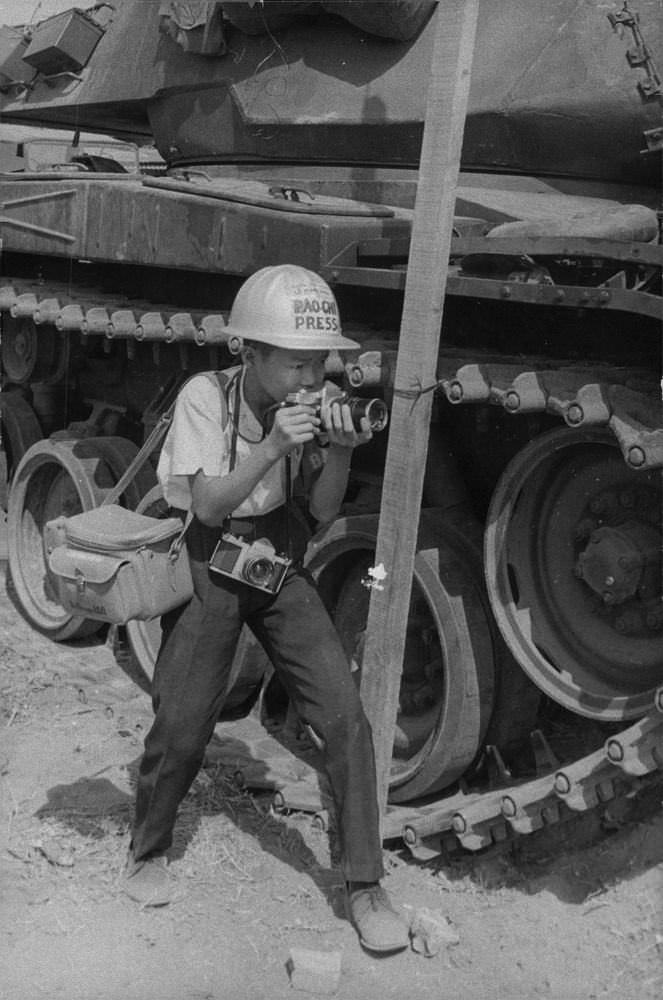
Lo Manh Hung’s role went far beyond simply snapping pictures. Back at their workspace, he handled film processing and printing, turning raw negatives into finished photographs. He then sold fresh prints directly to local newspapers and international news agencies, making him an active participant in the photojournalism trade at an age when most children were in school.
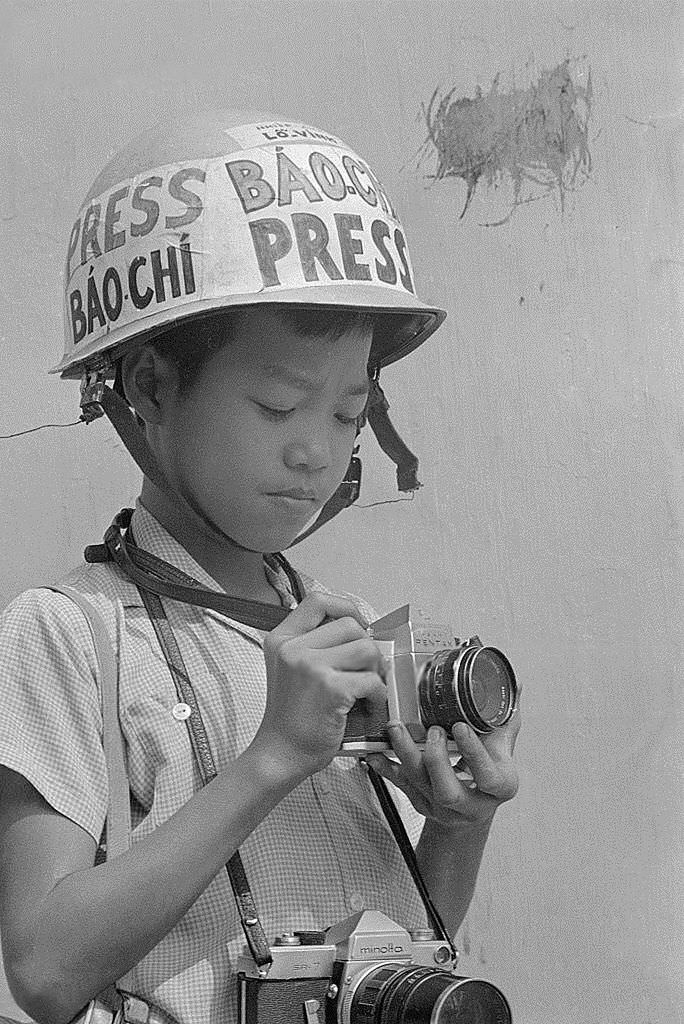
His small size and young age created a unique set of advantages in the field. Where adult photographers were blocked by crowds or stopped at barriers, Lo Manh Hung slipped through unnoticed. He weaved between bystanders and past checkpoints to get into position for shots that older, more recognizable journalists simply could not reach. His youth made him invisible in a way that worked entirely in his favor.
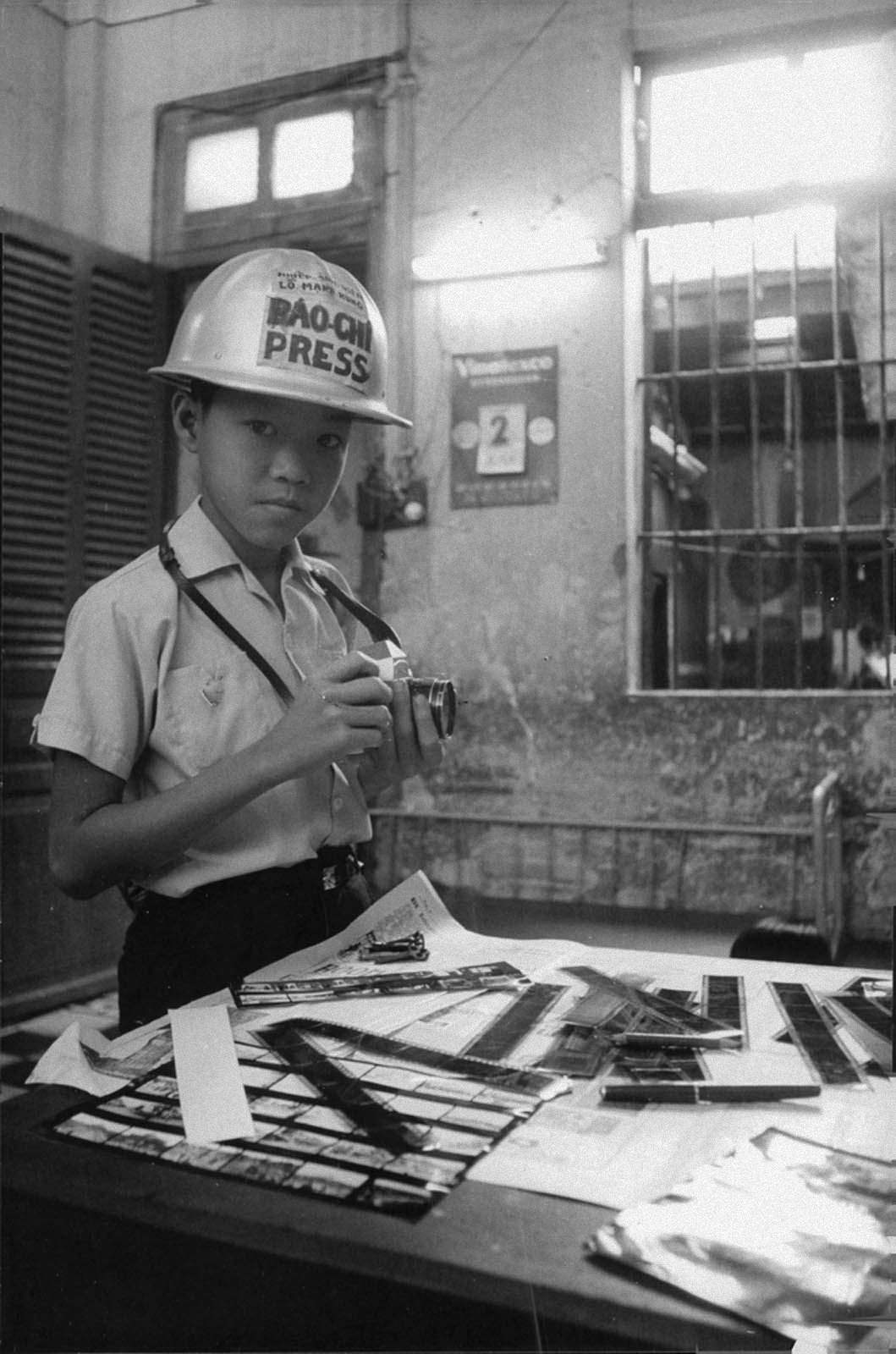
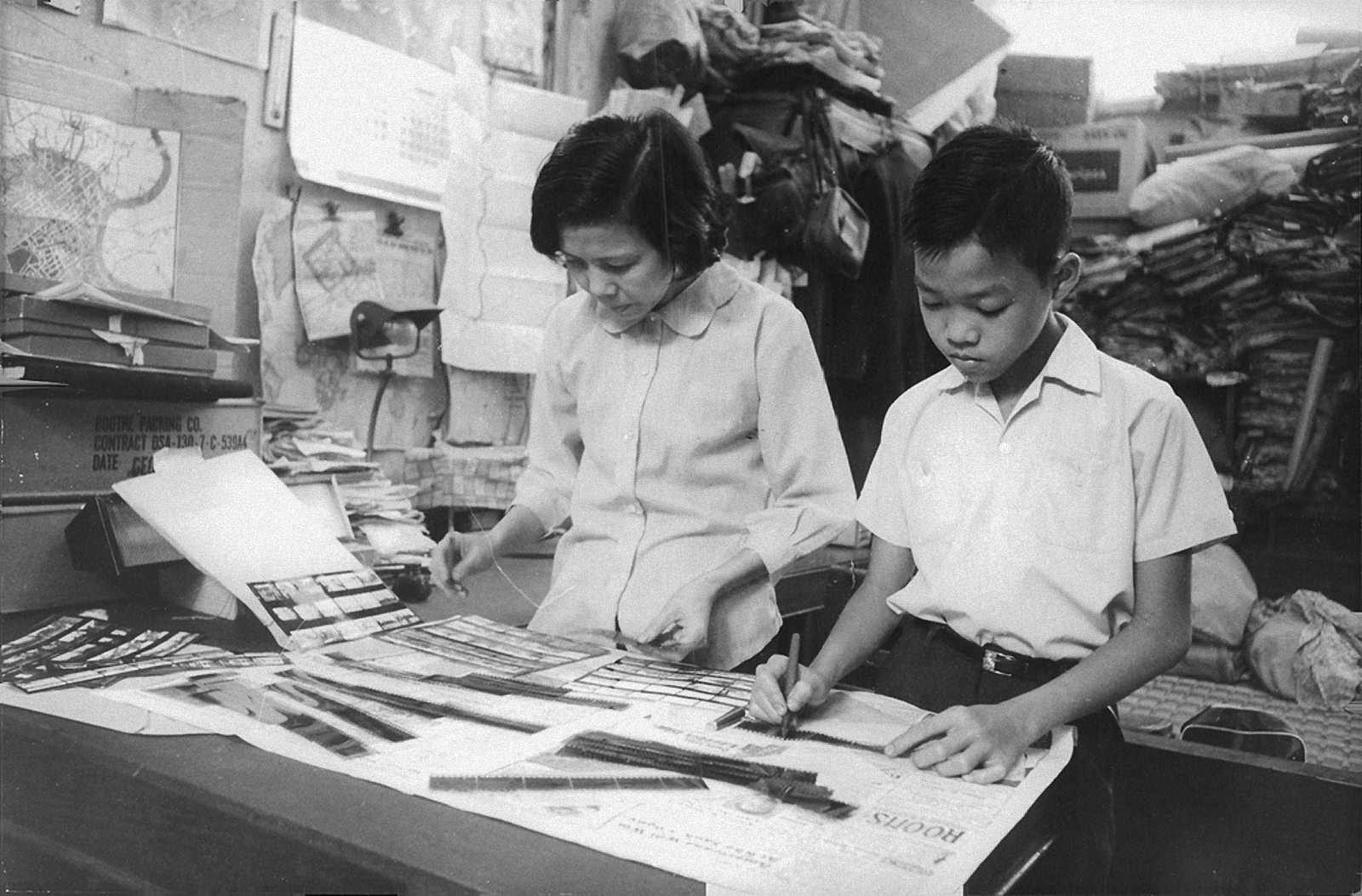
Of course, being a child in a war zone carried serious disadvantages too. His age and size were physical limitations in environments that demanded endurance and strength. Carrying camera equipment, keeping up with fast-moving events, and operating in dangerous conditions put enormous strain on someone so young. His presence was also frequently questioned — most people who encountered him on assignment refused to believe he was actually there to cover the news.
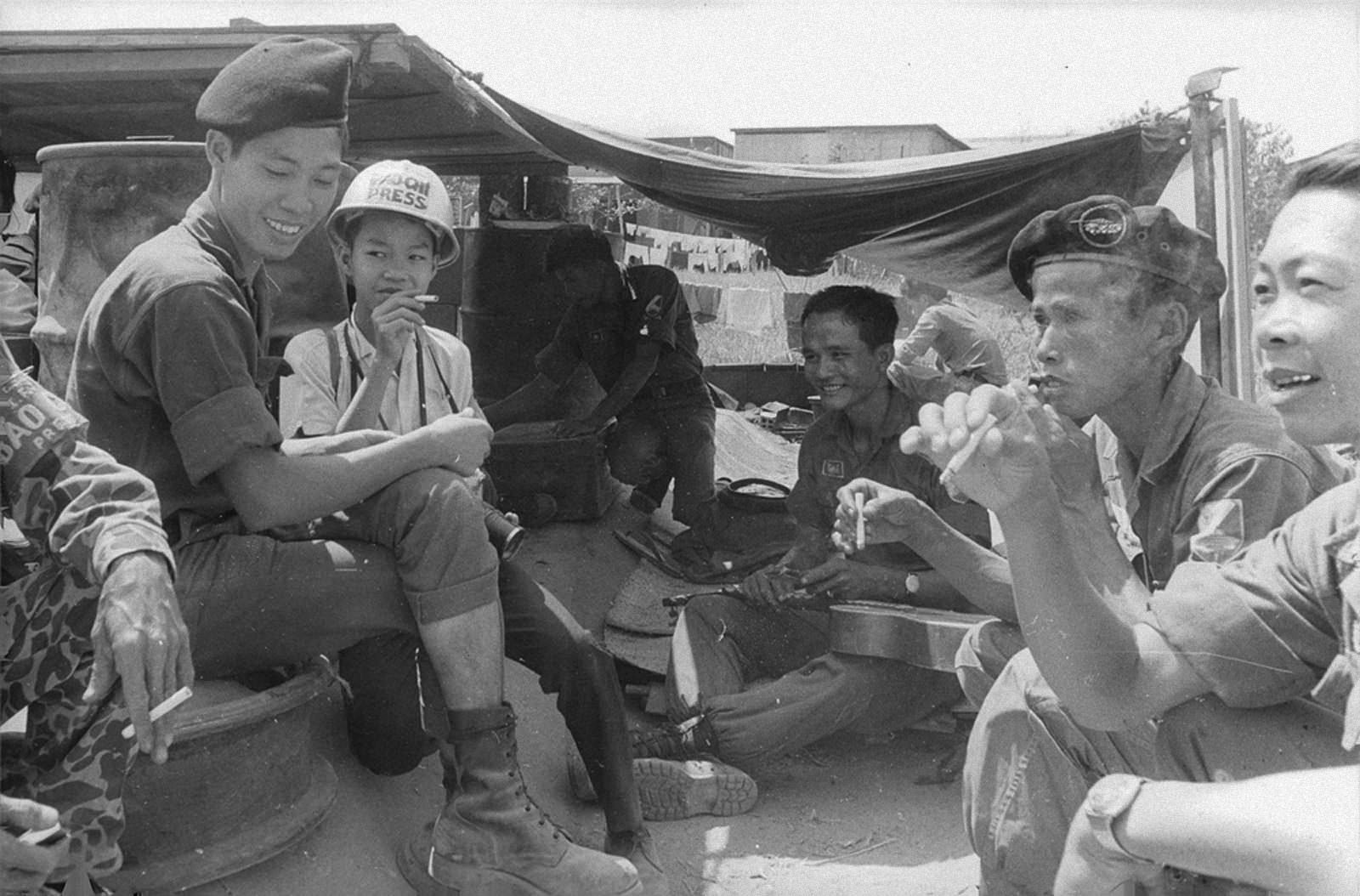
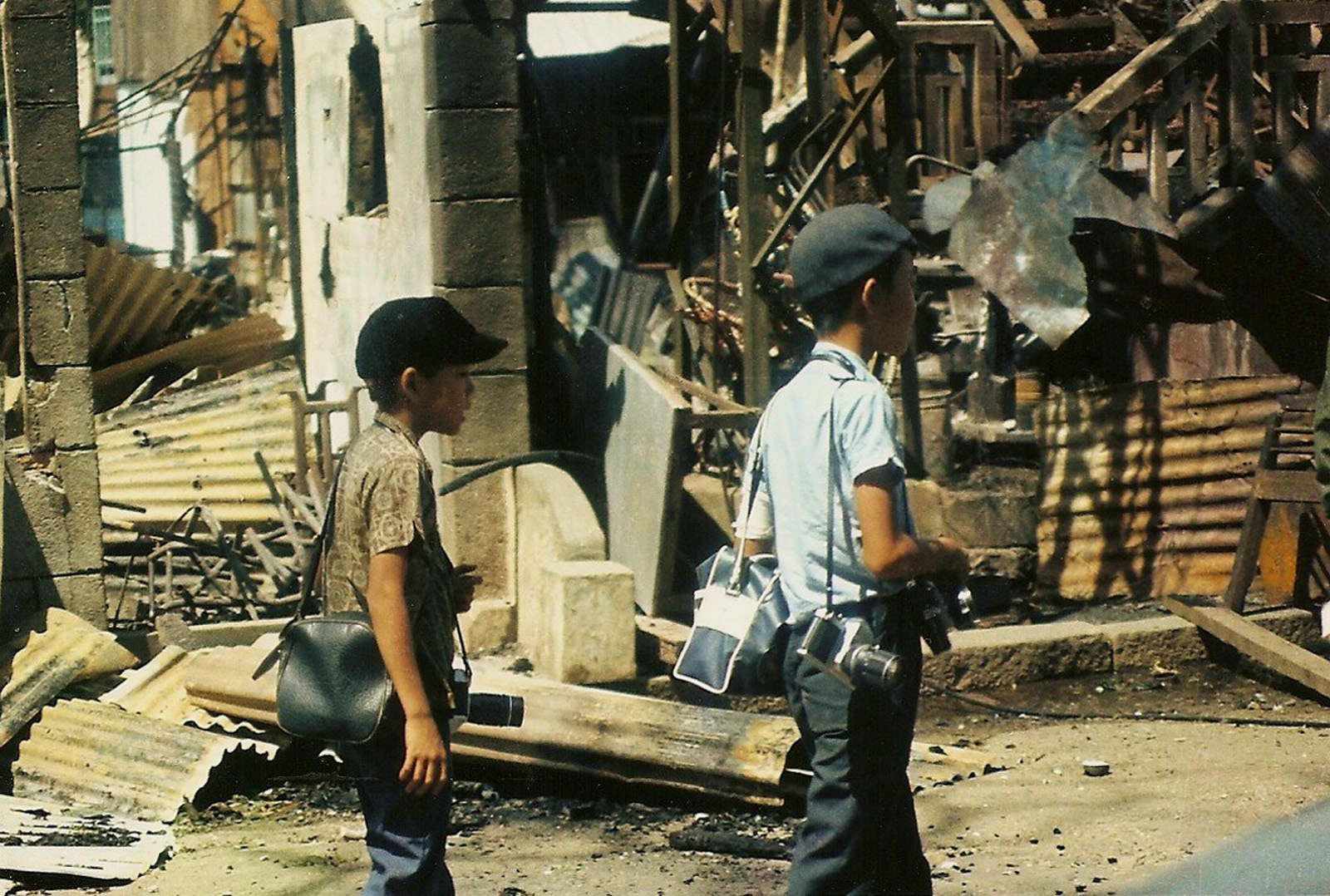
That disbelief followed him constantly. Soldiers, officials, and even fellow journalists looked at a small Vietnamese boy with a camera and dismissed the idea that he was a working photojournalist. He had no press badge that commanded instant respect, no adult stature that signaled authority. What he had was determination, skill, and a father who treated him as a genuine partner in the work.
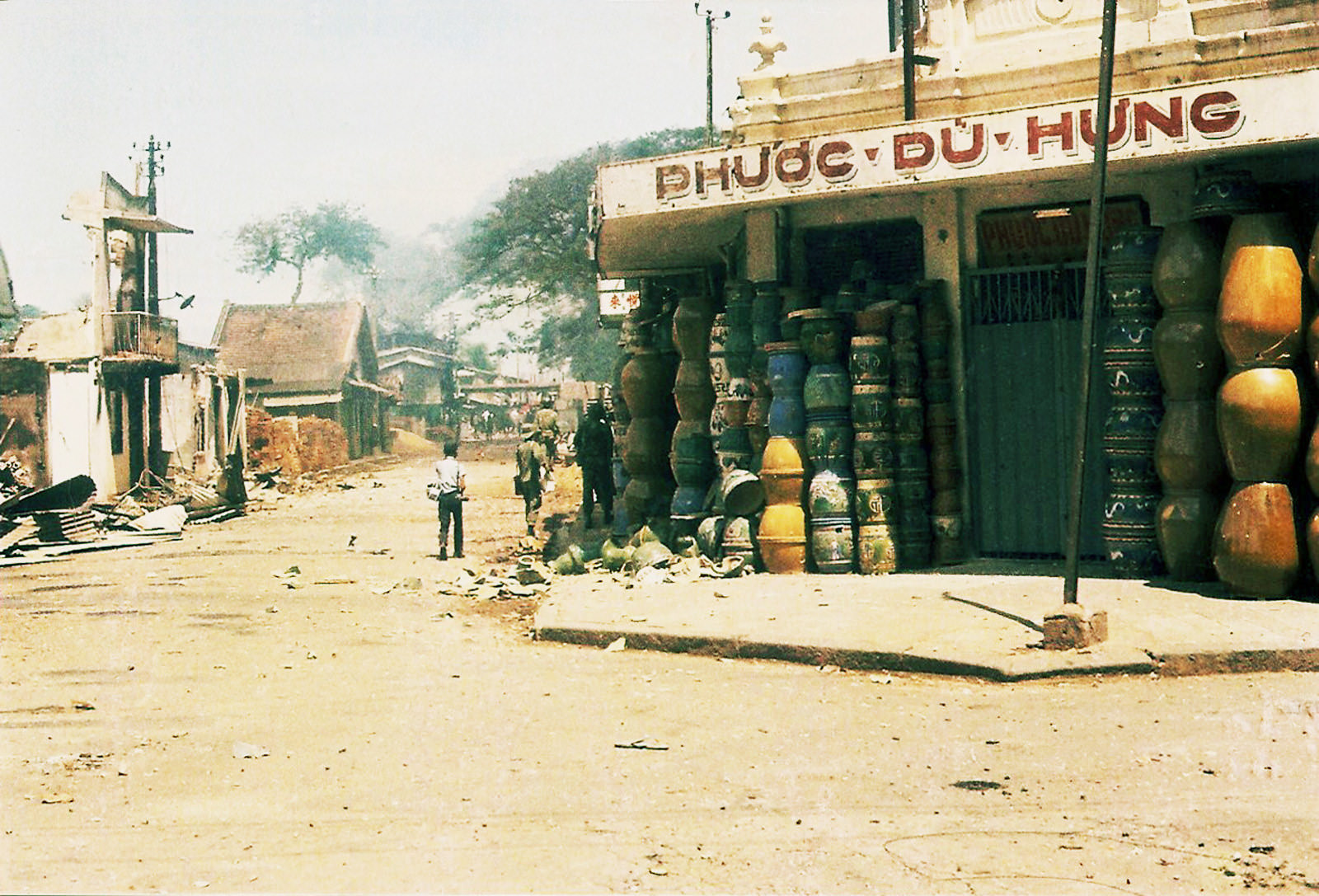
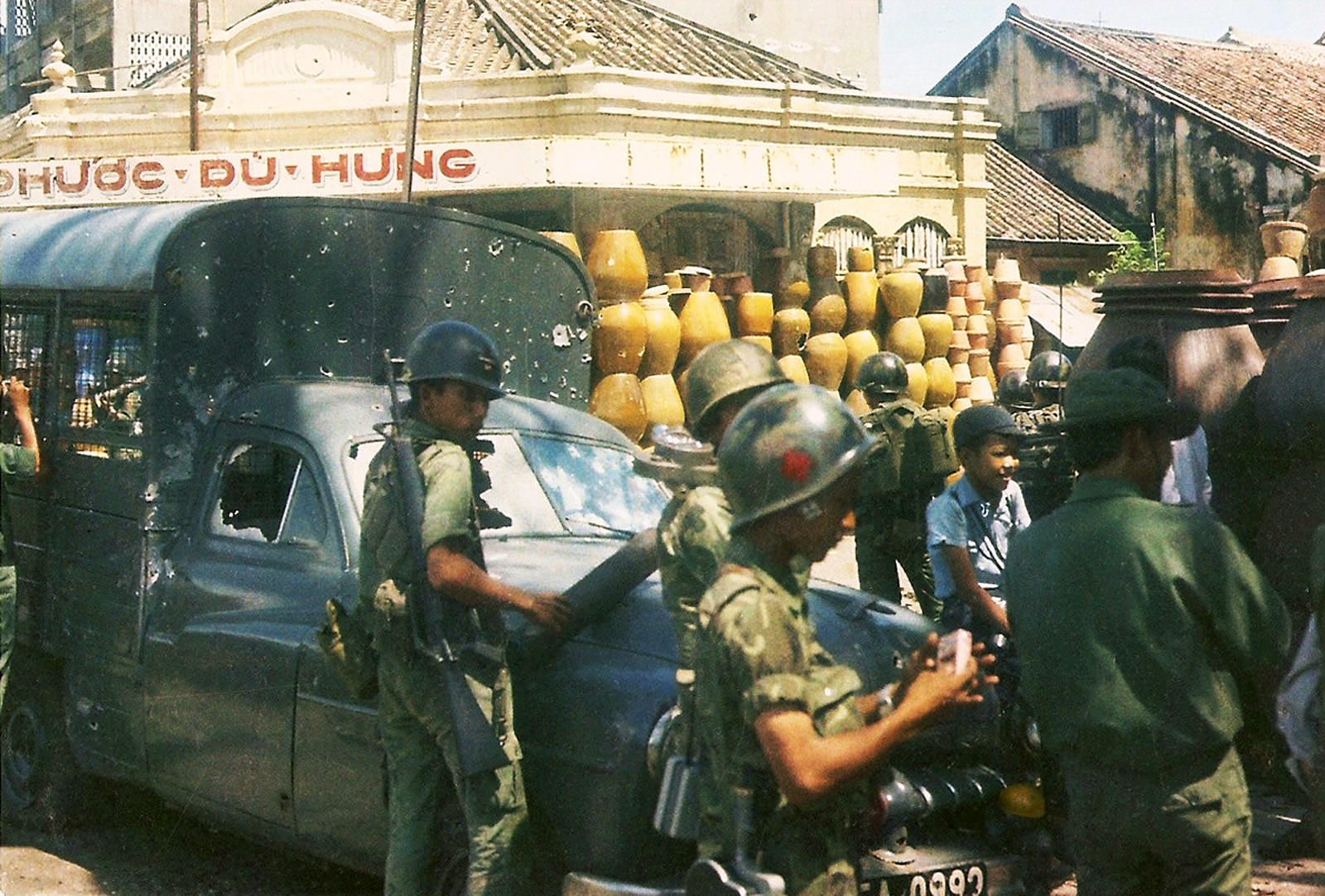
Lo Manh Hung stands as one of the youngest photojournalists ever to document an active war. The only individual recorded as younger in this context is Janna Jihad Ayyad, a Palestinian girl who began reporting from the West Bank as a child decades later. That places Lo Manh Hung in extraordinarily rare company — a 12-year-old in 1968 Saigon, camera in hand, selling war photographs to the international press.
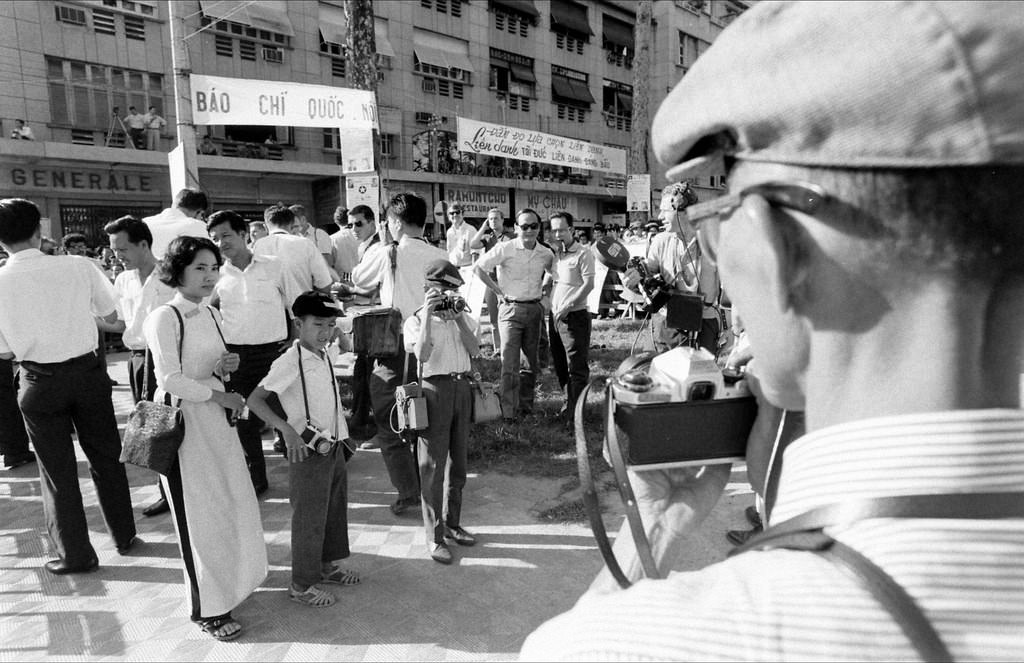
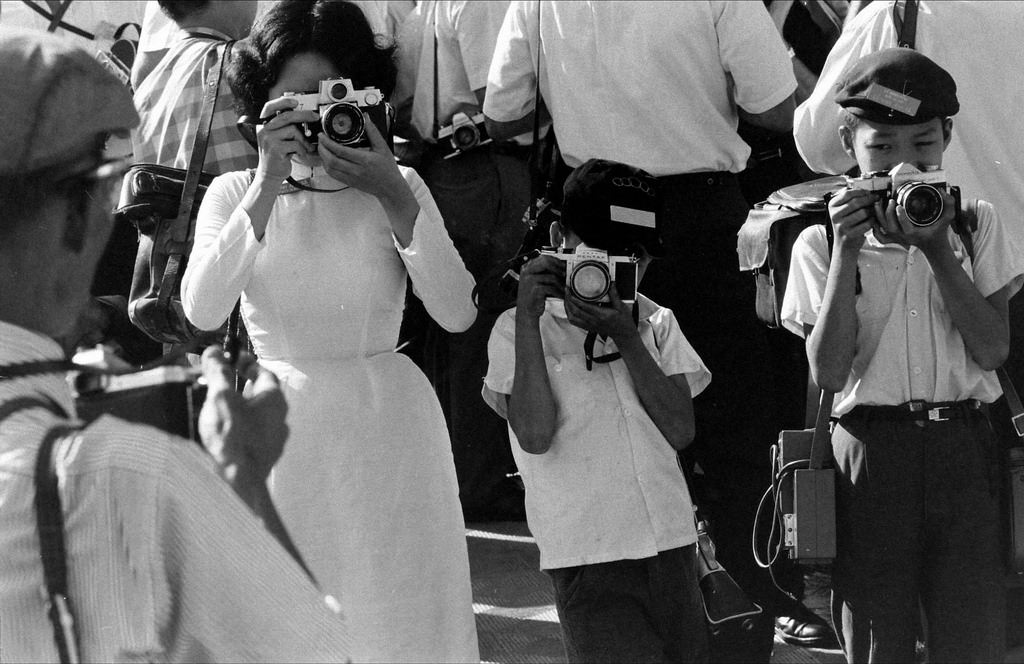
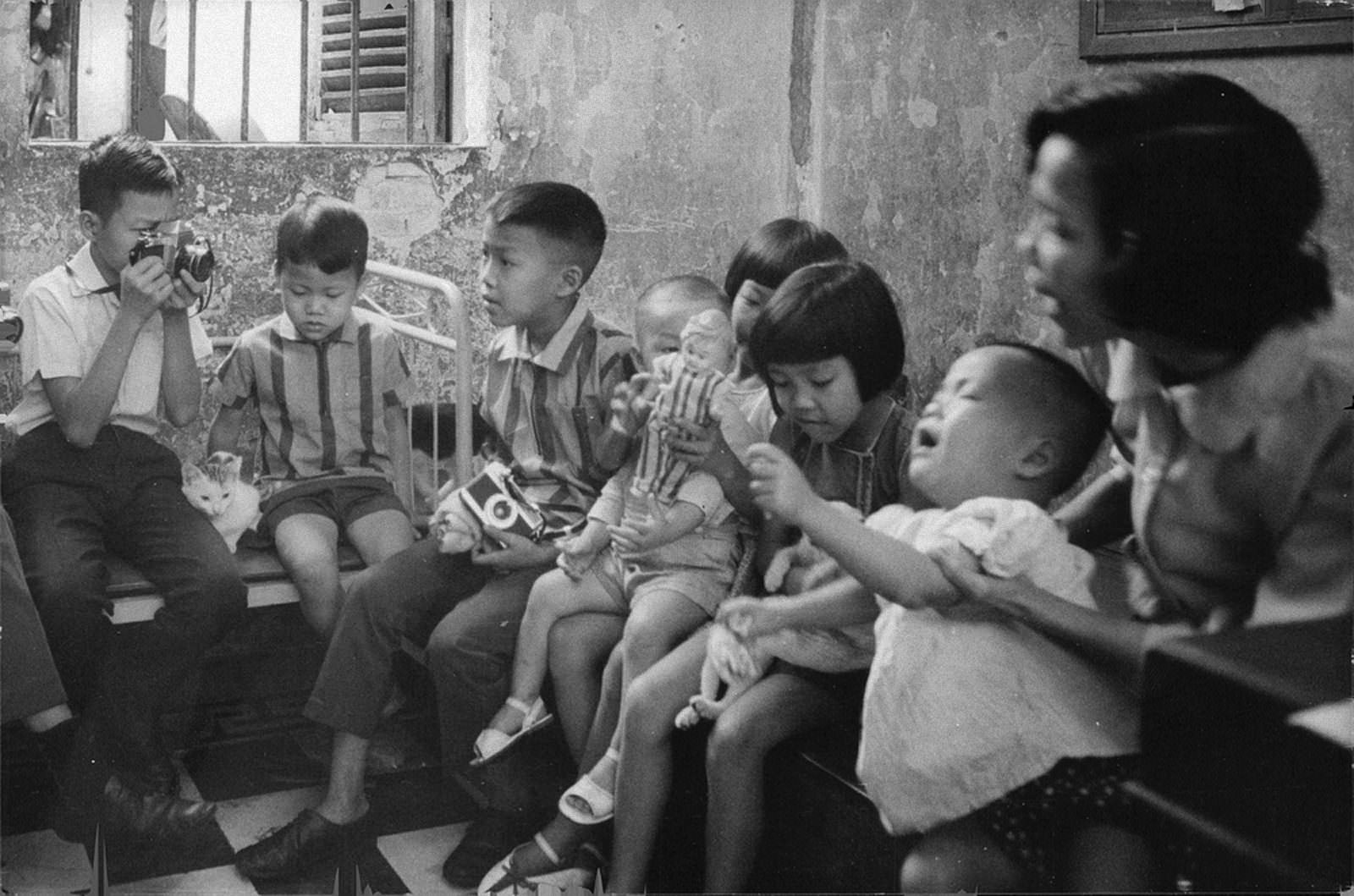
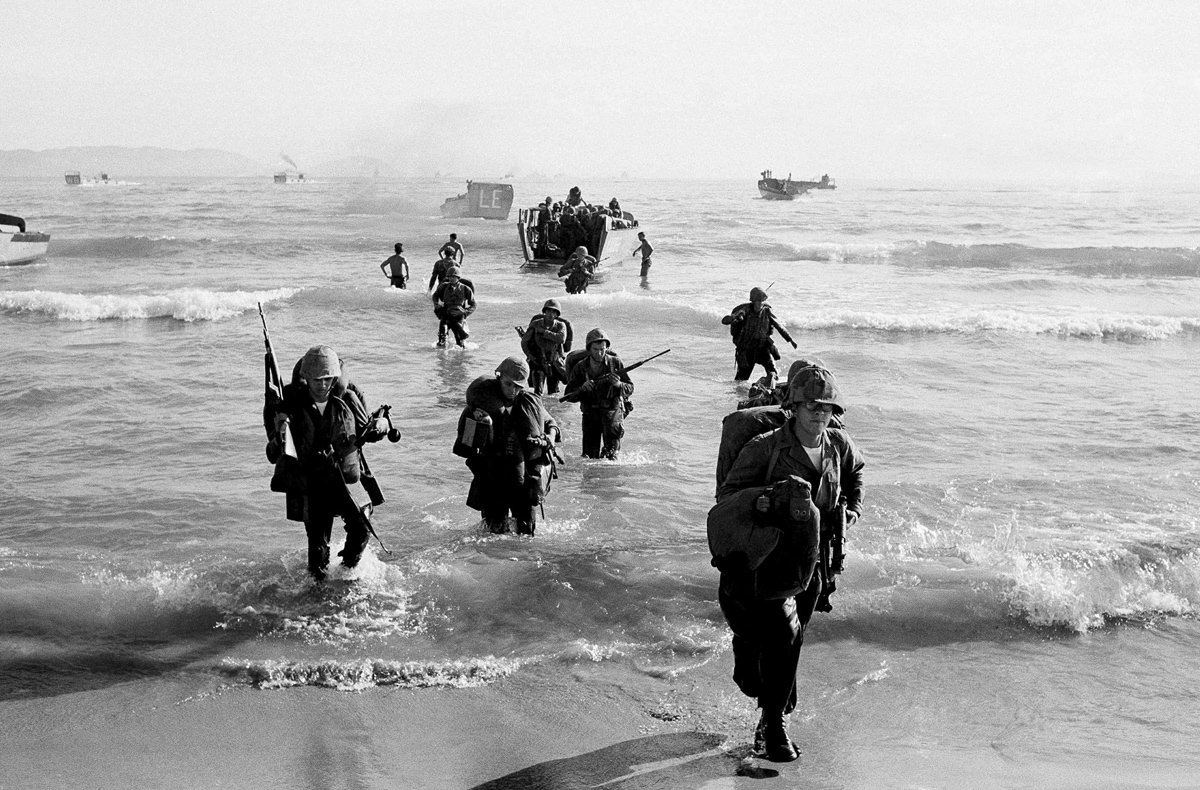
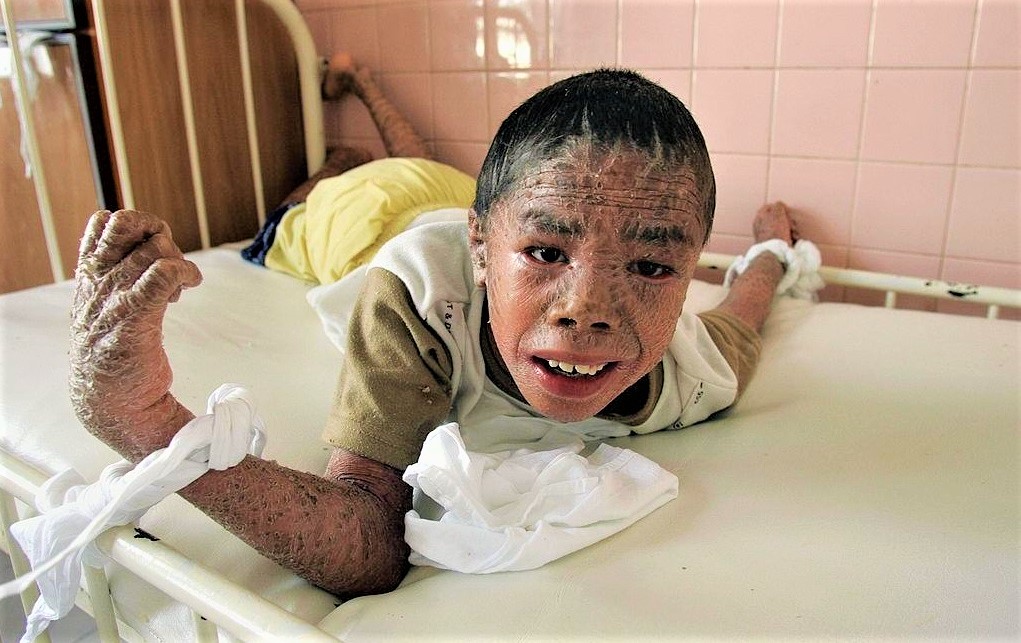
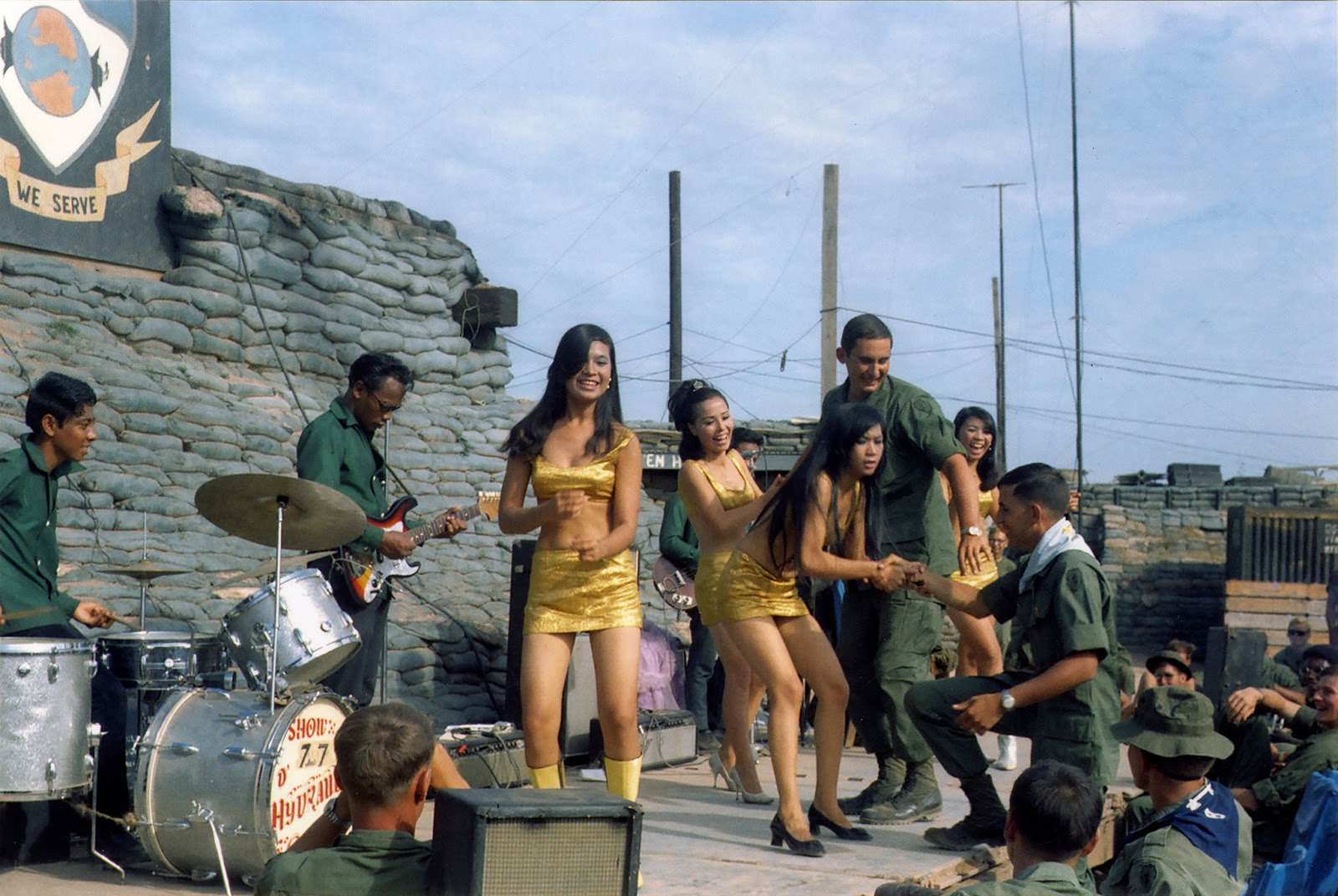
The photographs produced during this period captured a side of wartime Vietnam that official military documentation rarely showed — the human cost, the street-level chaos, and the faces of people living through something that most of the outside world only read about in headlines. Lo Manh Hung was in the middle of all of it, not as a bystander, but as a working member of the press corps at age twelve.