The 1940s were a turning point for women’s fashion, and nowhere was that shift more visible than at the beach. As women took on new roles during World War II, their clothing adapted too. Swimwear moved away from heavy, full-coverage designs toward sleeker, more form-fitting styles that celebrated the female figure. Bold colors, playful prints, and flattering cuts defined the era — and the results were anything but boring.
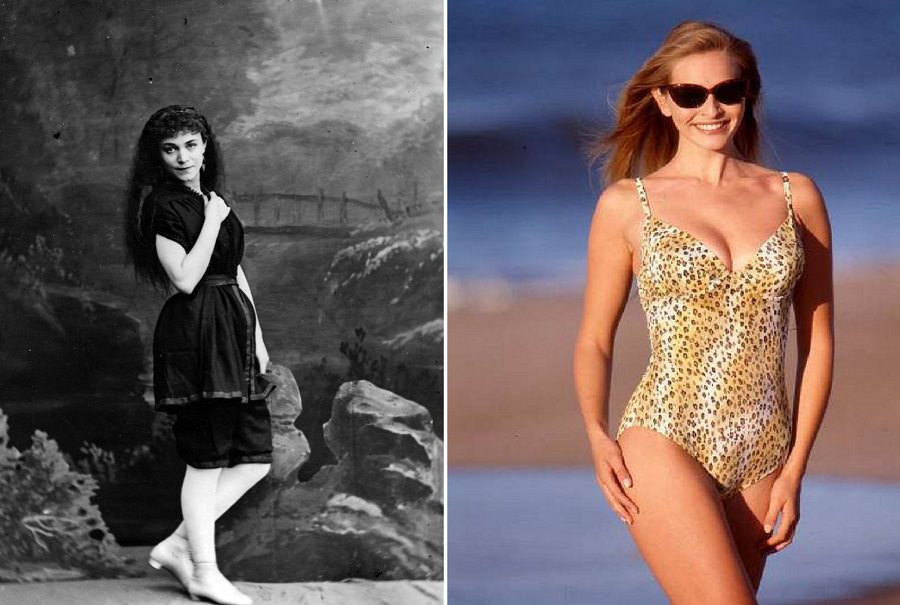
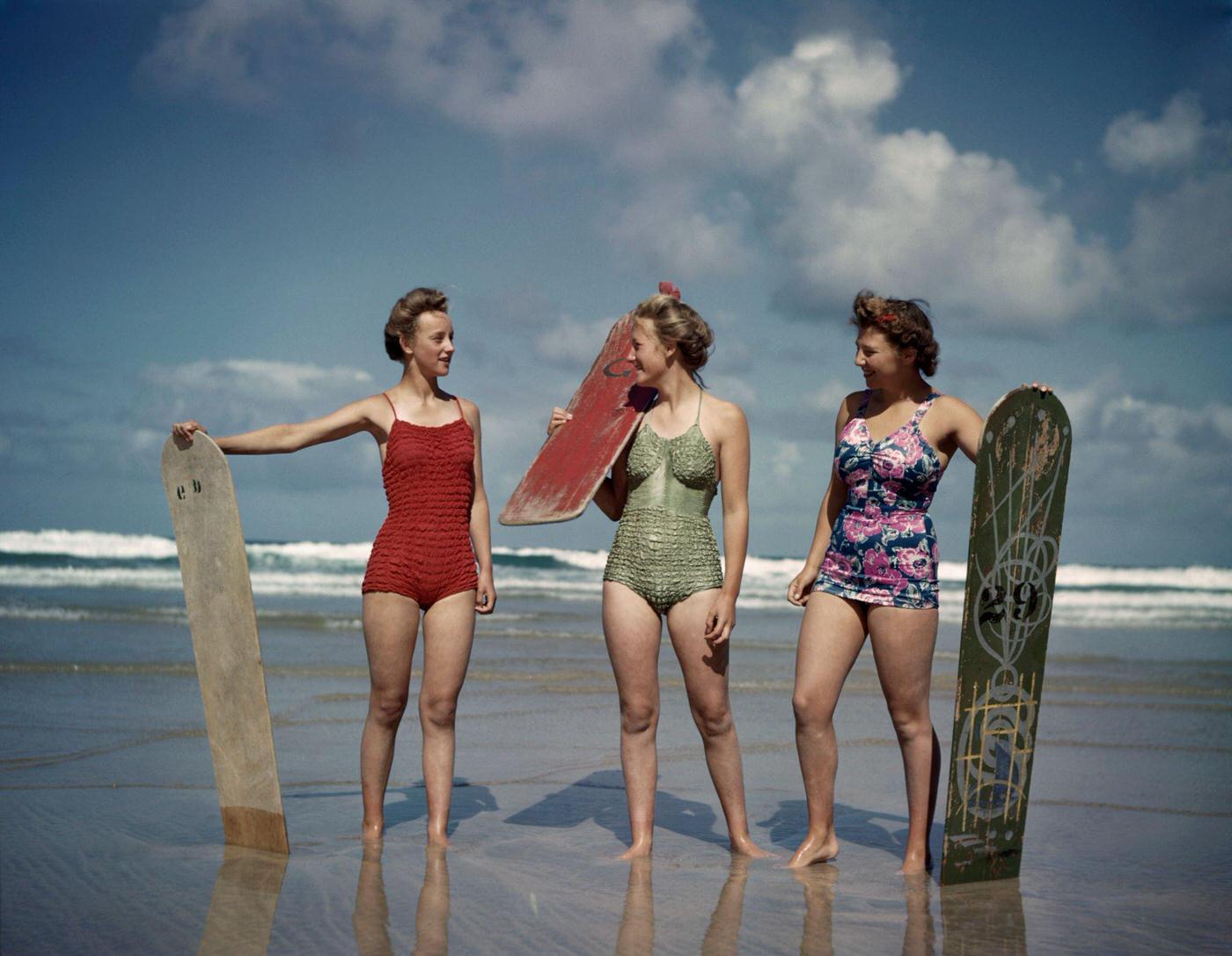
The one-piece maillot stood as the defining swimsuit of the decade. Fitted through the bodice with a built-in bra for support, it covered the upper thighs while still showing off a woman’s shape. Necklines ranged from halter to sweetheart to scoop, and decorative details like ruching, shirring, and piping were common. Polka dots, florals, and stripes made these suits eye-catching on any beach. Hollywood star Esther Williams brought the maillot global fame by wearing one in film after film, turning it into a symbol of glamour.
The two-piece swimsuit of the 1940s was a far cry from the modern bikini. High-waisted bottoms rose well above the navel, and halter tops provided firm support. Together, they created a silhouette that emphasized the waist while keeping coverage modest. Made from rayon, Lastex, or cotton, these suits held their shape in and out of the water. Vibrant patterns — stripes, florals, polka dots — made them just as stylish as their one-piece counterparts.

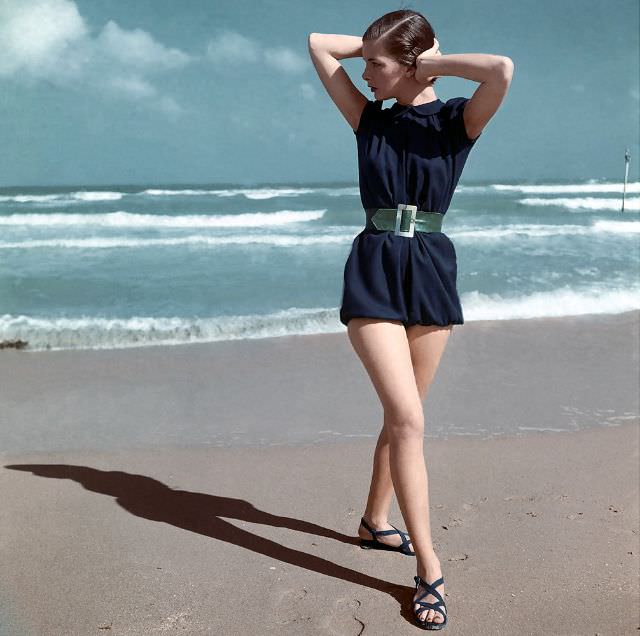
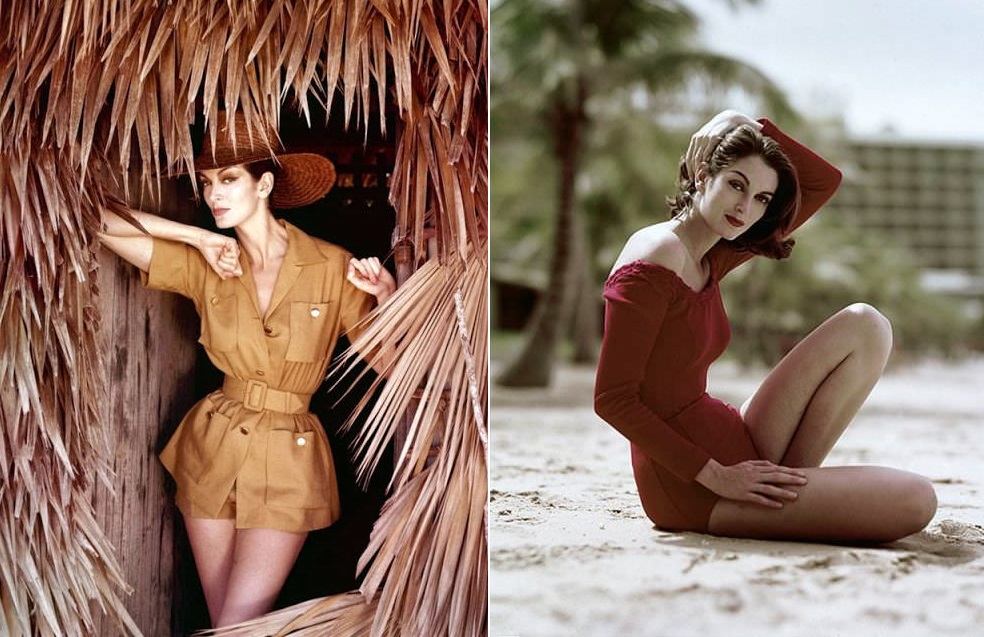
For women who wanted a suit that worked beyond the water’s edge, playsuits were a practical solution. These one-piece designs featured structured bodices — often halter or strapless — paired with shorts that allowed easy movement. Buttons, bows, and ruffles gave them a fashion-forward edge, while materials like rayon and cotton kept them comfortable. A playsuit could take a woman from the shore to a poolside lunch without missing a beat.

Sarong-style swimsuits drew from traditional wrapped garments to create something both exotic and functional. A wrap-around design tied at the waist or hips, producing a draped effect over the lower body. The result was a suit that offered coverage while still highlighting a woman’s curves. Vivid colors and intricate prints added to the visual drama, and Hollywood stars helped cement the sarong-style suit as a genuine fashion statement.
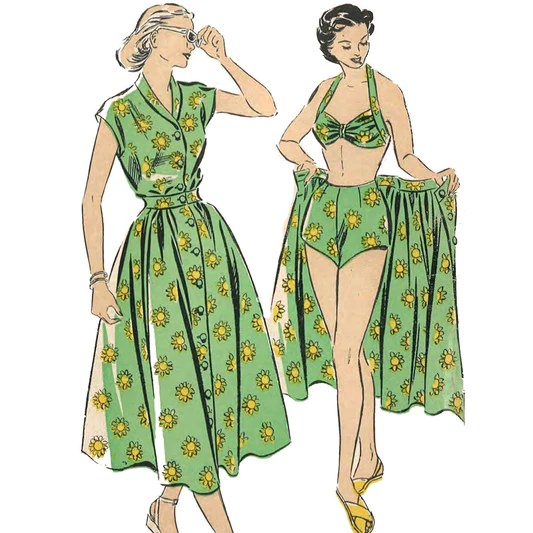
Not every woman at the beach was there to lounge. As competitive swimming and water sports became more common for women, the tank suit answered the call. Sleeveless and form-fitting, it allowed a full range of motion without excess fabric. A high, rounded neckline and modest shorts or briefs kept the design athletic and practical. Tank suits came mostly in solid colors, with some featuring simple stripes — function came first, but style was never entirely abandoned.
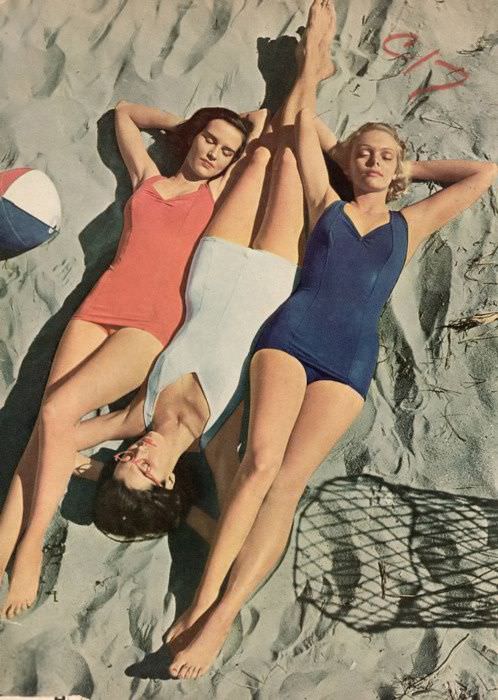
On the bolder end of the spectrum, pin-up swimsuits made a deliberate statement. Influenced heavily by Hollywood’s glamour machine, these suits featured plunging necklines, keyhole cutouts, ruched detailing, and embellishments like bows and ruffles. Daring prints made them impossible to ignore. Women who wore pin-up suits weren’t looking to blend in — they were looking to be remembered.
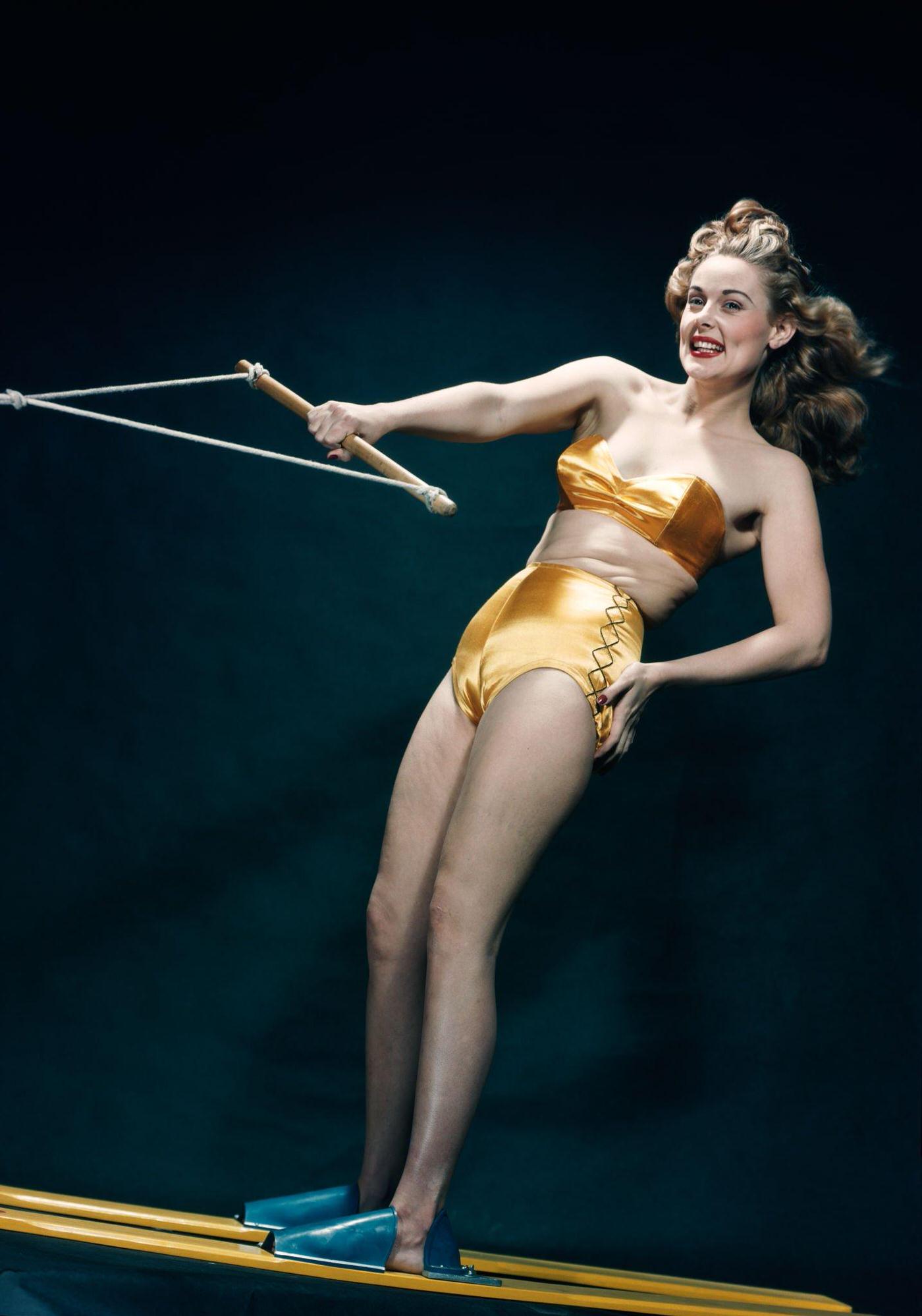
Boy shorts swimsuits offered a modest alternative for women who wanted more coverage than the standard maillot provided. The boy-short bottom extended further down the thigh, and built-in bras combined with a range of neckline options — halter, sweetheart, scoop — gave wearers plenty of choices. These suits came in the same vibrant colors and playful patterns that defined the era, proving that modesty and style were not mutually exclusive.
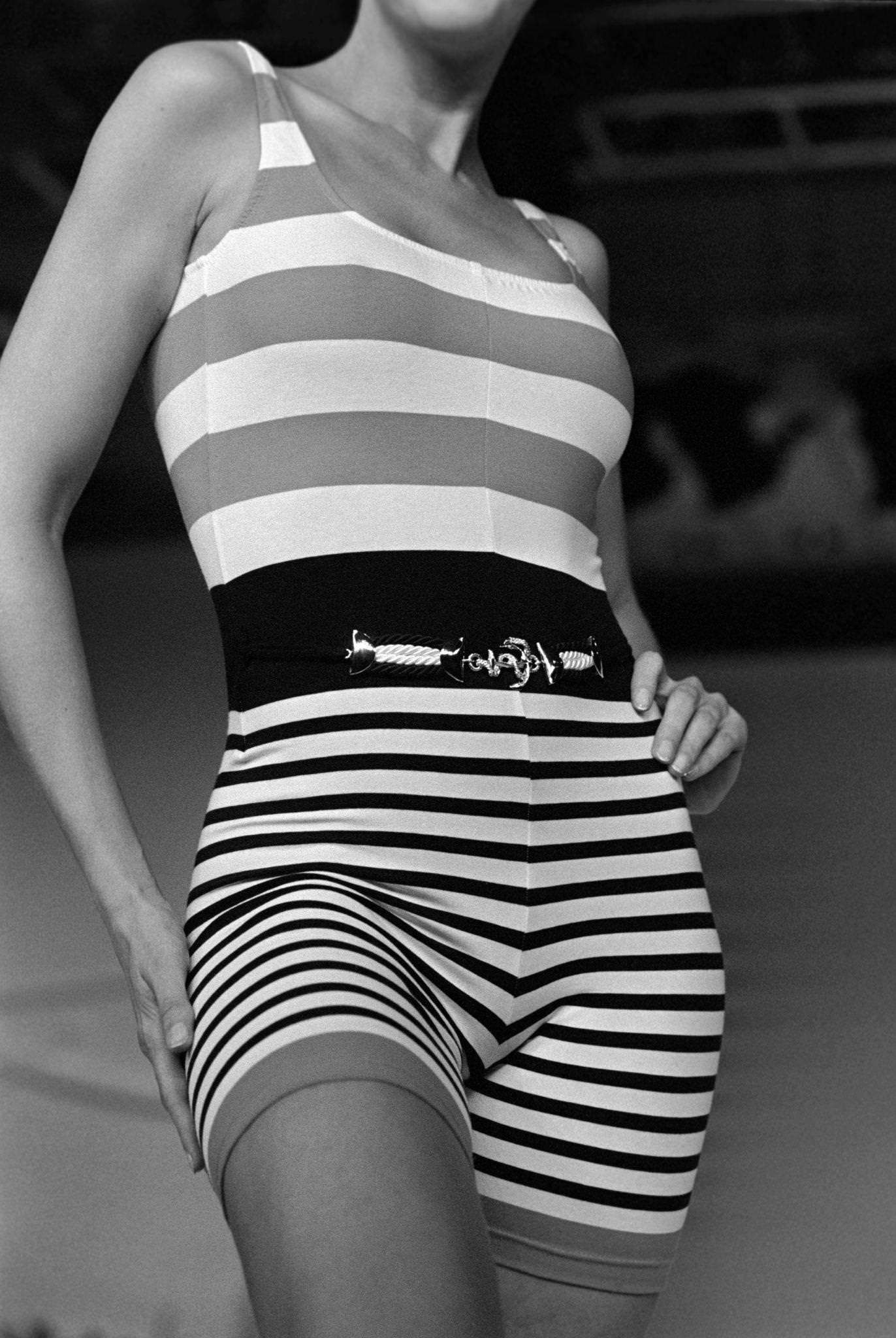
Skirted two-piece swimsuits combined the freedom of a bikini silhouette with a built-in skirt overlay on the high-waisted bottom. The skirt added coverage without sacrificing movement, and details like ruffles, pleats, and decorative buttons gave each suit its own personality. Available in a wide range of colors and patterns, these suits appealed to women who wanted the versatility of a two-piece with a slightly more covered look.
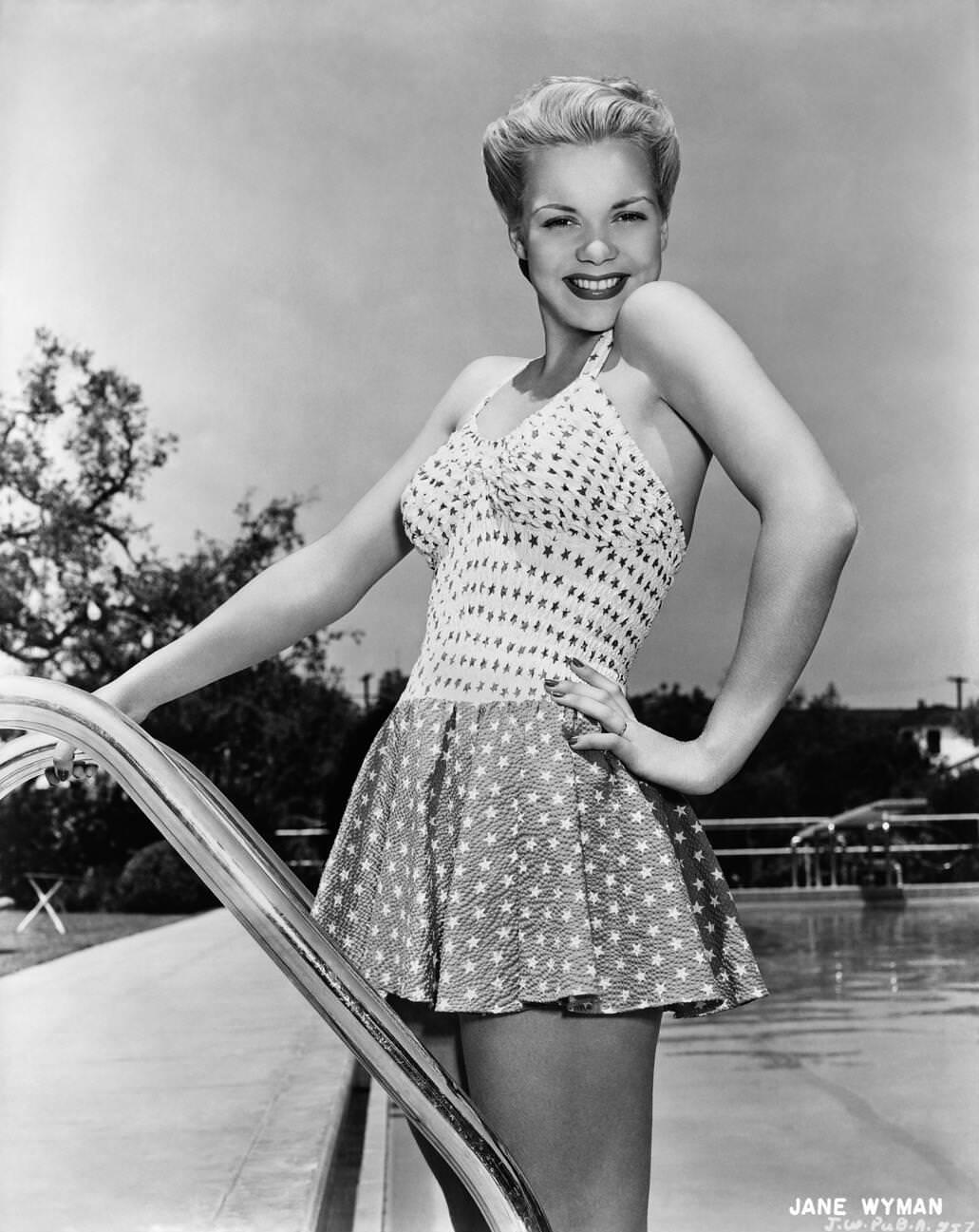
Convertible swimsuits were a genuine innovation of the decade. Featuring removable panels or detachable straps, they allowed a woman to shift between a one-piece and a two-piece look depending on her mood or activity. This adaptability made them a smart investment for women who wanted flexibility in their beachwear without owning multiple suits. The concept was simple but effective — one swimsuit, multiple looks.
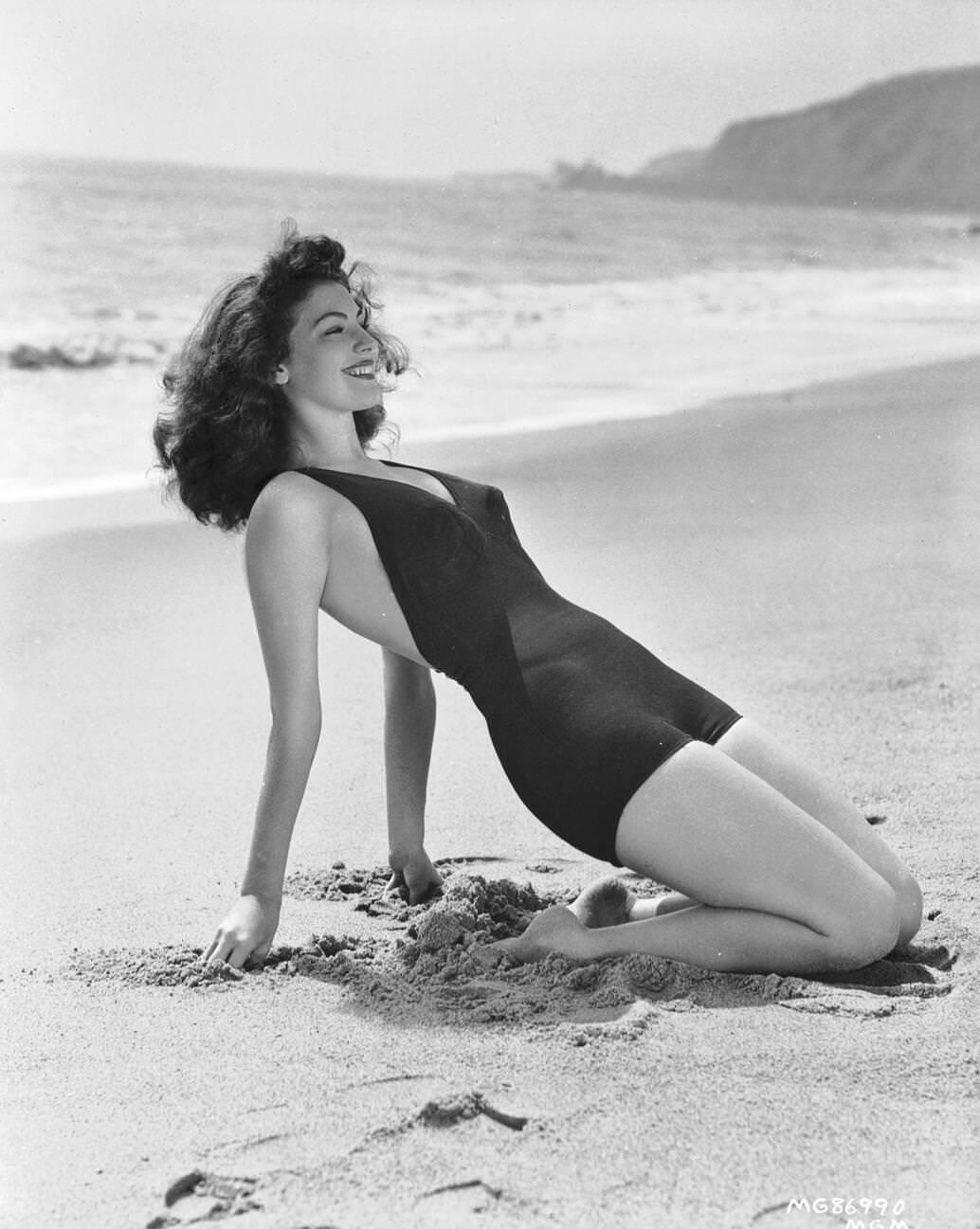
Belted swimsuits rounded out the decade’s offerings by adding a waist-cinching accessory directly into the design. Whether the belt was built in or removable, it drew attention to the waist and added a polished, put-together look. Belted styles appeared across all swimwear categories — maillots, two-pieces, and swim dresses alike — making the trend highly versatile. Belt materials, colors, and patterns varied widely, giving women yet another way to express their individual style at the shore.