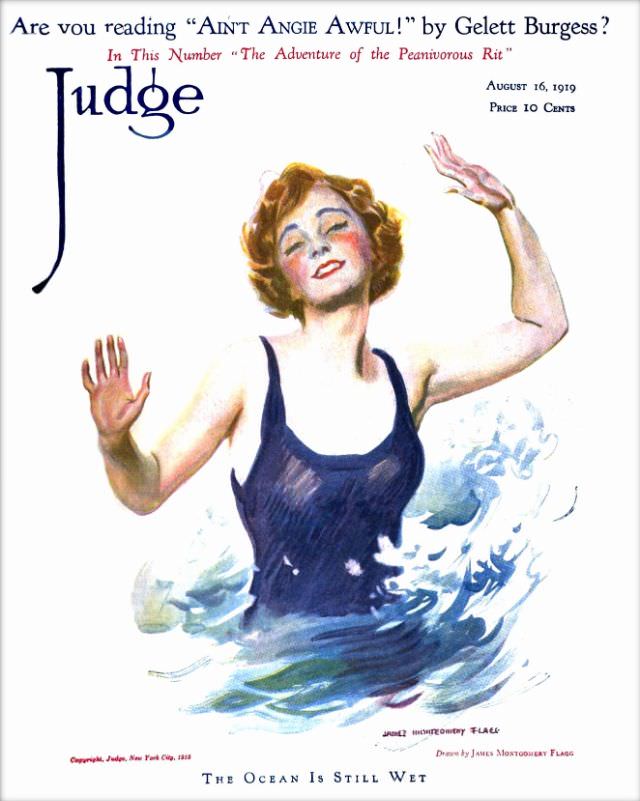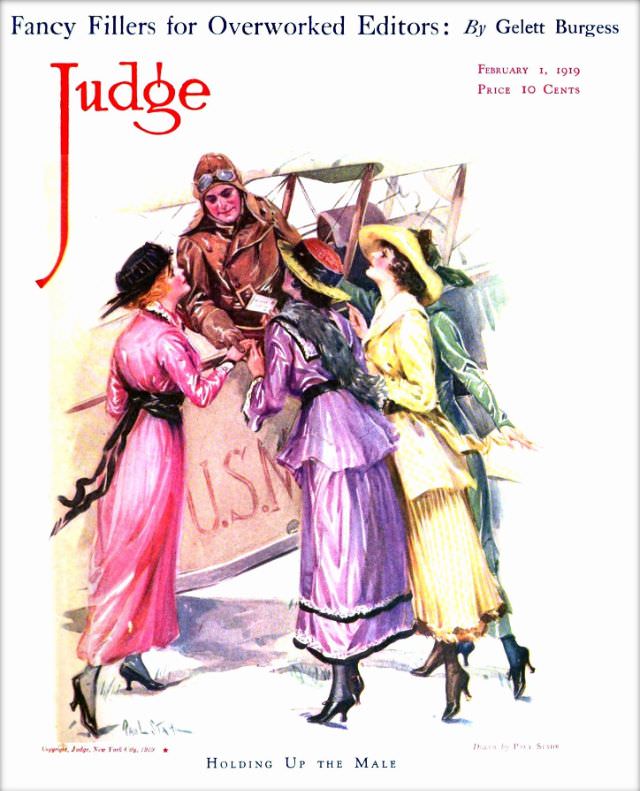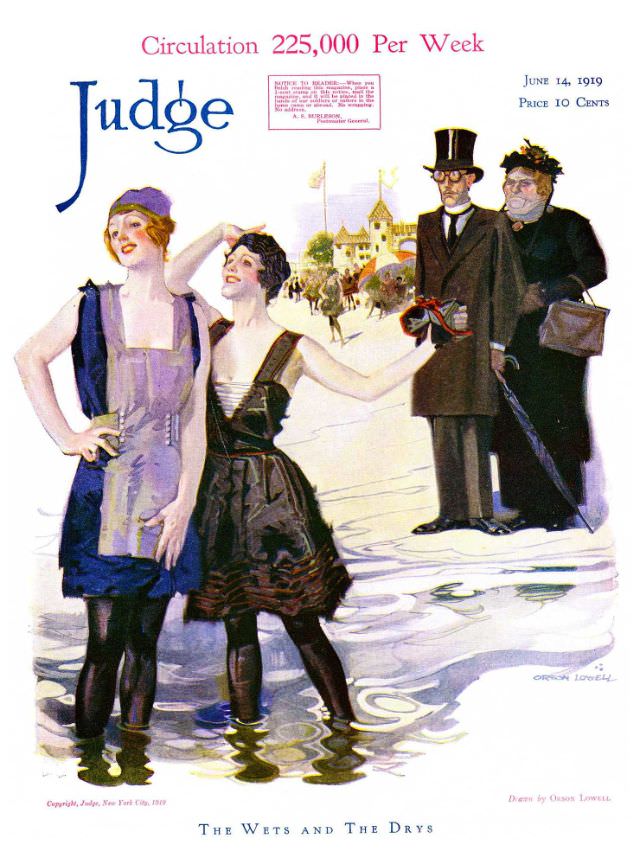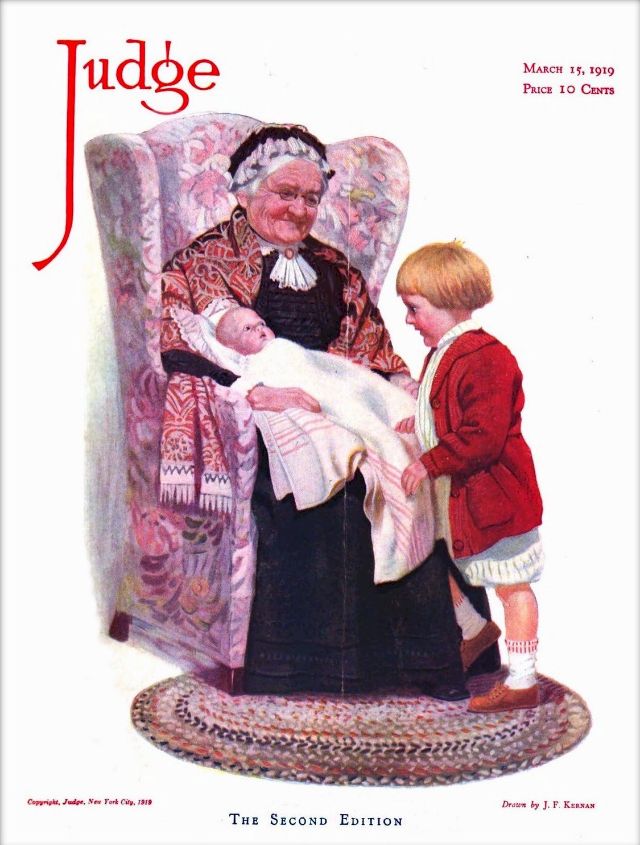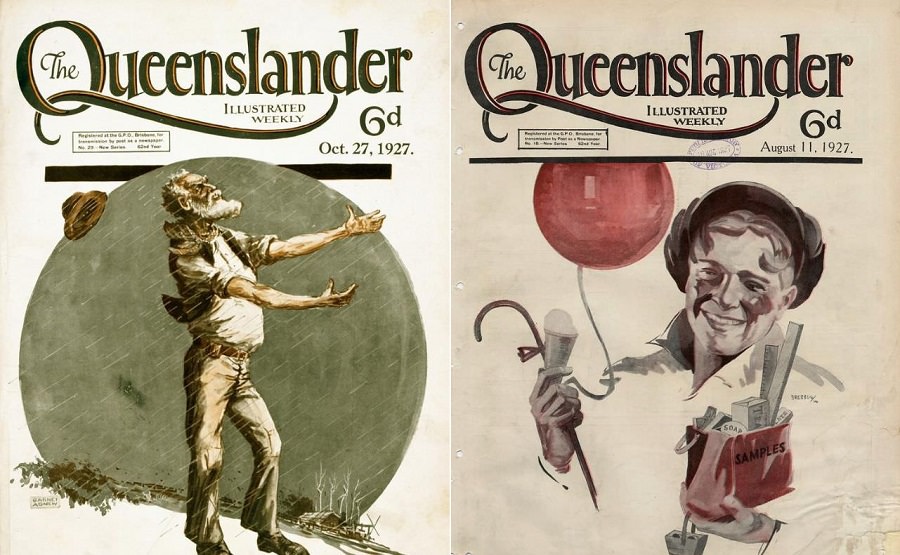
Judge was one of America’s most beloved weekly satire magazines. It ran from 1881 to 1947, and for decades it shaped how Americans laughed at politics, culture, and everyday life. The magazine was born out of a professional dispute — a group of artists broke away from the rival publication Puck to start something new. Among the founders were cartoonist James Albert Wales, dime novel publisher Frank Tousey, and author George H. Jessop. The first issue hit newsstands on October 29, 1881, right in the middle of the Long Depression.
Despite a rocky start competing against the already-established Puck, Judge found its footing. By the early 1890s, the magazine had built a circulation of 50,000 readers. Through the 1880s and 1890s, strong support from the Republican Party helped Judge grow in both content and reach, eventually surpassing Puck in circulation. The covers from this era were bold, colorful, and often packed with sharp political jokes that readers eagerly looked forward to each week.
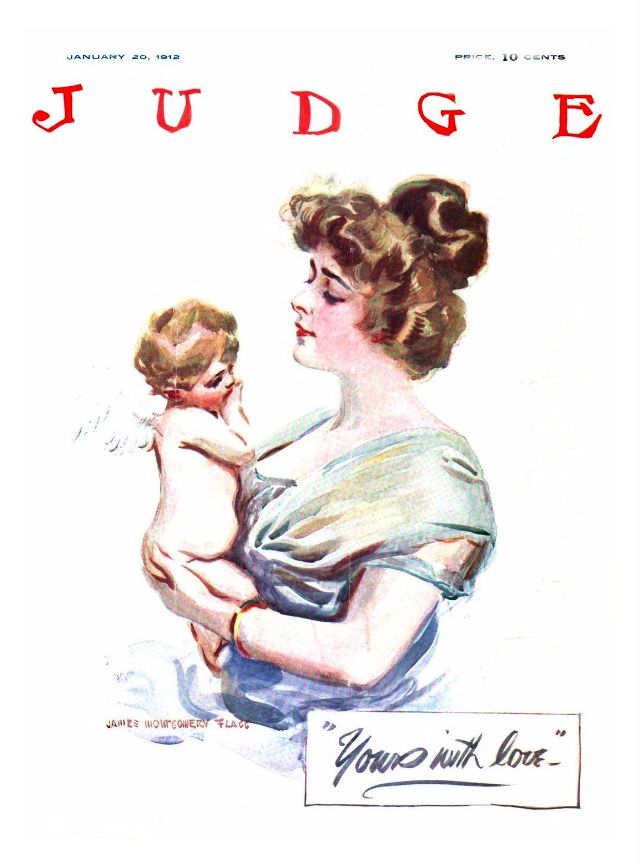
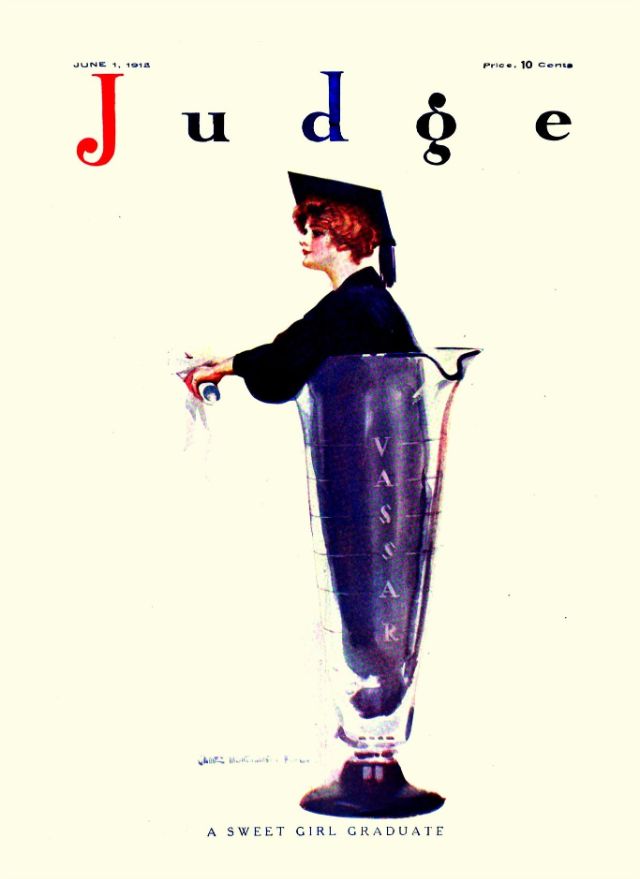
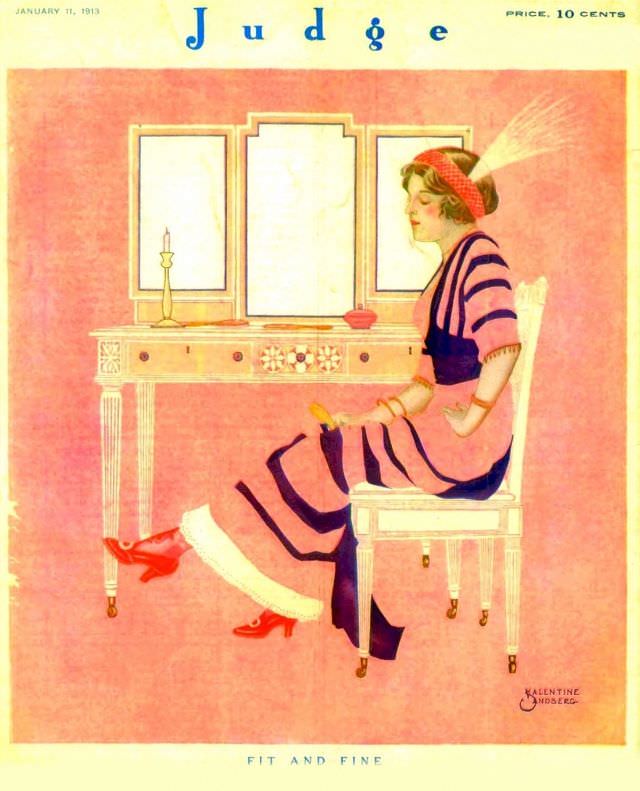
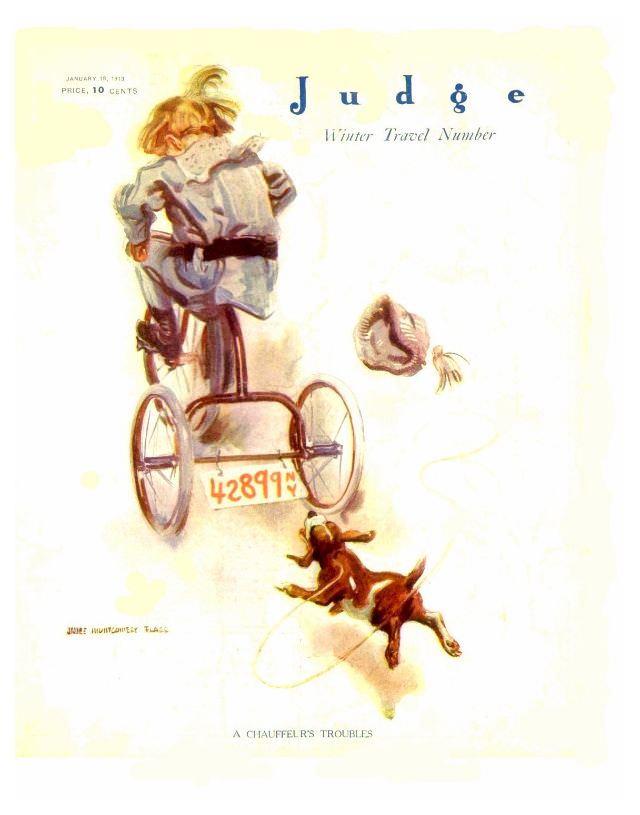
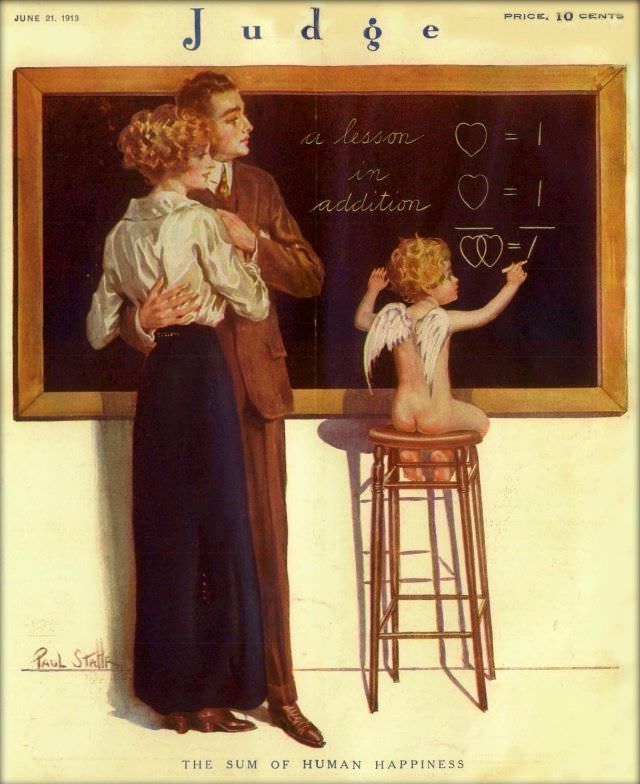
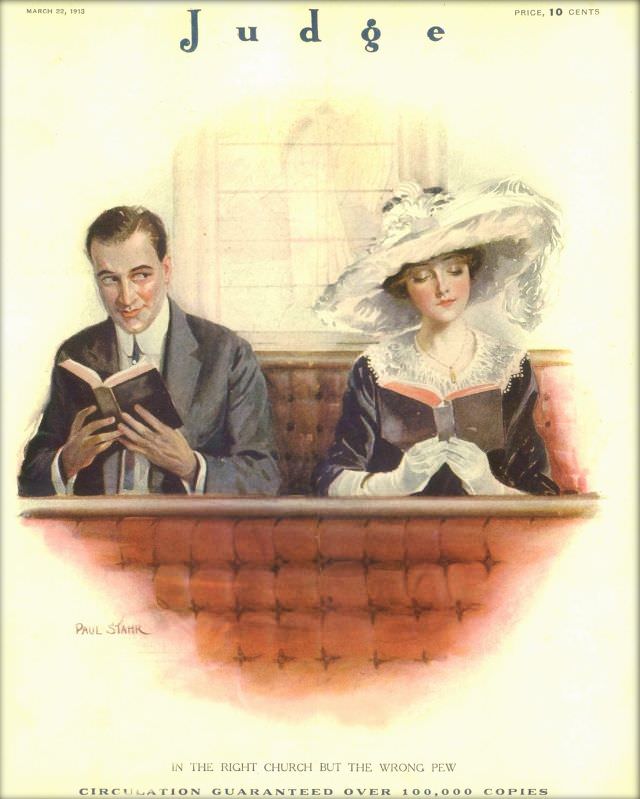
By 1912, Judge was firmly established as a staple of American humor. Its covers featured vivid illustrations that captured the mood of the times — from political cartoons poking fun at Washington to lighthearted scenes of everyday American life. Each issue’s cover was a small work of art, designed to grab attention on the newsstand and deliver a punchline before the reader even opened the magazine.
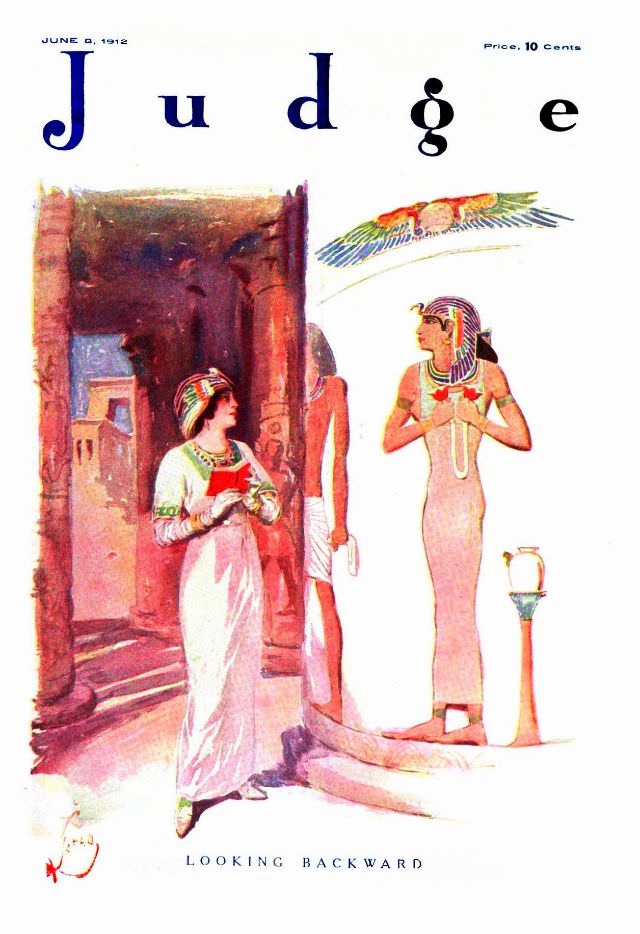
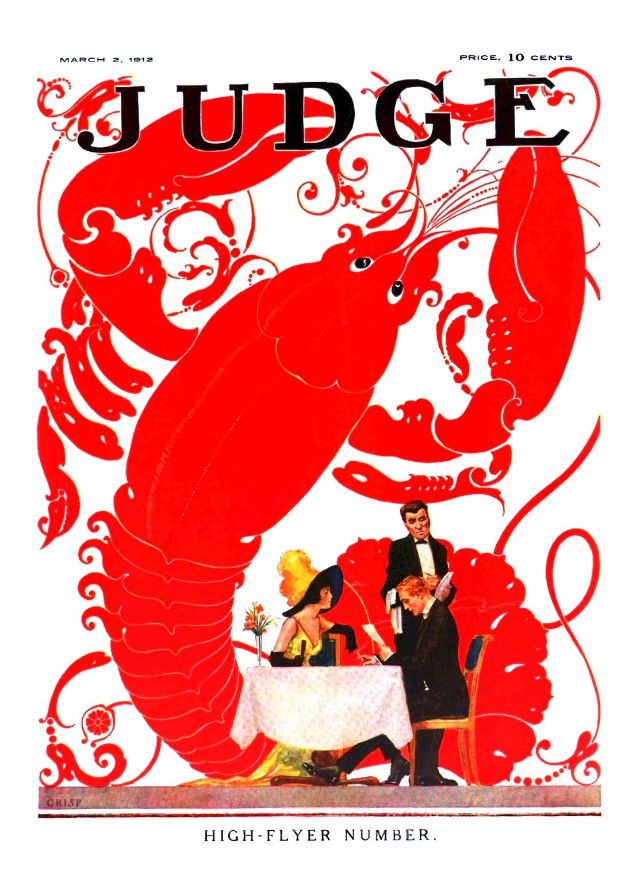
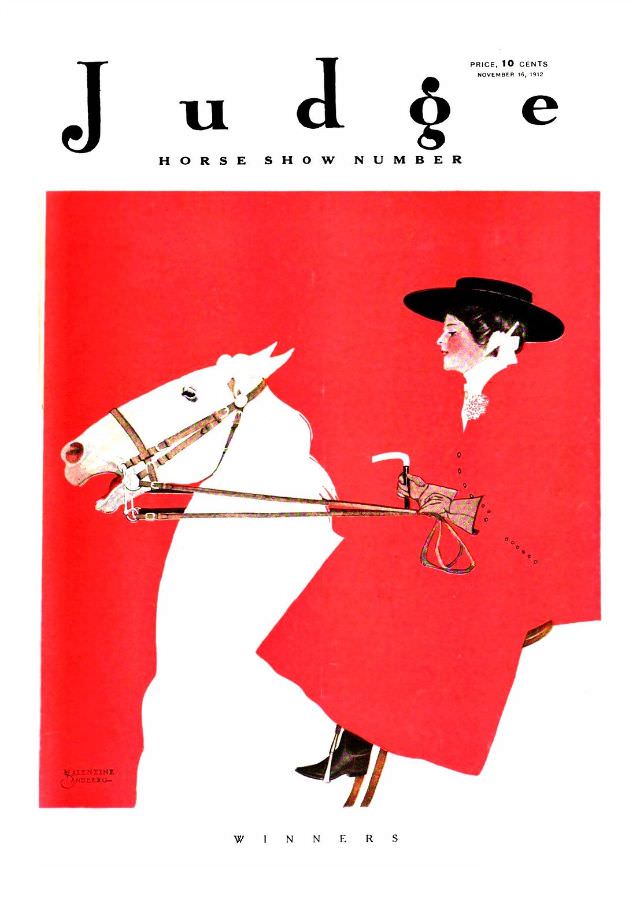
The year 1912 was a particularly busy one in American politics. The presidential race that year featured three major candidates — William Howard Taft, Woodrow Wilson, and Theodore Roosevelt — giving Judge’s artists plenty of material to work with. The magazine’s covers reflected the chaos and comedy of the election season with gleeful energy.
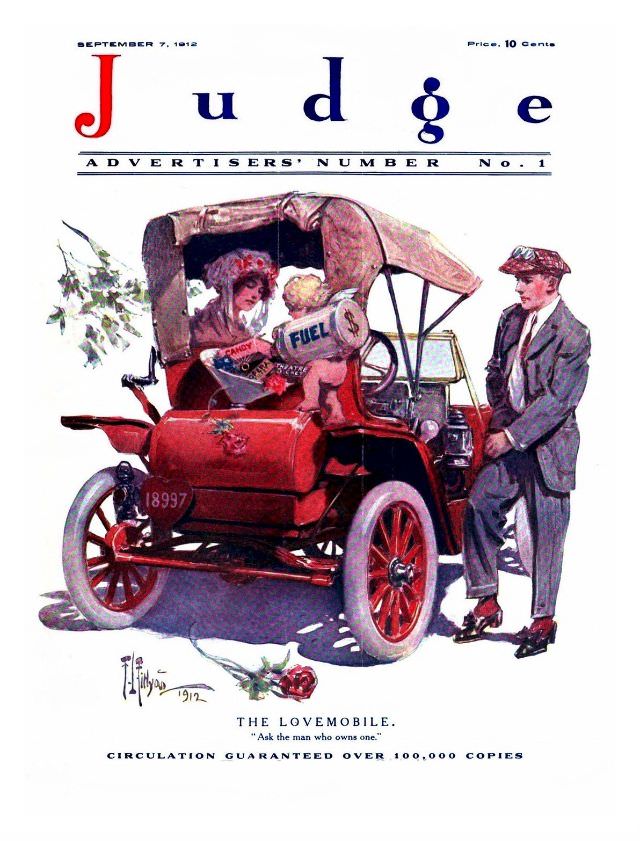
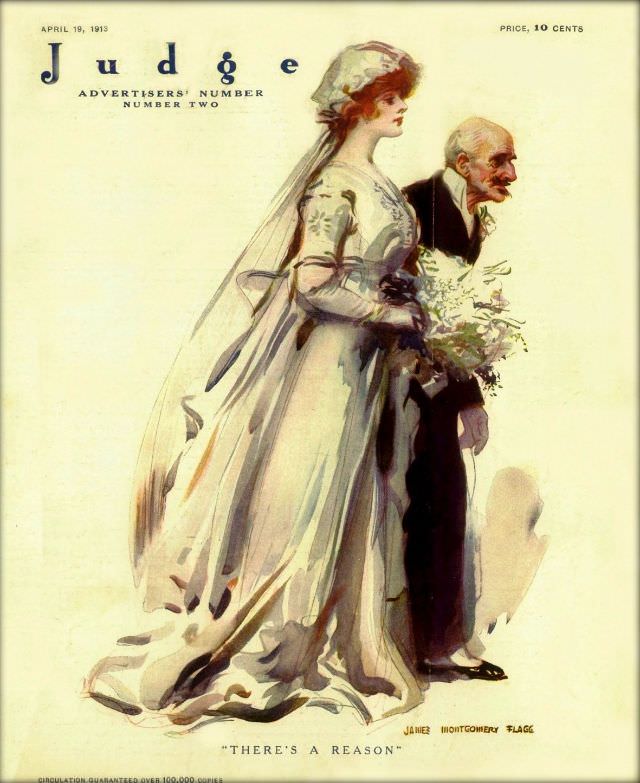
Into 1913, Judge kept up its steady stream of witty covers. The magazine’s illustrators were among the most skilled commercial artists of the era. They worked in a style that balanced humor with genuine artistic craft, making each cover memorable long after the jokes inside had faded.
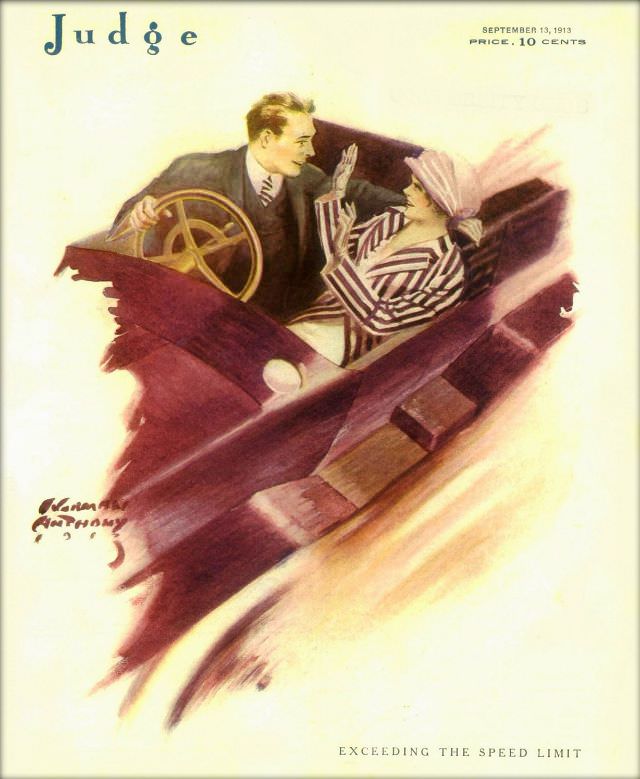
By 1914, the world was on the edge of a major conflict. World War I began in Europe that summer, and while American readers were not yet directly involved, the tension was impossible to ignore. Judge’s covers during this period walked a careful line — keeping the humor alive while acknowledging the serious events unfolding overseas.
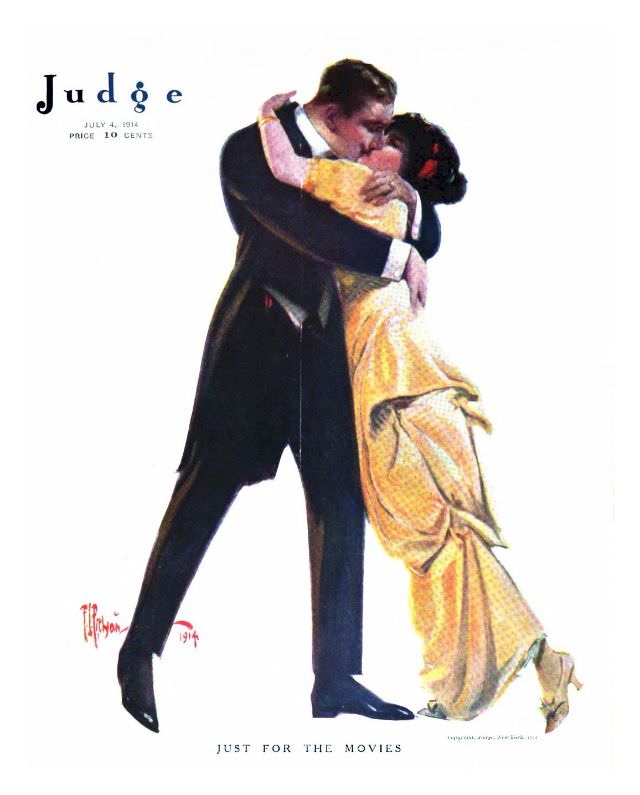
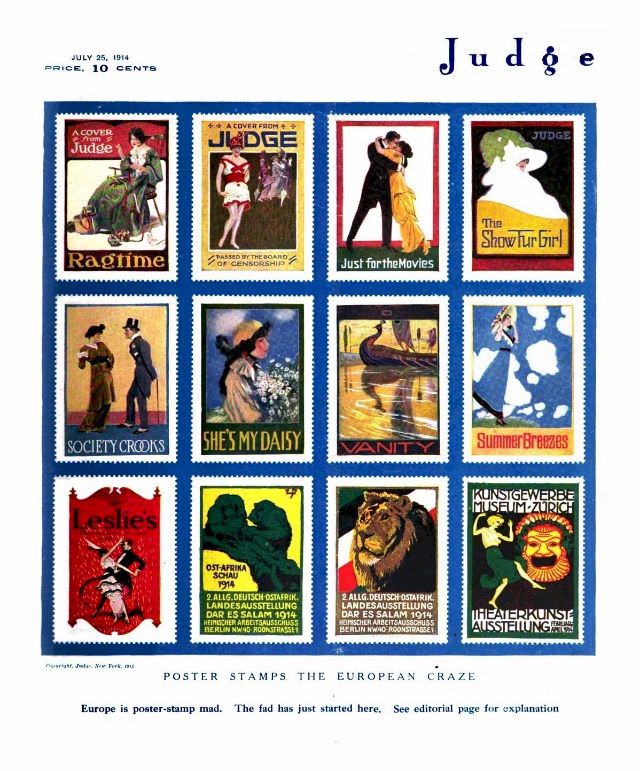
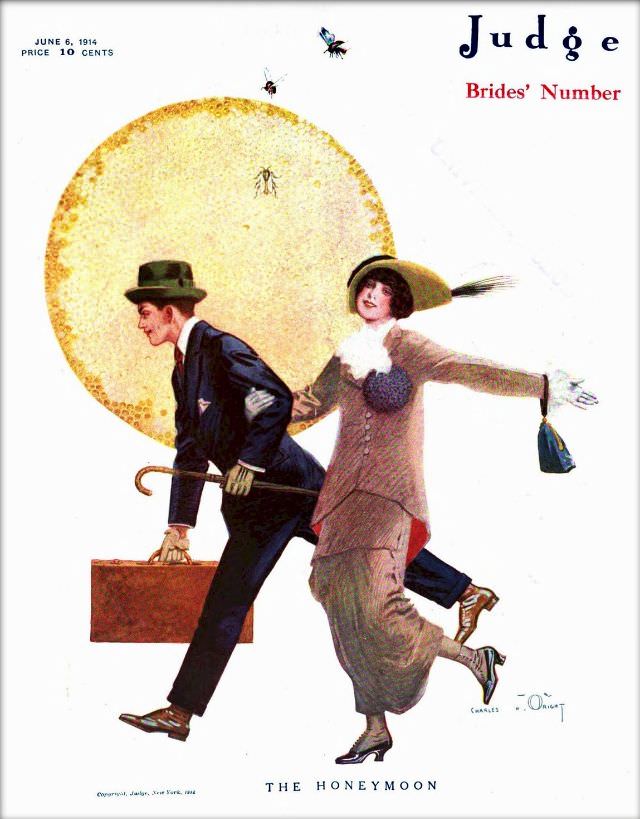
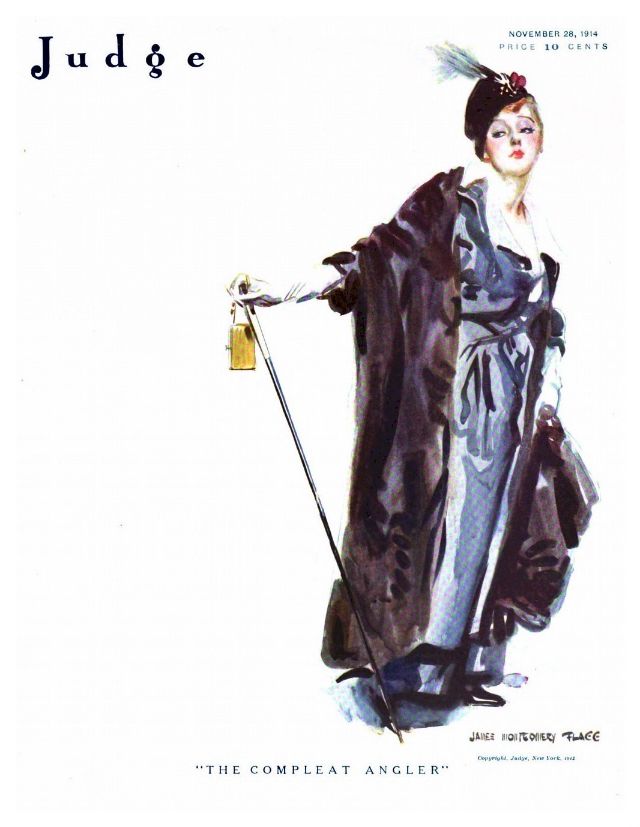
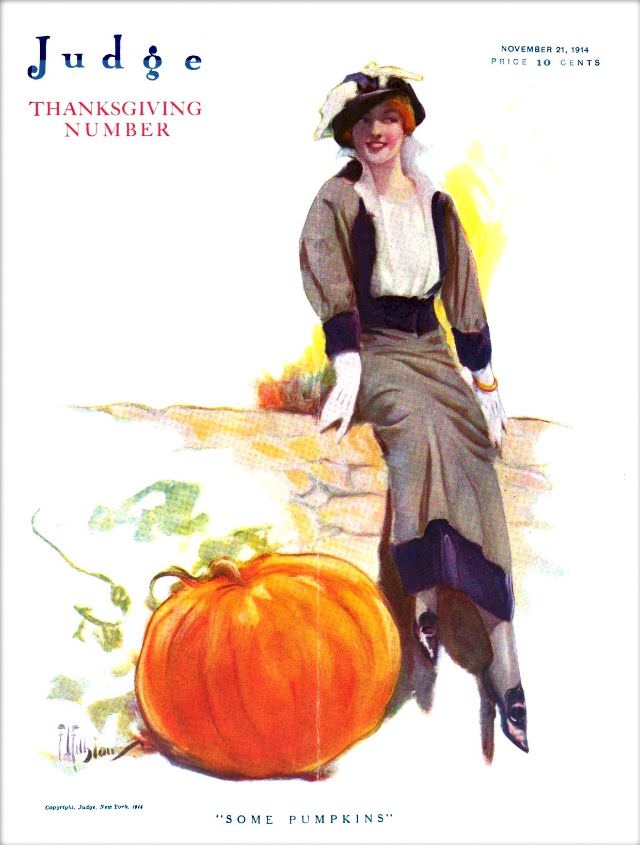
The mid-1910s brought some of Judge’s most visually striking covers. The printing technology of the time allowed for rich, saturated colors that made the illustrations pop. Artists used this to their advantage, creating scenes that were funny, eye-catching, and often surprisingly sophisticated in their composition.
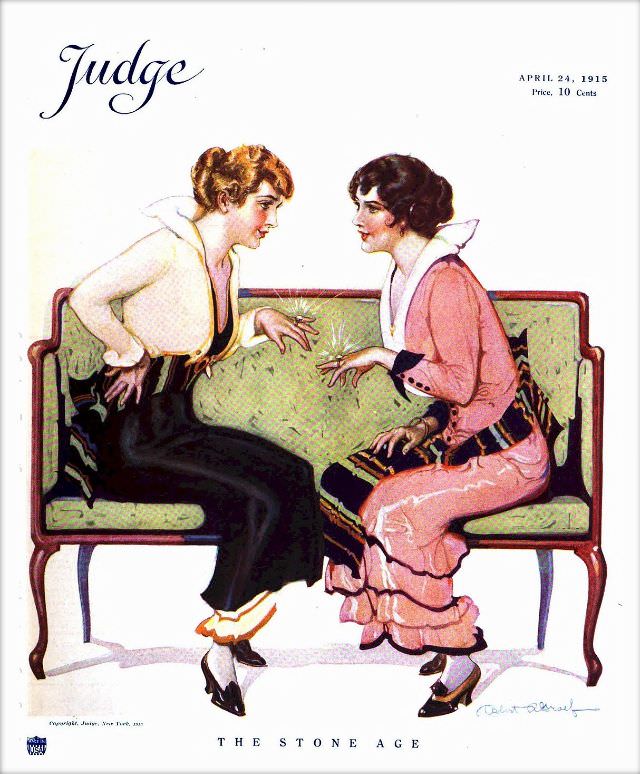
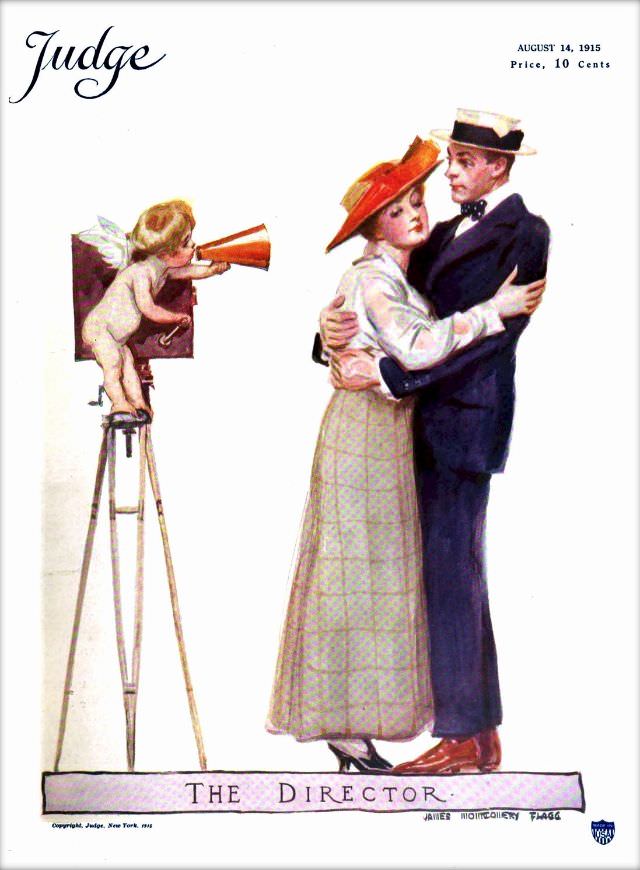
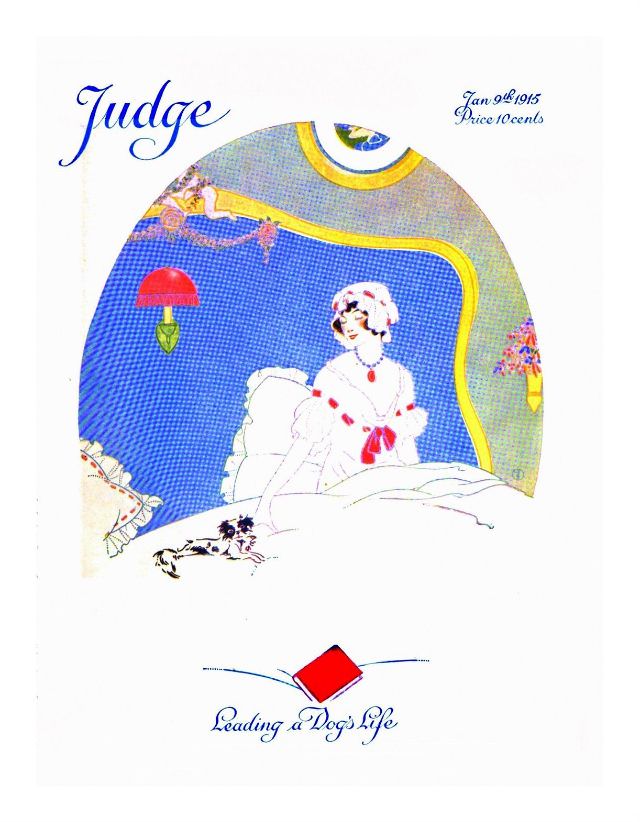
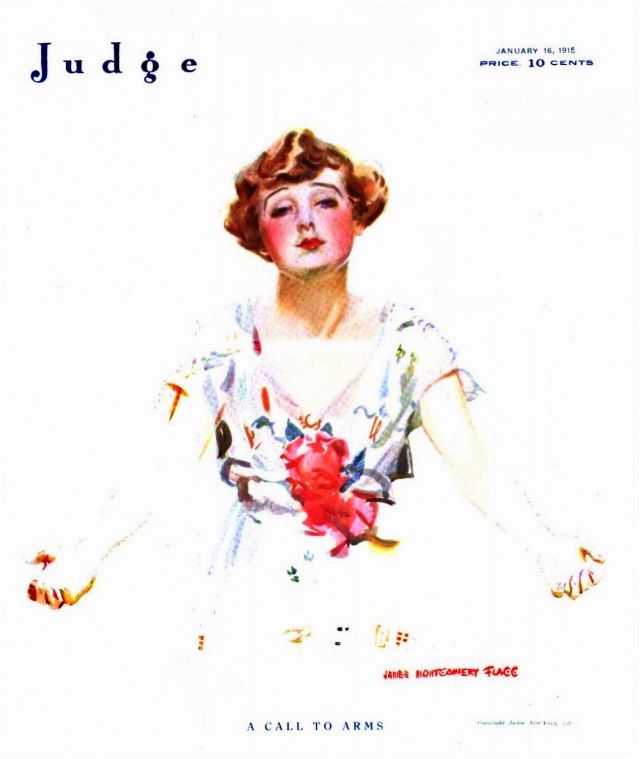
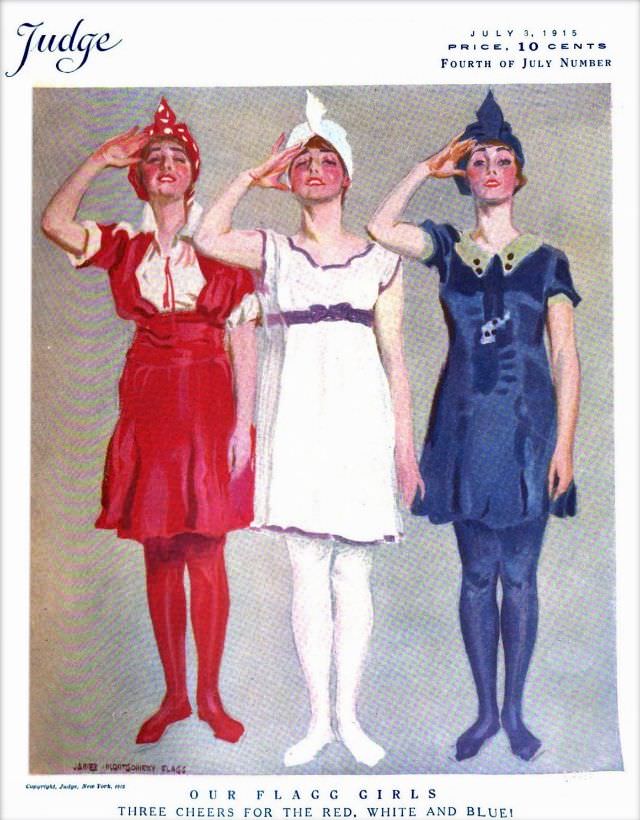
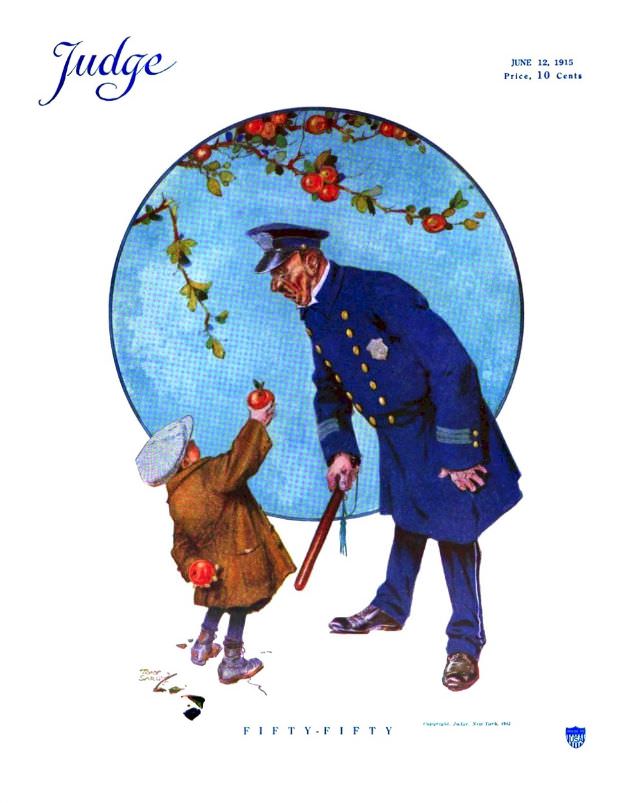
The 1916 presidential election between Woodrow Wilson and Charles Evans Hughes gave Judge another rich season of political material. The magazine’s covers from that year capture the competitive spirit of the race with sharp wit. Hughes narrowly lost, but the jokes written at his expense — and Wilson’s — filled many an issue.
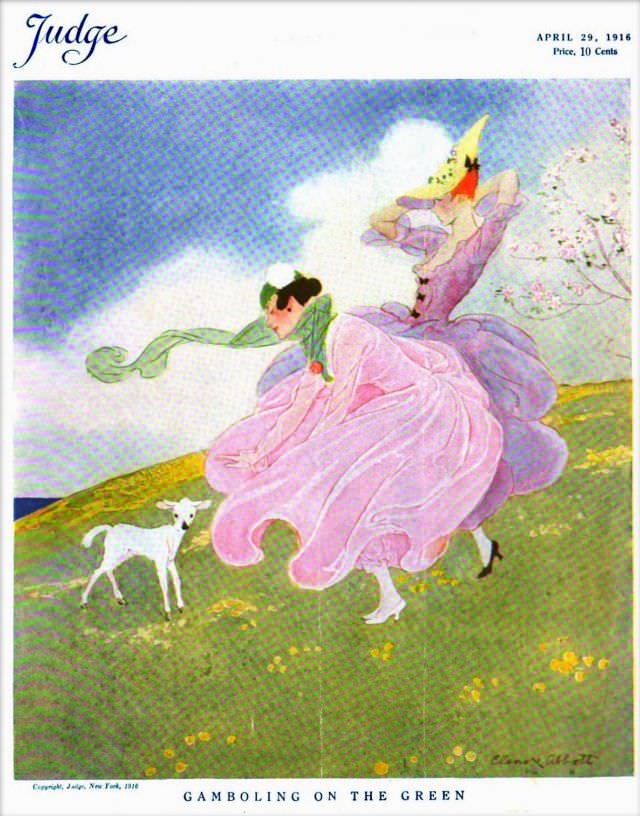
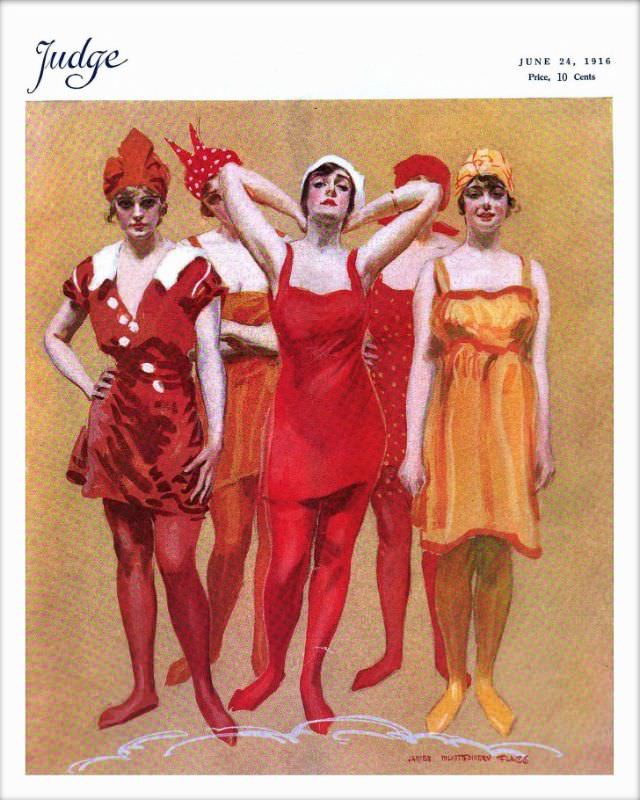
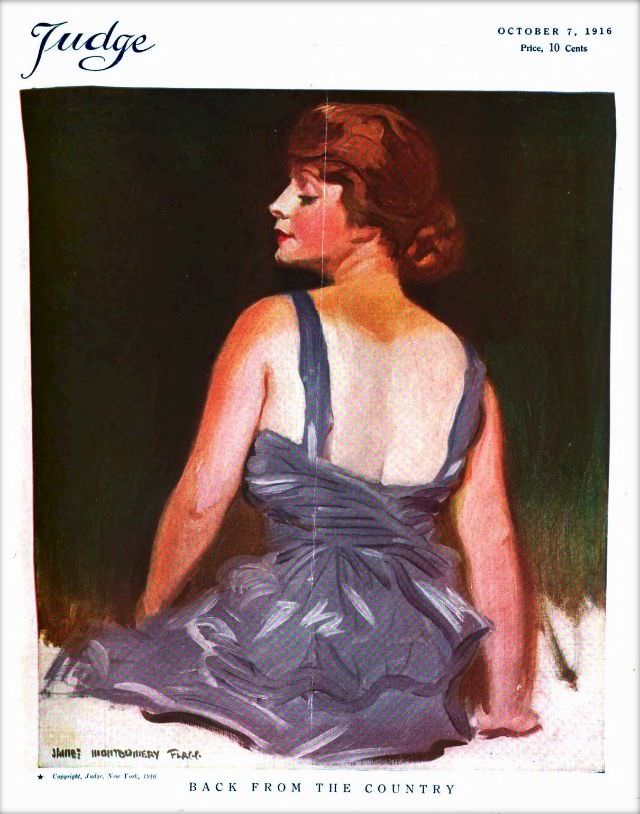
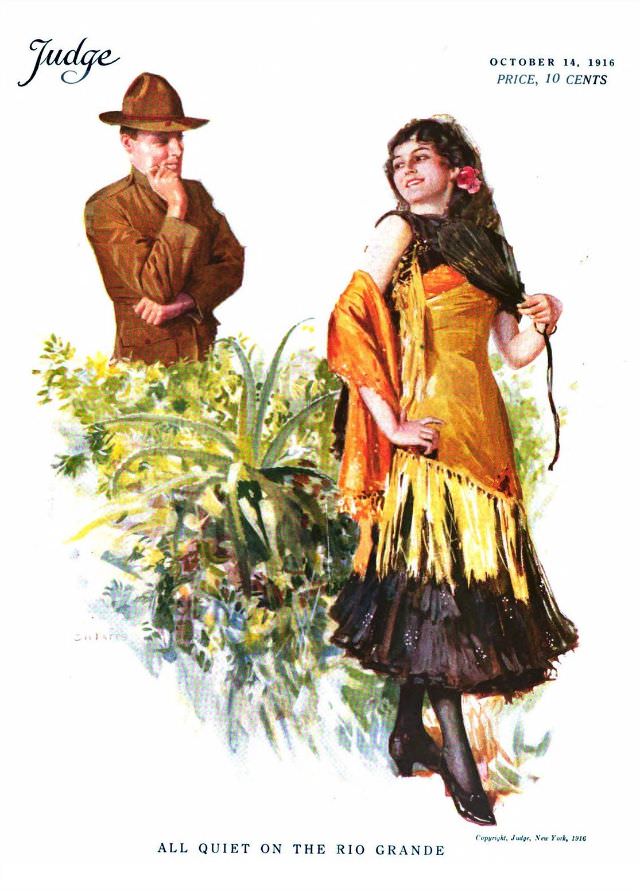
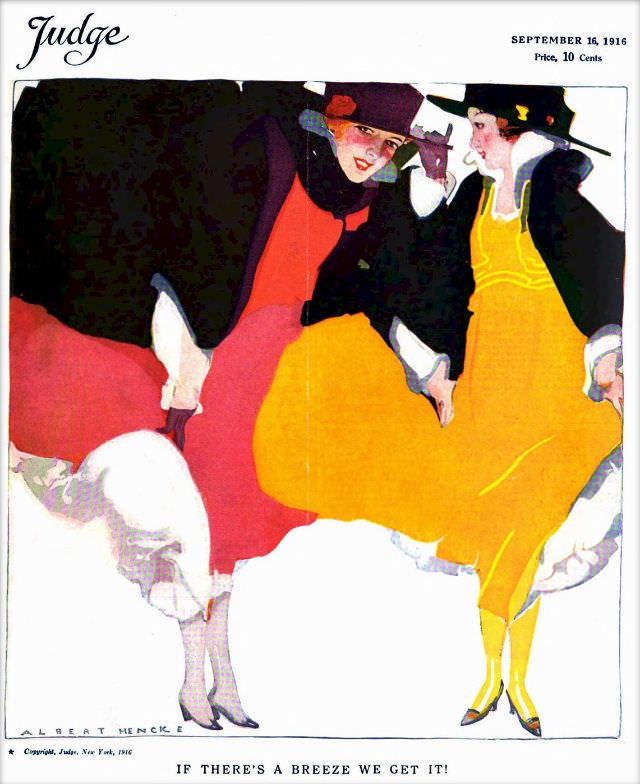
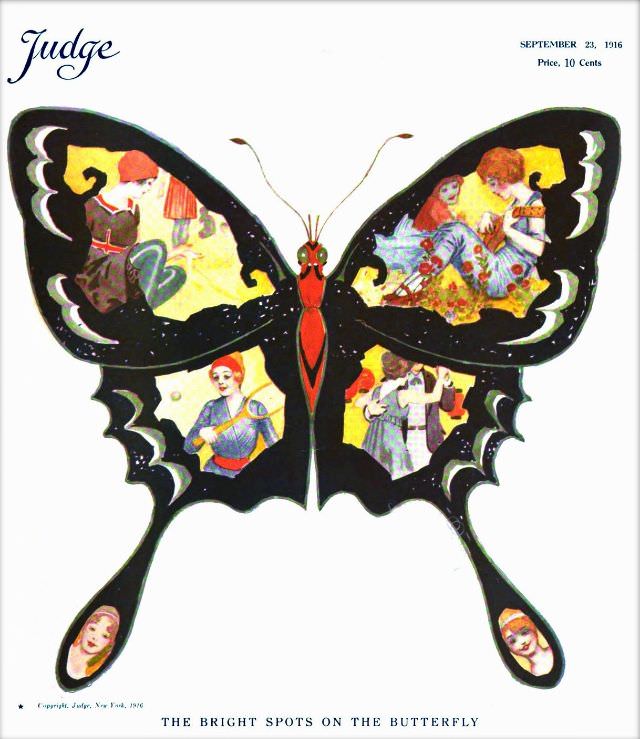
When the United States entered World War I in April 1917, Judge shifted some of its energy toward the war effort. Covers took on a more patriotic tone at times, though the magazine never fully abandoned its humor. It was a delicate balance — supporting the troops while still finding room to laugh at the absurdity of the times.
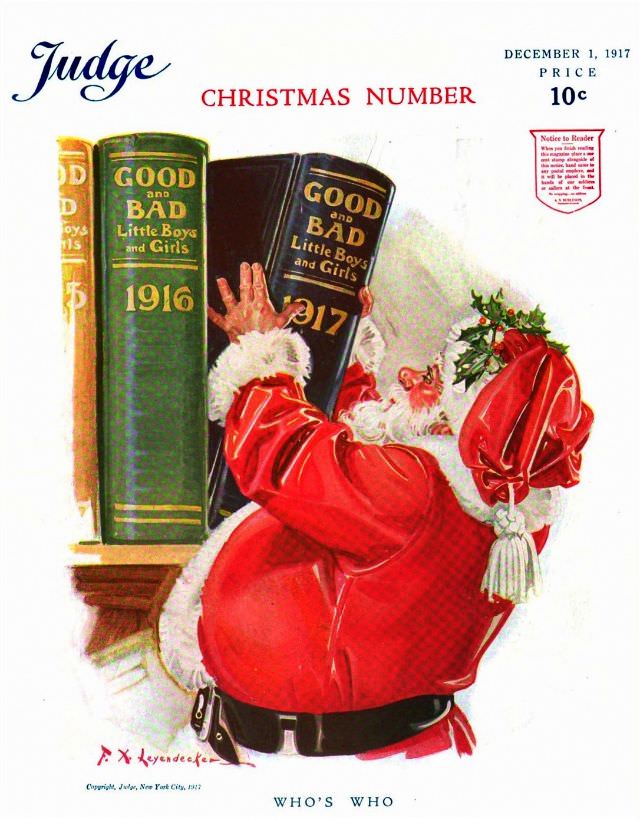
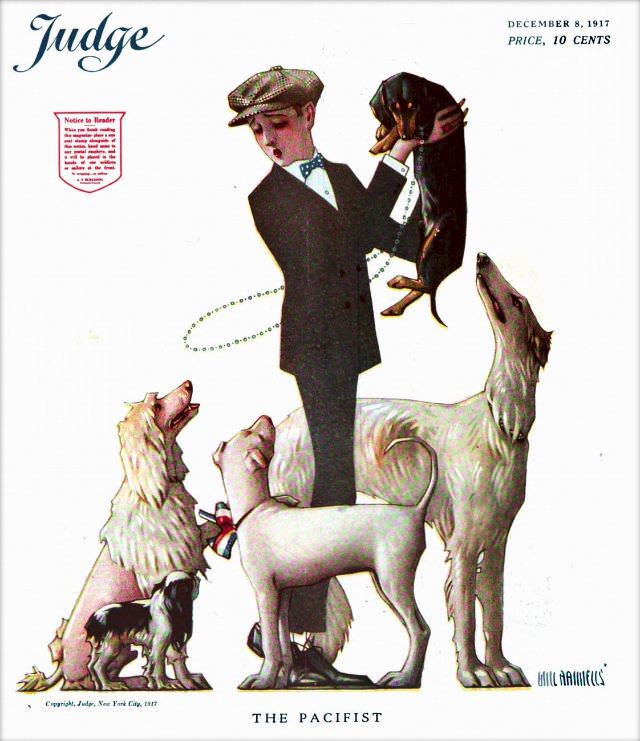
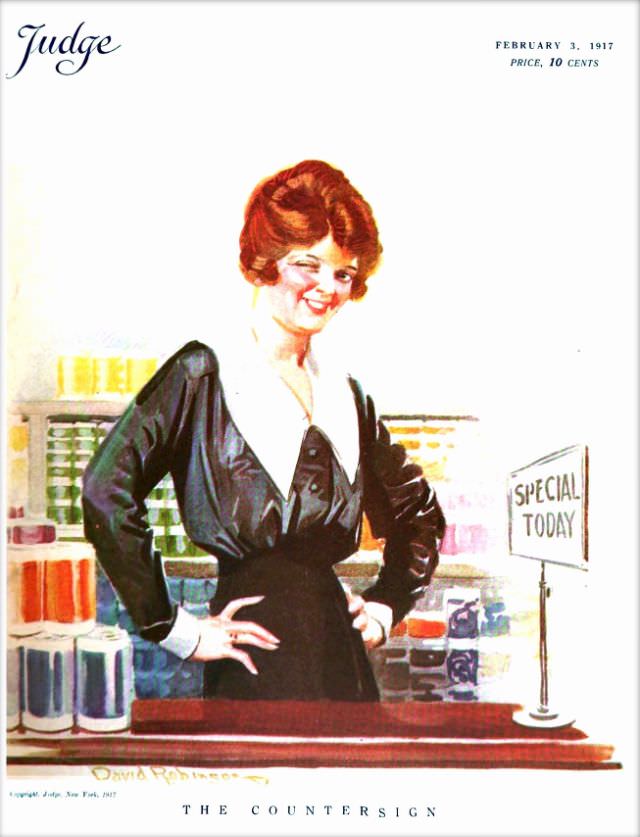
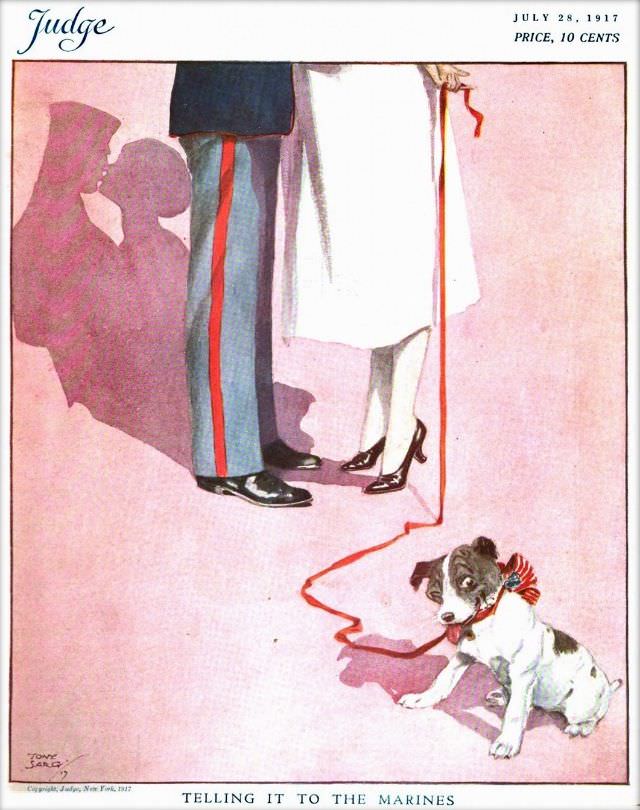
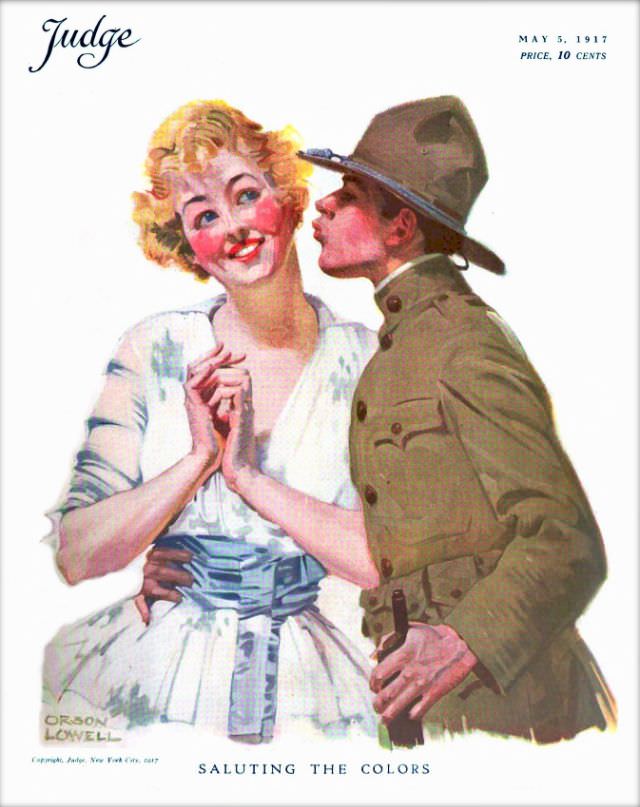
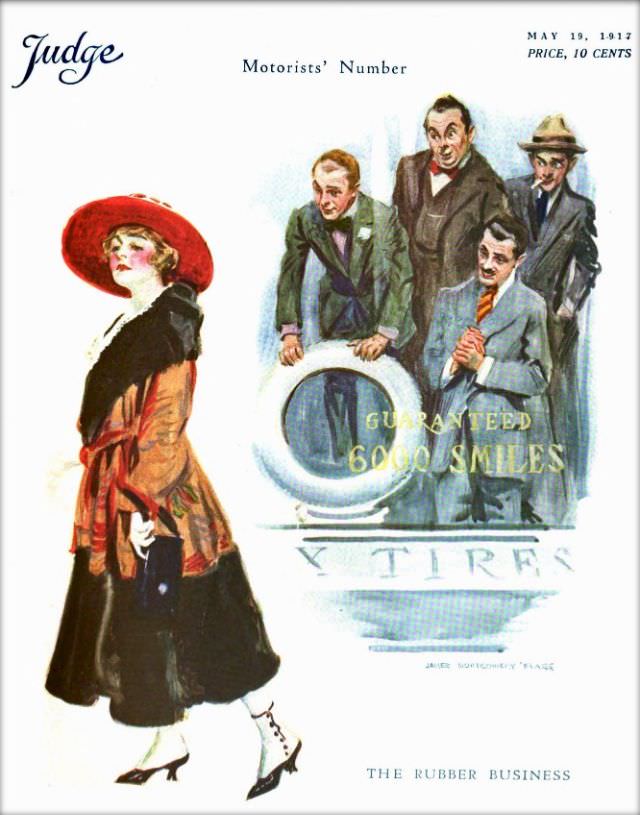
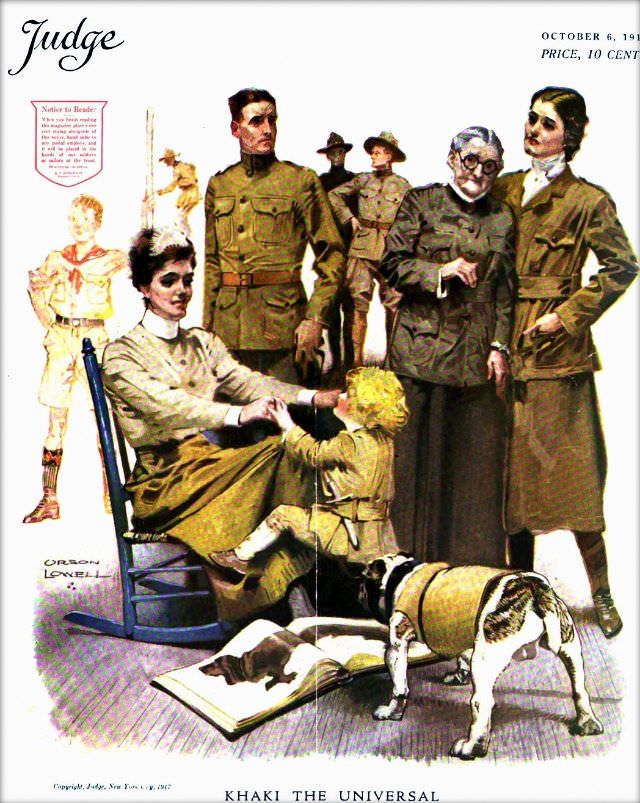
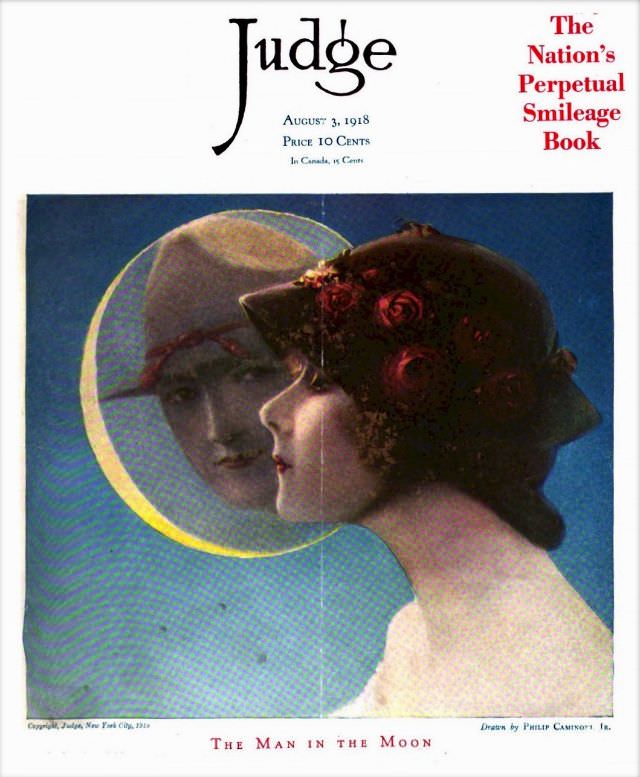
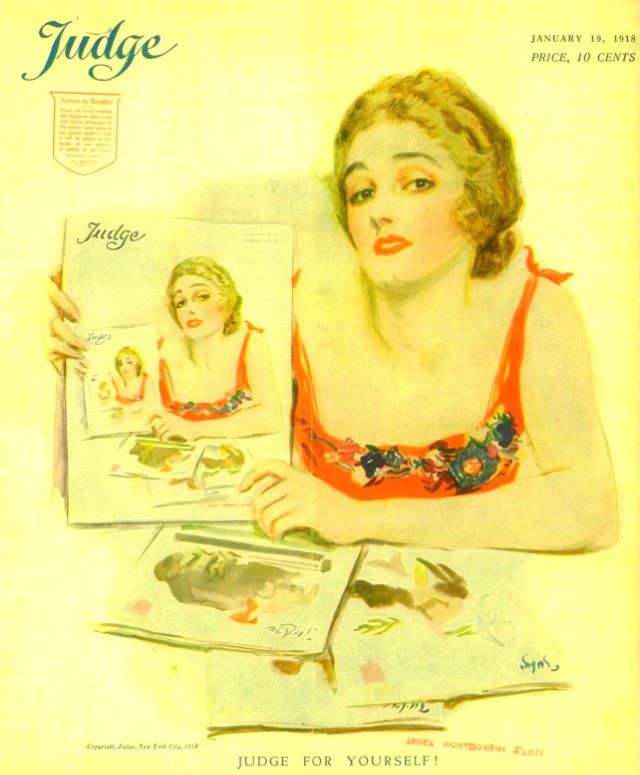
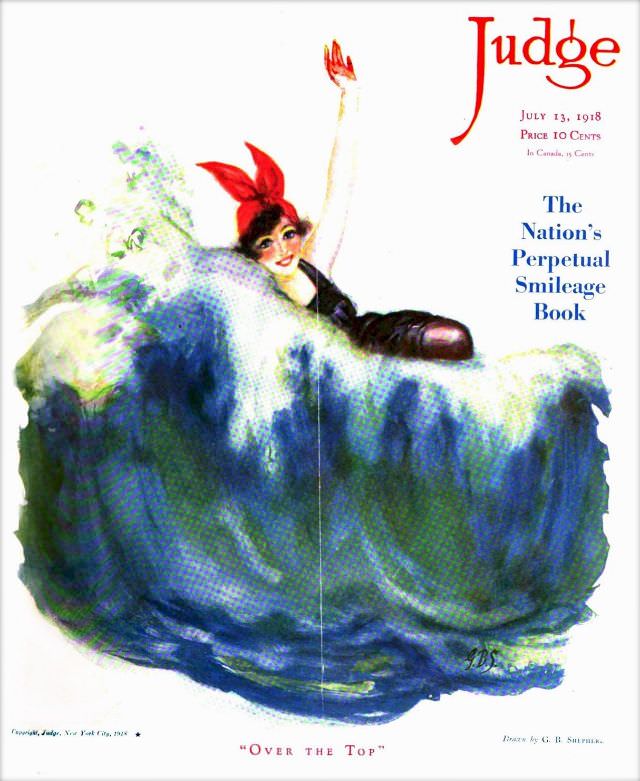
The 1918 covers were produced while the war was still raging. Despite the grimness abroad, the magazine’s artists kept their brushes moving and their humor sharp. The armistice finally came in November 1918, and the relief felt across America was palpable in the issues that followed.
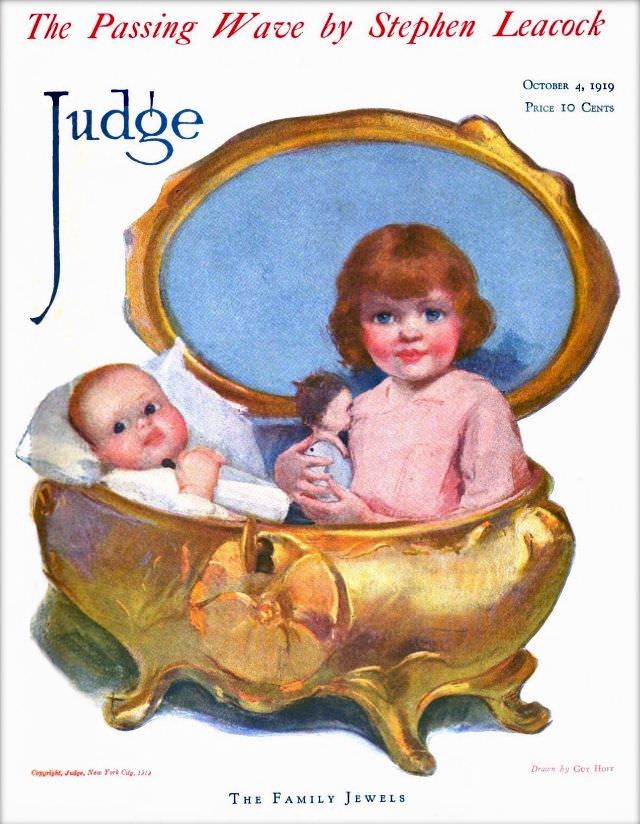
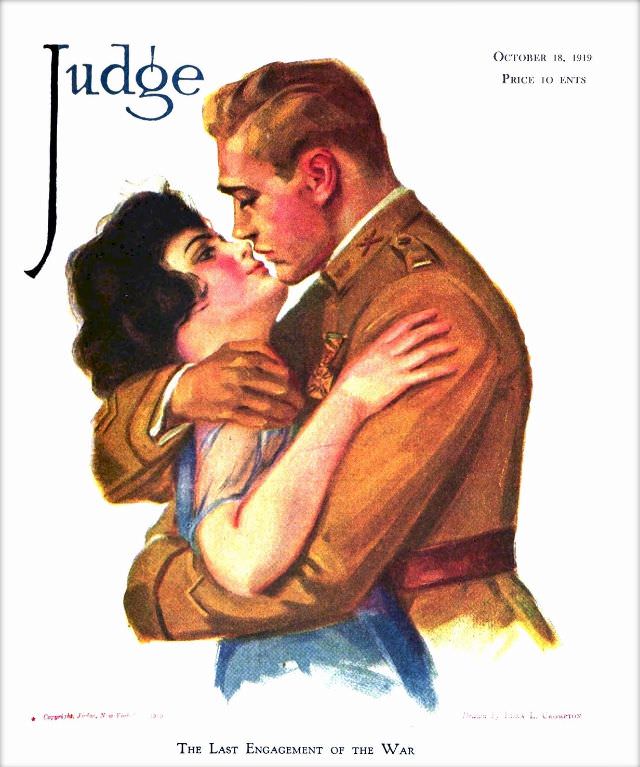
In 1919, with the war over, Judge returned to a lighter mood. The postwar years brought new cultural energy to America, and the magazine’s covers reflected a country ready to move forward and have fun again. Harold Ross, who later edited Judge briefly in 1924 before going on to found The New Yorker in 1925, was part of a generation of writers and editors shaped by publications like this one.