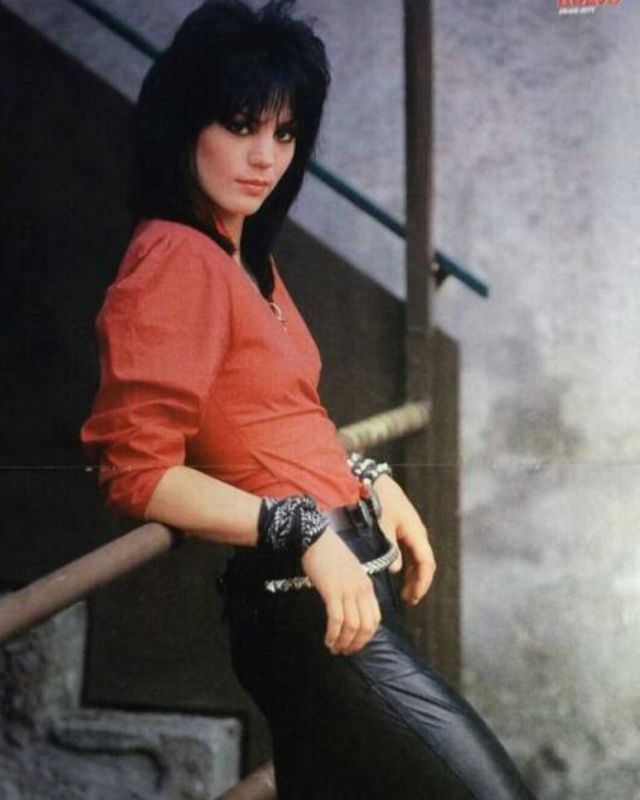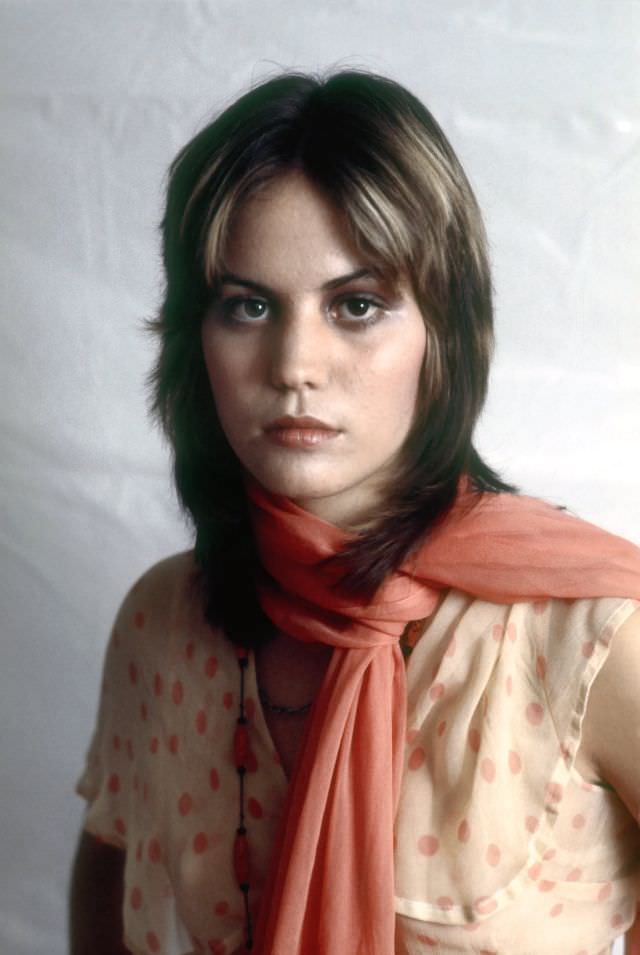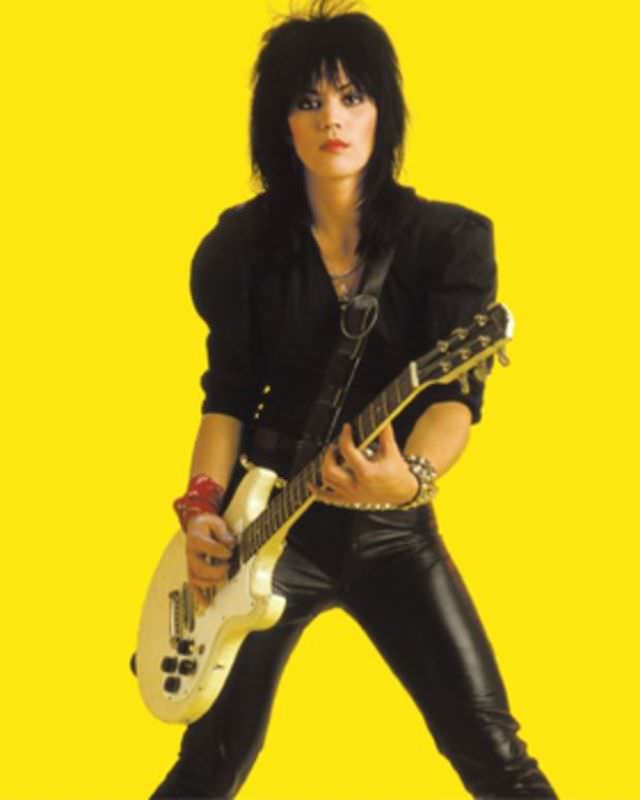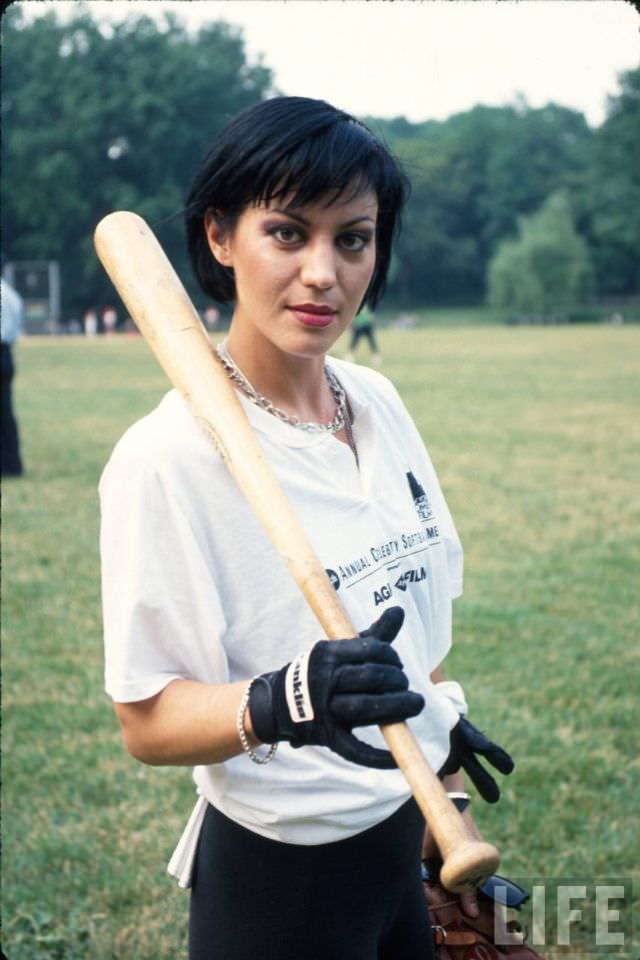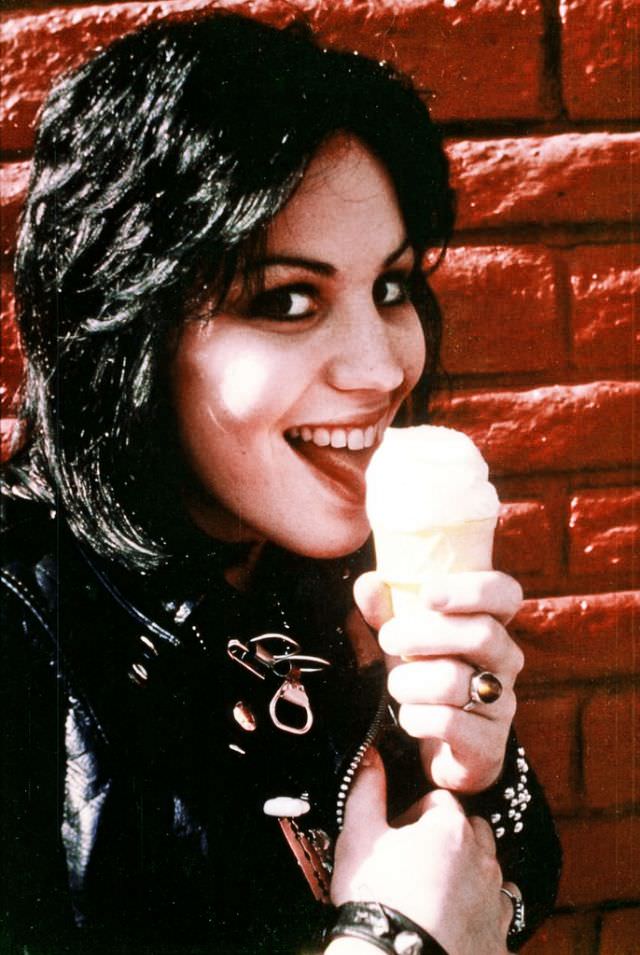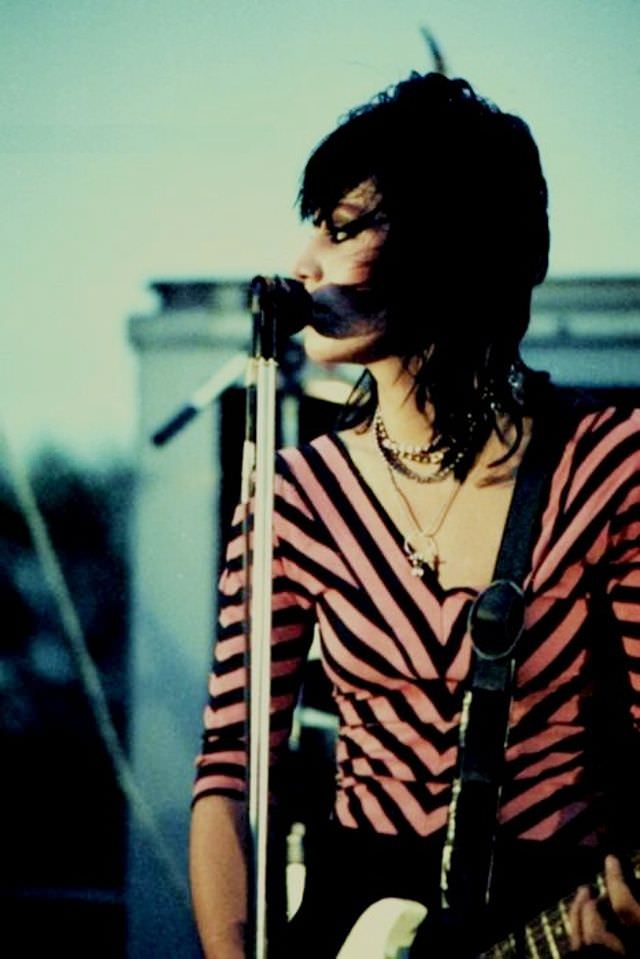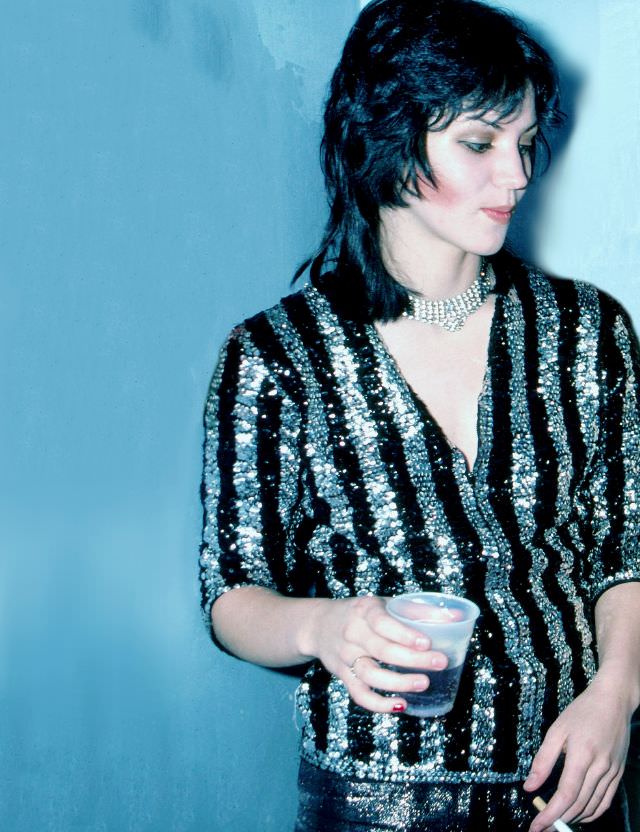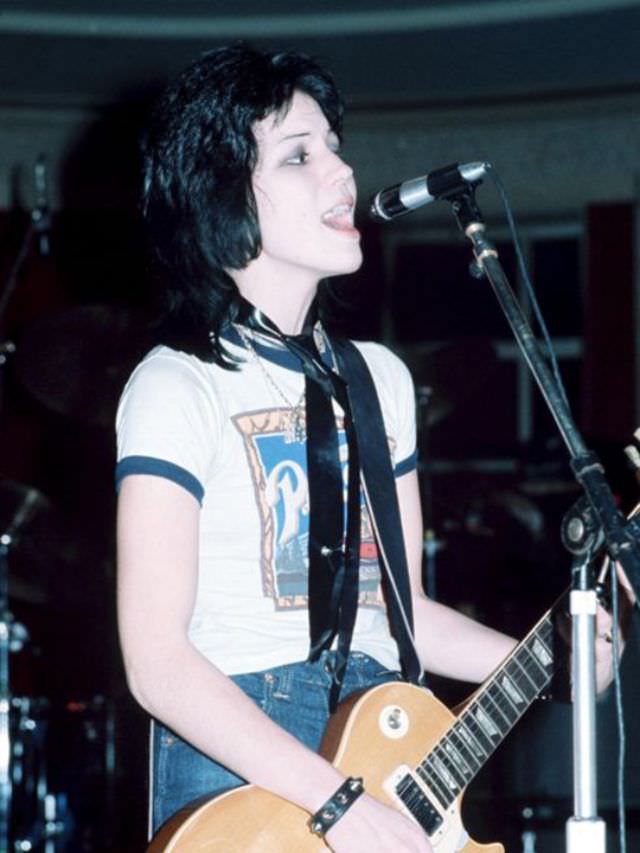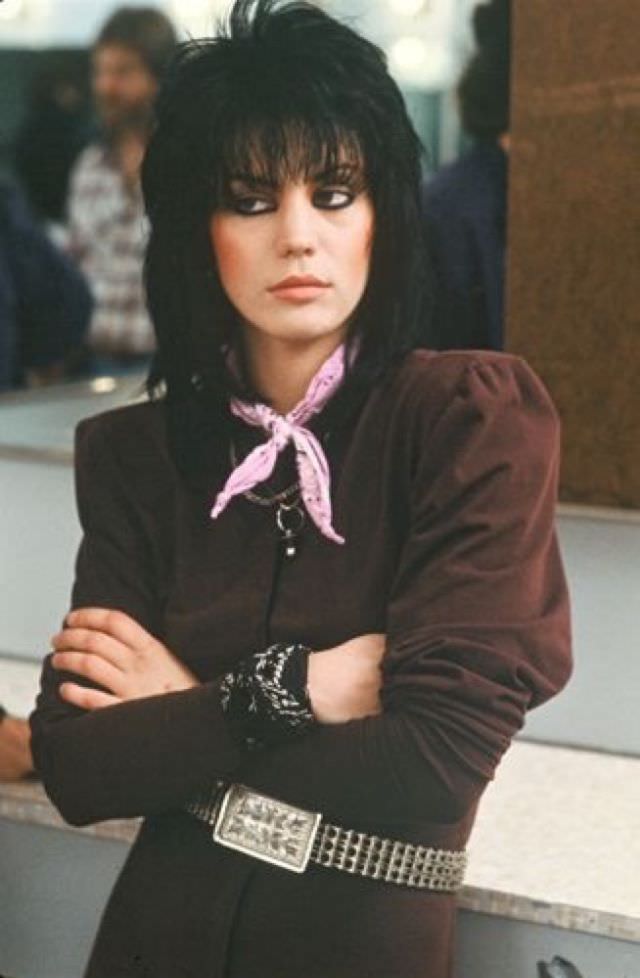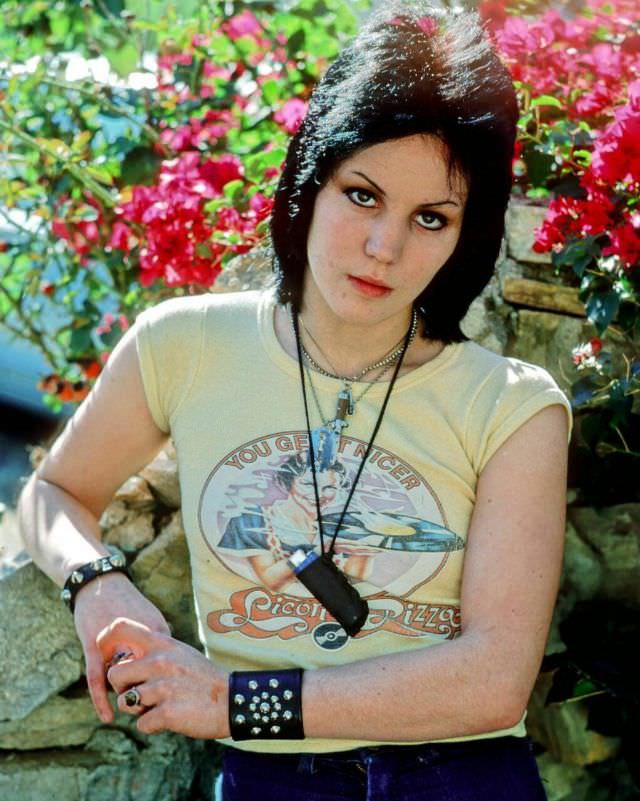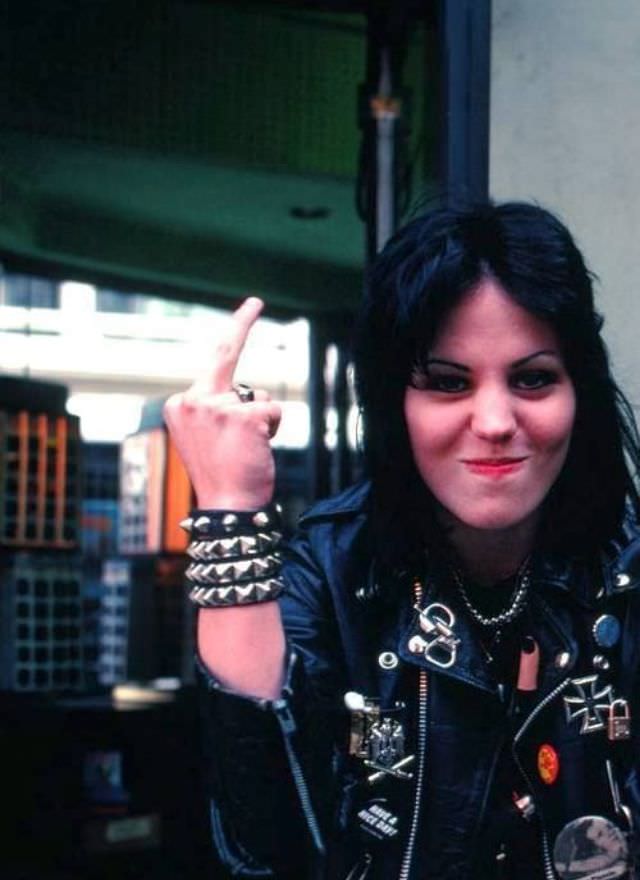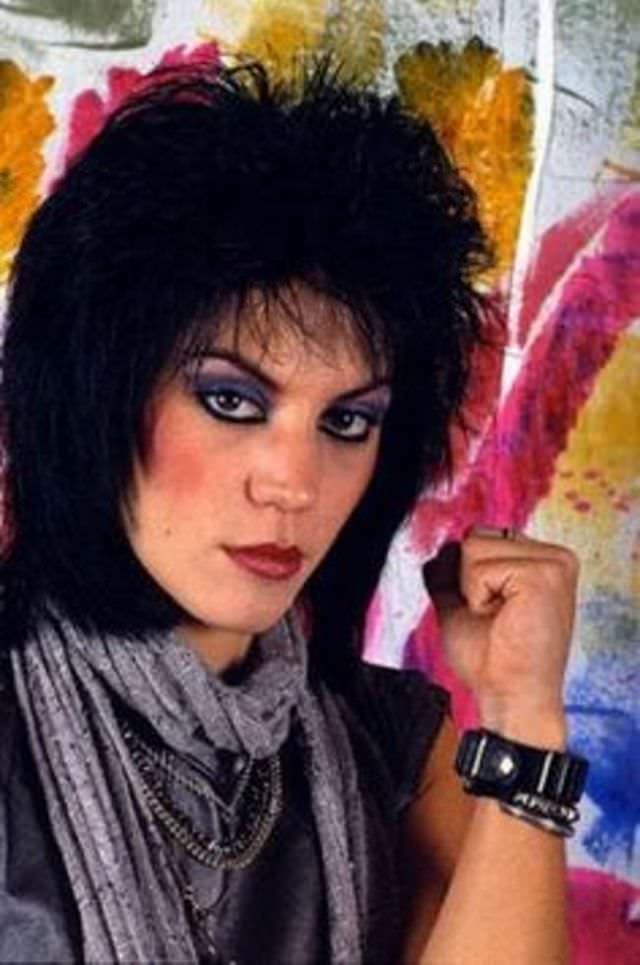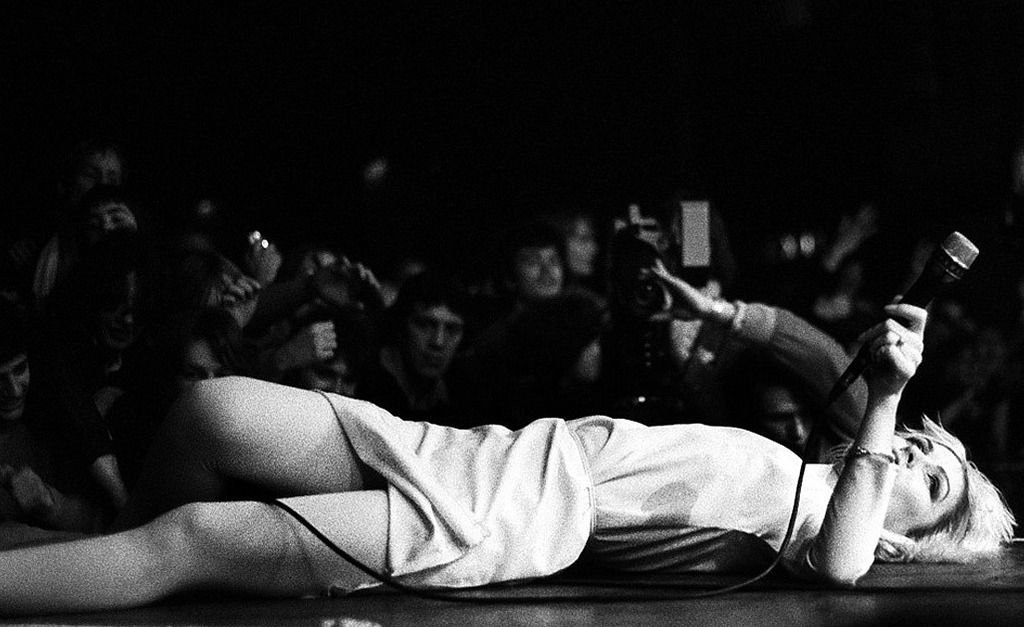
Joan Jett built her image on two things: raw rock music and a haircut that nobody could ignore. Her signature shag — choppy, layered, and cut close to the face — was unlike anything other female musicians were wearing in the late 1970s and into the 1980s. Most women in rock at the time wore their hair long and loose. Jett went the opposite direction entirely.
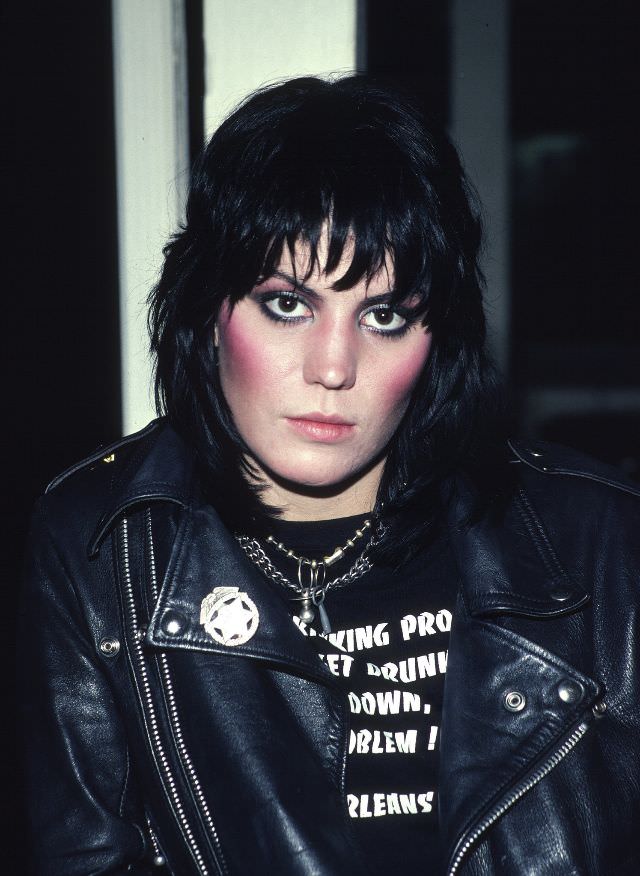
The shag haircut she wore was deliberately androgynous. It didn’t follow the feminine beauty standards of the era. The layers were sharp, the texture was bold, and the overall look was edgy in a way that matched the punk and hard rock sounds she was making with The Runaways and later with the Blackhearts. Her hair said exactly what her music said — she wasn’t asking for permission.
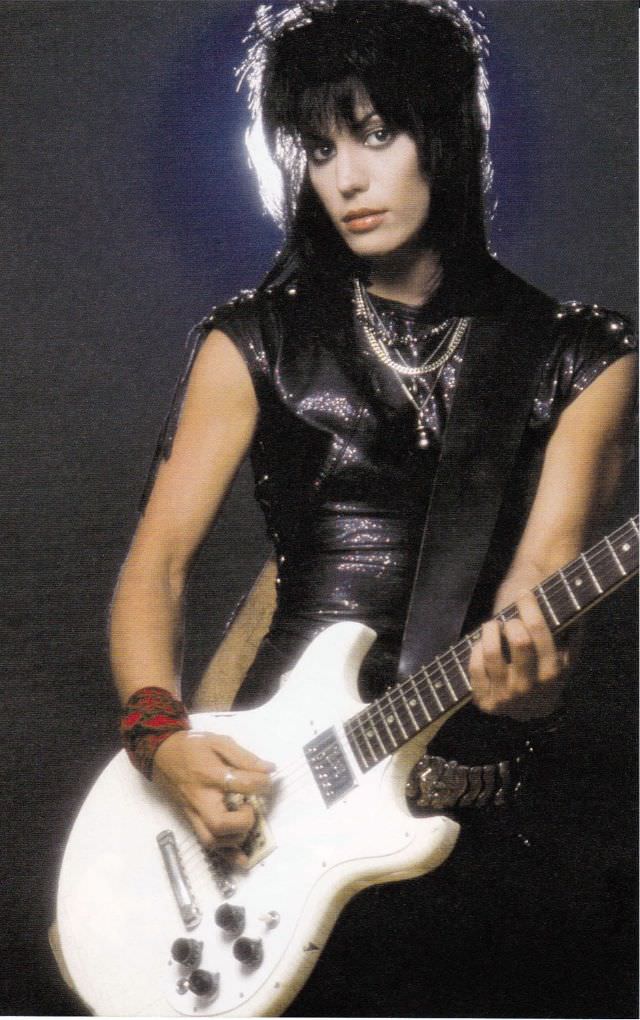
The cut framed her face in a way that sharpened her features and gave her a striking stage presence. It wasn’t accidental. Every element of Jett’s look was part of a clear visual identity — leather jackets, dark eyeliner, and that unmistakable haircut working together to create something instantly recognizable.
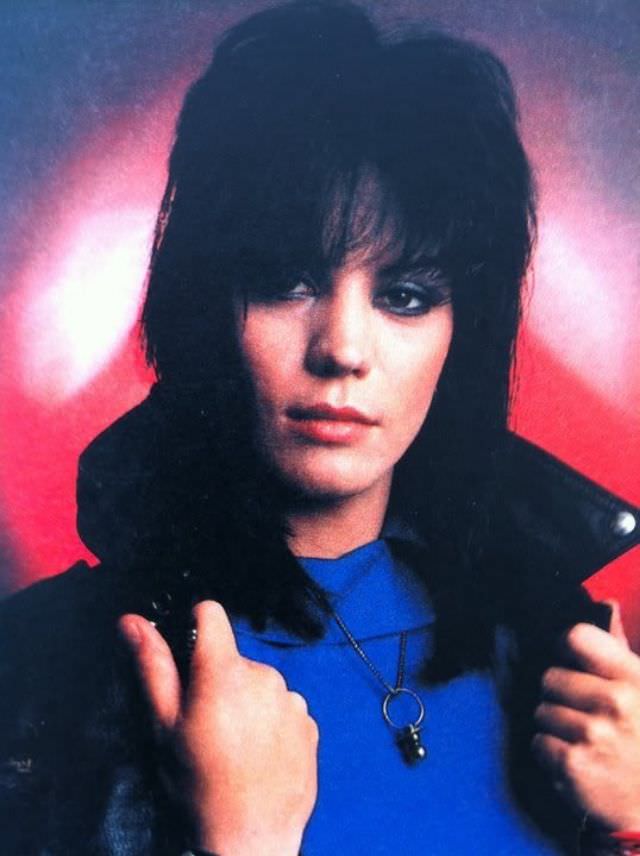
Young women took notice. The shag became tied directly to punk and rock subcultures, and fans began adopting the style as a statement of their own. Wearing the cut wasn’t just about fashion — it was a signal. It meant you didn’t conform, you didn’t follow trends set by someone else, and you weren’t interested in blending in.
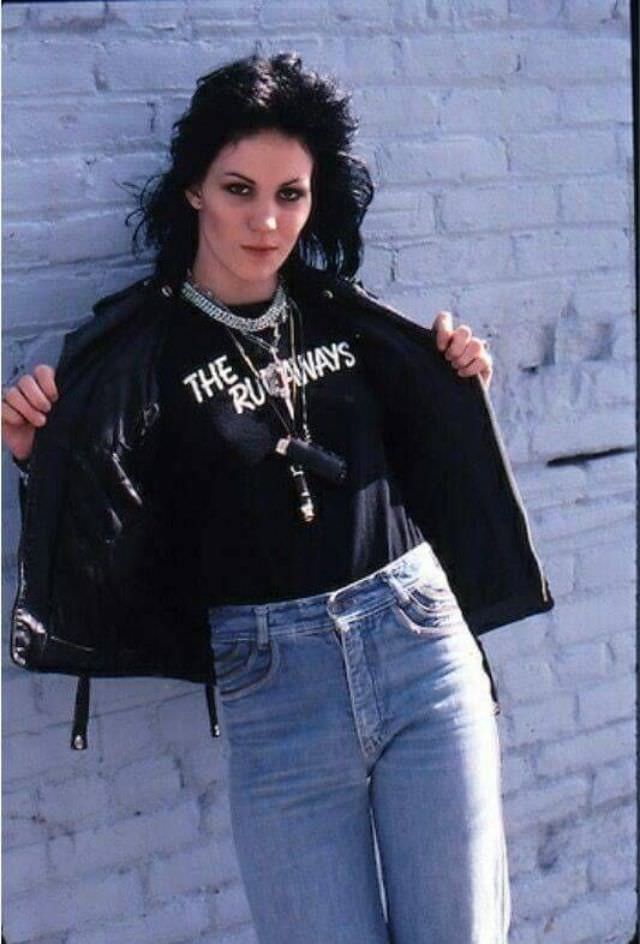
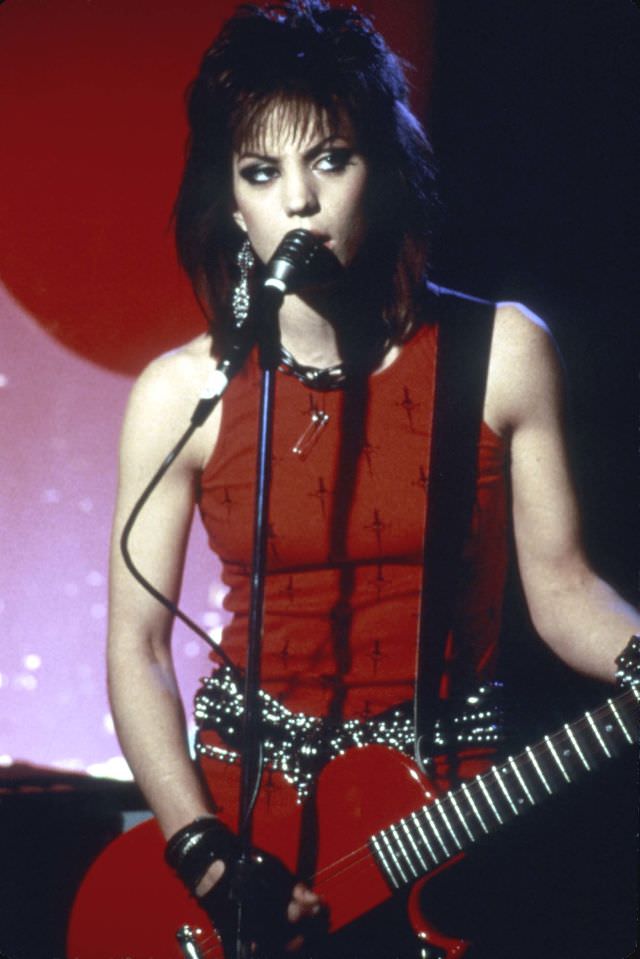
The hairstyle also challenged gender norms in a very direct way. Androgynous fashion — clothing and looks that blurred the line between masculine and feminine — was starting to gain ground in the early 1980s. Jett’s shag was part of that shift. She wore a style that had no clear gender label, and it worked powerfully on her.
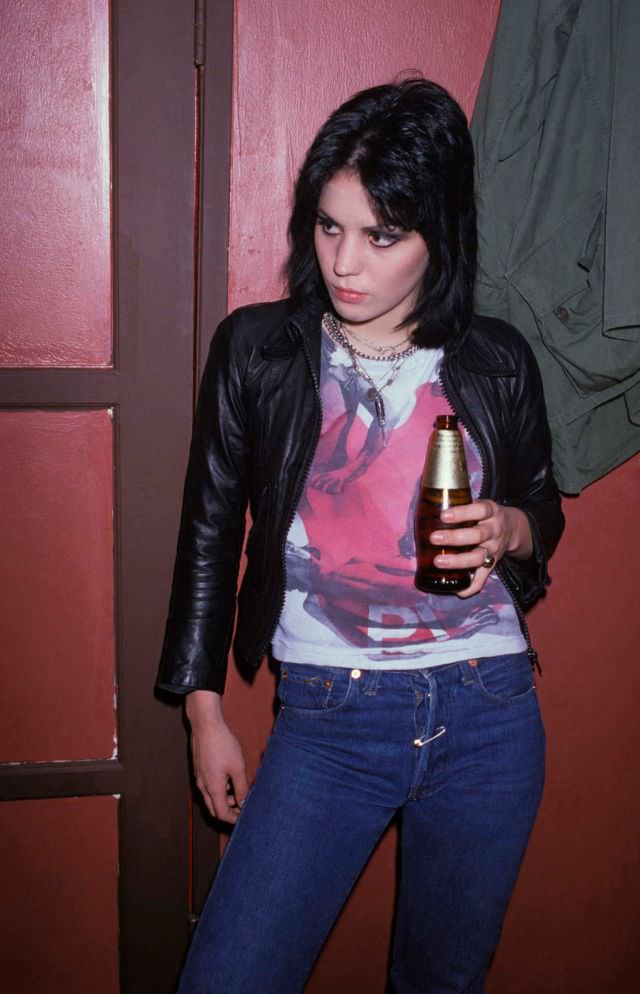
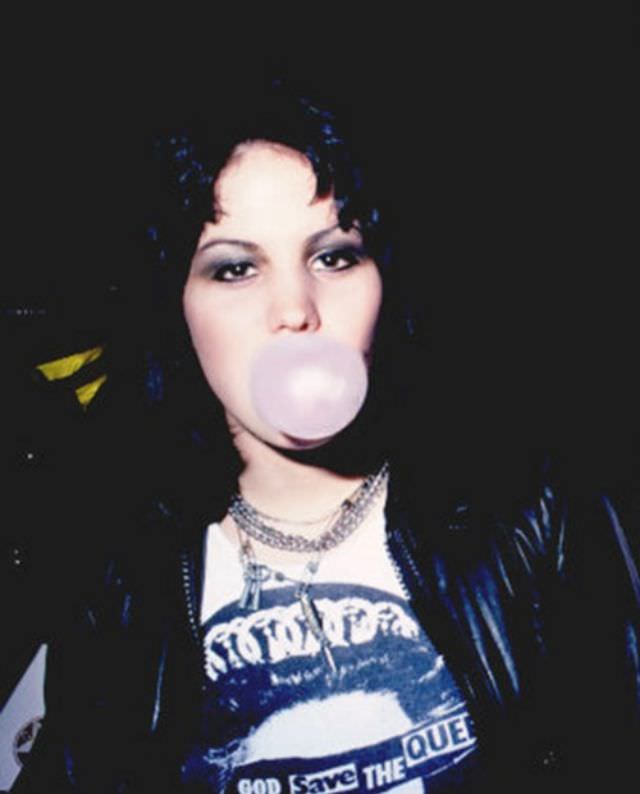
Her hair became just as central to her persona as her guitar playing. When people pictured Joan Jett, they pictured that cut. It was inseparable from who she was as an artist. The shag gave her a look that was uniquely hers — no one else wore it the same way or carried it with the same attitude.
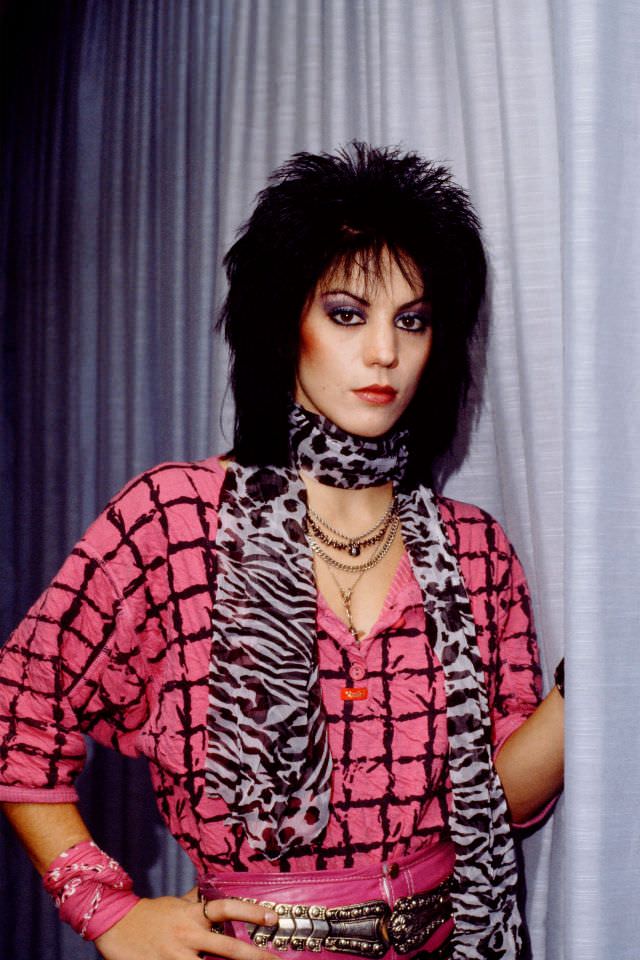
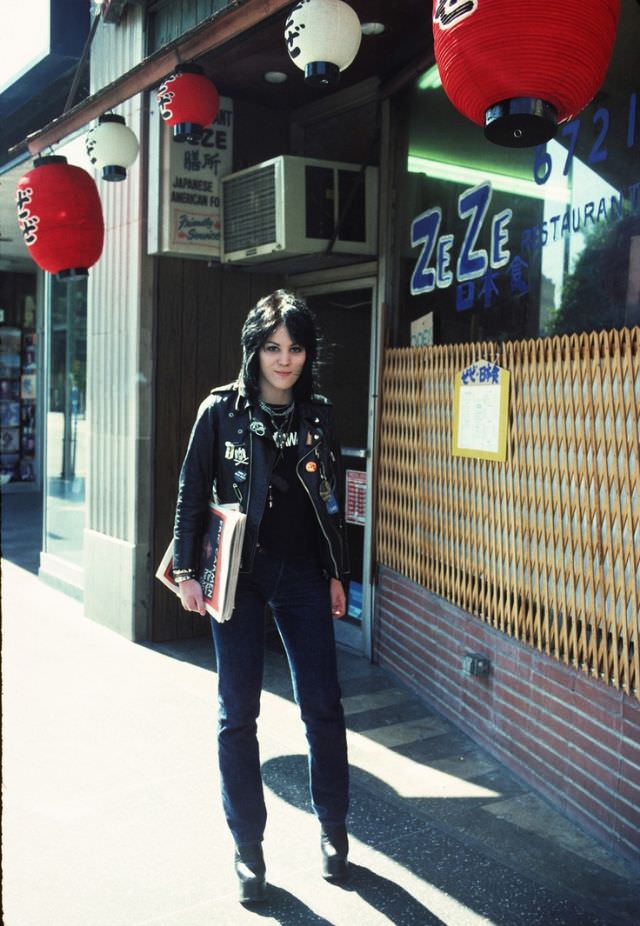
Jett also proved that a woman in rock didn’t need to look soft or polished to be successful. Her style pushed back against the idea that female artists had to present themselves in a traditionally feminine way to connect with audiences. The shag was a rejection of that expectation, worn right at the front of the stage every single night.
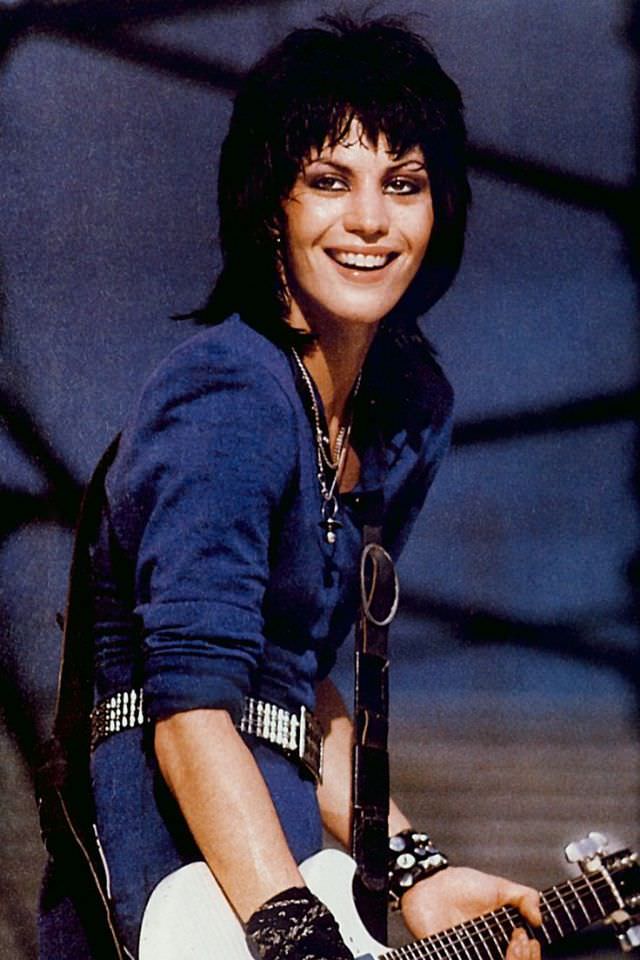
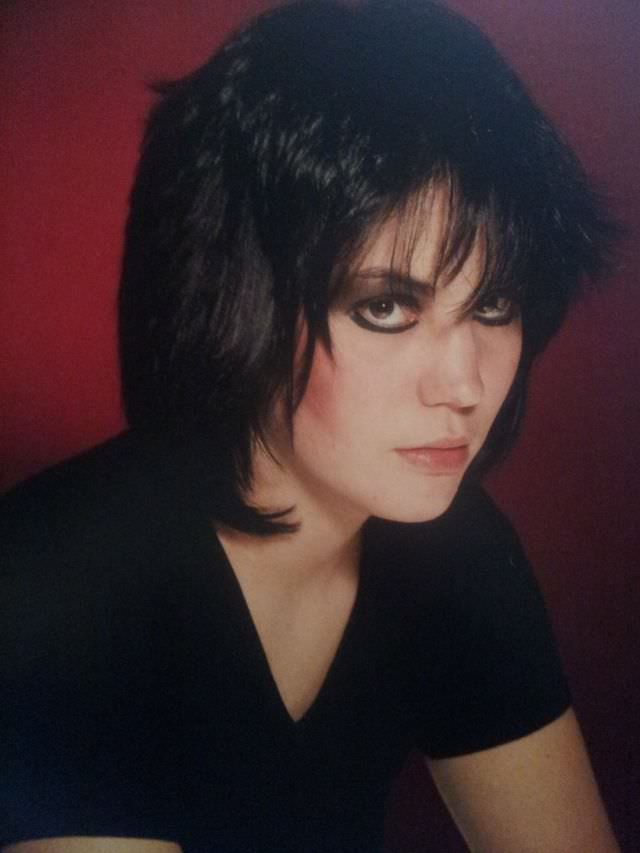
The punk subculture already valued self-expression through appearance — hair, clothes, and makeup were all tools for making a statement. Jett fit naturally into that world, but her version of punk style had wider reach. She crossed over into mainstream rock while keeping the edge that made her look so distinctive.
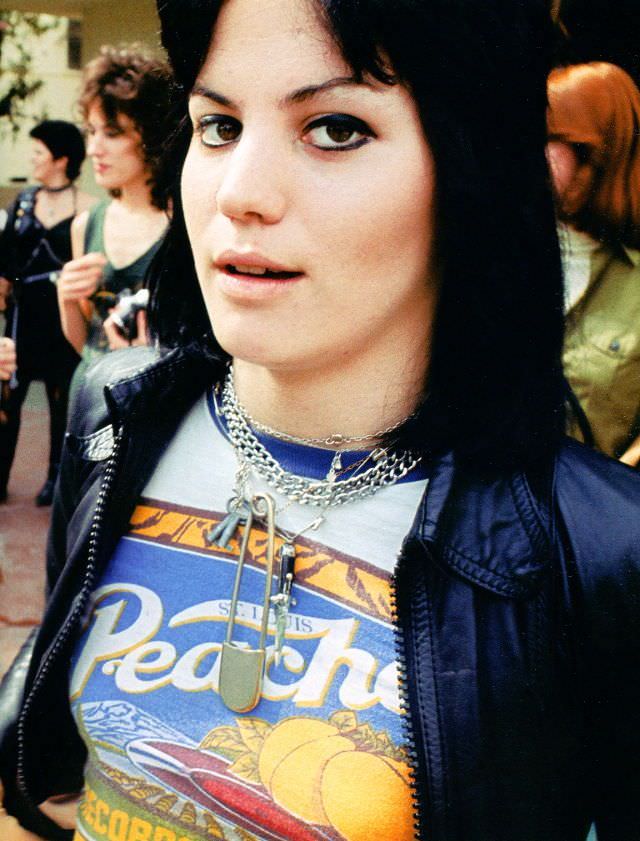
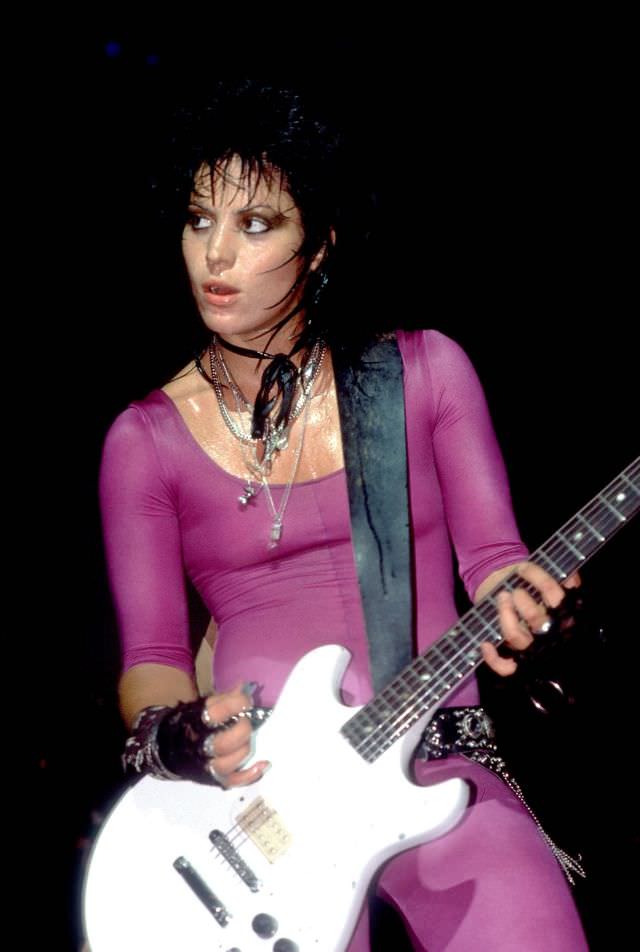
The shag haircut she popularized carried real weight as a symbol. It told a story about independence, about not fitting into a pre-made mold, and about owning your identity without apology. That meaning was baked into the style from the start, and fans understood it.
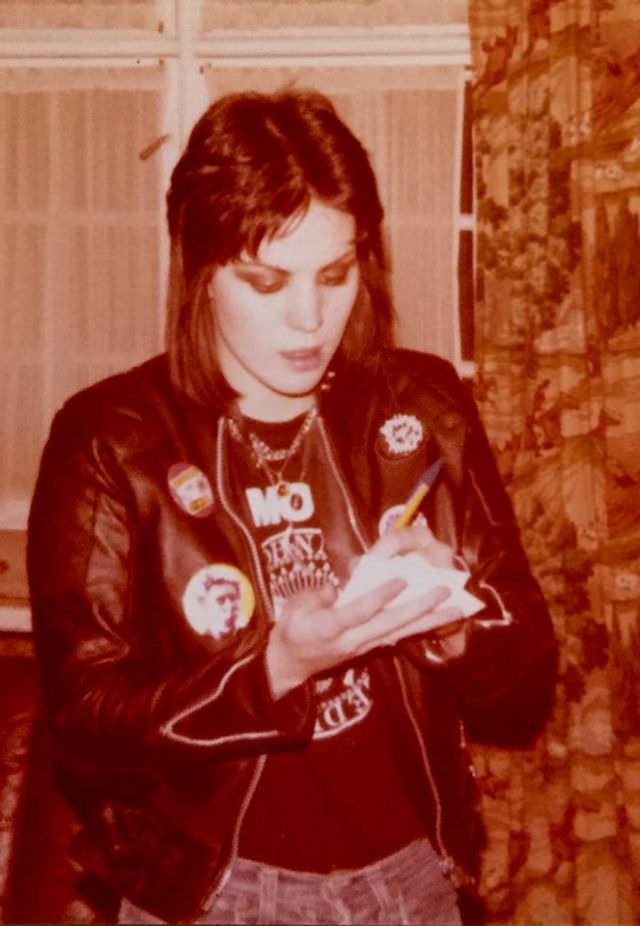
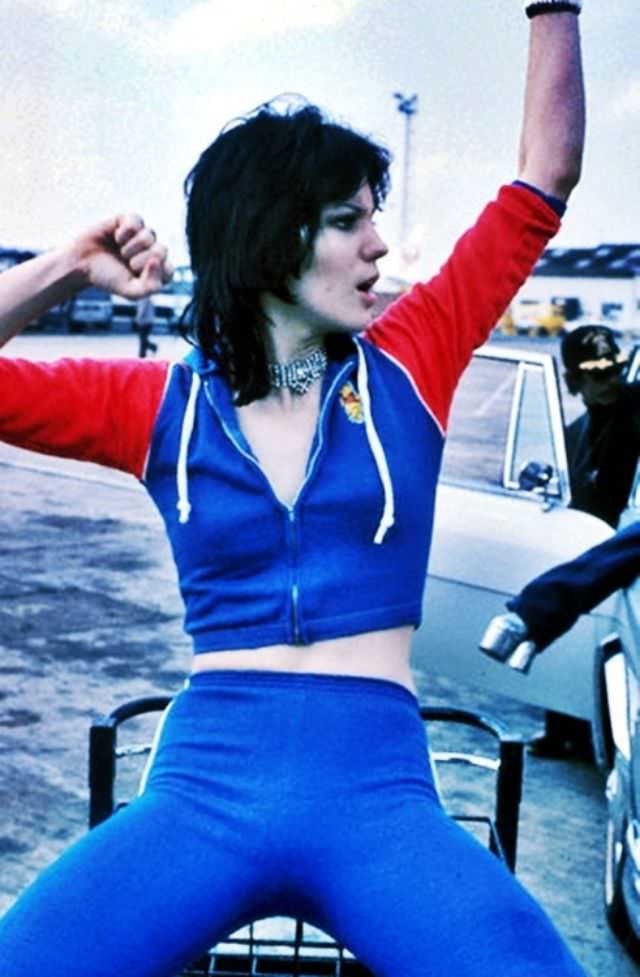
Jett opened the door for women in rock to define their own image on their own terms. Before her, the template for a female musician’s look was much narrower. She expanded what was possible and made the case that a haircut — the right haircut — could be just as loud as any power chord.