
German photographer Hans Hildenbrand was a pioneer in color photography, and his images of Hungary from 1930 to 1932 preserve a world that few cameras captured in such detail. The country at that time was split between a modernizing Budapest and a countryside still deeply tied to the land and old traditions.
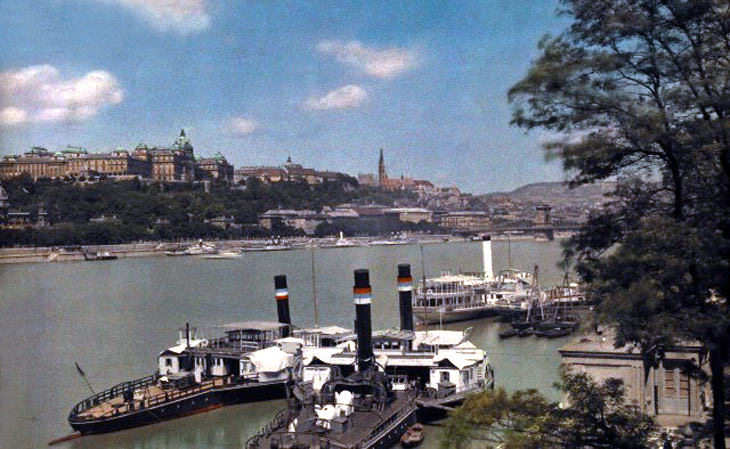
Budapest was the beating heart of Hungary. Streetcars moved people through its streets, shops sold food and clothing, and many residents had electricity and running water in their apartment buildings. The Royal Castle overlooked the Danube as river traffic moved steadily below.
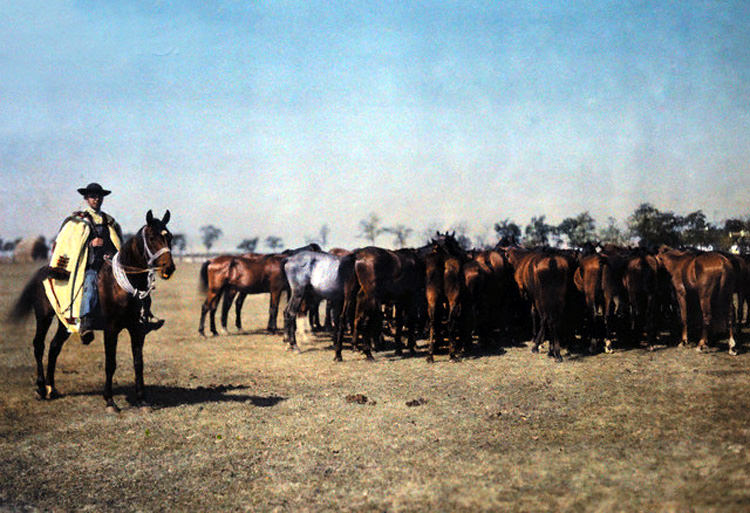
Beyond the capital, life looked very different. The Hungarian puszta — a vast, flat grassland — was home to cowboys and herders who worked on horseback. They managed large herds of horses and livestock using skills passed down through generations.

Water wells were central to life on the puszta. Settlements were sparse, and workers depended on these wells for both themselves and their animals. The landscape was wide open, and the pace of life was dictated by the needs of the herd and the changing seasons.
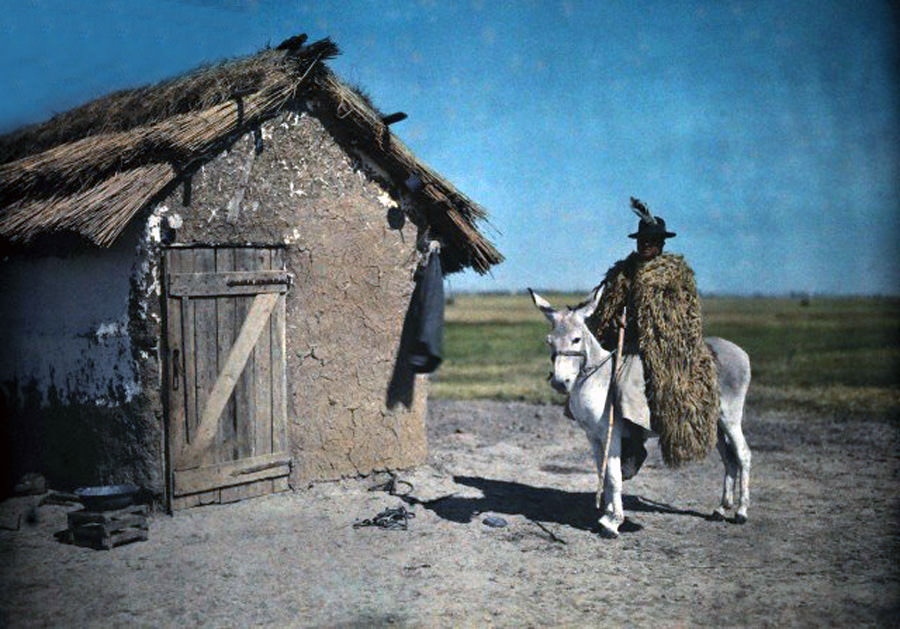
In Hortobágy, swineherds lived in simple thatched huts and tended their pigs across the open range. Rural housing was built from traditional materials — adobe, wood, and straw — suited to the local climate and available resources.
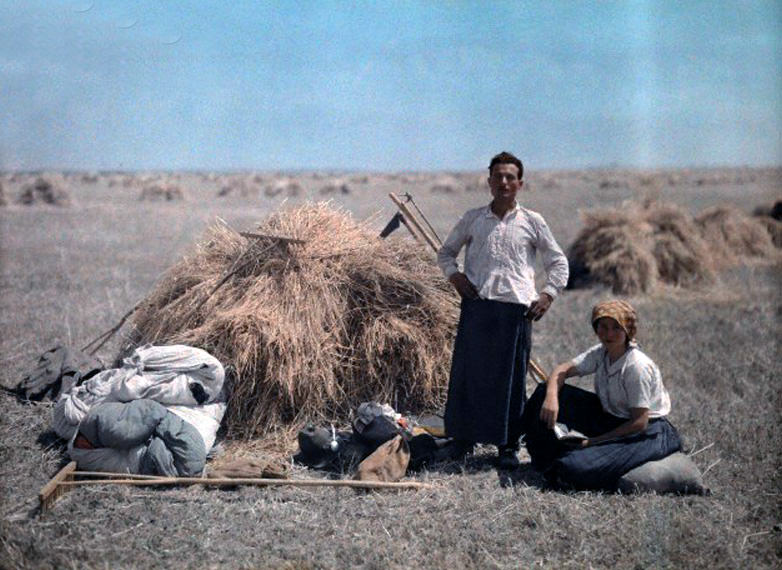
Farming was the backbone of the Hungarian economy. Families grew wheat, corn, and grapes, and raised pigs, cattle, and chickens. Harvest was an all-hands effort. Couples and neighbors worked side by side in the fields, with most of the labor done by hand or with the help of horses and oxen.
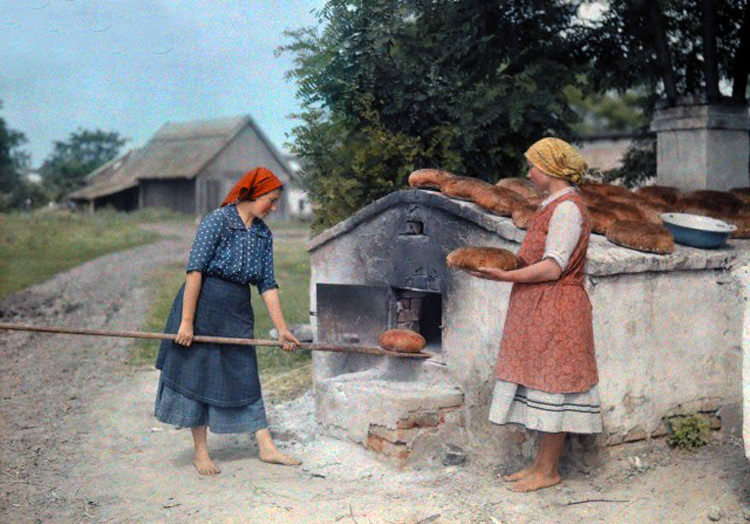
Inside rural homes, women baked bread using wood-fired stoves. Bread was a daily staple, and baking it was a skill every household relied on. What wasn’t eaten at home was sold or traded at local markets.
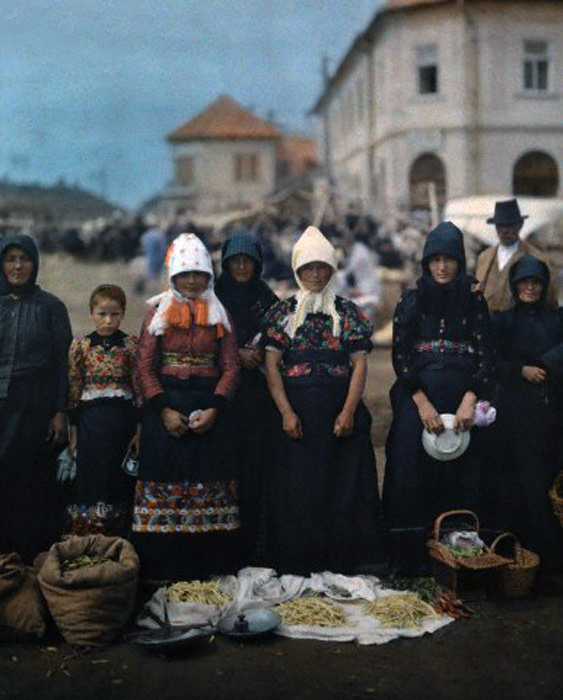
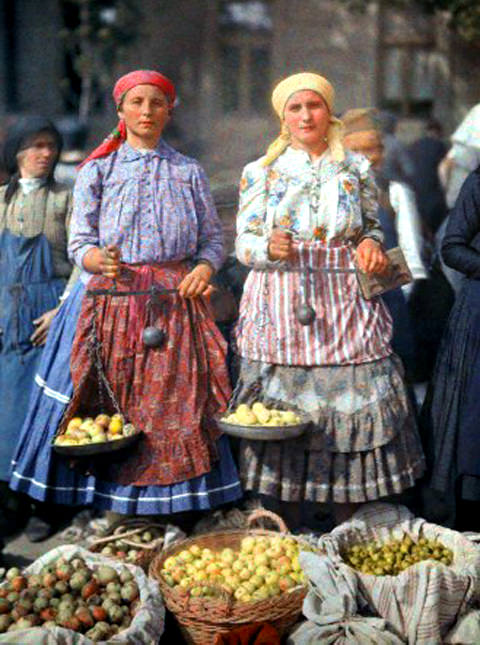
Markets were the social and economic centers of Hungarian towns. Women and girls from surrounding villages gathered to sell produce, eggs, bread, and livestock. These were busy, noisy places where the rural economy played out in full view.
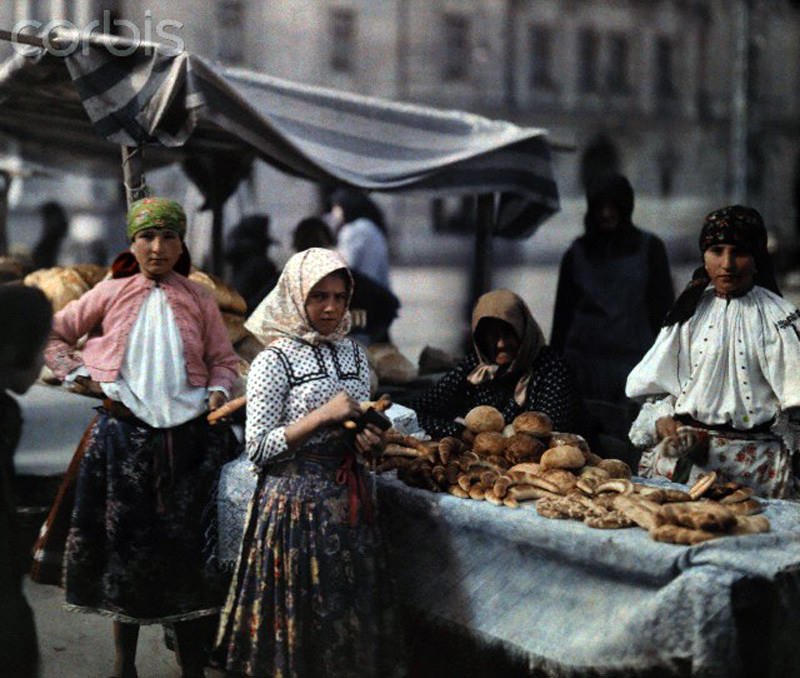
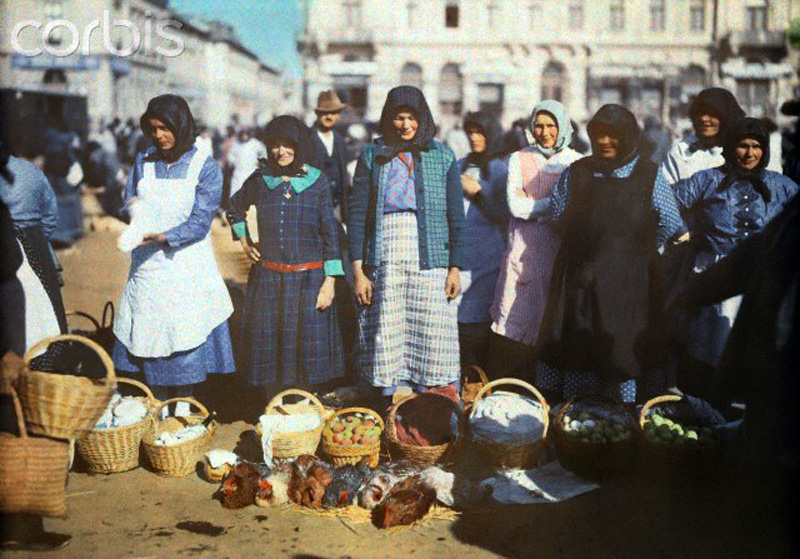
In Mohacs, women set up stalls selling bread and basic provisions. Many of these vendors were poor, relying on the market to earn enough to support their families through the week. The market at Mohacs drew sellers from across the region.
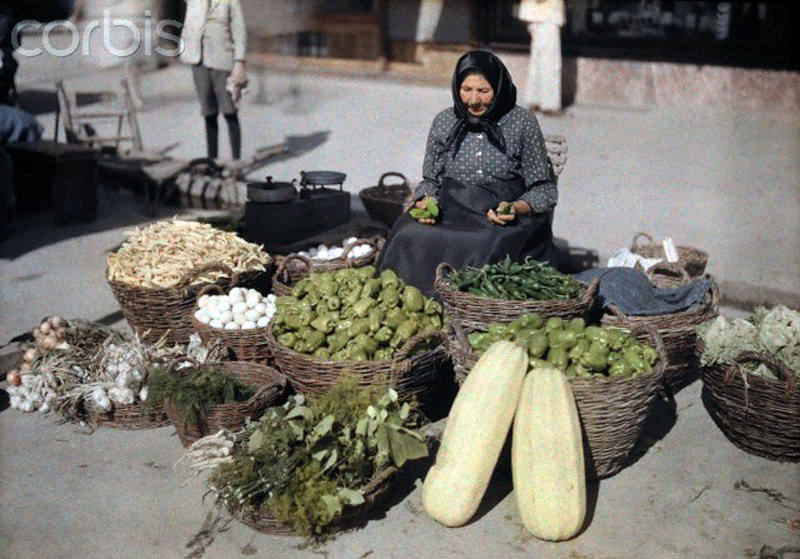
At the Szeged market, a woman sold fresh eggs and vegetables. Markets like this one connected rural producers directly to buyers in town, cutting out middlemen and keeping money within local communities.
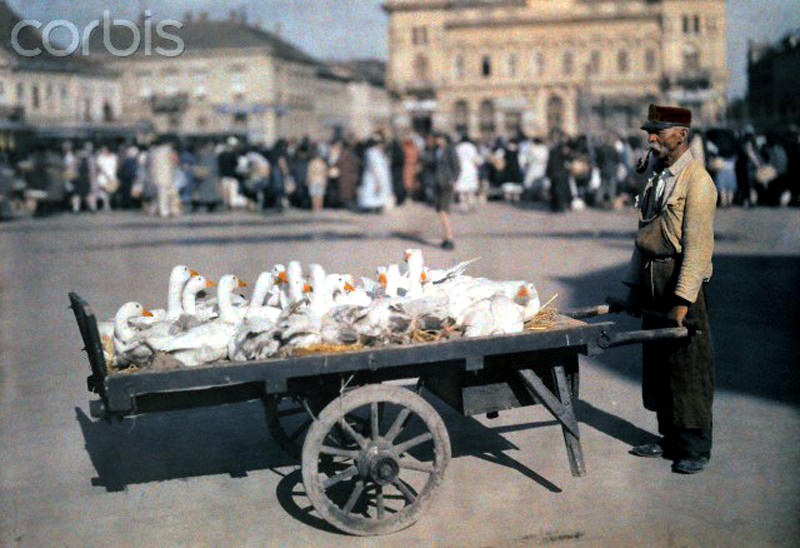
Livestock also made the journey to market. Geese were carted by hand, while pigs and cattle were walked or transported by wagon. Every animal represented income, and sellers arrived early to secure the best spots.
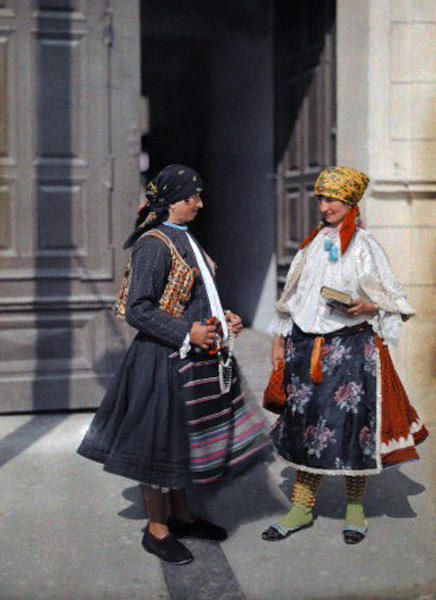
Hungary’s population was ethnically diverse. Mohacs, in southern Hungary near the Serbian border, had a notable Serbian community. These women’s bright, distinctive clothing reflected a cultural identity separate from the Hungarian majority living around them.
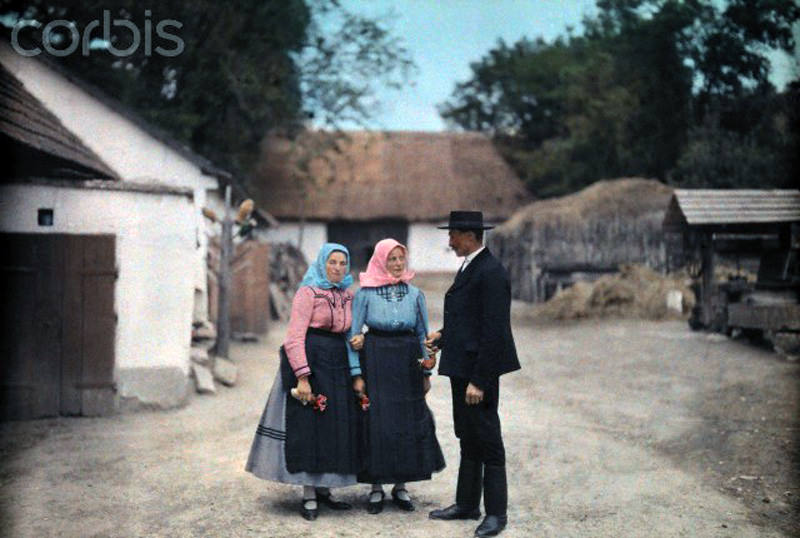
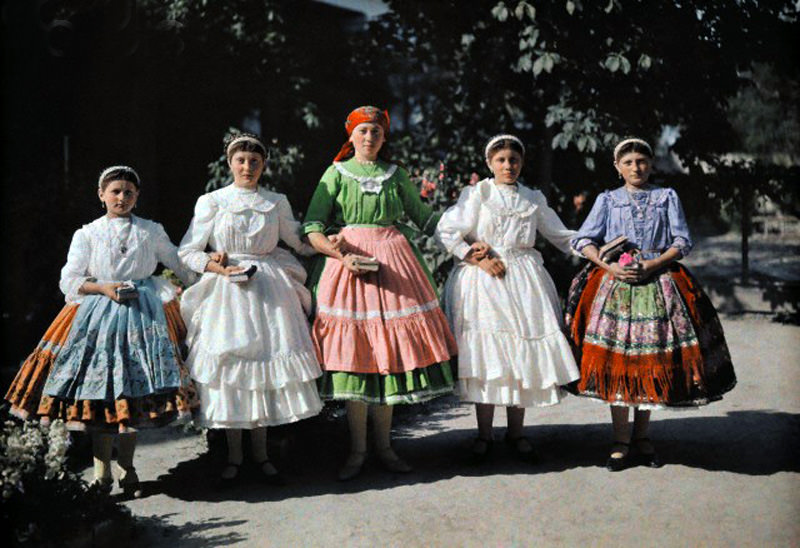
Traditional folk costumes were worn regularly in rural villages, not just for special occasions. Patterns and styles varied by region, and clothing was a clear marker of local identity and community belonging.
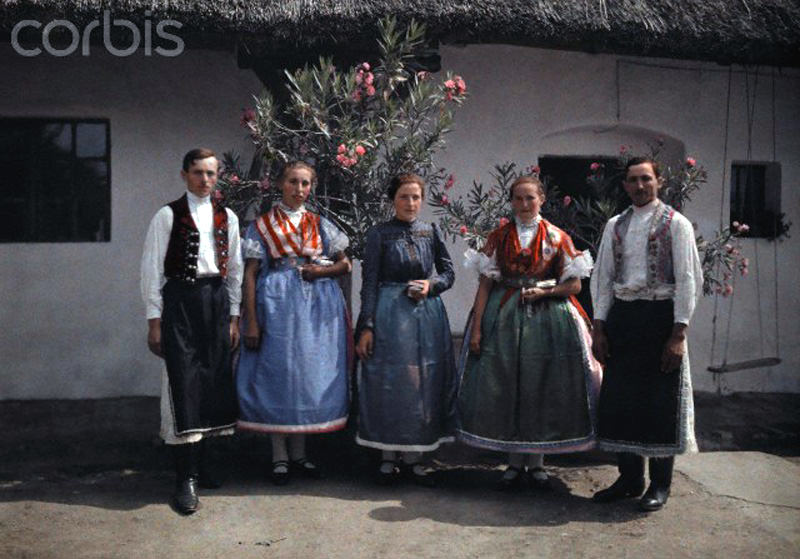
In Sopron, near the Austrian border, houses were decorated with painted flowers — a regional tradition that turned everyday buildings into expressions of local craft. Farmers and their families posed outside these homes, which reflected both pride in their community and the decorative traditions of western Hungary.




