In December 1975, Canadian traveler and photographer Blake Smith arrived in Hong Kong with a camera and a sharp eye for everyday life. The photos he took during that visit are a vivid window into a city that was busy, dense, and full of energy. From crowded street markets to the famous harbor, his images capture Hong Kong at a very specific moment in its history — one that was about to become a great deal more complicated.
Hong Kong in 1975 was a British-administered territory operating under a unique arrangement. Much of the territory, particularly the New Territories, was leased from China under agreements dating back to 1898. That lease was set to expire in 1997, and as the deadline drew closer throughout the 1970s, questions about what would happen next began to surface. The two governments — British and Chinese — began corresponding about the matter in March 1979, though formal negotiations did not begin until September 1982, when the British prime minister traveled to Beijing.
The Chinese government had long maintained that the entire territory of Hong Kong was Chinese land. From Beijing’s perspective, the earlier agreements between Hong Kong and Britain were unequal treaties — deals struck under colonial pressure rather than mutual agreement. That position meant the question of Hong Kong’s future was not simply about a lease expiring, but about the legitimacy of the arrangements themselves.
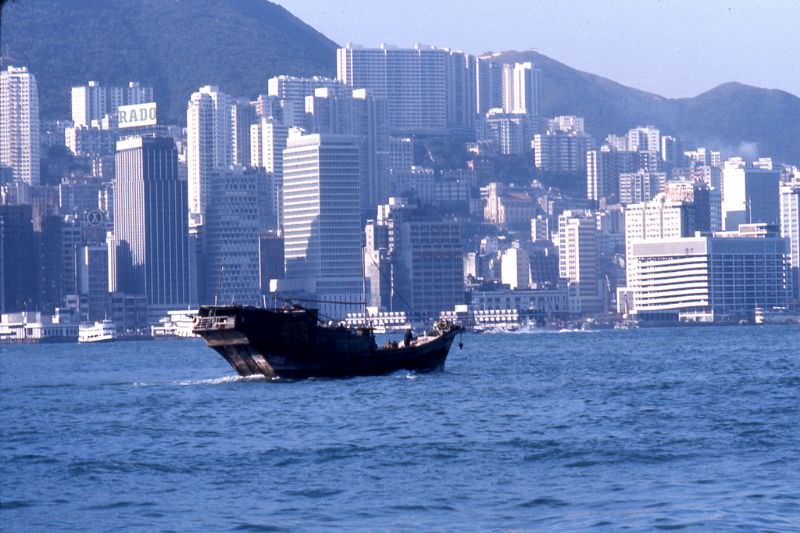
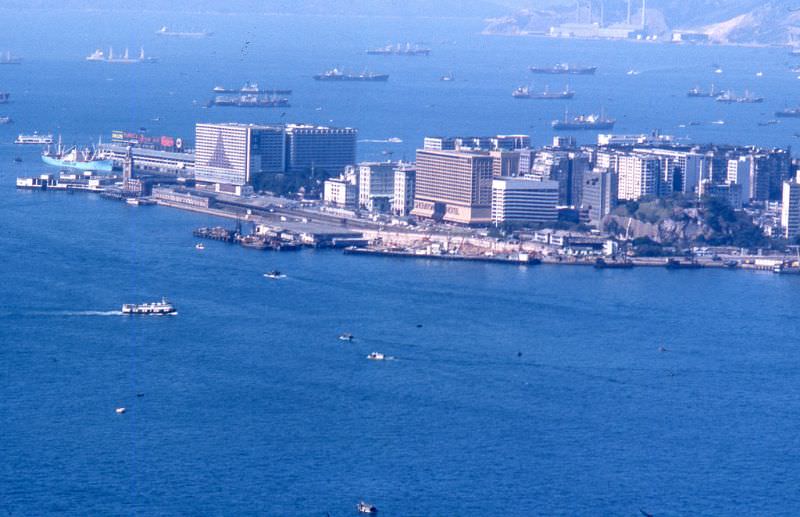
None of that political tension, however, was visible in the streets Blake Smith walked through in December 1975. The city was alive with commerce, noise, and movement. The waterfront was one of the most striking features of Hong Kong, with its harbor framing the skyline on one side and the hills of Kowloon on the other.
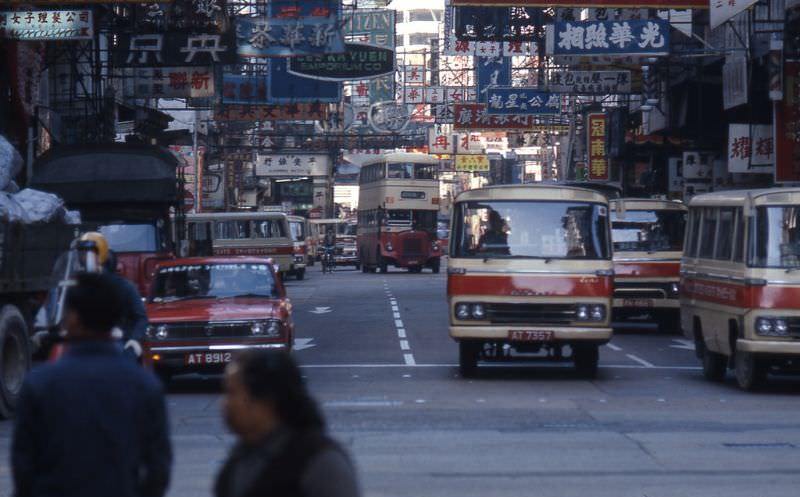
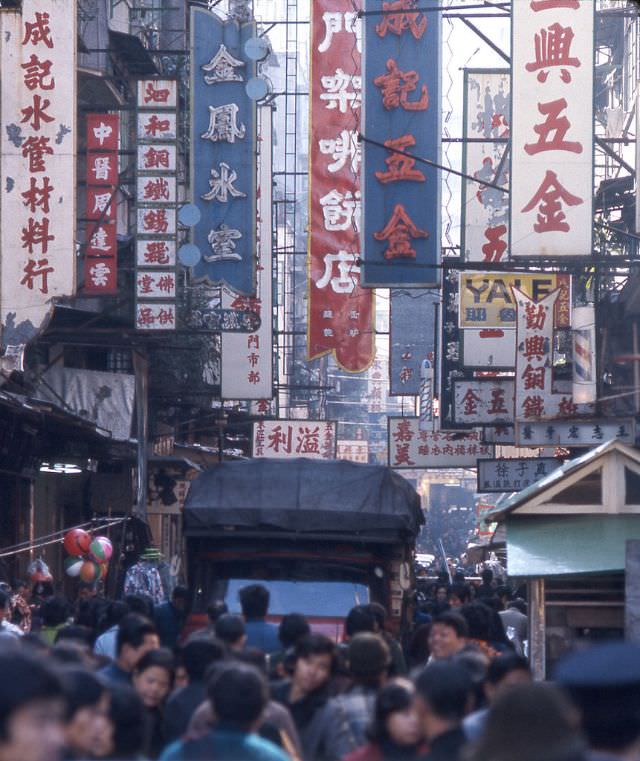
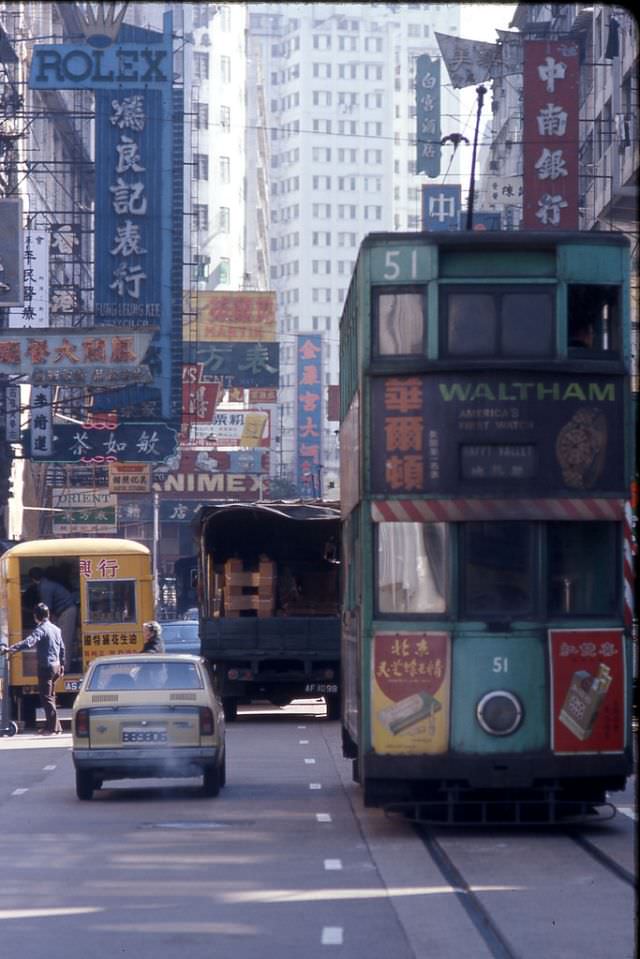
Wan Chai was one of the most vibrant districts in the city. Johnston Road and Hennessy Road, two of its main arteries, were lined with shops, signs in Chinese characters, and a constant flow of pedestrians and vehicles. The neighborhood mixed old and new Hong Kong in a way that was hard to find anywhere else.
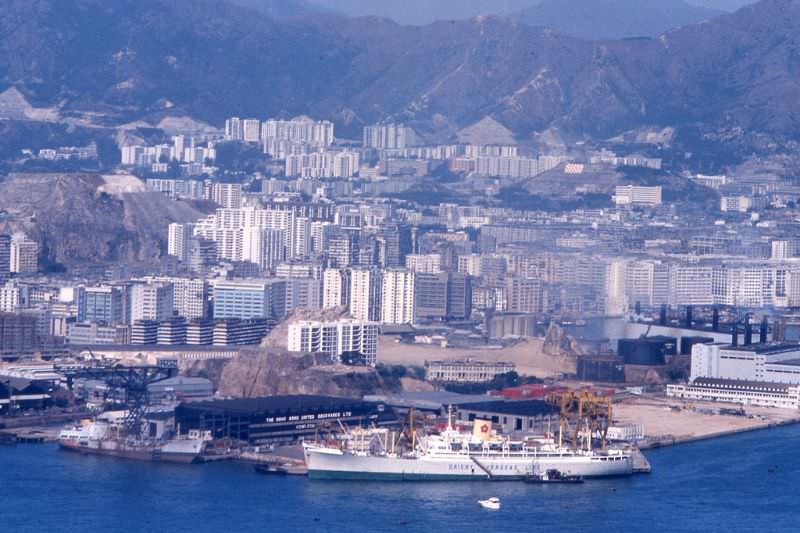
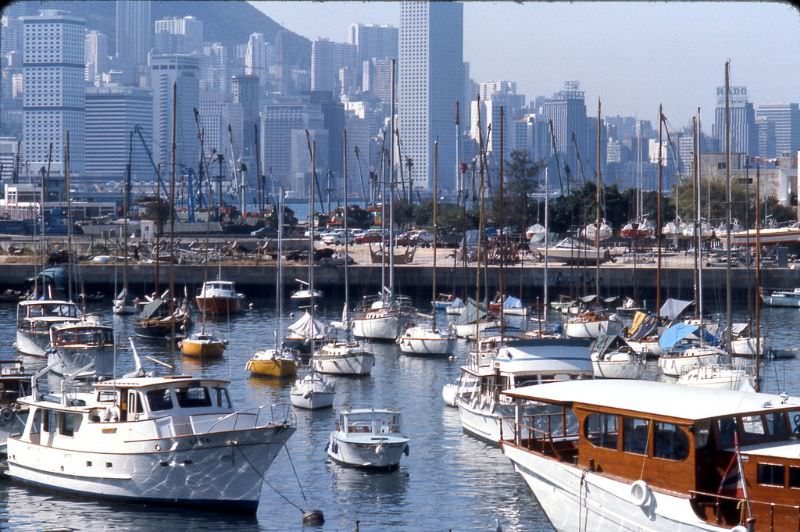
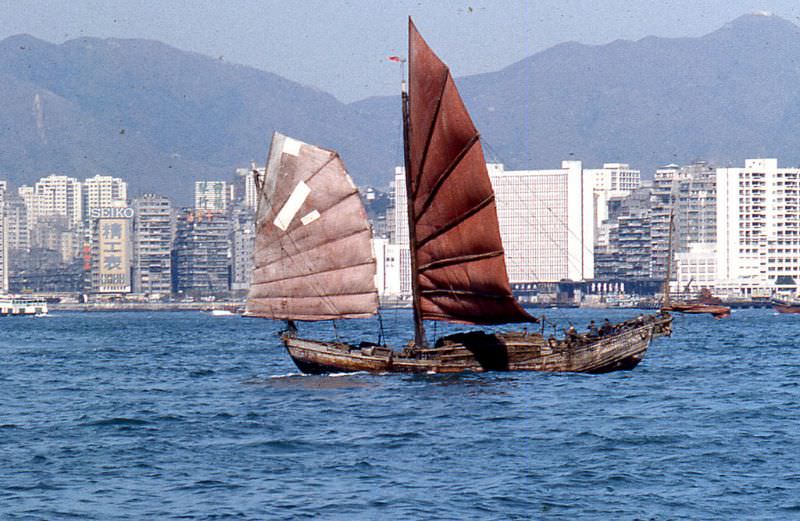
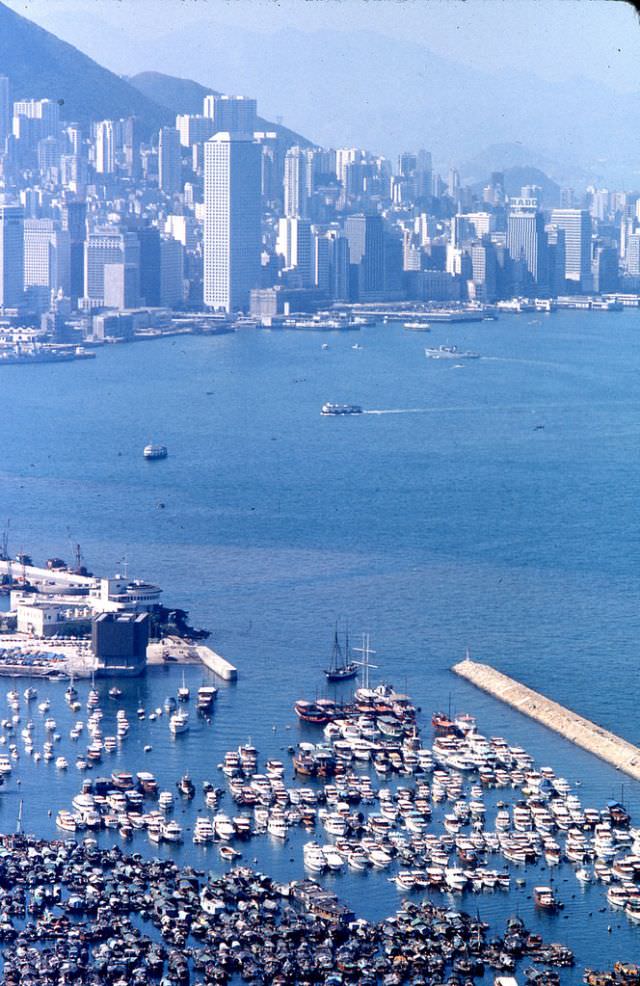
Across the harbor, Kowloon offered its own distinct atmosphere. The view from Hong Kong Island looking toward Kowloon — and the reverse — gave a sense of just how tightly packed and vertically built this territory had become. High-rise apartment blocks climbed the hillsides, and even the harbor between the two sides was thick with boat traffic.
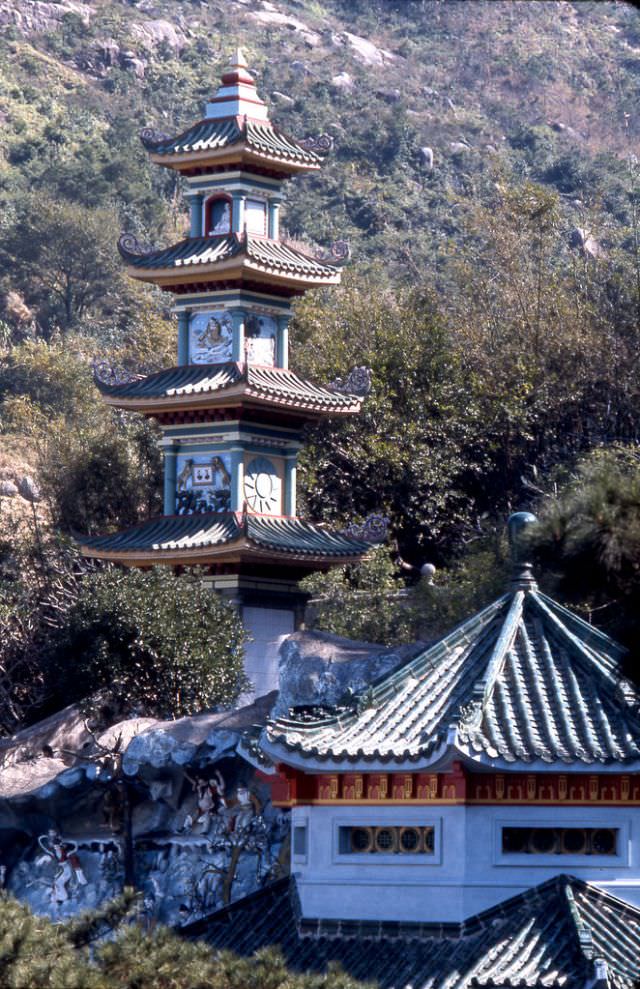
Traditional architecture also still had a place in the city. Pagodas and older structures dotted the landscape among the modern buildings, reminders of the deep cultural roots underneath Hong Kong’s rapid commercial development.
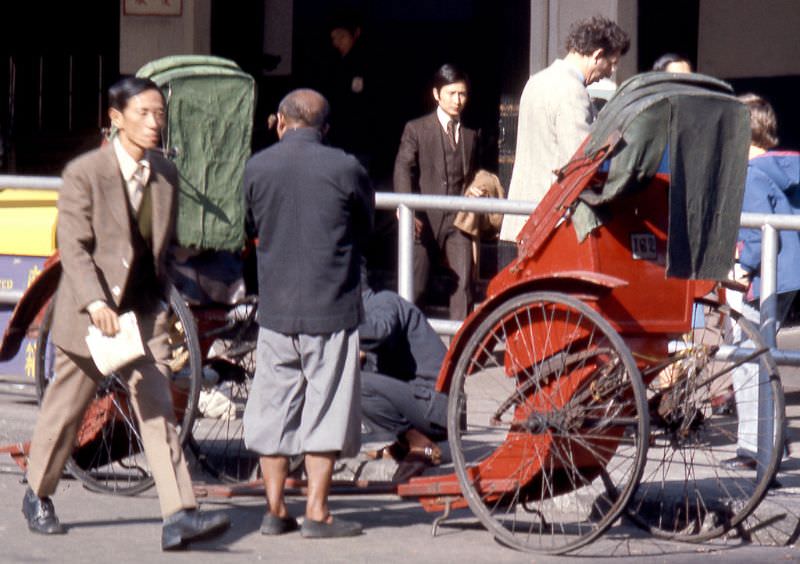
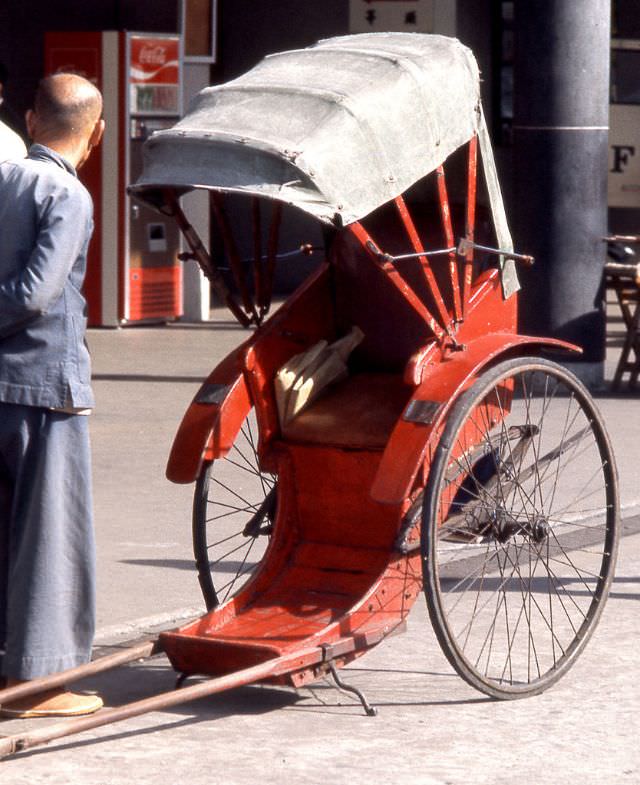
One of the most recognizable images of old Hong Kong was the rickshaw — a two-wheeled cart pulled by hand. By 1975, rickshaws were already a rare sight, mostly used by tourists rather than locals getting around the city. They had been a common form of transport for decades, but the growth of buses, trams, and taxis had largely replaced them.
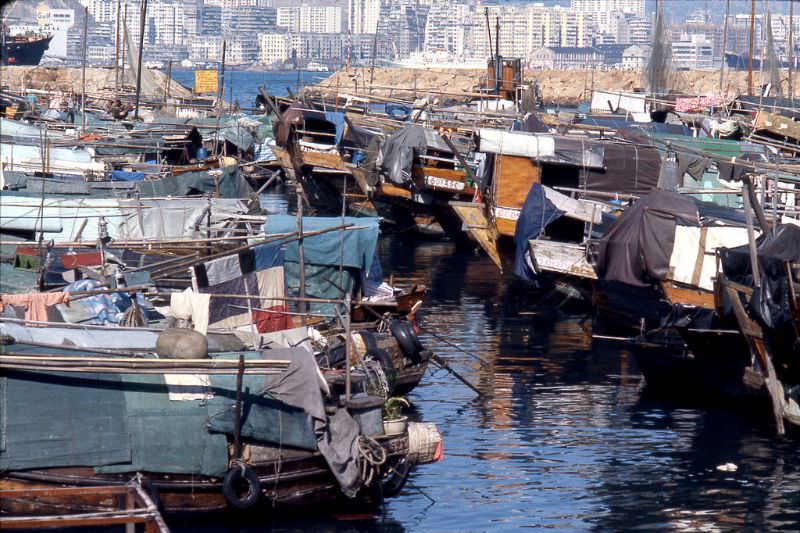
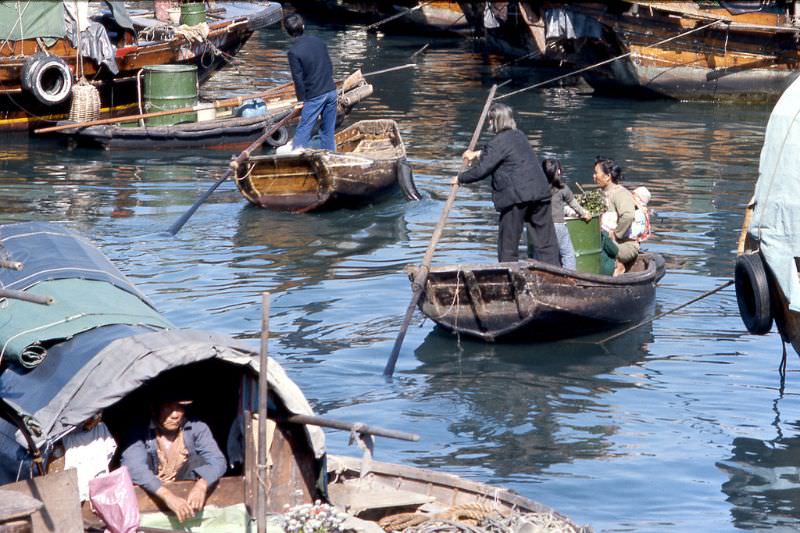
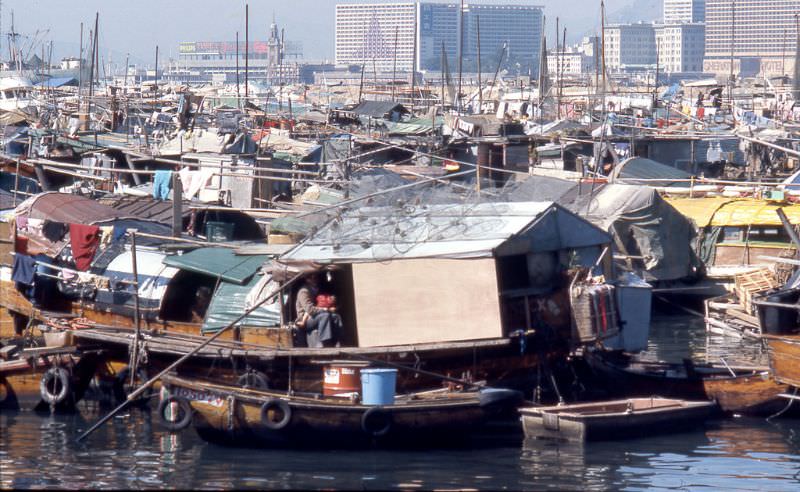
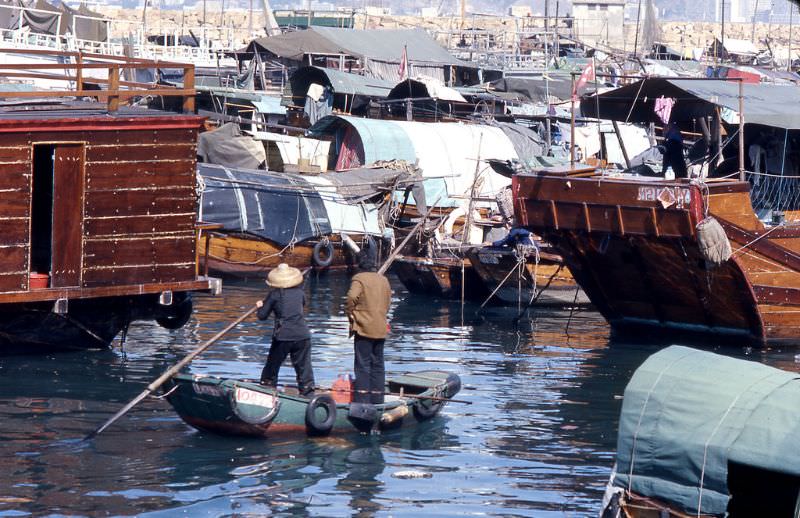
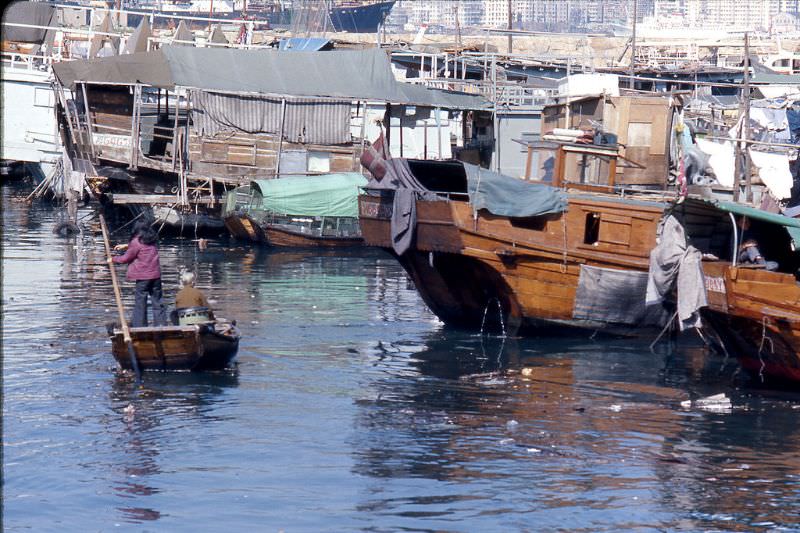
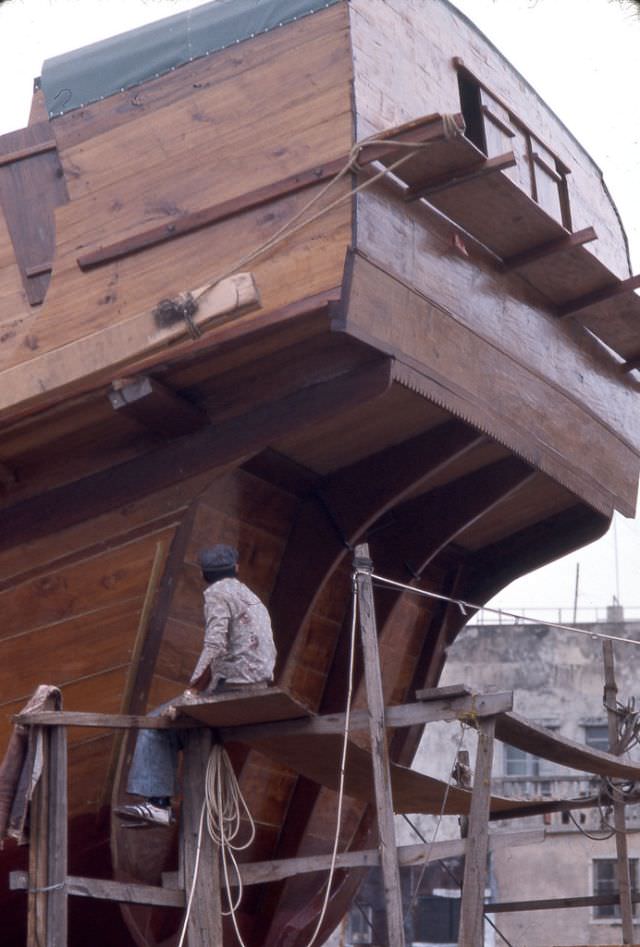
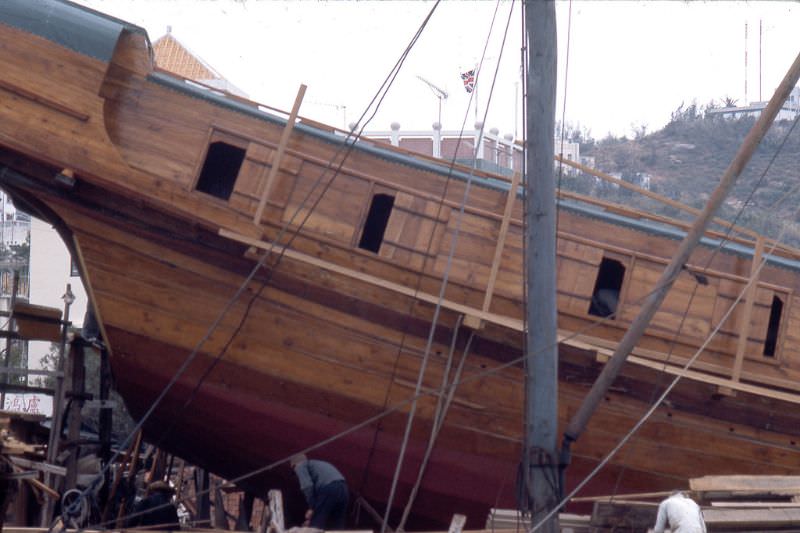
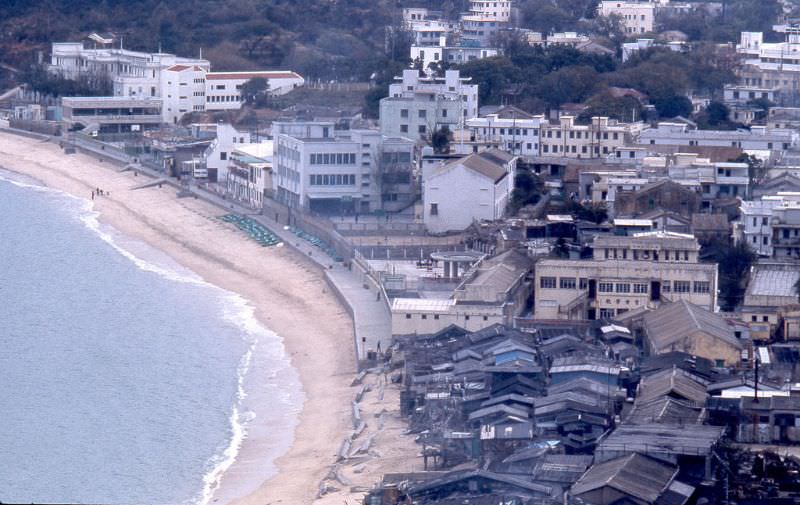
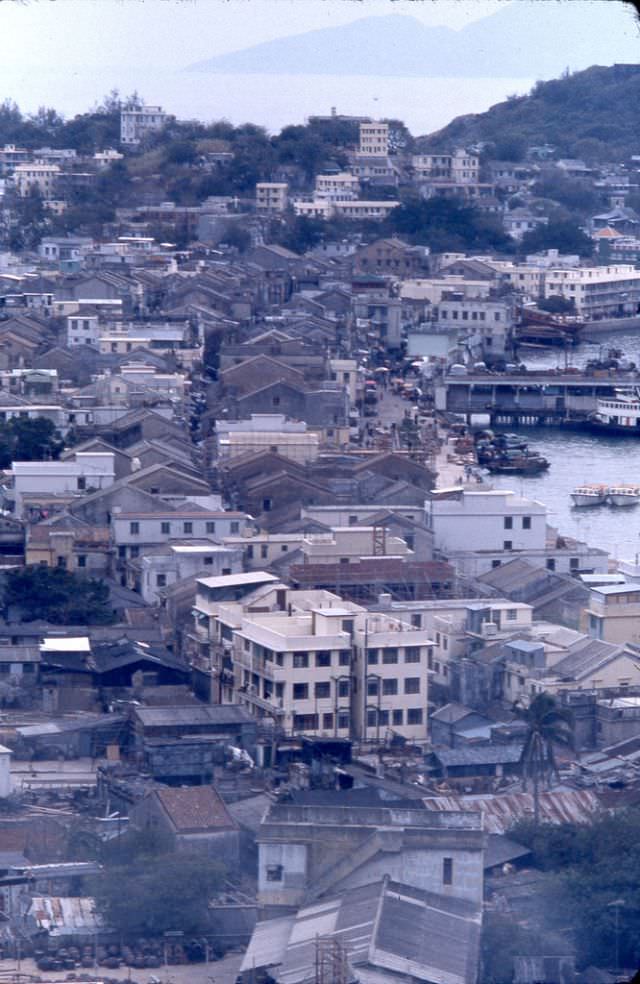
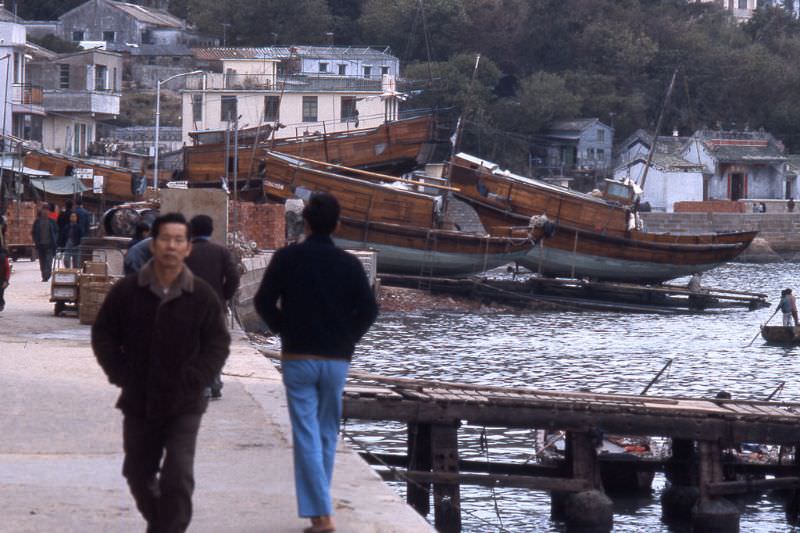
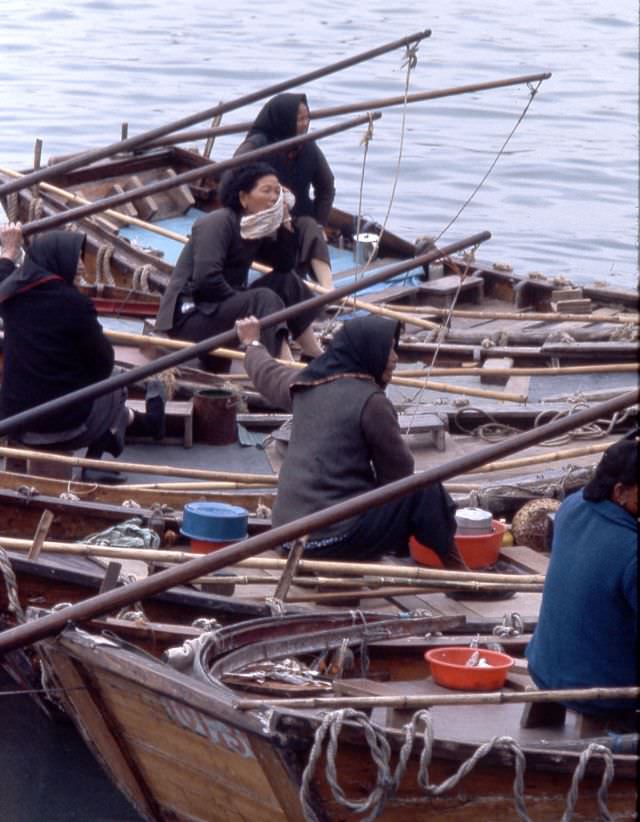
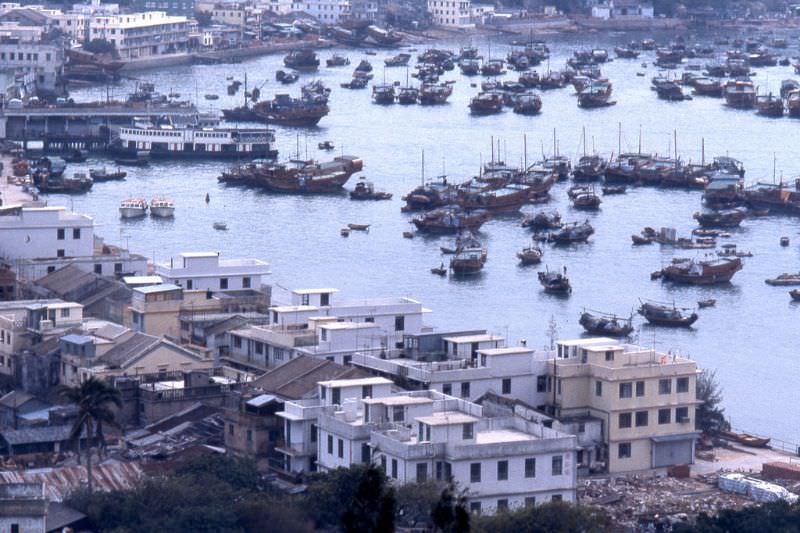
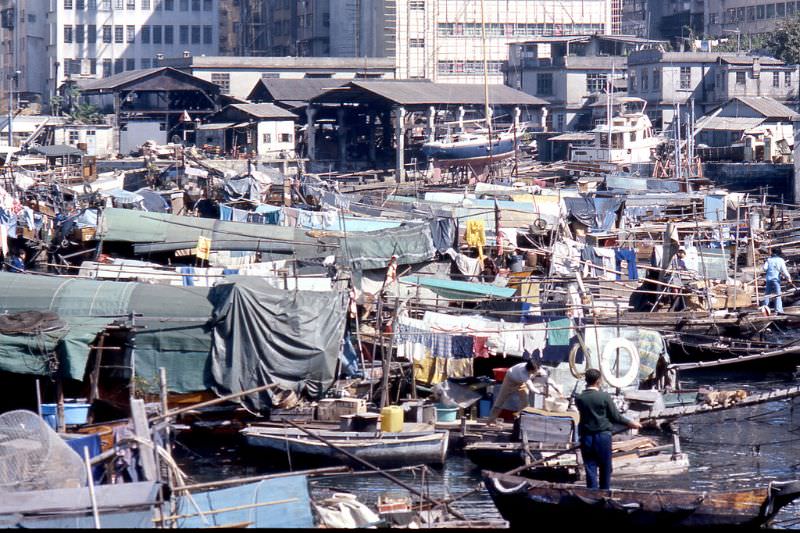
The outlying islands offered a very different pace of life. Cheung Chau, sometimes called Dumbbell Island due to its shape, was a fishing community with a busy waterfront and a harbor full of sampans — small wooden boats used for fishing and sometimes as permanent homes. The island had no cars, and its narrow lanes and seafront were a sharp contrast to the density of the city.
Back on the main side of the harbor, the Star Ferry Pier at Tsim Sha Tsui was one of the busiest transit points in the territory. The Star Ferry had been connecting Hong Kong Island and Kowloon since 1888, and by 1975 it was carrying tens of millions of passengers each year. The green-and-white ferries crossing the harbor were as much a symbol of Hong Kong as the skyline itself.
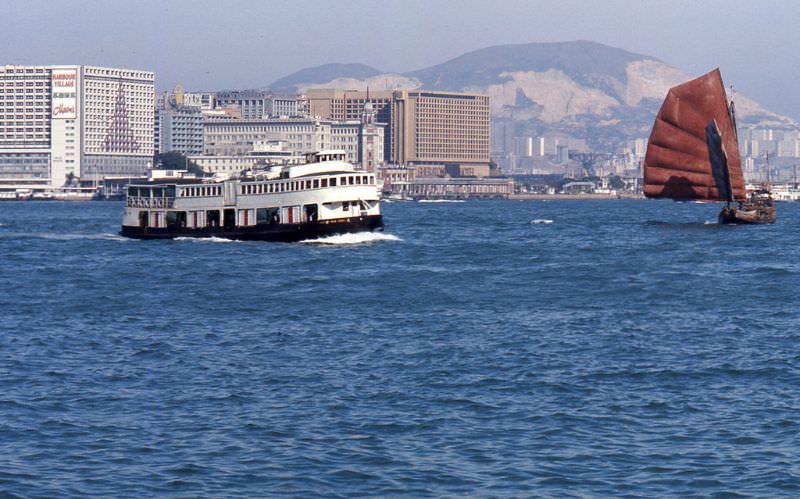
Cheung Chau’s waterfront and harbor were a world away from the financial and commercial hubs of the city. Fishing boats sat low in the water, nets were spread out to dry, and the smell of salt and fish hung in the air. The island’s ferry connection to the main city was the lifeline that kept it tied to the broader territory.
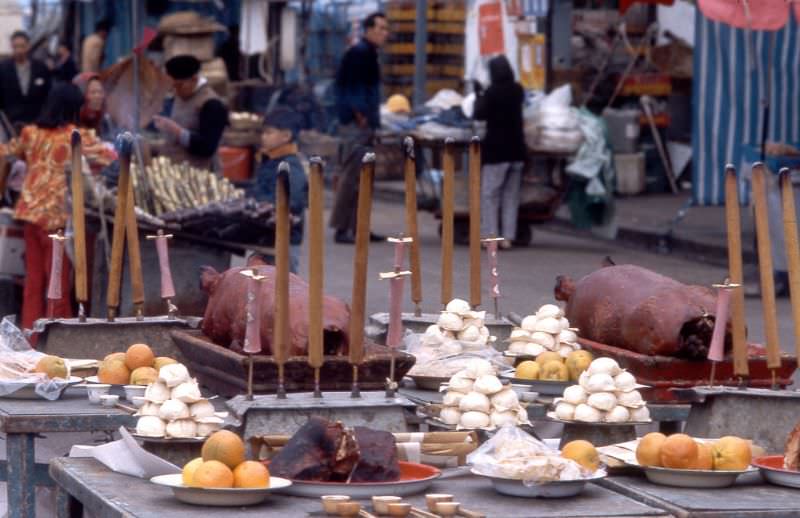
Death and mourning in Hong Kong were practiced with elaborate public ritual. Funeral set-ups on the street were a common sight — elaborate paper offerings, ceremonial decorations, and altars arranged in open spaces or outside homes. These traditions blended Buddhist, Taoist, and folk practices, and were carried out openly as a normal part of community life.
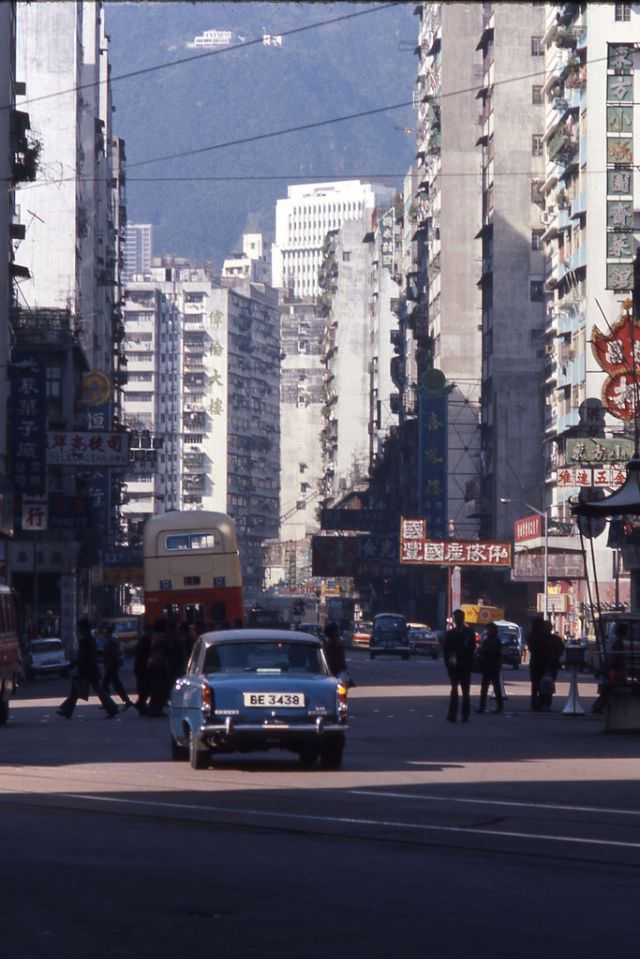
Hennessy Road in Wan Chai was one of the main commercial corridors in the district, packed with neon signs, storefronts, and foot traffic at nearly all hours. The road cut through a neighborhood that housed everything from nightclubs to hardware shops to street food stalls.
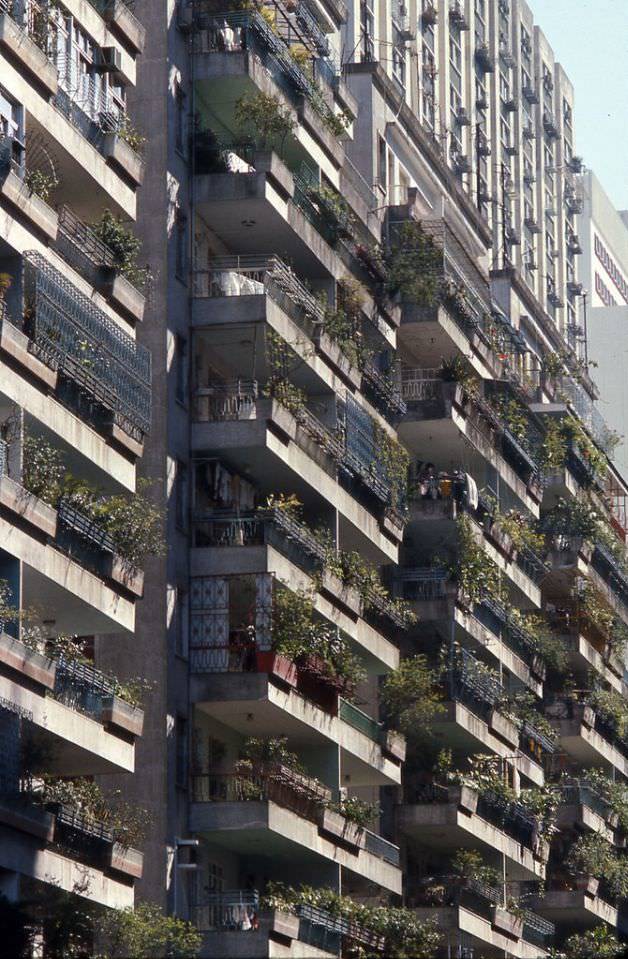
Even within the city’s dense apartment blocks, residents found ways to carve out small green spaces. Balconies and rooftops were turned into makeshift gardens, with pots, planters, and climbing plants spilling out from wherever there was room. It was a practical and personal response to living in a city with very little open land.
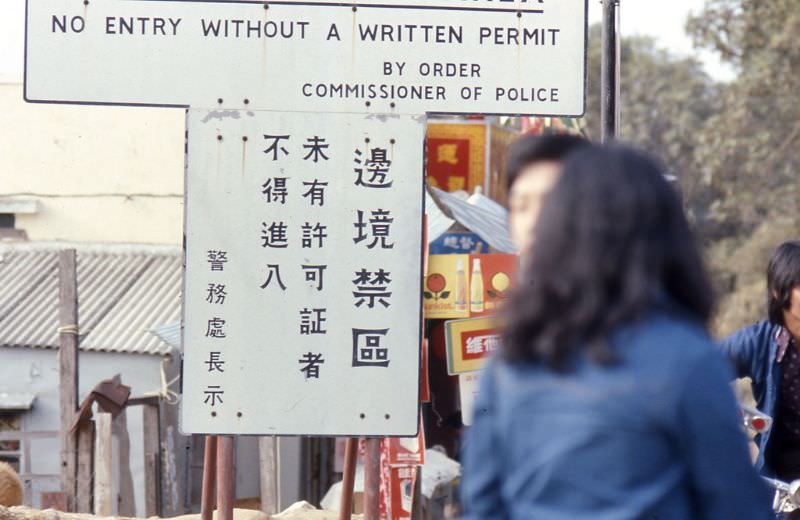
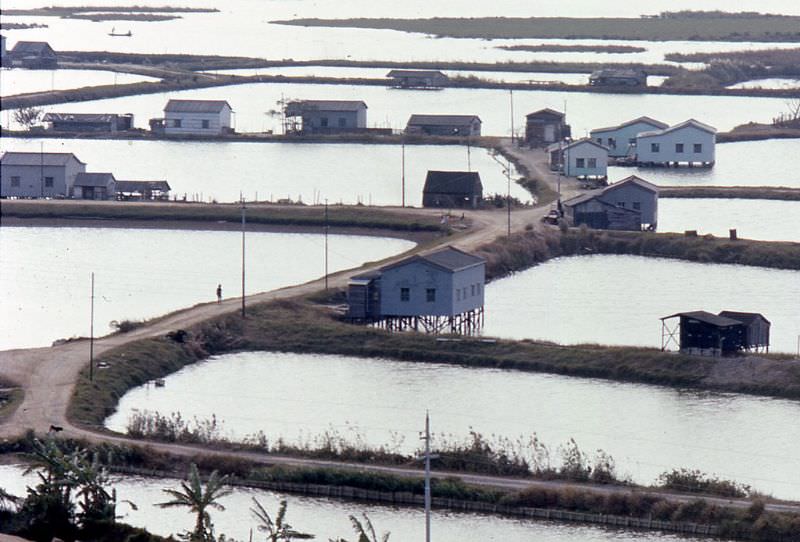
The frontier between Hong Kong and mainland China was a real and closely watched border. In 1975, crossing between the two sides was tightly controlled. The border marked the edge of British jurisdiction and the beginning of the People’s Republic of China — two systems that could not have been more different in political and economic terms at the time.
The harbor itself was one of the busiest in Asia. Cargo ships, ferries, fishing boats, and pleasure craft all shared the same water, and the skyline reflected in the harbor made for some of the most photographed views in the world. That same year, 1975, Queen Elizabeth made her first official visit to Hong Kong, a trip that underscored the territory’s continued importance to Britain.
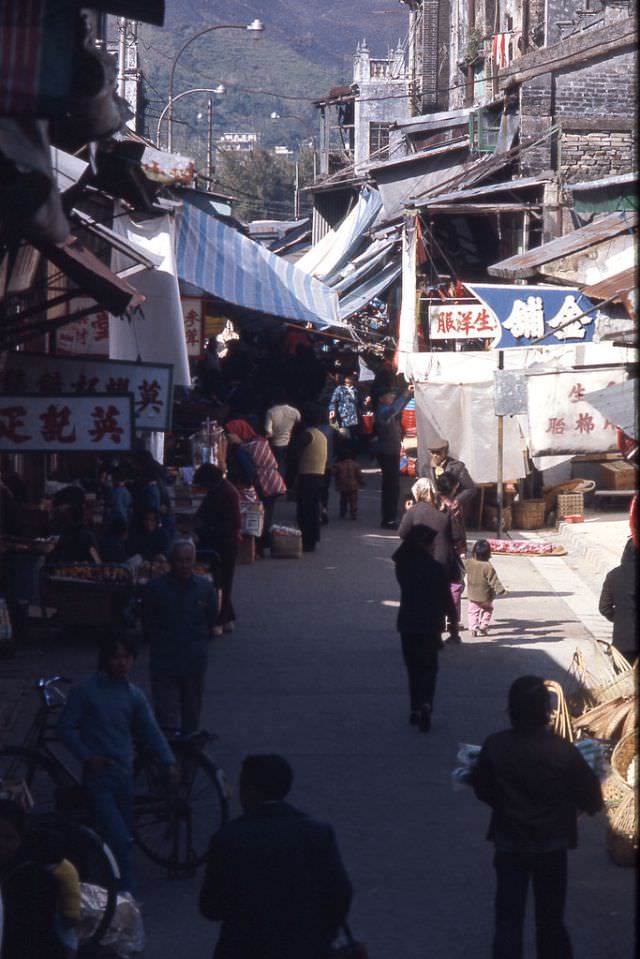
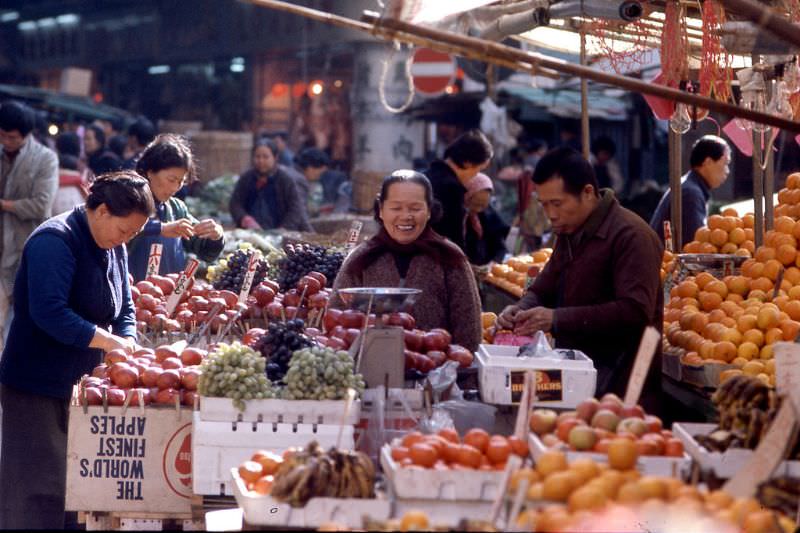
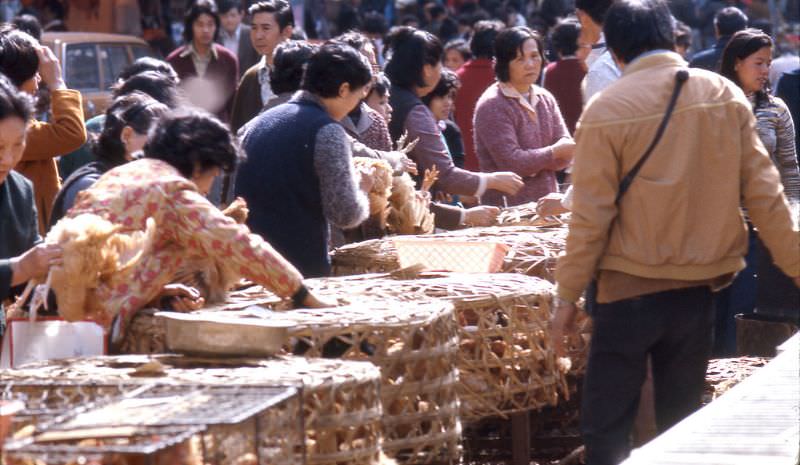
Markets were the beating heart of daily life in Hong Kong. Outdoor stalls sold everything from dried goods and clothing to live animals. The city’s markets operated at all hours and served every kind of buyer, from home cooks picking up vegetables to traders dealing in bulk goods.
Rickshaws appeared again in the street scenes Smith captured — by this point largely as a tourist attraction rather than a working mode of transport. Their presence alongside buses, trams, and modern storefronts captured exactly the kind of in-between moment Hong Kong was living through in the mid-1970s: a city moving fast into modernity while still carrying traces of an older way of life.