The 1930s were a hard decade for the Netherlands. The Great Depression, which began in 1929, spread across the globe and hit the Dutch economy with full force. Jobs disappeared, businesses shut down, and poverty climbed sharply. Prime Minister Hendrikus Colijn responded with austerity measures — deep cuts to government spending meant to reduce national debt. For ordinary Dutch families, this meant tightening budgets and leaning on neighbors and community networks to get by.
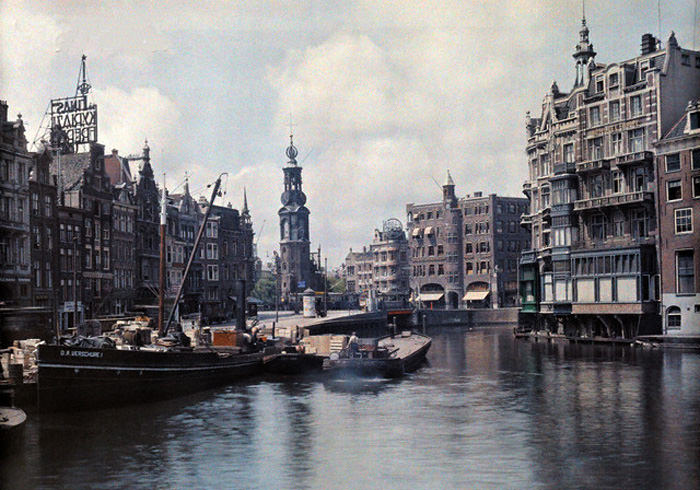
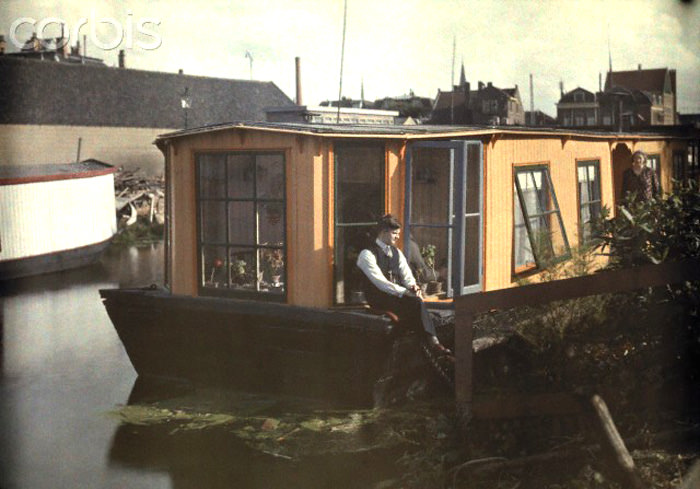
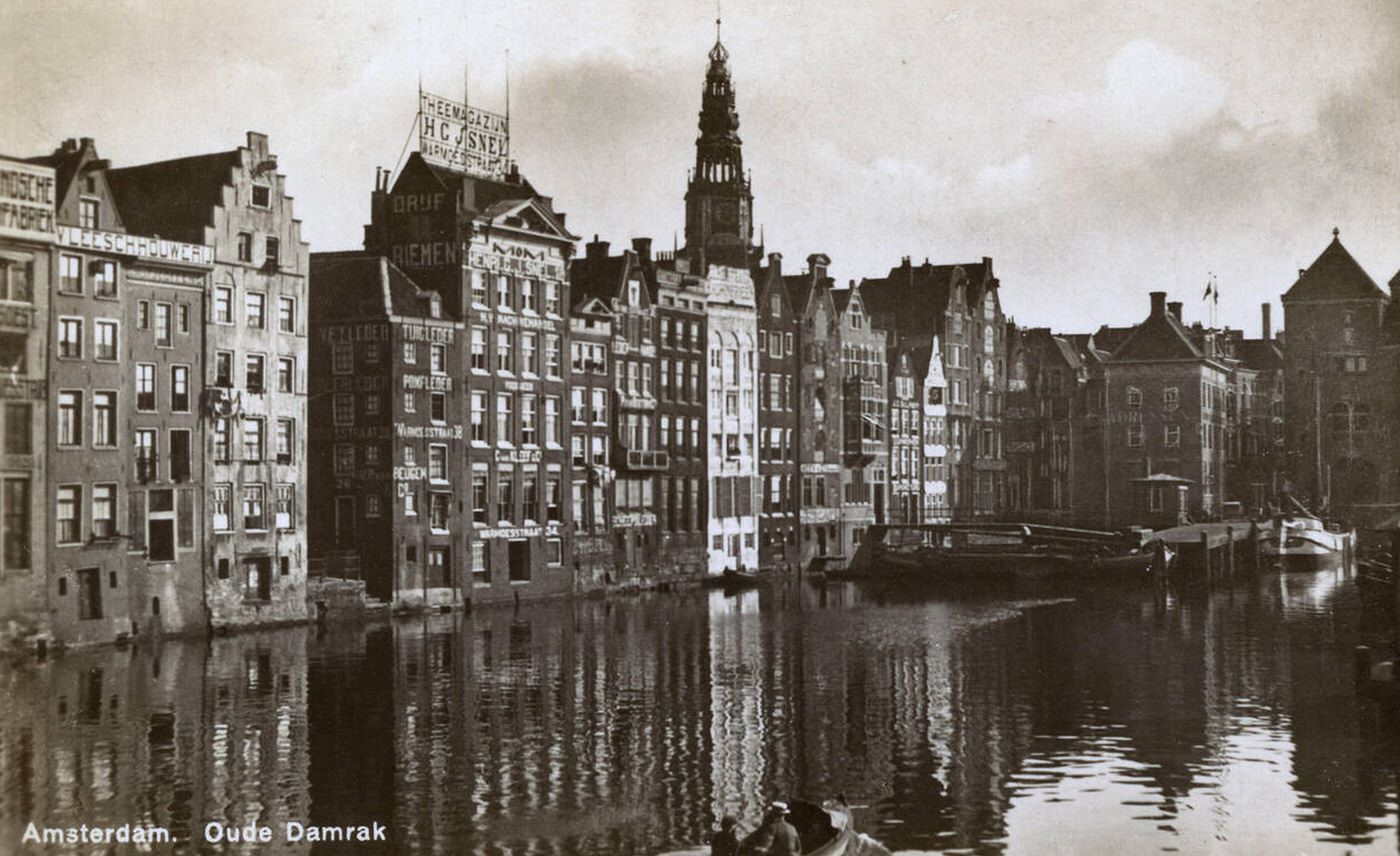
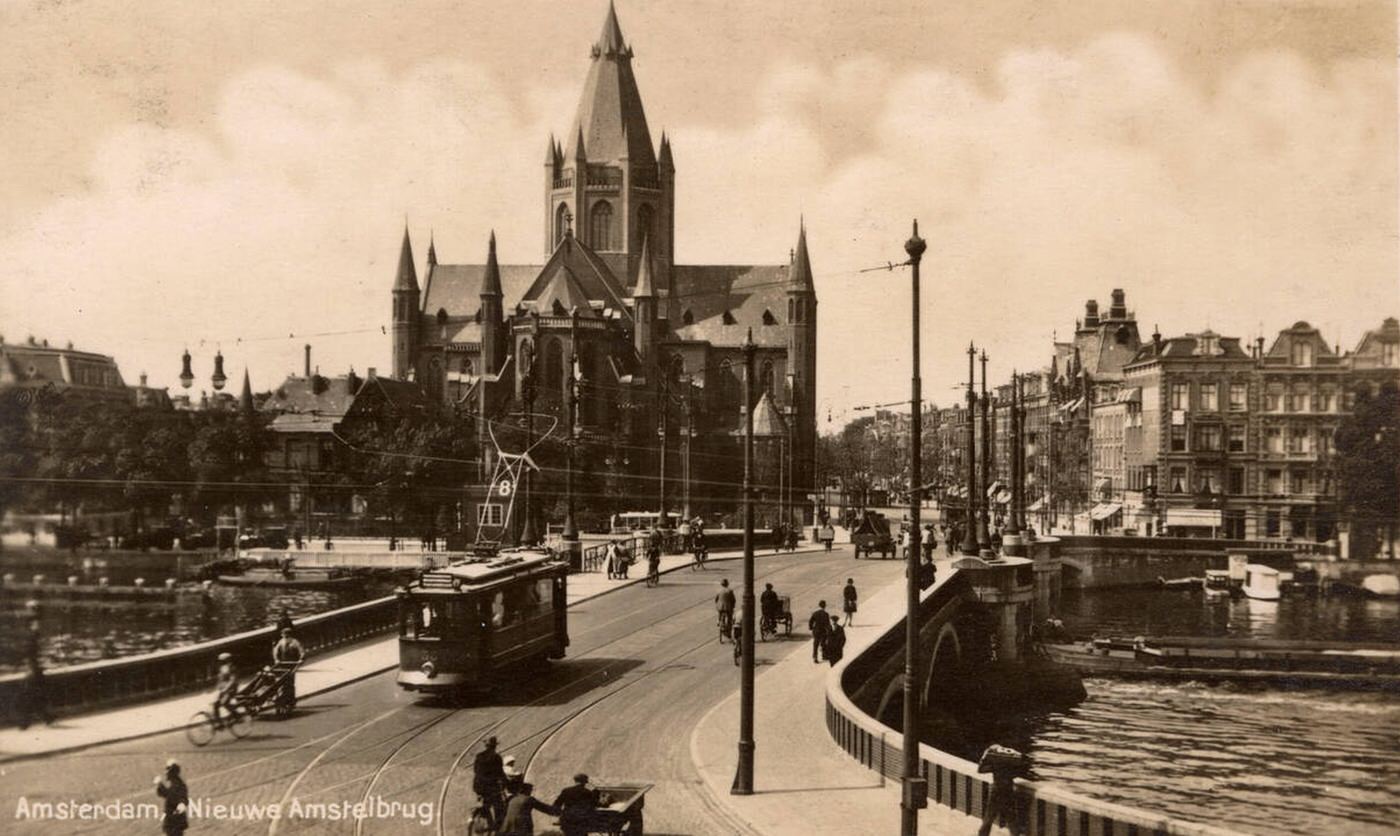
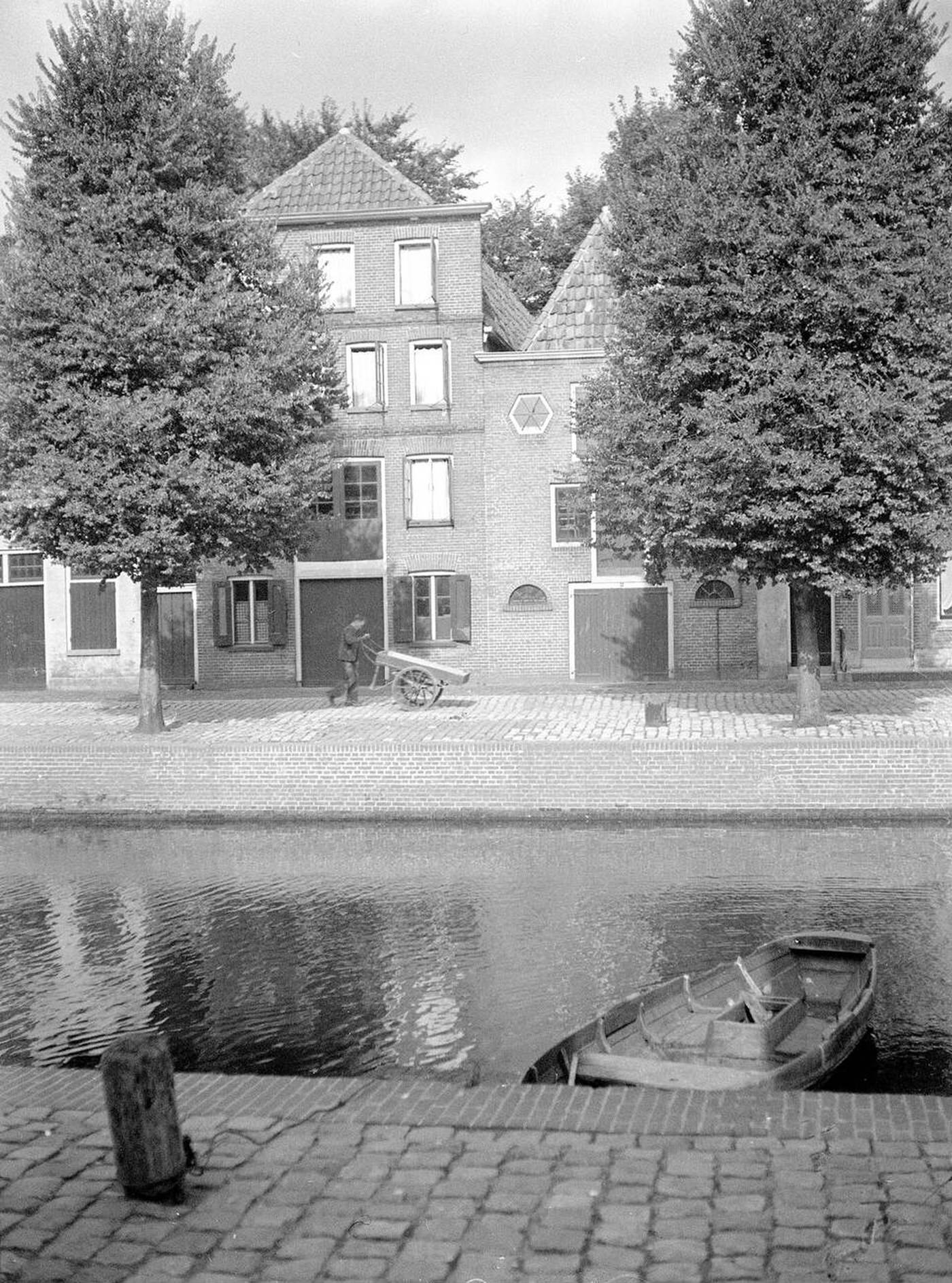
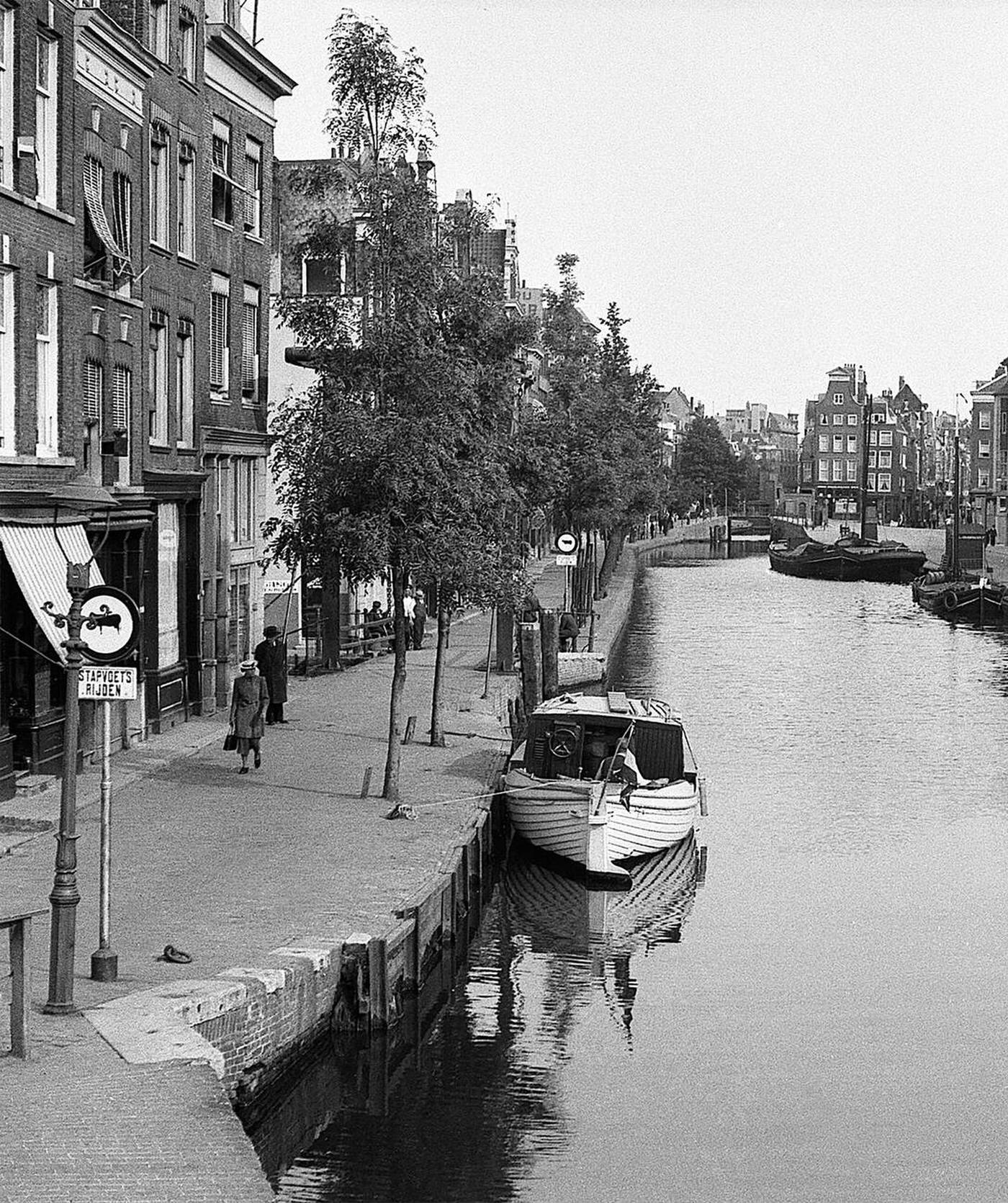
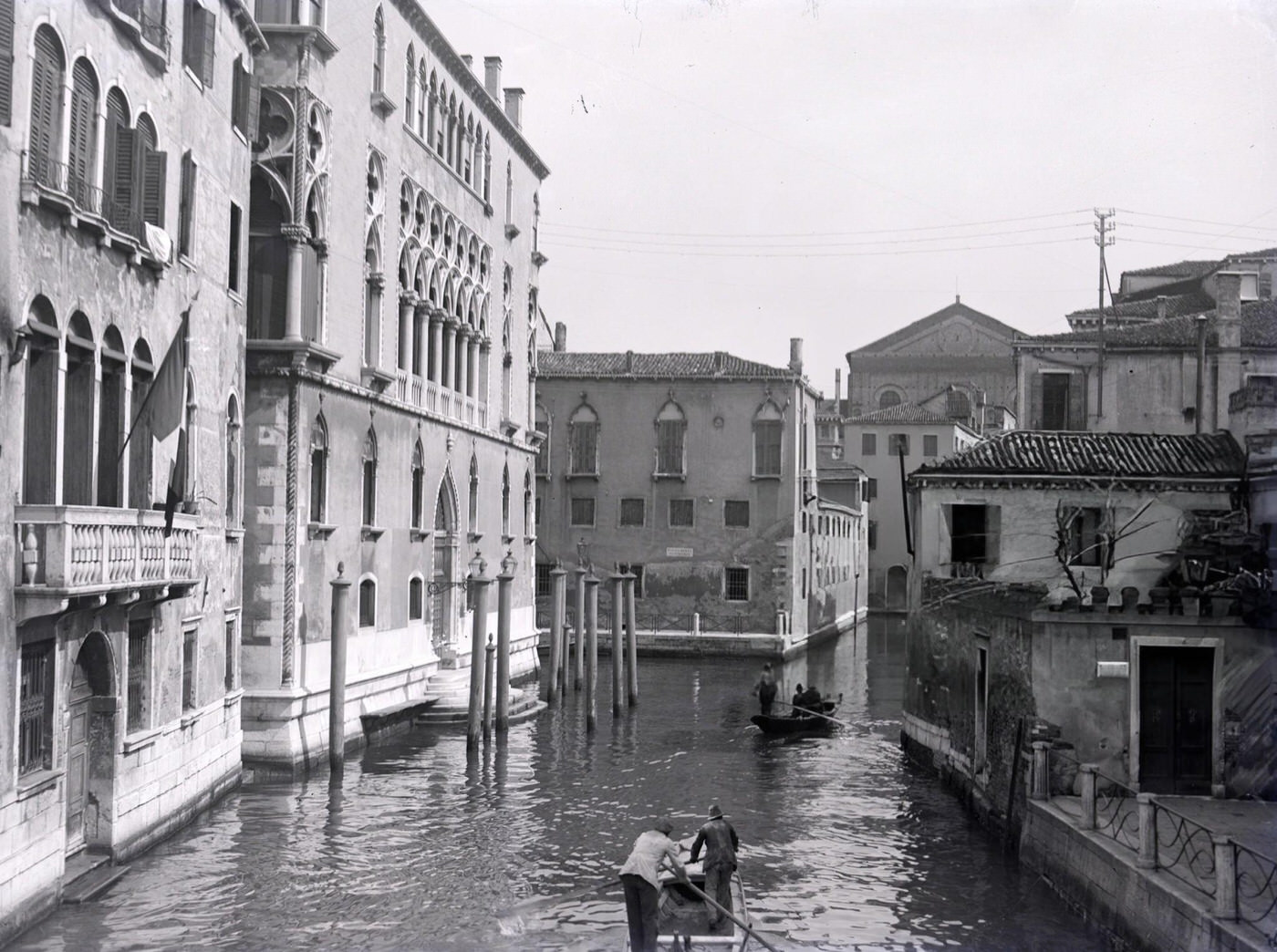
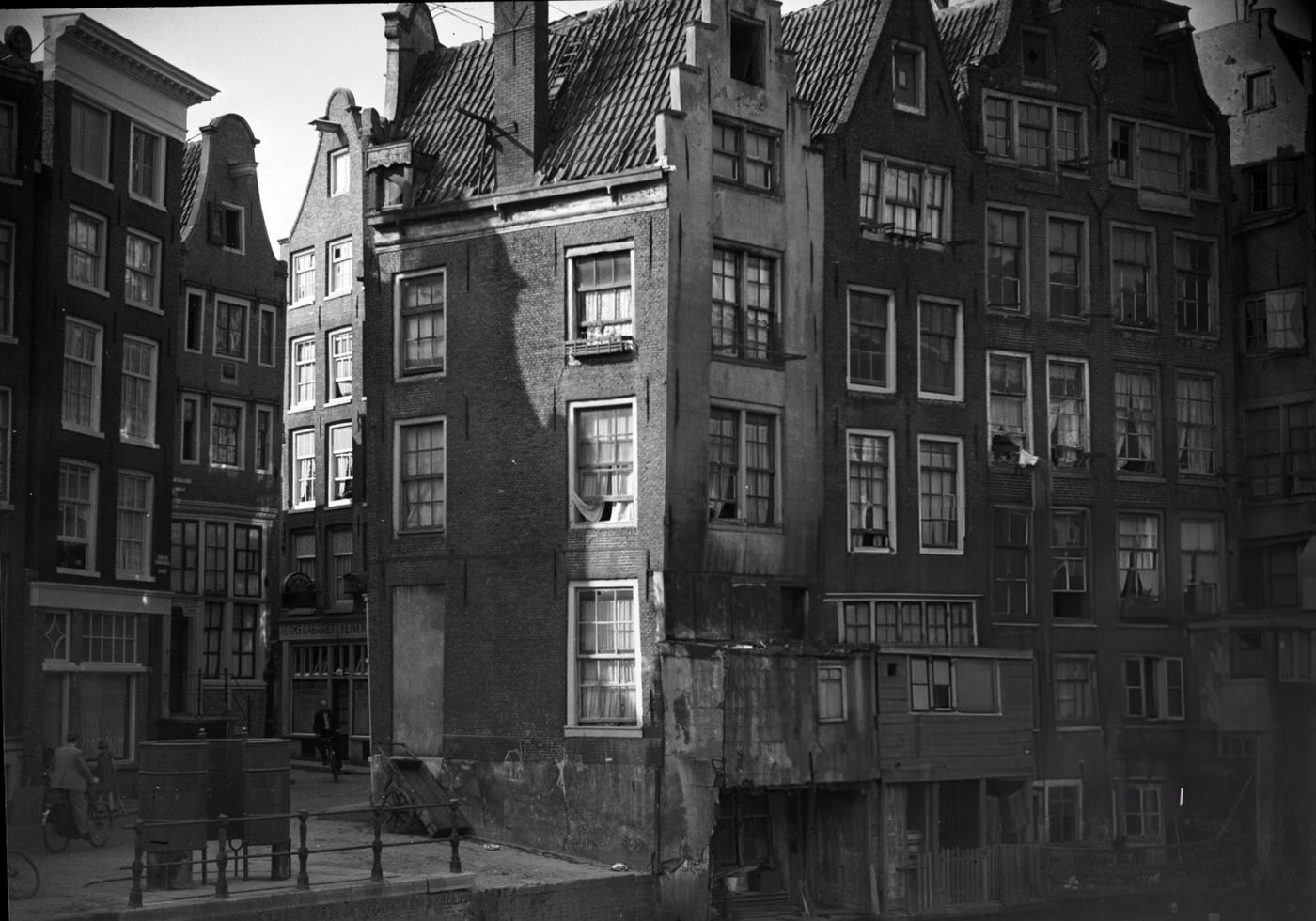
Amsterdam remained one of Europe’s most active cities throughout the decade. Its famous canal network was not just scenic — it was a working system that moved goods, people, and commerce through the heart of the city every single day. Boats loaded with cargo shared the water with smaller craft ferrying passengers, keeping trade alive even as the broader economy struggled.
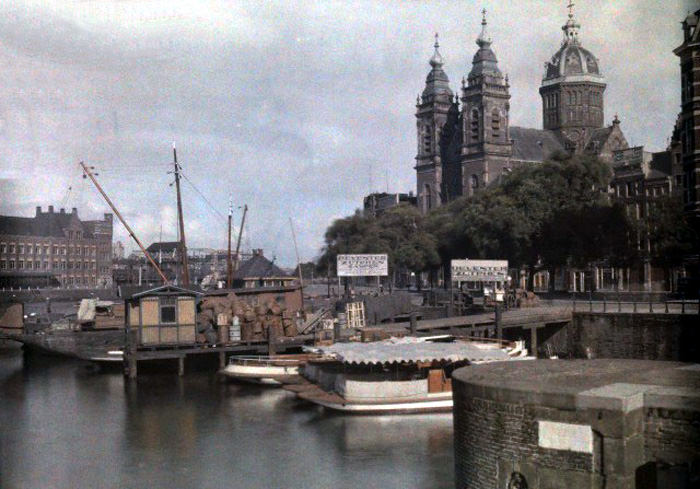
Religion played a central role in Dutch society through a system known as “pillarization.” The country was divided into distinct social groups — or “pillars” — built around faith and political belief. Catholics, Protestants, Socialists, and Liberals each maintained their own schools, newspapers, and community organizations. These pillars gave people a strong sense of identity and offered practical support when times were tough. A person’s pillar was not just a church affiliation — it shaped nearly every part of daily life.
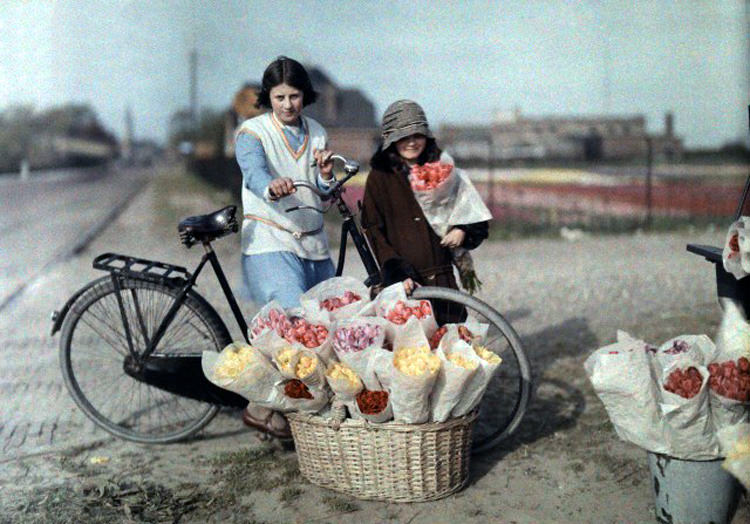
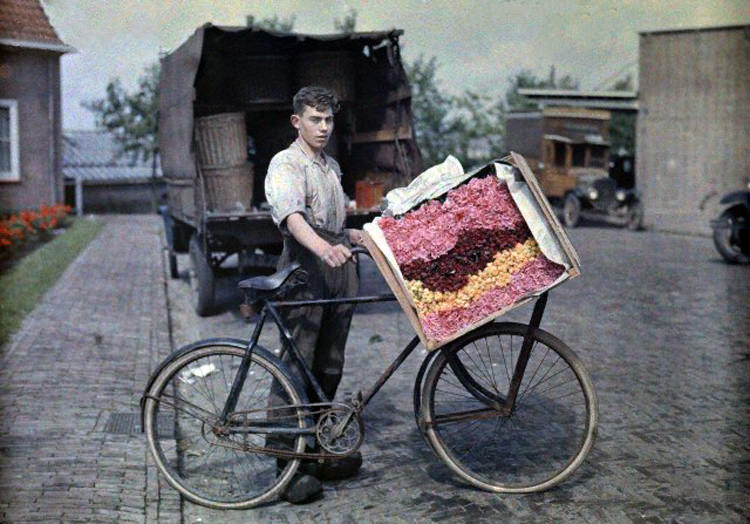
Flowers were a serious business in Holland, not just a symbol of the country. The Dutch flower trade had deep roots, and even during the Depression, markets for tulips, bulbs, and cut flowers continued to operate. Towns like Aalsmeer and Haarlem were central to this industry, with growers, vendors, and buyers moving product along roads and waterways every morning.
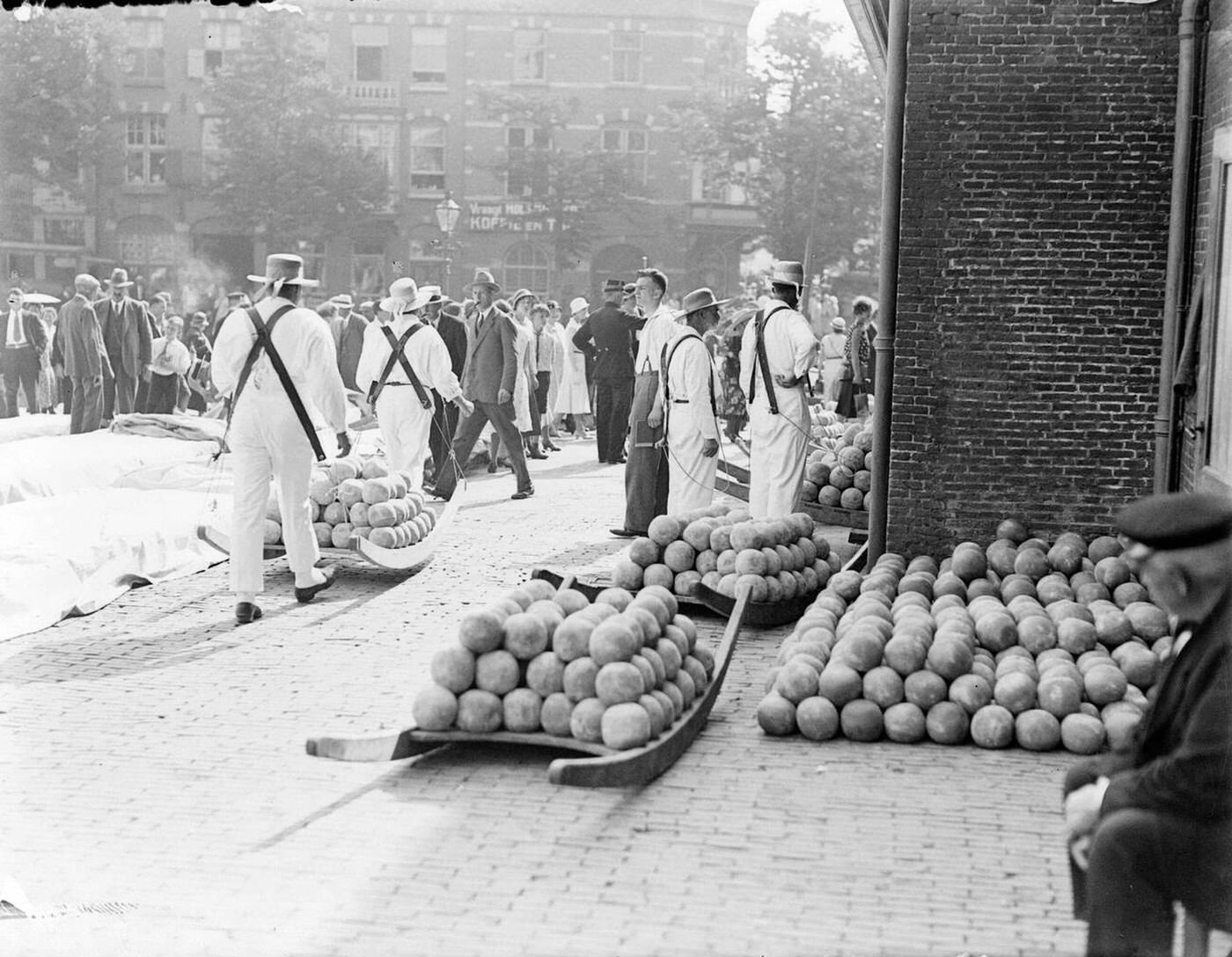
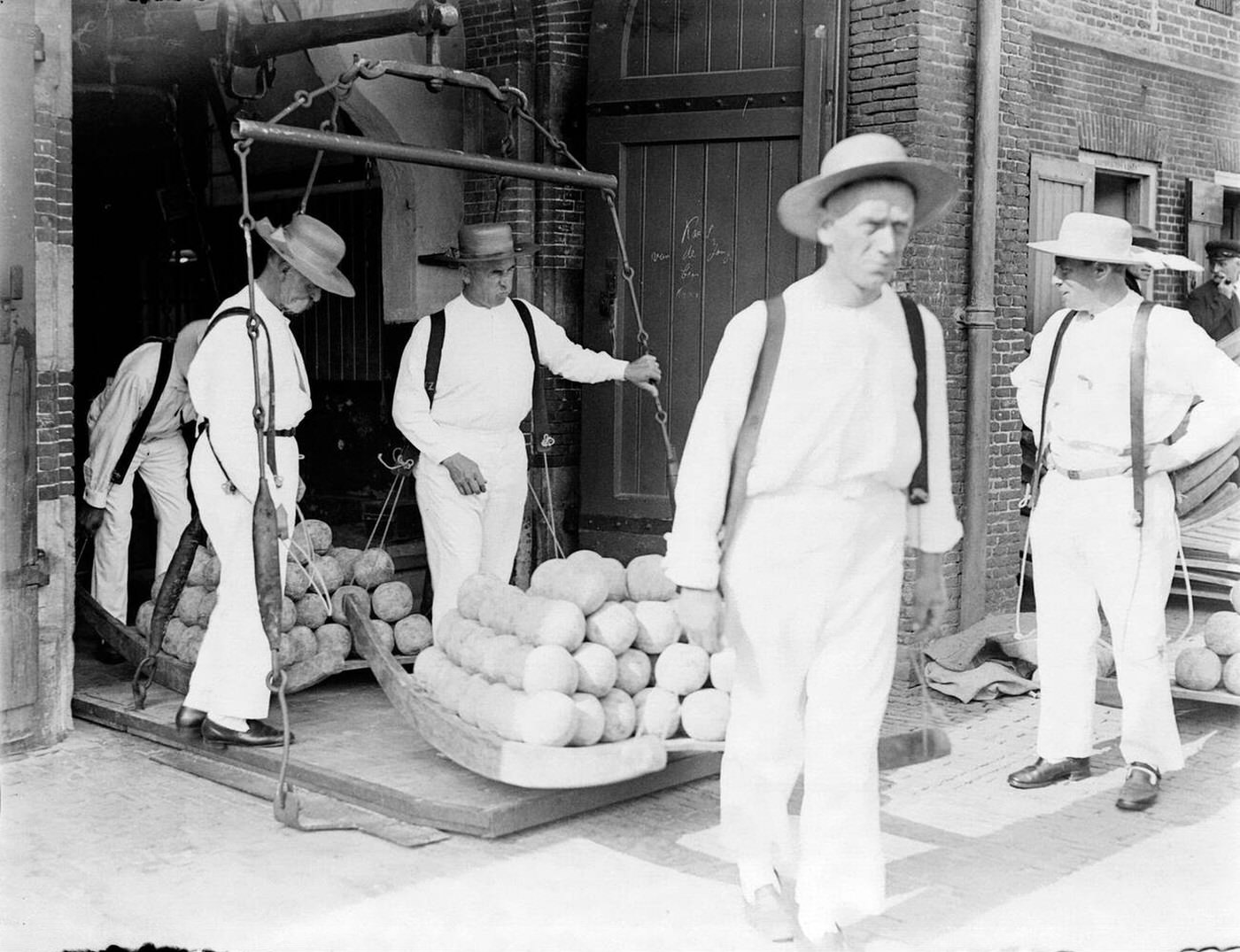
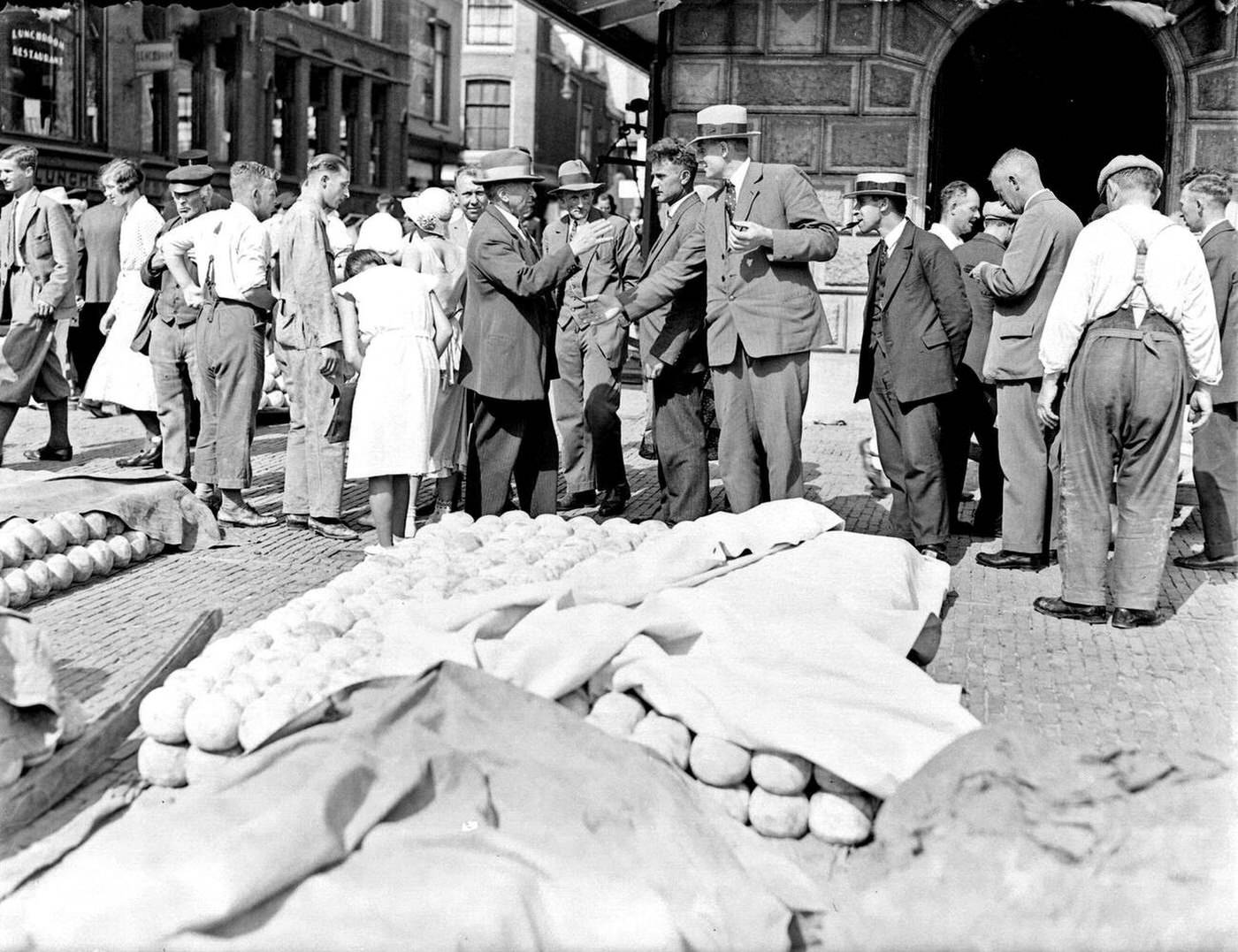
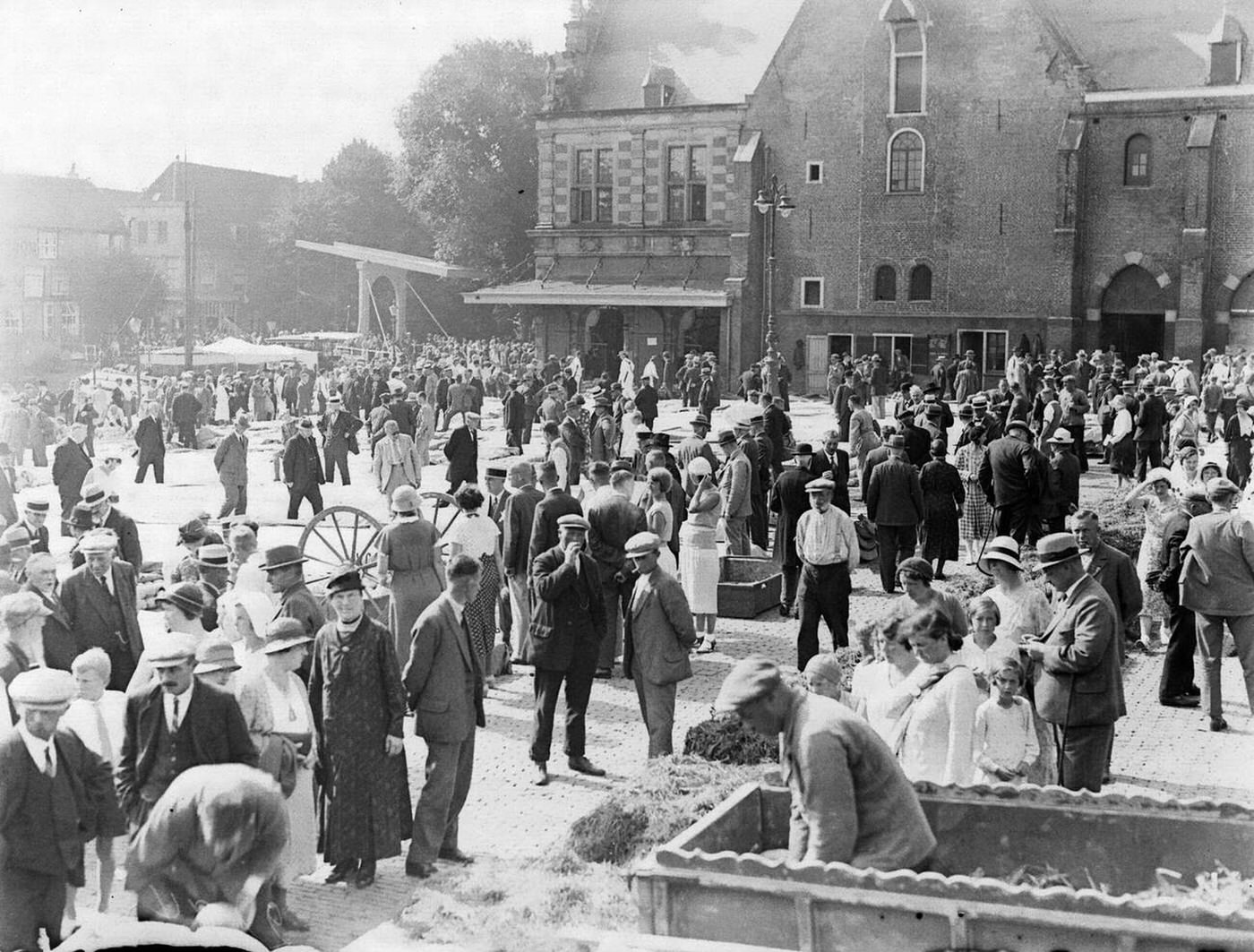
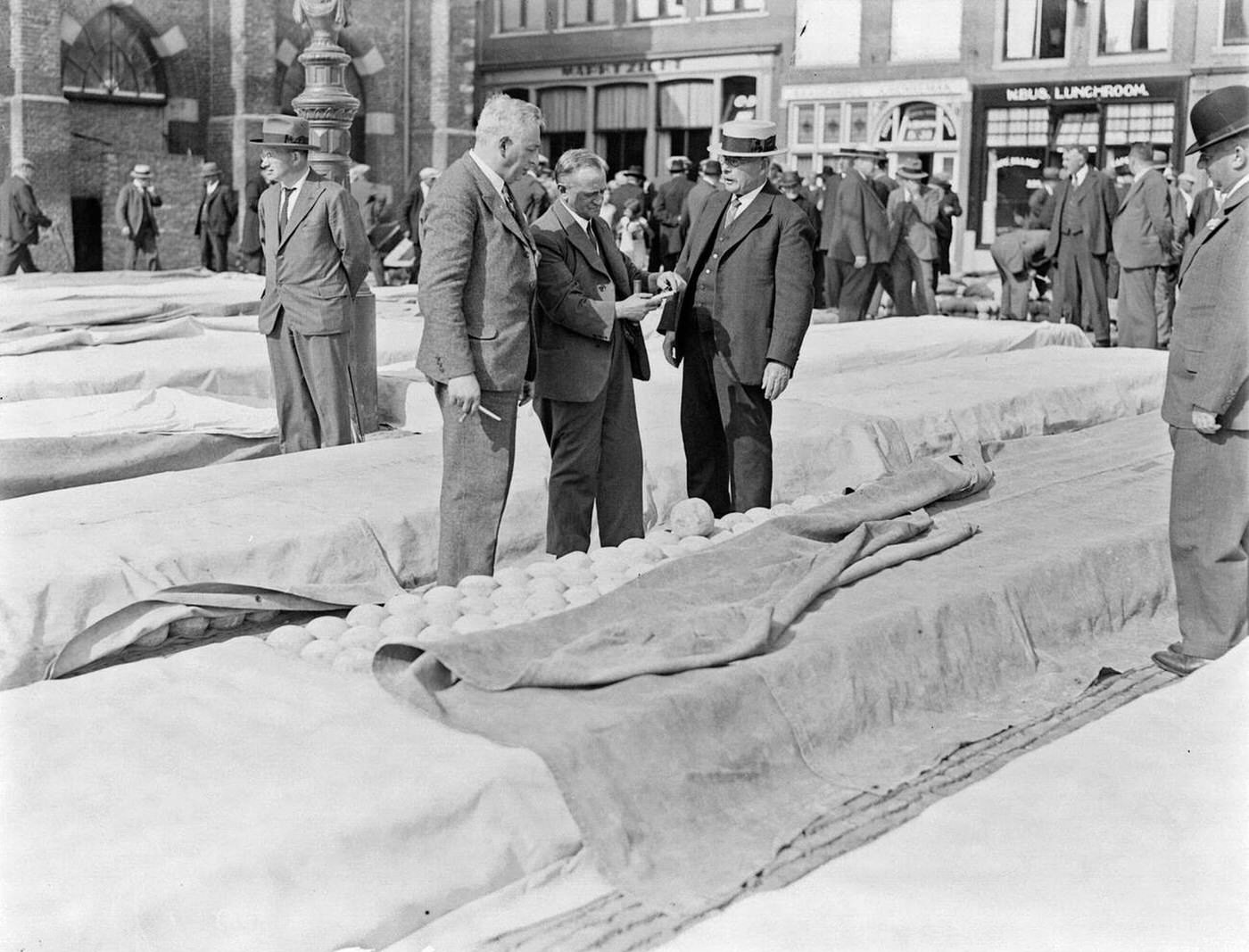
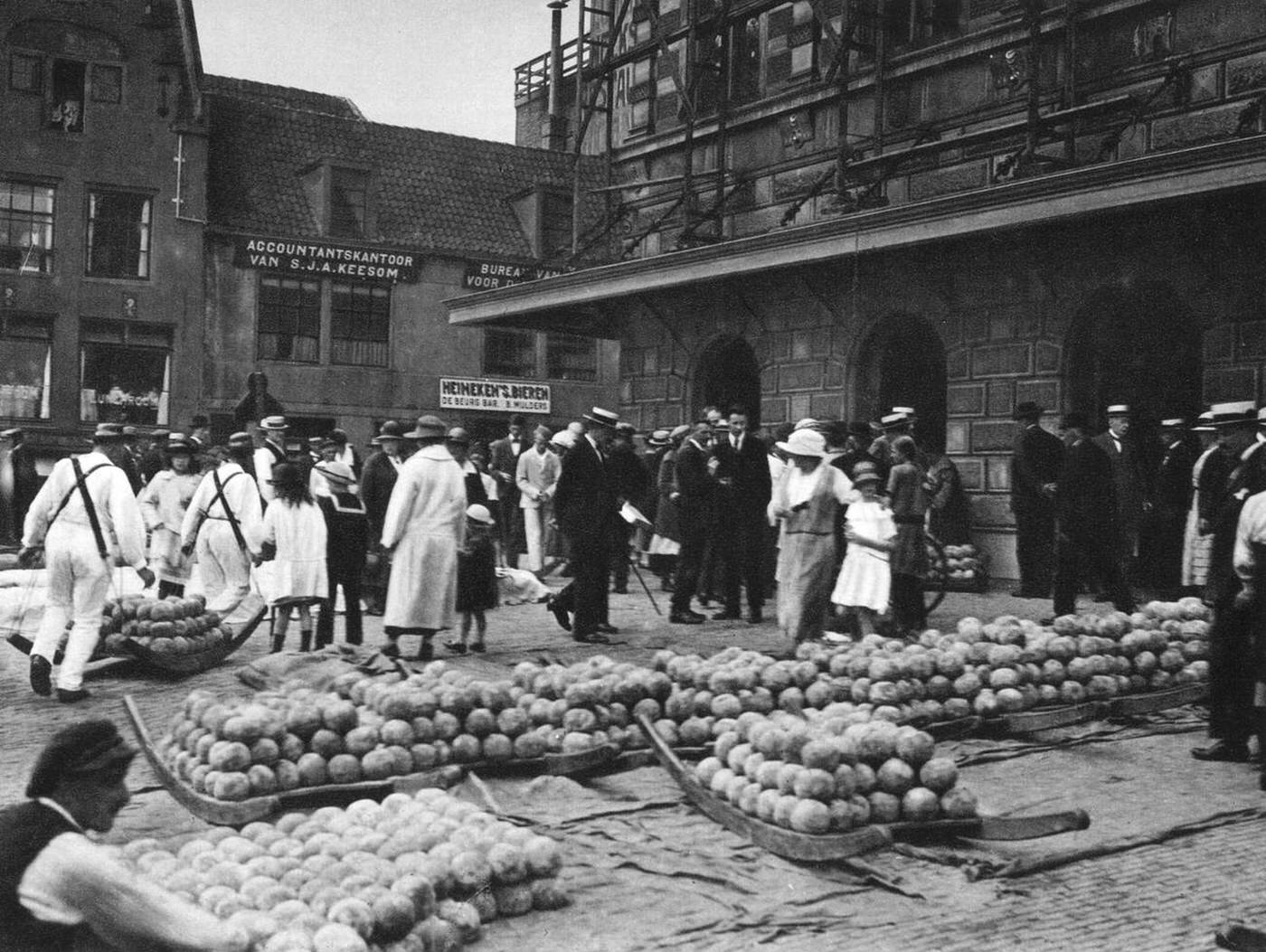
The cheese market in Alkmaar was one of the most distinctive traditions in the entire country. Held every Friday, it drew buyers, sellers, and spectators to the city’s central square. Carriers dressed in white uniforms and colorful guild hats transported large wheels of cheese on wooden stretchers. Trade was sealed through hand-clap bargaining — a quick, ritualized exchange where buyers and sellers slapped hands to confirm a deal, no paperwork needed.
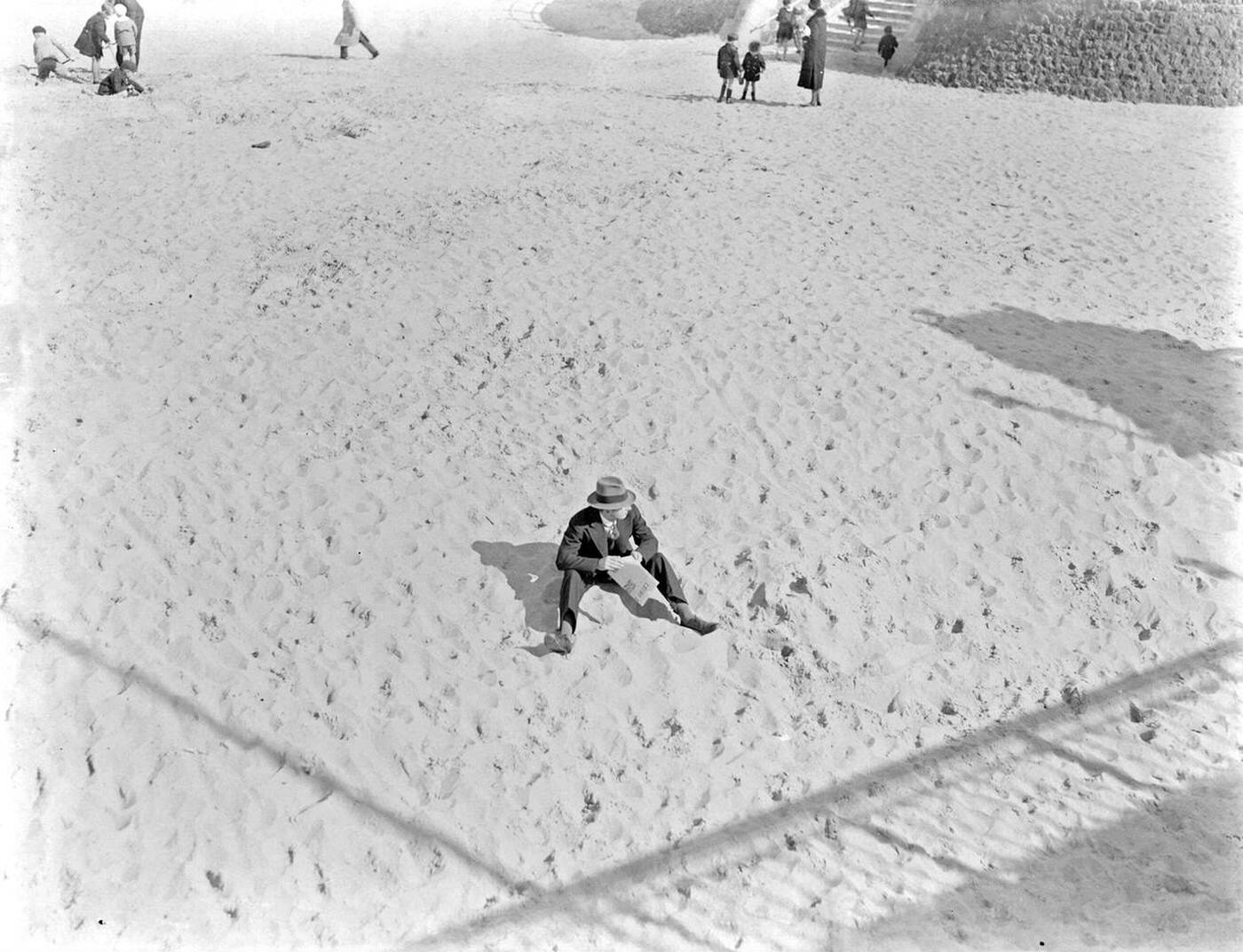
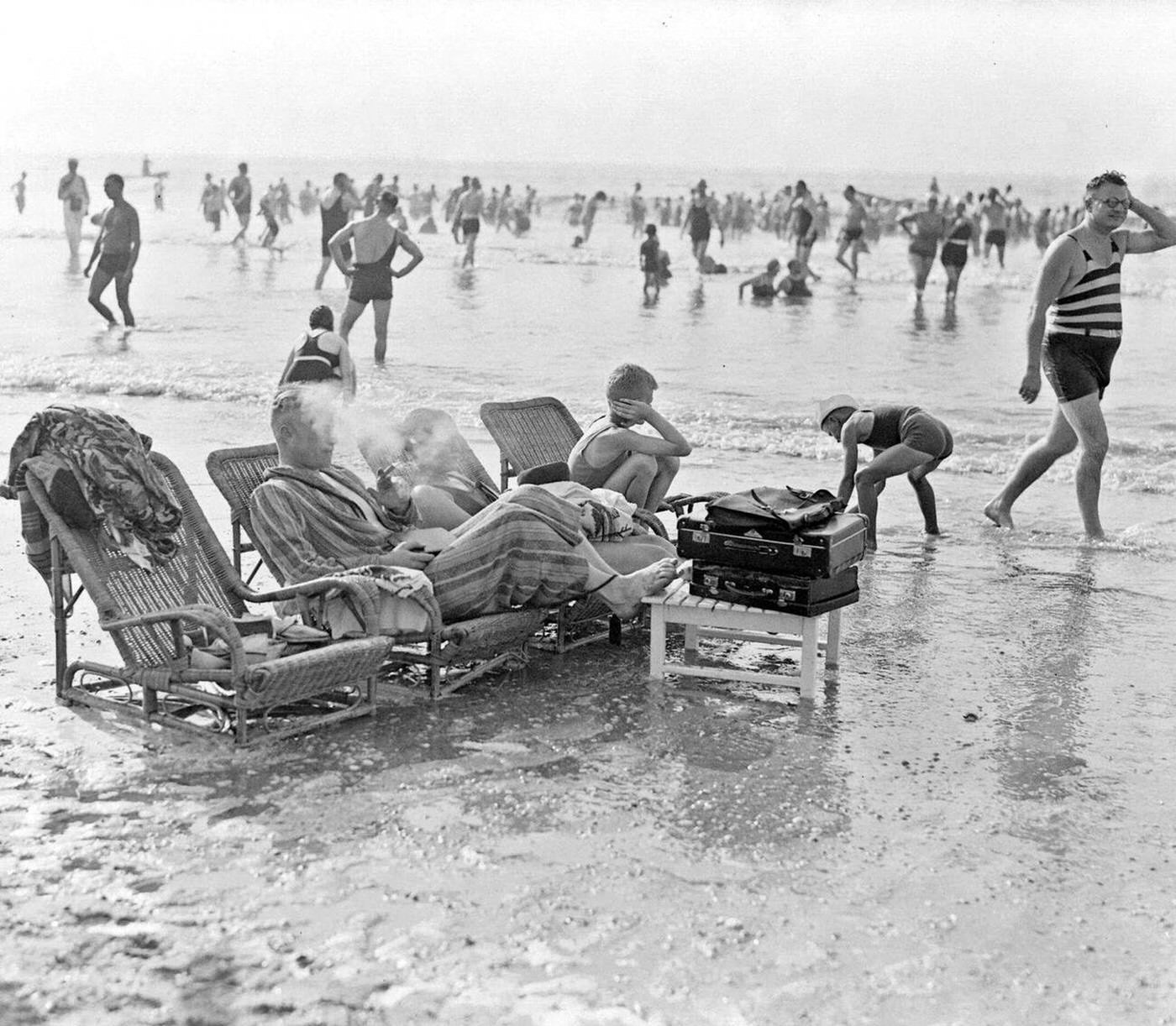
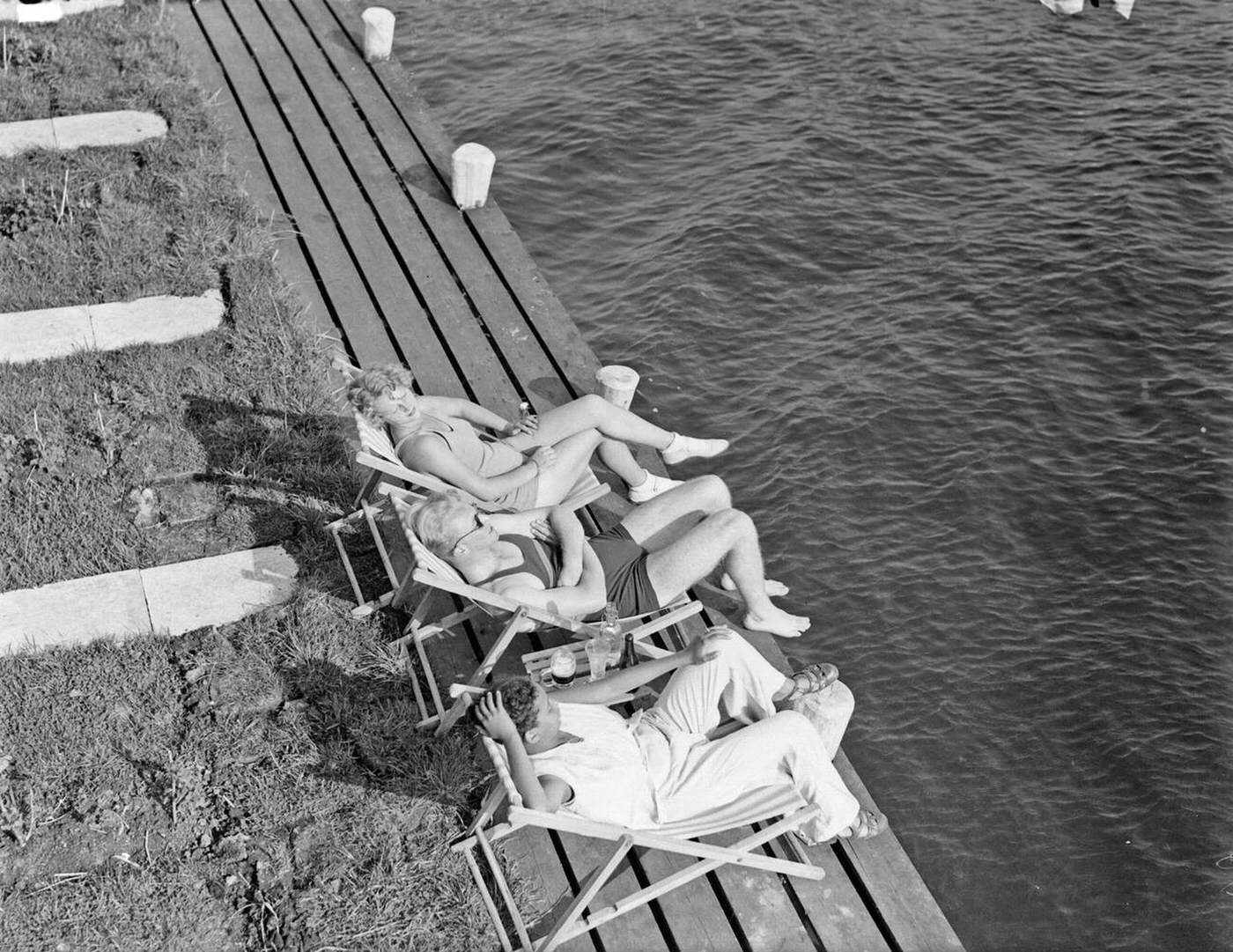
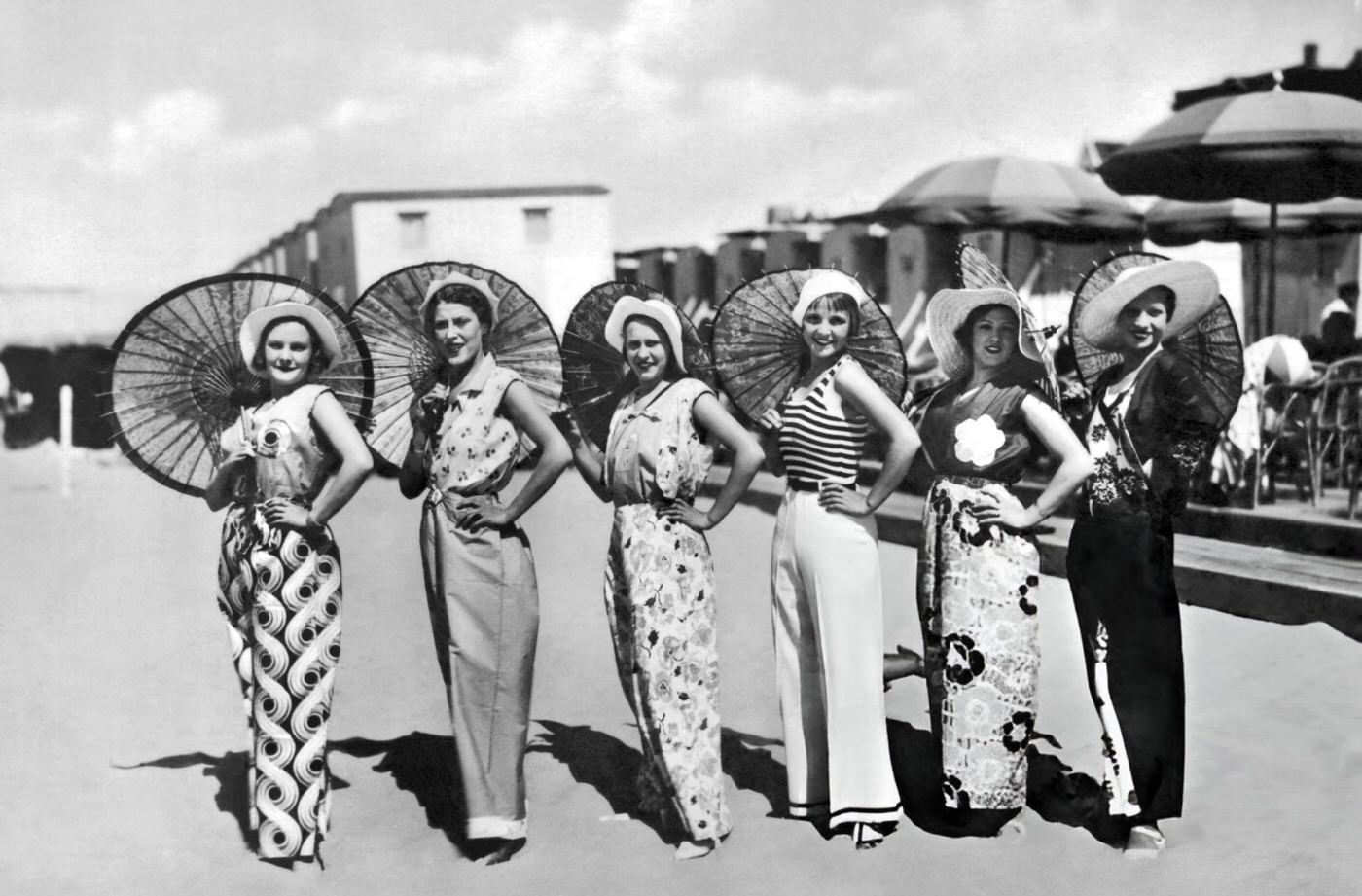
Along the North Sea coast, Dutch beach resorts like Scheveningen — the seaside district of The Hague — continued to attract visitors. Even with money tight, people found their way to the shore. Wicker beach chairs, called strandkorven, were a fixture on the sand, providing shelter from the wind while bathers soaked up what sun the Dutch coast had to offer.
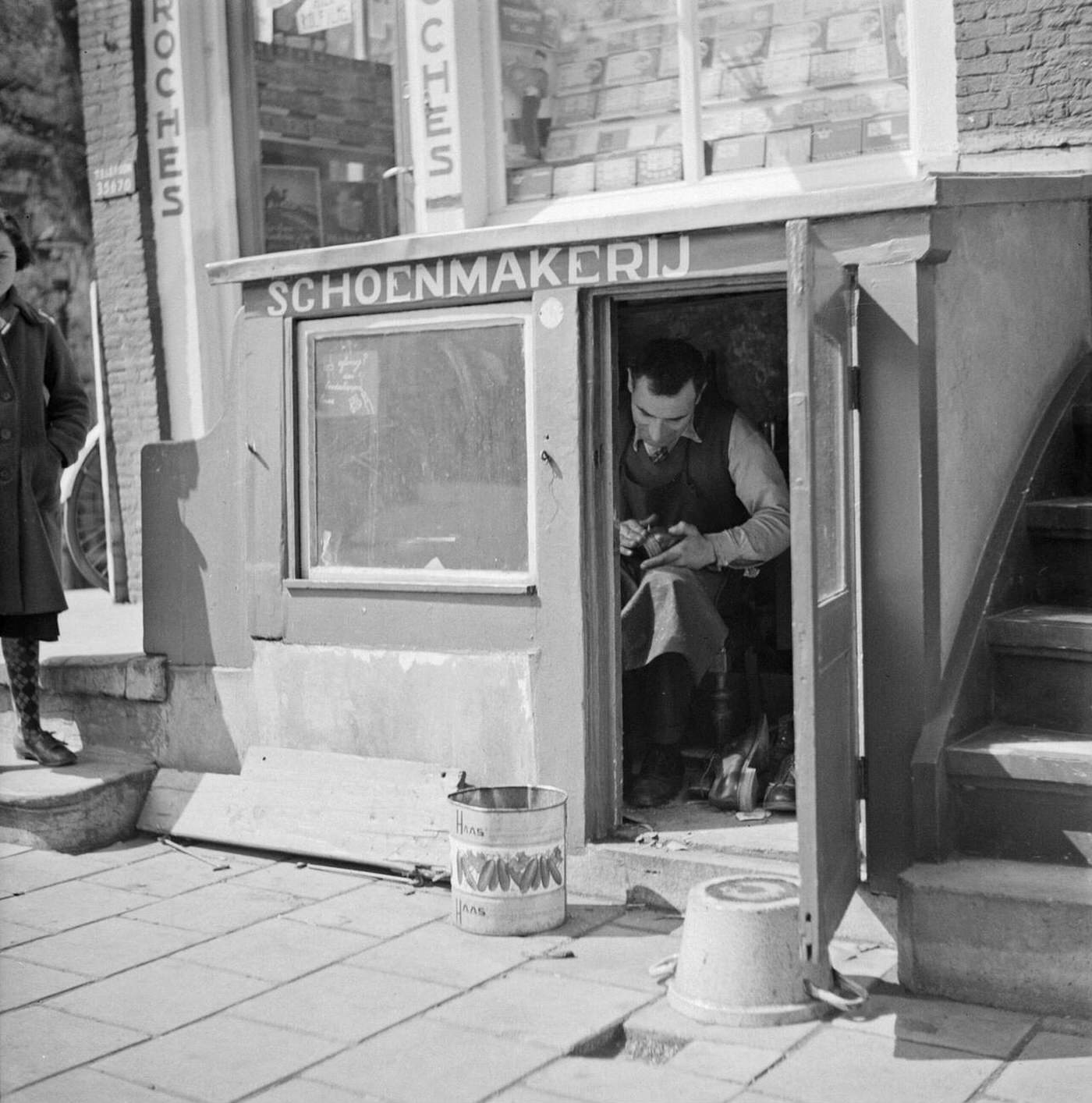
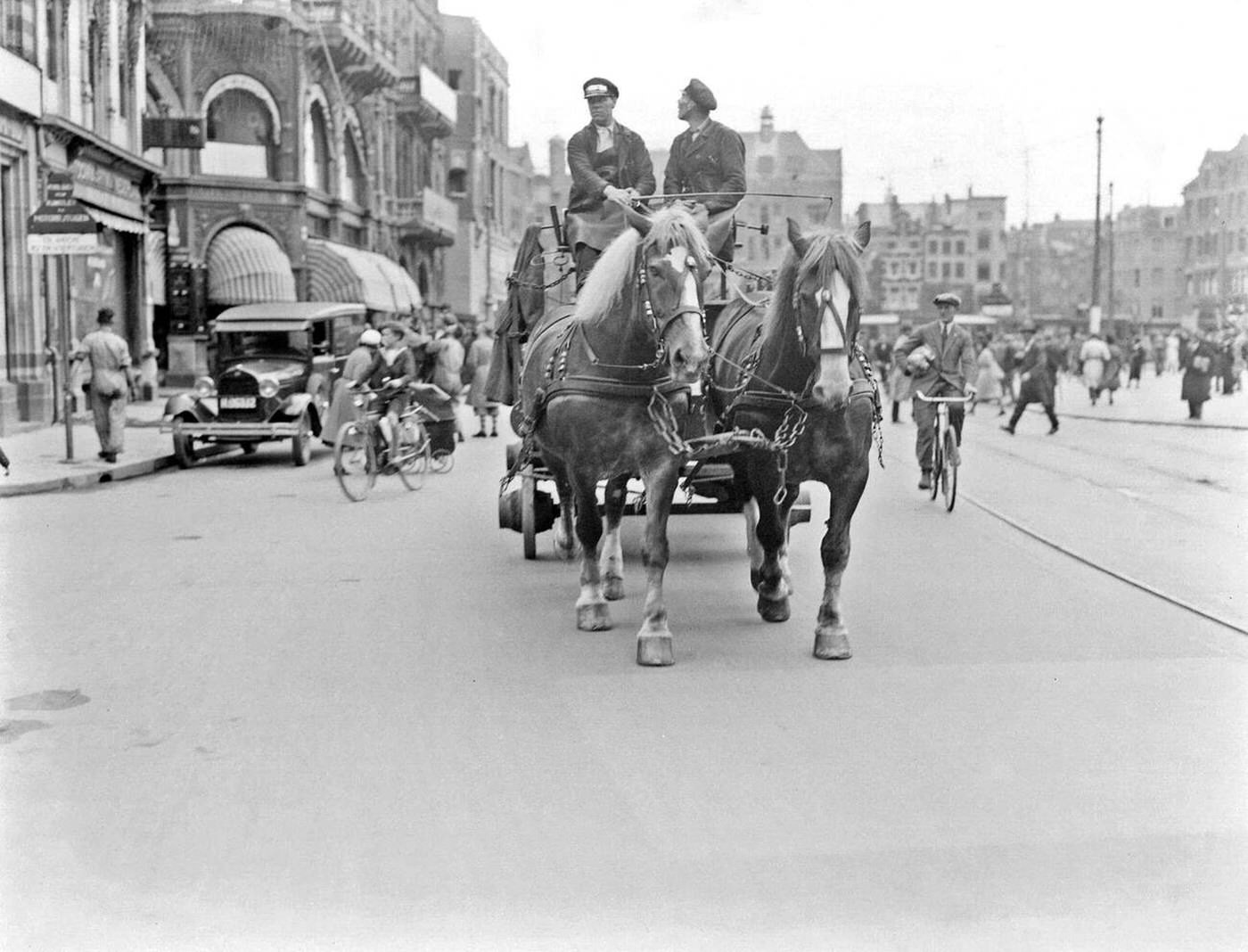
Skilled tradespeople kept working through the Depression, though business was slower. Cobblers, tailors, and craftsmen still filled workshops in Dutch towns and cities. On the streets, established companies like Heineken continued their deliveries, with horse-drawn wagons rolling through Amsterdam’s busiest thoroughfares well into the decade.
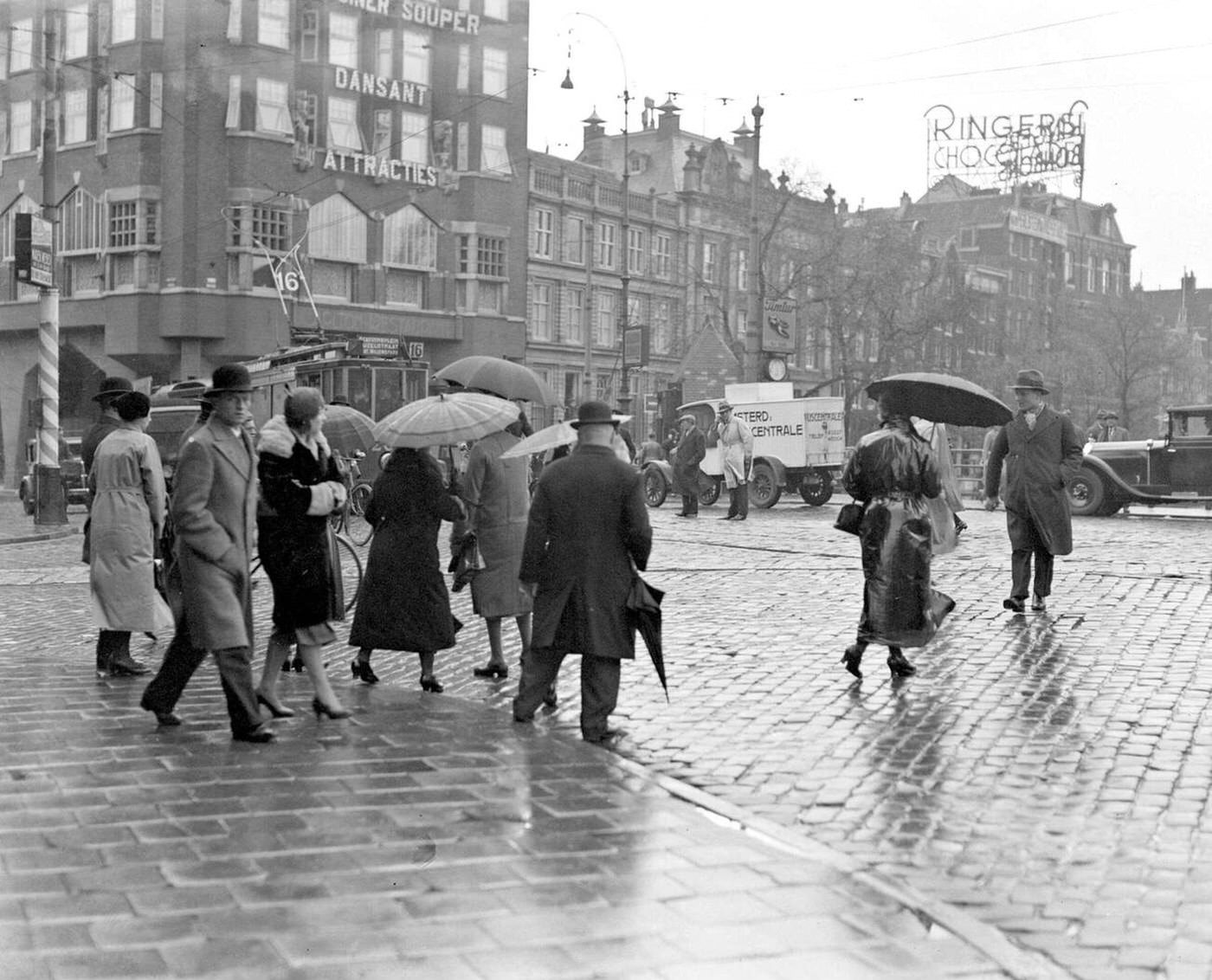
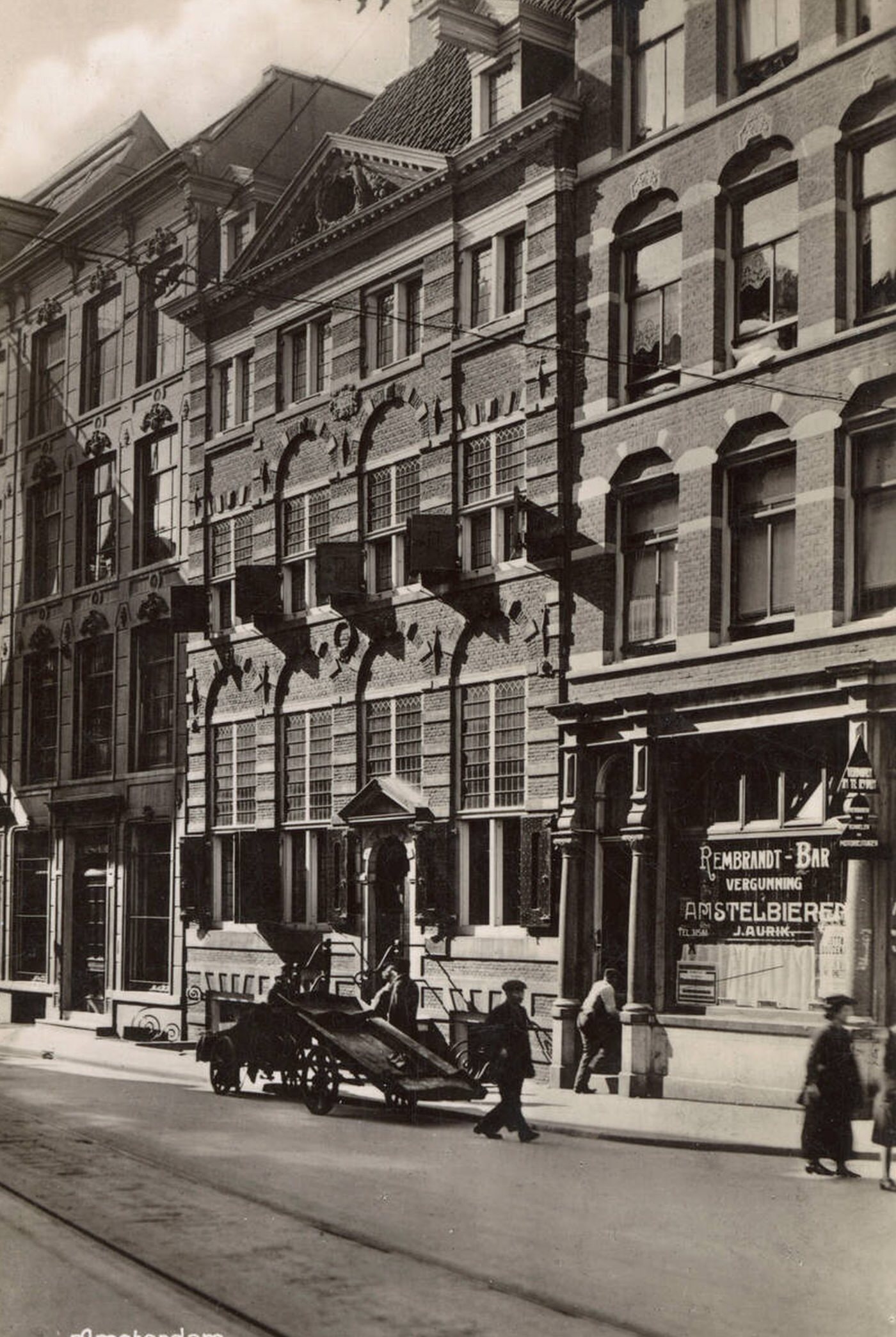
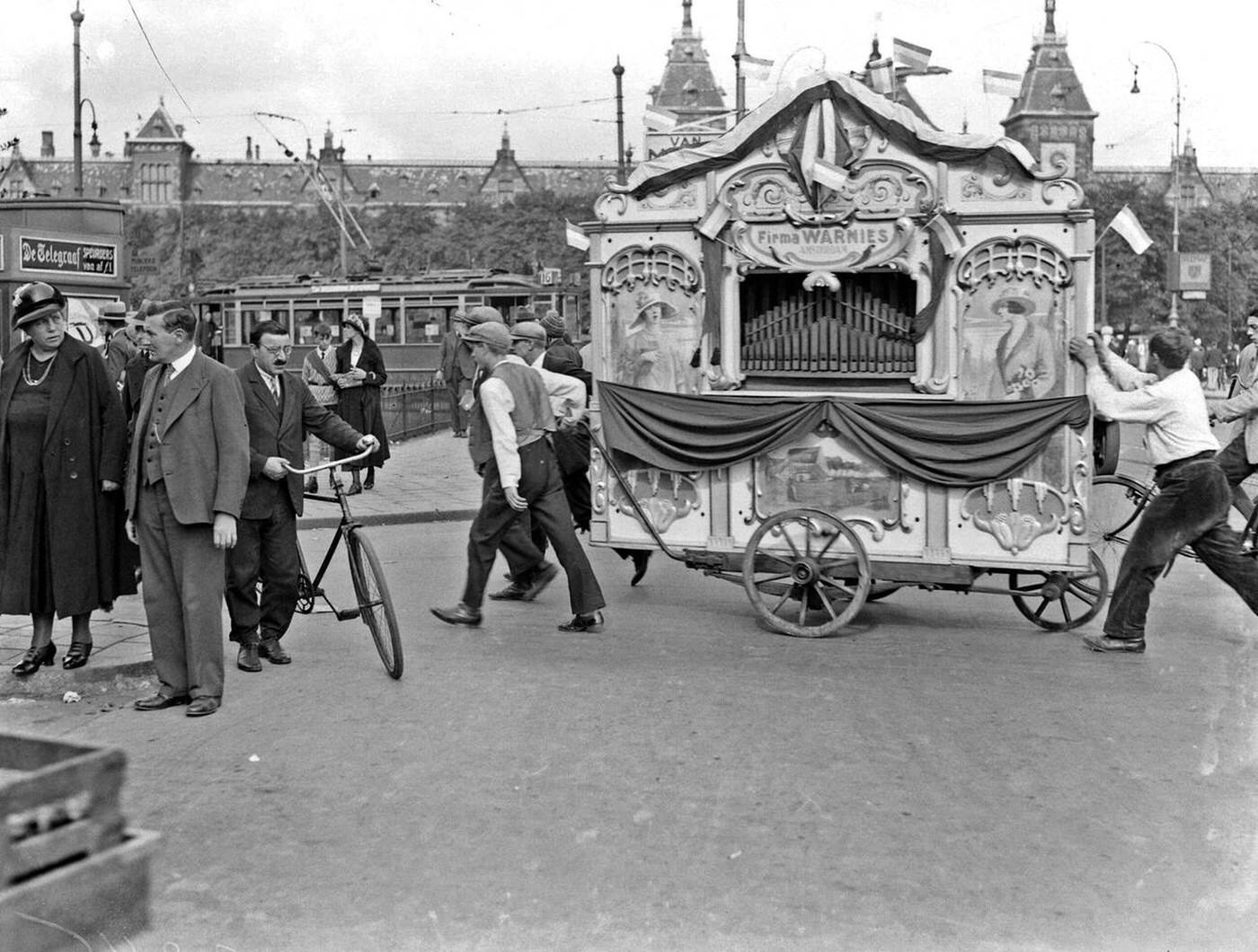
Amsterdam’s streets remained lively despite economic pressure. Pedestrians crossed busy intersections in the rain, vendors set up stalls along the Damrak, and street musicians played outside the Central Station. A barrel organ — a traditional Dutch street instrument — was a common sight near transport hubs, turning foot traffic into an audience.
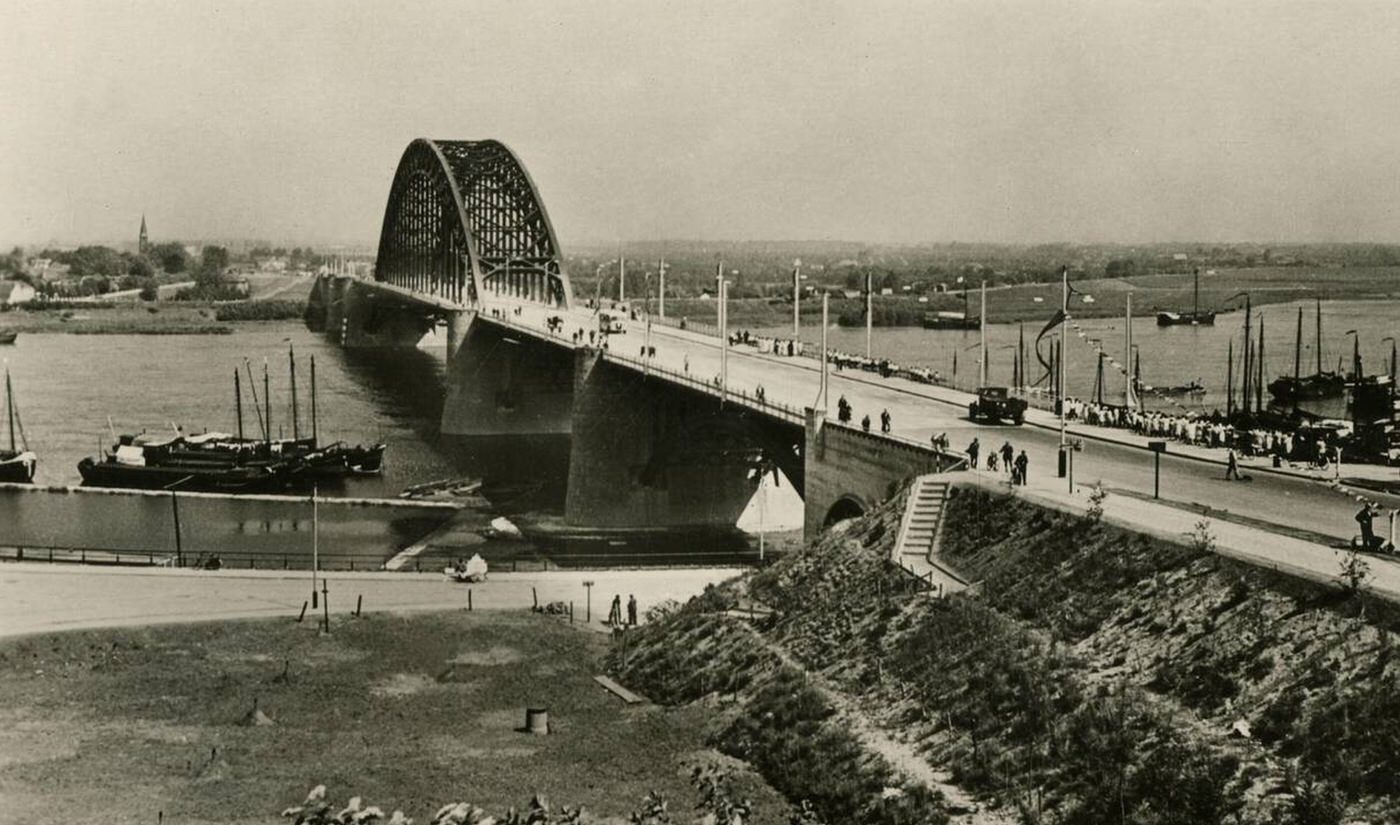
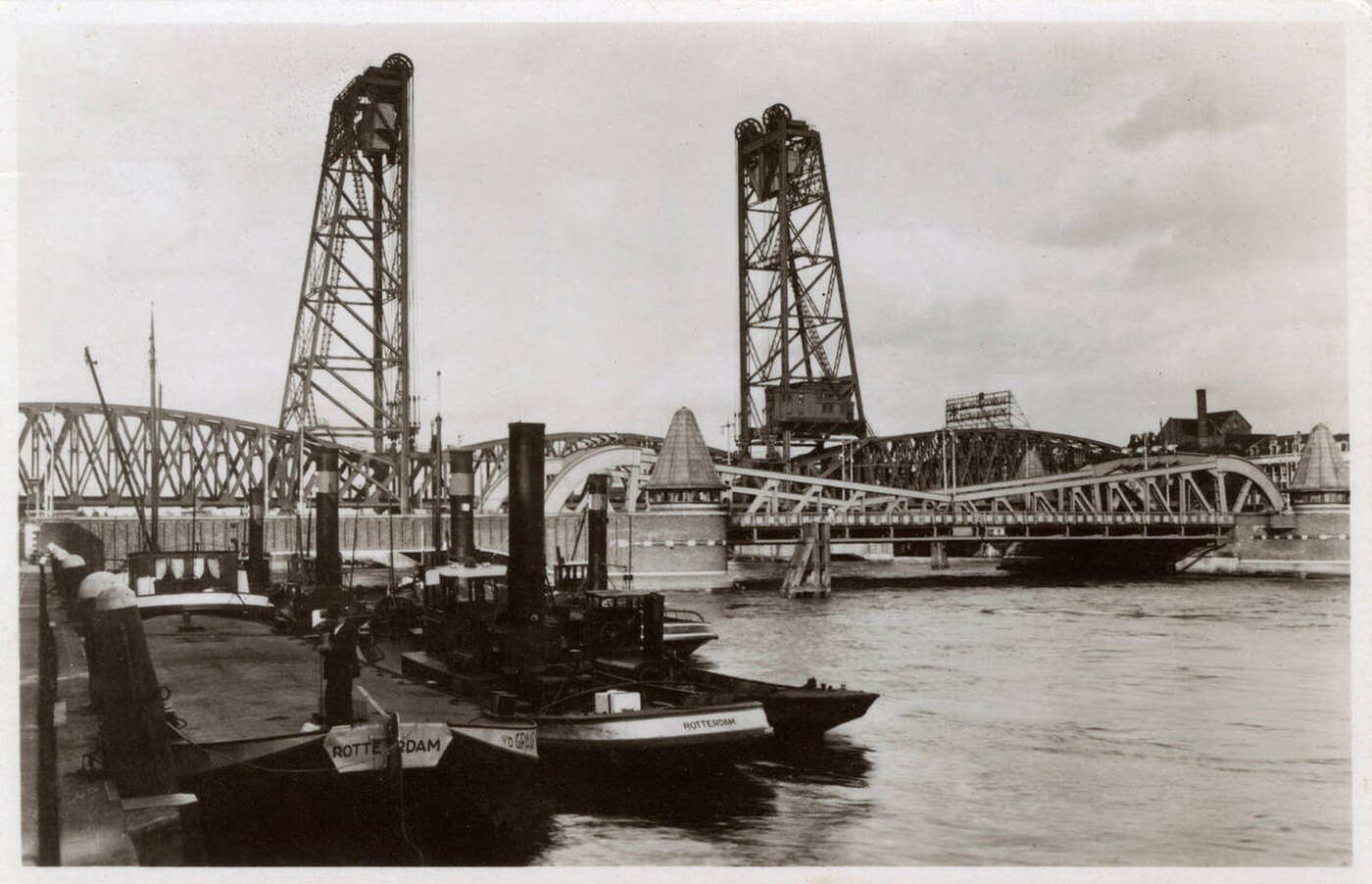
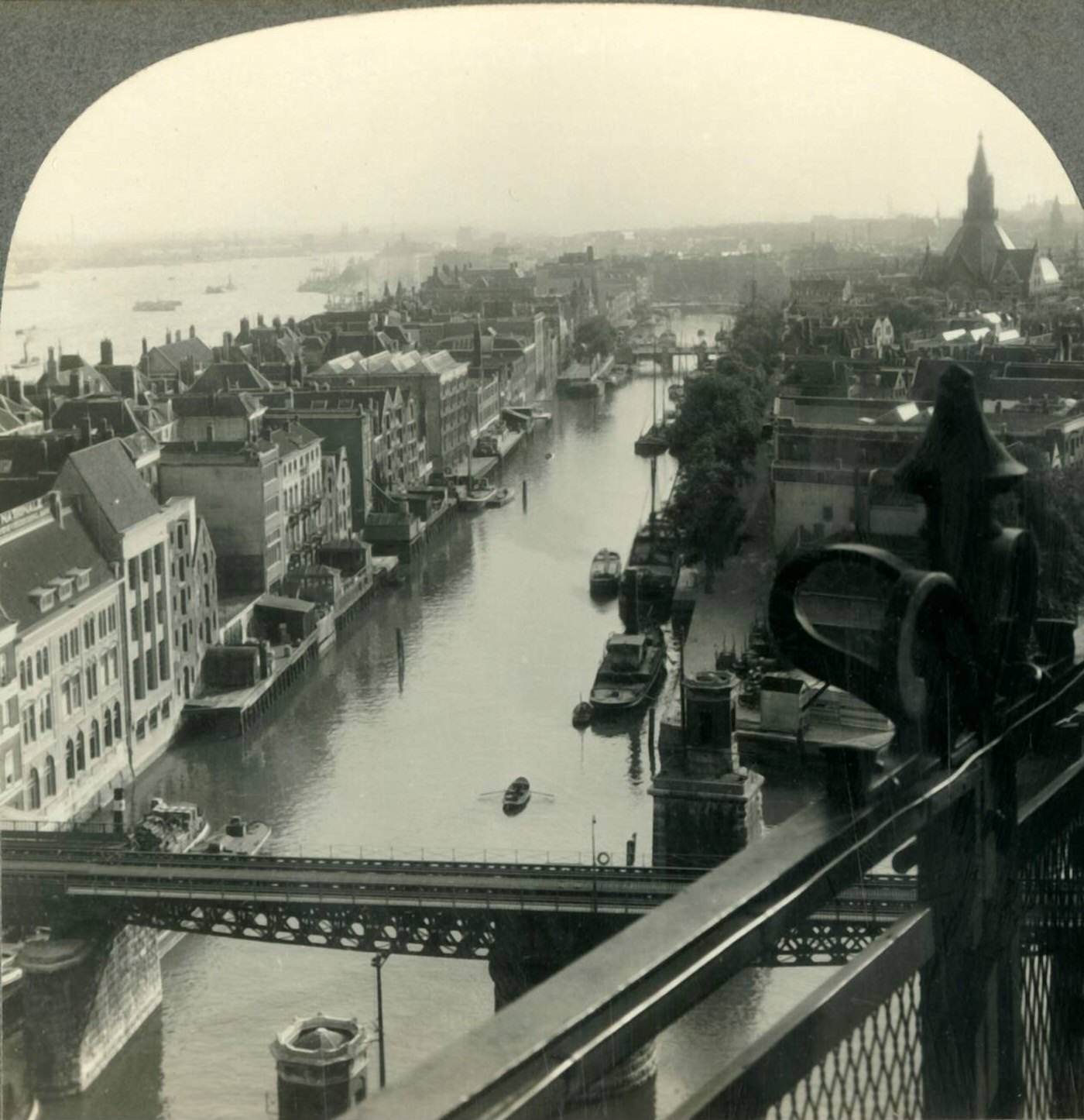
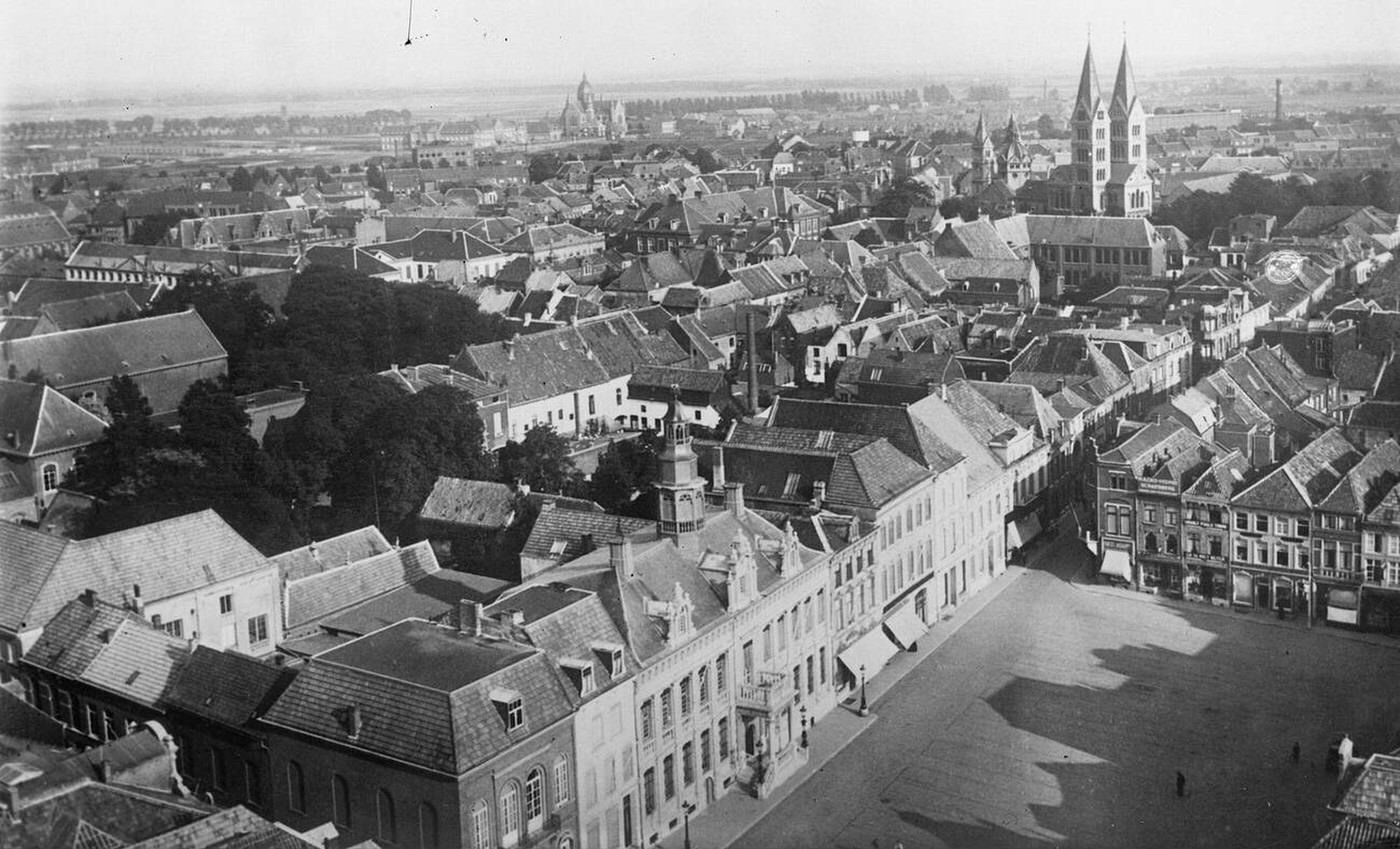
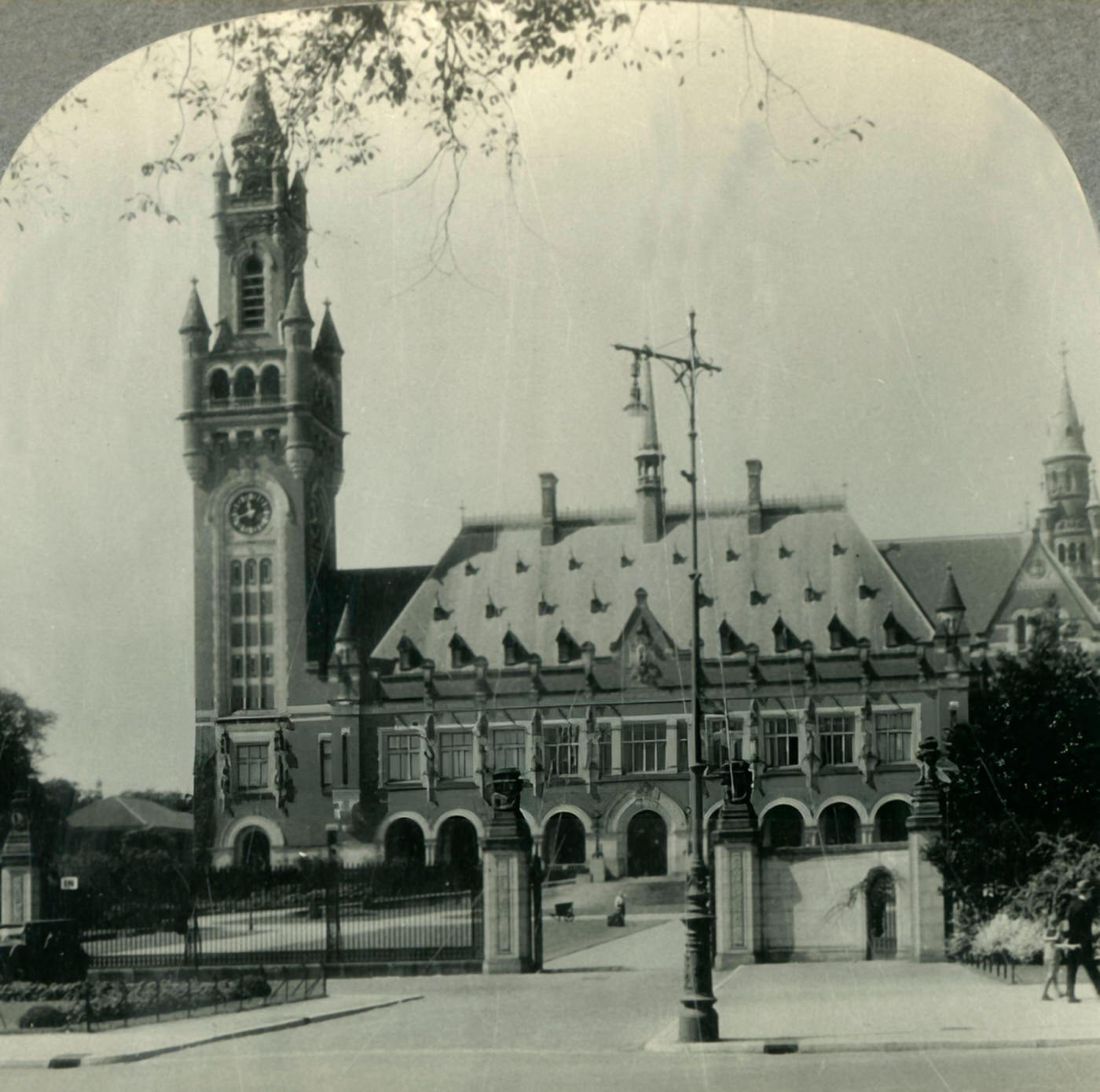
Dutch cities outside Amsterdam also showed the full texture of 1930s life. Nijmegen, one of the oldest cities in the Netherlands, featured grand bridges over the Rhine. Rotterdam was a major port city with industrial waterways and bold new architecture. The Hague served as the seat of government and home to the Peace Palace, which housed the Permanent Court of International Justice — an institution that felt especially significant as political tensions across Europe grew.
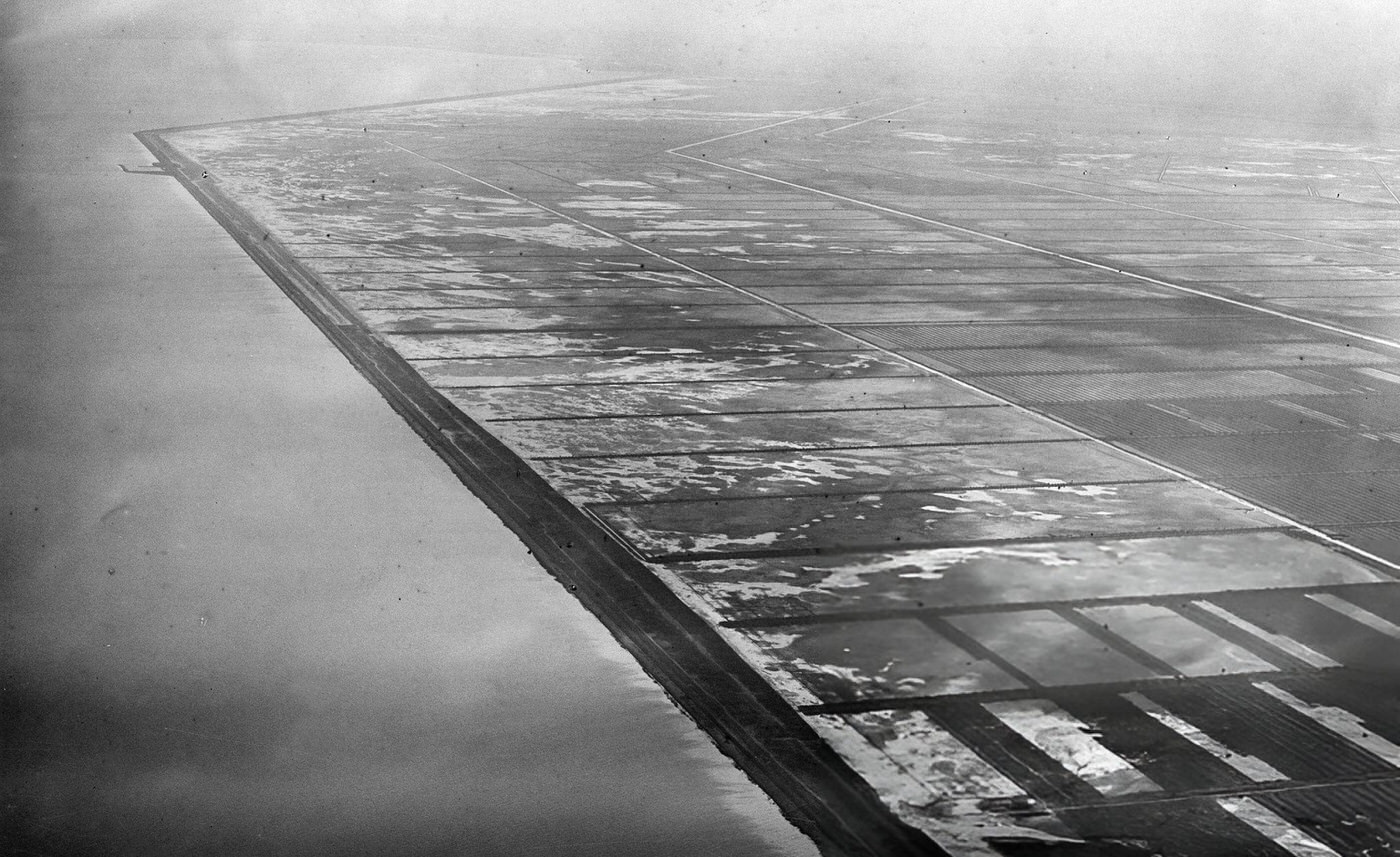
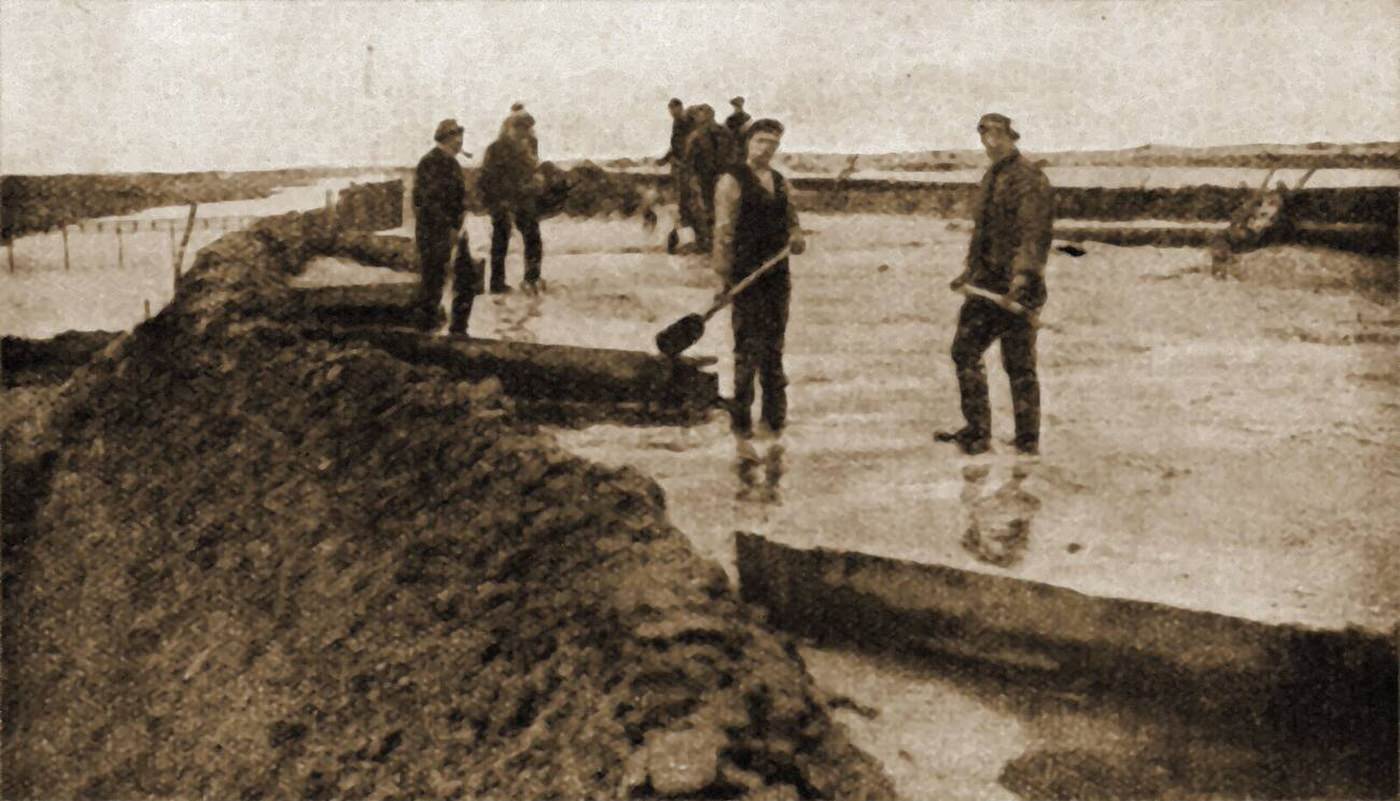
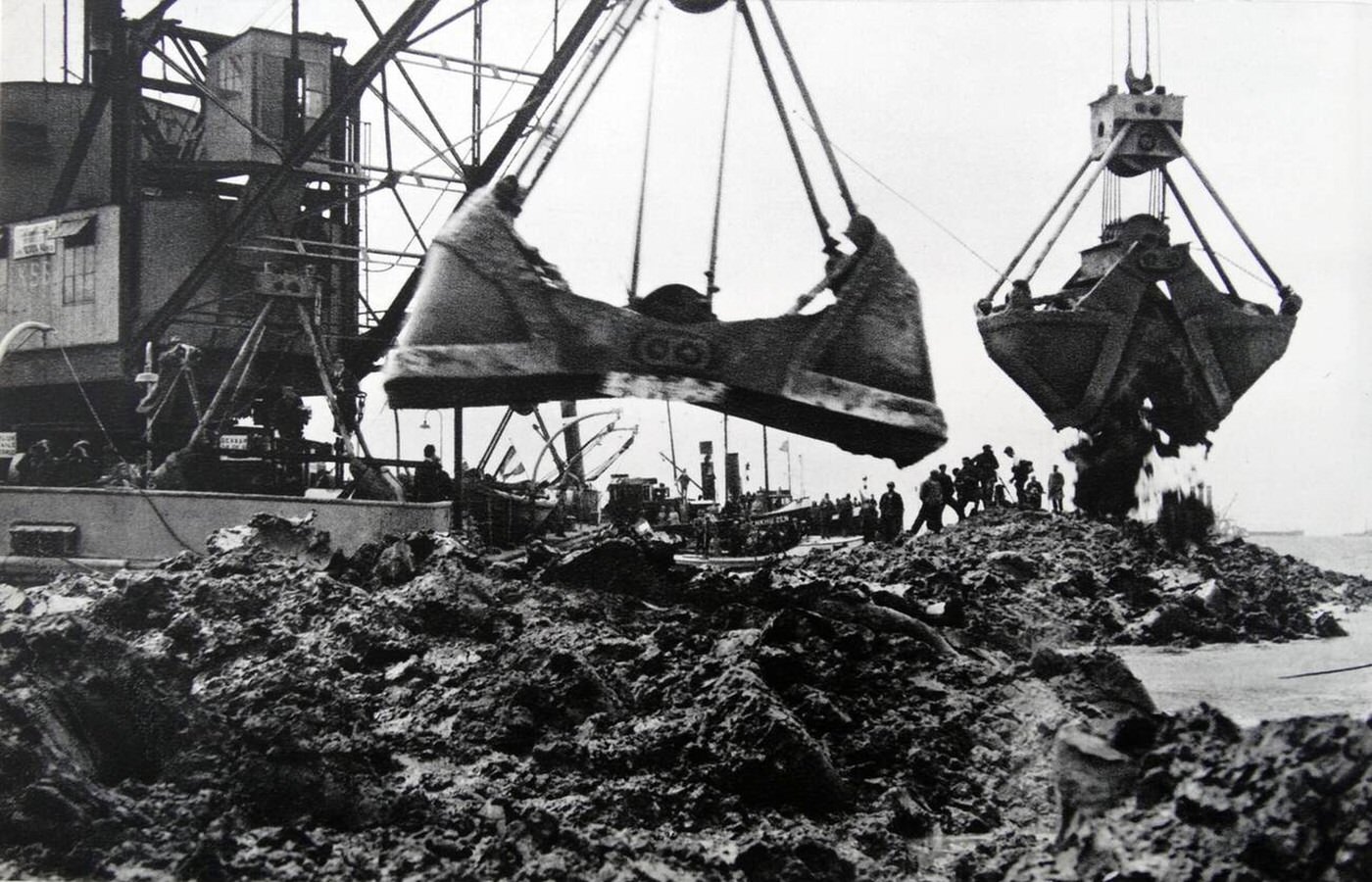
The Dutch government launched major public works projects during the Depression to create jobs and address long-standing infrastructure needs. The most ambitious of these was the Zuiderzee Works — a massive effort to reclaim land from the sea. Workers laid concrete, sand, and earth over brushwood to build artificial levees. Dredging crews pulled silt from the seabed. The centerpiece was the Afsluitdijk, a 32-kilometer dike completed in 1932 that sealed off the Zuiderzee from the North Sea, transforming it into the freshwater IJsselmeer lake.
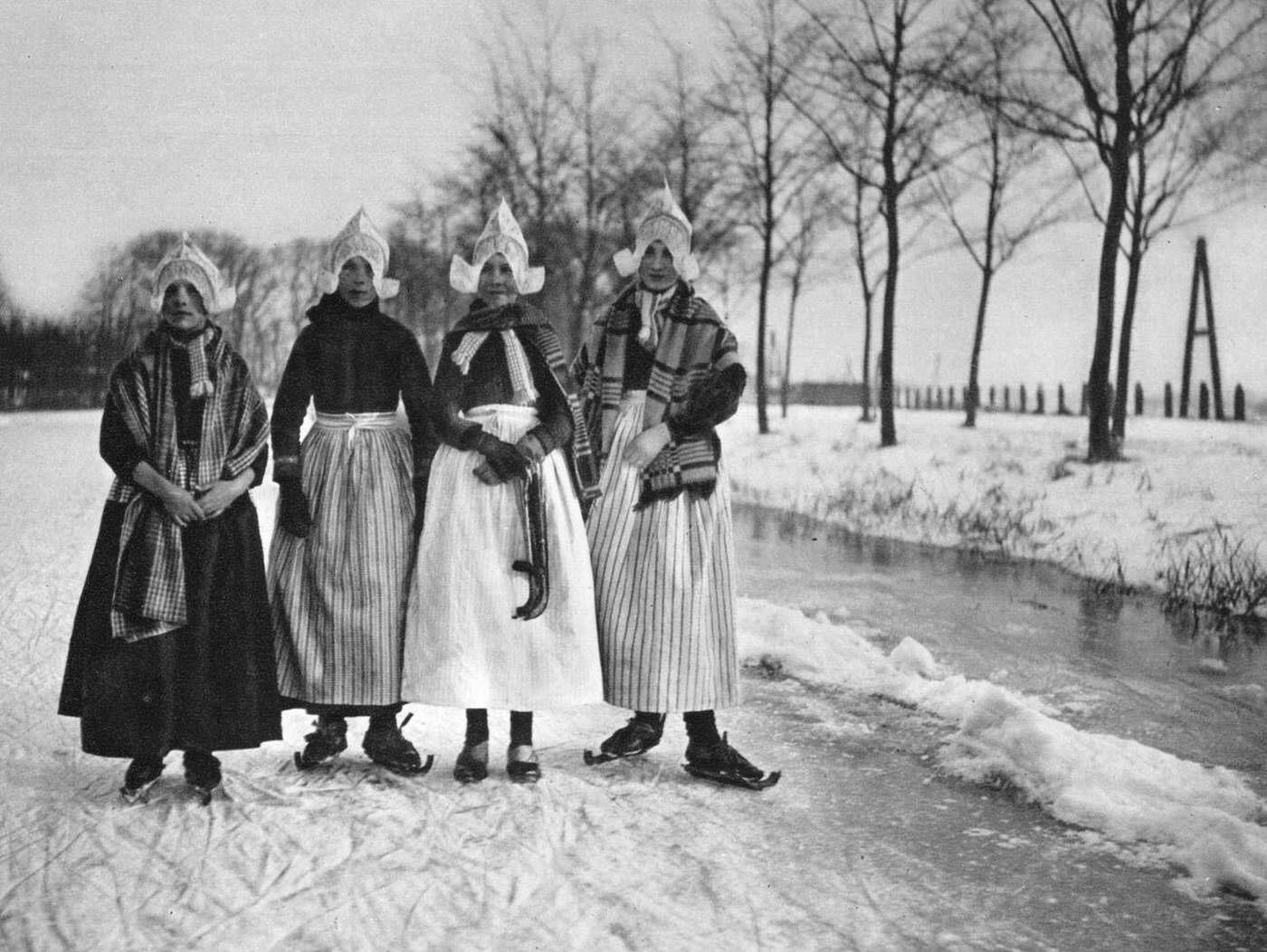
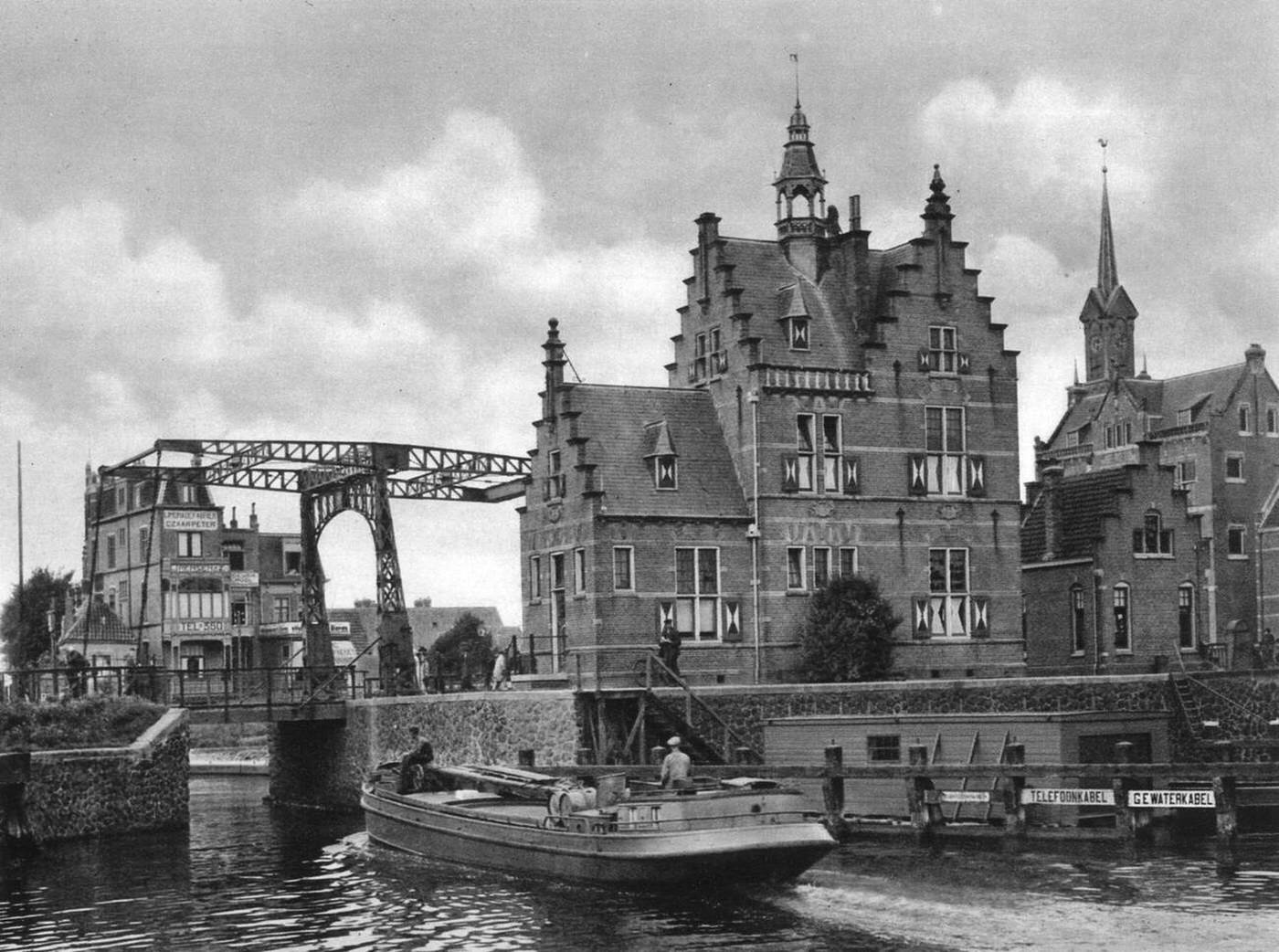
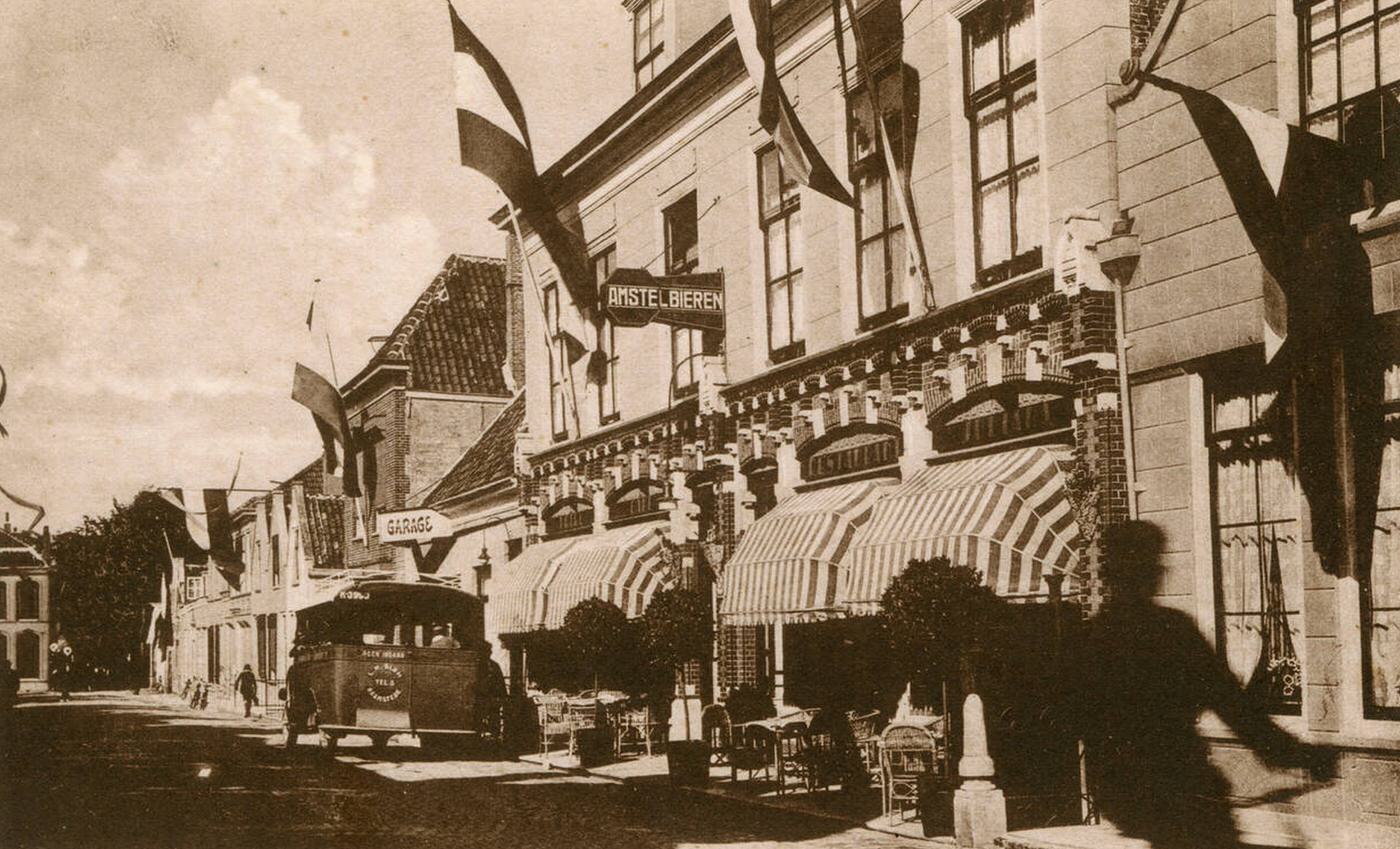
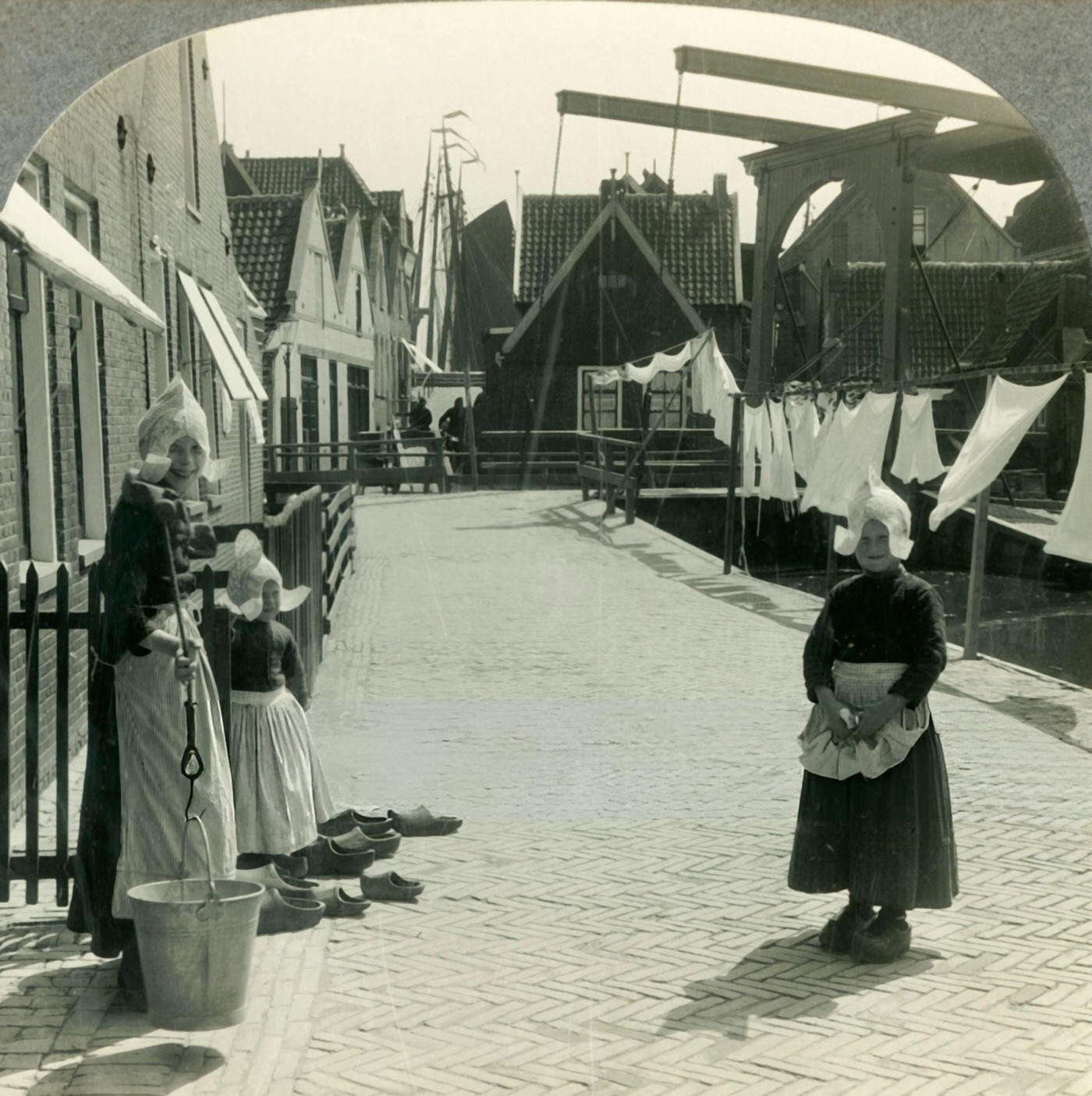
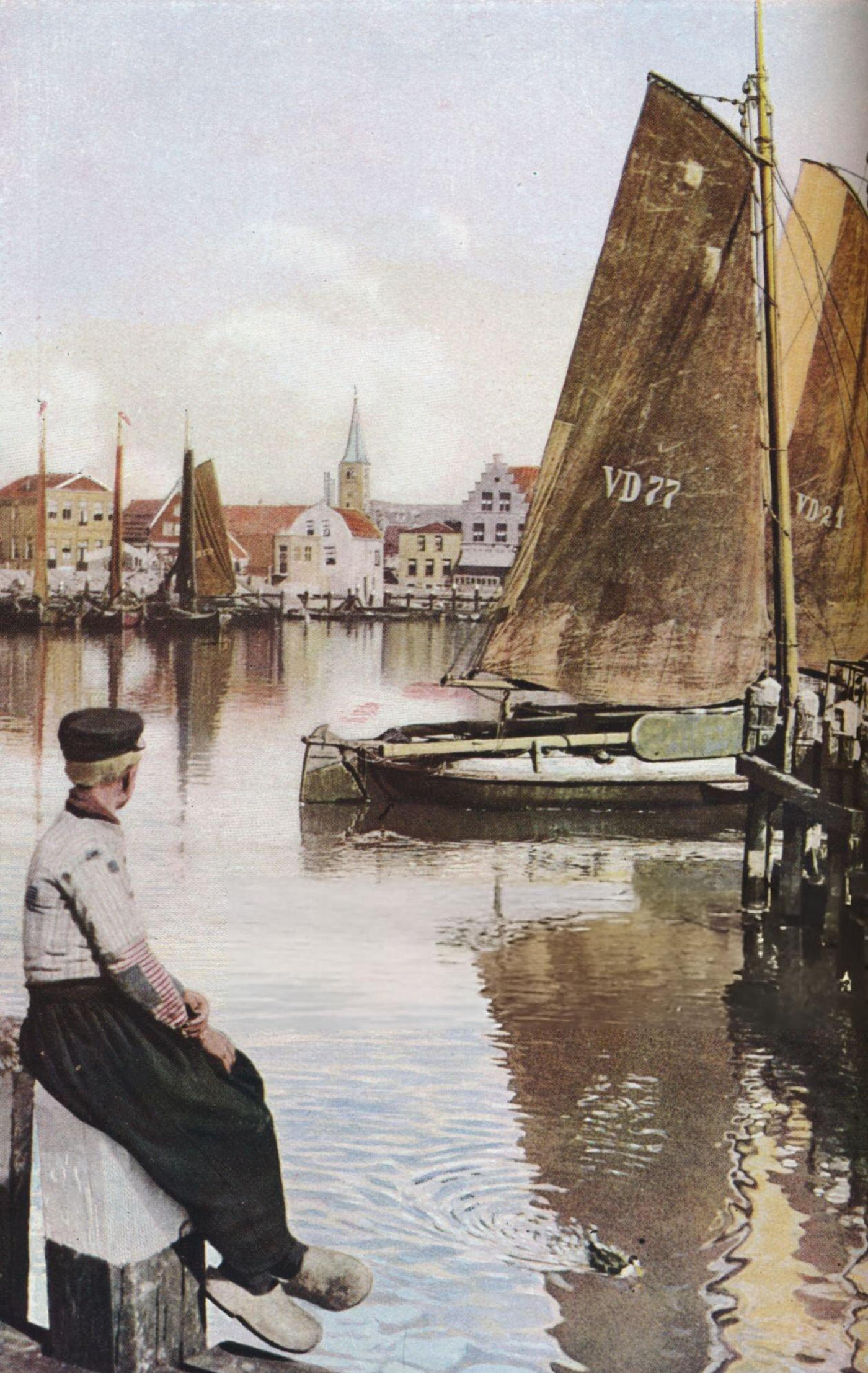
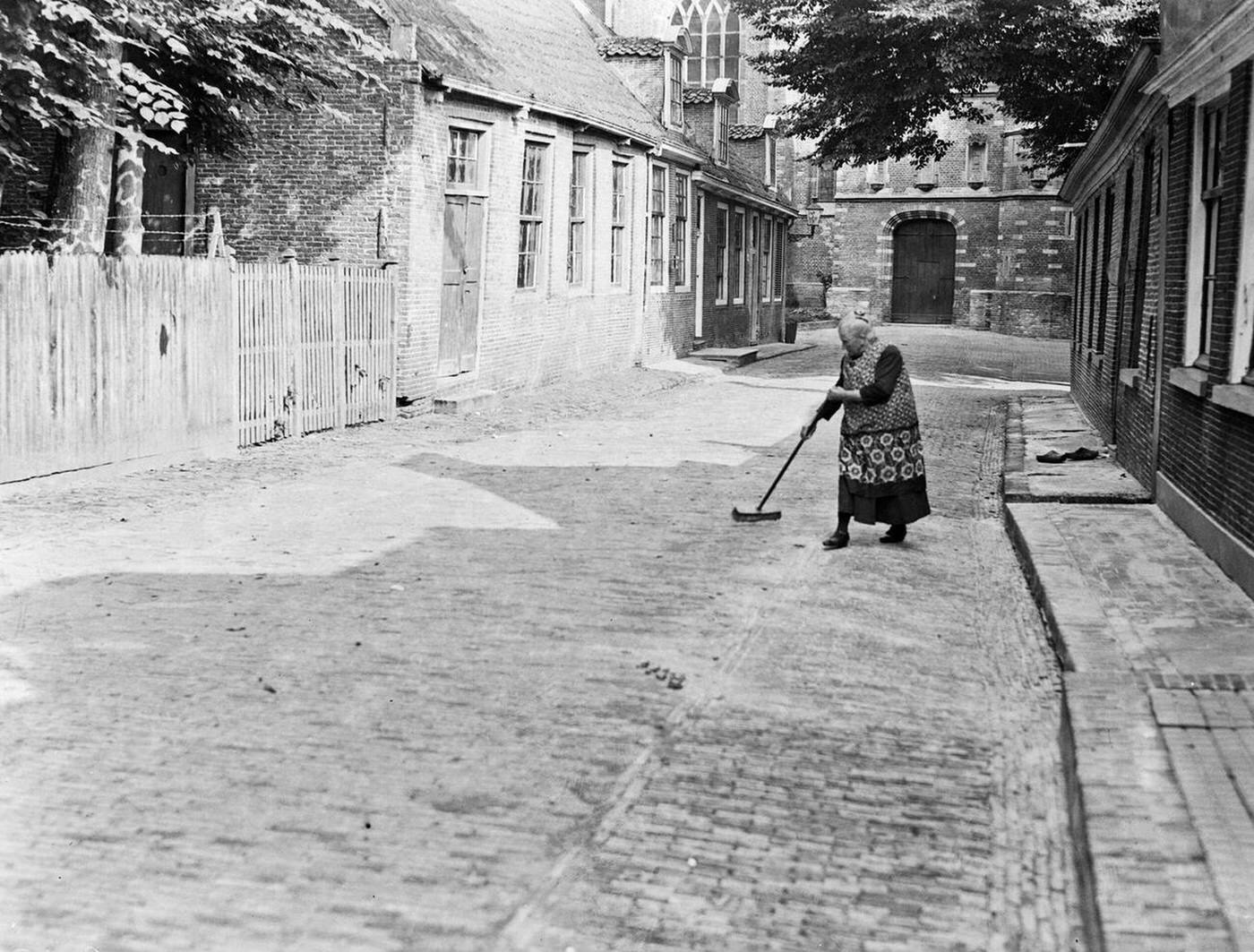
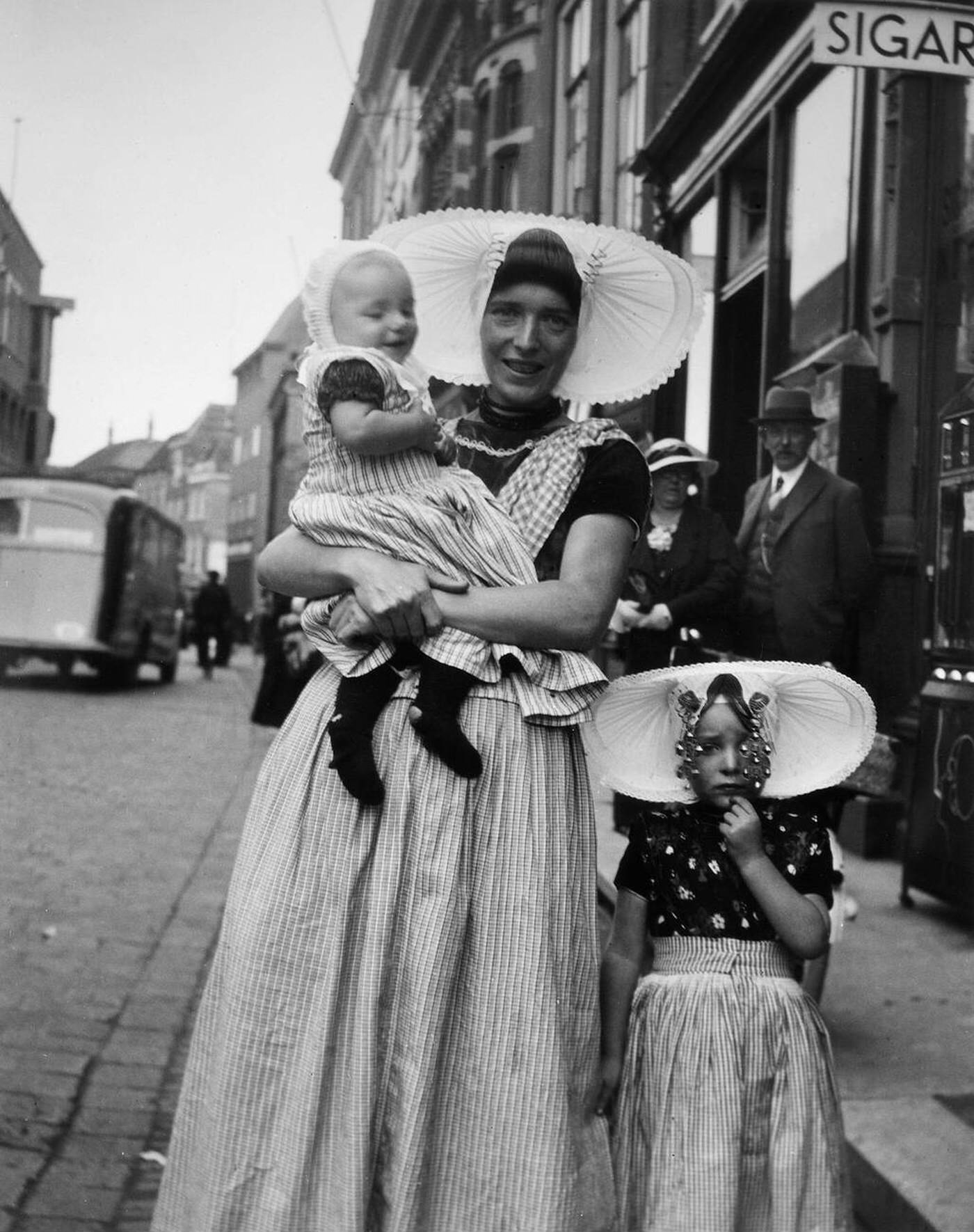
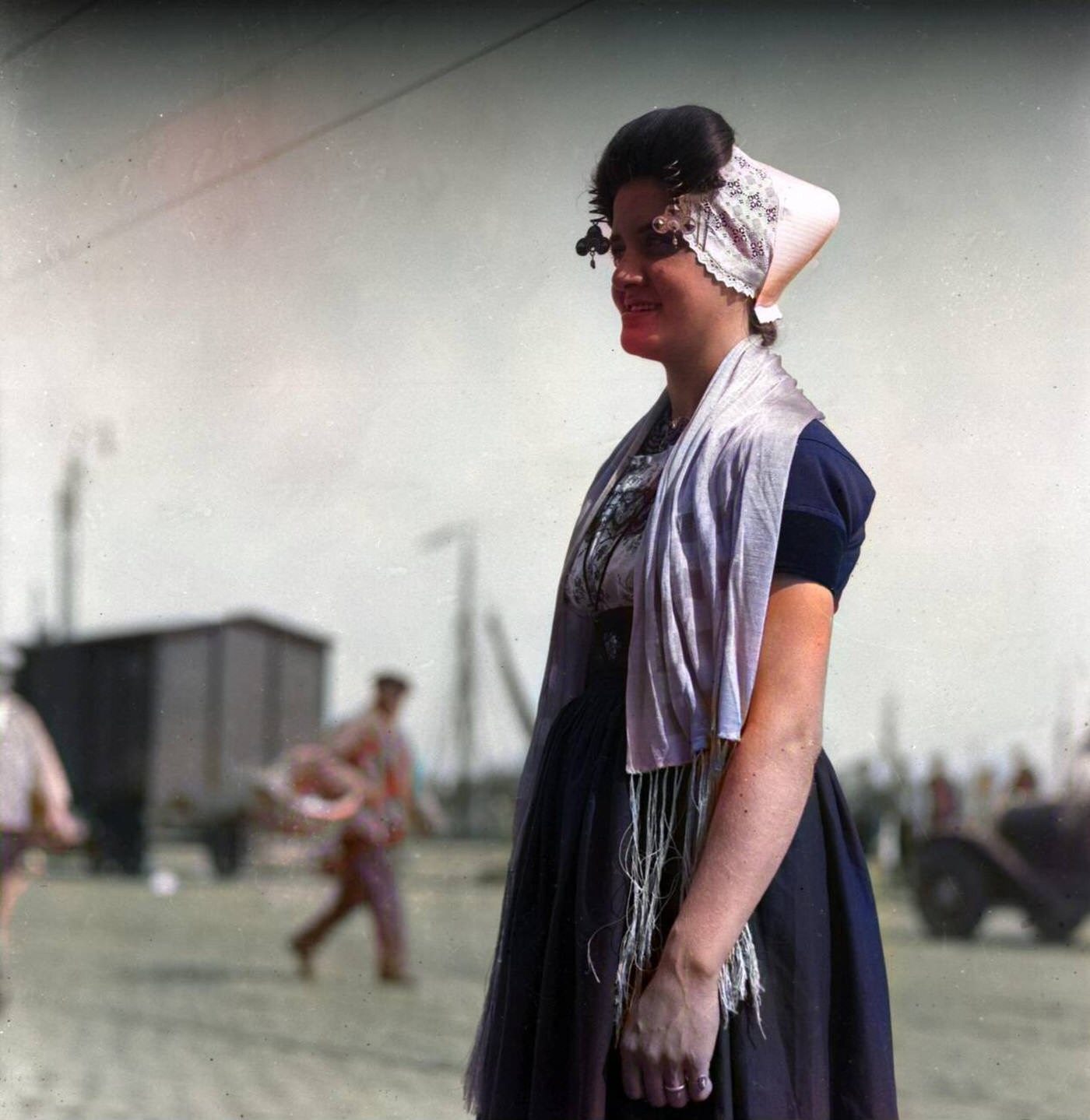
Smaller Dutch towns and fishing villages preserved older ways of life throughout the decade. In Volendam, a tight-knit fishing community on the Zuiderzee, residents still wore traditional clothing — wooden clogs, lace caps, and striped skirts. Wash days meant shoes lined up outside doorways and children underfoot. The town’s conservative culture kept many old customs alive even as modern life pressed in from the larger cities.
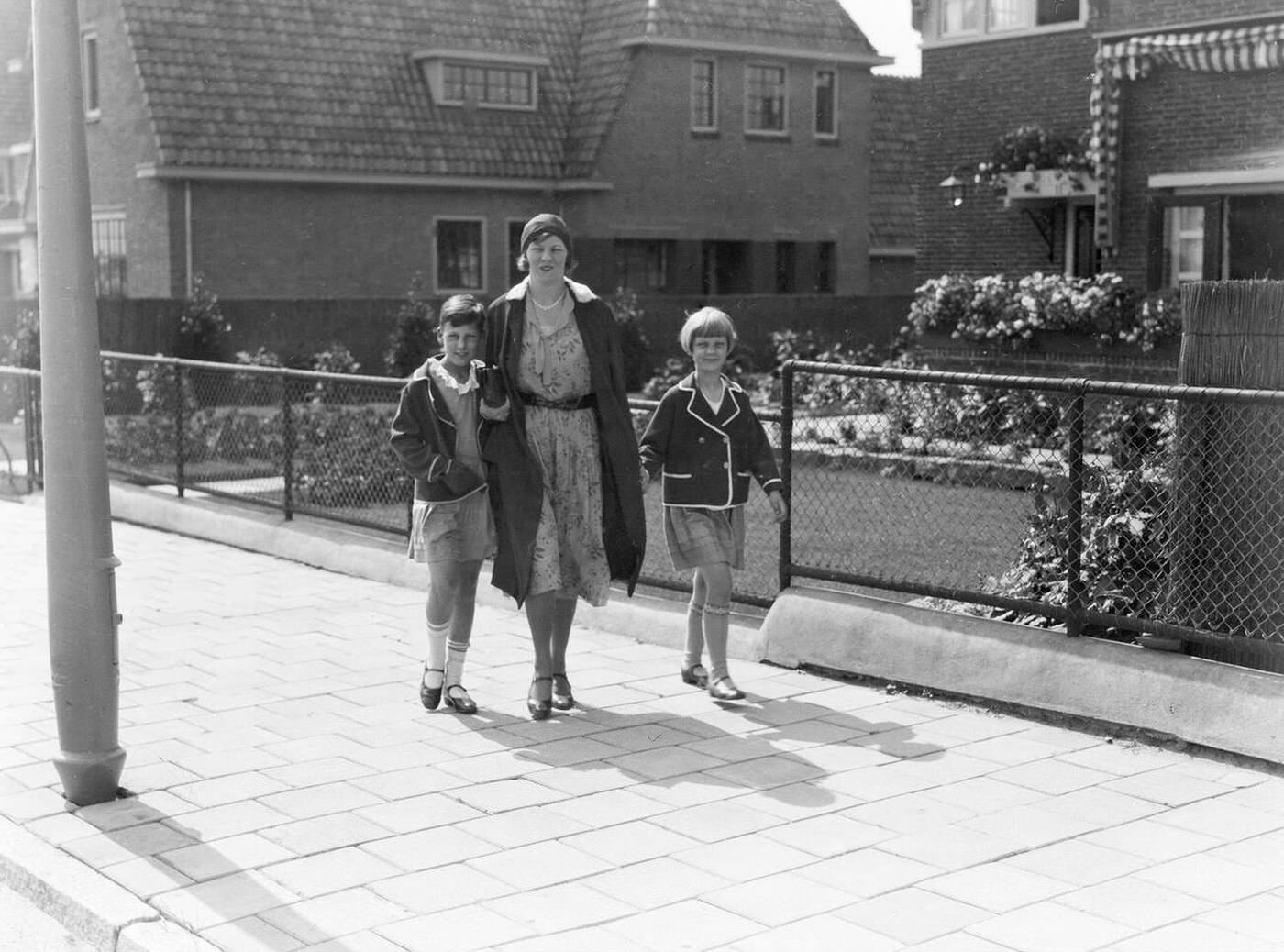
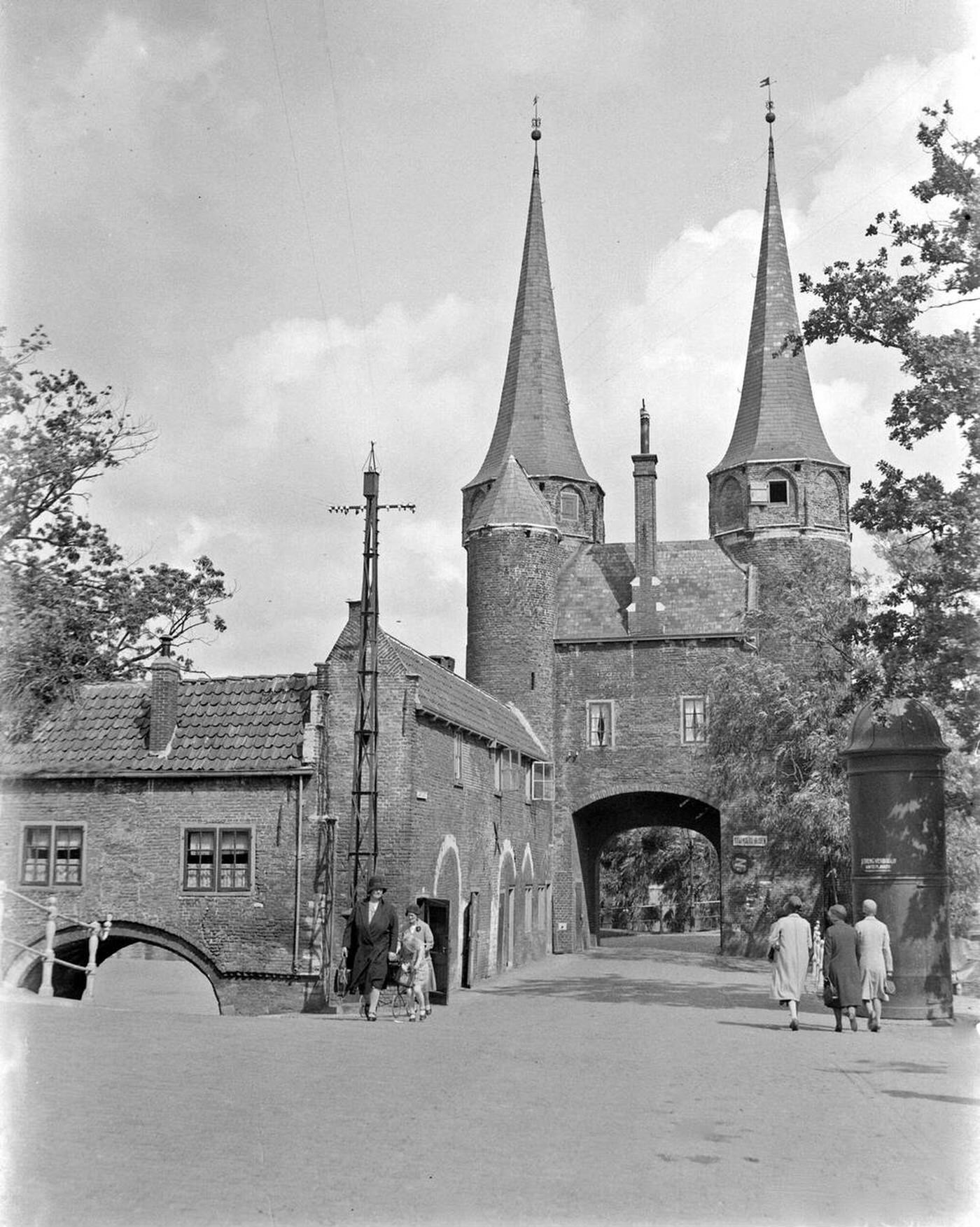
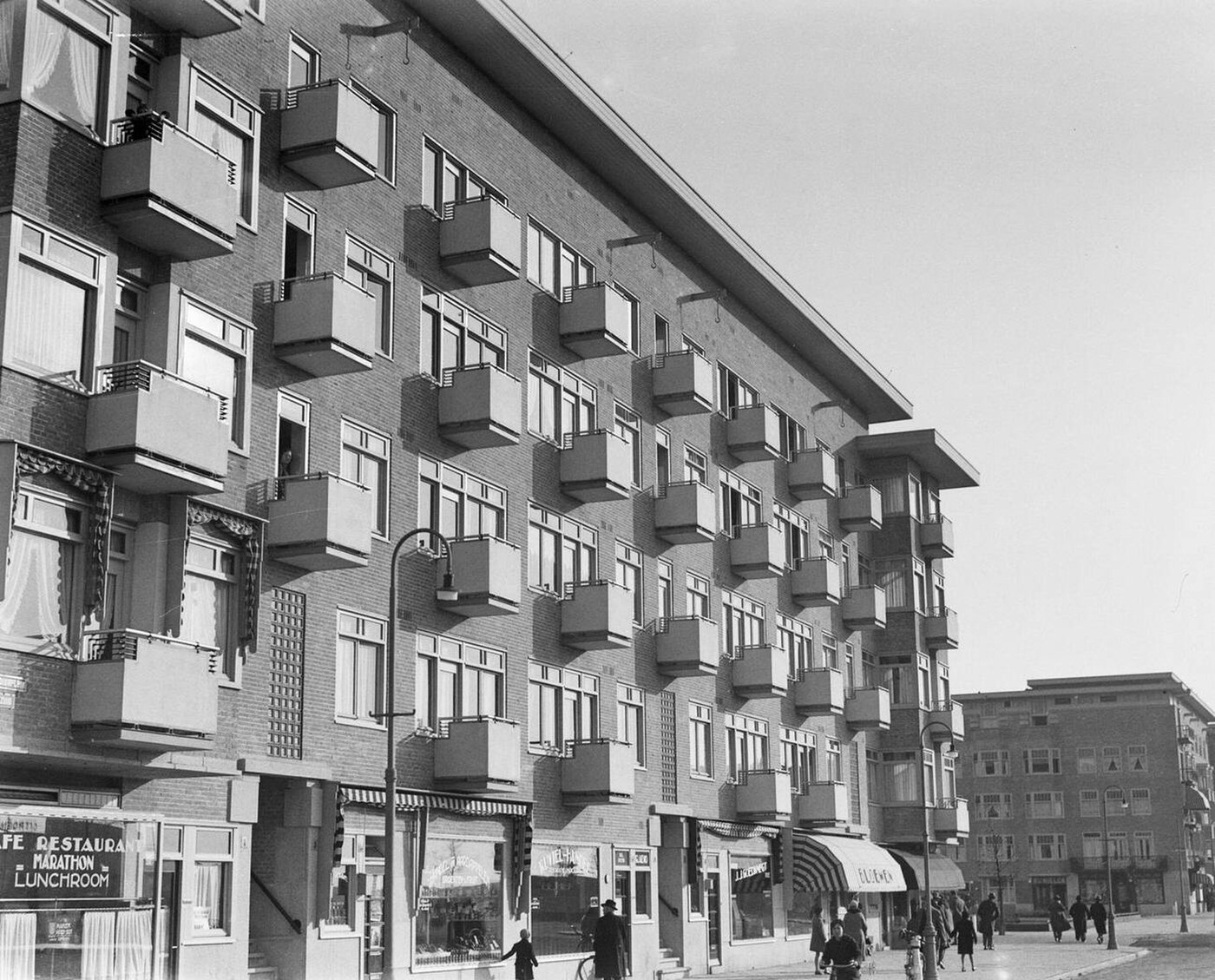
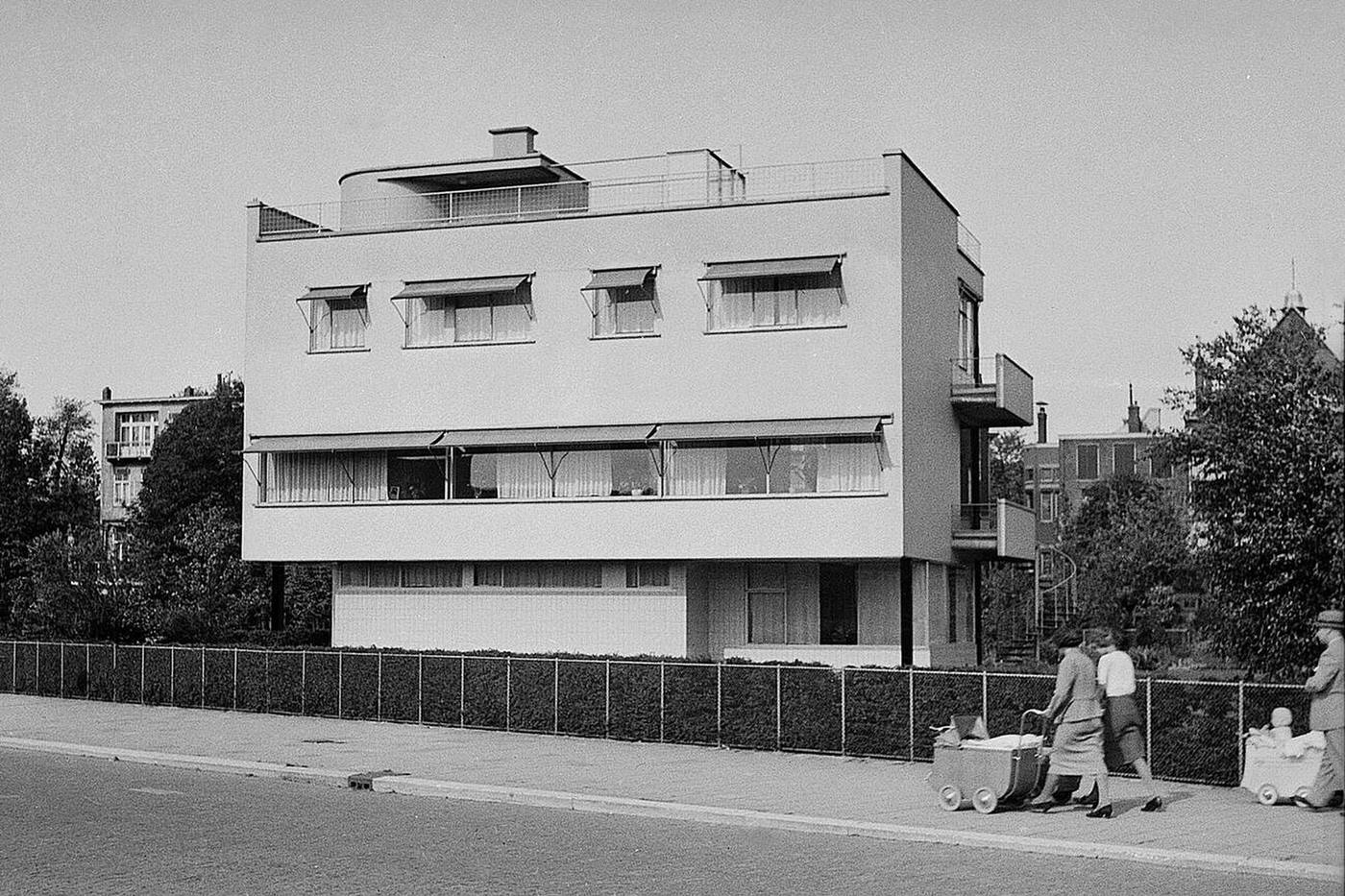
Architecture in 1930s Holland reflected both old and new. Historic city gates and guild houses stood alongside newer buildings shaped by the functionalist movement, which favored clean lines and practical design over decoration. The Sonneveld House in Rotterdam, completed in 1933, was a prime example — a modern family home with flat roofs, large windows, and built-in furniture, designed for a new way of living.
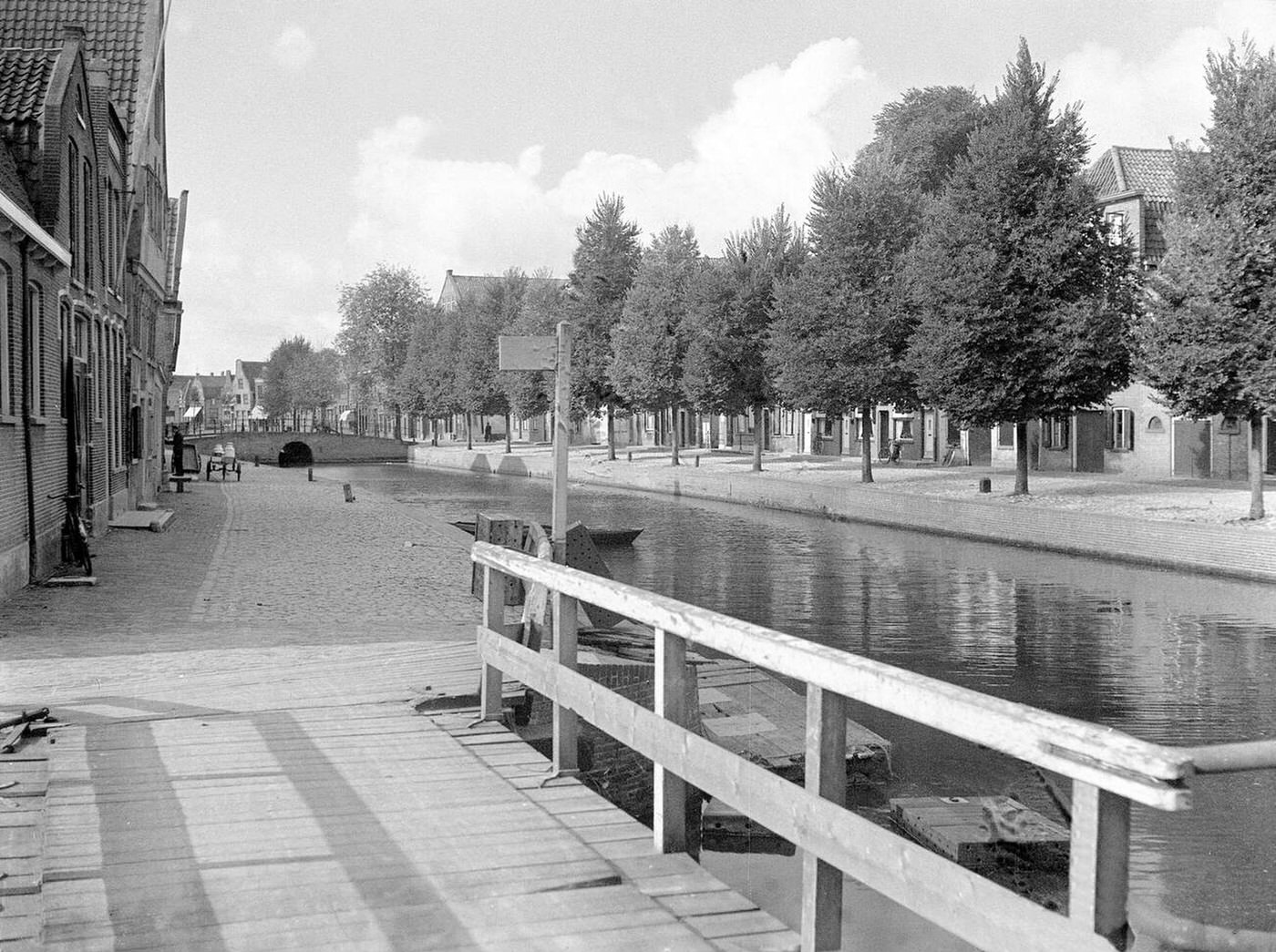
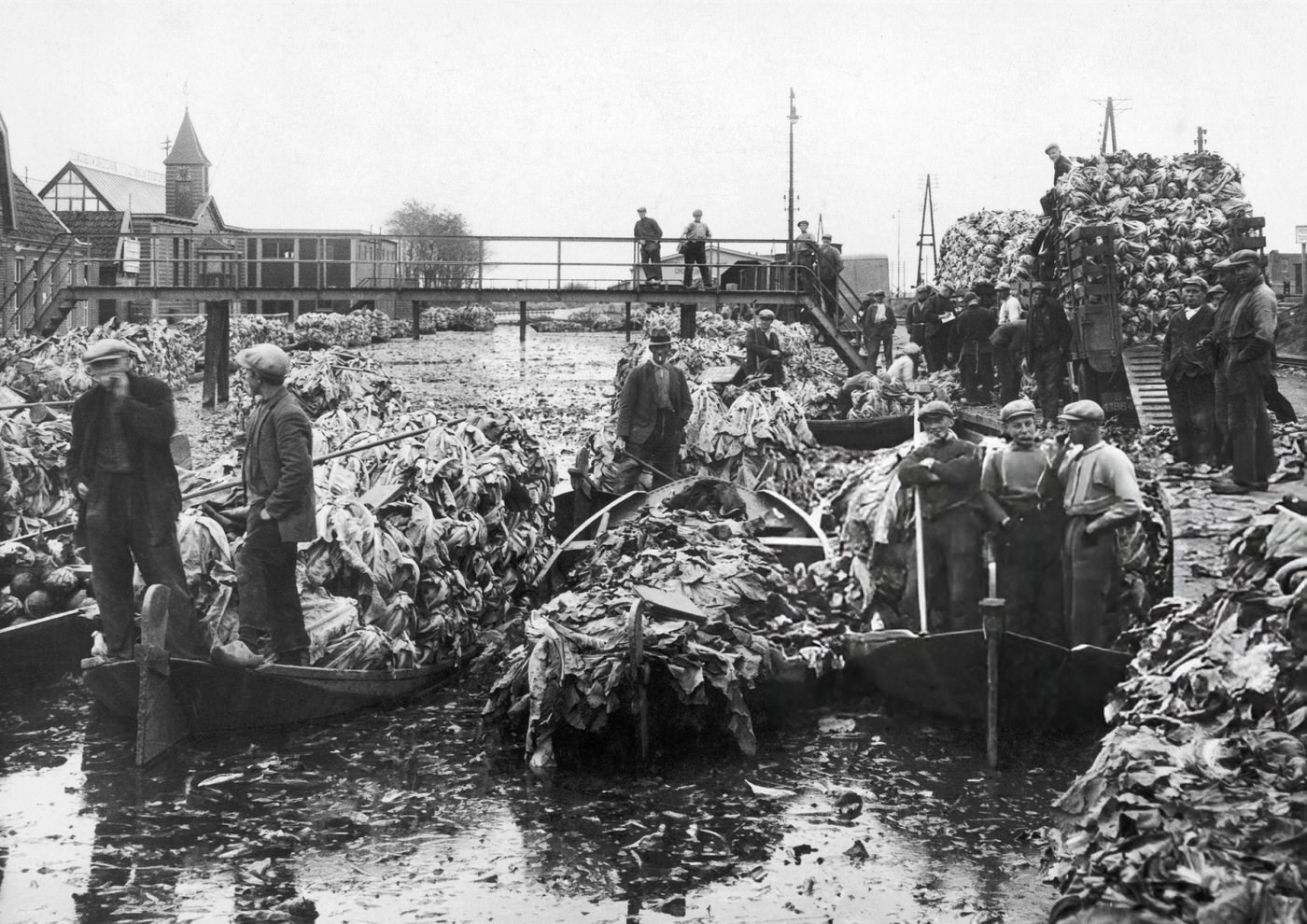
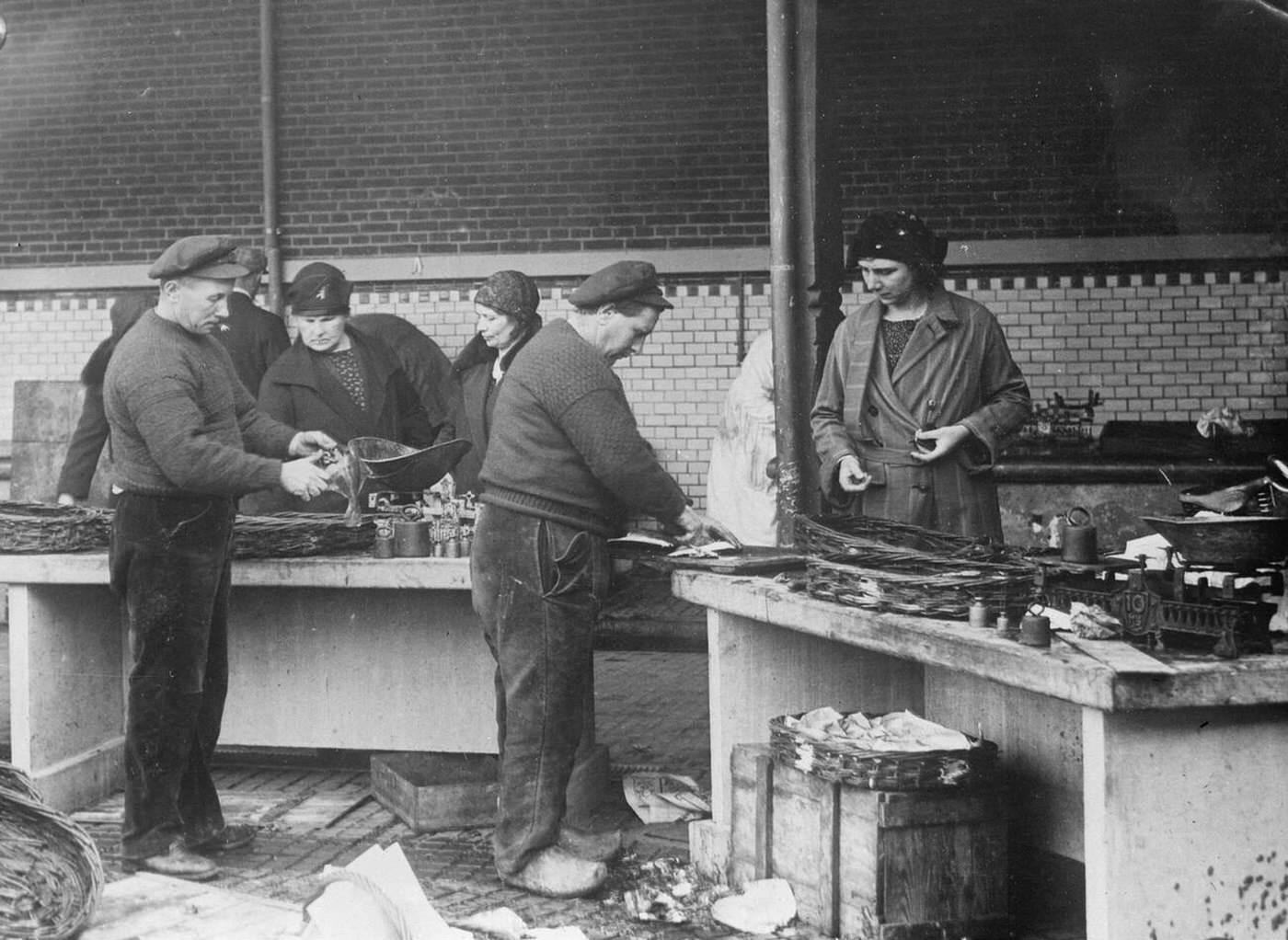
The fishing industry was a vital part of the Dutch economy, particularly in coastal and riverside communities. Workers — men and women — processed and packed fish in large operations, keeping an important export trade running. The Dutch farming sector also stayed productive. Cauliflower harvests in Grootebroek were transported directly by boat, using the waterway system that connected farms to markets across the country.
The Netherlands maintained a policy of strict neutrality as Adolf Hitler’s Nazi Germany rose to power across the border. Dutch officials worked to stay on good terms with all European nations while growing increasingly anxious about the possibility of war. The Dutch military was small and lightly equipped. The government began strengthening it during the late 1930s, but the country’s defenses remained limited compared to its neighbors.
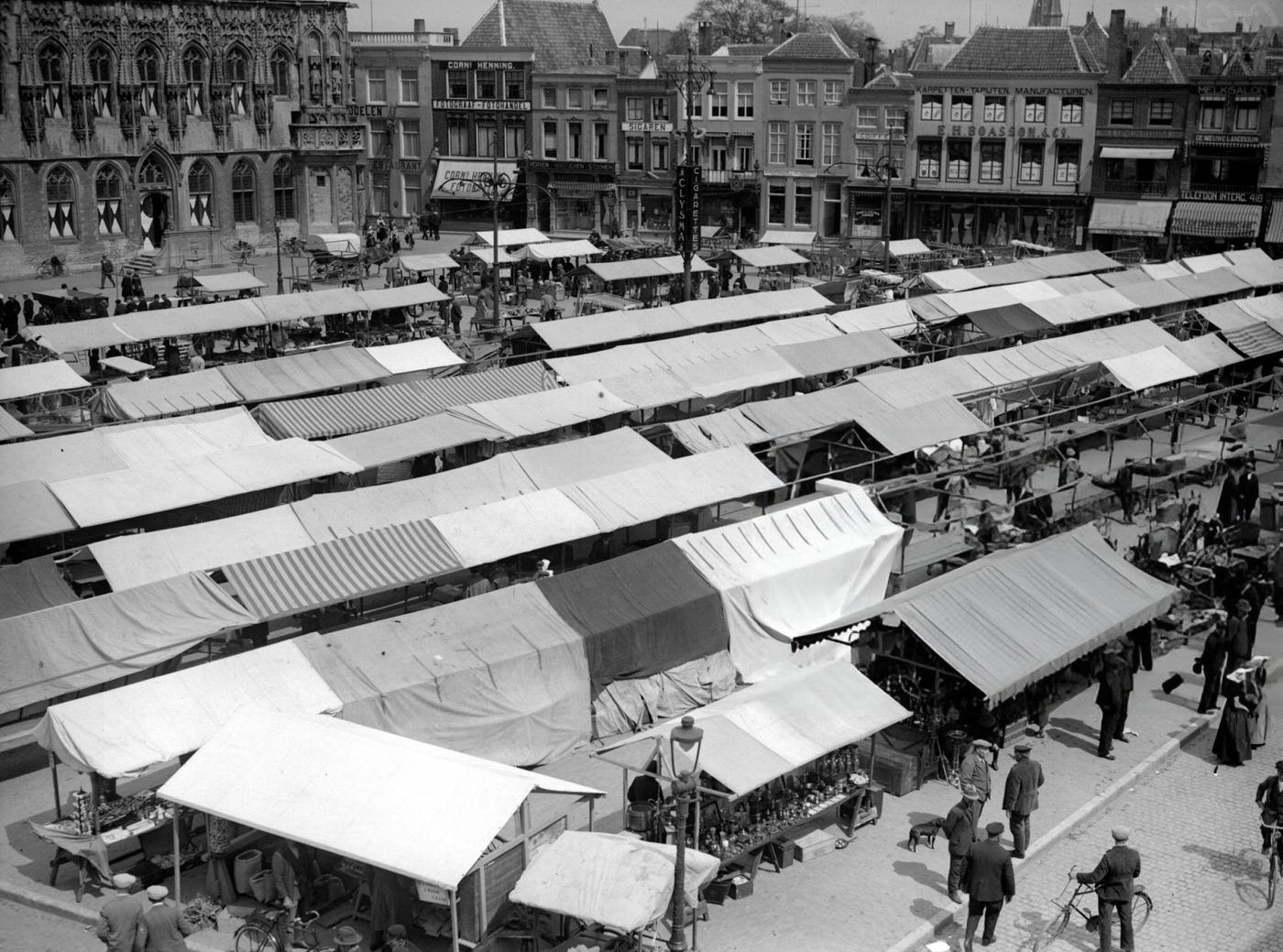
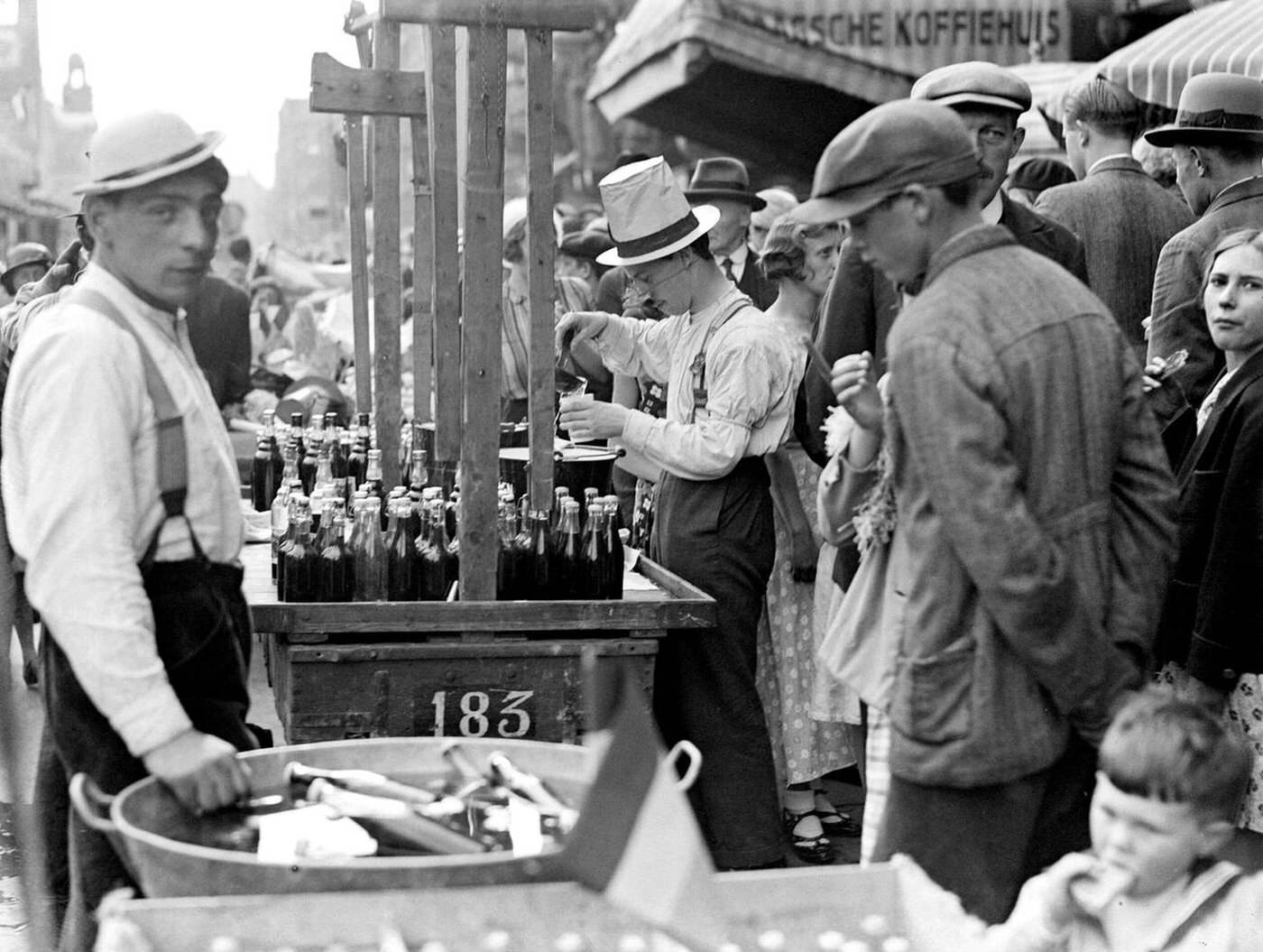
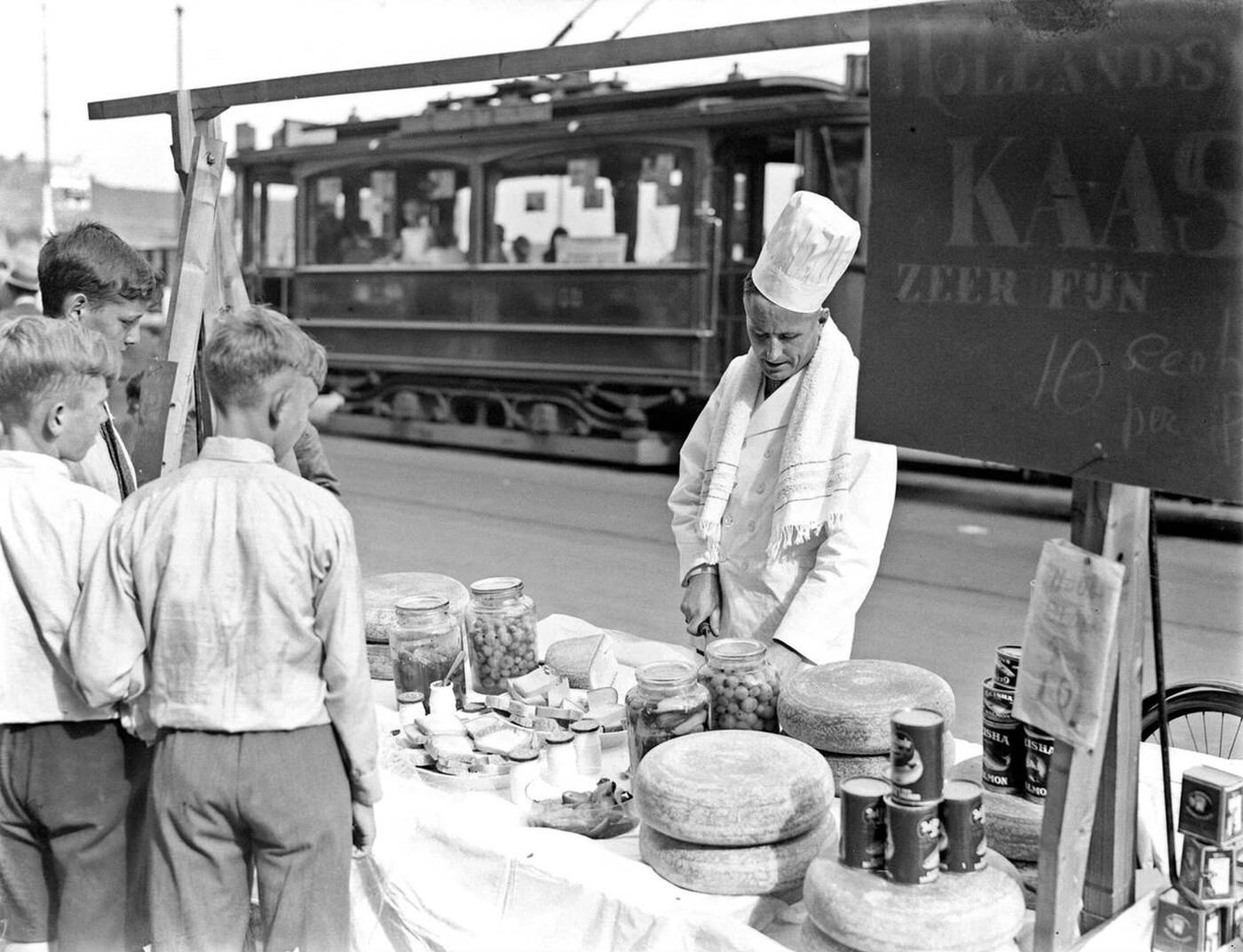
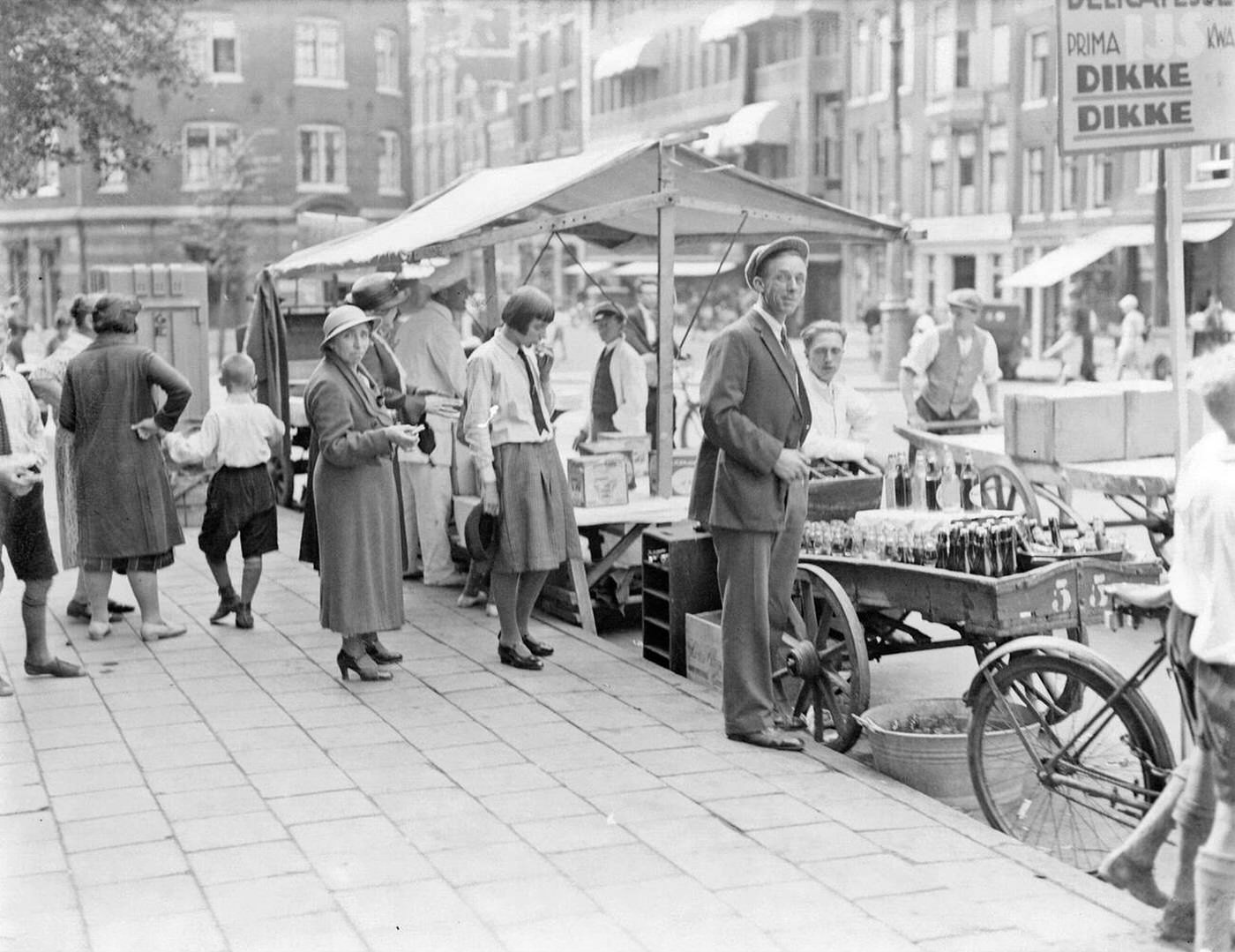
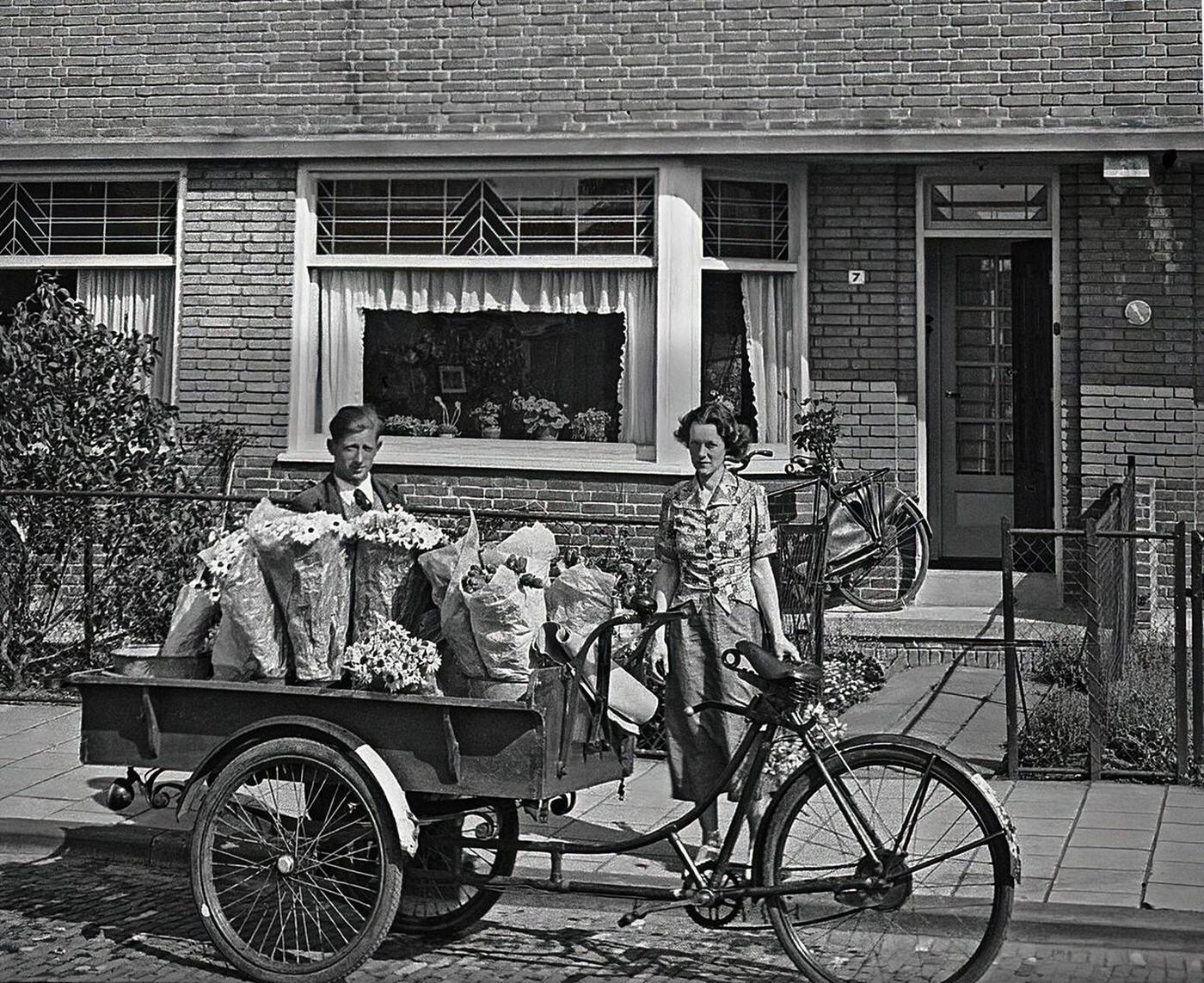
Street commerce was a constant feature of Dutch city life. Flower sellers went door to door in Amsterdam, vendors called out from stalls along the canals, and open-air markets drew shoppers from surrounding neighborhoods. The Martelaarsgracht in Amsterdam hosted a row of stalls where traders sold everything from food to household goods. These markets were both an economic necessity and a daily social gathering point.
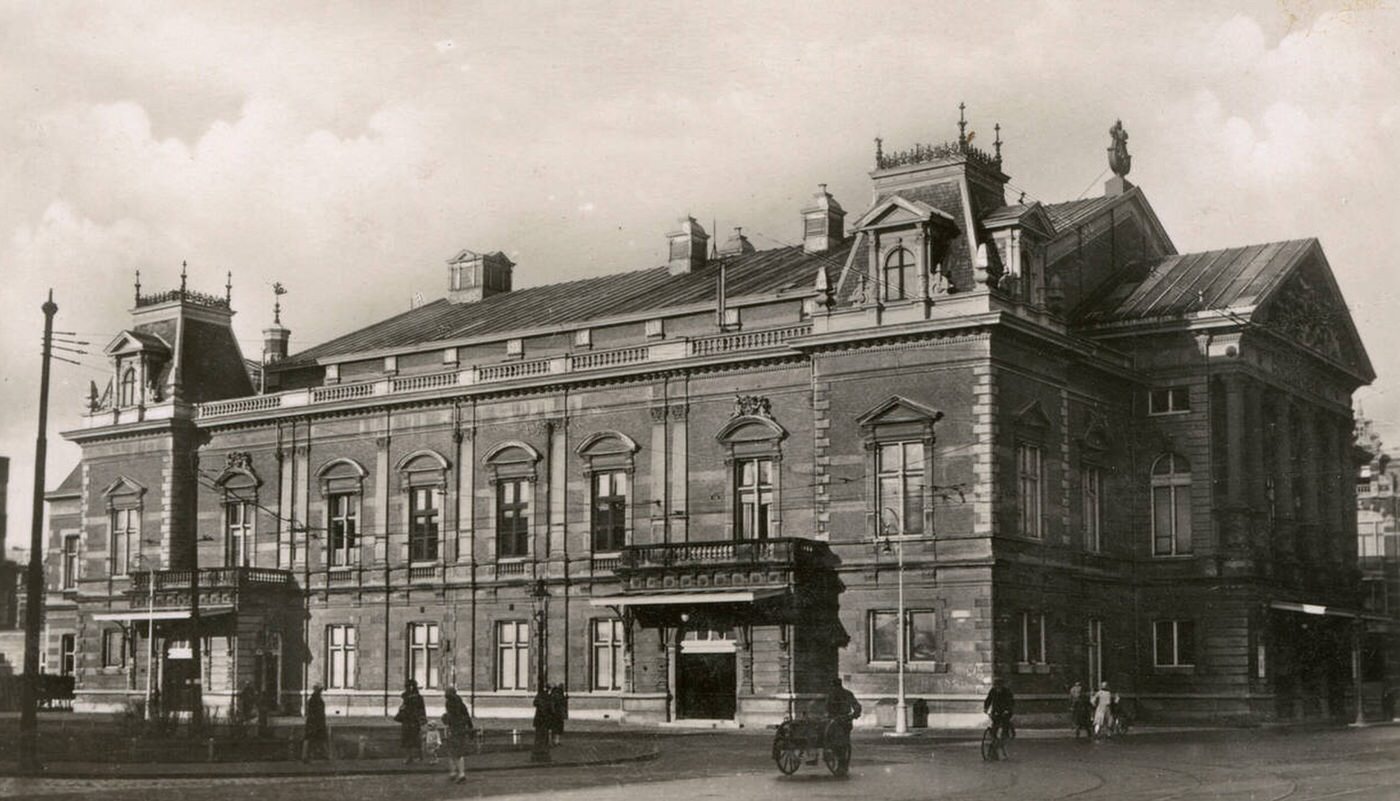
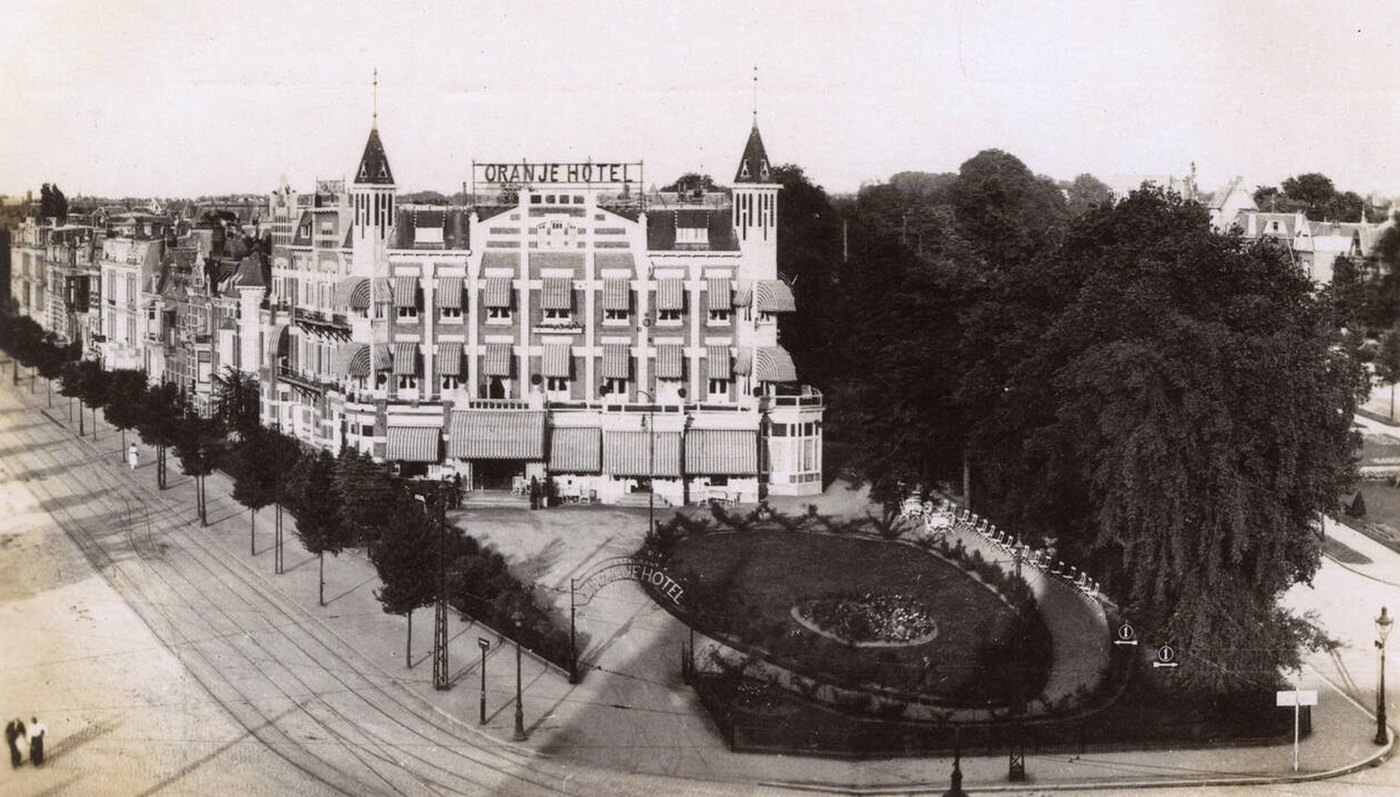
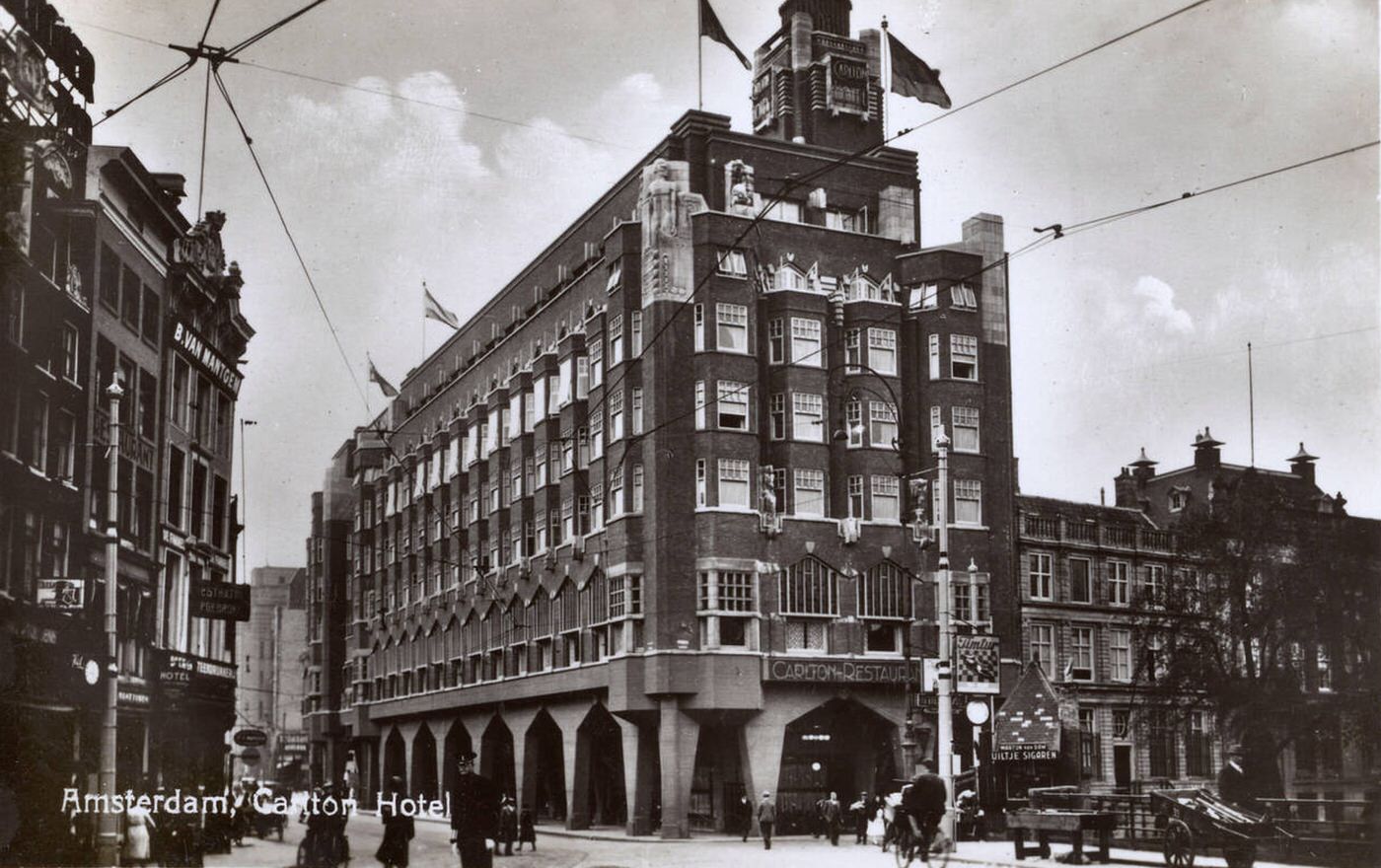
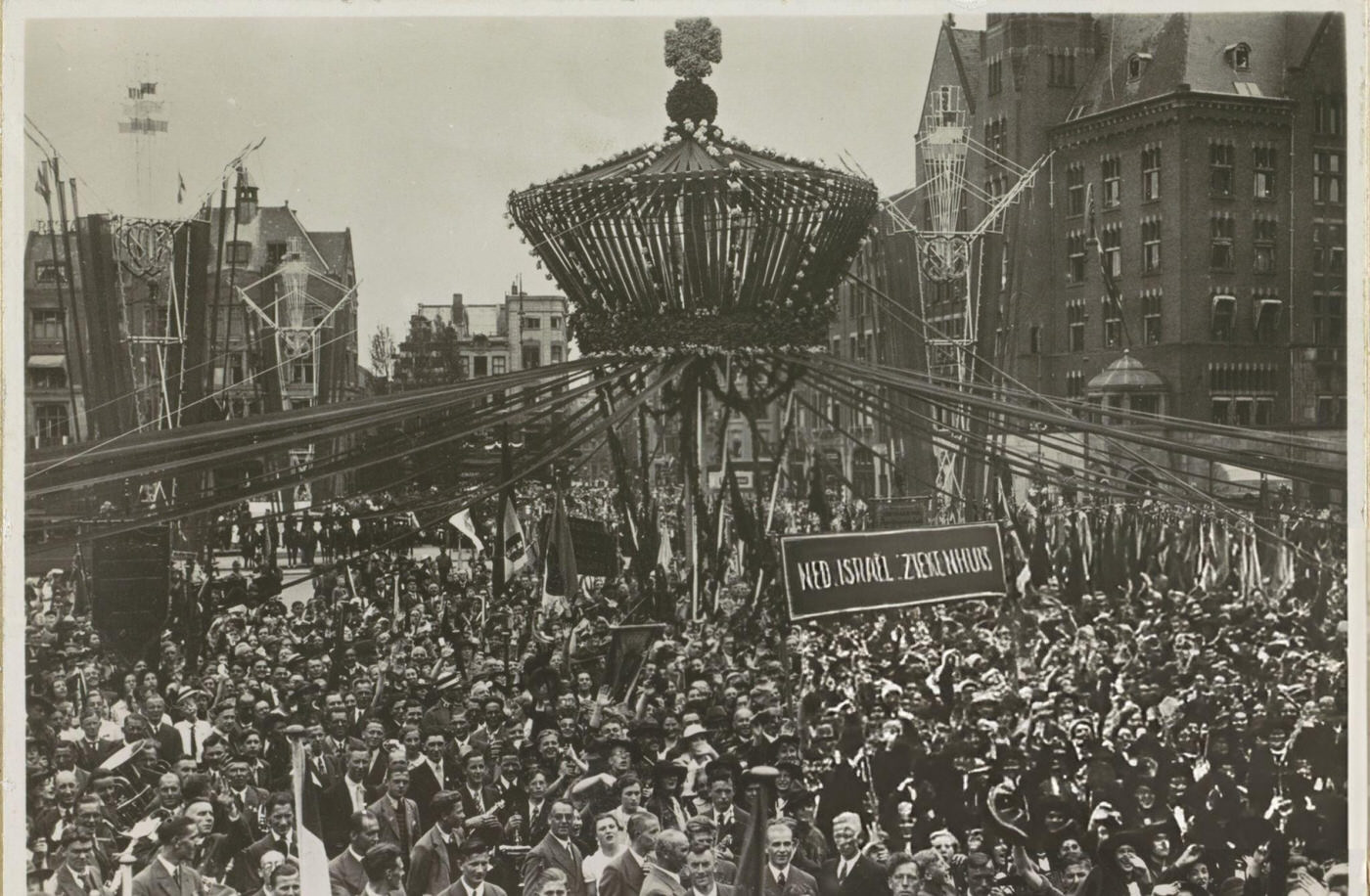
Public celebrations still took place in the 1930s, even during lean years. In 1937, Dam Square in Amsterdam was decorated for the Orange Society celebration, a festivity tied to the Dutch royal House of Orange. The square filled with banners and crowds, offering a brief break from the anxiety that had settled over European politics by the late decade. The Concertgebouw concert hall and venues like the Carlton Hotel kept Amsterdam’s cultural life active, drawing audiences who sought music and entertainment as relief.
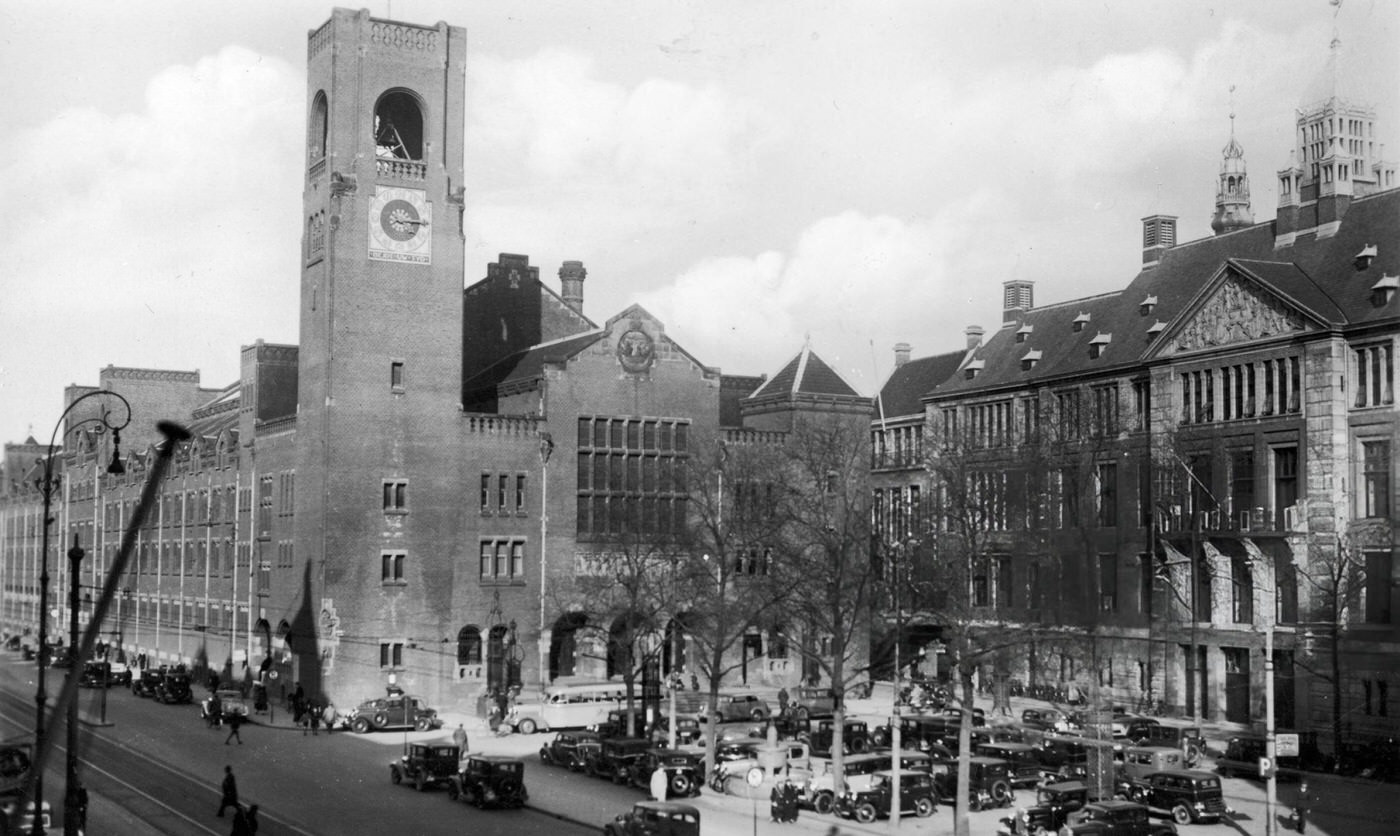
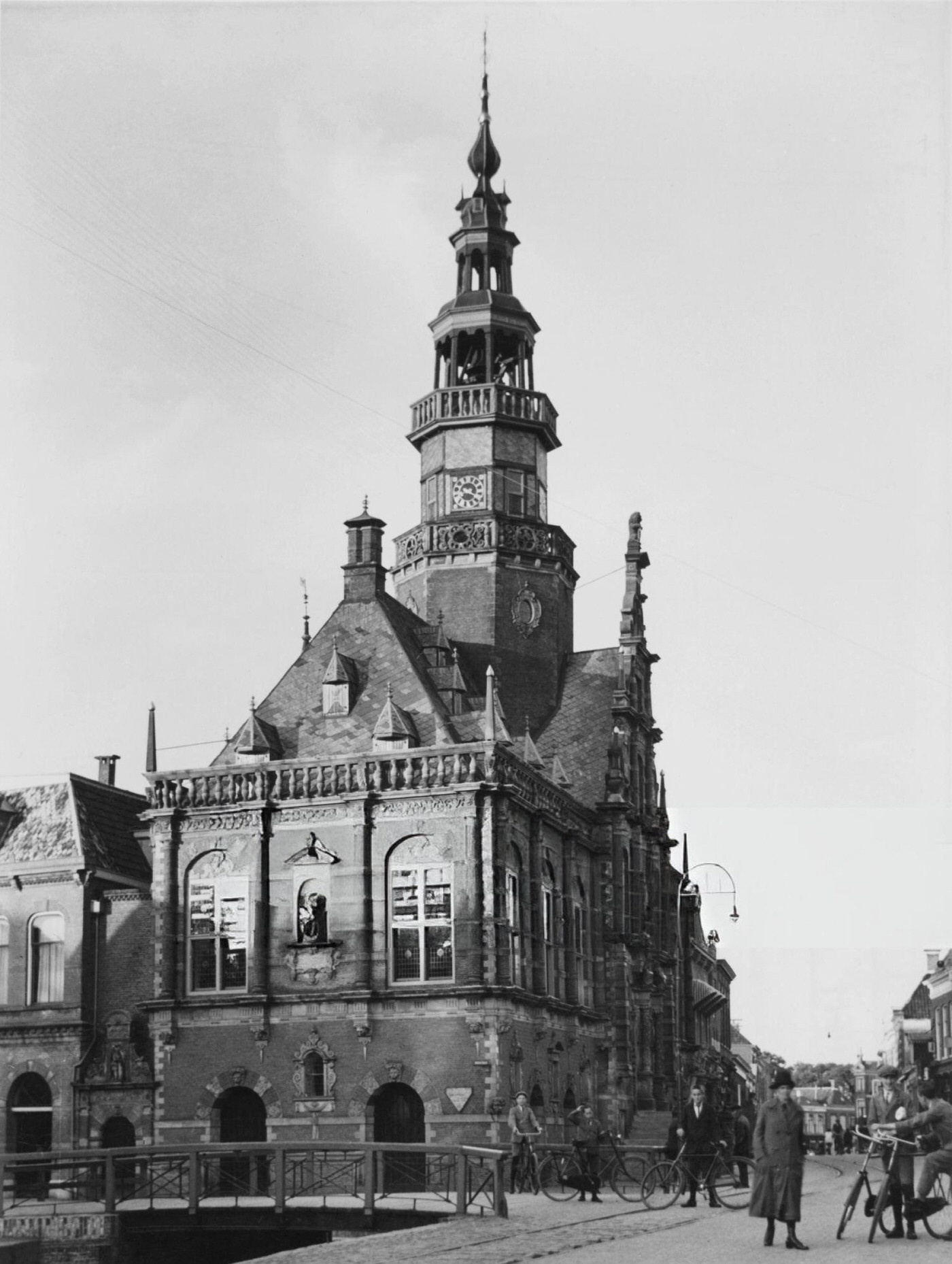
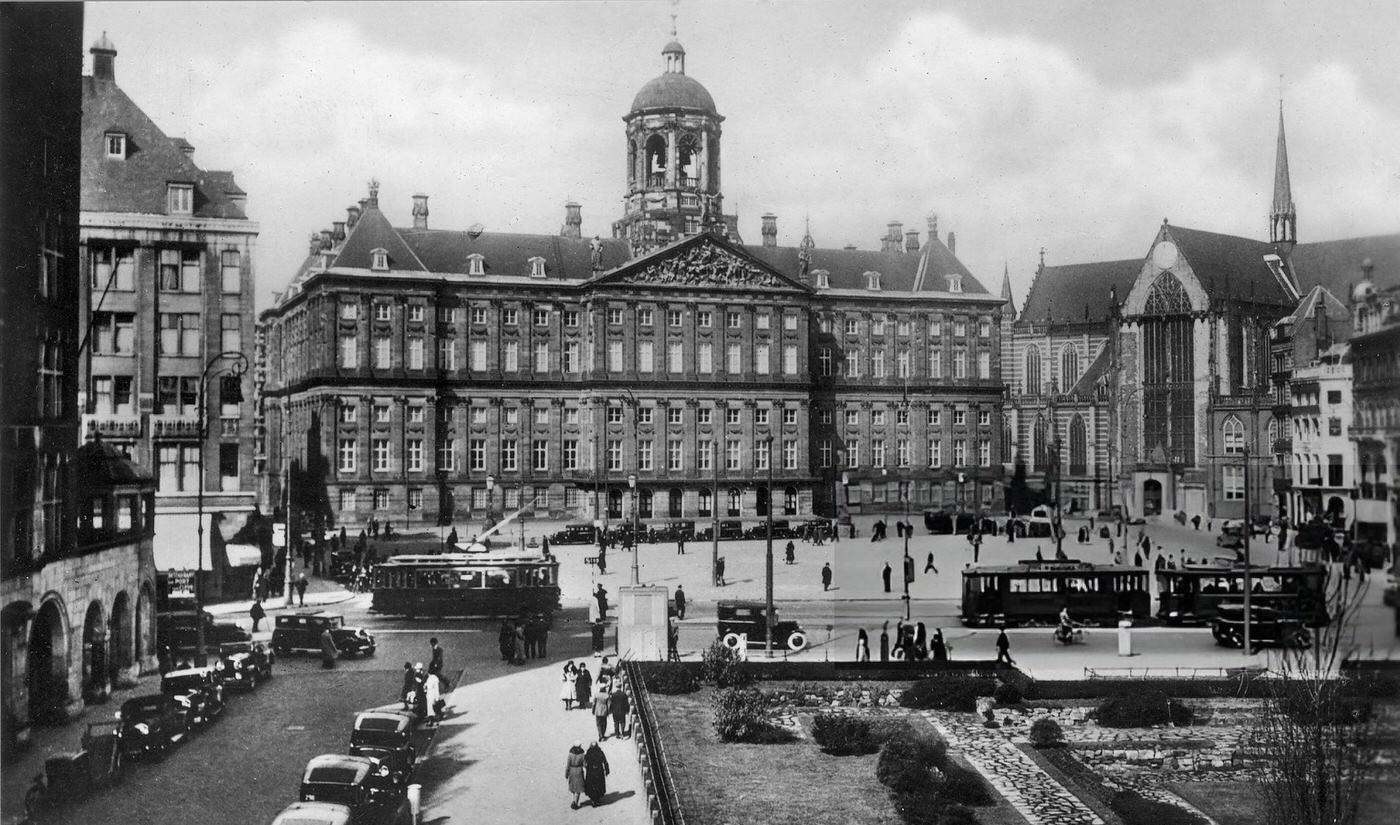
The Beurs van Berlage — Amsterdam’s commodities exchange building — stood as a symbol of the country’s commercial identity. Built in the late 19th century, it was still a hub of trade activity in the 1930s, even as the Depression hammered market prices. Nearby, the Royal Palace on Dam Square anchored the city’s civic center, its facade unchanged against decades of economic and political upheaval.
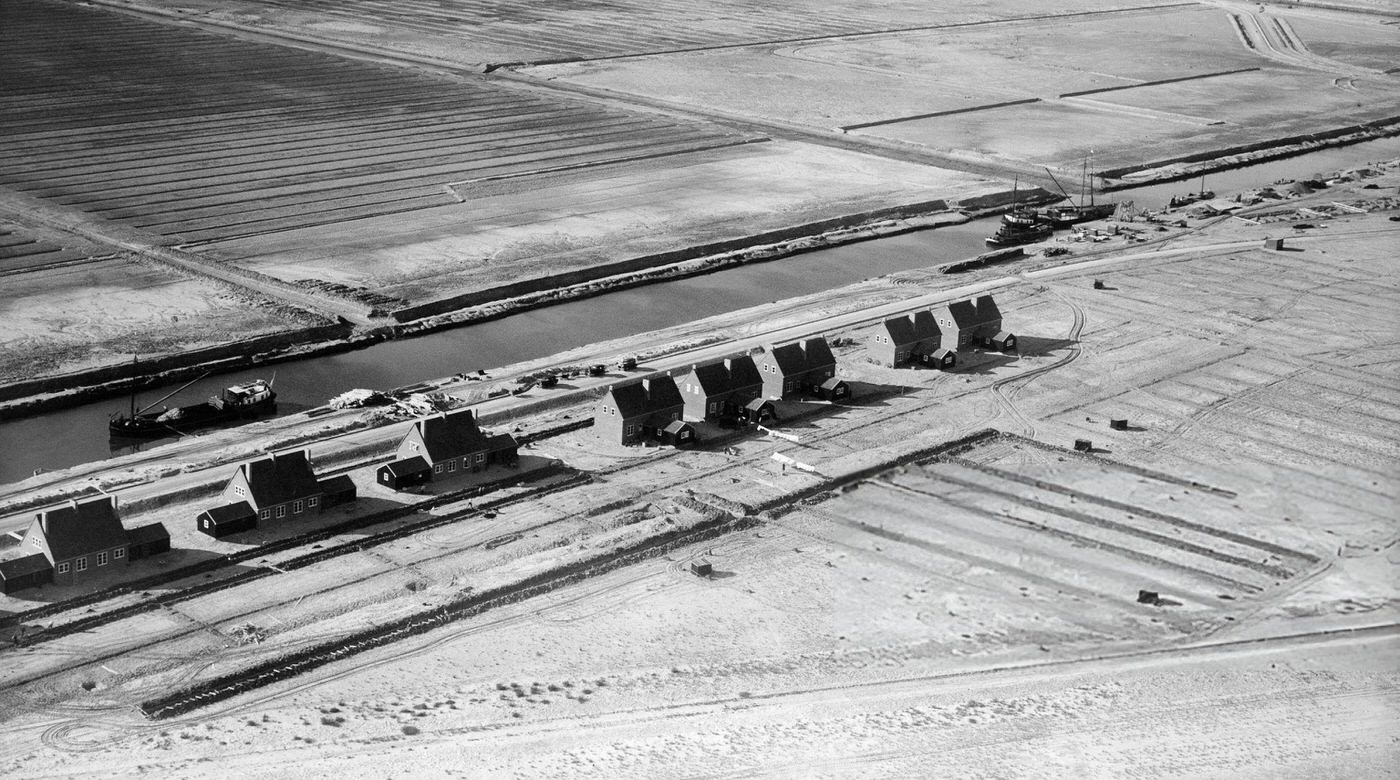
Aerial photographs from 1931 and 1932 captured the extraordinary scale of the Zuiderzee reclamation project. From above, the first artificial levees stretched across open water in long, precise lines. By 1932, the earliest buildings and canals of what would become new polders — land reclaimed from the sea — were already visible. This engineering effort was one of the largest of its kind anywhere in the world at that time, and it put thousands of unemployed Dutch workers to use during the worst years of the Depression.