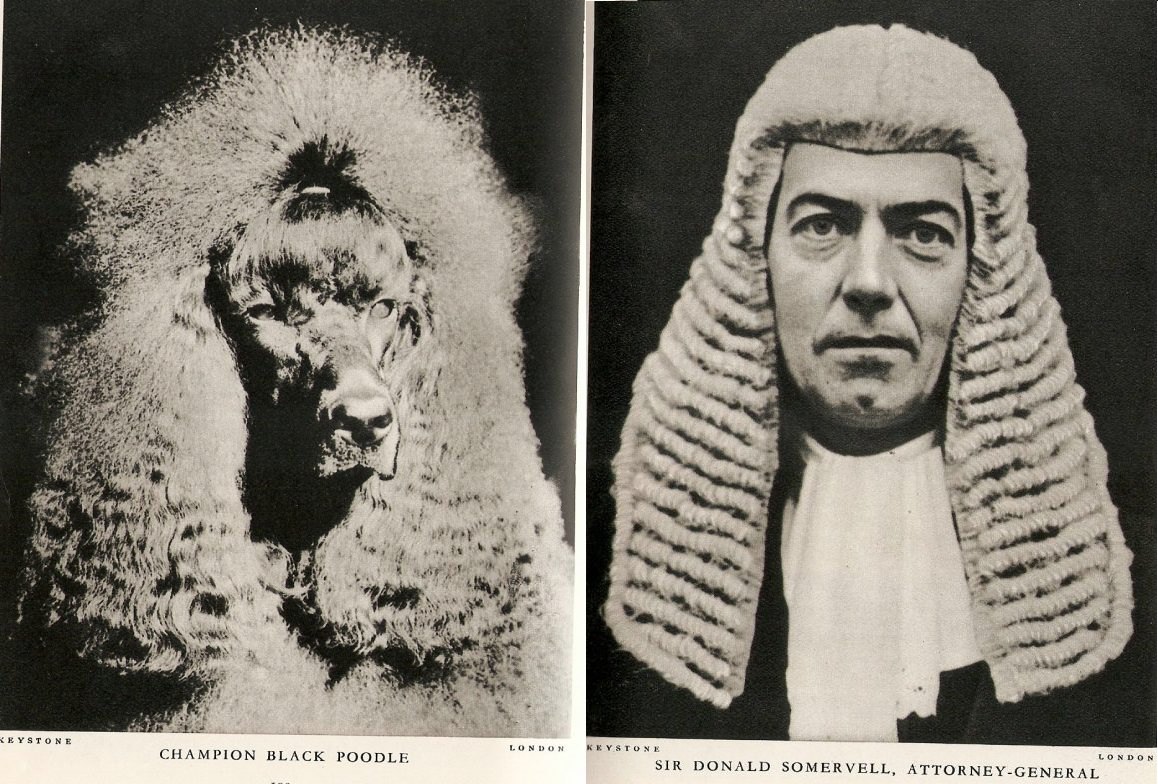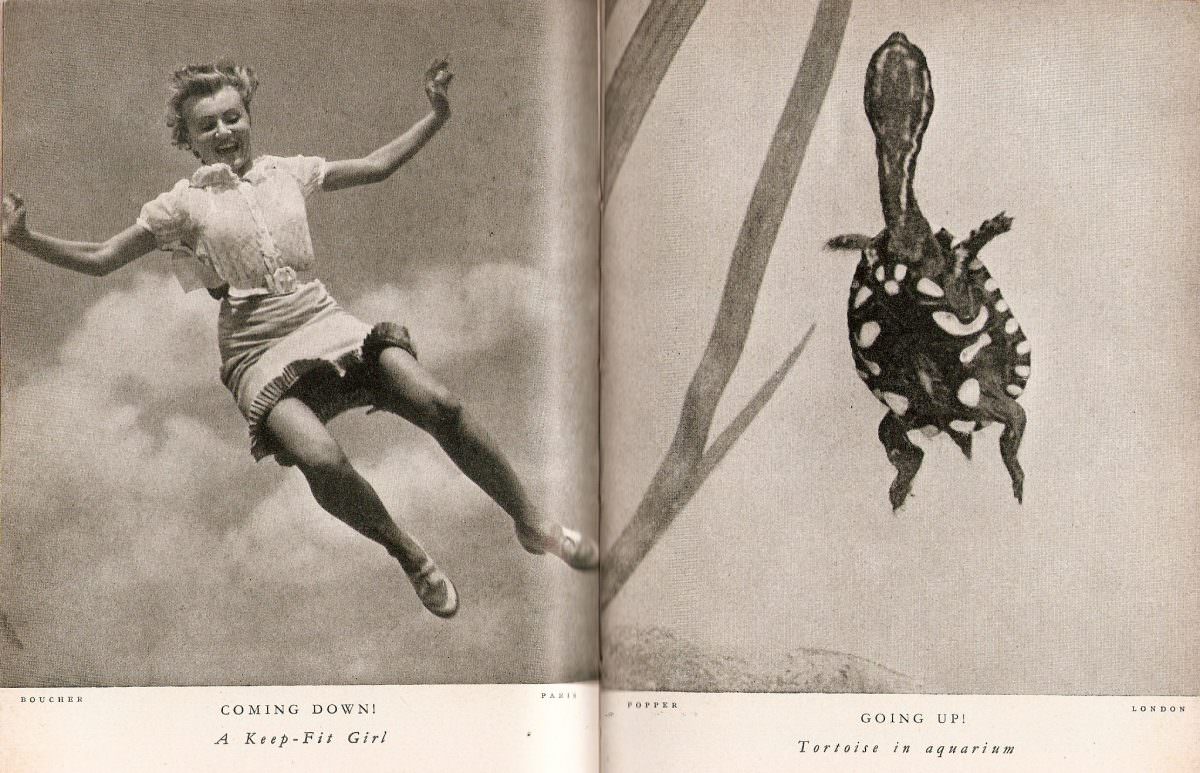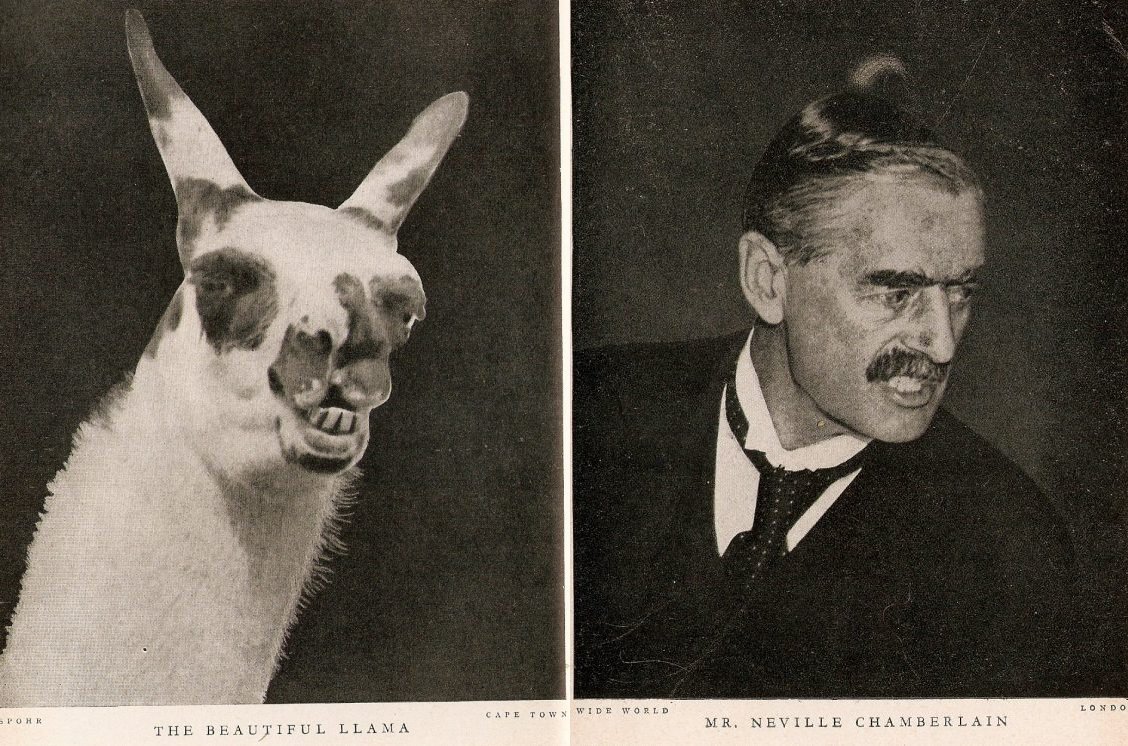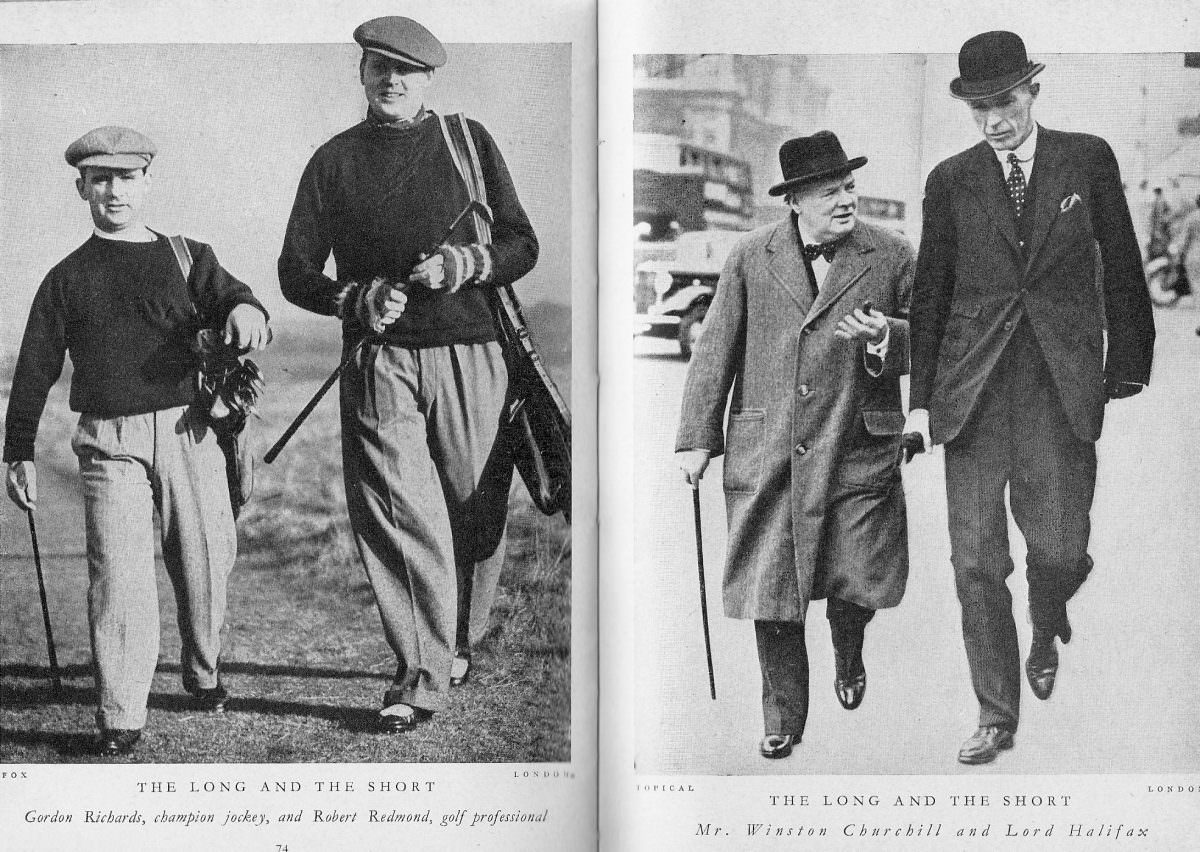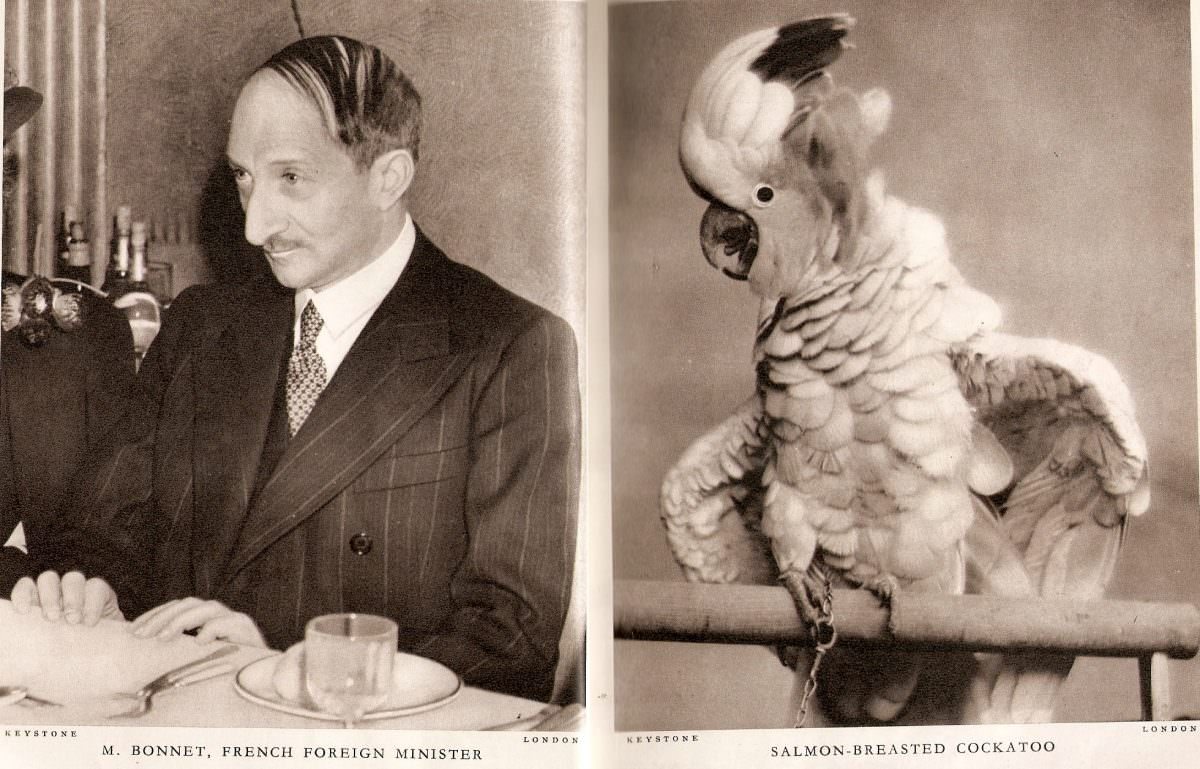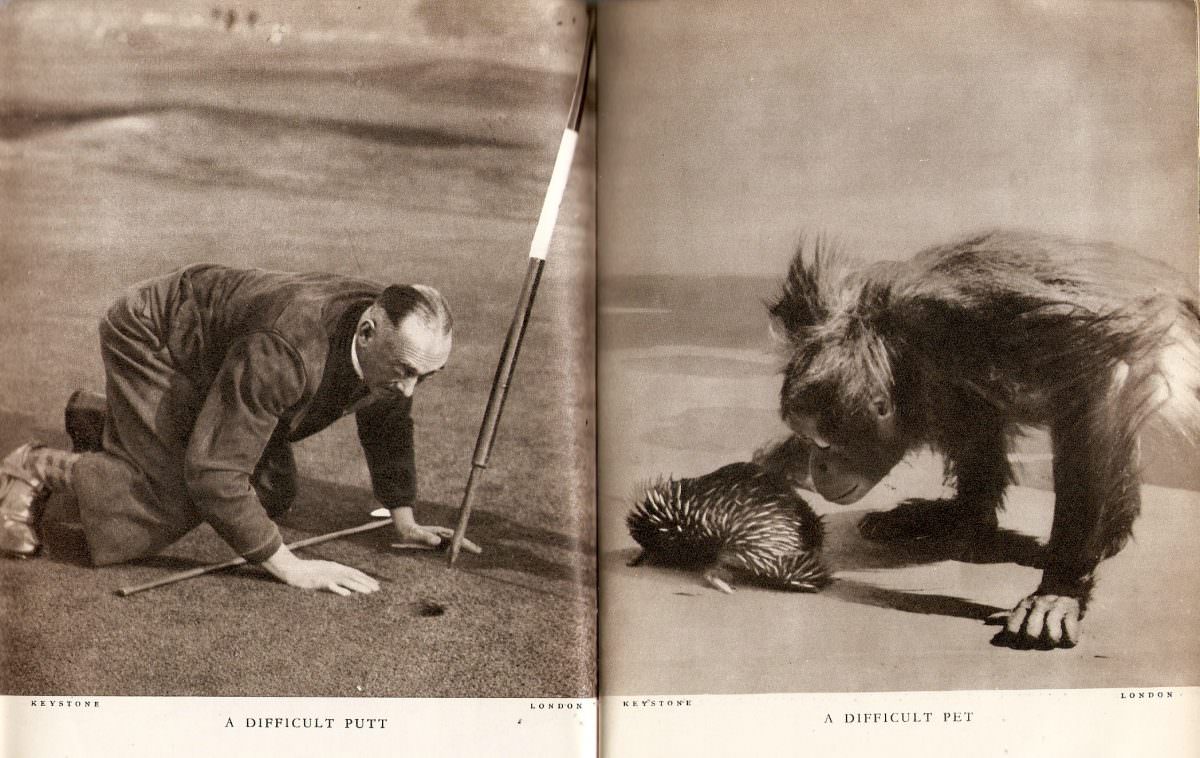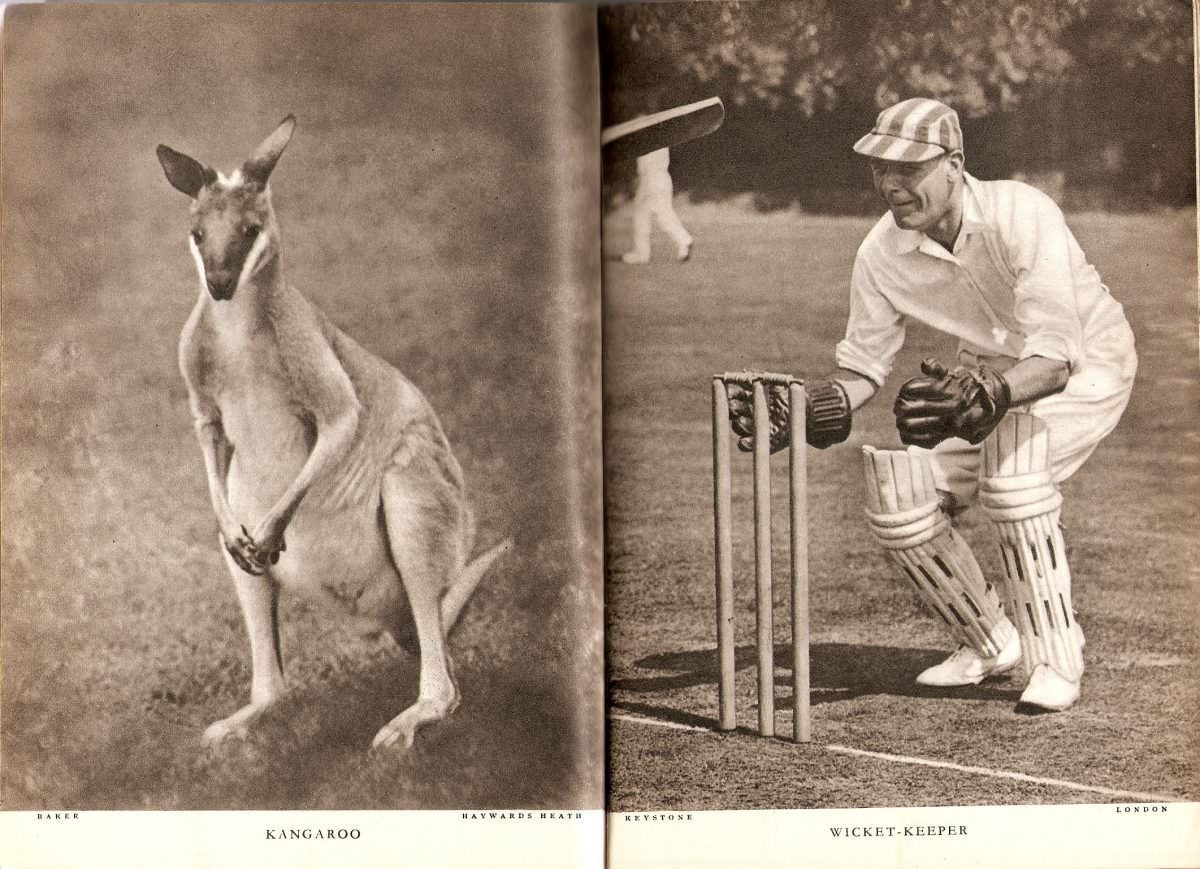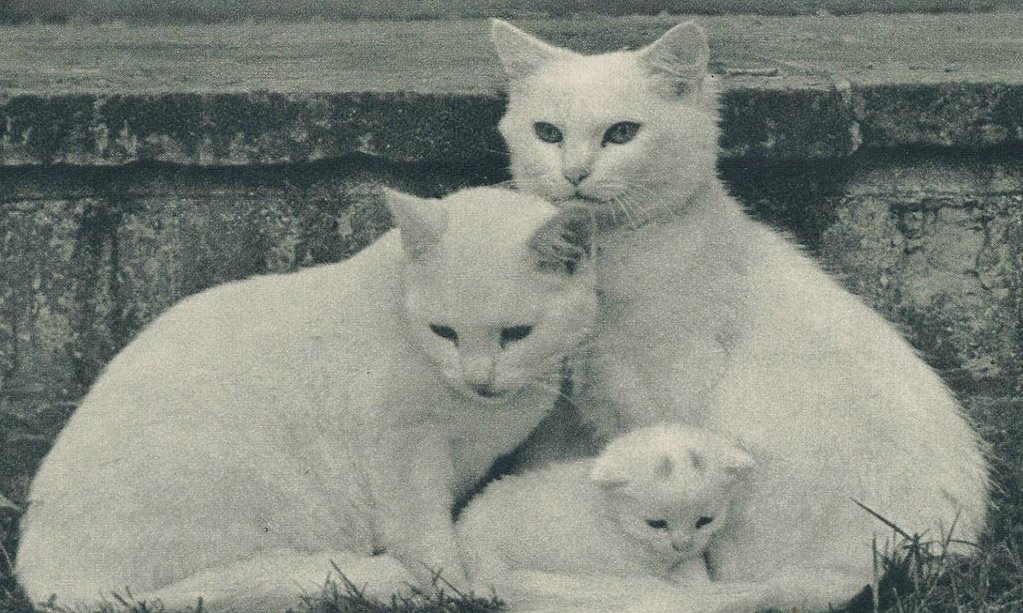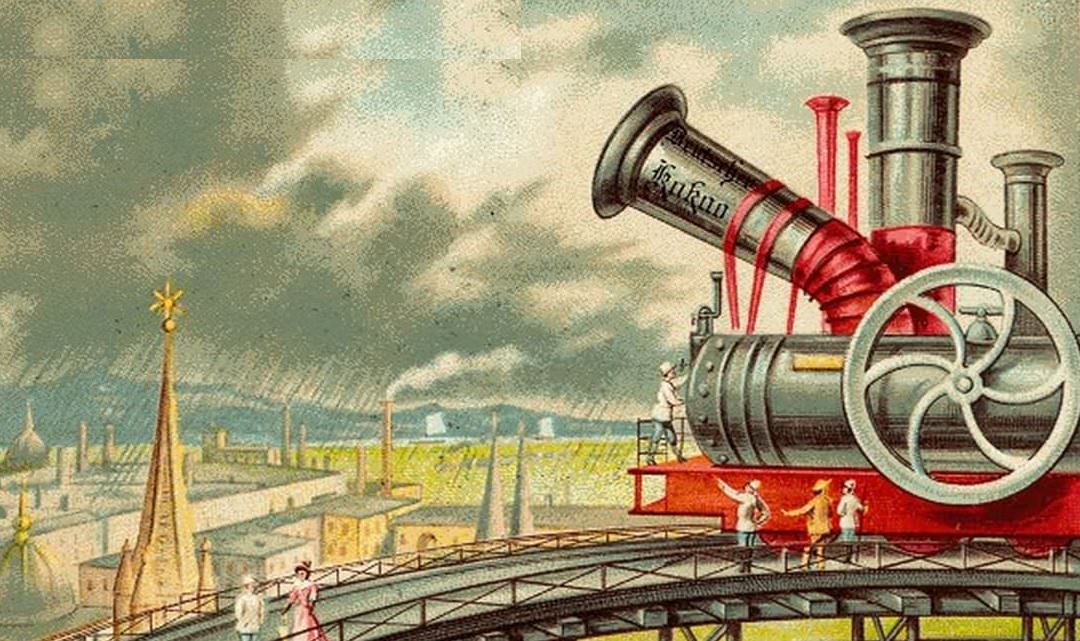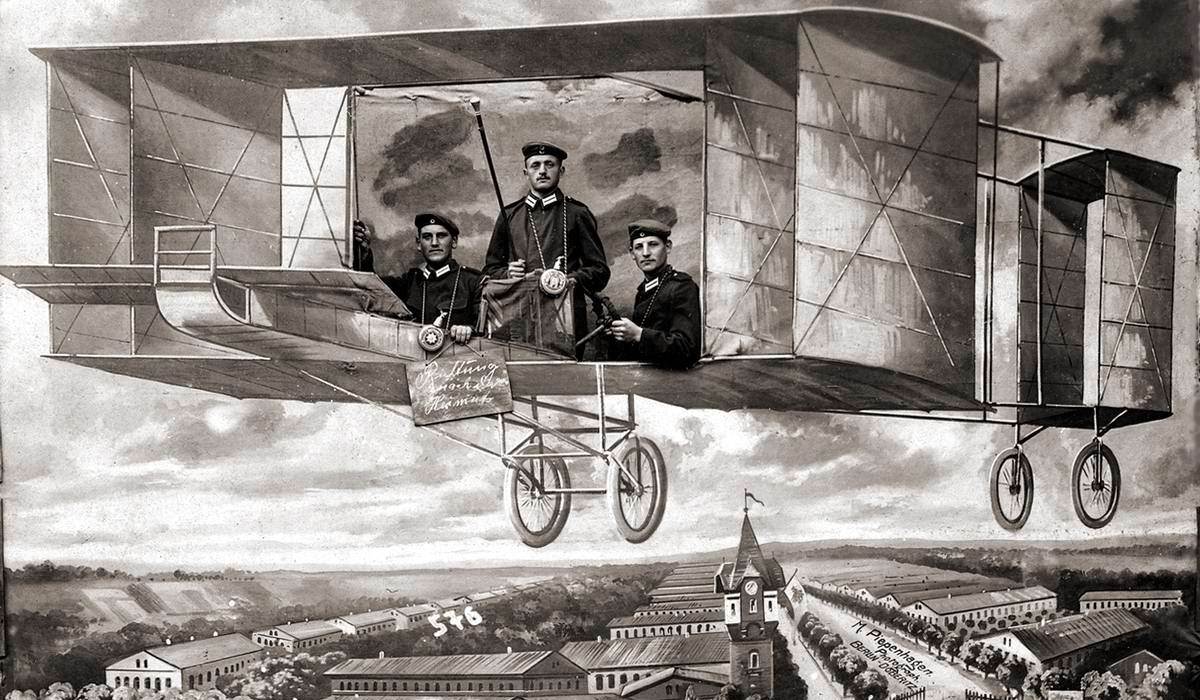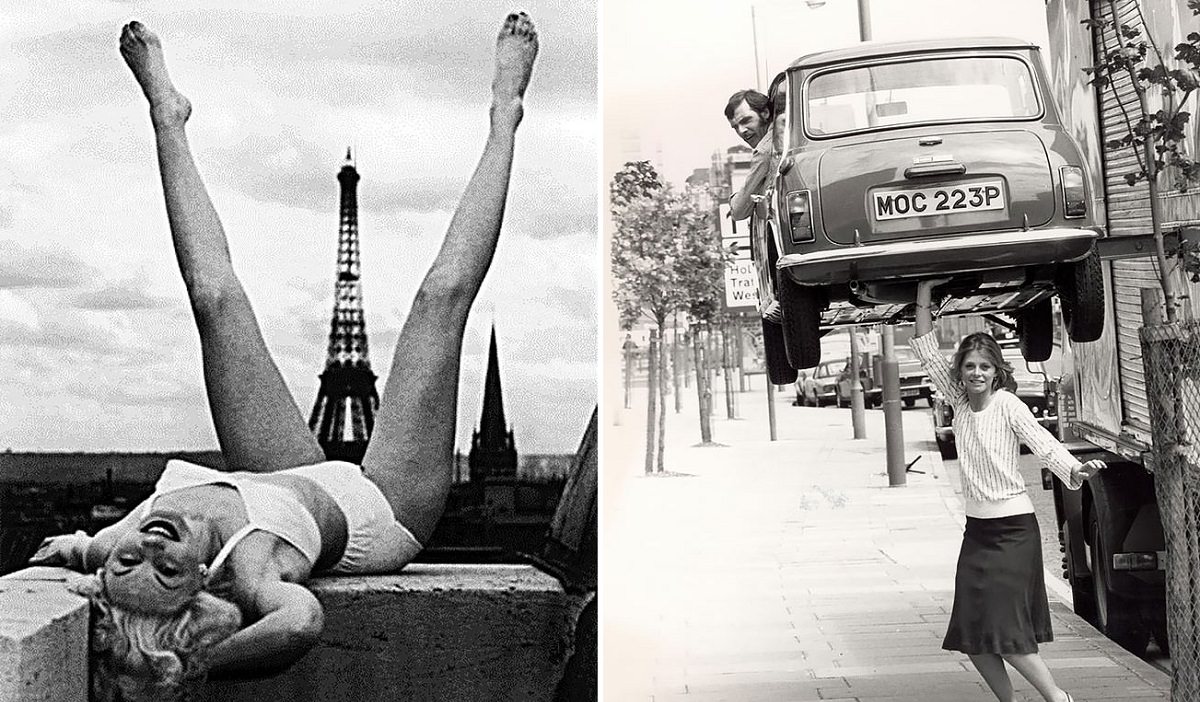
In the late 1930s and early 1940s, a small British magazine punched well above its weight. Lilliput — billed as “The Pocket Magazine for Everyone” — packed humor, art, short fiction, and photography into a compact monthly format that readers across Britain loved. One of its most popular features was the side-by-side comparison photograph: two unrelated images placed next to each other to reveal a funny or striking visual similarity. A collection of these pairings was later published under the title 101 Best Picture Comparisons From Lilliput, also known as Chamberlain and the Beautiful Llama.
Lilliput was founded in July 1937 by Stefan Lorant, a photojournalist with a remarkable personal history. Lorant had edited Münchner Illustrierte Presse, one of Germany’s most respected picture magazines, before being imprisoned by the Nazi regime. His memoir, I Was Hitler’s Prisoner, went through many printings. After settling in Britain, he co-founded Picture Post in 1938 alongside publisher Sir Edward G. Hulton. In 1940, Hulton bought Lilliput outright, and editorial control passed to Tom Hopkinson and Kaye Webb.
Kaye Webb later married cartoonist Ronald Searle, who became best known for creating the anarchic St Trinian’s School characters. Under Hopkinson and Webb, Lilliput continued to attract top-tier contributors. Its pages featured writing from H.E. Bates, C.S. Forester, Robert Graves, Nancy Mitford, V.S. Pritchett, and Sir Sacheverell Sitwell. Photography came from Bill Brandt, Brassaï, and Robert Doisneau. The occultist Aleister Crowley also contributed. Covers were frequently produced by Czech-German illustrator Walter Trier, whose bold, playful style suited the magazine perfectly.
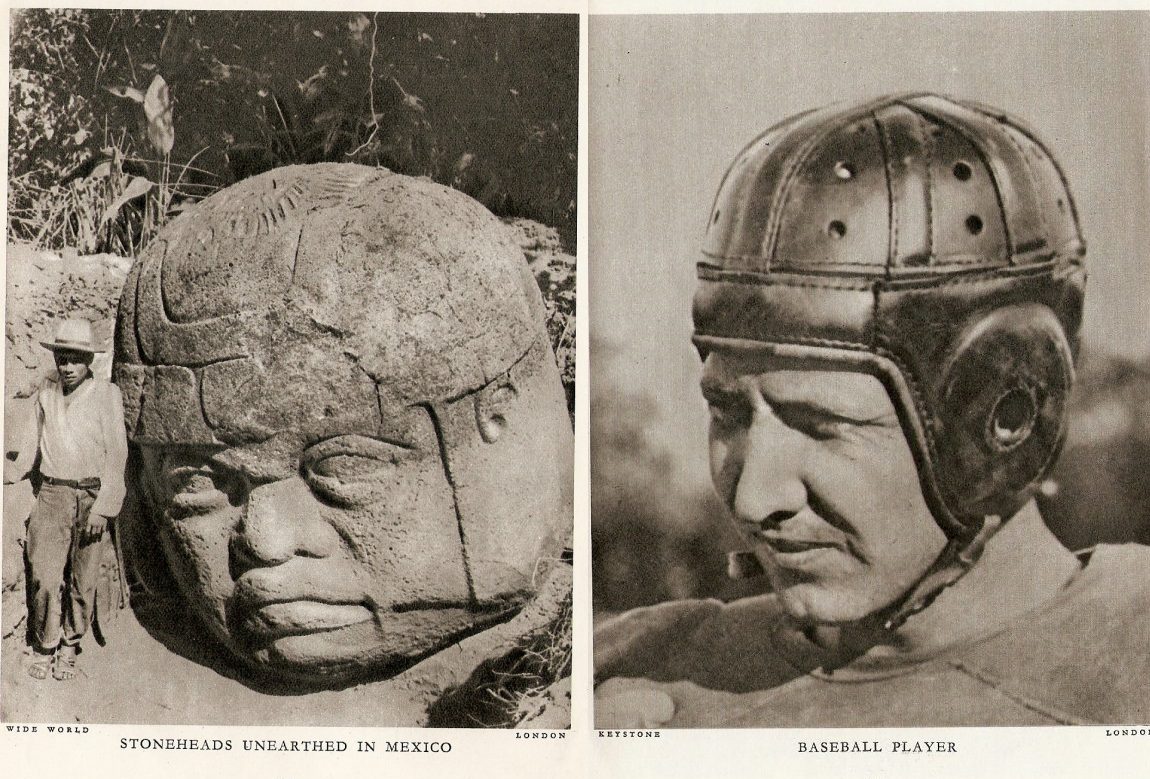
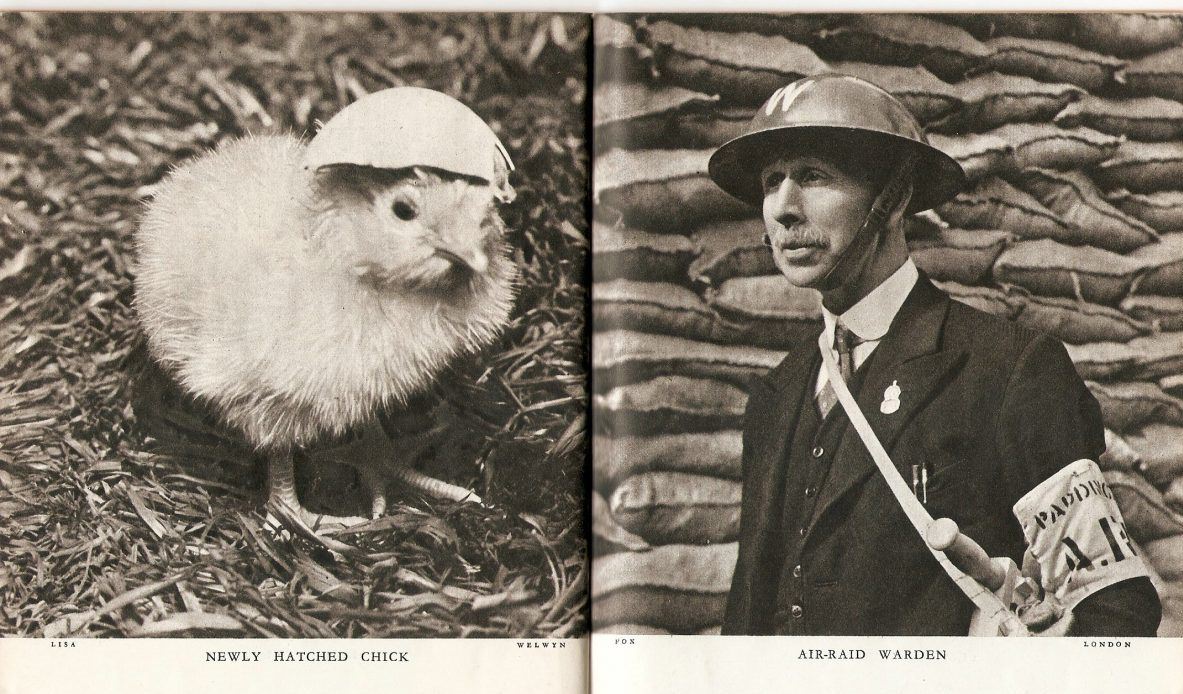
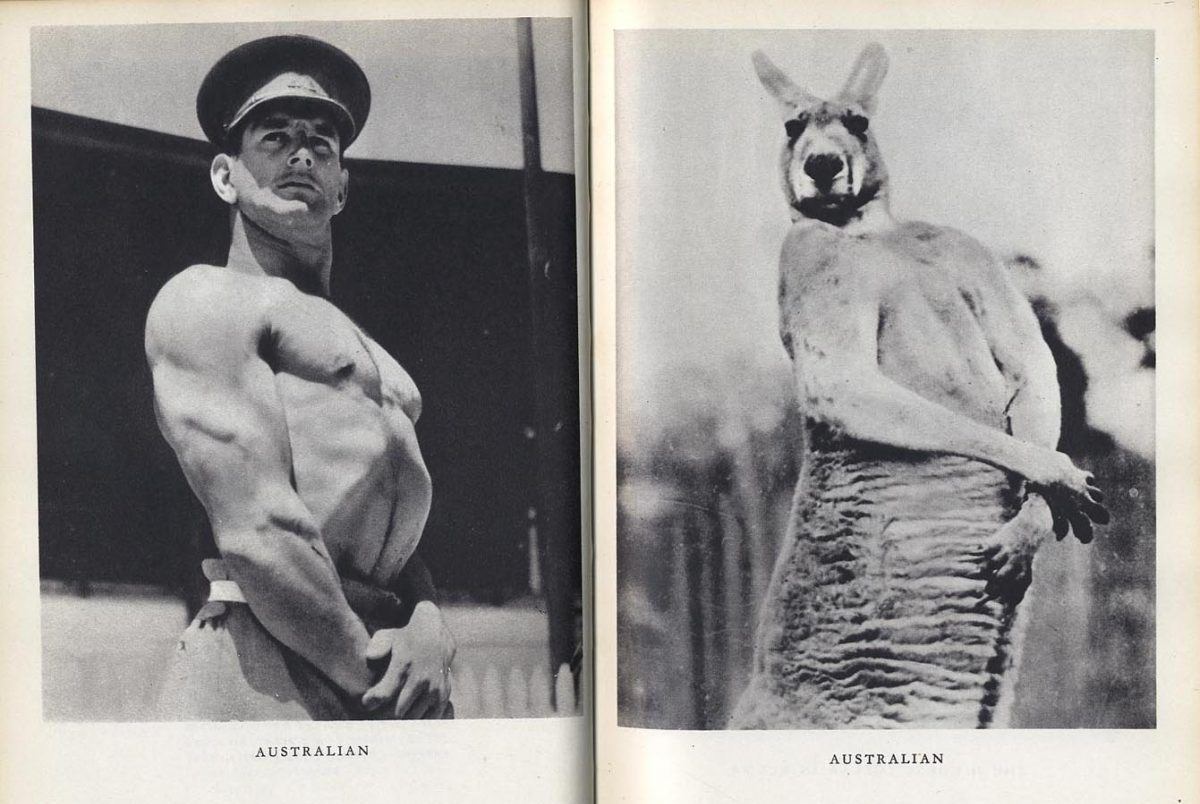
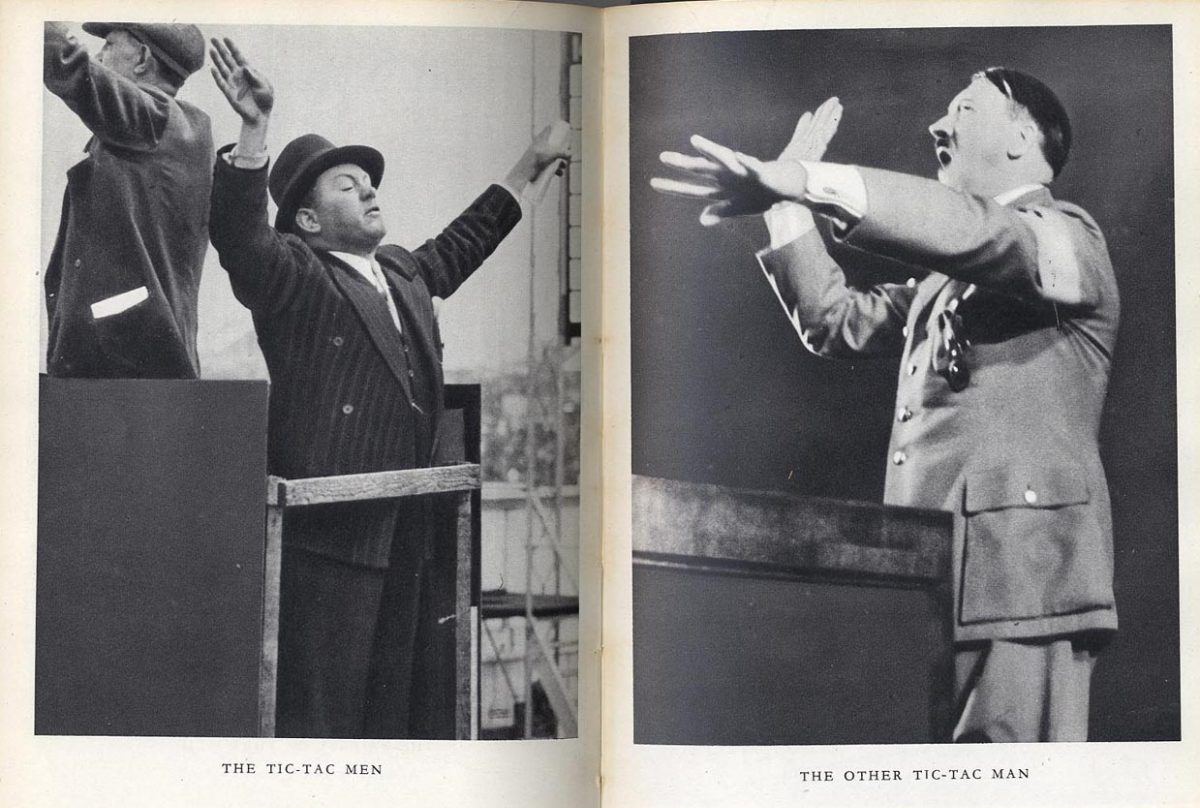
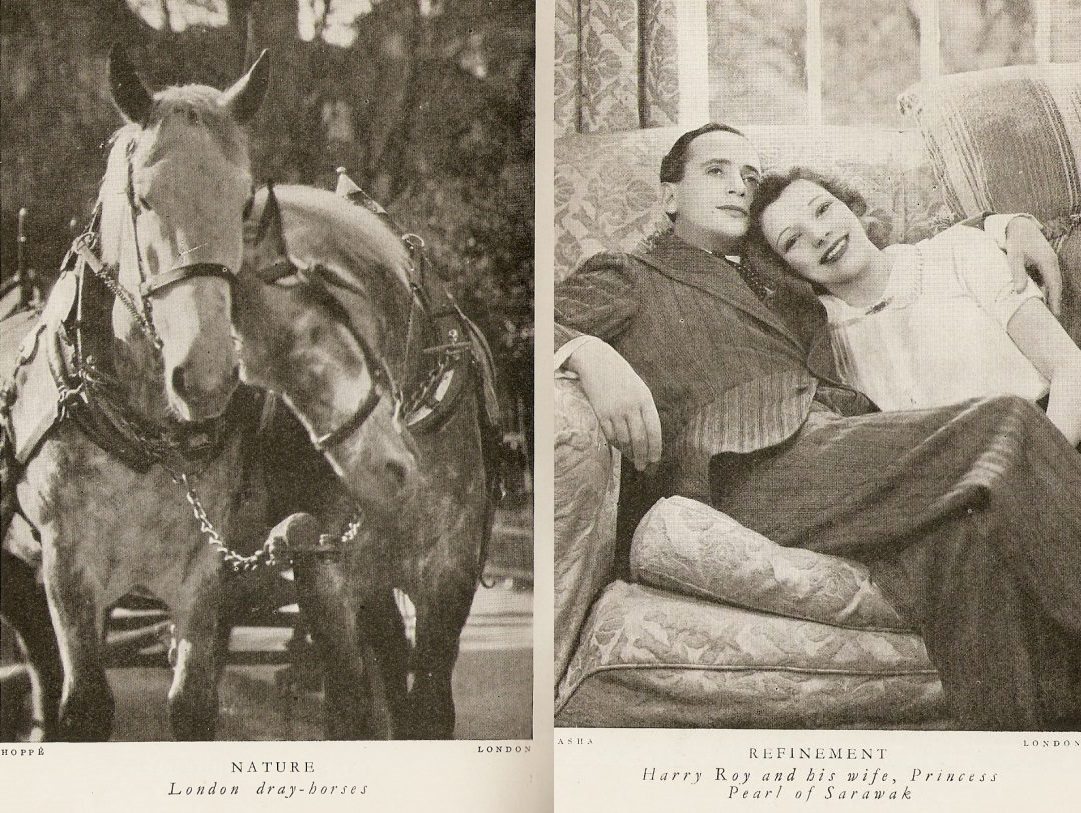
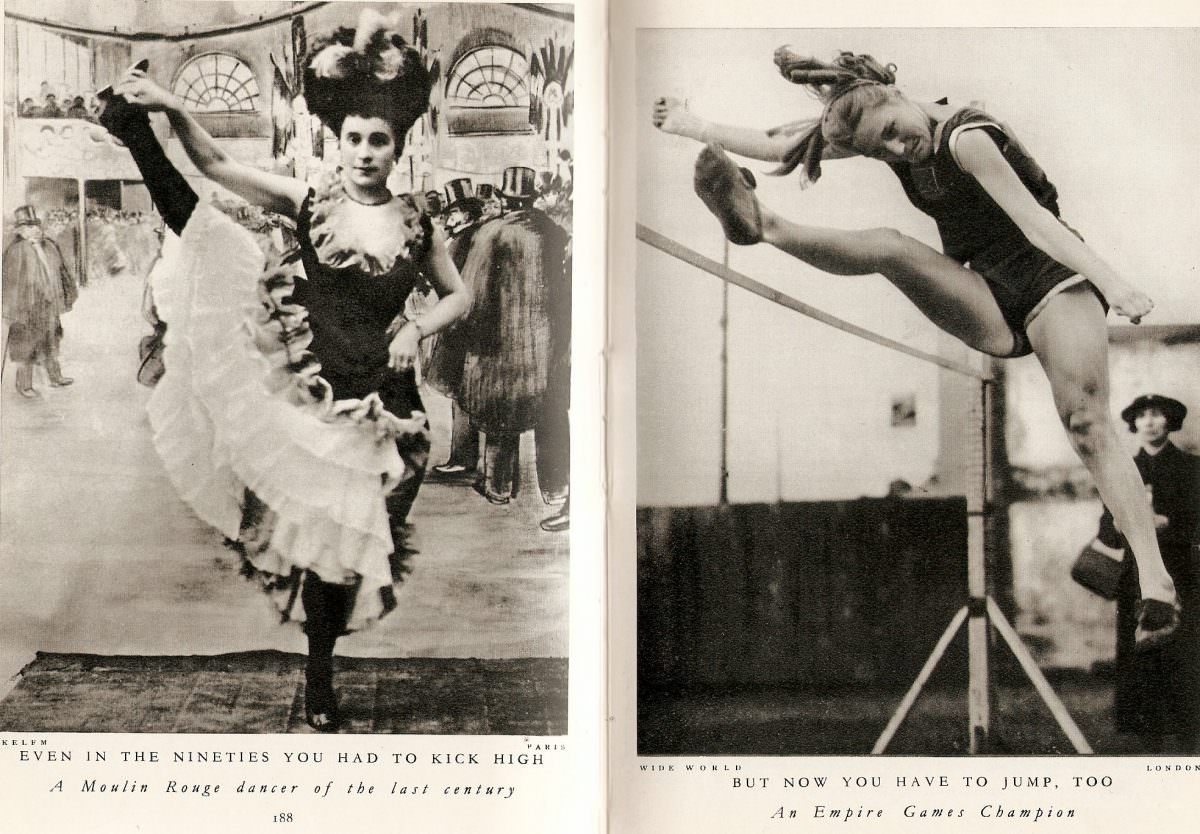
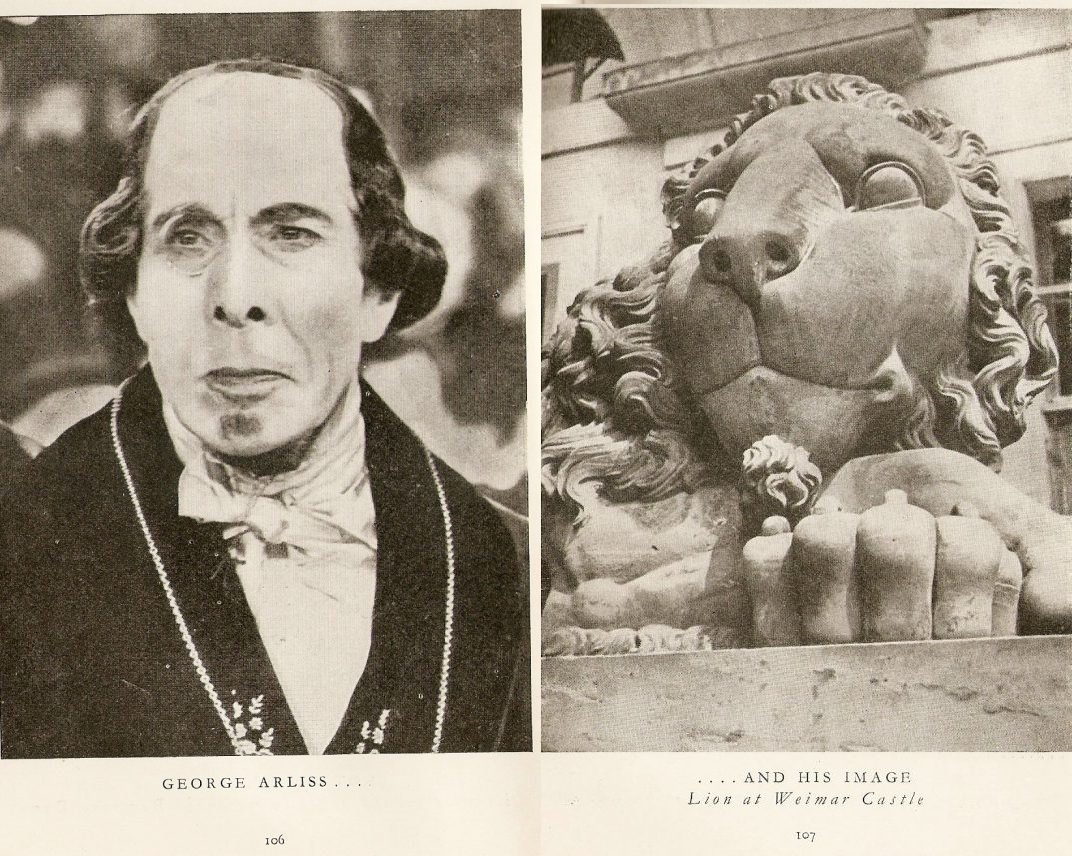
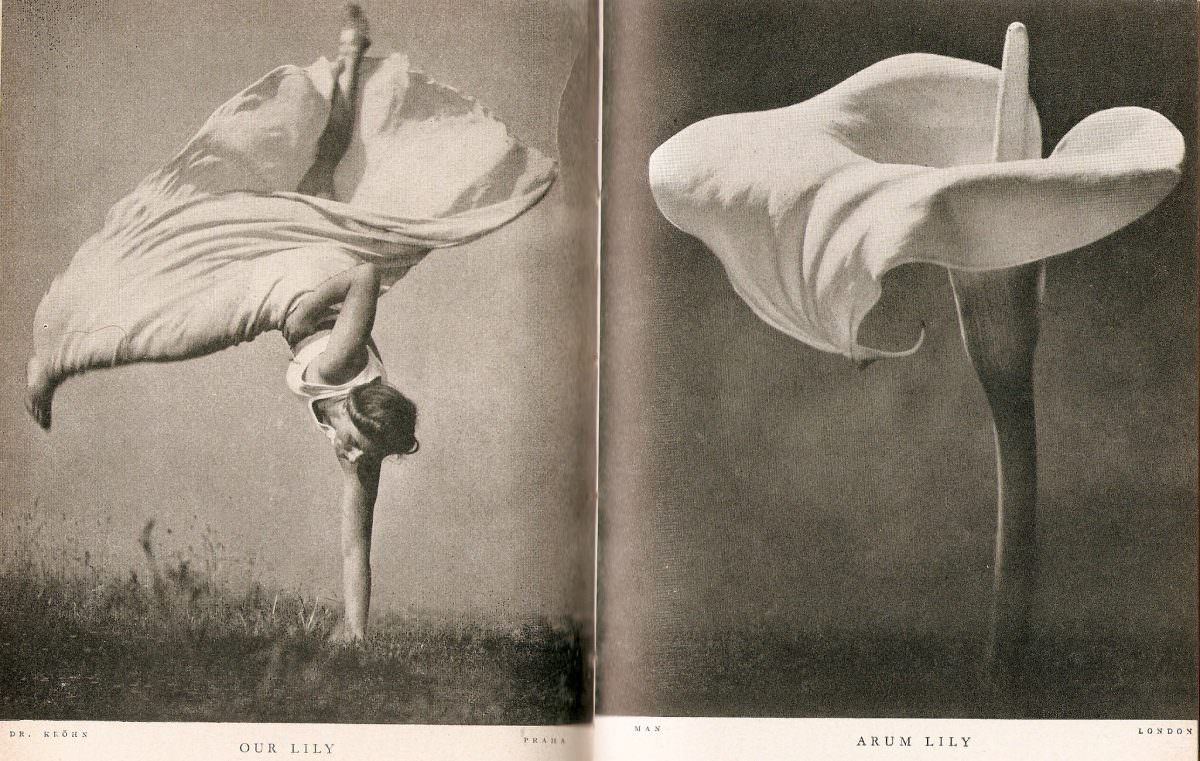
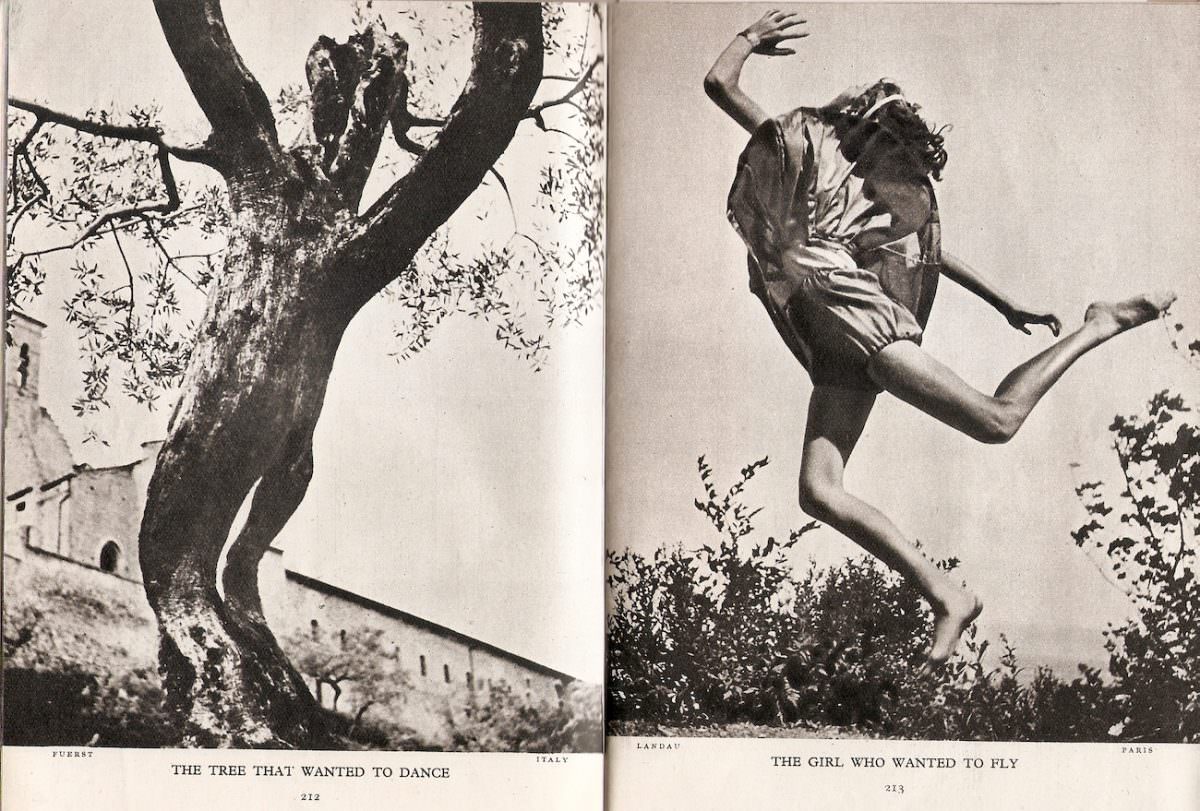
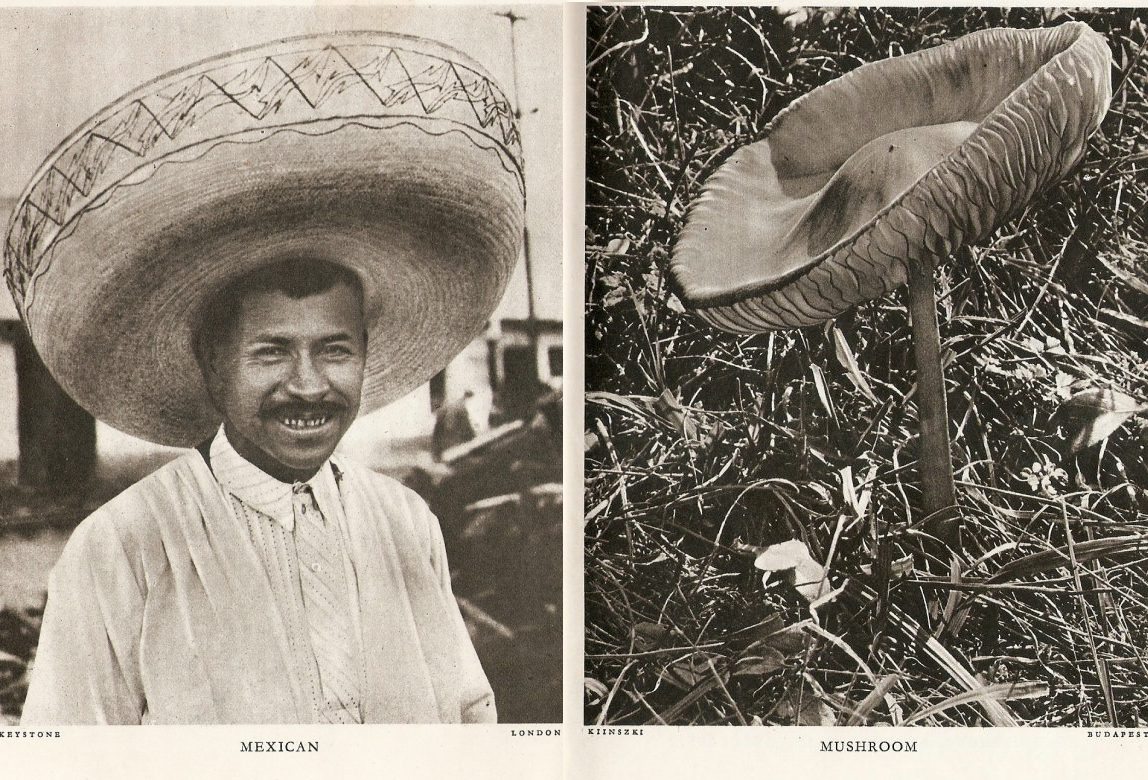
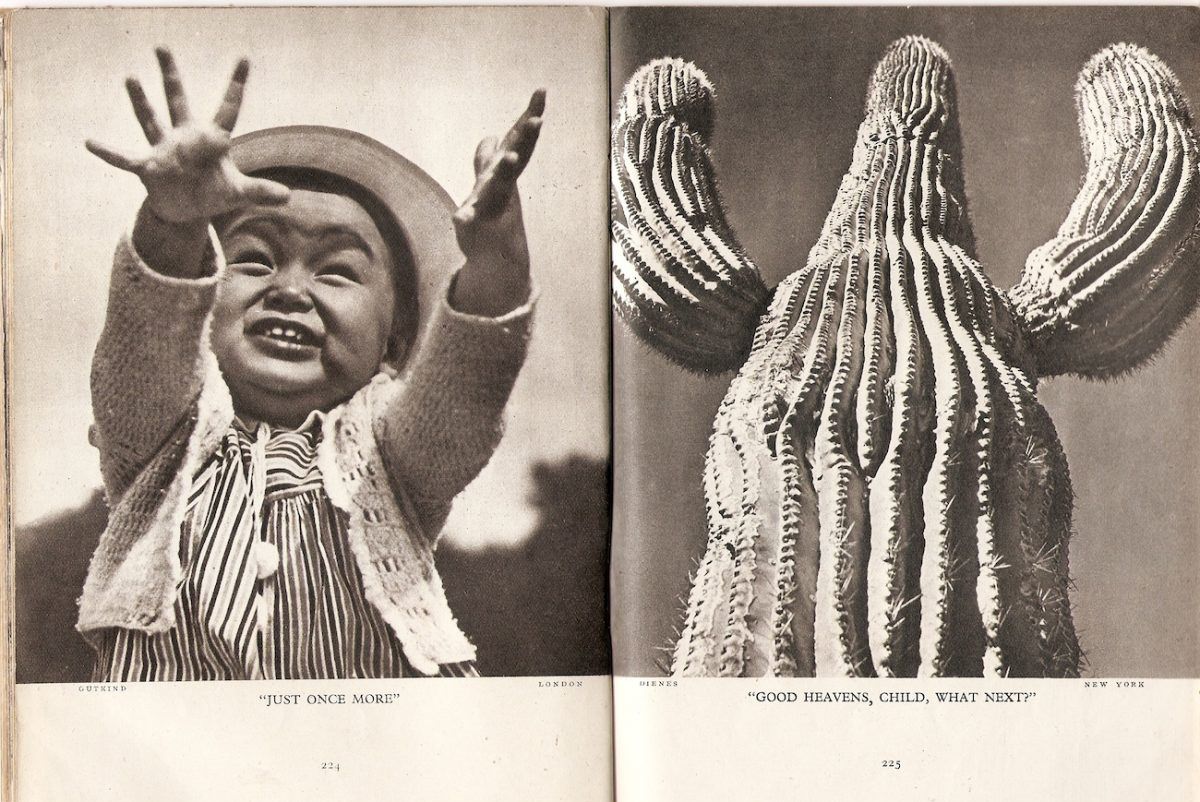
The comparison photos were the magazine’s sharpest tool for comedy. The formula was simple: find two photographs where faces, postures, or shapes echoed each other across wildly different subjects. A newly hatched chick beside an air-raid warden. A mushroom next to a Mexican portrait. The humor came from the deadpan presentation — no explanation, just the two images and a caption letting readers draw their own conclusions.
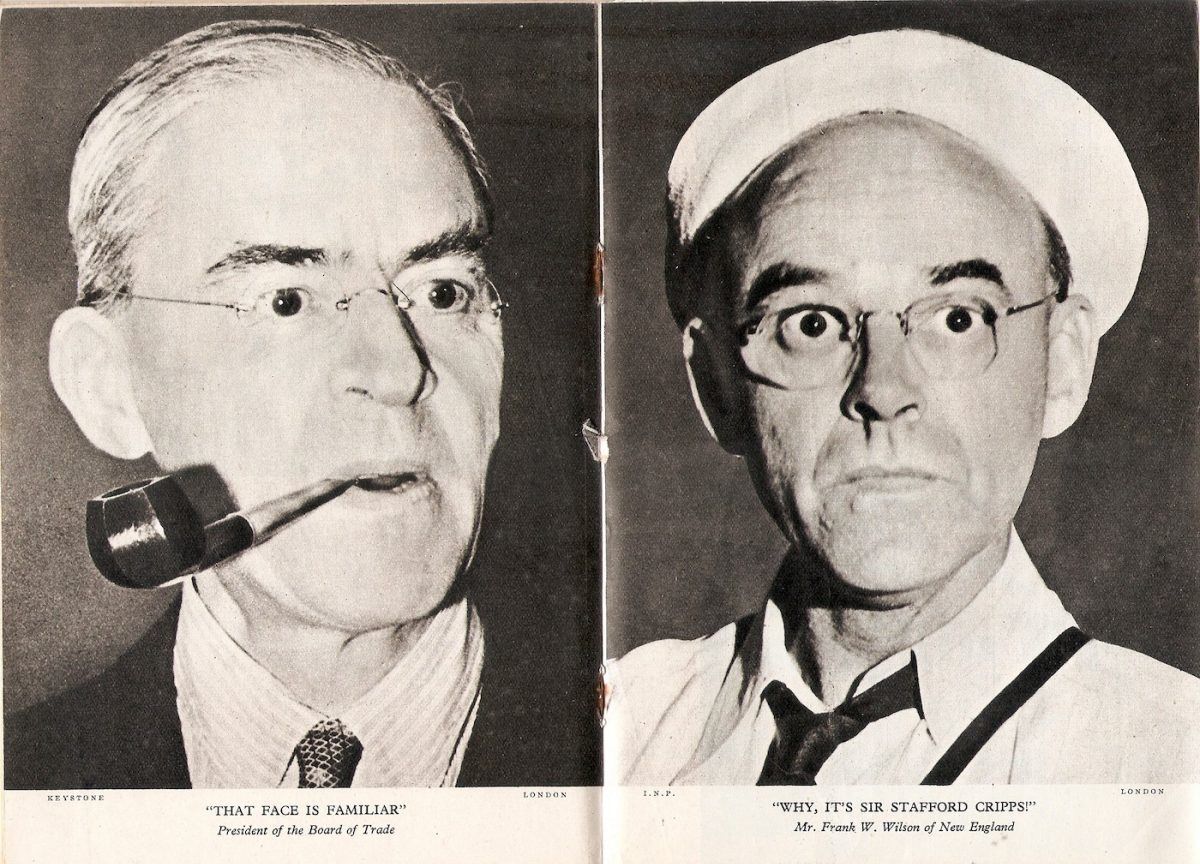
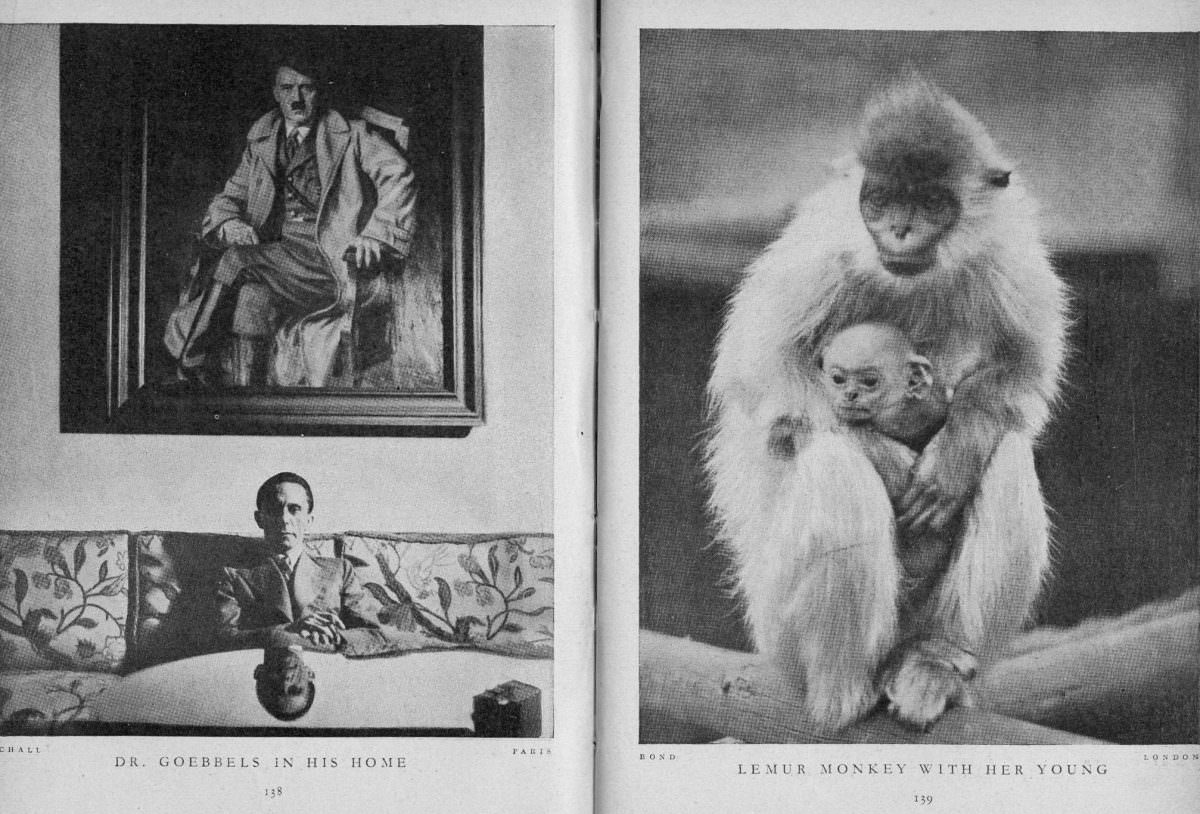
Politicians were frequent targets. Neville Chamberlain was paired with a llama — the image that gave the collection its subtitle. Winston Churchill appeared alongside a bulldog. Nazi leaders were not spared either: Hitler was compared to “The Terror of the Zoo,” and Joseph Goebbels was pictured beside a lemur monkey with her young. These weren’t subtle jabs. They were deliberate, pointed, and published during wartime Britain.
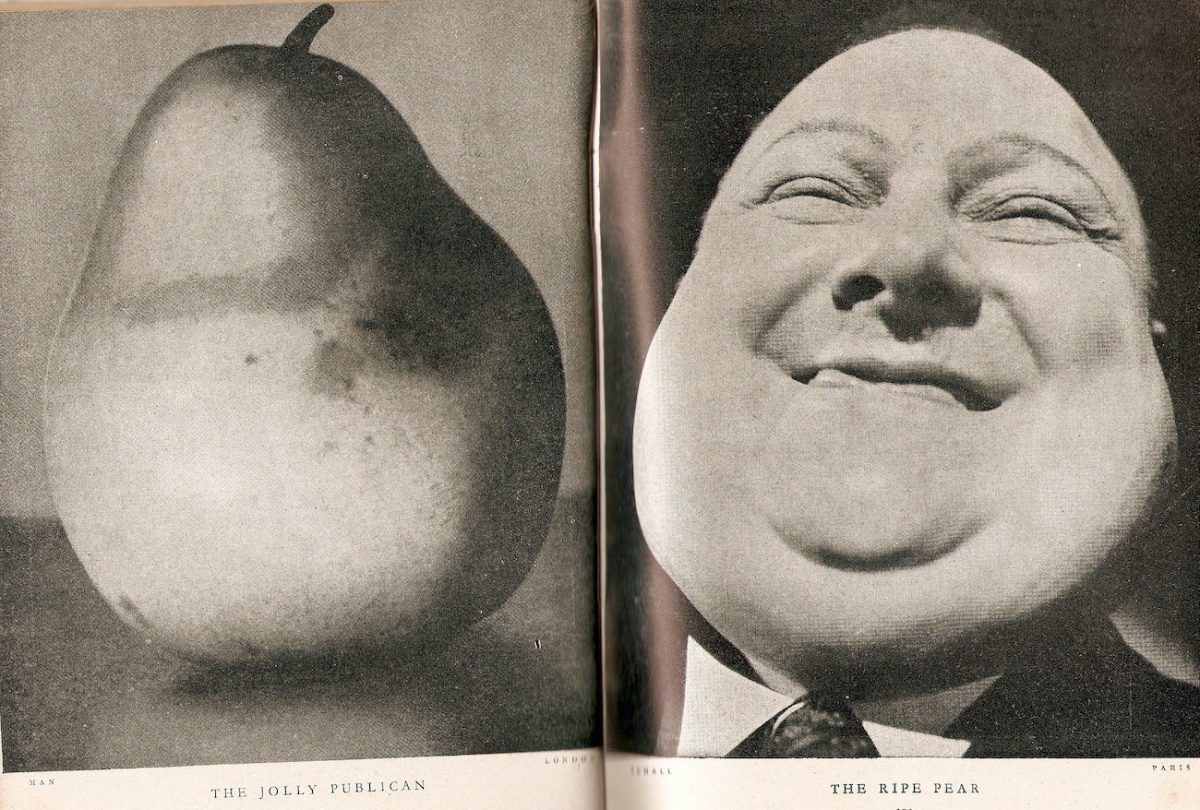
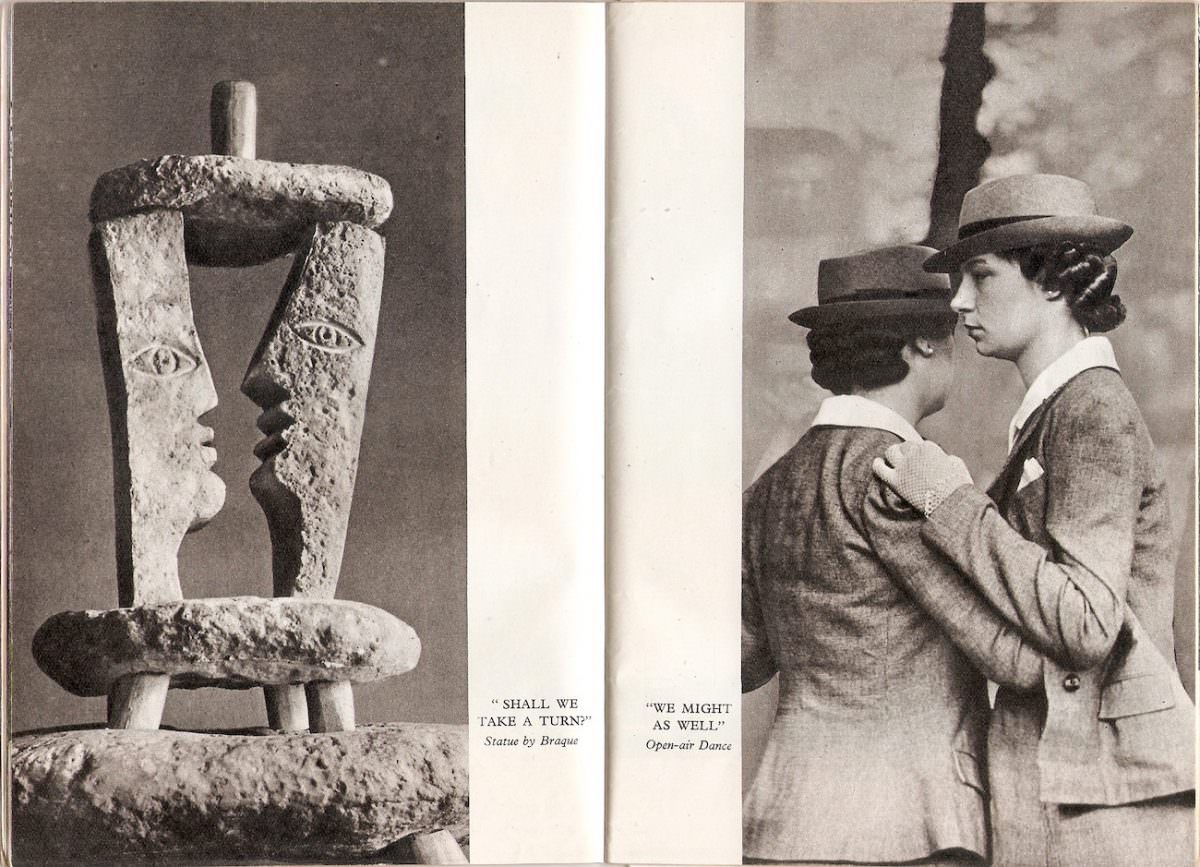
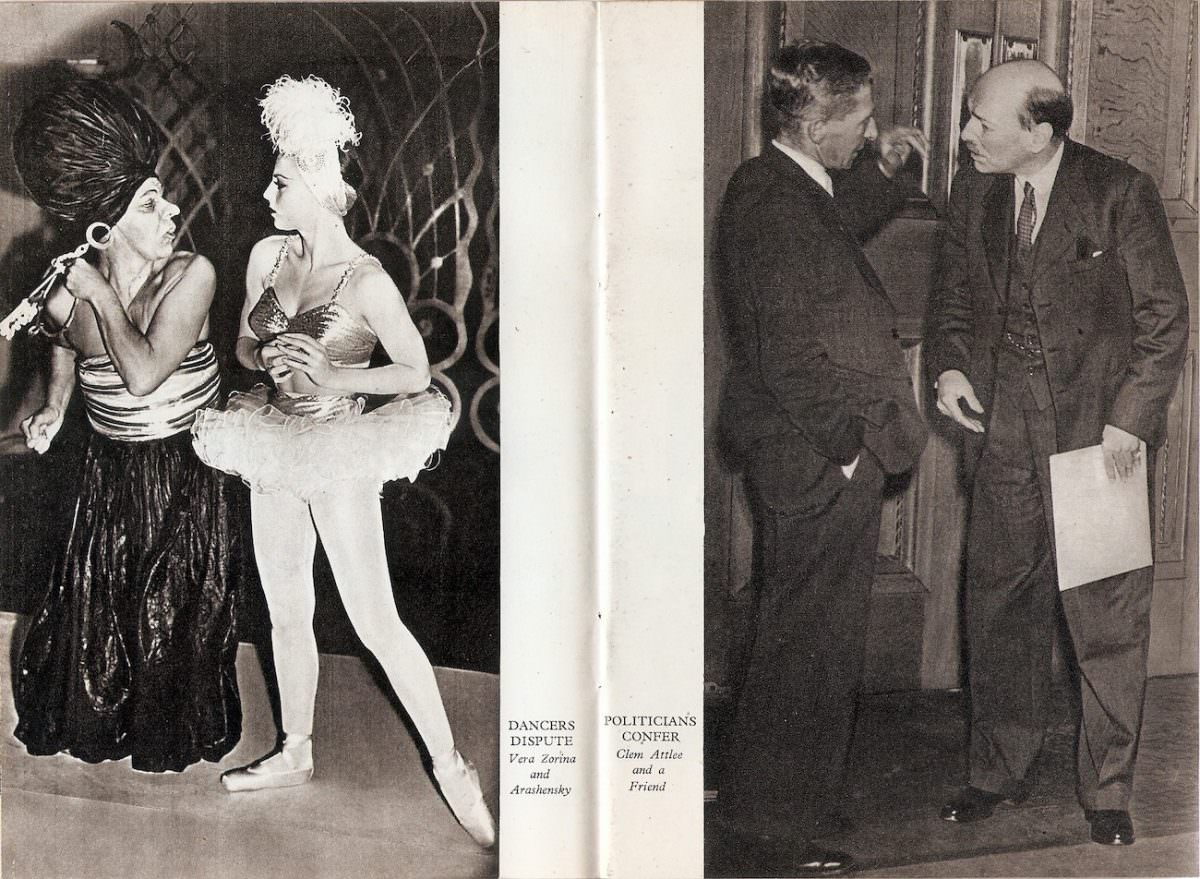
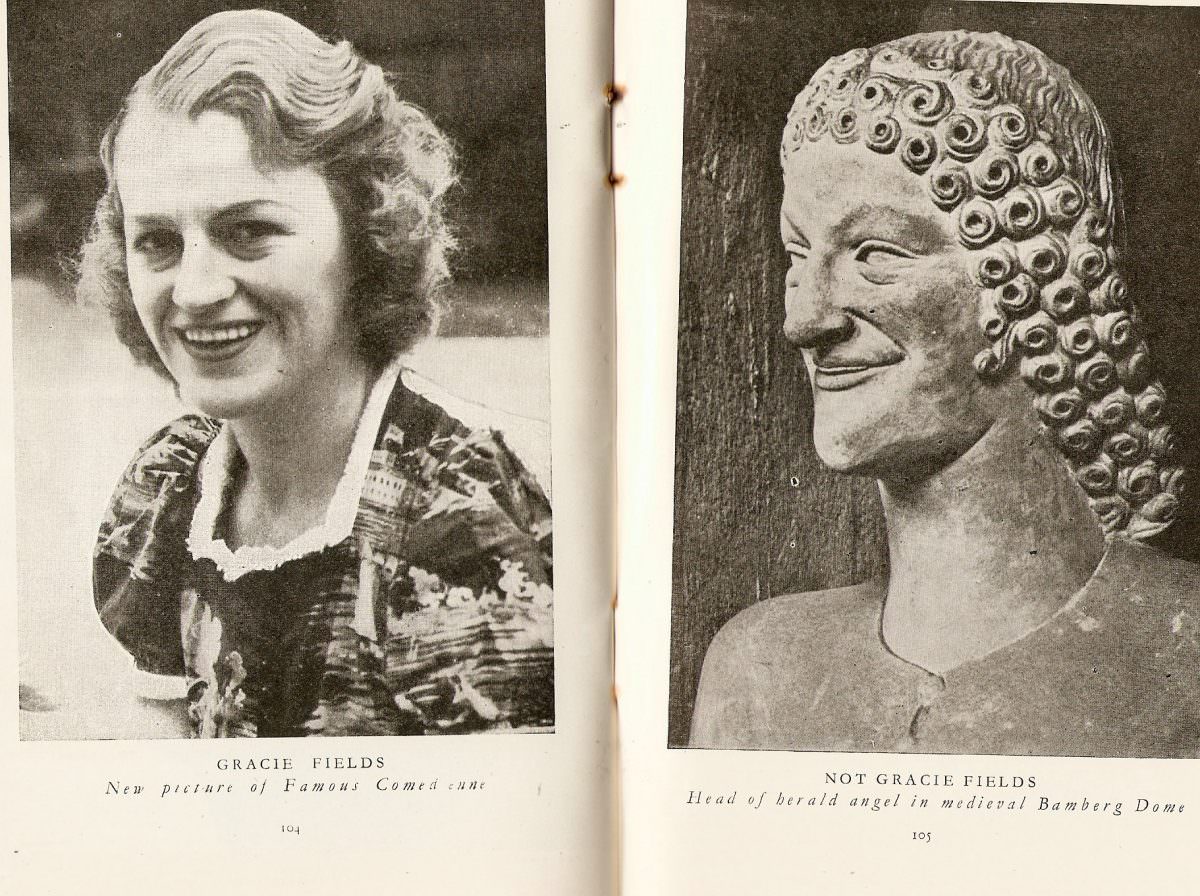
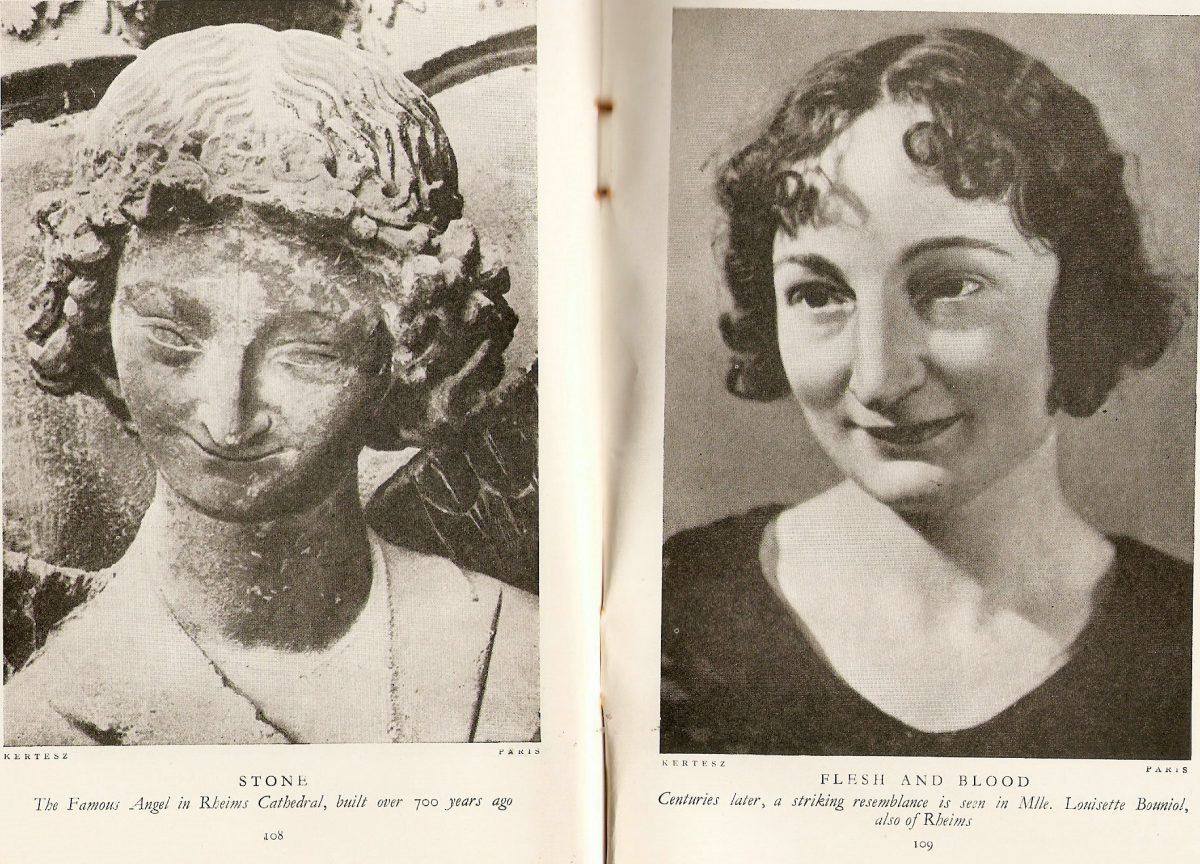
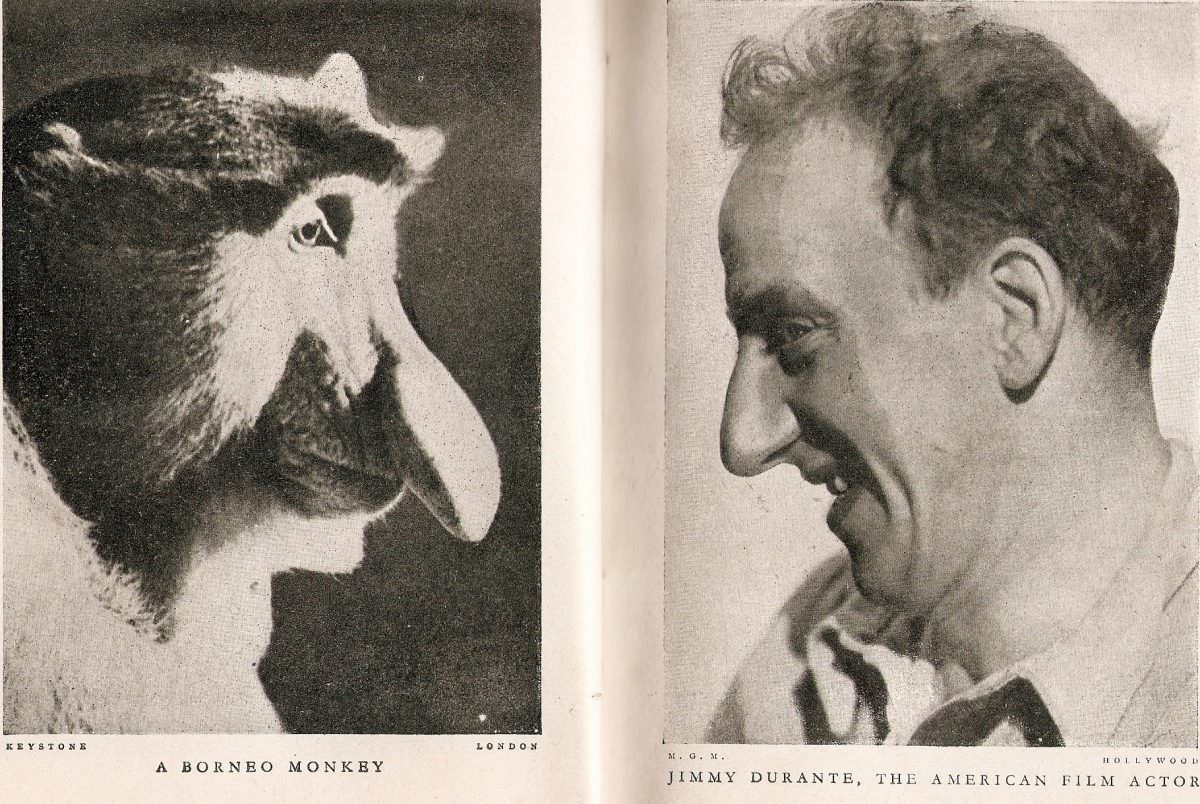
The comparisons ranged across every walk of life. Celebrities like Gracie Fields and Jimmy Durante appeared. Athletes, jockeys, and wicket keepers were matched against animals or strangers. A statue carved over 700 years ago in Rheims Cathedral was placed beside a living woman who bore a striking resemblance to it. Cultural figures, sporting personalities, and foreign dignitaries all found themselves unexpectedly paired with something — or someone — they would likely never have chosen.
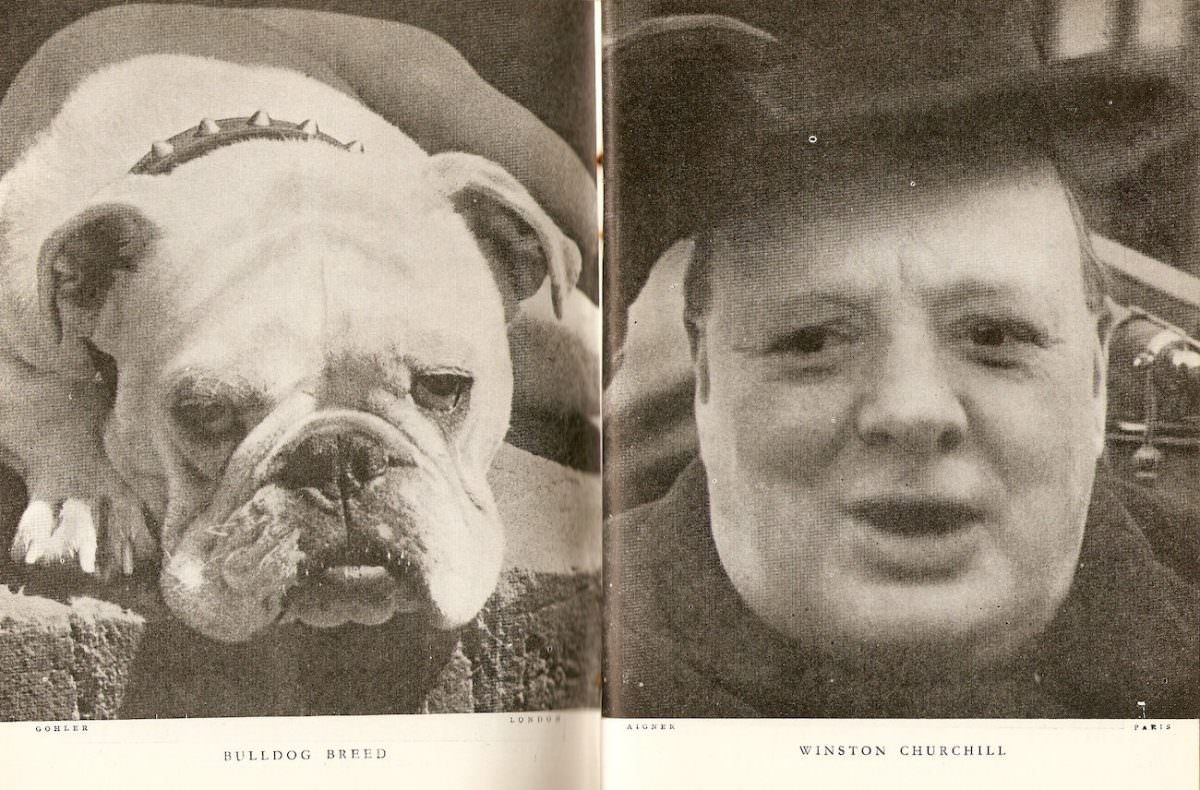
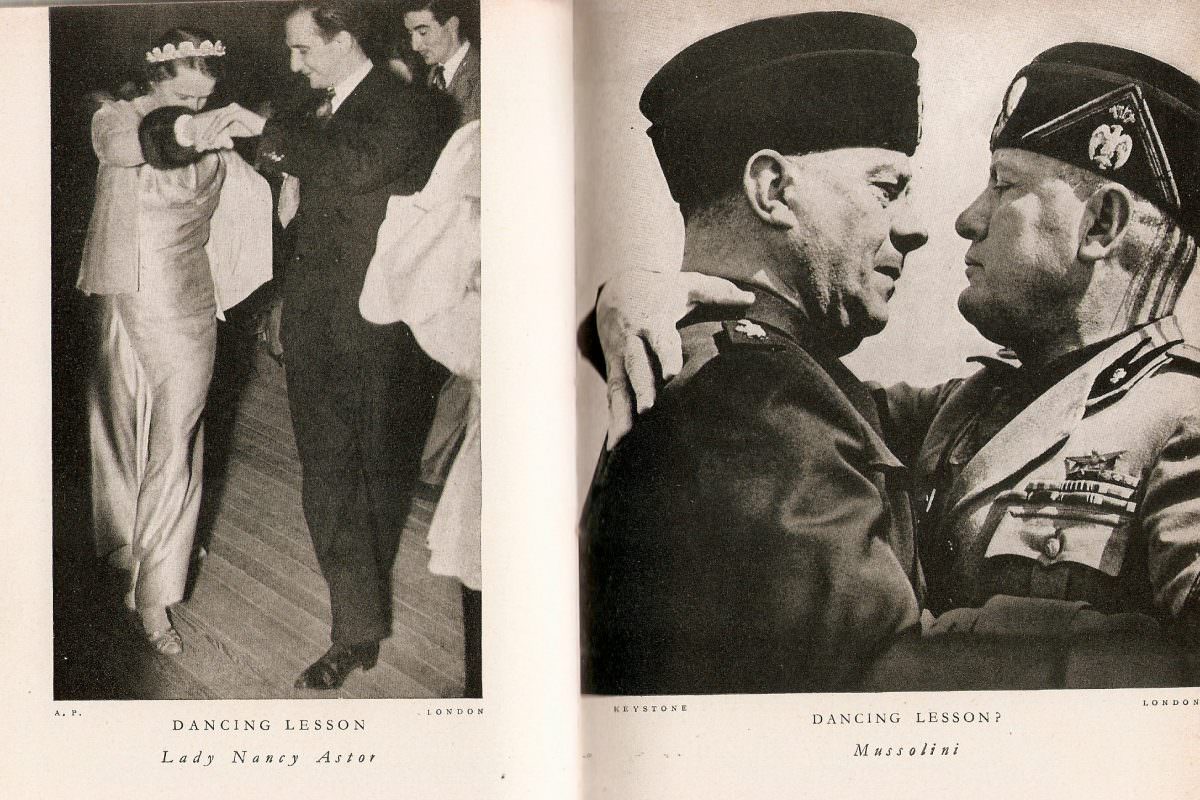
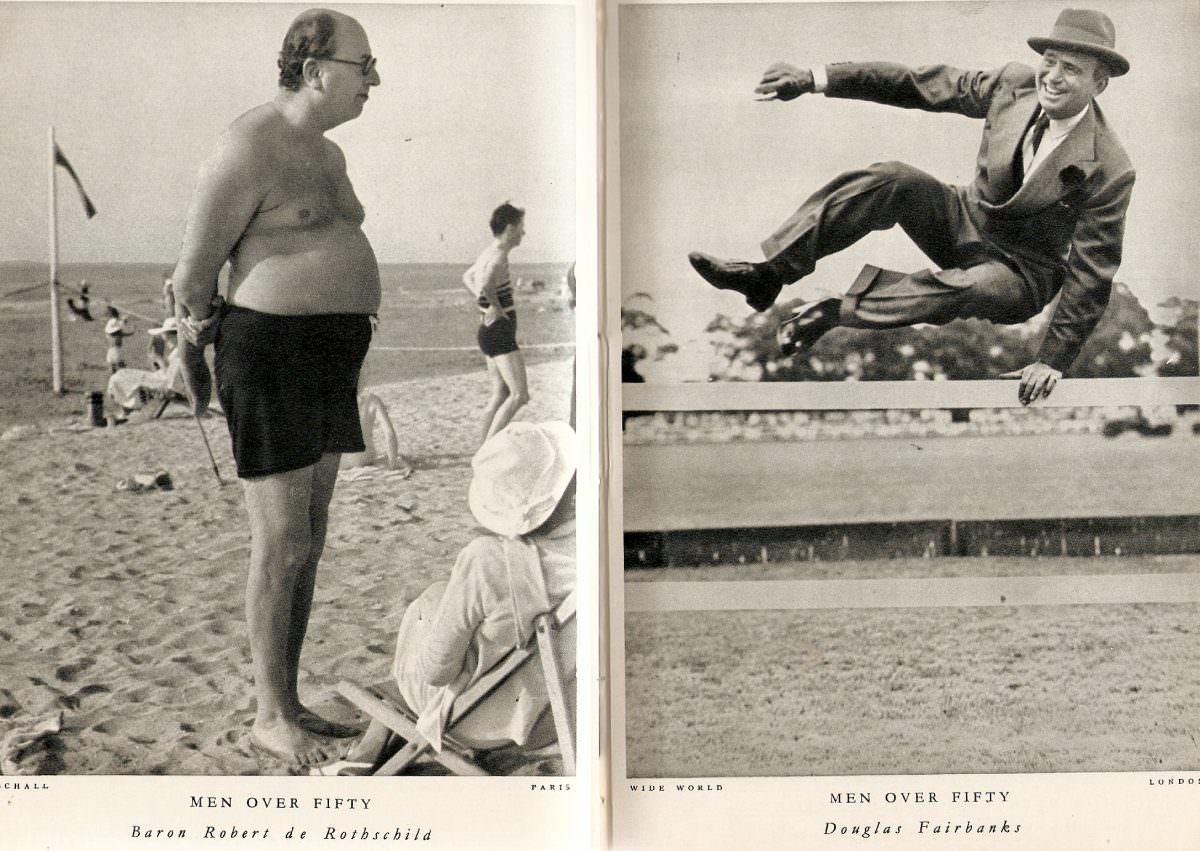
The magazine’s reach extended to the international stage. Lady Nancy Astor was placed beside Mussolini. Baron Robert de Rothsch was matched with Douglas Fairbanks. Gordon Richards, champion jockey, and golf professional Robert Redmond appeared under the heading “The Long” — while Winston Churchill and Lord Halifax stood as “The Short.” The visual wit required no political commentary beyond the caption itself.
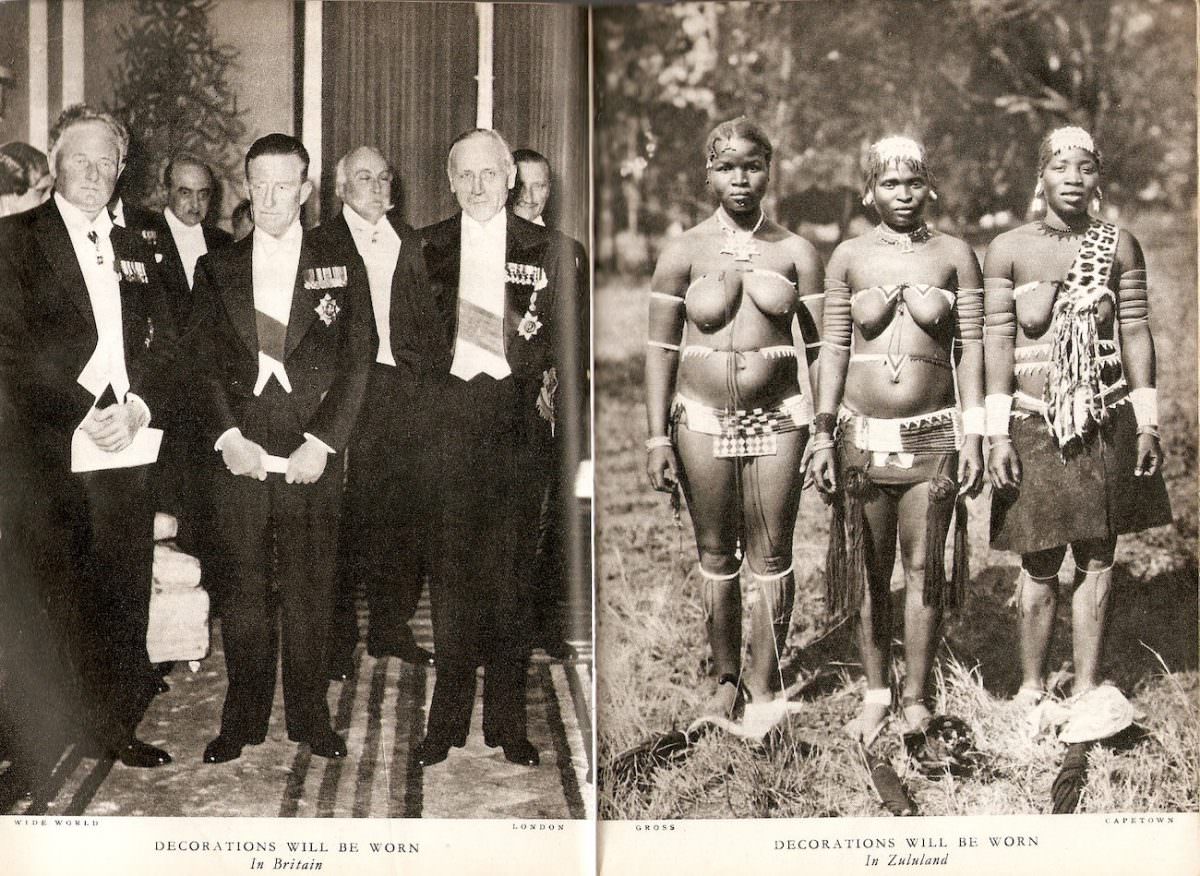
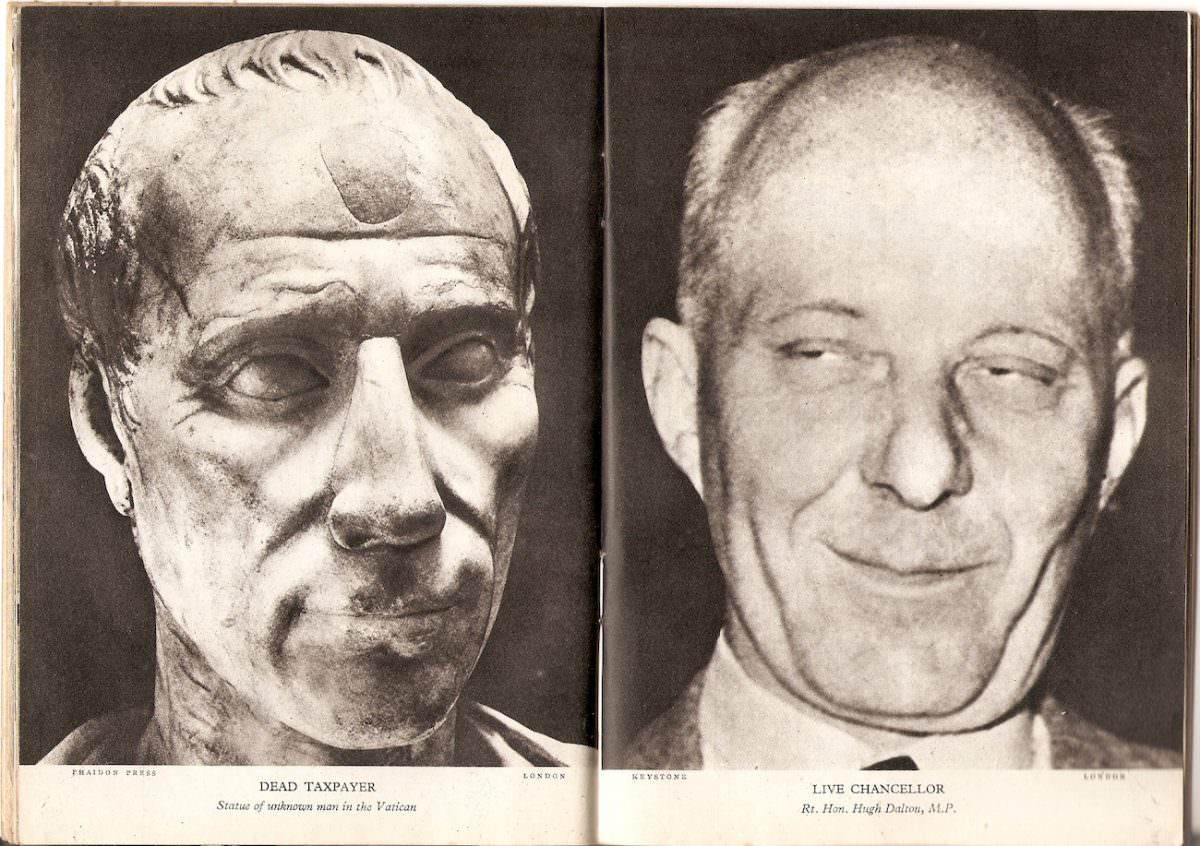
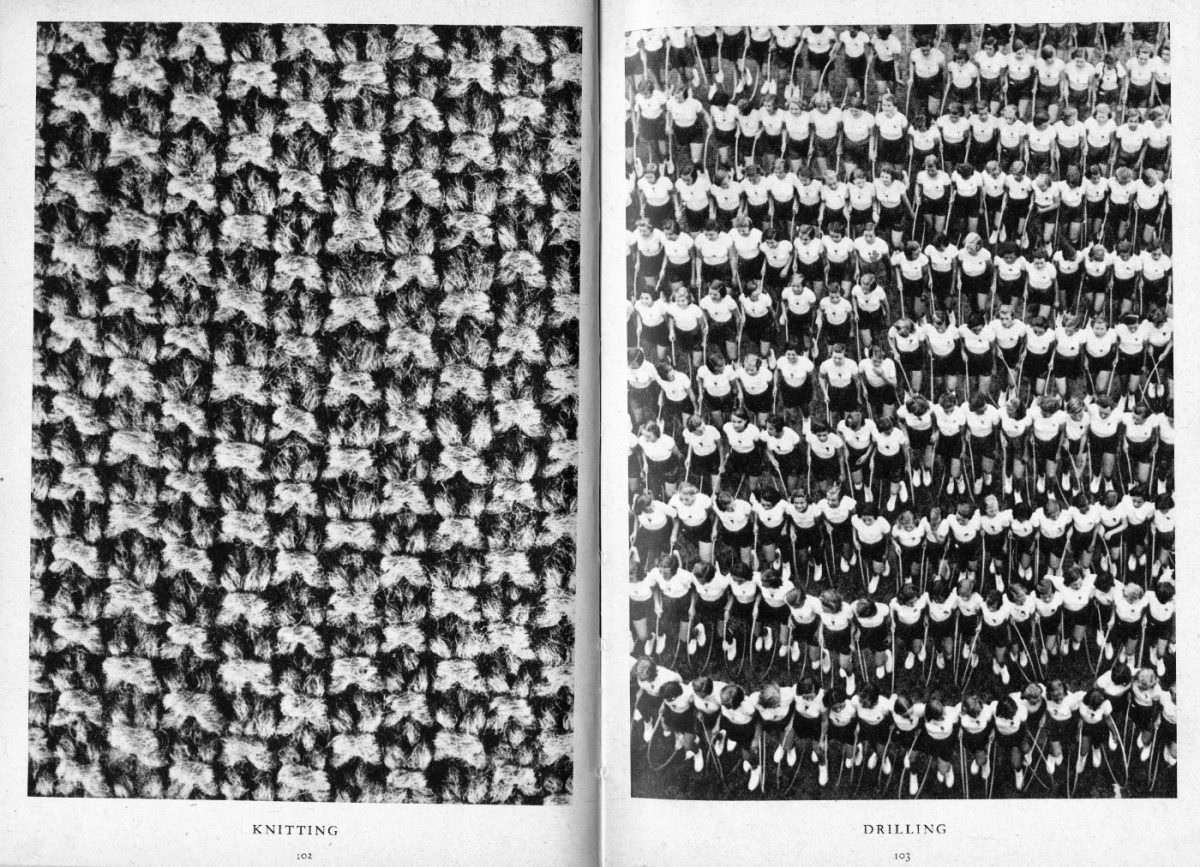
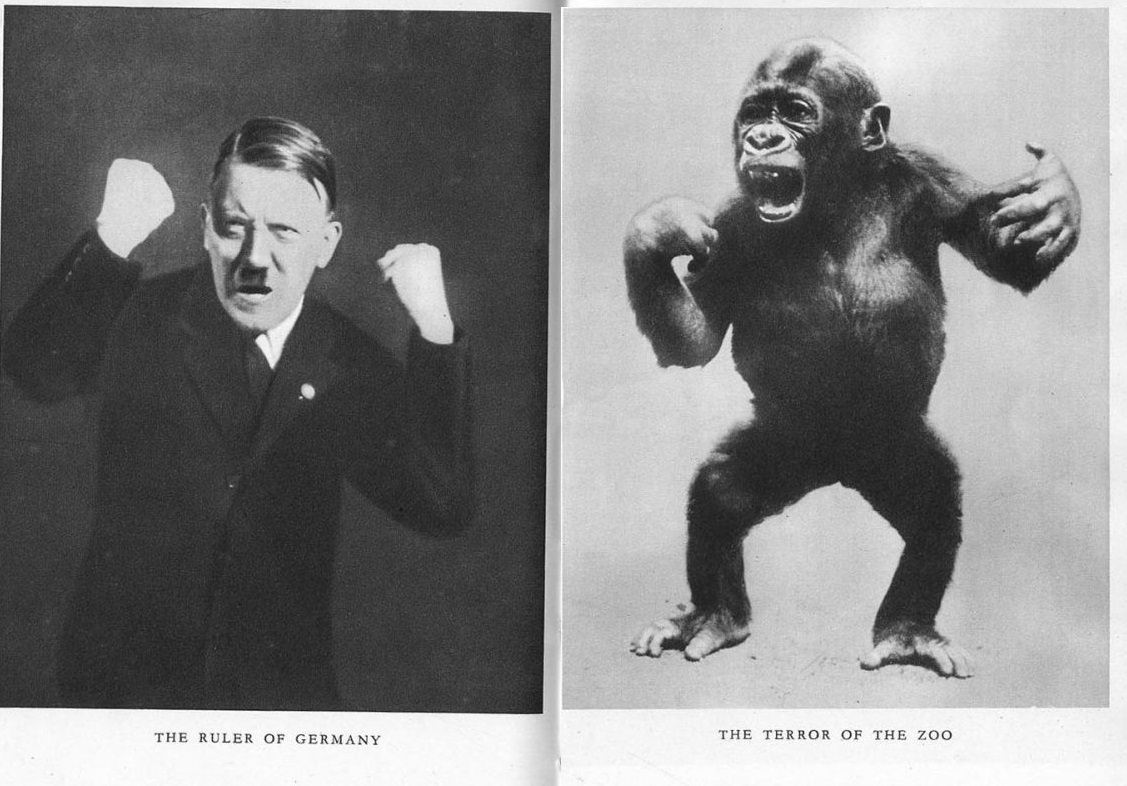
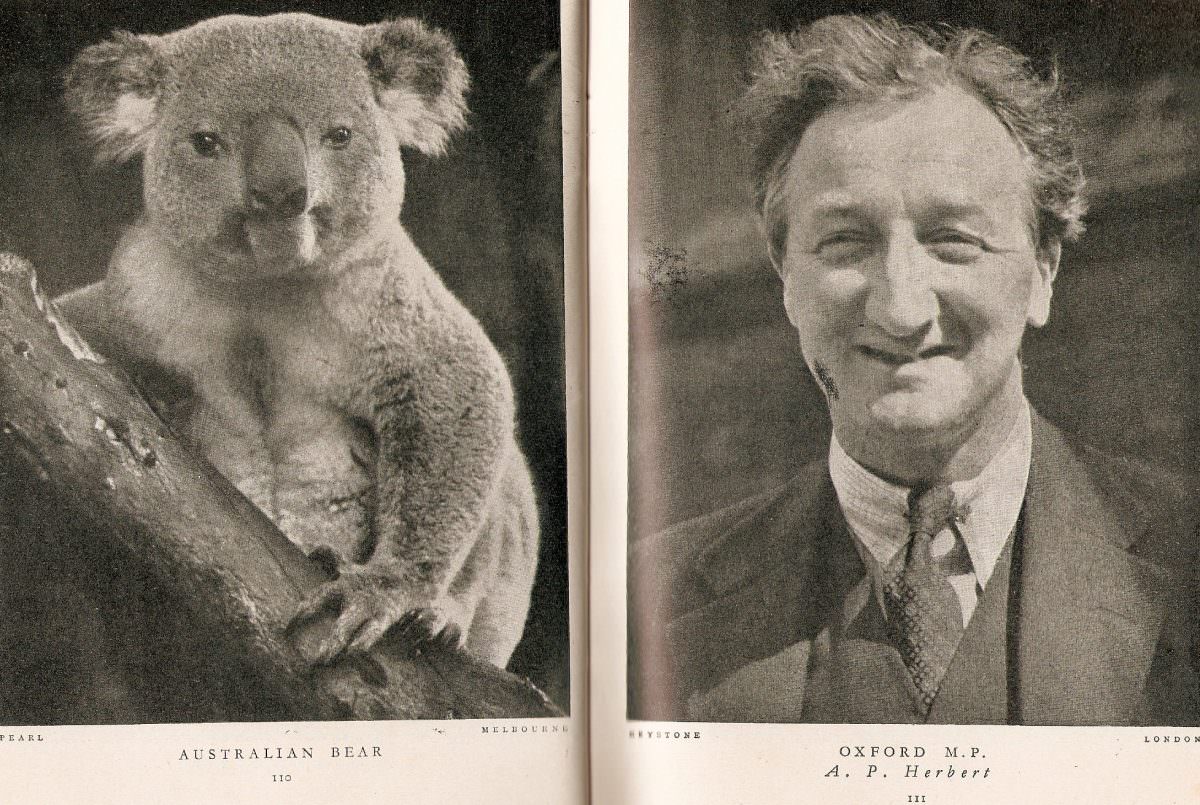
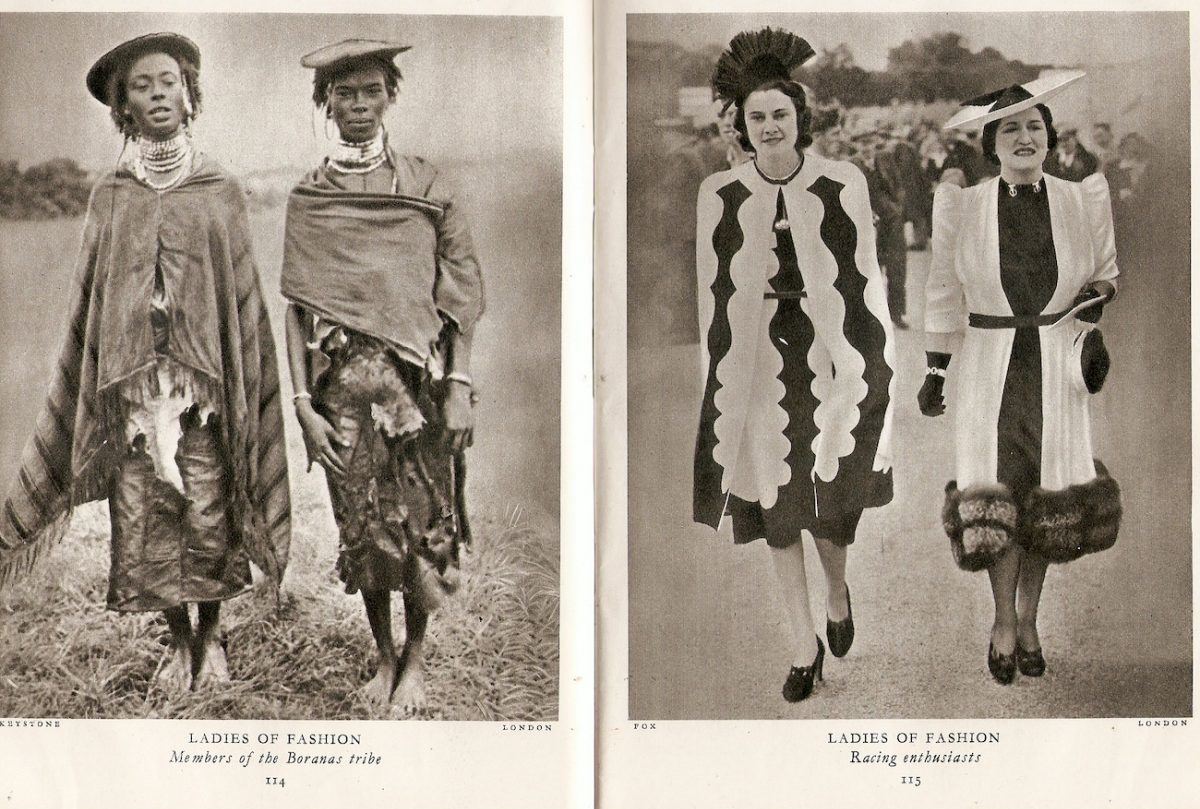
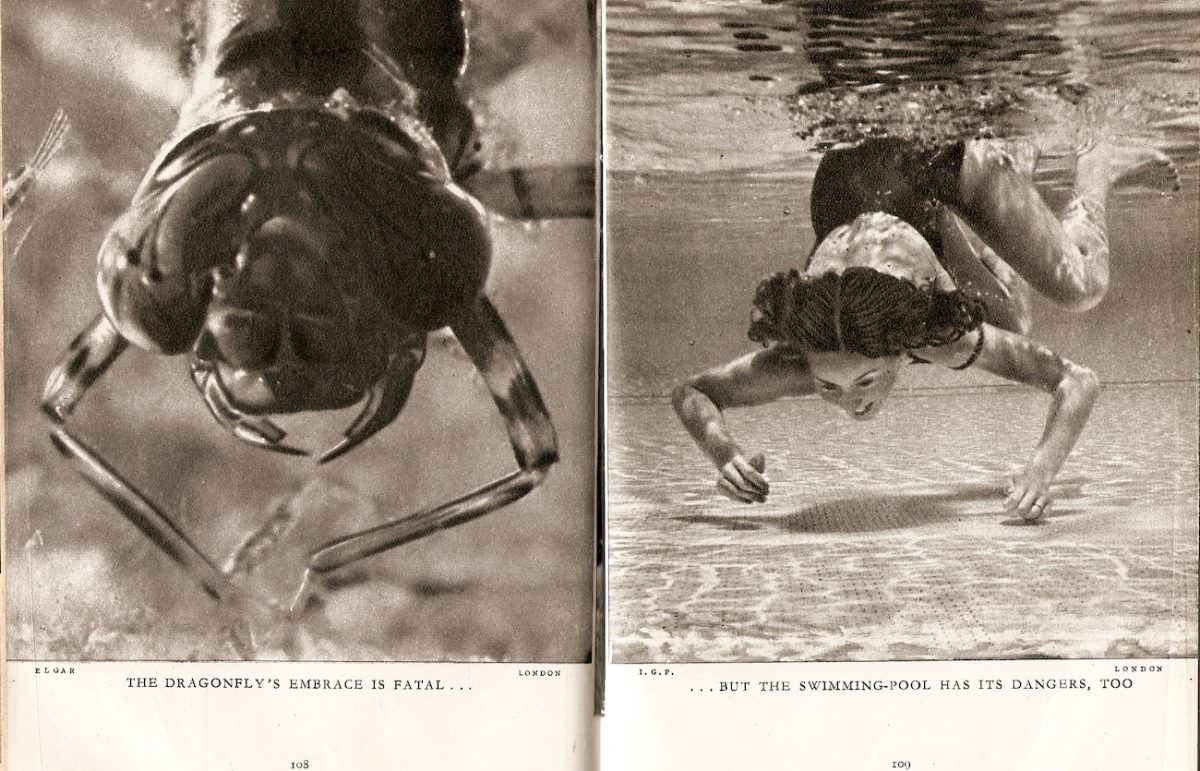
What made the comparisons work so well was their range. Some pairings leaned on physical resemblance — the same heavy brow, the same posture, the same curve of a face. Others were more conceptual, drawing parallels between human behavior and the animal kingdom. A keep-fit girl beside a tortoise in an aquarium. A champion black poodle beside the Attorney General. Racing enthusiasts mirroring the gestures of a Boranas tribe member. Each spread asked the reader to look twice — and then laugh.