Grosse Ile is the largest and most populated island in Michigan, sitting in the Detroit River in Wayne County. Its history stretches back to 1776, when the Potawatomi people granted the land to early French explorers. The island is physically divided by two canals, giving it a distinctive shape. Its northern tip, known as Hennepin Point, remains undeveloped to this day and is home to a historic lighthouse that has stood watch over the river for well over a century.
By the turn of the 20th century, Grosse Ile had developed into a community with working farms, transportation links to the mainland, and established estates along its waterways. The photographs below offer a rare, unfiltered look at daily life and landscape on the island around 1900. Each image captures a moment that would otherwise be lost to time.
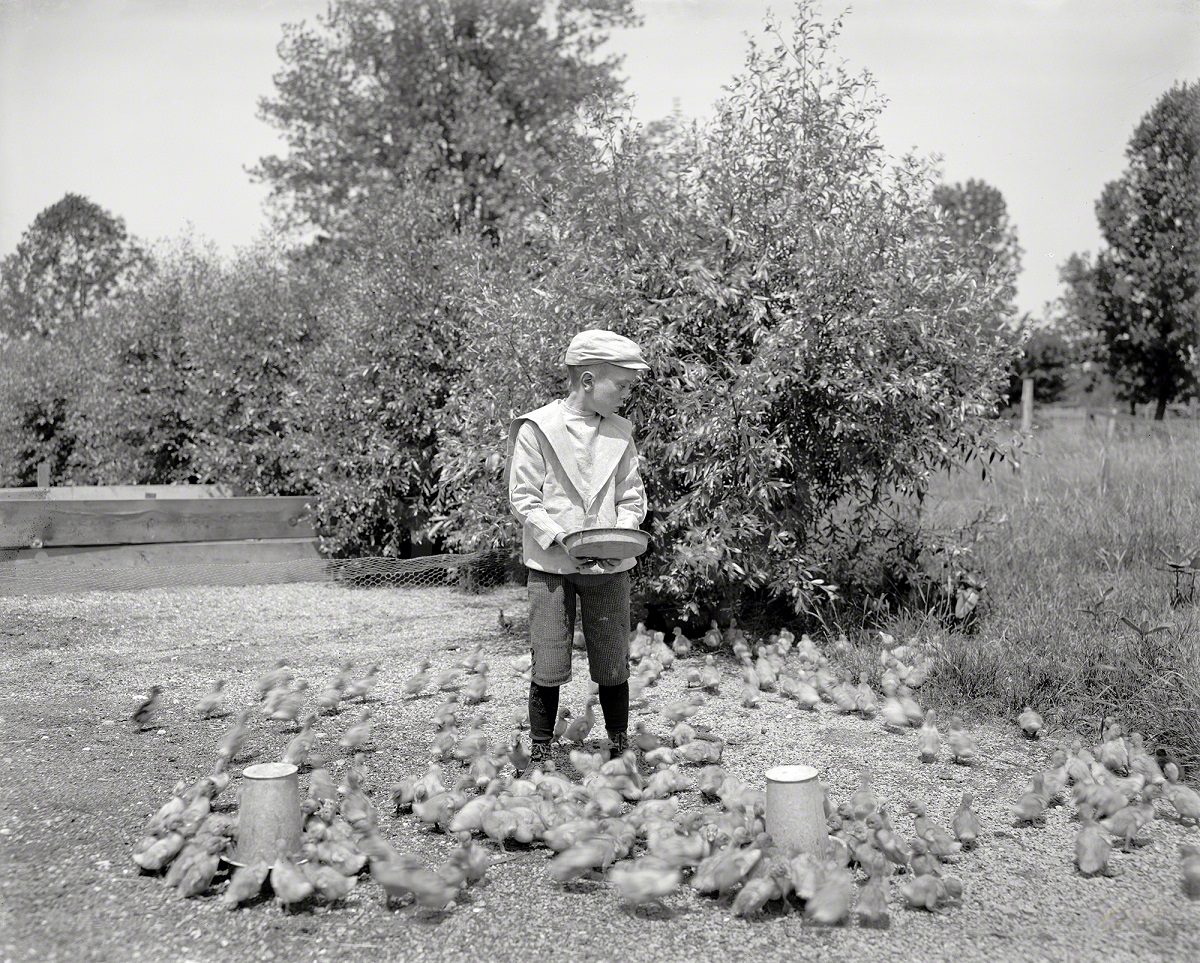
Farming was a central part of life on Grosse Ile in the early 1900s. The island’s rural character supported working operations like the duck farm shown below, which was a practical and common sight on the island at the time.
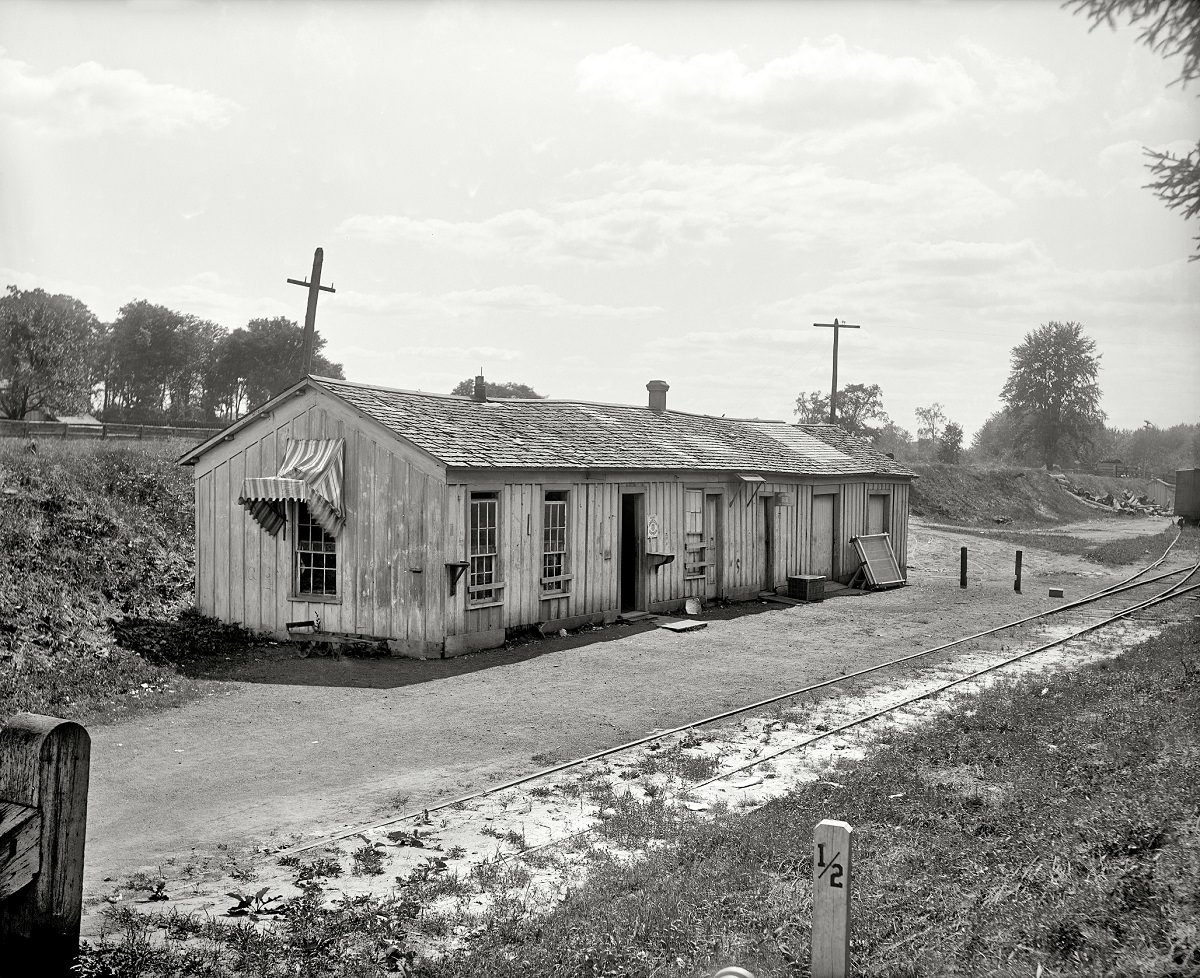
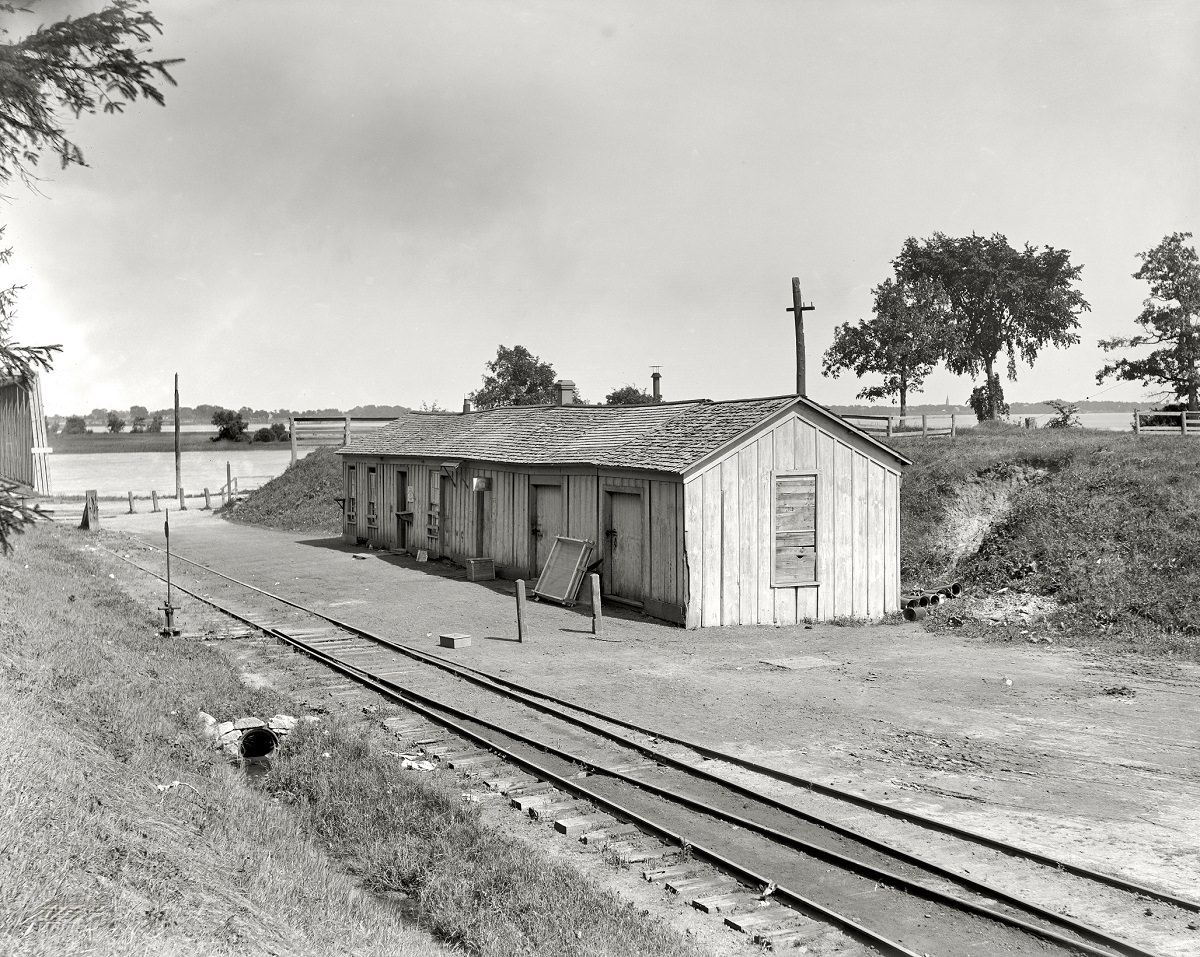
Getting on and off the island required a reliable transportation network. A railway line connected Grosse Ile to the outside world, and the depot that served it was a busy and essential hub for both residents and visitors. The building itself reflects the modest but functional architecture typical of small-town Michigan at the time.
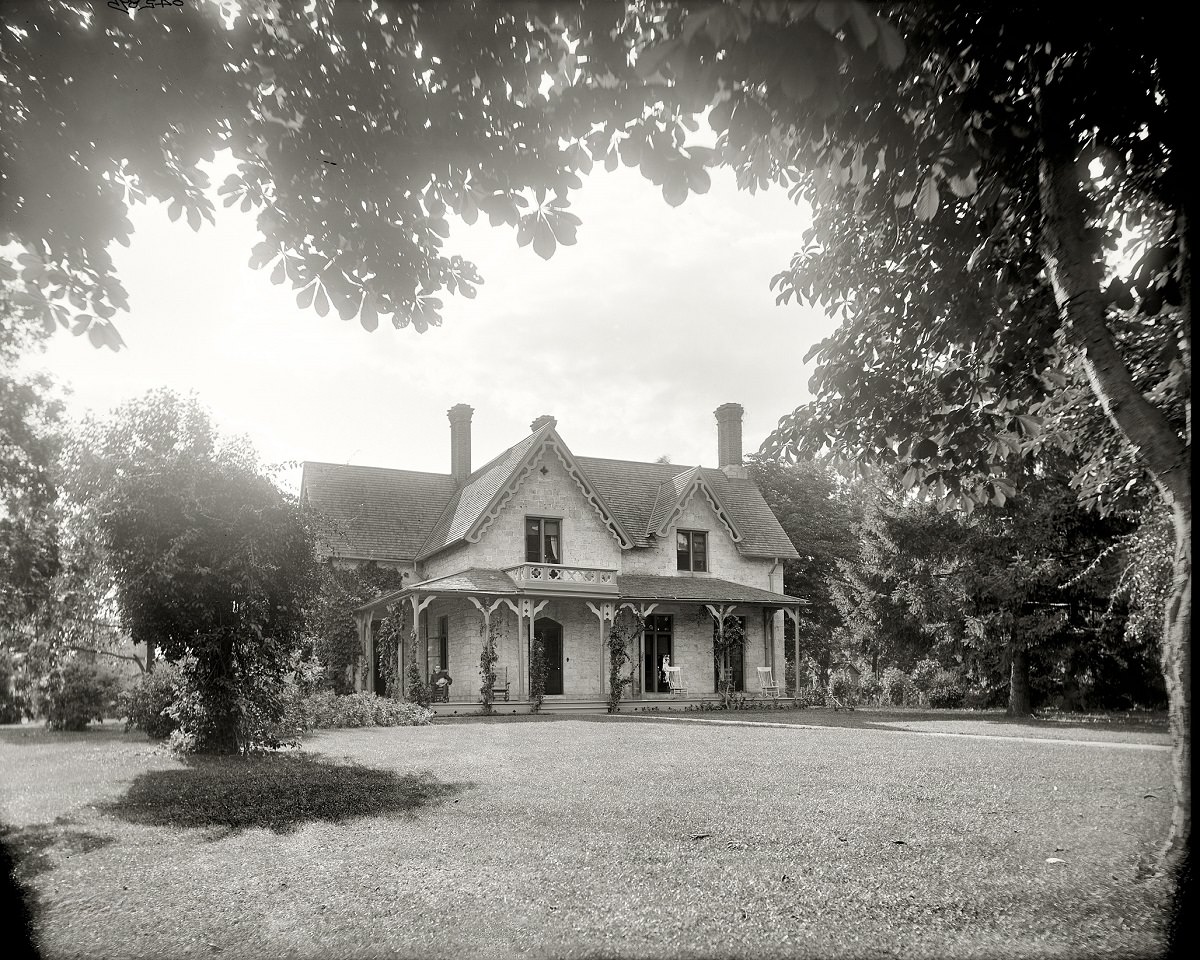
One of the most notable locations on the island was Rio Vista, a riverside estate that appears in several photographs from this era. The property featured well-kept grounds and a clear view of the water, making it one of the more prominent addresses on Grosse Ile. The image below shows the estate around 1900, giving a sense of its scale and setting.
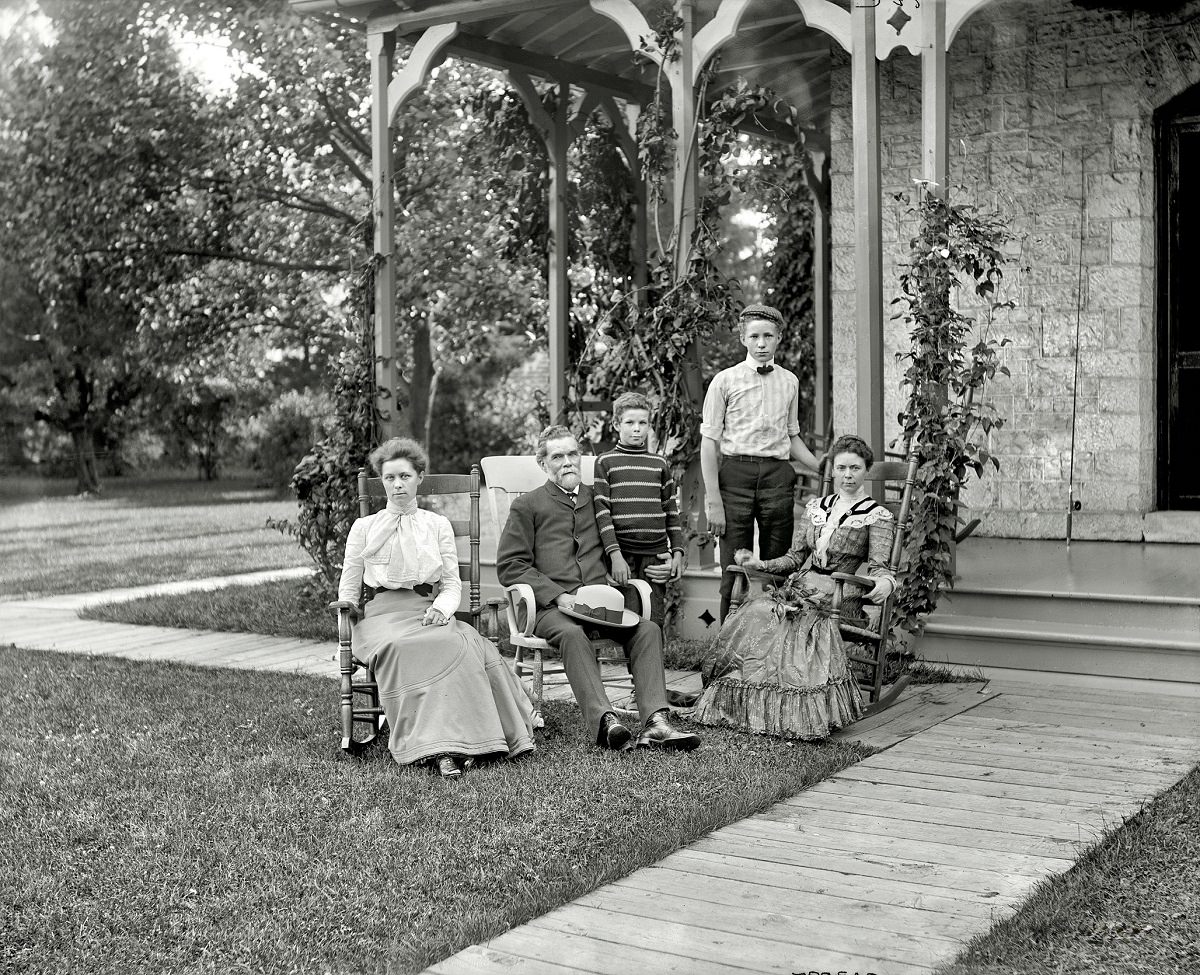
Rio Vista also served as a gathering place. This photograph captures a group of people assembled on the grounds, offering a glimpse into the social life of Grosse Ile’s residents around the turn of the century. The clothing and poses reflect the formal photographic customs of the time.
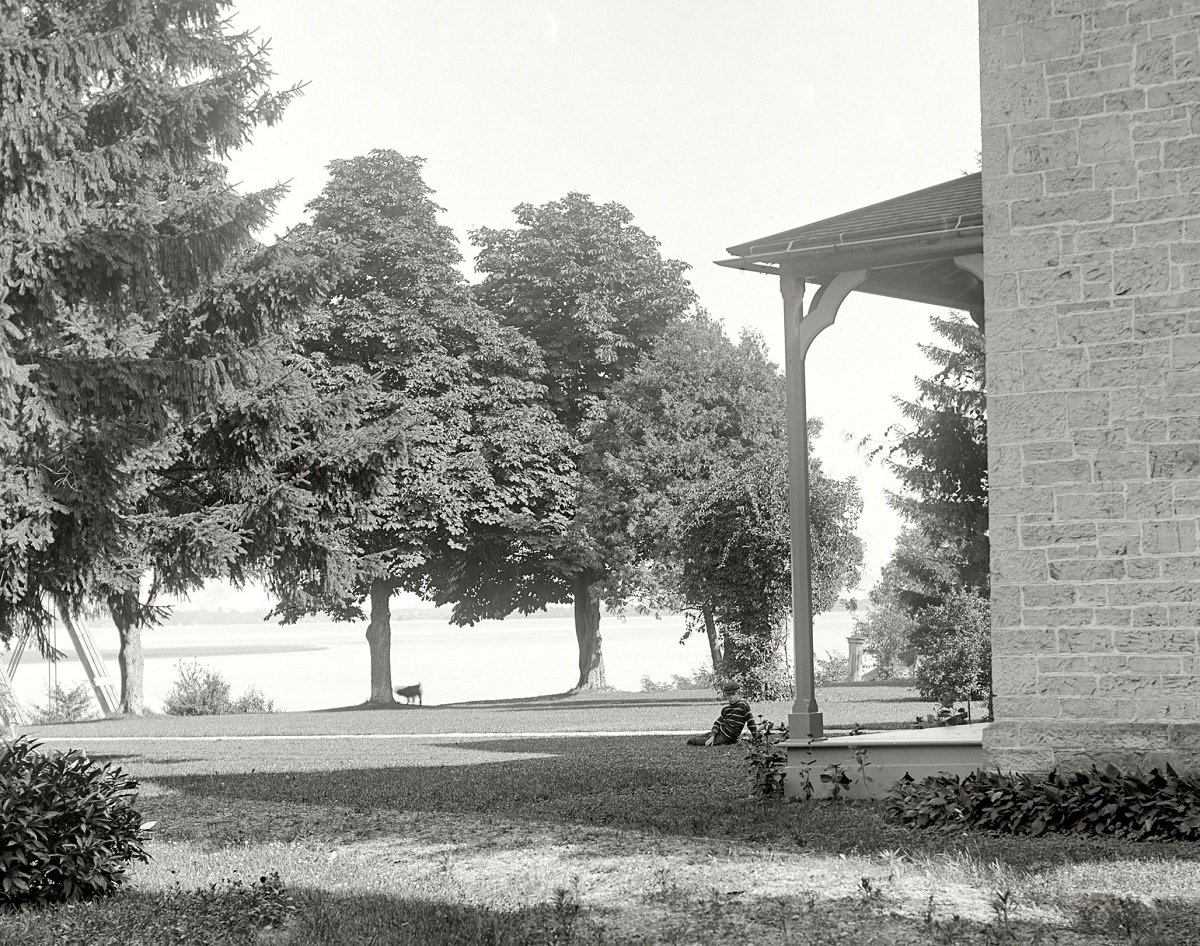
A second view of Rio Vista from around the same period shows more of the property’s landscape and structure. Taken from a slightly different vantage point, it highlights the open grounds and architectural details that made the estate a recognizable landmark on the island.
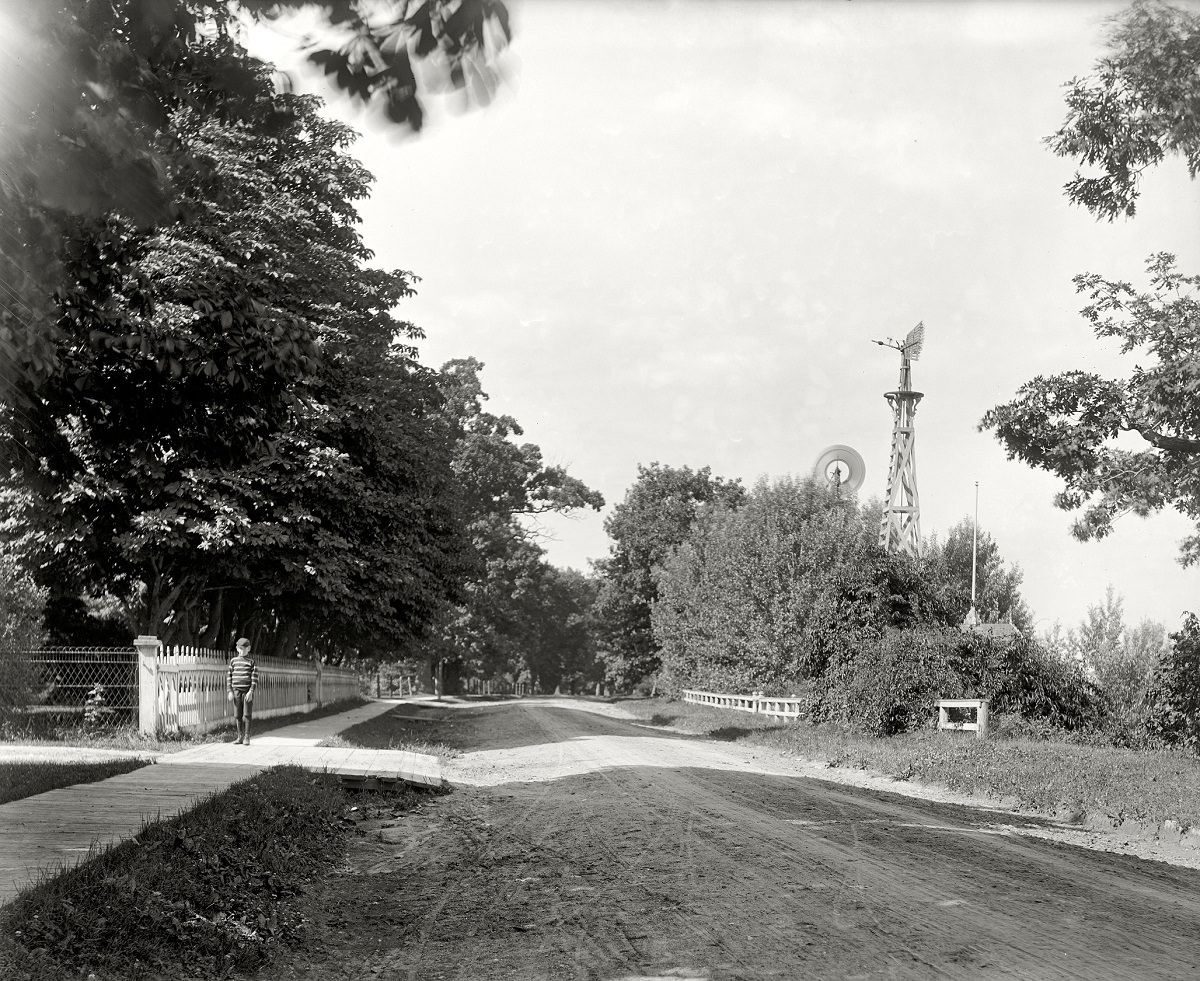
Away from the estates and the railway, Grosse Ile’s roads told a different story. Unpaved and lined with trees, they wound through quiet stretches of the island that looked largely untouched. This photograph of a Grosse Ile road in Wayne County shows just how rural much of the island remained at the start of the 20th century.
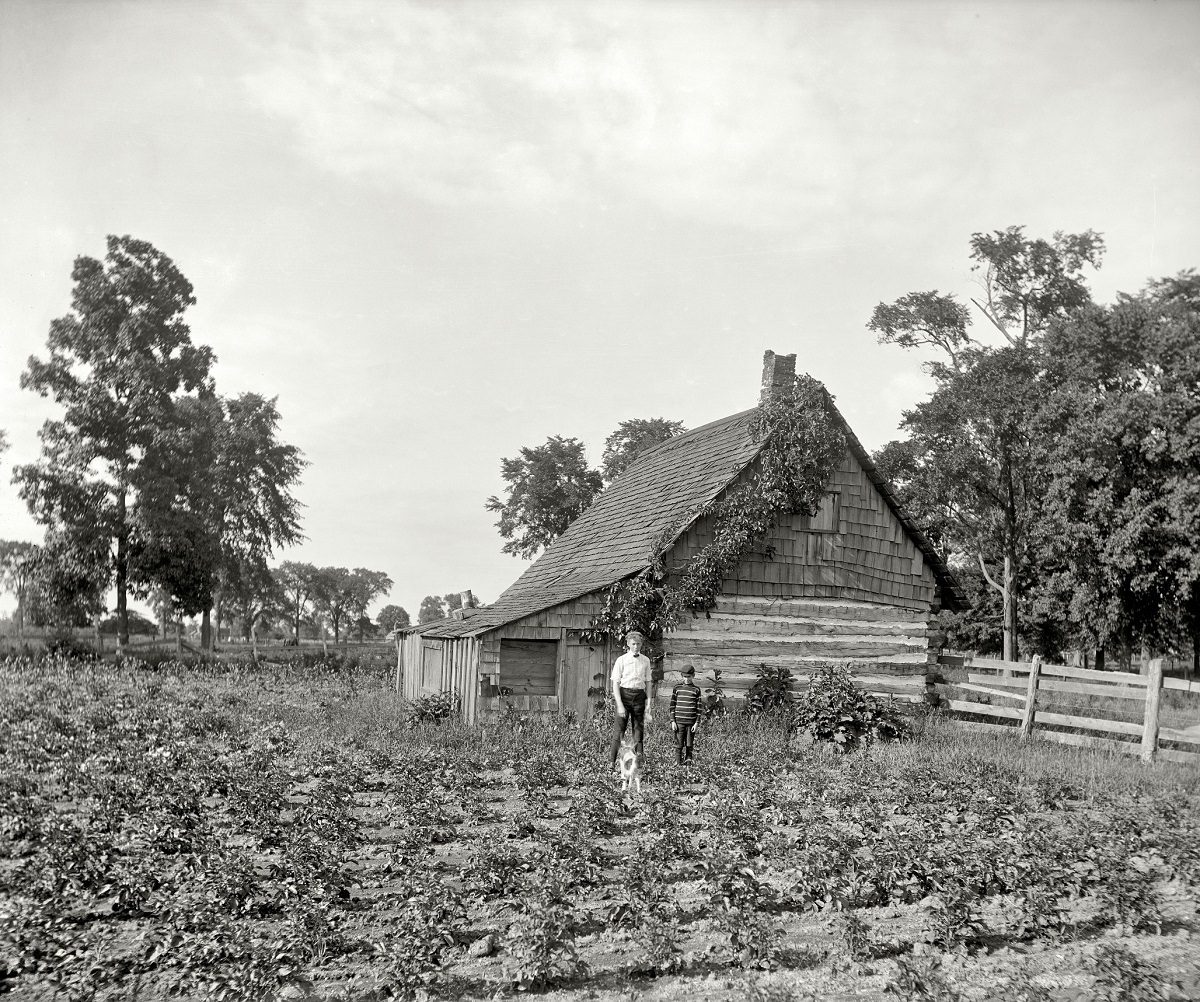
Back at Rio Vista, smaller structures on the property rounded out the estate. This cabin, photographed in 1900, likely served as a secondary building for guests or workers. Its rustic construction contrasts with the more formal main house, showing the range of structures that coexisted on the property.
The railway station at Grosse Ile, shown here in 1900, was a separate structure from the depot photographed earlier. Together, the two images underscore just how important the rail connection was to island life. Residents depended on it for commerce, travel, and communication with the broader Detroit region.