Greenville, Texas was founded in 1846, the same year Hunt County was created. The city took its name from Thomas J. Green, a key figure in the founding of the Texas Republic. From its earliest days, Greenville was shaped by two forces: cotton and the railroads that cotton brought to town.
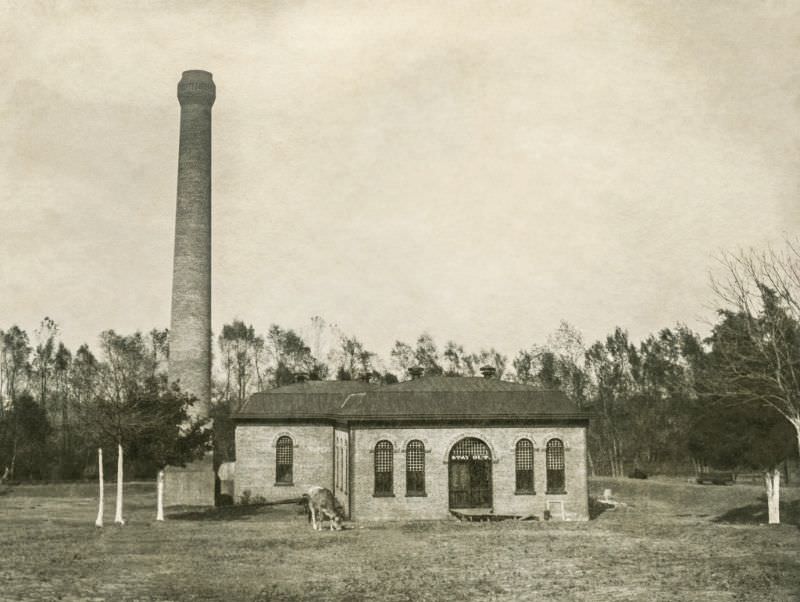
The photographs in this collection date to the 1880s and 1890s and were donated to the Greenville Public Library by Eddie Daniels. Together, they form one of the most complete visual records of what daily life looked like in Greenville during its most formative decades. Streets, homes, workers, children, wagons, and machines — all of it is here, frozen in time.
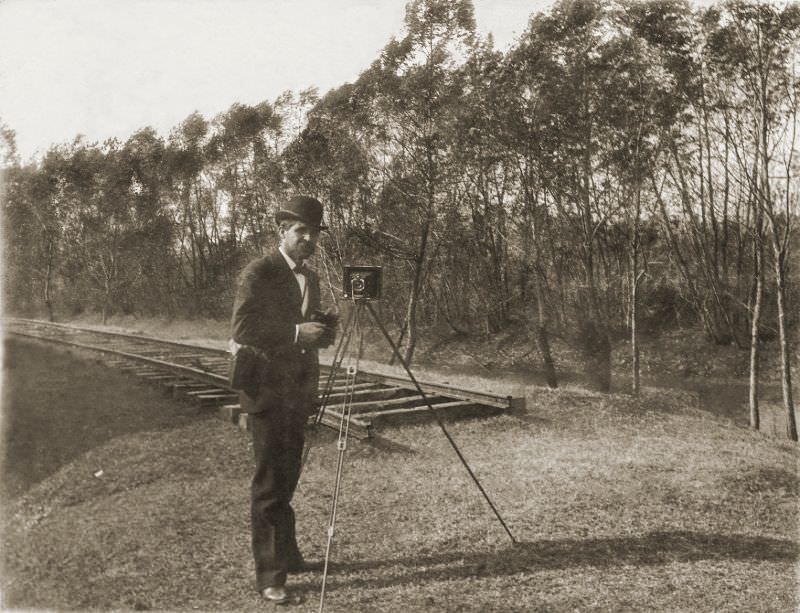
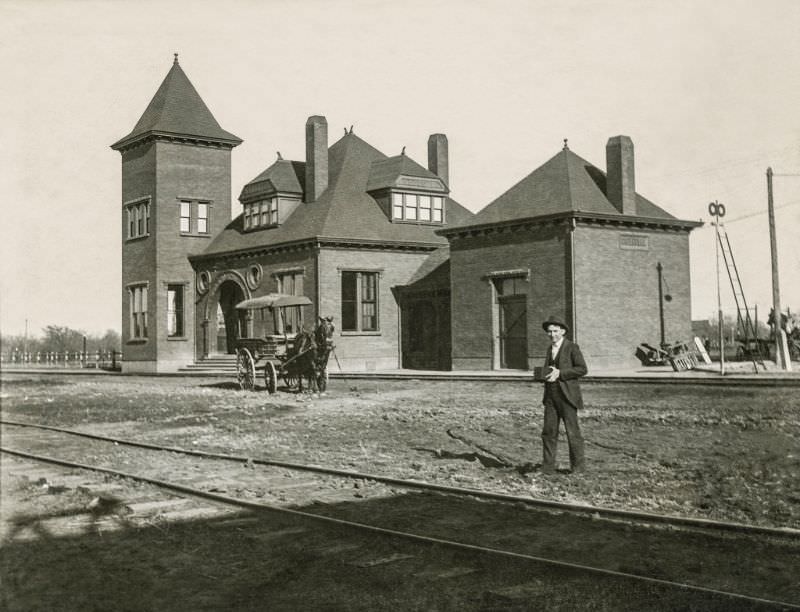
The arrival of the railroad was a turning point for Greenville. The first train rolled into town on October 2, 1880. After that, the rail network expanded rapidly until Greenville was served by six separate railway lines. High-quality cotton was the engine driving all of it. Farmers in the surrounding region produced cotton that was in high demand, and the railroads made it possible to move that cotton quickly and cheaply to market.
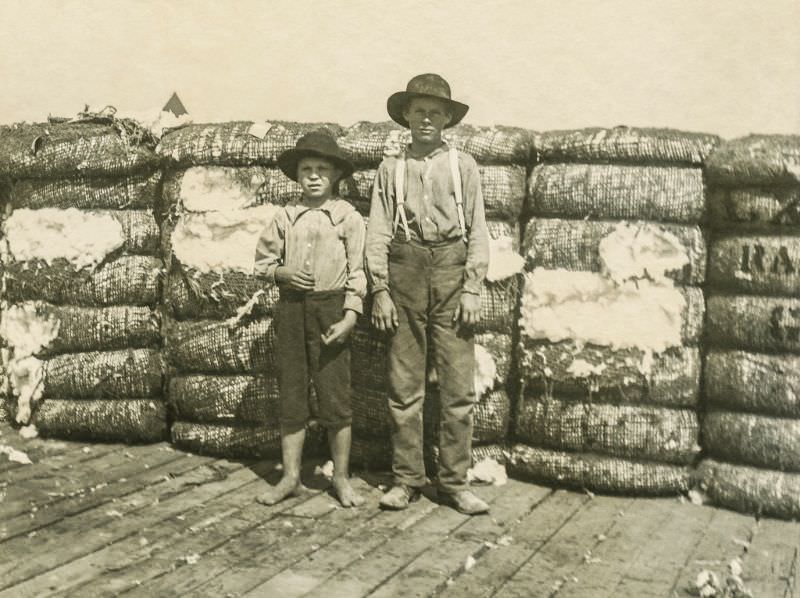
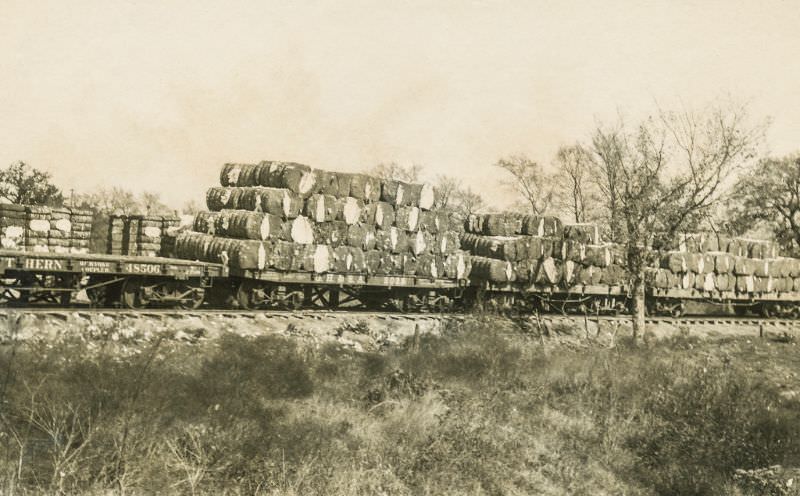
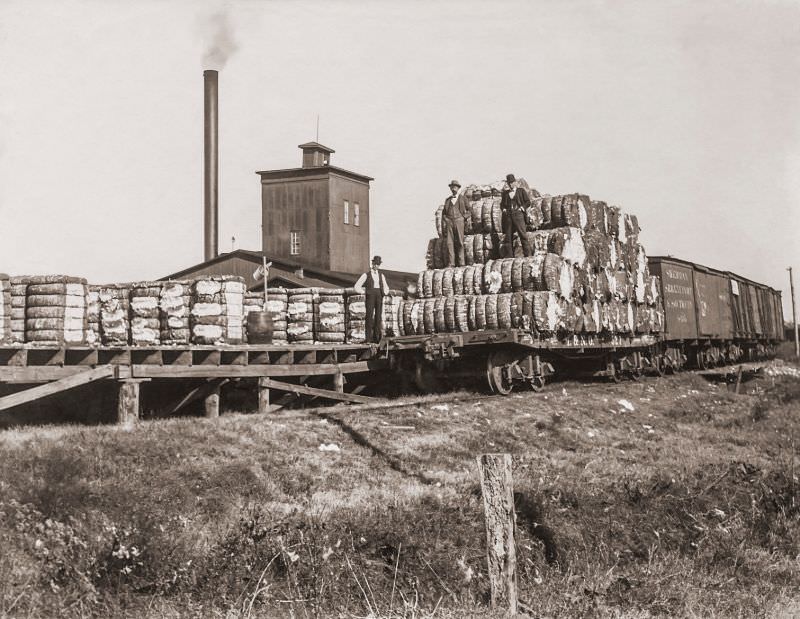
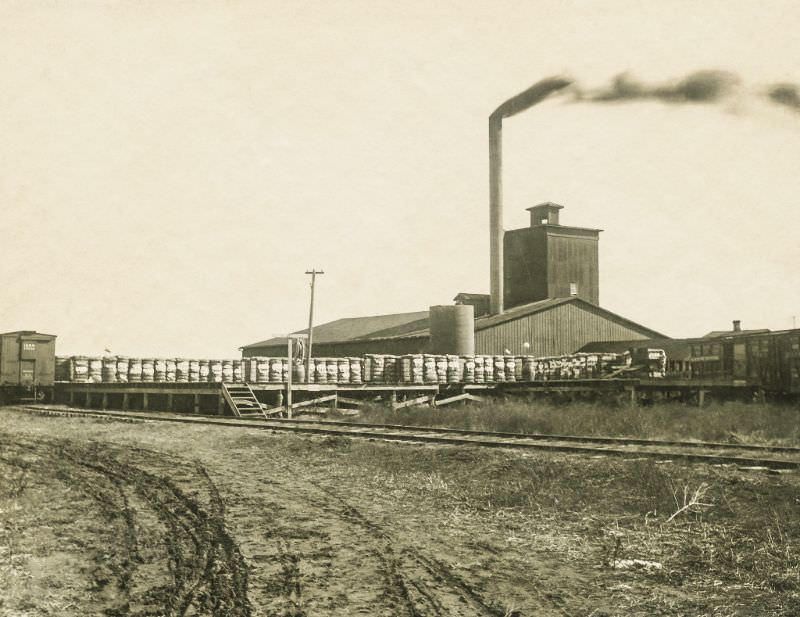
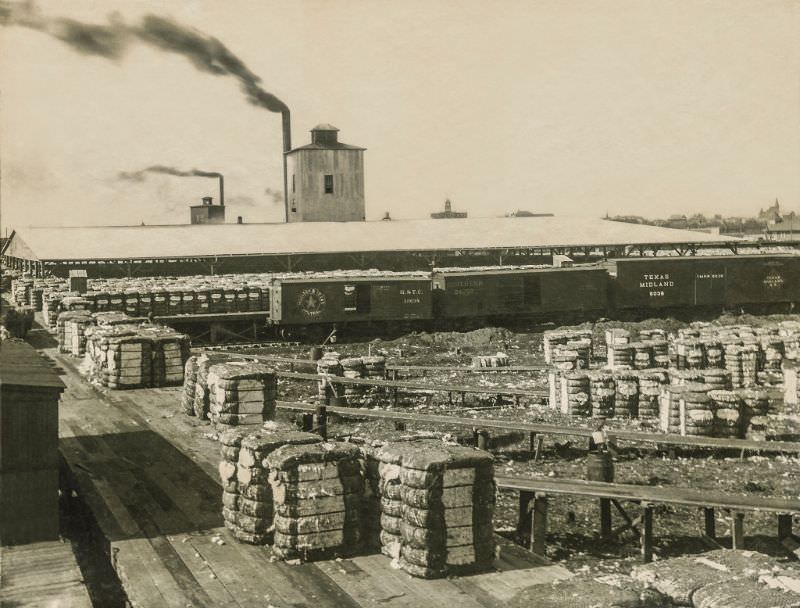
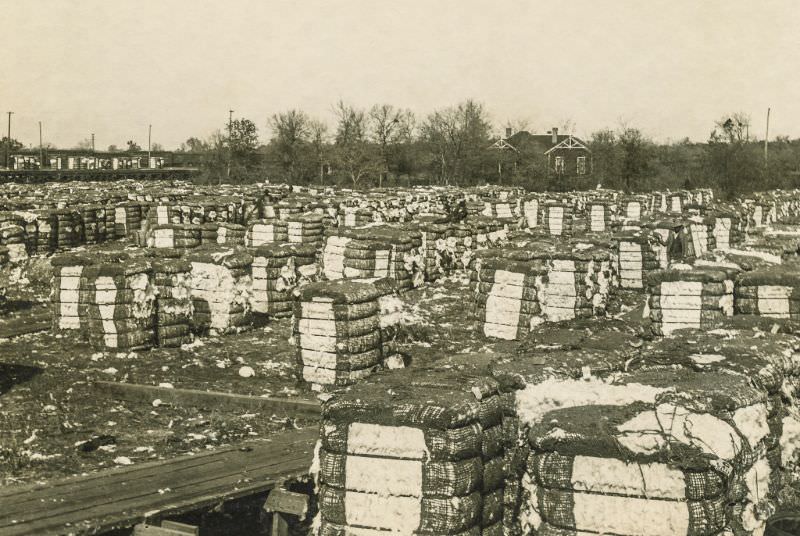
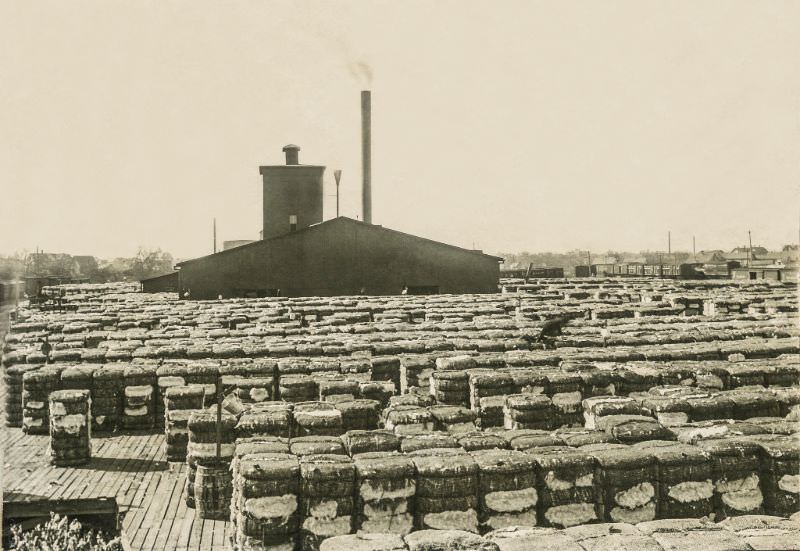
Cotton wasn’t just a crop — it was the backbone of the entire local economy. The mills processed bales that were then loaded onto railcars and shipped south to Houston, where they were transferred onto ships bound for England. Every part of that supply chain touched Greenville. Workers loaded platforms, men guided railcars, and the mills ran day and night.
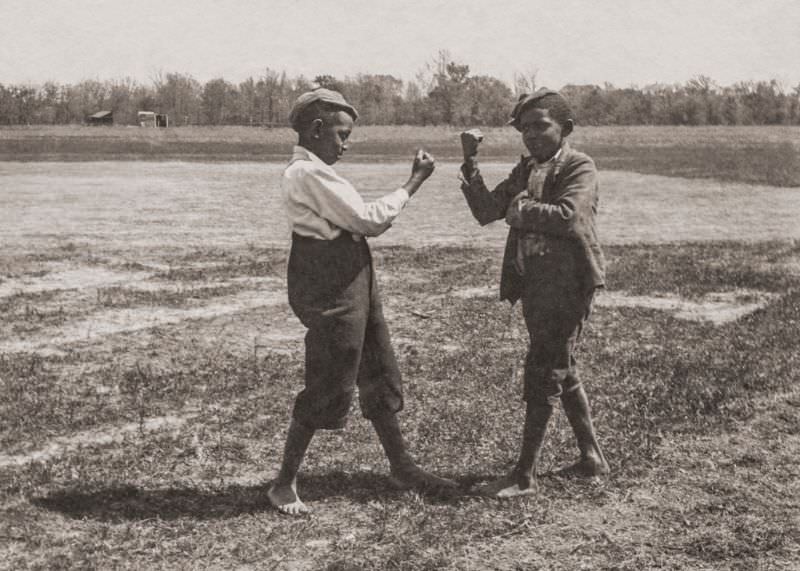
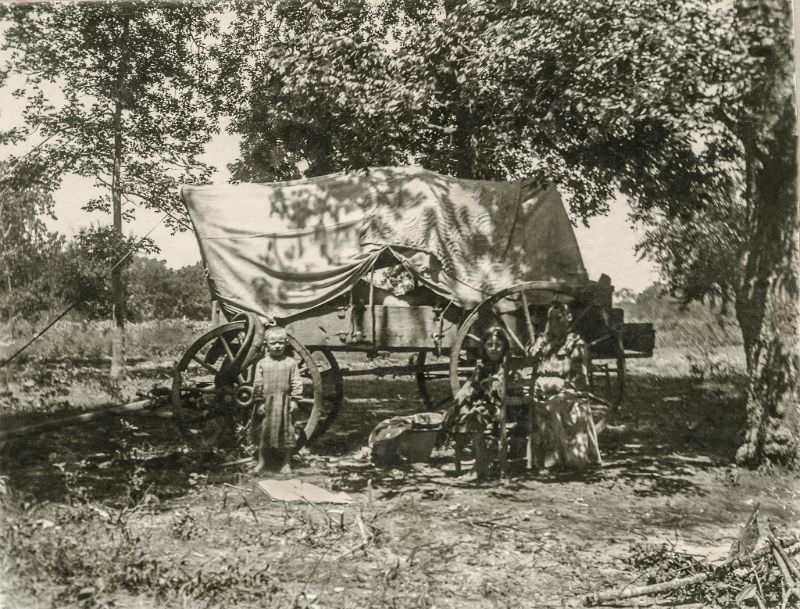
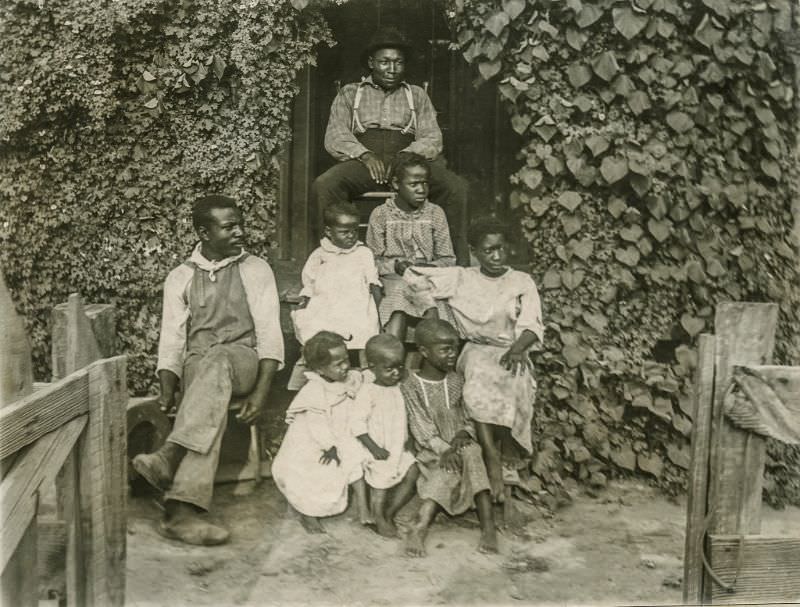
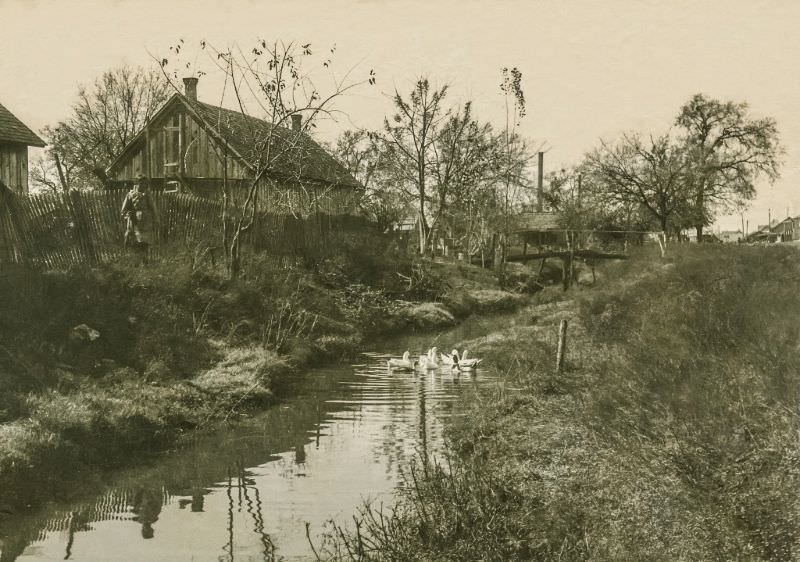
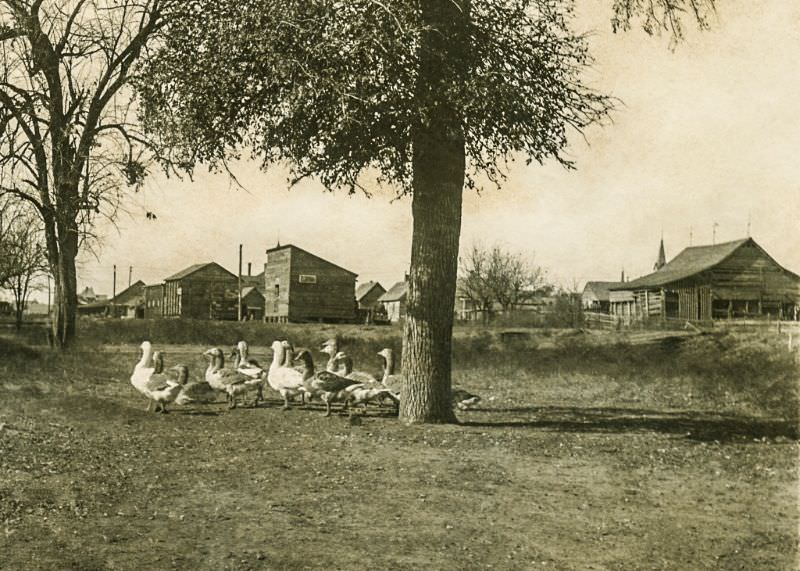
Life beyond the mills had its own rhythm. Covered wagons and horse-drawn carts were the standard way to move people and goods through town. Families posed in front of modest homes, and children played in the open air. The photos capture people at ease — a girl with her ducks, boys horsing around, a woman leaning against her bicycle on the porch.
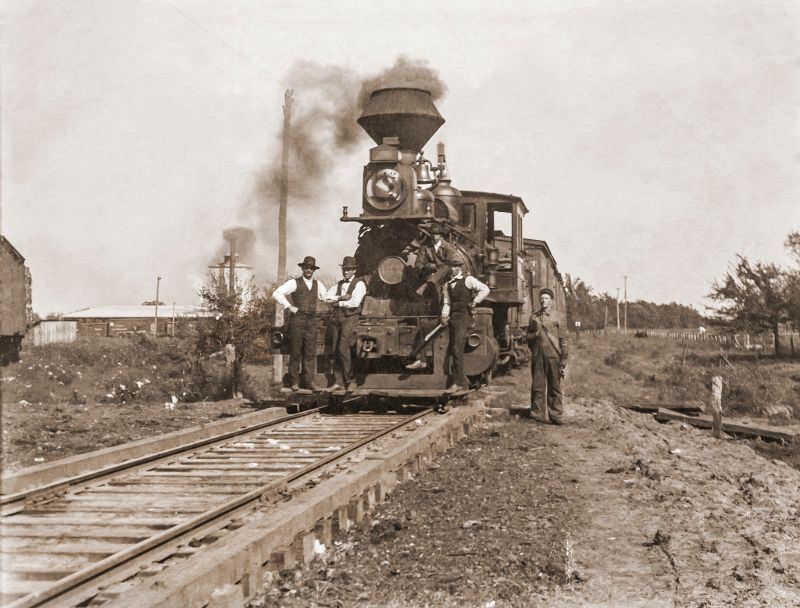
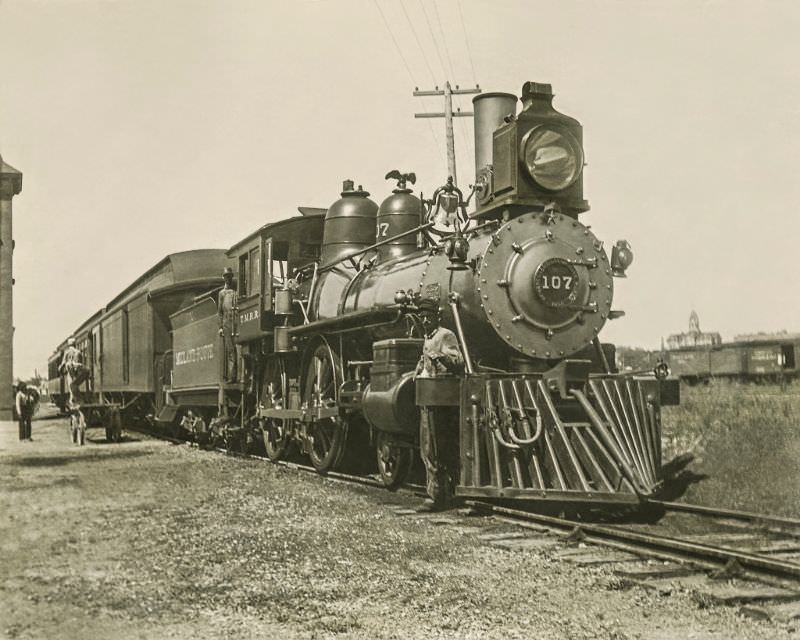
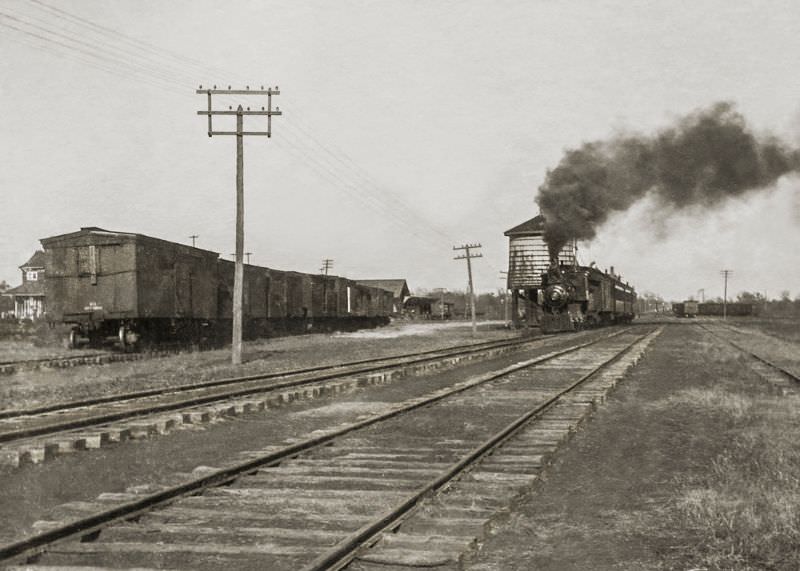
The locomotive pictured below was manufactured by the Schenectady Locomotive Works in 1896. It represents the mature phase of Greenville’s rail era — a time when the infrastructure that the first track-layers had built was carrying fully loaded freight trains in and out of town on a daily schedule.
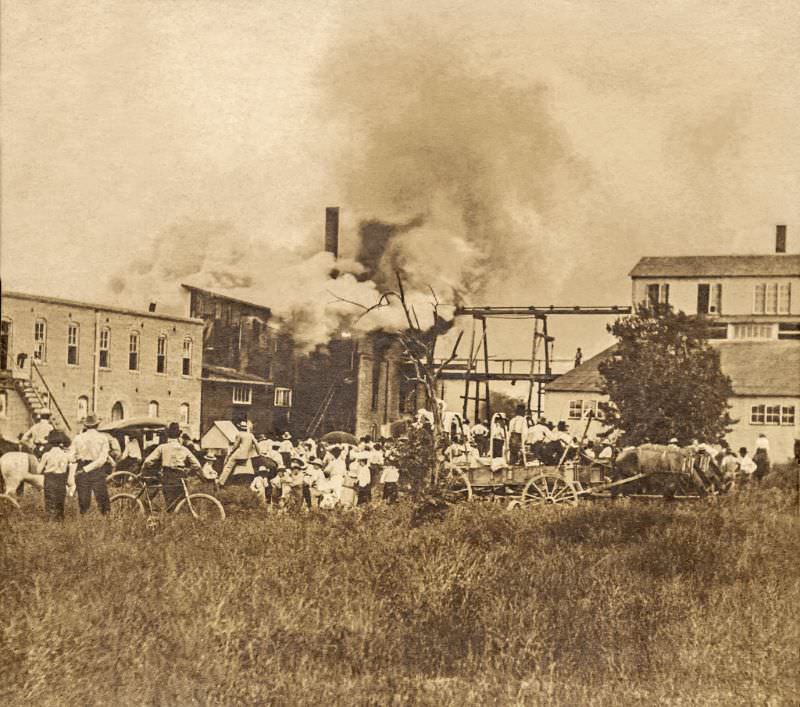
Fires were a constant danger at the mills. When one broke out, it threatened not just property but the livelihoods of everyone who depended on the facility. The photo below documents one such fire, a reminder that industrial work in the 19th century came with serious risks and little in the way of safety nets.
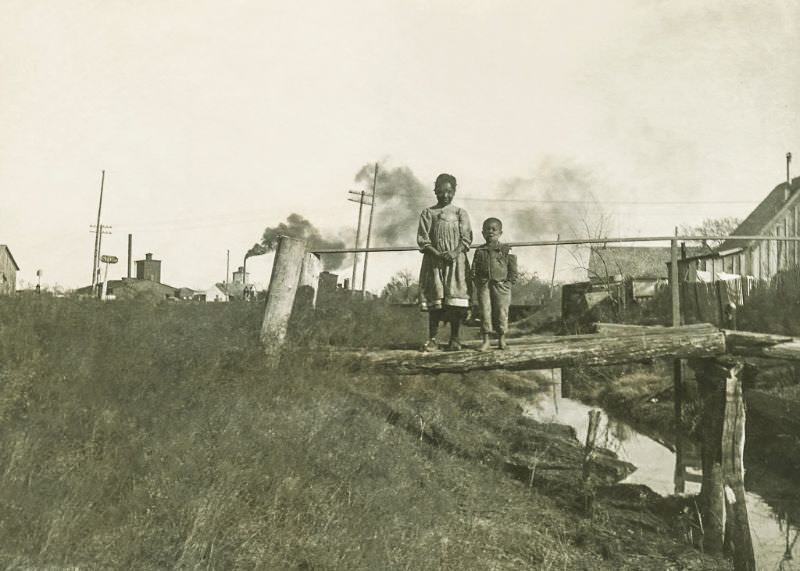
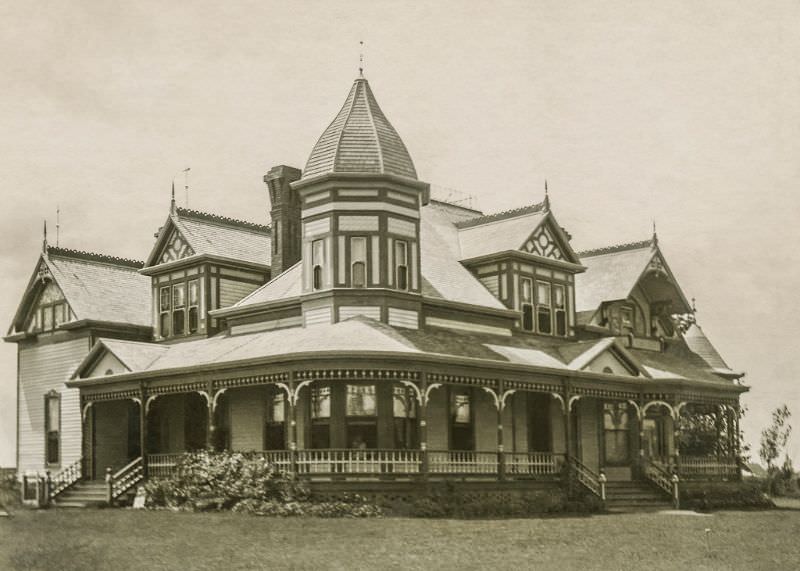
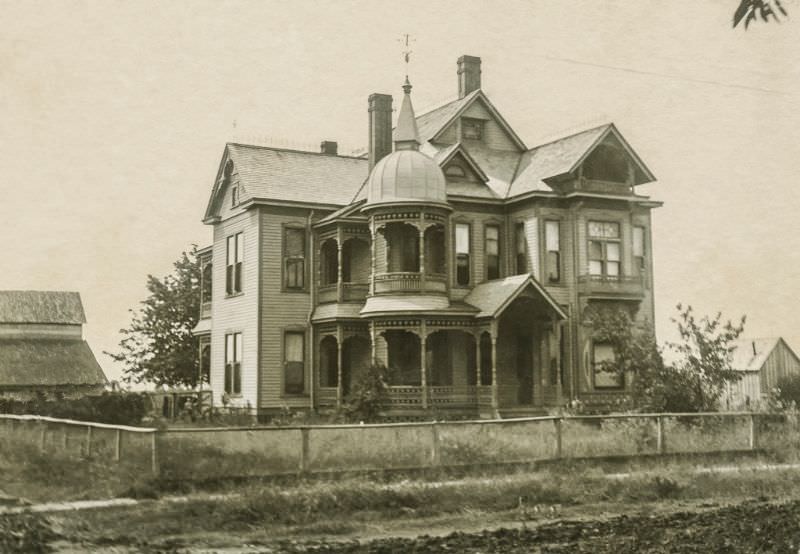
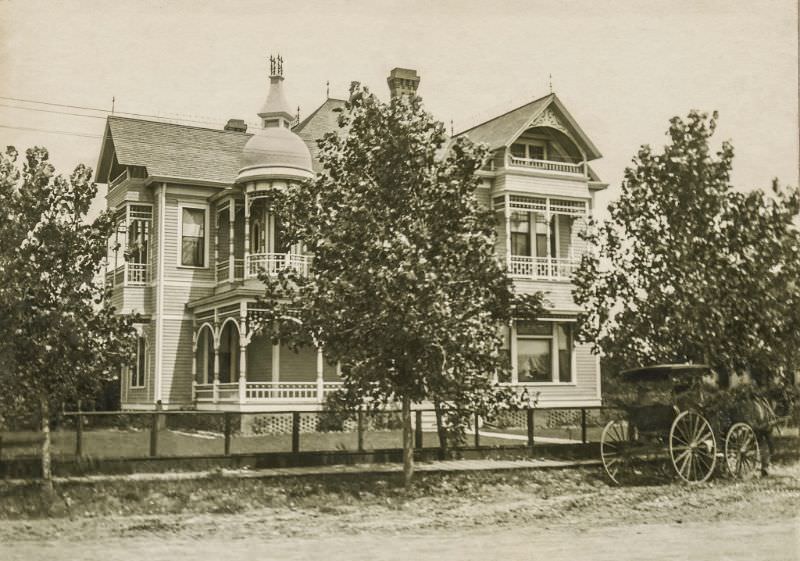
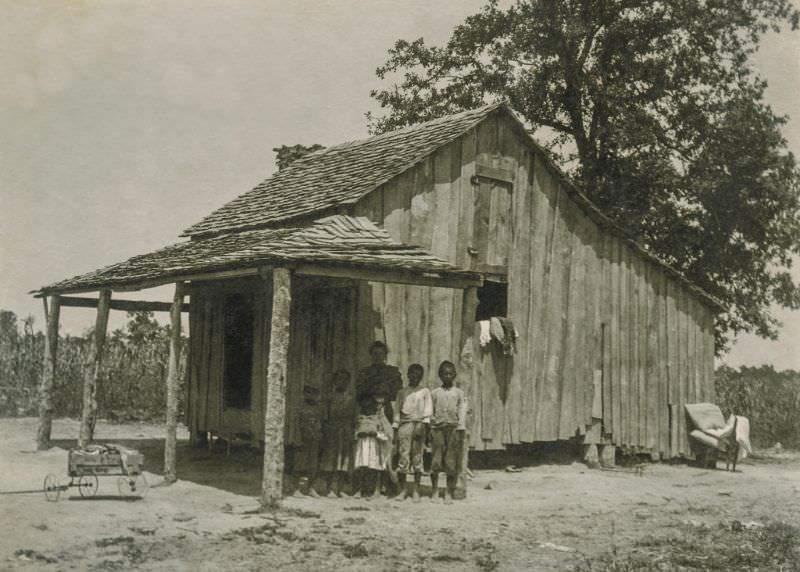
Homes in Greenville ranged from simple log cabins on the outskirts to more established houses closer to the town center. Some had carriages parked outside, a sign of modest prosperity. Others were bare and plain, built for function over appearance. The variety in housing tells a story about the wide range of people who made up Greenville’s population in these decades.
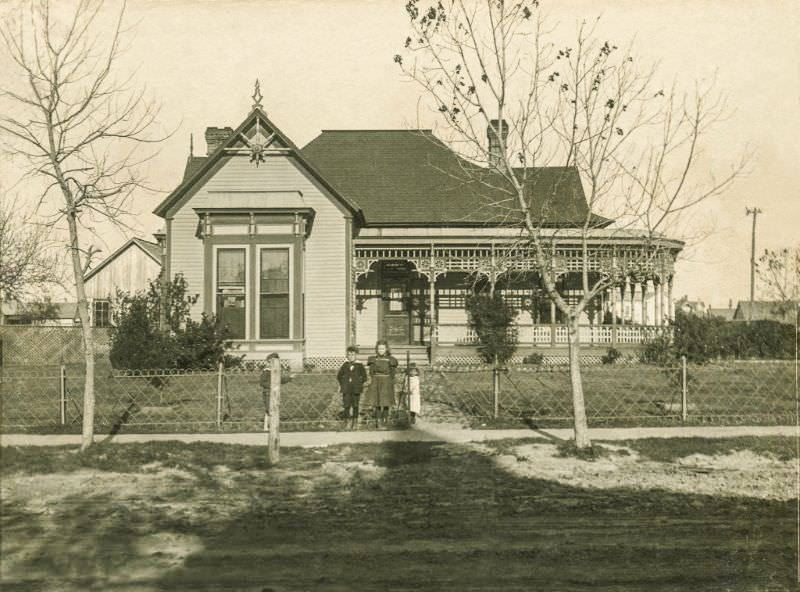
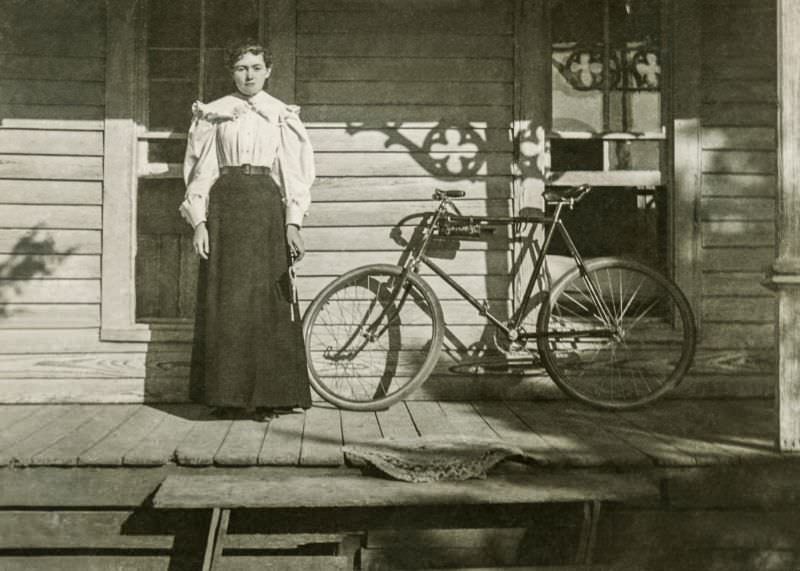
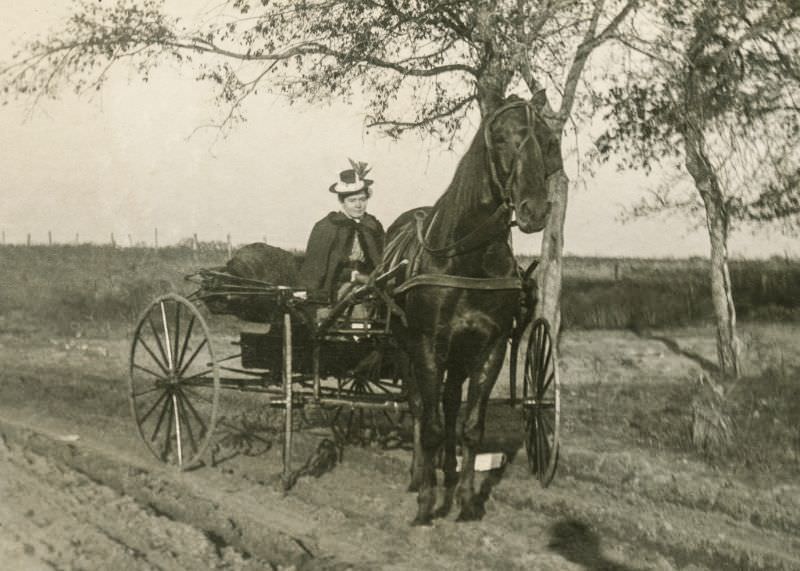
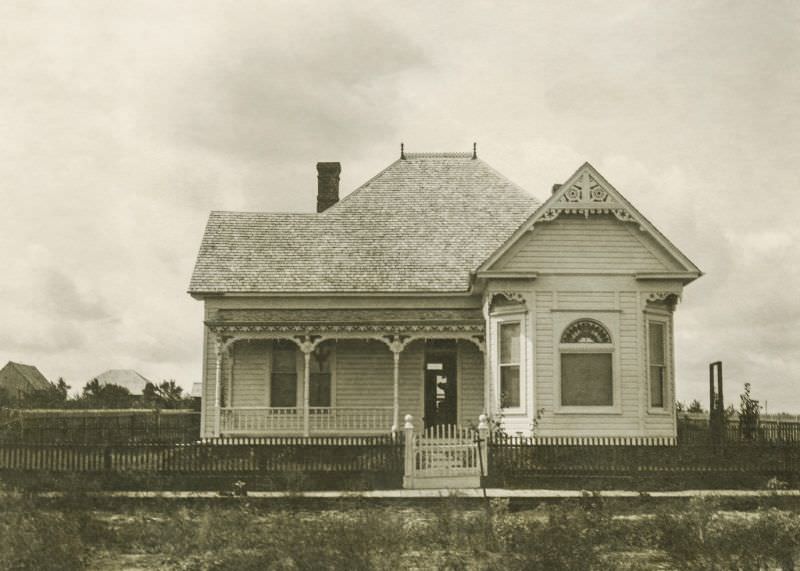
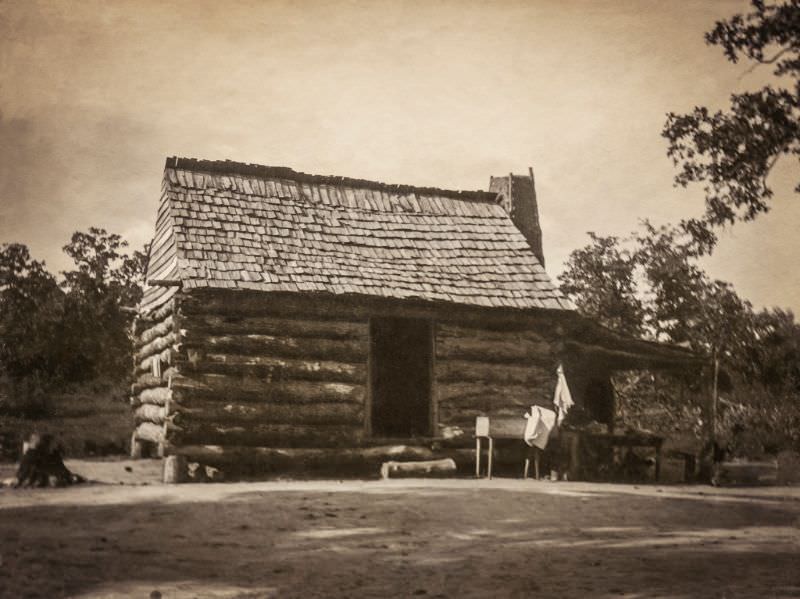
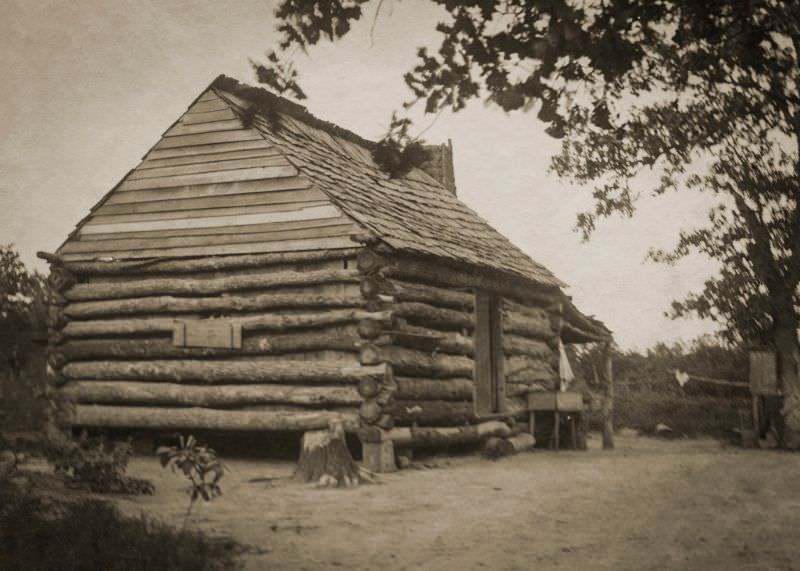
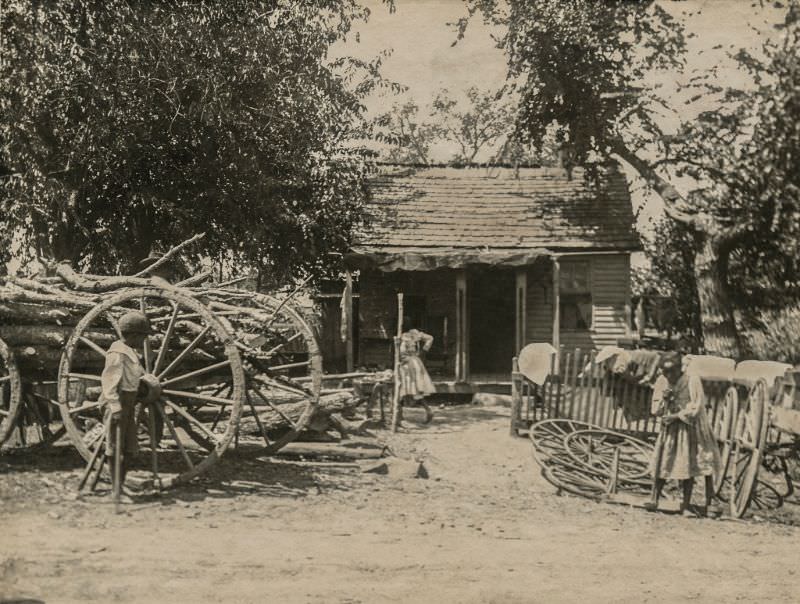
Wagons were central to everyday transportation in 19th-century Greenville. Men drove them through town loaded with goods, and women used them to travel between homesteads. The roads were unpaved, and the landscape around the town’s edge was wide open — East Texas prairie stretching out toward the horizon.
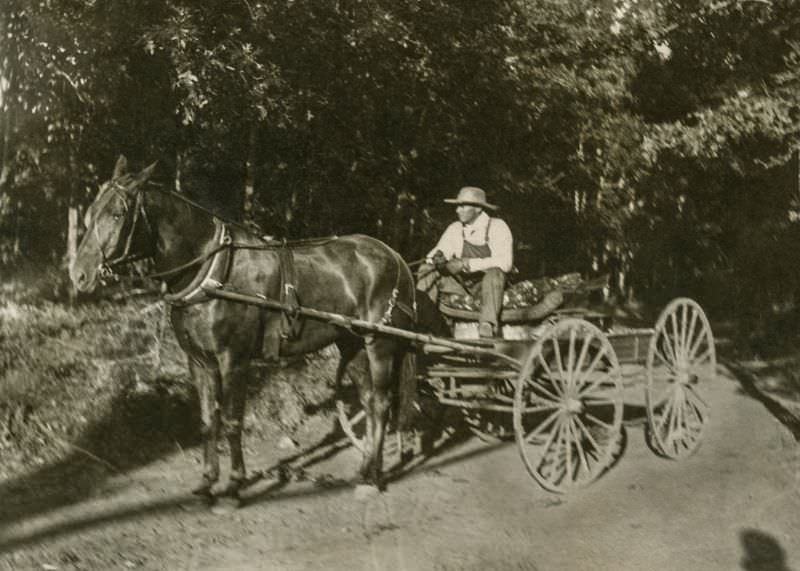
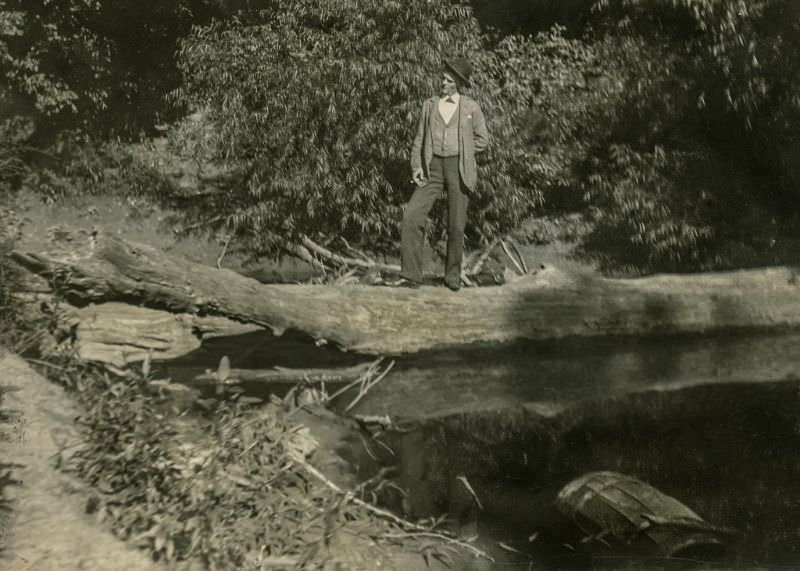
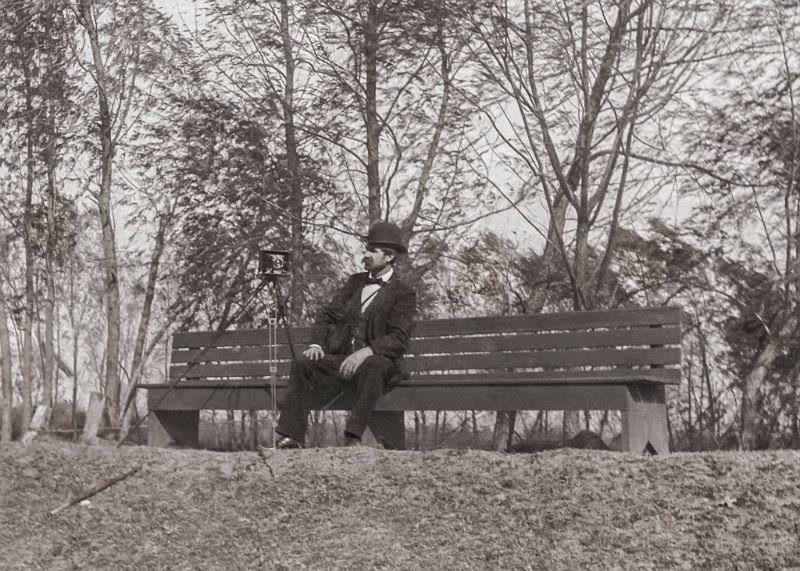
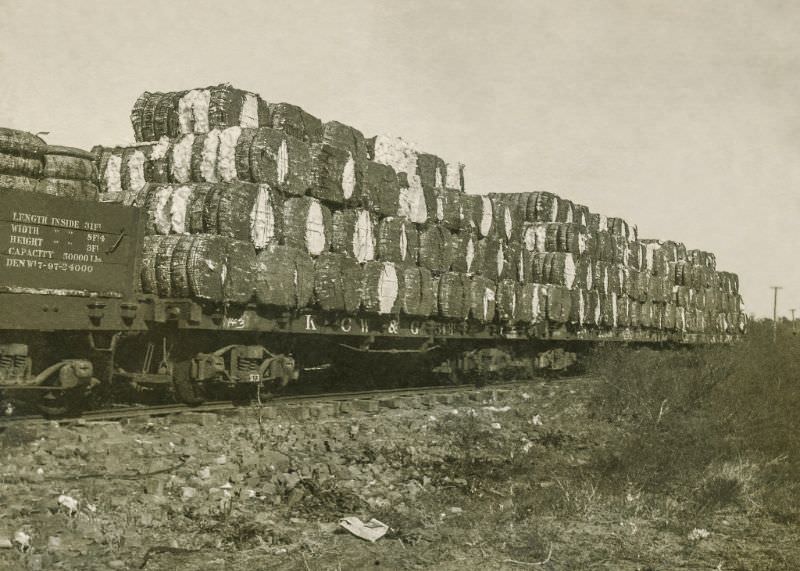
The railroad yards were a hub of constant activity. Rail cars loaded with cotton sat on the tracks waiting to be moved, while horse wagons pulled alongside to transfer fresh loads. Photographers with box cameras documented the scene, aware that they were capturing something significant — the industrial transformation of a Texas town in real time.
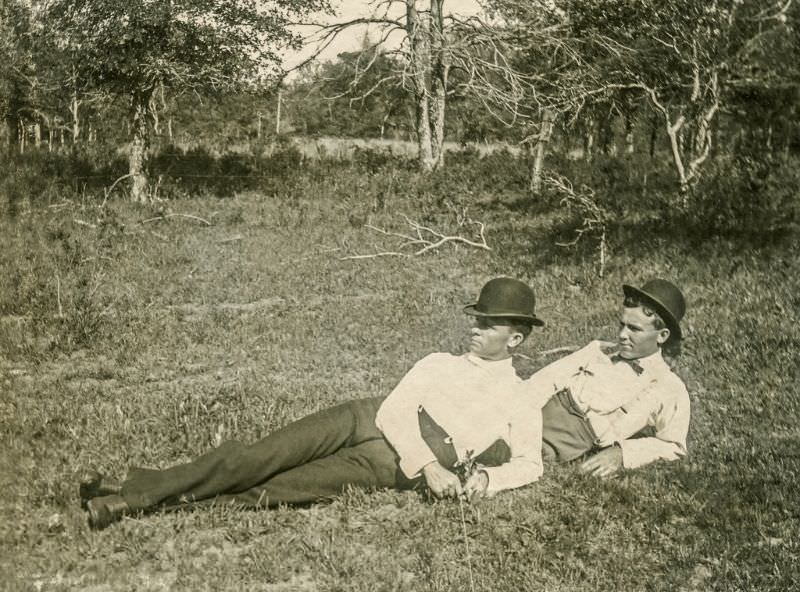
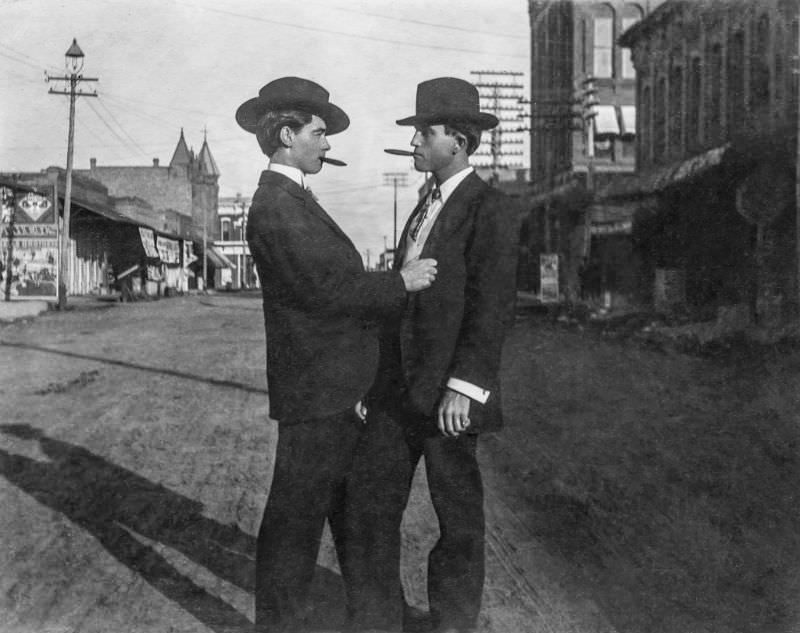
Not every photograph in the collection is about work or industry. Some show the more personal side of life in Greenville. There are self-portraits, group photos, and candid street scenes that catch people mid-moment. One image documents what appears to be a street fight — a plain reminder that 19th-century Texas towns were rough around the edges.
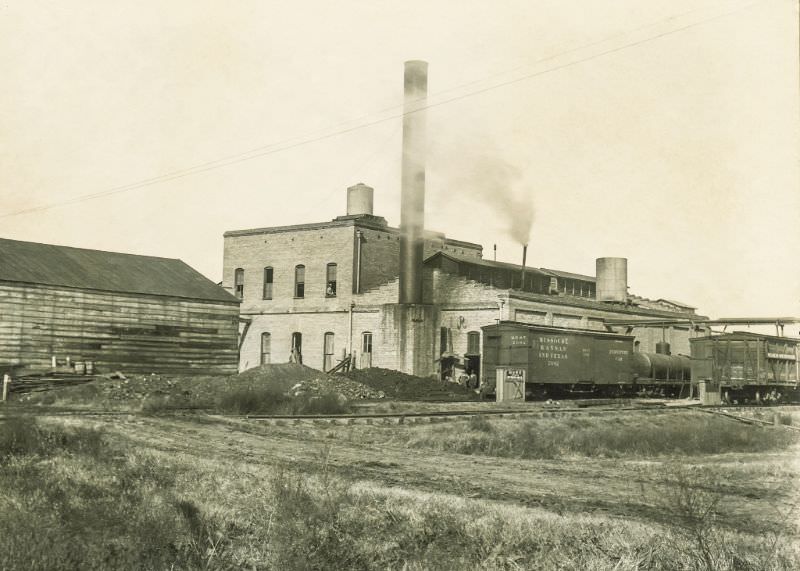
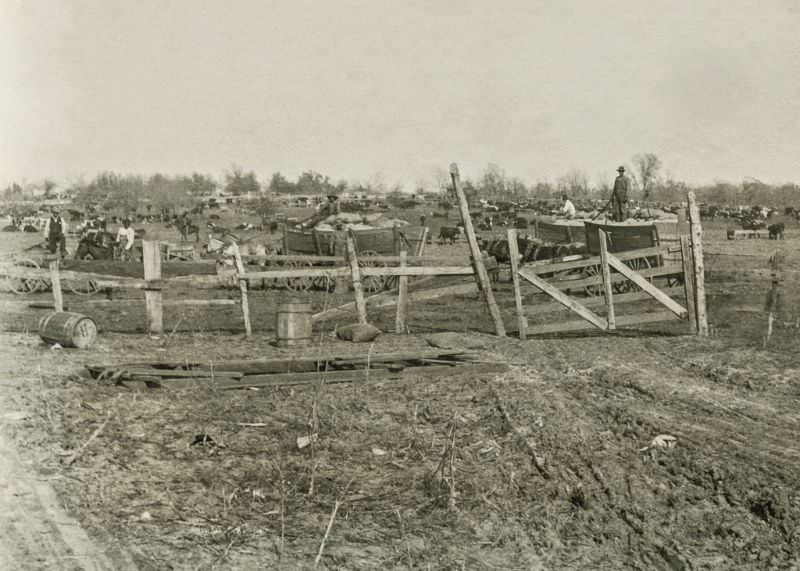
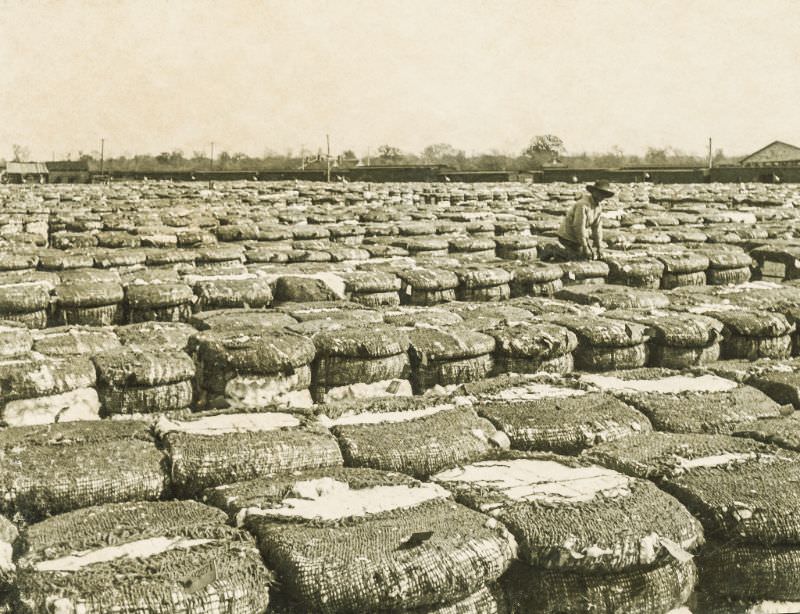
Cotton harvested in the fields around Greenville was brought to storage areas at the mill before being loaded onto trains. From there, the bales traveled by rail to Houston and were then shipped across the Atlantic to England. This export pipeline made Greenville a direct participant in the global textile trade of the late 1800s.
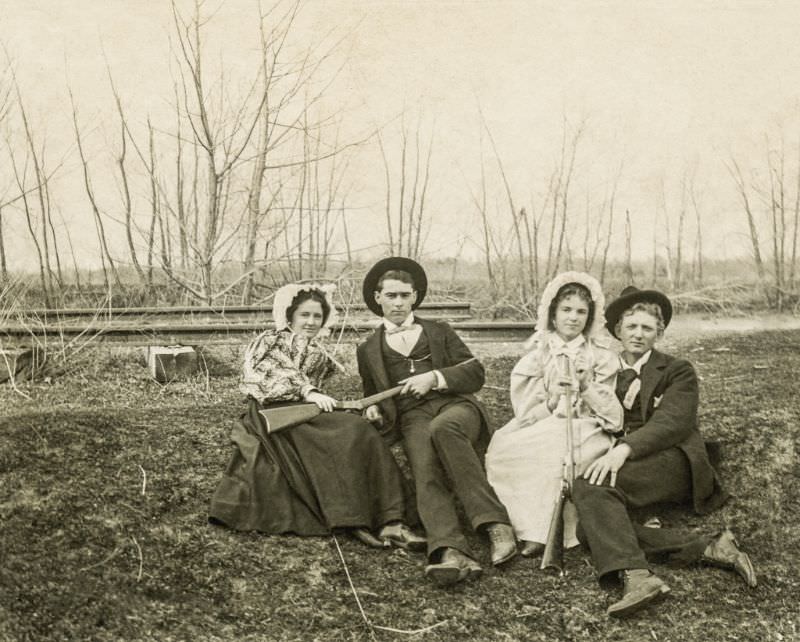
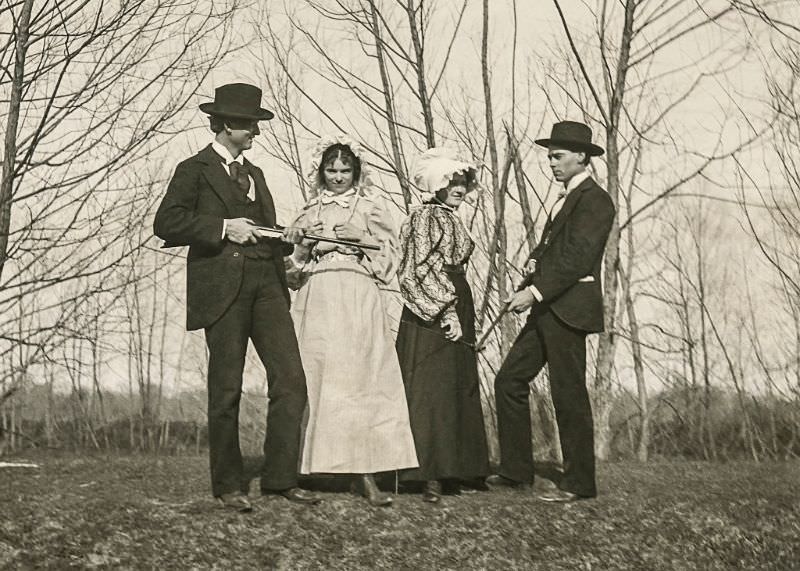
Guns were a visible part of life in late 19th-century Greenville, as they were across much of Texas at the time. Several photos show residents openly carrying firearms — men posing with rifles and pistols as a matter of course, not for any special occasion. It reflects the culture of the frontier-era South, where being armed in public was unremarkable.
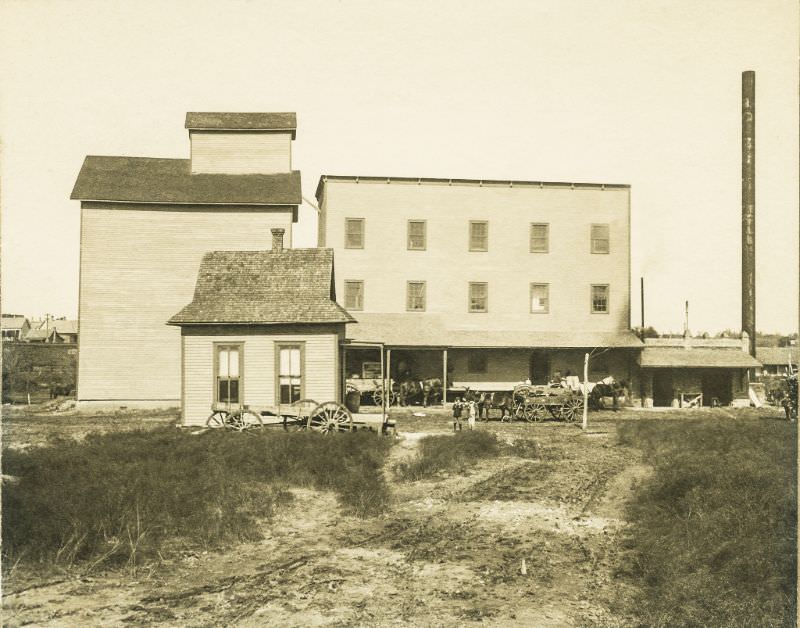
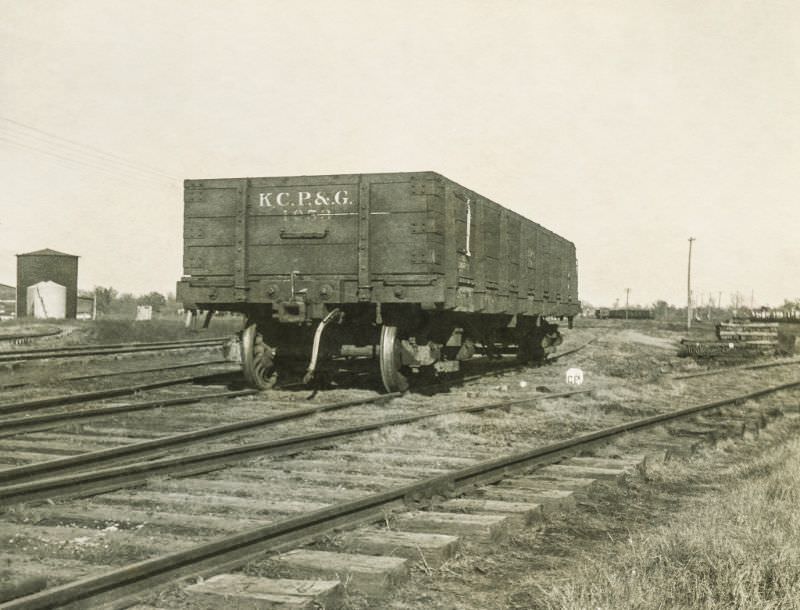
The earliest railroad infrastructure in the area appears in several photos taken close to the cotton mills. Rough tracks, hand-laid and uneven, were the first step in what would eventually become a network of six rail lines running through Greenville. Workers in the field harvested the cotton that fed the entire system, from the mill floor to the port at Houston.