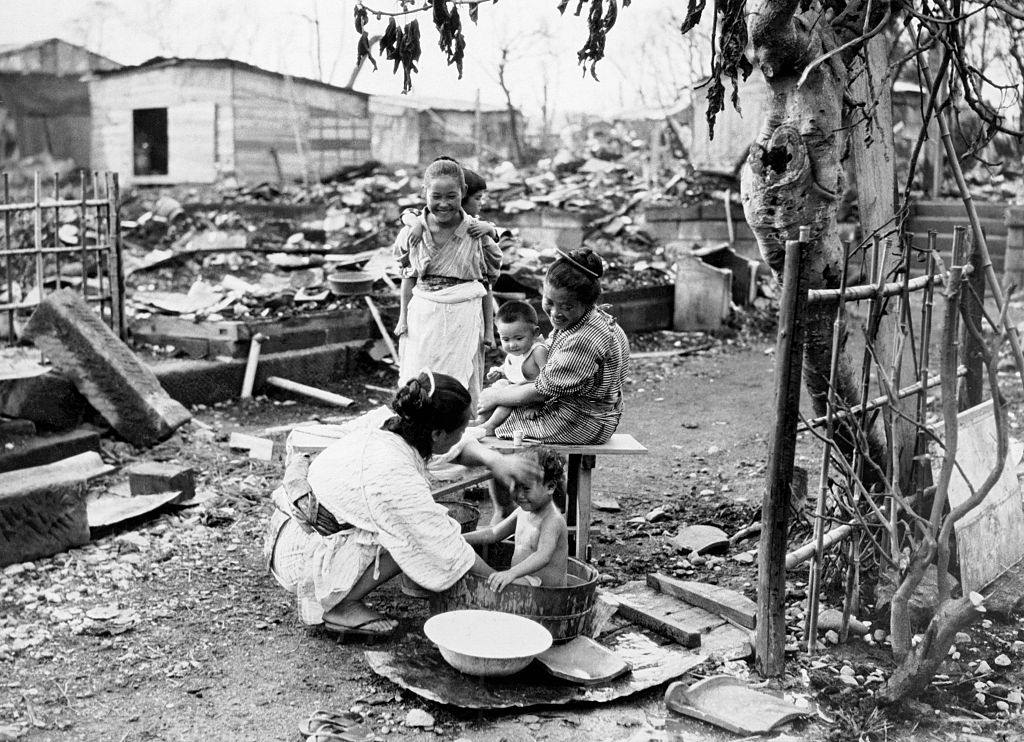
At 11:58 a.m. on September 1, 1923, the ground beneath Japan’s Kanto region split open with a force that would reshape the country forever. The earthquake registered a magnitude of 7.9, with its epicenter sitting near Izu Oshima Island in Sagami Bay, roughly 80 kilometers south of Tokyo. It was caused by a rupture along the fault where the Philippine Sea Plate is subducting beneath the Okhotsk Plate — a geological collision that released a staggering amount of energy in mere seconds.
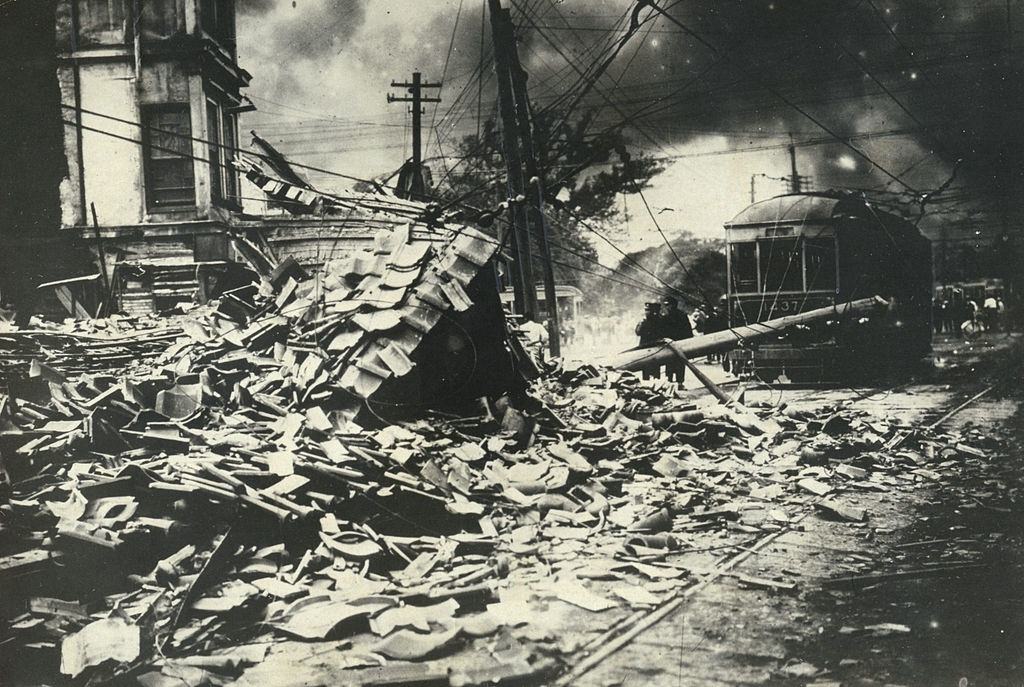
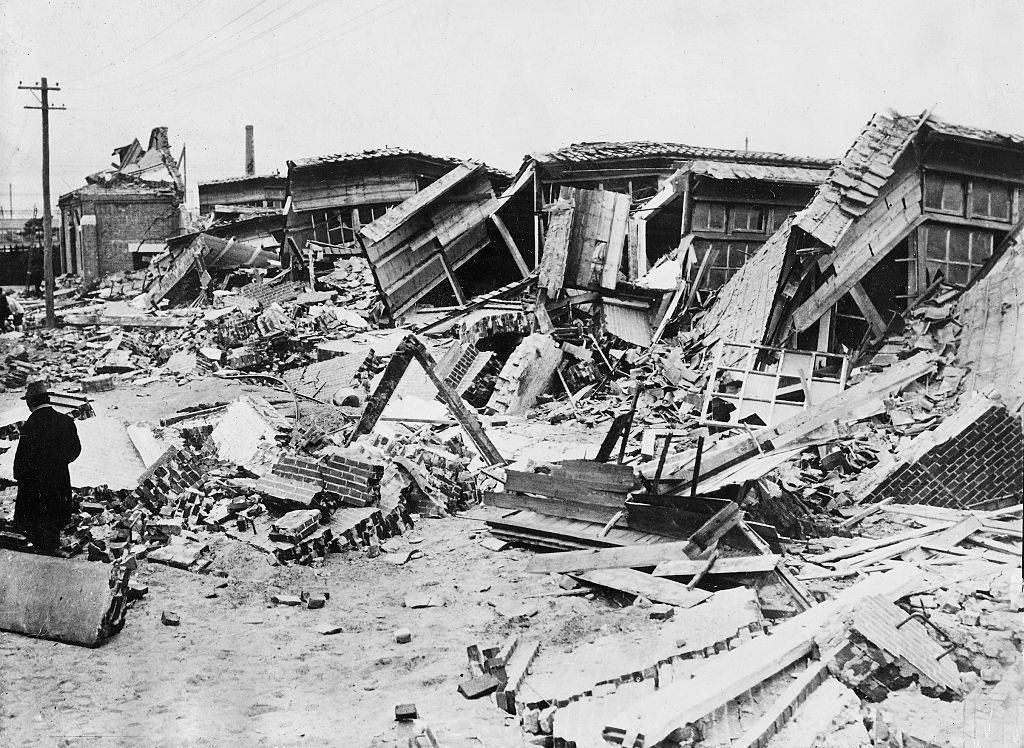
The tremors flattened buildings, collapsed bridges, and twisted railway lines across the entire Kanto region, which includes Tokyo, Yokohama, and the surrounding cities and towns. But the shaking itself was only the beginning.
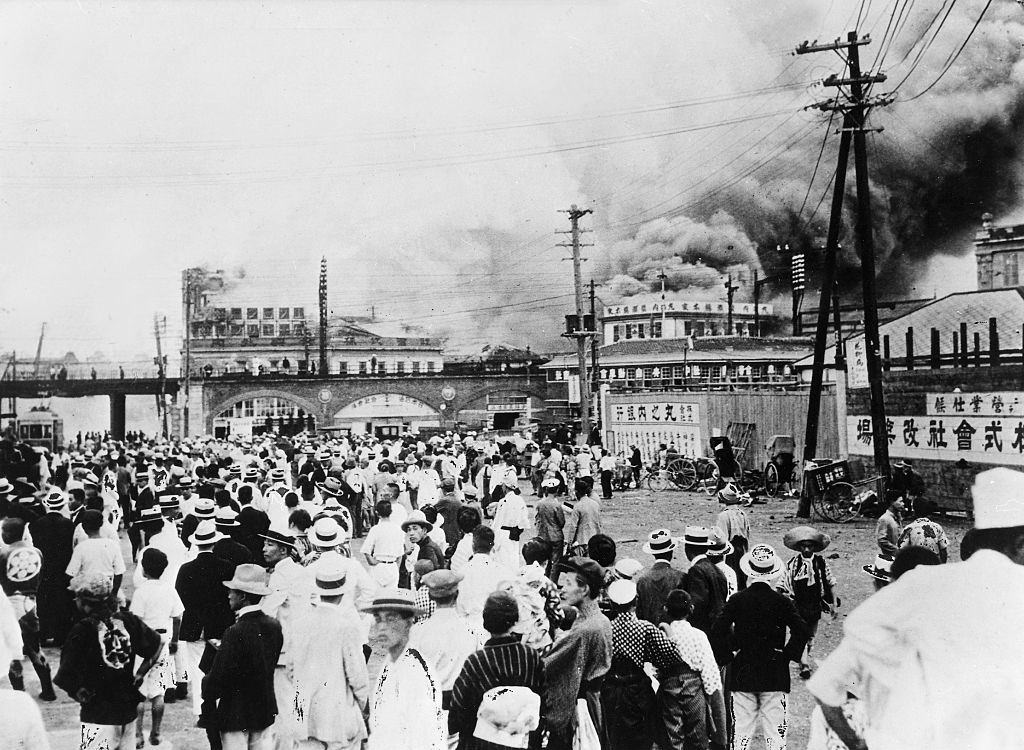
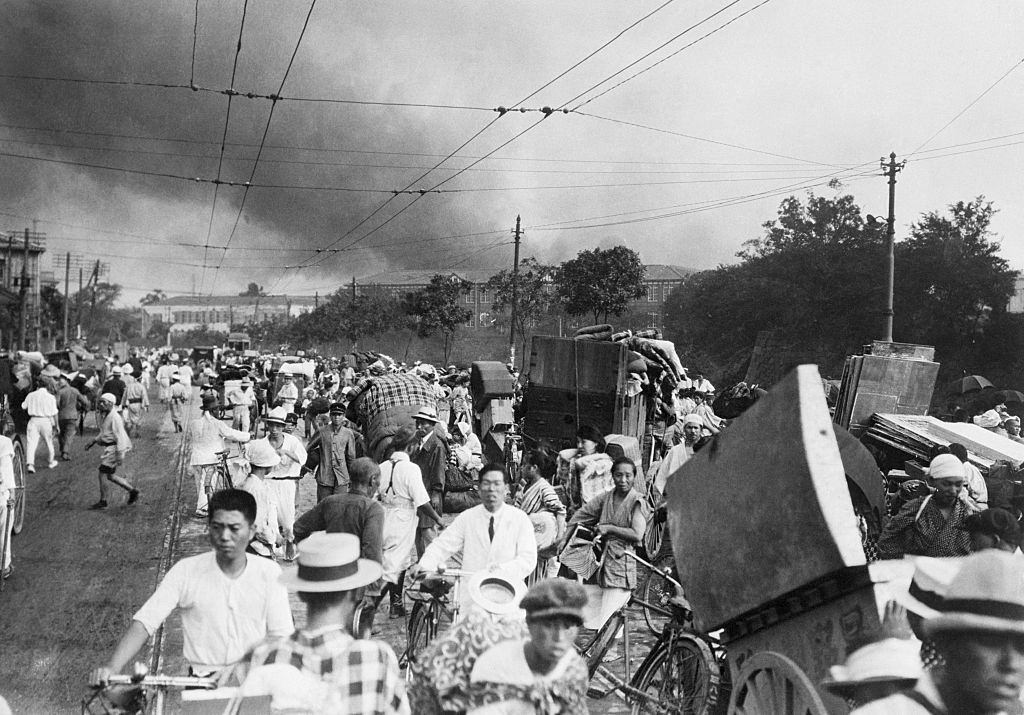
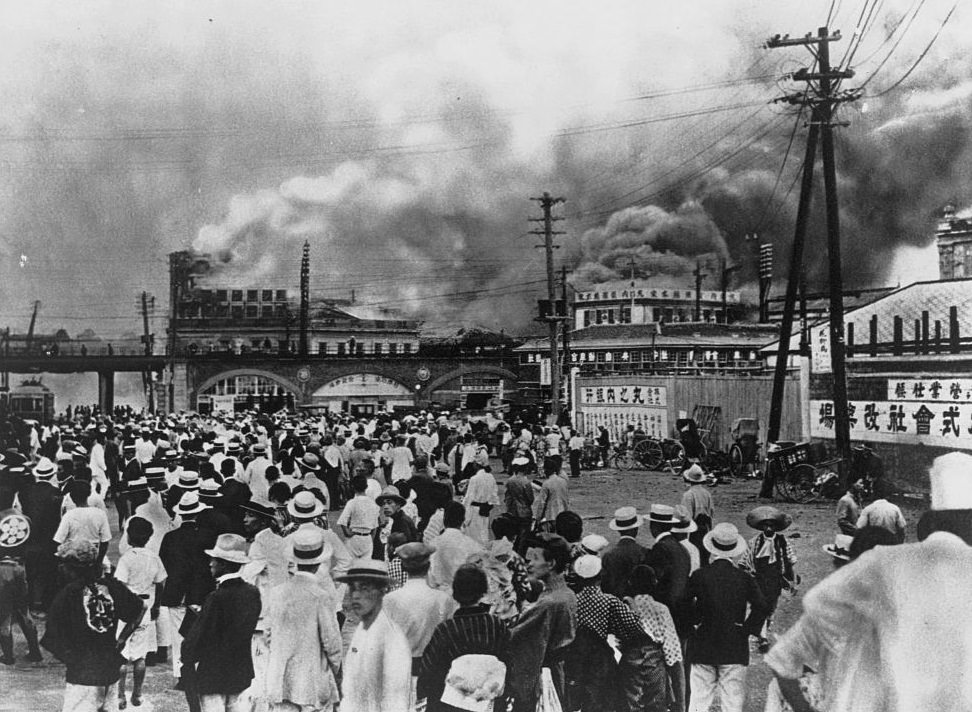
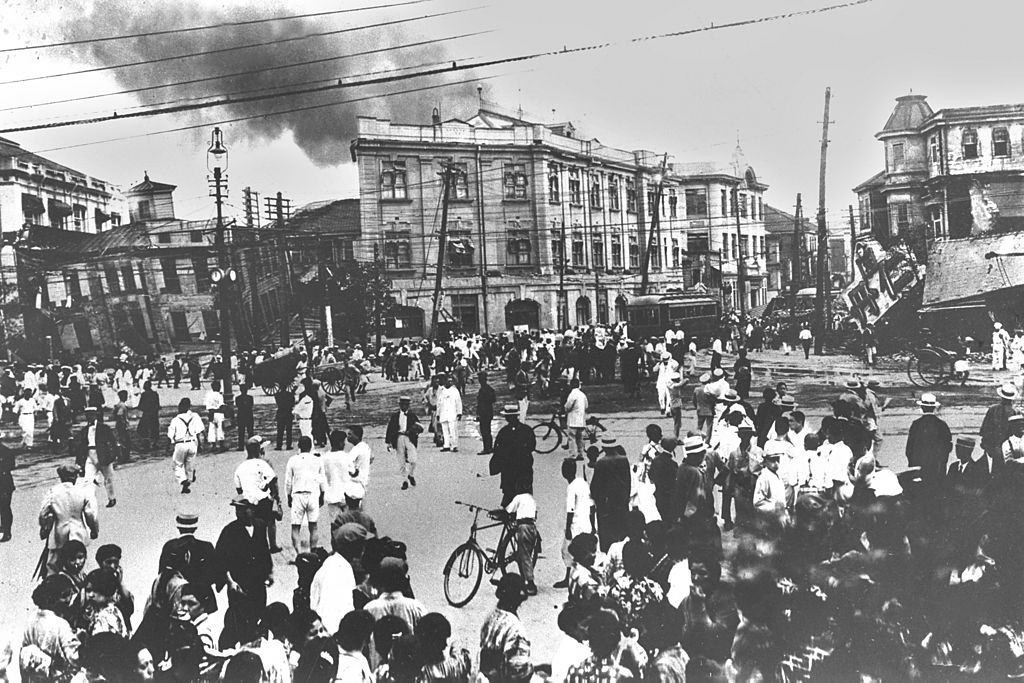
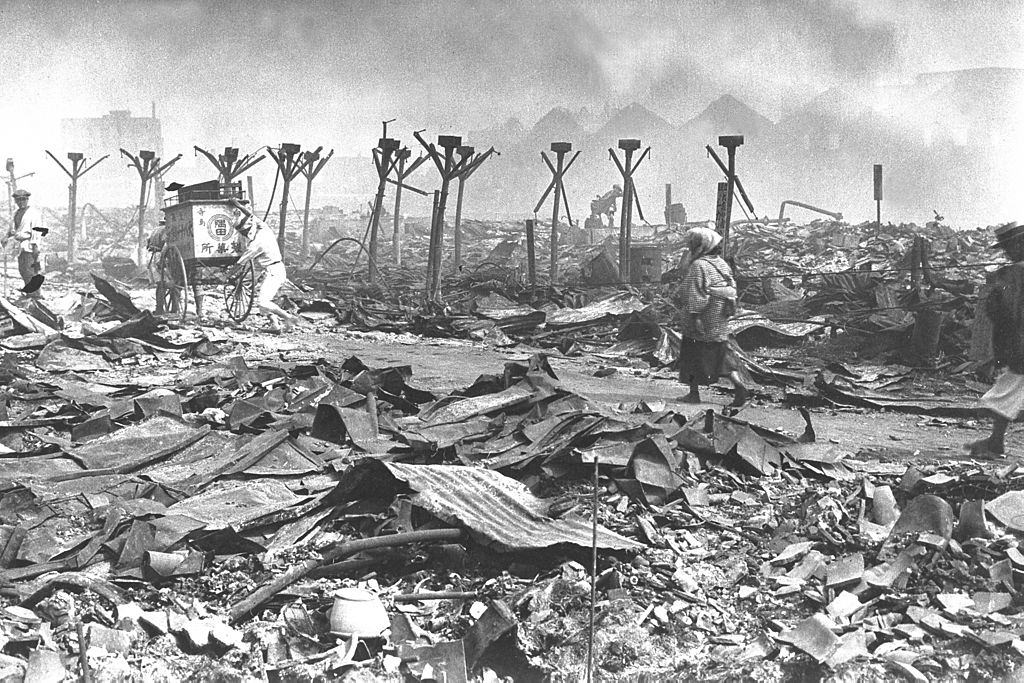
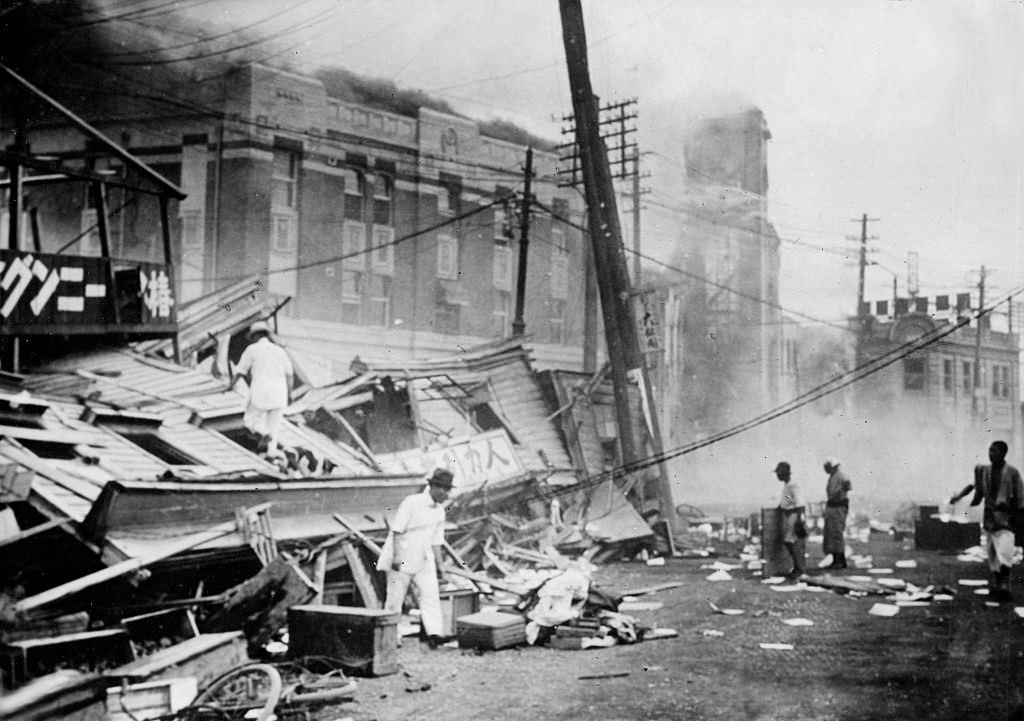
Within minutes of the quake, fires erupted across Tokyo and Yokohama. The timing was particularly deadly — it was nearly noon, and many households had charcoal stoves burning for lunch preparation. Overturned stoves and ruptured gas mains ignited wooden buildings almost instantly. Strong winds fanned the flames into a massive firestorm that tore through densely packed neighborhoods. There was no stopping it. Streets that had stood for decades were reduced to ash within hours.
Along the coast, the seismic activity triggered a series of tsunamis. In some areas, the waves reached heights of up to 12 meters, swallowing entire coastal communities. Residents who had survived the initial earthquake and fled toward the shore had no warning of what was coming.
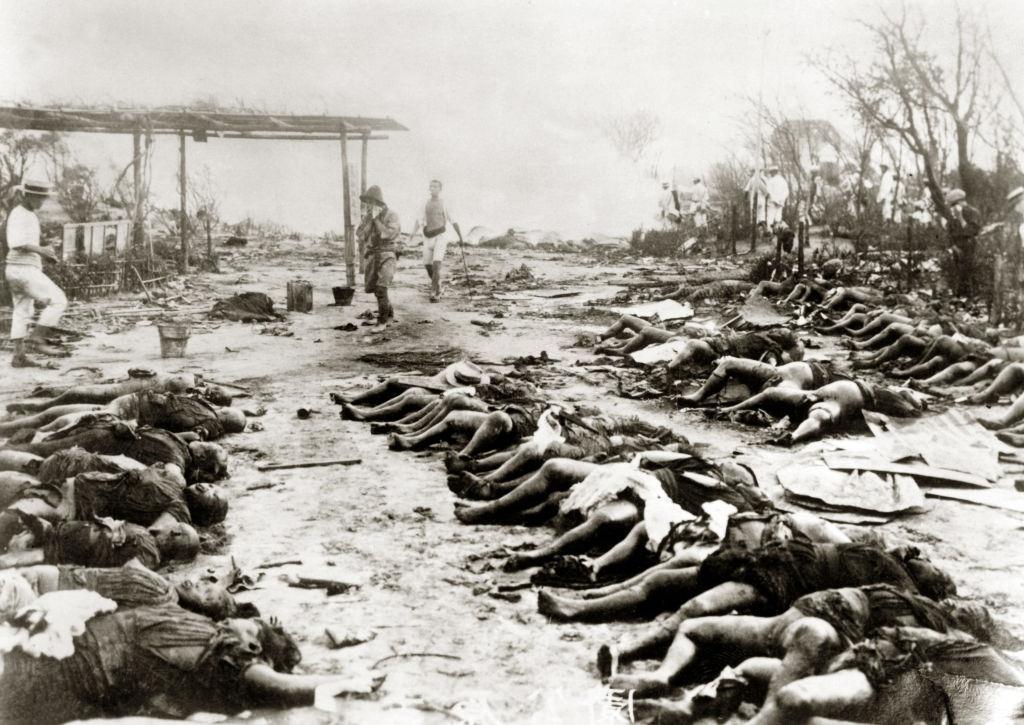
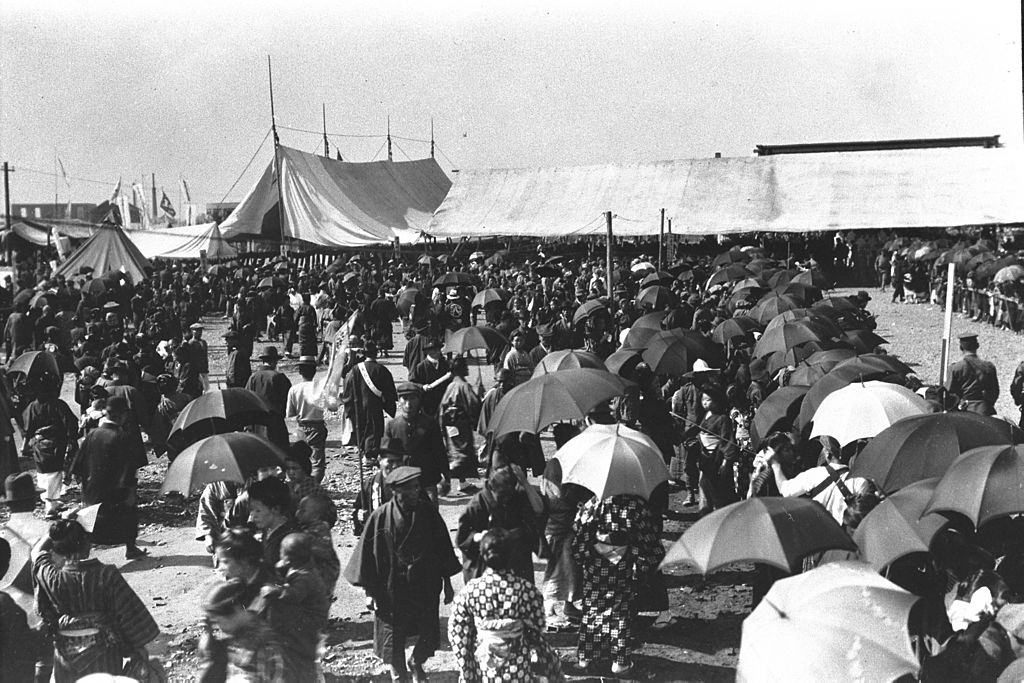
One of the deadliest single events within the disaster unfolded at the Rikugun Honjo Hifukusho — the former Army Clothing Depot in downtown Tokyo. Tens of thousands of civilians flooded into the open grounds seeking refuge from the fires. What they didn’t know was that the firestorm was surrounding them on all sides. A fire whirl — a spinning column of flame — tore through the depot and killed approximately 38,000 people in one location.
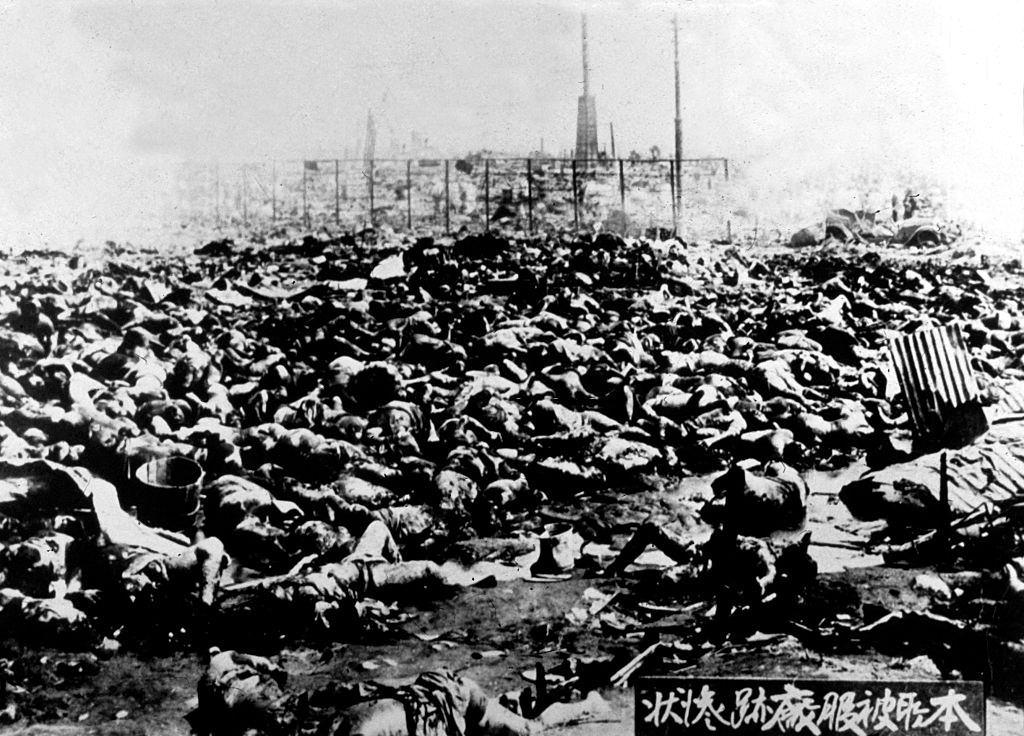
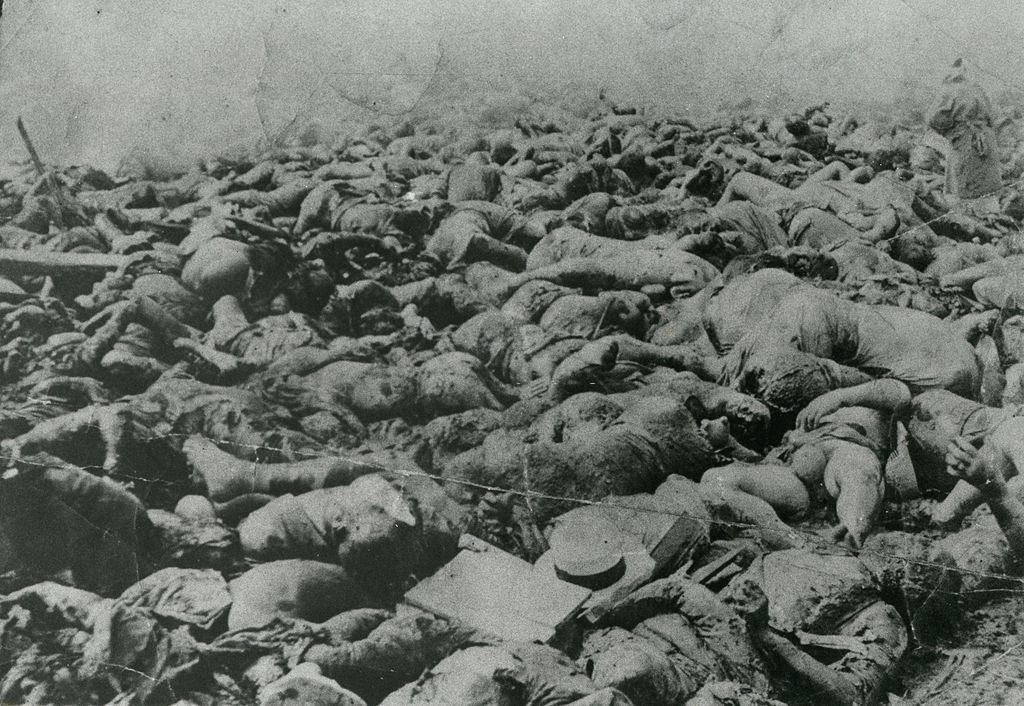
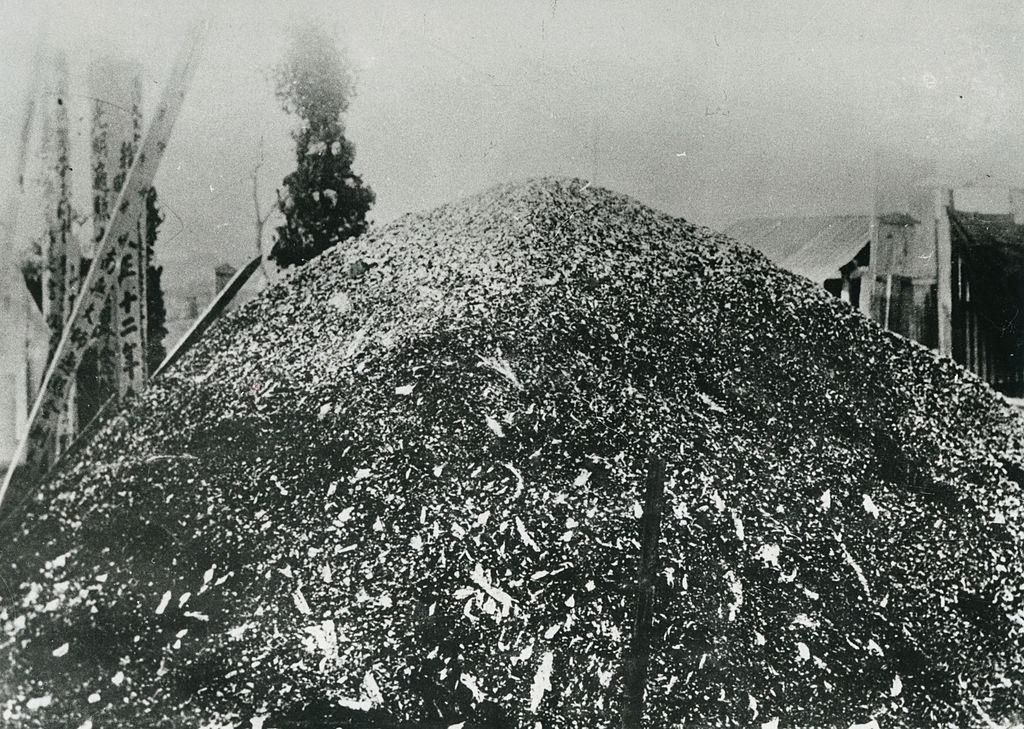
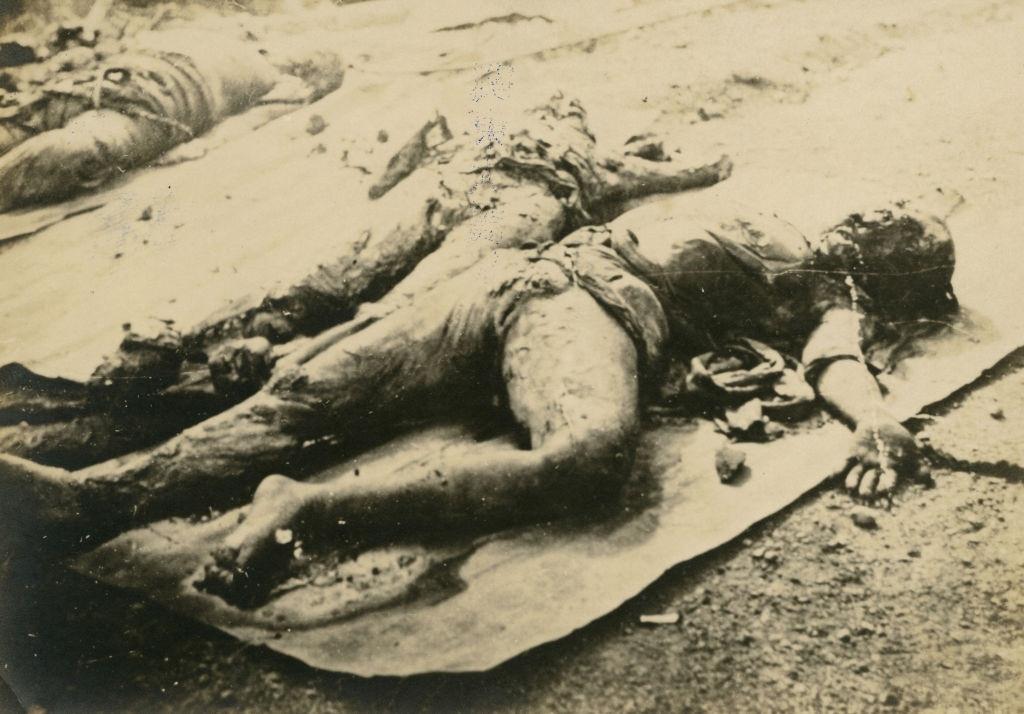
Across the wider disaster zone, the death toll climbed past 140,000 people. Victims died in collapsed buildings, burned in the firestorms, drowned in the tsunamis, or suffocated in the smoke. Many who tried to escape by jumping into rivers were found dead on riverbanks and piers in the days that followed.
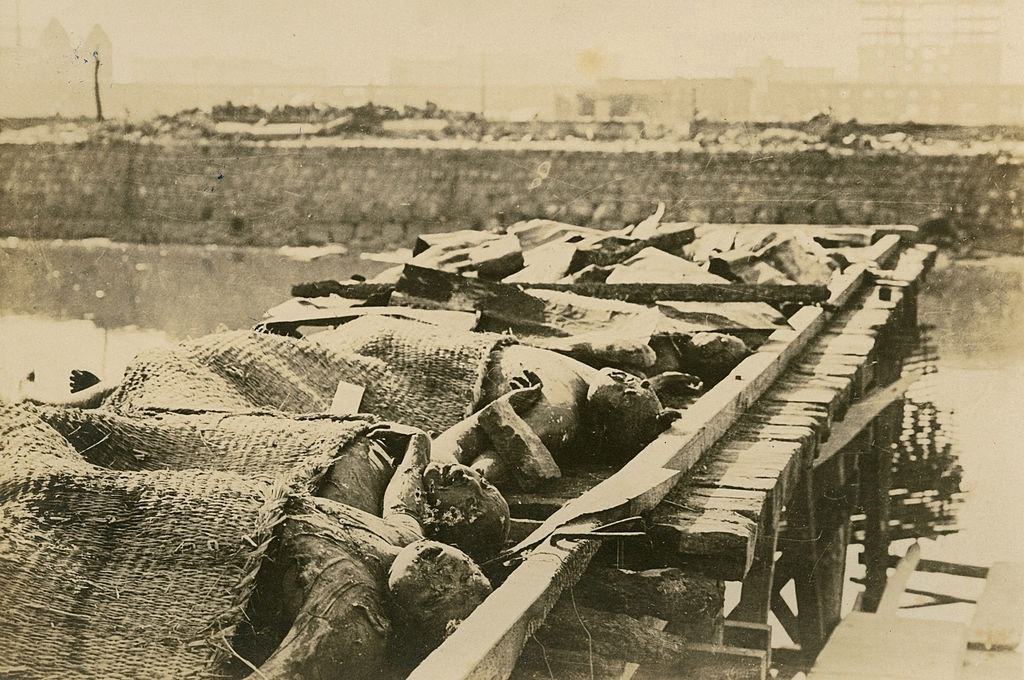
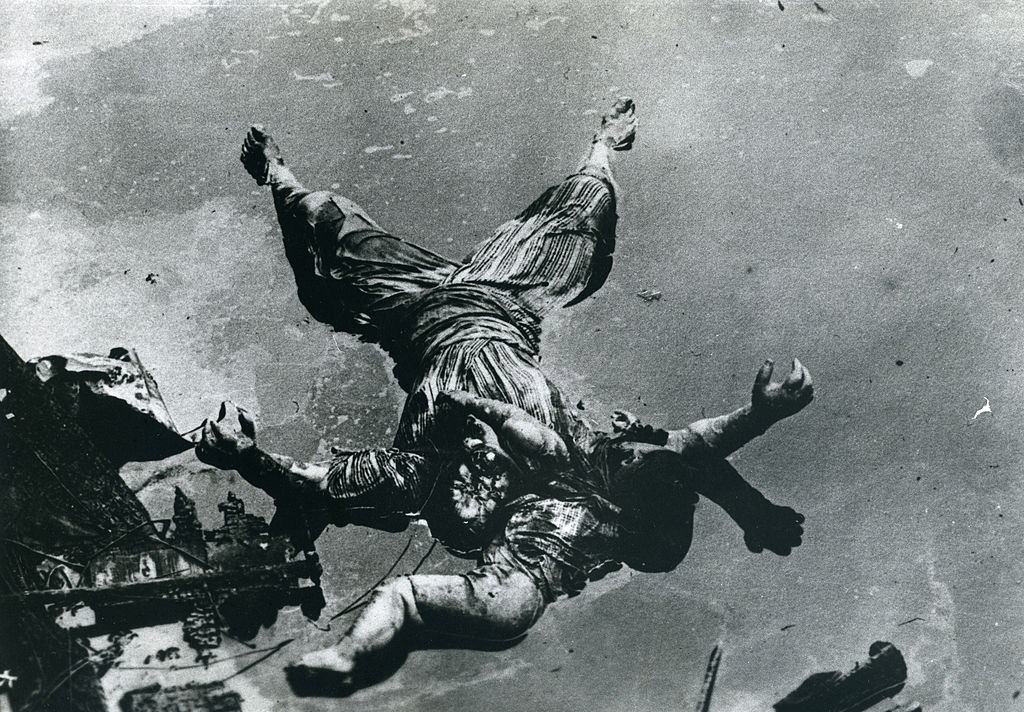
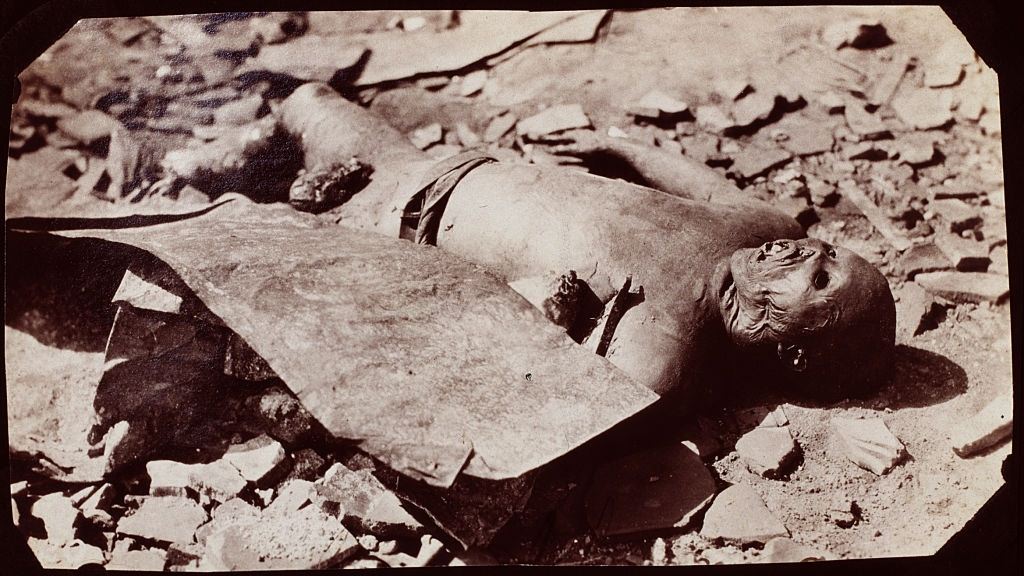
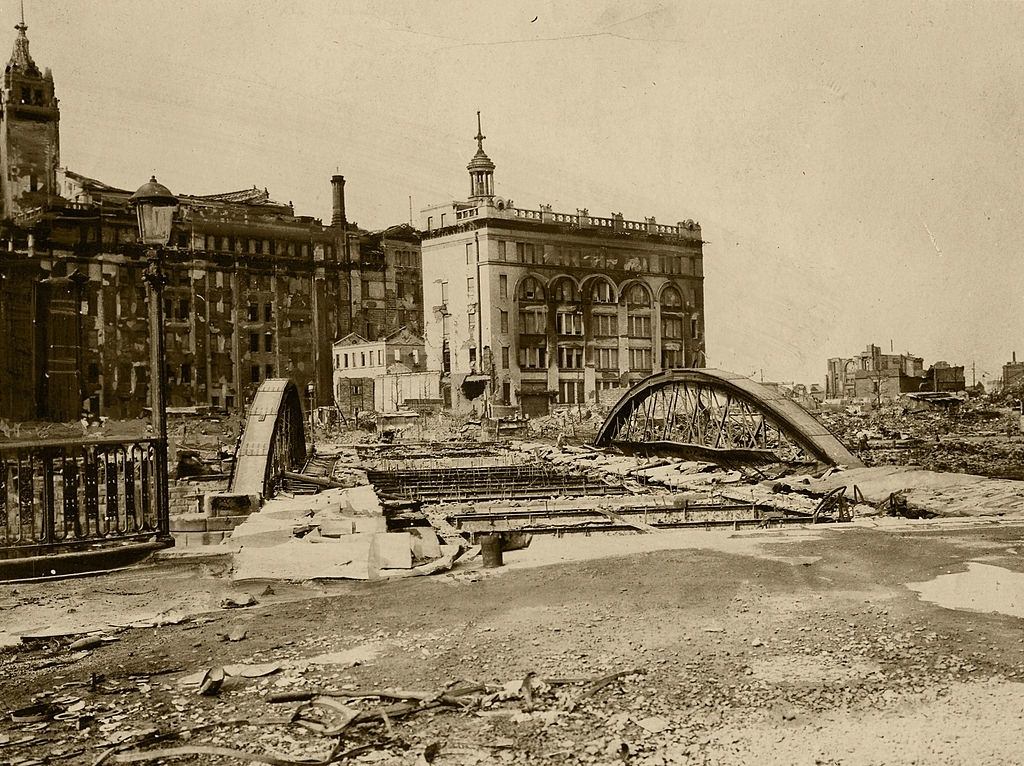
The scale of physical destruction was staggering. In Tokyo alone, more than half of all homes were destroyed. Yokohama was similarly devastated. Entire commercial districts were wiped out — the Nihombashi area, the Kanda Kajicho neighborhood, and the upscale Ginza shopping district were all reduced to rubble and ruins. Even well-constructed buildings like the Mitsukoshi Department Store, though structurally standing, were burned out entirely from the inside.
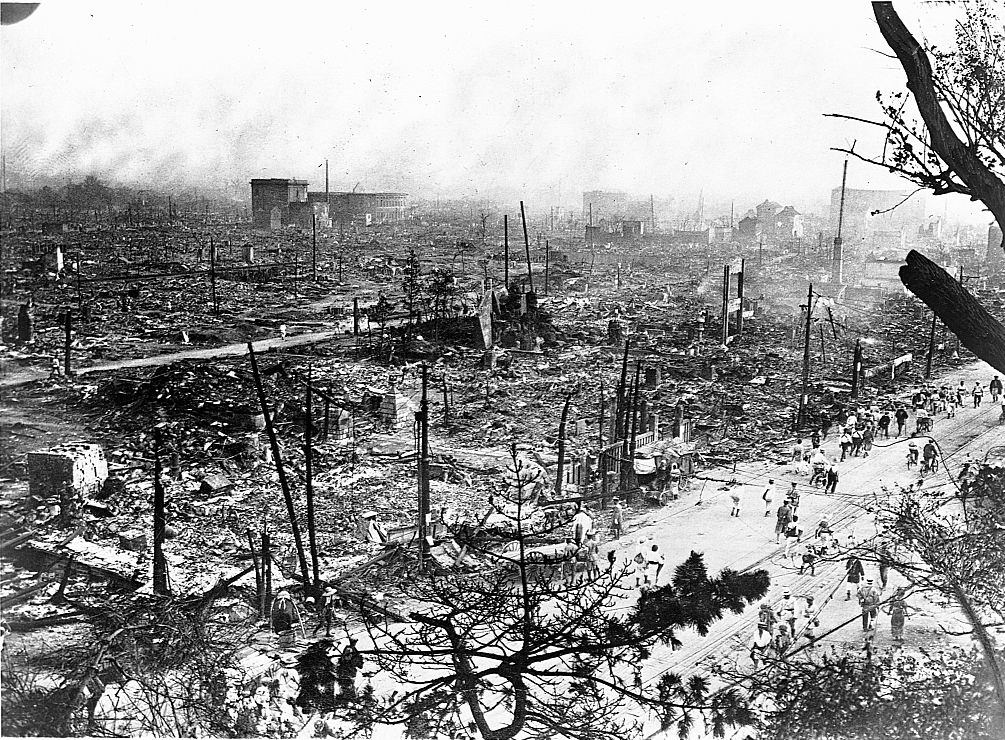
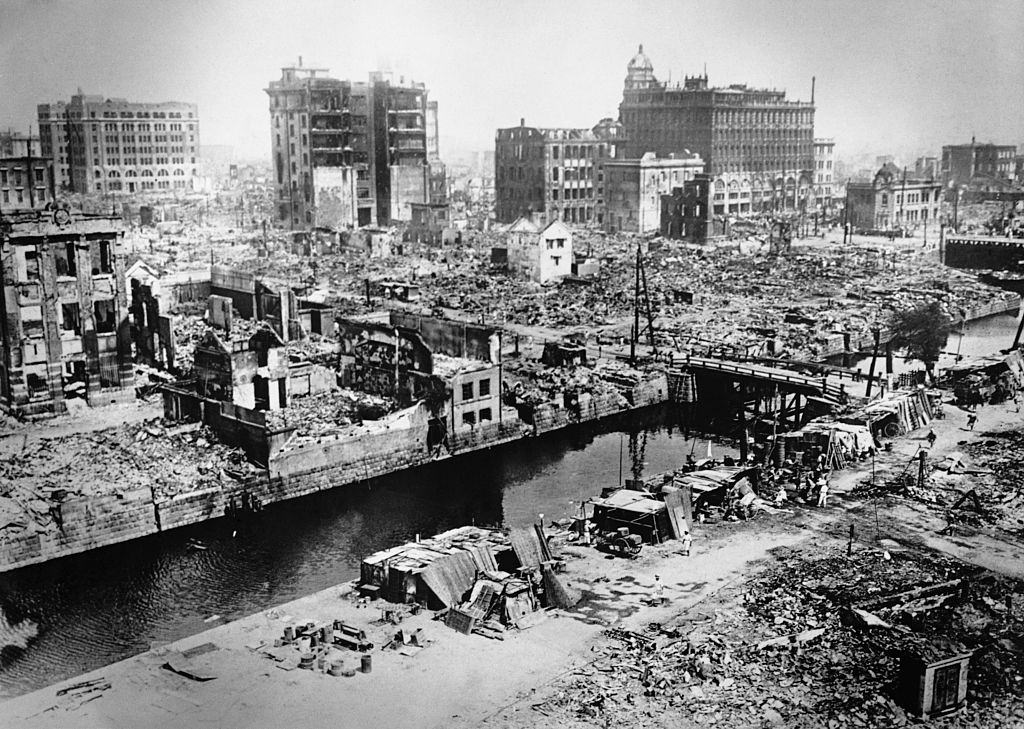
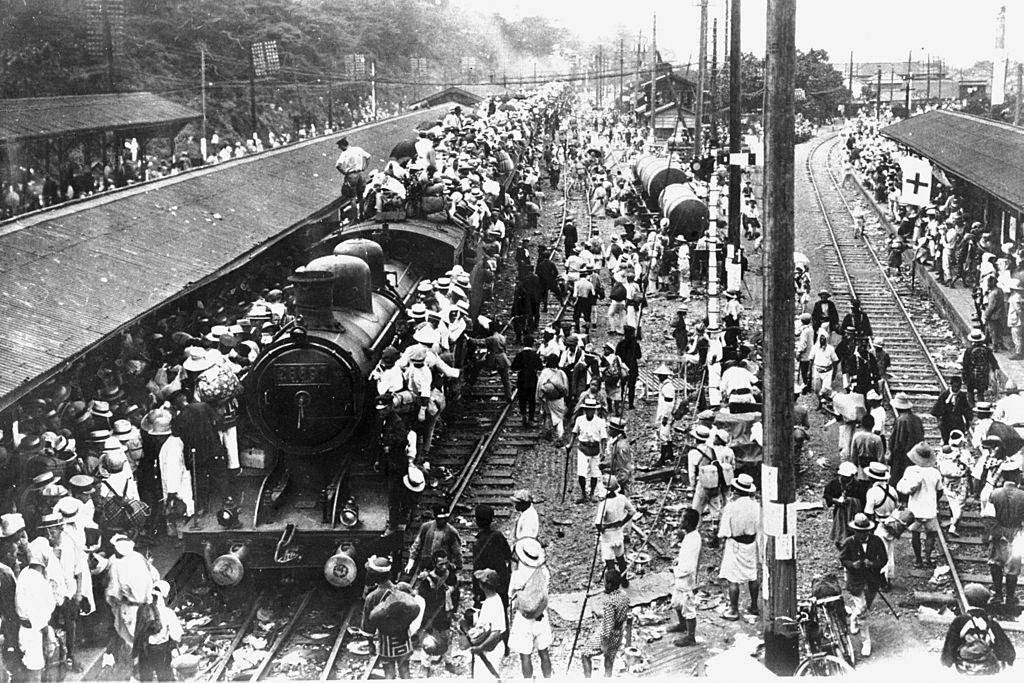
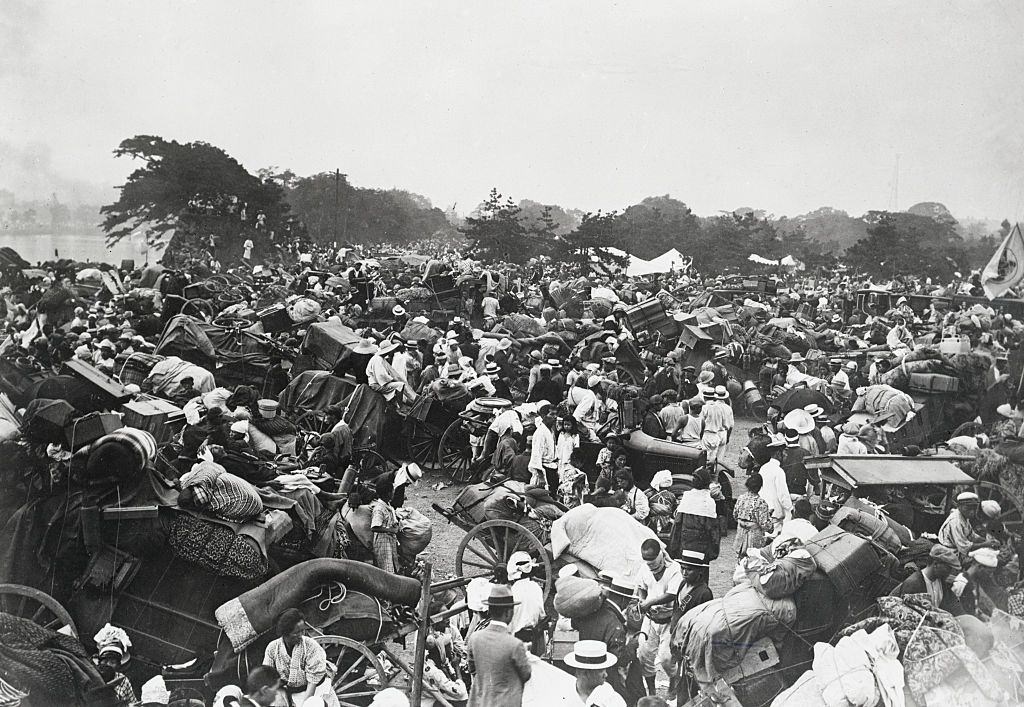
Transportation across the region ground to a halt. Tram lines were blocked by collapsed building debris. Train stations became overwhelmed with survivors desperate to flee the city. At Tabata Station, Nippori Station, and the plaza in front of Ueno Station, massive crowds gathered with whatever belongings they could carry, trying to find any route out of the burning capital.
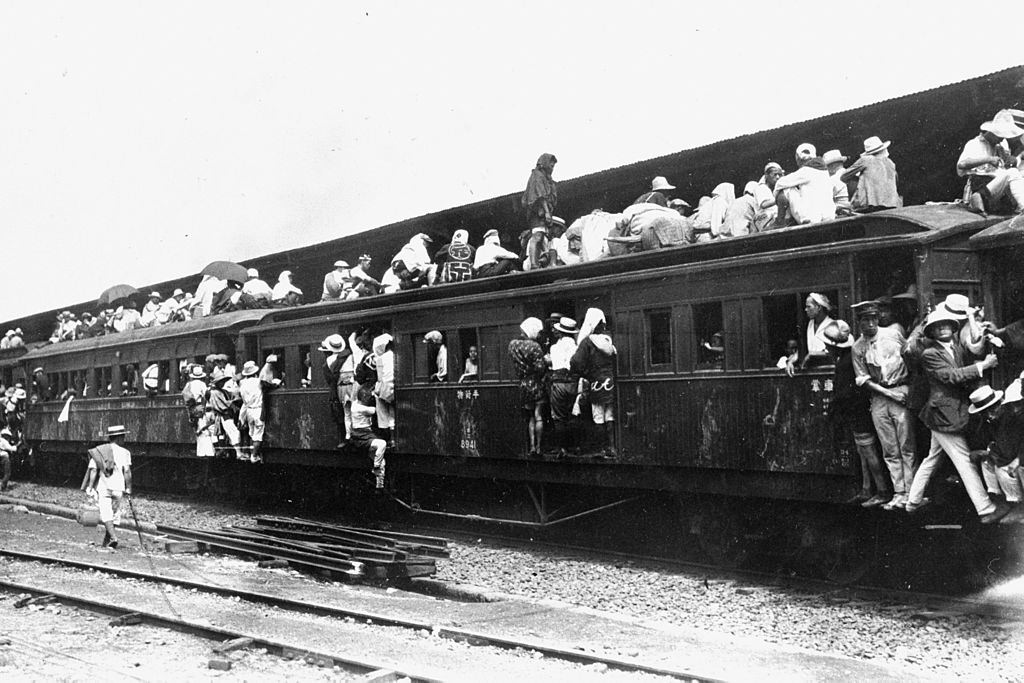
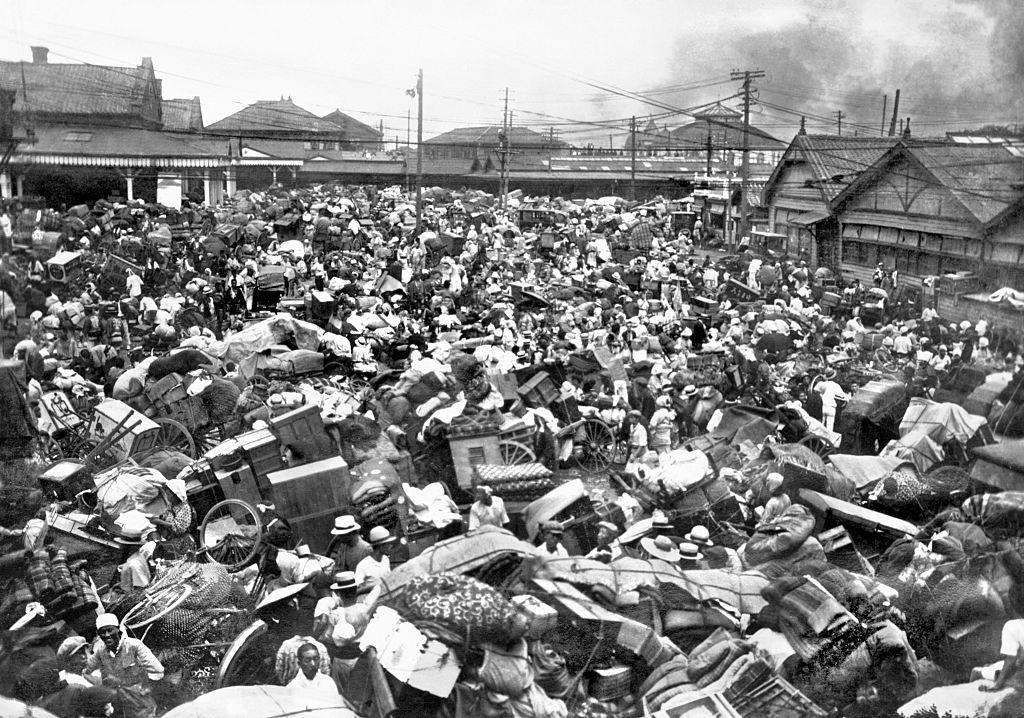
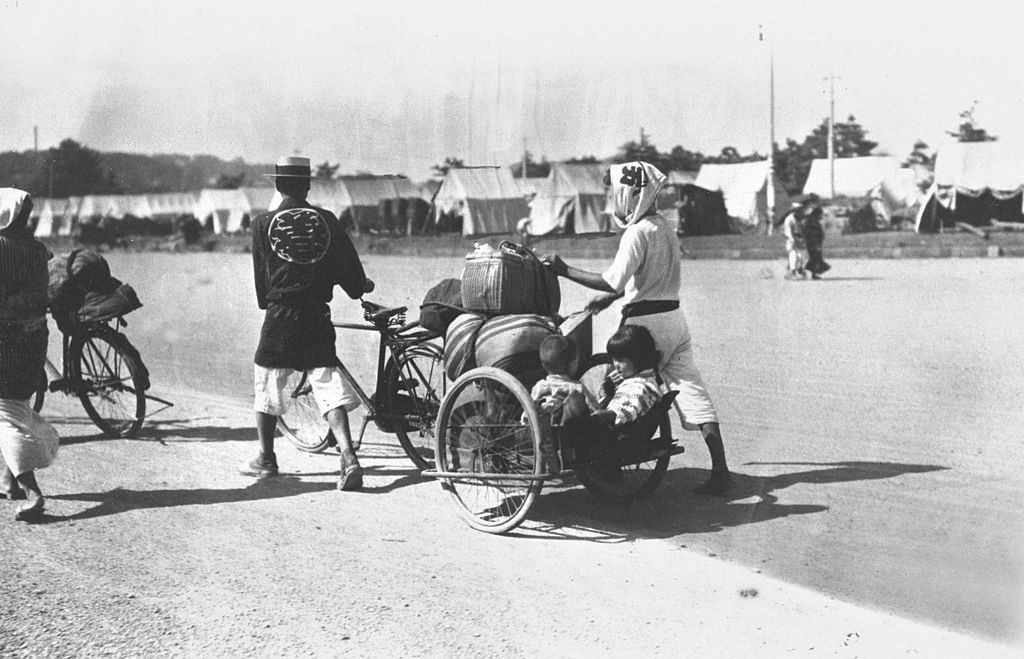
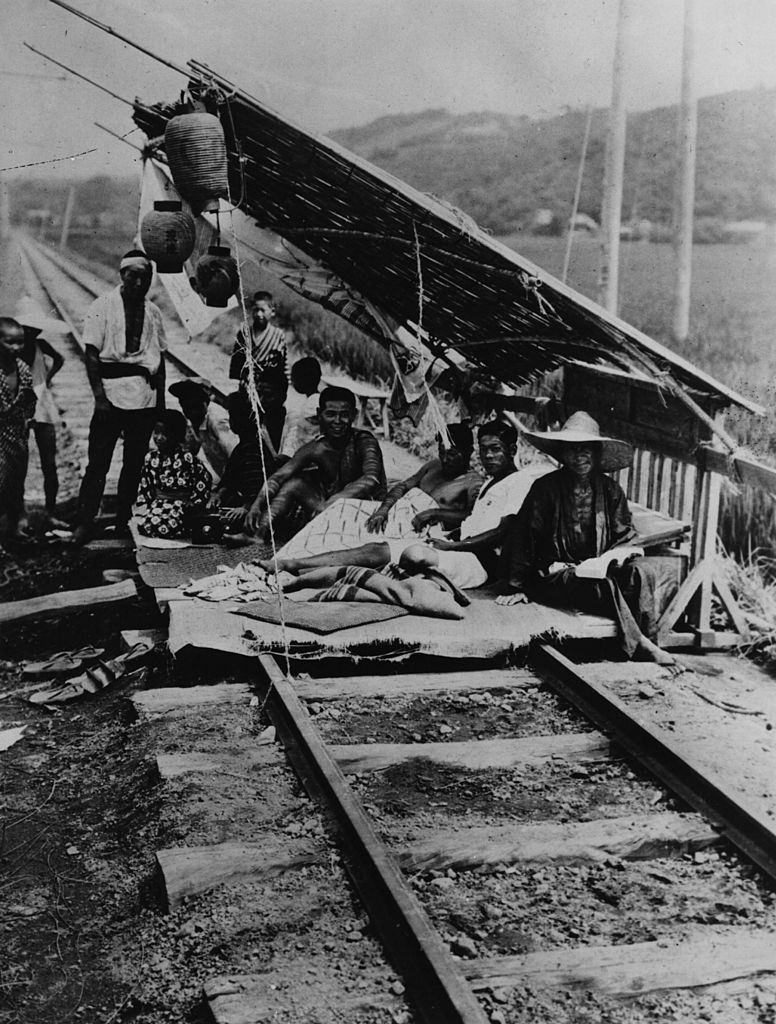
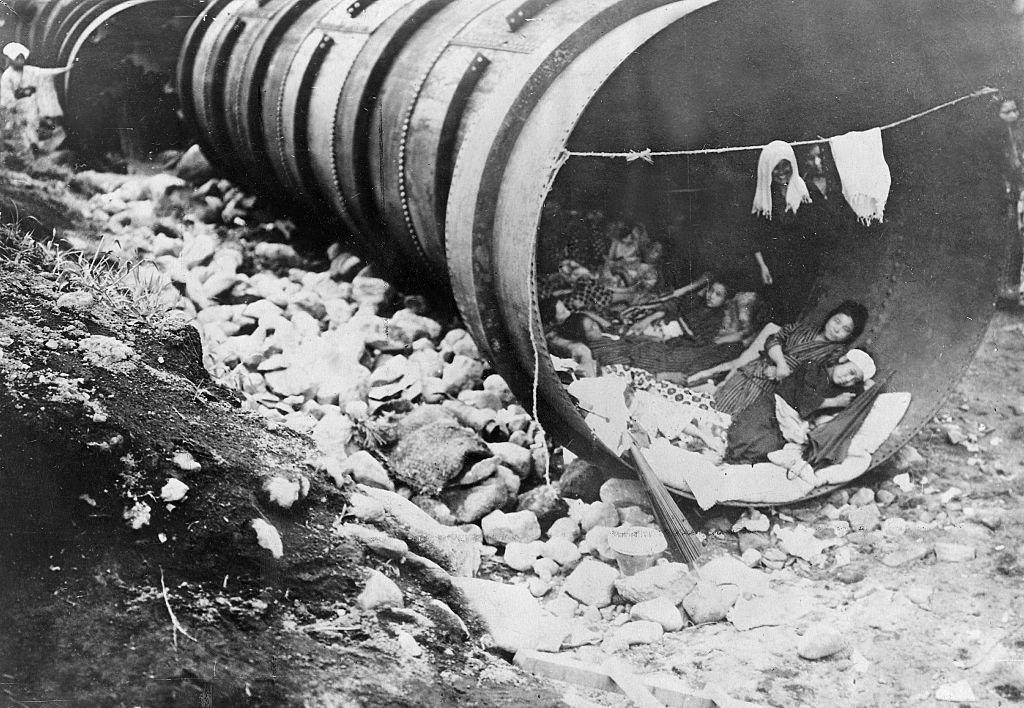
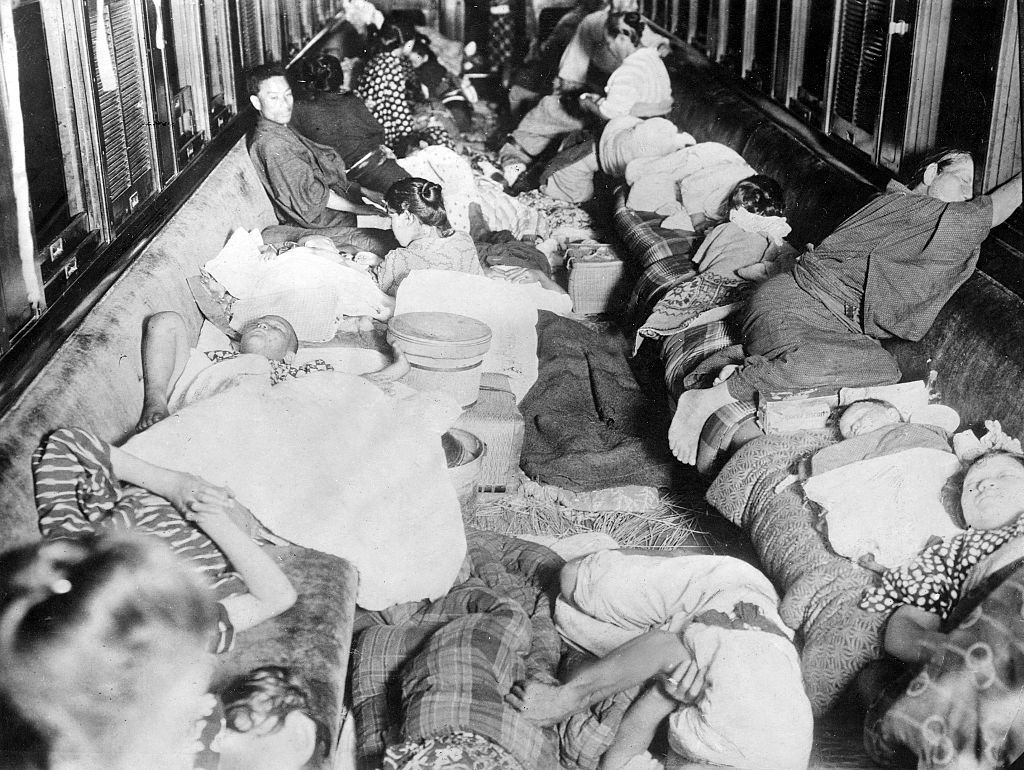
Those who couldn’t evacuate took shelter wherever they could. People crowded into city parks, gathered in the open plaza in front of the Imperial Palace, and huddled in railroad cars. Some sought refuge in sewers near Yokohama to escape the fire and smoke above ground. Families slept on rail lines and in makeshift camps, surrounded by the wreckage of their neighborhoods.
Search and rescue began immediately, but conditions made it nearly impossible. Rescue teams and charnel house workers in cloth masks picked through collapsed office buildings and buried neighborhoods looking for survivors and bodies. The injured were treated out in the open — on streets, in parks, and aboard ships anchored at Yokohama Port, since hospitals were either destroyed or overwhelmed.
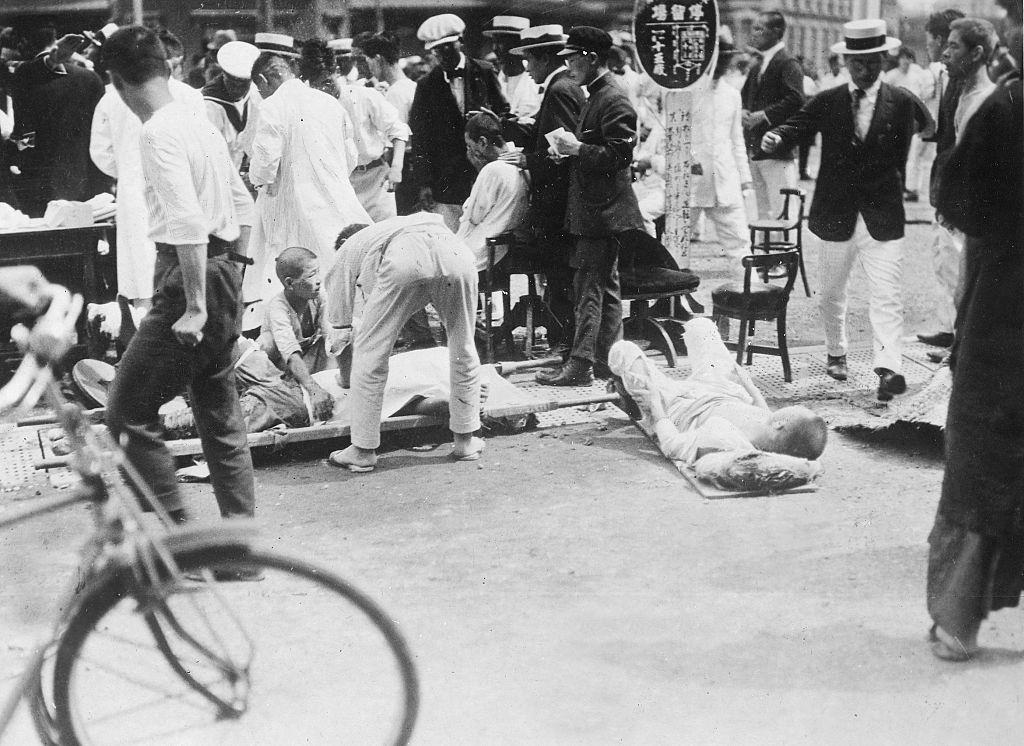
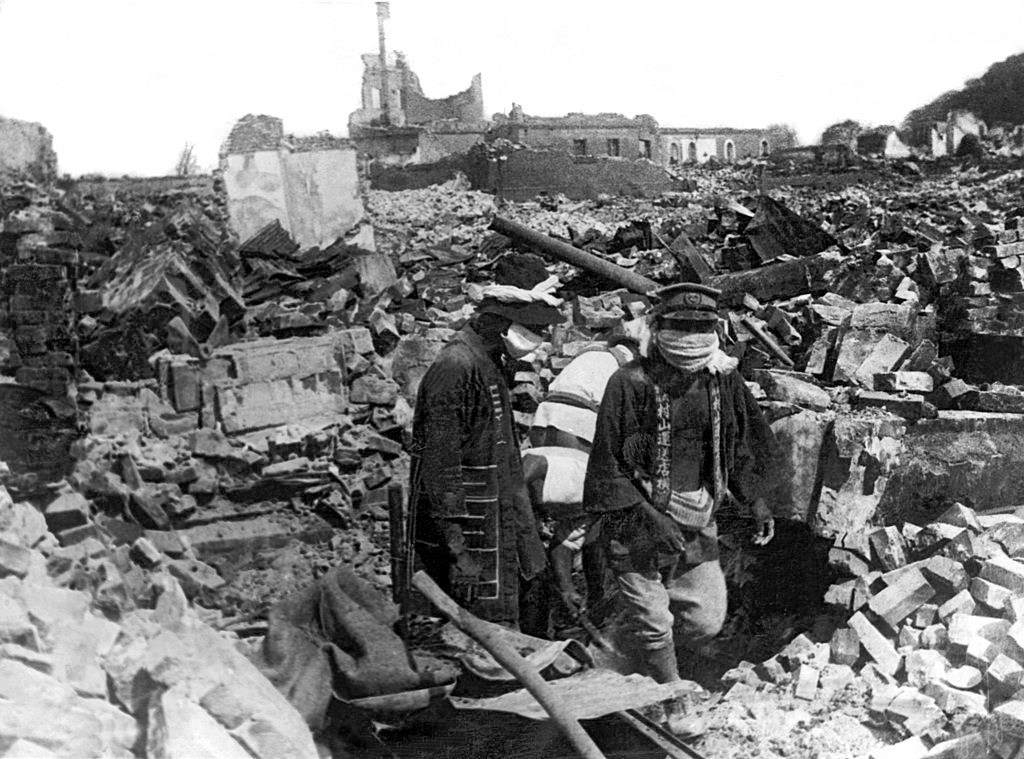
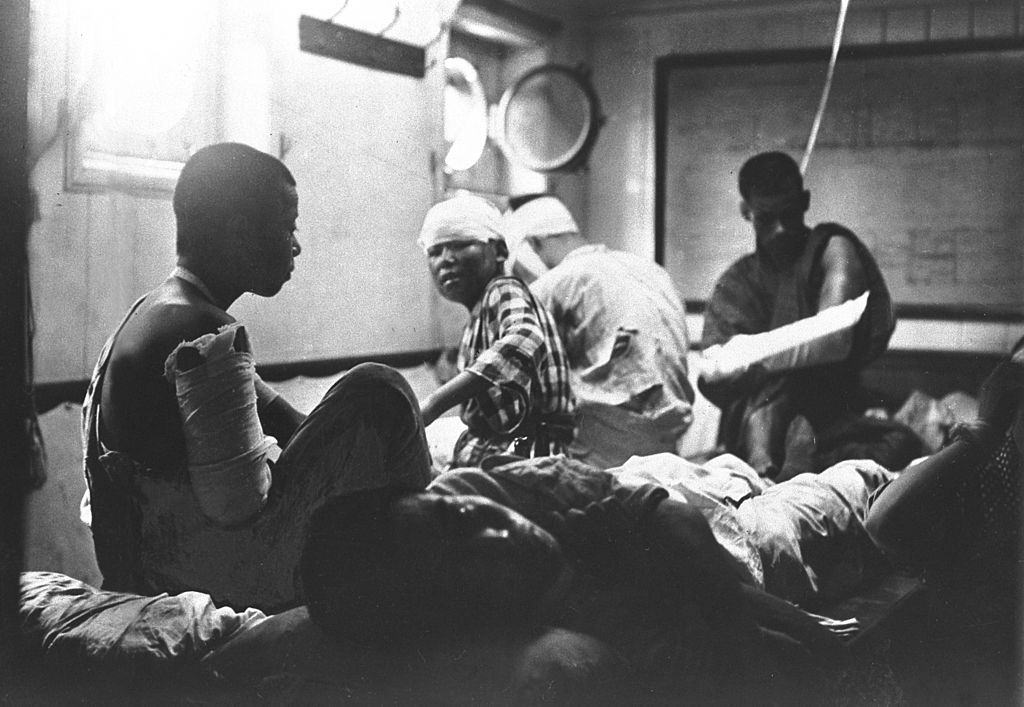
Burials began as quickly as resources allowed. With tens of thousands dead, the process of recovering, identifying, and interring victims stretched on for weeks. Temporary medical centers and relief stations were set up at schools and public buildings. At Ichigaya Elementary School, aid supplies were distributed while debris and victims still floated in the Sumida River nearby. People posted notes with names and addresses on public monuments, desperately searching for family members.
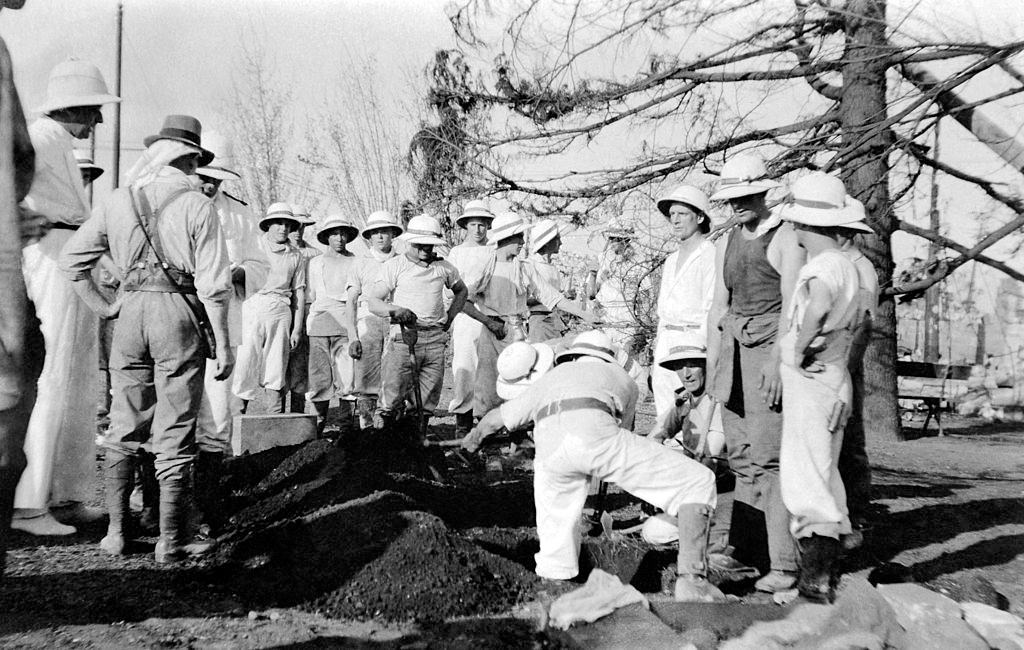
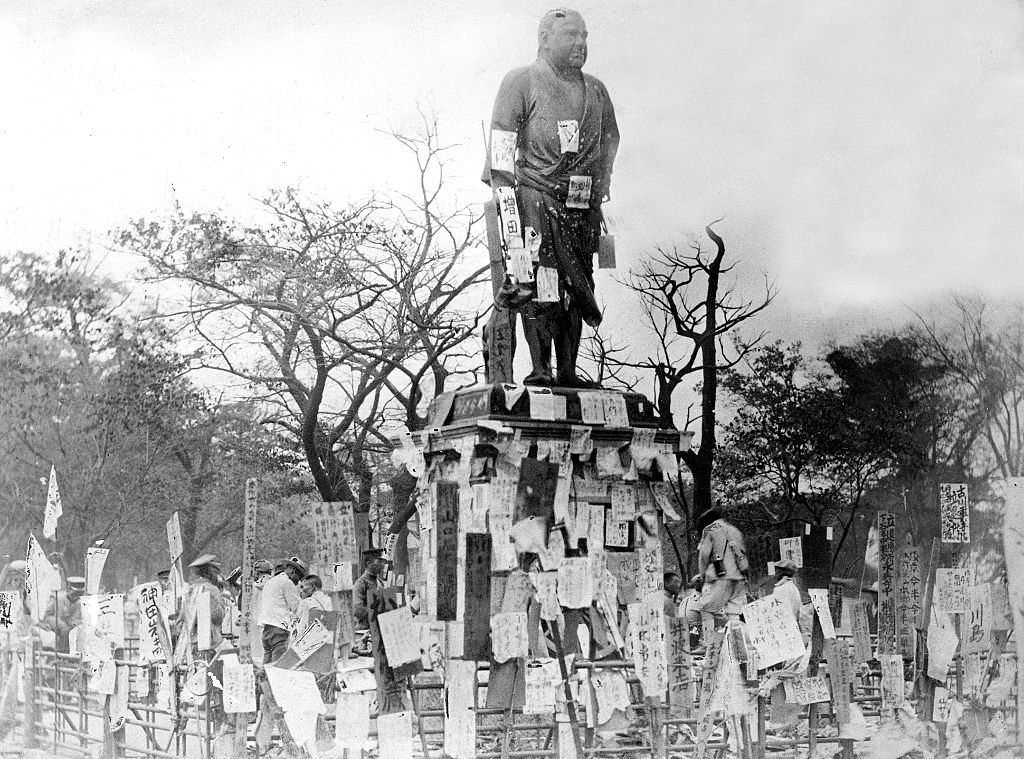
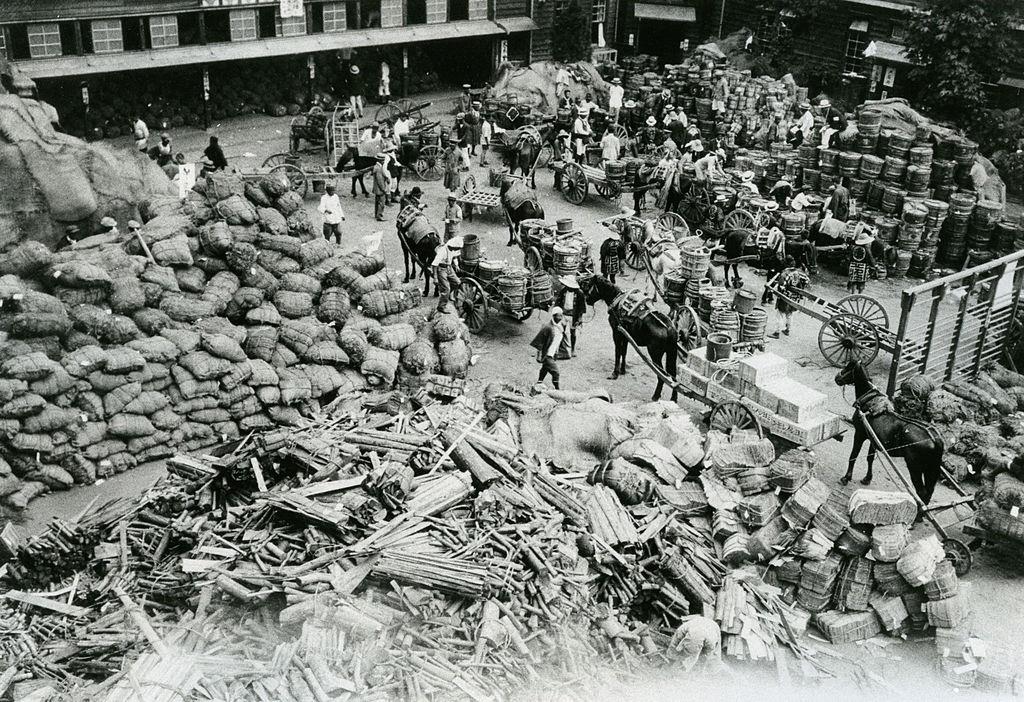
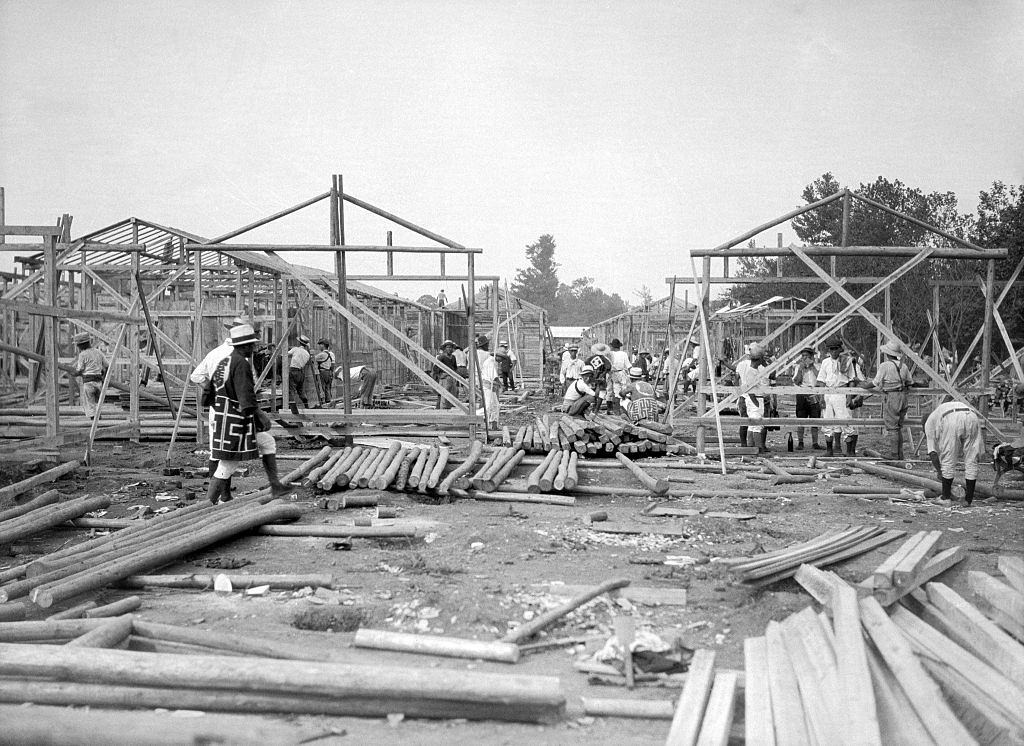
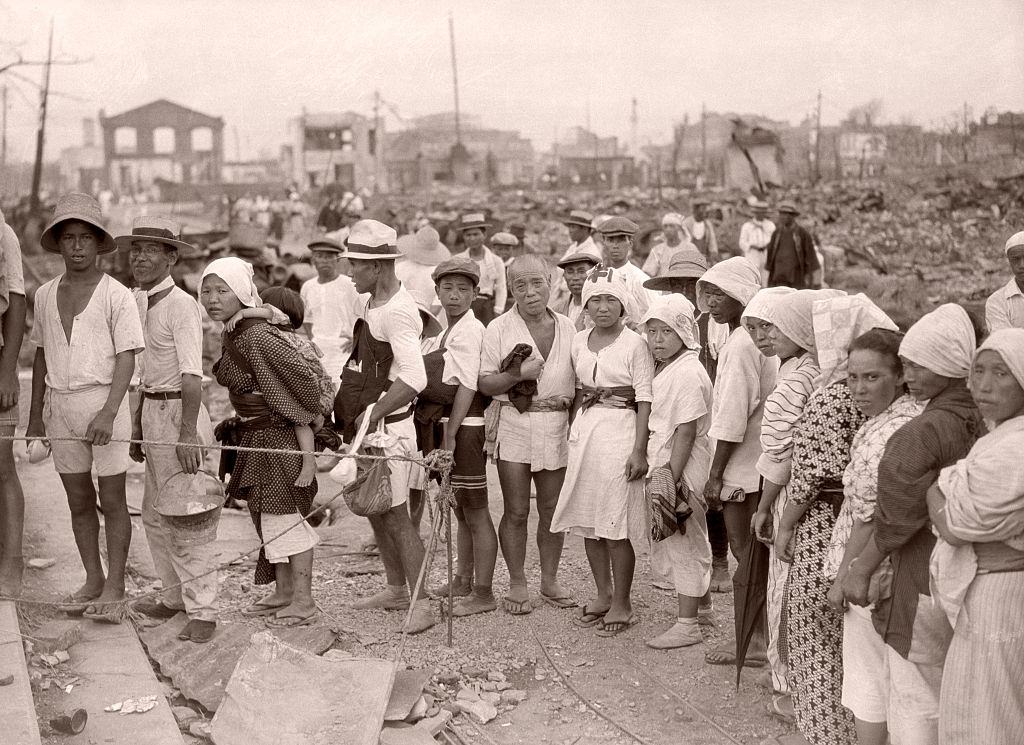
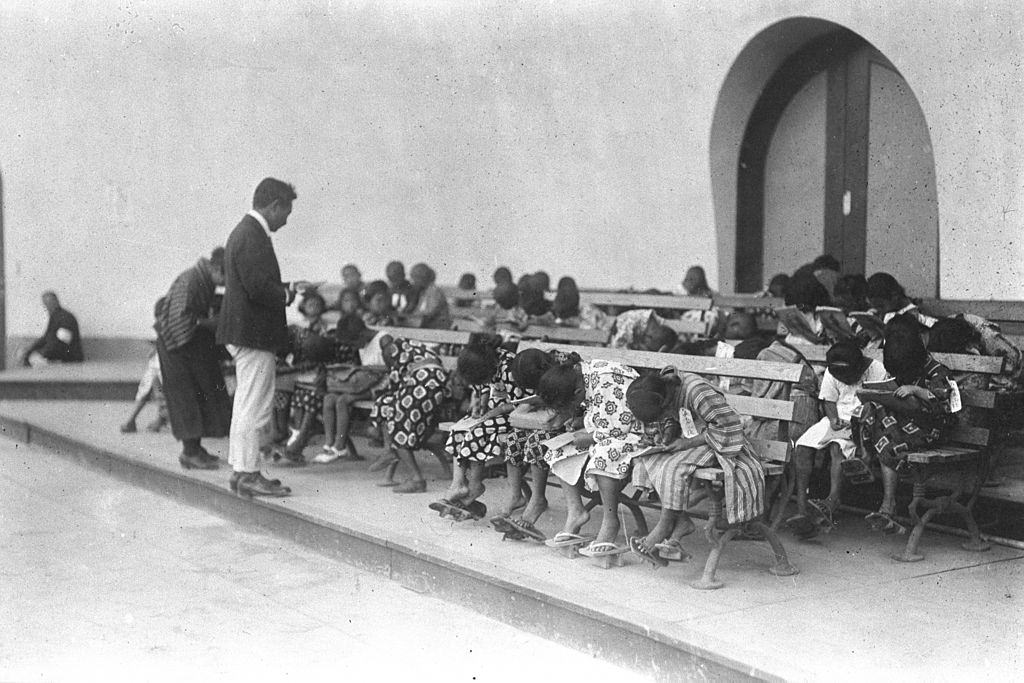
Survivors who had escaped the city made their way on foot through damaged roads and mountain passes. Those who remained behind lined up at relief stations for food and medical attention. Temporary housing villages were established in parks like Hibiya, where evacuated children were placed in makeshift classrooms inside the music hall. Life was being rebuilt in fragments, piece by piece, in the shadow of the ruins.
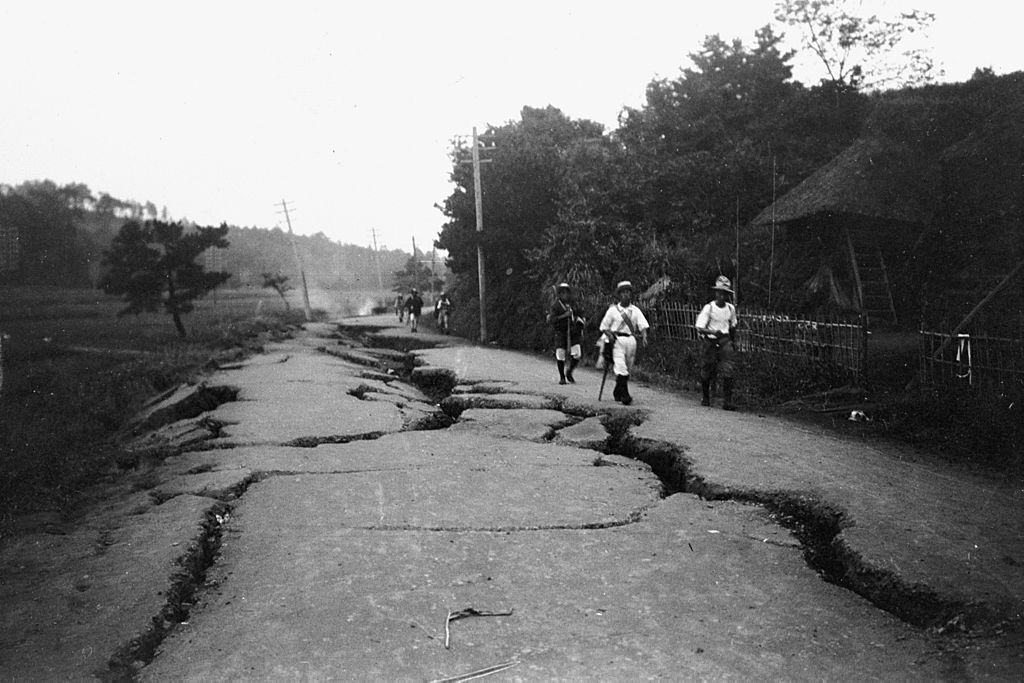
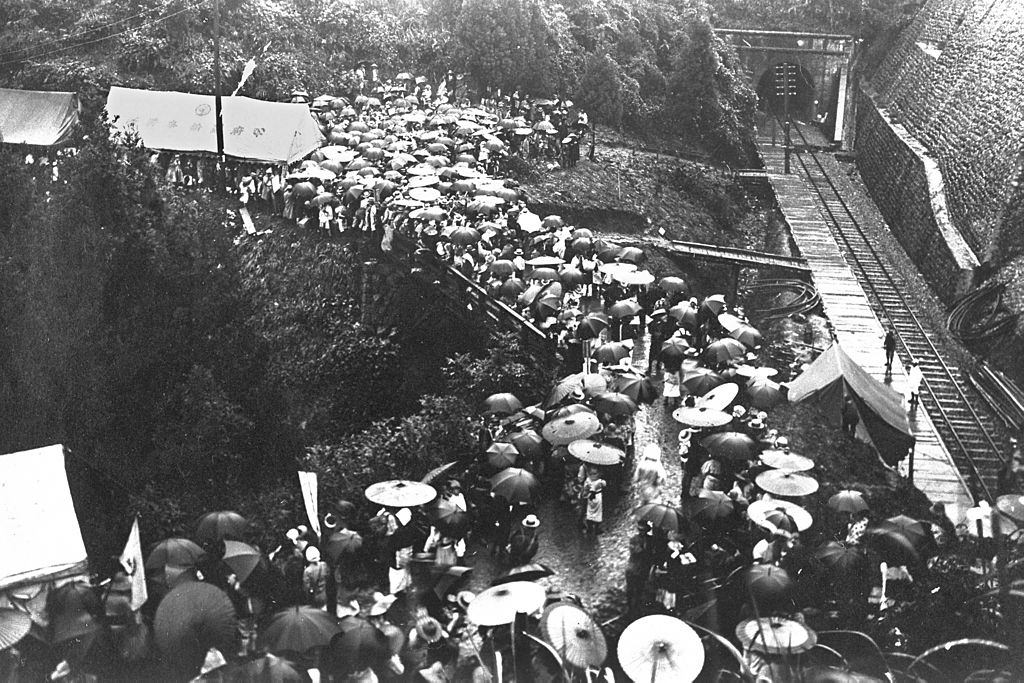
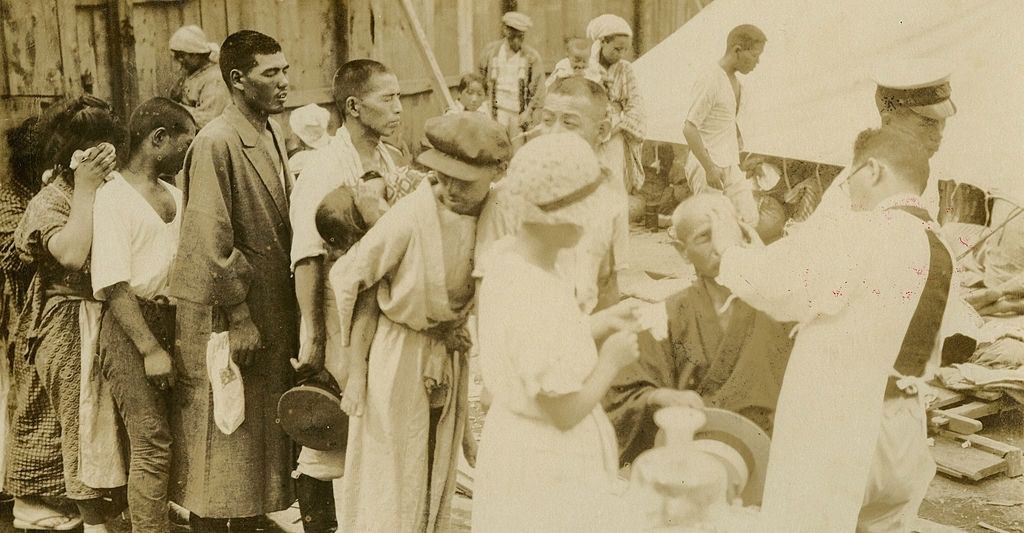
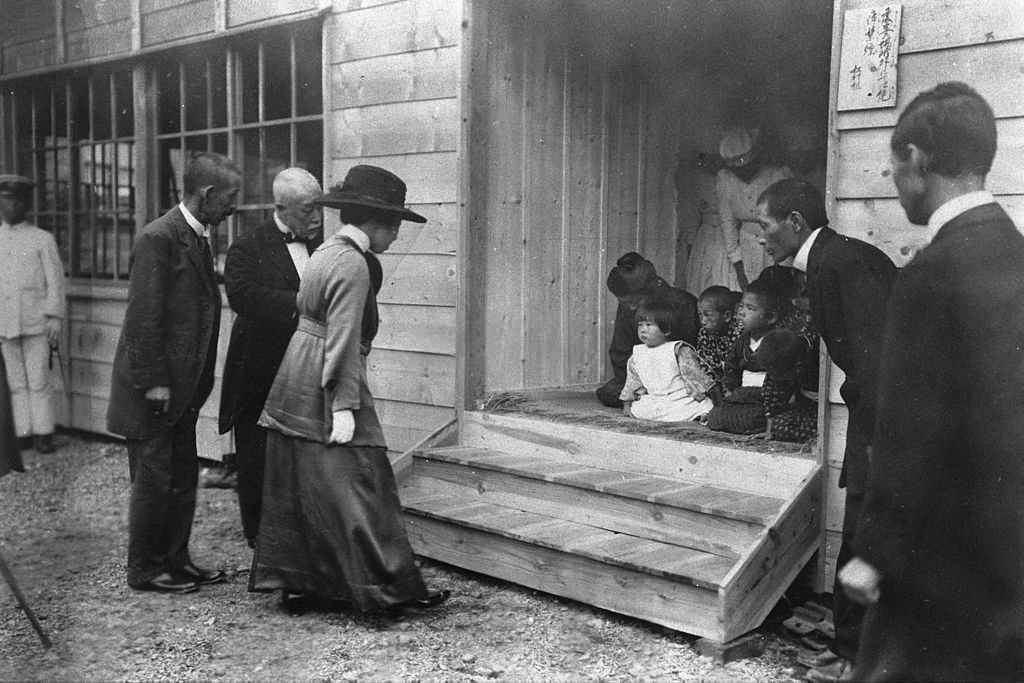
In October 1923, families of those who died at the Army Clothing Depot gathered at the site for a 49-day memorial service — a traditional Buddhist observance marking the passage of the dead. Empress Teimei visited a temporary hospital on October 30, 1923, to acknowledge the injured and the relief workers caring for them. Even as the grief remained raw, the work of clearing debris and reconstructing entire city blocks was already underway.
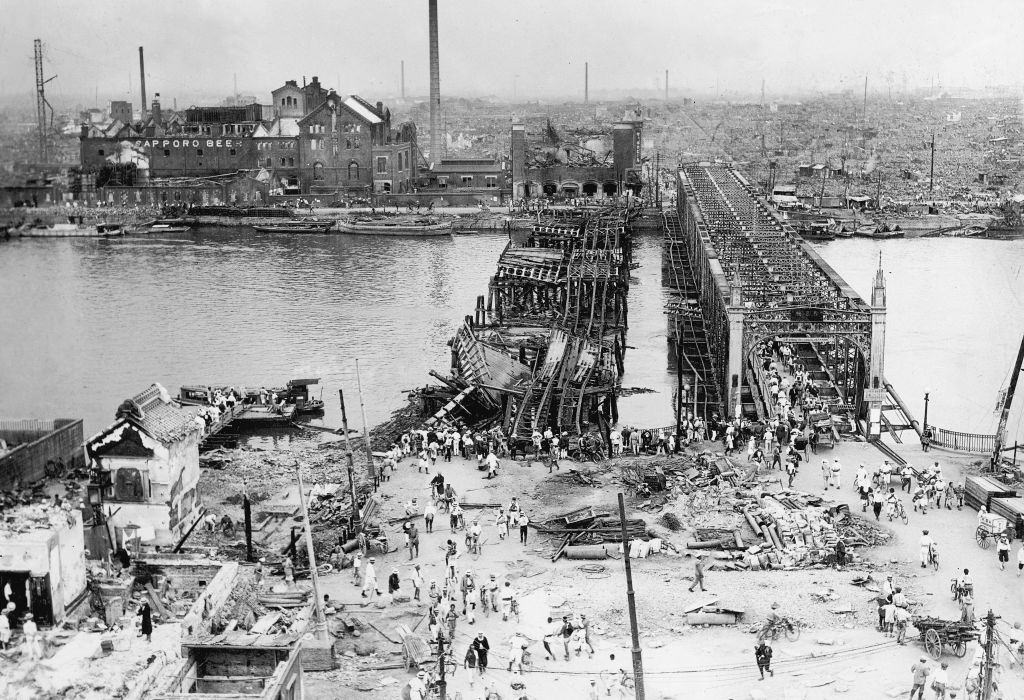
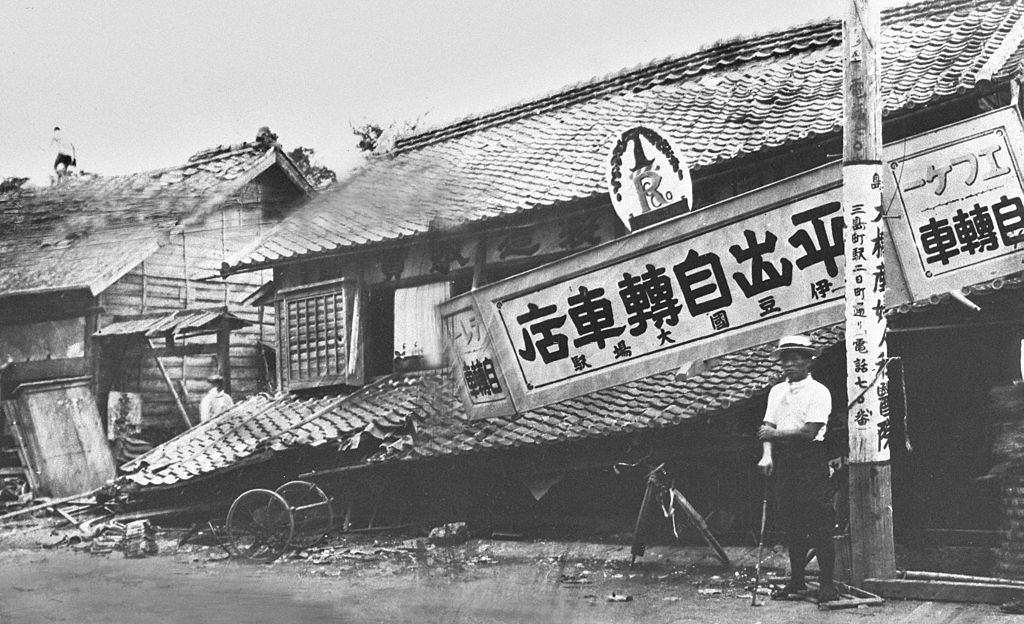
Across the Kanto region, whole neighborhoods had to be cleared before any rebuilding could begin. Workers sifted through the rubble of commercial streets and residential areas alike. Small businesses — bicycle shops, storefronts, and market stalls — lay crushed under fallen structures. Rooftops had been torn away by the force of the quake. The sheer scope of what needed to be cleared, let alone rebuilt, was almost incomprehensible.
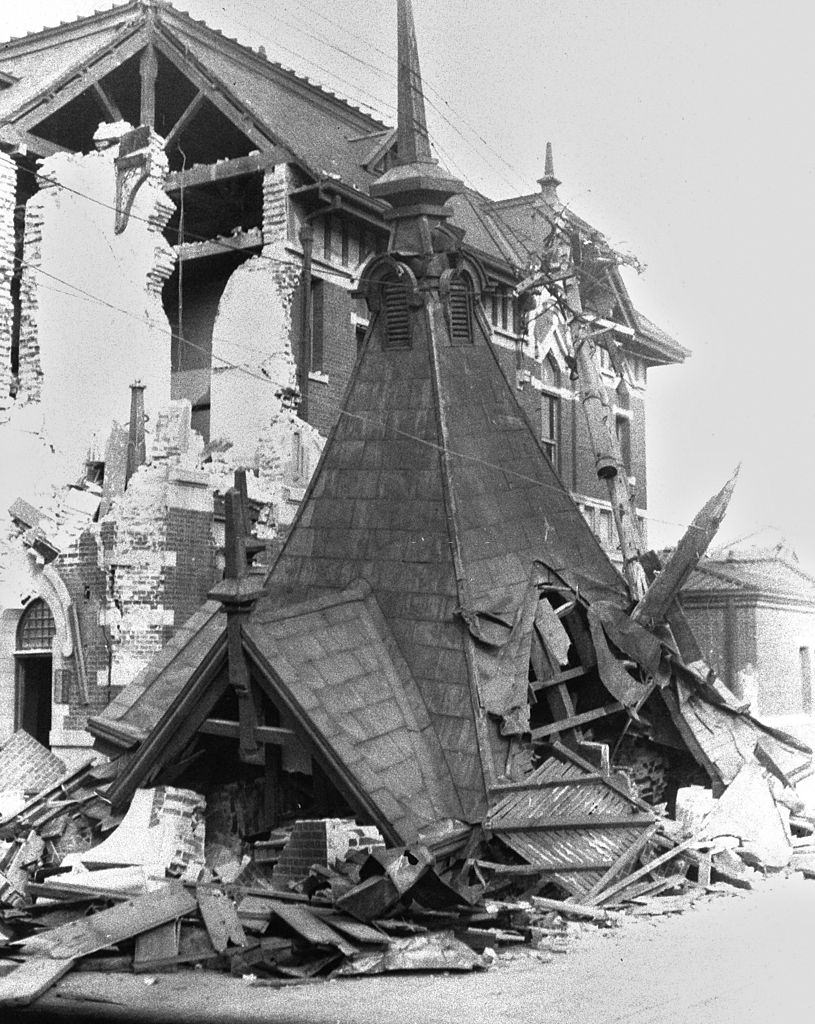
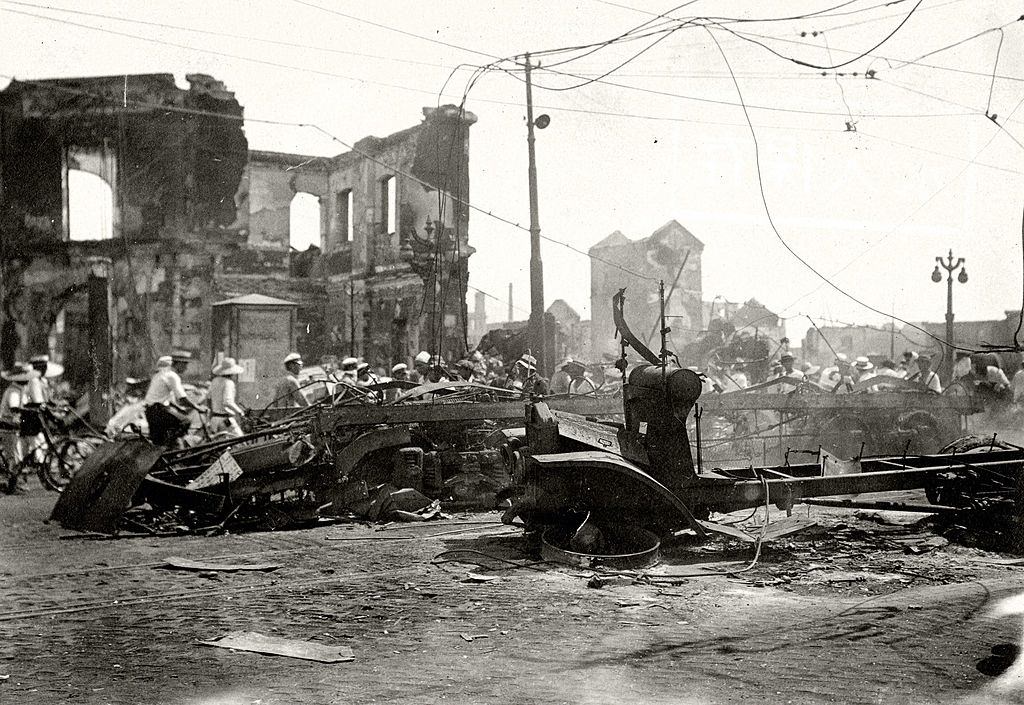
The Japanese government moved quickly to organize reconstruction. Rebuilding programs were launched to modernize Tokyo and make it more resistant to future disasters. Millions of people who had lost their homes began the long process of starting over. The photographs taken in the weeks and months following the earthquake document a city and a people in the midst of total devastation — and the slow, painful work of putting it back together.