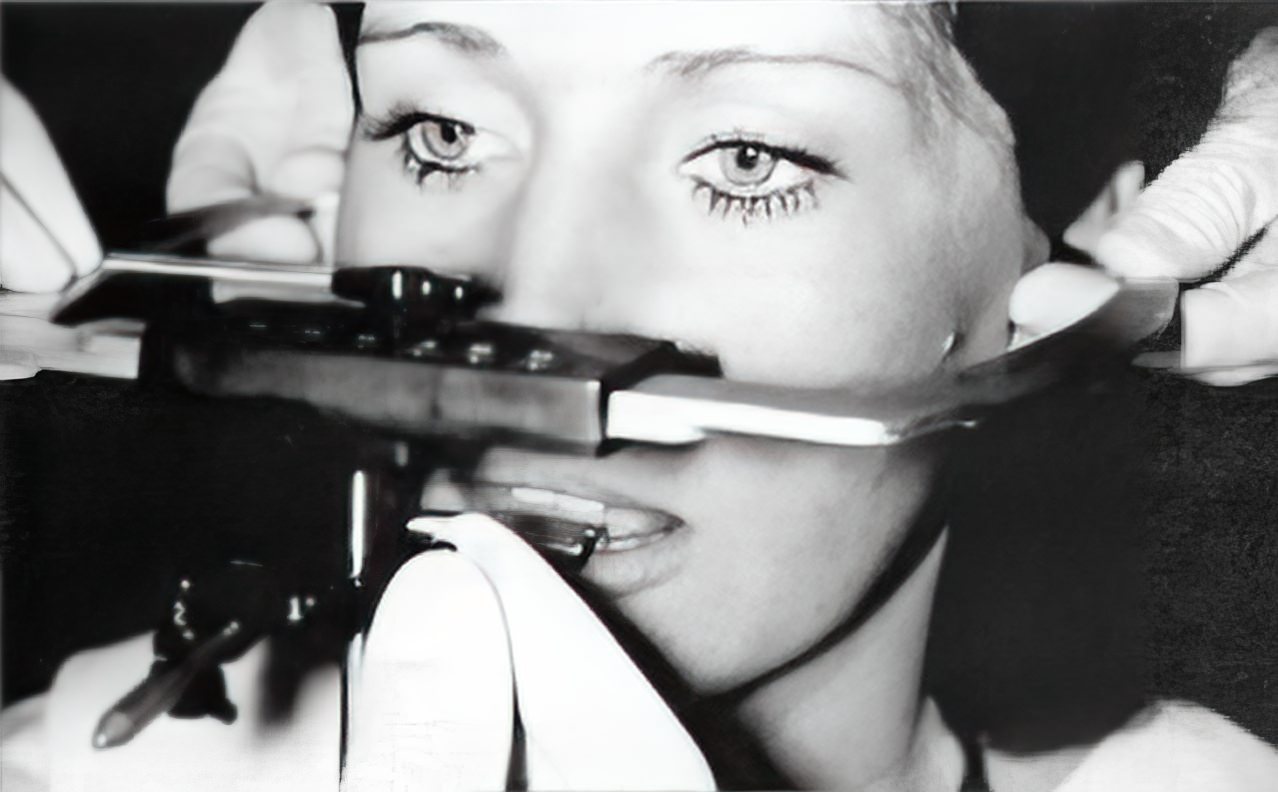
Before the 1930s, fitting a patient with artificial teeth was largely a guessing game. Dentists relied on rough measurements and repeated adjustments, and patients often endured dentures that rubbed, shifted, or caused outright pain. Then came a device that looked more like a medieval contraption than a medical instrument — the gnathograph. Strapped to a patient’s face and jaw, it was unmistakably uncomfortable to look at. But what it did for dental science was nothing short of transformative.
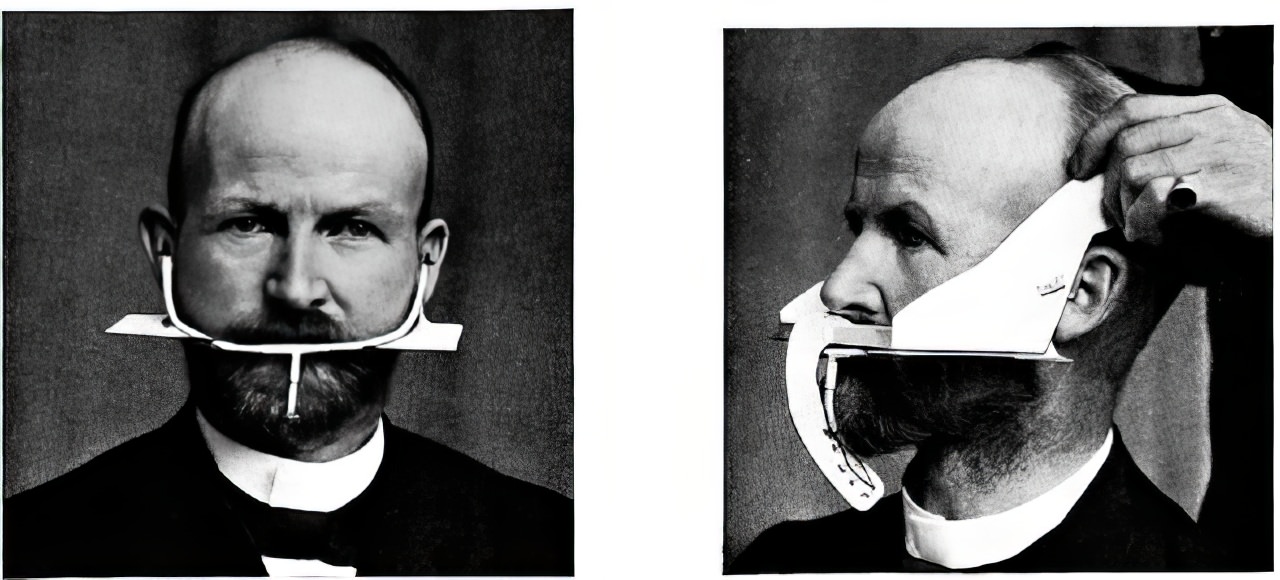
The gnathograph was built to solve a specific problem: the human jaw does not simply open and close. It moves forward, backward, and side to side. It shifts during chewing, grinding, and even while forming words. Every person’s jaw follows a slightly different pattern of motion, and those differences matter enormously when fitting prosthetic teeth. A denture designed without accounting for these movements will clash, slip, or wear unevenly — sometimes within weeks of being fitted.
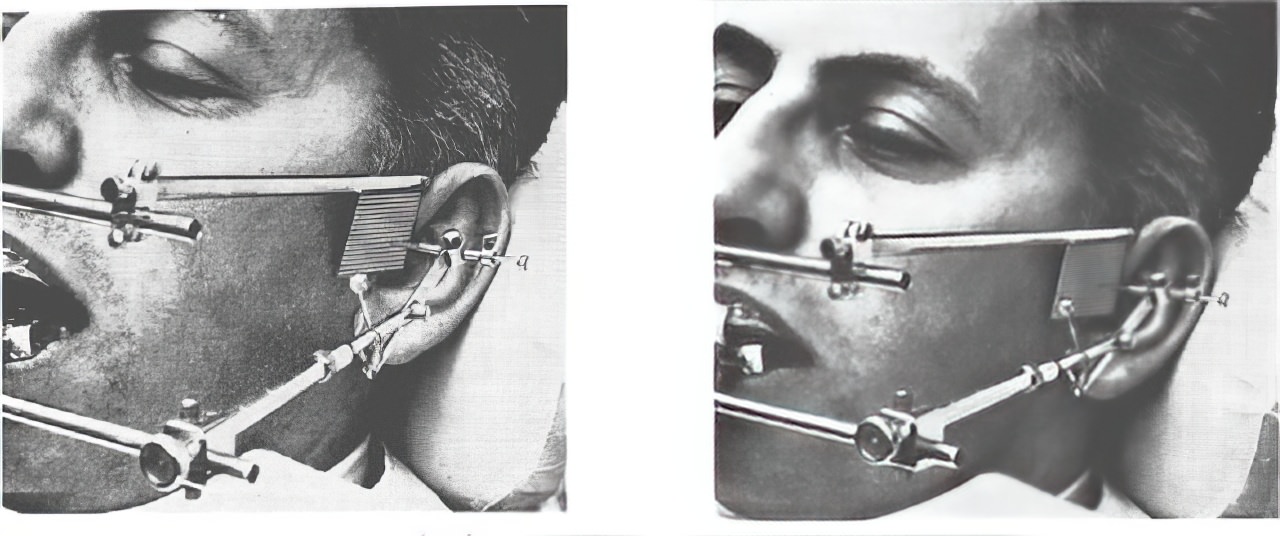
The device itself consisted of a carefully engineered arrangement of arms, rods, and dials. Once fitted to a patient’s jaw, these components moved in sync with the jaw’s natural motion. The gnathograph recorded those movements onto a medium — essentially drawing a detailed map of how the upper and lower jaws related to each other across the full range of motion. It captured both vertical movement, how far the jaw dropped, and horizontal movement, the side-to-side and front-to-back gliding that most people never notice they’re doing.
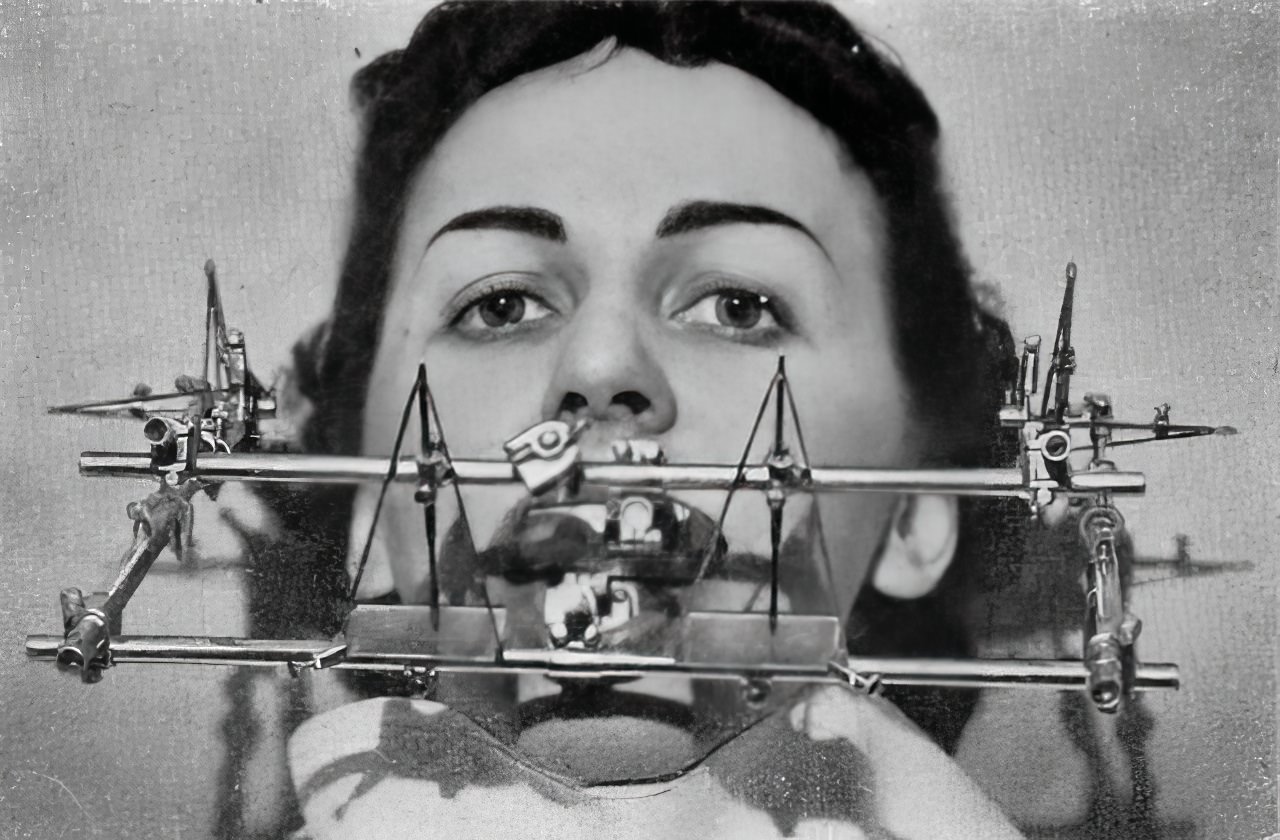
The tracings produced by the gnathograph weren’t just stored as records. They were put to direct, practical use in the dental lab. Technicians transferred the recorded movement data to a separate device called an articulator — a mechanical tool designed to physically replicate the patient’s jaw movements. With the articulator set to match the gnathograph’s tracings, the technician could then arrange artificial teeth so that they aligned and moved in harmony with the patient’s own jaw mechanics. This step-by-step process replaced guesswork with geometry.
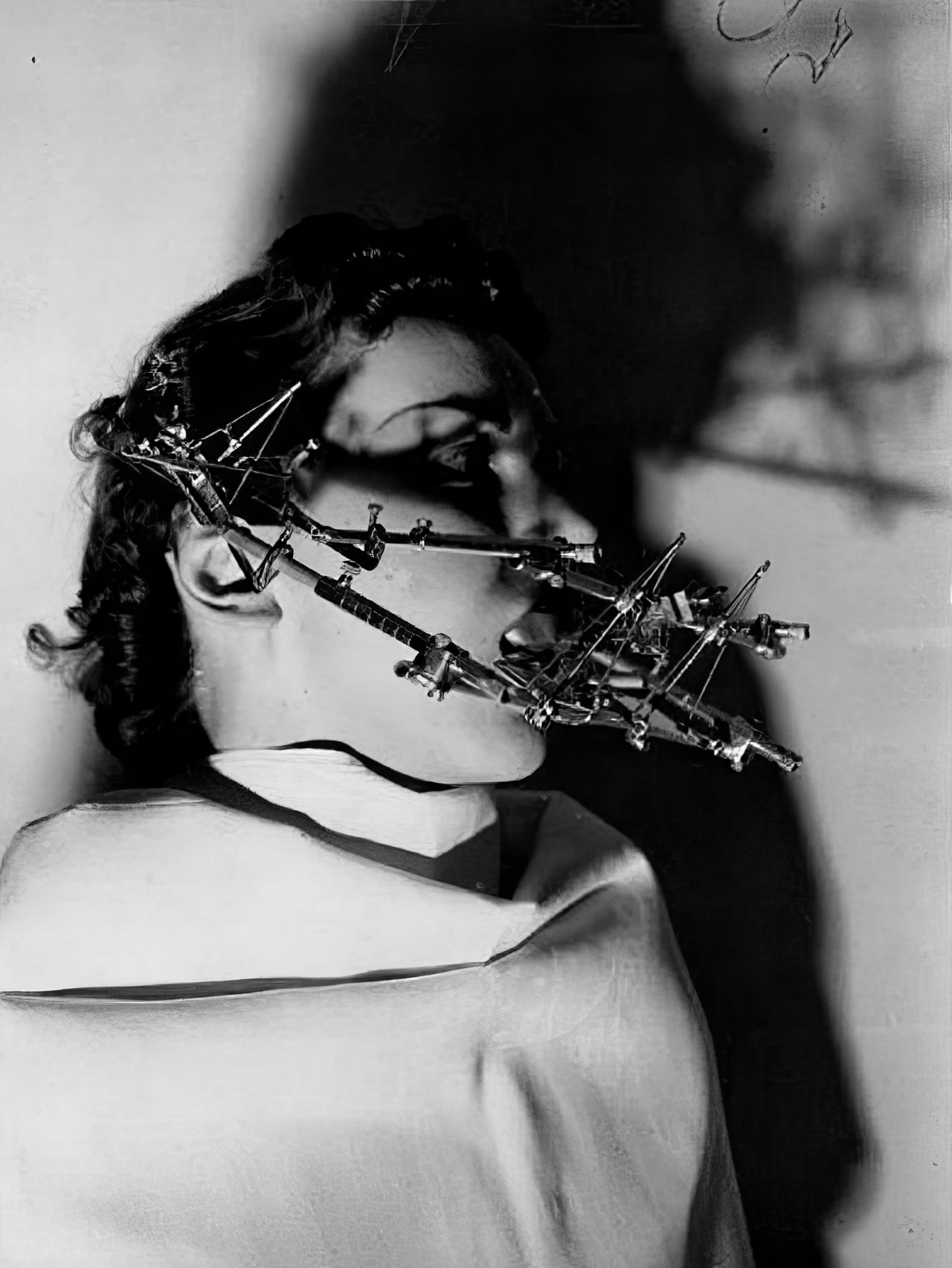
What made the gnathograph genuinely groundbreaking was how it treated jaw movement as a three-dimensional problem rather than a flat, two-dimensional one. Earlier fitting methods focused mainly on bite — how the top and bottom teeth met when the mouth closed. The gnathograph captured the full picture. Chewing involves a complex cycle of motion, and dentures that only account for the closing bite will still fail when the jaw begins its natural grinding arc. The gnathograph made it possible to design for that full cycle.
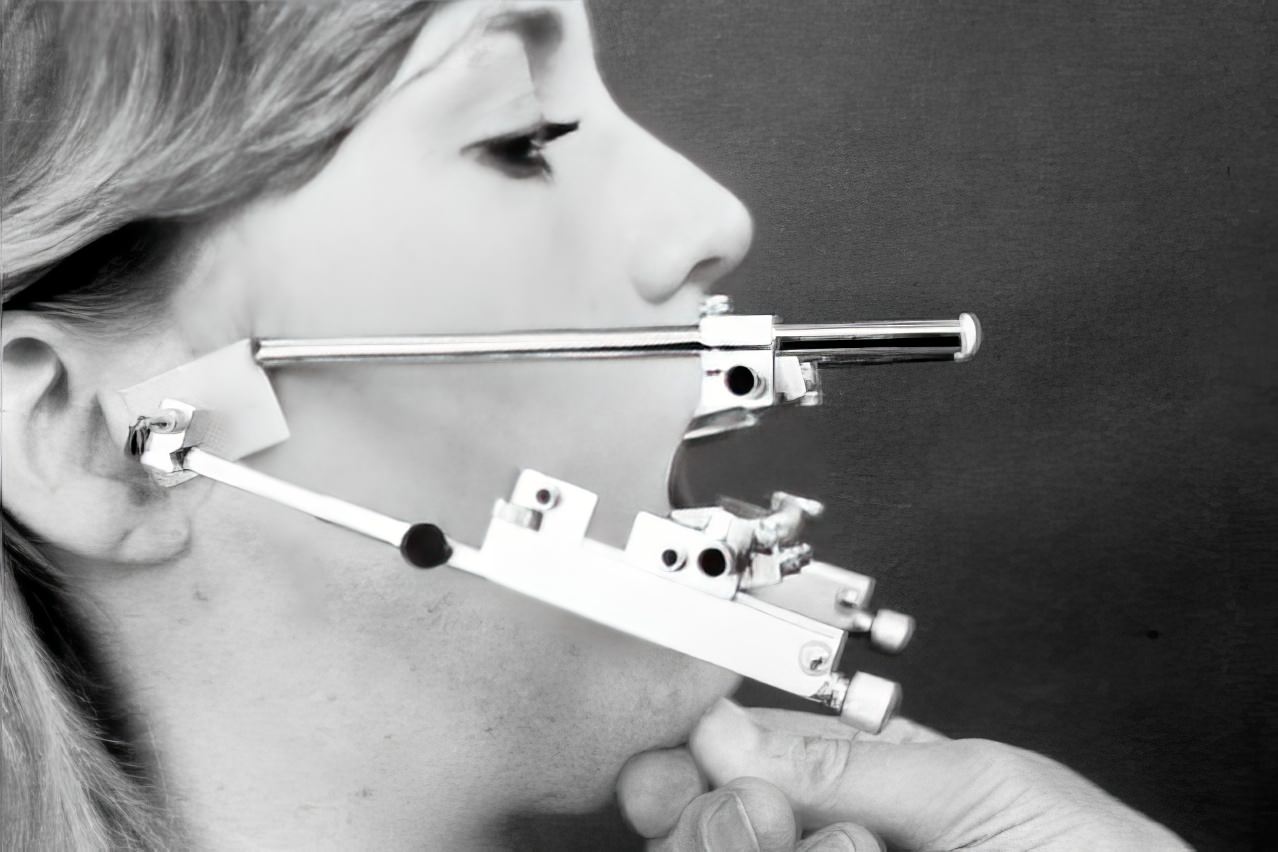
For patients, the practical difference was significant. Dentures fitted using gnathograph data offered a more stable, comfortable experience during everyday activities — eating, speaking, and chewing without constant awareness of the appliance in their mouth. The 1930s were a period when dentures were extremely common; tooth loss from decay, disease, and limited dental care meant that large portions of the population relied on full or partial artificial teeth. A tool that improved the fit of those prosthetics addressed a very real and widespread need. The gnathograph brought the scientific rigor of engineering into a field that had long depended on the dentist’s eye and the patient’s tolerance for discomfort.