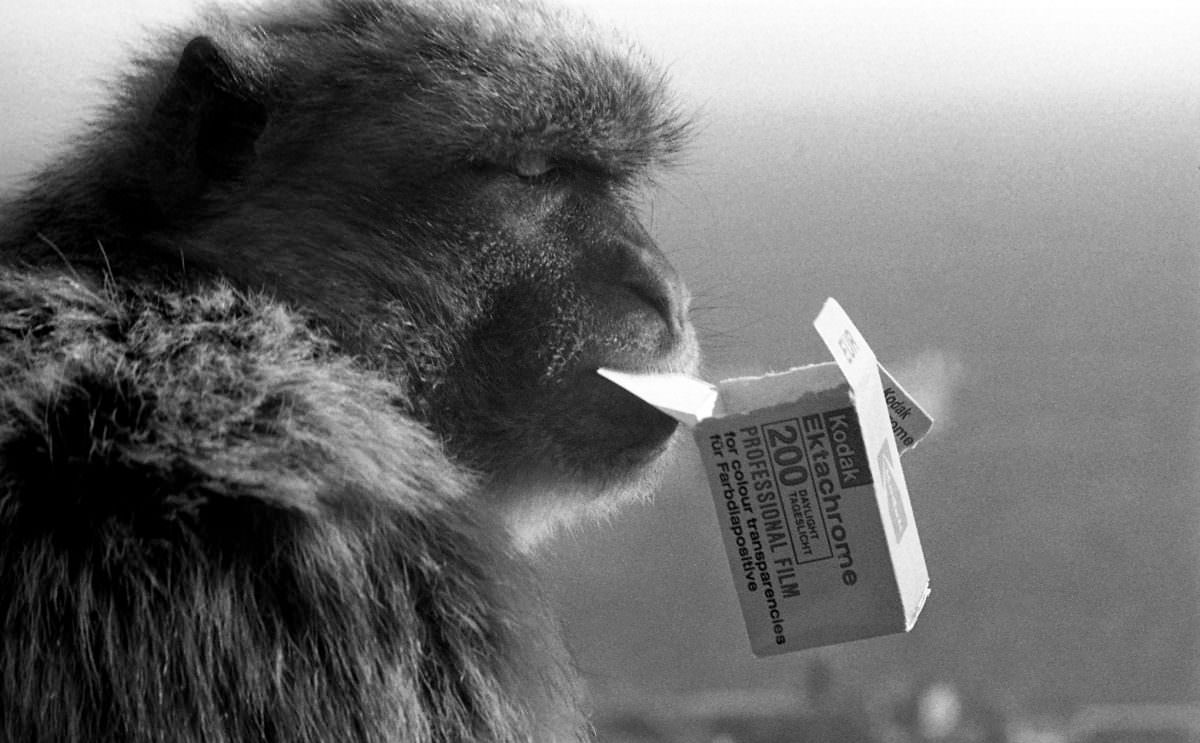
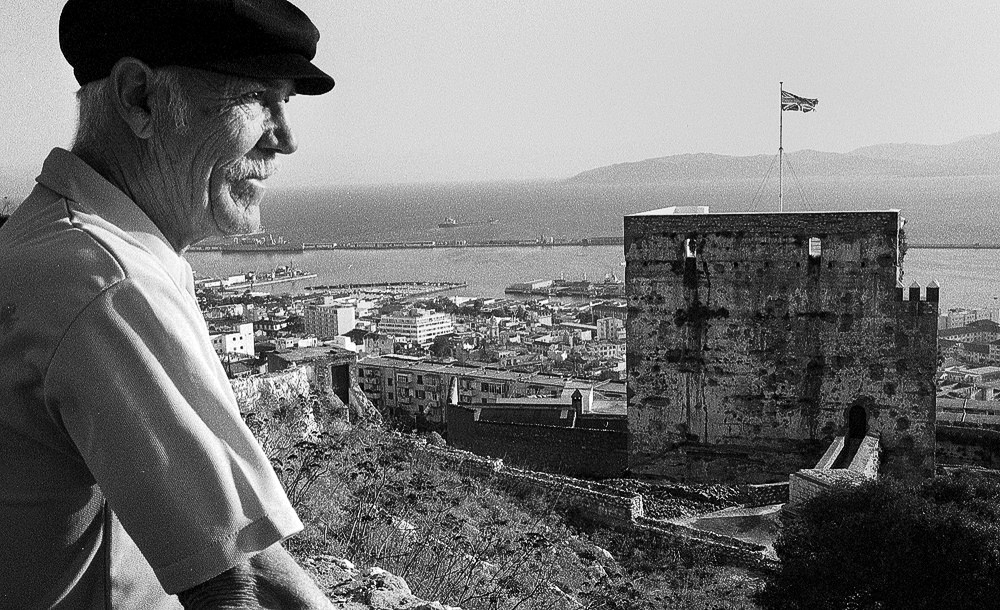
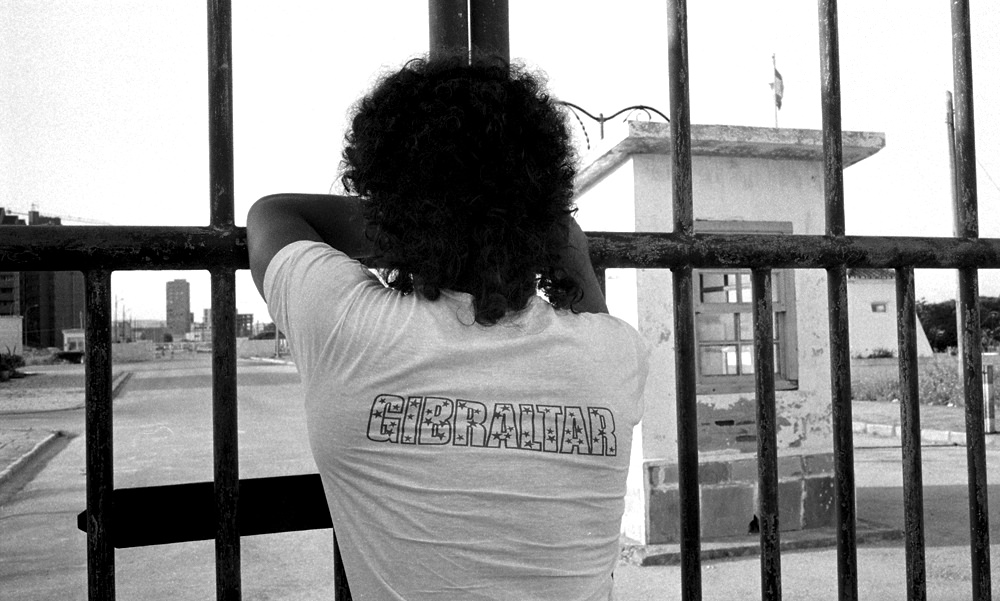
Gibraltar in 1980 was a place unlike anywhere else on earth. Sitting at the very southern tip of the Iberian Peninsula, this tiny British Overseas Territory covers just 6.8 square kilometres — roughly the size of a large town park. Yet packed into that small space was a population of around 25,000 people, a major naval port, two British military bases, and one of the most recognisable landmarks in the world: the Rock of Gibraltar.
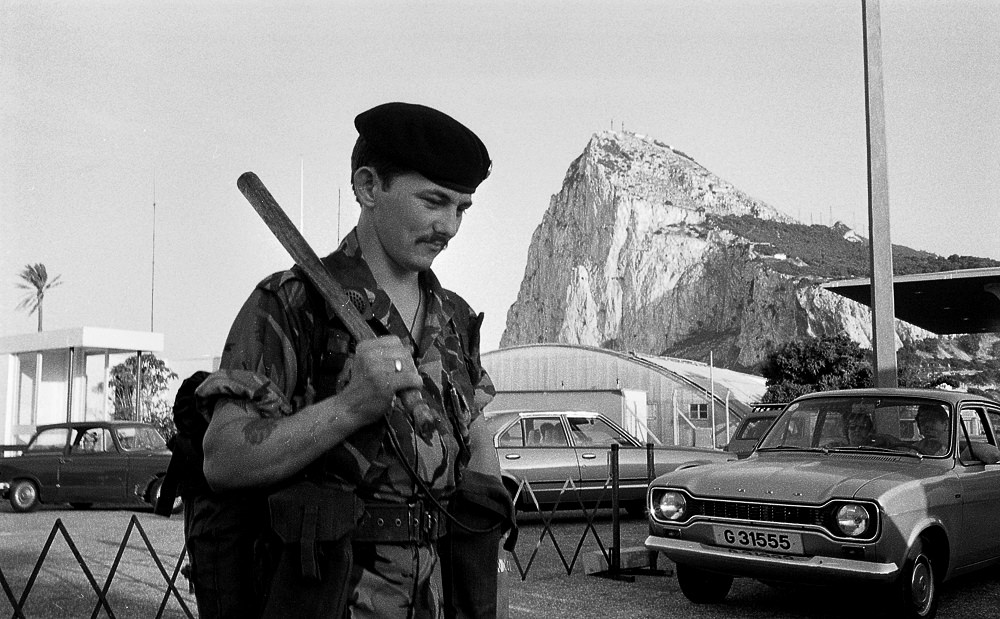
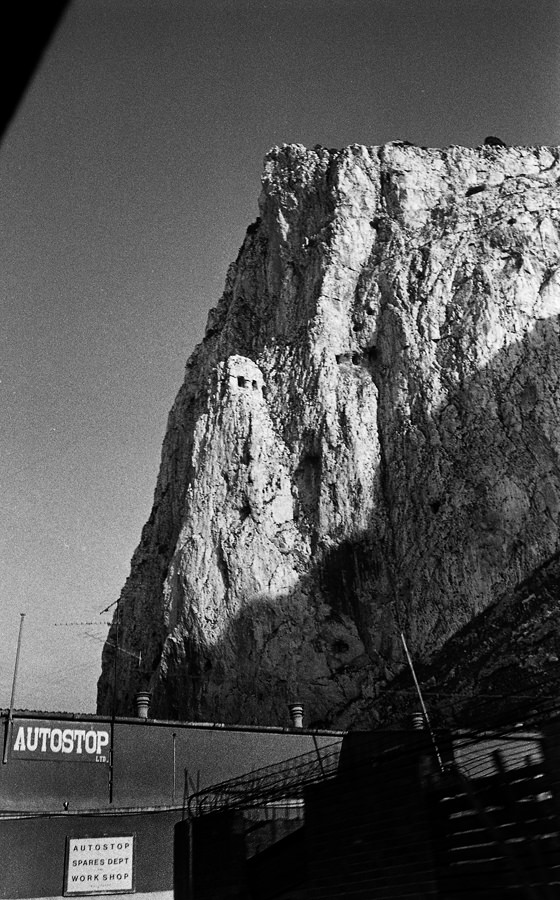
The Rock dominates everything. It rises sharply from the peninsula, visible for miles in every direction, and serves as a constant reminder of Gibraltar’s strategic importance. Positioned at the entrance to the Mediterranean Sea, the territory had long been a vital checkpoint for naval and commercial traffic. Ships from across the globe stopped at the port to refuel before continuing their journeys east or west.
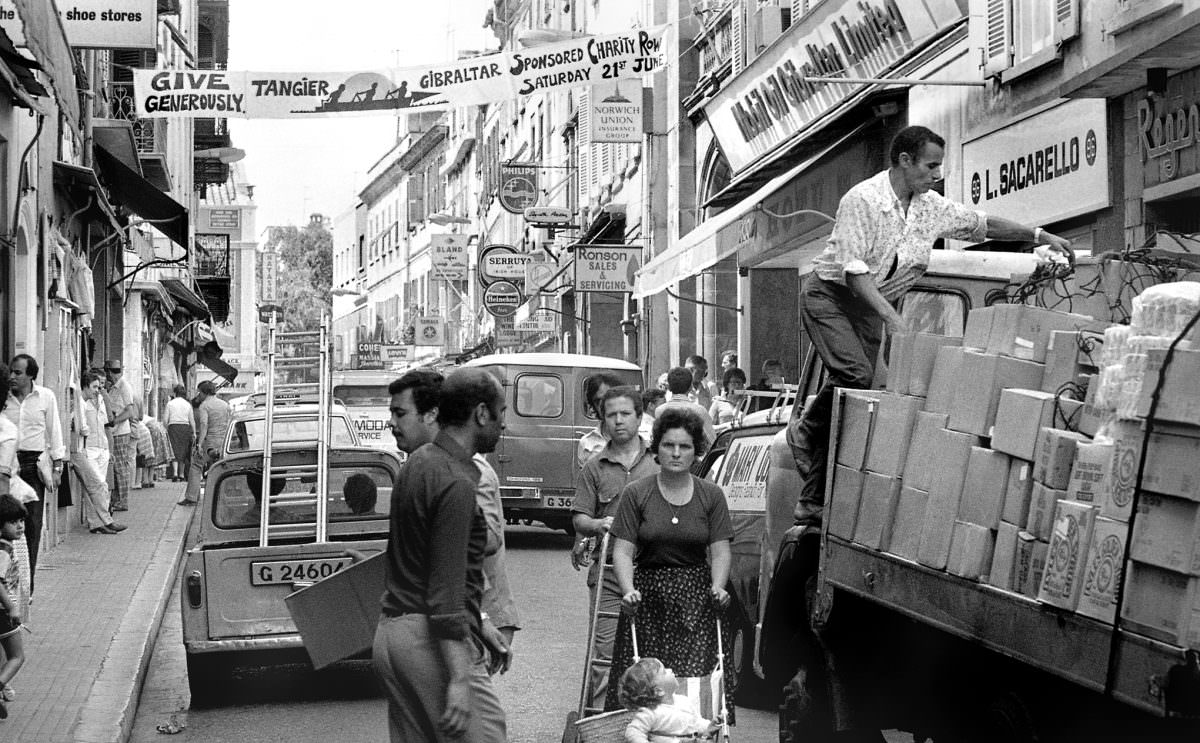
The people of Gibraltar were mostly of British and Genoese descent, a mix that had built up over centuries of trade and settlement. They spoke English, used British currency, and operated under their own distinct legal system. Loyalty to the British Crown ran deep — and in 1980, that loyalty was being tested.
Spain had closed its border with Gibraltar in 1969, cutting off the land crossing that connected the territory to the Spanish mainland. The closure was a direct result of Spain’s long-standing claim to sovereignty over Gibraltar. For eleven years by 1980, Gibraltarians had lived with that sealed border, unable to cross freely into the country that physically surrounded them on the landward side.
The border closure hurt the economy, but Gibraltar adapted. Tourism became one of the territory’s main income sources. Visitors came to walk along the historic fortifications, explore the military heritage, and see the famous Barbary macaques that lived on the upper Rock. The port continued to generate revenue, and the British military presence — with its naval dockyard — added another layer of economic stability.
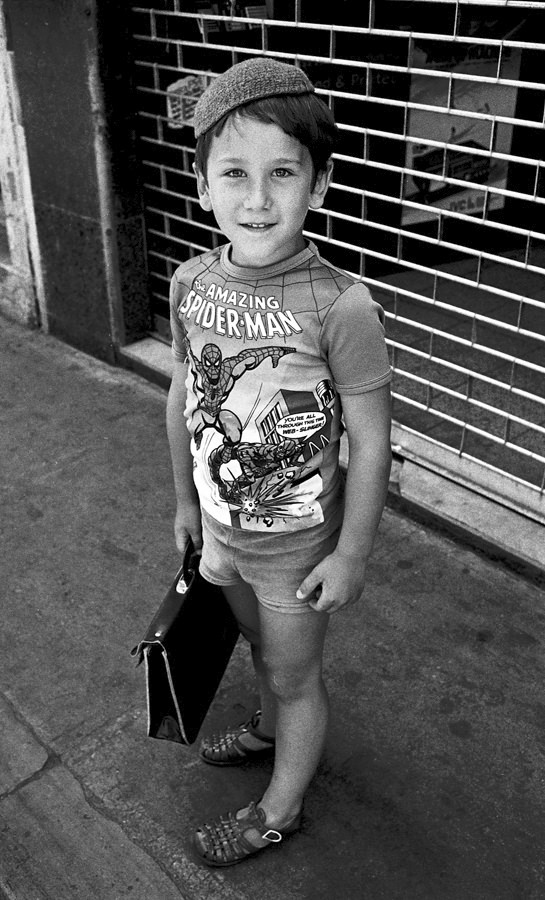
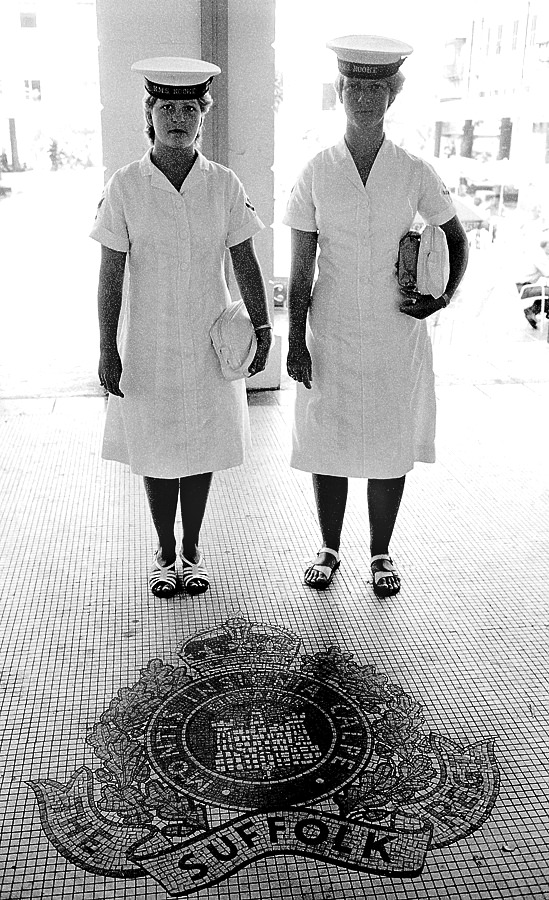
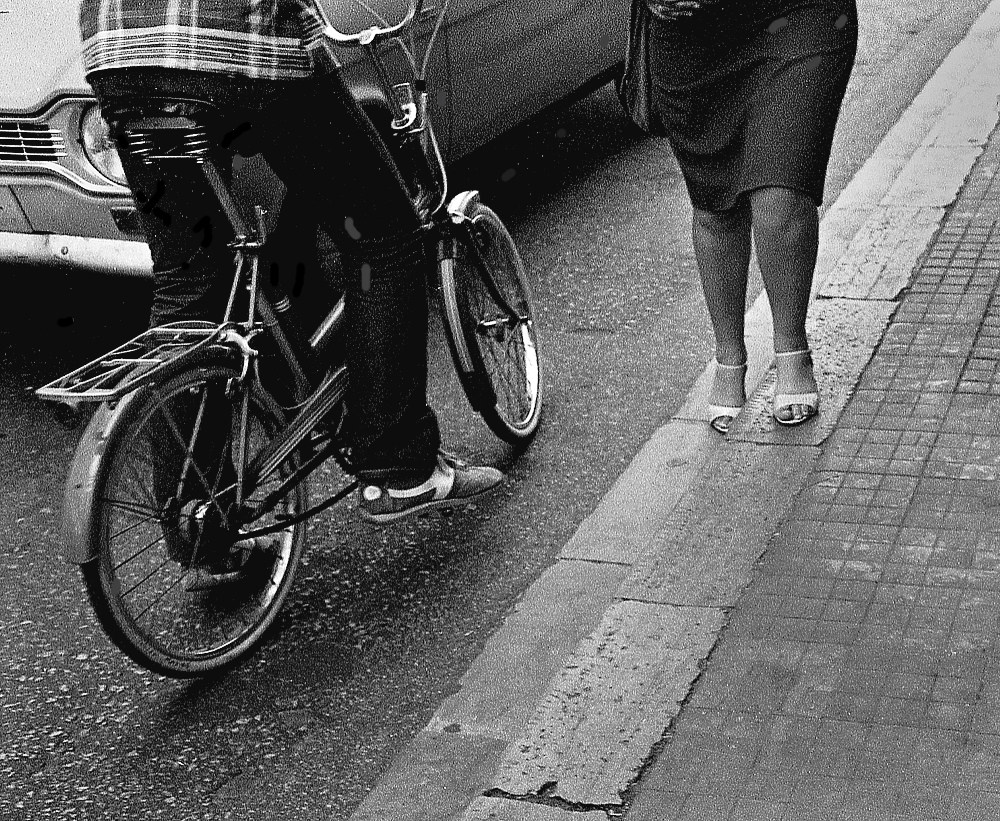
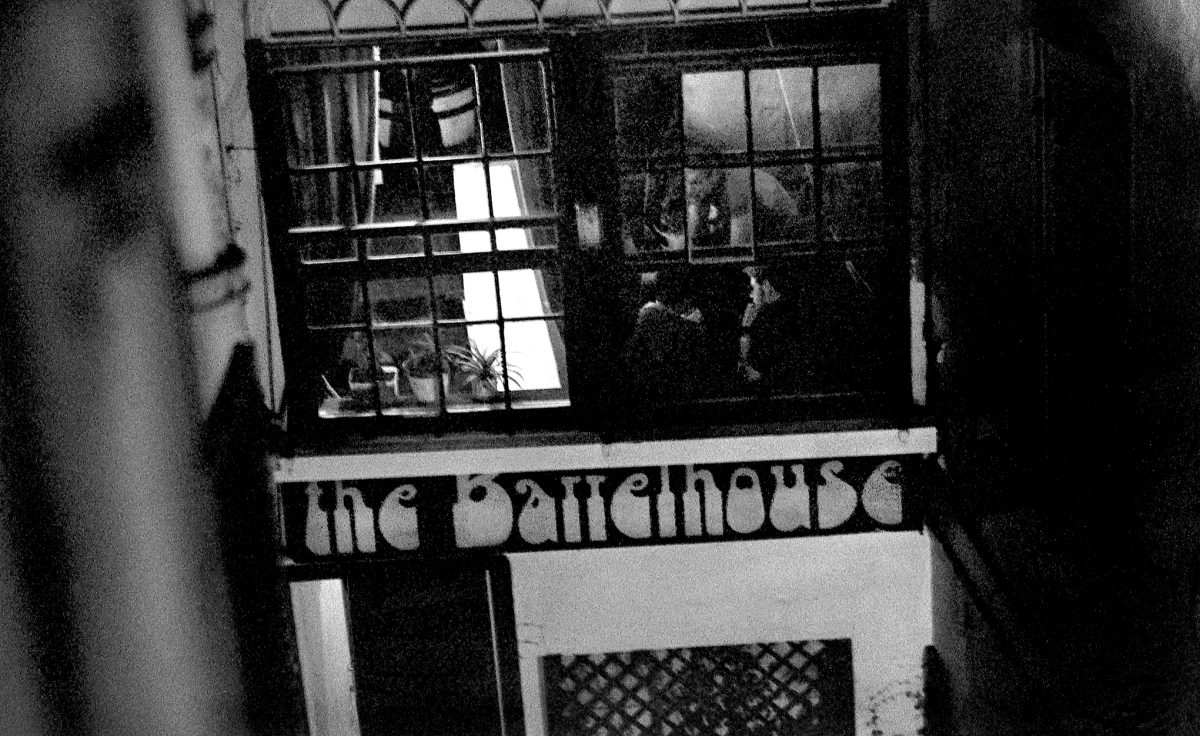
It was in this particular moment — politically tense, economically resilient, culturally distinct — that Spanish photographer Manel Armengol arrived in Gibraltar in 1980. Armengol walked the streets and pointed his camera at the everyday: people going about their routines, storefronts, street corners, and the quiet moments that official histories rarely record.
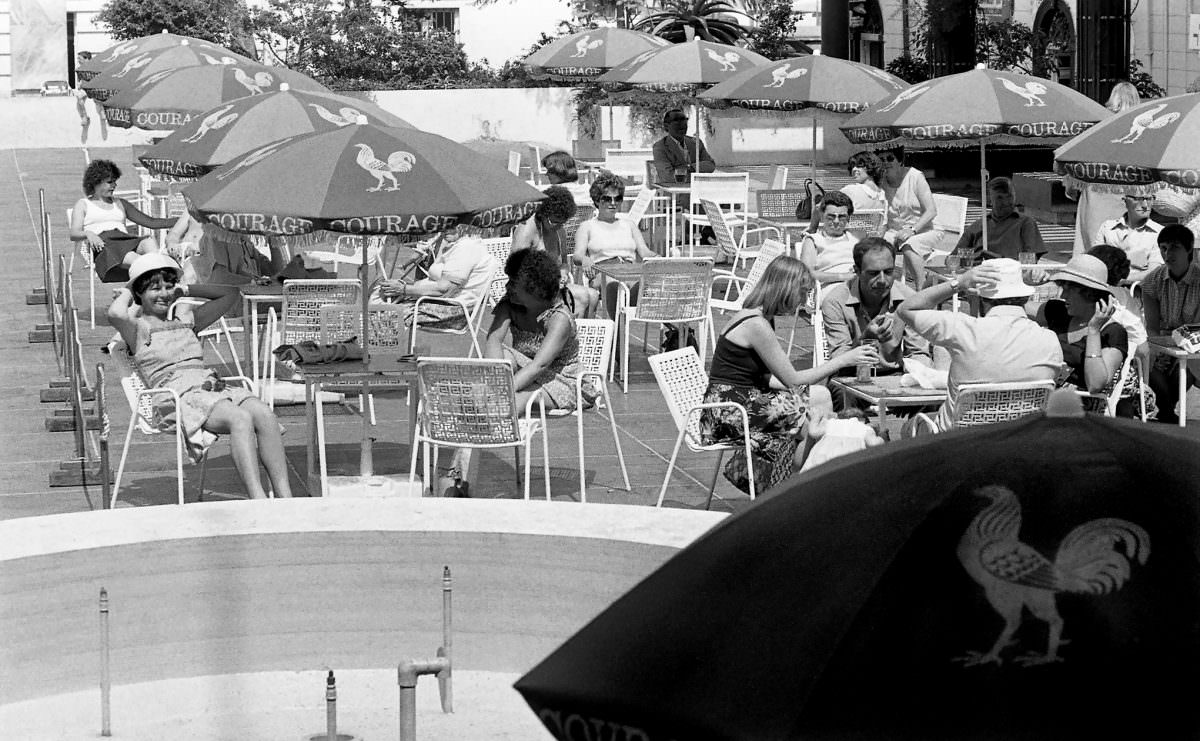
His position as a Spanish photographer documenting a British territory claimed by Spain adds a layer of complexity to the work. Armengol was not a neutral outsider — he came from the country whose government had shut the gates on Gibraltar’s border more than a decade earlier. Yet his photographs focus on people, not politics.
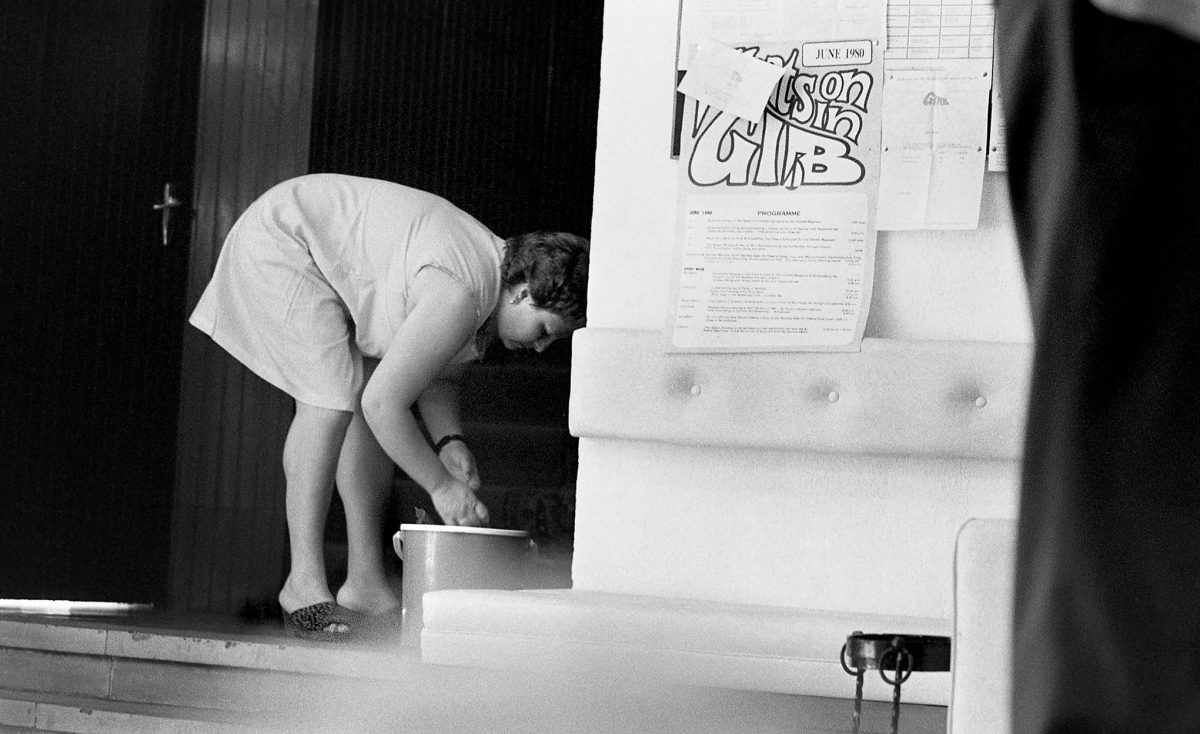
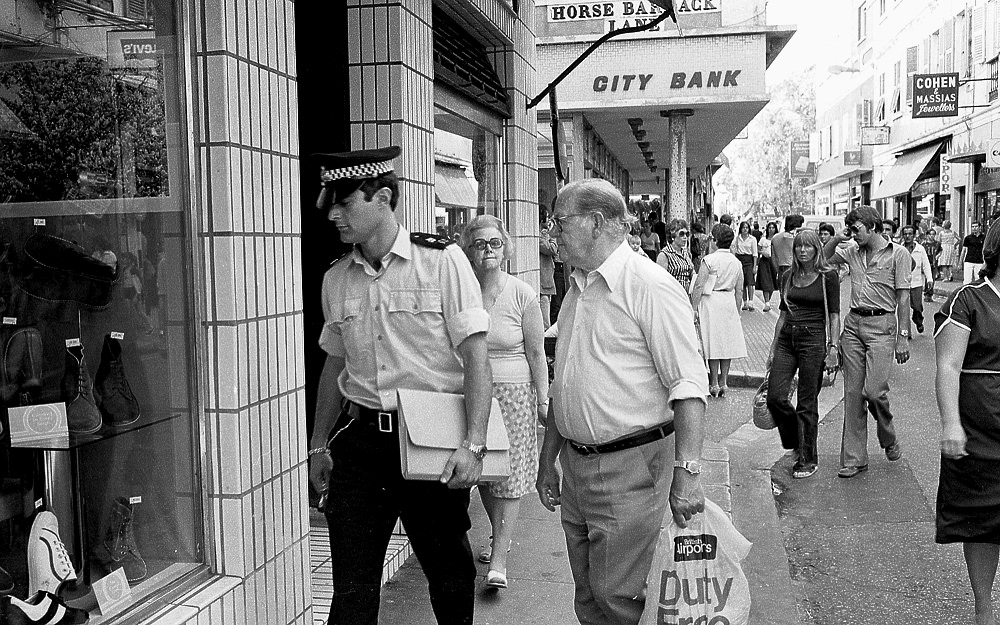
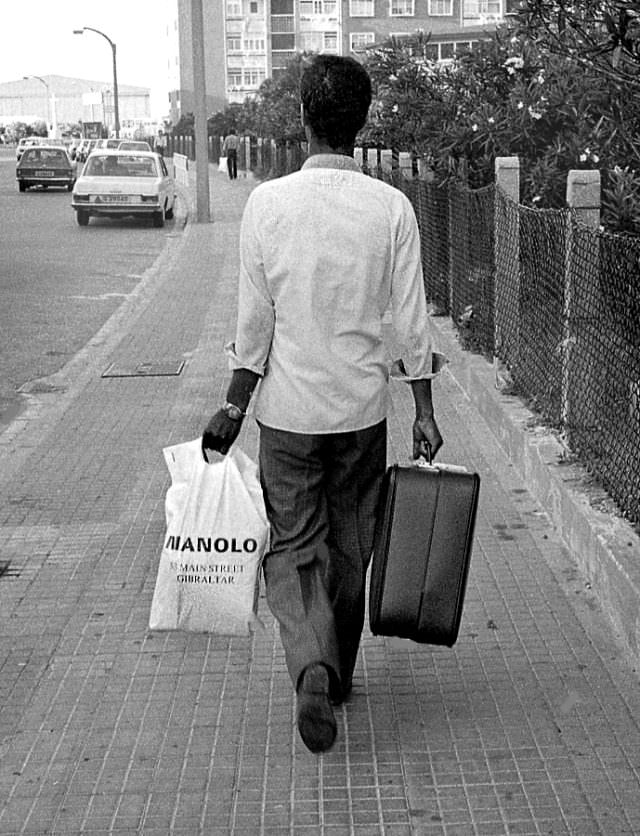
Street photography from this era captures what formal records cannot. The textures of daily life — how people dressed, where they gathered, what the shop fronts looked like — tell a story about a community that had carved out its own identity under unusual circumstances. Gibraltar in 1980 was neither fully British nor Mediterranean in the way its Spanish neighbours were. It was its own thing.
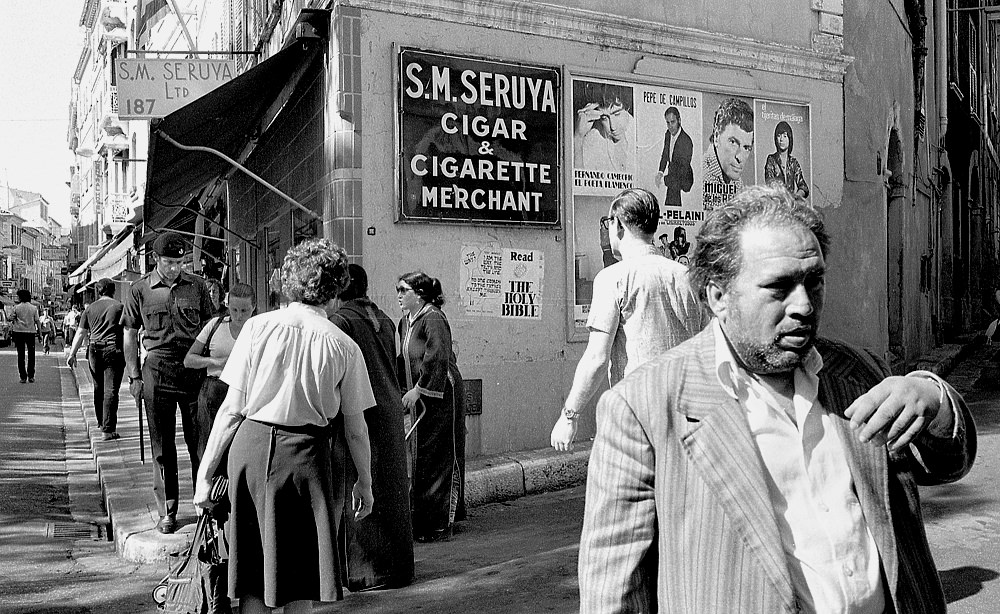
The British military footprint was visible throughout the territory. Two bases sat on the Rock itself, and the naval dockyard occupied a significant part of the town’s waterfront. Soldiers and sailors were part of the social fabric of Gibraltar, a reminder that this small place held genuine strategic value to the United Kingdom.
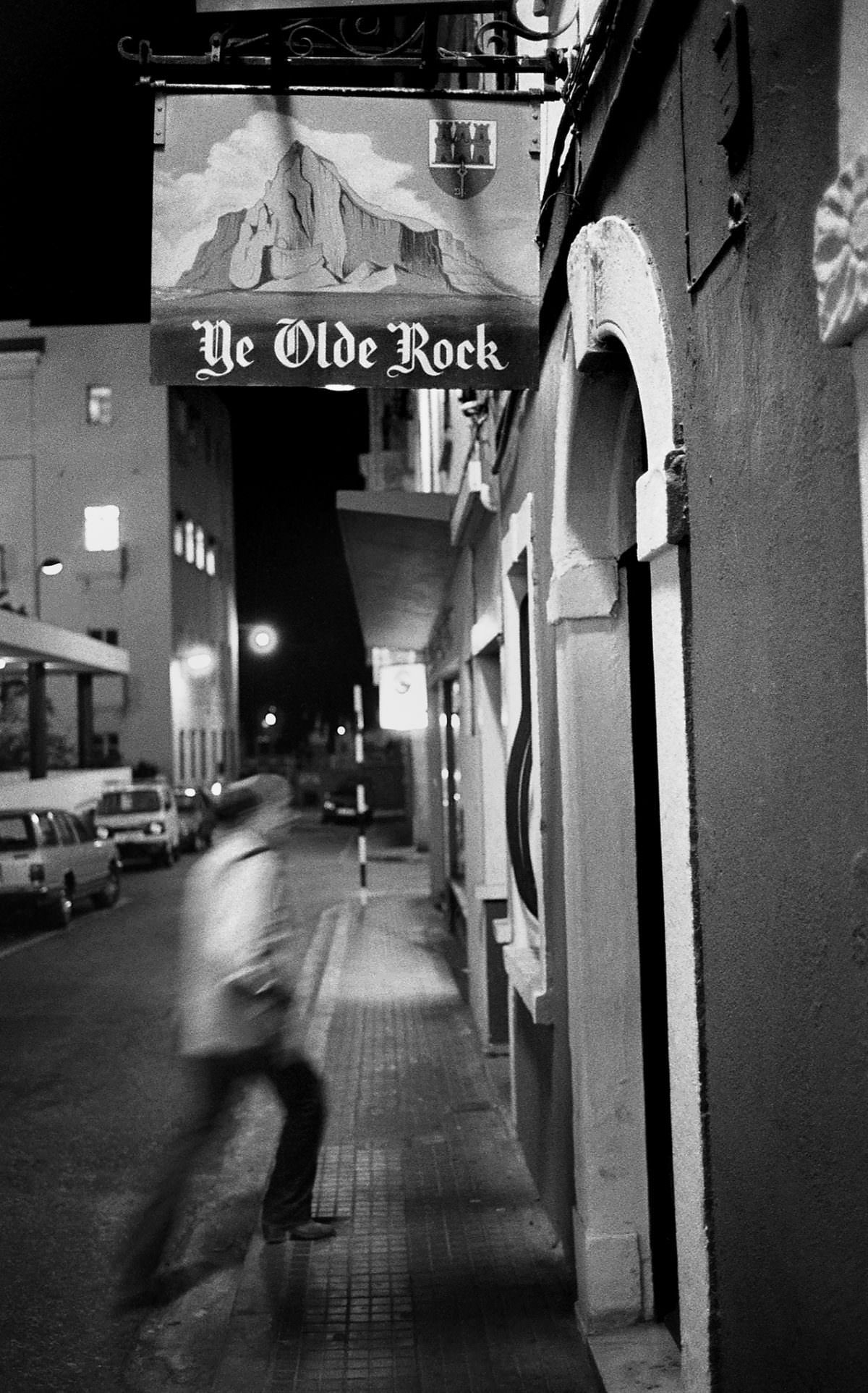
Residents had grown up knowing their home was disputed territory. Gibraltar had been under British control since 1704, and in 1969, Gibraltarians had voted overwhelmingly to remain British in a referendum. Spain refused to recognise the result and closed the border shortly after. By 1980, an entire generation had grown up without free access to Spain.
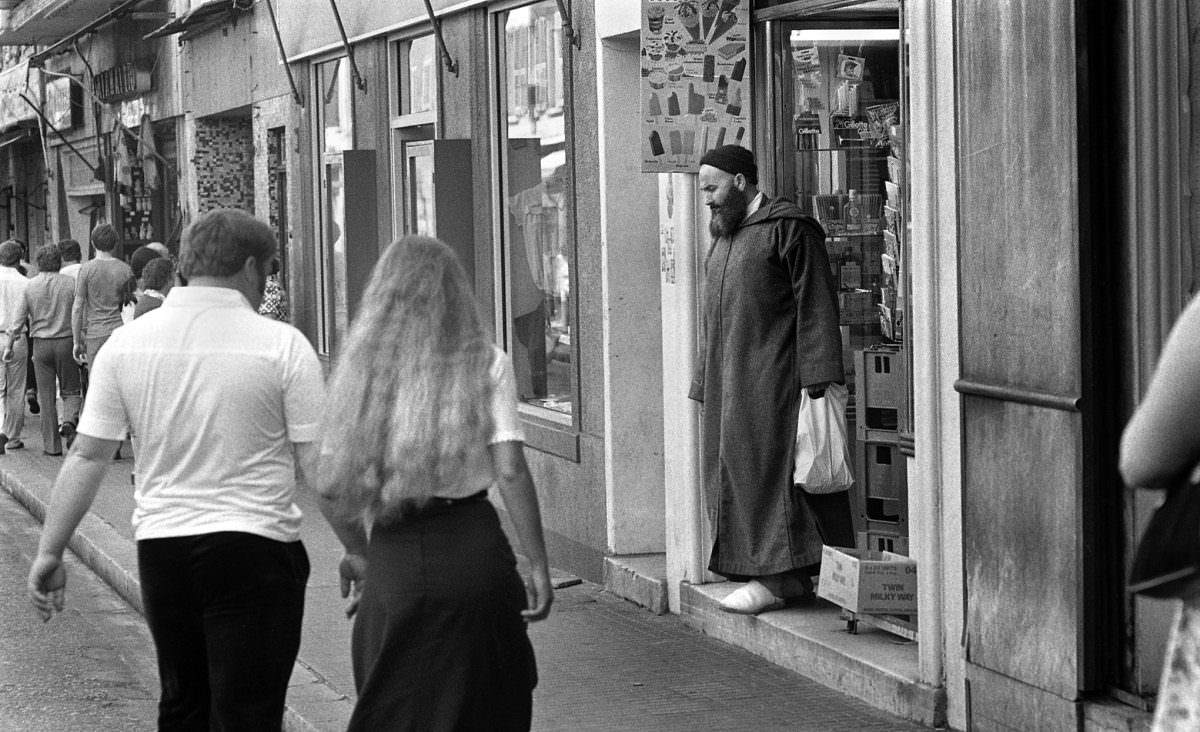
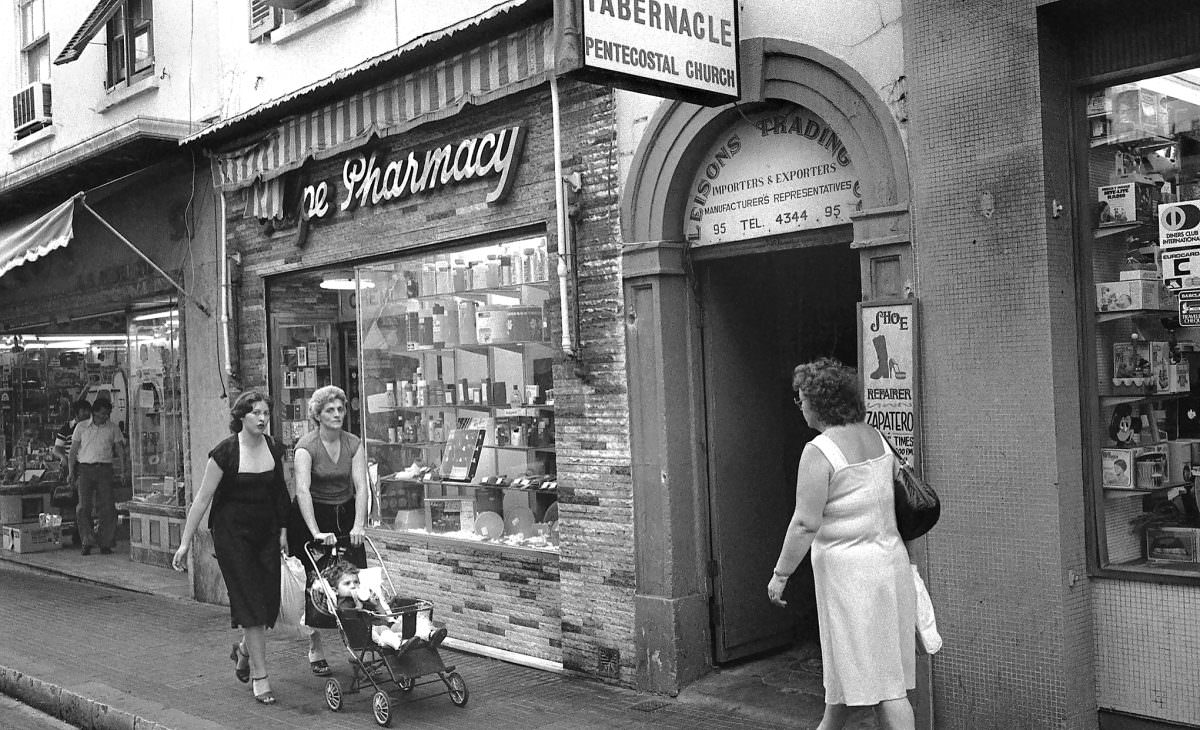
Armengol’s photographs preserve that specific moment in time with documentary precision. The streets he photographed were alive with a community that had answered political pressure not with anxiety but with a firm sense of who they were.
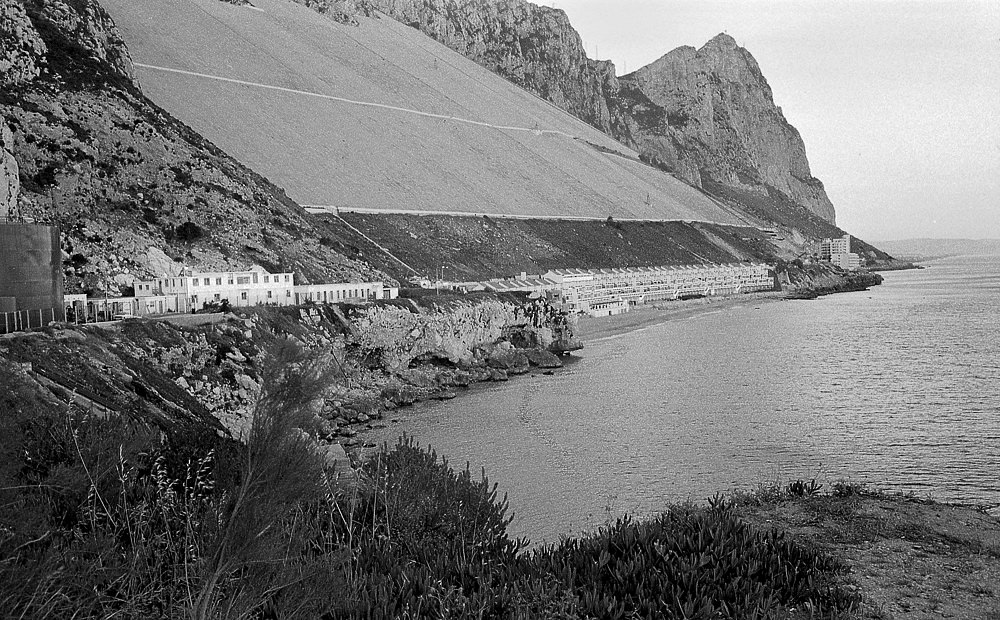
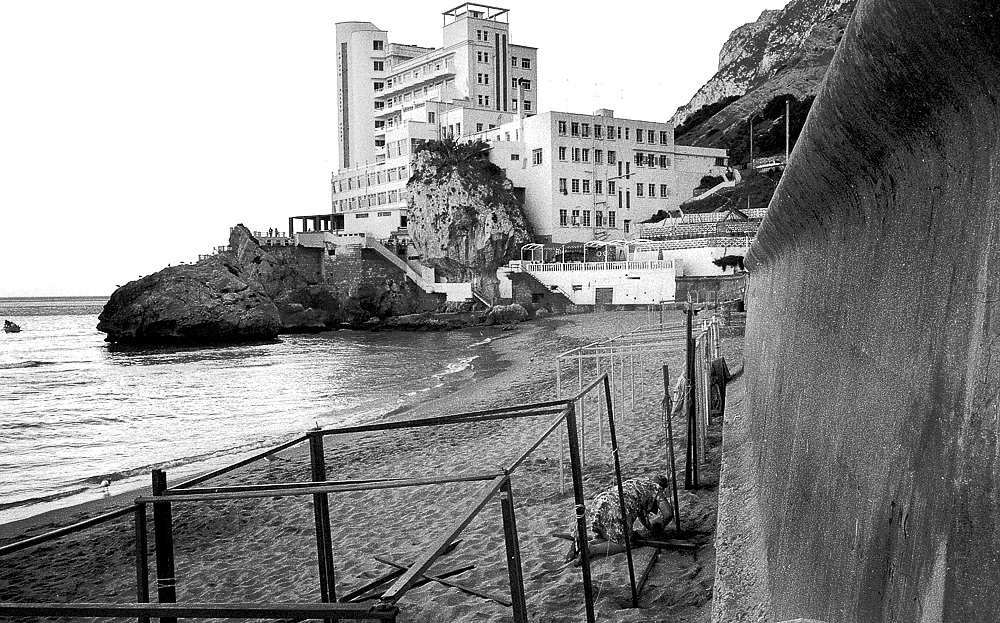
Gibraltar’s cultural traditions were shaped by its long history as a crossroads. Genoese merchants, British soldiers, Moroccan workers, and others had all passed through or settled over the centuries, and their contributions were woven into the territory’s food, language, and customs. The result was a community that was proud of its mixed roots while remaining firmly attached to Britain.
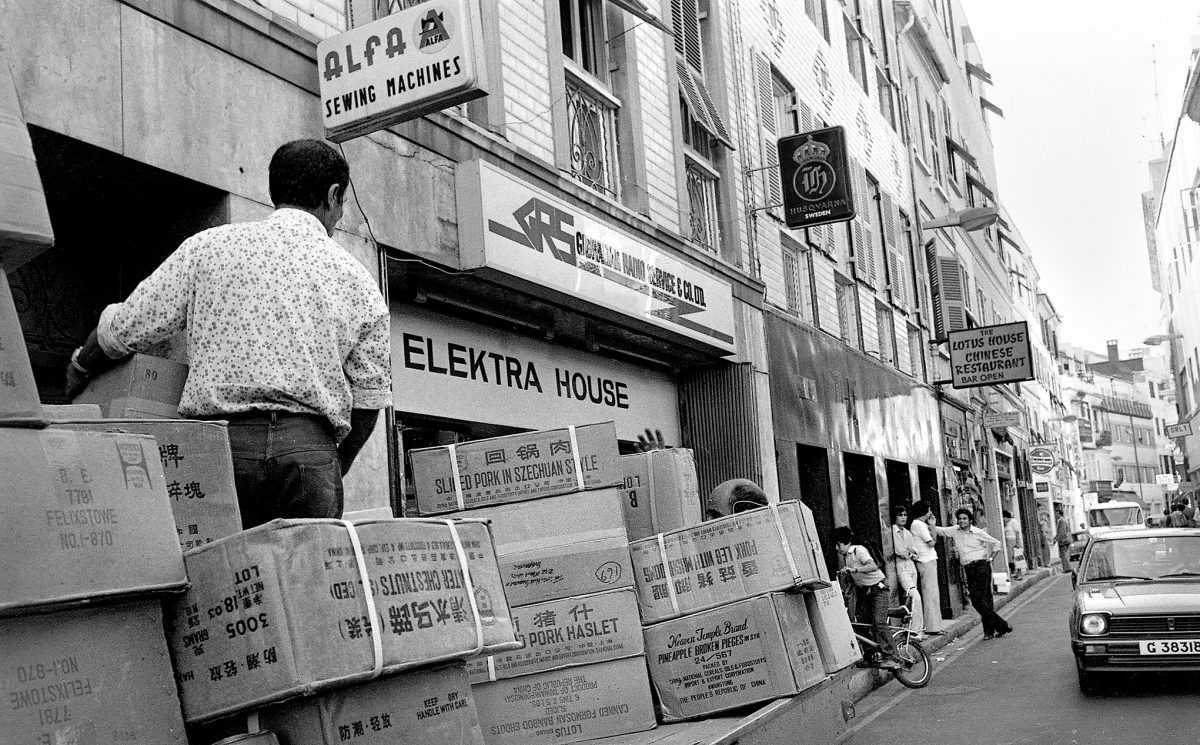
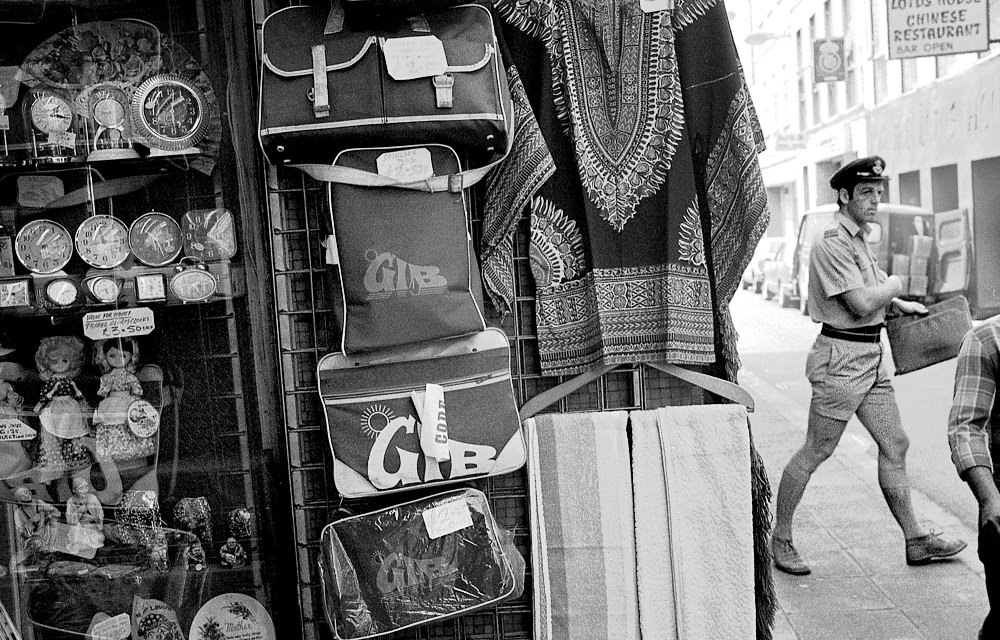
The photographs from Armengol’s 1980 visit offer a rare ground-level view of Gibraltar during one of the more politically charged periods in its modern history. They document a place that was small in size but large in complexity — a territory navigating sovereignty disputes, economic pressures, and the everyday demands of life all at once.