Released in 1968, Funny Girl is a biographical musical comedy-drama that traces the rise of Fanny Brice, one of Broadway’s most beloved performers. Directed by William Wyler and produced by Ray Stark, the film stars Barbra Streisand in the title role, with Omar Sharif, Kay Medford, and Walter Pidgeon rounding out the principal cast. The story is loosely based on the real life of Fanny Brice — her climb from an awkward, unconventional hopeful to a full-blown star of the Ziegfeld Follies, and the turbulent romance that ran alongside it all.
The film opens with Fanny Brice (Streisand) determined to break into show business despite being told she doesn’t have the right look. She’s not a conventional beauty by the standards of the era, and the industry makes that clear. But her raw talent keeps pushing her forward. When she lands a part in a Ziegfeld production, it marks a turning point — though it doesn’t come without friction. Florenz Ziegfeld (Walter Pidgeon) and Fanny clash repeatedly, her strong personality butting up against his polished vision of entertainment. Despite the conflict, her performances win audiences over, and she rises to genuine stardom.
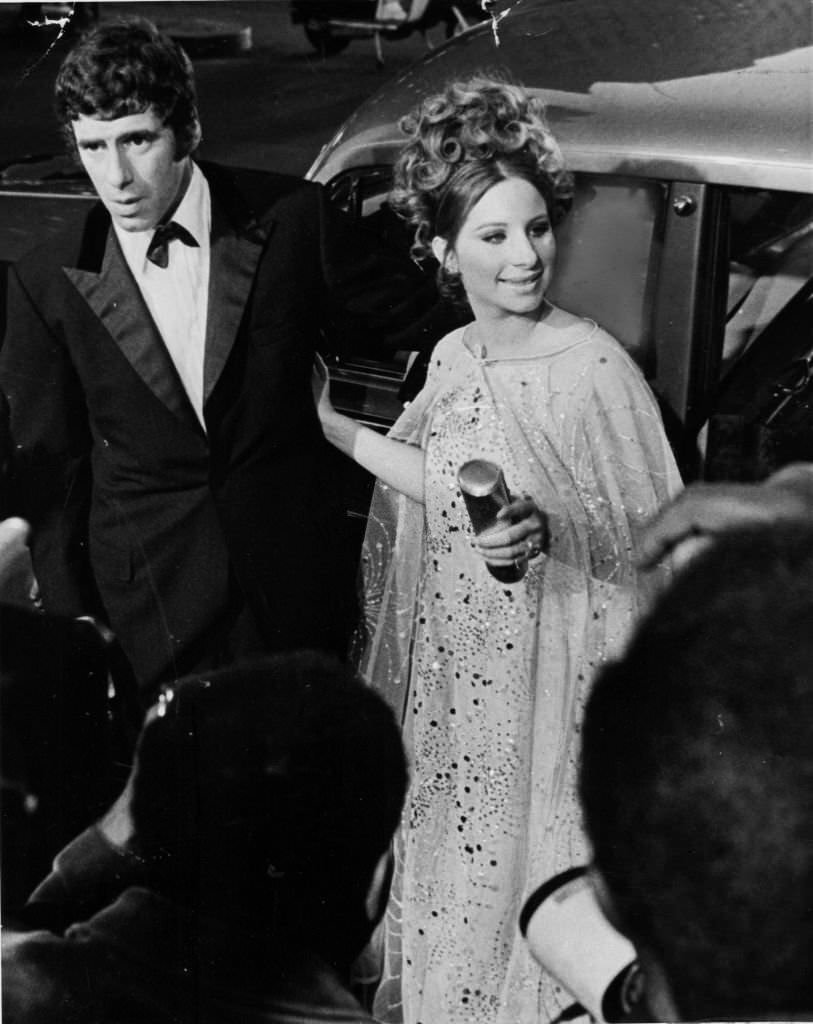
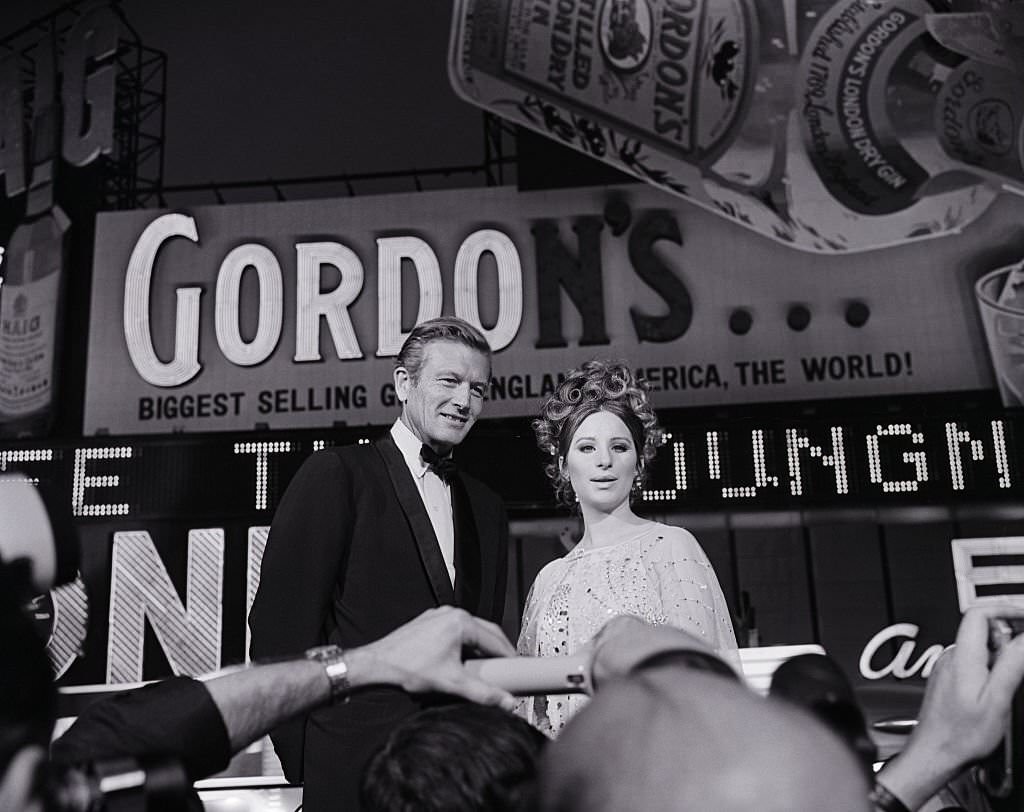
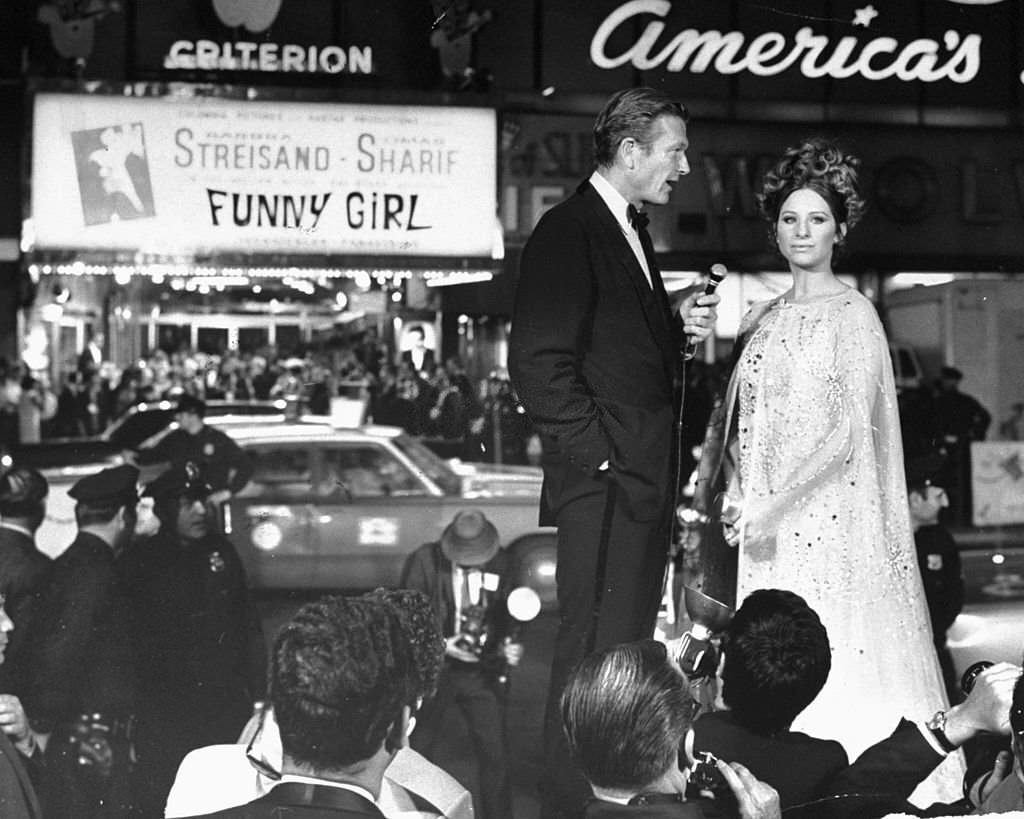
The New York premiere of Funny Girl on September 18, 1968, was a major event. Streisand arrived at the Criterion Theater on Broadway alongside her then-husband, actor Elliott Gould. New York City Mayor John V. Lindsay was present to greet Streisand, a moment that underscored just how significant the film’s debut was treated — not just in Hollywood circles, but in the city where Fanny Brice herself had made her name.
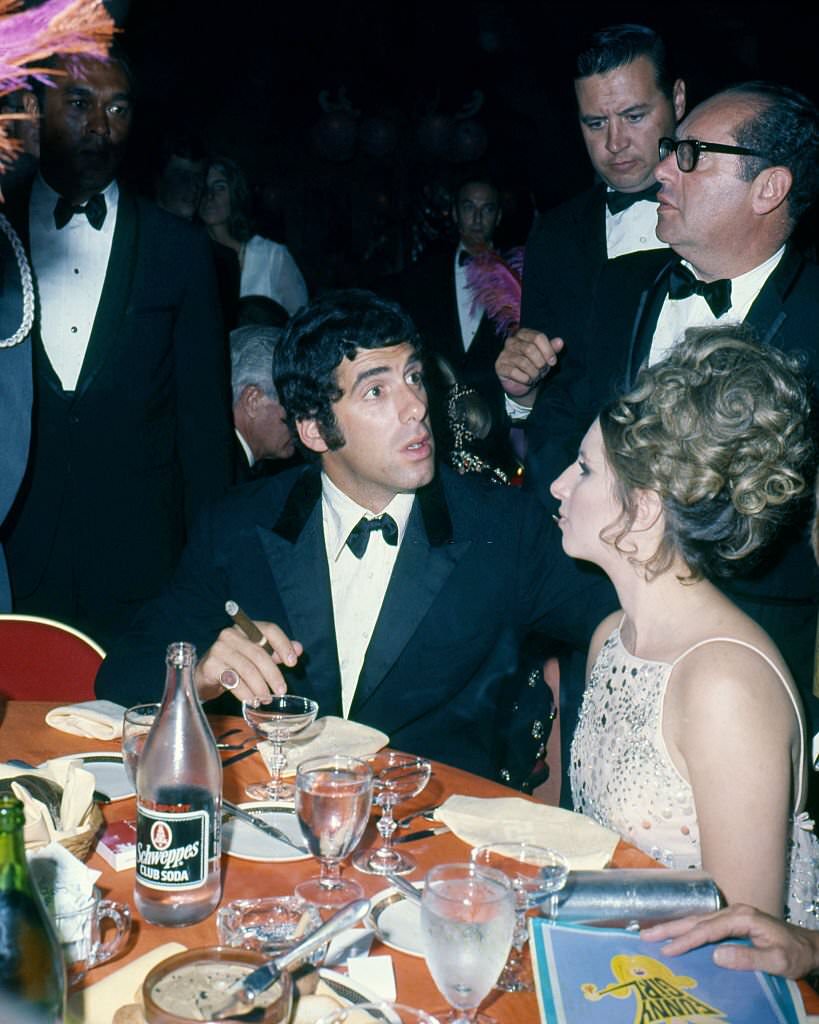
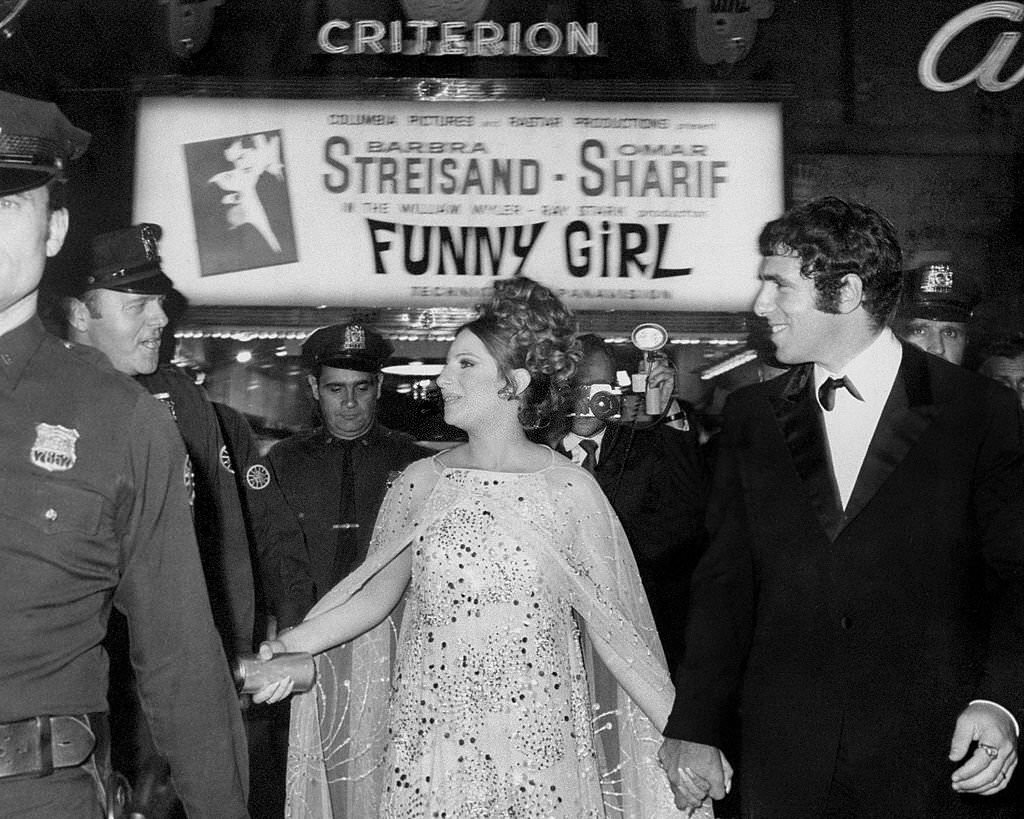
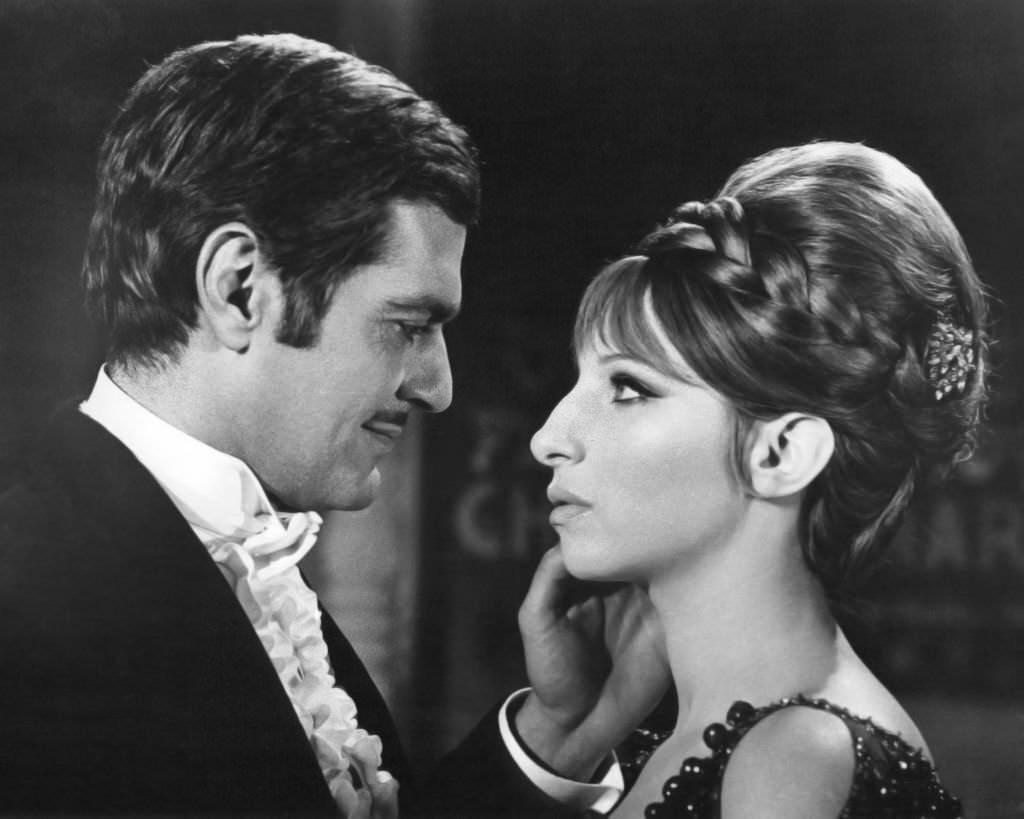
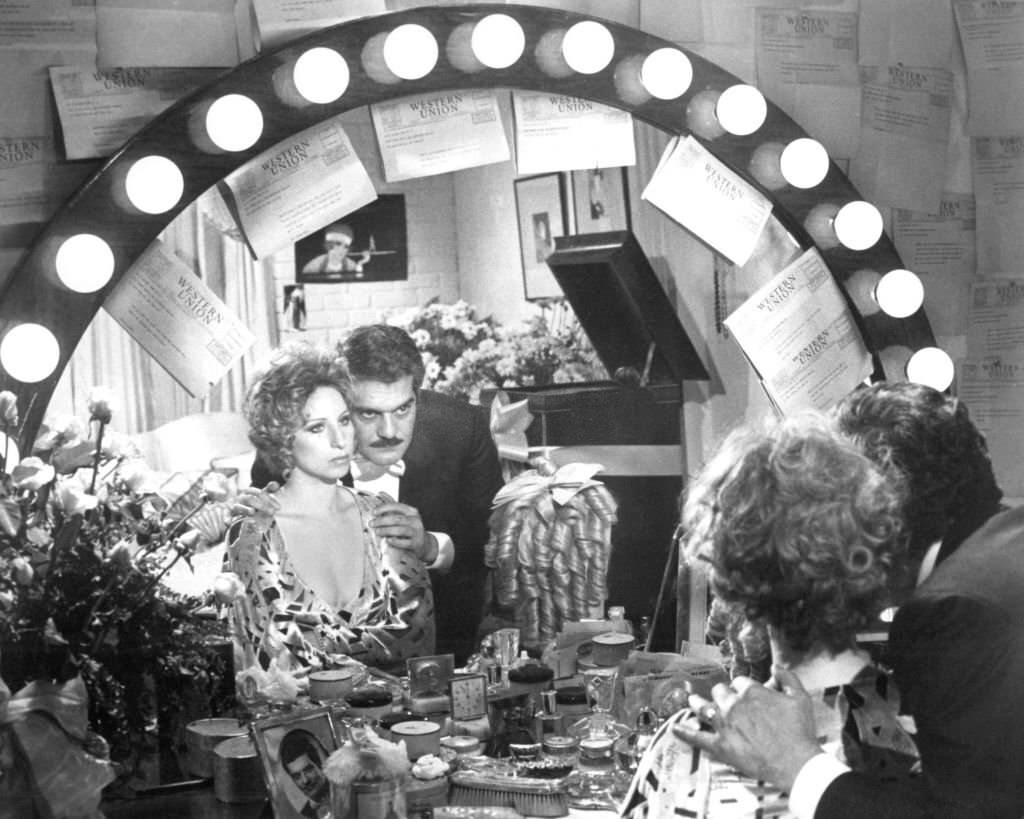
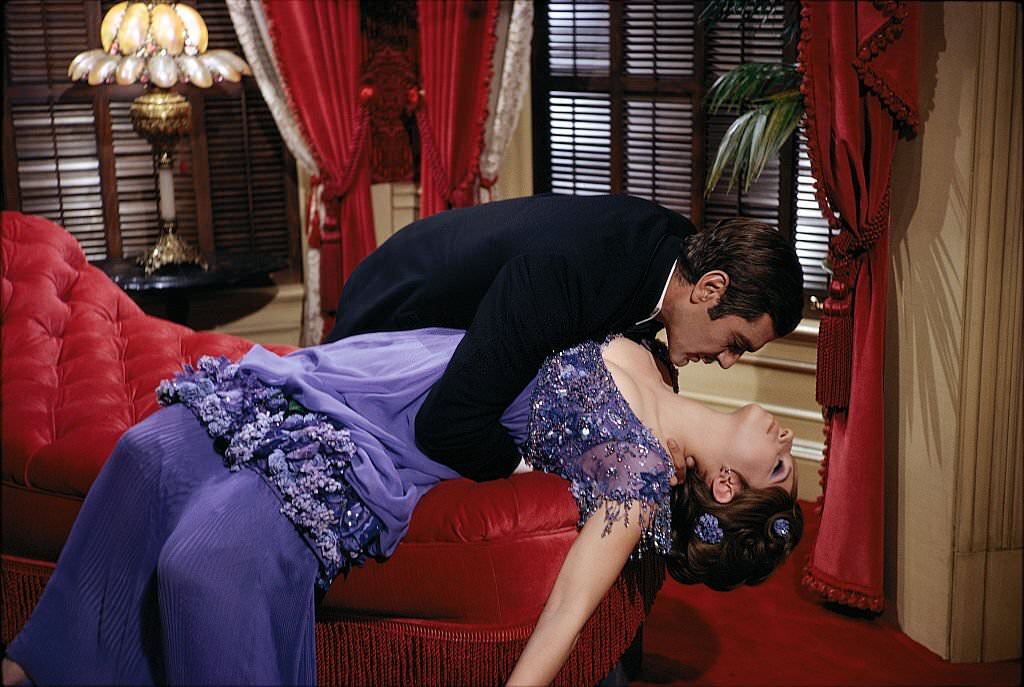
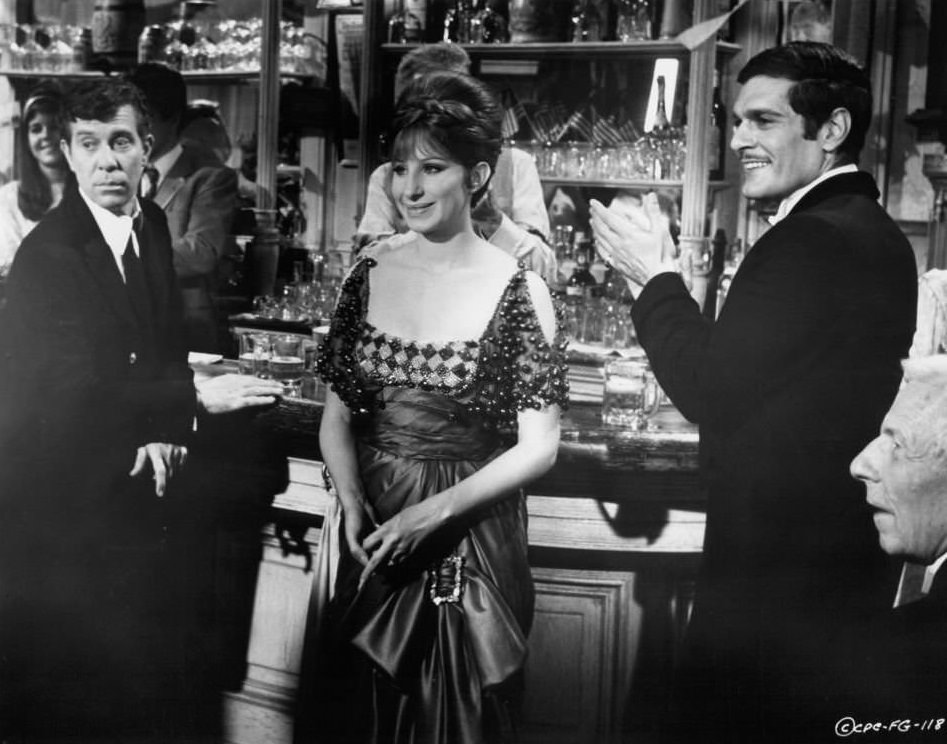
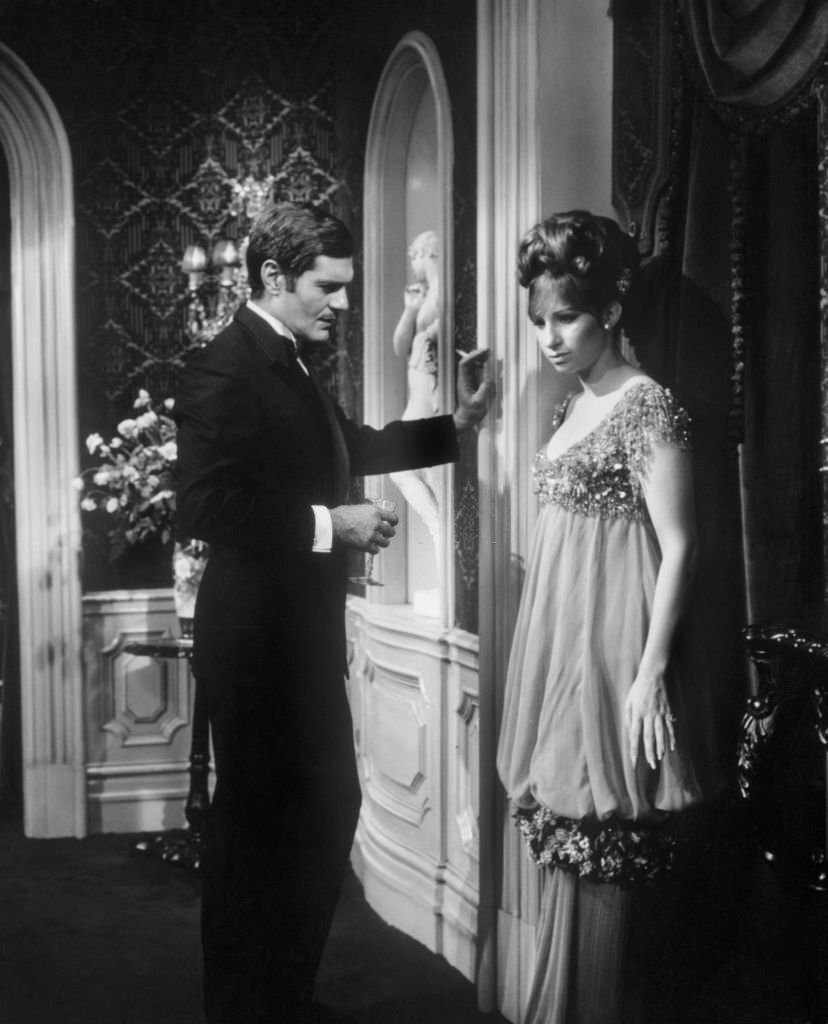
Interwoven with Fanny’s professional rise is her relationship with Nicky Arnstein, played by Omar Sharif. Nicky is a gambler and a charmer — polished, well-traveled, and completely at ease in high-society circles. Fanny falls hard for him, and the contrast between them is part of what makes the pairing so compelling on screen. He moves through the world with effortless confidence while Fanny is all nervous energy and raw ambition. The film captures both the attraction and the inevitable strain of that dynamic.
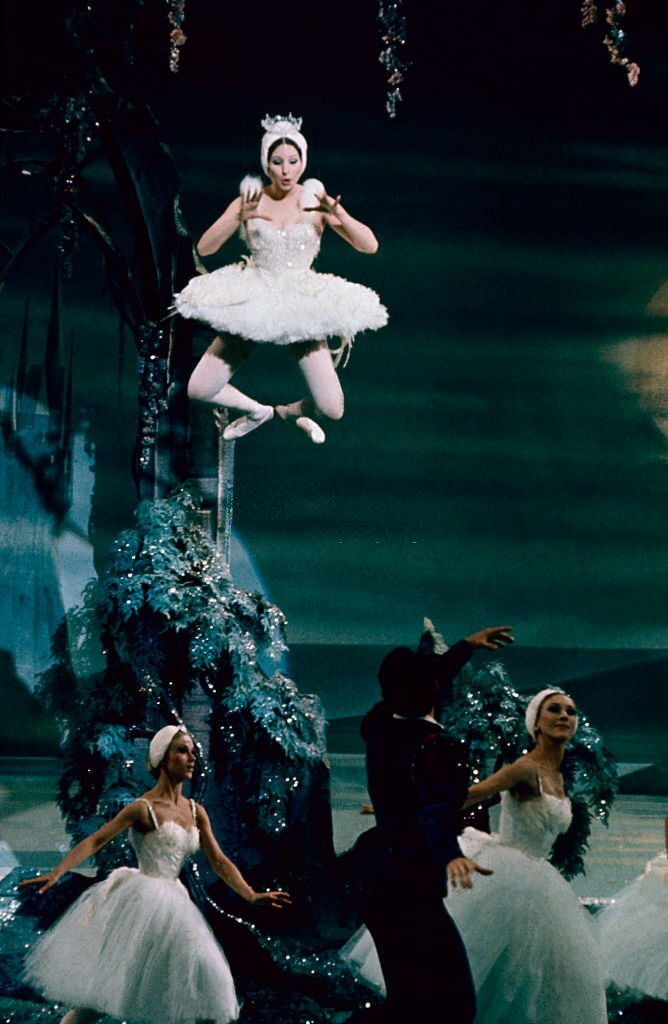
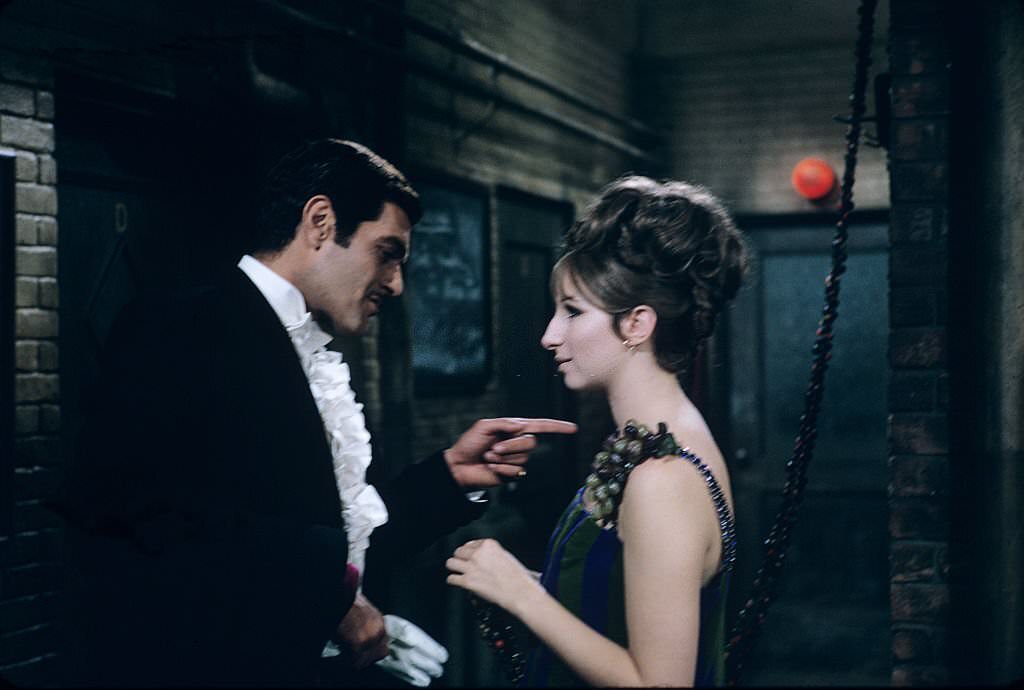
Nicky’s gambling eventually draws the attention of the police, creating serious legal trouble that puts their relationship under enormous pressure. Fanny is angry and hurt, but she channels that emotional pain into her work. Rather than let personal turmoil derail her career, she presses forward — and in doing so, achieves exactly what she set out to accomplish: becoming a true Broadway star. It’s a story about drive as much as it is about love.
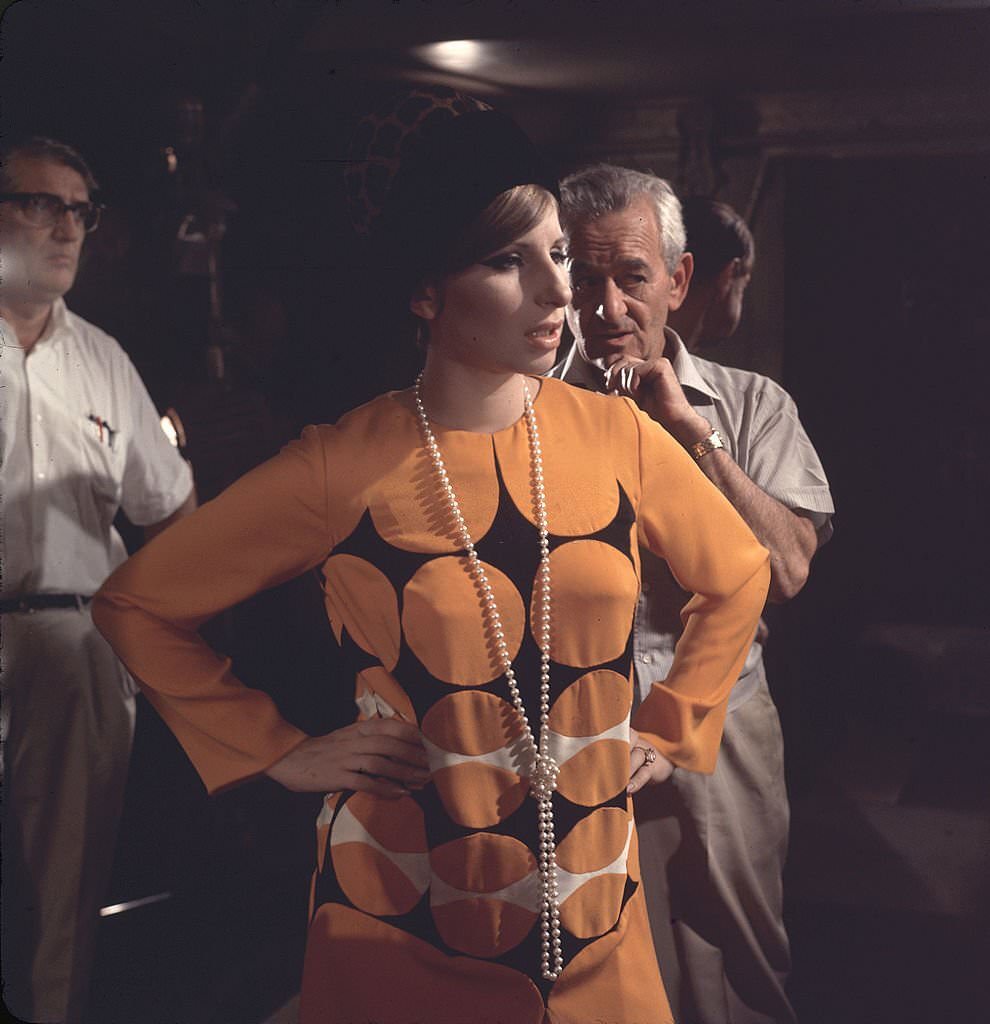
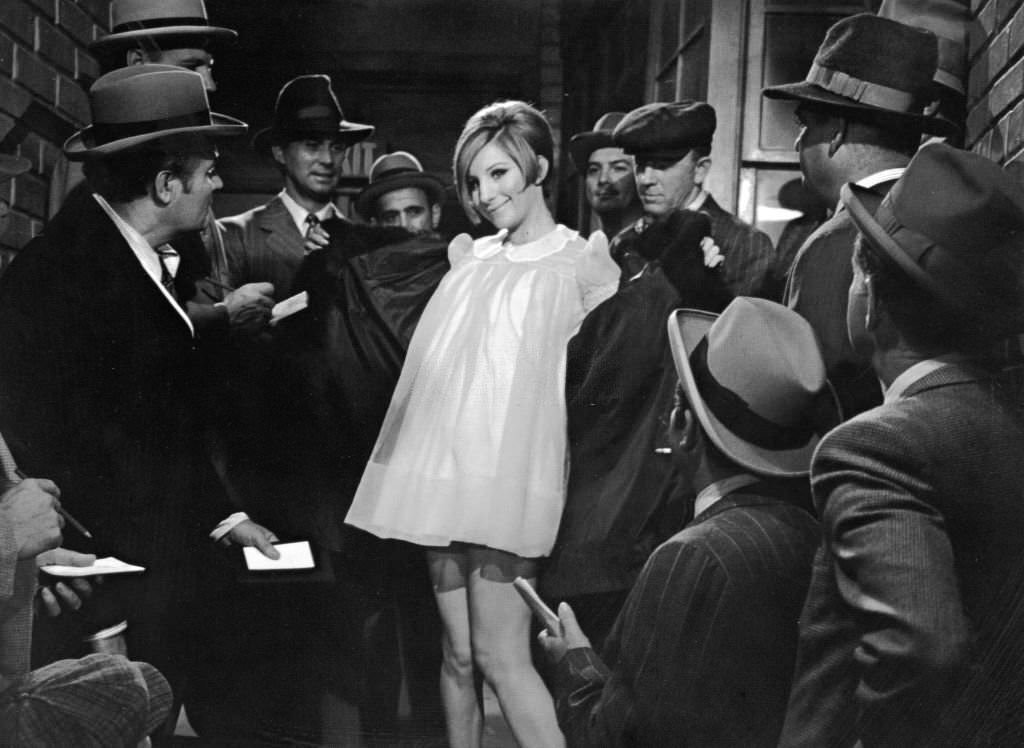
Behind the camera, director William Wyler brought decades of filmmaking experience to the production. Wyler was known for working closely with his actors, pushing them toward precise, emotionally grounded performances. His approach with Streisand — who was making her film debut — resulted in one of the most talked-about screen performances of the decade. Their collaboration on set was intense and hands-on, with Wyler rehearsing scenes carefully before the cameras rolled.
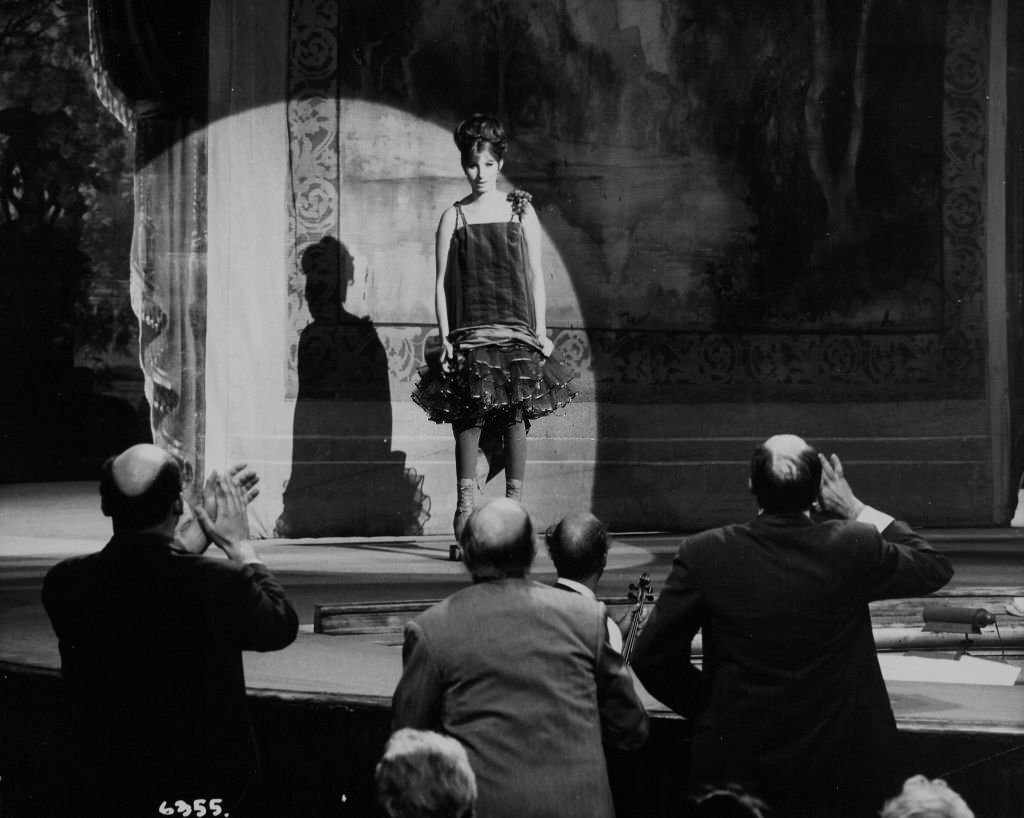
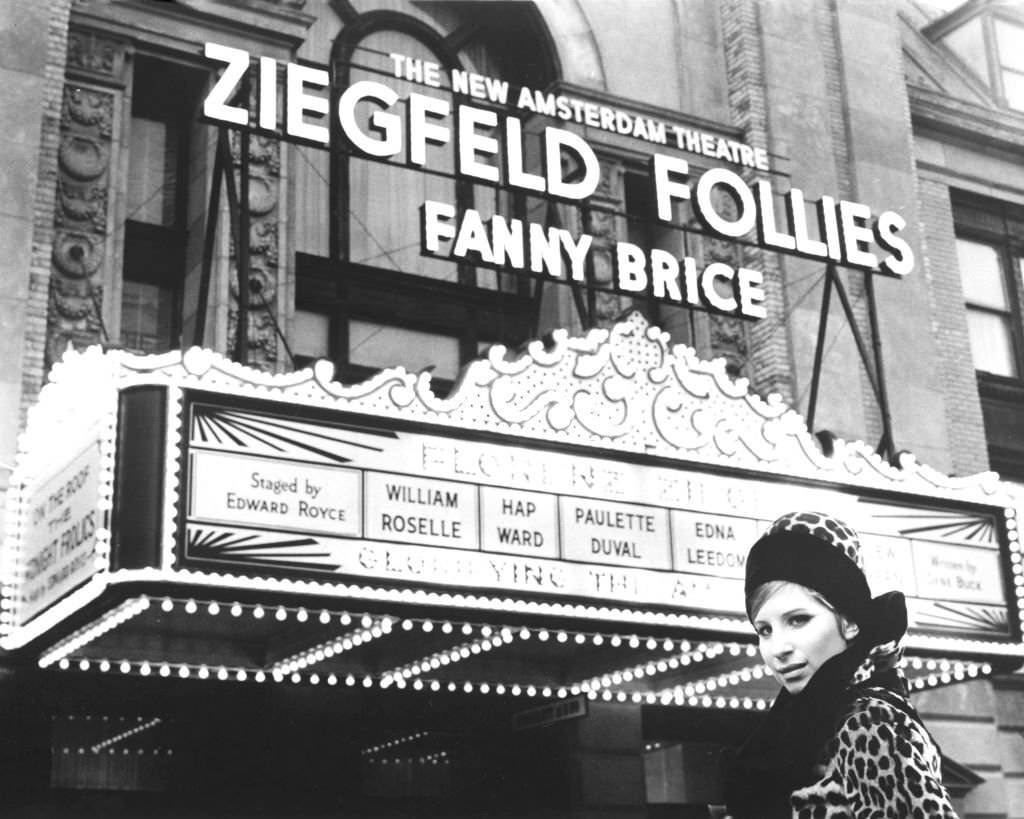
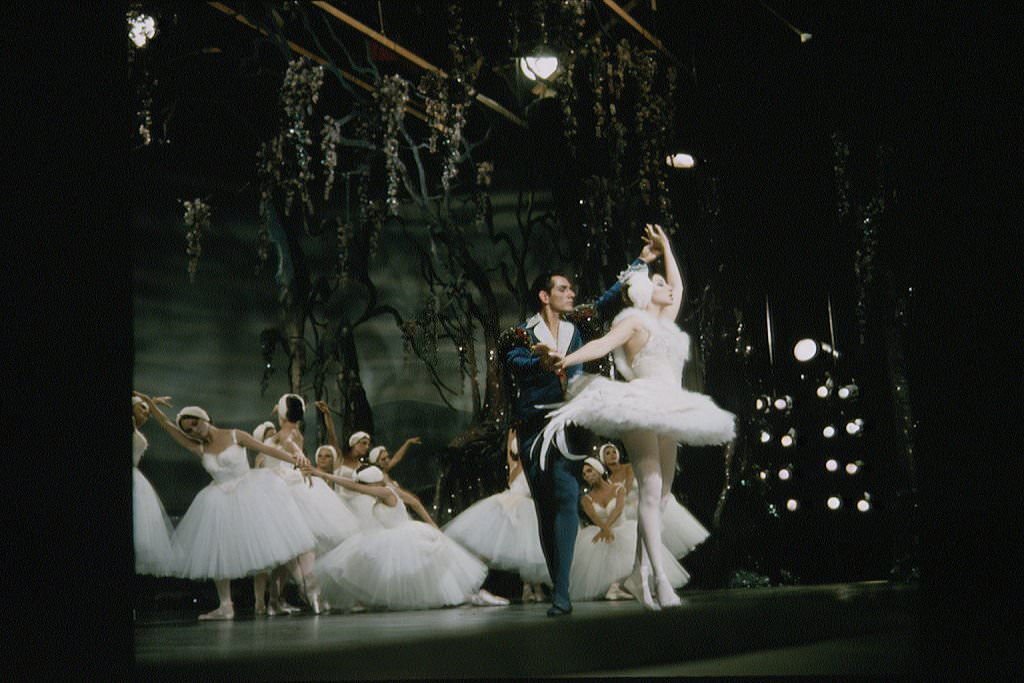
The New Amsterdam Theatre in New York served as a key location tied to the film’s setting. As the historic home of the Ziegfeld Follies, it was the real-world stage where the actual Fanny Brice had performed. Shooting in and around locations connected to the real Fanny Brice gave the film a grounded authenticity that purely studio-built sets couldn’t have provided.
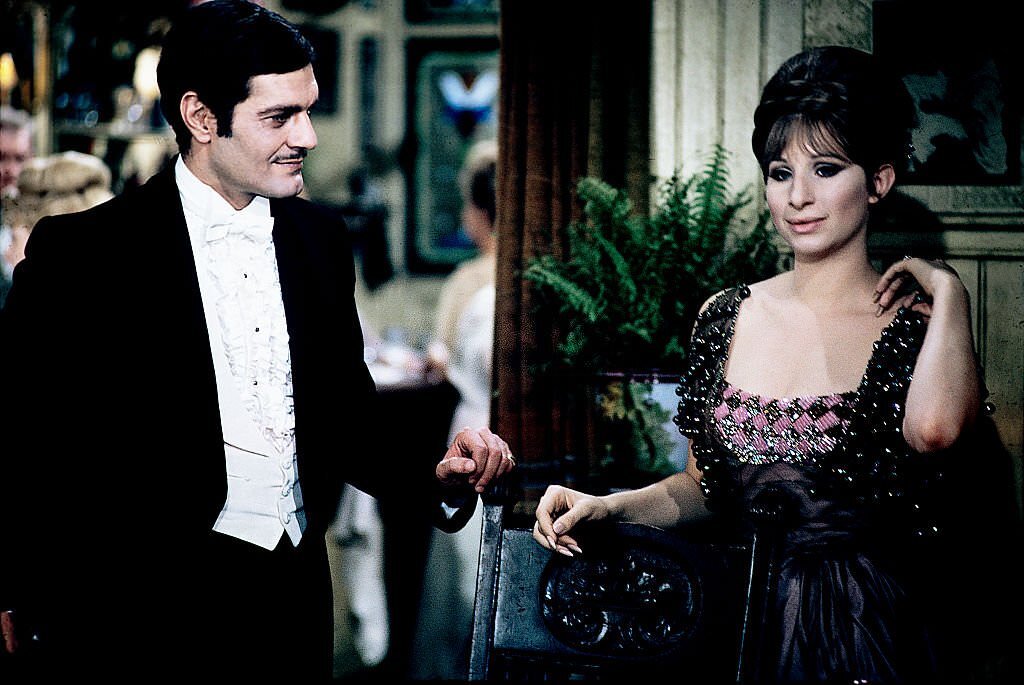
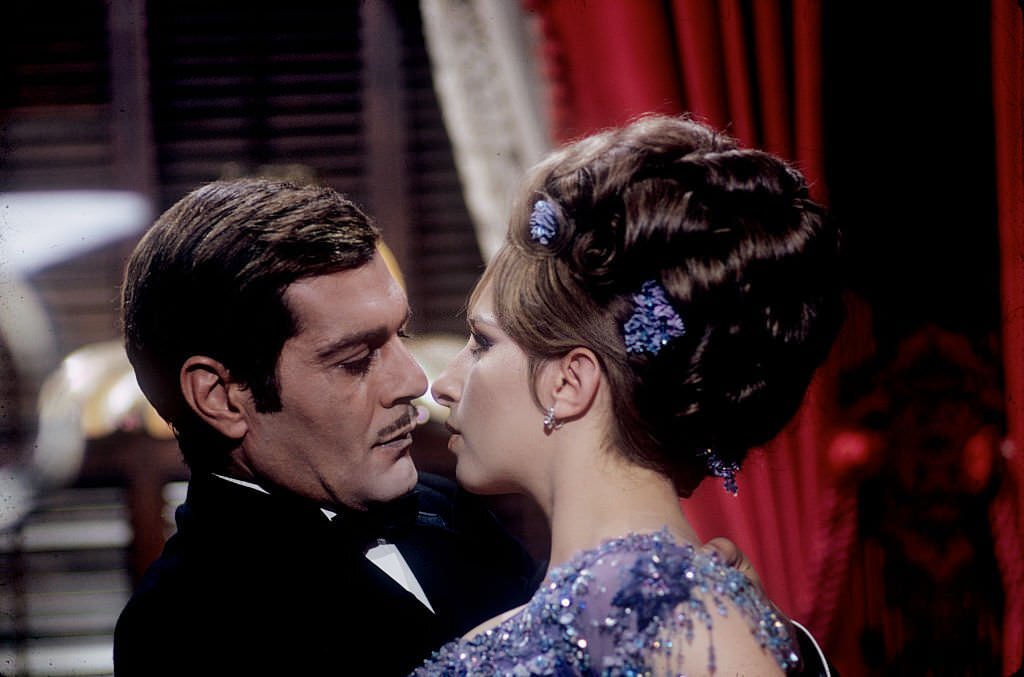
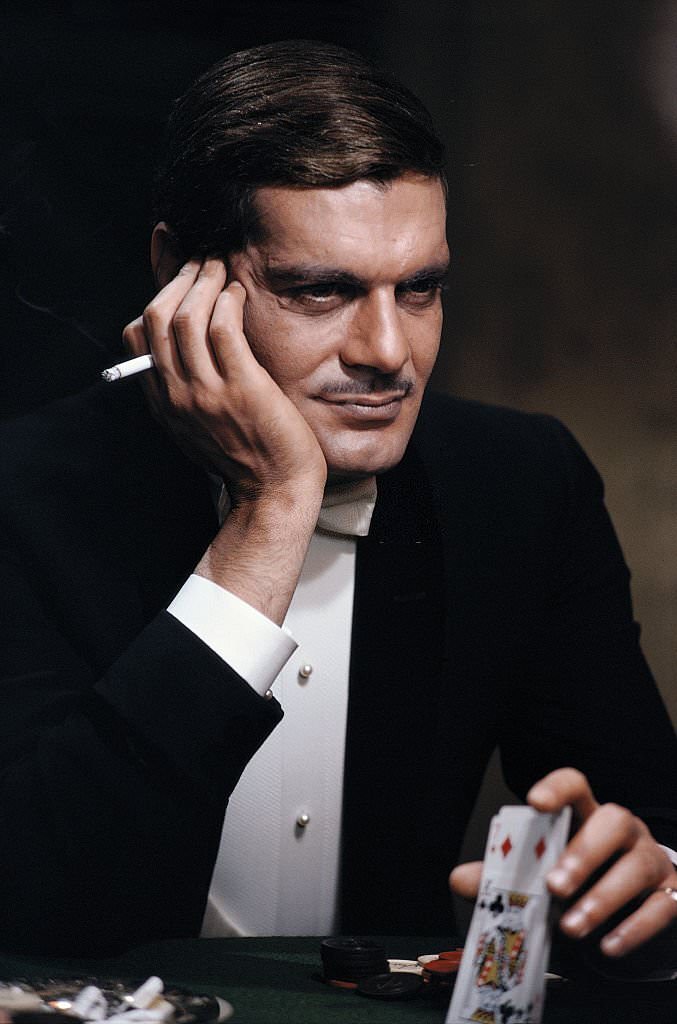
The chemistry between Streisand and Sharif on screen drew significant attention. Sharif, already an international star following his roles in Lawrence of Arabia and Doctor Zhivago, brought a worldly magnetism to Nicky Arnstein. As the globe-trotting card player, he was measured and composed — a deliberate contrast to Streisand’s emotionally expressive Fanny. Together, they made the central romance feel real and complicated in equal measure.
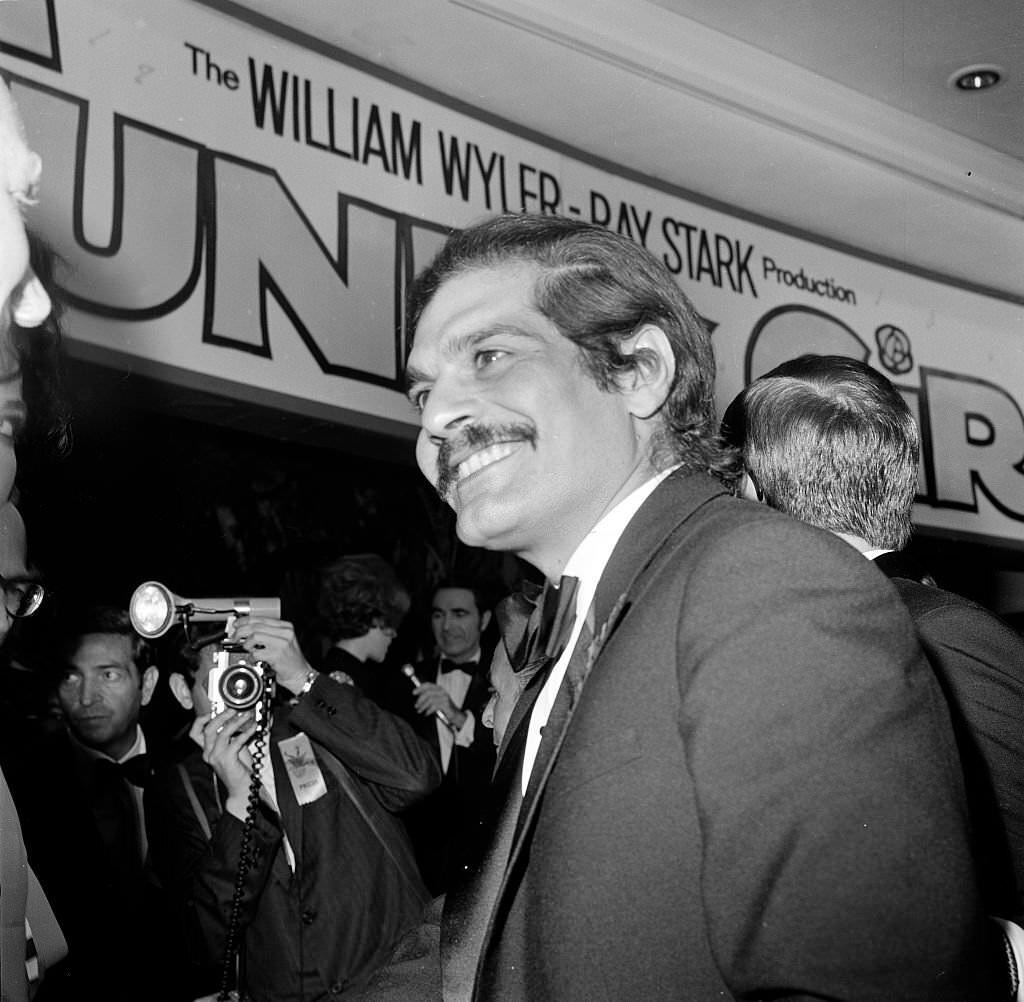
Sharif attended the Los Angeles premiere as well, marking the film’s wide rollout across major American cities. The dual premieres — New York and Los Angeles — reflected the studio’s confidence in the picture. Funny Girl earned seven Academy Award nominations: Best Picture, Best Sound, Best Original Song, Best Scoring of a Musical Picture, Best Film Editing, Best Cinematography, and Best Supporting Actress for Kay Medford, who played Fanny’s mother, Rose.
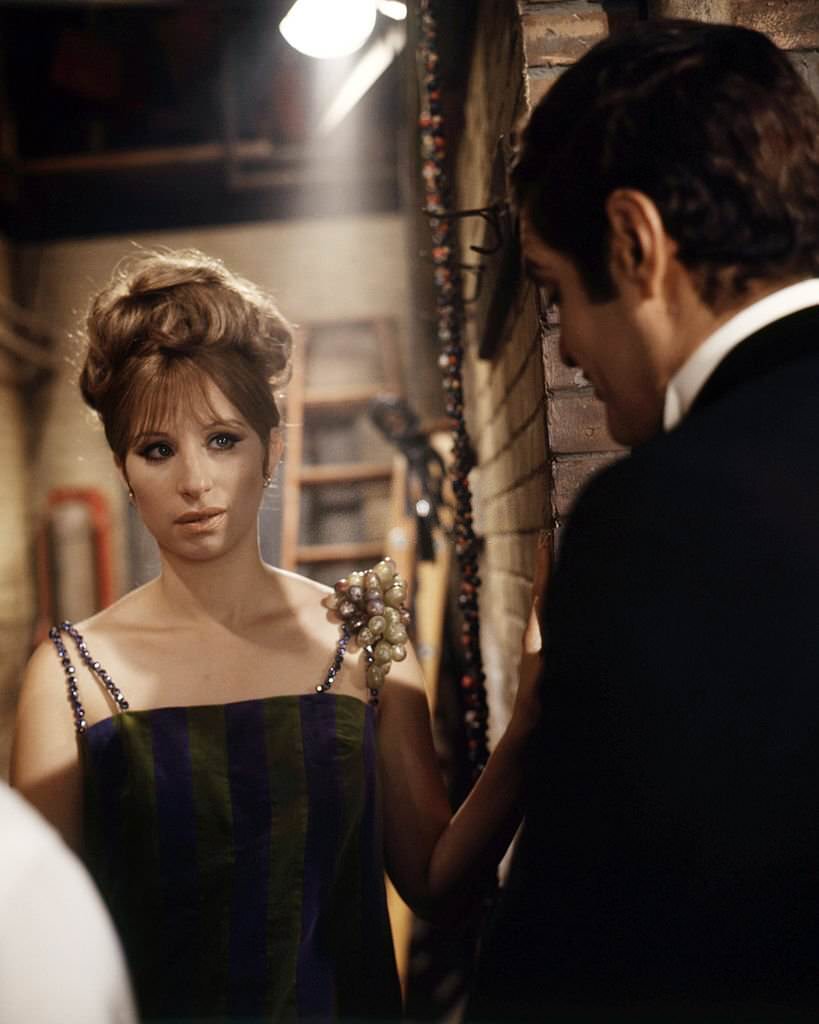
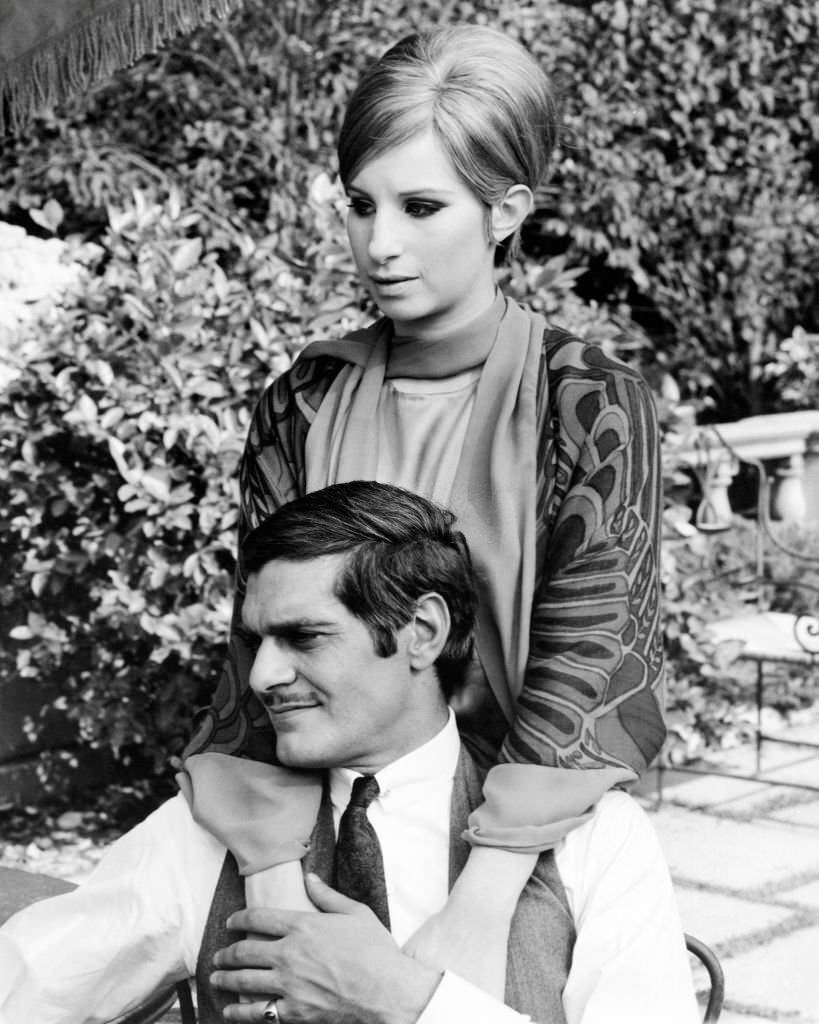
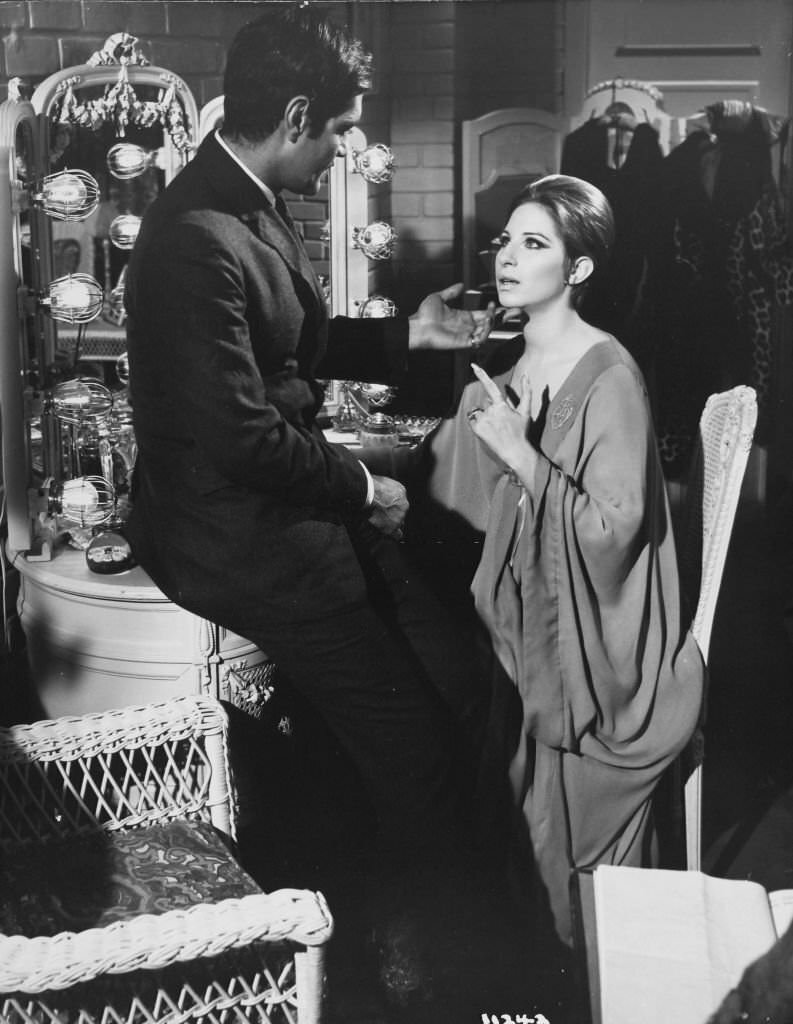
Promotional portraits of Streisand and Sharif captured the film’s tone well — glamorous but not artificial, polished but carrying emotional weight. The marketing leaned heavily on the pairing of the two leads, and for good reason. Streisand’s name was already massive thanks to her Broadway career and recording success, while Sharif’s Hollywood reputation brought international appeal to the project.
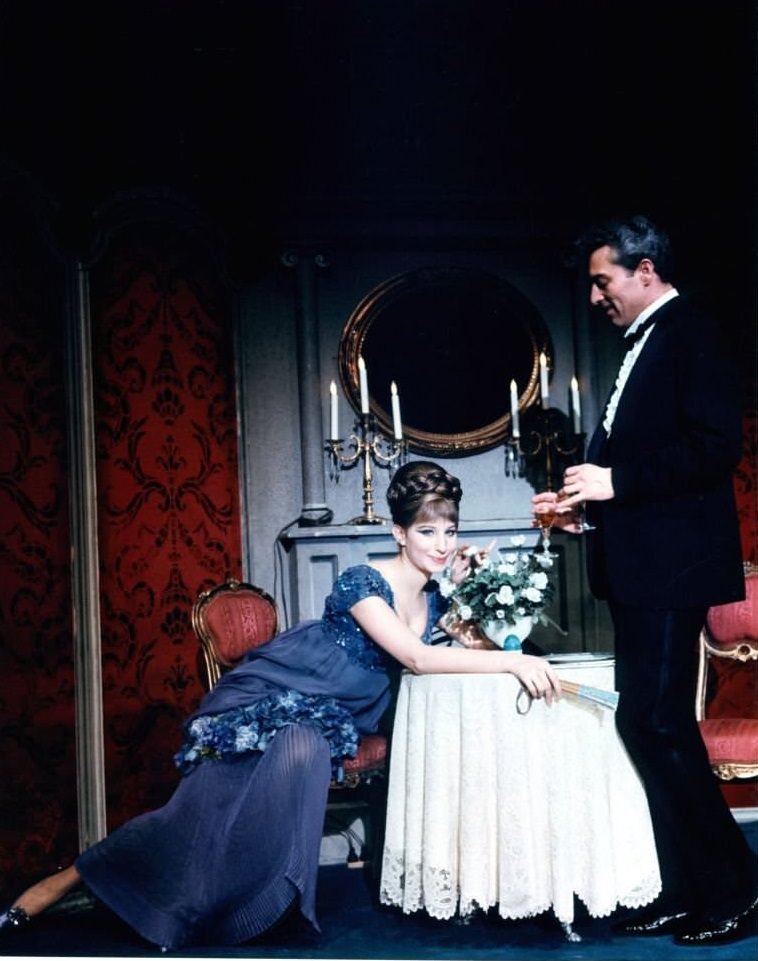
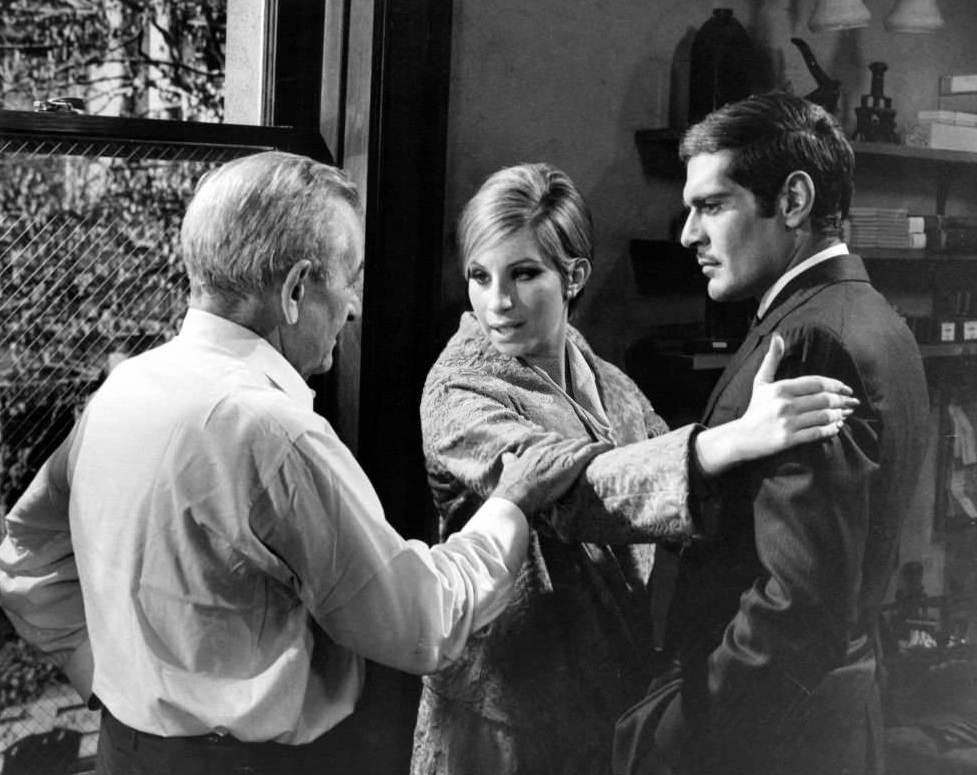
On-set photos of Wyler rehearsing with both Streisand and Sharif show the director’s methodical approach. Wyler was known for demanding multiple takes and working through scenes in careful detail. For a film as emotionally layered as Funny Girl, that precision mattered. The scenes between Fanny and Nicky required both actors to navigate shifts between affection, pride, resentment, and heartbreak — sometimes within the same exchange.
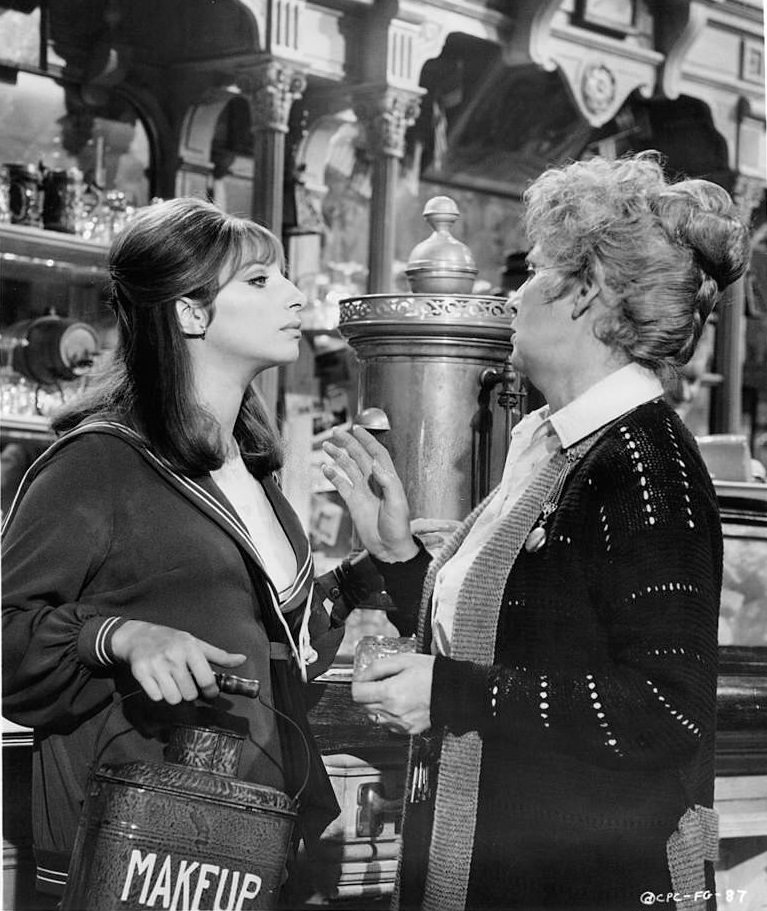
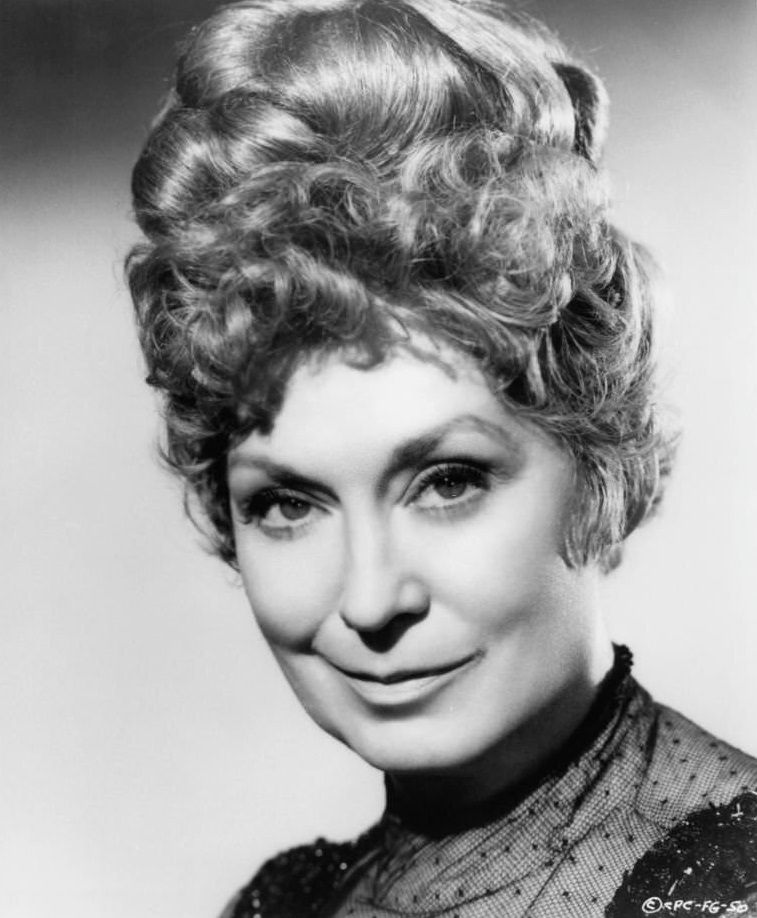
Kay Medford’s portrayal of Rose Brice — Fanny’s sharp, skeptical mother — provided both humor and emotional ballast throughout the film. Her scenes with Streisand crackled with a believable mother-daughter tension. Medford’s Academy Award nomination for Best Supporting Actress recognized a performance that never overplayed its hand. She grounded the film in domestic reality whenever it threatened to float off into pure spectacle.
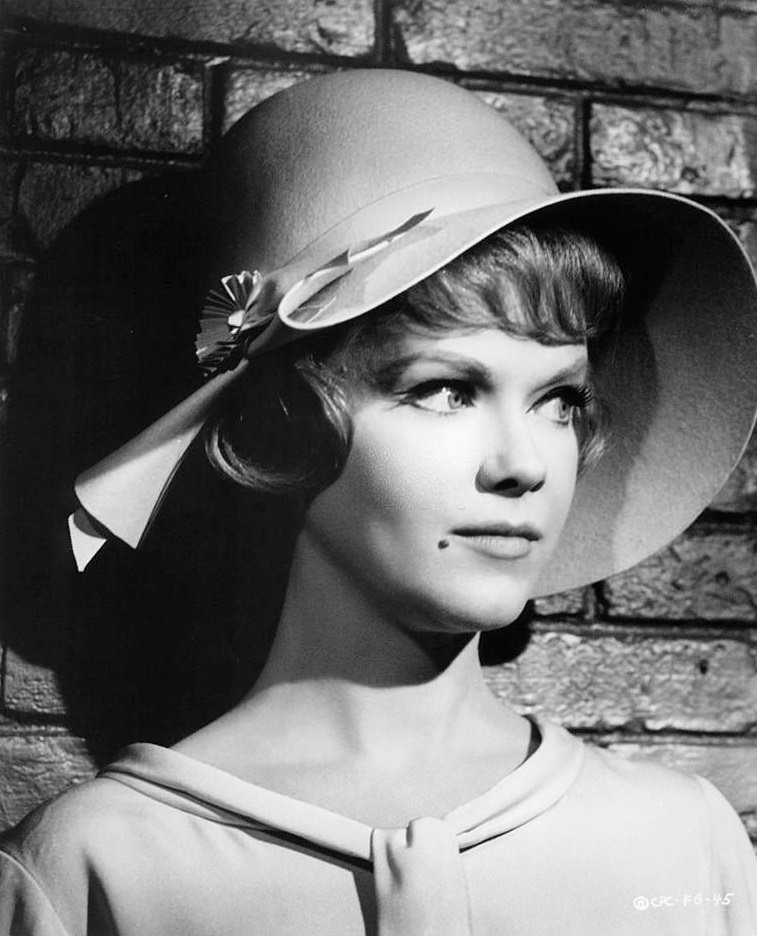
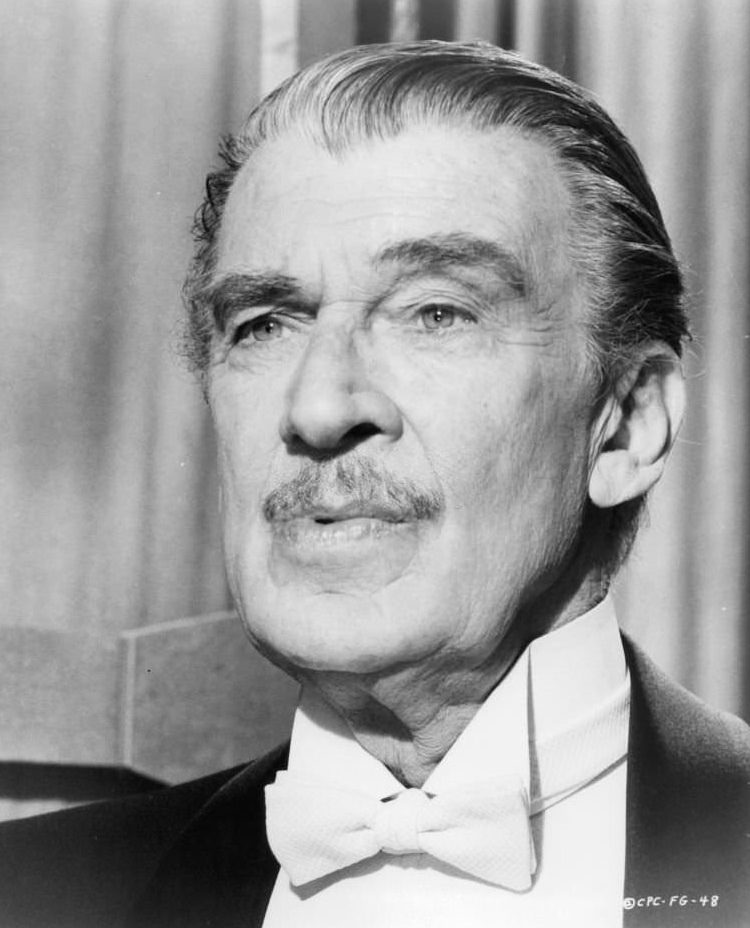
Walter Pidgeon’s Florenz Ziegfeld is a figure of authority and taste — someone accustomed to getting his way. His clashes with Fanny are not those of enemies but of two people with equally strong opinions about what great performance looks like. Ziegfeld wants precision and polish. Fanny delivers something messier and more alive. The film treats that tension as a feature, not a flaw — and Pidgeon handles the role with measured, old-school dignity.
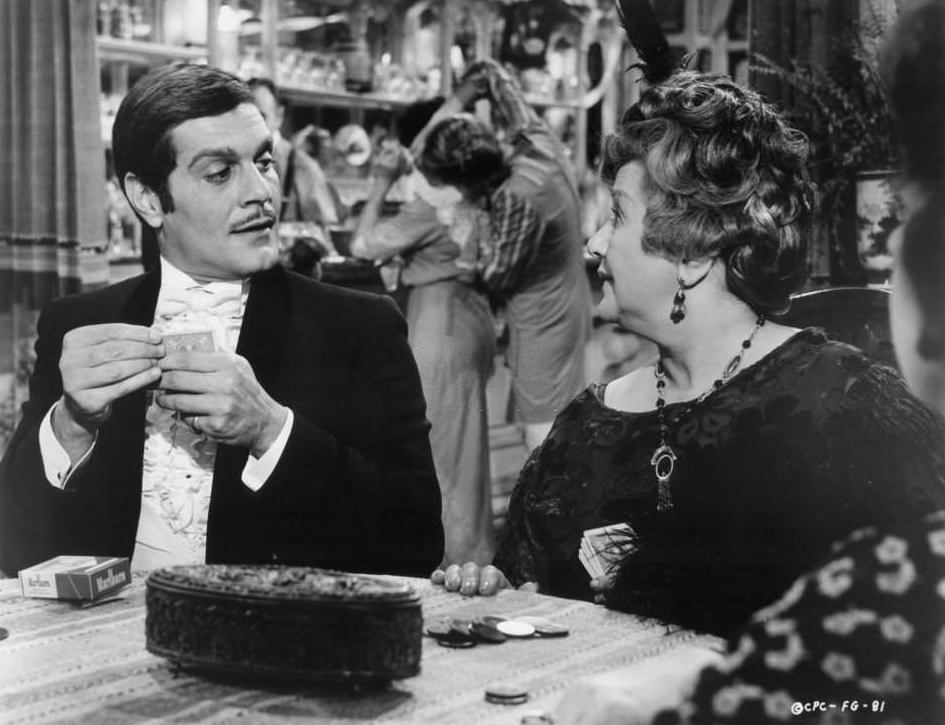
Nicky Arnstein’s gambling is not treated as a minor character quirk. It is the fault line that eventually splits his marriage to Fanny apart. The card table scenes featuring Sharif show a man entirely in his element — calm, calculating, and addicted to the risk. That composure makes his eventual downfall more striking. He’s not reckless in an obvious way. He’s reckless with the confidence of someone who has always been able to charm his way out of consequences.
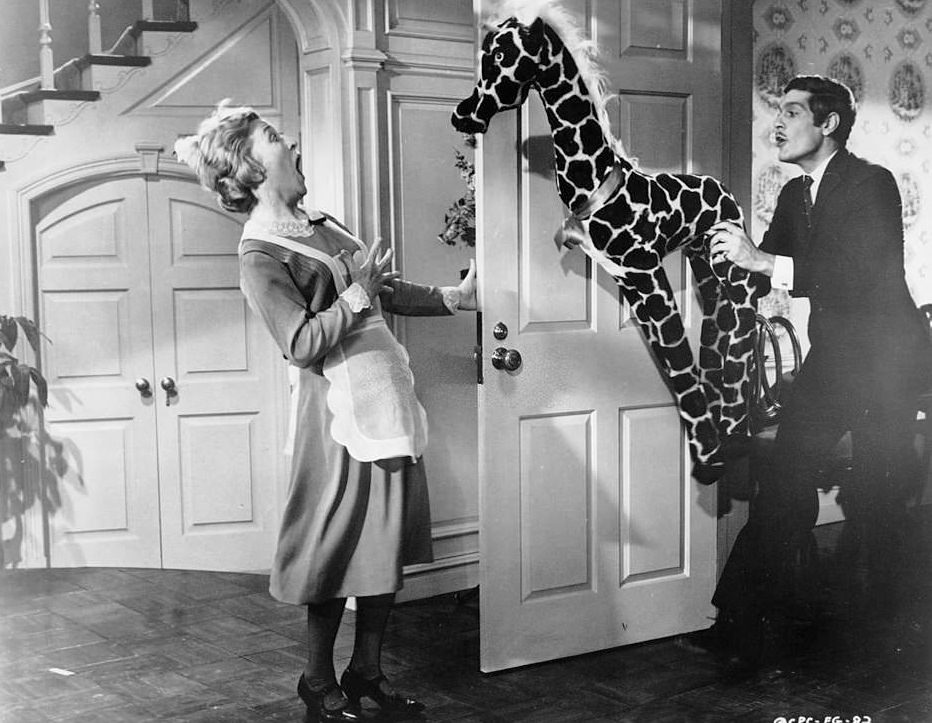
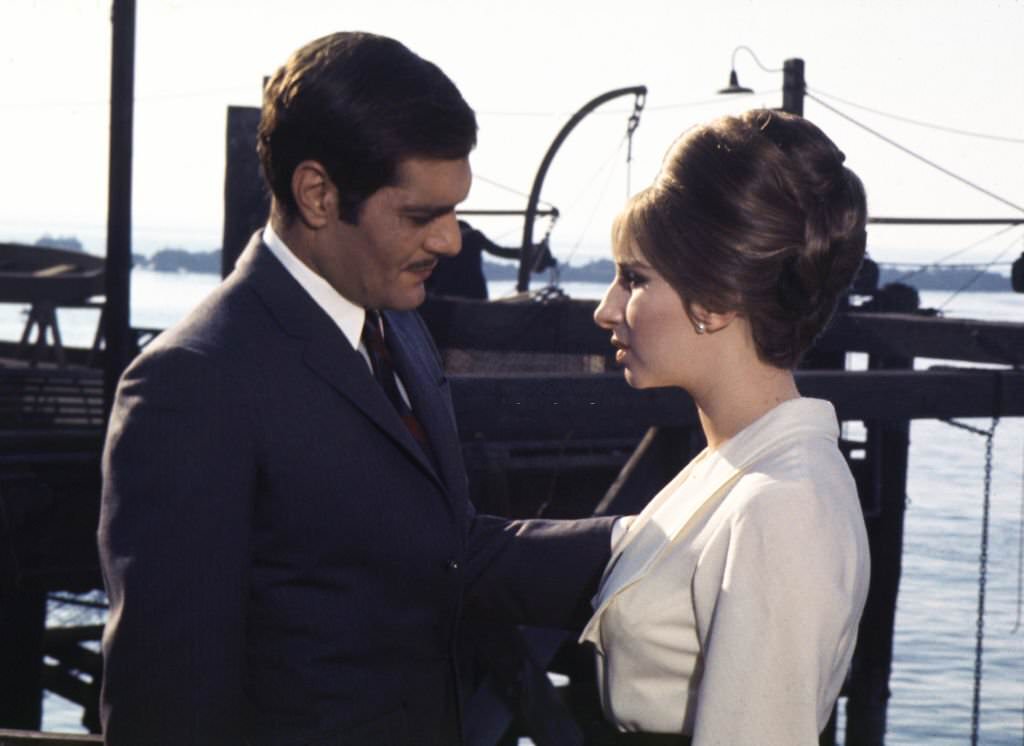
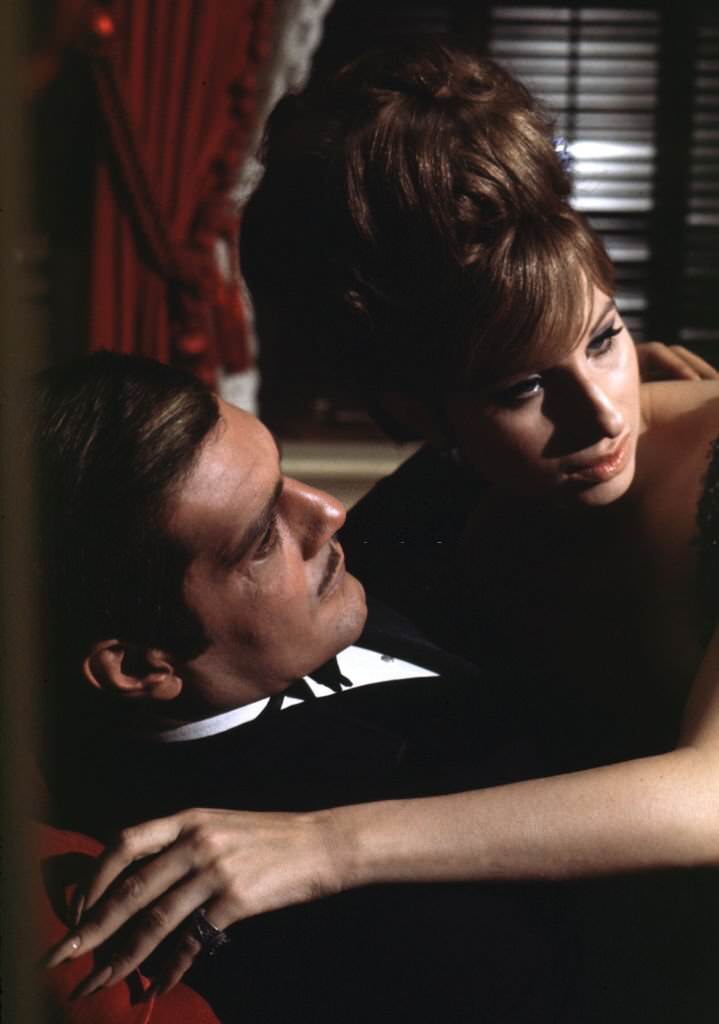
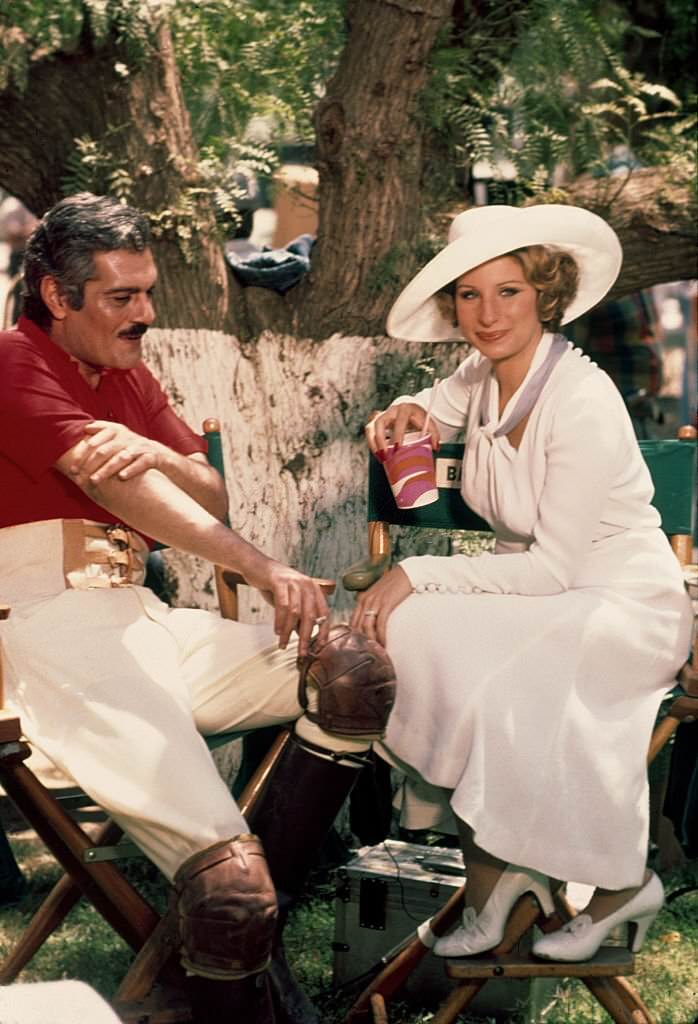
Wyler, Sharif, and Streisand were photographed together repeatedly during production — a trio that represented three very different careers converging on a single project. Wyler had directed Audrey Hepburn, Charlton Heston, and Bette Davis over a career spanning decades. Sharif came from the international epic tradition. Streisand was, in film terms, completely new. The dynamic between them on set shaped everything that ended up on screen.
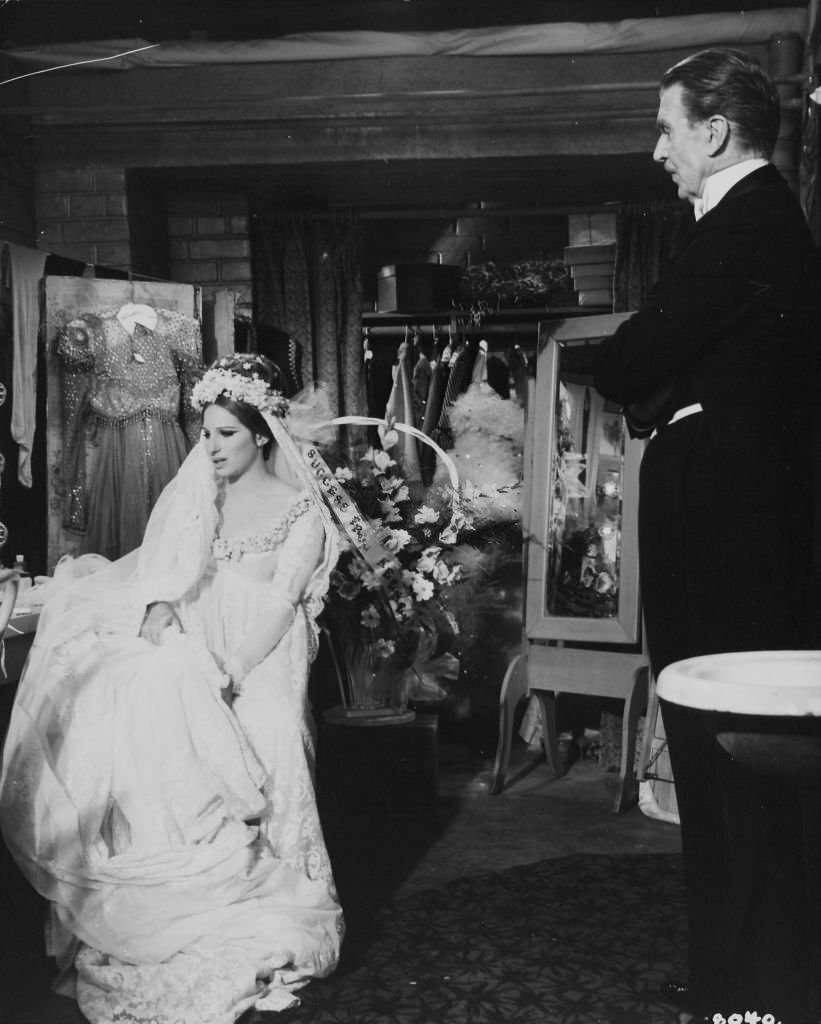
Streisand’s scenes opposite Walter Pidgeon put two very different acting styles in direct contact. Pidgeon’s classical restraint against Streisand’s instinctive, emotionally driven approach created a productive friction. Their scenes together — particularly those where Ziegfeld reluctantly acknowledges Fanny’s genius — land with quiet but unmistakable impact.
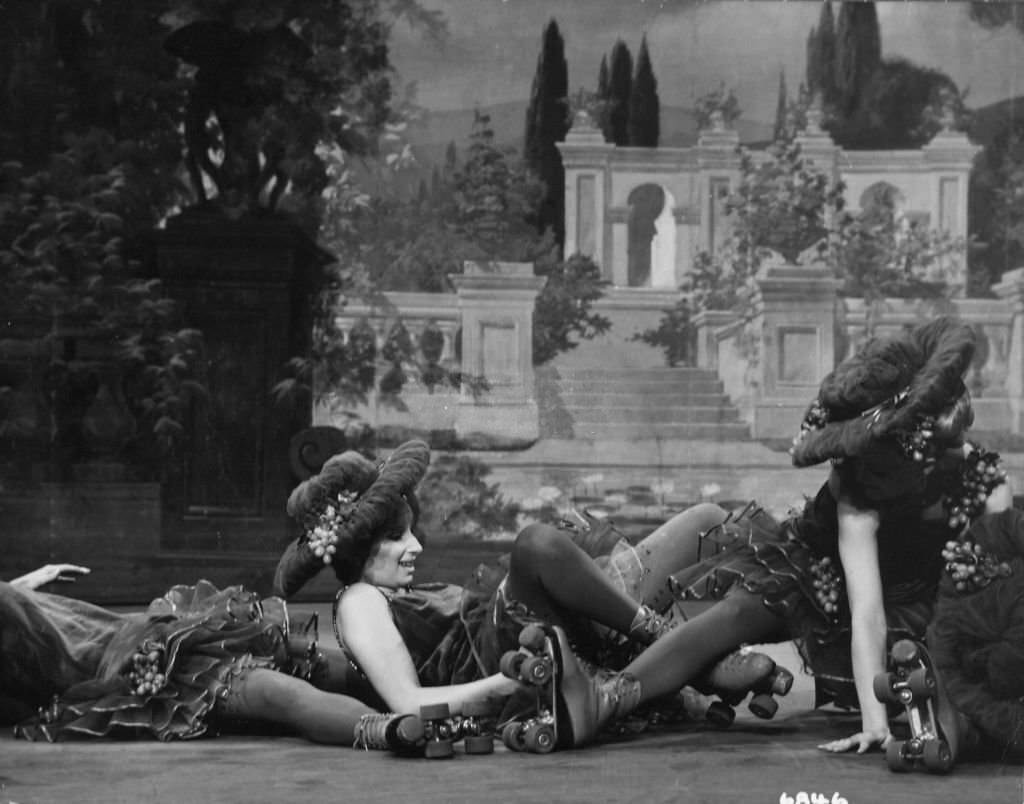
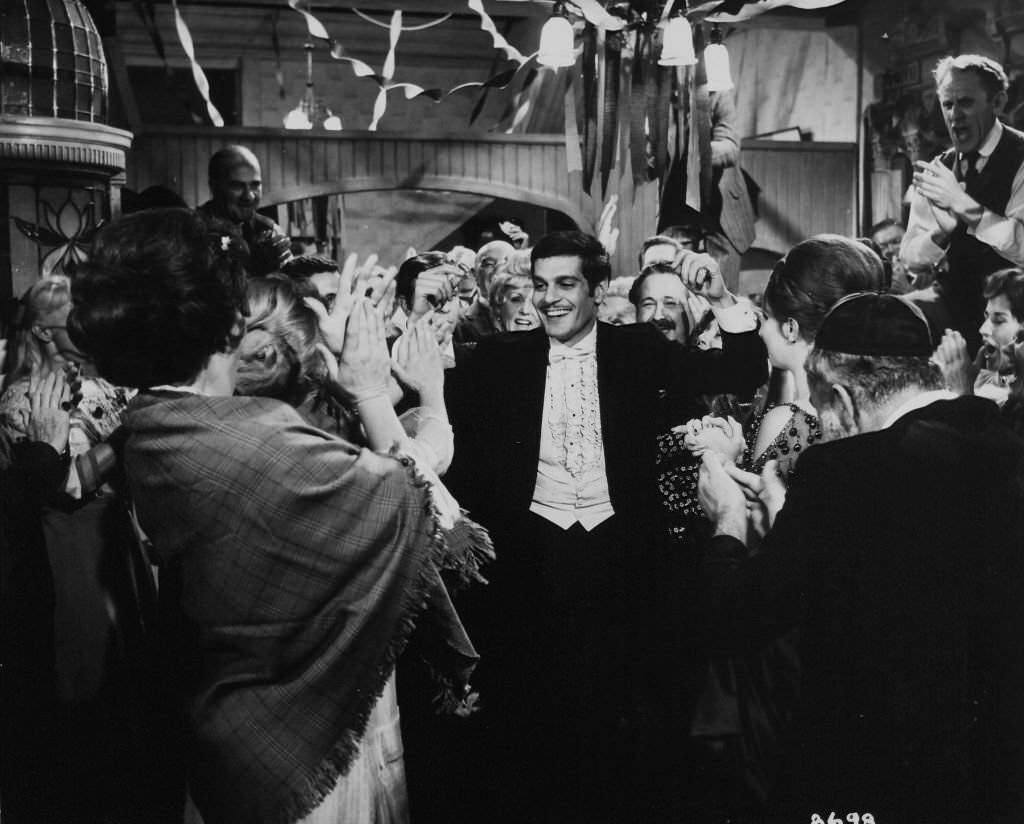
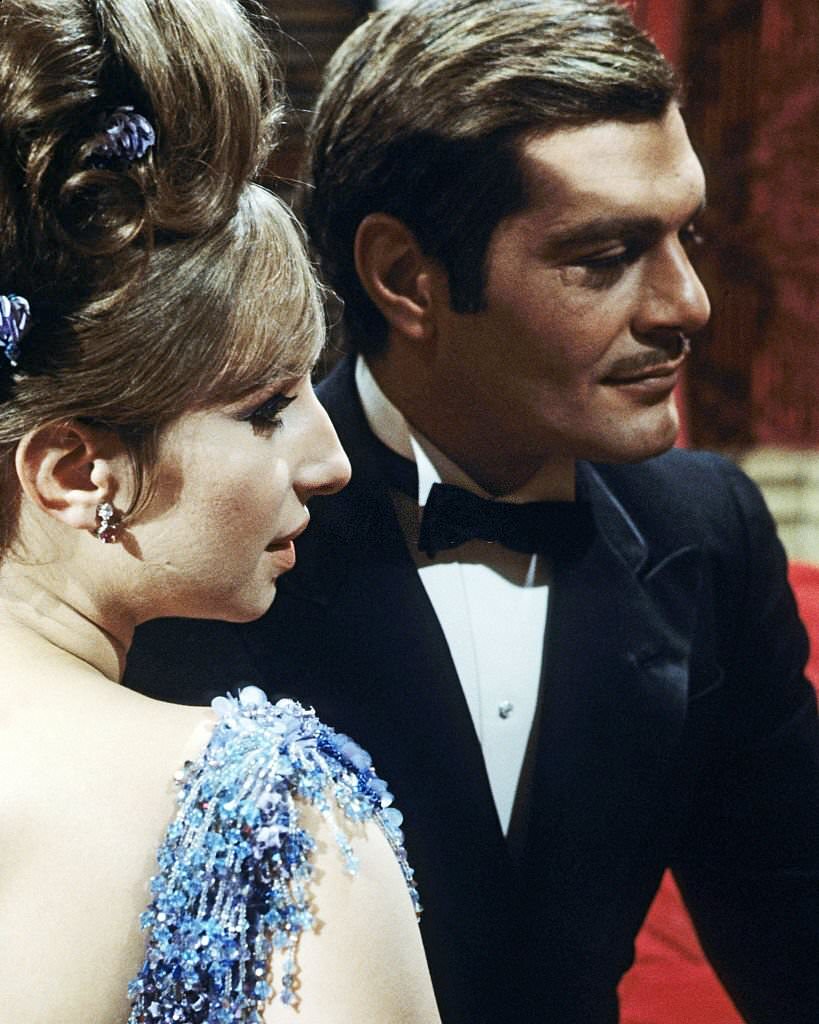
Streisand’s vocal performances throughout the film are a core reason the movie works as a musical. Songs like “People” and “Don’t Rain on My Parade” were not just set pieces — they were emotional statements that carried the story forward. The film earned a nomination for Best Original Song Score, and Streisand’s delivery is why those nominations felt entirely justified. Her voice in this film is not a complement to the drama. It is the drama.
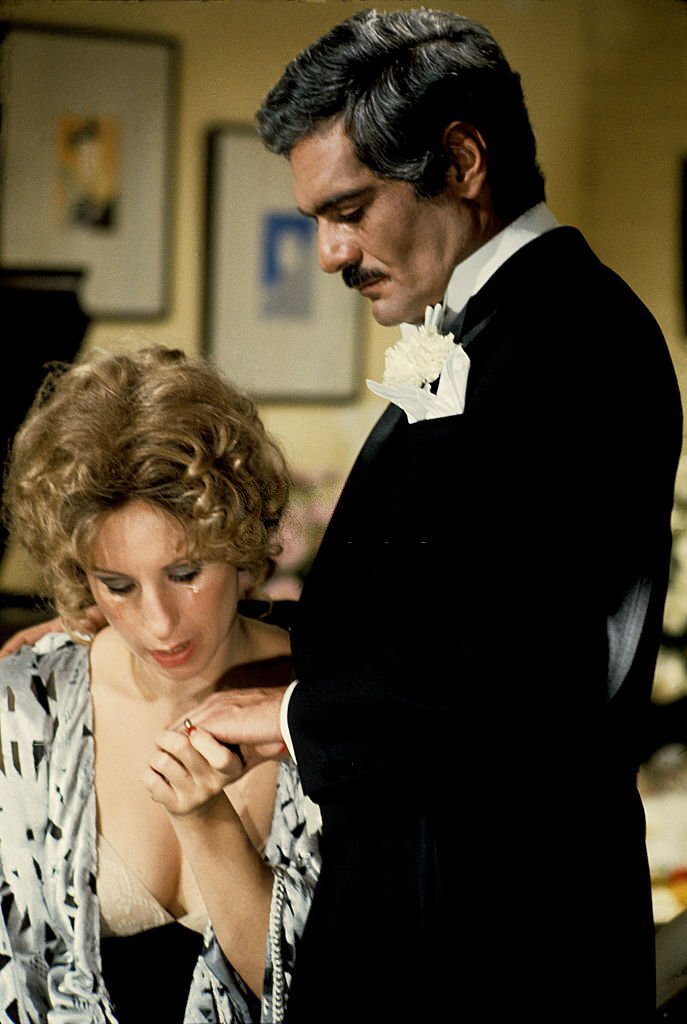
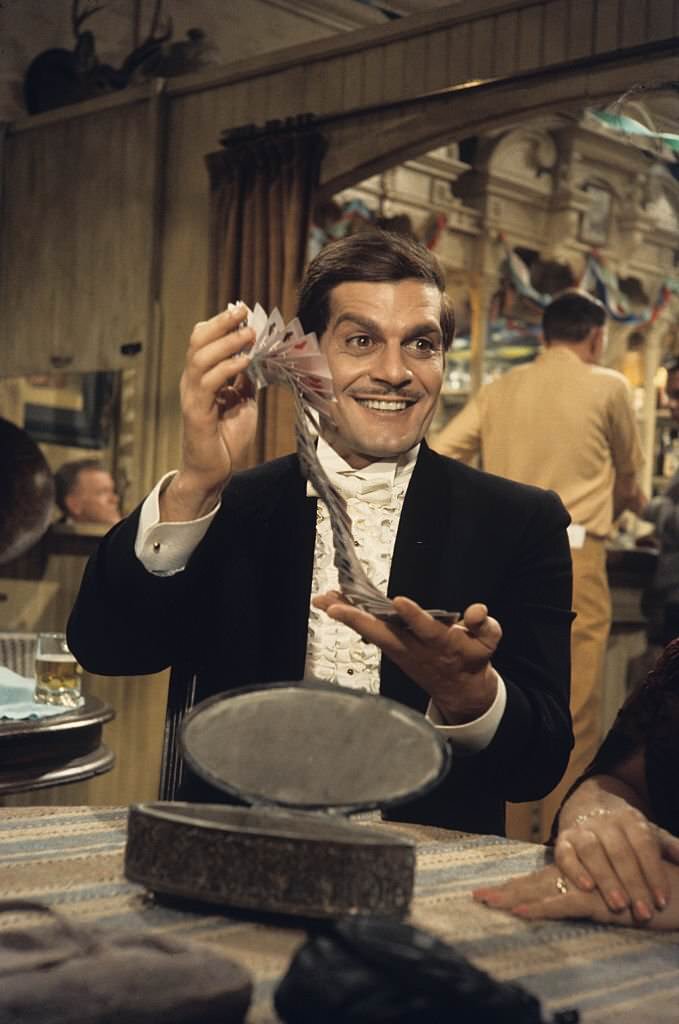
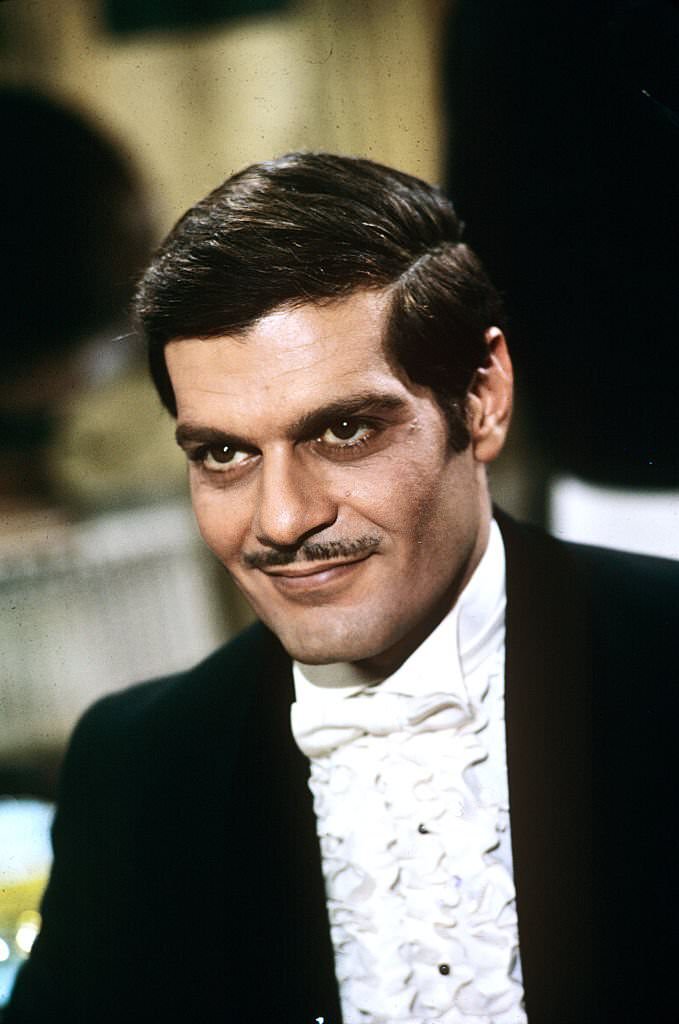
Sharif’s individual scenes within the film reveal a character who is always performing — even in private moments. Nicky Arnstein presents a version of himself that is always under control, always slightly ahead of everyone else in the room. These solo moments make it clearer why Fanny falls for him and why she can never fully hold onto him. He is genuinely charming and genuinely unreachable at the same time.
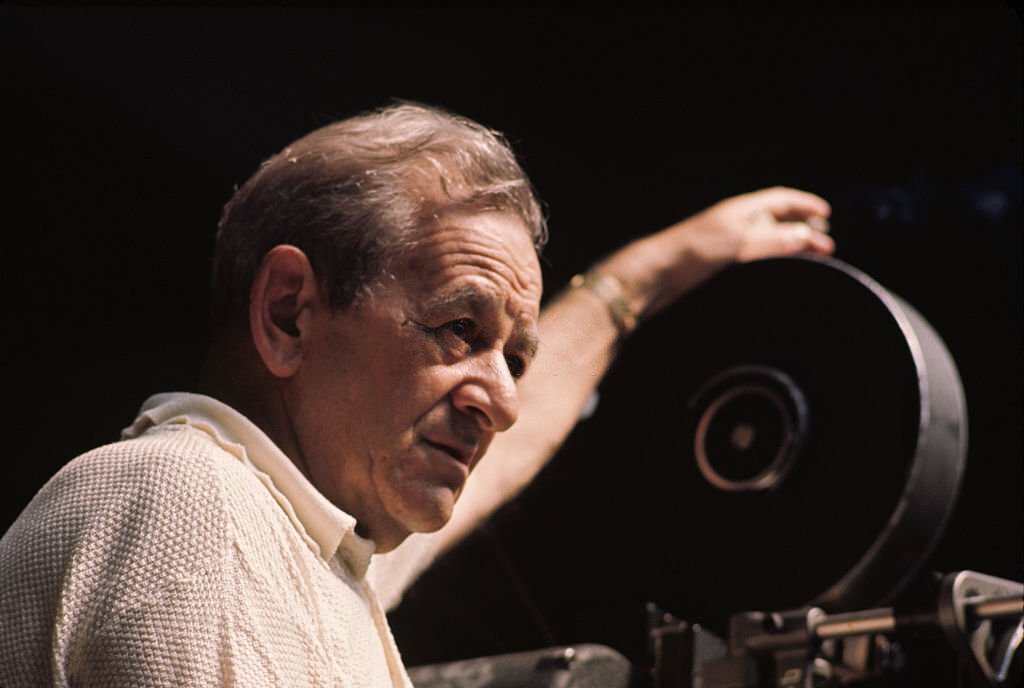
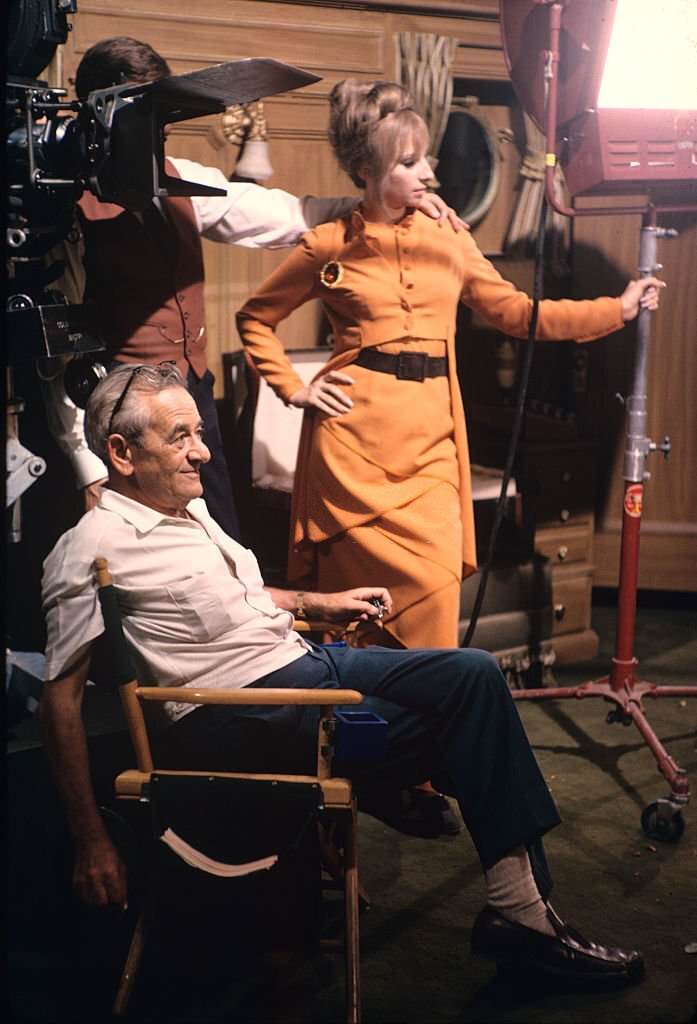
Photos of Wyler on set during production show a director fully focused on the work. At 66 years old during filming, Wyler brought a patient and exacting presence to every scene. His collaboration with Streisand was reportedly demanding — Wyler pushed her hard — but the results spoke for themselves. Behind-the-scenes images of the two together during filming capture a working relationship built on mutual respect and professional pressure.
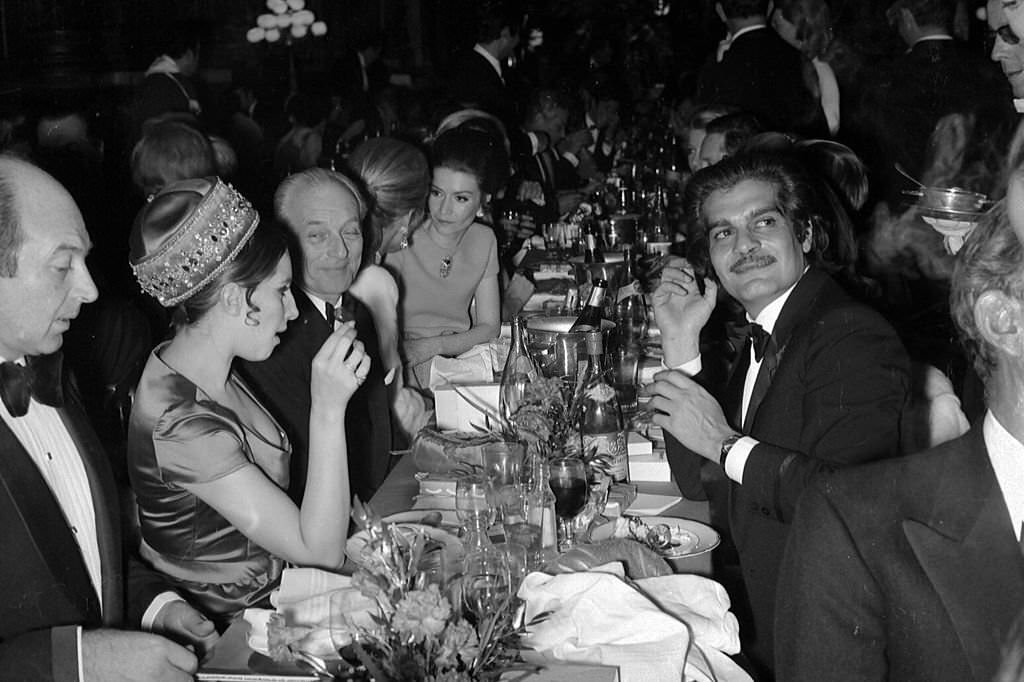
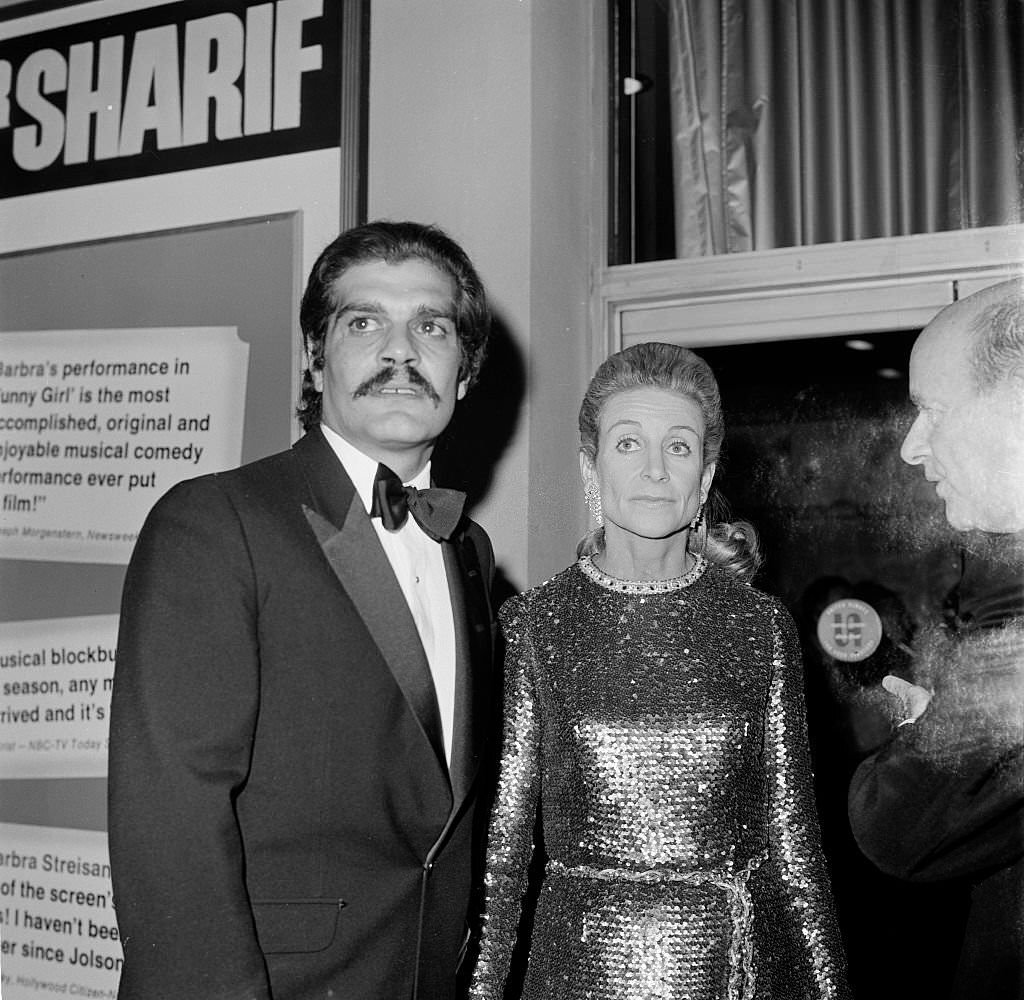
One of the more striking moments from the premiere circuit was Omar Sharif attending alongside Frances Brice-Stark — the real-life daughter of Fanny Brice and Nick Arnstein. Frances was also the daughter of producer Ray Stark, which made Funny Girl a deeply personal project from the very start. Having the actual daughter of the real Nicky Arnstein present alongside the actor who portrayed him gave the evening an unusual and layered significance.
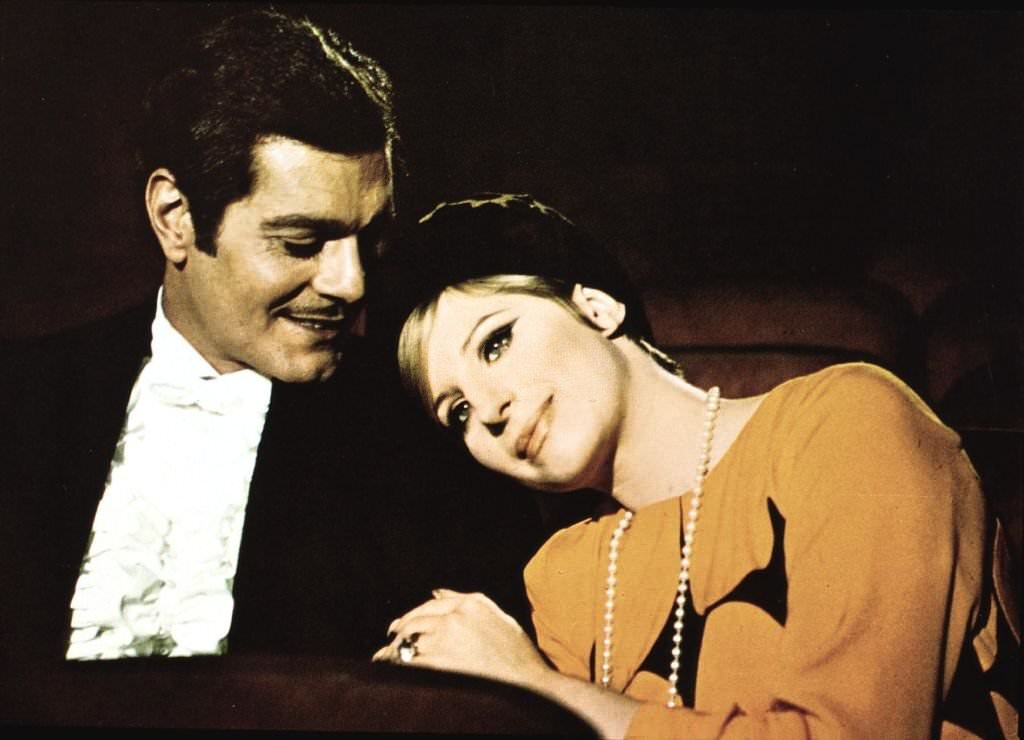
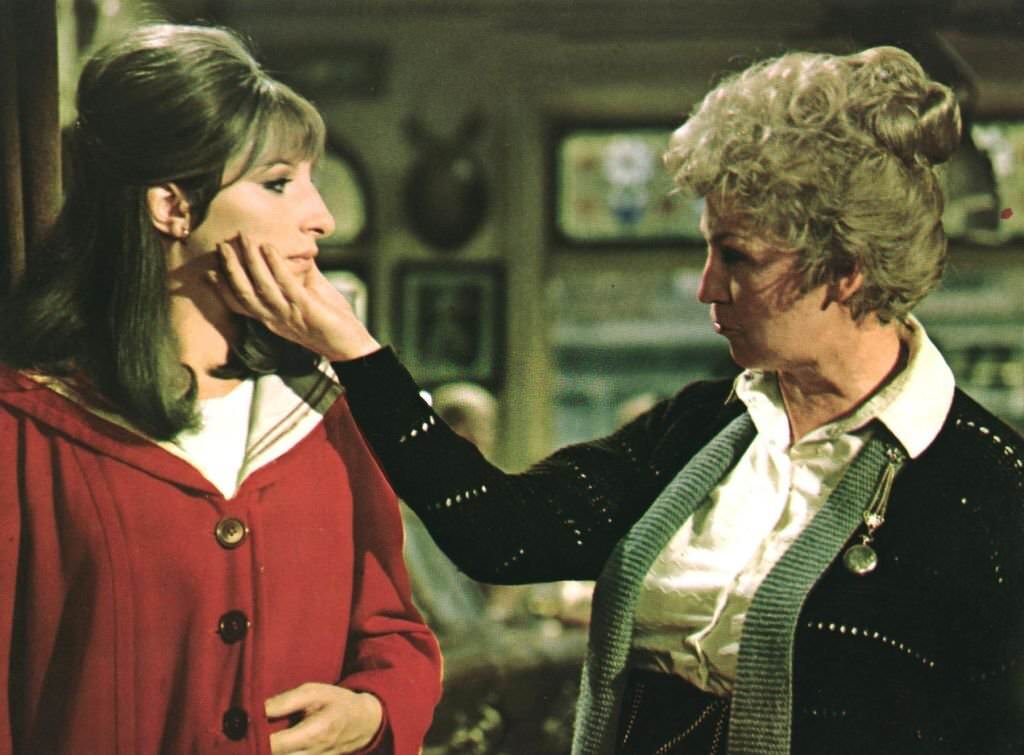
The scene in which Rose appraises Fanny captures one of the film’s recurring tensions: a mother who loves her daughter but struggles to believe in her. Kay Medford plays Rose with a dry, unsentimental edge that makes her occasional moments of pride hit harder. It’s a relationship built on doubt and devotion in equal measure — and one of the more honest portrayals of that particular mother-daughter dynamic in films of the era. Funny Girl arrived at exactly the right cultural moment, when audiences were ready to embrace a star who looked and sounded unlike anyone Hollywood had offered them before.