
Every spring at the University of Houston, students transformed their campus into something far bigger than a college event. Frontier Fiesta drew hundreds of thousands of visitors, featured celebrity guests, and earned national magazine coverage — all built on the energy of students who spent months preparing. These vintage photographs from the 1950s capture that world in full swing, preserving a remarkable chapter in the university’s history.
Frontier Fiesta began in 1939, born from the vision of Dr. Kemmerer, who served as second-in-command to UH President Oberholtzer. Kemmerer founded the event and remained its strongest champion. When World War II forced a pause in the tradition, he revived it in 1946, and it ran continuously from 1947 through 1959. By 1953, it had grown into something genuinely extraordinary, pulling in crowds of up to 200,000 people and attracting celebrities including James Garner and Humphrey Bogart. In 1958, LIFE Magazine dubbed it “the Greatest College Show on Earth.”
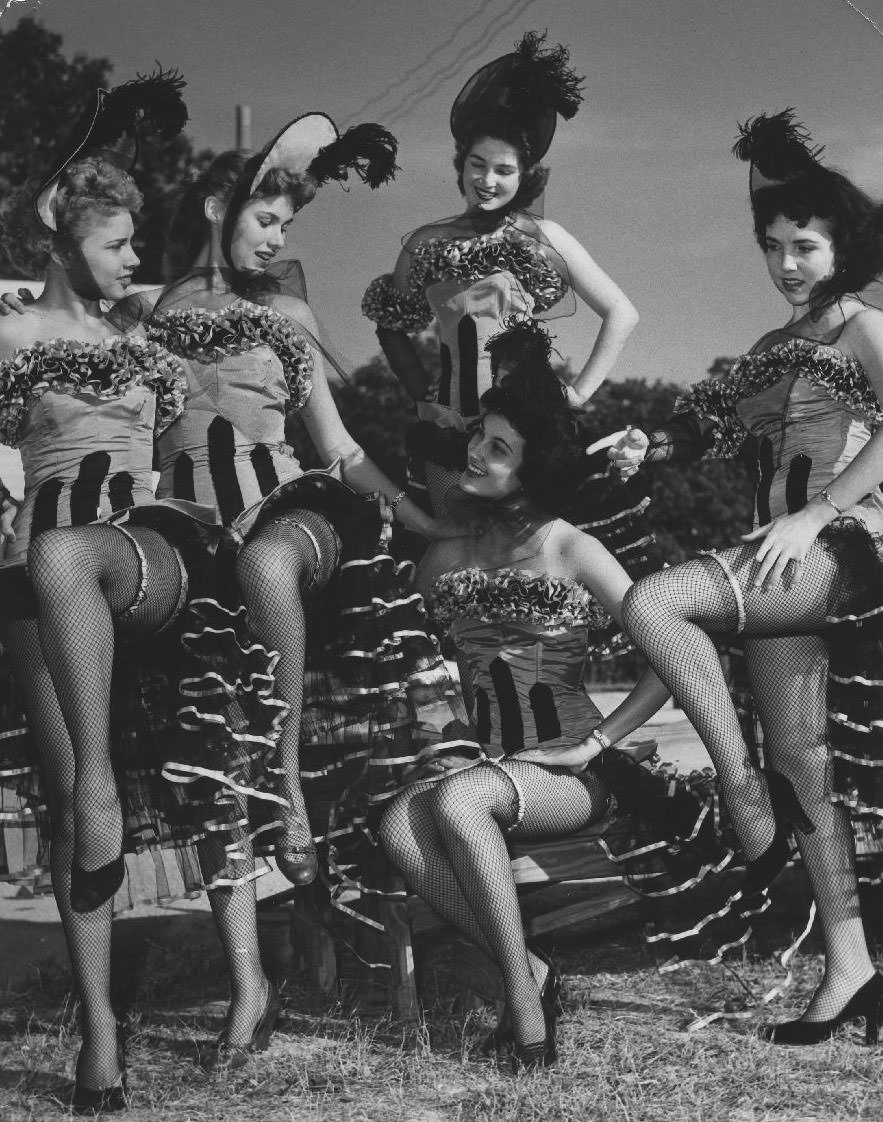
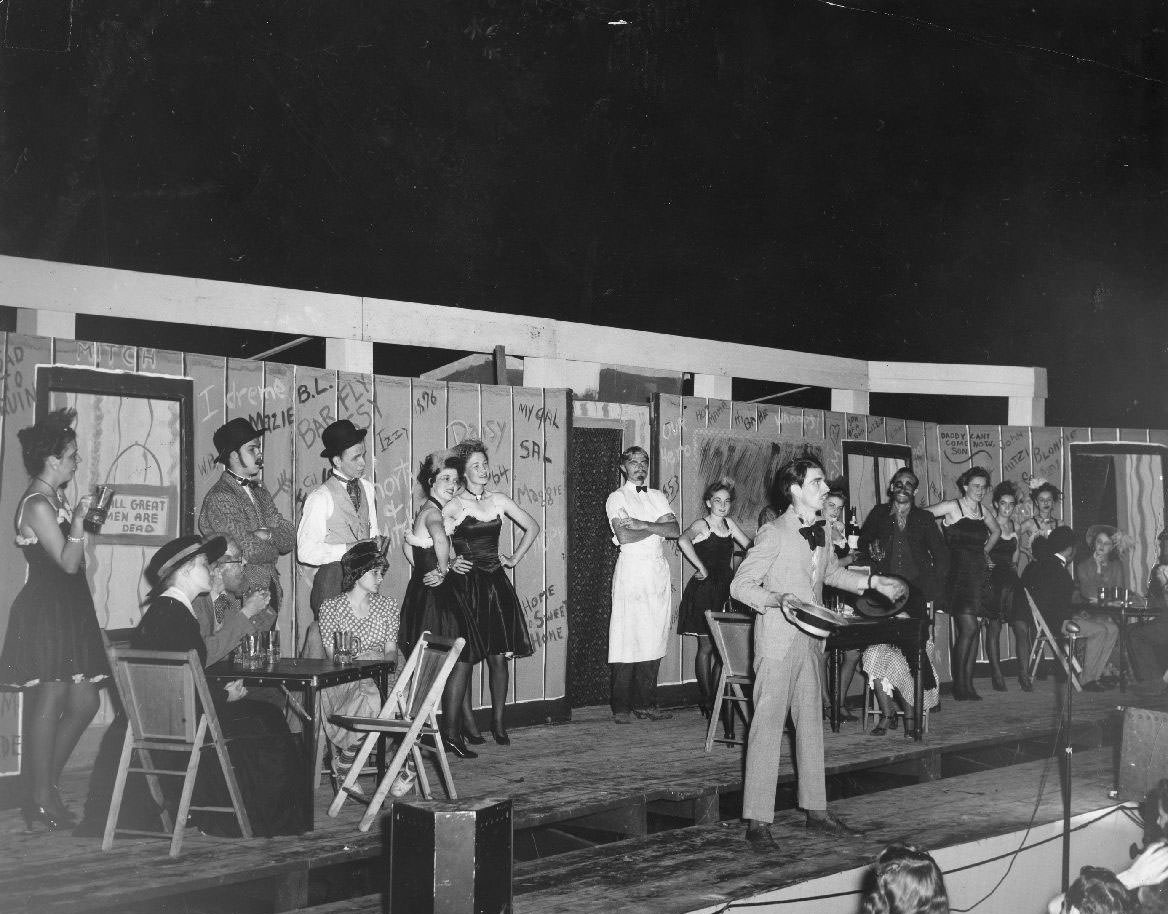
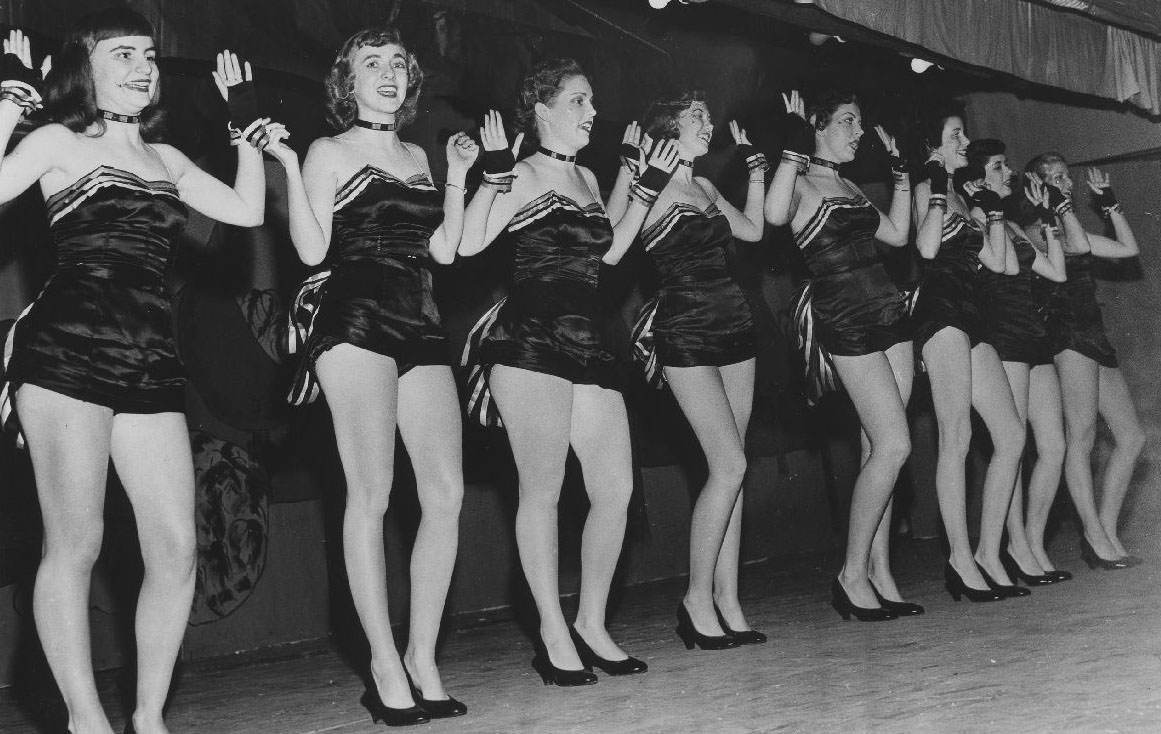
Student performance groups were at the heart of Frontier Fiesta. Each group put together 30-minute shows filled with singing, dancing, and costumed theatrics. The preparation took weeks — sometimes months — and the results ranged from polished musical productions to wild, comedic sketches rooted in the Old West theme that ran through the entire event.
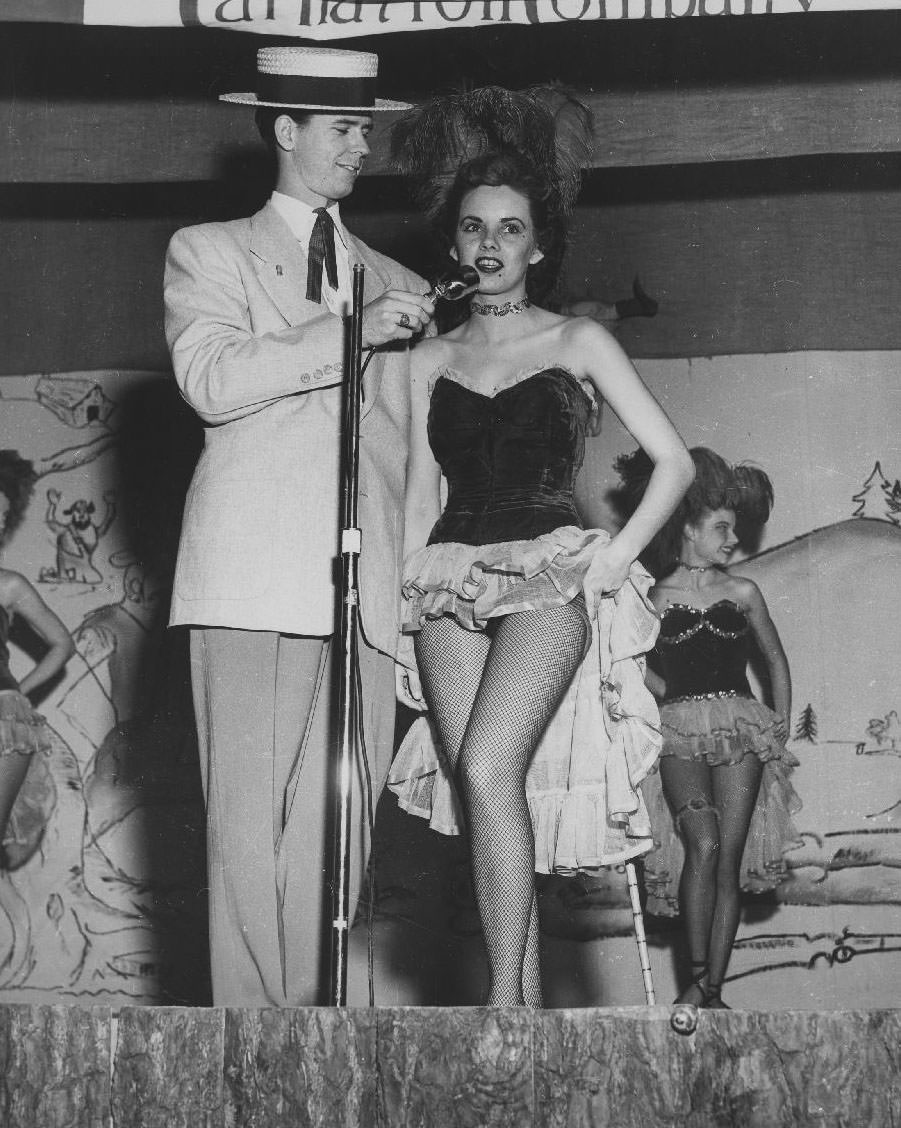
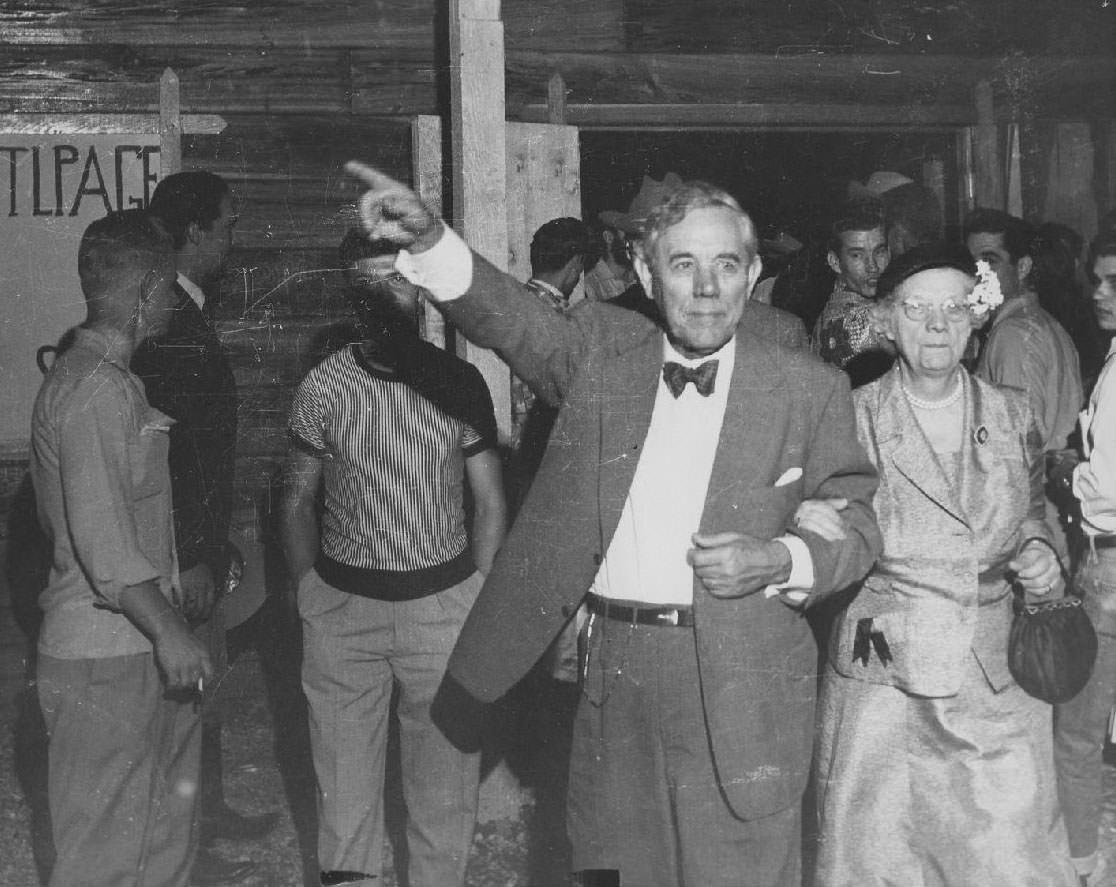
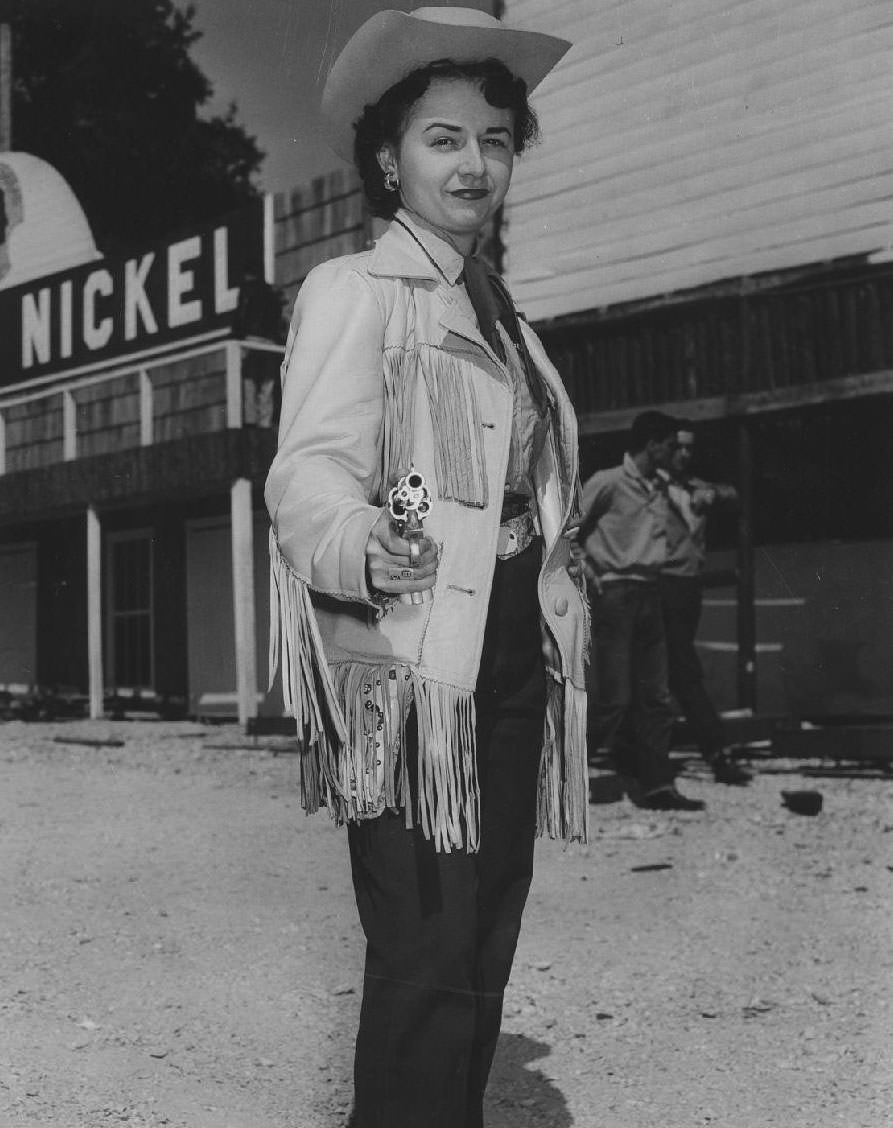
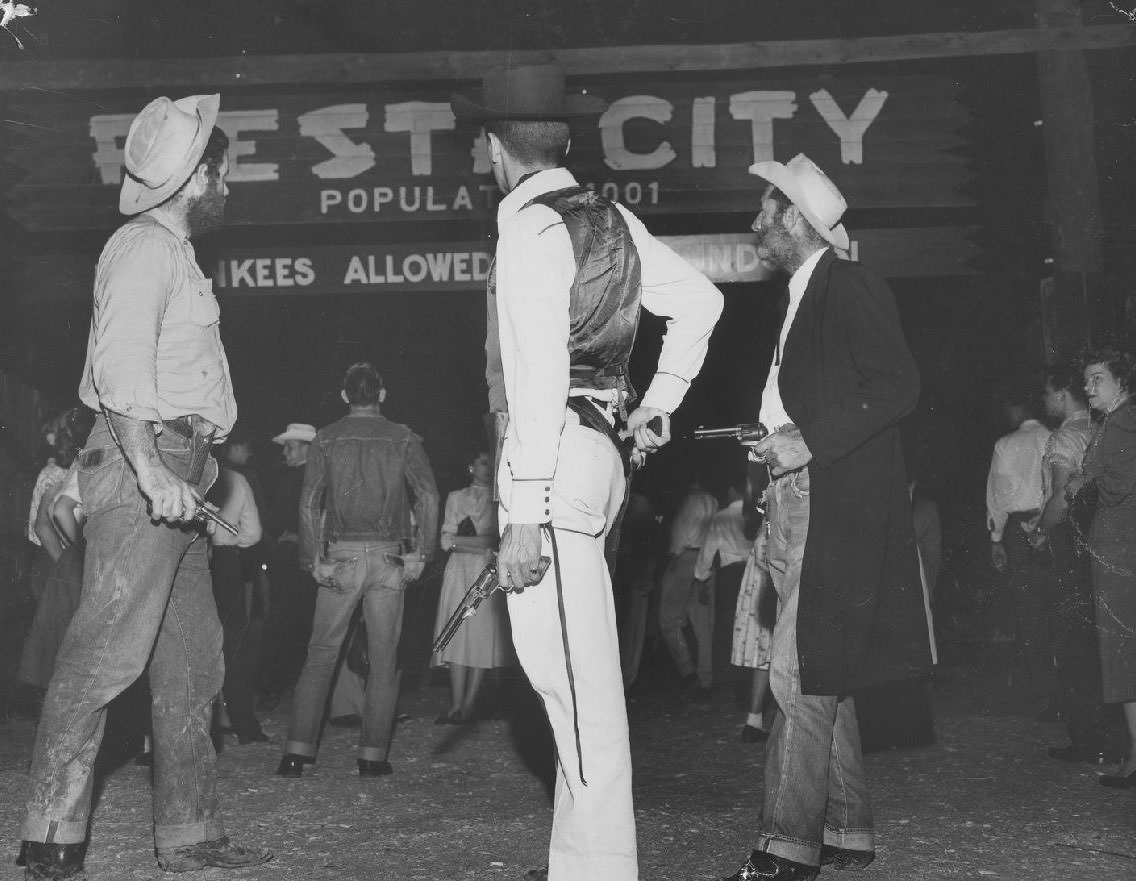
Frontier Fiesta carried a strong frontier and Wild West identity throughout its run. Students dressed as outlaws, sheriffs, saloon girls, and cowboys. The fictional “Fiesta City” was treated as a real town for the duration of the event, and Houston mayors officially declared it as such each year. Walking through the gates meant stepping into another era — complete with staged gunfights, period costumes, and elaborately decorated booth facades.
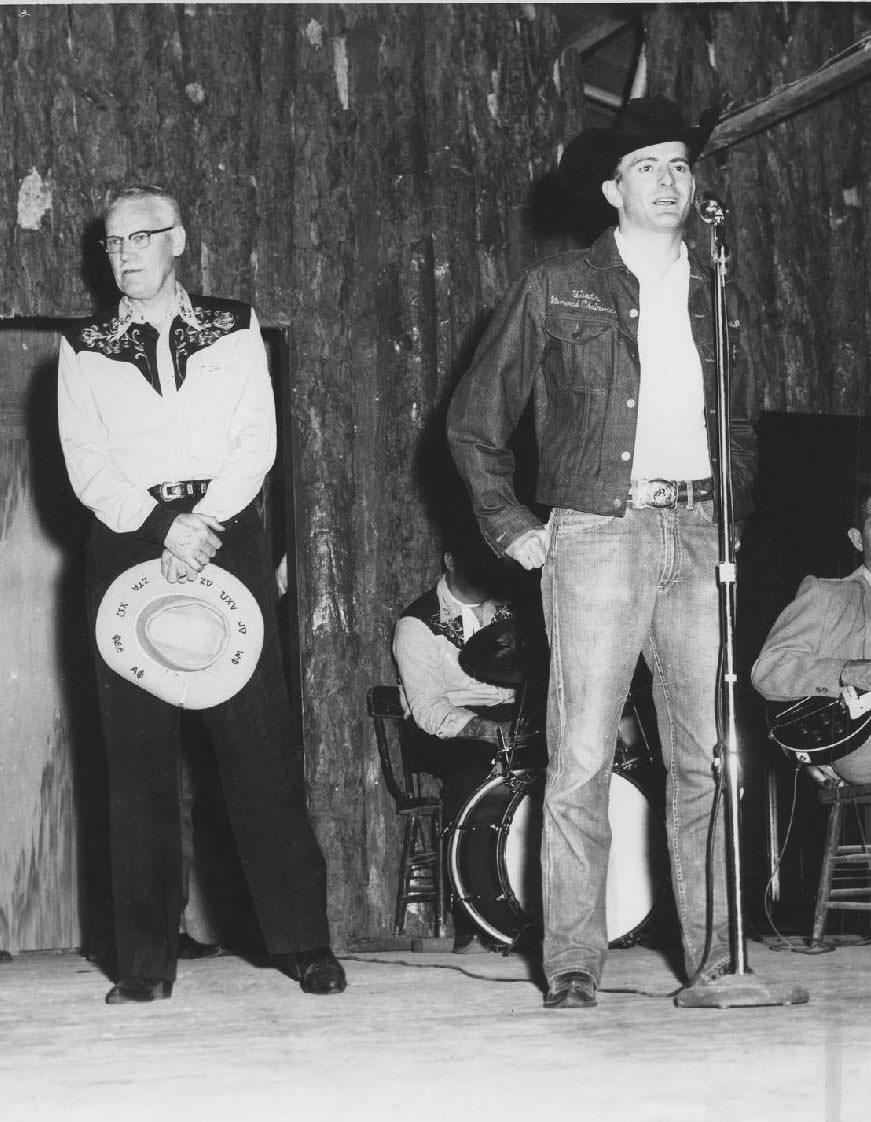
Running an event of this size required serious organization. Fiesta Committees were given substantial budgets and charged with booking talent that audiences would genuinely enjoy. The General Chairman oversaw the entire production, coordinating student groups, carnival booths, cook-off sites, and entertainment schedules across multiple days.
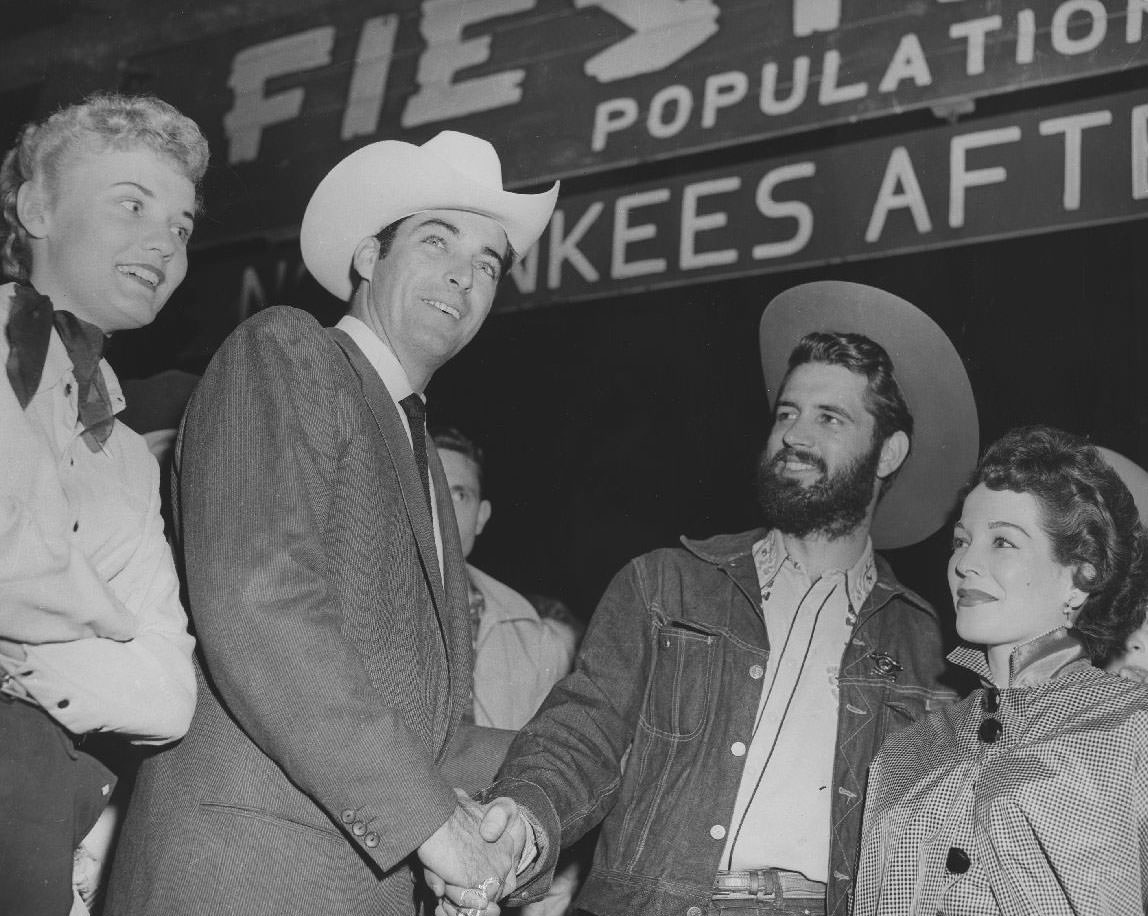
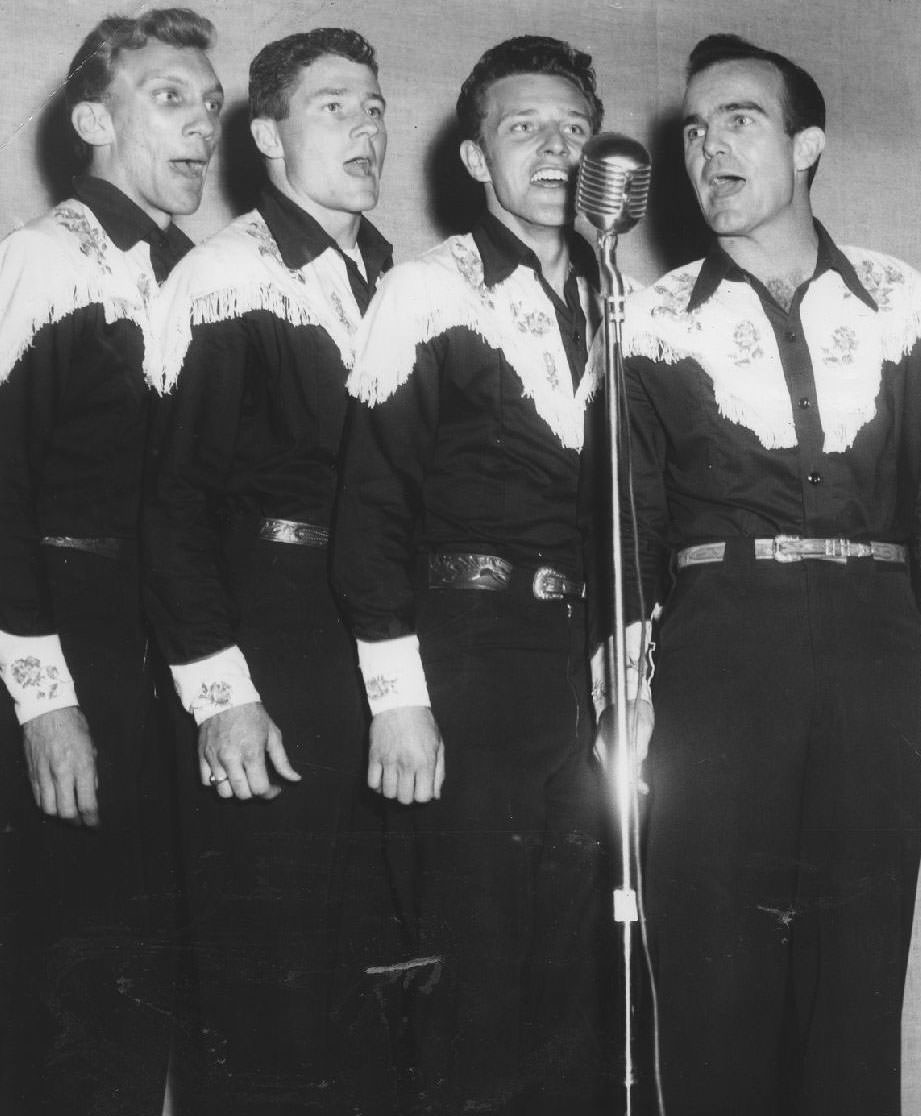
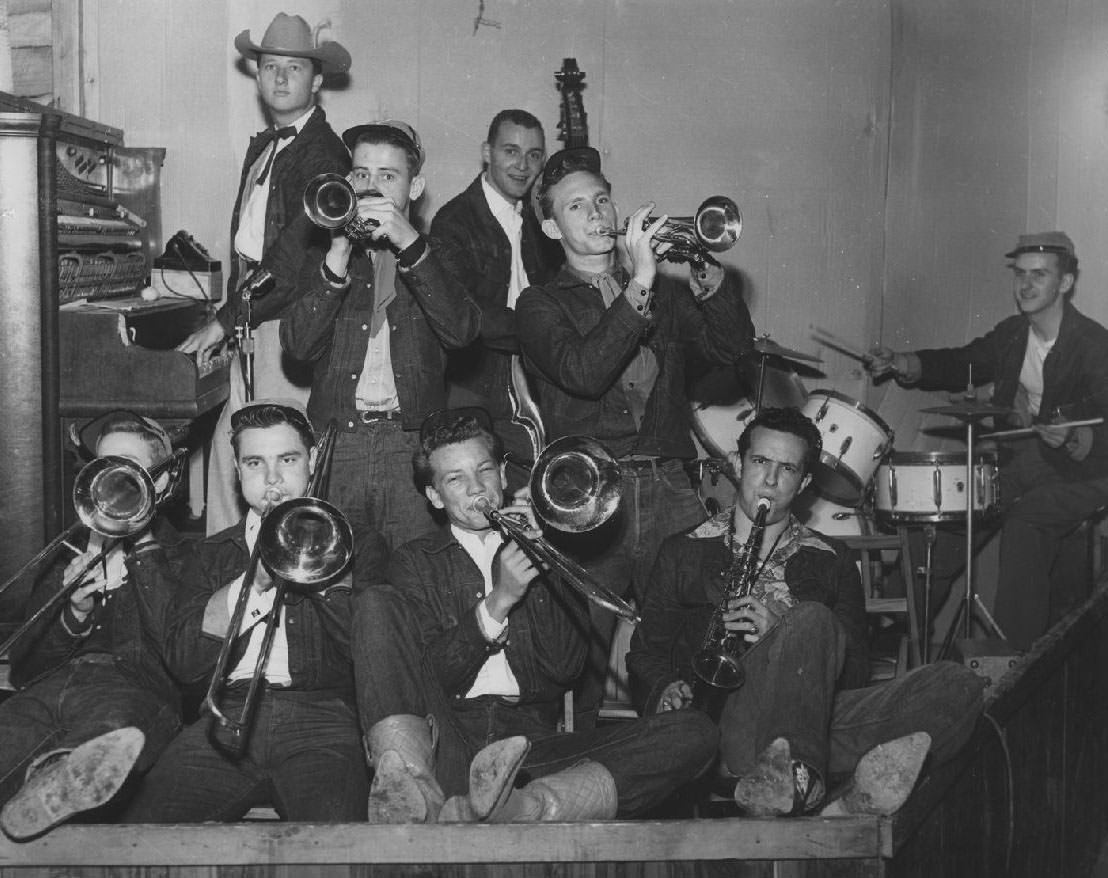
Music filled every corner of Frontier Fiesta. Vocal groups, student bands, and solo performers took to stages set up throughout the grounds. The performances were free for attendees, a deliberate choice that kept the event accessible and helped drive those massive crowd numbers year after year.
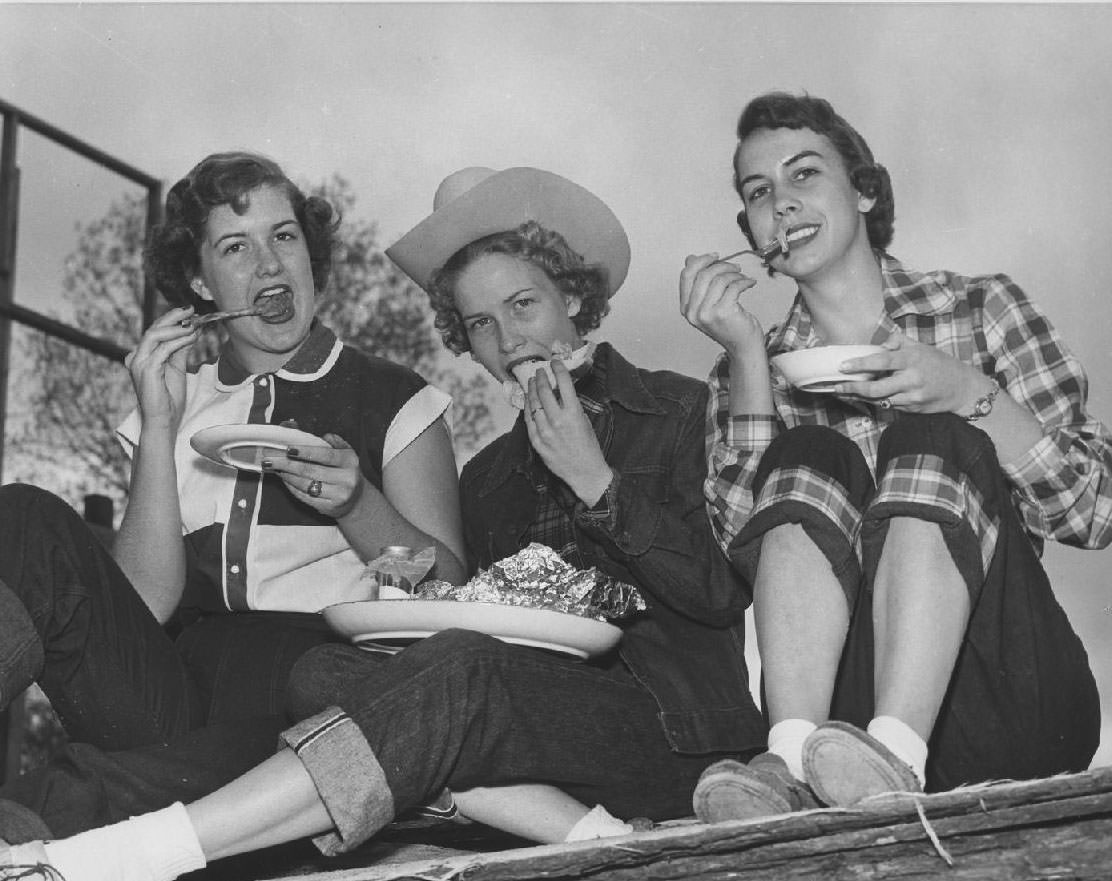
Food was a major draw throughout the event. Student groups, alumni organizations, and other cook-off teams set up sites where visitors could eat, drink, and listen to live music all at once. Individual schools within the university also hosted their own cook-offs — the Bauer College of Business and the Architecture School among them. Most of these sites were privately run, and getting in usually required either an invitation or an entry fee.
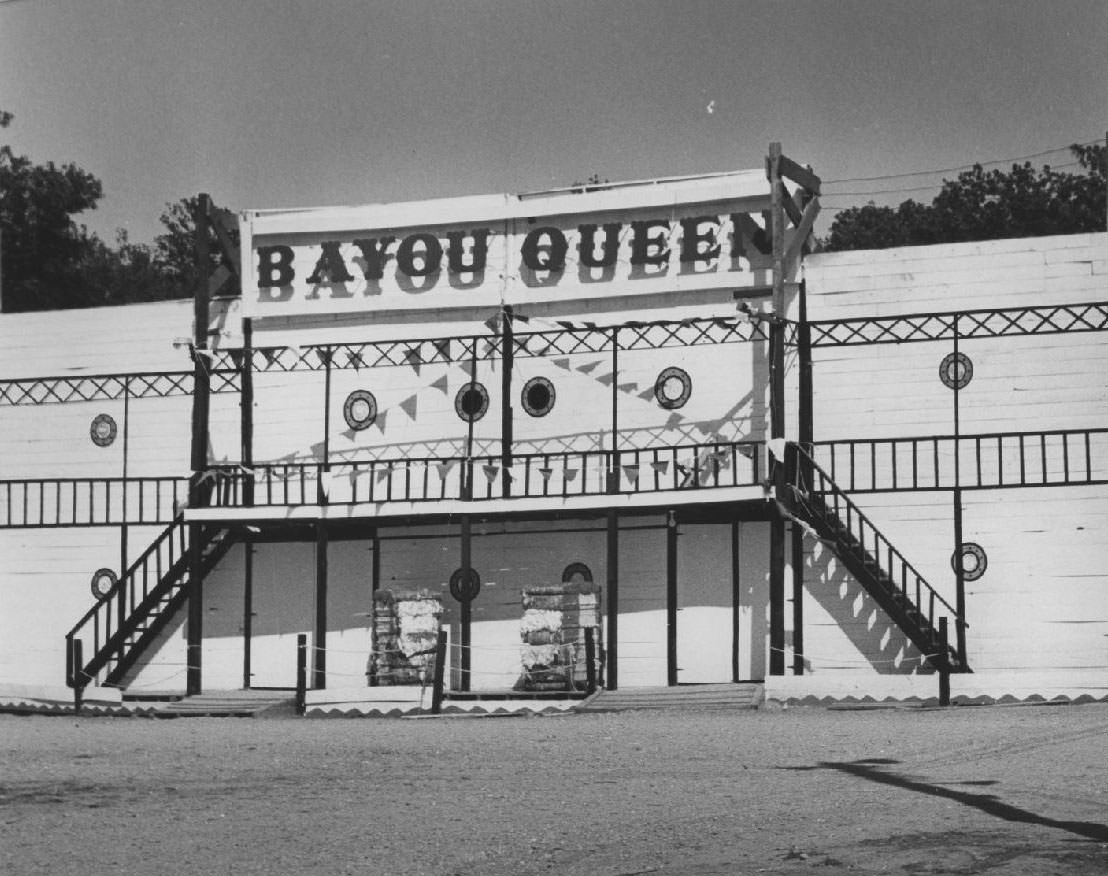
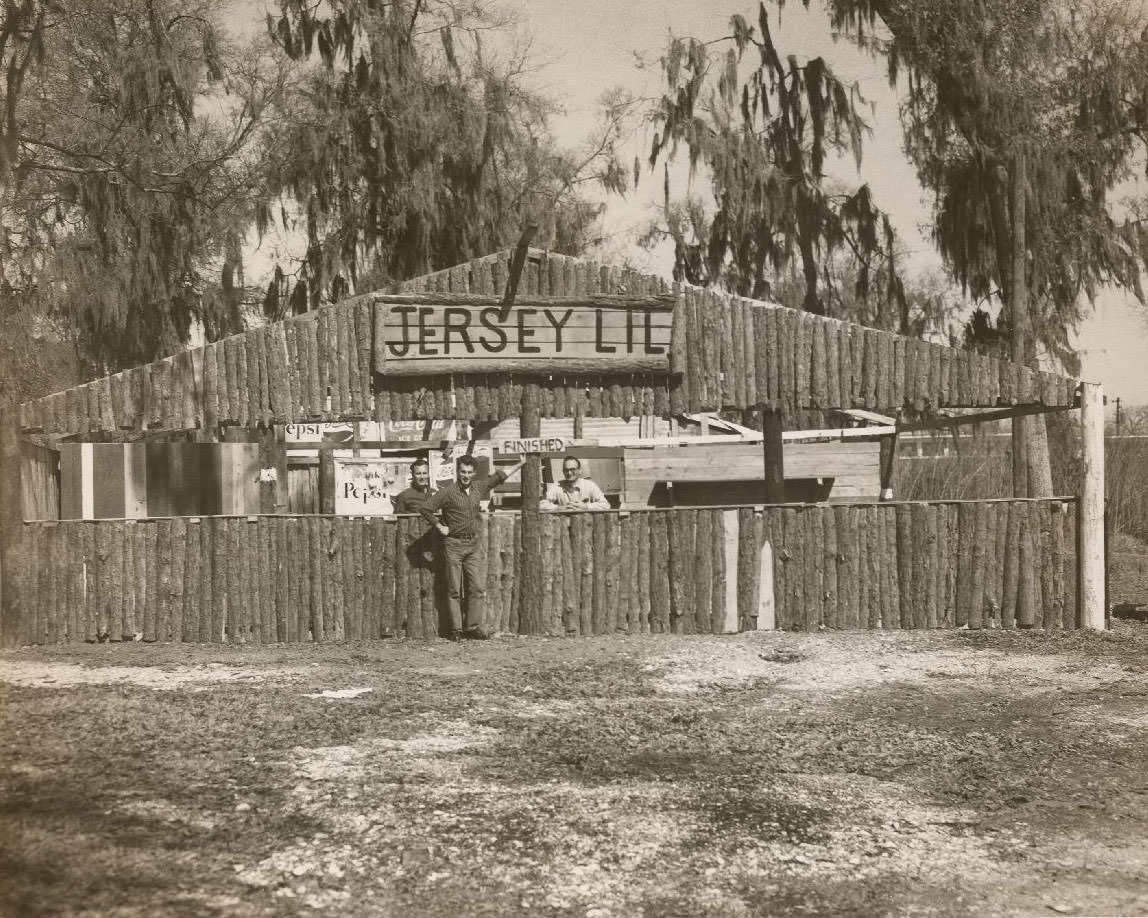
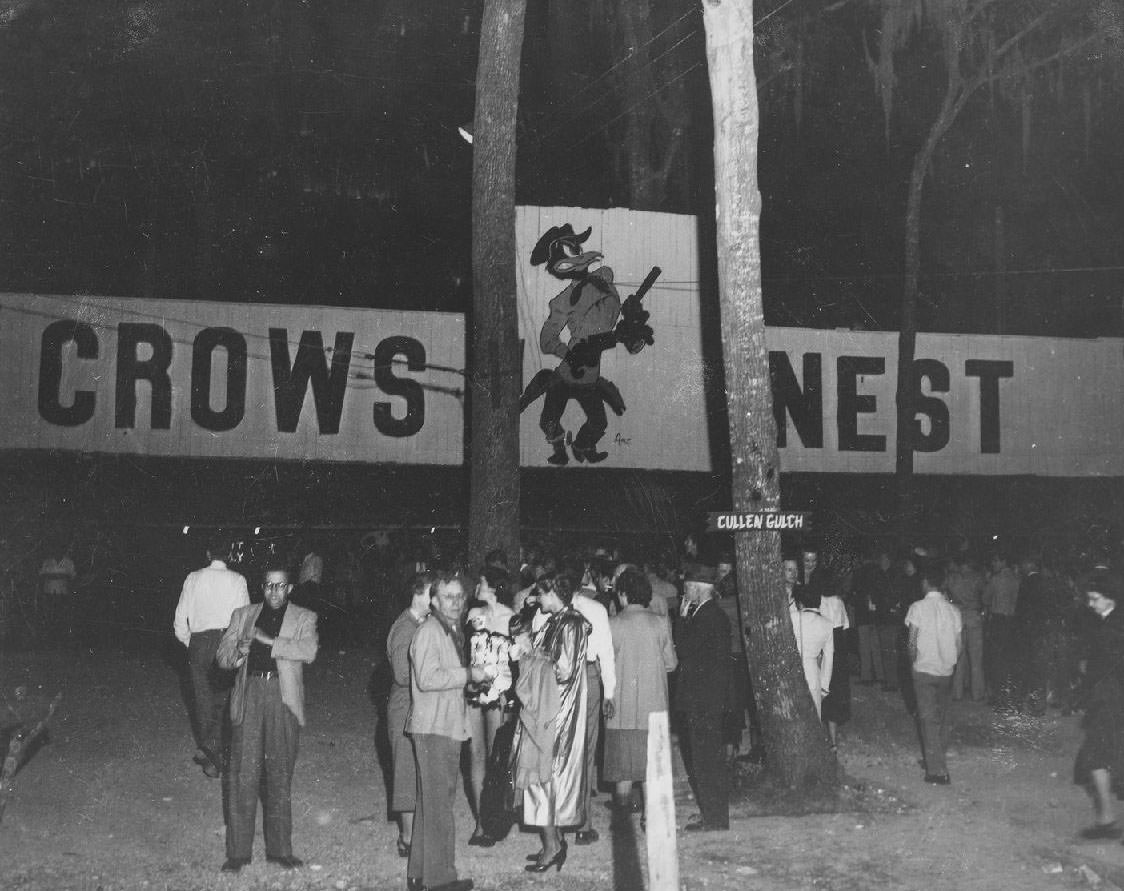
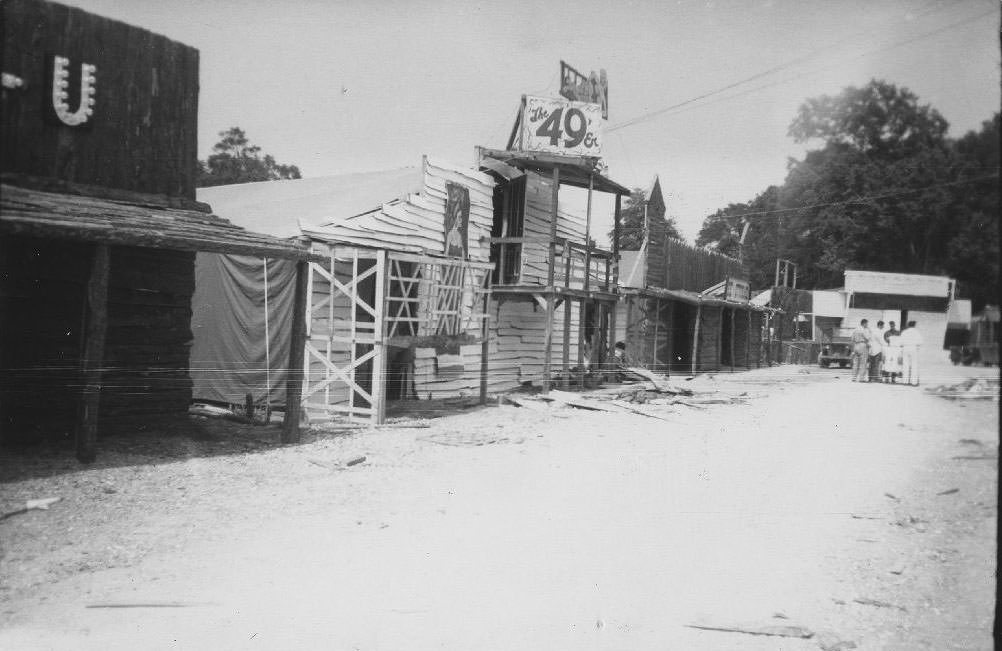
The booths at Frontier Fiesta were more than simple carnival stands. Student groups constructed elaborate facades with names and themes straight out of the Old West. Venues like the Bayou Queen, Jersey Lil, the Dirty Shame Saloon, Bella Union, and the Crow’s Nest gave the grounds the feel of an actual frontier town, each with its own personality and entertainment.
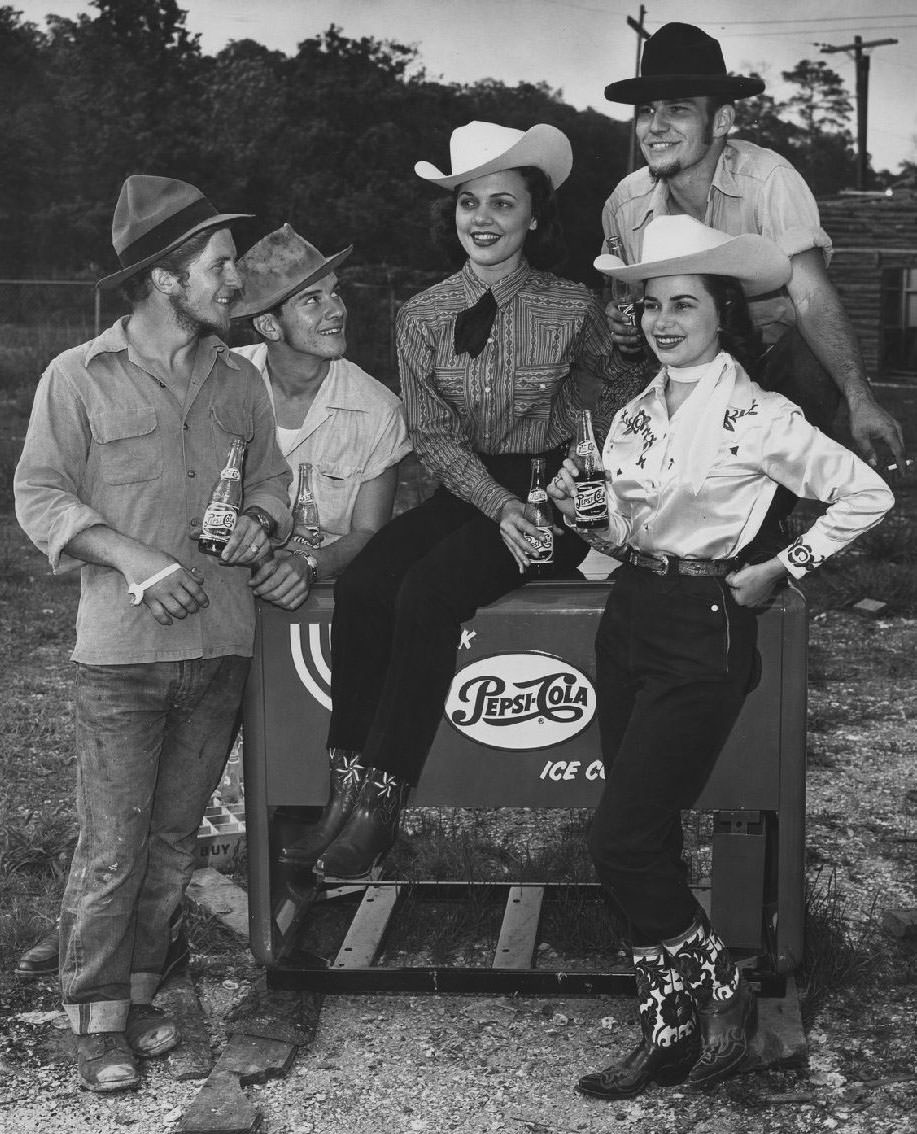
Between performances, students and visitors mingled freely throughout the grounds. Candid moments — students sharing a Pepsi, groups laughing in costume, children shaking hands with performers — were just as much a part of Frontier Fiesta as the organized shows. The event had an energy that photographs still manage to capture decades later.
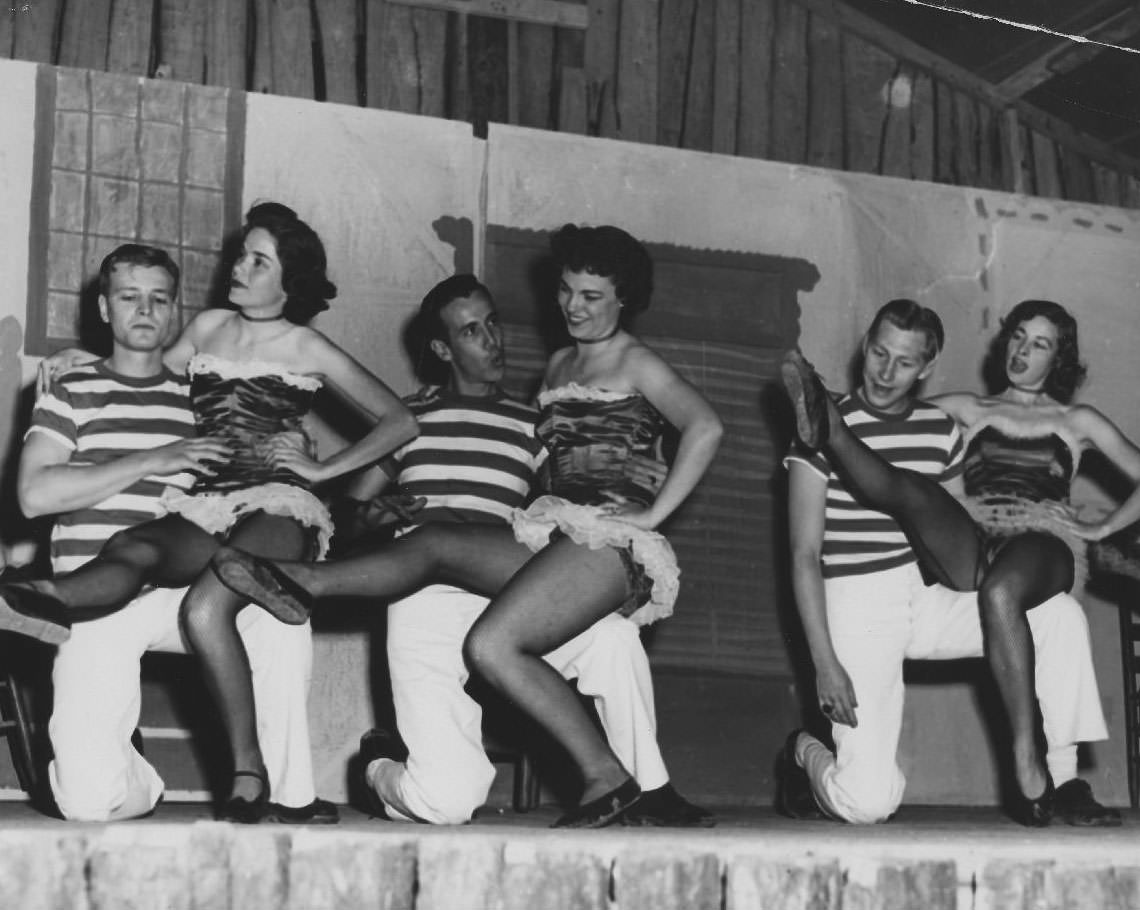
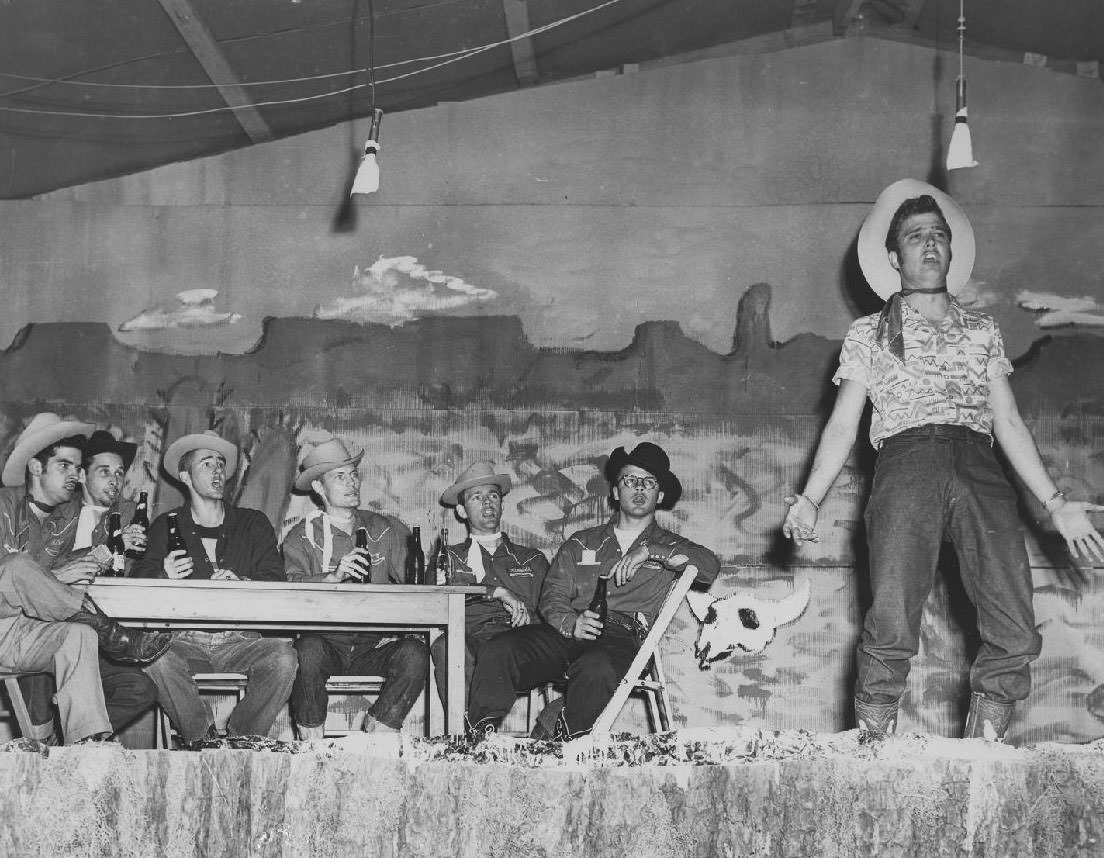
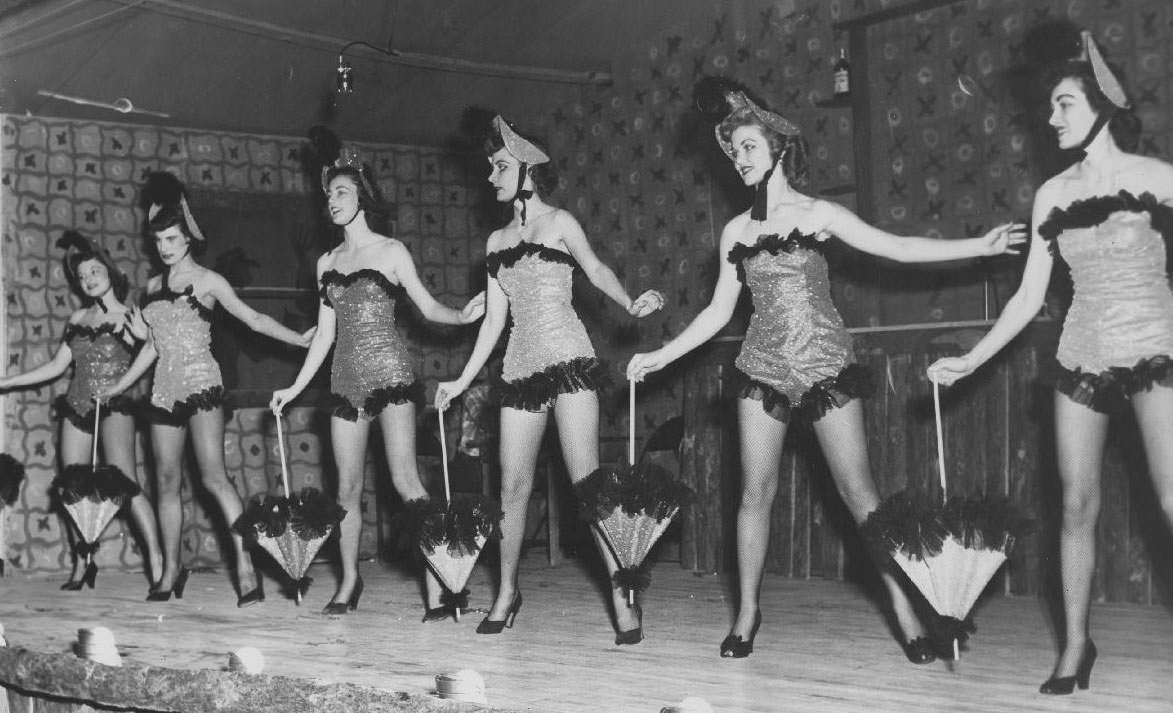
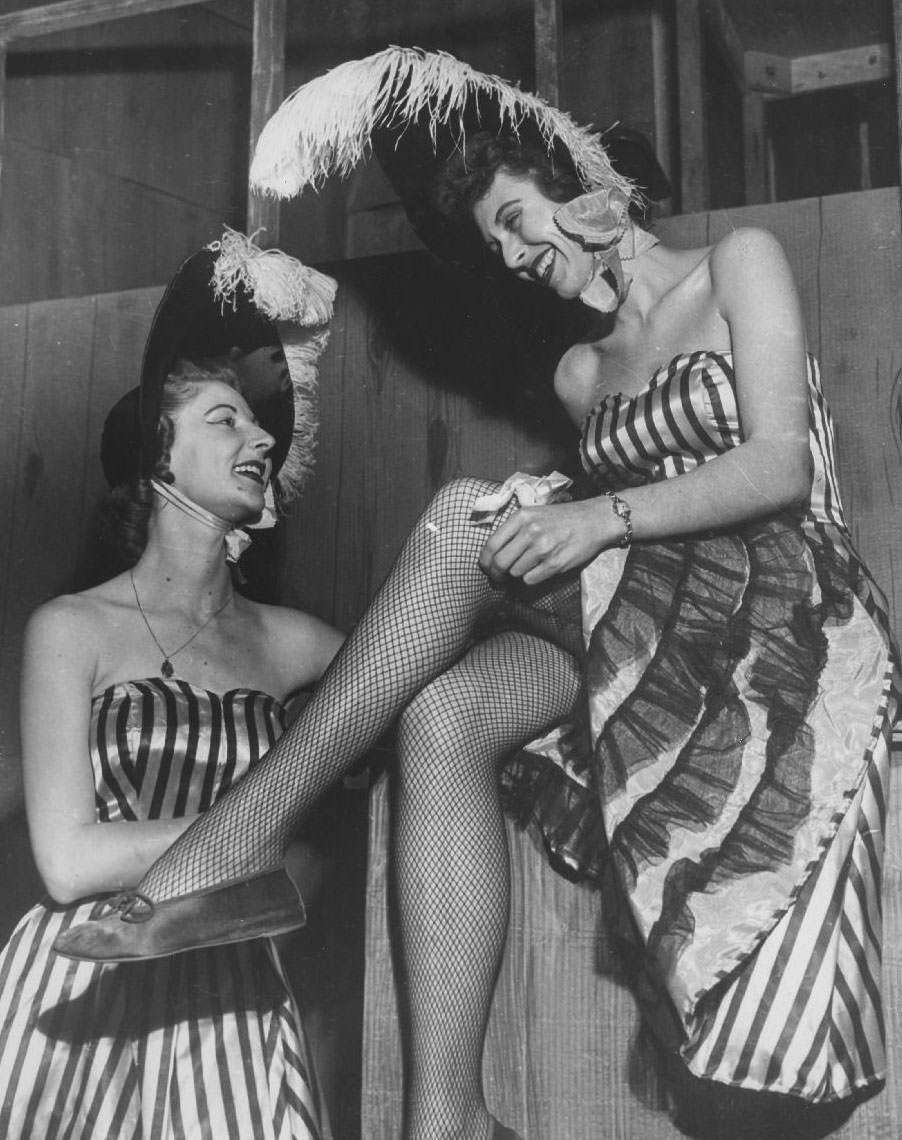
The variety of stage acts was one of Frontier Fiesta’s defining features. Can-can dancers, dramatic productions, comedic sketches, and musical revues all ran simultaneously across different venues. Audiences could move from one show to the next throughout the evening, each performance distinct from the last.
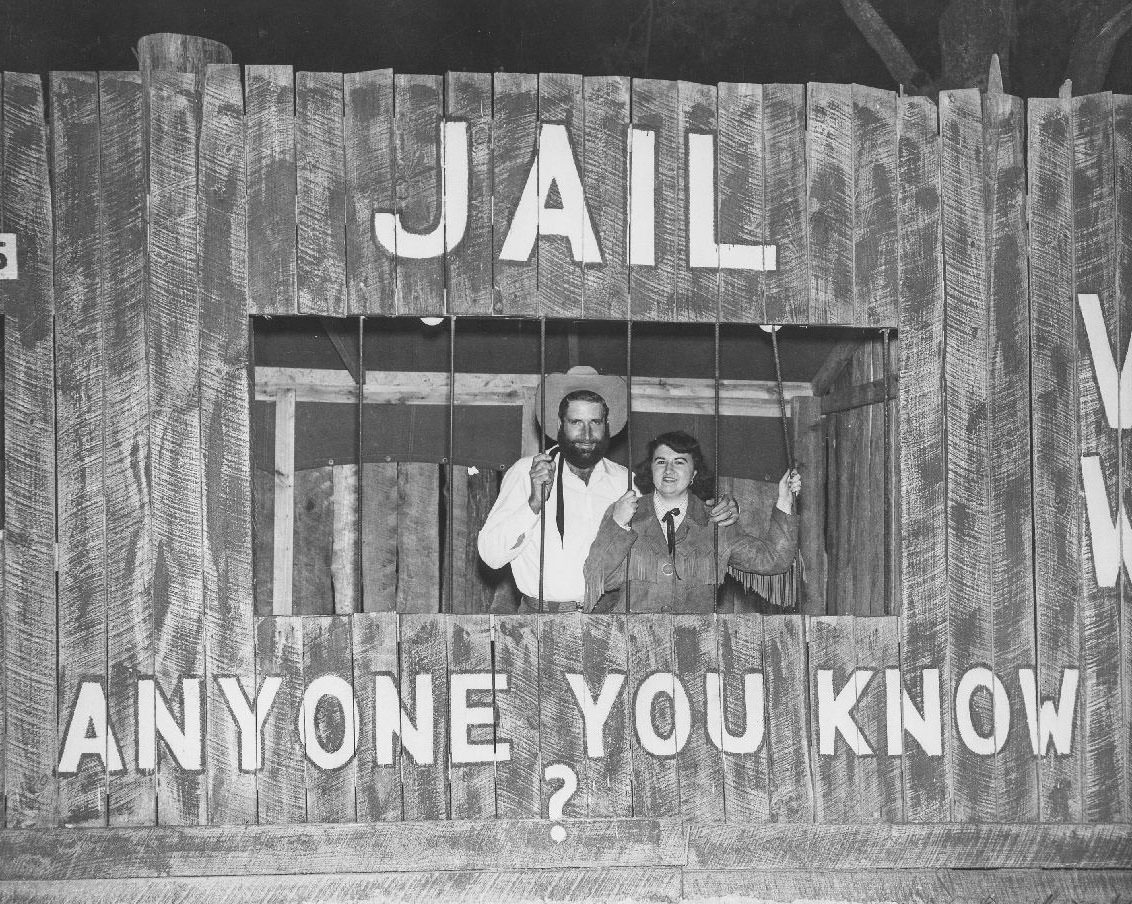
The jail booth was a crowd favorite. Visitors could get “arrested” and locked up as part of the frontier theatrics, adding an interactive layer to the event. This kind of participatory fun extended throughout the grounds, with students in character staying in role to keep the atmosphere alive.
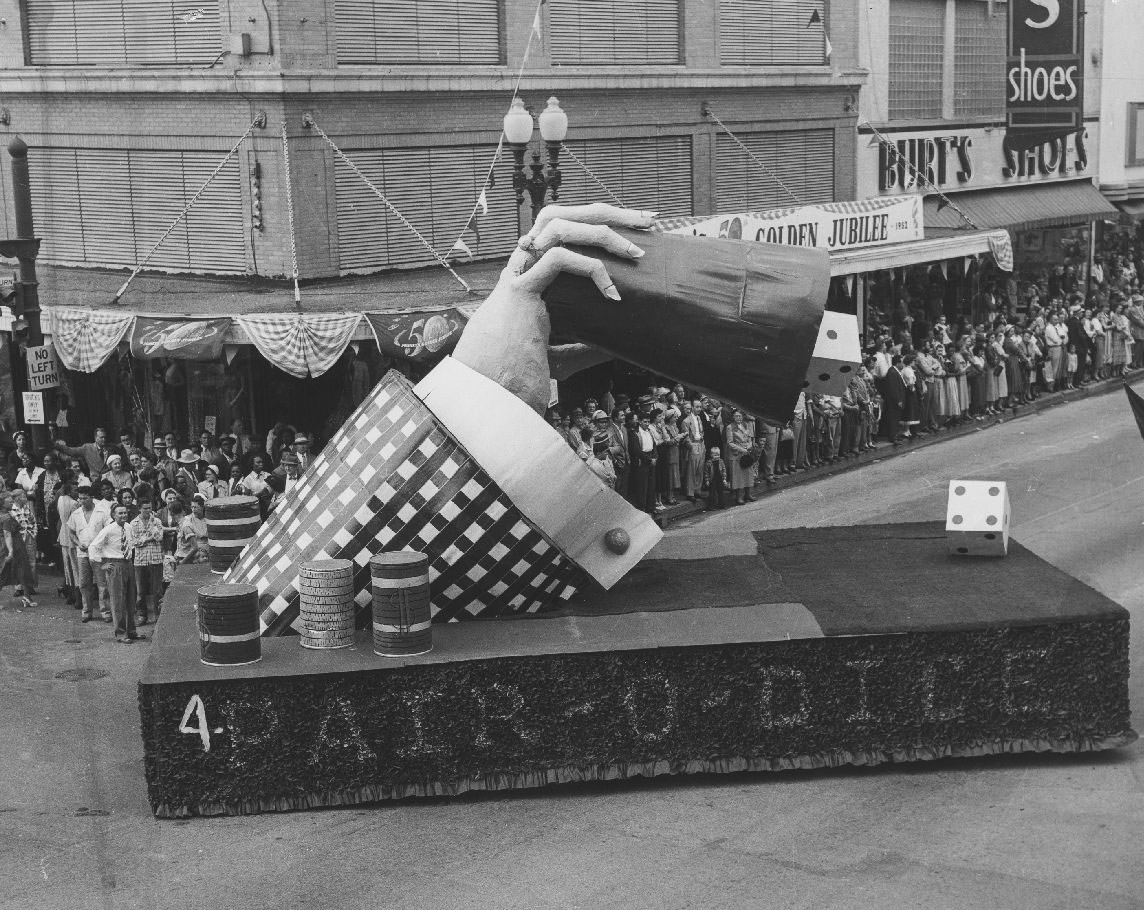
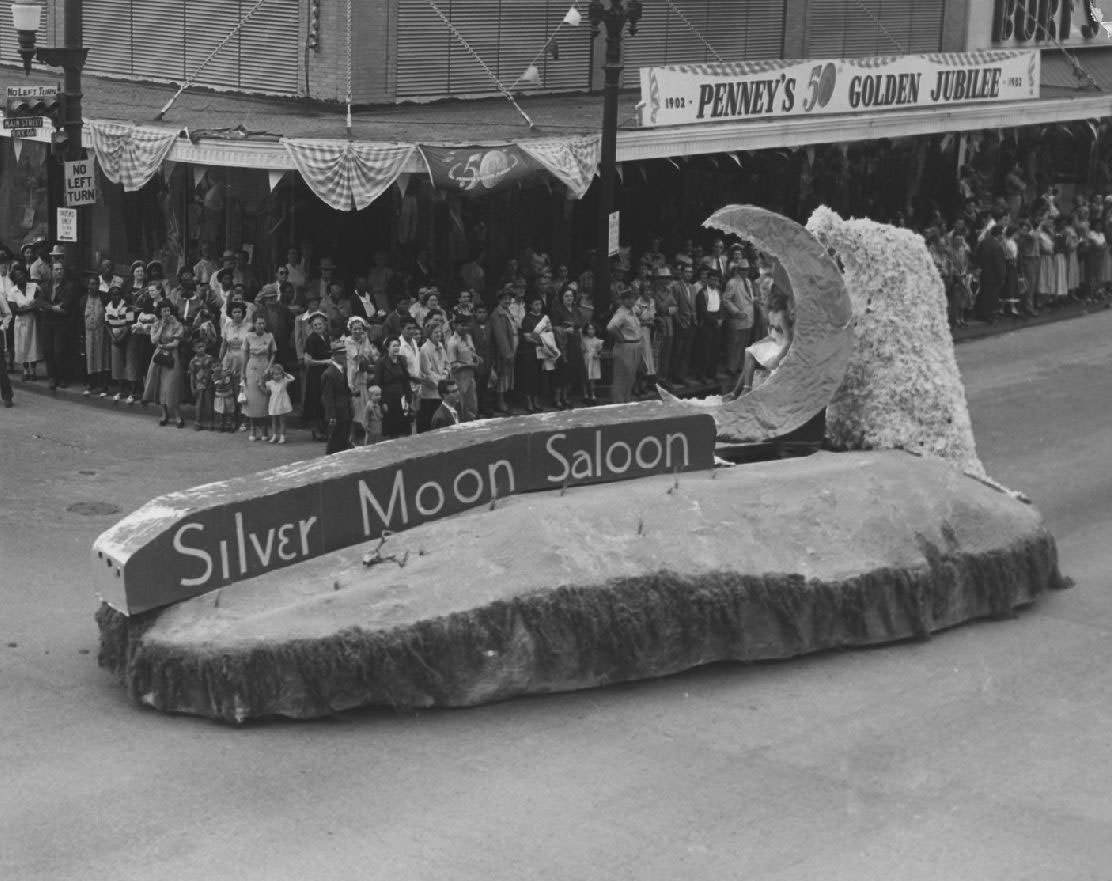
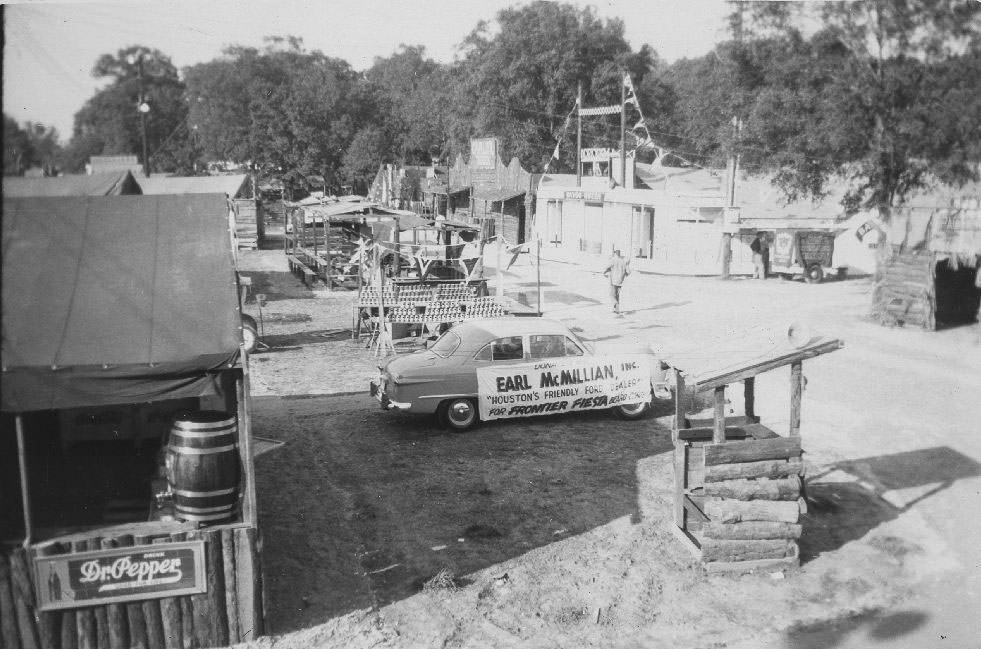
Floats added a parade-like element to Frontier Fiesta’s visual spectacle. Elaborately built and decorated, they carried themes like the Silver Moon Saloon and Pair-O-Dice through the grounds, drawing crowds and turning the entire campus into a moving, living production. Sponsors from the Houston business community, including Earl McMillian, Inc. and Southwestern Savings & Loan Association, also participated with their own vehicles and displays.
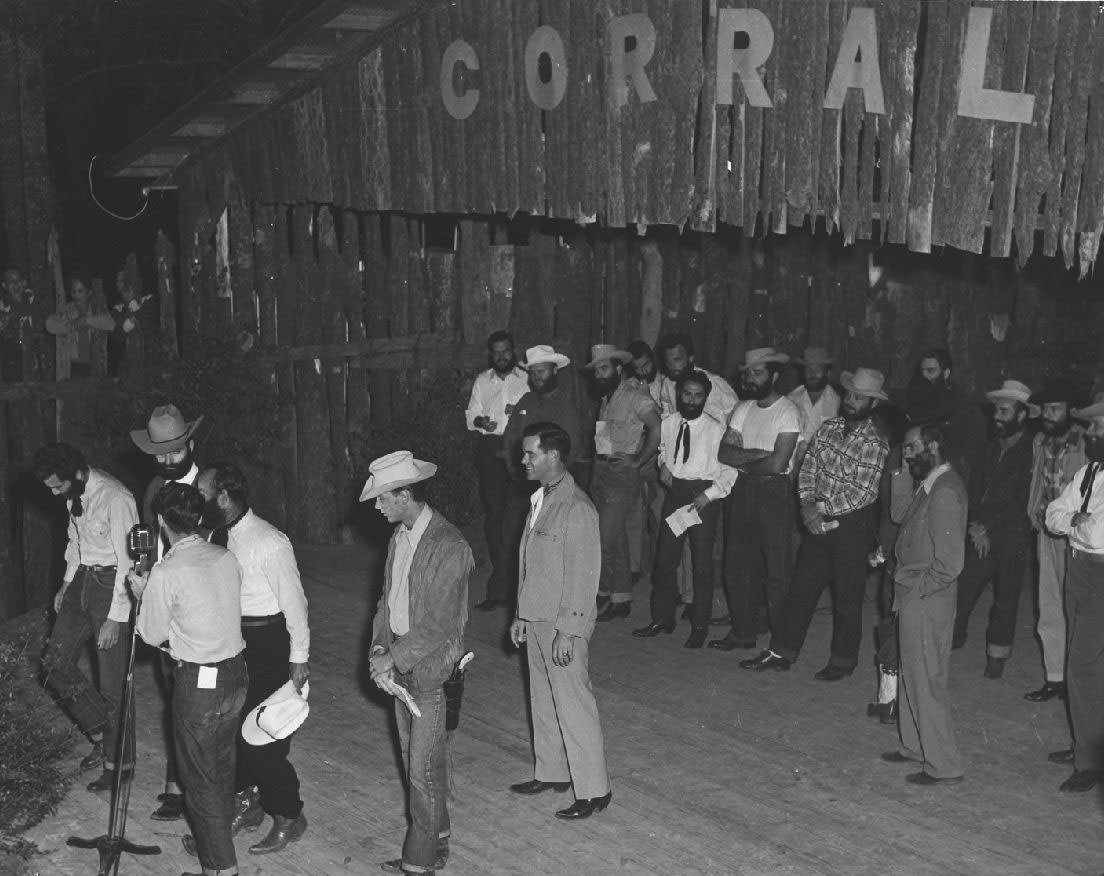
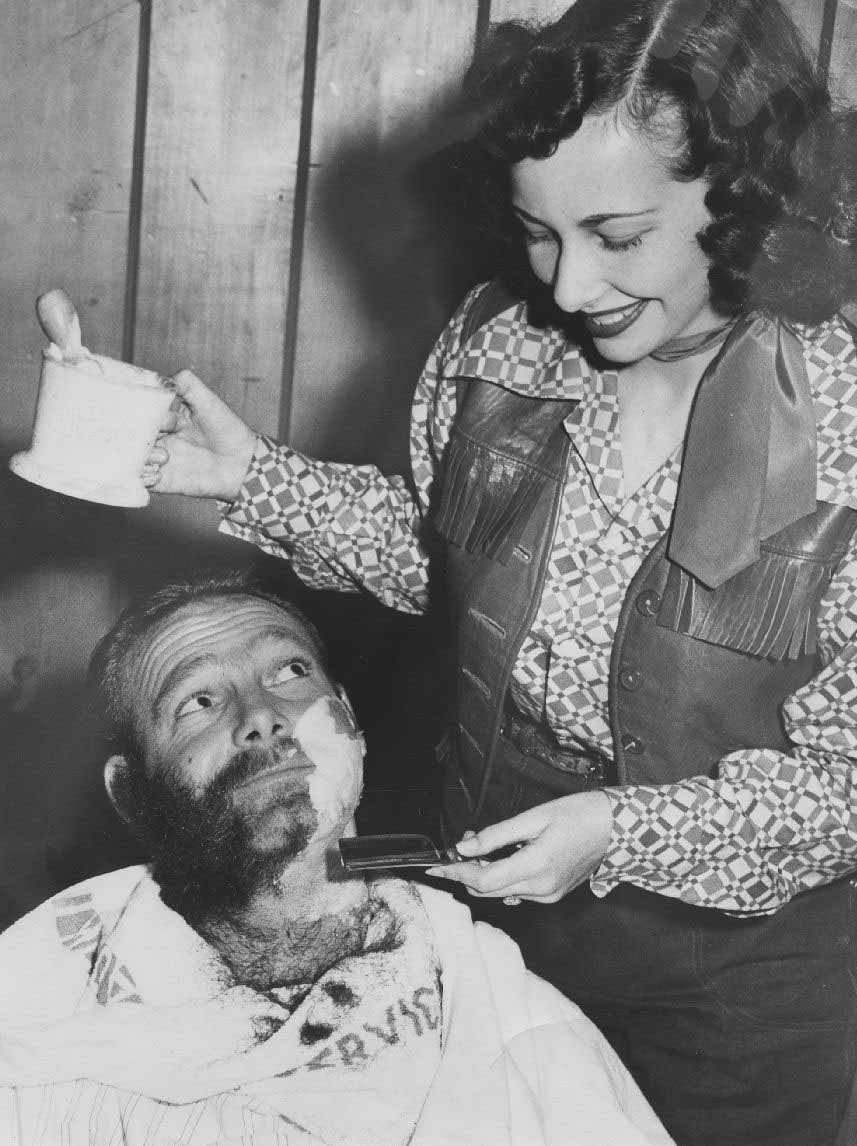
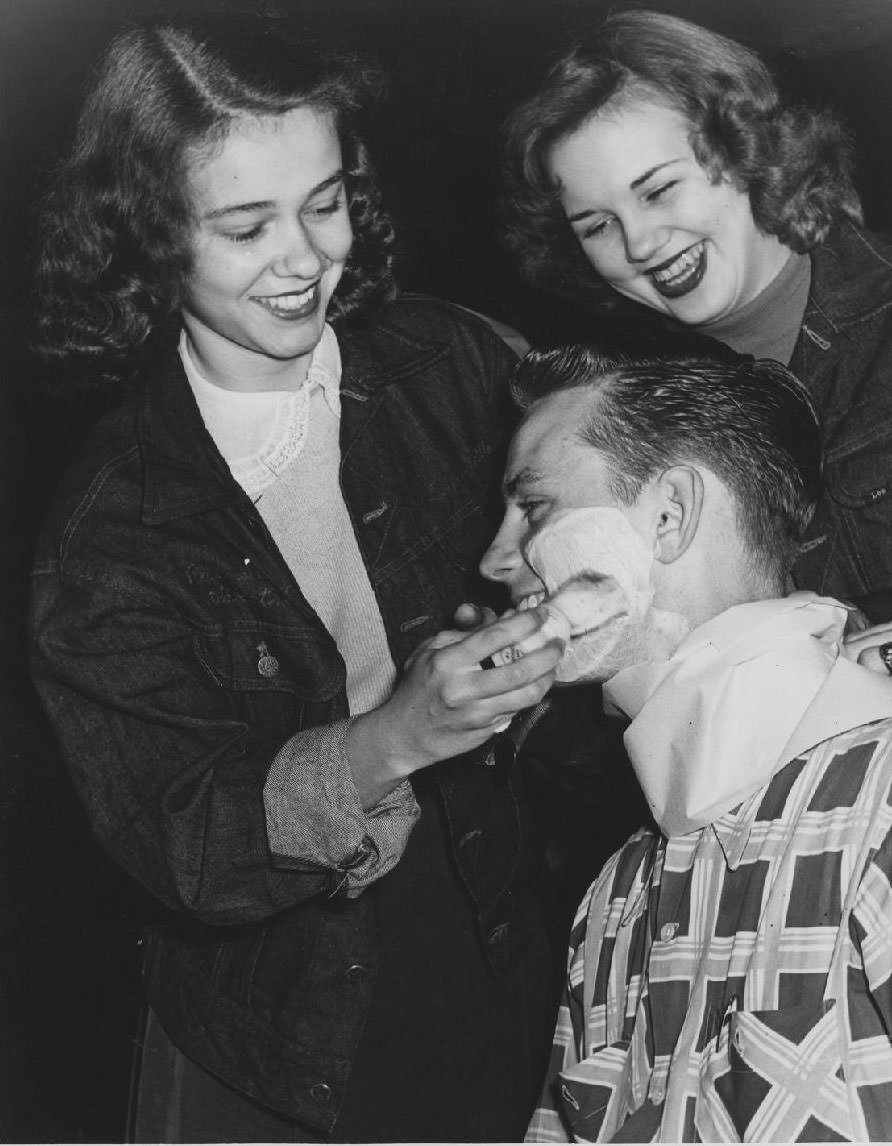
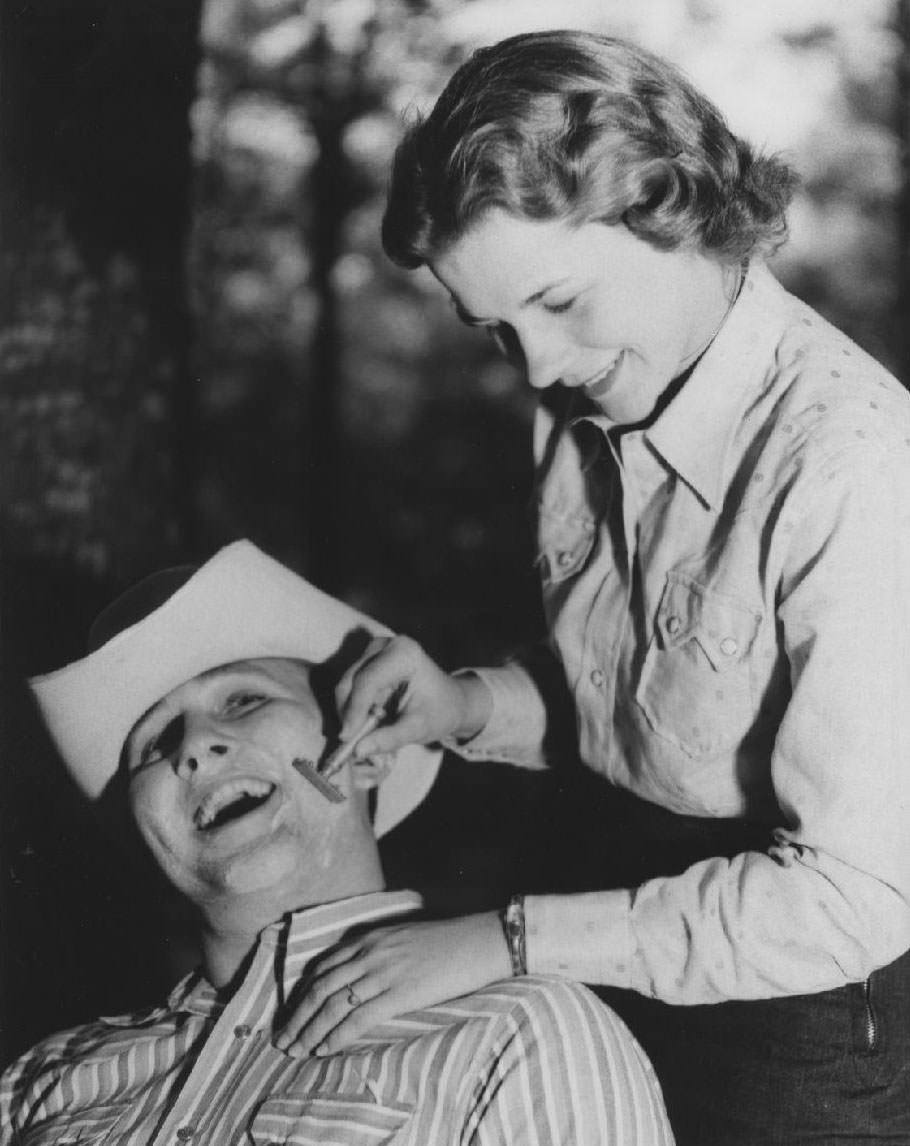
One recurring bit of frontier-themed fun involved public beard shaving. Students took razors to the faces of willing participants as part of the Old West character of the event — a nod to the frontier barbershop tradition. These scenes popped up in multiple photographs from the era, suggesting it was a regular and well-attended attraction.
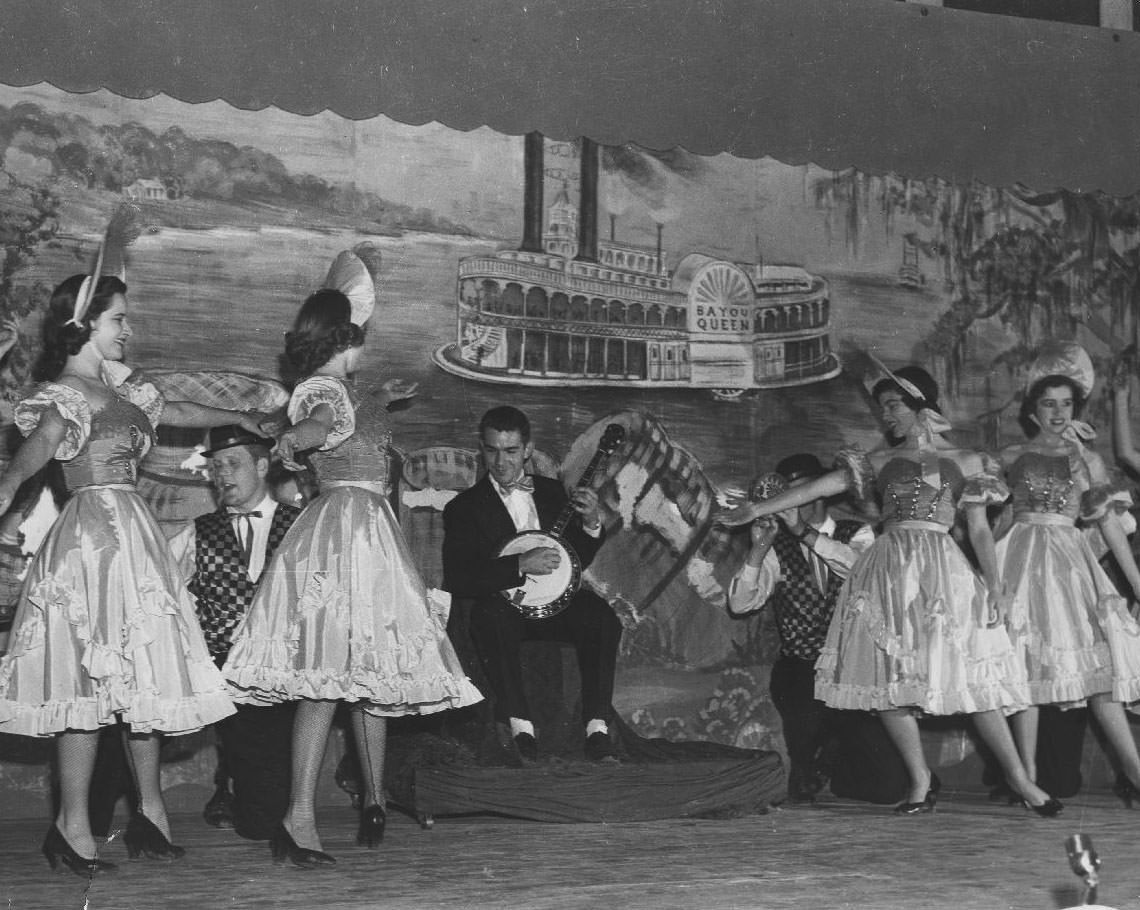
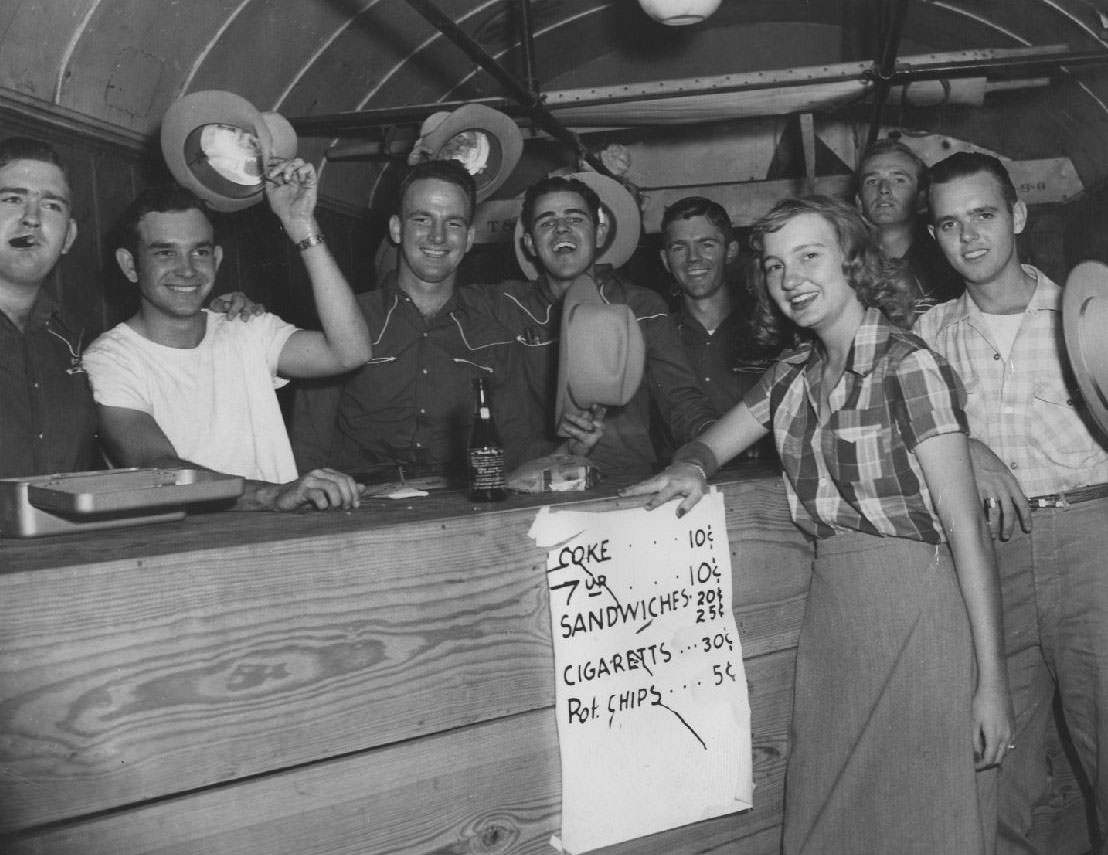
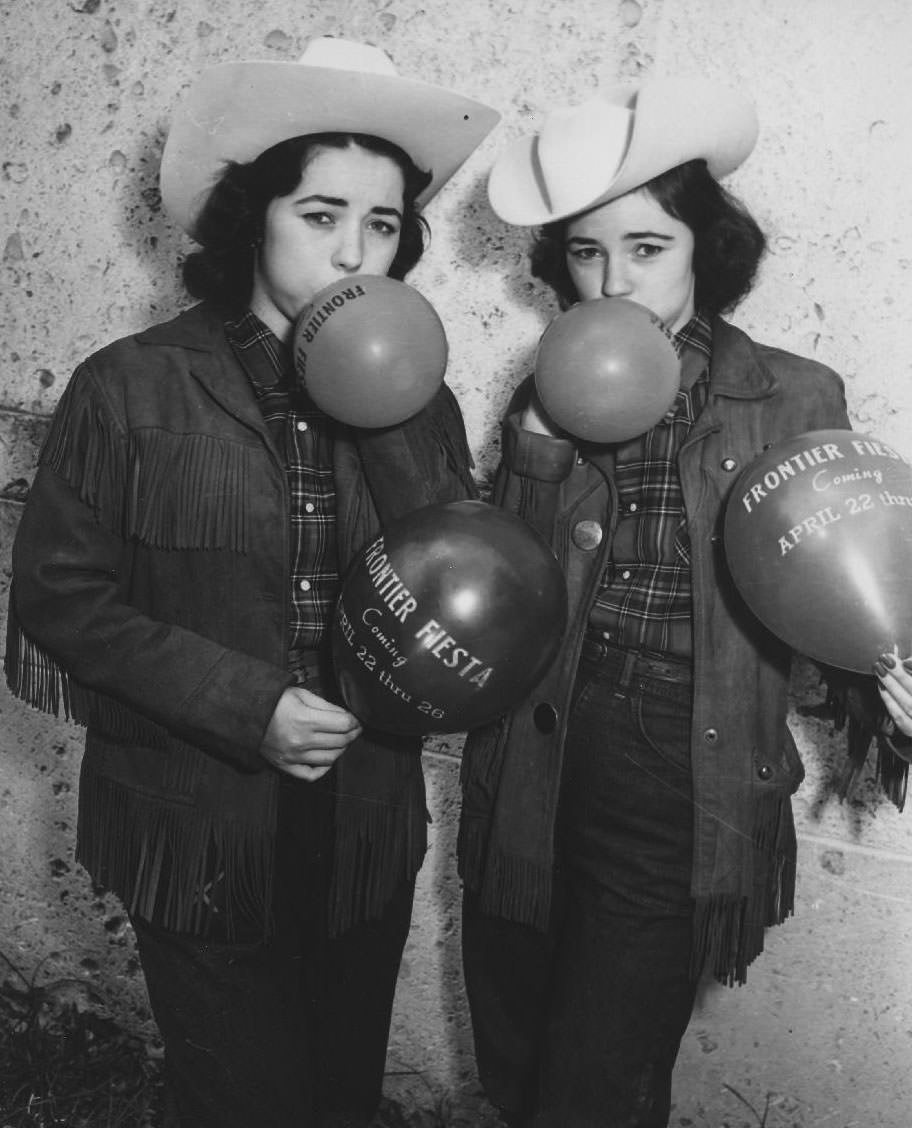
The Bayou Queen musical was one of the more ambitious student productions of the era. Full staging, costuming, and choreography went into performances like this one, reflecting the level of effort students poured into Frontier Fiesta each year. The concession booths nearby kept the crowds fed and in good spirits throughout the long evenings.
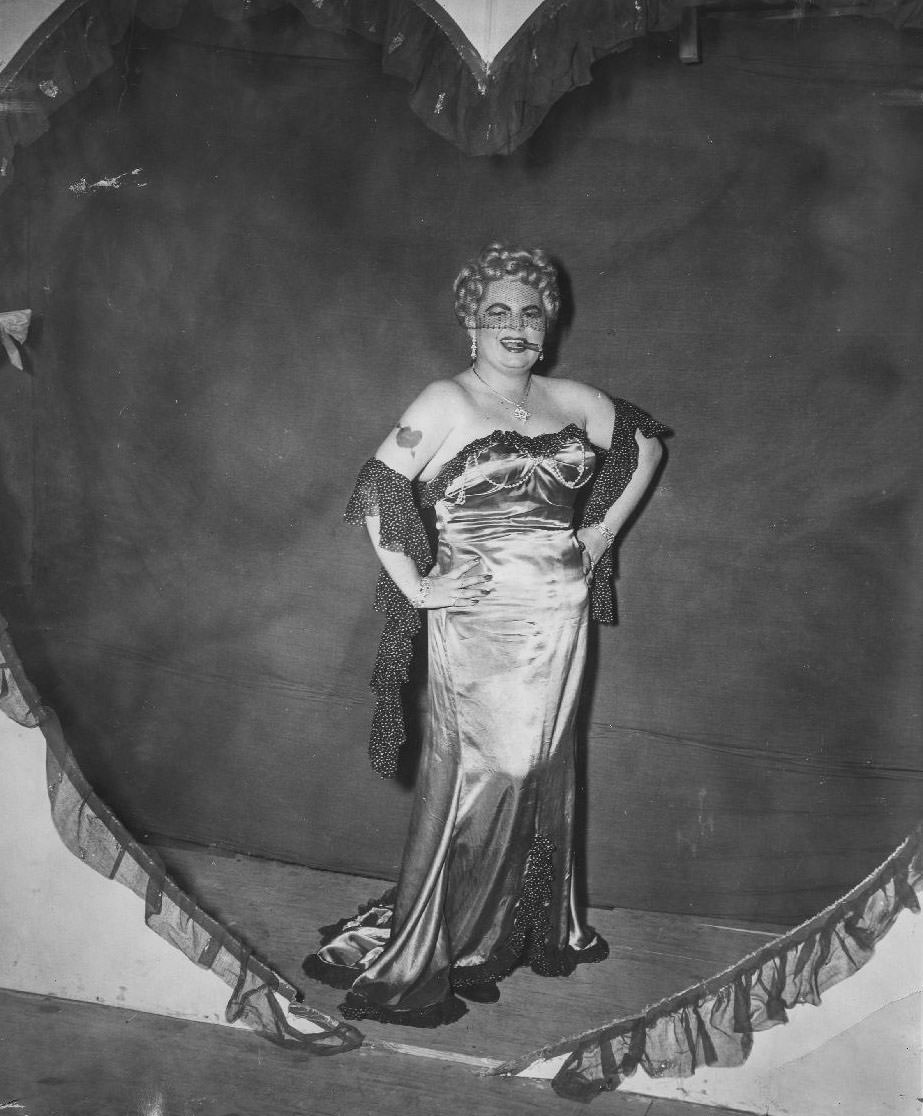
Creative visual set pieces were scattered throughout Frontier Fiesta. Heart-shaped frames, themed photo opportunities, and elaborate stage props gave performers and visitors alike a chance to engage with the event’s theatrical spirit. These touches reinforced how seriously students took the production design side of Frontier Fiesta.
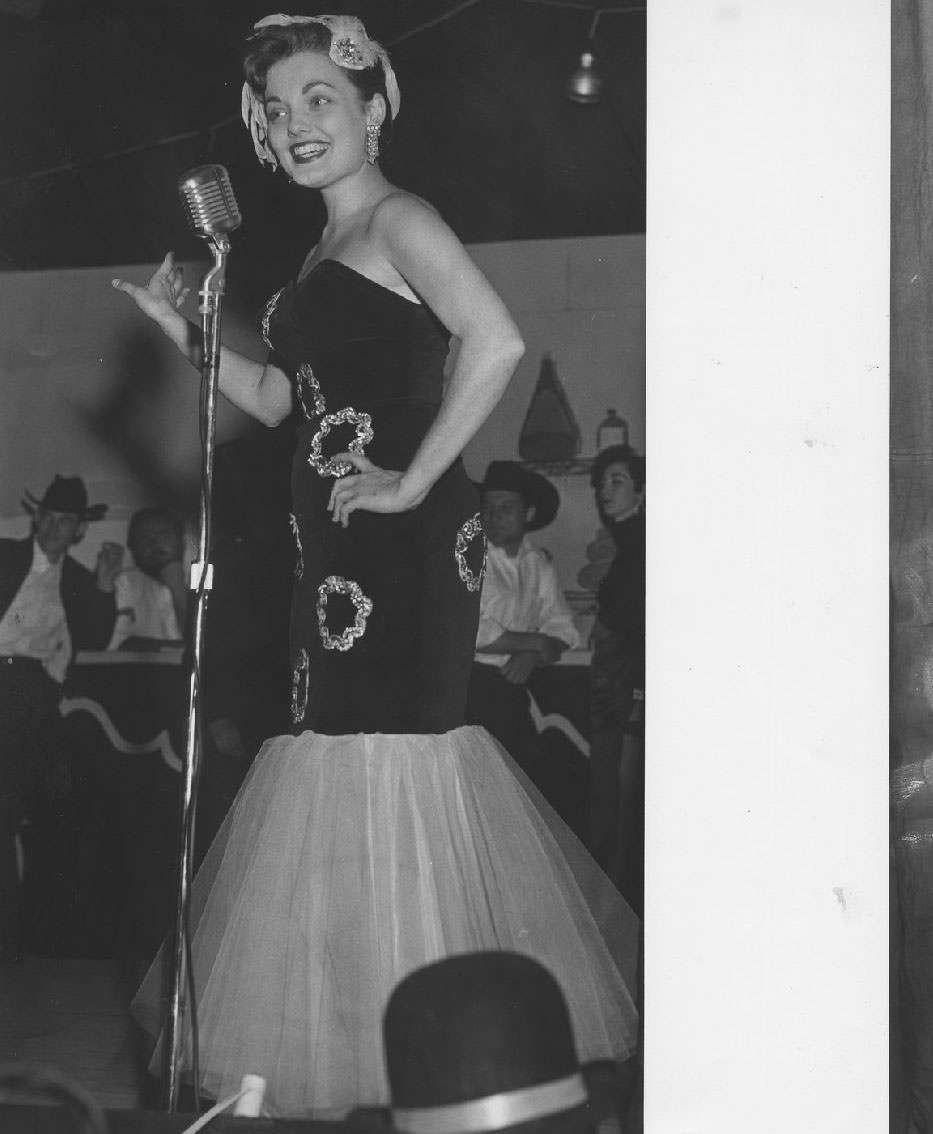
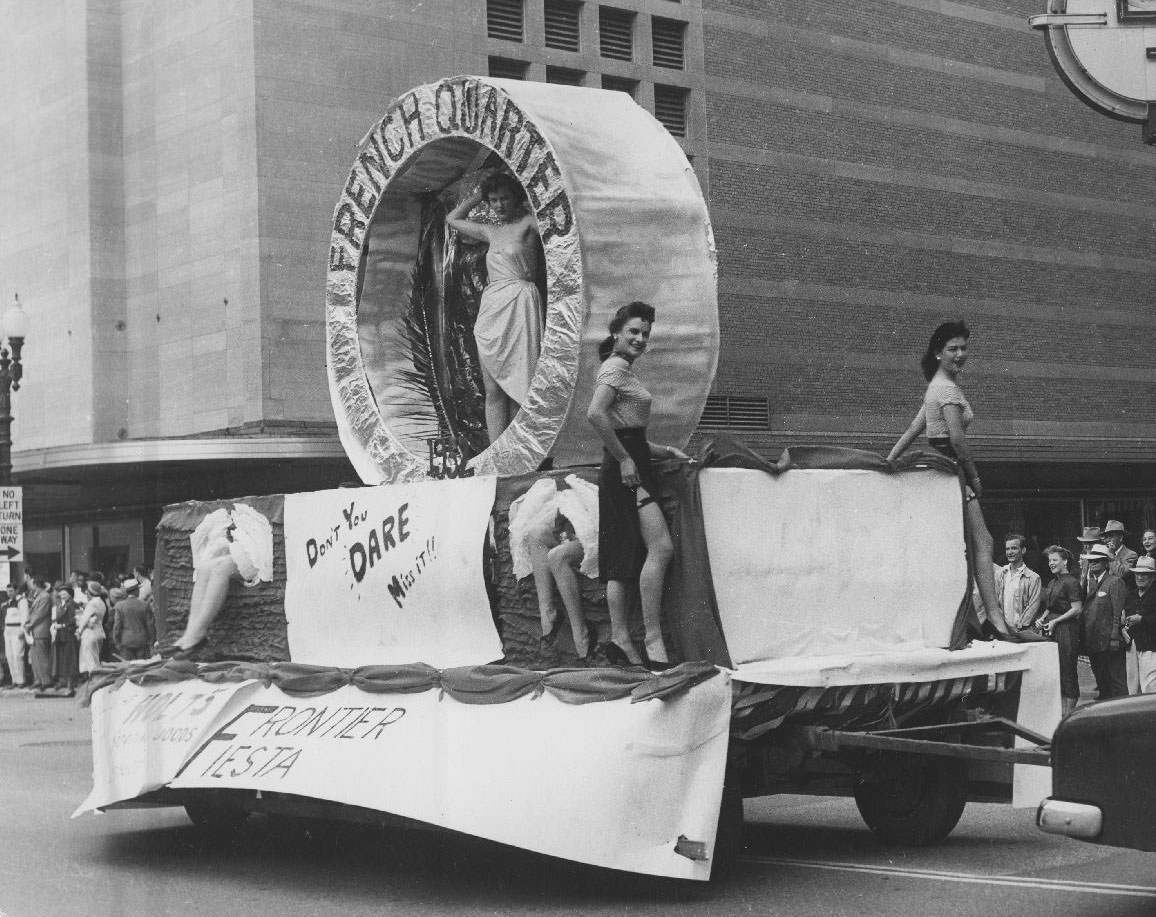
Themed venues like the Tombstone Theater brought specific frontier settings to life within the larger Fiesta City layout. Performers like Jenna Coy Huddleston took the stage at these dedicated spots, giving each venue its own identity and audience. The French Quarter float added a New Orleans flavor to the mix, reflecting the multicultural range of performances that Frontier Fiesta incorporated.
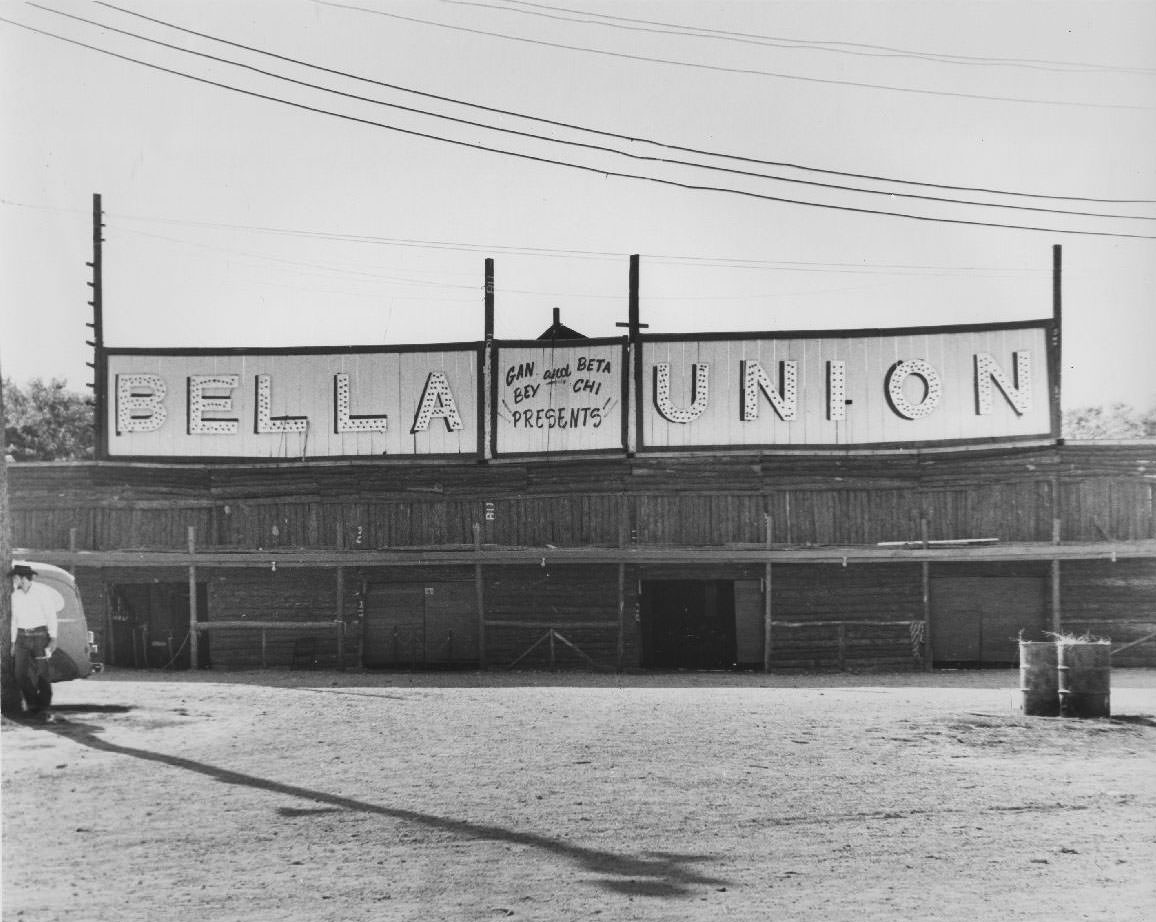
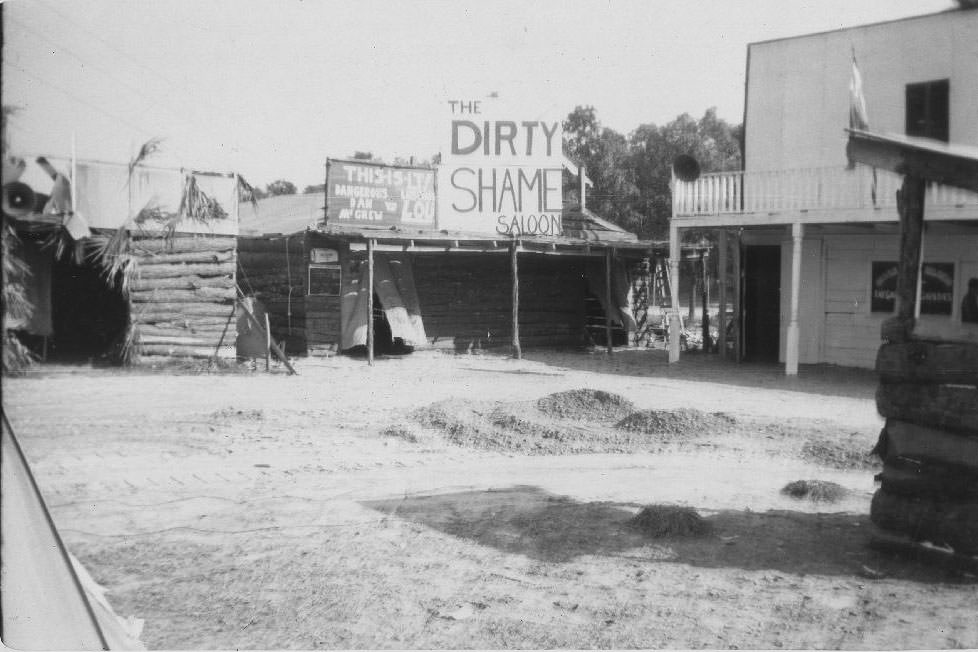
The saloons were among the most visited spots on the Frontier Fiesta grounds. The Dirty Shame Saloon and the Bella Union were built to look like genuine frontier establishments, with wooden signage, period-appropriate facades, and performers stationed inside and out. Students constructed these structures from scratch each year, tearing them down when the event ended.
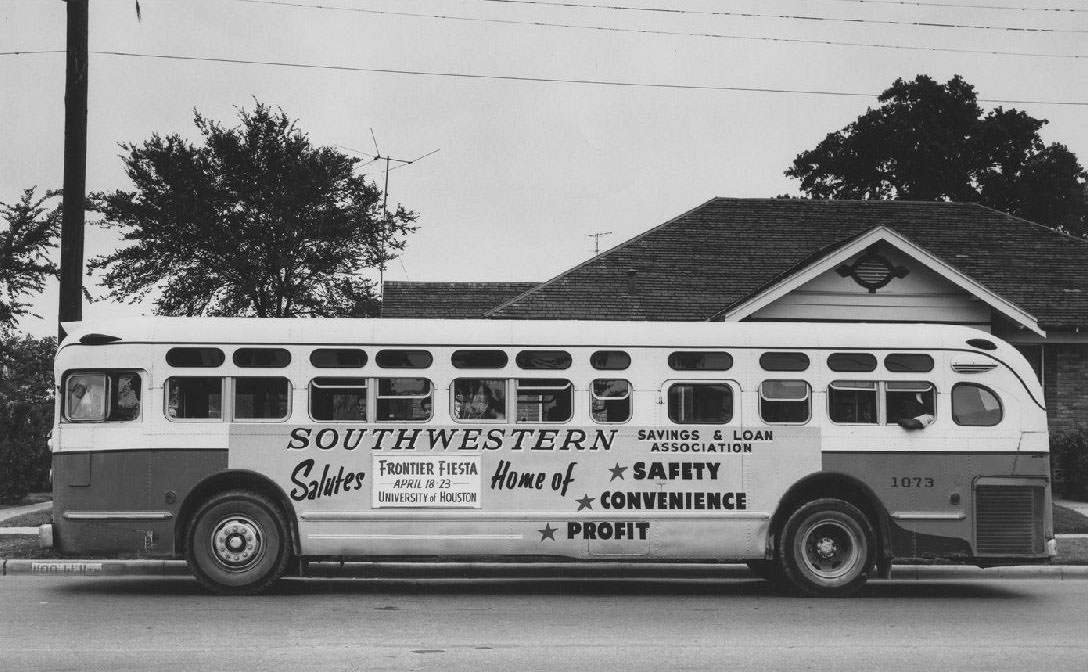
Local Houston businesses played a visible role in Frontier Fiesta during the 1950s. Sponsors brought vehicles, signage, and support to the event, connecting the university community with the broader city. This relationship between UH and Houston’s business community helped fund the scale of productions that Frontier Fiesta became known for.
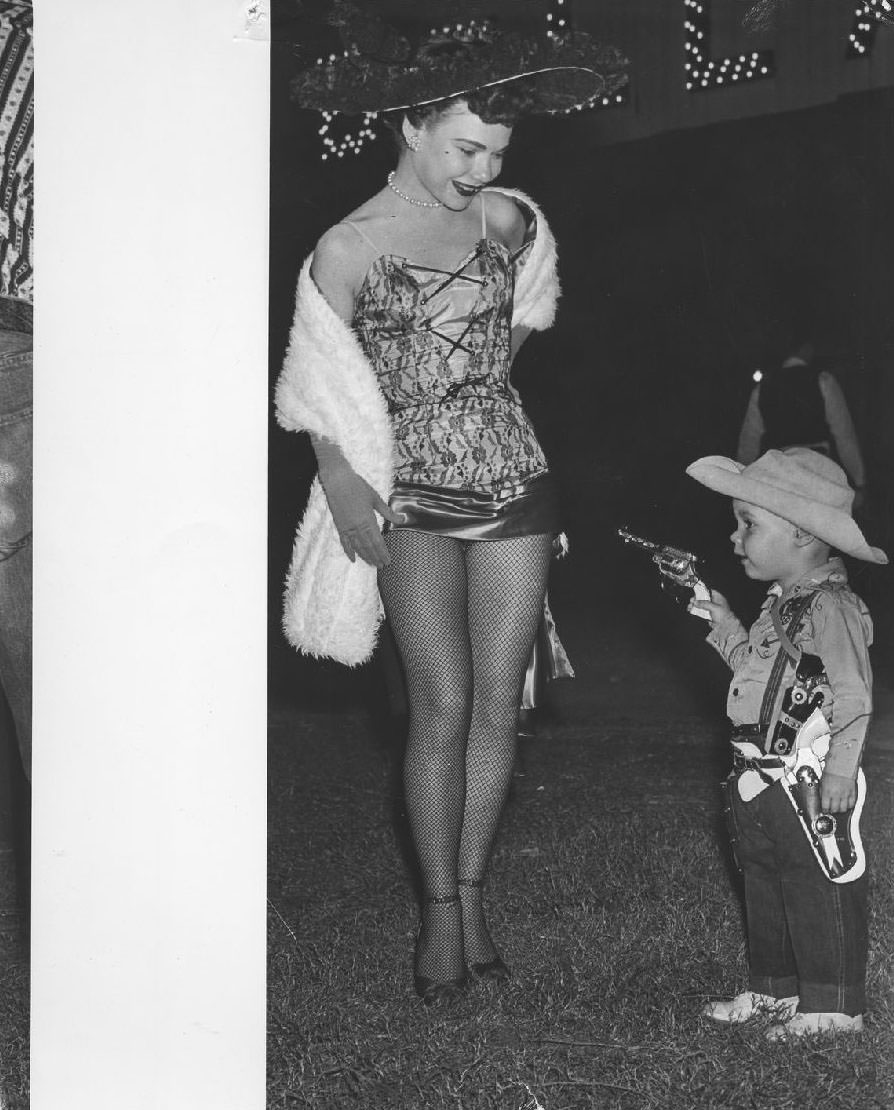
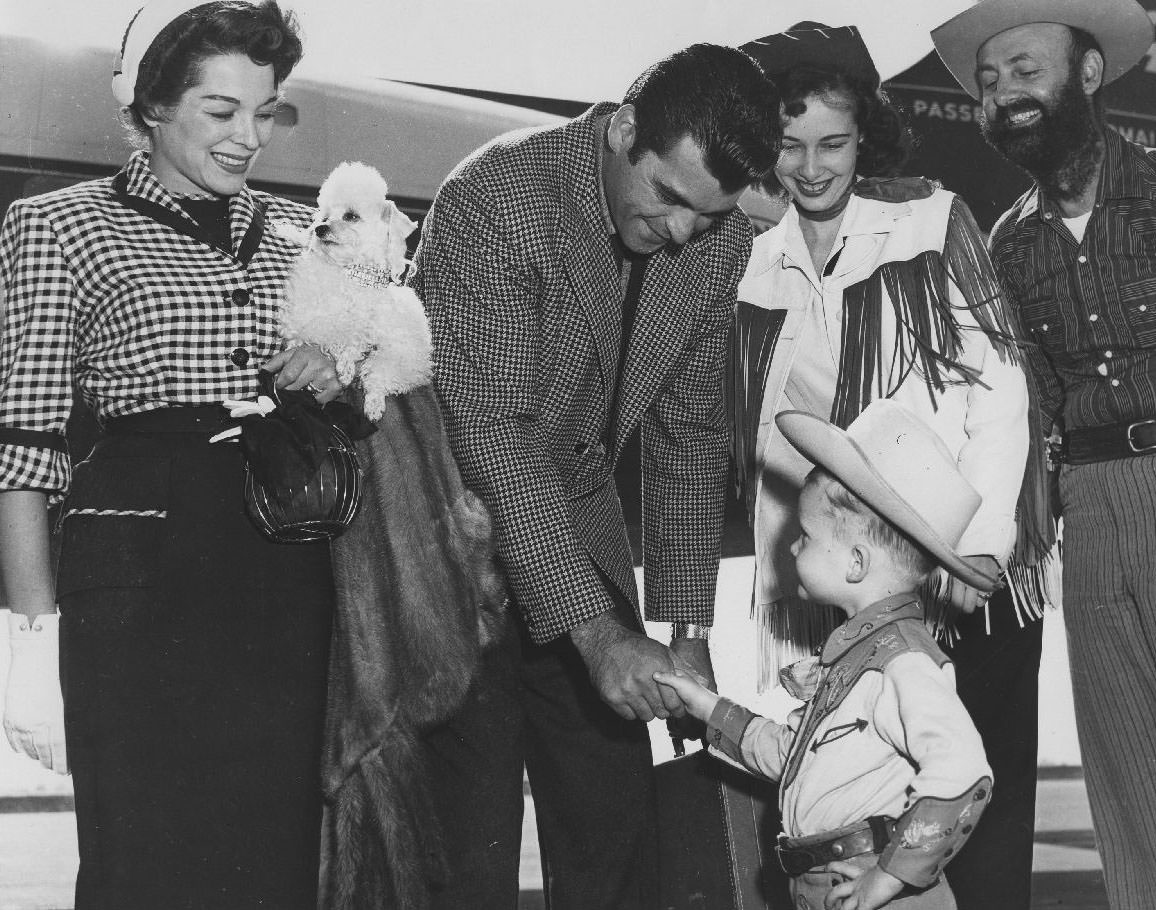
Children were a visible presence at Frontier Fiesta. Families attended together, and performers regularly interacted with young visitors, making the event feel welcoming beyond just the college crowd. These candid moments between costumed students and curious kids are some of the most charming photographs from the era.
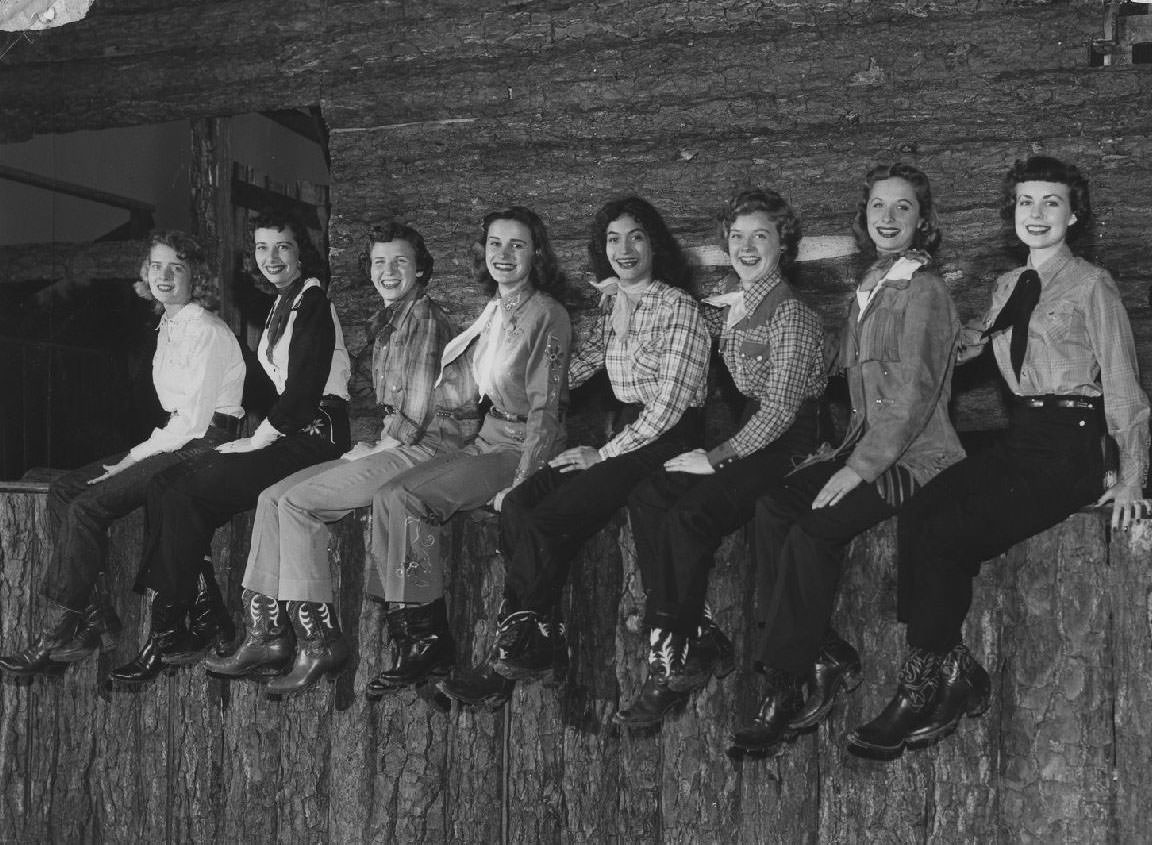
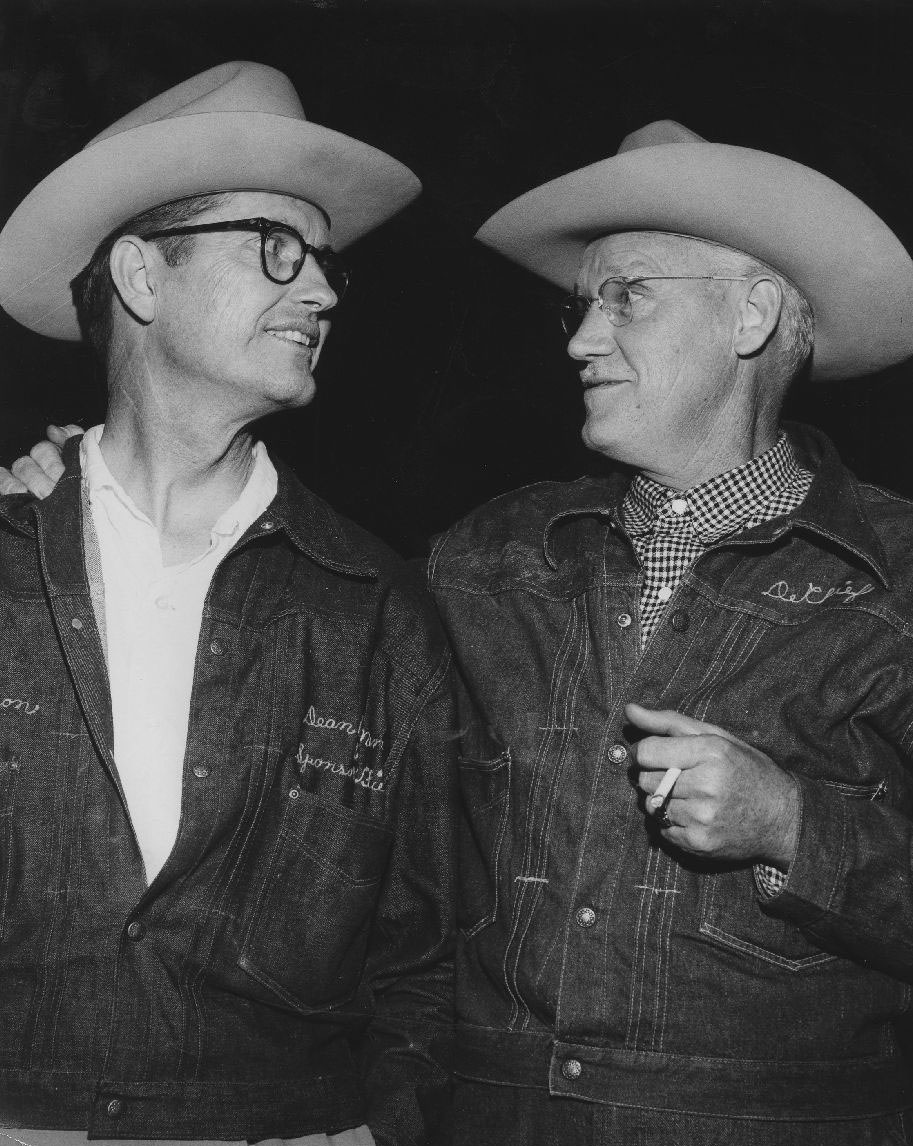
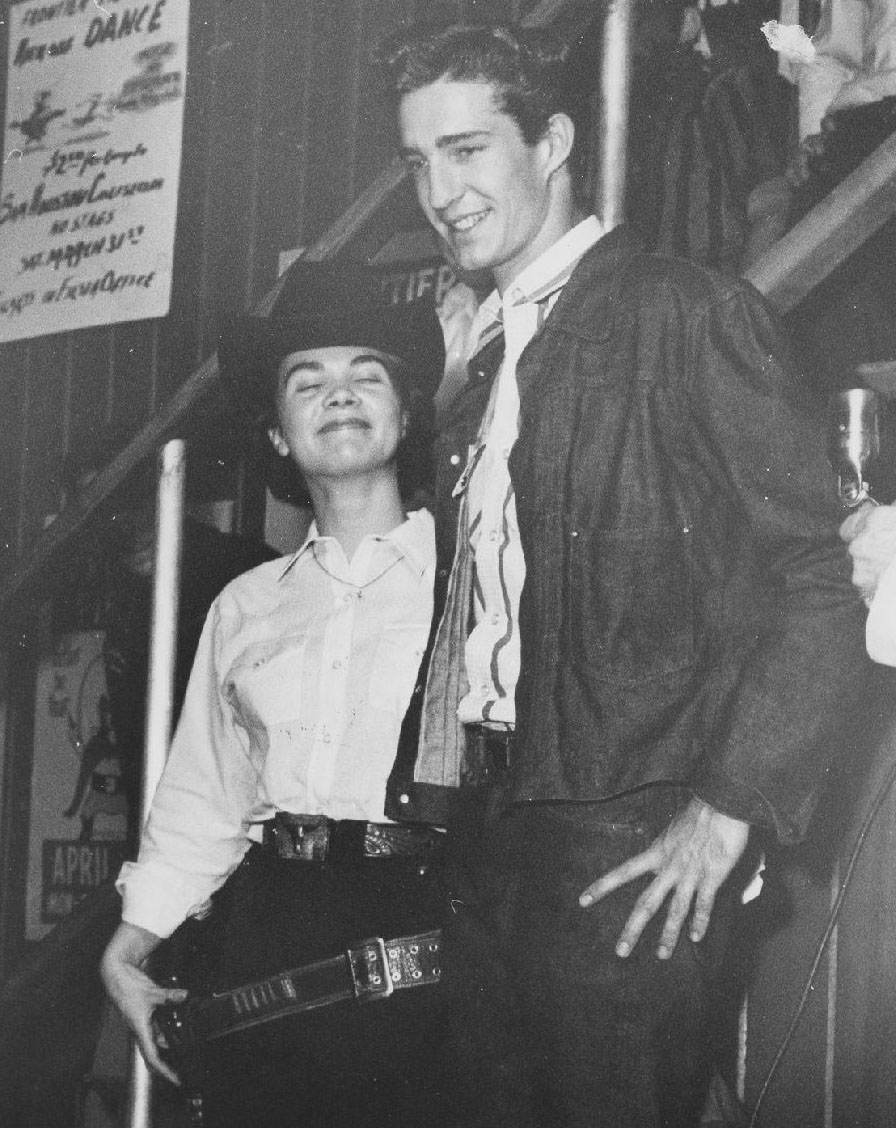
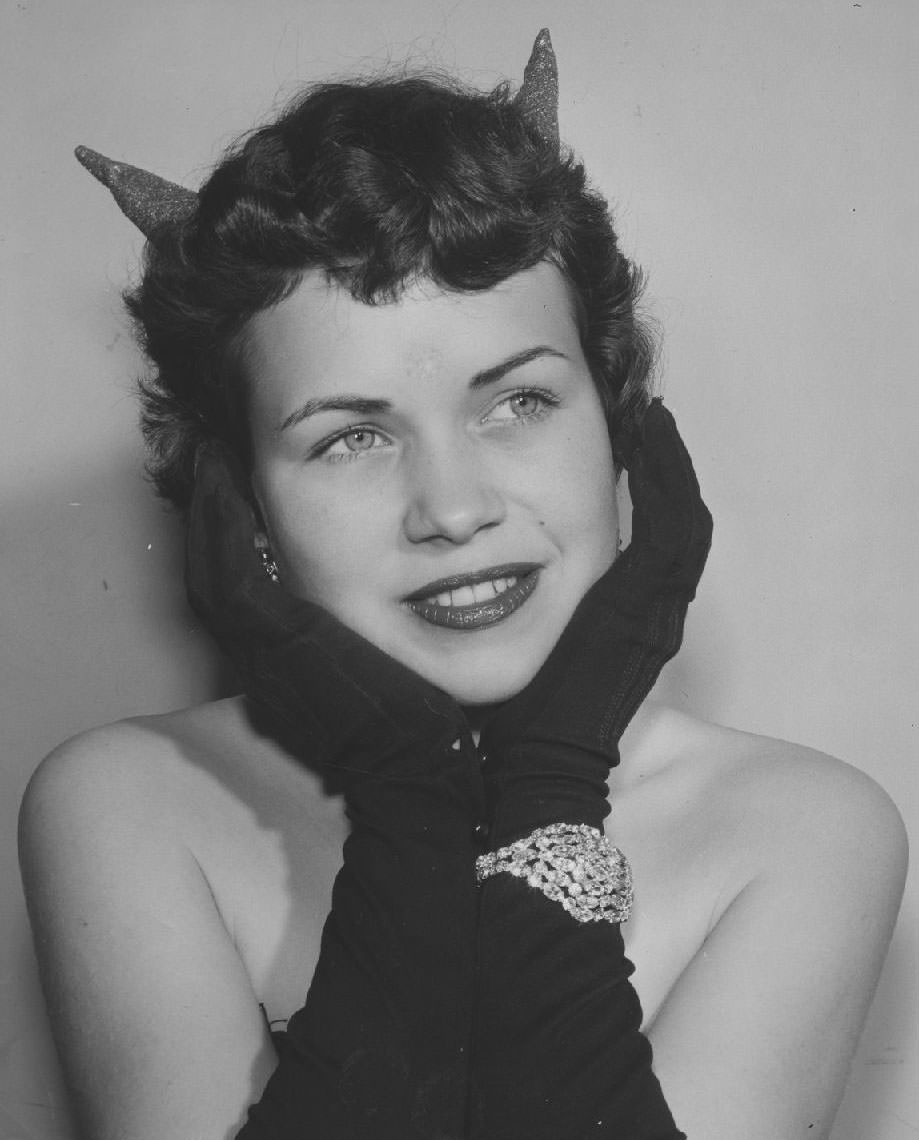
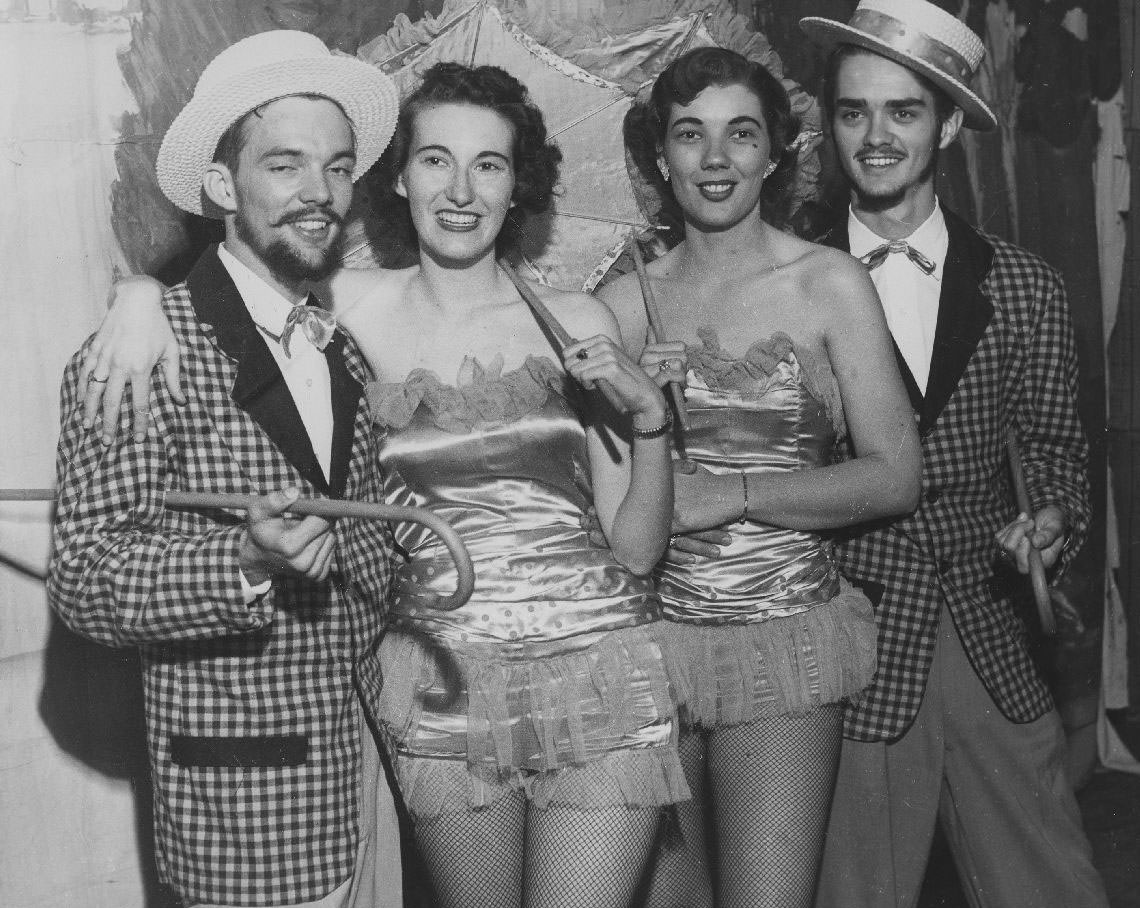
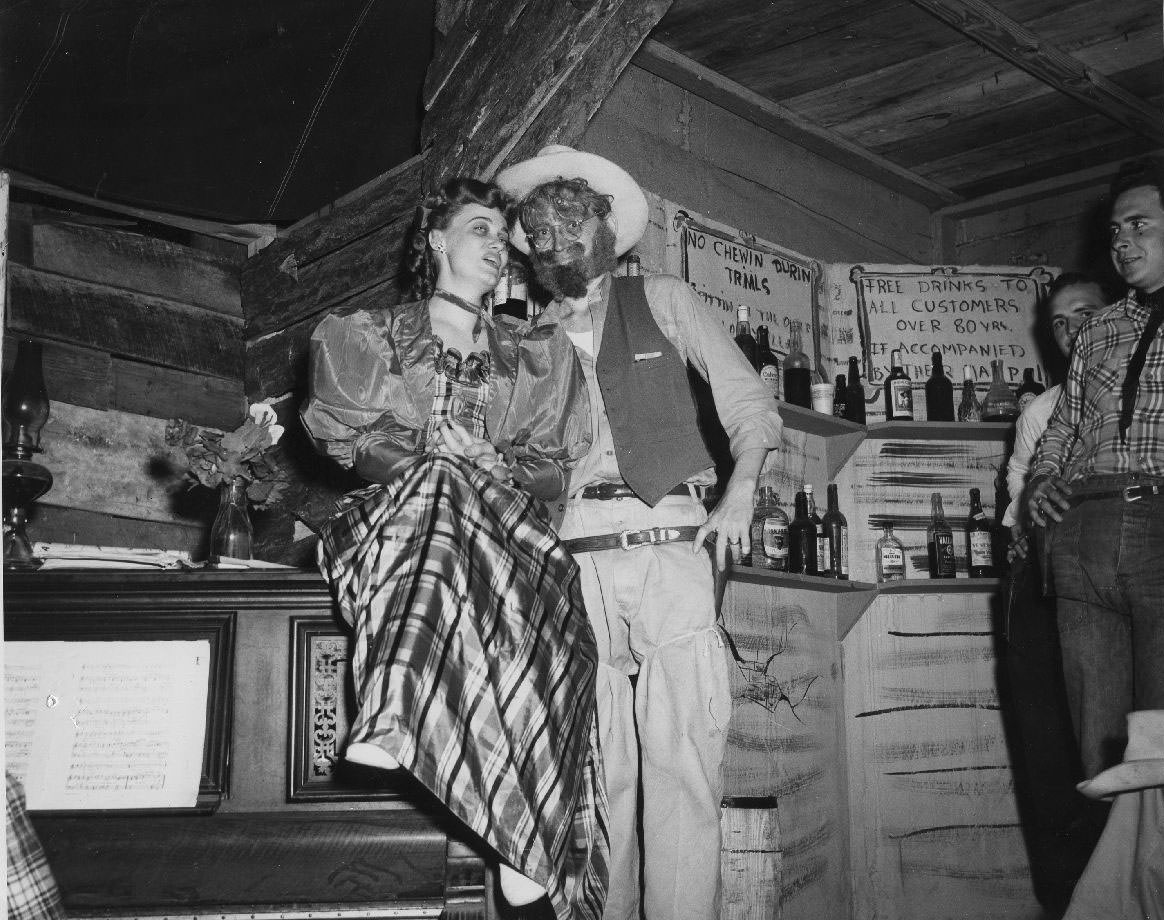
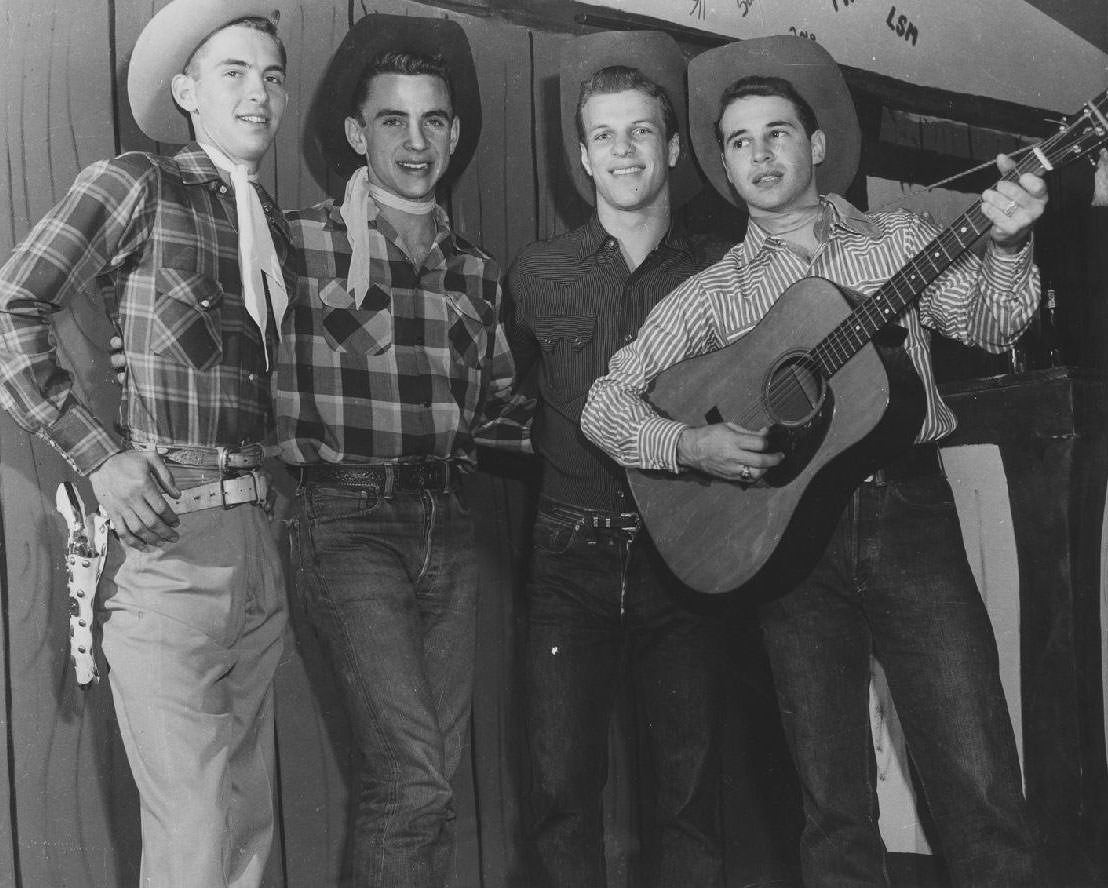
The costumes worn at Frontier Fiesta ranged from simple cowboy hats to full theatrical outfits with detailed period-accurate clothing. Students took their character work seriously. Whether posing for a photograph or performing on stage, the commitment to the frontier aesthetic ran through every corner of the event.
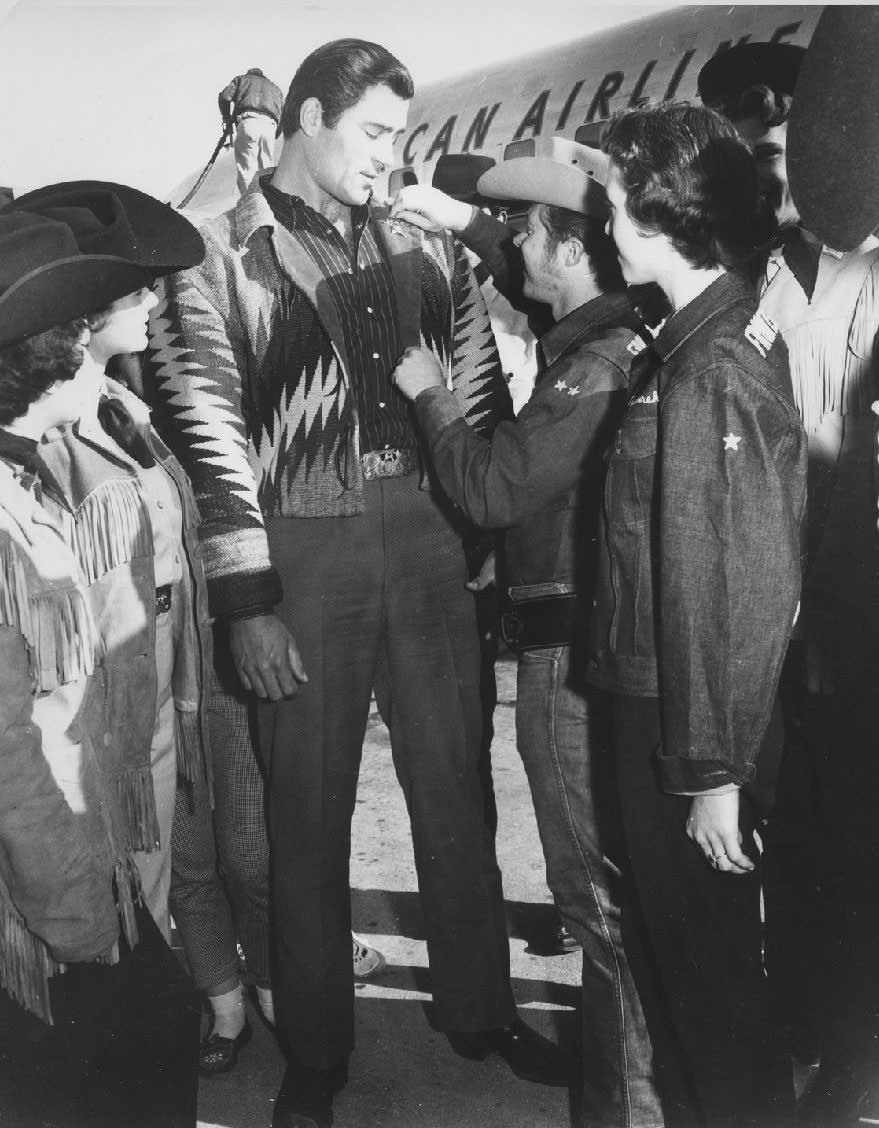
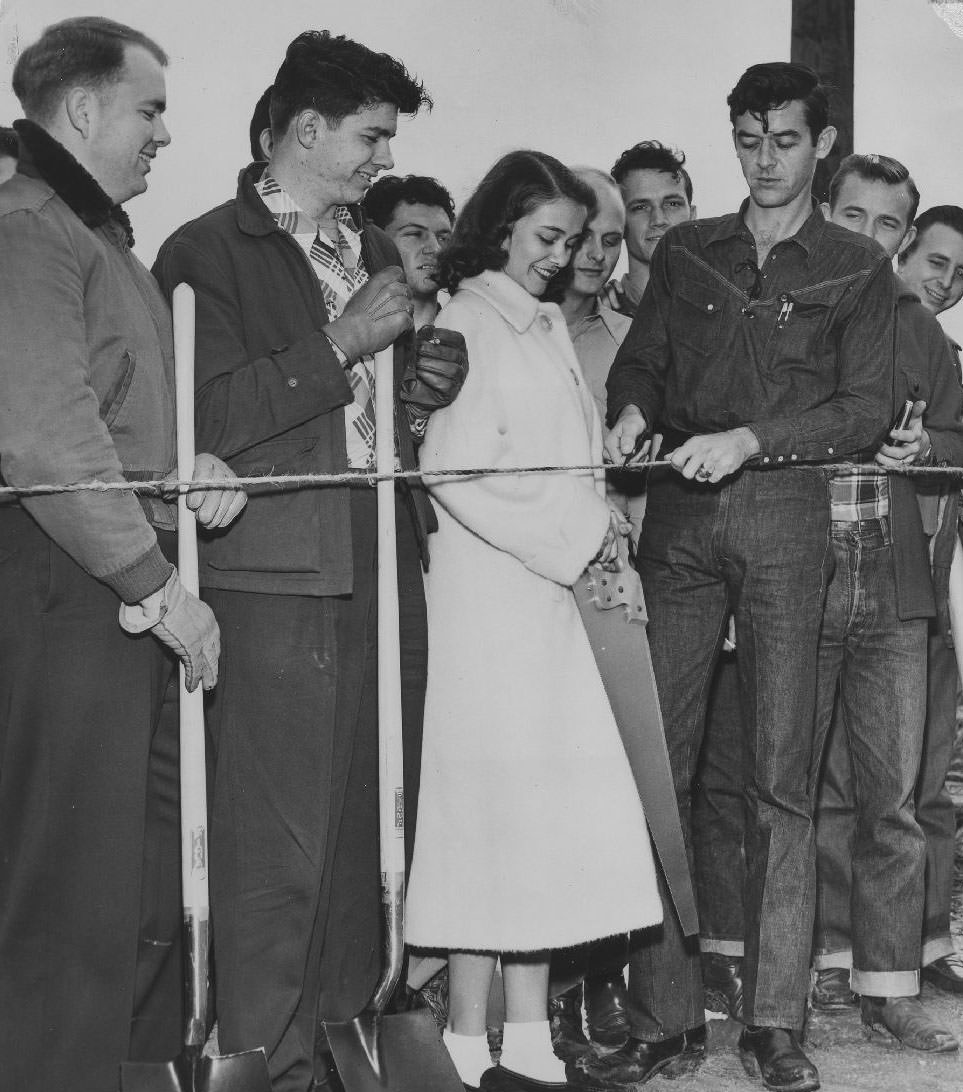
Law and order had its place in Fiesta City too. Students took on sheriff roles, pinning badges on one another and playing out the frontier justice dynamic that gave the event its character. Musicians with guitars provided the soundtrack to these scenes, keeping the atmosphere lively between formal performances.
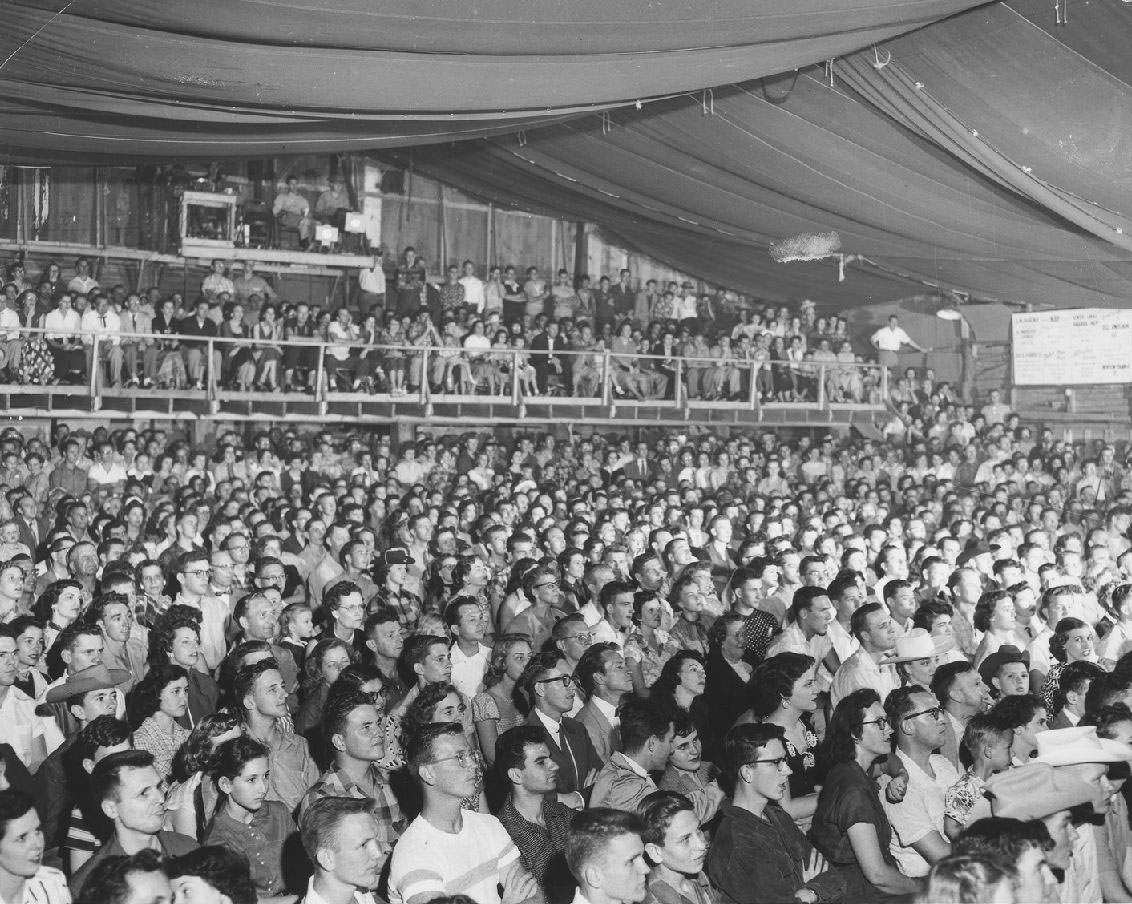
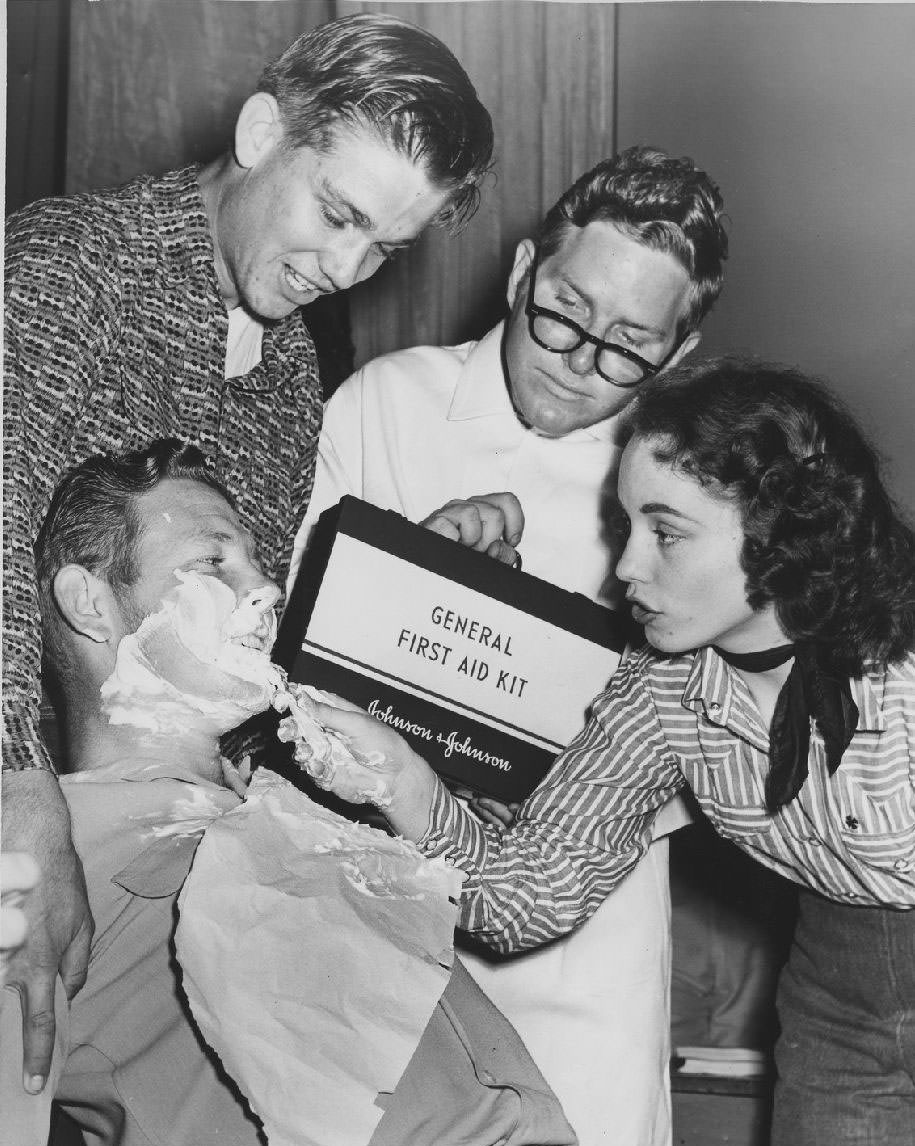
The 1953 edition of Frontier Fiesta was among the most celebrated in the event’s history. That year’s crowd of up to 200,000 visitors put the University of Houston on a national stage. June Linquist shaving Marvin Brisco in front of a crowd is exactly the kind of moment that defined the playful, participatory spirit of that year’s event — unscripted, casual, and completely in character with Fiesta City’s atmosphere.
The sheer size of the audiences that packed Frontier Fiesta throughout the 1950s tells its own story. Rows of people stretching back through the grounds, all gathered around stages and booths that students had built themselves — it was a genuine community event on a massive scale. Groundbreaking ceremonies held during Frontier Fiesta also marked the university’s physical growth during this period, tying the celebration directly to the expanding ambitions of the University of Houston itself.




