The 1920s, often called the Roaring Twenties, was a decade of dramatic change for women in America. Flappers — young women who rejected traditional roles and embraced bold fashion, lively social lives, and new freedoms — became the defining symbol of the era. From Hollywood film stars to Broadway singers and literary figures, the women below shaped what it meant to be a flapper and left a lasting mark on American culture.
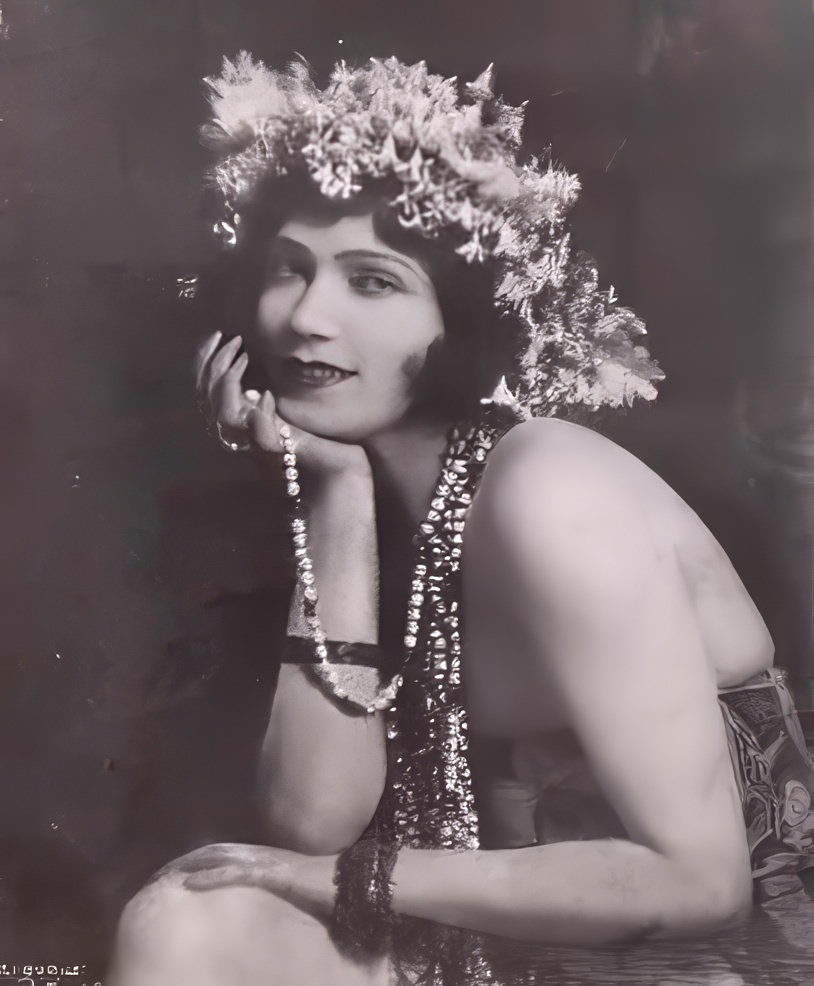
The young saloon singer went to New York to perform in vaudeville and joined the Ziegfeld Follies in 1922. By then Gray was known as the Shimmy Queen, and made several Hollywood movies between 1919 and 1936.
![[Factually Corrected] Zelda Fitzgerald was an author and the wife of F. Scott Fitzgerald.](https://www.bygonely.com/wp-content/uploads/2024/10/Flappers_of_the_1920s_2.jpeg)
Her lifestyle made her a celebrity outside the literary world, and her husband called her “the first American Flapper.” The two were notorious for public partying, and their drunken antics were a staple of society headlines in the 1920s. From 1930 on, Zelda was in and out of mental hospitals for the rest of her life.
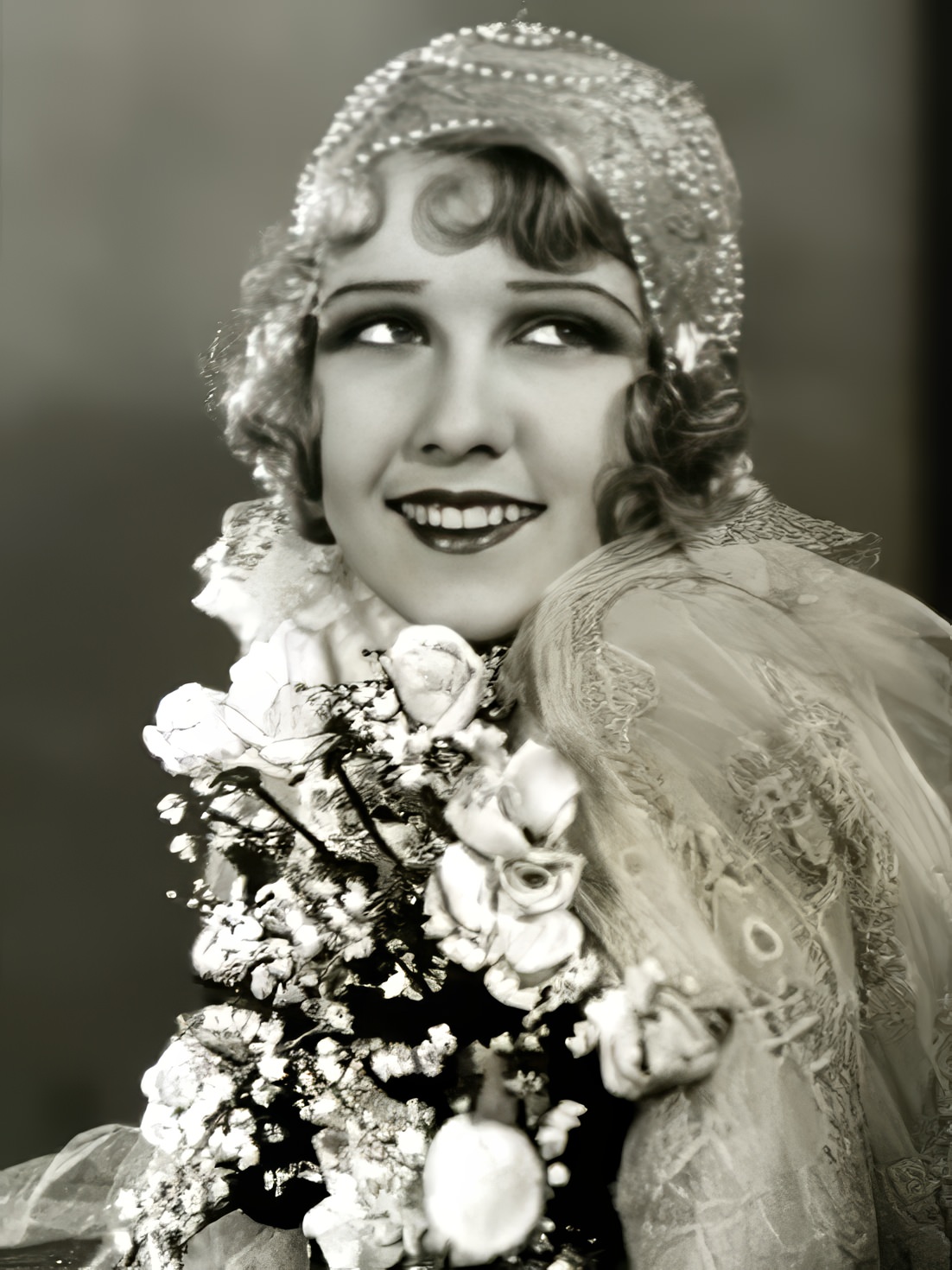
She cranked out many films between 1925 and 1933, and came out of retirement occasionally to act again until her death in 2008. At that time, she was hailed as the last silent film star.
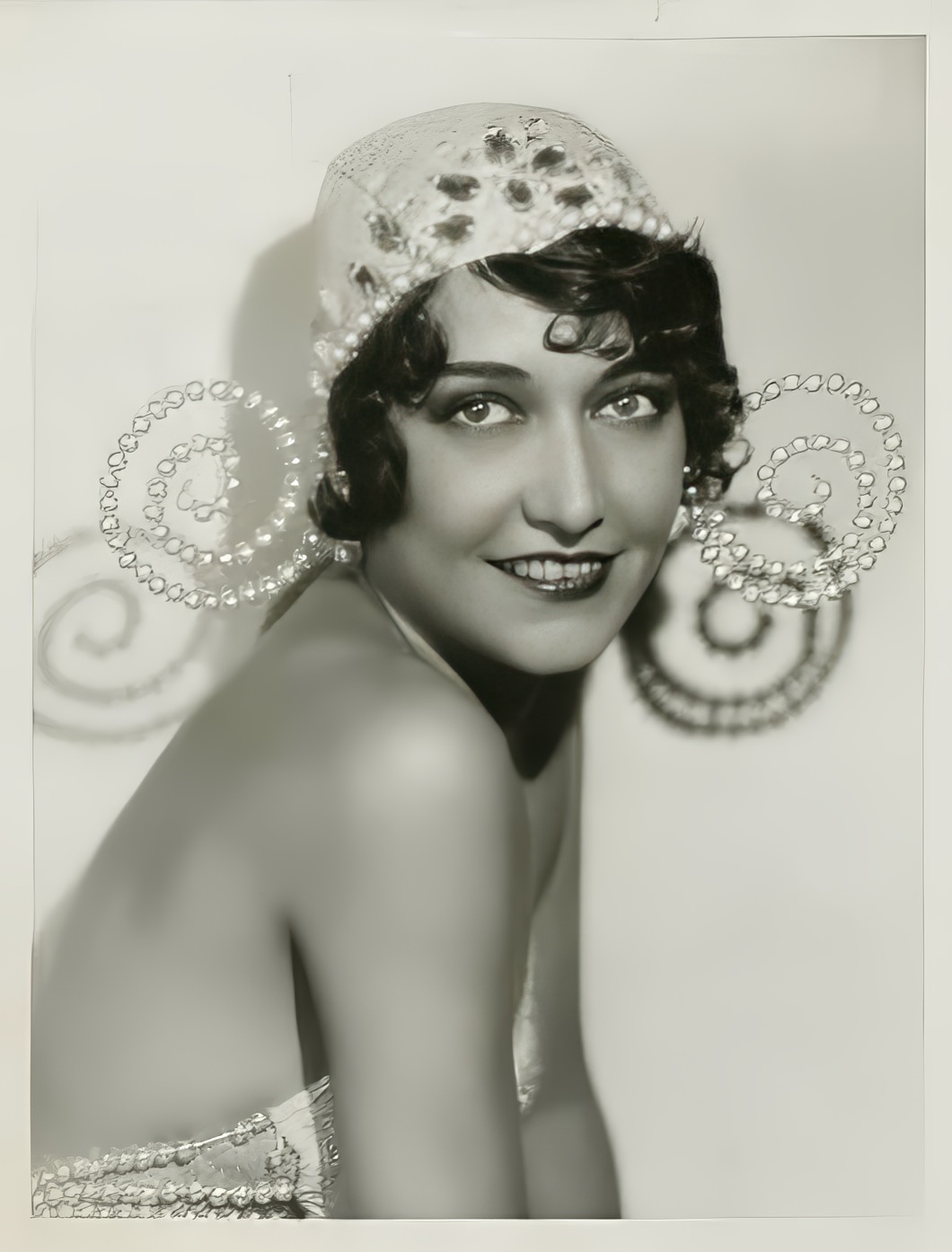
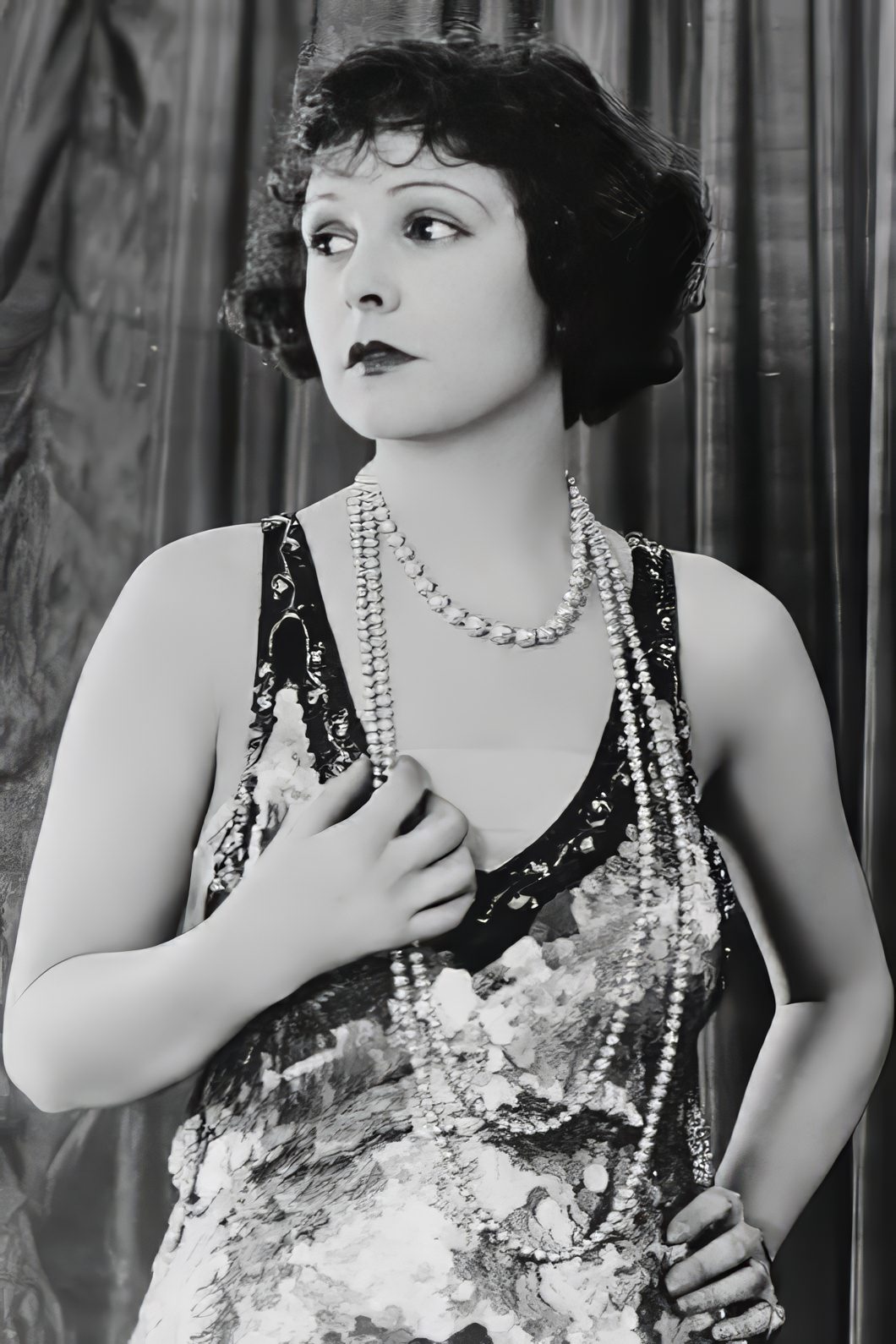
She and her much older husband, Joseph Schenck, formed the Norma Talmadge Film Corporation in 1917, giving them control over her work. The corporation generated profits way beyond what a film actress of the time could have made.
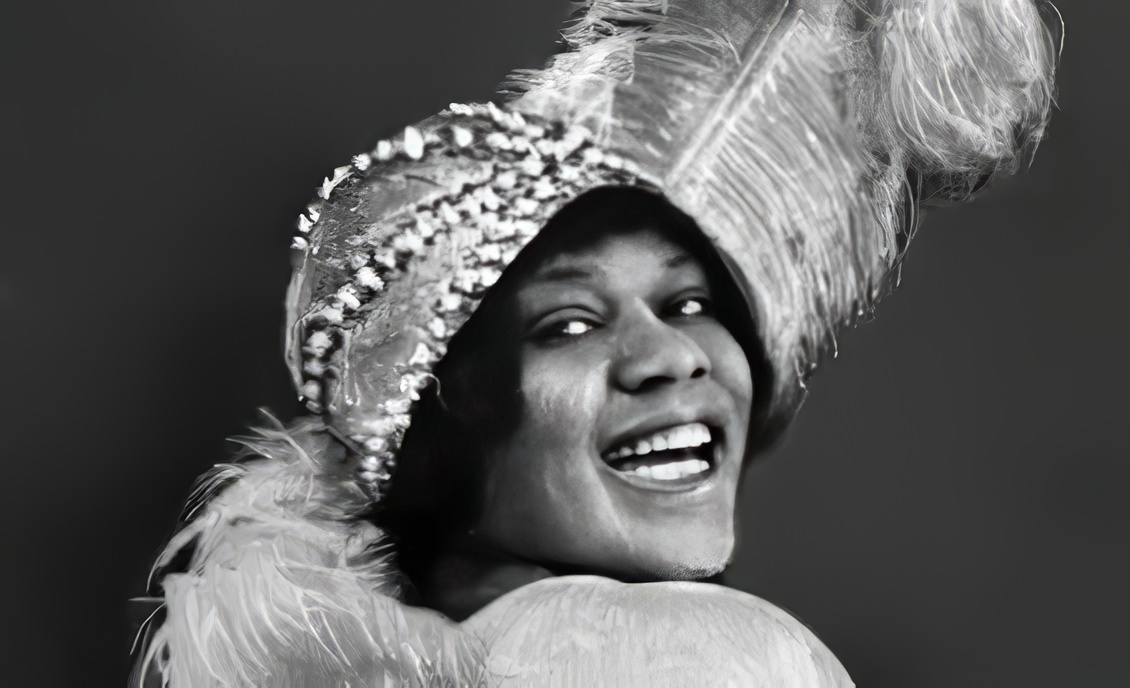
She toured with vaudeville jazz shows for two decades, singing the blues, and more importantly for history, recording music. Her last recording session was in 1933; she died in an auto accident in 1937.
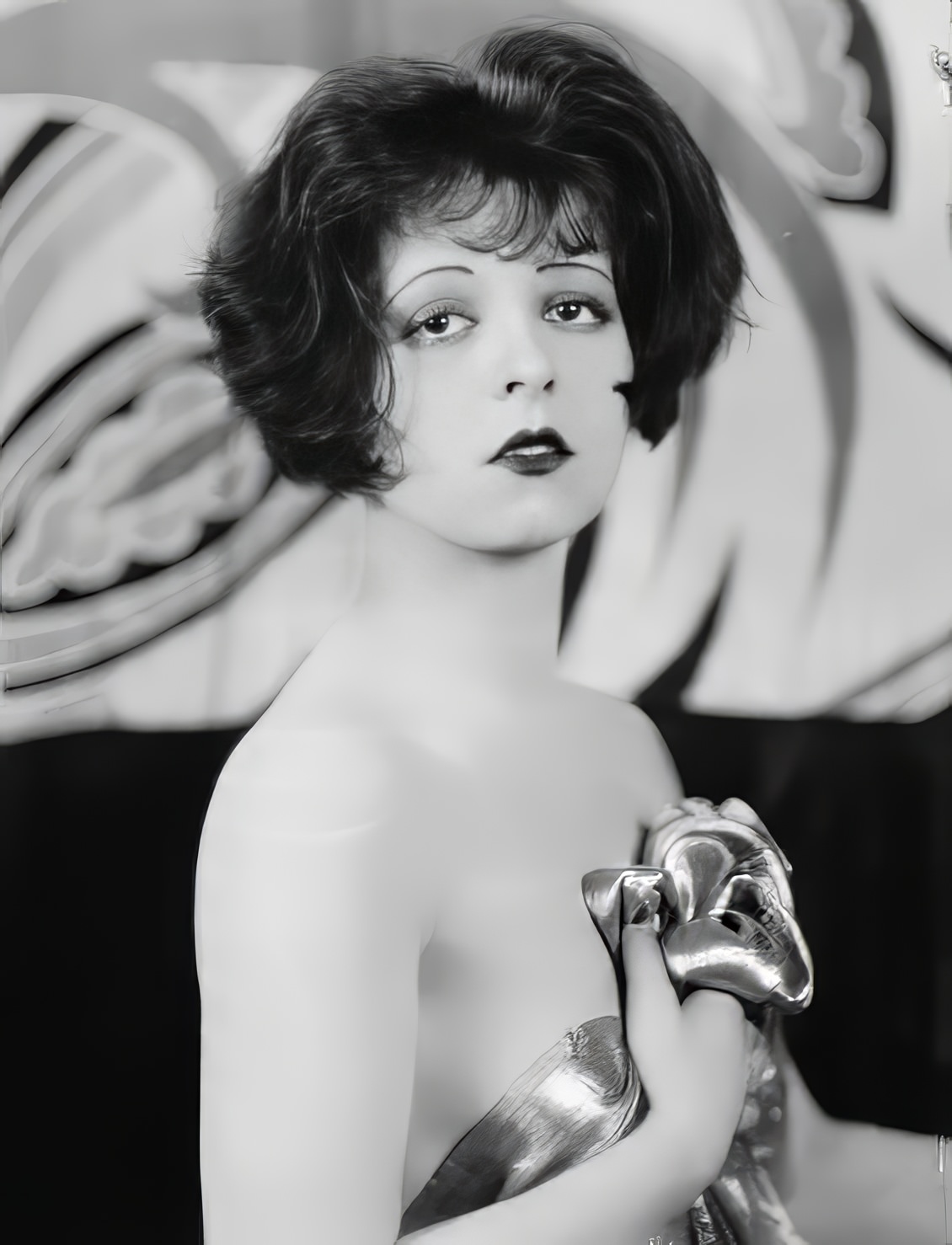
Her career was fast and furious, with 55 films between 1922 and 1933 and almost as many scandals. Bow retired from movies at age 30, married, and lived a quiet life until her death in 1965.
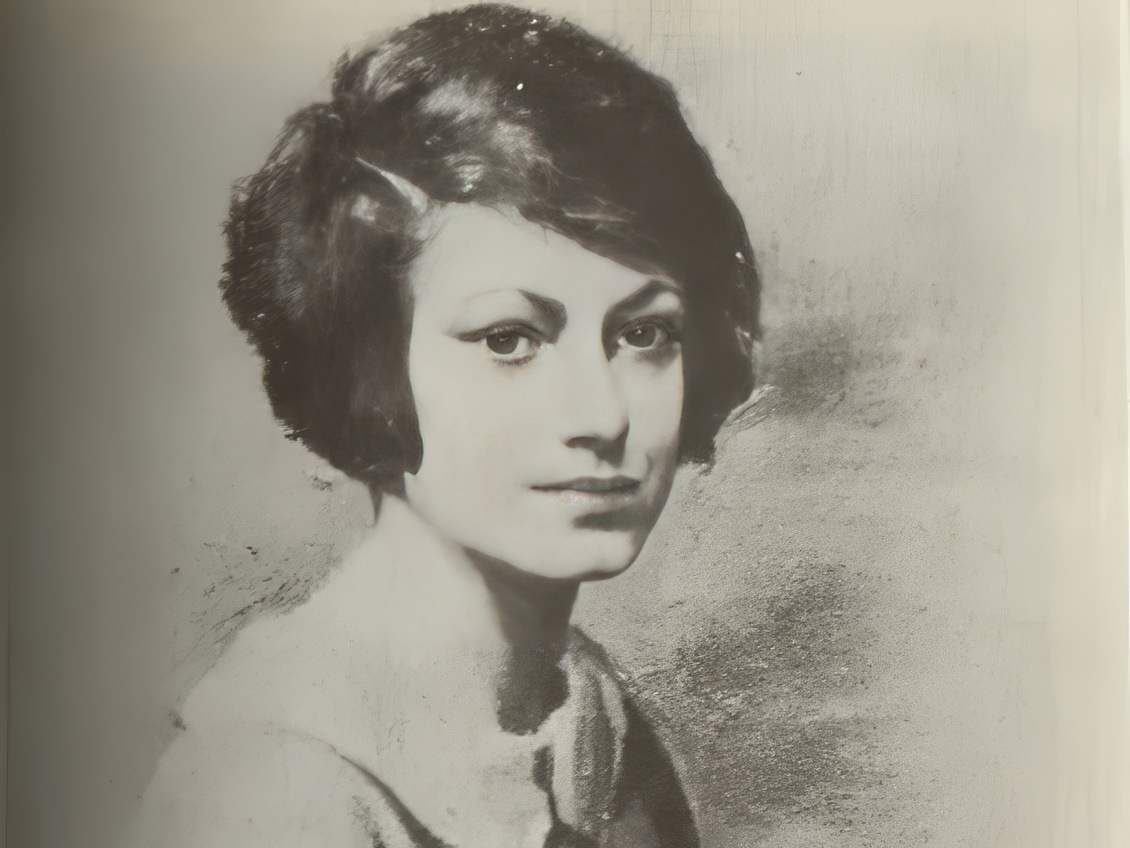
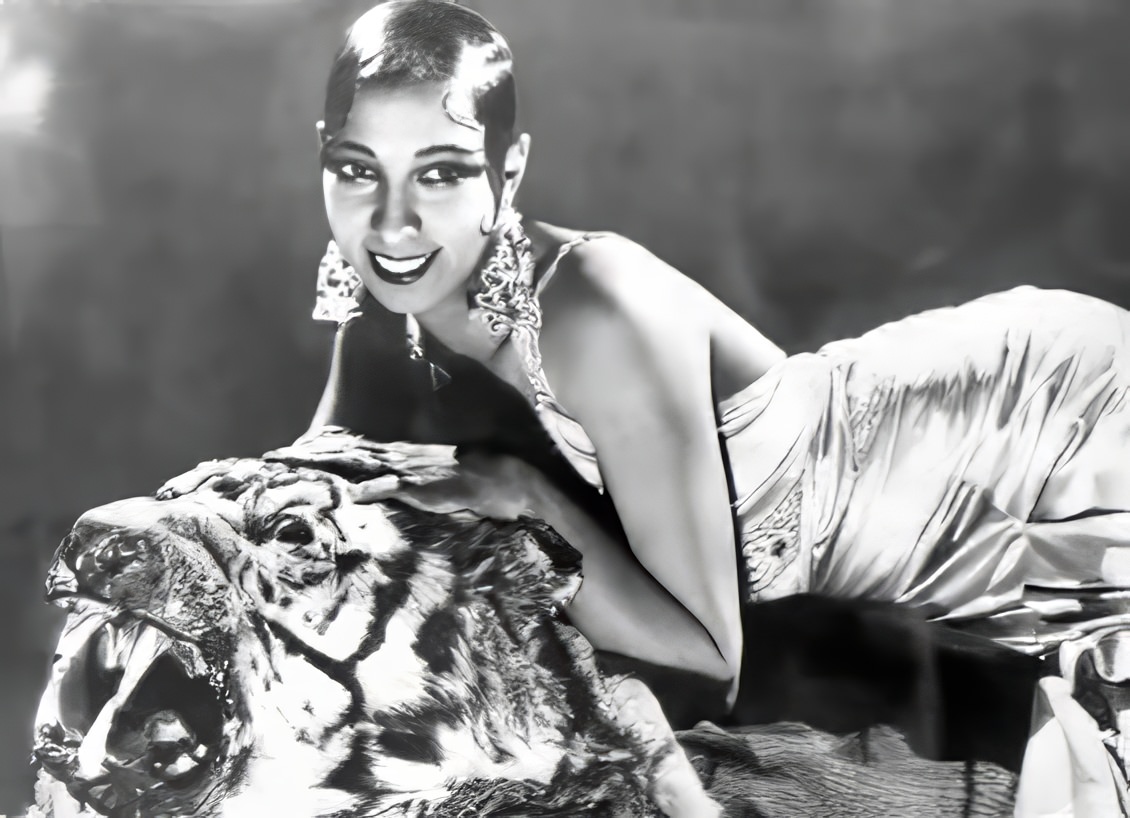
Baker’s performances ranged from striptease to opera, and were acclaimed from all sides. Baker became a French citizen in 1937. Her work with the French Resistance during World War II earned her the Croix de Guerre. Baker was also active in the Civil Rights movement in America. However, during the 1920s, she was just the most exotic, sexy, and talented woman in Europe.
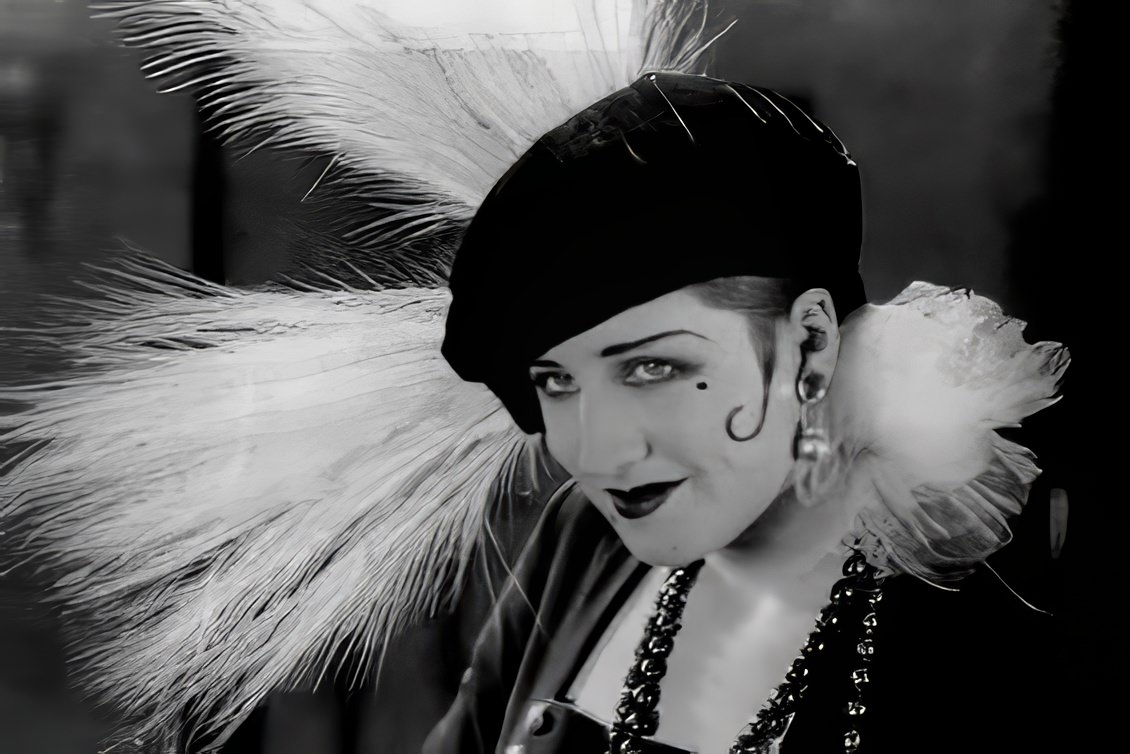
Between 1920 and 1942, she starred in dozens of films, many under the supervision of MGM executive Irving Thalberg, whom she married in 1927.
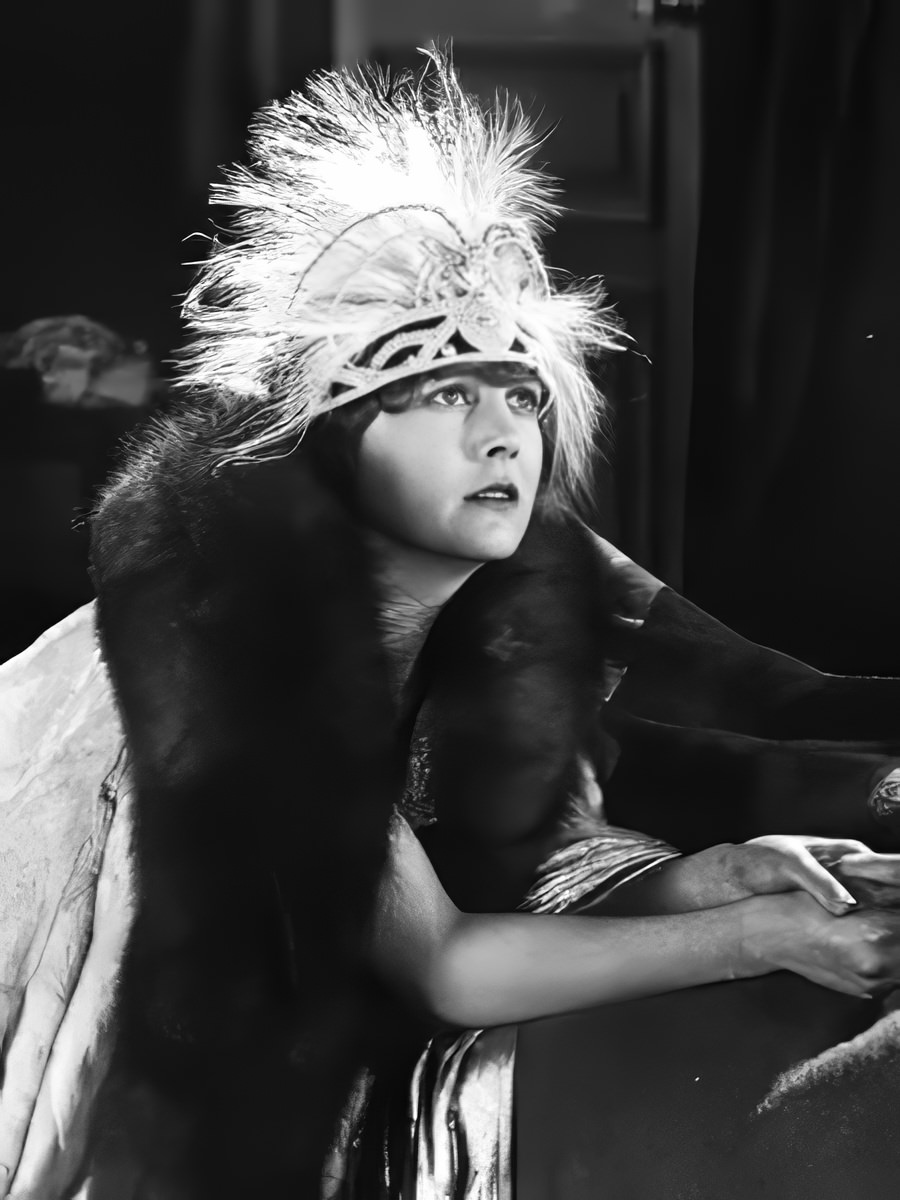
She appeared in 40 films over a dozen years, 33 of them with Chaplin. She was romantically involved with him, but then married another man in 1938. Still, Chaplin kept her on his payroll until her death in 1958.
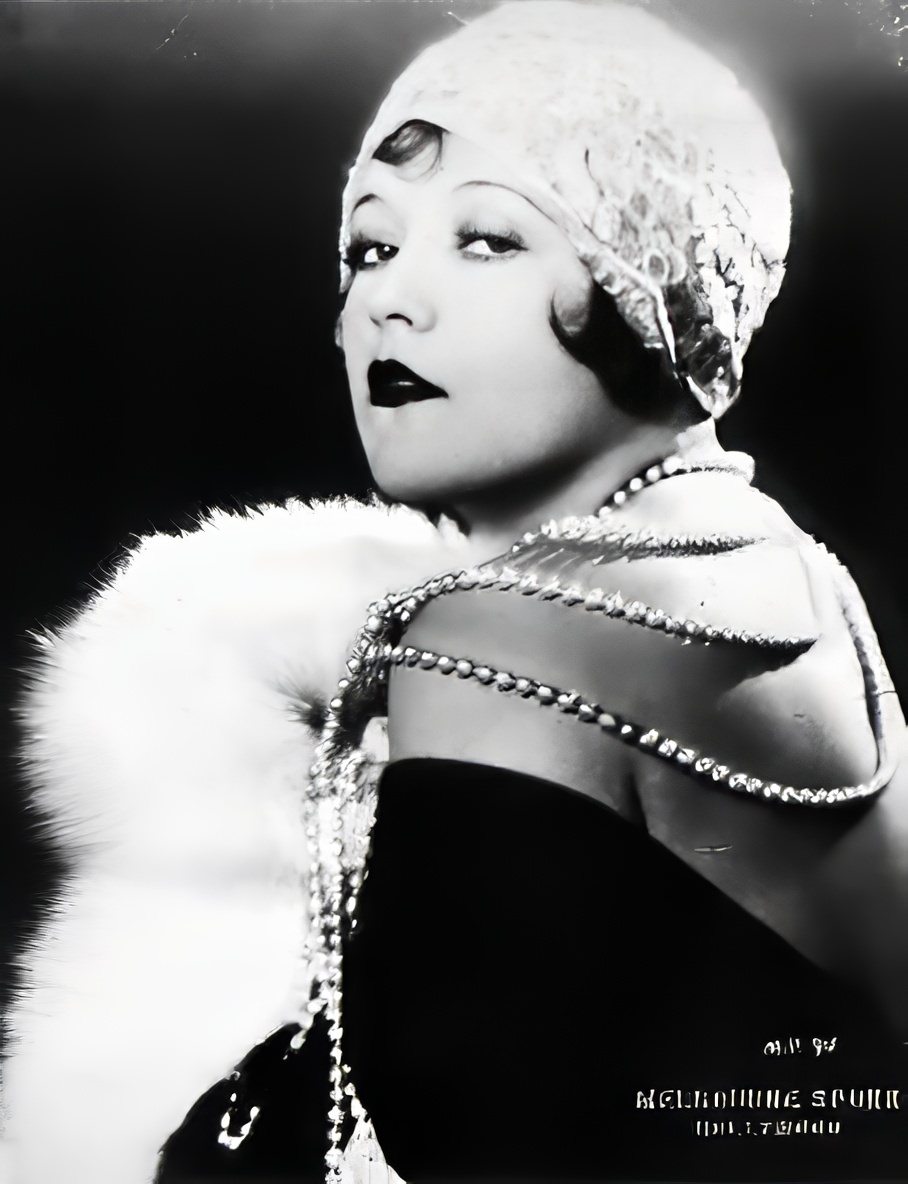
She appeared in 121 films between 1915 and 1936, including a half-dozen or so in which she portrayed a flapper. After her mother died in an auto accident in 1926, Prevost began drinking heavily and gained weight, and her career suffered. She went into a cycle of crash dieting and bingeing. In 1937, Prevost was found in her apartment, dead from heart failure due to malnutrition and alcoholism. She had died a couple of days before, and was only found because the neighbors complained of her dog barking.
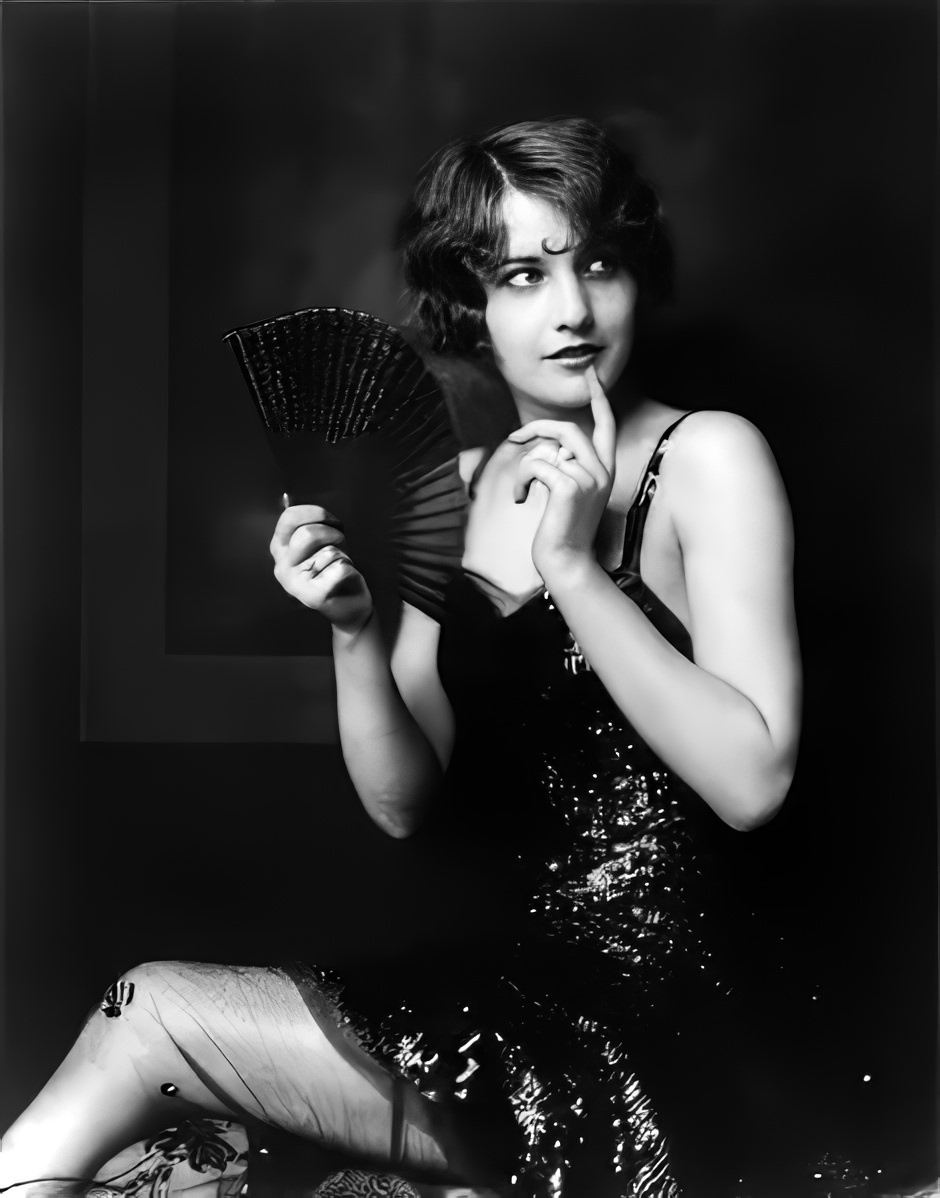
Her first film role was an uncredited fan dancer in 1927. Stanwyck’s roles ranged widely, but she always played a strong woman. In the ’20s, she was as cute as a button.
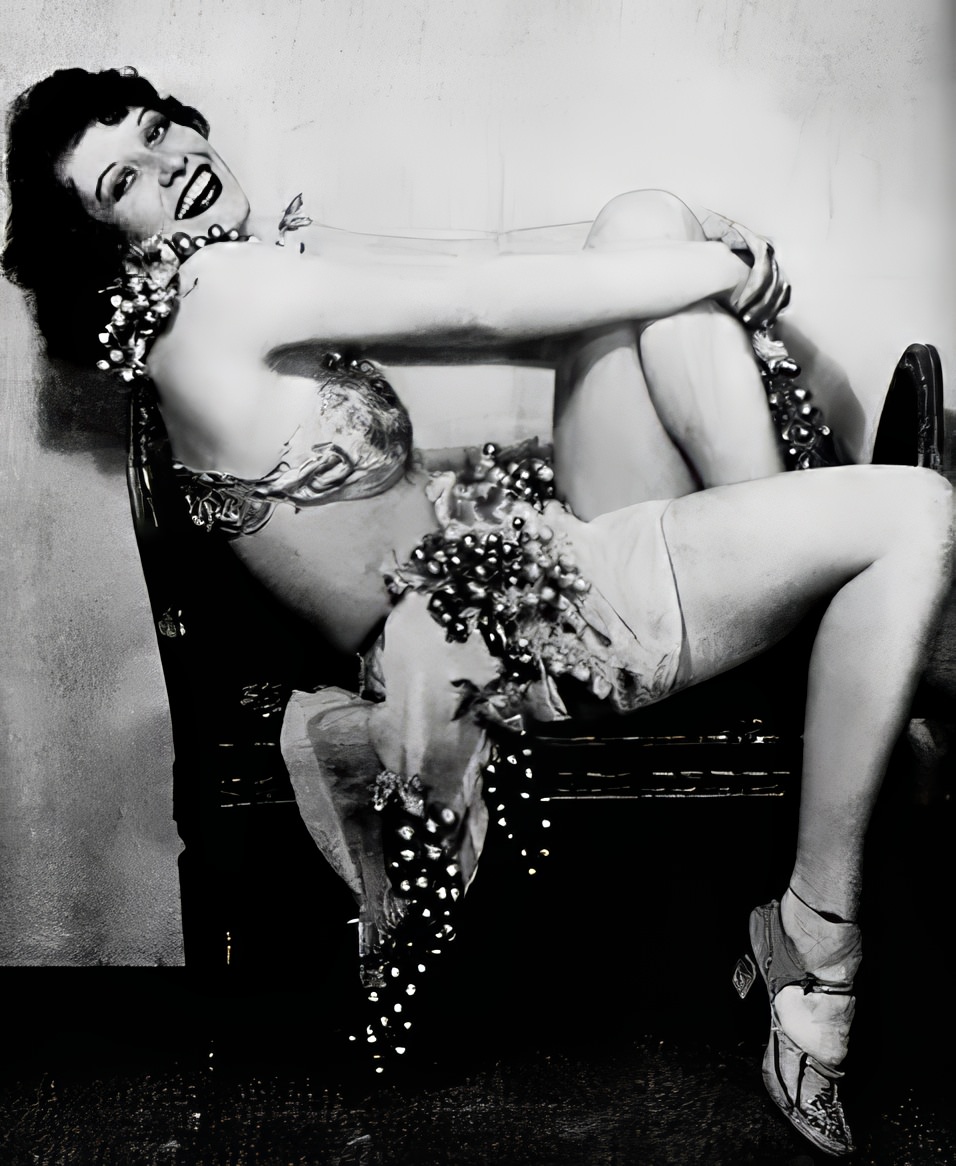
But in 1925, she carefully crafted her entertainment persona as a flapper with a campaign of self-promotion. She worked hard for each film role, which led to more roles, until her career snowballed — just as she had planned.
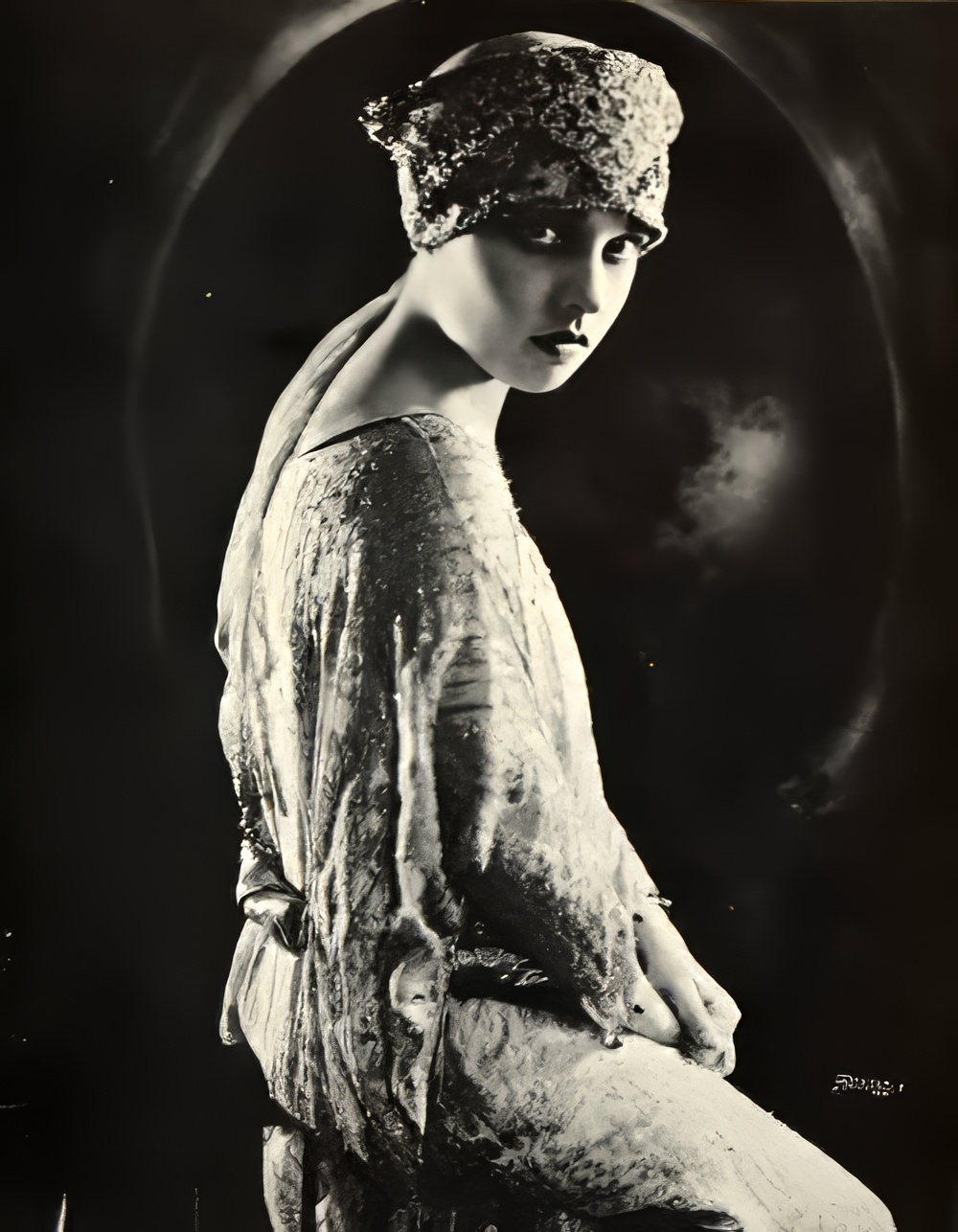
She was an author, screenwriter, and playwright, best known for writing Gentlemen Prefer Blondes, first as a magazine series, then a 1925 book, a 1928 film, a 1949 Broadway musical, and the 1953 film musical starring Marilyn Monroe. The story was inspired by Loos’ observations of Jazz Age love and temptation, and featured a flapper as the protagonist.
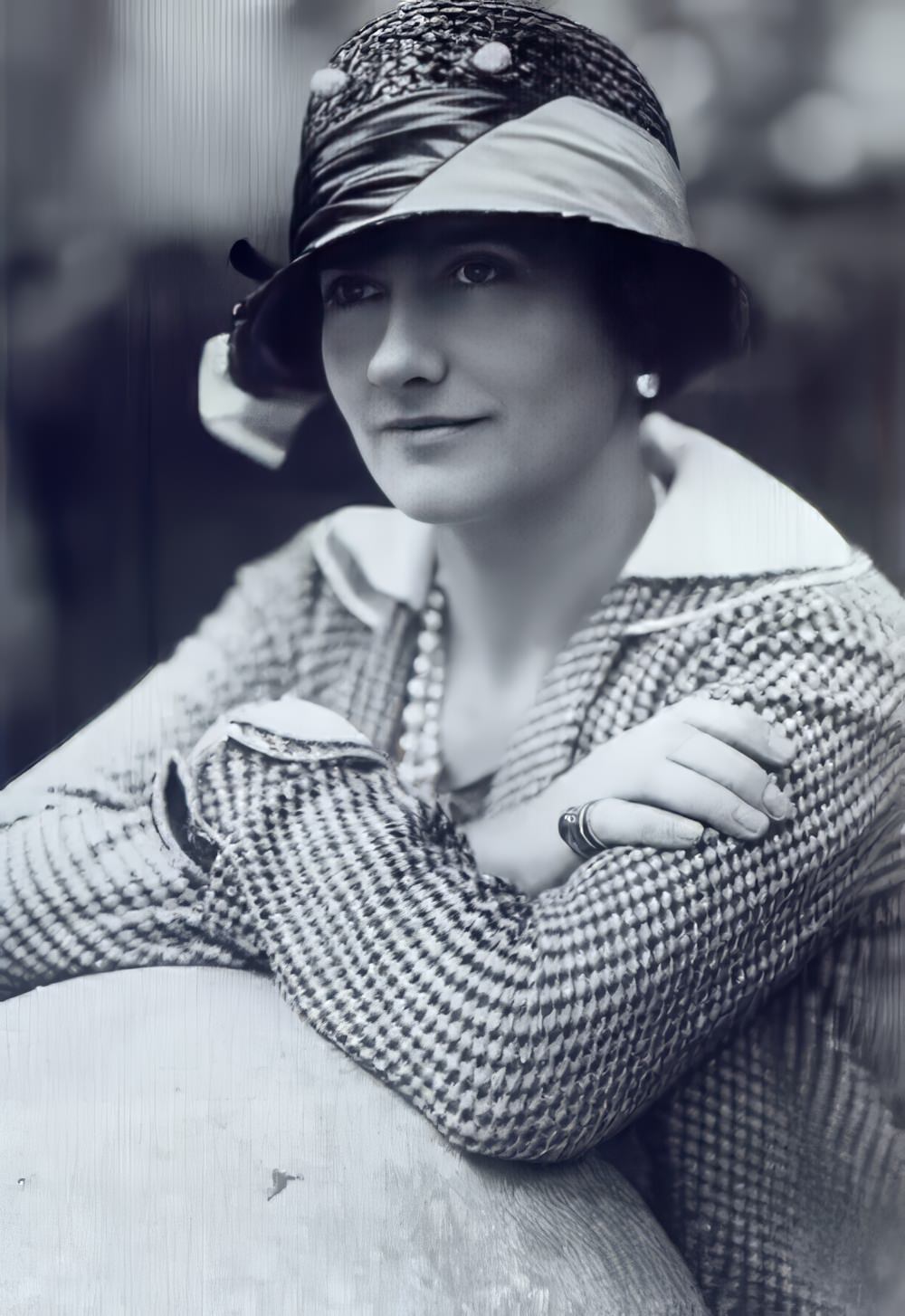
But she will always be known for her fashion designs and the line of clothing and perfume that carries her name. By 1920, the French designer had introduced her “chemise,” the simple, short, and loose dress that allowed flappers the freedom of movement to dance the night away.
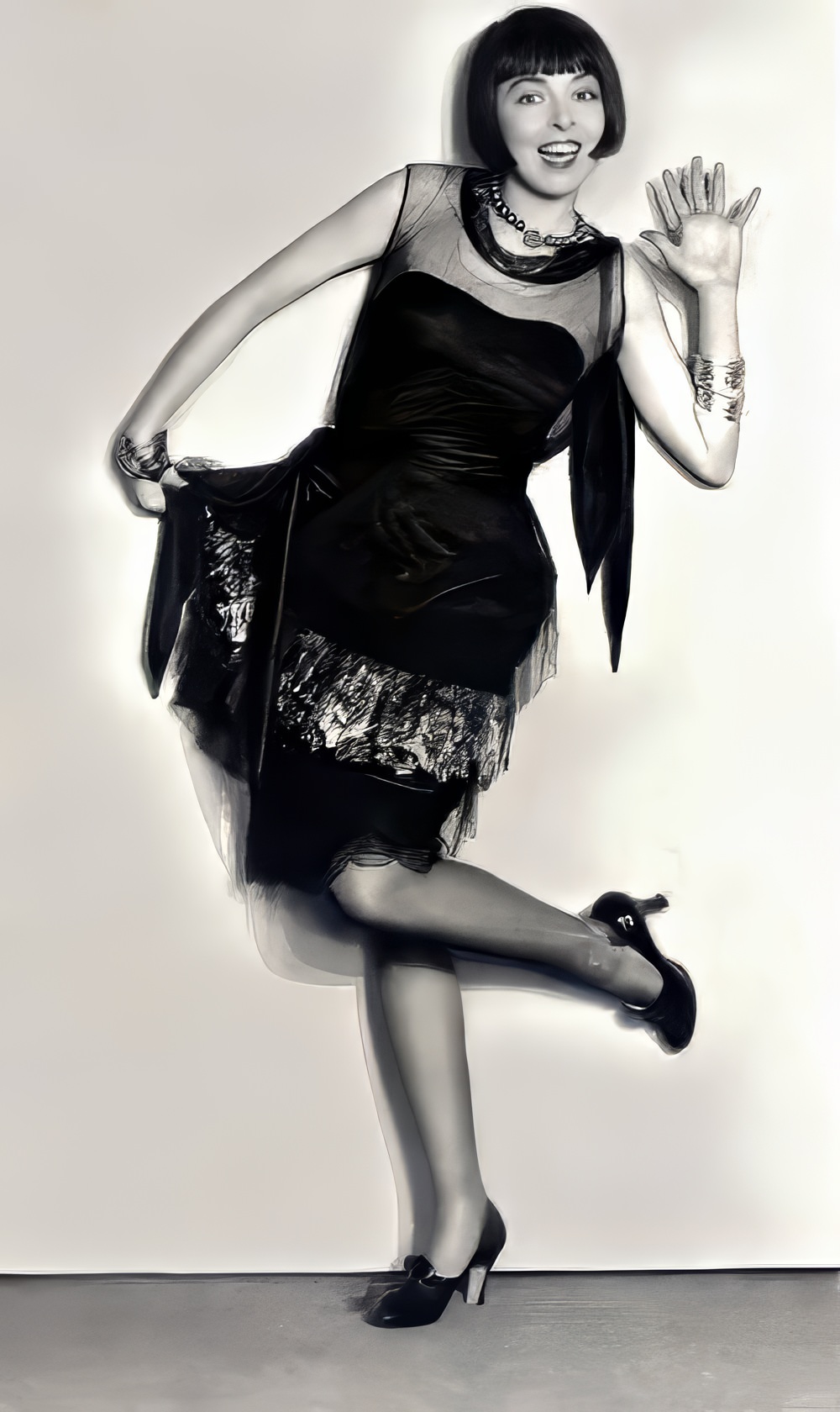
She made thirty movies between 1917 and 1924. Moore was a valuable silent film actress with comedic moves and expression. Her “look” was an example to Jazz Age girls, with her short hair, skinny frame, and devil-may-care attitude. Moore later became known for the fantasy dollhouse she created.
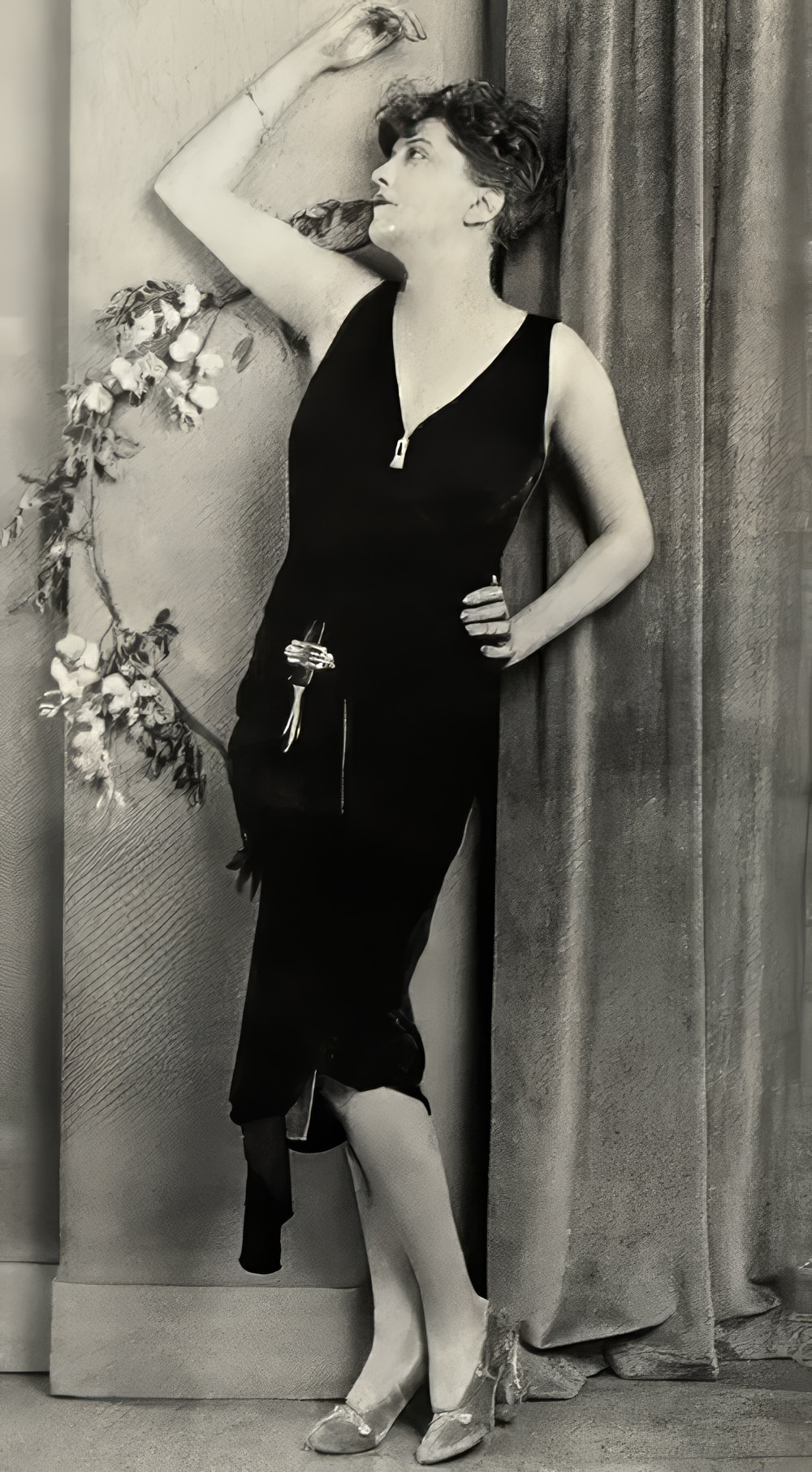
She also had success on the Broadway stage and in film in the 1930s, but alcoholism caught up with her. Morgan died in 1941 from cirrhosis of the liver at the age of 41.