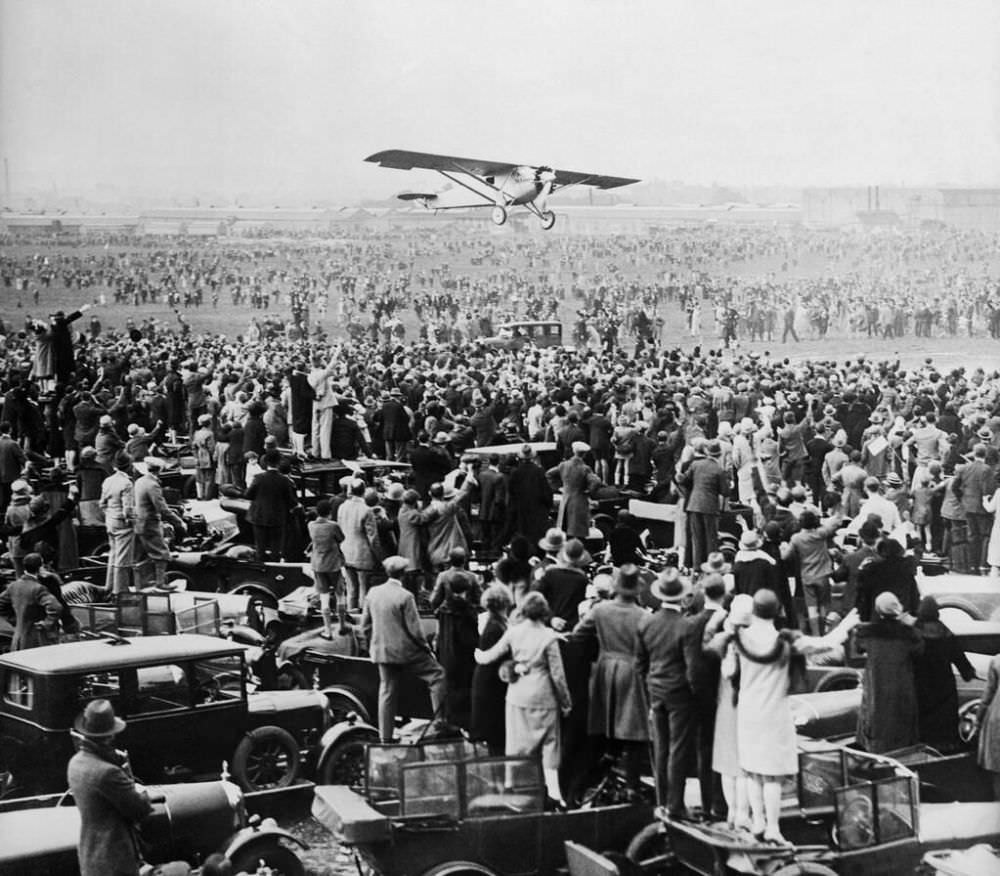
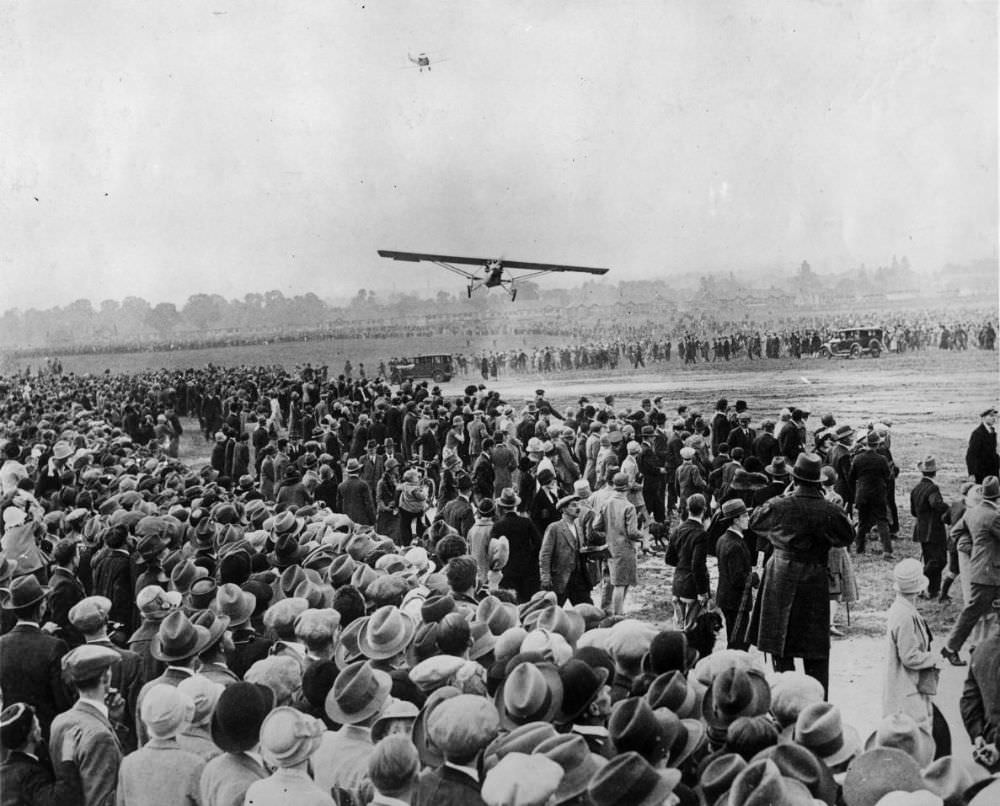
On May 20, 1927, a 25-year-old airmail pilot named Charles Lindbergh climbed into a single-engine monoplane at Roosevelt Field in New York and pointed its nose toward Paris. Thirty-three and a half hours later, he landed at Le Bourget Field to a crowd of 150,000 people and became the most famous man on earth. No one had ever flown solo and nonstop across the Atlantic Ocean before him. Several pilots had tried. A number of them died in the attempt.
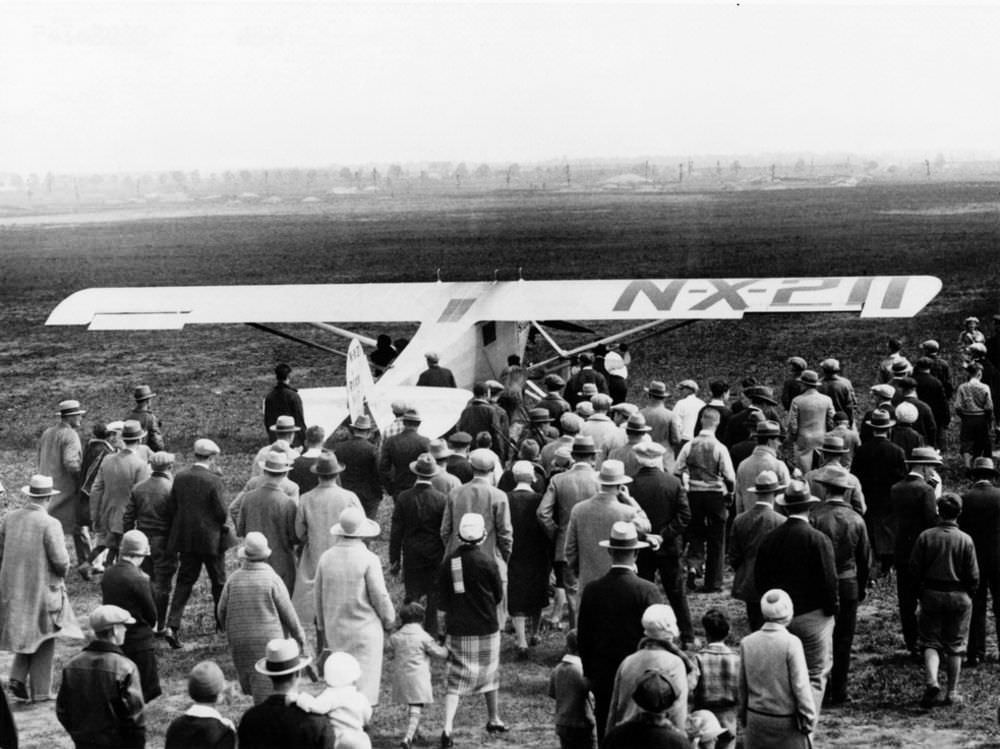
The prize driving so much of this dangerous competition was the Orteig Prize — $25,000 offered by New York hotel owner Raymond Orteig to the first aviator to complete a nonstop flight between New York and Paris. The money attracted serious competitors, but the technical and physical demands of the crossing proved brutal. The Atlantic offered no landmarks, no safe landing spots, and no mercy for mechanical failure.
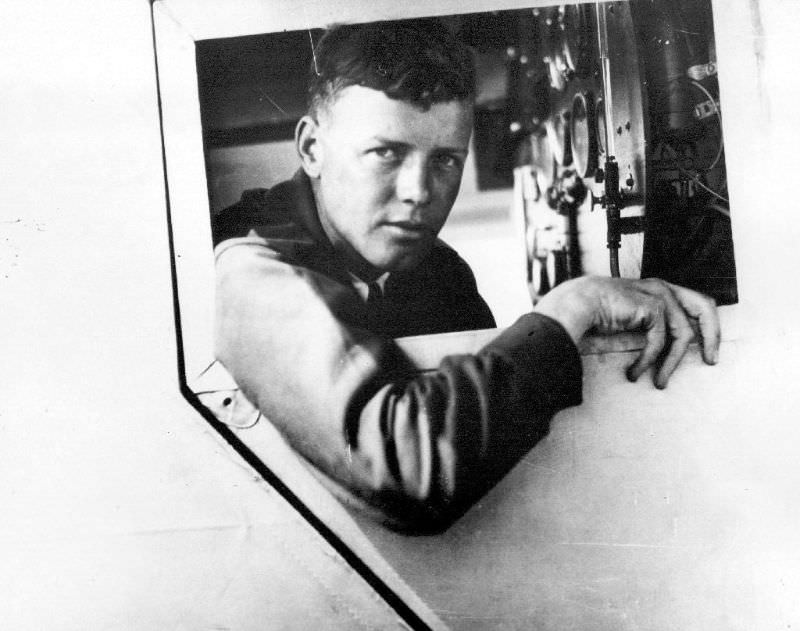
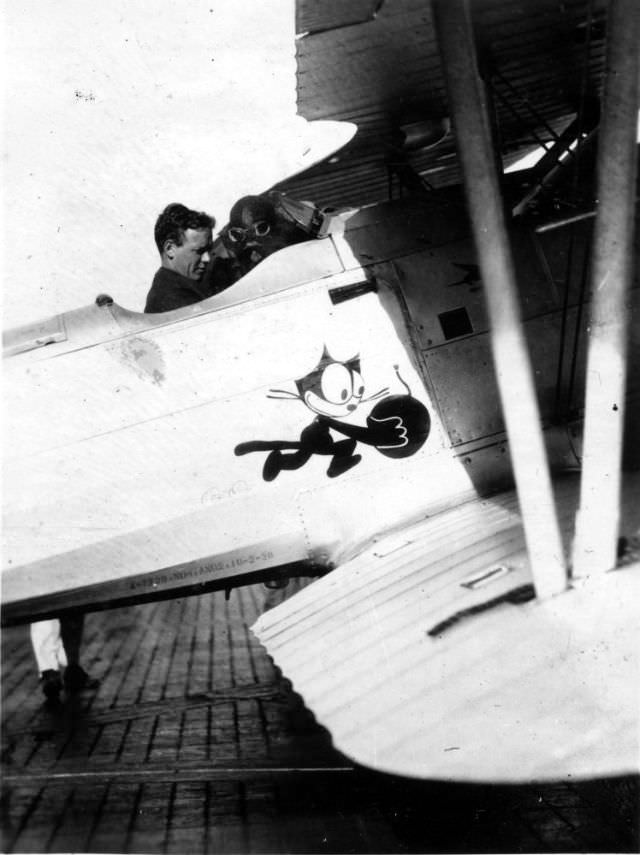
Lindbergh grew up in Minnesota and developed a passion for machines early in life. He worked as a barnstormer and parachutist before settling into airmail routes. By the mid-1920s, he was flying the Chicago-to-St. Louis mail run — a dangerous job in an era when pilots routinely bailed out of planes in bad weather. That experience shaped his thinking about reliability over raw power.
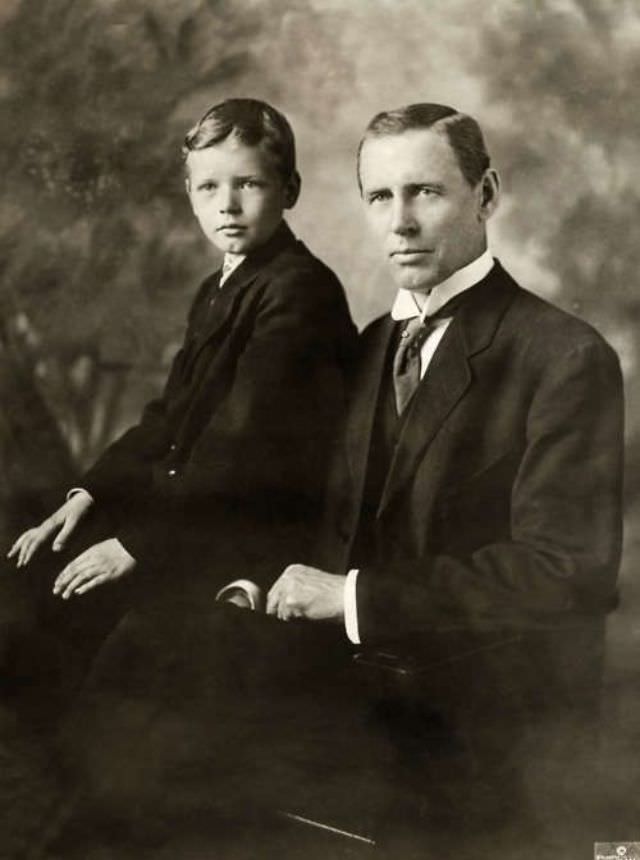
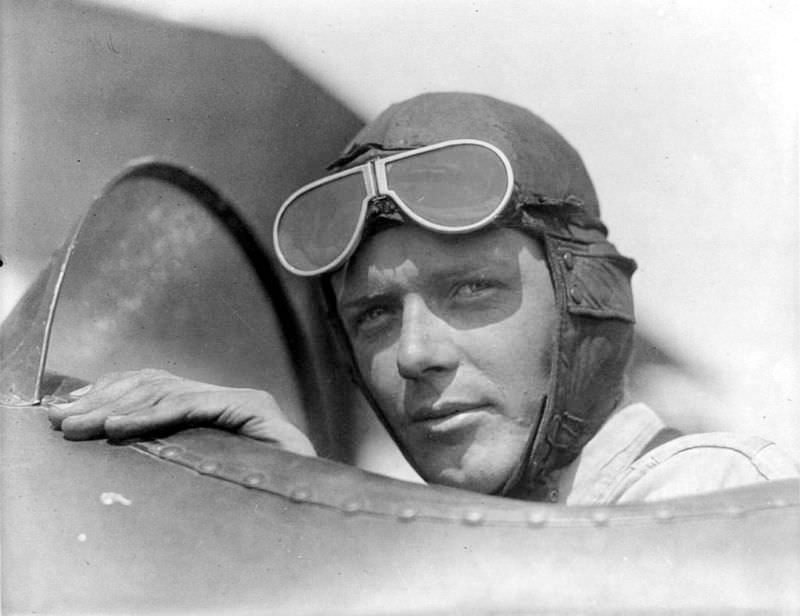
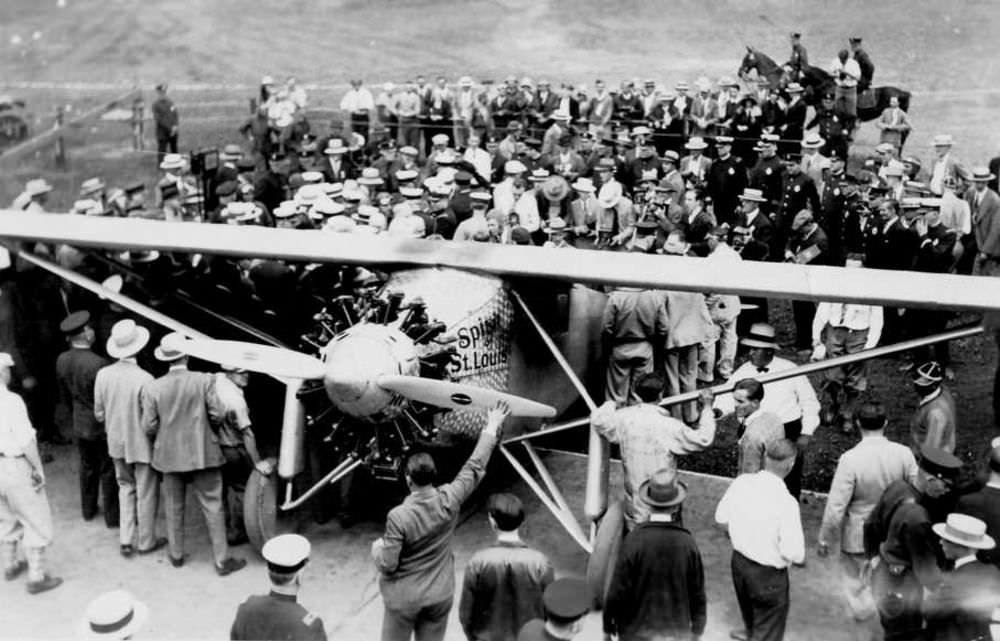
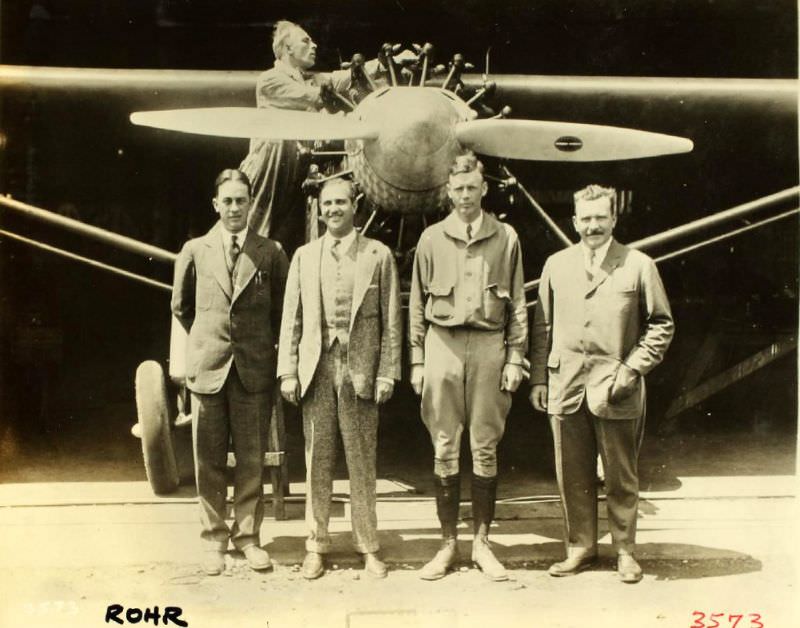
When Lindbergh began planning his transatlantic attempt, most competitors were betting on multi-engine planes with larger crews. Lindbergh went the other direction. He believed a single reliable engine, carrying one pilot and maximum fuel, offered better odds of success than a heavier, more complex aircraft. His backers were a group of St. Louis businessmen, and in their honor, he named the plane the Spirit of St. Louis.
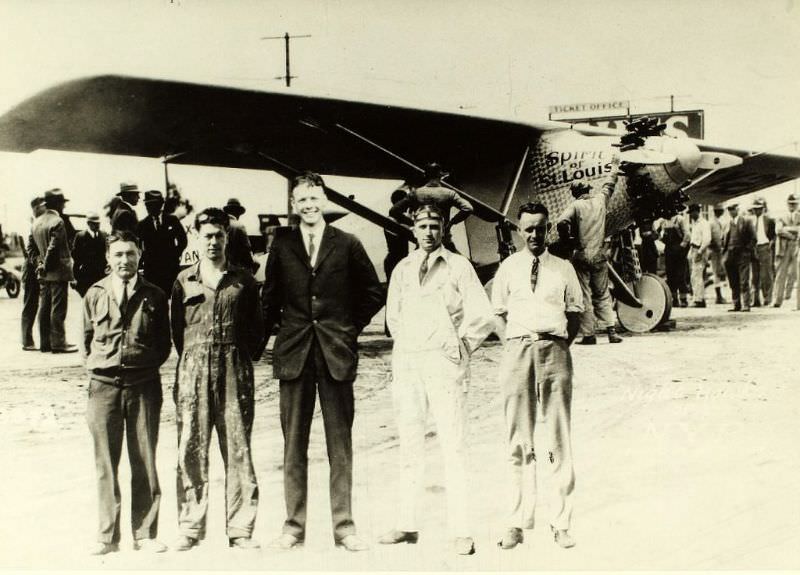
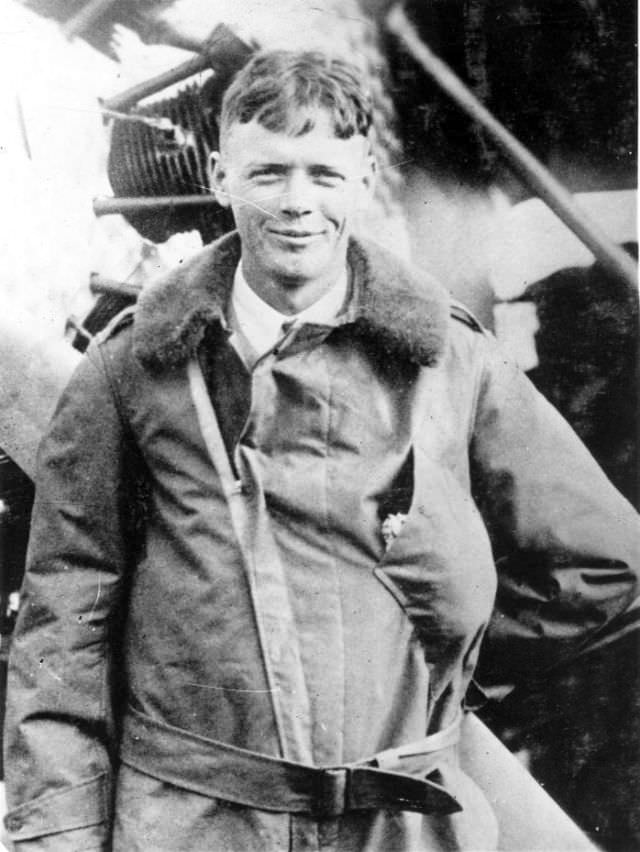
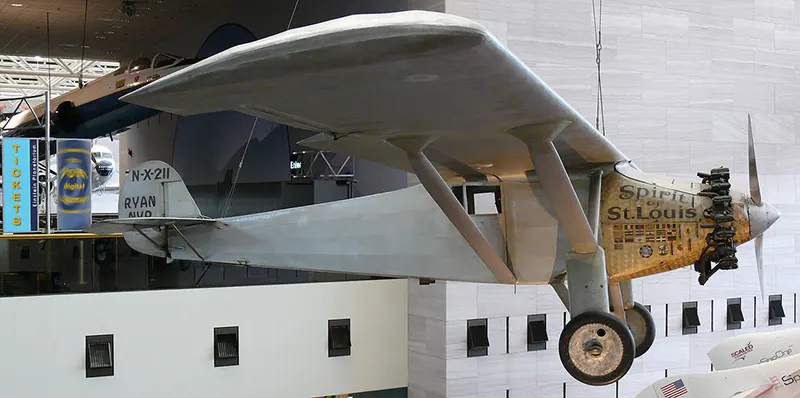
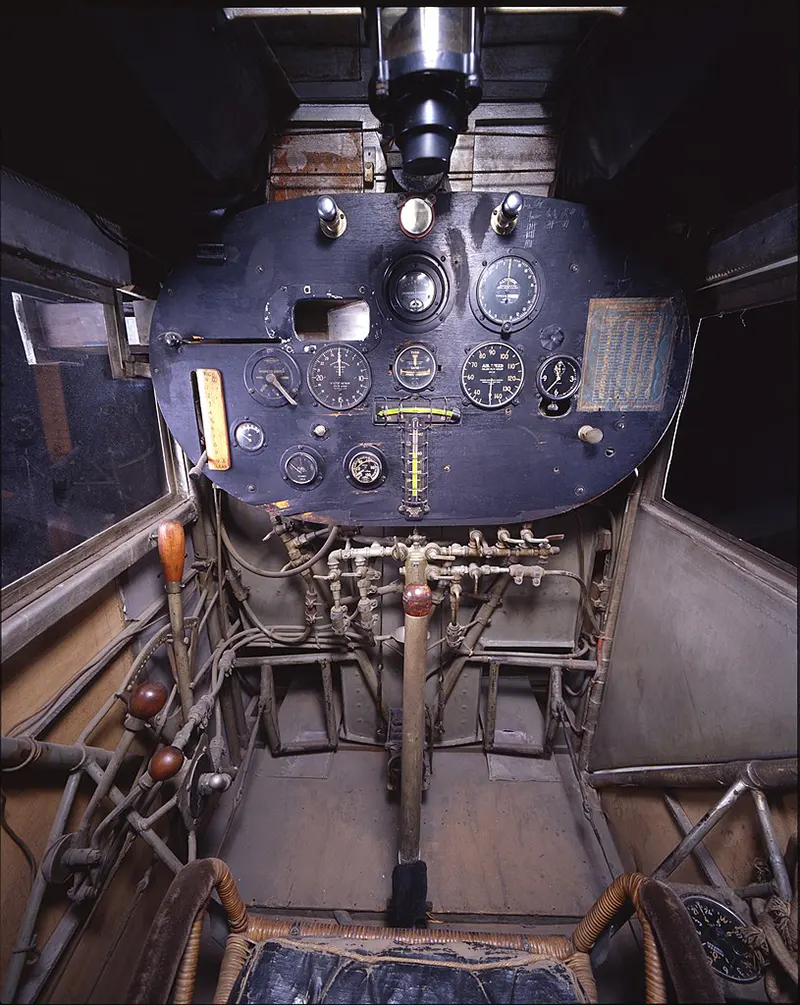
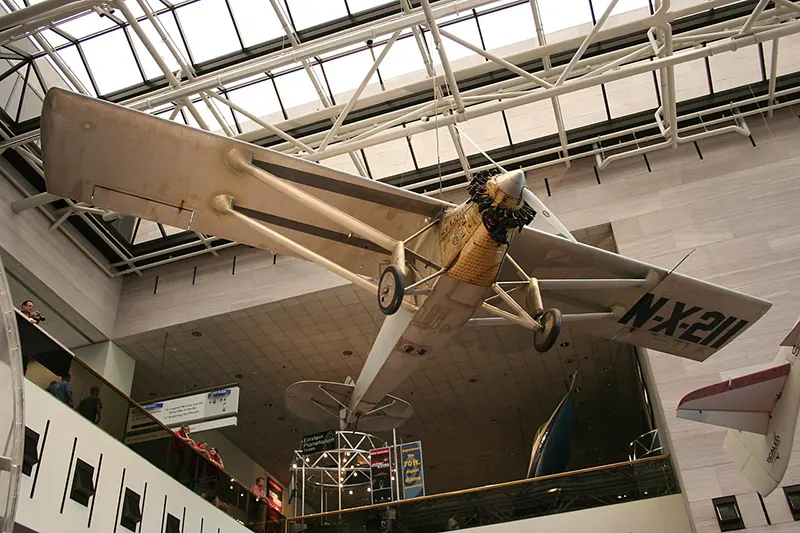
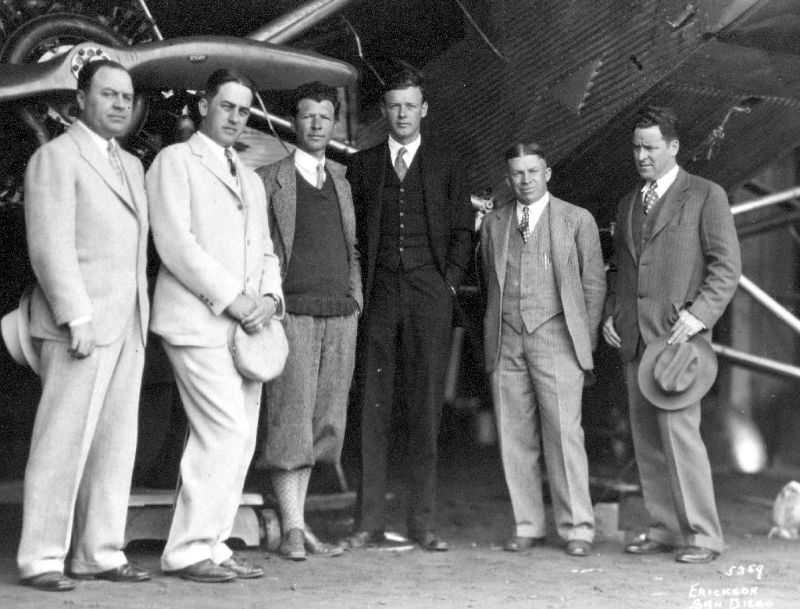
The Spirit of St. Louis was built by Ryan Airlines in San Diego in just 60 days. It was a custom aircraft designed around one purpose: carrying enough fuel to cross the Atlantic without stopping. The plane was so heavy with fuel on departure that Lindbergh had to skim over telephone wires at the end of the runway just to get airborne. To save weight, he stripped out nearly everything — including a radio and a forward-facing window. He used a periscope to see ahead.
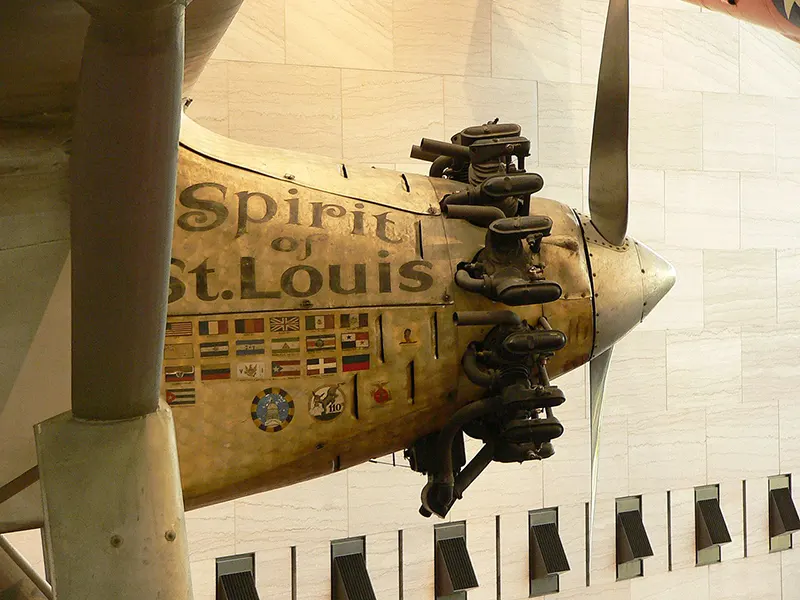
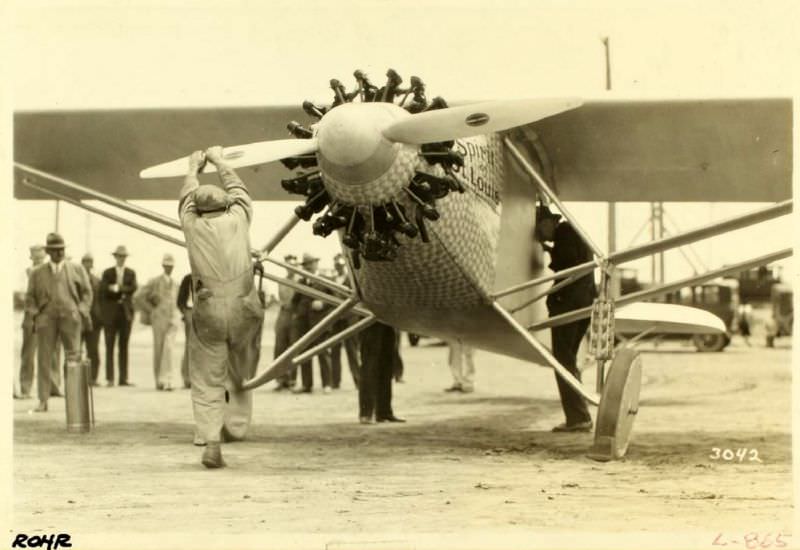
Lindbergh’s navigation method was dead reckoning — calculating position using speed, heading, and elapsed time, with no radio aids and no GPS. He carried five sandwiches and a canteen of water. The flight plan required him to stay on course over thousands of miles of open ocean, much of it in darkness, relying entirely on his own instruments and judgment.
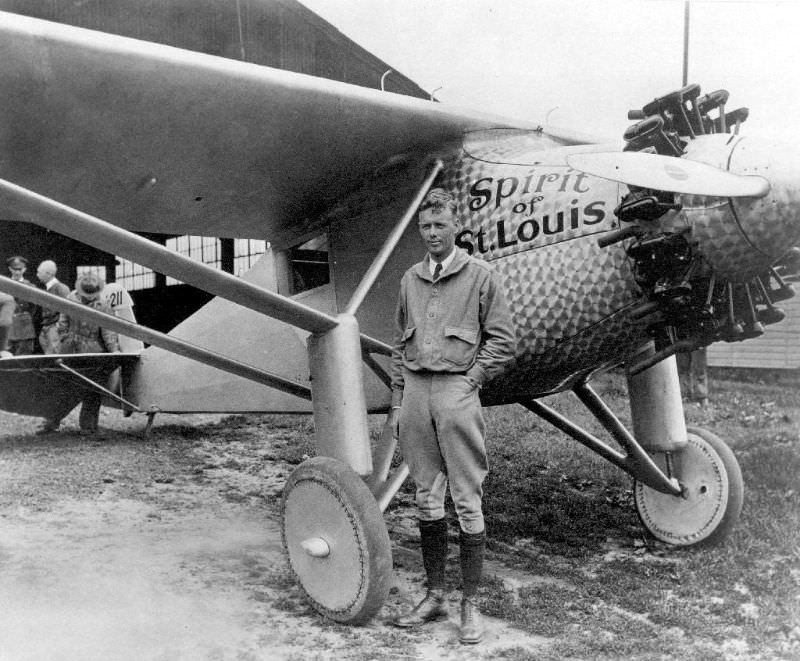
The first hours went smoothly, but the night brought serious trouble. Lindbergh flew into icing conditions over Nova Scotia and Newfoundland, then pushed out over the open Atlantic into storm clouds and dense fog. For long stretches, he had no visible horizon and no stars — just instruments and instinct. Sleep deprivation hit hard. He had not slept before takeoff and spent sections of the flight physically slapping himself to stay awake. He flew as low as ten feet above the ocean waves at points, using the spray to keep himself alert.
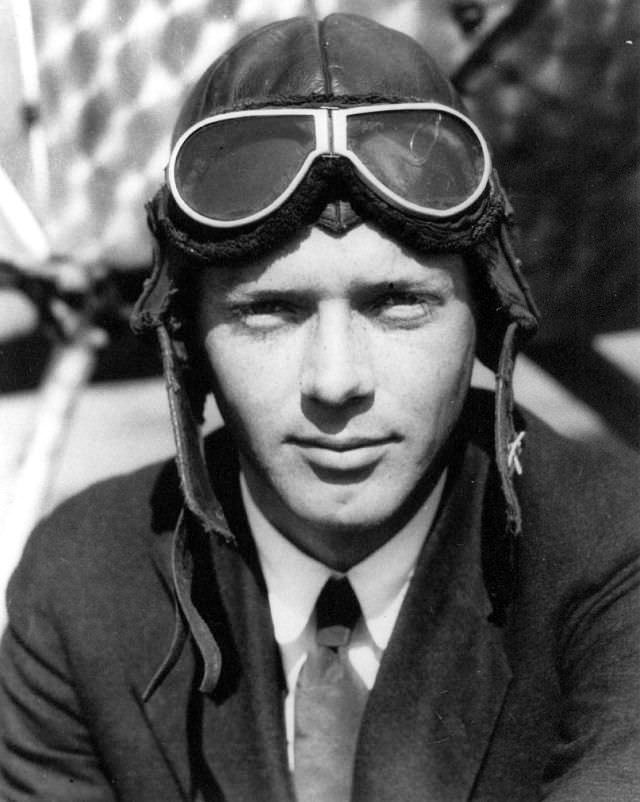
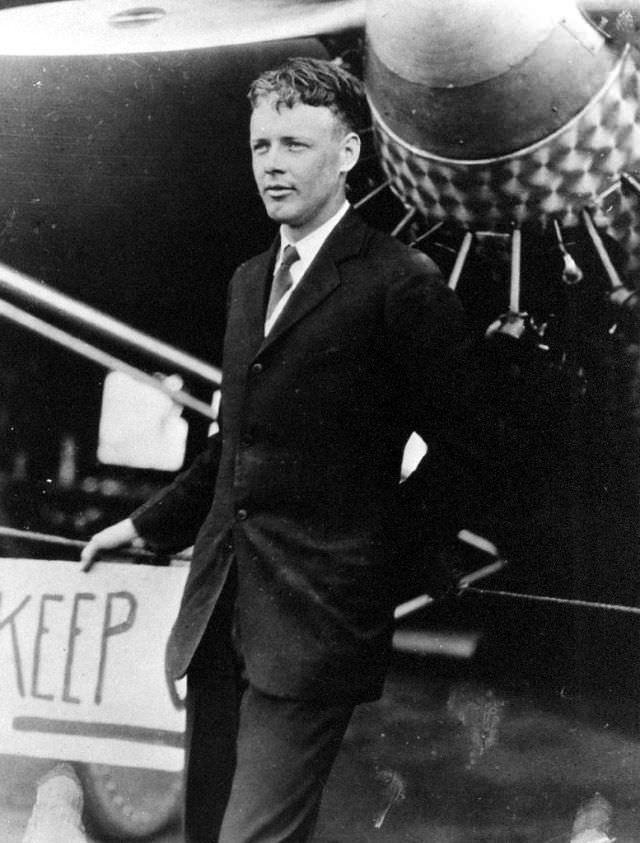
After passing Ireland — which he spotted right on course, a remarkable feat of dead reckoning — Lindbergh crossed England and the English Channel. He reached the French coast in daylight. As he flew toward Paris, he could see lights on the ground. At Le Bourget Field, those lights were surrounded by tens of thousands of people who had been waiting for hours. When the Spirit of St. Louis touched down at 10:22 p.m. Paris time on May 21, 1927, the crowd broke through barriers and swarmed the plane. Lindbergh was pulled from the cockpit and lifted onto the shoulders of strangers.
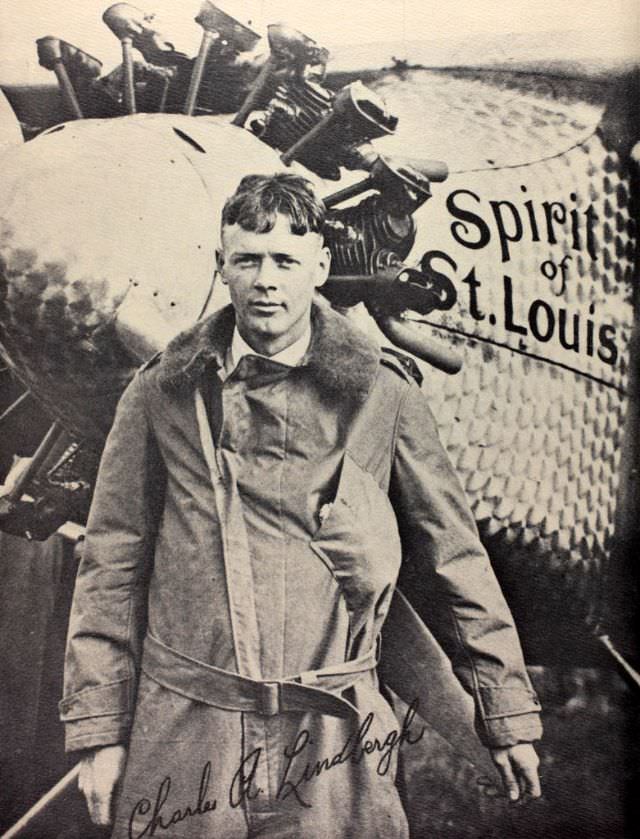
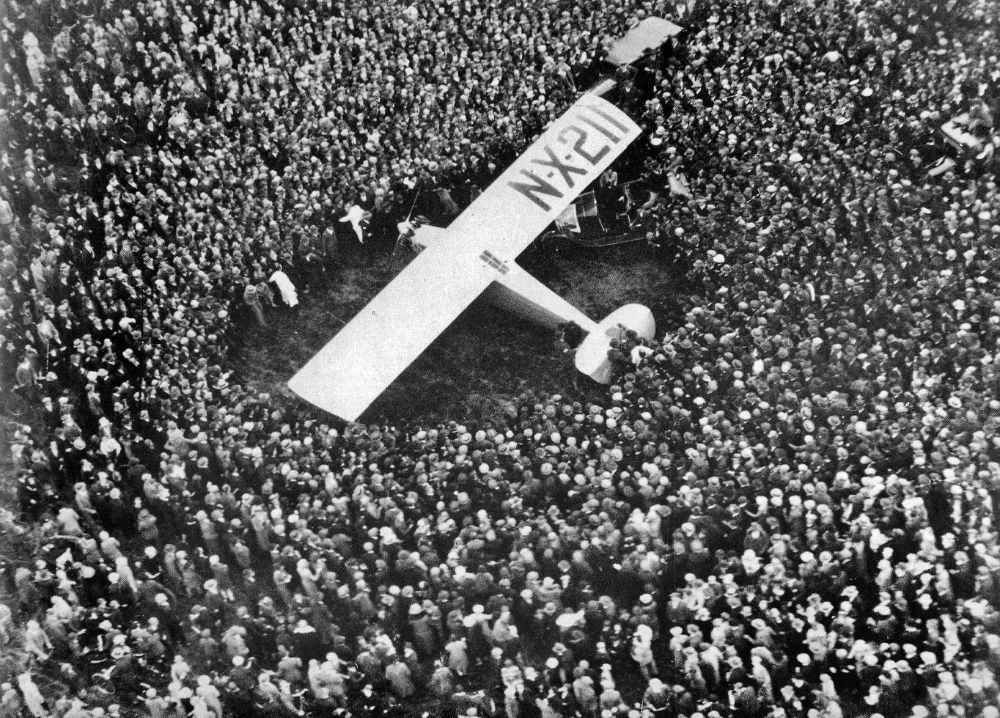
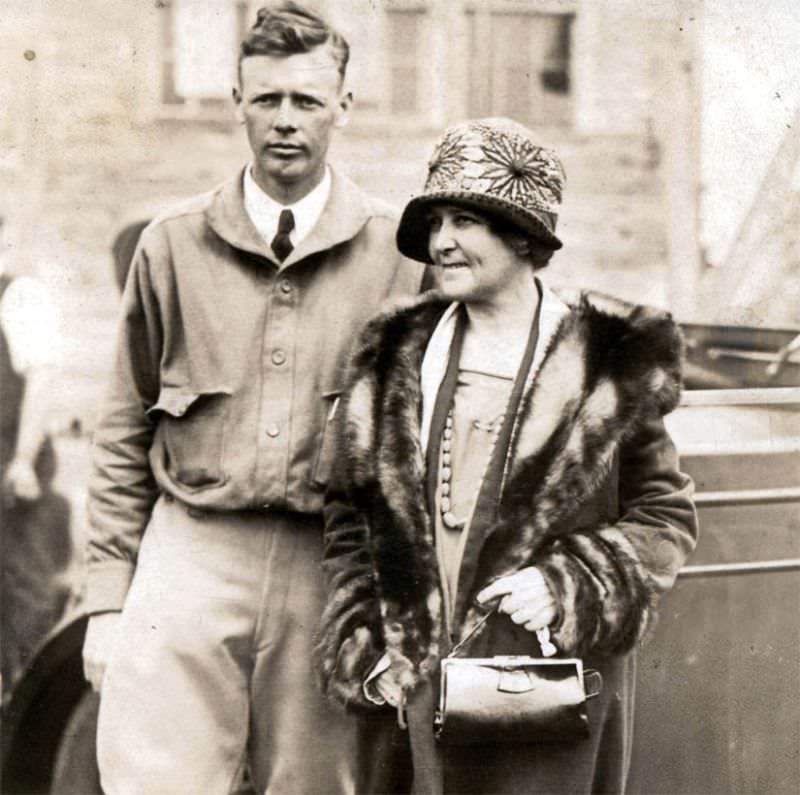
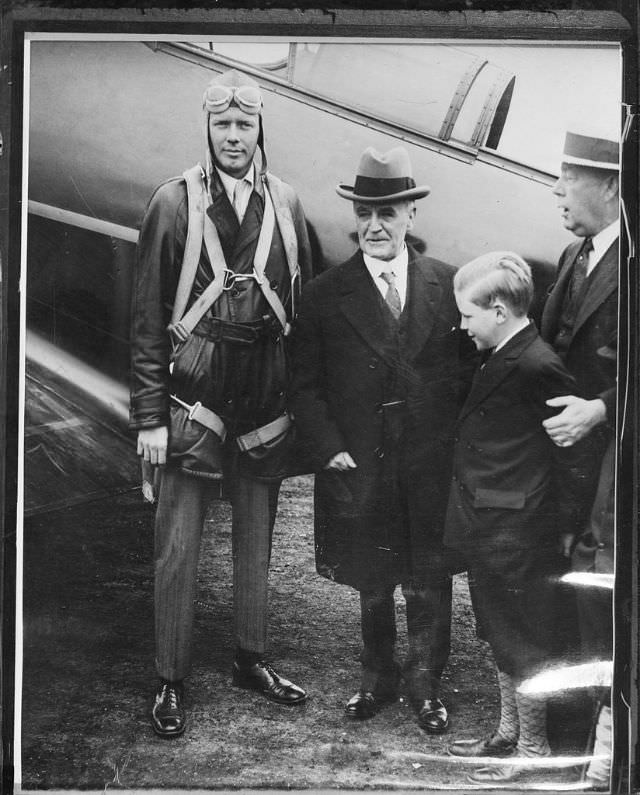
The response around the world was immediate and enormous. Lindbergh was welcomed with parades in city after city. Governments awarded him medals. Newspapers ran his photograph on the front page for days. He had been a relatively unknown airmail pilot when he left New York. He returned to the United States as a global celebrity.
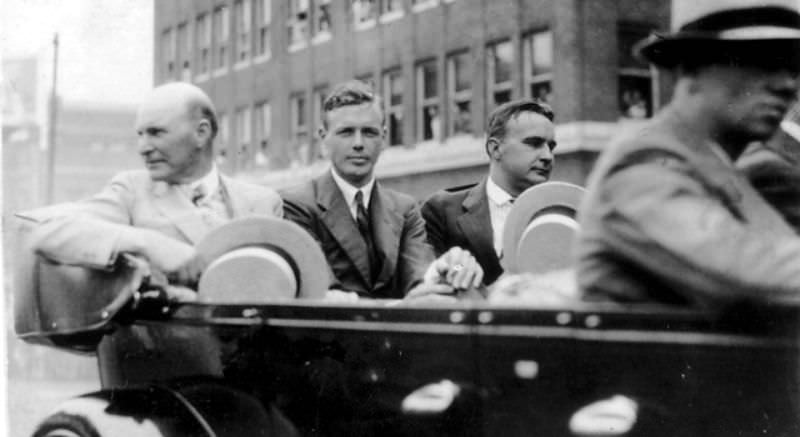
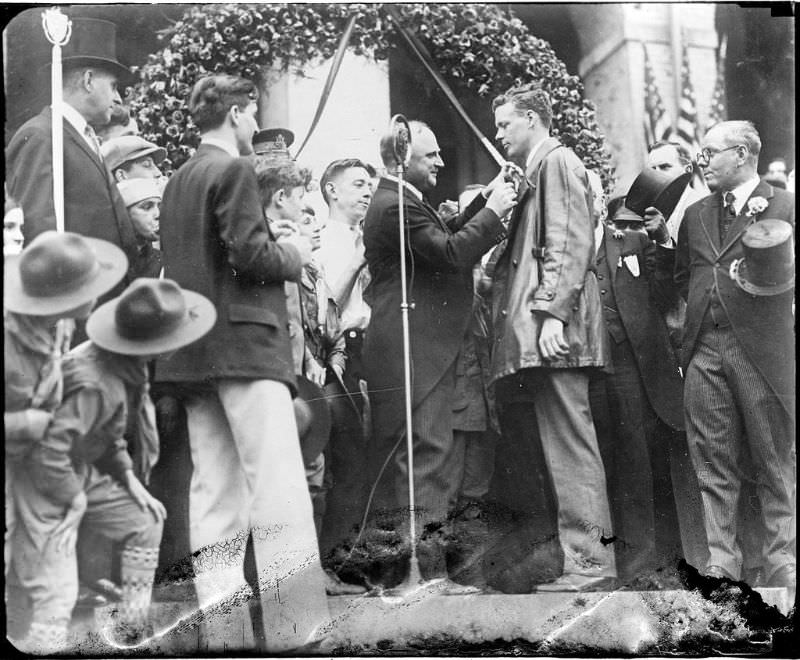
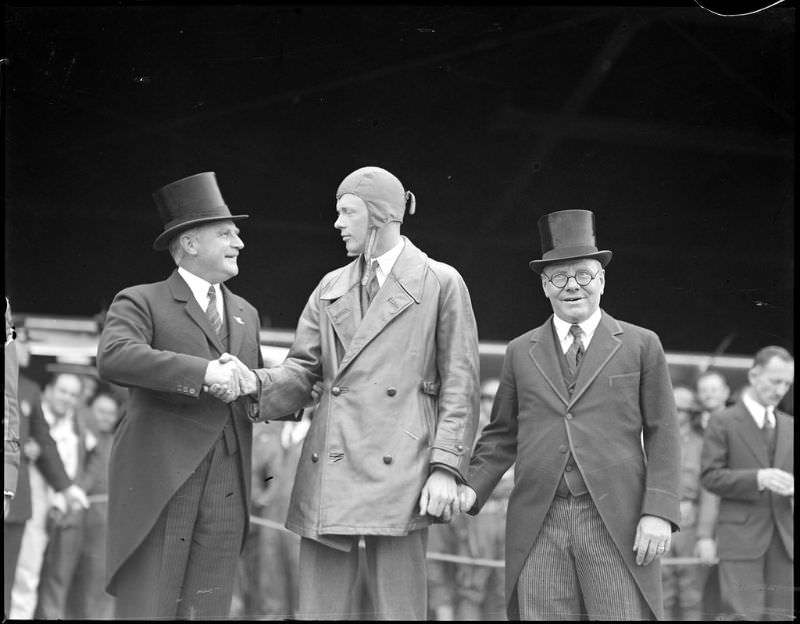
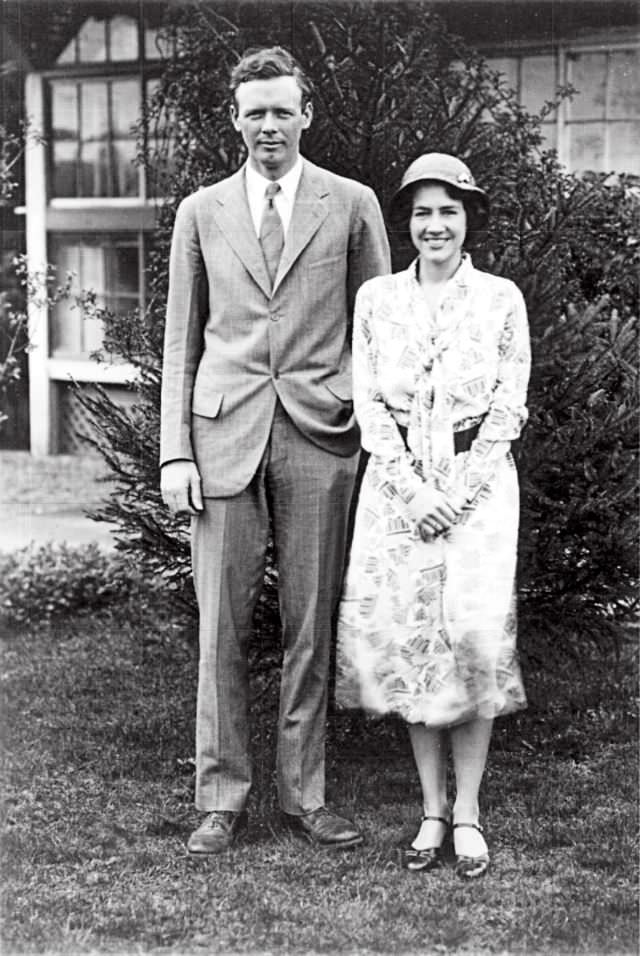
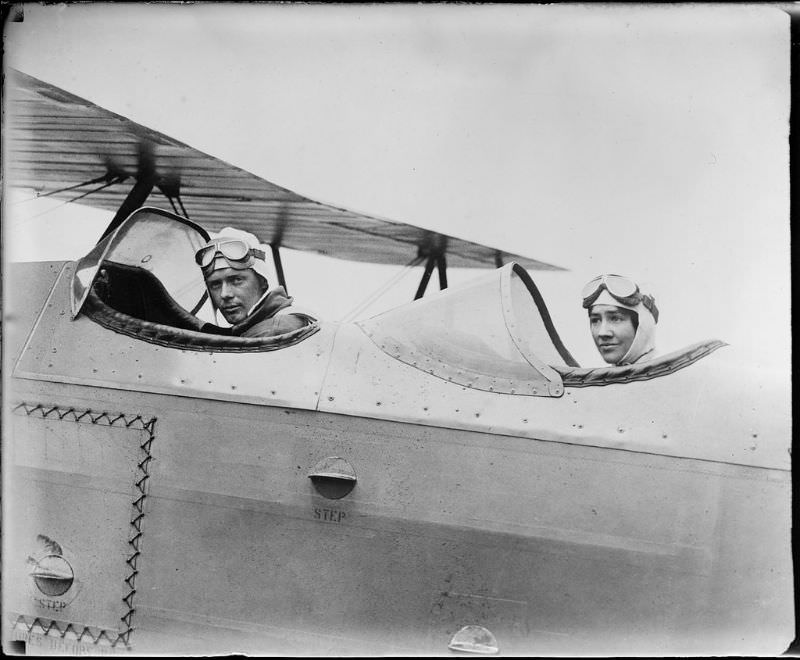
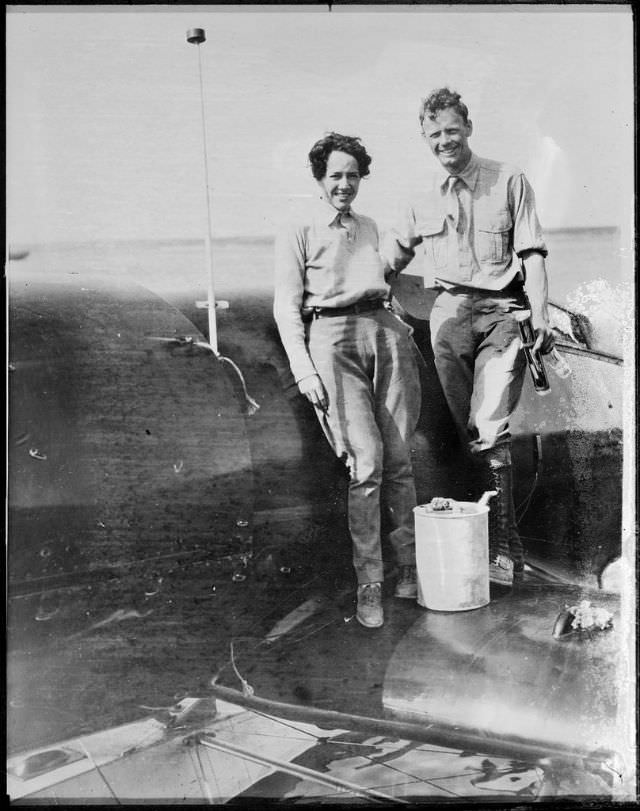
In the years after the flight, Lindbergh’s public role expanded significantly. He served as a technical adviser, toured countries to promote aviation, and flew routes that helped map future airline paths. He married Anne Spencer Morrow in 1929, and the two flew extensively together, including a 1931 survey flight from Washington, D.C., toward Tokyo.
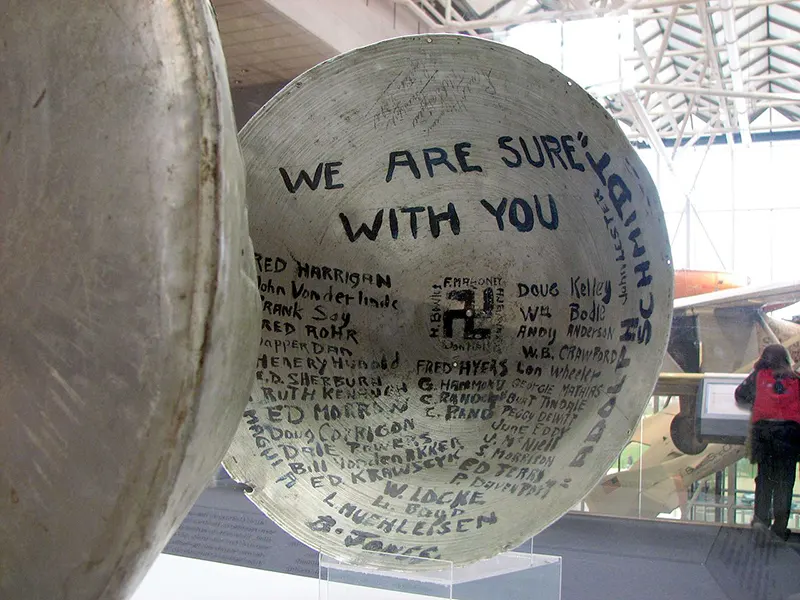
The Spirit of St. Louis itself was retired after the transatlantic tour and eventually donated to the Smithsonian Institution, where it has been on display for decades. The aircraft that crossed an ocean on fumes and determination now hangs in the National Air and Space Museum in Washington, D.C., intact and preserved exactly as it flew.