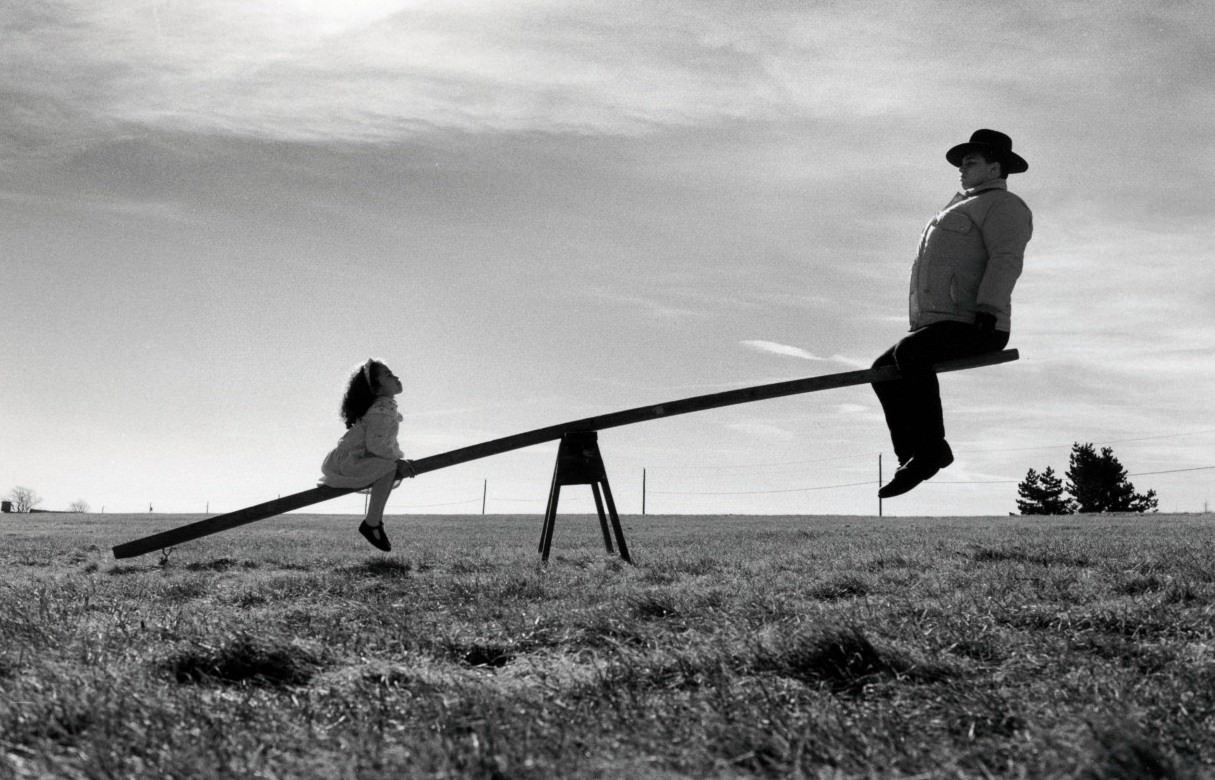
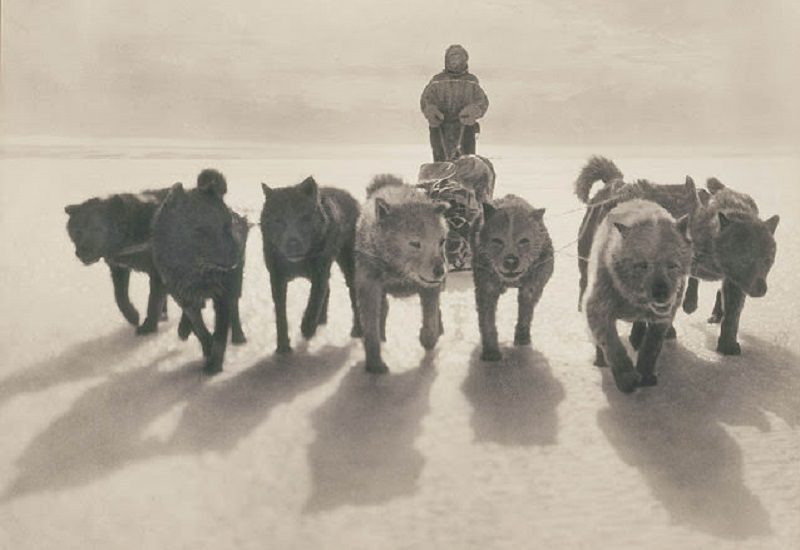
Elliott Erwitt was born in Paris in 1928 and grew up to become one of photography’s sharpest eyes. He wasn’t hunting for grand, staged moments. He was after something harder to catch — the funny, the odd, and the quietly human. His early training came through working in a darkroom in Hollywood and later serving in the U.S. Army, where he kept shooting. By 1953, he had earned a spot at Magnum Photos, the elite agency known for photographers who saw the world differently.
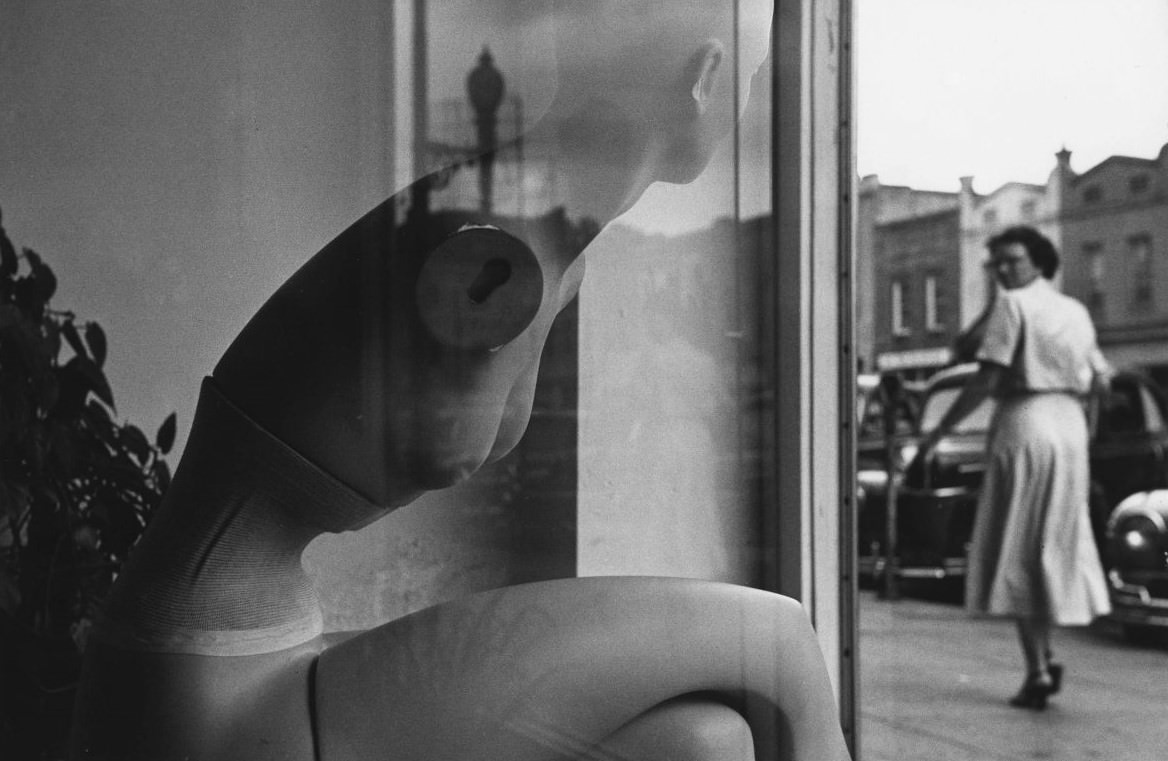
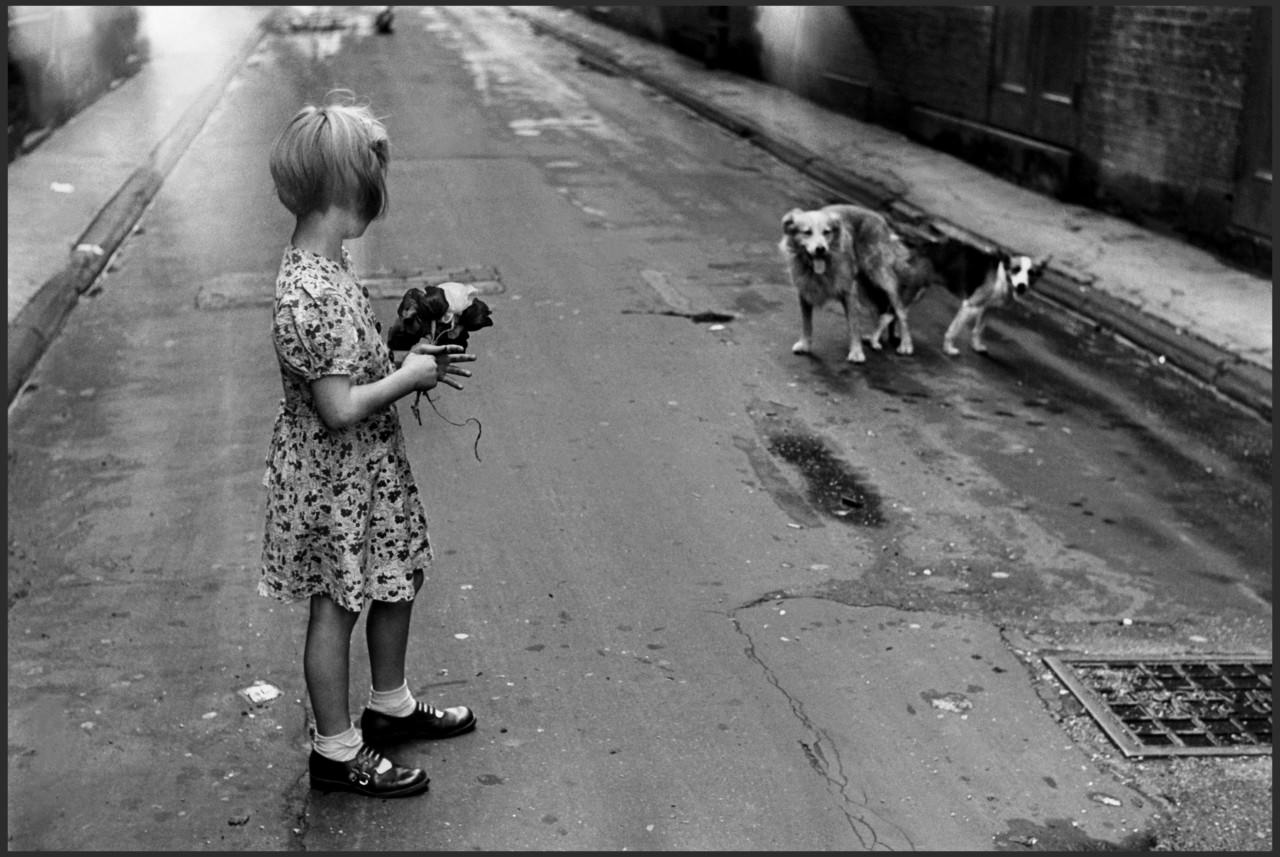
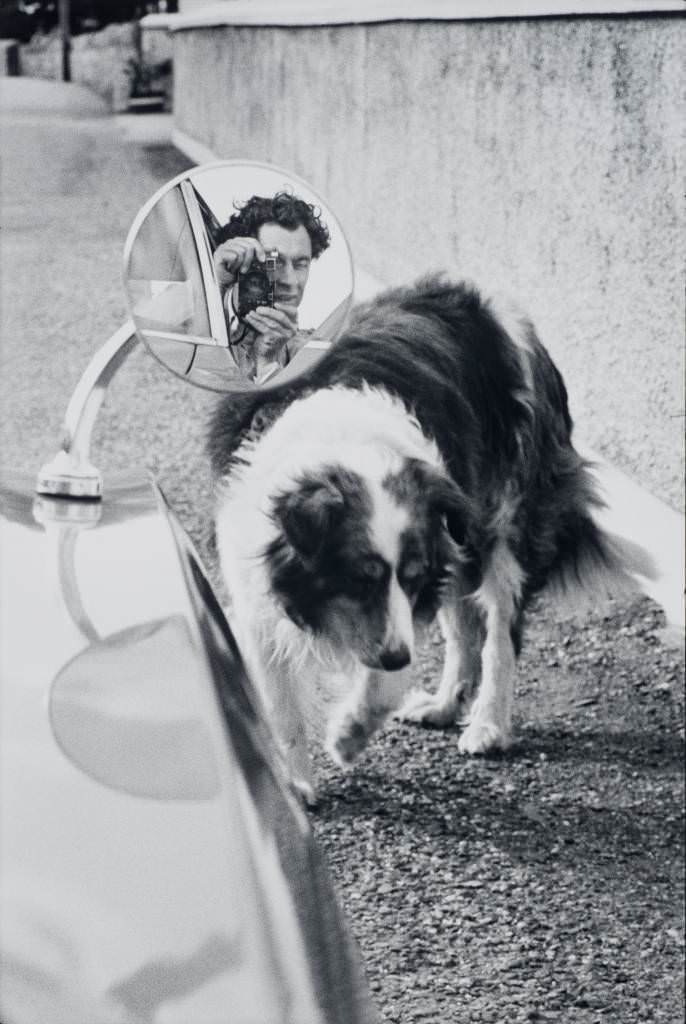
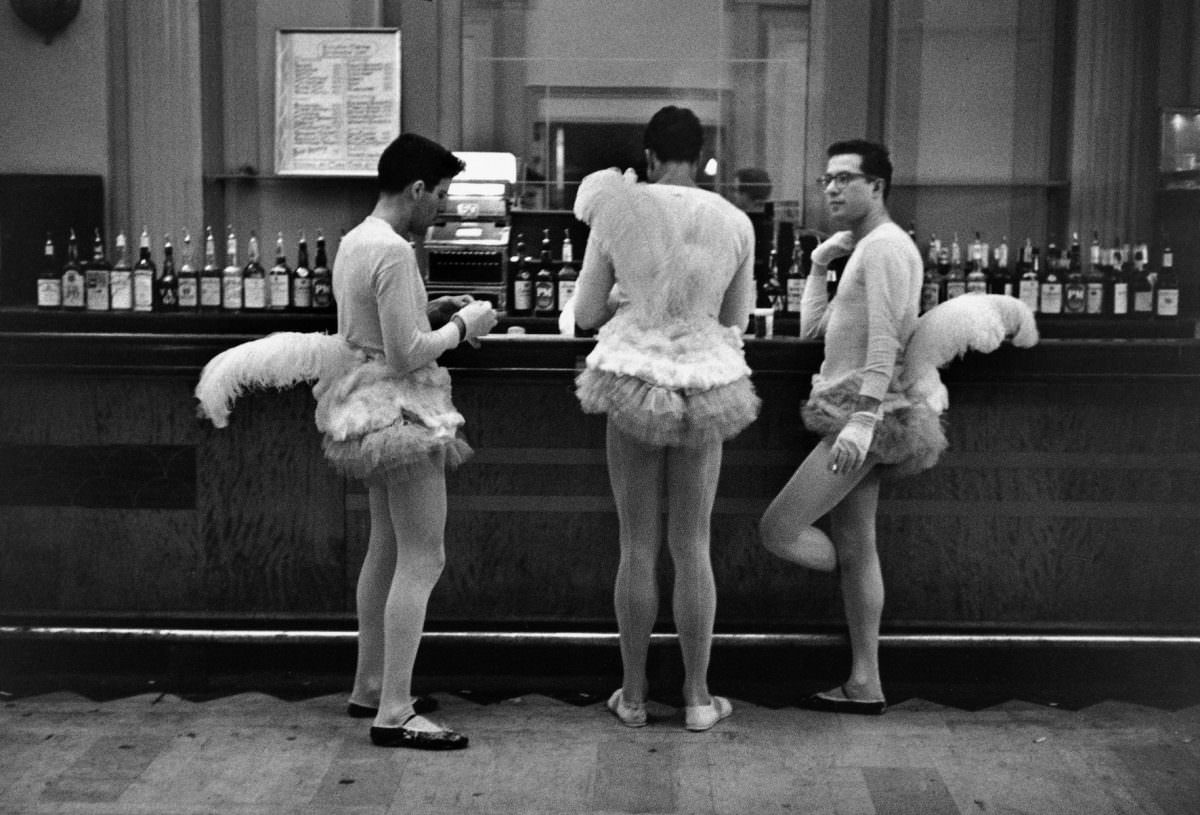
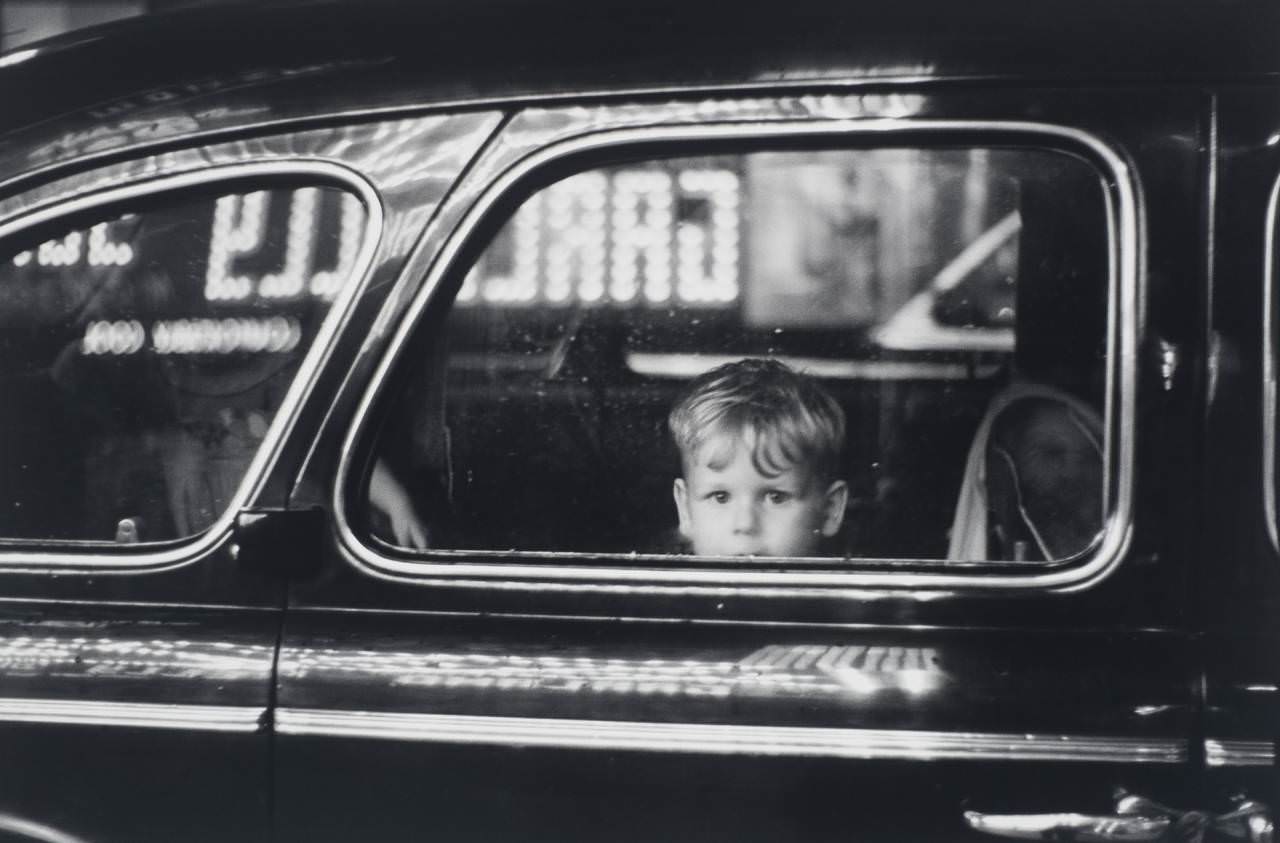
Erwitt treated the camera like a trap set for the perfect split second. He would wait for life to do something absurd, then click. A dog frozen mid-leap over a puddle. Three men walking down a city street in tutus. A child barely visible beneath the legs of passing adults. These weren’t accidents — they were the result of a photographer who understood that real life is stranger and funnier than anything staged.
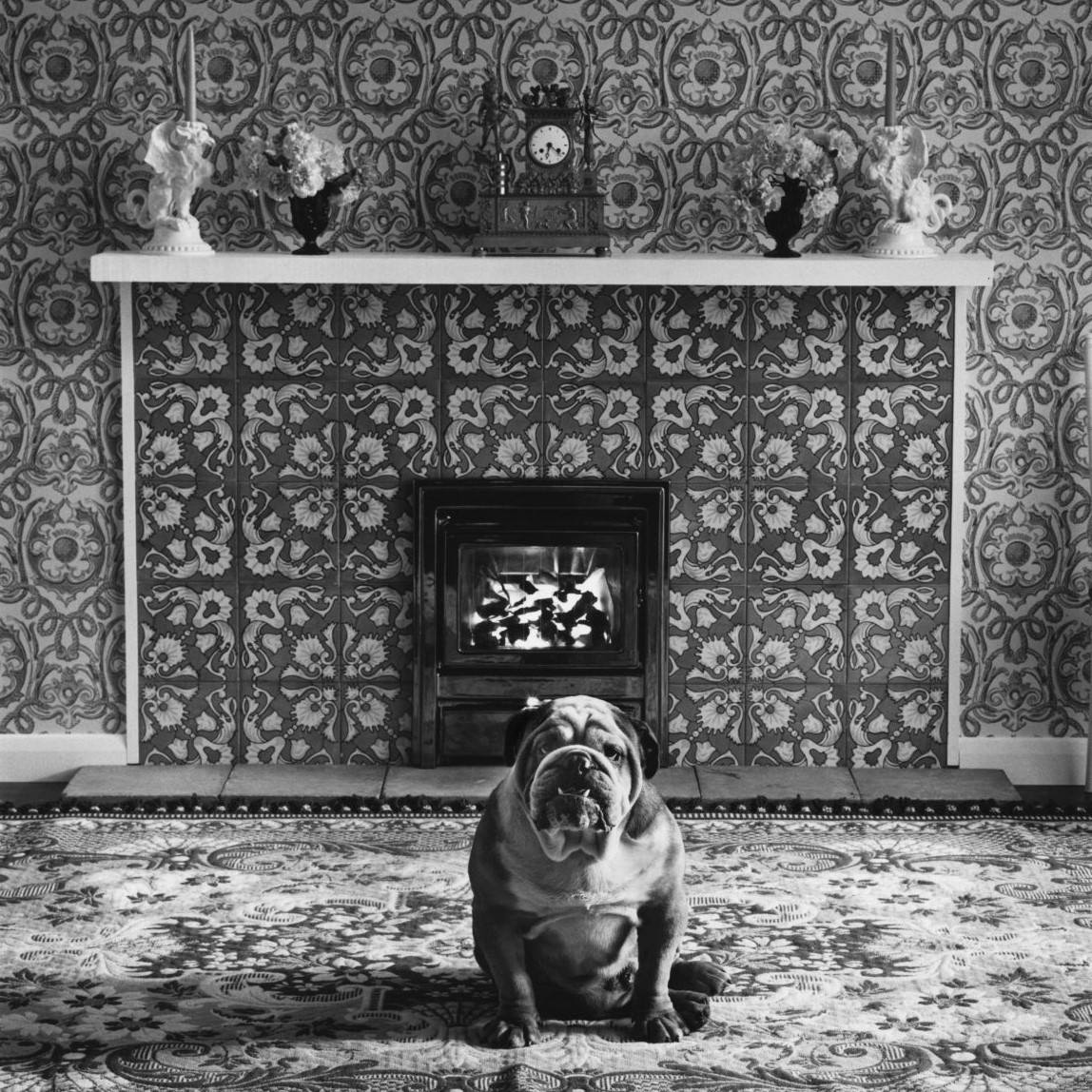
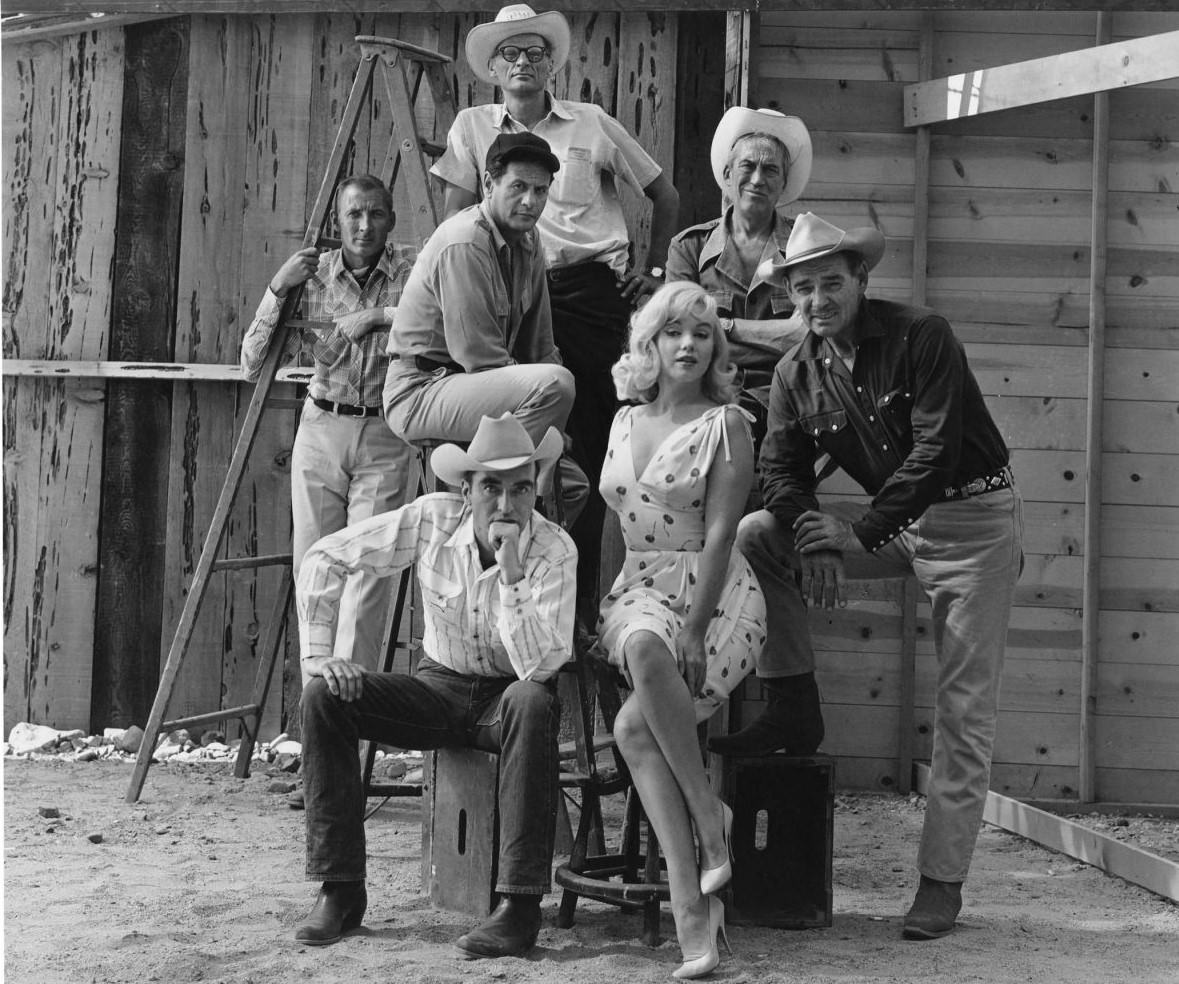
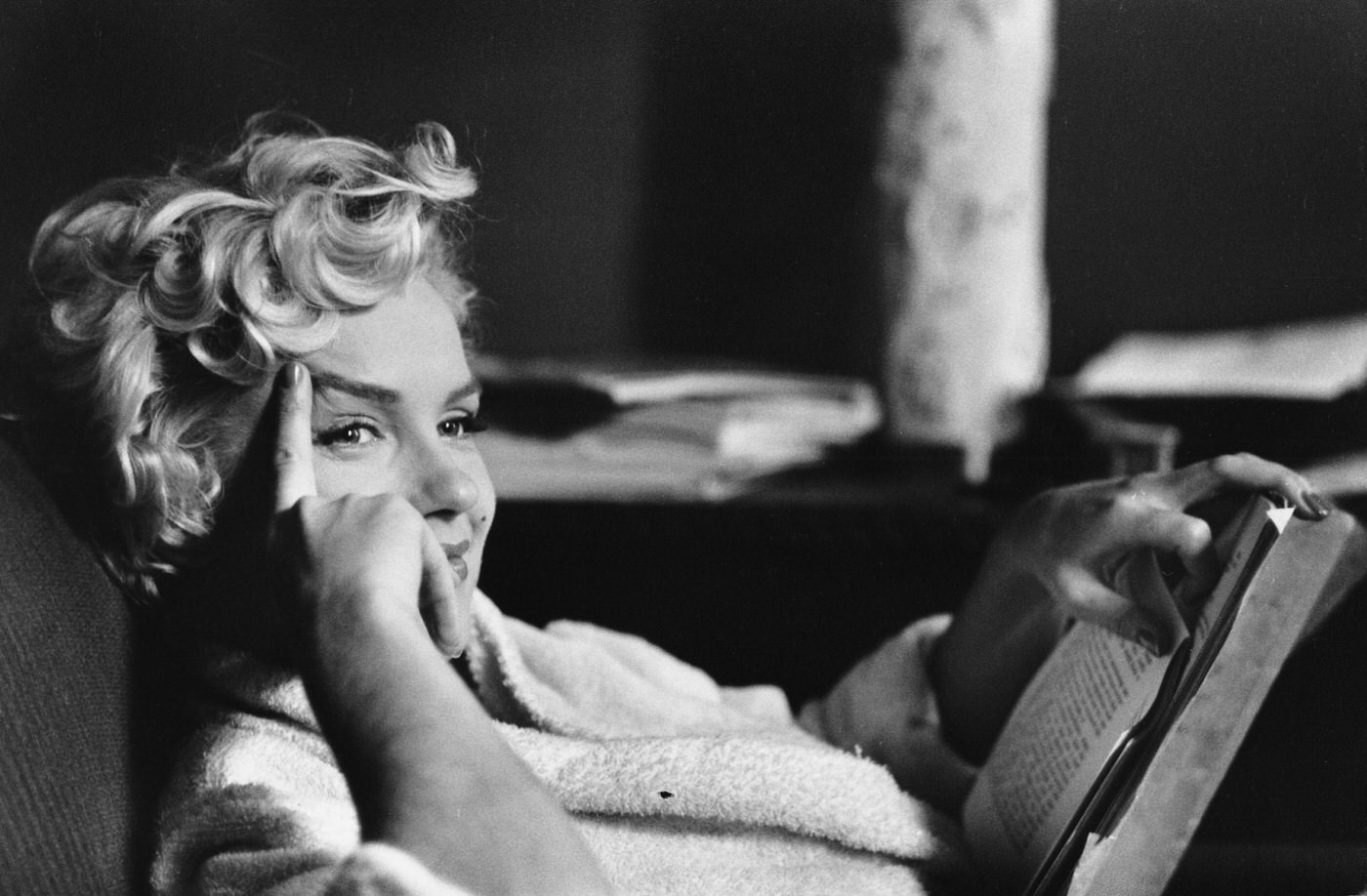
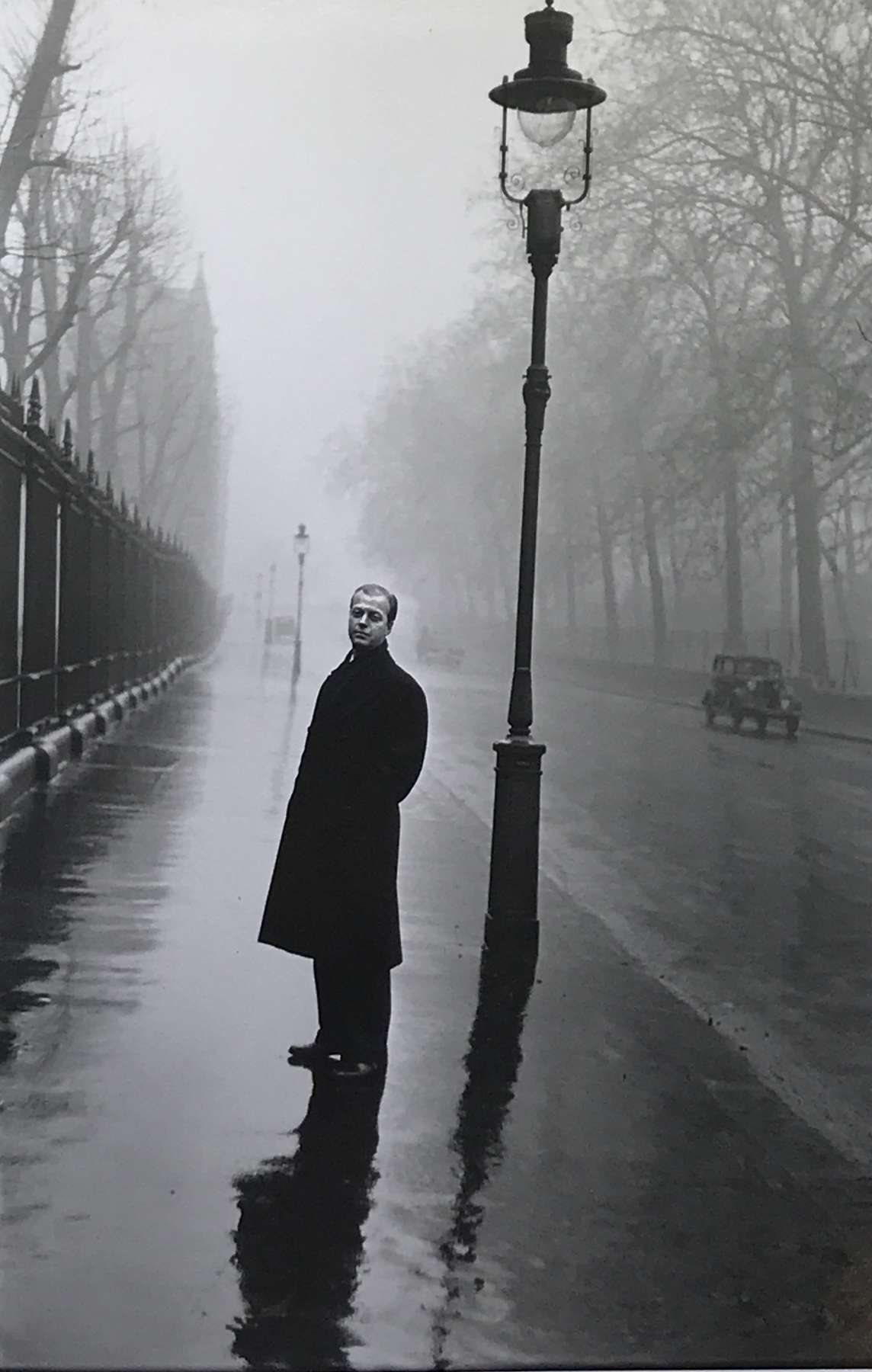
His portraits carried the same instinct. Whether photographing a weary soldier or a celebrity caught off guard, Erwitt had a way of revealing something true about his subject in a single frame. In 1954, he photographed Marilyn Monroe — not as a glamorous icon, but as a real person. His access to famous faces was matched by his interest in ordinary ones.
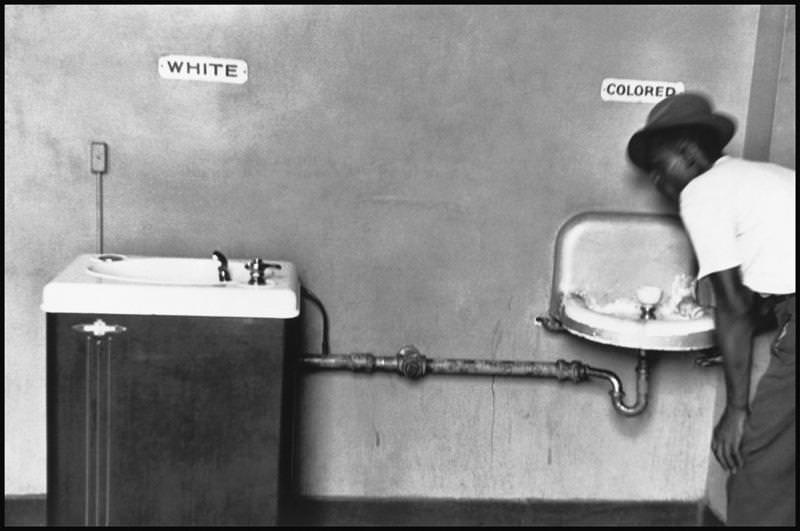
Erwitt also documented the harder truths of American life. In Shreveport, Louisiana in 1962, he photographed the stark reality of racial segregation — water fountains marked for separate use, a quiet but devastating image from the Civil Rights era. He didn’t editorialize. He just showed what was there.
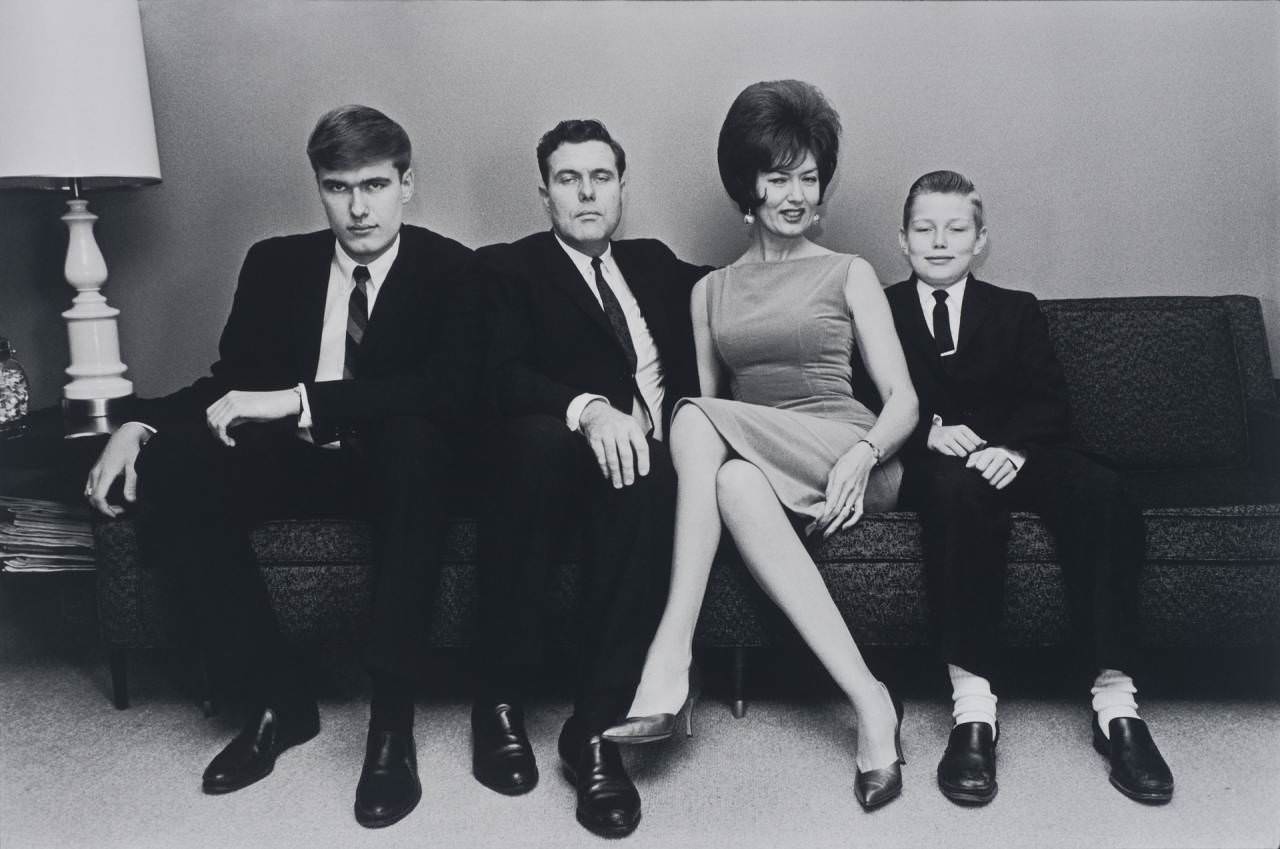
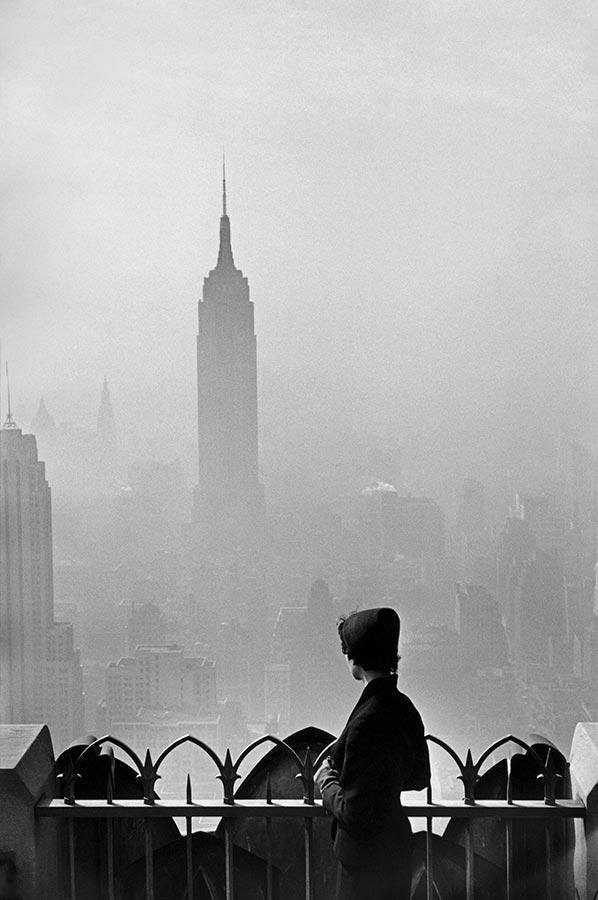
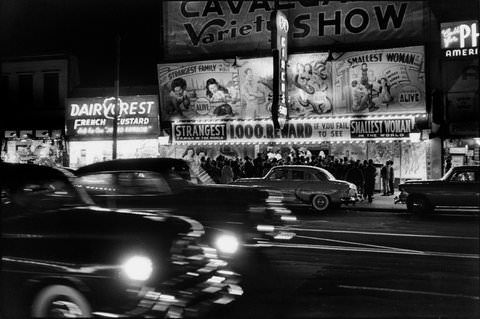
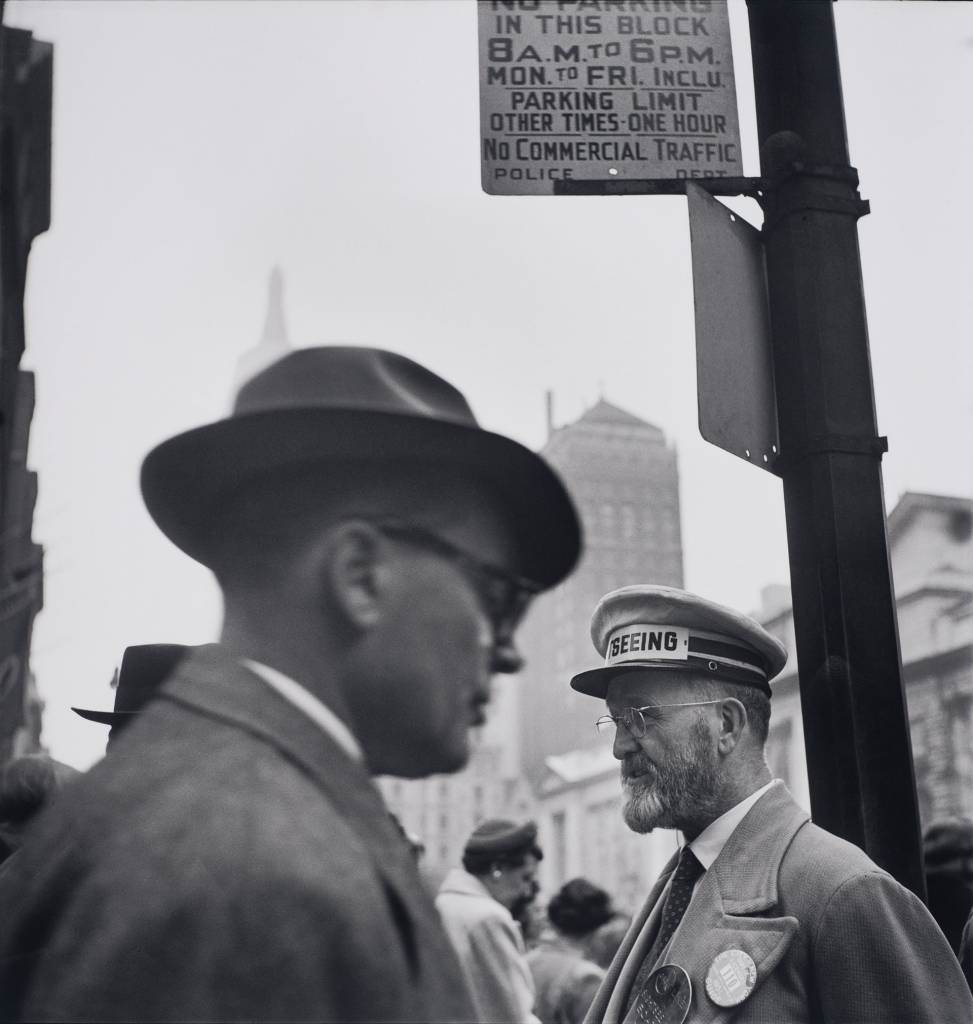
New York City was a recurring backdrop in his work. From the 1940s through the 1980s, he returned to its streets again and again, finding new stories tucked into its crowds, reflections, and corners.
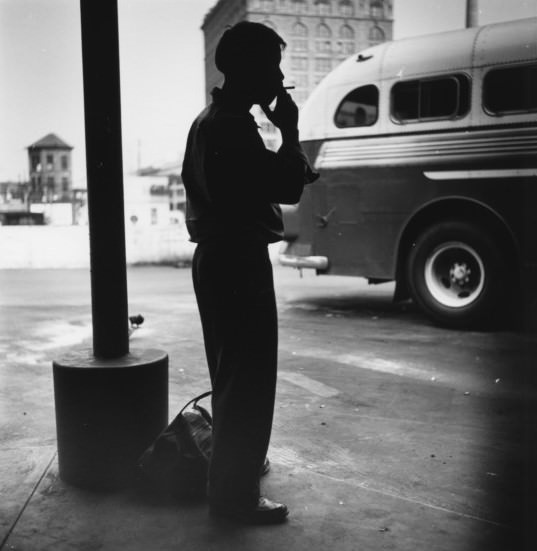
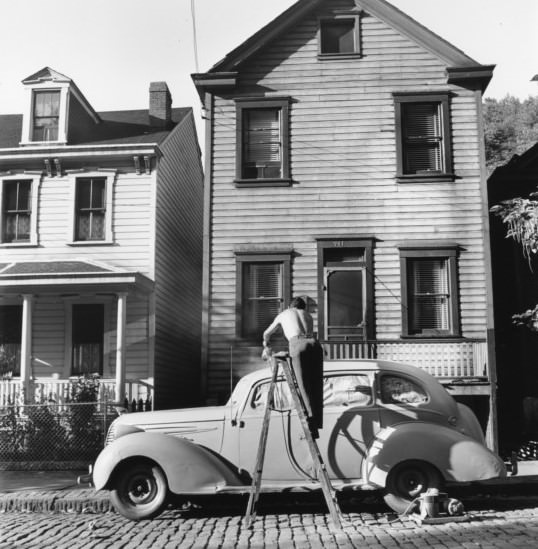
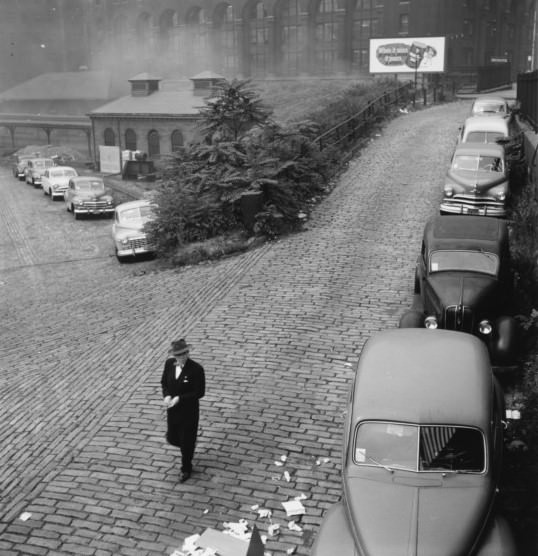
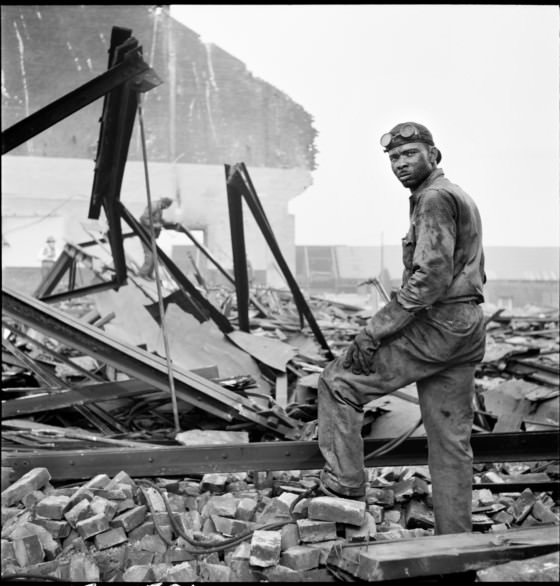
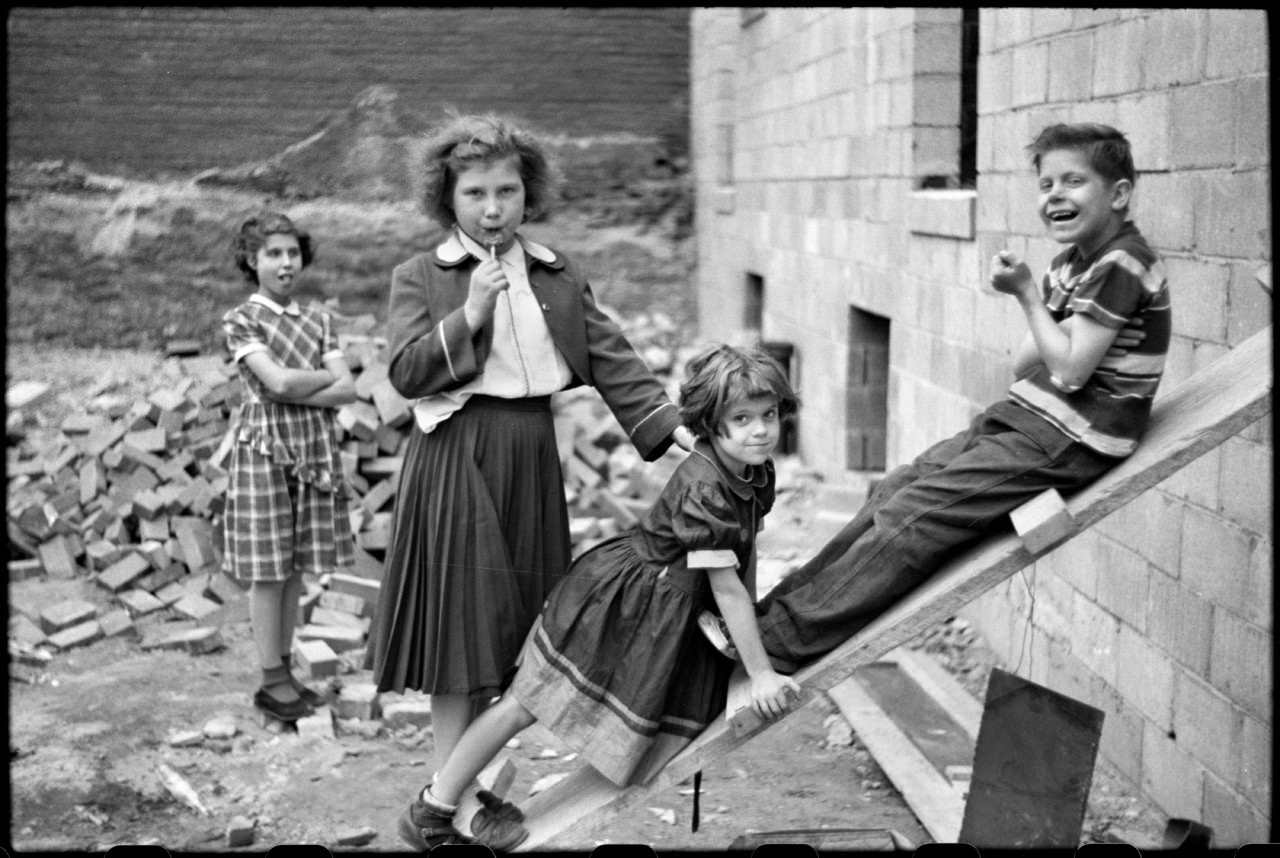
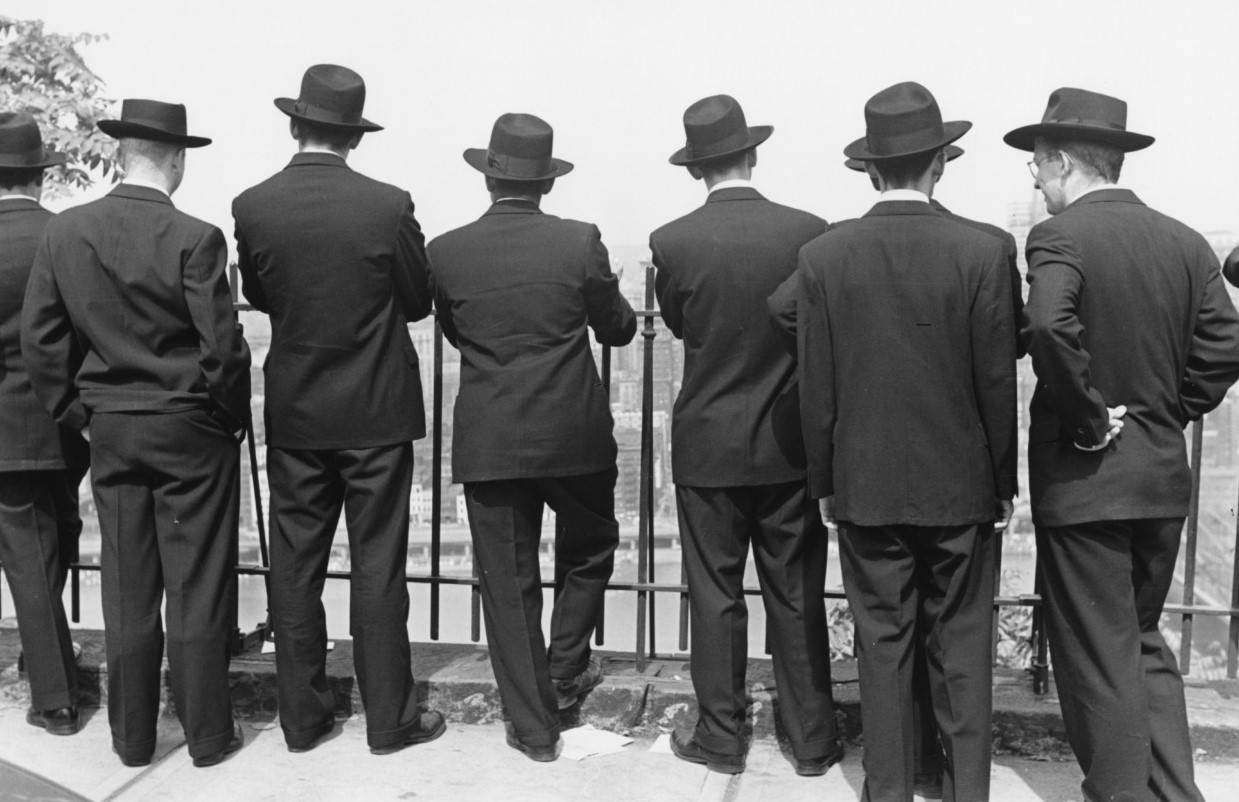
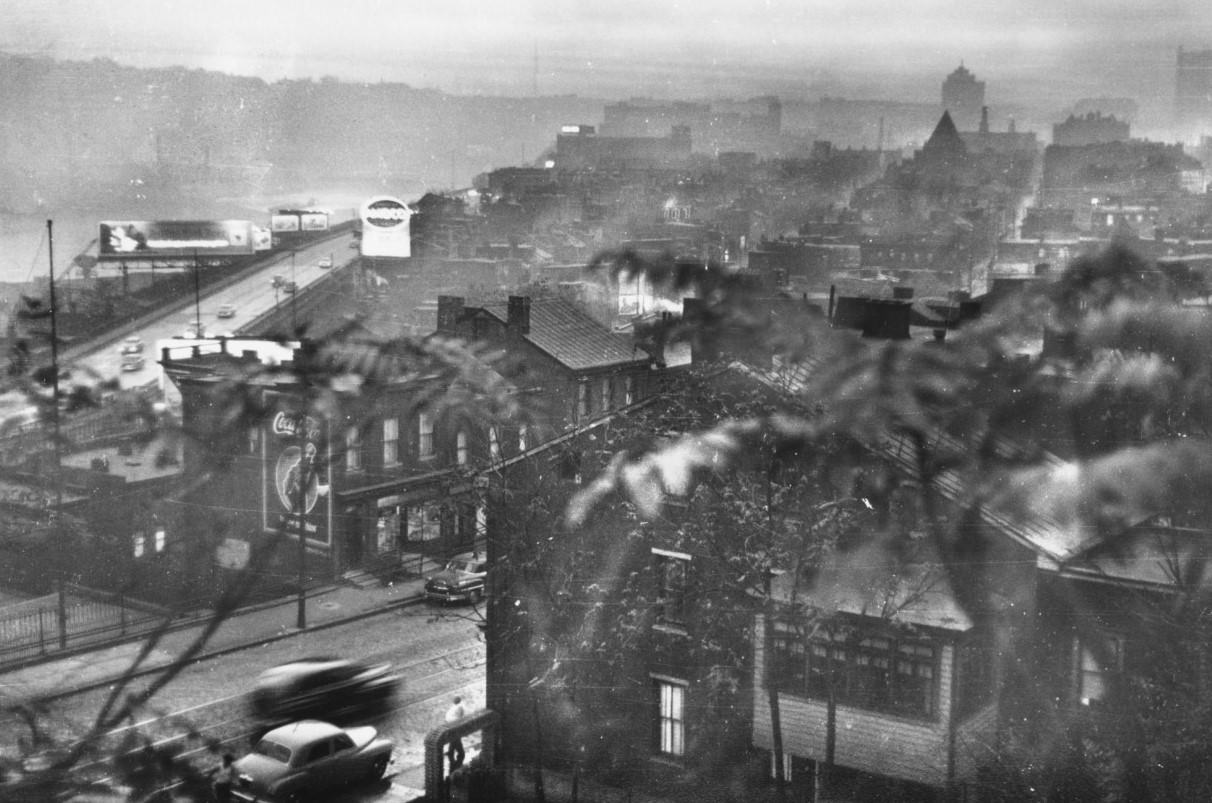
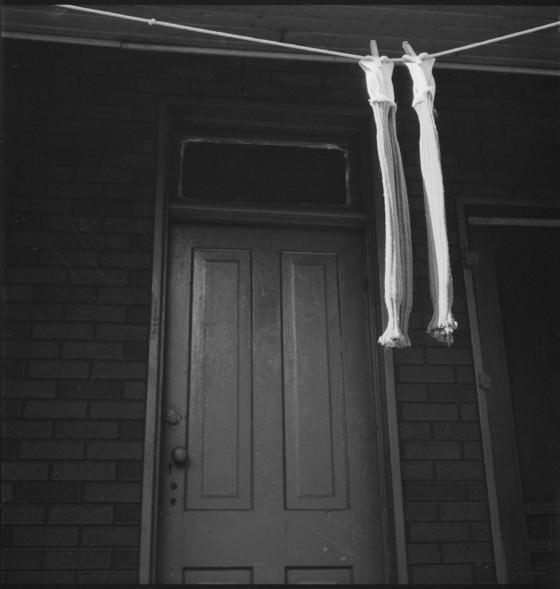
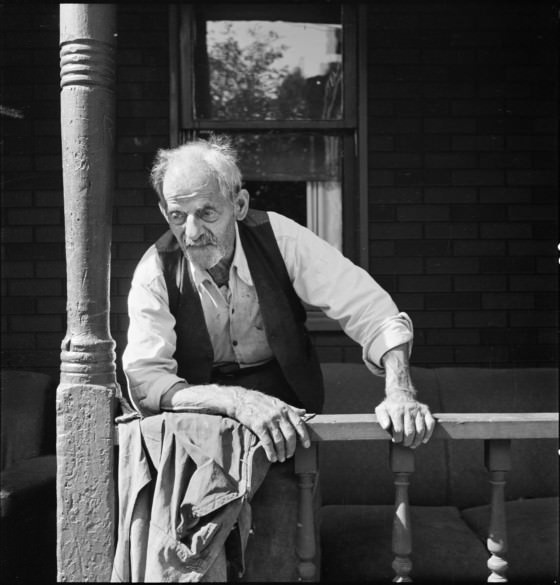
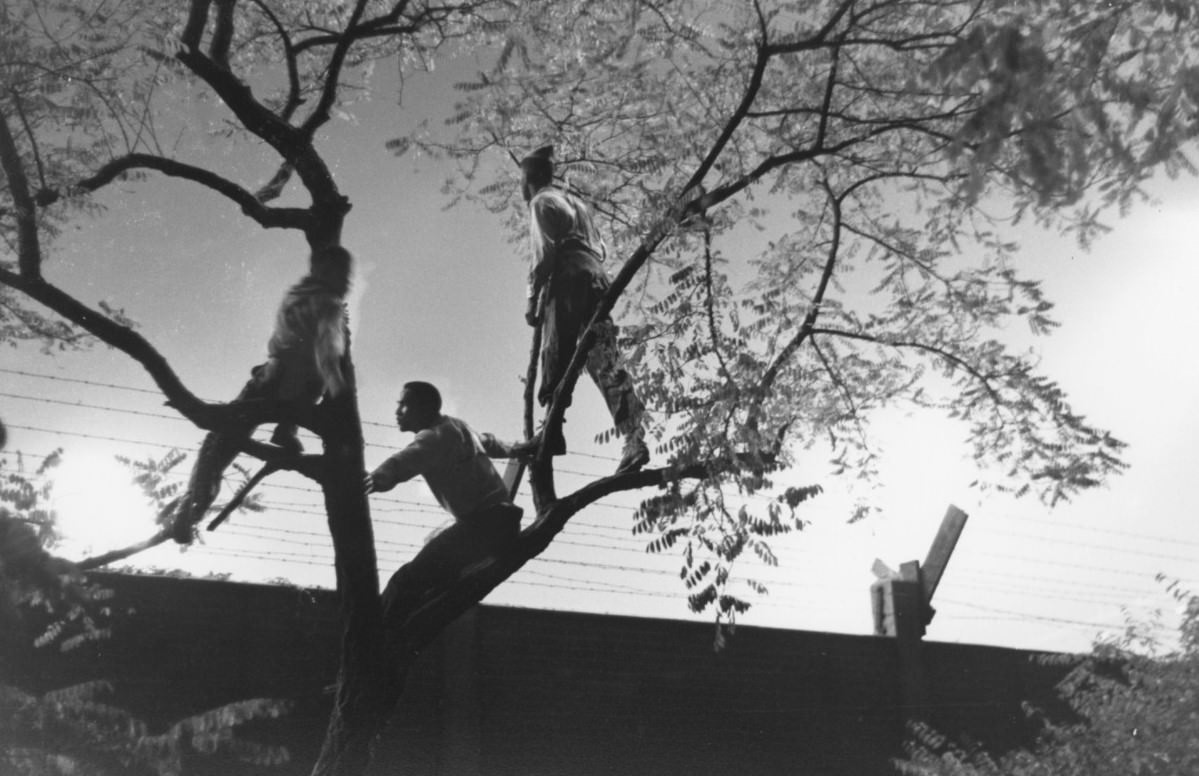
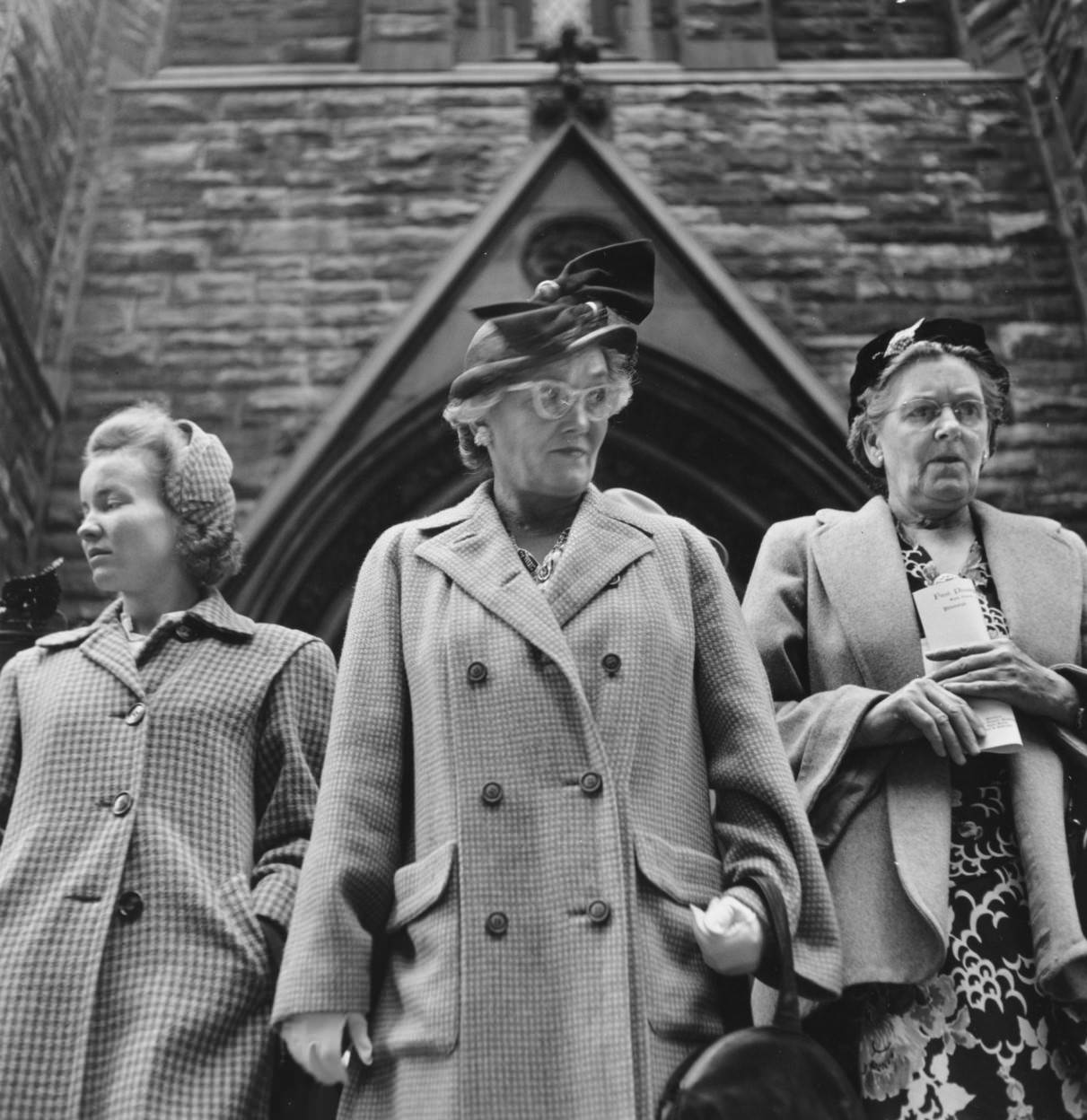
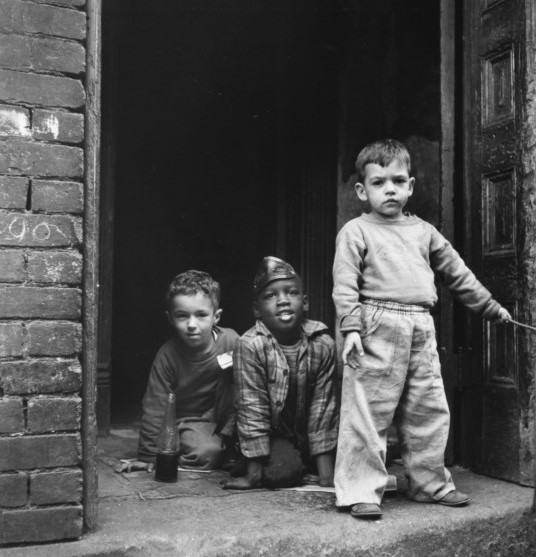
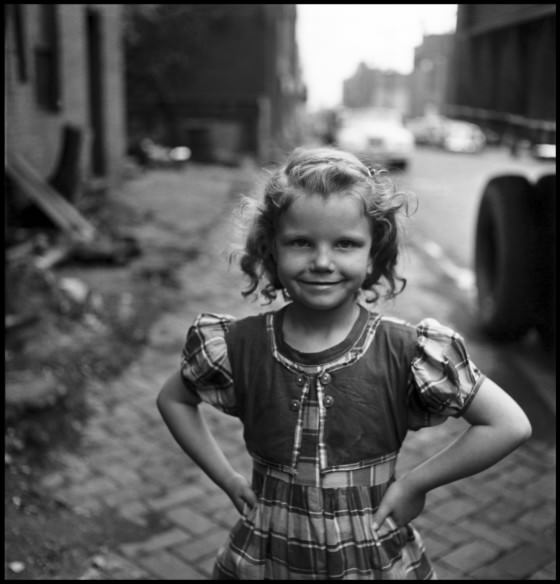
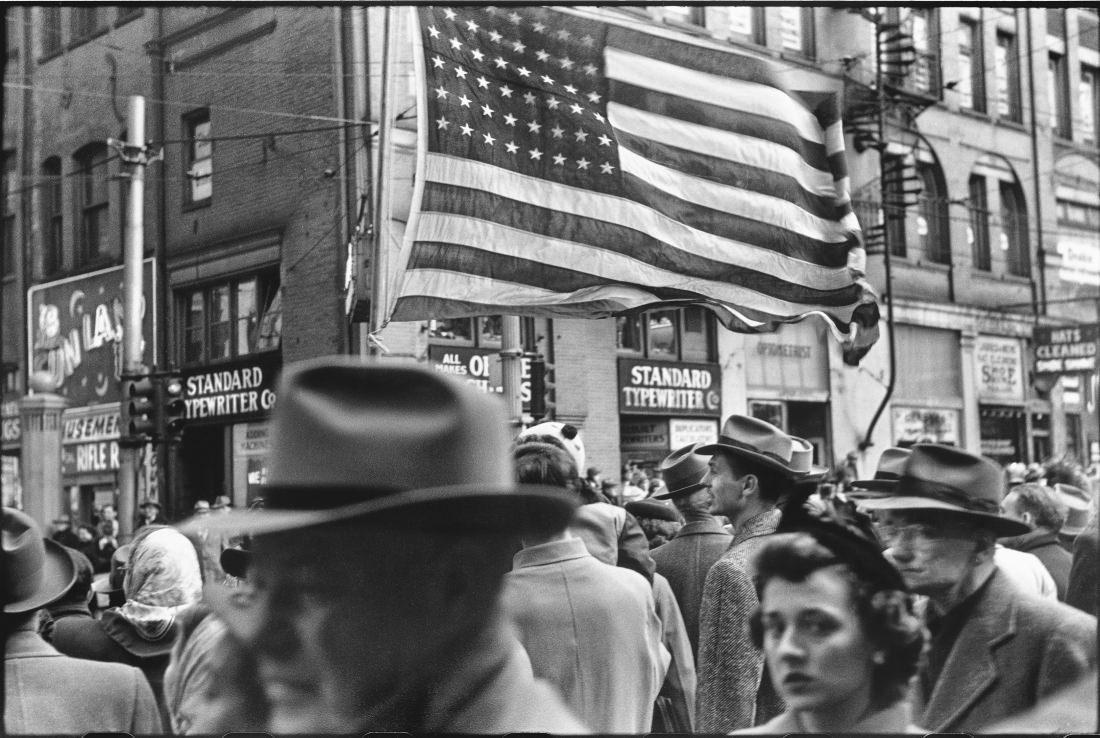
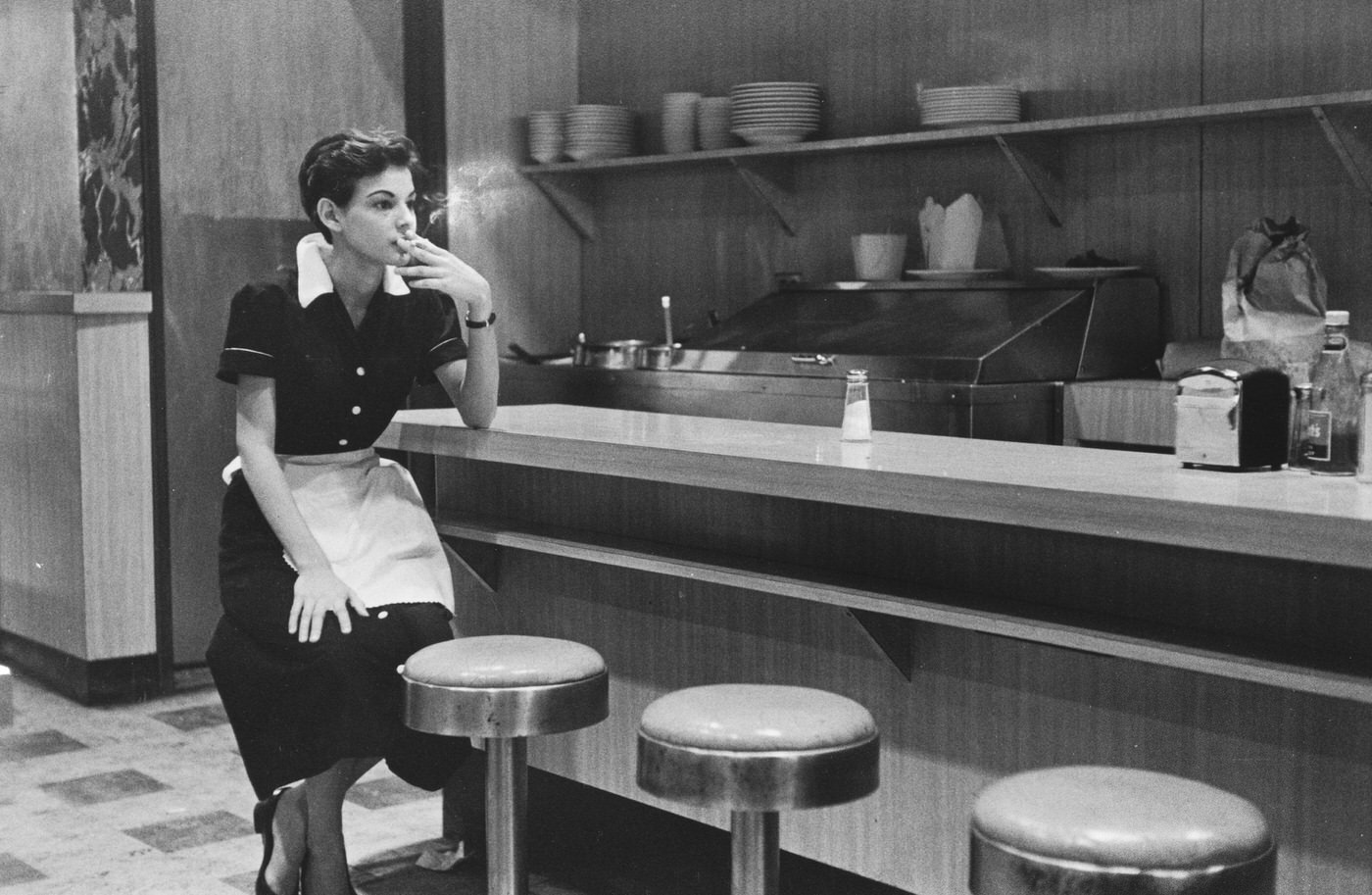
Pittsburgh, Pennsylvania received significant attention from Erwitt around 1950 to 1952. He captured its industrial streets, its bridges, its everyday residents, and the texture of working-class American life in the post-war years. These weren’t glamorous subjects, but Erwitt treated them with the same careful eye he brought to everything.
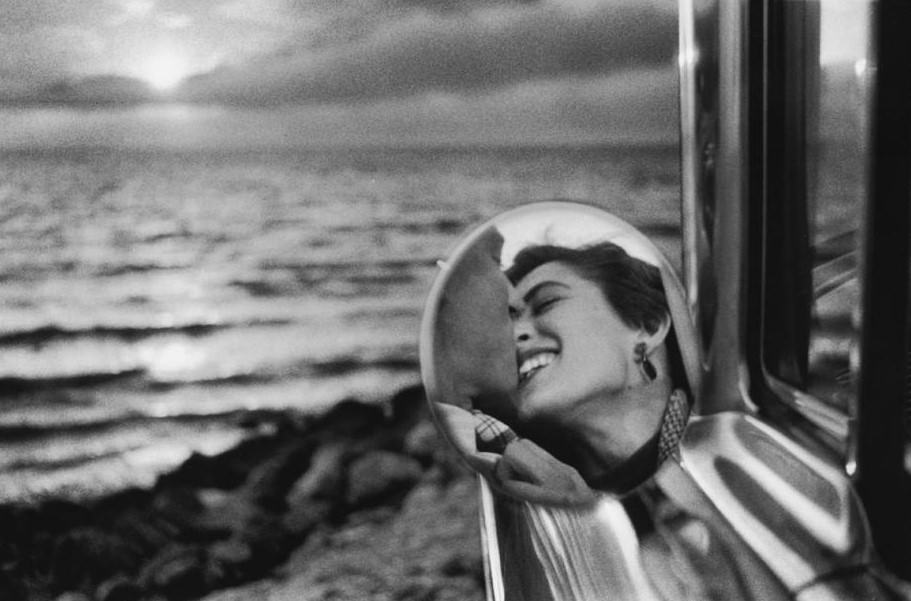
One of his most famous images, shot in New York City in 1955, shows a couple kissing reflected in a car’s side-view mirror. The scene is intimate, playful, and perfectly framed — everything Erwitt could do without asking anyone to pose. His 1946 photograph of his mother, taken shortly after they reunited following World War II, carries far more weight — a quiet document of separation, survival, and reunion.
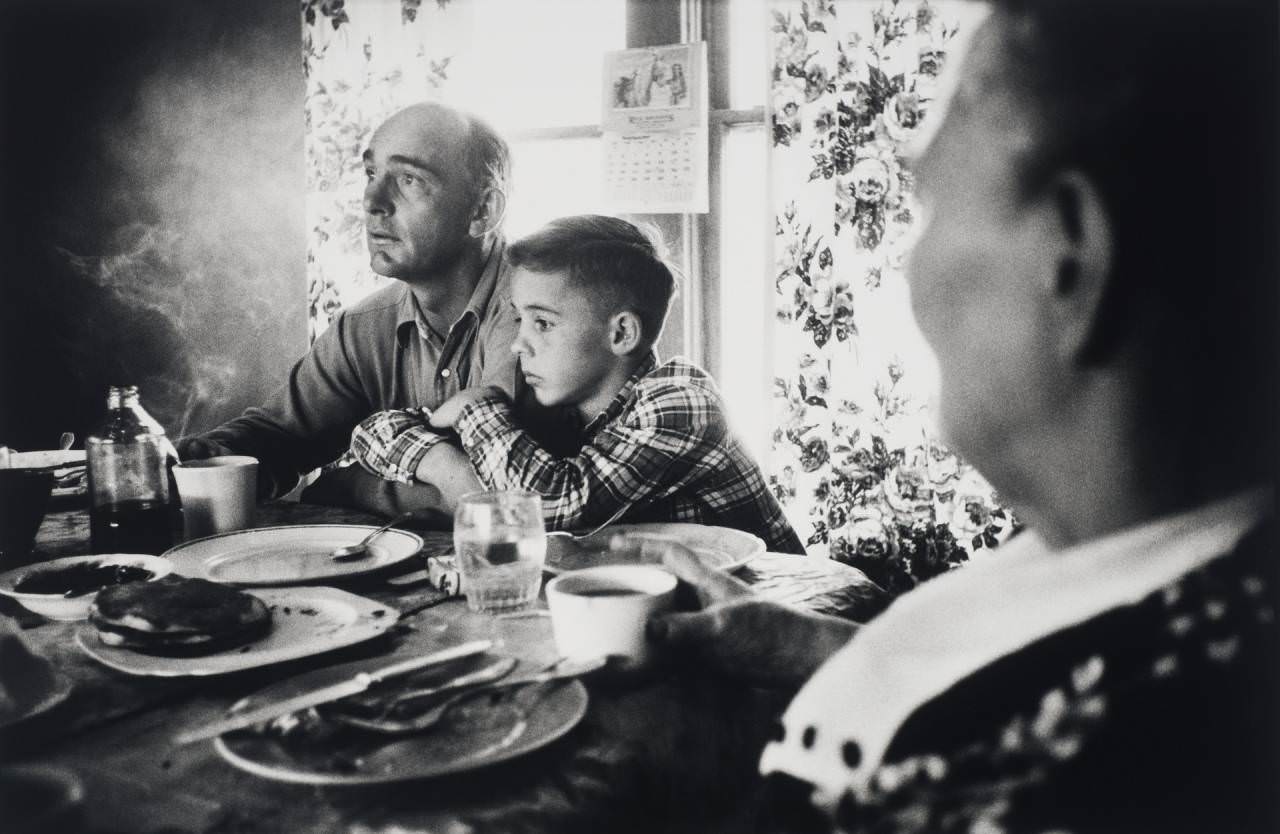
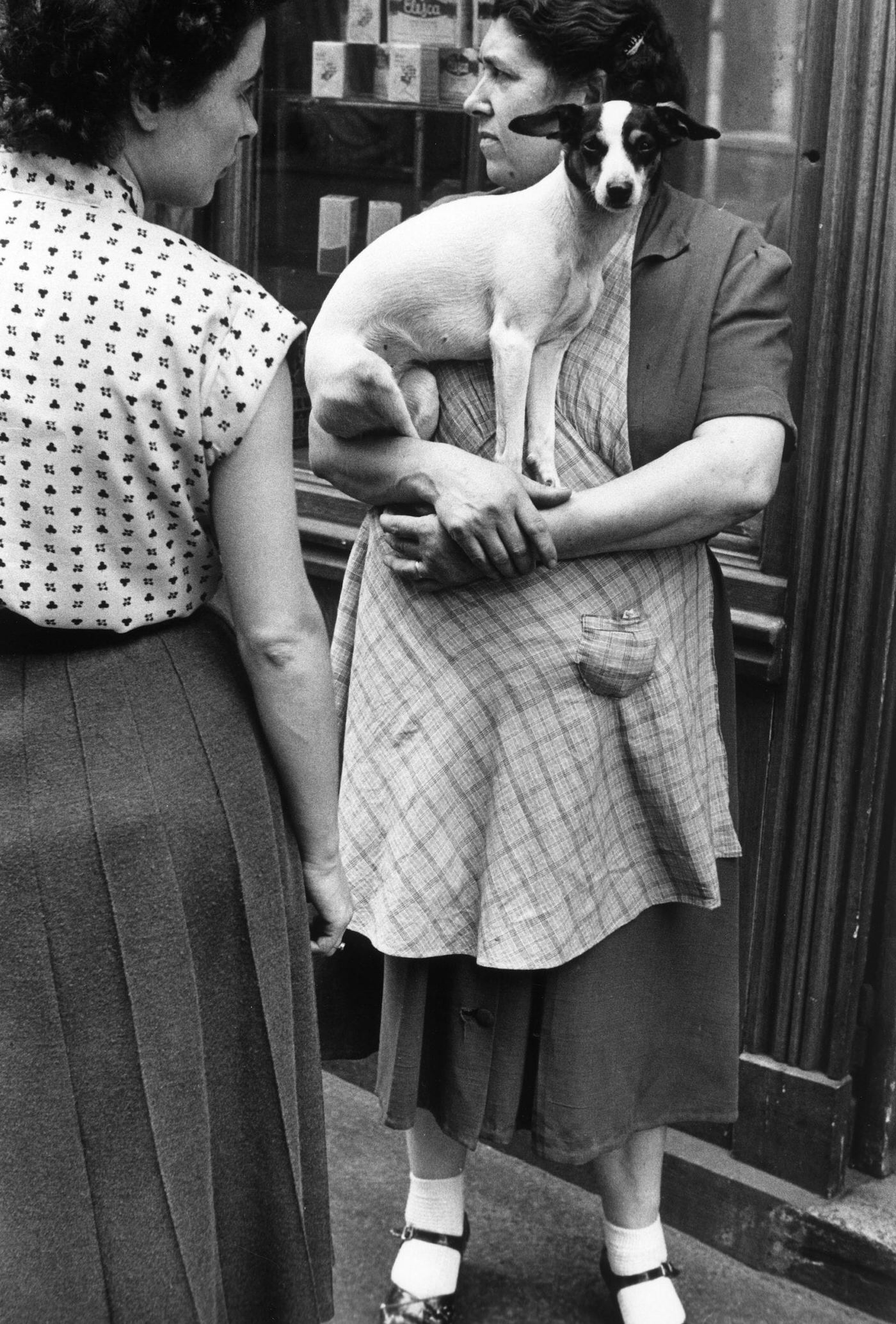
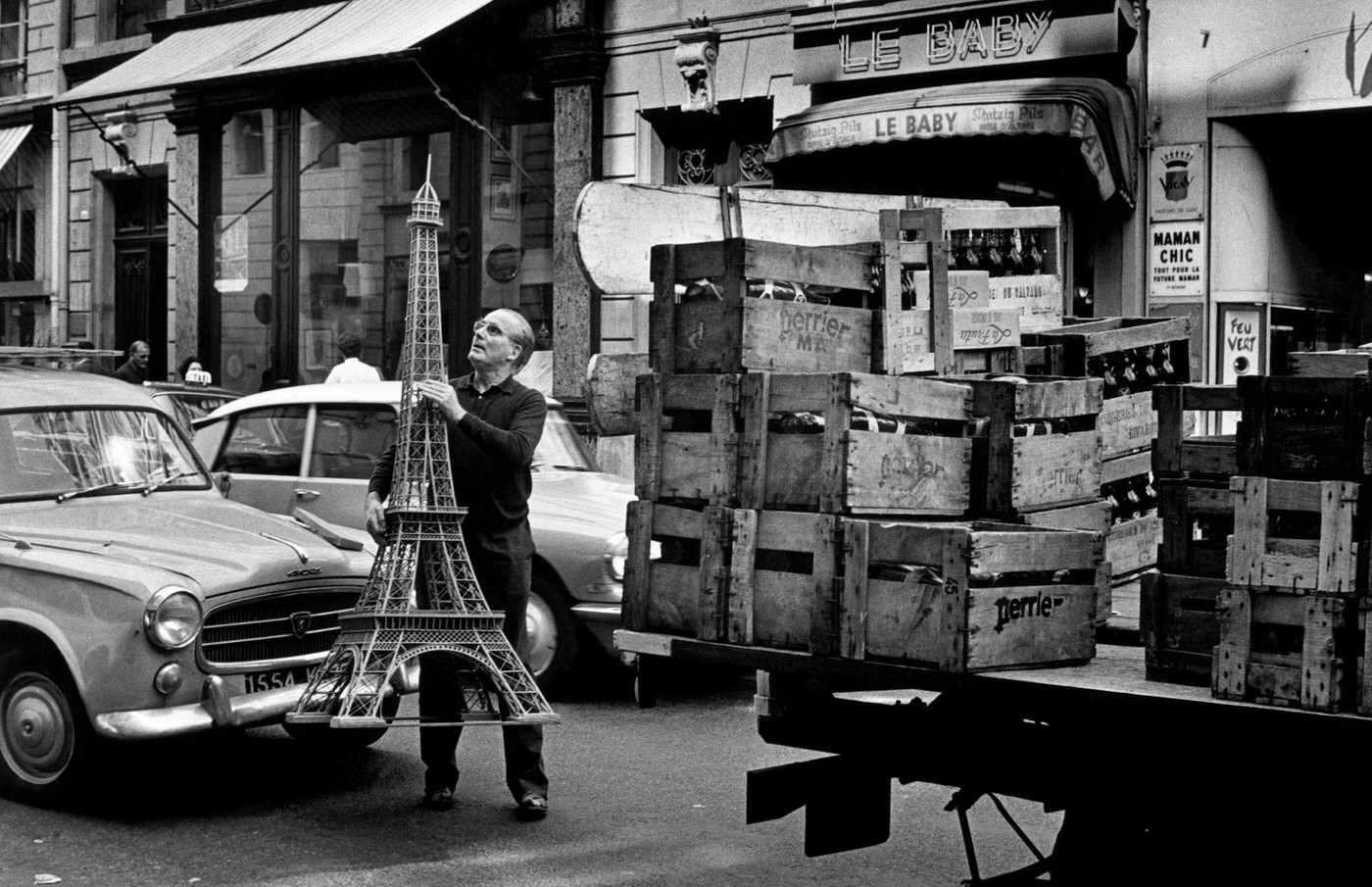
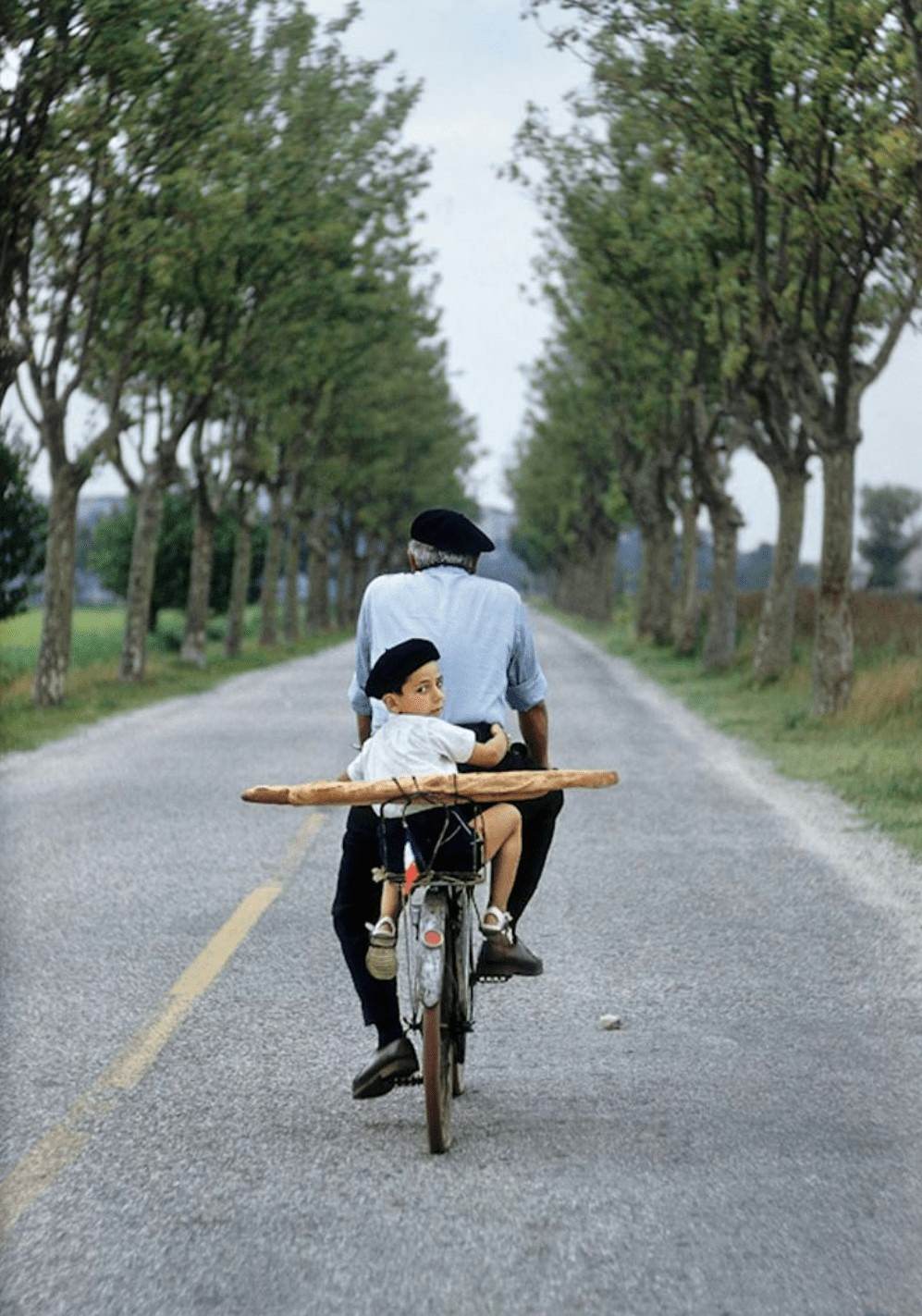
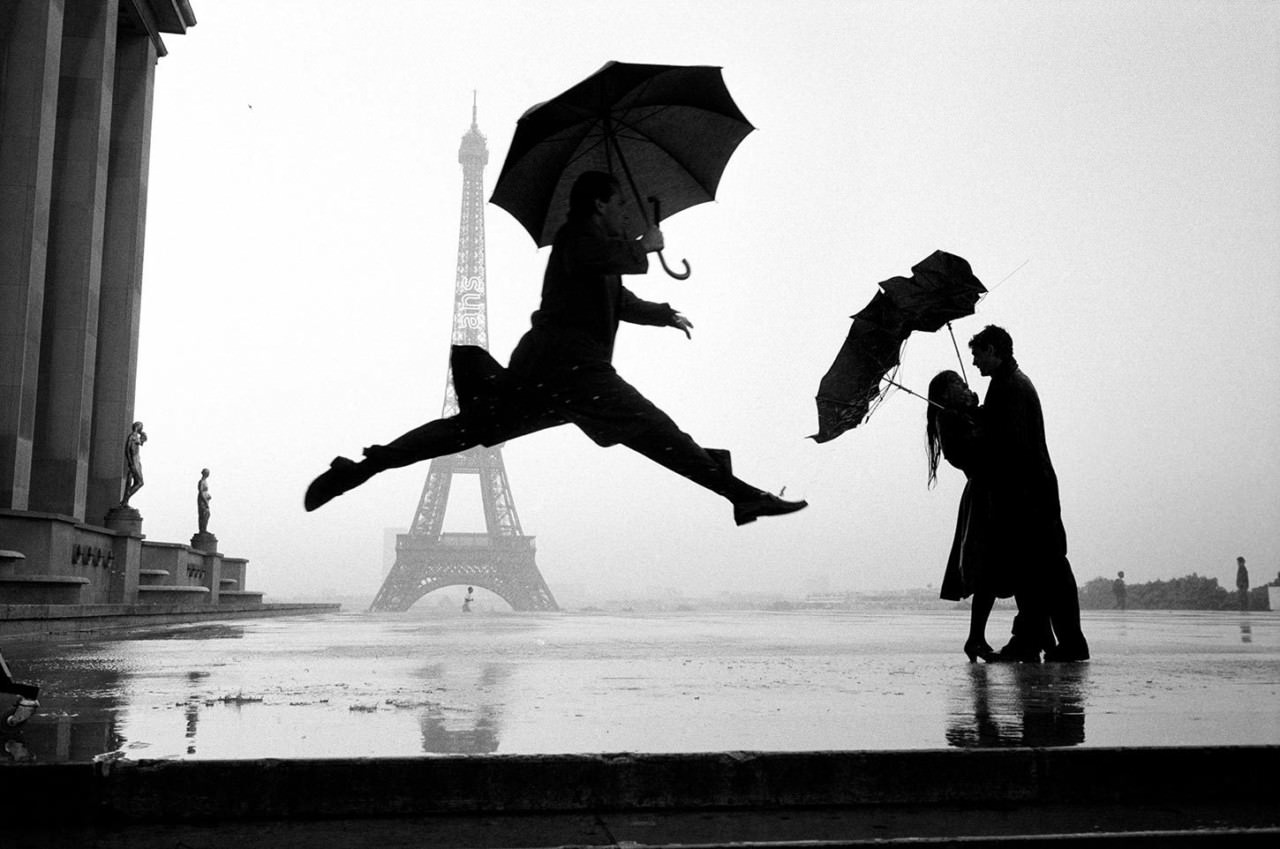
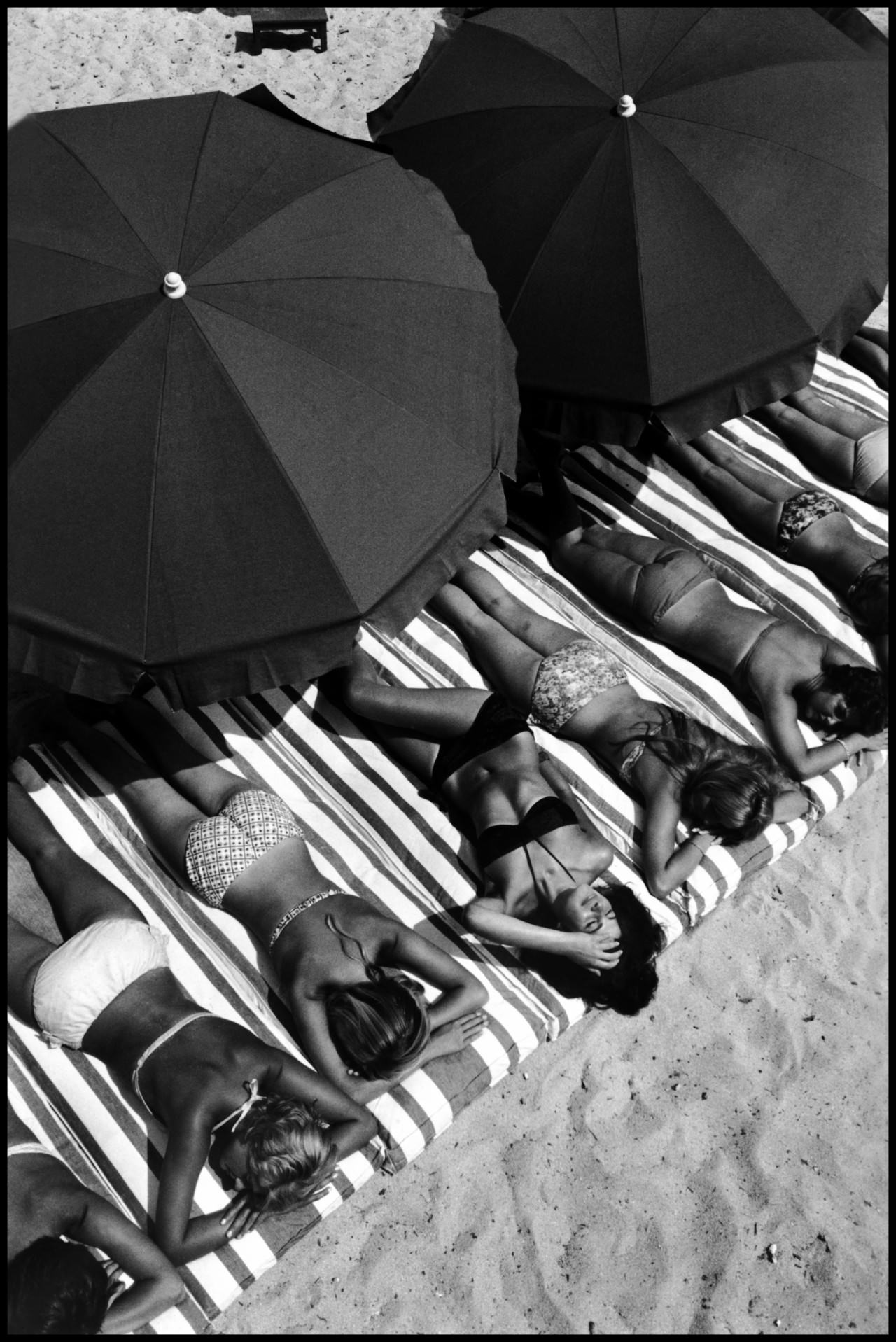
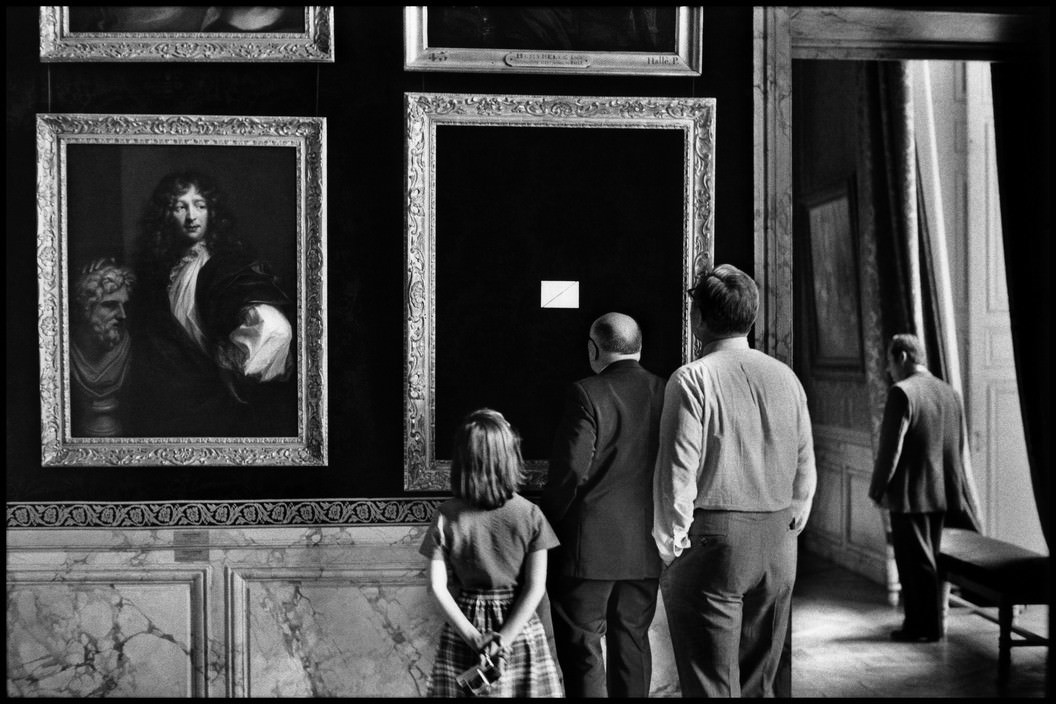
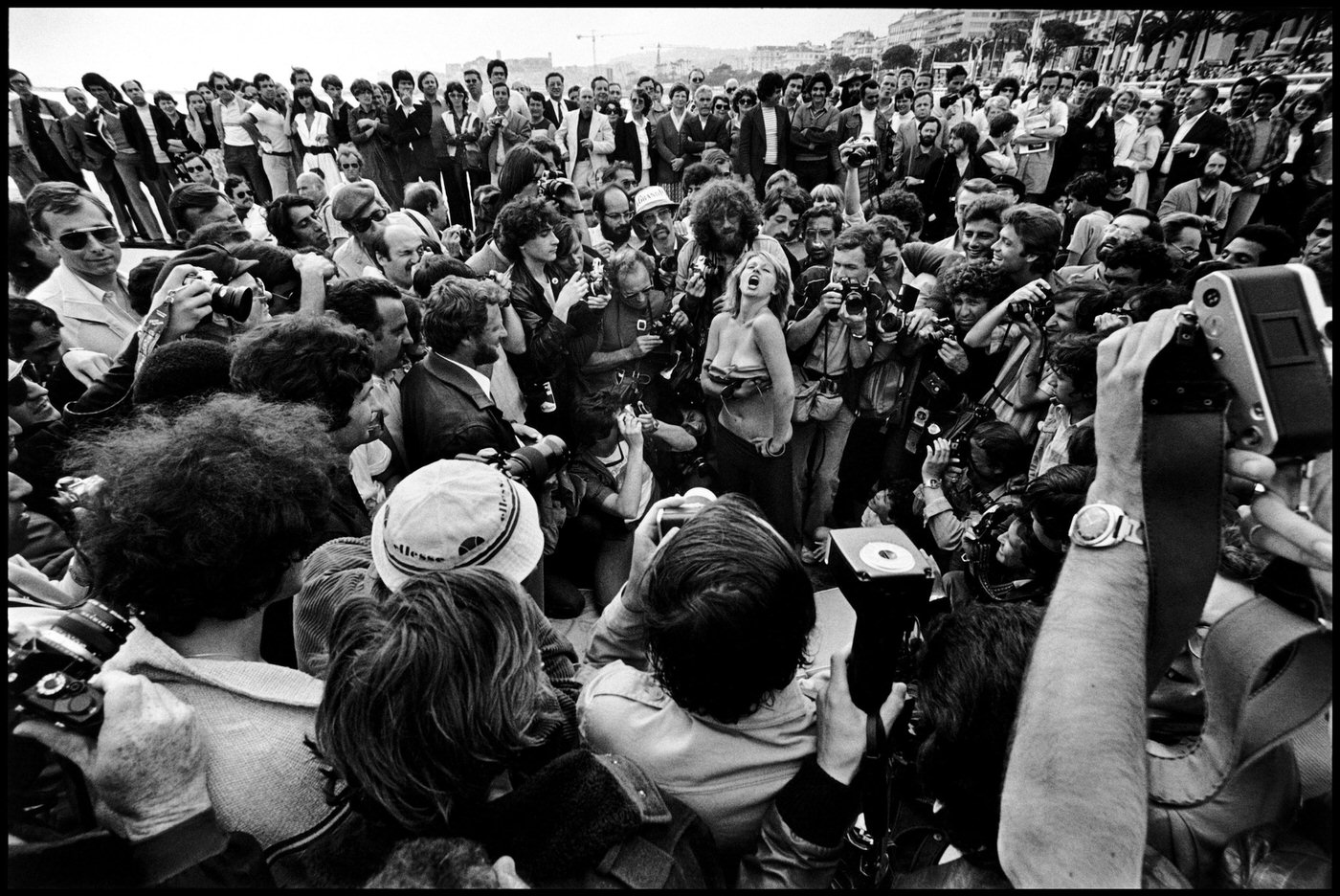
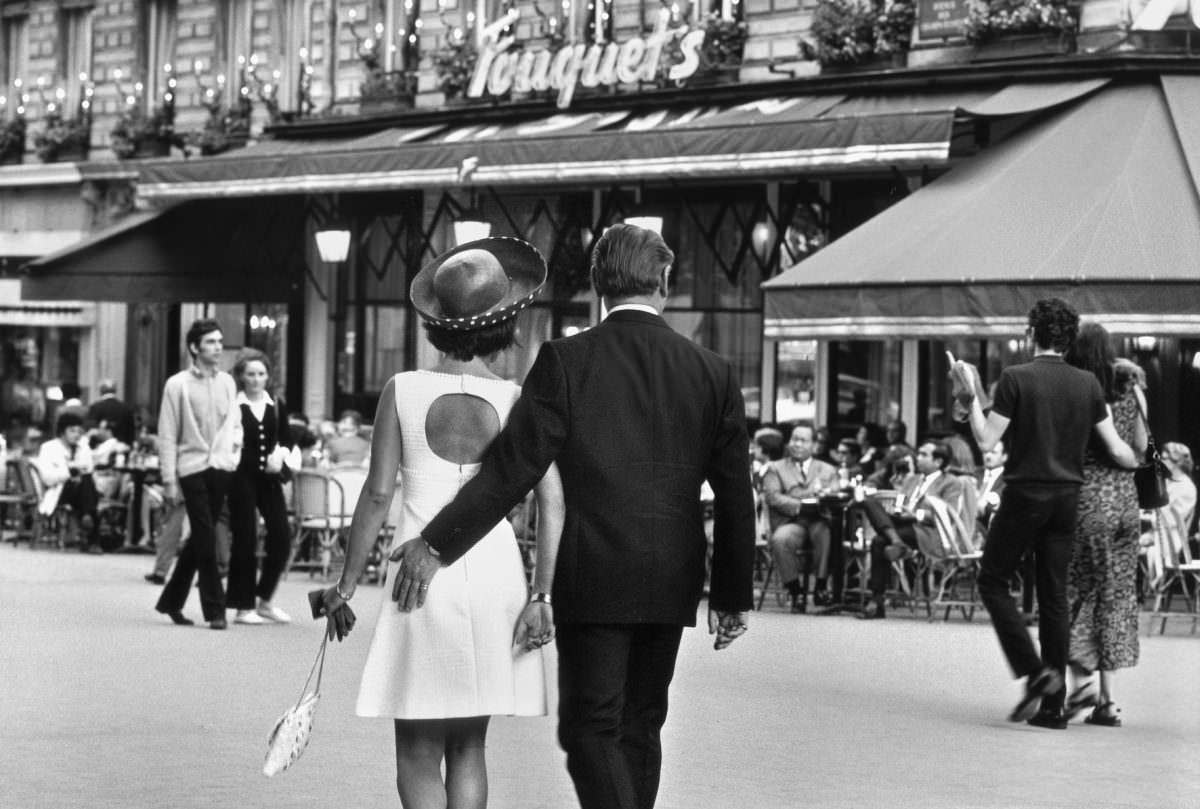
His travels stretched across the United States and deep into Europe. France, in particular, appeared throughout his career — Paris in 1952 and 1966, Provence in 1955, St. Tropez in 1959, and Cannes in 1980. Each location gave him a fresh set of visual jokes and human moments to catch.
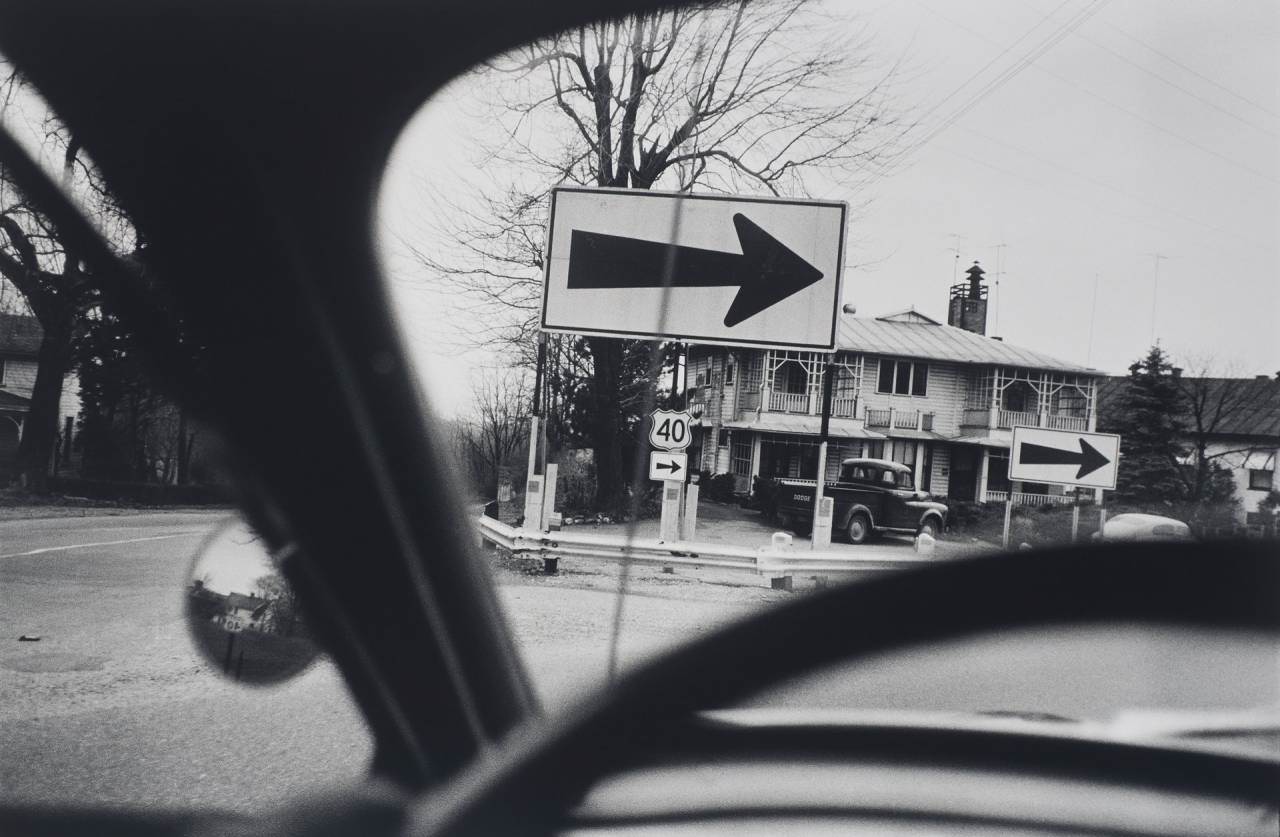
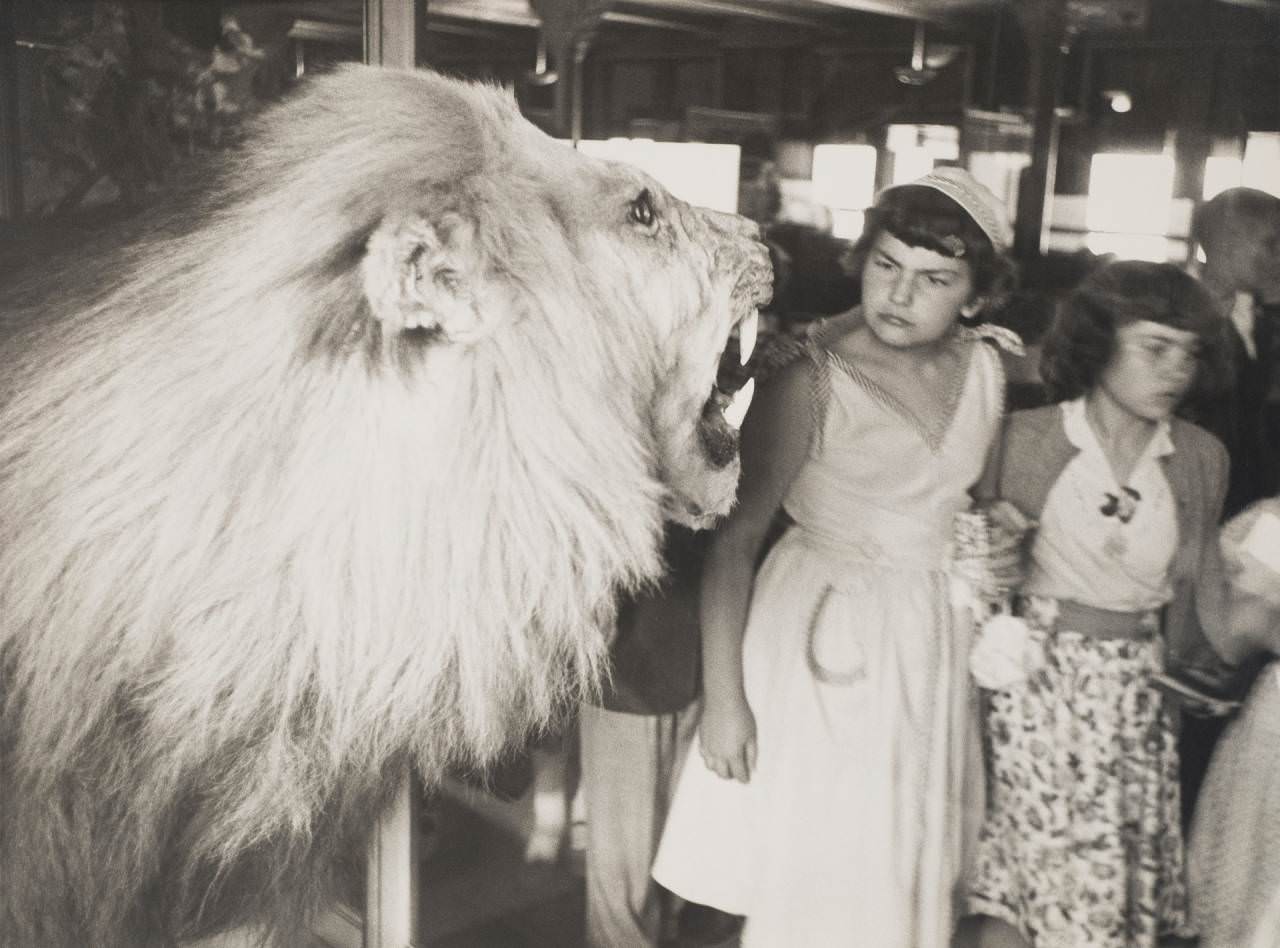
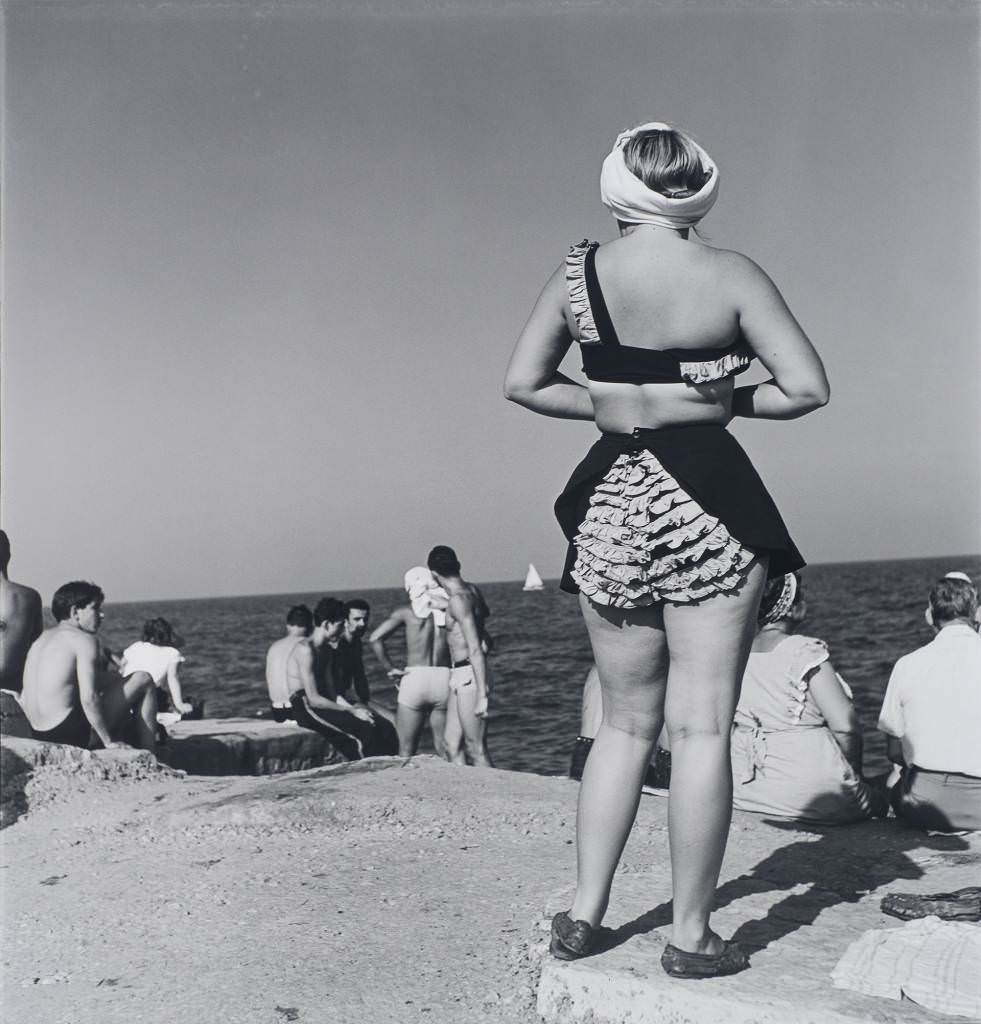
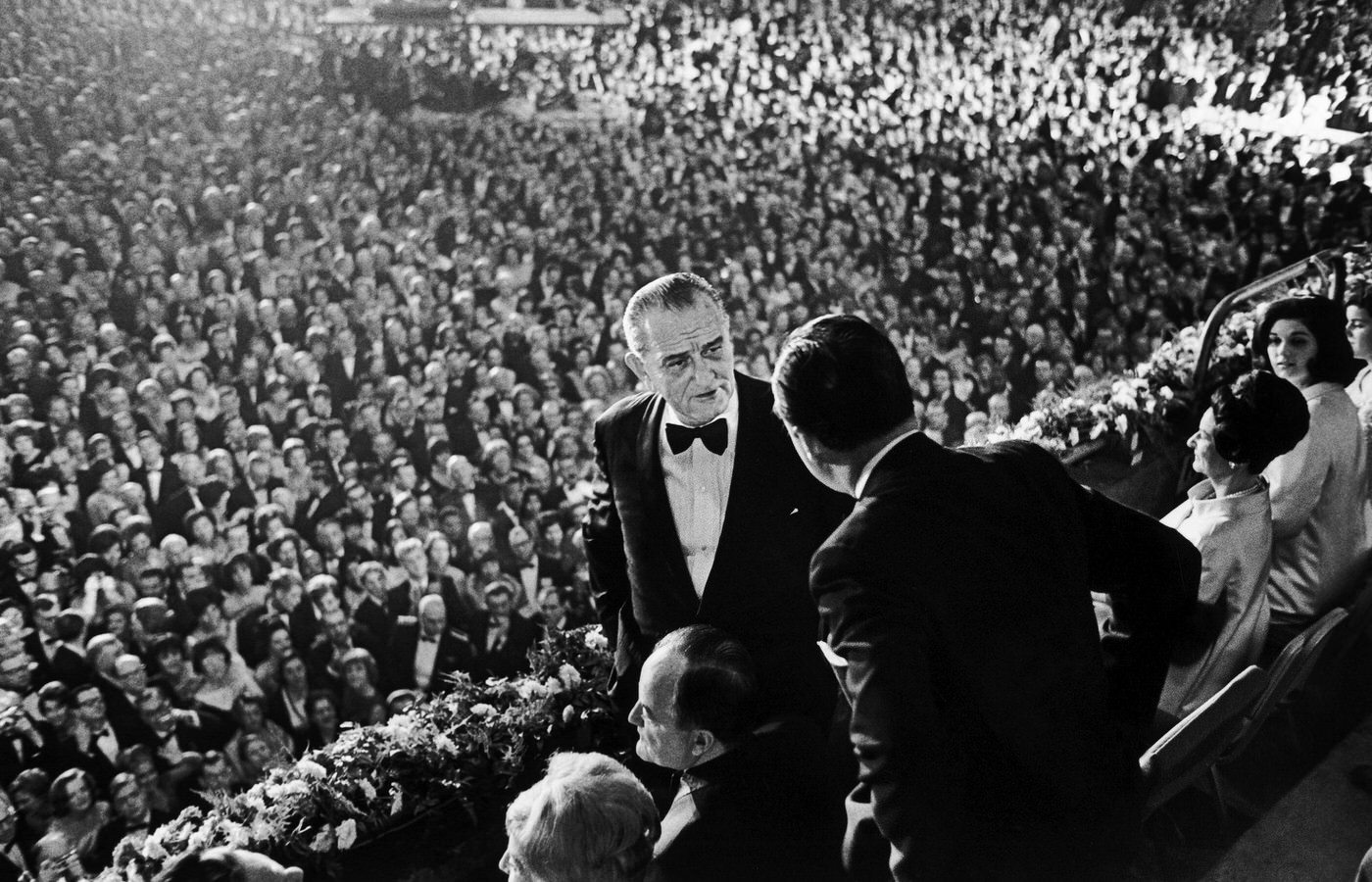
Erwitt’s access to political figures gave his portfolio another dimension. He photographed the 1965 investiture of Lyndon B. Johnson in Washington and captured Richard Nixon in telling moments that revealed the man behind the office. His image of Che Guevara showed a similar gift for stripping away the public image to find something more real underneath.
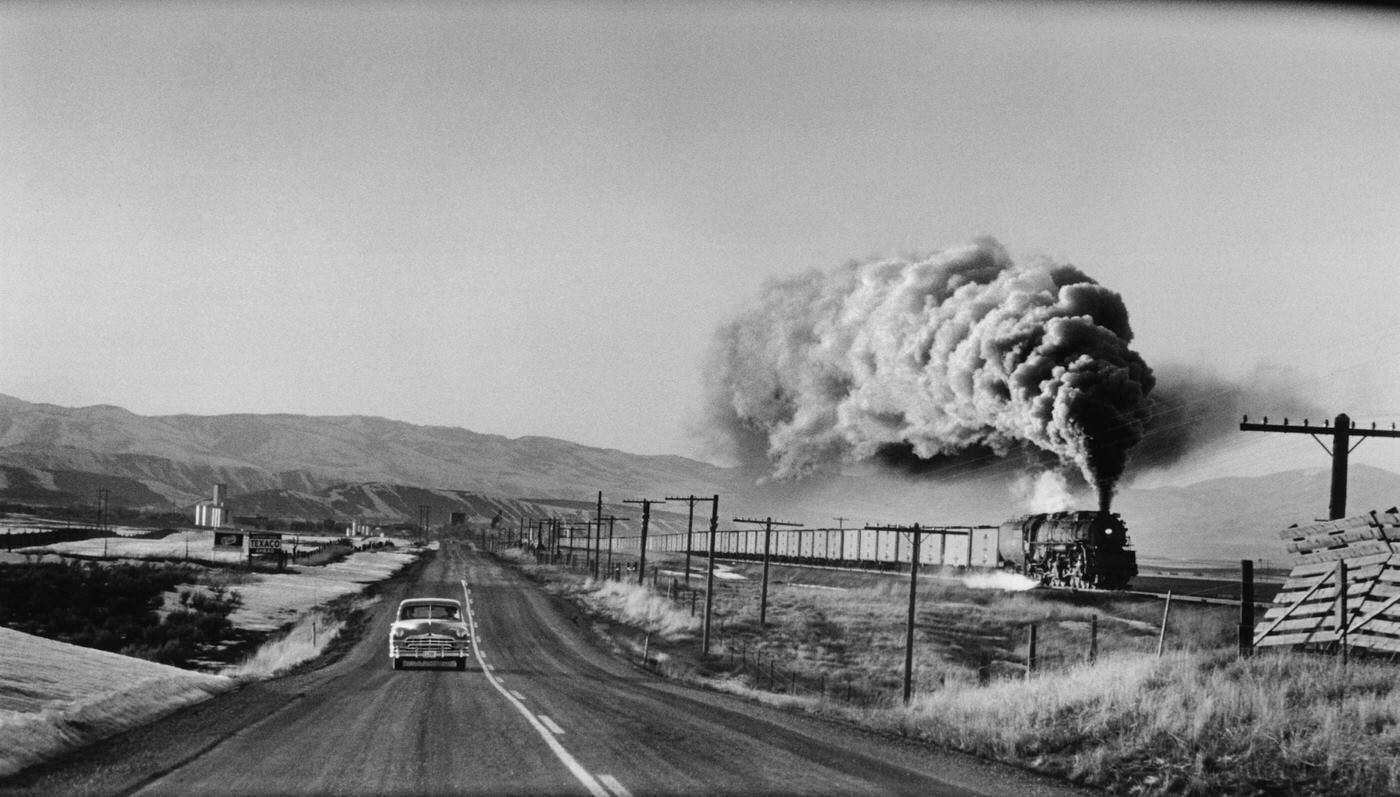
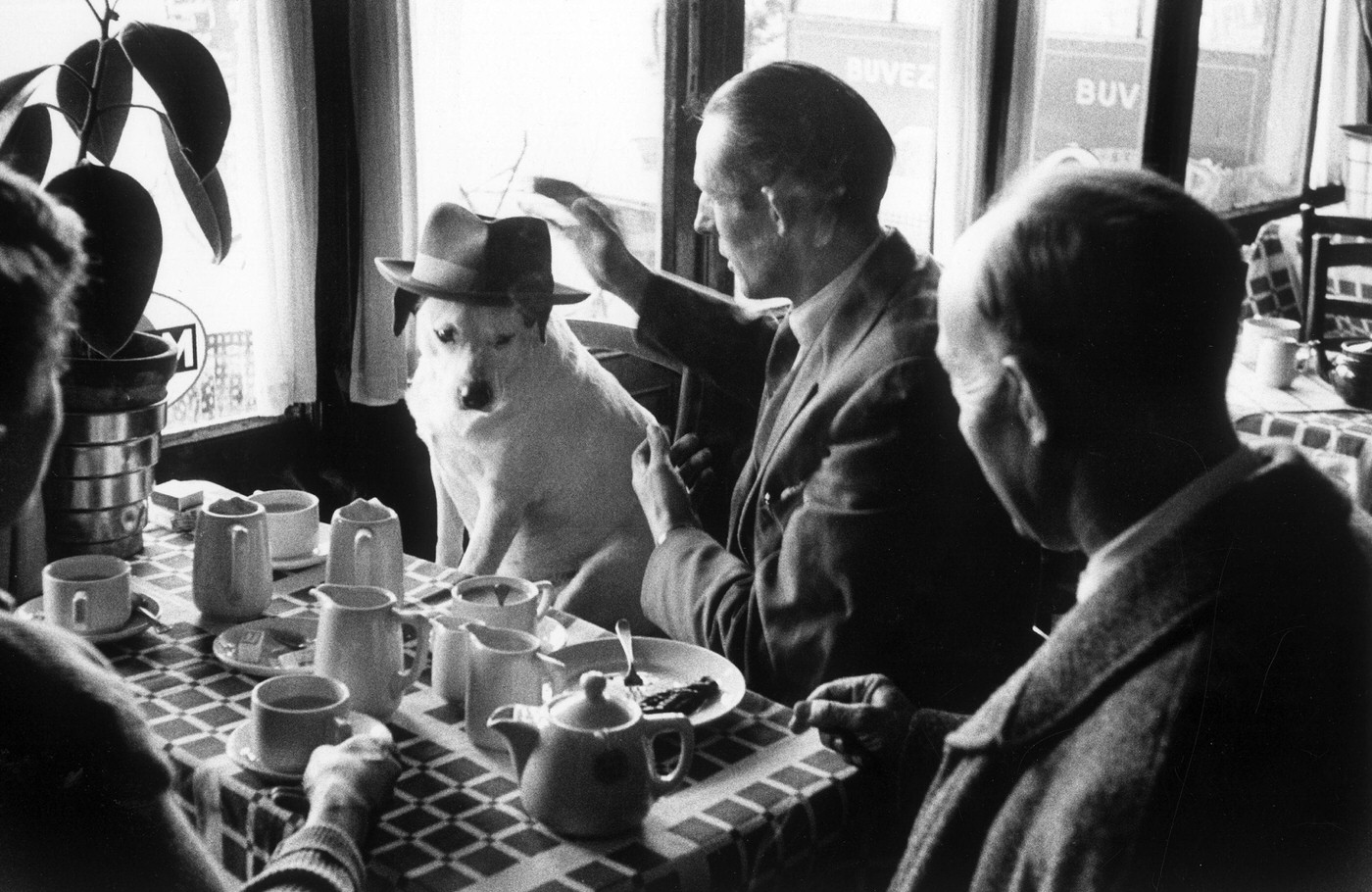
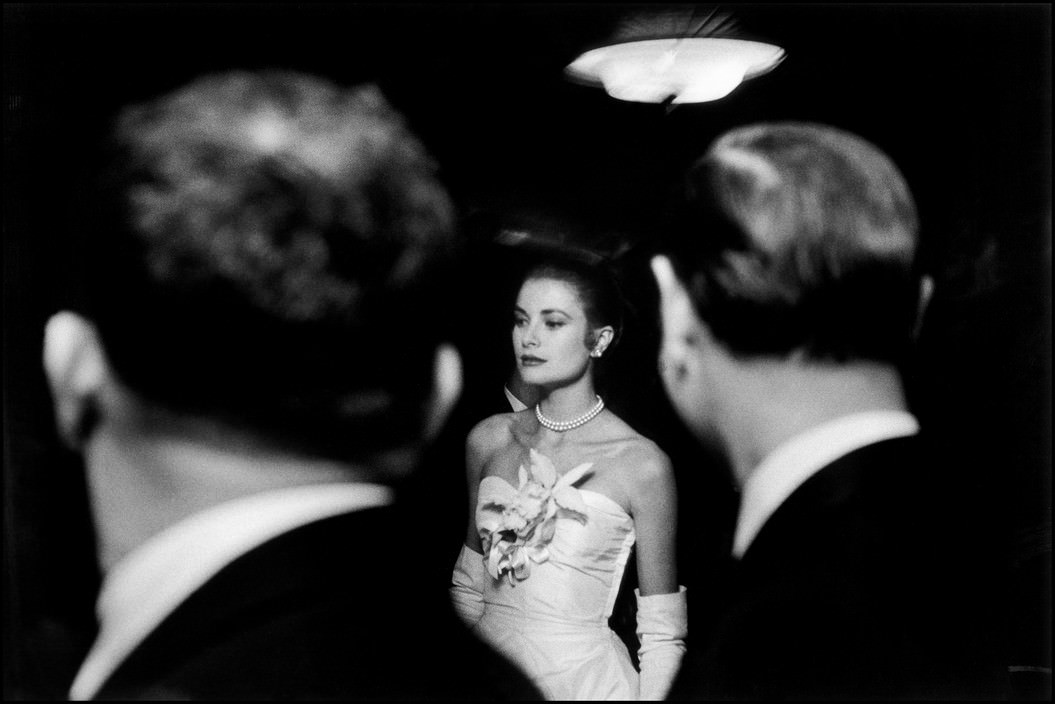
Whether covering high society — like the 1956 engagement party of Grace Kelly and Prince Rainier at the Waldorf-Astoria — or ordinary people on ordinary streets, Erwitt brought the same attention to timing and composition. His lens made no distinction between the famous and the forgotten.
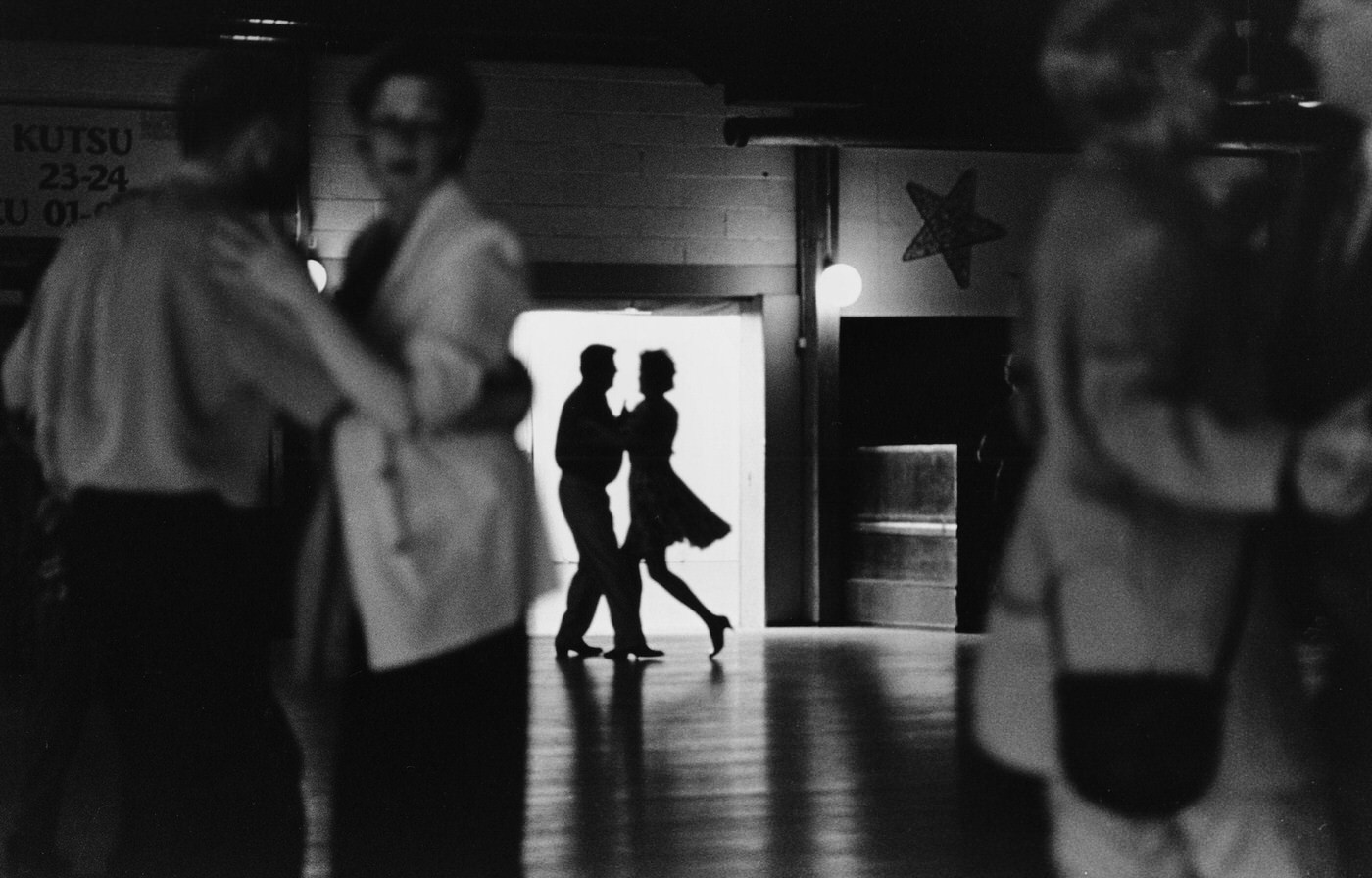
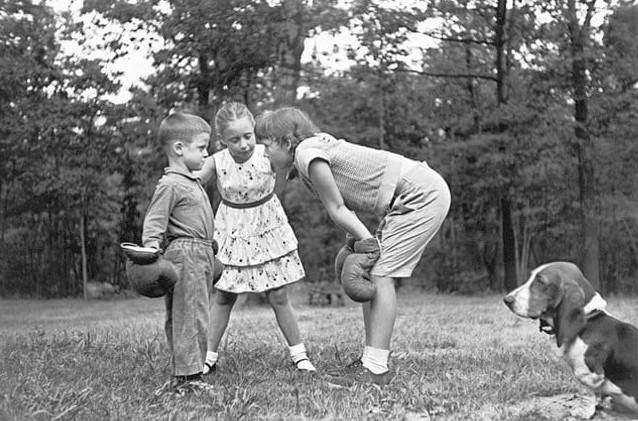
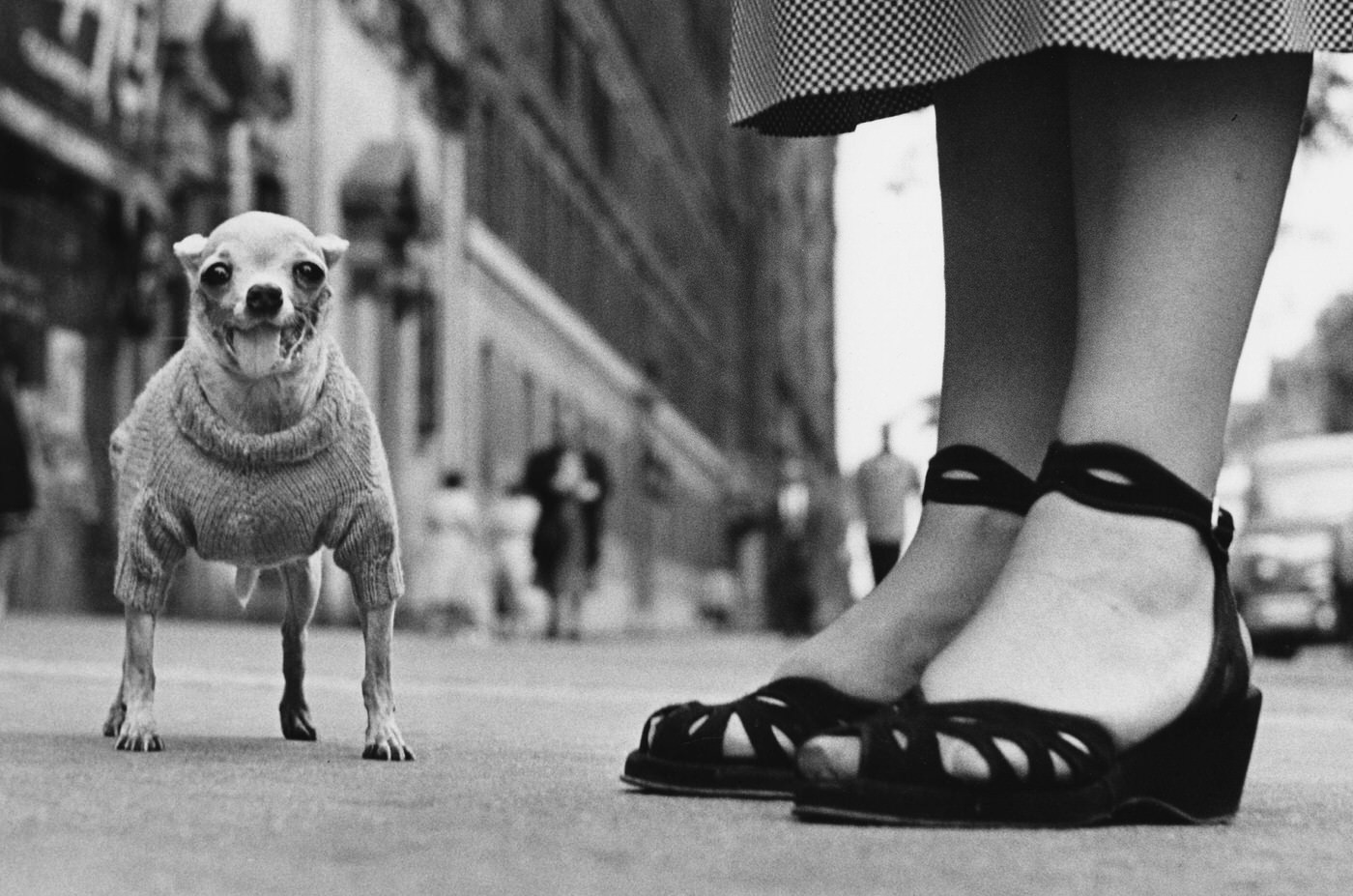
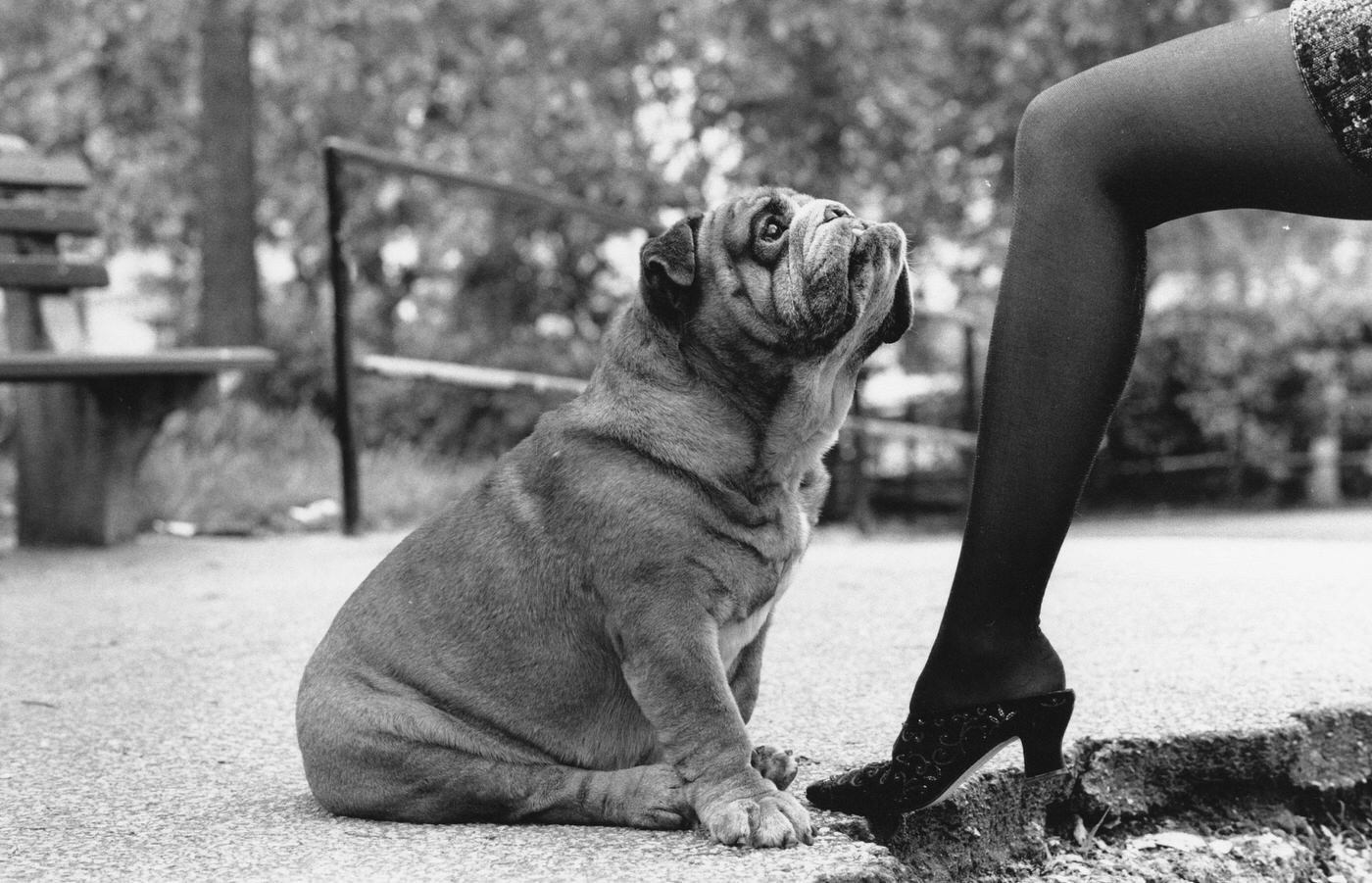
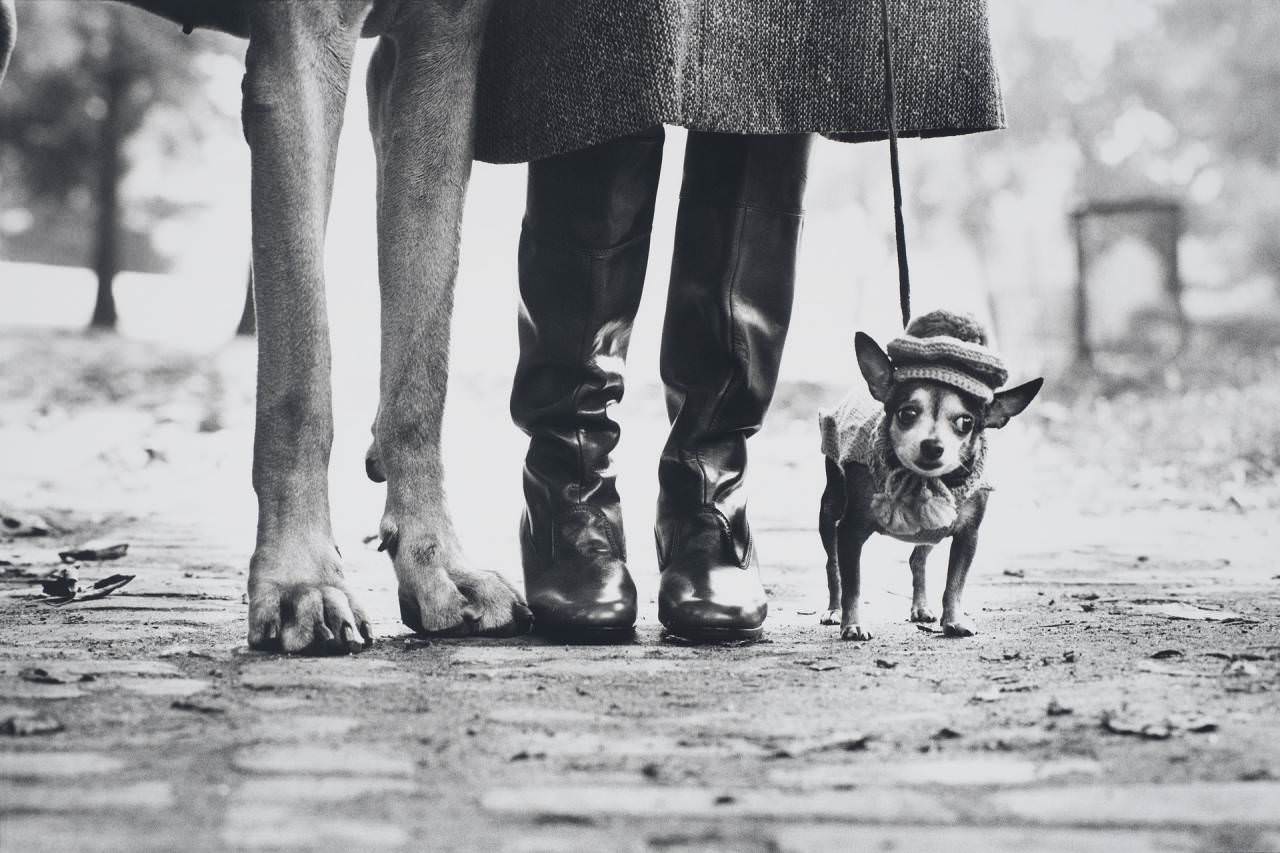
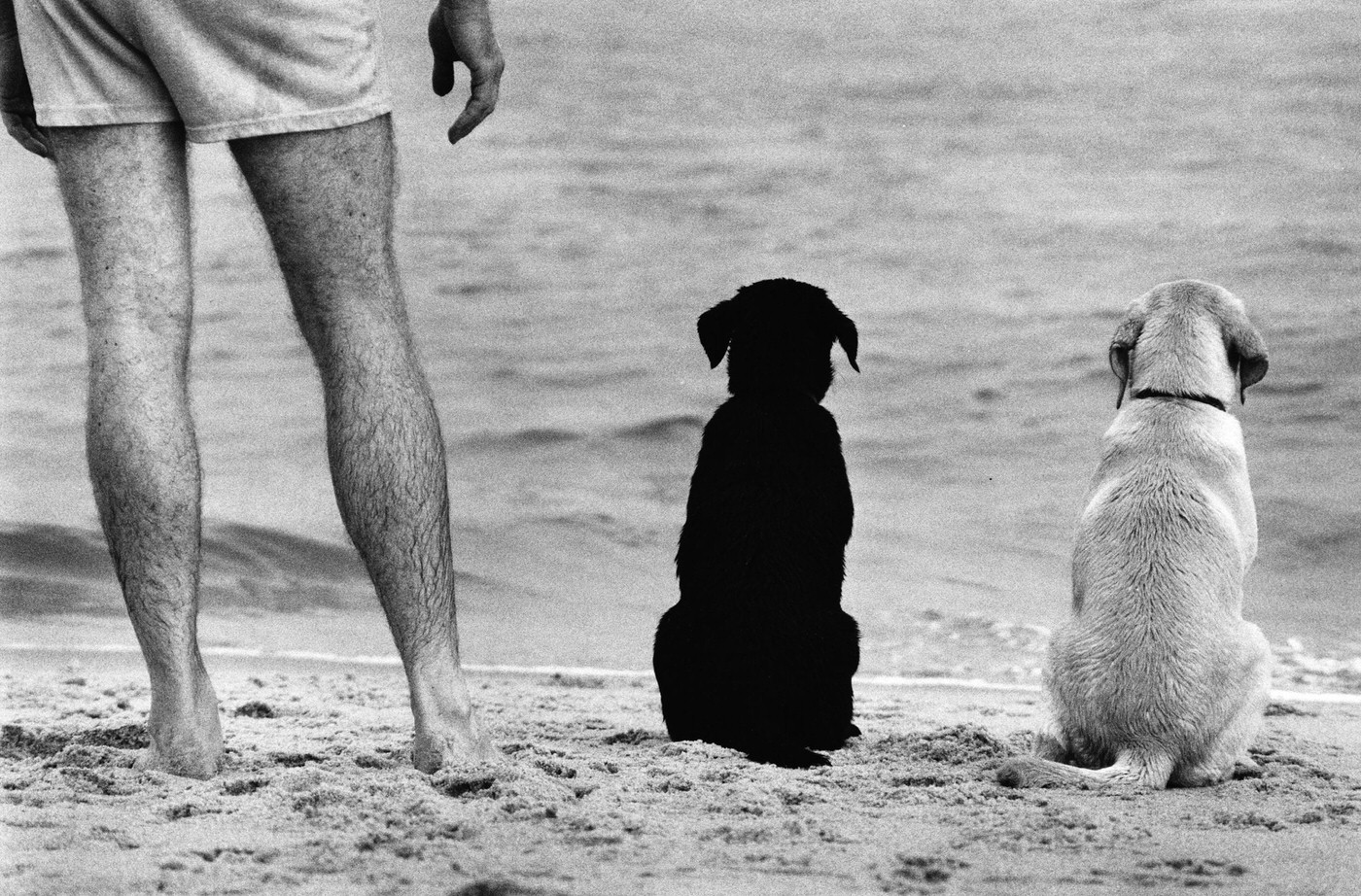
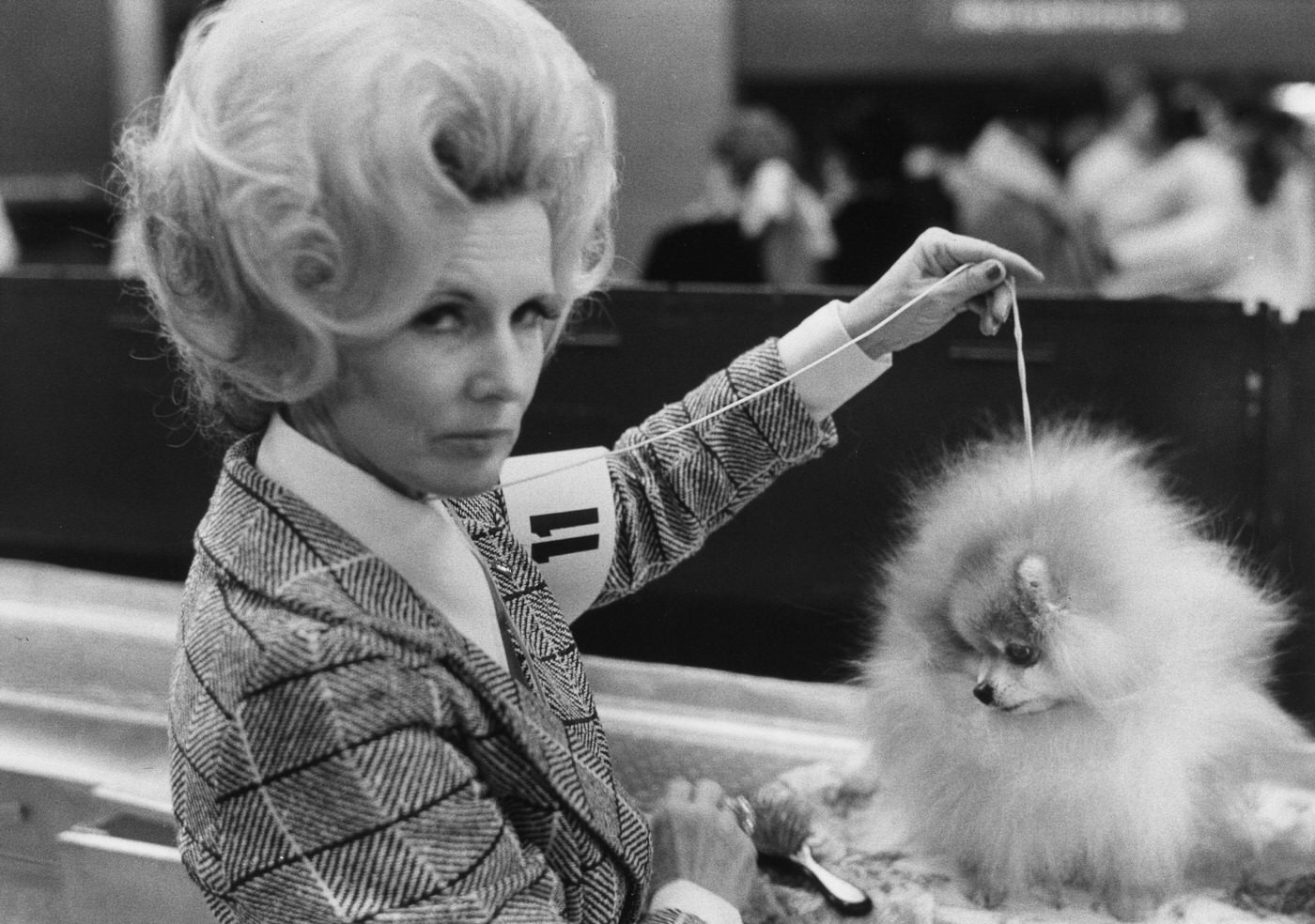
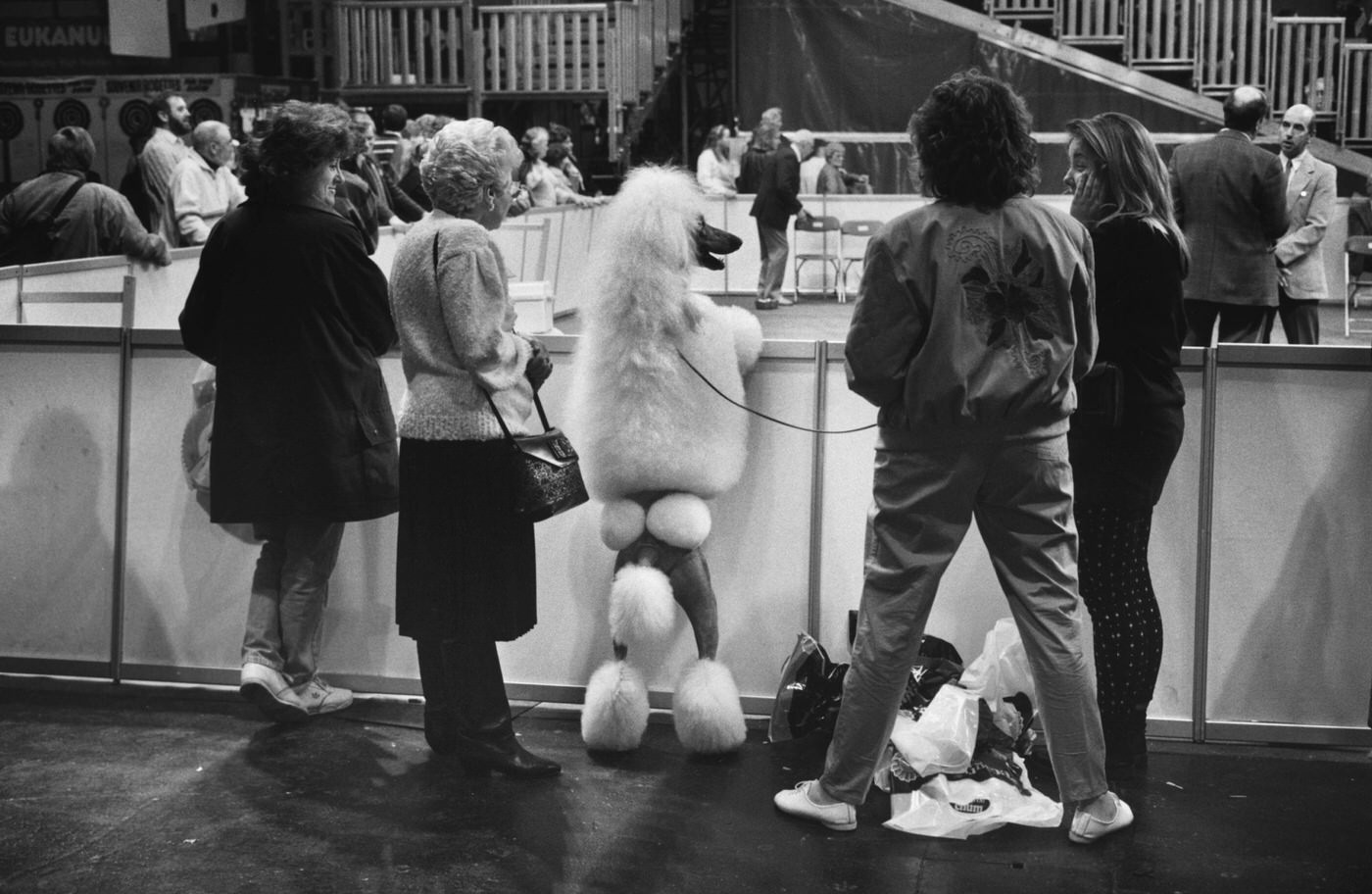
Dogs became something of a signature subject for Erwitt. He photographed them across decades and continents, always finding them in situations that mirrored or mocked human behavior. The results ranged from absurd to genuinely tender — small creatures navigating a world built for much bigger ones.