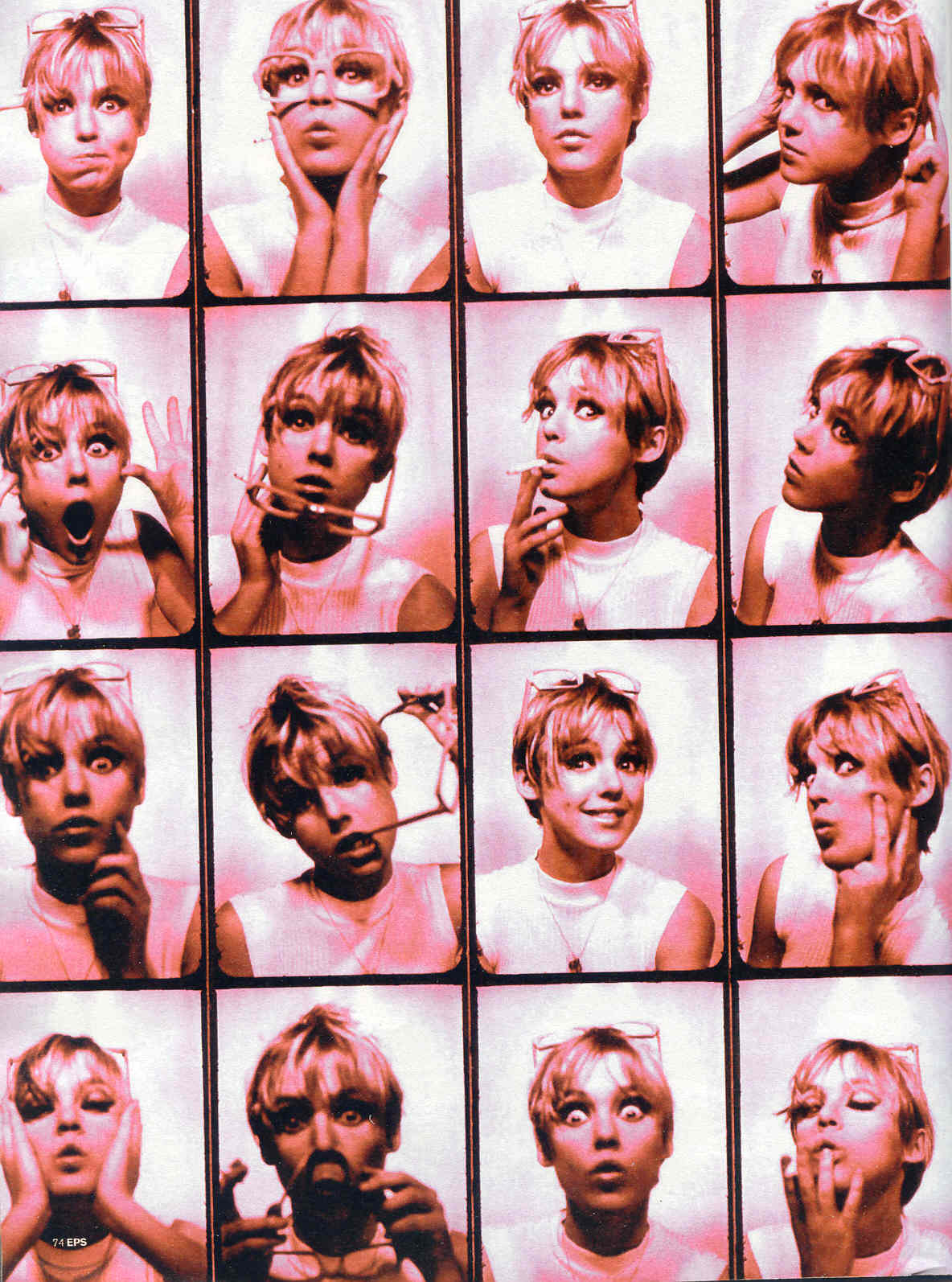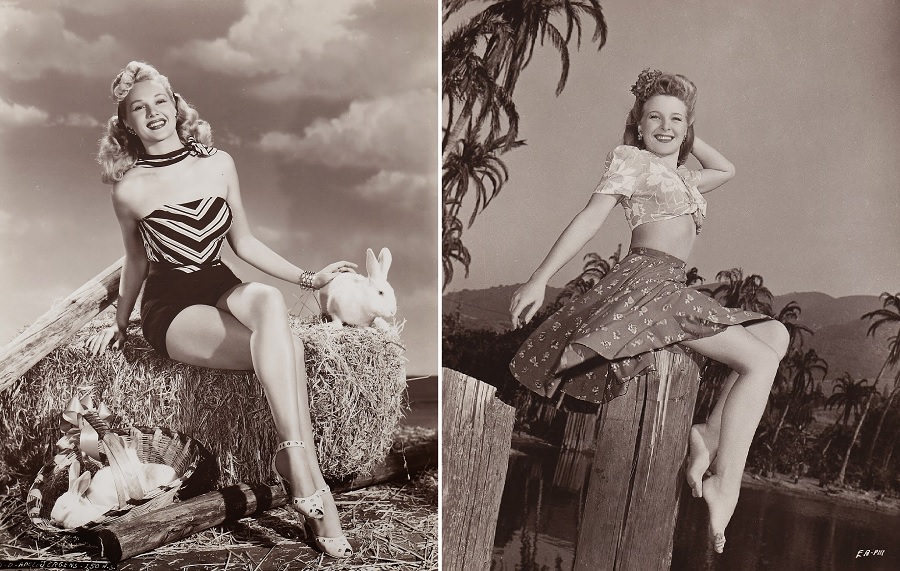
In 1965, Edie Sedgwick walked into Andy Warhol’s world and never quite left it. She was a young actress and fashion model from a wealthy family, but what set her apart had nothing to do with money. Short silver hair, oversized eyes, and a style that broke every rule of the era — Edie was impossible to ignore.
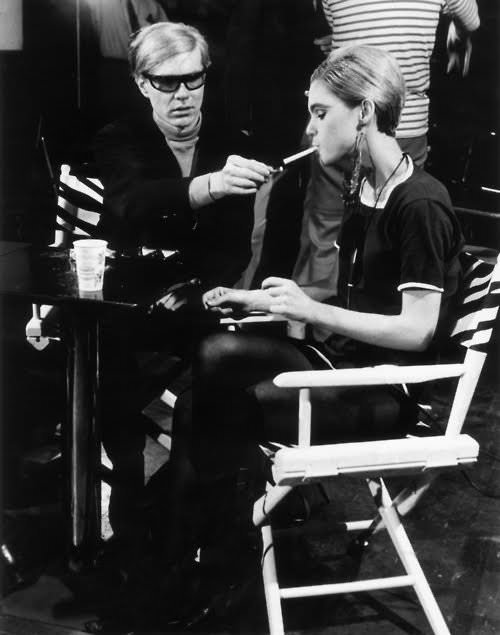
Warhol was already a celebrated artist by the time they met. His pop art and silkscreen portraits of celebrities had made him a household name. But he recognized something in Edie that went beyond surface beauty. She carried a rare mix of fragility and boldness that he found deeply compelling.
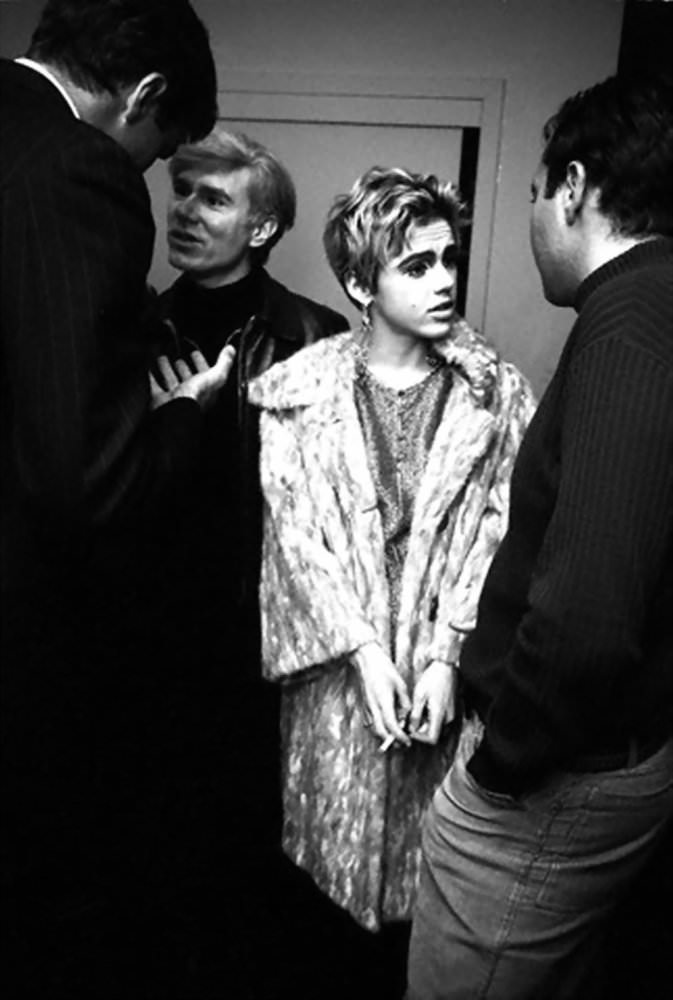
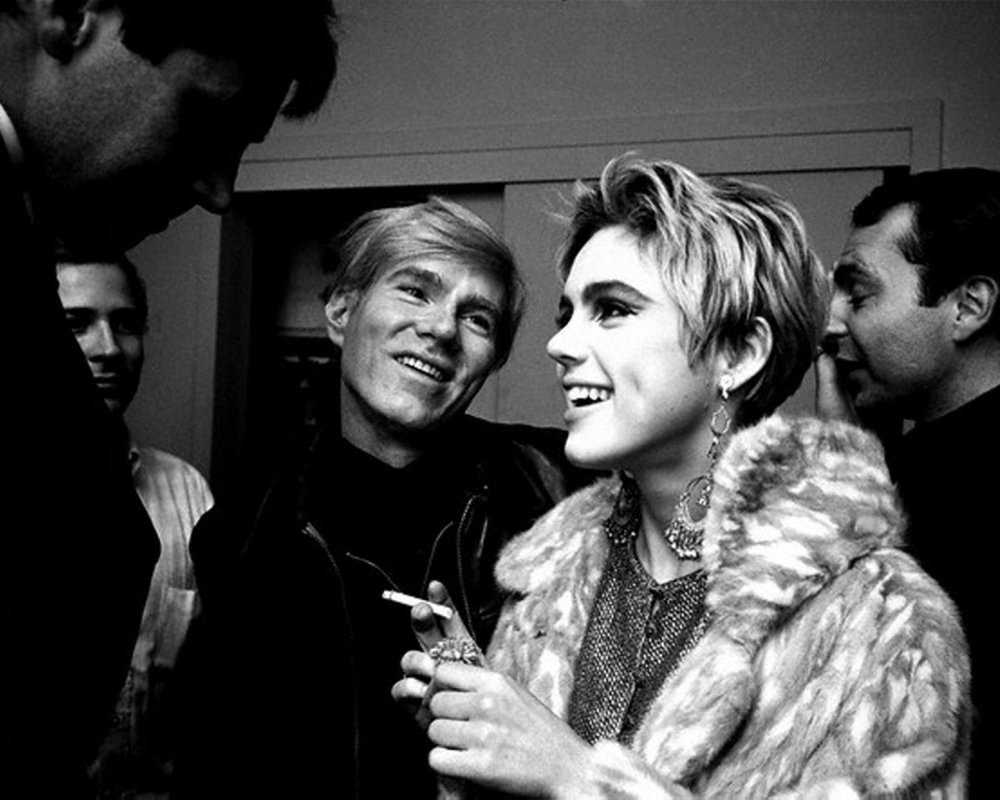
Warhol’s studio, known as The Factory, was the center of his creative universe. Artists, musicians, and filmmakers all passed through its doors. Edie quickly became the space’s most magnetic presence, drawing attention wherever she stood.
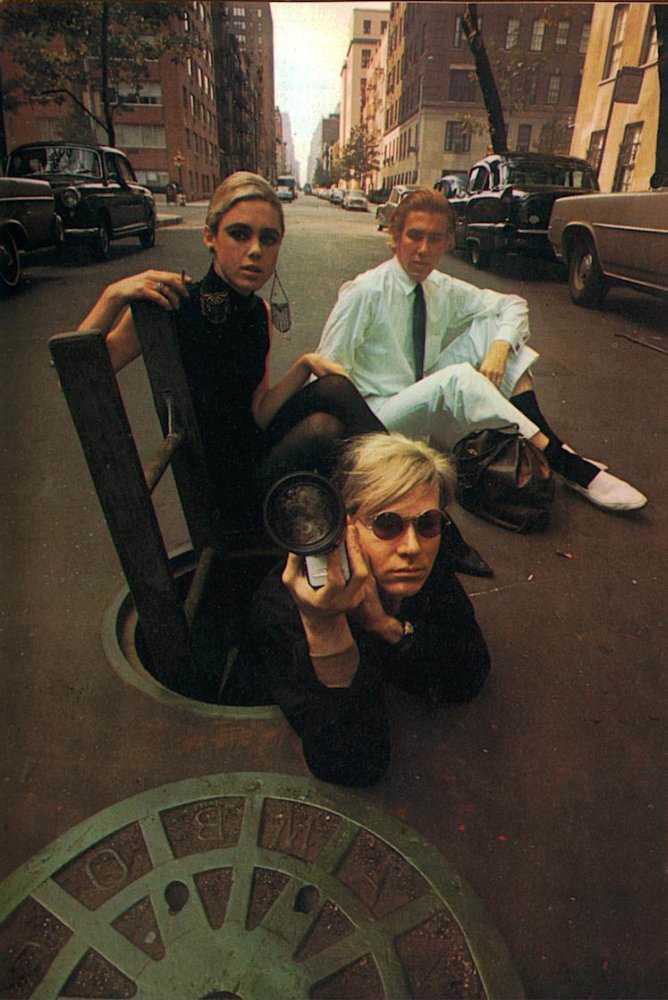
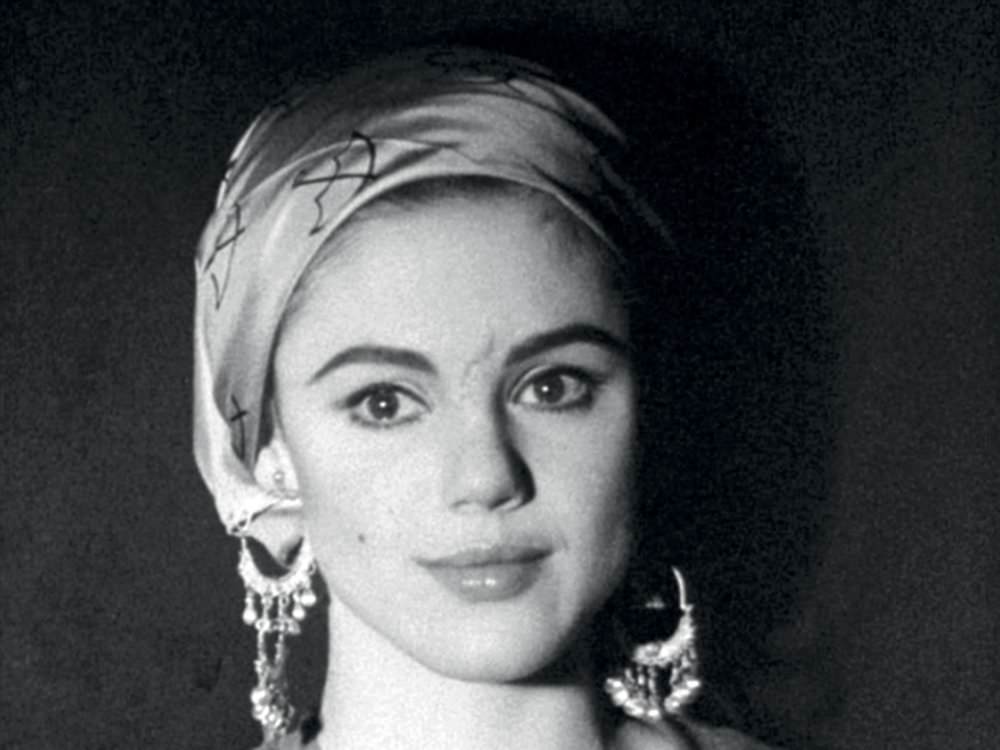
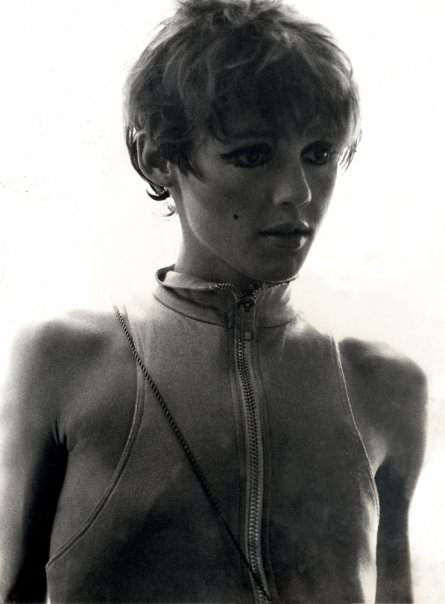
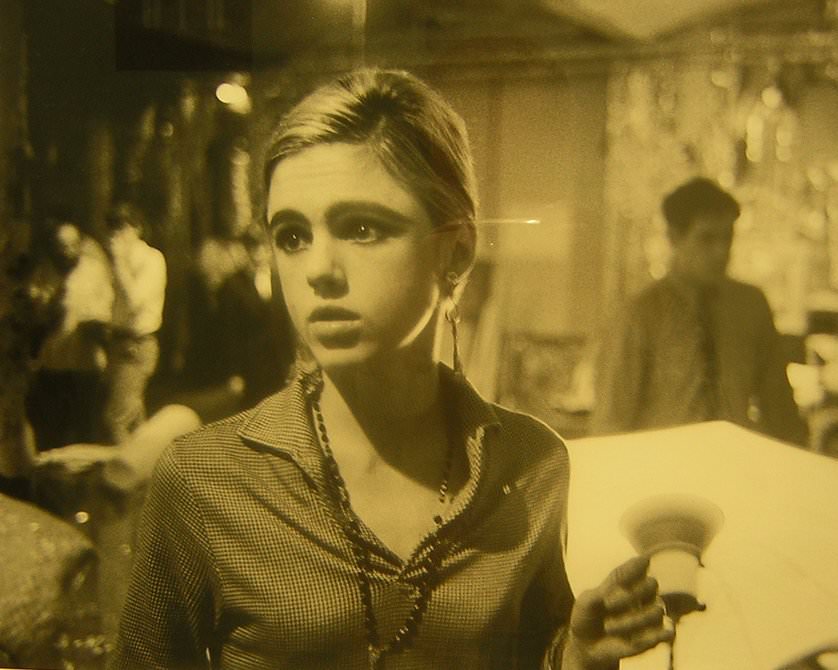
Warhol’s photographs of Edie were stark and direct — often black and white, with no attempt to glamorize her. He focused on her angular face, her expressive eyes, and the raw emotion sitting just beneath the surface. This was a sharp contrast to the heavily styled portraits common in Hollywood at the time.
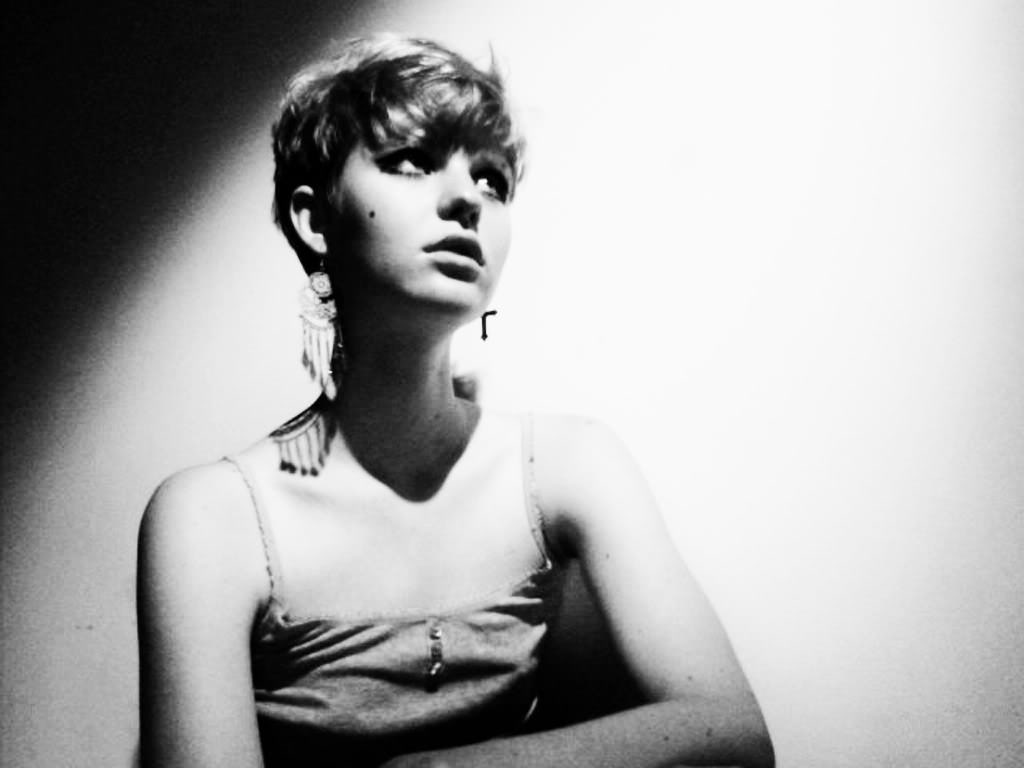
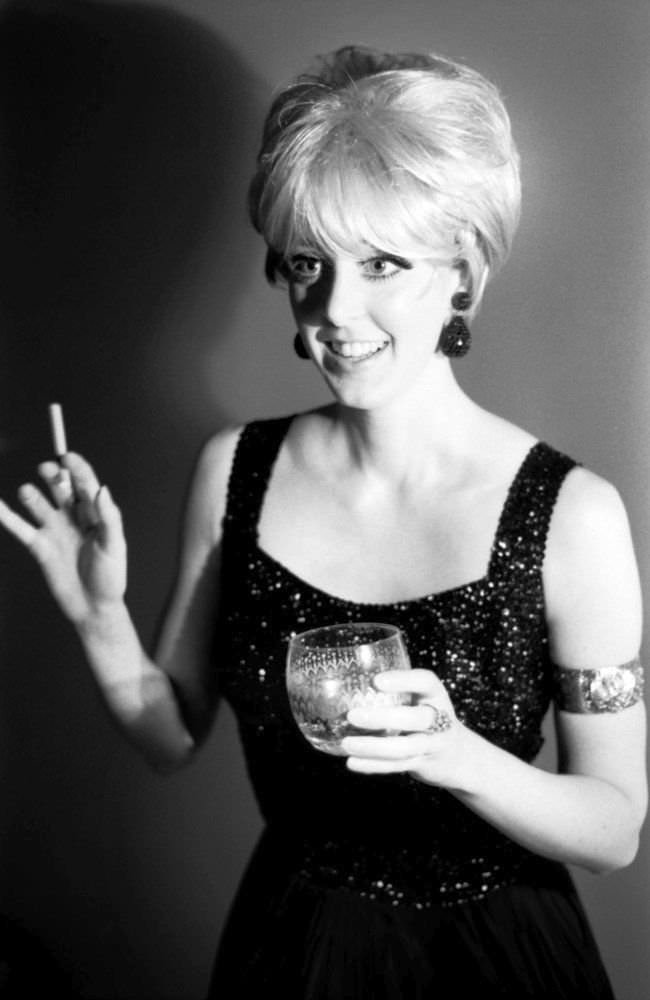
In many shots, she wore minimal makeup, her hair kept simple. Warhol wasn’t interested in hiding his subjects behind layers of polish. He wanted to capture people as they were — unguarded and real. With Edie, that approach produced some of the most powerful portraits of the decade.
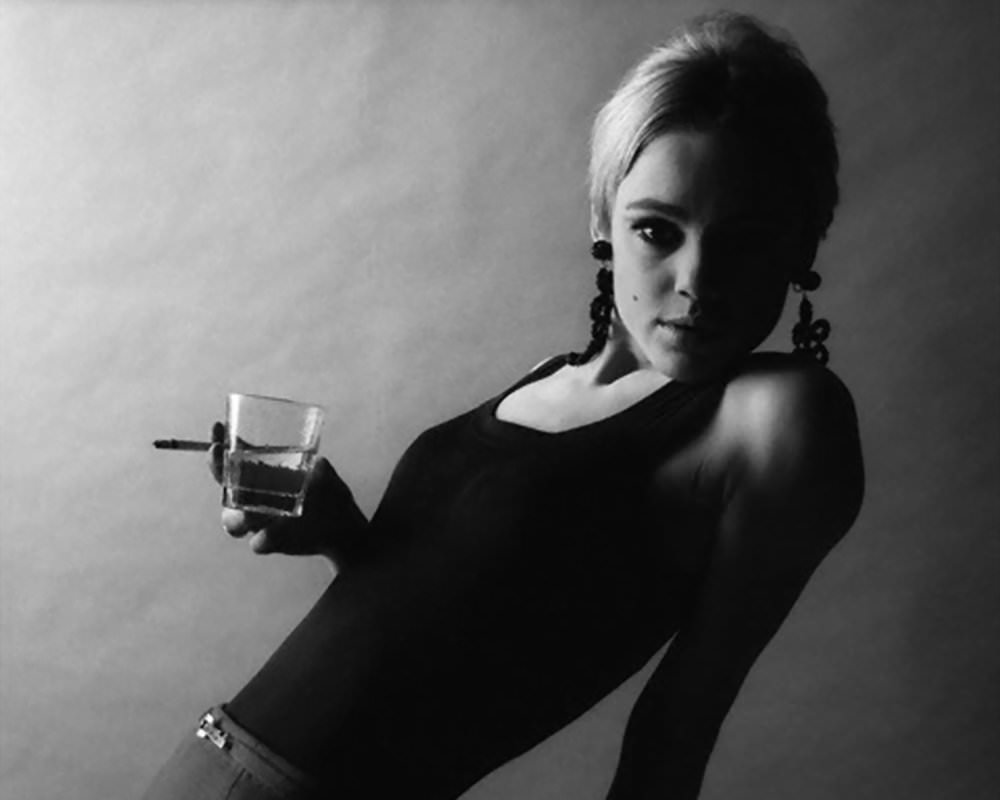
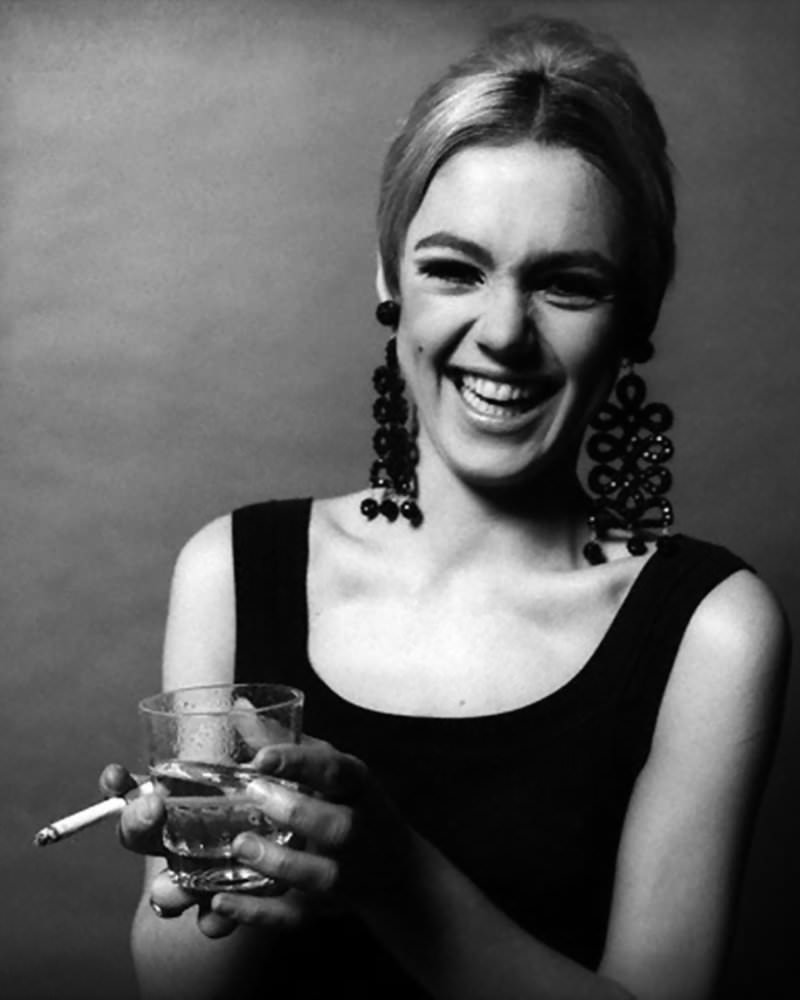
Warhol didn’t treat Edie as a typical model. He saw her as a collaborator — someone who could bring his ideas about fame and beauty to life. She became a canvas for his artistic vision, and their work together asked a direct question: what does celebrity actually look like when you strip away the performance?
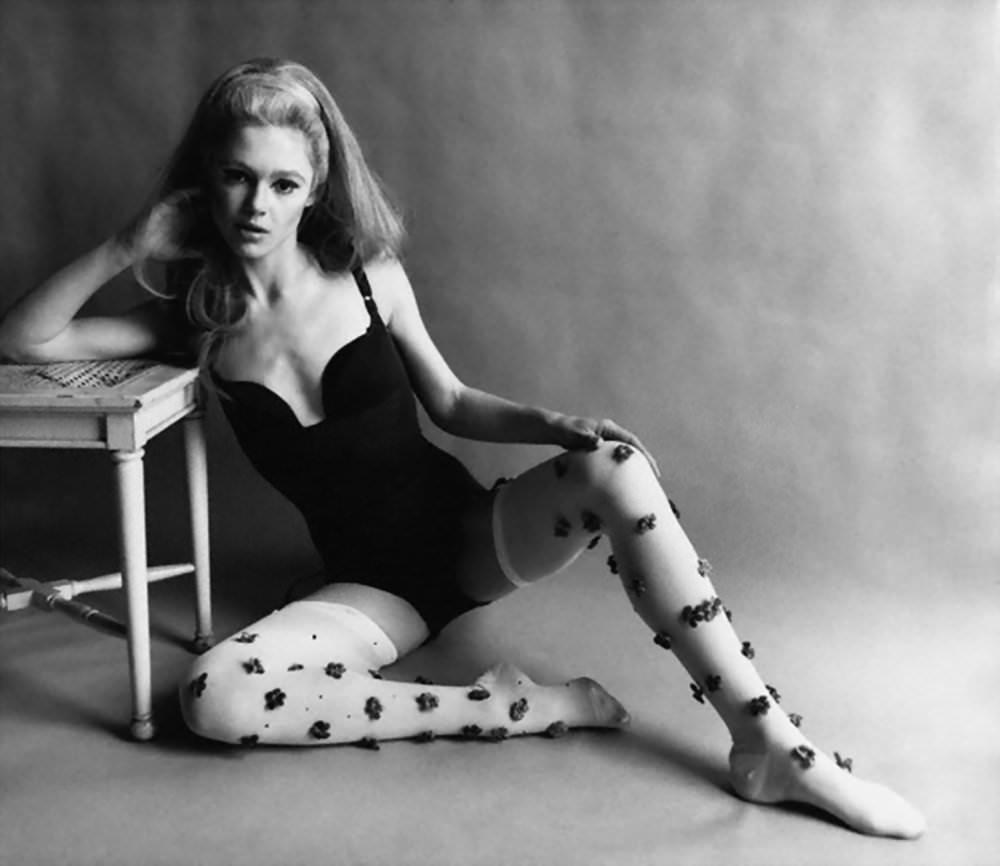
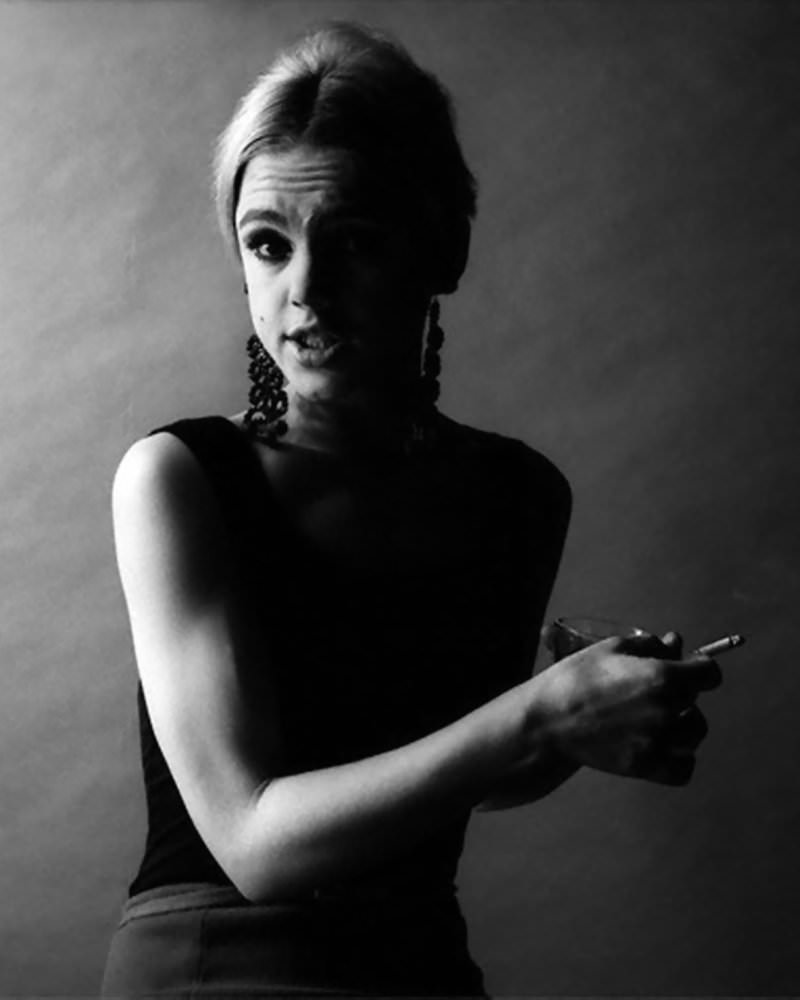
The images they created together placed Edie at the center of 1960s counterculture. She represented a clean break from traditional Hollywood glamour — no stiff poses, no manufactured smiles. Just a young woman with an extraordinary presence staring directly into the lens.
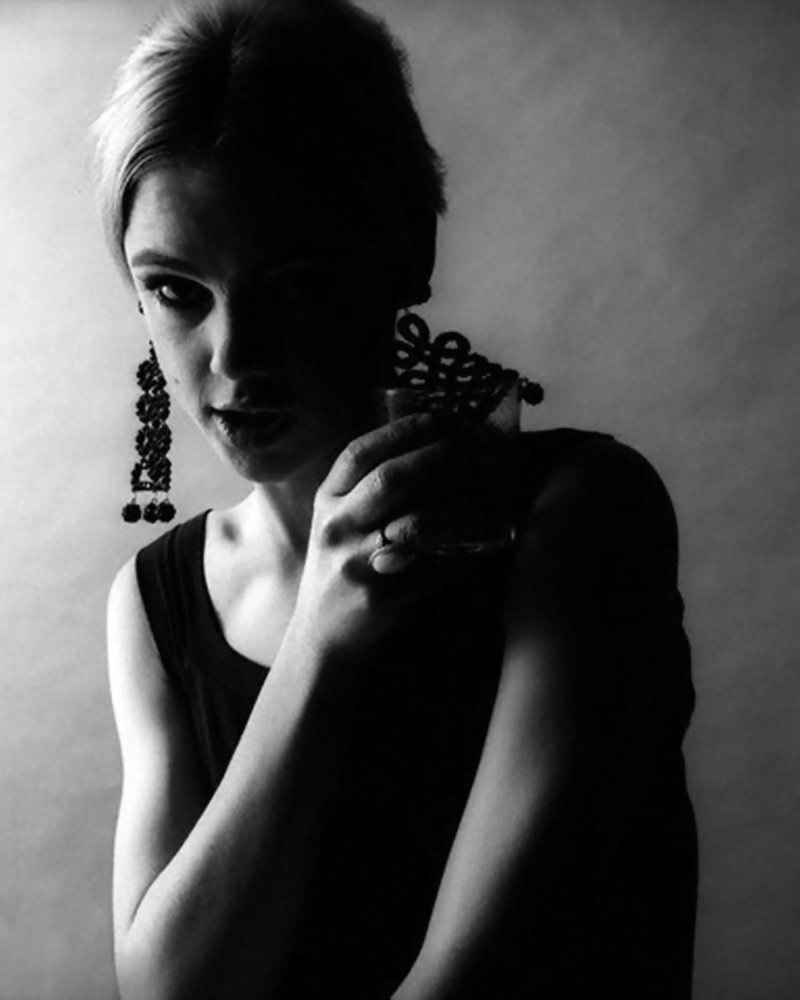
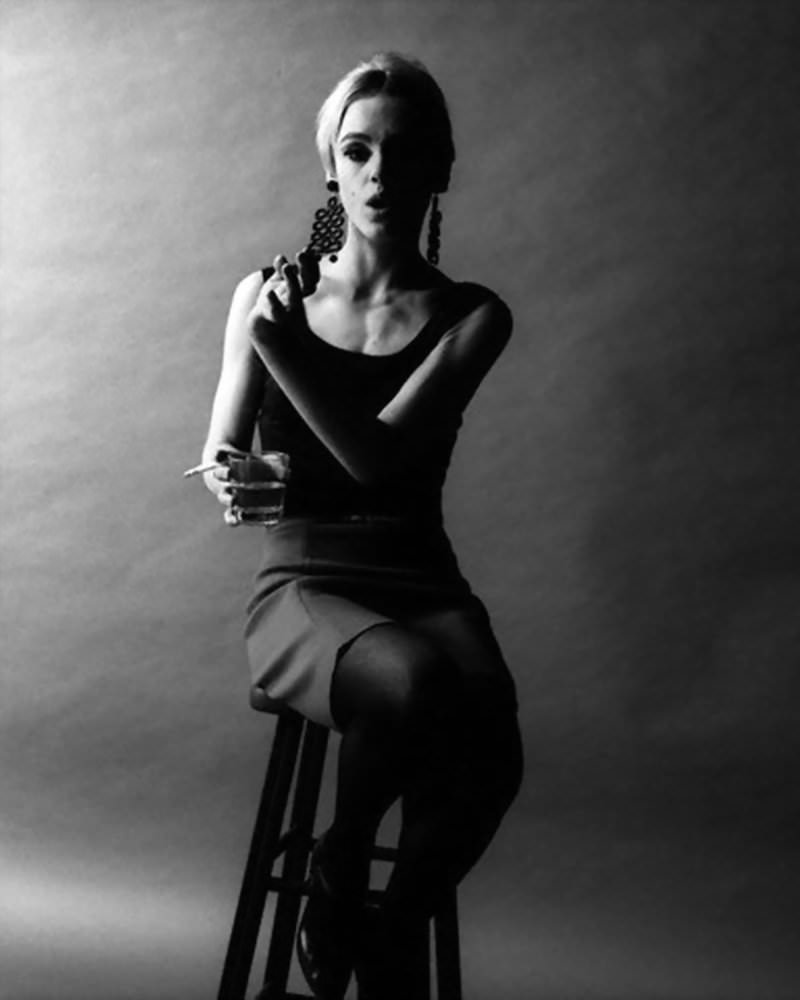
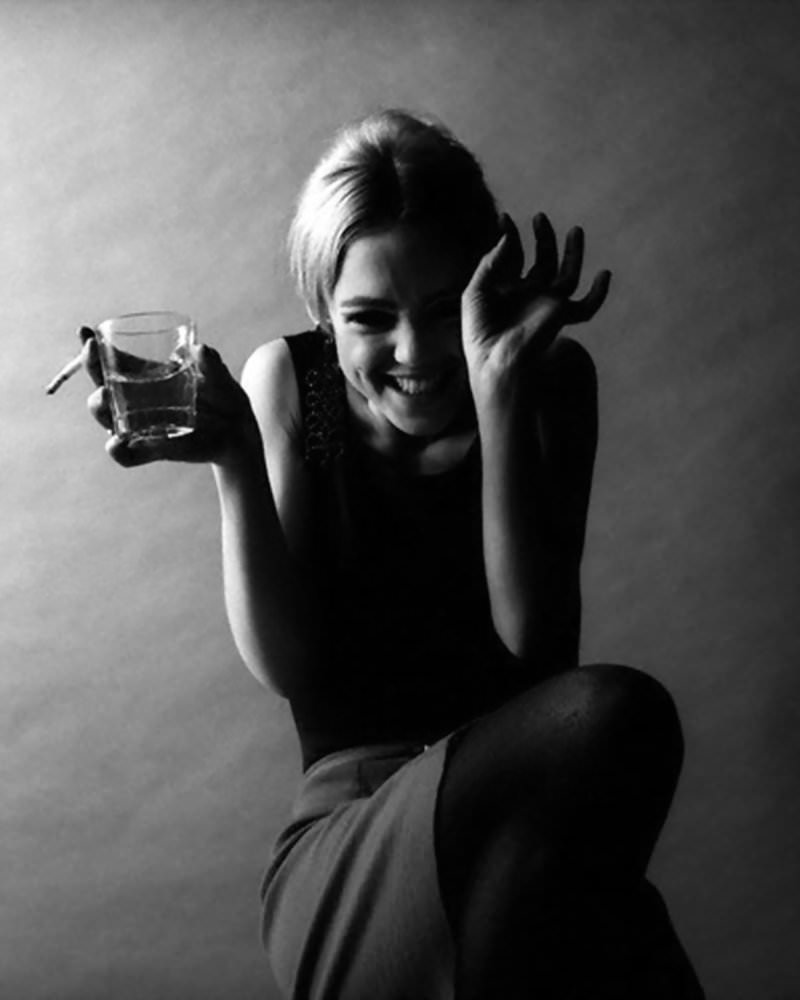
Her style was instantly recognizable. The cropped silver hair, bold geometric earrings, and mod-influenced clothing made her a visual reference point for an entire generation. Designers and photographers took notice. So did the public.
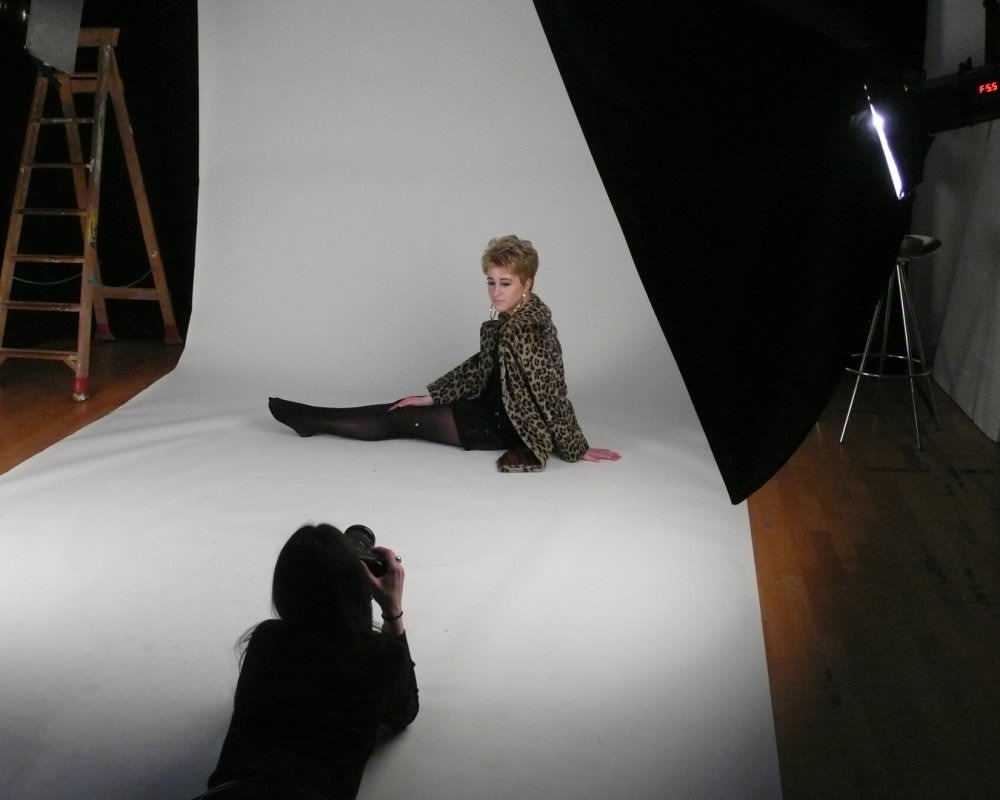
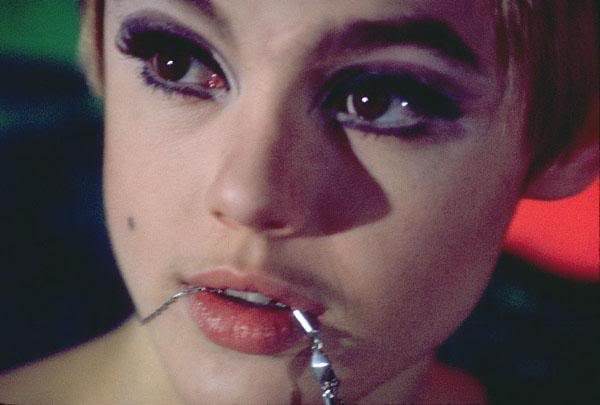
Warhol also filmed Edie extensively. His screen tests — long, slow close-up films of his subjects — put her face front and center for minutes at a time. The camera simply watched her. That was enough. Her presence alone held attention without any script or direction.
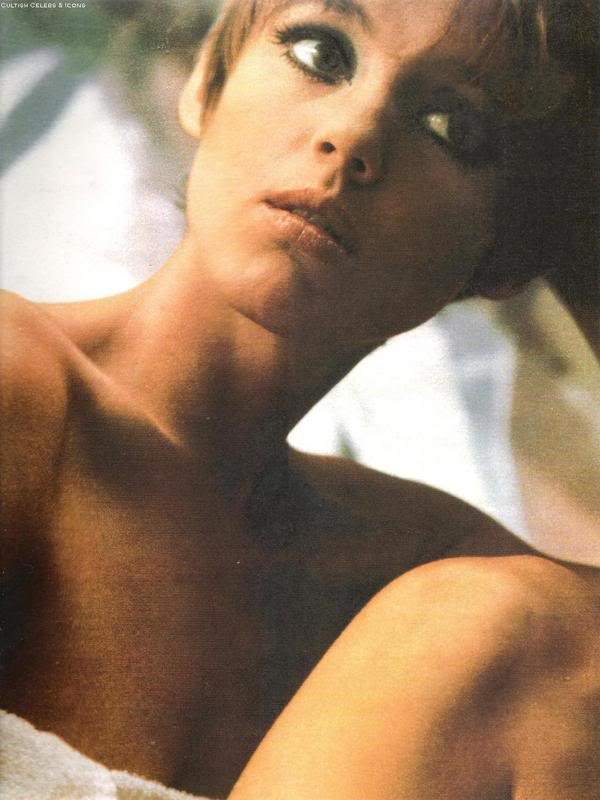
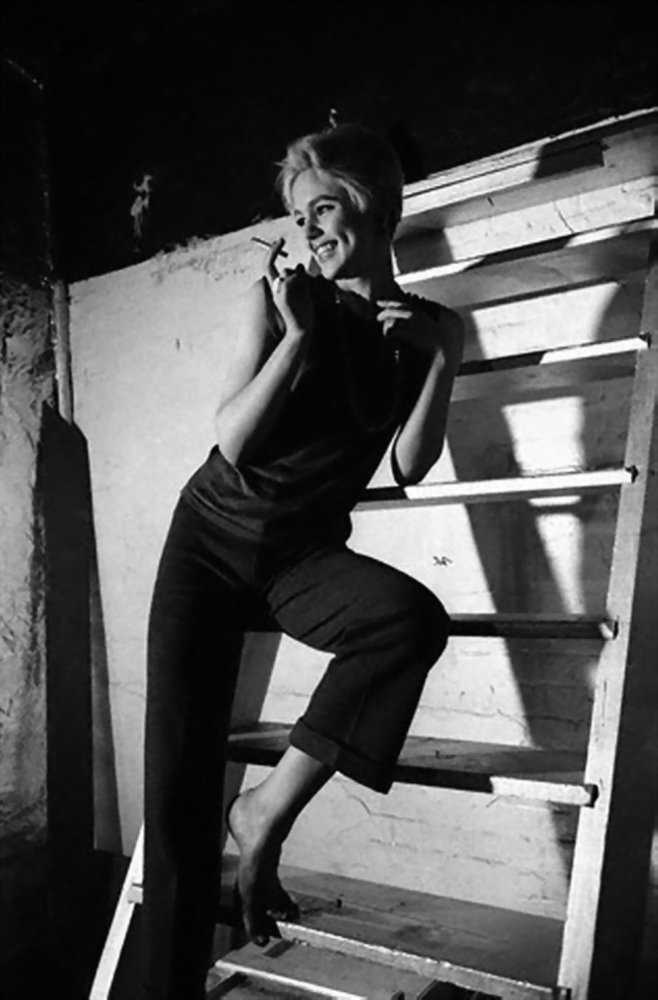
The photographs and films Warhol made of Edie during this period documented something genuine. Not a character, not a product — a real person moving through a very specific moment in American cultural history.
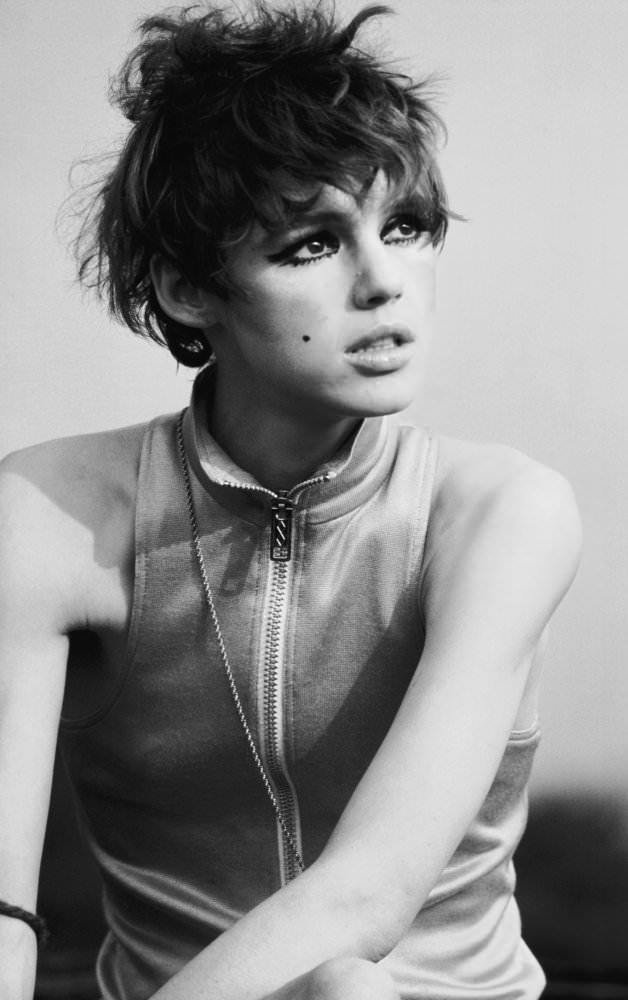
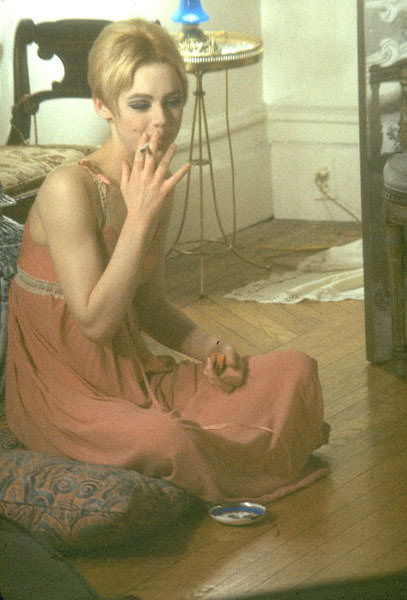
Their collaboration lasted only a few years, but during that time Edie appeared in several of Warhol’s films, including Vinyl and Poor Little Rich Girl. Each project reinforced her identity as someone who existed outside the normal rules of fame.
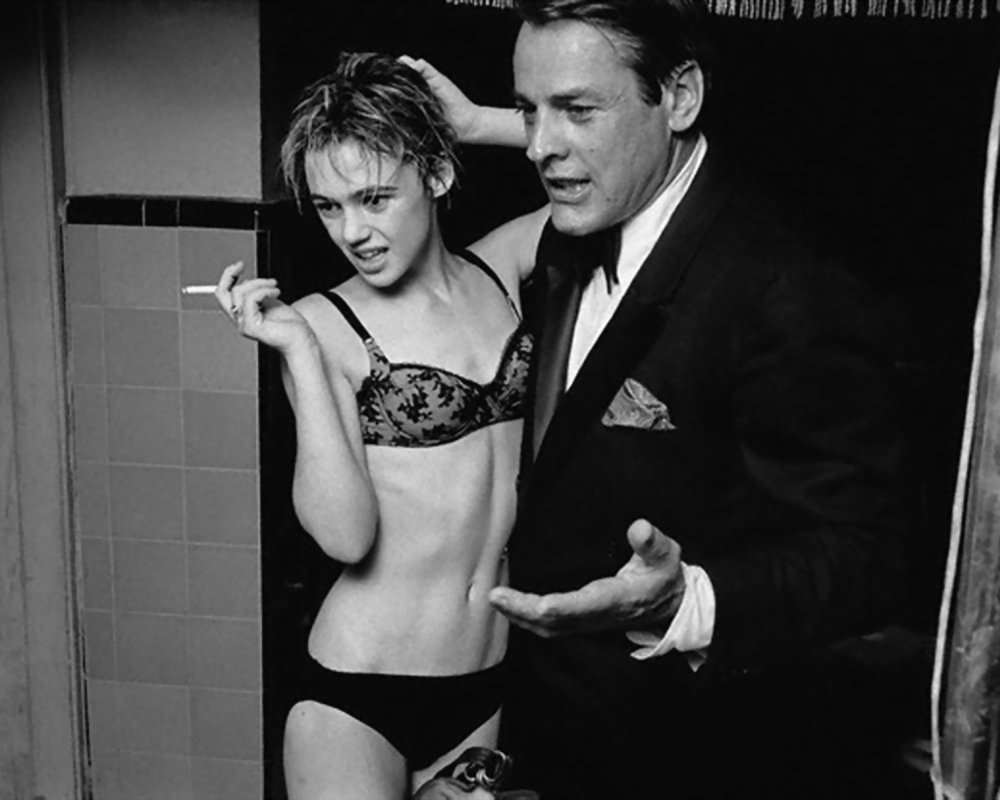
What Warhol captured in his images of Edie Sedgwick was not just a woman or a style — it was a specific attitude. Confident, unconventional, and entirely her own. The camera found it every time.