Tucked away in the West London suburb of Ealing, Ealing Studios spent two decades turning out films that defined British cinema. From the late 1930s through the 1960s, the studio produced comedies, dramas, and thrillers that drew audiences week after week. But it was the 1940s and 1950s that cemented its place in film history — a run of pictures so sharp, so distinctly British, that they still hold up today.
The posters made to promote these films were as carefully crafted as the movies themselves. Printed large, painted in bold colors, and built around striking illustrations or star photographs, they were designed to stop people in their tracks. A good poster had to communicate the tone of the film instantly — whether that was dark comedy, wartime tension, or pure farce. Ealing’s artists understood that assignment well.
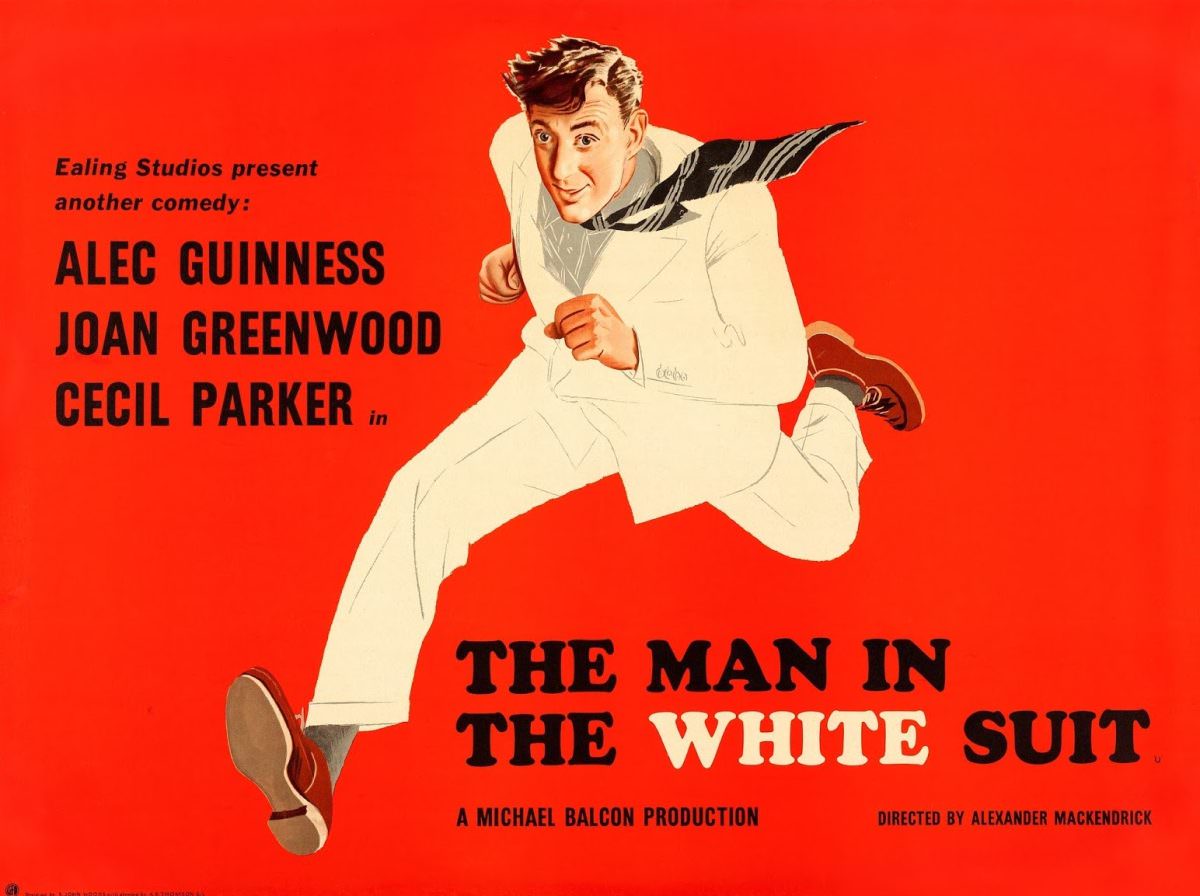
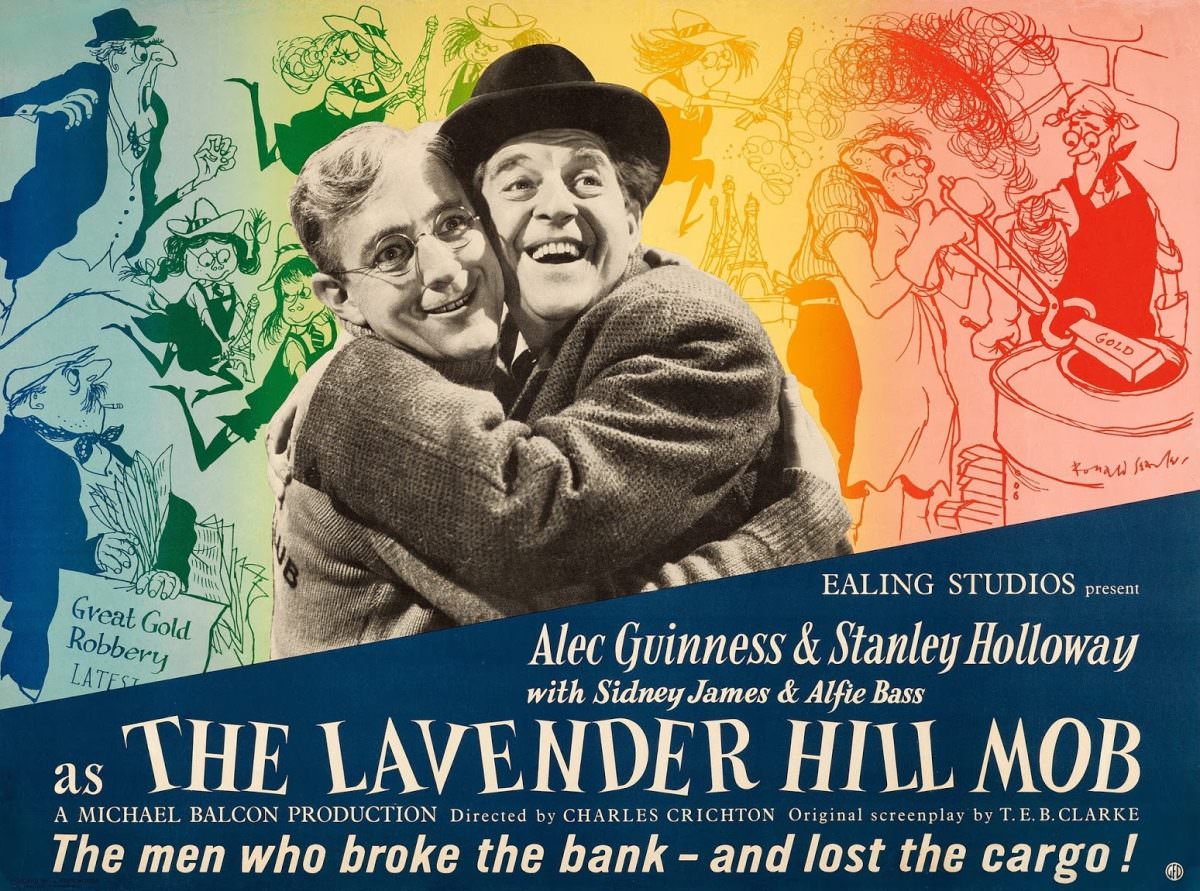
Alec Guinness became one of the studio’s most important faces during this period. In Alexander Mackendrick’s 1951 film The Man in the White Suit, he played a scientist whose indestructible fabric invention threatens both factory owners and trade unions alike. That same year, Guinness appeared alongside Stanley Holloway — with Sid James and Alfie Bass in supporting roles — in Charles Crichton’s The Lavender Hill Mob, a caper about a meek bank clerk who masterminds a gold bullion heist.
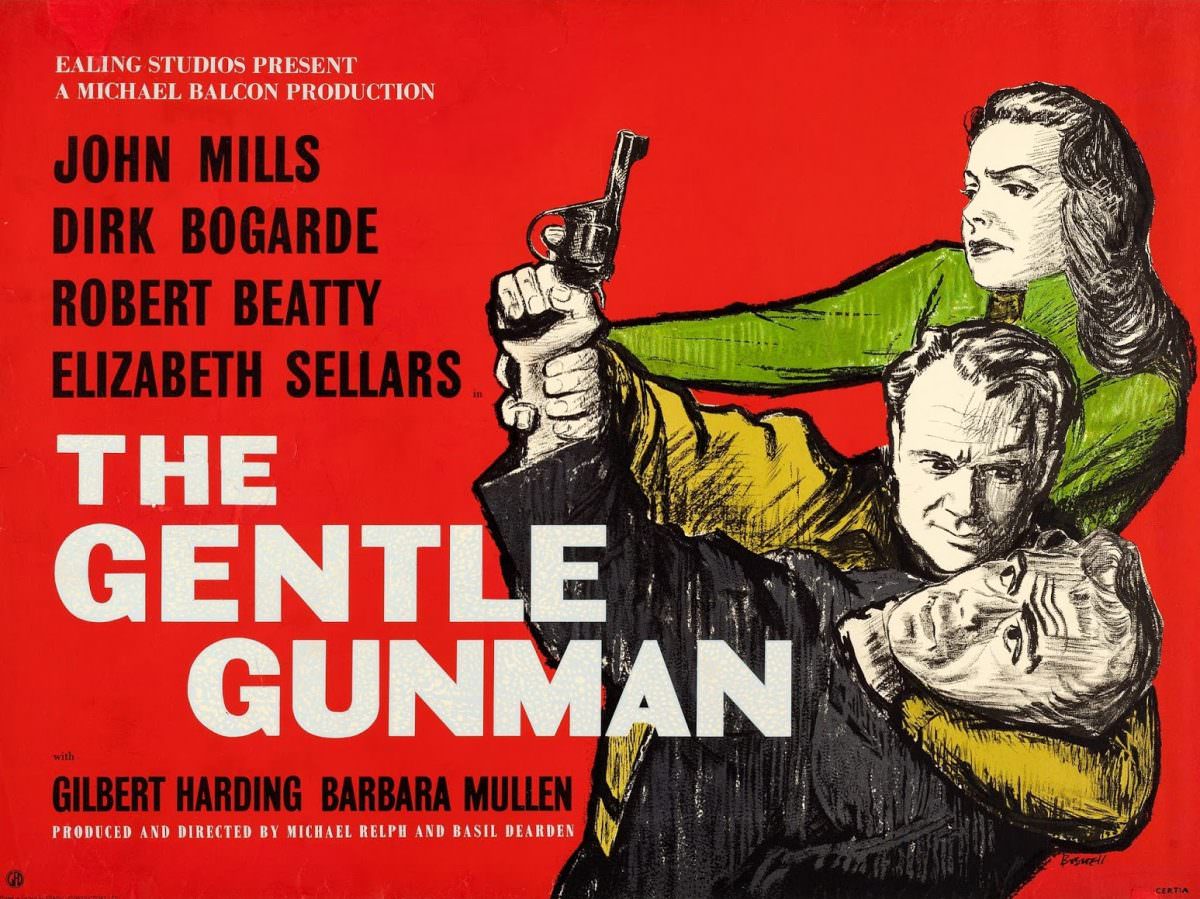
Not every Ealing film leaned into comedy. The studio also tackled weightier material. The Gentle Gunman, a 1952 drama directed by Basil Dearden, starred John Mills, Dirk Bogarde, and Elizabeth Sellars in a story rooted in IRA conflict, based on Roger MacDougall’s 1950 stage play.
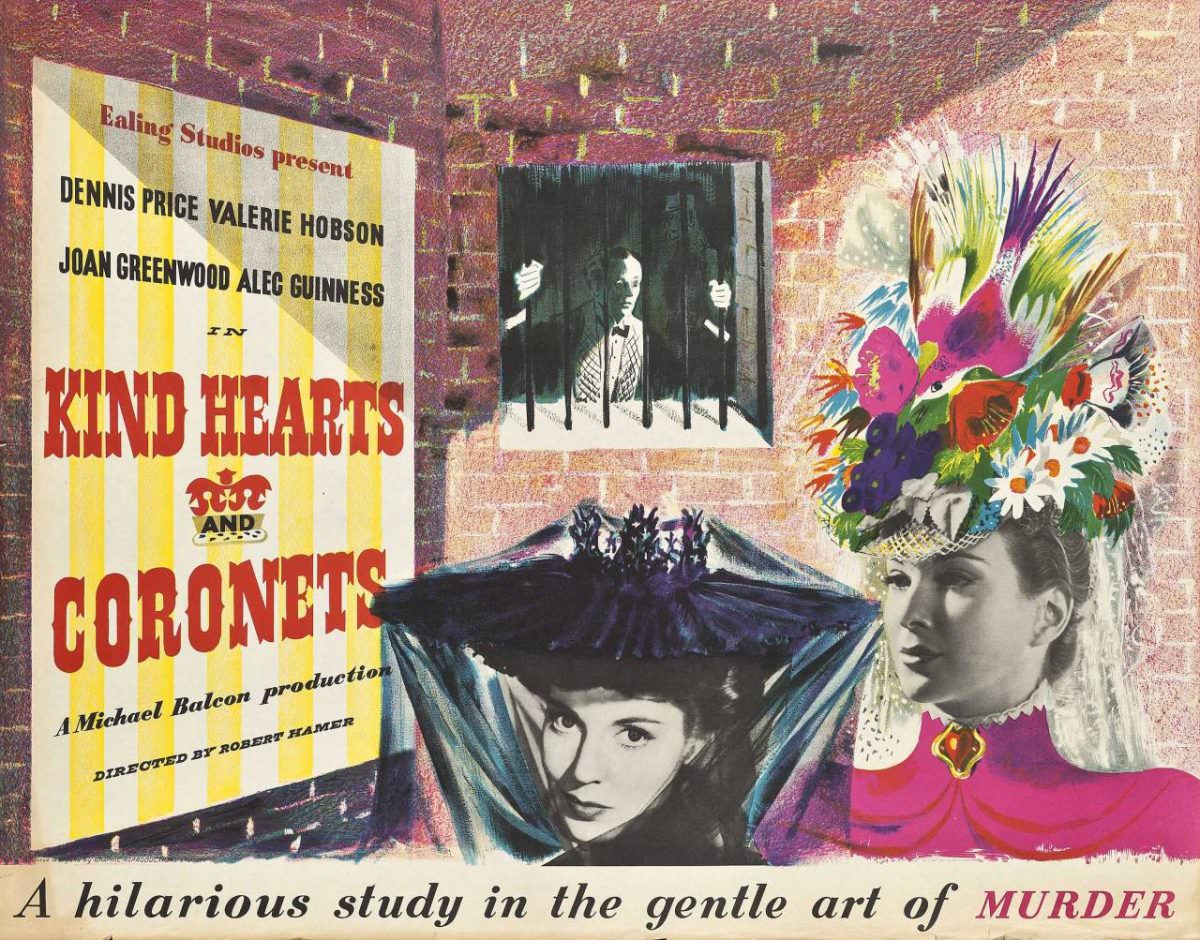
Among all the films Ealing produced, Kind Hearts and Coronets from 1949 stands as one of the most audacious. Dennis Price plays a distant heir who murders his way through eight members of the D’Ascoyne family to claim a dukedom — and Alec Guinness plays all eight of them. The plot drew loosely from Roy Horniman’s 1907 novel Israel Rank: The Autobiography of a Criminal.
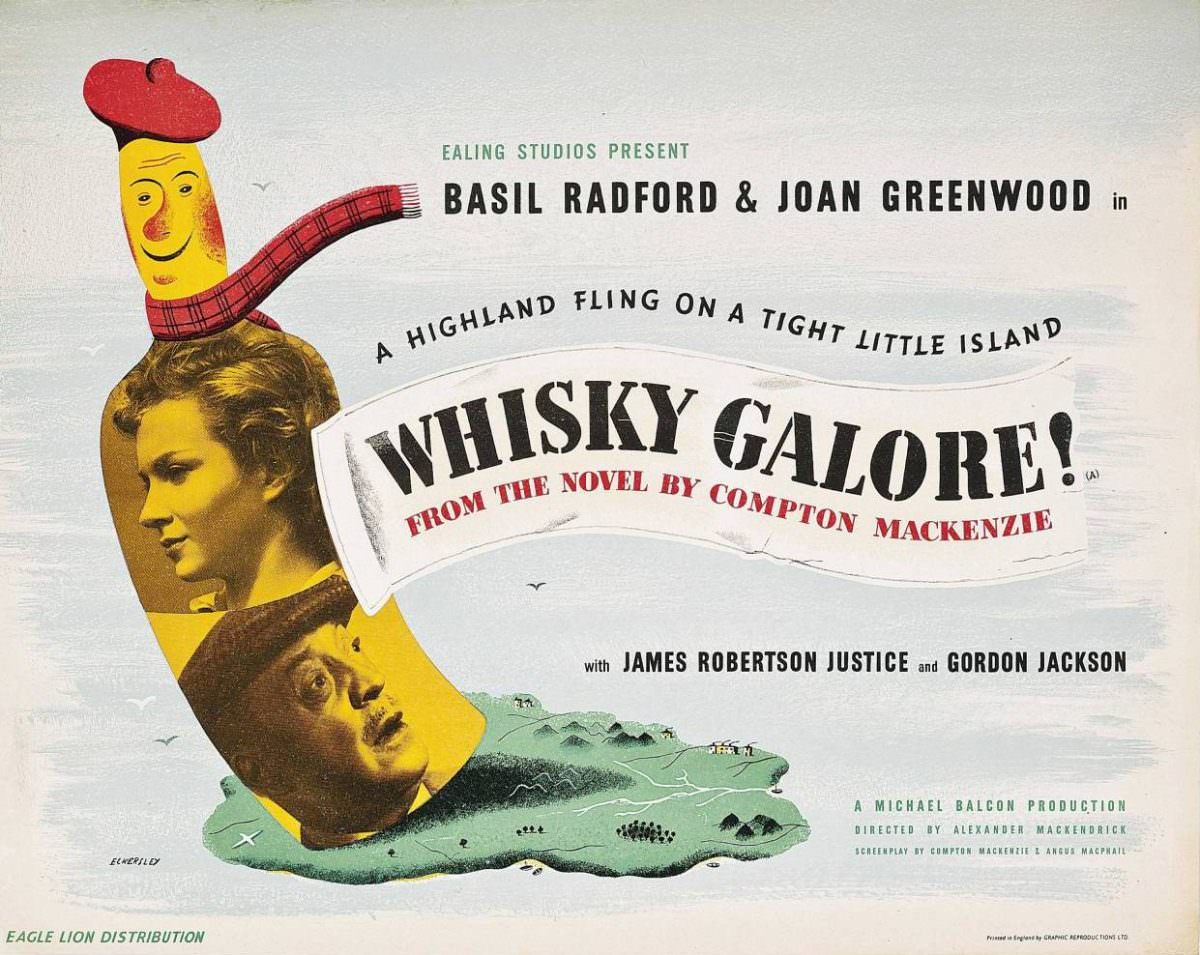
That same year, 1949, also gave audiences Whisky Galore! — Alexander Mackendrick’s directorial debut, written by Compton Mackenzie (adapting his own 1947 novel) and Angus MacPhail. It starred Basil Radford, Bruce Seton, Joan Greenwood, and Gordon Jackson in a story about a Scottish island community that salvages whisky from a shipwrecked cargo vessel during wartime rationing.
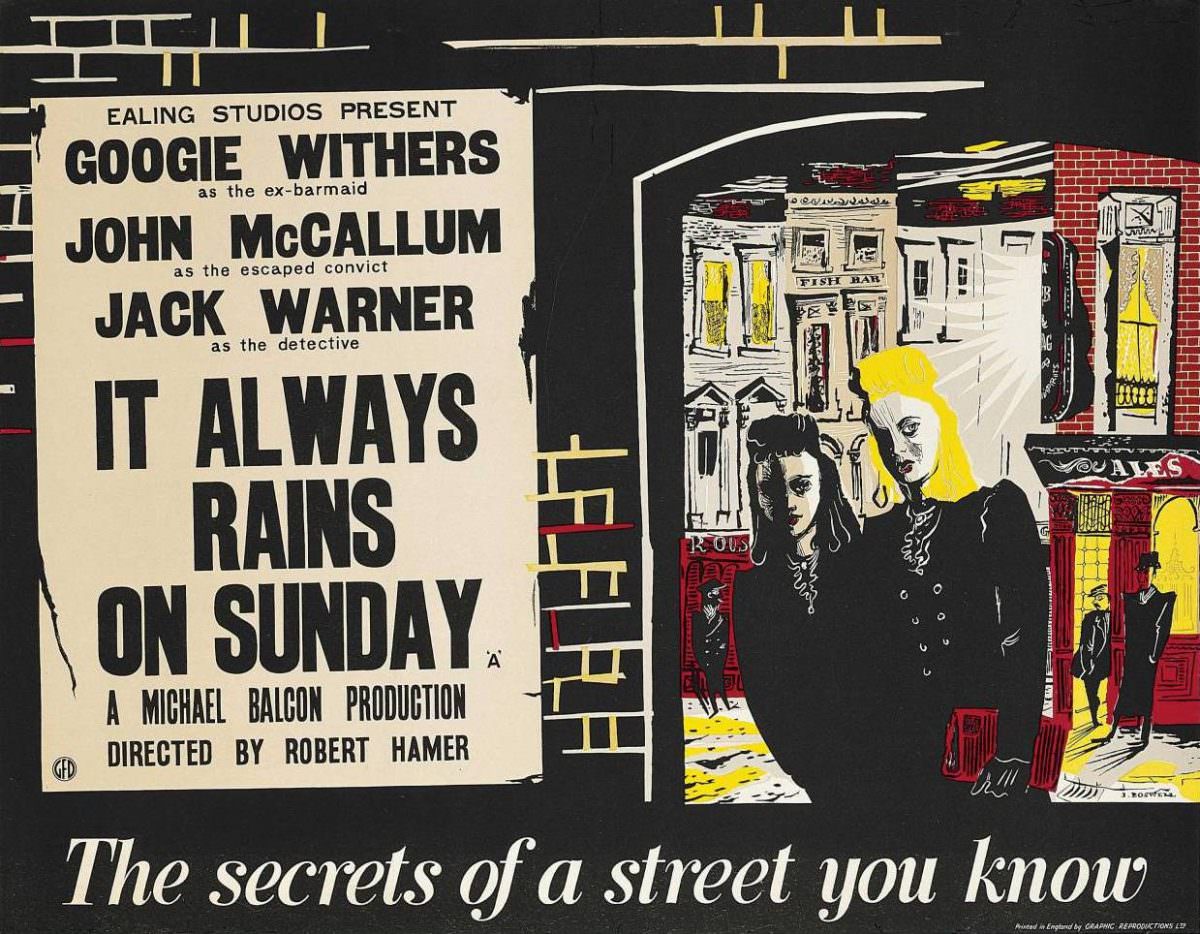
Two years before Whisky Galore!, Robert Hamer directed It Always Rains on Sunday (1947), a gritty drama based on Arthur La Bern’s novel of the same name. Set in the East End of London, it was a tougher, more grounded film than the studio’s comedies — and proof that Ealing’s range was wider than many people recognized.
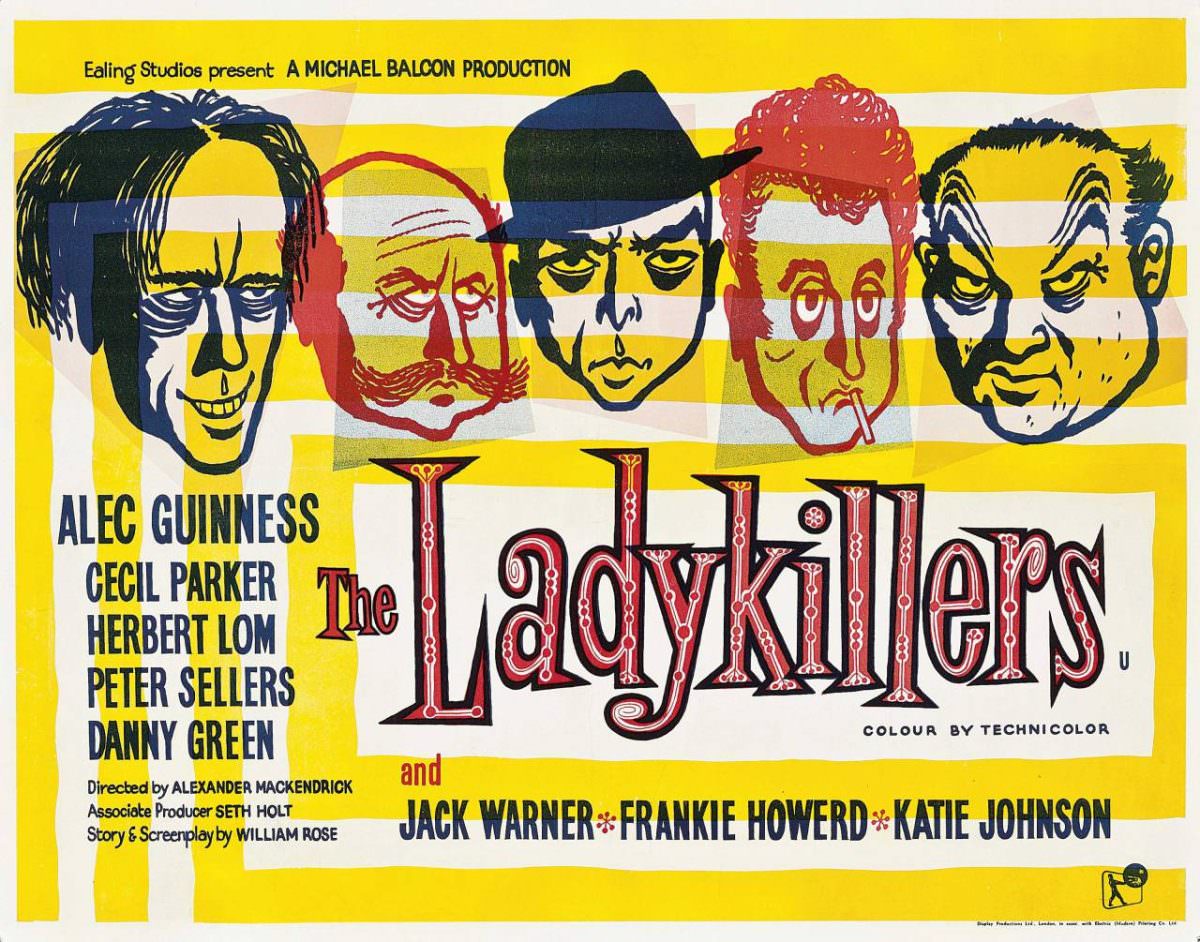
Alexander Mackendrick returned to Ealing for The Ladykillers in 1955, directing a cast that included Alec Guinness, Cecil Parker, Herbert Lom, Peter Sellers, Danny Green, Jack Warner, and Katie Johnson as Mrs. Wilberforce — the sharp-eyed old lady who unwittingly disrupts a gang’s robbery scheme.
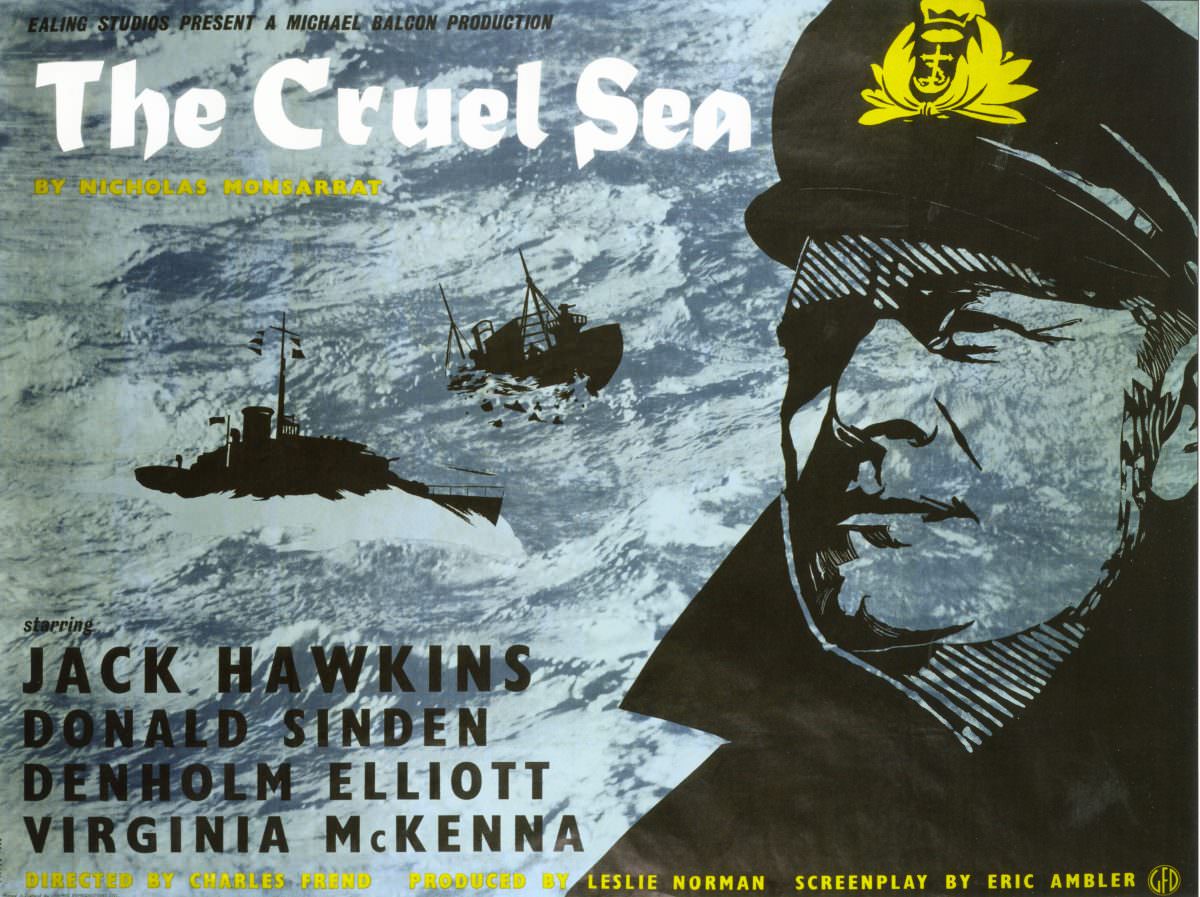
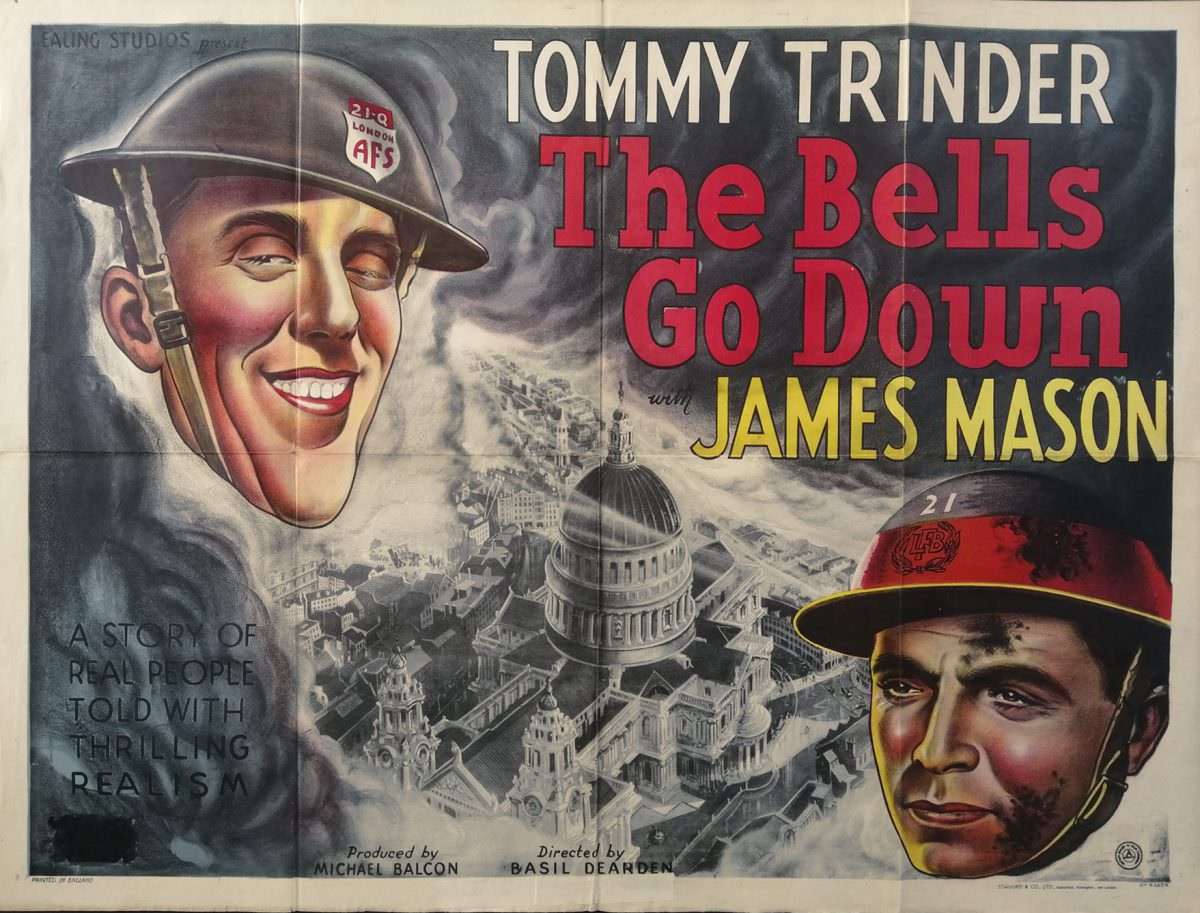
Ealing also took on more serious, large-scale productions. The Cruel Sea (1953) starred Jack Hawkins in a harrowing depiction of the Battle of the Atlantic, while The Bells Go Down (1943) followed London firefighters during the Blitz. The title referred to the alarm bells in the fire station that literally “go down” when a call comes in.
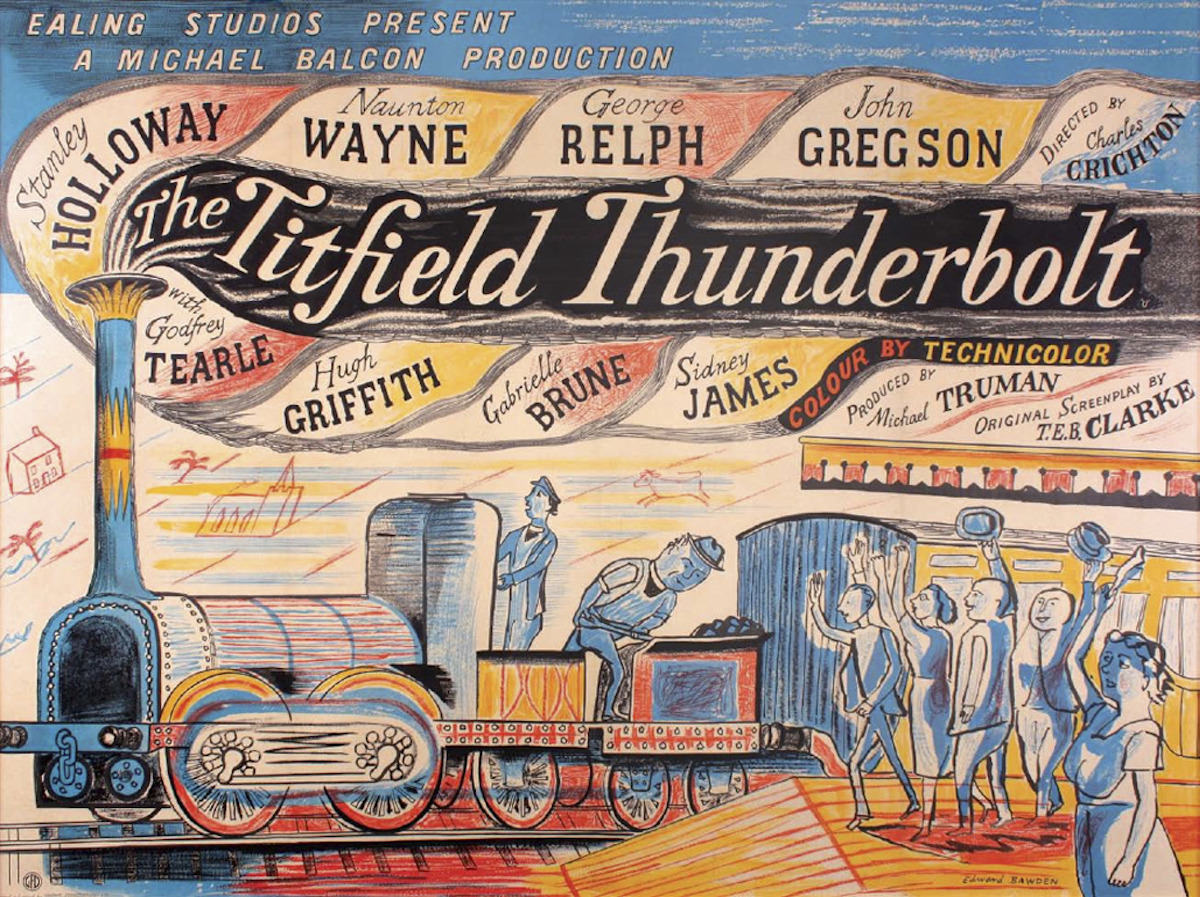
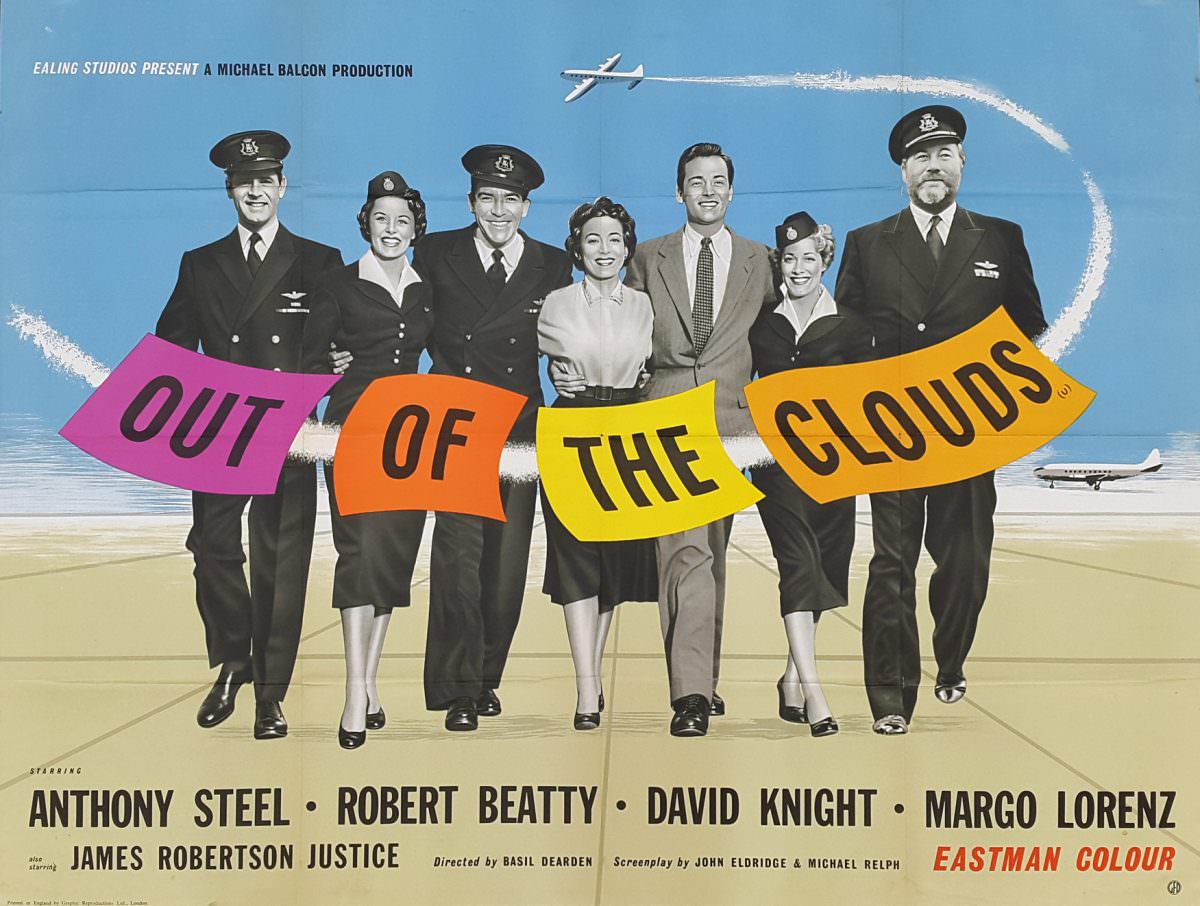
Charles Crichton directed The Titfield Thunderbolt in 1953, a comedy starring Stanley Holloway, Naunton Wayne, George Relph, and John Gregson about villagers who fight to keep their local railway line running. That same year, Basil Dearden directed Out of the Clouds (1955), an ensemble film set at London Airport — the name used for Heathrow between 1946 and 1966 — weaving together stories of passengers and airport crew across a single day.
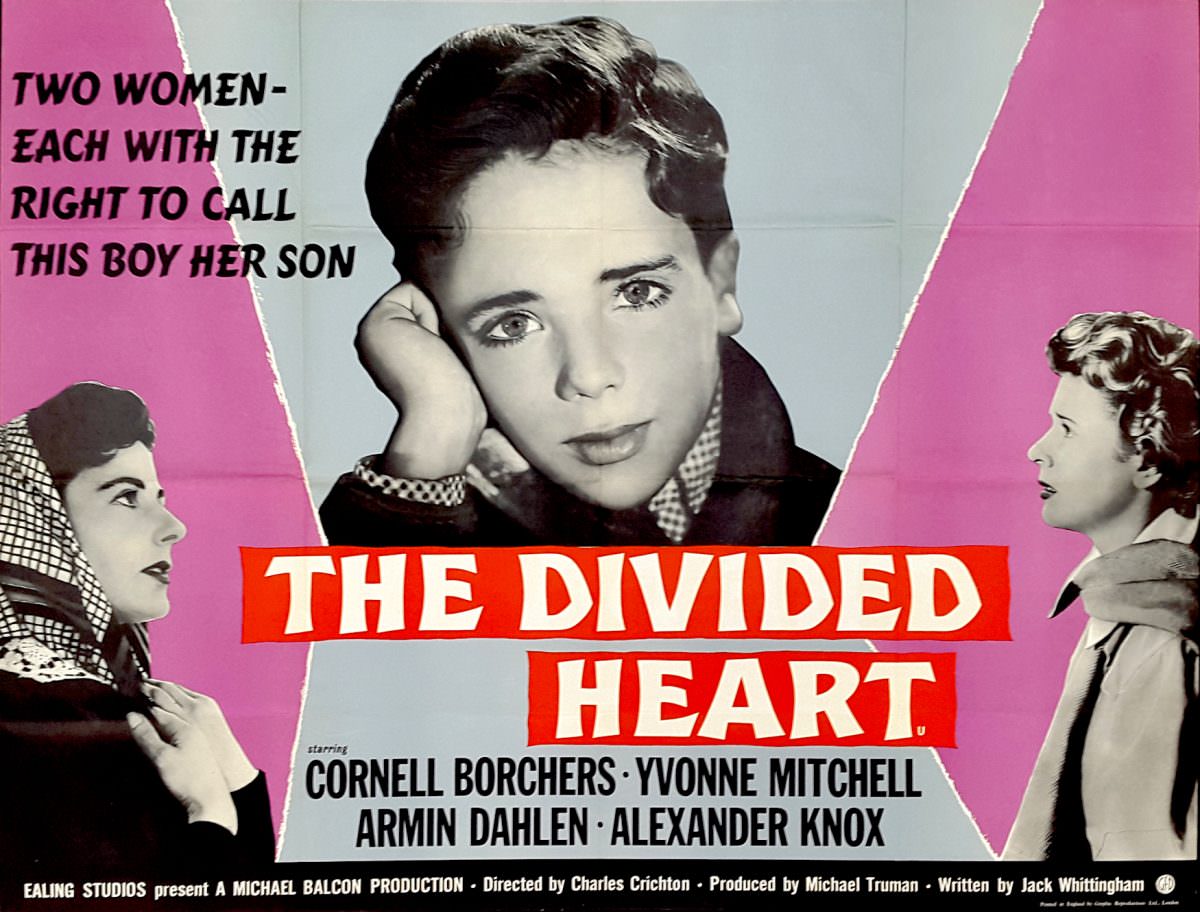
The Divided Heart (1954), directed by Charles Crichton and starring Cornell Borchers, Yvonne Mitchell, and Armin Dahlen, was based on a true story. A child’s father — a member of the Slovenian Partisans — was executed by the Nazis, and his mother was deported to Auschwitz. The film follows the legal and human struggle over the child’s custody in the aftermath of the war.
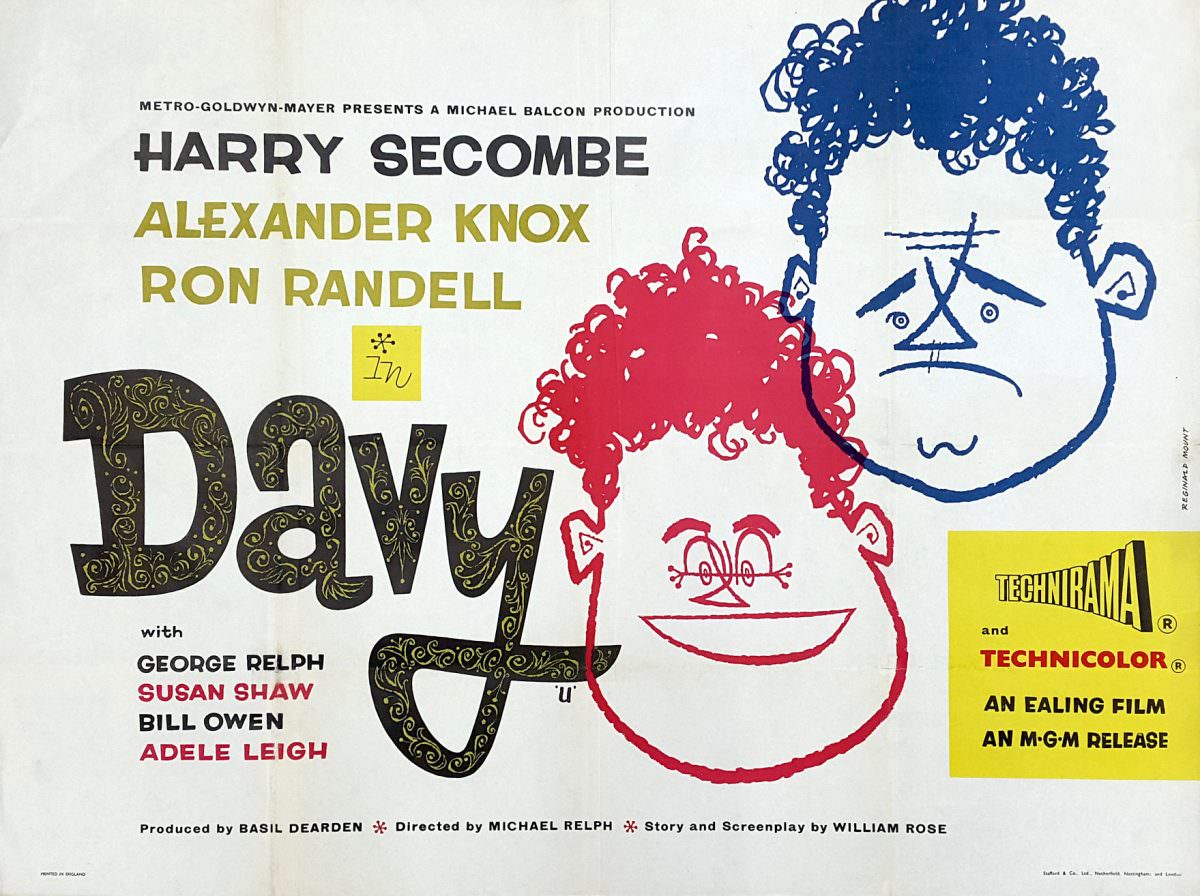
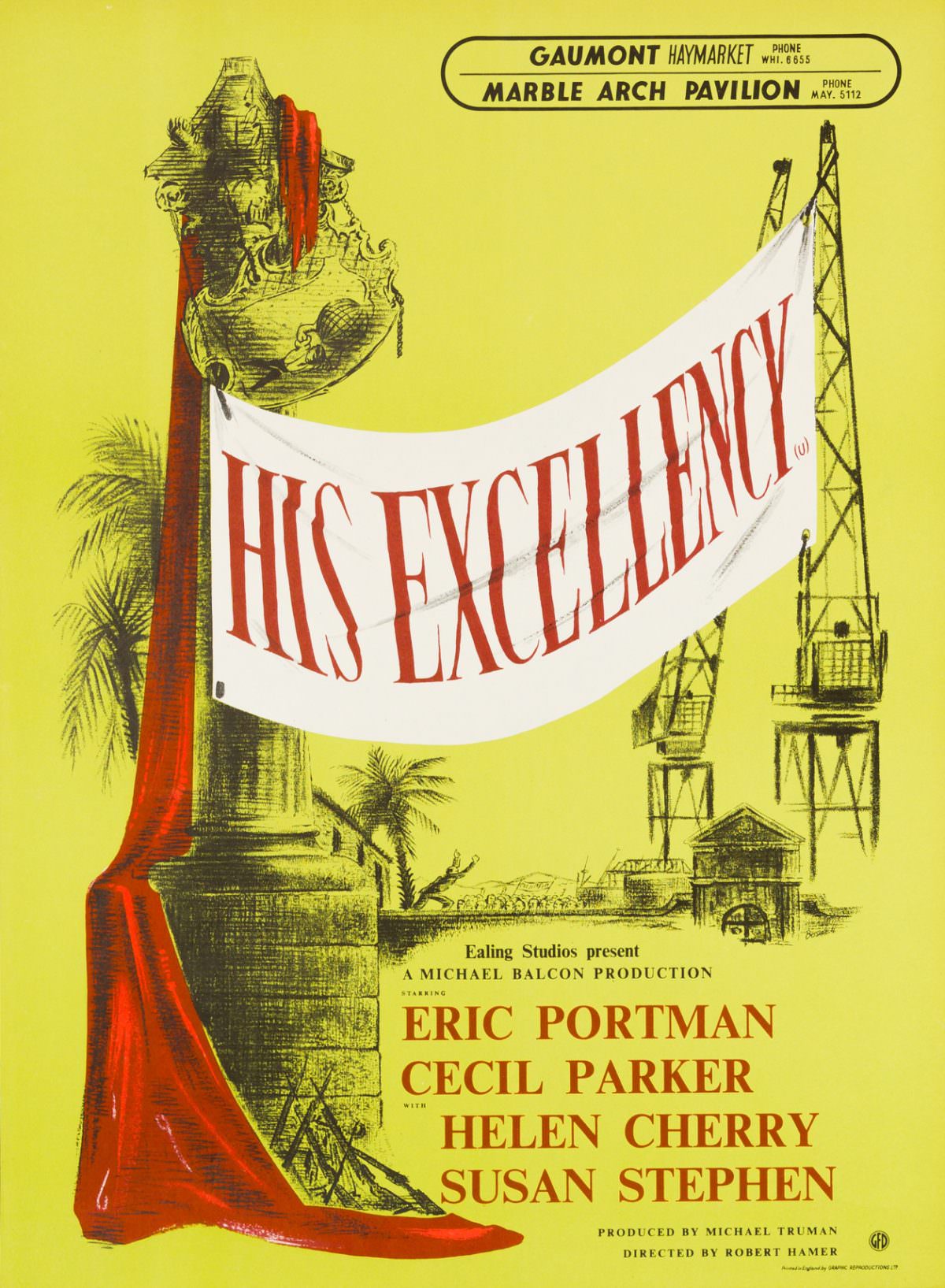
Davy (1958), directed by Michael Relph and starring Harry Secombe, Alexander Knox, and Ron Randell, holds a notable place in studio history: it was both the last comedy Ealing ever made and the first British film shot in Technicolor. Robert Hamer’s His Excellency (1952) starred Eric Portman as a blunt Yorkshire trade union leader appointed as Governor of a British-ruled Mediterranean island — a premise that gave the film plenty of comic friction.
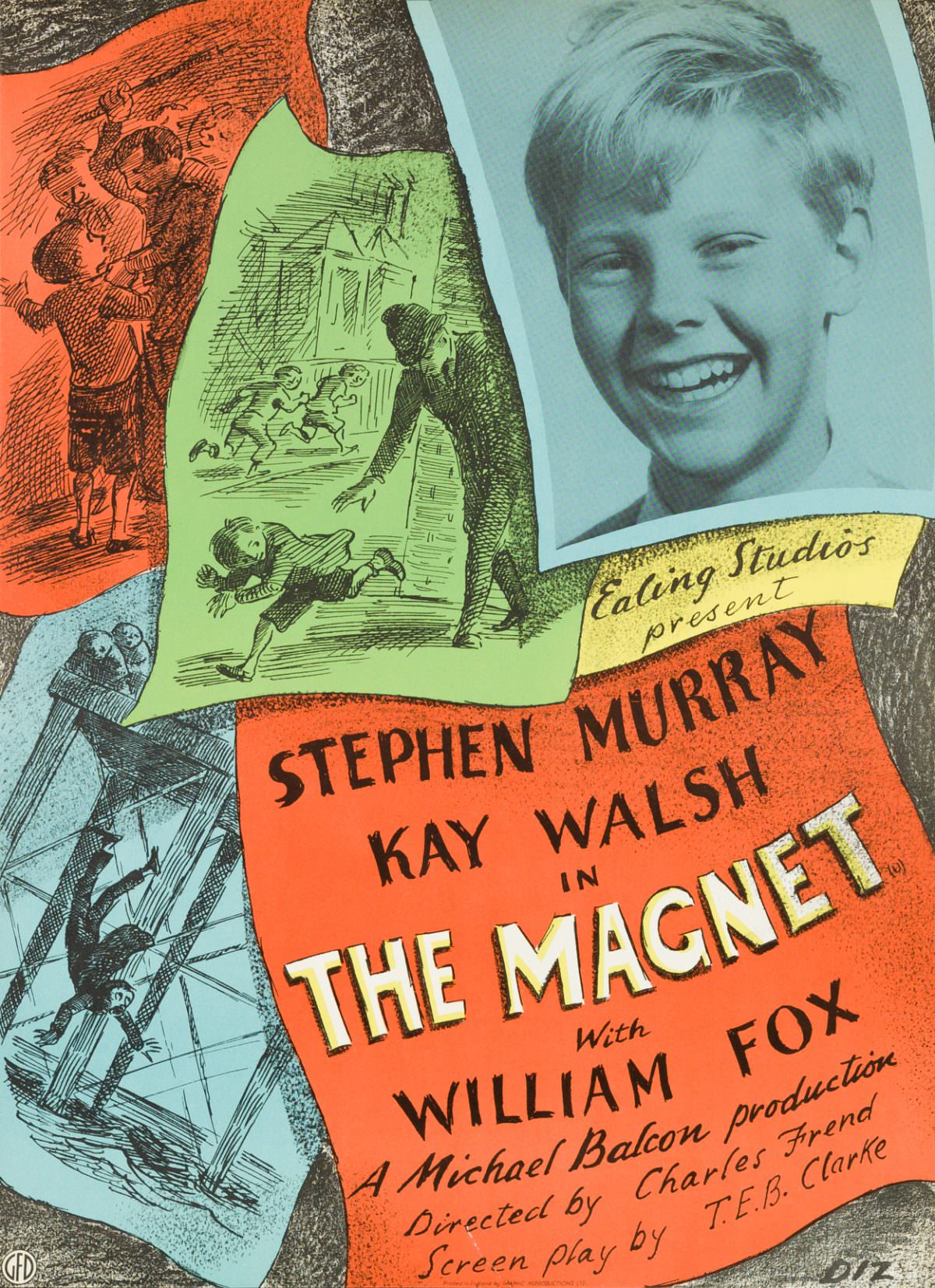
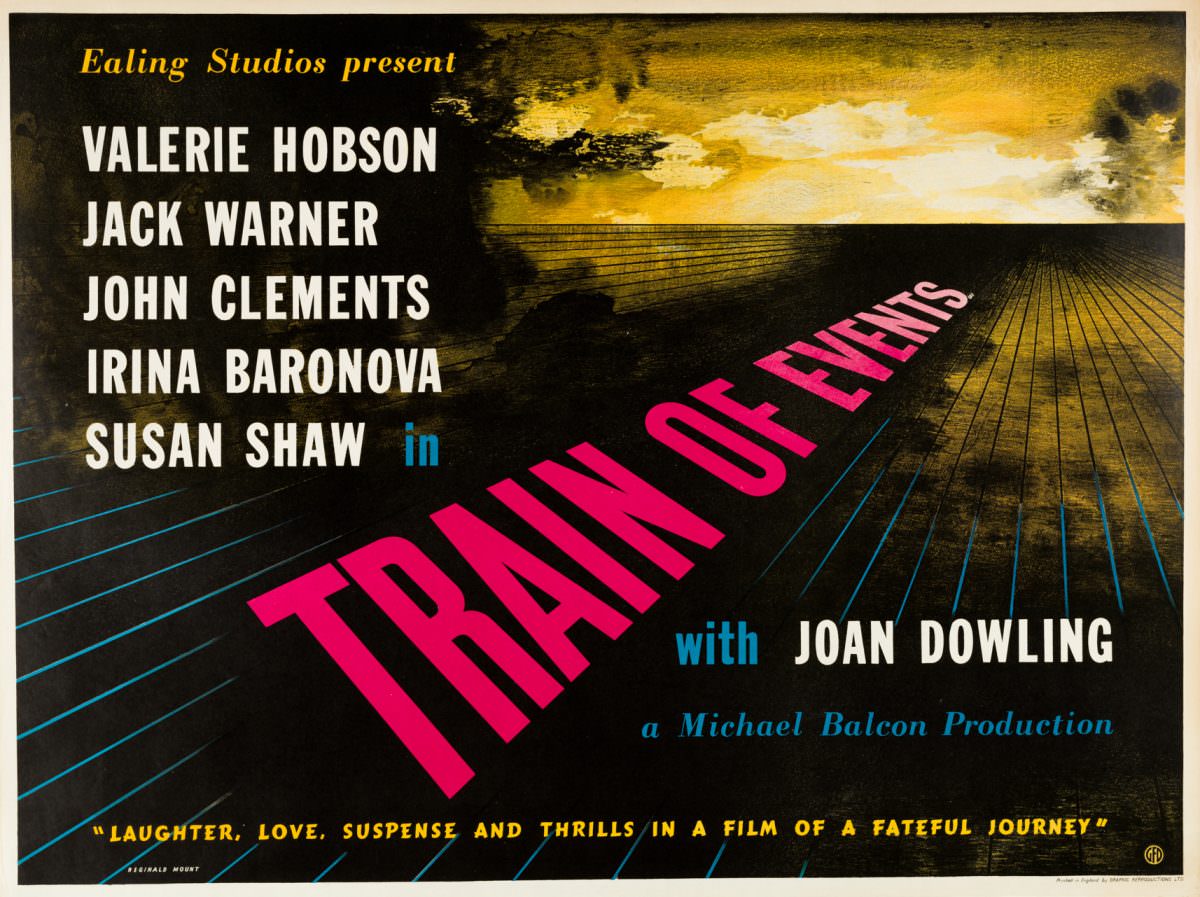
The Magnet (1950) introduced James Fox — then billed as William Fox — in his first starring role, alongside Stephen Murray and Kay Walsh. Train of Events (1949), jointly directed by Sidney Cole, Charles Crichton, and Basil Dearden, was a portmanteau film that opened with a train hurtling toward a stalled petrol tanker at a level crossing, then flashed back through four separate passenger stories to explain how they each ended up on that doomed train.
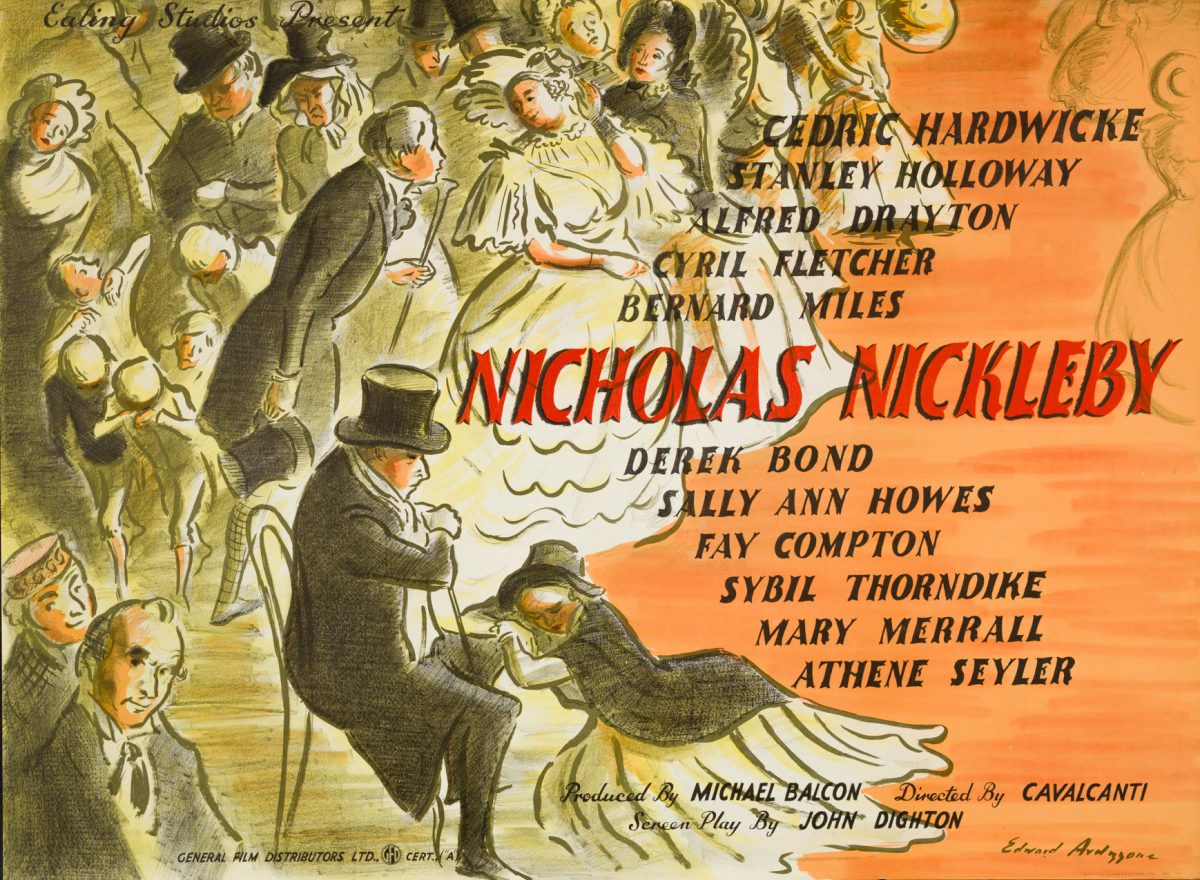
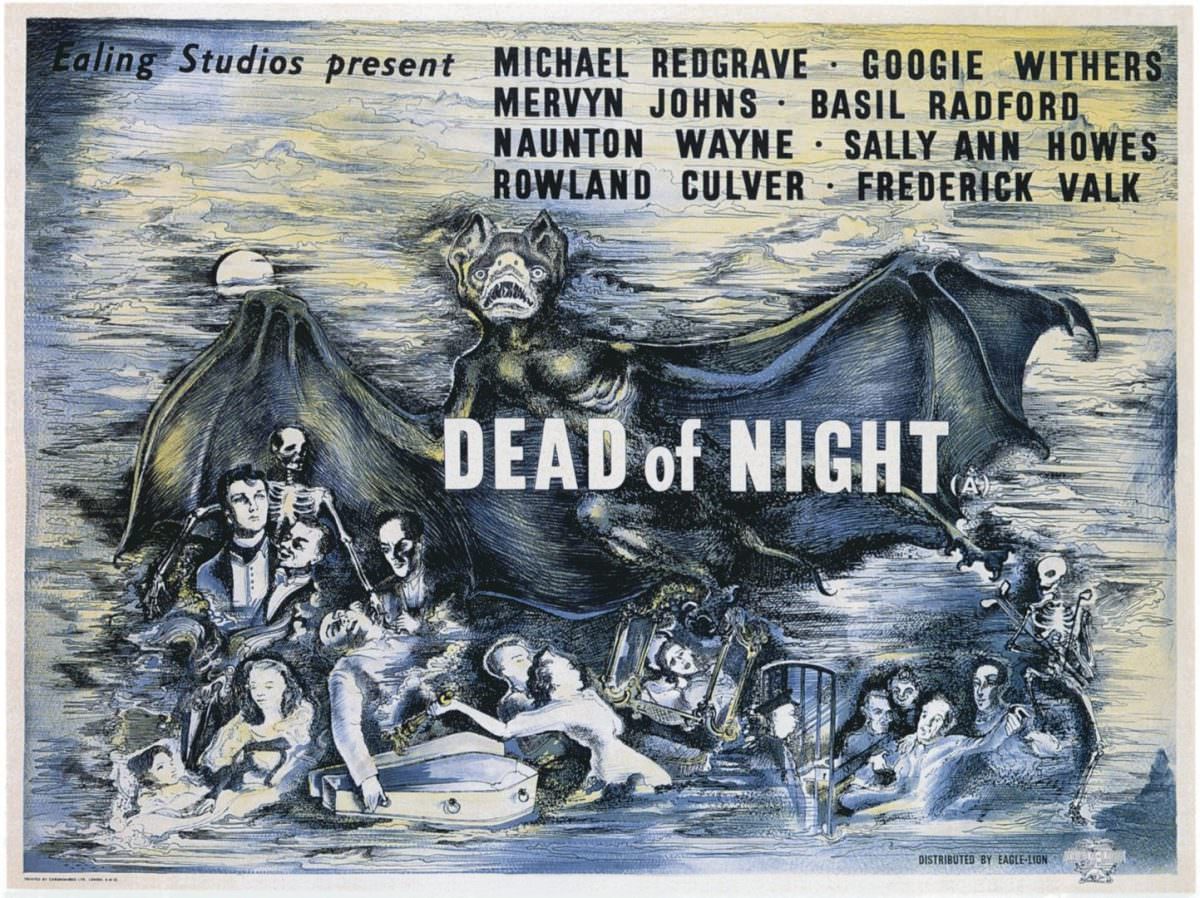
Alberto Cavalcanti directed the studio’s adaptation of Nicholas Nickleby in 1947, with Cedric Hardwicke leading a cast through Dickens’s sprawling story. Cavalcanti also contributed to Dead of Night (1945), Ealing’s landmark horror anthology — one of the earliest of its kind in British cinema. The film is best remembered for its closing segment, in which Michael Redgrave plays a ventriloquist driven to madness by his malevolent dummy. The other segments were directed by Charles Crichton, Basil Dearden, and Robert Hamer.
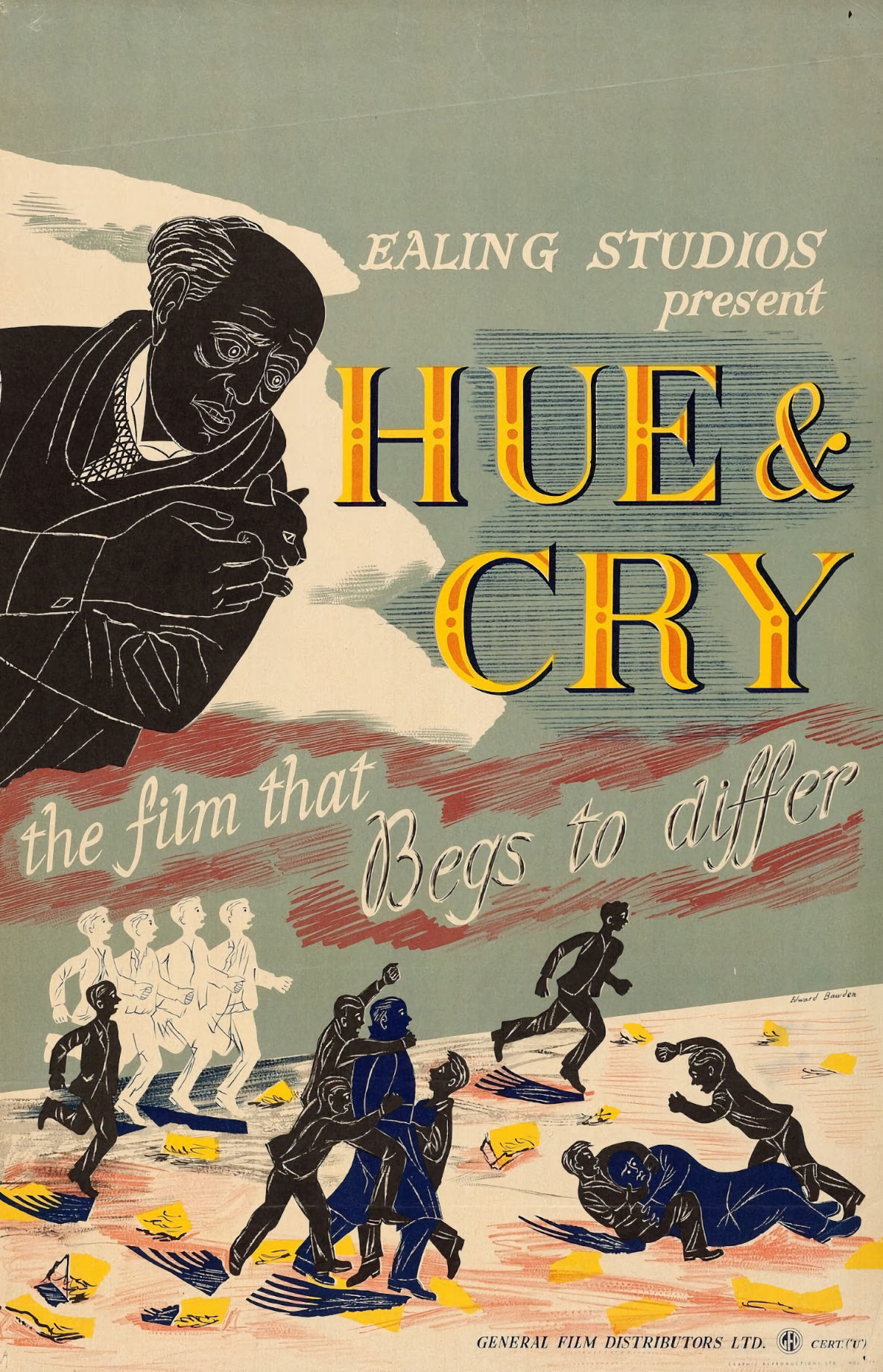
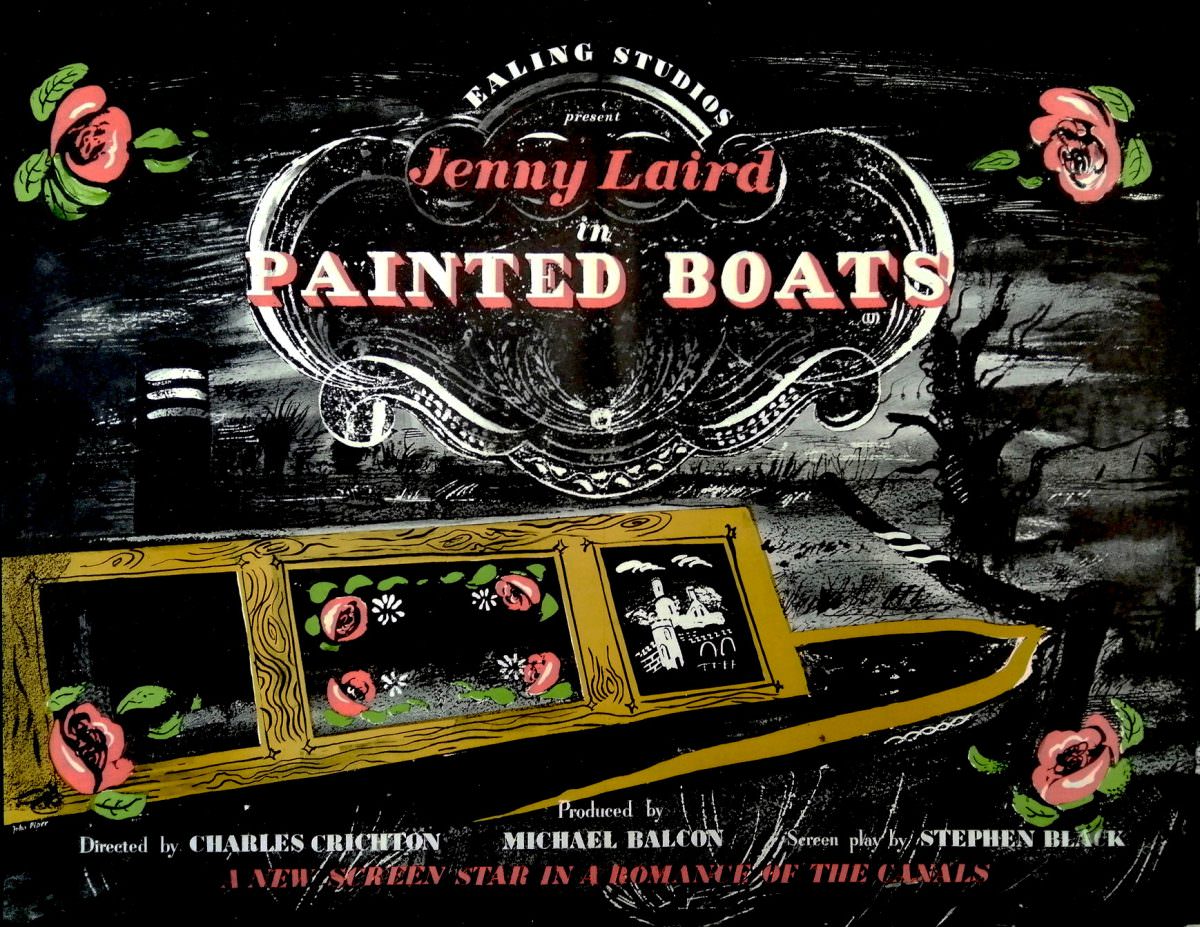
Charles Crichton’s Hue and Cry (1947), starring Alastair Sim, Harry Fowler, and Joan Dowling, is widely regarded as the first true Ealing comedy, though it plays more as a children’s thriller. His earlier Ealing film, Painted Boats (1945), was far quieter — a brief 63-minute film with an unknown cast and a simple storyline about life on Britain’s canal network.
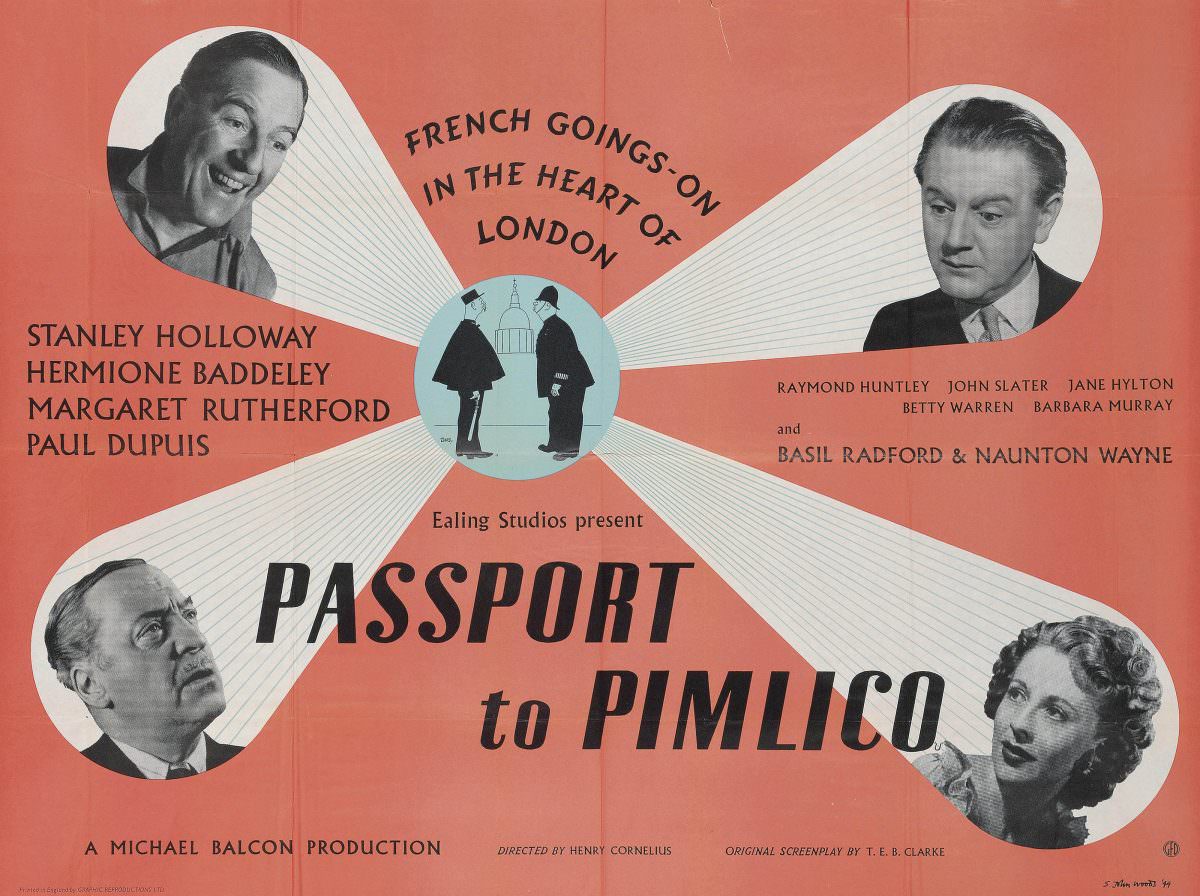
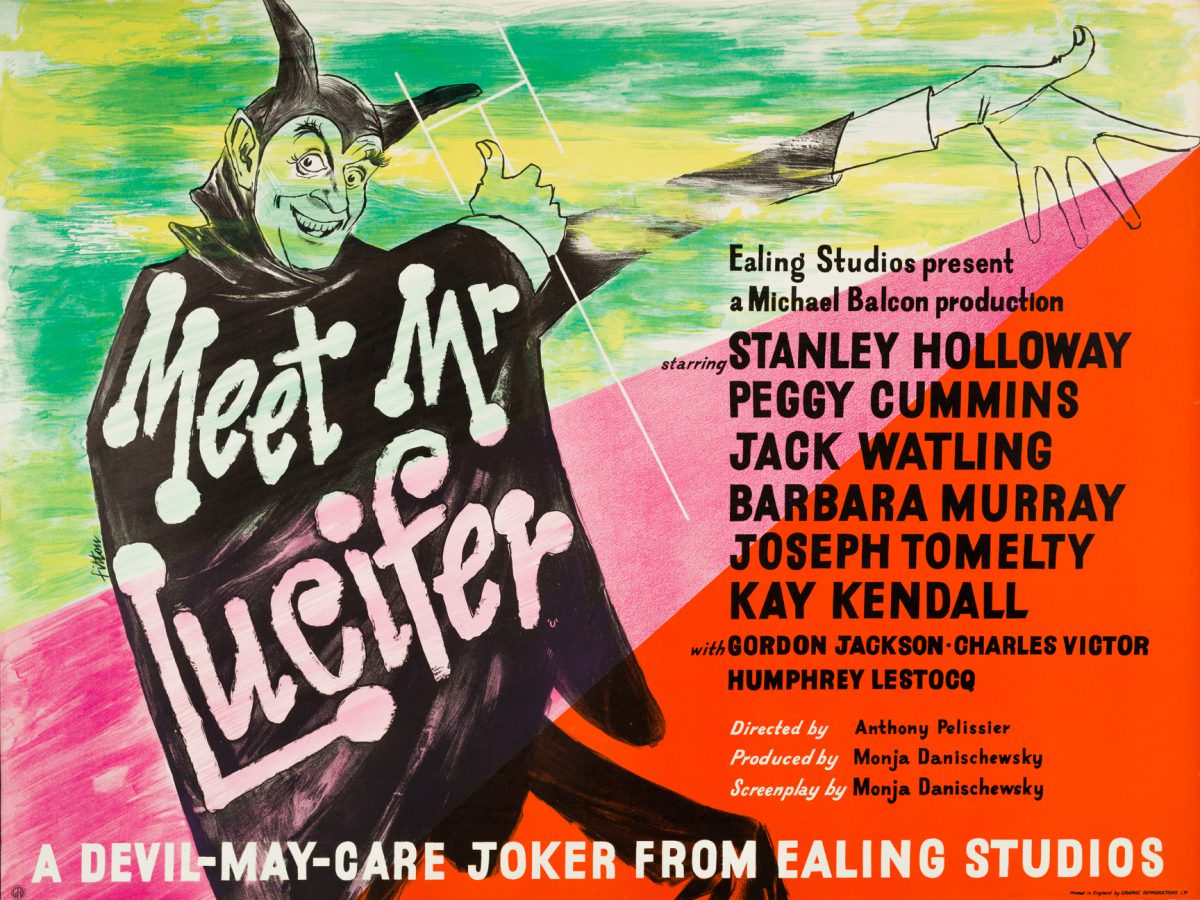
Passport to Pimlico (1949), directed by Henry Cornelius and written by T. E. B. Clarke, starred Stanley Holloway, Margaret Rutherford, and Hermione Baddeley. The story hinges on the discovery of treasure and documents proving that a small corner of Pimlico legally belongs to the ancient House of Burgundy — and is therefore exempt from Britain’s postwar rationing and bureaucratic rules. Meet Mr. Lucifer (1953), based on Arnold Ridley’s play Beggar My Neighbour — Ridley later played Private Godfrey in Dad’s Army — starred Stanley Holloway in a satire about the disruptive effects of television.
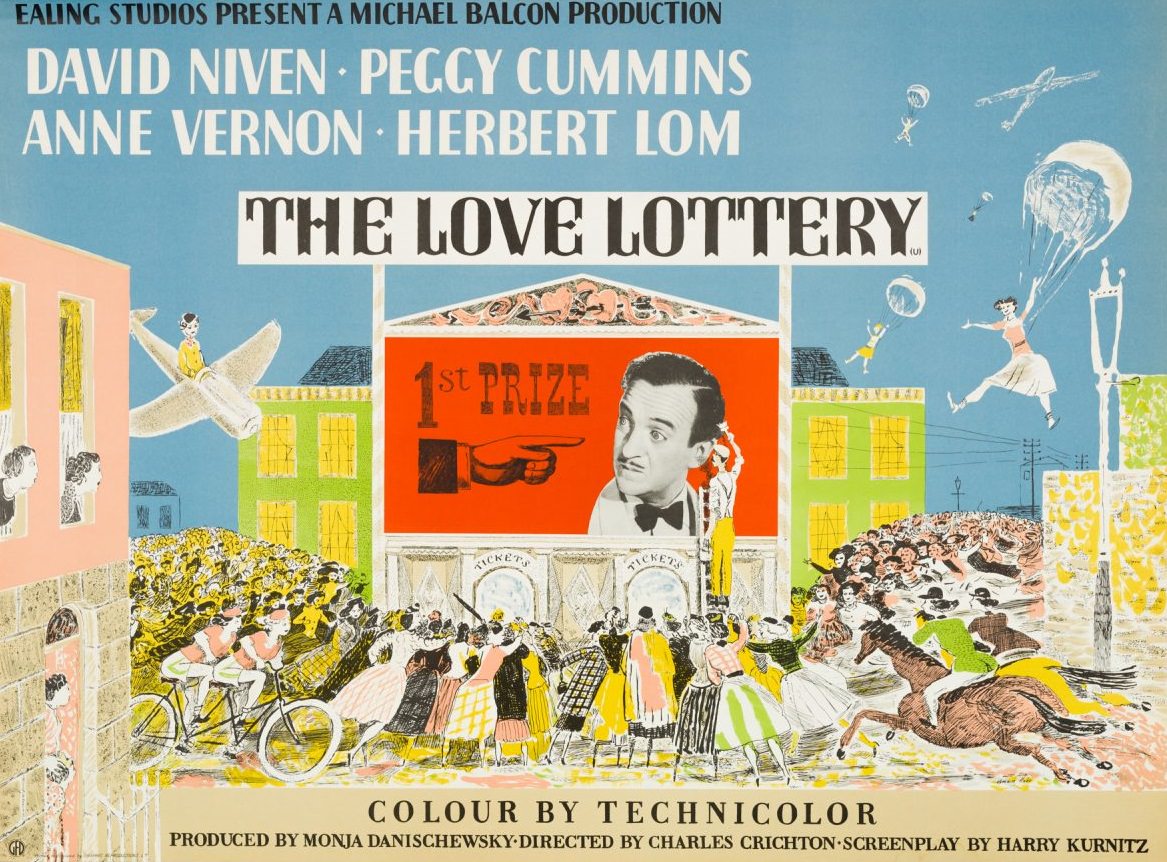
The Love Lottery (1954), directed by Charles Crichton, starred David Niven, Peggy Cummins, Anne Vernon, and Herbert Lom in a film that examined celebrity and fan worship. Shot partly at Lake Como and featuring elaborate dream sequences, it broke away from the typical Ealing formula — and included an uncredited cameo at the film’s end from Humphrey Bogart, playing himself. Together, these posters form a vivid visual record of one of the most productive and distinctive chapters in British film history.